MARQUIS WILSONVILLE POST ACUTE REHAB
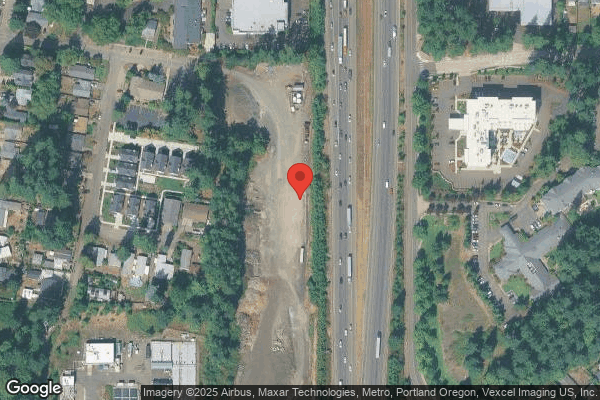
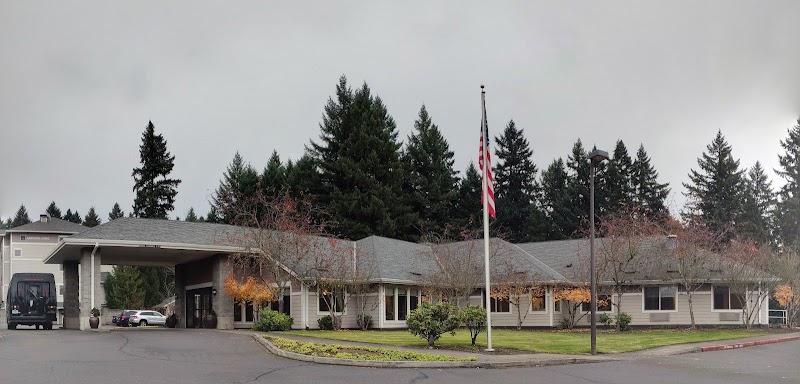
30900 SW PARKWAY AVENUE, WILSONVILLE, OR 97070 (503) 682-2840
For profit - Corporation 50 Beds MARQUIS COMPANIES Data: November 2025
Trust Grade
90/100
#19 of 127 in OR
Last Inspection: December 2024

Within standard 12-15 month inspection cycle. Federal law requires annual inspections.

Overview

Marquis Wilsonville Post Acute Rehab has received an A Trust Grade, indicating it is highly recommended and provides excellent care. It ranks #19 out of 127 nursing homes in Oregon, placing it in the top half of facilities in the state, and #3 out of 13 in Clackamas County, meaning only two local options are better. However, the facility is currently worsening, with reported issues increasing from 1 in 2023 to 6 in 2024. Staffing is relatively strong with a 4-star rating and a turnover rate of 43%, which is below the state average, suggesting staff are familiar with the residents. Notably, the facility has had no fines recorded, which is a positive sign. On the downside, there have been concerning incidents related to care plans and resident rights. For instance, the facility failed to implement policies regarding residents' rights to advanced directives, putting residents at risk of not having their health care preferences honored. Additionally, a resident with visual impairment did not have their care plan adequately address their need for glasses, leading to potential unmet needs. Lastly, there was a lack of communication regarding discharge plans, leaving one resident feeling confused and stressed about their upcoming transition. Overall, while the facility has strengths in staffing and a strong trust grade, these recent deficiencies raise important questions for potential residents and their families.

Trust Score
A
90/100
In Oregon
#19/127
Top 14%
Safety Record
Low Risk
No red flags
Inspections
Getting Worse
1 → 6 violations
Staff Stability
○ Average
43% turnover. Near Oregon's 48% average. Typical for the industry.
Penalties
✓ Good
No fines on record. Clean compliance history, better than most Oregon facilities.
Skilled Nurses
✓ Good
Each resident gets 46 minutes of Registered Nurse (RN) attention daily — more than average for Oregon. RNs are trained to catch health problems early.
Violations
⚠ Watch
11 deficiencies on record. Higher than average. Multiple issues found across inspections.
★★★★★
5.0
Overall Rating
★★★★☆
4.0
Staff Levels
★★☆☆☆
2.0
Care Quality
★★★★★
5.0
Inspection Score
Stable
2023: 1 issues
2024: 6 issues

The Good

  • 4-Star Staffing Rating · Above-average nurse staffing levels
  • Full Sprinkler Coverage · Fire safety systems throughout facility
  • No fines on record
  • Staff turnover below average (43%)

    5 points below Oregon average of 48%

Facility shows strength in staffing levels, fire safety.

The Bad

Staff Turnover: 43%

Near Oregon avg (46%)

Typical for the industry

Chain: MARQUIS COMPANIES

Part of a multi-facility chain

Ask about local staffing decisions and management

The Ugly 11 deficiencies on record

Dec 2024 5 deficiencies
CONCERN (D)

Potential for Harm - no one hurt, but risky conditions existed

Comprehensive Care Plan (Tag F0656)

Could have caused harm · This affected 1 resident

Based on interview and record review it was determined the facility failed to develop a comprehensive, person-centered care plan for 1 of 1 sampled resident (#27) reviewed for ADLs. This placed reside...

Read full inspector narrative →
Based on interview and record review it was determined the facility failed to develop a comprehensive, person-centered care plan for 1 of 1 sampled resident (#27) reviewed for ADLs. This placed residents at risk for unmet bathing, grooming and vision needs. Findings include: Resident 27 was admitted to the facility in 9/2024 with diagnoses including Alzheimer's disease and macular degeneration (vision impairment). a. Resident 27's 9/15/24 admission MDS indicated the resident wore glasses and it was very important to read. The vision CAA, completed by Staff 5 (Social Services) indicated the following: - ensure glasses were clean and appropriately worn. Resident 27's 9/2024 Care Plan did not include a focus, goals or interventions related to her/his vision and the use of glasses. On 12/17/24 at 1:27 PM, 1:47 PM and 2:01 PM Staff 10 (CNA), Staff 11 (CNA) and Staff 12 (RN) stated they referred to the Care Plan to determine Resident 27's care needs. Staff 10, Staff 11 and Staff 12 stated they were not sure if Resident 27 wore glasses. On 12/18/24 at 11:22 AM Staff 5 stated her role included building the Care Plan to reflect vision needs. Staff 5 acknowledged the Care Plan did not include information regarding Resident 27's use of glasses. On 12/18/24 at 1:41 PM Staff 2 (DNS) was notified of the findings of this investigation and acknowledged Resident 27's Care Plan lacked a focus, goal and interventions related to the resident's vision needs. b. Resident 27's 9/15/24 admission MDS indicated the resident required moderate staff assistance for personal hygiene and grooming. Resident 27's 11/14/24 Behavior Assessment indicated the following: - resident has mixed incontinence of bowel and incontinent of bladder - refuses cares - refuses staff attempts with hygiene. Resident refuses care from staff - takes multiple approaches before resident accepts cares. Resident 27's 11/19/24 - 12/15/24 Bath/Shower Task Flowsheet revealed the resident refused seven of seven bathing opportunities and did not receive a bath or shower. Resident 27's 11/25/24 Bathing and Personal hygiene Care Plan included the following interventions: - constant supervision with physical assist combing hair, brushing teeth, shaving, washing/drying face, hands and perineum; - one person to provide physical assist with bathing. The Care Plan did not include person centered interventions related to refusals of personal hygiene and grooming care. On 12/18/24 at 10:54 AM Staff 3 (LPN Resident Care Manager) reviewed Resident 27's Care Plan. Staff 3 acknowledged the Care Plan did not reflect Resident 27's refusal of hygiene and grooming care and lacked person centered interventions.
CONCERN (D)

Potential for Harm - no one hurt, but risky conditions existed

Deficiency F0660 (Tag F0660)

Could have caused harm · This affected 1 resident

Based on interview and record review it was determined the facility failed to ensure the resident was involved and informed of the discharge plan for 1 of 2 sampled residents (#30) reviewed for care p...

Read full inspector narrative →
Based on interview and record review it was determined the facility failed to ensure the resident was involved and informed of the discharge plan for 1 of 2 sampled residents (#30) reviewed for care planning. This placed residents at risk for being uninformed about their discharge plan. Findings include: Resident 30 was admitted to the facility in 11/2024 with diagnoses including Raynaud's syndrome (disorder of the blood vessels). Resident 30's 9/15/24 admission MDS indicated the resident was cognitively intact. Resident 30's 11/8/24 Discharge Care Plan, created by Staff 5 (Social Services) indicated the following: - Anticipated discharge plan is to: HLOC, prefers AFH No other information was found on the Care Plan related to Resident 30's discharge plan. Resident 30's 11/14/24 Care Conference indicated the discharge plan was reviewed with the resident and the projected discharge date was 12/11/24. On 12/16/24 at 11:44 AM Resident 30 stated she/he did not feel included in the discharge plan. The resident stated nobody ever talked to me or kept her/him informed about where or when she/he would be discharged from the facility. The resident said it was confusing because various staff relayed conflicting information about what day she/he was leaving the facility. The resident stated there was no discussion after the 12/11/24 projected discharge date and she/he felt very stressed. On 12/17/24 at 2:24 PM Resident 30's health record revealed no evidence of communication to indicate the resident was informed and updated regarding the 12/11/24 projected discharge date . No documentation was found regarding discharge planning other than the 11/14/24 Care Conference. On 12/18/24 at 10:50 AM Staff 4 (RNCM) stated each of us randomly have conversations with Resident 30 related to the discharge plan but the conversations were not documented. Staff 4 stated Staff 5 was primarily responsible for discharge planning. On 12/18/24 at 11:30 AM Staff 5 was asked to explain the process to ensure residents were included in their discharge plan and Staff 5 stated she talked to the residents weekly. Staff 5 reviewed Resident 30's health record and acknowledged there was no documentation of the weekly conversations. Staff 5 stated she was not consistent with documentation and acknowledged there was no documentation to indicate Resident 30 was informed and updated regarding the discharge plan since the 11/14/24 Care Conference.
CONCERN (D)

Potential for Harm - no one hurt, but risky conditions existed

ADL Care (Tag F0677)

Could have caused harm · This affected 1 resident

Based on observation, interview and record review it was determined the facility failed to provide adequate bathing and grooming for 1 of 1 sampled resident (#27) reviewed for ADLs. This placed reside...

Read full inspector narrative →
Based on observation, interview and record review it was determined the facility failed to provide adequate bathing and grooming for 1 of 1 sampled resident (#27) reviewed for ADLs. This placed residents at risk for poor hygiene and grooming. Findings include: Resident 27 was admitted to the facility in 9/2024 with diagnoses including Alzheimer's disease, restlessness and agitation. Resident 27's 9/15/24 admission MDS indicated the resident had severe cognitive impairment and required moderate staff assistance for personal hygiene and grooming. Resident 27's 9/2024 Bathing and Personal Hygiene Care Plan indicated the resident required staff assistance and constant supervision for bathing and personal hygiene and the resident's hygiene needs will be met. Resident 27's Bath/Shower Task Flowsheet revealed the resident did not receive a bath/shower for 27 days between 11/19/24 through 12/15/24. On 12/16/24 at 4:11 PM Witness 2 (Family) stated the resident used to be clean shaven all the time. On 12/16/24 at 10:33 AM and 12/17/24 at 1:15 PM Resident 27 had long, unkempt facial hair. Resident 27 was unable to answer questions related to her/his bathing, hygiene and grooming. On 12/17/24 at 1:27 PM and 2:01 PM Staff 10 (CNA) and Staff 11 (CNA) stated Resident 27 required a moderate amount of staff assistance for bathing, hygiene and grooming and stated the resident frequently refused bathing, hygiene and grooming. Staff 10 and Staff 11 stated if a resident refused care, the process included to redirect the resident and offer care several additional times. Staff stated if those approaches were unsuccessful, they reported the refusals to the nurse. On 12/17/24 at 1:47 PM Staff 12 (RN) stated if a resident refused care, CNAs reported the refusal to the nurse and it was documented in the health record. Staff 12 stated the resident was put on alert charting and monitored for behaviors, and staff were to make additional attempts to provide bathing, hygiene and grooming. Staff 12 stated she was unaware if Resident 27 refused bathing, hygiene and grooming and was not notified of any refusals of care. Resident 27's health record revealed no documentation related to refusals of bathing, hygiene or grooming, no alert charting and no evidence the resident was offered alternative bathing, hygiene or grooming opportunities between 11/19/24 and 12/15/24. On 12/18/24 at 1:41 PM Staff 2 (DNS) was notified of the findings of this investigation and acknowledged the resident did not receive bathing, hygiene or grooming care for 27 days. Staff 2 stated if a resident refused bathing, hygiene and grooming everyday, attempts should be made to modify the approach and plan of care to ensure bathing, hygiene and grooming was provided.
CONCERN (D)

Potential for Harm - no one hurt, but risky conditions existed

Deficiency F0685 (Tag F0685)

Could have caused harm · This affected 1 resident

Based on observation, interview and record review it was determined the facility failed to ensure residents received vision services for 1 of 1 sampled resident (#27) reviewed for vision. This placed ...

Read full inspector narrative →
Based on observation, interview and record review it was determined the facility failed to ensure residents received vision services for 1 of 1 sampled resident (#27) reviewed for vision. This placed residents at risk for unmet vision needs. Findings include: Resident 27 was admitted to the facility in 9/2024 with diagnoses including macular degeneration (vision impairment). Resident 27's 9/15/24 admission MDS indicated the resident wore glasses and it was very important to read. The vision CAA, completed by Staff 5 (Social Services) indicated the following: - Ensure glasses were clean and appropriately worn; - Resident has macular degeneration that impairs vision. [Resident] has a visual deficit and has glasses [she/he] does not use because [she/he] needs a new glasses prescription. [Resident stated] They aren't the correct prescription any way. Resident 27's health record revealed no evidence the facility facilitated vision services to ensure the resident was assessed for glasses and had the appropriate prescription. 12/16/24 at 4:14 PM Witness 2 (Family) stated Resident 27 required prescription glasses to see and when they visited, Resident 27 was not wearing her/his glasses. On 12/16/24 at 10:33 AM and 12/17/24 at 1:15 PM Resident 27 did not wear glasses. Resident 27 was unable to answer questions related to the use of glasses. On 12/18/24 at 3:51 PM Staff 5 stated she completed the 9/15/24 Vision CAA and thought she followed up on the resident's need for an appointment and new prescription glasses. Staff 5 reviewed Resident 27's health record and acknowledged she did not follow up regarding Resident 27's need for a vision assessment and appointment.
CONCERN (D)

Potential for Harm - no one hurt, but risky conditions existed

Drug Regimen Review (Tag F0756)

Could have caused harm · This affected 1 resident

Based on interview and record review it was determined the facility failed to ensure pharmacy recommendations were followed up on for 1 of 5 sampled residents (#10) reviewed for medications. This plac...

Read full inspector narrative →
Based on interview and record review it was determined the facility failed to ensure pharmacy recommendations were followed up on for 1 of 5 sampled residents (#10) reviewed for medications. This placed residents at risk for adverse medication reactions. Findings include: Resident 10 was admitted to the facility in 2/2024 with diagnoses including depression and hypotension. Monthly pharmacist reviews of Resident 10's medication regimen revealed the following: -On 11/4/24 the pharmacist recommendation advised the prescriber to discontinue PRN haloperidol after 14 days (11/15/24). If necessary, write a new order x 14 days only after direct examination and documentation is completed. No response from the provider was found in Resident 10's health care record or provided by the facility. -On 11/4/24 the pharmacist recommendation advised the prescriber to provide the following rationale and duration: It is appropriate for PRN lorazepam to be extended beyond 14 days. Medication necessary to help with comfort as resident transitions towards end-of-life. Continue order for 6 months at which time continued use will be re-evaluated. No response from the provider was found in Resident 10's health care record until 12/5/24. On 12/19/24 at 4:00 PM Staff 3 (Resident Care Manager) confirmed the facility did not receive a response from Resident 10's provider regarding the 11/2024 pharmacist's recommendations until 12/5/24.
Aug 2024 1 deficiency
CONCERN (D) 📢 Someone Reported This

A family member, employee, or ombudsman was alarmed enough to file a formal complaint

Potential for Harm - no one hurt, but risky conditions existed

Deficiency F0757 (Tag F0757)

Could have caused harm · This affected 1 resident

**NOTE- TERMS IN BRACKETS HAVE BEEN EDITED TO PROTECT CONFIDENTIALITY** Based on interview and record review it was determined the facility failed to ensure residents were free from unnecessary bowel ...

Read full inspector narrative →
**NOTE- TERMS IN BRACKETS HAVE BEEN EDITED TO PROTECT CONFIDENTIALITY** Based on interview and record review it was determined the facility failed to ensure residents were free from unnecessary bowel medication for 1 of 3 sampled residents (#3) reviewed for medication. This placed residents at risk for adverse medication side effects. Findings include: Resident 3 admitted to the facility on [DATE] with diagnoses including stroke and post hospital procedure for intestinal obstruction. The 4/16/24 hospital orders indicated Resident 3 was to receive loperamide 2 mg (antidiarrheal medication) two capsules twice daily and one capsule every six hours as needed for diarrhea. The 4/17/24 order indicated Resident 3 was to receive Miralax powder (laxative medication) once daily for bowel care. Hold for loose stools. The 4/2024 MARs indicated Resident 3 received Miralax once daily from 4/17/24 through 4/29/24. Resident 3's bowel records indicated the following dates when she/he had loose or watery stools on one or more occasions: -4/17/24 -4/18/24 -4/19/24 -4/21/24 -4/23/24 -4/24/24 -4/27/24 -4/28/24 On 8/7/24 at 12:08 PM Staff 2 (DNS) stated Resident 3 admitted with loperamide orders. Miralax was added for constipation and staff were to hold the Miralax for loose stools. Staff 2 acknowledged Resident 3 received an antidiarrheal medication in addition to a laxative and the resident had loose stools on the identified dates.
Aug 2023 1 deficiency
CONCERN (D) 📢 Someone Reported This

A family member, employee, or ombudsman was alarmed enough to file a formal complaint

Potential for Harm - no one hurt, but risky conditions existed

Comprehensive Care Plan (Tag F0656)

Could have caused harm · This affected 1 resident

1. Based on interview and record review it was determined the facility failed to ensure the care plan reflected management of potential complications associated with a tracheostomy tube for 1 of 1 sam...

Read full inspector narrative →
1. Based on interview and record review it was determined the facility failed to ensure the care plan reflected management of potential complications associated with a tracheostomy tube for 1 of 1 sampled resident (#17) reviewed for respiratory care. This placed the resident at risk for delayed care. Findings include: Resident 17 was admitted to the facility on 9/2022 with diagnoses including acute and chronic respiratory failure and history of stroke. The resident had a permanent tracheostomy (an opening in the front of the neck into the windpipe [trachea] with a tube in the opening to keep it open for breathing.) Resident 17's comprehensive Care Plan dated 12/12/22 (last reviewed 7/10/23) included a focus area related to impaired/compromised respiratory function and ability to communicate related to the tracheostomy. The care plan did not include information related to the availability of spare inner or outer tracheostomy tubes at the resident's bedside or emergency management of complications associated with the tracheostomy tube. On 8/23/23 at 11:34 AM Staff 4 (LPN) confirmed she was familiar with Resident 17 and her/his care needs. Staff 4 stated she was not sure where emergency supplies were located but assumed the crash cart (emergency resuscitation supply cart) would have them and if not, she would utilize 911 to send the resident to the emergency room. On 8/23/23 at 11:38 AM Staff 5 (Resident Care Manager) stated Resident 17 had replacement tracheostomy supplies in a box at her/his bedside. Staff 5 confirmed this information was not on the care plan. Surveyor: Tsujimura, Mark 2. Based on interview and record review it was determined the facility failed to ensure care plan interventions were implemented and followed for 1 of 1 sampled resident (#137) reviewed for ADLs. This placed residents at increased risk for injury. Findings include: Resident 137 was admitted to the facility in 2/2023 with diagnoses including elbow fracture and chronic back pain. Record review of Resident 137's 2/9/23 care plan indicated she/he required two-person assistance for transfers and bed mobility. A FRI report dated 2/17/23 revealed Staff 3 (Agency CNA) failed to follow Resident 137's care plan for transfers. The resident's care plan indicated she/he was to receive two-person assistance for transfers. Staff 3 did not have another CNA to assist her when transferring the resident. Resident 137 reported increased back pain after the transfer. On 8/24/23 at 9:45 AM Staff 2 (DNS) stated she started an investigation after being informed by Resident 137's daughter that the resident was transferred by one staff and not two as her/his care plan indicated. During the investigation Staff 3 admitted to not reviewing the resident's care plan and was not aware of the resident being a two-person assist for transfers. Staff 3 transferred the resident on her own and did not have another staff member assist her. Staff 2 further stated Resident 137 was assessed and monitored after the one-person transfer and no increased pain or adverse outcomes were noted.
Jul 2022 4 deficiencies
CONCERN (D)

Potential for Harm - no one hurt, but risky conditions existed

Quality of Care (Tag F0684)

Could have caused harm · This affected 1 resident

Based on observation, interview and record review it was determined the facility failed to ensure medication was administered with a physician's order and ensure physician orders were followed for 2 o...

Read full inspector narrative →
Based on observation, interview and record review it was determined the facility failed to ensure medication was administered with a physician's order and ensure physician orders were followed for 2 of 5 sampled residents (#s 4 and 17) reviewed for skin impairment and medications. This placed residents at risk for adverse medication consequences. Findings include: 1. Resident 4 admitted to the facility in 2020 with diagnoses including dementia and cardiac arrhythmia (improper beating of the heart). A physician order dated 4/14/22 indicated Resident 4 was to receive metoprolol succinate extended release daily for cardiac arrhythmia. Staff were to monitor the resident's heart rate and notify the physician of a heart rate greater that 85 bpm (beats per minute). Resident 4's 4/29/22 care plan indicated she/he had impaired cardiac function and interventions included to administer medications per physician order. Resident 4's 6/2022 and 7/2022 MARs indicated she/he received metropolol succinate and had a heart rate greater than 85 bpm on the following dates: - 6/4: 88 bpm - 6/14: 87 bpm - 6/15: 91 bpm - 6/24: 88 bpm - 6/25: 87 bpm - 6/26: 90 bpm - 7/1: 88 bpm - 7/9: 88 bpm There was no indication in the resident's medical record the physician was notified of a heart rate greater than 85 bpm for the dates identified. On 7/14/22 at 1:07 PM Staff 2 (DNS) acknowledged there was no indication the physician was notified of Resident 4's heart rate greater than 85 bpm for the dates identified. 2. Resident 17 was admitted to the facility in 2022 with diagnoses including anxiety. On 7/11/22 at 1:14 PM Resident 17 was observed with a square shaped white patch or bandage approximately four inches by four inches in size on both lower legs. On 7/12/22 at 12:41 PM Staff 6 (RN) stated Resident 17 used lidocaine (pain medication) patches. Resident 17's current physician's orders revealed no order for lidocaine patches. On 7/12/22 at 12:41 PM Staff 6 confirmed the resident did not have a physician's order for lidocaine patches and stated the medication aide usually applied them to the resident. On 7/13/22 at 7:15 AM Staff 7 (CMA) stated Resident 17 received lidocaine patches to both knees for pain. Staff 7 stated she was probably the person who applied the patches to Resident 17 on 7/11/22. Staff 7 confirmed the resident did not have a physician's order for lidocaine patches.
CONCERN (D)

Potential for Harm - no one hurt, but risky conditions existed

Accident Prevention (Tag F0689)

Could have caused harm · This affected 1 resident

Based on observations, interview and record review it was determined the facility failed to ensure aspiration precautions were followed for 1 of 3 sampled residents (#5) reviewed for nutrition. This p...

Read full inspector narrative →
Based on observations, interview and record review it was determined the facility failed to ensure aspiration precautions were followed for 1 of 3 sampled residents (#5) reviewed for nutrition. This placed resident at risk for aspiration. Findings include: Resident 5 was admitted to the facility in 2022 with diagnoses including cerebral infarction (stroke) and dysphagia (difficulty swallowing). Resident 5's 4/25/22 admission MDS indicated Resident 5 had a swallowing disorder and received nutrition by a gastrostomy feeding tube (inserted through the stomach). A 6/29/22 physician order indicated Resident 5 was advanced to a puree texture with mildly thick liquids for lunch only and aspiration precautions which included no straws. Observations on 7/11/22 at 12:50 PM and 7/12/22 at 12:11 PM revealed Resident 5 was up in her/his wheelchair for lunch and with straws in her/his drinks. Resident 5 was able to drink thickened liquids using the straw with no choking or coughing. On 7/12/22 at 1:20 PM Staff 2 (DNS) stated to prevent risk of aspiration Resident 5 should not have straws in her/his drinks.
CONCERN (D)

Potential for Harm - no one hurt, but risky conditions existed

Dental Services (Tag F0791)

Could have caused harm · This affected 1 resident

Based on observation, interview and record review it was determined the facility failed to obtain dental services for 1 of 1 sampled residents (#17) reviewed for dental. This placed residents at risk ...

Read full inspector narrative →
Based on observation, interview and record review it was determined the facility failed to obtain dental services for 1 of 1 sampled residents (#17) reviewed for dental. This placed residents at risk for dental pain and difficulty eating. Findings include: Resident 17 was admitted to the facility in 2022 with diagnoses including anxiety. On 7/11/22 at 1:45 PM Resident 17 was observed with numerous missing teeth and the resident stated sometimes it was hard for her/him to eat food because of the missing teeth. Resident 17's 9/28/21 Dental CAA indicated the resident likely had dental caries (cavities) and the resident's diet was downgraded to mechanical soft textures. The resident would be scheduled by the Social Services department to be seen by the mobile dentist. A Progress Note dated 3/7/22 by Staff 3 (SSD) indicated Resident 17's medical information was sent to the mobile dentist and the resident and resident's family were notified the dentist would schedule the resident to be seen. A review of Resident 17's medical record revealed no further information regarding scheduling the resident for, or being seen by the dentist. On 7/12/22 at 12:33 PM Staff 3 stated the mobile dentist informed him they could not see the resident and the resident would have to make an appointment for an outside dentist. Staff 3 stated he told Resident's former RN Care Manager they needed to make the appointment. Staff 3 confirmed he did not document either of his discussions with the mobile dentist or the RN Care Manager. On 7/13/22 at 8:28 AM Staff 12 (RNCM) stated she was the RN Care Manager for Resident 17 for approximately three weeks. Staff 12 stated she had neither read nor conducted any dental assessments of Resident 17. Staff 17 had no additional information to provide regarding Resident 17's dental status.
CONCERN (E)

Potential for Harm - no one hurt, but risky conditions existed

Deficiency F0578 (Tag F0578)

Could have caused harm · This affected multiple residents

Based on interview and record review, it was determined the facility failed to develop and implement policies and procedures regarding residents' rights to formulate an advanced directive for 6 of 6 s...

Read full inspector narrative →
Based on interview and record review, it was determined the facility failed to develop and implement policies and procedures regarding residents' rights to formulate an advanced directive for 6 of 6 sampled residents (#s 4, 7, 19, 21, 22 and 24) reviewed for advanced directives. This placed residents at risk for not having their health care preferences honored. Findings include: Records reviewed for Residents 4, 7, 19, 21, 22, and 24 revealed no documentation of an advance directive or documentation to indicate the residents were informed of or provided written information concerning their right to formulate an advance directive. On 7/12/22 at 12:07 PM Staff 4 (Admissions Director) stated the facility did not have a process for discussing advance directives with residents upon admission to the facility. Staff 4 was unable to provide documentation or verify residents were notified of their right to formulate an advance directive. On 7/12/22 at 2:57 PM Staff 1 (Administrator) stated she expected residents are offered an advanced directive upon admission and that they are reviewed quarterly.
Understanding Severity Codes (click to expand)
Life-Threatening (Immediate Jeopardy)
J - Isolated K - Pattern L - Widespread
Actual Harm
G - Isolated H - Pattern I - Widespread
Potential for Harm
D - Isolated E - Pattern F - Widespread
No Harm (Minor)
A - Isolated B - Pattern C - Widespread

Questions to Ask on Your Visit

  • "Can I speak with families of current residents?"
  • "What's your RN coverage like on weekends and overnight?"

Our Honest Assessment

Strengths
  • • Grade A (90/100). Above average facility, better than most options in Oregon.
  • • No major safety red flags. No abuse findings, life-threatening violations, or SFF status.
  • • No fines on record. Clean compliance history, better than most Oregon facilities.
  • • 43% turnover. Below Oregon's 48% average. Good staff retention means consistent care.
Concerns
  • • 11 deficiencies on record. Higher than average. Multiple issues found across inspections.
Bottom line: Generally positive indicators. Standard due diligence and a personal visit recommended.

About This Facility

What is Marquis Wilsonville Post Acute Rehab's CMS Rating?

CMS assigns MARQUIS WILSONVILLE POST ACUTE REHAB an overall rating of 5 out of 5 stars, which is considered much above average nationally. Within Oregon, this rating places the facility higher than 99% of the state's 100 nursing homes. This rating reflects solid performance across the metrics CMS uses to evaluate nursing home quality.
How is Marquis Wilsonville Post Acute Rehab Staffed?

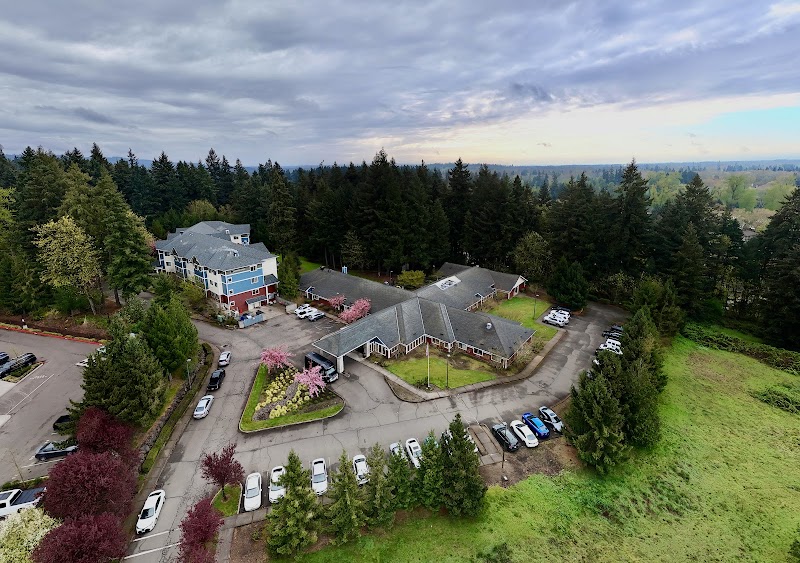
CMS rates MARQUIS WILSONVILLE POST ACUTE REHAB's staffing level at 4 out of 5 stars, which is above average compared to other nursing homes. Staff turnover is 43%, compared to the Oregon average of 46%. This relatively stable workforce can support continuity of care. RN turnover specifically is 60%, which is notably high. RNs provide skilled clinical oversight, so turnover in this role can affect medical care quality.

What Have Inspectors Found at Marquis Wilsonville Post Acute Rehab?

State health inspectors documented 11 deficiencies at MARQUIS WILSONVILLE POST ACUTE REHAB during 2022 to 2024. These included: 11 with potential for harm.
Who Owns and Operates Marquis Wilsonville Post Acute Rehab?

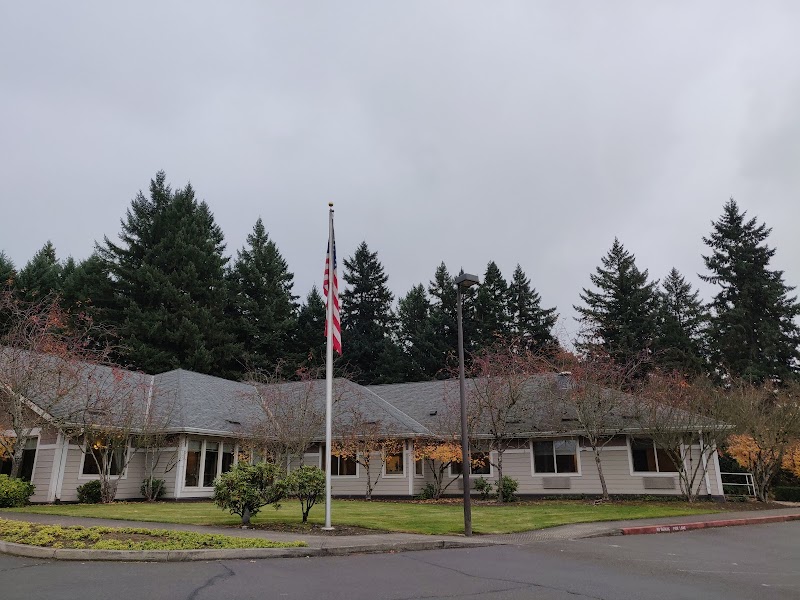
MARQUIS WILSONVILLE POST ACUTE REHAB is owned by a for-profit company. For-profit facilities operate as businesses with obligations to shareholders or private owners. The facility is operated by MARQUIS COMPANIES, a chain that manages multiple nursing homes. With 50 certified beds and approximately 40 residents (about 80% occupancy), it is a smaller facility located in WILSONVILLE, Oregon.

How Does Marquis Wilsonville Post Acute Rehab Compare to Other Oregon Nursing Homes?

Compared to the 100 nursing homes in Oregon, MARQUIS WILSONVILLE POST ACUTE REHAB's overall rating (5 stars) is above the state average of 3.0, staff turnover (43%) is near the state average of 46%, and health inspection rating (5 stars) is much above the national benchmark.

What Should Families Ask When Visiting Marquis Wilsonville Post Acute Rehab?

Based on this facility's data, families visiting should ask: "Can I visit during a mealtime to observe dining assistance and food quality?" "How do you handle medical emergencies, and what is your hospital transfer rate?" "Can I speak with family members of current residents about their experience?"

Is Marquis Wilsonville Post Acute Rehab Safe?

Based on CMS inspection data, MARQUIS WILSONVILLE POST ACUTE REHAB has a clean safety record: no substantiated abuse findings (meaning no confirmed cases of resident harm), no Immediate Jeopardy citations (the most serious violation level indicating risk of serious injury or death), and is not on the Special Focus Facility watch list (a federal program monitoring the lowest-performing 1% of nursing homes). The facility has a 5-star overall rating and ranks #1 of 100 nursing homes in Oregon. While no facility is perfect, families should still ask about staff-to-resident ratios and recent inspection results during their visit.

Do Nurses at Marquis Wilsonville Post Acute Rehab Stick Around?

MARQUIS WILSONVILLE POST ACUTE REHAB has a staff turnover rate of 43%, which is about average for Oregon nursing homes (state average: 46%). Moderate turnover is common in nursing homes, but families should still ask about staff tenure and how the facility maintains care continuity when employees leave.

Was Marquis Wilsonville Post Acute Rehab Ever Fined?

MARQUIS WILSONVILLE POST ACUTE REHAB has no federal fines on record. CMS issues fines when nursing homes fail to meet care standards or don't correct problems found during inspections. The absence of fines suggests the facility has either maintained compliance or corrected any issues before penalties were assessed. This is a positive indicator, though families should still review recent inspection reports for the full picture.

Is Marquis Wilsonville Post Acute Rehab on Any Federal Watch List?

MARQUIS WILSONVILLE POST ACUTE REHAB is not on any federal watch list. The most significant is the Special Focus Facility (SFF) program, which identifies the bottom 1% of nursing homes nationally based on persistent, serious quality problems. Not being on this list means the facility has avoided the pattern of deficiencies that triggers enhanced federal oversight. This is a positive indicator, though families should still review the facility's inspection history directly.