VILLAGE MANOR OF CASCADIA
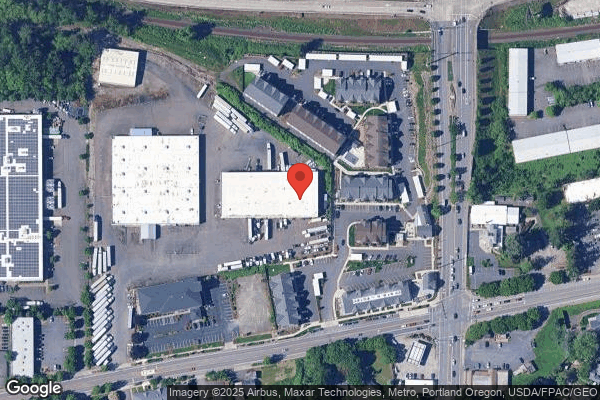
2060 NE 238TH DRIVE, WOOD VILLAGE, OR 97060 (503) 491-0553
For profit - Limited Liability company 60 Beds Independent Data: November 2025
Trust Grade
65/100
#48 of 127 in OR
Last Inspection: May 2025

Inspected within the last 6 months. Data reflects current conditions.

Overview

Village Manor of Cascadia has a Trust Grade of C+, which means it is slightly above average but still has room for improvement. It ranks #48 out of 127 nursing homes in Oregon, placing it in the top half, and #12 out of 33 in Multnomah County, indicating that only a few local facilities are better. Unfortunately, the facility is experiencing a worsening trend, with issues increasing from 6 in 2024 to 12 in 2025. Staffing is one of its strengths, receiving a 5-star rating with a turnover rate of 36%, which is lower than the state average, suggesting that staff are experienced and familiar with residents. On the downside, there was a serious incident where a resident fell in the shower due to a lack of supervision, resulting in multiple pelvic fractures, and other concerns were noted regarding the absence of advance directives for residents, which may put their health care wishes at risk. Overall, while there are strengths in staffing and no fines, the increasing number of issues is a concern for families considering this facility.

Trust Score
C+
65/100
In Oregon
#48/127
Top 37%
Safety Record
Moderate
Needs review
Inspections
Getting Worse
6 → 12 violations
Staff Stability
○ Average
36% turnover. Near Oregon's 48% average. Typical for the industry.
Penalties
✓ Good
No fines on record. Clean compliance history, better than most Oregon facilities.
Skilled Nurses
○ Average
Each resident gets 30 minutes of Registered Nurse (RN) attention daily — about average for Oregon. RNs are the most trained staff who monitor for health changes.
Violations
⚠ Watch
24 deficiencies on record. Higher than average. Multiple issues found across inspections.
★★★★☆
4.0
Overall Rating
★★★★★
5.0
Staff Levels
★★★★☆
4.0
Care Quality
★★★☆☆
3.0
Inspection Score
Stable
2024: 6 issues
2025: 12 issues

The Good

  • 5-Star Staffing Rating · Excellent nurse staffing levels
  • 4-Star Quality Measures · Strong clinical quality outcomes
  • Full Sprinkler Coverage · Fire safety systems throughout facility
  • No fines on record
  • Staff turnover below average (36%)

    12 points below Oregon average of 48%

Facility shows strength in staffing levels, quality measures, fire safety.

The Bad

Staff Turnover: 36%

10pts below Oregon avg (46%)

Typical for the industry

The Ugly 24 deficiencies on record

1 actual harm
Aug 2025 1 deficiency 1 Harm
SERIOUS (G) 📢 Someone Reported This

A family member, employee, or ombudsman was alarmed enough to file a formal complaint

Actual Harm - a resident was hurt due to facility failures

Accident Prevention (Tag F0689)

A resident was harmed · This affected 1 resident

Based on interview and record review, it was determined the facility failed to implement care plan interventions to prevent a fall for 1 of 3 sampled residents (#1) reviewed for accidents. As a result...

Read full inspector narrative →
Based on interview and record review, it was determined the facility failed to implement care plan interventions to prevent a fall for 1 of 3 sampled residents (#1) reviewed for accidents. As a result, Resident 1 sustained multiple pelvic fractures. Findings include:Resident 1 was admitted to the facility in 2025, with diagnoses including dementia. Resident 1's 7/25/25 Care Plan revealed Resident 1 was a fall risk because of a prior fall and was a one-person max assist for dressing. Resident 1 was care planned for supervision and touch assistance for bathing, used a shower bench or bathtub, and was to wear non-skid footwear when up. A 7/28/25 FRI indicated Staff 5 (Housekeeping) and Staff 6 (Housekeeping) reported Resident 1 had a fall in the shower room. Staff 5 and 6 found staff to assist Resident 1. The report indicated staff found Resident 1 down in the shower, unattended, and not fully clothed. Resident 1 was transferred to the hospital for evaluation. The FRI indicated Resident 1 sustained multiple complex fractures of the pelvis and was bleeding internally. The FRI indicated the fall occurred due to Resident 1's care plan not being followed.Between 8/11/25 at 11:00 AM to 8/12/25 at 10:00 AM, Staff 2 (CNA), Staff 3 (CNA), Staff 4 (CNA), Staff 5 (Housekeeping) and Staff 6 (Housekeeping) all provided statements, which included Resident 1 was found down in the shower room unattended. Resident 1 was wearing underwear and pants. The resident's pants were not fully up and her/his belt was not buckled. Staff 2, Staff 3, and Staff 4 recalled Resident 1 was not wearing socks or shoes. All staff interviewed did not see a shower bench anywhere near the resident and she/he was found to have been in a shower stall, not a bathtub. On 8/11/25 at 10:48 AM, Staff 1 (CNA) indicated she left the shower room when she thought the resident was done with her/his shower and safe. Staff 1 confirmed a shower bench was not used and Resident 1 was left unattended in the shower room. On 8/12/25 at 10:00 AM, Staff 8 (LPN) was called for a witness statement. Staff 8 did not answer and did not return the phone call. On 8/12/25 at 10:45 AM, Staff 7 (Administrator) confirmed the accident occurred and Resident 1's care plan was not followed.
May 2025 11 deficiencies
CONCERN (D)

Potential for Harm - no one hurt, but risky conditions existed

Safe Environment (Tag F0584)

Could have caused harm · This affected 1 resident

Based on observation, interview and record review, it was determined the facility failed to maintain a homelike environment for 1 of 1 resident (#9) reviewed for homelike environment. This placed resi...

Read full inspector narrative →
Based on observation, interview and record review, it was determined the facility failed to maintain a homelike environment for 1 of 1 resident (#9) reviewed for homelike environment. This placed residents at risk for lessened quality of life. Findings include: Resident 9 admitted to the facility in 5/2020 with diagnoses including borderline personality disorder. Resident 9's 2/28/25 care plan found no indication for having a short chain on his/her bedside light. On 5/5/25 at 9:58 AM Resident 9 was observed to have a three to four inch chain on the light on the wall over his/her bed. Resident 9 stated she/he was unable to use it due to the short length and was unable to turn on the light independently. Resident 9 stated she/he became frustrated and had to ring his/her bell to have someone come turn on the light. Resident 9 further stated she/he should be able off her/his own light without assistance. On 5/6/25 at 1:54 PM Staff 30 (CNA) stated she thought Resident 9 was able to turn his/her bedside light on and off with the use of a reacher. On 5/7/25 at 9:36 AM Staff 12 (LPN) stated she did not think Resident 9 was capable of turning the bedside light on or off. However, Resident 9 frequently called for assistance. On 5/7/25 at 10:34 AM Staff 3 (RNCM) stated she was unaware that the bed light was short there was no intentional reason for keeping it short. On 5/7/25 at 11:13 AM Staff 13 (Environmental Services Director) stated the chain was short because Resident 9 had previously pulled on it with his/her body weight to reposition. It was unsafe for him/her to use it that way because it would break and send him/her backwards out of control. Staff 13 was unaware that Resident 9 was not able to turn the light on with the short chain. On 5/7/25 at 2:53 PM Staff 2 (DNS) confirmed Resident 9 should be able to turn on and off the bedside light. She knew it was short, but did not know Resident 9 was unable to turn it on and off without asking for help.
CONCERN (D) 📢 Someone Reported This

A family member, employee, or ombudsman was alarmed enough to file a formal complaint

Potential for Harm - no one hurt, but risky conditions existed

Free from Abuse/Neglect (Tag F0600)

Could have caused harm · This affected 1 resident

**NOTE- TERMS IN BRACKETS HAVE BEEN EDITED TO PROTECT CONFIDENTIALITY** Based on interviews and record review, it was determined the facility failed to protect the resident's right to be free from phy...

Read full inspector narrative →
**NOTE- TERMS IN BRACKETS HAVE BEEN EDITED TO PROTECT CONFIDENTIALITY** Based on interviews and record review, it was determined the facility failed to protect the resident's right to be free from physical abuse from other residents for 1 of 6 sampled residents (#52) reviewed for abuse. This placed residents at risk for physical abuse. Findings include: Resident 49 was admitted to the facility in 5/2023 with diagnoses including schizoaffective disorder (a mental health condition where a person experiences symptoms of schizophrenia, such as hallucinations and delusions, and a mood disorder, such as mania or depression). Resident 52 was admitted to the facility in 1/2024 with diagnoses including psychosis (a state where a person loses touch with reality, experiencing hallucinations and delusions). On 1/22/25 a Facility Reported Incident (FRI) was received by the State Survey Agency, which alleged Resident 49 slapped Resident 52 on the left side of her/his face. A 1/22/25 Progress Note indicated Resident 49 hit Resident 52 in the face. A 1/27/25 facility investigation revealed on 1/22/25 at 4:30 AM staff heard yelling from room [ROOM NUMBER] and found Resident 49 standing over Resident 52's bed yelling at her/him. Staff got in between the residents and kept them separated until EMTs arrived. Resident 49 was sent to the hospital. On 5/6/25 at 8:41 AM Resident 52 revealed on 1/22/25 in the middle of the night, she/he was woken up by Resident 49 hitting her/him. Resident 52 stated she/he sat up in bed and kicked Resident 49 away from her/him. Resident 52 stated staff came in and kept Resident 49 away from her/him until Resident 49 left with EMTs. Resident 52 denied injury from the incident and stated Resident 49 was moved to a new room because Resident 52 was not comfortable sleeping in the same room as Resident 49. Resident 49 refused to be interviewed. On 5/8/25 at 1:16 PM Staff 26 (RN) stated Resident 49 had an incident a few months ago where she/he hit Resident 52 while Resident 52 was sleeping. Staff 26 stated Resident 52 had no injuries from the incident. However, Resident 52 expressed feeling scared about sleeping in the same room as Resident 49, so Resident 49 was moved to a new room. On 5/8/25 at 1:24 PM Staff 4 (RNCM) stated there was an incident between Resident 49 and Resident 52 in 1/2025. Staff 4 stated Resident 49 hit Resident 52 in the face while Resident 52 was sleeping. Staff 4 stated after the incident, Resident 49 was placed on a psychiatric hold for medication adjustment and when Resident 49 returned to the facility, she/he was moved to a new room. On 5/9/25 at 11:48 AM Staff 2 (DNS) acknowledged the incident between Resident 49 and Resident 52 occurred and the incident met the definition of abuse.
CONCERN (D)

Potential for Harm - no one hurt, but risky conditions existed

Deficiency F0605 (Tag F0605)

Could have caused harm · This affected 1 resident

Based on interview and record review it was determined the facility failed to ensure residents were free from chemical restraints for 1 of 5 sampled residents (#57) reviewed for unnecessary medication...

Read full inspector narrative →
Based on interview and record review it was determined the facility failed to ensure residents were free from chemical restraints for 1 of 5 sampled residents (#57) reviewed for unnecessary medications. This placed residents at risk for changes to psychosocial well-being. Findings include: Resident #57 was admitted to the facility in 2/2025 with diagnoses including anxiety, hallucinations, and disorientation. A 3/31/25 physician order indicated Resident 57 was prescribed haloperidol Oral Tablet 5 MG (antipsychotic medication) twice daily as needed for 14 days. The Indication for use was hallucinations. A 4/14/25 physician order indicated Resident 57 was prescribed haloperidol Oral Tablet 5 MG twice daily as needed for 14 days. Indications for use were hallucinations or aggression. A 4/21/25 physician order indicated Resident 57 was prescribed haloperidol Oral Tablet 5 MG twice daily as needed for 14 days. Indications for use were hallucinations or aggression. Resident 57's MAR, behavior monitor and progress notes for 4/2025 and 5/2025 indicated she/he received haloperidol with no indication for use on the following days: 4/2/25 and 4/15/25 Resident 57 received two doses of haloperidol. On 4/3/25, 4/4/25, 4/5/25, 4/8/25, 4/11/25 and 4/14/25, 4/27/25, 4/30/25, 5/1/25 and 5/5/25 she/he receceived a single dose of haloperidol. On 5/8/25 11:55 AM Staff 31 (LPN) stated she was unsure why she would have given haloperidol if Resident 57 was not having behaviors on 4/30/25. She further stated she should have documented the specific behaviors in a progress note but did not. On 5/8/25 01:09 PM Staff 9 (LPN) stated she administered haloperidol on on 4/4/25, 4/5/25 and 4/8/25.because Resident 57 would not sleep for long periods of time. Staff 8 stated stated she should have documented the specific behaviors in a progress note but did not. On 5/8/25 at 1:30 PM Staff 22 (LPN) stated he administered haloperidol for agitation and because Resident 57 was difficult to control. Staff 22 could not specifically remember why he administered haloperidol on 4/11/25. Staff 22 further stated he should have documented the specific behaviors in a progress note but did not. On 5/8/25 at 1:54 PM Staff 19 (LPN) stated she administered haloperidol at the instruction of two other nurses because Resident 57 pulled the fire alarm multiple times on 5/4/25. On 5/8/25 at 2:02 PM Staff 32 (LPN) stated she administered haloperidol on 5/1/25 because Resident 57 thought there were people coming in and out of his/her room and wanted to get up. Staff 32 stated she should have documented whether the administration was effective. On 5/8/25 at 3:31 PM Staff 28 (LPN) stated she gave haloperidol when Resident 57 had behaviors and agitation and stated he was not aggressive on 4/3/25. She further stated she should have documented the specific behaviors in a progress note but did not. On 5/9/25 at 9:11 AM Staff 2 (DNS) stated Resident 57 was only to receive haloperidol for aggression or hallucinations. Staff 2 stated nurses should have documented the specific hallucinations or aggressive behaviors, as well as all non-pharmacological interventions attempted with Resident 57 prior to the administration of haloperidol, in a progress note. Staff 2 further stated staff should have documented whether the administration was effective in resolving the behaviors.
CONCERN (D) 📢 Someone Reported This

A family member, employee, or ombudsman was alarmed enough to file a formal complaint

Potential for Harm - no one hurt, but risky conditions existed

Report Alleged Abuse (Tag F0609)

Could have caused harm · This affected 1 resident

Based on interview and record review it was determined the facility failed to report an allegation of abuse to the State Agency (SA) within the mandated timeframe for 1 of 6 sampled residents (#2) rev...

Read full inspector narrative →
Based on interview and record review it was determined the facility failed to report an allegation of abuse to the State Agency (SA) within the mandated timeframe for 1 of 6 sampled residents (#2) reviewed for abuse. This placed residents at risk for abuse. Findings include: The facility's Freedom from Abuse, Neglect and Exploitation policy, last revised 8/1/23, indicated the following: -Allegations of verbal, sexual, physical, mental, corporal punishment, involuntary seclusion, and neglect of the resident, as well as mistreatment, injuries of unknown source, exploitation, deprivation of goods and services by staff, and misappropriation of resident property are reported to the administrator immediately and the state agency within two hours if there was alleged abuse or serious bodily injury as a result of an event. Resident 2 was admitted to the facility in 10/2019 with diagnoses including schizophrenia (a mental disorder characterized by disruptions in thought processes, perceptions, emotional responsiveness, and social interactions) and history of traumatic brain injury. Resident 59 was admitted to the facility in 4/2025 with diagnoses including dementia and delirium (a disturbance in mental abilities that results in confused thinking and reduced awareness of surroundings). The facility's FRI received on 4/20/25 at 11:14 PM, revealed on 4/20/25 at 4:50 PM, Resident 59 forcefully shoved Resident 2 against the wall, staff intervened, separated the residents and escorted Resident 2 to her/his room. On 5/8/25 at 10:20 AM, Staff 20 (LPN) stated around 4:50 PM, Resident 2 attempted to walk past Resident 59 and Resident 59 charged at Resident 2; pushing her/him into the wall. Resident 59 then took her/his hands and threw Resident 2 into the wall. Staff 20 stated she was a new nurse and had not previously completed a FRI so she contacted Staff 2 (DNS) who provided assistance and later a night shift nurse also helped with the report. As a result, the FRI was not submitted to the SA within the mandated timeframe. On 5/9/25 at 8:22 AM, Staff 2 (DNS) stated Staff 20 was in contact with her several times regarding the incident on 4/20/25 between Resident 2 and Resident 59. Staff 2 acknowledged the FRI was not completed within the mandated timeframe.
CONCERN (D)

Potential for Harm - no one hurt, but risky conditions existed

Comprehensive Care Plan (Tag F0656)

Could have caused harm · This affected 1 resident

Based on interview, and record review it was determined the facility failed to develop comprehensive care plans that included interventions for the use of psychotropic medication for 1 of 5 sampled re...

Read full inspector narrative →
Based on interview, and record review it was determined the facility failed to develop comprehensive care plans that included interventions for the use of psychotropic medication for 1 of 5 sampled resident (#57) reviewed for unnecessary medications. This placed the resident at risk for side effects and unnecessary medication. Findings include: Resident 57 was admitted to the facility in 2/2025 with diagnoses including anxiety, hallucinations and disorientation. A review of Resident 57's physician orders found the following active orders for psychotropic medications: Buspirone HCl oral tablet. Give 15 mg by mouth in the morning for irritability related to anxiety disorder, unspecified and give 15 mg by mouth one time a day for irritability at 4 PM. Do not give at 6 PM per provider. Lamotrigine oral tablet. Give 25 mg by mouth one time a day for mood stabilization related to major depressive disorder, recurrent. Mirtazapine Oral tablet. Give 7.5 mg by mouth one time a day related to insomnia. Duloxetine HCl oral capsule delayed release sprinkle 30 MG. Give 1 capsule by mouth one time a day for mood/depression related to major depressive disorder, recurrent, unspecified. Olanzapine oral tablet disintegrating. Give 15 mg by mouth one time a day related to hallucinations, unspecified. Haloperidol oral tablet. Give 5 mg by mouth as needed for twice daily as needed for hallucinations or aggression for 14 Days. A review of Resident 57's 2/24/25 care plan found no interventions for the use of psychotropic medications. There was no evidence resident-specific interventions for the use of psychotropic medications were developed in Resident 57's health record. On 5/9/25 at 9:11 AM Staff 2 (DNS) confirmed Resident 57's clinical record lacked interventions for the use of psychotropic medication.
CONCERN (D)

Potential for Harm - no one hurt, but risky conditions existed

Quality of Care (Tag F0684)

Could have caused harm · This affected 1 resident

Based on interview and record review it was determined the facility failed to timely assess and implement appropriate interventions for a change of condition or accident for 1 of 1 sampled resident (#...

Read full inspector narrative →
Based on interview and record review it was determined the facility failed to timely assess and implement appropriate interventions for a change of condition or accident for 1 of 1 sampled resident (#27). This placed the residents at risk for choking. Findings include: Resident 27 admitted to the facility in 10/2019 with diagnoses including stroke. Resident 27's 4/20/25 comprehensive assessment noted coughing and choking during meals and when swallowing medications. A 4/18/25 physician orders revealed Resident 27 was on a dental/mechanical soft texture, nectar thick liquids consistency. A 5/2/25 progress note found Resident 27 choked during dinner and the Heimlich maneuver was administered successfully by Staff 28 (LPN). A 5/5/25 physician order revealed Resident 27's diet was changed to a pureed texture, three days after Resident 27's choking episode On 5/8/25 at 3:42 PM Staff 28 stated during dinner on 5/2/25 Resident 27 choked and became very rigid. Staff 28 did the Heimlich maneuver with a CNA and Resident 27 recovered. Staff 28 notified the on-call provider and stated she should have downgraded Resident 27's diet texture to puree at that time but did not. There was no evidence in Resident 27's health record the speech language pathologist was notified after his/her choking episode on 5/2/25. On 5/9/25 at 10:15 AM Staff 30 (Director of Rehabilitation) stated she was not notified until 5/5/25 regarding Resident 27's choking incident, which occurred on 5/2/25 (three days later). She immediately placed orders to downgrade the diet texture to puree and stated she consulted with the speech-language pathologist for safety. Staff 30 stated she would have done so on 5/2/25 if she were notified of the chocking incident. On 5/9/25 at 10:29 AM Staff 2 (DNS) acknowledged Resident 27's diet should have been downgraded immediately after the choking incident on 5/2/25.
CONCERN (D)

Potential for Harm - no one hurt, but risky conditions existed

Accident Prevention (Tag F0689)

Could have caused harm · This affected 1 resident

Based on observation, interview and record review it was determined the facility failed to provide care planned safety interventions for 1 of 4 sampled residents (#24) reviewed for accidents. This pla...

Read full inspector narrative →
Based on observation, interview and record review it was determined the facility failed to provide care planned safety interventions for 1 of 4 sampled residents (#24) reviewed for accidents. This placed residents at risk for injury. Findings include: Resident 24 was admitted to the facility in 2018 with diagnoses including Wernicke's encephalopathy (a neurological disorder) and dementia. Resident 24's 4/30/25 Quarterly Smoking Evaluation indicated the resident was to use smoking gloves when smoking. A review of Resident 24's 5/2/25 Quarterly MDS Assessment revealed she/he had moderate cognitive impairment. Resident 24's 8/7/22 Care Plan indicated she/he used smoking materials and was to wear smoking gloves when smoking. On 5/6/25 at 8:33 AM Resident 24 was observed smoking in the facility designated smoking area without smoking gloves on. On 5/6/25 at 8:35 AM Resident 24 stated she/he was not wearing her/his smoking gloves because staff did not offer to provide them to her/him. On 5/6/25 at 8:36 AM Staff 18 (CNA) confirmed Resident 24 was smoking without her/his smoking gloves on and stated she/he should have had them on. On 5/6/25 at 8:39 AM Staff 2 (DNS) stated Resident 24 was care planned to wear smoking gloves to prevent her/his knuckles from burns. Staff 2 acknowledged Staff 18 did not offer Resident 24 her/his smoking gloves.
CONCERN (D)

Potential for Harm - no one hurt, but risky conditions existed

Deficiency F0699 (Tag F0699)

Could have caused harm · This affected 1 resident

Based on interview and record review it was determined the facility failed to ensure residents received trauma informed care for 2 of 3 sampled residents (#s 18 and 30) reviewed for behavioral and emo...

Read full inspector narrative →
Based on interview and record review it was determined the facility failed to ensure residents received trauma informed care for 2 of 3 sampled residents (#s 18 and 30) reviewed for behavioral and emotional care needs. This placed residents at risk for re-traumatization. Findings include: The facility's 10/2022 Trauma Informed Care Policy and Procedure revealed the following: -Screen residents for a traumatic event, series of events, or set of circumstances which resulted in actual harm or threat of harm. Determine how the individual perceives the event, as stressful or not. Evaluate how the event adversely impacts the person. -Collaborate with the resident and/or resident advocate to plan for treatment or intervention(s) of resident choice, as indicated and/or appropriate. -Person-centered care planning addresses the following: a. Identify the effects of the trauma on the resident and how that may be manifested in a resident's behavior. b. Address triggers for re-traumatizing and interventions to avoid such an experience, such as loud noises, smells, textures, cold/hot, confinement, invasion of perceived privacy, etc. c. Develop interventions to reduce potential triggers and promote coping techniques. d. Coordinate recovery concepts with counseling and/or therapy, as indicated. 1. Resident 18 was admitted to the facility in 11/2023 with diagnoses including schizophrenia (chronic brain disorder) and PTSD (Post-Traumatic Stress Disorder). Resident 18's 4/7/25 Quarterly MDS indicated the resident was cognitively intact. Resident 18's 4/16/25 Behavior/Psychoactive Quarterly Assessment indicated Resident 18 had auditory hallucinations that bothered her/him and occurred anytime of day. No evidence was found in Resident 18's clinical record to indicate an assessment of the resident's trauma was completed or a care plan was developed to address the resident's potential trauma triggers. On 5/7/25 at 8:30 AM Resident 18 stated she/he did not recall if the facility had asked her/him about any triggers she/he had. Resident 18 stated she/he heard voices that would get loud and would cause her/him to scream out for help. On 5/7/25 at 12:55 PM Staff 10 (CNA) and at 1:00 PM Staff 9 (LPN) stated they thought Resident 30 might have PTSD because she/he was a veteran but were unaware if the resident had any triggers. Staff 9 and Staff 10 stated the only behavior Resident 18 displayed was she/he would yell out. On 5/7/25 at 1:50 PM Staff 6 (Social Services) stated resident trauma screenings were to be completed at the time of admission for all residents. Staff 6 stated a care plan had not been developed related to Resident 18's history of trauma or potential triggers. Staff 6 stated she was not aware if Resident 18 had any triggers. On 5/7/25 at 1:58 PM Staff 2 (DNS) and Staff 7 (Clinical Resources) acknowledged Resident 18 had a diagnosis of PTSD and nothing was implemented related to Resident 18's trauma or her/his trauma triggers. 2. Resident 30 was admitted to the facility in 8/2022 with diagnoses including major depressive disorder and PTSD (Post-Traumatic Stress Disorder). Resident 30's 3/1/25 Quarterly MDS indicated the resident was cognitively intact. No evidence was found in Resident 30's clinical record to indicate an assessment of the resident's trauma was completed or a care plan was developed to address the resident's potential trauma triggers. On 5/7/25 at 9:52 AM Staff 8 (Activity Director) stated Resident 30 had a few behaviors and could become frustrated with other residents. Staff 8 stated he thought Resident 30 probably had some triggers and could easily become frustrated or lose her/his patience, but was not aware if the resident had any specific triggers. On 5/7/25 at 10:47 AM Resident 30 stated no one at the facility discussed the cause of her/his PTSD or potential triggers for re-traumatization. Resident 30 stated she/he would easily lose her/his patience with others and become frustrated. When asked what triggered her/his behaviors the resident stated I don't want to talk about it. On 5/7/25 at 12:55 PM, Staff 10 (CNA) and at 1:00 PM Staff 9 (LPN) stated they did not know if Resident 30 had PTSD and were unaware if the resident had any triggers. On 5/7/25 at 1:50 PM Staff 6 (Social Services) stated resident trauma screenings were to be completed at the time of admission for all residents. Staff 6 stated a care plan had not been developed related to Resident 30's history of trauma or potential triggers. Staff 6 stated she was not aware if Resident 30 had any triggers. On 5/7/25 at 1:58 PM Staff 2 (DNS) and Staff 7 (Clinical Resources) acknowledged Resident 30 had a diagnosis of PTSD and nothing was implemented related to Resident 30's trauma or her/his trauma triggers.
CONCERN (D)

Potential for Harm - no one hurt, but risky conditions existed

Drug Regimen Review (Tag F0756)

Could have caused harm · This affected 1 resident

Based on interview and record review it was determined the facility failed to act upon pharmacist recommendations for 1 of 5 sampled residents (#57) reviewed for unnecessary medications. This placed r...

Read full inspector narrative →
Based on interview and record review it was determined the facility failed to act upon pharmacist recommendations for 1 of 5 sampled residents (#57) reviewed for unnecessary medications. This placed residents at risk for a decrease in their quality of life. Findings include: Resident 57 was admitted to the facility on 2/2025 with diagnoses including anxiety, hallucinations and disorientation. A review of Resident 57's physician orders found an active order for Olanzapine oral tablet disintegrating (an antipsychotic medication). Give 15 mg by mouth one time a day related to hallucinations. A review of pharmacy recommendations for Resident 57 dated 3/19/25 included the following recommendation for the use of Olanzapine: 'If the antipsychotic order is to continue, please update the medical record to include . a list of symptoms or target behaviors (e.g., hallucinations) including their impact on the resident (e.g., increases distress, presents a danger to the resident or others, interferes with their ability to eat) AND documentation that other causes (e.g., environmental) and medications have been considered, that individualized nonpharmacological interventions are in place and that ongoing monitoring has been ordered.' A review of Resident 57's clinical record lacked specific target behaviors and their impact on the resident, documentation that other causes and medications had been considered and individualize nonpharmacological interventions were in place. There was no evidence in Resident 57's health record that the facility followed up or implemented the pharmacy recommendations. On 5/09/25 at 9:11 AM Staff 2 (DNS) confirmed the pharmacist's recommendation were not followed.
CONCERN (D)

Potential for Harm - no one hurt, but risky conditions existed

Deficiency F0757 (Tag F0757)

Could have caused harm · This affected 1 resident

2. Resident 35 was admitted to the facility in 5/2022 with diagnoses including bipolar disorder and a hip fracture. A 3/14/25 physician order stated Resident 35 was to receive two 8.6 mg tablets of s...

Read full inspector narrative →
2. Resident 35 was admitted to the facility in 5/2022 with diagnoses including bipolar disorder and a hip fracture. A 3/14/25 physician order stated Resident 35 was to receive two 8.6 mg tablets of senna twice a day for constipation and the medication was to be held for loose stools. The medication was scheduled to be received between 6:00 AM and 10:00 AM for the AM dose and between 4:00 PM and 7:00 PM for the PM dose. Review of Resident 35's 4/2025 and 5/2025 MARs revealed Resident 35 received her/his senna medication twice a day every day from 4/1/25 through 5/7/25. Review of Resident 35's 4/8/25 through 5/7/25 Bowel Movement Consistency records revealed the following errors of administration of senna: - On 4/8/25 at 3:17 AM Resident 35 had a type 7 bowel movement (Watery, no solid pieces. Entirely liquid). On 4/8/25 Resident 35 received her/his AM and PM doses of senna. On 4/8/25 at 7:09 PM Resident 35 had bowel movement recorded at type 7. - On 4/10/25 at 7:30 PM Resident 35 had a type 6 bowel movement (Fluffy pieces with ragged edges, a mushy stool). Resident 35 received her/his AM dose of senna on 4/11/25. Resident 35 did not experience a normal consistency bowel movement until 4/11/25 at 1:59 PM. - On 4/13/25 at 9:19 PM Resident 35 had a type 6 bowel movement. On 4/14/25 at 5:59 AM Resident 35 had another type 6 bowel movement. Resident 35 received her/his AM dose of senna on 4/14/25. Resident 35 did not experience a normal consistency bowel movement until 4/14/25 at 1:31 PM. - On 4/17/25 at 12:59 PM Resident 35 had a type 7 bowel movement. On 4/17/25 at 5:04 PM Resident 35 had another type 7 bowel movement. Resident 35 received her/his PM dose of senna on 4/17/25 and her/his AM dose on 4/18/25. Resident 35 did not experience a normal consistency bowel movement until 4/18/25 at 12:59 PM. - On 4/21/25 at 4:36 PM and 6:06 PM Resident 35 had type 6 bowel movements. Resident 35 received her/his 4/21/25 PM and 4/22/25 AM doses of senna, but did experience a normal consistency bowel movement until 4/12/25 at 12:37 PM. - On 4/26/25 at 3:33 PM Resident 35 had a type 7 bowel movement. Resident 35 received her/his PM dose senna on 4/26/25, her/his AM and PM doses of senna on 4/27/25, and her/his AM dose of senna on 4/28/25. Resident 35 did not experience a normal consistency bowel movement until 4/28/25 at 1:35 PM. - On 5/5/25 at 8:36 PM Resident 35 had a type 6 bowel movement. Resident 35 received her/his AM dose of senna on 5/6/25. Resident 35 did not experience a normal consistency bowel movement until 5/6/25 at 1:10 PM. On 5/8/25 at 9:42 AM Staff 27 (CNA) stated she had been instructed to report a loose stool bowel movement, which was at type 6 or type 7, to the CMA and charge nurse. On 5/8/25 at 9:53 AM Staff 4 (RNCM) stated she considered type 6 and type 7 to be loose stool. Staff 4 stated none of the bowel movement consistency ratings included the words loose stool which made it challenging to define. Staff 4 confirmed Resident 35's senna medication should have been withheld until her/his stool consistency returned to normal after experiencing loose stool on the dates listed above. Based on interview and record review it was determined that the facility failed to ensure residents were free from unnecessary bowel and antihypotensive medications for 2 of 5 sampled resident (#s 20 and 35) reviewed for unnecessary medications. This placed the resident at risk for adverse side effects from medication complications. Findings include: 1. Resident 20 was admitted to the facility in 3/2025 with the diagnosis including hypotension. Resident 20's 3/21/25 through 4/22/25 Physician Orders indicated the resident received midodrine (used to raise blood pressure) three times daily and was to be held for SBP (systolic blood pressure) greater than 120. A review of Resident 20's 3/2025 and 4/2025 MARs revealed Resident 20 received the midodrine on the following dates with the SBP above 120: -3/23/2025 AM dose, SBP was 122. -3/23/2025 AM dose, SBP was 122. -3/24/2025 Mid-day dose, SBP was 121. -3/27/2025 AM dose, SBP was 131. -3/27/2025 Mid-day dose, SBP was 131. -3/27/2025 PM dose, SBP was 130. -3/29/2025 PM dose, SBP was 127. -3/31/2025 PM dose, SBP was 132. -4/11/2025 AM dose, SBP was 146. -4/11/2025 Mid-day dose, SBP was 146. -4/12/2025 PM dose, SBP was 136. -4/14/2025 AM dose, SBP was 145. -4/14/2025 Mid-day dose, SBP was 145. -4/17/2025 AM dose, SBP was 134. -4/17/2025 Mid-day dose, SBP was 134. -4/18/2025 AM dose, SBP was 141. -4/18/2025 Mid-day dose, SBP was 141. -4/19/2025 PM dose, SBP was 140. -4/21/2025 PM dose, SBP 137. Resident 20's 4/23/25 through 5/9/25 Physician Orders indicated the resident received midodrine three times daily and was to be held for SBP greater than 130. A review of Resident 20's 4/2025 and 5/2025 MARs revealed Resident 20 received the midodrine on the following dates with the SBP above 130: -4/25/2025 AM dose, SBP 140. -4/25/2025 PM dose, SBP was 140. -5/1/2025 AM dose, SBP was 132. -5/1/2025 Mid-day dose, SBP was 142. -5/2/2025 AM dose, SBP was 138. On 5/8/25 at 9:11 AM Staff 15 (LPN) stated she administered the midodrine medication to Resident 20 on 5/2/25 when she should not have, as her/his SBP above 130. On 5/8/25 at 1:12 PM Staff 24 (LPN) stated Resident 20's midodrine should have been held when her/his SBP above 130. On 5/8/25 at 1:19 PM Staff 2 (DNS) reviewed Resident 20s's MARs from 3/2025, 4/2025, and 5/2025 and acknowledged the medication was given unnecessarily 24 times when it should have been held.
CONCERN (D)

Potential for Harm - no one hurt, but risky conditions existed

Deficiency F0825 (Tag F0825)

Could have caused harm · This affected 1 resident

Based on interview and record review it was determined the facility failed to provide therapy services for 1 of 3 sampled residents (#28) reviewed for falls. This placed residents at risk for falls. F...

Read full inspector narrative →
Based on interview and record review it was determined the facility failed to provide therapy services for 1 of 3 sampled residents (#28) reviewed for falls. This placed residents at risk for falls. Findings include: Resident 28 was admitted to the facility in 8/2020 with diagnoses including dementia. A review of Resident 28's Physician Orders revealed an 4/8/25 order for PT to evaluate due to frequent falls. On 5/5/25 at 10:15 AM a motion detector alarm was heard going off in Resident 28's room. Resident 28 was observed standing at her/his bedside and turning the alarm off. On 5/8/25 at 10:20 AM Staff 26 (RN) stated Resident 28 had multiple falls in 4/2025, no falls in 3/2025, and two falls in 2/2025. Staff 26 stated Resident 28 had frequent falls related to self-transferring and weakness. On 5/8/25 at 11:06 AM Staff 2 (DNS) stated Resident 28 had eight falls in 4/2025. Staff 2 stated Resident 28's falls were related to Resident 28's impulsiveness and self-transferring. Staff 2 stated Resident 28 was on therapy in 3/2025 and therapy had ordered Resident 28 a wheelchair to help decrease the risk for falls. Staff 2 stated Resident 28 finished PT on 3/15/25. On 5/8/25 at 11:23 AM Staff 4 (RNCM) stated Resident 28 had a lot of falls, mostly in her/his room. Staff 4 stated Resident 28 was impulsive, did not use her/his call light, and would self-transfer which led to falls. Staff 4 stated Resident 28 started PT due to frequent falls. On 5/8/25 at 1:37 PM Staff 4 stated she saw the 4/8/25 order for PT but was unable to see when PT was started. On 5/9/25 at 8:24 AM Staff 29 (Therapy Manager) acknowledged Resident 28's 4/8/25 order for PT. Staff 29 stated she discussed the order for PT with Staff 4 and Staff 29 stated therapy was not appropriate for Resident 28 because she/he was seen by therapy 30 days prior. On 5/9/25 at 10:28 AM Staff 4 stated she emailed Staff 29 on 5/8/25 to request the PT notes for Resident 28. Staff 4 stated she was informed on 5/9/25 by Staff 29, via email, Resident 28's PT evaluation was not completed as ordered on 4/8/25. Staff 4 stated she was informed by Staff 29 Resident 28 was not appropriate for PT because she/he just came off therapy four weeks ago. Staff 4 stated she had not discussed this with Resident 28's provider, because she just became aware of it on 5/9/25. On 5/9/25 at 11:40 AM Staff 2 acknowledged there was an order for Resident 28 to have PT evaluation due to frequent falls on 4/8/25. Staff 2 stated Staff 29 sent an email which stated therapy was not indicated for Resident 28. Staff 2 stated this decision was discussed as an IDT (interdisciplinary team) group on 4/8/25 and she assumed the provider was informed verbally. On 5/9/25 at 12:18 PM Staff 29 stated Resident 28 was at risk for falls due to impulsiveness and poor safety awareness. Staff 29 stated she did not have a discussion with Resident 28's provider related to the appropriateness of Resident 28's 4/8/25 PT order for evaluation. .
Jan 2024 6 deficiencies
CONCERN (D) 📢 Someone Reported This

A family member, employee, or ombudsman was alarmed enough to file a formal complaint

Potential for Harm - no one hurt, but risky conditions existed

Transfer Notice (Tag F0623)

Could have caused harm · This affected 1 resident

**NOTE- TERMS IN BRACKETS HAVE BEEN EDITED TO PROTECT CONFIDENTIALITY** Based on interview and record review it was determined the facility failed to ensure transfer notices with appeal rights were pr...

Read full inspector narrative →
**NOTE- TERMS IN BRACKETS HAVE BEEN EDITED TO PROTECT CONFIDENTIALITY** Based on interview and record review it was determined the facility failed to ensure transfer notices with appeal rights were provided in writing to residents and their representatives, and to ensure the Office of the State Long-Term Care Ombudsman was notified of resident hospitalizations for 2 of 4 sampled residents (#s 36 and 50) reviewed for hospitalizations. This placed residents at risk of lack of access to an advocate to inform them of their options and rights, and a decreased quality of life. Findings include: 1. Resident 36 was admitted to the facility in 5/2022 with a diagnosis of bipolar schizoaffective disorder (mental illness that can affect thoughts, mood, and behavior). A review of Resident 36's 10/11/23 Quarterly MDS Assessment revealed she/he was cognitively intact. A review of Resident 36's nursing progress notes revealed she/he was discharged to the hospital on 6/28/23 due to hypokalemia (low blood potassium level) and was readmitted to the facility on [DATE]. No evidence was found in Resident 36's health record to indicate a transfer notice with appeal rights was provided in writing to her/him or the Office of the State Long-Term Care Ombudsman was notified of the resident's transfer to the hospital. On 1/16/24 at 3:29 PM Staff 2 (DNS) confirmed the facility did not provide residents or their representatives with transfer documents, nor was the Office of the State Long-Term Care Ombudsman notified when they were discharged to the hospital. Staff 2 stated she expected these documents to be provided to residents or their representatives as well as the State Ombudsman's office upon discharge from the facility. 2. Resident 50 was admitted to the facility in 9/2022 with a diagnosis of schizophrenia (a disorder that affects a person's ability to think, feel, and behave clearly). A review of Resident 50's 12/15/23 Quarterly MDS Assessment revealed she/he was cognitively intact. A review of Resident 50's medical records revealed she/he was discharged to the hospital on [DATE] due to a bilateral pulmonary embolism (a blood clot in the lungs blocking blood flow) and was readmitted to the facility on [DATE]. No evidence was found in Resident 50's health record to indicate a transfer notice with appeal rights was provided in writing to her/him or the Office of the State Long-Term Care Ombudsman was notified of the resident's transfer to the hospital. On 1/16/24 at 3:29 PM Staff 2 (DNS) confirmed the facility did not provide residents with transfer documents, nor was the Office of the State Long-Term Care Ombudsman notified when they were discharged to the hospital. Staff 2 stated she expected these documents to be provided to residents or their representatives as well as the State Ombudsman's office upon discharge from the facility.
CONCERN (D) 📢 Someone Reported This

A family member, employee, or ombudsman was alarmed enough to file a formal complaint

Potential for Harm - no one hurt, but risky conditions existed

Deficiency F0625 (Tag F0625)

Could have caused harm · This affected 1 resident

**NOTE- TERMS IN BRACKETS HAVE BEEN EDITED TO PROTECT CONFIDENTIALITY** Based on interview and record review it was determined the facility failed to provide residents with a written notice of the fac...

Read full inspector narrative →
**NOTE- TERMS IN BRACKETS HAVE BEEN EDITED TO PROTECT CONFIDENTIALITY** Based on interview and record review it was determined the facility failed to provide residents with a written notice of the facility's bed-hold policy at the time of transfer to the hospital for 2 of 4 sampled residents (#s 36 and 50) reviewed for hospitalization. This placed residents at risk for lack of knowledge regarding their choices and potential financial responsibilities. Findings include: The facility's 11/28/17 Bed-Hold readmission policy indicated Facilities are required by Federal regulation to have policies addressing holding a resident's bed during periods of absence such as hospitalization or therapeutic leave. Additionally, facilities provide this written information about these policies to residents prior to and upon transfer for such absences. 1. Resident 36 was admitted to the facility in 5/2022 with a diagnosis of bipolar schizoaffective disorder (mental illness that can affect thoughts, mood, and behavior). A review of Resident 36's 10/11/23 Quarterly MDS Assessment revealed she/he was cognitively intact. A review of Resident 36's nursing progress notes revealed she/he was discharged to the hospital on 6/28/23 due to hypokalemia (low blood potassium level) and was readmitted to the facility on [DATE]. On 1/9/24 at 2:22 PM Resident 36 stated she/he was admitted to the hospital in 2023 but was not told by facility staff they would hold her/his room until she/he returned to the facility. No evidence was found in Resident 36's health records to indicate the facility provided her/him with written notification of their bed hold policy. On 1/16/24 at 3:29 PM Staff 2 (DNS) stated the facility did not provide residents with written notification of the facility's bed hold policy at the time they discharged to the hospital. She confirmed she expected these documents to be provided to residents upon discharge from the facility. 2. Resident 50 was admitted to the facility in 9/2022 with a diagnosis of schizophrenia (a disorder that affects a person's ability to think, feel, and behave clearly). A review of Resident 50's 12/15/23 Quarterly MDS Assessment revealed she/he was cognitively intact. On 1/9/24 at 12:55 PM Resident 50 reported she/he was sent to the hospital in 12/2023, but did not recall the details of her/his transfer or if the facility provided documentation of their bed hold policy. A review of Resident 50's medical records revealed she/he was discharged to the hospital on [DATE] due to a bilateral pulmonary embolism (a blood clot in the lungs blocking blood flow) and was readmitted to the facility on [DATE]. No evidence was found in Resident 50's health records to indicate the facility provided her/him with written notification of their bed hold policy. On 1/16/24 at 3:29 PM Staff 2 (DNS) stated the facility did not provide residents with written notification of the facility's bed hold policy at the time they discharged to the hospital. She confirmed she expected these documents to be provided to residents upon discharge from the facility.
CONCERN (D) 📢 Someone Reported This

A family member, employee, or ombudsman was alarmed enough to file a formal complaint

Potential for Harm - no one hurt, but risky conditions existed

Deficiency F0661 (Tag F0661)

Could have caused harm · This affected 1 resident

Based on interview and record review it was determined the facility failed to complete a discharge summary for 1 of 1 sampled resident (#59) reviewed for discharge. This placed residents at risk for u...

Read full inspector narrative →
Based on interview and record review it was determined the facility failed to complete a discharge summary for 1 of 1 sampled resident (#59) reviewed for discharge. This placed residents at risk for unmet discharge needs. Findings include: Resident 59 was admitted to the facility in 6/2023 with a diagnosis of schizoaffective disorder (mental illness that can affect thoughts, mood, and behavior). The resident was discharged from the facility on 10/18/23 as a resident initiated discharge. A review of Resident 59's medical record indicated there was no discharge summary documentation. On 1/12/24 at 3:29 PM Staff 2 (DNS) was not able to provide documentation of a discharge summary for Resident 59. Staff 2 stated the facility did not discharge residents often and did not have a great discharge process in place.
CONCERN (D) 📢 Someone Reported This

A family member, employee, or ombudsman was alarmed enough to file a formal complaint

Potential for Harm - no one hurt, but risky conditions existed

Medical Records (Tag F0842)

Could have caused harm · This affected 1 resident

Based on interview and record review it was determined the facility failed to ensure resident's records were complete and accurate for 1 of 1 sampled resident (#56) reviewed for change of condition. T...

Read full inspector narrative →
Based on interview and record review it was determined the facility failed to ensure resident's records were complete and accurate for 1 of 1 sampled resident (#56) reviewed for change of condition. This placed residents at risk for incomplete clinical records. Findings include: Resident 56 was admitted to the facility in 7/2023 with a diagnosis of dementia. A Progress Note dated 12/19/23 indicated the resident was referred for hospice services but it was unclear if the referral was completed. A review of Resident 56's clinical record revealed no documentation of a hospice evaluation and determination. On 1/12/24 at 11:04 AM Staff 2 (DNS) verified the hospice services evaluation was not in Resident 56's clinical record.
CONCERN (E) 📢 Someone Reported This

A family member, employee, or ombudsman was alarmed enough to file a formal complaint

Potential for Harm - no one hurt, but risky conditions existed

Deficiency F0578 (Tag F0578)

Could have caused harm · This affected multiple residents

Based on interview and record review it was determined the facility failed to determine if residents had or wished to formulate an advance directive upon admission to the facility for 3 of 3 sampled r...

Read full inspector narrative →
Based on interview and record review it was determined the facility failed to determine if residents had or wished to formulate an advance directive upon admission to the facility for 3 of 3 sampled residents (#s 9, 18 and 56) reviewed for advance directives. This placed residents at risk for not having their health care wishes honored. Findings include: 1. Resident 9 was re-admitted to the facility in 6/2023 with a diagnosis of suicidal ideations. A review of Resident 9's clinical record revealed no evidence the resident had an advance directive or wished to formulate an advance directive upon admission to the facility. On 1/12/24 at 10:57 AM Staff 3 (Social Services Director/Administrator in Training) was asked to provide evidence Resident 9 was asked if she/he had, or wished to formulate, an advance directive on admission to the facility. No additional information was provided. 2. Resident 18 was re-admitted to the facility in 12/2022 with a diagnosis of stroke. A review of Resident 18's clinical record revealed no evidence the resident had an advance directive or wished to formulate an advance directive upon admission to the facility. On 1/12/24 at 10:57 AM Staff 3 (Social Services Director/Administrator in Training) was asked to provide evidence Resident 18 was asked if she/he had, or wished to formulate, an advance directive on admission to the facility. No additional information was provided. 3. Resident 56 was admitted to the facility in 7/2023 with a diagnosis of stroke. A review of Resident 56's clinical record revealed no evidence the resident had an advance directive or wished to formulate an advance directive upon admission to the facility. On 1/12/24 at 10:57 AM Staff 3 (Social Services Director/Administrator in Training) was asked to provide evidence Resident 56 was asked if she/he had, or wished to formulate, an advance directive on admission to the facility. No additional information was provided.
CONCERN (E) 📢 Someone Reported This

A family member, employee, or ombudsman was alarmed enough to file a formal complaint

Potential for Harm - no one hurt, but risky conditions existed

Deficiency F0847 (Tag F0847)

Could have caused harm · This affected multiple residents

Based on interview and record review it was determined the facility failed to ensure residents were fully informed and understood the binding arbitration agreement for 3 of 3 sampled residents (#s 42,...

Read full inspector narrative →
Based on interview and record review it was determined the facility failed to ensure residents were fully informed and understood the binding arbitration agreement for 3 of 3 sampled residents (#s 42, 55 and 58) reviewed for binding arbitration agreement. This placed residents at risk of being uninformed regarding their legal rights. Findings include: The facility's undated admission Agreement included the following: The Resident and/or Legal Representative understands that his Arbitration Agreement may be rescinded by giving written notice to the Facility within 10 days of its execution, this Arbitration of its execution. If not rescinded within 10 days of its execution, this Arbitration Agreement shall remain in effect for all claims arising out of the Resident's stay at the Facility. If the acts underlying the dispute are committed prior to the revocation date, this Arbitration Agreement shall be binding with respect to said acts. THE UNDERSIGNED ACKNOWLEDGE THAT EACH OF THEM HAS READ THIS ARBITRATION AGREEMENT AND UNDERSTANDS THAT BY SIGNING THIS ARBITRATION AGREEMENT EACH HAS WAIVED HIS/HER RIGHT TO A TRIAL, BEFORE A JUDGE OR JURY, AND THAT EACH OF THEM VOLUNTARILY CONSENTS TO ALL OF THE TERMS OF THE ARBITRATION AGREEMENT. 1. Resident 42 was admitted to the facility in 10/2023 with a diagnosis of schizophrenia (a mental health disorder). Resident 42's 11/1/23 admission MDS indicated the resident was moderately cognitively impaired. On 1/16/23 at 1:58 PM Resident 42 stated she/he could not recall signing paperwork and did not know what the arbitration agreement was. As of 1/17/23 there was no signed arbitration agreement in Resident 42's chart. On 1/16/23 at 2:30 PM Staff 3 (Social Services Director/Administrator in Training) stated she was responsible for reviewing and explaining the facility binding arbitration agreement with the residents. Staff 3 stated the Arbitration Agreement was hard to explain to residents, so she simplified the information so residents could understand the arbitration process. When asked about the resident's right to withdraw the Arbitration Agreement within 30 days of signature, Staff 13 stated she was not familiar with that information and thought it was 10 days like the admission Agreement stated. 2. Resident 55 was admitted to the facility in 5/2023 with a diagnosis of schizoaffective disorder (mental illness that can affect thoughts, mood, and behavior). Resident 55's 8/10/23 Quarterly MDS indicated the resident was moderately cognitively impaired. On 1/16/23 at 2:06 PM Resident 55 stated she/he could not remember anything about an arbitration agreement or signing one. As of 1/17/23 there was no signed arbitration agreement in Resident 55's chart. On 1/16/23 at 2:30 PM Staff 3 (Social Services Director/Administrator in Training) stated she was responsible for reviewing and explaining the facility binding arbitration agreement with the residents. Staff 3 stated the Arbitration Agreement was hard to explain to residents, so she simplified the information so residents could understand the arbitration process. When asked about the resident's right to withdraw the Arbitration Agreement within 30 days of signature, Staff 13 stated she was not familiar with that information and thought it was 10 days like the admission Agreement stated. 3. Resident 58 was admitted to the facility in 8/2023 with a diagnosis of frontotemporal neurocognitive disorder (brain damage). Resident 58's 8/29/23 admission MDS indicated the resident was cognitively intact. On 1/16/23 at 2:15 PM Resident 58 stated the facility asked her/him about a lot of stuff, but could not remember anything about an arbitration agreement. As of 1/17/23 there was no signed arbitration agreement in Resident 58's chart. On 1/16/23 at 2:30 PM Staff 3 (Social Services Director/Administrator in Training) stated she was responsible for reviewing and explaining the facility binding arbitration agreement with the residents. Staff 3 stated the Arbitration Agreement was hard to explain to residents, so she simplified the information so residents could understand the arbitration process. When asked about the resident's right to withdraw the Arbitration Agreement within 30 days of signature, Staff 13 stated she was not familiar with that information and thought it was 10 days like the admission Agreement stated.
Dec 2022 6 deficiencies
CONCERN (D) 📢 Someone Reported This

A family member, employee, or ombudsman was alarmed enough to file a formal complaint

Potential for Harm - no one hurt, but risky conditions existed

Free from Abuse/Neglect (Tag F0600)

Could have caused harm · This affected 1 resident

Based on observations, interview and record review it was determined the facility failed to ensure residents were free from abuse for 2 of 4 sampled residents (#s 11 and 41) reviewed for abuse. This p...

Read full inspector narrative →
Based on observations, interview and record review it was determined the facility failed to ensure residents were free from abuse for 2 of 4 sampled residents (#s 11 and 41) reviewed for abuse. This placed residents at risk for physical abuse by other residents. Findings include: 1. The facility's Preventing Abuse Policy and Procedure revised on 7/13/18 revealed the facility had a process to prevent abuse which included monitoring residents with behaviors. Resident 41 was admitted to the facility in 11/2021 with diagnoses including Parkinson's disease and schizophrenia. Resident 41's 9/2022 Quarterly MDS assessment revealed she/he had a BIMS of 15 (cognitively intact). Resident 42 was admitted to the facility in 1/2021 with diagnoses including aphasia (a loss of ability to understand or express speech) after having a stroke. Resident 42's 7/2022 Annual MDS assessment revealed she/he had a BIMS of 15 (cognitively intact). The facility's 10/15/22 Resident to Resident Event Assessment revealed on 10/15/22 at 4:46 PM Resident 41 reported to staff she/he was hit by Resident 42 and her/his head hurt. Resident 42 indicated she/he hit Resident 41 because she/he did not want Resident 41 to sit by her/him. A 10/15/22 progress note written at 5:37 PM by Staff 5 (LPN) revealed staff informed her of an altercation in the dining hall between Residents 41 and 42. Resident 41 stated her/his head hurt and pointed to the left side of her/his head. Staff 5 noted a red abrasion/scratch approximately 0.5 x 0.2 x 0 cm. On 11/29/22 at 1:31 PM Resident 41 was observed sitting at a table in the dining hall and stated Yea I've been hit. Staff helped. I didn't need to go to the hospital but it hurt like heck. He hit me right on the head. On 11/30/22 at 9:40 AM Resident 42 was observed laying in bed and refused to be interviewed. On 11/30/22 at 4:09 PM Staff 2 (DNS) stated Resident 42 didn't use her/his words and hit Resident 41 instead. Staff 2 stated it was her expectation residents were free from abuse. On 12/1/22 at 2:35 PM Staff 3 (CNA) stated Resident 41 informed him Resident 42 hit her/him in the head. Staff 3 stated Resident 41 pointed to an area just to the side and above her/his ear. Staff 3 stated he asked Resident 42 if she/he hit Resident 41. Resident 42 said Yea. I don't want him to sit by me. On 12/1/22 at 4:40 PM Staff 5 (LPN) stated a CNA reported Residents' 41 and 42 had a fight. She stated she assessed Resident 41 and found she/he did not have an injury. Staff 5 stated Resident 42 admitted she/he hit Resident 41. 12/2/22 3:45 PM Staff 1 (Administrator) was informed of the findings and had no additional information to provide. 2. Resident 11 was admitted to the facility in 4/2022 with diagnoses including schizophrenia and bipolar disorder. Resident 11's 9/14/22 Significant Change MDS assessment revealed she/he was not assessed for BIMS due to being rarely or never understood. Resident 29 was admitted to the facility in 11/2021 with diagnoses including dementia with behavioral disturbance. Resident 29's 9/23/22 Quarterly MDS assessment revealed she/he had a BIMS of 06 (severe cognitive impairment). A 10/26/22 progress note revealed Resident 29 hit Resident 11 on the head with a closed fist and tried to pull Resident 11's hair. The facility's 10/28/22 Resident to Resident Event Assessment revealed Residents 11 and 29 were in the day area. Resident 29 attempted to get by Resident 11. Resident 11 refused to move. Resident 29 hit Resident 11 on the side of the head with a closed fist and attempted to pull Resident 11's hair. Resident 29 indicated Resident 11 was in her/his way and would not move. The assessment revealed Resident 29 had a history of altercations with Resident 11. Resident 29 was quick to react when frustrated and would verbally and physically strike out at others. On 11/30/22 and 12/1/22 Resident 11 was in her/his bed and refused to be interviewed. On 11/30/22 at 4:09 PM Staff 2 (DNS) stated Resident 29 had a history of aggression towards others and confirmed Resident 11 was hit by Resident 29 on 10/26/22. She stated she expected residents to be free from abuse. On 12/01/22 at 2:35 PM Staff 3 (CNA) stated he witnessed the incident between Resident 29 and Resident 11. Resident 29 and Resident 11's wheelchair wheels meshed together and Resident 29 hit Resident 11. Staff 3 stated he got between the two residents, stepped in and blocked the residents from hitting each other. On 12/01/22 at 4:30 PM Staff 4 (LPN) stated she witnessed Residents' 11 and 29's wheelchairs lock up and then Resident 29 hit Resident 11. She said CNA's ran over to help to separate the residents to prevent further fighting. On 12/2/22 at 4:00 PM Staff 1 (Administrator) was informed of the findings and had no further information to provide.
CONCERN (D) 📢 Someone Reported This

A family member, employee, or ombudsman was alarmed enough to file a formal complaint

Potential for Harm - no one hurt, but risky conditions existed

Accident Prevention (Tag F0689)

Could have caused harm · This affected 1 resident

**NOTE- TERMS IN BRACKETS HAVE BEEN EDITED TO PROTECT CONFIDENTIALITY** Based on observation, interview and record review it was determined the facility failed to ensure the environment was free from ...

Read full inspector narrative →
**NOTE- TERMS IN BRACKETS HAVE BEEN EDITED TO PROTECT CONFIDENTIALITY** Based on observation, interview and record review it was determined the facility failed to ensure the environment was free from potential accident hazards for 2 of 2 residents (#s 48 and 51) reviewed for smoking. This placed residents at risk for potential accidents. Findings include: 1. Resident 48 was admitted to the facility in 1/2021 with diagnoses including stroke and dementia. Resident 48's care plan dated 8/1/22 identified the resident to be at risk for non-compliance related to smoking and holding smoking paraphernalia. Interventions included direction to relinquish smoking paraphernalia when Resident 48 was found smoking independently. The care plan further indicated staff were to keep all smoking paraphernalia locked up in a separate storage container for safety and encouraged Resident 48 to smoke during designated smoking times. A Smoking assessment dated [DATE] indicated Resident 48 was a dependent smoker who was unable to safely hold and maintain smoking devices in a designated smoking area and dependent smokers required full staff supervision. An 11/6/22 progress note revealed Resident 48 was found smoking outside of the designated smoke time and refused to relinquish her/his smoking paraphernalia. Observations conducted between 11/29/22 and 12/7/22 revealed posted smoking times of 8:30 AM and 7:00 PM. On 11/30/22 at 9:18 AM Resident 48 stated she/he carried her/his own lighter on her/himself in the facility at all times. On 12/1/22 at 8:52 AM Staff 9 (CNA) stated Resident 48 smoked on a regular basis in the smoking area without staff supervision. Staff 9 stated she was aware Resident 48 carried a lighter in her/his pocket despite it being against facility protocol. Staff 9 stated she and other staff attempted to take the lighter away from her/him but was unsuccessful due to Resident 48's refusal. On 12/1/22 at 10:11 AM Staff 13 (RN) stated staff used their own discretion to determine if a resident could or could not smoke on their own despite this being against facility policy. Staff 13 indicated Resident 48 carried a lighter on her/himself inside the building and would frequently smoke in the smoking area outside the allotted smoke times. On 12/1/22 at 3:28 PM Staff 6 (RNCM) stated Resident 48 was assessed to be unsafe to independently carry smoking paraphernalia. Staff 6 indicated she was aware Resident 48 carried a lighter. Staff 6 stated the facility attempted to confiscate smoking materials from Resident 48 but was unsuccessful due to her/his refusal. On 12/1/22 at 4:07 PM findings were discussed with Staff 1 (Administrator) who provided no additional information. At 5:00 PM Staff 1 stated all lighters and paraphernelia were confiscated from Resident 48. 2. Resident 51 was admitted to the facility in 9/2021 with diagnoses including dementia. A Smoking assessment dated [DATE] indicated Resident 51 was a dependent smoker who was unable to safely hold and maintain smoking devices in a designated smoking area and dependent smokers required full staff supervision. Resident 51's care plan dated 11/16/22 identified the resident required assistance with smoking including lighting and storing smoking paraphernalia. Interventions included direction to relinquish smoking paraphernalia when Resident 51 was found smoking independently. The care plan further indicated staff were to keep all smoking paraphernalia locked up in a separate storage container for safety and encouraged Resident 51 to smoke during designated smoking times. Observations conducted between 11/29/22 and 12/7/22 revealed posted smoking times of 8:30 AM and 7:00 PM. On 11/30/22 at 10:03 AM Resident 51 stated she/he kept a lighter on her/himself so she/he could smoke in the smoking area at her/his own leisure. On 12/1/22 at 8:34 AM Resident 51 was observed outside in the smoking area during the designated smoking time with staff present and lit her/his own cigarette. On 12/1/22 at 10:11 AM Staff 13 (RN) stated staff used their own discretion to determine if a resident could or could not smoke on their own despite this being against facility policy. Staff 13 indicated she was aware Resident 51 had a lighter on her/himself. On 12/1/22 at 4:07 PM findings were discussed with Staff 1 (Administrator) who provided no additional information. At 5:00 PM Staff 1 stated all lighters and paraphernelia were confiscated from Resident 51.
CONCERN (D) 📢 Someone Reported This

A family member, employee, or ombudsman was alarmed enough to file a formal complaint

Potential for Harm - no one hurt, but risky conditions existed

Deficiency F0757 (Tag F0757)

Could have caused harm · This affected 1 resident

**NOTE- TERMS IN BRACKETS HAVE BEEN EDITED TO PROTECT CONFIDENTIALITY** Based on interview and record review it was determined the facility failed to ensure residents were free from unnecessary antibi...

Read full inspector narrative →
**NOTE- TERMS IN BRACKETS HAVE BEEN EDITED TO PROTECT CONFIDENTIALITY** Based on interview and record review it was determined the facility failed to ensure residents were free from unnecessary antibiotics for 1 of 1 sampled resident (#27) reviewed for antibiotic use. This placed residents at risk for adverse medication effects and antibiotic resistance. Findings include: Resident 27 was admitted to the facility on [DATE] with diagnoses including schizophrenia. Resident 27's 10/28/22 admission Orders included an order for Bactrim (antibiotic) 400-80 mg daily for UTI prophylaxis (prevention) for 90 days with a start date of 8/4/22. Resident 27's 11/2022 and 12/2022 signed physician orders revealed orders for Bactrim to start on 11/3/22 and the orders did not include a stop date for the Bactrim. Resident 27's 11/2022 and 12/2022 MARs revealed the resident received Bactrim everyday from 11/3/22 through 12/2/22 for a total of 120 days, which exceeded the prescribed duration by 31 days. On 12/2/22 at 12:16 PM Staff 6 (RNCM) reviewed Resident 27's admission order for Bactrim. Staff 6 confirmed the Bactrim order included for 90 days with a start date of 8/4/22 and confirmed a stop date was not transcribed to Resident 27's MARs. Staff 6 stated she failed to obtain clarification of the Bactrim order from the provider and the antibiotic was administered beyond the ordered duration. On 12/6/22 at 1:07 PM Staff 2 (DNS) stated new admission orders were checked using a two nurse system. Staff 2 confirmed the stop date was not included on the physician order and MARs and Resident 27 received the Bactrim beyond the prescribed duration.
CONCERN (D) 📢 Someone Reported This

A family member, employee, or ombudsman was alarmed enough to file a formal complaint

Potential for Harm - no one hurt, but risky conditions existed

Deficiency F0806 (Tag F0806)

Could have caused harm · This affected 1 resident

Based on observation, interview and record review it was determined the facility failed to honor food choices for one of two sampled residents (#32) reviewed for choices. This placed residents at risk...

Read full inspector narrative →
Based on observation, interview and record review it was determined the facility failed to honor food choices for one of two sampled residents (#32) reviewed for choices. This placed residents at risk of not being allowed to make choices related to their food preferences. Findings include: Resident 32 was admitted to the facility in 12/2020 with diagnoses including schizoaffective disorder, bipolar type (a mental health disorder which includes episodes of mania and sometimes major depression). On 11/29/22 at 1:49 PM Resident 32 stated she/he did not like scrambled eggs. She/he stated she/he told caregivers she/he did not like eggs and could not eat them but the kitchen continued to give her/him scrambled eggs. On 12/1/22 at 8:17 AM Resident 32 was observed in her/his room with breakfast. Her/his tray contained scrambled eggs. Resident 32 stated she/he spoke with Staff 8 (Social Service Manager) about her/his food preferences and dislike for eggs. A review of Resident 32's 12/2/22 meal tickets revealed scrambled eggs listed as an item the resident disliked. On 12/2/22 at 1:14 PM Staff 12 (Culinary Manager) stated he used resident information from the resident's health record to create a list of dietary preferences. Staff 12 stated resident dietary preferences were included on each meal ticket so the kitchen staff were aware of them when they prepared each tray and confirmed eggs were listed as food dislikes on Resident 32's meal ticket. Staff 12 stated Resident 32 absolutely has the right to choose and her/his breakfasts should not contain eggs.
CONCERN (D) 📢 Someone Reported This

A family member, employee, or ombudsman was alarmed enough to file a formal complaint

Potential for Harm - no one hurt, but risky conditions existed

Medical Records (Tag F0842)

Could have caused harm · This affected 1 resident

**NOTE- TERMS IN BRACKETS HAVE BEEN EDITED TO PROTECT CONFIDENTIALITY** 2. Resident 46 was admitted on [DATE] with diagnoses including schizoaffective disorder, bipolar type (a condition that causes h...

Read full inspector narrative →
**NOTE- TERMS IN BRACKETS HAVE BEEN EDITED TO PROTECT CONFIDENTIALITY** 2. Resident 46 was admitted on [DATE] with diagnoses including schizoaffective disorder, bipolar type (a condition that causes hallucinations, delusions, mania and depression). Resident 46's PASRR Level I form dated 5/18/22 revealed Resident 46 had no indications of serious mental illness. On 12/5/22 at 11:34 AM Staff 8 (Social Services Manager) confirmed Resident 46's PASRR Level I was not accurrate. Based on interview and record review it was determined the facility failed to ensure accurate resident medical records for 2 of 2 sampled residents (#s 11 and 46) reviewed for pre-admission screening with serious mental illness. This placed residents with mental health diagnoses at risk for a lack of appropriate mental health services. Findings include: A PASRR (Preadmission Screening and Resident Review) Level I is an assessment completed prior to admission to a Medicaid Certified Nursing Facility to determine if an individual has a mental illness or intellectual disability. 1. Resident 11 was admitted to the facility on [DATE] with diagnoses including schizophrenia and bipolar disorder. The signed 4/20/22 Pre-admission Screening/Resident Review (PASRR) Level 1 form revealed Resident 11 had no serious mental illness indicators. The 4/20/22 admission MDS assessment revealed Resident 11 was diagnosed with schizophrenia and bipolar disorder diagnoses and she/he received antipsychotics. On 12/1/22 at 5:00 PM Staff 1 (Administrator) stated Resident 11 was admitted to the facility from the Veteran's Administration (VA) hospital. He stated a lot of the time the VA does the PASRR Level 1 paperwork the day the resident was admitting and it may not be accurate. On 12/2/22 at 3:07 PM Staff 8 (Social Services Manager) stated the resident's schizophrenia and bipolar disorder diagnoses were accurate. She confirmed the PASRR Level I form was completed incorrectly. On 12/2/22 at 3:45 PM Staff 1 was informed of the findings. He had no additional information to provide.
CONCERN (E) 📢 Someone Reported This

A family member, employee, or ombudsman was alarmed enough to file a formal complaint

Potential for Harm - no one hurt, but risky conditions existed

Infection Control (Tag F0880)

Could have caused harm · This affected multiple residents

Based on observation, interview and record review it was determined the facility failed to ensure staff performed appropriate and adequate hand hygiene during meal delivery for 1 of 2 halls observed d...

Read full inspector narrative →
Based on observation, interview and record review it was determined the facility failed to ensure staff performed appropriate and adequate hand hygiene during meal delivery for 1 of 2 halls observed during dining. This placed residents at risk for infection. Findings include: The Centers for Disease Control and Prevention (CDC) website section titled, Hand Hygiene in Healthcare Settings indicated healthcare personnel should use an alcohol based hand rub (ABHR) or wash with soap and water immediately after touching a patient and the patient's immediate environment. Healthcare facilities should require healthcare personnel to perform hand hygiene in accordance with CDC recommendations. The facility's 2/11/22 Hand Hygiene Policy and Procedure indicated hand hygiene was the single most important procedure for preventing the spread of infection. Hand hygiene consists of either washing with soap and water or ABHR. Opportunities for hand hygiene included before entering a resident room, before preparing food and before handling food. On 11/29/22 from 11:30 AM to 11:38 AM Staff 9 (CNA), Staff 10 (CNA) and Staff 11 (CNA) delivered meal trays to rooms one through eight, for a total of 24 residents. During the meal tray delivery, Staff 9, Staff 10 and Staff 11 touched items within each of the residents' immediate environment and moved items on the residents' overbed tables to clear a space for the meal dishes, utensils and drinkware. Staff 9, Staff 10 and Staff 11 touched the residents' individual privacy curtains, television remotes and other personal items. Upon completion of each resident's meal delivery, Staff 9, Staff 10 and Staff 11 exited the room, opened the meal delivery cart and retrieved the next resident's meal tray. Throughout the meal delivery observation, Staff 9 and Staff 10 performed hand hygiene one time upon exit of a room and Staff 11 did not perform hand hygiene at all. On 11/29/22 at 11:38 AM Staff 9, Staff 10 and Staff 11 confirmed they touched and moved items in each of the resident's immediate environment during the meal delivery. Staff 11 stated she did not perform hand hygiene during the meal delivery and it should have been performed between each resident. Staff 9 and Staff 10 stated they performed hand hygiene once during the meal delivery and acknowledged hand hygiene opportunities were missed between each resident. On 12/7/22 at 9:59 AM Staff 2 (DNS) was informed of Staff 9's, Staff 10's and Staff 11's lack of hand hygiene during the meal delivery and before and after handling items within each of the resident's immediate environment. Staff 2 stated she expected staff to perform hand hygiene during the meal delivery and before and after resident contact.
Understanding Severity Codes (click to expand)
Life-Threatening (Immediate Jeopardy)
J - Isolated K - Pattern L - Widespread
Actual Harm
G - Isolated H - Pattern I - Widespread
Potential for Harm
D - Isolated E - Pattern F - Widespread
No Harm (Minor)
A - Isolated B - Pattern C - Widespread

Questions to Ask on Your Visit

  • "Can I speak with families of current residents?"
  • "What's your RN coverage like on weekends and overnight?"

Our Honest Assessment

Strengths
  • • No fines on record. Clean compliance history, better than most Oregon facilities.
  • • 36% turnover. Below Oregon's 48% average. Good staff retention means consistent care.
Concerns
  • • 24 deficiencies on record, including 1 serious (caused harm) violation. Ask about corrective actions taken.
Bottom line: Mixed indicators with Trust Score of 65/100. Visit in person and ask pointed questions.

About This Facility

What is Village Manor Of Cascadia's CMS Rating?

CMS assigns VILLAGE MANOR OF CASCADIA an overall rating of 4 out of 5 stars, which is considered above average nationally. Within Oregon, this rating places the facility higher than 99% of the state's 100 nursing homes. This rating reflects solid performance across the metrics CMS uses to evaluate nursing home quality.

How is Village Manor Of Cascadia Staffed?

CMS rates VILLAGE MANOR OF CASCADIA's staffing level at 5 out of 5 stars, which is much above average compared to other nursing homes. Staff turnover is 36%, compared to the Oregon average of 46%. This relatively stable workforce can support continuity of care.

What Have Inspectors Found at Village Manor Of Cascadia?

State health inspectors documented 24 deficiencies at VILLAGE MANOR OF CASCADIA during 2022 to 2025. These included: 1 that caused actual resident harm and 23 with potential for harm. Deficiencies causing actual harm indicate documented cases where residents experienced negative health consequences.

Who Owns and Operates Village Manor Of Cascadia?

VILLAGE MANOR OF CASCADIA is owned by a for-profit company. For-profit facilities operate as businesses with obligations to shareholders or private owners. The facility operates independently rather than as part of a larger chain. With 60 certified beds and approximately 59 residents (about 98% occupancy), it is a smaller facility located in WOOD VILLAGE, Oregon.

How Does Village Manor Of Cascadia Compare to Other Oregon Nursing Homes?

Compared to the 100 nursing homes in Oregon, VILLAGE MANOR OF CASCADIA's overall rating (4 stars) is above the state average of 3.0, staff turnover (36%) is significantly lower than the state average of 46%, and health inspection rating (3 stars) is at the national benchmark.

What Should Families Ask When Visiting Village Manor Of Cascadia?

Based on this facility's data, families visiting should ask: "Can I visit during a mealtime to observe dining assistance and food quality?" "How do you handle medical emergencies, and what is your hospital transfer rate?" "Can I speak with family members of current residents about their experience?"

Is Village Manor Of Cascadia Safe?

Based on CMS inspection data, VILLAGE MANOR OF CASCADIA has a clean safety record: no substantiated abuse findings (meaning no confirmed cases of resident harm), no Immediate Jeopardy citations (the most serious violation level indicating risk of serious injury or death), and is not on the Special Focus Facility watch list (a federal program monitoring the lowest-performing 1% of nursing homes). The facility has a 4-star overall rating and ranks #1 of 100 nursing homes in Oregon. While no facility is perfect, families should still ask about staff-to-resident ratios and recent inspection results during their visit.

Do Nurses at Village Manor Of Cascadia Stick Around?

VILLAGE MANOR OF CASCADIA has a staff turnover rate of 36%, which is about average for Oregon nursing homes (state average: 46%). Moderate turnover is common in nursing homes, but families should still ask about staff tenure and how the facility maintains care continuity when employees leave.

Was Village Manor Of Cascadia Ever Fined?

VILLAGE MANOR OF CASCADIA has no federal fines on record. CMS issues fines when nursing homes fail to meet care standards or don't correct problems found during inspections. The absence of fines suggests the facility has either maintained compliance or corrected any issues before penalties were assessed. This is a positive indicator, though families should still review recent inspection reports for the full picture.

Is Village Manor Of Cascadia on Any Federal Watch List?

VILLAGE MANOR OF CASCADIA is not on any federal watch list. The most significant is the Special Focus Facility (SFF) program, which identifies the bottom 1% of nursing homes nationally based on persistent, serious quality problems. Not being on this list means the facility has avoided the pattern of deficiencies that triggers enhanced federal oversight. This is a positive indicator, though families should still review the facility's inspection history directly.