FRENCH PRAIRIE NURSING & REHABILITATION CENTER
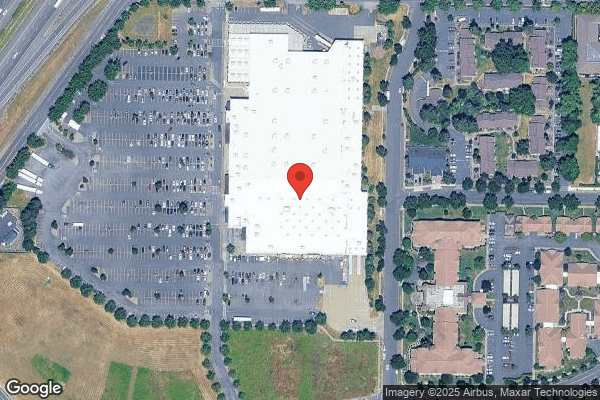
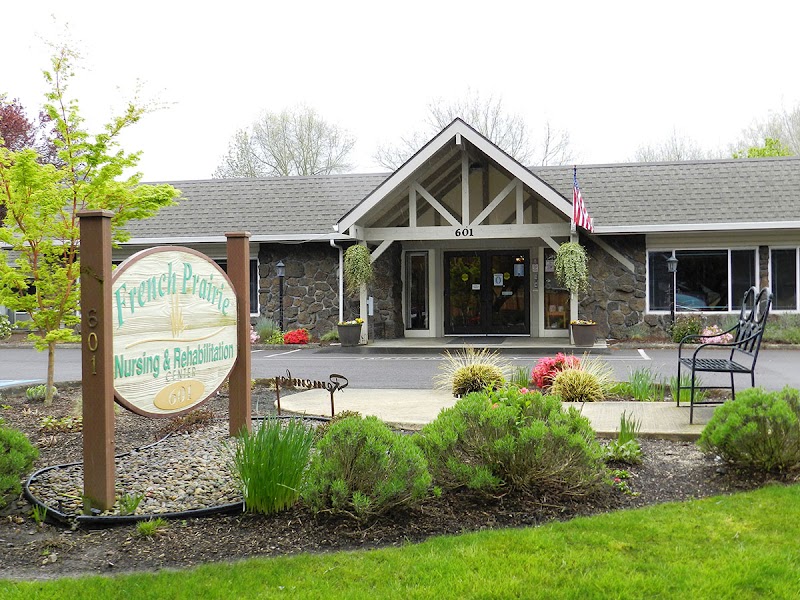
601 EVERGREEN ROAD, WOODBURN, OR 97071 (503) 982-0111
For profit - Limited Liability company 80 Beds VOLARE HEALTH Data: November 2025 2 Immediate Jeopardy citations
Trust Grade
0/100
#113 of 127 in OR
Last Inspection: April 2025

Within standard 12-15 month inspection cycle. Federal law requires annual inspections.

Overview

French Prairie Nursing & Rehabilitation Center has received a Trust Grade of F, indicating significant concerns about the facility's quality of care. It ranks #113 out of 127 nursing homes in Oregon, placing it in the bottom half of facilities statewide, and #7 of 8 in Marion County, meaning there is only one local option that performs worse. Although the trend shows improvement-issues decreased from 26 in 2024 to 13 in 2025-there are still alarming deficiencies, with 49 total issues found during inspections, including critical failures in infection control and resident safety. Staffing is rated average with a turnover rate of 73%, which is concerning compared to the state average of 49%, and while RN coverage is average, the facility has incurred $132,368 in fines, higher than 92% of Oregon facilities. Specific incidents include a failure to properly manage residents with c-diff, risking widespread infection, and a resident suffering third-degree burns from contact with a heater due to unsafe environmental conditions. Families should carefully consider both the improving trend and the serious issues present at this facility.

Trust Score
F
0/100
In Oregon
#113/127
Bottom 12%
Safety Record
High Risk
Review needed
Inspections
Getting Better
26 → 13 violations
Staff Stability
⚠ Watch
73% turnover. Very high, 25 points above average. Constant new faces learning your loved one's needs.
Penalties
✓ Good
$132,368 in fines. Lower than most Oregon facilities. Relatively clean record.
Skilled Nurses
○ Average
Each resident gets 34 minutes of Registered Nurse (RN) attention daily — about average for Oregon. RNs are the most trained staff who monitor for health changes.
Violations
⚠ Watch
49 deficiencies on record. Higher than average. Multiple issues found across inspections.
★☆☆☆☆
1.0
Overall Rating
★★★☆☆
3.0
Staff Levels
★☆☆☆☆
1.0
Care Quality
★☆☆☆☆
1.0
Inspection Score
Stable
2024: 26 issues
2025: 13 issues

The Good

  • Full Sprinkler Coverage · Fire safety systems throughout facility
  • No fines on record

Facility shows strength in fire safety.

The Bad

1-Star Overall Rating

Below Oregon average (3.0)

Significant quality concerns identified by CMS

Staff Turnover: 73%

26pts above Oregon avg (46%)

Frequent staff changes - ask about care continuity

Federal Fines: $132,368

Well above median ($33,413)

Significant penalties indicating serious issues

Chain: VOLARE HEALTH

Part of a multi-facility chain

Ask about local staffing decisions and management

Staff turnover is very high (73%)

25 points above Oregon average of 48%

The Ugly 49 deficiencies on record

2 life-threatening 1 actual harm
Apr 2025 12 deficiencies 1 IJ (1 facility-wide)
CRITICAL (L)

Immediate Jeopardy (IJ) - the most serious Medicare violation

Infection Control (Tag F0880)

Someone could have died · This affected most or all residents

⚠️ Facility-wide issue

**NOTE- TERMS IN BRACKETS HAVE BEEN EDITED TO PROTECT CONFIDENTIALITY** Based on observation, interview, and record review it was determined the facility failed to identify, assess, treat, and impleme...

Read full inspector narrative →
**NOTE- TERMS IN BRACKETS HAVE BEEN EDITED TO PROTECT CONFIDENTIALITY** Based on observation, interview, and record review it was determined the facility failed to identify, assess, treat, and implement contact precautions for residents with symptoms of clostridioides difficile (c-diff, a bacterium that can cause severe diarrhea and inflammation of the colon) and failed to utilize appropriate contact precautions to prevent the spread of c-diff for 4 of 4 sampled residents (#s 31, 32, 40 and 109) with diagnoses of c-diff. This failure, determined to be an Immediate Jeopardy situation, placed all residents at risk for exposure to c-diff, which is highly contagious and requires treatment including the use of a toxic anti-infective medication with potential to cause serious side effects. Findings include: According to the Centers for Disease Control and Prevention (CDC) website (https://www.cdc.gov/c-diff/prevention/index.html), washing your hands with soap and water is the best way to prevent hte spread of c-fiff from person to person. Healthcare professionals are to clean their hands before and after caring for residents with c-diff. 1. Resident 31 admitted to the facility in 2024 with diagnoses including chronic obstructive pulmonary disease. Bowel records from 4/9/25 through 4/16/25 indicated Resident 31's bowel movements were loose/diarrhea each time the resident had a bowel movement. A 4/11/25 progress note indicated Resident 31 had abdominal discomfort. There were no progress notes from 4/12/25 through 4/14/25. A 4/15/25 progress note indicated Resident 31 had abdominal discomfort. No evidence was found in the resident's clinical record to indicate the resident was assessed or the physician was contacted regarding the resident's consistent loose stools/diarrhea. A 4/16/25 progress note indicated Resident 31 was sent to the hospital for difficulty breathing. A 4/21/25 hospital discharge summary indicated Resident 31 was diagnosed with c-diff on 4/19/25. A 4/21/25 progress note indicated Resident 31 returned to the facility. The 4/22/25 care plan for c-diff indicated Resident 31 was on isolation precautions for c-diff. On 4/23/25 at 7:53 PM Staff 17 (Agency CNA) was observed to don a gown and gloves to assist another CNA to provide pericare for Resident 31. On 4/23/25 at 8:08 PM Staff 17 was observed to doff gloves and gown while exiting Resident 31's room. Staff 17 then walked to the 100 hallway, donned gloves, and retrieved a shower chair. Staff 17 acknowledged she did not wash her hands after leaving Resident 31's room. Staff 17 stated she was aware that Resident 31 was on precautions because of the sign on the door. On 4/23/25 at 8:48 PM Staff 24 (LPN) was observed to doff a gown and gloves while exiting Resident 31's room. Staff 24 used an alcohol-based hand rub (ABHR), then picked up a water pitcher and headed toward another resident's room. Staff 24 stated he was not aware he needed to wash his hands with soap and water after exiting Resident 31's room, and thought ABHR was enough. On 4/24/25 at 11:48 AM Staff 25 (LPN) stated after residents had three reported loose stools, it was charted in the medical record, and the resident was to be assessed for bowel tones and symptoms, and reported to the provider. On 4/24/25 at 1:50 PM these findings were shared with Staff 2 (DNS). Staff 2 indicated residents with repeated loose stools were to be assessed for the need to contact a physician and to determine if contact precautions were needed. Staff 2 acknowledged there were concerns with staff not following appropriate infection control practices for residents with c-diff. 2. Resident 32 admitted to the facility in 4/2024 with diagnoses including Parkinson's Disease and stroke. Bowel records from 4/4/25 through 4/17/25 indicated Resident 32's bowel movements were loose/diarrhea most of the time the resident had a bowel movement. No evidence was found in the resident's clinical record to indicate the resident was assessed or the physician was contacted regarding the resident's consistent loose stools/diarrhea. A 4/17/25 progress note indicated Resident 32 was sent to the hospital for weakness and confusion. A 4/17/25 hospital visit note indicated Resident 32 was diagnosed with c-diff on 4/17/25. A 4/21/25 progress note indicated Resident 32 returned to the facility and was placed on alert. The 4/22/25 care plan for c-diff indicated Resident 32 was on isolation precautions for c-diff. On 4/24/25 at 3:42 PM Staff 31 (Agency CNA) was observed to don gloves and a gown and then enter Resident 32's room. At 3:48 PM Staff 31 exited Resident 32's room with PPE doffed and Staff 31 used an alcohol-based hand rub (ABHR). Staff 31 was then observed to enter the visitor's bathroom and exit. On 4/24/25 at 3:49 PM Staff 31 stated she was aware Resident 32 was on contact precautions and she needed to wash her hands with soap and water after care was provided. Staff 31 stated she did not wash her hands with soap and water before exiting the resident's room because she was told to not use the resident's bathroom, but to wash her hands in the closest bathroom after exiting the resident's room, which was the visitor's bathroom. During multiple interviews with Staff 2 (DNS) on 4/24/25, Staff 2 acknowledged the staff were unclear regarding how to properly sanitize their hands after leaving the rooms of residents with c-diff. 3. Resident 40 admitted to the facility in 2/2025 with diagnoses including stroke and cellulitis of left leg (a bacterial infection beneath the skin). Bowel records from 4/14/25 through 4/20/25 indicated Resident 40's bowel movements were loose/diarrhea each time the resident had a bowel movement. A 4/17/25 provider progress note indicated Resident 40 was assessed by the physician assistant for a follow-up visit for lower extremity cellulitis. There was no indication the provider was aware or informed Resident 40 had loose/diarrhea for several days. A 4/20/25 progress note indicated Resident 40 had a fall while rushing to the bathroom due to diarrhea. Resident 40 was sent to the hospital for an elevated temperature and three loose bowel movements earlier in the day. On 4/24/25 at 10:50 AM Staff 27 (admission Director) stated Resident 40 was admitted to the hospital with a new diagnosis of c-diff, and stated the the infection was acquired in the facility prior to the resident's hospital admission. 4. Resident 109 admitted to the facility on [DATE] with diagnoses including multiple falls, and a chronic upper abdominal wound. A 4/15/25 progress note indicated Resident 109 reported severe and abrupt abdominal pain. A 4/23/25 hospital discharge summary indicated Resident 109 was diagnosed with c-diff on 4/22/25. A 4/23/25 progress note indicated Resident 109 returned to the facility. The 4/24/25 care plan for c-diff indicated Resident 109 was on isolation precautions for c-diff. On 4/23/25 at 7:45 PM Staff 11 (CNA) was observed to exit Resident 109's room, which was identified as a contact precautions room. Staff 11 used an alcohol-based hand rub (ABHR) and then entered another resident's room, which was not identified with any transmission-based precautions. On 4/23/25 at 7:46 PM Staff 12 (CNA) exited Resident 109's room, used ABHR, and entered the clean linen closet to retrieve clean linens. On 4/23/25 at 7:48 PM Staff 11 stated the contact precautions signage on Resident 109's room indicated staff needed to do hand cleaning. When asked what type of hand cleaning, Staff 11 pointed to the ABHR dispenser. Staff 11 stated she was too busy answering call lights and assisting residents, and did not have time to do any other type of hand cleaning, specifically with soap and water. Staff 12 acknowledged contact precautions indicated staff were to wash their hands in a sink with soap and water. Staff 12 acknowledged she used ABHR and did not wash her hands with soap and water prior to handling clean linens and providing care to other residents. Staff 12 stated she was too busy providing resident care and answering call lights to walk down the hall and around the corner to the soiled utility room to wash her hands with soap and water. On 4/24/25 at 11:48 AM Staff 25 (LPN) stated after residents had three reported loose stools, it was charted in the medical record, the resident was assessed for bowel tones and symptoms, and it was reported to the physician. On 4/24/25 at 1:50 PM Staff 2 (DNS) indicated residents with repeated loose stools were to be assessed for the need to contact a physician and to determine if contact precautions were needed. Staff 2 acknowledged there were concerns with staff not following appropriate infection control practices for residents with c-diff. On 4/24/25 at 1:50 PM Staff 2 and Staff 1 (Administrator) were informed the facility's failure to implement appropriate precautions to prevent the spread of c-diff constituted an Immediate Jeopardy situation. An IJ removal plan was requested. On 4/24/25 at 4:08 PM an acceptable facility IJ removal plan was submitted by the facility. The plan indicated the facility would implement the following actions: - Identification and assessment of any residents with suspected c-diff. Any affected residents were placed on contact precautions with appropriate signage posted, and reviewed by a physician. - Shared equipment was sanitized or removed from use by affected residents. - Affected residents would be monitored daily. - Staff currently working were inserviced on c-diff precautions and infection control practices. - Oncoming staff would be inserviced prior to their shift. - Nurses were inserviced on assessing residents with signs and symptoms of c-diff. - Daily PPE competency testing would be conducted. - Daily and weekly infection control audits and monitoring. - Weekly reporting to QAPI. - Monthly governing body review. - Immediate retraining and disciplinary action for non-compliant staff members. The immediacy was removed on 4/26/25 after onsite verification of the IJ removal plan.
CONCERN (D)

Potential for Harm - no one hurt, but risky conditions existed

Deficiency F0552 (Tag F0552)

Could have caused harm · This affected 1 resident

Based on interview and record review it was determined the facility failed to obtain informed consent prior to administration of a psychotropic medication for 1 of 5 sampled residents (#34) reviewed f...

Read full inspector narrative →
Based on interview and record review it was determined the facility failed to obtain informed consent prior to administration of a psychotropic medication for 1 of 5 sampled residents (#34) reviewed for unnecessary medications. This placed residents at risk for being uninformed of the risks and benefits of their medications. Findings include: Resident 34 was admitted to the facility in 4/2025 with diagnoses including major depressive disorder. A 4/3/25 physician order included bupropion 300mg (used to treat depression) and desvenlafaxine 100mg (used to treat depression) one time daily. Resident 34's 4/2025 MARs revealed the resident received bupropion and desvenlafaxine daily since 4/3/25. Resident 34's medical record revealed the signed consent related to the risks and benefits of bupropion was obtained on 4/23/25 and the signed consent related to the risks and benefits of desvenlafaxine was obtained on 4/24/25. On 4/28/25 at 10:10 AM Staff 2 (DNS) acknowledged the consents were obtained after the medications were administered.
CONCERN (D)

Potential for Harm - no one hurt, but risky conditions existed

Deficiency F0554 (Tag F0554)

Could have caused harm · This affected 1 resident

**NOTE- TERMS IN BRACKETS HAVE BEEN EDITED TO PROTECT CONFIDENTIALITY** Based on observation, interview and record review it was determined the facility failed to ensure residents were assessed for se...

Read full inspector narrative →
**NOTE- TERMS IN BRACKETS HAVE BEEN EDITED TO PROTECT CONFIDENTIALITY** Based on observation, interview and record review it was determined the facility failed to ensure residents were assessed for self-administration of medications for 1 of 1 sampled resident (#104) reviewed for medication self-administration. This placed residents at risk for adverse outcomes related to unsafe self-administration of medication. Findings include: The facility's 3/2023 Right to Self-Administer Medication outlined the following criteria for a resident to self-administer medications: 1. If a resident has requested to self-administer medications, it is the responsibility of the interdisciplinary team to determine it is safe before the resident exercises the right. A resident may self-administer medications after the interdisciplinary team has determined which medication may be self-administered. 2. Considerations in determining of the resident is clinically appropriate to self-administer include: a. Which medications are appropriate and safe for self-administration. b. The resident's physical capacity to swallow without difficulty and to open medication packaging. c. The resident's cognitive status, including ability to correctly identify medications and know for which conditions s/he is taking the medication. 3. Appropriate documentation of the determinations will be documented in the resident's medical record and care plan. Resident 104 was admitted to the facility on [DATE] with diagnoses including left arm fracture and left lower leg fracture following a motor vehicle accident. A review of Resident 104's 4/16/25 admission MDS revealed she/he was cognitively intact. On 4/21/25 at 11:39 AM two bottles of Balance of Nature Veggies and Fruit, one bottle of Ashwaganda supplements and one bottle of Systane eye drops were observed on the resident's bedside table. Resident 104 stated her family brought in her vitamins and eye drops from home several weeks ago. Resident 104 stated she/he took three veggie gummy and three fruit gummy vitamins daily, an Ashwaganda supplement at night to help her/him sleep, and one to two eye drops in each eye multiple times a day for dry eyes. On 4/22/25 at 9:23 AM two bottles of Balance of Nature Veggies and Fruit, one bottle of Ashwaganda supplements and one bottle of Systane eye drops were again observed on the resident's bedside table. Resident 104 stated she/he had these vitamins on the bedside table for several weeks without any issues from the staff. A review of the resident's clinical record revealed no evidence of a self-administration of medication assessment. On 4/23/25 at 2:41 PM Resident 104 stated the nurse took her vitamins and said she/he needed a doctor's order to continue to receive the vitamins in the facility. The Systane eye drops were observed to still be on the bedside table. On 4/24/25 at 4:53 PM Staff 5 (LPN Unit Manager) stated once the facility was aware that Resident 104 had vitamins from home, Resident 104 was offered the ability to self-administer medications. Staff 5 acknowledged Resident 104 previously had vitamins and still had the Systane drops on her/his bedside table, and the self-administration evaluation was not completed. On 4/25/25 at 2:36 PM Staff 2 (DNS) stated she expected residents to have a physician order and to have an assessment to self-administer medication completed prior to self-administering medication.
CONCERN (D)

Potential for Harm - no one hurt, but risky conditions existed

Quality of Care (Tag F0684)

Could have caused harm · This affected 1 resident

Based on interview and record review it was determined the facility failed to administer bowel care medication and ensure physician orders related to bowel care were followed for 1 of 5 sampled reside...

Read full inspector narrative →
Based on interview and record review it was determined the facility failed to administer bowel care medication and ensure physician orders related to bowel care were followed for 1 of 5 sampled residents (#4) reviewed for unnecessary medications. This placed residents at risk for adverse outcomes related to constipation. Findings include: A review of the facility's undated constipation protocol revealed to administer the following orders: -milk of magnesia 30mL PO PRN daily. -MiraLAX 17 grams mix with four-eight oz of fluid PO PRN daily OR Senna-Colace 8.6mg/50mg two tablets PRN daily. -Bisacodyl five-10 mg extended-release tablets PRN daily. -Bisacodyl 10mg PRN daily. -Then add Fleet Enema PRN daily. -Notify physician if >4 days since last BM. Resident 4 was admitted to the facility in 5/2022 with diagnoses including dementia and multiple sclerosis. The 2/22/25 Quarterly MDS indicated Resident 4's cognition was severely impaired. The 12/12/24 care plan indicated Resident 4 was to be monitored for side effects of constipation and to keep the physician informed of any problems. A 3/20/25 physician order indicated the use of Dulcolax Suppository as needed every 24 hours for constipation and to notify the physician after four days of no bowel movement. A review of Resident 4's bowel record indicated no bowel movement from 3/24/25 to 3/30/25 (seven days) and from 4/6/25 to 4/10/25 (five days). A review of the 3/2025 MAR revealed a Dulcolax Suppository was administered on 3/30/25 (seven days after last bowel movement). A review of the 4/2025 MAR revealed no indication Resident 4 received as needed bowel care medication. A review of Resident 4's medical record revealed no documentation of monitoring bowel movements or implementing the facility bowel protocol and no indication the physician was notified after four or more days of no bowel movement for both occurrences. On 4/28/25 at 10:52 AM Staff 20 (Agency RN) stated all residents were monitored for constipation after three days of no bowel movement and the facility bowel protocol was implemented. On 4/28/25 at 11:58 AM Staff 6 (RNCM) stated staff were to follow the facility bowel care protocol. Staff 6 was asked to provide evidence that the bowel care protocol was followed. No additional information was provided.
CONCERN (D)

Potential for Harm - no one hurt, but risky conditions existed

Deficiency F0685 (Tag F0685)

Could have caused harm · This affected 1 resident

Based on interview and record review it was determined the facility failed to ensure residents received vision treatment and services for 1 of 2 sampled residents (#27) reviewed for vision. This place...

Read full inspector narrative →
Based on interview and record review it was determined the facility failed to ensure residents received vision treatment and services for 1 of 2 sampled residents (#27) reviewed for vision. This placed residents at risk for vision loss. Findings include: Resident 27 was admitted to facility on 4/2021 with diagnoses including diabetes. A 12/17/24 Eye Exam Summary indicated a diagnosis of combined forms of age-related cataract - bilateral: Planning on cataract surgery. The summary instructed to hold off on glasses until after cataract surgery. No additional documentation was found to indicate the facility followed up on the recommendation for cataract surgery. A 3/21/25 Significant Change MDS documented a BIMS score of 14, indicating Resident 27 was cognitively intact. On 4/21/25 at 11:14 AM and on 4/21/25 at 12:40 PM Resident 27 stated her/his vision was not good. and was supposed to have her/his cataracts removed. Resident 27 said it was a while ago and no one talked to her/him about the surgery since then. On 4/23/25 at 2:14 PM Staff 13 (Social Services Director) stated she talked with Resident 27 about her/his vision concerns and was aware Resident 27 was anticipating cataract surgery. Staff 13 stated the unit manager would typically schedule follow-up visits, but the facility did not have a unit manager for some time. Staff 13 stated there was a lot of staff turnover and it fell through the cracks. On 4/24/25 at 2:06 PM Staff 6 (RNCM) reviewed Resident 27's 12/17/24 Eye Exam Summary and acknowledged the facility did not follow up with scheduling Resident 27's cataract surgery.
CONCERN (D)

Potential for Harm - no one hurt, but risky conditions existed

Deficiency F0698 (Tag F0698)

Could have caused harm · This affected 1 resident

Based on interview and record review it was determined the facility failed to ensure residents received required dialysis care including post-dialysis assessments for 1 of 1 sampled resident (#28) rev...

Read full inspector narrative →
Based on interview and record review it was determined the facility failed to ensure residents received required dialysis care including post-dialysis assessments for 1 of 1 sampled resident (#28) reviewed for dialysis. This placed residents at risk for dialysis complications. Findings include: Resident 28 was admitted to the facility in 10/2023 with diagnoses including end-stage renal disease and dependence on dialysis (a medical treatment that removes waste products from the blood when the kidneys are not working properly). Resident 28's 11/1/24 Annual MDS indicated the resident was cognitively intact and received dialysis. A review of the 3/20/25 physician order indicated the resident received dialysis on Mondays, Wednesdays, and Friday's. The physician order also indicated a post-dialysis assessment was to be completed when the resident returned to the facility from dialysis. A review of Resident 28's medical record revealed the last completed post-dialysis assessment evaluation was on 3/24/25. There was no indication the resident was assessed post-dialysis on the following dates: -3/26/25, 3/28/25, 3/31/25, 4/2/25, 4/4/25, 4/7/25, 4/9/25, 4/11/25, 4/14/25, 4/16/25, 4/18/25, 4/21/25, and 4/23/25 (13 days). On 4/22/25 at 9:10 AM Resident 28 stated she/he had dialysis on Mondays, Wednesdays, and Fridays. Resident 28 stated the facility nurse did not assess her/him upon return to the facility. On 4/28/25 at 10:52 AM Staff 20 (Agency RN) stated when Resident 28 returned from dialysis she looked at the paperwork that returned with the resident and entered any new orders, then the resident goes about her/his business. Staff 20 stated she did not always document if she assessed the resident post-dialysis. On 4/28/25 at 11:48 AM Staff 5 (LPN Unit Manager) acknowledged the identified dates with no documentation of a post-dialysis assessment of Resident 28. He stated he expected nursing staff to assess the resident, including the dialysis access site, and to document in the resident's medical record after each dialysis treatment.
CONCERN (D)

Potential for Harm - no one hurt, but risky conditions existed

Pharmacy Services (Tag F0755)

Could have caused harm · This affected 1 resident

**NOTE- TERMS IN BRACKETS HAVE BEEN EDITED TO PROTECT CONFIDENTIALITY** Based on interview and record review it was determined the facility failed to provide timely pharmaceutical services for 1 of 2 ...

Read full inspector narrative →
**NOTE- TERMS IN BRACKETS HAVE BEEN EDITED TO PROTECT CONFIDENTIALITY** Based on interview and record review it was determined the facility failed to provide timely pharmaceutical services for 1 of 2 sampled residents (#102) reviewed for pain. This placed residents at risk for untreated medical needs. Findings include: Resident 102 admitted to the facility on [DATE] with diagnoses including right ankle fracture and candidal stomatitis (oral thrush). A review of Resident 102's 4/10/25 admission orders revealed an order for Magic Mouthwash - lidocaine/Maalox/Diphenhydramine Liquid to be given four times a day for throat pain. A review of Resident 102's April MAR indicated the Magic Mouthwash was marked not available from 4/10/25 to 4/23/25. On 4/23/25 at 1:35 PM Resident 102 stated she/he did not recall receiving the Magic Mouthwash. On 4/23/25 at 8:19 PM Staff 21 (Agency LPN) stated she contacted the pharmacy and notified the provider the medication was not available on 4/14/25 and again on 4/15/25, the days she worked. On 4/25/25 at 11:34 AM Staff 8 (Pharmacist) stated the pharmacy contacted the facility on 4/14/25 regarding the Magic Mouthwash medication ratios in order to compound and dispense the medication. Staff 8 stated the pharmacy did not receive a response from the facility and the Magic Mouthwash was not delivered to the facility until 4/25/25. On 4/25/25 at 2:19 PM Staff 2 (DNS) acknowledged Resident 102 did not receive the medicated mouthwash as ordered. Staff 2 stated she expected staff to call the pharmacy if a resident's medication was not available and to follow-up with the provider.
CONCERN (D)

Potential for Harm - no one hurt, but risky conditions existed

Unnecessary Medications (Tag F0759)

Could have caused harm · This affected 1 resident

Based on observation, interview and record review, it was determined the facility failed to ensure a medication error rate of less than five percent. There were 2 errors out of 26 medication administr...

Read full inspector narrative →
Based on observation, interview and record review, it was determined the facility failed to ensure a medication error rate of less than five percent. There were 2 errors out of 26 medication administration opportunities resulting in a 7.69% error rate. This placed residents at risk for reduced medication efficacy and feeding tube complications. Findings include: The facility's Pharmacy Services Medication Administration dated 3/2023 specified crushed medications will not be combined to give multiple medications at once, whether administered orally or via a feeding tube. Resident 47 was admitted to the facility in 3/2025 with diagnoses including an inability to swallow following a stroke. Resident 47's 4/2025 Physician Orders included the following: -metoprolol tartrate (medication for high blood pressure) 25 mg, give one tablet via PEG-Tube two times a day -atorvastatin calcium (medication for high cholesterol) 40 mg, give one tablet via PEG-Tube one time a day On 4/24/25 at 9:52 AM Staff 10 (LPN) administered medications to Resident 47 via feeding tube. Staff 10 crushed one tablet of atorvastatin and one tablet of metoprolol together and administered the combination through the feeding tube. On 4/24/25 at 9:52 AM Staff 10 acknowledged that she crushed, combined, and administered the two medications to Resident 47 via feeding tube. Staff 10 expressed she was not aware that multiple medications were not to be crushed and administered at the same time. On 04/25/25 1:36 PM Staff 2 (DNS) reported medications should be given separately between flushes.
CONCERN (D)

Potential for Harm - no one hurt, but risky conditions existed

Laboratory Services (Tag F0770)

Could have caused harm · This affected 1 resident

Based on interview and record review it was determined the facility failed to obtain lab samples for 1 of 5 sampled residents (#21) reviewed for unnecessary medications. This placed residents at risk ...

Read full inspector narrative →
Based on interview and record review it was determined the facility failed to obtain lab samples for 1 of 5 sampled residents (#21) reviewed for unnecessary medications. This placed residents at risk for lack of treatment. Findings include: Resident 21 was admitted to the facility in 9/2022 with diagnoses including multiple sclerosis and slow transit constipation. A review of Resident 21's 4/2025 Physician Orders revealed an order to collect stool sample and complete IFOBT test - screening for colo-rectal cancer-Optum to provide the kit with an order start date of 11/19/24. On 4/23/25 at 12:43 PM Staff 18 (CNA) stated Resident 21 was incontinent of bowels and needed bowel care routinely during the day and/or evening shift. Staff 18 stated the charge nurse alerted CNAs if the resident was the bowel list or needed a stool sample for collection. Staff 18 stated she did not recall Resident 21 needing her/his stool sample to be collected. On 4/24/25 at 2:48 PM Staff 10 (LPN) stated it was difficult to collect a stool sample from Resident 21 due to the test requiring three stool samples from the resident. Staff 10 stated the CNAs were to collect the sample and the nurse was to send in the sample to the lab for testing. Staff 10 stated she only worked three days a week and was unsure if it was communicated to the CNAs that a stool sample was needed from Resident 21. On 4/24/25 at 4:59 PM Staff 5 (LPN Unit Manager) stated he expected the charge nurse to communicate orders such as the need for stool samples at the beginning of each shift to the CNAs. On 4/25/25 at 2:26 PM Staff 2 (DNS) stated she expected physician orders to be followed in a timely manner, and if they were unable to be completed the physician would be notified.
CONCERN (F) 📢 Someone Reported This

A family member, employee, or ombudsman was alarmed enough to file a formal complaint

Potential for Harm - no one hurt, but risky conditions existed

Deficiency F0725 (Tag F0725)

Could have caused harm · This affected most or all residents

**NOTE- TERMS IN BRACKETS HAVE BEEN EDITED TO PROTECT CONFIDENTIALITY** Based on observation, interview, and record review it was determined the facility failed to ensure sufficient staffing to meet r...

Read full inspector narrative →
**NOTE- TERMS IN BRACKETS HAVE BEEN EDITED TO PROTECT CONFIDENTIALITY** Based on observation, interview, and record review it was determined the facility failed to ensure sufficient staffing to meet resident care needs for 3 of 3 halls reviewed for staffing. This placed residents at risk for delayed and unmet care needs. Findings include: On 4/23/25 the facility provided a list of residents who: -Required assistance with mechanical lifts: 18 -Required two person assistance with ADLs: 4 -Required assistance with eating: 5 -Had behaviors: 10 The 3/24/25 Facility Assessment indicated to continue to analyze and review specific times and circumstances where additional or directed staffing needed. Admin and/or DNS assure appropriate staffing levels for compliance. a. A review of the Direct Care Staff Daily Reports from 8/1/24 through 8/31/24 revealed the facility had insufficient CNA staff, per state minimum requirements, for one or more shifts on the following dates: -8/3/24 -8/9/24 -8/14/24 A review of the Direct Care Staff Daily Reports from 3/20/25 through 4/20/2025 revealed the facility had insufficient CNA staff, per state minimum requirements, for one or more shifts on the following dates: -3/24/25 -4/6/25 -4/7/25 -4/9/25 -4/10/25 -4/12/25 -4/13/25 -4/15/25 -4/16/25 b. A public complaint received on 4/11/25 alleged the call-light displayed outside of Resident 252's room was obstructed from view and resulted in long call-light wait times. Observations from 4/21/25 through 4/28/25 revealed the call-light outside of Resident 252's room was obstructed by a deodorizer attached to the ceiling. An interview on 4/23/25 at 11:08 AM with Staff 26 (LPN) revealed the call-light for Resident 252 was not visible for staff and resulted in long call-light wait times. c. Observations and interviews with residents and family revealed the following concerns: -On 4/21/25 at 3:14 PM Witness 5 (Family) stated she visited often on Sundays and observed staff to be running back and forth to resident rooms. -On 4/22/25 at 2:27 PM room [ROOM NUMBER]'s call light was activated and answered at 2:50 PM (23 minutes). -On 4/23/25 at 7:31 PM room [ROOM NUMBER]'s call light was activated and answered at 8:00 PM (29 minutes). -On 4/23/25 at 7:31 PM room [ROOM NUMBER]'s call light was activated and answered at 8:00 PM (29 minutes). -On 4/23/25 at 7:32 PM room [ROOM NUMBER]'s call light was activated and answered at 7:53 PM (21 minutes) by two CNAs. Both CNAs did not exit room [ROOM NUMBER] until 8:55 PM (58 minutes of care were provided to the resident). -On 4/23/25 at 7:35 PM room [ROOM NUMBER]'s call light was activated and answered at 9:13 PM (1 hour 38 minutes). -On 4/23/25 at 7:52 PM room [ROOM NUMBER]'s call light was activated and answered at 8:20 PM (28 minutes). -On 4/23/25 at 8:03 PM room [ROOM NUMBER]'s call light was activated and answered at 9:07 PM (1 hour 4 minutes). -On 4/23/25 at 8:16 PM room [ROOM NUMBER]'s call light was activated and answered at 9:42 PM (1 hour 26 minutes). An interview on 4/22/25 at 9:24 AM with Witness 4 (family) stated the resident experienced long wait times to be transferred from his/her wheelchair to bed after dinner. -On 4/23/25 at 8:17 PM room [ROOM NUMBER]'s call light was activated and answered at 8:40 PM (23 minutes). On 4/23/25 at 8:48 PM Resident 108 said she/he needed help putting on pants and regularly experienced long wait times in the evening. -On 4/23/25 at 8:18 PM room [ROOM NUMBER]'s call light was activated and answered at 8:59 PM (41 minutes). -On 4/23/25 at 8:26 PM room [ROOM NUMBER]A's call light was activated and flashed continuously. At 8:36 PM the resident was heard through the closed door screaming, Hey! At 8:48 PM the call light was answered (22 minutes). -On 4/23/25 at 8:33 PM room [ROOM NUMBER]'s call light was activated and answered at 9:01 PM (28 minutes). -On 4/23/25 at 9:07 PM room [ROOM NUMBER]'s call light was activated and answered at 9:34 PM (27 minutes). -On 4/23/25 at 9:09 PM room [ROOM NUMBER]'s call light was activated and answered at 9:38 PM (29 minutes). -On 4/23/25 at 9:22 PM room [ROOM NUMBER]'s call light was activated and answered at 9:43 PM (21 minutes). d. Interviews with staff revealed the following concerns: -On 4/21/25 at 12:19 PM Staff 32 (CNA) stated the acuity was high on the floor and typically cannot complete all tasks when works day and evening shifts. -On 4/23/25 at 7:48 PM Staff 11 (CNA) and Staff 12 (CNA) stated it was just the two of them assigned to the entire 300 hall. Staff 11 and Staff 12 stated they were running back and forth and tried to prioritize helping the residents who yelled for help. Staff 11 and Staff 12 were observed to be out of breath, sweaty and walked briskly from room to room. -On 4/23/25 at 8:10 PM Staff 31 (Agency CNA) stated she worked evening shifts, and it was common for the facility run short-staffed. On 4/28/25 at 10:07 AM Staff 33 (Scheduling Coordinator) stated she staffed the floor based off the daily census. She stated if a staff called off shift she sent a mass message to the floor staff and offered bonuses. Staff 33 stated she also utilized staffing agency companies and a PRN staff pool. On 4/28/25 at 2:35 PM Staff 1 (Administrator) acknowledged the staffing shortages and long call lights.
CONCERN (F) 📢 Someone Reported This

A family member, employee, or ombudsman was alarmed enough to file a formal complaint

Potential for Harm - no one hurt, but risky conditions existed

Deficiency F0727 (Tag F0727)

Could have caused harm · This affected most or all residents

Based on interview and record review it was determined the facility failed to ensure a registered nurse was available for at least eight consecutive hours, seven days a week for 13 of 91 days reviewed...

Read full inspector narrative →
Based on interview and record review it was determined the facility failed to ensure a registered nurse was available for at least eight consecutive hours, seven days a week for 13 of 91 days reviewed for RN coverage. This placed residents at risk for lack of RN oversight including nursing assessments. Findings include: A review of the Direct Care Staff Daily Reports from 8/1/24 through 8/31/24, 9/1/24 through 9/30/24, and 3/20/25 through 4/20/2025 revealed the following dates with no RN coverage: -8/4/24 -8/9/24 -8/10/24 -8/13/24 -8/16/24 -8/17/24 -8/20/24 -8/22/24 -8/25/24 -8/28/24 -9/4/24 -9/6/24 -9/8/24 On 4/28/25 at 2:35 PM Staff 1 (Administrator) acknowledged the identified dates without the required RN coverage.
CONCERN (F) 📢 Someone Reported This

A family member, employee, or ombudsman was alarmed enough to file a formal complaint

Potential for Harm - no one hurt, but risky conditions existed

Deficiency F0730 (Tag F0730)

Could have caused harm · This affected most or all residents

Based on interview and record review it was determined the facility failed to ensure CNA staff annual performance reviews were completed for 4 of 4 sampled CNA staff (#s 22, 28, 29, and 30) reviewed f...

Read full inspector narrative →
Based on interview and record review it was determined the facility failed to ensure CNA staff annual performance reviews were completed for 4 of 4 sampled CNA staff (#s 22, 28, 29, and 30) reviewed for sufficient and competent nurse staffing. This placed residents at risk for a lack of competent staff. Findings include: Annual performance reviews and hire dates were requested on 4/25/25 and 4/28/25 from Staff 1 (Administrator) and Staff 4 (Regional RN) for the following staff: -Staff 22 (CNA), hired on 8/4/21. -Staff 28 (CNA), hired on 9/20/22. -Staff 29 (CNA), hired on 3/22/22. -Staff 30 (CNA), hired on 9/26/12. On 4/28/25 at 1:39 PM Staff 4 stated they were unable to find annual performance reviews for the four identified staff.
Feb 2025 1 deficiency
CONCERN (D) 📢 Someone Reported This

A family member, employee, or ombudsman was alarmed enough to file a formal complaint

Potential for Harm - no one hurt, but risky conditions existed

Deficiency F0559 (Tag F0559)

Could have caused harm · This affected 1 resident

Based on interview and record review it was determined the facility failed to notify a resident's responsible party in writing prior to a change in room of the reason for the room change for 1 of 3 sa...

Read full inspector narrative →
Based on interview and record review it was determined the facility failed to notify a resident's responsible party in writing prior to a change in room of the reason for the room change for 1 of 3 sampled residents (#4) reviewed for resident rights. This placed residents at risk for potential adjustment difficulties and delayed responsible party notification related to changes in room location. Findings include: The facility's undated Room Move Notification policy indicated the following: - The resident and the representative would be notified of a potential room move, providing as much advance notice as possible. -When the resident was being moved by the facility's request, the resident and/or resident representative must receive an explanation in writing of why the move was being requested. - The Social Service Director/designee was to ensure the resident and/or resident representative agreed to the potential move before the room move occurred. Resident 4 admitted to the facility in 2024 with diagnoses including dementia. Resident 4's admission Record indicated the resident's spouse (Witness 4) had power of attorney (POA) for finances and care. The 11/5/24 Brief Interview for Mental Status (BIMS) evaluation indicated Resident 4 was severely cognitively impaired. A 12/20/24 Social Services Quarterly Assessment indicated Witness 4 was very involved and was Resident 4's decision maker. A 1/2/25 progress noted completed by nursing staff indicated Resident 4 tested positive for COVID and consented to moving to another room and was moved. Review of Resident 4's medical record revealed no documentation Witness 4 was contacted, was provided written documentation of why a room change was needed, or consented to the Resident 4's room change. On 2/18/25 at 11:09 AM Witness 4 acknowledged she was not notified of Resident 4's room change and the room change caused conflict between Resident 4 and the new roommate. On 2/19/25 at 12:09 PM Staff 3 (SSD) stated staff were to notify a resident's representative and provide written documentation when a room change was to occur. Staff 3 stated Witness 4 was Resident 4's representative and decision maker. Staff 3 stated Witness 4 was not notified or provided written documentation of the room change.
Oct 2024 3 deficiencies
CONCERN (D) 📢 Someone Reported This

A family member, employee, or ombudsman was alarmed enough to file a formal complaint

Potential for Harm - no one hurt, but risky conditions existed

Free from Abuse/Neglect (Tag F0600)

Could have caused harm · This affected 1 resident

Based on interviews and record review, the facility failed to protect the resident's right to be free from deprivation of goods and services for 2 of 3 sampled residents (#s 17 and 18) reviewed for ab...

Read full inspector narrative →
Based on interviews and record review, the facility failed to protect the resident's right to be free from deprivation of goods and services for 2 of 3 sampled residents (#s 17 and 18) reviewed for abuse and neglect. This placed residents at risk for abuse. Findings include: 1. Resident 17 was admitted to the facility in 2024, with diagnoses including a fractured femur (leg bone), dementia, and a history of falling. A Facility Reported Incident dated 8/7/24, indicated on the morning of 8/7/24 the in-coming day shift staff reported to administration Resident 17 was found on the floor of her/his room naked and covered in urine and feces. The facility's investigation dated 8/7/24, indicated Resident 17 was left on the floor of her/his room for an extended period by Staff 7 (CNA) and Staff 8 (LPN) because the resident was repeatedly climbing out of bed. The two staff members did not attempt to engage with the resident but left her/him naked on the floor. The resident urinated and defecated and crawled around in the mess on the floor during the night. In the early morning the resident was found by day shift staff completely naked and covered in fecal matter and urine. Based on interviews and documentation the facility substantiated neglect of care of Resident 17 by both Staff 7 and Staff 8. On 10/25/24 at 9:25 AM, Staff 11 (CMA) arrived to work between 4:30 to 5:30 AM and saw several lights on in the 200 hallway. She was unable to find Staff 7 (CNA) who was assigned to the hall. Staff 11 said she found Resident 17 on the floor of her/his room buck naked and covered in feces. Staff 11 stated she was told by Staff 8 (LPN) they had a problem with the resident for over one and a half hours and they decided to just leave her/him on the floor because she/he was combative. Staff 11 said she had never heard of such a thing. Staff 11 further stated Resident 17 had scooted across the length of the floor leaving a trail of feces from her/his bed to the door. The resident's bottom was red, like she/he had a rug burn and there was a skin tear to her/his forearm. Staff 11 reported the resident was yelling and was combative when she was getting her/him back to bed, but the resident was cold, her/his hands were purple and she couldn't leave the resident on the floor. Staff 7 (CNA) then entered the room and stated she wouldn't complete a witness report about the resident being on the floor because Staff 8 (LPN) had told her to leave the resident there. Staff 11 stated she told Staff 7 she needed to clean the resident up before leaving for the day. About 45 minutes later, the morning CNA did rounds and discovered the resident had not been bathed and strongly smelled of bowel movement. Staff 11 stated, Staff 7 had not cleaned or bathed the resident or cleaned the feces from the resident's room because the resident was combative. Staff 11 stated Staff 8 had told her to leave the resident alone but she believed the resident was in danger from the cold and the feces, so she proceeded to get the resident in bed and clean up. On 10/25/24 at 11:10 AM, Staff 8 (LPN) stated she remembered Resident 17 frequently climbing onto the floor. Staff 11 (CMA) arrived early for her morning shift and found the resident on the floor. The resident had been scooting on her/his butt, was completely naked, and had left a trail of feces on the floor. Staff 8 recalled that the night shift CNA (Staff 7) was upset because the resident would not stay in bed. Staff 8 admitted that she did not assess the resident to understand why the resident kept getting out of bed and did not consider placing the resident one to one care. Staff 8 stated the resident was incontinent of both bowel and bladder, with waste spread all over the floor. Staff 8 recalled an argument during shift change about who should clean the resident up, as this happened during the night shift. Ultimately, the day shift CNA had to clean the resident because the night shift CNA refused. Staff 8 acknowledged that leaving the resident in that condition violated professional standards of care. Staff 8 denied being the one who suggested leaving the resident on the floor. On 10/25/24 at 11:30 AM, Staff 7 (CNA) recalled the night shift on 8/6/24 had been very chaotic. She was assigned to Resident 17, who was very confused and would not stay in bed, although the resident was not combative. Staff 7 described the night as extremely stressful. She explained that the resident kept removing her/his brief, and it was a struggle to keep it on. The resident was incontinent, and there was feces all over. Staff 7 felt that the resident should have had a one to one caregiver. The resident was always on the floor, when Staff 7 placed the resident back in bed, she would be standing there gasping for air from lifting the resident, only to find the resident crawling back onto the floor. Staff 7 stated she did not feel frustrated, only tired, and mentioned there was limited help available. Around 5:00 AM, Staff 11(CMA) found the resident on the floor. Staff 11 and another CNA assisted the resident, told Staff 7 she needed to clean up the resident and the room. On 10/28/24 at 9:41 AM, Staff 20 (RA/CNA/AD) stated she assisted with Resident 17. The resident was naked and the bed was covered in feces. The room was a mess and there was a trail of dried feces on the floor. The resident had a skin tear on her/his arm. Staff 20 stated, from the way the resident was found, there was no way it had just happened given the resident had no clothes or brief on and the feces was dry. Staff 20 stated the resident was buck naked and covered in waste, and stated why would she/he be left in that condition? On 10/28/24 at 3:34 PM, Staff 17 (day shift/LPN) stated Staff 8 (night shift/LPN) told her, you have a crawler because Resident 17 had been crawling all over the floor and got feces on everything. Staff 17 stated the use of that term was not acceptable and was undignified. Staff stated she had many residents with many challenges to keep in bed but would never leave them naked on the floor. On 10/25/24 at 11:55 AM, Staff 1 (Administrator) and Staff 2 (DNS) acknowledged facility staff failed to provide proper incontinent care and failed to ensure the safety of Resident 17 by leaving the resident on the floor naked and covered in waste. They acknowledged they had substantiated that neglect of care had occurred in their investigation of the incident. 2. Resident 18 was admitted to the facility in 2024, with diagnoses including muscle weakness and a hip fracture. The facility's investigation dated 8/7/24, indicated on the morning of 8/7/24 Resident 18 was left unchanged for an extended period, with urine and dried feces on her/him when the resident was found at the start of day shift. The facility determined Resident 18 was neglected by both the assigned CNA (Staff 7) and the shift nurse (Staff 8). The resident's call light was not responded to timely, and the resident tried to go to the bathroom without the assist needed and she/he fell. Resident 18 was left on the floor in the bathroom until shift change. No timeframe was included in the investigation. The facility's investigation dated 8/7/24, included a witness statement completed by Staff 17 (LPN). The statement indicated Staff 8 (LPN) reported to Staff 17 that Resident 18 was on the floor. While giving report, Staff 8 told a CNA to go and get vitals on the resident and get her/him up off the floor. Staff 17 stated she had to tell Staff 8 she was required to check the resident for injuries before the resident could be moved. Staff 17 stated she was appalled the nurse was giving report instead of assisting the resident who was on the floor. The facility's Unwitnessed Fall Incident Report dated 8/7/24 and prepared by Staff 7 (LPN) indicated Resident 18 was found on her/his knees in the bathroom. The resident yelled and said that her/his attorney would hear about this situation because she/he could not get help fast enough and was very concerned that she/he was going to be incontinent of bowel if she/he did not try to go, without staff help, to the bathroom. The incident report did not include an assessment by Staff 8, which included, level of pain, mental status, mobility, predisposing environmental factors, predisposing physiological factors, predisposing situation factors, and no staff statements were completed. In addition, there was no summary of the incident and Staff 8 failed to identify a skin tear from the resident's fall. On 10/25/24 at 9:07 AM, Staff 1 (Administrator) stated Resident 18 was on the floor for an unknown amount of time and Staff 8 failed to assess the resident. Staff 8 was giving report to the day shift nurse and she just left the resident on the floor. The resident stated she/he was on the floor for quite a while and no one came to help her/him. Staff did notice there was dry feces on the floor so the resident likely had been there for a while. On 10/25/24 at 11:10 AM, Staff 8 (LPN) stated Resident 18 put her/his call light on to go to the bathroom but staff did not respond timely and the resident went to the bathroom without assistance and she/he fell. Staff stated she did not know who found the resident but knew the resident was on the floor for a while. Staff 8 stated although she knew the resident was on the floor she did not document the fall or assess the resident's condition because it was the end of her shift. Staff 8 stated she should have documented the incident and the normal procedure was to write a statement which she also did not complete. On 10/25/24 at 9:25 AM, Staff 11 (CMA) stated in addition to finding Resident 17 on the floor the morning of 8/7/24, they also found Resident 18 on the floor. The morning CNA also found Resident 18 wet and covered in feces. On 10/25/24 at 11:55 AM, Staff 1 (Administrator) and Staff 2 (DNS) acknowledged facility staff failed to provide proper incontinent care and failed to respond to Resident 18's call light timely. They acknowledged neglect of care by Staff 7 and Staff 8 had occurred in their incident investigation. On 10/28/24 at 4:19 PM, Witness 26 (Resident 18's significant other) stated the resident was on the floor for a long time and no one came to help her/him. The resident's roommate started yelling help for the resident. Witness 26 stated the resident was humiliated due to being incontinent and having a bowel movement on herself/himself and all over the floor.
CONCERN (D) 📢 Someone Reported This

A family member, employee, or ombudsman was alarmed enough to file a formal complaint

Potential for Harm - no one hurt, but risky conditions existed

Deficiency F0658 (Tag F0658)

Could have caused harm · This affected 1 resident

Based on interview and record review it was determined the facility failed to ensure Staff 8 (LPN) adhered to professional standards of practice related to deprivation of goods and services for 2 of 3...

Read full inspector narrative →
Based on interview and record review it was determined the facility failed to ensure Staff 8 (LPN) adhered to professional standards of practice related to deprivation of goods and services for 2 of 3 sampled residents (#s 17 and 18) reviewed for abuse and neglect. This placed residents at risk for abuse. Findings include: 1. Resident 17 was admitted to the facility in 2024, with diagnoses including a fractured femur (leg bone), dementia, and a history of falling. A Facility Reported Incident dated 8/7/24, indicated on the morning of 8/7/24 the in-coming day shift staff reported to administration Resident 17 was found on the floor of her/his room naked and covered in urine and feces. The facility's investigation dated 8/7/24, indicated Resident 17 was left on the floor of her/his room for an extended period by Staff 7 (CNA) and Staff 8 (LPN) because the resident was repeatedly climbing out of bed. The two staff members did not attempt to engage with the resident but left her/him naked on the floor. The resident urinated, defecated, and crawled through the mess on the floor during the night. In the early morning the resident was found by day shift staff completely naked and covered in fecal matter and urine. The investigation substantiated neglect of care of Resident 17 by both Staff 7 and Staff 8. On 10/25/24 at 9:25 AM, Staff 11 (CMA) stated she found Resident 17 on the floor of her/his room buck naked and covered in feces. Staff 11 stated she was told by Staff 8 (LPN) they had a problem with the resident for over one and a half hours and they decided to just leave the resident on the floor because she/he was combative. Staff 11 further stated Resident 17 had scooted across the length of the floor leaving a trail of feces from her/his bed to the door. The resident's bottom was red, like she/he had a rug burn and there was a skin tear to her/his forearm. Staff 11 reported the resident was cold, her/his hands were purple and she couldn't leave the resident on the floor. Staff 11 stated Staff 8 told her to leave the resident alone but she believed the resident was in danger from the cold and the feces, so she proceeded to get the resident in bed and cleaned up. Staff 11 stated as she was the morning CMA she knew the resident had medication to reduce agitation or pain but Staff 8 had not considered that option. Staff 11 reported at the beginning of her first med pass she gave the resident pain medication and the resident had calmed down. On 10/25/24 at 11:10 AM, Staff 8 (LPN) stated she remembered Resident 17 was frequently on the floor. Staff 11 (Med Aide) arrived early for her morning shift and found the resident on the floor. The resident had been scooting on her/his butt, was completely naked, and had left a trail of feces on the floor. Staff 8 acknowledged that she did not assess the resident to understand why the resident kept getting out of bed and did not consider placing the resident on one to one care. Staff 8 stated the resident was incontinent of both bowel and bladder, with urine and feces spread all over the floor. Staff 8 also stated she did not document any of the issues related to the resident. Staff 8 recalled an argument during shift change about who should clean the resident up, as this happened during the night shift. Staff 8 acknowledged that leaving the resident in that condition violated professional standards of care. Staff 8 denied being the one who suggested leaving the resident on the floor. On 10/28/24 at 3:34 PM Staff 17 (day shift/LPN) stated Staff 8 (night shift/ LPN) told her, you have a crawler because Resident 17 had been crawling all over the floor and got feces on everything. Staff 17 stated the use of that term was not acceptable and was undignified. Staff 17 stated she had many residents with many challenges to keep in bed but would never leave them naked on the floor. On 10/25/24 at 11:55 AM, Staff 1 (Administrator) and Staff 2 (DNS) acknowledged facility staff failed to provide proper incontinent care and failed to ensure the safety of Resident 17 by leaving the resident on the floor naked and covered in waste. They acknowledged they had substantiated that neglect of care had occurred in their investigation of the incident. 2. Resident 18 was admitted to the facility in 2024 with diagnoses including muscle weakness and a hip fracture. The facility's investigation dated 8/7/24, indicated on the morning of 8/7/24 Resident 18 was left unchanged for an extended period, with urine and dried feces on her/him when the resident was found at the start of day shift. The facility determined Resident 18 was neglected by both the assigned CNA (Staff 7) and the shift nurse (Staff 8). The resident's call light was not responded to timely, and the resident tried to go to the bathroom without the assist needed and she/he fell. Resident 18 was left on the floor in the bathroom until shift change. No timeframe was included in the investigation. A witness statement in the facility investigation dated 8/7/24 completed by Staff 17 (LPN), indicated Staff 8 (LPN) told her during report Resident 18 was on the floor. Staff 8 stopped giving report long enough to tell a CNA to go and get vitals on the resident and get her/him up off the floor. Staff 17 had to stop Staff 8 and tell her she was required to check the resident for injuries before the resident could be moved. Staff 17 was appalled the nurse was giving report instead of assisting a resident who was on the floor. The facility's Unwitnessed Fall Incident Report dated 8/7/24 prepared by Staff 8 (LPN), indicated Resident 18 was found on her/his knees in the bathroom. The resident's Foley catheter was disconnected from the bed. No noted injuries. The report indicated the resident yelled and was embarrassed due to being incontinent of bowel all over the floor. The fall was not witnessed. The incident report was not complete and did not include an assessment of the resident by Staff 8, which included, pain level, mental status, mobility, predisposing environmental factors, predisposing physiological factors, predisposing situation factors, and no staff statements were completed. In addition, the report did not include a summary of the incident completed by management staff. Staff 8 indicated no injuries were observed for Resident 18, however, staff checked on the resident and found a skin tear from the incident which Staff 8 failed to identify. On 10/25/24 at 9:07 AM, Staff 1 (Administrator) stated Resident 18 was on the floor for an unknown amount of time and Staff 8 failed to assess the resident. Staff 8 was giving report to the day shift nurse and she just left the resident on the floor. On 10/25/24 at 9:25 AM, Staff 11 (CMA) stated on the morning of 8/7/24 Resident 18 was found on the floor. The morning CNA found Resident 18 wet and covered in feces. On 10/25/24 at 11:10 AM, Staff 8 (LPN) stated Resident 18 put her/his call light on to go to the bathroom but staff did not respond timely and the resident went to the bathroom without assistance and she/he fell. Staff stated she did not know who found the resident but knew the resident was on the floor for a while. Staff 8 stated although she knew the resident was on the floor she did not document the fall or assess the resident's condition because it was the end of her shift. Staff 8 stated she should have documented the incident and the normal procedure was to write a statement which she also did not complete. Refer to F 600
CONCERN (D) 📢 Someone Reported This

A family member, employee, or ombudsman was alarmed enough to file a formal complaint

Potential for Harm - no one hurt, but risky conditions existed

Pressure Ulcer Prevention (Tag F0686)

Could have caused harm · This affected 1 resident

3. Resident 13 was admitted to the facility in 2024, with diagnoses including diabetes and a Stage 4 sacral (base of the spine) pressure ulcer (full-thickness tissue loss that exposes bone, tendon, or...

Read full inspector narrative →
3. Resident 13 was admitted to the facility in 2024, with diagnoses including diabetes and a Stage 4 sacral (base of the spine) pressure ulcer (full-thickness tissue loss that exposes bone, tendon, or muscle. A Progress Note dated 6/19/24 at 11:42 PM, indicated the resident had a big wound on the coccyx that was prone to infection due to bowel movement falling inside the wound, redness to the groin and a left heel pressure ulcer. A Nursing Admission/readmission Evaluation dated 6/19/24, indicated Resident 13 had a pressure ulcer of unspecified site, unspecified stage on the coccyx. No additional wound information was provided. Review of Resident 13's medical record revealed the following weekly Skin and Wound assessments: -6/2024 No Skin and Wound Assessments were completed. -7/30/24: Only one Skin and Wound Assessment was completed, with limited characteristics of the wound included. -8/2024: No Skin and Wound Assessments were completed. -9/6/24: Only one Skin and Wound Assessment was completed with no characteristics of the wound. Wound measurements increased in size but progress was listed as improving. -10/11/24: The Skin and Wound Assessment was completed with no measurements of the wound, and infection was suspected. -10/18/24: The Skin and Wound Assessment was completed with no measurements or characteristics of the wound. On 10/25/24 at 12:10 PM, Staff 1 (Administrator) and Staff 2 (DNS) acknowledged the weekly wound assessments and monitoring were not consistently completed for Resident 13's Stage 4 sacral pressure ulcer. Based on interview and record review, it was determined the facility failed to assess and monitor pressure ulcers for 3 of 6 sampled residents (#s 13, 15 and 22) reviewed for pressure ulcers. This placed residents at risk for worsening wounds. Findings include: 1. Resident 22 re-admitted to the facility in 9/2024, with diagnoses including diabetes and dementia. The 9/5/24 Nursing readmission Evaluation revealed an unstageable coccyx wound and no other pressure injuries. The Skin and Wound Evaluations revealed the following: -9/6/24: Deep Tissue Injury (persistent non-blanchable deep red, maroon or purple discoloration) to the rear, distal right malleolus. There was no assessment completed for the resident's right heel. -9/6/24: Coccyx wound stalled, approximately one month old. The wound assessment did not include measurements or description of the resident's wound. -10/11/24: Coccyx wound. The wound assessment did not have any measurements or description of the resident's wound. The 10/29/24 Hospital Records revealed Resident 22 had the following wounds: -Foot Anterior, Right, Medial -Foot anterior, right -Right heel Resident 22's October 2024 TARS revealed wound treatment orders for the right heel wound, the right great toe and the coccyx. The coccyx treatment discontinued on 10/15/24. There was no treatment in place for the right anterior foot wound. Review of Resident 22's medical record revealed no wound treatment for the right, anterior foot and the coccyx wounds, and the right anterior medial, the right anterior and the right heel wounds were not monitored and comprehensively assessed weekly. On 10/31/24 at 9:36 AM, Staff 1 (Administrator), Staff 3 (MDS Coordinator) and Staff 6 (Regional Director of Clinical) acknowledged the coccyx, the right anterior medial, the right anterior and the right heel wounds were not monitored and comprehensively assessed weekly and the right anterior foot wound did not have a wound treatment order in place. 2. Resident 15 admitted to the facility in 4/2024, with diagnoses including dementia. The 5/30/24 Progress Note revealed Resident 15 re-admitted to the facility from a hospital stay and was admitted to hospice services. A head to toe skin assessment was completed and the resident did not have any pressure wounds. The 6/13/24 Skin and Wound Evaluation indicated Resident 15 had a right heel unstageable pressure ulcer. The evaluation did not include wound measurements. The 9/26/24 Hospice Visit Note revealed the right heel pressure ulcer was healed. Review of Resident 15's medical record revealed no wound monitoring or wound assessments from 6/13/24 through 9/26/24. On 10/23/24 at 12:20 AM, Staff 2 (DNS) verified weekly wound assessments and monitoring was not completed for Resident 15's right heel pressure ulcer.
Feb 2024 1 deficiency 1 IJ
CRITICAL (J) 📢 Someone Reported This

A family member, employee, or ombudsman was alarmed enough to file a formal complaint

Immediate Jeopardy (IJ) - the most serious Medicare violation

Accident Prevention (Tag F0689)

Someone could have died · This affected 1 resident

**NOTE- TERMS IN BRACKETS HAVE BEEN EDITED TO PROTECT CONFIDENTIALITY** Based on observation, interview and record review it was determined the facility failed to ensure the resident environment was f...

Read full inspector narrative →
**NOTE- TERMS IN BRACKETS HAVE BEEN EDITED TO PROTECT CONFIDENTIALITY** Based on observation, interview and record review it was determined the facility failed to ensure the resident environment was free from accident hazards for 1 of 1 sampled resident (#199) reviewed for accidental injury. This failure, determined to be an Immediate Jeopardy (IJ) situation, resulted in Resident 199 sustaining third degree burns requiring acute care intervention when her/his foot sustained prolonged contact with an electric baseboard heater. Findings include: Resident 199 admitted to the facility with hospice services on 1/12/24 with diagnoses including congestive heart failure and dementia. An admission MDS dated [DATE] revealed Resident 199 had a BIMS score of three, which indicated the resident had severe cognitive impairment. The admission MDS indicated Resident 199 had upper and lower extremity ROM impairment on one side, she/he required total assistance with bed mobility, and sitting to lying on the side of the bed required maximum assistance (helper does more than half the effort). A review of Resident 199's 2/19/24 care plan and progress note revealed no safety assessment regarding the resident's safety in her/his room relative to the electric baseboard heater. A public complaint was received on 2/20/24 which alleged Resident 199 was sent to the hospital with third degree burns (full-thickness burn that destroys the outer layer of skin and the entire layer beneath) on her/his right foot sustained from an electric baseboard heater at the facility. On 2/22/24 at 10:29 AM Witness 2 (Complainant) stated Resident 199 was sent to the hospital at approximately 6:35 AM on 2/19/24. The resident had a rapid heart rate, was in severe pain and had a large burn on her/his right foot. Witness 2 stated the facility reported Resident 199 sustained the burn from a heater, and the resident was monitored for safety every two hours. However, given the severity of the injury, it appeared to be the result of prolonged low-temperature heat exposure. Witness 2 stated Resident 199's toes were black and dry, and the bottom of her/his right foot resembled leather with an indentation across the mid-section of her/his foot that the facility could not explain. On 2/22/24 at 11:23 AM Staff 16 (LPN) stated she was called by Staff 7 (CNA) immediately to Resident 199's room at approximately 4:45 AM on 2/19/24. Staff 16 stated Resident 199 was laying on her/his back because Staff 7 moved the resident's right foot off the baseboard heater. Staff 16 stated the resident's right foot appeared to be bluish and purplish in the area of her/his 3rd, 4th, and 5th toes from the tip of the toes extending to the arch of the foot; top and bottom of the foot were discolored. Staff 16 stated she immediately assessed Resident 199 and she called 911 to send the resident to the hospital. Staff 16 stated Resident 199 did not appear to be in distress and was calm. On 2/22/24 at 11:39 AM Staff 7 (CNA) stated she was assigned to Resident 199 and checked on her/him about two hours per the care plan. Staff 7 stated at approximately 3:30 AM on 2/19/24 Resident 199 had her/his feet dangling off the bed close to the baseboard heater. Staff 7 stated Resident 199's feet were fine and not discolored, they were warm to the touch, but appeared normal in color. Staff 7 stated she repositioned Resident 199's feet back into the bed and moved the bed away approximately 18 inches away from the baseboard heater. Staff 7 returned the bed back to the low position (close to the floor) because she/he was a fall risk. Staff 7 stated she returned at approximately 5:15 AM on 2/19/24 to check on Resident 199 before the end of her shift and found her/his right foot on the baseboard heater and her/his right toes were darkened and discolored. Staff 7 stated she immediately removed Resident 199's right foot from the heater and yelled for Staff 16. During an observation of Resident 199's room on 2/22/24 at 10:50 AM the thermostat for the electric baseboard heater, located on the long wall next to the first hanging TV closest to the door, was set at 70 degrees F. Resident 199's bed was located by the window, there was blue tape approximately 13-inches away from the baseboard heater placed by the facility after the incident to mark a safe distance from the baseboard heater and the bed was approximately two inches away from the blue tape. The bed when in the low position was approximately 14 inches tall and baseboard heater was approximately six inches tall and extended 72-inches in length. The baseboard heater featured a metal casing on the top, front and sides, with an approximately 1.5-inch opening at the front from which hot air emanated to warm the room. The metal casing was hot to the touch. A review of Resident 199's 2/19/24 hospital admission note revealed the resident sustained third degree burns to her/his right foot. The hospital notes indicated significant injury necrotic (dead tissue) of fourth and fifth toes, third degree burn to plantar (bottom of the foot) surface of foot that looks older than stated .has associated blistering and dryness of right foot. The top of Resident 199's right foot appeared to have dark purple discoloration from mid-foot towards the toes which appeared dark purple with aspects of black. The plantar surface appeared to be dark purple to brown discoloration with dry skin with texture of leather and a linear indentation from the arch of the foot to the right 5th toe on the plantar surface. The hospital concluded based on their assessment a full thickness or third degree burn to the right foot from prolonged heat exposure. On 2/22/24 at 11:39 AM Staff 7 stated she found Resident 199 several times attempting to put her/his feet on or in the baseboard heater. Staff 7 stated the week prior she reported to Staff 18 (RN) that Resident 199 sat at the edge of her/his bed and, while wearing socks, placed her/his feet on and in the baseboard heater. Staff 7 stated she moved Resident 199 away from the heater and moved the bed and repositioned the resident. On 2/22/24 at 12:45 PM Staff 18 (RN) stated she recalled Staff 7 reported to her Resident 199 was found sitting at the edge of the bed putting her/his feet with socks on in the baseboard heater. Staff 18 stated she asked Staff 7 to move Resident 199's bed away from the baseboard heater and Staff 18 assessed the resident's skin to ensure it was intact. Staff 18 stated she did not document the incident or her assessment. Staff 18 stated at the end of her shift she informed the oncoming nurse, Staff 19 (LPN), of the incident. On 2/22/24 at 12:56 PM Staff 19 stated she did not recall any incidents of Resident 199 putting her/his feet on or in the baseboard heater. Staff 19 did not recall Staff 18 giving her report of the incident or assessment. On 2/22/24 at 2:01 PM Staff 21 (Maintenance Director) observed Resident 199's room with the surveyor. The thermostat was set at 90 degrees F. Staff 21 confirmed he placed the blue tape on the floor but did not recall if there was tape on the floor prior to the incident. Staff 21 agreed the metal casing on the baseboard heater was hot to the touch and used a temperature gun to check the temperature of the top of the baseboard heater which was 145 degrees F, and the hot air emitting was 144 degrees F. Staff 21 stated the baseboard heater was operating as intended. Staff 21 stated the blue tape was a visual reminder for the staff to keep residents and items out of that area because the baseboard heater gets hot enough to melt items. Staff 21 stated he conducted staff in-services and presented melted items that were in or too close to the baseboard heaters. On 2/23/24 at 10:52 AM Staff 14 (CNA) stated, prior to the incident of 2/19/24, she found Resident 199 several times facing the window with her/his feet on the wall above the heater. Staff 14 was educated and repositioned Resident 199 away for the baseboard heater. On 2/23/34 at 1:33 PM Staff 15 (CNA) stated she recalled the charge nurse told her when she was the assigned to Resident 199 to ensure she/he did not place her/his feet on the baseboard heater. Staff 15 stated the facility provided in-services not to place items on or near the baseboard heaters because staff were shown pillows and linen that were burned from contact with the baseboard heaters. On 2/22/24 at 6:45 PM, the facility administrative staff, including Staff 2 (Assistant Administrator) and Staff 3 (DNS), were notified of the (IJ) situation and an immediacy removal plan was requested. On 2/22/24 at 8:22 PM the facility submitted an acceptable immediacy removal plan to address the IJ situation. The immediacy removal plan included the following: 1. Resident 199 was no longer in the facility. 2. All baseboard heaters would be turned off and replaced with a safe alternative. 3. Staff would check room temperature every two hours to verify each room was at a comfortable temperature. The immediacy was removed on 2/23/24 based on onsite verification of the removal plan.
Feb 2024 22 deficiencies 1 Harm
SERIOUS (G) 📢 Someone Reported This

A family member, employee, or ombudsman was alarmed enough to file a formal complaint

Actual Harm - a resident was hurt due to facility failures

Deficiency F0757 (Tag F0757)

A resident was harmed · This affected 1 resident

**NOTE- TERMS IN BRACKETS HAVE BEEN EDITED TO PROTECT CONFIDENTIALITY** Based on interview and record review it was determined the facility failed to monitor CBGs for a resident with diabetes for 1 of...

Read full inspector narrative →
**NOTE- TERMS IN BRACKETS HAVE BEEN EDITED TO PROTECT CONFIDENTIALITY** Based on interview and record review it was determined the facility failed to monitor CBGs for a resident with diabetes for 1 of 1 sampled resident (#32) reviewed for medications. This failure resulted in Resident 32's unmonitored blood glucose which required treatment at the hospital. Findings include: Resident 32 admitted to the facility in 8/2023 with diagnoses including diabetes and sepsis. Resident 32's care plan, revised on 11/16/23, revealed she/he received oral medication and insulin for diabetes management. Interventions were to administer diabetes medication as ordered and to monitor and document for side effects and effectiveness. On 12/6/23 a concern was reported which alleged Resident 32 was admitted to the hospital on [DATE] with a CBG count of 600mg/dl (a normal CBG count is between 70-100 mg/dl). A review of Resident 32's daily vital signs, nursing notes and diabetic administration record revealed no CBG checks were completed from 10/27/23 through 10/31/23, from 11/2/23 through 11/4/23, 11/6/23 through 11/12/23 and 11/14/23 through 12/5/23. A nursing note dated 12/5/23 at 2:21 PM revealed Resident 32 complained of abdominal pain and passed kidney stones. She/he requested to be sent to the hospital and was transported to the Emergency Department. Hospital discharge records dated 12/11/23 noted Resident 32 was diagnosed and treated for Hyperosmolar Hyperglycemia State (HHS), one of the most serious complications of type 2 diabetes .HHS is commonly caused by a serious infection or illness, not taking your diabetes medications as prescribed or getting dehydrated. The surveyor attempted to interview nursing staff responsible for administering Resident 32's medications, but was unable to find nursing staff who worked at the facility in 12/2023. On 2/12/24 at 11:01 AM, Staff 5 (DNS) confirmed the CBG checks were not completed.
CONCERN (D) 📢 Someone Reported This

A family member, employee, or ombudsman was alarmed enough to file a formal complaint

Potential for Harm - no one hurt, but risky conditions existed

Deficiency F0655 (Tag F0655)

Could have caused harm · This affected 1 resident

**NOTE- TERMS IN BRACKETS HAVE BEEN EDITED TO PROTECT CONFIDENTIALITY** 3. Resident 41 admitted to the facility on [DATE] with diagnoses including weakness, obesity, and benign prostatic hyperplasia (...

Read full inspector narrative →
**NOTE- TERMS IN BRACKETS HAVE BEEN EDITED TO PROTECT CONFIDENTIALITY** 3. Resident 41 admitted to the facility on [DATE] with diagnoses including weakness, obesity, and benign prostatic hyperplasia (flow of urine is blocked due to the enlargement of the prostate gland). The 1/3/24 hospital admission Orders indicated Resident 41 had an indwelling catheter and required assistance with catheter care. A review of the resident's care plan, initiated on 1/5/24, revealed no information regarding the resident's catheter until 1/30/23, 27 days after the resident admitted to the facility. On 2/8/24 at 10:38 AM Staff 6 (LPN Unit Manager) acknowledged Resident 41's Baseline Care Plan was not completed timely. 2. Resident 199 admitted to the facility on hospice status on 1/12/24 with diagnoses including dementia. Review of Resident 199's baseline care plan indicated it was not initiated until 1/16/24 (4 days after admission). The Care Plan was not initiated for hospice and the resident's transfer status until 1/23/24 (11 days after admission). On 2/6/24 at 2:23 PM Staff 7 (CNA) stated when Resident 199 first admitted , he and another CNA attempted to transfer the resident doing a stand pivot transfer but could not get the resident up. Staff 7 stated they went to Staff 2 (DNS) who told them if it took two or more staff, then a Hoyer transfer was needed. Staff 7 stated at the time, there was no baseline care plan to refer to for Resident 199's transfer status. On 2/8/24 at 10:38 AM Staff 6 (LPN Unit Manager) acknowledged Resident 199's baseline care plan was not initiated/completed timely. Based on interview and record review it was determined the facility failed to complete a Baseline Care Plan within 48 hours of admission for 3 of 9 sampled residents (#s 41, 43 and 199) reviewed for medications, catheter care and hospice. This placed residents at risk for a lack of care and services. Findings include: 1. Resident 43 was admitted to the facility on [DATE] with diagnoses including intraspinal abscess and pathological (no force) right femur fracture. The 12/7/23 Care Conference documentation indicated it was the initial care plan and welcome meeting. Resident 43's Care Plan revealed the first care area initiated was on 12/5/23. On 2/6/24 at 1:24 PM Staff 6 (LPN Unit Manager) verified the Baseline Care Plan was not completed within the required 48 hours after admission.
CONCERN (D) 📢 Someone Reported This

A family member, employee, or ombudsman was alarmed enough to file a formal complaint

Potential for Harm - no one hurt, but risky conditions existed

Deficiency F0661 (Tag F0661)

Could have caused harm · This affected 1 resident

Based on interview and record review it was determined the facility failed to complete a comprehensive recapitulation of stay and a final summary of the resident's status upon discharge for 1 of 2 sam...

Read full inspector narrative →
Based on interview and record review it was determined the facility failed to complete a comprehensive recapitulation of stay and a final summary of the resident's status upon discharge for 1 of 2 sampled residents (#55) reviewed for discharge. This placed residents at risk for an unsafe discharge. Findings include: Resident 55 was admitted to the facility in 9/2022 with diagnoses including dementia. Resident 55 was discharged from the facility in 11/2023. Review of a Discharge Planning Review form dated 10/18/23 revealed the resident was discharged to an adult foster care home (AFC). The recapitulation of stay indicated the resident was transferred to the facility from another facility, was dependent on staff for care and a family member was the resident's decision maker. The recapitulation of stay did not include the resident diagnoses, course of treatment/illness, therapy, pertinent labs, radiology and consultations. The discharge form also did not include a final summary of the resident's status at the time of discharge compared to the resident's most recent comprehensive assessment. In an interview on 2/7/24 at 9:35 AM Staff 2 (Assistant Administrator) acknowledged the discharge summary did not include a complete recapitulation of the resident's stay and the resident's functional status on discharge.
CONCERN (D) 📢 Someone Reported This

A family member, employee, or ombudsman was alarmed enough to file a formal complaint

Potential for Harm - no one hurt, but risky conditions existed

Accident Prevention (Tag F0689)

Could have caused harm · This affected 1 resident

Based on interview and record review it was determined the facility failed to follow the care plan which resulted in a fall for 1 of 1 sampled resident (#55) reviewed for falls. This placed residents ...

Read full inspector narrative →
Based on interview and record review it was determined the facility failed to follow the care plan which resulted in a fall for 1 of 1 sampled resident (#55) reviewed for falls. This placed residents at risk for falls. Findings include: Resident 55 was admitted to the facility in 9/2022 with diagnoses including dementia. Review of a care plan initiated 9/13/22 revealed the resident had an ADL self performance deficit. Interventions included assistance with transfers which included the help of two staff and a Hoyer/mechanical lift initiated on 5/31/23. Review of an incident report dated 8/14/23 revealed the resident was found on the floor next to her/his wheelchair and a CNA standing next to the resident. The report indicated the resident was transferred from the wheelchair to the bed using a Hoyer. As the resident was lifted the resident slipped out of the Hoyer sling and was assisted to the floor by CNAs. No injuries were noted. The report failed to indicate if the care plan was followed and possible neglect was ruled out. A statement by Witness 8 (CNA) dated 8/14/23 indicated she was getting the resident connected to the Hoyer in order to transfer the resident from the wheelchair to bed. The resident slipped out of the wheelchair and she eased the resident to the floor and called for help. Review of a progress note dated 8/14/23 at 1:58 PM revealed the resident had an assisted fall to the floor. The note indicated the resident slipped out of the Hoyer sling and was guided to the floor resting against the CNA's leg. In an interview on 2/7/24 at 9:35 AM Staff 2 (Assistant Administrator) acknowledged the resident was care planned for two staff assistance with transfers and the care plan was not followed.
CONCERN (D) 📢 Someone Reported This

A family member, employee, or ombudsman was alarmed enough to file a formal complaint

Potential for Harm - no one hurt, but risky conditions existed

Deficiency F0694 (Tag F0694)

Could have caused harm · This affected 1 resident

**NOTE- TERMS IN BRACKETS HAVE BEEN EDITED TO PROTECT CONFIDENTIALITY** Based on interview and record review it was determined the facility failed to provide care and services for a central venous por...

Read full inspector narrative →
**NOTE- TERMS IN BRACKETS HAVE BEEN EDITED TO PROTECT CONFIDENTIALITY** Based on interview and record review it was determined the facility failed to provide care and services for a central venous port for 1 of 1 sampled resident reviewed for IV (Intravenous) medications. This placed residents at risk for worsening infections and hospitalization. Findings include: The 2011 CDC (Centers for Disease Control) guidelines on how to handle and maintain central lines indicated dressings were to immediately be replaced when they were wet, soiled or dislodged and to perform routine dressing changes every two to seven days depending on the supplies used. Resident 43 admitted to the facility on [DATE] with diagnoses including an intraspinal abscess and diabetes. The 12/1/23 Hospital admission Orders and Discharge Summary revealed Resident 43 discharged to the facility with a right internal jugular port-a-cath (central venous IV port). The dressing was last changed on 11/30/23. The 12/3/23 Progress Note indicated Resident 43 was transferred to the hospital due to not having the resident's IV antibiotic and supplies for the care of the resident's port. The December 2023 TARs indicated the port-a-cath needle was to be changed by the DNS every Friday. The needle was not changed on 12/22/23. [There was no evidence of routine site monitoring or dressing changes.] On 2/6/24 at 2:52 PM Witness 11 (Complainant) stated when the resident was assessed in the emergency room her/his port-a-cath dressing was pulled up on all sides and reinforced with paper tape. Additionally, an incorrect needle size was in place, as the resident had approximately 0.5 inches of a needle sticking out from the port. On 2/6/24 at 1:24 PM Staff 6 (LPN Unit Manager) verified there was no evidence the port-a-cath was assessed or monitored until 12/23/23 or the dressing changed. Staff 6 verified the needle change was not completed on 12/22/23.
CONCERN (D) 📢 Someone Reported This

A family member, employee, or ombudsman was alarmed enough to file a formal complaint

Potential for Harm - no one hurt, but risky conditions existed

Respiratory Care (Tag F0695)

Could have caused harm · This affected 1 resident

**NOTE- TERMS IN BRACKETS HAVE BEEN EDITED TO PROTECT CONFIDENTIALITY** 2. Resident 20 admitted to the facility in 2022 with diagnoses including respiratory failure. A 6/28/23 physician order indicate...

Read full inspector narrative →
**NOTE- TERMS IN BRACKETS HAVE BEEN EDITED TO PROTECT CONFIDENTIALITY** 2. Resident 20 admitted to the facility in 2022 with diagnoses including respiratory failure. A 6/28/23 physician order indicated Resident 20 was to receive 1 to 3 liters of oxygen related to chronic respiratory failure. The 1/4/24 Care Plan indicated Resident 20 received supplemental oxygen therapy. On 2/6/24 at 9:20 AM Resident 20 was observed with oxygen in use. The oxygen concentrator was observed to be dirty with debris and the filter was 75% covered in dust. Resident 20 stated she/he used the oxygen 24/7. Resident 20 stated she/he was not aware of the concentrator ever being cleaned. On 2/6/24 at 10:57 AM and 11:08 AM Staff 5 (DNS) stated she could not say for sure but oxygen concentrators and filters were to be cleaned every one to two weeks. Staff 5 acknowledged Resident 20's oxygen concentrator and filter were dirty and needed to be cleaned. Based on interview and record review it was determined the facility failed to follow physician orders related to oxygen administration and maintain oxygen concentrators for 2 of 2 sampled residents (#s 9 and 20) reviewed for oxygen therapy. This placed residents at risk for difficulty breathing. Findings include: 1. Resident 9 admitted to the facility on [DATE] with diagnoses of left sided hemiplegia (paralysis) and a history of deep vein thrombosis (DVT/clots) and COPD (chronic obstructive pulmonary disease.) The 12/2/23 Hospital admission Orders revealed an order for oxygen (O2) up to 2L/NC (two liters per minute/nasal cannula) as needed (PRN) to keep the oxygen saturation (O2 Sat) level over 93%. Contact the physician if unable to achieve. The December 2023 TARs revealed no indication O2 was administered and no indication the resident's O2 SAT was assessed from 12/2/23 through 12/19/23. The 12/6/23 Skilled Nursing Note completed at 2:31 PM revealed the resident's O2 Sat was 90% at 9:31 AM on an undocumented amount of O2/NC. [There was no evidence the low O2 Sat was followed-up on.] The 12/8/23 Skilled Nursing Note completed at 10:15 PM revealed the resident's O2 Sat was 91% at 4:34 PM on an undocumented amount of O2/NC. [There was no evidence the low O2 Sat was followed-up on.] The following dates and times revealed Resident 9's O2 Sats: -12/3/23 2:29 AM 90% on O2/NC -12/3/23 10:26 AM 95% on RA (Room Air) -12/6/23 9:31 AM 90% on O2/NC -12/8/23 10:33 AM 93% on RA -12/8/23 4:34 PM 91% on O2/NC -12/11/23 2:59 PM 91% on O2/NC On 2/7/24 at 12:10 PM Staff 6 (LPN Unit Manager) verified Resident 9's O2 Sat was not consistently monitored and Resident 9's oxygen administration order was not followed.
CONCERN (D) 📢 Someone Reported This

A family member, employee, or ombudsman was alarmed enough to file a formal complaint

Potential for Harm - no one hurt, but risky conditions existed

Deficiency F0698 (Tag F0698)

Could have caused harm · This affected 1 resident

Based on interview and record review it was determined the facility failed to ensure dialysis treatment and care was in place including monitoring and communication with the dialysis provider for 1 of...

Read full inspector narrative →
Based on interview and record review it was determined the facility failed to ensure dialysis treatment and care was in place including monitoring and communication with the dialysis provider for 1 of 1 sampled resident (#18) reviewed for dialysis (a procedure to remove waste products from the blood when the kidneys stop working.) This placed residents at risk for dialysis complications. Findings include: Resident 18 admitted to the facility in 2020 with diagnoses including stroke and chronic kidney disease. a. The facility's Dialysis Policy revised in 3/2023 indicated: - The medical record was to contain communication between the facility and the dialysis center. - Facility staff were to monitor and document the status of the resident's dialysis access site for complications. Resident 18's Care Plan initiated on 12/12/23 revealed the resident received dialysis three times a week at a clinic outside the facility. Resident 18's 12/17/23 Physician's Orders included an order for staff to complete both pre and post dialysis assessments three times a week on the resident's dialysis days. Review of Resident 18's Pre Dialysis and Communication forms from 12/28/23 to 2/6/24 revealed the forms dated on 12/30/23, 1/4/24, 1/6/24, 1/13/24, and 1/22/24 were not completed and lacked the following information: - The resident's cognitive status and the resident's pain level - If lunch was provided and the date and time of the resident's last meal - The dialysis site access type and any resident change in condition since the last dialysis treatment Review of Resident 18's clinical record revealed the dialysis communication forms included a portion for the dialysis clinic to complete which contained the following information: - The dialysis site access type, whether a dressing change was completed, and the condition of the site - Pre and post dialysis vital signs including the resident's weight - If the resident was seen by the doctor and any new orders or labs drawn while at the dialysis clinic On the following dates the dialysis clinic portion of the forms were blank or not completed: - 1/2/24 - 1/9/24 - 1/10/24 - 1/11/24 - 1/13/24 - 1/16/24 - 1/18/24 - 1/22/24 - 2/1/24 Review of Resident 18's clinical record revealed no documented communication between the facility and the dialysis center. On 2/9/24 at 12:54 PM Staff 17 (LPN) reported the process when a resident went to dialysis included the completion of the pre-dialysis assessment and on return from dialysis the completion of the post-dialysis assessment. Staff 17 stated when the resident returned she checked the paperwork sent from dialysis for communication from the clinic. On 2/9/24 at 1:31 PM Staff 5 (DNS) stated she expected Resident 18 was assessed pre and post dialysis treatment and the pre and post dialysis communication forms were completed to facilitate communication between the facility and the dialysis clinic. Staff 5 acknowledged the pre and post dialysis forms were not completed on the dates listed and she would expect these forms to be completed. b. The 1/31/24 provider progress note indicated Resident 18 had an AV fistula (connection between an artery and vein for dialysis access) which was placed on 1/26/24. Review of Resident 18's medical record revealed no physician's order or documentation which indicated the resident's AV fistula was monitored for a bruit and thrill (indicate the fistula functioned properly.) On 2/9/24 at 12:54 Staff 17 (LPN) stated when Resident 18 returned from dialysis the resident's bruit and thrill were to be checked and documented on the post-dialysis assessment or in a progress note. On 2/9/24 at 1:31 PM Staff 5 (DNS) verified Resident 18's medical record did not contain a physician's order or documentation the resident's AV fistula was monitored for a bruit and thrill. Staff 5 stated she would expect the resident to have a physician's order for the AV fistula bruit and thrill to be checked and for staff to document the check was completed.
CONCERN (D) 📢 Someone Reported This

A family member, employee, or ombudsman was alarmed enough to file a formal complaint

Potential for Harm - no one hurt, but risky conditions existed

Pharmacy Services (Tag F0755)

Could have caused harm · This affected 1 resident

**NOTE- TERMS IN BRACKETS HAVE BEEN EDITED TO PROTECT CONFIDENTIALITY** Based on interview and record review it was determined the facility failed to obtain medications timely to ensure the provision ...

Read full inspector narrative →
**NOTE- TERMS IN BRACKETS HAVE BEEN EDITED TO PROTECT CONFIDENTIALITY** Based on interview and record review it was determined the facility failed to obtain medications timely to ensure the provision of routine medications for 2 of 6 sampled residents (#s 247 and 347) reviewed for medications. This placed residents at risk for not receiving prescribed medications. Findings include. 1. Resident 347 admitted to the facility on [DATE] with diagnoses including chronic kidney disease and edema. The 1/18/24 physician order indicated Resident 347 was to receive torsemide (diuretic medication) once daily. The 1/2024 MARs indicated Resident 347 did not receive torsemide on the following dates: -1/20/24 -1/22/24 -1/24/24 -1/29/24 -1/30/24 -1/31/24 Progress Notes and Order Administration Notes indicated the following: - 1/20/24 torsemide was not available. -1/22/24 torsemide do not have. - 1/24/24 torsemide was not available. -1/25/24 torsemide not available, will call pharmacy. This was crossed out and indicated declined order. -1/29/24 torsemide was not available, will follow up with the pharmacy. -1/30/24 torsemide not available, will call pharmacy. -1/31/24 torsemide was not available, called pharmacy to send torsemide as STAT. On 2/7/24 at 1:17 PM Staff 9 (LPN) stated Resident 347 missed torsemide for a few days after admission because there was none available in the emergency kit and it took a few days to receive it from the pharmacy. Staff 9 stated she sent in the reorder stickers for all resident medications, but often the pharmacy did not fill the prescriptions or did not send the medications timely. Staff 9 stated staff had to send the requests and call the pharmacy to ensure medications were sent but due to short staffing she did not usually have time to call the pharmacy. On 2/8/24 at 3:12 PM Staff 4 (Regional RN) and Staff 5 (DNS) stated there was no indication Resident 347 received medications from the emergency medication system and the torsemide medication card currently on the cart indicated it was filled on 1/31/24. On 2/7/24 at 12:14 PM and 2/12/24 at 12:06 PM Staff 5 (DNS) acknowledged Resident 347 did not receive torsemide on the identified dates. Staff 5 stated there were issues getting scheduled medications and stat medications sent from the pharmacy timely. Staff 5 further stated there were complications receiving medications from the pharmacy. 2. Resident 247 admitted to the facility on [DATE] with diagnoses including Parkinson's disease. The 1/30/24 physician orders indicated Resident 247 was to receive the following: -Carbidopa/Levodopa (antiparkinson medication) 50-100 mg, give two and a half tabs at 7:00 AM, 10:30 AM, 2:00 PM and 5:30 PM. -Carbidopa/Levodopa 50-200 mg ER, give one tablet at bedtime. Resident 247's 1/2024 and 2/2024 MARs indicated the following: -1/30/24 5:30 PM dose was administered at 9:02 PM (three hours and 32 minutes after it was due) -1/31/24 missed doses of Carbidopa/Levodopa at 10:30 AM and 2:00 PM due to not available. -1/31/24 Carbidopa Levodopa ER 50-200 mg dose was due at 8:00 PM and not administered until 9:05 PM (one hour and five minutes late). -2/1/24 7:00 AM Carbidopa/Levodopa dose was administered 9:37 AM (two hours and 37 minutes after it was due) and the 10:30 AM dose was administered at 11:40 AM (one hour and 10 minutes after it was due). -2/4/24 8:00 PM dose was administered at 9:37 PM (one hour and 37 minutes after it was due). -2/5/24 5:30 PM dose was administered at 7:04 PM (one hour and 34 minutes after it was due). -2/5/24 8:00 PM dose was administered at 11:55 PM (three hours and 55 minutes after it was due). On 2/5/24 at 11:42 AM Resident 247 stated she/he took Carbidopa/Levodopa for Parkinson's disease and if it was not administered at the ordered times, I don't know how to describe what happens; my body goes crazy. Resident 247 stated she/he missed some doses and often received the medication late. On 2/7/24 at 1:17 PM Staff 9 (LPN) stated Resident 247 did not have Carbidopa/Levodopa available in the emergency kit or in the medication cart and missed two doses on the day she/he admitted and missed two doses the following day. Staff 9 further stated this often happened when the facility had new admissions and it took about one day to get resident medications from the pharmacy. On 2/7/24 at 12:14 PM Staff 5 (DNS) acknowledged Resident 247 missed two doses of Carbidopa/Levodopa on 1/31/24 because there was none remaining in the emergency kit. Staff 5 stated staff tried to stat them from the pharmacy, but it was difficult to get medications timely. Staff 5 acknowledged the Carbidopa/Levodopa was a time sensitive medication for Resident 247's Parkinson's and further stated there were complications receiving medications from the pharmacy.
CONCERN (D) 📢 Someone Reported This

A family member, employee, or ombudsman was alarmed enough to file a formal complaint

Potential for Harm - no one hurt, but risky conditions existed

Drug Regimen Review (Tag F0756)

Could have caused harm · This affected 1 resident

Based on interview and record review it was determined the facility failed to respond to pharmacy recommendations in a timely manner for 1 of 2 sampled residents (#21) reviewed for medications. This p...

Read full inspector narrative →
Based on interview and record review it was determined the facility failed to respond to pharmacy recommendations in a timely manner for 1 of 2 sampled residents (#21) reviewed for medications. This placed residents at risk for potential adverse consequences related to medications. Findings include: Resident 21 was admitted to the facility in 9/2022 with diagnoses including vascular dementia. An 11/7/23, 12/6/23 and 1/10/24 pharmacy recommendation indicated Resident 21 received Quetiapine (antipsychotic), Duloxetine (antidepressant) and Lamictal (anticonvulsant) medications and to consider a Gradual Dose Reduction (GDR) for all three medications. Records revealed no indication the physician was notified regarding a Gradual Dose Reduction for Quetiapine, Duloxetine or Lamictal. On 2/9/24 at 12:35 PM Staff 6 (LPN Unit Manager) stated the first Tuesday of every month the pharmacist conducted medication reviews and within 48 hours the list of pharmacy recommendations ready for the physician to review. The list of recommendations provided to the facility and sent to the physician for review and signature. Staff 6 stated Staff 28 (Former DNS) received the medication reviews and never let other staff know about the recommendations. Staff 28 did not send the recommendations to the physician. The recommendations were never completed.
CONCERN (D) 📢 Someone Reported This

A family member, employee, or ombudsman was alarmed enough to file a formal complaint

Potential for Harm - no one hurt, but risky conditions existed

Medication Errors (Tag F0758)

Could have caused harm · This affected 1 resident

**NOTE- TERMS IN BRACKETS HAVE BEEN EDITED TO PROTECT CONFIDENTIALITY** Based on interview and record review it was determined the facility failed to ensure a risk versus benefits for the use of the p...

Read full inspector narrative →
**NOTE- TERMS IN BRACKETS HAVE BEEN EDITED TO PROTECT CONFIDENTIALITY** Based on interview and record review it was determined the facility failed to ensure a risk versus benefits for the use of the psychotropic medication in the form of a signed informed consent was obtained for 1 of 5 sampled residents (#397) reviewed for unnecessary psychotropic medications. This placed residents at risk to receive unnecessary medications and/or adverse side effects. Findings include: Resident 397 admitted to the facility on [DATE] with diagnoses including adjustment disorder with mixed anxiety and depression. The 1/24/24 hospital discharge orders indicated Resident 397 received Lorazepam (antianxiety medication) and Aripiprazole (antipsychotic) for adjustment disorder. Review of Resident 397's medical record revealed no indication the risks and benefits of the medications were reviewed with the resident. On 2/8/24 at 10:26 AM Resident 397 stated both the Lorazepam and Aripiprazole medications were new for her/him. Resident 397 stated she/he did not recall going over the risks and benefits of the medications with facility staff or signing a consent for the medications. On 2/8/24 at 11:00 AM and 1:56 PM Staff 4 (Regional RN) acknowledged the consents were not signed by Resident 397 until 2/8/24.
CONCERN (D) 📢 Someone Reported This

A family member, employee, or ombudsman was alarmed enough to file a formal complaint

Potential for Harm - no one hurt, but risky conditions existed

Deficiency F0760 (Tag F0760)

Could have caused harm · This affected 1 resident

Based on interview and record review it was determined the facility failed to follow physician orders for 1 of 1 sampled resident (#52) reviewed for medication and medication treatments. This placed r...

Read full inspector narrative →
Based on interview and record review it was determined the facility failed to follow physician orders for 1 of 1 sampled resident (#52) reviewed for medication and medication treatments. This placed residents at risk for medical complications. Findings include: Resident 52 was admitted to the facility in 7/2023 with diagnoses including a femur fracture (a large bone in the leg). Review of a physician's order dated 7/28/23 revealed the resident was to receive Enoxaparin (anticoagulant) injection once a day for blood clot prevention post surgery. Review of a July 2023 MAR revealed the resident was not administered Enoxaparin on 7/29/23, 7/30/23 and 7/31/23. Review of a progress note dated 7/31/23 at 4:41 PM revealed the resident was noted to have a physician order for Lovenox (Enoxaparin) on 7/29/23 and was not administered the medication for two days. The note indicated the resident's physician was notified and a physician order was sent to the facility to restart the medication on 8/1/23. In an interview on 2/7/23 at 9:35 AM Staff 2 (Assistant Administrator) acknowledged physician orders were not followed for the resident's Enoxaparin and doses were not administered on 7/29/23, 7/30/23 and 7/31/23.
CONCERN (D) 📢 Someone Reported This

A family member, employee, or ombudsman was alarmed enough to file a formal complaint

Potential for Harm - no one hurt, but risky conditions existed

Laboratory Services (Tag F0770)

Could have caused harm · This affected 1 resident

Based on interview and record review it was determined the facility failed to complete laboratory testing as ordered for 1 of 1 sampled resident (#25) reviewed for lab orders. This placed residents at...

Read full inspector narrative →
Based on interview and record review it was determined the facility failed to complete laboratory testing as ordered for 1 of 1 sampled resident (#25) reviewed for lab orders. This placed residents at risk for worsening conditions. Findings include: Resident 25 admitted to the facility in 2017 with diagnoses including stroke and diabetes. On 12/13/23 the facility's pharmacist recommended Resident 25 have HbA1c (measures average blood sugar level over past three months) and a Lipid panel (cholesterol) labs drawn. On 12/14/23 the physician ordered the HbA1c and Lipid panel labs. On 2/8/23 the facility was asked to provide documentation the labs were completed. On 2/8/23 at 11:02 AM Staff 5 (DNS) stated the ordered labs were not completed and they reached out to the physician. On 2/9/24 at 1:45 PM Staff 5 (DNS) verified the physician ordered labs were not completed and she expected lab orders to be followed and completed.
CONCERN (E) 📢 Someone Reported This

A family member, employee, or ombudsman was alarmed enough to file a formal complaint

Potential for Harm - no one hurt, but risky conditions existed

Deficiency F0658 (Tag F0658)

Could have caused harm · This affected multiple residents

**NOTE- TERMS IN BRACKETS HAVE BEEN EDITED TO PROTECT CONFIDENTIALITY** Based on interview and record review it was determined Staff 28 (Former DNS) falsified resident records for 20 of 20 sampled res...

Read full inspector narrative →
**NOTE- TERMS IN BRACKETS HAVE BEEN EDITED TO PROTECT CONFIDENTIALITY** Based on interview and record review it was determined Staff 28 (Former DNS) falsified resident records for 20 of 20 sampled residents (#s 1, 7, 15, 21, 22, 23, 24, 26, 30, 31, 36, 40, 51, 57, 59, 60, 61, 62, 198 and 202) reviewed for false documentation. This placed residents at risk for inaccurate medical records, missed medications and a delay in treatment. Findings include: On 12/20/23 a public complaint was received which alleged Staff 28 falsified multiple resident records related to medication and treatment administration on 11/20/23 and skilled nursing assessments from 12/3/23 through 12/5/23. The (undated) facility investigation revealed the following information regarding missed medication and treatment administrations on 11/20/23 and how they were falsely documented by Staff 28: -Resident 1: Two medications signed as held. -Resident 7: Three medications signed as administered, refused or held and two treatments completed. -Resident 15: 13 medications signed as administered, refused or held. -Resident 21: Seven medications signed as administered, refused or held. One nutritional supplement signed as given. -Resident 22: Six medications signed as administered, refused or held. -Resident 23: Three medications signed as held and one treatment as completed. -Resident 24: One medication signed as held. -Resident 26: One medication signed as held. -Resident 30: Five medications signed as administered or held and eight treatments signed as completed. -Resident 31: One medication signed as administered and four treatments signed as completed. -Resident 36: Two treatments signed as completed. -Resident 40: One medication signed as administered. -Resident 51: Seven treatments signed as completed. -Resident 57: Five medications signed as refused or held. -Resident 59 : One medication signed as administered. -Resident 60: One medication signed as administered and four treatments signed as completed. -Resident 61: Four medications signed as held. -Resident 62: Three medications signed as administered or held. -Resident 198: Seven medications signed as administered, refused or held. -Resident 202: Eight medications signed as administered or refused, two nutritional supplements as given or refused, and two treatments completed. The facility provided copies of investigations, dated 11/20/23, documented by Staff 28, which included inaccurate information related to administration of medications to Residents 1, 7, 22, 24, 26, 30, 61 and 62. Resident 198's skilled nursing assessments on 12/2/23, 12/3/23 and 12/4/23 were documented by Staff 28 and revealed no skin condition concerns. The 12/21/23 Performance Documentation Form revealed on 11/20/23 Staff 28 falsified documentation that she administered medications and treatments on 12/2/23, 12/3/23 and 12/4/23. Staff 28 documented she completed skilled nursing assessments for a resident she did not assess and on days she did not work in the facility. Staff 28 documented the resident had no skin/wound issues or infection concerns however the resident was transferred to the hospital on [DATE] due to an infected surgical wound. The Performance Documentation Form indicated Staff 28 had two prior written warnings on 10/30/23 and 11/15/23 (facility was unable to provide details). Staff 28's employment was terminated from the facility. On 2/6/24 at 12:40 PM Staff 1 (Regional Director of Operations) verified the information was correct on the 12/21/23 Performance Documentation Form and Staff 28's employment was terminated due to the false documentation. On 2/6/24 at 12:48 PM Staff 6 (LPN Unit Manager) stated on 11/20/23 she overheard an agency nurse tell another staff member near the end of her shift she still had not finished her 8:00 AM medication pass. Staff 6 intervened and immediately reported this concern to Staff 28. Staff 6 returned to her own job duties and much of her time was spent in the resident hallways. Staff 6 stated Staff 28 did not come out of her office at any time. Staff 6 stated she checked on her twice to see what was going to be done with the medications and both times found Staff 28 on the computer in the residents' charts or writing up facility investigations. Staff 6 further stated she felt like something was up because Staff 28 never left her office so the next day she reviewed the MARs and TARs and found medications were signed out as administered. Staff 6 stated she went through all resident charts and found Staff 28 signed medications, treatments and an IV flush as administered which she knew did not happen so she reported the concern to the previous administrator. Staff 6 stated she, the previous administrator and another staff member completed a full investigation and determined medications and treatments were falsely documented as administered, held or refused. On 2/9/24 at 10:45 AM Staff 4 (Regional RN) and Staff 5 (DNS) verified the information documented by Staff 28 was incorrect and verified Resident 198's skilled nursing assessments on 12/2/23, 12/3/23 and 12/4/23 were also falsely documented by Staff 28 as Staff 28 did not work on those dates. On 2/12/24 at 8:25 AM Staff 28 had no comment related to the false documentation of the medication and treatment administrations. Staff 28 stated she documented Resident 198's skilled nursing assessments on 12/5/23 based on what she was told by the nurses.
CONCERN (E) 📢 Someone Reported This

A family member, employee, or ombudsman was alarmed enough to file a formal complaint

Potential for Harm - no one hurt, but risky conditions existed

ADL Care (Tag F0677)

Could have caused harm · This affected multiple residents

2. Resident 11 admitted to the facility in 12/2023 with diagnoses including heart failure. The 12/21/23 admission MDS indicated Resident 11 had a BIMS of 10, indicating moderate cognitive impairment,...

Read full inspector narrative →
2. Resident 11 admitted to the facility in 12/2023 with diagnoses including heart failure. The 12/21/23 admission MDS indicated Resident 11 had a BIMS of 10, indicating moderate cognitive impairment, and required moderate assistance with bathing. The self-care and mobility CAA indicated the resident had physical limitations and required staff assistance with ADLs. Resident 11's 12/15/23 care plan for bathing and personal hygiene indicated the resident required one staff to assist her/him. A review of the 1/21/24 through 2/7/24 Point of Care History (where CNAs document care) revealed Resident 41's showers were scheduled on Sunday and Wednesday evenings. The following was documented: -Resident 11 received a shower on 1/21/24. -On 1/24/24 the report indicated not applicable-not attempted. -On 1/28/24, 1/31/24 and 2/4/24 no care for a shower was documented. -On 2/7/24 Resident 11 refused a shower. The Point of Care History indicated Resident 11 only received one shower from 1/21/24 to 2/7/24 (18 days). On 2/7/24 at 7:31 PM Resident 11 stated it was her/his scheduled shower evening and the CNA had not asked the resident about taking a shower yet. Resident 11 stated she/he wanted to go to bed soon. Resident 11 stated if she/he refused a shower on the scheduled day then it sometimes happened the next morning, If I am lucky. On 2/7/24 at 7:51 PM Staff 12 (CNA) stated she only had one shower to give to a resident in her section on her shift. The surveyor reviewed the staffing sheet with Staff 12. The staffing sheet indicated Staff 12 was assigned to provide showers to three residents during her shift. Staff 12 stated she probably would not get to all the showers because she did not take a lunch break yet due to low staffing. She further stated she would tell the nurse if a resident did not receive their scheduled shower. On 2/12/24 at 10:26 AM Staff 6 (LPN Unit Manager) confirmed the Point of Care History was the only documentation available to know if a resident received a shower. Staff 6 acknowledged Resident 11 did not receive her/his scheduled showers and it was her expectation for staff to complete showers. 3. Resident 27 admitted to the facility in 9/2022 with diagnoses including dementia and a need for assistance with personal care. The 9/9/23 Annual MDS indicated Resident 27 was nonverbal and was dependent from one staff for bathing and personal hygiene. A review of the 1/10/24 through 2/7/24 Point of Care History (where CNAs document care) revealed Resident 27's showers were scheduled on Sunday and Wednesday evenings. The following was documented: -Resident 27 received a shower on 1/10/24, 1/12/24, and 2/7/24. -On 1/14/24, 1/17/24, 1/21/24, 1/22/24, and 1/25/24 the report indicated not applicable-not attempted. -On 1/24/24 Resident 27 refused a shower. -On 1/28/24, 1/31/24 and 2/4/24 no care for a shower was documented. The Point of Care History indicated Resident 27 only received three showers from 1/10/24 to 2/7/24 (28 days). On 2/5/24 at 12:57 PM Resident 27 was observed sitting in a wheelchair in the hallway outside of her/his room after lunch. The resident was observed to have greasy hair and dry skin on her/his face. On 2/7/24 at 7:51 PM Staff 12 (CNA) stated she was not scheduled to give Resident 27 a shower that day. The surveyor reviewed the staffing sheet with Staff 12. The staffing sheet indicated Staff 12 was assigned to give Resident 27 and two other residents a shower on her shift. Staff 12 stated she was not aware she had to give three residents a shower during her shift. Staff 12 stated she probably would not get to all the showers as she did not take a lunch break yet due to low staffing. She further stated she would tell the nurse if a resident did not receive their scheduled shower. On 2/12/24 at 10:26 AM Staff 6 (LPN Unit Manager) confirmed the Point of Care History was the only documentation available to know if a resident received a shower. Staff 6 acknowledged Resident 27 did not receive her/his scheduled showers and it was her expectation for staff to complete showers. 4. Resident 41 admitted to the facility in 1/2024 with diagnoses including diabetes. The 1/3/24 admission MDS indicated Resident 41 had a BIMS of six, indicating severe cognitive impairment, and required substantial assistance with bathing. The self-care and mobility CAA indicated the resident had physical limitations and required staff assistance with ADLs. Due to the resident's multiple comorbidities, impaired cognition and impaired mobility Resident 41 was at risk for developing skin issues. Resident 41's 1/9/24 care plan for bathing and personal hygiene indicated the resident required one staff to assist her/him. A review of the 1/19/24 through 2/6/24 Point of Care History (where CNAs document care) revealed Resident 41's showers were scheduled on Tuesday and Friday evenings. The following was documented: -Resident 41 received a shower on 1/19/24. -On 1/22/24 and 1/23/24 the report indicated not applicable-not attempted. -On 1/26/24 and 1/30/24 no care for a shower was documented. -On 2/2/24 Resident 41 refused a shower. -On 2/6/24 the report indicated not attempted due to environment limitations. The Point of Care History indicated Resident 41 only received one shower from 1/19/24 to 2/6/24 (19 days). On 2/12/24 at 10:26 AM Staff 6 (LPN Unit Manager) confirmed the Point of Care History was the only documentation available to know if a resident received a shower. Staff 6 acknowledged Resident 41 did not receive her/his scheduled showers and it was her expectation for staff to complete showers. Based on observation, interview and record review it was determined the facility failed to provide ADL care to 4 of 4 sampled residents (#s 11, 27, 33 and 41) reviewed for ADLs. This placed residents at risk for unmet needs and loss of dignity. Findings include: 1. Resident 33 admitted to the facility in 12/2023 with diagnoses including osteoarthritis (breakdown of cartilage) of the right knee. Resident 33's care plan initiated on 12/18/23 revealed she/he required the assistance of staff with bathing, dressing and toilet use. On 1/23/24 a concern was reported which alleged on 1/20/24, Resident 33 was observed to have on a soiled brief and feces were observed to be on her/his back and legs. On 2/8/24 at 2:18 PM, Staff 13 (CNA) stated staff were supposed to provide incontinence care every two hours but sometimes were short staffed and the CNAs did the best they could. On 2/12/24 at 11:43 AM, Witness 5 (Complainant) stated she visited Resident 33 many times since she/he was admitted . On 1/20/24 Witness 5 arrived before lunch. She confirmed Resident 33's brief was soiled, she observed feces on Resident 33's back and legs and observed the bedside urinal to be full of urine. She stated the staff were unable to answer call lights timely due to being short staffed and it took anywhere from half an hour to an hour for staff to respond to call lights. She stated this happened repeatedly at the facility and she talked to staff previously but nothing changed. Witness 5 stated she changed Resident 33's brief herself because staff did not respond to the call light. Resident 33 was not interviewed due to being discharged . Resident 33's elimination and toilet use records revealed on 1/20/24 she/he received incontinence care at 3:55 AM, 1:59 PM and 11:30 PM. On 2/12/24 at 1:30 PM, Staff 5 (DNS) confirmed it was a facility standard of care for residents to receive incontinence care every two hours.
CONCERN (E) 📢 Someone Reported This

A family member, employee, or ombudsman was alarmed enough to file a formal complaint

Potential for Harm - no one hurt, but risky conditions existed

Quality of Care (Tag F0684)

Could have caused harm · This affected multiple residents

**NOTE- TERMS IN BRACKETS HAVE BEEN EDITED TO PROTECT CONFIDENTIALITY** 4. The facility 3/2019 Bowel Care Protocol indicated the following: -Bowel movement frequency would be assessed daily by the nu...

Read full inspector narrative →
**NOTE- TERMS IN BRACKETS HAVE BEEN EDITED TO PROTECT CONFIDENTIALITY** 4. The facility 3/2019 Bowel Care Protocol indicated the following: -Bowel movement frequency would be assessed daily by the nurse. -Residents assessed as having inadequate bowel function manifested by absence of regular bowel movement in the last three days would be assessed by the nurse. -Bowel protocol would be implemented by physician's orders starting with stool softeners and if no results, then a laxative or bowel stimulant, and if no results then an enema would be administered. a. Resident 4 admitted to the facility in 5/2022 with diagnoses including dementia and constipation. The 1/8/24 physician orders indicated Resident 4 was to receive Miralax powder every 24 hours PRN for bowel care and bisacodyl suppository every 12 hours PRN for constipation. Resident 4's 1/2024 and 2/2024 bowel records indicated the following days with no bowel movement: -1/22/24 through 1/27/24 (Six days without a bowel movement) -1/31/24 through 2/4/24 (Five days without a bowel movement) Resident 4's 1/2024 and 2/2024 MARs indicated the following: -1/22/24 through 1/27/24 there was no indication Miralax powder or bisacodyl suppository was offered or administered. -1/31/24 through 2/4/24 there was no indication Miralax powder or bisacodyl suppository was offered or administered. b. Resident 11 admitted to the facility in 12/2023 with diagnoses including heart failure. The 1/16/24 physician orders indicated Resident 11 was to receive two 8.6 mg tablets of senna PRN for no bowel movement, Miralax powder PRN for no bowel movement, and bisacodyl suppository PRN, if Miralax/senna was not effective. Resident 11's 2/2024 bowel records indicated she/he did not have a bowel movement from 2/1/24 through 2/5/24 (5 days). Resident 11's 2/2024 MAR revealed no evidence senna, Miralax powder or bisacodyl suppository was offered or administered from 2/1/24 through 2/5/24. c. Resident 41 admitted to the facility in 1/2024 with diagnoses including diabetes. The 1/6/24 physician orders indicated Resident 41 did not have any bowel care orders for constipation. Resident 41's 1/2024 and 2/2024 bowel records indicated she/he did not have a bowel movement from 1/28/24 through 2/1/24 (5 days). On 2/12/24 at 10:15 AM Staff 6 (LPN Unit Manager) acknowledged Resident 4, 11, and 41 did not have a bowel movement on the identified dates; the physician orders were not followed, and the bowel protocol was not implemented. Based on interview and record review it was determined the facility failed to assess and treat skin conditions and administer medications as ordered for 8 of 12 sampled residents (#s 4, 9, 11, 25, 41, 43 and 54) reviewed for skin and medications. This placed residents at risk for worsening skin conditions, adverse medication side effects, constipation. Findings include: 1. Resident 9 admitted to the facility on [DATE] with diagnoses of left sided hemiplegia (paralysis) and a history of deep vein thrombosis (DVT/clots) and COPD (chronic obstructive pulmonary disease). a. The 12/2/23 Nursing admission Evaluation indicated Resident 9 had a hematoma wound on the right leg. A wound assessment was not completed. The 12/3/23 Skin and Wound Assessments did not assess the right leg wound. The 12/3/23, 12/4/23 and 12/5/23 Skilled Nursing Notes indicated the resident had no skin or wound concerns. The 12/6/23 Wound Care Assessment revealed a full skin assessment of Resident 9's right lower leg wound. [This was the initial assessment of the wound.] On 2/7/24 at 12:10 PM Staff 6 (LPN Unit Manager) verified Resident 9's wound was not assessed until 12/6/23; four days after admission to the facility. b. The 12/2/23 Hospital admission orders revealed a 12/5/23 follow-up visit with the surgery clinic was scheduled for wound care. Review of Resident 9's medical record revealed no evidence transportation for the appointment was made or if the resident went to the scheduled appointment. On 2/7/24 at 12:10 PM Staff 6 (LPN Unit Manager) acknowledged Resident 9 did not go to the appointment. 2. Resident 43 admitted to the facility on [DATE] with diagnoses including an intraspinal abscess and diabetes. The 12/1/23 Hospital Discharge Orders revealed an order for IV ceftriaxone (antibiotic) every 24 hours for eight weeks. The 12/3/23 Progress Note revealed Resident 43 reported to staff she/he did not receive the IV antibiotic. Resident 43 was transferred to the hospital and received the antibiotic. The December 2023 TARs revealed the first dose of ceftriaxone was administered on 12/4/23. On 2/6/24 at 1:24 PM Staff 6 (LPN Unit Manager) verified Resident 43 did not receive the prescribed ceftriaxone on 12/2/23 and 12/3/23. Additionally, Resident 43 was transferred to the hospital on [DATE] to receive the IV antibiotic. 3. Resident 54 admitted to the facility on [DATE] with a lower leg chronic ulcer, burn to the right foot and diabetes. Resident 54 discharged approximately two hours later on 11/15/23. The 11/15/23 physician orders indicated Resident 54 required a Wound Vac (vacuum assisted closure of a wound). The 11/15/23 Nurse to Nurse Report revealed the resident required a Wound Vac to both heels. The 11/15/23 Progress Note revealed the facility did not have the equipment needed to hook up the Wound Vac, the Wound Vac was to be re-connected within two hours of being disconnected at the hospital. The resident was upset and left AMA (against medical advice) to return to the hospital. On 2/6/24 at 1:21 PM Staff 6 (LPN Unit Manager) stated the Wound Vac supplies were locked in the DNS office so the wound vac could not be set up. On 2/8/23 at 2:36 PM Staff 11 (Agency RN) stated the Wound Vac supplies were locked in the DNS office so the Wound Vac could not be applied to Resident 54. Staff 11 stated she offered to put wet gauze on Resident 54's wounds until the Wound Vac could be restarted but Resident 54 declined this option. Staff 11 further stated she was told in the Nurse-to-Nurse Report the vacuum had to be on and running within two hours.
CONCERN (E) 📢 Someone Reported This

A family member, employee, or ombudsman was alarmed enough to file a formal complaint

Potential for Harm - no one hurt, but risky conditions existed

Incontinence Care (Tag F0690)

Could have caused harm · This affected multiple residents

**NOTE- TERMS IN BRACKETS HAVE BEEN EDITED TO PROTECT CONFIDENTIALITY** 3. Resident 41 admitted to the facility in 1/2024 with diagnoses including benign prostatic hyperplasia (flow of urine is blocke...

Read full inspector narrative →
**NOTE- TERMS IN BRACKETS HAVE BEEN EDITED TO PROTECT CONFIDENTIALITY** 3. Resident 41 admitted to the facility in 1/2024 with diagnoses including benign prostatic hyperplasia (flow of urine is blocked due to the enlargement of the prostate gland). The 1/6/24 physician orders indicated Resident 41's catheter bag was to be changed monthly, starting on 2/1/24. Resident 41's 2/2024 TAR revealed the task to change the resident's catheter bag on 2/1/24 was blank. There was no further documentation. A review of the resident's clinical record revealed no information to indicate why the catheter bag was not changed. On 2/12/24 at 10:34 AM Staff 6 (LPN Unit Manager) verified the resident's catheter bag was not changed. No additional information was provided. Based on interview and record review it was determined the facility failed to provide adequate catheter care for 3 of 3 sampled residents (#s 15, 32 and 41) reviewed for catheter care. This resulted in Resident 32's hospitalization which included a diagnosis of sepsis (a life threatening body infection). Findings include: 1. Resident 32 admitted to the facility in 8/2023 with diagnoses including diabetes and sepsis. Resident 32 had an indwelling catheter on admission. Resident 32's 10/16/23 physician orders were to change the resident's Foley catheter monthly. Resident 32's clinical record revealed no catheter care was completed from 10/27/23 through 12/5/23, when the resident was hospitalized . Resident 32 was hospitalized from [DATE] through 12/11/23. The resident's 11/2023 TAR did not show the catheter was changed and there were no nursing notes that documented why the catheter was not changed. A concern was reported on 12/6/23 which alleged Resident 32 was admitted to the Emergency Department (ED) on 12/5/23 with abdominal pain. Witness 6 (Hospital Staff) indicated Resident 32 had a significant UTI that resulted in sepsis. Witness 6 indicated Resident 32's bladder was scanned and over 700 ml of urine was measured. The catheter was dislodged from the resident's bladder and was lodged in the resident's urethral tract (the duct that transmits urine from the bladder to the exterior of the body). When the catheter balloon was deflated by ED staff, blood was noted. Witness 6 indicated due to the excessive urine in the resident's bladder, the urine was displaced into the kidneys which resulted in a UTI and sepsis. Resident 32 was noted to be in pain upon her/his hospitalization. Resident 32 was observed on 2/8/24 at 10:18 AM and did not recall the hospitalization. On 2/8/24 at 12:59 PM, Staff 17 (LPN) stated the day Resident 32 was hospitalized , she/he had dark, coffee colored urine and experienced abdominal pain. Staff 17 stated catheter care was to be provided daily to residents. No other nursing staff at the facility recalled the resident's medical condition or why she/he was sent to the hospital. On 2/12/24 at 11:01 AM, Staff 5 (DNS) was advised of the investigative findings and confirmed residents should receive catheter care daily. No further information was provided. 2. Resident 15 admitted to the facility in 5/2023 with diagnoses including neuromuscular dysfunction of the bladder. The 5/17/23 Urinary Care Plan revealed the resident had a history of urine retention and frequent UTIs. Staff were to check the tubing for kinks every shift. The current [NAME] (CNA care plan) instructed staff to check tubing for kinks every shift. The Point of Care documentation revealed staff documented the resident utilized a urinary catheter and recorded how much urine output there was each shift. The November 2023 TARs revealed an order to change the urinary catheter monthly. Review of Resident 15's medical record revealed no evidence catheter care (cleansing of the area) was completed. On 2/9/24 at 10:40 AM Staff 31 (CNA) stated the med tech (CMA) provided care for Resident 15's catheter and he only checked for tubing kinks or leakage, and reported to the nurse if needed. On 2/6/24 at 12:48 PM Staff 6 (LPN Unit Manager) stated the standard of care for indwelling catheters was every shift catheter care (cleaning) by the CNAs. The nurses assessed urine flow daily and provided flushes as needed. Staff 6 verified there was no evidence Resident 25's indwelling catheter was cleaned.
CONCERN (E) 📢 Someone Reported This

A family member, employee, or ombudsman was alarmed enough to file a formal complaint

Potential for Harm - no one hurt, but risky conditions existed

Staffing Information (Tag F0732)

Could have caused harm · This affected multiple residents

Based on interview and record review it was determined the facility failed to ensure the Direct Care Staff Daily reports were accurate for 36 of 41 days reviewed for staffing. This placed residents at...

Read full inspector narrative →
Based on interview and record review it was determined the facility failed to ensure the Direct Care Staff Daily reports were accurate for 36 of 41 days reviewed for staffing. This placed residents at risk for inaccurate staffing information. Findings include: A review of Direct Care Staff Daily Reports and nursing staff time sheets from 5/22/23 through 5/31/23 and 1/2024 revealed the Direct Care Staff Daily Reports were inaccurate for the number of staff on duty and the hours staff worked for the following dates: - 5/22/23 through 5/31/23 - 1/2/24 through 1/8/24 - 1/10/24 through 1/25/24 - 1/27/24 - 1/30/24 - 1/31/24 On 2/12/24 at 12:54 PM Staff 1 (Regional Director of Operations), Staff 2 (Assistant Administrator) and Staff 5 (DNS) acknowledged the inaccuracies for the identified dates and no further information was provided.
CONCERN (E) 📢 Someone Reported This

A family member, employee, or ombudsman was alarmed enough to file a formal complaint

Potential for Harm - no one hurt, but risky conditions existed

Deficiency F0761 (Tag F0761)

Could have caused harm · This affected multiple residents

Based on observation, interview and record review it was determined the facility failed to ensure appropriate medication storage temperatures were logged and maintained for 1 of 3 medication storage r...

Read full inspector narrative →
Based on observation, interview and record review it was determined the facility failed to ensure appropriate medication storage temperatures were logged and maintained for 1 of 3 medication storage refrigerators reviewed for safe medication storage. This placed residents at risk for receiving medications with reduced efficacy. Findings include: The facility's Medication Storage Policy revised in 1/2023 indicated medications which required refrigeration were to be kept between 36-46 degrees and temperatures were to be recorded on the refrigerator temperature log. On 2/7/24 at 8:03 AM refrigerator #2 in the medication storage room was observed with Staff 9 (LPN). Review of the refrigerator temperature log showed temperatures were to be recorded twice daily and maintained between 36-46 degrees. The 2/2024 refrigerator log from 2/1/24 through 2/7/24 revealed ten instances when the temperature of the refrigerator was 33 degrees. The medication refrigerator contained an emergency kit, insulin, IV (intravenous) medication, and eye drops. On 2/8/24 at 9:22 AM Staff 5 (DNS) acknowledged the medication refrigerator temperature was to be maintained between 36 and 46 degrees and verified the 2/2024 refrigerator temperature log had several days when the temperature was below that range.
CONCERN (E) 📢 Someone Reported This

A family member, employee, or ombudsman was alarmed enough to file a formal complaint

Potential for Harm - no one hurt, but risky conditions existed

Deficiency F0804 (Tag F0804)

Could have caused harm · This affected multiple residents

Based on observation and interview it was determined the facility failed to provide palatable and appealing food for 4 of 5 sampled residents (#s 16, 18, 20 and 247) reviewed for food. This placed res...

Read full inspector narrative →
Based on observation and interview it was determined the facility failed to provide palatable and appealing food for 4 of 5 sampled residents (#s 16, 18, 20 and 247) reviewed for food. This placed residents at risk for weight loss. Findings include: Interview with residents from 2/5/25 through 2/6/24 indicated the following food concerns: - Resident 16 stated the flavor of the food sometimes tasted like crap. - Resident 18 stated some days the food was not good. Resident 18 stated the food's flavor was not very good. - Resident 20 stated the facility's food was horrible, overcooked and the vegetables were mush. - Resident 247 stated the food did not taste like anything, had no resemblance of what was being eaten and was just lumps of brown and white something. On 2/7/24 at 12:55 PM a test tray was sampled by the survey team. The meal consisted of mashed potatoes, seasoned green beans and a boneless pork chop on top of a slice of bread with brown gravy. The mashed potatoes were bland and tasteless. The pork chop was tough and difficult to cut with the utensils provided. The green beans were overcooked and lacked flavor. Follow-up interviews with residents on 2/7/24 regarding the meal revealed the following: - Resident 16 stated the flavor of the meal was dull and did not think there was seasoning on it. Resident 16 stated the pork was tough to cut. -Resident 17 stated the green beans were cooked to death, the potatoes were not seasoned and ground up chicken on bread was horrible. - Resident 18 stated the pork was dry and tough to chew. - Resident 32 gave a thumbs down and stated the pork was tough and could not recall even eating the vegetables. - Resident 397 stated the pork was tough and only ate the bread and gravy. On 2/7/24 at 1:02 PM Staff 1 (Regional Director of Operations) and Staff 32 (RD) were asked to sample the meal and were informed of the surveyors findings related to the identified meal. Staff 32 stated they would work on that.
CONCERN (E) 📢 Someone Reported This

A family member, employee, or ombudsman was alarmed enough to file a formal complaint

Potential for Harm - no one hurt, but risky conditions existed

Medical Records (Tag F0842)

Could have caused harm · This affected multiple residents

Based on interview and record review it was determined the facility failed to ensure resident records were accurately documented for 20 of 20 sampled residents (#s 1, 7, 15, 21, 22, 23, 24, 26, 30, 31...

Read full inspector narrative →
Based on interview and record review it was determined the facility failed to ensure resident records were accurately documented for 20 of 20 sampled residents (#s 1, 7, 15, 21, 22, 23, 24, 26, 30, 31, 36, 40, 51, 57, 59, 60, 61, 62, 198 and 202) reviewed for false documentation. This placed residents at risk for inaccurate medical records. Findings include: The (undated) facility investigation revealed the following missed medication and treatment administrations on 11/20/23 and how they were falsely documented by Staff 28: -Resident 1: Two medications signed as held. -Resident 7: Three medications signed as administered, refused or held and two treatments completed. -Resident 15: 13 medications signed as administered, refused or held. -Resident 21: Seven medications signed as administered, refused or held. One nutritional supplement signed as given. -Resident 22: Six medications signed as administered, refused or held. -Resident 23: Three medications signed as held and one treatment as completed. -Resident 24: One medication signed as held. -Resident 26: One medication signed as held. -Resident 30: Five medications signed as administered or held and eight treatments signed as completed. -Resident 31: One medication signed as administered and four treatments signed as completed. -Resident 36: Two treatments signed as completed. -Resident 40: One medication signed as administered. -Resident 51: Seven treatments signed as completed. -Resident 57: Five medications signed as refused or held. -Resident 59 : One medication signed as administered. -Resident 60: One medication signed as administered and four treatments signed as completed. -Resident 61: Four medications signed as held. -Resident 62: Three medications signed as administered or held. -Resident 198: Seven medications signed as administered, refused or held. -Resident 202: Eight medications signed as administered or refused, two nutritional supplements as given or refused, and two treatments completed. The facility provided copies of investigations, dated 11/20/23, documented by Staff 28, which included inaccurate information related to administration of medications to Residents 1, 7, 22, 24, 26, 30, 61 and 62. Resident 198's skilled nursing assessments on 12/2/23, 12/3/23 and 12/4/23 were documented by Staff 28 and revealed no skin condition concerns. The 12/21/23 Performance Documentation Form revealed on 11/20/23 Staff 23 falsified documentation that she administered medications and treatments on 12/2/23, 12/3/23 and 12/4/23. Staff 28 documented she completed skilled nursing assessments for a resident she did not assess and on days she did not work in the facility. On 2/6/24 at 12:40 PM Staff 1 (Regional Director of Operations) verified the information was correct on the 12/21/23 Performance Documentation Form and stated Staff 28's employment was terminated due to the false documentation. On 2/9/24 at 10:45 AM Staff 4 (Regional RN) and Staff 5 (DNS) verified the identified 11/20/23 false documentation in the facility investigation was correct and verified Resident 198's skilled nursing assessments on 12/2/23, 12/3/23 and 12/4/23 was also falsely documented by Staff 28. Refer to F658.
CONCERN (F) 📢 Someone Reported This

A family member, employee, or ombudsman was alarmed enough to file a formal complaint

Potential for Harm - no one hurt, but risky conditions existed

Deficiency F0725 (Tag F0725)

Could have caused harm · This affected most or all residents

Based on observation, interview and record review it was determined the facility failed to provide sufficient nursing staff to ensure residents attained their highest practicable psychosocial well-bei...

Read full inspector narrative →
Based on observation, interview and record review it was determined the facility failed to provide sufficient nursing staff to ensure residents attained their highest practicable psychosocial well-being for 3 of 3 halls reviewed for staffing. This placed residents at risk for delayed care and unmet needs. Findings include: On 2/7/24 the facility provided lists of residents who: -Required assistance with eating: 14 -Required assistance with dressing: 46 -Required assistance with bathing: 49 -Required assistance with toileting: 41 -Required two-person assistance with transfers: 20 -Required mechanical lift transfers: 23 -Required incontinence care: 45 -Had wandering behaviors: 3 -Had behavioral healthcare needs: 3 A review of the facility Direct Care Staff Daily Reports for 5/2023, 6/2023, 11/2023, 12/2023, 1/2024 and 2/1/24 through 2/5/24 revealed the facility had insufficient CNA staff for one or more shifts to meet the state minimum staffing requirement on the following dates: 5/2023: 12 days 6/2023: 2 days 11/2023: 6 days 12/2023: 7 days 1/2024: 11 days 2/2024: 2 days Observations revealed the following: - On 2/7/24 random evening observations were completed from 6:06 PM through 8:00 PM: * At 6:06 PM the 100 hall had four call lights illuminated with one CNA present in the hall. * Resident 347 stated she/he requested sandwiches 20 minutes prior and had not received it yet. * Resident 26 was calling out for help from her/his bed. * Resident 6 was in the hall yelling for assistance. * Staff were observed to be running and rushed to answer call lights and complete tasks. * 300 Hall was observed to have one CNA answering call lights. * Resident 25 had a call light on for 45 minutes. The resident was observed to come out of her/his room to request assistance. Interviews with residents revealed the following concerns: - On 2/5/24 at 10:30 AM a posted sign was observed in Resident 17's room which indicated The resident must be up in a wheelchair for every meal. Resident 17 stated sometimes she/he ate meals in bed and sometimes up in the chair. Resident 17 stated the facility was short staffed. Resident 17 stated she/he pushed the call light and it took up to 30 minutes to get assistance. - On 2/5/24 at 11:15 AM Resident 16 stated when she/he used the call light it took several hours at times to be answered. - On 2/5/24 at 11:16 AM Resident 22 stated on several occasions she/he waited over a half hour for the call light to be answered. Resident 22 stated she/he reported the long call light times to different CNA staff and to the CNA boss. The CNAs promised to do some things and never returned to do what was asked. Resident 22 stated there was no follow up by the CNAs. - On 2/5/24 at 11:42 AM Resident 247 stated she/he waited up to 45 minutes for staff to answer the call light. - On 2/5/24 at 12:02 PM Resident 18 stated it took about a half an hour for staff to respond to the call light. Resident 18 stated it could take up to 45 minutes to get help back to bed after she/he returned from an appointment. The resident stated she/he had a pressure ulcer and was uncomfortable when she/he waited for assistance back to bed. Witness 18 (Family Member) indicated when she called the facility it took 15-20 minutes for staff to answer the phone. - On 2/5/24 at 12:52 PM Resident 10 stated it took a long time for the call light to be answered and she/he needed assistance with brief changes. Resident 10 stated evening times were the worst. - On 2/5/24 at 12:53 PM Resident 43 stated she/he wrote down call light times in a notebook. The notes revealed the following call light times: * 12/17/23 two hours. * 12/18/23 five instances of 30 minutes or more. * 12/19/23 two instances of 30 minutes or more. * 12/20/23 two instances of 40 minutes or more. * 12/21/23 two instances of 25 minutes or more. * 12/23/23 two instances of 20 minutes or more. * 12/24/23 two instances of 30 minutes or more. * 12/25/23- one instance of 30 minutes. - On 2/5/24 at 1:20 PM Resident 36 stated she/he waited up to a half hour for the call light to be answered and it was the worse during shift change. - On 2/5/24 at 5:23 PM Witness 19 (Family Member) stated the main concern was the facility needed more staff. Witness 19 stated staff tried hard but there was not enough staff to help all the residents. Witness 19 further stated residents had long call wait times in the evening and it could be other times of day too. - On 2/6/24 at 9:23 AM Resident 20 stated she/he waited an hour to an hour and a half for staff to answer the call light. Resident 20 stated staff said they would come back but never did. Interviews with staff revealed the following concerns: -On 2/6/24 at 2:23 PM and 2/7/23 at 6:35 PM and 8:07 PM Staff 7 (CNA) stated they were often short staffed and instead of management trying to find additional help, the CNAs were told just don't do it if you don't have time. Staff 7 stated it was difficult to get showers done and often residents were upset if they missed a shower. Staff 7 further stated he was not able to take a break or lunch due to being too busy (with less than two hours remaining in his shift). - 2/7/24 at 10:40 AM Staff 8 (CNA) stated weekends and Mondays had issues with staffing. Staff 8 stated there were times when he was assigned 10 residents and was supposed to have seven residents. Staff 8 stated there were times when there was only six or seven CNA staff and there were supposed to be nine. Staff 8 stated at times he gave residents bed baths instead of the scheduled showers as it was better than nothing. -On 2/7/24 at 1:17 PM Staff 9 (LPN) stated she sometimes had to skip nursing tasks due to being short staffed. Staff 9 stated she did not get a lunch and often stayed over her shift for two hours to complete tasks. Staff 9 stated she was assigned to pass medications for several residents with medications due at the same time and medications were often given late. Staff 9 further stated residents had to wait a long time for call lights to be answered and staff did not have enough time to check on the residents. Staff 9 stated residents did not get enough care and often complained about the lack of care. Staff 9 stated residents often missed medications after admission due to not having the medication available in the emergency kit and it took a few days to receive it from the pharmacy. Staff 9 stated she sent in the reorder stickers for all resident medications, but often the pharmacy did not fill the prescriptions or did not send the medications timely. Staff 9 stated staff had to send the requests and call the pharmacy to ensure medications were sent but due to short staffing she did not usually have time to call the pharmacy. -On 2/7/24 at 6:14 PM Staff 11 (RN) stated the facility was short staffed based on the acuity of the residents. Staff 11 further stated residents had to wait a long time for call lights to be answered. -On 2/7/24 at 6:19 PM Staff 13 (CNA) stated the CNAs did not always get their work done and if showers were not completed at the beginning of the shift then they were not completed at all. -On 2/7/24 at 6:52 PM Staff 12 (CNA) stated the facility was often understaffed and weekends were bad. Staff 12 stated staff were not able to give residents showers due to staffing. -On 2/8/24 at 10:29 AM Staff 17 (LPN) stated she was not able to get everything done during her shift due to being short staffed. Staff 17 stated she was swamped and overwhelmed and did not take lunches. Staff 17 further stated medications were often administered late because the facility did not have enough nurses and CMAs and she had up to 28 residents to care for by herself. -On 2/8/24 at 12:42 PM Staff 17 (LPN) stated she was doing glucose monitoring late because it was busy that morning and she could not get to them. -On 2/9/24 at 3:49 PM Staff 34 (CNA) stated the facility was often short staffed and management told staff they would rather the facility be short staffed than over staffed. Staff 34 stated the facility accepts residents with high acuity needs like memory issues and 15 minute checks, and there was not enough staff to meet those acuity needs. Staff 34 further stated in the past there were only two CNAs working on night shift and the nurse had to work as a CNA for residents in addition to doing nursing duties. Staff 34 stated there was a lack of communication for scheduling and on one occasion a staff was supposed to show up for five days in a row to work, but the staff member never showed up to cover any shifts. Staff 34 further stated staff worked a half of a shift but were counted as working the entire shift. --On 2/9/24 at 5:10 PM Staff 33 (CNA) stated she worked when there were only two CNAs for the entire facility and a nurse had to stay and help out. Staff 33 stated it was difficult to check on residents who required frequent checks and fortunately there were a couple of residents that stayed in bed all night. - On 2/12/24 at 9:10 AM Staff 29 (LPN) stated she was aware of resident showers not being completed due to staffing issues. On 2/12/24 at 11:43 AM, Witness 5 (Family Member) stated she visited Resident 33 on 1/20/24 and arrived before lunch. She stated Resident 33's brief was soiled, she observed feces on Resident 33's back and legs and observed the bedside urinal to be full of urine. She stated staff were unable to answer call lights timely due to being short staffed and it took anywhere from half an hour to an hour for staff to respond to call lights. She stated this happened repeatedly at the facility and she talked to staff previously but nothing changed. Witness 5 stated she changed Resident 33's brief herself because staff did not respond to the call light. On 2/12/24 at 12:54 PM Staff 1 (Regional Director of Operations), Staff 2 (Assistant Administrator) and Staff 5 (DNS) acknowledged the lack of CNA coverage for the identified dates. Staff 2 stated she was just becoming aware of staffing issues. Staff 1 stated staffing for the facility was based on census. No additional information was provided.
CONCERN (F) 📢 Someone Reported This

A family member, employee, or ombudsman was alarmed enough to file a formal complaint

Potential for Harm - no one hurt, but risky conditions existed

Deficiency F0727 (Tag F0727)

Could have caused harm · This affected most or all residents

Based on interview and record review it was determined the facility failed to use the services of a Registered Nurse for at least eight consecutive hours a day, seven days a week for 10 of 97 days rev...

Read full inspector narrative →
Based on interview and record review it was determined the facility failed to use the services of a Registered Nurse for at least eight consecutive hours a day, seven days a week for 10 of 97 days reviewed for RN staffing coverage. This placed residents at risk for lack of RN oversight including resident assessment, care and services. Findings include: A review of the Direct Care Staff Daily Reports from 11/2023 through 2/5/24 revealed the following days with no RN coverage for eight consecutive hours: -November: 10 and 20. -December: 4, 21, 24, and 25. -January: 9 and 15. -February: 1 and 2. On 2/12/24 at 12:54 PM Staff 1 (Regional Director of Operations), Staff 2 (Assistant Administrator) and Staff 5 (DNS) acknowledged the facility lacked RN coverage on the identified dates.
Sept 2023 2 deficiencies
CONCERN (D) 📢 Someone Reported This

A family member, employee, or ombudsman was alarmed enough to file a formal complaint

Potential for Harm - no one hurt, but risky conditions existed

Investigate Abuse (Tag F0610)

Could have caused harm · This affected 1 resident

Based on interview and record review it was determined the facility failed to comprehensively investigate resident-to-resident verbal and aggressive incidents for 3 of 3 sampled residents (#s 3, 4 and...

Read full inspector narrative →
Based on interview and record review it was determined the facility failed to comprehensively investigate resident-to-resident verbal and aggressive incidents for 3 of 3 sampled residents (#s 3, 4 and 7) who were reviewed for abuse. This placed residents at risk for continued abuse. Findings include: On 8/4/23 the facility's Freedom From Abuse, Neglect and Exploitation was provided by Staff 2 (DNS). Review of the facility's abuse policy did not reveal information regarding the requirements to ensure thorough investigations were completed for alleged abuse violations. Facility records included documentation of the following resident-to-resident incidents during 7/2023: 1. Resident 7 was admitted to the facility 7/2022 with diagnoses including Parkinson's disease (nervous system disease) and diabetes. Resident 7's 6/14/23 quarterly MDS revealed she/he had a BIMS score of 15 (cognitively intact). On 7/2/23 a progress note indicated Resident 7 was observed by staff as she/he yelled out for Resident 6 to go back down the hall, kicked at Resident 6's wheelchair and swung out her/him. On 7/2/23 a Risk Management (form used to document information regarding resident incidents or accidents) was completed for each resident on 7/2/23 after the incident. Progress notes from 7/3/23 through 7/5/23 revealed Resident 6 was on alert for effects of verbal aggression, on alert for aggressive behavior and monitored for effects r/t aggression from other resident. On 9/12/23 at 10:45 AM Staff 2 acknowledged the Risk Managements were used as investigations for incidents between residents and they did not include all the required information. Staff 1 stated there was no other documentation and progress notes contained the same information as the Risk Managements. Staff 1 stated she was aware of the requirements for interviews, including the need to document how residents were protected to prevent further abuse and other pertinent information. Staff 1 indicated it was difficult to get staff to do the interviews. On 9/12/23 at 11:45 AM Staff 1 (Administrator), Staff 2 and Staff 3 (Regional) acknowledged the findings related to the lack of thorough investigations. 2. Resident 3 was admitted to the facility 11/2022 with diagnoses including stroke and bipolar disorder (manic depression). Resident 3's 5/11/23 Quarterly MDS indicated a BIMS score was not assessed due to the resident rarely/never understood. The assessment indicated Resident 3 had memory problems and some difficulty with daily cognitive skills. A 7/10/23 progress note indicated staff witnessed Resident 3 attempt to exit the front door of the facility. When staff attempted to redirect Resident 3, she/he swung a closed fist and growled at Resident 8 who was seated nearby. Risk managements were completed on 7/9/23 for each resident following the incident. Progress notes for Resident 8 from 7/11/23 through 7/13/23 indicated she/he was on alert and monitored due to an interaction with another resident who attempted physical aggression and was verbally aggressive. On 9/12/23 at 10:45 AM Staff 2 acknowledged the Risk Managements were used as investigations for incidents between residents and they did not include all the required information. Staff 1 stated there was no other documentation and progress notes contained the same information as the Risk Managements. Staff 1 stated she was aware of the requirements for interviews, including the need to document how residents were protected to prevent further abuse and other pertinent information. Staff 1 indicated it was difficult to get staff to do the interviews. On 9/12/23 at 11:45 AM Staff 1 (Administrator), Staff 2 and Staff 3 (Regional) acknowledged the findings related to the lack of thorough investigations. 3. Resident 4 was admitted to the facility 9/2022 with diagnoses including multiple sclerosis (condition affecting brain and spinal cord) and diabetes. Resident 4's 6/21/23 Quarterly MDS revealed her/his BIMS score was 15 (cognitively intact). A 7/21/23 progress note revealed Resident 4 was in the dining room and observed by staff grabbing silverware out of a resident's hand and calling a resident a son of a bitch. A 7/21/23 progress note indicated Resident 1 reported a resident called her/him a son of a bitch in the dining room. A Risk Management was completed on 7/21/23 for each resident after the incident occurred. Resident 1's progress notes from 7/22/23 through 7/25/23 indicated she/he was on alert for being the recipient of verbal aggression from another resident. On 8/23/23 at 2:44 PM Witness 1 (Complainant) stated Resident 1 reported Resident 4 called her/him names and grabbed utensils off the table. On 9/6/23 at 11:44 AM Staff 3 (CMA) stated she was aware of Resident 4 being very vocal in the dining room and using rough language. Staff 3 stated she previously witnessed incidents similar to what occurred on 7/21/23 with Resident 4. On 9/12/23 at 10:45 AM Staff 2 acknowledged the Risk Managements were used as investigations for incidents between residents and they did not include all the required information. Staff 1 stated there was no other documentation and progress notes contained the same information as the Risk Managements. Staff 1 stated she was aware of the requirements for interviews, including the need to document how residents were protected to prevent further abuse and other pertinent information. Staff 1 indicated it was difficult to get staff to do the interviews. On 9/12/23 at 11:45 AM Staff 1 (Administrator), Staff 2 and Staff 3 (Regional) acknowledged the findings related to the lack of thorough investigations.
CONCERN (D) 📢 Someone Reported This

A family member, employee, or ombudsman was alarmed enough to file a formal complaint

Potential for Harm - no one hurt, but risky conditions existed

Quality of Care (Tag F0684)

Could have caused harm · This affected 1 resident

Based on interview and record review it was determined the facility failed to ensure the resident received care in accordance with professional standards of practice for 1 of 3 sampled residents (#1) ...

Read full inspector narrative →
Based on interview and record review it was determined the facility failed to ensure the resident received care in accordance with professional standards of practice for 1 of 3 sampled residents (#1) reviewed for safety. This placed residents at risk for unknown injury hazards. Findings include: Resident 1 was admitted to the facility in 2023 with diagnoses including chronic lung disease and diabetes. Resident 1's admission MDS revealed her/his BIMS score was 15 (cognitively intact). On 8/23/23 Witness 1 (Complainant) stated Resident 1 informed her a nurse at the facility gave her/him alcohol wipes to swab inside her/his nose to prevent contracting Covid 19. Resident 1 asked Witness 1 to purchase her/him additional alcohol wipes to have in her/his room. Witness 1 stated she called the facility to talk to Staff 2 (DNS) about the incident with the alcohol wipes and to have someone check on Resident 1. Review of Resident 1's medical record on 8/24/23 revealed no documentation regarding the alcohol wipes or Witness 1 contacting Staff 2 about the issue. On 9/6/23 at 3:10 PM Staff 2 stated she was not aware of how the alcohol wipes incident took place or who might have been involved. Staff 2 acknowledged the resident's record did not include information about the information and said she would follow up. A 7/20/23 progress note marked as a Late Entry created on 9/7/23 by Staff 4 (LPN) revealed the information related to Resident 1 and the provision of alcohol wipes by an unknown individual. Staff 4 documented Resident 1 stated a nurse told her that if [she/he] cleaned out [her/his] nose with alcohol swabs it would prevent [her/him] from getting [Covid 19] and handed [her/him] a couple alcohol swabs. Resident 1 stated she/he only used the alcohol wipes a couple times. Staff 4 explained to the resident how using the wipes would not prevent Covid 19, but could cause irritation inside her/his nose. Resident 1 did not want to reveal who the nurse was who provided her/him with the wipes. During interviews on 9/8/23 at 10:00 AM and 9/11/23 at 11:34 AM Staff 4 stated she documented the incident in Resident 1's record on 7/20/23 but it was not saved by the system. On 9/7/23 Staff 2 asked her to replace the information with a late progress note. Staff 4 stated on 7/20/23 Staff 2 informed her of the incident with Resident 1 and asked her to speak with the resident about what happened. Staff 4 indicated she observed one opened alcohol wipe and one unopened alcohol wipe in the resident's room on. Staff 4 indicated Resident 1 was pretty with it and someone probably gave her/him the wipes and told her/him to use them. Staff 4 was not aware of whether the details of the incident were communicated to other nursing staff. On 9/8/23 at 11:55 AM Staff 2 stated information regarding the incident was shared during at stand-up (informal pre-shift meeting) review. Staff 2 stated the incident was not shared or discussed with all nursing staff and should be communicated to staff to be aware of similar occurrences. On 9/12/23 at 11:45 AM Staff 1 (Administrator), Staff 2 and Staff 3 (Regional) acknowledged the findings related to Resident 1 and the alcohol wipe incident.
Dec 2022 8 deficiencies
CONCERN (D) 📢 Someone Reported This

A family member, employee, or ombudsman was alarmed enough to file a formal complaint

Potential for Harm - no one hurt, but risky conditions existed

Deficiency F0554 (Tag F0554)

Could have caused harm · This affected 1 resident

Based on observation, interview and record review it was determined the facility failed to assess a resident's ability to self-administer medications for 1 of 6 sampled residents (#50) reviewed for me...

Read full inspector narrative →
Based on observation, interview and record review it was determined the facility failed to assess a resident's ability to self-administer medications for 1 of 6 sampled residents (#50) reviewed for medication administration. This placed residents at risk for unsafe medication administration. Findings include: The facility's Right to Self-Administer Medication policy last revised on 7/2018, indicated the following: - A resident may self-administer medications after the interdisciplinary team has determined which medications may be self-administered. - Appropriate documentation of the determinations will be documented in the resident's medical record and care plan. Resident 50 was admitted to the facility in 2022 with diagnoses including kidney failure. Resident 50's current physician's orders included the following medications: - Arginaid (used for wound healing) - Lokelma (potassium binder) - sevelamer carbonate (phosphate binder) On 12/2/22 at 8:14 AM Staff 10 (LPN) was observed to leave three cups at Resident 50's bedside containing 8 ounces of water, each cup mixed with one of the powdered medications (Aginaid, Lokelma, and sevelamer carbonate). On 12/7/22 at 10:40 AM Staff 10 confirmed she left the medications at Resident 50's bedside. Staff 10 stated she did not know if Resident 50 had an order to self-administer medications. Resident 50's electronic medical record did not indicate the interdisciplinary team reviewed or determined the resident was clinically appropriate to self-administer medications. On 12/7/22 at 1:45 PM Staff 2 (Interim DNS) was asked to provide any additional information about medication self-administration for Resident 50. No additional information was provided.
CONCERN (D) 📢 Someone Reported This

A family member, employee, or ombudsman was alarmed enough to file a formal complaint

Potential for Harm - no one hurt, but risky conditions existed

ADL Care (Tag F0677)

Could have caused harm · This affected 1 resident

**NOTE- TERMS IN BRACKETS HAVE BEEN EDITED TO PROTECT CONFIDENTIALITY** 2. Resident 25 was admitted in 9/2022 with diagnoses including end-stage renal disease. According to the admission MDS dated [D...

Read full inspector narrative →
**NOTE- TERMS IN BRACKETS HAVE BEEN EDITED TO PROTECT CONFIDENTIALITY** 2. Resident 25 was admitted in 9/2022 with diagnoses including end-stage renal disease. According to the admission MDS dated [DATE] the resident was cognitively intact and required extensive assistance for transfers, toileting, personal hygiene and was dependent on assistance from staff for bathing. The resident was incontinent of bowel and bladder. In an interview on 11/29/22 at 12:26 PM Resident 25 stated she/he had only four showers in two months. The resident stated, I love my showers. Resident 25 reported the staff say she/he takes too long to shower and try to talk her/him into a bed bath instead. The resident stated she/he wanted to wash her/himself as much as possible but staff wanted to do everything fast, get in, get done, get out. The resident indicated her/his preference was to shower rather than receive a bedbath. Review of bathing records for Resident 25 indicated she/he was scheduled for bathing twice a week. According to documentation the resident received two bed baths and one shower in 9/2022. A Nursing Note dated 9/27/22 indicated the resident refused a shower after dialysis due to fatigue and the resident requested a different shower schedule. Bathing records revealed Resident 25 received 2 of 6 scheduled showers in 10/2022, and 3 of 7 scheduled showers in 11/2022. On 12/6/22 at 10:54 AM Staff 19 (CNA) stated he gave Resident 25 a shower on 11/29/22. He stated the resident informed him she/he had not had shower in a while. It was the first time he gave Resident 25 a shower and it took about 30 minutes because he was learning how the resident preferred her/his shower. On 12/7/22 at 11:22 AM Staff 2 (Interim DNS) stated when admitted to the facility, residents are assigned to set shower schedules based on their room number. The Unit Manager reviews the schedule with the resident and determines if they are agreeable to to the shower schedule. Resident 25 initially agreed was but then refused several times. The resident's showers were scheduled on dialysis days and after dialysis the resident was too tired to shower so she/he would refuse. The resident's dialysis time changed and she/he showers before dialysis at this time. If residents refuse showers, the nurse was supposed to be notified and the nurse needed to find out why the resident refused so the issue could be resolved. Based on interview and record review it was determined the facility failed to provide care and services in relation to bathing for 2 of 4 sampled resident (#s 25 and 33) reviewed for ADLs and choices. This placed residents at risk for unmet needs. Findings include: 1. Resident 33 was admitted in 5/2022 with diagnoses including End Stage Renal Disease (ESRD) with dialysis status, diabetic foot wounds requiring amputation of the right leg below the knee and functional incontinence of bowel/bladder. Resident 33's care plan dated 8/25/22 and updated 11/29/22 revealed she/he was functionally incontinent of bowel/bladder and at continued risk for skin integrity compromise with increased dependence on others for ADL support. Staff were to check for hygiene needs even if the resident was not voiding. Resident 33 was identified with an ADL self-care performance deficit related to weakness, deconditioning and cognitive impairment. Bathing/showering was limited to the extensive assistance of one person and the resident was fully dependent on two staff and a mechanical lift for transfers. In an interview on Wednesday, 11/30/22 at 10:09 AM Resident 33 stated she/he had not had a bath or shower in two months and it had been another two months between the last bath and that one. The resident stated her/his baths were scheduled on Wednesdays and Saturdays. Resident 33 asked staff for a bed bath at 7:00 AM that morning. On 12/2/22 at 8:20 AM Resident 33 reported she/he did not receive a bed bath last Wednesday as requested. Staff offered to provide a shower during the day shift, but she/he declined out of concern for possibly getting a foot infection from the shower room. The resident requested a bed bath instead. Staff said they would come back but never did. The resident stated evening shift staff said she/he refused a bath earlier in the day. The resident stated she/he did not refuse but requested a bed bath instead of a shower. Review of Resident 33's shower logs from 9/1/22 through 12/6/22 revealed the resident received 3 of 9 scheduled bath/showers in 9/2022, 2 of 8 scheduled in 10/2022 and none in 11/2022. Between 12/1/22 and 12/6/22 the resident was bathed once. In an interview on 12/7/22 at 10:55 AM Staff 21 (CNA) and Staff 9 (LPN) stated Resident 33 was previously scheduled for baths/showers two times a week during the day and there were very few refusals. Then the resident requested to be bathed in the evening. Staff 9 was aware of Resident 33 refusing baths/showers but she did not know why. On 12/7/22 at 12:58 PM, Staff 3 (RNCM) reported the facility was in the process of revamping their shower program due to reported conflicts with resident choice and scheduled dialysis appointments for some residents. Staff 3 expected the CNAs to report all bath/shower refusals to their charge nurse who was to intervene with the resident to determine the reason for the refusal and offer alternatives. The RNCM was to be notified if a resident requested a schedule or preference change. If a resident went a long time without a bath or shower, a meeting was to occur to discuss other options or schedules for the resident. The information from the shower logs for Resident 33 were shared with Staff 3. She stated she was not aware Resident 33 went so long without a shower and no meeting was held to discuss other options or schedules for the resident. On 12/7/22 at 1:15 PM Staff 1 (Administrator) said if a resident refused a bath or a shower, the CNA was expected to reapproach the resident during the shift. If the resident refused again, the CNA should let the charge nurse know. The charge nurse was to document the refusal and the reason for the refusal in a progress note. Staff 1 reviewed the electronic health record for Resident 33 and acknowledged there was one historical progress note indicating one shower refusal due to an unclean shower chair. Staff 1 stated she was not aware Resident 33 went so long without a bath or a shower.
CONCERN (D)

Potential for Harm - no one hurt, but risky conditions existed

Quality of Care (Tag F0684)

Could have caused harm · This affected 1 resident

**NOTE- TERMS IN BRACKETS HAVE BEEN EDITED TO PROTECT CONFIDENTIALITY** Based on observation, interview and record review it was determined the facility failed to initiate treatment and monitoring whe...

Read full inspector narrative →
**NOTE- TERMS IN BRACKETS HAVE BEEN EDITED TO PROTECT CONFIDENTIALITY** Based on observation, interview and record review it was determined the facility failed to initiate treatment and monitoring when an area of skin impairment was identified for 1 of 1 sampled resident (#108) reviewed for non-pressure skin conditions. This placed residents at risk for lack of treatment and worsening of wounds. Findings include: Resident 108 was admitted to the facility on [DATE] with diagnoses including diabetes and CVA (stroke). On 11/30/22 at 11:14 AM Resident 108 was observed with an adhesive bandage on her/his outer left ankle. Resident 108 stated she/he needed to have the bandage replaced and it covered an injury sustained from a wheelchair. The bandage did not appear to be new and a small amount of dark drainage was visible on the outer surface of the bandage which was peeling up on the edge. According to the Nursing Admission/readmission Evaluation dated 11/14/22, the resident had a scab on left outer heel. There was no treatment order found on the 11/2022 or 12/2022 TARs for the resident's heel or ankle and no further assessment or monitoring for the scabbed area identified upon admission. Resident 108's Comprehensive Care Plan dated 11/15/22 included risk for skin integrity compromise related to diabetes, weakness/deconditioning, and dependence on others for ADL support. The resident refused a pressure reducing overlay on her/his mattress. With the goal of intact skin, interventions included to follow facility protocols for treatment of injuries and to monitor and document location, size and treatment of skin injuries. On 12/2/22 at 9:55 AM Resident 108 was observed with no bandage in place and there was a quarter-sized dark red area over the resident's left outer ankle bone with a dark scab in the center of the red area. On 12/2/22 at 9:59 AM Staff 10 (LPN) stated she was not aware of a wound on the resident's ankle and confirmed it was not identified in the resident's chart. After evaluating the resident's ankle Staff 10 stated the wound did not look good and she would initiate treatment. In an interview on 12/2/22 at 12:26 PM Staff 4 (LPN, Unit Manager) stated Resident 108's ankle wound was new to us. However, Staff 4 confirmed there was documentation of a scab on the resident's left lower extremity identified upon admission. Staff 4 stated the resident's wound was under investigation. She stated the expectation was when an area of skin impairment was found, treatment was to be initiated, the provider notified, the wound and treatment was to be added to the TAR and the wound monitored until it was healed. On 12/7/22 at 9:20 AM Staff 14 (Nurse Practitioner) and Staff 5 (LPN) reported Resident 108 stated the wound began with an injury from a wheelchair but they believed it was now possibly a pressure injury as well. The lack of identification and treatment of Resident 108's ankle wound was discussed with Staff 2 (Interim DNS) and Staff 1 (Administrator) on 12/7/22 at 11:08 AM. They acknowledged initial and ongoing assessments of skin were expected and that if treatment such as a bandage was in place the wound was to be added to the TAR and monitored until healed.
CONCERN (D)

Potential for Harm - no one hurt, but risky conditions existed

Pressure Ulcer Prevention (Tag F0686)

Could have caused harm · This affected 1 resident

**NOTE- TERMS IN BRACKETS HAVE BEEN EDITED TO PROTECT CONFIDENTIALITY** Based on observation, interview and record review it was determined the facility failed to provide necessary treatment and servi...

Read full inspector narrative →
**NOTE- TERMS IN BRACKETS HAVE BEEN EDITED TO PROTECT CONFIDENTIALITY** Based on observation, interview and record review it was determined the facility failed to provide necessary treatment and services to prevent the development of an avoidable pressure ulcer for 1 of 3 sampled residents (#50) reviewed for pressure ulcers. This placed residents at risk for worsening wounds. Findings include: Resident 50 was admitted to the facility in 9/2022 with diagnoses including diabetes, congestive heart failure, kidney failure and malnutrition. The resident's admission MDS dated [DATE] indicated the resident did not have any pressure ulcers at the time of admission and was assessed to be at risk for developing pressure ulcers. The MDS identified the resident required limited assistance of one staff person for bed mobility, toileting and personal hygiene. Facility Skin Wound photos for Resident 50 from 9/29/22 revealed the resident had MASD (moisture-associated skin damage) to her/his sacrum present on admission from the hospital. Documentation with the photo indicated the facility would monitor, turn every two hours and to use a moisture barrier cream. The resident was to be encouraged to allow staff to assist with ADLs and to allow off-loading to reduce risk of new skin issues. There was no documented evidence the instruction for repositioning every two hours was added to the resident's initial care plan. There was no further documentation related to the MASD until 10/18/22 when it was documented to be resolved. The Comprehensive Care Plan dated 9/29/22 included a problem statement of risk for impaired skin integrity related to diabetes, incontinence and dependence for assistance with ADLs. Interventions included: - Avoid scratching and keep hands and body parts from excessive moisture. Keep fingernails short - Encourage good nutrition and hydration in order to promote healthier skin. - Follow facility protocols for treatment of injury - Heel Elevation - Monitor/document location, size and treatment of skin injury. Report abnormalities, failure to heal, signs/symptoms of infection, maceration etc. to MD. - Use a draw sheet or lifting device to move resident. - Use caution during transfers and bed mobility to prevent striking arms, legs, and hands against any sharp or hard surface. - Weekly treatment documentation to include measurement of each area of skin breakdown's width, length, depth, type of tissue and exudate and any other notable changes or observations. An 11/17/22 Skilled Note indicated Resident 50 was continent of urine and remains in bed. The note indicated the resident required extensive assistance with ADLs, and bed mobility, and toileting. Resident 50 reported some pain in her/his bottom from sitting most of the day. The note indicated the resident was changed and barrier cream applied. An 11/18/22 Nursing Note indicated a new Stage 2 pressure ulcer (Stage 2 Pressure Ulcer: Partial-thickness skin loss with exposed dermis Partial-thickness loss of skin with exposed dermis, presenting as a shallow open ulcer. The wound bed is viable, pink or red, moist, and may also present as an intact or open/ruptured blister) was found near the resident's coccyx (tailbone). Treatment was initiated and staff were instructed to monitor for any signs of worsening and/or infection. On 11/18/22 an intervention was added to the resident's care plan to encourage to turn and reposition as [the resident] allows. On 11/26/22 a Nursing Note indicated the dressing to the resident's buttocks was changed and the area cleaned as ordered. The wound appeared to be healing and the resident requested to be turned to [her/his] side to help relieve pressure. On 11/26/22 a nursing note described wound care and indicated the Resident requested to be turned to [her/his] side to help relieve pressure. On 11/29/22 at 2:03 PM Resident 50 was observed positioned on her/his side in bed. The resident stated she/he had a pressure ulcer on her/his bottom but it was healing. Multiple observations of the resident during the survey indicated she/he was compliant with turning off her/his back when assisted to do so. On 12/6/22 at 12:34 PM Staff 8 (LPN) stated the resident did not have any skin issues on her/his coccyx that she recalled prior to the development of the current wound. She stated the wound was very shallow and healing well. Staff 4 reported Resident 50 was compliant with turning on her/his side and the position actually helped the resident to breathe better. Resident 50 did not refuse brief changes, toileting or incontinent care. On 12/6/22 at 2:48 PM Staff 5 (LPN) stated when first admitted , the resident preferred to lay on her/his back. Staff would try to encourage the resident to turn but the resident was more comfortable on her/his back. Staff 5 confirmed she added the intervention to turn every two hours to the resident's care plan after the pressure ulcer developed. On 12/7/22 at 9:01 AM with the resident's permission, wound care was observed by an RN surveyor. The wound was observed to be approximately nickel-sized and shallow; skin surrounding the wound was normal in appearance and without redness. The wound was without signs of infection, and the resident did not report pain during treatment. On 12/7/22 at 10:05 AM Staff 11 (CNA) indicated she was familiar with Resident 50 and described the resident as cooperative with repositioning. Staff 11 recalled the resident previously had some redness to her/his bottom and barrier cream was used. The resident was not resistant to care. On 12/7/22 at 11:08 AM the lack of specific instruction to assist the resident to be positioned off her/his back was discussed with Staff 1 (Administrator) and Staff 2 (Interim DNS). Staff 2 indicated nursing staff were previously not encouraged to update the care plans. She stated specific instructions to reposition residents were helpful to remind direct care staff to do so.
CONCERN (D)

Potential for Harm - no one hurt, but risky conditions existed

Deficiency F0687 (Tag F0687)

Could have caused harm · This affected 1 resident

**NOTE- TERMS IN BRACKETS HAVE BEEN EDITED TO PROTECT CONFIDENTIALITY** Based on observation, interview and record review it was determined the facility failed to identify the need for diabetic foot c...

Read full inspector narrative →
**NOTE- TERMS IN BRACKETS HAVE BEEN EDITED TO PROTECT CONFIDENTIALITY** Based on observation, interview and record review it was determined the facility failed to identify the need for diabetic foot care for 2 of 2 sampled residents (#s 50 and 108) reviewed for foot care. This placed residents at risk for complications associated with diabetes. Findings include: The facility Clinical Services Policy and Guidelines for Foot Care indicated the need for foot care, including treatment to prevent complications from diabetes, peripheral vascular disease or immobility by providing care and treatment to maintain good foot health. Residents with complicating disease processes will be referred to qualified professionals for foot care. 1. Resident 50 was admitted to the facility in 9/2022 with diagnoses including diabetes, congestive heart failure, kidney failure and malnutrition. On 12/1/22 at 8:15 AM Resident 50 was observed in bed with both feet exposed. The resident's toenails were observed to be long, curling over the end of her/his toes and some were thickened with jagged edges. On 12/5/22 at 10:07 AM Resident 50 stated she/he had not received nail care from facility staff. The resident held out her/his hands to show her/his fingernails were long with debris on edge. Resident 50 stated her/his toenails were worse, curling over my toes, and indicated they needed to be trimmed. According to the admission MDS dated [DATE], Resident 50 required assistance with ADLs including bathing and personal hygiene. The Comprehensive Care Plan dated 9/29/22 included direction to staff to keep fingernails short. On 12/2/22 at 10:43 AM Staff 9 (LPN) stated the facility used outside providers to perform diabetic nail care per her understanding and referrals were made by the Resident Care Manager (RCM). In an interview on 12/5/22 at 3:30 PM Staff 13 (LPN) stated the RCM made a list of residents who required diabetic nail care. She reviewed the record and confirmed Resident 50 was not on the list. Staff 13 stated if nails were particularly thick the facility referred those to podiatry (physician's who specialize in care of the foot) otherwise only licensed nurses trimmed nails for diabetic residents. Resident 50 had an order for podiatry as needed but no referrals. She stated she assessed Resident 50's feet for edema but did not have an opportunity to do the resident's nails. On 12/6/22 at 12:38 PM Staff 8 (LPN) was asked to look at Resident 50's toenails. She confirmed the resident needed nail care to both feet. On 12/6/22 at 2:30 PM Staff 23 (DNS) confirmed the expectation was for nursing staff to assess and identify foot care needs for residents. In an interview on 12/7/22 at 11:08 AM with Staff 23 (DNS), Staff 2 (Interim DNS) and Staff 1 (Administrator), Staff 23 confirmed assessment of residents for foot care needs was expected of all licensed nurses. Staff 1 stated she believed there was a lack of follow-up to ensure podiatry consults were initiated timely. On 12/7/22 at 12:10 PM Staff 23 (DNS) reported she assessed Resident 50's toenails and was able to clip and file them much shorter. She also applied lotion to the resident's feet as they were dry. The resident tolerated the treatment without problems. She stated Resident 50 may still be a candidate for podiatry but she was able to manage the resident's nail care. 2. Resident 108 was admitted in 11/2022 with diagnoses including diabetes and stroke with decreased mobility. The resident's admission MDS dated [DATE] identified the resident required assistance with ADLs due to decreased mobility, had uncontrolled diabetes and skin assessments were to be completed each week and any identified needs relayed to the primary care provider as needed. On 12/2/22 at 10:32 AM Resident 108's toenails were observed to be long, past the ends of her/his toes and moderately thickened. The resident stated she/he needed nail care and was not able to do it independently. On 12/2/22 at 10:43 AM Staff 9 (LPN) stated the facility used outside providers to perform diabetic nail care per her understanding and referrals were made by the Resident Care Manager (RCM). On 12/2/22 at 12:26 PM Staff 4 (LPN, Unit Manager) stated Resident 108 was alert and oriented and had not mentioned she/he needed nail care and only nurses could cut diabetic's nails. If the nails were thick and a challenge to cut then nursing alerted the RCM to contact podiatry. In an interview on 12/5/22 3:30 PM Staff 13 (RN) stated the RCM made a list of residents who required diabetic nail care. She reviewed the record and confirmed Resident 108 was not on the list. Staff 13 stated if a resident's nails were particularly thick, the facility referred those to podiatry. In an interview on 12/7/22 at 11:08 AM with Staff 23 (DNS), Staff 2 (Interim DNS) and Staff 1 (Administrator), Staff 23 confirmed assessment of residents for foot care needs was expected of all licensed nurses. Staff 1 stated she believed there was a lack of follow-up to ensure podiatry consults are initiated timely. On 12/7/22 at 12:08 PM Staff 23 reported she assessed Resident 108's nails and would be able to trim them.
CONCERN (D) 📢 Someone Reported This

A family member, employee, or ombudsman was alarmed enough to file a formal complaint

Potential for Harm - no one hurt, but risky conditions existed

Accident Prevention (Tag F0689)

Could have caused harm · This affected 1 resident

Based on interview and record review it was determined the facility failed to ensure a medicated powder was not left at the bedside of a cognitively impaired resident for 1 of 4 sampled residents (#34...

Read full inspector narrative →
Based on interview and record review it was determined the facility failed to ensure a medicated powder was not left at the bedside of a cognitively impaired resident for 1 of 4 sampled residents (#34) reviewed for accidents. This placed residents at risk for the inappropriate consumption of an antifungal powder medication not meant to be orally ingested. Findings include: Resident 34 was admitted in 11/2022 with diagnoses including vascular dementia without behavioral disturbances and right-side hemiplegia (paralysis of one side of the body). The 11/8/22 admission MDS identified Resident 34's cognition as being moderately impaired. On 11/24/22 Resident 34 was reported to have ingested an antifungal powder that was left on her/his bedside table. According to the incident report, Staff 9 (LPN) gave Staff 24 (CNA) the antifungal powder in a medicine cup and asked her to put it on the resident when Staff 24 was getting the resident dressed. Staff 24 left the antifungal powder on Resident 34's bedside table. Staff 20 (Director of Rehab) informed Staff 9 it appeared the resident consumed some of the antifungal powder that was left on the resident's bedside table. Poison control, Resident 34's physician and the pharmacist were contacted and notified. Follow up assessments for Resident 34 showed no adverse reaction to the ingestion of the antifungal powder. On 12/2/22 at 1:59 PM Staff 9 (LPN) stated she gave a medicine cup containing some antifungal powder to Staff 24 (CNA) and asked her to put it on Resident 34 when she dressed the resident. She then stated Staff 20 (Director of Rehab) informed her it appeared the resident had consumed some of the Nystatin powder that was left on the resident's bedside table. According to Staff 9, Staff 24 left the antifungal powder on Resident 34's bedside table. She then stated it did not look like much or any of the antifungal powder was missing from the medicine cup from what she originally put into it. Staff 9 notified poison control, the resident's physician, and the pharmacist. Resident 34 was assessed and showed no adverse reaction to ingesting the antifungal powder. On 12/2/22 at 2:31 PM Staff 2 (Interim DNS) stated she was informed of the incident regarding Resident 34 immediately after it was reported. She stated she immediately in-serviced the staff on shift and the rest of the licensed nurses on not leaving medications at residents' bedside and CNAs could not administer any medicated creams, powders or ointments. On 12/5/22 at 4:57 PM Staff 20 (Director of Rehab) stated he was in Resident 34's room during a bed to wheelchair transfer for the resident. Staff 20 observed a medicine cup with a white-colored powder placed on the resident's bedside table. During the transfer, Resident 34 reached out and grabbed the medicine cup and took it like a shot before Staff 20 could intervene. Staff 20 wiped the resident's mouth and lips with a tissue. He was not sure how much the resident ingested. Resident 34 coughed some of the powder out. Staff 20 then notified Staff 9.
CONCERN (D)

Potential for Harm - no one hurt, but risky conditions existed

Unnecessary Medications (Tag F0759)

Could have caused harm · This affected 1 resident

Based on observation, interview and record review it was determined the facility failed to ensure a medication error rate of less than five percent. The facility's medication administration error rate...

Read full inspector narrative →
Based on observation, interview and record review it was determined the facility failed to ensure a medication error rate of less than five percent. The facility's medication administration error rate was 7%. This placed residents at risk for adverse medication consequences. Findings include: Resident 47 was admitted to the facility in 2022 with diagnoses including stroke and seizures. Resident 47's current physician's orders as of 11/2022 included the following medications which were scheduled on the MAR to be administered at 8:00 AM daily: - acetaminophen (pain reliever) - Dilantin (anticonvulsant) On 12/1/22 at 10:40 AM Staff 8 (LPN) was observed to administer Resident 47's acetaminophen and Dilantin. On 12/6/22 at 1:55 PM Staff 8 verified Resident 47's acetaminophen and Dilantin medications were not given within one hour of their ordered administration time. On 12/7/22 at 1:45 PM Staff 2 (Interim DNS) was made aware of these findings. No additional information was added.
CONCERN (E)

Potential for Harm - no one hurt, but risky conditions existed

Deficiency F0578 (Tag F0578)

Could have caused harm · This affected multiple residents

Based on interview and record review it was determined the facility failed to obtain copies of and provide assistance to residents who expressed interest in formulating an advanced directive for 4 of ...

Read full inspector narrative →
Based on interview and record review it was determined the facility failed to obtain copies of and provide assistance to residents who expressed interest in formulating an advanced directive for 4 of 4 sampled residents (#s 3, 25, 28 and 108) reviewed for advanced directives. This placed residents at risk of not having their healthcare decisions honored. Findings include: Review of advanced directives for Residents 3, 25, 28 and 108 revealed the following: a. Resident 3 was admitted to the facility in 12/2021. Care conference records (dated 1/3/22 and 10/18/22) for Resident 3 indicated the resident was offered and accepted information on advanced directives. On 12/2/22 at 9:50 AM Resident 3 stated she/he was interested in formulating an advanced directive. The resident received advanced directive paperwork at her/his care conference meetings but was not aware of what she/he needed to do. Resident 3 further stated she/he had not received any assistance or follow up by facility staff on how to create an advanced directive. There was no documentation as to the status of assisting Resident 3 with information on how to formulate an advanced directive. b. Resident 25 was admitted to the facility in 9/2022. The 9/12/22 care conference for Resident 25 indicated the resident had an advanced directive. On 12/2/22 at 9:58 AM Resident 25 stated she/he informed facility staff she/he had an advanced directive. The resident further stated she/he was not asked about providing a copy for the facility and there was no other follow up. c. Resident 28 was admitted to the facility in 11/2022. The 11/14/22 care conference for Resident 28 indicated the resident had an advanced directive. On 12/2/22 at 9:14 AM Resident 28 stated she/he informed facility staff she/he had an advanced directive. The resident further stated she/he was not asked about providing a copy for the facility and there was no other follow up. d. Resident 108 was admitted to the facility in 11/2022. The 11/18/22 care conference for Resident 28 indicated the resident had an advanced directive. On 12/2/22 at 9:46 AM Resident 108 stated she/he informed facility staff she/he had an advanced directive. The resident further stated she/he was not asked about providing a copy for the facility and there was no other follow up. There was no copy of an advanced directive for Residents 25, 28 and 108 in their clinical records. On 12/1/22 at 12:14 PM, Staff 22 (Social Services) stated all residents or their representatives were asked if the resident had an advanced directive or wanted information on how to formulate one during the admission process and at each care conference (initial and others). She was not aware of the status or any follow up on providing assistance with Resident 3 who was interested in creating an advanced directive. Staff 22 stated there was no follow up in ensuring a copy of a resident's advanced directive was obtained by the facility. She was not aware if a copy of the advanced directives for Residents 25, 28 and 109 was provided. On 12/2/22 at 11:11 AM, Staff 1 (Administrator) was informed of the findings. She stated they were working on improving their system for following up on obtaining copies of advanced directives for residents who said they had one and for providing assistance for those residents who wished to formulate an advanced directive and not just give them the paperwork.
Understanding Severity Codes (click to expand)
Life-Threatening (Immediate Jeopardy)
J - Isolated K - Pattern L - Widespread
Actual Harm
G - Isolated H - Pattern I - Widespread
Potential for Harm
D - Isolated E - Pattern F - Widespread
No Harm (Minor)
A - Isolated B - Pattern C - Widespread

Questions to Ask on Your Visit

  • "What changes have you made since the serious inspection findings?"
  • "Why is there high staff turnover? How do you retain staff?"
  • "Can I speak with families of current residents?"
  • "What's your RN coverage like on weekends and overnight?"

Our Honest Assessment

Strengths
  • • Licensed and certified facility. Meets minimum state requirements.
Concerns
  • • Multiple safety concerns identified: 2 life-threatening violation(s), 1 harm violation(s), $132,368 in fines. Review inspection reports carefully.
  • • 49 deficiencies on record, including 2 critical (life-threatening) violations. These warrant careful review before choosing this facility.
  • • $132,368 in fines. Extremely high, among the most fined facilities in Oregon. Major compliance failures.
  • • Grade F (0/100). Below average facility with significant concerns.
Bottom line: Trust Score of 0/100 indicates significant concerns. Thoroughly evaluate alternatives.

About This Facility

What is French Prairie Nursing & Rehabilitation Center's CMS Rating?

CMS assigns FRENCH PRAIRIE NURSING & REHABILITATION CENTER an overall rating of 1 out of 5 stars, which is considered much below average nationally. Within Oregon, this rating places the facility higher than 0% of the state's 100 nursing homes. A rating at this level reflects concerns identified through health inspections, staffing assessments, or quality measures that families should carefully consider.
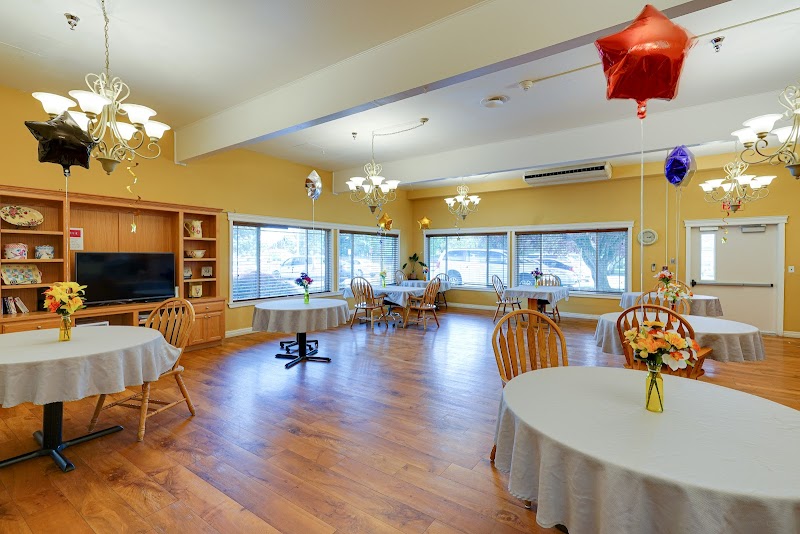
How is French Prairie Nursing & Rehabilitation Center Staffed?

CMS rates FRENCH PRAIRIE NURSING & REHABILITATION CENTER's staffing level at 3 out of 5 stars, which is average compared to other nursing homes. Staff turnover is 73%, which is 26 percentage points above the Oregon average of 46%. High turnover can affect care consistency as new staff learn residents' individual needs. RN turnover specifically is 100%, which is notably high. RNs provide skilled clinical oversight, so turnover in this role can affect medical care quality.

What Have Inspectors Found at French Prairie Nursing & Rehabilitation Center?

State health inspectors documented 49 deficiencies at FRENCH PRAIRIE NURSING & REHABILITATION CENTER during 2022 to 2025. These included: 2 Immediate Jeopardy (the most serious level, indicating potential for serious harm or death), 1 that caused actual resident harm, and 46 with potential for harm. Immediate Jeopardy findings are rare and represent the most serious regulatory concerns. They require immediate corrective action.
Who Owns and Operates French Prairie Nursing & Rehabilitation Center?

FRENCH PRAIRIE NURSING & REHABILITATION CENTER is owned by a for-profit company. For-profit facilities operate as businesses with obligations to shareholders or private owners. The facility is operated by VOLARE HEALTH, a chain that manages multiple nursing homes. With 80 certified beds and approximately 48 residents (about 60% occupancy), it is a smaller facility located in WOODBURN, Oregon.
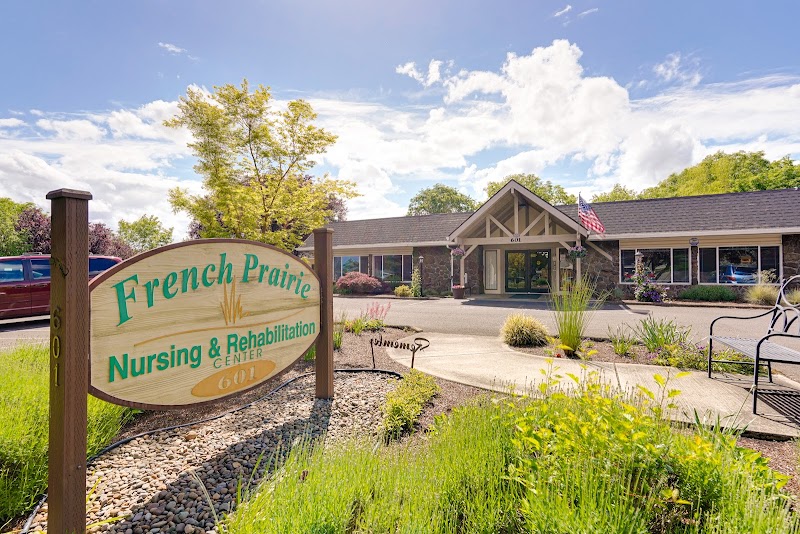
How Does French Prairie Nursing & Rehabilitation Center Compare to Other Oregon Nursing Homes?

Compared to the 100 nursing homes in Oregon, FRENCH PRAIRIE NURSING & REHABILITATION CENTER's overall rating (1 stars) is below the state average of 3.0, staff turnover (73%) is significantly higher than the state average of 46%, and health inspection rating (1 stars) is much below the national benchmark.

What Should Families Ask When Visiting French Prairie Nursing & Rehabilitation Center?

Based on this facility's data, families visiting should ask: "What changes have been made since the serious inspection findings, and how are you preventing similar issues?" "How do you ensure continuity of care given staff turnover, and what is your staff retention strategy?" "Can I visit during a mealtime to observe dining assistance and food quality?" "How do you handle medical emergencies, and what is your hospital transfer rate?" These questions are particularly relevant given the facility's Immediate Jeopardy citations and the facility's high staff turnover rate.

Is French Prairie Nursing & Rehabilitation Center Safe?

Based on CMS inspection data, FRENCH PRAIRIE NURSING & REHABILITATION CENTER has documented safety concerns. Inspectors have issued 2 Immediate Jeopardy citations (the most serious violation level indicating risk of serious injury or death). The facility has a 1-star overall rating and ranks #100 of 100 nursing homes in Oregon. Families considering this facility should ask detailed questions about what corrective actions have been taken since these incidents.

Do Nurses at French Prairie Nursing & Rehabilitation Center Stick Around?

Staff turnover at FRENCH PRAIRIE NURSING & REHABILITATION CENTER is high. At 73%, the facility is 26 percentage points above the Oregon average of 46%. Registered Nurse turnover is particularly concerning at 100%. RNs handle complex medical decisions and coordinate care — frequent RN changes can directly impact care quality. High turnover means new staff may not know residents' individual needs, medications, or preferences. It can also be disorienting for residents, especially those with dementia who rely on familiar faces. Families should ask: What is causing the turnover? What retention programs are in place? How do you ensure care continuity during staff transitions?

Was French Prairie Nursing & Rehabilitation Center Ever Fined?

FRENCH PRAIRIE NURSING & REHABILITATION CENTER has been fined $132,368 across 2 penalty actions. This is 3.8x the Oregon average of $34,403. Fines at this level are uncommon and typically indicate a pattern of serious deficiencies, repeated violations, or failure to correct problems promptly. CMS reserves penalties of this magnitude for facilities that pose significant, documented risk to resident health or safety. Families should request specific documentation of what issues led to these fines and what systemic changes have been implemented.

Is French Prairie Nursing & Rehabilitation Center on Any Federal Watch List?

FRENCH PRAIRIE NURSING & REHABILITATION CENTER is not on any federal watch list. The most significant is the Special Focus Facility (SFF) program, which identifies the bottom 1% of nursing homes nationally based on persistent, serious quality problems. Not being on this list means the facility has avoided the pattern of deficiencies that triggers enhanced federal oversight. This is a positive indicator, though families should still review the facility's inspection history directly.