CEDAR CREST POST ACUTE


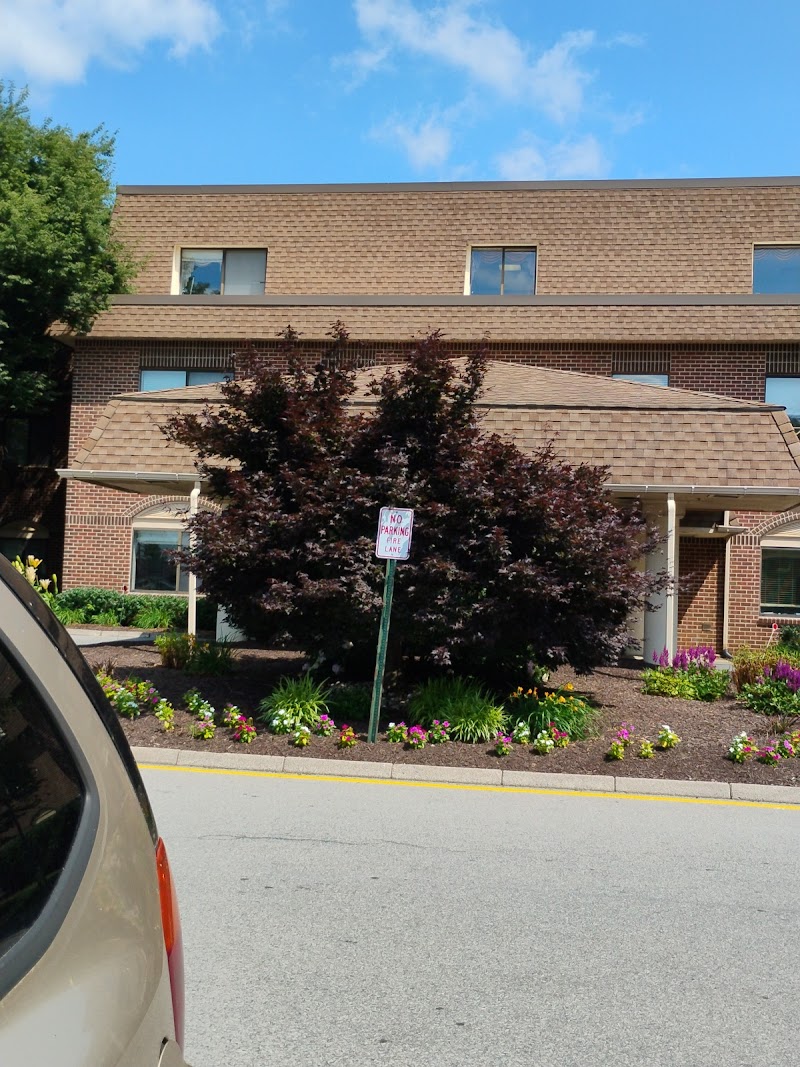
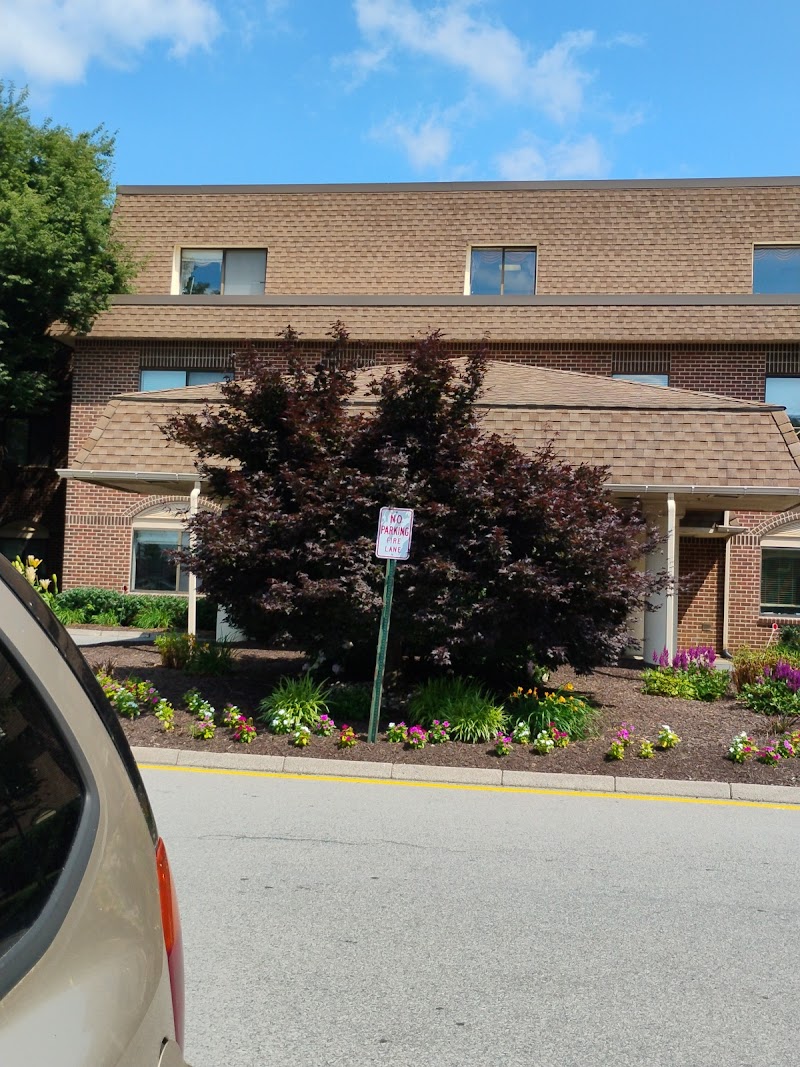
1265 SOUTH CEDAR CREST BLVD, ALLENTOWN, PA 18103 (610) 776-7522
For profit - Corporation 166 Beds MARQUIS HEALTH SERVICES Data: November 2025
Trust Grade
80/100
#160 of 653 in PA
Last Inspection: October 2024

Within standard 12-15 month inspection cycle. Federal law requires annual inspections.

Overview

Cedar Crest Post Acute has a Trust Grade of B+, indicating it is above average and recommended for families seeking care. It ranks #160 out of 653 nursing homes in Pennsylvania, placing it in the top half of facilities in the state, and #8 out of 16 in Lehigh County, meaning there are only a few local options that are better. Unfortunately, the facility is currently worsening, with issues increasing from 1 in 2024 to 2 in 2025. Staffing is a relative strength, with a turnover rate of 39%, which is lower than Pennsylvania's average of 46%, but the staffing rating is average at 3 out of 5 stars. Additionally, there have been no fines, which is a positive sign. However, there are some weaknesses to consider: the facility failed to provide necessary tools for residents, like not ensuring one resident had her reacher for mobility assistance, and there were gaps in care plans for addressing specific health needs, highlighting concerns about individualized care. Overall, while Cedar Crest has strengths in staffing stability and no fines, families should be aware of the recent trend of increasing issues and the need for improvements in care planning.

Trust Score
B+
80/100
In Pennsylvania
#160/653
Top 24%
Safety Record
Low Risk
No red flags
Inspections
Getting Worse
1 → 2 violations
Staff Stability
○ Average
39% turnover. Near Pennsylvania's 48% average. Typical for the industry.
Penalties
✓ Good
No fines on record. Clean compliance history, better than most Pennsylvania facilities.
Skilled Nurses
○ Average
Each resident gets 34 minutes of Registered Nurse (RN) attention daily — about average for Pennsylvania. RNs are the most trained staff who monitor for health changes.
Violations
○ Average
7 deficiencies on record. Average for a facility this size. Mostly minor or procedural issues.
★★★★☆
4.0
Overall Rating
★★★☆☆
3.0
Staff Levels
★★★★☆
4.0
Care Quality
★★★★☆
4.0
Inspection Score
Stable
2024: 1 issues
2025: 2 issues

The Good

  • 4-Star Quality Measures · Strong clinical quality outcomes
  • Full Sprinkler Coverage · Fire safety systems throughout facility
  • No fines on record
  • Staff turnover below average (39%)

    9 points below Pennsylvania average of 48%

Facility shows strength in quality measures, fire safety.

The Bad

Staff Turnover: 39%

Near Pennsylvania avg (46%)

Typical for the industry

Chain: MARQUIS HEALTH SERVICES

Part of a multi-facility chain

Ask about local staffing decisions and management

The Ugly 7 deficiencies on record

Sept 2025 1 deficiency
CONCERN (D) 📢 Someone Reported This

A family member, employee, or ombudsman was alarmed enough to file a formal complaint

Potential for Harm - no one hurt, but risky conditions existed

Comprehensive Care Plan (Tag F0656)

Could have caused harm · This affected 1 resident

**NOTE- TERMS IN BRACKETS HAVE BEEN EDITED TO PROTECT CONFIDENTIALITY** Based on clinical record review, observation, and resident and staff interview, it was determined that the facility failed to im...

Read full inspector narrative →
**NOTE- TERMS IN BRACKETS HAVE BEEN EDITED TO PROTECT CONFIDENTIALITY** Based on clinical record review, observation, and resident and staff interview, it was determined that the facility failed to implement comprehensive care plan interventions to address individual resident needs as identified in the comprehensive assessment for one of seven sampled residents. (Resident 1)Findings include: Clinical record review revealed that Resident 1 had diagnoses that included chronic obstructive pulmonary disease, osteoarthritis, and osteoporosis. Review of the Minimum Data Set assessment dated [DATE], revealed that the resident was able to communicate her needs clearly and required staff assistance for mobility. Review of the current care plan revealed that Resident 1 was at risk for falls with an intervention for staff to ensure that the resident had a reacher (an assistive tool to help retrieve objects) placed within her reach. In an interview at 1:30 p.m., on September 4, 2025, Resident 1 stated, I haven't had my reacher in a while. I would like to have it. Observation of Resident 1's room revealed that the reacher was not available to the resident. At 1:45 p.m., Licensed Practical Nurse Supervisor 1 (LPNS 1) looked in Resident 1's room and could not find the reacher. In an interview on September 4, 2025, at 1:45 p.m., LPNS 1 confirmed that the reacher for Resident 1 was a current intervention and that it was not in the resident's room for her to use. CFR 483.21(b)(1) Comprehensive Care PlansPreviously cited 10/10/24 28 Pa. Code 211.12(d)(1)(5) Nursing services.
May 2025 1 deficiency
CONCERN (D) 📢 Someone Reported This

A family member, employee, or ombudsman was alarmed enough to file a formal complaint

Potential for Harm - no one hurt, but risky conditions existed

Deficiency F0558 (Tag F0558)

Could have caused harm · This affected 1 resident

**NOTE- TERMS IN BRACKETS HAVE BEEN EDITED TO PROTECT CONFIDENTIALITY** Based on clinical record review, observation, and resident interview, it was determined that the facility failed to accomodate t...

Read full inspector narrative →
**NOTE- TERMS IN BRACKETS HAVE BEEN EDITED TO PROTECT CONFIDENTIALITY** Based on clinical record review, observation, and resident interview, it was determined that the facility failed to accomodate the needs and maintain dignity for two of seven sampled residents. (Residents 1 and 3) Findings include: Clinical record review revealed that Resident 1 had diagnoses that included a stroke with hemiplegia on her right dominant side, aphasia (inability to swallow), dysphagia (speech impairment), and depression. The Minimum Data Set (MDS) assessment dated [DATE], indicated that the resident needed help with self care, had limitations in range of motion on one side of her upper extremities, and required maximum assistance with toileting and dressing. Further review of the MDS assessment revealed that family had relayed to the facility that it was very important for the resident to choose her own activities, clothing, and bed time. A review of the care plan revealed that the resident had a communication deficit and there was an intervention for staff to anticipate and meet her needs. In addition, the care plan revealed the resident had an activities of daily living (ADL) self care deficit. There were interventions for staff to assist her with dressing and toileting and to encourage her to use the call bell for assistance. Review of a nurse practitioner's note dated April 23, 2025, revealed that Resident 1 does try to express herself and does appear to have some understanding of questions asked. On May 3, 2025, at 10:40 a.m., 11:00 a.m., 11:15 a.m., and 11:30 a.m., observation revealed that the resident was in bed and only dressed in a hospital gown. The hospital gown was falling down in the front and was not tied or snapped in order to fully cover her upper chest. Her hair was not combed and it did not appear that she had received assistance with her hygeine care, including getting out of bed and getting dressed. During the observations, her call bell was tangled and hanging behind her night stand and out of her reach. In an interview with Resident 1 at 10:40 a.m., when asked if she had her call bell, she shook her head no and was turning her head to see if she could find it. She was not aware of where the call bell was and she did not have access to it to call staff for assistance. Further observation at 12:00 p.m., revealed that Resident 1 was dressed and seated at bed side in her wheelchair. Her hair was combed and she had been served her lunch. In an interview at that time, when asked if she felt better now that she was out of bed, dressed and had received care, she smiled and nodded yes. Clinical record review revealed that Resident 3 had diagnoses that included diabetes, fibromyalgia (chronic pain in muscles and soft tissues surrounding joints), and major depressive disorder. A review of the care plan revealed that she had an ADL self care deficit and there was an intervention for staff to encourage her to use the call bell for assistance. On May 3, 2025, at 10:45 a.m., observation revealed that Resident 3 was in her room calling out for help. At that time, she stated, I need to go to the bathroom. When asked where her call bell was located, she was unable to locate it. Observation revealed that the call bell was draped over the night stand, hanging inside the open drawer of the night stand, and was out of her reach. 28 Pa. Code 211.12(d)(1)(5) Nursing services.
Oct 2024 1 deficiency
CONCERN (D)

Potential for Harm - no one hurt, but risky conditions existed

Comprehensive Care Plan (Tag F0656)

Could have caused harm · This affected 1 resident

**NOTE- TERMS IN BRACKETS HAVE BEEN EDITED TO PROTECT CONFIDENTIALITY** Based on clinical record review and staff interview, it was determined that the facility failed to develop a comprehensive care ...

Read full inspector narrative →
**NOTE- TERMS IN BRACKETS HAVE BEEN EDITED TO PROTECT CONFIDENTIALITY** Based on clinical record review and staff interview, it was determined that the facility failed to develop a comprehensive care plan to meet each resident's needs identified in the comprehensive assessment for one of 30 sampled residents. (Resident 194) Clinical record review revealed that Resident 194 was admitted to the facility on [DATE], and had diagnoses that included retention of urine, Parkinson's disease, and dementia. The Minimum Data Set Care Area Assessment summary dated September 3, 2024, noted that the resident's urinary incontinence and cognitive decline/dementia were to be addressed in the care plan. There was no evidence that interventions to address Resident 194's urinary incontinence and cognitive decline/dementia were addressed in the current care plan. In an interview on October 9, 2024, at 2:40 p.m., the Director of Nursing confirmed there was no documented evidence that the identified care areas were addressed in Resident 194's current care plan and they should have been. 28 Pa. Code 211.12(d)(1)(5)Nursing services.
Nov 2023 1 deficiency
CONCERN (D)

Potential for Harm - no one hurt, but risky conditions existed

Quality of Care (Tag F0684)

Could have caused harm · This affected 1 resident

**NOTE- TERMS IN BRACKETS HAVE BEEN EDITED TO PROTECT CONFIDENTIALITY** Based on clinical record review and staff interview, it was determined that the facility failed to ensure that physician's order...

Read full inspector narrative →
**NOTE- TERMS IN BRACKETS HAVE BEEN EDITED TO PROTECT CONFIDENTIALITY** Based on clinical record review and staff interview, it was determined that the facility failed to ensure that physician's orders were implemented for two of 30 sampled residents. (Residents 30, 202) Findings include: Clinical record review revealed that Resident 30 was admitted [DATE], with diagnoses that included diabetes (insufficient production of insulin, causing high blood sugar). A physician's order, dated, May 3, 2023, directed staff to take a finger stick measurement of the resident's blood sugar before each meal at 6:30 a.m., 11:30 a.m., and 4:30 p.m. Review of Resident 30's Medication Administration Record (MAR) revealed that on August 27, 2023, at 6:30 a.m., October 19, 2023, at 6:30 a.m., and October 25, 2023, at 11:30 a.m., there was a lack of documentation to support that staff took a measurement of the resident's blood sugar. A physician's order, dated July 13, 2023, directed staff to take Resident 30's weight every week on Thursday. Review of the record and the MAR for August, September, and October, 2023, revealed that there was a lack of documentation to support that staff weighed the resident weekly as ordered on eight of 13 occasions. Clinical record review revealed that Resident 202 was admitted [DATE], with diagnoses that included diabetes. A physician's order, dated October 2, 2023, directed staff to take a finger stick measurement of the resident's blood sugar twice a day at 6:00 a.m. and 4:30 p.m. Review of the MAR revealed that on October 3, 19, 20, and 22, 2023, at 6:00 a.m., there was a lack of documentation to support that staff took a measurement of the resident's blood sugar. In an interview on November 8, 2023, at 11:30 a.m., the Director of Nursing stated that there was no documented evidence to support that staff followed physicians' orders as identified above. 28 Pa. Code 211.12(d)(1)(5) Nursing services.
Nov 2022 3 deficiencies
CONCERN (D)

Potential for Harm - no one hurt, but risky conditions existed

Deficiency F0688 (Tag F0688)

Could have caused harm · This affected 1 resident

**NOTE- TERMS IN BRACKETS HAVE BEEN EDITED TO PROTECT CONFIDENTIALITY** Based on clinical record review, observation, and staff interview, it was determined that the facility failed to provide treatme...

Read full inspector narrative →
**NOTE- TERMS IN BRACKETS HAVE BEEN EDITED TO PROTECT CONFIDENTIALITY** Based on clinical record review, observation, and staff interview, it was determined that the facility failed to provide treatment and services to prevent further decline in range of motion and contracture for one of 25 sampled residents. (Resident 45) Findings include: Clinical record review revealed that Resident 45 had diagnoses that included anoxic brain injury and contractures of the left and right hands. Review of the Minimum Data Set assessment dated [DATE], revealed Resident 45 was totally dependent on staff for activities of daily living and had limitations in range of motion on both sides of her upper extremities. Review of Resident 45's occupational therapy discharge recommendations on March 12, 2021, revealed that the resident was to continue a restorative splint and brace program for both hands. Review of the current care plan indicated that staff was to apply splints to the resident's left and right hands daily. On November 22, 2022, from 11:15 a.m. through 12:50 pm, and on November 23, 2022, at 11:30 a.m., Resident 45 was observed without splints to her left and right hands. In an interview on November 23, 2022, at 10:04 a.m. the Nursing Home Administrator stated that Resident 45 was on a restorative splinting program for her hands. 28 Pa. Code 211.12 (d)(1)(5) Nursing services.
CONCERN (D)

Potential for Harm - no one hurt, but risky conditions existed

Accident Prevention (Tag F0689)

Could have caused harm · This affected 1 resident

**NOTE- TERMS IN BRACKETS HAVE BEEN EDITED TO PROTECT CONFIDENTIALITY** Based on clinical record review, review of the facility's incident investigation, and staff interview, it was determined that th...

Read full inspector narrative →
**NOTE- TERMS IN BRACKETS HAVE BEEN EDITED TO PROTECT CONFIDENTIALITY** Based on clinical record review, review of the facility's incident investigation, and staff interview, it was determined that the facility failed to provide adequate supervision related to an elopement (unauthorized departure from the facility) for one of 25 sampled residents. (Resident 81) Findings include: Clinical record review revealed that Resident 81 was admitted to the facility on [DATE], with diagnoses including congestive heart failure and hypertension. The Minimum Data Set assessment dated [DATE], indicated that the resident had memory impairment and needed supervision from staff when off of the nursing unit. Review of the nurses notes revealed that on October 3, 2022, Resident 81 walked on the elevator and attempted to go downstairs. The nurse noted that a Wanderguard (a security apparatus worn by an at risk resident that prevents doors from opening to prevent elopement when the resident is nearby) was applied and the supervisor was made aware. Further review of the nurses notes revealed that on October 24, 2022, Resident 81 was found outside the facility in the parking lot by staff leaving the facility. Review of the facility's incident investigation revealed that Resident 81 did not have a Wanderguard on when he was found. There was no evidence to support that a Wanderguard was applied or monitored by staff as indicated by the nurse's note on October 3, 2022. In a interview on November 23, 2022, at 10:49 a.m. the Director of Nursing stated that there was no evidence that Resident 81's Wanderguard was monitored by facility staff and that in an interview, Resident 81 stated to her that he had cut off the Wanderguard applied on October 3, 2022, on an unknown date prior to the resident's elopement on October 24, 2022. 28 Pa. Code 211.12(d)(1)(5) Nursing services.
CONCERN (D)

Potential for Harm - no one hurt, but risky conditions existed

Deficiency F0806 (Tag F0806)

Could have caused harm · This affected 1 resident

**NOTE- TERMS IN BRACKETS HAVE BEEN EDITED TO PROTECT CONFIDENTIALITY** Based on clinical record review, observation and interview, it was determined that the facility failed to ensure that a resident...

Read full inspector narrative →
**NOTE- TERMS IN BRACKETS HAVE BEEN EDITED TO PROTECT CONFIDENTIALITY** Based on clinical record review, observation and interview, it was determined that the facility failed to ensure that a resident's preference at meal times had been accommodated for one of 25 sampled residents. (Resident 54) Findings include: Clinical record review revealed that Resident 54 was admitted to the facility with diagnoses including diabetes mellitus and malnutrition. A Minimum Data Set assessment dated [DATE], indicated that the resident was alert and able to make his needs known. Resident 54's ongoing care plan revealed he had an altered nutrition status and an intervention was to honor his food preferences. During an interview on November 21, 2022, at 12:15 p.m. Resident 54 stated that he had told the dietary department that he disliked carrots and still received them often. Observation on November 21, 2022, at 12:40 p.m. revealed that the resident received diced carrots as a side with his meal. The resident's tray card indicated that the resident disliked carrots.
Understanding Severity Codes (click to expand)
Life-Threatening (Immediate Jeopardy)
J - Isolated K - Pattern L - Widespread
Actual Harm
G - Isolated H - Pattern I - Widespread
Potential for Harm
D - Isolated E - Pattern F - Widespread
No Harm (Minor)
A - Isolated B - Pattern C - Widespread

Questions to Ask on Your Visit

  • "Can I speak with families of current residents?"
  • "What's your RN coverage like on weekends and overnight?"

Our Honest Assessment

Strengths
  • • Grade B+ (80/100). Above average facility, better than most options in Pennsylvania.
  • • No major safety red flags. No abuse findings, life-threatening violations, or SFF status.
  • • No fines on record. Clean compliance history, better than most Pennsylvania facilities.
  • • 39% turnover. Below Pennsylvania's 48% average. Good staff retention means consistent care.
Concerns
  • • No significant concerns identified. This facility shows no red flags across CMS ratings, staff turnover, or federal penalties.
Bottom line: Generally positive indicators. Standard due diligence and a personal visit recommended.

About This Facility

What is Cedar Crest Post Acute's CMS Rating?

CMS assigns CEDAR CREST POST ACUTE an overall rating of 4 out of 5 stars, which is considered above average nationally. Within Pennsylvania, this rating places the facility higher than 99% of the state's 100 nursing homes. This rating reflects solid performance across the metrics CMS uses to evaluate nursing home quality.
How is Cedar Crest Post Acute Staffed?

CMS rates CEDAR CREST POST ACUTE's staffing level at 3 out of 5 stars, which is average compared to other nursing homes. Staff turnover is 39%, compared to the Pennsylvania average of 46%. This relatively stable workforce can support continuity of care.

What Have Inspectors Found at Cedar Crest Post Acute?

State health inspectors documented 7 deficiencies at CEDAR CREST POST ACUTE during 2022 to 2025. These included: 7 with potential for harm.
Who Owns and Operates Cedar Crest Post Acute?

CEDAR CREST POST ACUTE is owned by a for-profit company. For-profit facilities operate as businesses with obligations to shareholders or private owners. The facility is operated by MARQUIS HEALTH SERVICES, a chain that manages multiple nursing homes. With 166 certified beds and approximately 156 residents (about 94% occupancy), it is a mid-sized facility located in ALLENTOWN, Pennsylvania.
How Does Cedar Crest Post Acute Compare to Other Pennsylvania Nursing Homes?

Compared to the 100 nursing homes in Pennsylvania, CEDAR CREST POST ACUTE's overall rating (4 stars) is above the state average of 3.0, staff turnover (39%) is near the state average of 46%, and health inspection rating (4 stars) is above the national benchmark.

What Should Families Ask When Visiting Cedar Crest Post Acute?

Based on this facility's data, families visiting should ask: "Can I visit during a mealtime to observe dining assistance and food quality?" "How do you handle medical emergencies, and what is your hospital transfer rate?" "Can I speak with family members of current residents about their experience?"

Is Cedar Crest Post Acute Safe?

Based on CMS inspection data, CEDAR CREST POST ACUTE has a clean safety record: no substantiated abuse findings (meaning no confirmed cases of resident harm), no Immediate Jeopardy citations (the most serious violation level indicating risk of serious injury or death), and is not on the Special Focus Facility watch list (a federal program monitoring the lowest-performing 1% of nursing homes). The facility has a 4-star overall rating and ranks #1 of 100 nursing homes in Pennsylvania. While no facility is perfect, families should still ask about staff-to-resident ratios and recent inspection results during their visit.

Do Nurses at Cedar Crest Post Acute Stick Around?

CEDAR CREST POST ACUTE has a staff turnover rate of 39%, which is about average for Pennsylvania nursing homes (state average: 46%). Moderate turnover is common in nursing homes, but families should still ask about staff tenure and how the facility maintains care continuity when employees leave.

Was Cedar Crest Post Acute Ever Fined?

CEDAR CREST POST ACUTE has no federal fines on record. CMS issues fines when nursing homes fail to meet care standards or don't correct problems found during inspections. The absence of fines suggests the facility has either maintained compliance or corrected any issues before penalties were assessed. This is a positive indicator, though families should still review recent inspection reports for the full picture.

Is Cedar Crest Post Acute on Any Federal Watch List?

CEDAR CREST POST ACUTE is not on any federal watch list. The most significant is the Special Focus Facility (SFF) program, which identifies the bottom 1% of nursing homes nationally based on persistent, serious quality problems. Not being on this list means the facility has avoided the pattern of deficiencies that triggers enhanced federal oversight. This is a positive indicator, though families should still review the facility's inspection history directly.