LUTHER CREST NURSING FACILITY


800 HAUSMAN ROAD, ALLENTOWN, PA 18104 (610) 398-8011
Non profit - Corporation 60 Beds Independent Data: November 2025
Trust Grade
80/100
#73 of 653 in PA
Last Inspection: June 2025

Inspected within the last 6 months. Data reflects current conditions.

Overview

Luther Crest Nursing Facility has a Trust Grade of B+, which means it is above average and recommended for families considering care options. It ranks #73 out of 653 facilities in Pennsylvania, placing it in the top half, and is #4 out of 16 in Lehigh County, indicating limited local competition. The facility is improving, with reported issues decreasing from 5 in 2024 to 2 in 2025. However, staffing is a significant concern, receiving only 1 out of 5 stars, with a high turnover rate of 91%, much worse than the state average. On a positive note, the facility has not incurred any fines, which reflects well on its compliance with regulations. Additionally, there is good RN coverage, meaning residents are monitored closely. However, there have been specific incidents of concern, such as staff not accurately completing assessments for residents or failing to implement physician orders for necessary daily care. This suggests that while there are strengths in care quality, there are critical areas that need improvement to ensure consistent and effective resident care.

Trust Score
B+
80/100
In Pennsylvania
#73/653
Top 11%
Safety Record
Low Risk
No red flags
Inspections
Getting Better
5 → 2 violations
Staff Stability
⚠ Watch
91% turnover. Very high, 43 points above average. Constant new faces learning your loved one's needs.
Penalties
✓ Good
No fines on record. Clean compliance history, better than most Pennsylvania facilities.
Skilled Nurses
○ Average
RN staffing data not reported for this facility.
Violations
○ Average
8 deficiencies on record. Average for a facility this size. Mostly minor or procedural issues.
★★★★★
5.0
Overall Rating
★☆☆☆☆
1.0
Staff Levels
★★★★★
5.0
Care Quality
★★★★★
5.0
Inspection Score
Stable
2024: 5 issues
2025: 2 issues

The Good

  • 5-Star Quality Measures · Strong clinical quality outcomes
  • Full Sprinkler Coverage · Fire safety systems throughout facility
  • No fines on record

Facility shows strength in quality measures, fire safety.

The Bad

Staff Turnover: 91%

45pts above Pennsylvania avg (46%)

Frequent staff changes - ask about care continuity

Staff turnover is very high (91%)

43 points above Pennsylvania average of 48%

The Ugly 8 deficiencies on record

Jun 2025 2 deficiencies
CONCERN (D)

Potential for Harm - no one hurt, but risky conditions existed

Assessment Accuracy (Tag F0641)

Could have caused harm · This affected 1 resident

Based on clinical record review and staff interview, it was determined that the facility failed to ensure that the Minimum Data Set (MDS) assessments were completed to accurately reflect the resident'...

Read full inspector narrative →
Based on clinical record review and staff interview, it was determined that the facility failed to ensure that the Minimum Data Set (MDS) assessments were completed to accurately reflect the resident's current status for one of 13 sampled residents. (Resident 2) Findings include: Clinical record review revealed that Resident 2 had diagnoses that included diabetes mellitus, muscle weakness, need for assistance with personal care, and major depressive disorder. A physician's orders dated April 21, 2024, July 22, 2024, and March 28, 2025, directed staff to apply and monitor an electronic monitoring device to the resident's arm. Review of the MDS assessments dated July 13, 2024, October 13, 2024, and January 13, 2025, section P indicated the resident did not use the electronic monitoring device. The MDS inaccurately reflected the use of an electronic monitoring device. In an interview on June 5, 2025, at 10:12 a.m., the Director of Nursing confirmed that Resident 2's MDS assessments were inaccurate and did not reflect the resident's current status.
CONCERN (D)

Potential for Harm - no one hurt, but risky conditions existed

Quality of Care (Tag F0684)

Could have caused harm · This affected 1 resident

Based on clinical record review and staff interview, it was determined that the facility failed to implement physicians' orders for two of 13 sampled residents. (Resident 29, 36) Findings include: Cl...

Read full inspector narrative →
Based on clinical record review and staff interview, it was determined that the facility failed to implement physicians' orders for two of 13 sampled residents. (Resident 29, 36) Findings include: Clinical record review revealed that Resident 29 had diagnoses that included congestive heart failure, coronary artery disease, and hypertension. A physician's order dated May 23, 2025, directed staff to weigh the resident daily. A review of the Medication Administration Record (MAR) for May and June 2025, and Treatment Administration Record (TAR) for May and June 2025, revealed that there was no evidence that staff weighed Resident 29 as ordered on May 25 and 26, 2025, and June 1 and 2, 2025. Clinical record review revealed that Resident 36 had diagnoses that included dementia, protein-calorie malnutrition, and chronic kidney disease. A physician's order dated April 29, 2025, directed staff to weigh the resident weekly. A review of the MAR and TAR for May 2025, revealed that there was no evidence that staff weighed Resident 36 as ordered between May 2 and May 27, 2025. In an interview on June 5, 2025, at 9:49 a.m. and 1:03 p.m., the Director of Nursing confirmed that there was no documented evidence that staff attempted to weigh the residents as ordered. 28 Pa. Code 211.12(d)(1)(5) Nursing services.
Jul 2024 5 deficiencies
CONCERN (D)

Potential for Harm - no one hurt, but risky conditions existed

Deficiency F0676 (Tag F0676)

Could have caused harm · This affected 1 resident

**NOTE- TERMS IN BRACKETS HAVE BEEN EDITED TO PROTECT CONFIDENTIALITY** Based on clinical record review and resident and staff interview, it was determined that the facility failed to provide services...

Read full inspector narrative →
**NOTE- TERMS IN BRACKETS HAVE BEEN EDITED TO PROTECT CONFIDENTIALITY** Based on clinical record review and resident and staff interview, it was determined that the facility failed to provide services to improve and/or maintain activities of daily living that included ambulation for three of 14 sampled residents. (Residents 2, 7, 40) Findings include: Clinical record review revealed that Resident 2 had diagnoses that included a history of fractured ribs, vascular dementia, and muscle weakness. The Minimum Data Set (MDS) assessment dated [DATE], indicated that the resident was alert and oriented and required supervision/touching assistance with ambulation. Review of the restorative program plan of care that was recommended by physical therapy on January 5, 2024, indicated that the recommendation was for a restorative ambulation program to be implemented by staff. The goal was for the resident to maintain the current level of mobility of walking 200 feet, two times a day with a roller walker and assistance of one person. A review of the current care plan revealed that the resident was on a restorative nursing program for ambulation. The intervention was for the resident to ambulate 200 plus feet with a walker and assist of one two times a day. Review of nursing documentation for the last 30 days revealed that there was a total of six times that the resident was only offered assistance with walking one time a day. In addition, there was a total of five days that there was no documented evidence that the staff had assisted the resident at all with the restorative ambulation program. Clinical record review revealed that Resident 7 had diagnoses that included polyosteoarthritis, age related physical disability and difficulty walking. The MDS assessment dated [DATE], indicated that the resident was alert and used a walker for ambulation. On May 30, 2024, a physician documented that the resident was alert and communicative. Review of a physical therapy Discharge summary dated [DATE], indicated that the resident had met the goal of walking 50 feet with a walker, with supervision and stand by assistance for safety. The summary further indicated that the resident had reached maximum potential and the recommendation was for staff to provide a restorative program for ambulation. Review of the current restorative plan of care that had been initiated by physical therapy revealed that the resident was to ambulate 20 to 50 feet one to two times a day with a roller walker and assist of one with a gait belt. Review of nursing documentation for the last 30 days revealed that there was a total of 14 times that the resident was only offered assistance with walking one time a day. In addition, there was a total of three days that there was no documented evidence that the staff had not assisted the resident at all with the restorative ambulation program. In an interview on July 10, 2024, at 10:16 a.m., the resident stated that she does like to walk, but that she was not offered assistance to walk daily on a consistent basis. Clinical record review revealed that Resident 40 had diagnoses that included Alzheimer's disease, dementia, and high blood pressure. The MDS assessment dated [DATE], indicated that the resident had confusion, but could usually communicate with and understand others. Review of a physical therapy Discharge summary dated [DATE], indicated that the resident had met the goal of walking 75 feet with a walker, with a minimum of one assistance for safety. The summary further indicated that the resident had reached maximum potential and the recommendation was for staff to provide a restorative program for ambulation. Review of the current restorative plan of care that had been initiated by physical therapy revealed that the resident was to ambulate 50 to 100 feet daily with a roller walker and assist of one with a gait belt and a wheelchair to follow. Review of nursing documentation for the last 30 days revealed that there was a total of 15 days that there was no documented evidence that staff had assisted the resident at all with the restorative ambulation program. In an interview on July 11, 2024, at 9:30 a.m., the Director of Nursing stated that there was no documented evidence that the restorative ambulation programs had been consistently offered to the aforementioned residents as recommended by physical therapy. 28 Pa. Code 211.12 (d)(1)(3)(5) Nursing services
CONCERN (D)

Potential for Harm - no one hurt, but risky conditions existed

Pressure Ulcer Prevention (Tag F0686)

Could have caused harm · This affected 1 resident

**NOTE- TERMS IN BRACKETS HAVE BEEN EDITED TO PROTECT CONFIDENTIALITY** Based on clinical record review, observation, and staff interview, it was determined that the facility failed to provide treatme...

Read full inspector narrative →
**NOTE- TERMS IN BRACKETS HAVE BEEN EDITED TO PROTECT CONFIDENTIALITY** Based on clinical record review, observation, and staff interview, it was determined that the facility failed to provide treatment in accordance with physician's orders for one of three sampled residents with pressure ulcers. (Resident 19) Findings include: Clinical record review revealed that Resident 19 had diagnoses that included heart failure and muscle weakness. The Minimum Data Set assessment dated [DATE], indicated that the resident required assistance from staff for personal hygiene. Review of the care plan revealed that there was a risk for skin impairment related to the resident's fragile skin, decreased mobility, and incontinence. Review of a nursing note dated May 31, 2024, indicated that the resident had a new pressure related wound on the buttocks. On July 5, 2024, a physician ordered for staff to cleanse and provide a treatment to the wound twice a day on the day and evening shift and as needed for dislodgement of the dressing. Observation on July 10, 2024, at 9:45 a.m., of a wound treatment for Resident 15 with the licensed practical nurse (LPN1) revealed that the dressing to be removed had a date of July 9, 2024, and the initials matched those of the LPN1. In an interview at the time of the observation, LPN1 confirmed that the old dressing was the one placed, dated, and initialed from dayshift on July 9, 2024, and that the previous evening's treatment was not completed as ordered. In an interview on July 11, 2024, at 10:23 a.m., the Director of Nursing confirmed that the wound care had not been completed on the evening shift of July 9, 2024, as per the physician order. 28 Pa Code 211.12 (d)(1)(3)(5) Nursing services.
MINOR (B)

Minor Issue - procedural, no safety impact

Transfer Notice (Tag F0623)

Minor procedural issue · This affected multiple residents

**NOTE- TERMS IN BRACKETS HAVE BEEN EDITED TO PROTECT CONFIDENTIALITY** Based on facility policy review, clinical record review, and staff interview, it was determined that the facility failed to noti...

Read full inspector narrative →
**NOTE- TERMS IN BRACKETS HAVE BEEN EDITED TO PROTECT CONFIDENTIALITY** Based on facility policy review, clinical record review, and staff interview, it was determined that the facility failed to notify the residents and the residents' representatives of transfers from the facility and reasons for the moves in writing for two of three sampled residents who were transferred to the hospital. (Residents 2, 39) Findings include: Review of the facility policy entitled, Bed-Holds and Returns, last reviewed January 25, 2024, revealed that prior to transfers the residents and resident representatives were to be informed in writing of the details of the transfer per the Notice of Transfer. Clinical record review revealed that Resident 2 was transferred and admitted to the hospital on [DATE], after a change in condition. Clinical record review revealed that Resident 39 was transferred and admitted to the hospital on [DATE], and April 17, 2024, after a change in condition. In an interview on July 11, 2024, at 9:30 a.m., the Administrator stated that there was no documented evidence that the residents or the residents' representatives were given the information in writing of the details of the transfer as per the facility policy.
MINOR (B)

Minor Issue - procedural, no safety impact

Deficiency F0625 (Tag F0625)

Minor procedural issue · This affected multiple residents

**NOTE- TERMS IN BRACKETS HAVE BEEN EDITED TO PROTECT CONFIDENTIALITY** Based on review of facility policy, clinical record review, and staff interview, it was determined that the facility failed to p...

Read full inspector narrative →
**NOTE- TERMS IN BRACKETS HAVE BEEN EDITED TO PROTECT CONFIDENTIALITY** Based on review of facility policy, clinical record review, and staff interview, it was determined that the facility failed to provide a written notice of the facility's bed-hold policy (an agreement for the facility to hold a bed for an agreed rate during a hospitalization) to the resident, family member, or legal representative at the time of the transfer out of the facility for two of three sampled residents who were transferred to the hospital. (Residents 2, 39) Findings include: Review of the facility's policy entitled, Bed-Holds and Returns, last reviewed January 25, 2024, revealed that prior to transfers, residents or resident representatives were to be informed in writing of the bed-hold and return policy. Clinical record review revealed that Resident 2 was transferred and admitted to the hospital on [DATE], after a change in condition. Clinical record review revealed that Resident 39 was transferred and admitted to the hospital on [DATE], and April 17, 2024. In an interview on July 11, 2024, at 9:30 a.m., the Administrator stated that there was no documented evidence that the residents or the residents' representatives were given information regarding bed-holds after their transfers out to the hospital as per facility policy.
MINOR (C)

Minor Issue - procedural, no safety impact

Staffing Information (Tag F0732)

Minor procedural issue · This affected most or all residents

Based on observation and staff interview, it was determined that the facility failed to post accurate daily nurse staffing information. Findings include: Observation on July 9, 2024, at 8:30 a.m., 10...

Read full inspector narrative →
Based on observation and staff interview, it was determined that the facility failed to post accurate daily nurse staffing information. Findings include: Observation on July 9, 2024, at 8:30 a.m., 10:30 a.m., and 11:00 a.m., revealed that the posted nurse staffing information was from the day before, July 8, 2024. In an interview on July 11, 2024, at 9:30 a.m., the Director of Nursing stated that on the morning of July 9, 2024, the nurse staffing information had not been posted for the correct date. 28 Pa. Code 201.18(b)(3) Management.
Jun 2023 1 deficiency
CONCERN (D)

Potential for Harm - no one hurt, but risky conditions existed

Medical Records (Tag F0842)

Could have caused harm · This affected 1 resident

**NOTE- TERMS IN BRACKETS HAVE BEEN EDITED TO PROTECT CONFIDENTIALITY** Based on clinical record review and staff interview, it was determined that the facility failed to maintain clinical records tha...

Read full inspector narrative →
**NOTE- TERMS IN BRACKETS HAVE BEEN EDITED TO PROTECT CONFIDENTIALITY** Based on clinical record review and staff interview, it was determined that the facility failed to maintain clinical records that were accurate for three of 16 sampled residents. (Resident 25, 37, 109) Findings include: Clinical record review revealed that Resident 25 was admitted to the facility on [DATE], with diagnoses that included osteoporosis and fracture of the lumbar vertebra. On June 1, 2023, the physician ordered for staff to administer narcotic pain medication (oxycodone) every four as hours as needed for severe pain. Review of the current care plan indicated that Resident 25 had pain related to her fracture and that staff was to utilized non medication interventions and administer as needed pain medication if non medication interventions were ineffective. Review of the Medication Administration Record (MAR) for June 1 through 21, 2023, revealed that Resident 25 received the as needed narcotic pain medication on 18 occasions. There was no documented evidence that staff offered non medication interventions prior to the administration of the as needed pain medication. Clinical record review revealed that Resident 37 had diagnoses that included osteoarthritis and hemiplegia and hemiparesis following cerebral infarction (weakness or the inability to move on one side of the body following a stroke). On May 6, 2023, the physician ordered for staff to administer narcotic pain medication (oxycodone) every eight as hours as needed for severe pain. Review of the MAR for June 1 through 21, 2023, revealed that Resident 37 received the as needed narcotic pain medication on five occasions. There was no documented evidence that staff offered non medication interventions prior to the administration of the as needed pain medication. Clinical record review revealed that Resident 109 was admitted to the facility on [DATE], with diagnoses that included osteoporosis. On June 14, 2023, the physician ordered for staff to administer narcotic pain medication (oxycodone) every four hours as needed for moderate pain. Review of the MAR for June 14 through 21, 2023, revealed that Resident 109 received the as needed narcotic pain medication on six occasions. There was no documented evidence that staff offered non medication interventions on five occasions prior to the administration of the as needed pain medication. In an interview on June 22, 2023, at 11:57 a.m., the Director of Nursing confirmed that staff offered but did not document non medication interventions prior to the administration of narcotic pain medication. 28 PA. Code 211.5(f) Clinical records.
Understanding Severity Codes (click to expand)
Life-Threatening (Immediate Jeopardy)
J - Isolated K - Pattern L - Widespread
Actual Harm
G - Isolated H - Pattern I - Widespread
Potential for Harm
D - Isolated E - Pattern F - Widespread
No Harm (Minor)
A - Isolated B - Pattern C - Widespread

Questions to Ask on Your Visit

  • "Why is there high staff turnover? How do you retain staff?"
  • "Can I speak with families of current residents?"
  • "What's your RN coverage like on weekends and overnight?"

Our Honest Assessment

Strengths
  • • Grade B+ (80/100). Above average facility, better than most options in Pennsylvania.
  • • No major safety red flags. No abuse findings, life-threatening violations, or SFF status.
  • • No fines on record. Clean compliance history, better than most Pennsylvania facilities.
Concerns
  • • 91% turnover. Very high, 43 points above average. Constant new faces learning your loved one's needs.
Bottom line: Generally positive indicators. Standard due diligence and a personal visit recommended.

About This Facility

What is Luther Crest Nursing Facility's CMS Rating?

CMS assigns LUTHER CREST NURSING FACILITY an overall rating of 5 out of 5 stars, which is considered much above average nationally. Within Pennsylvania, this rating places the facility higher than 99% of the state's 100 nursing homes. This rating reflects solid performance across the metrics CMS uses to evaluate nursing home quality.
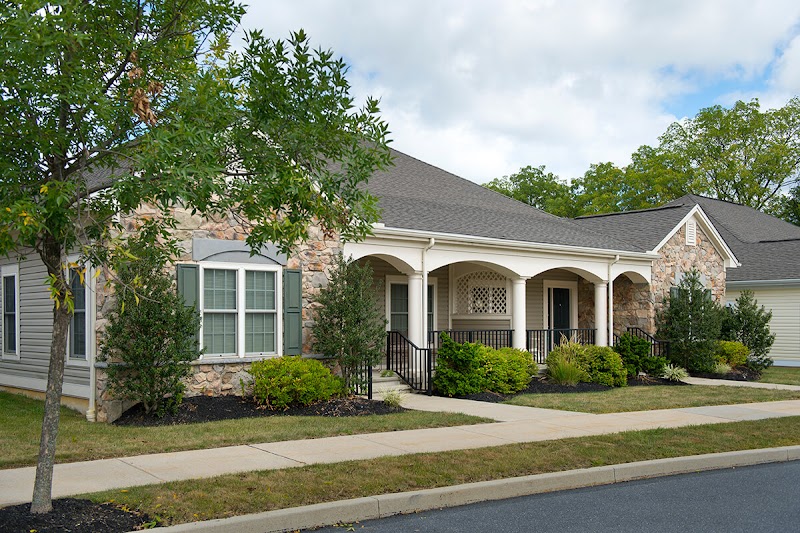
How is Luther Crest Nursing Facility Staffed?

CMS rates LUTHER CREST NURSING FACILITY's staffing level at 1 out of 5 stars, which is much below average compared to other nursing homes. Staff turnover is 91%, which is 45 percentage points above the Pennsylvania average of 46%. High turnover can affect care consistency as new staff learn residents' individual needs. RN turnover specifically is 90%, which is notably high. RNs provide skilled clinical oversight, so turnover in this role can affect medical care quality.

What Have Inspectors Found at Luther Crest Nursing Facility?

State health inspectors documented 8 deficiencies at LUTHER CREST NURSING FACILITY during 2023 to 2025. These included: 5 with potential for harm and 3 minor or isolated issues.

Who Owns and Operates Luther Crest Nursing Facility?

LUTHER CREST NURSING FACILITY is owned by a non-profit organization. Non-profit facilities reinvest revenue into operations rather than distributing to shareholders. The facility operates independently rather than as part of a larger chain. With 60 certified beds and approximately 50 residents (about 83% occupancy), it is a smaller facility located in ALLENTOWN, Pennsylvania.
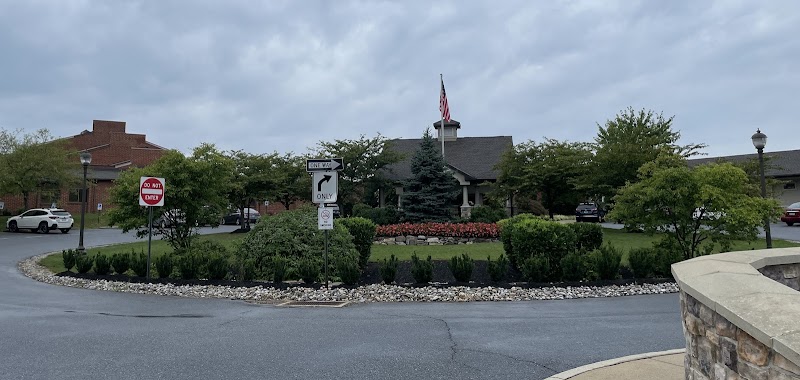
How Does Luther Crest Nursing Facility Compare to Other Pennsylvania Nursing Homes?

Compared to the 100 nursing homes in Pennsylvania, LUTHER CREST NURSING FACILITY's overall rating (5 stars) is above the state average of 3.0, staff turnover (91%) is significantly higher than the state average of 46%, and health inspection rating (5 stars) is much above the national benchmark.

What Should Families Ask When Visiting Luther Crest Nursing Facility?

Based on this facility's data, families visiting should ask: "How do you ensure continuity of care given staff turnover, and what is your staff retention strategy?" "Can you walk me through typical staffing levels on day, evening, and night shifts?" "Can I visit during a mealtime to observe dining assistance and food quality?" "How do you handle medical emergencies, and what is your hospital transfer rate?" These questions are particularly relevant given the facility's high staff turnover rate and the below-average staffing rating.

Is Luther Crest Nursing Facility Safe?

Based on CMS inspection data, LUTHER CREST NURSING FACILITY has a clean safety record: no substantiated abuse findings (meaning no confirmed cases of resident harm), no Immediate Jeopardy citations (the most serious violation level indicating risk of serious injury or death), and is not on the Special Focus Facility watch list (a federal program monitoring the lowest-performing 1% of nursing homes). The facility has a 5-star overall rating and ranks #1 of 100 nursing homes in Pennsylvania. While no facility is perfect, families should still ask about staff-to-resident ratios and recent inspection results during their visit.

Do Nurses at Luther Crest Nursing Facility Stick Around?

Staff turnover at LUTHER CREST NURSING FACILITY is high. At 91%, the facility is 45 percentage points above the Pennsylvania average of 46%. Registered Nurse turnover is particularly concerning at 90%. RNs handle complex medical decisions and coordinate care — frequent RN changes can directly impact care quality. High turnover means new staff may not know residents' individual needs, medications, or preferences. It can also be disorienting for residents, especially those with dementia who rely on familiar faces. Families should ask: What is causing the turnover? What retention programs are in place? How do you ensure care continuity during staff transitions?

Was Luther Crest Nursing Facility Ever Fined?

LUTHER CREST NURSING FACILITY has no federal fines on record. CMS issues fines when nursing homes fail to meet care standards or don't correct problems found during inspections. The absence of fines suggests the facility has either maintained compliance or corrected any issues before penalties were assessed. This is a positive indicator, though families should still review recent inspection reports for the full picture.

Is Luther Crest Nursing Facility on Any Federal Watch List?

LUTHER CREST NURSING FACILITY is not on any federal watch list. The most significant is the Special Focus Facility (SFF) program, which identifies the bottom 1% of nursing homes nationally based on persistent, serious quality problems. Not being on this list means the facility has avoided the pattern of deficiencies that triggers enhanced federal oversight. This is a positive indicator, though families should still review the facility's inspection history directly.