PHOEBE ALLENTOWN HEALTH CARE CENTER
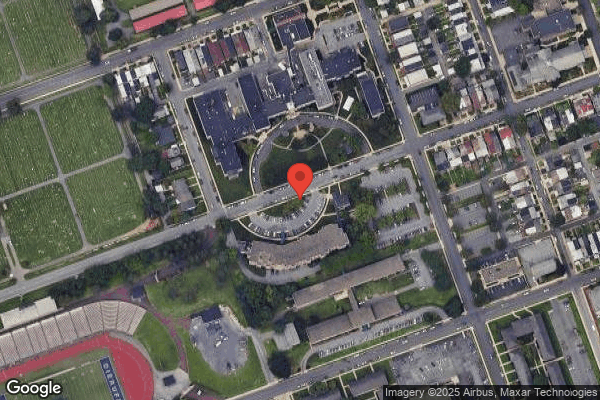
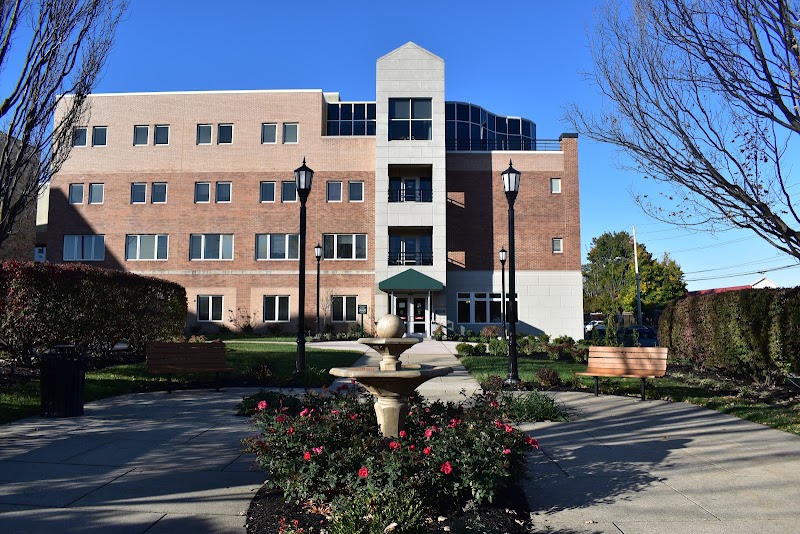
1925 TURNER STREET, ALLENTOWN, PA 18104 (610) 794-5300
Non profit - Corporation 343 Beds Independent Data: November 2025 1 Immediate Jeopardy citation
Trust Grade
41/100
#474 of 653 in PA
Last Inspection: July 2025

Inspected within the last 6 months. Data reflects current conditions.

Overview

Phoebe Allentown Health Care Center has received a Trust Grade of D, indicating below-average performance with some concerns regarding care quality. They rank #474 out of 653 nursing homes in Pennsylvania, placing them in the bottom half of facilities in the state, and #15 out of 16 in Lehigh County, meaning there is only one local option that performs better. The facility's performance has been stable recently, with six issues reported in both 2024 and 2025. Staffing is rated as average at 3 out of 5 stars, with a turnover rate of 49%, which reflects the state average but may still indicate instability. However, a significant concern is the RN coverage, which is lower than 86% of Pennsylvania facilities, potentially impacting the quality of care. They have also incurred fines totaling $20,994, which is average for the state but still raises some red flags about compliance. Specific incidents reported include a critical issue where infection control was not properly managed with blood glucose meters, putting residents at risk of bloodborne pathogens. Additionally, there were concerns about food storage practices and a situation where a resident with feeding difficulties was not provided utensils, compromising their dignity and ability to eat independently. Overall, while there are some strengths, families should carefully consider these weaknesses before making a decision.

Trust Score
D
41/100
In Pennsylvania
#474/653
Bottom 28%
Safety Record
High Risk
Review needed
Inspections
Holding Steady
6 → 6 violations
Staff Stability
⚠ Watch
49% turnover. Above average. Higher turnover means staff may not know residents' routines.
Penalties
✓ Good
$20,994 in fines. Lower than most Pennsylvania facilities. Relatively clean record.
Skilled Nurses
⚠ Watch
Each resident gets only 27 minutes of Registered Nurse (RN) attention daily — below average for Pennsylvania. Fewer RN minutes means fewer trained eyes watching for problems.
Violations
⚠ Watch
13 deficiencies on record. Higher than average. Multiple issues found across inspections.
★★☆☆☆
2.0
Overall Rating
★★★☆☆
3.0
Staff Levels
★★★☆☆
3.0
Care Quality
★★☆☆☆
2.0
Inspection Score
Stable
2024: 6 issues
2025: 6 issues

The Good

  • Full Sprinkler Coverage · Fire safety systems throughout facility
  • No fines on record

Facility shows strength in fire safety.

The Bad

2-Star Overall Rating

Below Pennsylvania average (3.0)

Below average - review inspection findings carefully

Staff Turnover: 49%

Near Pennsylvania avg (46%)

Higher turnover may affect care consistency

Federal Fines: $20,994

Below median ($33,413)

Minor penalties assessed

The Ugly 13 deficiencies on record

1 life-threatening
Aug 2025 1 deficiency 1 IJ (1 affecting multiple)
CRITICAL (K) 📢 Someone Reported This

A family member, employee, or ombudsman was alarmed enough to file a formal complaint

Immediate Jeopardy (IJ) - the most serious Medicare violation

Infection Control (Tag F0880)

Someone could have died · This affected multiple residents

Based on facility policy review, observation, staff interview, and a review of manufacturer's instructions, it was determined that the facility failed to implement proper infection control regarding t...

Read full inspector narrative →
Based on facility policy review, observation, staff interview, and a review of manufacturer's instructions, it was determined that the facility failed to implement proper infection control regarding the proper use and disinfection of multi-use blood glucose meters (BGM) for one of seven sampled residents (Resident 1), and on six of six nursing units. This resulted in an Immediate Jeopardy situation due to an increased likelihood of transmitting bloodborne pathogens between residents who required fingerstick blood glucose testing. Findings include:Review of the facility policy entitled, Blood Glucose Meter Testing, last reviewed, October 16, 2024, revealed that blood glucose testing using a meter would be done in accordance with federal regulations. Review of the Centers for Disease Control and Prevention article entitled, Considerations for Blood Glucose Monitoring and Administration, dated August 7, 2024, revealed that BGMs were to be assigned to a person unless the meter was designed for use in professional settings and cleaned and disinfected after every use. BGMs were to be cleaned and disinfected after every use per the manufacturer's guidelines. These recommendations were applicable for long-term care settings. Review of an EPA article entitled, Registered Antimicrobial Products Effective Against Bloodborne Pathogens: Human immunodeficiency virus (HIV), Hepatitis B, and Hepatitis C, last reviewed June 16, 2025, revealed that isopropyl alcohol alone, without the addition of another agent, was not listed as a registered product effective against those bloodborne pathogens.Review of manufacturers' instructions for the two BGMs used by the facility, True Metrix and Leader LE1, revealed that both brands of BGMs were for single patient use only and should not have been used for multiple patients. Both BGMs were to be cleaned with an Environmental Protection Agency (EPA) registered disinfectant. The True Metrix BGM was to be cleaned with Super Sani Cloths. The Leader LE1 BGM was to be cleaned with DisCide Ultra Disinfecting towelettes.In an interview with a representative of the manufacturer of the True Metrix BGM on August 19, 2025, at 930 a.m., the representative stated that the True Metrix BGM was not to be used for multiple patients and facilities should have obtained the BGM that was approved for use on multiple patients.In an interview with a representative of the manufacturer of the Leader LE1 BGM on August 19, 2025, at 9:43 a.m., the representative stated that the Leader LE1 BGM was not for use on multiple patients and facilities should have obtained the BGM that was approved for use on multiple patients.In interviews on August 19, 2025, between 8:15 a.m. and 8:37 a.m., Licensed Practical Nurses (LPN) 3, 4, 5, and 6, stated that they cleaned the True Metrix and Leader LE1 BGMs with 70 percent (%) isopropyl alcohol wipes. LPN 4 and 6 stated that the isopropyl alcohol wipes were the only disinfectant wipes available on the unit to clean the BGMs and there were no additional disinfectant wipes or agents available for use. LPN 4 also confirmed that the BGMs in the medication cart were used for multiple residents and were not designated for specific residents. Observations of LPN 4 and 5's medication carts during that period revealed that there were no EPA approved disinfectants available in the medication carts that would meet the manufacturer's instructions for cleaning the BGMs.On August 19, 2025, at 8:08 a.m., the Assistant Director of Nursing (ADON) was observed providing education to LPN 2 and LPN 3 that included instruction that blood glucose meters should be cleaned with 70% isopropyl alcohol wipes. The education was not in accordance with the manufacturer's instructions for cleaning the BGMs.On August 19, 2025, at 10:24 a.m., LPN 5 prepared a Leader LE1 BGM to obtain a blood glucose reading on Resident 1. LPN 5 wiped the BGM with a 70% isopropyl alcohol wipe and proceeded into the resident's room. In an interview at that time, LPN 5 confirmed that only the 70% isopropyl alcohol wipe was used to clean the device.In an interview on August 18, 2025, at 2:35 p.m., the Director of Nursing (DON) stated that the BGMs in the facility were used for multiple patients. In an interview on August 19, 2025, at 10:34 a.m., the DON confirmed that the facility was using only 70% isopropyl alcohol wipes to clean all glucometers, that the manufacturer's instructions for both brands of BGMs used in the facility (True Metrix and Leader LE1) specified that EPA registered disinfectant wipes were to be used, and that the instructions did not include 70% isopropyl alcohol wipes as an approved agent to disinfect the BGMs.In an interview on August 19, 2025, at 3:50 p.m., the Infection Preventionist confirmed that the facility was using only 70% isopropyl alcohol wipes to clean the BGMs.Review of facility documentation revealed that 51 of 233 residents had current physicians' orders for fingerstick blood glucose monitoring.On August 19, 2025, at 11:21 a.m., the Administrator and DON were notified that on August 19, 2025, at 11:15 a.m., the failure to implement proper infection control procedures regarding the proper use and disinfecting of blood glucose meters (BGM) resulted in an immediate jeopardy situation at F880-K and the Immediate Jeopardy template was provided. The facility was informed that a corrective action plan was required.The facility presented an acceptable action plan for removal of the Immediate Jeopardy on August 19, 2025, at 4:54 p.m. The facility's action plan contained the following:1. All single patient use BGMs were removed from use and replaced with BGMs designed for multiple patient use. Disinfectant agents that meet requirements of the EPA registered products as noted in the manufacturer's instructions were provided to the nursing units.2. Licensed staff on duty in the facility were educated on the proper use and cleaning of multiple patient BGMs using EPA registered disinfecting agents, in accordance with manufacturer's instructions.3. All licensed staff will be educated on the proper use and cleaning of multiple patient BGMs before the start of their shift, until 100% of staff have been educated. No staff will be scheduled to work until they have been educated on the proper use and cleaning of multiple patient BGMs.4. The facility policy and procedure entitled, Blood Meter Testing, was revised to include the use of multiple patient use BGMs and cleaning procedures that are in accordance with CDC, EPA, and manufacturer's guidelines.5. The facility will only use multiple patient use glucometers that are cleaned with the EPA registered disinfectant agents per the manufacturer's instructions.6. The facility will conduct ongoing audits of the use and cleaning of BGMs for three months; the results will be reported to the Quality Assurance and Performance Improvement committee.7. The Administrator or designee will monitor the steps of the action plan for continued compliance.8. The DON educated the ADON on the proper use and cleaning of multiple patient BGMs to equip the ADON with proper information to provide staff education.9. The diabetic competency for new hires will be reinstated and include the proper use and cleaning of multiple patient BGMs in accordance with the manufacturer's instructions.The survey team validated that Immediate Jeopardy was removed on August 19, 2025, at 4:54 p.m., through observation, review of the facility training, and staff interviews following the facility's implementation of the plan for removal of the Immediate Jeopardy.The deficient practice remained at scope/severity E (pattern with potential for more than minimal harm) following the removal of the Immediate Jeopardy.28 Pa. Code 201.14(a) Responsibility of licensee.28 Pa. Code 201.18(b)(1)(3) Management.28 Pa. Code 211.10(a)(d) Resident care policies.28 Pa. Code 211.12(d)(1)(5) Nursing services.
Jul 2025 3 deficiencies
CONCERN (D)

Potential for Harm - no one hurt, but risky conditions existed

Resident Rights (Tag F0550)

Could have caused harm · This affected 1 resident

**NOTE- TERMS IN BRACKETS HAVE BEEN EDITED TO PROTECT CONFIDENTIALITY** Based on clinical record review and observation, it was determined that the facility failed to provide care and services to one ...

Read full inspector narrative →
**NOTE- TERMS IN BRACKETS HAVE BEEN EDITED TO PROTECT CONFIDENTIALITY** Based on clinical record review and observation, it was determined that the facility failed to provide care and services to one of two sampled residents in a manner that maintained each resident's dignity. (Resident 220)Findings include:Clinical record review revealed that Resident 220 had diagnoses that included dementia with mood disturbance and feeding difficulties. The Minimum Data Set assessment dated [DATE], indicated that the resident was cognitively impaired and required assistance with self-care including eating. A review of the care plan identified that the resident was at nutritional risk due to weight loss and receiving a mechanically altered diet. There was an intervention for staff to provide him with a physician's ordered diet of puree textured food and double portions. Observation on July 15, 2025, at 12:32 p.m., revealed that staff had delivered his lunch meal to him in his room while he was in bed. There were no utensils on the tray for him to use to eat his food. The resident proceeded to attempt to eat his pureed meal, which included mashed potatoes, with his fingers from the time the meal was served until 1:05 p.m. Resident 220 was observed having difficulty eating his food with his fingers and it was difficult for him to complete his meal in a dignified manner. 28 Pa. Code 201.29(j) Resident rights.
CONCERN (D)

Potential for Harm - no one hurt, but risky conditions existed

Deficiency F0688 (Tag F0688)

Could have caused harm · This affected 1 resident

**NOTE- TERMS IN BRACKETS HAVE BEEN EDITED TO PROTECT CONFIDENTIALITY** Based on clinical record review, observation, and resident and staff interview, it was determined that the facility failed to pr...

Read full inspector narrative →
**NOTE- TERMS IN BRACKETS HAVE BEEN EDITED TO PROTECT CONFIDENTIALITY** Based on clinical record review, observation, and resident and staff interview, it was determined that the facility failed to provide services and treatment to prevent further limitations in range of motion for two of seven sampled residents who had limitations in range of motion. (Residents 11 and 183)Findings include:Clinical record review revealed that Resident 11 had diagnoses that included a stroke with hemiplegia (paralysis) affecting the non-dominant left side and contractures. The Minimum Data Set (MDS) assessment dated [DATE], indicated that the resident had limitations in range of motion on one side of both upper and lower extremities. A review of the care plan revealed that the resident required assistance with Activities of Daily Living (ADLs), and there was an intervention for staff to provide assistance as required for completion of ADL tasks. Review of the occupational therapy Discharge summary dated [DATE], revealed that the resident had a resting hand splint for the left hand/forearm. Current physician's orders revealed that staff was to apply a splint to the left forearm to be worn continuously and to check skin integrity every two hours. Observations on July 15, 2025, at 11:40 a.m., 1:00 p.m., and 2:00 p.m., revealed the resident was resting in bed without the splint in place on her left hand/forearm. Observation on July 16, 2025, at 12:16 p.m., revealed the resident was dressed and seated in her wheelchair in the dining room without the splint in place. Clinical record review revealed that Resident 183 had diagnoses that included a stroke with hemiplegia (paralysis) affecting the non-dominant left side and abnormal posture. The MDS assessment dated [DATE], indicated that the resident was alert and oriented and had limitations in range of motion on one side of both upper and lower extremities. A review of the care plan revealed that the resident required assistance with ADL's and there was an intervention for staff to provide assistance as required for completion of ADL tasks. Review of the occupational therapy Discharge summary dated [DATE], revealed that there was a recommendation for the resident to use a left upper extremity hand splint when she was in her wheelchair during the day. On May 4, 2025, a physician ordered for staff to apply a left hand splint every day. Observations on July 15, 2025, at 12:15 p.m., 1:00 p.m., and 2:00 p.m., revealed that the resident was dressed and seated in her wheelchair in her room. She did not have the left hand splint in place. Observation on July 16, 2025, at 12:15 p.m., revealed that the resident was seated in her wheelchair in her room without the left hand splint in place. During all observations, the left wrist/hand splint was laying on top of her nightstand. In an interview on July 17, 2025, at 1:00 p.m., the Director of Nursing stated that the splints were to be on as ordered by the physician for the two residents listed above. CFR 483.25 (c)(1)-(3) Increase/Prevent Decrease in ROM/MobilityPreviously cited August 8, 2024.28 Pa. Code 211.12(d)(1)(3)(5) Nursing services.
CONCERN (D)

Potential for Harm - no one hurt, but risky conditions existed

Accident Prevention (Tag F0689)

Could have caused harm · This affected 1 resident

**NOTE- TERMS IN BRACKETS HAVE BEEN EDITED TO PROTECT CONFIDENTIALITY** Based on clinical record review, it was determined that the facility failed to ensure that staff provided adequate supervision i...

Read full inspector narrative →
**NOTE- TERMS IN BRACKETS HAVE BEEN EDITED TO PROTECT CONFIDENTIALITY** Based on clinical record review, it was determined that the facility failed to ensure that staff provided adequate supervision in order to prevent falls for one of eight residents at risk for falls. (Resident 220)Findings include:Clinical record review revealed that Resident 220 had diagnoses that included dementia with mood disorder, anxiety, and a history of falling. The Minimum Data Set assessment dated [DATE], indicated that the resident was cognitively impaired and had falls. A review of the care plan identified that the resident was at risk for falls. Review of a fall risk assessment dated [DATE], identified that the resident had a history of falls. Review of nursing documentation revealed that on January 5, 2025, at 4:30 a.m., the resident had fallen out of bed. On March 30, 2025, at 2:00 p.m., a nurse noted that the resident had again fallen out of bed. Review of facility documentation revealed that the resident had impulsive behaviors. On April 15, 2025, at 3:30 a.m., the resident had again fallen out of bed. On May 1, 2025, at 2:15 p.m., the resident was in the dining room and had fallen out of his chair. He sustained a lump on the right side of his forehead. On May 2, 2025, at 8:14 p.m., the resident was in the common living area on the nursing unit and had again fallen out of his chair and hit his head on the floor. He was then transferred out to the hospital for an evaluation. On May 15, 2025, at 8:30 p.m., a nurse noted that he had again fallen out of bed. The facility failed to provide adequate supervision to prevent falls for a resident who had impulsive behavior and had fallen six times in five months. 28 Pa. Code 211.12(d)(1)(5) Nursing services.
May 2025 1 deficiency
CONCERN (D) 📢 Someone Reported This

A family member, employee, or ombudsman was alarmed enough to file a formal complaint

Potential for Harm - no one hurt, but risky conditions existed

Resident Rights (Tag F0550)

Could have caused harm · This affected 1 resident

Based on clinical record review, observation, staff and resident interview, and review of facility documentation, it was determined that the facility failed to provide a reasonable accommodation of ne...

Read full inspector narrative →
Based on clinical record review, observation, staff and resident interview, and review of facility documentation, it was determined that the facility failed to provide a reasonable accommodation of needs for one of six sampled residents. (Resident 1) Findings include: Clinical record review revealed that Resident 1 had diagnoses that included muscle weakness and history of stroke. Review of the care plan revealed that the resident was incontinent and required assistance from two staff for transfers. On May 12, 2025, at 10:55 a.m., the resident's call bell was observed to be lit outside the room. At 11:11 a.m., the call bell remained lit. At that time, the resident stated that she activated the bell about 20 minutes ago, she needed to be changed, and staff had not yet responded to determine her needs. The resident stated that she often waited extended periods of time for a response to the call bell. At 11:20 a.m., nurse aide (NA) 1 entered the room. At 11:22 a.m., 27 minutes later, NA 1 and NA 2 entered the room to provide the resident with the requested assistance. Review of the Device Activity Report for the call bell in the resident's room confirmed that her call bell was activated from 10:51 a.m., through 11:21 a.m. on May 12, 2025. In an interview on May 12, 2025, at 12:59 p.m., the Director of Nursing stated that the expected response times for call bells was ten minutes or less. 28 Pa. Code 211.12(d)(1)(5) Nursing services.
Apr 2025 1 deficiency
CONCERN (D) 📢 Someone Reported This

A family member, employee, or ombudsman was alarmed enough to file a formal complaint

Potential for Harm - no one hurt, but risky conditions existed

Quality of Care (Tag F0684)

Could have caused harm · This affected 1 resident

Based on clinical record review and staff interview, it was determined that the facility failed to ensure that physician's orders were implemented for two of 15 sampled residents. (Resident 1 and 2) F...

Read full inspector narrative →
Based on clinical record review and staff interview, it was determined that the facility failed to ensure that physician's orders were implemented for two of 15 sampled residents. (Resident 1 and 2) Findings include: Clinical record review revealed that Resident 1 had diagnoses that included dementia and anxiety. Physician's orders dated April 17, 2025, directed staff to administer morphine sulfate (a medication for pain) three times per day and haloperidol (a medication for mood disorders) two times per day. A physician's order dated April 19, 2025, directed staff to administer haloperidol three times per day. There was a lack of evidence in the clinical record that staff had administered the morphine as ordered at 9:00 a.m., or 1:00 p.m. on April 17, 2025. There was a lack of evidence that staff had administered the haloperidol at 9:00 a.m. on April 17, 2025, and 6:00 a.m., on April 20, 2025. There was no evidence that the resident had refused the medications. Clinical record review revealed that Resident 2 had diagnoses that included peripheral vascular disease (poor circulation), chronic kidney disease, and congestive heart failure. Physician's orders dated April 4, 2025, directed staff to cleanse her right wrist with normal saline solution (wound cleanser), pat dry, apply Xeroform (non-stick material) to the wound bed, and cover with a silicone foam gauze dressing daily and as needed. There was a lack of evidence in the clinical record that staff applied the treatment as ordered on April 12 and 16, 2025. There was no evidence that the resident had refused the treatments. During interviews at 3:32 p.m., and 5:00 p.m., on April 24, 2025, the Director of Nursing confirmed that staff should have documented if the resident had refused the medications and treatments. In addition, she confirmed that there was no documented evidence that staff had offered or administered the treatments and medications on those dates as ordered by the physician. 28 Pa. Code 211.12(d)(1)(5) Nursing services.
Aug 2024 6 deficiencies
CONCERN (D)

Potential for Harm - no one hurt, but risky conditions existed

Deficiency F0561 (Tag F0561)

Could have caused harm · This affected 1 resident

**NOTE- TERMS IN BRACKETS HAVE BEEN EDITED TO PROTECT CONFIDENTIALITY** Based on clinical record review, observation, resident interview, and staff interview, it was determined that the facility faile...

Read full inspector narrative →
**NOTE- TERMS IN BRACKETS HAVE BEEN EDITED TO PROTECT CONFIDENTIALITY** Based on clinical record review, observation, resident interview, and staff interview, it was determined that the facility failed to ensure that residents were out of bed in accordance with individual preferences for one of 39 sampled residents. (Resident 40) Findings include: Clinical record review revealed that Resident 40 had diagnoses that included history of a stroke with residual right-sided weakness and muscle weakness. The Minimum Data Set (MDS) assessment dated [DATE], indicated that the resident was alert and oriented, and was dependent on staff for transfers to and from bed and chair. According to the care plan, the resident was non-ambulatory, needed assistance from staff with transfers, and had a preference to be out of bed by 9:00 a.m. daily. Observations on August 6, 2024, at 10:15 a.m. and 11:15 a.m., and August 7, 2024, at 10:00 a.m. and 11:06 a.m., revealed that Resident 40 was in bed. In an interview on August 8, 2024, at 12:30 p.m., Resident 40 stated it was her preference to be out of bed by 10:00 a.m., at the latest, but she is usually not out of bed until much later. In an interview on August 8, 2024, at 10:24 a.m., the Director of Nursing confirmed that Resident 40 was to be out of bed by 9:00 a.m., based on her preferences. 28 Pa. Code 211.12 (d)(5) Nursing services.
CONCERN (D)

Potential for Harm - no one hurt, but risky conditions existed

Comprehensive Care Plan (Tag F0656)

Could have caused harm · This affected 1 resident

**NOTE- TERMS IN BRACKETS HAVE BEEN EDITED TO PROTECT CONFIDENTIALITY** Based on clinical record review and staff interview, it was determined that the facility failed to develop a comprehensive care ...

Read full inspector narrative →
**NOTE- TERMS IN BRACKETS HAVE BEEN EDITED TO PROTECT CONFIDENTIALITY** Based on clinical record review and staff interview, it was determined that the facility failed to develop a comprehensive care plan to meet each resident's needs identified in the comprehensive assessment for two of 39 sampled residents. (Residents 33, 231) Findings include: Clinical record review revealed that Resident 33 was admitted to the facility on [DATE], and had diagnoses that included diabetes and chronic kidney disease. The Minimum Data Set (MDS) Care Area Assessment (CAA) summary dated October 13, 2023, noted that the resident's urinary incontinence was to be addressed in the care plan due to her medical history and prescribed diuretics. The MDS assessment dated [DATE], indicated that Resident 33 was always incontinent of urine and continued her use of prescribed diuretics. There was no documented evidence that interventions to address Resident 33's urinary incontinence were included in the current care plan. In an interview on August 8, 2024, at 10:25 a.m., the Director of Nursing confirmed there was no documented evidence that Resident 33's care plan included interventions for incontinence. Clinical record review revealed that Resident 231 was admitted to the facility on [DATE], and had diagnoses that included anxiety and depression. The MDS CAA summary dated April 14, 2024, noted that the resident's psychotropic drug use was to be addressed in the care plan. Review of the medication administration record revealed the resident was currently receiving both an antipsychotic and antidepressant. There was no documented evidence that interventions to address Resident 231's psychotropic drug use were included in the current care plan. In an interview on August 8, 2024, at 9:15 a.m., the Administrator confirmed there was no documented evidence that Resident 231's care plan included interventions as identified above. 28 Pa. Code 211.12(d)(1)(5) Nursing services.
CONCERN (D)

Potential for Harm - no one hurt, but risky conditions existed

Deficiency F0679 (Tag F0679)

Could have caused harm · This affected 1 resident

**NOTE- TERMS IN BRACKETS HAVE BEEN EDITED TO PROTECT CONFIDENTIALITY** Based on clinical record review, observation, resident and staff interview, and review of the activities calendars, revealed tha...

Read full inspector narrative →
**NOTE- TERMS IN BRACKETS HAVE BEEN EDITED TO PROTECT CONFIDENTIALITY** Based on clinical record review, observation, resident and staff interview, and review of the activities calendars, revealed that the facility failed to provide an on-going activity program to meet the needs of five of 39 sampled residents. (Residents 20, 21, 107, 144, 193) Findings include: Review of the activities calendar for the week of Monday August 5, through Sunday August 11, 2024, revealed that on Tuesday August 6, 2024, there had been a morning activity scheduled for [NAME] Way nursing unit. On Wednesday August 7, 2024, there was no morning activity scheduled for [NAME] Way nursing unit. There was only one scheduled activity listed for August 7, 2024, for the entire day on the [NAME] Way nursing unit. Clinical record review revealed that Resident 20 had diagnoses that included dementia, anxiety, and depression. Review of the Minimum Data Set (MDS) assessment section F which was preferences for routine activites, dated June 5, 2024, revealed that it was very important for the resident to keep up on the news, do things with groups of people, and do her favorite activities. A review of the care plan revealed that the resident needed cueing and set up to successfully engage in activities offered on the nursing unit. Observation on August 7, 2024, from 10:15 a.m., through 11:30 a.m., the resident was in the lounge area on the [NAME] Way nursing unit. There was no scheduled activity for the residents at that time. Throughout this time period, the resident was asking, What are the morning activities?, and she also stated that she was bored. She was observed frequently calling out for staff. She was also restless during this time period. In addition, she had no interest in what was on the television and she was not able to change the station. Clinical record review revealed that Resident 21 had diagnoses that included chronic kidney disease, congestive heart failure and depression. Review of the MDS assessment section F dated June 24, 2024, revealed that it was somewhat important to keep up on the news, listen to preferred music, do things with groups of people, and do her favorite activities. A review of the care plan revealed that the resident was to allow staff to assist her with activities, social stimulation, and social interaction. Observation on August 7, 2024, from 10:15 a.m., through 11:30 a.m., the resident was in the lounge area on the [NAME] Way nursing unit. There was no scheduled activity for the residents at that time. Throughout this time period, the resident was observed asking, what are the morning activities?, and she was restless. She was also frequently calling out for staff during this time period. Clinical record review revealed that Resident 107 had diagnoses that included anxiety, depression, and Parkinson's disease. Review of the MDS assessment section F dated June 29, 2024, revealed that it was very important for the resident to keep up on the news and that it was somewhat important to listen to preferred music, do things with groups of people, and do her favorite activities. A review of the care plan revealed that the resident was independent with choosing her leisure pursuits. On August 7, 2024, at 10:00 a.m., the resident was observed in the lounge area on the [NAME] Way nursing unit. There was no scheduled activity at that time. At 11:23 a.m,. the resident stated that she was bored, that she was aware there was no scheduled morning activity. She stated that she was aware that the only scheduled activity for the day was in the afternoon which she had planned to attend. Clinical record review revealed that Resident 144 had diagnoses that included dementia, depression, anxiety, and Parkinson's disease. Review of the MDS assessment section F dated July 21, 2024, revealed that it was very important for her to listen to preferred music, be around pets, keep up on the news, do things with groups of people, and do her favorite activites. A review of the care plan revealed that the resident was to attend group programs of her assessed interest. Observation on August 7, 2024, from 10:10 a.m., through 11:15 a.m., the resident was in the lounge area on the [NAME] Way nursing unit and there was no scheduled morning activity. In an interview at 11:15 a.m., the resident stated that she was bored because there was no activity going on and it seemed like the activities were repetitious at times. Clinical record review revealed that Resident 193 had diagnoses that included Alzheimer's dementia with agitation, anxiety, and depression. Review of the MDS assessment section F dated July 20, 2024, revealed that it was very important for her to do her favorite activites and somewhat important for her to listen to preferred music and do things with groups of people. A review of the care plan revealed that the resident joined her peers in group programs. Observation on August 7, 2024, from 10:00 a.m, through 11:30 am., the resident was in the lounge area on the [NAME] Way nursing unit and there was no scheduled activity. The resident was restless, continually coming back to the area to see if there was an activity, and stated that she was bored. In an interview on August 8, 2024, at 9:15 a.m., the Administrator stated that there had been no scheduled morning activity on the [NAME] Way nursing unit on August 7, 2024.
CONCERN (D)

Potential for Harm - no one hurt, but risky conditions existed

Quality of Care (Tag F0684)

Could have caused harm · This affected 1 resident

Based on clinical record review and staff interview, it was determined that the facility failed to implement physician's orders for one of 39 sampled residents. (Resident 93) Findings Include: Clinic...

Read full inspector narrative →
Based on clinical record review and staff interview, it was determined that the facility failed to implement physician's orders for one of 39 sampled residents. (Resident 93) Findings Include: Clinical record review revealed that Resident 93 had diagnoses that included congestive heart failure and hypertension (high blood pressure). A physician's order dated April 19, 2024, directed staff to obtain a daily weight and to notify the provider for a weight gain of three or more pounds (lbs.) in one day. There was no evidence that staff obtained the resident's weight or that the resident refused to be weighed on June 4, 5, 6, 14, 16 through 24, and 27, 2024, July 7, 9, 15, 17, 27, and 30, 2024, and August 1, 2, and 4, 2024. In an interview on August 8, 2024, at 10:25 a.m., the Director of Nursing confirmed that there was no evidence that staff weighed the resident or that the resident refused to be weighed on the above-mentioned dates. 28 Pa. Code 211.12(d)(1)(5) Nursing services.
CONCERN (D)

Potential for Harm - no one hurt, but risky conditions existed

Deficiency F0688 (Tag F0688)

Could have caused harm · This affected 1 resident

**NOTE- TERMS IN BRACKETS HAVE BEEN EDITED TO PROTECT CONFIDENTIALITY** Based on clinical record review, observation, resident interview, and staff interview, it was determined that the facility faile...

Read full inspector narrative →
**NOTE- TERMS IN BRACKETS HAVE BEEN EDITED TO PROTECT CONFIDENTIALITY** Based on clinical record review, observation, resident interview, and staff interview, it was determined that the facility failed to implement interventions to prevent further decline and/or improve range of motion for one of eight sampled residents with limited range of motion. (Resident 40) Findings include: Clinical record review revealed that Resident 40 had diagnoses that included history of a stroke with residual right-sided weakness and muscle weakness. The Minimum Data Set assessment dated [DATE], indicated that the resident was alert and oriented and dependent on staff for all upper and lower body care. A physician's order dated July 31, 2024, directed staff to apply a splint to Resident 40's right elbow at 10:30 a.m., and remove it at bedtime daily. Observation on August 6, 2024, at 11:58 a. m., 12:47 p.m., and 2:26 p.m., revealed Resident 40 did not have the right elbow splint in place. The elbow split was observed on the bedside table. On August 7, 2024, at 11:06 a.m., 11:45 a.m., and 1:10 p.m., the resident's right elbow splint was not in place. On August 8, 2024, at 10:55 a.m. and 12:30 p.m., the resident was observed without the right elbow splint in place. The splint was in a dresser drawer. In interviews on August 6, 2024, at 11:58 a.m., and August 8, 2023, at 12:30 p.m., Resident 40 stated she wanted to wear the splint, but she had to wait for staff to help her put it on. She further stated, They don't help me here. They say, ask for help, and I ask two or three times, but nobody helps me. Only one nurse was trained to put (the splint) on me. In an interview on August 8, 2024, at 10:23 a.m., the Director of Nursing confirmed that staff was to apply the right elbow splint as ordered by the physician. 28 Pa. Code 211.12(d)(1)(3)(5) Nursing services.
CONCERN (F)

Potential for Harm - no one hurt, but risky conditions existed

Food Safety (Tag F0812)

Could have caused harm · This affected most or all residents

**NOTE- TERMS IN BRACKETS HAVE BEEN EDITED TO PROTECT CONFIDENTIALITY** Based on facility policy review, observation, and staff interview, it was determined that the facility failed to properly store ...

Read full inspector narrative →
**NOTE- TERMS IN BRACKETS HAVE BEEN EDITED TO PROTECT CONFIDENTIALITY** Based on facility policy review, observation, and staff interview, it was determined that the facility failed to properly store food and maintain sanitary conditions in the dietary department, on two of six unit kitchens ( 1 [NAME] and 1 East), and on two of six unit pantries (2 East and 3 East). Findings include: Review of the facility policy entitled, Labeling Food and Beverages, last reviewed February 27, 2024, revealed staff were to date all food items. Review of the facility policy entitled, Use and Storage of Resident Obtained Foods, last reviewed July 13, 2024, revealed that staff were to place the resident's name and date on any food placed in the unit pantry refrigerator and these items were to be discarded after five days. Observations during the main kitchen tour on August 6, 2024, at 9:45 a.m., revealed the following: In the meat cooler, there was an opened container of icing with a use-by date of May 21, 2024. There were four raw pork loins that were not properly labelled. In the produce cooler, there was an open container of coleslaw with a use-by date of July 24, 2024, and an opened bag of croissants that was not dated. In the walk-in freezer, there was ice build-up on three opened boxes of cinnamon rolls and biscuits and one box of ravioli. There was a pan with four dished containers of salmon with ice on top of the lids. The printing on the lids was illegible. In the 1 [NAME] kitchen cooler, there was an opened package of whipped topping that was not dated. In the 1 East kitchen cooler, there was one plated Danish that was not dated. In an interview on August 6, 2024, at 10:30 a.m., the Culinary Services Manager stated that the above mentioned items should have been dated and legible. Observation of the 2 East unit pantry on August 7, 2024, at 12:16 p.m., revealed a note on the refrigerator door that said it was for resident food only. Inside the refrigerator, there was an opened package of dates, an opened bottle of coffee creamer, an opened container of shredded cheese, and an opened jar that was labeled to be sour cherry and honey preserves but had an unidentifiable liquid product in it. These items were not labeled with a resident's name or date on them. Observation on 3 East unit pantry on August 7, 2024, at 9:30 a.m., revealed a note on the refrigerator door that said it was for resident food only. Inside the refrigerator, there were four sandwiches that were not labeled with a resident's name or date on them. 28 Pa. Code 201.14(a) Responsibility of licensee. 28 Pa. Code 201.18(e)(2.1) Management.
Sept 2023 1 deficiency
CONCERN (D)

Potential for Harm - no one hurt, but risky conditions existed

Deficiency F0761 (Tag F0761)

Could have caused harm · This affected 1 resident

**NOTE- TERMS IN BRACKETS HAVE BEEN EDITED TO PROTECT CONFIDENTIALITY** Based on review of facility policy and observation, it was determined that the facility failed to ensure that medications/biolog...

Read full inspector narrative →
**NOTE- TERMS IN BRACKETS HAVE BEEN EDITED TO PROTECT CONFIDENTIALITY** Based on review of facility policy and observation, it was determined that the facility failed to ensure that medications/biologicals were securely stored in a medication cart on one of six nursing units. ([NAME] Square nursing unit) Findings include: Review of the facility policy entitled, Medication Administration - General Guidelines, last reviewed March 2023, revelaed that the medication cart was to be maintained in such a fashion to avoid accessibility by residents and that staff must leave the cart locked and secured. Review of the facility policy entitled, Medication and Medical Equipment Storage at the Facility, last reviewed March 2023, revealed that medication rooms, carts and medication supplies were to be locked or attended by persons with authorized access. Observations on September 13, 2023, on the [NAME] Square nursing unit, from 10:05 a.m. through 10:24 a.m. and from 12:20 p.m. through 12:25 p.m., revealed that the medication cart in the hallway was unlocked, unattended and accessible to anyone in the vicinity. Observations on September 14, 2023, on the [NAME] Square nursing unit, from 8:45 a.m. through 9:05 a.m., revealed that the medication cart in the hallway was unlocked, unattended and accessible to anyone in the vicinity. 28 Pa. Code 211.12(d)(1)(5) Nursing services.
Understanding Severity Codes (click to expand)
Life-Threatening (Immediate Jeopardy)
J - Isolated K - Pattern L - Widespread
Actual Harm
G - Isolated H - Pattern I - Widespread
Potential for Harm
D - Isolated E - Pattern F - Widespread
No Harm (Minor)
A - Isolated B - Pattern C - Widespread

Questions to Ask on Your Visit

  • "What changes have you made since the serious inspection findings?"
  • "Can I speak with families of current residents?"
  • "What's your RN coverage like on weekends and overnight?"

Our Honest Assessment

Strengths
  • • Licensed and certified facility. Meets minimum state requirements.
Concerns
  • • Multiple safety concerns identified: 1 life-threatening violation(s). Review inspection reports carefully.
  • • 13 deficiencies on record, including 1 critical (life-threatening) violation. These warrant careful review before choosing this facility.
  • • $20,994 in fines. Higher than 94% of Pennsylvania facilities, suggesting repeated compliance issues.
  • • Grade D (41/100). Below average facility with significant concerns.
Bottom line: Trust Score of 41/100 indicates significant concerns. Thoroughly evaluate alternatives.

About This Facility

What is Phoebe Allentown Health's CMS Rating?

CMS assigns PHOEBE ALLENTOWN HEALTH CARE CENTER an overall rating of 2 out of 5 stars, which is considered below average nationally. Within Pennsylvania, this rating places the facility higher than 0% of the state's 100 nursing homes. A rating at this level reflects concerns identified through health inspections, staffing assessments, or quality measures that families should carefully consider.
How is Phoebe Allentown Health Staffed?

CMS rates PHOEBE ALLENTOWN HEALTH CARE CENTER's staffing level at 3 out of 5 stars, which is average compared to other nursing homes. Staff turnover is 49%, compared to the Pennsylvania average of 46%. RN turnover specifically is 63%, which is notably high. RNs provide skilled clinical oversight, so turnover in this role can affect medical care quality.

What Have Inspectors Found at Phoebe Allentown Health?

State health inspectors documented 13 deficiencies at PHOEBE ALLENTOWN HEALTH CARE CENTER during 2023 to 2025. These included: 1 Immediate Jeopardy (the most serious level, indicating potential for serious harm or death) and 12 with potential for harm. Immediate Jeopardy findings are rare and represent the most serious regulatory concerns. They require immediate corrective action.

Who Owns and Operates Phoebe Allentown Health?

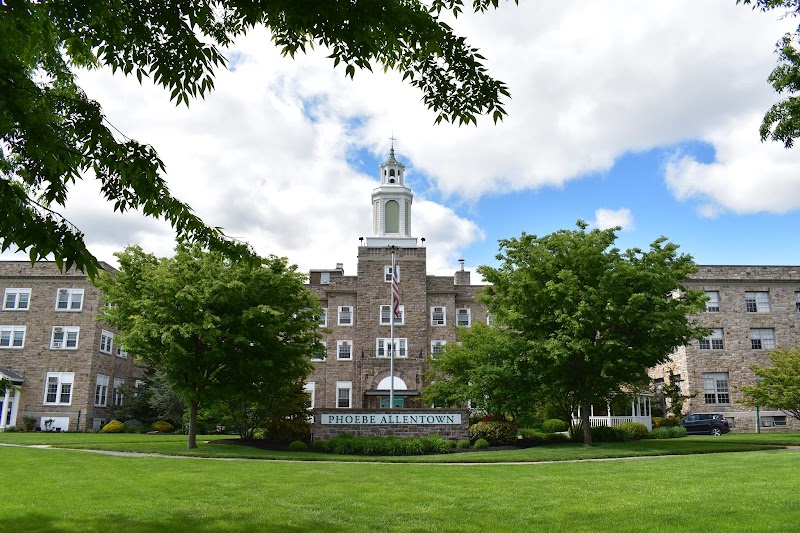
PHOEBE ALLENTOWN HEALTH CARE CENTER is owned by a non-profit organization. Non-profit facilities reinvest revenue into operations rather than distributing to shareholders. The facility operates independently rather than as part of a larger chain. With 343 certified beds and approximately 240 residents (about 70% occupancy), it is a large facility located in ALLENTOWN, Pennsylvania.

How Does Phoebe Allentown Health Compare to Other Pennsylvania Nursing Homes?

Compared to the 100 nursing homes in Pennsylvania, PHOEBE ALLENTOWN HEALTH CARE CENTER's overall rating (2 stars) is below the state average of 3.0, staff turnover (49%) is near the state average of 46%, and health inspection rating (2 stars) is below the national benchmark.

What Should Families Ask When Visiting Phoebe Allentown Health?

Based on this facility's data, families visiting should ask: "What changes have been made since the serious inspection findings, and how are you preventing similar issues?" "Can I visit during a mealtime to observe dining assistance and food quality?" "How do you handle medical emergencies, and what is your hospital transfer rate?" "Can I speak with family members of current residents about their experience?" These questions are particularly relevant given the facility's Immediate Jeopardy citations.

Is Phoebe Allentown Health Safe?

Based on CMS inspection data, PHOEBE ALLENTOWN HEALTH CARE CENTER has documented safety concerns. Inspectors have issued 1 Immediate Jeopardy citation (the most serious violation level indicating risk of serious injury or death). The facility has a 2-star overall rating and ranks #100 of 100 nursing homes in Pennsylvania. Families considering this facility should ask detailed questions about what corrective actions have been taken since these incidents.

Do Nurses at Phoebe Allentown Health Stick Around?

PHOEBE ALLENTOWN HEALTH CARE CENTER has a staff turnover rate of 49%, which is about average for Pennsylvania nursing homes (state average: 46%). Moderate turnover is common in nursing homes, but families should still ask about staff tenure and how the facility maintains care continuity when employees leave.

Was Phoebe Allentown Health Ever Fined?

PHOEBE ALLENTOWN HEALTH CARE CENTER has been fined $20,994 across 2 penalty actions. This is below the Pennsylvania average of $33,289. While any fine indicates a compliance issue, fines under $50,000 are relatively common and typically reflect isolated problems that were subsequently corrected. Families should ask what specific issues led to these fines and confirm they've been resolved.

Is Phoebe Allentown Health on Any Federal Watch List?

PHOEBE ALLENTOWN HEALTH CARE CENTER is not on any federal watch list. The most significant is the Special Focus Facility (SFF) program, which identifies the bottom 1% of nursing homes nationally based on persistent, serious quality problems. Not being on this list means the facility has avoided the pattern of deficiencies that triggers enhanced federal oversight. This is a positive indicator, though families should still review the facility's inspection history directly.