CONCORDIA AT REBECCA RESIDENCE
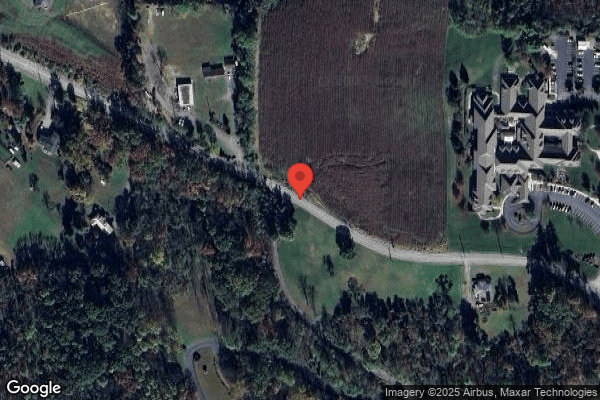
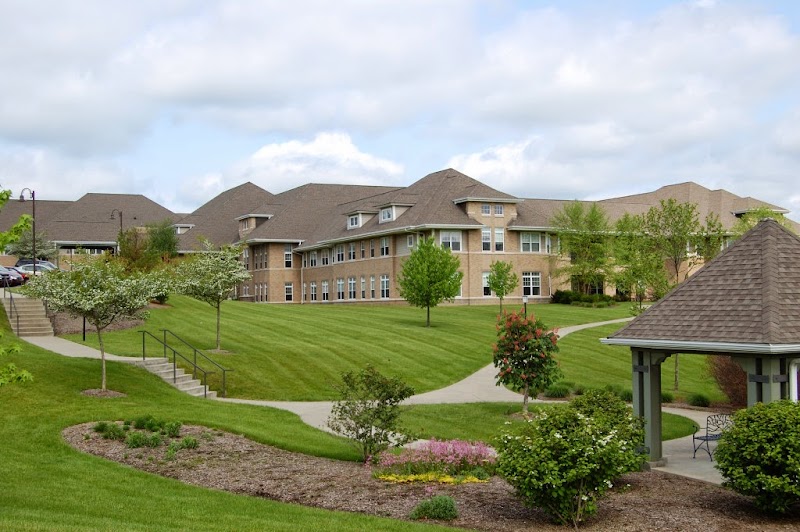
3746 CEDAR RIDGE ROAD, ALLISON PARK, PA 15101 (724) 444-0600
Non profit - Corporation 60 Beds Independent Data: November 2025
Trust Grade
70/100
#164 of 653 in PA
Last Inspection: March 2025

Within standard 12-15 month inspection cycle. Federal law requires annual inspections.

Overview

Concordia at Rebecca Residence has received a Trust Grade of B, indicating it is a good choice for families, as it falls within the range of 70-79, suggesting a solid level of care. With a state ranking of #164 out of 653 facilities, they place in the top half in Pennsylvania, and they rank #6 out of 52 in Allegheny County, meaning only five local options are rated higher. The facility is currently improving, reducing its issues from 11 in 2024 to just 5 in 2025. Staffing has an average rating of 3 out of 5 stars, with a turnover rate of 51%, which is slightly higher than the state average, indicating some instability among staff. While there are no fines on record, which is a positive sign, there have been recent concerns noted by inspectors. For instance, the kitchen was found to have brown debris in the ice machine, raising potential food safety issues. Additionally, there were failures to manage oxygen equipment properly for some residents and to follow physician orders for monitoring weights, which may affect the quality of care. Despite these weaknesses, the overall high quality measures rating of 5 out of 5 suggests that many aspects of resident care are being handled well.

Trust Score
B
70/100
In Pennsylvania
#164/653
Top 25%
Safety Record
Low Risk
No red flags
Inspections
Getting Better
11 → 5 violations
Staff Stability
⚠ Watch
51% turnover. Above average. Higher turnover means staff may not know residents' routines.
Penalties
✓ Good
No fines on record. Clean compliance history, better than most Pennsylvania facilities.
Skilled Nurses
✓ Good
Each resident gets 43 minutes of Registered Nurse (RN) attention daily — more than average for Pennsylvania. RNs are trained to catch health problems early.
Violations
⚠ Watch
27 deficiencies on record. Higher than average. Multiple issues found across inspections.
★★★★☆
4.0
Overall Rating
★★★☆☆
3.0
Staff Levels
★★★★★
5.0
Care Quality
★★★☆☆
3.0
Inspection Score
Stable
2024: 11 issues
2025: 5 issues

The Good

  • 5-Star Quality Measures · Strong clinical quality outcomes
  • Full Sprinkler Coverage · Fire safety systems throughout facility
  • No fines on record

Facility shows strength in quality measures, fire safety.

The Bad

Staff Turnover: 51%

Near Pennsylvania avg (46%)

Higher turnover may affect care consistency

The Ugly 27 deficiencies on record

Mar 2025 5 deficiencies
CONCERN (D)

Potential for Harm - no one hurt, but risky conditions existed

Safe Environment (Tag F0584)

Could have caused harm · This affected 1 resident

**NOTE- TERMS IN BRACKETS HAVE BEEN EDITED TO PROTECT CONFIDENTIALITY** Based on review of facility policy, observations and staff interviews it was determined that the facility failed to provide a cl...

Read full inspector narrative →
**NOTE- TERMS IN BRACKETS HAVE BEEN EDITED TO PROTECT CONFIDENTIALITY** Based on review of facility policy, observations and staff interviews it was determined that the facility failed to provide a clean, safe, comfortable, and homelike environment for three of twelve resident rooms (Residents R6, R19, and R159). Findings include: Review of the facility policy Resident Rights reviewed 4/1/24, indicated the resident has a right to a safe, clean, comfortable and homelike environment including but not limited to receiving treatment and supports for daily living safely. Review of the admission record indicated Resident R6 admitted to the facility on [DATE]. Observation on 3/10/25, at 9:34 a.m. Resident R6 was in the electric wheelchair in his room. The foot board of the bed's right side had the corner broken with the particle board halfway off exposing rough, irregular shapes at the perimeter of the board. The perimeter of the resident room walls, just above the baseboards, were gouged deeply and under the wall vent was actually separated from the wall. Interview with Resident R6 on 3/10/25, at 9:35 a.m. indicated he was unsure how long it's been broken. Review of the admission record indicated Resident R19 was admitted to the facility on [DATE]. Observation of Resident R19's room on 3/10/25, at 9:40 a.m. indicated a vertical wall vent with multiple louver slats damaged. Review of the admission record indicated Resident R159 was admitted to the facility on [DATE]. Observation of Resident R159's room on 3/10/25, at 9:45 a.m. indicated a vertical wall vent with multiple louver slats damaged. Interview and tour with Registered Nurse (RN) Employee E1 on 3/10/25, at 9:50 a.m. confirmed the observations for Resident R6, Resident R19, and Resident R159, and that there were damaged environments. Interview on 3/10/25, at 12:00 p.m. the Director of Nursing confirmed the facility failed to provide a clean, comfortable homelike environment for three of twelve resident rooms (Residents R6, R19, and R159). 28 Pa. Code: 201.14(a) Responsibility of licensee. 28 Pa. Code: 201.18(b)(1)(3) Management.
CONCERN (D)

Potential for Harm - no one hurt, but risky conditions existed

Free from Abuse/Neglect (Tag F0600)

Could have caused harm · This affected 1 resident

**NOTE- TERMS IN BRACKETS HAVE BEEN EDITED TO PROTECT CONFIDENTIALITY** Based on review of facility policies, facility provided documents, clinical records and staff interviews, it was determined that...

Read full inspector narrative →
**NOTE- TERMS IN BRACKETS HAVE BEEN EDITED TO PROTECT CONFIDENTIALITY** Based on review of facility policies, facility provided documents, clinical records and staff interviews, it was determined that the facility failed to make certain a resident was free from neglect for one of three residents reviewed (Resident R1). Findings include: The facility's policy Abuse Neglect, and Exploitation policy reviewed 4/1/24, indicated it is the facility's policy to provide protections for the health, welfare and rights of each resident by developing and implementing written policies and procedures that prohibit and prevent abuse, neglect, exploitation and misappropriation of resident property. Neglect means failure of the facility, its employees, or service providers to provide goods and services to a resident that are necessary to avoid physical harm, pain, mental anguish, or emotional distress. Review of admission record indicated Resident R1 was admitted to the facility on [DATE]. Review of Resident R1's Minimum Data Set (MDS - a periodic assessment of care needs) dated 1/28/25, indicated the diagnoses of congestive heart failure (heart doesn't pump blood as well as it should), high blood pressure, and cellulitis (a bacterial skin infection that affects the middle layer of the skin and underlying tissues) of right lower leg. Section C indicated a BIMS score of 14 (Brief Interview for Mental Status - a screening test that aides in detecting cognitive impairment). A total score of 13-15, indicated cognitively intact. Review of facility provided documents dated 2/1/25, indicated Resident R1 reported Nurse Aide (NA) Employee E2 refused to help her out of bed and just watched her while she struggled to get her right leg out of the bed, without help which caused pain. In the bathroom the staff member poured water over her head without telling her and roughly scrubbed her hair. While on the toilet staff member refused to help her get off the raised toilet seat and watched her try to get herself up for five to 10 minutes while insisting that she needed to do it on her own. Review of Resident R1's singed witness statement dated 2/3/25, indicated NA Employee E2 poked and laughed at her belly while on the toilet. After wiping her face with a washcloth, without telling or explaining what she was going to do, dumped soapy shampoo water on top of her head, and started to roughly scrub her head, then viciously brushed her hair. Staff member refused to help get resident out of bed. Resident's entire right leg was in severe pain and lifting it was extremely painful. NA Employee E2 did not wait for the larger toilet seat, the regular one was too small for resident's hips. NA Employee E2 wouldn't help try to get it over residents hips for some time. Finally got powder to try to ease it off, but it didn't work. Finally, the aide pushed all the hip tissue through. It was a very painful ordeal. Resident tried a long time without assistance and NA Employee E2 just stood there. Review of NA Employee E2's Witness Statement, not dated, indicated I had Resident R1 on Saturday. I took her to the bathroom a couple of times. I told her I'd give her privacy and to ring. She rang. I cleaned her from behind. Her foot is inflamed, so I tried being as gentle as I could. Review of facility investigation dated 2/6/25, at 3:03 p.m. indicated the facility's conclusion that NA Employee E2 was found to be negligent in care practices and was terminated from her position. Interview on 3/12/25, at 9:30 a.m. the Director of Nursing confirmed that the facility failed to make certain a resident was free from abuse and neglect for one of three residents reviewed (Resident R1). 28 Pa. Code 201.14(a) Responsibility of licensee. 28 Pa. Code 201.18(b)(1)(3) Management. 28 Pa. Code 211.10(d) Resident care policies. 28 Pa. Code 211.12(d)(1)(3)(5) Nursing services.
CONCERN (D)

Potential for Harm - no one hurt, but risky conditions existed

Deficiency F0655 (Tag F0655)

Could have caused harm · This affected 1 resident

Based on review of facility policy, clinical record review, and staff interview, it was determined that the facility failed to ensure that a baseline care plan, that included the minimum healthcare in...

Read full inspector narrative →
Based on review of facility policy, clinical record review, and staff interview, it was determined that the facility failed to ensure that a baseline care plan, that included the minimum healthcare information necessary to properly care for a resident was fully developed and implemented for two of seven residents (Residents R154 and R155). Findings include: Review of Code of Federal Regulations (CFR) §483.21(a) Baseline Care Plans §483.21(a)(1) The facility must develop and implement a baseline care plan for each resident that includes the instructions needed to provide effective and person-centered care of the resident that meet professional standards of quality care. The baseline care plan must- (i) Be developed within 48 hours of a resident's admission. (ii) Include the minimum healthcare information necessary to properly care for a resident including, but not limited to- (A) Initial goals based on admission orders. (B) Physician orders. (C) Dietary orders. (D) Therapy services. (E) Social services. (F) PASARR recommendation, if applicable. §483.21(a)(3) The facility must provide the resident and their representative with a summary of the baseline care plan that includes but is not limited to: (i) The initial goals of the resident. (ii) A summary of the resident's medications and dietary instructions. (iii) Any services and treatments to be administered by the facility and personnel acting on behalf of the facility. Review of Resident R154's clinical record indicates an admission date of 3/6/25. Review of Resident R154's Provider Note dated 3/7/25, indicated the diagnosis of left Tri malleolar fracture (a rare but serious ankle injury that involves simultaneous breaks in the three bones of the ankle), osteoarthritis (flexible tissue at the ends of bone wears down), and high blood pressure. Review of Resident 154's physician order dated 3/6/25, indicated Rivaroxaban 20 mg (milligrams) (an anticoagulant - blood thinning medication) give once daily in the evening for blood clots. Review of Residents R154's baseline care plan for the admission date of 3/6/25, failed to include anticoagulant care. Review of Resident R155's clinical record indicated an admission date of 3/5/25. Review of Resident R155's physician orders dated 3/5/25, indicated the diagnosis of Parkinson's Disease (disorder of the nervous system that results in tremors), obstructive sleep apnea (a chronic condition in which the throat muscles relax during sleep and the airway may become partially or fully blocked), and sepsis (a life-threatening complication of an infection). Further review of Resident R155's physician orders dated 3/5/25, indicated the following: -Device type: Right upper extremity PICC line (peripherally inserted central catheter) every shift. -JP drain (Jackson Pratt a closed -suction medical device used after surgery to collect excess fluid from the surgical site, promoting healing and reducing the risk of infection) empty drain, record amount and characteristics of drainage every shift. Observation of Resident R155 on 3/10/25, at 9:20 a.m. indicated a left shoulder surgical site with JP drain and gauze dressing. Review of Resident R155's baseline care plan for the admission date of 3/5/25, failed to include PICC line care, JP drain care, or surgical site care. Interview on 3/11/25, at 1:17p.m. the Director of Nursing confirmed that the facility failed to ensure that a baseline care plan, that included the minimum healthcare information necessary to properly care for a resident was fully developed and implemented for two of seven residents (Residents R154 and R155). 28 Pa. Code 211.10(d) Resident care policies. 28 Pa. Code 211.12(d)(1)(3)(5) Nursing services.
CONCERN (D)

Potential for Harm - no one hurt, but risky conditions existed

Deficiency F0657 (Tag F0657)

Could have caused harm · This affected 1 resident

**NOTE- TERMS IN BRACKETS HAVE BEEN EDITED TO PROTECT CONFIDENTIALITY** Based on review of facility policy, clinical records, and staff interview, it was determined the facility failed to update care ...

Read full inspector narrative →
**NOTE- TERMS IN BRACKETS HAVE BEEN EDITED TO PROTECT CONFIDENTIALITY** Based on review of facility policy, clinical records, and staff interview, it was determined the facility failed to update care plans to be reflective of residents' current needs for two of seven residents (Residents R10 and R33). Findings include: Review of the Code of Federal Regulations (CFR) §483.21(b)Comprehensive Care Plans: §483.21(b)(2) A comprehensive care plan must be- (i) Developed within 7 days after completion of the comprehensive assessment. (ii) Prepared by an interdisciplinary team, that includes but is not limited to-- (A) The attending physician. (B) A registered nurse with responsibility for the resident. (C) A nurse aide with responsibility for the resident. (D) A member of food and nutrition services staff. (E) To the extent practicable, the participation of the resident and the resident's representative(s). An explanation must be included in a resident's medical record if the participation of the resident and their resident representative is determined not practicable for the development of the resident's care plan. (F) Other appropriate staff or professionals in disciplines as determined by the resident's needs or as requested by the resident. (iii)Reviewed and revised by the interdisciplinary team after each assessment, including both the comprehensive and quarterly review assessments. Review of the admission Record indicated Resident R10 was admitted to the facility on [DATE]. Review of Resident R10's Minimum Data Set (MDS - a periodic assessment of care needs) dated 2/11/25, indicated the diagnoses of osteomyelitis (inflammation of bone caused by infection) left ankle and foot, atrial fibrillation (irregular heart rhythm), and heart failure (heart doesn't pump blood as well as it should), and presence of a pacemaker (a small device used to treat arrhythmias that sends electrical pulses to help the heart beat at normal rate and rhythm). Review of Resident R10's care plan dated 2/17/25, failed to indicate a plan for care and management of the pacemaker. Interview on 3/11/25, at 1:17 p.m. the Assistant Director of Nursing Employee E6 confirmed the facility failed to update care plans to be reflective of residents' current needs and that a plan for the care and management of the pacemaker was not completed for Resident R10. Review of admission Record indicated Resident R33 was admitted to the facility on [DATE]. Review of Resident R33's Minimum Data Set (MDS - a periodic assessment of care needs) dated 1/28/25, indicated the diagnoses of cerebral infarction (also known as a stroke, occurs when blood flow to the brain is disrupted due to issues with the arteries that supply it), dysphagia (difficulty swallowing solids and liquids), and heart disease. Review of Resident R33's clinical nutrition progress note dated 2/28/25, indicated nutrition interventions were reviewed for skin integrity; 2/24/25 weight reflects a 13% weight loss (significant weight loss) in six months; stage 3 sacral wound is healing. Review of Resident R33's current Nutrition: Potential for altered Nutrition status plan of care, initiated 10/7/22, updated 3/10/25, failed to identify focused nutritional problems, goals, and interventions specific to significant weight loss, and sacral wound. During an interview on 3/12/25, at 9:57 a.m., Registered Nurse Assessment Coordinator (RNAC) Employee E3 confirmed that Resident R33's care plan failed to be updated and identify focused nutritional problems, goals, and interventions specific to resident's current nutritional status. During an interview on 3/13/25, at 11:15 a.m., the Nursing Home Administrator (NHA) and Director of Nursing (DON) confirmed that the facility failed to update care plans to be reflective of residents' current needs for two of seven residents (Residents R10 and R33). 28 Pa. Code: 211.10(c) Resident care policies. 28 Pa. Code: 211.12(d)(1)(5) Nursing services.
CONCERN (E)

Potential for Harm - no one hurt, but risky conditions existed

Respiratory Care (Tag F0695)

Could have caused harm · This affected multiple residents

**NOTE- TERMS IN BRACKETS HAVE BEEN EDITED TO PROTECT CONFIDENTIALITY** Based on review of facility policy, observations, staff interviews, and clinical record review, it was determined that the facil...

Read full inspector narrative →
**NOTE- TERMS IN BRACKETS HAVE BEEN EDITED TO PROTECT CONFIDENTIALITY** Based on review of facility policy, observations, staff interviews, and clinical record review, it was determined that the facility failed to provide appropriate respiratory care related to oxygen equipment and CPAP/BIPAP (a continuous positive airway pressure machine used to keep airways open while you sleep/a bi-level positive airway pressure machine when breathing in and breathing out) management for four of six residents (Residents R10, R154, R155, and R156). Findings include: Review of the facility policy Oxygen Concentrator reviewed 4/1/24, indicated an oxygen concentrator is a medical device that extracts oxygen from room air by filtering out or separating the nitrogen from the oxygen. The oxygen passes through a filter system and is then stored within the device for delivery based on the flow meter setting. Review of the facility policy Noninvasive Ventilation reviewed 4/1/24, indicated the facility will obtain an order for the use of a CPAP/BIPAP device and settings from the practitioner. Review of the admission Record indicated Resident R10 was admitted to the facility on [DATE]. Review of Resident R10's Minimum Data Set (MDS - a periodic assessment of care needs) dated 2/11/25, indicated the diagnoses of osteomyelitis (inflammation of bone caused by infection) left ankle and foot, atrial fibrillation (irregular heart rhythm), and heart failure (heart doesn't pump blood as well as it should). Review of Resident R10's physician order dated 2/4/25, indicated Ipratropium-Albuterol Solution (a liquid medication that is aerosolized with a nebulizer to create a mist that is inhaled to help breathing) 3mls (milliliters) every four hours as needed for wheezing. Review of Resident R10s Medication Administration Record (MAR) dated March 2025, indicated the last dose of Ipratropium-Albuterol was received on 3/7/25. Review of Resident R10's care plan dated 2/17/25, indicated resident will receive medications as ordered. Observation on 3/10/25, at 9:30 a.m. Resident R10 was in room. On the bedside stand was a nebulizer mask, with no date and not in a bag as required. Interview and tour on 3/10/25, at 1:35 p.m. Registered Nurse (RN) Employee E1 confirmed the nebulizer was on bedside stand, not dated and bagged as required. Review of Resident R154's clinical record indicates an admission date of 3/6/25. Review of Resident R154's Provider Note dated 3/7/25, indicated the diagnosis of left Tri malleolar fracture (a rare but serious ankle injury that involves simultaneous breaks in the three bones of the ankle), osteoarthritis (flexible tissue at the ends of bone wears down), and high blood pressure. Review of Resident R154's physician orders dated 3/6/25, failed to include orders for CPAP/BIPAP use and management. Review of Resident R154's care plan failed to include a plan for CPAP/BIPAP use and management. Observation on 3/10/25, at 9:40 a.m. Resident R154 was in room. On the bedside stand was a CPAP/BIPAP device. Interview with Resident R154 on 3/10/25, at 9:40 a.m. indicated resident wears the device at night while she sleeps. Interview and tour on 3/10/25, at 1:35 p.m. Registered Nurse (RN) Employee E1 confirmed the CPAP/BIPAP device was on the bedside. Interview on 3/10/25, at 1:45p.m. Licensed Practical Nurse Assessment Coordinator (LPNAC) Employee E7 confirmed Resident R154's clinical record failed to have physician orders and/or a plan of care for CPAP/BIPAP use and management. Review of Resident R155's clinical record indicated an admission date of 3/5/25. Review of Resident R155's physician orders dated 3/5/25, indicated the diagnosis of Parkinson ' s Disease (disorder of the nervous system that results in tremors), obstructive sleep apnea (a chronic condition in which the throat muscles relax during sleep and the airway may become partially or fully blocked), and sepsis (a life-threatening complication of an infection). Further review of Resident R155's physician orders dated 3/5/25, failed to include orders for CPAP/BIPAP use and management. Review of Resident R155's care plan failed to include a plan for CPAP/BIPAP use and management. Observation of Resident R155 on 3/10/25, at 9:20 a.m. indicated a CPAP/BIPAP device on the bedside stand. Interview and tour on 3/10/25, at 1:40 p.m. Registered Nurse (RN) Employee E1 confirmed the CPAP/BIPAP device was on the bedside. Interview on 3/11/25, at 1:17p.m. the Director of Nursing confirmed Resident R155's clinical record failed to have physician orders and/or a plan of care for CPAP/BIPAP use and management. Review of the admission record indicated Resident R156 was admitted to the facility on [DATE]. Review of Resident R156's face sheet indicated the diagnoses of respiratory failure (a serious condition that makes it difficult to breathe on your own), chronic obstructive pulmonary disease (COPD- a group of diseases that block airflow and make it hard to breathe), and diabetes (a long-term condition in which the body has trouble controlling blood sugar and using it for energy). Review of Resident R156's physician orders dated 2/26/25, indicated night nurse to check every week, if oxygen used, to make sure filter is cleaned and oxygen tubing and humidifier has been changed. Review of Resident R156's care plan dated 3/5/25, indicated the resident has oxygen therapy related to COPD. Observation on 3/10/25, at 9:31 a.m. Resident R156 was in her room with the oxygen cannula in her nose and concentrator running. The concentrator failed to have a filter on either side of the machine as required. Interview and tour on 3/10/25, at 1:42 p.m. Registered Nurse (RN) Employee E1 confirmed the concentrator failed to have a filter on either side of the machine as required. Interview on 3/11/25, at 2:30 p.m. the Director of Nursing confirmed the facility failed to provide appropriate respiratory care related to oxygen equipment and CPAP/BIPAP management for four of six residents (Residents R10, R154, R155, and R156). 28 Pa. Code 201.14(a) Responsibility of licensee. 28 Pa. Code 201.18(b)(1)(3) Management. 28 Pa. Code 211.10(d) Resident care policies. 28 Pa. Code 211.12(d)(1)(3)(5) Nursing services.
Aug 2024 11 deficiencies
CONCERN (D)

Potential for Harm - no one hurt, but risky conditions existed

Grievances (Tag F0585)

Could have caused harm · This affected 1 resident

**NOTE- TERMS IN BRACKETS HAVE BEEN EDITED TO PROTECT CONFIDENTIALITY** Based on review of facility policy, resident grievances, resident, resident family member, and staff interviews, it was determin...

Read full inspector narrative →
**NOTE- TERMS IN BRACKETS HAVE BEEN EDITED TO PROTECT CONFIDENTIALITY** Based on review of facility policy, resident grievances, resident, resident family member, and staff interviews, it was determined that the facility failed to record the nature and specifics of verbalized grievances related to resident clinical care concerns on the designated grievance form as required for one of three residents (Resident R29). Findings include: Review of the facility policy Resident and Family Grievances dated 4/1/24, indicated grievances may be voiced in the following forum - a verbal complaint to a staff member of Grievance Official, and the staff member receiving the grievance will record the nature and specifics of the grievance on the designated grievance form, or assist the resident or family member to complete the form. Review of the facility grievance logs from May 2024 - August 2024, indicated all documented grievances were in relation to missing personal property, and not related to clinical care concerns received by staff. Review of the admission record indicated Resident R29 admitted to the facility on [DATE]. Review of Resident R29's Minimum Data Set (MDS- a periodic assessment of care needs) dated 7/18/24, indicated the diagnoses of heart failure (heart doesn't pump blood as well as it should), peripheral vascular disease (a condition in which narrowed blood vessels reduce blood flow to the limbs), and atrial fibrillation (irregular heart rhythm). Review of Resident R29's progress note dated 8/6/24, indicated a meeting with Resident R29's family member who expressed issues they would like the interdisciplinary team to problem solve including: medications not being reordered timely, which resolved for a short time but continues to persist as a chronic issue, concerns with one medication that causes increased urination and a past request for resident to get changed every four hours is not happening, resident being told she rings the bell too frequently with needing to go to the bathroom, and resident's demeanor is turning into a feeling that she is a burden to others, timely cleaning of resident's room and bathroom, weight loss, meal choices being very repetitive and boring, lack of pudding to take her medications with, monthly weights, and resident's increased anxiety. Observation on 8/13/24, at 11:00 a.m. Resident R29 was in her room sitting in a chair and a family member was making her bed. Interview on 8/13/24, at 11:00 a.m. Resident R29 indicated I'm very hard of hearing. I'm frustrated. You never know what each day will bring. I put my light on and wait upwards of 30 - 45 minutes, they are messing up my pills. One day I put my light on at 4:00 p.m. and gave up on anyone answering it until 7:00 p.m. that evening. This hospice was supposed to run out in three to six months, and it's been a year and a half. I want it to be over. Interview on 8/13/24, at 11:02 a.m. Resident R29's family member indicated grave frustration with repeated concerns not being met and not enough facility staff. Indicated a conversation with management that indicated resident's room was last room in hallway and was out of sight, and out of mind. Repeated multiple concerns (as indicated in progress note date 8/6/24, above) without resolution and lack of empathy from staff. Interview on 8/15/24, at 9:30 a.m. the Director of Nursing confirmed clinical care concerns were not recorded on a grievance as required and that the facility failed to record the nature and specifics of verbalized grievances related to resident clinical care concerns on the designated grievance form as required for one of three residents (Resident R29). 28 Pa. Code 201.14(a) Responsibility of licensee. 28 Pa. Code 201.18(b)(1)(3)(e)(1) Management. 28 Pa. Code 211.10(d) Resident care policies. 28 Pa. Code 211.12(d)(1)(3)(5) Nursing services.
CONCERN (D)

Potential for Harm - no one hurt, but risky conditions existed

Transfer Requirements (Tag F0622)

Could have caused harm · This affected 1 resident

**NOTE- TERMS IN BRACKETS HAVE BEEN EDITED TO PROTECT CONFIDENTIALITY** Based on facility policy, clinical record review and staff interview, it was determined that the facility failed to make certain...

Read full inspector narrative →
**NOTE- TERMS IN BRACKETS HAVE BEEN EDITED TO PROTECT CONFIDENTIALITY** Based on facility policy, clinical record review and staff interview, it was determined that the facility failed to make certain that the necessary resident information was communicated to the receiving health care provider for two of four residents with facility-initiated transfer (Residents R7 and R10). Findings include: Review of the facility policy Transfer and Discharge dated 1/1/24, indicated all information necessary to meet the resident's needs for a transfer to another provider. Review of Resident R10's admission record indicated she was originally admitted on [DATE], with diagnoses that included dysphagia (difficulty or discomfort in swallowing), borderline personality disorder and major depressive disorder. Review of Resident R10's annual MDS assessment (MDS-Minimum Data Set assessment: periodic assessment of resident care needs) dated 6/6/24, indicated that the diagnoses were current upon review. Review of Resident R10's clinical record revealed that the resident was transferred to the hospital on 3/1/24, and returned to the facility on 3/7/24. Review of Resident R10's clinical record revealed no documented evidence that the facility had communicated specific information to the receiving health care provider for the residents transferred and expected to return, which included the resident's care plan goals, advanced directive information, specific instructions for ongoing care, resident representative information, and all information necessary to meet the residents specific needs at the receiving facility Review of Resident R7's admission record indicated he was originally admitted on [DATE], with diagnoses that included osteomyelitis (a bone infection that causes inflammation and swelling in the bone), type 2 diabetes mellitus and cerebral palsy (group of neurological disorders that affect a person's ability to control their muscles and movement). Review of Resident R7's quarterly MDS assessment (MDS-Minimum Data Set assessment: periodic assessment of resident care needs) dated 6/26/24, indicated that the diagnoses were current upon review. Review of Resident R7's clinical record revealed that the resident was transferred to the hospital on 6/6/24, and returned to the facility on 6/19/24. Review of Resident R7's clinical record revealed no documented evidence that the facility had communicated specific information to the receiving health care provider for the residents transferred and expected to return, which included the resident's care plan goals, advanced directive information, specific instructions for ongoing care, resident representative information, and all information necessary to meet the residents specific needs at the receiving facility. During an interview on 8/15/24 at 11:05 a.m. the Director of Nursing (DON) confirmed that the facility failed to provide the necessary information for Resident R7 and R10. 28 Pa. Code 201.29(a)(c.3)(2) Resident rights.
CONCERN (D)

Potential for Harm - no one hurt, but risky conditions existed

Transfer Notice (Tag F0623)

Could have caused harm · This affected 1 resident

**NOTE- TERMS IN BRACKETS HAVE BEEN EDITED TO PROTECT CONFIDENTIALITY** Based on facility policy, clinical record review and staff interview, it was determined that the facility failed to provide a tr...

Read full inspector narrative →
**NOTE- TERMS IN BRACKETS HAVE BEEN EDITED TO PROTECT CONFIDENTIALITY** Based on facility policy, clinical record review and staff interview, it was determined that the facility failed to provide a transfer notice to a representative of the Office of the Long-Term Care Ombudsman Division for two of four residents (Residents R7 and R10). Findings include: Review of the facility policy Transfer and Discharge dated 1/1/24, indicated all information necessary to meet the resident's needs for a transfer to another provider. Review of Resident R10's admission record indicated she was originally admitted on [DATE], with diagnoses that included dysphagia (difficulty or discomfort in swallowing), borderline personality disorder and major depressive disorder. Review of Resident R10's annual MDS assessment (MDS-Minimum Data Set assessment: periodic assessment of resident care needs) dated 6/6/24, indicated that the diagnoses were current upon review. Review of Resident R10's clinical record revealed that the resident was transferred to the hospital on 3/1/24, and returned to the facility on 3/7/24. Review of Resident R10's clinical record indicated the facility failed to include documented evidence that the facility provided a written transportation notification to the Office of the Long-Term Care Ombudsman for the hospitalization on 3/1/24. Review of Resident R7's admission record indicated he was originally admitted on [DATE], with diagnoses that included osteomyelitis (a bone infection that causes inflammation and swelling in the bone), type 2 diabetes mellitus and cerebral palsy (group of neurological disorders that affect a person's ability to control their muscles and movement). Review of Resident R7's quarterly MDS assessment (MDS-Minimum Data Set assessment: periodic assessment of resident care needs) dated 6/26/24, indicated that the diagnoses were current upon review. Review of Resident R7's clinical record revealed that the resident was transferred to the hospital on 6/6/24, and returned to the facility on 6/19/24. Review of Resident R7's clinical record indicated the facility failed to include documented evidence that the facility provided a written transportation notification to the Office of the Long-Term Care Ombudsman for the hospitalization on 6/6/24. During an interview on 8/15/24 at 11:05 a.m. the Director of Nursing (DON) confirmed the facility failed to provide a transfer notice to a representative of the Office of the Long-Term Care Ombudsman Division for two out of four residents (Residents R7 and R10). 28 Pa. Code 201.29(a)(c.3)(2) Resident rights.
CONCERN (D)

Potential for Harm - no one hurt, but risky conditions existed

Deficiency F0625 (Tag F0625)

Could have caused harm · This affected 1 resident

**NOTE- TERMS IN BRACKETS HAVE BEEN EDITED TO PROTECT CONFIDENTIALITY** Based on facility policy, clinical record review and staff interview, it was determined that the facility failed to notify the r...

Read full inspector narrative →
**NOTE- TERMS IN BRACKETS HAVE BEEN EDITED TO PROTECT CONFIDENTIALITY** Based on facility policy, clinical record review and staff interview, it was determined that the facility failed to notify the resident or resident's representative of the facility bed-hold policy (an agreement for the facility to hold a bed for an agreed upon rate during a hospitalization) for two of four residents (Residents R7 and R10). Findings include: Review of the facility policy Transfer and Discharge dated 1/1/24, indicated all information necessary to meet the resident's needs for a transfer to another provider. Review of Resident R10's admission record indicated she was originally admitted on [DATE], with diagnoses that included dysphagia (difficulty or discomfort in swallowing), borderline personality disorder and major depressive disorder. Review of Resident R10's annual MDS assessment (MDS-Minimum Data Set assessment: periodic assessment of resident care needs) dated 6/6/24, indicated that the diagnoses were current upon review. Review of Resident R10's clinical record revealed that the resident was transferred to the hospital on 3/1/24, and returned to the facility on 3/7/24. Review of Resident R10's clinical record indicated the facility failed to include documented evidence that the resident or the representative were provided with written information about the facility's bed hold policy at the time of the transfer to the hospital on 3/1/24. Review of Resident R7's admission record indicated he was originally admitted on [DATE], with diagnoses that included osteomyelitis (a bone infection that causes inflammation and swelling in the bone), type 2 diabetes mellitius and cerebral palsy (group of neurological disorders that affect a person's ability to control their muscles and movement). Review of Resident R7's quarterly MDS assessment (MDS-Minimum Data Set assessment: periodic assessment of resident care needs) dated 6/26/24, indicated that the diagnoses were current upon review. Review of Resident R7's clinical record revealed that the resident was transferred to the hospital on 6/6/24, and returned to the facility on 6/19/24. Review of Resident R7's clinical record indicated the facility failed to include documented evidence that the resident or the representative were provided with written information about the facility's bed hold policy at the time of the transfer to the hospital on 6/6/24. During an interview on 8/15/24 at 11:05 a.m. the Director of Nursing (DON) confirmed the facility failed to provide a transfer notice to a representative of the Office of the Long-Term Care Ombudsman Division for two out of four residents (Residents R7 and R10). 28 Pa. Code 201.29(b)(d)(j) Resident rights.
CONCERN (D)

Potential for Harm - no one hurt, but risky conditions existed

Comprehensive Care Plan (Tag F0656)

Could have caused harm · This affected 1 resident

**NOTE- TERMS IN BRACKETS HAVE BEEN EDITED TO PROTECT CONFIDENTIALITY** Based on review of facility policy, clinical record review, and staff interviews, it was determined that the facility failed to ...

Read full inspector narrative →
**NOTE- TERMS IN BRACKETS HAVE BEEN EDITED TO PROTECT CONFIDENTIALITY** Based on review of facility policy, clinical record review, and staff interviews, it was determined that the facility failed to develop care plans that included instructions to provide person centered care for one of seven residents (Resident R45). Findings include: Review of the facility policy Care Plan Revisions Upon Status Change, dated 4/1/24, indicated the comprehensive care plan will be reviewed, and revised as necessary, when a resident experiences a status change. Review of the admission record indicated Resident R45 admitted to the facility on [DATE]. Review of Resident R45's Minimum Data Set (MDS - a periodic assessment of care needs) dated 7/11/24, indicated the diagnoses of Non Alzheimer's Dementia (dementia caused by other diseases with symptoms forgetfulness, limited social skills, and impaired thinking abilities that interfere with daily functioning), high blood pressure, and diabetes (a long-term condition in which the body has trouble controlling blood sugar and using it for energy). Review of Resident R45's physician order dated 6/1/24, indicated check wander guard (a bracelet that alerts staff when a resident travels beyond a supervised and authorized area), for proper functioning every shift. Location left wrist. Review of Resident R45's care plan dated 8/13/24, failed to include a plan of care for behaviors, wandering, wander guard placement, and or elopement prevention. Observation on 8/15/24, at 10:00 a.m. Resident R45 was observed in his room with a wander guard bracelet on the left wrist. Interview on 8/15/24, at 10:01 a.m. Registered Nurse (RN) Employee E3 confirmed Resident R45 had a wander guard, and it would alert staff if he left a safe area. Interview on 8/15/24, at 11:55 a.m. Registered Nurse Assessment Coordinator (RNAC) Employee E2 confirmed Resident R45's care plan failed to include a plan of care for behaviors, wandering, wander guard placement, and or elopement prevention. Interview on 8/16/24, at 2:00 p.m., the Director of Nursing confirmed the facility failed to develop care plans that included instructions to provide person centered care for one of seven residents (Resident R45). 28 Pa. Code 211.10(d) Resident care policies. 28 Pa. Code 211.12(d)(1)(3)(5) Nursing services.
CONCERN (D)

Potential for Harm - no one hurt, but risky conditions existed

Pressure Ulcer Prevention (Tag F0686)

Could have caused harm · This affected 1 resident

**NOTE- TERMS IN BRACKETS HAVE BEEN EDITED TO PROTECT CONFIDENTIALITY** Based on review of facility policy, national accepted guidelines for Pressure Ulcers, and staff interview, it was determined tha...

Read full inspector narrative →
**NOTE- TERMS IN BRACKETS HAVE BEEN EDITED TO PROTECT CONFIDENTIALITY** Based on review of facility policy, national accepted guidelines for Pressure Ulcers, and staff interview, it was determined that the facility failed to accurately assess pressure ulcers for two of residents (Resident R35 & R37). Findings include: The facility policy entitled Pressure Injury Prevention and Management last reviewed 1/1/24, indicated licensed nurses will conduct a full body assessment upon admission, findings will be documented in the medical record. The staging of pressure injuries will be clearly identified Review of the clinical record indicated Resident R35 was admitted to the facility on [DATE]. Review of the Minimum Data Set (MDS - periodic assessment of care needs) dated 7/25/24, indicated that Resident R35 had diagnoses that included urinary tract infection, muscle wasting and edema. Review of the clinical admission assessment dated [DATE], indicated that Resident R35 has a pressure ulcer on buttocks, no measurements. Further review of Resident R35's clinical record from 7/18/24 through 7/29/24, revealed no measurement. Review of the clinical record indicated Resident R37 was admitted to the facility on [DATE]. Review of the Minimum Data Set (MDS - periodic assessment of care needs) dated 7/13/24, indicated that Resident R37 had diagnoses osteoarthritis, muscle wasting and major depressive disorder. Review of the clinical admission assessment dated [DATE], indicated that Resident R37 has a bruising. Further review of Resident R37's clinical record from revealed no measurement until 7/9/24 and resident had pressure ulcer upon admission. During an interview on 8/14/24, at 11:15 a.m. the Director of Nursing confirmed the facility failed to accurately assess pressure ulcers for two of five residents. 28 Pa. Code: 211.12(d)(1)(5) Nursing services
CONCERN (D)

Potential for Harm - no one hurt, but risky conditions existed

Incontinence Care (Tag F0690)

Could have caused harm · This affected 1 resident

Based on review of facility policy, clinical records, and staff interview, it was determined that the facility failed to obtain a physician order for type and care of a supra-pubic catheter (a hollow ...

Read full inspector narrative →
Based on review of facility policy, clinical records, and staff interview, it was determined that the facility failed to obtain a physician order for type and care of a supra-pubic catheter (a hollow flexible tube that is used to drain urine from the bladder that is inserted into the bladder through a cut in the abdomen) for one of three residents (Resident R207). Findings include: Review of the facility policy Indwelling Catheter Use and Removal dated 4/1/24, indicated the facility will provide appropriate care for the catheter in accordance with professional standards of practice and care policies and procedures that include identification and documentation of clinical indications for use of the catheter, insertion, and ongoing care. Review of Resident R207's admission record indicated original admission date as 8/6/24, with diagnoses that included obstructive uropathy (hindrance of normal urine flow), cardiomyopathy (disease of the heart muscle), and compression fracture of spine (a break in the bones that make up the spine). Review of Resident R207's Diagnoses Report dated 8/14/24, indicated the diagnoses were current upon review. Review of Resident R207's physician order dated 8/6/24, indicated foley catheter care - nurse aide to provide foley catheter care every shift. Further review of Resident R207's physician orders on 8/13/24, failed to include a physician order specifying type of foley catheter, size, when to change catheter, and the reason for catheter use. Review of Resident R207's care plan dated 8/7/24, indicated supra pubic catheter every shift. Staff will keep drainage bag off of floor. Observation on 8/13/24, at 10:21 a.m. Resident R207 was observed in therapy gym with his catheter connected under his wheelchair, uncovered, and touching the floor. Interview on 8/13/24, at 10:22 a.m. Registered Nurse (RN) Employee E3 confirmed the catheter bag should not be touching the floor and should have a cover over the bag as required for resident dignity. Interview on 8/16/24, at 2:00 p.m. the Director of Nursing confirmed that the facility failed to obtain physician order for type and care of a supra-pubic catheter for one of three residents (Resident R207). 28 Pa. Code 211.10(d) Resident care policies. 28 Pa. Code: 211.12(d)(1)(2)(3)(5) Nursing services.
CONCERN (D)

Potential for Harm - no one hurt, but risky conditions existed

Deficiency F0692 (Tag F0692)

Could have caused harm · This affected 1 resident

**NOTE- TERMS IN BRACKETS HAVE BEEN EDITED TO PROTECT CONFIDENTIALITY** Based a review of facility policy, clinical record review and staff interview, it was determined that the facility failed to mak...

Read full inspector narrative →
**NOTE- TERMS IN BRACKETS HAVE BEEN EDITED TO PROTECT CONFIDENTIALITY** Based a review of facility policy, clinical record review and staff interview, it was determined that the facility failed to make certain that nutritional supplement intakes were documented accurately for two of five residents (Resident R18 and R26), failed to develop an individualized care plan to address the residents' specific nutritional interventions for one of five residents (Resident R18), and failed to complete a comprehensive nutritional assessment due to status change for one of five residents (Resident R26). Findings include: Review of facility policy Nutritional Management, dated 4/1/24, indicated that the facility provides care and services to each resident to ensure the resident maintains acceptable parameters of nutritional status in the context of his or her overall condition. A comprehensive nutritional assessment will be completed by a dietitian within 72 hours of admission, annually, and upon significant change in condition. The resident's goals and preferences regarding nutrition will be reflected in the resident's plan of care. Review of facility policy Nutritional and Dietary Supplement, dated 4/1/24, indicated that nutritional and dietary supplements will be used to compliment a resident's dietary needs in order to maintain adequate nutritional status and resident's highest practicable level of well-being. Resident's nutritional status will be accurately and consistently assessed upon admission and on as as needed basis to identify a residents nutritional risk and address risk factors for impaired nutritional status. The facility will provide nutritional and dietary supplements to each resident, consistent with the resident's assessed needs. Dietary supplements that are given between meals and contain vitamin(s) as one or more of its ingredients should be documented and evaluated as a dietary supplement, rather than a medication. The care plan will be updated with the new or modified nutritional intervention. Review of Resident R18's clinical record indicated that she was admitted to the facility 5/28/24. Review of Resident R18's Minimum Data Set (MDS - a periodic assessment of care needs) dated 6/4/24, indicated diagnoses of cerebral infarction (pathologic process that results in an area of necrotic tissue in the brain), aphasia (language disorder that results from damage to the left hemisphere of the brain), and dysphagia (difficulty swallowing). Review of Resident R18's current physician orders on 8/15/24, indicated that a high calorie liquid supplement three times a day for 4 oz (ounces) x (times) TID (three times a day), document % (percentage) consumed was ordered. Review of Resident R18's Medication Administration Record (MAR) for August 2024, failed to indicate that the percentage of the high calorie liquid supplement three times a day was documented per physician order. Review of Resident R18's current nutritional plan of care, initiated 5/31/24, revised on 6/24/24, failed to indicate, as an intervention, the use of the high calorie liquid supplement. During an interview on 8/15/24, at 9:00 a.m., the Director of Nursing (DON) confirmed that Resident R18's MAR did not accurately document the percentage of consumption for the high calorie liquid supplement. During an interview of 8/15/24, at 10:00 a.m., the Registered Nurse Assessment Coordinator (RNAC) Employee E2 confirmed that the current care plan did not address the specific nutritional intervention for high calorie liquid supplement for Resident R18. Review of Resident R26's clinical record indicated that he was admitted to the facility 5/7/24. Review of Resident R26's MDS dated [DATE], indicated diagnoses that include lung cancer, brain cancer, and respiratory failure (syndrome in which the respiratory system fails on one or both of its gas exchange function: oxygenation and carbon dioxide elimination). Review of Resident R26's current physician orders on 8/15/24, indicated that a active liquid protein two times a day 30cc (milliliters) x (times) BID (twice a day), document % (percentage) consumed was ordered. Review of Resident R26's MAR for August 2024, failed to indicate that the percentage of the active liquid protein twice a day was documented per physician order. During an interview on 8/15/24, at 10:00 a.m., the Director of Nursing (DON) confirmed that Resident R26's MAR did not accurately document the percentage of consumption for the active liquid protein. Review of Resident R26's clinical record indicated that a Significant Change MDS was completed on 7/19/24. Further review of the clinical record failed to indicate that a comprehensive nutritional assessment was completed to assess the significant change in status identified by Resident R26's MDS dated [DATE]. During an interview on 8/15/24, at 11:09 a.m., RNAC Employee E2 confirmed that the facility failed to complete a comprehensive significant change nutritional assessment for Resident R26's MDS dated [DATE]. 28 Pa. Code: 201.18(b)(1)(e)(1) Management. 28 Pa. Code: 211.12(d)(1)(3)(5) Nursing services.
CONCERN (D)

Potential for Harm - no one hurt, but risky conditions existed

Infection Control (Tag F0880)

Could have caused harm · This affected 1 resident

**NOTE- TERMS IN BRACKETS HAVE BEEN EDITED TO PROTECT CONFIDENTIALITY** Based on facility policy, clinical record review, observation, and staff interview, it was determined the facility failed to imp...

Read full inspector narrative →
**NOTE- TERMS IN BRACKETS HAVE BEEN EDITED TO PROTECT CONFIDENTIALITY** Based on facility policy, clinical record review, observation, and staff interview, it was determined the facility failed to implement measures to prevent the potential for cross contamination during a wound dressing change for one of three residents (Resident R42) and failed to maintain designated dressing change intervals for one of three residents with a (PICC) peripherally inserted central catheter (Resident R17). Findings include: Interview with the Director of Nursing on 8/14/24, at 11:00 a.m. indicated the facility does not have a policy for wound dressing changes. Review of facility provided procedure dated July 2024, indicated that a peripherally inserted central catheter's (PICC) transparent dressing should be changed at least every seven days and when the dressing is not intact, the dressing is loose or moist, and when drainage or blood is under the dressing. Review of the clinical record indicated Resident R42 was admitted to the facility on [DATE]. Review of Resident R42's Minimum Data Set (MDS - a periodic assessment of care needs) dated 8/2/24, indicated diagnoses of high blood pressure, fibromyalgia (a long-term condition that involves widespread body pain and tiredness), and cellulitis (a serious bacterial skin infection). Review of Resident R42's physician order dated 8/9/24, indicated to cleanse right shin with 0.125% Dakins solution (a topical antiseptic). Apply medical grade honey (wound treatment), Hydrofera blue (a dressing that pulls harmful bacteria away from the wound bed) to the base of the wound. Secure with abdominal pad (large absorbent sponge), rolled gauze and ACE wraps from toes to knees every other day. Observation of Resident R42's dressing change on 8/14/24, at 10:40 a.m. Registered Nurse (RN) Employee E3 took the entire bottle of Dakins 0.125% solution, and the entire box, and tube of medical grade honey into the resident's room and on the bedside table. Interview on 8/14/24, at 11:00 a.m. RN Employee E3 confirmed the multi-use supplies of Dakins solution and medical grade honey were taken into the resident room, placed on the bedside table and therefore; considered contaminated and no longer appropriate to store in the treatment cart. Review of the clinical record indicated Resident R17 was admitted to the facility on [DATE]. Review of Resident R17's MDS dated [DATE], indicated the diagnoses of osteomyelitis (inflammation of bone caused by infection) of left ankle and foot, renal insufficiency (condition where the kidneys lose the ability to remove waste and balance fluids), and atrial fibrillation (irregular heart rhythm). Review of R17's physician order dated 7/19/24, indicated to change IV (intravenous) dressing every seven days. Review of Resident R17's care plan dated 7/24/24, indicated at risk for infection related to IV-PICC. Catheter care as ordered. Observation of Resident R17 on 8/13/24, at 11:34 a.m. indicated a PICC line in the right upper arm covered with a transparent (clear) dressing with blood underneath it and dated 8/5/24. Interview 8/13/24, at 11:34 a.m. with Registered Nurse (RN) Employee E3 confirmed the date was 8/5/24, and that the dressing was not changed at the designated changing interval of every seven days. Interview on 8/14/24, at 1:40 p.m. the Director of Nursing confirmed the facility failed to implement measures to prevent the potential for cross contamination during a wound dressing change for one of three residents (Resident R42) and failed to maintain designated dressing change intervals for one of three residents with a PICC line (Resident R17). 28 Pa. Code: 201.14(a) Responsibility of licensee. 28 Pa. Code: 201.18(b)(1)(e)(1) Management. 28 Pa. Code: 201.20(c) Staff development. 28 Pa. Code: 211.10(d) Resident care policies. 28 Pa. Code: 211.12(d)(1)(2)(3)(5) Nursing services.
CONCERN (E)

Potential for Harm - no one hurt, but risky conditions existed

Quality of Care (Tag F0684)

Could have caused harm · This affected multiple residents

**NOTE- TERMS IN BRACKETS HAVE BEEN EDITED TO PROTECT CONFIDENTIALITY** Based on observation, clinical record review, and staff interview, it was determined that the facility failed to follow physicia...

Read full inspector narrative →
**NOTE- TERMS IN BRACKETS HAVE BEEN EDITED TO PROTECT CONFIDENTIALITY** Based on observation, clinical record review, and staff interview, it was determined that the facility failed to follow physician orders for weights four out of six residents (Resident R10, R26, R29, and R207). Findings include: Interview with the Director of Nursing on 8/15/24, at 11:00 a.m. indicated the facility did not have a policy relating to physician orders. Review of Resident R10's admission record indicated she was originally admitted on [DATE], with diagnoses that included dysphagia (difficulty or discomfort in swallowing), borderline personality disorder and major depressive disorder. Review of Resident R10's annual MDS assessment (MDS-Minimum Data Set assessment: periodic assessment of resident care needs) dated 6/6/24, indicated that the diagnoses were current upon review. Review of Resident R10's physician order's last reviewed 8/14/24, indicated to weigh Daily x 1 day for monthly weight - no weight obtained x3 months. Review of Resident R10's weight and vitals summary revealed the last weight obtained was 3/13/24. Review of Resident R26's admission record indicated an admission date of 5/7/24, with diagnoses that include lung cancer, brain cancer, and respiratory failure (syndrome in which the respiratory system fails on one or both of its gas exchange function: oxygenation and carbon dioxide elimination). Review of Resident R26's MDS dated [DATE], indicated that the diagnoses were current upon review. Review of Resident R26's physician orders last reviewed 8/15/24, indicated daily weight dx (diagnosis) CHF (Congestive heart failure - heart doesn't pump blood as well as it should) every day shift. Review of Resident R26's weight and vitals summary revealed the last weight obtained was 8/4/24. Review of Resident R29's admission record indicated original admission date as 4/10/24, with diagnoses that included heart failure, peripheral vascular disease (a condition in which narrowed blood vessels reduce blood flow to the limbs), and atrial fibrillation (irregular heart rhythm). Review of Resident R29's MDS dated [DATE], indicated that the diagnoses were current upon review. Review of Resident R29's physician orders last reviewed 8/13/24, indicated to weigh resident monthly. Review of Resident R29's weight and vitals summary revealed the last weight obtained was 6/17/24. Review of Resident R207's admission record indicated original admission date as 8/6/24, with diagnoses that included obstructive uropathy (hindrance of normal urine flow), cardiomyopathy (disease of the heart muscle), and compression fracture of spine (a break in the bones that make up the spine). Review of Resident R207's Diagnoses Report dated 8/14/24, indicated the diagnoses were current upon review. Review of Resident R207's physician orders dated 8/6/24, indicated weigh weekly for four weeks. Review of Resident R207's weight and vitals summary revealed no weights recorded. During an interview on 8/15/24, at 11:05 a.m., the Director of Nursing (DON) confirmed that the facility failed to follow physician orders for four of six residents (Resident R10, R26, R29, and R207). 28 Pa. Code: 211.10(c)(d) Resident care policies. 28 Pa. Code: 211.12(d)(1)(2)(3)(5) Nursing services
CONCERN (F)

Potential for Harm - no one hurt, but risky conditions existed

Food Safety (Tag F0812)

Could have caused harm · This affected most or all residents

Based on observations and staff interview, it was determined that the facility failed to properly maintain sanitary conditions in the dish in the main kitchen which created the potential for cross con...

Read full inspector narrative →
Based on observations and staff interview, it was determined that the facility failed to properly maintain sanitary conditions in the dish in the main kitchen which created the potential for cross contamination. Findings include: During an observation of the main designated kitchen on 8/13/24, at 9:05 a.m. the following was observed: - brown debris in ice machine During an interview on 8/13/24, at 9:10 a.m. Assistant Dietary General Manager Employee E1 confirmed the debris in ice machine. Employee E1 could not confirm the last time it was cleaned. During an interview on 8/13/24, at 9:15 a.m., Assistant General Manager Employee E1 confirmed that the facility failed to maintain sanitary conditions in the main kitchen which created the potential for food borne illness. 28 Pa. Code: 201.18(b)(1) Management. 28 Pa. Code: 211.6(c) Dietary services. 28 Pa. Code: 201.14(a) Responsibility of licensee.
Jun 2023 10 deficiencies
CONCERN (D) 📢 Someone Reported This

A family member, employee, or ombudsman was alarmed enough to file a formal complaint

Potential for Harm - no one hurt, but risky conditions existed

Free from Abuse/Neglect (Tag F0600)

Could have caused harm · This affected 1 resident

**NOTE- TERMS IN BRACKETS HAVE BEEN EDITED TO PROTECT CONFIDENTIALITY** Based on review of facility policies and documents and resident interviews, it was determined that the facility failed to make c...

Read full inspector narrative →
**NOTE- TERMS IN BRACKETS HAVE BEEN EDITED TO PROTECT CONFIDENTIALITY** Based on review of facility policies and documents and resident interviews, it was determined that the facility failed to make certain a resident was free from verbal abuse for one of eight residents reviewed (Resident R157). Findings include: The facility policy Abuse, Alleged Resident, Neglect or Misappropriation of Resident Property dated 2/3/23, indicated that residents have a right to remain free form verbal, sexual, physical, and mental abuse. Review of the clinical record indicated that Resident R157 was admitted to the facility on [DATE]. Diagnoses documented in the clinical record as of 6/19/23, included muscle wasting, heart failure (a progressive heart disease that affects pumping action of the heart muscles), chronic kidney disease (gradual loss of kidney function), and myasthenia gravis (a chronic autoimmune disorder in which antibodies destroy the communication between nerves and muscle, resulting in weakness of the skeletal muscles). During an interview on 6/28/23, at 8:34 a.m. Resident R157 stated there was a dust up yesterday when the I wasn't able to follow the directions of the nurse as to sitting up and laying down. I thought she was being unnecessarily harsh. Additionally, Resident R157 related that he was told to let it go and we'll clean it up when he needed to urinate, rather than be assisted to use the urinal. This information was related to the Nursing Home Administrator on 6/28/23, at approximately 8:40 a.m. Review of the facility provided Mandatory Abuse Report dated 6/30/23, indicated (Resident R157) reported to a surveyor that he was told to go in his pants and that staff was not nice during care. (Resident R157) stated that one day last week the aide yelled at him because he couldn ' t move fast enough in the bed during care. He also stated that while she was performing care, he had to go again and the aide yelled at him that he should have warned her. Resident R157 provided a physical description of the nurse aide. The report further stated that the suspected perpetrator (Nurse Aide [NA] Employee E3)was suspended per investigation, and that abuse re-training was initiated for all staff. Review of a statement written by NA Employee E3 confirmed that she had provided care for Resident R157. I, (NA Employee E3 did care for (Resident R157) one day and was told he was completely continent. When I walked in he was saturated. I had asked him if he knew when he had to use the restroom and he said yes. I also asked him why he didn't call me prior so I could help him to the restroom. I never once raised my voice at him, I simply was asking him this question so I can adjust my care for him that works best for him. I was also told that he was an easy assist of one, when I tried to get him out of bed, he was, as it felt, and assist of one extensive, or with a sit to stand machine. It was a little rough for me to get him up, having the wrong transfer told to me. But again, I never once rose my voice to or towards him. Review of a statement written by Licensed Practical Nurse (LPN) Employee E4 indicated, On Wednesday, 6/28/23, (Resident R157) informed me that his aide told him that he has to go to the bathroom in his brief instead of ringing for the bedpan or bathroom. He stated that he the aide was not friendly and that it made him feel bad because sometimes he can ' t control his bowel movements. Review of facility re-education indicated all direct care staff were reeducated between 6/28/23, and 6/30/23, on resident abuse prevention. During an interview on 6/30/23, at 4:00 p.m. the Nursing Home Administrator confirmed that the facility failed to make certain a resident was free from verbal abuse for one resident (Resident R157). 28 Pa. Code 201.14(a) Responsibility of licensee. 28 Pa. Code 201.18(b)(1)(3)(e)(1) Management. 28 Pa. Code 211.10(d) Resident care policies. 28 Pa. Code 211.12(d)(1)(3)(5) Nursing services.
CONCERN (D)

Potential for Harm - no one hurt, but risky conditions existed

Deficiency F0660 (Tag F0660)

Could have caused harm · This affected 1 resident

**NOTE- TERMS IN BRACKETS HAVE BEEN EDITED TO PROTECT CONFIDENTIALITY** Based on review of facility policy, clinical record review, resident and staff interviews it was determined that the facility fa...

Read full inspector narrative →
**NOTE- TERMS IN BRACKETS HAVE BEEN EDITED TO PROTECT CONFIDENTIALITY** Based on review of facility policy, clinical record review, resident and staff interviews it was determined that the facility failed to provide discharge planning for resident needs prior to discharge for one of three residents (Resident R95). Findings include: Resident R95 was admitted to the facility on [DATE], with the following diagnosis: presence of artificial ankle joint (replacement of a damaged ankle joint with an artificial implant), tear of lateral meniscus left knee (an injury to the semi-circular cartilage on the outside of the knee joint), other tear of medial meniscus (injury to the cartilage tissue that is located on the inside of the knee), and diabetes mellitus ( a group of diseases that result in too much sugar in the blood). During an interview on 6/28/23, at 10:49 a.m. Resident R95 indicated the following: that discharge is happening this week, Resident R95 stated that they did not think they were ready to be discharged as they were having difficulty walking independently without falling. Resident R95 indicated that they were discharging home or to a friend's house, but they had made those plans with their friend the facility did not assist. Resident R95 did not recall receiving a discharge plan, nor any referrals to services in the community to assist with after discharge, from the facility. Resident R95 fell (6/25/23) while trying to stand up from bed independently (while using wheeled walker) - as they would have to do to become discharged and be able to care for self. Resident R95 has not walked independently since admit, the leg where the meniscus was torn, buckles and there is no warning for this and causes Resident R95 to fall to the ground. Resident R95 lives on their own, in a small apartment and cannot fit a lot of equipment in the apartment. Resident R95 stated that they currently have insurance from their employment, but without full use of both legs they would not be able to keep that insurance (due to not being able to go back to work). Resident R95 also indicated that the facility did not assist with finding any different insurance, or with applying for any type of assistance. Review of clinical notes 6/20/23, Resident R95 expressed a concern over his/her insurance stopping due to being unable to work (6/20/23). During an interview on 6/28/23, between 1:38 p.m. and 2:17 p.m. with the Discharge Planner Employee E1 was asked to show the discharge plan - Discharge planner Employee E1 provided three clinical notes that documented conversations with Resident R95 but failed to show that Resident R95 was provided with a discharge plan and or made aware that this was their discharge planning. During an interview on 6/28/23, at 2:17 p.m., Director of Rehabilitation Employee E2 the following was confirmed - that they walked with Resident R95, but Resident R95 did not walk independently. During an interview on 6/30/23, at 3:13 p.m. Nursing Home Administrator confirmed that the facility failed to provide discharge planning for resident needs prior to discharge form the facility. 28 Pa. Code 211.11(d)e Resident care plan.
CONCERN (D)

Potential for Harm - no one hurt, but risky conditions existed

Deficiency F0730 (Tag F0730)

Could have caused harm · This affected 1 resident

Based on review of facility documents and staff interview it was determined that the facility failed provide in-service education based on the outcome of the performance review for one of five Nurse A...

Read full inspector narrative →
Based on review of facility documents and staff interview it was determined that the facility failed provide in-service education based on the outcome of the performance review for one of five Nurse Aides (NA) (Nurse Aide Employee E6). Findings include: Review of the facility provided list of current employees indicated NA Employee E6 was hired on 4/26/19. Review of NA Employee E6's performance review document (undated), indicated that improvement was needed on patient safety and the timely completion of mandatory inservice trainings. Review of NA Employee E6's Learner Transcript (list of all trainings assigned to the employee) provided by the facility on 6/28/23, failed to include any trainings for NA Employee E6 from the dates of 4/26/22, through 4/26/23. The most recent training was dated 2/10/22. During an interview on 6/29/23, at 10:00 a.m. the Director of Nursing confirmed that the facility failed provide in-service education based on the outcome of the performance review for one of five nurse aides. 28 Pa Code: 201.20 (a)(b)(c)(d) Staff development.
CONCERN (D)

Potential for Harm - no one hurt, but risky conditions existed

Deficiency F0745 (Tag F0745)

Could have caused harm · This affected 1 resident

**NOTE- TERMS IN BRACKETS HAVE BEEN EDITED TO PROTECT CONFIDENTIALITY** Based on review of facility policy clinical record and resident and staff interview it was determined that the facility failed t...

Read full inspector narrative →
**NOTE- TERMS IN BRACKETS HAVE BEEN EDITED TO PROTECT CONFIDENTIALITY** Based on review of facility policy clinical record and resident and staff interview it was determined that the facility failed to provide medically related social services to one of six residents reviewed (Resident R95). Findings include: Review of facility documentation job description social worker, indicated that The Social Worker is a professional who provides services to residents at the facility and their families or other responsible parties in accordance with current Federal and State regulations and facility policy and procedure to assure that the psycho-social needs of the residents are met and maintained on an individual basis. Resident R95 was admitted to the facility on [DATE], with the following diagnosis: presence of artificial ankle joint (replacement of a damaged ankle joint with an artificial implant), tear of lateral meniscus left knee (an injury to the semi-circular cartilage on the outside of the knee joint), other tear of medial meniscus (injury to the cartilage tissue that is located on the inside of the knee), and diabetes mellitus ( a group of diseases that result in too much sugar in the blood). During an interview on 6/28/23, at 10:49 a.m. Resident R95 indicated that the insurance that he/she has is through the workplace. Currently Resident R95 is unable to work due to the injuries. Resident R95 stated that the insurance through his/her workplace will be stopped due to Resident R95, not being able to work. Resident R95 shared that the facility did not facility assistance with applying for Medicare/Medicaid or social security disability. Review of the clinical record failed to include any referral/assistance with completing applications for Medicare/Medicaid or social security disability. During an interview on 6/30/23, at 3:13 p.m. Nursing home Administrator confirmed that the facility failed to provide medically related social services to Resident R95. 28 Pa. Code 211.16 (a) Social services. 28 Pa. Code 211.5 (h)Clinical records.
CONCERN (D)

Potential for Harm - no one hurt, but risky conditions existed

Infection Control (Tag F0880)

Could have caused harm · This affected 1 resident

Based on review of facility policy, observation, and staff interviews, it was determined that the facility failed to maintain infection control practices to prevent the potential for cross contaminati...

Read full inspector narrative →
Based on review of facility policy, observation, and staff interviews, it was determined that the facility failed to maintain infection control practices to prevent the potential for cross contamination during a dressing change for one of four residents (Resident R29). Findings include: Review of the facility policy Hand Hygiene dated 2/3/23, indicated staff will perform proper hand hygiene procedures to prevent the spread of infection to other personnel, residents, and visitors. During an observation on 6/29/23, at 10:40 a.m. Licensed Practical Nurse (LPN) Employee E5 donned clean gloves, and began to set up the bedside table in preparation for Resident R29's dressing change. -LPN Employee E5 removed her gloves, put on new gloves, and removed Resident R29's soiled dressing without performing hand hygiene. -After removing the soiled dressing, LPN Employee E5 placed it on the bed linen. -LPN Employee E5 then proceeded to clean Resident R29 ' s wound. -After cleaning the wound, LPN Employee E5 removed her gloves, put on new gloves, and applied the clean dressing without performing hand hygiene. During an interview on 6/29/23, at 10:46 a.m. LPN Employee E5 confirmed that she did not perform hand hygiene in between removing her soiled gloves and reapplying clean gloves. During an interview on 6/29/23, at 11:30 a.m. the Director of Nursing confirmed the facility failed to maintain infection control practices to prevent the potential for cross contamination during a dressing change for one of four residents. 28 Pa. Code: 201.20(c) Staff development. 28 Pa. Code: 201.14(a) Responsibility of licensee. 28 Pa. Code: 201.18(b)(1)(e)(1) Management. 28 Pa. Code: 211.10(d) Resident care policies. 28 Pa. Code: 211.12(d)(1)(2)(3)(5) Nursing services.
CONCERN (E)

Potential for Harm - no one hurt, but risky conditions existed

Resident Rights (Tag F0550)

Could have caused harm · This affected multiple residents

Based on a review of resident council minutes and resident interviews it was determined that the facility failed to offer residents the opportunity to vote for one of the last two elections. Findings ...

Read full inspector narrative →
Based on a review of resident council minutes and resident interviews it was determined that the facility failed to offer residents the opportunity to vote for one of the last two elections. Findings include: Review of resident council minutes from January 2023, to May 2023, failed to include information of the facility asking residents if they wanted to vote. During a resident group on 6/28/23, at 1:30 p.m. residents indicated that they were not offered the opportunity to vote, in the May (2023) elections. Two of two residents indicated that they were interested in voting. During an interview on 6/30/23, at 2:23 p.m. Nursing Home Administrator confirmed that the facility could not find supporting documentation to show that all residents were asked if they wanted to vote in the May 2023 election and that the facility failed to offer resident the opportunity to vote. 28 Pa. Code 201.1(i)Resident rights.
CONCERN (E)

Potential for Harm - no one hurt, but risky conditions existed

Deficiency F0572 (Tag F0572)

Could have caused harm · This affected multiple residents

Based on observations and resident and staff interviews it was determined that the facility failed to ensure that residents were informed of all their rights, rules, regulations and responsibilities f...

Read full inspector narrative →
Based on observations and resident and staff interviews it was determined that the facility failed to ensure that residents were informed of all their rights, rules, regulations and responsibilities for one of six residents reviewed (Resident R95). Findings include: During observations on 6/28/23, 11:30 a.m., and 6/29/23, 9:19 a.m., observations were made on the first and second floors of the facility of postings. The postings failed to contain information/contact information regarding Medicaid /Medicare. During an interview on 6/28/23, at 11:00 a.m. Resident R95 indicated that they were unaware of Medicare/Medicaid, benefits and the facility had not discussed this as possible assistance for the resident. During an interview on 6/30/23, at 3:13 p.m. Nursing Home Administrator confirmed that the facility failed to post information about Medicaid/Medicare, and did not discuss with Resident R95 the Medicaid/Medicare programs as possible assistance. 28 Pa. Code 201.29 e Resident rights.
CONCERN (E)

Potential for Harm - no one hurt, but risky conditions existed

Respiratory Care (Tag F0695)

Could have caused harm · This affected multiple residents

**NOTE- TERMS IN BRACKETS HAVE BEEN EDITED TO PROTECT CONFIDENTIALITY** Based on facility policy review, resident observations and interviews, clinical record review and staff interviews, it was deter...

Read full inspector narrative →
**NOTE- TERMS IN BRACKETS HAVE BEEN EDITED TO PROTECT CONFIDENTIALITY** Based on facility policy review, resident observations and interviews, clinical record review and staff interviews, it was determined that the facility failed to make certain that residents had complete and consistent physician orders and care plan development for use of a CPAP machine (continuous airway pressure/bi-level positive airway pressure, devices that prevent airways from closing by delivering slightly pressurized air through a mask or other device continuously or via electronic cycling throughout the breathing cycle) and/or oxygen therapy for three of five residents (Resident R4, R24, and R158). Findings include: Review of the facility policy Noninvasive Ventilation (CPAP, BiPAP, Trilogy) dated 2/3/23, indicated the facility will provide noninvasive ventilation per physician ' s orders and current standards of practice. The Resident Assessment Instrument (RAI) User Manual, which gives instructions for completing Minimum Data Set assessments (mandated assessments of a resident's abilities and care needs), dated October 2019, indicated that Section O: Special Treatments, Procedures, and Programs, Question O0100G, Non-invasive Mechanical Ventilator (BiPAP/CPAP) should be checked if the resident utilized a BiPAP or CPAP after admission/entry or reentry to the facility and within the 14-day look-back period. Review of the clinical record indicated that Resident R4 was admitted to the facility on [DATE], and readmitted on [DATE]. Review of the Minimum Data Set (MDS - periodic assessment of care needs) dated 6/17/23, indicated diagnoses of heart failure (a progressive heart disease that affects pumping action of the heart muscles), respiratory failure with hypoxia (condition where the body doesn't have enough oxygen in the tissues), and obstructive sleep apnea (disorder that causes breathing to repeatedly stop and start during sleep). Section O: Special Treatments, Procedures, and Programs, Question O0100G, Non-invasive Mechanical Ventilator (BiPAP/CPAP) indicated CPAP usage. Review of Resident R4 ' s current physician orders as of 6/28/23, did not include an order to provide CPAP services that included the type of equipment and settings, administration time, humidification, and monitoring for complications if needed. Review of Resident R4 ' s baseline care plan initiated 6/16/23, failed to include goals and interventions related to CPAP usage. Review of the clinical record indicated that Resident R24 was admitted to the facility on [DATE]. Review of the MDS dated [DATE], indicated diagnoses of heart failure , respiratory failure with hypoxia (condition where the body doesn't have enough oxygen in the tissues), and obstructive sleep apnea. Section O: Special Treatments, Procedures, and Programs, Question O0100C, Oxygen indicated oxygen therapy usage. Review of Resident R24 ' s physician orders dated 6/10/23, indicated that Resident R24 was to receive oxygen at five liters per minute every shift, that the night nurse is to check weekly the if the oxygen filter is cleaned, and tubing and humidifier changed, Review of Resident R24 ' s current care plan reviewed on 6/29/23, failed to include goals and interventions related to oxygen usage. Review of the clinical record indicated that Resident R158 was admitted to the facility on [DATE]. Review of Resident R158's diagnosis list indicated diagnoses of heart failure, diabetes (a metabolic disorder in which the body has high sugar levels for prolonged periods of time), and obstructive sleep apnea. Review of hospital discharge paperwork dated 4/27/23, included in the referral from Resident R158's previous nursing care facility, indicated that Resident R158 used a CPAP machine. Review of Resident R158's baseline care plan dated 6/13/23, failed to include CPAP usage. Review of Resident R158's comprehensive care plan dated 6/15/23, indicated CPAP therapy for obstructive sleep apnea. Review of Resident R158's progress notes dated 6/14/23, through discharge on [DATE], include five mentions of constant CPAP usage for sleep apnea. Review of Resident R158 ' s current physician orders as of 6/28/23, did not include an order to provide CPAP services that included the type of equipment and settings, administration time, humidification, and monitoring for complications if needed. During an interview on 6/30/23, at 4:00 p.m. the Director of Nursing confirmed that the facility failed to make certain that residents had complete and consistent physician orders and care plan development for use of a CPAP machine and/or oxygen therapy for three of five residents. 28 Pa. Code: 201.14(a) Responsibility of licensee. 28 Pa. Code: 211.12(d)(1)(2)(3)(5) Nursing services.
CONCERN (E) 📢 Someone Reported This

A family member, employee, or ombudsman was alarmed enough to file a formal complaint

Potential for Harm - no one hurt, but risky conditions existed

Medication Errors (Tag F0758)

Could have caused harm · This affected multiple residents

**NOTE- TERMS IN BRACKETS HAVE BEEN EDITED TO PROTECT CONFIDENTIALITY** Based on review of facility policy, clinical record, and staff interview it was determined that the facility failed to provide ...

Read full inspector narrative →
**NOTE- TERMS IN BRACKETS HAVE BEEN EDITED TO PROTECT CONFIDENTIALITY** Based on review of facility policy, clinical record, and staff interview it was determined that the facility failed to provide a diagnosis for a psychotropic medication for one of five residents (Resident R22) and failed to ensure that alternate interventions were attempted prior to the administration of psychotropic medications for one of five residents (Resident R10). Findings include: Review of facility policy Use of Psychotropic Medication dated 2/3/23, indicated that residents are not given psychotropic drugs unless the medication is necessary to treat a specific condition, as diagnosed and documented in the clinical record. The policy further indicated that residents who receive psychotropic drugs shall also receive non-pharmacological interventions. Resident R22 was admitted to the facility on [DATE]. Review of the Minimum Data Set (MDS, periodic assessment of resident care needs) dated 5/25/23, included diagnoses of heart failure (a progressive heart disease that affects pumping action of the heart muscles), pulmonary hypertension (a type of high blood pressure that affects arteries in the lungs and in the heart), and atrial fibrillation (disease of the heart characterized by irregular and often faster heartbeat). No neurological, psychiatric, or mood disorders were present on the assessment. Review or Resident R22's diagnoses list in the electronic medical record failed to reveal a neurological, psychiatric, or mood disorders diagnosis. Review of Resident R22's physician orders included an order dated 3/21/23 for buspirone HCl (an anti-depressant medication) 5 milligrams (mg) three times per day, and olanzepine (an anti-psychotic medication) 2.5 mg at bedtime for depression. Resident R10 was admitted [DATE], with the following diagnosis borderline personality disorder (personality disorder characterized by sever mood swings, impulsive behavior, and difficulty forming stable personal relationships) and major depressive disorder (persistently depressed mood or loss of interest in activities). This diagnosis remained current as of the MDS dated [DATE]. Review of Resident R10 physician orders indicated Ativan Tablet 0.5 (Lorazepam) Give 0.5 mg via G-tube every 8 hours as needed for anxiety. Review of MAR (medication administration record) for May 2023 indicated that Resident R10 received Ativan 19 times. Review of MAR for June 2023 indicated that Resident R10 received Ativan 19 times. Review of Resident R10's clinical record failed to include alternative interventions prior to psychotropic medications being administered. During an interview on 6/30/23, at 4:00 Director of Nursing confirmed that the facility failed to provide a diagnosis for a psychotropic medication for one of five residents and failed to ensure that alternate interventions were attempted prior to the administration of psychotropic medications for one of five residents.
MINOR (C)

Minor Issue - procedural, no safety impact

Deficiency F0944 (Tag F0944)

Minor procedural issue · This affected most or all residents

Based on review of facility documents and staff interview, it was determined that the facility failed to provide training that outlines and informs staff of the elements and goals of the facility's Qu...

Read full inspector narrative →
Based on review of facility documents and staff interview, it was determined that the facility failed to provide training that outlines and informs staff of the elements and goals of the facility's Quality Assurance and Performance Improvement (QAPI) program. Findings include: Review of the facility QAPI/QA Skilled Nursing and Rehabilitation 2023 Compliance Work Plan indicated a facility goal of 100% compliance with staff attendance for all mandatory training. Review of the Skilled Nursing and Personal Care Home 2023 Mandatory In-Service Schedule failed to include training on the QAPI program. During an interview on 6/30/23, at 4:00 p.m. the Nursing Home Administrator confirmed that the facility failed to provide training that outlines and informs staff of the elements and goals of the facility's QAPI program. 28 Pa Code: 201.14 (a) Responsibility of licensee. 28 Pa Code: 201.18 (b)(1) Management. 28 Pa Code: 201.20 (a)(c) Staff development.
Jan 2023 1 deficiency
CONCERN (D) 📢 Someone Reported This

A family member, employee, or ombudsman was alarmed enough to file a formal complaint

Potential for Harm - no one hurt, but risky conditions existed

Accident Prevention (Tag F0689)

Could have caused harm · This affected 1 resident

**NOTE- TERMS IN BRACKETS HAVE BEEN EDITED TO PROTECT CONFIDENTIALITY** Based on review of facility policy, clinical records and staff interviews, it was determined that the facility failed to make ce...

Read full inspector narrative →
**NOTE- TERMS IN BRACKETS HAVE BEEN EDITED TO PROTECT CONFIDENTIALITY** Based on review of facility policy, clinical records and staff interviews, it was determined that the facility failed to make certain each resident received adequate supervision and assistance to prevent accidents for one out of five sampled residents (Resident R1) Findings include: The facility Safe resident handling transfer policy dated 10/17/22, indicated that it is the policy of the facility to ensure that residents are handled safely to prevent or minimize risks for injury. Review of Resident R1's admission record indicated she was admitted on [DATE], and readmitted on [DATE], with diagnoses that included neuropathy (condition impacting peripheral nerves), depression, Syringobulbia (neurological disorder causing involuntary contractions of the face), diplegia of the limbs (paralysis impacting ability to use arms), and edema of lumbar spine. Review of Resident R1's MDS assessment (MDS-Minimum Data Set assessment: periodic assessment of resident care needs) dated 9/29/22, indicated that the diagnoses were current upon review. Review of Resident R1's care plan dated 11/12/22, indicated to maintain safety precautions. Review of Resident R1's clinical progress notes dated 11/13/22, indicated that at 7:10 a.m. Resident R1 was being rolled in bed by nurse aide to get cleaned up. Resident R1 had a fall out of bed onto her head. The fall was on the opposite side of which the nurse aide was standing. Resident R1 fell onto the fall mat. She had complaints of pain in her head. Emergency Medical Services (EMS) was contacted and Resident R1 was not moved. A C-collar was placed by EMS staff and she was transferred to the hospital. Resident R1 also had complaints of left hip pain once she was off the floor. No physical injuries were noted. Resident R1 returned to the hospital at 5:00 p.m. on 11/13/22 with order to have C-collar on. During an interview on 1/3/23, at 10:13 a.m. Physical therapist Employee E1 stated that Resident R1's bed mobility needs were assist of one prior to fall on 11/13/22 and she was a Hoyer lift with assist of two from bed to chair. After the fall, nursing made her an assist of two for safety. Resident R1 has no trunk control. No special rolling or bed mobility devices were used with Resident R1 as she was a standard roll. During an interview on 1/3/23, at 10:40 a.m. Nurse aide Employee E2 stated that Resident R1 was one of the first people she got up on 11/13/21. Nurse aide Employee E2 has known Resident R1 since she was last at the facility. On 11/13/21, Nurse aide Employee E1 had all necessary supplies with her. Nurse aide Employee E2 helped Resident R1 roll over onto her right side. Resident R1 was rolled towards the window. Nurse aide Employee E2 was at the door behind Resident R1. Resident R1 was on her right side with her right hand on a bedside table. Nurse aide Employee E1 turned to grab Hoyer straps. She was setting up the Hoyer straps before getting another aide for the transfer. Nurse aide Employee E1 noticed that Resident R1 was going to fall off the bed prior. Nurse aide Employee E1 ran to the other side to catch Resident R1 and helped Resident R1 land on the fall mats gently. Nurse aide Employee E1 pushed the call button. The nurses came and Nurse aide Employee E1 stayed with her until the EMT's arrived. During an interview on 1/3/23, at 1:11 p.m. the Nursing Home Administrator confirmed that the facility failed to make certain Resident R1 received adequate supervision and assistance to prevent accidents as required. 28 Pa. Code: 201.14(a) Responsibility of licensee. 28 Pa. Code: 201.18(e)(1) Management. 28 Pa. Code: 211.10(d) Resident care policies. 28 Pa. Code: 211.12(d)(1)(2)(3)(5) Nursing services.
Understanding Severity Codes (click to expand)
Life-Threatening (Immediate Jeopardy)
J - Isolated K - Pattern L - Widespread
Actual Harm
G - Isolated H - Pattern I - Widespread
Potential for Harm
D - Isolated E - Pattern F - Widespread
No Harm (Minor)
A - Isolated B - Pattern C - Widespread

Questions to Ask on Your Visit

  • "Can I speak with families of current residents?"
  • "What's your RN coverage like on weekends and overnight?"

Our Honest Assessment

Strengths
  • • No major safety red flags. No abuse findings, life-threatening violations, or SFF status.
  • • No fines on record. Clean compliance history, better than most Pennsylvania facilities.
Concerns
  • • 27 deficiencies on record. Higher than average. Multiple issues found across inspections.
Bottom line: Mixed indicators with Trust Score of 70/100. Visit in person and ask pointed questions.

About This Facility

What is Concordia At Rebecca Residence's CMS Rating?

CMS assigns CONCORDIA AT REBECCA RESIDENCE an overall rating of 4 out of 5 stars, which is considered above average nationally. Within Pennsylvania, this rating places the facility higher than 99% of the state's 100 nursing homes. This rating reflects solid performance across the metrics CMS uses to evaluate nursing home quality.
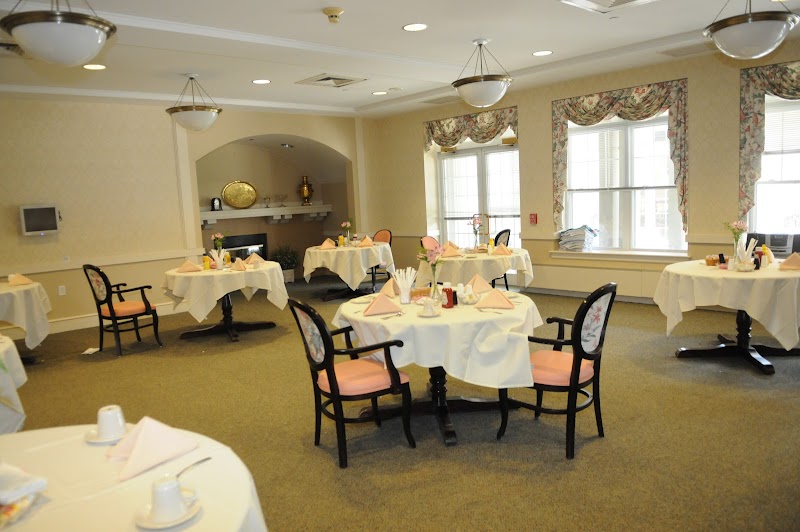
How is Concordia At Rebecca Residence Staffed?

CMS rates CONCORDIA AT REBECCA RESIDENCE's staffing level at 3 out of 5 stars, which is average compared to other nursing homes. Staff turnover is 51%, compared to the Pennsylvania average of 46%.

What Have Inspectors Found at Concordia At Rebecca Residence?

State health inspectors documented 27 deficiencies at CONCORDIA AT REBECCA RESIDENCE during 2023 to 2025. These included: 26 with potential for harm and 1 minor or isolated issues.
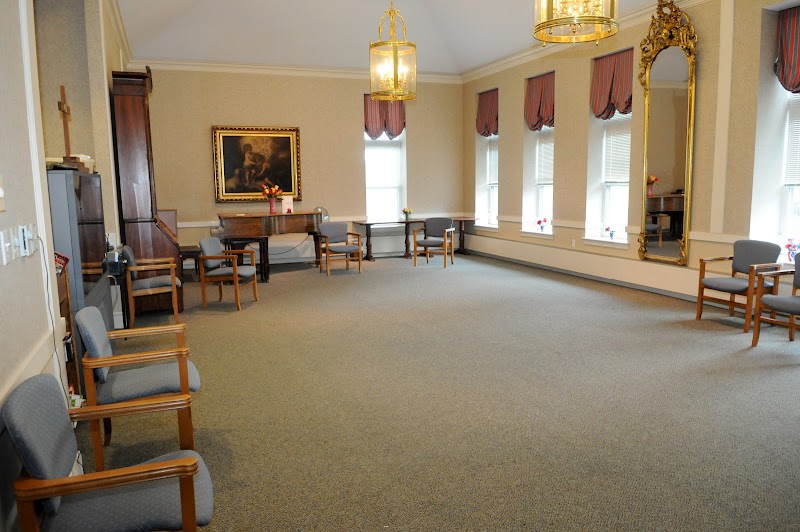
Who Owns and Operates Concordia At Rebecca Residence?

CONCORDIA AT REBECCA RESIDENCE is owned by a non-profit organization. Non-profit facilities reinvest revenue into operations rather than distributing to shareholders. The facility operates independently rather than as part of a larger chain. With 60 certified beds and approximately 55 residents (about 92% occupancy), it is a smaller facility located in ALLISON PARK, Pennsylvania.
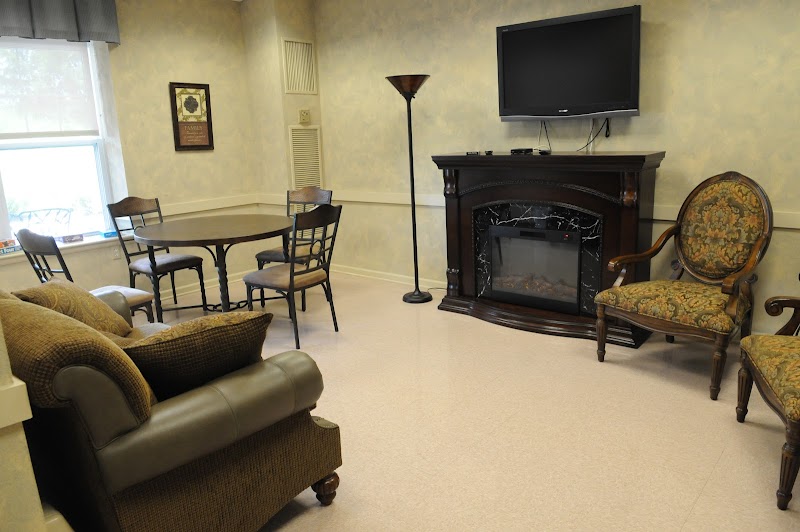
How Does Concordia At Rebecca Residence Compare to Other Pennsylvania Nursing Homes?

Compared to the 100 nursing homes in Pennsylvania, CONCORDIA AT REBECCA RESIDENCE's overall rating (4 stars) is above the state average of 3.0, staff turnover (51%) is near the state average of 46%, and health inspection rating (3 stars) is at the national benchmark.

What Should Families Ask When Visiting Concordia At Rebecca Residence?

Based on this facility's data, families visiting should ask: "Can I visit during a mealtime to observe dining assistance and food quality?" "How do you handle medical emergencies, and what is your hospital transfer rate?" "Can I speak with family members of current residents about their experience?"

Is Concordia At Rebecca Residence Safe?

Based on CMS inspection data, CONCORDIA AT REBECCA RESIDENCE has a clean safety record: no substantiated abuse findings (meaning no confirmed cases of resident harm), no Immediate Jeopardy citations (the most serious violation level indicating risk of serious injury or death), and is not on the Special Focus Facility watch list (a federal program monitoring the lowest-performing 1% of nursing homes). The facility has a 4-star overall rating and ranks #1 of 100 nursing homes in Pennsylvania. While no facility is perfect, families should still ask about staff-to-resident ratios and recent inspection results during their visit.

Do Nurses at Concordia At Rebecca Residence Stick Around?

CONCORDIA AT REBECCA RESIDENCE has a staff turnover rate of 51%, which is about average for Pennsylvania nursing homes (state average: 46%). Moderate turnover is common in nursing homes, but families should still ask about staff tenure and how the facility maintains care continuity when employees leave.

Was Concordia At Rebecca Residence Ever Fined?

CONCORDIA AT REBECCA RESIDENCE has no federal fines on record. CMS issues fines when nursing homes fail to meet care standards or don't correct problems found during inspections. The absence of fines suggests the facility has either maintained compliance or corrected any issues before penalties were assessed. This is a positive indicator, though families should still review recent inspection reports for the full picture.

Is Concordia At Rebecca Residence on Any Federal Watch List?

CONCORDIA AT REBECCA RESIDENCE is not on any federal watch list. The most significant is the Special Focus Facility (SFF) program, which identifies the bottom 1% of nursing homes nationally based on persistent, serious quality problems. Not being on this list means the facility has avoided the pattern of deficiencies that triggers enhanced federal oversight. This is a positive indicator, though families should still review the facility's inspection history directly.