CONCORDIA AT THE CEDARS
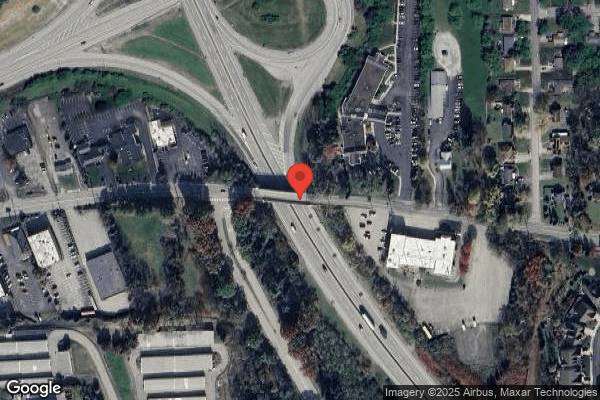
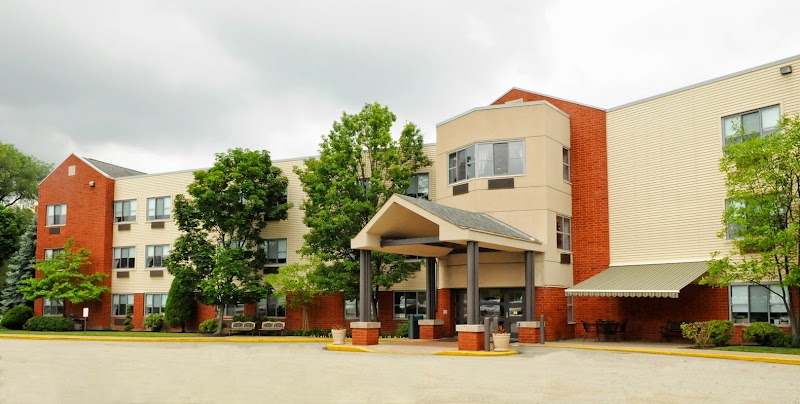
4363 NORTHERN PIKE, MONROEVILLE, PA 15146 (412) 373-3900
Non profit - Corporation 59 Beds CONCORDIA LUTHERAN MINISTRIES Data: November 2025
Trust Grade
90/100
#21 of 653 in PA
Last Inspection: February 2025

Within standard 12-15 month inspection cycle. Federal law requires annual inspections.

Overview

Concordia at the Cedars in Monroeville, Pennsylvania, has received a Trust Grade of A, which means it is considered excellent and highly recommended for care. The facility ranks #21 out of 653 in the state, placing it in the top half of Pennsylvania nursing homes, and is the best option among the 52 facilities in Allegheny County. However, the facility is experiencing a worsening trend, with the number of issues increasing from 3 in 2024 to 4 in 2025. Staffing is a relative strength, with a 4 out of 5-star rating and a turnover rate of 36%, which is significantly lower than the state average. Notably, there have been concerns regarding food safety practices and the handling of potential abuse cases, as well as issues with medication administration that could lead to contamination. While there are strengths in staffing and overall care quality, families should be aware of these specific challenges.

Trust Score
A
90/100
In Pennsylvania
#21/653
Top 3%
Safety Record
Low Risk
No red flags
Inspections
Getting Worse
3 → 4 violations
Staff Stability
○ Average
36% turnover. Near Pennsylvania's 48% average. Typical for the industry.
Penalties
✓ Good
No fines on record. Clean compliance history, better than most Pennsylvania facilities.
Skilled Nurses
✓ Good
Each resident gets 48 minutes of Registered Nurse (RN) attention daily — more than average for Pennsylvania. RNs are trained to catch health problems early.
Violations
○ Average
7 deficiencies on record. Average for a facility this size. Mostly minor or procedural issues.
★★★★★
5.0
Overall Rating
★★★★☆
4.0
Staff Levels
★★★★★
5.0
Care Quality
★★★★☆
4.0
Inspection Score
Stable
2024: 3 issues
2025: 4 issues

The Good

  • 4-Star Staffing Rating · Above-average nurse staffing levels
  • 5-Star Quality Measures · Strong clinical quality outcomes
  • Full Sprinkler Coverage · Fire safety systems throughout facility
  • No fines on record
  • Staff turnover below average (36%)

    12 points below Pennsylvania average of 48%

Facility shows strength in staffing levels, quality measures, fire safety.

The Bad

Staff Turnover: 36%

Near Pennsylvania avg (46%)

Typical for the industry

Chain: CONCORDIA LUTHERAN MINISTRIES

Part of a multi-facility chain

Ask about local staffing decisions and management

The Ugly 7 deficiencies on record

Feb 2025 4 deficiencies
CONCERN (D)

Potential for Harm - no one hurt, but risky conditions existed

Deficiency F0554 (Tag F0554)

Could have caused harm · This affected 1 resident

**NOTE- TERMS IN BRACKETS HAVE BEEN EDITED TO PROTECT CONFIDENTIALITY** Based on observations, resident, and staff interviews, it was determined that the facility failed to assess and care plan for se...

Read full inspector narrative →
**NOTE- TERMS IN BRACKETS HAVE BEEN EDITED TO PROTECT CONFIDENTIALITY** Based on observations, resident, and staff interviews, it was determined that the facility failed to assess and care plan for self-administration of medications for a cognitively intact resident who wished to do so for one of three residents (Residents R41). Findings include: Review of the facility policy Medication Administration dated 1/16/25, indicated to observe resident consumption of medication. Review of the clinical record indicated Resident R41 was admitted to the facility on [DATE]. Review of the Minimum Data Set (MDS - periodic assessment of resident care needs) dated 12/11/24, included diagnoses of diabetes (a metabolic disorder in which the body has high sugar levels for prolonged periods of time) and heart failure (a progressive heart disease that affects pumping action of the heart muscles). Review of Section C: Cognitive Patterns revealed Resident R41 to be cognitively intact. During an observation on 2/27/25, at 10:19 a.m. Resident R41 was seated in bed. On his overbed table a medicine cup was observed, with a pill in it. During an interview on 2/27/25, at 10:25 a.m. Registered Nurse (RN) Employee E1 was asked if Resident R41 had been assessed and care planned for self-administration of medication, and she was unsure if he had, or what the process to do so would be. RN Employee E1 confirmed that Resident R41 is alert and oriented, and she usually doesn't have a concern about him taking his medication. Review of Resident R41' s clinical record on 2/28/25, the day after the observation, revealed an assessment for self-administration of medication, and the care plan then updated to include goals and interventions for self-administration of medications. During an interview on 2/28/25, at approximately 12:15 p.m. the Director of Nursing confirmed the facility failed to assess and care plan for self-administration of medications for a cognitively intact resident who wished to do so for one of three residents. 28. Pa. Code 211.12(d)(1)(2) Nursing services.
CONCERN (D)

Potential for Harm - no one hurt, but risky conditions existed

Quality of Care (Tag F0684)

Could have caused harm · This affected 1 resident

**NOTE- TERMS IN BRACKETS HAVE BEEN EDITED TO PROTECT CONFIDENTIALITY** Based on review of clinical records and staff interview, it was determined that the facility failed to make certain that residen...

Read full inspector narrative →
**NOTE- TERMS IN BRACKETS HAVE BEEN EDITED TO PROTECT CONFIDENTIALITY** Based on review of clinical records and staff interview, it was determined that the facility failed to make certain that residents were provided appropriate treatment and services to maintain bowel function for one of two residents (Resident R53). Findings include: Review of the clinical record revealed that Resident R53 was admitted to the facility on [DATE]. Review of the Minimum Data Set (MDS - periodic assessment of care needs) dated 8/9/24, included diagnoses of atrial fibrillation (disease of the heart characterized by irregular and often faster heartbeat), traumatic brain injury (a disruption in the normal function of the brain), and history of a stroke. Section GG: Functional Abilities substantial/maximal assistance with toileting. Section H: Bladder and Bowel indicated that Resident R53 was occasionally incontinent of bowel. Review of the physician orders dated 11/7/24, indicated that Resident R53 had orders for: -Milk of magnesia, give 30 ml by mouth every 72 hours as needed for Constipation no bowel movement by the morning of the 3rd day (72 hours) AND Give 30 ml by mouth every 24 hours as needed for constipation. -Bisacodyl suppository, insert 10 mg rectally every 96 hours as needed for constipation, if MOM is unsuccessful no bowel movement by the morning of the 4th day (96 hours) AND Insert 10 mg rectally every 24 hours as needed for constipation. -Enema, insert 1 application rectally every 120 hours as needed for constipation, if suppository is unsuccessful no bowel movement by the morning of the 5th day (120 hours) AND Insert 1 application rectally every 24 hours as needed for constipation. Review of Resident R53's plan of care since admission failed to include goals and interventions related to bowel management and/or bowel continence. Review of Resident R53's plan of care for the use of psychotropic medications dated 11/28/24, indicated that Resident R53 will remain free of psychotropic drug related complications, including constipation. Review of Resident R53's bowel record, dated 11/23/24, at 1:59 p.m. through 11/30/24, at 9:29 p.m. (21 shifts) did not include documentation of a bowel movement. Review of Resident R53's medication administration record (MAR) failed to reveal any administrations of milk of magnesia, bisacodyl, or an enema from 11/23/24, through 11/30/24. Review of Resident R53's bowel record, dated 12/1/24 at 1:59 p.m. through 12/7/24, at 1:59 p.m. (18 shifts) did not include documentation of a bowel movement. Review of Resident R53's MAR failed to reveal any administrations of milk of magnesia, bisacodyl, or an enema from 12/1/24, through 12/7/24. Review of Resident R53's bowel record, dated 12/15/24 at 9:35 p.m. through 12/22/24, at 1:07 p.m. (20 shifts) did not include documentation of a bowel movement. Review of Resident R53's MAR failed to reveal any administrations of bisacodyl or an enema from 12/15/24, through 12/22/24. One administration of milk of magnesia was administered on 12/21/24, at 10:20 a.m. Review of Resident R53's bowel record, dated 12/23/24 at 7:30 p.m. through 12/31/24, at 8:57 p.m. (23 shifts) did not include documentation of a bowel movement. Review of Resident R53's MAR failed to reveal any administrations of milk of magnesia, bisacodyl, or an enema from 12/23/24, through 12/31/24. Review of Resident R53's bowel record, dated 1/7/25 at 9:37 a.m. through 1/14/25, at 3:04 a.m. (19 shifts) did not include documentation of a bowel movement. Review of Resident R53's January MAR failed to reveal any administrations of milk of magnesia, bisacodyl, or an enema. Review of Resident R53's bowel record, dated 2/6/25 at 5:04 p.m. through 2/19/25, at 9:47 p.m. (33 shifts) did not include documentation of a bowel movement. Review of Resident R53's February MAR failed to reveal any administrations of milk of magnesia, bisacodyl, or an enema. During an interview on 2/28/25, at approximately 12:00 p.m. the Director of Nursing confirmed that the facility failed to administer medications to maintain bowel function for one of two residents. 28 Pa. Code 201.14(a) Responsibility of licensee. 28 Pa. Code 201.18(b)(1) Management. 28 Pa. Code 201.29(a) Resident rights. 28 Pa. Code 211.10(c)(d) Resident care policies. 28 Pa. Code:211.12(d)(1)(5) Nursing services.
CONCERN (E)

Potential for Harm - no one hurt, but risky conditions existed

Investigate Abuse (Tag F0610)

Could have caused harm · This affected multiple residents

**NOTE- TERMS IN BRACKETS HAVE BEEN EDITED TO PROTECT CONFIDENTIALITY** Based on review of facility policy, review of facility provided documents, clinical records, and staff interview, it was determi...

Read full inspector narrative →
**NOTE- TERMS IN BRACKETS HAVE BEEN EDITED TO PROTECT CONFIDENTIALITY** Based on review of facility policy, review of facility provided documents, clinical records, and staff interview, it was determined that the facility failed to identify and/or investigate and/or report potential abuse for two of five residents (Resident R4 and R3). Findings include: Review of the facility policy Abuse, Neglect and Exploitation last reviewed on 1/16/25, indicated that it is the policy of the facility to provide protections for the health, welfare and rights of each resident by developing and implementing written policies and procedures that prohibit abuse, neglect and exploitation and misappropriation of resident property. An investigation is warranted when suspicion of abuse, neglect, etc., occur. Written procedures include investigating different types of alleged violations. The facility will provide complete and thorough documentation of the investigation. Review of the clinical record indicated that Resident R4 was admitted to the facility on [DATE], with diagnoses which included dementia, abnormalities of gait and mobility and a stroke. A Minimum Data Set (MDS- periodic assessment of resident care needs) dated 11/19/24, indicated the diagnoses remained current. Review of a progress note dated 2/11/25, indicated Resident R4 developed a skin tear to her right lower extremity. The documentation indicated that the area was cleansed with saline, and a dry dressing was applied. Review of a skin observation tool dated 2/17/25, indicated a skin tear of Resident R4 right ankle measuring 1 cm x 0.8 cm which required Xeroform (mesh occlusive dressing impregnated with petroleum for use on low drainage wound that required non adhesion). The note indicated that staff stated she had the skin tear for over a week. No further documentation was available to determine an investigation into this injury. During an interview on 2/28/25, at 9:33 a.m., the Director of Nursing (DON), confirmed that the facility failed to thoroughly investigate the injury of unknown origin to determine the root cause and rule out potential for abuse. Review of the clinical record indicated that Resident R3 was admitted to the facility on [DATE], with diagnoses which included a heart attack and pacemaker insertion, kidney disease, diabetes and lung disease. A MDS dated [DATE], indicated the diagnoses remained current. Review of a facility provided document dated 1/29/25, indicated Resident R3 had developed multiple bruises of her right arm and a large bruise that wrapped around her right upper arm. The report indicated that the resident stated that she had the bruising for a long time and the facility could not identify a perpetrator. During an interview on 2/26/25, at 2:19 p.m., the DON stated that there was no further information that a the facility failed to determine the root cause and although the facility indicated they ruled out abuse and the information provided did not indicate a thorough investigation had been completed. 28 Pa. Code: 201.14(c)(d)(e) Responsibility of licensee. 28 Pa. Code: 201.18(b)(1)(2)(e)(1) Management. 28 Pa. Code: 201.19 Personnel policies and procedures. 28 Pa. Code: 201.20(a)(b)(c)(d) Staff development. 28 Pa. Code: 201.29(a)(c)(d)(j)(m) Resident rights.
CONCERN (E)

Potential for Harm - no one hurt, but risky conditions existed

Infection Control (Tag F0880)

Could have caused harm · This affected multiple residents

Based on review of facility policy, manufacturers' instructions, observations, and staff interviews it was determined that the facility failed to prevent the potential for cross-contamination during m...

Read full inspector narrative →
Based on review of facility policy, manufacturers' instructions, observations, and staff interviews it was determined that the facility failed to prevent the potential for cross-contamination during medication administration for two of four residents (Resident R9 and R21). Findings Include: Review of the facility policy Medication Administration, last reviewed on 1/26/25, indicated that medications are administered in accordance with professional standards of practice in a manner to prevent contamination or infection. During a medication administration completed by Registered Nurse Employee E1 the following was observed: Three oral medication tablets for Resident R9 were removed from the cards into RN Employee E1's ungloved left hand then placed into medication cup. Two oral medications tablets for Resident R21 were removed from the cards into RN Employee E1's ungloved left hand then placed into medication cup. During an interview on 2/27/25, at 8:35 a.m., RN Employee E1 confirmed that she had removed the tablets and placed into ungloved hand allowing for the potential of cross contamination. During an interview on 2/28/25, at approximately 12:15 p.m. the Nursing Home Administrator and the Director of Nursing confirmed that the facility failed to prevent the potential for cross-contamination during medication administration for two of four residents. 28 Pa. Code §201.14(a) Responsibility of licensee. 28 Pa. Code §201.18(b)(1)(3)(e)(1) Management. 28 Pa. Code §201.20(c) Staff development. 28 Pa. Code §201.29(d) Resident rights. 28 Pa. Code §211.12(d)(1)(2)(3)(5) Nursing services.
Mar 2024 3 deficiencies
CONCERN (D)

Potential for Harm - no one hurt, but risky conditions existed

Deficiency F0657 (Tag F0657)

Could have caused harm · This affected 1 resident

**NOTE- TERMS IN BRACKETS HAVE BEEN EDITED TO PROTECT CONFIDENTIALITY** Based on facility policy and clinical record reviews and interview with staff, it was determined that the facility failed to rev...

Read full inspector narrative →
**NOTE- TERMS IN BRACKETS HAVE BEEN EDITED TO PROTECT CONFIDENTIALITY** Based on facility policy and clinical record reviews and interview with staff, it was determined that the facility failed to review and revise the comprehensive care plan for two of seven residents. (Residents R8, and R39) Findings include: The facility was unable to provide a policy regarding care planning. The Long-Term Care Facility Resident Assessment Instrument (RAI) User's Manual, which provides instructions and guidelines for completing required Minimum Data Set (MDS) assessments (mandated assessments of a resident's abilities and care needs), dated October 2023, indicated that a BIMS (Brief Interview of Mental Status) is a brief screener that aids in detecting cognitive impairment. Scores from a BIMS assessment suggests the following distributions: 13 - 15: cognitively intact 8 - 12: moderately impaired 0 - 7: severe impairment A review of the clinical record revealed that Resident R8 was admitted to the facility on [DATE], with diagnoses that included dementia (loss of thinking, remembering, and reasoning, to such an extent that it interferes with a person's daily life and activities), high blood pressure, and anxiety. A review of the MDS dated [DATE], indicated the diagnoses remain current. Review of Section C: Cognitive Patterns, Question C0500 BIMS Summary Score revealed Resident R8's BIMS score was 7, indicating severe impairment. A review of a H&P (history and physical) physician progress note dated 12/16/23, ar 1:00 p.m. indicated Not oriented to time or location, difficult for her to engage in conversation and assessment. A Review of a progress note dated 12/16/23, at 3:52 p.m. revealed patient does best with crushed medication and mechanical soft food due to history of pocketing and trouble chewing/swallowing. A review of a progress note dated 12/21/23, at 5:19 p.m. indicated Resident R8 was very forgetful and needed repeated instructions for medications and care. A review of a progress note dated 3/26/24, at 5:00 p.m. indicated resident is alert to self, had increased anxiety, and was kept in high observation areas. A review of a progress note dated 3/27/24, at 1:36 a.m. indicated Resident is AOx1 (alert and oriented) with confusion. Takes meds crushed in applesauce. A review of the care plan failed to reveal resident-centered interventions for Dementia. A review of the clinical record indicated Resident R39 was re-admitted to the facility on [DATE], with diagnoses that included vascular dementia (condition caused by the lack of blood that carries oxygen and nutrient to a part of the brain, and causes problems with reasoning, planning, judgment, and memory), diabetes, and high blood pressure. A review of the MDS dated [DATE], indicated the diagnoses remain current. Review of Section N: Medications, Question N0415: High-Risk Drug Classes: Uses and Indication reveal Resident R39 was taking an antipsychotic medication. A review of a physician order dated 6/26/23, indicated Resident R39 was ordered Seroquel (may be used to calm and help diminish psychotic thoughts) 25 milligrams (mg) give 12.5 mg by mouth one time a day. A review of the care plan failed to reveal interventions for antipsychotic medication use. During an interview on 3/28/24, at 11:53 a.m. the Director of Nursing confirmed the facility failed to complete a resident-centered care plan for Residents R8 and R39. 28 Pa. Code 211.11(d) Resident care plans.
CONCERN (E)

Potential for Harm - no one hurt, but risky conditions existed

Grievances (Tag F0585)

Could have caused harm · This affected multiple residents

Based on review of facility policy, observations, and resident and staff interviews, it was determined that the facility failed to provide concern forms and grievance boxes assessable to residents and...

Read full inspector narrative →
Based on review of facility policy, observations, and resident and staff interviews, it was determined that the facility failed to provide concern forms and grievance boxes assessable to residents and visitors from a wheelchair in the front lobby and on the third floor nursing unit, failed to have a grievance forms accessible on the third floor nursing unit, and failed to provide an opportunity for anonymous grievances in the front lobby and on the third floor nursing unit. Findings include: A review of the facility policy Resident and Family Grievances reviewed 1/19/23 and 1/28/24, indicated it is the policy of the facility to support each resident's and family member's right to voice grievances without discrimination, reprisal, or fear of discrimination. A grievance may be filed anonymously. During an observation on 3/26/24, at 8:15 a.m. revealed the grievance box in the front lobby is not accessible by residents and visitors in a wheelchair, and the grievance box is within sight of the receptionist. During an observation on 3/26/24, at 1:45 p.m. third floor nursing unit failed to have grievance forms available for residents and visitors, and the grievance box is not accessible to residents and visitors from a wheelchair, and the grievance box is within sight of the nurses station. During an observation on 3/27/24, at 2:45 p.m. third floor nursing unit failed to have grievance forms available for residents and visitors, and the grievance box is not accessible to residents and visitors from a wheelchair, and the grievance box is within sight of the nurses station. During an observation on 3/28/24, at 11:45 a.m. third floor nursing unit failed to have grievance forms available for residents and visitors, and the grievance box is not accessible to residents and visitors from a wheelchair, and the grievance box is within sight of the nurses station. During an interview on 3/28/24, at 11:50 a.m. Registered Nurse Employee E1 confirmed the facility failed to provide grievance forms on the third floor nursing unit, stating we must have run out. During an interview on 3/28/24, at 11:53 a.m. the Nursing Home Administrator was informed the greivance boxes were not at a level that was accessible to residents and visitors in a wheelchair in the front lobby and third floor nursing unit, and failed to provide the opportunity for residents and visitors to file an anonymous grievance. 28 PA Code: 201.18(e)(4) Management. 28 PA Code: 201.29(a)(b)(c) Resident rights.
CONCERN (F)

Potential for Harm - no one hurt, but risky conditions existed

Food Safety (Tag F0812)

Could have caused harm · This affected most or all residents

Based on observation, review of facility policy, and staff interviews, it was determined that the facility failed to serve food/beverages in accordance with professional standards for food safety on o...

Read full inspector narrative →
Based on observation, review of facility policy, and staff interviews, it was determined that the facility failed to serve food/beverages in accordance with professional standards for food safety on one of one nursing units. (3rd Floor Nursing Unit) Findings include: Review of the facility policy, Food Safety Requirements, dated 1/28/24, indicated food will be distributed and served in accordance with professional standards for food service safety. Foods and beverages shall be distributed in a manner to prevent contamination. Observation of the lunch meal of the 3rd Floor nursing unit, on 3/27/28, at 11:40 a.m. through 12:40 p.m., revealed the following: At 11:40 a.m. Residents were served meals from the steam table in the kitchenette to the tables in the dining room. All residents were served and eating at 12:05 p.m. At 12:05 p.m. the steam table was transported from the kitchenette onto the end of the nursing unit and set up in the middle hallway of the 300-318 resident rooms. There was and approximate distance of 35 inches from the steam table to the handrail of the wall. Plates were noted to be on top of the steam table during transportation and not covered. A beverage cart, dessert cart, coffee cart, and tray cart were lined up beside the steam table in the hallway. A nurse was noted to pass by pushing a medication cart between the steam table and handrail. During an interview with the Food Service Director, Employee E3 revealed the facility has been utilizing this process since May 2023. Resident meals were assembled and delivered to resident rooms of the 300-318 hallway from the steam table. At 12:20 p.m. Dietary Aide Employee E2 touched the resident trays, plate covers, and meal tickets, then cut baked potatoes and plated them with hands without changing gloves or washing hands. During an interview on 3/27/24, at 12:45 p.m. Dietary Aide Employee E2 confirmed the above finding and that tongs should have been used to plate the baked potatoes. At 12:25 p.m. the steam table was then pushed past the Nursing Station onto the other end of the 3rd floor nursing unit in the hallway of resident rooms 319-331. Meal trays were assembled and served in the same manner from the steam table in the hallway of the nursing unit. From 12:25 p.m. to 12:40 p.m. when the last tray was delivered, five visitors carrying various items, one resident pushed in a wheelchair by staff, and one resident ambulating in a wheelchair passed between the steam table and the handrail of the nursing unit hallway. At 12:40 p.m., all resident meals were served in the resident rooms and the steam table was transported back into the kitchenette on the 3rd Floor nursing unit. During an interview on 3/27/24, at 12:50 p.m. Food Service Director Employee E3 confirmed the above findings and the facility failed to serve food/beverages in accordance with professional standards for food safety on the 3rd Floor Nursing Unit. During an interview on 3/28/24, at 12:20 p.m. The Nursing Home Administrator (NHA) confirmed the facility has been utilizing the above meal service process on the 3rd Floor nursing unit from approximately 4/17/23. 28 Pa code 211.6(b)(d) Dietary services.
Understanding Severity Codes (click to expand)
Life-Threatening (Immediate Jeopardy)
J - Isolated K - Pattern L - Widespread
Actual Harm
G - Isolated H - Pattern I - Widespread
Potential for Harm
D - Isolated E - Pattern F - Widespread
No Harm (Minor)
A - Isolated B - Pattern C - Widespread

Questions to Ask on Your Visit

  • "Can I speak with families of current residents?"
  • "What's your RN coverage like on weekends and overnight?"

Our Honest Assessment

Strengths
  • • Grade A (90/100). Above average facility, better than most options in Pennsylvania.
  • • No major safety red flags. No abuse findings, life-threatening violations, or SFF status.
  • • No fines on record. Clean compliance history, better than most Pennsylvania facilities.
  • • 36% turnover. Below Pennsylvania's 48% average. Good staff retention means consistent care.
Concerns
  • • No significant concerns identified. This facility shows no red flags across CMS ratings, staff turnover, or federal penalties.
Bottom line: Generally positive indicators. Standard due diligence and a personal visit recommended.

About This Facility

What is Concordia At The Cedars's CMS Rating?

CMS assigns CONCORDIA AT THE CEDARS an overall rating of 5 out of 5 stars, which is considered much above average nationally. Within Pennsylvania, this rating places the facility higher than 99% of the state's 100 nursing homes. This rating reflects solid performance across the metrics CMS uses to evaluate nursing home quality.

How is Concordia At The Cedars Staffed?

CMS rates CONCORDIA AT THE CEDARS's staffing level at 4 out of 5 stars, which is above average compared to other nursing homes. Staff turnover is 36%, compared to the Pennsylvania average of 46%. This relatively stable workforce can support continuity of care.

What Have Inspectors Found at Concordia At The Cedars?

State health inspectors documented 7 deficiencies at CONCORDIA AT THE CEDARS during 2024 to 2025. These included: 7 with potential for harm.
Who Owns and Operates Concordia At The Cedars?

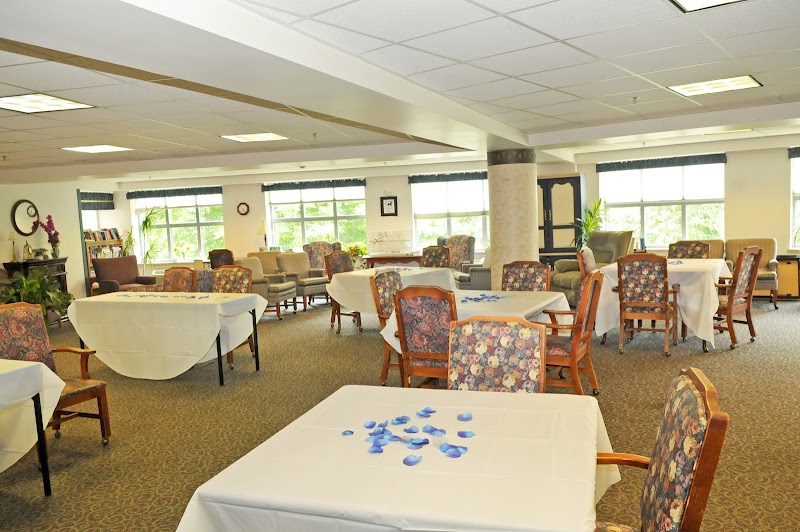
CONCORDIA AT THE CEDARS is owned by a non-profit organization. Non-profit facilities reinvest revenue into operations rather than distributing to shareholders. The facility is operated by CONCORDIA LUTHERAN MINISTRIES, a chain that manages multiple nursing homes. With 59 certified beds and approximately 55 residents (about 93% occupancy), it is a smaller facility located in MONROEVILLE, Pennsylvania.
How Does Concordia At The Cedars Compare to Other Pennsylvania Nursing Homes?

Compared to the 100 nursing homes in Pennsylvania, CONCORDIA AT THE CEDARS's overall rating (5 stars) is above the state average of 3.0, staff turnover (36%) is near the state average of 46%, and health inspection rating (4 stars) is above the national benchmark.

What Should Families Ask When Visiting Concordia At The Cedars?

Based on this facility's data, families visiting should ask: "Can I visit during a mealtime to observe dining assistance and food quality?" "How do you handle medical emergencies, and what is your hospital transfer rate?" "Can I speak with family members of current residents about their experience?"

Is Concordia At The Cedars Safe?

Based on CMS inspection data, CONCORDIA AT THE CEDARS has a clean safety record: no substantiated abuse findings (meaning no confirmed cases of resident harm), no Immediate Jeopardy citations (the most serious violation level indicating risk of serious injury or death), and is not on the Special Focus Facility watch list (a federal program monitoring the lowest-performing 1% of nursing homes). The facility has a 5-star overall rating and ranks #1 of 100 nursing homes in Pennsylvania. While no facility is perfect, families should still ask about staff-to-resident ratios and recent inspection results during their visit.

Do Nurses at Concordia At The Cedars Stick Around?

CONCORDIA AT THE CEDARS has a staff turnover rate of 36%, which is about average for Pennsylvania nursing homes (state average: 46%). Moderate turnover is common in nursing homes, but families should still ask about staff tenure and how the facility maintains care continuity when employees leave.

Was Concordia At The Cedars Ever Fined?

CONCORDIA AT THE CEDARS has no federal fines on record. CMS issues fines when nursing homes fail to meet care standards or don't correct problems found during inspections. The absence of fines suggests the facility has either maintained compliance or corrected any issues before penalties were assessed. This is a positive indicator, though families should still review recent inspection reports for the full picture.

Is Concordia At The Cedars on Any Federal Watch List?

CONCORDIA AT THE CEDARS is not on any federal watch list. The most significant is the Special Focus Facility (SFF) program, which identifies the bottom 1% of nursing homes nationally based on persistent, serious quality problems. Not being on this list means the facility has avoided the pattern of deficiencies that triggers enhanced federal oversight. This is a positive indicator, though families should still review the facility's inspection history directly.