QUALITY LIFE SERVICES - APOLLO
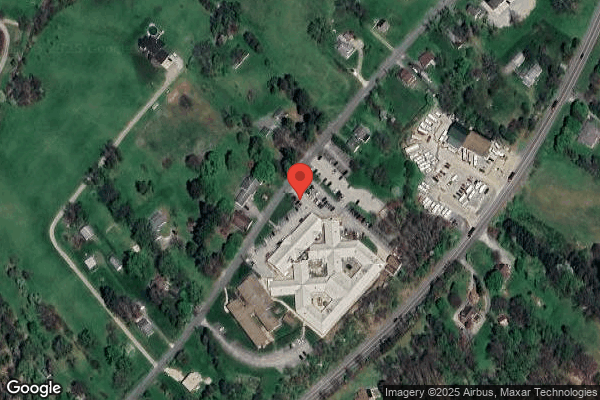
151 GOODVIEW DRIVE, APOLLO, PA 15613 (412) 727-3451
For profit - Limited Liability company 177 Beds QUALITY LIFE SERVICES Data: November 2025
Trust Grade
40/100
#478 of 653 in PA
Last Inspection: May 2025

Inspected within the last 6 months. Data reflects current conditions.

Overview

Quality Life Services in Apollo, Pennsylvania, has a Trust Grade of D, which indicates below-average performance with some concerns. Ranking #478 out of 653 facilities in Pennsylvania places it in the bottom half, and it is #7 out of 18 in Westmoreland County, meaning there are better local options available. The facility's trend is worsening, with reported issues increasing from 22 in 2024 to 30 in 2025. Staffing is a concern, with a rating of only 2 out of 5 stars and a high turnover rate of 65%, significantly above the state average of 46%, which may affect care continuity. While there have been no fines reported, which is a positive aspect, the RN coverage is below average, being less than 85% of other Pennsylvania facilities, potentially compromising care quality. Specific incidents reported include serious medication errors where residents received incorrect medications, requiring emergency care, and concerns over food safety due to improper kitchen sanitation and equipment maintenance. Overall, while there are strengths like no fines and excellent quality measures, the facility has significant weaknesses that families should consider carefully.

Trust Score
D
40/100
In Pennsylvania
#478/653
Bottom 27%
Safety Record
Moderate
Needs review
Inspections
Getting Worse
22 → 30 violations
Staff Stability
⚠ Watch
65% turnover. Above average. Higher turnover means staff may not know residents' routines.
Penalties
✓ Good
No fines on record. Clean compliance history, better than most Pennsylvania facilities.
Skilled Nurses
⚠ Watch
Each resident gets only 27 minutes of Registered Nurse (RN) attention daily — below average for Pennsylvania. Fewer RN minutes means fewer trained eyes watching for problems.
Violations
⚠ Watch
72 deficiencies on record. Higher than average. Multiple issues found across inspections.
★★☆☆☆
2.0
Overall Rating
★★☆☆☆
2.0
Staff Levels
★★★★★
5.0
Care Quality
★☆☆☆☆
1.0
Inspection Score
Stable
2024: 22 issues
2025: 30 issues

The Good

  • 5-Star Quality Measures · Strong clinical quality outcomes
  • Full Sprinkler Coverage · Fire safety systems throughout facility
  • No fines on record

Facility shows strength in quality measures, fire safety.

The Bad

2-Star Overall Rating

Below Pennsylvania average (3.0)

Below average - review inspection findings carefully

Staff Turnover: 65%

19pts above Pennsylvania avg (46%)

Frequent staff changes - ask about care continuity

Chain: QUALITY LIFE SERVICES

Part of a multi-facility chain

Ask about local staffing decisions and management

Staff turnover is elevated (65%)

17 points above Pennsylvania average of 48%

The Ugly 72 deficiencies on record

1 actual harm
Sept 2025 1 deficiency
CONCERN (D) 📢 Someone Reported This

A family member, employee, or ombudsman was alarmed enough to file a formal complaint

Potential for Harm - no one hurt, but risky conditions existed

Accident Prevention (Tag F0689)

Could have caused harm · This affected 1 resident

**NOTE- TERMS IN BRACKETS HAVE BEEN EDITED TO PROTECT CONFIDENTIALITY** Based on review of facility documents, facility policy, clinical record review, and staff interviews, it was determined that the...

Read full inspector narrative →
**NOTE- TERMS IN BRACKETS HAVE BEEN EDITED TO PROTECT CONFIDENTIALITY** Based on review of facility documents, facility policy, clinical record review, and staff interviews, it was determined that the facility failed to make certain each resident received adequate supervision that resulted in an elopement (resident exits to an unsupervised or unauthorized area without the facility's knowledge) for one of four residents (Resident R1).Findings include: Review of facility policy Elopement Prevention dated 4/17/25, indicated the facility properly assesses residents and plan their care to prevent accidents related to wandering behavior or elopement. Should the resident's behavior warrant elopement prevention measures, a comprehensive elopement prevention plan will be documented as part of the care plan. Staff observations will be noted during the resident's stay and modifications will be made to the care plan and prevention techniques. Review of the Resident Assessment Instrument 3.0 User's Manual, effective October 2024, indicated that a Brief Interview for Mental Status ( BIMS) is a screening test that aides in detecting cognitive impairment. The BIMS total score suggests the following distributions: 13-15: cognitively intact8-12: moderately impaired0-7: severe impairment Review of the clinical record indicated Resident R1 was admitted to the facility on [DATE]. Review of Resident R1's Minimum Data Set (MDS - a periodic assessment of care needs) dated 9/3/25, indicated diagnoses of high blood pressure, dementia, and age-related cognitive decline. Question C0500 BIMS Summary Score indicated the resident scored a 4, severe impairment. Question 0200E Alarms indicated the resident used a wander/elopement alarm daily. Review of Resident R1's care plan dated 12/20/24, indicated resident is an elopement risk/wanderer as evidenced by impaired safety awareness. Interventions include resident is wearing a wanderguard, identify any patterns of wandering that resident exhibits, and provide resident with structured activities. Review of a physician order dated 5/12/25, indicated wanderguard (a wearable electronic monitoring device) on at all times. Check placement and skin integrity each shift. Change every 90 days. Review of facility submitted documents dated 8/19/25, indicated the following: At approximately 0925, Infection Preventionist Employee E1 and Assistant Director of Nursing (ADON) Employee E2 were notified by Hospice Nurse Aide (NA) Employee E3, that Resident R1 had walked into the personal care dining room. Hospice NA Employee E3 brought Resident R1 back into the SNF (Skilled Nursing Facility) building with the assistance of two other CNAs (Certified Nurse Aides). Resident R1 was assessed by an RN (Registered Nurse) and did not have any injuries or signs of distress. A head count was performed on the whole building, and all residents were accounted for. All exit doors were checked and were all found to be locked. The investigation was then initiated. Camera footage was reviewed that showed Resident R1 exiting a door on the side of the SNF building facing the personal care building @ 0919. Resident R1 was seen walking through the parking lot and attempting to open the door of a car parked in the parking lot. She then walked along the sidewalk and into the personal care building where Hospice NA Employee E3 had observed her enter the PCH (Personal Care Home) @ 0923. Upon further investigation, Resident R1 had walked through a break room door in the dining room. The door was not locked because the latch had been blocked by a paper towel. She then walked through the breakroom into the wheelchair supply room and out the exit door. Resident R1 was last seen walking towards the dining room at approximately 0910 by two nurses on the unit. Resident R1 was previously identified as being a high elopement/wandering risk and had a wander guard in place that was functioning appropriately. There were no wander guard sensors on the break room door as it had lock in place. When Resident R1 was brought back into the SNF building, her wander guard sounded and was functioning appropriately. The paper towel was immediately removed from the break room door and was verified to latch after determining elopement route. Maintenance was notified and applied a pin code lock onto the door. Review of facility documentation witness statements indicated the following: NA Employee E4 stated, I had just come back from a 15 minute break (9:22 a.m.) and was heading back towards room [ROOM NUMBER] when an employee from personal care alerted that Resident R1 had gotten out and was in personal care. NA Employee E5 and I immediately went over to get her. Her bracelet was on and working properly when we entered the smokers door. NA Employee E5 stated, Resident R1 got out from kitchen I believe, ended up on personal care side. Hospice lady came and got NA Employee E4 and I to bring her back over. Hospice NA Employee E3 stated, Around 9:30 a.m. on August 19, I was in the dining room of the personal care building. I looked down the hallway and saw Resident R1 walking down the hallway. I asked personal care staff to keep an eye on her and I went to the skilled building to notify staff. NA Employee E5 and NA Employee E4 assisted Resident R1 back to the skilled building. While they assisted Resident R1, I notified ADON Employee E2 and Infection Preventionist Employee E1. Licensed Practical Nurse (LPN) Employee E6 stated, The last time I saw Resident R1 was at 9:10 a.m. She was walking out of her room towards the Angel Wing nurses station with only sock on her feet that were not nonslip sock. I immediately went to get her shoes and put them on her feet and then she continued to walk towards the nurses station. I was in front of room [ROOM NUMBER] at the time, which is next door to Resident R1's room. LPN Employee E7 stated, At approximately 9:15 a.m. - 9:20 a.m. I was trying to enter building through smoker door but could not due to Resident R1 being at the door activating the wander guard alarm. Within a minute someone in blue scrubs I didn't recognize turned off alarm and let me in. I had to squeeze past Resident R1 and pulled door shut to prevent her from going out. I pushed on handle to confirm it had locked which it did and Resident R1 reactivated the alarm due to still being near the door. I tried to redirect resident away from door but she refused to move away. I double checked door was shut and locked and it was. During a tour of the facility on 9/9/25, at 10 a.m. the Director of Nursing (DON) stated Resident R1 was in the main dining room and was able to open the employee breakroom door due to a wad of tissue being stuffed into the lock, preventing the door from locking. During the tour, the employee breakroom door had a key pad on the door and required a passcode to be entered. The DON stated previously the door had a lock requiring a key on it. The DON and State Agency (SA) walked through the employee break room to another door, leading to the wheelchair storage area. During the tour, this door had a lock requiring a key. The DON stated the door previously did not have a lock on it because it was behind a locked door (the employee breakroom door). The DON and SA walked through the wheelchair storage area and were able to exit the facility from an external door. The external door leads directly to the personal care building parking lot and main entrance. During the tour, the DON stated this was the door Resident R1 was able to exit out of, attempted to open the door of a parked car in the parking lot, and then entered the personal care building. During an interview on 9/9/25, at 12:30 p.m. the DON confirmed that the facility failed to make certain each resident received adequate supervision that resulted in an elopement for one of four residents (Resident R1). 28 Pa. Code: 201.14 (a) Responsibility of licensee.28 Pa. Code: 201.18 (b)(1) Management.28 Pa. Code: 211.10(d) Resident care policies.28 Pa. Code: 211.12 (d)(1)(5) Nursing services.
May 2025 25 deficiencies 1 Harm
SERIOUS (G)

Actual Harm - a resident was hurt due to facility failures

Deficiency F0760 (Tag F0760)

A resident was harmed · This affected 1 resident

**NOTE- TERMS IN BRACKETS HAVE BEEN EDITED TO PROTECT CONFIDENTIALITY** Based on review of facility policy and clinical records, as well as staff interviews, it was determined that the facility failed...

Read full inspector narrative →
**NOTE- TERMS IN BRACKETS HAVE BEEN EDITED TO PROTECT CONFIDENTIALITY** Based on review of facility policy and clinical records, as well as staff interviews, it was determined that the facility failed to provide medication as ordered by the physician for two of two residents (Resident R19 and R182), resulting in significant medication errors due to receiving another resident's medications for one of five residents reviewed (Resident R182). This created actual harm which required a transfer to the emergency department and admission to a telemetry unit (a unit of a hospital where patients receive continuous heart monitoring) for Resident R182. Findings include: Review of facility policy Specific Medication Administration Procedures dated 4/17/25, indicated to review the five Rights of medication administration (right medication, right patient, right dose, right route, right time) three times. Identify the resident using two identification methods before administering medication (e.g., photo plus verbal confirmation of last name, photo and confirmation by family member, etc.) Review of the facility policy titled, Physician Orders last reviewed 4/17/25, stated physician orders are followed in accordance with good nursing principles and practices and are transcribed and carried out by persons legally authorized to do so. Review of the clinical record indicated Resident R19 was admitted to the facility on [DATE], with diagnoses of osteoporosis (a condition in which bones become weak and brittle), hip fracture, and arthritis (swelling and tenderness in one or more joints). Review of Resident R19's hospital Discharge summary dated [DATE], indicated to administer 70 milligrams (mg) of Fosamax once every seven days for osteoporosis. Review of Resident R19's physician order dated 4/21/25, entered by Registered Nurse, Employee E22 indicated to administer 70 mg of Fosamax one time a day for seven days. Review of information submitted to the Department of Health on 4/28/25, stated on 4/28/25, at approximately 8:00 a.m. a Registered Nurse was alerted a medication error had occurred. Resident R19 was ordered Fosamax 70 mg every seven days and the order was entered once a day for seven days. The administration record revealed the resident received five doses of Fosamax over a seven-day period. The provider was notified and assessed the resident. The resident's family was notified and requested the resident to be sent to the hospital for further evaluation. It was indicated education will be provided to all nurses on entering orders. Review of Resident R19's April 2025 Medication Administration Record (MAR) on 5/19/25, at 9:22 a.m. revealed Resident R19 received 70 mg Fosamax on 4/22/25, 4/23/25, 4/24/25, 4/26/25, and 4/27/25. Review of the facility's investigation on 5/19/25, revealed on 4/28/25, a Nursing In Service was provided to staff of how to enter daily versus weekly orders in the electronic record. Review of the list of staff members educated failed to include evidence RN, Employee E22 was reeducated. Review of RN, Employee E22's timesheet revealed she worked on 4/28/25, from 2:07 p.m. until 10:37 p.m. and 4/30/25, from 11:00 p.m. until 7:32 a.m. During an interview on 5/20/25, at 1:05 p.m. the Director of Nursing (DON) confirmed the facility failed to reeducate RN, Employee E22 and failed to ensure Resident R19 was free from significant medication errors. Review of the clinical record indicated Resident R182 was admitted to the facility on [DATE]. Review of Resident R182's MDS dated [DATE], indicated diagnoses of coronary artery disease (damage or disease in the heart's major blood vessels), Alzheimer's Disease (a progressive disease that destroys memory and other important mental functions), and Cerebrovascular Accident (CVA - also known as a stroke, sudden interruption of blood flow to the brain). Review of a progress note dated 4/30/25, completed by Certified Registered Nurse Practitioner (CRNP) Employee E18 stated, Resident was seen for hypoxia (the absence of enough oxygen in the tissues to sustain bodily functions) and vomiting. - After assessment, there was concern for respiratory depression and abdominal distress. Ordered CXR (chest x-ray) and Abdominal x-ray. After about an hour, it was discovered that the resident likely got another residents medications which included long acting narcotic (a controlled medication that can dull senses, relieve pain, and include sleep), beta blocker (a medication used to treat high blood pressure and heart rate), SSRI (Selective Serotonin Reuptake Inhibitor, a medication used to increase Serotonin in the brain), Anticoagulant (a medication used to prevent blood from clotting), oral diabetic med (a medication used to lower blood sugar levels), calcium channel blocker (a medication used to treat high blood pressure), and diuretic (a medication used to lower blood pressure and fluid retention). Resident sent to the hospital for evaluation. Will follow up on return. Review of an Emergency Medicine Physical Evaluation dated 4/30/25, completed by an emergency room physician stated, Altered mental status, patient was given wrong medications this morning. He was given heart medications, blood pressure medications, narcotics/opiates, Lasix (a diuretic), and blood thinners. Upon EMS (Emergency Medical Service) arrival patient was bradycardic (slow heart rate less than 60 beats per minute), hypotensive (low blood pressure), and confused. EMS gave 1 mg (milligram) of Narcan (Naloxone - a medication used to treat known or possible opioid overdose), 1 mg atropine (a medication used to treat low heart rate), and 4 mg of Zofran (a medication used to treat nausea and vomiting). EMS reports that the patient was given 18 medications in error this morning that belonged to another patient. He was then found unresponsive. EMS reports that the medications the patient had given included oxycodone among others, so the patient was given naloxone with improvement in his mental status. He was initially very bradycardic with heart rates in the 30's as well and hypotensive. EMS reports that after a 500 cc (milliliters) IV (intravenous) fluid bolus the patient's heart rate improved to the 60's in a sinus rhythm and blood pressure improved to 120s over 80's. The medications that the patient received this morning included amlodipine, extended-release oxycodone, cefadroxil, escitalopram, folic acid, furosemide, empagliflozin, metoprolol tartrate, omeprazole, saccharomyces, Senokot, thiamine, vitamin-C, rivaroxaban, and Carafate. EMS does report 1 episode of vomiting prior to their arrival. EMS administered Zofran EN route as well. The patient is unable to contribute significantly to history due to altered mental status. He denies pain. The patient will be admitted for further observation and management. Review of facility investigation documents dated 4/30/25 stated, Licensed Practical Nurse (LPN) E2 is confident he [Resident R182] received Resident R42's medications at 7:39 a.m. CNA (Certified Nurse Aide) identified resident to be not baseline at 8:56 a.m. Blood pressure 96/52 mmHg (millimeters of mercury), heart rate 48, oxygen saturation 85% on room air, respirations 16 at 8:58 a.m. 2 liters of oxygen applied immediately. Review of facility investigation documents indicated the following medications were incorrectly administered by LPN Employee E2 to Resident R182 on 4/30/25: - Senna-Docusate (a laxative) 8.6-50 mg, two tablets - Vitamin C 500 mg - Xtampza (an opioid used to treat pain) ER (extended release) 13.5 mg - Carafate (a medication used to treat ulcers in the small intestines) 1 gm (gram) - Cefadroxil (a medication used to treat infections) 1 gm - Metoprolol Tartrate (a medication used to lower blood pressure) 50 mg - MiraLAX (a medication used to treat constipation) powder 17 gm - Omeprazole (a medication used to treat acid reflux) 20 mg - Thiamine (Vitamin B1) 100 mg - One-Daily Multi Vitamins tablet - Rivaroxaban (a medication used to thin the blood and prevent clotting) 10 mg - Saccharomyces boulardii (a probiotic) 250 mg - Folic Acid 1 mg - Furosemide (a medication used to rid the body of excess water) 20 mg, give 1.5 tablet (30 mg) - Amlodipine (a medication used to lower blood pressure) 10 mg - Empagliflozin (a medication used to lower blood sugar) 10 mg - Escitalopram (a medication used to treat depression) 200 mg Review of a witness statement dated 4/30/25, completed by LPN Employee E2 stated, On Wednesday 4/30/25 I was working the medication cart on front hall of GRU. I gave Resident R182 accidentally and unknowingly another resident's medications. At approximately 7:59 a.m. a nurse aide informed me he did not look well. On my way to assess him, I saw one of the CRNPs and asked her to help me assess Resident R182 and wasn't sure yet what was wrong. Upon entering the room, he appeared tired. When I asked if he was ok he replied I need to throw up. Resident did throw up in basin. While CRNP spoke to him, I grabbed everything to assess his vitals. Pulse oxygen on room air was 85%, applied nasal cannula at 2 liters per minute and notified CRNP Employee E18. Stayed with resident to monitor for a little while. Expressed to nursing peer that I was concerned about him. CRNP Employee E18 informed me a chest x-ray was being ordered in case of the event of aspiration. When CRNP Employee E18 assessed pulse oxygenation it was 99% at 3 liters per minute and heart rate was in the upper 40's. I thought it would be ok to return to med cart briefly to get Resident R42's oxycodone after being told by staff he was asking for it. It was then when I noticed my signature of Xtampza listed on first page of narc sheet. I began to look at medication passed earlier. When I saw Resident R42's meds signed off I immediately realized I did not give them to him, and they went to Resident R182. I immediately self-reported to the Registered Nurse Supervisor when I realized what took place. Supporting staff notified physician and administration. Resident was transported to the hospital via ambulance. During an interview on 5/19/25, at 12:24 p.m. LPN Employee E2 stated, I got distracted that morning, there were a lot of people talking to me. The aide came to me and said Resident R182 didn't look well, he said he felt sick, like he needed to puke. I grabbed the Nurse Practitioner (NP), who assessed the resident. The NP thought he just had an upset stomach, but he didn't look good. I think his blood pressure was 94/48, his pulse ox (oxygen saturation) was 84%, he was sweating. The ADON (Assistant Director of Nursing) stepped in, I went back to the medication cart and the wound care nurse let me know that Resident R42 across the hall wanted his oxycodone. When I went to sign out his oxycodone, I saw his Xtampza was already signed out, that's when I realized I had given Resident R42's medications to Resident R182. I was never told the best method is to bring the medication cart with me to each resident room. During orientation, I was trained by two different LPNs, neither of them told me to use the pictures in the electronic medical record to verify residents. They must have thought that was common sense. That experience was so scary, I could have killed that person. During an interview on 5/20/25, at 1:57 p.m. the DON confirmed that the facility failed to provide medication as ordered by the physician, resulting in significant medication errors due to Resident R182 receiving another resident's medications. 28 Pa. Code: 201.14(a) Responsibility of licensee. 28 Pa. Code: 201.18 (b)(1) Management. 28 Pa. Code: 211.10 (c)(d) Resident Care policies. 28 Pa. Code: 211.12 (d)(1)(2)(3)(5) Nursing services.
CONCERN (D)

Potential for Harm - no one hurt, but risky conditions existed

Resident Rights (Tag F0550)

Could have caused harm · This affected 1 resident

**NOTE- TERMS IN BRACKETS HAVE BEEN EDITED TO PROTECT CONFIDENTIALITY** Based on facility policy, observation and staff interview, it was determined that the facility failed to ensure that care was pr...

Read full inspector narrative →
**NOTE- TERMS IN BRACKETS HAVE BEEN EDITED TO PROTECT CONFIDENTIALITY** Based on facility policy, observation and staff interview, it was determined that the facility failed to ensure that care was provided in a manner which maintained resident dignity for one of four residents (Resident R25). Findings include: Review of facility policy Indwelling Urinary Catheter dated 4/17/25, indicated the catheter bag should have a privacy cover applied at all times unless it has one built in by the manufacturer. Review of the clinical record indicated Resident R25 was admitted to the facility on [DATE]. Review of Resident R25's Minimum Data Set (MDS - a periodic assessment of care needs) dated 5/5/25, indicated diagnoses of high blood pressure, diabetes (a metabolic disorder in which the body has high sugar levels for prolonged periods of time), and respiratory failure (a condition where the lungs cannot get enough oxygen into the blood). Review of Resident R25's care plan dated 6/19/24, indicated the resident has an indwelling urinary catheter with an intervention of position catheter bag and tubing below the level of my bladder, without kinks, and secured with a leg strap - facing away from the entrance to my room. During an observation on 5/19/25, at 10:07 a.m. Resident R25's catheter draining bag was observed hanging on the right side of the resident's bed, facing the entrance of the room, and without a privacy cover applied. During an interview on 5/19/25, at 12:48 p.m. Licensed Practical Nurse Employee E1 confirmed Resident R25's catheter draining bag did not have a privacy cover and that the facility failed to ensure that care was provided in a manner in which maintained Resident R25's dignity. Pa. Code: 211.10(d) Resident care policies. Pa. Code: 211.12(d)(1)(5) Nursing services.
CONCERN (D)

Potential for Harm - no one hurt, but risky conditions existed

Deficiency F0558 (Tag F0558)

Could have caused harm · This affected 1 resident

**NOTE- TERMS IN BRACKETS HAVE BEEN EDITED TO PROTECT CONFIDENTIALITY** Based on review of facility policy, observations, and staff interview, it was determined that the facility failed to accommodate...

Read full inspector narrative →
**NOTE- TERMS IN BRACKETS HAVE BEEN EDITED TO PROTECT CONFIDENTIALITY** Based on review of facility policy, observations, and staff interview, it was determined that the facility failed to accommodate the call bell needs for two of five residents (Residents R35 and R79). Findings include: Review of facility policy Call Lights dated 4/17/25, indicated to assure resident has call light or alternative communication device within reach at all times when unattended. Review of the clinical record indicated Resident R35 was admitted to the facility on [DATE]. Review of Resident R35's Minimum Data Set (MDS - a periodic assessment of care needs) dated 3/7/25, indicated diagnoses of high blood pressure, dementia (a group of symptoms that affects memory, thinking and interferes with daily life), and need for assistance with personal care. During an observation on 5/19/25, at 10:02 a.m. Resident R35's call bell was observing hanging from the wall unit at the head of the bed, out of the resident's reach. During an interview on 5/19/25, at 10:23 a.m. Licensed Practical Nurse (LPN) Employee E1 confirmed Resident R35's call bell was not accessible and unavailable for use to the resident and that the facility failed to accommodate Resident R35's call bell needs. Review of the clinical record indicated Resident R79 was admitted to the facility on [DATE]. Review of Resident R79's MDS dated [DATE], indicated diagnoses of anemia (too little iron in the blood), hemiplegia (paralysis on one side of the body), and muscle weakness. During an observation on 5/19/25, at 10:12 a.m. Resident R79's call bell was observed on the floor, out of the resident's reach. During an interview on 5/19/25, at 10:19 a.m. LPN Employee E1 confirmed Resident R79's call bell was not accessible and unavailable for use to the resident and that the facility failed to accommodate Resident R79's call bell needs. 28 Pa. Code: 201.14(a) Responsibility of licensee. 28 Pa. Code: 211.10(d) Resident care policies. 28 Pa. Code: 211.12(d)(1)(5) Nursing services.
CONCERN (D)

Potential for Harm - no one hurt, but risky conditions existed

Deficiency F0604 (Tag F0604)

Could have caused harm · This affected 1 resident

**NOTE- TERMS IN BRACKETS HAVE BEEN EDITED TO PROTECT CONFIDENTIALITY** Based on review of facility policy, observation, clinical record review and staff interview it was determined that the facility ...

Read full inspector narrative →
**NOTE- TERMS IN BRACKETS HAVE BEEN EDITED TO PROTECT CONFIDENTIALITY** Based on review of facility policy, observation, clinical record review and staff interview it was determined that the facility failed to obtain a physician order, develop a resident centered care plan, and determine resident safety for the placement of a bed against the wall for two of two residents (Resident R103, and R106). Findings include: Review of the facility policy Physical Restraint dated 4/17/25, indicated each resident is to attain and maintain his/her highest practical well-being in an environment that prohibits the use of restraints for discipline or convenience and limits use of restraints use to circumstances in which the resident has medical symptoms that warrant the use of restraint. The use of restraint will be a last resort alternative intervention. Review of Resident R103's clinical record indicated an admission date of 3/17/25. Review of resident 103's MDS (Minimum Data Set, periodic assessment of resident care needs) dated 5/8/25, indicated the diagnosis of dementia (a group of symptoms that affects memory, thinking and interferes with daily life), repeated falls, and difficulty walking. During an observation on 5/19/25, at 10:01 a.m. Resident R103's bed was pushed up against the wall. A review of Resident R103's clinical record failed to indicate that Resident R103 had been evaluated for safety of the bed to be up against the wall, failed to include a physician's orders for the bed to be against the wall, and failed to include a care plan for a bed to be against the wall. Review of Resident R106's clinical record indicated an admission date of 6/12/24. Review of resident 106's MDS dated [DATE], indicated the diagnosis of high blood pressure, difficulty swallowing, and chronic pain. During an observation, and interview on 5/19/25, at 10:08 a.m. Resident R106's bed was pushed up against the wall. Resident R106 stated that he had not asked for the bed to be placed against the wall. A review of Resident R106's clinical record failed to indicate that Resident R106 had been evaluated for safety of the bed to be up against the wall, failed to include a physician's orders for the bed to be against the wall, and failed to include a care plan for a bed to be against the wall. During an interview completed on 5/22/25, at 9:58 a.m. the Director of Nursing confirmed that the facility failed to obtain a physician order, develop a resident centered care plan, and determine resident safety for the placement of a bed against the wall for two of two residents (Resident R103 and R106). 28. Pa Code 201.14(a) Responsibility of licensee. 28 Pa. Code: 201. 18(e)(1) Management. 28 Pa. Code 211. 12(d)(5) Nursing Services.
CONCERN (D)

Potential for Harm - no one hurt, but risky conditions existed

Deficiency F0638 (Tag F0638)

Could have caused harm · This affected 1 resident

Based on review of the Resident Assessment Instrument User's Manual, clinical records, and staff interview, it was determined that the facility failed to make certain that that quarterly Minimum Data ...

Read full inspector narrative →
Based on review of the Resident Assessment Instrument User's Manual, clinical records, and staff interview, it was determined that the facility failed to make certain that that quarterly Minimum Data Set assessments were completed within the required time frame for one of six residents (Resident R73). Findings include: Review of the Long-Term Care Facility Resident Assessment Instrument (RAI) User's Manual, which provides instructions and guidelines for completing required Minimum Data Set (MDS) assessments (mandated assessments of a resident's abilities and care needs), dated October 2024, indicated that quarterly MDS assessments were to be completed no later than 14 calendar days after the Assessment Reference Date (ARD). Resident R73 had a quarterly ARD of 12/24/24, and was due to be completed 1/7/25. The MDS was signed as completed on 1/15/25, eight days after the due date. During an interview on 5/21/25, at 12:33 p.m. Registered Nurse Assessment Coordinator Employee E8 confirmed that the facility failed to make certain that quarterly Minimum Data Set assessments were completed in the required time frame for Resident R73. 28 Pa. Code 211.5(f) Medical records.
CONCERN (D)

Potential for Harm - no one hurt, but risky conditions existed

Comprehensive Care Plan (Tag F0656)

Could have caused harm · This affected 1 resident

**NOTE- TERMS IN BRACKETS HAVE BEEN EDITED TO PROTECT CONFIDENTIALITY** Based on review of facility policies, clinical records, and staff interviews, it was determined that the facility failed to deve...

Read full inspector narrative →
**NOTE- TERMS IN BRACKETS HAVE BEEN EDITED TO PROTECT CONFIDENTIALITY** Based on review of facility policies, clinical records, and staff interviews, it was determined that the facility failed to develop comprehensive care plans to meet resident care needs for two of three residents (Residents R12 and R22). Findings include: Review of facility policy Comprehensive Care Plan dated 6/3/24, and last reviewed 4/17/25, indicated to allow each individual or individual's representative to make informed choices about accepting or declining care and treatment. The care plan reflects an individual's choices, either as offered by the individual directly or via a valid advance directive, or based on a decision made by the individual's representative in accordance with state law. Review of the clinical record indicated Resident R12 was admitted to the facility on [DATE]. Review of Resident R12's Minimum Data Set (MDS - a periodic assessment of care needs) dated 4/15/25, indicated diagnoses of high blood pressure, Post Traumatic Stress Disorder (PTSD - a disorder in which a person has difficulty recovering after experiencing or witnessing a terrifying event and may have triggers that can bring back memories of trauma accompanied by intense emotional and physical reactions), and muscle weakness. Review of Resident R12's clinical record revealed a Nursing Review - V10 assessment dated [DATE]. Review of the documentation indicated Resident R12 used any type of tobacco product or a vaping device and the resident's Plan of Care had been reviewed up and updated to reflect tobacco use. Review of Resident R12's care plan revealed a plan of care related to smoking was developed on 5/19/25. Review of Resident R12's clinical record failed to reveal documentation to indicate a plan of care related to smoking had been developed prior to 5/19/25. Review of the clinical record indicated Resident R22 was admitted to the facility on [DATE]. Review of Resident R22's MDS dated [DATE], indicated diagnoses of anemia (too little iron in the blood), paraplegia (paralysis that primarily affects the lower half of the body), and muscle weakness. Review of Resident R22's clinical record revealed a Nursing Review - V10 assessment dated [DATE]. Review of the documentation indicated Resident R22 used any type of tobacco product or a vaping device and the resident's Plan of Care had been reviewed up and updated to reflect tobacco use. Review of Resident R22's care plan revealed a plan of care related to smoking was developed on 5/19/25. Review of Resident R22's clinical record failed to reveal documentation to indicate a plan of care related to smoking had been developed prior to 5/19/25. During an interview on 5/22/25, at 10:39 a.m. the Director of Nursing confirmed that the facility failed to develop comprehensive care plans to meet resident care needs for Residents R12 and R22. 28 Pa. Code 211.10(c)(d) Resident care policies. 28 Pa. Code 211.12(d)(1)(3)(5) Nursing services.
CONCERN (D)

Potential for Harm - no one hurt, but risky conditions existed

Deficiency F0657 (Tag F0657)

Could have caused harm · This affected 1 resident

**NOTE- TERMS IN BRACKETS HAVE BEEN EDITED TO PROTECT CONFIDENTIALITY** Based on clinical records and staff interview, it was determined that the facility failed to revise a care plan to accurately re...

Read full inspector narrative →
**NOTE- TERMS IN BRACKETS HAVE BEEN EDITED TO PROTECT CONFIDENTIALITY** Based on clinical records and staff interview, it was determined that the facility failed to revise a care plan to accurately reflect the current status for one of six residents (Resident R65). Findings include: Review of clinical record indicated Resident R65 was admitted to the facility on [DATE], with diagnoses that included adult failure to thrive, chronic obstructive pulmonary disease (ongoing lung condition caused by damage to the lungs resulting in inflammation inside the airways that limit airflow into and out of the lungs) and asthma. Review of Resident R65's Minimum Data Set (MDS-a mandated assessment of a resident's abilities and care needs) assessment, dated 5/5/25, indicated the diagnoses remain current. Review of Resident R65's physician orders dated 3/23/25 Regular, 7EC (Easy to Chew) diet, Allergic to milk and strawberries. Review of Resident R65's Resident Care Plan Summary Report (report nurse aides used to know what kind of care to provide) dated 2/24/25, revealed no allergy. During an interview on 5/20/25, at 2:15 p.m. Dietary Manager E16 confirmed the facility failed to revise care plan for food allergies Resident R65 as required. 28 Pa. Code: 211.11(d) Resident Care Plan
CONCERN (D)

Potential for Harm - no one hurt, but risky conditions existed

Deficiency F0658 (Tag F0658)

Could have caused harm · This affected 1 resident

**NOTE- TERMS IN BRACKETS HAVE BEEN EDITED TO PROTECT CONFIDENTIALITY** Based on review of facility policy, job descriptions, clinical record review, and staff interviews, it was determined that the f...

Read full inspector narrative →
**NOTE- TERMS IN BRACKETS HAVE BEEN EDITED TO PROTECT CONFIDENTIALITY** Based on review of facility policy, job descriptions, clinical record review, and staff interviews, it was determined that the facility failed to provide care and services to meet the accepted standards of practice by failing to administer medications to the correct resident for one of five residents (Resident R182). Findings include: Review of facility policy Specific Medication Administration Procedures dated 4/17/25, indicated to review the 5 Rights of medication administration (right medication, right patient, right dose, right route, right time) three times. Identify the resident using two identification methods before administering medication (e.g., photo plus verbal confirmation of last name, photo and confirmation by family member, etc.) Review of the facility Licensed Practical Nurse (LPN) job description indicated the LPN administers medications to residents in an accurate, timely manner. Review of the clinical record indicated Resident R182 was admitted to the facility on [DATE]. Review of Resident R182's Minimum Data Set (MDS - a periodic assessment of care needs) dated 4/7/25, indicated diagnoses of Coronary Artery Disease (damage or disease in the heart's major blood vessels), Alzheimer's Disease (a progressive disease that destroys memory and other important mental functions), and Cerebrovascular Accident (CVA - also known as a stroke, sudden interruption of blood flow to the brain). Review of a progress note dated 4/30/25, completed by Certified Registered Nurse Practitioner (CRNP) Employee E18 stated, Resident was seen for hypoxia (the absence of enough oxygen in the tissues to sustain bodily functions) and vomiting. - After assessment, there was concern for respiratory depression and abdominal distress. Ordered CXR (chest x-ray) and Abdominal xray. After about an hour, it was discovered that the resident likely got another residents medications which included long acting narcotic (a controlled medication that can dull senses, relieve pain, and include sleep), beta blocker (a medication used to treat high blood pressure and heart rate), SSRI (Selective Serotonin Reuptake Inhibitor, a medication used to increase Serotonin in the brain), Anticoagulant (a medication used to prevent blood from clotting), oral diabetic med (a medication used to lower blood sugar levels), calcium channel blocker (a medication used to treat high blood pressure), and diuretic (a medication used to lower blood pressure and fluid retention). Resident sent to the hospital for evaluation. Will follow up on return. Review of an Emergency Medicine Physical Evaluation dated 4/30/25, completed by an emergency room physician stated, Altered mental status, patient was given wrong medications this morning. He was given heart medications, blood pressure medications, narcotics/opiates, lasix (a diuretic), and blood thinners. Upon EMS (Emergency Medical Service) arrival patient was bradycardic (slow heart rate less than 60 beats per minute), hypotensive (low blood pressure), and confused. EMS gave 1 mg (milligram) of Narcan (Naloxone - a medication used to treat known or possible opioid overdose), 1 mg atropine (a medication used to treat low heart rate), and 4 mg of zofran (a medication used to treat nausea and vomiting). EMS reports that the patient was given 18 medications in error this morning that belonged to another patient. He was then found unresponsive. EMS reports that the medications the patient had given included oxycodone among others, so the patient was given naloxone with improvement in his mental status. He was initially very bradycardic with heart rates in the 30s as well and hypotensive. EMS reports that after a 500 cc (milliliters) IV (intravenous) fluid bolus the patient's heart rate improved to the 60s in a sinus rhythm and blood pressure improved to 120s over 80s. The medications that the patient received this morning included amlodipine, extended release oxycodone, cefadroxil, escitalopram, folic acid, furosemide, empagliflozin, metoprolol tartrate, omeprazole, saccharomyces, Senokot, thiamine, vitamin-C, rivaroxaban, and Carafate. EMS does report 1 episode of vomiting prior to their arrival. EMS administered Zofran EN route as well. The patient is unable to contribute significantly to history due to altered mental status. He denies pain. The patient will be admitted for further observation and management. Review of facility investigation documents dated 4/30/25 stated, LPN E2 is confident he [Resident R182] received Resident R42's medications at 7:39 a.m. CNA (Certified Nurse Aide) identified resident to be not baseline at 8:56 a.m. Blood pressure 96/52 mmHg (millimeters of mercury), heart rate 48, oxygen saturation 85% on room air, respirations 16 at 8:58 a.m. 2 liters of oxygen applied immediately. Review of facility investigation documents indicated the following medications were incorrectly administered by LPN Employee E2 to Resident R182 on 4/30/25: - Senna-Docusate (a laxative) 8.6-50 mg, two tablets - Vitamin C 500 mg - Xtampza (an opioid used to treat pain) ER (extended release) 13.5 mg - Carafate (a medication used to treat ulcers in the small intestines) 1 gm (gram) - Cefadroxil (a medication used to treat infections) 1 gm - Metoprolol Tartrate (a medication used to lower blood pressure) 50 mg - Miralax (a medication used to treat constipation) powder 17 gm - Omeprazole (a medication used to treat acid reflux) 20 mg - Thiamine (Vitamin B1) 100 mg - One-Daily Multi Vitamins tablet - Rivaroxaban (a medication used to thin the blood and prevent clotting) 10 mg - Saccharomyces boulardii (a probiotic) 250 mg - Folic Acid 1 mg - Furosemide (a medication used to rid the body of excess water) 20 mg, give 1.5 tablet (30 mg) - Amlodipine (a medication used to lower blood pressure) 10 mg - Empagliflozin (a medication used to lower blood sugar) 10 mg - Escitalopram (a medication used to treat depression) 200 mg Review of a witness statement dated 4/30/25, completed by LPN Employee E2 stated, On Wednesday 4/30/25 I was working the medication cart on front hall of GRU. I gave Resident R182 accidentally and unknowingly another resident's medications. At approximately 7:59 a.m. a nurse aide informed me he did not look well. On my way to assess him, I saw one of the CRNPs and asked her to help me assess Resident R182 and wasn't sure yet what was wrong. Upon entering the room, he appeared tired. When I asked if he was ok he replied I need to throw up. Resident did throw up in basin. While CRNP spoke to him, I grabbed everything to assess his vitals. Pulse oxygen on room air was 85%, applied nasal cannular at 2 liters per minute and notified CRNP Employee E18. Stayed with resident to monitor for a little while. Expressed to nursing peer that I was concerned about him. CRNP Employee E18 informed me a chest x-ray was being ordered in case of the event of aspiration. When CRNP Employee E18 assessed pulse oxygenation it was 99% at 3 liters per minute and heart rate was in the upper 40s. I thought it would be ok to return to med cart briefly to get Resident R42's oxycodone after being told by staff he was asking for it. It was then when I noticed my signature of Xtampza listed on first page of narc sheet. I began to look at medication passed earlier. When I saw Resident R42's meds signed off I immediately realized I did not give them to him and they went to Resident R182. I immediately self-reported to the Registered Nurse Supervisor when I realized what took place. Supporting staff notified physician and administration. Resident was transported to the hospital via ambulance. During an interview on 5/19/25, at 12:24 p.m. LPN Employee E2 stated, I got distracted that morning, there were a lot of people talking to me. The aide came to me and said Resident R182 didn't look well, he said he felt sick, like he needed to puke. I grabbed the Nurse Practitioner (NP), who assessed the resident. The NP thought he just had an upset stomach, but he didn't look good. I think his blood pressure was 94/48, his pulse ox (oxygen saturation) was 84%, he was sweating. The ADON (Assistant Director of Nursing) stepped in, I went back to the medication cart and the wound care nurse let me know that Resident R42 across the hall wanted his oxycodone. When I went to sign out his oxycodone, I saw his Xtampza was already signed out, that's when I realized I had given Resident R42's medications to Resident R182. I was never told the best method is to bring the medication cart with me to each resident room. During orientation, I was trained by two different LPNs, neither of them told me to use the pictures in the electronic medical record to verify residents. They must have thought that was common sense. That experience was so scary, I could have killed that person. During an interview on 5/20/25, at 1:57 p.m. the Director of Nursing confirmed that the facility failed to provide care and services to meet the accepted standards of practice by failing to administer medications to the correct resident for one of five residents (Resident R182). 28 Pa. Code: 201.14(a) Responsibility of licensee. 28 Pa. Code: 201.18 (b)(1) Management. 28 Pa. Code: 211.10 (c)(d) Resident Care policies. 28 Pa. Code: 211.12 (d)(1)(2)(3)(5) Nursing services.
CONCERN (D)

Potential for Harm - no one hurt, but risky conditions existed

Deficiency F0676 (Tag F0676)

Could have caused harm · This affected 1 resident

**NOTE- TERMS IN BRACKETS HAVE BEEN EDITED TO PROTECT CONFIDENTIALITY** Based on a resident's interview, clinical record review and review of the facility policy, it was determined that the facility f...

Read full inspector narrative →
**NOTE- TERMS IN BRACKETS HAVE BEEN EDITED TO PROTECT CONFIDENTIALITY** Based on a resident's interview, clinical record review and review of the facility policy, it was determined that the facility failed to provide supervision with meals as ordered for one of three residents (Resident R23). Finding include: Review of the facility policy titled, Physician Orders last reviewed 4/17/25, stated physician orders are followed in accordance with good nursing principles and practices. Review of Resident R23's admission record indicated she was admitted to the facility on [DATE], with diagnoses of cerebral infarction (occurs when blood flow to the brain is cut off) and dysphagia (difficulty swallowing), and abnormal posture. Review of Resident R23's physician order dated 8/23/25, revealed the resident requires direct supervision with meals for assistance with feeding. The resident enjoys eating in the dining room. Review of Resident R23's care plan dated 7/29/24, revised 5/15/25, indicated the resident needs assisted with meals but is resistive to others helping him eat. Review of Resident R23's MDS assessment dated [DATE], indicated the diagnoses were current. During an observation on 5/19/25, at 12:28 p.m. Resident R23 was observed sitting in his room, lying in bed with his lunch tray in front of him. Resident R23 was left unattended, and was not supervised for his meal as ordered. During an interview on 5/19/25, at 12:31 p.m. Licensed Practical Nurse, Employee E2 confirmed Resident R23 was not supervised with his meal as ordered. During an interview on 5/20/25, at 12:56 p.m. the Director of Nursing confirmed the facility failed to provide supervision with meals as ordered for one of three residents (Resident R23). 28 Pa. Code 211.109d) Resident care policies 28 Pa. Code 211.12(c)(d)(1) Nursing services
CONCERN (D)

Potential for Harm - no one hurt, but risky conditions existed

Deficiency F0688 (Tag F0688)

Could have caused harm · This affected 1 resident

**NOTE- TERMS IN BRACKETS HAVE BEEN EDITED TO PROTECT CONFIDENTIALITY** Based on review of facility policy, clinical record review, observations, and staff interviews, it was determined that the facil...

Read full inspector narrative →
**NOTE- TERMS IN BRACKETS HAVE BEEN EDITED TO PROTECT CONFIDENTIALITY** Based on review of facility policy, clinical record review, observations, and staff interviews, it was determined that the facility failed to ensure a resident with limited mobility receives appropriate services, equipment, and assistance to maintain or improve mobility for one of two residents (Residents R116). Findings include: Review of facility policy Restorative Nursing Standard dated 4/17/25, indicated that the facility provides a Restorative Nursing program with interventions that promote the resident's ability to adapt and adjust to living as independently and safely as possible. This concept actively focuses on achieving and maintaining optimal physical, mental, and psychosocial functioning. The Restorative Nursing Coordinator facilitates communication between the interdisciplinary team and manages the Restorative Nursing program. Categories of Restorative Nursing programs include splint or brace assistance. A physician's order is obtained and entered into electronic health record. Document the restorative program in the care plan. Review of the clinical record indicated Resident R116 was admitted to the facility on [DATE]. Review of Resident R116s MDS dated [DATE], indicated diagnoses of difficulty swallowing, anoxic brain injury (lack of oxygen to the brain resulting in death of brain cells) and muscle weakness. During an observation on 5/19/25, at 12:19 p.m. Resident R116 was observed with palm guards (a brace used to prevent finger contractures and skin break down in the palm) on both hands. Review of Resident R116's clinical record failed to reveal a physician's order or a care plan for the use and management of the palm guards. Interview on 5/22/25, at 10:32 a.m. with Registered Nurse Assessment Coordinator (RNAC) Employee E3 confirmed that the facility failed to obtain a physician's order for palm guards, and failed to include care and management of the palm guards in the care plan for Resident R116. 28 Pa. Code: 201.14(a) Responsibility of licensee. 28 Pa. Code: 201.18 (b)(1) Management. 28 Pa. Code: 211.10(a)(c)(d) Resident care policies. 28 Pa. Code: 211.12(c)(d)(1)(2)(3)(5) Nursing services.
CONCERN (D)

Potential for Harm - no one hurt, but risky conditions existed

Tube Feeding (Tag F0693)

Could have caused harm · This affected 1 resident

**NOTE- TERMS IN BRACKETS HAVE BEEN EDITED TO PROTECT CONFIDENTIALITY** Based on review of facility policy, clinical record review, observation, and staff interview, it was determined that the facilit...

Read full inspector narrative →
**NOTE- TERMS IN BRACKETS HAVE BEEN EDITED TO PROTECT CONFIDENTIALITY** Based on review of facility policy, clinical record review, observation, and staff interview, it was determined that the facility failed to ensure that residents with an enteral feeding tube (a tube inserted in the stomach through the abdomen) received appropriate treatment and services to prevent potential complications for one of two residents (R79). Findings include: Review of facility policy Basic Guidelines for Enteral Feeding dated 4/17/25, indicated basic guidelines for enteral feeding will be followed by all staff delivering care to enterally fed individuals. Review of the clinical record indicated Resident R79 was admitted to the facility on [DATE]. Review of Resident R79's Minimum Data Set (MDS - a periodic assessment of care needs) dated 3/25/25, indicated diagnoses of anemia (too little iron in the blood), hemiplegia (paralysis on one side of the body), and muscle weakness. Review of a physician order dated 4/21/25, indicated two times a day for nutrition Jevity 1.5 (a tube feeding formula) via gastric tube 80 milliliters/hour x 12 hours, up at 6 p.m. down at 6 a.m. During an observation on 5/19/25, at 10:10 a.m. Resident R79's enteral feeding bottle was observed to be dated 2/1/26. The water bag used for flushes failed to have a current date. During an interview on 5/19/25, at 10:19 a.m. Licensed Practical Nurse (LPN) Employee stated, 2/1/26 is the date that the tube feeding bottle expires, I don't know why the nurse didn't put the date the bottle was opened. During an interview on 5/19/25, at 10:19 a.m. LPN Employee E1 confirmed the facility failed to ensure that residents with an enteral feeding tube received appropriate treatment and services to prevent potential complications for one of two residents (R79). 28 Pa. Code: 201.18(b)(1) Management. 28 Pa. Code: 211.10(c) Resident care policies. 28 Pa. Code: 211.12(d)(1)(5) Nursing services.
CONCERN (D)

Potential for Harm - no one hurt, but risky conditions existed

Respiratory Care (Tag F0695)

Could have caused harm · This affected 1 resident

**NOTE- TERMS IN BRACKETS HAVE BEEN EDITED TO PROTECT CONFIDENTIALITY** Based on review of facility policy, observations, staff interviews, and clinical record review, it was determined that the facil...

Read full inspector narrative →
**NOTE- TERMS IN BRACKETS HAVE BEEN EDITED TO PROTECT CONFIDENTIALITY** Based on review of facility policy, observations, staff interviews, and clinical record review, it was determined that the facility failed to provide appropriate respiratory care for one of four residents (Resident R25). Findings include: Review of facility policy Oxygen Therapy via Nasal Cannula dated 4/17/25, indicated to replace cannula every seven days, date and store in plastic bag when not in use. Review of facility policy Small Volume Nebulizer dated 4/17/25, indicated to ensure equipment is dry, not damp, and place in storage bag labeled with resident's name and date equipment was used. Replace equipment every seven days. Date connecting tubing. Replace every seven days. Review of the clinical record indicated Resident R25 was admitted to the facility on [DATE]. Review of Resident R25's Minimum Data Set (MDS - a periodic assessment of care needs) dated 5/5/25, indicated diagnoses of high blood pressure, diabetes (a metabolic disorder in which the body has high sugar levels for prolonged periods of time), and respiratory failure (a condition where the lungs cannot get enough oxygen into the blood). Review of a physician order dated 3/6/25, indicated to change nebulizer cup and tubing every week every night shift every Sunday. Review of a physician order dated 3/6/25, indicated to change hand-held nebulizer (a machine used to deliver aerosolized medications) and tubing weekly every night shift every Sunday. Review of a physician order dated 3/6/25, indicated to change nasal cannula (a lightweight tube use to deliver oxygen directly into the nostrils) and protective covers weekly every night shift every Sunday. Review of a physician order dated 3/6/25, indicated to administer Albuterol Sulfate Inhalation Nebulization Solution (2.5 milligrams/milliliter) 0.083%, 1 inhalation inhale orally via nebulizer every 4 hours as needed for shortness of breath, wheezing. During an observation on 5/19/25, at 10:08 a.m. Resident R25 was observed receiving oxygen at 3 liters per minute via nasal cannula. No date was observed on the nasal cannula tubing or the humidification bottle attached to the oxygen concentrator. Resident R25's nebulizer machine was observed on the bedside table with the mouthpiece on the bedside table, not stored in a bag while not in use. The connecting tubing was dated 4/22. During an interview on 5/19/25, at 10:17 a.m. Licensed Practical Nurse (LPN) Employee E1 confirmed Resident R25's nasal cannula tubing and humidification bottle were not dated, the nebulizer tubing was dated 4/22, and the mouthpiece was not stored in a bag while not in use. During this interview, LPN Employee E1 confirmed that the facility failed to provide appropriate respiratory care for Resident R25. 28 Pa. Code: 201.14(a) Responsibility of licensee. 28 Pa. Code: 211.10(c)(d) Resident care policies. 28 Pa. Code: 211.12(d)(1)(2)(3)(5) Nursing services.
CONCERN (D)

Potential for Harm - no one hurt, but risky conditions existed

Deficiency F0711 (Tag F0711)

Could have caused harm · This affected 1 resident

**NOTE- TERMS IN BRACKETS HAVE BEEN EDITED TO PROTECT CONFIDENTIALITY** Based on clinical record review, facility policy and interviews with staff, it was determined that the facility failed to ensure...

Read full inspector narrative →
**NOTE- TERMS IN BRACKETS HAVE BEEN EDITED TO PROTECT CONFIDENTIALITY** Based on clinical record review, facility policy and interviews with staff, it was determined that the facility failed to ensure the physician reviewed the resident's total program of care for one of five residents (Resident R105). Findings include: Review of the facility policy Administering Medications last reviewed 12/9/24, revealed medications are administered vin a safe and timely manner, and as prescribe. If dosage is believed to be inappropriate or excessive for a resident, or a medication has been identified as having potential adverse consequences for the resident or is suspected of being associate with adverse consequences, the person preparing or administering the medication will contact the prescriber, the resident's attending physician or the facility's medical director to discuss the concerns. Review of the clinical record indicated Resident R105 was admitted to the facility on [DATE], and readmitted [DATE], with diagnoses of high blood pressure, phantom limb pain syndrome with pain, and constipation. Review of Resident R105's Minimum Data Set (MDS - a periodic assessment of care needs) dated 2/5/25, indicated diagnoses were current. Review of Resident R105's clinical record revealed the following: -2/10/25, Resident R105 failed to have a bowel movement. -2/11/25, Resident R105 had a small loose bowel movement. -2/12/25, to 2/18/25, Resident R105 failed to have a bowel movement. A total of 6 days. Review of Resident R105's February 2025 Medication Administration Record failed to reveal the resident received medications as ordered per the bowel protocol. Review of Resident R105's progress note dated 2/17/25, at 11:40 a.m. entered by Medical Doctor, Employee E19 indicated the was seen for a monthly visit after a bilateral above the knee amputation. Medical Doctor, Employee E19 stated Resident R105 had no changes in bowel habits and tends to run more on the constipated side. Her appetite Is fair. Review of Resident R105's progress note dated 2/17/25, at 12:07 p.m. entered by Registered Nurse, Employee E20 indicated the resident was assessed due to no bowel movements in six days. Bowel sounds were hyperactive in all four quadrants. Resident R105 stated she hasn't been eating as much. During an interview on 5/21/25, at 1:48 p.m. Certified Registered Nurse Practitioner, Employee E18 stated when assessing a resident during a physician visit the resident's clinical record including bowel and eating patterns are reviewed. CRNP, Employee E18 stated I feel like it's my job to check that. During an interview on 5/21/25, at 2:20 p.m. the Director of Nursing confirmed the facility failed to ensure the physician reviewed the resident's total program of care for one of five residents (Resident R105). 28 Pa. Code:211.12(d)(5) Nursing services.
CONCERN (D)

Potential for Harm - no one hurt, but risky conditions existed

Deficiency F0730 (Tag F0730)

Could have caused harm · This affected 1 resident

Based on review of personnel records, and staff interview it was determined that the facility failed to complete annual performance evaluations for three out of five nurse aides (NA Employee E13, E14 ...

Read full inspector narrative →
Based on review of personnel records, and staff interview it was determined that the facility failed to complete annual performance evaluations for three out of five nurse aides (NA Employee E13, E14 and E15). Findings include: Review of personnel files reviewed that Nurse Aide Employee E15 start date was 5/28/97, last performance evaluation was completed 10/22-10/23. Review of personnel files revealed that Nurse Aide Employee E13 last hire date was 8/17/20, last performance evaluation was completed 10/22-10/23. Review of personnel files revealed that Nurse Aide Employee E14 last hire date was 7/19/21, last performance evaluation was completed 10/22-10/23. During an interview on 5/21/24, at 12:45 p.m. Human Resources Employee E12 confirmed that the facility does not have up to date performance appraisals completed on NA Employee E13, E14 and E15. 28 Pa Code: 201.20 (a)(b)(c)(d) Staff development. 28 Pa Code: 201.14 (a) Responsibility of licensee.
CONCERN (D)

Potential for Harm - no one hurt, but risky conditions existed

Menu Adequacy (Tag F0803)

Could have caused harm · This affected 1 resident

Based on a review of four-week cycle menu, and staff interviews, it was determined that the facility failed to have a registered dietitian review and approve the menu and nutritional substitutes prior...

Read full inspector narrative →
Based on a review of four-week cycle menu, and staff interviews, it was determined that the facility failed to have a registered dietitian review and approve the menu and nutritional substitutes prior to implementation for one out three meals served on 4/25/25 (lunch). Findings include: During an interview on 5/19/25, at 2:18 p.m. Dietary Manager (DM) Employee E16 stated that the facility prepared a special meal on 4/25/25, that was designed to enter a competition amongst sister facilities for a cook-off. DM Employee E16 stated that she then adapted this recipe for Braised Beef Tips to be served to the residents for lunch on 4/25/25. Review of the four-week menu cycle failed to indicate that the lunch meal for 4/25/25, included a signature of approval from a registered dietitian. During an interview on 5/21/25, at 1:20 p.m. Registered Dietitian Employee E17 confirmed that the facility failed to acquired approval for the special menu served on lunch 4/25/25, from a Registered Dietitian prior to serving. 28 Pa Code: 211.6(a) Dietary services.
CONCERN (D)

Potential for Harm - no one hurt, but risky conditions existed

Deficiency F0849 (Tag F0849)

Could have caused harm · This affected 1 resident

**NOTE- TERMS IN BRACKETS HAVE BEEN EDITED TO PROTECT CONFIDENTIALITY** Based on a review of facility policy, resident clinical records, and staff interview, it was determined the facility failed to e...

Read full inspector narrative →
**NOTE- TERMS IN BRACKETS HAVE BEEN EDITED TO PROTECT CONFIDENTIALITY** Based on a review of facility policy, resident clinical records, and staff interview, it was determined the facility failed to ensure the coordination of hospice services with facility services to meet the needs of each resident for end-of-life care for one of three residents (Resident R38). Findings include: Review of facility policy Hospice Referral dated 4/17/25, indicated that a hospice referral will be initiated in accordance with resident and family wishes. Care will be coordinated with the resident's physician, pharmacy, and responsible party as appropriate. Review of the clinical record indicated Resident R38 was admitted to the facility on [DATE]. Review of Resident R38's MDS (MDS-Minimum Data Set assessment: periodic assessment of resident care needs)dated 3/24/25, indicated diagnoses of epilepsy (brain condition that causes reoccurring seizures), diabetes mellitus (metabolic disorder in which the body has high sugar levels for prolonged periods of time), and major depressive disorder (mental health condition characterized by persistent feelings of sadness, loss of interest in activities, and a range of emotional and physical problems). Section O-0110 Special treatments indicated an x for hospice services. Review of physician order dated 3/4/25, indicated to admit Resident R38 to hospice services, effective 2/4/25. Review of Resident R38's hospice records revealed a form Hospice/LTC Coordinated Task Plan of Care, dated 2/4/25, which indicated that two times per week that a Hospice Registered Nurse (RN) and a Hospice Nurse Aide (NA) would visit resident as part of contracted service provided. Review of Resident R38's clinical record and hospice record failed to reveal consistent hospice RN or NA visit documentation two times per week as indicated from 2/4/25, through 5/22/25. During an interview on 5/22/25, at 1:42 p.m., the Director of Nursing (DON) confirmed the facility failed to ensure the coordination of hospice services with facility services to meet the needs of each resident for end-of-life care for one of three residents (Resident R38). 28 Pa Code: 211.12 (d)(3)(5) Nursing services
CONCERN (D)

Potential for Harm - no one hurt, but risky conditions existed

Infection Control (Tag F0880)

Could have caused harm · This affected 1 resident

**NOTE- TERMS IN BRACKETS HAVE BEEN EDITED TO PROTECT CONFIDENTIALITY** Based on review of facility policy, resident clinical records, facility documents, and staff interviews, it was determined that ...

Read full inspector narrative →
**NOTE- TERMS IN BRACKETS HAVE BEEN EDITED TO PROTECT CONFIDENTIALITY** Based on review of facility policy, resident clinical records, facility documents, and staff interviews, it was determined that the facility failed to timely enter an order for isolation for one of nine residents (Resident R68) and have a surveillance plan for tracking, and monitoring residents who tested negative for Influenza during an outbreak for two of ten months (February 2025 to March 2025). Finding include: Review of the Respiratory Virus Outbreak Toolkit dated 11/14/24, indicated a case-line listing is designed to collect information about all ill cases (residents and staff) during an outbreak in a long-term care facility. It was indicated upon identification of an outbreak, use this template to collect and organize information on cases. The type of test ordered and if pathogens were detected must be recorded. Review of the clinical record indicated Resident R68 was admitted to the facility on [DATE], and readmitted on [DATE], with diagnoses of influenza, anxiety, and depression. Review of Resident R68's progress note dated 2/20.25, revealed the resident was mumbling her words, started running a fever around 2 p.m. The Tylenol was non-effective. Oxygen was 77% on room air. Resident was transferred to hospital. Review of the facility's line listing revealed Resident R68 was positive for flu on 2/20/25. Review of Resident R68's progress note dated 2/23/25, indicated the resident returned from the hospital. Review of Resident R68's physician orders failed to include an order for isolation on 2/23/25 and 2/24/25. The facility failed to ensure an order for droplet precautions was entered timely. Review of the facility's line listing for respiratory illnesses on 5/22/25, at 9:45 a.m. revealed the most recent flu outbreak started on 2/20/25, and the last positive was on 3/10/25. One resident tested positive for COVID on 2/27/25. A further review failed to include residents who tested negative. During an interview on 5/22/25, at 9:58 a.m. the Director of Nursing stated I am unsure why negative results would not be tracked. The DON stated I will check to see if there is an internal document that reveals everyone that was tested. During an interview on 5/22/25, at 9:58 a.m. the Director of Nursing confirmed the line listing is where IP, Employee E23 tracks residents who tested negative. During an interview on 5/22/25, at 10:29 a.m. IP, Employee E23 confirmed the facility failed to timely enter an order for isolation for one of nine residents (Resident R68) and have a surveillance plan for tracking, and monitoring residents who tested negative for Influenza during an outbreak for two of ten months (February 2025 to March 2025). 28 Pa. Code 201.14(a) Responsibility of Licensee. 28 Pa. Code 201.18(b)(1)(e)(1) Management. 28 Pa. Code 211.12 (d)(1)(2)(3) Nursing Services.
CONCERN (E)

Potential for Harm - no one hurt, but risky conditions existed

Deficiency F0628 (Tag F0628)

Could have caused harm · This affected multiple residents

**NOTE- TERMS IN BRACKETS HAVE BEEN EDITED TO PROTECT CONFIDENTIALITY** Based on review of facility policy, clinical record review, and staff interview, it was determined that the facility failed to m...

Read full inspector narrative →
**NOTE- TERMS IN BRACKETS HAVE BEEN EDITED TO PROTECT CONFIDENTIALITY** Based on review of facility policy, clinical record review, and staff interview, it was determined that the facility failed to make certain that the necessary resident information was communicated to the receiving health care provider for two of three residents sampled with facility-initiated transfers (Residents R35 and R182), and failed to notify the resident or resident's representative of the facility bed-hold policy (an agreement for the facility to hold a bed for an agreed upon rate during a hospitalization) for three of three resident hospital transfers (Residents R25, R35, and R182). Findings include: Review of facility policy Medical Emergency dated 6/3/24, last reviewed 4/17/25, indicated if transfer is required complete transfer form and send appropriate documentation with the resident. Review of facility policy Bed Holds dated 6/3/24, last reviewed 4/17/25, indicated upon transfer out, nursing will provide a copy of the Notice to the resident. Within 24 hours of the transfer, but no more than 48 hours, the Customer Experience Director (CED) will mail the Notice to the resident and/or Representative for signature and return. Mailing of the Notice will be noted in PCC (electronic medical record). Review of the clinical record indicated Resident R25 was admitted to the facility on [DATE]. Review of Resident R25's Minimum Data Set (MDS - a periodic assessment of care needs) dated 5/5/25, indicated diagnoses of high blood pressure, diabetes (a metabolic disorder in which the body has high sugar levels for prolonged periods of time), and respiratory failure (a condition where the lungs cannot get enough oxygen into the blood). Review of the clinical record indicated Resident R25 was transferred to the hospital on 2/18/25, and returned to the facility on 3/5/25. Review of Resident R25's clinical record failed to include documented evidence that the resident or the resident's representative were provided with written information about the facility's bed hold policy at the time of the transfer to the hospital on 2/18/25. Review of the clinical record indicated Resident R35 was admitted to the facility on [DATE]. Review of Resident R35's MDS dated [DATE], indicated diagnoses of high blood pressure, dementia (a group of symptoms that affects memory, thinking and interferes with daily life), and need for assistance with personal care. Review of the clinical record indicated Resident R35 was transferred to the hospital on 2/26/25, and returned to the facility on 2/28/25. Review of Resident R35's clinical record revealed no documented evidence that the facility had communicated specific information to the receiving health care provider for the residents transferred and expected to return, which included the resident's care plan goals, advanced directive information, specific instructions for ongoing care, resident representative information, and all information necessary to meet the resident's specific needs at the receiving facility. Review of Resident R35's clinical record failed to include documented evidence that the resident or the resident's representative were provided with written information about the facility's bed hold policy at the time of the transfer to the hospital on 2/28/25. Review of the clinical record indicated Resident R182 was admitted to the facility on [DATE]. Review of Resident R182's MDS dated [DATE], indicated diagnoses of Coronary Artery Disease (damage or disease in the heart's major blood vessels), Alzheimer's Disease (a progressive disease that destroys memory and other important mental functions), and Cerebrovascular Accident (CVA - also known as a stroke, sudden interruption of blood flow to the brain). Review of the clinical record indicated Resident R182 was transferred to the hospital on 4/30/25, and remained out to the hospital at the time of review on 5/19/25. Review of Resident R182's clinical record revealed no documented evidence that the facility had communicated specific information to the receiving health care provider for the residents transferred and expected to return, which included the resident's care plan goals, advanced directive information, specific instructions for ongoing care, resident representative information, and all information necessary to meet the resident's specific needs at the receiving facility. Review of Resident R182's clinical record failed to include documented evidence that the resident or the resident's representative were provided with written information about the facility's bed hold policy at the time of the transfer to the hospital on 4/30/25. During an interview on 5/22/25, at 10:39 a.m. the Director of Nursing confirmed that the facility failed to make certain that the necessary resident information was communicated to the receiving health care provider for two of three residents sampled with facility-initiated transfers (Residents R35 and R182). During an interview on 5/22/25, at 11:16 a.m. CED Employee E11 confirmed that the facility failed to notify the resident or resident's representative of the facility bed-hold policy for three of three resident hospital transfers (Residents R25, R35, and R182). 28 Pa. Code: 201.29 (a)(c)(3)(2) Resident rights.
CONCERN (E)

Potential for Harm - no one hurt, but risky conditions existed

Comprehensive Assessments (Tag F0636)

Could have caused harm · This affected multiple residents

Based on review of the Resident Assessment Instrument User's Manual, clinical records, and staff interview, it was determined that the facility failed to make certain that comprehensive Minimum Data S...

Read full inspector narrative →
Based on review of the Resident Assessment Instrument User's Manual, clinical records, and staff interview, it was determined that the facility failed to make certain that comprehensive Minimum Data Set assessments were completed in the required time frame for five of six residents (Residents R11, R22, R28, R73, and R100). Findings include: Review of the Long-Term Care Facility Resident Assessment Instrument (RAI) User's Manual, which provides instructions and guidelines for completing required Minimum Data Set (MDS) assessments (mandated assessments of a resident's abilities and care needs), dated October 2024, indicated that an admission MDS assessment was to be completed no later than 14 calendar days following admission (admission date plus 13 calendar days), and an annual MDS assessment was to be completed no later than the Assessment Reference Date (ARD) plus 14 calendar days. Resident R11 had an annual ARD of 11/6/24, and was due to be completed 11/20/24. The MDS was signed off as completed on 11/22/24, two days after the due date. Resident R22 had an admission date of 11/13/24, with an MDS completion date of 11/26/24. The MDS was signed off as completed 12/3/24, seven days after the due date. Resident R28 had an annual ARD of 11/11/24, and was due to be completed 11/25/24. The MDS was signed off as completed 12/1/24, six days after the due date. Resident R73 had an admission date of 10/8/24, with an MDS completion date of 10/21/24. The MDS was signed off as completed 10/22/24, one day after the due date. Resident R100 had an admission date of 1/31/25, with an MDS completion date of 2/13/25. The MDS was signed off as completed 2/24/25, 11 days after the due date. During an interview on 5/21/25, at 12:33 p.m. Registered Nurse Assessment Coordinator Employee E8 confirmed that the facility failed to make certain that comprehensive Minimum Data Set assessments were completed in the required time frame for five of six residents. 28 Pa. Code 211.5(f) Medical records.
CONCERN (E)

Potential for Harm - no one hurt, but risky conditions existed

Assessment Accuracy (Tag F0641)

Could have caused harm · This affected multiple residents

**NOTE- TERMS IN BRACKETS HAVE BEEN EDITED TO PROTECT CONFIDENTIALITY** Based on a review of facility policy, Resident Assessment Instrument (RAI) User's Manual, clinical records, and staff interviews...

Read full inspector narrative →
**NOTE- TERMS IN BRACKETS HAVE BEEN EDITED TO PROTECT CONFIDENTIALITY** Based on a review of facility policy, Resident Assessment Instrument (RAI) User's Manual, clinical records, and staff interviews, it was determined that the facility failed to ensure that Minimum Data Set (MDS - a periodic assessment of care needs) assessments accurately reflected the resident's status for three of six residents (Residents R22, R38, and R79). Findings include: The Resident Assessment Instrument (RAI) User's Manual, which gives instructions for completing Minimum Data Set (MDS) assessments (mandated assessments of a resident's abilities and care needs), dated October 2024, indicated the following instructions: - Section N0415: High-Risk Drug Classes: Use and Indication, Question N0415E1 - Anticoagulant (e.g., warfarin, heparin, or low-molecular weight heparin): check if an anticoagulant medication was taken by the resident at any time during the 7-day look-back period (or since admission/entry or reentry if less than 7 day). - Section O0110K1: Hospice care: code residents identified as being in a hospice program for terminally ill persons where an array of services is provided for the palliation and management of terminal illness and related conditions, within the last 14 days. - Section P0100: Physical Restraints: identify all physical restraints that were used at any time (day or night) during the 7-day look-back period. Code 0 if not used, code 1 if used less than daily during the observation period, and code 2 if used daily during the look-back period. Review of the clinical record indicated Resident R22 was admitted to the facility on [DATE]. Review of Resident R22's MDS dated [DATE], indicated diagnoses of anemia (too little iron in the blood), paraplegia (paralysis that primarily affects the lower half of the body), and muscle weakness. Question N0415E1 indicated the resident received an anticoagulant during the 7-day look-back period. Review of Resident R22's clinical record failed to include a physician order for an anticoagulant medication. During an interview on 5/21/25, at 12:33 p.m. Registered Nurse Assessment Coordinator (RNAC) Employee E8 confirmed Resident R22's MDS dated [DATE], was incorrectly coded for anticoagulant use. Review of the clinical record indicated Resident R38 was admitted to the facility on [DATE]. Review of Resident R38's MDS dated [DATE], indicated diagnoses of epilepsy (brain condition that causes reoccurring seizures), diabetes mellitus (metabolic disorder in which the body has high sugar levels for prolonged periods of time), and major depressive disorder (mental health condition characterized by persistent feelings of sadness, loss of interest in activities, and a range of emotional and physical problems). Review of physician order dated 3/4/25, indicated to admit Resident R38 to hospice services, effective 2/4/25. Review of Resident R38's MDS dated [DATE], revealed that Section O0110K1 (Hospice care) was coded no, indicating that the resident did not receive any hospice care during the 14-day assessment period. During an interview on 5/21/25, at 12:24 p.m. Licensed Practical Nurse Assessment Coordinator (LPNAC) Employee E9 stated that he made an entry error; made a mistake. During an interview on 5/21/25, at 12:25 p.m. RNAC Employee E8 confirmed that the facility failed to make certain that Resident R38's assessment was accurate as required. Review of the clinical record indicated Resident R79 was admitted to the facility on [DATE]. Review of Resident R79's MDS dated [DATE], indicated diagnoses of anemia, hemiplegia (paralysis on one side of the body), and muscle weakness. Question P0100G was coded 2 used daily for restraints, chair prevents rising. Review of Resident R79's clinical record failed to include a physician order or assessment for physical restraint use. During an interview on 5/22/25, at 10:24 a.m. the Director of Nursing (DON) stated, This is a restraint-free facility and I think Resident R79 uses a regular wheelchair. During an interview on 5/22/25, at 10:27 a.m. LPNAC Employee E9 confirmed Resident R79's MDS dated [DATE], was incorrectly coded for restraint use. During an interview on 5/22/25, at 2:15 p.m., the Nursing Home Administrator (NHA) and the DON confirmed that the facility failed to ensure that MDS assessments accurately reflected the resident's status for three of six residents (Residents R22, R38, and R79). 28 Pa. Code 201.14(a) Responsibility of licensee. 28 Pa. Code 211.5(f) Medical records. 28 Pa. Code 211.12(c)(d)(5) Nursing services.
CONCERN (E)

Potential for Harm - no one hurt, but risky conditions existed

Quality of Care (Tag F0684)

Could have caused harm · This affected multiple residents

**NOTE- TERMS IN BRACKETS HAVE BEEN EDITED TO PROTECT CONFIDENTIALITY** Based on review of facility policy, clinical record review, and staff interviews, it was determined that the facility failed to ...

Read full inspector narrative →
**NOTE- TERMS IN BRACKETS HAVE BEEN EDITED TO PROTECT CONFIDENTIALITY** Based on review of facility policy, clinical record review, and staff interviews, it was determined that the facility failed to make certain that residents were provided appropriate treatment and care for three of nine residents (Residents R25, R105, and R186). Findings include: Review of facility policy Physician Orders dated 6/3/24, and last reviewed 4/17/25, indicated physician orders are followed in accordance with good nursing principles and practices. The purpose is to ensure that the residents receive all medications and treatments that are ordered by the physician in a timely manner. Review of facility policy Bowel Management dated 4/17/25, indicated the standard regimen for bowel management will be followed for a resident who experiences alteration in bowel elimination. The purpose is to provide regularity of bowel movement and prevent constipation. On the 3rd day without a bowel movement, two tablets of Senna must be administered by mouth. On the 4th day, if Senna is ineffective, give Bisacodyl suppository rectally. On the evening of the 4th day, if Bisacodyl suppository is ineffective, administer a fleet enema rectally. If still no bowel movement after completion of protocol, notify physician. Document administration of medication in electronic record and effectiveness in nurses notes. The Centers for Disease Control defines diabetes as: Diabetes Mellitus is a chronic (long-lasting) health condition that affects how your body turns food into energy. Most of the food you eat is broken down into sugar (also called glucose) and released into your bloodstream. When your blood sugar goes up, it signals your pancreas to release insulin. Insulin acts like a key to let the blood sugar into your body's cells for use as energy. If you have diabetes, your body either doesn't make enough insulin or can't use the insulin it makes as well as it should. When there isn't enough insulin or cells stop responding to insulin, too much blood sugar stays in your bloodstream. Over time, that can cause serious health problems, such as heart disease, vision loss, and kidney disease. People with Diabetes Mellitus may be prescribed injectable insulin to assist in maintaining acceptable levels of CBG's (capillary blood glucose). Hyperglycemia, or high blood glucose, occurs when there is too much sugar in the blood. This happens when your body has too little insulin. Hyperglycemia is blood glucose greater than 125 mg/dL (milligrams per deciliter) while fasting (not eating for at least eight hours, or a blood glucose greater than 180 mg/dL one to two hours after eating. If you have hyperglycemia and it's untreated for long periods of time, you can damage your nerves, blood vessels, tissues and organs. Damage to blood vessels can increase your risk of heart attack and stroke, and nerve damage may also lead to eye damage, kidney damage and non-healing wounds. Review of the clinical record indicated Resident R25 was admitted to the facility on [DATE]. Review of Resident R25's Minimum Data Set (MDS - a periodic assessment of care needs) dated 5/5/25, indicated diagnoses of high blood pressure, diabetes, and respiratory failure (a condition where the lungs cannot get enough oxygen into the blood). Review of a physician order dated 3/7/25, indicated to administer Humalog insulin, inject per sliding sale subcutaneously (beneath the skin into the fatty tissue layer) before meals: - 0 - 130 = 0 units - 131 - 180 = 2 units - 181 - 240 = 4 units - 241 - 300 = 6 units - 301 - 350 = 8 units - 351 - 400 = 10 units - 401 - 999 = 12 units, notify MD (physician) Review of Resident R25's April and May 2025 vitals records indicated the following blood glucose measurements: - 4/19/25 at 3:42 p.m. = 454 mg/dL - 4/29/25 at 4:32 p.m. = 404 mg/dL - 5/10/25 at 4:38 p.m. = 492 mg/dL - 5/12/25 at 4:39 p.m. = 522 mg/dL Review of Resident R25's progress notes from 4/19/25, through 5/22/24, failed to include documentation that the physician was notified of the resident's increased blood glucose levels on the dates listed above. During an interview on 5/22/25, at 12:51 p.m. the Director of Nursing confirmed that the facility failed to document that the physician was notified of Resident R25's increased blood glucose levels and that the facility failed to make certain that Resident R25 was provided appropriate treatment and care. Review of the clinical record indicated Resident R105 was admitted to the facility on [DATE], and readmitted [DATE], with diagnoses of high blood pressure, phantom limb pain syndrome with pain, and constipation. Review of Resident R105's care plan dated 8/25/23, indicated the resident had mixed bladder incontinence. Interventions included to monitor the resident for possible medical causes for incontinence such as bladder infection and constipation. The facility failed to ensure Resident R105 had an individualized care plan with interventions to address constipation. Review of Resident R105's physician order dated 4/23/24, indicated to administer two tablets of 8.6 mg Senna, every 24 hours as needed for constipation on the 3rd day without a bowel movement. Review of Resident R105's physician order dated 4/23/24, indicated to administer one 10 mg Bisacodyl suppository rectally every 24 hours as needed for constipation on the 4th day, if Senna ineffective, give Bisacodyl suppository rectally. Review of Resident R105's physician order dated 4/23/24, indicated to administer one 7-19 gram/118 milliliter Fleet Enema, every 24 hours as needed for constipation on the evening of the 4th day, if Bisacodyl suppository ineffective, give Fleet enema rectally. If still no bowel movement, notify clinician. Review of Resident R105's physician order dated 7/2/24, indicated to administer two tablets of 8.6-50 mg Sennosides-Docusate Sodium for constipation. Review of Resident R105's physician order dated 12/4/24, indicated to administer one tablet of 7.5 mg Meloxicam at bedtime for pain management. Review of Resident R105's MDS dated [DATE], indicated diagnoses were current. Review of Resident R105's clinical record revealed the following: -2/10/25, Resident R105 failed to have a bowel movement. -2/11/25, Resident R105 had a small loose bowel movement. -2/12/25, to 2/18/25, Resident R105 failed to have a bowel movement. A total of 6 days. Review of Resident R105's February 2025 Medication Administration Record failed to reveal the resident received medications as ordered per the bowel protocol. Review of Resident R105's progress note dated 2/17/25, at 11:40 a.m. entered by Medical Doctor, Employee E19 indicated the resident tends to run more on the constipated side. Review of Resident R105's progress note dated 2/17/25, at 12:07 p.m. entered by Registered Nurse, Employee E20 indicated the resident was assessed due to no bowel movements in six days. Bowel sounds were hyperactive in all four quadrants. Resident R105 stated she hasn't been eating as much. Review of a physician order dated 2/18/25, indicated to obtain an abdominal x-ray due to constipation to rule out ileus. Review of Resident R105's progress note dated 2/19/25, revealed the x-ray was reviewed and there was significant stool in the colon. During an interview on 5/21/25, at 1:48 p.m. Certified Registered Nurse Practitioner, Employee E18 stated the bowel protocol should be started on day three of no bowel movement. Certain medications are administered based on the bowel protocol. It was indicated in morning meetings staff review the residents who have not had a bowel movement in 3, 4, 5, or 6, days. If a resident refuses medications the provider must be notified. CRNP, Employee E18 stated Resident R105 is on scheduled narcotics for phantom pain and she is not really one to refuse medications. During an interview on 5/21/25, at 2:03 p.m. Licensed Practical Nurse, Employee E21 stated to prevent residents from becoming constipated, the facility utilizes a bowel protocol and monitor the resident's bowel pattern daily through the nurse aide documentation. If a resident fails to have a bowel movement after three days, then the bowel protocol is implemented. A small bowel movement does not count as an actual bowel movement. LPN, Employee E21 stated the clinical record will trigger an alert after a resident fails to have a bowel movement in three days. The Registered Nurse must address the alert. During an interview on 5/21/25, at 2:15 p.m. RN, Employee E10 stated only an RN may clear the alert that a resident has not had a bowel movement. RN, Employee E10 stated she confirms the resident did not have a bowel movement with documentation. Once it is confirmed, the bowel protocol is implemented. On day 3, senna is administered, then a suppository on Day 4, and a fleet enema on day 5. If a resident refuses, the medications, staff should encourage the resident and keep offering. Each time the resident refuses the medication, it must be documented. On day 6, the physician must be notified to see if an x-ray needs to be ordered. During an interview on 5/21/25, at 2:20 p.m. the Director of Nursing confirmed that the facility failed to timely implement the bowel protocol for one of six residents (Resident R105). Review of Resident R186's admission record indicated he was admitted on [DATE]. Review of Resident R186's MDS assessment dated [DATE], indicated he had diagnoses that included paraplegia (a form of paralysis impacting the lower extremities of the body), diabetes (metabolic disorder impacting organ function related to glucose levels in the human body), anxiety disorder (a medical condition creating a sense of acute fear, restlessness, and worry), and pressure ulcer to the right hip. Review of Resident R186's care plan dated 5/4/25, indicated to monitor the dressing to ensure it is intact and adhering. Review of Resident R186's physician orders dated 5/13/25, indicated to change wound vac three times weekly every evening shift (Tuesday, Thursday and Saturday). Set wound vac to 120 mm/Hg for every shift. Review of Resident R186's physician orders did not include a wet-to-dry dressing order and procedures in the event that the wound vac is inoperable. During an interview on 5/19/25, at 12:56 p.m. Resident R186 stated he has a wound vac and its working fine. Resident R186 observed in bed with wound vac on and operational. Settings on as per physician order. During observations on 5/21/25, at 11:21 a.m. Resident R186 observed in bed with wound vac on and operational. Settings on as per physician order. During an interview on 5/21/25, at 11:49 a.m. Licensed Practical Nurse (LPN) Employee E4 was asked about wound vac dressing should it be inoperable: He has prn if uncontrollable leaking. we do not have a wet to dry order if inoperable. During an interview on 5/21/25, at 2:46 p.m. information disseminated to Nursing Home Administrator (NHA) and Director of Nursing (DON) that the facility failed to make certain that Resident R186 was provided appropriate treatment orders for a wound vac. 28 Pa. Code: 201.14(a) Responsibility of licensee. 28 Pa. Code: 201.18 (b)(1) Management. 28 Pa. Code: 211.10 (c)(d) Resident Care policies. 28 Pa. Code: 211.12 (d)(1)(2)(3)(5) Nursing services.
CONCERN (E)

Potential for Harm - no one hurt, but risky conditions existed

Deficiency F0699 (Tag F0699)

Could have caused harm · This affected multiple residents

**NOTE- TERMS IN BRACKETS HAVE BEEN EDITED TO PROTECT CONFIDENTIALITY** Based on review of facility document, resident record review, and staff interviews, it was determined that the facility failed t...

Read full inspector narrative →
**NOTE- TERMS IN BRACKETS HAVE BEEN EDITED TO PROTECT CONFIDENTIALITY** Based on review of facility document, resident record review, and staff interviews, it was determined that the facility failed to provide trauma survivors with trauma informed care to eliminate or mitigate triggers that may cause re-traumatization of the resident for four of four residents (Resident R12, R57, R58, and R116). Findings include: Review of facility job description Social Worker, indicated that the Social Worker will carry out social evaluations and plan interventions based on evaluation findings, and counsel residents/ family/caregivers as needed in relationship to stress and other identified coping difficulties. Ensure compliance with all Federal, State, and local regulations. Review of the clinical record indicated Resident R12 was admitted to the facility on [DATE]. Review of Resident R12's Minimum Data Set (MDS - a periodic assessment of care needs) dated 4/15/25, indicated diagnoses of high blood pressure, Post Traumatic Stress Disorder (PTSD - a disorder in which a person has difficulty recovering after experiencing or witnessing a terrifying event and may have triggers that can bring back memories of trauma accompanied by intense emotional and physical reactions), and muscle weakness. Review of Resident R12's care plan on 5/19/25, failed to addressing PTSD by identifying any triggers or how to avoid them. Review of the clinical record indicated Resident R57 was admitted to the facility on [DATE]. Review of Resident R57's MDS dated [DATE], indicated diagnoses of PTSD, high blood pressure, and chronic pain. Review of Resident R57's care plan on 5/19/25, failed to address PTSD by identifying any triggers or how to avoid them. Review of the clinical record indicated Resident R58 was admitted to the facility on [DATE], with diagnoses of post-traumatic stress disorder (PTSD), depression, and anxiety. Review of Resident R58's care plan dated 9/3/24, revealed the resident has a history of PTSD. Interventions included to Ask me about the trauma that I experienced and do not accuse me of attention seeking, but collaborate with me on my treatment plan, Have the social worker see me as needed, and If I display anxiety, ask how you can help. The facility failed to identify Resident R58's triggers and implement an individualized care plan to address Resident R58's PTSD. Review of Resident R58's Social Service assessment dated [DATE], asked if the resident has a history of PTSD and was answered no. Review of Resident R58's MDS dated [DATE], indicated diagnoses were current. Review of Resident R58's clinical record on 5/21/25, at 10:10 a.m. revealed a psychiatric evaluation was completed on 12/5/23, in the hospital. The resident reported two recent inpatient psychiatric admissions following suicidal gestures. He reported he didn ' t see any purpose in living and both times put a loaded gun to his head. Resident R58 served in the military. During an interview on 5/21/25, at 11:38 a.m. Director of Social Service, Employee E7 stated in order to identify if a resident has PTSD, she looks through hospital records and completes an assessment upon admission. If the resident does have a history of trauma, then triggers are identified. The resident's care plan should identify the resident's triggers. The Director of Social Service, Employee E7 confirmed Resident R58 failed to have individualized care plan to address Resident R58's PTSD. Review of the clinical record indicated Resident R116 was admitted to the facility on [DATE]. Review of Resident R116s MDS dated [DATE], indicated diagnoses of PTSD, anoxic brain injury (lack of oxygen to the brain resulting in death of brain cells) and muscle weakness. Review of Resident R116's care plan on 5/19/25, failed to address PTSD by identifying any triggers or how to avoid them. During an interview on 5/22/25, at 9:50 p.m. Director of Social Services Employee E7 confirmed that the facility failed to provide trauma survivors with trauma informed care to eliminate or mitigate triggers that may cause re-traumatization of the resident for four of four residents (Resident R12, R57, R58, and R116). 28 Pa. Code: 201.14(a) Responsibility of licensee. 28 Pa. Code: 201.18(b)(1) Management.
CONCERN (E)

Potential for Harm - no one hurt, but risky conditions existed

Deficiency F0761 (Tag F0761)

Could have caused harm · This affected multiple residents

**NOTE- TERMS IN BRACKETS HAVE BEEN EDITED TO PROTECT CONFIDENTIALITY** Based on review of facility policies, observations, and staff interviews, it was determined that the facility failed to properly...

Read full inspector narrative →
**NOTE- TERMS IN BRACKETS HAVE BEEN EDITED TO PROTECT CONFIDENTIALITY** Based on review of facility policies, observations, and staff interviews, it was determined that the facility failed to properly store medications in two of two medications rooms (Angel Wing Medication Room and GRU Medication Room), and two of three medication carts (Angel Wing Back Medication Cart and GRU Back Hall Medication Cart). Findings include: Review of facility policy Storage of Medications dated [DATE], indicated medications and biologicals are stored safely, securely, and properly, following manufacturer's recommendations or those of the supplier. Medications requiring refrigeration are kept in a refrigerator at temperatures between 2°C (36°F) and 8°C (46°F) with a thermometer to allow temperature monitoring. The facility shoulder maintain a temperature log in the storage area to record temperatures at least once a day. Drugs dispensed in the manufacturer's original container will be labeled with the manufacturer's expiration date. When the original seal of a manufacturer's container or vial is initially broken, the container or vial will be dated. During an observation on [DATE], at 9:28 a.m. of the Angel Wing Back Hall Medication Cart indicated the following medications not dated upon opening: - Resident R27's Breo Ellipta inhaler (a medication used to treat asthma and COPD) - Resident R29's Umelidinium-Vilantero inhaler (a medication used to improve breathing and reduce flare-ups of COPD symptoms) - Resident R61's Breo Ellipta inhaler - Resident R386's Breo Ellipta inhaler During an interview on [DATE], at 9:33 a.m. Licensed Practical Nurse (LPN) Employee E5 confirmed the above observations and that the facility failed to properly store medications on the Angel Wing Back Hall Medication Cart. During an observation on [DATE], at 9:36 a.m. of the Angel Wing Medication Room Refrigerator Temperature Log revealed the following dates with no recorded temperatures: [DATE], [DATE], [DATE], and [DATE]. During an observation on [DATE], at 9:41 a.m. revealed the following expired supplies in the Angel Wing medication Room: - Non-conductive connecting tubing, expired [DATE] - 20 gauge IV (intravenous) catheter, expired [DATE] - 24 gauge IV catheter, expired [DATE] - 24 gauge IV catheter, expired [DATE] - 1 milliliter 27 gauge needle safety syringe, expired [DATE] During an interview on [DATE], at 9:46 a.m. LPN Employee E6 confirmed the above observations and that the facility failed to properly store medications in the Angel Wing Medication Room. During an observation on [DATE], at 11:35 a.m. of the GRU Medication Room refrigerator, a COVID vaccine was observed in the refrigerator with an expiration date of [DATE]. During an interview on [DATE], at 11:35 a.m. LPN Employee E21 confirmed the above observation and that the facility failed to properly store medications in the GRU Medication Room. During an observation of the GRU back hall medication cart on [DATE], at 11:02 a.m. the following was observed: -Resident R5's Toujeo 30 units/milliliter (ml) Insulin pen was not stored in a bag -Resident R7's Fluticasone Propionate 250mcg/50mcg inhaler was not stored in a bag During an interview on [DATE], at 11:08 a.m. Licensed Practical Nurse, Employee E21 confirmed the above findings. 28 Pa. Code: 201(a) Responsibility of licensee. 28 Pa. Code: 211.9(a)(1)(k) Pharmacy services. 28 Pa. Code: 211.12(d)(1)(2)(3)(5) Nursing services.
CONCERN (F)

Potential for Harm - no one hurt, but risky conditions existed

Food Safety (Tag F0812)

Could have caused harm · This affected most or all residents

Based on a review of facility policy, observation and staff interview, it was determined that the facility failed to monitor and maintain records of refrigeration/freezer temperature logs to make cert...

Read full inspector narrative →
Based on a review of facility policy, observation and staff interview, it was determined that the facility failed to monitor and maintain records of refrigeration/freezer temperature logs to make certain refrigeration/freezers function properly and failed to properly maintain cleanliness and sanitation of the Kitchen areas (Main Kitchen). Findings include: Review of facility policy Food Safety and Sanitation, dated 4/17/25, indicated that all local, state and federal standards and regulations are followed in order to assure a safe and sanitary food services department. Review of facility policy Cleaning Instructions: Refrigerators, dated 4/17/25, indicated the refrigerators will be washed thoroughly inside and outside with a detergent and followed by a sanitizer at least once weekly, or as needed. Spills and leaks will be cleaned as they are noticed. During an interview on 5/19/25, at 10:00 a.m., Dietary Manager (DM) Employee E16 revealed that the facility kitchen has been under construction since December 2024, and that tasks as spilt between the Skilled Nursing (SNF) Dining room and the Personal Care (PC) kitchen. DM Employee E16 further revealed that the facility has a portable freezer located outside PC kitchen to support need for frozen storage. During an observation of the portable freezer on 5/19/25, at 10:20 a.m. revealed that facility failed to monitor and document twice daily freezer temperatures for proper temperature maintenance. Interview with DM Employee E16 at time of observation confirmed facility failed to properly monitor freezer temperatures as required. During an observation of the walk-in cooler in the PC kitchen on 5/19/25, at 10:25 a.m. revealed the following: - the cold air condenser fan covers had a build-up of dust, grime, and dark colored debris. - the floor had a build-up of grime, spilled/dried food debris below shelving racks. During an observation of the Cook's Prep reach-in cooler in the SNF Dining Room area on 5/19/25, at 10:41 a.m., revealed a build-up of black, fuzzy debris on the top coated wire shelving of the cooler. During an interview on 5/19/25, at 10:45 a.m., DM Employee E16 confirmed that the facility failed to properly maintain cleanliness and sanitation of the Kitchen areas, and failed to monitor and maintain records of refrigeration/freezer temperature logs to make certain refrigeration/freezers function properly. 28 Pa. Code: 201.14(a) Responsibility of licensee. 28 Pa. Code: 201.18(b)(1) Management.
CONCERN (F)

Potential for Harm - no one hurt, but risky conditions existed

Room Equipment (Tag F0908)

Could have caused harm · This affected most or all residents

**NOTE- TERMS IN BRACKETS HAVE BEEN EDITED TO PROTECT CONFIDENTIALITY** Based on observations, review of facility documentation, and staff interviews, it was determined that the facility failed to mak...

Read full inspector narrative →
**NOTE- TERMS IN BRACKETS HAVE BEEN EDITED TO PROTECT CONFIDENTIALITY** Based on observations, review of facility documentation, and staff interviews, it was determined that the facility failed to make certain that equipment was in safe operating condition for three of three crash carts (GRU, Angel Wing, and Buttercup) and one of one AEDs (Automatic External Defibrillators). Findings include: Review of facility policy Emergency Cart dated [DATE], indicated an emergency cart will be appropriately stocked and ready for use when attempting to resuscitate ad resident. The cart will be readily available for use and its inventory maintained. The cart will have a numbered break-away lock on it at all times. The cart is stocked according to the Crash Cart Inventory List and the unbroken numbered lock indicates that all items are present and accounted for. The numbered lock will be checked and recorded daily by the night time supervisor on the Crash Cart Readiness Checks sheet. This sheet will be kept in a binder and on the cart at all times when not in use. On the first of each month the nursing supervisor will open the cart and check the inventory, the expiration dates on the supplies and charge in the battery of the AED. The signature of the supervisor indicates that the numbered lock is secure, oxygen tank on the cart is at least 3/4 full, and the AED Rescue Ready light is green. During an observation on [DATE], at 9:16 a.m. of the GRU crash cart (a cart maintained with equipment used in cardiac emergencies) revealed the following expired supplies: - Nebulizer kit with t-piece and tubing, expired [DATE] - Nebulizer kit with t-piece and tubing, expired [DATE] - Non-rebreather mask, expired [DATE] - Suction canister, expired [DATE] - Suction canister, expired [DATE] - Size #4 King LT airway, expired [DATE] During this observation, a binder was located inside of the crash cart with a Crash Cart Checklist for [DATE]. Review of the check list sheet documentation failed to reveal that the cart was checked on [DATE], [DATE], [DATE], [DATE], [DATE], [DATE], [DATE], [DATE], [DATE], [DATE], and [DATE]. During an interview on [DATE], at 9:39 a.m. Licensed Practical Nurse (LPN) Employee E4 confirmed the above observations and that the facility failed to make certain equipment was in safe operating condition for the GRU crash cart. During an observation on [DATE], at 9:50 a.m. of the Angel Wing crash cart revealed the following expired supplies: - Central line dressing kit, expired [DATE] - Two non-rebreather mask, expired [DATE] - Two nebulizer kits with t-piece and tubing, expired [DATE] - Non-conductive connecting tubing, expired [DATE] - Two 24 gauge IV (intravenous) catheters, expired [DATE] - Four IV extension kits, expired [DATE] - IV extension kit, expired [DATE] - 24 gauge IV catheter, expired [DATE] - Four 22 gauge IV catheters, expired [DATE] - Two 20 gauge IV catheters, expired [DATE] - 20 gauge IV catheter, expired [DATE] - Suction canister, expired [DATE] During this observation, the oxygen tank was observed to be empty and no Crash Cart Checklist was observed on the cart. During an interview on [DATE], at 10:33 a.m. Educator Registered Nurse (RN) Employee E3 confirmed the above observations and was unable to state where the Angel Wing crash cart checklist was located. During this interview, Educator RN Employee E3 confirmed that the facility failed to make certain equipment was in safe operating condition for the Angel Wing crash cart. During an observation on [DATE], at 9:52 a.m. of the Buttercup crash cart revealed the following expired supplies: - One gallon distilled water jug, expired [DATE] - Adult oxygen mask, expired [DATE] - Hand sanitizer, expired [DATE] - Suction tubing, expired [DATE] During this observation, the oxygen tank was observed to be empty. Review of the Crash Cart Checklist [DATE] documentation failed to reveal that the cart was checked on [DATE], [DATE], [DATE], [DATE], [DATE], [DATE], and [DATE]. During an interview on [DATE], at 10:06 a.m. RN Employee E23 confirmed the above observations and that the facility failed to make certain equipment was in safe operating condition for the Buttercup crash cart. During an observation on [DATE], at 10:12 a.m. of the Automatic External Defibrillator (AED, a portable electronic device that can automatically diagnoses and treat the life-threatening heart rhythms) located in the Restorative Dining Area revealed the AED was displaying a red X, indicating the AED was not ready for use. During an interview on [DATE], at 10:14 a.m. Licensed Practical Nurse Employee E4 stated, That is the only AED in the facility. I think it should be checked probably monthly to make sure it's not expired. During an interview on [DATE], at 10:30 a.m. Educator RN Employee E3 confirmed the AED was not in safe operating condition. 28 Pa. Code: 201.14(a) Responsibility of licensee.
Mar 2025 4 deficiencies
CONCERN (D) 📢 Someone Reported This

A family member, employee, or ombudsman was alarmed enough to file a formal complaint

Potential for Harm - no one hurt, but risky conditions existed

Deficiency F0575 (Tag F0575)

Could have caused harm · This affected 1 resident

Based on observations, resident interview, and staff interview it was determined that the facility failed to have complete contact information for State Long-Term Care Ombudsman program posted at the ...

Read full inspector narrative →
Based on observations, resident interview, and staff interview it was determined that the facility failed to have complete contact information for State Long-Term Care Ombudsman program posted at the facility. Findings include: During an interview on 3/18/25, at 11:32 a.m. Resident R2 asked State Agency for email of the Ombudsman, as it was not listed on the Ombudsman poster in the hallway. During an observation in Buttercup Hallway there was a poster with Ombudsman contact information which only consisted of the phone number, and did not have name, address, or email address listed. During an observation and interview on 3/18/24, at 2:27 p.m. The Nursing Home Administrator confirmed that the facility failed post the Ombudsman's name, address, and email address as required. 28 Pa. Code: 201.14(a)Responsibility of licensee. 28 Pa. Code: 201.18(b)(3) Management.
CONCERN (D) 📢 Someone Reported This

A family member, employee, or ombudsman was alarmed enough to file a formal complaint

Potential for Harm - no one hurt, but risky conditions existed

Deficiency F0583 (Tag F0583)

Could have caused harm · This affected 1 resident

Based on review of facility policy, observation, and staff interview it was determined that the facility failed to maintain the confidentiality of residents' medical information on one of four units (...

Read full inspector narrative →
Based on review of facility policy, observation, and staff interview it was determined that the facility failed to maintain the confidentiality of residents' medical information on one of four units (Geriatric Rehabilitation Unit Back Medication Cart). Findings include: Review of facility policy HIPAA/HITECH Administrative Policy dated 6/3/24, indicated the facility is to protect residents' privacy rights and their individually identifiable health information as required by the Health Insurance Portability and Accountability Act (HIPAA), Standards for Privacy of Individually Identifiable Health Information, 45 CRF Parts 160 and 164, the Health Information Technology for Economic and Clinical Health Act (HITECH) and all Federal regulations and interpretive guidelines promulgated thereunder. During an observation on 3/18/25, at 2:05: p.m. the Geriatric Rehabilitation Unit Back Medication Cart beside the nurse's station, was left unattended with the computer screen open with identifiable information any passerby could see resident personal and confidential information. During an interview on 3/18/25, at 2:07 p.m. Licensed Practical Nurse Employee E1 confirmed the above observation. During an interview on 3/18/25, at 2:16 p.m. the Director of Nursing confirmed that the facility failed to maintain the confidentiality of residents' medical information as required. 28 Pa. code: 211.5(b) Clinical records.
CONCERN (D) 📢 Someone Reported This

A family member, employee, or ombudsman was alarmed enough to file a formal complaint

Potential for Harm - no one hurt, but risky conditions existed

Deficiency F0655 (Tag F0655)

Could have caused harm · This affected 1 resident

**NOTE- TERMS IN BRACKETS HAVE BEEN EDITED TO PROTECT CONFIDENTIALITY** Based on a review of facility policy, clinical records, and staff interview, it was determined that the facility failed to devel...

Read full inspector narrative →
**NOTE- TERMS IN BRACKETS HAVE BEEN EDITED TO PROTECT CONFIDENTIALITY** Based on a review of facility policy, clinical records, and staff interview, it was determined that the facility failed to develop a baseline care plan for one of three residents (Resident R1). Findings include: Review of facility policy Care Plan and Interdisciplinary Care Conferences dated 6/3/24, indicated that an individualized, interdisciplinary care plan is initiated within 24 hours for each resident as part of the care delivery process. Review of Resident R1's clinical record revealed hospital documentation dated 11/6/24, that stated that tracheostomy is present. Review of Resident R1's clinical record revealed that resident was admitted to the facility on [DATE]. Review of Resident R1's Minimum Data Set (MDS - a periodic assessment of care needs) dated 11/20/24, indicated diagnoses of cancer (uncontrolled growth and spread of abnormal cells), malnutrition (lack of nutrients to the body), and muscle weakness. Review of Resident R1's clinical record revealed a physician's order dated 11/15/25, to provide supplemental oxygen as needed via trach (tracheostomy- a procedure to help air and oxygen reach the lungs by creating an opening into the windpipe from outside the neck ) mask at 40% at 5 liters per minute. Review of Resident R1's medical record failed to reveal that a baseline care plan was developed for tracheostomy care. During an interview on 3/18/25, at 2:16 p.m. the Director of Nursing confirmed that the facility failed to develop a baseline care plan for tracheostomy care within 24 hours as required for Resident R1 28 Pa. Code: 211.12(d)(1)(5) Nursing services.
CONCERN (D) 📢 Someone Reported This

A family member, employee, or ombudsman was alarmed enough to file a formal complaint

Potential for Harm - no one hurt, but risky conditions existed

Respiratory Care (Tag F0695)

Could have caused harm · This affected 1 resident

**NOTE- TERMS IN BRACKETS HAVE BEEN EDITED TO PROTECT CONFIDENTIALITY** Based on review of facility policy, clinical record review, and staff interviews, it was determined that the facility failed to ...

Read full inspector narrative →
**NOTE- TERMS IN BRACKETS HAVE BEEN EDITED TO PROTECT CONFIDENTIALITY** Based on review of facility policy, clinical record review, and staff interviews, it was determined that the facility failed to obtain an order for a resident with a tracheostomy (a procedure to help air and oxygen each the lungs by creating an opening into the windpipe from outside the neck), to ensure proper tracheostomy care for one of three residents (Resident R1). Findings include: Review of facility policy Tracheostomy Care dated 6/3/24, indicated that tracheostomy care is performed a minimum of one time per shift. Review of Resident R1's clinical record revealed hospital documentation dated 11/6/24, that stated that tracheostomy is present. Review of Resident R1's clinical record revealed that resident was admitted to the facility on [DATE]. Review of Resident R1's Minimum Data Set (MDS - a periodic assessment of care needs) dated 11/20/24, indicated diagnoses of cancer (uncontrolled growth and spread of abnormal cells), malnutrition (lack of nutrients to the body), and muscle weakness. Review of Resident R1's clinical record revealed a physician's order dated 11/15/25, to provide supplemental oxygen as needed via trach (tracheostomy) mask at 40% at 5 liters per minute. Review of Resident R1's clinical record revealed a Nursing Review assessment dated [DATE], which included a section entitled Current Medical Conditions and Treatments that stated Resident is receiving one or more of the following treatments: Tracheostomy Care was listed on the checklist; however it was not marked, which indicated that resident did not receive tracheostomy care. Review of Resident R1's clinical record revealed a nursing progress note dated 11/19/24, that stated the following: Bedside nurse observed daughter assisting resident suctioning. Daughter was putting saline down trach stoma (a surgical opening in the body), and resident was coughing up .Resident's daughter used tweezers to remove a dry secretion from the stoma site. When nurse confronted daughter and resident, the daughter stated that sometimes she uses long q tips to remove secretions he cannot cough up. Nurse instructed resident and daughter that the procedure they are describing for suctioning is not safe and could very well be harmful. Call placed to doctor to inform of resident and daughter suctioning and the tools they were using to do so. Regular full trach care has been ordered for this resident and resident and daughter communicated understanding that care should only be provided by nursing staff for resident's safety. Review of Resident R1's physician's orders did not reveal an order for trach care or suctioning prior to 11/19/25. During an interview on 3/18/25, at 2:16 p.m. the Director of Nursing confirmed that the facility failed to obtain a physician order for tracheostomy care and suctioning upon admission, therefore failed to complete tracheostomy care and suctioning as required. 28 Pa. Code: 201.14(a) Responsibility of licensee. 28 Pa. Code: 211.10(c) Resident care policies. 28 Pa. Code 211.12(d)(1)(2)(3)(5) Nursing services.
Aug 2024 17 deficiencies
CONCERN (D)

Potential for Harm - no one hurt, but risky conditions existed

Deficiency F0582 (Tag F0582)

Could have caused harm · This affected 1 resident

**NOTE- TERMS IN BRACKETS HAVE BEEN EDITED TO PROTECT CONFIDENTIALITY** Based on a review of facility admission documents and staff interview, it was determined that the facility failed to ensure resi...

Read full inspector narrative →
**NOTE- TERMS IN BRACKETS HAVE BEEN EDITED TO PROTECT CONFIDENTIALITY** Based on a review of facility admission documents and staff interview, it was determined that the facility failed to ensure resident rights to make informed decisions and choices about important aspects of residents' health, safety and welfare by making certain residents understand the Notice of Medicare Non-Coverage (NOMNC) form and failed to ensure the agreement is explained to the resident and his or her representative in a form and manner that he or she understands for one of three residents (Closed Record (CR) Resident R1). Findings include: Review of the Resident Assessment Instrument 3.0 User's Manual effective October 2019 indicated that a Brief Interview for Mental Status (BIMS), is a screening test that aides in detecting cognitive impairment. The BIMS total score suggests the following distributions: 13-15: cognitively intact 8-12: moderately impaired 0-7: severe impairment Review of CR Resident R1's admission record indicated the resident was admitted to the facility on [DATE]. Review of physician's note dated 4/15/24, indicated that CR Resident R1 is not oriented to time or location. Review of Resident R110's demographic information available in the electronic medical record indicated that CR Resident R1's son was designated as the responsible party. Review of the Minimum Data Set (MDS - periodic assessment of care needs) dated 4/18/24, included diagnoses of diabetes (a metabolic disorder in which the body has high sugar levels for prolonged periods of time), high blood pressure, and muscle weakness. Review of Section C: Cognitive Patterns, Questions C0500 BIMS Summary Score revealed CR Resident R1's score to be 4, severe impairment. Review of the NOMNC form dated 4/30/24, revealed that it was signed by CR Resident R1. During an interview on 8/21/24, at 2:07 p.m. Discharge Nurse Employee E12 stated that she is responsible for issuing NOMNC and obtaining the appropriate signatures. Discharge Nurse Employee E12 stated she has the resident sign if they have a BIMS of 13 or above, and if it is lower she would have the resident's responsible party sign, unless the doctor states that they have decisional capacity to do so themselves. During an interview on 8/22/24, at 2:18 p.m. the Nursing Home Administrator and the Assistant Nursing Home Administrator confirmed that the facility failed to ensure the NOMNC is explained to the resident and his or her representative in a form and manner that he or she understands for one of three residents. 28 Pa. Code 201.24 (b) admission Policy. 28 Pa. Code 201.14(a) Responsibility of Licensee. 28 Pa. Code 201.18(b)(2) Management. 28 Pa. Code 201.29(a)(j) Resident Rights.
CONCERN (D)

Potential for Harm - no one hurt, but risky conditions existed

Deficiency F0583 (Tag F0583)

Could have caused harm · This affected 1 resident

**NOTE- TERMS IN BRACKETS HAVE BEEN EDITED TO PROTECT CONFIDENTIALITY** Based on review of facility policy, observation, and staff interview it was determined that the facility failed to maintain the ...

Read full inspector narrative →
**NOTE- TERMS IN BRACKETS HAVE BEEN EDITED TO PROTECT CONFIDENTIALITY** Based on review of facility policy, observation, and staff interview it was determined that the facility failed to maintain the confidentiality of residents' medical information on one of four three units (Pleasant Valley Back Medication Cart). Findings include: Review of facility policy HIPAA/HITECH Administrative Policy dated 6/3/24, indicated the facility is to protect residents' privacy rights and their individually identifiable health information as required by the Health Insurance Portability and Accountability Act (HIPAA), Standards for Privacy of Individually Identifiable Health Information, 45 CRF Parts 160 and 164, the Health Information Technology for Economic and Clinical Health Act (HITECH) and all Federal regulations and interpretive guidelines promulgated thereunder. During an observation on 8/20/24, at 9:09: a.m. the Pleasant Valley Back Medication Cart outside of room [ROOM NUMBER] was left unattended with the computer screen open with identifiable information any passerby could see resident personal and confidential information. During an interview on 8/20/24, at 9:18 a.m. Licensed Practical Nurse Employee E4 confirmed the above observation. During an interview on 8/20/24, at 2:50 p.m. the Nursing Home Administrator confirmed that the facility failed to maintain the confidentiality of residents' medical information as required. 28 Pa. code: 211.5(b) Clinical records. 28 Pa. Code: 201.29(i) Resident Rights. 28 Pa. Code: 211.12(d)(3) Nursing Services.
CONCERN (D)

Potential for Harm - no one hurt, but risky conditions existed

Deficiency F0604 (Tag F0604)

Could have caused harm · This affected 1 resident

**NOTE- TERMS IN BRACKETS HAVE BEEN EDITED TO PROTECT CONFIDENTIALITY** Based on review of facility policies and clinical records, and staff interviews it was determined that the facility failed to as...

Read full inspector narrative →
**NOTE- TERMS IN BRACKETS HAVE BEEN EDITED TO PROTECT CONFIDENTIALITY** Based on review of facility policies and clinical records, and staff interviews it was determined that the facility failed to assess the functional status of one of two resident (Resident R99) to determine if the use of a seatbelt is a restraint, and failed to develop a care plan for a seatbelt for one of two residents (Resident R2) Findings include: The facility Physical Restraint policy last reviewed 6/3/24, indicated that physical restraints are defined as any manual method or physical or mechanical device, material or equipment attached or adjacent to the resident's body that the individual cannot remove easily which restrict freedom of movement or normal access to one's body. The resident must be physically and cognitively able to self-release devices such as Velcro lap trays or tables, seat belts with Velcro, or easy snap seat belts. If a resident cannot mentally and physically self-release, then the device is considered a restraint. The elimination potential of a physical restraint will be re-assessed at least quarterly and any time the elder experiences a significant change in condition by the interdisciplinary team. Review of the clinical record revealed that Resident R2 was admitted to the facility on [DATE]. Review of Resident 2's MDS (Minimum Data Set, periodic assessment of resident care needs) dated 8/3/24, indicated diagnoses of traumatic brain injury (brain dysfunction caused by an outside force, such as a violet blow to the head), difficulty swallowing, and muscle wasting. Section P0100 indicated that resident has a trunk restraint when in chair or out of bed, and is used less than daily. Review of Resident R2's clinical record revealed a physician's order dated 9/15/23, for a seatbelt in place for security while transport and position changing. Review of Resident R2's plan of care failed to include the use of a seatbelt. Review of the clinical record revealed that Resident R99 was admitted to the facility on [DATE]. Review of Resident 99's MDS dated [DATE], indicated diagnoses of multiple rib fractures, repeated falls, and malnutrition (lack of nutrients to the body) Section P0100 indicated that resident has a trunk restraint when in chair or out of bed, and is used daily. Review of Resident R99's clinical record revealed a physician's order dated 6/19/24, for an alarming seatbelt at all times while out of bed to chair. During an interview on 8/21/24, at 10:41 a.m. the Assistant Director of Nursing (ADON) Employee E2 stated that Resident R99's seatbelt is not considered to be a restraint as he can remove the seatbelt by himself. ADON Employee E2 was asked to produce any assessments that were completed to ensure that Resident R99 had been evaluated for the use of a seatbelt and that he can remove the seatbelt by himself. During an interview on 8/21/24, at 1:21 p.m. the ADON Employee E2 confirmed the facility failed to assess Resident R99 for use of a seatbelt to rule out as a restraint and failed to develop a resident centered care plan for the use of a seatbelt for Resident R2. 28 Pa. Code: 211.8(d)(e) Use of restraints. 28 Pa. Code: 201.18(b)(1)(e)(1) Management.
CONCERN (D)

Potential for Harm - no one hurt, but risky conditions existed

Deficiency F0679 (Tag F0679)

Could have caused harm · This affected 1 resident

Based on a review of the clinical record and staff interviews, it was determined that the facility failed to provide an ongoing program of activities to meet the interests of and support the physical,...

Read full inspector narrative →
Based on a review of the clinical record and staff interviews, it was determined that the facility failed to provide an ongoing program of activities to meet the interests of and support the physical, mental, and psychosocial well-being of each resident for one of six residents (Resident R90). Findings include: Review of the facility Activity Protocol policy dated 6/3/24, indicated the activity department will provide resident centered activities in both group and independent leisure setting that promote each resident's physical, mental, and psychosocial well-being. It was indicated residents will be offered activities daily. Review of Resident R90's clinical record indicated an admission date of 1/13/20, with diagnoses of cerebrovascular accident (also known as a stroke, occurs when blood flow to a part of your brain is stopped either by a blockage or the rupture of a blood vessel), aphasia (disorder that affects how you communicate), and dementia (a group of symptoms affecting memory, thinking and social abilities). Review of Resident R90's care plan last revised 4/27/24, indicated the resident prefers to pursue her own daily activities with cues and assistance as needed. It was indicated the resident enjoys being outside when the weather is nice, likes to actively participate in one-on-one activity visits one to two times a week, and prefers to have pets to be a part of her life. Review of Resident R90's Minimum Data Set (MDS- a periodic assessment of care needs) dated 5/9/24, indicated the diagnoses were current. Review of Resident R90's Activity Review dated 2/1/24, indicated the resident enjoys crafts, country music, looking at magazines, and enjoys being outside when the weather is nice. It was indicated the resident used to like to garden and likes to sit outside in the garden area. Review of Resident R90's clinical record for July 2024, revealed the facility failed to provide an ongoing program of activities to meet the resident's interests. It was documented the resident was not available for activities because she was in bed sleeping a total of 19 times in July. No follow-up was documented. Review of Resident R90's clinical record for August 2024, revealed the facility failed to provide an ongoing program of activities to meet the resident's interests. It was documented the resident was not available for activities because she was in bed sleeping a total of 16 times in August. No follow-up was documented. During an interview on 8/21/24, at 10:01 a.m. the Director of Activities Employee E9 indicated if a resident is unable to express their interests, a family member is contacted to obtain the resident's activity preferences. It was indicated a resident's activity preferences are documented in the resident's clinical record. The Director of Activities, Employee E9 indicated when staff complete an activity with a resident, it is documented in their electronic medical record under the activity documentation section. During an interview on 8/21/24, at 10:13 a.m. the Director of Activities Employee E9 confirmed the facility failed to complete a quarterly Activity Review for April through June 2024, for Resident R90. The Director of Activities confirmed the facility failed to provide an ongoing program of activities to meet the interests of and support the physical, mental, and psychosocial well-being of each resident for one of six residents (Resident R90). 28 Pa. Code: 201. 18(b)(3) Management. 28 Pa. Code: 207.2(a) Administrators Responsibility.
CONCERN (D)

Potential for Harm - no one hurt, but risky conditions existed

Deficiency F0691 (Tag F0691)

Could have caused harm · This affected 1 resident

**NOTE- TERMS IN BRACKETS HAVE BEEN EDITED TO PROTECT CONFIDENTIALITY** Based on facility policy review, observation, clinical record review, and staff interviews, it was determined that the facility ...

Read full inspector narrative →
**NOTE- TERMS IN BRACKETS HAVE BEEN EDITED TO PROTECT CONFIDENTIALITY** Based on facility policy review, observation, clinical record review, and staff interviews, it was determined that the facility failed to provide colostomy (a surgical process that diverts bowel through an artificial opening in the abdomen wall) care and services consistent with professional standards of practice for one of two residents reviewed (Resident R76). Findings include: Review of facility policy Ostomy Care dated 6/3/24, indicated ostomy care will be provided for residents who have a colostomy. Ostomy appliances are changed as needed. The purpose is to maintain integrity of peristomal skin (skin around the opening), manage odor, and promote resident ' s self-esteem. Access the color of the stoma (the opening and skin integrity. Review of the admission record indicated Resident R76 was admitted to the facility on [DATE]. Review of Resident R76's MDS (MDS - a periodic assessment of care needs) dated 5/28/24, indicated the diagnoses of high blood pressure, depression, and heart failure (a condition that occurs when the heart can ' t pump enough blood and oxygen to support the body ' s organs). Section H0100 indicated a colostomy was present. During an observation of Resident R76 on 8/21/24, at 10:45 a.m. indicated he had a colostomy. Review of Resident R76's care plan dated 3/28/24, indicated to monitor skin around stoma site with each change, report abnormal findings, and size and type of appliances used. Review of Resident R76's current physician orders failed to indicate any orders for colostomy, including colostomy care, monitor site of stoma, and size and type of appliances used. During an interview on 8/21/24, at 11:00 a.m. Assistant Director of Nursing (ADON) Employee E2 stated, I don't see any orders for his colostomy. I bet they didn't reorder them when he came back from the hospital. During an interview on 8/21/24, at 11:06 a.m. the ADON Employee E2 confirmed the facility failed to provide colostomy care and services consistent with professional standards of practice for one of two residents reviewed (Resident R76). 28 Pa. Code: 211.11 (a)(c)(d) Resident care plan 28 Pa. Code: 211.10(c) Resident care policies. 28 Pa. Code:211.12(d)(1) Nursing services.
CONCERN (D)

Potential for Harm - no one hurt, but risky conditions existed

Respiratory Care (Tag F0695)

Could have caused harm · This affected 1 resident

**NOTE- TERMS IN BRACKETS HAVE BEEN EDITED TO PROTECT CONFIDENTIALITY** Based on facility policy review, clinical record review, observations, and staff interviews, it was determined that the facility...

Read full inspector narrative →
**NOTE- TERMS IN BRACKETS HAVE BEEN EDITED TO PROTECT CONFIDENTIALITY** Based on facility policy review, clinical record review, observations, and staff interviews, it was determined that the facility failed to maintain sanitary conditions of respiratory equipment for one of four residents reviewed (Resident R81). Findings include: Review of the facility policy Oxygen Therapy via Nasal Cannula dated 6/3/24, indicated oxygen therapy via nasal cannula will be administered as ordered by a physician and will include correct flow rate, concentration, mode of delivery, and frequency. Oxygen will be set up, delivered, and monitored by a licensed nurse or a respiratory therapist, as appropriate. Nasal cannula labeled with resident's name and date of initial set up. Replace cannula every seven days, date, and store in plastic bag when not in use. Review of admission record indicated Resident R81 admitted to the facility on [DATE]. Review of Minimum Data Set (MDS - a periodic assessment of care needs) dated 6/6/24, indicated the diagnoses of high blood pressure, depression, and cancer (a large group of diseases that can affect any part of the body when cells divide uncontrollably and spread into surrounding tissues). MDS Section O: Special Treatments, procedures and programs indicated resident on continuous oxygen therapy. Review of Resident R81's physician order dated 6/3/24, indicated four liters of oxygen via nasal cannula continuously and change tubing every week. Observation of Resident R81 on 8/19/24, at 12:45 p.m. indicated a nasal cannula (light weight tube) in her nose to provide oxygen from a concentrator. The cannula failed to be labeled with a date. During an interview on 8/19/24, at 12:47 p.m. Registered Nurse Employee E6 confirmed Resident R81's nasal cannula failed to be labeled with a date. During an interview on 8/19/24, at 3:00 p.m. Assistant Director of Nursing Employee E2 confirmed that the facility failed to maintain sanitary conditions of respiratory equipment for one of four residents reviewed (Resident R81). 28 Pa. Code: 211.10(c)(d) Resident care policies. 28 Pa. Code: 211.12(d)(1)(2)(3)(5) Nursing services. 28 Pa. Code: 211.11 (a)(c)(d) Resident care plan.
CONCERN (D)

Potential for Harm - no one hurt, but risky conditions existed

Deficiency F0742 (Tag F0742)

Could have caused harm · This affected 1 resident

**NOTE- TERMS IN BRACKETS HAVE BEEN EDITED TO PROTECT CONFIDENTIALITY** Based on clinical records and facility policy review, and staff interview, it was determined that the facility failed to ensure ...

Read full inspector narrative →
**NOTE- TERMS IN BRACKETS HAVE BEEN EDITED TO PROTECT CONFIDENTIALITY** Based on clinical records and facility policy review, and staff interview, it was determined that the facility failed to ensure that a resident who displayed mental or psychosocial adjustment difficulties received appropriate treatment and services to correct the problem for one of six residents (Resident R84). Findings include: Review of the facility Behavior Standard policy last reviewed 6/3/24, indicated residents with dementia receive person-centered care and their individual needs and preferences are recognized. Review of the facility policy Comprehensive Care Plan-CU8.5 dated 6/3/24, indicated a resident's care plan reflects the individual's goals and choices, and identifies individual specific interventions. Review of the facility's Care Plan and Interdisciplinary Care Conferences- NU 6.1 dated 6/3/24, indicated an individualized, interdisciplinary care plan is initiated within 24 hours for each resident as part of the care delivery process. Review of Resident R7's clinical record indicated the resident was admitted to the facility on [DATE], with diagnoses that included high blood pressure, depression, dementia (loss of cognitive function, thinking, remembering, and reasoning). A Minimum Data Set Assessment (MDS, a form completed at specific intervals to determine care needs) dated 5/22/24, indicated the diagnoses were current. Review of Resident R7's hospital Discharge summary dated [DATE], uploaded to the resident's clinical record on 5/16/24, indicated Resident R7 reason for inpatient admission was for suicidal thoughts or behaviors. Review of Resident R7's progress note dated 5/15/24, entered by Registered Nurse Employee E11 indicated the resident was admitted to the facility from the hospital. It was documented that Resident R7 was admitted from a Psych Hospital with suicidal ideation and behaviors. Review of Resident R7's progress note dated 5/16/24, entered by Social Worker Employee E5 indicated Resident R7 arrived post psych hospitalization for threats of suicide and mental illness. Review of Resident R7's care plan dated 5/29/24, failed to include a care plan for the resident's history of suicidal ideation. During an interview on 8/20/24, at 12:57 p.m. Nursing Home Administrator confirmed the facility failed to ensure Resident R7 received appropriate treatment and services for mental or psychosocial adjustment difficulties. 28 Pa. Code 201.18(b)(1) Management. 28 Pa. Code 211.12(d)(3)(5) Nursing services.
CONCERN (D)

Potential for Harm - no one hurt, but risky conditions existed

Deficiency F0744 (Tag F0744)

Could have caused harm · This affected 1 resident

**NOTE- TERMS IN BRACKETS HAVE BEEN EDITED TO PROTECT CONFIDENTIALITY** Based on a review of clinical records and staff interview, it was determined that the facility failed to ensure a resident with ...

Read full inspector narrative →
**NOTE- TERMS IN BRACKETS HAVE BEEN EDITED TO PROTECT CONFIDENTIALITY** Based on a review of clinical records and staff interview, it was determined that the facility failed to ensure a resident with dementia receives the appropriate treatment and services to attain or maintain his highest practicable physical, mental, and psychosocial well-being for one of four residents reviewed (Resident R7). Findings include: Review of the facility Behavior Standard policy last reviewed 6/3/24, indicated residents with dementia receive person-centered care and their individual needs and preferences are recognized. Review of Resident R7's clinical record indicated the resident was admitted to the facility on [DATE], with diagnoses that included high blood pressure, depression, dementia (loss of cognitive function, thinking, remembering, and reasoning). A Minimum Data Set Assessment (MDS, a form completed at specific intervals to determine care needs) dated 5/22/24, indicated the diagnoses were current. Review of Resident R7's care plan dated 5/29/24, failed to include a care plan for the resident's dementia. During an interview on 8/20/24, at 12:54 p.m. Registered Nurse Assessment Coordinator (RNAC) Employee E10, confirmed Resident R7 has no care plan for dementia. RNAC Employee E10 confirmed the facility failed to ensure a resident with dementia receives the appropriate treatment and services to attain or maintain his highest practicable physical, mental, and psychosocial well-being for one of four residents reviewed (Resident R7). 28 Pa Code 211.12 (d)(1)(2)(3)(5) Nursing services
CONCERN (D)

Potential for Harm - no one hurt, but risky conditions existed

Deficiency F0868 (Tag F0868)

Could have caused harm · This affected 1 resident

Based on review of facility policy, Quality Assurance attendance records, and staff interview, it was determined that the facility failed to conduct Quality Assessment and Assurance (QAA) meetings at ...

Read full inspector narrative →
Based on review of facility policy, Quality Assurance attendance records, and staff interview, it was determined that the facility failed to conduct Quality Assessment and Assurance (QAA) meetings at least quarterly with all of the required committee members for one of one of three quarters (January 2024 through March 2024). Findings include: Review of facility policy Quality Assurance Performance Improvement (QAPI) Structure, Scope and Plan dated 6/3/24, indicated a QAPI Committee shall be established to administer the QAPI Plan as it pertains to that home. Members of the homes' QAPI Committee will consist of at least the following: Nursing Home Administrator, Director of Nursing, Medical Director, Personal Care Administrator, Consultant Pharmacist, Direct Care Team Member, Medical Records representative, Laundry/Housekeeping Director, Maintenance Director, Activities Director, Social Worker, Culinary Director, Human Resources Director, RNAC, at least one member of the Safety Committee, Laboratory representative, Community Member, and Representatives from any Performance Improvement Process (PIP) Teams. A review of the QAPI Committee meeting sign-in sheets from the period of January 2024 through March 2024, did not reveal that the Nursing Home Administrator (NHA) was in attendance. During an interview on 8/23/24, at 9:33 a.m. the NHA confirmed that the facility failed to conduct Quality Assessment and Assurance (QAA) meetings at least quarterly with all of the required committee members as required. 28 Pa Code: 201.18(e )(1)(2)(3)(4) Management.
CONCERN (D)

Potential for Harm - no one hurt, but risky conditions existed

Infection Control (Tag F0880)

Could have caused harm · This affected 1 resident

Based on review of facility policy, observations, and staff interviews, it was determined that the facility failed to properly monitor resident's personal refrigerators to ensure that food is properly...

Read full inspector narrative →
Based on review of facility policy, observations, and staff interviews, it was determined that the facility failed to properly monitor resident's personal refrigerators to ensure that food is properly stored and maintained for three out of three residents (R22, R76, and R110). Findings include: Review of facility policy Food Brought in From Outside Sources dated 6/3/24, indicated it is the policy of the facility to provide safe and sanitary storage, handling, and consumption of food, including food and fluids brought in from outside sources. - The refrigerators will be maintained at or below 41 degrees. - Freezers will be kept at zero degrees and below. - Facility staff will monitor and document the temperature daily. - Sanitation of the refrigerator will be maintained by facility staff member. - Items brought into the facility must be labeled with the resident ' s name and date it was prepared. During an observation on 8/21/24, at 10:05 a.m. Resident R22 had a small personal refrigerator on his bedside nightstand. During an observation on 8/22/24, at 9:15 a.m. the contents inside included 4 cans of soda, 3 applesauce, 5 pudding, 1 yogurt, and 1 ice cream in the freezer. During an observation on 8/22/24, at 9:17 a.m. there was no thermometer inside and no temperature log that included daily monitoring for Resident R22's personal refrigerator. During an interview on 8/22/24, at 9:18 a.m. Assistant Director of Nursing (ADON) Employee E2 stated, They should have a temperature log, a thermometer, and should be checked daily, and confirmed the above findings. During an observation on 8/21/24, at 10:10 a.m. Resident R76 had a small personal refrigerator on his bedside nightstand. During an observation on 8/22/24, at 9:20 a.m. the contents inside included 4 bottles of tea, 3 cans of soda, banana nut bread laying on paper towels, 2 undated containers with food content, 4 bottles of water, 9 yogurts, and an undated opened bottle of hot sauce. During an observation on 8/22/24, at 9:22 a.m. there was no thermometer inside and no temperature log that included daily monitoring for Resident R76's personal refrigerator. During an interview on 8/22/24, at 9:24 a.m. ADON Employee E2 stated, They should have a temperature log, a thermometer, and should be checked daily, and confirmed the above findings. During an observation on 8/21/24, at 10:15 a.m. Resident R110 had a small personal refrigerator on his bedside nightstand. During an observation on 8/22/24, at 9:30 a.m. the contents inside included 4 bottles of tea, 1 apple juice, and a personal cup with a straw. The freezer door was iced shut and unable to be opened. During an observation on 8/22/24, at 9:35 a.m. there was no thermometer inside and no temperature log that included daily monitoring for Resident R110's personal refrigerator. During an interview on 8/22/24, at 9:38 a.m. ADON Employee E2 stated, They should have a temperature log, a thermometer, and should be checked daily, and confirmed the above findings. During an interview on 8/22/24, at 9:40 a.m. the ADON Employee E2 confirmed that the facility failed to properly monitor resident's personal refrigerators to ensure that food is properly stored and maintained for three out of three residents (R22, R76, and R110). 28 Pa. code: 201.14 (a) Responsibility of licensee. 28 Pa. Code: 201.18 (b) (1) (e) (1) Management. 28 Pa. Code: 211.10 (d) Resident care policies. 28 Pa. Code: 211.12 (d) (1) (2) (5) Nursing services.
CONCERN (D)

Potential for Harm - no one hurt, but risky conditions existed

Deficiency F0883 (Tag F0883)

Could have caused harm · This affected 1 resident

**NOTE- TERMS IN BRACKETS HAVE BEEN EDITED TO PROTECT CONFIDENTIALITY** Based on facility policy, clinical record review and staff interview, it was determined that the facility failed to make certain...

Read full inspector narrative →
**NOTE- TERMS IN BRACKETS HAVE BEEN EDITED TO PROTECT CONFIDENTIALITY** Based on facility policy, clinical record review and staff interview, it was determined that the facility failed to make certain that a pneumococcal immunization was offered to one of five residents (Resident R25). Findings include: Review of the facility policy Standing Orders for Administering Pneumococcal Vaccine to Adults last reviewed 6/3/24, indicated that the pneumococcal vaccination will be offered and documented in the resident's medical chart and personal immunization record card. Review of the admission Record indicated that Resident R25 was admitted to the facility on [DATE]. Review of Minimum Data Set (MDS-periodic assessment of care needs) dated 7/8/24, included diagnoses of high blood pressure, constipation, and depression. Review of Resident R25's clinical record on 8/21/24, at 9:20 a.m. indicated a consent was required for the pneumovax immunization. During an interview on 8/22/24, at 10:23 a.m. the Infection Preventionist Employee E3 confirmed that the facility failed to make certain that a resident was assessed for and offered pneumococcal immunization for one of five residents. 28 Pa. Code 211.5(f) Clinical records
CONCERN (E)

Potential for Harm - no one hurt, but risky conditions existed

Transfer Requirements (Tag F0622)

Could have caused harm · This affected multiple residents

**NOTE- TERMS IN BRACKETS HAVE BEEN EDITED TO PROTECT CONFIDENTIALITY** Based on review of facility policy, clinical record review, and staff interview, it was determined that the facility failed to m...

Read full inspector narrative →
**NOTE- TERMS IN BRACKETS HAVE BEEN EDITED TO PROTECT CONFIDENTIALITY** Based on review of facility policy, clinical record review, and staff interview, it was determined that the facility failed to make certain that the necessary resident information was communicated to the receiving health care provider for five of seven residents sampled with facility-initiated transfers (Residents R41, R49, R68, R116, and Closed Resident Record CR134). Findings include: Review of facility policy Medical Emergency dated 6/3/24, indicated if transfer is required complete transfer form and send appropriate documentation with the resident. Review of the clinical record indicated Resident R41 was admitted to the facility on [DATE]. Review of Resident R41's Minimum Data Set (MDS - a periodic assessment of care needs) dated 7/18/24, indicated diagnoses of high blood pressure, heart failure (a progressive heart disease that affects pumping action of the heart muscles), and depression (a constant feeling of sadness and loss of interests). Review of the clinical record indicated Resident R41 was transferred to hospital on 2/22/24 and returned to the facility on 3/1/24. Review of Resident R41's clinical record revealed no documented evidence that the facility had communicated specific information to the receiving health care provider for the residents transferred and expected to return, which included the resident's care plan goals, advanced directive information, specific instructions for ongoing care, resident representative information, and all information necessary to meet the resident's specific needs at the receiving facility. Review of the clinical record indicated Resident R49 was admitted to the facility on [DATE]. Review of Resident R49's MDS dated [DATE], indicated diagnoses of high blood pressure, heart failure, and diabetes (a metabolic disorder in which the body has high sugar levels for prolonged periods of time). Review of the clinical record indicated Resident R49 was transferred to hospital on 6/12/24 and returned to the facility on 6/18/24. Review of Resident R49's clinical record revealed no documented evidence that the facility had communicated specific information to the receiving health care provider for the residents transferred and expected to return, which included the resident's care plan goals, advanced directive information, specific instructions for ongoing care, resident representative information, and all information necessary to meet the resident's specific needs at the receiving facility. Review of the clinical record indicated Resident R68 was admitted to the facility on [DATE]. Review of Resident R68's MDS dated [DATE], indicated diagnoses of high blood pressure, unsteadiness on feet, and depression. Review of the clinical record indicated Resident R68 was transferred to hospital on 5/5/24 and returned to the facility on 5/9/24. Review of Resident R68's clinical record revealed no documented evidence that the facility had communicated specific information to the receiving health care provider for the residents transferred and expected to return, which included the resident's care plan goals, advanced directive information, specific instructions for ongoing care, resident representative information, and all information necessary to meet the resident's specific needs at the receiving facility. Review of the clinical record indicated Resident R116 was admitted to the facility on [DATE]. Review of Resident R116's MDS dated [DATE], indicated diagnoses of high blood pressure, atrial fibrillation (disease of the heart characterized by irregular and often faster heartbeat), and end stage renal disease (ESRD, an inability of the kidneys to filter the blood). Review of the clinical record indicated Resident R116 was transferred to hospital on [DATE] and returned to the facility on [DATE]. Review of Resident R116's clinical record revealed no documented evidence that the facility had communicated specific information to the receiving health care provider for the residents transferred and expected to return, which included the resident's care plan goals, advanced directive information, specific instructions for ongoing care, resident representative information, and all information necessary to meet the resident's specific needs at the receiving facility. Review of the clinical record indicated Closed Resident Record CR134 was admitted to the facility on [DATE]. Review of Closed Resident Record CR134's MDS dated [DATE], indicated diagnoses of high blood pressure, hyperlipidemia (high fat levels in the blood), and muscle weakness. Review of the clinical record indicated Closed Resident Record Review CR134 was transferred to the hospital on 5/26/24 and did not return to the facility. Review of Closed Resident Record CR134's clinical record revealed no documented evidence that the facility had communicated specific information to the receiving health care provider for the residents transferred and expected to return, which included the resident's care plan goals, advanced directive information, specific instructions for ongoing care, resident representative information, and all information necessary to meet the resident's specific needs at the receiving facility. During an interview on 8/22/24, at 11:09 a.m. Assistant Director of Nursing (ADON) Employee E2 stated, We sent a manilla envelope with residents to the hospital. It has their POLST (a form the specifies the level of care desired in a medical emergency), two copies of the face sheet, and a copy of the MAR (medication list). There is probably no documentation about what is sent unless it's in a progress note. During an interview on 8/22/24, at 11:25 a.m. ADON Employee E2 confirmed that the facility failed to make certain that the necessary resident information was communicated to the receiving health care provider for five of seven residents sampled with facility-initiated transfers as required. 28 Pa. Code 201.29 (a) (c.3) (2) Resident rights.
CONCERN (E)

Potential for Harm - no one hurt, but risky conditions existed

Transfer Notice (Tag F0623)

Could have caused harm · This affected multiple residents

**NOTE- TERMS IN BRACKETS HAVE BEEN EDITED TO PROTECT CONFIDENTIALITY** Based on review of facility policy, clinical record review, and staff interviews, it was determined that the facility failed to ...

Read full inspector narrative →
**NOTE- TERMS IN BRACKETS HAVE BEEN EDITED TO PROTECT CONFIDENTIALITY** Based on review of facility policy, clinical record review, and staff interviews, it was determined that the facility failed to provide a transfer notice to a representative of the Office of the Long-Term Care Ombudsman Division for five of seven residents (Residents R41, R49, R68, R116, and Closed Resident Record CR134). Findings include: Review of the clinical record indicated Resident R41 was admitted to the facility on [DATE]. Review of Resident R41's Minimum Data Set (MDS - a periodic assessment of care needs) dated 7/18/24, indicated diagnoses of high blood pressure, heart failure (a progressive heart disease that affects pumping action of the heart muscles), and depression (a constant feeling of sadness and loss of interests). Review of the clinical record indicated Resident R41 was transferred to hospital on 2/22/24 and returned to the facility on 3/1/24. Review of Resident R41's clinical record indicated the facility failed to include documented evidence that the facility provided a written transportation notification to the Office of Long-Term Care Ombudsman for the hospitalization on 2/22/24. Review of the clinical record indicated Resident R49 was admitted to the facility on [DATE]. Review of Resident R49's MDS dated [DATE], indicated diagnoses of high blood pressure, heart failure, and diabetes (a metabolic disorder in which the body has high sugar levels for prolonged periods of time). Review of the clinical record indicated Resident R49 was transferred to hospital on 6/12/24 and returned to the facility on 6/18/24. Review of Resident R49's clinical record indicated the facility failed to include documented evidence that the facility provided a written transportation notification to the Office of Long-Term Care Ombudsman for the hospitalization on 6/12/24. Review of the clinical record indicated Resident R68 was admitted to the facility on [DATE]. Review of Resident R68's MDS dated [DATE], indicated diagnoses of high blood pressure, unsteadiness on feet, and depression. Review of the clinical record indicated Resident R68 was transferred to hospital on 5/5/24 and returned to the facility on 5/9/24. Review of Resident R68's clinical record indicated the facility failed to include documented evidence that the facility provided a written transportation notification to the Office of Long-Term Care Ombudsman for the hospitalization on 5/5/24. Review of the clinical record indicated Resident R116 was admitted to the facility on [DATE]. Review of Resident R116's MDS dated [DATE], indicated diagnoses of high blood pressure, atrial fibrillation (disease of the heart characterized by irregular and often faster heartbeat), and end stage renal disease (ESRD, an inability of the kidneys to filter the blood). Review of the clinical record indicated Resident R116 was transferred to hospital on [DATE] and returned to the facility on [DATE]. Review of Resident R116's clinical record indicated the facility failed to include documented evidence that the facility provided a written transportation notification to the Office of Long-Term Care Ombudsman for the hospitalization on 12/8/23. Review of the clinical record indicated Closed Resident Record CR134 was admitted to the facility on [DATE]. Review of Closed Resident Record CR134's MDS dated [DATE], indicated diagnoses of high blood pressure, hyperlipidemia (high fat levels in the blood), and muscle weakness. Review of the clinical record indicated Closed Resident Record Review CR134 was transferred to the hospital on 5/26/24 and did not return to the facility. Review of Closed Resident Record CR134's clinical record indicated the facility failed to include documented evidence that the facility provided a written transportation notification to the Office of Long-Term Care Ombudsman for the hospitalization on 5/26/24. During an interview on 8/22/24, at 10:37 a.m. Social Services Director Employee E5 stated, I do not send notification to the Ombudsman for transfers to the hospital and discharges from the facility. They have never asked me to send anything monthly. During an interview on 8/22/24, at 10:40 a.m. Social Services Director Employee E3 confirmed that the facility failed to provide a transfer notice to a representative of the Office of the Long-Term Care Ombudsman Division for five of seven residents as required. 28 Pa. Code 201.29 (a) (c.3) (2) Resident rights.
CONCERN (E)

Potential for Harm - no one hurt, but risky conditions existed

Deficiency F0657 (Tag F0657)

Could have caused harm · This affected multiple residents

**NOTE- TERMS IN BRACKETS HAVE BEEN EDITED TO PROTECT CONFIDENTIALITY** Based on review of facility policies, clinical records, and staff interviews, it was determined that the facility failed to ensu...

Read full inspector narrative →
**NOTE- TERMS IN BRACKETS HAVE BEEN EDITED TO PROTECT CONFIDENTIALITY** Based on review of facility policies, clinical records, and staff interviews, it was determined that the facility failed to ensure that a resident's care plan was updated and revised to reflect the resident's specific care needs for four of four residents (Residents R23, R38, R78, and R337). Findings include: Review of facility policy Care Plan and Interdisciplinary Care Conferences dated 6/3/24, indicated the care plan is a working tool that is reviewed and revised at specific intervals and as needed to reflect response to care and changing needs and goals. The purpose of the care plan is to structure and guide therapeutic interventions to meet resident's needs and achieve expected outcomes. Review of the clinical record indicated Resident R23 was admitted to the facility on [DATE]. Review of Resident R23's Minimum Data Set (MDS - a periodic assessment of care needs) dated 6/14/24, indicated diagnoses of dementia (a group of symptoms that affects memory, thinking and interferes with daily life), repeated falls, and diabetes (too much sugar in the blood). Review of a Health Status Note dated 8/14/24, completed by Registered Nurse (RN) Employee E14 stated, Resident is intermittently confused. Presents at times alert and oriented x 2-3 and others to self. Witnessed by secretary exiting the front doors. Secretary was able to promptly redirect resident back inside to the front office. Myself and other staff members were able to redirect resident from office to her home unit. Resident states, That blue car there is my sisters and she is coming to get me. Family notified of occurrence and are in agreement with Wanderguard (a wearable alarming bracelet used for residents with wandering behaviors). Social Work will be notified that a follow up BIMS (Brief Interview for Mental Status) is to be completed. Physician aware of situation and ordered Wanderguard and urinalysis. Review of a physician order dated 8/14/24, indicated Resident R23 is to have a Wanderguard on at all times. Review of Resident R23's care plan on 8/22/24, failed to include goals and interventions for elopement (resident exits to an unsupervised or unauthorized area without the facility's knowledge) risk and Wanderguard implementation. Review of the clinical record indicated Resident R38 was admitted to the facility on [DATE]. Review of Resident R38's MDS dated [DATE], indicated diagnoses of high blood pressure, dementia, and need for assistance with personal care. Review of a Behavior Note dated 8/4/24, completed by RN Employee E15 stated, Resident active exit seeking. Wanderguard placed on his left wrist. Front door locked and staff notified of situation. Review of a physician order dated 8/4/24, indicated Resident R38 is to have a Wanderguard on at all times. Review of Resident R38's care plan on 8/22/24, failed to include goals and interventions for elopement risk and Wanderguard implementation. Review of the clinical record indicated Resident R78 was admitted to the facility on [DATE]. Review of Resident R78's MDS dated [DATE], indicated diagnoses of high blood pressure, dementia, and muscle weakness. Review of a physician order dated 8/13/24, indicated Resident R78 is to have a Wanderguard on at all times on her wheelchair with a Wanderguard serial number. Review of Resident R78's care plan on 8/22/24, indicated Resident R78 had a Wanderguard with a different serial number and had failed to be updated to reflect the current Wanderguard serial number. Review of the clinical record indicated Resident R337 was admitted to the facility on [DATE]. Review of Resident R337's MDS dated [DATE], indicated diagnoses of dementia, muscle weakness, an need for assistance with personal care. Review of a physician order dated 8/5/24, indicated Resident R337 is to have a Wanderguard on at all times. Review of Resident R337's care plan on 8/22/24, failed to include goals and interventions for elopement risk and Wanderguard implementation. During an interview on 8/22/24, at 10:55 a.m. the Assistant Director of Nursing Employee E2 confirmed that the facility failed to ensure that a resident's care plan was updated and revised to reflect the resident's specific care needs as required. 28 Pa. Code 211.5(f) Clinical records. 28 Pa. Code 211.11(a) Resident care plan. 28 Pa. Code 211.12(d)(1)(3)(5) Nursing services.
CONCERN (E)

Potential for Harm - no one hurt, but risky conditions existed

Quality of Care (Tag F0684)

Could have caused harm · This affected multiple residents

**NOTE- TERMS IN BRACKETS HAVE BEEN EDITED TO PROTECT CONFIDENTIALITY** Based on review of facility policy, clinical record review, and staff interview, it was determined that the facility failed to m...

Read full inspector narrative →
**NOTE- TERMS IN BRACKETS HAVE BEEN EDITED TO PROTECT CONFIDENTIALITY** Based on review of facility policy, clinical record review, and staff interview, it was determined that the facility failed to monitor resident wounds and complete weekly skin assessments for four of four residents (Residents R52, R66, R88, and R96), failed to notify a physician of abnormal glucose readings via a Capillary Blood Glucose (CBG) level as per order for one of two residents (Resident R49), and failed to follow physician orders to monitor daily weights for one of three residents (Resident R116). Findings include: Review of the facility Skin Integrity and Wound Management policy dated 6/2/24, indicated the implementation of an individual resident's skin integrity and wound management occurs within the care delivery process. Staff continually observes and monitor residents for changes and implements revisions to the plan of care as needed. It was indicated staff must perform skin inspections on admission and weekly by a licensed nurse and it must be documented in the resident's electronic record. Wound assessment and proper forms must be completed upon initial identification of altered skin integrity, weekly, and with any deterioration of wound. The Centers for Disease Control defines diabetes as: Diabetes Mellitus is a chronic (long-lasting) health condition that affects how your body turns food into energy. Most of the food you eat is broken down into sugar (also called glucose) and released into your bloodstream. When your blood sugar goes up, it signals your pancreas to release insulin. Insulin acts like a key to let the blood sugar into your body's cells for use as energy. If you have diabetes, your body either doesn't make enough insulin or can't use the insulin it makes as well as it should. When there isn't enough insulin or cells stop responding to insulin, too much blood sugar stays in your bloodstream. Over time, that can cause serious health problems, such as heart disease, vision loss, and kidney disease. Hypoglycemia is a condition that occurs when blood glucose is lower than normal, usually below 70 milligrams per deciliter (mg/dl). If left untreated, hypoglycemia may lead to weakness, confusion, unconsciousness, arrhythmias and even death. People with Diabetes Mellitus may be prescribed injectable insulin to assist in maintaining acceptable levels of CBG's. Hyperglycemia, or high blood glucose, occurs when there is too much sugar in the blood. This happens when your body has too little insulin. Hyperglycemia is blood glucose greater than 125 mg/dL while fasting (not eating for at least eight hours), or a blood glucose greater than 180 mg/dL one to two hours after eating. Review of the facility's policy Hypoglycemia Protocol dated 6/3/24, indicated the purpose of this is to provide safe and effective care that will prevent complications. Hyperglycemia is a more common cause of illness among people with diabetes and is the cause of secondary complications of the disease. If resident is hyperglycemic, recheck the blood sugar and notify physician. Review of the facility's policy Physician Orders dated 6/3/24, indicated the physician orders are followed in accordance with good nursing principles and practices and are transcribed and carried out by persons legally authorized to do so. Review of the clinical record indicated Resident R52 was admitted to the facility on [DATE]. Review of Resident R52's Minimum Data Set (MDS - a periodic assessment of care needs) dated 8/3/24, indicated diagnoses of high blood pressure, difficulty walking, and open wound right lesser toe(s) without damage to nail. Review of a Weekly Skin & Wound Note dated 8/9/24, completed by Wound Care Nurse Employee E3 stated, Resident R52 has a wound on right foot second toe. 7/31/24 is when the wound was found acquired in-house on 7/31/24. The wound appears unchanged. The plan of care has been reviewed and updated. Resident wound(s) will be reassessed in one week. Review of Resident R52's clinical record failed to reveal documentation of the resident's right foot second toe wound the week of 8/12/24. Review of Resident R52's care plan 8/21/24, failed to reveal a plan of care for the resident's right foot second toe wound. Review of the clinical record indicated Resident R66 was admitted to the facility on [DATE]. Review of Resident R66's MDS dated [DATE], indicated diagnoses of high blood pressure, acquired absence of right leg below knee, and muscle weakness. Review of a Weekly Skin & Wound Note dated 8/2/24, completed by Registered Nurse (RN) Employee E6 stated, Resident R66 was assessed for one or more wounds that are non-pressure related. Resident has a wound on the right leg. End of right about knee amputation site. 5/21/24 is when the wound was found on admission. The plan of care has been reviewed and updated. Resident wound(s) will be reassessed in one week. Review of Resident R66's clinical record failed to reveal documentation of the resident's right above knee amputation site for the weeks of 8/5/24 and 8/12/24. Review of the clinical record indicated Resident R88 was admitted to the facility on [DATE]. Review of Resident R88's MDS dated [DATE], indicated diagnoses of diabetes (too much sugar in the blood), abnormal posture, and schizophrenia (a mental disorder in which a person experiences delusions, hallucinations, disorganized speech and behavior). Review of a Weekly Skin & Wound Note dated 7/26/24, completed by RN Employee E13 stated, Resident R88 was assessed for one or more wounds that are non-pressure related. Resident has a wound on the right side of their head/neck: upper cheek next to right eye. 11/30/23 Is when the wound was found in-house acquired. It is not healing well. Biopsy site. The size has increased. The plan of care has been reviewed and updated. Resident wound(s) will be reassessed in one week. Review of Resident R88's clinical record failed to reveal documentation of the resident's right head/neck upper cheek wound for the weeks of 7/29/24, 8/5/24, and 8/12/24. Review of Resident R88's care plan 8/21/24, failed to reveal a plan of care for the resident's right head/neck upper cheek wound. During an interview on 8/21/24, at 2:21 p.m. Wound Care Nurse Employee E3 confirmed the facility failed to implement a care plan for Residents R52 and R88 and failed to monitor residents wounds and complete weekly skin assessments for Resident R52, R66, and R88. Review of the clinical record indicated that Resident R96 was admitted to the facility on [DATE], with the diagnoses of dementia (a group of symptoms affecting memory, thinking and social abilities), anxiety, and dysphagia (difficulty swallowing). Review of Resident R96's MDS dated [DATE], indicated the diagnoses were current. Review of Resident R96's progress note dated 7/30/24, indicated the resident was assessed for a non-pressure related wound. It was indicated the resident had a wound on her left buttock that was acquired in-house. It was indicated the measurements were 0.5 cm x 0.5 cm x 0.1 cm. It was indicated the resident had incontinence related dermatitis. It was documented that the plan of care was reviewed and updated. Resident wound will be reassessed in one week. Review of Resident R96's Non-Pressure Wound Tool dated 7/30/24, indicated the resident developed a wound to her left buttock measuring 0.5 cm x 0.5cm x 0.1 cm. It was indicated the resident requires reassessment of wound in one week. Review of Resident R96's clinical record failed to reveal documentation of the resident's left buttock wound the week of 8/5/24, and 8/12/24. Review of Resident R96's care plan on 8/20/24, at 12:09 p.m. failed to include the resident's left buttock wound. During an interview on 8/20/24, at 12:47 p.m. Wound Care Nurse, Employee E3 confirmed the facility failed to implement a care plan for one of three resident's wounds (Resident R96), and monitor resident wounds and complete weekly skin assessments for one of three residents (Resident R96). A review of the admission record indicated Resident R49 was admitted [DATE]. Review of Resident R49's MDS dated [DATE], indicated that he was admitted with diagnoses that included diabetes mellitus (a metabolic disorder in which the body has high sugar levels for prolonged periods of time), high blood pressure, and heart failure (a chronic condition in which the heart doesn't pump blood as well as it should). Review of Resident R49's current care plan updated on 4/12/24, indicated to check blood sugar levels as ordered. Review of Resident R49's physician order dated 7/24/24, indicated to administer insulin subcutaneously per sliding scale (varies of dose of insulin based on blood glucose level) and notify the physician if the blood sugar results are greater than 401 mg/dl. Review of Resident R49's Blood Glucose records from July 2024 to August 2024, indicated the following blood glucose measurements: 7/7/24 - 491 mg/dl 7/13/24 - 457 mg/dl 7/23/24 - 463 mg/dl 7/25/24 - 457 mg/dl 8/6/24 - 470 mg/dl 8/10/24 - 487 mg/dl Review of Resident R49's clinical progress notes did not include physician notifications for the abnormal blood glucose levels for 7/7/24, 7/13/24, 7/23/24, 7/25/24, 8/6/24 and 8/10/24. During an interview on 8/21/24, at 2:40 p.m. Assistant Director of Nursing (ADON) Employee E2 stated, The physician should have been notified with blood glucose levels above 401 mg/dl per physician order and there is no documentation of the physician being notified of Resident R49's elevated blood glucose levels on 7/7/24, 7/13/24, 7/23/24, 7/25/24, 8/6/24 and 8/10/24. During an interview on 8/21/24, at 2:46 p.m. ADON Employee E2 confirmed that the facility failed to notify a physician of abnormal glucose readings via a Capillary Blood Glucose (CBG) level as per order for one of two residents (Resident R49). A review of the admission record indicated Resident R116 was admitted [DATE]. Review of Resident R116's MDS dated [DATE], indicated that he was admitted with diagnoses that included high blood pressure, atrial fibrillation (an irregular heartbeat), and end stage renal disease (a condition that occurs when the kidneys can no longer function properly). Review of Resident R116's current care plan updated on 4/5/24, indicated to weigh and record weight. Notify physician of any significant weight changes. Review of Resident R116's physician order dated 8/11/24, indicated congestive heart failure (chronic condition in which the heart doesn't pump blood as well as it should) Protocol; document daily weights. Notify physician for weight gain of two pounds in 24 hours or five pounds in a week. Review of Resident R116's weight records from 8/11/24, indicated the following weight measurements: 8/11/24 - no weight obtained 8/12/24 - no weight obtained 8/13/24 - no weight obtained 8/14/24 - 281.3 pounds 8/15/24 - no weight obtained 8/16/24 - no weight obtained 8/17/24 - no weight obtained 8/18/24 - no weight obtained 8/19/24 - 286.2 pounds 8/20/24 - no weight obtained Review of Resident R116's clinical progress notes did not indicate that weights were obtained on above dates and failed to indicate that resident refused to have his weights taken. During an interview on 8/21/24, at 2:00 p.m. ADON Employee E2 stated, I don't see that the weights were gotten. During an interview on 8/21/24, at 2:46 p.m. ADON Employee E2 confirmed that the facility failed to follow physician orders to monitor daily weights for one of three residents (Resident R116). 28 Pa. Code 201.18 (b)(1) Management 28 Pa. Code 201.29(d) Resident Rights 28 Pa. Code 211.10 (c)(d) Resident Care policies 28 Pa. Code 211.12 (d)(1)(2)(3)(5) Nursing services
CONCERN (E)

Potential for Harm - no one hurt, but risky conditions existed

Deficiency F0699 (Tag F0699)

Could have caused harm · This affected multiple residents

**NOTE- TERMS IN BRACKETS HAVE BEEN EDITED TO PROTECT CONFIDENTIALITY** Based on review of facility policy, resident record review, and staff interviews, it was determined that the facility failed to ...

Read full inspector narrative →
**NOTE- TERMS IN BRACKETS HAVE BEEN EDITED TO PROTECT CONFIDENTIALITY** Based on review of facility policy, resident record review, and staff interviews, it was determined that the facility failed to provide trauma survivors with trauma informed care to eliminate or mitigate triggers that may cause re-traumatization of the resident for four of four residents (Resident R50, R67, R68, and R128). Findings include: Review of facility job description Social Worker, indicated that the Social Worker will carry out social evaluations and plan interventions based on evaluation findings, and counsel residents/ family/caregivers as needed in relationship to stress and other identified coping difficulties. Ensure compliance with all Federal, State, and local regulations. Review of the clinical record indicated Resident R50 was admitted to the facility on [DATE]. Review of Resident R50's Minimum Data Set (MDS - a periodic assessment of care needs) dated 7/17/24, indicated diagnoses of PTSD (post-traumatic stress disorder- a mental health condition that is caused by an extremely stressful or terrifying event), high blood pressure, and malnutrition (lack of sufficient nutrients in the body). Review of Resident R50's care plan on 8/20/24, failed to address PTSD by identifying any triggers or how to avoid them. Review of the clinical record indicated Resident R67 was admitted to the facility on [DATE]. Review of Resident R67's MDS dated [DATE], indicated diagnoses of PTSD, high blood pressure, and difficulty walking. Review of Resident R67's care plan on 8/20/24, failed to address PTSD by identifying any triggers or how to avoid them. Review of the clinical record indicated Resident R68 was admitted to the facility on [DATE]. Review of Resident R68s MDS dated [DATE], indicated diagnoses of PTSD, high blood pressure, and unsteadiness on feet. Review of Resident R68's care plan on 8/20/24, failed to address PTSD by identifying any triggers or how to avoid them. Review of the clinical record indicated Resident R128 was admitted to the facility on [DATE]. Review of Resident R128s MDS dated [DATE], indicated diagnoses of PTSD, anoxic brain injury (lack of oxygen to the brain resulting in death of brain cells) and unsteadiness on feet. Review of Resident R128's care plan on 8/20/24, failed to address PTSD by identifying any triggers or how to avoid them. During an interview on 8/20/24, at 12:57 p.m. Assistant Nursing Home Administrator Employee E1 confirmed that the facility failed to provide trauma survivors with trauma informed care to eliminate or mitigate triggers that may cause re-traumatization of the resident for four of four residents (Resident R50, R67, R68, and R128). 28 Pa. Code: 201.14(a) Responsibility of licensee. 28 Pa. Code: 201.18(b)(1) Management.
CONCERN (E)

Potential for Harm - no one hurt, but risky conditions existed

Deficiency F0761 (Tag F0761)

Could have caused harm · This affected multiple residents

**NOTE- TERMS IN BRACKETS HAVE BEEN EDITED TO PROTECT CONFIDENTIALITY** Based on review of facility policies, observations, and staff interviews, it was determined that the facility failed to properly...

Read full inspector narrative →
**NOTE- TERMS IN BRACKETS HAVE BEEN EDITED TO PROTECT CONFIDENTIALITY** Based on review of facility policies, observations, and staff interviews, it was determined that the facility failed to properly store medications in two out of three medication carts (Pleasant Valley Back Medication Cart and Buttercup Back Hallway Medication Cart) and one of three medication rooms (Angel Wing Medication Room). Findings include: Review of facility policy Medication Storage in the Facility dated [DATE], indicated medications and biologicals are stored safely, securely, and properly, following manufacturer's recommendations or those of the supplier. Outdated, contaminated, or deteriorated medications and those in containers that are cracked, soiled, or without secure closures are immediately removed from inventory, disposed of according to procedures for medication disposal. Drugs dispensed in the manufacturer's original container will carry the manufacturer's expiration date. Once opened, these will be good to use until the manufacturer's expiration date is reached unless the medication Is in a multi-dose injectable vial, an ophthalmic medication (medication dispensed into the eye), or an item for which the manufacturer has specified a useable life after opening. When the original seal of a manufacturer's container or vial is initially broken, the container or vial will be dated. The expiration date of the vial or container will be 30 days unless the manufacturer recommends another date or regulations/guidelines require different dating. During an observation on [DATE], at 9:06 a.m. of the Pleasant Valley Back Medication Cart indicated the following medications not dated upon opening: - Resident R88's Novolog insulin multi-dose vial (a rapid-acting insulin), no date opened. - Resident R88's Novolog insulin pen (a prefilled pen to inject rapid-acting insulin under the skin), no date opened. - Resident R88's Lantus insulin pen (a prefilled pen to inject long-acting insulin under the skin), no date opened. During an interview on [DATE], at 9:10 a.m. Licensed Practical Nurse (LPN) Employee E4 confirmed the above observations. During an observation on [DATE], at 9:30 a.m. of the Buttercup Back Hall Medication Cart indicated the following medications were expired or not dated upon opening: - Resident R60's Ellipta (an oral breathing inhaler), expired. - Resident R98's Ellipta, no date opened. - Resident R110's Brimonidine (medicated eye drops), expired. During an observation on [DATE], at 9:35 a.m. a drawer holding medications on the Buttercup Back Hall Medication Cart had liquid and powder all over the bottom of the drawer. During an interview on [DATE], at 9:38 a.m. LPN Employee E7 confirmed the above observations. During observations on [DATE], at 1:48 p.m. of the Angel Wing Medication Room with Registered Nurse (RN) Employee E8, observations found two bottles of ProSource (a protein supplement) that expired [DATE], three culture swabs that expired [DATE], and two culture swabs that expired [DATE]. During an interview on [DATE], at 1:49 p.m. RN Employee E8 confirmed that the facility failed to properly store medications in the Angel Wing Mediation Room as required. During an interview on [DATE], at 2:50 p.m. the Nursing Home Administrator confirmed that the facility failed to properly store medications in two out of three medication carts (Pleasant Valley Back Medication Cart and Buttercup Back Hallway Medication Cart) and one of three medication rooms (Angel Wing Medication Room). 28 Pa. Code: 211.9(a)(1)(h)(k)(l)(1) Pharmacy services. 28 Pa. Code:211.12(d)(1)(2)(3)(5) Nursing services.
Apr 2024 3 deficiencies
CONCERN (D) 📢 Someone Reported This

A family member, employee, or ombudsman was alarmed enough to file a formal complaint

Potential for Harm - no one hurt, but risky conditions existed

Notification of Changes (Tag F0580)

Could have caused harm · This affected 1 resident

**NOTE- TERMS IN BRACKETS HAVE BEEN EDITED TO PROTECT CONFIDENTIALITY** Based on review of facility policy, clinical records, and staff interviews it was determined that the facility failed to notify ...

Read full inspector narrative →
**NOTE- TERMS IN BRACKETS HAVE BEEN EDITED TO PROTECT CONFIDENTIALITY** Based on review of facility policy, clinical records, and staff interviews it was determined that the facility failed to notify a physician of abnormal vital signs for one of four residents (Resident R1). Findings include: Review of the facility Physician Notification last reviewed 6/1/23, indicated upon identification of a resident who as clinical changes, change in condition, or abnormal lab values, a licensed nurse will perform appropriate clinical observations and data collection and report to physician as indicated. Review of the facility Resident Change in Condition or Status last reviewed 6/1/23, indicated when a residents exhibits a change in condition from their baseline, the licensed nurse assigned to the resident must ensure timely notification to physician. Review of the clinical record indicated that Resident R1's was admitted to the facility on [DATE], with diagnoses of high blood pressure, anxiety, and atrial fibrillation (abnormal heartbeat). Review of Resident R1's Minimum Data Set (MDS - a periodic assessment of care needs) dated 3/3/24, indicated the diagnoses were current. Review of Resident R1's physician order dated 3/1/24, indicated to completed vital signs every shift for three days. Review of Resident R1's clinical record on 3/1/24, indicated the residents blood pressure was 95/78 mmHg (millimeters of mercury-a measurement used to record blood pressure) while sitting, and 88/75 mmHg lying at 10:38 p.m. Review of Resident R1's clinical record on 3/1/24, failed to indicate the physician was notified of the resident's low blood pressure. Review of Resident R1's clinical record on 3/2/23, indicated the resident heart rate was 56 bpm (beats per minute) at 6:15 a.m. then 116 bpm at 4:09 p.m. Review of Resident R1's clinical record on 3/2/24, failed to indicate the physician was notified of the resident's abnormal heartrate. During an interview on 4/10/24, at 11:12 a.m. Registered Nurse Supervisor, Employee E3 stated any notification to the physician must be documented in the residents clinical record. During an interview on 4/10/24, at 11:31 a.m. LPN, Employee E4 confirmed the facility failed to notify a physician of abnormal vital signs for one of four residents (Resident R1). During an interview on 4/10/24, at 11:45 a.m. LPN, Employee E5 indicated if a resident's heart rate is below 60 bpm or outside the resident's baseline the physician must be notified. It was indicated if a resident's systolic blood pressure is below 100 mmHg or outside the resident's baseline, a physician must be notified and evidence that a physician was notified is documented in the resident's clinical record. 28 Pa. Code 201.14(a)(c)(e) Responsibility of licensee. 28 Pa. Code 201.18(b)(1)(e)(1)(3) Management. 28 Pa. Code 201.20(b) Staff development. 28 Pa. Code 211.10(c)(d)Resident care policies.
CONCERN (D) 📢 Someone Reported This

A family member, employee, or ombudsman was alarmed enough to file a formal complaint

Potential for Harm - no one hurt, but risky conditions existed

Deficiency F0655 (Tag F0655)

Could have caused harm · This affected 1 resident

**NOTE- TERMS IN BRACKETS HAVE BEEN EDITED TO PROTECT CONFIDENTIALITY** Based on review of clinical record, facility policy, and staff interview, it was determined that the facility failed to develop ...

Read full inspector narrative →
**NOTE- TERMS IN BRACKETS HAVE BEEN EDITED TO PROTECT CONFIDENTIALITY** Based on review of clinical record, facility policy, and staff interview, it was determined that the facility failed to develop a baseline care plan that included interventions needed to provide effective and person-centered care for one of four residents (Resident R1). Findings include: The facility policy Care Plan and Interdisciplinary Care Conferences- NU 6.1 last reviewed 6/1/23, indicated an individualized, interdisciplinary care plan must be initiated within 24 hours. Review of the admission record indicated Resident R1 was admitted to the facility on [DATE], with diagnoses of high blood pressure, anxiety, and colostomy status (opening (stoma) in the large intestine). Review of Resident R1's Minimum Data Set (MDS - a periodic assessment of care needs) dated 3/3/24, indicated the diagnoses were current. Review of Resident R1's baseline care plan dated 3/2/24, failed to include interventions for the resident's colostomy. During an interview on 4/10/24, at 11:12 a.m. Registered Nurse Supervisor, Employee E3 indicated upon admission resident's orders are entered into the clinical record. RN, Supervisor, Employee E3 stated the size of the ostomy and catheter must be updated in the order. During an interview on 4/10/24, at 12:50 p.m. the LPN, Employee E4 confirmed that the facility failed to implement a baseline care plan for one of four residents (Resident R1). 28 Pa. Code: 211.11 (a)(c)(d) Resident care plan. 28 Pa. Code: 211.12(d)(1)(5) Nursing services.
CONCERN (D) 📢 Someone Reported This

A family member, employee, or ombudsman was alarmed enough to file a formal complaint

Potential for Harm - no one hurt, but risky conditions existed

Incontinence Care (Tag F0690)

Could have caused harm · This affected 1 resident

**NOTE- TERMS IN BRACKETS HAVE BEEN EDITED TO PROTECT CONFIDENTIALITY** Based on review of clinical records, and staff interviews, it was determined that the facility failed to make certain that appro...

Read full inspector narrative →
**NOTE- TERMS IN BRACKETS HAVE BEEN EDITED TO PROTECT CONFIDENTIALITY** Based on review of clinical records, and staff interviews, it was determined that the facility failed to make certain that appropriate treatments and services were provided for a foley catheter and ostomy as required for one of five residents (Resident R1). Findings include: Review of the facility Ostomy Care- NU 10.17 policy dated 6/1/23, indicated ostomy care will be provided for residents who have a colostomy. Ostomy appliances are changed and pouches are emptied as needed. It was indicated to change the ostomy appliance, appropriate size and type, and stoma measuring guide is needed. Review of the facility Catheter: Use of NU- 10.11 dated 6/1/23, indicated treatment must be initiated according to the physician's order. Review of the clinical record indicated that Resident R1's was admitted to the facility on [DATE], with diagnoses of high blood pressure, anxiety, and atrial fibrillation (abnormal heartbeat). A review of Resident R1's Minimum Data Set Assessment (MDS, periodic assessment of resident care needs) dated 3/3/24, indicated the diagnosis were current. A review of Resident R1's physician order dated 3/1/24, indicated the resident was ordered a catheter. The size of the catheter was left blank and not indicated in the order. A review of Resident R1's physician order dated 3/1/24, indicated the resident was ordered to change colostomy wafer (size #0 and bag (size #) weekly and as needed when it becomes dislodged. The size of ostomy or bag was not indicated in the order. During an interview on 4/10/24, at 11:31 a.m. Licensed Practical Nurse, Employee E4 confirmed the facility failed to make certain that appropriate treatments and services were provided for a foley catheter and ostomy as required for one of five residents (Resident R1). 28 Pa Code: 201.14 (a) Responsibility of licensee. 28 Pa code: 211.10 (c)(d) Resident care policies. 28 Pa. Code 211.12(d)(1)(3)(5) Nursing services.
Feb 2024 2 deficiencies
CONCERN (D) 📢 Someone Reported This

A family member, employee, or ombudsman was alarmed enough to file a formal complaint

Potential for Harm - no one hurt, but risky conditions existed

Deficiency F0688 (Tag F0688)

Could have caused harm · This affected 1 resident

**NOTE- TERMS IN BRACKETS HAVE BEEN EDITED TO PROTECT CONFIDENTIALITY** Based on facility documents, clinical record review and staff interview, it was determined that the facility failed to make cert...

Read full inspector narrative →
**NOTE- TERMS IN BRACKETS HAVE BEEN EDITED TO PROTECT CONFIDENTIALITY** Based on facility documents, clinical record review and staff interview, it was determined that the facility failed to make certain that a resident with limited bed mobility received services to maintain safety and maintain or improve bed mobility for one of three residents (Resident R1). Findings include: Review of the Resident Assessment Instrument (RAI) 3.0 User's Manual effective October 2019, indicated that bed mobility is defined as how resident moves to and from a lying position, turns side or side, and positions body while in bed or alternate sleep furniture. The RAI further indicated that How a resident turns from side to side, in the bed, during incontinence care, is a component of Bed Mobility and should not be considered as part of Toileting. Review of American Congress of Rehabilitation Medicine - Caregiver Guide and Instructions for Safe Bed Mobility published 4/28/17, indicated bed mobility refers to activities such as scooting in bed, rolling, side-lying to sitting, and sitting to lying down. Review of Resident R1's admission record indicated he was admitted to the facility on [DATE]. Review of Resident R1's admission Record, indicated diagnoses of heart attack, aortocoronary bypass graft (a surgical procedure used to treat buildup of plaques in the arteries f the heart), need for assistance with personal care. Review of Resident R1's [NAME] (document that outlines the patients' ADLs, continence levels, and behaviors, as well as physician, advanced directives, diet, and allergies) utilized by nurse aide staff revealed that Resident R1 required assistance of one person for bed mobility. Review of occupational therapy assessment dated [DATE], at 10:44 p.m. revealed that Resident R1 required total dependence with attempts to initiate 50%. Review of facility documents revealed that Resident R1 sustained a fall on 1/23/24, at approximately 11:30 p.m. Review of clinical record revealed documentation from Registered Nurse (RN) Employee E1 dated 1/24/24 that stated Called into patent's room by nurse aide who stated she rolled the patient out of bed when providing care. Upon entering room, he was lying face down on the floor between the wall and the bed. Patient was assessed. No bleeding noted. Review of an employee statement written by Nurse Aide (NA) Employee E2 dated 1/24/24, indicated Went into answer call light at 11:20 p.m.(1/23/24). Resident wanted changed and straightened out in bed. When I rolled him onto his side, noticed his brief was dry. Last seen resident at 11:00 shift change, Call light was in place. The air mattress on side of his bed towards the wall shifted down and flattened and he rolled over with it. During an interview on 2/12/24, at 1:00 p.m. Occupational Therapist (OT) Employee E3 stated that she completed the above mentioned occupational therapy assessment. When OT Employee E3 was asked what total dependence meant, she clarified that it meant assistance of two people, and that it was worded in that manner as the computer program does not allow the capability to indicate if a resident needs assistance of one or two people. When OT employee was asked how this information was communicated to nursing staff, OT Employee E3 stated I don't know, and that therapists typically write orders for transfers and ambulation which nursing staff would place into the [NAME] for nursing staff to utilize during care, but orders are not written for bed mobility. During an interview on 2/12/24, at 2:28 p.m. NA Employee E5 was asked how she would find information regarding how much assistance a resident requires for bed mobility. NA Employee E5 explained that it can be looked up in the computer, but is also available in a binder at the nurses station. NA Employee E5 was able to demonstrate how to find the information. When NA Employee E5 was asked what she would do if someone required assist of two people for bed mobility and the resident required changing, NA Employee E5 replied I would ask someone to help me roll them. During an interview on 2/12/24 at 3:30 p.m. OT Employee E3 clarified that although the assessment that was completed had a time stamp of 10:44 p.m., that this is not when the assessment occurred. OT Employee E3 stated that the time of 10:44 p.m. was when she documented it from home, however the evaluation took place earlier in the afternoon at around 2:00 p.m. During an interview on 2/13/24, at 9:32 a.m. RNAC (registered nurse assessment coordinator) Employee E6 explained that when a therapist enters any orders, they are in pending orders until the nurse reviews them and forwards to the doctor. The nurse would enter any information regarding how a resident transfers into the tasks which would then show up in the [NAME] for the nurse aide to utilize while performing care. During an interview on 2/13/23, at 9:52 RN Supervisor E7 stated that nurses review orders throughout the day and enter pertinent information regarding transfers and assistance required into the tasks which will appear on the [NAME]. It was also stated that nurses can enter information regarding a residents needs based on their assessment. During an interview on 2/13/24, at 11:25 a.m. NA Employee E4 explained how a resident that requires assistance of one person for bed mobility would occur for incontinence care. You have to roll them away from you to access the right area. When NA Employee E4 was asked if someone required two people to assist them with this task, what would the second person do? NA Employee E4 stated that they would go on the other side to hold them steady. During an interview on 2/13/24, at 12:20 p.m. the Nursing Home Administrator confirmed that the facility failed to implement recommendations from the therapist that Resident R1 required assist of two people for bed mobility, which resulted in a fall for one resident (Resident R1) 28 Pa. Code 211.10(c): Resident care policies. 28 Pa. code 211.12(d)(1): Nursing services.
CONCERN (D) 📢 Someone Reported This

A family member, employee, or ombudsman was alarmed enough to file a formal complaint

Potential for Harm - no one hurt, but risky conditions existed

Accident Prevention (Tag F0689)

Could have caused harm · This affected 1 resident

**NOTE- TERMS IN BRACKETS HAVE BEEN EDITED TO PROTECT CONFIDENTIALITY** Based on review of facility documents, clinical records, and staff interviews, it was determined that the facility failed to pro...

Read full inspector narrative →
**NOTE- TERMS IN BRACKETS HAVE BEEN EDITED TO PROTECT CONFIDENTIALITY** Based on review of facility documents, clinical records, and staff interviews, it was determined that the facility failed to provide adequate supervision for bed mobility for one of three residents, that resulted in a resident falling out of bed (Resident 1). Findings include: Review of the Resident Assessment Instrument (RAI) 3.0 User's Manual effective October 2019, indicated that bed mobility is defined as how resident moves to and from a lying position, turns side or side, and positions body while in bed or alternate sleep furniture. The RAI further indicated that How a resident turns from side to side, in the bed, during incontinence care, is a component of Bed Mobility and should not be considered as part of Toileting. Review of American Congress of Rehabilitation Medicine - Caregiver Guide and Instructions for Safe Bed Mobility published 4/28/17, indicated bed mobility refers to activities such as scooting in bed, rolling, side-lying to sitting, and sitting to lying down. Review of Resident R1's admission record indicated he was admitted to the facility on [DATE]. Review of Resident R1's admission Record, indicated diagnoses of heart attack, aortocoronary bypass graft (a surgical procedure used to treat buildup of plaques in the arteries f the heart), need for assistance with personal care. Review of Resident R1's [NAME] (document that outlines the patients' ADLs, continence levels, and behaviors, as well as physician, advanced directives, diet, and allergies) utilized by nurse aide staff revealed that Resident R1 required assistance of one person for bed mobility. Review of occupational therapy assessment dated [DATE], at 10:44 p.m. revealed that Resident R1 required total dependence with attempts to initiate 50%. Review of facility documents revealed that Resident R1 sustained a fall on 1/23/24, at approximately 11:30 p.m. Review of clinical record revealed documentation from Registered Nurse (RN) Employee E1 dated 1/24/24 that stated Called into patent's room by nurse aide who stated she rolled the patient out of bed when providing care. Upon entering room, he was lying face down on the floor between the wall and the bed. Patient was assessed. No bleeding noted. Review of an employee statement written by Nurse Aide Employee E2 dated 1/24/24, indicated Went into answer call light at 11:20 p.m.(on 1/23/24). Resident wanted changed and straightened out in bed. When I rolled him onto his side, noticed his brief was dry. Last seen resident at 11:00 shift change, Call light was in place. The air mattress on side of his bed towards the wall shifted down and flattened and he rolled over with it. Multiple attempts made to contact NA Employee E2 via telephone were unsuccessful. During an interview on 2/12/24, at 1:00 p.m. Occupational Therapist (OT) Employee E3 stated that she completed the above occupational therapy assessment. When OT Employee E3 was asked what total dependence meant, she clarified that it meant assistance of two people, and that it was worded in that manner as the computer program does not allow the capability to indicate if a resident needs assistance of one or two people. When OT Employee E3 was asked how this information was communicated to nursing staff, OT Employee E3 stated I don't know, and that therapists typically write orders for transfers and ambulation which nursing staff would place into the [NAME] for nursing staff to utilize during care, but orders are not written for bed mobility. During an interview on 2/13/24, at 11:25 a.m. NA Employee E4 explained how a resident that requires assistance of one person for bed mobility would occur for incontinence care. You have to roll them away from you to access the right area. When NA Employee E4 was asked if someone required two people to assist them with this task, what would the second person do? NA Employee E4 stated that they would go on the other side to hold them steady. During an interview on 2/13/24, at 12:20 p.m. the Nursing Home Administrator confirmed that the facility failed to provide adequate supervision for bed mobility when a staff member rolled for one resident (Resident R1) out of bed that resulted in a fall. 28 Pa. Code 201.14(a) Responsibility of licensee. 28 Pa. Code 201.18(b)(1)(e)(1) Management. 28 Pa. Code 201.20(b)(1) Staff Development. 28 Pa. Code 201.29(a) Resident rights. 28 Pa. Code 211.10(c)(d) Resident care policies. 28 Pa. Code 211.11(d) Resident care plan.
Oct 2023 1 deficiency
CONCERN (D) 📢 Someone Reported This

A family member, employee, or ombudsman was alarmed enough to file a formal complaint

Potential for Harm - no one hurt, but risky conditions existed

Accident Prevention (Tag F0689)

Could have caused harm · This affected 1 resident

**NOTE- TERMS IN BRACKETS HAVE BEEN EDITED TO PROTECT CONFIDENTIALITY** Based on review of clinical records and staff interviews it was determined that the facility failed to identify a case of Legion...

Read full inspector narrative →
**NOTE- TERMS IN BRACKETS HAVE BEEN EDITED TO PROTECT CONFIDENTIALITY** Based on review of clinical records and staff interviews it was determined that the facility failed to identify a case of Legionella, evaluate and analyze hazards and risks, and implement interventions to reduce hazards and risks in a timely manner for one of three residents reviewed (Resident R1). Findings include: Review of Resident R1's clinical record indicated he was admitted [DATE], and readmitted on [DATE], with diagnoses that included dementia (a decline in cognitive abilities that impacts a person's ability to perform everyday activities), Legionnaires' disease (a lung infection caused by bacteria Legionella), and high blood pressure. Review of Resident R1's MDS assessment (MDS-Minimum Data Set assessment: periodic assessment of resident care needs) dated 9/30/23, indicated that the diagnoses were current upon review. Review of Resident R1's Nurse Hand-Off Report dated 9/26/23, indicated the resident was admitted to the hospital with a diagnosis of Legionella pneumonia. Review of Resident R1's Discharge Clinical Summary dated 9/28/23, indicated the resident was diagnosed with legionella pneumonia. Review of Resident R1's progress note dated 9/28/23, stated the resident was readmitted to the facility following a fall that resulted in a fracture of the right femoral neck (type of fracture in thigh bone) and was positive for Legionella. It stated Nurse to nurse report and hospital documentation was received. It was documented that the resident infections included Legionella and pneumonia. Review of Resident R1's progress note dated 9/29/23, stated the resident was positive for Legionella, and treatment was Zithromax (an antibiotic used to treat certain bacterial infections.) Review of Resident R1's progress note dated 10/2/23, indicated hospital records were received, reviewed and added to the resident's electronic health record; hospital H&P (History and Physical Examination), hospital Discharge Summary. Review of Resident R1's progress note dated 10/5/23, indicated the resident's hospital records were reviewed and it was indicated the resident had an unwitnessed fall on 9/22/23, and was transferred to the hospital for right hip pain. It was indicated the resident tested positive for Legionella while in the hospital. During an interview on 10/24/23, at 8:57 a.m., the Director of Nursing (DON) stated the facility was not made aware of the positive Legionella case until 10/6/23. The DON stated the facility failed to implement interventions to minimize risk of exposure from 9/23/23 until 10/6/23. A review of the facility letter dated 10/6/23, stated the facility was notified late this morning of a resident that tested positive for Legionella during a recent hospital stay. It stated as preventative measures resident showers were restricted, bottled water was provided to drink, ice machines were cleaned and taken out of use, and sterile water was used for medical devices. It was indicated any resident that displayed symptoms of pneumonia or Legionella were tested. During an interview on 10/24/23, at 9:38 a.m. the Nursing Home Administrator (NHA) stated the facility notified residents and families of the possible risk of Legionella and implemented the Legionella protocol on 10/6/23. During an interview on 10/24/23, at 10:46 a.m. Nurse Aide, Employee E1 stated the she was told about two weeks ago. the ice machine was not allowed to be used and the facility began using jugs of water. During an interview on 10/24/23, at 1:54 p.m., the Director of Nursing (DON) confirmed the facility was notified via hospital report and discharge summary that Resident R1 was positive for Legionella, and the facility failed to identify and evaluate a case of Legionella, and implement interventions to minimize the risk of hazards in a timely manner for one of three residents reviewed (Resident R1). 28 Pa. Code: 201.14(a) Responsibility of licensee. 28 Pa. Code: 201.18(e)(1) Management. 28 Pa. Code: 211.10(d) Resident care policies. 28 Pa. Code: 211.12(d)(1)(2)(3)(5) Nursing services.
Sept 2023 12 deficiencies
CONCERN (D)

Potential for Harm - no one hurt, but risky conditions existed

Report Alleged Abuse (Tag F0609)

Could have caused harm · This affected 1 resident

**NOTE- TERMS IN BRACKETS HAVE BEEN EDITED TO PROTECT CONFIDENTIALITY** Based on review of facility policy, resident clinical record, investigation documentations, family interview and staff interview...

Read full inspector narrative →
**NOTE- TERMS IN BRACKETS HAVE BEEN EDITED TO PROTECT CONFIDENTIALITY** Based on review of facility policy, resident clinical record, investigation documentations, family interview and staff interviews, it was determined that the facility failed to report an allegation of neglect within 24 hours for one out of three sampled residents (Resident R144). Findings include: The facility Resident protection from abuse, neglect, and mistreatment policy dated 6/1/23, indicated that neglect means the failure of the facility, its employees or providers, to provide goods and services to a resident that are necessary to avoid harm, pain, mental anguish or emotional distress. The Administrator will notify the Pennsylvania Department of Health via electronic reporting system within 24 hours of the incident. Review of Resident R144's admission record indicated she was admitted on [DATE], with diagnoses that included hyperlipidemia(elevated lipid levels within the blood), chronic kidney disease (a loss of kidney function resulting in the swelling of feet, fatigue, high blood pressure and changes in urination), an artificial left hip, and retention of urine. Review of Resident R144's MDS assessment (Minimum Data Set assessment: MDS -a periodic assessment of resident care needs) dated 9/3/23, indicated that the diagnoses were current upon review. Review of Resident R144's care plan dated 8/31/23, indicated she had skin impairment from the surgical area to the left hip and a wound to the coccyx. Review of grievance documents and investigation notes dated 9/12/23, at 11:10 a.m. indicated a concern from Representative/Family member RF21 regarding Resident R144 care. Representative/Family member RF21 voiced a concern with staff answering Resident R144 call light, turning it off, and leaving. Additionally, the notes indicated concerns with wound care and Resident R144 room. During an interview on 9/14/23, at 10:58 a.m. call to the facility from Resident R144's daughter Representative/Family member RF21 stated the following: on Monday night (9/11/23), i stayed with my mom later than usual. At 7:20 p.m. I was getting ready to leave, I put call light on. So they could get mom ready for bed. After ten minutes, I decided to get Mom ready for bed. I got her into bed. long story short, it was 8:00 p.m. and no one answered the call bell. No one even checked to see if she was ok. I went to nurse's station and told someone that my mom's call bell was on for 40 min. I told him my Mom needed help. He got up to look for someone. The Agency Registered Nurse (RN) Employee E5 came in to help change her brief. The Agency Registered Nurse (RN) Employee E5 pulled the brief back and my mom had a stage 3 pressure area. I was stunned. My Mom's perennial area was red and bleeding. It could not be touched. She was grabbing the mattress and she had her face in the pillow in pain. Agency Registered Nurse (RN) Employee E5 then got Licensed Practical Nurse LPN Employee E6. Agency Registered Nurse (RN) Employee E5 told Licensed Practical Nurse LPN Employee E6 that the wound was a quarter inch deep. Both of them seem extremely stunned, I suggested my mom be repositioned off her behind. My mom said she was never given repositioned off her behind during her stay. She had no pillows in the room besides the one behind her head. She had been on her behind for two weeks. My mom was completed continent prior to this issue. After this incident on Monday night, I decided to take her out. I'm working on healing her butt. I got her some pain medications. She was in so much pain. She is [AGE] years old and she does not complain. On Tuesday 9/12/23, I met with Licensed Practical Nurse (LPN) Employee E8 and the Nursing Home Administrator (NHA). The NHA took notes and apologized. it was mostly me talking. they were very receptive. Mom has told me she has placed on the call bell, and staff enter her room, turn the light off and come back later. I'm not sure what day or shift. I cannot specify what day. She would say generally speaking. I had total trust in them, i had faith in them to take care of my mom. I'm devastated. During an interview on 9/14/23, at 11:27 a.m. Licensed Practical Nurse (LPN) Employee E8 stated the following: Representative/Family member RF21 explained an issue with Resident R144's call bell response and the coccyx wound/buttock brief wound area. She said the nurse Agency Registered Nurse (RN) Employee E5 did not know about the wound. Representative/Family member RF21 talked to the NHA about it. The Agency Registered Nurse (RN) Employee E5 showed her the sore and the Agency Registered Nurse (RN) Employee E5 was unaware Resident R144 had a sore. Representative/Family member RF21 stated she could not find any nursing staff on Monday night to help put Resident R144 to bed. I was in the room when she spoke to the NHA. Representative/Family member RF21 said her Resident R144's peri-area was excoriate and bleeding. I filled out a form and the NHA took notes and was dealing with the staff. During an interview on 9/14/23, at 12:05 p.m. Licensed Practical Nurse LPN Employee E6 stated the following: yes, I was on butter cup. I got pulled to Angel wing nurse unit. Agency Registered Nurse (RN) Employee E5 was relieving me, and wanted me to look at Resident R144's buttock wound. We were questioning if it was new or old. Agency Registered Nurse (RN) Employee E5 wanted to talk to the Registered Nurse (RN) Wound nurse/ADON Employee E14 to make sure it was documented. I was over there from 5:00 p.m. to 7:00 p.m. Agency Registered Nurse (RN) Employee E5 was asking me if I had seen the area before. I said no. A lot of the residents are fairly new. Agency Registered Nurse (RN) Employee E5 was not sure if the Registered Nurse (RN) Wound nurse/ADON Employee E14 had seen the area. I saw the area. Agency Registered Nurse (RN) Employee E5 measured it and documented it. When I observed Resident R144's wound, there was an open area above her coccyx and a bunch of excoriation on her buttocks. We tried to clean it really good. Review of incidents submitted to the State did not include the neglect allegation involving Resident R144. During an interview on 9/14/23, at 12:32 p.m. the Nursing Home Administrator (NHA) confirmed that the facility failed to report an allegation of neglect within 24 hours involving Resident R144 as required. 28 Pa Code: 201.14 (a ) Responsibility of Management 28 Pa Code: 201.18 (e)(1) Management
CONCERN (D)

Potential for Harm - no one hurt, but risky conditions existed

Investigate Abuse (Tag F0610)

Could have caused harm · This affected 1 resident

**NOTE- TERMS IN BRACKETS HAVE BEEN EDITED TO PROTECT CONFIDENTIALITY** Based on review of facility policy, resident clinical record, investigation documentations, family interview and staff interview...

Read full inspector narrative →
**NOTE- TERMS IN BRACKETS HAVE BEEN EDITED TO PROTECT CONFIDENTIALITY** Based on review of facility policy, resident clinical record, investigation documentations, family interview and staff interviews, it was determined that the facility failed to conduct a thorough investigation involving an allegation of neglect for two out of three sampled residents (Resident R144 and R106). Findings include: The facility Resident protection from abuse, neglect, and mistreatment policy dated 6/1/23, indicated that neglect means the failure of the facility, its employees or providers, to provide goods and services to a resident that are necessary to avoid harm, pain, mental anguish or emotional distress. All investigations will be conducted thoroughly and will attempt to gather as much factual information as possible. Review of Resident R144's admission record indicated she was admitted on [DATE], with diagnoses that included hyperlipidemia(elevated lipid levels within the blood), chronic kidney disease (a loss of kidney function resulting in the swelling of feet, fatigue, high blood pressure and changes in urination), an artificial left hip, and retention of urine. Review of Resident R144's MDS assessment (Minimum Data Set assessment: MDS -a periodic assessment of resident care needs) dated 9/3/23, indicated that the diagnoses were current upon review. Review of Resident R144's care plan dated 8/31/23, indicated she had skin impairment from the surgical area to the left hip and a wound to the coccyx. During an interview on 9/14/23, at 10:58 a.m. call to the facility from Resident R144's daughter Representative/Family member RF21 stated the following: on Monday night (9/11/23), i stayed with my mom later than usual. At 7:20 p.m. I was getting ready to leave, I put call light on. So they could get mom ready for bed. After ten minutes, I decided to get Mom ready for bed. I got her into bed. long story short, it was 8:00 p.m. and no one answered the call bell. No one even checked to see if she was ok. I went to nurse's station and told someone that my mom's call bell was on for 40 min. I told him my Mom needed help. He got up to look for someone. The Agency Registered Nurse (RN) Employee E5 came in to help change her brief. The Agency Registered Nurse (RN) Employee E5 pulled the brief back and my mom had a stage 3 pressure area. I was stunned. My Mom's perennial area was red and bleeding. It could not be touched. She was grabbing the mattress and she had her face in the pillow in pain. Agency Registered Nurse (RN) Employee E5 then got Licensed Practical Nurse LPN Employee E6. Agency Registered Nurse (RN) Employee E5 told Licensed Practical Nurse LPN Employee E6 that the wound was a quarter inch deep. Both of them seem extremely stunned, I suggested my mom be repositioned off her behind. My mom said she was never given repositioned off her behind during her stay. She had no pillows in the room besides the one behind her head. She had been on her behind for two weeks. My mom was completed continent prior to this issue. After this incident on Monday night, I decided to take her out. I'm working on healing her butt. I got her some pain medications. She was in so much pain. She is [AGE] years old and she does not complain. On Tuesday 9/12/23, I met with Licensed Practical Nurse (LPN) Employee E8 and the Nursing Home Administrator (NHA). The NHA took notes and apologized. it was mostly me talking. they were very receptive. Mom has told me she has placed on the call bell, and staff enter her room, turn the light off and come back later. I'm not sure what day or shift. I cannot specify what day. She would say generally speaking. I had total trust in them, i had faith in them to take care of my mom. I'm devastated. During an interview on 9/14/23, at 11:27 a.m. Licensed Practical Nurse (LPN) Employee E8 stated the following: Representative/Family member RF21 explained an issue with Resident R144's call bell response and the coccyx wound/buttock brief wound area. She said the nurse Agency Registered Nurse (RN) Employee E5 did not know about the wound. Representative/Family member RF21 talked to the NHA about it. The Agency Registered Nurse (RN) Employee E5 showed her the sore and the Agency Registered Nurse (RN) Employee E5 was unaware Resident R144 had a sore. Representative/Family member RF21 stated she could not find any nursing staff on Monday night to help put Resident R144 to bed. I was in the room when she spoke to the NHA. Representative/Family member RF21 said her Resident R144's peri-area was excoriate and bleeding. I filled out a form and the NHA took notes and was dealing with the staff. During an interview on 9/14/23, at 12:05 p.m. Licensed Practical Nurse LPN Employee E6 stated the following: yes, I was on butter cup. I got pulled to Angel wing nurse unit. Agency Registered Nurse (RN) Employee E5 was relieving me, and wanted me to look at Resident R144's buttock wound. We were questioning if it was new or old. Agency Registered Nurse (RN) Employee E5 wanted to talk to the Registered Nurse (RN) Wound nurse/ADON Employee E14 to make sure it was documented. I was over there from 5:00 p.m. to 7:00 p.m. Agency Registered Nurse (RN) Employee E5 was asking me if I had seen the area before. I said no. A lot of the residents are fairly new. Agency Registered Nurse (RN) Employee E5 was not sure if Registered Nurse (RN) Wound nurse/ADON Employee E14 had seen the area. I saw the area. Agency Registered Nurse (RN) Employee E5 measured it and documented it. When I observed Resident R144's wound, there was an open area above her coccyx and a bunch of excoriation on her buttocks. We tried to clean it really good. Review of grievance documents and investigation notes dated 9/12/23, indicated a concern from Representative/Family member RF21 regarding Resident R144 care. Representative/Family member RF21 voiced a concern with staff answering Resident R144 call light, turning it off, and leaving. The investigation documents did not include additional resident interviews, staff signed statements, and a review of resident treatments. During an interview on 9/14/23, at 12:32 p.m. the Nursing Home Administrator (NHA) confirmed that the facility to conduct a thorough investigation involving an allegation of neglect Resident R144 as required. Review of Resident R106's clinical record indicated he was admitted on [DATE], and readmitted on [DATE] with diagnoses that included dementia (a group of symptoms that affects memory, thinking and interferes with daily life), repeated falls, and unsteadiness on feet. Review of Resident R106's MDS assessment dated [DATE], indicated the diagnoses were current. Review of Resident R106's care plan dated 6/18/21, indicated the resident had a history of falling and interventions included to have a bed and body alarm on at all times and wear nonslip socks at times. Review of Resident R106's care plan dated 6/23/21, indicated the resident is a high risk for falls related to deconditioning, impulsiveness, and gait and balance issues. Interventions included to apply chair alarm when in chair with additional body pillow as needed, keep wheelchair in reclined position and foot rests slightly elevated to promote comfort and discourage standing without assistance. Review of Resident R106's physician orders dated 4/4/23, indicated the resident was ordered to have a chair alarm applied when he's in the Broda chair. Function and placement must be checked each shift. Review of Resident R106's progress note dated 5/13/23, stated an aide was walking up the hall and witnessed the resident lying on the floor at the intersection of the nurse's station. It was indicated the resident was lying on his back with his knees bent and elbows bent with hands forward toward the ceiling. He was incontinent of bowel at the time. Chair alarm was not activated. He had a 2 cm skin teat to the left buttock. Review of Resident R106's incident report dated 5/13/23, only included Nursing Assistant Employee E19 and her statement indicated: I was on my lunch break at the time of this incident. A review of the notes, indicated a note was entered on 5/15/23, that indicated abuse and neglect were ruled out. During an interview on 9/14/23, at 12:03 p.m. the Director of Nursing (DON) confirmed the facility failed to complete a thorough investigation to rule out abuse and neglect as required for Resident R106. 28 Pa Code: 201.18 (e)(1)(2) Management 28 Pa Code: 201.29 (a )(c)(d) Resident Rights 28 Pa Code: 211.12 (a)(c)(d)(1)(3)(5) Nursing services
CONCERN (D)

Potential for Harm - no one hurt, but risky conditions existed

Assessment Accuracy (Tag F0641)

Could have caused harm · This affected 1 resident

**NOTE- TERMS IN BRACKETS HAVE BEEN EDITED TO PROTECT CONFIDENTIALITY** Based on review of facility policy, clinical record review, and staff interviews, it was determined that the facility failed to ...

Read full inspector narrative →
**NOTE- TERMS IN BRACKETS HAVE BEEN EDITED TO PROTECT CONFIDENTIALITY** Based on review of facility policy, clinical record review, and staff interviews, it was determined that the facility failed to make certain that resident assessments were accurate for two of five residents (Residents R63 and R91). Findings include: The Resident Assessment Instrument (RAI) User's Manual, which gives instructions for completing Minimum Data Set (MDS) assessments (required assessments of a resident's abilities and care needs), dated October 2019, indicated that Section O: Special Treatments, Procedures, and Programs, Question O0100 should have all listed treatments, procedures, and programs performed during the last 14 days checked. The RAI User's Manual, dated October 2019, indicated that Section J1800 was to be coded No (0) or Yes (1) for any falls since admission. The RAI User's Manual, dated October 2019, indicated that Section O0100C (Oxygen Therapy) was to be coded yes if performed while a resident of the facility within the last 14 days. Review of the clinical record indicated that Resident R63 was admitted to the facility on [DATE]. Review of Resident R63's MDS dated [DATE], indicated diagnoses of hypertension (high blood pressure in the arteries), diabetes (a metabolic disorder in which the body has high sugar levels for prolonged periods of time), and Parkinson's Disease (neuromuscular disorder causing tremors and difficulty walking). Review of Resident R63's quarterly MDS dated [DATE], revealed that Section O0100K (Hospice care) was coded no, indicating that the resident did not receive any hospice care during the 14-day assessment period. Review of a current physician's order dated 5/5/23, indicated to admit Resident R63 to hospice services. Review of a clinician comprehensive visit note completed by a Certified Registered Nurse Practitioner (CRNP) dated 8/10/23, indicated that Resident R63 was receiving hospice services. Review of Resident R63's quarterly MDS dated [DATE], revealed that Section J1800 was coded (0) indicating that the resident had no falls since admission. Review of a physician's order dated 5/26/23, indicated that Resident R63 is to have bilateral (both sides) fall mats at all times while in bed. Review of a nursing progress note dated 5/25/23, indicated that Resident R63 was found on the floor after falling from his bed. Review of a nursing progress note dated 7/10/23, indicated that Resident R63 was found on the floor after falling from his bed. Review of the clinical record indicated that Resident R91 was admitted to the facility on [DATE]. Review of Resident R91's MDS dated 7//27/23, indicated diagnoses of respiratory failure (a condition where the lungs cannot get enough oxygen into the blood), aphasia (language disorder that affects communication), and anemia (too little iron in the body causing fatigue). Review of Resident R91's quarterly MDS dated [DATE], revealed that Section O0100C was coded no indicating that Resident R91 did not receive supplemental oxygen therapy during the 14-day assessment period. Review of a physician's order dated 1/11/23, indicated to apply supplemental oxygen at 2-liters per minute via a nasal cannula (a lightweight tube placed in the nostrils to deliver oxygen) as needed. Review of Resident R91's Treatment Administration Record (TAR) for July 2023, revealed that the resident had received supplemental oxygen for 12 days of the 14-day look-back period. During an interview on 9/14/23, at 10:44 a.m. Licensed Practical Nurse (LPN) Employee E2 confirmed that Resident R91 usually wears oxygen when she is in bed. During an interview on 9/13/23, at 1:40 p.m. Registered Nurse Assessment Coordinator (RNAC) Employee E1 confirmed that the facility failed to make certain that resident assessments were accurate for Resident R63 and Resident R91 as required. 28 Pa. Code 211.5(f) Clinical records 28 Pa. Code 211.12(d)(5) Nursing services
CONCERN (D)

Potential for Harm - no one hurt, but risky conditions existed

Deficiency F0658 (Tag F0658)

Could have caused harm · This affected 1 resident

Based on staff interview, record review, and state scope of practice, it was determined that the facility failed to follow professional standards of practice for to one of four residents reviewed (Res...

Read full inspector narrative →
Based on staff interview, record review, and state scope of practice, it was determined that the facility failed to follow professional standards of practice for to one of four residents reviewed (Resident R141). Findings include: Review of the facility's Physician Orders-NU 2.18 policy last reviewed 6/1/23, indicated physician orders are followed in accordance with good nursing principles and practices and are transcribed out by persons legally authorized to do so. It was indicated all physician orders must be written by the resident's physician, covering physician, or physician extender. Review of the facility's Registered Nurse job description, last reviewed 6/1/23, indicated the purpose of this position is to provide care to the residents to ensure that the highest quality of care is maintained at all times. Review of Resident R141's clinical record indicated an admission of 9/7/23, with diagnosis that included a stage three sacral pressure ulcer, muscle weakness, and dementia (a gradual decline in memory, thinking, behavior and social skills). Review of Resident R141's physician orders failed to include an order for the resident's sacral pressure ulcer from 9/7/23 until 9/11/23. Review of Resident R141's physician order, created by Assistant Director of Nursing (ADON) and Wound Care Nurse, Employee E14, dated 9/12/23, indicated to clean wound with normal saline solution (wound irrigation solution), pat dry, pack undermining and wound base only area with Opticel AG rope (helps manage drainage and remove exudate from wounds) cover with white bordered dressing, change daily, and as needed for soiling, dislodgement every day shift. The order failed to specify the anatomical location for the wound treatment. During an interview on 9/14/23, at 12:07 p.m. the ADON and Wound Care Nurse RN Employee E14 stated if a new wound is identified, staff call her and she goes and sees it. She stated she puts a dressing on the wound and then enters the order. ADON and Wound Care Nurse RN Employee E14 confirmed she has entered orders in for wound care without a physician order. She stated the doctors trust me, if it's something big I will run it past them. During an interview on 9/15/23, at 10:09 a.m. the Director of Nursing stated the ADON and Wound Care Nurse, RN Employee E14 has a good relationship with the doctors and they trust her recommendations. The Director of Nursing confirmed the facility failed to follow professional standards of practice for to one of four residents reviewed (Resident R141). 28 Pa. Code 211.12(d)(1)(5)Nursing services
CONCERN (D)

Potential for Harm - no one hurt, but risky conditions existed

Quality of Care (Tag F0684)

Could have caused harm · This affected 1 resident

**NOTE- TERMS IN BRACKETS HAVE BEEN EDITED TO PROTECT CONFIDENTIALITY** Based on review of clinical records and staff interview, it was determined that the facility failed to administer medications as...

Read full inspector narrative →
**NOTE- TERMS IN BRACKETS HAVE BEEN EDITED TO PROTECT CONFIDENTIALITY** Based on review of clinical records and staff interview, it was determined that the facility failed to administer medications as prescribed by the physician for two of two residents (Resident R48 and R113). Findings include: A review of the clinical record indicated Resident R48 was admitted to the facility on [DATE], with diagnoses that included anemia, gastroduodenitis (an intestinal condition caused by inflammation in the duodenum lining) and type 2 diabetes mellitus (metabolic disorder impacting organ function related to glucose levels in the human body). A review of Resident R48's quarterly MDS assessment(minimum data assessment: a periodic assessment of resident care needs) dated 8/8/23, indicated the diagnosis remained current. A review of Resident R48's physician orders dated 9/7/23, indicated HumaLOG Solution 100 UNIT/ML (Insulin Lispro) Inject as per sliding scale: if 1 - 69 = 0 follow hypoglycemia protocol; 70 - 149 = 0; 150 - 199 = 1; 200 - 249 = 2; 250 - 299 = 3; 300 - 349 = 4; 350 - 399 = 5; 400 - 999 = 6, subcutaneously before meals for diabetes A review of resident R48's medication administration record (MAR) dated August and September 2023, indicated a 1 on the following dates: 8/7/23, 8/9/23, 8/11/23, 8/14/23, 8/16/23, 8/18/23, 8/23/23, 8/30/23, 9/1/23, 9/6/23, 9/8/23 and 9/11/23. A review of progress notes on the above dates, indicated no issues. During an interview on 9/13/23, at 1:50 p.m. the Director of Nursing confirmed the Resident R48 was out to dialysis, it was improper documentation. A review of the clinical record indicated Resident R113 was admitted to the facility on [DATE], with diagnoses that included chronic kidney disease, peripheral vascular disease (a condition in which narrowed blood vessels reduce blood flow to the limbs) and type 1 diabetes mellitus. A review of Resident R113's physician orders dated 8/10/23, indicated Insulin Lispro Injection Solution 100 UNIT/ML (Insulin Lispro) Inject as per sliding scale: if 70 - 140 = 0; 141 - 180 = 3; 181 - 220 = 6; 221 - 260 = 9; 261 - 300 = 12; 301 - 340 = 15; 341 - 380 = 18; 381 - 400 = 20; 401 - 999 = 22 Give the 22 units and call provider A review of resident R113's medication administration record (MAR) dated August and September 2023, indicated the following blood sugar levels: 8/20/23 433 8/26/23 491 8/28/23 430 8/31/23 538 9/2/23 478 9/4/23 448 9/10/23 427 A review of progress notes on the above dates, indicated no provider notification. During an interview on 9/13/23, at 2:10 p.m. the Director of Nursing confirmed the above findings and the facility failed to follow physician's orders for Resident's R48 and R113. 28 Pa. Code: 211.12 (d)(1)(3)(5) Nursing Services.
CONCERN (D)

Potential for Harm - no one hurt, but risky conditions existed

Pressure Ulcer Prevention (Tag F0686)

Could have caused harm · This affected 1 resident

**NOTE- TERMS IN BRACKETS HAVE BEEN EDITED TO PROTECT CONFIDENTIALITY** Based on review of facility policy and records, and a staff interview, it was determined that the facility failed to provide pre...

Read full inspector narrative →
**NOTE- TERMS IN BRACKETS HAVE BEEN EDITED TO PROTECT CONFIDENTIALITY** Based on review of facility policy and records, and a staff interview, it was determined that the facility failed to provide pressure ulcer treatment consistent with professional standards of practice by ensuring weekly wound assessments and treatment were completed as ordered for two of five residents reviewed (Resident R79 and R141). Findings: A review of the Skin Integrity and Wound Management policy dated 6/1/23, indicated it is the facility's policy to continually observe and monitor residents for changes and implement revisions to the plan of care as needed. A review of the clinical record indicated that Resident R79 was admitted to the facility on [DATE], and readmitted [DATE], with diagnoses that included paraplegia (paralysis of all or part of the trunk, legs, and pelvic organs) and a sacral pressure ulcer. A review of Resident R79's MDS assessment (Minimum Data Set assessment: MDS -a periodic assessment of resident care needs) dated 6/16/23, indicated the diagnosis were current. Section M: Skin Conditions M0300. indicated the resident had one stage four pressure ulcer that was present since admission. A review of Resident R79's care plan dated 12/23/21, indicated the resident had multiple pressure ulcers related to disease process of paraplegia and malnutrition. Interventions included to administer treatments and medications as ordered, and assess, record, and monitor wound healing weekly. It was indicated to measure the length, width, and depth where possible, assess and document status of wound perimeter, wound bed, and healing progress and report any noted decline to physician. It was indicated to cleanse with coccyx with wound cleanser, pack loosely with Dakin's (wound cleanser used to prevent and treat skin tissue infections) soaked gauze, apply AD (gauze pad used to absorb discharges from abdomen and heavily draining wounds) and retention tape twice a day (6 a.m. and 6 p.m. resident preference). A review of Resident R79's Braden Scale For Predicating Pressure Score Risk dated 7/6/23, indicated the resident was a moderate risk for developing pressure ulcers. A review of Resident R79's Pressure Ulcer Wound Tool: J-Ankle/Foot-V9 dated 7/20/23, indicated the resident had a newly discovered right heel deep tissue pressure ulcer that measured 2 cm x 1 cm. It was documented the area was a flat discolored blister. It was indicated the resident required reassessment of the right heel in one week. A review of Resident R79's care plan from 7/20/23, through 9/15/23, failed to include a focus or interventions for the resident's right heel pressure ulcer. A review of Resident R79's weekly pressure ulcer assessments for 7/27/23, failed to include documentation of Resident R79's right heel pressure ulcer. A review of Resident R79's Pressure Ulcer Wound Tool: H-Hip/Buttock-V7 dated 7/27/23, indicated the resident's coccyx pressure ulcer has been present since admission. It measured 5 cm x 2.5 cm x 2 cm. It was indicated the wound had no drainage. A review of Resident R79's physician order dated 7/31/23 through 9/7/23, indicated to clean, pat dry, apply Dakins soaked gauze, apply ABD dry dressing two times a day at 6:00 a.m. and 6:00 p.m. to the resident's coccyx. A review of Resident R79's August 2023 TAR, indicated the resident treatment for his coccyx was left blank and not signed off for completion on 8/2/23 at 6:00 p.m., 8/8/23 at 6:00 a.m., and 8/10/23 at 6:00 a.m. Review of Resident R79's physician order dated 8/1/23 through 8/11/23, indicated to paint the right heel with marathon (a liquid skin protectant used on stage 1 pressure injuries and low-exudating stage 2 pressure ulcers, pressure points and bony prominences and under adhesive products to protect the skin) daily at 6:00 a.m. A review of Resident R79's August 2023 TAR, indicated the resident treatment for his right heel was left blank and not signed off for completion on 8/8/23 and 8/10/23. A review of Resident R79's clinical record failed to include any weekly skin assessments for the week of 8/3/23. A review of Resident R79's Pressure Ulcer Wound Tool: H-Hip/Buttock-V7 dated 8/10/23, indicated the resident had a stage 4 coccyx pressure ulcer that measured 3 cm x 2.5 cm x 2.5 cm. It was documented the wound had purulent (opaque, milky, sometimes green) drainage. It stated Polymem 4x4 (non-adhesive wound dressing that promotes wound healing), gentamycin (a topical antibiotic) ointment to be applied, and covered with a ABD pad. A review of Resident R79's physician orders dated 8/10/23, through 8/31/23, failed to include an updated order for the Polymem 4x4 dressing and gentamycin to be applied to the resident's stage 4 coccyx pressure ulcer. A review of Resident R79's Pressure Ulcer Wound Tool: J-Ankle/Foot-V9 dated 8/10/23, indicated the resident had an right heel deep tissue pressure ulcer that measured 3 cm x 3.5cm. The wound increased in size from the previous assessment on 7/20/23. A review of Resident R79's August 2023 TAR, indicated the resident treatment for his coccyx was left blank and not signed off for completion on 8/11/23 at 6:00 a.m., 8/15/23 at 6:00 a.m., and 8/17/23 at 6:00 a.m. Review of Resident R79's physician order dated 8/11/23 through 8/28/23, indicated to paint the right heel with marathon daily at 6:00 a.m. A review of Resident R79's August 2023 TAR, indicated the resident treatment for his right heel was left blank and not signed off for completion on 8/15/23. A review of Resident R79's Pressure Ulcer Wound Tool: H-Hip/Buttock-V7 dated 8/17/23, indicated the resident had a stage 4 coccyx pressure ulcer that measured 3 cm x 2.5 cm x 2.5 cm. It was indicated the wound had serosanguineous (clear, pink, thin, watery) drainage. A review of Resident R79's August 2023 TAR, indicated the resident treatment for his coccyx was left blank and not signed off for completion on 8/18/23 at 6:00 a.m., 8/22/23 at 6:00 a.m. A review of Resident R79's Pressure Ulcer Wound Tool: J-Ankle/Foot-V9 dated 8/17/23, indicated the resident had a stage 1 right heel pressure ulcer that measured 2.8 cm x 3 cm. It was documented the wound was pink in color, no longer has dark discoloration. A review of Resident R79's August 2023 TAR, indicated the resident treatment for his right heel was left blank and not signed off for completion on 8/17/23, 8/18/23, and 8/22/23. A review of Resident R79's Pressure Ulcer Wound Tool: H-Hip/Buttock-V7 dated 8/24/23, indicated the resident's coccyx pressure ulcer measured 3 cm x 2.5 cm x 2.5 cm. It was indicated the resident had moderate amounts of seropurluent (yellow or tan, cloudy and thick) drainage. A review of Resident R79's Pressure Ulcer Wound Tool: J-Ankle/Foot-V9 dated 8/24/23, indicated the resident right heel pressure ulcer was unstageable due to eschar (a type of necrotic tissue that can develop on server wounds) and measured 3 cm x 3cm. A review of Resident R79's physician orders dated 8/28/23, indicated to cleanse the right heel with wound cleanser, pat dry, apply Aquacel AG (antimicrobial dressing) over wound bed, cover with ABD and wrap with kling. Change dressing daily. A review of Resident R79's Pressure Ulcer Wound Tool: H-Hip/Buttock-V7 dated 8/31/23, indicated the resident's coccyx pressure ulcer measured 2 cm x 5 cm x 2.2 cm. It was documented the wound decreased in size, however the width doubled in size from the 8/24/23 assessment. A review of Resident R79's Pressure Ulcer Wound Tool: J-Ankle/Foot-V9 dated 8/31/23, indicated the resident right heel pressure ulcer was staged as a deep tissue pressure injury. The wound increased in size and measured 5 cm x 3cm. It was indicated the wound was covered in eschar. It was indicated in the description of the deep tissue injury that if necrotic tissue is visible, then it is classified as a full thickness pressure ulcer (Unstageable, Stage 3, or Stage 4.) During an interview on 9/15/23, at 1:56 p.m. the Director of Nursing confirmed the facility failed to complete weekly skin assessments for Resident R79. Review of Resident R141's clinical record indicated an admission of 9/7/23, with diagnosis that included a stage three sacral pressure ulcer, muscle weakness, and dementia (a gradual decline in memory, thinking, behavior and social skills). Review of Resident R141's physician orders failed to include an order for the resident's sacral pressure ulcer from 9/7/23 until 9/11/23. Review of Resident R141's physician order dated 9/12/23, indicated to clean wound with normal saline solution (wound irrigation solution), pat dry, pack undermining and wound base only area with Opticel AG rope (helps manage drainage and remove exudate from wounds) cover with white bordered dressing, change daily, and as needed for soiling, dislodgement every day shift. The order failed to specify the anatomical location for the wound treatment. During an observation of Resident R141's sacral ulcer dressing change on 9/12/23, at 10:01 a.m., Licensed Practical Nurse (LPN) Employee E11 removed the resident's dressing and no packing with Opitcel AG rope was observed. During an observation of the application of the new dressing, LPN Employee E11 packed the sacral wound at 12 o'clock. During an interview on 9/12/23, LPN Employee E11 confirmed there was no packing in the wound upon removal of the dressing and the facility failed to complete dressing changes as ordered. During an interview on 9/15/23, at 9:16 a.m., LPN Employee E11 stated if a new wound is discovered she would get the Registered Nurse (RN) supervisor or the wound nurse, Employee E14 to assess the wound. LPN Employee E11 stated I don't do orders, it would be up to the Wound nurse RN Employee E14. LPN Employee E11 stated ADON, and the Wound Nurse RN Employee E14 puts the orders in for wounds. A review of Resident R141's Pressure Ulcer Wound Tool: H-Hip/Buttock-V-7 dated 9/14/23, indicated the resident had a stage 3 sacral pressure ulcer that measured 3 cm x 4 cm x 1.8 cm. It was indicated there was 3.5 cm tunneling at 12 o'clock, 3.5 cm tunneling at 2 o'clock, 2.5 cm tunneling at 3 o'clock, 1.5 cm tunneling at 9 o'clock, and 2.3 cm tunneling at 10 o'clock. During an interview on 9/14/23, at 12:07 p.m. Assistant Director of Nursing (ADON) and Wound Nurse RN Employee E14 stated if a new wound is identified, the staff call her and she assesses it. She stated she then puts a dressing on it and enters the order. ADON and wound nurse, Employee E14 stated the doctors trust me, if it's something big I will run it past them. The Assistant Director of Nursing and wound care nurse, Employee E14 stated wound care treatments must be signed off for completion in the TAR once completed. ADON and Wound care Nurse RN Employee E14 stated the facility had an issue in the past where the overnight nurse would adjust Resident R79's wound care order to be done on day shift instead of on overnights at 6:00 a.m. which resulted in missed treatments. 28 Pa. Code 201.14(a) Responsibility of licensee. 28 Pa. Code 201.18(b)(1)(e)(1) Management. 28 Pa. Code 201.29(a) Resident rights. 28 Pa. Code 211.10 (c) Resident care policies. 28 Pa. Code 211.10 (d) Resident care policies. 28 Pa. Code 211.11(a) Resident care plan. 28 Pa. Code 211.12(d)(1) Nursing services. 28 Pa. Code 211.12(d)(5) Nursing services.
CONCERN (D)

Potential for Harm - no one hurt, but risky conditions existed

Deficiency F0698 (Tag F0698)

Could have caused harm · This affected 1 resident

**NOTE- TERMS IN BRACKETS HAVE BEEN EDITED TO PROTECT CONFIDENTIALITY** Based on review of clinical records and staff interview, it was determined that the facility failed to make certain that residen...

Read full inspector narrative →
**NOTE- TERMS IN BRACKETS HAVE BEEN EDITED TO PROTECT CONFIDENTIALITY** Based on review of clinical records and staff interview, it was determined that the facility failed to make certain that residents who require dialysis (hemodialysis-treatment to filter wastes and water from the blood) receive services, consistent with professional standards of practice for two of three residents (Resident R48 and R18). Findings include: A review of the clinical record indicated Resident R48 was admitted to the facility on [DATE], with diagnoses that included anemia, gastroduodenitis (an intestinal condition caused by inflammation in the duodenum lining) and type 2 diabetes mellitus. A review of Resident R48's quarterly MDS assessment (Minimum Data Set assessment: MDS -a periodic assessment of resident care needs) dated 8/8/23, indicated the diagnosis remained current. A review of physician orders dated 9/13/23, indicated assess Left arm AV fistula , observed for bruit and thrill (AV fistula: a connection between an artery and a vein used for dialysis. for bruit: a sound of turbulent blood that indicates fistula is working properly); No Blood pressure checks on LUE (left upper extremity). A review of Resident's R48's blood pressure summary indicated the following: 9/2/23 132/78 mmHg sitting l/arm 8/29/23 135/70 mm/Hg sitting l/arm 8/11/23 132/74 mmHg sitting l/arm 7/28/23 134/77 mmHg sitting l/arm During an interview on 9/13/23 at 1:50 p.m., the Director of Nursing confirmed Resident R48's blood pressure was not to be taken out of LUE as documented and as the physician's order states. A review of the clinical record indicated Resident R18 was admitted to the facility on [DATE], and readmitted on [DATE], with diagnoses that included anemia, end stage kidney disease, and high blood pressure. A review of Resident R18 MDS dated [DATE], indicated the diagnosis were current. A review of Resident R18's care plan dated 8/8/22, indicated to maintain communication with the dialysis clinic. A review of Resident R18's physician order dated 2/9/23, indicated the resident has dialysis every Tuesday, Thursday, and Saturday. A review of Resident R18's Dialysis/Observation Communication Form dated 9/2/23, was left blank and not filled out prior to the resident's dialysis appointment. The facility failed to include any acute problems since last appointment, new orders and medication changes, significant social changes, vital signs and an assessment completed by the skilled nursing facility staff. A review of Resident R18's Dialysis/Observation Communication Form dated 9/7/23, was left blank and not filled out prior to the resident's dialysis appointment. The facility failed to include any acute problems since last appointment, new orders and medication changes, significant social changes, vital signs and an assessment completed by the skilled nursing facility staff. A review of Resident R18's Dialysis/Observation Communication Form dated 9/12/23, was left blank and not filled out prior to the resident's dialysis appointment. The facility failed to include any acute problems since last appointment, new orders and medication changes, significant social changes, vital signs and an assessment completed by the skilled nursing facility staff. During an interview on 9/15/23, at 9:25 a.m. Registered Nurse Employee E7 confirmed the facility failed to complete dialysis communication sheets prior to Resident R18's dialysis appointment on 9/2/23, 9/7/23, and 9/12/23. 28 Pa Code 211.5(f) Clinical records 28 Pa. Code 211.12 (d)(1)(3)(5) Nursing services
CONCERN (E)

Potential for Harm - no one hurt, but risky conditions existed

Deficiency F0583 (Tag F0583)

Could have caused harm · This affected multiple residents

**NOTE- TERMS IN BRACKETS HAVE BEEN EDITED TO PROTECT CONFIDENTIALITY** Based on facility policy, observation, and staff interview, it was determine the facility failed to provide privacy and confiden...

Read full inspector narrative →
**NOTE- TERMS IN BRACKETS HAVE BEEN EDITED TO PROTECT CONFIDENTIALITY** Based on facility policy, observation, and staff interview, it was determine the facility failed to provide privacy and confidentiality of resident healthcare information on three of three residents (Resident R7, R57, R70, and R118). Findings include: Review of facility policy titled HIPPA/HITECH Administrative Policy dated 4/1/15, last reviewed 6/1/23, states the purpose is to protect resident's privacy rights and their individually identifiable health information as required by the Health Insurance Portability and Accountability Act (HIPPA), Standards or Privacy of Individually Identifiable Health Information, 45 CFR Parts 160 and 164, the Health Information Technology for Economic and Clinical Health Act (HITECH), and all federal regulations and interpretive guidelines. During an observation on 9/11/23, at 10:29 a.m., Resident R57's [NAME] (document with resident healthcare information) was observed taped inside the resident's closet in their room. The resident name, date of birth , age, and care information was listed on the [NAME]. During an observation on 9/11/23, at 10:29 a.m., Resident R70's [NAME] was observed taped inside the resident's closet in their room. The resident name, date of birth , age, and care information was listed on the [NAME]. During an observation on 9/11/23, at 10:30 a.m., Resident R7's [NAME] was observed taped inside the resident's closet in their room. The resident name, date of birth , age, and care information was listed on the [NAME]. During an observation on 9/11/23, at 10:30 p.m., Resident R118's [NAME] was observed taped inside the resident's closet in their room. The resident name, date of birth , age, and care information was listed on the [NAME]. During an interview on 9/11/23, at 10:31 a.m., Licensed Practical Nurse, Employee E12 confirmed the facility failed to provide privacy and confidentiality of resident health information for Resident R7, R57, R70, and R118. During an interview on 9/11/23, at 10:35 a.m., the Director of Nursing (DON), stated All rooms in facility have [NAME]. You'll find them in each room. The DON confirmed the facility failed to provide privacy and confidentially of resident health information for four of four residents (Resident R7, R57, R70, and R118). 28 Pa. Code: 211.5(b) Clinical records. 28 Pa. Code: 201.29(j) Resident rights.
CONCERN (E)

Potential for Harm - no one hurt, but risky conditions existed

Comprehensive Care Plan (Tag F0656)

Could have caused harm · This affected multiple residents

**NOTE- TERMS IN BRACKETS HAVE BEEN EDITED TO PROTECT CONFIDENTIALITY** Based on review of facility policies, clinical records, and staff interviews, it was determined that the facility failed to deve...

Read full inspector narrative →
**NOTE- TERMS IN BRACKETS HAVE BEEN EDITED TO PROTECT CONFIDENTIALITY** Based on review of facility policies, clinical records, and staff interviews, it was determined that the facility failed to develop and implement comprehensive care plans to meet care needs for five of twenty-nine residents (Residents R31, R49, R63, R91, and R100). Findings include: Review of facility policy Care Plan and Interdisciplinary Care Conferences dated 6/1/23, indicated the care plan is a working tool that is reviewed and revised at specific intervals and as needed to reflect response to care and changing needs and goals. The purpose of the care plan is to structure and guide therapeutic interventions to meet resident's needs and achieve expected outcomes. Review of the clinical record indicated that Resident R31 was admitted to the facility on [DATE]. Review of Resident R31's Minimum Data Set (MDS - a periodic assessment of care needs) dated 8/23/23, indicated diagnoses of Chronic Obstructive Pulmonary Disease (COPD - a group of progressive lung disorders characterized by increasing breathlessness), hypertension (high blood pressure in the arteries), and pneumonia (lung inflammation caused by bacterial or viral infection). Review of a current physician's order dated 3/15/23, indicated to admit Resident R31 to Hospice with an effective date of 3/14/23. Review of Resident R31's current care plan failed to include interventions and goals related to hospice services. Review of the clinical record indicated that Resident R49 was admitted to the facility on [DATE]. Review of Resident R49's MDS dated [DATE], indicated diagnoses of COPD, anemia (too little iron in the body causing fatigue), and Post Traumatic Stress Disorder (PTSD - a disorder in which a person has difficulty recovering after experiencing or witnessing a terrifying event and may have triggers that can bring back memories of trauma accompanied by intense emotional and physical reactions). Review of Resident R49's current care plan failed to include interventions and goals to address the diagnoses of PTSD. Review of the clinical record indicated that Resident R63 was admitted to the facility on [DATE]. Review of Resident 63's MDS dated [DATE], indicated diagnoses of hypertension, diabetes (a metabolic disorder in which the body has high sugar levels for prolonged periods of time), and Parkinson ' s Disease (neuromuscular disorder causing tremors and difficulty walking). Review of a current physician's order dated 5/5/23, indicated to admit Resident R63 to Hospice. Review of Resident R63's current care plan failed to include interventions and goals related to hospice services. Review of the clinical record indicated that Resident R91 was admitted to the facility on [DATE]. Review of Resident R91's MDS dated [DATE], indicated diagnoses of respiratory failure (a condition where the lungs cannot get enough oxygen into the blood), aphasia (language disorder that affects communication), and anemia. Review of a current physician's order dated 1/11/23, indicated to apply supplemental oxygen at 2-liters per minute via a nasal cannula (a lightweight tube placed in the nostrils to deliver oxygen) as needed. Observation of Resident R91 on 9/12/23, at 9:22 a.m. revealed Resident R91 was receiving oxygen at 2-liters per minute via a nasal cannula. Observation of Resident R91 on 9/14/23, at 10:42 a.m. revealed Resident R91 was receiving oxygen at 2-liters per minute via a nasal cannula. During an interview on 9/14/23, at 10:44 a.m. Licensed Practical Nurse (LPN) Employee E2 confirmed that Resident R91 usually wears oxygen when she is in bed. Review of Resident R91's current care plan failed to include interventions and goals related to oxygen therapy. Review of the clinical record indicated that Resident R100 was admitted to the facility on [DATE]. Review of Resident R100's MDS dated [DATE], indicated diagnoses of hypertension, respiratory failure, and malnutrition (lack of sufficient nutrients in the body). Review of a current physician's order dated 8/23/23, indicated to admit Resident R100 to Hospice with an effective date of 4/21/23. Review of Resident 100's current care plan failed to include interventions and goals related to hospice services. During an interview on 9/13/23, at 1:40 p.m. Registered Nurse Assessment Coordinator (RNAC) Employee E1 confirmed that the facility failed to develop and implement comprehensive care plans to meet care needs for five of twenty-nine residents (Residents R31, R49, R63, R91, and R100). 28 Pa. Code 211.10(c)(d) Resident care policies. 28 Pa. Code 211.12(d)(1)(3)(5) Nursing services.
CONCERN (E)

Potential for Harm - no one hurt, but risky conditions existed

Deficiency F0657 (Tag F0657)

Could have caused harm · This affected multiple residents

**NOTE- TERMS IN BRACKETS HAVE BEEN EDITED TO PROTECT CONFIDENTIALITY** Based on review of facility policies, clinical records, and staff interviews, it was determined that the facility failed to ensu...

Read full inspector narrative →
**NOTE- TERMS IN BRACKETS HAVE BEEN EDITED TO PROTECT CONFIDENTIALITY** Based on review of facility policies, clinical records, and staff interviews, it was determined that the facility failed to ensure that a resident's care plan was updated and revised to reflect the resident's specific care needs for three of twenty-nine residents (Residents R21, R108, and R54). Findings include: Review of facility policy Care Plan and Interdisciplinary Care Conferences dated 6/1/23, indicated the care plan is a working tool that is reviewed and revised at specific intervals and as needed to reflect response to care and changing needs and goals. The purpose of the care plan is to structure and guide therapeutic interventions to meet resident's needs and achieve expected outcomes. A review of the clinical record indicated Resident R54 was admitted to the facility on [DATE] with diagnoses that included muscle weakness and neoplasm (abnormal growth of tissues that may or may not be cancerous) of rectum. A review of Resident R54's MDS (MDS-- minimum data assessment: a periodic assessment of resident care needs) dated 6/20/23, indicated the diagnoses were current. A review of Resident R54's care plan dated 6/10/20, indicated the resident was received hospice services from Family Hospice. A review of Resident R54's physician order dated 6/12/23, indicated the resident was admitted to Hospice on 6/9/23. During an interview on 9/13/23, Registered Nurse Assessment Coordinator (RNAC), Employee E8 confirmed the facility failed to update Resident R54's care plan to reflect her current hospice provider. A review of the clinical record indicated Resident R108 was admitted to the facility on [DATE] with diagnosis that included dementia with agitation and a history of alcohol dependence. A review of Resident R108's MDS assessment dated [DATE], indicated the diagnoses were current. A review of Resident R108's care plan dated 7/17/23, indicated the resident has a wanderguard to the left wrist with a wanderguard serial number. A review of Resident R108's progress note dated 8/3/23, stated since his admission here the patient has been extremely anxious and agitated at times. It was indicated Resident R108 alternates between wandering and being uncooperative with staff at times. A review of Resident R108's care plan dated 8/8/23, indicated a new door alarm bracelet was applied to the resident's left wrist with a updated wanderguard serial number. It was documented he broke the first one. During an interview on 9/14/23, at 9:48 a.m. (Registered Nurse Assessment Coordinator) RNAC, Employee E1 confirmed the facility failed to update Resident R108's care plan to include the correct wanderguard serial number and interventions to address the resident breaking his wanderguard. A review of the clinical record indicated Resident R21 was admitted to the facility on [DATE], with diagnoses that included malignant neoplasm of tongue, difficulty walking and schizoaffective disorder. A review of Resident R21's quarterly MDS assessment dated [DATE], indicated the diagnosis remained current. A review of Resident R21's current care plan revealed goals and interventions for elopement's indicating wanderguard use of the left wrist. A review of Resident R21's current physician orders failed to indicate the use of a wanderguard. During an interview on 9/15/23, at 10:34 a.m. RNAC Employee E8 confirmed that Resident R21's plan of care was not updated to include the discontinued use of the wanderguard. 28 Pa. Code 211.11(d) Resident care plan 28 Pa. Code 211.12(d)(3) Nursing services
CONCERN (E)

Potential for Harm - no one hurt, but risky conditions existed

Deficiency F0730 (Tag F0730)

Could have caused harm · This affected multiple residents

Based on review of facility policy, personnel files and staff interview it was determined that the facility failed to complete annual performance evaluations for four out of five personnel records (Nu...

Read full inspector narrative →
Based on review of facility policy, personnel files and staff interview it was determined that the facility failed to complete annual performance evaluations for four out of five personnel records (Nurse Aide (NA) Employee E15, Nurse Aide (NA) Employee E16, Nurse Aide (NA) Employee E17, and Nurse Aide (NA) Employee E18). Findings include: The Facility assessment dated 7/2023 indicated that staff general competencies are completed upon hire and annually. Review of Nurse Aide (NA) Employee E15's personnel record indicated she was hired on 3/6/08. Nurse Aide (NA) Employee E15's job description was signed on 2/8/08. Nurse Aide (NA) Employee E15's personnel record did not include an annual performance evaluation. Review of Nurse Aide (NA) Employee E16's personnel record indicated she was hired on 8/21/08. Nurse Aide (NA) Employee E16's job description was signed on 8/7/08. Nurse Aide (NA) Employee E16's personnel record did not include an annual performance evaluation. Review of Nurse Aide (NA) Employee E17's personnel record indicated she was re-hired on 4/18/18. Nurse Aide (NA) Employee E17's job description was signed on 3/19/18. Nurse Aide (NA) Employee E17's personnel record did not include an annual performance evaluation. Review of Nurse Aide (NA) Employee E18's personnel record indicated she was hired on 5/28/97. Nurse Aide (NA) Employee E18's job description was signed on 1/18/2000. Nurse Aide (NA) Employee E18's personnel record did not include an annual performance evaluation. During an interview on 9/13/23, at 1:55 p.m. the Nursing Home Administrator (NHA) confirmed that the facility failed to complete annual performance evaluations for 28 Pa Code: 201.20 (a)(b)(c)(d) Staff development.
CONCERN (E)

Potential for Harm - no one hurt, but risky conditions existed

Infection Control (Tag F0880)

Could have caused harm · This affected multiple residents

Based on review of facility policy, observation, and staff interviews, it was determined that the facility failed to develop and implement infection prevention and control policies for COVID-19 that w...

Read full inspector narrative →
Based on review of facility policy, observation, and staff interviews, it was determined that the facility failed to develop and implement infection prevention and control policies for COVID-19 that were current and based on national standards and complete COVID-19 testing as recommended by national standards for two of two residents (Residents R72 and Resident R113). Findings include: Review of the Center for Disease Control and Preventions (CDC) Interim Infection Prevention and Control Recommendations for Healthcare Personnel During the Coronavirus Disease 2019 (COVID-19) Pandemic dated 5/8/23, stated the recommendations in this guidance continue to apply after the expiration of the federal COVID-19 Public Health Emergency. It stated the facility must establish a process to identify and manage individuals with suspected or confirmed COVID-19 infection, implement source control measures, perform COVID viral testing on anyone with even mild symptoms of COVID-19 or asymptomatic residents who has close contact with someone who was positive for COVID-19, and create a process to respond to COVID-19 exposures among healthcare personnel and others. Review of the 2023-PAHAN-694 dated 5/11/23, stated the facility is to establish a process to identify and manage individuals with suspected or confirmed COVID-19 infection. It was indicated the facility must establish a process to make everyone entering the facility aware of recommended actions to prevent transmission to others if they are positive for COVID-19, have symptoms of COVID-19, or if they had close contact with someone who was positive for COVID-19. It stated COVID-19 testing is completed for anyone with even mild symptoms of COVID-19, regardless of vaccination status, and should receive a viral test as soon as possible. It was indicated asymptomatic patients with close contact with someone who is COVID-19 positive should receive a series of three COVID tests on Day 1 after exposure, Day 3, and Day 5. When responding to a newly identified COVID-19 positive healthcare personnel or resident, the facility must perform testing for all residents and healthcare personnel identified as close contacts or on the affected unit if using a broad-based approach, regardless of vaccination status. During an interview on 9/11/23, at 9:15 a.m., the Director of Nursing (DON) stated the facility staff are tested for COVID-19 only if symptomatic and the facility completes unit-based testing for residents on Day 1, 3, and 5 after exposure. The DON confirmed the facility is currently in an outbreak for COVID-19. During an interview on 9/12/23, at 9:59 a.m., the DON stated the facility does not have any policies for COVID-19 and stated the facility follows the most updated PA-HAN for guidance. During an observation from 9/11/23 through 9/15/23, no visual alerts were posted at the front entrance that indicated the facility was in an active outbreak for COVID-19. During an interview on 9/13/23, at 10:43 a.m., the Infection Preventionist (IP), Employee E13 stated I do normal everyday infections, anything not related to COVID I can help you with. I really do not do anything with COVID. IP, Employee E13, stated the NHA is responsible for COVID testing and immunization. During an interview on 9/13/23, at 10:45 a.m. the Nursing Home Administrator (NHA) was accompanied with the Assistant Director of Nursing (ADON), Employee E14. The ADON, Employee E14 stated there is a standing order to test residents for COVID-19 and residents who were exposed are tested on Day 1, 3, and 5 after exposure. The ADON, Employee E14 stated if a resident is tested for COVID-19 it should be documented in the Treatment Administration Record (TAR). The NHA confirmed the facility did not have a process to make everyone entering the facility aware of the recommended actions to prevent transmission to others if they were positive for COVID-19, had symptoms of COVID-19, or came in close contact with someone who was COVID-19 positive. The NHA confirmed the facility does not have any policies for COVID-19 and the facility follows that most up to date PA-HAN for guidance on COVID-19. During an interview on 9/13/23, at 11:41 a.m. the receptionist, Employee E9 confirmed there was no indication that the facility is in a COVID-19 outbreak and confirmed visitors are not screened or educated on COVID-19. Receptionist, Employee E9 stated visitors are asked to sign in, he then asks who they are seeing and provides the visitor with a name sticker. Masks were observed behind the desk and the receptionist, Employee E9 stated if visitors want a mask, they must ask for one. Review of the facility Outbreak Case-Patient Line Listing dated 9/12/23, indicated the COVID-19 outbreak started on 8/28/23 when Resident R124 tested positive for COVID-19. During an interview on 9/14/23, at 9:06 a.m. the DON stated the facility completed unit-based COVID-19 testing on the Angel-wing nursing Unit for the outbreak that started on 8/28/23, and staff documented the results under Immunizations in the clinical record. The DON confirmed the facility failed to document COVID-19 testing on the Treatment Administration Record (TAR) and failed to complete COVID-19 outbreak testing on Day 3 and Day 5 for Resident R72 and Resident R113. During an interview on 9/15/23, at 2:00 p.m. the DON and NHA confirmed the facility failed to develop and implement infection prevention and control policies for COVID-19 that were current and based on national standards and complete COVID-19 testing as recommended by national standards for two of two residents (Residents R72 and Resident R113). 28 Pa. Code: 201.20(c) Staff development. 28 Pa. Code: 201.14(a) Responsibility of licensee. 28 Pa. Code: 201.18(b)(1)(e)(1) Management. 28 Pa. Code: 211.10(d) Resident care policies. 28 Pa. Code: 211.12(d)(1)(2)(3)(5) Nursing services.
May 2023 2 deficiencies
CONCERN (D) 📢 Someone Reported This

A family member, employee, or ombudsman was alarmed enough to file a formal complaint

Potential for Harm - no one hurt, but risky conditions existed

Deficiency F0558 (Tag F0558)

Could have caused harm · This affected 1 resident

Based on review of facility policy, call bell observations, resident interviews and staff interview, it was determined that the facility failed to answer a call bell in a timely manner for one of four...

Read full inspector narrative →
Based on review of facility policy, call bell observations, resident interviews and staff interview, it was determined that the facility failed to answer a call bell in a timely manner for one of four observed call bells (Resident R5). Findings include: The facility Call lights policy dated 6/1/22, indicated that care partners will answer call lights as soon as possible to ensure safety and communication between staff and residents. Call bell observations on 5/12/23, identified the following: Resident R5's call bell was observed activated at 11:29 a.m. At 11:50 a.m. Resident R5's call bell was observed unanswered. During an interview on 5/12/23, at 11:30 a.m. Resident R4 stated that it takes staff longer than 15 minutes to answer call bells. During an interview on 5/12/23, at 11:50 a.m. Resident R5 stated that he needed help using the bathroom. No one has come yet and he's been waiting a while. During observations on 5/12/23, at 11:51 a.m. the 100 hallway was found with no nursing staff to answer Resident R5's call bell. During an interview on 5/12/23, at 12:18 p.m. Resident R6 stated that staff take a long time to answer call bells, longer than 15 minutes. During an interview on 5/12/23, at 1:48 p.m. interview with Registered Nurse (RN) Supervisor Employee E5 confirmed that the facility failed to answer a call bell in a timely manner for Resident R5. 28 Pa. Code: 201.29(j) Resident rights.
CONCERN (D) 📢 Someone Reported This

A family member, employee, or ombudsman was alarmed enough to file a formal complaint

Potential for Harm - no one hurt, but risky conditions existed

Comprehensive Care Plan (Tag F0656)

Could have caused harm · This affected 1 resident

**NOTE- TERMS IN BRACKETS HAVE BEEN EDITED TO PROTECT CONFIDENTIALITY** Based on policy review, record review, and staff interview, it was determined that the facility failed to develop comprehensive ...

Read full inspector narrative →
**NOTE- TERMS IN BRACKETS HAVE BEEN EDITED TO PROTECT CONFIDENTIALITY** Based on policy review, record review, and staff interview, it was determined that the facility failed to develop comprehensive care plans for two of out of four sampled residents with skin injuries (Resident R1 and Resident R2). Findings include: The facility Care plan and interdisciplinary care conferences policy last reviewed on 6/1/22, indicated that an individualized, interdisciplinary care plan is initiated within 24 hours for each resident. The care plan is a working tool that is reviewed and revised as need to reflect response to care and changing needs and goals. When there is a change in the resident's status, the care plan is reviewed and updated. Review of Resident R1's admission record indicated he was admitted on [DATE]. Review of Resident R1's MDS assessment (Minimum Data Set assessment: MDS -a periodic assessment of resident care needs) dated 4/17/23, indicated that Resident R1 had diagnoses that included dementia (a condition characterized by memory loss and progressive or persistent loss of intellectual functioning), diabetes (metabolic disorder impacting organ function related to glucose levels in the human body), peripheral vascular disease (PVD- a narrowing of the blood vessels in the legs) and hypertension(a condition impacting blood circulation through the heart related to poor pressure). The MDS assessment indicated that these diagnoses were the most recent upon review. Review of Resident R1's wound assessment dated [DATE], indicated he had a left heel deep tissue injury found on 4/27/23, and a left plantar pressure injury discovered on 4/28/23. Review of Resident R1's care plans dated 3/28/23, indicated he had a potential for wounds but did not include updated information about the new developed skin areas observed on 4/27/23 and 4/28/23. Review of Resident R2's admission record indicated she was originally admitted on [DATE]. Review of Resident R2's MDS assessment dated [DATE], indicated her diagnoses included diabetes, morbid obesity, and congestive heart failure (a progressive heart disease affecting pumping action of the heart muscles impacting circulation, swelling and shortness of breath). The MDS assessment indicated that these diagnoses were the most recent upon review. Review of Resident R2's clinical nurse note dated 4/10/23, indicated she was readmitted on [DATE] with two non-pressure areas to her coccyx and buttocks. Review of Resident R2's care plan documentation dated 2/24/23, did not include updated information about the non-pressure areas observed on 4/10/23. During an interview on 5/12/23, at 11:06 a.m. Registered Nurse Assessment Coordinator (RNAC) Employee E4 confirmed that the facility failed to develop comprehensive care plans for Residents R1 and R2's skin injuries as required. 28 Pa. Code 211.11 (a)(c) Resident care plans.
Feb 2023 5 deficiencies
CONCERN (D) 📢 Someone Reported This

A family member, employee, or ombudsman was alarmed enough to file a formal complaint

Potential for Harm - no one hurt, but risky conditions existed

Deficiency F0583 (Tag F0583)

Could have caused harm · This affected 1 resident

**NOTE- TERMS IN BRACKETS HAVE BEEN EDITED TO PROTECT CONFIDENTIALITY** Based on facility policy, observation, and staff interview, it was determine the facility failed to provide privacy and confiden...

Read full inspector narrative →
**NOTE- TERMS IN BRACKETS HAVE BEEN EDITED TO PROTECT CONFIDENTIALITY** Based on facility policy, observation, and staff interview, it was determine the facility failed to provide privacy and confidentiality of resident health information on one of three residents (Resident R5). Findings include: Review of facility policy titled Notice of Privacy Practice dated 4/1/15, last reviewed 6/1/22 states Quality Life Services and its employees are dedicated to maintaining the privacy of your health information as required by applicable federal and state laws. During an observation on 2/16/23, at 9:55 a.m., Resident R5's [NAME] was observed taped outside the resident's room in the hallway. The resident name, date of birth , age, medications (Risperidone and Lexapro) and care information was listed on the [NAME]. During an interview on 2/16/23 at 9:57 a.m., Nurse Aide, Employee E2 confirmed the facility failed to provide privacy and confidentiality of resident health information. 28 Pa. Code: 211.5(b) Clinical records. 28 Pa. Code: 201.29(j) Resident rights.
CONCERN (D) 📢 Someone Reported This

A family member, employee, or ombudsman was alarmed enough to file a formal complaint

Potential for Harm - no one hurt, but risky conditions existed

Investigate Abuse (Tag F0610)

Could have caused harm · This affected 1 resident

**NOTE- TERMS IN BRACKETS HAVE BEEN EDITED TO PROTECT CONFIDENTIALITY** Based on review of facility policies, clinical records, facility submitted information, facility investigation information and s...

Read full inspector narrative →
**NOTE- TERMS IN BRACKETS HAVE BEEN EDITED TO PROTECT CONFIDENTIALITY** Based on review of facility policies, clinical records, facility submitted information, facility investigation information and staff interviews, it was determined that the facility failed to investigate an allegation of abuse and neglect for one of three residents (Residents R2). Findings include: The facility Resident Protection from Abuse, and Neglect or Exploitation policy, last reviewed on 6/1/22, indicated that the facility will thoroughly investigate all reports of abuse, neglect or exploitation. Abuse, neglect, and misappropriation of property and exploitation will be identified through various methods including resident or family member complaints of abuse. The facility Accidents and Incidents policy, last reviewed 6/1/22, indicated all accidents and incidents involving residents will be reported and investigated for corrective actions and quality improvement. Review of Residents R2's admission record indicated she was admitted on [DATE], with diagnoses that included diabetes (metabolic disorder impacting organ function related to glucose levels in the human body), dementia (a neuro-cognitive disorder impacting reasoning, judgment, and memory), and high blood pressure. Review of Residents R2's MDS assessment (MDS-Minimum Data Set assessment: periodic assessment of resident care needs) dated 2/7/23, indicated that the diagnoses remain current upon review. Review of Residents R2's care plan dated 11/17/22, indicated Resident R2 has bowel incontinence and interventions included checking on the resident at least every two hours and assist with toileting as needed. Review of Resident R2's progress note dated 1/9/23 entered at 5:53 a.m., indicated upon entering the room, the resident was on the floor next to the left side of the bed, face down. The resident's chux (bed pad), sheet, and body pillow were also on the floor. The resident was assisted back in to bed with a mechanical life and three staff and incontinence care was provided. Review of the facility documentation incident report dated 1/9/23 indicated Resident R2 was found lying face down on the floor beside her bed. The resident was incontinent of bowel movement at the time of the incident. It was indicated the root cause of Resident R2's fall was the resident rolled out of bed. Abuse or neglect was not investigated or ruled out. Review of Residents R2's undated Concern Form for an allegation that occurred on 1/17/23, indicated an allegation that Resident R2 was rolled out of bed by staff on 1/9/23. Review of Resident R2's Documentation Survey Report dated January 23 failed to include documentation that Resident R2 was provided with bladder and bowel continence care on the night shift (11:00 p.m. - 7:00 a.m.) from 1/8/23 to 1/9/23. It was indicated Resident R2 last received bladder continence care on 1/8/23 at 3:56 p.m. and bowel continence care on 1/8/23 at 8:55 p.m. Review of Residents R2's undated Concern Form for an allegation that occurred on 1/22/23 and 1/23/23, indicated an allegation that Resident R2 is only checked and changed every eight hours on shift change. It was indicated on 1/22/23, Resident R2 was checked at 4:00 p.m. and was dry then at 8:00 p.m. was very wet and had a bowel movement. It was indicated even after a family member spoke with two staff members, the resident waited an hour to be changed. It was indicated on 1/23/23, Resident R2 was not checked to change for more than five hours and was found wet and covered in bowel movement. During an interview on 2/16/23 at 3:35 p.m. the Director of Nursing confirmed if toileting is not documented it is not done, and the facility failed to investigate an allegation of abuse and neglect for one of three residents (Residents R2). 28 Pa. Code 211.12(d)(1)(2) Nursing services. 28 Pa. Code: 201.14 (a)(c)(e) Responsibility of licensee. 28 Pa. Code: 201.18 (e)(1) Management
CONCERN (D) 📢 Someone Reported This

A family member, employee, or ombudsman was alarmed enough to file a formal complaint

Potential for Harm - no one hurt, but risky conditions existed

Quality of Care (Tag F0684)

Could have caused harm · This affected 1 resident

**NOTE- TERMS IN BRACKETS HAVE BEEN EDITED TO PROTECT CONFIDENTIALITY** Based on review of facility policy, clinical records, and staff interviews, it was determined that the facility failed to follow...

Read full inspector narrative →
**NOTE- TERMS IN BRACKETS HAVE BEEN EDITED TO PROTECT CONFIDENTIALITY** Based on review of facility policy, clinical records, and staff interviews, it was determined that the facility failed to follow physician orders for a resident's tube feed, for one of three Residents (Resident R3). Findings include: Review of the facility policy Physician Orders last reviewed 6/1/22, indicated physician orders are followed in accordance with good nursing principles and practices and are transcribed and carried out by persons legally authorized to do so. It is indicated the purpose is to ensure that the residents receive all medications and treatments that are ordered by the physician in a timely manner. Review of the facility policy Care Plan and Interdisciplinary Care Conference reviewed 6/1/22, indicated the purpose of the care plan is to structure and guide therapeutic interventions to meet resident's needs and achieve expected outcomes. Review of Resident R3's admission Record was admitted to the facility on [DATE], with diagnoses that included dysphagia (difficulty swallowing), esophagitis (inflammation of the esophagus), and malnutrition (an imbalance between the nutrients your body needs to function and the nutrients it gets.) Review of Resident R3's Minimum Data Set (MDS - a mandated assessment of a resident's abilities and care needs) dated 11/30/22, indicated the diagnoses remained current. Review of Resident R3's care plan dated 10/19/22 indicated the resident has a nutritional problem related to being nothing by mouth (NPO) and receives tube feeds. Interventions included to provide and serve diet as ordered and the resident receives Two Cal HN tube feeds (a nutritionally complete, high-calorie formula ) at 60 ml/hr, for 20 hours which is 2400 calories per day with 100ml water flushes every hour. Review of Resident R3's physician order dated 1/18/23, indicated to administer an enteral (involving or passing through the intestine, either naturally via the mouth and esophagus, or through an artificial opening) feed of Two Cal HN, every shift, at 60 ml/hr. for 20 hours with 100ml water flushes every hour. The order indicated to stop the tube feed at 12 p.m. and resume at 4 p.m. During an observation on 2/16/23, at 10:32 a.m., Resident R3 was observed resting in bed with is tube feed disconnected and emptied. During an interview on 2/16/23 at 10:34 a.m., Employee E1 stated Resident R3 tube feed was taken down around 10:00 a.m. and confirmed the facility failed to follow physician orders for a resident's tube feed order, for one of three Residents (Resident R3). 28 Pa. Code 201.18 (b)(1) Management 28 Pa. Code 201.29(d) Resident Rights 28 Pa. Code 211.10 (c) Resident Care policies 28 Pa. Code 211.10(d) Resident Care Policies 28 Pa. Code 211.12 (d)(1)(2)(3) Nursing services 28 Pa. Code 211.12 (d)(5) Nursing Services
CONCERN (D) 📢 Someone Reported This

A family member, employee, or ombudsman was alarmed enough to file a formal complaint

Potential for Harm - no one hurt, but risky conditions existed

Deficiency F0760 (Tag F0760)

Could have caused harm · This affected 1 resident

**NOTE- TERMS IN BRACKETS HAVE BEEN EDITED TO PROTECT CONFIDENTIALITY** Based on review of facility policy, clinical record review, and resident and staff interviews, it was determined that the facili...

Read full inspector narrative →
**NOTE- TERMS IN BRACKETS HAVE BEEN EDITED TO PROTECT CONFIDENTIALITY** Based on review of facility policy, clinical record review, and resident and staff interviews, it was determined that the facility failed to administer medications as ordered by the physician for one of three residents (Resident's R3). Findings include: Review of the facility policy Physician Orders last reviewed 6/1/22, indicated physician orders are followed in accordance with good nursing principles and practices and are transcribed and carried out by persons legally authorized to do so. It is indicated the purpose is to ensure that the residents receive all medications and treatments that are ordered by the physician in a timely manner. Review of Resident R3's admission Record was admitted to the facility on [DATE], with diagnoses that included dysphagia (difficulty swallowing), esophagitis (inflammation of the esophagus), and malnutrition (an imbalance between the nutrients your body needs to function and the nutrients it gets.) Review of Resident R3's Minimum Data Set (MDS - a mandated assessment of a resident's abilities and care needs) dated 11/30/22, indicated the diagnoses remained current. Review of Resident R3's physician order dated 1/18/23, indicated to administer an enteral (involving or passing through the intestine, either naturally via the mouth and esophagus, or through an artificial opening) feed of Two Cal HN, every shift, at 60 ml/hr. for 20 hours with 100ml water flushes every hour. The order indicated to stop the tube feed at 12 p.m. and resume at 4 p.m. During an observation on 2/16/23, at 10:32 a.m., Resident R3 was observed resting in bed with is tube feed disconnected and emptied. During an interview on 2/16/21 at 10:34 a.m., Employee E1 stated Resident R3 tube feed was taken down around 10:00 a.m. and confirmed the facility failed to follow physician orders for a resident's tube feed order, for one of three Residents (Resident R3). 28 Pa. Code 211.12 (c)(1)(3) Nursing Services.
CONCERN (D)

Potential for Harm - no one hurt, but risky conditions existed

Infection Control (Tag F0880)

Could have caused harm · This affected 1 resident

Based on review of facility policy, observations, and staff interview it was determined that the facility failed to follow transmission based precautions and apply the appropriate personal protective ...

Read full inspector narrative →
Based on review of facility policy, observations, and staff interview it was determined that the facility failed to follow transmission based precautions and apply the appropriate personal protective equipment for one of three nursing units (Angel Wing Unit). Findings include: During an observation of the Angel Wing Red Zone Unit (a designated unit for any residents determined to have an active or suspected COVID-19 infection) on 2/16/23, at 9:50 a.m. signs were observed posted on the closed door that indicated a N95 facemask, face shield, and gown is required to enter the unit. There was no trash can observed outside the doors to dispose of personal protective equipment (PPE). During an observation on 2/16/23 at 9:57 a.m., of the Angel Wing Red Zone Unit (a designated unit for any residents determined or suspected to have COVID-19) Housekeeper, Employee E3 was observed entering the Angel Wing Red Unit without a N95 and face shield. During an interview on 2/16/23, at 10:03 a.m. Housekeeper, Employee E3 confirmed there is not a trash can to dispose of PPE and that the facility failed to follow transmission based precautions and apply the appropriate personal protective equipment for one of three units (Angel Wing Red Zone.) 28 Pa Code: 201.14 (a) Responsibility of licensee 28 Pa Code: 211.10 (a )(d) Resident care policies 28 Pa Code: 211.12 (d)(1)(3)(5) Nursing services.
Understanding Severity Codes (click to expand)
Life-Threatening (Immediate Jeopardy)
J - Isolated K - Pattern L - Widespread
Actual Harm
G - Isolated H - Pattern I - Widespread
Potential for Harm
D - Isolated E - Pattern F - Widespread
No Harm (Minor)
A - Isolated B - Pattern C - Widespread

Questions to Ask on Your Visit

  • "Why is there high staff turnover? How do you retain staff?"
  • "Can I speak with families of current residents?"
  • "What's your RN coverage like on weekends and overnight?"

Our Honest Assessment

Strengths
  • • No fines on record. Clean compliance history, better than most Pennsylvania facilities.
Concerns
  • • 72 deficiencies on record, including 1 serious (caused harm) violation. Ask about corrective actions taken.
  • • Grade D (40/100). Below average facility with significant concerns.
  • • 65% turnover. Above average. Higher turnover means staff may not know residents' routines.
Bottom line: Trust Score of 40/100 indicates significant concerns. Thoroughly evaluate alternatives.

About This Facility

What is Quality Life Services - Apollo's CMS Rating?

CMS assigns QUALITY LIFE SERVICES - APOLLO an overall rating of 2 out of 5 stars, which is considered below average nationally. Within Pennsylvania, this rating places the facility higher than 0% of the state's 100 nursing homes. A rating at this level reflects concerns identified through health inspections, staffing assessments, or quality measures that families should carefully consider.
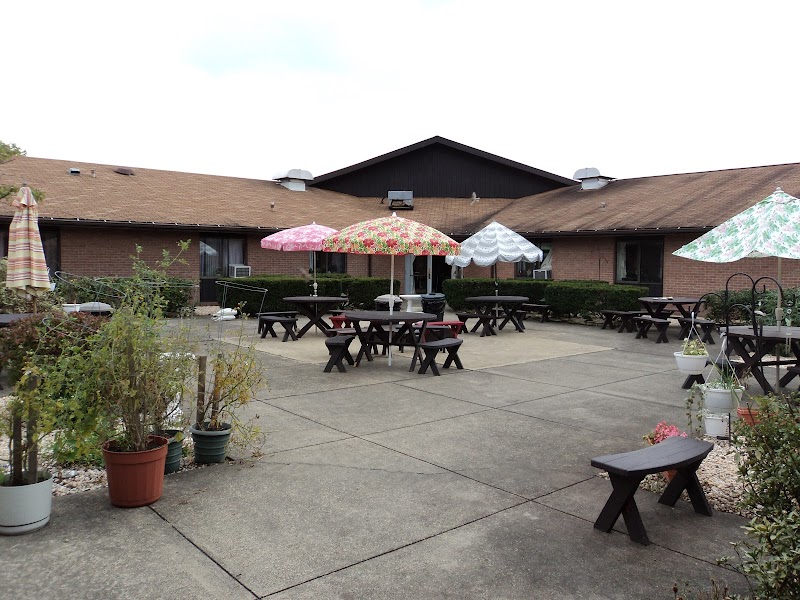
How is Quality Life Services - Apollo Staffed?

CMS rates QUALITY LIFE SERVICES - APOLLO's staffing level at 2 out of 5 stars, which is below average compared to other nursing homes. Staff turnover is 65%, which is 19 percentage points above the Pennsylvania average of 46%. High turnover can affect care consistency as new staff learn residents' individual needs. RN turnover specifically is 68%, which is notably high. RNs provide skilled clinical oversight, so turnover in this role can affect medical care quality.

What Have Inspectors Found at Quality Life Services - Apollo?

State health inspectors documented 72 deficiencies at QUALITY LIFE SERVICES - APOLLO during 2023 to 2025. These included: 1 that caused actual resident harm and 71 with potential for harm. Deficiencies causing actual harm indicate documented cases where residents experienced negative health consequences.

Who Owns and Operates Quality Life Services - Apollo?

QUALITY LIFE SERVICES - APOLLO is owned by a for-profit company. For-profit facilities operate as businesses with obligations to shareholders or private owners. The facility is operated by QUALITY LIFE SERVICES, a chain that manages multiple nursing homes. With 177 certified beds and approximately 131 residents (about 74% occupancy), it is a mid-sized facility located in APOLLO, Pennsylvania.
How Does Quality Life Services - Apollo Compare to Other Pennsylvania Nursing Homes?

Compared to the 100 nursing homes in Pennsylvania, QUALITY LIFE SERVICES - APOLLO's overall rating (2 stars) is below the state average of 3.0, staff turnover (65%) is significantly higher than the state average of 46%, and health inspection rating (1 stars) is much below the national benchmark.

What Should Families Ask When Visiting Quality Life Services - Apollo?

Based on this facility's data, families visiting should ask: "How do you ensure continuity of care given staff turnover, and what is your staff retention strategy?" "Can you walk me through typical staffing levels on day, evening, and night shifts?" "Can I visit during a mealtime to observe dining assistance and food quality?" "How do you handle medical emergencies, and what is your hospital transfer rate?" These questions are particularly relevant given the facility's high staff turnover rate and the below-average staffing rating.

Is Quality Life Services - Apollo Safe?

Based on CMS inspection data, QUALITY LIFE SERVICES - APOLLO has a clean safety record: no substantiated abuse findings (meaning no confirmed cases of resident harm), no Immediate Jeopardy citations (the most serious violation level indicating risk of serious injury or death), and is not on the Special Focus Facility watch list (a federal program monitoring the lowest-performing 1% of nursing homes). The facility has a 2-star overall rating and ranks #100 of 100 nursing homes in Pennsylvania. While no facility is perfect, families should still ask about staff-to-resident ratios and recent inspection results during their visit.

Do Nurses at Quality Life Services - Apollo Stick Around?

Staff turnover at QUALITY LIFE SERVICES - APOLLO is high. At 65%, the facility is 19 percentage points above the Pennsylvania average of 46%. Registered Nurse turnover is particularly concerning at 68%. RNs handle complex medical decisions and coordinate care — frequent RN changes can directly impact care quality. High turnover means new staff may not know residents' individual needs, medications, or preferences. It can also be disorienting for residents, especially those with dementia who rely on familiar faces. Families should ask: What is causing the turnover? What retention programs are in place? How do you ensure care continuity during staff transitions?

Was Quality Life Services - Apollo Ever Fined?

QUALITY LIFE SERVICES - APOLLO has no federal fines on record. CMS issues fines when nursing homes fail to meet care standards or don't correct problems found during inspections. The absence of fines suggests the facility has either maintained compliance or corrected any issues before penalties were assessed. This is a positive indicator, though families should still review recent inspection reports for the full picture.

Is Quality Life Services - Apollo on Any Federal Watch List?

QUALITY LIFE SERVICES - APOLLO is not on any federal watch list. The most significant is the Special Focus Facility (SFF) program, which identifies the bottom 1% of nursing homes nationally based on persistent, serious quality problems. Not being on this list means the facility has avoided the pattern of deficiencies that triggers enhanced federal oversight. This is a positive indicator, though families should still review the facility's inspection history directly.