VALLEY VIEW HAVEN, INC
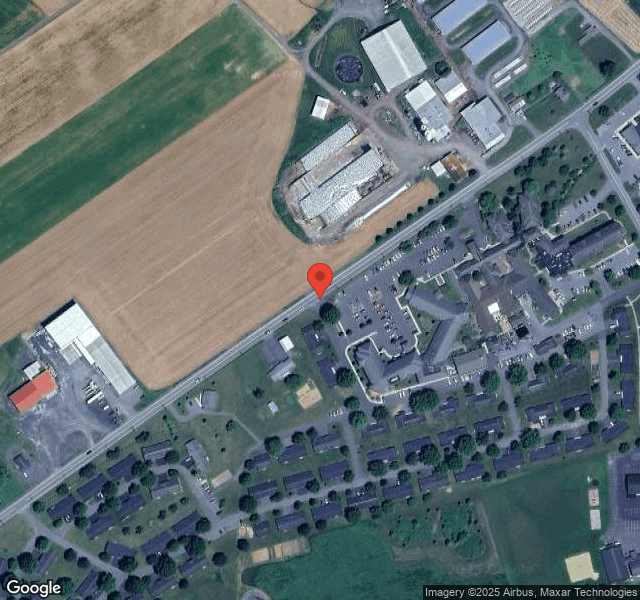
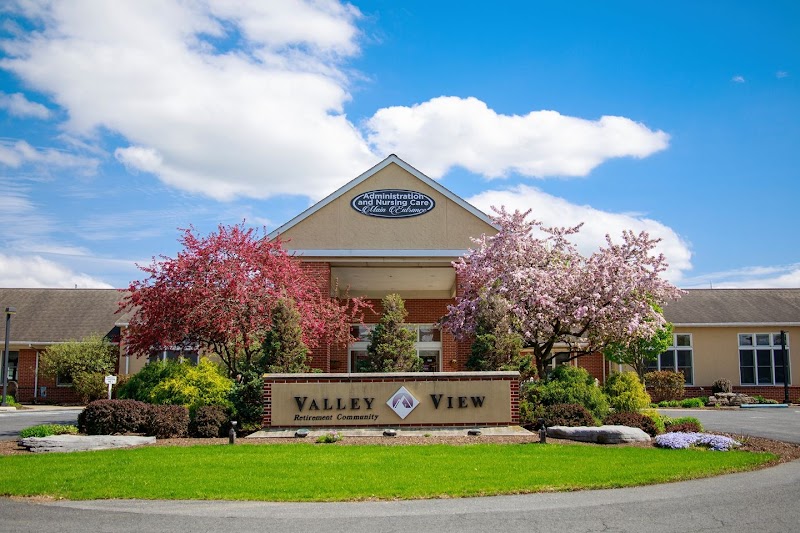
4702 EAST MAIN STREET, BELLEVILLE, PA 17004 (717) 935-2105
Non profit - Corporation 162 Beds Independent Data: November 2025
Trust Grade
75/100
#242 of 653 in PA
Last Inspection: April 2025

Within standard 12-15 month inspection cycle. Federal law requires annual inspections.

Overview

Valley View Haven, Inc. in Belleville, Pennsylvania has a Trust Grade of B, indicating it is a good choice among nursing homes. It ranks #242 out of 653 facilities in Pennsylvania, placing it in the top half, and is the best option out of three in Mifflin County. However, the facility's trend is worsening, with the number of issues rising from 8 in 2024 to 9 in 2025. Staffing is a strong point, rated 5 out of 5 stars with a turnover rate of just 25%, well below the state average, although it has less RN coverage than 82% of facilities, which could impact quality of care. No fines have been issued, which is a positive sign, but recent inspections revealed concerns such as inadequate food safety practices and failure to implement necessary precautions to prevent the spread of infection. Overall, while Valley View Haven has strengths in staffing and no fines, families should be aware of the rising number of issues and specific health and safety concerns.

Trust Score
B
75/100
In Pennsylvania
#242/653
Top 37%
Safety Record
Low Risk
No red flags
Inspections
Getting Worse
8 → 9 violations
Staff Stability
✓ Good
25% annual turnover. Excellent stability, 23 points below Pennsylvania's 48% average. Staff who stay learn residents' needs.
Penalties
✓ Good
No fines on record. Clean compliance history, better than most Pennsylvania facilities.
Skilled Nurses
○ Average
Each resident gets 34 minutes of Registered Nurse (RN) attention daily — about average for Pennsylvania. RNs are the most trained staff who monitor for health changes.
Violations
⚠ Watch
23 deficiencies on record. Higher than average. Multiple issues found across inspections.
★★★★☆
4.0
Overall Rating
★★★★★
5.0
Staff Levels
★★★★☆
4.0
Care Quality
★★★☆☆
3.0
Inspection Score
Stable
2024: 8 issues
2025: 9 issues

The Good

  • 5-Star Staffing Rating · Excellent nurse staffing levels
  • 4-Star Quality Measures · Strong clinical quality outcomes
  • Low Staff Turnover (25%) · Staff stability means consistent care
  • Full Sprinkler Coverage · Fire safety systems throughout facility
  • No fines on record
  • Staff turnover is low (25%)

    23 points below Pennsylvania average of 48%

Facility shows strength in staffing levels, quality measures, staff retention, fire safety.

The Bad

No Significant Concerns Identified

This facility shows no red flags. Among Pennsylvania's 100 nursing homes, only 1% achieve this.

The Ugly 23 deficiencies on record

Apr 2025 9 deficiencies
CONCERN (D)

Potential for Harm - no one hurt, but risky conditions existed

Assessment Accuracy (Tag F0641)

Could have caused harm · This affected 1 resident

**NOTE- TERMS IN BRACKETS HAVE BEEN EDITED TO PROTECT CONFIDENTIALITY** Based on clinical record review and resident and staff interview, it was determined that the facility failed to ensure assessmen...

Read full inspector narrative →
**NOTE- TERMS IN BRACKETS HAVE BEEN EDITED TO PROTECT CONFIDENTIALITY** Based on clinical record review and resident and staff interview, it was determined that the facility failed to ensure assessments accurately reflected a resident's discharge status for one of three residents reviewed (Resident 105). Findings include: Clinical record review for Resident 105 revealed a discharge MDS (minimum data set, an assessment completed at periodic intervals of time to assess resident care needs) dated February 3, 2025, where facility staff assessed the resident's discharge status as being discharged to a hospital on that date. Further record review for Resident 105 revealed a Discharge summary dated [DATE], at 12:07 PM, and that the resident was discharged to home, not a hospital. The above information regarding Resident 105 was reviewed with the Nursing Home Administrator and Director of Nursing on April 10, 2025, at 2:30 PM. On April 11, 2025, at 11:58 AM facility staff provided evidence of a corrected MDS for Resident 105, indicating the residents discharge status was to reflect the resident was discharged to home and the prior MDS indicating the resident discharged to the hospital was coded in error. 28 Pa. Code 211.5(f)(iv)(xi) Medical records 28 Pa. Code 211.12(d)(1)(3)(5) Nursing services
CONCERN (D) 📢 Someone Reported This

A family member, employee, or ombudsman was alarmed enough to file a formal complaint

Potential for Harm - no one hurt, but risky conditions existed

Quality of Care (Tag F0684)

Could have caused harm · This affected 1 resident

**NOTE- TERMS IN BRACKETS HAVE BEEN EDITED TO PROTECT CONFIDENTIALITY** Based on clinical record review and staff interview, it was determined that the facility failed to provide the highest practicab...

Read full inspector narrative →
**NOTE- TERMS IN BRACKETS HAVE BEEN EDITED TO PROTECT CONFIDENTIALITY** Based on clinical record review and staff interview, it was determined that the facility failed to provide the highest practicable care regarding a resident assessment for pressure ulcer concerns for one of 23 residents reviewed (Resident 150). Findings include: Clinical record review for Resident 150 revealed that they were admitted to the facility on [DATE], with a sacral (triangular area at the bottom of the spine) ulcer. Facility staff completed an initial assessment of Resident 150's sacral ulcer with measurements noted as 10 cm (centimeters) long by 8 cm wide by no depth, with red, watery drainage. Staff ordered appropriate treatment. On April 6, 2025, at 3:55 PM staff documented that at 9:30 AM they went to change Resident 150's sacral dressing, however, there was no dressing on the wound. Staff cleansed and applied a new dressing, noting that they observed yellow slough (dead skin) on the wound bed (base of wound) with a slight odor. On April 6, 2025, at 5:40 PM staff documented that they changed Resident 150's sacral dressing at 3:40 PM and noted a change/concern in the wound drainage (now with a tan/gray drainage) and an increase in depth near the top of the wound. Staff measured Resident 150's wound as 7.2 cm (centimeters) long by 5 cm wide by 1.5 cm deep in the center of the wound. At the top of the wound, staff measured a depth of 2.2 cm. Staff notified Employee 1, registered nurse, assistant director of nursing/infection preventionist, of the concern. On April 10, 2025, at 10:33 AM and 10:43 AM (3.75 days later) Employee 1 documented that they assessed Resident 150's sacral ulcer and observed the above noted slough. The slough was able to be moved with bone now visualized at the base of the wound. Employee 1 measured the wound as 7.2 cm long by 5 cm wide and 2.5 cm deep with no undermining or tunneling (wound channeling under tissue) with a mixture of purulent (pus like) and serous (clear) drainage. Employee 1 determined the need to change/update the resident's sacral ulcer dressing order based on their assessment. Employee 1 did not assess Resident 150's sacral wound timely to identify potential wound and dressing changes. The above information was reviewed during an interview on April 15, 2025, at 10:40 AM with the Nursing Home Administrator. 483.25 Quality of Care Previously cited 5/31/24 28 Pa. Code 211.10(c) Resident care policies 28 Pa. Code 211.12(c)(d)(1)(3)(5) Nursing services
CONCERN (D)

Potential for Harm - no one hurt, but risky conditions existed

Respiratory Care (Tag F0695)

Could have caused harm · This affected 1 resident

Based on observation, clinical record review, and resident and staff interview, it was determined that the facility failed to provide appropriate respiratory care and services for one of two residents...

Read full inspector narrative →
Based on observation, clinical record review, and resident and staff interview, it was determined that the facility failed to provide appropriate respiratory care and services for one of two residents reviewed (Resident 28). Findings include: According to the American Association for Respiratory Care proper cleansing of respiratory (nebulizer) equipment reduces infection risk. The longer a dirty nebulizer sits and is allowed to dry, the harder it is to clean thoroughly. Parts of the aerosol drug delivery device should be rinsed and then washed with soap and hot water after each treatment. Once completely dry, store the nebulizer cup and mouthpiece in a zip lock bag. Clinical record review for Resident 28 revealed the following current physician orders: Oxygen at 2 liters per minute (LPM) via NC (nasal canula, tubing to deliver oxygen to the nose) to keep SpO2 (oxygen saturations) greater than 91 percent as needed Further clinical review for Resident 28 revealed that they last utilized oxygen on March 28, 2025, at 6:02 AM. Observation of Resident 28's room on April 8, 2025, at 11:03 AM, and April 9, 2025, at 10:27 AM revealed that there was an oxygen concentrator beside his bed. Attached to the concentrator there was an undated humidification cannister that had an unbagged, undated nasal cannula tubing attached. The tubing was draped over the concentrator and onto the floor. Concurrent interview with Resident 28 on April 8, 2025, at 11:03 AM revealed that he had not utilized oxygen recently. The above information was reviewed with the Nursing Home Administrator during an interview on April 10, 2025, at 2:10 PM. 28 Pa. Code 211.10 (c)(d) Resident care policies 28 Pa. Code 211.12(d)(1)(5) Nursing services
CONCERN (D)

Potential for Harm - no one hurt, but risky conditions existed

Deficiency F0726 (Tag F0726)

Could have caused harm · This affected 1 resident

Based on a review of facility documentation, clinical record review, employee personnel record information, and staff interview, it was determined that the facility failed to ensure that nursing staff...

Read full inspector narrative →
Based on a review of facility documentation, clinical record review, employee personnel record information, and staff interview, it was determined that the facility failed to ensure that nursing staff possessed the specific competencies and skill sets related to medication administration, the care and assessment of residents with indwelling urinary catheters, and gastrostomy tubes for one of five employees reviewed for competencies (Employee 2; Residents 101 and 57). Findings include: The Centers for Medicare and Medicaid Services (CMS) QSO-24-13-NH memo dated June 18, 2024, noted that requirements specify that the facility assessment must include an evaluation of diseases, conditions, physical or cognitive limitations of the resident population, acuity (the level of severity of residents' illnesses, physical, mental, and cognitive limitations, and conditions) and any other pertinent information about the resident population as a whole that may affect the services the facility must provide. The assessment of the resident population should drive staffing decisions and inform the facility about what skills and competencies staff must possess to deliver the necessary care required by the residents being served. The facility assessment reviewed during the onsite survey last updated March 31, 2025, revealed that RN (registered nurse) competency and training would include catheter insertion and flushing (Foley, indwelling urinary catheters, flexible tubing inserted into the bladder to drain urine) and medication administration. The assessment stipulated that the lists were not all inclusive. Although the list of competencies and trainings did not refer to RN care and services for artificial feeding systems, the LPN (licensed practical nurse) competency and training list included enteral feeding (PEG, a flexible tube inserted through the abdominal wall and into the stomach for the purpose of administering nutrition, fluids, and medications) and use of pumps or feeding by gravity. A review of the facility Resident Matrix (CMS-802, form used to identify pertinent care categories for residents who reside in the facility) documentation revealed that the facility had a total of nine residents with indwelling urinary catheters within the 107 resident facility census (8.4 percent). Clinical record review for Resident 101 revealed active physician orders for staff to irrigate a urinary catheter every eight hours as needed for blockages and to change a 16 French (The French scale, also known as the French gauge, is a widely used measurement system for the size of catheters) urinary catheter every 28 days and as needed for occlusion or leakage as needed. Clinical record review for Resident 57 revealed active physician orders to change an indwelling urinary catheter, size 16 or 18 French coude (A coude catheter is a type of urinary catheter that features a curved tip, designed to navigate around obstacles in the urethra, such as an enlarged prostate or strictures), monthly and as needed for occlusion or leakage, and to irrigate the foley catheter with 60 milliliters (ml) of normal saline daily and as needed. Resident 57's active physician orders also instructed staff to flush his PEG tube two times a day with 240 ml of water and to assess his feeding tube placement every shift and with every use. Staff were also to flush the PEG tube as needed with 30 ml of water before and after medication administration with 10 ml between each medication as needed if Resident 57 was unable to take his meds orally. Review of Employee 2's (registered nurse) personnel records revealed that the facility completed new hire orientation training on September 17, 2024. The orientation training list provided did not include evidence of any competencies completed related to indwelling urinary catheters, PEG tubes, or medication administration. Email communication from the Nursing Home Administrator dated April 11, 2025, at 10:35 AM confirmed that the facility had no evidence of Employee 2's competencies. The facility could only provide the RN orientation checklist that did not include the verification of competencies in medication administration, indwelling catheter care, or PEG tube care. 28 Pa Code 201.20(a) Staff development
CONCERN (D)

Potential for Harm - no one hurt, but risky conditions existed

Deficiency F0744 (Tag F0744)

Could have caused harm · This affected 1 resident

Based on clinical record review and staff interview, it was determined that the facility failed to develop and implement individualized person-centered care plans to address dementia and cognitive los...

Read full inspector narrative →
Based on clinical record review and staff interview, it was determined that the facility failed to develop and implement individualized person-centered care plans to address dementia and cognitive loss displayed by one of three residents reviewed (Resident 27). Findings include: Clinical record review for Resident 27 revealed the facility admitted her on January 8, 2024, with diagnoses including dementia (loss of memory, language, problem-solving, and other thinking abilities that interfere with daily life). A review of Resident 27's most recent annual Minimum Data Set Assessment (MDS, a form completed at specific intervals to determine care needs) dated December 9, 2024, indicated that the facility assessed Resident 91 as having a diagnosis of dementia. The facility determined that a care plan for dementia and cognitive loss would be developed. A review of Resident 27's care plan revealed that there was no indication that the facility had developed and implemented a person-centered care plan to address the resident's dementia and cognitive loss. The findings were reviewed with the Nursing Home Administrator and Director of Nursing during a meeting on April 10, 2025, at 2:00 PM. On April 11, 2025, at 10:23 AM the Nursing Home Administrator confirmed the facility had no further documentation that the facility developed and implemented an individualized person-centered care plan to address Resident 27's dementia prior to surveyor's questioning. 28 Pa Code 211.12 (d)(1)(3)(5) Nursing services
CONCERN (D)

Potential for Harm - no one hurt, but risky conditions existed

Medication Errors (Tag F0758)

Could have caused harm · This affected 1 resident

Based on clinical record review and staff interview, it was determined that the facility failed to ensure a resident's medication regime was free from potentially unnecessary medication for one of fiv...

Read full inspector narrative →
Based on clinical record review and staff interview, it was determined that the facility failed to ensure a resident's medication regime was free from potentially unnecessary medication for one of five residents reviewed for medication regime concerns (Resident 101). Findings include: Clinical record review for Resident 101 revealed that the facility admitted her on March 14, 2025. An active physician order dated March 14, 2025, instructed staff to administer Lunesta (Eszopiclone, a sedative hypnotic medication used to induce and maintain sleep) 2 mg (milligram) by mouth at bedtime. An admission MDS (Minimum Data Set, an assessment tool completed at specific intervals to determine resident care needs) dated March 19, 2025, identified that staff administered a hypnotic medication to Resident 101, and the facility would proceed to a care plan for the psychotropic medication use. Review of care plans developed for Resident 101 did not include the use of a sedative hypnotic for sleep, did not include non-pharmacological interventions used, and did not identify target behaviors that the facility would monitor to support the rationale for the continued use of the medication. Interviews with the Nursing Home Administrator, Director of Nursing, and Employee 1 (assistant director of nursing/infection preventionist) on April 10, 2025, at 2:00 PM and with the Director of Nursing on April 11, 2025, at 9:30 AM confirmed that there was no plan of care or target behaviors identified or monitored for Resident 101's use of the sedative hypnotic. 28 Pa. Code 211.12(d)(1)(3)(5) Nursing services
CONCERN (D)

Potential for Harm - no one hurt, but risky conditions existed

Deficiency F0883 (Tag F0883)

Could have caused harm · This affected 1 resident

Based on clinical record review, review of select facility policies and procedures, and staff interview, it was determined that the facility failed to provide recommended pneumococcal immunizations fo...

Read full inspector narrative →
Based on clinical record review, review of select facility policies and procedures, and staff interview, it was determined that the facility failed to provide recommended pneumococcal immunizations for one of five residents reviewed for immunizations (Resident 4). Findings include: The policy entitled Pneumococcal Vaccination of Residents, last reviewed without changes May 22, 2024, revealed all residents of the facility and/or admissions to the facility will be offered the pneumococcal immunization. The resident and/or representative will receive information regarding the types of vaccinations available, and the benefits and potential side effects of the vaccine. Each resident is offered a pneumococcal immunization unless the immunization is medically contraindicated or if they have already been immunized. Each resident's pneumococcal immunization status will be determined upon admission, or soon afterwards, and will be documented on the pneumococcal consent form and in the resident's medical record. The immunization/vaccine will be administered according to the standing physician order as per CDC (Centers for Disease Control) recommendations. Clinical record review revealed the facility admitted Resident 4 on February 1, 2022. Documentation in Resident 4's clinical record revealed she received two pneumococcal vaccines (Pneumovax 23 and Prevnar 13) prior to her admission in 2022. According to the CDC guidance entitled Pneumococcal Vaccine Timing for Adults dated October 2024, Resident 4's pneumococcal vaccinations would not be completed until she received a Prevnar 20 or Prevnar 21 at least five years after the last pneumococcal vaccine dose. There was no documented evidence to indicate that the facility offered Resident 4 an updated pneumococcal vaccination. Interview with Employee 1, infection control preventionist, on April 11, 2025, at 10:05 AM confirmed the above findings for Resident 4. Employee 1 stated at the time of sending Prevnar 20 consents (January 2024) Resident 4 was not yet eligible. Employee 1 indicated when Resident 4 became eligible the facility missed obtaining a consent and offering her the updated pneumococcal vaccination. Employee 1 contacted Resident 4's family and they indicated that they would like her to receive the vaccination. 28 Pa. Code 201.14(a) Responsibility of licensee 28 Pa. Code 201.18(b)(1) Management
CONCERN (E)

Potential for Harm - no one hurt, but risky conditions existed

Infection Control (Tag F0880)

Could have caused harm · This affected multiple residents

Based on review of select facility policies and procedures, observation, clinical record review, and staff interview, it was determined that the facility failed to implement appropriate enhanced barri...

Read full inspector narrative →
Based on review of select facility policies and procedures, observation, clinical record review, and staff interview, it was determined that the facility failed to implement appropriate enhanced barrier precautions for one of 22 residents reviewed (Resident 101), implement appropriate transmission based precautions (TBP) for one of one resident reviewed on TBP (Resident 96), and ensure an environment free from the potential spread of infection with the storage of resident supplies on one of five nursing units (200; Residents 62 and 77). Findings include: The facility policy entitled Isolation, Transmission Based Precautions, last reviewed without changes on May 22, 2024, revealed standard precautions will be used when caring for residents. Transmission based precautions will be used when caring for residents who are documented or suspected to have communicable diseases or infections that can be transmitted to others. If a resident is suspected of, or identified as having a communicable infectious disease, the registered nurse supervisor will notify the infection control designee and the resident's physician for appropriate transmission-based precautions. Transmission based precautions will remain in effect until the physician or infection control designee discontinues them. Contact precautions will be used in addition to Standard Precautions for residents with specific infections that can be transmitted by direct and indirect contact. Clinical record review for Resident 96 revealed the facility admitted him on October 21, 2024. Review of Resident 96's physician orders revealed an order dated April 7, 2025, for contact isolation due to a shingles rash on his face and neck. Nursing documentation dated April 8, 2025, at 5:15 AM revealed Resident 96 began on the medication Valtrex (an antiviral medication) related to his diagnosis of shingles. Documentation revealed a pustule rash continues on Resident 96's face, and down the right side of his neck with pustules remaining intact. Contact precautions remain in place. When the rash is still blistered and contains fluid in the blisters, the person is considered contagious if the rash comes in close contact to someone else, so it is best to keep the rash covered. Observation of Resident 96 on April 8, 2025, at 10:12 AM revealed he was in the dining/activity room seated at a table with 11 other residents making Easter eggs. The shingles rash was observed on his face and neck. The shingles rash on Resident 96's neck was exposed with pustules. Resident 96's rash was not covered. Observation of Resident 96 on April 9, 2025, at 10:25 AM revealed he was walking on the unit holding hands with another resident (Resident 96's wife). The shingles rash on Resident 96's neck was again exposed with pustules. Resident 96's rash was not covered. Observation of Resident 96 on April 9, 2025, at 12:29 PM he was in the dining room eating lunch, with two other residents seated at his table. Resident 96 was unable to be interviewed regarding any education he received regarding his rash and contact precautions due to his current cognitive status. Interview with Employee 1, infection control nurse, on April 10, 2025, at 2 PM confirmed these findings. She stated that staff should have covered Resident 96's rash on his neck with the exposed pustules. An observation of Resident 62's bathroom on April 8, 2025, revealed a bag of bladder pads stored directly on the floor beside the toilet. An observation of Resident 77's bathroom on April 8, 2025, revealed a plastic bag of maxi pads stored directly on the floor beside the resident's toilet. The above information regarding Residents 62 and 77 was reviewed with the Nursing Home Administrator and Director of Nursing on April 10. 2025, at 2:30 PM. Review of the Centers for Medicare and Medicaid Services (CMS) memo entitled, Enhanced Barrier Precautions in Nursing Homes, dated March 20, 2024, revealed that CMS was issuing new guidance for State Survey Agencies and long-term care (LTC) facilities on the use of enhanced barrier precautions (EBP) to align with nationally accepted standards. In 2019, CDC (Centers for Disease Control) introduced a new approach to the use of personal protective equipment (PPE) called Enhanced Barrier Precautions (EBP). In July 2022, the CDC released updated EBP recommendations for Implementation of PPE Use in nursing homes to prevent spread of MDROs. The CDC's, Implementation of Personal Protective Equipment (PPE) Use in Nursing Homes to Prevent Spread of Multidrug-resistant Organisms (MDROs), stipulated that, When implementing Contact Precautions or Enhanced Barrier Precautions, it is critical to ensure that staff have awareness of the facility's expectations about hand hygiene and gown/glove use, initial and refresher training, and access to appropriate supplies. To accomplish this post clear signage on the door or wall outside of the resident room indicating the type of precautions and required PPE (e.g., gown and gloves). For Enhanced Barrier Precautions, signage should also clearly indicate the high-contact resident care activities that require the use of gown and gloves. Nursing care facilities are to use enhanced barrier precautions (EBP, gown and glove use) for residents with chronic wounds or indwelling medical devices (i.e., indwelling urinary catheters) during high-contact resident care activities regardless of their multidrug-resistant organism status. High-contact activity would include things like dressing, transferring, changing linens, providing hygiene, changing briefs, wound care, or device care. Review of CDC guidance at https://www.cdc.gov/long-term-care-facilities/hcp/prevent-mdro/faqs.html, Frequently Asked Questions (FAQs) about Enhanced Barrier Precautions in Nursing Homes, revealed that signs are intended to signal to individuals entering the room the specific actions they should take to protect themselves and the resident. To do this effectively, the sign must contain information about the type of precautions and the recommended PPE to be worn when caring for the resident. Generic signs that instruct individuals to speak to the nurse are not adequate to ensure precautions are followed. CDC has created examples of signs that can be used by facilities to communicate information about Transmission-Based and Enhanced Barrier Precautions. Facilities can use these signs or modify them to create signs that work for their facility. Review of CDC guidance at https://www.cdc.gov/long-term-care-facilities/media/pdfs/Observations-Tool-for-Enhanced-Barrier-Precautions-Implementation-508.pdf, Enhanced Barrier Precautions (EBP) Implementation-Observations Tool (For use in Skilled Nursing Facilities/Nursing Homes only) reiterated that signs are intended to signal to individuals entering the room the specific actions they should take to protect themselves and the resident. To do this effectively, the sign must contain information about the type of precautions and the recommended PPE to be worn when caring for the resident. The EBP sign should also include a list of the high-contact resident care activities for which PPE (gown and gloves) should be worn. Generic signs that instruct individuals to speak to the nurse are not adequate to ensure EBP are followed. Signs should not include information about a resident's diagnosis or the reason for the use of EBP (e.g., presence of a resistant germ, wound). A review of the CDC sign for EBP revealed that the first directive is that everyone must clean their hands, including before entering and when leaving the room. Review of the facility's policy entitled, Enhanced Barrier Precautions, last reviewed without changes May 22, 2024, revealed that the compliance guidelines included that the facility would have the discretion on how to communicate to staff which residents require the use of EBP. The implementation of EBP included to make gowns and gloves available near or outside the resident's room, ensure alcohol-based hand rub is in every resident room, position a trash can and linen cart inside the resident room near the exit, the infection preventionist will incorporate periodic monitoring and assessment of adherence to determine the need for additional training and education, and provide education to residents and visitors. The facility policy did not include the implementation of the placement of signage visible to individuals entering the room to signal the specific actions they should take to protect themselves and the resident. Clinical record review for Resident 101 revealed a physician's order dated March 28, 2025, for staff to implement enhanced barrier precautions related to an indwelling urinary catheter (flexible tubing inserted into the bladder to drain urine). Observation of Resident 101's room on April 9, 2025, at 10:18 AM revealed that her door was partially shut. There was no signage or indication before entering her room of the implementation of enhanced barrier precautions. Interview with Employee 2 (registered nurse) on April 9, 2025, at 10:33 AM revealed that the sign that indicated Resident 101 required EBP was positioned on the inside of Resident 101's door and was not visible to any person before entering her room. The interview confirmed that the sign positioned on the inside of Resident 101's door was the CDC Enhanced Barrier Precautions sign that included the directive that, Everyone must clean their hands, including before entering and when leaving the room. Interview with the Nursing Home Administrator on April 10, 2025, at 10:00 AM confirmed that the facility's EBP policy did not include the necessity of signage to notify staff and/or visitors that EBP were necessary. Interview with the Nursing Home Administrator and the Director of Nursing on April 10, 2025, at 10:35 AM confirmed that the facility policy did not include an expectation that staff would post a sign visible to individuals entering the room to signal the specific EBP actions they should take to protect themselves and the resident. The interview also confirmed that the facility policy did not include how the facility would provide education to residents and visitors regarding EBP requirements. The interview indicated that generally Employee 1 (assistant director of nursing/infection preventionist) ensures that a sign is posted. The Director of Nursing stated that she believed that current nationally accepted standard guidance regarding EBP did not require the use of a sign. The surveyor referred the Director of Nursing and the Nursing Home Administrator to the CDC and CMS guidance noted above. 28 Pa. Code 211.10(d) Resident care policies 28 Pa. Code 211.12(d)(1) Nursing services
CONCERN (F)

Potential for Harm - no one hurt, but risky conditions existed

Food Safety (Tag F0812)

Could have caused harm · This affected most or all residents

Based on observation and staff interview, it was determined that the facility failed to store food and maintain food service equipment in accordance with professional standards for food service safety...

Read full inspector narrative →
Based on observation and staff interview, it was determined that the facility failed to store food and maintain food service equipment in accordance with professional standards for food service safety in the facility's main kitchen, and two of five nursing units (200 and 300). Findings include: An observation in the facility's main kitchen and the downstairs pantry and cold storage areas on April 8, 2025, at 10:09 AM with Employee 3, Assistant Director of Nutritional Services, revealed the following: The fryer had a moderate amount of black grease build up in the grease trap. Clean pans were stored on top of the oven where there was a considerable amount of dust buildup. The food warmer was observed with dried brown spills/splatters on the interior base of the warmer and on three sheet trays that were holding pans of food inside the warmer. A windowsill in the dishwashing area was caked with white debris. The entire window was coated in a white substance. A box of hamburger patties was observed on a shelf in the walk-in freezer. The box was open, and a bag of hamburger patties was open to air inside the box. A box of chicken breasts was also observed open beside the box of hamburger patties, with a wide open bag of chicken sitting in the box exposed to air. Food debris was observed under the shelving units in the walk-in freezer. A piece of the metal wall covering on the interior back corner of the walk-in cooler was hanging off the wall. A stack of clean dish washing racks was observed next to a shelving unit holding clean dishware. The racks contained pieces of dried food/debris built up in corners/indentations of the racks in several spots. An ice scoop was observed sitting directly on top of the ice machine uncovered. The flooring under the ice machine contained dust and debris. The downstairs dry storage was observed to have several brown stained ceiling tiles and dried liquid inside a ceiling light cover. The above findings were reviewed with the Nursing Home Administrator and Director of Nursing on April 10, 2025, at 2:25 PM. An observation of the 200-unit nourishment room refrigerator on April 9, 2025, at 10:05 AM revealed a shelf full of individual containers of juices in a variety of flavors such as apple, grape, and cranberry stored in the refrigerator. There was no evidence to indicate when the juices were placed there, when they needed to be used by, or a manufacturer's expiration date on the containers. A concurrent observation of the 300-unit nourishment area refrigerator also revealed a shelf full of the same kind of juices stocked in the refrigerator. An interview with Employee 3 on April 9, 2025, at 10:05 AM revealed the juices are delivered to the facility frozen, and dietary staff pull the boxes from the freezer to thaw. Employee 3 indicated the staff date the box of juice when they pull it from the freezer, but once the containers are taken out of the box, such as for storing in the refrigerators on the nursing units, they would not be dated. Observation of a case/box of the individual juices with Employee 3 on April 9, 2025, at 12:05 PM revealed manufacturer instructions on the box indicating the product was to be used within 14 days once thawed. There was no evidence to indicate when the juices stored on the nursing units referenced above were pulled from the freezer, thawed, or when the 14-day expiration would occur. The above information regarding the juices was reviewed during an interview with the Nursing Home Administrator and Director of Nursing on April 11, 2025, at 2:35 PM. 483.60(i)(2) Store, prepare, food safe and sanitary Previously cited 5/31/24 28 Pa. Code 201.14 (a) Responsibility of Licensee
May 2024 8 deficiencies
CONCERN (D)

Potential for Harm - no one hurt, but risky conditions existed

Deficiency F0583 (Tag F0583)

Could have caused harm · This affected 1 resident

Based on clinical record review, review of select facility policies and procedures, and staff interview, it was determined that the facility failed to respect a resident's privacy for one of 25 reside...

Read full inspector narrative →
Based on clinical record review, review of select facility policies and procedures, and staff interview, it was determined that the facility failed to respect a resident's privacy for one of 25 residents reviewed (Resident 11). Findings include: The policy entitled Sound Monitoring, last reviewed without changes on May 22, 2024, revealed the facility may utilize a sound monitoring system in a resident's room to alert staff when a resident is attempting to rise without assistance. The sound monitoring system will only be used when other interventions have proven to be ineffective to prevent falls or injury. Permission for sound monitoring will be received from the resident or resident representative before sound monitoring is initiated. The consent will be documented in the resident's electronic medical record. Observation of the 700-nursing unit on May 28, 2024, at 11:42 AM revealed there was an audio monitor in the nurses' station. Resident 61 was in her wheelchair in the nurses' station at this time. There was a male and female voice coming from the audio monitor. The female voice was discussing toileting needs with Resident 11. Observation of the 700-nursing unit on May 29, 2024, at 9:12 and 11:07 AM revealed there were again voices on the audio monitor. Clinical record review for Resident 11 revealed the facility admitted Resident 11 on August 11, 2022. Further review of Resident 11's clinical record revealed no consent for Resident 11's audio monitor. A review of Resident 11's plan of care revealed the facility added a sound detection monitor to be utilized during sleeping hours to help alert the team when Resident 11 is rising on October 4, 2023. Interview with the Nursing Home Administrator and Director of Nursing on May 29, 2024, at 2:04 PM revealed the facility utilizes audio monitors in resident rooms and confirmed there was no evidence in Resident 11's clinical record that the facility obtained permission for the audio monitor. The Director of Nursing confirmed Resident 11's audio monitor was only to be used during sleeping hours. The facility failed to protect Resident 11's right to privacy. 28 Pa. Code 211.12(d)(1) Nursing services
CONCERN (D)

Potential for Harm - no one hurt, but risky conditions existed

Abuse Prevention Policies (Tag F0607)

Could have caused harm · This affected 1 resident

Based on clinical record review, review of select policies and procedures, and staff interview, it was determined that the facility failed to implement their abuse policy regarding completion of a tho...

Read full inspector narrative →
Based on clinical record review, review of select policies and procedures, and staff interview, it was determined that the facility failed to implement their abuse policy regarding completion of a thorough investigation of missing medications for one of three residents reviewed (Resident 21). Findings include: The policy entitled Abuse Prevention Program reviewed on May 24, 2024, indicates that the facility will develop investigation protocols for misappropriation of property. This surveyor attempted multiple times to obtain further facility policies and/or procedures regarding the investigation protocols for misappropriate of medications without success. The policy entitled Medication Error Guidelines reviewed on May 24, 2024, indicates that the facility will do a search for a missing medication. If the medication cannot be found, the responsible staff member may have to be suspended pending outcome of an investigation conducted by facility administration. Review of Resident 21's clinical record revealed nursing documentation dated April 27, 2024, at 4:56 AM that Resident 21's narcotic count was off. Resident 21's medication card was checked, and it was determined that one of her Phenobarbital (a medication used to treat seizures that has the potential for diversion due to its sedative and hypnotic properties) pills were missing and not signed out by the medication nurse. The documentation indicated that Employee 1, licensed practical nurse, did not know what happened to the pill and that it was unknown if she gave it to Resident 21 as an extra dose. Review of the facility's investigation into Resident 21's missing Phenobarbital revealed that the facility only determined that Employee 1 must have given Resident 21 an extra dose (possibly) and did not investigate the missing medication thoroughly to determine if misappropriation took place. The facility was not able to provide documented evidence that an investigation was initiated regarding Resident 21's missing phenobarbital, and its possible misappropriation. There were no witness statements from Employee 1, previous shift medication nurse, or the registered nurse supervisor on duty at the time of the findings. Interview with the Director of Nursing on May 30, 2024, at 2:30 PM confirmed the above findings for Resident 21. 28 Pa. Code 201.18(b)(1) Management 28 Pa. Code 201.29(a)(c) Resident rights
CONCERN (D)

Potential for Harm - no one hurt, but risky conditions existed

Deficiency F0625 (Tag F0625)

Could have caused harm · This affected 1 resident

Based on clinical record review and staff interview, it was determined that the facility failed to ensure that the resident or resident representative received written notice of the facility bed hold ...

Read full inspector narrative →
Based on clinical record review and staff interview, it was determined that the facility failed to ensure that the resident or resident representative received written notice of the facility bed hold policy at the time of transfer for three of five residents reviewed for hospitalizations (Residents 56, 97, and 105). Findings include: Clinical record review revealed that Resident 97 was transferred to the hospital on April 26, 2024, after they had a change in condition. There was no documentation available that the facility provided written notice regarding a bed hold to the resident and the resident's responsible party upon transfer out to the hospital. Clinical record review revealed that Resident 105 was transferred to the hospital on April 2, 2024, and April 27, 2024, after they had a change in condition. There was no documentation available that the facility provided written notice regarding a bed hold to the resident's responsible party upon transfer out to the hospital. The surveyor reviewed the above information for Residents 97 and 105 during an interview with the Director of Nursing on May 30, 2024, at 2:15 PM. Clinical record review revealed that Resident 56 was transferred to the hospital on April 9, 2024, after he had a change in condition. There was no documentation available that the facility provided written notice regarding a bed hold to the resident and the resident's responsible party upon transfer out to the hospital. The Nursing Home Administrator and Director of Nursing confirmed these findings for Resident 56 on May 30, 2024, at 11:17 AM. 28 Pa. Code 201.14(a) Responsibility of licensee 28 Pa. Code 201.29(f) Resident rights
CONCERN (D)

Potential for Harm - no one hurt, but risky conditions existed

Assessment Accuracy (Tag F0641)

Could have caused harm · This affected 1 resident

Based on clinical record review and staff interview, it was determined that the facility failed to ensure complete and accurate Minimum Data Set (MDS) assessments for one of 25 residents reviewed (Res...

Read full inspector narrative →
Based on clinical record review and staff interview, it was determined that the facility failed to ensure complete and accurate Minimum Data Set (MDS) assessments for one of 25 residents reviewed (Resident 37). Findings include: Review of Resident 37's clinical record revealed a Minimum Data Set Assessment (MDS, a form completed at specific intervals to determine care needs) dated February 21, 2024, and May 14, 2024, that indicated the facility assessed him an having an active pneumonia infection and a sepsis (a life-threatening condition when the body responds to an infection) diagnosis. Resident 37 had not had an active pneumonia infection and/or sepsis since December 16, 2023. Interview with the Administrator on May 30, 2024, at 12:03 PM confirmed the above findings for Resident 37. 28 Pa. Code 211.5(f)(ix) Medical records 28 Pa. Code 211.12(d)(1)(5) Nursing services
CONCERN (D)

Potential for Harm - no one hurt, but risky conditions existed

Quality of Care (Tag F0684)

Could have caused harm · This affected 1 resident

Based on clinical record review, observation, and staff interview, it was determined that the facility failed to provide the highest practicable care regarding physician ordered interventions and trea...

Read full inspector narrative →
Based on clinical record review, observation, and staff interview, it was determined that the facility failed to provide the highest practicable care regarding physician ordered interventions and treatments for one of 25 residents (Resident 105). Findings include: Clinical record review for Resident 105 revealed a current physician order for staff to place a bilateral halo (circular) enabler bar on her bed. Observation of Resident 105's bed on May 28, 2024, at 12:01 PM revealed that the bed did not have bilateral halo bars on it. Clinical record review for Resident 105 revealed that she attended a podiatry appointment on April 24, 2024, for a right ankle fracture. Resident 105 was ordered a boot to the RLE (right lower extremity) as a result of the fracture. The podiatrist indicated to take the RLE boot off daily and wash the leg. When staff reapplied the RLE boot, they were to ensure that Resident 105 was wearing a sock, that the foot was flat in the boot, and the heel was in the back of the boot. Facility staff acknowledged the podiatrist's orders on April 24, 2024. Review of Resident 105's physician orders and treatment and task documentation revealed no indication that staff were removing, washing, ensuring proper placement of the RLE boot, and reapplying daily after April 24, 2024, until identified by the surveyor. The surveyor reviewed the above information during an interview on May 30, 2024, 1:02 PM with the Director of Nursing. 28 Pa. Code 211.10(c) Resident care policies 28 Pa. Code 211.12(c)(d)(1)(3)(5) Nursing Services
CONCERN (D)

Potential for Harm - no one hurt, but risky conditions existed

Deficiency F0700 (Tag F0700)

Could have caused harm · This affected 1 resident

Based on observation, clinical record review, and staff interview, it was determined that the facility failed to assess for the risk of side rail entrapment for two of four residents reviewed for acci...

Read full inspector narrative →
Based on observation, clinical record review, and staff interview, it was determined that the facility failed to assess for the risk of side rail entrapment for two of four residents reviewed for accident hazards (Residents 97 and 106). Findings include: A Test Results Worksheet (form the facility used to document the assessment of entrapment risk zones) revealed that the facility only assessed zones one (within the rail), two (between the bottom of the rail and top of compressed mattress), and three (between the edge of the mattress and inside of the rail). The assessment did not capture zone four (between the top of the compressed mattress and the bottom of the rail at the end of the rail, zone five (between the split [head and foot] bed rails), zone six (between the end of the rail and the side edge of the head or foot board), or zone seven (between head or foot board and end of mattress). Observation of Resident 97's room on May 28, 2024, at 12:23 PM, and May 29, 2024, at 9:26 AM revealed that there were bilateral halo (circular) enabler bars observed on the bed. Clinical record review for Resident 97 revealed a Test Results Worksheet dated April 30, 2024, that revealed the facility measured, assessed, and passed the halo enabler bars for zones one, two, and three. Staff who completed the form indicated N/A (not applicable) for zones four, six, and seven. Zone five will not apply to this resident as they did not have head and foot split bed rails. Observation of Resident 106 on May 28, 2024, at 11:52 AM revealed that there was a halo enabler bar on the door side of the bed. There was no documentation that indicated the facility assessed Resident 106's halo enabler bar for entrapment zones six or seven. Zone five will not apply to this resident as they did not have head and foot split bed rails. The surveyor reviewed the above information during an interview with the Director of Nursing on May 30, 2024, at 2:25 PM. 28 Pa. Code 211.12 (d)(5) Nursing services
CONCERN (F)

Potential for Harm - no one hurt, but risky conditions existed

Food Safety (Tag F0812)

Could have caused harm · This affected most or all residents

Based on observation and staff interview, it was determined the facility failed to store food and maintain food service/storage equipment in a sanitary manner in the facility's main kitchen and five o...

Read full inspector narrative →
Based on observation and staff interview, it was determined the facility failed to store food and maintain food service/storage equipment in a sanitary manner in the facility's main kitchen and five of five open nursing units (unit 200, 400, 500, 600, 700). Findings include: An observation in the facility's main kitchen on May 28, 2024, at 10:00 AM with Employee 2, assistant director of nutrition services, revealed the following: The wall area to the right of the dish machine contained significant dried food splatter from ceiling to floor, which extended to a door in the area and the wall past the door towards the kitchen preparation area. The exterior of a large garbage can by the pot washing sink was covered with dried liquid spills and food. Vents along the front of the hood unit above the cooking area were covered in dust. A dolly by the food serving line stacked with racks of bowls and cups had a buildup of crumbs, dried food, and debris. An observation of the nourishment area on the 400 unit on May 31, 2024, at 11:12 AM revealed a large brown water stain in the interior of the cabinet under the pipes of the sink, dried brown water stains were also present along a plastic tube extending across the interior of the cabinet. The interior of a drawer located beside the refrigerator with beverage mugs and thickening packets was significantly worn with the wipeable finish removed throughout most of the drawer exposing a paperboard surface with the potential to absorb liquid/contaminants. Another cabinet drawer located in the nourishment area contained several individual packs of peanut butter, two bags of ketchup packs, a bag of tartar sauce packets, and a bag of saltine cracker packets. There was no evidence of a date the packets were placed in the area or when they expired. An observation of the 500-unit nourishment area on May 31, 2024, at 11:23 AM revealed a refrigerator/freezer in the nourishment room. The freezer had multiple ice cream cups in it also contained a folded towel on the lower shelf as several therapeutic ice packs. The bottom storage bins of the refrigerator contained dust, debris, and a dried brown substance covering the interior of one of the drawers. The wall beside and behind the trash receptacle located in the room contained dried liquid splatter, and large gauged areas of the drywall. An observation of the 200-unit nourishment area on May 31, 2024, at 11:33 AM revealed a refrigerator/freezer unit in the room. Ice cream cups and bowls of ice cream were observed in the freezer. Multiple therapeutic ice packs were stored in the freezer with the ice cream. An observation of the 600-unit kitchen area on May 31, 2024, at 11:39 AM revealed a small upright freezer unit in which multiple packs of meat were stored including a bag of beef patties and a pan of fish. A box of ice cream sandwiches was stored touching the bags of frozen meat products on the same shelf. An observation of the 700-unit kitchen area at 11:46 AM on May 31, 2024, revealed a small upright freezer with multiple packs of frozen meat products, and a plastic bag with packs of ice cream bars was stored on the same shelf and packed in with the frozen meat products. The above information was reviewed with the Director of Nursing on May 30, 2024, at 1:30 PM and May 31, 2024, at 12:00 PM. 483.60 (i)(2) Food storage safe and sanitary Previously cited 6/9/23 28 Pa. Code 201.14(a) Responsibility of licensee
MINOR (B)

Minor Issue - procedural, no safety impact

Transfer Notice (Tag F0623)

Minor procedural issue · This affected multiple residents

**NOTE- TERMS IN BRACKETS HAVE BEEN EDITED TO PROTECT CONFIDENTIALITY** Based on clinical record review and staff interview, it was determined that the facility failed to notify a resident and/or thei...

Read full inspector narrative →
**NOTE- TERMS IN BRACKETS HAVE BEEN EDITED TO PROTECT CONFIDENTIALITY** Based on clinical record review and staff interview, it was determined that the facility failed to notify a resident and/or their responsible party in writing of a transfer to the hospital for three of five residents reviewed (Residents 56, 97, and 105). Findings include: Clinical record review for Resident 97 revealed that they were transferred to the hospital on April 26, 2024, after a change in their condition. There was no documentation that the facility provided written notification to the resident's responsible party regarding the transfer that included the required contents: reason for the transfer, effective date of the transfer, location to which the resident was transferred to, contact and address (mailing and email) information for the Office of the State Long-Term Care Ombudsman, and information (mailing and email address and telephone number) for the agency responsible for the protection and advocacy of individuals with developmental disabilities, and a statement of resident's appeal rights, including name, address (mailing and email) and telephone number of entity which receives requests. Clinical record review for Resident 105 revealed that they were transferred to the hospital on April 2, 2024, and April 27, 2024, after there was a change in their condition. There was no documentation that the facility provided written notification to the resident, or their responsible party as required regarding the transfer that included the required contents listed above. The surveyor reviewed the above information during an interview with the Director of Nursing on May 30, 2024, at 2:15 PM. Clinical record review 56 revealed that they transferred him to the hospital from [DATE] to 11, 2024, after a change in his condition. There was no evidence to indicate that Resident 56's responsible party was provided written notification that included the above required contents. The Nursing Home Administrator and Director of Nursing confirmed these findings for Resident 56 regarding transfer notices on May 30, 2024, at 11:17 AM. 483.15(c)(3)-(6)(8) Notice Requirements Before Transfer/discharge Previously cited 6/9/23. 28 Pa. Code 201.14 (a) Responsibility of license 28 Pa. Code 201.29(a) Resident rights
Jun 2023 6 deficiencies
CONCERN (D)

Potential for Harm - no one hurt, but risky conditions existed

Respiratory Care (Tag F0695)

Could have caused harm · This affected 1 resident

Based on review of select facility policies and procedures, clinical record review, observation, and staff interview, it was determined that the facility failed to administer supplemental oxygen consi...

Read full inspector narrative →
Based on review of select facility policies and procedures, clinical record review, observation, and staff interview, it was determined that the facility failed to administer supplemental oxygen consistent with professional standards of practice for one of two residents reviewed (Resident 75) and failed to store supplemental oxygen equipment per professional standards of practice for one of two residents reviewed (Resident 19). Findings include: A review of the policy titled Oxygen Administration, last reviewed without changes on May 22, 2023, revealed that when oxygen tubing is not in use, store the tubing in a plastic bag (with a zip-lock top that is obtained from the storage room). The policy further noted to place the bag containing the tubing on top of the machine, making sure the tubing does not drag on the floor. A review of the current physician orders for Resident 19 dated April 7, 2023, instructed staff to apply oxygen at two liters per minute via nasal cannula (medical tubing with two nasal prongs used to deliver supplemental oxygen into the nose) at all times. Review of Resident 19's current care plan revealed that the resident receives supplemental oxygen related to the medical history. Observation of Resident 19's room on June 7, 2023, at 11:03 AM revealed the resident was out of the room. Nasal cannula tubing was observed attached to an oxygen concentrator (a medical device that concentrates oxygen from the ambient air). The remaining end of the tubing was observed in a partially open dresser drawer. The tubing was unbagged and unprotected from contamination. Observation of Resident 19 on June 8, 2023, at 10:30 AM revealed the resident was sitting at her bedside table and receiving oxygen via a nasal cannula. The resident's wheelchair was also present near the foot of the bed and had a second nasal cannula attached to a portable oxygen unit. The second nasal cannula was draped across the back of the wheelchair, unbagged, and unprotected from contamination. A concurrent interview with Employee 7, nurse aide, revealed Employee 7 was unaware how the resident's extra nasal cannula should be stored and stated the LPNs (licensed practical nurses) oversee a resident's oxygen therapy. An interview with the Nursing Home Administrator on June 8, 2023, at 10:38 AM revealed the oxygen tubing should be placed in a protective bag when not in use. Observation of Resident 19's room on June 8, 2023, at 1:30 PM revealed the resident was out of the room. A nasal cannula was observed attached to an oxygen concentrator that was turned on. The remaining tubing was draped across the resident's bed. The tubing was unbagged and unprotected from contamination. The above information regarding Resident 19 was reviewed in a meeting on June 8, 2023, at 2:00 PM with the Nursing Home Administrator and Director of Nursing. Review of a physician's order for Resident 75 dated March 20, 2023, revealed the resident was to receive oxygen at one liter per minute via nasal cannula as needed with exertion, and the staff may titrate (the process of determining the amount of oxygen based on the blood oxygen saturation) the oxygen to keep the pulse oximetry (a device placed on a finger to monitor of a person's blood oxygen saturation) greater than 90%. The resident may be on room air (no oxygen) when at rest. Review of the oxygen saturation summary for Resident 75 revealed that the last pulse oximetry was measured on May 19, 2023, at 3:45 PM and determined to be 95% on oxygen. Observation of Resident 75 on June 6, 2023, at 12:50 PM revealed the resident was sitting in the dining room eating lunch and had oxygen running at one liter per minute by way of nasal cannula. Clinical record review for Resident 75 revealed a pulmonary (relating to the lungs, organs for breathing) consultation under the miscellaneous section of the electronic medical record. Review of this attachment revealed a form entitled Physician Progress Notes/Consultation Form from pulmonary that was not dated. Further review revealed two entries that indicated the resident did not need oxygen at rest and the resident needs to use a flutter device (a respiratory device to help people clear secretions from their lungs) four times daily, 10 puffs each time. This form was not a complete consultation. During a meeting with the Nursing Home Administrator and Director of Nursing on June 8, 2023, at 1:30 PM the surveyor requested the complete pulmonary consultation as it was not available in the electronic or paper medical record. Review of the pulmonary consultation for Resident 75 dated March 16, 2023, indicated the resident had stable pulmonary nodules (a small mass on the lung), chronic mycobacterium avium intracellular (infection caused by a group of bacteria in the lungs), and chronic bronchitis/bronchiolitis (inflammation/infection of the large and small airways in the lungs). The pulmonary consultation recommended oxygen with ambulation and sleep at two liters per minute and oxygen was not needed at rest. During an interview with Employee 1 (infection preventionist) on June 9, 2023, at 8:50 AM the surveyor discussed that the pulmonary consultation was not present in Resident 75's medical record until asked for by the surveyor, and the oxygen rate as currently ordered at one liter per minute to keep the pulse oximetry above 90% did not reflect the pulmonary consultation. Resident 75 did not have her pulse oximetry measured since May 19, 2023. Nursing documentation for Resident 75 dated June 9, 2023, at 9:04 AM revealed that the nurse reviewed the oxygen order from pulmonology with the attending physician and the oxygen order was changed to two liters at all times and the resident preferred this rate. During a further interview with Employee 1, on June 9, 2023, at 9:20 AM it was confirmed that she discussed the consultation findings with the attending physician and confirmed that Resident 75 should be receiving oxygen at two liters per minute. 28 Pa. Code 211.10 (c) Resident care policies 28 Pa. Code 211.12(d)(1)(5) Nursing services 28 Pa. Code 211.12(d)(1)(5) Nursing services
CONCERN (D)

Potential for Harm - no one hurt, but risky conditions existed

Deficiency F0730 (Tag F0730)

Could have caused harm · This affected 1 resident

Based on staff interviews and review of facility documentation, it was determined that the facility failed to ensure that nurse aides received an annual performance review for two of three nurse aides...

Read full inspector narrative →
Based on staff interviews and review of facility documentation, it was determined that the facility failed to ensure that nurse aides received an annual performance review for two of three nurse aides reviewed (Employees 2 and 3). Findings Include: Review of the facility's list of active nurse aide staff revealed Employee 2 had a hire date of November 1, 2021. Employee 2 should have had an annual performance review by November 1, 2022. Employee 3 had a hire date of November 30, 2016. Employee 3 should have had an annual performance review by November 30, 2022. Requests to review Employees 2 and 3's performance reviews revealed no documented evidence that the facility completed the reviews at least once every 12 months. Interview with the Nursing Home Administrator on June 8, 2023, at 11:30 AM confirmed the above findings. 28 Pa. Code 201.19 Personnel policies and procedures
CONCERN (E)

Potential for Harm - no one hurt, but risky conditions existed

Food Safety (Tag F0812)

Could have caused harm · This affected multiple residents

Based on observation and staff interview, it was determined that the facility failed to store food items in a safe and sanitary manner and maintain equipment in a safe and sanitary condition in the fa...

Read full inspector narrative →
Based on observation and staff interview, it was determined that the facility failed to store food items in a safe and sanitary manner and maintain equipment in a safe and sanitary condition in the facility's main kitchen. Findings included: Initial tour of the facility's main kitchen on June 6, 2023, between 10:28 AM and 10:57 AM with Employee 5, Director of Dining Services, revealed the following: A large stain on the ceiling above a stainless-steel prep table holding various appliances. The prep table had a cobweb between the bottom shelf and one of the legs. A significant amount of debris on the floor along the wall of the walk-in freezer that included a discarded small ice cream container. A significant accumulation of a black colored substance on a vent above the dishwasher that extended into the ceiling. An air conditioner in the dishwasher area had a significant accumulation of dust build-up on all vents and the surrounding perimeter of the air conditioner. A large black colored corner fan in the dishwasher area had a significant build-up of dust on the fan blades and guards. Brown colored stains were observed on the wall above the fire extinguisher in the dishwasher area. The window screens above the three-compartment sink had a significant build-up of dust and debris. The windowsill had an accumulation of dust and debris that included a large strand of hair. A rack that held what Employee 5 identified as clean dishes included four plastic organizers that held multiple cups. There was a significant accumulation of a flaking, unidentified substance on the organizers. The rack also held multiple black trays that contained various types of dishes. There was an accumulation of dust and debris that included hairs in the bottom of the trays. A rack that held two plastic organizers that contained personal sized boxes of cereal had a build-up of a flaking, unidentified substance and dust on the organizers. The receiving area and dry goods storage area for the main kitchen had a significant build-up of dust on an air vent located in the ceiling. There were eight ceiling tiles with large, brown-colored stains. Employee 5 reported a pipe broke a couple weeks ago. During operation of the dishwashing unit, a valve on the top of the dishwasher expelled a large volume of water that accumulated on the top of the dishwashing unit. Employee 5 reported the machine was not to discharge water from the valve during operation and was unable to advise how long the dishwasher valve was leaking. A subsequent observation of the dishwasher on June 6, 2023, at 12:45 PM revealed that unidentified staff were using the dishwasher to clean dishes from the lunch service. The valve on top of the dishwasher continued to leak. Staff members were unable to identify how long the dishwasher had been leaking from the valve. A review of the temperature log for the dishwasher revealed that the temperature should be measured by staff three times a day before using the machine (at breakfast, lunch, and dinner). The recommended wash cycle temperature was listed as 150 to 165 degrees Fahrenheit. The document indicated to contact the supervisor immediately if the temperatures are not correct. Review of the most recent facility documentation revealed various staff had documented the following wash temperatures below the recommended values: May 27, 2023: breakfast 140 degrees; lunch 144 degrees May 28, 2023: breakfast 142 degrees; lunch 146 degrees; dinner 145 degrees May 29, 2023: breakfast 145 degrees May 30, 2023: breakfast 140 degrees; lunch 140 degrees; dinner 148 degrees May 31, 2023: breakfast 145 degrees June 1, 2023: breakfast 140 degrees; lunch 148 degrees June 2, 2023: breakfast 149 degrees June 3, 2023, breakfast 145 degrees June 4, 2023: breakfast 140 degrees There was no evidence of any corrective action taken by staff and Employee 5 revealed that he was not aware that staff were documenting the wash temperatures below the recommended values for the dates reviewed. The above findings were reviewed in a meeting on June 8, 2023, at 2:00 PM with the Nursing Home Administrator and Director of Nursing. 483.60 Food Procure, Store/Prepare/Serve - Sanitary Previously cited 06/17/2022 28 Pa. Code 211.6 (c) Dietary services
CONCERN (E)

Potential for Harm - no one hurt, but risky conditions existed

Infection Control (Tag F0880)

Could have caused harm · This affected multiple residents

Based on select review of policies and staff interview, it was determined that the facility failed to develop and implement an effective Water Management Program for the prevention, detection, and con...

Read full inspector narrative →
Based on select review of policies and staff interview, it was determined that the facility failed to develop and implement an effective Water Management Program for the prevention, detection, and control of water-borne contaminants, such as Legionella (a bacteria that may cause Legionnaires' Disease, a serious type of pneumonia). Findings include: Review of Department of Health and Human services, Centers for Medicare and Medicaid services (CMS) memo Requirement to Reduce Legionella Risk in Healthcare Facility Water Systems to Prevent Cases and Outbreaks of Legionnaires' Disease (LD) dated July 6, 2018, revealed, Facilities must develop and adhere to policies and procedures that inhibit microbial growth in building water systems that reduce the risk of growth and spread of Legionella and other opportunistic pathogens in water. This policy memorandum applies to Hospitals, Critical Access Hospitals (CAHs) and Long-Term Care (LTC). However, this policy memorandum is also intended to provide general awareness for all healthcare organizations. Facilities must have water management plans and documentation that, at a minimum, ensure each facility: Conducts a facility risk assessment to identify where Legionella and other opportunistic waterborne pathogens (e.g., Pseudomonas, Acinetobacter, Burkholderia, Stenotrophomonas, nontuberculous mycobacteria, and fungi) could grow and spread in the facility water system. Develops and implements a water management program that considers the ASHRAE (American Society of Heating, Refrigerating, and Air Conditioning Engineers) industry standard and the CDC toolkit. Specifies testing protocols and acceptable ranges for control measures and document the results of testing and corrective actions taken when control limits are not maintained. Maintains compliance with other applicable Federal, State, and local requirements. Interview with the Administrator on June 8, 2023, at 10:43 AM initially revealed that the facility did not have a water management program. At a subsequent interview with the Administrator on June 8, 2023, at 1:08 PM the surveyor was provided with a multi-page CDC toolkit entitled Developing a Water Management Program to Reduce Legionella Growth and Spread in Buildings. The Administrator indicated that the facility was following the information in the guide for water management. Review of the guide entitled Developing a Water Management Program to Reduce Legionella Growth and Spread in Buildings, dated June 24, 2021, Version 1.1, indicates that the following steps should be implemented to have an effective water management program. Step 1, Establish a water management team Step 2, Describe the building water systems using text and flow diagrams Step 3, Identify areas where Legionella could grow and spread Step 4, Decide where control measures should be applied and how to monitor them. Step 5, Establish ways to intervene when control limits are not met Step 6, Make sure the program is running as designed and is effective Step 7, Document and communicate all the activities. Interview with Employee 4, maintenance, on June 8, 2023, at 1:48 PM revealed that the facility has not completed any of the above steps for developing a water management program, including identifying areas where Legionella could grow, implementing control measures, and ensuring that the program is effective. Employee 4 also indicated that no documentation could be provided to indicate a program was established. 28 Pa. Code 201.18(b)(1) Management 28 Pa. Code 211.10(d) Resident care policies
MINOR (B)

Minor Issue - procedural, no safety impact

Transfer Notice (Tag F0623)

Minor procedural issue · This affected multiple residents

Based on clinical record review and staff interview, it was determined that the facility failed to notify the representative of the Office of the State Long-Term Care Ombudsman about resident transfer...

Read full inspector narrative →
Based on clinical record review and staff interview, it was determined that the facility failed to notify the representative of the Office of the State Long-Term Care Ombudsman about resident transfers, for four of five residents reviewed for hospitalizations (Residents 21, 43, 68, and 81). Findings include: Nursing documentation for Resident 68 dated May 6, 2023, at 5:33 AM revealed the resident was transferred to the hospital with a high fever. Nursing documentation for Resident 81 dated March 21, 2023, at 3:58 PM revealed that the resident was transferred to the hospital after becoming unresponsive. Nursing documentation for Resident 21 dated March 18, 2023, at 3:46 PM revealed the resident's abdomen was rounded, firm, and distended. The physician ordered the resident to be sent to the hospital. Nursing documentation for Resident 43 dated March 20, 2023, at 9:45 AM revealed the physician is recommending the resident be sent to the hospital for intravenous antibiotics and admission. Review of the facility census revealed that Resident 43 returned to the facility on March 23, 2023. Further clinical record review for Residents 21, 43, 68, and 81 revealed no evidence that the Office of the State Long-Term Care Ombudsman was notified as required about the transfers to the hospital. During an interview with the Nursing Home Administrator on June 8, 2023, at 9:30 AM it was confirmed that the Office of the State Long-Term Care Ombudsman was not notified about the transfers for the above residents. 28 Pa. Code 201.14(a) Responsibility of license 28 Pa. Code 201.29(a) Resident rights
MINOR (C)

Minor Issue - procedural, no safety impact

Garbage Disposal (Tag F0814)

Minor procedural issue · This affected most or all residents

Based on observation and staff interview, it was determined that the facility failed to properly contain and dispose of garbage. Findings include: Observation of the facility's main dumpster on June 6...

Read full inspector narrative →
Based on observation and staff interview, it was determined that the facility failed to properly contain and dispose of garbage. Findings include: Observation of the facility's main dumpster on June 6, 2023, at 10:58 AM revealed multiple pieces of broken glass, a discarded clear glove, and several small pieces of paper products on the ground surrounding the dumpster. The surveyor reviewed the above findings with Employee 5, Director of Dining Services, at the time of the findings. The above findings were also reviewed in an interview on June 8, 2023, at 2:00 PM with the Nursing Home Administrator and Director of Nursing. 28 Pa. Code: 201.18 (b)(3) Management 28 Pa. Code 207.2 (a) Administrator's responsibility
Understanding Severity Codes (click to expand)
Life-Threatening (Immediate Jeopardy)
J - Isolated K - Pattern L - Widespread
Actual Harm
G - Isolated H - Pattern I - Widespread
Potential for Harm
D - Isolated E - Pattern F - Widespread
No Harm (Minor)
A - Isolated B - Pattern C - Widespread

Questions to Ask on Your Visit

  • "Can I speak with families of current residents?"
  • "What's your RN coverage like on weekends and overnight?"

Our Honest Assessment

Strengths
  • • No major safety red flags. No abuse findings, life-threatening violations, or SFF status.
  • • No fines on record. Clean compliance history, better than most Pennsylvania facilities.
  • • 25% annual turnover. Excellent stability, 23 points below Pennsylvania's 48% average. Staff who stay learn residents' needs.
Concerns
  • • 23 deficiencies on record. Higher than average. Multiple issues found across inspections.
Bottom line: Generally positive indicators. Standard due diligence and a personal visit recommended.

About This Facility

What is Valley View Haven, Inc's CMS Rating?

CMS assigns VALLEY VIEW HAVEN, INC an overall rating of 4 out of 5 stars, which is considered above average nationally. Within Pennsylvania, this rating places the facility higher than 99% of the state's 100 nursing homes. This rating reflects solid performance across the metrics CMS uses to evaluate nursing home quality.
How is Valley View Haven, Inc Staffed?

CMS rates VALLEY VIEW HAVEN, INC's staffing level at 5 out of 5 stars, which is much above average compared to other nursing homes. Staff turnover is 25%, compared to the Pennsylvania average of 46%. This relatively stable workforce can support continuity of care.

What Have Inspectors Found at Valley View Haven, Inc?

State health inspectors documented 23 deficiencies at VALLEY VIEW HAVEN, INC during 2023 to 2025. These included: 20 with potential for harm and 3 minor or isolated issues.

Who Owns and Operates Valley View Haven, Inc?

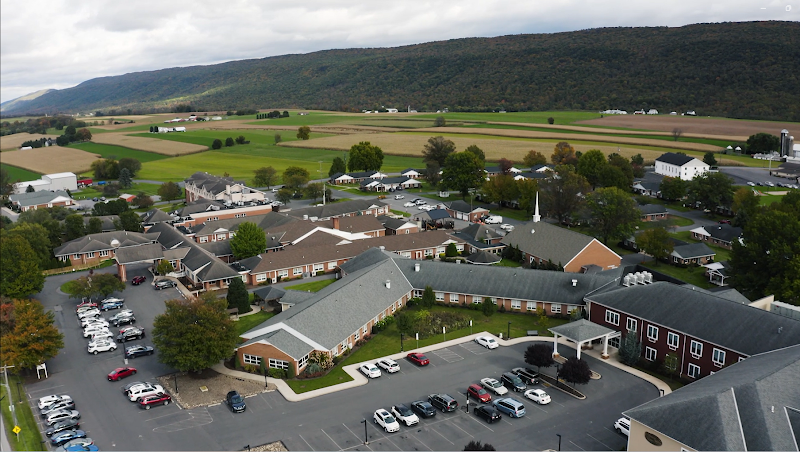
VALLEY VIEW HAVEN, INC is owned by a non-profit organization. Non-profit facilities reinvest revenue into operations rather than distributing to shareholders. The facility operates independently rather than as part of a larger chain. With 162 certified beds and approximately 109 residents (about 67% occupancy), it is a mid-sized facility located in BELLEVILLE, Pennsylvania.
How Does Valley View Haven, Inc Compare to Other Pennsylvania Nursing Homes?

Compared to the 100 nursing homes in Pennsylvania, VALLEY VIEW HAVEN, INC's overall rating (4 stars) is above the state average of 3.0, staff turnover (25%) is significantly lower than the state average of 46%, and health inspection rating (3 stars) is at the national benchmark.

What Should Families Ask When Visiting Valley View Haven, Inc?

Based on this facility's data, families visiting should ask: "Can I visit during a mealtime to observe dining assistance and food quality?" "How do you handle medical emergencies, and what is your hospital transfer rate?" "Can I speak with family members of current residents about their experience?"

Is Valley View Haven, Inc Safe?

Based on CMS inspection data, VALLEY VIEW HAVEN, INC has a clean safety record: no substantiated abuse findings (meaning no confirmed cases of resident harm), no Immediate Jeopardy citations (the most serious violation level indicating risk of serious injury or death), and is not on the Special Focus Facility watch list (a federal program monitoring the lowest-performing 1% of nursing homes). The facility has a 4-star overall rating and ranks #1 of 100 nursing homes in Pennsylvania. While no facility is perfect, families should still ask about staff-to-resident ratios and recent inspection results during their visit.

Do Nurses at Valley View Haven, Inc Stick Around?

Staff at VALLEY VIEW HAVEN, INC tend to stick around. With a turnover rate of 25%, the facility is 21 percentage points below the Pennsylvania average of 46%. Low turnover is a positive sign. It means caregivers have time to learn each resident's needs, medications, and personal preferences. Consistent staff also notice subtle changes in a resident's condition more quickly. Registered Nurse turnover is also low at 17%, meaning experienced RNs are available to handle complex medical needs.

Was Valley View Haven, Inc Ever Fined?

VALLEY VIEW HAVEN, INC has no federal fines on record. CMS issues fines when nursing homes fail to meet care standards or don't correct problems found during inspections. The absence of fines suggests the facility has either maintained compliance or corrected any issues before penalties were assessed. This is a positive indicator, though families should still review recent inspection reports for the full picture.

Is Valley View Haven, Inc on Any Federal Watch List?

VALLEY VIEW HAVEN, INC is not on any federal watch list. The most significant is the Special Focus Facility (SFF) program, which identifies the bottom 1% of nursing homes nationally based on persistent, serious quality problems. Not being on this list means the facility has avoided the pattern of deficiencies that triggers enhanced federal oversight. This is a positive indicator, though families should still review the facility's inspection history directly.