JUNIPER VILLAGE AT BUCKS COUNTY REHAB AND SKD CARE
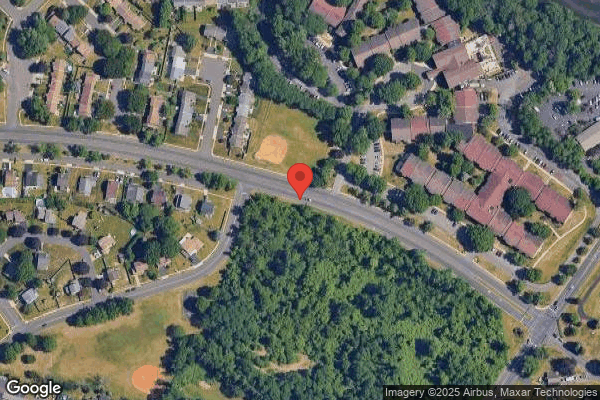

3200 BENSALEM BOULEVARD, BENSALEM, PA 19020 (215) 752-2370
For profit - Corporation 17 Beds Independent Data: November 2025
Trust Grade
65/100
#190 of 653 in PA
Last Inspection: June 2025

Inspected within the last 6 months. Data reflects current conditions.

Overview

Juniper Village at Bucks County Rehab and SKD Care has a Trust Grade of C+, indicating it is slightly above average but still has room for improvement. Ranked #190 out of 653 facilities in Pennsylvania, it falls in the top half, and #16 out of 29 in Bucks County, meaning there are only 15 local options better than this one. The facility is on an improving trend, with the number of issues decreasing from 6 in 2024 to 3 in 2025. Staffing is a strong point, with a turnover rate of 0%, significantly better than the state average of 46%, and they also provide more RN coverage than 92% of facilities in Pennsylvania. However, the facility has concerning fines totaling $56,471, higher than 99% of Pennsylvania facilities, indicating compliance problems. Specific incidents reported include a failure to ensure a resident fully understood a binding arbitration agreement, a lack of comprehensive care plans for a resident experiencing significant weight loss, and the absence of a water management program to prevent Legionella contamination. While the staffing situation is strong, these issues highlight areas where the facility needs to improve to ensure better resident care and safety.

Trust Score
C+
65/100
In Pennsylvania
#190/653
Top 29%
Safety Record
Moderate
Needs review
Inspections
Getting Better
6 → 3 violations
Staff Stability
○ Average
Turnover data not reported for this facility.
Penalties
⚠ Watch
$56,471 in fines. Higher than 77% of Pennsylvania facilities, suggesting repeated compliance issues.
Skilled Nurses
✓ Good
Each resident gets 110 minutes of Registered Nurse (RN) attention daily — more than 97% of Pennsylvania nursing homes. RNs are the most trained staff who catch health problems before they become serious.
Violations
⚠ Watch
18 deficiencies on record. Higher than average. Multiple issues found across inspections.
★★★★☆
4.0
Overall Rating
★★★★☆
4.0
Staff Levels
★★★★☆
4.0
Care Quality
★★★★☆
4.0
Inspection Score
Stable
2024: 6 issues
2025: 3 issues

The Good

  • 4-Star Staffing Rating · Above-average nurse staffing levels
  • 4-Star Quality Measures · Strong clinical quality outcomes
  • Full Sprinkler Coverage · Fire safety systems throughout facility
  • No fines on record

Facility shows strength in staffing levels, quality measures, fire safety.

The Bad

Federal Fines: $56,471

Above median ($33,413)

Moderate penalties - review what triggered them

The Ugly 18 deficiencies on record

Jun 2025 3 deficiencies
CONCERN (D)

Potential for Harm - no one hurt, but risky conditions existed

Comprehensive Care Plan (Tag F0656)

Could have caused harm · This affected 1 resident

Based on review of facility policy, review of clinical records, interview with staff, it was determined that the facility failed to ensure comprehensive care plans were developed to address resident c...

Read full inspector narrative →
Based on review of facility policy, review of clinical records, interview with staff, it was determined that the facility failed to ensure comprehensive care plans were developed to address resident care needs related to a significant weight loss for one of three residents reviewed. (Resident R169) Findings include: Review of facility policy titled Unintended Weight Loss ensures residents will maintain acceptable body weight unless a clinical condition demonstrates that this is not possible residents with unintended weight loss will be assessed by the interdisciplinary team and interventions will be implemented to prevent further weight loss and promote weight gain. The director of wellness and director dietary manager are responsible for managing the processes for prediction or prevention, treatment, monitoring and calculation of unintended weight loss. Compliance includes developing a care plan that includes measurable objectives and time frames to meet the residents needs as identified in the residence assessment, the disciplinary team assesses residents with identified weight loss, develops care plan, implements, evaluates and reevaluates to treat and prevent weight loss and maintain adequate nutritional status of the resident, and communicate of weight changes to attending provider and residents' family. The licensed nurse documents the note of vacations in the medical record. Review of facility document titled Care Plan revealed the purpose of care plan is to write activity goals and approaches for each resident based on MDS (minimum data set , a federal mandated assessment tool), triggers and current needs of the resident. The process of care planning involves identifying the problem common need and strength of each resident then determine goals that are measurable specific and have a target date lastly determine approaches or interventions which are specifically what will be done to assist the resident in meeting the goal considering physical cognitive emotional abilities monitoring approaches will be numbered and will be recorded in care plan progress notes. Review of Resident R169's clinical record revealed that this resident entered the facility on May 29, 2025, after hospital discharge. Resident R169 was discharged back to the hospital for gastrointestinal bleeding, on June 3, 2025. There resident remained NPO (no food). Resident was received back at the facility June 10, 2025. Further review of resident R169's clinical record revealed a significant weight loss of 18.8 pounds in a period of eleven days. Review of Resident R169's clinical record weight history revealed that Resident R169 was documented as being weighed June 1, 2025, at 143.8 pounds, June 10, recorded weight was 144.0 pounds upon returned to the facility, June 11, 2025, recorded weight was 125.0 pounds. Interview with dietician employee E3 on June 16, 2025, revealed that she was made aware of the weight loss on this day, she offered the resident supplemental shakes, but resident refused. Registered Dietician, Employee E3 confirmed not updating the resident's care plan to address most recent weight loss. Employee E3 stated the protocol would be conversation with nursing staff which then would be relayed to physician, then the care plan would be updated. 28 Pa. Code 211.12 (d)(3) Nursing services 28 Pa Code 211.10(b) Resident Care Plan
CONCERN (D)

Potential for Harm - no one hurt, but risky conditions existed

Infection Control (Tag F0880)

Could have caused harm · This affected 1 resident

Based on observation, policy review, and staff interviews, it was determined the facility failed to develop and implement water management program for the prevention, detection, and control of water b...

Read full inspector narrative →
Based on observation, policy review, and staff interviews, it was determined the facility failed to develop and implement water management program for the prevention, detection, and control of water borne contaminants, such as Legionella (a bacteria that may cause lesionnaires disease, a serious type of pneumonia). Findings inlcude: Review of Centers for Disease Control and Prevention CDC guideline for Water Management in Healthcare Facilities revealed Legionella water management programs identify hazardous conditions and include taking steps to minimize the growth and spread of Legionella in the building water system. Having a water management program is now an industry standard for large buildings in the United States. Review of Department of Health and Human Services, Centers for Medicare and Medicaid Services (CMS) memo Requirement to Reduce Legionella Risk in Healthcare Facility Water Systems to Prevent Cases and Outbreaks of Legionnaires Disease dated July 6th, 2018, revealed Facilities must develop and adhere to policies and procedures that inhibit microbial microbial growth in building water systems that reduce the risk of growth and spread of Legionella and other opportunistic pathogens in water. This policy memorandum applies to Hospitals, Critical Access Hospitals (CAHs) and Long-Term Care (LTC). However, this policy memorandum is also intended to provide general awareness for all health care organizations Facilities must have water management plans and documentation that, at minimum, ensure each facility: -Conducts a facility risk assessment conducts a facility risk assessment to identify we are Legionella and other opportunistic waterborne pathogens (e.g.: Pneumonias, Acinetobacter, Burkholderia, Stenotrophomonas, nontuberculous mycobacteria, and fungi could grow and spread in the facility water system -Develops and implements a water management program that considers the ASHRAE industry standards and the CDC toolkit - specifies testing protocols and acceptable ranges for control measures, and documents the results of testing and corrective action taken when control limits are not maintained -Maintains compliance with other acceptable Federal, State and local requirements. -Conducts a facility risk assessment conducts a facility risk assessment to identify we are Legionella and other opportunistic waterborne pathogens (e.g.: Pneumonias, Acinetobacter, Burkholderia, Stenotrophomonas, nontuberculous mycobacteria, and fungi could grow and spread in the facility water system -Develops and implements a water management program that considers the ASHRAE industry standards and the CDC toolkit - specifies testing protocols and acceptable ranges for control measures, and documents the results of testing and corrective action taken when control limits are not maintained -Maintains compliance with other acceptable Federal, State and local requirements. Review of facilities water management plan which is contracted to outside company revealed the purpose of this water management plan is to establish the minimum legionella's risk management requires by illustrating the procedures for minimalizing the risk of Legionnaires disease within the building water system of this facility and practicing routine control measures Including, facility plumbing, hot water expansion tank inspection, aerator should be replaced or dismantled and cleaned on all units to be done quarterly control water systems plumed units which are to be activated weekly to flush the line and verify operation, the Expansion tank for the hot water system should be done annually check for leaks calcifications corrosions around the attachment findings stagnation is the danger and non-flow through tanks hot water heater is to be checked monthly. The aerator should be replaced or dismantled disinfected cleaned quarterly, temperature monitors and testing for legionella at least quarterly in cooling, towers, spa pools, and any fountains is recommended to demonstrate. Continued review of this water management plan revealed that the last water teste was completed February 18, 2023 Interview with Environmental Director, Employee E 4 and Nursing Home Administrator, Employee E1 on June 18, 2025, at 10:00 a.m. confirmed that the facility failed to ensure water testing and compliance of water management plan. The last testing was completed on February 18, 2023. 28 Pa. Code 201.14(a) Responsibility of licensee
CONCERN (E)

Potential for Harm - no one hurt, but risky conditions existed

Deficiency F0847 (Tag F0847)

Could have caused harm · This affected multiple residents

**NOTE- TERMS IN BRACKETS HAVE BEEN EDITED TO PROTECT CONFIDENTIALITY** Based on a review of facility documents and resident clinical records and interviews with staff and resident and family member, ...

Read full inspector narrative →
**NOTE- TERMS IN BRACKETS HAVE BEEN EDITED TO PROTECT CONFIDENTIALITY** Based on a review of facility documents and resident clinical records and interviews with staff and resident and family member, it was determined that the facility failed to ensure that residents had the capacity to understand the terms of a binding arbitration agreement for one of one resident reviewed (Resident R69). Findings include: Review of admission record indicated Resident R69 was admitted to the facility on [DATE]. Review of Resident R69's admission Minimum Data Set (MDS - a periodic assessment of care needs) dated June 12, 2025, a BIMS score of 15, which indicated that the resident was cognitively intact. Review of Resident R69's Binding Arbitration Agreement (a binding agreement by the parties to submit to arbitration all or certain disputes which have arisen or may arise between them in respect of a defined legal relationship, whether contractual or not. The decision is final, can be enforced by a court, and can only be appealed on very narrow grounds) indicated that she signed the document on admission on [DATE]. The agreement was missing a name and signature who reviewed the agreement with Resident R69. An interview was conducted with the Social Worker, Employee E5, on June 17, 2025, at 10:03 a.m. Employee E5 reported that they reviewed the arbitration agreement with Resident R69 on June 9, 2025. However, it was further revealed that Employee E5 did not inform Resident R69 of their right to rescind the agreement within 30 days of signing, nor did they explain that the binding arbitration agreement does not prevent the resident from communicating with federal, state, or local officials, including federal and state surveyors, other health department employees, or representatives of the Office of the State Long-Term Care Ombudsman. Employee E5 revealed that when she reviews the biding arbitration agreement she only discusses that dispute shall be kept confidential and you can't discuss with anyone. An interview was conducted with the Nursing Home Administrator, Employee E1, on June 17, 2025, at 10:25 a.m. Employee E1 reported that when Employee E5 is on leave, she sometimes steps in to review the arbitration agreement with residents. It was further revealed that Employee E1 does not inform residents of their right to rescind the agreement within 30 days of signing, nor does she explain that the binding arbitration agreement does not prevent residents from communicating with federal, state, or local officials, including federal and state surveyors, other health department employees, or representatives of the Office of the State Long-Term Care Ombudsman. An interview was conducted with the Resident R69 and spouse, on June 17, 2025, at 12:43 p.m. which revealed that Resident R69 was not aware of that she/he able to rescind the agreement within 30 days of signing, nor that the binding arbitration agreement does not prevent residents from communicating with federal, state, or local officials, including federal and state surveyors, other health department employees, or representatives of the Office of the State Long-Term Care Ombudsman. An interview with the Administrator on June 17, 2025, at 2:45 p.m. confirmed that the facility failed to inform Resident R69-and other residents-when explaining the arbitration agreement in a language they could understand, that they have the right to rescind the agreement within 30 days of signing. Additionally, the facility did not clarify that the binding arbitration agreement does not prevent residents from communicating with federal, state, or local officials, including federal and state surveyors, other health department employees, or representatives of the Office of the State Long-Term Care Ombudsman. 28 Pa. Code: 201.14(a)(c)(d)(e) Responsibility of licensee.
Sept 2024 6 deficiencies
CONCERN (D)

Potential for Harm - no one hurt, but risky conditions existed

Deficiency F0578 (Tag F0578)

Could have caused harm · This affected 1 resident

**NOTE- TERMS IN BRACKETS HAVE BEEN EDITED TO PROTECT CONFIDENTIALITY** Based on clinical record reviews and interviews with staff, it was determined that the facility failed to ensure that advanced d...

Read full inspector narrative →
**NOTE- TERMS IN BRACKETS HAVE BEEN EDITED TO PROTECT CONFIDENTIALITY** Based on clinical record reviews and interviews with staff, it was determined that the facility failed to ensure that advanced directives were accurately reflected in residence records for one of 8 residents reviewed (Resident R70). Findings: Review of facility undated policy on Advance directives, revealed that under section Policy: Residents are afforded the opportunity to create advanced directives for their medical care should they be unable to communicate them for themselves at the time needed. Under section Purpose To provide instruction and offering residents the opportunity to create advanced directives. Under section Procedure: #1 If the resident already has an advanced directive, such directive is copied. If the resident has a MDPOA or other legal responsible party, a copy of this paperwork is put in the Advanced Directives Legal section of the chart. They should also be scanned to the Miscellaneous tab of the residence chart in Point Click Care. #2. The DNR(do not resuscitate) form and other advanced directive information is filed in Advanced Directive section of the chart. They should also be scanned to the Miscellaneous tab of the residence chart in Point Click Care. #4. The associate completing the admission process or the social service representative assisting the resident, and/or responsible party in creating advance directives alert the admitting nurse to the advanced directive such that the appropriate physician order is obtained. Review of Resident R70's clinical record revealed that Resident R 70 was admitted to the facility on [DATE], with diagnosis of but not limited to Chronic Respiratory Failure, Sepsis due to Streptococcus Infection, Cognitive Communication Deficit. Review Further review of resident R70 clinical record revealed that Residence DNR status and advanced directives was not reflected on Resident R 70s electronic medical record. Further, Resident R70s there was no physician's order for advanced directives and there was no care plan for Resident R70's advance directives. Review of resident R 70s. Pennsylvania orders for life sustaining treatment. (POLST) Section A. Cardiopulmonary Resuscitation (CPR): DNR Do not attempt resuscitation (allow natural death) was checked. Section B. Medical Interventions: Person has paused and or breathing. Limited Additional Interventions was checked. Section C. Antibiotics: Determine use or limitation of antibiotics when infection occurs with comfort as goal was checked. Section D. Artificially Administered Hydration/Nutrition. No hydration and artificial nutrition by tube was checked. Section E. Discuss with patient. Was checked. Further review of Resident R70's POLST form revealed that the form was signed by the physician and signed by Resident R70. Further the form was dated [DATE]. Interview with Employee E4 conducted on [DATE], at 10: 36 am confirmed that Resident R70 signed a POLST Form and that resident R70 wanted to be on DNR, use medical treatment, IV fluids and cardiac monitor as indicated, no hydration/ no artificial nutrition by tube. Further Employee E4 confirmed that Resident R70's advance directives were not reflected on Resident R70's electronic medical record. Interview with Facility Administrator Employee E1, on [DATE], at 10:40 AM confirmed that there was no advance directive for Resident R70 in his electronic medical record. 28 Pa Code 211.12(d)(3) Nursing services 28 Pa. Code 211.12(d)(5) Nursing services
CONCERN (D)

Potential for Harm - no one hurt, but risky conditions existed

Transfer Notice (Tag F0623)

Could have caused harm · This affected 1 resident

Based on clinical record reviews and interviews with staff, it was determined that the facility failed to notify the office of the State Long Term Care Ombudsman of facility initiated emergency transf...

Read full inspector narrative →
Based on clinical record reviews and interviews with staff, it was determined that the facility failed to notify the office of the State Long Term Care Ombudsman of facility initiated emergency transfers and facility initiated discharges for four or four facility-initiated discharges reviewed for three residents (Resident R73, Resident R74 and Resident R75) Findings include: Review of facility document (list of all facility-initiated discharges) revealed that Resident R73 was discharged from the facility to the hospital on July 26, 2024. Review of the facility notice of transfer or discharge form for resident R73 revealed that on July 27, 2024, Resident R73's responsible party was informed of his transfer to the hospital. Review of resident R73 clinical record revealed no documented evidence that the State Long Term Care Ombudsman was notified of Resident R 73s facility-initiated discharge (hospital admission). Further review of the facility document (list of all facility-initiated discharges) revealed that Resident R74 was discharged from the facility to the hospital on May 19, 2024, and on June 23, 2024. Review the facility notice of transfer or discharge form for Resident R74 revealed that resident R74's responsible party was informed of his May 19, 2024, hospital transfer and of his June 23, 2024, hospital transfer. Review of resident R74's clinical record revealed no documented evidence that the State Long Term Care Ombudsman was notified of Resident R 74's facility-initiated discharge (hospital admission). Further review of the facility document (list of all facility-initiated discharges) reveal that Resident R75 was discharged from the facility to the hospital on July 25, 2024. Review the facility notice of transfer or discharge form for Resident R75 revealed that resident R75's responsible party was informed of his July 25, 2024, hospital transfer. Review of resident R75's clinical record revealed no documented evidence that the State Long Term Care Ombudsman was notified of Resident R 75's facility-initiated discharge (hospital admission). Interview with Employee E1, Facility Administrator, conducted on September 18, 2024 at 2:05 PM, revealed that the facility did not have a process of providing the ombudsman a copy of the discharge notices. Further, employee E1 confirmed that the ombudsman was not notified of Resident R73, Resident R74 and Resident R75' discharges to the hospital. 28 Pa. Code 201.14(a) Responsibility of licensee 28 Pa. Code 201.18(b)(2) Management
CONCERN (D)

Potential for Harm - no one hurt, but risky conditions existed

Deficiency F0655 (Tag F0655)

Could have caused harm · This affected 1 resident

**NOTE- TERMS IN BRACKETS HAVE BEEN EDITED TO PROTECT CONFIDENTIALITY** Based on review of facility policies, clinical record reviews, and interviews with staff, it was determined that the facility fa...

Read full inspector narrative →
**NOTE- TERMS IN BRACKETS HAVE BEEN EDITED TO PROTECT CONFIDENTIALITY** Based on review of facility policies, clinical record reviews, and interviews with staff, it was determined that the facility failed to develop a baseline care plan within 48 hours of residence admission that includes the minimum healthcare information necessary to properly care for a resident for four of 16 residents reviewed (Resident R14, Resident R70, Resident R9, and Resident R120). Findings include: Review of facility policy on care planning provided by Employee E2 Revealed that the policy did not address baseline care plan. Review of Resident R14's clinical record revealed that resident R14 was admitted to the facility on [DATE], with diagnoses of but not limited to reduced mobility, Muscle weakness, Cognitive communication deficit, Altered mental status, Dysarthria, and Anarthria. Review resident R14's admission MDS (minimum data set- a federally required resident assessment to be completed at a specific interval) dated August 5, 2024, revealed that under section L0200. Oral dental status B. (No natural teeth or tooth fragments. Edentulous) was coded No Interview with facility Regional MDS coordinator, revealed that the admission MDS dated August.5, 2024, Section L, B was coded in error, and that Section L 0200 B should have been quoted as. Yes. (No natural teeth) Observation of resident R14 conducted on September 16, 2024, at 09:21 AM reveal that Resident R14 was in his room, with breakfast tray- breakfast was approximately 90% consumed- further observation revealed that resident was edentulous. Further observation revealed that resident R14 was not wearing dentures. Interview with Resident R14 at the time of the observation revealed that he has dentures but did not like wearing them. Further review of Resident R14's clinical record revealed that there was no baseline care plan in place within 48 hours of Resident R14's admission to the facility. Review of Resident R70's clinical record revealed that Resident R 70 was admitted to the facility on [DATE], with diagnosis of but not limited to chronic venous hypertension with ulcer on right lower extremity, Non pressure chronic ulcer of other part of left lower leg with fat layer exposed, Non pressure chronic ulcer of buttocks with unspecified severity, Non pressure chronic ulcer of right calf with necrosis of muscles, Chronic venous hypertension with ulcers of left lower extremity, Muscle weakness, Morbid obesity. Observation conducted during tour of facility on September 16, 2024, at 11:52 AM revealed that Resident R17 had bilateral lower extremity dressing. Further observation revealed that Resident R70s lower extremities were dark in color. Further review of Resident R70's clinical record reveal that there was no baseline care plan for alteration in skin integrity or wound care in place within 48 hours of Resident R70's admission to the facility. Review of Resident 9's clinical record revealed Resident R9 was admitted to the facility on [DATE] with a diagnosis that included but not limited to Sepsis (serious condition in which the body responds improperly to an infection), abnormalities of gait and mobility, and absolute glaucoma (eye that has lost all vision and has uncontrolled pressure). Review of Resident R9's clinical record revealed Resident R9 had a care plan dated August 15, 2024 for impaired vision, potential for pressure ulcer development, and risk for infection. Further review of Resident R9's care plan revealed no interventions in place to provide the necessary care to properly care for Resident R9. Review of Resident 120's clinical records revealed Resident 120 was admitted to the facility on [DATE] with a diagnosis that included but not limited to Thoracic Spine fracture (occurs when a bone in the middle section of the spine collapses), Bipolar Disorder (episodes of mood swing ranging from depressive lows to manic highs), and muscle weakness. Review of Resident R120's clinical record revealed Resident 120 had a care plan dated September 13, 2024 for high risk of falls, impaired cognitive function, behavior problem, limited physical mobility, activies of daily living self-care deficit. Further review of Resident 120's care plan revealed no interventions in place to provide the necessary care to properly care for Resident 120. Interview on September 18, 2024 at 11:40 a.m with Employee E2, Director of Nursing, confirmed Resident R9 and Resident R120 did not have a completed baseline care plan completed within 48 hours of admission. 28 Pa. Code 201.18(b)(1) Management 28 Pa. Code 211.10(c)Resident care policies 28 Pa. Code 211.12(d)(2) Nursing services
CONCERN (D)

Potential for Harm - no one hurt, but risky conditions existed

Comprehensive Care Plan (Tag F0656)

Could have caused harm · This affected 1 resident

**NOTE- TERMS IN BRACKETS HAVE BEEN EDITED TO PROTECT CONFIDENTIALITY** Based on review of facility policy. Review of clinical records and staff interviews, it was determined that the facility failed ...

Read full inspector narrative →
**NOTE- TERMS IN BRACKETS HAVE BEEN EDITED TO PROTECT CONFIDENTIALITY** Based on review of facility policy. Review of clinical records and staff interviews, it was determined that the facility failed to develop and implement an individualized comprehensive care plan for two of eight residents observed (Resident 14 and Resident R70) Findings include: Review of facility's Care Planning Assessment Policy revealed that under section Policy, residents will receive initial, quarterly, annual and significant change assessments according to the federal and state regulations. In addition, the residents will have a care plan created that addresses the individualized needs the residents present. This process will be accomplished through observation, assessment, interviews which cover all three shifts and obtain the necessary information from all appropriate disciplines, the resident, and any other responsible party necessary. Under section Procedure 1. Utilizing information from the Wellness, Activity, Dietary and Psychosocial Assessments, the MDS is coded per the MDS 3.0 manual, 2. When a comprehensive MDS assessment is done, the RAPS CAA's will be completed for each triggered area. From the CAA, it is determined which areas need to be care planned to provide the necessary care for the resident, 3. The Care Plan Team creates these long-term care plans. Areas outside of the triggered items can also be care planned to provide guidance to staff for care of the resident. (i.e. pain management or discharge planning), 4. Acute care plans are created by staff for injuries, illnesses, or changes in condition that may only last 30 days. Once 30 days is over, if the problem remains, a long-term care plan is created. The Acute Care Plans are kept in the wellness notes section of the chart, 10. In addition, quarterly reviews and updates are completed by the Care Plan Team to clarify problems, goals and evaluate effectiveness of the interventions, 13. The MDS Coordinator monitors compliance with assessment, care planning and filing of assessments and care plans in the appropriate areas. Review of Resident R14's clinical record revealed that resident R14 was admitted to the facility on [DATE], with diagnoses of but not limited to reduced mobility, Muscle weakness, Cognitive communication deficit, Altered mental status, Dysarthria and Anarthria. Review resident R14's admission MDS (minimum data set- a federally required resident assessment to be completed at a specific interval) dated August 5, 2024, revealed that under section L0200. Oral dental status B. (No natural teeth or tooth fragments. Edentulous) was coded No Interview with facility Regional MDS coordinator, revealed that the admission MDS dated August.5, 2024, Section L, B was coded in error, and that Section L 0200 B should have been quoted as. Yes. (No natural teeth) Observation of resident R14 conducted on September 16, 2024, at 09:21 AM reveal that Resident R14 was in his room, with breakfast tray- breakfast was approximately 90% consumed- further observation revealed that resident was edentulous. Further observation revealed that resident R14 was not wearing dentures. Interview with Resident R14 at the time of the observation revealed that he has dentures but did not like wearing them. Further review of Resident R14's clinical record revealed that there was no individualized comprehensive care plan in place to address Resident R14's dental issues. Review of Resident R70's clinical record revealed that Resident R 70 was admitted to the facility on [DATE], with diagnosis of but not limited to chronic venous hypertension with ulcer on right lower extremity, Non pressure chronic ulcer of other part of left lower leg with fat layer exposed, Non pressure chronic ulcer of buttocks with unspecified severity, Non pressure chronic ulcer of right calf with necrosis of muscles, Chronic venous hypertension with ulcers of left lower extremity, Muscle weakness, Morbid obesity. Observation conducted during tour of facility on September 16, 2024, at 11:52 AM revealed that resident R17 had bilateral lower extremity dressing. Further observation revealed that resident R 70s lower extremities were dark and color. Further review of Resident R70's clinical record reveal that the care plan for Venous stasis ulcer to bilateral lower legs r/t Diabetes Date Initiated: 08/28/2024 with goals of: Pressure ulcer will show signs of healing and remain free from infection by/through review date. Date Initiated: 08/30/2024. Further, there were no interventions listed in the care plan. Further review of Resident R70's care plan revealed that the following care plan did not have any interventions: Falls care plan (no interventions), impaired vision (no intervention) and Potential for pressure ulcer (no intervention) 28 Pa. Code 211.10(d) Resident care plan policies 28 Pa. Code 211.12(d)(5) Nursing services
CONCERN (D)

Potential for Harm - no one hurt, but risky conditions existed

Drug Regimen Review (Tag F0756)

Could have caused harm · This affected 1 resident

**NOTE- TERMS IN BRACKETS HAVE BEEN EDITED TO PROTECT CONFIDENTIALITY** Based on review of clinical records, staff interview, and pharmacy review recommendations, it was determined that the facility f...

Read full inspector narrative →
**NOTE- TERMS IN BRACKETS HAVE BEEN EDITED TO PROTECT CONFIDENTIALITY** Based on review of clinical records, staff interview, and pharmacy review recommendations, it was determined that the facility failed to act on the pharmacy recommendations in a timely way for three of four residents reviewed (Resident R10, R14 and R70). Findings include: Clinical record review revealed Resident R10 was admitted to the facility on [DATE], with a diagnosis that included but not limited to Major Depressive Disorder. The physician ordered Mirtazapine (used to treat to depression) and Citalopram (used to treat depression). Further review of Resident R10's clinical record revealed the physician ordered Mirtazapine and Citalopram on February 2024. During a drug regiment review on August 15, 2024, the pharmacist recommended that Mirtazapine and Citalopram be considered for a gradual dose reduction. The pharmacy recommendation was not addressed by the attending physician until September 17, 2024, a delay of 33 days. During an interview on September 18, 2024 at 12:00 p.m. Director of Nursing E2 confirmed that the facility failed to implement the pharmacy recommendations for Resident R10 in a timely manner. Review of pharmacy consultation report for Resident R14 for August 1 to 31, 2024, revealed a pharmacy recommendation to: evaluate if atorvastatin 40 MG is indicated at this time, monitor symptoms, follow-up serum CK concentration in 14 days and to evaluate Eliquis dose for a dose increase twice a day. Further review revealed that that DON, Employee E2, signed off on the pharmacy review. Interview with the DON, Employee E2, conducted on September 19, 2023, at 1:20pm confirmed that the physician reviewed the pharmacy recommendation late. Further Employee E 2 revealed that the facility will improve their process so that the pharmacy reviews will be reviewed by the physician in a timely manner. Review of Resident R70's pharmacy consultation report for August 1 to 31, 2024 revealed a comment from the pharmacist as follow: During the review of Resident R14's medical record, the following irregularities were noted on the Electronic Medication Administration record. Directions for use was incomplete. Ascorbic acid order is missing strength. Further, the pharmacy consultation report revealed a recommendation to Please clarify or correct these items. Further review of the pharmacy consultation report revealed that the form did not have the signature of the physician attesting that physician has reviewed the pharmacy report, comments and recommendations. Interview with the DON Employee E2 conducted on September 19, 2024, at 1:20 pm confirmed that the form did not have a physician's signature on it attesting that the physician has reviewed the pharmacy recommendations Further Employee E2 revealed that the facility will improve their process so that the pharmacy reviews will be reviewed by the physician in a timely manner. 28 Pa. Code 211.12(d)(1)(3)(5) Nursing services.
CONCERN (D)

Potential for Harm - no one hurt, but risky conditions existed

Antibiotic Stewardship (Tag F0881)

Could have caused harm · This affected 1 resident

Based on observations, review of facility policies, review of facility documentation, review of clinical records, and staff interviews, it was determined that the facility failed to establish an effec...

Read full inspector narrative →
Based on observations, review of facility policies, review of facility documentation, review of clinical records, and staff interviews, it was determined that the facility failed to establish an effective infection control program related to infection surveillance and periodic review of antibiotic use. Findings include: Review of facility policy and antibiotic stewardship reveal that. Under section policy, Juniper Village has a policy regarding antibiotic stewardship program. Under a section purpose to implement an antibiotic stewardship program which will promote appropriate use of antibiotics while optimizing the treatment of infections, at the same time reducing the possible adverse events associated with antibiotic use. Under section Procedure #1 Accountability, a. The Antibiotic Stewardship Program team will be established to be accountable for stewardship activities. As a team, they will: i. Review infections and monitor antibiotic usage pattern on a regular basis, ii. Obtain and review antibiograms or similar information for institutional trends of resistance, iii. Monitor antibiotic resistance pattern, iv, Report on number of antibiotics prescribed and the number of residents treated each month, v. Include a separate report for the number of residents and antibiotic that did not meet criteria for active infection. #5 Tracking a. The Director of Wellness will be responsible for infection surveillance and MDRO (multi-drug resident organisms) tracking. B. The director of Wellness will collect and review data. Review of facility infection control documents revealed no documented evidence that the facility was tracking the infections in the facility. Further review of facility infection control documents revealed no documented evidence that the facility conducted a periodic review of antibiotic use. Interview with Employee E2 conducted on September 17, 2024 at 1:04 PM revealed that the facility did not have a system in place to track infections and the use of antibiotics. Further Employee E2 also confirmed that there was no periodic review of antibiotic use in the facility. Further interview with Employee E2 revealed that the facility will improve their infection control and antibiotic stewardship program to ensure that infections are monitored and tracked and antibiotic use are reviewed regularly. 28 Pa Code 201.14(a) Responsibility of licensee 28 Pa Code 201.18(d) Management
Nov 2023 9 deficiencies
CONCERN (D)

Potential for Harm - no one hurt, but risky conditions existed

Deficiency F0582 (Tag F0582)

Could have caused harm · This affected 1 resident

**NOTE- TERMS IN BRACKETS HAVE BEEN EDITED TO PROTECT CONFIDENTIALITY** Based on review of clinical record, facility documentation, and interview with staff it was determined that the facility failed ...

Read full inspector narrative →
**NOTE- TERMS IN BRACKETS HAVE BEEN EDITED TO PROTECT CONFIDENTIALITY** Based on review of clinical record, facility documentation, and interview with staff it was determined that the facility failed to issue the resident/responsible party a Notice of Medicare Non-Coverage (NOMNC) prior to termination of Medicare A services, as required for one of three resident records reviewed (Resident CL118). Findings include: Interview with the Nursing Home Administrator, Employee E1, conducted on November 3, 2023, at approximately 12:00 p.m. revealed the facility did not have a policy regarding notice of Medicare non-coverage. Review of Resident CL118 revealed that the resident was admitted to the facility on [DATE], with Medicare Insurance Coverage for skilled nursing care. Further review of clinical record revealed that the resident was discharged from the facility on July 8, 2023. There was no documented evidence that a Notice of Medicare Non -Coverage (NOMNC-written notice to the resident, beneficiary, or resident representative, of the right to an expedited review of a Medicare service termination of Medicare A Services prior to the discharge from the facility) was provided to the Resident CL118 or the resident's responsible party. Interview on November 3, 2023, at 12:30 p.m. with Nursing Home Administrator, confirmed that the facility had no documented evidence that a Notice of Medicare Non-Coverage (NOMNC) had been issued to Resident CL118 prior to the termination of the Medicare A service. 28 Pa. Code 201.29 (f) Resident Rights
CONCERN (D)

Potential for Harm - no one hurt, but risky conditions existed

Investigate Abuse (Tag F0610)

Could have caused harm · This affected 1 resident

Based on interview with staff and review of facility provided documentation, it was determined that the facility did not ensure that an allegation regarding nursing aide practicing administering medic...

Read full inspector narrative →
Based on interview with staff and review of facility provided documentation, it was determined that the facility did not ensure that an allegation regarding nursing aide practicing administering medication was thoroughly investigated (Employee E12) Findings include: Review of nurse aide, Employee E12's personnel file, revealed that Employee E12 was hired on July 20, 2023, for a full time nurse aide position. Review of witness statement provided by Nursing Home Administrator, dated August 23, 2023, stated the following: while sitting at the nurses station I observed that [Employee E12] was passing medications, to my knowledge she was only a CAN (nurse aide). This happened on multiple occasions but when asking it was stated she took her test and she was just waiting for her license. Notified director of nursing and then informed of the nepotism. (Employee E12 was director of nursing's daughter in-law). Director of nursing did not want to reprimand her daughter in law and both resigned that day. Review of Employee E12's 'exit interview form' dated August 24, 2023, reason for termination was 'involuntary' due to other: falsely documenting. Review of facility reported incident dated August 24, 2023, noted medication administration records were reviewed and it is noted 08/15/2023 - 08/24/2023, [Employee E12] signed as the person administering the medications on the unit. Review of facility provided investigation report failed to include witness statements from residents and facility staff. Further the investigation report did not included list of medications which were administered by Employee E12 as well as list of residents which were assessed after incident. 28 Pa Code 211.12(c )(d)(1)(5) Nursing Services 28 Pa Code 201.14(a)Responsibility of licensee
CONCERN (D)

Potential for Harm - no one hurt, but risky conditions existed

Transfer Notice (Tag F0623)

Could have caused harm · This affected 1 resident

**NOTE- TERMS IN BRACKETS HAVE BEEN EDITED TO PROTECT CONFIDENTIALITY** Based on the review of clinical records and interview with staff, it was determined that the facility failed to notify the resid...

Read full inspector narrative →
**NOTE- TERMS IN BRACKETS HAVE BEEN EDITED TO PROTECT CONFIDENTIALITY** Based on the review of clinical records and interview with staff, it was determined that the facility failed to notify the resident and the resident's representative(s) of the transfer to the hospital and the reasons for the transfer in a timely manner, after a selected resident was transferred to the hospital for one of nine residents reviewed. (Resident R2) Findings Include: Review of MDS (Minimum Data Set-Assessment of resident care needs) for Resident R2 dated August 29, 2023, revealed that the resident was admitted to the facility on [DATE]. Further clinical record review revealed Resident R2's responsible party was her daughter. Review of nursing note for Resident R1 dated July 29, 2023, revealed that the resident was discharged to the hospital related to a fall. Review of clinical record revealed no evidence that Resident R2's representative was notified of the transfer to the hospital and the reasons for the transfer in writing, and in a language and manner they understood. Interview with the Nursing Home Administrator, Employee E1, and Director of Nursing, Employee E2, on November 3, 2023, at 9:42 a.m. confirmed that the Residents R2's representative was not notified in writing of the reasons for the transfer, and in a language and manner they understood. 28 Pa. Code 201.14(a) Responsibility of license 28 Pa. Code 201.29(a) Resident rights
CONCERN (D)

Potential for Harm - no one hurt, but risky conditions existed

Deficiency F0625 (Tag F0625)

Could have caused harm · This affected 1 resident

**NOTE- TERMS IN BRACKETS HAVE BEEN EDITED TO PROTECT CONFIDENTIALITY** Based on clinical record review and staff interview, it was determined that the facility failed to ensure that the resident and ...

Read full inspector narrative →
**NOTE- TERMS IN BRACKETS HAVE BEEN EDITED TO PROTECT CONFIDENTIALITY** Based on clinical record review and staff interview, it was determined that the facility failed to ensure that the resident and resident representative receive written notice of the facility bed-hold policy at the time of a facility-initiated transfer to a hospital for one of nine residents reviewed. (Resident R2) Findings include: Review of MDS (Minimum Data Set-Assessment of resident care needs) for Resident R2 dated August 29, 2023, revealed that the resident was admitted to the facility on [DATE]. Further clinical record review revealed Resident R2's responsible party was her daughter. Review of nursing note for Resident R1 dated July 29, 2023, revealed that the resident was discharged to the hospital related to a fall. Further review of Resident R2's clinical record revealed that there was no documented evidence that Resident R1's representative was provided with a written notice of the facility bed-hold policy at the time of Resident R1's facility-initiated transfer to the hospital. Interview with the Nursing Home Administrator, Employee E1, and Director of Nursing, Employee E2, on November 3, 2023, at 9:42 a.m. confirmed that the Residents R2's representative was not provided with the bed hold policy upon transfer. 28 Pa Code 201.14(a) Responsibility of licensee
CONCERN (D)

Potential for Harm - no one hurt, but risky conditions existed

Assessment Accuracy (Tag F0641)

Could have caused harm · This affected 1 resident

**NOTE- TERMS IN BRACKETS HAVE BEEN EDITED TO PROTECT CONFIDENTIALITY** Based on clinical record reviews and interviews with staff, it was determined that the facility failed to accurately complete a ...

Read full inspector narrative →
**NOTE- TERMS IN BRACKETS HAVE BEEN EDITED TO PROTECT CONFIDENTIALITY** Based on clinical record reviews and interviews with staff, it was determined that the facility failed to accurately complete a resident assessment related to discharge status for one of 27 residents reviewed (Resident R9). Findings include: Review of undated facility policy titled, Electronic Transmission of the MDS, indicated that all MDS (Minimum Data Set - a mandatory periodic resident assessment tool) assessments, including significant change, will be transmitted in accordance with OBRA regulations (schedule of assessments that will be performed for a nursing facility resident at admission, quarterly, and annually, whenever the resident experiences a significant change in status, and whenever the facility identifies a significant error in a prior assessment). Review of Resident R9's clinical records revealed a physician order dated, April 12, 2023, which stated Resident R9 was admitted on Hospice on April 11, 2023. Further review revealed Resident R9 was discharged from hospice on October 12, 2023. Review of Resident R9's MDS titled, Significant Change in Status, dated April 18, 2023, was coded No for Hospice. Further review of Resident R9's MDS dated [DATE], revealed that Hospice Care was still coded, No. Interview with the Registered Nurse Assessment Coordinator, Employee E5, conducted on November 3, 2023, at 11:07 a.m. confirmed that the Significant Change in Status MDS, dated [DATE] and July 17, 2023, for Resident R9 was coded inaccurately. 28 Pa Code 201.14(a) Responsibility of licensee 2 Pa Code 211.5(f) Medical records
CONCERN (D)

Potential for Harm - no one hurt, but risky conditions existed

Comprehensive Care Plan (Tag F0656)

Could have caused harm · This affected 1 resident

**NOTE- TERMS IN BRACKETS HAVE BEEN EDITED TO PROTECT CONFIDENTIALITY** Based on review of facility policies, clinical records, and staff interviews, it was determined that the facility failed to deve...

Read full inspector narrative →
**NOTE- TERMS IN BRACKETS HAVE BEEN EDITED TO PROTECT CONFIDENTIALITY** Based on review of facility policies, clinical records, and staff interviews, it was determined that the facility failed to develop comprehensive care plans to meet care needs for one of nine residents reviewed. (Resident R116) Findings include: Review of an undated facility policy titled, Care Planning indicated that residents Care Plan ae based on Quarterly Minimum Data Set (MDS - federally mandated assessment of a resident's abilities and care needs) triggers and current needs of the resident. Review of Resident R116's admission MDS dated , October 23, 2023, revealed Resident R116 was admitted to the facility on [DATE], and had a BIMS (Brief Interview for Mental Status) score of two, indicating that the resident had severely impaired cognition. Review of Resident R116's admission elopement risk evaluation dated, October 20, 2023, revealed that Resident R116 was a potential elopement risk. Further review of Resident R116's clinical record revealed no documented evidence a comprehensive care plan was developed regarding elopement risk. Interview with the Director of Nursing, Employee E2, was conducted on November 2, 2023, at approximately 3:34 p.m. where the above-mentioned findings were brought to her attention. Employee E2 confirmed that a care plan regarding Resident R116's elopement risk should have been developed upon assessment. 28 Pa. Code 211.10(c)(d) Resident care policies 28 Pa. Code 211.12(d)(1)(3)(5) Nursing services
CONCERN (D)

Potential for Harm - no one hurt, but risky conditions existed

Deficiency F0730 (Tag F0730)

Could have caused harm · This affected 1 resident

Based on review of facility provided documentation, and interview with staff, it was determined that facility did not ensure to complete annual performance evaluation for two out of five nurse aides r...

Read full inspector narrative →
Based on review of facility provided documentation, and interview with staff, it was determined that facility did not ensure to complete annual performance evaluation for two out of five nurse aides reviewed (Employee E8 and E11) Findings include: According to facility provided documentation - nurse aides, Employees E7, E8, E9, E10, and E11 have been employed at facility for one year or longer. Requested performance evaluations for nurse aides on November 1, 2023, at 3:05 pm; facility was able to provide performance appraisal for Employees E7, E9, and E10. Upon further request for additional performance appraisals, facility was unable to locate performance evaluations for nurse aides, Employees E7 and E8. Findings confirmed by facility's director of nursing and administrator. 28 Pa Code 201.20(a)(b)(c)(d) Staff development 28 Pa Code 201.14(a)Responsibility of licensee
CONCERN (D)

Potential for Harm - no one hurt, but risky conditions existed

Deficiency F0809 (Tag F0809)

Could have caused harm · This affected 1 resident

Based on resident council interview, staff interviews, review of facility policy and reviews of the established mealtime schedule, it was determined that the facility failed to ensure a nourishing sna...

Read full inspector narrative →
Based on resident council interview, staff interviews, review of facility policy and reviews of the established mealtime schedule, it was determined that the facility failed to ensure a nourishing snack was provided when 14 hours are between a substantial evening meal and breakfast on the main nursing unit. Findings include: A review of facility updated policy titled; Snacks indicated that residents will be offered snacks/nourishment to meet their needs. Residents are offered regular snacks throughout the day. Further review indicated that each resident is offered a mid- morning, mid-afternoon, and mid-evening snack as park of the daily structured program. A review of the established meal schedule for the residents revealed that the supper meal was scheduled for 5:00 p.m., and that he breakfasts meal the following morning was offered at 8:00 a.m. This was a 15-hour meal span of time until breakfast the following day. An interview was conducted on November 1, 2023, at 11:00 a.m. during the resident council with alert and oriented Residents, R67, R114, R4, R5, R115, R2, R117, revealed that snacks were not offered at bedtime. Residents reported that they eat dinner at 5:00 p.m. and get hungry at nighttime. A walkthrough the facility with the Nursing Home Administrator, Employee E1, was conducted on November 2, 2023, at 11:37 p.m. Interviews were conducted with alert and oriented Residents: R66, R115, R64, R65, who reported they were not aware of snacks being available in the kitchen and that they were not offered a midmorning, mid-afternoon, and midevening snack since their admission. An interview with the Dietary aide who was responsible for distributing snacks, Employee E4, conducted on November 2, 2023, at 12:19 p.m. confirmed that she had not passed out snacks to the residents yesterday and on this day. 28 Pa. Code: 201.14(a) Responsibility of license
CONCERN (D)

Potential for Harm - no one hurt, but risky conditions existed

Food Safety (Tag F0812)

Could have caused harm · This affected 1 resident

Based on review of facility policy, observations, and interviews with staff, it was determined that the facility did not ensure that food was stored, prepared, distributed, and served in accordance wi...

Read full inspector narrative →
Based on review of facility policy, observations, and interviews with staff, it was determined that the facility did not ensure that food was stored, prepared, distributed, and served in accordance with professional standards for food service safety. Findings include: Review of facility policy titled, Labeling and Dating of Food undated indicated that all food removed from original package must have product name, receive date and use by date. Review of policy titled, Storage- Refrigerator and Freezer undated indicate that all food items in refrigerators must be properly dated and labeled. An initial tour of the Food Service Department conducted on November 1, 2023, at 7:00 a.m., with Employee E3, Food Service Manager, revealed the following: Observations in the walk-in refrigerator revealed the following items did not have a received and or use by date: Meatloaf, steak, squash, scones, salmon, roast beef, ham, turkey, and salami. Further observation revealed four pulled raw beef briskets without a received date, pulled date, and use by date; and two pans of raw chicken thighs with an expiration date of October 29, 2023. Observations were confirmed by Employee E3, Food Service Manager, along the duration of the tour of the dietary department. 28 Pa. Code 201.18(b)(1) Management 28 Pa. Code 211.6 (f) Dietary Services
Understanding Severity Codes (click to expand)
Life-Threatening (Immediate Jeopardy)
J - Isolated K - Pattern L - Widespread
Actual Harm
G - Isolated H - Pattern I - Widespread
Potential for Harm
D - Isolated E - Pattern F - Widespread
No Harm (Minor)
A - Isolated B - Pattern C - Widespread

Questions to Ask on Your Visit

  • "Can I speak with families of current residents?"
  • "What's your RN coverage like on weekends and overnight?"

Our Honest Assessment

Strengths
  • • Licensed and certified facility. Meets minimum state requirements.
Concerns
  • • 18 deficiencies on record. Higher than average. Multiple issues found across inspections.
  • • $56,471 in fines. Extremely high, among the most fined facilities in Pennsylvania. Major compliance failures.
Bottom line: Mixed indicators with Trust Score of 65/100. Visit in person and ask pointed questions.

About This Facility

What is Juniper Village At Bucks County Rehab And Skd Care's CMS Rating?

CMS assigns JUNIPER VILLAGE AT BUCKS COUNTY REHAB AND SKD CARE an overall rating of 4 out of 5 stars, which is considered above average nationally. Within Pennsylvania, this rating places the facility higher than 99% of the state's 100 nursing homes. This rating reflects solid performance across the metrics CMS uses to evaluate nursing home quality.

How is Juniper Village At Bucks County Rehab And Skd Care Staffed?

CMS rates JUNIPER VILLAGE AT BUCKS COUNTY REHAB AND SKD CARE's staffing level at 4 out of 5 stars, which is above average compared to other nursing homes.

What Have Inspectors Found at Juniper Village At Bucks County Rehab And Skd Care?

State health inspectors documented 18 deficiencies at JUNIPER VILLAGE AT BUCKS COUNTY REHAB AND SKD CARE during 2023 to 2025. These included: 18 with potential for harm.

Who Owns and Operates Juniper Village At Bucks County Rehab And Skd Care?

JUNIPER VILLAGE AT BUCKS COUNTY REHAB AND SKD CARE is owned by a for-profit company. For-profit facilities operate as businesses with obligations to shareholders or private owners. The facility operates independently rather than as part of a larger chain. With 17 certified beds and approximately 15 residents (about 88% occupancy), it is a smaller facility located in BENSALEM, Pennsylvania.
How Does Juniper Village At Bucks County Rehab And Skd Care Compare to Other Pennsylvania Nursing Homes?

Compared to the 100 nursing homes in Pennsylvania, JUNIPER VILLAGE AT BUCKS COUNTY REHAB AND SKD CARE's overall rating (4 stars) is above the state average of 3.0 and health inspection rating (4 stars) is above the national benchmark.

What Should Families Ask When Visiting Juniper Village At Bucks County Rehab And Skd Care?

Based on this facility's data, families visiting should ask: "Can I visit during a mealtime to observe dining assistance and food quality?" "How do you handle medical emergencies, and what is your hospital transfer rate?" "Can I speak with family members of current residents about their experience?"

Is Juniper Village At Bucks County Rehab And Skd Care Safe?

Based on CMS inspection data, JUNIPER VILLAGE AT BUCKS COUNTY REHAB AND SKD CARE has a clean safety record: no substantiated abuse findings (meaning no confirmed cases of resident harm), no Immediate Jeopardy citations (the most serious violation level indicating risk of serious injury or death), and is not on the Special Focus Facility watch list (a federal program monitoring the lowest-performing 1% of nursing homes). The facility has a 4-star overall rating and ranks #1 of 100 nursing homes in Pennsylvania. While no facility is perfect, families should still ask about staff-to-resident ratios and recent inspection results during their visit.

Do Nurses at Juniper Village At Bucks County Rehab And Skd Care Stick Around?

JUNIPER VILLAGE AT BUCKS COUNTY REHAB AND SKD CARE has not reported staff turnover data to CMS. Staff turnover matters because consistent caregivers learn residents' individual needs, medications, and preferences. When staff frequently change, this institutional knowledge is lost. Families should ask the facility directly about their staff retention rates and average employee tenure.

Was Juniper Village At Bucks County Rehab And Skd Care Ever Fined?

JUNIPER VILLAGE AT BUCKS COUNTY REHAB AND SKD CARE has been fined $56,471 across 10 penalty actions. This is above the Pennsylvania average of $33,644. Fines in this range indicate compliance issues significant enough for CMS to impose meaningful financial consequences. Common causes include delayed correction of deficiencies, repeat violations, or care failures affecting resident safety. Families should ask facility leadership what changes have been made since these penalties.

Is Juniper Village At Bucks County Rehab And Skd Care on Any Federal Watch List?

JUNIPER VILLAGE AT BUCKS COUNTY REHAB AND SKD CARE is not on any federal watch list. The most significant is the Special Focus Facility (SFF) program, which identifies the bottom 1% of nursing homes nationally based on persistent, serious quality problems. Not being on this list means the facility has avoided the pattern of deficiencies that triggers enhanced federal oversight. This is a positive indicator, though families should still review the facility's inspection history directly.