MEADOWCREST REHABILITATION & HEALTHCARE CENTER
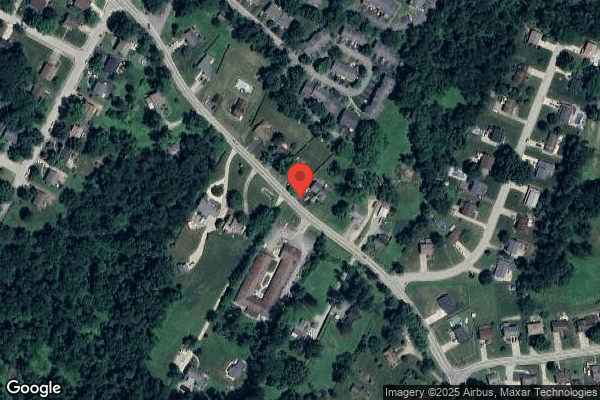
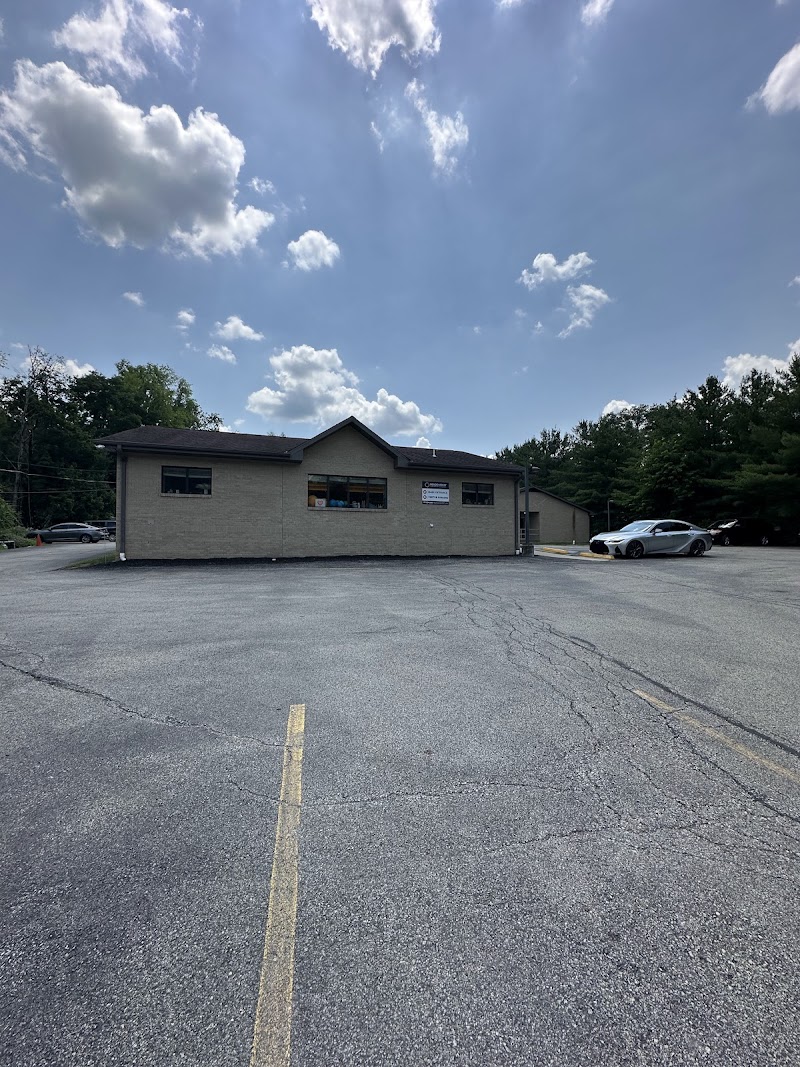
1200 BRAUN ROAD, BETHEL PARK, PA 15102 (412) 854-5500
For profit - Limited Liability company 50 Beds CENTURY HEALTHCARE Data: November 2025
Trust Grade
65/100
#313 of 653 in PA
Last Inspection: April 2025

Within standard 12-15 month inspection cycle. Federal law requires annual inspections.

Overview

Meadowcrest Rehabilitation & Healthcare Center has a Trust Grade of C+, which indicates that it is slightly above average but still has room for improvement. It ranks #313 out of 653 facilities in Pennsylvania, placing it in the top half of nursing homes in the state, and #15 out of 52 in Allegheny County, meaning only a few local options are better. However, the facility is worsening, with the number of reported issues increasing from 7 in 2024 to 9 in 2025. Staffing is considered a strength, receiving a 3-star rating with a turnover rate of 47%, which is average for Pennsylvania, and there is more RN coverage than 95% of state facilities, ensuring better oversight for residents. While there are no fines on record, there have been concerns regarding staff training and dietary needs, including failures to provide necessary training for all staff members and not meeting the dietary restrictions for residents with serious health conditions. Additionally, some residents did not receive their selected menu items, which could impact their overall satisfaction and health.

Trust Score
C+
65/100
In Pennsylvania
#313/653
Top 47%
Safety Record
Low Risk
No red flags
Inspections
Getting Worse
7 → 9 violations
Staff Stability
⚠ Watch
47% turnover. Above average. Higher turnover means staff may not know residents' routines.
Penalties
✓ Good
No fines on record. Clean compliance history, better than most Pennsylvania facilities.
Skilled Nurses
✓ Good
Each resident gets 68 minutes of Registered Nurse (RN) attention daily — more than 97% of Pennsylvania nursing homes. RNs are the most trained staff who catch health problems before they become serious.
Violations
⚠ Watch
19 deficiencies on record. Higher than average. Multiple issues found across inspections.
★★★☆☆
3.0
Overall Rating
★★★☆☆
3.0
Staff Levels
★★☆☆☆
2.0
Care Quality
★★★☆☆
3.0
Inspection Score
Stable
2024: 7 issues
2025: 9 issues

The Good

  • Full Sprinkler Coverage · Fire safety systems throughout facility
  • No fines on record

Facility shows strength in fire safety.

The Bad

3-Star Overall Rating

Near Pennsylvania average (3.0)

Meets federal standards, typical of most facilities

Staff Turnover: 47%

Near Pennsylvania avg (46%)

Higher turnover may affect care consistency

Chain: CENTURY HEALTHCARE

Part of a multi-facility chain

Ask about local staffing decisions and management

The Ugly 19 deficiencies on record

Jul 2025 3 deficiencies
CONCERN (D) 📢 Someone Reported This

A family member, employee, or ombudsman was alarmed enough to file a formal complaint

Potential for Harm - no one hurt, but risky conditions existed

Deficiency F0694 (Tag F0694)

Could have caused harm · This affected 1 resident

**NOTE- TERMS IN BRACKETS HAVE BEEN EDITED TO PROTECT CONFIDENTIALITY** Based on review of facility policies and documents, clinical records, and staff interviews, it was determined that the facility ...

Read full inspector narrative →
**NOTE- TERMS IN BRACKETS HAVE BEEN EDITED TO PROTECT CONFIDENTIALITY** Based on review of facility policies and documents, clinical records, and staff interviews, it was determined that the facility failed to provide prescribed treatment and services related to the care of a PICC line (peripherally inserted central catheter, a long, thin, flexible tube inserted into a vein in the upper arm and threaded into a large vein near the heart) for one of two residents (Resident R1).The facility policy Midline Dressing Changes dated 1/4/25, indicated to Change midline catheter dressing 24 hours after catheter insertion, every 5-7 days, or if it is wet, dirty, not intact, or compromised in any way. Review of the clinical record indicated Resident R1 was admitted to the facility on [DATE]. Review of the facility diagnosis list included diabetes (a metabolic disorder in which the body has high sugar levels for prolonged periods of time) and sepsis (infection in the bloodstream). Review of the nursing admission assessment completed on 7/13/25, at 11:03 p.m. indicated Resident R1 had a PICC inserted in his right arm. Review of a physician's order dated 7/16/25, indicated Change PICC dressing and caps every 7 days, every day shift every Wed (Wednesday). Review of Resident R1's July 2025 TAR (treatment administration record) for this order, revealed that Licensed Practical Nurse Employee E1 documented that the dressing was changed on 7/16/25. During an observation on 7/22/25, at 1:22 p.m. it was noted that Resident R1's PICC dressing was dated 7/11/25. During an observation on 7/22/25, at 1:35 p.m. Registered Nurse Employee E1 confirmed Resident R1's PICC dressing was dated 7/11/25. During an interview on 7/22/25, at approximately 2:00 p.m. the Nursing Home Administrator confirmed that the facility failed to provide prescribed treatment and services related to the care of a PICC line for one of two residents. 28 Pa. Code 201.14(a) Responsibility of licensee. 28 Pa. Code 201.18(b)(1)(3) Management. 28 Pa. Code 211.10(c)(d) Resident care policies. 28 Pa. Code 211.12(d)(1)(3) Nursing services.
CONCERN (E) 📢 Someone Reported This

A family member, employee, or ombudsman was alarmed enough to file a formal complaint

Potential for Harm - no one hurt, but risky conditions existed

Deficiency F0800 (Tag F0800)

Could have caused harm · This affected multiple residents

**NOTE- TERMS IN BRACKETS HAVE BEEN EDITED TO PROTECT CONFIDENTIALITY** Based on a review of clinical records, and staff interviews it was determined the facility failed to meet the dietary needs for ...

Read full inspector narrative →
**NOTE- TERMS IN BRACKETS HAVE BEEN EDITED TO PROTECT CONFIDENTIALITY** Based on a review of clinical records, and staff interviews it was determined the facility failed to meet the dietary needs for three of eight residents (Resident R2, R3, and R4). Findings include: Review of Resident R2's record indicated the resident was admitted to the facility on [DATE]. Review of the facility diagnosis list included diagnoses of heart failure (a progressive heart disease that affects pumping action of the heart muscles), chronic kidney disease (gradual loss of kidney function), and high blood pressure. Review of Resident R2's hospital discharge paperwork dated 7/11/25, indicated Diet Rx: Cardiac, 2 gm NA (diet that restricts sodium intake to 2000 milligrams daily, often recommended for patients with heart failure, high blood pressure, and other conditions where fluid retention is a concern). Review of the admission Assessment completed on 7/11/25, at 8:25 p.m. revealed that the box for 2 gm NA was not checked. Review of Resident R2's current physician orders on 7/22/25, failed to include a diet order. At approximately 1:00 p.m. a copy of Resident R2's diet order was requested of facility administration. Review of a diet order created on 7/22/25, at 1:28 p.m. indicated Resident R2 received a Regular Diet (no restrictions). During an interview on 7/22/25, at 1:34 p.m. the Nursing Home Administrator was informed that the Resident R2, per hospital discharge paperwork, was to be provided a sodium-restricted diet. Review of a diet order created on 7/22/25, at 1:39 p.m. indicated Resident R2 received a NAS (no added salt) diet. Review of Resident R3's record indicated the resident was admitted to the facility on [DATE]. Review of the minimum data set (MDS, periodic assessment of resident care needs) included diagnoses of chronic obstructive pulmonary disease (COPD, a group of progressive lung disorders characterized by increasing breathlessness), pulmonary fibrosis (group of lung diseases characterized by scarring of the lung tissue), and high blood pressure. Review of the admission Assessment completed on 7/1/25, at 8:25 p.m. revealed that the box for Regular was checked. Review of Resident R3's current physician orders on 7/22/25, failed to include a diet order. Review of Resident R4's record indicated the resident was admitted to the facility on [DATE]. Review of the facility diagnosis list included diagnoses of muscle weakness and gait abnormalities. Review of the admission Assessment completed on 7/23/25, at 8:25 p.m. revealed that the box for Controlled Carbohydrate was checked. Review of Resident R4's hospital discharge paperwork dated 7/11/25, indicated Diet : Cardiac; Moderate Carb; 2 gm NA; 1800 fluid. Review of Resident R4's current physician orders on 7/22/25, failed to include a diet order until 7/22/25 Interview on 7/25/25, at 2:00 p.m. the Nursing Home Administrator confirmed the facility failed to meet the dietary needs for three of eight residents. 28 Pa. Code: 201.18(b)(1)(e)(1) Management 28 Pa. Code: 201.12(d)(1)(3)(5) Nursing services 28 Pa. Code: 201.1(i)Resident rights. 28 Pa Code: 211.6(c)(d) Dietary Services
CONCERN (E) 📢 Someone Reported This

A family member, employee, or ombudsman was alarmed enough to file a formal complaint

Potential for Harm - no one hurt, but risky conditions existed

Deficiency F0806 (Tag F0806)

Could have caused harm · This affected multiple residents

**NOTE- TERMS IN BRACKETS HAVE BEEN EDITED TO PROTECT CONFIDENTIALITY** Based on a review of facility policy, resident choice menu selections, and meal observations, it was determined that the facilit...

Read full inspector narrative →
**NOTE- TERMS IN BRACKETS HAVE BEEN EDITED TO PROTECT CONFIDENTIALITY** Based on a review of facility policy, resident choice menu selections, and meal observations, it was determined that the facility failed to provide resident selected menu items for four of nine residents (Resident R5, R6, R7, and R8). Findings include: Review of the facility policy, Resident Food Preferences dated 1/4/25, indicated Individual food preferences will be assessed upon admission and communicated to the interdisciplinary team. Review of Resident R5's admission record indicated the resident was admitted to the facility on [DATE]. Review of the facility diagnosis list included diagnoses of Salmonella sepsis (a severe, life-threatening infection where Salmonella bacteria enter the bloodstream and spread throughout the body) and a skin abscess (localized collection of pus within the skin). Review of Resident R5's hospital referral dated 7/2/25, noted 38 times that Resident R5 has a history of celiac disease (an illness caused by an immune reaction to eating gluten. Gluten is a protein found in foods containing wheat, barley or rye). Review of Resident R5's admission assessment dated [DATE], revealed the box for gluten resistant to be unchecked. Review of a physician's order dated 7/3/25, indicated Resident R5 was to receive a Controlled Carbohydrate diet, Regular texture, Thin/ Regular consistency. Review of the Diet Order & Communication slip (a hand-completed communication slip from nursing to the dietary department completed upon admission/readmission or change) failed to include information related to gluten intolerance/ celiac disease. Review of Resident R5's meal slips failed to include information related to gluten intolerance/ celiac disease. During a lunch meal observation, on 7/22/25, the following was observed: Resident R6 was observed to have eaten his side items but had left piece of chicken untouched on his plate. Observation of Resident R6's meal ticket indicated a dislike of chicken. Resident R7 was observed to have her meal served on a normal plate. Observation of Resident R7's meal ticket indicated she was to receive her food in plastic bowls. Resident R8 was observed to have her rice with her noon meal. During an interview at this time, Resident R8 stated she had requested mashed potatoes, as she does not like rice. Additionally, Resident R8 stated that she consistently receives bananas. Resident R8's roommate confirmed that Resident R8 receives bananas frequently. Observation of Resident R8's meal ticket indicated she has an allergy to bananas and an dislike of rice. During an interview on 7/22/25, at approximately 2:00 p.m. Nursing Home Administrator confirmed that the facility failed to provide food items selected by the residents for four of nine residents. 28 Pa Code: 211.6(a) Dietary service.
Apr 2025 6 deficiencies
CONCERN (D)

Potential for Harm - no one hurt, but risky conditions existed

Pressure Ulcer Prevention (Tag F0686)

Could have caused harm · This affected 1 resident

**NOTE- TERMS IN BRACKETS HAVE BEEN EDITED TO PROTECT CONFIDENTIALITY** Based on review of facility policy, clinical records, observation, and interviews with staff, it was determined that the facilit...

Read full inspector narrative →
**NOTE- TERMS IN BRACKETS HAVE BEEN EDITED TO PROTECT CONFIDENTIALITY** Based on review of facility policy, clinical records, observation, and interviews with staff, it was determined that the facility failed to make certain residents were provided necessary treatment and services, consistent with professional standards of practice, for a pressure ulcer (PU/PIs- injuries to skin and underlying tissue resulting from prolonged pressure on the skin) for one of four residents (Resident R27). Findings include: Review of facility's policy, Prevention of Pressure Ulcers/Injuries dated 1/4/25, indicated for staff to review the resident's care plan and identify the risk factors as well as the interventions designed to reduce or eliminate those considered modifiable. Review of the clinical record revealed that Resident R27 was admitted to the facility on [DATE]. Review of the admission assessment dated [DATE], indicated Resident R27 was admitted with pressure ulcers on his left and right heels. Review of Resident R27's Minimum Data Set (MDS, periodic assessment of resident care needs) dated 3/29/25, included diagnoses of metabolic encephalopathy (alteration in consciousness caused by a chemical imbalance affecting the brain) and muscle weakness. Review of Section M: Skin Conditions indicated the presence of a Stage III (full-thickness skin loss) pressure ulcer. Review of Resident R27's care plan initiated 3/27/25, revealed a plan of care developed for the risk that Resident R27 may develop an alteration of skin integrity, but with no plan of care developed with goals and interventions related to Resident R27 having an actual pressure ulcer. Review of a physician order dated 3/28/25, through 4/2/25, indicated to cleanse the left heel wound with wound cleanser then apply Alginate dressing (wound dressing derived from seaweed) and border gauze. Review of a physician order dated 4/3/25, indicated to cleanse the left heel wound with wound cleanser, apply medihoney (medical honey used as an antimicrobial) to wound base, then apply alginate dressing and border gauze. Review of Resident R27 ' s treatment administration record from 3/28/25, through 4/30/25, revealed no documentation of refusals of dressing changes and revealed the following dates without wound treatment documented as completed: 3/28/25, 4/2/25, 4/9/25, 4/13/25, 4/25/25, and 4/27/25. Review of Resident R27 ' s progress notes failed to reveal documentation of a reason for the dressings not to have been completed. During an interview on 4/30/25, at approximately 12:45 p.m. the Nursing Home Administrator and the Director of Nursing confirmed that the facility failed to make certain residents were provided necessary treatment and services, consistent with professional standards of practice, for a pressure ulcer for one of four residents. 28 Pa. Code 211.12(d)(5) Nursing services.
CONCERN (D)

Potential for Harm - no one hurt, but risky conditions existed

Accident Prevention (Tag F0689)

Could have caused harm · This affected 1 resident

**NOTE- TERMS IN BRACKETS HAVE BEEN EDITED TO PROTECT CONFIDENTIALITY** Based on review of facility documentation and staff interviews, it was determined that the facility failed to provide a safe env...

Read full inspector narrative →
**NOTE- TERMS IN BRACKETS HAVE BEEN EDITED TO PROTECT CONFIDENTIALITY** Based on review of facility documentation and staff interviews, it was determined that the facility failed to provide a safe environment for one of two residents (Resident R22). Findings include: Review of information published by the American Cancer Society dated 11/22/19, indicated, Chemotherapy drugs are considered to be hazardous to people who handle them or come into contact with them. For patients, this means the drugs are strong enough to damage or kill cancer cells. But this also means the drugs can be a concern for others who might be exposed to them. Flush the toilet twice after you use it. Put the lid down before flushing to avoid splashing. If possible, you may want to use a separate toilet during this time. If this is not possible, wear gloves to clean the toilet seat after each use. Review of the Facility Assessment dated 1/4/25, indicated in the previous twelve months, the facility had cared for zero residents that received chemotherapy. Review of the clinical record indicated Resident R22 was admitted to the facility on [DATE]. Review of the Minimum Data Set (MDS - periodic assessment of resident care needs) dated 3/26/25, included diagnoses of urinary tract infection and dementia (a group of symptoms that affects memory, thinking and interferes with daily life). Review of the clinical record indicated Resident R96 was admitted to the facility on [DATE]. Review of the MDS dated [DATE], included diagnoses of osteoporosis (condition when the bones become brittle and fragile), muscle weakness, and high calcium in the blood. Review of a physician ' s note dated 4/8/25, indicated that awaited lab results indicated Resident R96 had been diagnosed with B-cell lymphoma (a group of cancers that attack the immune system). Review of a physician order dated 4/25/25, indicated, FLUSH TOILET TWICE WITH LID DOWN every shift for CHEMO (chemotherapy, drug treatment that uses powerful chemicals to kill fast-growing cells in the body). Review of Resident R96's [NAME] (document that outlines the patients ' ADLs, continence levels, and behaviors, as well as physician, advanced directives, diet, and allergies) failed to include information related to flushing the toiled after use by Resident R96. During an observation of the shared restroom on 4/29/25, at 10:00 a.m. revealed the commode was not equipped with a lid. Above the commode was a handwritten sign stating to flush the toilet twice with the lid closed. During an interview on 4/30/25, at 10:45 a.m. NA Employee E1 confirmed that R96 did not use the common restroom, but did confirm that Resident R22 and R96 both use the commode. When asked about the sign indicating closing the lid, NA Employee E1 stated she didn ' t really understand the sign as the lid is always closed and they usually only flush once since it takes a long time to refill. At this time, NA Employee E1 motioned to the lid of the reservoir tank. During an interview on 4/30/25, at 10:52 a.m. NA Employee E2 when asked about closing the sign indicating closing the lid, NA Employee E2 stated they were just told about his two days ago and confirmed that she did not understand how to close the lid when there wasn ' t a lid to close. At this time, both NA Employees E1 and E2 confirmed the facility did not provide education to them on how to appropriately dispose of Resident R96 ' s waste and how to prevent possible exposure of chemotherapy drug waste to Resident R22. During an interview on 4/30/25, at approximately 12:45 p.m. the Nursing Home Administrator and the Director of Nursing confirmed the facility failed to provide a safe environment for one of two residents. 28 Pa. Code 201.18(e)(1) Management. 28 Pa. Code 201.29(a)(c)(d) Resident rights.
CONCERN (E) 📢 Someone Reported This

A family member, employee, or ombudsman was alarmed enough to file a formal complaint

Potential for Harm - no one hurt, but risky conditions existed

Notification of Changes (Tag F0580)

Could have caused harm · This affected multiple residents

**NOTE- TERMS IN BRACKETS HAVE BEEN EDITED TO PROTECT CONFIDENTIALITY** Based on review of clinical records and resident and staff interviews, it was determined that the facility failed to the notify ...

Read full inspector narrative →
**NOTE- TERMS IN BRACKETS HAVE BEEN EDITED TO PROTECT CONFIDENTIALITY** Based on review of clinical records and resident and staff interviews, it was determined that the facility failed to the notify resident representative and/or medical provider of a change in condition or care for three of ten residents (Resident R41, R100, and R143). Findings include: The Long-Term Care Facility Resident Assessment Instrument (RAI) User's Manual, which provides instructions and guidelines for completing required Minimum Data Set (MDS) assessments (mandated assessments of a resident's abilities and care needs), dated October 2024, indicated that a BIMS (Brief Interview of Mental Status) is a brief screener that aids in detecting cognitive impairment. Scores from a BIMS assessment suggests the following distributions: 13 - 15: cognitively intact 8 - 12: moderately impaired 0 - 7: severe impairment Review of the clinical record indicated Resident R41 was admitted to the facility on [DATE]. Review of Resident R41's Minimum Data Set (MDS - periodic assessment of resident care needs) dated 1/16/25, included diagnoses of cirrhosis (chronic damage leading to scarring and failure) of the liver and hip fracture. Review of Resident R41's demographic profile indicated his son as his emergency contact. Review of a progress note dated 2/2/25, at 2:15 a.m. indicated, C/O (complained of) being cold. Has multiple blankets on. States he is unwilling to go hospital, despite reporting being sick all day. Review of a progress note dated 2/2/25, at 3:30 a.m. indicated, Continues to c/o being cold. Requesting prn oxycodone. Given 0330. States it helps him relax and sleep. Review of a progress note dated 2/2/25, at 6:08 a.m. indicated, Called by CNA (nurse aide) doing rounds 0510 (5:10 a.m.). Resident without pulse BP (blood pressure) or respiration, neg vs (vital signs) on recheck, pupils fixed and dilated. Pronounce (5:10 a.m.). Son notified 0515 (5:15 a.m.)., [Physician] notified 0600 (6:00 a.m.). Waiting for family to return call with name of mortuary service. Review of progress notes failed to reveal a notification to the provider of Resident R41 feeling unwell all day and of excessive feelings of cold. Review of the clinical record indicated Resident R100 was admitted to the facility on [DATE]. Review of Resident R100's MDS dated [DATE], included diagnoses of schizophrenia (a mental disorder characterized by delusions, hallucinations, disorganized speech and behavior) and paraplegia (paralysis of the legs and lower body, typically caused by spinal injury or disease). Review of the most recent BIMS assessment completed on 11/26/24, revealed a BIMS score of 05. Review of Resident R100's demographic profile indicated her sister as her emergency contact, legal guardian, and responsible party. Review of a physician order dated 2/10/25, indicated Resident R100 had a new order for a pureed diet. Resident R100 had previously had a mechanical soft diet. Review of a progress note dated 2/12/25, at 9:07 p.m. indicated, Residents sisters were in throughout the day. Sister has many questions concerning what resident ' s medications, when started, and why she is taking them. Questioning reason for changing to a pureed diet and why this sister did not receive a phone call to inform her of the change. Review of the clinical record indicates resident R143 was admitted to the facility on [DATE]. Review of the facility diagnosis list included diagnoses of chronic obstructive pulmonary disease (COPD, a group of progressive lung disorders characterized by increasing breathlessness), lung cancer, and dementia (a group of symptoms that affects memory, thinking and interferes with daily life) without behavioral disturbance. Review of Resident R143's demographic profile indicated her granddaughter as her emergency contact, legal guardian, and responsible party. Review of a physician order dated 4/8/25, indicated, Send to [hospital emergency room] for evaluation due to AMS (altered mental status), wandering, refusing to take medications. Review of a progress note dated 4/8/25, at 8:49 a.m. indicated, As this writer approached the nurses station as the resident was going out the side door, the doctor came. She walked up to the physician, became verbally and physically aggressive. at that time, the doctor stated to send the patient to the emergency department as she is exhibiting behavior trying to exit the building and for her safety she needed to be in a locked or protected unit. He ordered her to go to [hospital] as he said that [hospital] has a good psych department. Review of a progress note dated 4/8/25, at 5:14 p.m. indicated, [hospital] called again and this writer spoke with another nurse in re: resident reason for being sent to their hospital. I explained and once again, the nurse stated you have to fill out a 302 paper and she is a resident at your facility and I ' m calling the Health Department and hung up. Review of family submitted information dated 4/9/25, indicated that the faciltiy transferred Resident R143 to the hospital without family notification. Review of Resident R143's progress notes failed to reveal a notification to Resident R143's emergency contact regarding the transfer to the hospital. During an interview on 4/30/25, at approximately 12:45 p.m. the Nursing Home Administrator and the Director of Nursing confirmed the facility failed to notify the resident representative and/or medical provider of a change in condition or care for three of ten residents. 28 Pa. Code 201.18 (b)(1) Management. 28 Pa. Code 201.29(d) Resident rights. 28 Pa. Code 211.10 (c)(d) Resident care policies. 28 Pa. Code 211.12 (d)(1)(2)(3)(5) Nursing services.
CONCERN (E)

Potential for Harm - no one hurt, but risky conditions existed

Assessment Accuracy (Tag F0641)

Could have caused harm · This affected multiple residents

Based on review of the Resident Assessment Instrument User's Manual and clinical records, and staff interview, it was determined that the facility failed to make certain that comprehensive Minimum Dat...

Read full inspector narrative →
Based on review of the Resident Assessment Instrument User's Manual and clinical records, and staff interview, it was determined that the facility failed to make certain that comprehensive Minimum Data Set assessments were accurate and fully completed for four of eight residents (Resident R2, R9. R12, and R31). Findings include: The Long-Term Care Facility Resident Assessment Instrument (RAI) User's Manual, which gives instructions for completing Minimum Data Set Assessments (MDS - periodic assessment of care needs) dated October 2024, indicated that Section C: Cognitive Patterns, Question C0100 Should Brief Interview for Mental Status Be Conducted? (BIMS) should be coded as 0 if the resident is rarely/never understood, or it should be coded 1, and the BIMS assessment should be completed if the resident is at least sometimes understood. Section D: Mood, Question D0100 Should Resident Mood Interview Be Conducted? should be coded as 0 if the resident is rarely/never understood, and or it should be coded 1, and the assessment should be completed if the resident is at least sometimes understood. Resident R2 had an MDS completed on 2/1/25. Review of Section B: Hearing, Speech, and Vision indicated Resident R2 was not in a persistent vegetative state/no discernible consciousness. The remainder of the questions in this section were documented as Not Assessed. Review of Sections C: Cognitive Patterns and Section D: Mood, BIMS and Resident Mood Interview indicated all questions were documented as Not Assessed. Resident R9 had an MDS completed on 3/11/25. Review of Section B: Hearing, Speech, and Vision indicated Resident R9 was not in a persistent vegetative state/no discernible consciousness. The remainder of the questions in this section were documented as Not Assessed. Review of Sections C: Cognitive Patterns and Section D: Mood, BIMS and Resident Mood Interview indicated all questions were documented as Not Assessed. Resident R12 had an MDS completed on 1/21/25. Review of Section B: Hearing, Speech, and Vision, Question B0700 indicated that Resident R29 is usually understood. Review of Sections C: Cognitive Patterns and Section D: Mood, revealed for the BIMS and Resident Mood Interview all questions were documented as Not Assessed. Resident R31 had an MDS completed on 1/17/25. Review of Section B: Hearing, Speech, and Vision, Question B0700 indicated that Resident R31 is understood. Review of Sections C: Cognitive Patterns and Section D: Mood, revealed for the BIMS and Resident Mood Interview all questions were documented as Not Assessed. During an interview on 4/30/25, at approximately 1:00 p.m. the Nursing Home Administrator confirmed that the facility failed to make certain that comprehensive Minimum Data Set assessments were accurate and fully completed for four of eight residents. 28 Pa. Code: 211.5(f) Clinical records.
CONCERN (E)

Potential for Harm - no one hurt, but risky conditions existed

Comprehensive Care Plan (Tag F0656)

Could have caused harm · This affected multiple residents

**NOTE- TERMS IN BRACKETS HAVE BEEN EDITED TO PROTECT CONFIDENTIALITY** Based on a review of facility policy, clinical records, and staff interview, it was determined that the facility failed to devel...

Read full inspector narrative →
**NOTE- TERMS IN BRACKETS HAVE BEEN EDITED TO PROTECT CONFIDENTIALITY** Based on a review of facility policy, clinical records, and staff interview, it was determined that the facility failed to develop care plans that included instructions to provide person centered care for three of eight residents (Residents R20, R27, and R96). Findings include: Review of facility's policy Comprehensive Assessments and Care Delivery Process dated 1/4/25, indicated comprehensive assessments, care planning, and the care delivery process involve collecting and analyzing information, choosing and initiating interventions, and then monitoring results and adjusting interventions. Review of the clinical record revealed that Resident R20 was admitted to the facility on [DATE]. Review of Resident R20's Minimum Data Set (MDS - periodic assessment of resident care needs) dated 1/31/25, included diagnoses of diabetes (a metabolic disorder in which the body has high sugar levels for prolonged periods of time) and bipolar disorder (mental illness that causes unusual shifts in a person's mood, energy, activity levels, and concentration). Review of a physician order dated 12/25/19, indicated Resident R20 received Lexapro (an antidepressant medication) 20 milligrams (mg) at bedtime related for depression. Review of a physician order dated 10/11/23, indicated Resident R20 received Aripiprazole (an antipsychotic medication) 2.5 mg per day related to bipolar disorder. Review of a physician order dated 2/28/24, indicated Resident R20 received Wellbutrin XL (an antidepressant medication) 150 mg per day related for depression. Review of Resident R20's current care plan, most recently reviewed 4/9/25, failed to reveal a plan of care developed with goals and interventions related to the use of antidepressant and antipsychotic medications. Review of the clinical record revealed that Resident R27 was admitted to the facility on [DATE]. Review of the admission assessment dated [DATE], indicated Resident R27 was admitted with pressure ulcers (localized damage to the skin and underlying soft tissue usually over a bony prominence or related to a medical or other device) on his left and right heels. Review of Resident R27's MDS dated [DATE], included diagnoses of metabolic encephalopathy (alteration in consciousness caused by a chemical imbalance affecting the brain) and muscle weakness. Review of Section M: Skin Conditions indicated the presence of a Stage III (full-thickness skin loss) pressure ulcer. Review of Resident R27's care plan initiated 3/27/25, revealed a plan of care developed for the risk that Resident R27 may develop an alteration of skin integrity, but with no plan of care developed with goals and interventions related to Resident R27 having an actual pressure ulcer. Review of the clinical record indicated Resident R96 was admitted to the facility on [DATE]. Review of the MDS dated [DATE], included diagnoses of osteoporosis (condition when the bones become brittle and fragile), muscle weakness, and high calcium in the blood. Review of Section C: Cognitive Patterns revealed that Resident R96 had no cognitive deficits. During an interview and observation on 4/29/25, at 10:20 a.m., Resident R96 was observed to have a medicine cup with a a visibly wet pill in it. Resident R96 stated that it takes a long time for her to get her medication down, so she takes them one at a time. Review of Resident R96's care plan initiated 4/1/25, failed to reveal a plan of care developed for the self-administration of medication. During an interview on 4/30/25, at approximately 12:45 p.m. the Nursing Home Administrator and the Director of Nursing confirmed that the facility failed to ensure that a comprehensive resident care plan was complete for resident care needs for three of eight residents. 28 Pa. Code 211.12(d)(5) Nursing services.
CONCERN (E)

Potential for Harm - no one hurt, but risky conditions existed

Deficiency F0940 (Tag F0940)

Could have caused harm · This affected multiple residents

**NOTE- TERMS IN BRACKETS HAVE BEEN EDITED TO PROTECT CONFIDENTIALITY** Based on review of facility documentation and staff interviews, it was determined that the facility failed to develop, implement...

Read full inspector narrative →
**NOTE- TERMS IN BRACKETS HAVE BEEN EDITED TO PROTECT CONFIDENTIALITY** Based on review of facility documentation and staff interviews, it was determined that the facility failed to develop, implement, and maintain an effective training program, including additional training topics based on the resident population, outcome of the facility assessment, or non-common procedures for two of four Nurse Aides (NA) (Employee E1 and E2). Findings include: Review of information published by the American Cancer Society dated 11/22/19, indicated, Chemotherapy drugs are considered to be hazardous to people who handle them or come into contact with them. For patients, this means the drugs are strong enough to damage or kill cancer cells. But this also means the drugs can be a concern for others who might be exposed to them. Flush the toilet twice after you use it. Put the lid down before flushing to avoid splashing. If possible, you may want to use a separate toilet during this time. If this is not possible, wear gloves to clean the toilet seat after each use. Review of the Facility Assessment dated 1/4/25, indicated in the previous twelve months, the facility had not cared for residents that received chemotherapy. Review of the facility policy, Staff Development Program dated 1/4/25, indicated one of the primary purposes of the facility's in-service training program is to provide up-to-date information that will assist in providing quality care. Review of the clinical record indicated Resident R96 was admitted to the facility on [DATE]. Review of the Minimum Data Set (MDS - periodic assessment of resident care needs) dated 4/5/25, included diagnoses of osteoporosis (condition when the bones become brittle and fragile), muscle weakness, and high calcium in the blood. Review of a physician's note dated 4/8/25, indicated that awaited lab results indicated Resident R96 had been diagnosed with B-cell lymphoma (a group of cancers that attack the immune system). Review of a physician order dated 4/25/25, indicated, FLUSH TOILET TWICE WITH LID DOWN. Review of Resident R96's [NAME] (document that outlines the patients' ADLs, continence levels, and behaviors, as well as physician, advanced directives, diet, and allergies) failed to include information related to flushing the toilet after use by Resident R96. During an observation of 4/29/25, at 9:59 a.m. of Resident R22's room revealed that it shared a restroom with Resident R96's room. During an observation of the shared restroom on 4/29/25, at 10:00 a.m. revealed the commode was not equipped with a lid. Above the commode was a handwritten sign stating to flush the toilet twice with the lid closed. During an interview on 4/30/25, at 10:45 a.m. NA Employee E1 confirmed that Resident R22 and R96 both use the commode. When asked about closing the sign indicating closing the lid, NA Employee E1 stated she didn't really understand the sign as the lid is always closed and they usually only flush once since it takes a long time to refill. At this time, NA Employee E1 motioned to the lid of the reservoir tank. During an interview on 4/30/25, at 10:52 a.m. NA Employee E2 when asked about closing the sign indicating closing the lid, NA Employee E2 stated they were just told about his two days ago and confirmed that she did not understand how to close the lid when there wasn't a lid to close. At this time, both NA Employees E1 and E2 confirmed the facility did not provide education to them on how to appropriately dispose of Resident R96's waste and how to prevent possible exposure of chemotherapy drug waste to Resident R22. During an interview on 4/30/25, at approximately 12:45 p.m. the Nursing Home Administrator and the Director of Nursing confirmed the care of chemotherapy patients had not been a common requirement in the facility, confirmed that the facility did not provide education to staff on the appropriate way to prevent possible exposure of chemotherapy drug waste to other residents, and further confirmed that the facility failed to develop, implement, and maintain an effective training program, including additional training topics based on the resident population, outcome of the facility assessment, or non-common procedures for two of four nurse aides. 28 Pa. Code 201.19(7) Personnel policies and procedures.
May 2024 7 deficiencies
CONCERN (D)

Potential for Harm - no one hurt, but risky conditions existed

Assessment Accuracy (Tag F0641)

Could have caused harm · This affected 1 resident

**NOTE- TERMS IN BRACKETS HAVE BEEN EDITED TO PROTECT CONFIDENTIALITY** Based on a review of Resident Assessment Instrument (RAI) User's Manual, clinical records and staff interviews, it was determine...

Read full inspector narrative →
**NOTE- TERMS IN BRACKETS HAVE BEEN EDITED TO PROTECT CONFIDENTIALITY** Based on a review of Resident Assessment Instrument (RAI) User's Manual, clinical records and staff interviews, it was determined that the facility failed to ensure that MDS assessments accurately reflected the resident's status for one of three residents (Resident R23). Findings include: The Resident Assessment Instrument (RAI) User's Manual, which gives instructions for completing Minimum Data Set (MDS - mandated assessments of a resident's abilities and care needs), dated October 2023, indicated the following instructions: -Section O: Special Treatments, Procedures, and Programs: Check all of the following treatments, procedures, and programs that were performed during the last 14 days. Review of the clinical record indicated Resident R23 was re-admitted to the facility on [DATE], with diagnoses that included moderate intellectual disabilities, dementia (loss of cognitive functioning - thinking, remembering, and reasoning - to such an extent that it interferes with a person's daily life and activities), and anxiety. Review of the MDS dated [DATE], confirmed Resident R23's diagnoses remain current. Review of Section O: Special Treatments, Procedures, and Programs, Question O100 K1 Hospice Care, indicated that Resident R23 did not receive hospice services while a resident at the facility. Review of a physician's order dated 12/14/23, indicated Resident R23 was admitted to hospice services. During an interview on 5/16/24, at 1:32 p.m. the Registered Nurse Assessment Coordinator (RNAC) Employee E13 confirmed that the MDS assessment was not completed accurately. 28 Pa. Code: 211.12(d)(1)(2)(3)(5) Nursing Services.
CONCERN (D)

Potential for Harm - no one hurt, but risky conditions existed

Deficiency F0761 (Tag F0761)

Could have caused harm · This affected 1 resident

**NOTE- TERMS IN BRACKETS HAVE BEEN EDITED TO PROTECT CONFIDENTIALITY** Based on review of facility policy, observation, and staff interview, it was determined that the facility failed to prevent food...

Read full inspector narrative →
**NOTE- TERMS IN BRACKETS HAVE BEEN EDITED TO PROTECT CONFIDENTIALITY** Based on review of facility policy, observation, and staff interview, it was determined that the facility failed to prevent food items from being stored in a medication refrigerator in one of two medication rooms ([NAME] Nursing Unit). Findings include: Review of the facility policy Medication Labeling and Storage dated 3/21/23 and 1/4/24, indicated medications requiring refrigeration are stored in a refrigerator located in the medication room at the nurses' station or other secured location. Medications are stored separately from food and are labeled accordingly. During an observation on 5/15/24, at 1:35 p.m. revealed the following two Fuji brand water bottles, one [NAME] sparking water bottle, and one small carton of whole milk stored in the medication refrigerator in the [NAME] Nursing Unit medication room. During an interview on 5/16/24, at 1:38 p.m. the Registered Nurse Employee E13 confirmed food and drinks should not be stored in the medication refrigerator. During an interview on 5/16/24, at 2:00 p.m. the Nursing Home Administrator and Director of Nursing confirmed the facility failed to prevent food items from being stored in a medication refrigerator on [NAME] Nursing Unit. 28 Pa Code: 211.9 (a) Pharmacy services. 28 Pa code: 211.12 (d) (1) (5) Nursing services.
CONCERN (E)

Potential for Harm - no one hurt, but risky conditions existed

Deficiency F0578 (Tag F0578)

Could have caused harm · This affected multiple residents

**NOTE- TERMS IN BRACKETS HAVE BEEN EDITED TO PROTECT CONFIDENTIALITY** Based on review of the facility policy, clinical records, and staff interviews it was determined that the facility failed to pro...

Read full inspector narrative →
**NOTE- TERMS IN BRACKETS HAVE BEEN EDITED TO PROTECT CONFIDENTIALITY** Based on review of the facility policy, clinical records, and staff interviews it was determined that the facility failed to provide the opportunity to formulate an advance directive (written instructions such as a living will or durable power of attorney for health care for when the individual is incapacitated) for five of six residents reviewed (Resident R1, R2, R12, R20, and R35) Findings Include: A review of the facility policy Advanced Directives reviewed 3/21/23 and 1/4/2024, indicated advance directives will be respected in accordance with state law and facility policy. Upon admission, the resident will be provided with written information concerning the right to refuse or accept medical or surgical treatment and to formulate an advance directive if he or she chooses to do so. A review of the clinical record indicated Resident R1 was re-admitted to the facility on [DATE], with diagnoses that included diabetes, Non- ST Elevation Myocardial Infarction (NSTEMI- type of heart attack that usually happens when your heart ' s need for oxygen can ' t be met), and congestive heart failure (CHF - the heart is unable to pump blood throughout the body efficiently). A review of the clinical record failed to reveal an advance directive or documentation that Resident R1 was given the opportunity to formulate an Advanced Directive. A review of the clinical record indicated Resident R2 was admitted to the facility on [DATE], with diagnoses that include cerebral palsy (group of disorders that affect a person ' s ability to move and maintain balance and posture), functional quadriplegia (the complete inability to move due to severe disability or frailty caused by another medical condition without physical injury or damage to the spinal cord), and high blood pressure. A review of the clinical record failed to reveal an advance directive or documentation that Resident R2 was given the opportunity to formulate an Advanced Directive. A review of the clinical record indicated Resident R12 was admitted to the facility on [DATE], with diagnoses that include bone cancer, breast cancer, and difficulty swallowing. Review of the clinical record failed to reveal an advance directive or documentation that Resident R12 was given the opportunity to formulate an Advanced Directive. A review of the clinical record indicated Resident R20 was admitted to the facility on [DATE], with diagnoses that include anxiety, difficulty swallowing ,and repeated falls. A review of the clinical record failed to reveal an advance directive or documentation that Resident R20 was given the opportunity to formulate an Advanced Directive. A review of the clinical record indicated Resident R35 was admitted to the facility on [DATE], with diagnoses that included liver cancer, cirrhosis of the liver (degenerative disease resulting in scarring and liver failure), and high blood pressure. A review of the clinical record failed to reveal an advance directive or documentation that Resident R35 was given the opportunity to formulate an Advanced Directive. During an interview on 5/17/24, at 9:54 a.m. the Social Services Director E11 stated she confused the POLST with Advance Directives, confirming Residents R1, R2, R12, R20, and R35 were not afforded the opportunity to formulate Advance Directives upon admissions and periodically during their stay in the facility. During an interview on 5/17/24, at 9:55 a.m. the Nursing Home Administrator confirmed the facility failed to afford the residents the opportunity to formulate Advance Directives upon admissions and periodically during their stay in the facility. 28 Pa. Code: 201.29(b)(d)(j) Resident rights.
CONCERN (E) 📢 Someone Reported This

A family member, employee, or ombudsman was alarmed enough to file a formal complaint

Potential for Harm - no one hurt, but risky conditions existed

Safe Environment (Tag F0584)

Could have caused harm · This affected multiple residents

**NOTE- TERMS IN BRACKETS HAVE BEEN EDITED TO PROTECT CONFIDENTIALITY** Based on review of facility policy, observations and staff interviews, it was determined that the facility failed to maintain a ...

Read full inspector narrative →
**NOTE- TERMS IN BRACKETS HAVE BEEN EDITED TO PROTECT CONFIDENTIALITY** Based on review of facility policy, observations and staff interviews, it was determined that the facility failed to maintain a clean, homelike environment on two of two nursing units ([NAME] Lane and Garden Lane) and failed to provide a homelike environment for seven of 21 residents of the Garden Lane nursing unit (Residents R24, R4, R22, R34, R25, R16 and R17). Findings include: Review of the facility policy Homelike Environment, last reviewed on 1/4/24, indicated that the facility will ensure that residents are provided with a safe, clean, comfortable, homelike environment and encouraged to use their personal belongings. During an observation on 5/14/24, from 6:32 a.m., through 7:20 a.m., the following was identified: -The main resident lounge located on [NAME] Lane nursing unit had six wheelchairs, a Hoyer lift and a floor scale which did not allow access for resident use. -The dining room at the end of [NAME] hall had a broken baseboard heating unit allowing for sharp edges to be protruding. -The dining room of the Garden Lane nursing unit had two wheelchairs that were marked with a tag to lean 4/21/24, with debris and the large w/c had broken arm rests. A closet with personal items(shave cream, razors, mouthwash) was open and had items on the floor and was accessible to residents. -The emergency exit near therapy room had six wheelchairs at exit then six wheelchairs in hall to the outer exit blocking emergency doors. During an interview on 5/14/24, at 7:22 a.m., the Nursing Home Administrator(NHA) confirmed that the facility failed to maintain a clean, homelike environment on two of two nursing units ([NAME] Lane and Garden Lane). During a observation on 5/14/24, from 9:45 a.m., through 10:32 a.m., the following was identified: -Resident R24's wall behind dresser, by her closet, behind her bed and behind the night stand all has areas with broken plastered walls. -Residents R4 and R22 had broken plaster behind beds with baseboard heater unit broken, the bathroom transition strip was broken and lifted allowing for a tripping hazard and the shared closet had clothes in piles on the floor on both sides. -Residents R34 and R25 had holes in the wall behind the beds, the floor was soiled with food debris and liquids and the shared closet had clothes in piles on the floor on both sides. -Residents R16 and R17 floor had debris including a marker lying in the middle of the floor. During an interview on 5/14/24, at 10:45 a.m., the NHA confirmed that the facility failed to maintain a clean, homelike environment for seven of 21 residents of the Garden Lane nursing unit (Residents R24, R4, R22, R34, R25, R16 and R17). 28 Pa. code: 201.14 (a) Responsibility of licensee. 28 Pa Code: 201.18 (e)(1)(2) Management. 28 Pa Code: 201.29 (a)(c)(d) Resident rights.
CONCERN (E)

Potential for Harm - no one hurt, but risky conditions existed

Deficiency F0868 (Tag F0868)

Could have caused harm · This affected multiple residents

Based on review of facility policy, Quality Assurance attendance records, and staff interview, it was determined that the facility failed to conduct Quality Assessment and Assurance (QAA) meetings at ...

Read full inspector narrative →
Based on review of facility policy, Quality Assurance attendance records, and staff interview, it was determined that the facility failed to conduct Quality Assessment and Assurance (QAA) meetings at least quarterly with all of the required committee members (Infection Preventionist) for three of four quarterly meeting (May 2023 through July 2023, August 2023 through October 2023, and November 2023 through January 2024). Findings Include: Review of the facility policy Quality Assurance and Process Improvement Committee (QAPI) reviewed 1/4/24, indicated that the facility will establish and maintain a QAPI committee that consists of the administrator, director of nursing, medical director, and infection control representative. Review of QAPI sign in sheets and attendance records from May 2023 through January 2024 failed to indicate the infection control representative was in attendance for any meetings. During an interview on 5/17/24, at 10:10 a.m. the Nursing Home Administrator confirmed that the facility failed to conduct Quality Assessment and Assurance (QAA) meetings at least quarterly with all of the required committee members as required. 28 Pa Code: 201.18(e )(1)(2)(3)(4) Management.
CONCERN (E)

Potential for Harm - no one hurt, but risky conditions existed

Deficiency F0949 (Tag F0949)

Could have caused harm · This affected multiple residents

Based on review of staff interview and facility documents, it was determined that the facility failed to provide training on behavioral health for three of ten staff members reviewed (Employees E4, E5...

Read full inspector narrative →
Based on review of staff interview and facility documents, it was determined that the facility failed to provide training on behavioral health for three of ten staff members reviewed (Employees E4, E5 and E8). Findings Include: Review of the policy Inservice Training dated 1/4/24, with previous review date of 3/21/23, indicated it is the policy of this facility that all staff participate in regular in-service education upon hire and annually and maintain an effective training program for all new and existing staff, individuals providing services under a contractual arrangement, and volunteers, consistent with their expected roles. Trainings included for all existing and newly hired employees include but not limited to communication, abuse, neglect, etc, the facility QAPI program and behavioral health. Review of facility provided education records for three of the ten currently employed staff members that were reviewed revealed the following: Review of the facility provided current staff list indicated Housekeeping Employee E4 was hired on 12/29/23. housekeeping employee E4's training record for failed to include current behavioral health training. Review of the facility provided current staff list indicated Dietary Aide Employee E5 was hired on 7/10/23. Dietary Aide Director Employee E5's training record for failed to include current behavioral health training. Review of the facility provided current staff list indicated Maintenance Director Employee E8 was hired on 9/1/20. Maintenance Director Employee E8's training record for failed to include current behavioral health training. During an interview on 5/15/24, at 12:30 p.m., the Nursing Home Administrator confirmed the facility failed to provide training on behavioral health for three of ten staff members reviewed. 28 Pa Code: 201.14 (a) Responsibility of licensee. 28 Pa Code: 201.18 (b)(1) Management. 28 Pa Code: 201.20 (a)(c) Staff development.
CONCERN (F)

Potential for Harm - no one hurt, but risky conditions existed

Deficiency F0944 (Tag F0944)

Could have caused harm · This affected most or all residents

Based on review of facility policy and documents, and staff interview, it was determined that the facility failed to provide training on Quality Assurance and Performance Improvement (QAPI) for ten of...

Read full inspector narrative →
Based on review of facility policy and documents, and staff interview, it was determined that the facility failed to provide training on Quality Assurance and Performance Improvement (QAPI) for ten of ten staff members (Employees E1, E2, E3, E4, E5, E6, E7, E8, E9 and E10). Findings include: Review of the policy Inservice Training dated 1/4/24, with previous review date of 3/21/23, indicated it is the policy of this facility that all staff participate in regular in-service education upon hire and annually and maintain an effective training program for all new and existing staff, individuals providing services under a contractual arrangement, and volunteers, consistent with their expected roles. Trainings included for all existing and newly hired employees include but not limited to communication, abuse, neglect, etc, the facility QAPI program and behavioral health. Review of facility provided documents and training record for E1, E2, E3, E4, E5, E6, E7, E8, E9 and E10 revealed the following staff members did not have documented training on QAPI. Nurse Aide (NA) Employee E1 had a hire date of 6/15/17, failed to have QAPI in-service education between 6/15/23 and 5/15/24. Licensed Practical Nurse (LPN) Employee E2 had a hire date of 6/28/22, failed to have QAPI in-service education between 6/28/23, and 5/15/24. NA Employee E3 had a hire date of 9/6/22, failed to have QAPI in-service education between 9/6/23, and 5/15/24. Housekeeping Employee E4 had a hire date of 12/29/23, failed to have QAPI in-service education between 12/29/23, and 5/15/24. Dietary Aide Employee E5 had a hire date of 7/10/23, failed to have QAPI in-service education between 7/10/23, and 5/15/24. NA Employee E6 had a hire date of 4/8/98, failed to have QAPI in-service education between 4/8/23, and 5/15/24. NA Employee E7 had a hire date of 5/17/17, failed to have QAPI in-service education between 5/17/23, and 5/15/24. Maintenance Director Employee E8 had a hire date of 9/1/20, failed to have QAPI in-service education between 9/1/23, and 5/15/24. NA Employee E9 had a hire date of 6/26/23, failed to have QAPI in-service education between 6/26/23, and 5/15/24. Assistant Director of Nursing/ Infection Control Preventionist Employee E10 had a hire date of 8/28/23, failed to have QAPI in-service education between 8/28/23, and 5/15/24. During an interview on 5/15/24, at 12:30 p.m., the Nursing Home Administrator (NHA) confirmed that the facility failed to provide training on QAPI for ten of ten staff members. The NHA stated that she contacted corporate and they indicated that QAPI had not been added to all staff trainings. 28 Pa Code: 201.14 (a) Responsibility of licensee. 28 Pa Code: 201.18 (b)(1) Management. 28 Pa Code: 201.20 (a)(c) Staff development.
Dec 2023 1 deficiency
CONCERN (D) 📢 Someone Reported This

A family member, employee, or ombudsman was alarmed enough to file a formal complaint

Potential for Harm - no one hurt, but risky conditions existed

Deficiency F0691 (Tag F0691)

Could have caused harm · This affected 1 resident

**NOTE- TERMS IN BRACKETS HAVE BEEN EDITED TO PROTECT CONFIDENTIALITY** Based on facility policy review, clinical record review, resident and staff interviews, it was determined that the facility fail...

Read full inspector narrative →
**NOTE- TERMS IN BRACKETS HAVE BEEN EDITED TO PROTECT CONFIDENTIALITY** Based on facility policy review, clinical record review, resident and staff interviews, it was determined that the facility failed to provide nephrostomy (drain from the kidney using a catheter tube) care and services consistent with professional standards of practice for one of three residents with indwelling catheters (Resident R1). Findings include: Review of facility policy Care of Nephrostomy Tube last reviewed 1/13/23, indicated to empty the drainage bag once per shift and as needed and record in the medical record. Review of the clinical record indicated Resident R1 was re-admitted to the facility on [DATE], with diagnoses that included obstructive uropathy (disorder of the urinary tract that occurs due to obstructed urinary flow). Review of Resident R1's MDS (Minimum Data Set- resident assessment and care screening) dated 12/14/23, indicated the diagnoses of obstructive uropathy and kidney failure. Section H indicated an indwelling catheter to include a nephrostomy was present. Observation of Resident R1 on 12/26/23, at 10:30 a.m. indicated a nephrostomy was in place. Review of Resident R1's physician order dated 12/1/23, indicated empty nephrostomy tube drainage every shift for nephrostomy maintenance. Review of Resident R1's Treatment Administration Record (TAR) dated December 2023, did not include documentation that the nephrostomy tube drainage was emptied every shift on 12/1, 12/3, 12/6, 12/10, 12/11, 12/12, 12/13, 12/17, 12/18, 12/19, 12/20, 12/21, 12/22, and 12/23/23. During an interview on 12/26/23, at 10:50 a.m. the Director of Nursing confirmed the above findings and the facility failed to provide nephrostomy care and services consistent with professional standards of practice for Resident R1. 28 Pa. Code: 211.11 (a)(c)(d) Resident care plan 28 Pa. Code: 211.10(c) Resident care policies. 28 Pa. Code:211.12(d)(1) Nursing services.
May 2023 2 deficiencies
CONCERN (E)

Potential for Harm - no one hurt, but risky conditions existed

Deficiency F0761 (Tag F0761)

Could have caused harm · This affected multiple residents

Based on review of facility policy, observation and staff interview, it was determined that the facility failed to make certain that outdated biologicals were discarded in one of two medication rooms ...

Read full inspector narrative →
Based on review of facility policy, observation and staff interview, it was determined that the facility failed to make certain that outdated biologicals were discarded in one of two medication rooms (Garden Lane medication room). Findings include: Review of the facility policy Storage of Medications, last reviewed on 1/4/23, indicated that all drugs and biologicals are stored in a safe, secure and orderly manner. Discontinued, outdated or deteriorated drugs and biologicals are returned to the pharmacy or destroyed/discarded. During an observation on 5/17/23, from 11:10 a.m., through 11:22 a.m., of the Garden Lane medication room the following was identified: 20 needles used for medications with expiration date of 3/2023 2 Intravenous medication tubing setups with expiration date of 4/2021 10 different types of wound dressings with expiration date 4/2020 5 oral suction catheters with expiration date of 9/2020 10 needleless system hubs for intravenous medications with expiration date of 2/2023 8 Intravenous site dressings with expiration date of 4/2020 During an interview on 5/17/23, at 11:22 a.m. the Director of Nursing confirmed that facility failed to remove/ destroy outdated biologicals from the medication storage room. 28 Pa. Code: 211.9(a)(1)(2)(g)(h)(k) Pharmacy services.
CONCERN (E)

Potential for Harm - no one hurt, but risky conditions existed

Infection Control (Tag F0880)

Could have caused harm · This affected multiple residents

**NOTE- TERMS IN BRACKETS HAVE BEEN EDITED TO PROTECT CONFIDENTIALITY** Based on review of facility policy, review of Centers for Disease Control(CDC) guidelines for Legionella Control, the facility's...

Read full inspector narrative →
**NOTE- TERMS IN BRACKETS HAVE BEEN EDITED TO PROTECT CONFIDENTIALITY** Based on review of facility policy, review of Centers for Disease Control(CDC) guidelines for Legionella Control, the facility's infection control tracking logs for water management and staff interviews it was determined that the facility failed to maintain a comprehensive program for water management to monitor the the potential development and spread of Legionella within the facility. Findings include: Review of the facility policy Water Management Plan last reviewed on 1/4/23, indicated that the facility must develop, implement and maintain a water management plan (WMP) to reduce the risk of Legionella growth and spreading through the water system. This plan is is identified as the best fit for the operations of the facility. This plan includes several steps that are needed to properly monitor and maintain the water system and will be followed including: -Water chlorine levels being monitored monthly of all control points and recorded. -Empty, unoccupied rooms with no daily activity will be flushed with hot and cold water on a weekly basis. -If a control measure is out of acceptable range, immediate response is required which includes Enhanced Monitoring of readings every eight hours until readings are within range for three consecutive readings, then back to normal readings. Review of the CDC Legionella Control Toolkit dated 1/13/21, indicated that PH levels, water temperatures and Chlorine levels must be monitored if the facility is not performing actual Legionnaire's water testing. Review of the facility Logbook Documentation Water Systems: Chlorine Residual Test provided by the facility as the testing currently done did not include documentation of monthly monitoring for October 2022, February 2023 and March 2023. Results documented for [DATE], indicated a 0 for level of chlorine ( indicating no chlorine was found) at areas tested with no documented actions taken using the Enhanced Monitoring, as indicated when chlorine levels fell below range. Facility provided information did not include documentation that unoccupied rooms were being flushed with hot and cold water weekly as indicated. During an interview on 5/19/23, at 11:58 a.m. the Nursing Home Administrator confirmed that the facility failed to perform all the necessary requirements and failed to maintain a comprehensive program for water management to monitor the potential development and spread of Legionella within the facility. 28 Pa. Code: 201.14(a) Responsibility of licensee. 28 Pa. Code: 201.18(b)(1)(e)(1) Management.
Understanding Severity Codes (click to expand)
Life-Threatening (Immediate Jeopardy)
J - Isolated K - Pattern L - Widespread
Actual Harm
G - Isolated H - Pattern I - Widespread
Potential for Harm
D - Isolated E - Pattern F - Widespread
No Harm (Minor)
A - Isolated B - Pattern C - Widespread

Questions to Ask on Your Visit

  • "Can I speak with families of current residents?"
  • "What's your RN coverage like on weekends and overnight?"

Our Honest Assessment

Strengths
  • • No major safety red flags. No abuse findings, life-threatening violations, or SFF status.
  • • No fines on record. Clean compliance history, better than most Pennsylvania facilities.
Concerns
  • • 19 deficiencies on record. Higher than average. Multiple issues found across inspections.
Bottom line: Mixed indicators with Trust Score of 65/100. Visit in person and ask pointed questions.

About This Facility

What is Meadowcrest Rehabilitation & Healthcare Center's CMS Rating?

CMS assigns MEADOWCREST REHABILITATION & HEALTHCARE CENTER an overall rating of 3 out of 5 stars, which is considered average nationally. Within Pennsylvania, this rating places the facility higher than 0% of the state's 100 nursing homes. This mid-range rating indicates the facility meets federal standards but may have areas for improvement.

How is Meadowcrest Rehabilitation & Healthcare Center Staffed?

CMS rates MEADOWCREST REHABILITATION & HEALTHCARE CENTER's staffing level at 3 out of 5 stars, which is average compared to other nursing homes. Staff turnover is 47%, compared to the Pennsylvania average of 46%.

What Have Inspectors Found at Meadowcrest Rehabilitation & Healthcare Center?

State health inspectors documented 19 deficiencies at MEADOWCREST REHABILITATION & HEALTHCARE CENTER during 2023 to 2025. These included: 19 with potential for harm.

Who Owns and Operates Meadowcrest Rehabilitation & Healthcare Center?

MEADOWCREST REHABILITATION & HEALTHCARE CENTER is owned by a for-profit company. For-profit facilities operate as businesses with obligations to shareholders or private owners. The facility is operated by CENTURY HEALTHCARE, a chain that manages multiple nursing homes. With 50 certified beds and approximately 39 residents (about 78% occupancy), it is a smaller facility located in BETHEL PARK, Pennsylvania.

How Does Meadowcrest Rehabilitation & Healthcare Center Compare to Other Pennsylvania Nursing Homes?

Compared to the 100 nursing homes in Pennsylvania, MEADOWCREST REHABILITATION & HEALTHCARE CENTER's overall rating (3 stars) matches the state average, staff turnover (47%) is near the state average of 46%, and health inspection rating (3 stars) is at the national benchmark.

What Should Families Ask When Visiting Meadowcrest Rehabilitation & Healthcare Center?

Based on this facility's data, families visiting should ask: "Can I visit during a mealtime to observe dining assistance and food quality?" "How do you handle medical emergencies, and what is your hospital transfer rate?" "Can I speak with family members of current residents about their experience?"

Is Meadowcrest Rehabilitation & Healthcare Center Safe?

Based on CMS inspection data, MEADOWCREST REHABILITATION & HEALTHCARE CENTER has a clean safety record: no substantiated abuse findings (meaning no confirmed cases of resident harm), no Immediate Jeopardy citations (the most serious violation level indicating risk of serious injury or death), and is not on the Special Focus Facility watch list (a federal program monitoring the lowest-performing 1% of nursing homes). The facility has a 3-star overall rating and ranks #1 of 100 nursing homes in Pennsylvania. While no facility is perfect, families should still ask about staff-to-resident ratios and recent inspection results during their visit.

Do Nurses at Meadowcrest Rehabilitation & Healthcare Center Stick Around?

MEADOWCREST REHABILITATION & HEALTHCARE CENTER has a staff turnover rate of 47%, which is about average for Pennsylvania nursing homes (state average: 46%). Moderate turnover is common in nursing homes, but families should still ask about staff tenure and how the facility maintains care continuity when employees leave.

Was Meadowcrest Rehabilitation & Healthcare Center Ever Fined?

MEADOWCREST REHABILITATION & HEALTHCARE CENTER has no federal fines on record. CMS issues fines when nursing homes fail to meet care standards or don't correct problems found during inspections. The absence of fines suggests the facility has either maintained compliance or corrected any issues before penalties were assessed. This is a positive indicator, though families should still review recent inspection reports for the full picture.

Is Meadowcrest Rehabilitation & Healthcare Center on Any Federal Watch List?

MEADOWCREST REHABILITATION & HEALTHCARE CENTER is not on any federal watch list. The most significant is the Special Focus Facility (SFF) program, which identifies the bottom 1% of nursing homes nationally based on persistent, serious quality problems. Not being on this list means the facility has avoided the pattern of deficiencies that triggers enhanced federal oversight. This is a positive indicator, though families should still review the facility's inspection history directly.