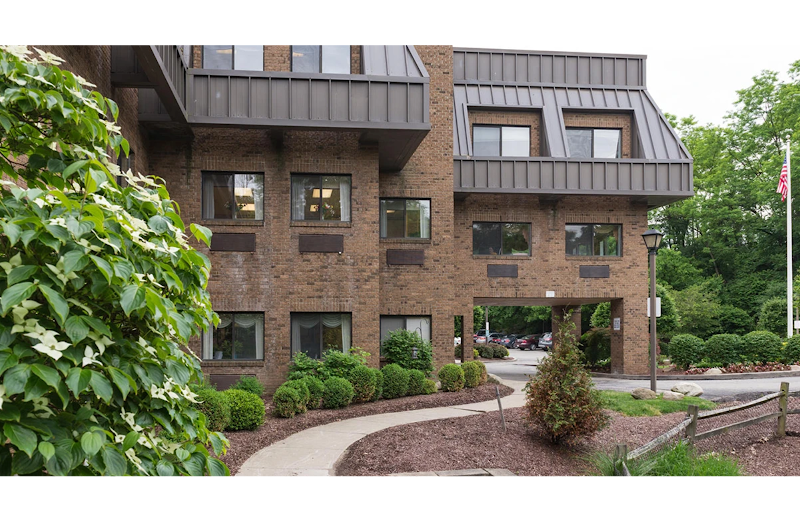
SOUTH HILLS POST ACUTE
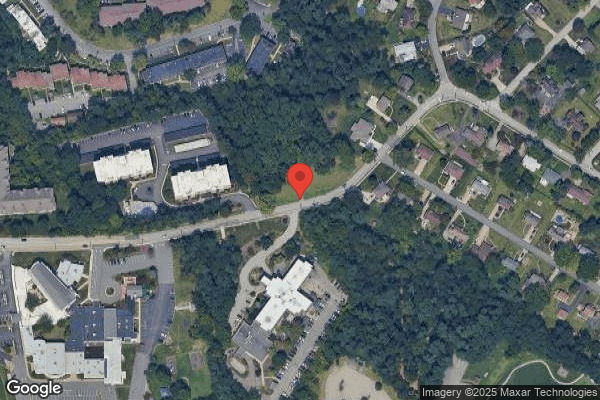
60 HIGHLAND ROAD, BETHEL PARK, PA 15102 (412) 831-6050
For profit - Corporation 160 Beds PACS GROUP Data: November 2025
Trust Grade
60/100
#354 of 653 in PA
Last Inspection: May 2025

Inspected within the last 6 months. Data reflects current conditions.

Overview

South Hills Post Acute has a Trust Grade of C+, indicating it is slightly above average but not among the top facilities. It ranks #354 out of 653 in Pennsylvania, placing it in the bottom half, and #17 out of 52 in Allegheny County, meaning only 16 local options are better. The facility is currently worsening, with the number of issues increasing from 7 in 2024 to 10 in 2025. Staffing is a relative strength, with a rating of 4 out of 5 stars, although the turnover rate is high at 63%, significantly above the state average of 46%. There have been no fines reported, which is a positive sign, and the facility has more RN coverage than 88% of state facilities, ensuring better oversight of resident care. However, recent inspections revealed several concerns. For instance, kitchen staff failed to wear proper beard restraints, risking food contamination. Additionally, six residents reported that their living environment was not safe or comfortable, which goes against the facility's commitment to providing a homelike atmosphere. Lastly, there was a failure to inform residents about the bed-hold policy during hospital transfers, potentially affecting their rights and care continuity. Overall, while there are some strengths, families should consider these significant weaknesses when evaluating care options.

Trust Score
C+
60/100
In Pennsylvania
#354/653
Bottom 46%
Safety Record
Low Risk
No red flags
Inspections
Getting Worse
7 → 10 violations
Staff Stability
⚠ Watch
63% turnover. Above average. Higher turnover means staff may not know residents' routines.
Penalties
✓ Good
No fines on record. Clean compliance history, better than most Pennsylvania facilities.
Skilled Nurses
✓ Good
Each resident gets 59 minutes of Registered Nurse (RN) attention daily — more than average for Pennsylvania. RNs are trained to catch health problems early.
Violations
⚠ Watch
20 deficiencies on record. Higher than average. Multiple issues found across inspections.
★★★☆☆
3.0
Overall Rating
★★★★☆
4.0
Staff Levels
★★☆☆☆
2.0
Care Quality
★★★☆☆
3.0
Inspection Score
Stable
2024: 7 issues
2025: 10 issues

The Good

  • 4-Star Staffing Rating · Above-average nurse staffing levels
  • Full Sprinkler Coverage · Fire safety systems throughout facility
  • No fines on record

Facility shows strength in staffing levels, fire safety.

The Bad

3-Star Overall Rating

Near Pennsylvania average (3.0)

Meets federal standards, typical of most facilities

Staff Turnover: 63%

17pts above Pennsylvania avg (46%)

Frequent staff changes - ask about care continuity

Chain: PACS GROUP

Part of a multi-facility chain

Ask about local staffing decisions and management

Staff turnover is elevated (63%)

15 points above Pennsylvania average of 48%

The Ugly 20 deficiencies on record

May 2025 8 deficiencies
CONCERN (D)

Potential for Harm - no one hurt, but risky conditions existed

Deficiency F0760 (Tag F0760)

Could have caused harm · This affected 1 resident

**NOTE- TERMS IN BRACKETS HAVE BEEN EDITED TO PROTECT CONFIDENTIALITY** Based on review of facility policy, clinical record review, and staff interview, it was determined that the facility failed to m...

Read full inspector narrative →
**NOTE- TERMS IN BRACKETS HAVE BEEN EDITED TO PROTECT CONFIDENTIALITY** Based on review of facility policy, clinical record review, and staff interview, it was determined that the facility failed to make certain that residents are free of significant medication errors for two of three residents (Resident R24 and R63). Findings include: Review of the United States Food and Drug Administration prescribing information dated 09/2017, indicated Coreg (carvedilol) is an alpha-/beta-adrenergic blocking agent indicated for the treatment of mild to severe chronic heart failure, left ventricular dysfunction following myocardial infarction in clinically stable patients, and hypertension. Listed in the adverse reactions / side effects were bradycardia (low heart rate) and hypotension (low blood pressure). Review of facility policy Administering Medications reviewed dated 3/3/25, previously reviewed 11/1/24, indicated medications are administered in accordance with prescriber orders. Review of the clinical record indicated Resident R24 was admitted to the facility on [DATE]. Review of the Minimum Data Set (MDS - periodic assessment of resident care needs) dated 3/5/25, included diagnoses of end stage renal disease (ESRD, an inability of the kidneys to filter the blood), diabetes (a metabolic disorder in which the body has high sugar levels for prolonged periods of time), and high blood pressure. Review of the physician order dated 1/13/23, indicated to give Resident R24 Coreg (blood pressure medication) 3.125 milligrams twice daily, and to hold for a systolic blood pressure (SBP) of less than 110 or a heart rate of less than 60 beats per minute. Review of Resident R24 ' s plan of care for cardiac disease initiated 7/4/21, indicated to administer medication per physician order. Review of Resident R24 ' s Medication Administration Records from 3/1/25, through 5/23/25, revealed the following: 03/04/25: SBP of 102, medication administered (evening dose). 03/10/25: SBP of 96, medication administered (morning dose). 03/04/25: SBP of 102, medication administered (evening dose). 03/16/25: SBP of 100, medication administered (evening dose). 03/17/25: SBP of 106, medication administered (evening dose). 03/19/25: SBP of 109, medication administered (evening dose). 03/21/25: SBP of 100, medication administered (morning dose). 03/21/25: SBP of 106, medication administered (evening dose). 03/17/25: SBP of 106, medication administered (evening dose). 03/26/25: SBP of 89, medication administered (evening dose). 03/28/25: SBP of 103, medication administered (evening dose). 04/01/25: SBP of 97, medication administered (morning dose). 04/05/25: SBP of 98, medication administered (morning dose). 04/06/25: SBP of 104, medication administered (morning dose). 04/06/25: SBP of 98, medication administered (evening dose). 04/07/25: SBP of 107, medication administered (evening dose) 04/10/25: SBP of 97, medication administered (morning dose). 04/12/25: SBP of 108, medication administered (morning dose). 04/15/25: SBP of 100, medication administered (morning dose). 04/19/25: SBP of 103, medication administered (morning dose). 04/22/25: SBP of 108, medication administered (morning dose). 04/22/25: SBP of 102, medication administered (evening dose). 04/24/25: SBP of 109, medication administered (morning dose). 04/25/25: SBP of 108, medication administered (morning dose). 04/29/25: SBP of 108, medication administered (evening dose). 05/12/25: SBP of 109, medication administered (morning dose). 05/14/25: SBP of 108, medication administered (morning dose). 05/16/25: SBP of 109, medication administered (morning dose). Review of the clinical record indicated Resident R63 was admitted to the facility on [DATE]. Review of the MDS dated [DATE], included diagnoses of coronary artery disease (damage or disease in the heart's major blood vessels), diabetes, and high blood pressure. Review of the physician order dated 3/9/25, indicated to give Resident R63 Coreg 3.125 milligrams twice daily, and to hold for a heart rate of less than 60 beats per minute. Review of Resident R63 ' s plan of care for cardiac disease initiated 4/10/24, indicated to administer medication per physician order. Review of Resident R63 ' s Medication Administration Records from 11/1/24, through 5/23/25, revealed the following: 11/27/24: heart rate 55 beats per minute, medication administered (morning dose). 12/02/24: heart rate 48 beats per minute, medication administered (morning dose). 12/04/24: heart rate 49 beats per minute, medication administered (morning dose). 12/05/24: heart rate 50 beats per minute, medication administered (morning dose). 12/07/24: heart rate 55 beats per minute, medication administered (morning dose). 12/08/24: heart rate 53 beats per minute, medication administered (morning dose). 12/10/24: heart rate 56 beats per minute, medication administered (morning dose). 12/11/24: heart rate 53 beats per minute, medication administered (morning dose). 12/12/24: heart rate 50 beats per minute, medication administered (morning dose). 12/13/24: heart rate 54 beats per minute, medication administered (morning dose). 12/16/24: heart rate 54 beats per minute, medication administered (morning dose). 12/18/24: heart rate 52 beats per minute, medication administered (morning dose). 12/21/24: heart rate 52 beats per minute, medication administered (morning dose). 12/22/24: heart rate 53 beats per minute, medication administered (morning dose). 01/08/25: heart rate 53 beats per minute, medication administered (morning dose). 01/09/25: heart rate 54 beats per minute, medication administered (morning dose). 01/10/25: heart rate 52 beats per minute, medication administered (morning dose). 01/13/25: heart rate 56 beats per minute, medication administered (morning dose). 01/19/25: heart rate 55 beats per minute, medication administered. (morning dose) 01/23/25: heart rate 56 beats per minute, medication administered (morning dose). 01/27/25: heart rate 55 beats per minute, medication administered (morning dose). 01/29/25: heart rate 57 beats per minute, medication administered (morning dose). 01/30/25: heart rate 54 beats per minute, medication administered (morning dose). 02/01/25: heart rate 49 beats per minute, medication administered (morning dose). 02/15/25: heart rate 52 beats per minute, medication administered (morning dose). 03/01/25: heart rate 54 beats per minute, medication administered (morning dose). 03/02/25: heart rate 56 beats per minute, medication administered (morning dose). 03/07/25: heart rate 54 beats per minute, medication administered (morning dose). 03/14/25: heart rate 57 beats per minute, medication administered (morning dose). 03/16/25: heart rate 58 beats per minute, medication administered (morning dose). During an interview on 5/23/25, at approximately 12:45 p.m. the Nursing Home Administrator and the Director of Nursing confirmed the facility failed to make certain that residents are free of significant medication errors for two of three residents. 28 Pa. Code 207.2(a) Administrator's responsibility. 28 Pa. Code: 211.10(c)(d) Resident care policies. 28 Pa. Code: 211.12(d)(1)(5) Nursing services.
CONCERN (E)

Potential for Harm - no one hurt, but risky conditions existed

Safe Environment (Tag F0584)

Could have caused harm · This affected multiple residents

Based on review of facility policy, facility records, observation and resident interviews, it was determined that the facility failed to provide a safe, clean, comfortable, and homelike environment fo...

Read full inspector narrative →
Based on review of facility policy, facility records, observation and resident interviews, it was determined that the facility failed to provide a safe, clean, comfortable, and homelike environment for six of fourteen residents as required (Residents R500, R501, R502, R503, R504, and R505) on two of three nursing units second and third floor. Findings included: Review of the facility policy Resident Rights dated 3/6/25, indicated the facility treat all residents with kindness, respect, and dignity. Review of Title 42 Code of Federal Regulations §483.10(i) Safe Environment. The resident has a right to a safe, clean, comfortable, and homelike environment, including but not limited to receiving treatment and supports for daily living safely. §483.10(i)(2) Housekeeping and maintenance services necessary to maintain a sanitary, orderly, and comfortable interior. During a resident group interview (Residents R500, R501, R502, R503, R504, and R505) on 5/19/25, at 1:30 p.m., all six residents in attendance stated the staff rarely shut the hampers containing soiled linen. The smell of soiled linen fills the hallway, and the smell also enter residents' rooms. The residents stated that they will close the hampers and will move them to an area in the hallway away from resident rooms as much as possible. The residents stated this is not respectful to them and there is no dignity when their rooms and the hall smell especially when you are eating or have visitors. The 10/1/24 Concern Log and the 1/7/25 and 2/20/25 Resident Council Minutes reflect documentation related to the Hampers and trash being left open. The residents stated (and the Resident Council Minutes reflect) the Director of Nursing has addressed this with the staff, and the staff is compliant for a short and then go back to leaving the hampers open with soiled linen in the hallways. Resident R504 stated, it was discussed t directly with the Director of Nursing two times over the last couple of months. During an obsevation of the third-floor nursing unit on 5/19/25, between 11:30 a.m. through 1:00 p.m. the nursing unit had a strong odor of urine. During this time, a double-sided soiled linen cart was present in Resident R105's room, next to her bed. During an obsevation of the third-floor nursing unit on 5/19/25, at 10:30 a.m. the nursing unit had a strong odor of urine. During an interview on 5/23/25, at approximately 11:00 a.m., the Nursing Home Administrator confirmed the facility failed to provide a clean and homelike environment for six of fourteen residents as required and on two of three nursing units second and third floor. 28 Pa. Code: 207.2(a) Administrator's responsibility. 28 Pa. Code: 201.29(k) Resident rights.
CONCERN (E)

Potential for Harm - no one hurt, but risky conditions existed

Deficiency F0628 (Tag F0628)

Could have caused harm · This affected multiple residents

**NOTE- TERMS IN BRACKETS HAVE BEEN EDITED TO PROTECT CONFIDENTIALITY** Based on a review of facility policy, clinical record reviews, and staff interview, it was determined that the facility failed t...

Read full inspector narrative →
**NOTE- TERMS IN BRACKETS HAVE BEEN EDITED TO PROTECT CONFIDENTIALITY** Based on a review of facility policy, clinical record reviews, and staff interview, it was determined that the facility failed to ensure that the resident and/or their representative received written notice of the facility bed-hold policy at the time of transfer for five of six residents reviewed for hospitalization (Resident R10, R30, R61, R99, and R114). Findings Include: Review of federal regulation §483.15(d) Notice of Bed-Hold Policy, indicated: -Facilities must provide written information about these policies to residents prior to and upon transfer for such absences. This information must be provided to all facility residents, regardless of their payment source. These provisions require facilities to issue two notices related to bed-hold policies. -The first notice could be given well in advance of any transfer, i.e., information provided in the admission packet. Reissuance of the first notice would be required if the bed-hold policy under the State plan or the facility's policy were to change. -The second notice must be provided to the resident, and if applicable the resident's representative, at the time of transfer, or in cases of emergency transfer, within 24 hours. It is expected that facilities will document multiple attempts to reach the resident's representative in cases where the facility was unable to notify the representative. The notice must provide information to the resident that explains the duration of bed-hold, if any, and the reserve bed payment policy. It should also address permitting the return of residents to the next available bed. Review of facility Bed Hold and Return Notification dated 3/3/25, previously reviewed 11/1/24, indicated, You will receive a copy of this agreement upon admission, upon transfer or therapeutic leave, and if any changes are made to the state or facility policies regarding this matter. Review of the clinical record indicated Resident R10 was admitted /readmitted to the facility on [DATE]. Review of Resident R10's Minimum Data Set (MDS - periodic assessment of resident care needs) dated 3/5/25, included diagnoses of coronary artery disease (damage or disease in the heart's major blood vessels), diabetes (a metabolic disorder in which the body has high sugar levels for prolonged periods of time), and history of a stroke. Review of a progress note dated 8/26/24, at 8:13 p.m. indicated, New order obtained by [Nurse Practitioner] to have resident evaluated by [hospital emergency department] for exacerbation of UTI (urinary tract infection, infection in any part of the kidneys, bladder or urethra) symptoms, with increased agitation, physical aggression. Review of resident census information revealed Resident R10 was admitted to the hospital from [DATE], through 9/6/24. Further review of Resident R10's clinical record failed to reveal notation that the written notice of bed hold notification was provided to Resident R10 or the resident representative upon transfer to the hospital. Review of a progress note dated 9/7/24, at 10:09 p.m. indicated that Resident R10 was transferred to the hospital for abnormal vital signs. Review of resident census information revealed Resident R10 was admitted to the hospital from [DATE], through 9/13/24. Further review of Resident R10's clinical record failed to reveal notation that the written notice of bed hold notification was provided to Resident R10 or the resident representative upon transfer to the hospital. Review of a progress note dated 10/14/24, at 8:27 a.m. indicated that Resident R10 was transferred to the hospital for a fever. Review of resident census information revealed Resident R10 was admitted to the hospital from [DATE], through 10/19/24. Further review of Resident R10's clinical record failed to reveal notation that the written notice of bed hold notification was provided to Resident R10 or the resident representative upon transfer to the hospital. Review of the clinical record indicated Resident R30 was admitted /readmitted to the facility on [DATE]. Review of Resident R30's MDS dated [DATE], included diagnoses diabetes, heart failure (a progressive heart disease that affects pumping action of the heart muscles) and a seizure disorder. Review of a progress note dated 12/24/24, at 4:31 p.m. indicated that Resident R30 was transferred to the hospital for further evaluation. Review of resident census information revealed Resident R30 was admitted to the hospital from [DATE], through 1/2/25. Further review of Resident R30's clinical record failed to reveal notation that the written notice of bed hold notification was provided to Resident R30 or the resident representative upon transfer to the hospital. Review of the clinical record indicated Resident R61 was admitted /readmitted to the facility on [DATE]. Review of Resident R61's MDS dated [DATE], included diagnoses of cardiomyopathy (disease of the heart muscle), high blood pressure, and chronic kidney disease (gradual loss of kidney function). Review of a progress note dated 9/13/24, at 2:50 p.m. indicated that Resident R61's dialysis port and dressing wer red and warm to touch, and that Resident R61 went to dialysis and the nephrologist (medical doctor specializing in kidney care) wanted her sent to the emergency room. Review of resident census information revealed Resident R61 was admitted to the hospital from [DATE], through 9/23/24. Further review of Resident R61's clinical record failed to reveal notation that the written notice of bed hold notification was provided to Resident R61 or the resident representative upon transfer to the hospital. Review of a progress note dated 10/18/24, at 9:17 a.m. indicated that Resident R61 was sent to the hospital related to a dialysis port infection. Review of resident census information revealed Resident R61 was admitted to the hospital from [DATE], through 10/22/24. Further review of Resident R61's clinical record failed to reveal notation that the written notice of bed hold notification was provided to Resident R61 or the resident representative upon transfer to the hospital. Review of the clinical record indicated Resident R99 was admitted /readmitted to the facility on [DATE]. Review of Resident R99's MDS dated [DATE], included diagnoses of coronary artery disease, high blood pressure, and pneumonia (infection that inflames the air sacs in one or both lungs). Review of a progress note dated 12/8/24, at 11:58 p.m. indicated that Resident R99 experienced chest pain and was transferred to the emergency room. Review of resident census information revealed Resident R99 was admitted to the hospital from [DATE], through 12/10/24. Further review of Resident R99's clinical record failed to reveal notation that the written notice of bed hold notification was provided to Resident R99 or the resident representative upon transfer to the hospital. Review of a progress note dated 2/24/25, at 10:24 p.m. indicated that Resident R99 experienced chest pain and was transferred to the emergency room. Review of resident census information revealed Resident R99 was admitted to the hospital from [DATE], through 3/1/25. Further review of Resident R99's clinical record failed to reveal notation that the written notice of bed hold notification was provided to Resident R99 or the resident representative upon transfer to the hospital. Review of the clinical record indicated Resident R114 was admitted /readmitted to the facility on [DATE]. Review of Resident R114's MDS dated [DATE], included diagnoses of atrial fibrillation (disease of the heart characterized by irregular and often faster heartbeat), hemiplegia (paralysis on one side of the body), and malnutrition (lack of sufficient nutrients in the body). Review of a progress note dated 2/15/25, at 11:45 a.m. indicated that Resident R114 had a swollen tongue and was unable to speak or swallow. Resident R114 was transferred to the emergency room. Review of resident census information revealed Resident R114 was admitted to the hospital from [DATE], through 2/22/25. Further review of Resident 114's clinical record failed to reveal notation that the written notice of bed hold notification was provided to Resident R114 or the resident representative upon transfer to the hospital. During an interview on 5/23/25, at approximately 12:45 p.m. the Nursing Home Administrator and the Director of Nursing confirmed the facility failed to ensure that the resident and/or their representative received written notice of the facility bed-hold policy at the time of transfer for five of six residents reviewed for hospitalization. 28 Pa. Code 201.14(a) Responsibility of licensee. 28 Pa Code: 201.29(f)(g) Resident rights.
CONCERN (E)

Potential for Harm - no one hurt, but risky conditions existed

Deficiency F0692 (Tag F0692)

Could have caused harm · This affected multiple residents

**NOTE- TERMS IN BRACKETS HAVE BEEN EDITED TO PROTECT CONFIDENTIALITY** Based on review of facility policy, clinical records, observations, and staff interview, it was determined that the facility fai...

Read full inspector narrative →
**NOTE- TERMS IN BRACKETS HAVE BEEN EDITED TO PROTECT CONFIDENTIALITY** Based on review of facility policy, clinical records, observations, and staff interview, it was determined that the facility failed to ensure direct care staff were aware of residents with fluid restriction orders to make certain acceptable parameters of nutritional status were maintained for three of three residents on physician ordered fluid restrictions (Resident R61, R27, and R16). Findings include: The facility policy Resident Hydration and Dehydration Prevention dated 3/4/25, indicated physician orders to limit fluids will take priority over calculated fluid needs. Review of the clinical record indicated Resident R61 was admitted /readmitted to the facility on [DATE]. Review of Resident R61's Minimum Data Set (MDS - periodic assessment of resident care needs) dated 5/9/25, included diagnoses of cardiomyopathy (disease of the heart muscle), high blood pressure, and chronic kidney disease (gradual loss of kidney function). Review of a physician's order dated 9/23/24, indicated a 1500 milliliter (ml) daily fluid restriction. Review of Resident R61's plan of care for nutritional risk initiated 8/16/24, revealed a 1500 ml fluid restriction. Review of Resident R61's plan of care for noncompliance initiated 11/23/24, revealed that Resident R61 may refuse the fluid restriction. Review of the [NAME] (document that outlines the residents' activity of daily living assistance requirements, continence levels, and behaviors, as well as physician, advanced directives, diet, and allergies) as of 5/19/25, indicted a 1500 ml fluid restriction. Review of Resident R61's care record for 5/1/25, through 5/23/25, revealed two days of fluids consumed above the 1500 ml maximum (5/4/25, and 5/11/25). During an observation on 5/23/25, at 10:03 a.m. Resident R61 was observed to have a large Styrofoam cup of ice water at the bedside and a thermal metal cup also filled with ice water. During an interview on 5/23/25, at 10:06 a.m. Nurse Aide (NA) Employee E1 stated that she was not aware of any residents on her unit having a fluid restriction. During an interview on 5/23/25, at 10:09 a.m. NA Employee E2 stated that she was not aware of any residents on her unit having a fluid restriction. On 5/23/25, at 10:10 a.m. NA Employees E1 and E2 were informed that Residents R61 was ordered a fluid restriction. During an interview on 5/23/25, at 10:11 a.m. Licensed Practical Nurse Employee E3 confirmed that Resident R61 was on a fluid restriction, and when asked if any other residents on the unit were ordered fluid restrictions, stated that Resident R27 was also ordered a fluid restriction. At this time, NA Employees E1 and E2 confirmed that they were unaware that Resident R27 was ordered a fluid restriction. Review of the clinical record indicated that Resident R27 was admitted to the facility on [DATE]. Review of the MDS dated [DATE], included diagnoses of cerebral palsy (group of disorders that affect a person's ability to move and maintain balance and posture) and hyponatremia (low blood sodium). Review of a physician's order dated 11/25/24. indicated a 1500 ml daily fluid restriction. Review of Resident R27's plan of care for nutritional risk initiated 5/22/24, revealed a 1500 ml fluid restriction. Review of the [NAME] as of 5/19/25, failed to include information related to fluid restriction. Review of Resident R27's care record for 5/1/25, through 5/23/25, revealed four days of fluids consumed above the 1500 ml maximum (4/29/25, 5/14/25, 5/16/25, and 5/23/25). During an observation on 5/23/25, at 10:15 a.m. Resident R27 was observed to have a large Styrofoam cup of ice water at the bedside. Review of the clinical record indicated that Resident R16 was admitted to the facility on [DATE]. Review of the MDS dated [DATE], included diagnoses of coronary artery disease, hyponatremia, and schizophrenia (a mental disorder characterized by delusions, hallucinations, disorganized speech and behavior). Review of a physician's order dated 3/28/24, indicated a 1200 milliliter daily fluid restriction. Review of Resident R16's plan of care for nutritional status initiated 7/31/18, included the intervention of fluid restrictions as ordered. Additionally, the care plan indicated that Resident R16 chooses not to follow the fluid restriction at times. Review of the [NAME] as of 5/19/25, failed to include information related to fluid restriction. Review of Resident R16's care record failed to reveal monitoring of Resident R16's fluid intake. During an observation on 5/23/25, at 10:30 a.m. Resident R27 was observed to have a large Styrofoam cup of ice water at the bedside. During a group interview on 5/23/25, at 10:43 a.m. NA Employees E4, E5, and E6 stated that they were not aware of any residents on their unit having a fluid restriction. At this time, NA Employees E4, E5, and E6 were informed that Resident R27 had a fluid restriction. NA Employee E5 stated that Resident R27 drinks a lot of coffee. NA Employee E6 stated he [Resident R27] is a coffee man. During an interview on 5/23/25, the Director of Nursing confirmed that the fluid restriction orders should be communicated to staff. Observation of the nurse aide resident census sheets for second and third floors failed to reveal information related to fluid restrictions for Resident R61, R27, and R16. During an interview on 5/23/25, at approximately 12:45 p.m. the Nursing Home Administrator and the Director of Nursing confirmed the facility failed to ensure direct care staff were aware of residents with fluid restriction orders to make certain acceptable parameters of nutritional status were maintained for three of three residents on physician ordered fluid restrictions. 28 Pa. Code 201.18(b)(1)(e)(1) Management. 28 Pa. Code: 211.6 (b) Dietary services. 28 Pa. Code 211.10(c)(d) Resident care policies. 28 Pa. Code 211.12(d)(1)(2)(5) Nursing services.
CONCERN (F)

Potential for Harm - no one hurt, but risky conditions existed

Food Safety (Tag F0812)

Could have caused harm · This affected most or all residents

Based on observations and staff interview, it was determined that the facility failed to properly restrain hair to prevent the potential for cross contamination in the Main Kitchen. Findings include: ...

Read full inspector narrative →
Based on observations and staff interview, it was determined that the facility failed to properly restrain hair to prevent the potential for cross contamination in the Main Kitchen. Findings include: Review of facility policy Food Preparation and Service reviewed 3/6/25, indicated food and nutrition services staff wear hair restraints (hair net, hat, beard restraint, etc.) so that hair does not contact food. During an observation on 5/22/25, at 11:00 a.m. Dietary Aide Employee E7 and Volunteer Dietary Aide Employee E8, were observed in the kitchen without beard restraints. During an interview on 5/22/25, at 11:05 a.m. the Dietary Manager Employee E9 confirmed the kitchen staff should wear beard restraints, if facial hair is present. 28 Pa. Code: 211.6(c)(d)(f) Dietary services.
MINOR (C)

Minor Issue - procedural, no safety impact

Deficiency F0575 (Tag F0575)

Minor procedural issue · This affected most or all residents

Based on observations and staff interview, it was determined that the facility failed to post complete contact information for Adult Protective Services and the State Long-Term Care Ombudsman program ...

Read full inspector narrative →
Based on observations and staff interview, it was determined that the facility failed to post complete contact information for Adult Protective Services and the State Long-Term Care Ombudsman program as required, on three of three nursing units (First Floor, Second Floor, and Third Floor nursing units). Findings include: During observations completed on 5/21/25, of the First Floor, Second Floor, and Third Floor nursing units failed to reveal the address and email contact information for Adult Protective Services and the Office for the State Long-Term Care Ombudsman program posted in a form and manner accessible and understandable to residents or resident representatives. During interview, on 5/22/25, at 8:20 a.m., the Nursing Home Administrator confirmed that the facility failed to post complete contact information for Adult Protective Services and the State Long-Term Care Ombudsman program as required, on three of three nursing units. 28 Pa. Code: 201.14(a)Responsibility of licensee. 28 Pa. Code: 201.18(e) Management.
MINOR (C)

Minor Issue - procedural, no safety impact

Deficiency F0577 (Tag F0577)

Minor procedural issue · This affected most or all residents

Based on observations and staff interview, it was determined the facility failed to ensure postings of the location Department of Health most recent survey results were readily accessible to residents...

Read full inspector narrative →
Based on observations and staff interview, it was determined the facility failed to ensure postings of the location Department of Health most recent survey results were readily accessible to residents and visitors, for three of three locations (nursing units first, second, and third). Findings Include: During an observation on 5/19/25, at 10:20 a.m., no postings were observed in the facility identifying the location of the Department of Health's most recent survey results. During an interview on 5/22/25, at 8:20 a.m. the Nursing Home Administrator confirmed the facility failed to ensure postings of the location Department of Health most recent survey results were readily accessible to residents and visitors, for three of three locations (nursing units first, second, and third). 28 Pa. Code 201.14(a) Responsibility of licensee.
MINOR (C)

Minor Issue - procedural, no safety impact

Deficiency F0579 (Tag F0579)

Minor procedural issue · This affected most or all residents

Based on observations and staff interview, it was determined that the facility failed to display written information on applying for Medicare and Medicaid benefits and receiving refunds for previous p...

Read full inspector narrative →
Based on observations and staff interview, it was determined that the facility failed to display written information on applying for Medicare and Medicaid benefits and receiving refunds for previous payments covered by Medicare and Medicaid as required, on three of three nursing units (First Floor, Second Floor, and Third Floor nursing units). Findings include: During observations completed on 5/21/25, of the First Floor, Second Floor, and Third Floor nursing units failed to include information on how to apply for Medicare and Medicaid benefits and receiving refunds for previous payments covered by Medicare and Medicaid. During interview, on 5/22/25, at 8:20 a.m., the Nursing Home Administrator confirmed that the facility failed to display written information on applying for Medicare and Medicaid benefits and receiving refunds for previous payments covered by Medicare and Medicaid as required, on three of three nursing units. 28 Pa. Code: 201.14(a)Responsibility of licensee. 28 Pa. Code: 201.18(e) Management.
Apr 2025 2 deficiencies
CONCERN (E) 📢 Someone Reported This

A family member, employee, or ombudsman was alarmed enough to file a formal complaint

Potential for Harm - no one hurt, but risky conditions existed

Resident Rights (Tag F0550)

Could have caused harm · This affected multiple residents

**NOTE- TERMS IN BRACKETS HAVE BEEN EDITED TO PROTECT CONFIDENTIALITY** Based on review of facility policy, resident interviews, observation, and staff interviews, it was determined that the facility ...

Read full inspector narrative →
**NOTE- TERMS IN BRACKETS HAVE BEEN EDITED TO PROTECT CONFIDENTIALITY** Based on review of facility policy, resident interviews, observation, and staff interviews, it was determined that the facility failed to provide prompt assistance to meet residents care needs for five of fifteen residents who require care (Residents R1, R2, R3, R4 and R5). Findings included: Review of facility policy Resident Rights last reviewed 11/01/24, indicated employees shall treat all residents with kindness, respect, and dignity. Federal and state laws guarantee certain basic rights to all residents of this facility. These rights include the resident's right to a dignified existence, be treated with respect, kindness and dignity. The Long-Term Care Facility Resident Assessment Instrument (RAI) User's Manual, which provides instructions and guidelines for completing required Minimum Data Set (MDS) assessments (mandated assessments of a resident's abilities and care needs), dated October 2023, indicated that a BIMS (Brief Interview of Mental Status) is a brief screener that aids in detecting cognitive impairment. Scores from a BIMS assessment suggests the following distributions: 13 - 15: cognitively intact 8 - 12: moderately impaired 0 - 7: severe impairment Review of the clinical record revealed Resident R1 was originally admitted to the facility on [DATE]. Review of the MDS dated [DATE], Review of Section I, did not have diagnosis listed. The admission record did included diagnoses of nontraumatic intracerebral hemorrhage in hemisphere, subcortical (subtype of a stroke) and ambulatory dysfunction (difficulty in walking). Review of Section C: Cognitive Patterns, indicated, intact cognition with a BIMS Score of 15. Review of Section G: indicated Resident R1 required one-person physical assist for bed mobility and no documentation for toilet use. During an interview with Resident R1 on 4/3/25, at 11:54 a.m. the following was stated: On the weekend I laid in poop from 6 p.m. to 2 a.m . I used the call bell a couple of times over these hours so I could get my brief changed. The first time the staff came in and turned off the light and said, it isn't time. The second time staff came in turned off the light and said, we will get here when we feel like it. Review of the clinical record revealed Resident R2 was originally admitted to the facility on [DATE]. Review of the MDS dated [DATE], included diagnoses of coronary artery disease (reduced blood flow to the heart muscle) and heart failure (heart cannot keep up with its workload). Review of Section C: Cognitive Patterns, indicated, intact cognition with a BIMS Score of 13. Review of Section GG: 0130 Functional Abilities, indicated Resident R2 was dependent for toileting hygiene. During an interview with Resident R2 on 4/3/25, at 11:14 a.m. the following was stated: You often wait when you use the call light to get changed. The staff come in and turn of the light and leave, they say they will be back and maybe if you're lucky they come in a half hour, if you're not lucky you can wait hours. I have sat in my poop for a half hour up to two hours. Talk to my roommate, its worse for her, she can tell you how it is. Review of the clinical record revealed Resident R3 was originally admitted to the facility on [DATE]. Review of the MDS dated [DATE], included diagnoses of nondisplaced fracture of anterior wall of right acetabulum (broken right hip) and anemia (low red blood cells). Review of Section C: Cognitive Patterns, indicated, intact cognition with a BIMS Score of 13. Review of Section GG: 0130 Functional Abilities, indicated Resident R3 was dependent for toileting hygiene. During an interview with Resident R3 on 4/3/25, at 11:30 a.m. the following was stated: You wait when you use the call light for everything including getting changed. The staff come in and turn off the light and leave, they say your aide or nurse is on break, they will tell them to come when their break is over. They said I use my call light too much; I tell them I have a broken hip I can't do things for myself. The longest I sat in poop and pee in my diaper was three and a half hours. Review of the clinical record revealed Resident R4 was originally admitted to the facility on [DATE]. Review of the MDS dated [DATE], included diagnoses of coronary artery disease (reduced blood flow to the heart muscle) renal insufficiency (kidneys aren't function properly) and hypertension (high blood pressure). Review of Section C: Cognitive Patterns, indicated, moderately impaired cognition with a BIMS Score of 9. Review of Section GG: 0130 Functional Abilities, indicated Resident R4 was substantial/maximal assistance for toileting hygiene. During an interview with Resident R4 on 4/3/25, at 11:40 a.m. the following was stated: Just this past week I sat in my bowel movement close to an hour if not a bit longer. It happens time to time here. I have a catheter, so peeing is not a problem, but the other is. I don't use my light much, at night they turn it off and say they will be back, I wait and then press the button again. Review of the clinical record revealed Resident R5 was readmitted to the facility on [DATE]. Review of the MDS dated [DATE], included diagnoses of anemia (low red blood cells) and heart failure (heart cannot keep up with its workload). Review of Section C: Cognitive Patterns, indicated, intact cognition with a BIMS Score of 14. Review of Section GG: 0130 Functional Abilities, indicated Resident R5 was dependent for toileting hygiene. During an interview with Resident R5 on 4/3/25, at 11:00 a.m. the following was stated: They are busy, and you have to wait to get changed. Once in a while I had to wait more than a half hour when I move my bowels to be changed. They will come in and turn off the light and will come back when they can, they are busy. During an interview on 4/3/25, at approximately 1:10 p.m. the Nursing Home Administrator and the Director of Nursing confirmed the facility failed to provide an environment and care to promote dignity for each resident's quality of life for five of fifteen residents. 28 Pa. Code 211.12 (a)(c)(d)(4)(5) Nursing Services 28 Pa. Code 201.29 (j) Resident Rights
CONCERN (E) 📢 Someone Reported This

A family member, employee, or ombudsman was alarmed enough to file a formal complaint

Potential for Harm - no one hurt, but risky conditions existed

Deficiency F0725 (Tag F0725)

Could have caused harm · This affected multiple residents

**NOTE- TERMS IN BRACKETS HAVE BEEN EDITED TO PROTECT CONFIDENTIALITY** Based on review of facility policy, resident interviews, observation, and staff interviews, it was determined that the facility ...

Read full inspector narrative →
**NOTE- TERMS IN BRACKETS HAVE BEEN EDITED TO PROTECT CONFIDENTIALITY** Based on review of facility policy, resident interviews, observation, and staff interviews, it was determined that the facility failed to ensure sufficient staffing to meet residents care needs for five of fifteen residents who require care (Residents R1, R2, R3, R4 and R5). Findings include: Review of the facility policy, Answering the Call Light dated 11/1/24, indicated the facility will listen to the resident's request, do what the resident asks if permitted, if you promised the resident you will return with an item or information, do so promptly. If assistance is needed when you enter the room, summon help by using the call signal. Review of the clinical record revealed Resident R1 was originally admitted to the facility on [DATE]. Review of the MDS dated [DATE], Review of Section I, did not have diagnosis listed. The admission record did included diagnoses of nontraumatic intracerebral hemorrhage in hemisphere, subcortical (subtype of a stroke) and ambulatory dysfunction (difficulty in walking). Review of Section C: Cognitive Patterns, indicated, intact cognition with a BIMS Score of 15. Review of Section G: indicated Resident R1 required one-person physical assist for bed mobility and no documentation for toilet use. During an interview with Resident R1 on 4/3/25, at 11:54 a.m. the following was stated: On the weekend I laid in poop from 6 p.m. to 2 a.m . I used the call bell a couple of times over these hours so I could get my brief changed. The first time the staff came in and turned off the light and said, it isn't time. The second time staff came in turned off the light and said, we will get here when we feel like it. They need more staff or staff who will do their job. Review of the clinical record revealed Resident R2 was originally admitted to the facility on [DATE]. Review of the MDS dated [DATE], included diagnoses of coronary artery disease (reduced blood flow to the heart muscle) and heart failure (heart cannot keep up with its workload). Review of Section C: Cognitive Patterns, indicated, intact cognition with a BIMS Score of 13. Review of Section GG: 0130 Functional Abilities, indicated Resident R2 was dependent for toileting hygiene. During an interview with Resident R2 on 4/3/25, at 11:14 a.m. the following was stated: You often wait when you use the call light to get changed. The staff come in and turn of the light and leave, they say they will be back and maybe if you're lucky they come in a half hour, if you're not lucky you can wait hours. I have sat in my poop for a half hour up to two hours. Talk to my roommate, its worse for her, she can tell you how it is. They need more help here. Review of the clinical record revealed Resident R3 was originally admitted to the facility on [DATE]. Review of the MDS dated [DATE], included diagnoses of nondisplaced fracture of anterior wall of right acetabulum (broken right hip) and anemia (low red blood cells). Review of Section C: Cognitive Patterns, indicated, intact cognition with a BIMS Score of 13. Review of Section GG: 0130 Functional Abilities, indicated Resident R3 was dependent for toileting hygiene. During an interview with Resident R3 on 4/3/25, at 11:30 a.m. the following was stated: You wait when you use the call light for everything including getting changed. The staff come in and turn off the light and leave, they say your aide or nurse is on break, they will tell them to come when their break is over. They said I use my call light too much; I tell them I have a broken hip I can't do things for myself. The longest I sat in poop and pee in my diaper was three and a half hours. Some staff doesn't want to help and maybe some are too busy. Review of the clinical record revealed Resident R4 was originally admitted to the facility on [DATE]. Review of the MDS dated [DATE], included diagnoses of coronary artery disease (reduced blood flow to the heart muscle) renal insufficiency (kidneys aren't function properly) and hypertension (high blood pressure). Review of Section C: Cognitive Patterns, indicated, moderately impaired cognition with a BIMS Score of 9. Review of Section GG: 0130 Functional Abilities, indicated Resident R4 was substantial/maximal assistance for toileting hygiene. During an interview with Resident R4 on 4/3/25, at 11:40 a.m. the following was stated: Just this past week I sat in my bowel movement close to an hour if not a bit longer. It happens time to time here. I have a catheter, so peeing is not a problem, but the other is. I don't use my light much, at night they turn it off and say they will be back, I wait and then press the button again. Review of the clinical record revealed Resident R5 was readmitted to the facility on [DATE]. Review of the MDS dated [DATE], included diagnoses of anemia (low red blood cells) and heart failure (heart cannot keep up with its workload). Review of Section C: Cognitive Patterns, indicated, intact cognition with a BIMS Score of 14. Review of Section GG: 0130 Functional Abilities, indicated Resident R5 was dependent for toileting hygiene. During an interview with Resident R5 on 4/3/25, at 11:00 a.m. the following was stated: They are busy, and you have to wait to get changed. Once in a while I had to wait more than a half hour when I move my bowels to be changed. They will come in and turn off the light and will come back when they can, they are busy. During an interview on 4/3/25, at approximately 1:10 p.m. the Nursing Home Administrator and the Director of Nursing confirmed the facility failed to ensure sufficient staffing to meet resident need for each resident's quality of care for five of fifteen residents. 28 Pa. Code 201.14(a) Responsibility of licensee. 28 Pa. Code 211.12(d)(1)(3)(5) Nursing services.
May 2024 1 deficiency
CONCERN (D) 📢 Someone Reported This

A family member, employee, or ombudsman was alarmed enough to file a formal complaint

Potential for Harm - no one hurt, but risky conditions existed

Accident Prevention (Tag F0689)

Could have caused harm · This affected 1 resident

**NOTE- TERMS IN BRACKETS HAVE BEEN EDITED TO PROTECT CONFIDENTIALITY** Based on review of facility policies, clinical records, and staff interviews, it was determined that the facility failed to prov...

Read full inspector narrative →
**NOTE- TERMS IN BRACKETS HAVE BEEN EDITED TO PROTECT CONFIDENTIALITY** Based on review of facility policies, clinical records, and staff interviews, it was determined that the facility failed to provide adequate supervision for one of three residents (Resident R1), which resulted which resulted in an overdose. Findings include: Review of policy Opioid Use Disorder on 1/18/24, states that patients will be assessed for the risk of opioid use disorder (OUD). Interventions to minimize opiod overdose will be implemented as appropriate. Review of Resident R1's admission record indicated that he was admitted on [DATE]. Review of Resident R1's Minimum Data Set (MDS-periodic assessment of care needs) dated 5/7/24, included diagnoses of fracture of femur (long bone of upper leg that is broke), opioid dependence (physical and psychological reliance on opioids-found in pain medication, or illegal drugs like heroin), alcohol use, high blood pressure, emphysema (lung disease that results from damage to the air sacs in the lungs). Resident is alert and oriented, able to make own decisions and needs known. Review of Resident R1's plan of care 5/2/24, Activities/Recreation resident will have opportunities to make decisions/choices related to/for self-directed involvement in meaningful activities. Resident R1 feels it is important for him to go outside when the weather is good and enjoy sitting and relaxing. Upon further review Resident R1 was not care planned for his opioid/alcohol dependence. Review of progress report dated 5/9/24, stated Taxi service walked into the facility at 9:00 p.m., seeking assistance as he had Resident R1 in his vehicle, slumped over in the back seat, Resident R1 appeared to be under the influence and 911 was called along with medics. Police arrived and state they found a bag of heroin on the resident and the medics adminstered Narcan with minimal outcome, Resident R1 was then transported to the hospital. During an interview on 5/15/24 at approximately 11:30 a.m. with the Director Of Nursing, confirmed the story. During an interview with on 5/15. 24, at approximately 12:00 p.m., Nurse E1 stated that when the Narcan was administered Resident R1 was not easy to arouse. During an interview on 5/15/24, at approximately 1:45 p.m., the Nursing Home Administrator (NHA) and and the DON confirmed that the facility failed to provide adequate supervision for one of three residents, which resulted in an overdose by Resident R1. 28 Pa. Code: 211.12(d)(5) Nursing services.
Apr 2024 4 deficiencies
CONCERN (D)

Potential for Harm - no one hurt, but risky conditions existed

Deficiency F0761 (Tag F0761)

Could have caused harm · This affected 1 resident

**NOTE- TERMS IN BRACKETS HAVE BEEN EDITED TO PROTECT CONFIDENTIALITY** Based on review of facility policy, observations, and staff interview, it was determined that the facility failed to make certai...

Read full inspector narrative →
**NOTE- TERMS IN BRACKETS HAVE BEEN EDITED TO PROTECT CONFIDENTIALITY** Based on review of facility policy, observations, and staff interview, it was determined that the facility failed to make certain that medications and medication supplies were properly stored and/or disposed of in one of three medication rooms (Second-floor medication room) and two of seven medication carts (Second-floor medication cart for rooms 211-225 and Second-floor medication cart for rooms 241-255). Findings include: Review of the facility policy Storage and Expiration Dating of Medications, Biologicals dated [DATE], indicated: -Facility should ensure that all medications and biologicals, including treatment items, are securely stored in a locked cabinet/cart or locked medication room that is inaccessible by resident and visitors. -Facility should ensure that medications and biologicals that: (1) have an expired date on the label; (2) have been retained longer than recommended by manufacturer or supplier guidelines; or (3) have been contaminated or deteriorated, are stored separately from other medications until destroyed or returned to the pharmacy or supplier. -Facility staff may record the calculated expiration date based on the date opened on the pharmacy medication container. -If a multidose vial of an injectable medication has been opened or accessed (e.g., needle-punctured), the vial should be dated and discarded within 28 days unless the manufacturer specifies a different (shorter or longer) date for that open vile. -When an ophthalmic solution or suspension has a manufacturer shortened beyond use date once opened, facility staff should record the date opened and the date to expire on the container. During an observation on [DATE], at 11:00 a.m. of the Second-floor medication room, the following was observed: -Bottle of prescription barrier lotion for Resident R97, with a use-by date of [DATE]. -(2) vacutainers with an expiration date of [DATE]. -(16) vacutainers with an expiration date of [DATE]. During an interview on [DATE], at 11:25 a.m. RN Employee E1 confirmed that the medication for Resident R97 was still currently in use, and confirmed the vacutainers were expired. During an observation on [DATE], at 11:20 a.m. the Second-floor medication cart (Rooms 211-225) was noted to be unlocked, without nursing staff present in the hallway. Registered Nurse (RN) Employee E2 exited a room approximately three doors down on [DATE], at 11:24 a.m. During an interview on [DATE], at 11:25 a.m. RN Employee E2 confirmed that the medication cart had been left unsecured and without supervision by nursing staff. During an observation on [DATE], at 11:26 a.m. of the interior of the Second-floor medication cart (Rooms 211-225), revealed a vial of insulin for Resident R255, dated as opened on [DATE] on the box and also dated as opened on [DATE], on the vial. During an interview on [DATE], at 11:27 a.m. RN Employee E2 confirmed that the insulin had been dated incorrectly. During an observation on [DATE], at 3:15 p.m. of the interior of the Second-floor medication cart (Rooms 241-255), revealed the following: -vial of insulin for Resident R75, opened, partially used, and undated. -insulin injectable pen for Resident R7, opened, partially used, and undated. During an interview on [DATE], at 3:17 p.m. Licensed Practical Nurse Employee E3 confirmed the above undated items. During an interview on [DATE], at 5:20 p.m., the Nursing Home Administrator confirmed that the facility failed to make certain that medications and medication supplies were properly stored and/or disposed of in one of three medication rooms and two of seven medication carts. 28 Pa. Code: 201.14 (a) Responsibility of licensee. 28 Pa. Code: 201.18 (b)(1)(e)(1) Management. 28 Pa. Code: 211.9 (a)(1) Pharmacy services. 28 Pa. Code: 211.12 (d)(1)(3)(5) Nursing services.
CONCERN (E)

Potential for Harm - no one hurt, but risky conditions existed

Deficiency F0655 (Tag F0655)

Could have caused harm · This affected multiple residents

**NOTE- TERMS IN BRACKETS HAVE BEEN EDITED TO PROTECT CONFIDENTIALITY** Based on review of facility policy, clinical record reviews and interviews with staff, it was determined that the facility faile...

Read full inspector narrative →
**NOTE- TERMS IN BRACKETS HAVE BEEN EDITED TO PROTECT CONFIDENTIALITY** Based on review of facility policy, clinical record reviews and interviews with staff, it was determined that the facility failed to establish a baseline care plan within 48 hours of admission/readmission for three of five residents (Resident R301, R307 and R312). Findings include: A review of facility policy Person Centered Care Plan reviewed 1/18/24, indicated it is the policy of this facility to develop and implement a baseline person-centered care plan for each resident within 48 hours of admission/readmission that will include the instructions needed to provide effective and person-centered care that meet professional standards of quality care. A review of the clinical record indicated Resident R301 was admitted to the facility on [DATE], with diagnoses that included diabetes (a long-term condition in which the body has trouble controlling blood sugar and using it for energy), high blood pressure and colon cancer. A review of the Minimum Data Set (MDS- a periodic assessment of care needs) dated 4/21/24, indicated the diagnoses remained current. Review of Resident R301 nurse progress notes indicated he arrived with a colostomy (creates an opening for the colon through the abdomen so that stool can be emptied) in place and documentation regarding Present, Stoma (opening in the body) Within normal limits on 4/20/24, and Present on 4/22/24 and 4/24/24. Review of Resident R301's care plan failed to provide a baseline plan of care for the colostomy. A review of the clinical record indicated Resident R307 was admitted to the facility on [DATE], with diagnoses that included high blood pressure, obstructive and reflux uropathy (urine cannot drain through the urinary tract) and fracture of right lower leg. A review of the MDS dated [DATE], indicated the diagnoses remained current. Review of Resident R307 nurse progress notes indicated a catheter (tube that goes into the bladder to allow urine to drain) in place as noted on the following dates: 4/10/24, 4/15/24 and 4/24/24. Review of Resident R307's care plan failed to provide a baseline care plan for catheter care within the forty-eight-hour timeframe. A review of the clinical record indicated Resident R312 was admitted to the facility on [DATE], with diagnoses that included high blood pressure, diabetes, and panlobular emphysema (permanent damage that causes obstruction, making it difficult to breathe). A review of the MDS dated [DATE], indicated the diagnoses remained current. Review of Resident R312 nurse progress notes indicated the resident arrived on oxygen via a nasal cannula (device used to deliver supplemental oxygen or increased airflow via the nose) as noted on the following dates: 4/11/24, 4/15/24 and 4/25/24. Review of Resident R312's care plan failed to provide a baseline care plan for supplemental oxygen requirement via nasal cannula within the forty-eight-hour timeframe. During an interview on 4/25/24, at 10:18 a.m. the Director of Nursing confirmed Residents R301, R307 and R312 baseline care plan was not initiated to reflect the resident's current status within forty-eight hours of admission. 28 Pa. Code 211.11(d) Resident care plans. 28 Pa. Code: 211.12(d)(1)(5) Nursing services.
CONCERN (E)

Potential for Harm - no one hurt, but risky conditions existed

Pressure Ulcer Prevention (Tag F0686)

Could have caused harm · This affected multiple residents

**NOTE- TERMS IN BRACKETS HAVE BEEN EDITED TO PROTECT CONFIDENTIALITY** Based on review of clinical records, observations, and staff interview, it was determined that the facility failed to provide pr...

Read full inspector narrative →
**NOTE- TERMS IN BRACKETS HAVE BEEN EDITED TO PROTECT CONFIDENTIALITY** Based on review of clinical records, observations, and staff interview, it was determined that the facility failed to provide prescribed treatment and services related to the care of pressure ulcers for three of five residents (Resident R22, R76, and R85). Findings include: The facility policy Skin Integrity and Wound Management dated 1/18/24, indicated that an initial and ongoing nurse assessment of intrinsic and extrinsic factors that influence skin health, wound impairment, and the ability of the wound to heal will be performed. Complete a comprehensive evaluation of the resident upon admission and identify the resident's skin integrity status. During the course of the survey, observations of residents with wound orders were completed as follows: Observation 1: 4/23/24, beginning at approximately 11:30 a.m. Observation 2: 4/24/24, beginning at approximately 9:30 a.m. Observation 3: 4/24/24, beginning at approximately 12:00 p.m. Observation 4: 4/24/24, beginning at approximately 2:30 p.m. Observation 5: 4/24/24, beginning at approximately 10:00 a.m. Observation 6: 4/24/24, beginning at approximately 12:05 p.m. Observation 7: 4/24/24, beginning at approximately 1:05 p.m. Observation 8: 4/24/24, beginning at approximately 3:15 p.m. Review of the clinical record indicated Resident R22 was admitted to the facility on [DATE]. Review of the Minimum Data Set (MDS - periodic assessment of care needs) dated 3/15/24, included the diagnoses of coronary artery disease (damage or disease in the heart's major blood vessels), hemiplegia (paralysis on one side of the body), and history of a stroke. Review of Section GG: Functional Abilities and Goals indicated that Resident R22 had range of motion impairments of one upper and one lower extremity. Review of Section M: Skin Conditions, indicated Resident R22 was at risk of pressure ulcer development. Review of Resident R22's Braden Scale Assessment (a tool utilized to assess a patient's risk of developing a pressure ulcer) dated 3/8/24, revealed Resident R76 was at high risk for the development of pressure ulcers. Review of a physician order dated 3/16/23, indicated for Resident R22 to be assisted to turn and reposition Q2 hour (every two hours). Review of Resident R22 plan of care for Risk for Alteration in Skin Integrity initiated 5/31/13, revised on 11/7/17, included the goal of Turn and reposition as patient tolerates, Q2 hours and prn (as needed) with assist of one. Review of the nurse aide [NAME] (paper or electronic document that outlines the patients' activities of daily living - ADLs, continence levels, and behaviors, as well as physician, advanced directives, diet, and allergies) for Resident R22 indicated for staff to Turn and reposition as patient tolerates, Q2 hours and prn with assist of one. Review of Resident R22's wound report documentation for dated 3/7/24, revealed that an initial evaluation was completed to evaluate bilateral buttock wounds. Wound #1 Left Buttock is a Deep Tissue Pressure Injury (A pressure-related injury to subcutaneous tissues under intact skin). Initial wound encounter measurements are 3 cm length x 4 cm. Wound #2 Right Buttock is a Stage 2 Pressure Ulcer (partial-thickness skin loss with exposed middle layer of skin) and has received a status of Not Healed. Initial wound encounter measurements are 6 cm length x 3.5cm width x 0.1 cm depth. The periwound skin (skin around the outer edges of the wound) was denuded (loss of the top layer of skin). Review of Resident R22's wound report documentation dated 3/21/24, indicated Wound #1 Stage 2 Pressure Ulcer, 2cm x 1cm x 0.1 cm. Wound #2 Right Buttock is a Stage 2 Pressure Ulcer 5cm length x 5cm width x 0.1 cm depth. The periwound skin was denuded. Review of Resident R22's wound report documentation dated 4/4/24, indicated Wound #1 noted as resolved. Wound #2 Right Buttock is a Stage 2 Pressure Ulcer 6.5cm length x 5cm width x 0.1 cm depth. The periwound skin was denuded. Wound noted as deteriorated. Review of Resident R22's wound report documentation dated 4/11/24, indicated Wound #1 Reopened Stage 2 Pressure Ulcer, 1cm x 2. 5cm x 0.1 cm. Wound noted as deteriorated Wound #2 Right Buttock is a Stage 2 Pressure Ulcer 6 cm x 3 cm x 0.1 cm. The periwound skin was denuded. No change in progression. Review of Resident R22's wound report documentation dated 4/18/24, indicated Wound #1 Reopened Stage 2 Pressure Ulcer, 1cm x 2. 5cm x 0.1 cm. Wound noted as deteriorated Wound #2 Right Buttock is a Stage 2 Pressure Ulcer 6 cm x 5cm x 0.1 cm. The periwound skin was denuded. Wound noted as deteriorated. During observations of Resident R22 the following was noted: Observation 1: sitting up in bed, positioned on back. Observation 2: sitting up in bed, positioned on back. Observation 3: sitting up in bed, positioned on back. Observation 4: sitting up in bed, positioned on back. Observation 5: Receiving care. Observation 6: sitting up in bed, positioned on back, legs and ankles directly on pillow, not off loaded. Observation 7: sitting up in bed, positioned on back, legs and ankles directly on pillow, not off loaded. Observation 8: sitting up in bed, positioned on back. During an interview on 4/25/24, at approximately 5:20 p.m. the Nursing Home Administrator confirmed that Resident R22 had worsening pressure ulcers and that Resident R22 was not turned and repositioned appropriately during the above observations. Review of the clinical record indicated Resident R76 was admitted to the facility on [DATE]. Review of the MDS dated [DATE], included the diagnoses of dementia (a group of symptoms that affects memory, thinking and interferes with daily life) and traumatic brain injury. Review of Section GG: Functional Abilities and Goals indicated that Resident R76 had range of motion impairments of both upper and lower extremities. Review of Section M: Skin Conditions, indicated Resident R76 was at risk of pressure ulcer development, and had one Stage 3 pressure ulcer: full-thickness loss of skin, in which fat is visible in the ulcer and granulation tissue eschar (dry, dark scab or falling away of dead skin) and/or slough (dead tissue that needs to be removed for wound to heal) may be visible. Review of Resident R76's plan of care for Risk for Alteration in Skin Integrity initiated 5/30/18, included the goal of Turn and reposition as patient tolerates, Q2 hours and prn. Review of the nurse aide [NAME] for Resident R76 indicated for staff to Turn and reposition as patient tolerates, Q2 hours and prn. Review of a progress note dated 4/1/24, at 1:03 p.m. indicated left malleolus, open area center has slough and foul odor. scant amount serosanguineous (clear liquid mixed with blood) drainage, tissue surrounding area reddened. Review of a progress note dated 4/2/24, at 12:29 p.m. indicated Resident R76 was found to have a new left lateral ankle wound, measuring 2.5 cm x 1.5 cm x 0.2 cm. Review of Resident R76's wound report documentation dated 4/4/24, indicated a new wound on the lateral aspect of the left ankle. According to the facility EMR (electronic medical record) the wound was found earlier this week. Patient is unable to provide any information regarding the wound. She does yell out in pain with cleaning of the wound. According to the notes there was slough and foul-smelling drainage initially. She was evaluated by the primary team nurse practitioner and recommended to have Therapy honey gel applied. Discussed with nursing. The wound assessment noted: Lateral Ankle is a Stage 4 Pressure Ulcer (full-thickness skin and tissue loss with exposed or directly palpable fascia, muscle, tendon, ligament, cartilage or bone in the ulcer) and has received a status of Not Healed. Initial wound encounter measurements are 2cm length x 1. 5cm width x 0.5 cm depth. Review of Resident R76's wound report documentation dated 4/11/24, indicated Lateral Ankle is a Stage 4 Pressure Injury Pressure Ulcer and has received a status of Not Healed. Subsequent wound encounter measurements are 1.8 cm length x 1.3 cm width x 0.5 cm depth. No tunneling has been noted. No sinus tract has been noted. No undermining has been noted. Review of Resident R76's wound report documentation dated 4/18/24, indicated Lateral Ankle is a Stage 4 Pressure Injury Pressure Ulcer and has received a status of Not Healed. Subsequent wound encounter measurements are 1.8 cm length x 1cm width x 0.2 cm depth. During observations of Resident R76 the following was noted: Observation 1: lying flat on her back, legs to the side. Observation 2: head elevated, lying flat on her back, legs to the side. Observation 3: head elevated, lying flat on her back, legs to the side. Observation 4: head elevated, lying flat on her back, legs to the side. Observation 5: head elevated, lying flat on her back. Observation 6: lying flat on her back, legs and ankles directly on pillow, not offal loaded. Observation 7: lying flat on her back, legs and ankles directly on pillow, not off loaded. Observation 8: lying flat on her back, legs to the side, with bunny boots (cushioned, heel protector booties) on. Review of Resident R76's physician's orders failed to include the use of bunny boots. Review of Resident R76's TAR (Treatment Administration Record) for April 2024, failed to reveal that wound care was documented as completed on 4/3/24, 4/8/24, and 4/10/24. Review of Resident R76's progress notes failed to reveal notes providing a reason for the lack of wound care documentation. During an interview on 4/25/24, at approximately 5:20 p.m. the Nursing Home Administrator confirmed that Resident R76 developed a facility acquired pressure ulcer that was not observed until Stage III/IV, multiple days of wound care was not documented as completed, and Resident R76 was not turned and repositioned appropriately during the above observations. Review of the clinical record indicated Resident R85 was admitted to the facility on [DATE]. Review of the MDS dated [DATE], included the diagnoses of chronic obstructive pulmonary disease (COPD, a group of progressive lung disorders characterized by increasing breathlessness) and diabetes (a metabolic disorder in which the body has high sugar levels for prolonged periods of time). Review of Section GG: Functional Abilities and Goals indicated that Resident R85 had range of motion impairment of one upper extremity. Review of Section M: Skin Conditions, indicated Resident R85 was at risk of pressure ulcer development, and had two Stage II pressure ulcers. Review of the clinical record indicated Resident R85 was admitted with wounds to the left and right buttock. Review of the Braden Scale assessment dated [DATE], revealed Resident R85 was at high risk for the development of pressure ulcers. Review of Resident R85's plan of care for Risk for Alteration in Skin Integrity initiated 3/18/24, included the goal of encourage to turn and reposition. Review of the nurse aide [NAME] for Resident R85 indicated for staff to Encourage and/or assist to reposition frequently and Turn and/or reposition. Further review failed to reveal the use of off-loading boots. Review of Resident R85's progress note dated 4/9/24, at 12:29 p.m. indicated Nursing reports new wound to left ankle order to cleanse left ankle with NS (normal saline), dry, apply Medihoney and border gauze every other day-will follow up with wound care. Review of Resident R85's wound report documentation dated 4/11/24, indicated Left Heel is a Deep Tissue Pressure Injury. Initial wound encounter measurements are 3. 5cm x 4 cm with no measurable depth. Under the Additional orders section of the report revealed Offload heels per facility protocol - Offloading boots. Review of Resident R85's wound report documentation dated 4/18/24, indicated Stage 3 Pressure Ulcer and has received a status of Not Healed. Subsequent wound encounter measurements are 3 cm x 4 cm x 0.1 cm. The wound is deteriorating. During observations of Resident R85 the following was noted: Observation 1: sitting up in bed, positioned on back, heels not off loaded, not wearing offloading boots. Observation 2: sitting up in bed, positioned on back, legs turned to side, not off loaded, not wearing offloading boots. Observation 3: sitting up in bed, positioned on back, legs crossed, not off loaded, not wearing offloading boots. Observation 4: sitting up in bed, positioned on back, legs crossed, not off loaded, not wearing offloading boots. Observation 5: Receiving care. Observation 6: sitting up in bed, positioned on back, heels not off loaded, not wearing offloading boots. Observation 7: Receiving care. Observation 8: Seated in wheelchair, not wearing offloading boots. During an observation on 4/25/24, at approximately 3:20 p.m. failed to reveal offloading boots present in Resident R85 ' s room. Review of Resident R85's physician's orders failed to include an order for the use of offloading boots. During an interview on 4/25/24, at approximately 5:20 p.m. the Nursing Home Administrator confirmed that Resident R85 developed a facility acquired pressure ulcer and Resident R85 was not turned and repositioned appropriately during the above observations. During an interview on 4/25/24, at approximately 5:20 p.m. the Nursing Home Administrator confirmed the facility failed to provide prescribed treatment and services related to the care of pressure ulcers for three of five residents. 28 Pa. Code: 211.12(d)(1)(5) Nursing services.
CONCERN (E)

Potential for Harm - no one hurt, but risky conditions existed

Deficiency F0883 (Tag F0883)

Could have caused harm · This affected multiple residents

**NOTE- TERMS IN BRACKETS HAVE BEEN EDITED TO PROTECT CONFIDENTIALITY** Based on facility policy, clinical record review, and staff interview, it was determined that the facility failed to make certai...

Read full inspector narrative →
**NOTE- TERMS IN BRACKETS HAVE BEEN EDITED TO PROTECT CONFIDENTIALITY** Based on facility policy, clinical record review, and staff interview, it was determined that the facility failed to make certain that a pneumococcal immunization was offered to two of five residents (Resident R101 and R119). Findings include: Review of the facility policy Pneumococcal Vaccination dated 1/18/24, indicated the facility will provide the opportunity to receive the appropriate pneumococcal vaccine to all patients/residents. The policy further stated the facility will offer the PCV20 (pneumococcal conjugate) vaccine to adults 19-[AGE] years of age with underlying medical conditions. Review of the Centers for Disease Control (CDC) document, Pneumococcal Vaccination: Summary of Who and When to Vaccinate last reviewed 1/24/22, indicated that CDC recommends pneumococcal vaccination for all adults 65 years or older, and for adults 19 through [AGE] years old who have certain chronic medical conditions or other risk factors. Included in this list were: alcoholism, chronic liver disease, chronic lung disease, chronic renal failure, cigarette smoking, diabetes, and heart failure. Review of the admission Record indicated that Resident R101 was admitted to the facility on [DATE]. Review of Minimum Data Set (MDS-periodic assessment of care needs) dated 3/28/24, included diagnoses of a chronic osteomyelitis (inflammation of bone or bone marrow, usually due to infection), high blood pressure, and chronic kidney disease (gradual loss of kidney function). Section O0300 Pneumococcal Vaccine indicated Resident R101 was not offered the pneumonia vaccine. Review of the clinical record failed to include documentation of education provided to Resident R101 and/or their representative of the risks and benefits of the pneumonia vaccination. Review of the admission Record indicated that Resident R119 was admitted to the facility on [DATE]. At the time of the survey, Resident R119 was less than [AGE] years old. Review of MDS dated [DATE], included diagnoses of a coronary artery disease (damage or disease in the heart's major blood vessels), hemiplegia (paralysis on one side of the body), and history of a stroke. Section O0300 Pneumococcal Vaccine indicated Resident R101 was not offered the pneumonia vaccine. Review of the clinical record failed to include documentation of Resident R119 being offered the pneumonia vaccination. During an interview on 4/25/24, at 5:20 p.m. the Nursing Home Administrator confirmed that the facility failed to make certain that a pneumococcal immunization was offered to two of five residents. 28 Pa. Code 211.5(f) Clinical records.
Mar 2024 1 deficiency
CONCERN (D) 📢 Someone Reported This

A family member, employee, or ombudsman was alarmed enough to file a formal complaint

Potential for Harm - no one hurt, but risky conditions existed

Accident Prevention (Tag F0689)

Could have caused harm · This affected 1 resident

**NOTE- TERMS IN BRACKETS HAVE BEEN EDITED TO PROTECT CONFIDENTIALITY** Based on review of facility policy, clinical records and incident reports and staff interviews, it was determined that the facil...

Read full inspector narrative →
**NOTE- TERMS IN BRACKETS HAVE BEEN EDITED TO PROTECT CONFIDENTIALITY** Based on review of facility policy, clinical records and incident reports and staff interviews, it was determined that the facility failed to make certain each resident received adequate supervison and assistance to prevent accidents for one of five residents (Resident R1). Findings include: A review of the facility's policy, Safe Resident Handling Program, dated 1/18/24, indicated that the facility will maintain a safe care environment. A review of the clinical record revealed that Resident R1 was admitted to the facility on [DATE], with diagnoses that included pneumonia, bladder dysfunction, and seizure disorder. A review of the MDS (Minimum Data Set - resident assessment and care screening) dated 2/14/24, indicated that Resident R1 was alert and oriented and able to make needs known. A review of the care plan dated 2/10/24, indicated that Resident R1 required a one person assist with all ADL's (activities of daily living). A review of a nurse progress note dated 2/18/24, indicated that while care was being provided, Resident R1 rolled out of the bed onto the floor. The resident had a three cm (centimeter) laceration to the left forehead. A review of facility provded documentation by the facility, dated 2/18/24, indicated that Certified Nursing Assistant (CNA) Employee E1 rolled Resident R1 away from them during care and neglected to follow proper procedure. A review of a personnel file for CNA Employee E1 indicated a date of hire 9/20/22. CNA Employee E1 received training for resident turning and positioning, body alignment, and moving in bed, on 9/24/22 and 9/8/23. During a telephone interview on 3/21/24 at 1:00 p.m., CNA Employee E1 was confused about what happened and could not remember what side of the bed they were on, or how it happened. Stated He just fell. CNA Employee E1 confirmed they had training on resident turning and positioning, body alignment, and moving in bed. During an interview on 3/21/24, at 1:30 p.m., Resident R1 indicated the CNA rolled him away from her onto his right side and he just kept rolling out of the bed onto the floor. During an interview on 3/21/24, at 10:30 a.m. the Director of Nursing (DON) confirmed that the facility failed to follow proper procedure during care which resulted in a fall out of bed. During an interview on 3/21/24, at 1:30 p.m. the Nursing Home Administrator confirmed that the facility failed to make certain each resident received adequate supervison and assistance to prevent accidents for Resident R1. 28 Pa. Code 201.14(a) Responsibility of licensee. 28 Pa. Code 201.18(b)(1) Management. 28 Pa. Code 201.18(e)(1) Management. 28 Pa. Code 211.10(c) Resident care policies. 28 Pa. Code 211.10(d) Resident care policies. 28 Pa. Code 211.11(d) Resident care plan. 28 Pa. Code 211.12(d)(1)(5) Nursing services. 28 Pa. Code 201.29(a) Resident rights.
Feb 2024 1 deficiency
CONCERN (E) 📢 Someone Reported This

A family member, employee, or ombudsman was alarmed enough to file a formal complaint

Potential for Harm - no one hurt, but risky conditions existed

Infection Control (Tag F0880)

Could have caused harm · This affected multiple residents

**NOTE- TERMS IN BRACKETS HAVE BEEN EDITED TO PROTECT CONFIDENTIALITY** Based on a review of facility policy, facility provided documents and staff interview, it was determined the facility failed to ...

Read full inspector narrative →
**NOTE- TERMS IN BRACKETS HAVE BEEN EDITED TO PROTECT CONFIDENTIALITY** Based on a review of facility policy, facility provided documents and staff interview, it was determined the facility failed to follow infection control practices related to COVID 19, and risked the potential for the spread of the virus, in four of four resident rooms ( Rooms 109, 114, 225 and 242). Findings include: Review of facility policy titled COVID-19 Testing and Management of: Symptomatic Person, Close Contacts and Outbreaks last reviewed 1/18/24, informed once the patient has been discharged , transferred, or transmission based precautions have been discontinued, the room should undergo appropriate cleaning and surface disinfection before it is returned to routine use. EVS (Environmental Services) Director should complete the Discharge/Turnover Checklist when a patient is taken off precautions, transferred or discharged . Review of facility policy titled Discharge/Turnover Room Cleaning, last reviewed 1/18/24, informed resident/patient rooms are cleaned and disinfected after discharge/turnover. Turnover is defined as discontinuation of Transmission Based Precautions. The purpose is to ensure rooms are cleaned, disinfected, and prepared for admission. The information is recorded on the Discharge/Turnover Room Checklist. Review of facility provided document titled Resident Outbreak Line List for COVID-19 revealed the facility had five residents that tested positive for COVID-19 in January, 2024. Two of those residents shared a room. Room numbers associated with the resident discontinuation of transmission based precautions are as follows: room [ROOM NUMBER] - 1/20/24 room [ROOM NUMBER] - 1/14/24 room [ROOM NUMBER] - 2/6/24 room [ROOM NUMBER] - 1/18/24 During an interview on 2/5/24, at 3:00 p.m. the Accounts Manager - Environmental Services Employee E2 reported when a resident comes off of transmission based precautions the room is cleaned and disinfected. The cleaning and disinfecting information is recorded on the facility form titled Discharge/Turnover Room Checklist. The Accounts Manager - Environmental Services Employee E2 could not provide documentation of the cleaning and disinfection of Rooms 109, 114, 225, and 242 after the residents were discontinued from transmission based precautions. During an interview on 2/5/24, at 3:15 p.m. the Account Manager - Environmental Service Employee E2 confirmed the facility failed to follow infection control practices related to COVID 19, and risked the potential for the spread of the virus. 28 Pa. Code: 201.14(a) Responsibility of licensee. 28 Pa. Code: 201.18(b)(1)(e)(1) Management. 28 Pa. Code: 211.10(d) Resident care policies. 28 Pa. Code: 211.12(d)(1)(2)(3)(5) Nursing services.
Jun 2023 3 deficiencies
CONCERN (D)

Potential for Harm - no one hurt, but risky conditions existed

Deficiency F0698 (Tag F0698)

Could have caused harm · This affected 1 resident

**NOTE- TERMS IN BRACKETS HAVE BEEN EDITED TO PROTECT CONFIDENTIALITY** Based on review of clinical records and staff interviews, it was determined that facility staff failed to maintain ongoing commu...

Read full inspector narrative →
**NOTE- TERMS IN BRACKETS HAVE BEEN EDITED TO PROTECT CONFIDENTIALITY** Based on review of clinical records and staff interviews, it was determined that facility staff failed to maintain ongoing communication with the dialysis (a machine filters wastes, salts and fluid from your blood when your kidneys are no longer healthy enough to do this work adequately) center for two of five residents reviewed (Resident R38, and R42). Findings include: A review of the facility policy Dialysis: Hemodialysis (HD) - Communication and Documentation reviewed 9/9/21 and 2/1/23, indicated staff will communicate with the certified dialysis facility regarding ongoing assessment of the resident ' s condition by monitoring for complications before and after HD treatments. Prior to leaving the nursing facility for HD, a licensed nurse will complete the top portion of the Hemodialysis Communication Record, or the state required form and send with the resident to his/her HD facility visit. A review of the clinical record indicated that Resident R38 was admitted to the facility on [DATE], with diagnoses that included end stage renal disease (a person's kidneys cease functioning on a permanent basis leading to the need for a regular course of long-term dialysis or a kidney transplant to maintain life), and high cholesterol. A review of the Minimum Data Set (MDS - periodic assessment of care needs) date 3/8/23, indicated the diagnoses remain current A review of a physician ' s order dated 2/1/22, indicated Resident R38 was to receive dialysis three days a week on Tuesday, Thursday, and Saturday. Review of a care plan dated 7/4/21, indicated to check access site for bleeding, infection, and swelling, to confer with physician and/or dialysis center regarding changes, coordinate dialysis care with dialysis treatment center, and dialysis is on Tuesday, Thursday, and Saturday A review of the clinical record failed to reveal consistent dialysis communications sheets for treatment dates from 11/1/22 through 11/30/22, missing three of 13 dialysis complete communication forms, from 1/1/23 through 1/31/23, missing one of 13 dialysis complete communication forms, from 2/1/23 through 2/28/23, missing three of 13 dialysis communication forms, from 3/1/23 through 3/31/23, missing two of 12 dialysis communication forms, and from 5/1/23 through 5/31/23, missing one of 13 dialysis communication form A review of the clinical record indicated that Resident R42 was admitted to the facility on [DATE], with diagnoses that included end stage renal disease, dependance on renal dialysis, and heart failure (progressive heart disease that affects pumping action of the heart muscles), hemiplegia (one-sided muscle paralysis or weakness). A review of the physician orders dated 4/6/23, indicated Resident R42 was to receive dialysis three times a week on Tuesday, Thursday, and Saturday. Review of a care plan dated 3/21/23, indicated to monitor for dry skin and apply lotion as needed, monitor for peripheral edema (swelling of your lower legs or hands), monitor labs and report to doctor as needed, monitor/report signs of depression, monitor/report signs of infection to access site, monitor/report to doctor signs and/or symptoms of kidney insufficiency, and failed to indicate to coordinate dialysis care with dialysis treatment center, and dialysis is on Tuesday/Thursday/Saturday. A review of the clinical record failed to reveal consistent dialysis communications sheets for treatment dates from 3/24/23 through 4/29/23, missing 13 of 17 dialysis complete communication forms. During an interview on 6/1/23, at 11:00 a.m. the Director of Nursing confirmed the facility failed to ensure the dialysis communication forms for Resident R38, and R42 were completed for each dialysis treatment day. During an interview on 6/2/23, at 8:53 a.m. Registered Nurse Employee E1 confirmed the floor staff failed to complete the dialysis communication forms prior to the resident/ ' s dialysis treatments for Resident R38, and R42. 28 Pa. Code: 211.12(d)(1)(3)(5) Nursing services.
CONCERN (E)

Potential for Harm - no one hurt, but risky conditions existed

Grievances (Tag F0585)

Could have caused harm · This affected multiple residents

Based on review of facility policies, and resident/family concern log and resident and staff interviews, it was determined that the facility failed to notify residents of the procedures for filing a g...

Read full inspector narrative →
Based on review of facility policies, and resident/family concern log and resident and staff interviews, it was determined that the facility failed to notify residents of the procedures for filing a grievance for five of six residents (Resident R72, R82, R100, R117 and R121) and failed to resolve residents' grievances for six of six residents (Resident R57, R72, R82, R100, R117, and R121). Findings include: Review of the facility Grievance/ Concern Procedure policy last reviewed on 9/29/22, indicated that all residents concerns will be investigated and immediate action will be taken to prevent further potential violations of any resident right while the alleged violation is being investigated. When a staff member is made aware of a concern a form will be completed in the electronic charting system and forwarded to the NHA and appropriate department manager. During a resident group interview on 6/1/23, at 12:30 p.m. five of six residents were not aware of how to file a grievance at the facility (Resident R72, R82, R100, R117 and R121). Interview also indicated that the resident council had had concerns with the hoyer lift being left in front of the community bathroom door making it impossible for the residents to make entry and use it. Review of the resident council minutes confirmed that the residents had voiced the concern about the bathroom being blocked for the meetings starting in February. Review of the facility Concern Log dated February 2023, through April 2023, documentation did not include any grievance forms being filed on behalf of any of the residents Resident R57, R72, R82, R100, R117, or R121 for the bathroom being blocked. During an interview on 6/1/23, at 2:45 p.m. Activities Director Employee E4 confirmed that the facility had not filed a grievance for any of the concerns nor follow up with Resident R57, R72, R82, R100, R117, or R121 regarding the bathroom being blocked. 28 Pa. Code: 201.29(i) Resident rights.
CONCERN (E)

Potential for Harm - no one hurt, but risky conditions existed

Deficiency F0760 (Tag F0760)

Could have caused harm · This affected multiple residents

**NOTE- TERMS IN BRACKETS HAVE BEEN EDITED TO PROTECT CONFIDENTIALITY** Based on review of clinical records and staff interview, it was determined that the facility failed to make certain that residen...

Read full inspector narrative →
**NOTE- TERMS IN BRACKETS HAVE BEEN EDITED TO PROTECT CONFIDENTIALITY** Based on review of clinical records and staff interview, it was determined that the facility failed to make certain that residents are free of significant medication errors for one of four residents (Resident R199). Findings include: A review of the clinical record indicated Resident R199 was admitted to the facility on [DATE], with diagnoses that included myeloblastic leukemia, in remission, toxoplasma oculopathy (a disease caused by the infection with Toxoplasma gondii through congenital or acquired routes) and atrial fibrillation. A review of Resident R199's quarterly MDS assessment(minimum data assessment)- periodic assessment of resident care needs) dated 4/19/23, indicated the diagnosis remained current. A review of resident 199's physician orders dated 4/14/23, indicated to give 480 mg (milligrams) Letermovir (myeloid leukemia) daily. A review of resident R199's medication administration record (MAR) dated May 2022, indicated to see nurses notes on the following dates: 5/25/23, 5/26/23, 5/28/23. A review of progress notes on the above dates, indicated the medication was not available, waiting pharmacy delivery. A review of resident R199's physician orders dated 4/14/23, indicated to give 1 mg (milligrams) Tacrolimus (hx of stem cell transplant) 2 capsules daily. A review of resident R199's medication administration record (MAR) dated May 2022, indicated to see nurses notes on the following dates: 5/1/23. A review of progress notes on the above dates, indicated the medication was not available, waiting pharmacy delivery. During an interview on 6/22/23, at 11:30 a.m. the Director of Nursing confirmed the above findings and the facility failed to administer medications as prescribed by the physician for Resident R199. 28 Pa. Code: 211.12 (d)(1)(3)(5) Nursing Services.
Understanding Severity Codes (click to expand)
Life-Threatening (Immediate Jeopardy)
J - Isolated K - Pattern L - Widespread
Actual Harm
G - Isolated H - Pattern I - Widespread
Potential for Harm
D - Isolated E - Pattern F - Widespread
No Harm (Minor)
A - Isolated B - Pattern C - Widespread

Questions to Ask on Your Visit

  • "Why is there high staff turnover? How do you retain staff?"
  • "Can I speak with families of current residents?"
  • "What's your RN coverage like on weekends and overnight?"

Our Honest Assessment

Strengths
  • • No major safety red flags. No abuse findings, life-threatening violations, or SFF status.
  • • No fines on record. Clean compliance history, better than most Pennsylvania facilities.
Concerns
  • • 20 deficiencies on record. Higher than average. Multiple issues found across inspections.
  • • 63% turnover. Above average. Higher turnover means staff may not know residents' routines.
Bottom line: Mixed indicators with Trust Score of 60/100. Visit in person and ask pointed questions.

About This Facility

What is South Hills Post Acute's CMS Rating?

CMS assigns SOUTH HILLS POST ACUTE an overall rating of 3 out of 5 stars, which is considered average nationally. Within Pennsylvania, this rating places the facility higher than 0% of the state's 100 nursing homes. This mid-range rating indicates the facility meets federal standards but may have areas for improvement.
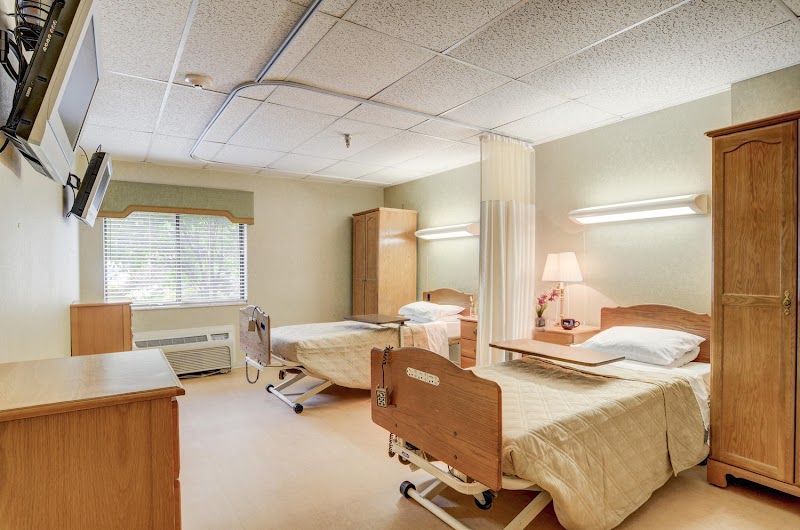
How is South Hills Post Acute Staffed?

CMS rates SOUTH HILLS POST ACUTE's staffing level at 4 out of 5 stars, which is above average compared to other nursing homes. Staff turnover is 63%, which is 17 percentage points above the Pennsylvania average of 46%. High turnover can affect care consistency as new staff learn residents' individual needs.

What Have Inspectors Found at South Hills Post Acute?

State health inspectors documented 20 deficiencies at SOUTH HILLS POST ACUTE during 2023 to 2025. These included: 17 with potential for harm and 3 minor or isolated issues.
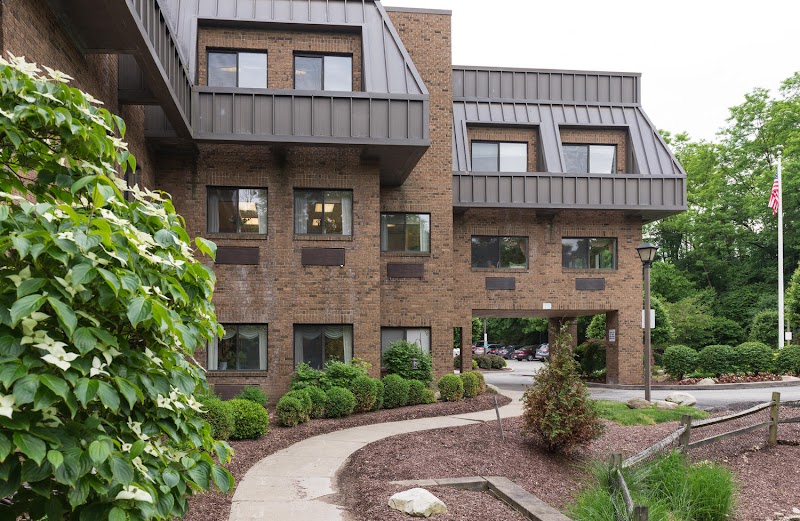
Who Owns and Operates South Hills Post Acute?

SOUTH HILLS POST ACUTE is owned by a for-profit company. For-profit facilities operate as businesses with obligations to shareholders or private owners. The facility is operated by PACS GROUP, a chain that manages multiple nursing homes. With 160 certified beds and approximately 130 residents (about 81% occupancy), it is a mid-sized facility located in BETHEL PARK, Pennsylvania.

How Does South Hills Post Acute Compare to Other Pennsylvania Nursing Homes?

Compared to the 100 nursing homes in Pennsylvania, SOUTH HILLS POST ACUTE's overall rating (3 stars) matches the state average, staff turnover (63%) is significantly higher than the state average of 46%, and health inspection rating (3 stars) is at the national benchmark.

What Should Families Ask When Visiting South Hills Post Acute?

Based on this facility's data, families visiting should ask: "How do you ensure continuity of care given staff turnover, and what is your staff retention strategy?" "Can I visit during a mealtime to observe dining assistance and food quality?" "How do you handle medical emergencies, and what is your hospital transfer rate?" "Can I speak with family members of current residents about their experience?" These questions are particularly relevant given the facility's high staff turnover rate.

Is South Hills Post Acute Safe?

Based on CMS inspection data, SOUTH HILLS POST ACUTE has a clean safety record: no substantiated abuse findings (meaning no confirmed cases of resident harm), no Immediate Jeopardy citations (the most serious violation level indicating risk of serious injury or death), and is not on the Special Focus Facility watch list (a federal program monitoring the lowest-performing 1% of nursing homes). The facility has a 3-star overall rating and ranks #1 of 100 nursing homes in Pennsylvania. While no facility is perfect, families should still ask about staff-to-resident ratios and recent inspection results during their visit.

Do Nurses at South Hills Post Acute Stick Around?

Staff turnover at SOUTH HILLS POST ACUTE is high. At 63%, the facility is 17 percentage points above the Pennsylvania average of 46%. High turnover means new staff may not know residents' individual needs, medications, or preferences. It can also be disorienting for residents, especially those with dementia who rely on familiar faces. Families should ask: What is causing the turnover? What retention programs are in place? How do you ensure care continuity during staff transitions?

Was South Hills Post Acute Ever Fined?

SOUTH HILLS POST ACUTE has no federal fines on record. CMS issues fines when nursing homes fail to meet care standards or don't correct problems found during inspections. The absence of fines suggests the facility has either maintained compliance or corrected any issues before penalties were assessed. This is a positive indicator, though families should still review recent inspection reports for the full picture.

Is South Hills Post Acute on Any Federal Watch List?

SOUTH HILLS POST ACUTE is not on any federal watch list. The most significant is the Special Focus Facility (SFF) program, which identifies the bottom 1% of nursing homes nationally based on persistent, serious quality problems. Not being on this list means the facility has avoided the pattern of deficiencies that triggers enhanced federal oversight. This is a positive indicator, though families should still review the facility's inspection history directly.