ADVANCED HEALTH CARE OF HANOVER
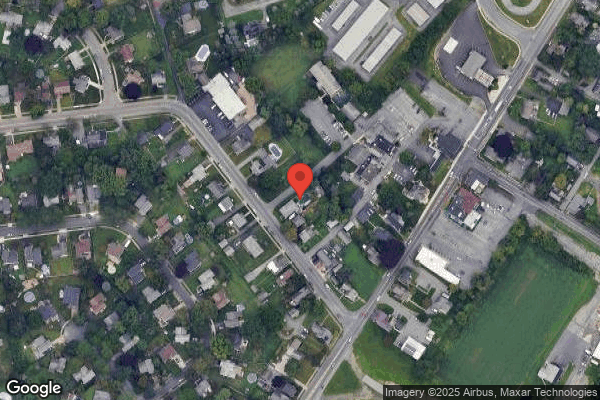

3370 HIGH POINTE BOULEVARD, BETHLEHEM, PA 18017 (484) 245-7100
For profit - Limited Liability company 46 Beds ADVANCED HEALTH CARE Data: November 2025
Trust Grade
58/100
#256 of 653 in PA
Last Inspection: June 2025

Inspected within the last 6 months. Data reflects current conditions.

Overview

Advanced Health Care of Hanover has a Trust Grade of C, which means it is average and sits in the middle of the pack compared to other facilities. It ranks #256 out of 653 in Pennsylvania, placing it in the top half, but it is #11 out of 16 in Lehigh County, indicating that there are better local options available. Unfortunately, the facility is worsening; the number of issues identified increased from 5 in 2024 to 13 in 2025. Staffing is a relative strength, with a rating of 4 out of 5 stars, but the turnover rate of 68% is concerning, as it exceeds the state average of 46%. There have been some notable incidents, including improper food storage in the kitchen, such as raw chicken stored above shrimp without proper dating, and failures to implement physician orders for residents, potentially compromising their care. While the facility has good RN coverage, these deficiencies highlight areas that need improvement.

Trust Score
C
58/100
In Pennsylvania
#256/653
Top 39%
Safety Record
Low Risk
No red flags
Inspections
Getting Worse
5 → 13 violations
Staff Stability
⚠ Watch
68% turnover. Above average. Higher turnover means staff may not know residents' routines.
Penalties
⚠ Watch
$3,387 in fines. Higher than 99% of Pennsylvania facilities. Major compliance failures.
Skilled Nurses
✓ Good
Each resident gets 62 minutes of Registered Nurse (RN) attention daily — more than 97% of Pennsylvania nursing homes. RNs are the most trained staff who catch health problems before they become serious.
Violations
⚠ Watch
18 deficiencies on record. Higher than average. Multiple issues found across inspections.
★★★☆☆
3.0
Overall Rating
★★★★☆
4.0
Staff Levels
★★★☆☆
3.0
Care Quality
★★★☆☆
3.0
Inspection Score
Stable
2024: 5 issues
2025: 13 issues

The Good

  • 4-Star Staffing Rating · Above-average nurse staffing levels
  • Full Sprinkler Coverage · Fire safety systems throughout facility
  • No fines on record

Facility shows strength in staffing levels, fire safety.

The Bad

3-Star Overall Rating

Near Pennsylvania average (3.0)

Meets federal standards, typical of most facilities

Staff Turnover: 68%

22pts above Pennsylvania avg (46%)

Frequent staff changes - ask about care continuity

Federal Fines: $3,387

Below median ($33,413)

Minor penalties assessed

Chain: ADVANCED HEALTH CARE

Part of a multi-facility chain

Ask about local staffing decisions and management

Staff turnover is elevated (68%)

20 points above Pennsylvania average of 48%

The Ugly 18 deficiencies on record

Jun 2025 1 deficiency
CONCERN (D) 📢 Someone Reported This

A family member, employee, or ombudsman was alarmed enough to file a formal complaint

Potential for Harm - no one hurt, but risky conditions existed

Deficiency F0688 (Tag F0688)

Could have caused harm · This affected 1 resident

**NOTE- TERMS IN BRACKETS HAVE BEEN EDITED TO PROTECT CONFIDENTIALITY** Based on clinical record review and staff interview, it was determined that the facility failed to address or implement an order...

Read full inspector narrative →
**NOTE- TERMS IN BRACKETS HAVE BEEN EDITED TO PROTECT CONFIDENTIALITY** Based on clinical record review and staff interview, it was determined that the facility failed to address or implement an order by the orthopedic surgeon to prevent a decline in range of motion for one of four sampled residents. (Resident 1) Findings include: Clinical record review revealed that Resident 1 had diagnoses that included heart failure, osteoarthritis of the right hand, and vision loss. The Minimum Data Set assessment dated [DATE], indicated that the resident was alert, dependent on staff for activities of daily living, and had a limitation in range of motion to one arm. On June 11, 2025, the orthopedic surgeon ordered a Dynasplint (stretching device to increase joint movement) to the right elbow. Review of the occupational therapy treatment note, dated June 20, 2025, revealed that staff was to ensure the resident had the Dynasplint in place for 30 minutes three times a day after every meal. There was no documented evidence that staff had implemented the recommendations to ensure that the Dynasplint was in place. In an interview conducted on June 29, 2025, at 1:50 p.m., the Administrator confirmed that there was no documented evidence that the recommendation for the Dynasplint was implemented. 28 Pa. Code 211.12(d)(1)(3)(5) Nursing services.
Jun 2025 7 deficiencies
CONCERN (D)

Potential for Harm - no one hurt, but risky conditions existed

Deficiency F0628 (Tag F0628)

Could have caused harm · This affected 1 resident

**NOTE- TERMS IN BRACKETS HAVE BEEN EDITED TO PROTECT CONFIDENTIALITY** Based on clinical record review and staff interview, it was determined that the facility failed to notify the resident and the r...

Read full inspector narrative →
**NOTE- TERMS IN BRACKETS HAVE BEEN EDITED TO PROTECT CONFIDENTIALITY** Based on clinical record review and staff interview, it was determined that the facility failed to notify the resident and the resident's representative of the bed hold policy and transfer, including the reasons for the transfer and Ombudsman information, in writing upon transfer from the facility, for two of two sampled residents who were transferred to the hospital. (Residents 2, 41) Findings include: Clinical record review revealed that Resident 2 was transferred and admitted to the hospital on [DATE], after a change in condition. There was no documentation to support that the resident or the resident's responsible party or legal representative was provided written information regarding the bed hold policy or the transfer to the hospital. Clinical record review revealed that Resident 41 was transferred and admitted to the hospital on [DATE], after a change in condition. There was no documentation to support that the resident or the resident's responsible party or legal representative was provided written information regarding the bed hold policy or the transfer to the hospital. In an interview on June 18, 2025, at 1:30 p.m., the Administrator confirmed there was no documentation to support that the above notices were sent.
CONCERN (D)

Potential for Harm - no one hurt, but risky conditions existed

MDS Data Transmission (Tag F0640)

Could have caused harm · This affected 1 resident

**NOTE- TERMS IN BRACKETS HAVE BEEN EDITED TO PROTECT CONFIDENTIALITY** Based on clinical record review and staff interview, it was determined that the facility failed to complete and electronically t...

Read full inspector narrative →
**NOTE- TERMS IN BRACKETS HAVE BEEN EDITED TO PROTECT CONFIDENTIALITY** Based on clinical record review and staff interview, it was determined that the facility failed to complete and electronically transmit encoded Minimum Data Set (MDS) assessment data to the Centers for Medicare and Medicaid Services (CMS) within 14 days for one of 14 sampled residents. (Resident 13) Findings include: Clinical record review on June 17, 2025, revealed that Resident 13 had a Quarterly MDS assessment dated [DATE], that was still in progress and had not yet been completed and transmitted to CMS as per the time requirements. In an interview on June 18, 2025, at 9:50 a.m., the Director of Nursing confirmed that the MDS assessment had not been completed and transmitted to CMS within the required time frame. CFR 483.20(f)(3) Transmittal Requirements Previously cited 7/3/24.
CONCERN (D)

Potential for Harm - no one hurt, but risky conditions existed

ADL Care (Tag F0677)

Could have caused harm · This affected 1 resident

**NOTE- TERMS IN BRACKETS HAVE BEEN EDITED TO PROTECT CONFIDENTIALITY** Based on clinical record review, observation, resident interview, and staff interview, it was determined that the facility faile...

Read full inspector narrative →
**NOTE- TERMS IN BRACKETS HAVE BEEN EDITED TO PROTECT CONFIDENTIALITY** Based on clinical record review, observation, resident interview, and staff interview, it was determined that the facility failed to provide services to maintain adequate grooming and hygiene for one of 14 sampled residents who required assistance with activities of daily living (ADLs). (Resident 23) Findings include: Clinical record review revealed that Resident 23 had diagnoses that included heart failure and metabolic encephalopathy (a change in brain function). The Minimum Data Set (MDS) assessment dated [DATE], revealed that Resident 23 was dependent on staff for personal hygiene and bathing. Review of the care plan revealed that the resident required assistance from staff for ADLs, including grooming, personal hygiene and bathing. On June 16, 2025, at 10:30 a.m., the resident was observed in bed. His fingernails were long and dirty. On June 17, at 11:40 a.m., the resident was observed with his nails in the same condition. In an interview at that time, Resident 23 stated he would like his nails to be trimmed and cleaned, and staff had not offered to do them. There was no documented evidence that staff offered to assist Resident 23 with trimming and cleaning his nails. In an interview on June 17, 2025, at 1:40 p.m., the Director of Nursing confirmed that nail care was to be done when nursing staff was providing routine care and as needed. 28 Pa. Code 211.12(d)(1)(5) Nursing services.
CONCERN (D)

Potential for Harm - no one hurt, but risky conditions existed

Deficiency F0806 (Tag F0806)

Could have caused harm · This affected 1 resident

**NOTE- TERMS IN BRACKETS HAVE BEEN EDITED TO PROTECT CONFIDENTIALITY** Based on clinical record review, observation, resident interview, and staff interview, it was determined that the facility faile...

Read full inspector narrative →
**NOTE- TERMS IN BRACKETS HAVE BEEN EDITED TO PROTECT CONFIDENTIALITY** Based on clinical record review, observation, resident interview, and staff interview, it was determined that the facility failed to ensure residents were served preferred items on their meal trays for one of 14 sampled residents. (Resident 208) Findings include: Review of the facility dining services menu for June 17, 2025, revealed that the breakfast meal included fruit, pancakes with syrup, hot or cold cereal, sausage, milk, and choice of juice. Clinical record review revealed that Resident 208 had diagnoses that included chronic kidney disease and heart failure. The Minimum Data Set (MDS) assessment dated [DATE], indicated that the resident had no cognitive impairment. On June 17, 2025, at 9:17 a.m., the resident was observed with her breakfast meal that consisted of eggs on a tortilla, fruit, hot tea, and milk. Review of the resident's menu selections that were submitted to the kitchen revealed that she requested the pancake and sausage for her breakfast meal. The resident was observed having difficulty eating her breakfast and stated that she would have preferred the pancakes and sausage. In an interview on June 18, 2025, at 9:41 a.m., the Administrator stated that the dietary department was expected to follow the residents' selections identified on the weekly menu selection form. 28 Pa. Code 201.14(a) Responsibility of licensee. 28 Pa. Code 201.18(b) Management.
CONCERN (D)

Potential for Harm - no one hurt, but risky conditions existed

Deficiency F0810 (Tag F0810)

Could have caused harm · This affected 1 resident

Based on clinical record review and observation, it was determined that the facility failed to ensure that adaptive equipment was provided to one of 14 sampled residents. (Resident 208) Findings inclu...

Read full inspector narrative →
Based on clinical record review and observation, it was determined that the facility failed to ensure that adaptive equipment was provided to one of 14 sampled residents. (Resident 208) Findings include: Clinical record review revealed that Resident 208 had diagnoses that included a recent upper arm fracture and osteoarthritis to the right dominant hand. Review of a nurse's note dated June 15, 2025, revealed that the resident had vision problems. The care plan indicated that the resident had vision problems and required assistance with activities of daily living, including dietary tasks. Occupational therapy documentation dated June 8 and 9, 2025, indicated the resident required an inner lip plate and built-up utensils for every meal, visual cues when eating, and for staff to cut up her food. Observations on June 16, 2025, from 1:05 p.m. to 1:25 p.m., revealed Resident 208 was eating her lunch in her room. She did not have an inner lip plate on her tray and was observed having difficulty picking up and managing her cheeseburger with her right hand. On June 17, 2005, from 9:00 a.m. to 9:15 a.m., Resident 208 was observed eating breakfast in her room. The resident's tray did not have an inner lip plate, contained weighted utensils (not built up utensils), and the food was not cut into pieces. The resident was observed having difficulty cutting the eggs and could not cut the tortilla. On June 17, 2025, from 1:15 p.m. to 1:30 p.m., Resident 208 was observed eating her lunch in her room. The resident did not have her inner lip plate on the meal tray and was observed struggling to pick up her food with the utensils. The lunch meal consisted of chicken, cauliflower, and rice. The chicken was not cut into pieces. In an interview on June 18, 2025, at 9:41 a.m., the NHA confirmed the adaptive equipment should have been in place for Resident 208. 28 Pa. Code 211.12(d)(1)(3)(5) Nursing services.
CONCERN (E)

Potential for Harm - no one hurt, but risky conditions existed

Comprehensive Care Plan (Tag F0656)

Could have caused harm · This affected multiple residents

**NOTE- TERMS IN BRACKETS HAVE BEEN EDITED TO PROTECT CONFIDENTIALITY** Based on clinical record review and staff interview, it was determined that the facility failed to develop a comprehensive care ...

Read full inspector narrative →
**NOTE- TERMS IN BRACKETS HAVE BEEN EDITED TO PROTECT CONFIDENTIALITY** Based on clinical record review and staff interview, it was determined that the facility failed to develop a comprehensive care plan to meet each resident's needs as identified in the comprehensive assessment for three of 14 sampled residents. (Residents 12, 20, 44) Findings include: Clinical record review revealed that Resident 12 was admitted to the facility on [DATE], and had diagnoses that included diabetes, lower limb cellulitis, and gastro-esophageal reflux disease. The Minimum Data Set (MDS) Care Area Assessment (CAA) summary dated May 25, 2025, noted that the resident's vision, activities of daily living, dental care, and nutrition were to be addressed in the care plan. There was no documented evidence that interventions to address those areas were included on Resident 12's care plan. Clinical record review revealed that Resident 20 was admitted to the facility on [DATE], and had diagnoses that included hearing loss, high cholesterol, and a recent total knee replacement. The MDS CAA summary dated June 4, 2025, noted that the resident's communication, nutrition, and activities of daily living were to be addressed in the care plan. There was no documented evidence that interventions to address those areas were included in Resident 20's care plan. Clinical record review revealed that Resident 44 was admitted to the facility on [DATE], and had diagnoses that included depression. The MDS CAA summary dated March 20, 2025, noted that the resident's psychotropic drug use was to be addressed in the care plan. Review of the medication administration record revealed the resident received an antidepressant (trazodone) March through June 2025. There was no documented evidence that interventions to address Resident 44's psychotropic drug use were included in the care plan. In interviews on June 18, 2025, at 9:50 a.m. and 1:47 p.m., the Director of Nursing confirmed the identified care areas were not addressed in the care plans. 28 Pa. Code 211.12(d)(1)(5) Nursing services.
CONCERN (E)

Potential for Harm - no one hurt, but risky conditions existed

Quality of Care (Tag F0684)

Could have caused harm · This affected multiple residents

**NOTE- TERMS IN BRACKETS HAVE BEEN EDITED TO PROTECT CONFIDENTIALITY** Based on facility policy review, clinical record review, and staff interview, it was determined that the facility failed to impl...

Read full inspector narrative →
**NOTE- TERMS IN BRACKETS HAVE BEEN EDITED TO PROTECT CONFIDENTIALITY** Based on facility policy review, clinical record review, and staff interview, it was determined that the facility failed to implement physicians' orders for four of 14 sampled residents. (Residents 12, 20, 23, 208) Findings include: Review of the policy entitled, Medication Administration, last reviewed January 8, 2025, revealed that staff were to administer medications in accordance with the written orders of the physician and ensure vital signs were performed with appropriate medications. In an interview on June 18, 2025, at 2:30 p.m., with the Director of Nursing stated that any vital signs obtained for parameters per the physicians' orders were to be entered into the Medication Administration Record (MAR) as indicated. Clinical record review revealed that Resident 12 was admitted to the facility on [DATE], and had diagnoses that included heart failure and kidney disease. On May 20, 2025, the physician ordered for staff to weigh the resident daily and to notify the physician of weight gain greater than five pounds in a week or three pounds in one day. Review of Resident 12's June 2025 MAR revealed no evidence that staff weighed Resident 12 on June 1, 2, 3, 6, 8, 10, 12, 13, 14, 15, 16, and 17, 2025. Clinical record review revealed that Resident 20 was admitted to the facility on [DATE], and had diagnoses that included diabetes, heart failure, and kidney failure. On May 30, 2025, the physician ordered staff to weigh the resident daily and to notify the physician of weight gain greater than five pounds in a week or three pounds in one day. Review of Resident 20's June 2025 MAR revealed no evidence that staff weighed Resident 20 on June 2, 8, 9, 10, 11, 12, 13, 14, 15, 16, and 17, 2025. Clinical record review revealed that Resident 23 had diagnoses that included high blood pressure. On May 31, 2025, the physician ordered staff to administer a blood pressure medication (metoprolol tartrate) two times a day. Staff were not to administer the medication if the resident's heart rate (the number of times a heart beats in one minute) was less than 55. Review of Resident 23's June 2025 MAR revealed that staff administered the medication on June 2, 6, 8, 13, and 16, 2025, and there was a lack of evidence to support that staff assessed the heart rate prior to medication administration on those dates. Clinical record review revealed that Resident 208 was admitted to the facility on [DATE], and had diagnoses that included heart failure, high blood pressure, and kidney disease. On June 5, 2025, the physician ordered staff to weigh the resident daily and to notify the physician of weight gain greater than five pounds in a week or three pounds in one day. Review of Resident 208's June 2025 MAR revealed no evidence that staff weighed Resident 208 on June 5, 6, 7, 8, 11, 12, 14, 15, 16, and 17, 2025. In interviews on June 18, 2025, at 1:42 p.m. and 2:30 p.m., the Director of Nursing confirmed there was no documented evidence that the above noted daily weights or heart rates were obtained per the physicians' orders. CFR 483.25 Quality of Care Previously cited 7/3/24. 28 Pa. Code 211.12(d)(1)(3)(5) Nursing services.
Apr 2025 1 deficiency
CONCERN (D) 📢 Someone Reported This

A family member, employee, or ombudsman was alarmed enough to file a formal complaint

Potential for Harm - no one hurt, but risky conditions existed

Medical Records (Tag F0842)

Could have caused harm · This affected 1 resident

**NOTE- TERMS IN BRACKETS HAVE BEEN EDITED TO PROTECT CONFIDENTIALITY** Based on clinical record review, it was determined that the facility failed to ensure that medical record documentation was comp...

Read full inspector narrative →
**NOTE- TERMS IN BRACKETS HAVE BEEN EDITED TO PROTECT CONFIDENTIALITY** Based on clinical record review, it was determined that the facility failed to ensure that medical record documentation was complete and accurate for one of four sampled residents. (Resident R1) Findings include: Resident R 1 was admitted to the facility on [DATE], with diagnosed that included metabolic encephalopathy and left below the knee amputation. The April 1, 2025, admission skin assessment revealed that the resident had no open areas and her skin was intact. The April 3, 2025, bathing assessment revealed that the resident's skin was intact with no impaired area. In an interview on April 8, 2025, at 10:30 a.m., the resident informed the nurse practitioner that a bandaged area on the right lower extremity had not been changed or the area assessed by staff since admission on [DATE]. The right lower extremity was then assessed and a treatment prescribed. There was a lack of documentation within the clinical record that the impaired area was identified by staff from admission until April 8, 2025 (eight days later). 28 Pa. Code 211.5(f) Medical records.
Mar 2025 1 deficiency
CONCERN (D) 📢 Someone Reported This

A family member, employee, or ombudsman was alarmed enough to file a formal complaint

Potential for Harm - no one hurt, but risky conditions existed

Deficiency F0573 (Tag F0573)

Could have caused harm · This affected 1 resident

Based on clinical record review and staff interview, it was determined that the facility failed to provide a copy of a discharged resident's clinical record within two days as requested by the legal r...

Read full inspector narrative →
Based on clinical record review and staff interview, it was determined that the facility failed to provide a copy of a discharged resident's clinical record within two days as requested by the legal representative for one of four resident's sampled. (Resident CR1) Resident CR1 was discharged from the facility on May 29, 2024. A request was made for a copy of Resident CR1's clinical record to be copied and sent to the legal representative on August 29, 2024. In an interview on March 4, 2025, at 11:00 a.m., the Nursing Home Administrator confirmed the the requested information was not faxed until December 10, 2024. 28 PA. Code 201.29(a) Resident rights.
Feb 2025 2 deficiencies
CONCERN (D) 📢 Someone Reported This

A family member, employee, or ombudsman was alarmed enough to file a formal complaint

Potential for Harm - no one hurt, but risky conditions existed

ADL Care (Tag F0677)

Could have caused harm · This affected 1 resident

**NOTE- TERMS IN BRACKETS HAVE BEEN EDITED TO PROTECT CONFIDENTIALITY** Based on clinical record review and staff interview, it was determined that the facility failed to provide services to maintain ...

Read full inspector narrative →
**NOTE- TERMS IN BRACKETS HAVE BEEN EDITED TO PROTECT CONFIDENTIALITY** Based on clinical record review and staff interview, it was determined that the facility failed to provide services to maintain adequate grooming and hygiene for one of four sampled residents who required assistance with activities of daily living (ADLs). (Resident 1) Findings include: Clinical record review revealed that Resident 1 had diagnoses that included encephalopathy (disturbance of brain function), heart failure, and muscle weakness. The Minimum Data Set assessment dated [DATE], indicated that the resident was alert, had limited mobility to the right upper extremity, and required assistance with mouthcare. There was no documented evidence the resident was assisted with mouthcare, and no refusals were noted. In an interview on February 19, 2025, at 3:45 p.m., the Director of Nursing confirmed there was no documented evidence the resident was assisted with mouthcare and no evidence the resident refused. 28 Pa. Code 211.12(d)(1)(5) Nursing services.
CONCERN (D) 📢 Someone Reported This

A family member, employee, or ombudsman was alarmed enough to file a formal complaint

Potential for Harm - no one hurt, but risky conditions existed

Quality of Care (Tag F0684)

Could have caused harm · This affected 1 resident

Based on clinical record review and staff interview, it was determined that the facility failed to ensure that a physician's order was implemented for one of four sampled residents. (Resident 1) Findi...

Read full inspector narrative →
Based on clinical record review and staff interview, it was determined that the facility failed to ensure that a physician's order was implemented for one of four sampled residents. (Resident 1) Findings include: Clinical record review revealed that Resident 1 had diagnoses that included encephalopathy (disturbance of brain function), heart failure, and muscle weakness. A physician's order dated January 6, 2025, directed staff to obtain a stat (immediate) urine sample for urinalysis to rule out an infection. There was no documented evidence that the urine sample was obtained as ordered. In an interview on February 19, 2025, at 3:45 p.m., the Director of Nursing confirmed the urine sampled was not obtained as ordered. 28 Pa. Code 211.12(d)(1)(5) Nursing services
Feb 2025 1 deficiency
CONCERN (D) 📢 Someone Reported This

A family member, employee, or ombudsman was alarmed enough to file a formal complaint

Potential for Harm - no one hurt, but risky conditions existed

Pharmacy Services (Tag F0755)

Could have caused harm · This affected 1 resident

**NOTE- TERMS IN BRACKETS HAVE BEEN EDITED TO PROTECT CONFIDENTIALITY** Based on clinical record review, it was determined that the facility failed to ensure that physician ordered medications were pr...

Read full inspector narrative →
**NOTE- TERMS IN BRACKETS HAVE BEEN EDITED TO PROTECT CONFIDENTIALITY** Based on clinical record review, it was determined that the facility failed to ensure that physician ordered medications were provided timely for one of three residents sampled. (Resident 1) Findings include:g Clinical record review revealed that Resident 1 was admitted to the facility on [DATE], with diagnoses that included chronic heart failure, gout and deconditioning. On January 3, 2025, a physician directed staff to administer a medication (Entresto) to treat chronic heart failure, twice a day. Reivew of the Medication Administration Record (MAR) for January 2025 revealed that the medication was not provided by the pharmacy until January 9, 2025. The resident had not received the medication from January 4, through January 8, 2025. 28 Pa. Code 211.12(d)(5) Nursing services.
Jul 2024 5 deficiencies
CONCERN (D)

Potential for Harm - no one hurt, but risky conditions existed

MDS Data Transmission (Tag F0640)

Could have caused harm · This affected 1 resident

**NOTE- TERMS IN BRACKETS HAVE BEEN EDITED TO PROTECT CONFIDENTIALITY** Based on review of the Resident Assessment Instrument (RAI) User's Manual, clinical record review, and staff interview, it was d...

Read full inspector narrative →
**NOTE- TERMS IN BRACKETS HAVE BEEN EDITED TO PROTECT CONFIDENTIALITY** Based on review of the Resident Assessment Instrument (RAI) User's Manual, clinical record review, and staff interview, it was determined that the facility failed to complete a Minimum Data Set (MDS) assessment in a timely manner for one of three closed records sampled. (Resident 29) Findings include: Review of the Long-Term Care Facility RAI User's Manual dated October 2023, which provided instructions and guidelines for completing required MDS assessments (federally mandated assessment tool that evaluates resident's functional capabilities and helps nursing home staff identify health problems), revealed that a Discharge assessment is warranted when a resident is admitted to a hospital or other care setting. The Discharge assessment was to be completed and transmitted to the Centers for Medicare and Medicaid Services' Quality Improvement and Evaluation System Assessment Submission and Processing System within 14 days after the Assessment Reference Date (ARD), the day the resident leaves the facility. Clinical record review revealed that Resident 29 was admitted to the facility on [DATE], and remained there until being hospitalized on [DATE]. A Discharge MDS was not completed until July 3, 2024. In an interview on July 3, 2024, at 9:50 a.m., the Regional [NAME] President of Operations confirmed that the MDS assessment had not been completed within the required time frame. 28 Pa. Code 211.5(f) Medical records.
CONCERN (D)

Potential for Harm - no one hurt, but risky conditions existed

Quality of Care (Tag F0684)

Could have caused harm · This affected 1 resident

**NOTE- TERMS IN BRACKETS HAVE BEEN EDITED TO PROTECT CONFIDENTIALITY** Based on clinical record review and staff interview, it was determined that the facility failed to ensure that physician's order...

Read full inspector narrative →
**NOTE- TERMS IN BRACKETS HAVE BEEN EDITED TO PROTECT CONFIDENTIALITY** Based on clinical record review and staff interview, it was determined that the facility failed to ensure that physician's orders were implemented for two of 14 sampled residents. (Residents 4, 25) Findings include: Clinical record review revealed that Resident 4 was admitted on [DATE], and had diagnoses that included chronic kidney disease and heart failure. On June 18, 2024, a physician ordered that staff obtain a daily weight for the resident. A review of Resident 4's weights revealed that there was no documented evidence to support a weight was obtained on June 21, 2024. Clinical record review revealed that Resident 25 was admitted on [DATE], and had diagnoses that included end stage renal disease and heart failure. On June 21, 2024, a physician ordered that staff obtain a daily weight for the resident. A review of Resident 25's weights revealed that there was no documented evidence to support a weight was obtained on June 23 and 30, 2024. In an interview on July 3, 2024, at 1:39 p.m., the Regional [NAME] President of Operations confirmed there was no documentation to support that weights were obtained by staff or refused by the residents on the previously mentioned dates. 28 Pa. Code 211.12(d)(1)(5) Nursing services
CONCERN (D)

Potential for Harm - no one hurt, but risky conditions existed

Deficiency F0698 (Tag F0698)

Could have caused harm · This affected 1 resident

**NOTE- TERMS IN BRACKETS HAVE BEEN EDITED TO PROTECT CONFIDENTIALITY** Based on the facility policy review, clinical record review, and staff interview, it was determined that the facility failed to ...

Read full inspector narrative →
**NOTE- TERMS IN BRACKETS HAVE BEEN EDITED TO PROTECT CONFIDENTIALITY** Based on the facility policy review, clinical record review, and staff interview, it was determined that the facility failed to provide ongoing assessment and monitoring for one of one sampled residents receiving hemodialysis. (Resident 101) Findings include: A review of a facility policy entitled, Dialysis Assessment, last reviewed April 23, 2024, revealed that all patients receiving hemodialysis would have their access site (where the blood is accessed for dialysis) assessed every shift. The assessment was to include appearance, signs of infection, drainage, bleeding, and bruit and thrill (sight and sound of blood flow at the site). The assessment was to be documented in the treatment administration record (TAR) by the nurse that conducted the assessment. Clinical record review revealed that Resident 101 was readmitted to the facility on [DATE], and had diagnoses that included end stage renal disease and congestive heart failure. The resident received hemodialysis three times per week. Review of the clinical record, including the TAR for June and July 2024, revealed no evidence that staff assessed the residents access site for appearance, signs of infection, bleeding, or bruit and thrill every shift, per facility policy, since June 27, 2024. In an interview on July 3, 2024, at 2:27 p.m., the Regional [NAME] President of Operations confirmed that there was no evidence that staff assessed the access site. 28 Pa. Code 211.12(1)(3)(5) Nursing services.
CONCERN (F)

Potential for Harm - no one hurt, but risky conditions existed

Food Safety (Tag F0812)

Could have caused harm · This affected most or all residents

Based on facility policy review, observation, and staff interview, it was determined that the facility failed to store food under sanitary conditions in the kitchen. Findings include: A review of a ...

Read full inspector narrative →
Based on facility policy review, observation, and staff interview, it was determined that the facility failed to store food under sanitary conditions in the kitchen. Findings include: A review of a facility policy entitled, Food Storage, last reviewed April 23, 2024, revealed that a thermometer would be present in the dry storage room and the temperature would be monitored on a regular basis. Scoops were not to be stored in food containers. Observation of the kitchen on July 2, 2024, at 9:15 a.m., revealed the following: There was a container of baking chocolate powder that had been removed from the original package; it was not dated. In the walk-in refrigerator, there was a bin of raw chicken stored over a bin of raw shrimp. The shrimp and chicken had been pulled from the freezer to be thawed and were not dated with a pull date. There was a bin of raw pork and a bin of raw turkey that were pulled from the freezer to be thawed and were not dated with a pull date. In an interview, the Director of Dietary confirmed that the items should have been dated. A scoop was in the bulk bin of all-purpose flour; it was in direct contact with the flour. In the dry storage room, there were funnels in a container of salt and a container of pepper; they were in direct contact with the salt and pepper. There was a Styrofoam bowl in a second container of salt; it was in direct contact with the salt. There was no thermometer in the dry storage room. 28 Pa. Code 201.18(e)(1) Management.
MINOR (B)

Minor Issue - procedural, no safety impact

Abuse Prevention Policies (Tag F0607)

Minor procedural issue · This affected multiple residents

Based on facility policy review, personnel file review, and staff interview, it was determined that the facility failed to verify professional license/registration prior to the start of employment for...

Read full inspector narrative →
Based on facility policy review, personnel file review, and staff interview, it was determined that the facility failed to verify professional license/registration prior to the start of employment for two of five newly hired employees. (E3 and E4) Findings include: A review of facility policy entitled, Abuse, dated April 23, 2024, revealed that the facility was to conduct screening for all potential hires. This included license/registration verification. Employee 3 (E3) had been working in the facility as a Registered Nurse since May 24, 2024, and an inquiry to the state licensure board was not completed until July 2, 2024. Employee 4 (E4) had been working in the facility as a nurse aide since May 23, 2024, and an inquiry to the state nurse aide registry had not been completed. In an interview on July 3, 2024, at 9:00 a.m., the Regional [NAME] President of Operations confirmed the license/registry verification for E3 and E4 was not done per facility policy. 28 Pa. Code 201.14(a) Responsibility of licensee. 28 Pa. Code 201.19(3) Personnel policies and procedures.
Understanding Severity Codes (click to expand)
Life-Threatening (Immediate Jeopardy)
J - Isolated K - Pattern L - Widespread
Actual Harm
G - Isolated H - Pattern I - Widespread
Potential for Harm
D - Isolated E - Pattern F - Widespread
No Harm (Minor)
A - Isolated B - Pattern C - Widespread

Questions to Ask on Your Visit

  • "Why is there high staff turnover? How do you retain staff?"
  • "Can I speak with families of current residents?"
  • "What's your RN coverage like on weekends and overnight?"

Our Honest Assessment

Strengths
  • • No major safety red flags. No abuse findings, life-threatening violations, or SFF status.
  • • $3,387 in fines. Lower than most Pennsylvania facilities. Relatively clean record.
Concerns
  • • 18 deficiencies on record. Higher than average. Multiple issues found across inspections.
  • • Grade C (58/100). Below average facility with significant concerns.
  • • 68% turnover. Above average. Higher turnover means staff may not know residents' routines.
Bottom line: Mixed indicators with Trust Score of 58/100. Visit in person and ask pointed questions.

About This Facility

What is Advanced Health Care Of Hanover's CMS Rating?

CMS assigns ADVANCED HEALTH CARE OF HANOVER an overall rating of 3 out of 5 stars, which is considered average nationally. Within Pennsylvania, this rating places the facility higher than 0% of the state's 100 nursing homes. This mid-range rating indicates the facility meets federal standards but may have areas for improvement.
How is Advanced Health Care Of Hanover Staffed?

CMS rates ADVANCED HEALTH CARE OF HANOVER's staffing level at 4 out of 5 stars, which is above average compared to other nursing homes. Staff turnover is 68%, which is 22 percentage points above the Pennsylvania average of 46%. High turnover can affect care consistency as new staff learn residents' individual needs. RN turnover specifically is 73%, which is notably high. RNs provide skilled clinical oversight, so turnover in this role can affect medical care quality.

What Have Inspectors Found at Advanced Health Care Of Hanover?

State health inspectors documented 18 deficiencies at ADVANCED HEALTH CARE OF HANOVER during 2024 to 2025. These included: 17 with potential for harm and 1 minor or isolated issues.

Who Owns and Operates Advanced Health Care Of Hanover?

ADVANCED HEALTH CARE OF HANOVER is owned by a for-profit company. For-profit facilities operate as businesses with obligations to shareholders or private owners. The facility is operated by ADVANCED HEALTH CARE, a chain that manages multiple nursing homes. With 46 certified beds and approximately 44 residents (about 96% occupancy), it is a smaller facility located in BETHLEHEM, Pennsylvania.
How Does Advanced Health Care Of Hanover Compare to Other Pennsylvania Nursing Homes?

Compared to the 100 nursing homes in Pennsylvania, ADVANCED HEALTH CARE OF HANOVER's overall rating (3 stars) matches the state average, staff turnover (68%) is significantly higher than the state average of 46%, and health inspection rating (3 stars) is at the national benchmark.

What Should Families Ask When Visiting Advanced Health Care Of Hanover?

Based on this facility's data, families visiting should ask: "How do you ensure continuity of care given staff turnover, and what is your staff retention strategy?" "Can I visit during a mealtime to observe dining assistance and food quality?" "How do you handle medical emergencies, and what is your hospital transfer rate?" "Can I speak with family members of current residents about their experience?" These questions are particularly relevant given the facility's high staff turnover rate.

Is Advanced Health Care Of Hanover Safe?

Based on CMS inspection data, ADVANCED HEALTH CARE OF HANOVER has a clean safety record: no substantiated abuse findings (meaning no confirmed cases of resident harm), no Immediate Jeopardy citations (the most serious violation level indicating risk of serious injury or death), and is not on the Special Focus Facility watch list (a federal program monitoring the lowest-performing 1% of nursing homes). The facility has a 3-star overall rating and ranks #1 of 100 nursing homes in Pennsylvania. While no facility is perfect, families should still ask about staff-to-resident ratios and recent inspection results during their visit.

Do Nurses at Advanced Health Care Of Hanover Stick Around?

Staff turnover at ADVANCED HEALTH CARE OF HANOVER is high. At 68%, the facility is 22 percentage points above the Pennsylvania average of 46%. Registered Nurse turnover is particularly concerning at 73%. RNs handle complex medical decisions and coordinate care — frequent RN changes can directly impact care quality. High turnover means new staff may not know residents' individual needs, medications, or preferences. It can also be disorienting for residents, especially those with dementia who rely on familiar faces. Families should ask: What is causing the turnover? What retention programs are in place? How do you ensure care continuity during staff transitions?

Was Advanced Health Care Of Hanover Ever Fined?

ADVANCED HEALTH CARE OF HANOVER has been fined $3,387 across 1 penalty action. This is below the Pennsylvania average of $33,113. While any fine indicates a compliance issue, fines under $50,000 are relatively common and typically reflect isolated problems that were subsequently corrected. Families should ask what specific issues led to these fines and confirm they've been resolved.

Is Advanced Health Care Of Hanover on Any Federal Watch List?

ADVANCED HEALTH CARE OF HANOVER is not on any federal watch list. The most significant is the Special Focus Facility (SFF) program, which identifies the bottom 1% of nursing homes nationally based on persistent, serious quality problems. Not being on this list means the facility has avoided the pattern of deficiencies that triggers enhanced federal oversight. This is a positive indicator, though families should still review the facility's inspection history directly.