BETHLEHEM NORTH SKILLED NURSING AND REHABILITATION
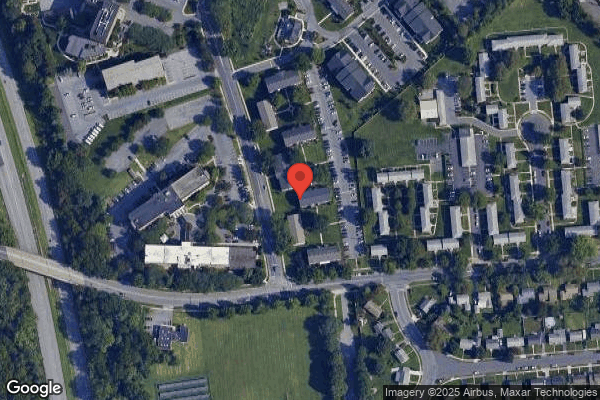
2029 WESTGATE DRIVE, BETHLEHEM, PA 18017 (610) 861-0100
For profit - Corporation 217 Beds GENESIS HEALTHCARE Data: November 2025
Trust Grade
75/100
#157 of 653 in PA
Last Inspection: March 2025

Within standard 12-15 month inspection cycle. Federal law requires annual inspections.

Overview

Bethlehem North Skilled Nursing and Rehabilitation has received a Trust Grade of B, indicating it is a good choice among nursing homes. Ranking #157 out of 653 facilities in Pennsylvania places it in the top half, while its county rank of #7 out of 16 suggests that only a few local options are better. However, the facility's trend is worsening, with issues increasing from 1 in 2024 to 9 in 2025. Staffing is a concern, rated at just 2 out of 5 stars and having a 52% turnover rate, which is average but still suggests instability. On a positive note, the facility has no fines on record, indicating compliance with regulations, although RN coverage is below average, with less coverage than 83% of Pennsylvania facilities. Specific incidents of concern include a failure to store food properly, which poses a risk for foodborne illnesses, and a resident being unable to reach their call bell, putting them at risk for falls. Additionally, the facility did not notify family members about significant weight loss in several residents, which may hinder necessary care adjustments. While there are notable strengths, these weaknesses highlight the need for improvement in certain areas.

Trust Score
B
75/100
In Pennsylvania
#157/653
Top 24%
Safety Record
Low Risk
No red flags
Inspections
Getting Worse
1 → 9 violations
Staff Stability
⚠ Watch
52% turnover. Above average. Higher turnover means staff may not know residents' routines.
Penalties
✓ Good
No fines on record. Clean compliance history, better than most Pennsylvania facilities.
Skilled Nurses
⚠ Watch
Each resident gets only 27 minutes of Registered Nurse (RN) attention daily — below average for Pennsylvania. Fewer RN minutes means fewer trained eyes watching for problems.
Violations
⚠ Watch
13 deficiencies on record. Higher than average. Multiple issues found across inspections.
★★★★☆
4.0
Overall Rating
★★☆☆☆
2.0
Staff Levels
★★★☆☆
3.0
Care Quality
★★★★☆
4.0
Inspection Score
Stable
2024: 1 issues
2025: 9 issues

The Good

  • Full Sprinkler Coverage · Fire safety systems throughout facility
  • No fines on record

Facility shows strength in fire safety.

The Bad

Staff Turnover: 52%

Near Pennsylvania avg (46%)

Higher turnover may affect care consistency

Chain: GENESIS HEALTHCARE

Part of a multi-facility chain

Ask about local staffing decisions and management

The Ugly 13 deficiencies on record

Mar 2025 9 deficiencies
CONCERN (D)

Potential for Harm - no one hurt, but risky conditions existed

Deficiency F0558 (Tag F0558)

Could have caused harm · This affected 1 resident

Based on clinical record review and observation, it was determined that the facility failed to ensure that a call bell was accessible for one of 39 sampled residents. (Resident 104) Findings include:...

Read full inspector narrative →
Based on clinical record review and observation, it was determined that the facility failed to ensure that a call bell was accessible for one of 39 sampled residents. (Resident 104) Findings include: Clinical record review revealed that Resident 104 had diagnoses that included polyneuropathy (a condition where peripheral nerves are damaged) and dementia. Review of the Minimum Data Set assessment, dated December 15, 2024, revealed Resident 104 was dependent on staff for activities of daily living, including toileting, dressing, and personal hygiene. Review of the care plan revealed that Resident 104 was at risk for falls with an intervention for staff to keep commonly used articles within easy reach and reinforce the need to call for assistance. On March 5, 2025, at 11:16 a.m., Resident 104 was observed in bed with the call bell on the floor next to the bed. Resident 104 was observed again at 12:19 p.m. and 2:40 p.m., in bed with the call bell on the floor and out of reach. In an interview on March 6, 2024, at 1:45 p.m., the Assistant Director of Nursing confirmed that the resident's call bell should have been placed within the resident's reach. 28 Pa. Code 211.12(d)(1)(5) Nursing services.
CONCERN (D)

Potential for Harm - no one hurt, but risky conditions existed

Notification of Changes (Tag F0580)

Could have caused harm · This affected 1 resident

**NOTE- TERMS IN BRACKETS HAVE BEEN EDITED TO PROTECT CONFIDENTIALITY** Based on facility policy review, clinical record review, and staff interview, it was determined that the facility failed to noti...

Read full inspector narrative →
**NOTE- TERMS IN BRACKETS HAVE BEEN EDITED TO PROTECT CONFIDENTIALITY** Based on facility policy review, clinical record review, and staff interview, it was determined that the facility failed to notify a resident's responsible party of a change in condition for three of four sampled residents who experienced significant weight loss. (Residents 44, 46, and 164) Findings include: Review of the facility policy entitled, Weights and Heights, last reviewed, November 18, 2024, revealed that staff would notify a resident's representative of a significant weight change. Review of the facility policy entitled, Change in Condition: Notification of, last reviewed November 18, 2024, revealed that the facility must immediately notify the resident's representative when there is a significant change in a resident's condition. Clinical record review revealed that Resident 44 had sarcopenia and dementia. On November 16, 2024, the resident weighed 235 pounds (lbs.). On December 17, 2024, the resident weighed 209.5 lbs., which reflected a 25.5 lb. (10.8%) weight loss. On January 6, 2025, the resident weighed 208.5 lbs., which confirmed a significant weight loss. There was no evidence that the facility notified the residents representative of the significant weight loss. Clinical record review revealed that Resident 46 was admitted to the facility on [DATE], and had diagnoses that included anemia and anxiety. On December 3, 2024, the resident weighed 204.2 lbs. On January 3, 2025, the resident weighed 180.4 lbs., which reflected a significant weight loss of 24.2 lb. (11.8%). On January 6, 2025, the resident weighed 180.0 lbs., which verified the weight loss. There was a lack of evidence to support that the resident's representative was notified of the significant weight loss. Clinical record review revealed that Resident 164 had diagnoses that included traumatic brain injury and dysphagia. On December 19, 2024, the resident weighed 229 lbs. On December 23, 2024, the resident weighed 217.4 lbs., which reflected a weight loss of 11.6 lbs., (5.0%). On December 24, 2024, the resident weighed 217.0 lbs., which confirmed a significant weight loss. There was a lack of evidence to support that the resident's representative was notified of the significant weight loss. In an interview on March 6, 2025, at 10:31 a.m., the Administrator confirmed there was no evidence that the residents' representatives were notified of the significant weight loss. 28 Pa. Code 211.12(d)(1)(5) Nursing services.
CONCERN (D)

Potential for Harm - no one hurt, but risky conditions existed

ADL Care (Tag F0677)

Could have caused harm · This affected 1 resident

Based on observation, clinical record review, and staff and resident interviews, it was determined that the facility failed to provide services to maintain adequate grooming and hygiene for three of 3...

Read full inspector narrative →
Based on observation, clinical record review, and staff and resident interviews, it was determined that the facility failed to provide services to maintain adequate grooming and hygiene for three of 39 sampled residents. (Residents 1, 99, 183) Findings include: Clinical record review revealed that Resident 1 had diagnoses that included muscle weakness. Review of the care plan revealed that the resident required assistance from staff for activities of daily living (ADLs). On March 4, 2025, the resident was observed in her room. Her nails were long and dirty. She stated she preferred her nails to be kept short, staff had not offered assistance with nail care, and she had not refused. On March 5, 2025, at 12:04 p.m., the resident was again observed in her room. Her nails remained long and dirty. She stated that staff had not offered assistance with nail care. There was no evidence of refusals. Clinical record review revealed that Resident 99 had diagnoses that included dementia and dermatitis (inflammation of the skin). Review of the Minimum Data Set (MDS) assessment, dated February 7, 2025, revealed Resident 99 was confused and dependent on staff for ADLs, including toileting, dressing, and personal hygiene. Review of the care plan revealed that the resident was dependent for all ADLs. On March 4, 2024, at 12:02 p.m., the resident was observed sitting in a chair. Her fingernails were long, jagged, and yellow. There was a dark colored substance underneath the nails. The resident nodded no, that did not like her nails like this, and yes, she would like them cut. On March 5, 2024, at 11:25 a.m., the resident was observed in bed. Her fingernails remained long, sharp, and dirty. Clinical record review revealed that Resident 183 had diagnoses that included unspecified dementia and anxiety. Review of the MDS assessment, dated February 26, 2025, revealed Resident 183 was confused and dependent on staff for ADLs, including toileting, dressing, and personal hygiene. Review of the care plan revealed that the resident was at risk for decreased ability to perform ADLs due to impaired balance and limited mobility, and that staff was to anticipate the residents ADL needs. On March 4, 2025, at 10:32 a.m., the resident was observed in her chair. Her nails were long, jagged, and yellow. There was a dark colored substance underneath some of the nails. The resident stated that she did not like her fingernails long. On March 5, 2025, at 12:04 p.m., the resident was observed in her chair. Her fingernails remained long and dirty. In an interview on March 6, 2024, at 11:46 a.m., the Assistant Director of Nursing confirmed that the residents' fingernails should have been trimmed and cleaned with bathing and as needed. 28 Pa. Code 211.12(d)(1)(5) Nursing services.
CONCERN (D)

Potential for Harm - no one hurt, but risky conditions existed

Deficiency F0688 (Tag F0688)

Could have caused harm · This affected 1 resident

**NOTE- TERMS IN BRACKETS HAVE BEEN EDITED TO PROTECT CONFIDENTIALITY** Based on clinical record review, observation, and resident and staff interview, it was determined that the facility failed to im...

Read full inspector narrative →
**NOTE- TERMS IN BRACKETS HAVE BEEN EDITED TO PROTECT CONFIDENTIALITY** Based on clinical record review, observation, and resident and staff interview, it was determined that the facility failed to implement interventions to prevent a decline in range of motion for one of 39 sampled residents. (Resident 159) Findings include: Clinical record review revealed that Resident 159 had diagnoses that included stroke and depression. Review of the care plan revealed that the resident had self-care deficits and required assistance from staff for activities of daily living. A physician's order dated December 27, 2024, directed staff to apply a soft hand splint to the right hand once per day, during the day (7:00 a.m. through 3:00 p.m.) shift. Review of an occupational therapy discharge assessment dated [DATE], revealed that the resident was to wear a right palm grip which was to be placed on her hand with morning care. There was no evidence that staff updated the resident's clinical record to include the correct orthotic device, per the therapy discharge summary. On March 4, 2025, at 12:33 p.m., Resident 159 was observed in bed. Her right hand was contracted and there was no orthotic device (a splint or a grip) in place. The resident reported that staff often did not offer to assist with placement of an orthotic device, she had not refused, and it was difficult for her to place it by herself. The resident was observed again at 1:17 p.m., and 2:40 p.m., and there was no splint in place. The resident was observed on March 5, 2025, at 8:16 a.m., and 12:20 p.m. She stated that staff did not offer to place an orthotic device at any point during the prior day, March 4, 2025, and that staff have not offered to assist with placement of an orthotic device on March 5, 2025. There were no documented refusals. In an interview on March 6, 2025, the Assistant Director of Nursing confirmed that the resident required an orthotic device and the order for the new hand grip was not put in place, per the therapy discharge summary. 28 Pa. Code 211.12(d)(1)(5) Nursing services.
CONCERN (D)

Potential for Harm - no one hurt, but risky conditions existed

Accident Prevention (Tag F0689)

Could have caused harm · This affected 1 resident

Based on facility policy review, clinical record review, observation, and resident and staff interview, it was determined that the facility failed to implement safety measures related to smoking for o...

Read full inspector narrative →
Based on facility policy review, clinical record review, observation, and resident and staff interview, it was determined that the facility failed to implement safety measures related to smoking for one of one sampled residents who smoke. (Resident 171) Findings include: Review of the facility policy entitled, Smoking, last reviewed November 18, 2024, revealed that resident smoking supplies, which included cigarettes and lighters, would be labeled with the resident's name, room number, and bed number, maintained by staff, and stored in a suitable cabinet at the nurses' station. Clinical record review revealed that Resident 171 had diagnoses that included depression and anxiety. Review of the care plan revealed that the resident was independent for smoking and the interventions were for staff to educate the resident on the smoking policy and monitor for compliance with the policy. On March 4, 2025, at 12:15 p.m., Resident 171 was observed in his room. He stated that he smoked cigarettes and that his smoking supplies, which included cigarettes and a lighter, were kept in his personal bag and not held by nursing staff when not in use. The bag that the resident reported contained his smoking supplies was observed on his bed. In an interview on March 5, 2025, at 2:45 p.m., the Director of Nursing stated that smoking supplies should be kept behind the nurses station. In an interview on March 6, 2025, at 1:45 p.m., the Assistant Director of Nursing confirmed that the resident did have his smoking supplies in his possession and they needed to be removed and placed at the nurses station. CFR 483.25(1)(2) Free of Accident Hazards/Supervision/Devices Previously cited 2/16/24 28 Pa. Code 211.12(d)(1)(5) Nursing services.
CONCERN (D)

Potential for Harm - no one hurt, but risky conditions existed

Deficiency F0692 (Tag F0692)

Could have caused harm · This affected 1 resident

**NOTE- TERMS IN BRACKETS HAVE BEEN EDITED TO PROTECT CONFIDENTIALITY** Based on facility policy review, clinical record review, and staff interview, it was determined that the facility failed to adeq...

Read full inspector narrative →
**NOTE- TERMS IN BRACKETS HAVE BEEN EDITED TO PROTECT CONFIDENTIALITY** Based on facility policy review, clinical record review, and staff interview, it was determined that the facility failed to adequately monitor and assess weight loss for two of four sampled residents at risk for weight loss. (Residents 164 and 46). Findings include: Review of the facility policy entitled, Weights and Heights, last reviewed November 18, 2024, revealed that a licensed nurse would notify the registered dietitian (RD) of any significant weight changes and the notification would be documented in a progress note. Clinical record review revealed that Resident 164 had diagnoses that included traumatic brain injury and dysphagia. Review of the care plan revealed that the resident was at risk for nutritional problems and the intervention was for staff to monitor for changes in nutritional status. On December 19, 2024, the resident weighed 229 pounds (lbs.). On December 23, 2024, the resident weighed 217.4 lbs. On December 24, 2024, the resident weighed 217.0 lbs., which confirmed a significant weight loss of 12 lbs., 5.2 percent (%). There was a lack of evidence to support that the RD was notified of the significant weight loss. The RD did not address the weight loss until January 30, 2025. On January 31, 2025, the resident weighed 195 lbs. On February 6, 2025, the resident weighed 223.5 lbs. On February 8, 2025, the RD noted that the resident's weight gain needed to be confirmed, and the resident's nutritional supplements were discontinued. On February 13 and 27, 2025, the resident weighed 187.0 lbs., which verified that the resident continued to experience weight loss. There was a lack of evidence to support that the RD was notified of the confirmed, continued, weight loss, or that the RD reassessed the resident. The nutritional supplements were no longer provided to the resident. Clinical record review revealed that Resident 46 was admitted to the facility on [DATE], and had diagnoses that included anemia and anxiety. Review of the care plan revealed that the resident was at risk for nutrition problems and had a history of significant weight loss. The intervention was for staff to monitor for changes in nutritional status. On December 3, 2024, the resident weighed 204.2 lbs. On January 3, 2025, the resident weighed 180.4 lbs., which reflected a significant weight loss of 24.2 lb. (11.8%). On January 6, 2025, the resident weighed 180.0 lbs., which verified the weight loss. There was a lack of evidence to support that the RD was notified of the significant weight loss, or that the weight loss was addressed until February 10, 2025. In an interview on March 6, 2025, at 10:31 a.m., the Administrator confirmed that there was no evidence that the RD was notified of the residents' weight loss or that the weight loss was addressed timely. 28 Pa. Code 211.12(d)(1)(3)(5) Nursing services.
CONCERN (D)

Potential for Harm - no one hurt, but risky conditions existed

Deficiency F0810 (Tag F0810)

Could have caused harm · This affected 1 resident

Based on clinical record review, observation, and resident interview, it was determined that the facility failed to ensure that adaptive equipment was provided to one of 39 sampled residents. (Residen...

Read full inspector narrative →
Based on clinical record review, observation, and resident interview, it was determined that the facility failed to ensure that adaptive equipment was provided to one of 39 sampled residents. (Resident 159) Findings include: Clinical record review revealed that Resident 159 had diagnoses that included stroke and depression. Review of the care plan revealed that the resident was at risk for nutrition problems and required adaptive equipment. The intervention was for staff to provide a curved right spoon. On March 4, 2025, at 12:33 p.m., the resident was observed in bed with her lunch tray on the table. The tray ticket indicated that the resident was to have a curved spoon. Observation of the resident's meal tray revealed that she had only a regular spoon. The resident stated the she was to have a curved spoon and she often does not receive it on her meal trays. The resident was observed on March 5, 2025, at 8:16 a.m., with her breakfast tray and at 12:20 p.m., with her lunch tray. At both observations, the resident received a regular spoon, the curved spoon was not in place. 28 Pa. Code 211.12(d)(1)(3)(5) Nursing services.
CONCERN (D)

Potential for Harm - no one hurt, but risky conditions existed

Food Safety (Tag F0812)

Could have caused harm · This affected 1 resident

Based on observation, it was determined that the facility failed to serve food under sanitary conditions in the kitchen. Findings include: During observation of the tray line service on March 5, 202...

Read full inspector narrative →
Based on observation, it was determined that the facility failed to serve food under sanitary conditions in the kitchen. Findings include: During observation of the tray line service on March 5, 2025, at 11:18 a.m., dietary employee (DE) 1 was wearing gloves and assembling resident meals on the tray line. DE 1 proceeded to leave the tray line while pushing a rolling cart to obtain plates; she did not change her gloves or perform hand hygiene before she returned to the tray line. DE 1 continued to assemble resident meals wearing the same gloves. DE 1 was then observed wiping the gloves on her clothing on two different occasions; she did not change her gloves or perform hand hygiene. DE 1 then picked up cooked chicken from the steam table pan with her hands, while wearing the same gloves, and placed it onto resident meal trays six different times. DE 1 did not change her gloves or perform hand hygiene during the observation period. 28 Pa. Code 201.18(b)(3) Management.
MINOR (C)

Minor Issue - procedural, no safety impact

Transfer Notice (Tag F0623)

Minor procedural issue · This affected most or all residents

Based on clinical record review, it was determined that the facility failed to notify the residents and/or the residents' representative(s) of their appeal rights and Ombudsman information in writing ...

Read full inspector narrative →
Based on clinical record review, it was determined that the facility failed to notify the residents and/or the residents' representative(s) of their appeal rights and Ombudsman information in writing upon transfer from the facility for five of five sampled residents who were transferred to the hospital. (Residents 14, 57, 101, 133, and 164) Findings include: Clinical record review revealed that Resident 14 was transferred to the hospital on February 5, 2025, after a change in condition. There was no documented evidence that the resident, the resident's responsible party, or legal representative was provided information regarding appeal rights and the Ombudsman upon transfer to the hospital. Clinical record review revealed that Resident 57 was transferred to the hospital on December 4, 2025, after a change in condition. There was no documented evidence that the resident, the resident's responsible party, or legal representative was provided information regarding appeal rights and the Ombudsman upon transfer to the hospital. Clinical record review revealed that Resident 101 was transferred to the hospital on January 9, 2025, after a change in condition. There was no documented evidence that the resident, the resident's responsible party, or legal representative was provided information regarding appeal rights and the Ombudsman upon transfer to the hospital. Clinical record review revealed that Resident 133 was transferred to the hospital on January 31, 2025, after a change in condition. There was no documented evidence that the resident, the resident's responsible party, or legal representative was provided information regarding appeal rights and the Ombudsman upon transfer to the hospital. Clinical record review revealed that Resident 164 was transferred to the hospital on January 2, 2025, after a change in condition. There was no documented evidence that the resident, the resident's responsible party, or legal representative was provided information regarding appeal rights and the Ombudsman upon transfer to the hospital.
Feb 2024 1 deficiency
CONCERN (D)

Potential for Harm - no one hurt, but risky conditions existed

Accident Prevention (Tag F0689)

Could have caused harm · This affected 1 resident

Based on facility policy review, clinical record review, observation, and resident and staff interview, it was determined that the facility failed to assess and implement safety measures related to sm...

Read full inspector narrative →
Based on facility policy review, clinical record review, observation, and resident and staff interview, it was determined that the facility failed to assess and implement safety measures related to smoking for one of one sampled residents who smoke. (Resident 31) Findings include: Review of the facility policy entitled, Smoking, last reviewed August 7, 2023, revealed that smoking would be permitted in designated areas and that residents would be assessed on admission, quarterly, and with change in condition for the ability to smoke safely and, if necessary, would be supervised. Clinical record review revealed that Resident 31 had diagnoses that included diabetes, chronic obstructive pulmonary disease, and an amputation of the left leg below the knee. According to the Minimum Data Set assessment, dated November 2, 2023, the resident had no cognitive impairment. In an interview on February 15, 2024 at 8:44 a.m., Resident 31 reported smoking on a regular basis. Observations on February 15, 2024, at 11:05 a.m. and 2:55 p.m., revealed Resident 31 outside the front of the building smoking. There was no documentation in the clinical record to support that the resident's smoking safety was evaluated by the facility. In an interview on February 16, 2024, at 9:09 a.m., the Director of Nursing confirmed that Resident 31 had not been assessed for safety related to smoking. 28 Pa. Code 211.12(d)(1)(5) Nursing services.
Dec 2023 1 deficiency
CONCERN (D) 📢 Someone Reported This

A family member, employee, or ombudsman was alarmed enough to file a formal complaint

Potential for Harm - no one hurt, but risky conditions existed

Deficiency F0561 (Tag F0561)

Could have caused harm · This affected 1 resident

**NOTE- TERMS IN BRACKETS HAVE BEEN EDITED TO PROTECT CONFIDENTIALITY** Based on clinical record review and interview, it was determined that the facility failed to ensure that bathing was provided to...

Read full inspector narrative →
**NOTE- TERMS IN BRACKETS HAVE BEEN EDITED TO PROTECT CONFIDENTIALITY** Based on clinical record review and interview, it was determined that the facility failed to ensure that bathing was provided to a resident for one of five sampled residents. (Resident 1) Findings include: Clinical record review revealed that Resident 1 had diagnoses that included gangrene of upper and lower extremities, and adjustment disorder with anxiety. The Minimum Data Set assessment dated [DATE], indicated that the resident was alert and oriented and was dependent for self care including showering. A review of the care plan revealed that the resident was at risk for an Activites of Daily Living deficit due to physical limitations. There was an intervention for staff to assist with bathing and showering as needed. In an interview on December 28, 2023, at 3:00 p.m., Resident 1 stated that she did not get assistance with her showers as she preferred two times a week. The resident further stated that her scheduled shower days were on Mondays and Thursdays and that she had not consistently received assistance with showering and getting her hair washed on those scheduled/preferred days. Review of nursing documentation for the last 30 days revealed that she was scheduled to receive a shower on Mondays and Thursdays. There was no documentation to support that staff had assisted her with showering and washing her hair on Monday December 4, 11 and 25, 2023, and on Thursday December 7, 14, 21 and 28, 2023. In an interview on December 28, 2023, at 3:15 p.m., the Director of Nursing confirmed that there was no documented evidence to support that staff had assisted the resident with showering and washing her hair on the preferred scheduled days. 28 Pa. Code 201.29(j) Resident Rights 28 Pa. Code 211.12 (d)(3) Nursing services.
Mar 2023 2 deficiencies
CONCERN (D)

Potential for Harm - no one hurt, but risky conditions existed

Deficiency F0740 (Tag F0740)

Could have caused harm · This affected 1 resident

**NOTE- TERMS IN BRACKETS HAVE BEEN EDITED TO PROTECT CONFIDENTIALITY** Based on clinical record review, observation, and staff interview it was determined that the facility failed to monitor resident...

Read full inspector narrative →
**NOTE- TERMS IN BRACKETS HAVE BEEN EDITED TO PROTECT CONFIDENTIALITY** Based on clinical record review, observation, and staff interview it was determined that the facility failed to monitor resident behaviors to help residents achieve their highest practicable psychosocial well being for one of eight sampled residents who experienced behaviors. (Resident 147) Findings include: Clinical record review revealed that Resident 147 was admitted to the facility on [DATE], with diagnoses that included autistic disorder, bipolar, mental disorder, anxiety, and aphasia (loss of ability to understand or express speech). Review of the Minimum Data Set assessment dated [DATE], revealed that Resident 147 had cognitive impairment and did not exhibit behaviors. A review of the care plan revealed Resident 147 was at risk for behaviors related to her diagnoses. On March 10, 2023, the Nurse Practitioner (NP) evaluated Resident 147 for having increased periods of yelling out during all times of the day. At this time the NP made a recommendation for staff to monitor and to document yelling and outbursts every shift. On March 23, 2023, Resident 147 was seen by psychiatric services and recommendations were made to notify the psychiatric service if there was an increase in the behaviors. Observations on March 28, 2023, from 8:53 a.m. through 9:30 a.m. revealed Resident 147 lying in her bed yelling. Observations on March 28, 2023, from 10:30 a.m. through 12:30 p.m. revealed Resident 147 in her wheel chair in the lounge yelling out periodically and licking her left hand. On March 29, 2023, at various times between 9:15 a.m. and 11:00 a.m., Resident 147 was observed in her wheel chair in the lounge area licking her hand. There was no documentation that Resident 147's behaviors were monitored every shift and documented as per physician recommendation. In an interview on March 30, 2023, at 10:30 a.m. the Director of Nursing confirmed there was no documented evidence that staff monitored Resident 147's behaviors every shift as recommended by the physician. 28 Pa. Code 211.12(d)(3)(5) Nursing services.
CONCERN (F)

Potential for Harm - no one hurt, but risky conditions existed

Food Safety (Tag F0812)

Could have caused harm · This affected most or all residents

Based on policy review, observation, and staff interview, it was determined that the facility failed to properly store items, failed to maintain sanitary conditions, and failed to monitor food tempera...

Read full inspector narrative →
Based on policy review, observation, and staff interview, it was determined that the facility failed to properly store items, failed to maintain sanitary conditions, and failed to monitor food temperatures in food preparation and service in the dietary department. Findings include: Review of the facility's policy entitled Sanitation and Infection Control: Labeling and Dating, dated December 7, 2022, revealed that all foods were to be dated and use-by dates were to be monitored and followed. Review of the facility's policy entitled, Meal Service: Taste and Temperature Control/ Food Handling, dated December 7, 2022, revealed that prior to the start of each meal, staff were to evaluate the temperature of food and then document it on the Hazard Analysis Critical Control Point (HACCP) log. Observation during the kitchen tour on March 28, 2023, at 8:38 a.m., revealed an opened bag of coconut that was not dated and an opened bag of coconut with a use by date of March 17, 2023, in the dry food storage area. In the Salad cooler, there was an opened container of ranch dressing with a use by date of March 23, 2023. In the Meat and Cheese cooler, there were two opened packages of turkey franks and lunchmeat that were not dated. In the freezer, there was an opened bag of garden burgers that was not dated. There was a brown substance on the vents inside the microwave. In the pot sink area, there were dirty pans in the sink. The chemical solution used to sanitize the pans was tested with a test strip that revealed a concentration of 100 parts per million (ppm). The dietary manager (DM) stated that the solution concentration was to be between 200-400 ppm to provide proper sanitizing. Review of the HACCP logs dated between March 12, 2023, through March 25, 2023, revealed that there was no documented evidence that the temperatures of the food had been obtained and recorded for 24 out of 42 meals. In an interview on March 28, 2023, at 9:15 a.m., the DM stated that the identified items were to be dated, expired items discarded, and that staff were to record food temperatures on the HACCP logs. CFR 483.60 (c) Food Safety Requirement Previously cited 4/21/22 28 Pa. Code 201.14 (a) Responsibility of licensee. 28 Pa. Code 211.6 (c) Dietary services.
Understanding Severity Codes (click to expand)
Life-Threatening (Immediate Jeopardy)
J - Isolated K - Pattern L - Widespread
Actual Harm
G - Isolated H - Pattern I - Widespread
Potential for Harm
D - Isolated E - Pattern F - Widespread
No Harm (Minor)
A - Isolated B - Pattern C - Widespread

Questions to Ask on Your Visit

  • "Can I speak with families of current residents?"
  • "What's your RN coverage like on weekends and overnight?"

Our Honest Assessment

Strengths
  • • No major safety red flags. No abuse findings, life-threatening violations, or SFF status.
  • • No fines on record. Clean compliance history, better than most Pennsylvania facilities.
Concerns
  • • 13 deficiencies on record. Higher than average. Multiple issues found across inspections.
Bottom line: Generally positive indicators. Standard due diligence and a personal visit recommended.

About This Facility

What is Bethlehem North Skilled Nursing And Rehabilitation's CMS Rating?

CMS assigns BETHLEHEM NORTH SKILLED NURSING AND REHABILITATION an overall rating of 4 out of 5 stars, which is considered above average nationally. Within Pennsylvania, this rating places the facility higher than 99% of the state's 100 nursing homes. This rating reflects solid performance across the metrics CMS uses to evaluate nursing home quality.
How is Bethlehem North Skilled Nursing And Rehabilitation Staffed?

CMS rates BETHLEHEM NORTH SKILLED NURSING AND REHABILITATION's staffing level at 2 out of 5 stars, which is below average compared to other nursing homes. Staff turnover is 52%, compared to the Pennsylvania average of 46%.

What Have Inspectors Found at Bethlehem North Skilled Nursing And Rehabilitation?

State health inspectors documented 13 deficiencies at BETHLEHEM NORTH SKILLED NURSING AND REHABILITATION during 2023 to 2025. These included: 12 with potential for harm and 1 minor or isolated issues.
Who Owns and Operates Bethlehem North Skilled Nursing And Rehabilitation?

BETHLEHEM NORTH SKILLED NURSING AND REHABILITATION is owned by a for-profit company. For-profit facilities operate as businesses with obligations to shareholders or private owners. The facility is operated by GENESIS HEALTHCARE, a chain that manages multiple nursing homes. With 217 certified beds and approximately 200 residents (about 92% occupancy), it is a large facility located in BETHLEHEM, Pennsylvania.
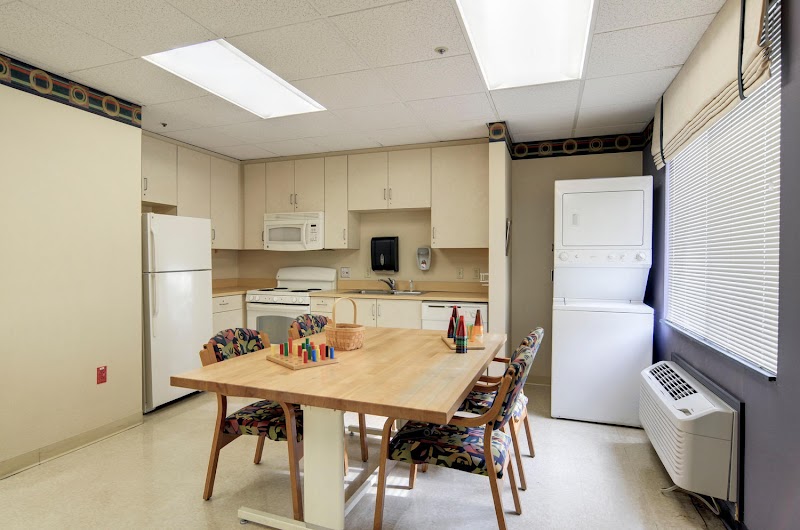
How Does Bethlehem North Skilled Nursing And Rehabilitation Compare to Other Pennsylvania Nursing Homes?

Compared to the 100 nursing homes in Pennsylvania, BETHLEHEM NORTH SKILLED NURSING AND REHABILITATION's overall rating (4 stars) is above the state average of 3.0, staff turnover (52%) is near the state average of 46%, and health inspection rating (4 stars) is above the national benchmark.

What Should Families Ask When Visiting Bethlehem North Skilled Nursing And Rehabilitation?

Based on this facility's data, families visiting should ask: "Can you walk me through typical staffing levels on day, evening, and night shifts?" "Can I visit during a mealtime to observe dining assistance and food quality?" "How do you handle medical emergencies, and what is your hospital transfer rate?" "Can I speak with family members of current residents about their experience?" These questions are particularly relevant given the below-average staffing rating.

Is Bethlehem North Skilled Nursing And Rehabilitation Safe?

Based on CMS inspection data, BETHLEHEM NORTH SKILLED NURSING AND REHABILITATION has a clean safety record: no substantiated abuse findings (meaning no confirmed cases of resident harm), no Immediate Jeopardy citations (the most serious violation level indicating risk of serious injury or death), and is not on the Special Focus Facility watch list (a federal program monitoring the lowest-performing 1% of nursing homes). The facility has a 4-star overall rating and ranks #1 of 100 nursing homes in Pennsylvania. While no facility is perfect, families should still ask about staff-to-resident ratios and recent inspection results during their visit.

Do Nurses at Bethlehem North Skilled Nursing And Rehabilitation Stick Around?

BETHLEHEM NORTH SKILLED NURSING AND REHABILITATION has a staff turnover rate of 52%, which is 6 percentage points above the Pennsylvania average of 46%. Moderate turnover is common in nursing homes, but families should still ask about staff tenure and how the facility maintains care continuity when employees leave.

Was Bethlehem North Skilled Nursing And Rehabilitation Ever Fined?

BETHLEHEM NORTH SKILLED NURSING AND REHABILITATION has no federal fines on record. CMS issues fines when nursing homes fail to meet care standards or don't correct problems found during inspections. The absence of fines suggests the facility has either maintained compliance or corrected any issues before penalties were assessed. This is a positive indicator, though families should still review recent inspection reports for the full picture.

Is Bethlehem North Skilled Nursing And Rehabilitation on Any Federal Watch List?

BETHLEHEM NORTH SKILLED NURSING AND REHABILITATION is not on any federal watch list. The most significant is the Special Focus Facility (SFF) program, which identifies the bottom 1% of nursing homes nationally based on persistent, serious quality problems. Not being on this list means the facility has avoided the pattern of deficiencies that triggers enhanced federal oversight. This is a positive indicator, though families should still review the facility's inspection history directly.