BETHLEHEM SOUTH SKILLED NURSING AND REHABILITATION
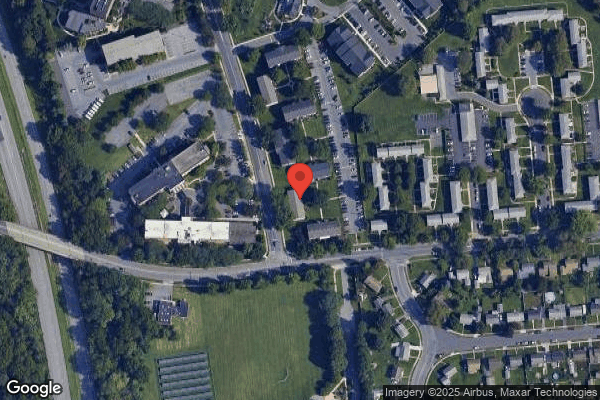
2021 WESTGATE DRIVE, BETHLEHEM, PA 18017 (610) 865-6077
For profit - Corporation 227 Beds GENESIS HEALTHCARE Data: November 2025
Trust Grade
60/100
#262 of 653 in PA
Last Inspection: September 2025

Inspected within the last 6 months. Data reflects current conditions.

Overview

Bethlehem South Skilled Nursing and Rehabilitation has a Trust Grade of C+, indicating that it is slightly above average but not exceptional. It ranks #262 out of 653 facilities in Pennsylvania, placing it in the top half of the state, and #12 out of 16 in Lehigh County, meaning there are only a few better local options. However, the facility's trend is worsening, with the number of issues increasing from 4 in 2024 to 9 in 2025. Staffing is a strength here, with a rating of 4 out of 5 stars and a turnover rate of 36%, which is better than the state average, suggesting that staff members are experienced and familiar with the residents' needs. On the downside, there have been specific concerns noted, such as failure to verify the professional licenses of newly hired staff and inadequate treatment for residents using respiratory therapy equipment, which raises questions about the quality of care.

Trust Score
C+
60/100
In Pennsylvania
#262/653
Top 40%
Safety Record
Low Risk
No red flags
Inspections
Getting Worse
4 → 9 violations
Staff Stability
○ Average
36% turnover. Near Pennsylvania's 48% average. Typical for the industry.
Penalties
✓ Good
No fines on record. Clean compliance history, better than most Pennsylvania facilities.
Skilled Nurses
○ Average
Each resident gets 31 minutes of Registered Nurse (RN) attention daily — about average for Pennsylvania. RNs are the most trained staff who monitor for health changes.
Violations
⚠ Watch
25 deficiencies on record. Higher than average. Multiple issues found across inspections.
★★★☆☆
3.0
Overall Rating
★★★★☆
4.0
Staff Levels
★★★★☆
4.0
Care Quality
★★★☆☆
3.0
Inspection Score
Stable
2024: 4 issues
2025: 9 issues

The Good

  • 4-Star Staffing Rating · Above-average nurse staffing levels
  • 4-Star Quality Measures · Strong clinical quality outcomes
  • Full Sprinkler Coverage · Fire safety systems throughout facility
  • No fines on record
  • Staff turnover below average (36%)

    12 points below Pennsylvania average of 48%

Facility shows strength in staffing levels, quality measures, fire safety.

The Bad

3-Star Overall Rating

Near Pennsylvania average (3.0)

Meets federal standards, typical of most facilities

Staff Turnover: 36%

Near Pennsylvania avg (46%)

Typical for the industry

Chain: GENESIS HEALTHCARE

Part of a multi-facility chain

Ask about local staffing decisions and management

The Ugly 25 deficiencies on record

Sept 2025 8 deficiencies
CONCERN (D)

Potential for Harm - no one hurt, but risky conditions existed

Deficiency F0554 (Tag F0554)

Could have caused harm · This affected 1 resident

Based on facility policy review, clinical record review, observation, and staff interview, it was determined that the facility failed to assess a resident's capability to self-administer medications f...

Read full inspector narrative →
Based on facility policy review, clinical record review, observation, and staff interview, it was determined that the facility failed to assess a resident's capability to self-administer medications for one of 35 residents. (Resident 1)Findings include: Review of the facility policy entitled, Medications: Self-Administration, last reviewed on February 22, 2025, revealed that residents would be evaluated for self-administration of medications, would require a physician's order, and, when applicable, the resident would be provided with a secure, locked area to maintain medications. Clinical record review revealed that Resident 1 had diagnoses that included pneumonia, heart failure, and hypokalemia (low potassium level). Review of the Minimum Data Set (MDS) assessment, dated February 21, 2025, revealed that the resident's cognitive ability was intact. On September 4, 2025, between 11:21 a.m. and 11:37 a.m., Resident 1 was observed sleeping with one pill in a medication cup on the bedside table in front of her.In an interview on September 4, 2025, at 11:37 a.m., LPN 1 confirmed that the medication was potassium and that she had placed the medication in front of Resident 1 about 45 minutes to an hour before. There was no documentation to indicate that the facility had assessed Resident 1 for the ability to self-administer medications. The medication was not secured in her room. In an interview on September 5, 2025, the Director of Nursing confirmed that Resident 1 was not assessed to self-administer the medication as per the facility policy. 28 Pa. Code 211.12(d)(1)(5) Nursing services.
CONCERN (D)

Potential for Harm - no one hurt, but risky conditions existed

Report Alleged Abuse (Tag F0609)

Could have caused harm · This affected 1 resident

**NOTE- TERMS IN BRACKETS HAVE BEEN EDITED TO PROTECT CONFIDENTIALITY** Based on clinical record review, facility documentation review, and staff interview, it was determined that the facility failed ...

Read full inspector narrative →
**NOTE- TERMS IN BRACKETS HAVE BEEN EDITED TO PROTECT CONFIDENTIALITY** Based on clinical record review, facility documentation review, and staff interview, it was determined that the facility failed to report an alleged violation of potential neglect for one of 35 sampled residents. (Resident 18 ) Findings include: Review of the facility policy entitled, Abuse Prohibitions, last reviewed February 27, 2025, revealed that the facility prohibited abuse, mistreatment, neglect, and exploitation, for all residents. The facility was to implement abuse prohibition through the following, to include reporting of incidents, investigations, and the facility's response to the results of their investigations immediately upon receiving information concerning a report of suspected neglect or abuse. The designee was to report the allegations involving neglect to the appropriate state and local authorities. Clinical record review revealed that Resident 18 had diagnoses that included chronic obstructive pulmonary disease, intellectual disabilities, and lumbago sciatica (pain in the lower back). The Minimum Data Set assessment dated [DATE], indicated that the resident had some memory impairment, required assistance of two staff for transfers and was totally dependent for bed mobility. A review of the care plan revealed that the resident was at risk due to a decreased ability to perform activities of daily living specifically bathing, grooming, and bed mobility related to limited mobility and interventions included assistance of two staff for bed mobility. Review of facility documentation dated July 29, 2025, revealed that the resident was found lying on the floor on his right side beside the bed. Further investigation revealed that the nurse aide who was providing care for him during the fall stated that she was turning him from his right side to his left side when his upper side of the body slid from the bed to the floor. There was a small bruise noted on his right shin and the right second toe nail was bleeding. There was no evidence that a second staff member was present to preform bed mobility, per the resident’s care plan. There was no documented evidence that the facility reported the incident of alleged neglect to the appropriate state and local agencies as per facility policy. In an interview on September 5, 2025, at 10:05 a.m., the Director of Nursing stated that the facility failed to report the incident of alleged neglect to the appropriate state and local agencies. 28 Pa. Code 201.18(e)(1) Management. 28 Pa. Code 201.29(a) Resident rights.
CONCERN (D)

Potential for Harm - no one hurt, but risky conditions existed

ADL Care (Tag F0677)

Could have caused harm · This affected 1 resident

**NOTE- TERMS IN BRACKETS HAVE BEEN EDITED TO PROTECT CONFIDENTIALITY** Based on clinical record review, observation, and staff interview, it was determined that the facility failed to ensure that app...

Read full inspector narrative →
**NOTE- TERMS IN BRACKETS HAVE BEEN EDITED TO PROTECT CONFIDENTIALITY** Based on clinical record review, observation, and staff interview, it was determined that the facility failed to ensure that appropriate assistance with oral hygiene was provided to one of 35 sampled residents. (Resident 7)Findings include: Review of the facility policy entitled, Oral Health, last reviewed on February 22, 2025, revealed that oral hygiene would be performed at a minimum of two times per day (morning and night). Clinical record review revealed that Resident 7 had diagnoses that included aphasia (a language disorder that affects a person's ability to communicate), right-sided weakness or paralysis due to a stroke, difficulty swallowing, and the presence of a feeding tube in the stomach. The Minimum Data Set (MDS) assessment dated [DATE], indicated that Resident 7 was cognitively impaired, dependent on staff for Activities of Daily Living (ADLs), and did not eat by mouth. A review of the care plan revealed that the resident had an ADL self-care deficit related to physical limitations and interventions included to assist the resident with oral care as needed. Observations on September 4, 2025, between 11:27 a.m. and 12:15 p.m., revealed a large amount of thick yellow secretions on Resident 7's lips and inside his mouth, with two pools of thick green mucus on his bed sheets. Observation of Licensed Practical Nurse (LPN 1) on September 4, 2025 at 12:15 p.m. revealed LPN 1 was at Resident 7's bedside, but staff did not provide oral care. In an interview on September 4, 2025, at 1:00 p.m., Resident 7 indicated that he wanted to be cleaned. In an interview on September 5, 2025, at 12:40 p.m., the Director of Nursing confirmed that oral care was to be completed twice a day and as needed. CFR 483.24(a)(2) ADL care provided for Dependent ResidentsPreviously cited 11/27/24 28 Pa. Code 211.12(d)(1)(5) Nursing services.
CONCERN (D)

Potential for Harm - no one hurt, but risky conditions existed

Pressure Ulcer Prevention (Tag F0686)

Could have caused harm · This affected 1 resident

**NOTE- TERMS IN BRACKETS HAVE BEEN EDITED TO PROTECT CONFIDENTIALITY** Based on clinical record review, and resident and staff interview, it was determined that the facility failed to provide necessa...

Read full inspector narrative →
**NOTE- TERMS IN BRACKETS HAVE BEEN EDITED TO PROTECT CONFIDENTIALITY** Based on clinical record review, and resident and staff interview, it was determined that the facility failed to provide necessary treatment and services to promote healing for one of three sampled residents who had pressure ulcers. (Resident 99) Findings include: Clinical record review revealed that Resident 99 had diagnoses that included multiple sclerosis, a chronic sacral pressure sore, and venous insufficiency. The Minimum Data Set assessment dated [DATE], indicated that the resident was alert, dependent on staff for activities of daily living (ADL), and had a stage four pressure ulcer. On May 13, 2025, the physician's order directed staff to remove the old dressing from the stage four pressure sore, provide cleaning to the sore, and apply packing and a new dressing to the sore daily and when the dressing became soiled. A review of a wound care physician's note dated September 3, 2025, documented the sacral pressure sore remained and directed staff to continue with treatment as ordered. A review of the care plan revealed that the resident was at risk for skin breakdown related to her decreased mobility, peripheral insufficiency, and fragile skin, and that she had a pressure sore. A review of the treatment administration records for July 1, 2025, through September 5, 2025, revealed a lack of documentation to support that the daily dressing was completed as ordered twice in September 2025, four times in August 2025, and four times in July 2025. In an interview on September 3, 2025, at 1:56 p.m., Resident 99 stated that her wound care was not always provided as ordered. In an interview on September 5, 2025, at 12:36 p.m., the Director of Nursing confirmed that there was no documented evidence that wound care was provided as ordered or that the resident refused the treatment on those dates. 28 Pa. Code 211.12(d)(1)(5) Nursing services.
CONCERN (D)

Potential for Harm - no one hurt, but risky conditions existed

Deficiency F0688 (Tag F0688)

Could have caused harm · This affected 1 resident

**NOTE- TERMS IN BRACKETS HAVE BEEN EDITED TO PROTECT CONFIDENTIALITY** Based on clinical record review, observation, and staff interview, it was determined that the facility failed to implement inter...

Read full inspector narrative →
**NOTE- TERMS IN BRACKETS HAVE BEEN EDITED TO PROTECT CONFIDENTIALITY** Based on clinical record review, observation, and staff interview, it was determined that the facility failed to implement interventions to prevent further decline and/or improve range of motion for one of six sampled residents with limited range of motion. (Resident 15)Findings include: Clinical record review revealed that Resident 15 had diagnoses that included weakness or paralysis of the left side of the body due to a stroke and communication deficit. The annual Minimum Data Set (MDS) assessment dated [DATE], indicated that the resident was cognitively impaired, dependent on staff for dressing and personal hygiene, and had loss of range of motion. A review of Resident 15's care plan revealed the resident had a loss of range of motion of the left upper extremity. On December 19, 2024, the physician ordered that staff apply a palm guard (a device applied to protect the palm of the hand) to Resident 15's left hand in the morning and remove in the evening. Observations on September 3, 2025, between 10:05 a.m. and 1:45 p.m., and September 4, 2025, between 11:16 a.m. and 2:50 p.m., revealed that Resident 15 was without a palm guard on his left hand. In an interview on September 5, 2025, at 12:40 p.m., the Director of Nursing confirmed that the palm guard was to be on as ordered by the physician. CFR 483.25(c)(1)(3) Increase/Prevent Decrease In Range of Motion/Mobility Previously cited 11/27/24. 28 Pa. Code 211.12(d)(1)(5) Nursing services.
CONCERN (E)

Potential for Harm - no one hurt, but risky conditions existed

Abuse Prevention Policies (Tag F0607)

Could have caused harm · This affected multiple residents

Based on facility policy review, personnel file review, and staff interview, it was determined that the facility failed to verify professional license/registration status prior to the start of employm...

Read full inspector narrative →
Based on facility policy review, personnel file review, and staff interview, it was determined that the facility failed to verify professional license/registration status prior to the start of employment for three of five newly hired employees. (Employees 1, 2, 3)Findings include: A review of the facility policy entitled, Abuse Prohibition, last reviewed February 27, 2025, revealed that the facility would implement an abuse prohibition program through screening of potential hires. The process included screening potential employees for a history of abuse, neglect, or mistreatment of patients which would have included checking with the appropriate licensing boards and registries. Review of personnel files of newly hired employees revealed the following: Employee 1 (E 1) began employment on August 12, 2025. There was no evidence that the facility submitted an inquiry to the state board of nursing before or since E 1 started working in the facility. E 2 began employment on July 29, 2025. There was no evidence that the facility submitted an inquiry to the state nurse aide registry before or since E 2 started working in the facility. E 3 began employment on June 10, 2025. There was no evidence that the facility submitted an inquiry to the state nurse aide registry before or since E 3 started working in the facility. In an interview on September 5, 2025, at 2:30 p.m., the Human Resources Manager confirmed that the inquiries were not submitted to the state board of nursing and sate nurse aide registry to screen the potential hires before the employees began working in the facility. 28 Pa. Code 201.14(a) Responsibility of licensee.
CONCERN (E)

Potential for Harm - no one hurt, but risky conditions existed

Respiratory Care (Tag F0695)

Could have caused harm · This affected multiple residents

**NOTE- TERMS IN BRACKETS HAVE BEEN EDITED TO PROTECT CONFIDENTIALITY** Based on review of facility policy, clinical record review and resident and staff interview, it was determined that the facility...

Read full inspector narrative →
**NOTE- TERMS IN BRACKETS HAVE BEEN EDITED TO PROTECT CONFIDENTIALITY** Based on review of facility policy, clinical record review and resident and staff interview, it was determined that the facility failed to provide adequate treatment and services for respiratory therapy and failed to maintain respiratory equipment in a sanitary manner for four of six sampled residents who utilized respiratory equipment. (Residents 1, 7, 12, 104)Findings include: Review of the facility policy entitled, Respiratory Equipment/Supply Cleaning/Disinfecting, last reviewed February 27, 2025, revealed that the schedule for supply changes for oxygen humidifiers was to be every seven days and as needed for soiling and nebulizer equipment was to be changed daily. Clinical record review revealed that Resident 1 had diagnoses that included pneumonia, asthma, and respiratory failure. Review of the Minimum Data Set (MDS) assessment dated [DATE], revealed that the resident was alert and oriented and that she utilized oxygen therapy. A physician's order dated July 31, 2025, directed staff to administer a medication that relaxes muscles in the airway to increase airflow to the lungs (levalbuterol HCl inhalation nebulization solution) four times a day for asthma. A physician's order dated August 11, 2025, directed staff to administer oxygen at two liters (L) via nasal cannula (a thin flexible tube that carries oxygen and has two prongs to fit into the nostrils) to maintain oxygen saturation levels (a percentage value indicating how much oxygen is in your blood) at 90 percent (%) or above. A review of the care plan identified that Resident 1 was at risk for respiratory complications due to asthma and acute respiratory failure and included application of nebulizer and oxygen as ordered. Observation on September 3, 2025, at 9:55 a.m., revealed that the resident had a humidification bottle on the oxygen concentrator that was not dated. The nebulizer tubing was dated August 25, 2025. Clinical record review revealed that Resident 7 had diagnoses that included chronic obstructive pulmonary disease (COPD) (an inflammation and damage to the airways and lungs that leads to breathing difficulties), respiratory failure, and low oxygen in the blood. Review of the MDS assessment dated [DATE], revealed that the resident was cognitively impaired and that he utilized oxygen therapy. A physician's ordered dated February 26, 2025, directed staff to administer oxygen at two liters per minute (L/min) via nasal cannula every shift. A review of the care plan identified that he was at risk for respiratory complications due to diminished lung sounds. Observation on September 4, 2025, at 11:27 a.m., revealed that the humidification bottle attached to the oxygen concentrator was not dated and the oxygen tubing was dated August 24, 2025. Clinical record review that Resident 12 had diagnoses that included pneumonia, COPD, and chronic respiratory failure. Review of the MDS assessment dated [DATE], revealed that the resident was cognitively intact and utilized oxygen therapy. A physician's order dated May 28, 2025, directed staff to administer oxygen via nasal cannula at three L/min continuous every shift for COPD. A review of the care plan identified that she was at risk for respiratory complications due to COPD. Observation on September 3, 2025, at 10:25 am, revealed that the resident was using a portable oxygen tank via nasal cannula and the oxygen tubing was not dated. Clinical record review revealed that Resident 104 had diagnoses that included COPD and sleep apnea. Review of the MDS assessment dated [DATE], revealed that the resident was alert and oriented and that she utilized oxygen therapy. A physician’s order dated March 4, 2025, directed staff to administer oxygen at two L/min via nasal cannula every shift, as needed, to maintain oxygen saturation levels at 90% or above, and to administer oxygen at three L/min in the evenings and overnight for sleep apnea. A review of the care plan identified that she was at risk for respiratory complications due to COPD. There was an intervention for her to receive oxygen at two liters as needed and three liters at night. In an interview on September 4, 2025, at 10:35 a.m., Resident 104 stated that her oxygen humidifier bottle was very low and that she did not feel that the humidifier bottle was changed enough. She further stated that if the water was low or empty it affected her ability to breathe normally. Resident 104 stated that the last time the humidifier was changed was August 17, 2025. Observation on September 4, 2025, at 11:30 a.m., revealed that the resident had an oxygen concentrator in her room. The bag on the concentrator for the nasal canula was dated August 17, 2025, and the humidifier bottle was almost empty. In an interview on September 5, 2025, at 11:07 a.m., the Director of Nursing stated that oxygen tubing and humidifier bottles were to be changed every seven days and as needed and nebulizer tubing was to be changed on a daily basis. 28 Pa. Code 211.12 (d)(1)(5) Nursing services.
MINOR (C)

Minor Issue - procedural, no safety impact

Deficiency F0628 (Tag F0628)

Minor procedural issue · This affected most or all residents

Based on clinical record review and staff interview, it was determined that the facility failed to provide copies of written discharge or transfer notices to a representative of the Office of the Stat...

Read full inspector narrative →
Based on clinical record review and staff interview, it was determined that the facility failed to provide copies of written discharge or transfer notices to a representative of the Office of the State Long Term Care Ombudsman for eight of nine residents who were transferred out of the facility. (Residents 1, 3, 5, 9, 10, 12, 18, 66) Findings include: Clinical record review revealed that Resident 1 was transferred to the hospital on July 27, 2025, after a change in condition. There was no documented evidence that the facility sent copies of the written discharge or transfer notice to a representative of the Office of the State Long Term Care Ombudsman. Clinical record review revealed that Resident 3 was transferred to the hospital on August 7, 2025, after a change in condition. There was no documented evidence that the facility sent copies of the written discharge or transfer notice to a representative of the Office of the State Long Term Care Ombudsman. Clinical record review revealed that Resident 5 was transferred to the hospital on July 31, 2025, after a change in condition. There was no documented evidence that the facility sent copies of the written discharge or transfer notice to a representative of the Office of the State Long Term Care Ombudsman. Clinical record review revealed that Resident 9 was transferred to the hospital on August 7, 2025, after a change in condition. There was no documented evidence that the facility sent copies of the discharge or transfer notice to a representative of the Office of the State Long Term Care Ombudsman. Clinical record review revealed that Resident 10 was transferred to the hospital on July 28, 2025, after a change in condition. There was no documented evidence that the facility sent copies of the discharge or transfer notice to a representative of the Office of the State Long Term Care Ombudsman. Clinical record review revealed that Resident 12 was transferred to the hospital on April 26, 2025, and on April 29, 2025, after changes in condition. There was no documented evidence that the facility sent copies of the written discharge or transfer notices to a representative of the Office of the State Long Term Care Ombudsman for either date. Clinical record review revealed that Resident 18 was transferred to the hospital on July 11, 2025, and on August 10, 2025, after changes in condition. There was no documented evidence that the facility sent copies of the discharge or transfer notices to a representative of the Office of the State Long Term Care Ombudsman for either date. Clinical record review revealed that Resident 66 was transferred to the hospital on August 23, 2025, after a change in condition. There was no documented evidence that the facility sent copies of the written discharge or transfer notice to a representative of the Office of the State Long Term Care Ombudsman. In an interview on September 5, 2025, at 11:00 a.m., the Director of Nursing confirmed that the written copies of the discharge or transfer notices were not sent to the Office of the State Long Term Care Ombudsman. 28 Pa. Code 201.14(a) Responsibility of licensee.
Jul 2025 1 deficiency
CONCERN (D) 📢 Someone Reported This

A family member, employee, or ombudsman was alarmed enough to file a formal complaint

Potential for Harm - no one hurt, but risky conditions existed

Notification of Changes (Tag F0580)

Could have caused harm · This affected 1 resident

Based on clinical record review, it was determined that the facility failed to ensure that the physician and responsible party was notified in a timely manner of a change in the residents condition fo...

Read full inspector narrative →
Based on clinical record review, it was determined that the facility failed to ensure that the physician and responsible party was notified in a timely manner of a change in the residents condition for one of five residents sampled. (Resident CR1) Findings include: Clinical record review revealed that Resident CR1 was admitted to the facility with diagnoses that included diabetes mellitus, dementia and mood disorder. A note by a nurse on June 21, 2025, at 2:45 p.m., noted that the resident had an increase in tiredness, wanted to sleep and had poor meal intake. The resident was observed to have had loose stools on three occasions on the afternoon shift. At 6:29 p.m. the nurse noted that the resident while being fed supper had vomited. The resident's blood pressure was noted to be low. There was no assessment by the nurse following the episode of vomiting. There was no documentation that the physician or responsible party was notified about the changes in Resident CR1's condition. The resident was transferred to the emergency room on June 22, 2025, at 7:30 a.m. due to an acute change in condition 28 Pa. Code 211.12(d)(1)(5) Nursing services.
Nov 2024 2 deficiencies
CONCERN (D)

Potential for Harm - no one hurt, but risky conditions existed

ADL Care (Tag F0677)

Could have caused harm · This affected 1 resident

Based on observation, clinical record review, and staff and resident interviews, it was determined that the facility failed to provide services to maintain adequate grooming and hygiene for two of 35 ...

Read full inspector narrative →
Based on observation, clinical record review, and staff and resident interviews, it was determined that the facility failed to provide services to maintain adequate grooming and hygiene for two of 35 sampled residents. (Residents 39, 67) Findings include: Clinical record review revealed that Resident 39 had diagnoses that included hemiplegia and hemiparesis following cerebral infarction, adult failure to thrive, and chronic pain in the left hand. Review of the care plan revealed that the resident required assistance with activities of daily living (ADLs) and had contractures of the left hand. Staff were to check fingernail length and trim and clean on bath days as needed, and fingernails were to be kept short. On November 25, 2024, at 12:59 p.m., the resident was observed in bed. His fingernails were long and dirty. There was a dark colored substance underneath the nails. The resident stated that his fingernails needed to be cut. On November 26, 2024, at 11:48 a.m., the resident was observed in bed. His fingernails remained long and dirty. Clinical record review revealed that Resident 67 had diagnoses that included unspecified dementia and contracture of the left hand. Review of the care plan revealed that the resident required assistance with ADLs. Staff were to check fingernail length and trim and clean on bath days as needed, and fingernails were to be kept short. On November 25, 2024, at 12:57 p.m., the resident was observed in bed. His fingernails were long and dirty. There was a dark colored substance underneath the nails. The resident stated that his fingernails needed to be cut. On November 26, 2024, at 12:26 p.m., the resident was observed in bed. His fingernails remained long and dirty. In an interview on November 27, 2024, at 9:21 a.m., the Administrator confirmed that the residents' fingernails should have been trimmed and cleaned with bathing and as needed. 28 Pa. Code 211.12(d)(1)(5) Nursing services.
CONCERN (D)

Potential for Harm - no one hurt, but risky conditions existed

Deficiency F0688 (Tag F0688)

Could have caused harm · This affected 1 resident

Based on clinical record review, observation, and staff interview, it was determined that the facility failed to implement interventions to prevent further decline and/or improve range of motion for t...

Read full inspector narrative →
Based on clinical record review, observation, and staff interview, it was determined that the facility failed to implement interventions to prevent further decline and/or improve range of motion for two of 35 sampled residents. (Residents 39, 67) Findings include: Clinical record review revealed that Resident 39 had diagnoses that included hemiplegia and hemiparesis following cerebral infarction, adult failure to thrive, and chronic pain in the left hand. Review of the care plan date October 24, 2024, revealed that the resident was at risk for self-care deficit related to physical limitations and required extensive assistance from staff. There was a care plan intervention dated July 31, 2024, for staff to apply a left elbow extension splint during morning care and remove at night. On November 25, 2024, at 12:59 p.m., and November 26, 2024, at 11:48 a.m., the resident was observed in bed without the splint in place. There was no documentation to support that the resident had refused to wear the splint. Clinical record review revealed that Resident 67 had diagnoses that included unspecified dementia and contracture of the left hand. Review of the care plan revealed that the resident required assistance with activities of daily living (ADLs) and that a carrot (a padded device, shaped like a carrot, used for separating contracted fingers from the palm) was to be utilized per orders. On February 5, 2024, the physician ordered for staff to apply a left-hand carrot at all times except for range of motion and morning and evening care. On November 25, 2024, at 12:57 p.m., and November 26, 2024, at 12:26 p.m., the resident was observed in bed without the carrot in place. There was no documentation to support that the resident had refused to have the carrot applied. In an interview on November 27, 2024, at 9:21 a.m., the Administrator confirmed that the residents should have had the devices applied in accordance with their care plans. CFR 483.25(c)(1)(3)Increase/Prevent Decrease In Range of Motion/Mobility Previously cited 11/2/2023. 28 Pa. Code 211.12(d)(1)(5) Nursing services.
Jul 2024 1 deficiency
MINOR (B) 📢 Someone Reported This

A family member, employee, or ombudsman was alarmed enough to file a formal complaint

Minor Issue - procedural, no safety impact

Transfer Notice (Tag F0623)

Minor procedural issue · This affected multiple residents

Based on review of facility policy, clinical record review, and staff interview, it was determined that the facility failed to notify the residents and the residents' representatives of the transfers ...

Read full inspector narrative →
Based on review of facility policy, clinical record review, and staff interview, it was determined that the facility failed to notify the residents and the residents' representatives of the transfers and the reasons for the moves in writing upon transfer from the facility for three of four sampled residents who were transferred to the hospital. (Residents 1, 2, 3) Findings include: Review of the facility policy entitled Discharge and Transfer, last reviewed March 14, 2024, indicated that the facility was to notify the resident and resident representative in writing prior to the transfer. Transfer and discharge included the movement of a resident to a bed outside of the certified Center. Clinical record review revealed that Resident 1 had diagnoses that included schizoaffective disorder and epilepsy. On June 29, 2024, the resident was transferred to the hospital for a change in condition. Clinical record review revealed that Resident 2 had diagnoses that included heart disease. On May 31, 2024, the resident was transferred and admitted to the hospital for a change in condition. Clinical record review revealed that Resident 3 had diagnoses that included acute kidney failure. On July 7, 2024, the resident was transferred and admitted to the hospital after a change in condition. There was no documented evidence that the resident or the resident's responsible party or legal representative was provided written information regarding each resident's transfer to the hospital. In an interview on July 26, 2024, at 1:00 p.m., the Administrator stated that there was no documented evidence that the resident and resident's responsible parties were notified in writing regarding the transfers out to the hospital as per facility policy. CFR 483.15 (C)(3)-(6)(8) Notice Requirements Before Transfer/Discharge. Previously cited 11/2/23.
Jun 2024 1 deficiency
CONCERN (D) 📢 Someone Reported This

A family member, employee, or ombudsman was alarmed enough to file a formal complaint

Potential for Harm - no one hurt, but risky conditions existed

Deficiency F0685 (Tag F0685)

Could have caused harm · This affected 1 resident

**NOTE- TERMS IN BRACKETS HAVE BEEN EDITED TO PROTECT CONFIDENTIALITY** Based on clinical record review, observation, and resident and staff interview, it was determined that the facility failed to en...

Read full inspector narrative →
**NOTE- TERMS IN BRACKETS HAVE BEEN EDITED TO PROTECT CONFIDENTIALITY** Based on clinical record review, observation, and resident and staff interview, it was determined that the facility failed to ensure each resident received timely treatment and services to maintain visual abilities for one of four sampled residents. (Resident 1) Findings include: Clinical record review revealed that Resident 1 had diagnoses that included anxiety and hypertension (high blood pressure). Review of the Minimum Data Set assessment dated [DATE], revealed that the resident had vision problems and needed corrective lenses. Review of the care plan revealed that Resident 1 was to use glasses everyday to watch television as an activity. On June 11, 2024, at 12:14 p.m., Resident 1 was observed in her room with the television on and not wearing glasses. In an interview at that time, she stated I have not had my glasses since March. Review of facility documentation revealed that a referral for eye care services was placed on March 13, 2024. Further review of facility documentation from April 22, 2024, revealed Resident 1's Power of Attorney also wanted eye care services to be provided. There was no documented evidence that the resident received eye care services per referral. In an interview on June 11, 2024, at 2:37 p.m., the Social Services Director confirmed that Resident 1 had not received eyecare services and should have been seen.
Nov 2023 11 deficiencies
CONCERN (D)

Potential for Harm - no one hurt, but risky conditions existed

Notification of Changes (Tag F0580)

Could have caused harm · This affected 1 resident

Based on clinical record review and staff interview, it was determined that the facility failed to notify the resident representative of a change in condition for one of 35 sampled residents. (Residen...

Read full inspector narrative →
Based on clinical record review and staff interview, it was determined that the facility failed to notify the resident representative of a change in condition for one of 35 sampled residents. (Resident 29) Findings include: Clinical record review revealed that Resident 29 had diagnoses that included schizoaffective disorder and dementia. Review of a nurse's noted dated October 23, 2023, revealed that Resident 29 tested positive for COVID-19 and a message was left for the resident representative to call the facility. Review of the clinical record revealed no further documentation that an attempt to notify the resident representative was made. There was no documented evidence that the resident's representative was notified of the change in condition. In an interview on November 2, 2023, at 12:15 p.m., the Director of Nursing confirmed that the resident's representative was not notified of the change in condition. 28 Pa. Code 211.12(d)(1)(5) Nursing services.
CONCERN (D)

Potential for Harm - no one hurt, but risky conditions existed

Abuse Prevention Policies (Tag F0607)

Could have caused harm · This affected 1 resident

Based on review of facility policy and personnel file review, it was determined that the facility failed to obtain reference checks at the start of employment for two of five newly hired employees. (E...

Read full inspector narrative →
Based on review of facility policy and personnel file review, it was determined that the facility failed to obtain reference checks at the start of employment for two of five newly hired employees. (Employees 1 and 4) In addition, the facility failed to provide abuse training upon hire as per facililty policy for one of five employees. (Employee 2) Findings include: Review of the facility policy entitled Abuse Prohibition, last reviewed November 21, 2022, revealed that the facility prohibited abuse, mistreatment, neglect, misappropriation of resident/patient property and exploitation for all patients. The facility was to implement an abuse prohibition program by screening potential hires and training employees, both new employees and on-going training for all employees. Review of the personnel file for newly hired employee 1, who was hired on August 1, 2023, revealed that there was no documented evidence that reference checks were obtained through the screening process. Review of the personnel file for newly hired employee 4, who was hired on October 9, 2023, revealed that there was no documented evidence that reference checks were obtained through the screening process. Review of the personnel file for newly hired employee 1, who was hired August 1, 2023, revealed that there was no documented evidence that the employee had abuse training upon hire. In an interview on November 2, 2023, at 12:15 p.m., the Administrator stated that reference checks were to be obtained through the screening process prior to hire. The Administrator further stated that there was no documented evidence that reference checks were obtained for employees 1 and 4 and that there was no documented evidence that employee 1 had received abuse training as per facility process. 28 Pa. Code 201.14(a) Responsibility of licensee 28 Pa Code 201.19 Personnel policies and procedures.
CONCERN (D)

Potential for Harm - no one hurt, but risky conditions existed

Assessment Accuracy (Tag F0641)

Could have caused harm · This affected 1 resident

**NOTE- TERMS IN BRACKETS HAVE BEEN EDITED TO PROTECT CONFIDENTIALITY** Based on clinical record review and staff interview, it was determined that the facility failed to ensure that the Minimum Data ...

Read full inspector narrative →
**NOTE- TERMS IN BRACKETS HAVE BEEN EDITED TO PROTECT CONFIDENTIALITY** Based on clinical record review and staff interview, it was determined that the facility failed to ensure that the Minimum Data Set (MDS) assessment was complete to accurately reflect the resident's status for four of 35 sampled residents. (Residents 57, 62, 68,104) Findings include: Clinical record review revealed that Sections C (Brief Interview for Mental Status), D (Mood assessment/interview) and E (Behaviors) of Resident 57's MDS assessment dated [DATE], was incomplete. Clinical record review revealed that Sections C (Brief Interview for Mental Status) and D (Mood assessment/interview) of Resident 62's MDS assessment dated [DATE], was incomplete. Clinical record review revealed that Section N (Medications) of Resident 68's MDS assessments dated August 18, 2023, and October 25, 2023, inaccurately indicated that the resident was on an anti-anxiety medication. There was no documented evidence or physician's orders to reflect that the resident was on an anti-anxiety medication during those assessment periods. Clinical record review revealed that Sections C (Brief Interview for Mental Status), D (Mood assessment/interview) and E (Behaviors) of Resident 104's MDS assessment dated [DATE], was incomplete. In an interview on November 2, 2023, at 11:00 a.m., the Administrator confirmed that the MDS sections were not completed during the assessment period to reflect the resident's current status.
CONCERN (D)

Potential for Harm - no one hurt, but risky conditions existed

Quality of Care (Tag F0684)

Could have caused harm · This affected 1 resident

**NOTE- TERMS IN BRACKETS HAVE BEEN EDITED TO PROTECT CONFIDENTIALITY** Based on a clinical record review, observation, and staff interview, it was determined that the facility failed to provide care ...

Read full inspector narrative →
**NOTE- TERMS IN BRACKETS HAVE BEEN EDITED TO PROTECT CONFIDENTIALITY** Based on a clinical record review, observation, and staff interview, it was determined that the facility failed to provide care in accordance with physician's orders for a percutaneous cholecystostomy (Catheter attached to the gall bladder, also called a chole) for one of 35 sampled residents. (Resident 50) Findings include: Clinical record review revealed Resident 50 was admitted to the facility on [DATE], with diagnoses that included acute cholecystitis (an inflammed gall bladder) with sepsis, acute respiratory failure with hypoxia (low oxygen levels in the tissues), and an infection of streptococcus anginosus. A physician order dated August 10, 2023, directed staff to record the amount of drainage from right chole tube every shift. Review of the treatment administration record for October 2023, revealed no evidence that the amount of drainage was recorded on the evening shifts for October 20, 21, 22, 26, 29, 27, 28, 29, 31 and November 1, 2023, as well as the night shifts on October 26, 27, 28, 2023. Observation on October 31, 2023, at 12:33 p.m., revealed Resident 50's cholecystostomy bag was partially filled. At the time of the observation, the alert and oriented resident stated that the appliance was not emptied and that it does not get emptied unless she complains. In an interview on November 2, 2023, at 12:00 p.m., the Director of Nursing confirmed that there were shifts where there was no documentation that the volume of drainage from the cholecystostomy bag had been recorded. 28 Pa. Code 211.12(d)(1)(5) Nursing services.
CONCERN (D)

Potential for Harm - no one hurt, but risky conditions existed

Infection Control (Tag F0880)

Could have caused harm · This affected 1 resident

**NOTE- TERMS IN BRACKETS HAVE BEEN EDITED TO PROTECT CONFIDENTIALITY** Based on facility policy review, clinical record review, and observation, it was determined that the facility failed to ensure a...

Read full inspector narrative →
**NOTE- TERMS IN BRACKETS HAVE BEEN EDITED TO PROTECT CONFIDENTIALITY** Based on facility policy review, clinical record review, and observation, it was determined that the facility failed to ensure aeseptic (free from germs that can cause infection or disease) wound treatments were completed in accordance with facility policy for one of 35 sampled residents. (Resident 132) Findings include: Review of the facility policy entitled, Procedure: Wound Dressings: Aseptic, last reviewed November 21, 2022, revealed that during the treatment of wounds, after removing the old dressing, staff was to remove gloves, perform hand hygiene, and apply new gloves. Clinical record review revealed that Resident 132 was admitted to the facility on [DATE], with diagnoses that included dementia and depression. On October 10, 2023, the physician ordered that Resident 132's right buttocks wound be cleansed with soap and water, irrigated with saline, packed with Aquacel AG or silver alginate (a silver impregnated dressing), and covered with a dressing. On October 30, 2023 at 1:50 p.m., Licensed Practical Nurse (LPN) 1 was observed providing the prescribed treatment to Resident 132's right buttocks. LPN 1 removed her old gloves after removing the old dressing and applied new gloves without performing hand hygiene per facility policy during the observation. 28 Pa. Code 211.10(c) Resident care policies. 28 Pa. Code 211.12(d)(1)(5) Nursing services.
CONCERN (E)

Potential for Harm - no one hurt, but risky conditions existed

Transfer Notice (Tag F0623)

Could have caused harm · This affected multiple residents

**NOTE- TERMS IN BRACKETS HAVE BEEN EDITED TO PROTECT CONFIDENTIALITY** Based on facility policy review, clinical record review, and staff interview, it was determined that the facility failed to noti...

Read full inspector narrative →
**NOTE- TERMS IN BRACKETS HAVE BEEN EDITED TO PROTECT CONFIDENTIALITY** Based on facility policy review, clinical record review, and staff interview, it was determined that the facility failed to notify the resident's representative(s) of transfer and the reasons for the move in writing for seven of 11 sampled residents who were transferred to the hospital. (Residents 37, 77, 90, 91, 137, 154, 159 ) Findings include: Review of the facility policy entitled, Discharge and Transfer, last reviewed November 11, 2022, revealed that the facility must notify the resident and resident representative in writing prior to the transfer or discharge in a language and manner they understand. Clinical record review revealed that Resident 37 was transferred and admitted to the hospital on [DATE], after a change in condition. There was no evidence that the resident and the resident's representative was provided with written information regarding the resident's transfer to the hospital. Clinical record review revealed that Resident 77 was transferred and admitted to the hospital on [DATE], after a change in condition. There was no evidence that the resident and the resident's representative was provided with written information regarding the resident's transfer to the hospital. Clinical record review revealed that Resident 90 was transferred and admitted to the hospital on [DATE], after a change in condition. There was no evidence that the resident and the resident's representative was provided with written information regarding the resident's transfer to the hospital. Clinical record review revealed that Resident 91 was transferred and admitted to the hospital on [DATE] and May 17, 2023, after changes in condition. There was no evidence that the resident and the resident's represenative was provided with written information regarding the resident's transfers to the hospital. Clinical record review revealed that Resident 137 was transferred and admitted to the hospital on [DATE], after a change in condition. There was no evidence that the resident and the resident's representative was provided with written information regarding the resident's transfer to the hospital. Clinical record review revealed that Resident 154 was transferred and admitted to the hospital on [DATE], after a change in condition. There was no evidence that the resident and the resident's representative was provided with written information regarding the resident's transfer to the hospital. Clinical record review revealed that Resident 159 was transferred and admitted to the hospital on [DATE], after a change in condition. There was no evidence that the resident and the resident's representative was provided with written information regarding the resident's transfer to the hospital. In an interview on November 1, 2023, at 9:15 a.m., the Administrator confirmed that written transfer information, including the reasons for the move, was not provided to the residents and the residents' representatives.
CONCERN (E)

Potential for Harm - no one hurt, but risky conditions existed

Deficiency F0625 (Tag F0625)

Could have caused harm · This affected multiple residents

**NOTE- TERMS IN BRACKETS HAVE BEEN EDITED TO PROTECT CONFIDENTIALITY** Based on clinical record review and staff interview, it was determined that the facility failed to provide a written notice of t...

Read full inspector narrative →
**NOTE- TERMS IN BRACKETS HAVE BEEN EDITED TO PROTECT CONFIDENTIALITY** Based on clinical record review and staff interview, it was determined that the facility failed to provide a written notice of the facility's bed-hold policy to the resident or resident representative at the time of transfer for seven of 11 sampled residents who were transferred to the hospital. (Residents 37, 77, 90, 91, 137, 154, 159) Findings include: Clinical record review revealed that Resident 37 was transferred and admitted to the hospital on [DATE], after a change in condition. There was no documented evidence that the resident or resident's representatives were provided written information about the facility's bed-hold policy at the time of transfer. Clinical record review revealed that Resident 77 was transferred and admitted to the hospital on [DATE], after a change in condition. There was no documented evidence that the resident or resident's representatives were provided written information about the facility's bed-hold policy at the time of transfer. Clinical record review revealed that Resident 90 was transferred and admitted to the hospital on [DATE], after a change in condition. There was no documented evidence that the resident or resident's representatives were provided written information about the facility's bed-hold policy at the time of transfer. Clinical record review revealed that Resident 91 was transferred and admitted to the hospital on [DATE] and May 17, 2023, after changes in condition. There was no documented evidence that the resident or resident's representatives were provided written information about the facility's bed-hold policy at the time of transfer. Clinical record review revealed that Resident 137 was transferred and admitted to the hospital on [DATE], after a change in condition. There was no documented evidence that the resident or resident's representatives were provided written information about the facility's bed-hold policy at the time of transfer. Clinical record review revealed that Resident 154 was transferred and admitted to the hospital on [DATE], after a change in condition. There was no documented evidence that the resident or resident's representatives were provided written information about the facility's bed-hold policy at the time of transfer. Clinical record review revealed that Resident 159 was transferred and admitted to the hospital on [DATE], after a change in condition. There was no documented evidence that the resident or resident's representatives were provided written information about the facility's bed-hold policy at the time of transfer. In an interview on November 1, 2023, at 9:15 a.m., the Administrator confirmed that no written notice of the bed-hold policy was given to the residents or residents' representatives upon transfer out of the facility.
CONCERN (E)

Potential for Harm - no one hurt, but risky conditions existed

Deficiency F0688 (Tag F0688)

Could have caused harm · This affected multiple residents

**NOTE- TERMS IN BRACKETS HAVE BEEN EDITED TO PROTECT CONFIDENTIALITY** Based on clinical record review, observations, and resident and staff interview, it was determined that the facility failed to p...

Read full inspector narrative →
**NOTE- TERMS IN BRACKETS HAVE BEEN EDITED TO PROTECT CONFIDENTIALITY** Based on clinical record review, observations, and resident and staff interview, it was determined that the facility failed to provide services and treatment to prevent further limitations in range of motion for four of eight sampled residents with limitations in range of motion. (Residents 57, 91, 132, and 154) Findings include: Clinical record review revealed that Resident 57 had diagnoses that included dementia, osteoarthritis, and chronic pain syndrome. The Minimum Data Set (MDS) assessment dated [DATE], indicated that the resident required extensive assistance from staff with Activities of Daily Living (ADL's). A review of the care plan revealed that the resident was at risk for loss of range of motion related to physical limitations. There was an intervention for staff to provide active range of motion to bilateral upper extremities with a.m.,and p.m.,care. Review of an occupational therapy Discharge summary dated [DATE], revealed that there was a recommendation for staff to provide a restorative nursing program that included providing active range of motion to bilateral upper extremities with a.m.,and p.m.,care. There was no documented evidence that staff had provided the restorative nursing program as recommended by occupational therapy. Clinical record review revealed that Resident 91 had diagnoses that included a stroke with left side hemiplegia (paralysis), and a contracture of the left hand. The MDS assessment dated [DATE], indicated that the resident was alert and oriented, required extensive assistance from staff for ADL's including dressing and had limitations in range of motion on both sides of the upper and lower extremities. A review of the care plan revealed that the resident had an ADL self care deficit related to physical limitations. There was an intervention for the resident to wear a left upper extremity splint six to eight hours a day. Review of an occupational therapy Discharge summary dated [DATE], revealed that the resident was able to tolerate a left resting hand splint for seven hours. There was a recommendation for staff to apply the left resting hand splint daily and to provide a restorative nursing program that included passive range of motion of bilateral upper extremities to reduce the risk for further contractures. In an interview on October 30, 2023, at 1:22 p.m., Resident 91 was observed laying in his bed without the splint in place. At this time, he stated that he did not have a splint for his arm or his hand. There was no documented evidence that staff had been applying the splint nor was there documentation to reflect that staff had provided the restorative nursing program to include the passive range of motion. In an interview on November 2, 2023, at 11:00 a.m., the Administrator stated that Resident 91 had the splint in his room but that there was no documented evidence that staff had been applying the splint as recommended by occupational therapy. Clinical record review revealed that Resident 132 had diagnoses that included a stroke with right side hemiplegia, dementia and a right hand contracture. The MDS assessment dated [DATE], indicated that the resident had memory impairment, required extensive assistance with ADL's and had limited range of motion on one side of both upper and lower extremities. A review of the care plan revealed that the resident was at risk for loss of range of motion due to physical limitations. There was an intervention for staff to provide passive range of motion to bilateral upper extremities with a.m.,and p.m.,care and active range of motion to bilateral lower extremities with ADL's. Review of an occupational therapy Discharge summary dated [DATE], revealed that staff was to provide a restorative nursing program that included passive range of motion of the right upper extremity to reduce the risk for further contracture. There was no documented evidence that staff had provided the restorative nursing program as recommended by occupational therapy. Clinical record review revealed that Resident 154 had diagnoses that included dementia, monoplegia, (paralysis of a single limb), of the upper limb affecting the right dominant side and osteoarthritis. The MDS assessment dated [DATE], revealed that the resident had memory impairment, required total dependence for most ADL's and had limited range of motion on one side of the upper extremities. A review of the care plan revealed that the resident was at risk for loss of range of motion related to physical limitations. There was an intervention for staff to provide active range of motion to bilateral upper extremities with a.m.,and p.m.,care. Review of an occupational therapy Discharge summary dated [DATE], revealed that there was a recommendation for staff to provide a restorative nursing program that included active range of motion to bilateral upper extremities during a.m.,and p.m., care. There was no documented evidence that staff had provided the restorative nursing program as recommended by occupational therapy. In an interview on November 2, 2023, at 11:00 a.m., the Administrator stated that there was no documented evidence that the restorative nursing programs had been completed by staff as recommended by occupational therapy. 28 Pa. Code 211.12 (d)(1)(5) Nursing services.
CONCERN (E)

Potential for Harm - no one hurt, but risky conditions existed

Deficiency F0697 (Tag F0697)

Could have caused harm · This affected multiple residents

Based on clinical record review and staff interview, it was determined that the facility failed to provide non-pharmacological interventions to alleviate pain prior to the administration of pain media...

Read full inspector narrative →
Based on clinical record review and staff interview, it was determined that the facility failed to provide non-pharmacological interventions to alleviate pain prior to the administration of pain mediation prescribed on an as needed basis for three of 35 sampled residents. (Residents 37, 108, 137) Findings include: Clinical record review revealed that Resident 37 had diagnoses that included peripheral vascular disease and spondylosis (arthritis of the spine). The resident had a physician's order for as needed pain medication, tramadol 50 milligrams (mg) to be administered every six hours as needed for pain. Review of the October 2023, Medication Administration Record (MAR) revealed that the resident received the tramadol 20 times without evidence to support that non-pharmacological interventions were offered to address the assessed pain prior to the administration of the as needed pain medication. Clinical record review revealed that Resident 108 had diagnoses that included chronic obstructive pulmonary disease and diabetes. The resident had a physician's order for as needed pain medication, tramadol 25 mg, to be administered every eight hours as needed for pain after non-pharmacological interventions were tried and failed. Review of the October 2023, MAR revealed that the resident received the tramadol 11 times without evidence to support that non-pharmacological interventions were offered to address the assessed pain prior to the administration of the as needed pain medication. Clinical record review revealed that Resident 137 had diagnoses that included diabetes and peripheral vascular disease. The resident had a physician's order for as needed pain medication, oxycodone 7.5 mg, to be administered every four hours as needed for pain. Review of the October 2023, MAR revealed that the resident received the tramadol 34 times without evidence to support that non-pharmacological interventions were offered to address the assessed pain prior to the administration of the as needed pain medication. In an interview on November 2, 2023, at 10:40 a.m., the Director of Nursing confirmed that there was no documented evidence staff offered non-pharmacological interventions prior to the administration of the as needed pain medication. 28 Pa. Code 211.12(d)(1)(5) Nursing services.
MINOR (C)

Minor Issue - procedural, no safety impact

Safe Environment (Tag F0584)

Minor procedural issue · This affected most or all residents

**NOTE- TERMS IN BRACKETS HAVE BEEN EDITED TO PROTECT CONFIDENTIALITY** Based on observation and resident interview, it was determined that the facility failed to ensure that a safe, clean, and comfor...

Read full inspector narrative →
**NOTE- TERMS IN BRACKETS HAVE BEEN EDITED TO PROTECT CONFIDENTIALITY** Based on observation and resident interview, it was determined that the facility failed to ensure that a safe, clean, and comfortable environment was maintained on four of four nursing units. (Medbridge, Unit 2, Unit 3, Unit 4) Findings include: Observation of the Medbridge Unit on October 30, 2023, at various times, revealed a hole in the wall by the door and stained ceiling tiles in the resident dining room. There was peeling wallpaper in the bathroom of room [ROOM NUMBER], peeling wallpaper and a black substance on the floor of the bathroom in room [ROOM NUMBER], and a black substance on the floor and a broken soap dispenser in the bathroom of room [ROOM NUMBER]. Observations of Unit 2 on October 30 and 31, 2023, at various times, revealed dead bugs on the floor by the window in room [ROOM NUMBER], stained ceiling tiles by the windows in rooms [ROOM NUMBERS], cracked tiles in the hallway across from the elevator, a cracked red outlet cover outside room [ROOM NUMBER], and a towel covering the wall vent in room [ROOM NUMBER]. In an interview on October 30, 2023, at 12:58 p.m., Resident 2 stated there were sticky spots on the floor next to the bed that had not been cleaned. At this time, and again on October 31, 2023, a substance observed on the floor next to the A bed in room [ROOM NUMBER]. Observations on Unit 3 on October 30, 2023, at various times, revealed the over bed table was dirty in room [ROOM NUMBER] B. In addition, the door to the central bathing area did not open or close properly and made a loud noise. Observations on Unit 4 on October 30 and 31, 2023, at various times, revealed the dining room walls were marred, several areas had chipped paint, four ceiling tiles had brown stains, and the clock had been at the same time for two days. At the end of the hallway by room [ROOM NUMBER], there were marred walls, several areas of chipped paint, a hole in the wall above the baseboard molding, and a brown stained ceiling tile. The right side shower stall in the shower room had a brown dried substance spattered on the floor and hair covering the drain. room [ROOM NUMBER] had peeling wallpaper behind bed D and half of the window curtain was missing. room [ROOM NUMBER] had peeling wallpaper on the wall closest to the resident bathroom. room [ROOM NUMBER] was missing a pull shade for the right window and the left window pull shade had several dark brown dried stains. room [ROOM NUMBER] bed B had dirty linen on the floor for two days.
MINOR (C)

Minor Issue - procedural, no safety impact

Garbage Disposal (Tag F0814)

Minor procedural issue · This affected most or all residents

Based on observation, it was determined that the facility failed to properly contain refuse. Findings include: Observation on October 30, 2023, at 10:38 a.m., revealed the compactor for garbage was l...

Read full inspector narrative →
Based on observation, it was determined that the facility failed to properly contain refuse. Findings include: Observation on October 30, 2023, at 10:38 a.m., revealed the compactor for garbage was located at the rear of the building. At this time, there was garbage and debris that included plastic bags and soiled gloves on the ground around the compactor area.
Sept 2023 1 deficiency
CONCERN (D) 📢 Someone Reported This

A family member, employee, or ombudsman was alarmed enough to file a formal complaint

Potential for Harm - no one hurt, but risky conditions existed

Quality of Care (Tag F0684)

Could have caused harm · This affected 1 resident

**NOTE- TERMS IN BRACKETS HAVE BEEN EDITED TO PROTECT CONFIDENTIALITY** Based on clinical record review and staff interview, it was determined that the facility failed to implement physician orders fo...

Read full inspector narrative →
**NOTE- TERMS IN BRACKETS HAVE BEEN EDITED TO PROTECT CONFIDENTIALITY** Based on clinical record review and staff interview, it was determined that the facility failed to implement physician orders for one of four sampled residents. (Resident 1) Findings include: Clinical record review revealed that Resident 1 had diagnoses that included congestive heart failure (CHF), atrial fibrillation, hypertensive heart disease, and presence of a heart assistance device (cardiac implanted defibrillator). The Minimum Data Set assessment dated [DATE], indicated that the resident had memory impairment and required extensive assistance with hygiene and bed mobility. A review of the care plan revealed that the resident had cardiac disease related to the CHF, atrial fibrillation and use of an Left Ventricular Assist Device (LVAD). A LVAD is a surgically implanted device which helps the left ventricular main pumping chamber of the heart pump blood to the rest of the body. Review of current physician orders revealed that licensed staff was to check the settings on the LVAD and document the completion of the checks every shift. Staff was to document the LVAD pump speed, pump flow, pulsatility (a measure of the variance of blood flow velocity within the vessel throughout the cardiac cycle), and power in [NAME] each shift. There were parameters for each setting on the sheets for staff to verify if the settings were within the parameters to ensure that the LVAD was operating correctly. The LVAD was powered by re-chargeable batteries. Review of the documentation revealed that between August 1 and September 14, 2023, there was no evidence that staff documented the settings on August 13, 19, 27, 2023, on the 3:00 p.m.,-11:00 p.m., evening shift. There was no evidence that staff documented the settings on August 29, and September 6, 2023, on the 11:00 p.m., -7:00 a.m., night shift. There was no evidence that staff documented the settings on August 22, 2023, on the 7:00 a.m., -3:00 p.m., day shift. There was a total of six shifts where the staff failed to document the settings of the LVAD device as per the physician's order. In addition, there was a current physician order for staff to check the battery power and change the batteries one at at time every shift. Review of the Treatment Administration Record for September 2023, revealed that there was no documented evidence that staff checked the battery power on the 11:00 p.m., to 7:00 a.m. night shift on September 9 and 10, 2023. In an interview on September 19, 2023, at 1:00 p.m., RN1 confirmed that the batteries were to be changed by licensed nursing staff ( registered nurse's and licensed practical nurses) every shift and that only licensed nursing staff was to document the settings as per the physician's orders. 28 Pa.Code 211.12 (d)(1)(5) Nursing services. .
Understanding Severity Codes (click to expand)
Life-Threatening (Immediate Jeopardy)
J - Isolated K - Pattern L - Widespread
Actual Harm
G - Isolated H - Pattern I - Widespread
Potential for Harm
D - Isolated E - Pattern F - Widespread
No Harm (Minor)
A - Isolated B - Pattern C - Widespread

Questions to Ask on Your Visit

  • "Can I speak with families of current residents?"
  • "What's your RN coverage like on weekends and overnight?"

Our Honest Assessment

Strengths
  • • No major safety red flags. No abuse findings, life-threatening violations, or SFF status.
  • • No fines on record. Clean compliance history, better than most Pennsylvania facilities.
  • • 36% turnover. Below Pennsylvania's 48% average. Good staff retention means consistent care.
Concerns
  • • 25 deficiencies on record. Higher than average. Multiple issues found across inspections.
Bottom line: Mixed indicators with Trust Score of 60/100. Visit in person and ask pointed questions.

About This Facility

What is Bethlehem South Skilled Nursing And Rehabilitation's CMS Rating?

CMS assigns BETHLEHEM SOUTH SKILLED NURSING AND REHABILITATION an overall rating of 3 out of 5 stars, which is considered average nationally. Within Pennsylvania, this rating places the facility higher than 0% of the state's 100 nursing homes. This mid-range rating indicates the facility meets federal standards but may have areas for improvement.
How is Bethlehem South Skilled Nursing And Rehabilitation Staffed?

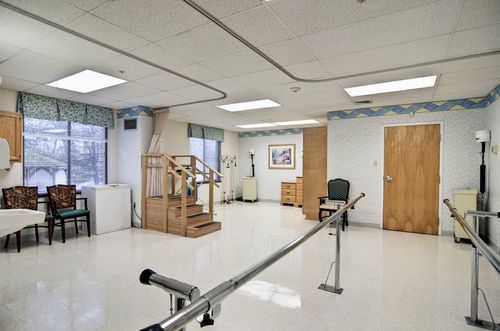
CMS rates BETHLEHEM SOUTH SKILLED NURSING AND REHABILITATION's staffing level at 4 out of 5 stars, which is above average compared to other nursing homes. Staff turnover is 36%, compared to the Pennsylvania average of 46%. This relatively stable workforce can support continuity of care.

What Have Inspectors Found at Bethlehem South Skilled Nursing And Rehabilitation?

State health inspectors documented 25 deficiencies at BETHLEHEM SOUTH SKILLED NURSING AND REHABILITATION during 2023 to 2025. These included: 21 with potential for harm and 4 minor or isolated issues.
Who Owns and Operates Bethlehem South Skilled Nursing And Rehabilitation?

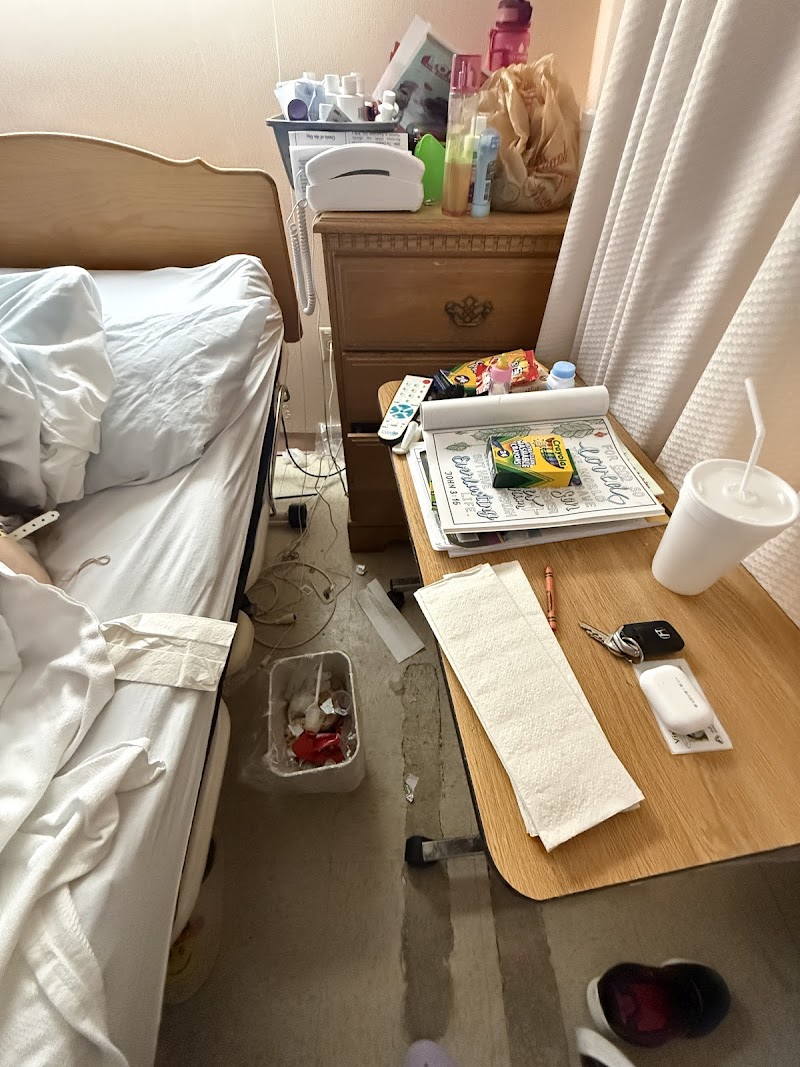
BETHLEHEM SOUTH SKILLED NURSING AND REHABILITATION is owned by a for-profit company. For-profit facilities operate as businesses with obligations to shareholders or private owners. The facility is operated by GENESIS HEALTHCARE, a chain that manages multiple nursing homes. With 227 certified beds and approximately 189 residents (about 83% occupancy), it is a large facility located in BETHLEHEM, Pennsylvania.
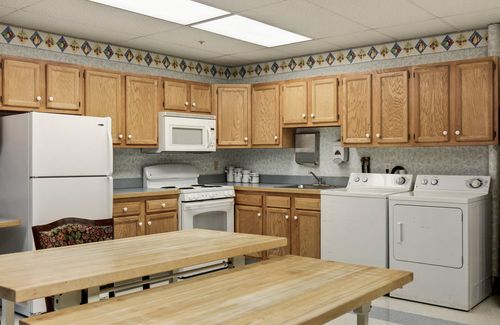
How Does Bethlehem South Skilled Nursing And Rehabilitation Compare to Other Pennsylvania Nursing Homes?

Compared to the 100 nursing homes in Pennsylvania, BETHLEHEM SOUTH SKILLED NURSING AND REHABILITATION's overall rating (3 stars) matches the state average, staff turnover (36%) is near the state average of 46%, and health inspection rating (3 stars) is at the national benchmark.

What Should Families Ask When Visiting Bethlehem South Skilled Nursing And Rehabilitation?

Based on this facility's data, families visiting should ask: "Can I visit during a mealtime to observe dining assistance and food quality?" "How do you handle medical emergencies, and what is your hospital transfer rate?" "Can I speak with family members of current residents about their experience?"

Is Bethlehem South Skilled Nursing And Rehabilitation Safe?

Based on CMS inspection data, BETHLEHEM SOUTH SKILLED NURSING AND REHABILITATION has a clean safety record: no substantiated abuse findings (meaning no confirmed cases of resident harm), no Immediate Jeopardy citations (the most serious violation level indicating risk of serious injury or death), and is not on the Special Focus Facility watch list (a federal program monitoring the lowest-performing 1% of nursing homes). The facility has a 3-star overall rating and ranks #1 of 100 nursing homes in Pennsylvania. While no facility is perfect, families should still ask about staff-to-resident ratios and recent inspection results during their visit.

Do Nurses at Bethlehem South Skilled Nursing And Rehabilitation Stick Around?

BETHLEHEM SOUTH SKILLED NURSING AND REHABILITATION has a staff turnover rate of 36%, which is about average for Pennsylvania nursing homes (state average: 46%). Moderate turnover is common in nursing homes, but families should still ask about staff tenure and how the facility maintains care continuity when employees leave.

Was Bethlehem South Skilled Nursing And Rehabilitation Ever Fined?

BETHLEHEM SOUTH SKILLED NURSING AND REHABILITATION has no federal fines on record. CMS issues fines when nursing homes fail to meet care standards or don't correct problems found during inspections. The absence of fines suggests the facility has either maintained compliance or corrected any issues before penalties were assessed. This is a positive indicator, though families should still review recent inspection reports for the full picture.

Is Bethlehem South Skilled Nursing And Rehabilitation on Any Federal Watch List?

BETHLEHEM SOUTH SKILLED NURSING AND REHABILITATION is not on any federal watch list. The most significant is the Special Focus Facility (SFF) program, which identifies the bottom 1% of nursing homes nationally based on persistent, serious quality problems. Not being on this list means the facility has avoided the pattern of deficiencies that triggers enhanced federal oversight. This is a positive indicator, though families should still review the facility's inspection history directly.