PLATINUM RIDGE CTR FOR REHAB & HEALING
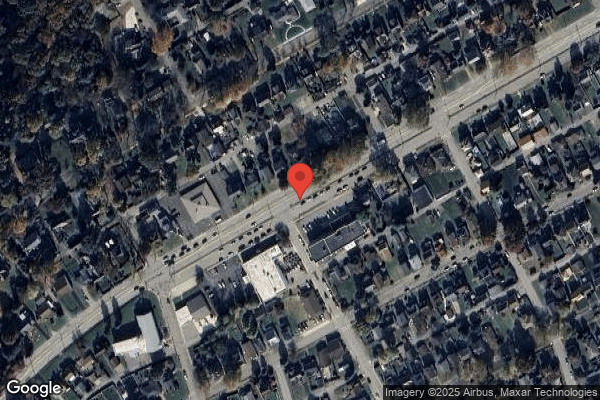
1050 BROADVIEW BOULEVARD, BRACKENRIDGE, PA 15014 (724) 224-9200
For profit - Limited Liability company 97 Beds Independent Data: November 2025 1 Immediate Jeopardy citation
Trust Grade
0/100
#620 of 653 in PA
Last Inspection: June 2025

Inspected within the last 6 months. Data reflects current conditions.

Overview

Platinum Ridge Center for Rehab & Healing has received a Trust Grade of F, indicating significant concerns about the quality of care provided. It ranks #620 out of 653 nursing homes in Pennsylvania, placing it in the bottom half of the state, and #43 out of 52 in Allegheny County, meaning only a few local options are worse. Although the facility is showing some improvement, with a decrease in issues from 31 in 2024 to 21 in 2025, it still has a troubling history, including a critical incident where a resident suffered a fractured rib due to improper transfer assistance. Staffing is average with a turnover rate of 37%, which is better than the state average, but the facility has concerning RN coverage, lower than 79% of state facilities, which may impact the quality of care. Additionally, the facility has incurred $65,415 in fines, indicating compliance issues that could affect residents' safety.

Trust Score
F
0/100
In Pennsylvania
#620/653
Bottom 6%
Safety Record
High Risk
Review needed
Inspections
Getting Better
31 → 21 violations
Staff Stability
○ Average
37% turnover. Near Pennsylvania's 48% average. Typical for the industry.
Penalties
✓ Good
$65,415 in fines. Lower than most Pennsylvania facilities. Relatively clean record.
Skilled Nurses
○ Average
Each resident gets 30 minutes of Registered Nurse (RN) attention daily — about average for Pennsylvania. RNs are the most trained staff who monitor for health changes.
Violations
⚠ Watch
74 deficiencies on record. Higher than average. Multiple issues found across inspections.
★☆☆☆☆
1.0
Overall Rating
★★★☆☆
3.0
Staff Levels
★★☆☆☆
2.0
Care Quality
★☆☆☆☆
1.0
Inspection Score
Stable
2024: 31 issues
2025: 21 issues

The Good

  • Full Sprinkler Coverage · Fire safety systems throughout facility
  • No fines on record
  • Staff turnover below average (37%)

    11 points below Pennsylvania average of 48%

Facility shows strength in fire safety.

The Bad

1-Star Overall Rating

Below Pennsylvania average (3.0)

Significant quality concerns identified by CMS

Staff Turnover: 37%

Near Pennsylvania avg (46%)

Typical for the industry

Federal Fines: $65,415

Above median ($33,413)

Moderate penalties - review what triggered them

The Ugly 74 deficiencies on record

1 life-threatening 5 actual harm
Jun 2025 9 deficiencies
CONCERN (D)

Potential for Harm - no one hurt, but risky conditions existed

Resident Rights (Tag F0550)

Could have caused harm · This affected 1 resident

**NOTE- TERMS IN BRACKETS HAVE BEEN EDITED TO PROTECT CONFIDENTIALITY** Based on facility policy, observation and staff interview, it was determined that the facility failed to ensure that care was pr...

Read full inspector narrative →
**NOTE- TERMS IN BRACKETS HAVE BEEN EDITED TO PROTECT CONFIDENTIALITY** Based on facility policy, observation and staff interview, it was determined that the facility failed to ensure that care was provided in a manner which maintained resident dignity for one of three residents (Resident R9). Findings include: Review of the facility admission Agreement indicated the resident has a right to a dignified existence, self-determination, communication with and access to, persons and services inside and outside Center. Review of the clinical record indicated Resident R9 was admitted to the facility on [DATE]. Review of Resident R9's Minimum Data Set (MDS - a periodic assessment of care needs) dated 5/5/25, indicated diagnoses of Alzheimer's Disease (a progressive disease that destroys memory and other important mental functions), anxiety, and depression. Review of the facility provided pressure ulcer list indicated Resident R9 developed a pressure ulcer (injury to skin and underlying tissue resulting from prolonged pressure on the skin) to their right heel on 4/20/25. During an observation of wound care on 6/25/25, from 9:22 a.m. through 9:36 a.m., Registered Nurse (RN) Employee E2 wrote on the dressing after it was placed on Resident R9's right heel. During an interview on 6/25/25, at 9:37 a.m. RN Employee E2 confirmed the facility failed to maintain Resident R9's dignity when writing on the dressing after placement on the resident. 28 Pa. Code: 201.14(a) Responsibility of licensee. 28 Pa. Code: 201.29(a) Resident rights.
CONCERN (D)

Potential for Harm - no one hurt, but risky conditions existed

Deficiency F0605 (Tag F0605)

Could have caused harm · This affected 1 resident

**NOTE- TERMS IN BRACKETS HAVE BEEN EDITED TO PROTECT CONFIDENTIALITY** Based on review of facility policies, clinical record review, and staff interview, it was determined that the facility failed to...

Read full inspector narrative →
**NOTE- TERMS IN BRACKETS HAVE BEEN EDITED TO PROTECT CONFIDENTIALITY** Based on review of facility policies, clinical record review, and staff interview, it was determined that the facility failed to make certain resident medication regimens were free from potentially unnecessary psychotropic (substances that act on the brain to alter cognition, perception, and mood) medications for two of four residents (Residents R33 and R46). Findings include: Review of facility policy Psychotropic Medication Use dated 5/19/25, indicated residents do not receive psychotropic medications that are not clinically indicated and necessary to treat a specific condition documented in the medical record. Medications in the following categories are considered psychotropic medications and are subject to prescribing, monitoring, and review requirements specific to psychotropic medications: anti-psychotics, anti-depressants, anti-anxiety medications, and hypnotics/sedatives. Review of facility policy Medication Regimen Reviews dated 5/19/25, indicated a licensed pharmacist reviews the medication regimen of each resident at least monthly. The consultant pharmacist provides the Director of Nursing (DON) and medical director with copy of all medication regimen reports. Upon receiving the MRR report from the pharmacist, the DON reviews the recommendations with the attending physician, responds to the report, and documents what (if any) actions were taken to address them. Review of the clinical record indicated Resident R33 was admitted to the facility on [DATE]. Review of Resident R33's Minimum Data Set (MDS - a periodic assessment of care needs) dated 5/7/25, indicated diagnoses of high blood pressure, dementia (a group of symptoms that affects memory, thinking and interferes with daily life), and chronic pain. Review of Resident R33's clinical record revealed an MRR completed by the consultant pharmacist on 3/31/25 that stated that order for Seroquel (an antipsychotic medication) written on 3/5/25, did not have an appropriate diagnosis for use of this medication and requested that physician address. Review of the above document for Resident R33 on 6/26/25, failed to reveal that the physician addressed and signed the MRR dated 3/31/25. During an interview on 6/26/25, at 2:11 p.m. the DON confirmed that the facility failed to make certain resident medication regimens were free from potentially unnecessary psychotropic medications for Resident R33. Review of the clinical record indicated Resident R46 was admitted to the facility on [DATE]. Review of Resident R46's MDS dated [DATE], indicated diagnoses of anxiety, depression, and Bipolar Disorder (a mental condition marked by alternating periods of elation and depression). Review of a physician order dated 12/25/23, indicated to administer Diazepam (an anti-anxiety medication) 10 mg (milligrams) by mouth at bedtime for anxiety. Review of a physician order dated 12/25/23, indicated to administer Diazepam 10 mg by mouth in the afternoon for anxiety. Review of a physician order dated 12/27/23, indicated to administer Diazepam 5 mg by mouth one time a day for anxiety. Review of a physician order dated 12/25/23, indicated to administer Lorazepam (an anti-anxiety medication) 1 mg by mouth every two hours as needed for seizure. Review of a physician order dated 12/25/23, indicated to administer Sertraline (an anti-depressant medication) 50 mg by mouth in the morning for depression. Review of a physician order dated 6/4/24, indicated to administer Trazodone (an anti-depressant medication) 225 mg by mouth every 24 hours as needed for depression take at night. Review of Resident R46's clinical record failed to reveal documentation that a MRR had been completed by the consultant pharmacist for October and November 2024. During an interview on 6/26/25, at 10:45 a.m. the DON confirmed that the facility was unable to locate and provide documentation that medication regimen reviews were completed and that the facility failed to make certain resident medication regimens were free from potentially unnecessary psychotropic medications for Resident R46. 28 Pa Code: 201.14(a) Responsibility of licensee. 28 Pa. Code 211.5(f) Medical records. 28 Pa. Code 211.12(d)(1)(3)(5) Nursing services.
CONCERN (D)

Potential for Harm - no one hurt, but risky conditions existed

Tube Feeding (Tag F0693)

Could have caused harm · This affected 1 resident

**NOTE- TERMS IN BRACKETS HAVE BEEN EDITED TO PROTECT CONFIDENTIALITY** Based on clinical record review, and staff interview, it was determined that the facility failed to ensure that residents with a...

Read full inspector narrative →
**NOTE- TERMS IN BRACKETS HAVE BEEN EDITED TO PROTECT CONFIDENTIALITY** Based on clinical record review, and staff interview, it was determined that the facility failed to ensure that residents with an enteral feeding tube (a tube inserted in the stomach through the abdomen) received appropriate treatment and services to prevent potential complications for one of four residents (Residents R31). Findings include: Review of the clinical record indicated Resident R31 was admitted to the facility on [DATE]. Review of clinical record revealed that Resident R31 had a physician order for Enteral Feed Nutren 2.0 (a high calorie nutritional formula 375 milliliters (ml) twice a day and 250 ml daily dated 3/7/25, and discontinued on 4/1/25. Review of Resident R31's Minimum Data Set (MDS - a periodic assessment of care needs) dated 4/1/25, indicated diagnoses of cancer, malnutrition, and depression. Section K0520 indicated that resident received nutrition from a feeding tube while a resident. Review of clinical record indicated that Resident R31 was sent to the hospital on 4/1/25, and returned to the facility on 4/4/25. Review of Resident R31's clinical record revealed a nurses note dated 4/7/25, at 3:30 p.m. that Nutren was infusing without difficulty. Review of clinical record failed to reveal a physician order for Resident R31's enteral feeding from 4/4/25, through 4/7/25. During an interview on 6/16/25, at 2:25 p.m. the Director of Nursing confirmed the facility failed to obtain a physician's order for an enteral feeding from 4/4/25 through 4/7/25, and failed ensure that residents with an enteral feeding tube received appropriate treatment and services for Resident R31. 28 Pa. Code: 201.18(b)(1) Management. 28 Pa. Code: 211.10(c) Resident care policies. 28 Pa. Code: 211.12(d)(1)(5) Nursing services.
CONCERN (D)

Potential for Harm - no one hurt, but risky conditions existed

Respiratory Care (Tag F0695)

Could have caused harm · This affected 1 resident

**NOTE- TERMS IN BRACKETS HAVE BEEN EDITED TO PROTECT CONFIDENTIALITY** Based on review of facility policy, observations, staff interviews, and clinical record review, it was determined that the facil...

Read full inspector narrative →
**NOTE- TERMS IN BRACKETS HAVE BEEN EDITED TO PROTECT CONFIDENTIALITY** Based on review of facility policy, observations, staff interviews, and clinical record review, it was determined that the facility failed to provide appropriate respiratory care for two of two residents (Resident R30 and R38). Findings include: Review of facility policy Administering Medications through a small volume (handheld) Nebulizer (a device that converts liquid medication into an inhalable mist) dated 5/19/25, indicated to ensure that equipment is completely dry and store in a plastic bag when not in use. Review of the clinical record indicated Resident R30 was admitted to the facility on [DATE]. Review of Resident R30's Minimum Data Set (MDS - a periodic assessment of care needs) dated 5/27/25, indicated diagnoses of high blood pressure, atrial fibrillation (disease of the heart characterized by irregular and often faster heartbeat), and asthma (condition where the airways narrow and swell). Review of a physician order dated 1/28/24, indicated to provide albuterol sulfate nebulization solution (a medication used for breathing difficulty) (2.5 milligrams/milliliter) 0.083% 3 milliliters inhale orally via nebulizer every six hours as needed for shortness of breath. During an observation on 6/23/25, at 10:20 a.m. Resident R30's nebulizer machine was observed on the bedside table with the mouthpiece on the bedside table, not stored in a bag while not in use. Review of the clinical record indicated Resident R38 was admitted to the facility on [DATE]. Review of Resident R38's MDS dated [DATE], indicated diagnoses of high blood pressure, anxiety, and hypothyroidism ( an underactive thyroid). Review of a physician's order dated 6/21/25, indicated to provide ipratropium- albuterol Inhalation solution (a medication used for breathing difficulty) 0.5-2.5 3 milligrams/3 milliliters 1 unit inhale orally every 4 hours as needed for wheezing until 6/28/25. During an observation on 6/23/25, at 10:07 a.m. Resident R38's nebulizer machine was observed on the bedside table with the mouthpiece on the bedside table, not stored in a bag while not in use. During an interview on 6/23/25, at 1:20 p.m. Licensed Practical Nurse (LPN) Employee E1 confirmed Resident R30 and R38's nebulizer mouthpiece was not stored in a bag while not in use, and confirmed that the facility failed to provide appropriate respiratory care for Resident R30 and R38. 28 Pa. Code: 201.14(a) Responsibility of licensee. 28 Pa. Code: 211.10(c)(d) Resident care policies. 28 Pa. Code: 211.12(d)(1)(2)(3)(5) Nursing services.
CONCERN (D)

Potential for Harm - no one hurt, but risky conditions existed

Deficiency F0698 (Tag F0698)

Could have caused harm · This affected 1 resident

**NOTE- TERMS IN BRACKETS HAVE BEEN EDITED TO PROTECT CONFIDENTIALITY** Based on review of resident clinical records, facility policy and staff interview it was determined the facility failed to provi...

Read full inspector narrative →
**NOTE- TERMS IN BRACKETS HAVE BEEN EDITED TO PROTECT CONFIDENTIALITY** Based on review of resident clinical records, facility policy and staff interview it was determined the facility failed to provide consistent and complete communication with the dialysis (a machine that filters wastes, salts, and fluid from your blood when your kidneys are no longer healthy enough to do this work adequately) center for one of three residents (Resident R34). Findings include: Review of facility policy Hemodialysis dated 5/19/25, indicated the facility will ensure that each resident receives care and services for the provision of hemodialysis consistent with professional standards of practice. This will include ongoing communication and collaboration with the dialysis facility regarding dialysis care and services. The licensed nurse will communicate to the dialysis facility via telephone communication or written format, such as a dialysis communication form or other form. Review of the clinical record indicated Resident R34 was admitted to the facility on [DATE]. Review of Resident R34's Minimum Data Set (MDS - a periodic assessment of care needs) dated 3/30/25, indicated diagnoses of high blood pressure, End Stage Renal Disease (ESRD, an inability of the kidneys to filter the blood), and heart transplant status. Review of a physician order dated 3/14/25, indicated the resident receives hemodialysis at an outside facility every Monday, Wednesday, and Friday. Review of a physician order dated 3/24/25, indicated the dialysis communication form must be sent with resident to dialysis and reviewed upon return every Monday, Wednesday, and Friday. Review of Resident R34's clinical record did not include complete communication forms for eight days during the period of 6/1/25, through 6/24/25. The incomplete forms were on the following dates: 6/2/25, 6/4/25, 6/6/25, 6/9/25, 6/13/25, 6/16/25, 6/18/25, and 6/23/25. During an interview on 6/24/25, at 9:43 a.m. Licensed Practical Nurse Employee E1 confirmed the above dates did not include complete dialysis communication forms. During an interview on 6/24/25, at 1:25 p.m. the Director of Nursing confirmed that the facility failed to provide consistent and complete communication with the dialysis center for Resident R34. 28 Pa. Code: 201.14(a) Responsibility of licensee. 28 Pa. Code: 211.10(c) Resident care policies. 28 Pa. Code: 211.12(d)(1)(3)(5) Nursing services.
CONCERN (D)

Potential for Harm - no one hurt, but risky conditions existed

Deficiency F0740 (Tag F0740)

Could have caused harm · This affected 1 resident

**NOTE- TERMS IN BRACKETS HAVE BEEN EDITED TO PROTECT CONFIDENTIALITY** Based on review of facility policy, resident clinical records, and staff interviews, it was determined that the facility failed ...

Read full inspector narrative →
**NOTE- TERMS IN BRACKETS HAVE BEEN EDITED TO PROTECT CONFIDENTIALITY** Based on review of facility policy, resident clinical records, and staff interviews, it was determined that the facility failed to ensure a resident received appropriate behavioral health services to maintain the highest practicable well-being for one of two sampled residents (Resident R58). Findings include: The facility Trauma informed care and culturally competent care policy last reviewed 5/19/25, indicated that trauma-informed care is an approach to delivering care that involves understanding, recognizing and responding to the effects of all types of trauma. A trauma-informed approach to care delivery recognizes the widespread impact and signs and symptoms of trauma in residents, and incorporates knowledge about trauma into care plans, policies, procedures and practices to avoid re-traumatization. Traumatic events which may affect residents during their lifetime include: physical, sexual and emotional abuse, neglect, and interpersonal or community violence. Developing individualized care plans that incorporate language needs, culture, cultural preferences, norms and values. Examples include food choices, clothing preferences, and physical contact or provision of care by a person of the opposite sex. Review of Resident R58's admission record indicated she was originally admitted on [DATE]. Review of Resident R58's hospital record dated 2/12/24, indicated she was being assessed at the hospital for a possible sexual assault. Review of Resident R58's MDS assessment (Minimum Data Set: MDS - a periodic assessment of care needs) dated 2/12/25, indicated she had diagnoses that included aphasia, vascular dementia (a persistent disorder of the mental processes caused by brain disease or injury and marked by memory disorders, personality changes, and impaired reasoning), hyperlipidemia (elevated lipid levels within the blood), and epilepsy (a long-term disease that causes repeated seizures due to abnormal electrical signals produced by damaged brain cells). Review of Resident R58's trauma assessment dated [DATE], indicated that she was assessed for traumatic triggers and scored 0 for all questions and severity. Review of Resident R58's care plans dated 5/22/25, indicated she had a history of sexual abuse and she will have minimal signs or symptoms of traumatic symptoms. Further review of Resident R58's care plan did not indicate behavioral health assistance (consider gender of staff providing Resident R58 care) related to the Resident R58 sexual abuse history. During an interview on 6/26/25, at 10:41 a.m. information disseminated to the Nursing Home Administrator (NHA) that the failed to ensure a Resident R58 received appropriate behavioral health services to maintain the highest practicable well-being as required. 28 Pa. Code 201.14(a) Responsibility of licensee 28 Pa. Code 201.18(b)(1)(3)(e)(1) Management 28 Pa. Code 211.12(c)(d)(3) Nursing services 28 Pa. Code 211.16(a) Social services
CONCERN (E)

Potential for Harm - no one hurt, but risky conditions existed

Deficiency F0692 (Tag F0692)

Could have caused harm · This affected multiple residents

**NOTE- TERMS IN BRACKETS HAVE BEEN EDITED TO PROTECT CONFIDENTIALITY** Based on review of facility policy, clinical records, observations, and staff interview, it was determined that the facility fai...

Read full inspector narrative →
**NOTE- TERMS IN BRACKETS HAVE BEEN EDITED TO PROTECT CONFIDENTIALITY** Based on review of facility policy, clinical records, observations, and staff interview, it was determined that the facility failed to individualize care plans to address the resident specific nutritional concerns for two of three residents (Resident R9, and R31), and failed to ensure direct care staff were aware of residents with fluid restriction orders to make certain acceptable parameters of nutritional status were maintained for one of two residents on physician ordered fluid restrictions (Resident R34). Findings include: The facility policy Medical Nutrition Therapy (MNT) Documentation dated 5/19/25, indicated the person centered care plan is based on the MNT assessment, the identified risk factors and nutritional needs, as well as individual preferences. Problems, risk factors, or concerns are described along with nutrition interventions and goals for improvement. Specific and measurable goals should be stated to maintain or achieve optimal nutritional status. Goals and approaches (interventions) should be individualized, person centered and should be coordinated with the interdisciplinary team. The resident has the right to refuse treatment and the care plan should reflect whether or not the individual is in acceptance of the care plan. Each time a re-assessment or progress note is completed, the care plan should be updated. The facility policy Fluid Restrictions and Sample Distribution of Fluids dated 5/19/25, indicated that fluid restrictions will be followed as per physician's orders. The amount of fluid allowed per 24-hour period will be specified in a written physician's order and sent to the food and nutrition service department in writing. The food and nutrition services department and the nursing department will determine how much fluid will be provided at meals and medication passes. Review of the clinical record indicated Resident R9 was admitted to the facility on [DATE]. Review of Resident R9's Minimum Data Set (MDS - a periodic assessment of care needs) dated 5/5/25, indicated diagnoses of Alzheimer ' s disease (a type of brain disorder that causes problems with memory, thinking and behavior), osteoporosis (condition when the bones become brittle and fragile), and difficulty swallowing. Review of Resident R9's clinical record revealed the following physician's orders: · Ensure plus (a nutritionally dense drink) three times a day dated 10/15/21 · Magic Cup (a nutritionally dense ice cream) two times a day dated 11/15/22 · Pureed diet with mildly thick liquids and no straws dated 1/16/25 Review of Resident R9's care plan last revised on 5/14/25, indicated that resident has had weight loss and interventions include the following: · Provide, serve diet as ordered · Provide and serve supplements as ordered. Review of Resident R9's care plan failed to include resident specific interventions for the physician ordered diet and supplements listed above. Review of the clinical record indicated Resident R31 was admitted to the facility on [DATE]. Review of Resident R31's MDS dated [DATE], indicated diagnoses of cancer, malnutrition, and depression. Section K0200 was marked that resident had loss of 5% or more in the last month or loss of 10% or more in 6 months, and is not on a physician-prescribed weight loss regimen. Section K0710 was marked that resident received 51% or more of total calories through tube feeding. Review of Resident 31's clinical record revealed the following physician's orders: · Enteral Feed (a nutritional feeding provided through a tube that is inserted into the gastrointestinal tract) Nutren 2.0 (a high calorie nutritional formula) 375 milliliter (ml) two times a day dated 5/21/25. · Enteral Feed Nutren 2.0 250 ml via tube at bedtime dated 5/21/25. · Pleasure tray diet (food for pleasure only- not intended for nutrition) full liquids ( a diet composed of food and liquids that are liquid at room temperature) dated 5/22/25. Review of Resident R31's care plan last revised on 5/14/25, indicated interventions include the following: · Tube Feed as ordered During an interview on 6/26/25, at 10:18 a.m. Dietary Supervisor Employee E3 stated that Resident R31 has had weight loss on his tube feeding, but that resident will often pull out his feeding tube or refuse the tube feedings. Review of Resident 31's nutritional care plan failed to include that resident has had weight loss, pulls out feeding tube, or refuses tube feedings. Care plan also failed to include resident specific interventions for the physician ordered tube feeding formula listed above. During an interview on 6/26/25, at approximately 2:28 p.m. the Dietary Supervisor Employee E3, and the Director of Nursing confirmed the facility failed to individualize care plans to address the resident specific nutritional concerns for Resident R9, and R31. Review of the clinical record indicated Resident R34 was admitted to the facility on [DATE]. Review of Resident R34's MDS dated [DATE], indicated diagnoses of high blood pressure, End Stage Renal Disease (ESRD, an inability of the kidneys to filter the blood), and heart transplant status. Review of a physician order dated 3/23/25, indicated fluid restriction 1800 mL (milliliters) per 24 hours. The physician order did not indicate how much fluid was allotted to nursing and dietary. During an interview on 6/26/25, at 10:31 a.m. Dietary Supervisor Employee E3 stated, It should be broken down in the order for the fluid restriction. During this interview, Dietary Supervisor Employee E3 confirmed that the facility failed to ensure direct care staff were aware of residents with fluid restriction orders to make certain acceptable parameters of nutritional stats were maintained for Resident R34. 28 Pa. Code 201.18(b)(1)( Management. 28 Pa. Code 211.10(c) Resident care policies. 28 Pa. Code 211.12(d)(1)(2)(5) Nursing services.
CONCERN (E)

Potential for Harm - no one hurt, but risky conditions existed

Drug Regimen Review (Tag F0756)

Could have caused harm · This affected multiple residents

**NOTE- TERMS IN BRACKETS HAVE BEEN EDITED TO PROTECT CONFIDENTIALITY** Based on review of the clinical records and staff interview, it was determined that the facility failed to provide documentation...

Read full inspector narrative →
**NOTE- TERMS IN BRACKETS HAVE BEEN EDITED TO PROTECT CONFIDENTIALITY** Based on review of the clinical records and staff interview, it was determined that the facility failed to provide documentation that medication regimen reviews (MRR) were completed and failed to ensure that any irregularities submitted in the MRR by pharmacy were acted upon timely for three of five residents (Residents R29, R33, and R46). Findings include: Review of facility policy Medication Regimen Reviews dated 5/19/25, indicated a licensed pharmacist reviews the medication regimen of each resident at least monthly. The consultant pharmacist provides the Director of Nursing (DON) and medical director with copy of all medication regimen reports. Upon receiving the MRR report from the pharmacist, the DON reviews the recommendations with the attending physician, responds to the report, and documents what (if any) actions were taken to address them. Review of the clinical record indicated Resident R29 was admitted to the facility on [DATE]. Review of Resident R29's MDS (minimum data set a periodic assessment of resident needs) dated 5/8/25, indicated diagnosis of Alzheimer disease (type of dementia that affects the memory, thinking and behavior) hypertension (pressure in your blood vessels is to high) and diabetes mellitus ( when your blood sugar is too high). Review of Resident R29 clinical record indicated two MMR (monthly medication reviews) completed by the pharmacist - one in 3/10/25 and 4/28/25. The 4/28/25, review failed to include any recommendations or documentation showing that the pharmacy reviewed the medications, it reiterated a list of Resident R29 medications only. During an interview on 6/26/25, at 11:21 a.m. Director of Nursing (DON) confirmed that the facility failed to complete monthly medication reviews. Review of the clinical record indicated Resident R33 was admitted to the facility on [DATE]. Review of Resident R33's MDS dated [DATE], indicated diagnoses of high blood pressure, dementia (a group of symptoms that affects memory, thinking and interferes with daily life), and chronic pain. Review of Resident R33's clinical record revealed an MRR completed by the consultant pharmacist on 3/31/25, that stated that order for Seroquel (an antipsychotic medication) written on 3/5/25, did not have an appropriate diagnosis for use of this medication and requested that physician address. Review of the above document for Resident R33 on 6/26/25, failed to reveal that the physician addressed and signed the MRR dated 3/31/25. During an interview on 6/26/25, at 2:11 p.m. the Director of Nursing confirmed that the facility failed to ensure that the irregularities submitted in the MRR by pharmacy were acted upon timely for resident R33. Review of the clinical record indicated Resident R46 was admitted to the facility on [DATE]. Review of Resident R46's MDS dated [DATE], indicated diagnoses of anxiety, depression, and Bipolar Disorder (a mental condition marked by alternating periods of elation and depression). Review of Resident R46's clinical record failed to reveal documentation that a MRR had been completed by the consultant pharmacist for October and November 2024. During an interview on 6/26/25, at 10:45 a.m. the DON confirmed that the facility failed to provide documentation that a medication regimen review was completed for Resident R46 in October and November 2024. 28 Pa Code: 201.14 (a) Responsibility of licensee. 28 Pa. Code 211.5(f) Medical records. 28 Pa. Code 211.12(d)(1)(3)(5) Nursing services.
CONCERN (F)

Potential for Harm - no one hurt, but risky conditions existed

Food Safety (Tag F0812)

Could have caused harm · This affected most or all residents

Based on facility policy, observations and staff interview, it was determined that the facility failed to properly label and date food products, in the Main Kitchen. (Main Kitchen). Findings include:...

Read full inspector narrative →
Based on facility policy, observations and staff interview, it was determined that the facility failed to properly label and date food products, in the Main Kitchen. (Main Kitchen). Findings include: Review of facility policy Food Receiving and Storage, dated 5/19/25, indicated that all foods stored in the refrigerator or freezer are covered, labeled, and dated. During an observation in the Main Kitchen on 6/23/25, at 9:30 a.m. the following was noted: · A bag of frozen vegetables in the walk-in freezer with no receive date labeled. · An opened bag of chopped onions in the reach-in refrigerator with no label or date. · Four bags of gelatin mix in the dry storage room with no receive date labeled. During an interview on 6/23/25, at 9:5 am the Dietary Supervisor Employee E3 confirmed that the facility failed to properly label and date food products in the Main Kitchen. Pa Code 201.14(a) Responsibility of licensee. Pa Code 201.18(b)(3) Management.
May 2025 5 deficiencies 3 Harm
SERIOUS (G) 📢 Someone Reported This

A family member, employee, or ombudsman was alarmed enough to file a formal complaint

Actual Harm - a resident was hurt due to facility failures

Comprehensive Care Plan (Tag F0656)

A resident was harmed · This affected 1 resident

**NOTE- TERMS IN BRACKETS HAVE BEEN EDITED TO PROTECT CONFIDENTIALITY** Based on review of clinical records and staff interviews, it was determined that the facility failed to develop a comprehensive ...

Read full inspector narrative →
**NOTE- TERMS IN BRACKETS HAVE BEEN EDITED TO PROTECT CONFIDENTIALITY** Based on review of clinical records and staff interviews, it was determined that the facility failed to develop a comprehensive care plan to meet resident care needs for two of four residents (Resident R1 and R2), which resulted in harm, when a resident was rolled out of bed without the correct level of assistance and sustained bilateral leg fractures (Resident R1). Findings Include: Review of Residents R1's admission record indicated the resident was admitted on [DATE], and readmitted [DATE], with diagnoses of anemia (a condition in which the number of red blood cells is lower than normal), renal failure (occurs when the kidneys are no longer able to filter waste products from blood effectively), and osteoarthritis (a degenerative joint disease that occurs when the cartilage that cushions the joints wears down over time, leading to pain, stiffness, and loss of mobility.) Review of physician order dated 2/19/25, revealed Resident R1 transfers with a total assist of two persons via Hoyer lift, no ambulation. Review of Residents R1's Minimum Data Set (MDS - a periodic assessment of care needs) dated 2/26/25, indicated the diagnoses were current. Section GG- Functional Abilities revealed the resident was dependent with rolling left to right and required the assistance of two or more helpers. Review of Residents R1's care plan dated 8/24/22, revealed the resident used side rails for increased independence and mobility due to impaired bed mobility. Resident R1's care plan failed to indicate the level of assistance the resident required for bed mobility or transfers. Review of Resident R1's progress note dated 4/14/25, indicated at 7:20 p.m. Licensed Practical Nurse (LPN), Employee E1 was called to Resident R1's room by Nurse Aide (NA), Employee E2. During care the resident rolled out of bed onto their knees while holding onto the bed rail. The resident was on their right side while care was being provided and NA, Employee E2 was unable to stop the resident from rolling. Review of a late entry progress note dated 5/7/25, entered by RN, Employee E4 stated a bruise was observed to Resident R1's left distal superior knee. Bruise was dark/purple in color, approximately 9 cm x 5 cm x 0 cm. Resident denied recent trauma to area, the supervisor was notified. Review of a late entry progress note dated 5/7/25, at 12:04 p.m. entered by RN, Employee E5 indicated the physician saw the resident at bedside and wanted the resident to go to the hospital. A purple bruise was observed near the left knee. Resident denies pain. Review of Resident R1's physician order dated 5/7/25, indicated to complete an x-ray of the resident's left knee due to pain and bruise to rule out fracture. Review of Resident R1's progress note dated 5/7/25, at 7:49 p.m. revealed the resident's left knee was fractured. The physician and family were notified and the resident was transferred to the hospital for further evaluation. Review of progress note dated 5/8/25, at 3:00 a.m. revealed Resident R1 was admitted to the hospital. The resident's x-ray results shows bilateral leg fractures. The resident's hemoglobin (a red protein responsible for transporting oxygen in the blood, normal value in women is 11.6 to 15 grams per deciliter. A hemoglobin level less than 6.5 can be life threating) level was 5.1 and required a blood transfusion. During an interview on 5/28/25, at 9:56 a.m. Physical Therapist, Employee 10 confirmed the facility failed to ensure Resident R1's care plan had the level of assistance required for bed mobility on 4/14/25. Review of Resident R1's investigation on 5/28/25, at 10:45 a.m. revealed on 5/9/25, Resident R1 was interviewed. Resident R1 was asked Do you know what happened that caused the fractures to your legs? Resident R1 answered Yes, it happened when I rolled out of bed a few weeks ago. During an interview on 5/28/25, at 12:07 p.m. Nurse Aide (NA), Employee E2 conifrmed Resident R1's bed mobility was not available on the [NAME] (a documentation system that enables nurses to write, organize, and easily reference key patient information that shapes their nursing care plan.) when Resident R1 rolled out of bed on 4/14/25. Review of Resident R2's clinical record revealed the resident was admitted to the facility on [DATE], and had a diagnosis of muscle weakness, ataxic gait (problem with coordinating muscle movements), and obesity. Review of Resident R2's physician orders dated 5/26/25, revealed the resident transfers with a total assist of two via Hoyer lift, no ambulation. Review of Resident R2's clinical record on 5/28/25, at 11:41 a.m. failed to include a care plan for the resident's transfer status. During an interview on 5/28/25, at 11:41 a.m. [NAME] President (VP) of Rehab, Employee E9 confirmed Resident R2 failed to have a care plan for transfer status or bed mobility. During an interview on 5/28/25, at 2:04 p.m. the Nursing Home Administrator and Director of Nursing confirmed the facility failed to develop a comprehensive care plan to meet resident care needs for two of four residents (Resident R1 and R2), which resulted in harm, when a resident was rolled out of bed without the correct level of assistance and sustained bilateral leg fractures (Resident R1). 28 Pa Code 211.10(c) Resident care policies 28 Pa Code 211.12(d)(5) Nursing services
SERIOUS (G) 📢 Someone Reported This

A family member, employee, or ombudsman was alarmed enough to file a formal complaint

Actual Harm - a resident was hurt due to facility failures

Quality of Care (Tag F0684)

A resident was harmed · This affected 1 resident

**NOTE- TERMS IN BRACKETS HAVE BEEN EDITED TO PROTECT CONFIDENTIALITY** Based on review of facility policies, clinical records, and staff interviews it was determined that the facility failed to provi...

Read full inspector narrative →
**NOTE- TERMS IN BRACKETS HAVE BEEN EDITED TO PROTECT CONFIDENTIALITY** Based on review of facility policies, clinical records, and staff interviews it was determined that the facility failed to provide appropriate care and treatment for one of four residents (Residents R1), which resulted in harm, and Resident R1 required a blood transfusion. Findings include: Review of the facility policy Falls-Clinical Protocol dated 3/4/25, last reviewed 5/19/25, indicated the staff, with the physician guidance, will follow up on any fall with associated injury until the resident is stable. Review of the facility policy Change in a Resident's Condition or Status dated 3/4/25, last reviewed 5/19/25, indicated the facility promptly notifies the resident, his or her attending physician, and the resident representative of changes in the resident's medical/mental condition and/or status. The nurse will notify the resident's attending physician or physician on call when there has been a discovery of injuries of unknown source, significant change in the resident's physical condition, and need to alter the resident's medical treatment significantly. A significant change of condition is a major decline in the resident's status that will not normally resolve itself without intervention by staff or by implementing interventions. Review of Residents R1's admission record indicated the resident was admitted on [DATE], and readmitted [DATE], with diagnoses of anemia (a condition in which the number of red blood cells is lower than normal), renal failure (occurs when the kidneys are no longer able to filter waste products from blood effectively), and osteoarthritis (a degenerative joint disease that occurs when the cartilage that cushions the joints wears down over time, leading to pain, stiffness, and loss of mobility.) Review of Residents R1's Minimum Data Set (MDS - a periodic assessment of care needs) dated 2/26/25, indicated the diagnoses were current. Review of Residents R1's care plan dated 8/24/22, revealed the resident was at risk for bleeding secondary to anticoagulant (blood thinner) use. Interventions included to observe effectiveness of medication given and observe for adverse reactions, observe for signs and symptoms of bleeding such as skin bruising, and to check labs and notify physician of abnormal findings. Review of physician order dated 4/4/25, indicated to administer two tablets of 1 milligram (mg) of Warfarin (also known as Coumadin, a blood thinning medication that reduces formation of blood clots) at bedtime every Thursday, Friday, Saturday, and Sunday for atrial fibillation (abnormal heart rhythm). Review of Resident R1's progress note dated 4/14/25, indicated at 7:20 p.m. Licensed Practical Nurse (LPN), Employee E1 was called to Resident R1's room by Nurse Aide (NA), Employee E2. During care the resident rolled out of bed onto their knees while holding onto the bed rail. Resident R1 was assisted back to bed with an assist of three people and a Hoyer lift. No redness at this time to knees. Review of Resident R1's progress note dated 4/14/25, at 7:47 p.m. revealed Registered Nurse (RN), Employee E3 was called to the unit by staff. Resident R1 was observed lying on the floor. The resident stated I slid out of bed and was on my knees with my legs underneath me. The resident denied any pain to bilateral lower extremities. The physician was notified. Review of Resident R1's late entry progress note dated 4/14/25, at 4:48 a.m. indicated Resident R1 was complaining of being sore from the fall. The Director of Nursing advised Licesned Practical Nurse (LPN), Employee E12 to administer two tablets of 325 milligram (mg) Tylenol by mouth for pain. Medication was administered. Further review of clinical record failed to reveal a physician was notified of Resident R1's pain and an order for Tylenol was obtained. Review of Resident R1's progress note dated 4/15/25, at 1:26 p.m. revealed the resident requested to speak with the Director of Nursing and RN Supervisor. Resident R1 was requesting an as needed Tylenol order for pain. The order for Tylenol was pending approval. Review of Resident R1's physician order dated 4/15/25, indicated to administer two tablets of 325 mg Tylenol every four hours as needed for mild pain. The physician order failed to include a pain scale. Review of Resident R1's progress note dated 4/15/25, at 7:24 p.m. stated Bruising to right shin present and left abdomen. Resident is on Coumadin. Further review failed to indicate the physician was notified of Resident R1's right shin and left abdomen bruising. Review of clinical record revealed Resident R1 had bruising noted to the right shin on the following days with no evidence the physician was notified of the symptoms of bleeding: -4/16/25 -4/17/25 -4/18/25 -4/21/25 -4/22/25 -4/23/25 -4/24/25 -4/25/25 -4/26/25 -4/29/25 Review of physician order dated 4/25/25, indicated to obtain PT (Prothrombin time-the amount of time it takes for the blood to clot) and INR (International Normalized Ratio (INR-a specific blood test used to measure the time it takes for blood to form a blood clot, normal value for someone taking anticoagulant is between 2 and 3.5)) one time only for monitoring on 5/2/25. Review of Resident R1's lab results dated 5/2/25, revealed the resident's INR was critical at 7.2 A recommendation of an INR of 2.0 to 3.0 is made for all indications for oral anticoagulation except mechanical prosthetic heart valves and prevention of recurrent myocardial infarction for which an INR of 2.5 to 3.5 is recommended. It was indicated the lab notified Medical Director, Employee E11 on 5/2/25, at 9:08 a.m. of Resident R1's critical INR result. Review of physician order dated 4/4/25, to administer two tablets of 1 mg of Warfarin was discontinued on 5/2/25. Review of physician order dated 5/2/25, indicated to obtain PT/INR one time only for monitoring on 5/5/25. Review of Resident R1's progress note dated 5/5/25, revealed the resident had several bruises located on both legs. There was no evidence a physician was notified of signs and symptoms of abnormal bleeding such as bruising as the care plan indicated. Review of Resident R1's lab results dated 5/5/25, revealed the resident's INR was critical at 8.7. It was indicated the lab notified the Medical Director, Employee E11 on-call on 5/5/25, at 3:08 p.m. Review of Resident R1's clinical record from 5/5/25, to 5/7/25, failed to include evidence of the interventions that were implemented related to Resident R1's critical INR lab value, and failed to include evidence of the physicain repsonse related to Resident R1's critical INR lab value. Review of a late entry progress note dated 5/7/25, entered by RN, Employee E4 stated a bruise was observed to Resident R1's left distal superior knee. Bruise was dark/purple in color, approximately 9 cm x 5 cm x 0 cm. Nurse Aide stated that resident began refusing care on 5/6/25, due to pain in left leg. Resident denied recent trauma to area, the supervisor was notified. Review of Resident R1's physician order dated 5/7/25, indicated to complete an x-ray of the resident's left knee due to pain and bruise to rule out fracture. Review of a late entry progress note dated 5/7/25, at 12:04 p.m. entered by RN, Employee E5 indicated the physician saw the resident at bedside and wanted the resident to go to the hospital. Pro lab reported an INR 8.0. and Coumadin on hold. A purple bruise was observed near the left knee. The physician gave an order for Vitamin K 5 mg daily, for two days. The facility failed to timely address Resident R1's critical INR result. Review of Resident R1's progress note dated 5/7/25, at 7:49 p.m. revealed the resident's left knee was fractured. The physician and family were notified and the resident was transferred to the hospital for further evaluation. Review of progress note dated 5/8/25, revealed Resident R1 was admitted to the hospital. The resident's hemoglobin (a red protein responsible for transporting oxygen in the blood, normal value in women is 11.6 to 15 grams per deciliter. A hemoglobin level less than 6.5 can be life threatening) level was 5.1 and Resident R1 required a blood transfusion. Review of Resident R1's hospital records dated 5/8/25, stated the resident evidently had a fall on 4/14/25, when nursing staff inadvertently lost hold of the resident and the resident fell out of bed. Ecchymosis (medical term for a type of bruise that occurs when blood leaks out of blood vessels into the subcutaneous tissue beneath the skin, often caused by trauma) was observed to the resident's left anterior knee, right knee and skin with some bruising of the right ankle. The resident's INR was supratherapeutic for the past few days. Resident R1 INR was 7.0. The resident's hemoglobin was 5.1. The resident received two units of red blood cells. Review of a late entry progress note created on 5/18/25, effective 4/16/25, entered by Medical Director, Employee E11 indicated the resident was seen for follow up care. The resident had recent hospital admission for sepsis. There was no evidence Resident R1's bruising to the right shin was addressed. During an interview on 5/28/25, at 9:44 a.m. LPN, Employee E8 indicated if a resident has a change in condition the supervisor is made aware and the physician is notified. It was indicated any change in condition is documented in the clinical record with the physician response. During an interview on 5/28/25, at 2:03 p.m. the Nursing Home Administrator and Director of Nursing confirmed the facility failed to provide appropriate care and treatment for one of four residents (Residents R1), which resulted in harm, and Resident R1 required a blood transfusion. 28 Pa. Code: 201.14(a) Responsibility of licensee. 28 Pa. Code: 201.18(e)(1) Management. 28 Pa. Code: 207.2(a) Administrator's responsibility. 28 Pa. Code: 211.10(d) Resident care policies.
SERIOUS (G) 📢 Someone Reported This

A family member, employee, or ombudsman was alarmed enough to file a formal complaint

Actual Harm - a resident was hurt due to facility failures

Accident Prevention (Tag F0689)

A resident was harmed · This affected 1 resident

**NOTE- TERMS IN BRACKETS HAVE BEEN EDITED TO PROTECT CONFIDENTIALITY** Based on review of facility policies, clinical records, and staff interviews it was determined that the facility failed to ensur...

Read full inspector narrative →
**NOTE- TERMS IN BRACKETS HAVE BEEN EDITED TO PROTECT CONFIDENTIALITY** Based on review of facility policies, clinical records, and staff interviews it was determined that the facility failed to ensure the appropriate assistance for bed mobility was provided for one of four residents (Residents R1), which resulted in harm when Resident R1 rolled out of bed and sustained bilateral leg fractures. Findings include: Review of the facility policy Repositioning dated 3/4/25, reviewed 5/19/25, stated the purpose of the procedure is to provide guidelines for the evaluation of resident repositioning needs, to aid in the development of an individualized care plan for repositioning, and to promote comfort for all bed or chair bound residents. Review the resident's care plan to evaluate for any special needs of the resident. Review of the facility policy Safe Lifting and Movement of Residents dated 3/4/25, reviewed 5/19/25, stated in order to protect the safety and well-being of staff and residents, and to promote quality care, the facility uses appropriate techniques and devices to lift and move extremities. Resident safety, dignity, comfort, and medical condition will be incorporated into goals and decisions regarding safe lifting and moving of residents. Manual lifting of residents shall be eliminated when feasible. Nursing staff in conjunction with the rehabilitation staff, shall assess individual resident's needs for transfer assistance on an ongoing basis. Staff will document transferring and lifting needs in the care plan. Mechanical lifting devices shall be used for heavy lifting, including lifting and moving residents when necessary. Review of the facility policy Falls-Clinical Protocol dated 3/4/25, last reviewed 5/19/25, indicated the staff, with the physician guidance, will follow up on any fall with associated injury until the resident is stable and related complications such as late fractures have been ruled out or resolved. Delayed complications such as late fractures and major bruising may occur hours or days after a fall. Review of the facility policy Change in a Resident's Condition or Status dated 3/4/25, last reviewed 5/19/25, indicated the facility promptly notifies the resident, his or her attending physician, and the resident representative of changes in the resident's medical/mental condition and/or status. The nurse will notify the resident's attending physician or physician on call when there has been a discovery of injuries of unknown source, significant change in the resident's physical condition, and need to alter the resident's medical treatment significantly. A significant change of condition is a major decline in the resident's status that will not normally resolve itself without intervention by staff or by implementing interventions. Review of Residents R1's admission record indicated the resident was admitted on [DATE], and readmitted [DATE], with diagnoses of anemia (a condition in which the number of red blood cells is lower than normal), renal failure (occurs when the kidneys are no longer able to filter waste products from blood effectively), and osteoarthritis (a degenerative joint disease that occurs when the cartilage that cushions the joints wears down over time, leading to pain, stiffness, and loss of mobility.) Review of physician order dated 2/19/25, revealed Resident R1 transfers with a total assist of two persons via Hoyer lift, no ambulation. Review of Residents R1's Minimum Data Set (MDS - a periodic assessment of care needs) dated 2/26/25, indicated the diagnoses were current. Section GG- Functional Abilities revealed the resident was dependent with rolling left to right and required the assistance of two or more helpers. Review of Residents R1's care plan dated 8/24/22, revealed the resident used side rails for increased independence and mobility due to impaired bed mobility. Resident R1's care plan failed to indicate the level of assistance the resident required for bed mobility or transfers. Review of Resident R1's progress note dated 4/14/25, indicated at 7:20 p.m. Licensed Practical Nurse (LPN), Employee E1 was called to Resident R1's room by Nurse Aide (NA), Employee E2. During care the resident rolled out of bed onto their knees while holding onto the bed rail. The resident was on their right side while care was being provided and NA, Employee E2 was unable to stop the resident from rolling. The resident was turned onto their back and a pillow was placed under their head. The supervisor was called to the room. The resident had a 2-centimeter (cm) x 1 cm abrasion to inner side of the right foot. Resident R1 was assisted back to bed with an assist of three people and a Hoyer lift. No redness at this time to knees. Review of Resident R1's progress note dated 4/14/25, at 7:47 p.m. revealed Registered Nurse (RN), Employee E3 was called to the unit by staff. Resident R1 was observed lying on the floor. The resident stated I slid out of bed and was on my knees with my legs underneath me. The resident denied any pain to bilateral lower extremities. The physician was notified. Review of Resident R1's late entry progress note dated 4/14/25, at 4:48 a.m. indicated Resident R1 was complaining of being sore from the fall. Review of Resident R1's physician order dated 4/15/25, indicated to complete a stat x-ray of the resident's right foot and ankle due to fall. Review of Resident R1's progress note dated 4/15/25, revealed the x-ray was completed at the resident's bedside at 6:30 p.m. of the right foot and ankle. Bruising to right shin present and left abdomen. There was no documentation of the size/measurement of brusing. Resident is on Coumadin. Further review failed to indicate the physician was notified of Resident R1's right shin and left abdomen bruising. Review of Resident R1's progress note dated 4/15/25, at 7:41 p.m. indicated Resident R1's x-rays were negative for fractures of the right foot and ankle. Review of Resident R1's progress notes had bruising, that was not measured, observed to the right shin on the following days with no evidence the physician was notified: -4/16/25 -4/17/25 -4/18/25 -4/21/25 -4/22/25 -4/23/25 -4/24/25 -4/25/25 -4/26/25 -4/29/25 Review of Resident R1's progress noted dated 5/5/25, revealed an assist of two staff members were used to reposition the resident. The resident asked for pain medication at the beginning of the shift. Resident R1 was provided 650 mg of Tylenol for 3/10 right knee pain (pain scale that grades pain levels from 0 (No pain), 1,2, and 3 (Mild), 4,5, and 6 (Moderate), 7,8, and 9 (Severe) to 10 (Worst Pain Possible)). It was indicated the resident had several bruises located on both legs. Review of a late entry progress note dated 5/7/25, at 11:33 a.m. entered by RN, Employee E4 stated a bruise was observed to Resident R1's left distal superior knee. Bruise was not observed during treatment on 5/5/25. Bruise was dark/purple in color, approximately 9 cm x 5 cm x 0 cm. Nurse Aide (unidentified) stated that resident began refusing care on 5/6/25, due to pain in left leg. Resident denied recent trauma to area, the supervisor was notified. Review of a late entry progress note dated 5/7/25, at 12:04 p.m.entered by RN, Employee E5 indicated the physician examined the resident at bedside and wanted the resident to go to the hospital. A purple bruise was observed near the left knee. Resident denies pain. Review of Resident R1's physician order dated 5/7/25, indicated to complete an x-ray of the resident's left knee due to pain and bruise to rule out fracture. Review of Resident R1's progress note dated 5/7/25, at 7:49 p.m. revealed the resident's left knee was fractured. The physician and family were notified, and the resident was transferred to the hospital for further evaluation. Review of progress note dated 5/8/25, revealed Resident R1 was admitted to the hospital. The resident's x-ray results show bilateral leg fractures. The resident's hemoglobin (red protein responsible for transporting oxygen in the blood, normal value in women is 11.6 to 15 grams per deciliter. A hemoglobin level less than 6.5 can be life threating) level was 5.1 and required a blood transfusion. Review of Resident R1's hospital records dated 5/8/25, stated the resident evidently had a fall on 4/14/25, when nursing staff inadvertently lost hold of the resident and the resident fell out of bed. The resident had extensive bruising to the right knee and is non-ambulatory and bed-bound at baseline. Tenderness along the left anterior knee diffusely associated with ecchymosis (medical term for a type of bruise that occurs when blood leaks out of blood vessels into the subcutaneous tissue beneath the skin, often caused by trauma), ecchymosis of the right knee and skin with some bruising of the right ankle was observed. The resident sustained a left distal femur fracture and a right tibial plateau fracture (a break of the upper part of the shinbone that involves the knee joint.) The resident's International Normalized Ratio (INR-a specific blood test used to measure the time it takes for blood to form a blood clot, normal value for someone taking anticoagulant is between 2 and 3.5) was 7.0 and hemoglobin was 5.1. The resident received two units of red blood cells. Review of information submitted to the Department of Health on 5/8/25, indicated on 5/6/25, Resident R1 complained of pain to the left leg. The physician ordered an x-ray of the left knee and it was confirmed the resident had a fracture. The resident was sent to the hospital for further evaluation. It was revealed the resident thinks the fractures occurred from being rolled out of bed with an assist of one person on 4/14/25. From 4/14/25, to 5/6/25, the resident had mild pain that was relieved by Tylenol. Abuse was ruled out and unsubstantiated. Prior to the incident bed mobility was not care planned for the resident. Review of a late entry progress note created on 5/18/25, effective 4/16/25, entered by Medical Director, Employee E11 indicated the resident was seen for follow up care. The resident had recent hospital admission for sepsis. There was no evidence Resident R1's fall or bruising to the right shin was addressed. During an interview on 5/28/25, at 9:12 a.m. the Nursing Home Administrator (NHA) stated what happened to Resident R1 was really a terrible accident. During an interview on 5/28/25, at 9:41 a.m. NA, Employee E6 stated if a resident is ordered to be transferred with an assist of two, then two people must assist the resident with bed mobility. Residents should be rolled towards the person rolling them. During an interview on 5/28/25, at 9:44 a.m. LPN, Employee E7 indicated physician orders should be entered for resident's transfer status and bed mobility. During an interview on 5/28/25, at 9:54 a.m. Occupational Therapist, Employee E8 stated when residents are admitted they are assessed by physical therapy within 48 hours. Nursing staff puts an order for an assist of two until evaluated by therapy. OT, Employee E8 stated every resident should have an order for bed mobility and transfer status. During an interview on 5/28/25, at 9:56 a.m. Physical Therapist, Employee E10 indicated typically bed mobility and transfers orders are not usually entered as separate orders unless necessary. During an interview on 5/28/25, at 11:41 a.m. [NAME] President (VP) of Rehab, Employee E9 stated once therapy evaluates a resident, therapy enters the order for the resident's transfer status. Typically bed mobility and transfer status orders are entered as one order, however if there are special requirements, separate orders for bed mobility and transfer status are entered. When asked what level of bed mobility Resident R1 required, VP of Rehab stated maximum to dependent. It is kind of confusing, therapy language is different than nursing. Review of the facility's investigation on 5/28/25, NA, Employee E2 indicated while changing Resident R1, NA, Employee E2 was putting a new lift sheet under the resident, and the resident kept rolling back over onto their back. NA, Employee E2 placed their hand on the resident's back to hold the resident on their side. The resident started moving their feet closer to the edge of the bed. NA, Employee E2 noticed the resident's feet going off the bed and the resident lowered themselves to the floor on their knees. During an interview on 5/28/25, at 12:07 p.m. NA Employee E2 indicated bed mobility and transfers status can be found in a resident's [NAME]. NA, Employee E2 stated If the bed mobility is not indicated on the [NAME], it depends on how much the resident can assist in the transfer for the level of assistance required. It depends on how much you pay attention to residents, if the resident is able to hold on to the rails or able to roll. When asked what occurred on 4/14/25, NA, Employee E2 stated Resident R1 does not want to do anything, wants to lay there, easier for [him/her] to have two people. NA, Employee E2 had been taking care of Resident R1 for a year. NA, Employee E2 stated Resident R1 was already mad that day, and the resident said I don't know why you can't get someone so I can roll over. NA, Employee E2 was putting a fresh sheet under the resident, and the resident kept flopping back over. NA, Employee E2 stated I told Resident R1 I only need two minutes. The resident then moved their feet closer to the edge of the bed and was hugging the rail. Resident R1 slid out of bed. During an interview on 5/28/25, at 2:03 p.m. the Nursing Home Administrator and Director of Nursing confirmed the facility failed to ensure the appropriate assistance for bed mobility was provided for one of four residents (Residents R1), which resulted in harm when Resident R1 rolled out of bed and sustained bilateral leg fractures. 28 Pa. Code: 201.14(a) Responsibility of licensee. 28 Pa. Code: 201.18(e)(1) Management. 28 Pa. Code: 207.2(a) Administrator's responsibility. 28 Pa. Code: 211.10(d) Resident care policies.
CONCERN (D) 📢 Someone Reported This

A family member, employee, or ombudsman was alarmed enough to file a formal complaint

Potential for Harm - no one hurt, but risky conditions existed

Report Alleged Abuse (Tag F0609)

Could have caused harm · This affected 1 resident

**NOTE- TERMS IN BRACKETS HAVE BEEN EDITED TO PROTECT CONFIDENTIALITY** Based on review of clinical records, facility documents, and staff interviews, it was determined that the facility failed to rep...

Read full inspector narrative →
**NOTE- TERMS IN BRACKETS HAVE BEEN EDITED TO PROTECT CONFIDENTIALITY** Based on review of clinical records, facility documents, and staff interviews, it was determined that the facility failed to report an allegation of neglect within 24 hours to the local state field office for one of five residents (Resident R1). Findings include: Review of Residents R1's admission record indicated the resident was admitted on [DATE], and readmitted [DATE], with diagnoses of anemia (a condition in which the number of red blood cells is lower than normal), renal failure (occurs when the kidneys are no longer able to filter waste products from blood effectively), and osteoarthritis (a degenerative joint disease that occurs when the cartilage that cushions the joints wears down over time, leading to pain, stiffness, and loss of mobility.) Review of Residents R1's Minimum Data Set (MDS - a periodic assessment of care needs) dated 2/26/25, indicated the diagnoses were current. Review of Resident R1's progress note dated 4/14/25, indicated at 7:20 p.m. Licensed Practical Nurse (LPN), Employee E1 was called to Resident R1's room by Nurse Aide (NA), Employee E2. During care the resident rolled out of bed onto their knees while holding onto the bed rail. Resident R1 was assisted back to bed with an assist of three people and a Hoyer lift. No redness at this time to knees. Review of documentation provided to the local state field office from 4/14,25, to 5/6/25, did not include Resident R1's incident of neglect. During an interview on 5/28/25, at 11:22 a.m. the Director of Nursing confirmed the facility failed to report an allegation of neglect within 24 hours to the local state field office for one of five residents (Resident R1). 28 Pa. Code: 201.14(a) Responsibility of licensee. 28 Pa. Code: 201.18(e)(1) Management. 28 Pa. Code: 207.2(a) Administrator's responsibility. 28 Pa. Code: 211.10(d) Resident care policies.
CONCERN (D) 📢 Someone Reported This

A family member, employee, or ombudsman was alarmed enough to file a formal complaint

Potential for Harm - no one hurt, but risky conditions existed

Deficiency F0710 (Tag F0710)

Could have caused harm · This affected 1 resident

**NOTE- TERMS IN BRACKETS HAVE BEEN EDITED TO PROTECT CONFIDENTIALITY** Based on clinical record review and interviews with staff, it was determined that the facility did not ensure that a physician a...

Read full inspector narrative →
**NOTE- TERMS IN BRACKETS HAVE BEEN EDITED TO PROTECT CONFIDENTIALITY** Based on clinical record review and interviews with staff, it was determined that the facility did not ensure that a physician assessment was timely completed after a fall for one of four residents reviewed (Resident R1). Findings include: Review of Residents R1's admission record indicated the resident was admitted on [DATE], and readmitted [DATE], with diagnoses of anemia (a condition in which the number of red blood cells is lower than normal), renal failure (occurs when the kidneys are no longer able to filter waste products from blood effectively), and osteoarthritis (a degenerative joint disease that occurs when the cartilage that cushions the joints wears down over time, leading to pain, stiffness, and loss of mobility.) Review of Residents R1's Minimum Data Set (MDS - a periodic assessment of care needs) dated 2/26/25, indicated the diagnoses were current. Review of Resident R1's progress note dated 4/14/25, indicated at 7:20 p.m. Licensed Practical Nurse (LPN), Employee E1 was called to Resident R1's room by Nurse Aide (NA), Employee E2. During care the resident rolled out of bed. Review of clinical record revealed Resident R1 had bruising noted to the right shin on the following days: -4/16/25 -4/17/25 -4/18/25 -4/21/25 -4/22/25 -4/23/25 -4/24/25 -4/25/25 -4/26/25 -4/29/25 Review of progress note dated 5/8/25, revealed Resident R1 was admitted to the hospital. The resident's hemoglobin (a red protein responsible for transporting oxygen in the blood, normal value in women is 11.6 to 15 grams per deciliter. A hemoglobin level less than 6.5 can be life threating) level was 5.1 and Resident R1 required a blood transfusion. Review of Resident R1's hospital records dated 5/8/25, stated the resident evidently had a fall on 4/14/25, when nursing staff inadvertently lost hold of the resident and the resident fell out of bed. Ecchymosis (medical term for a type of bruise that occurs when blood leaks out of blood vessels into the subcutaneous tissue beneath the skin, often caused by trauma) was observed to the resident's left anterior knee, right knee and skin with some bruising of the right ankle. The resident's INR was supratherapeutic for the past few days. Resident R1 INR was 7.0. The resident's hemoglobin was 5.1. The resident received two units of red blood cells. Review of a late entry progress note created on 5/18/25, effective 4/16/25, entered by Medical Director, Employee E11 indicated the resident was seen for follow up care. There was no evidence Resident R1's fall or bruising to the right shin was addressed. During an interview on 5/28/25, at 2:03 p.m. the Nursing Home Administrator and Director of Nursing confirmed the facility failed to ensure that a physician assessment was timely completed after a fall for one of four residents reviewed (Resident R1). 28 Pa. Code: 211.12(d)(5) Nursing services. 28 Pa. Code: 211.2(a) Physician services. 28 Pa. Code: 211.5(f) Clinical records.
Mar 2025 4 deficiencies 1 Harm
SERIOUS (G) 📢 Someone Reported This

A family member, employee, or ombudsman was alarmed enough to file a formal complaint

Actual Harm - a resident was hurt due to facility failures

Free from Abuse/Neglect (Tag F0600)

A resident was harmed · This affected 1 resident

**NOTE- TERMS IN BRACKETS HAVE BEEN EDITED TO PROTECT CONFIDENTIALITY** Based on review of facility policy, facility provided documentation, and staff interviews, it was determined that the facility f...

Read full inspector narrative →
**NOTE- TERMS IN BRACKETS HAVE BEEN EDITED TO PROTECT CONFIDENTIALITY** Based on review of facility policy, facility provided documentation, and staff interviews, it was determined that the facility failed to protect one of four residents (Resident R1) from sexual abuse, prevent psychosocial and/or physical harm, and physical discomfort that resulted in actual harm for Resident R1. Findings include: Review of facility policy Resident Rights dated 3/4/25, indicated residents have a right to be free from mental physical, sexual abuse, exploitation, neglect, and involuntary seclusion: no one may mistreat, threaten, or coerce a resident in anyway. Review of the facility policy Abuse and Neglect dated 3/4/25, indicated Abuse is the willful infliction of injury, unreasonable confinement, intimidation, or punishment with resulting physical harm, pain, or mental anguish. Sexual abuse is defined as non-consensual sexual contact of any kind. Sexual abuse includes unwanted touching, sexual harassment, inappropriate comments or requests of a sexual nature, and all types of sexual assault or battery. Sexual assault or battery includes rape, sodomy, coerced nudity, and sexually explicit photographing. Sexual contact with any person incapable of giving consent is also considered sexual abuse. If residents are touched against their will or are incapable of stopping a person from touching them inappropriately it is considered sexual abuse. Review of the admission record indicated Resident R1 admitted to the facility on [DATE]. Review of Resident R1's Minimum Data Set (MDS - a periodic assessment of care needs) dated 2/26/25, indicated the diagnoses of dementia (a general term for loss of memory, language, problem solving and other thinking abilities that are severe enough to interfere with daily life), multiple sclerosis (MS - immune system eats away at protective covering of nerve cells), anxiety disorder (a group of mental illnesses that cause constant fear and worry and are characterized by sudden feelings of worry, fear, and restlessness), and neurogenic bladder (lack of bladder control due to a brain, spinal cord or nerve problem). -Section C0500 indicated a Brief Interview for Mental Status (BIMS - is a screening test that aides in detecting cognitive impairment) score of four. The distribution indicated zero to seven as severe cognitive impairment. -Section GG0130 Self Care indicated resident is dependent for eating, oral hygiene, toileting, lower body dressing, personal hygiene, transfers, and wheelchair propelling. Review of Resident R1's current care plan indicated the resident has impaired cognitive function and impaired thought processes related to dementia. Monitor, document, and report to physician any changes in cognitive function. Review of Resident R1's social services progress note dated 3/17/25, at 5:57 p.m. indicated social service was made aware that Confidential Employee (CE) E1 witnessed Resident R1's husband inappropriately touching the resident's genital area. Social Service (SS) Employee E2 and Director of Nursing (DON) asked Resident R1's husband to leave the facility. DON asked Resident R1 if her husband was touching her inappropriately. Resident responded, YES. DON asked resident if she wanted her husband's visitation to continue. Resident responded, No. SS Employee E2 repeated the series of questions with Resident R1 and received the same answers. The DON and SS Employee E2 later repeated the series of questions for a third time with Resident R1 and received the same answers. Review of facility provided document Sexual: Family to Resident dated 3/17/25, at 1:30 p.m. indicated CE Employee E1 reported to the DON and SS Employee E2 that she observed Resident R1's husband touching Resident R1 inappropriately in the vaginal area. Further review of the facility provided document Sexual: Family to Resident dated 3/17/25, at 1:30 p.m. indicated Resident Description: Unable to give description. When asked if the husband touched Resident R1 inappropriately, Resident R1 nodded her head Yes. Emotional support provided. No physical injuries were noted post episode. During an interview on 3/26/25, at 11:52 a.m. CE Employee E1 indicated on 3/17/25, in the morning a duty was to pass out the daily chronicle (a listing of activities/events) and Resident R1's husband was in the room. Later that afternoon, mail was being delivered to the resident rooms, approximate time was 1:30 p.m. as a scheduled activity was due at 2:00 p.m. CE Employee E1 entered Resident R1's room to deliver mail to Resident R2 who had the privacy curtain pulled due to using the bedside commode. CE Employee E1 turned away from the pulled privacy curtain towards Resident R1 and observed Resident R1's husband sitting in the chair, had Resident R1's blanket pulled up, and observed his fingers inside of Resident R1's vagina. The husband had a glove on one hand, and specifically had his middle and ring fingers inside Resident R1's vagina. Resident R1 was lying in bed like always and looked teary eyed. CE Employee E1 immediately told nursing what was observed. The husband told Nurse Aide (NA) Employee E3 he wanted to speak to CE Employee E1 personally but CE Employee E1 refused to speak with Resident R1's husband. CE Employee E1 indicated frequently hearing the nursing staff speak with Resident R1's husband telling him he can't touch his wife every 15 minutes with that glove on and the husband's response was always She's my wife, I can touch her if I want. CE Employee E1 was visibly shaken and pale during the interview and indicated being traumatized from what was observed and fearful of the husband. During an interview on 3/26/25, at 9:59 a.m. NA Employee E3 indicated being employed as a nurse aide for over five years and has cared for Resident R1 for a very long time. NA Employee E3 confirmed that CE Employee E1 reported to her and Licensed Practical Nurse (LPN) Employee E4 that Resident R1's husband was touching her vaginal area inappropriately. LPN Employee E4 and NA Employee E3 immediately went to Resident R1's room. Observed Resident R1's husband with one glove on the right hand, sitting in the chair at bedside. Observed Resident R1's brief was ripped and when NA Employee E3 changed the brief post episode, there was a significant amount of Resident R1's pubic hair in the brief that was not normally there. Staff notified the DON immediately. The facility failed to protect and ensure that Resident R1 was free from sexual abuse perpetrated by the husband. Review of the Centers for Medicare and Medicaid Services psychosocial outcome guide, application of the reasonable person concept, Resident R1 would have the expectation that she was safe in her home and treated with respect and dignity. When the reasonable person concept is applied, Resident R1 would have suffered psychosocial harm and humiliation due to being sexually abused by her husband. During an interview on 3/27/25, at 2:00 p.m. the Nursing Home Administrator and Director of Nursing confirmed that the facility failed to protect one resident (Resident R1) from sexual abuse and prevent psychosocial and/or physical harm and physical discomfort for Resident R1. 28 Pa Code: 201.14 (a) Responsibility of licensee. 28 Pa. Code 201.18 (e)(1) Management. 28 Pa. Code 201.29 (a)(c)Resident Rights. 28 Pa. Code 211.12 (d)(5) Nursing Services.
CONCERN (D) 📢 Someone Reported This

A family member, employee, or ombudsman was alarmed enough to file a formal complaint

Potential for Harm - no one hurt, but risky conditions existed

Deficiency F0726 (Tag F0726)

Could have caused harm · This affected 1 resident

Based on review of facility policy, education literature, clinical record review, and staff interviews, it was determined that the facility failed to recognize and report timely suspicions of sexual a...

Read full inspector narrative →
Based on review of facility policy, education literature, clinical record review, and staff interviews, it was determined that the facility failed to recognize and report timely suspicions of sexual abuse for one of three residents (Resident R1) until it was actually witnessed by a staff member. Findings include: Review of the United States Code of Federal Regulations (CFR), 42 CFR §483.5. Sexual abuse includes, but is not limited to: -Unwanted intimate touching of any kind especially of breasts or perineal area (are located between the thighs, including the anus and the scrotum or vagina); -All types of sexual assault or battery, such as rape, sodomy (sexual intercourse involving anal or oral copulation), and coerced (persuasion of a person to do something by the use of force or threats) nudity; -Forced observation of masturbation and/or pornography; and -Taking sexually explicit photographs and/or audio/video recordings of a resident(s) and maintaining and/or distributing them. This would include, but is not limited to, nudity, fondling, and/or intercourse involving a resident. Generally, sexual contact is nonconsensual if the resident either: -Appears to want the contact to occur, but lacks the cognitive ability to consent; or -Does not want the contact to occur. Review of the facility policy Abuse and Neglect dated 3/4/25, indicated Abuse is the willful infliction of injury, unreasonable confinement, intimidation, or punishment with resulting physical harm, pain, or mental anguish. Sexual abuse is defined as non-consensual sexual contact of any kind. Sexual abuse includes unwanted touching, sexual harassment, inappropriate comments or requests of a sexual nature, and all types of sexual assault or battery. Sexual assault or battery includes rape, sodomy, coerced nudity, and sexually explicit photographing. Sexual contact with any person incapable of giving consent is also considered sexual abuse. If residents are touched against their will or are incapable of stopping a person from touching them inappropriately it is considered sexual abuse. Review of facility provided education literature, Abuse Prevention Program dated 3/4/25, indicated residents will be protected from abuse by anyone including, but not limited to facility staff, other residents, consultants, volunteers, staff from other agencies, family members, legal representatives, friends, visitors, or any other individual. Identify and assess all possible incidents of abuse. Review of Resident R1's social services progress note dated 3/17/25, at 5:57 p.m. indicated social service was made aware that Confidential Employee (CE) E1 witnessed Resident R1's husband inappropriately touching the resident's genital area. Social Service (SS) Employee E2 and Director of Nursing (DON) asked Resident R1's husband to leave the facility. DON asked Resident R1 if her husband was touching her inappropriately. Resident responded, YES. DON asked resident if she wanted her husband's visitation to continue. Resident responded, No. SS Employee E2 repeated the series of questions with Resident R1 and received the same answers. The DON and SS Employee E2 later repeated the series of questions for a third time with Resident R1 and received the same answers. Interview on 3/26/25, at 9:59 a.m. Nurse Aide (NA) Employee E3 indicated being employed as a NA for over five years and has cared for Resident R1 for a very long time. NA Employee E3 confirmed that CE Employee E1 reported to her and Licensed Practical Nurse (LPN) Employee E4 that Resident R1's husband was touching her vaginal area inappropriately. Indicated I've had suspicion before, but it was never actually witnessed until now. Sometimes the husband asks to see her rectum. Numerous times the brief is ripped, he always wears a glove only on one hand. I frequently have to tell him to stop touching her and if Resident R1 needs something to come get me. I know he's messing around down there because I place the foley in a certain way to keep it from rubbing her skin and when I change her the next time, the catheter is in a different place than I left it, and the brief is ripped. Husband also messes with her G tube. Interview on 3/26/25, at 10:16 a.m. NA Employee E6 indicated Husband creeps me out. Seems like every time he's here her briefs are always ripped. It's been like that for years. We're always telling him to stop touching her, but he denies doing it. Nobody ever saw him actually doing it. One day he asked to look at her rectum. He's gotten stranger as of late. He was at the desk, and we asked him why do you have that ripped glove on your hand, Husband replied because I'm touching stuff. We told him he can't touch her and to stop touching her because she can't speak for herself. We have had the thought he may be doing something to her, but we had no proof only suspicion. We've talked to our nurses about it. It's looked over as normal behavior. He made me uncomfortable he's very weird and we hate when he walks in the facility. He just stares at everyone and other residents. Interview on 3/26/25, at 11:14 a.m. Licensed Practical Nurse (LPN) Employee E7 indicated she works Resident R1's floor every Monday, Wednesday, and Friday. Was hired last July almost a year ago. I thought he was just an overly loving husband, but he always wanted more even if we explained things to him. He was always wearing that glove and asking for a glass of water. He'd say he wears the glove because he doesn't want to get Resident R1 sick. We had to make him leave during care for privacy. There are three other female residents in that room. When he leaves, we'll go check on her to see if he was messing with her and/or her equipment. The catheter would generally be rearranged every time he visited. Telephonic interview on 3/26/25, at 1:52 p.m. LPN Employee E4 indicated the husband come in at 11:00 a.m. and stays until dinnertime. He asks the same questions. This has gone for years. Almost every time he's here the brief is torn. We'll go in and they change her before he arrives at 11:00 a.m. He'll arrive and say there's something in her catheter. He'll say she needs changed and her brief will be dislodged usually on the right side he sits on the left side. We've (nursing staff) told the DON's, Assistant DON's and Administrators have talked with him about messing around with her brief. I don't know if he's messing with her catheter. It made me uncomfortable that he messes with her brief and I've spoken with him, and he denies it every time. He'll tell the aides the same thing. Always had gloves on. If he's down messing around with her or whatever he's doing for the brief to become dislodged he's not pulling her privacy curtain. I have thought he's doing inappropriate things; me and the girls have felt this way a long while. We reported it to the DON. Back then we had a different DON that came up and spoke to him. The old DON spoke with him because the NA's would be upset that he was doing something inappropriate. I think that's a suspicious behavior because there's no reason for his hands to down there or messing with her brief. We told her what we were going to do to check her and Resident R1 was pushing us away like. We don't know how long this could have been going on because nobody ever witnessed it before 3/17/25. Interview on 3/27/25, at 2:00 p.m. the Nursing Home Administrator and Director of Nursing confirmed that the facility failed to recognize and report timely suspicions of sexual abuse for one of three residents (Resident R1) until it was actually witnessed by a staff member. 28 Pa Code: 201.14 (a) Responsibility of licensee. 28 Pa. Code 201.18 (e)(1) Management. 28 Pa. Code 201.29 (a)(c)Resident Rights. 28 Pa. Code 211.12 (d)(5) Nursing Services.
CONCERN (D) 📢 Someone Reported This

A family member, employee, or ombudsman was alarmed enough to file a formal complaint

Potential for Harm - no one hurt, but risky conditions existed

Deficiency F0744 (Tag F0744)

Could have caused harm · This affected 1 resident

**NOTE- TERMS IN BRACKETS HAVE BEEN EDITED TO PROTECT CONFIDENTIALITY** Based on clinical record and facility document review and staff interview, it was determined that the facility failed to provide...

Read full inspector narrative →
**NOTE- TERMS IN BRACKETS HAVE BEEN EDITED TO PROTECT CONFIDENTIALITY** Based on clinical record and facility document review and staff interview, it was determined that the facility failed to provide the necessary services and failed to make certain appropriate treatment, and services for dementia were provided to ensure safety for one of three residents (Resident R1). Findings include: Review of the facility Dementia-Clinical Protocol policy last reviewed 3/4/25, indicated for an individual with a confirmed dementia diagnosis, the interdisciplinary team will identify a resident-care centered care plan to maximize remaining function and quality of life. Review of the facility Visitation policy dated 3/4/25, indicated incidents of any visitors' disruptive behavior are documented in the resident's record. Some visitations may be subject to reasonable clinical and safety restrictions that protect the health, security, and/or rights of the facility's residents. Review of the admission record indicated Resident R1 admitted to the facility on [DATE]. Review of Resident R1's Minimum Data Set (MDS - a periodic assessment of care needs) dated 2/26/25, indicated the diagnoses of (a general term for loss of memory, language, problem solving and other thinking abilities that are severe enough to interfere with daily life), multiple sclerosis (MS - immune system eats away at protective covering of nerve cells), anxiety disorder (a group of mental illnesses that cause constant fear and worry and are characterized by sudden feelings of worry, fear, and restlessness), and neurogenic bladder (lack of bladder control due to a brain, spinal cord or nerve problem). -Section C0500 indicated a Brief Interview for Mental Status (BIMS - is a screening test that aides in detecting cognitive impairment) score of four. The distribution indicated zero to seven as severe cognitive impairment. Review of Resident R1's current care plan indicated the resident has impaired cognitive function and impaired thought processes related to dementia. Monitor, document, and report to physician any changes in cognitive function. Meet with her to discuss any issues and provide psychosocial support as needed. Review of Resident R1's progress notes indicated the following: -On 11/26/24, at 4:52 p.m. spoke with Resident R1's husband in great length regarding wounds and that they are now healed. Husband is not understanding. It was explained in a different approach, and he stated he understood. Ten minutes later questioning everything that we just spoke about. Showed pictures of the healed wound and husband still did not understand. -On 12/20/24, at 6:38 a.m. husband visits almost every day. -On 12/20/24, at 2:07 p.m. RN was called to unit due to husband took off G- tube (a small flexible tube surgically inserted through the abdomen and stomach wall to deliver nutrition, fluids, and medications directly into the stomach) dressing and kept messing with Foley catheter (a thin flexible tube inserted into the urethra to drain urine from the bladder). Husband was educated on not removing dressing and placing foley close to the patient. -12/27/24, at 6:08 p.m. indicated resident last seen on 11/26/24, and a lot of time in psychosocial support/care coordination with Resident R1's husband. Resident has history of worsening mood which is at least partially attributable to Resident R1's MS, but also aggravated by her husband who seems to be overly-involved. -On 3/4/25, at 10:37 a.m. Resident R1 was in bed asleep however, her husband readily began to pour out his heart and told me multiple different stories, reported he was working in his house, his knee buckled up and he fell down 15 stairs he had broken a lot of bones and was hospitalized for three weeks, also admitted that he was very upset that his wife hasn't been making any progress, that at this point it just seems like she is never going to get better. -On 3/4/25, at 1:44 p.m. Resident R1's husband came to the nursing station and asked if he could have a glass of water to give Resident R1 because she was coughing. He stated that he thought she had been cleared to have thin liquids. It was explained to him that there have not been any changes in her thickened liquid status with pleasure trays. -On 3/10/25, at 11:33 p.m. Resident R1's spouse was in to visit on 3-11 shift. -On 3/17/25, at 5:57 p.m. indicated social service was made aware that Confidential Employee (CE) E1 witnessed Resident R1's husband inappropriately touching the resident's genital area. Social Service (SS) Employee E2 and Director of Nursing (DON) asked Resident R1's husband to leave the facility. DON asked Resident R1 if her husband was touching her inappropriately. Resident responded, YES. DON asked resident if she wanted her husband's visitation to continue. Resident responded, No. SS Employee E2 repeated the series of questions with Resident R1 and received the same answers. The DON and SS Employee E2 later repeated the series of questions for a third time with Resident R1 and received the same answers. Interview on 3/26/25, at 9:59 a.m. Nurse Aide (NA) Employee E3 indicated being employed as a NA for over five years and has cared for Resident R1 for a very long time. NA Employee E3 confirmed that CE Employee E1 reported to her and Licensed Practical Nurse (LPN) Employee E4 that Resident R1's husband was touching her vaginal area inappropriately. Indicated I've had suspicion before. Sometimes the husband asks to see her rectum. Numerous times the brief is ripped, he always wears a glove only on one hand. I frequently have to tell him to stop touching her and if Resident R1 needs something to come get me. I know he's messing around down there because I place the foley in a certain way to keep it from rubbing her skin and when I change her the next time, the catheter is in a different place than I left it, and the brief is ripped. Husband also messes with her G tube. Interview on 3/26/25, at 10:12 a.m. Registered Nurse (RN) Employee E5 indicated Husband is odd. Obsesses over Resident R1 over everything. Area Agency on Aging came out at one point. Interview on 3/26/25, at 10:16 a.m. NA Employee E6 indicated Husband creeps me out. Seems like every time he's here her briefs are always ripped. It's been like that for years. We're always telling him to stop touching her, but he denies doing it. One day he asked to look at her rectum. He's gotten stranger as of late. He was at the desk, and we asked him why do you have that ripped glove on your hand, Husband replied because I'm touching stuff. We told him he can't touch her and to stop touching her because she can't speak for herself. We have had the thought he may be doing something to her, but we had no proof only suspicion. We've talked to our nurses about it. It's looked over as normal behavior. He made me uncomfortable he's very weird and we hate when he walks in the facility. He just stares at everyone and other residents. Interview on 3/26/25, at 11:14 a.m. Licensed Practical Nurse (LPN) Employee E7 indicated she works Resident R1's floor every Monday, Wednesday, and Friday. Was hired last July almost a year ago. I thought he was just an overly loving husband, but he always wanted more even if we explained things to him. He was always wearing that glove and asking for a glass of water. He'd say he wears the glove because he doesn't want to get Resident R1 sick. We had to make him leave during care for privacy. There are three other female residents in that room. When he leaves, we'll go check on her to see if he was messing with her and/or her equipment. The catheter would generally be rearranged every time he visited. Telephonic interview on 3/26/25, at 1:52 p.m. LPN Employee E4 indicated the husband came in at 11:00 a.m. and stayed until dinnertime. He asks the same questions. This has gone for years. Almost every time he's here the brief is torn. We'll go in and they change her before he arrives at 11:00 a.m. He'll arrive and say there's something in her catheter. He'll say she needs changed and her brief will be dislodged usually on the right side he sits on the left side. We've (nursing staff) told the DON's, Assistant DON's and Administrators have talked with him about messing around with her brief. I don't know if he's messing with her catheter. It made me uncomfortable that he messes with her brief and I've spoken with him, and he denies it every time. He'll tell the aides the same thing. Always had gloves on. If he's down messing around with her or whatever he's doing for the brief to become dislodged he's not pulling her privacy curtain. I have thought he's doing inappropriate things; me and the girls have felt this way a long while. We reported it to the DON. Back then we had a different DON that came up and spoke to him. The old DON spoke with him because the NA's would be upset that he was doing something inappropriate. I think that's a suspicious behavior because there's no reason for his hands to be down there or messing with her brief. We told her what we were going to do to check her and Resident R1 was pushing us away. We don't know how long this could have been going on because nobody ever witnessed it before 3/17/25. Interview on 3/27/25, at 2:00 p.m. the Nursing Home Administrator and Director of Nursing confirmed that the facility failed to provide the necessary services and failed to make certain appropriate treatment, and services for dementia were provided to ensure safety for one of three residents (Resident R1). 28 Pa. Code 201.18 (e)(1) Management. 28 Pa. Code 201.29 (a)(c)Resident Rights. 28 Pa. Code 211.12 (d)(5) Nursing Services.
CONCERN (D) 📢 Someone Reported This

A family member, employee, or ombudsman was alarmed enough to file a formal complaint

Potential for Harm - no one hurt, but risky conditions existed

Administration (Tag F0835)

Could have caused harm · This affected 1 resident

Based on review of job descriptions, clinical records, and staff interviews, it was determined that the Nursing Home Administrator and Director of Nursing did not effectively manage the facility to ma...

Read full inspector narrative →
Based on review of job descriptions, clinical records, and staff interviews, it was determined that the Nursing Home Administrator and Director of Nursing did not effectively manage the facility to make certain that necessary care and services were provided to residents to prevent sexual abuse. Findings include: Review of CFR §483.70 Administration. A facility must be administered in a manner that enables it to use its resources effectively and efficiently to attain or maintain the highest practicable physical, mental, and psychosocial well-being of each resident. Based on the findings in this report that identified that the facility failed to protect Resident R1 from sexual abuse and prevent psychosocial and/or physical harm and physical discomfort that resulted in actual harm for Resident R1. The facility failed to provide fundamental principal that applies to treatment and care provided to facility residents. The facility failed to ensure that residents receive treatment and care in accordance with professional standards of practice, facility policies, and resident rights. 28 Pa Code: 201.14 (a) Responsibility of licensee. 28 Pa Code: 201.18 (e)(1) Management.
Jan 2025 3 deficiencies
CONCERN (D) 📢 Someone Reported This

A family member, employee, or ombudsman was alarmed enough to file a formal complaint

Potential for Harm - no one hurt, but risky conditions existed

Notification of Changes (Tag F0580)

Could have caused harm · This affected 1 resident

**NOTE- TERMS IN BRACKETS HAVE BEEN EDITED TO PROTECT CONFIDENTIALITY** Based on review of clinical records, facility documents, and staff interviews, it was determined that the facility failed to not...

Read full inspector narrative →
**NOTE- TERMS IN BRACKETS HAVE BEEN EDITED TO PROTECT CONFIDENTIALITY** Based on review of clinical records, facility documents, and staff interviews, it was determined that the facility failed to notify the family of a change in condition in a timely manner for one of three residents (Resident CR1). Findings include: Review of facility policy Change in a Resident's Condition or Status, dated 1/9/25, indicated that the physician and resident representative will be notified promptly when there has been a significant change in the resident's physical/emotional/mental conditions, and a need to alter the resident's medical treatment. Notification must occur with 24 hours of a change occurring in a resident's medical condition or status. Review of the clinical record revealed that Resident CR1 was admitted to the facility on [DATE], with diagnoses of cerebral infarction (occurs when the supply of blood to the brain is reduced or blocked completely, which prevents brain tissue from getting oxygen and nutrients), ileostomy (a surgical procedure that connects your ileum to your abdominal wall. It's necessary when your colon or rectum can ' t eliminate waste.), and aphasia (a disorder that affects how you communicate). Review of Resident CR1's MDS (Minimum Data Set, periodic assessment of resident care needs) dated 8/2/24, indicated diagnoses were current. Review of Resident CR1's clinical record revealed he had a responsible party and durable power of attorney. Review of Resident CR1's physician order dated 3/22/23, through 12/9/25, indicated to administer 5 milligrams (mg) Eliquis (medication used to prevent blood clots), one tablet, two times a day for atrial fibrillation. Review of Resident CR1's clinical record revealed on 12/9/24, a nurse aide notified LPN, Employee E1 of blood noted in the resident's colostomy bag. LPN, Employee E1 assessed the resident and confirmed the resident had a moderate amount of blood mixed with dark brown stool in his colostomy bag. The Registered Nurse supervisor was notified. RN, Employee E2 tested the resident's stool for blood and it was positive. The doctor was notified and a new order to decrease the resident's Eliquis (medication used to prevent blood clots) to 2.5 mg twice a day and to schedule a colonoscopy was obtained. Review of Resident CR1's physician order dated 12/9/24, indicated to administer 2.5 mg Eliquis, one tablet, two times a day related to cerebral infarction. Review of Resident CR1's clinical record on 12/9/24, failed to indicate the resident's responsible party was notified of the resident's change in condition. Review of Resident CR1's progress note dated 1/14/25, entered by the Director of Nursing (DON) indicated the resident spoke with the resident's representative and discussed medications. Review of a Resident Representative concern dated 1/16/25, indicated a concern about not receiving updates about the resident and not being notified of medication changes. The result of action taken indicated the DON spoke with the resident representative on 1/14/25, at 11:30 a.m. and discussed the change in the dosage of Eliquis.36 days after the resident's Eliquis dosage change. During an interview on 1/30/25, at 12:38 a.m. LPN, Employee E3 stated resident representatives must be notified when there is a change in a resident's condition and medication changes. During an interview on 1/30/25, at 1:52 p.m. the Director of Nursing confirmed that the facility failed to notify the a resident representative of a change in condition in a timely manner for one of three residents (Resident CR1). 28 Pa. Code: 201.29(a)(b)(c)(d)(j)(m) Resident rights. 28 Pa. Code: 201.14(a)(c)(d)(e) Responsibility of licensee. 28 Pa. Code: 211.12(d)(1)(2)(3)(5) Nursing services. 28. Pa. Code: 211.10(a)(c)(d) Resident care policies.
CONCERN (D) 📢 Someone Reported This

A family member, employee, or ombudsman was alarmed enough to file a formal complaint

Potential for Harm - no one hurt, but risky conditions existed

Deficiency F0840 (Tag F0840)

Could have caused harm · This affected 1 resident

**NOTE- TERMS IN BRACKETS HAVE BEEN EDITED TO PROTECT CONFIDENTIALITY** Based on review of clinical records, facility documents, and staff interviews, it was determined that the facility failed to sch...

Read full inspector narrative →
**NOTE- TERMS IN BRACKETS HAVE BEEN EDITED TO PROTECT CONFIDENTIALITY** Based on review of clinical records, facility documents, and staff interviews, it was determined that the facility failed to schedule an appointment for outside services in a timely manner for one of three residents reviewed (Resident CR1). Findings include: Review of the clinical record revealed that Resident CR1 was admitted to the facility on [DATE], with diagnoses of cerebral infarction (occurs when the supply of blood to the brain is reduced or blocked completely, which prevents brain tissue from getting oxygen and nutrients), high blood pressure, and aphasia (a disorder that affects how you communicate). Review of Resident CR1's MDS (Minimum Data Set, periodic assessment of resident care needs) dated 11/2/24, indicated diagnoses were current. Review of Resident CR1's clinical record revealed on 12/9/24, a nurse aide notified LPN, Employee E1 of blood noted in the resident's colostomy bag. LPN, Employee E1 assessed the resident and confirmed the resident had a moderate amount of blood mixed with dark brown stool in his colostomy bag. The Registered Nurse supervisor was notified. RN, Employee E2 tested the resident's stool for blood and it was positive. The doctor was notified and a new order to schedule a colonoscopy was obtained. Review of Resident CR1's physician order dated 12/9/24, indicated to schedule a colonoscopy for blood in the stool. Review of Resident CR1's clinical record on 12/10/24, through 1/13/24, failed to indicate an attempt was made to schedule Resident CR1's colonoscopy. Review of a Resident Representative concern dated 1/16/25, indicated a concern that the facility failed to schedule the resident's colonoscopy as ordered. Review of the follow up indicated the DON spoke with the resident representative on 1/17/24. An email was sent by DON to the resident representative that stated Nursing is taking and will take accountability for not making your father's appointments in a timely manner. During an interview on 1/30/25, at 1:36 p.m. the Director of Nursing confirmed the facility failed to schedule an appointment for outside services in a timely manner for one of three residents reviewed (Resident CR1). 28 Pa. Code 211.12(d)(3) Nursing services
CONCERN (E) 📢 Someone Reported This

A family member, employee, or ombudsman was alarmed enough to file a formal complaint

Potential for Harm - no one hurt, but risky conditions existed

Dental Services (Tag F0791)

Could have caused harm · This affected multiple residents

**NOTE- TERMS IN BRACKETS HAVE BEEN EDITED TO PROTECT CONFIDENTIALITY** Based on clinical record review, facility documents and staff and resident interview, it was determined that the facility failed...

Read full inspector narrative →
**NOTE- TERMS IN BRACKETS HAVE BEEN EDITED TO PROTECT CONFIDENTIALITY** Based on clinical record review, facility documents and staff and resident interview, it was determined that the facility failed to provide dental services to meet the needs of residents for three of four residents reviewed (Residents CR1, R2, and R3). Findings include: Review of the facility Dental Examination/Assessment policy dated 1/9/25, indicated each resident shall be offered dental services as needed. Review of the facility Dental Services policy dated 1/9/25, indicated routine and emergency dental services are available to meet the resident's oral health services in accordance with the resident's assessment and plan of care. Routine and 24-hour emergency dental services are provided to the residents through a contract agreement with a licensed dentist that comes to the facility monthly, referral to the resident's personal dentist, referral to community dentist, or referral to other health care organizations that provide dental services. It was indicated selected dentists must be able to provide follow-up care. Review of the clinical record revealed that Resident CR1 was admitted to the facility on [DATE]. Review of Resident CR1's physician order dated 3/22/23, indicated the resident may have dental evaluation and treatment with the resident/family/responsible party consent. Review of Resident CR1's MDS (Minimum Data Set, periodic assessment of resident care needs) dated 8/2/24, indicated diagnoses of stroke (Occurs when the supply of blood to the brain is reduced or blocked completely, which prevents brain tissue from getting oxygen and nutrients), ileostomy (a surgical procedure that connects your ileum to your abdominal wall. It's necessary when your colon or rectum can ' t eliminate waste.), and aphasia (disorder that affects how you communicate). Review of Resident CR1's clinical record revealed on 8/13/24, a progress note was entered that the resident's daughter was in to visit and reported the resident was missing a tooth. Upon examination his middle top tooth was missing. It was indicated the resident was placed on the dental list. Review of Resident CR1's care plan dated 8/21/24, indicated the resident was at risk for oral complications related to a missing tooth on 8/21/24. Interventions included a dental consult. Review of a Resident Representative concern dated 1/16/25, indicated the resident was never seen by a dentist. Review of facility documents dated 1/30/25, indicated the dentist was scheduled to come 1/20/25. On 1/16/25, the facility reached out to the facility's dental provider and it was indicated Resident CR1's consent was not obtained and prepayment was needed. Review of Resident CR1's clinical record from 8/13/24, through 1/28/25, failed to include evidence the resident was seen by a dentist as ordered. Review of clinical record revealed Resident R2 was admitted to the facility on [DATE], with diagnoses of stroke depression, and muscle weakness Review of Resident R2's physician order dated 5/31/24,indicated the resident may have dental evaluation and treatment with the resident/family/responsible party consent. Review of Resident R2's clinical record indicated the resident was seen by the facility's dental provider for a comprehensive oral evaluation on 9/26/24. It was indicated the resident had a missing tooth and a denture impression was obtained. Review of Resident R2's clinical record indicated the resident was seen by the facility's dental provider for a follow up visit on 10/22/24. It was indicated a wax bite was completed. Review of Resident R2's MDS (Minimum Data Set, periodic assessment of resident care needs) dated 12/25/24, indicated diagnoses were current. Review of facility documents dated 1/30/25, indicated the dentist was scheduled to come 1/20/25. On 1/16/25, the facility's dental provider notified the facility Resident R2 was removed from the list due to an issue with preauthorization. Review of Resident R2's clinical record from failed to include evidence the resident was seen by a dentist on 1/20/25. During an interview on 1/30/25, at 11:38 a.m. Resident R2 stated wants to see the dentist and he has been waiting awhile. Resident R2 stated he is still waiting for an update on his dentures. Review of clinical record revealed Resident R3 was admitted to the facility on [DATE], with diagnoses of high blood pressure, cancer, and anemia (a condition marked by a deficiency of red blood cells or of hemoglobin in the blood, resulting in pallor and weariness.). Review of Resident R3's physician order dated 2/21/24, indicated the resident may have dental evaluation and treatment with the resident/family/responsible party consent. Review of Resident R3's clinical record indicated the resident was seen by the facility's dental provider for a comprehensive oral evaluation on 9/26/24. It was indicated the resident had a missing tooth and a retained root. Review of Resident R3's MDS dated [DATE], indicated diagnoses were current. Review of facility documents dated 1/30/25, indicated the dentist was scheduled to come 1/20/25. On 1/15/25, the facility reached out to the facility's dental provider and it was indicated Resident R3 was removed from the list due consents not obtained. Review of Resident R3's clinical record from failed to include evidence the resident was seen by a dentist on 1/20/25. During an interview on 1/30/25, at 11:29 a.m. Resident R3 stated he wanted to see a dentist. During an interview on 1/30/25, at 12:13 a.m. Scheduling Coordinator, Employee E4 stated she was not notified Resident CR1 needed to see the dentist until the grievance was filed on 1/16/25. Scheduling Coordinator, Employee E4 stated she received a complaint that Resident R2 was not seen by the dentist on 1/20/25, the same day the dentist came. It was indicated Resident R3 was not seen because the facility failed to obtain a consent for treatment. During an interview on 1/30/25, at 1:38 p.m. the Director of Nursing confirmed the facility failed to provide dental services to meet the needs of residents for three of three residents (Residents CR1, R2, and R3). 28 Pa. Code 211.12(d)(1)(3)(5) Nursing services 28 Pa. Code 211.15. Dental services
Dec 2024 2 deficiencies
CONCERN (D) 📢 Someone Reported This

A family member, employee, or ombudsman was alarmed enough to file a formal complaint

Potential for Harm - no one hurt, but risky conditions existed

Deficiency F0620 (Tag F0620)

Could have caused harm · This affected 1 resident

**NOTE- TERMS IN BRACKETS HAVE BEEN EDITED TO PROTECT CONFIDENTIALITY** Based on review of resident records, admission documentation and staff interview, it was determined that the facility failed to ...

Read full inspector narrative →
**NOTE- TERMS IN BRACKETS HAVE BEEN EDITED TO PROTECT CONFIDENTIALITY** Based on review of resident records, admission documentation and staff interview, it was determined that the facility failed to maintain admission documentation three two of seven residents (Resident R1, R2, R3). Findings include: Review of Resident R96 was admitted [DATE] with diagnoses that include cytomegaloviral disease (common virus that infects people of all ages and can cause a range of symptoms), diabetes mellitus and protein calorie malnutrition. Review of the Resident Assessment Instrument 3.0 User's Manual effective October 2019, indicated that a Brief Interview for Mental Status (BIMS) is a screening test that aides in detecting cognitive impairment. The BIMS total score suggests the following distributions: 13-15: cognitively intact 8-12: moderately impaired 0-7: severe impairment Review of Resident R1 admission MDS assessment (Minimum Data Set assessment MDS- a periodic assessment of resident care needs) dated 12/3/24 indicated the resident was assessed as having a BIMS score of 11, which indicates moderately impaired. Review of Resident R1's admission packet indicated a signature by the resident. Review of Resident R2 was admitted [DATE] with diagnoses that include encephalopathy (brain disorder that affects the brain's structure or function), chronic kidney disease and anemia. Review of Resident R2's medical record revealed no signed admission packet. Review of Resident R3 was admitted [DATE] with diagnoses that include multiple fracture of the ribs, urinary tract infection and lack of coordination. Review of Resident R3's medical record revealed no signed admission packet. During an interview with Nursing Home Administrator on 12/19/24 at 2:00 p.m. confirmed Resident R1 was cognitively impaired and should not have signed facility paperwork and R2 and R3 never had admission paper work completed as required. 28 Pa Code: 201.18(b)(2) Management. 28 Pa Code: 201.24(a) admission policy. 28 Pa Code: 201.19(i) Residents rights.
CONCERN (D) 📢 Someone Reported This

A family member, employee, or ombudsman was alarmed enough to file a formal complaint

Potential for Harm - no one hurt, but risky conditions existed

Food Safety (Tag F0812)

Could have caused harm · This affected 1 resident

**NOTE- TERMS IN BRACKETS HAVE BEEN EDITED TO PROTECT CONFIDENTIALITY** Based on observations and staff interview, it was determined that the facility failed to properly label and date food products o...

Read full inspector narrative →
**NOTE- TERMS IN BRACKETS HAVE BEEN EDITED TO PROTECT CONFIDENTIALITY** Based on observations and staff interview, it was determined that the facility failed to properly label and date food products on the nursing unit pantries which created the potential for cross contamination in the designated kitchen pantries. Findings include: During an observation of 3rd floor nursing pantry refrigerator, the following was observed: - 1 [NAME] milkshake no label or date - 1 cottage cheese/fruit no label or date - 1 Celsius no label or date - 1 acai bowl in freezer no label or date - 1 frozen sandwich no label or date - 1 pumpkin cheesecake ice cream no label or date 3rd floor nursing pantry storage - 2 bowls of raisin bran no label or date - 1 box of donuts no label or date 2nd floor nursing pantry storage - 1 container of ramen, cup, no label or date - 1 square package of ramen, no label or date During an interview on 12/19/24 at 10:35 a.m., Licensed Practical Nurse (LPN) Employee E1 confirmed that the facility failed to properly label and date food products which created the potential for food borne illness. 28 Pa. Code: 201.18(b)(1) Management. 28 Pa. Code: 211.6(c) Dietary services. 28 Pa. Code: 201.14(a) Responsibility of license.
Oct 2024 1 deficiency
CONCERN (D) 📢 Someone Reported This

A family member, employee, or ombudsman was alarmed enough to file a formal complaint

Potential for Harm - no one hurt, but risky conditions existed

Pharmacy Services (Tag F0755)

Could have caused harm · This affected 1 resident

**NOTE- TERMS IN BRACKETS HAVE BEEN EDITED TO PROTECT CONFIDENTIALITY** Based on review of facility policy, review of clinical documentation and staff interview it was determined the facility failed t...

Read full inspector narrative →
**NOTE- TERMS IN BRACKETS HAVE BEEN EDITED TO PROTECT CONFIDENTIALITY** Based on review of facility policy, review of clinical documentation and staff interview it was determined the facility failed to have accurate narcotic count sheets from shift to shift, failed to document the disposition of narcotics accurately, and failed to identify discrepancies between Medication Administration Records and narcotics count sheets for three of five closed record residents (CR Resident R1, CR2, and CR3). Review of facility policy Management of Controlled Drugs, dated 8/24/23, indicated Schedule II to V controlled drugs must be disposed of in accordance with federal and state regulations. Review of facility documentation shift count ( a tool used for nursing to confirm the narcotic count is accurate shift to shift ongoing/off-going) for 3rd floor indicated the following: 10/6/24 status of count: blank with no response - no nurse coming on duty signature 10/16/24 no nurse coming on duty signature 10/17/24 no nurse going off duty signature 10/18/24 no nurse going off duty signature 10/22/24 no nurse coming on duty signature Review of Closed Record Resident R1 was admitted to the facility on [DATE], and CTB on 10/7/24. Review of clinical record indicated CR Resident R1 was admitted with the following diagnosis: acute kidney failure (kidneys can't filter waste from blood) and diabetes mellitus (too much sugar in the blood), which remained curtain as of MDS (minimum data set a periodic assessment of resident needs) dated 9/30/24. Review of facility documentation controlled drug administration record tablet - fentanyl 12.5 mcg/hr patch, with CTB (ceased to breath) written on the form has destroyed written on the form but does not indicate how many were destroyed. Hydrocodone 325 mg - CTB destroyed but does not indicate how many were destroyed. Review of CR Resident R2 was admitted to the facility on [DATE], with the following diagnosis Thrombocytopenia (bleeding into tissue), and unspecified cirrhosis of the liver ( damage from a variety of causes leading to scarring and liver failure)and CTB on 10/13/24. Review of facility documentation for CR Resident R2 controlled medication count sheet morphine given 5 times on the following days 10/12/24, (3 times) and 10/13/24, (two times) on MAR for October - resident was given morphine 3 times. Resident Review of CR Resident R3 record indicated resident was admitted on [DATE], and CTB 10/13/24. CR Resident R3 with diagnosis of acute kidney failure (kidneys can't filter waste from blood) and hypertension ( force of the blood against artery walls is too high). These diagnosis remained current as of 8/6/24, MDS. Review of facility documentation controlled drug administration record tablet tramadol 50mg tab CTB dated 10/15/24, but no amount of medications destroyed was indicated on the form. During an interview on 10/22/24, at 4:15 p.m. NHA and DON confirmed that facility failed to accurately document the shift to shift narcotics, failed to complete the destruction of narcotics, and failed to address the discrepancies between the MAR and narcotic count sheet. 28 Pa. Code211.12(d)(1)(3)(5)Nursing services.
Aug 2024 22 deficiencies 1 IJ (1 affecting multiple)
CRITICAL (K) 📢 Someone Reported This

A family member, employee, or ombudsman was alarmed enough to file a formal complaint

Immediate Jeopardy (IJ) - the most serious Medicare violation

Accident Prevention (Tag F0689)

Someone could have died · This affected multiple residents

**NOTE- TERMS IN BRACKETS HAVE BEEN EDITED TO PROTECT CONFIDENTIALITY** Based on review of facility policy, clinical records, facility investigation, and resident and staff interviews, it was determin...

Read full inspector narrative →
**NOTE- TERMS IN BRACKETS HAVE BEEN EDITED TO PROTECT CONFIDENTIALITY** Based on review of facility policy, clinical records, facility investigation, and resident and staff interviews, it was determined that the facility failed to provide adequate supervision, assistance, and proper equipment to prevent injuries during a transfer for one of four residents reviewed (Resident R47). This failure resulted in Resident R47 having pain, bruising, and was transferred to the hospital and diagnosed with a fractured rib, which were sustained during an improper transfer. The facility failed to maintain resident Kardexes (a snapshot of resident care needs) and care plans to reflect accurate mobility transfer statuses. This failure created an Immediate Jeopardy situation for nine of 17 residents reviewed (Residents R47, R7, R21, R29, R33, R37, R51, R68, and R75). Findings include: Review of facility policy Accidents and Incidents - Investigating and Reporting dated 8/24/23, indicated all accidents or incidents involving residents, employees, visitors, vendors, etc., occurring on our premises shall be investigated and reported to the administrator. Incident/accident reports will be reviewed by the safety committee for trends related to accident or safety hazards in the facility and to analyze any individual resident vulnerabilities. Review of facility policy Activities of Daily Living (ADLs), Supporting dated 8/24/23, indicated residents who are unable to carry out activities of daily living independently will receive the services necessary to maintain good nutrition, grooming, and personal and oral hygiene. Appropriate care and services will be provided for residents who are unable to carry out ADLs independently, with the consent of the resident and in accordance with the plan of care, including appropriate support and assistance with hygiene, mobility, elimination, dining, and communication. Review of facility policy Safe Lifting and Movement of Residents dated 8/24/23, indicated in order to protect the safety and well-being of staff and residents, and to promote quality care, this facility uses appropriate techniques and devices to lift and move residents. Manual lifting of residents shall be eliminated when feasible. Review of the clinical record indicated Resident R47 was admitted to the facility on [DATE]. Review of Resident R47's MDS dated [DATE], indicated diagnoses of high blood pressure, atrial fibrillation (disease of the heart characterized by irregular and often faster heartbeat), and anemia (too little iron in the body causing fatigue). Section C0200 Brief Interview for Mental Status (BIMS) revealed Resident R47 scored a 15 indicating cognitively intact. Review of Resident R47's physician orders dated 5/21/24, indicated the resident transferred with an assist x 2, no ambulation. This order was discontinued on 6/4/24. Review of Facility Submitted documentation dated 5/24/24, stated, On 5/24/24 at 6:45 a.m., the Licensed Practical Nurse (LPN) on duty was called into Resident R47's room by the Nurse Aide (NA). NA reported some bruising on residents right and left breast and left abdominal areas, both lower and upper. When the LPN asked the resident what happened, she stated the following. NA Employee E1 and another large girl (NA Employee E2) were taking her out of the chair and transferring her to the bed when they grabbed both armpits and pulled her up. She then stated, Please stop you're hurting my arms! Resident stated both NAs said, You're almost to bed, you're fine. Resident stated that areas are painful. Resident was assessed by the Registered Nurse (RN) Supervisor. Upon assessment a 23 centimeter (cm) L (length) x 5 cm W (width) dark purple in color bruise is observed to her left lower breast area. The skin is intact, no swelling or redness present. Resident's right lower breast area observed with a 16 cm L x 6 cm W dark purple in color bruise. No swelling or redness present. Also a 9 cm L x 2 cm W red and purple in color bruise is present to the resident's right upper outer abdominal area and a 7 cm L x 1 cm W red and purple in color bruise is present directly below the first abdominal bruise. Current transfer order: Transfer with assist x 2, no ambulation. Resident was wearing proper footwear. Update: Resident was sent to the emergency department on 5/28/24. A CT (a computed tomography scan) of the chest was done with results showing a possible acute anterior (nearer the front) 3rd rib fracture in addition to multiple old right sided rib fractures. Review of a Nurse Practitioner (NP) Note dated 5/24/24, completed by NP Employee E11, stated, Patient seen for new onset chest bruising per request of nursing. She [Resident R47] reports that the evening prior to my assessment she was assisted back to bed with assistance. She was feeling very weak and needed the staff to help lift her up by her arms, which she thinks caused the bruising. Patient states the areas were tender but currently she has no pain. Review of a Skin/Wound Follow-Up Note dated 5/24/24, at 7:45 a.m. completed by RN Employee E10 stated, Resident was assessed by this writer this morning when charge nurse reported this resident had bruises to both of her breasts. On assessment a 23 cm L x 5 cm W dark purple in color bruise is observed to her left lower breast area. The skin is intact, No swelling or redness is present. Resident's right lower breast area is observed with a 16 cm L x 6 cm W dark purple in color bruise. No swelling or redness is present. Also a 9.0 cm L x 2 cm W red and purple in color bruise is present to resident's right upper outer abdominal area and a 7.0 cm L x 1.0 cm W red and purple in color bruise is present directly below the first abdominal bruise. Resident states areas are painful. Resident receives Eliquis (a medication administered to prevent blood clots) 2.5 milligrams BID (twice a day). Therapy to be consulted to evaluate transfer. Resident educated to inform staff when any situation occurs for resident's safety. Resident stated, I didn't tell my parents. I don't want trouble. Staff to monitor bruising and report any changes to MD (physician). MD notified by fax. Family to be notified this morning. Review of a Skin/Wound Note dated 5/24/24, at 6:46 a.m. completed by LPN Employee E9 stated, Was called in to residents room by NA. NA reports some bruising on residents right and left breast and left abdominal areas, both lower and upper. When asked resident what happened she stated the following, NA Employee E1 and another large girl [NA Employee E2] were taking her out of the chair and transferring her to the bed when they grabbed both armpits and pulled her up. She then stated, Please stop you're hurting breaking my arms! Resident stated both NAs said, You're almost to the bed, you're fine. Review of a Nursing Progress Note dated 5/28/24, at 11:03 a.m. completed by RN Employee E14 stated, Resident seen by CRNP (Certified Registered Nurse Practitioner), ordered to send to ER (emergency room) for possible bilateral (both sides) lower extremity infection. 911 called to transport. Report given. Daughter aware and going to emergency room. Review of a Hospitalist History & Physical dated 5/28/24, completed by a Physician Assistant at the emergency department stated, Closed fracture of one rib of right side. CT of the chest abdomen and pelvis reveals possibly acute right anterior 3rd rib fracture in addition to multiple old right-sided rib fractures. Suspect secondary to trauma from being lifted by staff member at SNF (skilled nursing facility). Traumatic ecchymosis (bruising) of chest: patient noted to have ecchymosis to chest wall, bilateral breasts, upper abdomen, and bilateral flanks and has some tenderness to lower chest and bilateral rib cage. Ecchymosis is secondary to trauma from being manually lifted by staff at SNF to transfer patient from her wheelchair into bed. She states that she was experiencing pain while being lifted. Review of a witness statement dated 5/27/24, completed by NA Employee E1 stated, Resident R47 was complaining on Monday evening that the side of her breasts were hurting. I said you're leaning on the side of your wheelchair, so another NA and I help her into bed. When I helped Resident R47 put her gown on she had no bruising. The next time I was here was Wednesday. I had to get Resident R47's weight. I was helping Physical Therapy transfer Resident R47 into the wheelchair. She said before you put me into the chair, I'm very sore on my upper body. That night, NA Employee E2 and I put Resident R47 to bed. NA Employee E2 had her upper half under her arms an I had Resident R47's pants. Resident R47 was hanging on the side row and we put her into bed. Prior to that, Resident R47 was hanging on both side of her wheelchair with her arm down dangling over the metal part of the wheelchair. That when NA Employee E2 and I put her into bed she was going to fall out of the chair leaning on both side of the chair. Review of a witness statement dated 5/29/24, completed by NA Employee E2 stated, On Wednesday May 22, 2024 I worked the back section assignment on the third floor on the 3 p.m. to 11 p.m. shift. Resident R47 was not in my assignment however her NA for the night asked for assistance in changing her for last rounds before I had to go downstairs to assist another aide in last rounds because she was alone and had an admission come in. NA Employee E1 and I went into her [Resident R47] room, transferred her from her wheelchair by stand pivot to bed slowly, rolled her from side to side to clean her up for bed. NA Employee E1 finished up in Resident R47's room and I headed downstairs to the first floor. During an interview on 8/5/24, at 10:07 a.m. LPN Employee E3 stated, Resident transfer status is in the computer, the aides have it in their [NAME]. During an interview on 8/5/24, at 10:13 a.m. NA Employee E4 stated, The transfer status is found in their chart, it's on our kiosk charting. If I saw a mobility status for assist x 2 no ambulation, I would say that means a hoyer with two people. During an interview on 8/5/24, at 10:17 a.m. NA Employee E1 stated, The transfer status is in the kiosk in the [NAME]. I'm not sure what assist x 2 no ambulation means, it's a very confusing order. I always grab a second person, but it is very confusing. I don't know what it means. During an interview on 8/5/24, at 10:37 a.m. NA Employee E5 stated, The transfer status is in the computer, that's the only place. Assist x 2 no ambulation means two people to help transfer, I think it's with a lift. During an interview on 8/5/24, at 12:36 p.m. NA Employee E1 stated, On Monday morning she [Resident R47] was complaining under her breast near ribs it was hurting, she had therapy that day. I was just helping therapy transfer her and she was complaining of pain. I told one nurse and therapy knew. Resident R47 was also saying someone transferred her in bed on Tuesday. Wednesday night I asked NA Employee E2 can you please help me transfer her into bed. Before that she was just two assist, under arm then by pant leg. I put my foot in between to pivot. Each of us held on to her pants and both on each side, hooked our arms under her arm pits. During an interview on 8/5/24, at 1:23 p.m. the Director of Nursing (DON) stated, The transfer orders are in the [NAME]. The aides can also ask the nurse, I do not think the transfer status would be anywhere else besides the [NAME]. Review of Resident R47's physician orders dated 6/5/24, stated, Transfers total assist x 2 via hoyer (a mechanical lift designed to assist caregivers in safely transferring individuals with limited mobility), no ambulation. Review of Resident R47's clinical record on 8/5/24, revealed that the resident's transfer status was listed as the resident is able to transfer with assist x 1, may ambulate to/from bathroom with wheeled walker assist x 1 in both her care plan and [NAME]. Additional clinical record reviews of Residents R7, R21, R29, R33, R37, R51, R68, and R75 revealed the following concerns: Review of the clinical record indicated Resident R7 was admitted to the facility on [DATE]. Review of Resident R7's MDS dated [DATE], indicated diagnoses of high blood pressure, dementia (a group of symptoms that affects memory, thinking and interferes with daily life), and depression (a constant feeling of sadness and loss of interests). Review of a physician order dated 2/9/22 indicated resident transfers total assist x 2 via hoyer lift, no ambulation. Review of Resident R7's clinical record on 8/5/24, revealed that the transfer order was not included in her [NAME]. Review of the clinical record indicated Resident R21 was admitted to the facility on [DATE]. Review of Resident R21's MDS dated [DATE], indicated diagnoses of high blood pressure, dementia, and anxiety (a feeling of worry, nervousness, or unease). Review of a physician order dated 3/27/24 indicated resident transfers assist x 2, no ambulation. Review of Resident R21's clinical record on 8/5/24, revealed that the transfer order was not included in her care plan or in her [NAME]. Review of the clinical record indicated Resident R29 was admitted to the facility on [DATE]. Review of Resident R29's MDS dated [DATE], indicated diagnoses of hyperlipidemia (high levels of fats in the blood), aphasia (language disorder that affects communication), and quadriplegia (paralysis of all four limbs). Review of a physician order dated 11/29/23, indicated the resident transfers with full body hoyer lift, assist x 2. Review of Resident R29's clinical record on 8/5/24, revealed that the transfer status was listed as full body hoyer lift x 2, walk in corridor and walk in room. Review of the clinical record revealed that Resident R33 was admitted to the facility on [DATE]. Review of Resident 33's MDS dated [DATE], indicated diagnoses of high blood pressure, dementia, and stroke. Review of the clinical record indicated Resident R33 had a physician's order dated 7/11/24, that stated, patient transfers assist x 1, no ambulation. Review of Resident R33's clinical record on 8/5/24, revealed that the transfer order was not included in her care plan or in her [NAME]. Review of the clinical record indicated Resident R37 was admitted to the facility on [DATE]. Review of Resident R37's MDS dated [DATE], indicated diagnoses of high blood pressure, muscle weakness, and hyperlipidemia. Review of a physician order dated 4/9/24, indicated the resident transfers total assist x 2 via hoyer, no ambulation. Review of Resident R37's clinical record on 8/5/24, revealed that the transfer order was not included in her care plan or in her [NAME]. Review of the clinical record indicated Resident R51 was admitted to the facility on [DATE]. Review of Resident R51's MDS dated [DATE], indicated diagnoses of high blood pressure, septicemia (an infection that occurs when germs get into the bloodstream and spread), and muscle weakness. Review of a physician order dated 7/24/24, indicated the resident transfers with extensive assist x 1, no ambulation. Review of Resident R51's clinical record on 8/5/24, revealed that the transfer order was not included in her care plan or in her [NAME]. Review of the clinical record revealed that Resident R68 was admitted to the facility on [DATE]. Review of Resident 68's MDS dated [DATE], indicated diagnoses of high blood pressure, diabetes (too much sugar in the blood), and weakness. Review of clinical record indicated Resident R68 had a physician's order dated 10/24/22, that stated, Transfer with a total lift with assist x 2. Review of Resident R68's clinical record on 8/5/24, revealed that the transfer order was not included in her care plan or in her [NAME]. Review of the clinical record indicated Resident R75 was admitted to the facility on [DATE]. Review of Resident R75's MDS dated [DATE], indicated diagnoses of anemia, high blood pressure, and hyperlipidemia. Review of a physician order dated 11/15/23, indicated the resident transfers with extensive assist x 1 with wheeled walker, may ambulate up to 50 feet with right platform wheeled walker assist x 1 and wheelchair follow. Review of Resident R75's clinical record on 8/5/24, revealed that the transfer order was not included in his care plan or in his [NAME]. During an interview on 8/5/24, at 1:38 p.m. the DON was made aware than an Immediate Jeopardy (IJ) existed. The Nursing Home Administrator (NHA) was provided the IJ Template and at that time a corrective action plan was requested. During an interview on 8/5/24, at 1:49 p.m. the Director of Rehab Employee E6 stated, Resident R47's transfer order was entered incorrectly when the incident occurred on 5/22/24. It should have said assist x 2 or hoyer lift. Assist x 2 could mean a stand-pivot transfer with max assistance. On 8/5/24, at 5:30 p.m. an acceptable Corrective Action Plan was received, which included the following interventions: - Resident R47's transfer status will be verified with therapy and care plan and [NAME] will be updated by the facility Director of Rehabilitation by 8/5/24. - All resident transfer statues and physician orders will be reviewed for accuracy and updated as needed by facility Director of Rehabilitation as of 8/5/24. - All resident's physician ordered transfer status will be reviewed for accuracy and updated as needed on the resident's care plan by the facility assessment office and Director of Rehabilitation by 8/5/24. - All resident physician ordered transfer status and corresponding resident's [NAME] will be reviewed for accuracy by the facility assessment office and Director of Rehabilitation by 8/5/24. - The Safe Lifting and Resident Movement policy has been reviewed on 8/5/24 by the facility Administrator and Director of Nursing and accepted as written. - Education on the Safe Lifting and Resident Movement policy as well as finding the transfer orders and how to have the transfer orders properly reflected on the [NAME] will be provided to facility rehabilitation and nursing staff, by the Director of Nursing, or designee(s) starting on 8/5/24 and will be completed by 8/6/24. All remaining nursing staff shall complete the education prior to duty. - Audits will be completed daily by the Director of Nursing, or designee, five days a week for eight weeks. The results of the audits will be communicated to the Quality Assurance and Performance Improvement Committee as needed. Review of medical records on 8/6/24, indicated that all 86 residents had physician transfer orders reviewed and updated for accuracy, and that all resident care plans and Kardexes had been updated to reflect current physician transfer orders. Review of facility documents on 8/6/24, revealed that the facility is auditing all resident transfer statuses and orders. Review of facility documents on 8/6/24, revealed that the facility had 107 nursing and rehabilitation employees and that 100% had received resident transfer status education. 36 of these employees received formal education on the Safe Lifting and Resident Movement policy and how to properly enter resident transfer orders and have the orders reflect in the [NAME] and care plan. 71 of these employees had received this education via telephone as they had not been working in the building. One employee received this education via e-mail. Staff are to sign that they received this education when they are in the building before the start of their next shift. During staff interviews conducted on 8/6/24, between 9:45 a.m. and 11:15 a.m. 22 nursing and rehabilitation employees confirmed that they received education on how to enter and locate resident transfer orders and the Safe Lifting and Resident Movement policy. 12 of these employees had received education in person and 10 of these employees had received education over the telephone and signed the training sheet prior to the start of their shift. The Immediate Jeopardy was lifted on 8/6/24, at 12:39 p.m. when the action plan implementation was verified. During an interview on 8/6/24, at 1:22 p.m. the NHA confirmed that the facility failed to provide adequate supervision, assistance, and proper equipment to prevent injuries during a transfer, which resulted in Resident R47 having pain and bruising. While at the hospital for an evaluation of a lower extremity infection, Resident R47 was diagnosed with a fractured rib, which was sustained during the improper transfer. During this interview, the NHA confirmed that the facility failed to maintain resident Kardexes and care plans to reflect accurate mobility transfer statuses and that this failure created an Immediate Jeopardy situation for nine of 17 residents reviewed. 28 Pa. Code 201.14(a) Responsibility of licensee. 28 Pa. Code 201.18(b)(1)(e)(1) Management. 28 Pa. Code 211.10(c)(d) Resident care policies. 28 Pa. Code 211.12(d)(1)(2)(3)(5) Nursing services.
CONCERN (D)

Potential for Harm - no one hurt, but risky conditions existed

Deficiency F0558 (Tag F0558)

Could have caused harm · This affected 1 resident

**NOTE- TERMS IN BRACKETS HAVE BEEN EDITED TO PROTECT CONFIDENTIALITY** Based on review of facility policy, observations, resident interview, and employee interviews it was determined that the facilit...

Read full inspector narrative →
**NOTE- TERMS IN BRACKETS HAVE BEEN EDITED TO PROTECT CONFIDENTIALITY** Based on review of facility policy, observations, resident interview, and employee interviews it was determined that the facility failed to accommodate the needs of a resident with a visual impairment for one of two residents (Resident R32). Findings include: Review of admission record indicated Resident R32 was admitted to the facility on [DATE], with diagnoses of anxiety, depression, and muscle weakness. Review of the Minimum Data Set (MDS-periodic assessment of care needs) dated 5/17/24, indicated the diagnoses were current. Review of section GG: Function Abilities and Goals indicated Resident R32 requires set-up and clean-up assistance with eating. Review of Resident R32's care plan dated 7/17/24, indicated the resident has impaired visual function due to macular degeneration (an eye disease that affects central vision). During an interview on 8/4/24, at 9:37 a.m. Resident R32 stated she went blind about two months ago. Resident R32 indicated staff leave her meal trays on her table, and some staff don't tell her what's on her tray. Resident R32 stated I have to know what I am eating and where it's at. During an observation on 8/4/24, at 12:11 p.m. Licensed Practical Nurse (LPN), Employee E25 was observed assisting Resident R32 with her lunch in her room. LPN, Employee E25 failed to describe where items were located on the resident's tray. During an interview on 8/4/24, at 12:13 p.m. LPN, Employee E25 indicated she was aware of Resident R32's visual impairment and confirmed she failed to describe where items were on her meal tray. LPN, Employee E25 confirmed the facility failed to accommodate the needs of a resident with a visual impairment for one of two residents (Resident R32). 28 Pa. Code: 201.20(c) Staff development. 28 Pa. Code: 201.29(j) Resident rights.
CONCERN (D)

Potential for Harm - no one hurt, but risky conditions existed

Free from Abuse/Neglect (Tag F0600)

Could have caused harm · This affected 1 resident

**NOTE- TERMS IN BRACKETS HAVE BEEN EDITED TO PROTECT CONFIDENTIALITY** Based on review of facility policies, clinical records, facility submitted documents, observations, and staff interview, it was ...

Read full inspector narrative →
**NOTE- TERMS IN BRACKETS HAVE BEEN EDITED TO PROTECT CONFIDENTIALITY** Based on review of facility policies, clinical records, facility submitted documents, observations, and staff interview, it was determined that the facility failed to provide services to create an environment free from neglect for one of six residents (Resident R29). Findings include: Review of facility policy Pressure Ulcers/Skin Breakdown-Clinical Protocol last reviewed 8/24/23, indicated the physician will order pertinent wound treatments, and guide the care plan as appropriate. Review of facility policy Wound Care dated 8/24/23, indicated the following information should be recorded in the resident's medical record: the type of wound care given, the date and time the wound care was given, the name and title of the individual performing the wound care, if the resident refused the treatment and the reason(s) why, and the signature and title of the person recording the data. Review of Resident R29's clinical record indicated the resident was admitted [DATE]. Review of Resident R29's Minimum Data Set (MDS- a periodic assessment of resident care needs) dated 5/6/24, indicated diagnoses of quadriplegia (paralysis that affects all limbs and body from the neck down), anxiety, and depression. Review of Resident R29's care plan dated 5/7/24, indicated the resident had actual skin breakdown related to pressure injury of left distal index finger. Interventions included to administer treatment per physician orders. Review of Resident R29's physician order dated 7/3/24, indicated to cleanse the second finger to left hand with normal saline solution (solution used to clean wounds), pat dry, apply Medihoney (type of wound gel that has antibacterial and bacterial resistant properties), and cover with a small border gauze dressing once a day in the evening shift for wound care and as needed. During an observation 8/5/24, at 10:09 a.m. Resident R29's wound dressing to her left index finger was dated 8/2/24. During an interview on 8/5/24, at 10:10 a.m. Licensed Practical Nurse (LPN), Employee E17 confirmed Resident R29's dressing was dated 8/2/24, and the facility failed to complete the resident's dressing as ordered. During an interview on 8/5/24, at 10:18 a.m. Registered Nurse Supervisor, Employee E16 stated treatment orders are documented in the Treatment Administration Record, and the physician order indicates how often the dressing must be completed. If the dressing is not signed off for completion in the TAR, then a progress note must be entered indicating the reason the dressing was not completed, then a supervisor must be notified. During an interview on 8/5/24, at 10:22 a.m. the Director of Nursing confirmed that the facility failed to provide services to create an environment free from neglect for Resident R29 as required. 28 Pa Code: 201.14 (a) Responsibility of licensee. 28 Pa Code: 201.18 (e)(1) Management. 28 Pa Code: 211.10 (c)(d) Resident care policies. 28 Pa Code: 211.11 Resident care plan.
CONCERN (D)

Potential for Harm - no one hurt, but risky conditions existed

Abuse Prevention Policies (Tag F0607)

Could have caused harm · This affected 1 resident

**NOTE- TERMS IN BRACKETS HAVE BEEN EDITED TO PROTECT CONFIDENTIALITY** Based on review of facility documents, facility policy, clinical records, and staff interviews, it was determined that the facil...

Read full inspector narrative →
**NOTE- TERMS IN BRACKETS HAVE BEEN EDITED TO PROTECT CONFIDENTIALITY** Based on review of facility documents, facility policy, clinical records, and staff interviews, it was determined that the facility failed to implement written policies and procedures to prohibit and prevent abuse, neglect, and exploitation of residents for one of two residents (Resident R47), and failed to properly screen an employee by completing a State background check prior to hire for two of five personnel records (Nursing Assistant (NA) Employee E19 and Registered Nurse (RN) Employee E20). Findings include: Review of facility policy Abuse and Neglect - Clinical Protocol dated 8/24/23, indicated neglect is defined as the failure of the facility, its employees or service providers to provide goods and services to a resident that are necessary to avoid physical harm, pain, mental anguish, or emotional distress. The staff, with the physician's input as needed, will investigate alleged abuse and neglect to clarify what happened and identify possible causes. Review of facility policy Background Screening Investigations dated 8/24/24, indicated that the facility conducts employment background screenings, checks, reference checks, and criminal conviction investigations checks on individuals making application for employment with our facility. Such investigations will be initiated prior to hire or offer of employment. Review of the clinical record indicated Resident R47 was admitted to the facility on [DATE]. Review of Resident R47's Minimum Data Set (MDS - a periodic assessment of care needs) dated 7/10/24, indicated diagnoses of high blood pressure, atrial fibrillation (disease of the heart characterized by irregular an often faster heartbeat), and anemia (too little iron in the body causing fatigue). Review of a nursing progress note dated 5/24/24, at 6:46 a.m. completed by Licensed Practical Nurse (LPN) Employee E9 stated, Was called into Residents [Resident R47] room by Nurse Aide (NA). NA reports some bruising on residents right and left breast and left abdominal areas, both lower and upper. When asked resident what happened she stated, NA Employee E1 and another large girl were taking her out of the chair and transferring her to the bed when they grabbed both armpits and pulled her up. She then stated, Please stop you're hurting breaking my arms! Resident stated, Both NAs said 'you're almost to the bed, you're fine'. Review of a nursing progress note dated 5/24/24, at 7:45 a.m. completed by Registered Nurse (RN) Employee E10 stated, Resident was assessed by this writer this morning when charge nurse reported this resident had bruises to both of her breasts. On assessment a 23 cm (centimeter) L (length) x 5 cm W (width) dark purple in color bruise is observed to her left lower breast area. The skin is intact, no swelling or redness is present. Resident's right lower breast area is observed with a 16 cm L x 6 cm W dark purple in color bruise. No swelling or redness is present. Also a 9.0 cm L x 2 cm W red and purple in color bruise is present to resident's right upper outer abdominal area and a 7.0 cm L x 1.0 cm W red and purple in color bruise is present directly below the first abdominal bruise. Resident states areas are painful. Resident receives Eliquis (a blood thinner) 2.5 mg (milligrams) BID (twice a day). Therapy to be consulted to evaluate transfer. Resident educated to inform staff when any situation occurs for resident's safety. Resident stated, I didn't tell my parents. I don't want trouble. Staff to monitor bruising and report any changes to MD (physician). MD notified by fax. Family to be notified this morning. Review of a witness statement dated 5/27/24, completed by NA Employee E1 stated, Resident R47 was complaining on Monday evening that the side of her breasts were hurting. I said you're leaning on the side of your wheelchair, so another NA and I help her into bed. When I helped Resident R47 put her gown on she had no bruising. The next time I was here was Wednesday. I had to get Resident R47's weight. I was helping Physical Therapy transfer Resident R47 into the wheelchair. She said before you put me into the chair, I'm very sore on my upper body. That night, NA Employee E2 and I put Resident R47 to bed. NA Employee E2 had her upper half under her arms an I had Resident R 47's pants. Resident R47 was hanging on the side row and we put her into bed. Prior to that, Resident R47 was hanging on both side of her wheelchair with her arm down dangling over the metal part of the wheelchair. That when NA Employee E2 and I put her into bed she was going to fall out of the chair leaning on both side of the chair. Review of a witness statement dated 5/29/24, completed by NA Employee E2 stated, On Wednesday May 22, 2024 I worked the back section assignment on the third floor on the 3 p.m. to 11 p.m. shift. Resident R47 was not in my assignment however her NA for the night asked for assistance in changing her for last rounds before I had to go downstairs to assist another aide in last rounds because she was alone and had an admission come in. NA Employee E1 and I went into her [Resident R47] room, transferred her from her wheelchair by stand pivot to bed slowly, rolled her from side to side to clean her up for bed. NA Employee E1 finished up in Resident R47's room and I headed downstairs to the first floor. During an interview on 8/5/24, at 10:14 a.m. NA Employee E4 stated, If resident was yelling out in pain during a transfer, I would ask them what is hurting them and try to address it. I would report it to the nurse on duty, I would let them know so they can come back and assess the resident. During an interview on 8/5/24, at 10:19 a.m. NA Employee E1 stated, If a resident was yelling out in pain during a transfer, I would put them back down and ask what is hurting, try to figure it out. I would report it to the charge nurse and pass it on in my report. During an interview on 8/5/24, at 10:38 a.m. NA Employee E5 stated, If a resident was yelling out in pain during a transfer, I would complete the transfer and then try to figure out what was hurting. I would report it to the nurse. During an interview on 8/8/24, at 10:02 a.m. the Director of Nursing (DON) confirmed that NA Employee E1 and NA Employee E2 did not report to the staff nurse or the nurse supervisor that Resident R47 had verbalized pain during a manual transfer on 5/22/24. During an interview on 8/8/24, at 10:02 a.m. the DON confirmed that the facility failed to implement written policies and procedures to prohibit and prevent abuse, neglect, and exploitation of residents for one of two residents (Resident R47). Review of NA Employee E19's personnel record indicated she was hired on 4/19/24. Review of NA Employee E19 ' s personnel record did not reveal that a Pennsylvania criminal background check was completed prior to her start date of employment. During an interview on 8/5/24, at 3:58 p.m. LPN Employee E7 confirmed that the criminal background check was not completed prior to start date. Review of RN Employee E20's personnel record indicated she was hired 7/2/24. Review of RN Employee E20' s personnel record did not reveal that a Pennsylvania criminal background check was completed prior to her start date of employment. During an interview on 8/5/24, at 3:58 p.m. LPN Employee E7 confirmed that the criminal background check was not completed prior to start date. During an interview on 8/6/24, at m the Nursing Home Administrator confirmed that the facility failed to properly screen an employee by completing a state background check prior to hire for two of five personnel records (NA Employee E519 and RN Employee E20). 28 Pa Code: 201.14(a) (c)(d)(e) Responsibility of licensee 28 Pa Code: 201.19 Personnel policies and procedures 28 Pa Code: 201.20 (a)(b)(c)(d) Staff development 28 Pa Code: 201.29 (d) Resident Rights 28 Pa Code 201.18(b)(1)(2)(e)(1) Management.
CONCERN (D)

Potential for Harm - no one hurt, but risky conditions existed

Investigate Abuse (Tag F0610)

Could have caused harm · This affected 1 resident

**NOTE- TERMS IN BRACKETS HAVE BEEN EDITED TO PROTECT CONFIDENTIALITY** Based on review of facility policy, clinical record review, investigation documentations, and staff interviews, it was determine...

Read full inspector narrative →
**NOTE- TERMS IN BRACKETS HAVE BEEN EDITED TO PROTECT CONFIDENTIALITY** Based on review of facility policy, clinical record review, investigation documentations, and staff interviews, it was determined that the facility failed to conduct a thorough investigation to rule out neglect for one of two residents (Resident R47). Findings include: Review of facility policy Abuse and Neglect - Clinical Protocol dated 8/24/23, indicated neglect is defined as the failure of the facility, its employees or service providers to provide goods and services to a resident that are necessary to avoid physical harm, pain, mental anguish, or emotional distress. The staff, with the physician's input as needed, will investigate alleged abuse and neglect to clarify what happened and identify possible causes. Review of the clinical record indicated Resident R47 was admitted to the facility on [DATE]. Review of Resident R47's Minimum Data Set (MDS - a periodic assessment of care needs) dated 7/10/24, indicated diagnoses of high blood pressure, atrial fibrillation (disease of the heart characterized by irregular an often faster heartbeat), and anemia (too little iron in the body causing fatigue). Review of a nursing progress note dated 5/24/24, at 6:46 a.m. completed by Licensed Practical Nurse (LPN) Employee E9 stated, Was called into Residents [Resident R47] room by Nurse Aide (NA). NA reports some bruising on residents right and left breast and left abdominal areas, both lower and upper. When asked resident what happened she stated, NA Employee E1 and another large girl were taking her out of the chair and transferring her to the bed when they grabbed both armpits and pulled her up. She then stated, Please stop you're hurting breaking my arms! Resident stated, Both NAs said 'you're almost to the bed, you're fine'. Review of facility investigation documentation indicated that the alleged perpetrators were identified as NA Employee E1 and NA Employee E2. Review of a witness statement dated 5/27/24, completed by NA Employee E1 stated, Resident R47 was complaining on Monday evening that the side of her breasts were hurting. I said you're leaning on the side of your wheelchair, so another NA and I help her into bed. When I helped Resident R47 put her gown on she had no bruising. The next time I was here was Wednesday. I had to get Resident R47's weight. I was helping Physical Therapy transfer Resident R47 into the wheelchair. She said before you put me into the chair, I'm very sore on my upper body. That night, NA Employee E2 and I put Resident R47 to bed. NA Employee E2 had her upper half under her arms an I had Resident R 47's pants. Resident R47 was hanging on the side row and we put her into bed. Prior to that, Resident R47 was hanging on both side of her wheelchair with her arm down dangling over the metal part of the wheelchair. That when NA Employee E2 and I put her into bed she was going to fall out of the chair leaning on both side of the chair. Review of a witness statement dated 5/29/24, completed by NA Employee E2 stated, On Wednesday May 22, 2024 I worked the back section assignment on the third floor on the 3 p.m. to 11 p.m. shift. Resident R47 was not in my assignment however her NA for the night asked for assistance in changing her for last rounds before I had to go downstairs to assist another aide in last rounds because she was alone and had an admission come in. NA Employee E1 and I went into her [Resident R47] room, transferred her from her wheelchair by stand pivot to bed slowly, rolled her from side to side to clean her up for bed. NA Employee E1 finished up in Resident R47's room and I headed downstairs to the first floor. During an interview on 8/8/24, at 10:02 a.m. the Director of Nursing (DON) confirmed that the facility failed to obtain witness statements from Resident R47's roommate and the nurse assigned to Resident R47 on 5/22/24, during the 3 p.m. to 11 p.m. shift. During an interview on 8/8/24, at 10:02 a.m. the DON confirmed that the facility failed to conduct a thorough investigation to rule out neglect for one of two residents (Resident R47). 28 Pa. Code: 201.14 (a) Responsibility of licensee. 28 Pa. Code: 201.14 (c)(e) Responsibility of licensee. 28 Pa. Code: 201.18 (e)(1) Management.
CONCERN (D)

Potential for Harm - no one hurt, but risky conditions existed

Quality of Care (Tag F0684)

Could have caused harm · This affected 1 resident

**NOTE- TERMS IN BRACKETS HAVE BEEN EDITED TO PROTECT CONFIDENTIALITY** Based on review of facility policy, clinical records, and staff interview it was determined that the facility failed to notify a...

Read full inspector narrative →
**NOTE- TERMS IN BRACKETS HAVE BEEN EDITED TO PROTECT CONFIDENTIALITY** Based on review of facility policy, clinical records, and staff interview it was determined that the facility failed to notify a physician of abnormal glucose readings via a Capillary Blood Glucose (CBG) level as per physicians order for two of four residents (Resident R62 and R83). Findings include: The Centers for Disease Control defines diabetes as: Diabetes Mellitus is a chronic (long-lasting) health condition that affects how your body turns food into energy. Most of the food you eat is broken down into sugar (also called glucose) and released into your bloodstream. When your blood sugar goes up, it signals your pancreas to release insulin. Insulin acts like a key to let the blood sugar into your body's cells for use as energy. If you have diabetes, your body either doesn't make enough insulin or can't use the insulin it makes as well as it should. When there isn't enough insulin or cells stop responding to insulin, too much blood sugar stays in your bloodstream. Over time, that can cause serious health problems, such as heart disease, vision loss, and kidney disease. Hypoglycemia is a condition that occurs when blood glucose is lower than normal, usually below 70 milligrams per deciliter (mg/dl). If left untreated, hypoglycemia may lead to weakness, confusion, unconsciousness, arrhythmias and even death. People with Diabetes Mellitus may be prescribed injectable insulin to assist in maintaining acceptable levels of CBG's. Hyperglycemia, or high blood glucose, occurs when there is too much sugar in the blood. This happens when your body has too little insulin. Hyperglycemia is blood glucose greater than 125 mg/dL while fasting (not eating for at least eight hours), or a blood glucose greater than 180 mg/dL one to two hours after eating. Review of the facility's policy Obtaining a Fingerstick Glucose Level dated 8/24/24, indicated the purpose of this procedure is to obtain a blood sample to determine the resident ' s blood glucose level. Document the blood sugar results and if physician intervention is needed to adjust insulin or oral medication dosages. Report results promptly to the supervisor and the attending Physician. A review of the admission record indicated Resident R62 was admitted [DATE]. Review of Resident R62's MDS assessment (Minimum Data Set assessment: MDS -a periodic assessment of resident care needs) dated 6/20/24, indicated that she was admitted with diagnoses that included diabetes mellitus (a metabolic disorder in which the body has high sugar levels for prolonged periods of time), high blood pressure, and depression. Review of Resident R62's current care plan on 10/24/23, indicated to perform fasting blood sugars as ordered by doctor. Review of Resident R62's physician order dated 7/24/24, indicated to administer insulin subcutaneously per sliding scale (varies the dose of insulin based on blood glucose level) and notify the physician if the blood sugar results are greater than 401mg/dl. Review of Resident R62's Blood Glucose records from November 2023 to April 2024, indicated the following blood glucose measurements: 11/27/23 - 425 mg/dl 12/27/23 - 471 mg/dl 1/22/24 - 429 mg/dl 2/13/24 - 451 mg/dl 2/15/24 - 460 mg/dl 4/3/24 - 439 mg/dl 4/13/24 - 488 mg/dl Review of Resident R62's clinical progress notes did not include physician notifications for the abnormal blood glucose levels for 11/27/23, 12/27/23, 1/22/24, 2/13/24, 2/15/24, 4/3/24, and 4/13/24. During an interview on 8/5/24, at 2:15 p.m. Licensed Practical Nurse (LPN) Employee E18 confirmed that the physician should have been notified with blood glucose levels above 401 mg/dl per physician order and there is no documentation of the physician being notified of Resident R62's elevated blood glucose levels on 11/27/23, 12/27/23, 1/22/24, 2/13/24, 2/15/24, 4/3/24, and 4/13/24. Review of admission record indicated Resident R83 was admitted to the facility on [DATE]. Review of MDS dated [DATE], indicated the diagnoses of end stage renal disease (ESRD, an inability of the kidneys to filter the blood), high blood pressure, and diabetes mellitus. Review of Resident R83's current care plan on 10/24/23, indicated to monitor, document and report signs of hyperglycemia. Review of Resident R83's physician order dated 6/3/24, indicated to administer insulin subcutaneously per sliding scale and notify the physician if the blood sugar results are greater than 401mg/dl. Review of Resident R83's Blood Glucose records from June 2024, indicated the following blood glucose measurements: 6/14/24 - 436mg/dl Review of Resident R83's clinical progress notes did not include physician notifications for the abnormal blood glucose level for 6/14/24. During an interview on 8/5/24, at 2:15 p.m. LPN Employee E15 indicated that the physician should have been notified with blood glucose levels above 401 mg/dl. per physician order and there is no documentation of the physician being notified of Resident R83's elevated blood glucose level on 6/14/24. During an interview on 8/6/24, at 3:01 p.m., Director of Nursing confirmed that the facility failed to notify a physician of abnormal glucose readings via a Capillary Blood Glucose (CBG) level as per physicians order for two of four residents (Resident R62 and R83). 28 Pa. Code 201.18 (b)(1) Management. 28 Pa. Code 201.29(a) Resident Rights 28 Pa. Code 211.10 (c)(d) Resident Care policies 28 Pa. Code 211.12 (d)(1)(2)(3)(5) Nursing services
CONCERN (D)

Potential for Harm - no one hurt, but risky conditions existed

Pressure Ulcer Prevention (Tag F0686)

Could have caused harm · This affected 1 resident

**NOTE- TERMS IN BRACKETS HAVE BEEN EDITED TO PROTECT CONFIDENTIALITY** Based on review of facility policy, clinical record review, observations, and staff interview, it was determined that the facili...

Read full inspector narrative →
**NOTE- TERMS IN BRACKETS HAVE BEEN EDITED TO PROTECT CONFIDENTIALITY** Based on review of facility policy, clinical record review, observations, and staff interview, it was determined that the facility failed to provide prescribed pressure ulcer treatment and services consistent with professional standards of practice for two of two residents (Residents R7 and R29). Findings include: Review of facility policy Pressure Ulcers/Skin Breakdown-Clinical Protocol last reviewed 8/24/23, indicated the physician will order pertinent wound treatments, and guide the care plan as appropriate. Review of facility policy Care Plans, Comprehensive Person-Centered last reviewed 8/24/23, indicated it is the facility policy to develop and implement a comprehensive, person-centered care plan that includes measurable objectives and timetables to meet the resident ' s physical, psychosocial and functional needs for each resident. Review of facility policy Wound Care dated 8/23/23, indicated the following information should be recorded in the resident's medical record: the type of wound care given, the date and time the wound care was given, the name and title of the individual performing the wound care, if the resident refused the treatment and the reason(s) why, and the signature and title of the person recording the data. Review of the clinical record indicated Resident R7 was admitted to the facility on [DATE]. Review of Resident R7's Minimum Data Set (MDs - a periodic assessment of care needs) dated 5/2/24, indicated diagnoses of high blood pressure, dementia (a group of symptoms that affects memory, thinking and interferes with daily life), and depression (a constant feeling of sadness and loss of interests). Review of a physician order dated 7/9/21 indicated to complete weekly visual skin checks every day shift every Wednesday. Review of Resident R7's clinical record May 2024 through July 2024 revealed a Weekly Skin Observation V1 report was completed on the following dates: 5/8/24 6/26/24 7/10/24 8/1/24 Review of Resident R7's clinical record May 2024 through July 2024 failed to reveal completed Weekly Skin Observation V1 reports for 10 out of 14 weeks (5/1/24, 5/15/24, 5/22/24, 5/29/24, 6/5/24, 6/12/24, 6/19/24, 7/3/24, 7/17/24, and 7/24/24). During an interview on 8/8/24, at 9:01 a.m. Infection Preventionist Employee E7 stated the weekly skin assessments are to be completed on the computer and that the facility does not utilize paper charting for weekly skin assessments. During an interview on 8/8/24, at 9:41 a.m. Infection Preventionist Employee E7 confirmed that the facility failed to complete weekly skin assessments as ordered for Resident R7. Review of a physician order dated 5/29/24, for Resident R7 indicated to cleanse right buttocks with soap and water, apply thin layer of dermaseptin (cream that prevents irritation from moisture and promotes healing) every shift an as needed to maintain skin integrity. Review of Resident R7's June 2024 Treatment Administrator Record (TAR) revealed the treatment was not documented as completed during the 3 p.m. to 11 p.m. shift on 6/3/24, 6/4/24, 6/5/24, 6/6/24, 6/10/24, 6/11/24, 6/12/24, 6/13/24, 6/14/24, 6/17/24, 6/18/24, 6/19/24, 6/21/24, 6/24/24, 6/25/24, 6/26/24, 6/27/24, and 6/28/24. Review of Resident R7's July 2024 TAR revealed the treatment was not documented as completed during the 3 p.m. to 11 p.m. shift on 7/1/24, 7/2/24, 7/3/24, 7/4/24, 7/5/24, 7/8/24, 7/9/24, 7/10/24, 7/11/24, 7/12/24, 7/15/24, 7/16/24, 7/17/24, 7/18/24, 7/22/24, 7/23/24, 7/24/24, 7/25/24, 7/26/24, 7/29/24, 7/30/24, and 7/31/24. Review of Resident R7's August 2024 TAR revealed the treatment was not documented as completed during the 3 p.m. to 11 p.m. shift on 8/1/24, 8/2/24, 8/6/24, and 8/7/24. Review of Resident R7's August 2024 TAR revealed the treatment was not documented as completed during the 11 p.m. the 7 a.m. shift on 8/2/24. During an interview on 8/8/24, at 9:51 a.m. Infection Preventionist Employee E7 confirmed the treatment was not documented as completed on the dates listed above for Resident R7. Review of Resident R29's clinical record indicated the resident was admitted [DATE], with diagnoses of quadriplegia (paralysis that affects all limbs and body from the neck down), anxiety, and depression. Review of Resident R29's care plan dated 8/9/23, indicated the resident has the potential for pressure ulcer development due to immobility. Interventions indicated to apply soft heel boots at all times beside from ambulation. Review of Resident R29's Minimum Data Set (MDS- a periodic assessment of resident care needs) dated 5/6/24, indicated the resident's diagnoses were current. Section M Skin Conditions M0300 indicated the resident had one stage 3 pressure ulcer (full thickness skin loss that may extend into the subcutaneous (under the skin) tissue layer). Review of Resident R29's care plan dated 5/7/24, indicated the resident had actual skin breakdown related to pressure injury of left distal index finger. Interventions included to administer treatment per physician orders. Review of Resident R29's physician order dated 7/3/24, indicated to cleanse the second finger to left hand with normal saline solution (solution used to clean wounds), pat dry, apply Medihoney (type of wound gel that has antibacterial and bacterial resistant properties), and cover with a small border gauze dressing once a day in the evening shift for wound care and as needed. Review of Resident R29's progress note dated 7/30/24, indicated the resident had a Stage 3 left distal index finger pressure injury measuring 0.5 centimeters (cm) x 0.5 cm x 0.1 cm. Review of Resident R29's Braden Scale assessment dated [DATE], indicated Resident R29 was at moderate risk (score of 14) for pressure ulcer development (a standardized, evidence-based assessment tool commonly used in health care to assess and document a client ' s risk for developing pressure injuries). During an observation 8/5/24, at 10:09 a.m. Resident R29's wound dressing to her left index finger was dated 8/2/24. Resident R29 was observed not wearing soft heel boots as her care plan indicated. During an interview on 8/5/24, at 10:10 a.m. Licensed Practical Nurse (LPN), Employee E17 confirmed Resident R29's dressing was dated 8/2/24, and the resident did not have soft heel boots on. LPN, Employee E17 confirmed the facility failed to complete the resident's dressing as ordered and implement pressure ulcer care interventions. Review of Resident R29's August 2024 Treatment Administrator Record (TAR) failed to include Resident R29's wound care order for the resident's index finger. During an interview on 8/5/24, at 10:18 a.m. Registered Nurse Supervisor, Employee E16 stated treatment orders are documented in the TAR, and the physician order indicates how often the dressing must be completed. If the dressing is not signed off for completion in the TAR, then a progress note must be entered indicating the reason the dressing was not completed, then a supervisor must be notified, During an interview on 8/5/24, at 10:22 a.m. the Director of Nursing confirmed that the facility failed to provide pressure ulcer treatment consistent with professional standards of practice for one of two residents (Resident R29). During an interview on 8/7/24, at 11:38 a.m. LPN, Employee E7 confirmed Resident R29's order was not transcribe to be signed off in the TAR. 28 Pa. Code:211.10(a)(c)(d) Resident care policies. 28 Pa. Code: 211.12(d)(1)(2)(3)(5) Nursing services.
CONCERN (D)

Potential for Harm - no one hurt, but risky conditions existed

Deficiency F0691 (Tag F0691)

Could have caused harm · This affected 1 resident

**NOTE- TERMS IN BRACKETS HAVE BEEN EDITED TO PROTECT CONFIDENTIALITY** Based on facility policy review, observation, clinical record review, and staff interviews, it was determined that the facility ...

Read full inspector narrative →
**NOTE- TERMS IN BRACKETS HAVE BEEN EDITED TO PROTECT CONFIDENTIALITY** Based on facility policy review, observation, clinical record review, and staff interviews, it was determined that the facility failed to monitor colostomy site and services consistent with professional standards of practice and failed to implement the colostomy care plan for one of three residents reviewed (Resident R65). Findings include: Review of facility policy Colostomy and Ileostomy Care dated 8/24/23, indicated the purpose of this procedure is to provide guidelines that will aid in preventing exposure of the resident ' s skin to fecal matter. Notify the supervisor of any abnormal findings. When evaluating the condition of the residents ' skin, note the following: - Breaks in the skin - Redness - Signs of infection (heat, swelling, pain, redness, and drainage Review of facility policy Care Plans, Comprehensive Person-Centered last reviewed 8/24/23, indicated it is the facility policy to develop and implement a comprehensive, person-centered care plan that includes measurable objectives and timetables to meet the resident ' s physical, psychosocial and functional needs for each resident. Review of the admission record indicated Resident R65 was admitted to the facility on [DATE]. Review of Resident R65's MDS (MDS - a periodic assessment of care needs) dated 7/1/24, indicated the diagnoses of high blood pressure, end stage renal disease (ESRD, an inability of the kidneys to filter the blood), and diabetes (a metabolic disorder in which the body has high sugar levels for prolonged periods of time). Section H indicated a colostomy (a surgical process that diverts bowel through an artificial opening in the abdomen wall) was present. During an observation of Resident R65 on 8/4/24, at 9:45 a.m. indicated she had a colostomy. Review of Resident R65's care plan dated 6/26/24, indicated to monitor stoma site for any s/s of infection such as redness, tenderness, drainage, fever, and pain. Review of Resident R65's current physician orders failed to indicate to monitor the stoma (opening of the colostomy) for signs of infection, drainage, or appearance of stoma. During an interview on 8/6/24, at 11:15 a.m. Licensed Practical Nurse Employee E15 stated I don ' t see an order from the doctor for that and stated there should be. During an interview on 8/6/24, at 2:59 p.m. the Director of Nursing confirmed the facility failed to monitor colostomy site and services consistent with professional standards of practice and failed to implement the colostomy care plan for one of three residents reviewed (Resident R65). 28 Pa. Code: 211.11 (a)(c)(d) Resident care plan 28 Pa. Code: 211.10(c) Resident care policies. 28 Pa. Code:211.12(d)(1) Nursing services.
CONCERN (D)

Potential for Harm - no one hurt, but risky conditions existed

Deficiency F0849 (Tag F0849)

Could have caused harm · This affected 1 resident

**NOTE- TERMS IN BRACKETS HAVE BEEN EDITED TO PROTECT CONFIDENTIALITY** Based on a review of facility policy, resident clinical records, and staff interview, it was determined the facility failed to o...

Read full inspector narrative →
**NOTE- TERMS IN BRACKETS HAVE BEEN EDITED TO PROTECT CONFIDENTIALITY** Based on a review of facility policy, resident clinical records, and staff interview, it was determined the facility failed to obtain a diagnosis for hospice services and to ensure the coordination of hospice services with facility services to meet the needs of each resident for end of life care for two of three residents (Resident R65, and R79) and failed to obtain a physicians order to admit to hospice for one of three residents (R65). Findings include: Review of the facility policy Hospice Program dated 8/24/23, indicated that it is the responsibility of the facility to meet the resident's personal care and nursing needs in coordination with hospice representative, and ensure that the level of care provided is appropriately based on the individual resident's needs. These responsibilities include communicating with the hospice provider to ensure that the needs of the resident are addressed and met 24 hours per day, and that the hospice coordinated care plan shall be revised and updated as necessary to reflect the resident's current status including, but not limited to diagnosis. Review of the admission record indicated Resident R65 was admitted to the facility on [DATE]. Review of Resident R65's MDS (MDS - a periodic assessment of care needs) dated 7/1/24, indicated the diagnoses of high blood pressure, end stage renal disease (ESRD, an inability of the kidneys to filter the blood), and diabetes (a metabolic disorder in which the body has high sugar levels for prolonged periods of time). Section O - Special Treatments, Procedures, and Programs indicated hospice care while a resident. Review of Resident R65's clinical record failed to reveal a physician order to admit to hospice, and did not include a diagnosis related to the need of hospice services. Review of Resident R65's current comprehensive care plan failed to indicate a plan of care by the facility that displayed the coordination of hospice services by failing to include contact information for the hospice agency and how to access the hospice's 24 hour on-call system. During an interview on 8/7/24, at 2:30 p.m. Infection Preventionist Employee E7 stated I don't see one in the orders or careplan. Review of the clinical record indicated Resident R79 was admitted to the facility on [DATE]. Review of Resident R79's MDS dated [DATE], indicated diagnoses of high blood pressure, dementia (a group of symptoms that affects memory, thinking and interferes with daily life) and Parkinson's disease (neuromuscular disorder causing tremors and difficulty walking). Section O - Special Treatments, Procedures, and Programs indicated hospice care while a resident. Review of Resident R79's clinical record revealed a physician order dated 3/22/23, to admit to hospice, but did not include a diagnosis related to the need of hospice services. Review of Resident R79's current comprehensive care plan failed to indicate a plan of care by the facility that displayed the coordination of hospice services by failing to included contact information for the hospice agency and how to access the hospice's 24 hour on-call system. During an interview on 8/6/24, at 2:15 p.m. Infection Preventionist Employee E7 confirmed that the facility failed to obtain a diagnosis for hospice services and to ensure the coordination of hospice services with facility services to meet the needs of each resident for end of life care for two of three hospice residents (R65, and R79) and failed to obtain a physicians order to admit to hospice for one of three residents (R65). 28 Pa. Code 211.2(a) Physician services 28 Pa. Code 211.11(d) Resident care plan
CONCERN (D)

Potential for Harm - no one hurt, but risky conditions existed

Infection Control (Tag F0880)

Could have caused harm · This affected 1 resident

**NOTE- TERMS IN BRACKETS HAVE BEEN EDITED TO PROTECT CONFIDENTIALITY** Based on review of facility policy, clinical record review, observation, and staff interview, it was determined that the facilit...

Read full inspector narrative →
**NOTE- TERMS IN BRACKETS HAVE BEEN EDITED TO PROTECT CONFIDENTIALITY** Based on review of facility policy, clinical record review, observation, and staff interview, it was determined that the facility failed to implement infection control measures and implement enhanced barrier precautions for residents who required tube feedings for two of three residents (Residents R23, and R29). Findings include: Review of facility policy Enhanced Barrier Precautions dated 8/24/23, indicated it is the facility's policy to implement enhanced barrier precautions for the prevention of transmission of multidrug-resistant organisms. It was indicated staff will receive training on enhanced barrier precautions and an order for enhanced barrier precautions must be implemented for any residents with feeding tubes. Review of Resident R23's clinical record indicated the resident was admitted [DATE], and readmitted [DATE], with diagnoses of metabolic encephalopathy, anxiety, and encounter for attention to gastrostomy. Review of Resident R23's Minimum Data Set (MDS- a periodic assessment of resident care needs) dated 8/2/24, indicated diagnoses were current. Section K- Swallowing/Nutritional Status indicated the resident has a feeding tube (a soft, flexible plastic tubes through which liquid nutrition travels through your gastrointestinal (GI) tract) and a mechanically altered diet. Review of Resident R29's clinical record indicated the resident was admitted [DATE], with diagnoses of quadriplegia (paralysis that affects all limbs and body from the neck down), anxiety, and depression. Review of Resident R29's Minimum Data Set (MDS- a periodic assessment of resident care needs) dated 2/6/24, indicated the diagnoses were current. Section K- Swallowing/Nutritional Status indicated the resident has a feeding tube (a soft, flexible plastic tubes through which liquid nutrition travels through your gastrointestinal (GI) tract). During an interview on 8/5/24, at 11:18 a.m. Licensed Practical Nurse (LPN), Employee E3 stated any residents that are in isolation precautions have a bin with supplies and signage on the door. During an interview on 8/5/24, at 11:22 a.m. LPN, Employee E17 stated she was not educated on enhanced barrier precautions. LPN, Employee E17 Indicated she did not know she had to wear a gown for Resident R23 or R29. During an observation on 8/5/24, at 11:33 a.m. no isolation signage was observed on Resident R23 and R29's door. During an interview on 8/5/24, at 2:58 p.m. Infection Preventionist, Employee E7 confirmed that the facility failed to implement enhanced barrier precautions for two of three residents requiring tube feedings (Resident R23 and Resident R29). 28 Pa. Code 201.14(a) Responsibility of Licensee. 28 Pa. Code 201.18(b)(1)(e)(1) Management. 28 Pa. Code 211.12 (d)(1)2)(3) Nursing Services.
CONCERN (E)

Potential for Harm - no one hurt, but risky conditions existed

Transfer Requirements (Tag F0622)

Could have caused harm · This affected multiple residents

**NOTE- TERMS IN BRACKETS HAVE BEEN EDITED TO PROTECT CONFIDENTIALITY** Based on review of clinical record review, and staff interview, it was determined that the facility failed to make certain that ...

Read full inspector narrative →
**NOTE- TERMS IN BRACKETS HAVE BEEN EDITED TO PROTECT CONFIDENTIALITY** Based on review of clinical record review, and staff interview, it was determined that the facility failed to make certain that the necessary resident information was communicated to the receiving health care provider for five of five residents sampled with facility-initiated transfers (Residents R6, R44, R51, R62, and R83). Findings include: Review of the clinical record indicated Resident R6 was admitted to the facility on [DATE]. Review of Resident R6's MDS (Minimum Data Set, periodic assessment of resident care needs) dated 5/14/24, indicated diagnoses of high blood pressure, bipolar disorder (a mental condition marked by alternating periods of elation and depression), and diabetes (a metabolic disorder in which the body has high sugar levels for prolonged periods of time). Review of Resident 6's clinical record revealed that the resident was transferred to the hospital on 4/30/24, and returned to the facility on 5/2/24. Review of Resident R6's clinical record revealed no documented evidence that the facility had communicated specific information to the receiving health care provider for the residents transferred and expected to return, which included the resident's care plan goals, advanced directive information, specific instructions for ongoing care, resident representative information, and all information necessary to meet the resident's specific needs at the receiving facility. Review of the clinical record indicated Resident R44 was admitted to the facility on [DATE]. Review of Resident R44's MDS dated [DATE], indicated diagnoses of high blood pressure, ataxic gait (clumsy, staggering movements when walking), and heart failure (a progressive heart disease that affects pumping action of the heart muscles). Review of Resident R44's clinical record revealed that the resident was transferred to the hospital on [DATE], and returned to the facility on [DATE]. Review of Resident R44's clinical record revealed no documented evidence that the facility had communicated specific information to the receiving health care provider for the residents transferred and expected to return, which included the resident's care plan goals, advanced directive information, specific instructions for ongoing care, resident representative information, and all information necessary to meet the resident's specific needs at the receiving facility. Review of the clinical record indicated Resident R51 was admitted to the facility on [DATE]. Review of Resident R51's MDS dated [DATE], indicated diagnoses of high blood pressure, septicemia (an infection that occurs when germs get into the bloodstream and spread), and muscle weakness. Review of the clinical record indicated Resident R51 was transferred to hospital on 7/15/24, and returned to the facility on 7/22/24. Review of Resident R51's clinical record revealed no documented evidence that the facility had communicated specific information to the receiving health care provider for the residents transferred and expected to return, which included the resident's care plan goals, advanced directive information, specific instructions for ongoing care, resident representative information, and all information necessary to meet the resident's specific needs at the receiving facility. Review of the clinical record indicated Resident R62 was admitted to the facility on [DATE]. Review of Resident R62's MDS dated [DATE], indicated diagnoses of high blood pressure, depression, and diabetes (a metabolic disorder in which the body has high sugar levels for prolonged periods of time) Review of the clinical record indicated Resident R62 was transferred to hospital on 7/10/24, and returned to the facility on 7/13/24. Review of Resident R62's clinical record failed to reveal a physician ' s order to send Resident R62 to the hospital for evaluation and treatment. Review of Resident R62's clinical record revealed no documented evidence that the facility had communicated specific information to the receiving health care provider for the residents transferred and expected to return, which included the resident's care plan goals, advanced directive information, specific instructions for ongoing care, resident representative information, and all information necessary to meet the resident's specific needs at the receiving facility. Review of the clinical record indicated Resident R83 was admitted to the facility on [DATE]. Review of Resident R83's MDS dated [DATE], indicated diagnoses of high blood pressure, diabetes, and end stage renal disease (ESRD, an inability of the kidneys to filter the blood). Review of the clinical record indicated Resident R83 was transferred to hospital on 2/8/24, and returned to the facility on 2/22/24. Review of Resident R83's clinical record revealed no documented evidence that the facility had communicated specific information to the receiving health care provider for the residents transferred and expected to return, which included the resident's care plan goals, advanced directive information, specific instructions for ongoing care, resident representative information, and all information necessary to meet the resident's specific needs at the receiving facility. During an interview on 8/6/24, at 11:27 a.m. Registered Nurse (RN) Employee E14 stated, We typically send POLST (a form the specifies the level of care desired in a medical emergency), orders, face sheet, and labs if we have them. You won't find documentation in the medical record, that's something we usually don't chart. During an interview on 8/6/24, at 1:25 p.m. the Nursing Home Administrator confirmed that the facility failed to make certain that the necessary resident information was communicated to the receiving health care provider for five of five residents sampled with facility-initiated transfers (Residents R6, R44, R51, R62, and R83). 28 Pa. Code 201.29 (a) (c.3) (2) Resident rights.
CONCERN (E)

Potential for Harm - no one hurt, but risky conditions existed

Transfer Notice (Tag F0623)

Could have caused harm · This affected multiple residents

**NOTE- TERMS IN BRACKETS HAVE BEEN EDITED TO PROTECT CONFIDENTIALITY** Based on review of facility policy, clinical record review, and staff interviews, it was determined that the facility failed to ...

Read full inspector narrative →
**NOTE- TERMS IN BRACKETS HAVE BEEN EDITED TO PROTECT CONFIDENTIALITY** Based on review of facility policy, clinical record review, and staff interviews, it was determined that the facility failed to provide a transfer notice to a representative of the Office of the Long-Term Care Ombudsman Division for three of three residents (Residents R51, R62, and R83). Findings include: Review of facility policy Transfer or Discharge Notice dated 8/24/23, indicated a resident and/or his or her representative will be given a thirty-day advance notice of an impending transfer or discharge from our facility. Under the following circumstances, the notice will be given as soon as it is practicable but before the transfer or discharge: an immediate transfer or discharge is required by the resident's urgent medical needs. A copy of these notices will be sent to the Office of the State Long-Term Care Ombudsman. Review of the clinical record indicated Resident R51 was admitted to the facility on [DATE]. Review of Resident R51's MDS dated [DATE], indicated diagnoses of high blood pressure, septicemia (an infection that occurs when germs get into the bloodstream and spread), and muscle weakness. Review of the clinical record indicated Resident R51 was transferred to hospital on 7/15/24 and returned to the facility on 7/22/24. Review of Resident R51's clinical record indicated the facility failed to include documented evidence that the facility provided a written transportation notification to the Office of Long-Term Care Ombudsman for the hospitalization on 7/15/24. Review of the clinical record indicated Resident R62 was admitted to the facility on [DATE]. Review of Resident R62's MDS dated [DATE], indicated diagnoses of high blood pressure, depression, and diabetes (a metabolic disorder in which the body has high sugar levels for prolonged periods of time) Review of the clinical record indicated Resident R62 was transferred to hospital on 7/10/24 and returned to the facility on 7/13/24. Review of Resident R62's clinical record indicated the facility failed to include documented evidence that the facility provided a written transportation notification to the Office of Long-Term Care Ombudsman for the hospitalization on 7/10/24. Review of the clinical record indicated Resident R83 was admitted to the facility on [DATE]. Review of Resident R83's MDS dated [DATE], indicated diagnoses of high blood pressure, diabetes, and end stage renal disease (ESRD, an inability of the kidneys to filter the blood). Review of the clinical record indicated Resident R83 was transferred to hospital on 2/8/24 and returned to the facility on 2/22/24. Review of Resident R83's clinical record indicated the facility failed to include documented evidence that the facility provided a written transportation notification to the Office of Long-Term Care Ombudsman for the hospitalization on 2/8/24. During an interview on 8/6/24, at 1:25 p.m. the Nursing Home Administrator confirmed that the facility failed to provide a transfer notice to a representative of the Office of the Long-Term Care Ombudsman Division for three of three residents (Residents R51, R62, and R83). 28 Pa. Code 201.29 (a) (c.3) (2) Resident rights.
CONCERN (E)

Potential for Harm - no one hurt, but risky conditions existed

Deficiency F0625 (Tag F0625)

Could have caused harm · This affected multiple residents

**NOTE- TERMS IN BRACKETS HAVE BEEN EDITED TO PROTECT CONFIDENTIALITY** Based on review of facility policy, clinical record review, and staff interviews, it was determined that the facility failed to ...

Read full inspector narrative →
**NOTE- TERMS IN BRACKETS HAVE BEEN EDITED TO PROTECT CONFIDENTIALITY** Based on review of facility policy, clinical record review, and staff interviews, it was determined that the facility failed to notify the resident or resident's representative of the facility bed-hold policy (an agreement for the facility to hold a bed for an agreed upon rate during a hospitalization) for five of five resident hospital transfers (Residents R6, R44, R51, R62, and R83). Findings include: Review of facility policy Bed-Holds and Returns dated 8/24/23, indicated prior to transfers and therapeutic leaves, residents or resident representatives will be informed in writing of the bed-hold and return policy. Review of the clinical record indicated Resident R6 was admitted to the facility on [DATE]. Review of Resident R6's MDS (Minimum Data Set, periodic assessment of resident care needs) dated 5/14/24, indicated diagnoses of high blood pressure, bipolar disorder (a mental condition marked by alternating periods of elation and depression), and diabetes (a metabolic disorder in which the body has high sugar levels for prolonged periods of time). Review of Resident 6's clinical record revealed that the resident was transferred to the hospital on 4/30/24, and returned to the facility on 5/2/24. Review of Resident R6's clinical record failed to include documented evidence that the resident or the resident's representative were provided with written information about the facility's bed hold policy at the time of the transfer to the hospital on 4/30/24. Review of the clinical record indicated Resident R44 was admitted to the facility on [DATE]. Review of Resident R44's MDS dated [DATE], indicated diagnoses of high blood pressure, ataxic gait (clumsy, staggering movements when walking), and heart failure (a progressive heart disease that affects pumping action of the heart muscles). Review of Resident R44's clinical record revealed that the resident was transferred to the hospital on [DATE], and returned to the facility on [DATE]. Review of Resident R44's clinical record failed to include documented evidence that the resident or the resident's representative were provided with written information about the facility's bed hold policy at the time of the transfer to the hospital on [DATE]. Review of the clinical record indicated Resident R51 was admitted to the facility on [DATE]. Review of Resident R51's MDS dated [DATE], indicated diagnoses of high blood pressure, septicemia (an infection that occurs when germs get into the bloodstream and spread), and muscle weakness. Review of the clinical record indicated Resident R51 was transferred to hospital on 7/15/24 and returned to the facility on 7/22/24. Review of Resident R51's clinical record failed to include documented evidence that the resident or the resident's representative were provided with written information about the facility's bed hold policy at the time of the transfer to the hospital on 7/15/24. Review of the clinical record indicated Resident R62 was admitted to the facility on [DATE]. Review of Resident R62's MDS dated [DATE], indicated diagnoses of high blood pressure, depression, and diabetes (a metabolic disorder in which the body has high sugar levels for prolonged periods of time) Review of the clinical record indicated Resident R62 was transferred to hospital on 7/10/24 and returned to the facility on 7/13/24. Review of Resident R62's clinical record failed to include documented evidence that the resident or the resident's representative were provided with written information about the facility's bed hold policy at the time of the transfer to the hospital on 7/10/24. Review of the clinical record indicated Resident R83 was admitted to the facility on [DATE]. Review of Resident R83's MDS dated [DATE], indicated diagnoses of high blood pressure, diabetes, and end stage renal disease (ESRD, an inability of the kidneys to filter the blood). Review of the clinical record indicated Resident R83 was transferred to hospital on 2/8/24 and returned to the facility on 2/22/24. Review of Resident R83's clinical record failed to include documented evidence that the resident or the resident's representative were provided with written information about the facility's bed hold policy at the time of the transfer to the hospital on 2/8/24. During an interview on 8/6/24, at 11:29 a.m. Registered Nurse Employee E14 stated, We have the bed hold policy now, we didn't use to. We don't document that it was sent. During an interview on 8/6/24, at 1:25 p.m. the Nursing Home Administrator confirmed that the facility failed to notify the resident or resident's representative of the facility bed-hold policy (an agreement for the facility to hold a bed for an agreed upon rate during a hospitalization) for five of five resident hospital transfers (Residents R6, R44, R51, R62, and R83). 28 Pa. Code 201.29 (a) (c.3) (2) Resident rights.
CONCERN (E)

Potential for Harm - no one hurt, but risky conditions existed

ADL Care (Tag F0677)

Could have caused harm · This affected multiple residents

**NOTE- TERMS IN BRACKETS HAVE BEEN EDITED TO PROTECT CONFIDENTIALITY** Based on review of facility policy, resident interviews and observations, and staff interview it was determined that the facilit...

Read full inspector narrative →
**NOTE- TERMS IN BRACKETS HAVE BEEN EDITED TO PROTECT CONFIDENTIALITY** Based on review of facility policy, resident interviews and observations, and staff interview it was determined that the facility failed to provide a beautician services for four of seven residents (Residents R6, R24, R32, and R61). Findings include: The facility Activities of Daily Living (ADLs), Supporting policy last reviewed 8/24/23, indicated residents will be provided with care, treatment, and services appropriate to maintain or improve their ability to carry out activities of daily living (ADLs). It was indicated residents who are unable to carry out ADLs independently will be provided with the appropriate support and assistance with hygiene, including grooming. The facility admission Packet dated 6/1/19, indicated the facility will provide a styling salon and a hairdresser if available on Thursdays. Review of admission record indicated Resident R32 was admitted to the facility on [DATE], with diagnoses of anxiety, depression, and muscle weakness. During an interview on 8/4/24, at 9:37 a.m. Resident R32 stated My hair needs cut so bad, that's why I'm wearing my hat. Resident R32 stated she has been without a haircut for about a year, and the facility does not have a beautician. During an interview on 8/4/24, at 12:20 p.m. Resident R32's family member indicated the facility's beautician was fired and it's been a while since Resident R32 had a haircut. During an resident council meeting on 8/5/24, at 1:03 p.m. 4 of 7 residents had a concern for the facility not having a beautician for several months. -Resident R6 was observed with a long beard and stated he needs assistance with cutting his beard and no one assists him since there is not a beautician. -Resident R24 stated she cannot recall the last time she seen a beautician and stated it's been a while. -Resident R32 stated she needs to see a beautician and that her hair is never this long. -Resident R61 was observed wearing a hat and stated he needed a haircut, it's been a long time. During an interview on 8/5/24, at 4:10 p.m. Nurse Aide, Employee E1 stated it's been awhile since the facility has been without beautician. NA, Employee E1 stated It's been so long, I can't recall. During an interview on 8/6/24, at 1:22 p.m. the Nursing Home Administrator confirmed the does not have a beautician and stated the facility is trying to find one. The NHA confirmed the facility failed to provide a beautician services for four of seven residents (Residents R6, R24, R32, and R61). 28 Pa. Code 211.10(c)(d) Resident Care Policies 28 Pa. Code 211.12 (d)(2) Nursing Services 28 Pa. Code 211.12(d)(1)(5) Nursing Services 28 Pa. Code: 201.14(a) Responsibility of licensee. 28 Pa. Code: 201.18(b)(1) Management.
CONCERN (E)

Potential for Harm - no one hurt, but risky conditions existed

Deficiency F0700 (Tag F0700)

Could have caused harm · This affected multiple residents

**NOTE- TERMS IN BRACKETS HAVE BEEN EDITED TO PROTECT CONFIDENTIALITY** Based on observations, review of facility policy, clinical record review, and staff interview, it was determined that the facili...

Read full inspector narrative →
**NOTE- TERMS IN BRACKETS HAVE BEEN EDITED TO PROTECT CONFIDENTIALITY** Based on observations, review of facility policy, clinical record review, and staff interview, it was determined that the facility failed to conduct ongoing accurate assessments to ensure that bedrails were used to meet residents' needs and the risks associated with bedrail usage for four of four residents (Residents R7, R21, R37, and R79). Findings include: Review of facility policy Proper Use of Side Rails dated 8/24/23, indicated an assessment will be made to determine if the resident's symptoms, risk of entrapment and reason for using side rails. When used for mobility or transfer, an assessment will include a review of the resident's bed mobility, ability to change positions, risk of entrapment from the use of side rails, and that the bed's dimensions are appropriate for the resident's size and weight. Review of the clinical record indicated Resident R7 was admitted to the facility on [DATE]. Review of Resident R7's Minimum Data Set (MDS - a periodic assessment of care needs) dated 5/2/24, indicated diagnoses of high blood pressure, dementia (a group of symptoms that affects memory, thinking and interferes with daily life), and depression (a constant feeling of sadness and loss of interests). Review of a physician order dated 8/22/20 indicated the usage of quarter side rails on each side of bed to promote mobility/independence. Review of Resident R7's care plan on 8/5/24, at 2:34 p.m. indicated bilateral (both sides) quarter rails to promote independence and bed mobility. Review of Resident R7's clinical record on 8/5/24, at 2:34 p.m. failed to reveal an ongoing assessment for side rail usage. An observation on 8/4/24, at 9:50 a.m. revealed side rails on both sides of Resident R7's bed. Review of the clinical record indicated Resident R21 was admitted to the facility on [DATE]. Review of Resident R21's MDS dated [DATE], indicated diagnoses of high blood pressure, dementia (a group of symptoms that affects memory, thinking and interferes with daily life), and anxiety (a feeling of worry, nervousness, or unease). Review of a physician order dated 9/20/23 indicated quarter side rails up while in bed to promote independence. Review of Resident R21's care plan on 8/5/24, at 2:30 p.m. indicated bilateral quarter bedrails to promote independence and bed mobility. Review of Resident R21's clinical record on 8/5/24, at 2:30 p.m. failed to reveal an ongoing assessment for side rail usage. An observation on 8/4/24, at 9:25 a.m. revealed side rails on both sides of Resident R21's bed. Review of the clinical record indicated Resident R37 was admitted to the facility 12/6/23. Review of Resident R37's MDS dated [DATE], indicated diagnoses of high blood pressure, muscle weakness, and hyperlipidemia (high levels of fats in the blood). Review of a physician order dated 1/5/24, indicated the usage of quarter side rails to promote independence and bed mobility. Review of Resident R37's care plan on 8/5/24, at 2:25 p.m. indicated quarter bilateral side rails to promote independence and mobility. Review of Resident R37's clinical record on 8/5/24, at 2:25 p.m. failed to reveal an ongoing assessment for side rail usage. An observation on 8/4/24, at 9:35 a.m. revealed side rails on both sides of Resident R37's bed. Review of the clinical record indicated Resident R79 was admitted to the facility on [DATE]. Review of Resident R79's MDS dated [DATE], indicated diagnoses of high blood pressure, dementia, and Parkinson's disease (neuromuscular disorder causing tremors and difficulty walking). Review of Resident R79's Side Rail/Grab Bar Review dated 3/21/24, indicated bilateral quarter rails are indicated and serve as an enabler to promote independence . An observation on 8/4/24, at 10:27 a.m. revealed side rails on both sides of Resident R79's bed. Review of Resident R79's clinical record on 8/5/24, at 2:38 p.m. failed to reveal an ongoing assessment for side rail usage, an order for bed rails, or a care plan for usage of bed rails. During an interview on 8/6/24, at 2:20 p.m. infection Preventionist Employee E7 stated that side rail assessments should be completed on admission, quarterly, an annually. During an interview on 8/6/24, at 2:25 p.m. Infection Preventionist Employee E7 confirmed that the facility failed to conduct ongoing accurate assessments to ensure that bedrails were used to meet residents' needs and the risks associated with bedrail usage for four of four residents (Residents R7, R21, R37, and R79). 28 Pa. Code: 201.14 (a) Responsibility of licensee. 28 Pa. Code: 211.12 (d) (1)(3)(5) Nursing services. 28 Pa. Code 211.10(c)(d) Resident care policies.
CONCERN (E)

Potential for Harm - no one hurt, but risky conditions existed

Deficiency F0760 (Tag F0760)

Could have caused harm · This affected multiple residents

**NOTE- TERMS IN BRACKETS HAVE BEEN EDITED TO PROTECT CONFIDENTIALITY** Based on clinical record review, observations, and staff interview, it was determined the facility failed to provide appropriate...

Read full inspector narrative →
**NOTE- TERMS IN BRACKETS HAVE BEEN EDITED TO PROTECT CONFIDENTIALITY** Based on clinical record review, observations, and staff interview, it was determined the facility failed to provide appropriate care and services to residents receiving medications via feeding tube for two of three residents reviewed (Residents R23 and R29). Finding include: Review of facility policy Enteral Nutrition (nutrition provided via a tube inserted into the stomach) dated 5/18/24, indicated adequate nutritional support through enteral nutrition is provided to residents as ordered. The nurse confirms that orders for enteral nutrition are complete. Complete orders include the enteral nutrition product, and instructions for flushing. Review of Resident R23's clinical record indicated the resident was admitted [DATE], and readmitted [DATE], with diagnoses of metabolic encephalopathy, anxiety, and encounter for attention to gastrostomy. Review of Resident R23's care plan dated 12/27/19, indicated the resident requires a tube feeding due to dysphagia (difficulty swallowing). It was indicated the resident is dependent for tube feeding and water flushes. See physician orders for current feeding orders. Review of Resident R23's physician order dated 10/16/22, indicated to flush the residents G-Tube (gastrostomy tube that is inserted through the belly that brings nutrition directly to the stomach) with 30 cc (a metric unit of volume that is equal to one thousandth of a liter) of water before medication administration, 5cc of water between each medication, and 30cc after medication administration. Review of Resident R23's physician order dated 10/16/22, stated may crush and mix medications together unless contraindicated. Any drug which cannot be crushed, may be given whole in applesauce/pudding. Review of Resident R23's physician order dated 5/10/24, indicated the resident's diet was a puree (a soft, smooth consistency, like a pudding) texture, honey consistency. Review of Resident R23's Minimum Data Set (MDS- a periodic assessment of resident care needs) dated 8/2/24, indicated diagnoses were current. Section K- Swallowing/Nutritional Status indicated the resident has a feeding tube (a soft, flexible plastic tubes through which liquid nutrition travels through your gastrointestinal (GI) tract) and a mechanically altered diet. Review of Resident R29's clinical record indicated the resident was admitted [DATE], with diagnoses of quadriplegia (paralysis that affects all limbs and body from the neck down), anxiety, and depression. Review of Resident R29's care plan dated 5/28/23, indicated the resident requires a tube feeding due to dysphagia (difficulty swallowing). It was indicated to administer tube feeding and water flushes per recommendation and physician orders and monitor for tube dysfunction or malfunction. Review of Resident R29's physician order dated 5/25/23, indicated to flush the residents G-Tube (gastrostomy tube that is inserted through the belly that brings nutrition directly to the stomach) with 30 milliliters (ml) of water before and after medications and 30-60 ml when starting and stopping tube feeding unless contraindicated. Review of Resident R29's physician order dated 5/25/23, stated may mix all allowable medications and administer via G-tube. Review of Resident R29's Minimum Data Set (MDS- a periodic assessment of resident care needs) dated 2/6/24, indicated the diagnoses were current. Section K- Swallowing/Nutritional Status indicated the resident has a feeding tube (a soft, flexible plastic tubes through which liquid nutrition travels through your gastrointestinal (GI) tract). During an interview on 8/6/24, at 11:06 a.m. Licensed Practical Nurse (LPN), Employee E15 was asked if she mixes medications when administering them through a feeding tube and LPN, Employee E15 stated she goes by what the orders says. During an interview on 8/6/24, at 11:07 a.m. the Director of Nursing (DON) was asked if medications are allowed to be crushed and given together and the DON stated I will have to get you the policy. During an interview on 8/6/24, at 11:25 a.m. the Director of Nursing confirmed residents whose medications are administered via a feeding tube should not have an order to crush and mix medications together. The DON confirmed the facility failed to provide appropriate care and services to residents receiving tube feedings for two of three residents reviewed (Residents R23 and R29). 28 Pa. Code: 201.18(b)(1) Management. 28 Pa. Code: 211.12(d)(1) Nursing services.
CONCERN (E)

Potential for Harm - no one hurt, but risky conditions existed

Deficiency F0947 (Tag F0947)

Could have caused harm · This affected multiple residents

Based on review of facility policy, staff education records, and staff interviews, it was determined that the facility failed to conduct at least 12 hours of in-service education, within 12 months of ...

Read full inspector narrative →
Based on review of facility policy, staff education records, and staff interviews, it was determined that the facility failed to conduct at least 12 hours of in-service education, within 12 months of their hire date anniversary, for nurse aides as required for five of five nurse aides (NA Employees E4, E21, E22, E23, and E24) Finding include: A review of the facility policy In-Service Training Program, Nurse Aide dated 8/24/23, indicated all nurse aide personnel participate in regularly scheduled in-service training. Annual in-services include, but not limited to: - No less than 12 hours in-service hours per employment year Review of NA Employee E4's facility provided staff list indicated he was hired on 7/21/20. Review of NA Employee E4's training record for 7/21/23, through 7/21/24, indicated only 10 hours of in-service training. Review of NA Employee E21's facility provided staff list indicated she was hired on 9/30/91. Review of NA Employee E21's training record for 9/30/22, through 9/30/23, indicated only 9.5 hours of in-service training. Review of NA Employee E22's facility provided staff list indicated he was hired on 5/16/22. Review of NA Employee E22's training record for 5/16/23, through 5/16/24, indicated only 10 hours of in-service training. Review of NA Employee E23's facility provided staff list indicated he was hired on 5/12/20. Review of NA Employee E23's training record for 5/12/23, through 5/12/24, indicated only 10 hours of in-service training. Review of NA Employee E24's facility provided staff list indicated he was hired on 11/20/20. Review of NA Employee E24's training record for 11/20/22, through 11/20/23, indicated only 10 hours of in-service training. During an interview on 8/7/24, at 3:03 p.m. the Director of Nursing confirmed that the facility failed to conduct at least 12 hours of in-service education, within 12 months of their hire date anniversary, for nurse aides, as required for five of five nurse aides (NA Employees E4, E21, E22, E23, and E24). 28 Pa. Code: 201.14(a) Responsibility of Licensee. 28 Pa. Code: 201.20(c) Staff Development.
CONCERN (E)

Potential for Harm - no one hurt, but risky conditions existed

Deficiency F0949 (Tag F0949)

Could have caused harm · This affected multiple residents

Based on review of facility documents, employee education records, and staff interview, it was determined that the facility failed to provide training on behavioral health for five of five staff membe...

Read full inspector narrative →
Based on review of facility documents, employee education records, and staff interview, it was determined that the facility failed to provide training on behavioral health for five of five staff members (Nurse Aide Employee E4, E21, E22, E23, and E24). Findings include: Review of the Facility Assessment dated, First Quarter, indicated staff training/education will be completed by all nursing staff and will be an ongoing-annual training requirement. Education listed included, but not limited to: - Behavioral Health Review of the policy In-Service Training Program, Nurse Aide dated 8/24/23 indicated that all personnel are required to attend regularly scheduled in-service training. Records are filed in the employee ' s personnel file or are maintained by the department supervisor. Review of Nurse Aide (NA) Employee E4's facility provided staff list indicated she was hired on 7/21/20. Review of NA Employee E4's training record for 7/21/23, through 7/21/24, did not include training on behavioral health. Review of Nurse Aide (NA) Employee E21's facility provided staff list indicated she was hired on 9/30/91. Review of NA Employee E21s training record for 9/30/22, through 9/30/23, did not include training on behavioral health. Review of Nurse Aide (NA) Employee E22's facility provided staff list indicated she was hired on 5/16/22. Review of NA Employee E22's training record for 5/16/23, through 5/16/24, did not include training on behavioral health. Review of Nurse Aide (NA) Employee 23's facility provided staff list indicated she was hired on 5/12/20. Review of NA Employee E23's training record for 5/12/23, through 5/12/24, did not include training on behavioral health. Review of Nurse Aide (NA) Employee E24's facility provided staff list indicated she was hired on 11/20/20. Review of NA Employee E24's training record for 11/20/22, through 11/20/23, did not include training on behavioral health. During an interview on 8/7/24, at 3:05 p.m. Director of Nursing confirmed that the facility failed to provide training on behavioral health for five of five staff members (Nurse Aide Employee E4, E21, E22, E23, and E24). 28 Pa Code: 201.14 (a) Responsibility of licensee. 28 Pa Code: 201.18 (b)(1) Management. 28 Pa Code: 201.20 (a)(c) Staff development.
CONCERN (F)

Potential for Harm - no one hurt, but risky conditions existed

Deficiency F0725 (Tag F0725)

Could have caused harm · This affected most or all residents

Based on resident interviews, staff interviews, resident council minutes, and grievance review, it was determined that the facility failed to have sufficient nursing staff to provide nursing and relat...

Read full inspector narrative →
Based on resident interviews, staff interviews, resident council minutes, and grievance review, it was determined that the facility failed to have sufficient nursing staff to provide nursing and related services to attain or maintain the highest practicable physical, mental, and psychosocial well-being of four of eight residents (Resident R11, R28, R32, and R69). Findings Include: Review of the facility's PBJ Staffing Data Report Quarter 4 2023 (July 1 - September 30) indicted the facility was triggered for one star staffing rating and excessively low weekend staffing. Review of the facility's PBJ Staffing Data Report Quarter 2 2024 (January 1 - March 31) indicted the facility was triggered for one star staffing rating and excessively low weekend staffing. Review of the facility's Resident Council Minutes dated 3/5/24, indicated a resident had a concern that the aides do not answer the call bells. It was indicated it can take 20 minutes for staff to answer a call light. Review of the facility's Resident Council Minutes dated 4/2/24, indicated residents had a concern for aides taking too long to answer call lights. Review of the facility's Resident Council Minutes dated 5/7/24, indicated residents had a concern for aides taking too long to answer call lights. It was indicated the facility does not have enough staff on the weekends. Review of the facility's Resident Council Minutes dated 6/4/24, indicated the facility does not have enough staff on the weekends. It stated a resident had to wait three hours to get two wash cloths. It was also indicated staff are cutting up towels into wash cloths. It was stated the facility is lacking linen, especially on the weekends. Review of the facility's Resident Council Minutes dated 7/2/24, indicated the facility is lacking linen, especially on the weekends. It was indicated there are absolutely no linen on the floor and residents are laying on towels and bare mattresses. Review of the facility provided document dated 7/9/24, indicated a message was sent to staff on 7/8/24, that stated a lot of linen I being needlessly thrown away causing shortages. During an interview on 8/4/24, at 9:30 a.m. Resident R28 indicated there is usually only one aide for the whole floor, which results in longer wait times. Resident R28 indicated the facility is short on linen. During an interview on 8/4/24, at 9:37 a.m. Resident R32 stated the facility is always short staffed, we need more help here. Resident R32 indicated on days there is only one nurse and one nurse aide she can wait up to an hour to be changed. During an interview on 8/4/24, at 9:51 a.m. Nurse Aide, Employee E1 stated staffing is a really big issue here. NA, Employee E1 stated it can be difficult to pass trays timely and assist residents during meal times. During an interview on 8/4/24, at 10:04 a.m. NA, Employee E26 stated the facility does not have enough staff. NA, Employee E26 stated staff often call off on the weekends, which makes it difficult to complete morning care. NA, Employee E26 stated morning care for residents sometimes does not get completed until 3:00 p.m. During an interview on 8/4/24, at 12:20 p.m. Resident R32's family member stated she has to be here a lot. Staff often put trays in front of residents without helping them, then take them away without asking if you are finished and residents don't get fed. Resident R32's family member stated the facility is always short staffed. During a group interview on 8/5/24, at 1:03 p.m. the following was stated: 7 out of 7 residents stated that there is not enough staff 7 of 7 residents stated it can take 30 to 45 minutes for their call bell to be answered. 4 of 7 residents stated no matter how many times you hit the button, staff walk pass without helping. During an interview on 8/6/24, at 10:08 a.m. NA, Employee E4 stated staffing has been an ongoing issue. NA, Employee E4 stated the floor does not have enough linen and it's difficult complete morning care. During an interview on 8/6/24, at 10:15 a.m. NA, Employee E23 was observed tearful and stated last night there was only one aide on the floor and this morning there was no linen. NA, Employee E23 stated if there is no linen, we run behind, we cannot give a shower if there is no linen. NA, Employee E23 indicated Resident R11 and Resident R69 had to be washed up this morning and dried with wash cloths. During an interview on 8/8/24, at 9:24 a.m. Licensed Practical Nurse, Employee E17 was observed coming off the elevator and tearful. LPN, Employee E17 indicated a concern for staffing, and stated the facility is short-staffed all the time. LPN, Employee E17 indicated she is the only nurse on the floor and has 33 residents. LPN, Employee E17 indicated she still has to pass morning medications to the end of her hall. During an interview on 8/8/24, at 11:31 a.m. Scheduler, Employee E27 stated the facility has a staffing problem and recently a lot of new hires stopped showing up, and failed to call or show up before the start of their shift. Scheduler, Employee confirmed the facility failed to have sufficient nursing staff to provide nursing and related services to attain or maintain the highest practicable physical, mental, and psychosocial well-being of four of eight residents (Resident R11, R28, R32, and R69) 28 Pa. Code: 201.14(a) Responsibility of licensee. 28 Pa. Code 201.18(e)(6) Management. 28 Pa. Code: 201.20(a) Staff development. 28 Pa. Code: 211.12(a)(c)(d)(1)(2)(3)(4) Nursing services.
CONCERN (F)

Potential for Harm - no one hurt, but risky conditions existed

Food Safety (Tag F0812)

Could have caused harm · This affected most or all residents

Based on review of facility policies, observations and staff interview, it was determined the facility failed to properly serve food in a sanitary manner to prevent foodborne illness in the Main Kitch...

Read full inspector narrative →
Based on review of facility policies, observations and staff interview, it was determined the facility failed to properly serve food in a sanitary manner to prevent foodborne illness in the Main Kitchen. Findings include: Review of facility policy Sanitation dated 8/24/23, indicated all utensils, shelves and equipment shall be kept clean, maintained in good repair. During an observation in Main Kitchen on 8/4/24, at 11:30 a.m. State Agency was standing at the tray line and felt water dripping onto their shoulder. During an interview on 8/4/24, at 11:30 a.m. State Agency enquired as to where the water was coming from and Dietary Aide Employee E12 replied: It's from the air conditioning vents. During an observation on 8/4/24, at 11:31 a.m. air conditioning ductwork is noted to be approximately one to two feet behind the tray line. Four vents on the ductwork have condensation on the outside of them and are spaced throughout the length of the tray line. All of the four vents appeared to have water dripping from them at sporadic intervals. Directly underneath the ductwork, and dripping vents were two carts that had lids used to cover plates, and other dishes. Dietary Employees were standing at the tray line and would pivot to retrieve the items from these carts behind them for use on resident trays. Noted water droplets were present on top of both of these carts. During an interview on 8/4/24, at 11:45 a.m. Food Service Director Employee confirmed that the facility failed to serve food in a sanitary manner to prevent foodborne illness. 28 Pa. Code: 201.14(a) Responsibility of licensee 28 Pa. Code: 201.18(b)(1) Management. 28 Pa. Code: 211.6(c) Dietary services.
CONCERN (F)

Potential for Harm - no one hurt, but risky conditions existed

Administration (Tag F0835)

Could have caused harm · This affected most or all residents

Based on a review of facility policies, facility documents, observations, and staff interviews, it was determined that the Nursing Home Administrator (NHA) and Director of Nursing (DON) did not effect...

Read full inspector narrative →
Based on a review of facility policies, facility documents, observations, and staff interviews, it was determined that the Nursing Home Administrator (NHA) and Director of Nursing (DON) did not effectively manage the facility to make certain that necessary care and services were provided to residents to ensure safe resident mobility transfers. Findings include: The job description for the Nursing Home Administrator specified the primary purpose of the job position is to manage the Facility in accordance with current applicable federal, state, and local standards, guidelines, and regulations that govern long-term care facilities. To follow all facility policies and apply them uniformly to all employees. To ensure the highest degree of quality care is provided to our residents at all times. The job description of the Director of Nursing specified the primary purpose of the job position is to plan, organize, develop, and direct the overall operation of the Nursing Service Department in accordance with current federal, state, and local standards, guidelines, and regulations that govern the facility, and as may be directed by the Administrator and the Medical Director, to ensure that the highest degree of quality care is maintained at all times. Based on the findings in this report the facility failed to identify proper transfer statuses of residents and failed to maintain accurate Kardexes (a snapshot of resident care needs) and care plans. This failure resulted in an improper resident transfer, resulting in bruising and a fractured rib. This failure created the potential for additional improper transfers, which placed them in an immediate jeopardy situation. The NHA and DON failed to fulfill essential job duties to ensure that the Federal and State guidelines were followed. 28 Pa. Code 201.14(a) Responsibility of licensee. 28 Pa. Code 201.18(b)(1)(3)(e)(1) Management. 28 Pa. Code 211.12(c)(d)(1)(2)(3)(5) Nursing services.
CONCERN (F)

Potential for Harm - no one hurt, but risky conditions existed

Deficiency F0836 (Tag F0836)

Could have caused harm · This affected most or all residents

Based on a review of facility documents it was determined that the facility failed to ensure sufficient nursing staff to comply with state laws regarding mandated minimum staffing requirements. Findin...

Read full inspector narrative →
Based on a review of facility documents it was determined that the facility failed to ensure sufficient nursing staff to comply with state laws regarding mandated minimum staffing requirements. Findings include: Review of 28 PA Code Commonwealth of Pennsylvania Long Term Care Licensure Regulations, §211.12, dated 7/1/23, indicated the following subsections. (f.1) In addition to the director of nursing services, a facility shall provide all of the following: (2) Effective July 1, 2023, a minimum of 1 nurse aide per 12 residents during the day, 1 nurse aide per 12 residents during the evening, and 1 nurse aide per 20 residents overnight. (4) Effective July 1, 2023, a minimum of 1 LPN (licensed practical nurse) per 25 residents during the day, 1 LPN per 30 residents during the evening, and 1 LPN per 40 residents overnight. (i) A minimum number of general nursing care hours shall be provided for each 24-hour period as follows: (1) Effective July 1, 2023, the total number of hours of general nursing care provided in each 24-hour period shall, when totaled for the entire facility, be a minimum of 2.87 hours of direct resident care for each resident. (3) Effective July 1, 2024, a minimum of 1 nurse aide per 10 residents during the day, 1 nurse aide per 11 residents during the evening, and 1 nurse aide per 15 residents overnight. Review of facility surveys completed since 9/8/23, through 7/25/24, revealed the following: Survey of 9/8/23: -Failed to provide a minimum of one nurse aide per twelve residents during the day shift, and/or one nurse aid per 20 resident during the night shift on 12 of 21 days (8/19/23, 8/21/23, 8/23/23, 8/24/23, 8/25/23, 8/26/23, 8/27/23, 8/29/23, 8/31/23, 9/2/23, 9/4/23, and 9/7/23. ). -Failed to provide one licensed practical nurse (LPN) per 25 residents during the day shift, one LPN for 30 residents during the evening shift, and one LPN for 40 residents during the night shift on nine of 21 days (8/19/23, 8/20/23, 8/24/23, 8/25/23, 8/27/23, 8/31/23, 9/2/23, 9/3/23, and 9/7/23). Survey 10/10/23: -Failed to provide the minimum number of general nursing hours on one of six days (9/17/23). Survey of 11/9/23: -Failed to provide a minimum of one nurse aide per 12 residents during the day and evening shift, and one nurse aide per 20 residents on the night shift for five of eight days (11/3/23, 11/4/24, 11/5/23, 11/6/23, and 11/8/23). -Failed to provide a minimum of one licensed practical nurse (LPN) per 25 residents during the day shift, one LPN for 30 residents during the evening shift and one LPN per 40 residents during the night shift on six of eight days (11/1/23, 11/2/23, 11/3/23, 11/5/23, 11/6/23, and 11/7/23). Survey of 11/27/23: -Failed to provide a minimum of one nurse aide per twelve residents during the day and evening shift for four of seven days (11/21/23, 11/23/23, 11/24/23, 11/26/23). -Failed to provide the minimum number of on LPN for 30 residents on the evening shift, and one LPN for 40 residents during the night shift on three of seven days (11/21/23, 11/22/223, and 11/24/23). Survey of 12/19/23: -Failed to provide a minimum of one nurse aide per twelve residents during the day and evening shift for five of eight days (12/11/23, 12/12/23, 12/13/23, 12/14/23, and 12/15/23). -Failed to provide a minimum of one LPN per 40 residents during the night shift on one of eight days (12/15/23). Survey of 4/24/24: -Failed to provide a minimum of one nurse aide per twelve residents during the day shift for three of 17 days (4/7/24, 4/20/24, and 4/21/24). -Failed to provide a minimum of one LPN for 25 residents during the day shift on one of 17 days (4/23/24). Survey of 5/16/24: -Failed to provide a minimum of one nurse aide per 12 residents during the day shift for two of 33 days (4/24/24, and 4/26/24). Survey of 6/24/24: -Failed to provide a minimum of one nurse aide per 12 residents during the daylight shift for two out of six days (6/15/24, and 6/16/24). Survey of 7/9/24: -Failed to provide a minimum of one nurse aide per ten residents on the day shift, one nurse aide per 11 residents on the evening shift, and one nurse aide per 15 residents on the night shift, for three of seven days ( 7/1/24, 7/3/24, and 7/4/24). Survey of 7/25/24: -Failed to provide a minimum of one nurse aide per ten residents on the day shift, one nurse aide per 11 residents on the evening shift, and one nurse aide per 15 residents on the night shift, for four out of five days (7/18/24, 7/19/24, 7/20/24, and 7/21/24). During an interview on 8/8/24, at approximately 1:00 p.m. the Nursing Home Administrator confirmed the facility failed to ensure sufficient nursing staff to comply with state laws regarding mandated minimum staffing requirements. 28 Pa. Code 201.14(g) Responsibility of licensee. 28 Pa. Code 201.18(e)(1)(2) Management.
May 2024 1 deficiency
CONCERN (F) 📢 Someone Reported This

A family member, employee, or ombudsman was alarmed enough to file a formal complaint

Potential for Harm - no one hurt, but risky conditions existed

Deficiency F0806 (Tag F0806)

Could have caused harm · This affected most or all residents

Based on a review of facility policies, Food Committee Minutes, cycle menus, Always Available Menu, and staff interviews, it was determined that the facility failed to offer alternative menu selection...

Read full inspector narrative →
Based on a review of facility policies, Food Committee Minutes, cycle menus, Always Available Menu, and staff interviews, it was determined that the facility failed to offer alternative menu selections based on resident preferences for four of four weeks of the Spring/Summer cycle menu (Week One, Week Two, Week Three, and Week Four). Findings include: A review of facility policy Offering Food Replacements at Meal Time dated 8/24/23, indicated that each resident will receive appropriate nutrition when a food replacement is offered. Options should be appealing. Residents are encouraged to verbalize their choice of substitution . A list of items that will be available for food replacement at all meals accompanies this policy. (Note: there is no evidence of an Always Available food replacement list attached to this policy ) A review of facility policy Food and Nutrition Services dated 8/24/23, indicated that each resident is provided a well balanced diet taking into consideration the preferences of each resident. Reasonable efforts will be made to accommodate resident choices and preferences. Based on a review of the facility's cycle menus it was revealed that the cycle menu dated 2/4/24 -2/10/24, offered five always available menu selections including PB and J sandwich, grilled cheese, hot dog, chicken pot pie and cheese pizza The menu dated 3/24/24 - 3/30/24, offered four always menu selections including PJ and J, grilled cheese, hot dog and chicken pot pie. cheese pizza was no longer offered. The facility began a spring/summer 4 week menu cycle on 3/31/24 at this time the always available menu selections were reduced to a PB and J sandwich and a sandwich of the week. During a review of the facility's food committee minutes revealed that the Dietary Department communicated to the residents that due to the need to meet budget and cost contraints the Dietary Department was limiting the Always Available Menu slections from eight items to two at the start of the Spring/Summer Cycle menu. The following are minutes from Food Committee Meeting were cost containment was discussed with the residents. * 9/8/23 Fall/winter cycle menu to begin 10/1/23, new always available menu selection reviewed, residents were happy for the new selection of pot pie. * the availability and cost of coffee was reviewed. It costs the facility over $300 per week to offer coffee. * 2/2024 providing fresh fruit is a challenge due to cost * 3/5/25 Food Service Director Employee E1 (FSD) discussed the extensive amount of call downs and extra food requests and the cost effect of this, Menu changes need to be called to the kitchen by 10:30 am for lunch and 3:30 pm for dinner this is being done to prevent waste, FSD provided the residents with a copy of the order guide for them to review pricing .Starting with the new cycle menu menu selection offerings will be the main entree an alternative selection and 2 always offered menu selection which will be PB and J sandwich and a sandwich of the week that will change week to week. *4/2/24 The residents inquired about the changes to the always available menu selections - why no cheese pizza and pot pie. It was explained that the pot pie was a fall/winter seasonal entree and reminded again regarding the cost of food items and that cuts needed to be made. Residents asked why no drinks on their trays. The FSD stated that this was incorrect information that the kitchen was putting drinks on trays. Pitchers of drinks to the units was for nursing to put drinks on the trays and discontinued - one reason due to cost. The FSD again discussed the extensive amount of call downs and extra food requests and the cost effect of this. The FSD also reviewed that the budget is $7.00 per day per resident. The FSD stated that juice is only required to be served at breakfast. serving at lunch and dinner is extra , the facility is reducing drinks and streamlining to what is on the tray. The facility may try a drink of the day approach. *5/24 it is noted that the resident stated that they do not like the turkey meatloaf . The FSD explained that it is still on the menu for next week During an interview on 5/13/24 at 11:30 am the FSD confirmed that the lunch menu selections consisted of Turkey Meatloaf, fish sandwich, PB and J sandwich or a turkey and swiss sandwich. The FSD confirmed that the facility had selected the turkey and swiss sandwich due to the amount of inventory on hand from last week. The department decides what the sandwich of the week will be for the following week based on leftover inventory. Although, the facility had the ingredients to make a grilled cheese sandwich the FSD stated that a grilled cheese sandwich was not available and the resident would be highly discouraged from requesting one. The FSD stated that the always available menu selection had had 8 items on the menu and it was cut back to four and now two due to budget constraints. The FSD confirmed that the alternative menu selection is the same for the lunch and dinner meal and that there is the possibility that the resident would have to select the same menu item for both meals. The FSD confirmed that the residnets had inquired about the Dietary Department's budget after she had introduced the information at the Food Committee Meetings. It was reviewed with the FSD that it may have been inappropriate as a reasonable person (resident) may be overly concerned with information that is not in their control to amend or correct. Further more Dietary Department budgets are not required to be reviewed with the residents as their right to know fees being charged. During an interview on 5/13/24, at 1:30 pm the FSD confirmed that the facility had reduced the menu selections available due to budget cost constraints and failed to provide resident preference alternative menu selections. The FSD further confirmed that the alternative menu selection is the same for lunch and dinner and residents would be required to select the same menu item for both meals if they did not prefer the main menu selection.
Apr 2024 2 deficiencies
CONCERN (D) 📢 Someone Reported This

A family member, employee, or ombudsman was alarmed enough to file a formal complaint

Potential for Harm - no one hurt, but risky conditions existed

Abuse Prevention Policies (Tag F0607)

Could have caused harm · This affected 1 resident

Based on review of policies and personnel files, as well as staff interviews, it was determined that the facility failed to implement its abuse prohibition policies regarding verifying new employees' ...

Read full inspector narrative →
Based on review of policies and personnel files, as well as staff interviews, it was determined that the facility failed to implement its abuse prohibition policies regarding verifying new employees' standing with the Pennsylvania Nurse Aide Registry for one of four new employees reviewed (Nurse Aide, Employee E5) and failed to ensure that reference checks were obtained prior to hire for one of four Nurse Aide files reviewed (Nurse Aide, Employee E5) Findings include: The facility's policy regarding abuse prohibition, dated 8/24/23, indicated that the facility was to screen employees and would not employ or otherwise engage individuals who have had a finding entered into the State Nurse Aide Registry. In addition to inquiry of the Pennsylvania Nurse Aide Registry or licensing authorities, the facility should check information from previous and/or current employers and make reasonable efforts to uncover information about any past criminal prosecutions. Pre-employment screenings would include drug screening, criminal background checks, certification or license verification, and reference checks. The personnel file for Nurse Aide, Employee E5 revealed that she was hired on February 7, 2024; however, her enrollment on the Pennsylvania Nurse Aide Registry was not verified until April 24, 2024. There was no documented evidence that reference checks from previous employers were obtained prior to the employees' start date. Interview with the Clinical Consultant Employee E6 on April 24, 2022, at 11:01 a.m. confirmed that Nurse Aide, Employee E5's enrollment in the nurse aide registry should have been completed prior to employment and that she should have had reference checks completed prior to employment. 28 Pa. Code 201.18(e)(1) Management.
CONCERN (E) 📢 Someone Reported This

A family member, employee, or ombudsman was alarmed enough to file a formal complaint

Potential for Harm - no one hurt, but risky conditions existed

Deficiency F0761 (Tag F0761)

Could have caused harm · This affected multiple residents

Based on review of facility policies, observations and staff interview it was determined that the facility failed to store all drugs and biologicals in a safe, secure, and orderly manner for two of th...

Read full inspector narrative →
Based on review of facility policies, observations and staff interview it was determined that the facility failed to store all drugs and biologicals in a safe, secure, and orderly manner for two of three nursing units (First and Second floor). Findings include: Review of the facility policy Storage of Medications dated 8/24/23, indicated the facility stores all drugs and biologicals in a safe, secure, and orderly manner. Compartments (including, but not limited to, drawers, cabinets, rooms, refrigerators, carts, and boxes) containing drugs and biologicals are locked when not in use. Unlocked medication carts are not left unattended. During an observation and interview on 4/23/24, at 2:44 p.m. the medication fridge on the first floor was observed to be unlocked. LPN, Employee E2 stated the medication fridge should not be left unlocked and confirmed the facility failed to store all drugs and biologicals in a safe, secure, and orderly manner. During an observation and interview on 4/23/24, at 2:55 p.m. the Second Floor medication room was observed to be open and not locked. The medication fridge was observed to be unlocked. LPN, Employee E1 confirmed the facility failed to store all drugs and biologicals in a safe and secure manner. During an observation on 4/24/24, at 9:14 a.m. the Second Floor medication room was observed to be unlocked. The medication fridge was observed to be unlocked. During an interview on 4/24/24, at 9:29 a.m. Registered Nurse (RN) Supervisor, Employee E3 confirmed the Second floor medication room and fridge was unlocked, and the facility failed to store all drugs and biologicals in a safe and secure manner. During an observation on and interview on 4/24/24, at 9:43 a.m. the Second floor North and South Medications carts were observed unlocked. A pill cup labeled with Resident R1's 0.5 clonazepam (medication used to treat panic and seizure disorders) was observed in the top drawer of the South Medication cart. LPN, Employee E4 confirmed she failed to lock the medication carts and store medications in a safe and secure manner. During an observation on 4/24/24, at 9:51 a.m. LPN, Employee E4 walked away from her medication cart around the corner to the nursing station and failed to lock her medication cart. During an observation and interview on 4/24/24, at 9:51 a.m. a pill cup labeled with Resident R2's 2 mg Ativan (medication used for anxiety) was observed in the top drawer of the South Medication cart. LPN, Employee E4 confirmed she failed to lock the medication carts and store medications in a safe and secure manner. During an interview on 2/24/24, at 10:26 a.m. the Director of Nursing confirmed the facility failed to store all drugs and biologicals in a safe, secure, and orderly manner for two of three nursing units (First and Second floor). 28 Pa Code: 211.9 (a) Pharmacy services. 28 Pa code: 211.12 (d) (1) (5) Nursing services.
Apr 2024 1 deficiency
CONCERN (D) 📢 Someone Reported This

A family member, employee, or ombudsman was alarmed enough to file a formal complaint

Potential for Harm - no one hurt, but risky conditions existed

Deficiency F0806 (Tag F0806)

Could have caused harm · This affected 1 resident

Based on review of facility policy, clinical records, facility documents, and staff interviews, it was determined that the facility failed to ensure residents were provided food that accommodates resi...

Read full inspector narrative →
Based on review of facility policy, clinical records, facility documents, and staff interviews, it was determined that the facility failed to ensure residents were provided food that accommodates resident's allergies for one of 7 residents reviewed. (Resident R1) Findings include: Review of facility policy Food Allergies and Intolerances dated 8.24.23, indicated residents with food allergies and/or intolerances are identified upon admission and offered food substitutions of similar appeal and nutritional value. Steps are taken to prevent resident exposure to the allergen(s). Review of facilities current Certified Nursing Assistant's (NA) job description indicated the purpose of your job position is to provide each of your assigned residents with routine daily nursing care and services in accordance with the resident's assessment and care plan and as may be directed by your supervisor in accordance with the requirements of the policies and procedures of this facility in accordance with current federal, state, and local standards governing the facility. Review of the clinical record indicated that Resident R1 was admitted to the facility 3/7/24. The clinical record on admission indicated Resident R1 had multiple allergies which included cinnamon, shellfish, and sugar substitute. Review of Resident R1's Minimum Data Set (MDS) assessments (mandated assessments of a resident's abilities and care needs) dated 3/14/24, included diagnoses Ogilvie syndrome (a syndrome characterized by a clinical picture suggestive of mechanical obstruction in the absence of any demonstrable evidence of such an obstruction in the intestine), diabetes mellitus,(a metabolic disorder in which the body has high sugar levels for prolonged periods of time), and high blood pressure. Further review of MDS, Section C: Cognitive Patterns indicated that Resident R1 was cognitively intact with a BIMS (Brief Interview for Mental Status) score of 15. Review of Resident R1's plan of care, initiated 3/10/24, presented an identified focus related to a potential of nutritional problems due to multiple allergies. Interventions identified cinnamon, shellfish, and sugar substitute as specific food allergies for Resident R1. Further review of clinical record revealed a progress note by Certified Dietary Manager (CDM) Employee E1, dated 3/28/24, at 9:43 a.m., which stated Notified by nursing staff that resident received sugar free syrup, writer began investigation. Both AM cook and AM aide interviewed, both state (Resident R1) was served eggs, toast, and Canadian bacon as his posted menu states. AM cook stated she doubled checked his tray. Writer went to unit to look as resident's tray. Tray with his (Resident R1) meal ticket on did not have any diet products. Meal ticket present with allergy list available. Further review of clinical record revealed another progress note by Registered Nurse Supervisor (RN) Employee E2, dated 3/28/24, at 10:38 a.m., which stated This am at 8:05, resident (R1) stated that he was having a reaction to sugar substitute that was in the syrup he had on his pancakes for breakfast. Dr. (Medical Director) was rounding and assessed resident. He (Resident R1) was having throat swelling and difficulty breathing. EMS (Emergency Medical Services) was called. Epi pen (an autoinjector medical device for injecting a measured dose or doses of epinephrine used for the emergency treatment for severe allergic reactions) pulled from omnicell (automated system for medication management in healthcare facilities) and administered at 8:16am. Staff remained with resident until EMS arrived and took resident to ER (Emergency room). Family was notified. Further review of clinical record revealed another progress note by Registered Nurse Supervisor (RN) Employee E2, dated 3/28/24, at 2:14 p.m., which stated Resident (R1) returned from ER. NNO (no new orders). Review of Resident R1's Dietary ticket titled, Thursday, 3/28/24, indicated Resident R1 Allergies: artificial sweetener, cinnamon, and shellfish; Note: No iced tea, diet ginger ale, flavored water, or diet cola, check all desserts, cereal, and snacks for cinnamon and sugar substitutes. Diet order on Dietary ticket indicated Resident R1 was on a Regular, no Restriction diet. Review of facility provided investigation documents, dated 3/29/24, indicated that on 3/28/24, resident (R1) received eggs, toast and Canadian bacon on his breakfast tray. He (Resident R1) asked the NA on duty (NA Employee E3) for something different. Resident (R1) is alert and oriented with a BIMS score of 15. The NA called the dietary department and ordered him (Resident R1) pancakes. She (NA Employee E3) did not identify which resident the pancakes were for when calling dietary. The pancakes were delivered to the unit and the NA (Employee E3) put a packet of sugar free syrup on the tray and took it to his (Resident R1) room. As he (Resident R1) was eating, (Resident R1) put on his call bell and alerted staff that he felt though his throat was closing up and he was having difficulty breathing. It was determined that he (Resident R1) has an allergy to the sugar substitute in the sugar free syrup. Resident (R1) allergies were listed on the dietary slip sent up on original breakfast tray as well as in the EMR (electronic medical record). Interview conducted on 4/3/24, at 2:30 p.m., Nursing Home Administrator (NHA) and Director of Nursing (DON) confirmed that the facility failed to ensure residents were provided food that accommodates resident's allergies for one of 7 residents reviewed. (Resident R1) Pa Code: 211.6(a) Dietary services
Feb 2024 2 deficiencies
CONCERN (D) 📢 Someone Reported This

A family member, employee, or ombudsman was alarmed enough to file a formal complaint

Potential for Harm - no one hurt, but risky conditions existed

Deficiency F0729 (Tag F0729)

Could have caused harm · This affected 1 resident

**NOTE- TERMS IN BRACKETS HAVE BEEN EDITED TO PROTECT CONFIDENTIALITY** Based on a review of employee files and staff interviews, it was determined that the facility failed to ensure that certified nu...

Read full inspector narrative →
**NOTE- TERMS IN BRACKETS HAVE BEEN EDITED TO PROTECT CONFIDENTIALITY** Based on a review of employee files and staff interviews, it was determined that the facility failed to ensure that certified nurse aides received registry verification following the expiration of nurse aide registration for one of four nurse aides (Employees E1). Findings include: Review of the Event Reporting System report submitted to the Department of Health on [DATE], indicated Nurse Aide (NA), Employee E1's registration was noted to be expired. It stated Nurse Aide, Employee E1 was hired on [DATE]. Her certification expired on [DATE]. The original issue date was [DATE]. NA, Employee E1 was working the weekend program. She was notified and immediately removed from the schedule and given the contact information for certification renewal. Review of Nurse Aide, Employee E1's personnel record indicated she was hired on [DATE], and revealed a Pennsylvania Department of Health Nurse Aide Registration for Employee E1, effective [DATE], and expired on [DATE]. Review of facility's Daily Staffing Sheet dated [DATE], indicated NA, Employee E1 worked as a NA on the Daylight and Evening shift. During an interview on [DATE], at 1:38 p.m. Licensed Practical Nurse, Employee E2 confirmed NA, Employee E1 nurse aide license expired on [DATE], and has worked in the facility with an inactive license through [DATE]. During an interview on [DATE], at 2:05 a.m., the Director of Nursing and Nursing Home Administrator confirmed the facility failed to ensure that NA's received registry verification following the expiration of NA registration for one of four nurse aides (Employee E1). 28 Pa. Code 211.12(c) Nursing services
CONCERN (D) 📢 Someone Reported This

A family member, employee, or ombudsman was alarmed enough to file a formal complaint

Potential for Harm - no one hurt, but risky conditions existed

Deficiency F0730 (Tag F0730)

Could have caused harm · This affected 1 resident

Based on review of facility policy, personnel files and staff interviews it was determined that the facility failed to complete annual performance evaluations for one out of five personnel files (Empl...

Read full inspector narrative →
Based on review of facility policy, personnel files and staff interviews it was determined that the facility failed to complete annual performance evaluations for one out of five personnel files (Employee E1). Findings include: Review of Nurse Aide (NA), Employee E1's personnel record indicated she was hired on 11/7/22. A further review of Nurse Aide, Employee E1's personnel record indicated the facility failed to complete a performance evaluation within 12 months. NA, Employee E2 performance evaluation for the year 2022-2023, was completed by 11/7/23. During an interview on 2/16/24, at 1:38 p.m. Licensed Practical Nurse, Employee E2 confirmed Nurse Aide, Employee E1's performance evaluation for 2022-2023, was not included in NA, Employee E1's personnel record. During an interview on 2/16/24, at 1:58 p.m. the Director of Nursing confirmed the facility was unable to locate and provide evidence that NA, Employee E1's annual performance evaluation was completed by 11/7/23. During an interview on 2/16/24, at 2:05 a.m. the Nursing Home Administrator confirmed that the facility failed to complete annual performance evaluations as required for one of five personnel files. (Employee E1) 28 Pa Code: 201.20 (a)(b)(c)(d) Staff development.
Dec 2023 7 deficiencies
CONCERN (D) 📢 Someone Reported This

A family member, employee, or ombudsman was alarmed enough to file a formal complaint

Potential for Harm - no one hurt, but risky conditions existed

Abuse Prevention Policies (Tag F0607)

Could have caused harm · This affected 1 resident

Based on review of policies and personnel files, as well as staff interviews, it was determined that the facility failed to ensure that the status of nursing licenses were checked with the State Board...

Read full inspector narrative →
Based on review of policies and personnel files, as well as staff interviews, it was determined that the facility failed to ensure that the status of nursing licenses were checked with the State Board of Nursing for one of one newly hired nurses (Registered Nurse 1) and failed to ensure that references were checked from previous employers and/or current employers for one of one newly hired nurses reviewed (Registered Nurse 1). This deficiency was cited as past non-compliance. Findings include: The facility's policy regarding abuse, neglect, and exploitation of residents, dated September 5, 2019, indicated that the facility screens potential employees to determine their appropriateness in working with individuals with specific conditions and needs. Screens all potential employees for any previous history of abuse, neglect or mistreating of residents as defined by applicable requirements. Checks references and obtains pertinent information from previous and current employers. Appropriate licensing and certifying boards are contacted as required. The personnel file for Registered Nurse 1 revealed a start date of September 11, 2019. However, there was no documented evidence that her license was checked with the State Board or that her references were checked from previous employers and/or current employers prior to her working. Interview with the Nursing Home Administrator on December 4, 2023, at 11:50 a.m. confirmed that there was no documented evidence that Registered Nurse 1's license and reference checks from previous and current employers were completed prior to her working. Review of processes: Staff licensure is verified through the appropriate licensing agency, as well as a vendor system. Employee licensure verification is made part of the permanent record. All staff will have past employer(s) contacted for a reference. Professional references shall be a part of the employee's permanent file. Professional references shall be a part of the overall consideration of employment for all employee applicants. Controlled substance binders are maintained on each resident floor and records maintained individually for each appropriate resident. Residents that require sliding scale insulin will have results reviewed to determine if the resident was noted with a hypoglycemic episode and if the resident was assessed and the physician notified. Education was provided to licensed staff regarding obtaining orders for NPO (nothing by mouth) status, blood sugar testing, and having the resident assessed and physician notified of a hypoglycemic incident. Abuse reporting and investigations were cited during Department of Health visits with a plan of correction accepted and deficiency corrected on November 8, 2023. Physician's orders were reviewed and corrected on November 1, 2023. 28 Pa. Code 201.14(a) Responsibility of licensee. 28 Pa. Code 201.18(e)(1) Management.
CONCERN (D) 📢 Someone Reported This

A family member, employee, or ombudsman was alarmed enough to file a formal complaint

Potential for Harm - no one hurt, but risky conditions existed

Report Alleged Abuse (Tag F0609)

Could have caused harm · This affected 1 resident

Based on review of facility's policies, clinical records, and personnel files, as well as staff interviews, it was determined that the facility failed to ensure that all alleged violations involving a...

Read full inspector narrative →
Based on review of facility's policies, clinical records, and personnel files, as well as staff interviews, it was determined that the facility failed to ensure that all alleged violations involving abuse were reported to the State Survey Agency (Department of Health) for one of 34 residents reviewed (Resident 25). This deficiency was cited as past non-compliance. Findings include: The facility's policy regarding abuse, neglect, and exploitation of residents, dated September 5, 2019, indicated that once an allegation of abuse has been made, the supervisor who initially received the report must inform the Nursing Home Administrator/Director of Nursing as soon as possible and initiate gathering requested information. An investigation MUST be directed by the Nursing Home Administrator/designee immediately and no later than twenty-four hours of their knowledge of the alleged incident. The Nursing Home Adminstrator, Director of Nursing or designee will notify the appropriate state agencies per state regulations. Should the investigation reveal that abuse occurred, the Nursing Home Adminstrator shall report such findings to the local police department, the ombudsman, and the state licensing certification agency within 24 hours of the results of the completion of the investigation, as indicated, and to the state survey and certification agency within five days of the completion of the investigation. A nursing note for Resident 25, dated January 23, 2020, at 8:26 p.m., revealed that the resident's blood sugar dropped to 28 milligrams (mg)/deciliter (dL) (normal fasting blood glucose concentration are between 70 mg/dL and 100 mg/dL). Two doses of Glucagon (increases blood sugar level) were given intramuscularly (IM) with no change. The resident was unresponsive and became short of breath. 9-1-1 was called, and an intravenous (IV) was placed in his right wrist. A third dose of Glucagon IV was adminstered. There was still no change in the resident's mentation. 9-1-1 arrived and continued to work on the resident. The resident's family was at the bedside during the process. A nursing note for Resident 25, dated January 24, 2020, at 12:55 a.m., revealed that the resident was admitted to the hospital with the diagnosis of respiratory failure (a serious condition that makes it difficult to breathe on your own). A hospital social services note for Resident 25, dated January 24, 2020, at 1:33 p.m., revealed that the patient presented to the emergency room from Platinum Ridge skilled nursing facility. The patient's power of attorney (POA) is refusing a return, due to what she believes to be neglect. She reported that a Fentanyl patch (a powerful synthetic opioid analgesic that is similar to morphine but is 50 to 100 times more potent) was not changed and the patient was double dosed. The social worker passed the information along to the front desk, which was already aware of the situation. A concern form for Resident 25, dated January 24, 2020, revealed that the resident's POA believes that the resident had two Fentanyl patches on or one was not removed. Review of Registered Nurse 1's personnel file revealed a notice of disciplinary action, dated January 28, 2020. The nature of the violation was dealing with resident safety, that she violated the rules and regulations by borrowing medication (a narcotic) from a resident, which is against the policy. The medication was never accounted for and should never be given to another resident under any circumstance. Misappropriation of resident property. There was an incorrect entry of a Fentanyl patch, which contributed to causing harm to a resident. This action resulted in termination on January 28, 2020. There was no documented evidence that the allegation of misappropriation of resident property by Registered Nurse 1 was reported to the Department of Health. Interview with the Nursing Home Administrator on December 5, 2023, at 2:35 p.m. confirmed that the allegation of misappropriation of resident property was not reported to the Department of Health. Review of processes: Staff licensure is verified through the appropriate licensing agency, as well as a vendor system. Employee licensure verification is made part of the permanent record. All staff will have past employer(s) contacted for a reference. Professional references shall be a part of the employee's permanent file. Professional references shall be a part of the overall consideration of employment for all employee applicants. Controlled substance binders are maintained on each resident floor and records maintained individually for each appropriate resident. Residents that require sliding scale insulin will have results reviewed to determine if the resident was noted with a hypoglycemic episode and if the resident was assessed and the physician notified. Education was provided to licensed staff regarding obtaining orders for NPO (nothing by mouth) status, blood sugar testing, and having the resident assessed and physician notified of a hypoglycemic incident. Abuse reporting and investigations were cited during Department of Health visits with a plan of correction accepted and deficiency corrected on November 8, 2023. Physician's orders were reviewed and corrected on November 1, 2023. 28 Pa. Code 201.18(b)(1)(e)(1) Management.
CONCERN (D) 📢 Someone Reported This

A family member, employee, or ombudsman was alarmed enough to file a formal complaint

Potential for Harm - no one hurt, but risky conditions existed

Investigate Abuse (Tag F0610)

Could have caused harm · This affected 1 resident

Based on review of policies and clinical records, as well as staff interviews, it was determined that the facility failed to conduct a thorough investigation to rule out abuse or misappropriation as t...

Read full inspector narrative →
Based on review of policies and clinical records, as well as staff interviews, it was determined that the facility failed to conduct a thorough investigation to rule out abuse or misappropriation as the possible cause of a change in condition for one of 34 residents reviewed (Resident 25). This deficiency was cited as past non-compliance. Findings include: The facility's policy regarding abuse, neglect, and exploitation of residents, dated September 5, 2019, indicated that once an allegation of abuse has been made, the supervisor who initially received the report must inform the Nursing Home Administrator/Director of Nursing as soon as possible and initiate gathering requested information. An investigation MUST be directed by the Nursing Home Administrator/designee immediately and no later than twenty-four hours of their knowledge of the alleged incident. Witness reports will be in writing. Witnesses will be required to sign and date such reports. A copy of such reports must be attached to the abuse investigation report form. The Nursing Home Administrator/Director of Nursing is responsible to receive and investigate all alleged violations timely, thoroughly, and objectively. A nursing note for Resident 25, dated January 23, 2020, at 8:26 p.m. revealed that the resident's blood sugar dropped to 28 milligrams (mg)/deciliter (dL) (normal fasting blood glucose concentration are between 70 mg/dL and 100 mg/dL). Two doses of Glucagon (increases your blood sugar level) were given intramuscularly (IM) with no change. The resident was unresponsive and became short of breath. 9-1-1 was called, and an intravenous (IV) was placed in his right wrist. A third dose of Glucagon IV was administered. There was still no change in the resident's mentation. 9-1-1 arrived and continued to work on the resident. The resident's family was at the bedside during the process. A nursing note for Resident 25, dated January 24, 2020, at 12:55 a.m., revealed that the resident was admitted to the hospital with the diagnosis of respiratory failure (a serious condition that makes it difficult to breathe on your own). A hospital social services note for Resident 25, dated January 24, 2020, at 1:33 p.m., revealed that the patient presented to the emergency room from Platinum Ridge skilled nursing facility. The patient's power of attorney (POA) is refusing a return, due to what she believes to be neglect. She reported that a Fentanyl patch (a powerful synthetic opioid analgesic that is similar to morphine but is 50 to 100 times more potent) was not changed and the patient was double dosed. The social worker passed the information along to the front desk, which was already aware of the situation. A concern form for Resident 25, dated January 24, 2020, revealed that the resident's POA believes that the resident had two Fentanyl patches on or that one was not removed. An investigation statement, dated January 24, 2020, completed by Registered Nurse 1, revealed that a second Fentanyl patch was placed by Licensed Practical Nurse 3. Registered Nurse 1 asked her what happened and she stated that she was informed by the a.m. staff to place the Fentanyl patch on when it came in. She never checked to see if another Fentanyl patch was on. Registered Nurse 1 educated the staff to check all over for Fentanyl patches, not where the last nurse stated that they placed it. Review of Registered Nurse 1's personnel file revealed a notice of disciplinary action, dated January 28, 2020. The nature of the violation was dealing with resident safety, that she violated the rules and regulations by borrowing medication (a narcotic) from a resident, which is against the policy. The medication was never accounted for and should never be given to another resident under any circumstance. Misappropriation of resident property. There was an incorrect entry of a Fentanyl patch, which contributed to causing harm to a resident. This action has resulted in termination on January 28, 2020. There was no documented evidence that the facility's investigation was expanded to include interviews with Licensed Practical Nurse 3 and all staff who had potential contact with Resident 25 in and around the time that the resident had a change in condition noted on January 23, 2020, or how it was determined that Registered Nurse 1 violated the rules and regulations by borrowing medication, in particular a narcotic, from a resident causing her termination of employment. Interview with the Nursing Home Administrator on December 5, 2023, at 2:35 p.m. confirmed that there was no documented evidence that the facility's investigation was expanded to include interviews with Licensed Practical Nurse 3 and all staff who had potential contact with Resident 25 in and around the time that the resident had a change in condition noted on January 23, 2020, or how it was determined that Registered Nurse 1 violated the rules and regulations by borrowing medication, in particular a narcotic, from a resident causing her termination of employment. Review of processes: Staff licensure is verified through the appropriate licensing agency, as well as a vendor system. Employee licensure verification is made part of the permanent record. All staff will have past employer(s) contacted for a reference. Professional references shall be a part of the employee's permanent file. Professional references shall be a part of the overall consideration of employment for all employee applicants. Controlled substance binders are maintained on each resident floor and records maintained individually for each appropriate resident. Residents that require sliding scale insulin will have results reviewed to determine if the resident was noted with a hypoglycemic episode and if the resident was assessed and the physician notified. Education was provided to licensed staff regarding obtaining orders for NPO (nothing by mouth) status, blood sugar testing, and having the resident assessed and physician notified of a hypoglycemic incident. Abuse reporting and investigations were cited during Department of Health visits with a plan of correction accepted and deficiency corrected on November 8, 2023. Physician's orders were reviewed and corrected on November 1, 2023. 28 Pa. Code 201.14(a) Responsibility of licensee. 28 Pa. Code 201.18(e)(1) Management.
CONCERN (D) 📢 Someone Reported This

A family member, employee, or ombudsman was alarmed enough to file a formal complaint

Potential for Harm - no one hurt, but risky conditions existed

Quality of Care (Tag F0684)

Could have caused harm · This affected 1 resident

Based on review of policies and clinical records, as well as staff interviews, it was determined that the facility failed to ensure that residents received care and treatment in accordance with profes...

Read full inspector narrative →
Based on review of policies and clinical records, as well as staff interviews, it was determined that the facility failed to ensure that residents received care and treatment in accordance with professional standards of practice by failing to ensure that physicians' orders were followed, and failed to ensure that hypoglycemia protocols were followed as ordered by the physician for two of 34 residents reviewed (Residents 10, 25). This deficiency was cited as past non-compliance. Findings include: The facility's policy regarding diabetic management protocol, dated September 5, 2019, revealed that residents who have diabetes will receive care according to acceptable standards of care focused on maintaining blood glucose control and preventing both acute and chronic complications. Signs and symptoms of hypoglycemia (low blood glucose level) may include the following: irritable/changes in behavior, altered sleep, pale moist skin, confusion, numbness of tongue and lips, unconsciousness, change in function, stupor, convulsion, excessive hunger, weakness, dizziness, coma, tachycardia (fast heart rate), trembling, restless, headache, slurred speech, blurred vision or impaired vision. If the blood glucose is less than 50 milligrams (mg)/deciliter (dL) (normal fasting blood glucose concentration are between 70 mg/dL and 100 mg/dL) and the resident is unconscious and/or unable to swallow, staff was to perform a blood glucose measurement. If the result was 50 mg/dL or less and the resident is unresponsive, administer Glucagon (increases your blood sugar level) as ordered. Repeat the blood glucose measurement within 10 to 15 minutes. If results are less than 50 mg/dL and the resident remains unconscious and unable to swallow, administer a second dose of Glucagon as ordered. Repeat blood glucose measurement within 10 to 15 minutes and if the results remain less than 50 mg/dL and the resident is unresponsive, activate EMS and notify the physician. As the resident responds and is able to swallow, provide a meal or snack of protein and starch. Hold all diabetic medications including insulin and oral medications. Obtain specific follow-up orders regarding diabetic medications and glucose monitoring. Review of nursing notes for Resident 10, dated January 12, 2020, at 9:27 p.m. indicated that the resident had a change in mental status, was non-responsive, and his/her blood sugar level was 53. An IM (intramuscular - a technique used to deliver a medication deep into the muscles) Glucagon injection was administered and the RN delivered an IV (intravenous) push. A nursing note for Resident 10, dated January 12, 2020, at 10:21 p.m., written by Registered Nurse 1 indicated that she was in the room when the resident coded (did not have respirations or heartbeat) and was subsequently pronounced dead at 10:15 p.m. Review of the resident's Medication Administration Record (MAR), dated January 2020, and Physician's Order Summaries, dated January 12, 2020, and January 13, 2020, revealed that there was no order for the resident to receive Glucagon and no order for or record of any medication to be given via IV push. Physician's orders for Resident 25, dated January 17, 2020, included an order that staff may use treat-in-place protocols (structured processes and guidelines). Physician's orders for Resident 25, dated January 21, 2020, included an order for the resident to receive 1 mg of Glucagon intramuscularly (IM - a technique used to deliver a medication deep into the muscles) every two hours as needed for low blood glucose. A nursing note for Resident 25, dated January 23, 2020, at 8:26 p.m., completed by Registered Nurse 1 revealed that the resident's blood sugar dropped to 28 mg/dL. Two doses of Glucagon IM were given with no change. The resident was unresponsive and became short of breath. 9-1-1 called, and an intravenous (IV) was placed in his right wrist. A third dose of Glucagon IV was administered. There was still no change in the resident's mentation. 9-1-1 arrived and continued to work on the resident. The resident's family was at the bedside during the process. The physician was called. Review of Resident 25's clinical record including the resident's Medication Administration Record (MAR) revealed no documented evidence that the second Glucagon was administered 10 to 15 minutes after the resident received the first dose of Glucagon or that the resident's blood glucose was checked after receiving the first and second doses of Glucagon as per the facility's protocol. Interview with the Nursing Home Administrator on December 18, 2023, at 10:23 a.m. confirmed that Registered Nurse 1 did not follow Resident 25's physician's orders or the facility's diabetic management protocol. Review of processes: Staff licensure is verified through the appropriate licensing agency, as well as a vendor system. Employee licensure verification is made part of the permanent record. All staff will have past employer(s) contacted for a reference. Professional references shall be a part of the employee's permanent file. Professional references shall be a part of the overall consideration of employment for all employee applicants. Controlled substance binders are maintained on each resident floor and records maintained individually for each appropriate resident. Residents that require sliding scale insulin will have results reviewed to determine if the resident was noted with a hypoglycemic episode and if the resident was assessed and the physician notified. Education was provided to licensed staff regarding obtaining orders for NPO (nothing by mouth) status, blood sugar testing, and having the resident assessed and physician notified of a hypoglycemic incident. Abuse reporting and investigations were cited during Department of Health visits with a plan of correction accepted and deficiency corrected on November 8, 2023. Physician's orders were reviewed and corrected on November 1, 2023. 28 Pa. Code 211.12(d)(1)(3)(5) Nursing services.
CONCERN (D) 📢 Someone Reported This

A family member, employee, or ombudsman was alarmed enough to file a formal complaint

Potential for Harm - no one hurt, but risky conditions existed

Medical Records (Tag F0842)

Could have caused harm · This affected 1 resident

Based on review of facility policies and clinical records, as well as staff interviews, it was determined that the facility failed to ensure that residents' clinical records were complete and accurate...

Read full inspector narrative →
Based on review of facility policies and clinical records, as well as staff interviews, it was determined that the facility failed to ensure that residents' clinical records were complete and accurately documented for one of 34 residents reviewed (Resident 25). This deficiency was cited as past non-compliance. Findings include: The facility's policy regarding diabetic management protocol, dated September 5, 2019, revealed that residents that have diabetes will receive care according to acceptable standards of care focused on maintaining blood glucose control and preventing both acute and chronic complications. Signs and symptoms of hypoglycemia (low blood glucose level) may include the following: irritable/changes in behavior, altered sleep, pale moist skin, confusion, numbness of tongue and lips, unconsciousness, change in function, stupor, convulsion, excessive hunger, weakness, dizziness, coma, tachycardia (fast heart rate), trembling, restless, headache, slurred speech, blurred vision or impaired vision. If the blood glucose is less than 50 milligrams (mg)/deciliter (dL) (normal fasting blood glucose concentration are between 70 mg/dL and 100 mg/dL) and the resident is unconscious and/or unable to swallow, staff was to perform a blood glucose measurement. If the result was 50 mg/dL or less and the resident is unresponsive, administer Glucagon (increases blood sugar levels) as ordered. Repeat the blood glucose measurement within 10 to 15 minutes. If results are less than 50 mg/dL and the resident remains unconscious and unable to swallow, administer a second dose of Glucagon as ordered. Repeat blood glucose measurement within 10 to 15 minutes, and if the results remain less than 50 mg/dL and the resident is unresponsive, activate EMS and notify the physician. As the resident responds and is able to swallow, provide a meal or snack of protein and starch. Hold all diabetic medications including insulin and oral medications. Obtain specific follow-up orders regarding diabetic medications and glucose monitoring. Physician's orders for Resident 25, dated January 17, 2020, included an order that staff may use treat-in-place protocols (structured processes and guidelines). Physician's orders for Resident 25, dated January 21, 2020, included an order for the resident to receive one mg of Glucagon intramuscularly (IM - a technique used to deliver a medication deep into the muscles) every two hours as needed for low blood glucose. A nursing note for Resident 25, dated January 23, 2020, at 8:26 p.m., completed by Registered Nurse 1 revealed that the resident's blood sugar dropped to 28 mg/dL. Two doses of Glucagon IM were administered with no change. The resident was unresponsive and became short of breath. 9-1-1 was called, and an intravenous (IV) was placed in his right wrist. A third dose of Glucagon IV was administered. There was still no change in the resident's mentation. 9-1-1 arrived and continued to work on the resident. The resident's family was at the bedside during the process. The physician was called. Review of Resident 25's clinical record revealed no documented evidence that Registered Nurse 1 had obtained orders from the physician to insert an IV or to give the third dose of Glucagon via IV. Interview with the Nursing Home Administrator on December 18, 2023, at 10:23 a.m. confirmed that Resident 25's clinical record contained no documented evidence that Registered Nurse 1 obtained orders from the physician to insert an IV or to give the third dose of Glucagon via IV. Review of processes: Staff licensure is verified through the appropriate licensing agency, as well as a vendor system. Employee licensure verification is made part of the permanent record. All staff will have past employer(s) contacted for a reference. Professional references shall be a part of the employee's permanent file. Professional references shall be a part of the overall consideration of employment for all employee applicants. Controlled substance binders are maintained on each resident floor and records maintained individually for each appropriate resident. Residents that require sliding scale insulin will have results reviewed to determine if the resident was noted with a hypoglycemic episode and if the resident was assessed and the physician notified. Education was provided to licensed staff regarding obtaining orders for NPO (nothing by mouth) status, blood sugar testing, and having the resident assessed and physician notified of a hypoglycemic incident. Abuse reporting and investigations were cited during Department of Health visits with a plan of correction accepted and deficiency corrected on November 8, 2023. Physician's orders were reviewed and corrected on November 1, 2023. 28 Pa Code 211.5(f) Clinical records.
CONCERN (E) 📢 Someone Reported This

A family member, employee, or ombudsman was alarmed enough to file a formal complaint

Potential for Harm - no one hurt, but risky conditions existed

Pharmacy Services (Tag F0755)

Could have caused harm · This affected multiple residents

**NOTE- TERMS IN BRACKETS HAVE BEEN EDITED TO PROTECT CONFIDENTIALITY** Based on review of policies and clinical records, as well as staff interviews, it was determined that the facility failed to mai...

Read full inspector narrative →
**NOTE- TERMS IN BRACKETS HAVE BEEN EDITED TO PROTECT CONFIDENTIALITY** Based on review of policies and clinical records, as well as staff interviews, it was determined that the facility failed to maintain a complete and accurate accounting of controlled medications (medications with the potential to be abused) for four of 34 residents reviewed (Residents 2, 4, 6, 8). This deficiency was cited as past non-compliance. Findings include: The facility's policy regarding medication administration, dated [DATE], indicated that the residents would be medicated in accordance with the physician's orders. Physician's orders for Resident 2, dated [DATE], included an order for the resident to receive 0.5 milligrams (mg) of Ativan (a controlled narcotic medication) every four hours as needed for restlessness and 1 mg every 3 hours as needed for restlessness. A physician's order, dated [DATE], was for the resident to have 10 mg of Morphine (a controlled narcotic pain medication) every four hours as needed for pain or shortness of breath. A physician's order, dated [DATE], included an order for the resident to receive 10 mg of Morphine every one hour as needed for pain or shortness of breath. A physician's order, dated [DATE], included an order for the resident to receive 1 mg Ativan every 1 one hour as needed for restlessness. A physician's order, dated [DATE], included an order for the resident to receive 0.5 milliliters (mL) of Ativan Concentrate every one hour as needed for restlessness. Resident 2's Medication Administration Record (MAR), dated [DATE], indicated that he was medicated with Ativan in tablet form and liquid form, as well as liquid morphine. A nursing note for Resident 2, dated [DATE], indicated that the resident died around 2:29 a.m. that morning. There was no documented evidence that the remaining doses of controlled narcotic medications of Ativan and Morphine were accounted for when the resident died. Interview with the Regional Clinical Consultant on [DATE], at 11:25 a.m. confirmed that the controlled drug sheets for Resident 2's Ativan and Morphine were not part of his medical record and that there was no accounting for the remaining narcotic medication upon his death. Physician's orders for for Resident 4, dated [DATE], included an order for the resident to receive 0.5 ml of Ativan every one hour as needed for shortness of breath or wheezing. Physician's orders for Resident 4, dated [DATE], included an order for the resident to receive 10 mg of Morphine every one hour as needed for pain. Review of Resident 4's MAR, dated [DATE], revealed that Registered Nurse 1 administered 0.5 ml of Ativan to the resident on [DATE], at 11:34 p.m.; [DATE], at 1:38 a.m., 3:08 a.m., 3:56 a.m. and 5:11 a.m.; and [DATE], at 12:00 a.m., and 1:00 a.m. Review of Resident 4's MAR, dated [DATE], revealed that Registered Nurse 1 administered the 10 mg of Morphine to the resident on [DATE], at 11:34 p.m.; on [DATE], at 1:38 a.m., 3:33 a.m., and 5:12 a.m.; and on [DATE], at 12:52 a.m. However, the facility was unable to provide the narcotic control logs to provide an accurate account of Resident 4's Ativan and Morphine. Interview with the Regional Clinical Consultant on [DATE], at 2:25 p.m. confirmed that they were unable to provide the narcotic control logs to provide an accurate account of Resident 4's Ativan and Morphine. The facility's policy regarding controlled narcotic drug destruction, dated [DATE], indicated that when a Fentanyl patch was removed it would be destroyed with two nurses. Physician's orders for Resident 6, dated [DATE], included an order for the resident to have a 50 micrograms (mcg)/hour Fentanyl patch applied once every 72 hours and to remove the old patch at that time. Resident 6's MAR, dated September, October and [DATE], revealed that in total 17 Fentanyl patches were removed; however, there was only one nurse present when the patch was removed and destroyed and not two nurses. Interview with Director of Nursing on [DATE], at 2:39 p.m. revealed that two nurses should have been present when the Fentanyl patches were destroyed and they were not. Physician's orders for Resident 6, dated [DATE], included an order for the resident to receive 1 mL of 10mg/1 mL Morphine Sulfate Intravenously (IV) every two hours as needed for pain. Resident 6's controlled narcotic drug log for Morphine, dated [DATE], revealed that Registered Nurse 1 signed out 80 mg of Morphine out of the controlled drug log; however, according to the resident's MAR, only 40 mg of morphine were adminstered. A nursing note for Resident 6, dated [DATE], revealed that Registered Nurse 1 medicated Resident 6 with three extra doses of Morphine; however, there was no physician's order for the extra doses of morphine. A nursing note for Resident 6, dated [DATE], at 9:37 p.m. revealed that Registered Nurse 1 medicated the resident with 20 mg Morphine by mouth. However, there was no physician's order to administer this medication. A review of the facility's Omnicell (medication administration robot that contains emergency medications to be administered to residents) removal log, dated [DATE], revealed that Registered Nurse 1 removed three tablets of 5 mg Oxycodone Immediate Release on [DATE], at 5:00 p.m. and three tablets of 5 mg Oxycodone Immediate Release on [DATE] at 9:26 p.m. She indicated that the medication was to be administered to Resident 6 on the removal log; however, there was no documented evidence that the medication was administered to Resident 6. Interview with the Director of Nursing on [DATE], at 2:39 p.m. revealed that Registered Nurse 1 should have followed the physician's orders for medicating Resident 6 and that she should not have administered a narcotic pain medication without a physician's order. The Director of Nursing stated that she was not sure why Registered Nurse 1 would have charted that she medicated Resident 6 with oral Morphine when he was not ordered that medication. Physician's orders for Resident 8, dated [DATE], included an order for the resident to receive 5 mg of Morphine every two hours as needed for shortness of breath/pain. A nursing note for Resident 8, dated [DATE], at 8:36 p.m. revealed that the resident had been transitioning (signs and symptoms of active dying) that evening. The resident's family was at the bedside. There were no signs/symptoms of pain. The resident's family is declining the Morphine at this time, stating that she is comfortable. A review of the facility's Omnicell removal log, dated [DATE], revealed that Registered Nurse 1 and Licensed Practical Nurse 2 removed a dose Morphine for Resident 8 on [DATE], at 1:32 p.m. However, the facility was unable to provide the narcotic control log for the resident's Morphine that was removed to show how and/or if the Morphine discarded. Interview with Regional Clinical Consultant on [DATE], at 11:00 a.m. confirmed that the facility was unable to produce Resident 8's narcotic control log for the resident's Morphine to show how and/or if the Morphine discarded. Review of processes: Staff licensure is verified through the appropriate licensing agency, as well as a vendor system. Employee licensure verification is made part of the permanent record. All staff will have past employer(s) contacted for a reference. Professional references shall be a part of the employee's permanent file. Professional references shall be a part of the overall consideration of employment for all employee applicants. Controlled substance binders are maintained on each resident floor and records maintained individually for each appropriate resident. Residents that require sliding scale insulin will have results reviewed to determine if the resident was noted with a hypoglycemic episode and if the resident was assessed and the physician notified. Education was provided to licensed staff regarding obtaining orders for NPO (nothing by mouth) status, blood sugar testing, and having the resident assessed and physician notified of a hypoglycemic incident. Abuse reporting and investigations were cited during Department of Health visits with a plan of correction accepted and deficiency corrected on [DATE]. Physician's orders were reviewed and corrected on [DATE]. 28 Pa. Code 211.9(h) Pharmacy services. 28 Pa. Code 211.12(d)(1)(5) Nursing services.
CONCERN (E) 📢 Someone Reported This

A family member, employee, or ombudsman was alarmed enough to file a formal complaint

Potential for Harm - no one hurt, but risky conditions existed

Deficiency F0760 (Tag F0760)

Could have caused harm · This affected multiple residents

Based on review of facility policies, manufacturer's instructions, meal schedules, and clinical records, as well as observations and staff interviews, it was determined that the facility failed to ens...

Read full inspector narrative →
Based on review of facility policies, manufacturer's instructions, meal schedules, and clinical records, as well as observations and staff interviews, it was determined that the facility failed to ensure that it was free from significant medication errors for one of 34 residents reviewed (Resident 6). This deficiency was cited as past non-compliance. Findings include: The facility's medication administration policy, dated September 5, 2019, indicated that prescribed medications were to be administered in accordance with physician's orders. Resident 6's controlled drug record, dated December 2019, revealed that the resident received 1 milligram (mg) Ativan Concentrate on December 5 2019. However, there was no active physician's order for the resident to receive this medication. A nurse's note for Resident 6, dated December 5, 2019, at 9:37 p.m. revealed that Registered Nurse 1 medicated the resident with 20 mg Morphine concentrate at that time. However, there was no physician's order for the resident to receive that medication. Interview with the Director of Nursing on December 4, 2023, at 2:39 p.m. revealed that she was not employed at the facility at the time Resident 6 was there and that nurses should always follow physician's orders when medicating residents. She further stated that she had no explaination as to why Registered Nurse 1 would administer Morphine or Ativan to Resident 6 if it was not ordered for him. Review of processes: Staff licensure is verified through the appropriate licensing agency, as well as a vendor system. Employee licensure verification is made part of the permanent record. All staff will have past employer(s) contacted for a reference. Professional references shall be a part of the employee's permanent file. Professional references shall be a part of the overall consideration of employment for all employee applicants. Controlled substance binders are maintained on each resident floor and records maintained individually for each appropriate resident. Residents that require sliding scale insulin will have results reviewed to determine if the resident was noted with a hypoglycemic episode and if the resident was assessed and the physician notified. Education was provided to licensed staff regarding obtaining orders for NPO (nothing by mouth) status, blood sugar testing, and having the resident assessed and physician notified of a hypoglycemic incident. Abuse reporting and investigations were cited during Department of Health visits with a plan of correction accepted and deficiency corrected on November 8, 2023. Physician's orders were reviewed and corrected on November 1, 2023. 28 Pa. Code 211.12(d)(1)(5) Nursing services.
Oct 2023 1 deficiency
CONCERN (D) 📢 Someone Reported This

A family member, employee, or ombudsman was alarmed enough to file a formal complaint

Potential for Harm - no one hurt, but risky conditions existed

Investigate Abuse (Tag F0610)

Could have caused harm · This affected 1 resident

**NOTE- TERMS IN BRACKETS HAVE BEEN EDITED TO PROTECT CONFIDENTIALITY** Based on review of facility policy, clinical records, facility documents, and staff interview, it was determined that the facili...

Read full inspector narrative →
**NOTE- TERMS IN BRACKETS HAVE BEEN EDITED TO PROTECT CONFIDENTIALITY** Based on review of facility policy, clinical records, facility documents, and staff interview, it was determined that the facility failed to fully investigate injuries of unknown origin for one of two residents (Resident R1). Findings include: A review of the facility's Abuse Investigations policy dated 8/24/23, indicated injuries of unknown origin will be thoroughly investigated. Interviews of the person reporting the incident, any witnesses, the resident, staff members and volunteers on all shifts who had contact with the resident during the period of the alleged incident, interview of the resident's roommate, family members, visitors, and interviews of other residents to whom the accused employee provides care or services must be conducted. Review of the clinical record revealed that Resident R1 was admitted to the facility on [DATE], with diagnosis that included vascular dementia (problems with reasoning, planning, judgment, memory, and other thought processes caused by brain damage from impaired blood flow to your brain) and depression. Review of Resident R1's Minimum Data Set (MDS - periodic assessment of care needs) dated 6/6/23, indicated that these diagnoses were current. Section G: Functional Status, Questions G0100 Activities of Daily Living (ADL) Assistance indicated Resident R1 required extensive assistance, and a two or more-person physical assist. Review of a progress note dated 9/13/23, entered by Licensed Practical Nurse (LPN), Employee E3 indicated Nursing Assistant (NA), Employee E1stated Resident R1 somehow had a huge skin tear that measured 5.5 centimeters (cm). When LPN, Employee E3 assessed the resident it was indicated the resident's feet were purple & blue in color. NA, Employee E1 stated the skin tear was not there yesterday on the 7 a.m. to 3 p.m. shift. Review of a progress note dated 9/13/23, entered by Registered Nurse (RN), Employee E4 stated the resident had a 5 cm x 2 cm x 0.1 cm skin tear to the right shin. It was indicated the resident's left top of her foot was bruised and she complained of pain. Review of Resident R1's investigation report dated 9/13/23, indicated the resident was unable to provide a description of what happened. Review of the witness statements failed to reveal witness statements received from LPN, Employee E3 and RN, Employee E4, and staff members on all shifts who had contact with the resident during the period of the alleged incident. During an interview on 10/10/23, at 1:00 p.m., the Nursing Home Administrator confirmed that the facility failed to fully investigate injuries of unknown origin for for one of two residents (Resident R1). 28 Pa. Code: 201.14 (a) Responsibility of licensee. 28 Pa. Code: 201.14 (c)(e) Responsibility of licensee. 28 Pa. Code: 201.18 (e)(1) Management.
Sept 2023 13 deficiencies
CONCERN (D)

Potential for Harm - no one hurt, but risky conditions existed

Deficiency F0578 (Tag F0578)

Could have caused harm · This affected 1 resident

**NOTE- TERMS IN BRACKETS HAVE BEEN EDITED TO PROTECT CONFIDENTIALITY** Based on review of facility policy, clinical records, and staff interview, it was determined that the facility failed to provide...

Read full inspector narrative →
**NOTE- TERMS IN BRACKETS HAVE BEEN EDITED TO PROTECT CONFIDENTIALITY** Based on review of facility policy, clinical records, and staff interview, it was determined that the facility failed to provide the opportunity to formulate an advance directive (a written instruction such as a living will or durable power of attorney for health care for when the individual is incapacitated) for two of three residents reviewed (Resident R6, and R73). Findings include: A review of the facility policy Advanced Directives last reviewed 8/24/23, indicated that upon admission, the resident will be provided with information concerning the right to refuse or accept medical or surgical treatment and to formulate an advance directive if he or she chooses to do so, If the resident is incapacitated and unable to receive information about his or her right to formulate an advance directive, the information may be provided to the resident ' s legal representative. A review of the medical record indicated Resident R6 was admitted to the facility on [DATE], with diagnoses that included Parkinson's disease (neuromuscular disorder causing tremors and difficulty walking), diabetes ( a metabolic disorder in which the body has high sugar levels for prolonged periods of time, and cerebral vascular accident (an event that occurs when something blocks blood supply to part of the brain or when a blood vessel in the brain bursts) A review of the clinical record failed to reveal an advanced directive or documentation that Resident R6 was given the opportunity to formulate an Advanced Directive. A review of the clinical record indicated Resident R73 was admitted to the facility on [DATE], with diagnoses that included cerebral vascular accident, schizophrenia (a mental disorder characterized by delusions, hallucinations, disorganized speech and behavior), and dysphagia (difficulty swallowing). A review of the clinical record failed to reveal an advanced directive or documentation that Resident R73 was given the opportunity to formulate an Advanced Directive. During an interview on 9/6/23, at 2:22 p.m. Social Worker Employee E3 confirmed that the clinical record did not include documentation that Resident R6, and R73 were afforded the opportunity to formulate Advanced Directives. 28 Pa. Code: 201.29(b)(d)(j) Resident rights.
CONCERN (D) 📢 Someone Reported This

A family member, employee, or ombudsman was alarmed enough to file a formal complaint

Potential for Harm - no one hurt, but risky conditions existed

Safe Environment (Tag F0584)

Could have caused harm · This affected 1 resident

**NOTE- TERMS IN BRACKETS HAVE BEEN EDITED TO PROTECT CONFIDENTIALITY** Based on observation, and staff interview, it was determined that the facility failed to maintain a clean homelike environment f...

Read full inspector narrative →
**NOTE- TERMS IN BRACKETS HAVE BEEN EDITED TO PROTECT CONFIDENTIALITY** Based on observation, and staff interview, it was determined that the facility failed to maintain a clean homelike environment for three of eight resident rooms (Resident R37, R47, and R67). Findings Include: Review of the facility policy Quality of Life - Homelike Environment last reviewed 8/24/23, indicated the residents are provided with a safe, clean, comfortable, and homelike environment. Review of the admission record indicated Resident R37 admitted to the facility on [DATE]. Review of Resident R37's Minimum Data Set (MDS- a periodic assessment of care needs) dated 6/6/23, indicated the diagnoses of Chronic obstructive pulmonary disease (COPD a lung disease that blocks airflow and makes it difficult to breathe), diabetes (too much sugar in the blood), and quadriplegia (paralysis of all four limbs). Observation of Resident R37's room on 9/5/23, at 9:32 a.m. indicated debris on the floor (dirt, crumbs) and the perimeter of the doorway with extensive grime. Interview on 9/5/23, at 9:34 a.m. Nursing Assistant (NA) Employee E1 confirmed the floor was dirty and indicated that they used to buff the floors but haven't for a long time. Review of the admission record indicated R47 was admitted to the facility on [DATE]. Review of Resident R47's MDS dated [DATE], indicated the diagnoses of high blood pressure, diabetes, and Parkinson's disease (disorder of the nervous system that results in tremors). Observation of Resident R47's room and person on 9/5/23, at 9:55 a.m. indicated a strong odor of urine, dark orange urine in a urinal (container that collects urine) hanging on the garbage can, multiple linens on the windowsill with a dried brown substance, multiple containers of foods, partially sealed, a half-eaten sandwich uncovered and appeared rock hard under some papers on the bed side table, and 6 flies flying around Resident R47's head. Interview on 9/5/23, at 9:58 a.m. Licensed Practical Nurse (LPN) Employee E2 confirmed the above observations. Review of the admission record indicated Resident R67 admitted to the facility on [DATE]. Review of Resident R67's MDS dated [DATE], indicated the diagnoses of stroke, high blood pressure, and lymphoma (a form of cancer). Observation of Resident R67's room on 9/5/23, at 10:00 a.m. indicated a dirty floor with a brown substance under the bed, grime, chipped paint, and wood around the doorway and front corners. Interview on 9/5/23, at 10:03 a.m. Nursing Assistant (NA) Employee E1 confirmed the floor was dirty and the doorway was in poor repair. Interview on 9/8/23, at 2:35 p.m. the Nursing Home Administrator confirmed the facility failed to maintain a clean homelike environment in three of eight resident rooms (Resident R37, R47, and R67). 28 Pa. Code: 201.14(a) Responsibility of licensee 28 Pa. Code 201.18(b)(1)(e)(1) Management. 28 Pa. Code 211.11(d) Resident care policies.
CONCERN (D) 📢 Someone Reported This

A family member, employee, or ombudsman was alarmed enough to file a formal complaint

Potential for Harm - no one hurt, but risky conditions existed

Deficiency F0655 (Tag F0655)

Could have caused harm · This affected 1 resident

**NOTE- TERMS IN BRACKETS HAVE BEEN EDITED TO PROTECT CONFIDENTIALITY** Based on review of clinical record, facility policy, and staff interview, it was determined that the facility failed to develop ...

Read full inspector narrative →
**NOTE- TERMS IN BRACKETS HAVE BEEN EDITED TO PROTECT CONFIDENTIALITY** Based on review of clinical record, facility policy, and staff interview, it was determined that the facility failed to develop a baseline care plan that included risk for wandering and interventions needed to provide effective and person-centered care for one of twelve residents (Resident R193). Findings include: The facility policy Care Plans-Baseline last reviewed 8/24/23, indicated a baseline care plan to meet the resident's immediate needs shall be developed within forty-eight hours of the resident's admission. Review of the admission record indicated Resident R198 was admitted to the facility on [DATE], with the diagnoses of senile degeneration of the brain (loss of intellectual ability), cancer of the skin, and cancer of the prostate. Review of Resident R193's Elopement Risk Screen dated 7/14/23, at 8:58 p.m. indicated mental status as disoriented occasionally, or orientation not determined, independent mobility-ambulates (walks), wanders through facility or prior residence, but does not leave interior setting. Review of Resident R193's baseline care plan completed on 7/14/23, indicated it was not completed (locked) until 7/17/23, beyond the forty-eight hour requirement, and inaccurately indicated Resident R193's cognition as cognitively intact, that Resident R193 was not an elopement risk, although observed behavioral concerns of exit seeking (leaving a supervised area without authorization) were indicated. Interview on 9/8/23, at 11:00 a.m. the Director of Nursing confirmed that the baseline care plan for Resident R193 did not accurately include his immediate care needs. 28 Pa. Code: 211.11 (a)(c) Resident care plan. 28 Pa. Code: 211.11 (d) Resident care plan. 28 Pa. Code: 211.12(d)(1)(5) Nursing services
CONCERN (D)

Potential for Harm - no one hurt, but risky conditions existed

Comprehensive Care Plan (Tag F0656)

Could have caused harm · This affected 1 resident

**NOTE- TERMS IN BRACKETS HAVE BEEN EDITED TO PROTECT CONFIDENTIALITY** Based on review of facility policies, clinical records and staff interviews, it was determined that the facility failed to devel...

Read full inspector narrative →
**NOTE- TERMS IN BRACKETS HAVE BEEN EDITED TO PROTECT CONFIDENTIALITY** Based on review of facility policies, clinical records and staff interviews, it was determined that the facility failed to develop a comprehensive care plan for one of four residents (Resident R15). Findings include: A review of facility policy Care Plans, Comprehensive Person-Centered reviewed 8/24/23, indicated a comprehensive, person-centered care plan that includes measurable objectives and timetables to meet the resident's physical, psychosocial and functional needs is developed and implemented for each resident. The care plan interventions are derived from a thorough analysis of the information gathered as part of the comprehensive assessment. Review of the admission record indicated Resident R15 admitted to the facility on [DATE]. Review of Resident R15's Minimum Data Set (MDS - a periodic assessment of care needs) dated 8/9/23, indicated the diagnoses of cerebral palsy (a congenital disorder of movement, muscle tone or posture due to abnormal brain development), seizure disorder, and epilepsy (brain's nerve cells are disturbed causing seizures). Review of Resident R15's physician order summary indicated an order for seizure precautions on 9/28/19. Observation on 9/8/23, at 1:13 p.m. indicated Resident R15 in bed with padded half side rails to both sides of the head of the bed. Review of Resident R15's current plan of care failed to reveal goals and interventions related to the use of padded side rails and failed to reveal goals and interventions related to the documented seizure disorder. During an interview on 9/8/23, at 2:35 p.m., Director of Nursing (DON) was informed that R15's care plan did not reflect goals and interventions related to the use of padded side rails or seizure disorder and that the facility failed to develop a comprehensive care plan for one of four residents (Resident R15). 28 Pa. Code: 211.11 (a)(c) Resident care plan. 28 Pa. Code: 211.11 (d) Resident care plan. 28 Pa. Code: 211.12(d)(1)(5) Nursing services
CONCERN (D)

Potential for Harm - no one hurt, but risky conditions existed

Deficiency F0657 (Tag F0657)

Could have caused harm · This affected 1 resident

**NOTE- TERMS IN BRACKETS HAVE BEEN EDITED TO PROTECT CONFIDENTIALITY** Based on a review of facility policy, resident clinical record review, and staff interview, it was determined the facility faile...

Read full inspector narrative →
**NOTE- TERMS IN BRACKETS HAVE BEEN EDITED TO PROTECT CONFIDENTIALITY** Based on a review of facility policy, resident clinical record review, and staff interview, it was determined the facility failed to ensure that a resident's care plan was updated and revised to reflect the resident's specific care needs for two of twelve residents (Resident R8 and R73) Findings include: Review of the facility policy Care plans, Comprehensive Person -Centered dated 8/24/23, indicated that care plans will include measurable objectives and timetables to meet the resident ' s physical, psychosocial and functional needs. Care plans are revised as information about the resident and the resident ' s condition change. Review of the admission record indicated Resident R8 was admitted to the facility on [DATE]. Review of Resident R8's MDS assessment (MDS-Minimum Data Set assessment: periodic assessment of resident care needs) dated 8/8/23, indicated diagnoses that included heart failure, cerebral vascular accident (an event that occurs when something blocks blood supply to part of the brain or when a blood vessel in the brain bursts), and high blood pressure. Review of clinical record progress notes dated 8/4/23, revealed that Resident R8 was readmitted [DATE], to the facility from the hospital. Review of clinical record Admission/readmission Screen v2-V4 dated 8/3/23, failed to indicate the use of a foley catheter. Review of clinical record Bladder and Bowel Review - V2 dated 8/3/23, failed to indicate the use of a foley catheter. Review of Resident R8's current physician orders failed to indicate the use, care, or service for the use of a foley catheter. During an interview on 9/8/23, at 9:12 a.m., Registered Nurse Employee E7 revealed that Resident R8 currently does not have a foley catheter. Review of Resident R8's current care plan revealed goals and interventions for foley catheter use and care, which indicated that the plan of care was not updated in relation to the discontinued use of a foley catheter after hospitalization. During an interview on 9/8/23, at 9:40 a.m., Director of Nursing (DON) confirmed that Resident R8's plan of care was not updated to include the discontinued use of a foley catheter. Review of the admission record indicated Resident R73 was admitted to the facility on [DATE]. Review of Resident R73's MDS assessment (MDS-Minimum Data Set assessment: periodic assessment of resident care needs) dated 8/14/23, indicated diagnoses that included cerebral vascular accident (an event that occurs when something blocks blood supply to part of the brain or when a blood vessel in the brain bursts), schizophrenia (a mental disorder characterized by delusions, hallucinations, disorganized speech, and behavior), and dysphagia (difficulty swallowing). Review of Resident R73's physician orders indicated that resident received pureed diet with thin liquids from 9/10/23 to 10/19/22. Review of Resident R73's care plan on 9/7/23, did not indicate an oral diet order. During an interview on 9/8/23, at 12:40 p.m. Certified Dietary Manager (CDM) Employee E5 confirmed that Resident R73 was to have nothing my mouth, and that the facility failed to include a change in oral diet order in Resident R73's care plan. During an interview on 9/8/23, at 2:45 p.m., Nursing Home Administrator (NHA) confirmed that the facility failed to ensure that a resident's care plan was updated and revised to reflect the resident's specific care needs for two of twelve residents (Resident R8 and R73). 28 Pa. Code 211.5(f) Clinical records. 28 Pa. Code 211.11(a) Resident care plan. 28 Pa. Code 211.12(d)(1)(3)(5) Nursing services
CONCERN (D) 📢 Someone Reported This

A family member, employee, or ombudsman was alarmed enough to file a formal complaint

Potential for Harm - no one hurt, but risky conditions existed

Quality of Care (Tag F0684)

Could have caused harm · This affected 1 resident

**NOTE- TERMS IN BRACKETS HAVE BEEN EDITED TO PROTECT CONFIDENTIALITY** Based on review of clinical records, facility policy, and staff interview, it was determined that the facility failed to obtain ...

Read full inspector narrative →
**NOTE- TERMS IN BRACKETS HAVE BEEN EDITED TO PROTECT CONFIDENTIALITY** Based on review of clinical records, facility policy, and staff interview, it was determined that the facility failed to obtain physician orders for a nothing my mouth (NPO) oral diet order for one of four residents (Resident R73), and failed to notify the physician of decreased Capillary Blood Glucose (CBG) levels and failed to assess a resident with hypoglycemia (low blood glucose), for one of five residents (Resident R43) Findings include: Review of the facility policy Therapeutic Diets dated 8/24/23, indicated that a diet must be prescribed by the resident ' s attending physician. The attending physician may delegate this task to a registered or licensed dietitian as permitted by state law. The Centers for Disease Control defines diabetes as: Diabetes Mellitus is a chronic (long-lasting) health condition that affects how your body turns food into energy. Most of the food you eat is broken down into sugar (also called glucose) and released into your bloodstream. Hypoglycemia is a condition that occurs when blood glucose is lower than normal, usually below 70 milligrams per deciliter (mg/dl). If left untreated, hypoglycemia may lead to weakness, confusion, unconsciousness, arrhythmias and even death. People with Diabetes Mellitus may be prescribed injectable insulin to assist in maintaining acceptable levels of CBG's. Review of facility policy Management of Hypoglycemia reviewed 8/24/23, indicated for Level 2 hypoglycemia (<54 mg/dL): Administer glucagon (a hormone to treat severe low blood sugar). Notify the provider immediately. Remain with the resident. Place resident in a comfortable and safe place. Monitor vital signs, and Recheck blood glucose in 15 minutes. Review of the admission record indicated Resident R73 was admitted to the facility on [DATE]. Review of Resident R73's MDS dated [DATE], indicated the diagnoses that included cerebral vascular accident (an event that occurs when something blocks blood supply to part of the brain or when a blood vessel in the brain bursts, schizophrenia (a mental disorder characterized by delusions, hallucinations, disorganized speech, and behavior), and dysphagia (difficulty swallowing). During an observation on 9/5/23, at 1:18 p.m., Resident R 73 was lying in bed as she was connected to an enteral feeding tube (a tube inserted through the wall of the abdomen into the stomach and can be used to provide liquid food, drugs, or liquids). During an interview on 9/5/23. At 1:18 p.m., Resident R73 stated I want to eat. Review of Resident R73 ' s physician order summary revealed an order dated 2/2/23, for an enteral feed to administer Glucerna 1.2 (a calorically dense formula with slowly digestible carbohydrates to help minimize blood glucose levels) via enteral tube at a rate of 65 milliliters per hour continuously for a total volume of 1300 ml to be delivered over a 20 hr period. Review of Resident R 73 ' s physician order summary failed to include a physician order for an oral diet. Review of Resident R73 ' s [NAME] (a desktop file system that gives a brief overview of each resident), dated 9/7/23, included the following information: · Diet: puree texture, thin liquids No straws. · Check mouth after meals for pocketed food and debris. Report to nurse. Provide oral care to remove debris. · Offer snack and or fluids when resident is attempting to self-transfer/self-ambulate. · Resident to eat with supervision. During an interview on 9/7/23, at 1:12 p.m., Assistant Director of Nursing (ADON) Employee E4 confirmed that Resident R73 was to be NPO and that the facility failed to obtain an order for NPO status and failed to ensure that this was communicated in the [NAME]. Review of the admission record indicated Resident R43 was admitted to the facility on [DATE]. Review of Resident R43's MDS dated [DATE], indicated the diagnoses of diabetes mellitus, heart failure (heart doesn ' t pump blood as well as it should), and high blood pressure. Review of Resident R43's care plan dated 6/13/23, indicated monitor/document/report to physician signs and symptoms of hypoglycemia: sweating, tremor, increased heart rate, pallor, nervousness, confusion, slurred speech, lack of coordination, or staggering gait. Review of Resident R43's physician order dated 4/4/23, indicated: - Insulin Aspart FlexPen Subcutaneous Solution Pen-injector 100 UNIT/ML Inject as per sliding scale: if 70 - 89 = 2 units If less than 69 follow hypoglycemic protocol and notify MD; 90 - 119 = 4 units; 120 - 150 = 6 units; 151 - 200 = 7 units; 201 - 250 = 8 units; 251 - 300 = 9 units; 301 - 350 = 10 units; 351 - 400 = 11 units; 401 - 450 = 12 units; 451 - 999 = 13 units If blood glucose level is 250 or greater on 2 consecutive test results call MD, subcutaneously three times a day for diabetes. Administer before meals. - Insulin Glargine-Subcutaneous Solution Pen-injector 100 UNIT/ML Inject 12 units subcutaneously at bedtime. Review of Resident R43's Medication Administration Record dated 09/04/23, indicated: - a blood sugar of 42m mg/dL at 5:00 p.m., and that no insulin was given. - Insulin Glargine-Subcutaneous Solution Pen-injector 100 UNIT/ML Inject 12 units subcutaneously at bedtime was administered at 8:00 p.m. Review of Resident R43's care plan dated 6/13/23, indicated monitor/document/report to physician signs and symptoms of hypoglycemia: sweating, tremor, increased heart rate, pallor, nervousness, confusion, slurred speech, lack of coordination, or staggering gait. Review of Resident R43's progress notes failed to indicate a physician was notified, that resident was assessed, that the hypoglycemia protocol was initiated, that sugar was rechecked in 15 minutes, and that sugar was rechecked prior to the 8:00 p.m. dose of insulin was administered. Interview on 9/8/23, at 10:15 a.m. ADON Employee E4 confirmed the facility failed to notify physicians of decreased Capillary Blood Glucose (CBG) levels and failed to assess residents with hypoglycemia, for one of five Residents (Residents R43). 28 Pa. Code: 201.14(a) Responsibility of licensee 28 Pa. Code 201.18(b)(1)(e)(1) Management. 28 Pa. Code 211.11(d) Resident care policies. 28 Pa. Code 201.29(d) Resident Rights 28 Pa. Code 211.12 (d)(1)(2)(3)(5)Nursing services
CONCERN (D) 📢 Someone Reported This

A family member, employee, or ombudsman was alarmed enough to file a formal complaint

Potential for Harm - no one hurt, but risky conditions existed

Accident Prevention (Tag F0689)

Could have caused harm · This affected 1 resident

**NOTE- TERMS IN BRACKETS HAVE BEEN EDITED TO PROTECT CONFIDENTIALITY** Based on review of facility policy, clinical records, facility documents, resident interviews, and staff interviews, it was dete...

Read full inspector narrative →
**NOTE- TERMS IN BRACKETS HAVE BEEN EDITED TO PROTECT CONFIDENTIALITY** Based on review of facility policy, clinical records, facility documents, resident interviews, and staff interviews, it was determined that the facility failed to make certain each resident received timely identification of wandering risk that resulted in an elopement (resident exits to an unsupervised or unauthorized area without the facility's knowledge) for one of four residents (Resident R193). Findings include: Review of facility policy Wandering and Elopements reviewed 8/24/23, indicated the facility will identify residents who are at risk of unsafe wandering and strive to prevent harm while maintaining the least restrictive environment for residents. Review of facility policy Elopement of Resident reviewed 8/24/23, indicated all residents will be screened on admission for elopement risk. Review of the Resident Assessment Instrument 3.0 User's Manual effective October 2019, indicated that a Brief Interview for Mental Status (BIMS) is a screening test that aides in detecting cognitive impairment. The BIMS total score suggests the following distributions: 13-15: cognitively intact 8-12: moderately impaired 0-7: severe impairment Review of the admission record indicated Resident R193 was admitted to the facility on [DATE], with the diagnoses of senile degeneration of the brain (loss of intellectual ability), cancer of the skin, and cancer of the prostate. Review of Resident R193's Elopement Risk Screen dated 7/14/23, at 8:58 p.m. indicated mental status as disoriented occasionally, or orientation not determined, independent mobility-ambulates (walks), wanders through facility or prior residence, but does not leave interior setting. Review of Resident R193's baseline care plan completed on 7/14/23, indicated it was not completed (locked) until 7/17/23, and inaccurately indicated Resident R193's cognition as cognitively intact, that Resident R193 was not an elopement risk, although observed behavioral concerns of exit seeking (leaving a supervised area without authorization) were indicated. Review of Resident R193's progress notes dated 7/14/23, indicated resident was alert with confusion and ambulates independently with a walker. Review of facility provided Event Details Report dated 7/16/23, at 5:15 p.m. indicated the facility received a phone call from a neighbor stating there was an elderly man sitting on their porch and asking if he was a resident at the facility. Staff searched the unit and resident's rooms and discovered Resident R193 was not present. Staff went to the neighbor's house and identified Resident 193. Resident was last seen by staff approximately 4:50 p.m. Resident was dressed in street clothes and was wearing shoes. It was approximately 80 degrees Fahrenheit at that time. Elopement Risk Evaluation on 7/14/23, showed resident to be Not an elopement risk. Review of Resident R193's progress notes dated 7/16/23, at 5:30 p.m. indicated the resident walked out of the front door and crossed the street. Went down the road to the neighbor's house and sat on their porch. The neighbors gave him a bottle of water and called the police then called the facility. We immediately ran out the door to get him. Police was pulling up in front of the house as we were crossing the street. Resident was found safe sitting on the front porch drinking a bottle of water. Resident stated that he was confused so he sat down. No injuries were noted on resident during assessment. Review of facility incident report dated 7/16/23, indicated Resident R193 walked out of the front door and crossed the street (six lane highway) went down the road to the neighbor's house and sat on their porch. Neighbors gave him a bottle of water and called 911 who called the facility. Mental status - lack of safety awareness, confused, forgetful. Predisposing environmental factors listed as none. Predisposing Physiological factors cognitive impairment, communication deficit. Predisposing physiological factors - unaware of physical limitations, unsafe behaviors. Predisposing situation factors - active Exit seeker, admitted within last 72 hours, ambulating without assist, wanderer. Other information - no wander guard placed at time of admission. Review of Resident R193's BIMS note 7/17/23, at 9:57 a.m. indicated a score of three - severe impairment. Interview on 9/8/23, at 10:30 a.m. the Director of Nursing indicated that despite the resident having senile degeneration of the brain, independence in ambulating with a walker, and being admitted for a short term respid stay to an unfamiliar environment, the resident was not identified as an elopement risk upon admission. Interview on 9/8/23, at 2:45 p.m. the Director of Nursing confirmed that the facility failed to make certain each resident received timely identification of wandering risk that resulted in an elopement for one of four residents (Resident R193). 28 Pa. Code 201.14(a) Responsibility of licensee. 28 Pa. Code 201.18(b)(e)(1) Management. 28 Pa. Code 211.10(c)(d) Resident care policies. 28 Pa. Code 211.12(d)(1)(2)(3)(5) Nursing services.
CONCERN (D) 📢 Someone Reported This

A family member, employee, or ombudsman was alarmed enough to file a formal complaint

Potential for Harm - no one hurt, but risky conditions existed

Deficiency F0730 (Tag F0730)

Could have caused harm · This affected 1 resident

Based on review of facility assessment, facility Nurse Aide job descriptions, personnel files and staff interviews it was determined that the facility failed to complete annual performance evaluations...

Read full inspector narrative →
Based on review of facility assessment, facility Nurse Aide job descriptions, personnel files and staff interviews it was determined that the facility failed to complete annual performance evaluations for four out of five personnel files (Nurse Aide Employee E9, Nurse Aide Employee E10, Nurse Aide Employee 11, and Nurse Aide Employee E12). Findings include: Review of facilities current Certified Nursing Assistant job description indicated the purpose of the position is to provide each of your assigned residents with routine nursing care and services in accordance with the requirements of the policies and procedures of this facility in accordance with current federal, state, and local standards governing the facility. Review of the Facility Assessment, updated third quarter 2023, indicated that each position shall have a job description, and each job description shall have requirements outlined, including professional licensure and certification. Staff competencies are ensured during the person's training and on-boarding process. Annually, each staff members shall receive a performance appraisal and collectively determine any additional training that may be needed. Review of Nurse Aides (NA) Employee E9's personnel file indicated she was hired on 2/28/17, and revealed that it failed to an include an annual performance evaluation. Review of NA Employee E10's personnel file indicated she was hired on 2/18/15, and revealed that it failed to an include an annual performance evaluation. Review of NA Employee E11's personnel file indicated he was hired on 11/22/18, and revealed that it failed to an include an annual performance evaluation. Review of NA Employee E12's personnel file indicated she was hired on 3/12/19, and revealed that it failed to an include an annual performance evaluation. During an interview on 9/8/23, at 11:10 a.m., Human Resources (HR) Employee E8 confirmed that the facility failed to complete annual performance evaluations for four out of five personnel files (Nurse Aide Employee E9, Nurse Aide Employee E10, Nurse Aide Employee 11, and Nurse Aide Employee E12). 28 Pa Code: 201.20 (a)(d) Staff development.
CONCERN (D) 📢 Someone Reported This

A family member, employee, or ombudsman was alarmed enough to file a formal complaint

Potential for Harm - no one hurt, but risky conditions existed

Deficiency F0882 (Tag F0882)

Could have caused harm · This affected 1 resident

Based on review of facility records and staff interviews, it was determined that the facility failed to have a designated Infection Preventionist (IP) qualified with specialized training in infection ...

Read full inspector narrative →
Based on review of facility records and staff interviews, it was determined that the facility failed to have a designated Infection Preventionist (IP) qualified with specialized training in infection prevention and control for three of twelve months (April 2023 - June 2023). Findings include: Review of facility document 2023 Infection Preventionist Timeline on 9/8/23, identified that from April 8, 2023 - June 7,2023, the facility was without a designated Infection Preventionist. Interview on 9/8/23, at 2:45 p.m. the Director of Nursing confirmed that the facility was without a designated Infection Preventionist from April 8, 2023 - June 7,2023. 28 Pa. Code 201.18(e)(1) Management 28 Pa. Code 211.10(d) Resident care policies 28 Pa. Code 211.12(d)(1)(5) Nursing services
CONCERN (E)

Potential for Harm - no one hurt, but risky conditions existed

Respiratory Care (Tag F0695)

Could have caused harm · This affected multiple residents

**NOTE- TERMS IN BRACKETS HAVE BEEN EDITED TO PROTECT CONFIDENTIALITY** Based on review of facility policies, observations, clinical record review, and staff interview, it was determined that the faci...

Read full inspector narrative →
**NOTE- TERMS IN BRACKETS HAVE BEEN EDITED TO PROTECT CONFIDENTIALITY** Based on review of facility policies, observations, clinical record review, and staff interview, it was determined that the facility failed to provide appropriate respiratory care for five of seven residents (Residents R3, R37, R49, R60, and R84). Findings include: Review of the facility's policy Nasal Cannula dated 8/24/23, indicated that the nasal cannula (tubing used to provide supplemental oxygen that is inserted into the nostrils), and humidification bottle should be labeled with date of initial set up and that nasal cannula and humidification bottle must be changed every 7 days and that the nasal cannula and humidification bottle must be labeled with the date. Review of the clinical record indicated that Resident R84 was admitted to the facility on [DATE]. Review of Resident R84's Minimum Data Set (MDS - periodic assessment of care needs) dated 7/9/23, indicated diagnoses of chronic obstructive pulmonary disease (COPD, a group of progressive lung disorders characterized by increasing breathlessness), hypertension (high blood pressure in the arteries), and depression. Review of Resident R84's physician's order dated 1/24/23, indicated to administer oxygen at four liters continuously via nasal cannula every shift for shortness of breath. During an observation on 9/7/23, at 11:30 p.m., Resident R84's nasal cannula was dated 9/6/23, however humidification bottle was dated 8/24/23. During an interview on 9/7/23, at 1:00 p.m., Assistant Director of Nursing Employee E4 confirmed that the facility failed to change and date the humidification bottle. Review of admission record indicated Resident R3 was admitted to the facility on [DATE]. Review of Resident R3's MDS dated [DATE], indicated the diagnoses of heart failure (heart doesn ' t pump blood as well as it should), high blood pressure, and renal insufficiency (condition where the kidneys lose the ability to remove waste and balance fluids). Review of Resident R3's physician order dated 8/23/23, indicated an order for oxygen as needed for shortness of breath. Observation of Resident R3's room on 9/5/23, at 9:00 a.m. indicated an oxygen concentrator at the bedside without a date and with a lint like substance over the filter. Review of the admission record indicated Resident R37 admitted to the facility on [DATE]. Review of Resident R37's MDS dated [DATE], indicated the diagnoses of Chronic obstructive pulmonary disease (COPD a lung disease that blocks airflow and makes it difficult to breathe), diabetes (too much sugar in the blood), and quadriplegia (paralysis of all four limbs). Review of Resident R37's physician order dated 5/25/23, indicated albuterol nebulizer (a medication inhaled like a mist to treat lung disease) four times daily. Observation of Resident R37's room on 9/5/23, at 9:32 a.m. indicated albuterol machine at bedside with no date on the tubing and an oxygen bag that was dated 8/10/23. Review of the admission record indicated Resident R49 admitted to the facility on [DATE]. Review of Resident R49's MDS dated [DATE], indicated the diagnoses of asthma, high blood pressure, and heart failure. Review of Resident R49's physician order dated 1/4/23, indicated oxygen at 2 liters per minute as needed for shortness of breath. Observation of Resident R49's room on 9/6/23, at 11:55 a.m. indicated an oxygen concentrator at the bedside without a date. Review of the admission record indicated Resident R60 admitted to the facility on [DATE]. Review of Resident R60's MDS dated [DATE], indicated the diagnoses of asthma, diabetes, and coronary artery disease (narrow arteries decreasing blood flow to heart). Review of Resident R60's physician order dated 4/14/23, indicated oxygen at 2 liters per minute as needed for shortness of breath. Observation of Resident R60's room on 9/6/23, at 11:57 a.m. indicated an oxygen concentrator at the bedside without a date. Tour of Resident rooms for Resident R3, R37, R49, and R60 with Licensed Practical Nurse (LPN) Employee E6 on 9/6/23, at 11:58 a.m. confirmed the above observations. During an interview on 9/8/23, at 2:35 p.m., Director of Nursing (DON) confirmed that the facility failed to provide appropriate respiratory care for five of seven residents (Residents R3, R37, R49, R60, and R84). 28 Pa. Code: 201.14(a) Responsibility of licensee 28 Pa. Code 211.12(d)(1)(2)(5) Nursing services 28 Pa. Code: 211.12(d)(3) Nursing services
CONCERN (E)

Potential for Harm - no one hurt, but risky conditions existed

Deficiency F0700 (Tag F0700)

Could have caused harm · This affected multiple residents

**NOTE- TERMS IN BRACKETS HAVE BEEN EDITED TO PROTECT CONFIDENTIALITY** Based on review of clinical records, observations, and staff interview it was determined that the facility failed to assess five...

Read full inspector narrative →
**NOTE- TERMS IN BRACKETS HAVE BEEN EDITED TO PROTECT CONFIDENTIALITY** Based on review of clinical records, observations, and staff interview it was determined that the facility failed to assess five of ten residents for the use of bed rails (Residents R2, R15, R24, R48, and R67). Findings Include: Review of the facility policy Bed Safety reviewed 8/24/23, indicated if side rails are used, there shall be an interdisciplinary assessment of the resident, consultation with the Attending Physician and input from the resident and/or legal representative. Review of admission record indicated Resident R2 was admitted to the facility on [DATE]. Review Resident R2's Minimum Data Set (MDS - a periodic assessment of care needs) dated 8/9/23/23, indicated the diagnoses of high blood pressure, heart failure (heart doesn't pump blood as well as it should), and diabetes (too much sugar in the blood). Review of Resident R2's physician orders dated 12/28/22, indicated quarter side rails to promote independence and bed mobility. Review of Resident R2's Side Rail/Grab Bar Review - V2 dated 3/9/23, indicated the assessment had not been re-evaluated for six months. Observation on 9/8/23, at 1:05 p.m. indicated Resident R2's bed with quarter side rails. Review of the admission record indicated Resident R15 admitted to the facility on [DATE]. Review of Resident R15's MDS dated [DATE], indicated the diagnoses of cerebral palsy (a congenital disorder of movement, muscle tone or posture due to abnormal brain development), seizure disorder, and epilepsy (brain's nerve cells are disturbed causing seizures). Review of Resident R15's physician order summary indicated an order for seizure precautions on 9/28/19, and failed to include a physician order for padded half side rails. Observation on 9/8/23, at 1:10 p.m. indicated Resident R15 in bed with padded half side rails to both sides of the head of the bed. Review of the admission record indicated Resident R24 admitted to the facility on [DATE]. Review of Resident R24's MDS dated [DATE], indicated the diagnoses of coronary artery disease (narrow arteries decreasing blood flow to heart), high blood pressure, and diabetes. Review of Resident R24's physician order summary on 9/8/23, failed to indicate an order for quarter side rails to both sides of the bed. Review of Resident R24's Side Rail/Grab Bar Review - V2 dated 2/8/23, indicated the assessment had not been re-evaluated for seven months. Observation on 9/8/23, at 1:13 p.m. indicated Resident R24 in bed with quarter side rails to both sides of the bed. Review of admission record indicated Resident R48 was admitted to the facility on [DATE]. Review Resident R48's MDS dated [DATE]/23, indicated the diagnoses of Alzheimer ' s Disease (a progressive disease that destroys memory and other important mental functions), Schizophrenia (a disorder that affects a person ' s ability to think, feel, and behave clearly), and colostomy (a surgical operation in which a piece of the colon is diverted to an artificial opening in the abdominal wall so as to bypass a damaged part of the colon). Review of Resident R48's physician orders dated 8/23/22, indicated quarter side rails to both sides of bed, check placement every shift for bed mobility and transfer participation. Review of Resident R48's Side Rail/Grab Bar Review - V2 dated 10/9/18, indicated the assessment had not been re-evaluated for several years. Observation on 9/8/23, at 1:14 p.m. indicated Resident R48 in bed with quarter side rails to both sides of the bed. Review of the admission record indicated Resident R67 admitted to the facility on [DATE]. Review of Resident R67's MDS dated [DATE], indicated the diagnoses of stroke, high blood pressure, and lymphoma (a form of cancer). Review of Resident R67's physician orders on 9/8/23, at 1:20 p.m. failed to indicate an order for quarter side rails to both sides of the bed. Review of Resident R67's Side Rail/Grab Bar Review - V2 dated 5/17/23, indicated the assessment had not been re-evaluated for over 90 days. Observation on 9/8/23, at 1:22 p.m. indicated Resident R67's bed with quarter side rails to both sides of the bed. Interview on 9/8/23, at 1:30 p.m. the Director of Nursing indicated side rail assessments should be completed at least quarterly and the facility failed to assess five of ten residents for the use of bed rails (Residents R2, R15, R24, R48, and R67). 28 Pa. Code: 201.14(a) Responsibility of licensee 28 Pa. Code 201.18(b)(1)(e)(1) Management. 28 Pa. Code 211.11(d) Resident care policies. 28 Pa Code: 211.12 (d)(1) Nursing services 28 Pa. Code 211.12(d)(5) Nursing services.
CONCERN (E) 📢 Someone Reported This

A family member, employee, or ombudsman was alarmed enough to file a formal complaint

Potential for Harm - no one hurt, but risky conditions existed

Infection Control (Tag F0880)

Could have caused harm · This affected multiple residents

Based on review of facility policy, infection control documentation and staff interview, it was determined that the facility failed to implement an infection control program that included a system of ...

Read full inspector narrative →
Based on review of facility policy, infection control documentation and staff interview, it was determined that the facility failed to implement an infection control program that included a system of surveillance to identify possible communicable diseases or infections for four of 12 months (October 2022 - January 2023). Findings include: Review of infection control documentation for the previous 12 months (September 2022 - September 2023) failed to reveal surveillance for tracking infections for residents and staff, a system for recording incidents, or an annual review of the infection prevention and control program for four of 12 months (October 2022 - January 2023). During an interview on 9/7/23, at 12:00 p.m. the Assistant Director of Nursing Employee E4 confirmed that the facility failed to implement an effective infection control plan as required for the months of October 2022 - January 2023. 28 Pa. Code 201.14(a) Responsibility of Licensee. 28 Pa. Code 201.18(b)(1)(e)(1) Management. 28 Pa. Code 211.12 (d)(1)2)(3) Nursing Services.
MINOR (C)

Minor Issue - procedural, no safety impact

Deficiency F0868 (Tag F0868)

Minor procedural issue · This affected most or all residents

Based on review of facility documents, facility policy review, and staff interview, it was determined that the facility failed to ensure that all required staff persons were in attendance at quarterly...

Read full inspector narrative →
Based on review of facility documents, facility policy review, and staff interview, it was determined that the facility failed to ensure that all required staff persons were in attendance at quarterly Quality Assurance Process Improvement (QAPI) Committee meetings for one of four quarters reviewed (second quarter, April - June 2023). Findings include: Review of facilities Quality Assurance and Performance Improvement Program, dated 8/24/23, prior dated 8/1/22, indicated that Committee Membership (Steering Committee) will include the following individuals: a. Committee Chairperson; b. Administrator; c. Director of Nursing Services; d. Medical Director; e. Dietary Representative; f. Pharmacy Representative; g. Social Services Representative; h. Activities Representative; i. Environmental Services Representative; j. Infection Control Representative; k. Rehabilitative/Restorative Representative; l. Staff Development Representative; m. Safety Representative; n. Medical Records Representative; o. Others as assigned by the Administrator i.e. contractors, residents, family members. A review of Quality Assurance/Performance Improvement (QAPI) Committee meeting sign-in sheets for the period of October 2022 through August 2023, revealed that all of the following mandatory members were not present at any one meeting held in the second quarter, April - June of 2023: the Director of Nursing services; the Medical Director or his/her designee; at least three other members of the facility's staff, at least one of who must be the Administrator, owner, a board member, or other individual in a leadership role; and the Infection Preventionist. During an interview on 9/8/23, at 9:05 a.m., the Nursing Home Administrator (NHA) confirmed that the individuals noted on the sign-in sheets were the only ones in attendance at the corresponding meetings, and confirmed that the facility failed to ensure that all required staff persons were in attendance at quarterly Quality Assurance Process Improvement (QAPI) Committee meetings for one of four quarters reviewed (second quarter, April - June 2023). 28 Pa. Code 201.18(e)(1)(2)(3) Management
Nov 2022 1 deficiency 1 Harm
SERIOUS (G) 📢 Someone Reported This

A family member, employee, or ombudsman was alarmed enough to file a formal complaint

Actual Harm - a resident was hurt due to facility failures

Free from Abuse/Neglect (Tag F0600)

A resident was harmed · This affected 1 resident

**NOTE- TERMS IN BRACKETS HAVE BEEN EDITED TO PROTECT CONFIDENTIALITY** Based on review of facility policy, facility documents, clinical records, and resident and staff interviews, it was determined t...

Read full inspector narrative →
**NOTE- TERMS IN BRACKETS HAVE BEEN EDITED TO PROTECT CONFIDENTIALITY** Based on review of facility policy, facility documents, clinical records, and resident and staff interviews, it was determined that the facility failed to make certain residents were free from verbal abuse resulting in mental anguish for one of three residents (Resident R1). Findings include: The facility policy entitled Abuse of Residents dated 8/1/22, indicated that abuse definitions include intimidation resulting in physical harm, pain, or mental anguish Verbal abuse is defined as oral, written or gestured language that willfully includes disparaging and derogatory terms, to the resident or their families, to describe resident, regardless of age, ability to comprehend or disability. Review of admission record indicated Resident R1 was admitted to the facility on [DATE]. Review of Resident R1's Minimum Data Set (MDS- periodic assessment of care needs), dated 8/31/22 , indicated the diagnoses of diabetes, high blood pressure, and depression. Review of Section C: Cognitive Patterns a Brief Interview for Mental Status (BIMS, a screening test that aides in detecting cognitive impairment). The BIMS total score suggests the following distributions: 13-15: cognitively intact 8-12: moderately impaired 0-7: severe impairment Resident R1's BIMS score was 14 - cognitively intact. Review of the Care Plan dated 9/24/22, indicated that Resident R1 had a problem identified related to depression and was to have mood and behavior monitored for changes and report to the physician ongoing signs and symptoms of depression sad, irritable, anger, crying, shame and worthlessness. Review of facility documentation dated 11/4/22, at 11:00 a.m. indicated Resident R1 told the facility that two aides were changing her roommate, Resident R2, and she overheard them making fun of her (Resident R1) being blind and shitting herself. When it was her turn to be changed she told them she didn't want them to change her. Nursing Assistant (NA) Employee E1 responded yes I am going to change you. Resident R1 stated she had her hands holding her blankets up to her chin and NA Employee E1 ripped them out of her hands, ripped open her brief and stated who do you think is going to change your shitty ass. She then threw me from one side to the other really rough I thought I was going to roll right off the bed. Resident stated she was crying and very upset after the event. During an interview on 11/17/22, at 2:30 p.m Resident R1 confirmed she called her son crying, stated she overheard two aides taking care of her roommate, the one female aide especially making fun of her (being blind and shitting herself) while they were taking care of the roommate. She could hear them and when it was her turn she told them she didn't want them to change her. Resident R1 said the female aide forced her blanket down, forced/ripped her diaper open and said who do you think is going to change your shitty ass. Victim stated she was too rough and she asked her to stop but she (female aide) didn't and threw her from side to side so that she almost rolled off the bed. During an interview on 11/17/22, at 2:40 p.m. with Resident R2 confirmed the aide making fun of Resident R1 and that she heard Resident R1 tell NA Employee E1 that she didn't want to be changed and that NA Employee E1 changed her anyway and Resident R1 was crying when it was over. During an interview on 11/17/22, at 3:00 p.m., the Nursing Home Administrator and Director of Nursing confirmed that they had been notified of the incident involving Resident R1 and NA Employee E1 on 11/3/22, and confirmed that the NA Employee E1 engaged in verbal and physical abuse toward Resident R1, resulting in harm causing mental anguish during the incident on 11/3/22. 483.13 - Resident Behavior and Facility Practices, 10-1-1998 edition 28 Pa. Code 201.14(a) Responsibility of Licensee. 28 Pa. Code 201.18(b)(1)(e)(1) Management. 28 Pa. Code 211.12 (d)(1)2)(3) Nursing Services.
Understanding Severity Codes (click to expand)
Life-Threatening (Immediate Jeopardy)
J - Isolated K - Pattern L - Widespread
Actual Harm
G - Isolated H - Pattern I - Widespread
Potential for Harm
D - Isolated E - Pattern F - Widespread
No Harm (Minor)
A - Isolated B - Pattern C - Widespread

Questions to Ask on Your Visit

  • "What changes have you made since the serious inspection findings?"
  • "What safeguards are in place to prevent abuse and neglect?"
  • "Can I speak with families of current residents?"
  • "What's your RN coverage like on weekends and overnight?"

Our Honest Assessment

Strengths
  • • 37% turnover. Below Pennsylvania's 48% average. Good staff retention means consistent care.
Concerns
  • • Multiple safety concerns identified: Federal abuse finding, 1 life-threatening violation(s), 5 harm violation(s), $65,415 in fines. Review inspection reports carefully.
  • • 74 deficiencies on record, including 1 critical (life-threatening) violation. These warrant careful review before choosing this facility.
  • • $65,415 in fines. Extremely high, among the most fined facilities in Pennsylvania. Major compliance failures.
  • • Grade F (0/100). Below average facility with significant concerns.
Bottom line: This facility has a substantiated abuse finding. Extreme caution advised. Explore alternatives.

About This Facility

What is Platinum Ridge Ctr For Rehab & Healing's CMS Rating?

CMS assigns PLATINUM RIDGE CTR FOR REHAB & HEALING an overall rating of 1 out of 5 stars, which is considered much below average nationally. Within Pennsylvania, this rating places the facility higher than 0% of the state's 100 nursing homes. A rating at this level reflects concerns identified through health inspections, staffing assessments, or quality measures that families should carefully consider.

How is Platinum Ridge Ctr For Rehab & Healing Staffed?

CMS rates PLATINUM RIDGE CTR FOR REHAB & HEALING's staffing level at 3 out of 5 stars, which is average compared to other nursing homes. Staff turnover is 37%, compared to the Pennsylvania average of 46%. This relatively stable workforce can support continuity of care.

What Have Inspectors Found at Platinum Ridge Ctr For Rehab & Healing?

State health inspectors documented 74 deficiencies at PLATINUM RIDGE CTR FOR REHAB & HEALING during 2022 to 2025. These included: 1 Immediate Jeopardy (the most serious level, indicating potential for serious harm or death), 5 that caused actual resident harm, 67 with potential for harm, and 1 minor or isolated issues. Immediate Jeopardy findings are rare and represent the most serious regulatory concerns. They require immediate corrective action.

Who Owns and Operates Platinum Ridge Ctr For Rehab & Healing?

PLATINUM RIDGE CTR FOR REHAB & HEALING is owned by a for-profit company. For-profit facilities operate as businesses with obligations to shareholders or private owners. The facility operates independently rather than as part of a larger chain. With 97 certified beds and approximately 82 residents (about 85% occupancy), it is a smaller facility located in BRACKENRIDGE, Pennsylvania.

How Does Platinum Ridge Ctr For Rehab & Healing Compare to Other Pennsylvania Nursing Homes?

Compared to the 100 nursing homes in Pennsylvania, PLATINUM RIDGE CTR FOR REHAB & HEALING's overall rating (1 stars) is below the state average of 3.0, staff turnover (37%) is near the state average of 46%, and health inspection rating (1 stars) is much below the national benchmark.

What Should Families Ask When Visiting Platinum Ridge Ctr For Rehab & Healing?

Based on this facility's data, families visiting should ask: "What changes have been made since the serious inspection findings, and how are you preventing similar issues?" "What safeguards and monitoring systems are in place to protect residents from abuse or neglect?" "Can I visit during a mealtime to observe dining assistance and food quality?" "How do you handle medical emergencies, and what is your hospital transfer rate?" These questions are particularly relevant given the facility's Immediate Jeopardy citations and the substantiated abuse finding on record.

Is Platinum Ridge Ctr For Rehab & Healing Safe?

Based on CMS inspection data, PLATINUM RIDGE CTR FOR REHAB & HEALING has documented safety concerns. The facility has 1 substantiated abuse finding (meaning confirmed case of resident harm by staff or other residents). Inspectors have issued 1 Immediate Jeopardy citation (the most serious violation level indicating risk of serious injury or death). The facility has a 1-star overall rating and ranks #100 of 100 nursing homes in Pennsylvania. Families considering this facility should ask detailed questions about what corrective actions have been taken since these incidents.

Do Nurses at Platinum Ridge Ctr For Rehab & Healing Stick Around?

PLATINUM RIDGE CTR FOR REHAB & HEALING has a staff turnover rate of 37%, which is about average for Pennsylvania nursing homes (state average: 46%). Moderate turnover is common in nursing homes, but families should still ask about staff tenure and how the facility maintains care continuity when employees leave.

Was Platinum Ridge Ctr For Rehab & Healing Ever Fined?

PLATINUM RIDGE CTR FOR REHAB & HEALING has been fined $65,415 across 4 penalty actions. This is above the Pennsylvania average of $33,733. Fines in this range indicate compliance issues significant enough for CMS to impose meaningful financial consequences. Common causes include delayed correction of deficiencies, repeat violations, or care failures affecting resident safety. Families should ask facility leadership what changes have been made since these penalties.

Is Platinum Ridge Ctr For Rehab & Healing on Any Federal Watch List?

PLATINUM RIDGE CTR FOR REHAB & HEALING is not on any federal watch list. The most significant is the Special Focus Facility (SFF) program, which identifies the bottom 1% of nursing homes nationally based on persistent, serious quality problems. Not being on this list means the facility has avoided the pattern of deficiencies that triggers enhanced federal oversight. This is a positive indicator, though families should still review the facility's inspection history directly.