BRIDGEVILLE REHABILITATION & CARE CENTER
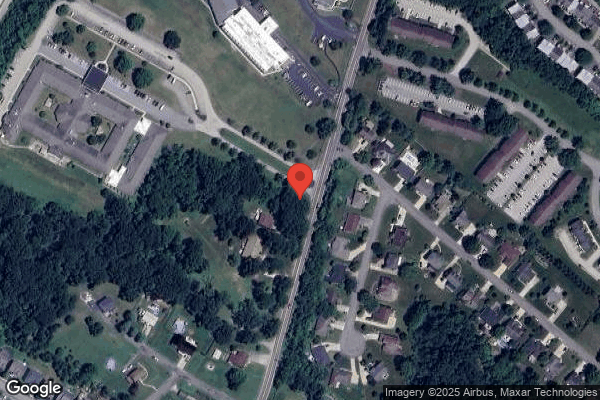
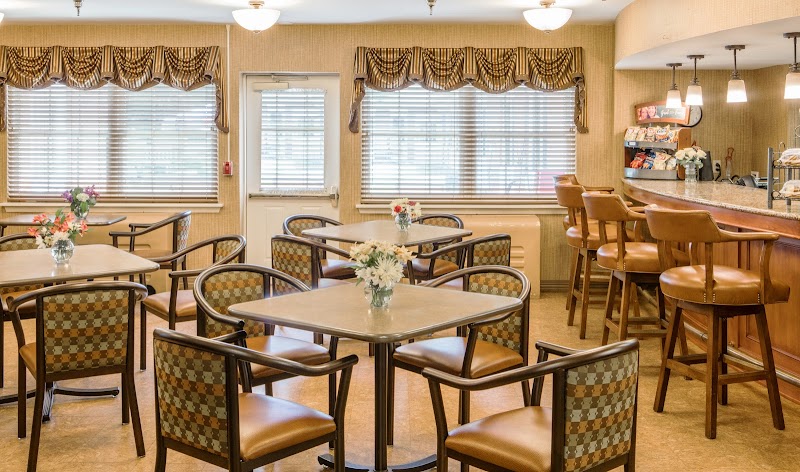
3590 WASHINGTON PIKE, BRIDGEVILLE, PA 15017 (412) 257-2474
For profit - Corporation 194 Beds GENESIS HEALTHCARE Data: November 2025 1 Immediate Jeopardy citation
Trust Grade
0/100
#535 of 653 in PA
Last Inspection: August 2025

Inspected within the last 6 months. Data reflects current conditions.

Overview

Bridgeville Rehabilitation & Care Center has received a Trust Grade of F, indicating significant concerns about the quality of care provided. Ranking #535 out of 653 in Pennsylvania places it in the bottom half of facilities statewide, and #33 out of 52 in Allegheny County suggests only a few local options offer better care. While the facility's trend is improving, with the number of issues decreasing from 26 in 2024 to 22 in 2025, the staffing rating of 2 out of 5 stars and a turnover rate of 70% is troubling, as it is much higher than the state average of 46%. Additionally, the facility has incurred $71,382 in fines, which is higher than 83% of other facilities in Pennsylvania, indicating ongoing compliance issues. There are serious concerns highlighted by inspector findings, including a critical incident where the facility failed to provide adequate supervision to prevent a resident from eloping, putting multiple residents at risk. There was also a serious issue of improper catheter care, resulting in actual harm to a resident. Furthermore, lapses in kitchen sanitation were noted, raising concerns about potential foodborne illness. While there are some strengths, such as an average level of RN coverage, the numerous deficiencies and high turnover present a concerning picture for families considering this nursing home.

Trust Score
F
0/100
In Pennsylvania
#535/653
Bottom 19%
Safety Record
High Risk
Review needed
Inspections
Getting Better
26 → 22 violations
Staff Stability
⚠ Watch
70% turnover. Above average. Higher turnover means staff may not know residents' routines.
Penalties
✓ Good
$71,382 in fines. Lower than most Pennsylvania facilities. Relatively clean record.
Skilled Nurses
✓ Good
Each resident gets 43 minutes of Registered Nurse (RN) attention daily — more than average for Pennsylvania. RNs are trained to catch health problems early.
Violations
⚠ Watch
60 deficiencies on record. Higher than average. Multiple issues found across inspections.
★☆☆☆☆
1.0
Overall Rating
★★☆☆☆
2.0
Staff Levels
★★★☆☆
3.0
Care Quality
★☆☆☆☆
1.0
Inspection Score
Stable
2024: 26 issues
2025: 22 issues

The Good

  • Full Sprinkler Coverage · Fire safety systems throughout facility
  • No fines on record

Facility shows strength in fire safety.

The Bad

1-Star Overall Rating

Below Pennsylvania average (3.0)

Significant quality concerns identified by CMS

Staff Turnover: 70%

23pts above Pennsylvania avg (46%)

Frequent staff changes - ask about care continuity

Federal Fines: $71,382

Well above median ($33,413)

Moderate penalties - review what triggered them

Chain: GENESIS HEALTHCARE

Part of a multi-facility chain

Ask about local staffing decisions and management

Staff turnover is elevated (70%)

22 points above Pennsylvania average of 48%

The Ugly 60 deficiencies on record

1 life-threatening 1 actual harm
Sept 2025 2 deficiencies
CONCERN (E) 📢 Someone Reported This

A family member, employee, or ombudsman was alarmed enough to file a formal complaint

Potential for Harm - no one hurt, but risky conditions existed

Safe Environment (Tag F0584)

Could have caused harm · This affected multiple residents

Based on observations, facility documents, resident, and staff interviews, it was determined that the facility failed to provide a safe, clean, comfortable, and homelike environment on seven of seven ...

Read full inspector narrative →
Based on observations, facility documents, resident, and staff interviews, it was determined that the facility failed to provide a safe, clean, comfortable, and homelike environment on seven of seven nursing units (Leader Unit, C Hall, B Hall, E Hall, G Hall, I Hall and K Hall).Findings included:Review of the facility grievances and review of a complaint indicated that there are not enough clean and available linens, wash cloths and towels available throughout the whole dayDuring an observation on 9/5/25, from 8:40 a.m., through 11:10 a.m., of linen carts throughout the facility there were approximately six sheets, both bottom and top, seven towels and two or three wash cloths on each linen cart, the census is 168 currently. During an observation on 9/5/25, at approximately 10:56 a.m., the laundry staff employee E1 stated that she has not had a second clothes machine for three to four months and cannot keep up with the linens, wash cloths and towels. Laundry Employee E1 stated she is the only staff doing laundry and due to only having one machine. linens are not done after she leaves and there is not enough. During an interview on 9/5/25, at 12:10 p.m., the Nursing Home Administrator confirmed that the wash machine has been down for a while that the facility failed to provide a safe, clean, comfortable, and homelike environment on seven of seven nursing units (Leader Unit, C Hall, B Hall, E Hall, G Hall, I Hall and K Hall). 28 Pa. Code: 207.2(a) Administrator's responsibility.28 Pa. Code: 201.29(k) Resident rights.
CONCERN (E) 📢 Someone Reported This

A family member, employee, or ombudsman was alarmed enough to file a formal complaint

Potential for Harm - no one hurt, but risky conditions existed

Room Equipment (Tag F0908)

Could have caused harm · This affected multiple residents

Based on observation, review of facility documentation, and staff interviews, it was determined that the facility failed to make certain that equipment was in safe operating condition for one of two w...

Read full inspector narrative →
Based on observation, review of facility documentation, and staff interviews, it was determined that the facility failed to make certain that equipment was in safe operating condition for one of two wash machines.Findings include:Review of the facility grievances dated 8/22/25, from two separate residents and also related to another resident indicated the lack of clean linens and wash cloths and towels not being available.During an observation on 9/5/25, at approximately 10:56 a.m., the laundry staff employee E1 stated that she has not had a second clothes machine for three to four months and cannot keep up with the linens, wash cloths and towels. Laundry Employee E1 stated she is the only staff doing laundry and due to only having one machine. linens are not done after she leaves and there is not enough. During an interview on 9/5/25, at 12:10 p.m., the Nursing Home Administrator confirmed that the wash machine has been down for a while the facility failed to make certain that equipment was in safe operating condition for one of two wash machines.28 Pa. Code: 201.14(a) Responsibility of licensee.
Aug 2025 5 deficiencies
CONCERN (D)

Potential for Harm - no one hurt, but risky conditions existed

Deficiency F0557 (Tag F0557)

Could have caused harm · This affected 1 resident

**NOTE- TERMS IN BRACKETS HAVE BEEN EDITED TO PROTECT CONFIDENTIALITY** Based on a review of facility policies, documents, observations, and staff interviews it was determined that the facility failed...

Read full inspector narrative →
**NOTE- TERMS IN BRACKETS HAVE BEEN EDITED TO PROTECT CONFIDENTIALITY** Based on a review of facility policies, documents, observations, and staff interviews it was determined that the facility failed to provide a dignified dining experience on 8/5/25, during the breakfast meal service to one of five residents. (Resident R14) on the secure memory care unit. Findings include:A review of facility Resident Rights Under Federal Law policy dated 7/7/25, indicated To treat each resident with respect and dignity and care for each resident in a manner and in an environment that promotes maintenance or enhancement of there self-esteem and self-worth. The Long-Term Care Facility Resident Assessment Instrument (RAI) User's Manual, which provides instructions and guidelines for completing required Minimum Data Set (MDS) assessments (mandated assessments of a resident's abilities and care needs), dated October 2023, indicated that a BIMS (Brief Interview of Mental Status) is a brief screener that aids in detecting cognitive impairment. Scores from a BIMS assessment suggests the following distributions:13 - 15: cognitively intact8 - 12: moderately impaired0 - 7: severe impairment Review of the clinical record indicated Resident R14 was admitted to the facility on [DATE], with diagnoses that included Alzheimer's disease (memory and cognitive ability loss), morbid obesity (excessive accumulation of body fat), psychotic disorder (a group of serious mental illnesses). Review of the MDS dated [DATE], indicated the diagnoses remain current. Resident R14 has a BIMS of 2 and Section GG: Self Care, GG0130 Eating setup or clean-up assistance helper sets up or cleans up; resident completes activity. helper assists only prior to following the activity. Resident R14 care plan dated 2/3/25, indicated Assist resident to cut foods into bite sized pieces prior to meal. During an observation on 8/5/25, at 9:15 am and 10:00 am, it was revealed that Resident R14 was lying in bed (appeared to be asleep), with the breakfast tray on the over the bed table positioned within the resident's reach. The dietary slip was checked for accuracy and confirmed to be correct with no appearance of any item having been consumed, tasted, or cut into pieces. During an interview on 8/5/25, at 10:00 Licensed Practical Nurse (LPN) Employee E1 confirmed the resident breakfast tray was delivered at 7:35 am and the food had not been consumed, tasted, or cut into pieces. During an interview on 8/15/25, at approximately 11:00 a.m. the Director of Nursing confirmed that the facility failed to provide a dignified dining experience on 8/5/25, during the breakfast meal service to one of five residents. (Resident R14) on the secure memory care unit.Pa Code: 201.29(k) Resident rightsPa Code: 207.2(a) Administrator's responsibility
CONCERN (D)

Potential for Harm - no one hurt, but risky conditions existed

Deficiency F0558 (Tag F0558)

Could have caused harm · This affected 1 resident

**NOTE- TERMS IN BRACKETS HAVE BEEN EDITED TO PROTECT CONFIDENTIALITY** Based on review of facility policy, facility records, resident, and staff interviews, it was determined that the facility failed...

Read full inspector narrative →
**NOTE- TERMS IN BRACKETS HAVE BEEN EDITED TO PROTECT CONFIDENTIALITY** Based on review of facility policy, facility records, resident, and staff interviews, it was determined that the facility failed to make certain call lights were accessible and answered timely for 19 of 21 residents as required (Resident R61, R163, R500, R501, R502, R503, R504, R506, R507, R508, R509, 510, R511, R512, R513, R514, R515, R516, and R517).Findings include:The facility policy Call Lights dated 7/7/25, indicated Patients will have a call light or alternative communication device at each patient's bed side, toilet, and bathing room to allow patients to call for assistance when unattended. Staff will respond to call lights and communication devices promptly. Review of Resident R61's clinical record indicated admission to the facility on 4/28/22. Review of Resident R61's Minimum Data Set (MDS - a periodic assessment of care needs) dated 7/11/25, indicated diagnoses of Alzheimer's disease (destruction of memory and thinking skills), foot drop (inability to lift the front part of the foot), and history of falls. Review of Section GG: Functional Abilities GG0130, indicated that Resident R61 is independent with toileting hygiene and GG0170 toilet transfers requires setup assistance. During an interview and observation on 8/5/25, at approximately 10:30 a.m., Resident R61 stated she rarely uses the call light and if she needs help, she has the light next to her bed and one in the bathroom. The call light cord in the bathroom was wrapped around the grab bars rendering it inoperable. Review of Resident R163's clinical record indicated admission to the facility on 6/3/24. Review of Resident R163's MDS dated [DATE], indicated diagnoses of traumatic brain injury (brain injury from a forceful bump to the head), polyneuropathy (nerve damage in the skin, muscles, and organs), and muscle weakness. Review of Section GG: Functional Abilities GG0130, indicated that Resident R163 is partial/moderate assistance with toileting hygiene (helper does less than half the effort) and GG0170 toilet transfers requires supervision or touch assistance. During an interview and observation on 8/5/25, at approximately 10:40 a.m., Resident R61 stated she uses the bathroom and would use the bathroom call light pull cord if she needs help. The call light cord in the bathroom was wrapped around the grab bars rendering it inoperable. During an interview on 8/5/25 at 10:45 a.m. Employee E2 Licensed Practical Nurse (LPN) confirmed the call light cords were wrapped around the grab bars rendering them inoperable for Residents R61 and R163. During a resident group interview on 8/5/25, at 1:30 p.m., seventeen of nineteen residents, in attendance stated that they consistently wait thirty minutes or longer for their call light to be responded to. (Resident R500, R501, R502, R503, R504, R506, R507, R508, R509, 510, R511, R512, R513, R514, R515, R516, and R517). The residents in attendance expressed frustration regarding the wait time. The residents stated they have reported this at their resident council meeting. Review of six months of resident council meeting minutes, 1/29/25, 2/26/25, 3/26/25, 4/28/25, 5/28/25, and 6/25/25 revealed resident complaints, under the nursing section, that the call lights were not being answered timely for six of the six months reviewed. During an interview on 8/6/25 at 11:00 a.m. the Director of Nursing (DON) confirmed the facility failed to make certain call lights were accessible and answered timely for 19 of 21 residents as required (Resident R61, R163, R500, R501, R502, R503, R504, R506, R507, R508, R509, 510, R511, R512, R513, R514, R515, R516, and R517). 28 Pa. Code: 211.10(c)(d) Resident care policies. 28 Pa. Code: 211.12(d)(1)(2)(3)(5) Nursing services. 28 Pa Code: 201.29 (I)(o) Resident rights.
CONCERN (D)

Potential for Harm - no one hurt, but risky conditions existed

Deficiency F0565 (Tag F0565)

Could have caused harm · This affected 1 resident

Based on review of facility policy, resident council documents, resident council group interview, resident interview, and staff interview it was determined that the facility failed to respond to conce...

Read full inspector narrative →
Based on review of facility policy, resident council documents, resident council group interview, resident interview, and staff interview it was determined that the facility failed to respond to concerns from resident council and failed to respond to concerns in a timely manner for six out of six months (1/29/25, 2/26/25, 3/26/25, 4/28/25, 5/28/25, and 6/25/25).Findings include:The facilities Resident Council policy dated 11/15/24 with review date of 7/7/25, indicated The designated staff person acts as a liaison between the Council and Center/Community leadership in providing information on concerns, request, and recommendations to the Administrator/Executive Director and the appropriate department manager for attention and response. Responses and rationale will be documented, reviewed by the Administrator/Executive Director, and maintained with the Council Minutes. Review of Resident council minutes dated 1/29/25, 2/26/25, 3/26/25, 4/28/25, 5/28/25, and 6/25/25 identified resident concerns with staff response to call lights. The documentation did not indicate follow-up actions or communication from the nursing home administration to acknowledge or address call light response with the resident council. During a resident group interview on 8/5/25, at 1:30 p.m. 17 of 19 residents voiced concerns with the facility administration not resolving their concerns over call light response. Multiple residents stated, nothing gets addressed and nothing changes. During an interview on 8/7/25, at 11:00 a.m. the Nursing Home Administrator confirmed that the facility failed to respond to concerns from resident council and failed to respond to concerns in a timely manner for six out of six months (1/29/25, 2/26/25, 3/26/25, 4/28/25, 5/28/25, and 6/25/25). 28 Pa. Code 201.18(b)(1) Management
CONCERN (D)

Potential for Harm - no one hurt, but risky conditions existed

Deficiency F0804 (Tag F0804)

Could have caused harm · This affected 1 resident

Number of residents sampled: Number of residents cited: Based on a review of the resident council minutes, resident council meeting information, resident interviews, observation and staff interview, i...

Read full inspector narrative →
Number of residents sampled: Number of residents cited: Based on a review of the resident council minutes, resident council meeting information, resident interviews, observation and staff interview, it was determined that the facility failed to serve food that was palatable and attractive.Findings include:Review of four months of resident council meeting minutes identified residents stating that the food was tasteless and often mush and unattractive on the plate. Buns were mushy because they were placed on plate with liquids.During the Resident Group Meeting held during the survey process on 8/5/25, the consensus of the residents identified that the food was unchanged, that the facility dietary department has not ever addressed the food issues. Food is, at times, not what you asked for.During resident interviews on 8/5/25, two residents that wished to remain anonymous stated that the only complaint they had in the facility was the food taste and how it looked when they received it.During an observation of tray line service on 8/6/25 from 11:42 a.m., through 12:40 p.m., the following was observed: Towards the end of tray line, Dietary Aide E7 told the Corporate Dietary Manager Employee E3 that she needed more dinner rolls as she would be out before tray line ended. The Dietary Manager brought her pieces of bread to replace dinner rolls. Six residents did not receive dinner rolls. When Pureed foods were plated, they were all placed in a big glob which was mac n' cheese, stewed tomatoes, and which ever meat they chose with all three items mixed together.Residents who had received buns with their meals for burgers, sloppy joes or hot dogs had stewed tomatoes juices soaking the buns as the staff did not place tomatoes in a bowl. When the last cart left the kitchen, it was identified to be 25 minutes later than posted meal delivery times. Posted to end at 12:05 p.m., not on the unit until 12:35 p.m.During an interview on 8/6/25, at 12:45 p.m., the Health Care Services Corporate Dietary Manager Employee E3 confirmed that the facility failed to serve food that was palatable and attractive. 28 Pa. Code 211.6(b) Dietary Services.
CONCERN (F)

Potential for Harm - no one hurt, but risky conditions existed

Food Safety (Tag F0812)

Could have caused harm · This affected most or all residents

Based on observations, and staff interview, it was determined that the facility failed maintain sanitary conditions to prevent the potential for cross-contamination or foodborne illness in the main ki...

Read full inspector narrative →
Based on observations, and staff interview, it was determined that the facility failed maintain sanitary conditions to prevent the potential for cross-contamination or foodborne illness in the main kitchen (Main Kitchen).Findings include:During an observation of the kitchen on 8/5/25, from 9:15 a.m., through 9:50 a.m., the following was observed:The dish machine wash cycle was reaching temperature of only 142 degrees Fahrenheit (required to be 150-165 degrees). The rinse cycle reached 160 degrees (required to reach 180-194 degrees).The walk-in cooler fans had a white fuzzy substance on them. This fan blows air directly over food items. During an interview on 8/5/25, at 9:26 a.m., Health Care Services (HCS) corporate Dietary Manager Employee E3 confirmed that the facility failed to maintain sanitary conditions to prevent the potential for cross-contamination or foodborne illness in the main kitchen (Main Kitchen). During a second observation on 8/6/25, from 11:42 a.m., through 12:40 p.m., of the kitchen and tray line service the following was observed: Dietary [NAME] Employee E4 was touching outside of bag pulling out buns then touching food items with no change of gloves/ hand washing. She also left tray line for a pan of mashed potatoes and returned placed the potatoes and continued to serve with no hand washing/glove change. Two male Dietary Aides Employee E5 and E6 entered the kitchen with no beard guards over their facial hair had to walk through to the other side of the kitchen to obtain them.Dietary Aide Employee E5 began washing dishes and pans. He was observed placing soiled items into dish machine, running them through and then pulling them from the clean side with no hand washing/ glove change. During an interview on 8/6/25, at 12:40 p.m., HCS Corporate Dietary Manager Employee E3 confirmed that the facility failed maintain sanitary conditions to prevent the potential for cross-contamination or foodborne illness in the main kitchen (Main Kitchen). 28 Pa. Code: 201.14(a) Responsibility of licensee.28 Pa. Code: 201.18(b)(1) Management.28 Pa. Code: 211.6(c) Dietary services.
Jul 2025 3 deficiencies
CONCERN (D) 📢 Someone Reported This

A family member, employee, or ombudsman was alarmed enough to file a formal complaint

Potential for Harm - no one hurt, but risky conditions existed

Free from Abuse/Neglect (Tag F0600)

Could have caused harm · This affected 1 resident

**NOTE- TERMS IN BRACKETS HAVE BEEN EDITED TO PROTECT CONFIDENTIALITY** Based on a review of facility policy, clinical records, facility documents, and staff interviews, it was determined that the fac...

Read full inspector narrative →
**NOTE- TERMS IN BRACKETS HAVE BEEN EDITED TO PROTECT CONFIDENTIALITY** Based on a review of facility policy, clinical records, facility documents, and staff interviews, it was determined that the facility failed to provide appropriate assistance to prevent falls and injury for one of three residents reviewed (Resident R1).Findings include:Review of the facility policy Center Operations Policies and Procedures: Abuse Prohibition last reviewed on 5/1/25, includes the definition of Abuse and Neglect: Abuse is defined as the willful infliction of injury, unreasonable confinement, intimidation, or punishment with resulting physical harm, injury, or mental anguish Willful, as used in this definition of abuse, means the individual must have acted deliberately, not that the individual must have intended to inflict injury or harm. Neglect is defined as the failure, indifference, or disregard of the Center, its employees, or service providers to provide care, comfort, safety, goods and services to a patient that are necessary to avoid physical harm, pain, mental anguish, or emotional distress. Review of the American Congress of Rehabilitation Medicine - Caregiver Guide and Instructions for Safe Bed Mobility published 4/28/17, indicated the patient should always roll toward you not away from you. Bed mobility refers to activities such as scooting in bed, rolling, side-lying to sitting, and sitting down. Review of the clinical record indicated Resident R1 was initially admitted to the facility on [DATE], with diagnoses which included non-Alzheimer's dementia (memory loss), seizure disorder (sudden bursts of electrical activity in the brain) and pressure ulcers (open wounds on skin). Review of the Minimum Data Set (MDS - a periodic assessment of resident care needs) dated 5/20/25, indicated the diagnoses remained current, Section GG 0170 Mobility identified Resident R1 as dependent (which requires one staff to do all the effort or two staff) for bed mobility. Review of Resident R1 plan of care created on 5/9/25, indicated Resident R1 requires assistance/is dependent for ADL care in bathing, grooming, personal hygiene, dressing, bed mobility, transfers, locomotion, and toileting related to limited mobility. Resident R1 is at risk for falls due to impaired mobility. Review of the facility documentation revealed the resident sustained a fall from the bed as the nurse was providing care. Review of an incident documentation of the 6/22/25 event indicated that Resident R1 was being provided wound care by RN Employee E11. RN Employee E11 turned away from Resident R1 to get supplies and Resident R1 rolled out of bed onto the floor.Review of the statement that was attached to the investigation dated 6/22/25, from RN Employee E11 stated This Registered Nurse (RN) was doing wound care on resident, Nursing Assistant (NA) was in the room at the start but left and never returned in the middle of care. Nurse continued wound care. As I turned to grab the bandages off the dresser resident rolled off the opposite side of the bed. Resident landed on the right side of bed on floor.Review of the statement that was attached to the investigation dated 6/22/25, from Nursing Assistant Employee E12 stated I was the aide for Resident R1. I just got done washing and changing her prior to the nurse going in to do her dressing for her wounds. I got her together then left out of the room because the nurse said she didn't need my help. I was in another room helping another resident when I heard the nurse screaming, she needed help in the room. I went into the room and seen Resident R1 on the floor. Review of the facility investigation documents dated 6/24/25, The Director of Nursing (DON) and Human Resources (HR) Employee E13 interviewed RN Employee E11 and documented the interview. The documented included, We agreed we would go in together so Employee E12 could finish resident care. Employee E12 went in first I came in with treatment cart a few minutes later, on first or second would Employee E12 just left without saying anything and never came back. During fall Resident R1 was positioned on left side but not completely, on her back but tilted on her side and not flat. I was on right side of bed where all supplies were. I turned my head to grab the last dry dressing on the bedside table and when I turned around she was falling and I couldn't stop her. Employee E12 never returned during event. Review of the facility communication with Employee E11 and E12 employment agency on 6/24/25. The DON indicated both Employee E11 and E12 were to be placed on the facility's do not return list with the reason; for neglect when their negligence both resulted in a resident falling from the bed .During an interview on 7/15/24, at approximately 12:09 p.m. with Licensed Practical Nurse (LPN) Employee E3, it indicated that resident care is reviewed at the start of the shift. Report is received between shifts for any changes to the residents' care. LPN Employee E3 indicated additional staff are available to assist when requested. LPN Employee E3 indicated standard practice is to roll a resident toward staff when providing care, to keep the residents safe. During an interview on 7/15/24, at approximately 2:30 p.m. with NA Employee E4, it indicated that resident care is reviewed at the start of the shift. NA Employee E4 indicated additional staff are available to assist when requested. NA Employee E4 indicated standard practice is to roll a resident toward staff when providing care, to keep the residents safe. During an interview on 7/15/24, at approximately 2:35 p.m. with LPN Employee E5, it indicated that resident care is reviewed at the start of the shift. Report is received between shifts for any changes to the residents' care. LPN Employee E5 indicated additional staff are available to assist when requested. LPN Employee E5 indicated standard practice is to roll a resident toward staff when providing care, to keep the residents safe. During an interview on 7/15/24, at approximately 2:45 p.m. with NA Employee E6, it indicated that resident care is reviewed at the start of the shift. NA Employee E6 stated obviously you roll the resident away from you when providing care, to keep the residents safe. During an interview on 7/15/24, at approximately 2:47 p.m. LPN Employee E7, indicated that resident care is reviewed at the start of the shift. Report is received between shifts for any changes to the residents' care. LPN Employee E7 indicated additional staff are available to assist when requested. LPN Employee E7 indicated standard practice is to roll a resident toward staff when providing care, to keep the residents safe. During an interview on 7/15/24, at approximately 2:50 p.m. with LPN Employee E8, it indicated that resident care is reviewed at the start of the shift. Report is received between shifts for any changes to the residents' care. LPN Employee E8 indicated additional staff are available to assist when requested. LPN Employee E8 indicated standard practice is to roll a resident toward staff when providing care, to keep the residents safe. During an interview on 7/15/24, at approximately 2:30 p.m. with NA Employee E9, it indicated that resident care is reviewed at the start of the shift. NA Employee E9 indicated additional staff are available to assist when requested. NA Employee E9 indicated standard practice is to roll a resident toward staff when providing care, to keep the residents safe. During an interview on 7/15/24, at approximately 3:00 p.m. with Occupational Therapist Employee E10, confirmed that Resident R1 was identified as dependent for bed mobility during the Occupational Therapy Evaluation on 5/14/25. Occupational Therapist (OT) Employee E10 confirmed this status was unchanged on 5/21/25 when Resident R1 was discharged from Occupational Therapy services. OT Employee E10, indicated standard practice is to roll a resident toward staff when providing care, to keep the resident safe. During an interview on 7/15/24, at 10:22 a.m., the DON confirmed RN Employee E11 rolled Resident R1 away from her to provide care then turned away from Resident R1 during this care causing the resident to roll out of bed. During an interview on 7/16/25, at approximately 4:22 p.m., the DON confirmed that the facility failed to provide appropriate assistance to prevent falls and injury.28 Pa. Code 201.14(a) Responsibility of licensee.28 Pa. Code 201.18(b)(e)(1) Management. 28 Pa. Code 201.29(a) Resident rights.28 Pa. Code 211.10(c)(d) Resident care policies.28 Pa Code 211.12(d)(1)(2)(5) Nursing services.
CONCERN (D) 📢 Someone Reported This

A family member, employee, or ombudsman was alarmed enough to file a formal complaint

Potential for Harm - no one hurt, but risky conditions existed

Accident Prevention (Tag F0689)

Could have caused harm · This affected 1 resident

**NOTE- TERMS IN BRACKETS HAVE BEEN EDITED TO PROTECT CONFIDENTIALITY** Based on a review of facility policy, clinical records, facility documents, and staff interviews, it was determined that the fac...

Read full inspector narrative →
**NOTE- TERMS IN BRACKETS HAVE BEEN EDITED TO PROTECT CONFIDENTIALITY** Based on a review of facility policy, clinical records, facility documents, and staff interviews, it was determined that the facility failed to provide appropriate assistance to prevent falls and injury, for one of 3 residents reviewed (Resident R1).Findings include:Review of the facility policy Center Operations Policies and Procedures: Accommodation of Needs last reviewed on 5/1/25, indicated the resident/patient has the right to a safe, clean, comfortable, and home like environment including, but not limited to, receiving treatment and support for daily living safely. This includes ensuring that the patient can received care and services safely and that the physical layout of the Center maximizes patient independence and does not pose a safety riskReview of the American Congress of Rehabilitation Medicine - Caregiver Guide and Instructions for Safe Bed Mobility published 4/28/17, indicated the patient should always roll toward you not away from you. Bed mobility refers to activities such as scooting in bed, rolling, side-lying to sitting, and sitting down. Review of the clinical record indicated Resident R1 was initially admitted to the facility on [DATE], with diagnoses which included non-Alzheimer's dementia (memory loss), seizure disorder (sudden bursts of electrical activity in the brain) and pressure ulcers (open wounds on skin). Review of the Minimum Data Set (MDS - a periodic assessment of resident care needs) dated 5/20/25, indicated the diagnoses remained current, Section GG 0170 Mobility identified Resident R1 as dependent (which requires one staff to do all the effort or two staff) for bed mobility. Review of Resident R1 plan of care created on 5/9/25, indicated Resident R1 requires assistance/is dependent for ADL care in bathing, grooming, personal hygiene, dressing, bed mobility, transfers, locomotion, and toileting related to limited mobility. Resident R1 is at risk for falls due to impaired mobility. Review of the facility documentation revealed the resident sustained a fall from the bed as the nurse was providing care. Review of an incident documentation of the 6/22/25 event indicated that Resident R1 was being provided wound care by RN Employee E11. RN Employee E11 turned away from Resident R1 to get supplies and Resident R1 rolled out of bed onto the floor. Review of the statement that was attached to the investigation dated 6/22/25, from RN Employee E11 stated This Registered Nurse (RN) was doing wound care on resident, Nursing Assistant (NA) was in the room at the start but left and never returned in the middle of care. Nurse continued wound care. As I turned to grab the bandages off the dresser resident rolled off the opposite side of the bed. Resident landed on the right side of bed on floor . Review of the statement that was attached to the investigation dated 6/22/25, from Nursing Assistant Employee E12 stated I was the aide for Resident R1. I just got done washing and changing her prior to the nurse going in to do her dressing for her wounds. I got her together then left out of the room because the nurse said she didn't need my help. I was in another room helping another resident when I heard the nurse screaming, she needed help in the room. I went into the room and seen Resident R1 on the floor. Review of the facility investigation documents dated 6/24/25, The Director of Nursing (DON) and Human Resources (HR) Employee E13 interviewed RN Employee E11 and documented the interview. The documented included, We agreed we would go in together so Employee E12 could finish resident care. Employee E12 went in first I came in with treatment cart a few minutes later, on first or second would NA Employee E12 just left without saying anything and never came back. During fall Resident R1 was positioned on left side but not completely, on her back but tilted on her side and not flat. I was on right side of bed where all supplies were. I turned my head to grab the last dry dressing on the bedside table and when I turned around she was falling and I couldn't stop her. Employee E12 never returned during event. Review of the facility communication with RN Employee E11 and NA Employee E12 employment agency on 6/24/25. The DON indicated both Employees were to be placed on the facility's do not return list with the reason; for neglect when their negligence both resulted in a resident falling from the bed .During an interview on 7/15/24, at approximately 12:09 p.m. with Licensed Practical Nurse (LPN) Employee E3, it indicated that resident care is reviewed at the start of the shift. Report is received between shifts for any changes to the residents' care. LPN Employee E3 indicated additional staff are available to assist when requested. LPN Employee E3 indicated standard practice is to roll a resident toward staff when providing care, to keep the residents safe. During an interview on 7/15/24, at approximately 2:30 p.m. NA Employee E4, indicated that resident care is reviewed at the start of the shift. NA Employee E4 indicated additional staff are available to assist when requested. NA Employee E4 indicated standard practice is to roll a resident toward staff when providing care, to keep the residents safe. During an interview on 7/15/24, at approximately 2:35 p.m. with LPN Employee E5, it indicated that resident care is reviewed at the start of the shift. Report is received between shifts for any changes to the residents' care. LPN Employee E5 indicated additional staff are available to assist when requested. LPN Employee E5 indicated standard practice is to roll a resident toward staff when providing care, to keep the residents safe. During an interview on 7/15/24, at approximately 2:45 p.m. with NA Employee E6, it indicated that resident care is reviewed at the start of the shift. NA Employee E6 stated obviously you roll the resident away from you when providing care, to keep the residents safe. During an interview on 7/15/24, at approximately 2:47 p.m. with LPN Employee E7, it indicated that resident care is reviewed at the start of the shift. Report is received between shifts for any changes to the residents' care. LPN Employee E7 indicated additional staff are available to assist when requested. LPN Employee E7 indicated standard practice is to roll a resident toward staff when providing care, to keep the residents safe. During an interview on 7/15/24, at approximately 2:50 p.m. with LPN Employee E8, it indicated that resident care is reviewed at the start of the shift. Report is received between shifts for any changes to the residents' care. LPN Employee E8 indicated additional staff are available to assist when requested. LPN Employee E8 indicated standard practice is to roll a resident toward staff when providing care, to keep the residents safe. During an interview on 7/15/24, at approximately 2:30 p.m. with NA Employee E9, it indicated that resident care is reviewed at the start of the shift. NA Employee E9 indicated additional staff are available to assist when requested. NA Employee E9 indicated standard practice is to roll a resident toward staff when providing care, to keep the residents safe. During an interview on 7/15/24, at approximately 3:00 p.m. with Occupational Therapist (OT) Employee E10, confirmed that Resident R1 was identified as dependent for bed mobility during the Occupational Therapy Evaluation on 5/14/25. Occupational Therapist Employee E10 confirmed this status was unchanged on 5/21/25 when Resident R1 was discharged from Occupational Therapy services. OT Employee E10, indicated standard practice is to roll a resident toward staff when providing care, to keep the resident safe. During an interview on 7/15/24, at 10:22 a.m., the Director of Nursing confirmed RN Employee E11 rolled Resident R1 away from her to provide care then turned away from Resident R1 during this care causing the resident to roll out of bed. During an interview on 7/16/25, at approximately 4:22 p.m., the Director of Nursing confirmed that the facility failed to provide appropriate assistance to prevent falls and injury, for one of three residents reviewed (Resident R1).28 Pa. Code 201.14(a) Responsibility of licensee.28 Pa. Code 201.18(b)(e)(1) Management.28 Pa. Code 201.29(a) Resident rights.28 Pa. Code 211.10(c)(d) Resident care policies.28 Pa Code 211.12(d)(1)(2)(5) Nursing services.
CONCERN (E) 📢 Someone Reported This

A family member, employee, or ombudsman was alarmed enough to file a formal complaint

Potential for Harm - no one hurt, but risky conditions existed

Safe Environment (Tag F0584)

Could have caused harm · This affected multiple residents

Based on review of facility policy, observations and staff interviews, it was determined that the facility failed to provide a safe, clean, comfortable, and homelike environment within the facility fo...

Read full inspector narrative →
Based on review of facility policy, observations and staff interviews, it was determined that the facility failed to provide a safe, clean, comfortable, and homelike environment within the facility for one of five units.Findings include:Review of the facility policy Center Operations Policies and Procedures: Accommodation of Needs last reviewed on 5/1/25, indicated the resident/patient has the right to a safe, clean, comfortable, and home like environment including, but not limited to, receiving treatment and supports for daily living safely. This includes ensuring that the patient can receive care and services safely and that the physical layout of the Center maximizes patient independence and does not pose a safety riskDuring an interview with Housekeeping Employee E1 on 7/15/25, at approximately 10:17 a.m., Employee E1 provided and explained the seven step cleaning procedure. Step three outlined bathroom cleaning as daily, equipment utilized, products, areas (toilets, sinks, pipes etc ), and directions. During ab observation rounds with the Director of Nursing (DON) on 7/15/25, at 11:28 a.m., the following was revealed: Resident rooms 507, 601, 602, 606, and 609 bathrooms were visibly soiled with debris and/or stains on the floor. The toilets had stains of an unknown origin both internally and externally. During an interview on 7/15/25, at 11:45 a.m., the Director of Nursing confirmed that the facility failed to maintain the facility in a homelike environment on one of five nursing units. 28 Pa. Code: 207.2(a) Administrator's responsibility.28 Pa. Code: 201.29(k) Resident rights.
Jun 2025 2 deficiencies
CONCERN (D) 📢 Someone Reported This

A family member, employee, or ombudsman was alarmed enough to file a formal complaint

Potential for Harm - no one hurt, but risky conditions existed

Grievances (Tag F0585)

Could have caused harm · This affected 1 resident

**NOTE- TERMS IN BRACKETS HAVE BEEN EDITED TO PROTECT CONFIDENTIALITY** Based on facility policy and clinical record review and staff interview, it was determined that the facility did not ensure prom...

Read full inspector narrative →
**NOTE- TERMS IN BRACKETS HAVE BEEN EDITED TO PROTECT CONFIDENTIALITY** Based on facility policy and clinical record review and staff interview, it was determined that the facility did not ensure prompt efforts were made to resolve a resident's grievance and/or concerns for one of six residents interviewed (Resident R1). Findings include: A review of the facility policy, Grievance/Concern dated 2/5/25 indicated grievances will be completed in a reasonable expected timeframe. Concerns may be registered by direct outreach to staff and a grievance/concern form will be initiated and submitted to be completed. The facility will investigate the grievance and notify the person filing the grievance of resolution in a timely manner. A review of the clinical record indicated Resident R1 was admitted to the facility on [DATE] with diagnoses that included a fracture of the right arm. A review of a Care Plan Meeting progress note dated 4/24/25, indicated the resident and family were in attendance and indicated a concern with staff not answering call lights. A review of the facility complaint log for April 2025, did not include a grievance form for the above concern. There was no evidence that the concern was investigated and resolved in a timely manner. During an interview on 6/5/25, at 1:35 p.m. the Director of Nursing confirmed the above findings, and that the facility failed to ensure prompt efforts were made to resolve a resident's grievance and/or concerns for Resident R1. 28 Pa. Code 201.29(a) Resident rights
CONCERN (E) 📢 Someone Reported This

A family member, employee, or ombudsman was alarmed enough to file a formal complaint

Potential for Harm - no one hurt, but risky conditions existed

Deficiency F0865 (Tag F0865)

Could have caused harm · This affected multiple residents

Based on a review of facility documentation, cited deficiencies from previous surveys, review of plans of correction documentation, and staff interview, it was determined that the facility's Quality A...

Read full inspector narrative →
Based on a review of facility documentation, cited deficiencies from previous surveys, review of plans of correction documentation, and staff interview, it was determined that the facility's Quality Assurance and Performance Improvement (QAPI) program failed to correct previously cited deficiencies. Findings include: Review of the facility policy, Quality Assurance and Performance Improvement (QAPI) Program dated 1/22/25, indicated objectives of the QAPI program include providing a means to establish and implement performance improvement projects to correct identified negative or problematic indicators and to establish systems through which to monitor and evaluate corrective actions. The facility's deficiencies and plan of correction for the State Survey and Certification (Department of Health) for the following surveys, revealed the facility developed a plan of correction that included quality assurance systems to ensure the facility-maintained compliance with cited nursing home regulations. Review of the plan of correction for the survey ending 7/25/24, revealed the following: - Results of the audits will be reported to our QAPI committee monthly for review and recommendations. - Results of the audits will be submitted to the QAPI committee monthly for review and recommendations. Review of the plan of correction for the survey ending 11/25/24, revealed the following: - Audit will be taken to monthly QAPI meeting for review, suggestions, and further actions if needed. Review of the plan of correction for the revisit survey ending 1/7/25, revealed the following: - Results will be taken to the QAPI for review and revision as needed. Review of the plan of correction for the revisit survey ending 3/5/25, revealed the following: - Results of this audit will be taken to the monthly quality assurance meeting and will be reviewed for accuracy. Review of the plan of correction for the survey ending 1/23/25, revealed the following: - Results will be taken to the QAPI for review and revision as needed. - Results will be taken to the QAPI for review and revision as needed. During the survey process the following was revealed: -The facility failed to maintain state-required staffing minimums for nurse aides. -The facility failed to maintain state-required staffing minimums for licensed practical nurses. -The facility failed to maintain state-required staffing minimum per patient day hours. During an interview on 6/20/25, at approximately 11:00 a.m. the Nursing Home Administrator confirmed that facility failed to correct quality deficiencies and make certain that plans to improve the delivery of care and services effectively addressed concerns identified. 28 Pa. Code 201.14(a) Responsibility of licensee 28 Pa. Code 201.18(b)(1) Management
May 2025 5 deficiencies 1 IJ (1 affecting multiple)
CRITICAL (K) 📢 Someone Reported This

A family member, employee, or ombudsman was alarmed enough to file a formal complaint

Immediate Jeopardy (IJ) - the most serious Medicare violation

Accident Prevention (Tag F0689)

Someone could have died · This affected multiple residents

**NOTE- TERMS IN BRACKETS HAVE BEEN EDITED TO PROTECT CONFIDENTIALITY** Based on facility policy review, clinical and facility record review, facility submitted documents, and staff interviews, it was...

Read full inspector narrative →
**NOTE- TERMS IN BRACKETS HAVE BEEN EDITED TO PROTECT CONFIDENTIALITY** Based on facility policy review, clinical and facility record review, facility submitted documents, and staff interviews, it was determined that the facility failed to provide adequate supervision to prevent elopement for one of twelve residents (Resident R19). This failure created an immediate jeopardy situation for 12 of 12 residents (Residents R19, R4, R17, R20, R21, R22, R23, R24, R25, R26, R27, and R28). This was identified as past non-compliance. The Long-Term Care Facility Resident Assessment Instrument (RAI) User's Manual, which provides instructions and guidelines for completing required Minimum Data Set (MDS) assessments (mandated assessments of a resident's abilities and care needs), dated October 2024, indicated that a BIMS (Brief Interview of Mental Status) is a brief screening test that aids in detecting cognitive impairment. Scores from a BIMS assessment suggests the following distributions: 13 - 15: cognitively intact 8 - 12: moderately impaired 0 - 7: severe impairment Review of the facility policy Elopement of Patient dated 10/24/24, indicated that patients identified as at risk, an interdisciplinary elopement prevention patient-centered care plan will be developed with patient participation and patient representative when applicable. Review of facility provided documentation indicated that on 4/4/25, an Appointment Escort Protocol was developed. Within that protocol it stated, Any resident with a BIMS lower than 13 will require an appointment escort. Review of medical records on 4/24/25, 12 of 49 residents with physicians' orders that indicated they may leave the facility unaccompanied; the following residents were noted: Resident R4, BIMS score of 7 on 3/11/25. Resident R17, BIMS score of 7 on 4/21/25. Resident R20, BIMS score of 7 on 4/22/25. Resident R21, BIMS score of 5 on 4/14/25. Resident R22, BIMS score of 0 on 2/19/25. Resident R23, BIMS score of 4 on 4/22/25. Resident R24, BIMS score of 7 on 2/6/25. Resident R25, BIMS score of 6 on 3/23/25. Resident R26, BIMS score of 3 on 4/11/25. Resident R27, BIMS score of 5 on 2/22/25. Resident R28, BIMS score of 4 on 4/19/25. None of these residents made attempts to leave the facility. During an interview on 4/24/25, at 11:47 a.m. Nurse Practitioner Employee E6 confirmed that residents with severe cognitive impairment should not leave the facility unaccompanied and confirmed that new residents who have not yet been seen by the provider should not have orders to leave the facility unaccompanied until after the provider has seen them. Review of the clinical record revealed Resident R29 was admitted to the facility on [DATE]. Review of the MDS dated [DATE], included diagnoses of diabetes (a metabolic disorder in which the body has high sugar levels for prolonged periods of time), heart failure (a progressive heart disease that affects pumping action of the heart muscles), anemia (too little iron in the body causing fatigue). Review of Section C: Cognitive Patterns revealed a BIMS score of 6. Review of an Elopement Evaluation completed on 2/28/25, indicated Resident R19 was not at risk for elopement. Review of the physician's order dated 2/28/25, indicated Resident R19 Patient may leave Center unaccompanied when arranged by the facility. Review of Resident R19's plan of care for initiated 2/28/25, did not include goals and interventions related to elopement. Review of a progress note dated 4/3/25, at 4:11 p.m. indicated Notified by driver that resident was not able to be found from his doctor's appt today. Unable to locate resident. County 911 called at 1607 (4:07 p.m.) full description of resident and clothing given. Missing persons report filed. Provider notified, Daughter unable to be reached via phone, office has no idea of whereabouts. Review of a progress note dated 4/3/25, at 6:14 p.m. indicated resident was found by local police at his residence. Resident R19 informed police, he called an Uber from his appointment and went home. Review of a progress note dated 4/3/25, at 8:24 p.m. indicated that Resident R19 located in community at his listed place of residence by transport driver and NHA (nursing home administrator) with police escort. Resident refused to return to facility and signed AMA (against medical advice) documentation after being educated on risks of not returning in an earlier conversation by this writer (Director of Nursing) and [local police department] officer. Resident verbalized understanding of risks. 911 was called to take resident to the hospital for RUA PICC (right upper arm, peripherally inserted central catheter) removal. Social Services to notify APS (Adult Protective Services) of AMA. Review of facility submitted information dated 4/4/25, indicated that on 4/3/25, at 3:30 p.m. Resident R19 went by [facility] transport van to his physician. follow up appointment. After the appointment the physician's office was to call for Resident R19 to be picked up by the facility. When no call was received the driver went back to the physician's office after calling and being told they took Resident R19 to the lobby. The driver was unable to locate Resident R19, he searched the building, talked to the staff at the office and called the facility to notify them that resident was unable to be located at the office. Resident was not exit seeking while in the facility. Review of a phone interview completed on 5/1/25, by the NHA with Transportation Employee E22 indicated, Resident was alert enough to speak to me while heading to his appointment on 4-3-2025 and seemed fine to go to his appointment. Throughout the whole day [Resident R19] seemed fine and was able to have a fluent conversation with me about his life, sports, and his housing situation. He did not seem confused at all and was very with it the entire day as we interacted. Review of an employee statement dated 5/1/25, written by LPN Employee E23 indicated, I was the primary nurse on 4/3/25 for [Resident R19]. There was no concern or confusion noted with the patient. He was able to participate in care and make decisions appropriately. Review of an electronic communication from Nurse Practitioner Employee E6 dated 5/1/25, at 1:19 p.m. indicated, On 4/3/25, patient [Resident R19] was appropriate for making his own medical decisions and there was no concern for him going to appointments without an escort. During a phone interview on 5/1/25, at approximately 1:30 p.m., Resident R19 stated he 'hated it there and left when he had the opportunity. The NHA and the DON were made aware that an Immediate Jeopardy situation existed for Residents R19, R4, R17, R20, R21, R22, R23, R24, R25, R26, R27, and R 28 on 5/1/25, at 4:42 p.m. and a corrective action plan was requested. The Immediate Jeopardy template was provided to the facility administration at this time. On 5/1/25, at 4:42 p.m. an acceptable Corrective Action Plan was reviewed which included the following interventions: -Complete AMA (against medical advice) discharge at residence. -Emergency services called for hospital transfer for PICC removal. -Notification of Adult Protective Services. -Notification of Ombudsman. -Review of escort protocol. -Education to staff on sending residents to appointments with escorts. -Elopement book update. -Wellness check on resident. -Elopement drills every shift. -Validation of appointment returns for three months. -Developed protocol of offices calling building/driver for return and not putting residents in the lobby. -Daily review in morning meeting of upcoming appointments and if escorts are needed. -Update care plans. This plan was implemented on 4/4/25 and completed by 4/22/25. Based on previous review of facility plan of correction actions, the Immediate Jeopardy was removed on 5/1/25, at 4:43 p.m. when the action plan implementation was verified. During an interview on 5/1/25, at approximately 5:00 p.m. the Nursing Home Administrator and the Director of Nursing confirmed that the facility failed to provide adequate supervision during resident transfers that resulted in the actual harm of a skin tear for one of three residents, failed to ensure residents with severe cognitive impairment are not provided orders to leave the facility unaccompanied for 13 of 66 residents, and failed to provide adequate supervision to prevent elopement for one of twelve residents. This failure created an immediate jeopardy situation for one of twelve residents. This was identified as past non-compliance. 28 Pa. Code 201.14(a) Responsibility of licensee. 28 Pa. Code 201.18(b)(e)(1) Management. 28 Pa. Code 201.29(a) Resident rights. 28 Pa. Code 211.10(c)(d) Resident care policies. 28 Pa Code 211.12(d)(1)(2)(5) Nursing services.
CONCERN (E) 📢 Someone Reported This

A family member, employee, or ombudsman was alarmed enough to file a formal complaint

Potential for Harm - no one hurt, but risky conditions existed

Deficiency F0602 (Tag F0602)

Could have caused harm · This affected multiple residents

**NOTE- TERMS IN BRACKETS HAVE BEEN EDITED TO PROTECT CONFIDENTIALITY** Based on a review of facility policy, clinical records, and incident investigations, it was determined that the facility failed ...

Read full inspector narrative →
**NOTE- TERMS IN BRACKETS HAVE BEEN EDITED TO PROTECT CONFIDENTIALITY** Based on a review of facility policy, clinical records, and incident investigations, it was determined that the facility failed to ensure that residents are free from misappropriation of property for 18 of 22 residents (Resident R1, R2, R3, R4, R5, R6, R7, R8, R9, R10, R11, R12, R13, R14, R16, R17, and R18 ). Findings include: Review of the facility policy Abuse Prohibition dated 10/24/24, defined misappropriation of resident property as the deliberate misplacement, exploitation, or wrongful, temporary, or permanent use of a resident's belongings or money without the resident's consent. Review of the clinical record revealed that Resident R18 was admitted to the facility on [DATE]. Review of the Minimum Data Set (MDS - periodic assessment of care needs) dated 2/10/25, included diagnoses of chronic kidney disease (gradual loss of kidney function), diabetes (a metabolic disorder in which the body has high sugar levels for prolonged periods of time), and care needed after joint surgery. Review of Section C: Cognitive Patters revealed Resident R18 to be cognitively intact. Review of a physician's order dated 2/3/25, indicated Resident R18 received Oxycodone HCL 5 mg (milligrams) tablet (a narcotic pain medication), to Give 1 tablet by mouth every 4 hours as needed for mild-moderate pain AND Give 2 tablets by mouth every 4 hours as needed for severe pain. Review of facility submitted documentation on 2/7/25, indicated, On 2/6/25, This writer was notified that resident, [Resident R18], potentially had a discrepancy with oxycodone supply that had been delivered on 2/4/25, in the early morning hours. The potential discrepancy was noted at approx 9:30 p.m. on 2/7/25, by the primary nurse and evening supervisor. Local law enforcement was notified on the late evening of 2/6/25, by the RN (registered nurse) supervisor and report was taken with the responding Officer. Social Services to report to APS (Adult Protective Services). Update: 27 count of 10mg oxycodone pills are unaccounted for with no AP (alleged perpetrator) able to be identified. Review of a statement written by the Director of Nursing (DON) dated 2/8/25, indicated, A 27 count of oxy 10 mg has been found to be missing for resident [Resident R18]. Unable to account for card, pills, or narc sheet. No AP identified at this time. Education on narc counts for shift to shift handoff are being conducted, narc sheets are being audited for completion daily. Review of a statement dated 2/7/25, written by RN Employee E1 indicated, At 2130 (9:30 p.m.) I was informed by Licensed Practical Nurse (LPN) Employee E2 that patient [Resident R18] had no pain medication on med cart and patient had asked for it. LPN Employee E2 reported she called pharmacy to obtain pull code and pharmacy refused as 30 tabs oxycodone 10 mg and 30 tabs 5 mg were sent on 2/5/25. LPN Employee E2 reported count being correct at 7 pm for 9 cards of meds at 7 pm. Cart narcotics counted by myself and LPN Employee E2 and there were 9 but no narcotics for patient [Resident R18]. Medications not documented on Controlled Substance Inventory Sheet as being wasted. Meds were logged in when received from pharmacy. Neither individual patient narcotic record in cart logbook. Did find narcotic record for oxycodone 10 mg in patient record and it was marked as destroyed (27 tablets) because no order. Only able to find a destroyed med card for oxycodone 5 mg in shred box in unit managers office. Spoke with LPN Employee E3 at 130 a (1:30 a.m.) when she called in to report off ill. She reported the 10 mg oxycodone was wasted due to no order. When asked what happened to card of 5 mg oxycodone she did not know. Resident last medicated at 811 (8:11 a.m.) by LPN Employee E4 with oxycodone 5mg 2 tabs per documentation but administration record reflect patient given 1 10 mg tab. Review of an undated statement written by LPN Employee E3 indicated, On 2/6/25, around 6-6:30 p.m. LPN Employee E5 and I wasted 27 tablets of oxycodone 10 mg belonging to [Resident R18]. We destroyed them because the order in the computer stated oxycodone 5mg. I never knew there was a card of 5 mg as I never looked specifically for it. Review of a statement dated 2/6/25, written by LPN Employee E5, indicated, At approx. 1830 (6:30 p.m.) LPN Employee E3 and I wasted [Resident R18's] 10 mg oxy, 27 tabs. Review Resident R1's physician's order for oxycodone 20 mg dated 4/2/25, reordered 4/22/25, indicated to give 2 tablet by mouth every 4 hours as needed. Review of Resident R1's Medication Administration Record (MAR) for 4/16/25, through 4/23/25, revealed five of thirteen administrations signed out on the paper controlled drug record, without corresponding documentation of administration in the MAR: Unknown date: 20 mg at 8:00 a.m. 4/21/25: 40 mg at 5:50 p.m. 4/21/25: 40 mg at 9:50 p.m. 4/22/25: 40 mg at 1:45 p.m. 4/22/25: 40 mg at 9:45 p.m. Review Resident R2's physician's order for oxycodone 10 mg dated 3/28/25, indicated to give 1 tablet by mouth every 4 hours as needed. Review of Resident R2's MAR on 4/23/25 revealed three of three administrations signed out on the paper controlled drug record, without corresponding documentation of administration in the MAR: 4/23/25: 10 mg at 2:50 a.m. 4/23/25: 10 mg at 7:39 a.m. 4/23/25: 10 mg at 11:30 a.m. Review Resident R3's physician's order for oxycodone 5 mg dated 4/12/25, indicated to give 1 tablet by mouth every 4 hours as needed. Review of Resident R3's MAR on from 4/15/25, through 4/23/25 revealed four of 21 administrations signed out on the paper controlled drug record, without corresponding documentation of administration in the MAR: 4/20/25: 5 mg at 1:00 a.m. 4/20/25: 5 mg at 8:00 p.m. 4/21/25: 5 mg at 11:30 a.m. 4/22/25: 5 mg at 3:00 p.m. Review Resident R4's physician's order for oxycodone 5 mg dated 4/14/25, indicated to give 2 tablets by mouth every 4 hours as needed. Review of Resident R4's MAR on from 4/19/25, through 4/23/25 revealed six of 16 administrations signed out on the paper controlled drug record, without corresponding documentation of administration in the MAR: 4/19/25: 5 mg at 10:00 a.m. 4/19/25: 10 mg at 9:00 p.m. 4/20/25: 10 mg at 8:30 a.m. 4/20/25: 10 mg at unknown time. 4/20/25: 5 mg at 5:00 p.m. 4/20/25: 5 mg at 9:00 p.m. Review Resident R5's physician's order for tramadol (narcotic pain medication for moderate pain) 50 mg dated 3/3/25, indicated to give 1 tablet by mouth every 8 hours as needed. Review of Resident R5's MAR on from 4/19/25, through 4/23/25 revealed one of four administrations signed out on the paper controlled drug record, without corresponding documentation of administration in the MAR: 4/19/25: 50 mg at 8:00 p.m. Review Resident R6's physician's order for tramadol 50 mg dated 4/14/25, indicated to give 1 tablet by mouth every 8 hours as needed. Review of Resident R6's MAR on from 4/18/25, through 4/20/25 revealed two of three administrations signed out on the paper controlled drug record, without corresponding documentation of administration in the MAR: 4/18/25: 50 mg at 6:00 p.m. 4/20/25: 50 mg at 8:00 a.m. Review of Resident R7's MAR on from 4/22/25, through 4/23/25 revealed one of five administrations signed out on the paper controlled drug record, without corresponding documentation of administration in the MAR: 4/22/25: 5 mg at 6:00 p.m. Review of Resident R8's MAR on from 4/18/25, through 4/20/25 revealed three of seven administrations signed out on the paper controlled drug record, without corresponding documentation of administration in the MAR: 4/19/25: 5 mg at 10:00 (a.m. or p.m. not documented). 4/19/25: 5 mg at 5:00 (a.m. or p.m. not documented). 4/20/25: 5 mg at 5:00 p.m. Review of Resident R9's MAR on from 4/16/25, through 4/23/25 revealed two of seven administrations signed out on the paper controlled drug record, without corresponding documentation of administration in the MAR: 4/16/25: 10 mg at 5:30 p.m. 4/17/25: 5 mg at 6:00 p.m. Review of Resident R10's MAR on from 4/9/25, through 4/14/25 revealed two of eight administrations signed out on the paper controlled drug record, without corresponding documentation of administration in the MAR: 4/9/25: 5 mg at 8:00 a.m. 4/9/25: 5 mg at 1:300 p.m. Review of Resident R11's MAR on from 3/20/25, through 4/18/25 revealed three of eleven administrations signed out on the paper controlled drug record, without corresponding documentation of administration in the MAR: 3/20/25: 5 mg at 9:15 p.m. 4/9/25: 5 mg at 10:00 a.m. 4/18/25: 5 mg at 12:00 p.m. Review of Resident R12's MAR on from 3/23/25, through 4/23/25 revealed three of twelve administrations signed out on the paper controlled drug record, without corresponding documentation of administration in the MAR: 3/31/25: 50 mg at 12:11 a.m. 4/4/25: 25 mg at 2:42 p.m. 4/8/25: 25 mg at 5:41 a.m. Review of Resident R13's MAR on from 10/2/24, through 4/20/25 revealed five of 21 administrations signed out on the paper controlled drug record, without corresponding documentation of administration in the MAR: Undated, untimed administration (between 10/2/24-10/3/24). Undated, untimed administration (between 10/2/24-10/3/24). 11/7/2425: 50 mg at 12:00 p.m. 12/14/25: 50 mg at 9:00 a.m. Undated, untimed administration (between 3/21/25-4/20/25). Review of Resident R14's MAR on from 4/4/25, through 4/22/25 revealed two of 18 administrations signed out on the paper controlled drug record, without corresponding documentation of administration in the MAR: 4/5/25: 25 mg at 9:00 p.m. 4/6/25: 25 mg at 9:00 p.m. Review of Resident R15's MAR on from 4/14/25, through 4/23/25 revealed five of ten administrations signed out on the paper controlled drug record, without corresponding documentation of administration in the MAR: 4/21/25: 5 mg at 8:00 p.m. 4/22/25: 5 mg at 8:00 a.m. 4/22/25: 5 mg at 2:00 p.m. 4/23/25: 5 mg at 8:00 a.m. 4/23/25: 5 mg at 2:00 p.m. Review of Resident R16's MAR on from 4/16/25, through 4/20/25 revealed three of eight administrations of tramadol signed out on the paper controlled drug record, without corresponding documentation of administration in the MAR: 4/16/25: 50 mg at 12:41 a.m. 4/18/25: 50 mg at 11:00 a.m. 4/20/25: 50 mg at 8:00 a.m. Review of Resident R16's MAR on from 4/13/25, through 4/14/25 revealed three of five administrations of oxycodone signed out on the paper controlled drug record, without corresponding documentation of administration in the MAR: 4/14/25: 5 mg at 10:30 a.m. 4/14/25: 5 mg at 4:00 p.m. 4/14/25: 5 mg at 10:00 p.m. Review of Resident R17's MAR on from 4/21/25, through 4/23/25 revealed two of five administrations signed out on the paper controlled drug record, without corresponding documentation of administration in the MAR: 4/21/25: 5 mg at 9:00 a.m. 4/22/25: 5 mg at 8:30 a.m. During an interview on 4/24/25, at approximately 1:00 p.m. the Nursing Home Administrator and the Director of Nursing confirmed that the facility failed to ensure that residents are free from misappropriation of property for 18 of 22 residents. 28 Pa. Code: 201.14(a)(b) Responsibility of licensee. 28 Pa. Code: 201 18(b)(1)(2)(3) Management. 28 Pa. Code: 201.29(a) Resident rights.
CONCERN (E) 📢 Someone Reported This

A family member, employee, or ombudsman was alarmed enough to file a formal complaint

Potential for Harm - no one hurt, but risky conditions existed

Report Alleged Abuse (Tag F0609)

Could have caused harm · This affected multiple residents

**NOTE- TERMS IN BRACKETS HAVE BEEN EDITED TO PROTECT CONFIDENTIALITY** Based on review of state laws, facility policies, clinical records, and staff interviews, it was determined that the facility fa...

Read full inspector narrative →
**NOTE- TERMS IN BRACKETS HAVE BEEN EDITED TO PROTECT CONFIDENTIALITY** Based on review of state laws, facility policies, clinical records, and staff interviews, it was determined that the facility failed to implement policies and procedures to report allegations of neglect for two of four residents (Resident R2 and R28). Findings include: Review of the Older Adult Protective Services Act of 11/6/87, amended by Act 1997-13, Chapter 7, Section 701, requires any employee or administrator of a facility who suspects abuse is mandated to report the abuse. All reports of abuse should be reported to the local area agency on aging and licensing agencies. Review of the facility policy, Abuse Prohibition dated 10/24/24, indicated that immediately upon receiving information concerning a report of suspected or alleged abuse, mistreatment, or neglect, the facility will perform the following. -Report allegations to the appropriate state and local authority(s) involving neglect, exploitation or mistreatment (including injuries of unknown source), suspected criminal activity, and misappropriation of patient property not later than two (2) hours after the allegation is made if the event results in serious bodily injury. -Report allegations to the appropriate state and local authority(s) involving neglect, exploitation or mistreatment (including injuries of unknown source), suspected criminal activity, and misappropriation of patient property within 24 hours if the event does not result in serious bodily injury. Review of the Resident Assessment Instrument 3.0 User's Manual effective October 2024, indicated that a Brief Interview for Mental Status (BIMS) is a screening test that aides in detecting cognitive impairment. The BIMS total score suggests the following distributions: 13-15: cognitively intact 8-12: moderately impaired 0-7: severe impairment Review of the clinical record indicated Resident R2 was admitted to the facility on [DATE]. Review of the Minimum Data Set (MDS - periodic assessment of resident care needs) dated 3/10/25, included diagnoses of spinal stenosis (a narrowing of the spaces within the spine, which causes pain and weakness), heart failure (a progressive heart disease that affects pumping action of the heart muscles), and osteoarthritis (degeneration of the joint causing pain and stiffness). Review of Section G: indicated that Resident R2 required substantial/maximal assistance chair/bed-to-chair transfer. Review of Section C indicated a BIMS score of 15. Review of a physician order dated 9/12/24, indicated Resident R2 transfers with two person assist with Hoyer (mechanical patient lift). Review of Resident R2's plan of care for Activities of Daily Living (ADLs) updated 9/12/24, indicated an intervention of transfer assist of two people with a Hoyer lift. Review of Resident R2's [NAME] (document that outlines the patients' ADLs, continence levels, and behaviors, as well as physician, advanced directives, diet, and allergies) utilized by nurse aide staff dated as of 2/14/25, indicated Transfers: assist x 2 with hoyer lift. Review of a progress note dated 2/17/25, at 6:23 p.m. indicated, Reddened and purplish discoloration noted on left lower leg. Skin intact at the site. Dorsalis pedis pulse (heart rate felt on the top of the foot) is palpable and expected. Pt (patient) denies pain at the site. The patient stated, It happened Saturday evening when my left got trapped between the lift's leg and the bed, I kept yelling that it hurts, my leg hurts, get my nurse so that he can help you but they refused to get the nurse and did not report the incident to the nurse or the supervisor. Review of a statement given by Resident R2 on 2/18/25, to the Director of Nursing stated, When I was in Hoyer pulled me over to line me up. I kept telling them to look under bed. Kept misaligning the Hoyer and cause your leg to hit off of Hoyer bar. LLE bruise and toe got hit. I yelled stop. When putting me in bed I needed to put bed down CNA (nurse aide) said, We know how to get people in bed we are experts. Explained bar under bed needing to be considered with Hoyer. I know what I need to get in bed. They didn't want to take direction. I said it would go smoother if we work together. She got frustrated and that was the end of it. I got in bed. Review of an (undated) employee statement written by the Director of Nursing (DON) stated, This was recently brought to the DON's attention. Upon second interview, the resident recounted the event of being transferred via Hoyer with two aides into bed around dinner time on Saturday night, 2/15/25. The resident denies ever having leg trapped but rather that her leg had inadvertently struck the side of the Hoyer lift during transfer. The resident denies yelling stop repeatedly but substantiates that she told the aides if they all worked together and listened to the resident it would be a better experience. The resident denies asking for a nurse when asked specifically. Resident was placed in bed as preferred with the only concern being the bumping of her LLL (left lower leg) which is at baseline edematous (swollen) and erythema (redness of skin). No pain verbalized by resident when asked. No incident to report to nurse or supervisor after second interview with resident, as the initial risk management system states. No further investigation or reporting required at this time. Resident voiced no concerns of abuse or neglect. Review of reports submitted to the local state field office did not include a report of possible neglect for Resident R2. Review of the clinical record indicated Resident R28 was originally admitted to the facility on [DATE], and readmitted on [DATE]. Review of the MDS dated [DATE], included diagnoses of chronic obstructive pulmonary disease (COPD - a group of progressive lung disorders characterized by increasing breathlessness), muscle weakness, and history of falling. Review of Section G: indicated that Resident R28 required substantial/maximal assistance chair/bed-to-chair transfer. Review of Section C indicated a BIMS score of 15. Review of a physician order dated 9/12/24, indicated Resident R28 is a transfer assist of two people. Review of Resident R28's plan of care for Activities of Daily Living (ADLs) updated 11/13/24, indicated an intervention of transfer assist of two people. Review of Resident R28's [NAME] dated as of 3/27/25, indicated Transfer Assist x2. Review of a facility incident report dated 3/28/25, indicated that on 3/28/25, at 10:00 p.m. CNA (nurse aide) was attempting to transfer the resident from her bed to her chair and the resident was unable to complete the transfer without being lowered to the floor. A small skin tear to the right outer forearm occurred while the resident was lowered. During an interview on 4/23/25, at approximately 1:30 p.m. the DON confirmed that the nurse aide involved in the incident was agency staff that utilized the incorrect level of assistance. Review of reports submitted to the local state field office did not include a report of possible neglect for Resident R28. During an interview on 4/24/25, at approximately 1:00 p.m. the Nursing Home Administrator and the DON confirmed that facility failed to implement policies and procedures to report allegations of abuse and neglect for two of four residents. 28 Pa. Code 201.14(a)(c)(e) Responsibility of licensee. 28 Pa. Code 201.18(b)(1) (e)(1) Management.
CONCERN (E) 📢 Someone Reported This

A family member, employee, or ombudsman was alarmed enough to file a formal complaint

Potential for Harm - no one hurt, but risky conditions existed

Investigate Abuse (Tag F0610)

Could have caused harm · This affected multiple residents

**NOTE- TERMS IN BRACKETS HAVE BEEN EDITED TO PROTECT CONFIDENTIALITY** Based on review of state laws, facility policies, clinical records, and staff interviews, it was determined that it was determin...

Read full inspector narrative →
**NOTE- TERMS IN BRACKETS HAVE BEEN EDITED TO PROTECT CONFIDENTIALITY** Based on review of state laws, facility policies, clinical records, and staff interviews, it was determined that it was determined that the facility failed to implement policies and procedures to investigate possible abuse and/or neglect for three of six residents (Resident R2, R28 and R29). Findings include: Review of the facility policy, Abuse Prohibition dated 10/24/24, The Center will identify possible incidents or allegations which need investigation. Injuries of unknown origin will be investigated to determine if abuse or neglect is suspected. Review of the Resident Assessment Instrument 3.0 User's Manual effective October 2024, indicated that a Brief Interview for Mental Status (BIMS) is a screening test that aides in detecting cognitive impairment. The BIMS total score suggests the following distributions: 13-15: cognitively intact 8-12: moderately impaired 0-7: severe impairment Review of the clinical record indicated Resident R2 was admitted to the facility on [DATE]. Review of the Minimum Data Set (MDS, periodic assessment of resident care needs) dated 3/10/25, included diagnoses of spinal stenosis (a narrowing of the spaces within the spine, which causes pain and weakness), heart failure (a progressive heart disease that affects pumping action of the heart muscles), and osteoarthritis (degeneration of the joint causing pain and stiffness). Review of Section G: indicated that Resident R2 required substantial/maximal assistance chair/bed-to-chair transfer. Review of Section C indicated a BIMS score of 15. Review of a physician order dated 9/12/24, indicated Resident R2 transfers with two person assist with Hoyer (mechanical patient lift). Review of Resident R2's plan of care for Activities of Daily Living (ADLs) updated 9/12/24, indicated an intervention of transfer assist of two people with a Hoyer lift. Review of Resident R2's [NAME] (document that outlines the patients' ADLs, continence levels, and behaviors, as well as physician, advanced directives, diet, and allergies) utilized by nurse aide staff dated as of 2/14/25, indicated Transfers: assist x 2 with hoyer lift. Review of a progress note dated 2/17/25, at 6:23 p.m. indicated, Reddened and purplish discoloration noted on left lower leg. Skin intact at the site. Dorsalis pedis Pulse (heart rate felt on the top of the foot) is palpable and expected. Pt (patient) denies pain at the site. The patient stated, It happened Saturday evening when my left let trapped between the lift's leg and the bed, I kept yelling that it hurts, my leg hurts, get my nurse so that he can help you but they refused to get the nurse and did not report the incident to the nurse or the supervisor. Review of a statement given by Resident R2 on 2/18/25, to the Director of Nursing stated, When I was in Hoyer pulled me over to line me up. I kept telling them to look under bed. Kept misaligning the Hoyer and cause your leg to hit off of Hoyer bar. LLE bruise and toe got hit. I yelled stop. When putting me in bed I needed to put bed down CNA (nurse aide) said, We know how to get people in bed we are experts. Explained bar under bed needing to be considered with Hoyer. I know what I need to get in bed. The didn't want to take direction. I said it would go smother if we work together. She got frustrated and that was the end of it. I got in bed. Review of an (undated) employee statement written by the Director of Nursing (DON) stated, This was recently brought to the DON's attention. Upon second interview, the resident recounted the event of being transferred via Hoyer with two aides into bed around dinner time on Saturday night, 2/15/25. The resident denies ever having leg trapped but rather that her leg had inadvertently struck the side of the Hoyer lift during transfer. The resident denies yelling stop repeatedly but substantiates that she told the aides if they all worked together and listened to the resident it would be a better experience. The resident denies asking for a nurse when asked specifically. Resident was placed in bed as preferred with the only concern being the bumping of her LLL (left lower leg) which is at baseline edematous (swollen) and erythema (redness of skin). No pain verbalized by resident when asked. No incident to report to nurse or supervisor after second interview with resident, as the initial risk management system states. No further investigation or reporting required at this time. Resident voiced no concerns of abuse or neglect. On 4/23/25, the investigation into possible was requested from the facility, which was unable to provide any further information. Review of the clinical record indicated Resident R28 was originally admitted to the facility on [DATE], and readmitted on [DATE]. Review of the MDS dated [DATE], included diagnoses of chronic obstructive pulmonary disease (COPD, a group of progressive lung disorders characterized by increasing breathlessness), muscle weakness, and history of falling. Review of Section G: indicated that Resident R28 required substantial/maximal assistance chair/bed-to-chair transfer. Review of Section C indicated a BIMS score of 15. Review of a physician order dated 9/12/24, indicated Resident R28 a transfer assist of two people. Review of Resident R28's plan of care for Activities of Daily Living (ADLs) updated 11/13/24, indicated an intervention of transfer assist of two people. Review of Resident R28's [NAME] dated as of 3/27/25, indicated Transfer Assist x2. Review of a facility incident report dated 3/28/25, indicated that on 3/28/25, at 10:00 p.m. CNA was attempting to transfer the resident from her bed to her chair and the resident was unable to complete the transfer without being lowered to the floor. A small skin tear to the right outer forearm occurred while the resident was lowered. During an interview on 4/23/25, at approximately 1:30 p.m. the Director of Nursing confirmed that the nurse aide involved in the incident was agency staff that utilized the incorrect level of assistance and no further investigation was completed to determine if all staff knew and understood how to appropriately transfer residents. Review of the clinical record indicated Resident R29 was admitted to the facility on 3/2724. Review of the MDS dated [DATE], included diagnoses of syncope (fainting or passing out), history of wandering, and dementia (a group of symptoms that affects memory, thinking and interferes with daily life). Review of Section C indicated a BIMS score of 03. Review of a progress note dated 2/22/25, at 9:09 p.m. indicated, This nurse was notified by CNA that the residents left arm has two large bruises of unknown origin. This nurse assessed residents left arm and observed two bruises to her lateral upper arm. The first bruise measures 12.5cmX5.5cm, while the second bruise measures 5cm x 3.5cm. Resident is denying any pain and is able to move extremity as normal. Review of a facility incident report dated 2/22/25, indicated that Resident R29 stated she did not know how the bruises occurred. Review of the facility provided investigation indicated that statements were obtained from the staff that care for the resident in the previous three days prior to the incident. Review of Resident R29's care record indicated the following staff were documented as having provided care to the resident in the 72 hours prior to the incident: NA Employee E7 NA Employee E8 NA Employee E9 NA Employee E10 NA Employee E11 NA Employee E12 LPN Employee E4 LPN Employee E13 LPN Employee E14 LPN Employee E15 RN Employee E16 RN Employee E17 RN Employee E18 Review of the statement provided as part of the investigation revealed four statements obtained: -RN Employee E19, the nurse that provided care when injury was found, not part of the prior 72 hours. -NA Employee E7, provided care for evening shift on 2/19/25. -NA Employee E20, was not assigned to resident for previous 72 hours, I did not provide care for the resident, nor was I assigned to them. -NA Employee E21, was not assigned to resident for previous 72 hours, Did not have that assignment. Did not witness anything. During an interview on 4/24/25, at approximately 1:00 p.m. the Director of Nursing confirmed that the facility failed to complete a thorough investigation by not interviewing staff who were assigned to provide care to Resident R29 and interviewing staff who were not assigned to provide care to Resident R29. During an interview on 4/24/25, at approximately 1:00 p.m. the Nursing Home Administrator and the Director of Nursing confirmed that facility failed to implement policies and procedures to investigate possible abuse and/or neglect for three of six residents. 28 Pa. Code 201.14(a)(c)(e) Responsibility of licensee. 28 Pa. Code 201.18(b)(1) (e)(1) Management.
CONCERN (E) 📢 Someone Reported This

A family member, employee, or ombudsman was alarmed enough to file a formal complaint

Potential for Harm - no one hurt, but risky conditions existed

Deficiency F0761 (Tag F0761)

Could have caused harm · This affected multiple residents

Based on review of facility policy, observations, and staff interview, it was determined that the facility failed to make certain that medications were properly secured in one of three medication cart...

Read full inspector narrative →
Based on review of facility policy, observations, and staff interview, it was determined that the facility failed to make certain that medications were properly secured in one of three medication carts (First-floor medication cart for rooms 100-117) Findings include: Review of the facility policy Security of Medication Cart dated 11/1/24, indicated medication carts must be securely locked at all times when out of the nurse's view. During an observation on 2/8/24, at 2:18 p.m. of the First-floor medication room, the 100-117 medication cart was observed unlocked. The surveyor remained with the medication cart. At approximately 2:22 p.m. the surveyor opened and the medication cart drawers, and observed that the narcotic drawer was not secured. The surveyor reviewed the narcotic book, and narcotic cards. At 2:30 p.m. First Floor Unit Manager was requested to confirm that the medication cart and the narcotic drawer were both unsecured. During an interview on 2/11/25, at approximately 3:00 p.m., the Nursing Home Administrator and the Director of Nursing confirmed that the facility failed to make certain that medications were properly secured in one of three medication carts. 28 Pa. Code: 201.14 (a) Responsibility of licensee. 28 Pa. Code: 201.18 (b)(1)(e)(1) Management. 28 Pa. Code: 211.9 (a)(1) Pharmacy services. 28 Pa. Code: 211.12 (d)(1)(3)(5) Nursing services.
Apr 2025 1 deficiency
CONCERN (D) 📢 Someone Reported This

A family member, employee, or ombudsman was alarmed enough to file a formal complaint

Potential for Harm - no one hurt, but risky conditions existed

Deficiency F0660 (Tag F0660)

Could have caused harm · This affected 1 resident

**NOTE- TERMS IN BRACKETS HAVE BEEN EDITED TO PROTECT CONFIDENTIALITY** Based on review of clinical record review and interview with staff, it was determined that the facility failed to provide discha...

Read full inspector narrative →
**NOTE- TERMS IN BRACKETS HAVE BEEN EDITED TO PROTECT CONFIDENTIALITY** Based on review of clinical record review and interview with staff, it was determined that the facility failed to provide discharge planning that focuses on the resident's discharge goals and preparation of resident to be active partners in the discharge planning process that focuses on the resident's discharge planning and process for one of eight residents (Closed Record Resident R1 - CRR1). Findings include: Review of the clinical record indicated CRR1 was admitted to the facility on [DATE], with diagnoses that included multiple fractures (broken bones) including the ribs, right tibia (bone between knee and ankle), displaced vertebrae in cervical spine (bone fracture with fragments shifted out of alignment in the neck), and traumatic pneumothorax (air between the chest wall and the lung causing partial or complete lung collapse). Review of CRR1's Minimum Data Set (MDS-a periodic assessment of care needs) dated 2/21/25, indicated the diagnoses remain current. Review of a physician order dated 2/19/25, indicated patient may discharge on [DATE], with home health services including physical therapy (PT), occupational therapy (OT), Registered Nurse (RN), and Aide. Review of CRR1's Social Services Assessment and Documentation assessment dated [DATE], indicated resident was to be discharged with home health services. Review of CRR1's Discharge Plan Documentation assessment 2/21/25, indicated CRR1 was discharged without home health services. This document was completed by RN Employee E2. Review of the care plan dated 2/12/25, indicated the following: - Identify, discuss and document resident/patient desires and concerns/barriers regarding discharge - Evaluate discharge planning needs taking into consideration care plans, resident/patient goals, cognitive skills, functional mobility and need for assistive devices - Make referrals to community-based agencies, providers, and services communicating the residents/patients needs and barriers to care Review of facility provided emails dated 2/19/25, detail referrals made to home health agencies with responses that they were unable to accept the resident for services. Review of an email dated 2/26/25, at 2:50 p.m. indicated CRR1's wife contacted the facility stating they have not received contact from a home health agency. Review of CRR1's progress notes failed to reveal documentation regarding home health services, their response, or confirmation of services being scheduled. During an interview on 4/2/25, at 12:33 p.m. Social Services Employee E1 confirmed that the facility failed to implement discharge plan for Closed Record CRR1 as required. 28. Pa. Code 211.16(a)(b) Social services.
Feb 2025 4 deficiencies
CONCERN (D) 📢 Someone Reported This

A family member, employee, or ombudsman was alarmed enough to file a formal complaint

Potential for Harm - no one hurt, but risky conditions existed

Deficiency F0554 (Tag F0554)

Could have caused harm · This affected 1 resident

**NOTE- TERMS IN BRACKETS HAVE BEEN EDITED TO PROTECT CONFIDENTIALITY** Based on a review of facility policy, resident interview, observations, and staff interview it was determined the facility faile...

Read full inspector narrative →
**NOTE- TERMS IN BRACKETS HAVE BEEN EDITED TO PROTECT CONFIDENTIALITY** Based on a review of facility policy, resident interview, observations, and staff interview it was determined the facility failed to assess the clinical appropriateness of medication self-administration for three of 11 residents (Resident R2, R3, and R4). Findings include: Review of facility policy Medication Administration reviewed August 2024, indicated residents are allowed to self-administer medications when specifically authorized by the prescriber, the nursing care center ' s Interdisciplinary Team (IDT), and in accordance with procedures for self-administration of medications and state regulations. The resident is always observed after administration to ensure the dose was completely ingested. Review of the clinical record indicated Resident R2 was admitted to the facility on [DATE], with diagnoses that included high blood pressure, congestive heart failure (CHF - progressive heart disease that affects pumping action of the heart muscles), and depression. During an interview and observation on 2/24/25, at 9:39 a.m. Resident R2 was sitting in bed with her over-the-bed table over her lap, holding a medicine cup of pills. Resident R2 stated that she felt she needed pudding to help take the medications. Review of the Medication Administration Record (MAR) indicated Resident R2 was scheduled, and administered, the following medications at 9:00 a.m. on 2/24/25: Cyanocobalamin (synthetic compound of vitamin B-12) 1000 micrograms (mcg), one tablet Diltiazem ER (treat high blood pressure, heart pains, and arrhythmia ' s; ER -extended release) 180 milligrams (mg), one tablet Doxycycline (antibiotic) 100 mg, one tablet Eliquis (anticoagulant used to treat and prevent blood clots) 2.5 mg, one tablet Florastor (probiotic to help prevent the growth of harmful bacteria in the stomach and intestines), one tablet Furosemide (diuretic used to treat fluid retention) 40mg, one tablet Guaifenesin (expectorant, helps clear mucus from your chest) 600 mg, two tablets Isosorbide ER (dilates blood vessels making it easier for blood to flow through them) 30 mg, one tablet Multivitamin (supplement) one tablet Pantoprazole (reduces stomach acid) 40 mg, one tablet Sotalol (treat and prevent abnormal heart arrhythmia ' s) 80 mg, one tablet Spironolactone (diuretic) 25mg, one tablet Review of Resident R2's clinical record failed to reveal a physicians order for self-administration, a self-administration assessment, or care planning for self-administration of medications. During an interview on 2/24/25, at 9:40 a.m. Licensed Practical Nurse (LPN) Employee E1 confirmed she should have observed Resident R2 taking her medications. Review of the clinical record indicated Resident R3 was re-admitted to the facility on [DATE], with diagnoses that included diabetes, high blood pressure, and depression. Review of the Minimum Data Set (MDS - periodic assessment of care needs) dated 2/14/25, indicated the diagnoses are current. During an observation on 2/24/25, at 10:00 a.m. Resident R2 was sitting in her bed with a medicine cup of pills on the over-the-bed table. Review of the MAR indicated Resident R3 was scheduled, and administered, the following medications at 9:00 a.m. on 2/24/25: Coreg (treats high blood pressure and heart failure) 12.5 mg, one tablet Duloxetine (used to treat depression) 60 mg, one capsule Furosemide 20 mg, one tablet Minoxidil (used to treat high blood pressure) 2.5 mg, one tablet Sucralfate (used to treat stomach ulcers) 1 gram, one tablet Saxagliptin (used to treat diabetes) 5 mg, one tablet Review of Resident R3's clinical record failed to reveal a physicians order for self-administration, a self-administration assessment, or care planning for self-administration of medications. During an interview on 2/24/25, at 10:02 a.m. Registered Nurse (RN) Employee E2 confirmed she did not observe Resident R3 swallow her medications. Review of the clinical record indicated Resident R4 was admitted to the facility on [DATE], with diagnoses that included CHF, high blood pressure, and anxiety. Review of the MDS dated [DATE], indicated the diagnoses remain current. Review of the physician order dated 2/6/25, indicated Fluticasone nasal suspension two sprays in both nostrils in the morning for allergies. The physician order was discontinued on 2/23/25. Further review of a physician order dated 1/27/25, indicate Refresh tears eye drops instill two drops in both eyes four times a day for dryness. The physician order was discontinued on 2/23/25. Review of a progress note dated 2/21/25, at 3:26 p.m. indicated Resident R4 was sent to the local emergency room for unrelieved chest pain and admitted to the hospital. She was not at the facility on 2/24/25. During an observation on 2/24/25, at 10:03 a.m. one opened bottle of Fluticasone nasal suspension, and one opened bottle Refresh artificial tears were located on Resident R4 ' s over-the-bed table. Resident R4 was not in the room at that time. Review of the care plan dated 8/18/21, indicated administer medications as ordered and assess for effectiveness and side effects. Review of Resident R4's clinical record failed to reveal a physicians order for self-administration, a self-administration assessment, or care planning for self-administration of medications. During an interview on 2/24/25, at 10:10 a.m. the Nursing Home Administrator confirmed the medications should be locked in the medication cart. During an interview on 2/24/25, at 10:15 a.m. the Director of Nursing confirmed that the facility failed to assess the clinical appropriateness of medication self-administration for Resident ' s R2, R3, and R4. 28 Pa. Code: 211.9(d) Pharmacy services.
CONCERN (D) 📢 Someone Reported This

A family member, employee, or ombudsman was alarmed enough to file a formal complaint

Potential for Harm - no one hurt, but risky conditions existed

ADL Care (Tag F0677)

Could have caused harm · This affected 1 resident

**NOTE- TERMS IN BRACKETS HAVE BEEN EDITED TO PROTECT CONFIDENTIALITY** Based on review of facility policy, clinical record review, resident and staff interviews, it was determined that the facility f...

Read full inspector narrative →
**NOTE- TERMS IN BRACKETS HAVE BEEN EDITED TO PROTECT CONFIDENTIALITY** Based on review of facility policy, clinical record review, resident and staff interviews, it was determined that the facility failed to make certain that showers and baths were provided for one of three residents (Resident R1). Findings include: Review of facility policy Activities of Daily Living (ADLs) reviewed 10/24/24, indicated based on the comprehensive assessment of a resident and consistent with the resident's needs and choices, the facility must provide the necessary care and services to ensure that a resident's ADL abilities are maintained or improved and do not diminish unless due to unavoidable circumstances of the resident's clinical condition. ADLs include bathing, dressing, grooming, toileting, transferring, eating, walking, speech, and language. Review of facility policy Resident Rights Under Federal Law reviewed August 2024, indicated residents have the fundamental right to considerate care that safeguards their personal dignity along with respecting cultural, social, and spiritual values. The resident has the right to and the facility must promote and facilitate resident self-determination through support of resident choice. The resident has a right to choose activities, schedules, health care and providers of health care services consistent with his/her interests, assessments, and plan of care. Review of the clinical record indicated Resident R1 was admitted to the facility on [DATE], with diagnoses that included diabetes, anoxic brain damage (occurs when the brain is deprived of oxygen leading to damage of brain cells), and high blood pressure. Review of the Minimum Data Set (MDS - comprehensive, standardized assessment of each resident's functional capabilities and health needs) dated 1/22/25, revealed the diagnoses remain current. Review of Section GG: Self-Care, Question E. Shower/Bathe self, indicated Resident R1 requires the assistance of two or more helpers to complete the activity. A review of the clinical record indicated Resident R1 received a shower on the following dates: September 2024 - no documented showers October 2024 - 10/2/24, and 10/4/24 November 2024 - 11/11/24, and 11/20/24 December 2024 - 12/1/24, 12/7/24, and 12/14/24 January 2025 - 1/1/25, and 1/24/25 - documented as showered independently February 2025 - 2/10/25, 2/12/25, 2/19/25. During an interview on 2/24/25, at 1:45 p.m. Resident R1 stated he prefers showers over bed baths. Resident R1 stated he was unsure when his last shower was. During an interview on 2/24/25, at 2:00 p.m. the Director of Nursing confirmed the facility failed to consistently provide showers and/or baths for Resident R1. 28 Pa. Code: 211.12(1) Nursing services. 28 Pa. Code: 211.10(d) Resident care policies. 28 Pa. Code: 211.12 (2)(5) Nursing services.
CONCERN (D) 📢 Someone Reported This

A family member, employee, or ombudsman was alarmed enough to file a formal complaint

Potential for Harm - no one hurt, but risky conditions existed

Deficiency F0760 (Tag F0760)

Could have caused harm · This affected 1 resident

**NOTE- TERMS IN BRACKETS HAVE BEEN EDITED TO PROTECT CONFIDENTIALITY** Based on review of facility policy, clinical record review, and staff interview, it was determined that the facility failed to m...

Read full inspector narrative →
**NOTE- TERMS IN BRACKETS HAVE BEEN EDITED TO PROTECT CONFIDENTIALITY** Based on review of facility policy, clinical record review, and staff interview, it was determined that the facility failed to make certain that residents are free of significant medication errors for one of 11 residents (Resident R5). This was identified as past non-compliance. Findings include: Review of facility policy Medication Administration reviewed August 2024, indicated prior to administration, review and confirm medication orders for each individual resident. Medications are administered in accordance with written orders of the prescriber. Review of facility policy Medication Errors reviewed August 2024, indicated the facility shall ensure medications will be administered according to prescriber ' s orders. To prevent medication errors and ensure safe medication administration, nurses should verify the right medication, dose, route, and time of administration. Review of a clinical record indicated Resident R5 was admitted to the facility on [DATE], with diagnoses that included pain in right shoulder, high blood pressure, and constipation. Review of a physician order dated 2/6/25, indicated Kenalog-40 (treats inflammation) injection solution 40 mg/ml (milligrams/milliliter) one milliliter intra-articularly (into the joint) one time only for right shoulder pain. Review of a physician order dated 2/6/25, indicated Lidocaine injection solution 1% (local anesthesia) two milliliters intra-articularly one time only for right shoulder pain to be injected with the Kenalog by Certified Registered Nurse Practitioner (CRNP) Employee E5. Review of a Medication Administration Record (MAR) indicated Resident R5 received the Kenalog and lidocaine injections on 2/7/25, at 5:29 a.m. by Licensed Practical Nurse (LPN) Employee E6. Review of a progress note dated 2/7/25, at 8:00 a.m. indicated Resident R5 was sent to the local emergency room for evaluation once medication error was found. Review of the hospital records dated 2/7/25, at 12:57 p.m. indicate Resident R5 was returned to the facility without concerns. Resident R5 was unavailable for interview due to discharge from the facility. Review of the care plan dated 1/22/25, indicated to administer medications as ordered and assess for effectiveness and side effects and report abnormalities to physician. During an interview on 2/24/25, at 1:00 p.m. the Director of Nursing stated multiple unsuccessful attempts were made to obtain a statement from LPN Employee E6. LPN Employee E6 was unavailable for interview. The facility provided documentation of the in-service training that was provided to the nursing staff, including Registered Nurses and Licensed Practical Nurses, at the facility on 2/10/25, which addressed safe and accurate medication practices. Education on medication practices which included verifying resident name, medication name, form, dose, route, and time. During an interview on 2/24/25, at 1:50 p.m. the Director of Nursing confirmed the nurse failed to follow physician ' s order for medication administration for Residents R5 resulting in a significant medication error. 28 Pa. Code: 211.10(c)(d) Resident care policies. 28 Pa. Code: 211.12(d)(1)(5) Nursing services.
CONCERN (D) 📢 Someone Reported This

A family member, employee, or ombudsman was alarmed enough to file a formal complaint

Potential for Harm - no one hurt, but risky conditions existed

Deficiency F0761 (Tag F0761)

Could have caused harm · This affected 1 resident

Based on review of facility policy, observations and staff interviews, it was determined that the facility failed to properly secure medication and treatment carts for two of five carts observed (600 ...

Read full inspector narrative →
Based on review of facility policy, observations and staff interviews, it was determined that the facility failed to properly secure medication and treatment carts for two of five carts observed (600 hall medication cart, and 100/200 hall treatment cart). Findings include: Review of facility policy Storage of Medications reviewed August 2024, indicated medications and biologicals are stored properly. The medication supply shall be accessible only to licensed nursing personnel, pharmacy personnel, or staff members lawfully authorized to administer medications. During an observation on 2/24/25, at 10:22 a.m. 600 hall medication cart was located in the 600 hall unlocked and unattended. During an interview on 2/24/25, at 10:22 a.m. Registered Nurse (RN) Employee E3 confirmed the medication cart should have been secured when unattended. During an observation on 2/24/25, at 10:30 a.m. 100/200 hall treatment cart was located by the nurses station unlocked and unattended. During an interview on 2/24/25, at 10:30 a.m. Licensed Practical Nurse, Employee E4 confirmed the treatment cart should have been secured when unattended. During an interview on 2/24/25, at 10:35 a.m. the Director of Nursing confirmed the medication and treatment carts should be secured when unattended. 28 Pa. Code: 211.9(a)(1)(k) Pharmacy services. 28 Pa. Code: 211.10(c) Resident care policies. 28 Pa. Code: 211.12(d)(1)(2)(5) Nursing services.
Nov 2024 1 deficiency
CONCERN (E) 📢 Someone Reported This

A family member, employee, or ombudsman was alarmed enough to file a formal complaint

Potential for Harm - no one hurt, but risky conditions existed

Deficiency F0679 (Tag F0679)

Could have caused harm · This affected multiple residents

Based on observations, staff interviews, and review of facility activities calendars, it was determined that the facility failed to provide sufficient activities on weekdays and weekends in the secure...

Read full inspector narrative →
Based on observations, staff interviews, and review of facility activities calendars, it was determined that the facility failed to provide sufficient activities on weekdays and weekends in the secured unit (B Hall). Findings included: Review of the facility policy Resident Rights Under Federal Law reviewed August 2024, indicated residents have the fundamental right to considerate care that safeguards their personal dignity along with respecting cultural, social, and spiritual values. The facility will comply with resident rights under federal law. #1 Resident Rights - The resident has the right to a dignified existence, self-determination, and communication with and access to persons and services inside and outside the facility. The facility must treat each resident with respect and dignity and care for each resident in a manner and in an environment that promotes maintenance or enhancement of his/her quality of life, recognizing each resident ' s individuality. The facility must provide equal access to quality care regardless of diagnosis, severity of condition, or payment source. #5 - Respect and Dignity - The resident has the right to reside and receive services in the facility with reasonable accommodations of resident needs and preferences, unless to do so would infringe on the rights, health, and safety of other residents. During observations on 11/25/24, between 9:00 a.m. and 10:00 a.m. residents on B Hall were sitting in the dining room with nothing to do. The unit census on 11/25/24, was 38 of 173 residents. During an interview on 11/25/24, at 9:15 a.m. Licensed Practical Nurse Employee E1 stated the residents do not have any activities until 10:30 a.m. when activity staff come over to the unit, then they come back in the afternoon around 2:00 - 2:30 p.m. Review of the activity schedule from June 2024 to November 2024, revealed on weekdays the B hall residents are scheduled an activity at 10:30 a.m. and 2:30 p.m. Monday through Friday every month. From June 2024 through August 2024, only 1 activity was scheduled for the residents of B Hall at 1:30 p.m. Saturday and a movie scheduled on Sundays at 1:30 p.m. From September 2024 through November 2024, B Hall did not have any activities scheduled on the weekends. During an interview on 11/25/24, at 10:35 a.m. Activities Director Employee E2 stated she only has three full time activities aides and they run the activities in the [NAME] Room for residents. Four ladies from the B Hall come off the unit, with staff letting them off the secured unit, to attend the regular activities with the other residents. When asked about the rest of the residents on B Hall, she stated they don't usually participate in activities, and she does not have enough staff to do more activities due to the other job duties they are assigned. The activity aides are rotated on weekends and evenings, usually only one activities aide worked the weekends, and evenings. During an interview on 11/25/24, at 2:00 p.m. the Nursing Home Administrator was informed the facility failed to provide sufficient activities on weekdays and weekends in B Hall. 28 Pa. Code: 211.10(d) Resident care policies.
Oct 2024 1 deficiency
CONCERN (D) 📢 Someone Reported This

A family member, employee, or ombudsman was alarmed enough to file a formal complaint

Potential for Harm - no one hurt, but risky conditions existed

Resident Rights (Tag F0550)

Could have caused harm · This affected 1 resident

**NOTE- TERMS IN BRACKETS HAVE BEEN EDITED TO PROTECT CONFIDENTIALITY** Based on review of facility policy, resident records, observation, and staff interview it was determined that the facility faile...

Read full inspector narrative →
**NOTE- TERMS IN BRACKETS HAVE BEEN EDITED TO PROTECT CONFIDENTIALITY** Based on review of facility policy, resident records, observation, and staff interview it was determined that the facility failed to uphold the privacy and dignity of two of three residents reviewed utilizing an indwelling urinary catheter (foley - a thin rubber tube inserted either through the urethra or suprapubic [abdomen] to allow for bladder drainage) (Residents R1 and R2). In addition, the facility failed to uphold the resident's rights to voice grievances without fear of retaliation for four of 17 residents reviewed (Residents R700, R701, R702, and R703) who wish to remain anonymous. Findings include: Review of the facility policy Resident Rights Under Federal Law last reviewed 8/12/24, indicated residents have the fundamental right to considerate care that safeguards the personal dignity along with respecting cultural, social, and spiritual values. The resident has a right to a dignified existence, self-determination, and communication with and access to persons and se ices inside and outside the facility. The facility must ensure that the resident can exercise his or her rights without interference, coercion, discrimination, and reprisal from the facility. The resident has the right to voice grievances to the facility, other agency, or entity that hears grievances without discrimination or reprisal and without fear of discrimination or reprisal. Review of the clinical record revealed Resident R1 was admitted to the facility on [DATE], with diagnoses that included high blood pressure, obstructive (urine is blocked) and reflux (urine flows backwards) uropathy, and depression. During an observation on 10/7/24, at 9:35 a.m. Resident R1 was observed utilizing an indwelling catheter without a privacy cover on the urine collection bag. The urinary bag was observed on the floor under the resident's wheelchair without a dignity bag covering the urine collection bag. Urine was visible in the bag. Review of the clinical record revealed Resident R2 was admitted to the facility on [DATE], with diagnoses that included neuromuscular dysfunction of the bladder (nerves or brain cannot communicate effectively with the muscles of the bladder), high blood pressure, and diabetes. During an observation on 10/7/24, at 10:00 a.m. Resident R2 was observed utilizing an indwelling catheter without a privacy cover on the urine collection bag. The urinary bag was hooked on the bed rails, resting on the floor beside the resident's bed. During an interview on 10/7/24, at 11:57 a.m. Licensed Practical Nurse Employee E1 confirmed Resident R1 did not have a dignity bag covering the urine collection bag of the catheter. During an interview on 10/7/24, at 10:40 a.m. Registered Nurse Employee E2 confirmed Resident R2 did not have a dignity bag covering the urine collection bag of the catheter. During an interview on 10/7/24, at 10:30 a.m. Resident R700 stated they are afraid to speak out again the facility or staff due to the fear of retaliation. They stated the facility staff made announcements in the hallways that morning announcing to staff that the state was in the building as warning. They stated they were also told that if they did not like it at the facility, they could leave. During an interview on 10/7/24, between 9:00 a.m. and 11:00 a.m. Resident R701 stated the staff at the facility might retaliate if they spoke against the facility or staff care. They stated staff has harassed them in the past regarding their room and belongings, stating they needed to get rid of some belongings, and some residents seem to get extra care and others get very minimal care. The resident requested to remain anonymous. During an interview on 10/7/24, between 9:00 a.m. and 11:00 a.m. Resident R702 stated they felt discriminated against due to their size and needing extra help to accomplish tasks. They stated that staff have told them that they are not the staff assigned to them and their staff would need to be found to provide the care needed. They also stated that staff do not introduce themselves, and they do not provide care during tray line stating, I'm not allowed, by law, to change you during tray line. This resident requested to remain anonymous. During an interview on 10/7/24, between 9:00 a.m. and 11:00 a.m. Resident R703 did not want to be interviewed until they confirmed the state surveyor did not work for the facility. They stated they are afraid to speak up against the facility staff in fear of retaliation. They stated they did not want the staff to come back and not take care of them. Their concern was that their call bell would be ignored, resident care not given, or staff being mean to them. This resident requested to remain anonymous. During an interview on 10/7/21, at 2:20 p.m. the Nursing Home Administrator confirmed that the facility failed to uphold the privacy and dignity of two residents utilizing an indwelling catheter for Resident R1 and R2, and failed to ensure resident's do not feel retaliated against when voicing complaints or grievances. 28 Pa Code: 201.29 (i) Resident rights.
Aug 2024 21 deficiencies 1 Harm
SERIOUS (G)

Actual Harm - a resident was hurt due to facility failures

Incontinence Care (Tag F0690)

A resident was harmed · This affected 1 resident

**NOTE- TERMS IN BRACKETS HAVE BEEN EDITED TO PROTECT CONFIDENTIALITY** Based on review of facility policy, clinical records and staff interviews, it was determined that the facility failed to make ce...

Read full inspector narrative →
**NOTE- TERMS IN BRACKETS HAVE BEEN EDITED TO PROTECT CONFIDENTIALITY** Based on review of facility policy, clinical records and staff interviews, it was determined that the facility failed to make certain that residents with suprapubic urinary catheters received appropriate treatment and services consistent with professional standards during catheter care by monitoring placement and skin, changing the catheters and providing care, resulting in actual harm as evidenced by penile split and traumatic insertion and removal for one of three residents (Resident R64) and failure to change a urinary catheter every 30 days as ordered for one of three residents (Resident R2). Findings include: Review of facility policy, titled Catheter: Urinary -Justification for Use dated 1/3/24, with a previous review date of 1/24/23, indicated, If patients' situation meets any of the indwelling catheter criteria, obtain physician order, include in care plan and follow Catheter: Indwelling Urinary- Care of procedure. Review of facility Procedure titled Catheter: Indwelling Urinary - Insertion dated 1/3/24, with a previous review date of 1/24/23, indicated, Secure catheter tubing with catheter securement device. Review of the facility policy Catheter: Urinary Care Of, last reviewed on 1/3/24, with a previous review date of 1/24/23, indicated that catheters are to be inspected for leakage. Catheters are to be secured and kept below the level of the resident's bladder. Catheters are to be changed as ordered and the physician is to be notified of any abnormal findings. Review of the clinical record indicated Resident R64 was originally admitted to the facility on [DATE], and readmitted on [DATE]. Review of the Minimum Data Set (MDS - periodic assessment of resident care needs) dated 8/15/24, included diagnoses of neurogenic bladder (bladder problems due to disease or injury of the nervous system involved in the control of urination), hemiplegia (paralysis on one side of the body), and achondroplasia (short-limbed dwarfism). Review of Section H: Bladder and Bowel indicated Resident R64 has an indwelling catheter. Review of Resident R64's plan of care initiated on 5/24/24, indicated for the facility to ensure Resident R64 has a foley catheter securement device in place. Review of Resident R64's plan of care revised on 7/25/24, indicated Resident R64 has a suprapubic catheter, with interventions for catheter care twice daily and to ensure catheter securement device is in place. Review of Resident R64's physician's order history revealed the following: -5/24/24 through 7/24/24: Ensure Foley catheter securement device is in place every shift. -6/16/23 through 7/24/24: Indwelling catheter 16FR (16 French, catheter tubing size) with 10cc (cubic centimeters, equal to milliliters) balloon; to bedside, straight drainage for obstructive uropathy. -6/16/23 through 7/24/24: Change indwelling catheter monthly, and/or when occluded or leaking as needed AND every night shift starting on the 23rd and ending on the 23rd every month. -7/24/24: Change suprapubic catheter monthly and/or when occluded or leaking as needed AND every night shift starting on the 23rd and ending on the 23rd every month. -7/24/24: Ensure Suprapubic Catheter Securement Device is in place. every shift. Review of Resident R64's Documentation Survey Report (monthly record of nurse aide care) for the task of ensure foley catheter securement device is in place for May 2024 revealed this task was not documented as being done on the following shifts and dates: -Day Shift (0900-1500) 5/2, 5/3, 5/6, 5/15, 5/26, 5/26, 5/31. -Evening Shift (1500-2300) 5/2, 5/8, 5/10, 5/11, 5/17, 5/18, 5/19/ 5/20, 5/21, 5/22, 5/23, 5/25, 5/28, 5/31. -Night Shift (2300-0700) 5/5, 5/9, 5/11, 5/13, 5/19/, 5/28, 5/29. Review of a progress note written by Registered Nurse (RN) Employee E32 dated 5/24/24, at 4:30 a.m. indicated, Foley catheter changed, 18&10 (18 French, 10 cc balloon), this AM by this RN without issue. No urine return on insertion, but staff to monitor to ensure placement. The resident had no complaints or pain during insertion or after. Review of a progress note written by Licensed Practical Nurse (LPN)dated 5/24/24, at 9:00 a.m. indicated, when doing AM care CNA (NA, nurse aide) noted resident has a split in his penis. Review of a progress note dated 5/24/24, at 6:36 p.m. indicated, penis is injured from his Foley, tubing secured with clasp to prevent further injury. Review of a progress note dated 5/31/24, at 3:42 a.m. indicated, resident returned from urology f/u (follow-up) with new recommendation for suprapubic catheter (SPC) related to penile tear from Foley. Review of a progress note dated 6/11/24, at 10:44 p.m. indicated, Foley replaced by this RN with a 16 and 30 (16 French, 30 cc balloon). The previous foley fell out while the resident was being turned and changed. No trauma, swelling, or pain noted. Insertion done without issue or any complaints, positive for urine return. Staff to monitor. Tubing was clipped in a secure position to prevent injury. Review of a progress note dated 7/11/24, at 3:38 p.m. indicated Resident R64 returned from having a suprapubic catheter placed. Review of a progress note dated 7/15/24, at 3:50 p.m. indicated, urology called r/t urine leaking around spc. Review of a progress note dated 7/24/24, at 4:27 p.m. indicated, resident's urinary drainage bag noted to be empty, attempted to flush supra pubic catheter and could not. reinserted new supra pubic catheter and tip of catheter was coming out penis. Urology office called and said catheter was probably just being advanced too much, said to attempt to reinsert catheter and if could not be reinserted in facility resident would need to go to ER, reinserted catheter with no difficulty. when trying to flush catheter, flush was noted to be coming out the tip of penis and around supra pubic insertion site. Review of a urology consultation note dated 7/25/24, indicated, [Urologist] put in 20 fr (20 French) suprapubic tube 7/11/24. SNF (skilled nursing facility) took it upon themselves to change it earlier this week because of leakage and they put it through and through his urethra. Review of Resident R64's progress notes from 5/11/24, failed to include any progress notes that indicated bleeding, erosion, or trauma to Resident R64's penis until 5/24/24. During an interview on 8/19/24, at 11:30 a.m. Resident reported having an indwelling catheter for several years and that he has had issues with the catheter over the past few months. During an interview on 8/23/24, at 10:00 a.m. RN Employee E32 reviewed the progress note dated 5/24/24, at 04:30 a.m. and provided additional details of the care provided to Resident R64. RN Employee E32 reported that Resident R64 had been seen as the foley catheter had become dislodged. RN Employee E32 confirmed that foley catheter did not have a catheter securement device in place. RN Employee E32 noticed a small laceration to the penis of Resident R64. RN Employee E32 confirmed this was not observed during prior times when RN Employee E32 provided care to Resident R64. RN Employee E32 confirmed that she replaced the foley catheter with a size 18 French 10 cc balloon since the size 16 French dislodged, instead of the physician ordered 16 French with 10 cc balloon. RN Employee E32 stated supplies are not always available, and this may have influenced her decision in using the larger catheter size. During an interview on 8/23/24, at 10:15 a.m. LPN Employee E33 reviewed the progress note dated 5/24/24, at 09:00 a.m. and provided additional details of the care provided to Resident R64. LPN Employee E33 stated she was informed by the nurse aide that Resident R64 had a split in his penis. LPN Employee E33 documented the assessment of the resident and notified the doctor who gave a verbal order for follow up with urology and LPN Employee E33 noted Foley Securement Device placed on resident and that Resident R64 is scheduled with urology for 5/31/24. LPN Employee E33 stated during the interview the penis is split and that this patient's urinary catheter care, before and after the injury, has been a learning experience. During an interview on 8/23/24, at approximately 10:30 a.m. the Director of Nursing confirmed no progress notes indicated penile trauma prior to 5/24/24, confirmed that a larger size than ordered catheter was placed in Resident R64, documented as being placed less than five hours prior to the penile trauma being noted, confirmed that when Resident R64 was rolled, his catheter tubing was attached to the mattress/linen rather than Resident R64's legs causing the tubing to dislodge when Resident R64 was rolled, and confirmed that on 7/24/24, Resident R64's suprapubic catheter was advanced far enough to extend through Resident R64's penis. Review of clinical record indicated that Resident R2 was admitted to the facility on [DATE], with diagnoses which included psychosis, lung disease, diabetes, obstructive and reflux uropathy (disease when urine cannot flow through ureter, bladder or urethra due to some type of obstruction and can cause urine to flow backwards), urinary retention and history of beast cancer. A MDS dated [DATE], indicated the diagnoses remained current. Review of Resident R2's physician orders indicated change suprapubic catheter every night shift every 30 days for catheter care. The order start date identified as 3/26/24. Review of Resident R2's TAR's (Treatment Administration Record) dated from April 2024, through July 2024, did not include documentation that Resident R2's suprapubic catheter had been changed and nursing progress notes dated through the time identified included one statement that on June 25, 2024 Resident R2 had stated that she did not want the catheter changed as it had been done a couple days before, which had not been documented. Documentation did not indicate that staff had made an attempt to re-visit the change of the catheter with Resident R2 on any date since the placement of the suprapubic catheter in March 2024. During an interview on 8/23/24, at approximately 1:00 p.m. the Nursing Home Administrator confirmed that the facility failed to make certain that residents with suprapubic urinary catheters received appropriate treatment and services consistent with professional standards during catheter care by monitoring placement and skin, changing the catheters and providing care, resulting in actual harm as evidenced by penile split and traumatic insertion and removal for one of three residents and failure to change a urinary catheter every 30 days as ordered for one of three residents. 28 Pa. Code 201.18(b)(1) Management. 28 Pa. Code 211.10 (c)(d) Resident care policies. 28 Pa. Code 211.12 (d)(1)(2)(3)(5) Nursing services.
CONCERN (D) 📢 Someone Reported This

A family member, employee, or ombudsman was alarmed enough to file a formal complaint

Potential for Harm - no one hurt, but risky conditions existed

Deficiency F0569 (Tag F0569)

Could have caused harm · This affected 1 resident

**NOTE- TERMS IN BRACKETS HAVE BEEN EDITED TO PROTECT CONFIDENTIALITY** Based on review of resident fund account statements clinical record, and staff interview, it was determined that the faciltiy fa...

Read full inspector narrative →
**NOTE- TERMS IN BRACKETS HAVE BEEN EDITED TO PROTECT CONFIDENTIALITY** Based on review of resident fund account statements clinical record, and staff interview, it was determined that the faciltiy failed to convey resident funds in within 30 days for one of two residents reviewed (Closed Record Resident CR400). Findings include: A review of the financial account indicated that Closed Record Resident CR400 discharged home on [DATE]. Review of Closed Record Resident CR400's account managed by the facility revealed that $2950.00 was left in the account at the time of discharge. Further review revealed a check was made payable to the resident for $2795.30 after Closed Record Resident CR400 discharged on 8/2/24, eight months after discharge. During an interview on 8/20/24, at 11:10 a.m., Business Office Manager Employee E25 confirmed that the facility failed to release the monies to Closed Record Resident CR400 within 30 days, 28 Pa. Code 201.18(b)(20(3)(e)(1) Management. 28 Pa. Code 201.29(a) Resident rights.
CONCERN (E)

Potential for Harm - no one hurt, but risky conditions existed

Free from Abuse/Neglect (Tag F0600)

Could have caused harm · This affected multiple residents

**NOTE- TERMS IN BRACKETS HAVE BEEN EDITED TO PROTECT CONFIDENTIALITY** Based on review of facility policies, documents, clinical records and staff interviews, it was determined that the facility fail...

Read full inspector narrative →
**NOTE- TERMS IN BRACKETS HAVE BEEN EDITED TO PROTECT CONFIDENTIALITY** Based on review of facility policies, documents, clinical records and staff interviews, it was determined that the facility failed to make certain a resident was free from abuse and neglect for 20 of 24 residents reviewed (Resident R47, R58, R4, R23, R18, CR401, R104, R16, R12, R22, R89, R76, R96, R7, R51, CR402, R96, R37, R20 and R403). Findings include: The facility's policy Abuse Prohibition dated 1/3/24, with a previous review date of 1/24/23, indicated it is the facility's policy that it prohibits abuse, neglect, mistreatment, etc., for all residents. The facility implements a program through he screening of potential hires, training employees, prevention of occurrences, identification of possible incidents or allegations that need investigated, investigation of incidents and allegations, protection of residents during investigations and reporting of incidents, investigations and facility responses to the results of the investigations. Review of the clinical record indicated that Resident R47 was admitted to the facility on [DATE], with diagnoses which include morbid obesity, spinal stenosis (narrowing), chronic pain, adjustment disorder with anxiety and depression, and insomnia. Diagnoses added since admission include heart failure, irregular heart beat and skin and subcutaneous skin disorders. An MDS dated [DATE], indicated the diagnoses remained current. Review of facility provided documents indicated that Resident R47 submitted a grievance form indicating that on 4/5/24, Nurse Aide (NA) Employee E26 had punched and was yelling at Resident R47 when turning her to provide care and NA Employee E27 had to intervene and told NA Employee E26 to leave the room. Review of the investigation did not include interviews with any other residents to determine the if they had been physically and/or verbally abused by NA Employee E26. During an interview on 8/21/24, at 11:53 a.m., the Director of Nursing confirmed that the facility failed to fully investigate the abuse allegation from Resident R47 to prevent the potential for further abuse by NA Employee E26. Review of the clinical record indicated that Resident R58 was admitted to the faciliy on 1/19/24, with diagnoses which inlcuded lung disease, arthrodesis (surgery joining two bones), history of a deep vein clot of right leg, history of lung blood clots, dependence on oxygen, and anxiety. An MDS dated [DATE], indicated the diagnoses remained current. Review of a document provided by the facility indicated that on 8/13/24, the Social Worker Employee E28 had interviewed Resident R58 to determine if he had abuse concerns or problems with care givers. Resident R58 responded that on the previous Wednesday or Thursday she had issues with night shift staff Nurse Aide who had yanked her sheet off and touched her private area to check if she was wet even though Resident R58 had stated that she was dry. Additional documents dated the same date indicated that the Assistant Director of Nursing Employee E29 and Registered Nurse Employee E30 had again interviewed Resident R58 about the allegation. During an interview on 8/21/24, at 10:39 a.m., the Director of Nursing confirmed that the facility failed to make certain R58 was free from physical abuse. Review of the clinical record indicated that Resident R4 had been admitted to the facility on [DATE], with diagnoses which included epilepsy (abnormal brain activity causing seizures), high blood pressure, muscle weakness, and anxiety. A MDS dated [DATE], indicated the diagnoses remained current. Review of facility provided documents indicated that Resident R4 submitted a grievance form indicating that on 6/6/24, a Nurse Aide (NA) Employee E36 witnessed LPN Employee E34 yelling at Resident R4 for being in her room unsupervised and told the resident that she could not go to bed but had to stay in the dining room for another hour as a punishment. Again the NA Employee E36 heard the LPN Employee E34 deny Resident R4 a cookie because she [NAME] throwing up. Review of the investigation did not include interviews with any other residents to determine if they had been verbally abused by LPN Employee E34. During an interview on 8/21/24, at 10:49 a.m., the Director of Nursing confirmed that the facility failed to fully investigate the abuse allegation from Resident R4 and prevent the potential for further abuse by LPN Employee E34 to other residents. Review of the clinical record indicated that Resident R23 had been admitted to the facility on [DATE], with diagnoses which included high blood pressure, diabetes (high blood sugar), morbid obesity, reduced mobility, and history of falling. A MDS dated [DATE], indicated the diagnoses remained current. Review of facility provided documents indicated that Resident R23 reported during facility resident interviews that on multiple days, Nurse Aide (NA) Employee E35 attempted to kiss Resident R23 either on the lips or forehead after delivering her breakfast tray. Resident R23 would attempt to block the kisses by holding up a stuffed animal. Review of the investigation did not include interviews with any other residents to determine if they had been physically abused by NA Employee E35. During an interview on 8/21/24, at 10:46 a.m., the Director of Nursing confirmed that the facility failed to fully investigate the abuse allegation from Resident R23 and prevent the potential for further abuse by NA Employee E35 to other residents. Review of a facility provided document dated 8/10/23, indicated that Registered Nurse Employee E31 neglected to provide the 6:00 a.m. medications for 16 residents (R18, CR401, R104, R16, R12, R22, R89, R76, R96, R7, R51, CR402, R96, R37, R20, and R403). During an interview on 8/21/24, at 10:40 a.m., the Director of Nursing confirmed that the facility failed to protect Residents R4, R23, R18, CR401, R104, R16, R22, R89, R76, R96, R7, R51, CR402, R96, R37, R20 and R403. 28 Pa. Code 201.14(a) Responsibility of Licensee. 28 Pa. Code 201.18(b)(1)(3) Management. 28 Pa. Code 201.29(a)(c)(d)(j) Resident Rights 28 Pa. Code 211.10(c)(d) Resident Care Policies. 28 Pa. Code 211.12(d)(1)(3) Nursing services.
CONCERN (E)

Potential for Harm - no one hurt, but risky conditions existed

Deficiency F0602 (Tag F0602)

Could have caused harm · This affected multiple residents

Based on review of facility documents, and staff interview, it was determined that the facility failed to ensure that residents were free from misappropriation (the act of stealing something that you ...

Read full inspector narrative →
Based on review of facility documents, and staff interview, it was determined that the facility failed to ensure that residents were free from misappropriation (the act of stealing something that you have been trusted to care for and using it for yourself) of medications for two of three residents reviewed (Residents R47 and R129). Findings include: Review of facility policy Abuse Prohibition dated 1/3/24, indicated the facility prohibits abuse, mistreatment, neglect and misappropriation of property. Review of a facility provided documents dated 11/12/24, indicated that the facility had identified a drug diversion and misappropriation of property when Pharmacist Employee E37 contacted the Director of Nursing about narcotics(drugs that affect mood or behaviors and is consumed for non medical purposes) of four tablets of Xanax (benzodiazepine- anti anxiety), five tablets of Oxycodone (opioid pain medication) and 3 tablets of Morphine IR (pain medication-severe) not being placed into the emergency medication machine (Omnicell) after Licensed Practical Nurse Employee E38 signed the form receiving them from delivery on 12/12/23. Review of a facility provided document dated 4/30/24, indicated that Licensed Practical Nurse Employee E39 had not provided two of three residents with their narcotic medications and had been acting as she was under the influence of a substance standing at her cart and falling asleep and was refusing a drug screen. Resident R47 was not provided her Ativan (Benzodiazepine-usually used for anxiety- slows brain function causes sleepiness) and Resident R129 was not provided Tramadol high risk for addiction- opiod). During an interview with the Director of Nursing on 8/21/24, at 9:14 a.m., confirmed that the facility failed to ensure that residents were free from misappropriation of medications for two of three residents (R47 and R129) and for any resident potentially requiring emergency narcotic medications of Oxycodone 5mg, Xanax 0,25mg, and Morphine IR 15 mg. 28 Pa Code 211.12(c)(d)(1)(2)(5) Nursing services 28 Pa. Code: 211.10 (c)(d) Resident Care Policies 28 Pa Code 201.14(a) Responsibility of licensee. 28 Pa Code 201.18(a)(b)(1)(e)(1) Management. 28 Pa Code 201.29(a)(j) Resident rights.
CONCERN (E)

Potential for Harm - no one hurt, but risky conditions existed

Investigate Abuse (Tag F0610)

Could have caused harm · This affected multiple residents

**NOTE- TERMS IN BRACKETS HAVE BEEN EDITED TO PROTECT CONFIDENTIALITY** Based on review of facility policy, review of resident council meeting minutes, facility concern/grievance log and clinical reco...

Read full inspector narrative →
**NOTE- TERMS IN BRACKETS HAVE BEEN EDITED TO PROTECT CONFIDENTIALITY** Based on review of facility policy, review of resident council meeting minutes, facility concern/grievance log and clinical records, and resident and staff interviews, it was determined that the facility failed to identify and/or investigate potential abuse and/or neglect for five of eight residents(Resident R2, R47, R58, R4 and R23). Findings include: The facility's policy Abuse Prohibition dated 1/3/24, with a previous review date of 1/24/23, indicated it is the facility's policy that it prohibits abuse, neglect, mistreatment, etc., for all residents. The facility implements a program through he screening of potential hires, training employees, prevention of occurrences, identification of possible incidents or allegations that need investigated, investigation of incidents and allegations, protection of residents during investigations and reporting of incidents, investigations and facility responses to the results of the investigations. Review of clinical record indicated that Resident R2 was admitted to the facility on [DATE], with diagnoses which included psychosis, lung disease, diabetes, obstructive and reflux uropathy (disease when urine cannot flow through ureter, bladder or urethra due to some type of obstruction and can cause urine to flow backwards), urinary retention and history of beast cancer. A MDS (Minimum Data Set- a periodic review of resident care needs) dated 8/3/24, indicated the diagnoses remained current. Review of Resident R2's physician orders indicated change suprapubic catheter every night shift every 30 days for catheter care. The order start date identified as 3/26/24. Review of Resident R2's TAR's (Treatment Administration Record) dated from April 2024, through July 2024, did not include documentation that Resident R2's suprapubic catheter had been changed and nursing progress notes dated through the time identified included one statement that on June 25, 2024 Resident R2 had stated that she did not want the catheter changed as it had been done a couple days before, which had not been documented. Documentation did not indicate that staff had made an attempt to re-visit the change of the catheter with Resident R2 on any date since the placement of the suprapubic catheter in March 2024. During an interview on 8/23/24, at 9:41 a.m., the Director of Nursing confirmed that the facility failed to identify the non provision of catheter change with care as neglect. Review of the clinical record indicated that Resident R47 was admitted to the facility on [DATE], with diagnoses which include morbid obesity, spinal stenosis(narrowing ), chronic pain, adjustment disorder with anxiety and depression, and insomnia. Diagnoses added since admission include heart failure, irregular heart beat and skin and subcutaneous skin disorders. A MDS dated [DATE], indicated the diagnoses remained current. Review of facility provided documents indicated that Resident R47 submitted a grievance form indicating that on 4/5/24, Nurse Aide (NA) Employee E26 had punched and was yelling at Resident R47 when turning her to provide care and NA Employee E27 had to intervene and told NA Employee E26 to leave the room. Review of the investigation did not include interviews with any other residents to determine the if they had been physically and/or verbally abused by NA Employee E26. During an interview on 8/21/24, at 11:53 a.m., the Director of Nursing confirmed that the facility failed to fully investigate the abuse allegation from Resident R47 and prevent the potential for further abuse by NA Employee E26 to other residents. Review of the clinical record indicated that Resident R58 was admitted to the faciliy on 1/19/24, with diagnoses which inlcuded lung disease, arthrodesis(surgery joining two bones), history of a deep vein clot of right leg, history of lung blood clots, dependence on oxygen, and anxiety. A MDS dated [DATE], indicated the diagnoses remained current. Review of a facility provided document indicated that on 8/13/24, the Social Worker Employee E28 had interviewed Resident R58 to determine if he had abuse concerns or problems with care givers. Resident R58 responded that on the previous Wednesday or Thursday she had issues with night shift staff Nurse Aide who had yanked her sheet off and touched her private area to check if she was wet even though Resident R58 had stated that she was dry. Additional documents dated the same date indicated that the Assistant Director of Nursing Employee E29 and Registered Nurse Employee E30 had again interviewed Resident R58 about the allegation. Review of the clinical record indicated that Resident R4 had been admitted to the facility on [DATE], with diagnoses which included epilepsy (abnormal brain activity causing seizures), high blood pressure, muscle weakness, and anxiety. A MDS dated [DATE], indicated the diagnoses remained current. Review of facility provided documents indicated that Resident R4 submitted a grievance form indicating that on 6/6/24, a Nurse Aide (NA) Employee E36 witnessed LPN Employee E34 yelling at Resident R4 for being in her room unsupervised and told the resident that she could not go to bed but had to stay in the dining room for another hour as a punishment. Again the NA Employee E36 heard the LPN Employee E34 deny Resident R4 a cookie because she [NAME] throwing up. Review of the investigation did not include interviews with any other residents to determine if they had been verbally abused by LPN Employee E34. During an interview on 8/21/24, at 10:49 a.m., the Director of Nursing confirmed that the facility failed to fully investigate the abuse allegation from Resident R4 and prevent the potential for further abuse by LPN Employee E34 to other residents. Review of the clinical record indicated that Resident R23 had been admitted to the facility on [DATE], with diagnoses which included high blood pressure, diabetes (high blood sugar), morbid obesity, reduced mobility, and history of falling. A MDS dated [DATE], indicated the diagnoses remained current. Review of facility provided documents indicated that Resident R23 reported during facility resident interviews that on multiple days, Nurse Aide (NA) Employee E35 attempted to kiss Resident R23 either on the lips or forehead after delivering her breakfast tray. Resident R23 would attempt to block the kisses by holding up a stuffed animal. Review of the investigation did not include interviews with any other residents to determine if they had been physically abused by NA Employee E35. During an interview on 8/21/24, at 10:46 a.m., the Director of Nursing confirmed that the facility failed to fully investigate the abuse allegation from Resident R23 and prevent the potential for further abuse by NA Employee E35 to other residents. During an interview on 8/21/24, at 10:39 a.m., the Director of Nursing confirmed that the facility failed to identify and/or investigate the allegation as abuse, and prevent potential further abuse. 28 Pa Code: 201. 14(a) Responsibility of licensee. 28 Pa Code: 201. 18 (b)(1)(3) Management. 28 Pa Code: 211.10 (d) Resident care policies. 28 Pa Code: 211.12 (d)(3) Nursing services.
CONCERN (E)

Potential for Harm - no one hurt, but risky conditions existed

Assessment Accuracy (Tag F0641)

Could have caused harm · This affected multiple residents

Based on review of the Resident Assessment Instrument User's Manual, clinical records, and staff interview, it was determined that the facility failed to make certain that comprehensive Minimum Data S...

Read full inspector narrative →
Based on review of the Resident Assessment Instrument User's Manual, clinical records, and staff interview, it was determined that the facility failed to make certain that comprehensive Minimum Data Set assessments were completed accurately for four of 15 residents (Resident R19, R69, R76, and R104). Findings include: The Long-Term Care Facility Resident Assessment Instrument (RAI) User's Manual, which gives instructions for completing Minimum Data Set Assessments (MDS - periodic assessment of care needs) dated October 2023 indicated: -Section C, C0100, Brief Interview for Mental Status: Resident interview should be conducted because the resident is at least sometimes understood verbally, in writing, or using another method, and if an interpreter is needed, one is available. -Section D, D0100, Resident Mood Interview: Resident interview should be conducted because the resident is at least sometimes understood verbally, in writing, or using another method, and if an interpreter is needed, one is available. -Resident R19 had an MDS completion date of 6/2/24. Review of Section B: Hearing, Speech, and Vision, Question B0700 indicated that Resident R19 is sometimes understood. Review of Section C: Cognitive Patterns, Question C0100 indicated that Resident R19 is rarely understood, and the BIMS assessment was not completed. Review of Section D: Mood, Question D0100 indicated that Resident R19 is rarely understood, and the Resident Mood Interview was not completed. -Resident R69 had an MDS completion date of 8/4/24. Review of Section B: Hearing, Speech, and Vision, Question B0700 indicated that Resident R69 is usually understood. Review of Section C: Cognitive Patterns, Question C0100 indicated that Resident R69 is rarely understood, and the BIMS assessment was not completed. Review of Section D: Mood, Question D0100 indicated that Resident R69 is rarely understood, and the Resident Mood Interview was not completed. -Resident R76 had an MDS completion date of 8/8/24. Review of Section B: Hearing, Speech, and Vision, Question B0700 indicated that Resident R76 is sometimes understood. Review of Section C: Cognitive Patterns, Question C0100 indicated that Resident R76 is rarely understood, and the BIMS assessment was not completed. Review of Section D: Mood, Question D0100 indicated that Resident R76 is rarely understood, and the Resident Mood Interview was not completed. -Resident R105 had an MDS completion date of 5/29/24. Review of Section B: Hearing, Speech, and Vision, Question B0700 indicated that Resident R105 is sometimes understood. Review of Section C: Cognitive Patterns, Question C0100 indicated that Resident R105 is rarely understood, and the BIMS assessment was not completed. Review of Section D: Mood, Question D0100 indicated that Resident R105 is rarely understood, and the Resident Mood Interview was not completed. During an interview on 8/23/24, at 12:45 p.m. the Social Worker Employee E10 and the Registered Nurse Assessment Coordinator (RNAC) Employee E11 confirmed that the facility failed to make certain that MDS assessments were completed accurately for four of 15 residents. 28 Pa. Code: 211.5(f) Clinical records.
CONCERN (E)

Potential for Harm - no one hurt, but risky conditions existed

Comprehensive Care Plan (Tag F0656)

Could have caused harm · This affected multiple residents

**NOTE- TERMS IN BRACKETS HAVE BEEN EDITED TO PROTECT CONFIDENTIALITY** Based on review of facility policies, clinical records, and staff interviews, it was determined that the facility failed to deve...

Read full inspector narrative →
**NOTE- TERMS IN BRACKETS HAVE BEEN EDITED TO PROTECT CONFIDENTIALITY** Based on review of facility policies, clinical records, and staff interviews, it was determined that the facility failed to develop comprehensive care plans to meet resident care needs for three of eight residents (Resident R3, R12, and R45). Findings include: Review of facility policy Person-Centered Care Plan dated 1/3/24, previously reviewed 1/24/23, indicated the care plan must be customized to each individual patient's preferences and needs. Review of Resident R3's admission record indicated she was originally admitted to the facility on [DATE], and readmitted [DATE]. Review of the Minimum Data Set (MDS - periodic assessment of resident care needs) dated 8/9/24, included diagnoses of chronic obstructive pulmonary disease (COPD, a group of progressive lung disorders characterized by increasing breathlessness), high blood pressure, and history of falling. Review of a progress note dated 12/19/23, at 2:00 p.m. indicated, CNA (nurse aide) alerted staff that while doing care resident rolled out of bed and landed on her R (right) side. Resident c/o (complained of) R shoulder and R hip pain s/p (status post, after) fall. On assessment a hematoma (bruise) noted to R forehead. [Medical provider] notified immediately and recommended an ER (emergency room) evaluation. Resident transferred to [hospital] via EMS at approximately 1438 (2:38 p.m.) without incident. Review of the Resident R3's care plan since admission on [DATE], failed to include information on bed mobility (the ability to roll left and right while in bed) until 12/19/23, Implement assist x2 to roll resident in bed / ensure staff turns resident towards them during changes (brief changes during incontinence care). Review of Resident R12's admission record indicated she was initially admitted to the facility on [DATE]. Review of the MDS dated [DATE], included diagnoses of diabetes Alzheimer's disease (a type of brain disorder that causes problems with memory, thinking and behavior) and heart failure (a progressive heart disease that affects pumping action of the heart muscles). Review of Section N: Medications revealed that Resident R12 was taking an antipsychotic medication. Review of a physician's order dated 8/5/24, indicated Resident R12 to receive Zyprexa (an antipsychotic medication) 10 milligrams daily. Review of the Resident R12's care plan revised 7/11/24, failed to include goals and interventions related to the use and side-effects of antipsychotic medication use. Review of Resident R45's admission record indicated he was admitted to the facility on [DATE]. Review of the MDS dated [DATE], included diagnoses of COPD and a leg fracture. Review of the facility provided list of residents who smoke included Resident R45. During an interview on 8/23/24, at 10:05 a.m. when Nurse Aide Employee E12 was asked if she knew where Resident R45 was, she stated, Probably out smoking. During an observation on 8/23/24, at 10:09 a.m. of the resident smoking area, Resident R45 was present smoking. Review of the Resident R45's care plan dated 6/30/24, failed to include goals and interventions related to tobacco use or smoking. During an interview on 8/23/24, at 10:40 a.m. the Director of Nursing confirmed the facility failed to develop and implement comprehensive care plans to meet resident care needs for three of eight residents. 28 Pa. Code 211.11(d) Resident care plan.
CONCERN (E)

Potential for Harm - no one hurt, but risky conditions existed

Accident Prevention (Tag F0689)

Could have caused harm · This affected multiple residents

**NOTE- TERMS IN BRACKETS HAVE BEEN EDITED TO PROTECT CONFIDENTIALITY** Based on review of facility policies, clinical records, and staff interview, it was determined that the facility failed to provi...

Read full inspector narrative →
**NOTE- TERMS IN BRACKETS HAVE BEEN EDITED TO PROTECT CONFIDENTIALITY** Based on review of facility policies, clinical records, and staff interview, it was determined that the facility failed to provide adequate supervision during bed mobility and transfers for three of eight residents (Resident R5, R3, and R39). Findings include: Review of the facility policy Safe Resident Handling/Transfer Equipment dated 1/3/24, previously reviewed 1/24/23, indicated patients will be assessed upon admission and on an ongoing basis to determine the patient's ability to transfer and reposition and the need for safe resident handling equipment. The policy further stated that two trained persons are required to operate a total lift or sit to stand lift, regardless if manufacturer instructions state only one person is needed. Review of Resident R5's admission record indicated she was originally admitted to the facility on [DATE]. Review of the Minimum Data Set (MDS - periodic assessment of resident care needs) dated 8/9/24, included diagnoses of spastic quadriplegic cerebral palsy (group of disorders that affect a person's ability to move and maintain balance and posture that affects both arms, legs, and often torso and face) and diabetes (a metabolic disorder in which the body has high sugar levels for prolonged periods of time). Review of the MDS assessment dated [DATE], Section GG: Functional Abilities and Goals all indicated Resident R5 was dependent on staff (Helper does ALL of the effort. Resident does none of the effort to complete the activity. Or, the assistance of 2 or more helpers is required for the resident to complete the activity) for all types of transfers assessed. Review of Resident R5's care plan for risk of falls, initiated 8/6/22, indicated, Hoyer lift (patient lift) to motorized wheelchair/ASSIST X 2. Review of Resident R5's [NAME] (document that outlines the patients' ADLs, continence levels, and behaviors, as well as physician, advanced directives, diet, and allergies utilized by nurse aide staff) as of 8/4/23, indicated, Hoyer lift (patient lift) to motorized wheelchair/ASSIST X 2. Review of a family member complaint to the facility dated 8/11/23, indicated that on 8/5/23, on the evening shift Resident R5 requested to be put back in bed. It was stated that Nurse Aide (NA) Employee E24 told Resident R5 that she did not have another aide to ask for help and she proceeded to use the Hoyer lift alone. The aide was also talking on her cell phone while using the lift and Resident R5 was dangling and spinning around suspended in the air by the lift while the aide had the Hoyer control in her one hand and her cell phone in her other. Review of a facility completed Report Form for Investigation of Alleged Abuse, Neglect, Misappropriation of Property dated 8/14/23, confirmed NA Employee E24 transferred Resident R5 with a Hoyer Lift without a second trained person assisting. During an interview on 8/23/24, at 10:40 a.m. the Director of Nursing (DON) confirmed that NA Employee E24 used a Hoyer lift without a second trained person assisting. Review of Resident R3's admission record indicated she was originally admitted to the facility on [DATE], and readmitted [DATE]. Review of the MDS dated [DATE], included diagnoses of chronic obstructive pulmonary disease (COPD - a group of progressive lung disorders characterized by increasing breathlessness), high blood pressure, and history of falling. Review of the Resident R3's care plan since admission on [DATE], through 12/19/23, failed to include information related to bed mobility (the ability to roll left and right while in bed). Review of Resident R3's [NAME] dated 12/18/23, failed to include information related to bed mobility. Review of a progress note dated 12/19/23, at 2:00 p.m. indicated, CNA (nurse aide) alerted staff that while doing care resident rolled out of bed and landed on her R (right) side. Resident c/o (complained of) R shoulder and R hip pain s/p (status post, after) fall. On assessment a hematoma (bruise) noted to R forehead. [Medical provider] notified immediately and recommended an ER (emergency room) evaluation. Resident transferred to [hospital] via EMS at approximately 1438 (2:38 p.m.) without incident. Review of a facility incident report dated 12/19/23, indicated, Resident reports rolling to be changed and hitting the floor. Reports hitting her head and R side of her body off of the floor. C/O R shoulder pain and R hip pain. Review of an undated employee statement written by NA Employee E22, revealed After giving Resident R3 a shower [NA Employee E12] assisted with transferring resident to bed. I asked Resident R3 to roll onto her left side so I could put cream on her butt and put her brief under her. While putting the brief under her I had put my left hand to try and stabilize her on her hip but she started rolling more and I tried to stop her but she rolled out of bed on to the floor hitting her head on her dresser. I immediately hollered for [NA Employee E12] and for her to get the nurse while staying with Resident R3 to make sure she was okay. The nurses came and did vitals then had her sent to the hospital. Review of hospital transfer paperwork dated 12/19/23, at 11:53 p.m. indicated, Patient states she rolled out of bed and hit her head. She is endorsing pain in her right shoulder, right wrist, and her right forehead. She also states she has a little bit of hip pain on the right side. During an interview on 8/23/24, at 10:40 a.m. the Director of Nursing (DON) confirmed that NA Employee E22 inappropriately rolled Resident R3 away from her when providing care. Review of the clinical record indicated Resident R39 was admitted to the facility on [DATE]. Review of the MDS dated [DATE], included diagnoses of hemiplegia (paralysis on one side of the body), muscle weakness, and history of a stroke. Review of MDS assessments dated 11/3/23, 12/20/23, 3/21/24, 4/19/24, and 5/8/24, Section GG: Functional Abilities and Goals all indicated Resident R39 was dependent on staff for a bed-to-chair transfer. Review of an active physician's order dated 10/3/22, indicated Resident R39 was an Assist of one for transfers. Review of Resident R39's plan of care current on 6/1/24, indicated Provide resident with assist of 1 for transfers. Review of Resident R39's [NAME] dated 6/1/24 indicated, Provide resident with assist of 1 for transfers. Review of a progress note dated 6/1/24, at 5:42 a.m. indicated, Witnessed fall occurring while transferring Resident from her bed to the wheelchair during morning care. CNA (nurse aide) was standing Resident when the Resident went down on both knees. CNA lowered the Resident onto her buttocks. Resident remained alert and complained of pain to her left knee. Resident denied any discomfort to her right knee. Both knees were free of any bruising/redness/wounds at present. Continue to monitor for any developing abnormalities. Review of an employee statement dated 6/1/24, written by NA Employee E22, revealed, I was with the resident during the incident. She went down on her knees during the transfer from bed to her wheelchair. During an interview on 8/23/24, at approximately 1:00 p.m. the DON confirmed that Resident R39 was totally dependent on staff for assistance, which precluded her being placed in a standing position next to her bed, as she was not able to maintain that position herself. During an interview on 8/23/24, at approximately 1:00 p.m. the Nursing Home Administrator confirmed that the facility failed to provide adequate supervision during bed mobility and transfers for three of eight residents. 28 Pa. Code 201.14(a) Responsibility of licensee. 28 Pa. Code 201.18(b)(1)(3)(1) Management. 28 Pa. Code 201.20(b)(1) Staff Development. 28 Pa. Code 211.11(d) Resident care plan. 28 Pa Code 211.12(d)(1)(2)(5) Nursing services.
CONCERN (E)

Potential for Harm - no one hurt, but risky conditions existed

Pharmacy Services (Tag F0755)

Could have caused harm · This affected multiple residents

**NOTE- TERMS IN BRACKETS HAVE BEEN EDITED TO PROTECT CONFIDENTIALITY** Based on review of clinical records, and staff interview, it was determined that the facility failed to implement procedures to ...

Read full inspector narrative →
**NOTE- TERMS IN BRACKETS HAVE BEEN EDITED TO PROTECT CONFIDENTIALITY** Based on review of clinical records, and staff interview, it was determined that the facility failed to implement procedures to ensure availability of prescribed medications for two of five residents (Residents R104 and R59). Findings include: Review of the facility policy Provider Pharmacy Requirements dated 1/3/24, previously reviewed 1/24/23, indicated the facility will provide regular and reliable pharmaceutical services, to provide residents with prescription and non-prescription medications, services, and related equipment and supplies. Review of the clinical record indicated Resident R104 was admitted to the facility on [DATE]. Review of Resident R104's Minimum Data Set (MDS - a mandated assessment of a resident's abilities and care needs) dated 8/5/24, included diagnoses dementia (a group of symptoms that affects memory, thinking and interferes with daily life), diabetes (a metabolic disorder in which the body has high sugar levels for prolonged periods of time), and Parkinson's disease (neuromuscular disorder causing tremors and difficulty walking). Review of a physician's order dated 6/8/24, indicated for Resident R104 to receive Cipro (an antibiotic medication) 500 milligrams (mg), twice daily for seven days, for a urinary tract infection. Review of a progress note dated 6/9/24, at 2:25 p.m. indicated, Unable to access medication Pyxis (electronic medication dispensing machine) today and new abx (antibiotics) med not up from pharmacy, called and spoke with them and medication is being sent out. Adjusted time of medication to ensure resident receives full treatment. Review of a progress note dated 6/9/24, at 10:12 p.m. indicated, Called pharmacy again regarding status of antibiotic, per agent, medication left the pharmacy at 5pm and would be delivered this evening, unable to give an exact time. Review of Resident R104's Medication Administration Record (MAR) for June 2024, indicated: 6/8/24 Cipro (9:00 p.m.) and 6/9/24 Cipro (9:00 a.m.) were documented as NN (NN is code for No / See Nurse Note. Review of an eMAR (electronic Medication Administration Record) progress note dated 6/8/24, at 10:22 p.m. indicated, Med on order. Asked supervisor [Registered Nurse Employee E18] to pull from Omnicell (electronic medication dispensing machine); supervisor said Omnicell not working at this time. Review of a physician's order dated 7/10/24, indicated for Resident R104 to receive Piperacillin Sod-Tazobactam Solution Reconstituted 3-0.375 GM (Zosyn, injectable antibiotic medication) intravenously every six hours for seven days. Review of a physician's order dated 7/11/24, indicated for Resident R104 to receive Piperacillin Sod-Tazobactam Solution Reconstituted 3-0.375 GM intravenously every six hours for 26 administrations. Review of a progress note dated 7/11/24, at 4:30 a.m. indicated, Called and spoke to [pharmacy representative] regarding IV (intravenous) antibiotics for resident that have not yet been delivered. Informed him that they were called earlier because medication had not been received and that nurse was told it was out for delivery. Delivery arrived and medication was not sent. [Representative] spoke to On Call Pharmacist and told me they Pharmacist is working on it and will Stat it out to facility. Unable to provide timeframe for delivery when asked. Review of Resident R104's Medication Administration Record (MAR) for July 2024, indicated: 7/11/24, Zosyn doses for 12:00 a.m., 6:00 a.m., and 12:00 p.m. were documented as NN. Resident R104's 7/11/24, 10:00 p.m. dose did not have any documentation provided to indicate if it was provided. Review of an eMAR progress note dated 7/11/24, at 5:18 a.m. indicated, On order. IV meds were supposed to come in. Called pharmacy at 0115 (1:15 a.m.); spoke with pharmacy tech. This nurse asked when the iv meds were going to arrive. Pharmacy tech said she saw order for Zosyn and normal saline from 12 hours ago, but didn't know when the iv meds were coming, but should be enroute from pharmacy from 9pm delivery. When meds arrived, iv meds were not included with delivery. Supervisor [RN Employee E19] notified. Will continue to monitor. Review of an eMAR progress note dated 7/11/24, at 2:14 p.m. indicated, awaiting delivery from the pharmacy. Spoke with [pharmacy representative] who stated medication would be leaving facility at 9 this morning for delivery, still awaiting delivery at this time. Review of the clinical record indicated Resident R59 was admitted to the facility on [DATE]. Review of Resident R59's MDS dated [DATE], included diagnoses dementia, polyneuropathy (condition where multiple nerves have been damaged, causing pain, decreased sensation, and weakness), and chronic pain. Review of Section J: Health Conditions, indicated Resident R59 is on a scheduled pain medication regimen. Review of a physician's order dated 6/27/24, discontinued 7/29/24, indicated for Resident R59 to receive 50 mg of Tramadol (a narcotic pain medication used to treat moderate to severe pain) twice daily, and additionally every eight hours as needed for pain. Review of a physician's order dated 6/27/24, discontinued 7/29/24, indicated for Resident R59 to receive 50 mg of Tramadol twice daily, and additionally every eight hours as needed for pain. Review of Resident R59's MAR for July 2024, indicated the 7/30/24, 9:00 a.m. dose of Tramadol documented as NN. Review of an eMAR progress note dated 7/11/24, at 5:18 a.m. indicated that the facility was awaiting delivery from the pharmacy. Review of the facility provided medication dispensing machine inventory list revealed that Tramadol 50 mg was available in the Omnicell. During an interview on 8/23/24, at 10:40 a.m. the Director of Nursing confirmed that the facility failed to implement procedures to ensure availability of prescribed medications for two of five residents. 28 Pa. Code 211.12(d)(1)(3)(5) Nursing services.
CONCERN (E)

Potential for Harm - no one hurt, but risky conditions existed

Deficiency F0883 (Tag F0883)

Could have caused harm · This affected multiple residents

**NOTE- TERMS IN BRACKETS HAVE BEEN EDITED TO PROTECT CONFIDENTIALITY** Based on review of facility policy, clinical record review, and staff interview, it was determined that the facility failed to m...

Read full inspector narrative →
**NOTE- TERMS IN BRACKETS HAVE BEEN EDITED TO PROTECT CONFIDENTIALITY** Based on review of facility policy, clinical record review, and staff interview, it was determined that the facility failed to make certain education regarding the pneumococcal immunization and/or the opportunity to receive the immunization was offered to three of seven residents (Residents R19, R133, and R138). Findings include: Review of the facility policy Pneumococcal Vaccination dated 1/18/24, indicated the facility will provide the opportunity to receive the appropriate pneumococcal vaccine to all patients/ residents. Review of the admission Record indicated that Resident R19 was admitted to the facility on [DATE]. Review of Resident R19's Pneumococcal Vaccine Informed Consent form, dated 3/23/24, revealed Resident R19's responsible party indicated, May give vaccine if recommended by attending (provider). Review of Resident R19's clinical record failed to reveal any documentation that the appropriateness of Resident R19 receiving the pneumococcal vaccine was ever evaluated by the provider. Review of the admission Record indicated that Resident R133 was admitted to the facility on [DATE]. Review of Resident R133's clinical record failed to reveal documentation that Resident R133 was provided education on the pneumococcal vaccination and provided the opportunity to receive it. On 8/22/24, when Resident R133's Pneumococcal Vaccine Informed Consent form was requested of the facility, only information regarding the influenza vaccination was provided. Review of the admission Record indicated that Resident R138 was admitted to the facility on [DATE]. Review of Resident R138's clinical record failed to reveal documentation that Resident R133 was provided education on the pneumococcal vaccination. On 8/22/24, when Resident R138's Pneumococcal Vaccine Informed Consent form was requested of the facility, an Immunization Audit Report was provided, which indicated Resident R138 refused the Pneumococcal vaccination. The report question, Education Provided /By/Date was answered No. During an interview on 8/23/24, at 12:29 p.m. the Director of Nursing confirmed that the facility failed to make certain education regarding the pneumococcal immunization and/or the opportunity to receive the immunization was offered to three of seven residents. 28 Pa. Code 211.5(f) Clinical records.
CONCERN (E)

Potential for Harm - no one hurt, but risky conditions existed

Deficiency F0943 (Tag F0943)

Could have caused harm · This affected multiple residents

Based on review of facility policy, personnel in-service training records, and staff interview, it was determined that the facility failed to provide training on the prevention of abuse, neglect, and ...

Read full inspector narrative →
Based on review of facility policy, personnel in-service training records, and staff interview, it was determined that the facility failed to provide training on the prevention of abuse, neglect, and misappropriation for three of ten staff members (Employee E5, E7, and E8). Findings include: Review of the facility policy, In-service Training dated 1/3/24, previously reviewed 1/24/23, indicated the facility will provide in-service training for all personnel on a regularly scheduled basis. All mandatory in-service training requirements must be completed annually as a condition of employment. Review of facility provided documents and training records revealed the following staff members did not have documented training on the prevention of abuse, neglect, and misappropriation. Nurse Aide (NA) E5 had a hire date of 3/30/17, failed to have the prevention of abuse, neglect, and misappropriation in-service education between 3/30/23, and 3/30/24. Social Work Employee E7 had a hire date of 6/1/21, failed to have the prevention of abuse, neglect, and misappropriation in-service education between 6/1/23, and 6/1/24. Registered Nurse Employee E8 had a hire date of 3/13/16, failed to have the prevention of abuse, neglect, and misappropriation in-service education between 3/13/23, and 3/13/24. During an interview on 8/23/24, at approximately 10:40 a.m. the Director of Nursing confirmed that the facility failed to provide training on the prevention of abuse, neglect, and misappropriation for three of ten staff members. 28 Pa Code: 201.14 (a) Responsibility of licensee. 28 Pa Code: 201.18 (b)(1) Management. 28 Pa Code: 201.20 (a)(c) Staff development.
CONCERN (E)

Potential for Harm - no one hurt, but risky conditions existed

Deficiency F0947 (Tag F0947)

Could have caused harm · This affected multiple residents

Based on review of facility policy, staff education records, and staff interviews, it was determined that the facility failed to conduct at least 12 hours of in-service education, within 12 months of ...

Read full inspector narrative →
Based on review of facility policy, staff education records, and staff interviews, it was determined that the facility failed to conduct at least 12 hours of in-service education, within 12 months of their hire date anniversary, for nurse aides as required for two of five nurse aides (Employees E2 and E5). Finding include: Review of the facility policy, In-service Training dated 1/3/24, previously reviewed 1/24/23, indicated the facility will provide in-service training for all personnel on a regularly scheduled basis. All mandatory in-service training requirements must be completed annually as a condition of employment. Review of Nurse Aide (NA) Employees E2 and E5's education records with hire date greater than 12 months revealed the following: NA Employee E2 had a hire date of 2/21/21, with approximately six hours, five minutes of in-service education between 2/21/23, and 2/21/24. NA Employee E5 had a hire date of 3/30/17, with approximately eight hours, 20 minutes of in-service education between 3/30/23, and 3/30/24. During an interview on 8/23/24, at 10:40 a.m. the Director of Nursing confirmed that the facility failed to provide the required 12 hours annual in-service education within 12 months of their hire date anniversary for two of five nurse aides. 28 Pa. Code: 201.14(a) Responsibility of Licensee. 28 Pa. Code: 201.20(c) Staff Development.
CONCERN (F)

Potential for Harm - no one hurt, but risky conditions existed

Deficiency F0730 (Tag F0730)

Could have caused harm · This affected most or all residents

Based on review of facility policy, personnel records, and staff interview it was determined that the facility failed to complete annual performance evaluations for five out of five nurse aides (NA Em...

Read full inspector narrative →
Based on review of facility policy, personnel records, and staff interview it was determined that the facility failed to complete annual performance evaluations for five out of five nurse aides (NA Employee E1, E2, E3, E4, and E5). Findings include: Review of facility provided performance evaluations revealed the following: Nurse Aide (NA) Employee E1 had a hire date of 2/2/21, failed to have a performance evaluation between 2/2/23, and 2/2/24. A performance review dated 9/8/22, was provided. NA Employee E2 had a hire date of 1/4/22, failed to have a performance evaluation between 1/4/23, and 1/4/24. An undated performance review was provided. NA Employee E3 had a hire date of 4/20/21, failed to have a performance evaluation between 4/20/23, and 4/20/24. NA Employee E4 had a hire date of 3/22/22, failed to have a performance evaluation between 3/22/23, and 3/22/24. NA Employee E5 had a hire date of 3/30/17, failed to have a performance evaluation between 3/30/23, and 3/30/24. A performance review dated 7/8/22, was provided. During an interview on 8/23/24, at 10:40 a.m. the Director of Nursing confirmed that the facility failed to complete annual performance evaluations for five of five nurse aides as required. 28 Pa Code: 201.20 (a)(b)(c)(d) Staff development. 28 Pa Code: 201.14 (a) Responsibility of licensee.
CONCERN (F)

Potential for Harm - no one hurt, but risky conditions existed

Menu Adequacy (Tag F0803)

Could have caused harm · This affected most or all residents

Based on a review of resident and staff interviews and observations it was determined that the facility failed to provide sufficient portions of food products for seven of 16 residents (Resident R9, R...

Read full inspector narrative →
Based on a review of resident and staff interviews and observations it was determined that the facility failed to provide sufficient portions of food products for seven of 16 residents (Resident R9, R11, R23, R46, R62, R64, and R65). Findings include: During an interview on 8/19/24, at approximately 10:40 a.m. Resident R65 stated that he felt that the portions were not enough and sometimes it has no taste. During an interview on 8/19/24, at approximately 10:55 a.m. Resident R9 stated that the food was cold, that it doesn't have good flavor, and the portions are not large enough. During an interview on 8/19/24, at approximately 11:07 a.m. Resident R46 stated that food is cold when it arrives and makes it less appealing to eat, portions are very small. During an interview on 8/19/24, at approximately 11:22 a.m. Resident R23 stated that the food arrives cold, there is not enough in the portion, and the food has no taste. During an interview on 8/21/24, at approximately 10:25 a.m. Resident R64 stated the meal portions are small. During an interview on 8/21/24, at approximately 11:00 a.m. Resident R11 stated that the food is not so good, the portions are small. During an interview on 8/21/24, at approximately 11:17 a.m. Resident R62 stated that he does not find the food appetizing with small portions. During a resident group interview on 8/21/24, at 1:30 p.m. the following was stated: - The mashed potatoes wouldn't feed a baby. - I got a hot dog with three French fries. Four additional residents verbalized agreement with this statement. During an observation of the breakfast meal on 8/21/24, the portion sizes of the eggs served appeared small. During an observation of the lunch meal on 8/21/24, at approximately 12:00 p.m. Resident R108 stated, Look at this salad. Look how big it is. I don't think I can eat all of this. Resident R108 laughed at this point, and confirmed she was being sarcastic. Observation of the salad the resident displayed revealed a clear plastic desert cup, tapered at the base, filled just less than halfway with cucumber salad. Observation of Resident R108's meal ticket indicated zesty cucumber salad - ½ cup. During an interview on 8/21/24, at approximately 12:03 p.m. Speech Therapy Employee E16 stated that the portion sizes always appear to be small. During a test tray observation on 8/21/24, at approximately 1:10 p.m. the cucumber salad was measured. On the underside of the clear plastic desert cup was imprinted with 4 oz (four ounces, equivalent to ½ cup). Regional Dietary Manager Employee E17 provided a ½ cup disher (commonly referred to as an ice cream scoop, which measures ½ cup when the portion is level with the scoop edges), and measured the cucumber salad. Regional Dietary Manager Employee E17 confirmed at this time that the cucumber salad did not fully fill the disher and was less than the ½ cup measurement. During an interview on 8/21/24, at 2:00 p.m., Regional Dietary Manager Employee E17 was made aware that the residents had complaints about portion sizes of foods. This had been identified with individual interviews, resident group, observations of scrambled eggs, and measured size of cucumber salad served on 8/21/24, for lunch. During an interview on 8/23/23, at approximately 1:00 pm the Nursing Home Administrator confirmed that the facility failed to provide sufficient portions of food products for seven of 16 residents. PA Code 211.6(a)(b) Dietary services.
CONCERN (F)

Potential for Harm - no one hurt, but risky conditions existed

Food Safety (Tag F0812)

Could have caused harm · This affected most or all residents

Based on a review of facility policies, observations and staff interviews it was determined that the facility failed to properly store food products, failed to verify the washing temperature of the di...

Read full inspector narrative →
Based on a review of facility policies, observations and staff interviews it was determined that the facility failed to properly store food products, failed to verify the washing temperature of the dish machine, failed to maintain the air gap and drain pipe for the ice machine, and failed to to make certain dietary staff wear proper hair restraints in the Main Kitchen (Main Kitchen), which created the potential for foodborne illness. Findings Include: Review of the facility policy Machine Warewashing and Sanitation, dated 1/3/24, indicated that the facility high temperature machine wash cycle ranges between 150 degrees to 165 degrees, the final rinse temperature is a minimum of 180 degrees. Manufacturer's specifications are followed. Temperatures are recorded after each use/meal. If temperatures fall below the standard for either wash or rinse, the Director of Dining Services is notified. Review of the facility policy Ice Machine Cleaning/Inspection dated 1/3/24, indicated that all ice machines are cleaned and inspected quarterly. During the inspection, staff are to make certain the drain hose is secured and a air gap is maintained. Review of the facility policy Staff Attire dated 1/3/24, 44, indicated that all staff members will have their hair off their shoulders, confined in a hair net or cap, and facial hair properly restrained. During an observation of the kitchen on 8/19/24, from 9:29 a.m., through 9:48 a.m. the following was identified: Dish machine wash temperature was not functioning/indicated on valve. Deep freezer had ice build up over pipe off of cooling fans over boxed food items. Ice machine in kitchen had no air gap to drain, black slime-like substance was observed on the pipe sticking out to machine. During an interview on 8/19/24, at 9:48 a.m., the Dietary Manager Employee E40 confirmed that the facility failed to verify the wash temperature of the dish machine, failed to maintain the drain hose and air gap of the ice machine and failed to properly store food products creating the potential for food borne illness. During a second observation of the kitchen on 8/21/24, at 8:00 a.m., Dietary Aide Employee E41 was observed plating food on resident trays with no facial hair restraint. During an interview on 8/21/24, at 8:48 a.m., the Dietary Manager Employee E40 confirmed that he facility failed to make certain staff are properly restraining facial hair. Pa. 28 Code: 211.6(c)(d)(f) Dietary services.
CONCERN (F)

Potential for Harm - no one hurt, but risky conditions existed

Infection Control (Tag F0880)

Could have caused harm · This affected most or all residents

Based on policy review, documentation and review of Centers for Disease Control (CDC) guidelines for Legionella (bacteria that causes disease found in contaminated water) control, and staff interviews...

Read full inspector narrative →
Based on policy review, documentation and review of Centers for Disease Control (CDC) guidelines for Legionella (bacteria that causes disease found in contaminated water) control, and staff interviews it was determined that the facility failed to maintain a comprehensive program for water management to monitor the potential development and spread of Legionella and failed to implement control measures for Legionella within the facility for eleven of twelve months (September 2023 through July 2024). Findings Include: Review of the facility policy Water Management dated 1/3/24, previously dated 1/24/23, indicated the facility will utilize water management practices to reduce the risk of growth and spread of Legionella and other opportunistic pathogens in building water systems. Core Elements of the Water Management Plan are: 1. Establish Water Management Plan team. 2. Describe Center's water system using text and flow diagram. 3. Risk assessment with control methods and corrective actions. 4. Monitoring control measures. 5. Corrective actions. 6. Verification and validation. 7. Documentation and communication. Review of Department of Health and Human services, Centers for Medicare and Medicaid services (CMS) memo Requirement to Reduce Legionella Risk in Healthcare Facility Water Systems to Prevent Cases and Outbreaks of Legionnaires' Disease (LD) dated 7/6/18, revealed, Facilities must develop and adhere to policies and procedures that inhibit microbial growth in building water systems that reduce the risk of growth and spread of Legionella and other opportunistic pathogens in water. This policy memorandum applies to Hospitals, Critical Access Hospitals (CAHs) and Long-Term Care (LTC). However, this policy memorandum is also intended to provide general awareness for all healthcare organizations. Facilities must have water management plans and documentation that, at a minimum, ensure each facility: -Conducts a facility risk assessment to identify where Legionella and other opportunistic waterborne pathogens (e.g., Pseudomonas, Acinetobacter, Burkholderia, Stenotrophomonas, nontuberculous mycobacteria, and fungi) could grow and spread in the facility water system. -Develops and implements a water management program that considers the ASHRAE (American Society of Heating, Refrigerating, and Air Conditioning Engineers) industry standard and the CDC toolkit. -Specifies testing protocols and acceptable ranges for control measures and document the results of testing and corrective actions taken when control limits are not maintained. -Maintains compliance with other applicable Federal, State, and local requirements. Review of the ASHRAE guidance Managing the Risk of Legionellosis Associated with Building Water Systems dated December 2020, indicated the most commonly used supplemental disinfection methods are treatment with chlorine, chlorine dioxide, copper -silver ions, and monochloramine. The guidance further indicated the recommended levels of residual chlorine are 0.50 - 3.00 ppm (parts per million). Review of the facility provided water management information failed to include specific testing protocols and acceptable ranges for control measures along with a description of the facility's water system using a flow diagram. Review of the Water Management Program Control Measures did not contain a log for Point of Use Disinfectant (the level of chlorine concentration in the water) indicated to measure and record hot water and cold water chlorine concentration as point of use, and to note that chlorine concentration below 0.5 ppm and above 4.0 ppm as outside the control limits. During an interview on 8/22/24, at approximately 11:30 a.m. the Maintenance Director Employee E20 stated that he was unaware that he needed to be using a method to test chlorine levels or to treat with chlorine, chlorine dioxide, copper -silver ions, and monochloramine. During an interview on 8/22/24, at approximately 11:40 a.m. the Nursing Home Administrator confirmed that the facility failed to maintain a comprehensive program for water management to monitor the potential development and spread of Legionella and failed to implement control measures for Legionella within the facility. 28 Pa. code: 201.14 (a) Responsibility of licensee. 28 Pa. Code: 201.18 (b) (1) (e) (1) Management.
MINOR (B)

Minor Issue - procedural, no safety impact

Deficiency F0941 (Tag F0941)

Minor procedural issue · This affected multiple residents

Based on review of facility policy, personnel in-service training records, and staff interview, it was determined that the facility failed to provide training on effective communication for four of ni...

Read full inspector narrative →
Based on review of facility policy, personnel in-service training records, and staff interview, it was determined that the facility failed to provide training on effective communication for four of nine staff members (Employee E1, E2, E5, and E7). Findings include: Review of the facility policy, In-service Training dated 1/3/24, previously reviewed 1/24/23, indicated the facility will provide in-service training for all personnel on a regularly scheduled basis. All mandatory in-service training requirements must be completed annually as a condition of employment. Review of facility provided documents and training records revealed the following staff members did not have documented training on effective communication. Nurse Aide (NA) Employee E1 had a hire date of 2/2/21, failed to have effective communication in-service education between 2/2/23, and 2/2/24. NA Employee E2 had a hire date of 1/4/22, failed to have effective communication in-service education between 1/4/23, and 1/4/24. NA Employee E5 had a hire date of 3/30/17, failed to have effective communication in-service education between 3/30/23, and 3/30/24. Social Work Employee E7 had a hire date of 6/1/21, failed to have effective communication in-service education between 6/1/23, and 6/1/24. During an interview on 8/23/24, at approximately 10:40 a.m. the Director of Nursing confirmed that the facility failed to provide training on effective communication for four of nine staff members. 28 Pa Code: 201.14 (a) Responsibility of licensee. 28 Pa Code: 201.18 (b)(1) Management. 28 Pa Code: 201.20 (a)(c) Staff development.
MINOR (B)

Minor Issue - procedural, no safety impact

Deficiency F0942 (Tag F0942)

Minor procedural issue · This affected multiple residents

Based on review of facility policy, personnel in-service training records, and staff interview, it was determined that the facility failed to provide training on resident rights for three of ten staff...

Read full inspector narrative →
Based on review of facility policy, personnel in-service training records, and staff interview, it was determined that the facility failed to provide training on resident rights for three of ten staff members (Employee E5, E7, and E8). Findings include: Review of the facility policy, In-service Training dated 1/3/24, previously reviewed 1/24/23, indicated the facility will provide in-service training for all personnel on a regularly scheduled basis. All mandatory in-service training requirements must be completed annually as a condition of employment. Review of facility provided documents and training records revealed the following staff members did not have documented training on resident rights. Nurse Aide (NA) E5 had a hire date of 3/30/17, failed to have resident rights in-service education between 3/30/23, and 3/30/24. Social Work Employee E7 had a hire date of 6/1/21, failed to have resident rights in-service education between 6/1/23, and 6/1/24. Registered Nurse Employee E8 had a hire date of 3/13/16, failed to have resident rights in-service education between 3/13/23, and 3/13/24. During an interview on 8/23/24, at approximately 10:40 a.m. the Director of Nursing confirmed that the facility failed to provide training on resident rights for three of ten staff members. 28 Pa Code: 201.14 (a) Responsibility of licensee. 28 Pa Code: 201.18 (b)(1) Management. 28 Pa Code: 201.20 (a)(c) Staff development.
MINOR (B)

Minor Issue - procedural, no safety impact

Deficiency F0944 (Tag F0944)

Minor procedural issue · This affected multiple residents

Based on review of facility policy, personnel in-service training records, and staff interview, it was determined that the facility failed to provide training on Quality Assurance and Performance Impr...

Read full inspector narrative →
Based on review of facility policy, personnel in-service training records, and staff interview, it was determined that the facility failed to provide training on Quality Assurance and Performance Improvement (QAPI) for six of ten staff members (Employee E1, E2, E5, E7, E8, and E9). Findings include: Review of the facility policy, In-service Training dated 1/3/24, previously reviewed 1/24/23, indicated the facility will provide in-service training for all personnel on a regularly scheduled basis. All mandatory in-service training requirements must be completed annually as a condition of employment. Review of facility provided documents and training records revealed the following staff members did not have documented training on effective communication. Nurse Aide (NA) Employee E1 had a hire date of 2/2/21, failed to have QAPI in-service education between 2/2/23, and 2/2/24. NA Employee E2 had a hire date of 1/4/22, failed to have QAPI in-service education between 1/4/23, and 1/4/24. NA Employee E5 had a hire date of 3/30/17, failed to have QAPI in-service education between 3/30/23, and 3/30/24. Social Work Employee E7 had a hire date of 6/1/21, failed to have QAPI in-service education between 6/1/23, and 6/1/24. Registered Nurse Employee E8 had a hire date of 3/13/16, failed to have QAPI in-service education between 3/13/23, and 3/13/24. Licensed Practical Nurse Employee E9 had a hire date of 6/6/17, failed to have QAPI in-service education between 6/6/23, and 6/6/24. During an interview on 8/23/24, at approximately 10:40 a.m. the Director of Nursing confirmed that the facility failed to provide training on QAPI for six of ten staff members. 28 Pa Code: 201.14 (a) Responsibility of licensee. 28 Pa Code: 201.18 (b)(1) Management. 28 Pa Code: 201.20 (a)(c) Staff development.
MINOR (B)

Minor Issue - procedural, no safety impact

Deficiency F0946 (Tag F0946)

Minor procedural issue · This affected multiple residents

Based on review of facility policy, personnel in-service training records, and staff interview, it was determined that the facility failed to provide training on compliance and ethics for three of ten...

Read full inspector narrative →
Based on review of facility policy, personnel in-service training records, and staff interview, it was determined that the facility failed to provide training on compliance and ethics for three of ten staff members (Employee E2, E6, and E7). Findings include: Review of the facility policy, In-service Training dated 1/3/24, previously reviewed 1/24/23, indicated the facility will provide in-service training for all personnel on a regularly scheduled basis. All mandatory in-service training requirements must be completed annually as a condition of employment. Review of facility provided documents and training records revealed the following staff members did not have documented training on compliance and ethics. Nurse Aide (NA) E2 had a hire date of 1/4/22, failed to have compliance and ethics in-service education between 1/4/23, and 1/4/24. Environmental Services Employee E6 had a hire date of 3/13/16, failed to have compliance and ethics in-service education between 3/13/23, and 3/13/24. Social Work Employee E7 had a hire date of 6/1/21, failed to have compliance and ethics in-service education between 6/1/23, and 6/1/24. During an interview on 8/23/24, at approximately 10:40 a.m. the Director of Nursing confirmed that the facility failed to provide training on compliance and ethics for three of ten staff members. 28 Pa Code: 201.14 (a) Responsibility of licensee. 28 Pa Code: 201.18 (b)(1) Management. 28 Pa Code: 201.20 (a)(c) Staff development.
MINOR (B)

Minor Issue - procedural, no safety impact

Deficiency F0949 (Tag F0949)

Minor procedural issue · This affected multiple residents

Based on review of facility policy, personnel in-service training records, and staff interview, it was determined that the facility failed to provide training on behavioral health for two of ten staff...

Read full inspector narrative →
Based on review of facility policy, personnel in-service training records, and staff interview, it was determined that the facility failed to provide training on behavioral health for two of ten staff members (Employee E7 and E8). Findings include: Review of the facility policy, In-service Training dated 1/3/24, previously reviewed 1/24/23, indicated the facility will provide in-service training for all personnel on a regularly scheduled basis. All mandatory in-service training requirements must be completed annually as a condition of employment. Review of facility provided documents and training records revealed the following staff members did not have documented training on behavioral health. Social Work Employee E7 had a hire date of 6/1/21, failed to have behavioral health in-service education between 6/1/23, and 6/1/24. Registered Nurse Employee E8 had a hire date of 3/13/16, failed to have behavioral health in-service education between 3/13/23, and 3/13/24. During an interview on 8/23/24, at approximately 10:40 a.m. the Director of Nursing confirmed that the facility failed to provide training on behavioral health for two of ten staff members. 28 Pa Code: 201.14 (a) Responsibility of licensee. 28 Pa Code: 201.18 (b)(1) Management. 28 Pa Code: 201.20 (a)(c) Staff development.
Jul 2024 1 deficiency
CONCERN (E) 📢 Someone Reported This

A family member, employee, or ombudsman was alarmed enough to file a formal complaint

Potential for Harm - no one hurt, but risky conditions existed

Deficiency F0836 (Tag F0836)

Could have caused harm · This affected multiple residents

Based on a review of facility provided documents it was determined that facility failed to ensure sufficient nurse aide staff to comply with state laws regarding mandated minimum staffing requirements...

Read full inspector narrative →
Based on a review of facility provided documents it was determined that facility failed to ensure sufficient nurse aide staff to comply with state laws regarding mandated minimum staffing requirements. Findings include: Review of 28 PA Code Commonwealth of Pennsylvania Long Term Care Licensure Regulations, §211.12, dated 7/1/23, indicated the following subsections. (f.1) In addition to the director of nursing services, a facility shall provide all of the following: (2) Effective July 1, 2023, a minimum of 1 nurse aide per 12 residents during the day, 1 nurse aide per 12 residents during the evening, and 1 nurse aide per 20 residents overnight. (i) A minimum number of general nursing care hours shall be provided for each 24-hour period as follows: (1) Effective July 1, 2023, the total number of hours of general nursing care provided in each 24-hour period shall, when totaled for the entire facility, be a minimum of 2.87 hours of direct resident care for each resident. Review of facility surveys completed since 7/1/23, through 7/2/24, revealed the following: Survey of 7/21/23: -Failed to provide a minimum of one nurse aide per twelve residents during the day and evening, and/or one nurse aide per 20 residents on night shift, for 16 of 21 days (7/1/23, 7/2/23, 7/3/23, 7/4/23, 7/5/23, 7/8/23, 7/9/23, 7/10/23, 7/12/23, 7/13/23, 7/14/23, 7/15/23, 7/16/23, 7/17/23, 7/18/23, and 7/19/23). Survey of 8/29/23: -Failed to provide a minimum of one nurse aide per twelve residents during the dayshift on seven of 21 days (8/5, 8/6, 8/7, 8/8, 8/11, 8/13, and 8/15/23), failed to provide one nurse aide per twelve residents during the evening shift on 11 of 21 days (8/3, 8/5, 8/6, 8/7, 8/10, 8/16, 8/19, 8/20, 8/21, 8/22, and 8/23/23) 8/9, and failed to provide a minimum of one nurse aide per twenty residents on the night shift on seven of 21 days (8/6, 8/8, 8/12, 8/13, 8/14, 8/16, and 8/19/23). Survey of 9/8/23: -Failed to provide a minimum of one nursing assistant per 12 residents during the day shift on two of six days (9/2/23, and 9/3/23) and one nursing assistant per 12 residents during the evening shift on four of six days (9/1/23, 9/2/23, 9/4/23, and 9/6/23) and on nursing assistant per 20 residents on four of six days 9/1/23, 9/2/23, 9/5/23 and 9/6/23). Survey of 10/16/23: -Failed to provide a minimum of one nursing assistant per 12 residents during the day shift on two of eleven days (10/7/23, and 10/10/23) and one nursing assistant per 12 residents during the evening shift on eleven of eleven days (10/2/23 through 10/12/23) and on nursing assistant per 20 residents on five of eleven days (10/3/23, 10/9/23, 10/10/23, 10/11/23 and 10/12/23). Survey of 2/16/24: -Failed to provide a minimum of one nurse aide per 12 residents during the day and/or evening shifts, and one nurse aide per 20 residents during the night shift on 21 of 21 days (1/28/24 - 2/17/24). Survey of 7/2/24: -Failed to provide a minimum of one nurse aide per 12 residents during the day shift on thirteen of the twenty-one days (6/9/24-6/29/24) and one nurse aide per 12 residents during evening shift on nineteen of the twenty-one days (6/9/24-6/29/240 and one nurse aide per 20 residents during night shift on three of twenty-one days (6/9/24-6/29/24). During an interview on 7/2/24, at approximately 3:15 p.m., the Nursing Home Administrator confirmed that the facility failed to ensure sufficient nursing aide staff to comply with state laws regarding mandated minimum staffing requirements. 28 Pa. Code 201.14(g) Responsibility of licensee. 28 Pa. Code 201.18(e)(1)(2) Management.
Apr 2024 1 deficiency
CONCERN (E) 📢 Someone Reported This

A family member, employee, or ombudsman was alarmed enough to file a formal complaint

Potential for Harm - no one hurt, but risky conditions existed

Safe Environment (Tag F0584)

Could have caused harm · This affected multiple residents

**NOTE- TERMS IN BRACKETS HAVE BEEN EDITED TO PROTECT CONFIDENTIALITY** Based on observations, and resident and staff interviews, it was determined that the facility failed to provide a clean and comf...

Read full inspector narrative →
**NOTE- TERMS IN BRACKETS HAVE BEEN EDITED TO PROTECT CONFIDENTIALITY** Based on observations, and resident and staff interviews, it was determined that the facility failed to provide a clean and comfortable environment for residents on three of seven nursing units (B Hall, Harmony, and Pinnacle Nursing Units). Findings include: Review of facility policy Cubicle Curtain Cleaning reviewed 1/3/24, indicated cubicle curtains will be inspected and cleaned. If curtains are stained or torn, remove immediately and replace. During observations on the B Hall nursing unit on 4/25/24 between 10:30 a.m. and 11:00 a.m., revealed the following: room [ROOM NUMBER] - privacy curtain with brown substance. room [ROOM NUMBER] - privacy curtain with brown substance on it, and brown smears on the bathroom door. room [ROOM NUMBER] - bathroom shower curtain with stains. room [ROOM NUMBER] - bathroom shower dirty, and privacy curtain with brown stains. room [ROOM NUMBER] - bathroom shower curtain with yellow stains room [ROOM NUMBER] - bathroom shower curtain with yellow stains, and reddish-brown stains on the privacy curtain. During an interview on 4/25/24, at 10:52 a.m. Unit Manager Employee E1 confirmed the above rooms were not clean, comfortable, and homelike. During observations on 4/25/24, at 12:48 p.m. Harmony Hall unit resident shower room with black crusty and rusty substance noted around base of shower and grout. During an interview on 4/25/24, at 12:50 p.m. Nurse Aide Employee E2 confirmed the shower was not clean. During an observation on 4/25/24, at 12:55 p.m. Pinnacle Hall unit resident shower room with brown crusty substance around the base of the shower and grout. During an interview on 4/25/24, at 12:56 p.m. Licensed Practical Nurse Employee E3 confirmed the shower was no clean. During an interview on 4/25/24, at 2:00 p.m. the Director of Nursing confirmed the facility failed to provide a clean, comfortable, homelike environment on B Hall, Harmony, and Pinnacle nursing units. 28 Pa. Code 207.2(a) Administrator's responsibility.
Apr 2024 1 deficiency
CONCERN (D) 📢 Someone Reported This

A family member, employee, or ombudsman was alarmed enough to file a formal complaint

Potential for Harm - no one hurt, but risky conditions existed

Accident Prevention (Tag F0689)

Could have caused harm · This affected 1 resident

**NOTE- TERMS IN BRACKETS HAVE BEEN EDITED TO PROTECT CONFIDENTIALITY** Based on facility policy review, clinical and facility record review, facility submitted documents, and staff interviews, it was...

Read full inspector narrative →
**NOTE- TERMS IN BRACKETS HAVE BEEN EDITED TO PROTECT CONFIDENTIALITY** Based on facility policy review, clinical and facility record review, facility submitted documents, and staff interviews, it was determined that the facility failed to provide adequate supervision to prevent elopement for one of five residents (Resident R1). This was identified as past non-compliance. Review of the facility policy Elopement of Patient dated 1/24/23, indicated residents will be evaluated for elopement upon admission, readmission, quarterly, and with a change in condition as part of the clinical assessment process. Those determined to be at risk will receive appropriate interventions to reduce risk and minimize injury. Review of the clinical record revealed Resident R1 was admitted to the facility on [DATE], with admitting diagnoses of dementia (a group of symptoms that affects memory, thinking and interferes with daily life), syncope (fainting or passing out), and history of falling. Review of an Elopement Risk Assessment completed on 3/27/24, at 7:23 p.m. indicated Resident R1 was at risk for elopement. Review of facility submitted information dated 3/29/24, at 5:16 p.m. indicated Resident R1 was admitted on [DATE] for long term care placement. On the afternoon of 3/28/2024 Resident R1 was pushing a resident around the facility in a wheelchair. The resident wanted to go outside, so Resident R1 pushed the resident outside. The resident was permitted to go outside, however Resident R1 was at risk for Eloping per her assessment. Resident R1 walked down the walkway towards the rear of the building. Two staff members went after her and brought her back into the Center. Review of a physician ' s order dated 3/28/24, at 2:31 p.m. indicated Resident R1 was to receive a Wanderguard bracelet (device that alerts when near alarmed doors). Review of facility provided investigative documents dated 3/28/24, indicated Resident notified staff that Patient was walking down side walk in front of building and walked towards the kitchen. Patient found in the back of the building. Assessment done. No injuries noted. On 3/28/24, the facility initiated a plan of correction that included: -Immediate assessment of Resident R1. -Placement of a Wanderguard bracelet. -Resident room placement on the secured unit. -Procedural change of immediate Wanderguard placement for residents triggering for elopement upon admission. -Whole house audit of all residents with updated elopement assessments completed for each resident. -Facility-wide reeducation was completed with all staff on policies and procedures related to elopement. -Elopement drill completed to reinforce staff education. -Elopement risk audits to be completed monthly, for three months. -Audits to be forward to the Quality Assurance and Performance Improvement Committee for review. During seven staff interviews on 4/10/24, staff confirmed they received education on elopement prevention and procedures if an elopement occurs. During an interview on 4/10/24, at approximately 1:00 p.m. the Director of Nursing confirmed that the facility failed to provide adequate supervision to prevent elopement for one of five residents. 28 Pa. Code 201.14(a) Responsibility of licensee. 28 Pa. Code 201.18(b)(e)(1) Management. 28 Pa. Code 201.20(b)(1) Staff Development. 28 Pa. Code 201.29(a) Resident rights. 28 Pa. Code 211.10(c)(d) Resident care policies. 28 Pa. Code 211.11(d) Resident care plan. 28 Pa Code 211.12(d)(1)(2)(5) Nursing services.
Nov 2023 2 deficiencies
CONCERN (D) 📢 Someone Reported This

A family member, employee, or ombudsman was alarmed enough to file a formal complaint

Potential for Harm - no one hurt, but risky conditions existed

Deficiency F0558 (Tag F0558)

Could have caused harm · This affected 1 resident

**NOTE- TERMS IN BRACKETS HAVE BEEN EDITED TO PROTECT CONFIDENTIALITY** Based on observations and resident and staff interviews, it was determined that the facility failed to accommodate the call bell...

Read full inspector narrative →
**NOTE- TERMS IN BRACKETS HAVE BEEN EDITED TO PROTECT CONFIDENTIALITY** Based on observations and resident and staff interviews, it was determined that the facility failed to accommodate the call bell needs of one of five residents (Resident R1). Findings include: Review of the clinical record indicated that Resident R1 was admitted to the facility on [DATE]. Review of the Minimum Data Set (MDS - a period assessment of care needs) dated 8/16/23, indicated diagnoses of hypertension (high blood pressure), glaucoma (a group of eye conditions that can cause blindness), and malnutrition (lack of sufficient nutrients in the body). Review of Section G: Functional Status indicated Resident R1 required extensive assistance with bed mobility, transfers, dressing, toilet use, and personal hygiene. During an observation on 11/14/23, at 9:44 a.m. Resident R1 was observed lying in bed with his call light placed on a chair to the right of the bed, completely out of the resident's visual sight and reach. During an interview on 11/14/23, at 9:57 a.m. Registered Nurse (RN) Employee E1 confirmed that Resident R1's call light was on the chair and not accessible and unavailable for use to the resident. During an interview on 11/14/23, at 2:50 p.m. the Nursing Home Administrator and Director of Nursing confirmed the facility failed to accommodate the call bell needs of one of five residents. 28 Pa. Code: 201.29(j) Resident rights. 28 Pa. Code: 211.10(d) Resident care policies. 28 Pa. Code: 211.12(d)(3)(5) Nursing services.
CONCERN (D) 📢 Someone Reported This

A family member, employee, or ombudsman was alarmed enough to file a formal complaint

Potential for Harm - no one hurt, but risky conditions existed

Deficiency F0685 (Tag F0685)

Could have caused harm · This affected 1 resident

**NOTE- TERMS IN BRACKETS HAVE BEEN EDITED TO PROTECT CONFIDENTIALITY** Based on clinical record review, observations, and staff interviews, it was determined that the facility failed to ensure that r...

Read full inspector narrative →
**NOTE- TERMS IN BRACKETS HAVE BEEN EDITED TO PROTECT CONFIDENTIALITY** Based on clinical record review, observations, and staff interviews, it was determined that the facility failed to ensure that residents receive proper treatment and assistive devices to maintain hearing abilities for one of five residents (Resident R1). Findings include: Review of Title 42 Code of Federal Regulations (CFR) §483.25(a) Vision and hearing states to ensure that residents receive proper treatment and assistive devices to maintain vision and hearing abilities. Review of the clinical record indicated that Resident R1 was admitted to the facility on [DATE]. Review of the Minimum Data Set (MDS - a period assessment of care needs) dated 8/16/23, indicated diagnoses of hypertension (high blood pressure), glaucoma (a group of eye conditions that can cause blindness), and malnutrition (lack of sufficient nutrients in the body). Review of Section B: Hearing, Speech, and Vision, indicated a hearing aid is used by Resident R1. The MDS also indicated that when the hearing aid was used (Question B0800) Resident R1 responds adequately to simple, direct communication. Review of a physician's order dated 6/13/23, indicated to place hearing aids in bilateral (both) ears during morning medication pass and remove hearing aids from bilateral ears during night medication pass. Review of a physician's order dated 6/13/23, indicated to check location of bilateral hearing aids three times a day. During an interview and observation on 11/14/23, at 9:44 a.m. Resident R1 was observed lying in bed without his bilateral (both sides) hearing aids in. Resident R1 acknowledged that the surveyor had entered the room, but did not attempt to communicate with the surveyor when verbally prompted. The surveyor attempted several times to communicate with Resident R1 by speaking louder and bending over to be near Resident R1's ear, however Resident R1 did not respond verbally or by gesturing. Resident R1's bilateral hearing aids were observed in the charging case on the bedside table at this time. During an interview on 11/14/23, at 9:57 a.m. Registered Nurse (RN) Employee E1 confirmed that Resident R1 did not have his hearing aids in and stated, I'm not sure if he refused to have his hearing aids put in, I'm pretty sure he usually has them in. I don't usually work this hallway, so I'm not sure why someone didn't put them in, I don't know what's going on there. During an observation on 11/14/23, at 11:04 a.m. Resident R1 was observed lying in his bed without his hearing aids in. The hearing aids were observed in the charging case on the bedside table. During an observation on 11/14/23, at 11:13 a.m. Resident R1 was observed being assisted into a shower chair and did not have his hearing aids in. The hearing aids were observed in the charging case on the bedside table. Nurse Aide (NA) Employee E2 confirmed he did not apply Resident R1's hearing aids, stating, I did not put his hearing aids in the morning because I knew I was going to shower him today. During an observation on 11/14/23, at 11:51 a.m. Resident R1 was observed sitting up in bed without his bilateral hearing aids in. The hearing aids were observed in the charging case on the bedside table. During an interview on 11/14/23, at 12:09 p.m. NA Employee E2 confirmed that Resident R1 did not have his hearing aids in and stated, he didn't refuse them, he usually doesn't. I can ask him if he wants them in. During an observation on 11/14/23, at 1:31 p.m. Resident R1 was observed lying in bed without his bilateral hearing aids in. The hearing aids were observed in the charging case on the bedside table. Review of the clinical record failed to reveal documentation stating that Resident R1 refused to have his hearing aids inserted on 11/14/23. During an interview on 11/14/23, at 2:50 p.m. the Nursing Home Administrator and Director of Nursing confirmed that the facility failed to ensure that residents receive proper treatment and assistive devices to maintain hearing abilities for one of five residents. 28 Pa. Code 211.10(a)(c)(d) Resident care policies. 28 Pa. Code 211.12(d)(3) Nursing services.
Aug 2023 1 deficiency
CONCERN (E) 📢 Someone Reported This

A family member, employee, or ombudsman was alarmed enough to file a formal complaint

Potential for Harm - no one hurt, but risky conditions existed

Deficiency F0760 (Tag F0760)

Could have caused harm · This affected multiple residents

**NOTE- TERMS IN BRACKETS HAVE BEEN EDITED TO PROTECT CONFIDENTIALITY** Based on review of facility policy and clinical records, and staff interview, it was determined that the facility failed to make...

Read full inspector narrative →
**NOTE- TERMS IN BRACKETS HAVE BEEN EDITED TO PROTECT CONFIDENTIALITY** Based on review of facility policy and clinical records, and staff interview, it was determined that the facility failed to make certain medications were administered as ordered by the physician for 16 of 117 residents (Residents R1, R2, R3, R4, R5, R6, R7, R8, R9, R10, R11, R12, R13, R14, R15, and R16). Findings include: A review of facility policy General Dose Preparation and Medication Administration dated 1/24/23, indicated facility staff should comply with facility policy, applicable law and state operations manual when administering medications and verify medications will be administered with the correct medication, correct dose, correct route, correct rate, and correct time for the correct resident. A review of the clinical record indicated that Resident R1 was admitted to the facility on [DATE], with diagnoses that included dementia and hypothyroidism (low thyroid levels). A review of a physician order dated 8/1/23, indicated to give levothyroxine (hormone that treats hypothyroidism) 50 MCG (micrograms) daily. A review of the Medication Administration Record (MAR) dated August 2023, indicated that Resident R1 did not receive the levothyroxine on 8/10 as ordered. A review of the clinical record indicated that Resident R2 was admitted to the facility on [DATE], with diagnoses that included subdural hematoma (bruise inside the head) and gastroesophageal reflux (GERD-acid in the stomach). A review of a physician order dated 8/1/23, indicated to give Protonix (acid reducer) 40 mg (milligrams) daily. A review of the MAR dated August 2023 indicated that Resident R2 did not receive the Protonix on 8/10 as ordered. A review of the clinical record indicated that Resident R3 was admitted to the facility on [DATE], with diagnoses that included diabetes. A review of a physician order dated 6/16/23, indicated to check blood sugar and give Novolog flex pen (insulin) inject per sliding scale (dose per blood sugar levels) three times a day at 06:30, 11:30, and 16:30. A review of the MAR dated August 2023 indicated that Resident R3 did not receive the blood sugar check and/or insulin on 8/10 at 06:30 as ordered. A review of the clinical record indicated that Resident R4 was admitted to the facility on [DATE], with diagnoses that included dementia and hypothyroidism. A review of a physician order dated 5/12/23, indicated to give levothyroxine 100 MCG daily. A review of the MAR dated August 2023 indicated that Resident R4 did not receive the levothyroxine on 8/10 as ordered. A review of the clinical record indicated that Resident R5 was admitted to the facility on [DATE], with diagnoses that included dementia and diabetes. A review of a physician order dated 8/1/23, indicated to check blood sugar and give Humalog insulin per sliding scale before meals and at bedtime. A review of the MAR dated August 2023 indicated that Resident R5 did not receive the blood sugar check and/or insulin on 8/10 as ordered. A review of the clinical record indicated that Resident R6 was admitted to the facility on [DATE], with diagnoses that included dementia and hypothyroidism. A review of a physician order dated 7/26/23, indicated to give Synthroid (hormone to treat hypothyroid) 175 MCG daily. A review of the MAR dated August 2023 indicated that Resident R6 did not receive the Synthroid on 8/10 as ordered. A review of the clinical record indicated that Resident R7 was admitted to the facility on [DATE], with diagnoses that included dementia and hypothyroidism. A review of a physician order dated 1/5/23, indicated to give levothyroxine 125 MCG daily. A review of the MAR dated August 2023 indicated that Resident R7 did not receive the levothyroxine on 8/10 as ordered. A review of the clinical record indicated that Resident R8 was admitted to the facility on [DATE], with diagnoses that included dementia and diabetes. A review of a physician order dated 7/30/23, indicated to check blood sugar and give Novolog flex pen insulin per sliding scale before meals and at bedtime 06:30, 11:30, 16:30, and 21:00. A review of the MAR dated August 2023 indicated that Resident R8 did not receive the blood sugar check and/or insulin on 8/10 at 06:00 as ordered. A review of the clinical record indicated that Resident R9 was admitted to the facility on [DATE], with diagnoses that included dementia and diabetes. A review of a physician order dated 8/1/23, indicated to check blood sugar and give Novolog flex pen insulin per sliding scale two times a day at 06:00 and 16:00. A review of the MAR dated August 2023 indicated that Resident R9 did not receive the blood sugar check and/or insulin on 8/10 at 06:00 as ordered. A review of the clinical record indicated that Resident R10 was re-admitted to the facility on [DATE], with diagnoses that included dementia, diabetes, and hypothyroidism. A review of a physician order dated 6/2/23, indicated to check blood sugar and give Lispro insulin per sliding scale before meals at 06:00, 11:00, and 16:00 daily. A review of the MAR dated August 2023 indicated that Resident R10 did not receive the blood sugar check and/or insulin on 8/10 at 06:00 as ordered. A review of a physician order dated 8/2/23, indicated to give levothyroxine 75 MCG daily. A review of the MAR dated August 2023 indicated that Resident R10 did not receive the levothyroxine on 8/10 as ordered. A review of the clinical record indicated that Resident R11 was admitted to the facility on [DATE], with diagnoses that included hypothyroidism. A review of a physician order dated 8/1/23, indicated to give Synthroid 100 MCG daily. A review of the MAR dated August 2023 indicated that Resident R11 did not receive the Synthroid on 8/10 as ordered. A review of the clinical record indicated that Resident R12 was admitted to the facility on [DATE], with diagnoses that included Alzheimer's (a brain disorder that slowly destroys memory and thinking skills) and hypothyroidism. A review of a physician order dated 8/1/23, indicated to give Synthroid 88 MCG daily. A review of the MAR dated August 2023 indicated that Resident R12 did not receive the Synthroid on 8/10 as ordered. A review of the clinical record indicated that Resident R13 was admitted to the facility on [DATE], with diagnoses that included GERD and hypothyroidism. A review of a physician order dated 8/1/23, indicated to give levothyroxine 125 MCG and omeprazole (acid reducer) 40 mg daily. A review of the MAR dated August 2023 indicated that Resident R13 did not receive the levothyroxine and omeprazole on 8/10 as ordered. A review of the clinical record indicated that Resident R14 was admitted to the facility on [DATE], with diagnoses that included diabetes and dementia. A review of a physician order dated 4/27/23, indicated to check blood sugar and give Lispro insulin per sliding scale daily at 06:30. A review of the MAR dated August 2023 indicated that Resident R14 did not receive the blood sugar check and/or insulin on 8/10 as ordered. A review of the clinical record indicated that Resident R15 was admitted to the facility on [DATE], with diagnoses that included diabetes and GERD. A review of a physician order dated 8/9/23, indicated to check blood sugar levels daily. A review of the MAR dated August 2023 indicated that Resident R15 did not receive the blood sugar check on 8/10 as ordered. A review of the clinical record indicated that Resident R16 was admitted to the facility on [DATE], with diagnoses that included dementia and hypothyroidism. A review of a physician order dated 8/1/23, indicated to give Synthroid 0.1 mg daily. A review of the MAR dated August 2023 indicated that Resident R16 did not receive the Synthroid on 8/10 as ordered. During an interview on 8/29/2023 at 1:00 p.m., the Director of Nursing confirmed the above findings and that the facility failed to make certain medications were administered as ordered by the physician for Residents R1, R2, R3, R4, R5, R6, R7, R8, R9, R10, R11, R12, R13, R14, R15, and R16. 28 Pa. Code 211.12 (c)(1)(3) Nursing Services.
Jul 2023 8 deficiencies
CONCERN (D)

Potential for Harm - no one hurt, but risky conditions existed

Resident Rights (Tag F0550)

Could have caused harm · This affected 1 resident

**NOTE- TERMS IN BRACKETS HAVE BEEN EDITED TO PROTECT CONFIDENTIALITY** Based on facility policy review and resident interviews, it was determined that the facility failed to provide care in an enviro...

Read full inspector narrative →
**NOTE- TERMS IN BRACKETS HAVE BEEN EDITED TO PROTECT CONFIDENTIALITY** Based on facility policy review and resident interviews, it was determined that the facility failed to provide care in an environment that promotes prompt assistance to meet resident care needs for one of five incontinent residents. (Resident R10) Findings include: Review of the facility policy Accommodation of Needs indicated the facility physical environment and staff behaviors should be directed towards assisting the patient in maintaining and/or achieving independent functioning, dignity, and well being to the extent possible in accordance with the patient's own needs and preferences. Review of Resident R10's admission record indicated the resident was admitted to the facility on [DATE], with diagnoses that included lung disease, (severe) obesity (chronic disease in which a person has a body mass index (BMI) of 40 or higher or a BMI of 35 or higher and is experiencing obesity-related health conditions), and dependence on other enabling machines and devices. Resident R10 is alert and oriented and able to make needs known. Review of Resident R10's MDS assessment (MDS-Minimum Data Set assessment: periodic assessment of resident care needs) dated 6/29/23, indicated that diagnoses remain current. Further review of Section G, Functional Status, Subsection G0110, Activities of Daily Living (ADL) Assistance indicated resident R10 requires a two person assist with toilet use and personal hygiene. During an interview with Resident R10 on 7/18/23, at 12:01 p.m., stated there is that sometimes after using the call bell and notifying staff that they would come in and turn his call bell off telling him they will get another staff member and that it takes over an hour sitting in poop to get cleaned up he further stated sometimes staff doesn't want to help since it takes two to move me During an interview on 7/21/23 at 12:05 p.m., the Director of Nursing confirmed the above findings and the facility failed to provide care in an environment that promotes prompt assistance to meet resident care needs for Resident R10. 28 Pa. Code 211.12 (a)(c)(d)(4)(5) Nursing Services. 28 Pa. Code 201.29 (j) Resident Rights. 28 Pa. Code 201.18 (e)(1)(2)(3)(6) Management.
CONCERN (D)

Potential for Harm - no one hurt, but risky conditions existed

Deficiency F0583 (Tag F0583)

Could have caused harm · This affected 1 resident

**NOTE- TERMS IN BRACKETS HAVE BEEN EDITED TO PROTECT CONFIDENTIALITY** Based on review of facility documents, observation, and staff interview, it was determined that the facility failed to ensure co...

Read full inspector narrative →
**NOTE- TERMS IN BRACKETS HAVE BEEN EDITED TO PROTECT CONFIDENTIALITY** Based on review of facility documents, observation, and staff interview, it was determined that the facility failed to ensure confidentiality of personal health information for two of 40 residents (Resident R16, and R21). Findings include: Based on the facility 2023 Welcome Packet, provided to residents at admission, residents have the right to be informed, make their own decisions, and have personal information kept private. Review of clinical record revealed that Resident R16 was admitted to the facility on [DATE]. Review of Resident R16's MDS (Minimum Data Set, periodic assessment of resident care needs) dated 5/13/23, indicated diagnoses that included traumatic brain injury (a disruption in the normal function of the brain), malnutrition (lack of sufficient nutrients in the body), and dysphagia (difficulty swallowing). During an observation on 7/19/23, at 11:01 a.m., a sign was noted to be taped to the wall above Resident R16's bed that read Nectar Thick Liquids (liquids that have slightly more body than thin liquids to promote ease in swallowing for people who have difficulty swallowing). Review of Resident R16's medical record failed to reveal that Resident R16 or his representative was asked if personal health information could be displayed. Review of clinical record revealed that Resident R21 was admitted to the facility on [DATE]. Review of Resident R21's MDS dated [DATE], indicated diagnoses that included Alzheimer's disease (a type of brain disorder that causes problems with memory, thinking and behavior). malnutrition, and dysphagia. During an observation on 7/20/23, at 9:05 a.m., revealed signs were taped to the wall above Resident R21's bed that read small sips and bites, and please refer to swallowing strategies at bedside, and mealtime set up upright in wheelchair or upright in bed as close to 90 degrees as tolerated. A booklet was also noted to be on Resident R21's dresser that was entitled Swallow Strategies. Review of Resident R21's medical record failed to reveal that Resident R21 or her representative was asked if personal health information could be displayed. During an interview on 7/21/23, at 12:10 p.m., the Director of Nursing confirmed that the facility failed to ensure confidentiality of person health information for residents Resident R16, and R21. 28 Pa. Code: 201.29(j) Resident rights 28 Pa. Code: 211.5(b) Clinical records.
CONCERN (D)

Potential for Harm - no one hurt, but risky conditions existed

Accident Prevention (Tag F0689)

Could have caused harm · This affected 1 resident

**NOTE- TERMS IN BRACKETS HAVE BEEN EDITED TO PROTECT CONFIDENTIALITY** Based on review of facility policy, review of facility documentation, resident interview, review of clinical records and staff i...

Read full inspector narrative →
**NOTE- TERMS IN BRACKETS HAVE BEEN EDITED TO PROTECT CONFIDENTIALITY** Based on review of facility policy, review of facility documentation, resident interview, review of clinical records and staff interview, it was determined that the facility failed to assess residents for smoking safety for one of five residents (Resident R117). Findings include: Review of the facility policy Smoking dated 1/24/23, indicated that the admitting nurse will perform a smoking evaluation on each resident who chooses to smoke. Residents will be re-evaluated quarterly and with a change in condition. Review of the facility Smoking List, provided on 7/18/23, indicated that Resident R117 was a current smoker. Review of the clinical record revealed that Resident R117 was originally admitted to the facility on [DATE]. Review of Resident R117's MDS (Minimum Data Set, periodic assessment of resident care needs) dated 6/29/23, indicated diagnoses of diabetes (a metabolic disorder in which the body has high sugar levels for prolonged periods of time), end stage renal disease (ESRD, an inability of the kidneys to filter the blood), and malnutrition (lack of sufficient nutrients in the body). During an interview on 7/19/23 at 12:16 p.m., Resident R117 confirmed that she is a smoker and stated that she goes out to smoke without supervision. Review of clinical record indicated that Resident R117 did not have a Smoking Evaluation completed until 7/19/23. Review of this Smoking Evaluation indicated that supervised smoking is required. During an interview on 7/20/23 at 11:08 a.m., the Director of Nursing confirmed that the facility failed to assess Resident R117 for smoking safety. 28 Pa. Code 201.14(a) Responsibility of licensee. 28 Pa. Code 201.18(b)(1)(e)(1) Management. 28 Pa. Code 211.11(d) Resident care policies. 28 Pa. Code 211.12(d)(1)(5) Nursing services.
CONCERN (D)

Potential for Harm - no one hurt, but risky conditions existed

Deficiency F0698 (Tag F0698)

Could have caused harm · This affected 1 resident

**NOTE- TERMS IN BRACKETS HAVE BEEN EDITED TO PROTECT CONFIDENTIALITY** Based on review of facility policy and clinical record and staff interview it was determined that the facility failed to make ce...

Read full inspector narrative →
**NOTE- TERMS IN BRACKETS HAVE BEEN EDITED TO PROTECT CONFIDENTIALITY** Based on review of facility policy and clinical record and staff interview it was determined that the facility failed to make certain consistent dialysis communication was maintained for one of one dialysis residents. (Resident R117). Findings include: Review of the facility policy Dialysis: Hemodialysis (HD)- Communication and Documentation dated 1/24/23, indicated that Center staff will communicate with the certified dialysis facility regarding the ongoing assessment of the resident's condition by monitoring for complications before and after HD treatments received at a certified dialysis facility. Upon return of the resident to the center, a licensed nurse will review the certified dialysis facility communication: evaluate/observe the residents and complete the post-hemodialysis treatment section on the Hemodialysis Communication Record. Review of the clinical record revealed that Resident R117 was admitted to the facility on [DATE]. Review of Resident R117's MDS (Minimum Data Set, periodic assessment of resident care needs) dated 6/29/23, indicated diagnoses of diabetes (a metabolic disorder in which the body has high sugar levels for prolonged periods of time), end stage renal disease (ESRD, an inability of the kidneys to filter the blood), and malnutrition (lack of sufficient nutrients in the body) Review of a physician order dated 6/27/23, indicated that Resident R117 goes to dialysis (a process to mechanically clean the blood) on Monday, Wednesday, and Friday. Review of Resident R117's Hemodialysis Communication Form did not include documentation for nine of 13 dialysis visits (May 17, 22, 26, June 28, and July 7, 10, 12, 14, 17, 2023). During an interview on 7/20/23 at 1:45 p.m., the Director of Nursing confirmed that the facility failed to make certain consistent dialysis communication was maintained for Resident R117. 28 Pa. Code: §211.5(f)(g)(h) Clinical records. 28 Pa. Code: §201.14(a)(b)(3)(e)(1) Management. 28 Pa. Code: §211.10(c) Resident care policies. 28 Pa. Code: §211.12(c)(d)(1)(3)(5) Nursing services.
CONCERN (D)

Potential for Harm - no one hurt, but risky conditions existed

Deficiency F0757 (Tag F0757)

Could have caused harm · This affected 1 resident

**NOTE- TERMS IN BRACKETS HAVE BEEN EDITED TO PROTECT CONFIDENTIALITY** Based on review of facility policy and clinical records and interview with staff, it was determined that the facility failed to ...

Read full inspector narrative →
**NOTE- TERMS IN BRACKETS HAVE BEEN EDITED TO PROTECT CONFIDENTIALITY** Based on review of facility policy and clinical records and interview with staff, it was determined that the facility failed to make certain each resident's drug regimen is free from unnecessary drugs when used without adequate indication for use for one of five residents (Resident R10). Findings include: A review of the clinical record indicated Resident R10 was admitted to the facility on [DATE], with diagnoses that included COPD (chronic obstruction pulmonary disease), morbid (severe) obesity (chronic disease in which a person has a body mass index (BMI) of 40 or higher or a BMI of 35 or higher and is experiencing obesity-related health conditions), chronic pain, and dependence on other enabling machines and devices. Based on review of the facility policy Medication Administration: oral reviewed 1/24/23, indicated that the medication order on the medication administration record (MAR) should be used to verify the medication label for correct patient, drug, dose, route, and time. A review of the physician order dated 5/19/2023, indicated to give oxycodone (narcotic medication used to help relieve moderate to severe pain) 5 milligrams (mg) 2 tablets every 4 hours as needed for pain. A review resident R10's MAR dated June 2023, indicated that on 6/1/23, oxycodone 5 mg was not given. A review of a progress noted dated 6/1/23, indicated the nurse was counting the medications in the morning, and realized that she had given the wrong dose of oxycodone to Resident R10 on 6/1/2023. During an interview on 7/20/23 at 5:00 p.m., Licensed Practical Nurse (LPN) Employee E5 revealed on 6/1/23, I accidentally gave Resident R10 two tablets of oxycodone which I thought were two 5 mg, but were actually two 10 mg tablets of oxycodone. During an interview on 7/21/23 at 11:00 a.m., the Director of Nursing confirmed the above findings and that the facility failed to make certain the drug regimen was free from unnecessary drugs for Resident R10. 28 Pa. Code 201.14(a) Responsibility of licensee. 28 Pa. Code 211.2(a)(c) Physician services 28 Pa. Code 211.9(a)(1)(d)(k) Pharmacy services. 28 Pa. Code 211.12(5)(c) Nursing services.
CONCERN (D)

Potential for Harm - no one hurt, but risky conditions existed

Infection Control (Tag F0880)

Could have caused harm · This affected 1 resident

**NOTE- TERMS IN BRACKETS HAVE BEEN EDITED TO PROTECT CONFIDENTIALITY** Based on observations, facility document review and staff interviews, it was determined that the facility failed to maintain an ...

Read full inspector narrative →
**NOTE- TERMS IN BRACKETS HAVE BEEN EDITED TO PROTECT CONFIDENTIALITY** Based on observations, facility document review and staff interviews, it was determined that the facility failed to maintain an infection prevention and control program, which ensured proper cleaning and disinfecting of glucometers (a device used to test the amount of sugar in a person's blood) to prevent the potential for cross-contamination for two of three residents observed (Resident R20, and R42) as required. Findings include: Review of the facility policy titled Fingerstick Glucose Measurement dated 6/15/22, indicated that staff should clean and disinfect meter before use with EPA approved disinfectant, following the manufactures instruction, and clean and disinfect meter after use with EPA approved disinfectant following the manufacture instructions. Review of the Centers for Disease Control and Prevention document Infection Prevention during Blood Glucose Monitoring and Insulin Administration reviewed 3/2/11, indicated that if blood glucose meters must be shared, the device should be cleaned and disinfected after every use, per manufacturer instructions, to prevent carry-over of blood and infectious agents. Review of the admission record indicated Resident R20 was admitted to the facility on [DATE]. Review of Resident R20's Minimum Data Set (MDS- periodic assessment of care needs) dated 7/12/23, indicated diagnoses of surgical aftercare, diabetes (too much sugar in the blood), and necrotizing fasciitis (bacteria that destroys tissues under the skin). During an observation of Resident R20's blood sugar check on 7/19/23, at 4:02 p.m., revealed Licensed Practical Nurse (LPN) Employee E3 failed to clean the glucometer before or after use with a germicidal wipe. Review of admission record indicated Resident R42 was admitted to the facility on [DATE]. Review of the Resident R42's MDS dated [DATE], indicated the diagnoses of dementia (a group of conditions characterized by impairment of at least two brain functions), and Type two diabetes. Observation of Resident R42' blood sugar check on 7/19/23, at 4:12 p.m. LPN Employee E3 failed to clean the glucometer before or after use with a germicidal wipe. During an interview on 7/20/23, at 2:00 p.m. the Director of Nursing confirmed the facility failed to maintain an infection prevention and control program, which ensured proper cleaning and disinfecting of glucometers to prevent the potential for cross-contamination for Resident R20 and R42. 28 Pa. Code: §211.10(c) Resident care policies. 28 Pa. Code: §211.12(c)(d)(1)(3)(5) Nursing services.
CONCERN (E)

Potential for Harm - no one hurt, but risky conditions existed

ADL Care (Tag F0677)

Could have caused harm · This affected multiple residents

**NOTE- TERMS IN BRACKETS HAVE BEEN EDITED TO PROTECT CONFIDENTIALITY** Based on policy and clinical record review and resident and staff interviews, it was determined that the facility failed to make...

Read full inspector narrative →
**NOTE- TERMS IN BRACKETS HAVE BEEN EDITED TO PROTECT CONFIDENTIALITY** Based on policy and clinical record review and resident and staff interviews, it was determined that the facility failed to make certain that showers were consistently provided for three of 20 residents (Resident R10, R12, R40). Findings include: Review of facility policy Activities of Daily Living dated 1/24/23, indicated that based on the comprehensive assessment of a patient and consistent with the patient's needs and choices, the Center must provide the necessary care and services to ensure that a patient's activities of daily living (ADL) abilities are maintained or improved and do not diminish. ADLS include hygiene- bathing, dressing, grooming, and oral care. Review of Resident R10's admission record indicated that Resident R10 was admitted to the facility on [DATE], with diagnoses that included chronic obstruction pulmonary disease, morbid (severe) obesity (chronic disease in which a person has a body mass index (BMI) of 40 or higher or a BMI of 35 or higher and is experiencing obesity-related health conditions), and dependence on other enabling machines and devices. Review of Resident R10's MDS assessment (MDS-Minimum Data Set assessment: periodic assessment of resident care needs) dated 6/29/23, indicated that diagnoses remain current upon review. Further review of Section G, Functional Status, Subsection G0120, Bathing, A. Self-performance identifies resident as total dependance, and B. Support Provided as two plus persons' physical assist. During an interview on 7/18/23 at 12:01 p.m., Resident R10 stated I don't always get my shower and it's supposed to be Monday and Thursday. A review of Resident R10's clinical record indicated that the shower is to be given every Monday and Thursday. Review of Resident R10's electronic record task completion documentation dated June 2023 and July 2023, indicated that Resident R12 did not receive a shower on five out of nine opportunities in June with only one day documented as refused. The July record indicated Resident R10 did not receive a shower on three out of five opportunities in July with only one day documented as refused. The clinical record did not indicate a reason for the other missed opportunities. Review of Resident R12's admission record indicated that resident was admitted to the facility on [DATE], with diagnoses that included diabetes (a metabolic disorder in which the body has high sugar levels for prolonged periods of time), morbid (severe) obesity, and weakness Review of Resident R12's MDS assessment dated [DATE], indicated that diagnoses remain current upon review. Further review of Section G, Functional Status, Subsection G0120, Bathing, A. Self-performance identifies resident as total dependance, and B. Support Provided as two plus persons' physical assist. During an interview on 7/18/23, at 11:52 a.m., Resident R12 stated that she does not always get her shower as scheduled. Review of Resident R12's clinical record indicates that a shower is to be given every Wednesday and Saturday. Review of Resident R12's electronic record task completion documentation for June 2023 and July 2023 indicated that Resident R12 did not receive a shower on three out of nine opportunities. The clinical record did not indicate a reason for the missed opportunities. Review of Resident R40's admission record indicated that Resident R40 was admitted to the facility on [DATE], with diagnoses that included Hemiplegia and hemiparesis (paralysis of one side of the body and muscle weakness), generalized muscle weakness. Review of Resident R40's MDS assessment (MDS-Minimum Data Set assessment: periodic assessment of resident care needs) dated 5/6/23, indicated that diagnoses remain current upon review. Further review of Section G, Functional Status, Subsection G0120, Bathing, A. Self-performance identifies resident one person physical assist. During an interview on 7/19/23, 10:30 A.M., Resident R40 stated that she doesn't; always get his shower and it's supposed to be Wednesdays and Saturdays. A review of Resident R40's clinical record indicates that the shower is to be given every Wednesday and Saturday Review of Resident R40's electronic record task completion documentation for July 2023 indicated that Resident R40 did not receive a shower on five out of six opportunities in July. The clinical record did not indicate a reason for the missed opportunities. During an interview on 7/21/23 at 11:55 a.m., the Director of Nursing (DON) confirmed the facility failed to consistently provide showers for three of 20 residents. (R10, R12 and R40) 28 Pa. Code: 211.11(d) Resident care plan. 28 Pa. Code: 211.12(d)(1) Nursing services. 28 Pa. Code: 211.12(d)(3) Nursing services. 28 Pa. Code: 211.12(d)(5) Nursing services.
CONCERN (F)

Potential for Harm - no one hurt, but risky conditions existed

Food Safety (Tag F0812)

Could have caused harm · This affected most or all residents

Based on a review of facility policies, observations, and staff interviews, it was determined that the facility failed to properly label and date food and clean refrigerators in two of four nursing un...

Read full inspector narrative →
Based on a review of facility policies, observations, and staff interviews, it was determined that the facility failed to properly label and date food and clean refrigerators in two of four nursing unit refrigerators (Pinnacle, and Harmony nursing units) creating the potential for food-borne illness. Findings include: A review of facility policy Food: Safe Handling for Foods from Visitors, reviewed 1/24/23, indicated that foods brought in from an outside source will be in a sealed container and labeled with the resident's name and the current date. Perform daily monitoring for refrigerated storage duration, and discard of any food items that have been stored for greater than or equal to 7 days. Refrigerators should be cleaned weekly. During an observation on 7/20/23 at 3:50 p.m., the Pinnacle Unit refrigerator contained a Styrofoam container with a sandwich in it with no date, and a plastic container with no name or date that contained spaghetti that had a green, fuzzy substance on top of the spaghetti. The pantry self also had four plastic bowls of cereal without dates. During an interview on 7/20/23 at 3:50 p.m., Nurse Aide Employee E1 confirmed that the facility failed to ensure that foods were labeled and dated, and that the refrigerator was cleaned in the Pinnacle Unit refrigerators creating a potential for food-borne illness. During an observation on 7/20/23 at 4:15 p.m., the Harmony Unit refrigerator contained a plastic container of chicken that had no date. During an interview on 7/20/23 at 4:15 p.m., Licensed Practical Nurse Employee E2 confirmed that the facility failed to ensure that foods were dated in the Harmony Unit creating the potential for food-borne illness. 28 Pa. Code: 201.14(a) Responsibility of licensee 28 Pa. Code: 201.18(b)(1) Management. 28 Pa. Code: 211.6(c) Dietary services.
Feb 2023 1 deficiency
CONCERN (E) 📢 Someone Reported This

A family member, employee, or ombudsman was alarmed enough to file a formal complaint

Potential for Harm - no one hurt, but risky conditions existed

Deficiency F0804 (Tag F0804)

Could have caused harm · This affected multiple residents

Based on review of facility policies, observations, resident interviews, and staff interview, it was determined the facility failed to serve food products at palatable temperatures and risking food bo...

Read full inspector narrative →
Based on review of facility policies, observations, resident interviews, and staff interview, it was determined the facility failed to serve food products at palatable temperatures and risking food borne illnesses on two of three halls (400 hall and 600 hall). Findings include: Review of facility policy titled Food: Quality and Palatability last revised 9/2017, informed food will be prepared by methods that conserve nutritive value, flavor and appearance. Food will be palatable, attractive and served at a safe and appetizing temperature. Review of facility policy titled Food: Preperation last revised 9/2017, informed all foods are prepared in accordance with the FDA Food Code. Dining Services staff will be responsible for food preparation procedures that avoid contamination by potentially harmful physical, biological, and chemical contamination. The Dining Services Director/Cook(s) will be responsible for food preperation techniques which minimize the amount of time that food items are exposed to temperatures greater then 41 degrees Fahrenheit and/or less than 135 degrees Fahrenheit, or per state regulation. Review of Grievance/Concerns filed from August, 2022 through January, 2023, revealed eleven food concerns that related to cold food, palatability, preferences, and variety. During an observation on 2/2/23, at 11:30 a.m. a test tray evaluation on the 400 hall was conducted with the following temperatures observed: Egg salad sandwich - 57.2 degrees Fahrenheit Pasta salad - 49.6 degrees Fahrenheit Milk - 45.6 degrees Fahrenheit During an observation on 2/2/23, at 11:55 a.m. a test tray evaluation on the 600 hall was conducted with the following temperatures observed: Egg salad sandwich - 64.5 degrees Fahrenheit Pasta salad - 62.2 degrees Fahrenheit Milk - 44.9 degrees Fahrenheit During an interview on 2/2/23, at at 1:30 p.m. Nursing Assistant Employee E1 reported residents complain the food is cold and has no taste. During an interview on 2/2/23, at 1:40 p.m. Resident R1 reported the food is not the best and not always hot. During an interview on 2/2/23, at 1:45 p.m. Resident R2 reported sometimes the food is cold. During an interview on 2/2/23, at 1:50 p.m. Resident R5 reported the food is horrendous. Hot food is cold and cold food is warm. During an interview on 2/2/23, at 11:57 a.m. Dining Service Director Employee E2 confirmed the facility failed to serve food products at palatable temperatures and risking food borne illnesses. 28 Pa. Code: 211.6 (c) Dietary Services.
Understanding Severity Codes (click to expand)
Life-Threatening (Immediate Jeopardy)
J - Isolated K - Pattern L - Widespread
Actual Harm
G - Isolated H - Pattern I - Widespread
Potential for Harm
D - Isolated E - Pattern F - Widespread
No Harm (Minor)
A - Isolated B - Pattern C - Widespread

Questions to Ask on Your Visit

  • "What changes have you made since the serious inspection findings?"
  • "What safeguards are in place to prevent abuse and neglect?"
  • "Why is there high staff turnover? How do you retain staff?"
  • "Can I speak with families of current residents?"
  • "What's your RN coverage like on weekends and overnight?"

Our Honest Assessment

Strengths
  • • Licensed and certified facility. Meets minimum state requirements.
Concerns
  • • Multiple safety concerns identified: Federal abuse finding, 1 life-threatening violation(s), 1 harm violation(s), $71,382 in fines. Review inspection reports carefully.
  • • 60 deficiencies on record, including 1 critical (life-threatening) violation. These warrant careful review before choosing this facility.
  • • $71,382 in fines. Extremely high, among the most fined facilities in Pennsylvania. Major compliance failures.
  • • Grade F (0/100). Below average facility with significant concerns.
Bottom line: This facility has a substantiated abuse finding. Extreme caution advised. Explore alternatives.

About This Facility

What is Bridgeville Rehabilitation &'s CMS Rating?

CMS assigns BRIDGEVILLE REHABILITATION & CARE CENTER an overall rating of 1 out of 5 stars, which is considered much below average nationally. Within Pennsylvania, this rating places the facility higher than 0% of the state's 100 nursing homes. A rating at this level reflects concerns identified through health inspections, staffing assessments, or quality measures that families should carefully consider.
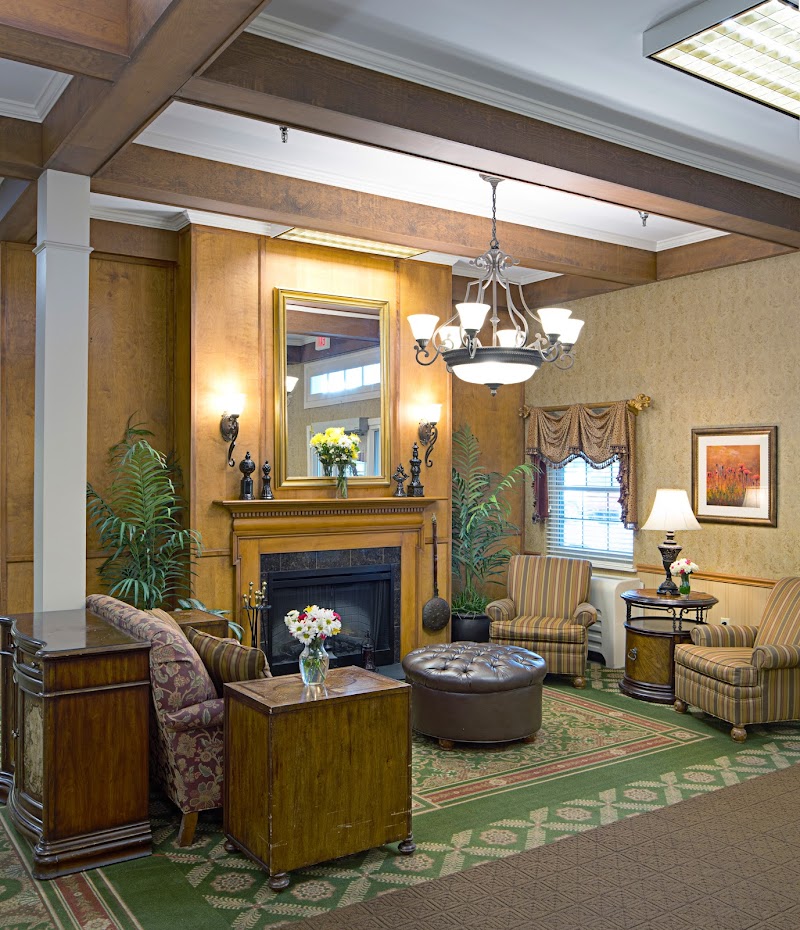
How is Bridgeville Rehabilitation & Staffed?

CMS rates BRIDGEVILLE REHABILITATION & CARE CENTER's staffing level at 2 out of 5 stars, which is below average compared to other nursing homes. Staff turnover is 70%, which is 23 percentage points above the Pennsylvania average of 46%. High turnover can affect care consistency as new staff learn residents' individual needs. RN turnover specifically is 64%, which is notably high. RNs provide skilled clinical oversight, so turnover in this role can affect medical care quality.

What Have Inspectors Found at Bridgeville Rehabilitation &?

State health inspectors documented 60 deficiencies at BRIDGEVILLE REHABILITATION & CARE CENTER during 2023 to 2025. These included: 1 Immediate Jeopardy (the most serious level, indicating potential for serious harm or death), 1 that caused actual resident harm, 53 with potential for harm, and 5 minor or isolated issues. Immediate Jeopardy findings are rare and represent the most serious regulatory concerns. They require immediate corrective action.
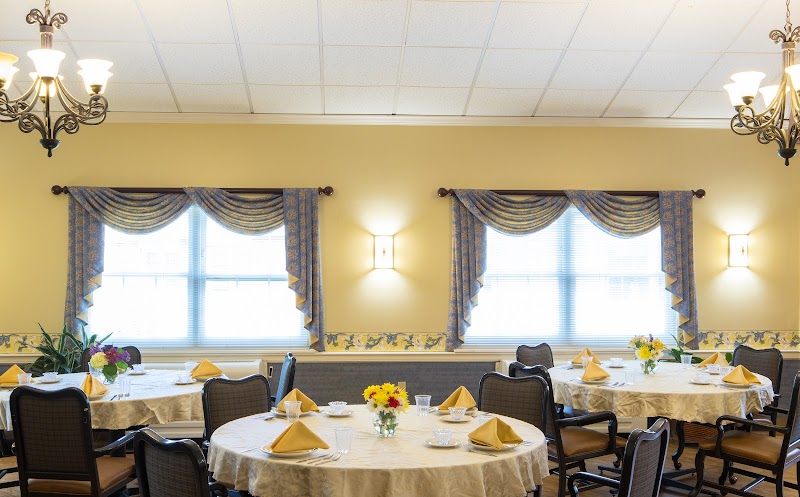
Who Owns and Operates Bridgeville Rehabilitation &?

BRIDGEVILLE REHABILITATION & CARE CENTER is owned by a for-profit company. For-profit facilities operate as businesses with obligations to shareholders or private owners. The facility is operated by GENESIS HEALTHCARE, a chain that manages multiple nursing homes. With 194 certified beds and approximately 168 residents (about 87% occupancy), it is a mid-sized facility located in BRIDGEVILLE, Pennsylvania.
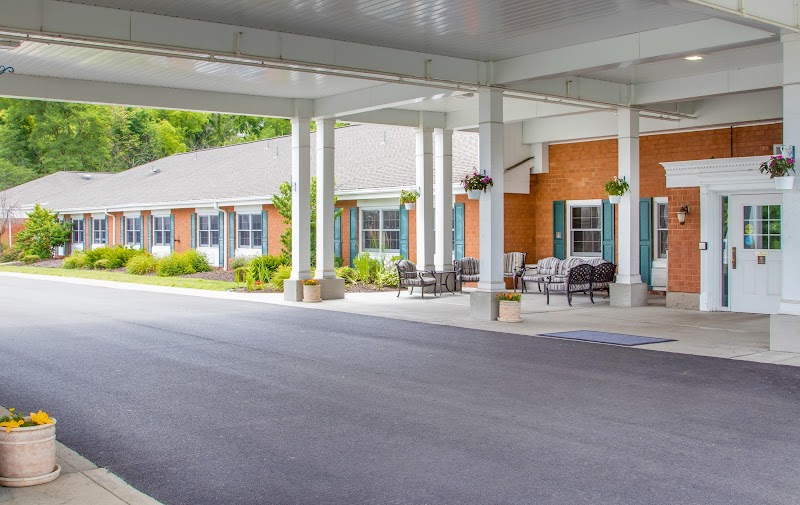
How Does Bridgeville Rehabilitation & Compare to Other Pennsylvania Nursing Homes?

Compared to the 100 nursing homes in Pennsylvania, BRIDGEVILLE REHABILITATION & CARE CENTER's overall rating (1 stars) is below the state average of 3.0, staff turnover (70%) is significantly higher than the state average of 46%, and health inspection rating (1 stars) is much below the national benchmark.

What Should Families Ask When Visiting Bridgeville Rehabilitation &?

Based on this facility's data, families visiting should ask: "What changes have been made since the serious inspection findings, and how are you preventing similar issues?" "What safeguards and monitoring systems are in place to protect residents from abuse or neglect?" "How do you ensure continuity of care given staff turnover, and what is your staff retention strategy?" "Can you walk me through typical staffing levels on day, evening, and night shifts?" These questions are particularly relevant given the facility's Immediate Jeopardy citations, the substantiated abuse finding on record, the facility's high staff turnover rate, and the below-average staffing rating.

Is Bridgeville Rehabilitation & Safe?

Based on CMS inspection data, BRIDGEVILLE REHABILITATION & CARE CENTER has documented safety concerns. The facility has 1 substantiated abuse finding (meaning confirmed case of resident harm by staff or other residents). Inspectors have issued 1 Immediate Jeopardy citation (the most serious violation level indicating risk of serious injury or death). The facility has a 1-star overall rating and ranks #100 of 100 nursing homes in Pennsylvania. Families considering this facility should ask detailed questions about what corrective actions have been taken since these incidents.

Do Nurses at Bridgeville Rehabilitation & Stick Around?

Staff turnover at BRIDGEVILLE REHABILITATION & CARE CENTER is high. At 70%, the facility is 23 percentage points above the Pennsylvania average of 46%. Registered Nurse turnover is particularly concerning at 64%. RNs handle complex medical decisions and coordinate care — frequent RN changes can directly impact care quality. High turnover means new staff may not know residents' individual needs, medications, or preferences. It can also be disorienting for residents, especially those with dementia who rely on familiar faces. Families should ask: What is causing the turnover? What retention programs are in place? How do you ensure care continuity during staff transitions?

Was Bridgeville Rehabilitation & Ever Fined?

BRIDGEVILLE REHABILITATION & CARE CENTER has been fined $71,382 across 2 penalty actions. This is above the Pennsylvania average of $33,793. Fines in this range indicate compliance issues significant enough for CMS to impose meaningful financial consequences. Common causes include delayed correction of deficiencies, repeat violations, or care failures affecting resident safety. Families should ask facility leadership what changes have been made since these penalties.

Is Bridgeville Rehabilitation & on Any Federal Watch List?

BRIDGEVILLE REHABILITATION & CARE CENTER is not on any federal watch list. The most significant is the Special Focus Facility (SFF) program, which identifies the bottom 1% of nursing homes nationally based on persistent, serious quality problems. Not being on this list means the facility has avoided the pattern of deficiencies that triggers enhanced federal oversight. This is a positive indicator, though families should still review the facility's inspection history directly.