SILVER LAKE HEALTHCARE CENTER
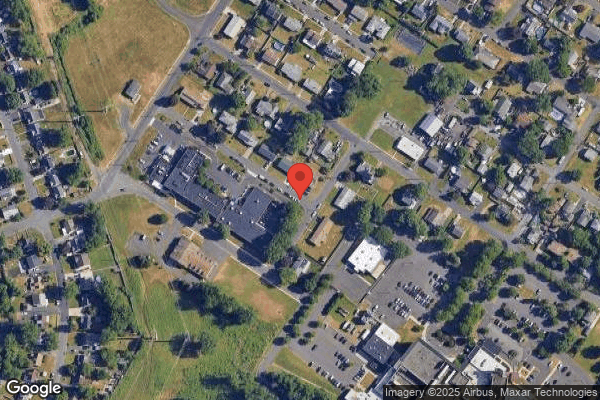
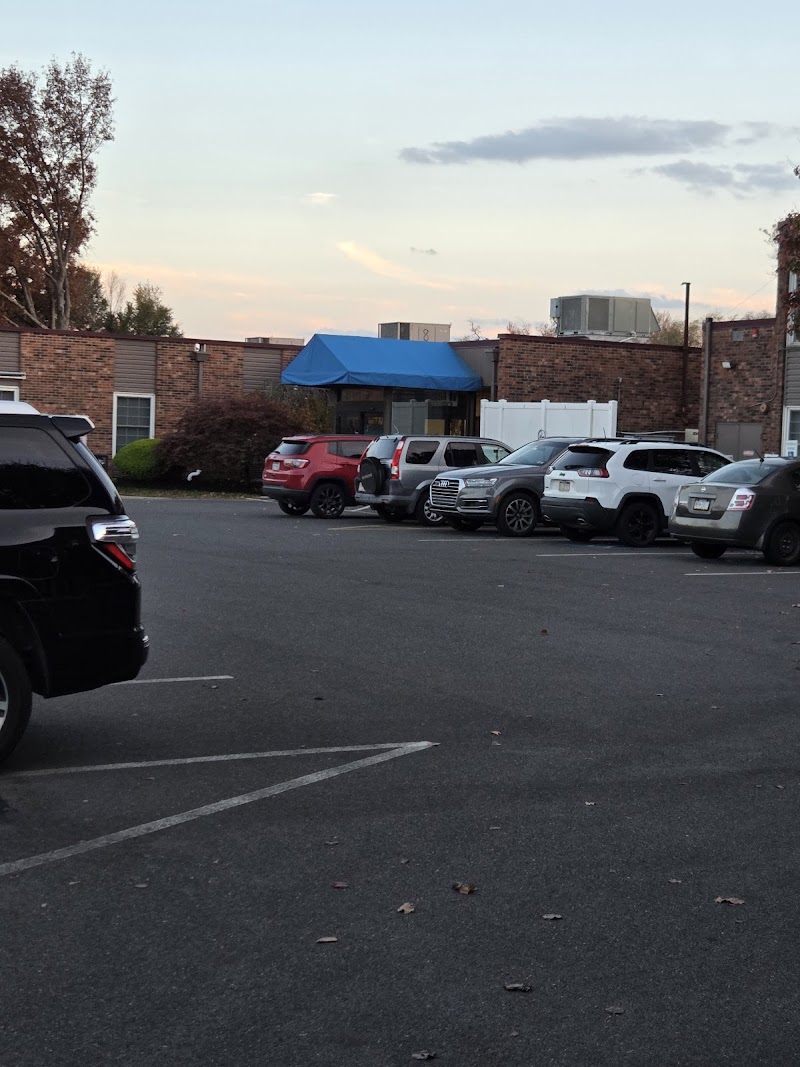
905 TOWER ROAD, BRISTOL, PA 19007 (215) 785-3201
For profit - Corporation 174 Beds COMMUNICARE HEALTH Data: November 2025 3 Immediate Jeopardy citations
Trust Grade
0/100
#631 of 653 in PA
Last Inspection: September 2024

Within standard 12-15 month inspection cycle. Federal law requires annual inspections.

Overview

Silver Lake Healthcare Center in Bristol, Pennsylvania has received a Trust Grade of F, indicating poor performance with significant concerns. The facility ranks #631 out of 653 in Pennsylvania, placing it in the bottom half of all facilities in the state, and it is the lowest-ranked facility in Bucks County. Although the trend is improving, with issues decreasing from 21 in 2024 to 9 in 2025, the facility has concerning fines totaling $418,359, which are higher than 98% of Pennsylvania facilities, suggesting ongoing compliance problems. Staffing is a relative strength with a rating of 4 out of 5 stars and a low turnover rate of 21%, but serious incidents have been reported, including a resident experiencing multiple drug overdoses due to inadequate supervision and a resident eloping from the facility, creating immediate safety risks. Overall, while there are some strengths in staffing, the facility's critical issues and low rankings present significant red flags for families considering care for their loved ones.

Trust Score
F
0/100
In Pennsylvania
#631/653
Bottom 4%
Safety Record
High Risk
Review needed
Inspections
Getting Better
21 → 9 violations
Staff Stability
✓ Good
21% annual turnover. Excellent stability, 27 points below Pennsylvania's 48% average. Staff who stay learn residents' needs.
Penalties
✓ Good
$418,359 in fines. Lower than most Pennsylvania facilities. Relatively clean record.
Skilled Nurses
○ Average
Each resident gets 31 minutes of Registered Nurse (RN) attention daily — about average for Pennsylvania. RNs are the most trained staff who monitor for health changes.
Violations
⚠ Watch
71 deficiencies on record. Higher than average. Multiple issues found across inspections.
★☆☆☆☆
1.0
Overall Rating
★★★★☆
4.0
Staff Levels
★★☆☆☆
2.0
Care Quality
★☆☆☆☆
1.0
Inspection Score
Stable
2024: 21 issues
2025: 9 issues

The Good

  • 4-Star Staffing Rating · Above-average nurse staffing levels
  • Low Staff Turnover (21%) · Staff stability means consistent care
  • Full Sprinkler Coverage · Fire safety systems throughout facility
  • No fines on record
  • Staff turnover is low (21%)

    27 points below Pennsylvania average of 48%

Facility shows strength in staffing levels, staff retention, fire safety.

The Bad

1-Star Overall Rating

Below Pennsylvania average (3.0)

Significant quality concerns identified by CMS

Federal Fines: $418,359

Well above median ($33,413)

Significant penalties indicating serious issues

Chain: COMMUNICARE HEALTH

Part of a multi-facility chain

Ask about local staffing decisions and management

The Ugly 71 deficiencies on record

3 life-threatening 1 actual harm
Jul 2025 1 deficiency
CONCERN (D) 📢 Someone Reported This

A family member, employee, or ombudsman was alarmed enough to file a formal complaint

Potential for Harm - no one hurt, but risky conditions existed

Comprehensive Care Plan (Tag F0656)

Could have caused harm · This affected 1 resident

**NOTE- TERMS IN BRACKETS HAVE BEEN EDITED TO PROTECT CONFIDENTIALITY** Based on review of clinical records, observations, and staff interviews, it was determined that the facility did not complete a ...

Read full inspector narrative →
**NOTE- TERMS IN BRACKETS HAVE BEEN EDITED TO PROTECT CONFIDENTIALITY** Based on review of clinical records, observations, and staff interviews, it was determined that the facility did not complete a comprehensive care plan related to hearing loss for one of eight residents reviewed (Resident R1).Findings include: Interview with the Registered Nurse and Unit Manager, Employee E3, conducted don July 31, 2025, revealed that Resident R1 is hard of hearing at times and he tells me he cannot hear me. Interview with Resident R1 conducted on July 29, 2025, at 10:30 a.m. revealed that the resident is hard of hearing. Continued interview revealed that Resident R1 received hearing aids last week but did not yet receive them this morning. Review of Resident R1's clinical record revealed that the resident was admitted to the facility on [DATE], and had a BIMS (brief interview for mental status) score of 15, indicating cognitive intactness. Further review of Resident R1's clinical record titled, Audiology Consultation dated February 25, 2025, revealed that the resident had a diagnosis of sensory-neural hearing loss in the right and left ear. Interview with the facility Administrator and Nurse Manager, Employee E3, conducted on July 29, 2025, at approximately 1:45 p.m. confirmed that a care plan was no developed for Resident R1's hearing loss; there were no focus, interventions, and goals care planned for Resident R1's diagnosis of sensory-neural hearing loss. 28 Pa Code 211.10 (c)(d) Resident care policies
Mar 2025 8 deficiencies 1 Harm
SERIOUS (G) 📢 Someone Reported This

A family member, employee, or ombudsman was alarmed enough to file a formal complaint

Actual Harm - a resident was hurt due to facility failures

Pressure Ulcer Prevention (Tag F0686)

A resident was harmed · This affected 1 resident

**NOTE- TERMS IN BRACKETS HAVE BEEN EDITED TO PROTECT CONFIDENTIALITY** Based on the review of clinical records, facility policies, professional standards of practice, observations and staff interview...

Read full inspector narrative →
**NOTE- TERMS IN BRACKETS HAVE BEEN EDITED TO PROTECT CONFIDENTIALITY** Based on the review of clinical records, facility policies, professional standards of practice, observations and staff interviews, it was determined that the facility failed to develop and implement care and services consistent with professional standards of practice to prevent the development of a pressure ulcer resulting in actual harm to Resident R1 who developed Stage II pressure ulcer to the right heel for one of 14 residents reviewed. Findings include: According to the US Department of Health and Human Services, Agency for Healthcare Research & Quality, the pressure ulcer best practice bundle incorporates three critical components in preventing pressure ulcers: Comprehensive skin assessment, standardized pressure ulcer risk assessment, and care planning and implementation to address the areas of risk. The American College of Physicians (ACP) is a national organization of internists who specialize in the diagnosis, treatment, and care of adults. Clinical Practice Guidelines indicate that the treatment of pressure ulcers should involve multiple tactics aimed at alleviating the conditions contributing to ulcer development (i.e., support surfaces, repositioning, and nutritional support); protecting the wound from contamination and creating and maintaining a clean wound environment; promoting tissue healing via local wound applications, debridement, and wound cleansing; using adjunctive therapies; and considering possible surgical repair. Review of an undated facility policy titled Skin Care & Wound Management, revealed Develop a care plan for pressure ulcer prevention. Consider the following interventions for a resident at moderate risk. Add further interventions as indicated. A. Sensory Perception a. Evaluate areas of skin where the resident may have impaired sensation, such as feet. b. Instruct resident to notify staff of any changes in skin condition. D. Mobility c. Position with pillows/support devices to assist in maintaining position and comfort. d. Protect/elevate elbows and heels as indicated. G. Other c. Monitor treatment plans for diseases that impact sin impairment risk. 4. Revise intervention and/or goals as indicated. Review of Resident R1's clinical record revealed Resident R1 was readmitted to the facility on [DATE], after hip fracture and ORIF (Open Reduction and Internal Fixation - surgical procedure used to treat severe fractures or dislocations by realigning the broken bones and stabilizing them with internal hardware, such as screws, plates, or rods). Resident's diagnoses include but not limited to following: Dementia (progressive degenerative disease of the brain) and cognitive deficit. Review of Resident R1's quarterly Minimum Data Set assessment (MDS-federally mandated standardized assessment process conducted periodically to plan resident care) dated November 8, 2024, revealed Resident R1 was independent for rolling left and right (ability to roll from lying on back to left and right side, and return to lying on back on the bed), sit to stand and mobility. This assessment was completed prior to the resident sustaining the fracture and subsequent surgical procedure. Continued review of MDS assessments revealed a significant change of status assessment dated [DATE], in which Resident R1 was assessed as requiring substantial assistance for rolling left and right also was dependent on staff for sit to stand. It was documented that the ambulation was not completed due to medical status. It was also documented in the MDS assessment the resident was at risk of developing pressure ulcers. Review of Resident R1's skin notes by the wound care practitioner dated December 25, 2024; January 3, 2025; January 8, 2025; January 16, 2025; January 30, 2025; and February 5, 2025 revealed the practitioner recommended to float heels while in bed. Review of Resident R1's clinical record failed to reveal documented evidence the facility provided offloading to resident heels as recommended by the wound care practitioner. Review of care plan for Resident R1 on March 26, 2025, failed to reveal evidence the facility updated resident's care plan with individualized interventions to address resident's decreased mobility status, increased staff assistance and higher risk for developing pressure ulcer. Review of nurse aide documentation from February 26, 2025 to March 10, 2025, for Resident R1's bed mobility revealed the resident was mostly dependent on staff for bed mobility activity. Review of Resident R1's skin note dated March 10, 2025, revealed, routine skin check was performed by Wound care provider on 03/10/25, wound care team observed the following skin alterations on patient, discoloration noted to right foot- dorsal surface, with full thickness, measuring approximately 2cm x 2.5cm, x 0.1cm, treatment provided, new order received to cleanse site with normal saline, pat dry with sterile gauze, apply medihoney, and wrap with rolling gauze, a skin alteration was also noted to right heel, approximately 0.5cm x 1cm, x 0.1cm, treatment provided, new order received to cleanse site with normal saline, pat dry with sterile gauze, apply medihoney, and cover with bordered gauze. Review of Resident R1's skin note by the wound care practitioner dated March 17, 2025, revealed the resident was seen for right heel pressure ulcer and right dorsal wound. The etiology for right heel was pressure injury and noted as Stage 2 (ulcer involving loss of the top layers of the skin) pressure ulcer. The right heel wound measured 0.4 centimeters (cm) x 0.7cm x 0.1 cm. The right dorsal wound was an abrasion wound which measured 1cm x 0.7 cm x 0.1 cm. The practitioner recommended to float heels while in bed. Review of Resident R1's skin note by the wound care practitioner dated March 24, 2025, revealed the resident was seen for right heel pressure ulcer and right dorsal wound. The etiology for right heel was pressure injury and was a stage 2 pressure ulcer. The right heel wound measured 0.4x 0.6 cm x 0.1 cm. The right dorsal wound was an abrasion wound which measured 1cm x 0.7 cm x 0.1 cm. The practitioner recommended to float heels while in bed. Observation of the resident on March 26, 2025, at 10:30 a.m. with the wound care nurse, Employee E3 revealed the resident had 2 wounds to the right lower extremity. There was a heel wound and a right dorsal wound. It was revealed the resident was wearing a heel boot to the right heel, but the left heel was flat on the bed without any offloading measures. Resident was also wearing a brace to right lower extremity which limited resident's movement. Interview conducted on March 26, 2025, at 10:30 a.m. with the wound care nurse, Employee E3 revealed the right dorsal wound was caused by a TED (Thrombo-Embolus deterrent (TED) stockings are also known as compression stockings or Anti-Embolism Stockings and are specially designed to help reduce risk of developing deep vein thrombosis (DVT) or blood clot in your lower leg after Surgery) stocking which was applied without an order. When the TED stockings were removed for skin check a wound was observed under the TED stocking. Review of Resident R1's clinical record and physician orders failed to reveal documented evidence the facility obtained an order for TED stocking and/or a removal schedule. There was also no cause of abrasion documented in the clinical record. Interview with Director of Nursing on March 26, 2025, at 2:00 p.m. revealed, it was the facility practice to find out root cause analysis (incident report) for skin alteration and implement corrective actions. However, there was no incident report completed for Resident R1. Interview with Nursing Home Administrator on March 26, 2025, at 2:00 p.m. confirmed there was no evidence the facility implemented wound practitioner's recommendation to off load heels and resident subsequently developed pressure ulcer to the heel. The facility failed to ensure that interventions to prevent the development of pressure ulcers were implemented which resulted in actual harm to Resident R1 who developed Stage II pressure ulcer to the right heel. 28 Pa. Code 211.10(c)(d) Resident care policies 28 Pa. Code 211.12(c)(d)(1)(3)(5) Nursing services
CONCERN (D) 📢 Someone Reported This

A family member, employee, or ombudsman was alarmed enough to file a formal complaint

Potential for Harm - no one hurt, but risky conditions existed

Notification of Changes (Tag F0580)

Could have caused harm · This affected 1 resident

Based on review of clinical records, observations, review of facility policies and procedures and interviews with staff, it was determined that the facility failed to promptly notify resident's physic...

Read full inspector narrative →
Based on review of clinical records, observations, review of facility policies and procedures and interviews with staff, it was determined that the facility failed to promptly notify resident's physician and representative of a change in skin condition of for one of 14 residents reviewed (Resident R2). Findings include: Review of undated facility policy titled Notification of Change in Condition, revealed The center must inform the resident, consult with the resident's medical practitioner and/or notify the residents' representative, authorized family member, or legal power of attorney/guardian when there is a change requiring such notification. The medical practitioner is promptly notified of significant changes in condition, and the medical record must reflect the notification, response, and interventions implemented to address the resident's condition. When a change in condition is noted, the nursing staff will contact the resident representative. Observation of Resident R2 on March 30, 2025, at 10: 34 a.m., with Employee E4, Licensed Nurse Supervisor, revealed a dark colored elevated area approximately 2 inches in diameter to the resident's anterior left foot. Employee E4 stated it could be a bruise or blood-filled blister. Interview with Employee E5, Nurse Aide, on March 30, 2025, at 11: 30 a.m. stated she saw the area two days ago and reported it to the Wound care nurse, Employee E3. Employee E5 stated she also saw this area on Saturday and that morning. Review of clinical record for Resident R2 revealed no documented evidence of the area identified on the resident's anterior left foot the area or the physician or resident/representative were notified of the area. Interview with Employee E1, Nursing Home Administrator, on March 30, 2025, at 2: 00 p.m. Administrator confirmed that there was no documented evidence in the clinical record to indicate the cause of the area such as an investigation or resident's physician was notified of the change in skin condition. 28 Pa. Code: 211.12(c)(d)(1)(2)(3)(5) Nursing services.
CONCERN (D) 📢 Someone Reported This

A family member, employee, or ombudsman was alarmed enough to file a formal complaint

Potential for Harm - no one hurt, but risky conditions existed

Quality of Care (Tag F0684)

Could have caused harm · This affected 1 resident

Based on review of clinical records, observations, review of facility policies and procedures and interviews with staff, it was determined that the facility failed to ensure treatment and services wer...

Read full inspector narrative →
Based on review of clinical records, observations, review of facility policies and procedures and interviews with staff, it was determined that the facility failed to ensure treatment and services were provided to the resident with bilateral lower extremity venous ulcer as recommended by the physician for one of 14 residents reviewed. (Resident R3) Findings Include: Review of wound care practitioners' recommendation dated March 19, 2025, revealed a recommendation to apply tubi-grip to lower extremity daily during the day and off at night. Review of wound care practitioners' recommendation dated March 26, 2025, revealed a recommendation to apply tubi-grip to lower extremity daily during the day and off at night. Observation of Resident R3 on March 30, 2025, at 11:00 a.m., with Employee E4, Licensed Practical Nurse Supervisor, revealed that the resident was sitting in her wheelchair. Her feet was on the floor. Resident was not wearing tubi grip or any compression measures to her lower extremity. It was observed that the resident had an ulcer to the left calf area. There was no dressing or wound care to the right leg. Continued observation revealed that there was new fluid filled blister to the right lower extremity. Interview with Employee E4, on March 30, 2025, at 11: 30 a.m. stated the tubi grips are applied for preventing swelling of the lower extremity and prevent development of ulcer. Employee E3 confirmed that the resident was not wearing tubi-grip or any compression measures to her lower extremity Review of physician orders for Resident R3 revealed that there was no order in her physician orders for tubi-grips as recommended by the practitioners. Review of Treatment Administration Record for Resident R3 revealed that there was no evidence that the resident was offered tubi-grip as recommended by the practitioner. 28 Pa. Code: 211.12(c)(d)(1)(2)(3)(5) Nursing services
CONCERN (D) 📢 Someone Reported This

A family member, employee, or ombudsman was alarmed enough to file a formal complaint

Potential for Harm - no one hurt, but risky conditions existed

Deficiency F0726 (Tag F0726)

Could have caused harm · This affected 1 resident

Based on the review of clinical records, facility documentation, interview with staff, it was determined that the facility failed to ensure that nursing staff possessed the appropriate competencies an...

Read full inspector narrative →
Based on the review of clinical records, facility documentation, interview with staff, it was determined that the facility failed to ensure that nursing staff possessed the appropriate competencies and skill sets related to the care of residents with PICC line ( a tube placed in a large vein in the neck, chest, groin, or arm to give fluids, blood, or medications or to do medical tests quickly) for two of two employee records reviewed. (Employee E7 and E8). Findings Include: Observation of Resident R8 on March 26, 2025, at 11:00 a.m., revealed that the resident had a left upper extremity PICC line insertion. There was no documentation on the dressing to indicate the date and time the dressing last changed. Review Resident R8's active physician order on March 26, 2025, revealed an order to measure external catheter length with dressing change. However, there was no evidence that the staff obtained or documented external catheter length. Observation of Resident R9 on March 26, 2025, at 10:00 a.m., revealed that the resident had a left upper extremity PICC line insertion. Resident stated staff did not change her dressing weekly. There was no documentation on the dressing to indicate the dressing change date. A request for PICC line care and management competency for Employee E8, Registered Nurse and E9, Licensed Nurse was requested to the Director of Nursing. Facility did not submit the PICC line care and management competency for Employee E7 and E8 during the survey. Interview with Registered Nurse, Employee E9 who was responsible for staff education stated facility did not complete competencies for PICC line dressing changes. 28 Pa. Code: 211.12 (d)(1) Nursing services 28 Pa. Code: 211.12(d)(5) Nursing services
CONCERN (D) 📢 Someone Reported This

A family member, employee, or ombudsman was alarmed enough to file a formal complaint

Potential for Harm - no one hurt, but risky conditions existed

Infection Control (Tag F0880)

Could have caused harm · This affected 1 resident

Based on observation, review of facility policy and procedure and interviews with staff, it was determined that the facility failed to maintain an effective infection control program related to the wo...

Read full inspector narrative →
Based on observation, review of facility policy and procedure and interviews with staff, it was determined that the facility failed to maintain an effective infection control program related to the wound treatment and enhanced barrier precaution for 4 of 14 residents reviewed. (Resident R1, R6, R9 and R11) Findings include: Review of an undated facility policy, Enhanced Barrier Precaution, revealed that Communication to staff and visitors-post sign on the resident door indicating enhanced barrier precaution is required. Enhanced Barrier Precautions (EBP) refer to an infection control intervention designed to reduce transmission of multi-drug resistant organisms that employs hand hygiene, targeted gown and glove use during high contact resident care activities that include; Dressing, Bathing/showering, Transferring, Providing hygiene, Changing linens Changing briefs or assisting with toileting, Device care or use: central line, urinary catheter, feeding tube, tracheostomy ventilator, Wound care: any skin opening requiring a dressing. In general, gowns and gloves would not be recommended when performing transfers in common areas, such as dining or activity rooms, where contact is anticipated to be in shorter duration. Outside the resident's room, EBP should be followed when performing transfers or assisting during bathing. In a shared/ common shower room and when working with residents in the therapy gym, specifically when anticipating close physical contact while assisting with transfers and mobility. Residents are not restricted to their rooms or limited from participation in group activities. EBP is intended to be in place for the duration of the resident 's stay in the facility or until resolution of the wound or discontinuation of the indwelling medical device. EBP are indicated for residents with any of the following: Infection or colonization with a CDC targeted MDRO when contact precautions do not otherwise apply Wounds and/or indwelling medical devices (even if the resident is not known to be infected or colonized with a MDRO) Wounds generally include chronic wounds, not shorter-lasting wounds, such as skin breaks, or skin tears covered with an adhesive bandage (e.g., Band-Aid) or similar dressing Examples of chronic wounds include, but are not limited to pressure ulcers, diabetic venous stasis ulcers. Indwelling medical device examples include central lines including PICC, urinary catheters, feeding tubes, and tracheostomies. A peripheral IV line is not considered. Gowns, gloves, and hand sanitizer are readily accessible to staff. Observation of the facility second floor on March 26, 2025, at 10:20 a.m. revealed the following findings: Resident R6 was receiving tube feeding. Clinical record revealed that the resident had pressure ulcers. There was no sign at the door indicating enhanced barrier precaution. There was no personal protective equipment available in/near resident's room. Resident R11's door sign revealed that the resident was on enhanced barrier precaution. There was no personal protective equipment available in/near resident's room. Resident 9's door sign revealed that the resident was on enhanced barrier precaution. There was no personal protective equipment available in/near resident's room. Resident 1's door sign revealed that the resident was on enhanced barrier precaution. There was no personal protective equipment available in/near resident's room. Resident 4's door sign revealed that the resident was on enhanced barrier precaution. There was no personal protective equipment available in/near resident's room. A wound care observation of Resident R1 on March 26, 2025, at 10:30 a.m. with the wound care nurse, Employee E3 revealed the door sign at resident's door revealed that the resident was on enhanced barrier precaution. Employee E3 started the wound care, positioned the resident and removed the soiled/old dressings from resident's lower extremity with out wearing a gown as recommended by the enhanced barrier precaution sign and facility policy. Employee E3 only worn the gown after cleaning the wounds. Interview with Employee E3 on March 26, 2025, at 10:45 a.m. confirmed the above findings. 28 Pa Code 211.12 (d)(1)(5) Nursing services
CONCERN (E) 📢 Someone Reported This

A family member, employee, or ombudsman was alarmed enough to file a formal complaint

Potential for Harm - no one hurt, but risky conditions existed

Deficiency F0658 (Tag F0658)

Could have caused harm · This affected multiple residents

Based on, review of facility policies and procedures, observations and interviews with staff, it was determined that the facility failed to ensure treatment and services were provided to the resident ...

Read full inspector narrative →
Based on, review of facility policies and procedures, observations and interviews with staff, it was determined that the facility failed to ensure treatment and services were provided to the resident to prevent development of wounds met the professional standards of practice for 4 of 14 residents reviewed. (Resident R1, R2, R4 and R5). Findings include: Review of an undated facility policy titled Skin Care & Wound Management, revealed Develop a care plan for pressure ulcer prevention. Consider the following interventions for a resident at moderate risk. Add further interventions as indicated. A. Sensory Perception a. Evaluate areas of skin where the resident may have impaired sensation, such as feet. b. Instruct resident to notify staff of any changes in skin condition. D. Mobility c. Position with pillows/support devices to assist in maintaining position and comfort. d. Protect/elevate elbows and heels as indicated. G. Other c. Monitor treatment plans for diseases that impact sin impairment risk. 4. Revise intervention and/or goals as indicated. Observation of Resident R4 on March 26, 2025, at 10:25 a.m. with the wound care nurse, Employee E3 revealed the resident was lying in his bed. The heel lift boot was sitting on the wheelchair. Review of clinical record revealed no evidence that the resident refused the heel boots or the reason staff did not apply the heel boots. Further review of the clinical record revealed that the resident had left heel full thickness Kennedy terminal ulcer (a type of skin breakdown that occurs in the final stages of life, often appearing suddenly as a pear-shaped or butterfly-shaped area of discoloration) to the left heel. Observation of the Resident R1 on March 26, 2025, at 10:30 a.m. with the wound care nurse, Employee E3 revealed the resident had 2 wounds to the right lower extremity. There was a heel wound and a right dorsal wound. It was revealed the resident was wearing a heel boot to the right heel, but the left heel was flat on the bed without any offloading measures. Review of Resident R1's skin notes by the wound care practitioner dated December 25, 2024; January 3, 2025; January 8, 2025; January 16, 2025; January 30, 2025; and February 5, 2025 revealed the practitioner recommended to float heels while in bed. Observation of the Resident R2 on March 26, 2025, at 10:45 a.m. revealed that there was heel lift boot sitting on the top of air-conditioning unit. Observation of the Resident R2 on March 30, 2025, at 10:34 a.m. revealed that there was heel lift boot sitting on the top of air-conditioning unit. Review of clinical record revealed no evidence that the resident refused the heel boots, or the reason staff did not apply the heel boots. Observation of the Resident R5 on March 26, 2025, at 10:45 a.m. revealed that there was heel lift boot sitting on the floor. Resident was lying on the bed. 28 Pa Code 211.12(c) Resident care policies 28 Pa. Code: 211.12(c)(d)(1)(2)(3)(5) Nursing services
CONCERN (E) 📢 Someone Reported This

A family member, employee, or ombudsman was alarmed enough to file a formal complaint

Potential for Harm - no one hurt, but risky conditions existed

Deficiency F0692 (Tag F0692)

Could have caused harm · This affected multiple residents

Based on clinical record reviews and staff interviews, it was determined that the facility failed to implement interventions to maintain acceptable parameters of nutrition for two of 14 residents revi...

Read full inspector narrative →
Based on clinical record reviews and staff interviews, it was determined that the facility failed to implement interventions to maintain acceptable parameters of nutrition for two of 14 residents reviewed (Residents R6 and R7). Findings include: Review of undated facility policy entitled, Height and Weight, that . Compare weight to previous weight obtained. If a variance of 5 pounds or more is noted, reweigh resident to verify weight. Stable resident swill be weighed monthly thereafter, unless physician or diagnosis indicate otherwise, Unstable residents will be reviewed by IDT team to determine frequency of obtaining weight a. Update Interdisciplinary Care plan as needed. Weight loss concerns are reported to the practitioner and discussed at the weekly clinical meeting. Review of the weight record for Resident R6 on August 7, 2024, revealed that the resident weighed 159.0 lbs.(pounds). On September 16, 2024, the resident weighed 150 pounds which was a -5.66 % loss over one month and 10.2 % loss over 6 months. Review of the clinical record revealed that a nutritional assessment was not completed until September 27, 2024. Further review of the clinical record revealed that the resident was not reweighed in a timely manner to confirm the weight loss according to the facility protocol. There was no evidence that the facility increased weight/nutritional monitoring for Resident R6 in response to the weight loss. Review of the weight record for Resident R6 on October 23, 2024, revealed that the resident weighed 145.5 lbs.(pounds) which was a 8.5% loss over three months and 14.4% loss over 6 months which was triggered for significant weight loss. Review of the clinical record revealed that a nutritional assessment was not completed until October 28, 2024. However, it was documented that previous weight changes addressed in previous note, recent weight change not significant, intake average for meals 75%-100%. Continue current diet as ordered. Further review of the clinical record revealed that the resident was not reweighed in a timely manner to confirm the weight loss according to the facility protocol. There was no evidence that the facility increased weight/nutritional monitoring for Resident R6 in response to the weight loss. Review of the weight record for Resident R6 on October 30, 2024, revealed that the resident weighed 144.0 lbs.(pounds) which was a 9.4% loss over three months and 15.3% loss over 6 months which was triggered for significant weight loss. Review of the clinical record revealed that a nutritional assessment was completed on October 31, 2024. However, it was documented that weight change not new, has been addressed in previous note. Continued review revealed that the resident was not reweighed in a timely manner to confirm the weight loss and there was no evidence that the facility increased weight/nutritional monitoring for Resident R6 in response to the weight loss. Review of the weight record for Resident R6 on November 5, 2024, revealed that the resident weighed 142.0 lbs.(pounds) which was 5 % Loss over one month, 10.7% loss over three months and 12.3% loss over 6 months which was triggered for significant weight loss. Review of the clinical record revealed that a nutritional assessment was not completed until November 12, 2024. There was no evidence that the facility increased weight/nutritional monitoring for Resident R6 in response to the weight loss. Review of the weight record for Resident R6 on December 3, 2024, revealed that the resident weighed 139.5 lbs.(pounds) which was 10.7% loss over three months and 13.9% loss over 6 months which was triggered for significant weight loss. Review of the clinical record revealed that a nutritional assessment was not completed until December 18, 2024. Review of the weight record for Resident R6 on January 8, 2025, revealed that the resident weighed 139.0 lbs.(pounds) which was 14.2% Loss over 6 months which was triggered for significant weight loss. Review of the clinical record revealed that a nutritional assessment was not completed until January14, 2025. Review of clinical record for Resident R7 revealed that the resident was not weighed, obtained physician order for monthly weight, documented reason for not obtaining monthly weight or documented refusal of monthly weight appropriately from January 2024 to January 2025. Interview with Employee E6, Medical Record Nurse on March 30, 2025, at 2:00 p.m. confirmed that there was no order for monthly weight or monthly weight for Resident R7. 28 Pa. Code 211.12(c) Resident care policies 28 Pa. Code: 211.12(c)(d)(1)(2)(3)(5) Nursing services
CONCERN (E) 📢 Someone Reported This

A family member, employee, or ombudsman was alarmed enough to file a formal complaint

Potential for Harm - no one hurt, but risky conditions existed

Medical Records (Tag F0842)

Could have caused harm · This affected multiple residents

Based on the review of clinical records, facility policies, facility documentation, interview with staff, it was determined that the facility failed to follow acceptable standard of practice for medic...

Read full inspector narrative →
Based on the review of clinical records, facility policies, facility documentation, interview with staff, it was determined that the facility failed to follow acceptable standard of practice for medical record documentation for one of 14 residents reviewed. (Resident R6) Findings Include: Review of undated facility policy entitled, Height and Weight, revealed that Nurses will follow the basic standards of practice for documentation including but not limited to providing a timely and accurate account of resident information in the medical record, documenting legibly in English using only acceptable medical abbreviations. Timeliness and accuracy. a. Chart in real time when an event is occurring or shortly thereafter as is practicable. b. avoid over use of late entries. Late entries may be confusing and contradictory and only use sparingly. Review of meal intake documentation for Resident R6 dated November 1, 2024, to November 30, 2024, revealed that 25 of 30 documentation of breakfast and lunch intake/consumption documentation was completed at the same time of the day. There was no dinner documentation on November 13 and November 24. Review of meal intake documentation for Resident R6 dated December 1, 2024, to December 31, 2024, revealed that 18 of 31 documentation of breakfast and lunch intake/consumption documentation was completed at the same time of the day. There was no dinner documentation on December 15 and December 22. Review of meal intake documentation for Resident R6 dated January 1, 2025, to January 31, 2025, revealed that 12 of 31 documentation of breakfast and lunch intake/consumption documentation was completed at the same time of the day. There was no lunch and dinner documentation on January 19 and January 20. Review of meal intake documentation for Resident R6 dated January 28, 2025, to February 12, 2025, revealed that 8 of 16 documentation of breakfast and lunch intake/consumption documentation was completed at the same time. Interview with the Director of Nursing, Employee E2 on March 25, 2025, at 12:00 p.m. stated facility staff was expected to document in real time. 28 Pa. Code 211.5(d) Medical records.
Dec 2024 1 deficiency
CONCERN (D) 📢 Someone Reported This

A family member, employee, or ombudsman was alarmed enough to file a formal complaint

Potential for Harm - no one hurt, but risky conditions existed

Deficiency F0806 (Tag F0806)

Could have caused harm · This affected 1 resident

Based on observations, clinical record reviews and interviews with residents and staff, it was determined that the facility failed to serve foods that accommodate residents' allergies for one of 5 rev...

Read full inspector narrative →
Based on observations, clinical record reviews and interviews with residents and staff, it was determined that the facility failed to serve foods that accommodate residents' allergies for one of 5 reviewed reviewed (Residents R1). Findings include: Interview with Resident R1 on December 26, 2024, revealed on November 18, 2024, during dining resident had a cookie on her tray. Resident R1 ate a few bits of the cookie where she realized it had peanuts in it because she started reacting to it by having an itchy throat. Resident is allergic to nuts and it was stated on her meal ticket. Nurse was informed that the resident was having trouble swallowing. The antihistaming Benadryl was administered. The Nurse practitioner was in facility and assessed hthe resident and EpiPen (medication used to treat life-threatening, allergic emergencies in people who are at risk for or have a history of serious allergic emergencies) was administered. Review of nursing notes for Resident R1 revealed a two nurses notes, dated November 18 and 19, 2024, which stated, At 17:30 (5:30 p.m.) nurse reported that the resident ate ½ of a cookie that has peanut on it she's allergic to peanuts and tree nuts. Upon Assessment resident was alert able to be explained what she ate and how much of it she had, and the of amount of anaphylactic shock she had in the past, vital sign were stable O2 (oxygen) sat was 98% at R/A (room/air) in house NP (nurse practicioner) was on-site one-time order for Benadryl and an EpiPen were given. Reassess for the first 15-minute resident verbalized relief, at 6:30 pm. 2nd assessment resident stated she's ok drinking with no problem. Interview with unit manger nurse, Employee E3 on second floor on December 26, 2024, at 12:00 p.m., confirmed that Resident R1 had an allergic reaction to the cookie that she ate on November 18, 2024. Also reported that the cookie looked like a sugar cookie and somehow it did contain nuts. Never happened before and they follow the protocol to make sure that resident is safe. 28 Pa. Code 201.14 (a) Responsibility of licensee.
Oct 2024 2 deficiencies 1 IJ
CRITICAL (J) 📢 Someone Reported This

A family member, employee, or ombudsman was alarmed enough to file a formal complaint

Immediate Jeopardy (IJ) - the most serious Medicare violation

Accident Prevention (Tag F0689)

Someone could have died · This affected 1 resident

**NOTE- TERMS IN BRACKETS HAVE BEEN EDITED TO PROTECT CONFIDENTIALITY** Based on review of clinical records, facility policies, and interview with resident and staff, it was determined that the facili...

Read full inspector narrative →
**NOTE- TERMS IN BRACKETS HAVE BEEN EDITED TO PROTECT CONFIDENTIALITY** Based on review of clinical records, facility policies, and interview with resident and staff, it was determined that the facility failed to provide adequate supervision for one of six residents reviewed (Resident R1) who exited through two doors that were designed to lock and one to alarm. This failure resulted in Resident R1 eloping from the facility for approximately 4 hours and placed Resident R1 at high risk for injury that resulted in an Immediate Jeopardy situation. (Resident R1) Findings include: Facility policy titled Elopement Prevention and Management Overview (undated) indicated that the interdisciplinary team plans the least restrictive interventions to promote mobility and safety and to meet the individualized needs and goals of the resident. Components of the Elopement Prevention and Management Program include, but are not limited to, the following: elopement drills, environmental modifications to promote safety mobility with monitoring for effectiveness, protected list of names and photographs of those residents identified as being at for elopement, regular rounds, and structured group activities. Review of Resident R1's clinical record revealed an admission date of July 31, 2024, with a diagnosis of schizoaffective disorder (mental health condition that combines symptoms of psychosis and mood disorders), bipolar disorder (extreme mood swings), intellectual disabilities, and epilepsy (seizures). Review of Resident R1's most recent Minimum Data Set (MDS- assessment of resident care needs) completed October 1, 2024, revealed Resident R1 was assessed with a BIMS (Brief Interview of Mental Status) score of 10, which indicated that the resident had moderate memory impairment. Further review of Resident R1's MDS revealed on section E0800-Wandering- Presence and Frequency, Resident 1 did not exhibit wandering behaviors. Review of facility reported documentation submitted to the Department of Health revealed on October 12, 2024, Resident R1 left the facility at approximately 11:30 p.m. and walked approximately 4.2 miles, where Resident 1 stopped at a convenience store and asked a [NAME] to call police. Police arrive and Resident 1 requested to be returned to the facility. Resident R1 arrived back to the facility at 3:30 a.m. Resident R1 refused to go to emergency room for evaluation. Skin and pain assessment completed, and no issues were noted. Resident R1 was placed on 1:1 until psych cleared. Review of facility documentation revealed 12 interviews were completed by the facility. Two interviews indicated that Resident R1 was last observed in bed at approximately 11:10 p.m. All staff statements stated that no alarm sound was heard throughout the facility when Resident R1 eloped. Interview with Nurse Aide, Employee 4, on October 30, 2024, at 11:25 a.m. revealed no alarm sound was heard on October 12, 2024, when Resident R1 eloped from the facility and staff was unaware until notified by police. Review of facility documentation from September 23, 2024 through October 25, 2024 revealed doors, locks, and alarms were checked throughout the facility by an outside company Monday through Friday to ensure functionality. All dates reviewed revealed all doors, locks, and alarms passed inspection. Further review revealed doors, locks, and alarms were not tested by the outside company on October 12, 2024. Interview with Director of Nursing, Employee E2, and Assistant Director of Nursing, Employee 3, on October 30, 2024 at 10:20 a.m. stated that doors are checked every shift by supervisors and no issues were noted with all doors on October 12, 2024. Both employees confirmed that both doors Resident R1 exited through were working properly after Resident R1 eloped. Further interview with Director of Nursing, Employee E2, and Assistant Director of Nursing, Employee 3, revealed when the alarmed door is pushed on for 15 seconds the door opens and an alarm sounds, due to fire safety reasons. Interview conducted with Resident R1 on October 30, 2024, at 12:05 p.m. revealed the first door to the kitchen was unlocked and Resident R1 was able to push on the door and walk to the alarmed door. Resident R1 stated that she held the door for 15 seconds, which opened the door. Resident R1 stated she then walked a few miles and fell multiple times and revealed she did not sustain major injuries, but states her right knee hurts and Tylenol helps with the pain. Review of Resident R1's clinical records revealed Resident R1 had a fall on October 7, 2024 after getting up from bed at night, feeling dizzy causing her to fall. Resident R1 was assessed by physician on October 8, 2024 and was noted to have right knee pain and chronic lower back pain. Further review revealed Resident R1 was assessed by the physician on October 14, 2024. Physician note dated October 14, 2024, at 1:00 p.m. revealed Resident R1 had no physical complaints. Physician note dated October 15, 2024, at 5:27 p.m. revealed Resident R1 requested a brace for right knee pain. Right knee was examined with no issues noted. Physician concluded pain most likely related to arthritic pain on acute injury and Tylenol ordered as needed. Based on the above findings, an Immediate Jeopardy situation was identified to the Nursing Home Administrator, Employee E1, on October 30, 2024 at 1:13 p.m. for failure to ensure that Resident R1 received adequate supervision and safety of the resident's environment. Resident R1was able to exit through two doors that were designed to lock. This failure resulted in Resident R1 eloping from the facility for approximately 4 hours. An immediate action plan was requested from the Nursing Home Administrator, Employee E1 and the Immediate Jeopardy template was provided to the Nursing Home Administrator on October 30, 2024 at 1:22 p.m. On October 30, 2024, at 2:55 p.m. the facility submitted an immediate plan of action that included the following: - Incident Response: On October 13, 2024 Resident was assessed by facility registered nurse and found to have no injuries. Resident was placed on 1:1 observation awaiting psychiatric evaluation. Charge nurse completed wandering risk assessment, skin assessment, and pain assessment. The care plan was updated to include elopement risks on October 13, 2024, All facility doors were inspected by maintenance on the same date, and all were found to be in working order. A head count was conducted by nursing staff, confirming all residents were accounted for. All access codes for egress doors were changed on October 13, 2024. - Wandering risk assessment: an order listing report for all residents with Wander Guards was generated and checked for proper placement and function on 10/13/24 by Unit Managers. Care plans were reviewed and elopement book was updated. Resident named in deficient practice was added to the elopement risk list. Full house assessed for elopement risk, no new residents noted. Audit completed by Unit Managers. - Staff Education: All staff present received education on the elopement process, effective rounding, and proper operation of all egress doors on 10/13/2024 from the RN Supervisor. Staff not present received the same training from the Staff Development Coordinator/ designee. New staff will receive education on the elopement process during their orientation by the DON or designee. - Elopement Drills: Elopement drill will be conducted across all shifts, beginning on 10/13/24 and concluding on 10/16/24, overseen by the NHA and maintenance director. - Interdisciplinary Team Meeting: The IDT convened to discuss the resident's high risk for elopement, and the care plan was updated accordingly. - Behavior Monitoring: The DON or designee will monitor the clinical dashboard for any changes in behavior, including exit-seeking. Findings will be reviewed by the IDT, and new interventions will be implemented as needed to prevent future incidents. - Security Enhancements: The lock on the kitchen door was changed to an automatic lock, and the key code for all egress doors was updated. The action plan was reviewed and interviews were conducted with staff to verify the implementation of the action plan. Staff confirmed that in-service education was provided and were able to verbalize the elopement process and the importance of effective rounding. Following verification of the immediate action plan the Immediate Jeopardy was lifted on October 30, 2024 at 3:53 p.m. 28 Pa. Code 211.10(d) Resident care policies 28 Pa. Code 211.12(d)(1) Nursing services 28 Pa. Code 211.12(d)(5) Nursing services
CONCERN (D) 📢 Someone Reported This

A family member, employee, or ombudsman was alarmed enough to file a formal complaint

Potential for Harm - no one hurt, but risky conditions existed

Administration (Tag F0835)

Could have caused harm · This affected 1 resident

**NOTE- TERMS IN BRACKETS HAVE BEEN EDITED TO PROTECT CONFIDENTIALITY** Based on a review of clinical records, facility documentation and interviews with staff, it was determined that the Nursing Home...

Read full inspector narrative →
**NOTE- TERMS IN BRACKETS HAVE BEEN EDITED TO PROTECT CONFIDENTIALITY** Based on a review of clinical records, facility documentation and interviews with staff, it was determined that the Nursing Home Administrator and the Director of Nursing failed to effectively manage the facility related to the elopement of one of six residents reviewed (Residents R1) which resulted in an Immediate Jeopardy situation. Findings include: Review of the job description for the Nursing Home Administrator (NHA) stated that the primary purpose of the NHA's job description is to lead the nursing home facility and is responsible for the overall management and operational oversight of the facility, ensuring that high standards of care are maintained and regulatory requirements are met. This role requires strong leadership, excellent communication skills, and a commitment to providing outstanding care to our residents. Review of the job description for the Director of Nursing (DON) stated that the primary purpose of the Director of Nursing's job description is to oversee nursing services, ensure compliance with regulations, and foster a supportive and professional environment for nursing staff. The DON will possess strong leadership skills, clinical expertise, and a commitment to patient centered care. Review of Resident R1's clinical record revealed an admission date of July 31, 2024, with a diagnosis of schizoaffective disorder (mental health condition that combines symptoms of psychosis and mood disorders), bipolar disorder (extreme mood swings), intellectual disabilities, and epilepsy (seizures). Review of Resident R1's most recent Minimum Data Set (MDS- assessment of resident care needs) completed October 1, 2024, revealed Resident R1 was assessed with a BIMS (Brief Interview of Mental Status) score of 10, which indicated that the resident had moderate memory impairment. Further review of Resident R1's MDS revealed on section E0800-Wandering- Presence and Frequency, Resident 1 did not exhibit wandering behaviors. Review of facility documentation revealed on October 12, 2024, Resident R1 left the facility at approximately 11:30 p.m. and walk approximately 4.2 miles, where Resident R1 stopped at a convenience store and asked a [NAME] to call police. Police arrive and Resident R1 requested to be returned to the facility. Resident R1 arrived back to the facility at 3:30 a.m. Resident R1 refused to go to emergency room for evaluation. Resident 1 was placed on 1:1 until psych cleared. Interview conducted with Resident R1 on October 30, 2024, at 12:05 p.m. revealed the first door to the kitchen was unlocked and Resident R1 was able to push on the door and walk to the alarmed door. Resident R1 stated that she held the door for 15 seconds, which opened the door. Resident R1 stated she then walked a few miles and fell multiple times. Review of facility documentation revealed 12 interviews were completed by the facility. Two interviews indicated that Resident R1 was last observed in bed at approximately 11:10 p.m. All staff statements stated that no alarm sound was heard throughout the facility when Resident R1 eloped. Interview with Nurse Aide, Employee 4, on October 30, 2024, at 11:25 a.m. revealed no alarm sound was heard on October 12, 2024, when Resident R1 eloped from the facility and staff was unaware until notified by police. Based on the deficiencies identified in this report, the Nursing Home Administrator and Director of Nursing failed to fulfill essential duties and responsibilities of their position, contributing to the Immediate Jeopardy situation. 28 Pa. Code 201.14 (a) Responsibility of licensee 28 Pa. Code 201.18(b)(3) Management 28 Pa. Code 211.12(c)(d)(1) Nursing services
Oct 2024 1 deficiency
CONCERN (D) 📢 Someone Reported This

A family member, employee, or ombudsman was alarmed enough to file a formal complaint

Potential for Harm - no one hurt, but risky conditions existed

Quality of Care (Tag F0684)

Could have caused harm · This affected 1 resident

**NOTE- TERMS IN BRACKETS HAVE BEEN EDITED TO PROTECT CONFIDENTIALITY** Based on the review of clinical record, interview with resident and staff, it was determined that the facility failed to ensure ...

Read full inspector narrative →
**NOTE- TERMS IN BRACKETS HAVE BEEN EDITED TO PROTECT CONFIDENTIALITY** Based on the review of clinical record, interview with resident and staff, it was determined that the facility failed to ensure that each resident receive the medications that were ordered for by their physician and do not be administer medications ordered for another resident for 1 of 4 residents reviewed. (Resident R 1) Findings Include: Review of facility policy Administering Medication states that observe the five right in giving each medication, the right resident, the right time, the right medication, the right dose and the right route. Review Physician Orders policy states medication administration record/ treatment administration record the legal medical record for recording medication and treatment. Review of Resident's R1 clinical record, revealed the diagnosis of dementia (progressive degenerative disease of the brain) without behaviors and high blood pressure. Reviewed the investigation reported revealed that on October 5, 2024, at 0900 (9:00 a.m.), resident a [AGE] year-old male with Diagnosis of dementia and HTN (hypertension- high blood pressure) and a BIM (Brief Interview of Mental Status)'s score of 7, was administered medications in error. Resident R1 received Ferrous Sulfate 325mg (milligrams), Gabapentin 800 mg, Lipro insulin 2 units and Keppra 750 mg, that were entered into his chart in error. Doctor and RR (responsible party) made aware. Resident R1 placed on enhanced monitoring. Blood sugar 99. Resident's family requested that resident be sent to the ER (emergency room) for evaluation routine change in mental status. Resident R1 sent 911 (Emergency Medical Services) to ER for evaluation and admitted . Facility administration director nursing made aware. Reviewed witness statements from the Registered Nurse, Employee E4 revealed on October 4, 2024, at 6:45 pm, [Resident R2] was transferred to Sliver Lake health care center. I transcribed some of [Resident R2] medication from 3-b under [Resident R1] in room [ROOM NUMBER]-A not re realizing they were different residents with the same last names. On October 5, 2024, at 2:30am, I was informed by supervisor that some of the [Resident R2] meds were transcribe under [Resident R1]. I immediately rushed in the room to assess the resident. Vital includes, 114/70, 58, 97.6, 20, 98 quickly informed manger and [Resident R1] daughter at bed side made aware. 911 called never alone called, [Resident R1] send to . ER Via Ambulance for evaluation. Reviewed witness statements from the licensed practical nurse, Employee E5 revealed on October 5, 2024, I dispensed all AM medications ordered in the facility for [Resident R1]. After I passed medication around 11 am, I noticed his sugar was low, gave him a pudding and his sugar was elevated. The daughter came in to visit, she identified her father was not normal. I explained that this maybe a response to his new medication. The family was unaware of the changes in medication. I contacted the supervisor, Employee 6 came up to speak with the family. During medication review the diagnosis didn't match the order under [Resident R1]. At that time supervisor identified that there was a name alert and that the new medications were put into the wrong resident chart. Reviewed witness statements Supervisor Registered Nurse, Employee E6 revealed when I was making rounds Saturday, [Licensed Practical Nurse, Employee E5], told me that [Resident R1] daughter was concerned that new medication was ordered for her father without her involvement. After [Licensed Practical Nurse, Employee E5], told me what the medication were, I remembered that there was an admission with the same last name that came in Friday night, I did a quick review of the chart for [Resident R2] in post-acute and realized that medications that should have been entered and ordered for her were entered on [Resident's R1] MAR (medication Administration Record) accidentally. [Registered Nurse, Employee E4], had entered the orders on Friday evening and she was there Saturday morning. I told registered [Nurse, Employee E4] about the error and informed . Reviewed additional information from the hospital discharge records revealed presented to the ED (Emergency Department) with confusion and lethargy due to accidental administration of another resident's medication Sliver Lake Nursing Home, which included insulin aspart 2 units, Gabapentin 800mg and Keppra 750mg. Resident R1 arrived at the ED sleepy but alert and oriented. Resident's daughter also noticed speech was slurred. IV (intravenous) fluids in the ED and admitted for continued monitoring of accidental administration of incorrect medication and to rule out TIA/stroke due to change in speech and altered mental status. Labs including CBC (complete blood count), CMP (complete metabolic panel), lipid profile, urinalysis, and urine drug screen were all within normal limits. EKG showed sinus rhythm. Chest x-ray was normal. Interview with Nursing Home Administrator, Employee E1 on October 9, 2024, at 12:00 p.m. stated that it was accidental administration of another resident's medication due to another resident with the same last name. 28 Pa. Code 211.10(c) Resident care policies 28 Pa. Code 211.12(d)(1)(5) Nursing services.
Sept 2024 14 deficiencies 2 IJ (2 affecting multiple)
CRITICAL (K)

Immediate Jeopardy (IJ) - the most serious Medicare violation

Comprehensive Care Plan (Tag F0656)

Someone could have died · This affected multiple residents

**NOTE- TERMS IN BRACKETS HAVE BEEN EDITED TO PROTECT CONFIDENTIALITY** Based on the review of clinical records, facility policies and interview with staff, it was determined that the facility failed ...

Read full inspector narrative →
**NOTE- TERMS IN BRACKETS HAVE BEEN EDITED TO PROTECT CONFIDENTIALITY** Based on the review of clinical records, facility policies and interview with staff, it was determined that the facility failed to develop and implement a comprehensive person-centered care plan for Resident R135, with a documented history of substance abuse, to prevent relapse and access to illegal substances. This failure resulted in Resident R135, accessing and using illegal substance and experiencing four incidents (December 3, 2023; December 5, 2023; March 17, 2024 and July 23, 2024) of drug overdose which required immediate medical treatment/emergency medical intervention and resulted in an Immediate Jeopardy situation for one of four residents reviewed (Resident R135). Findings include: Review of the facility's care plan policy titled Plan of Care Overview dated 2017, revealed it is the policy of this facility to provide each resident centered care that meets psychosocial physical and emotional needs and concerns of the resident's safety is the primary concern for all our residents staff and visitors. The primary purpose of the policy is to provide guidance to the facility to support the inclusion of the resident or resident representative in all aspects of person-centered care planning and that this planning includes the provision of services to enable the resident to live with dignity and support the residents' goals choices and preferences. Review of facility policies and standard procedures on Individual Service Plan Overview with an effective date of May 1, 2022, revealed that under Definitions: For the purpose of this policy, that individual service plan is the written treatment provided for a resident that is resident focused and provides for optimal personalized care. Under section Policy: It is the policy of this facility to provide resident centered care that meets the site, cause, social, physical, and emotional needs and concerns of the resident safety is a primary concern for our residents, staff and visitors. The purpose of this policy is to provide guidance to the facility to support the inclusion of the resident or resident representative in all aspects of person-centered care planning and that this planning includes the provision of services to enable the resident to live with dignity and supports the resident's choices and preferences including but not limited to goals related to their daily routines and goals to potentially return to a community setting. Under section Procedure #1,d. The facility will: i Provide an interdisciplinary assessment of the residents in 30 days of admission and then an ongoing periodic review that provides the foundation for resident focused care and the service planning process, ii provide access to the Service plan within 24 hours. iii review service plans quarterly and or with significant changes in care. Review of facility policy titled Resident Substance Abuse in the Facility revealed the facility is to provide each resident with care based on their individual medical and emotional needs and their physical ability to self-perform or have assistance to perform the operation. The policy includes the procedures, management of acute episodes, residents receiving Narcan protocols, observations of other residents, follow-up care for resident abusing substances, documentation and care plan and education. Review of Resident R135's clinical record reveled that Resident R135 was a [AGE] year-old female admitted to the facility on [DATE], with diagnoses of S\Psychoactive Substance Use Unspecified, Major Depressive Disorder, Adjustment Disorder. Review of resident social history assessment dated [DATE], revealed that Resident R135 has history of alcohol use, age of first use: [AGE] year, last used: three weeks ago (three weeks before September 2, 2023), frequency and amount used: Daily. Further, Resident R135 had history of heroin and fentanyl abuse: Age of first use: [AGE] year, last used: three weeks ago (three weeks before September 2, 2023), frequency: daily. Further, resident was not aware of any triggers and resident was not able to identify any relapse prevention strategies. Review of Resident R135's quarterly MDS (Minimum Data Set a federally required resident assessment completed at a specific interval) dated September 6, 2024, section C0500 BIMS (brief interview for mental status- a standardized assessment tool used to screen cognitive function)) revealed a score of 15 suggesting that resident was cognitively intact. Review of Resident R135's care plan revealed that there was no comprehensive person-centered care plan addressing Resident R135's, history of illicit drug and alcohol abuse, and potential for relapse. Review of Resident R135's progress note revealed that on December 3, 2023, time stamped 10:55 p.m. resident was observed by the nurse, unresponsive, gasping for air. 911 (Emergency Medical Services) called and resident taken to a local county hospital for evaluation. Review of hospital after visit summary dated December 3, 2023, revealed that, Resident R135 was seen at the hospital with respiratory distress and responsive. Symptoms are most likely secondary to opiates which was injected, given by the friend at the nursing home. Further review of the hospital after visit summary revealed the resident was given Naloxone hydrochloride on December 20, 2024. Interview with facility Nursing Home Administrator, Employee E1 conducted on September 24, 2024, at 11:43 a.m. confirmed that a comprehensive person-centered care plan addressing the resident's illicit drug use was not developed until after Resident R135 overdosed on December 3, 2023. Interview with facility Nursing Home Administrator, Employee E1 conducted on September 24, 2024, at 11:43 a.m. revealed that there was no investigation conducted regarding Resident R135's receiving opiates by a friend at the nursing home as documented in the hospital after visit summary dated December 3, 2024. Nursing Home Administrator, Employee E1 also confirmed that there was no evidence that the facility implemented steps and interventions to prevent the distribution of drugs to other residents in the facility. Further review of clinical records revealed that there was no documented evidence that an inter-disciplinary care planning meeting was convened to discuss resident substance abuse and there was no person-centered care plan developed to address Resident R135's addiction, recent relapse, identify triggers, plans to prevent relapse, provision of support and counselling. There was no documented evidence that a consistent psychiatric, psychological counseling to address resident's addiction was provided to Resident R135. Review of nurses note dated December 5, 2023, time stamped 8:11 p.m. revealed that writer was called by floor nurse at 7:15 p.m. to room [ROOM NUMBER], Upon writer arrived writer noticed resident in bed unresponsiveness, slowed breathing, snoring, skin cold, and pinpoint pupil. At 7:20 p.m. Narcan nasal spray 4 mg (milligrams) given. At 7:30 p.m. Resident respondent when name was called. 911 arrived at 7:32 p.m. Resident refused to go to the hospital. DON (director of nursing) notified order 1:1 observation, neuro check and vitals every four hours. Review of provider encounter (nurse practitioner) note dated December 11, 2024, time stamped 1:00 a.m. revealed that Resident R135 was seen for status post overdose. She had an unresponsive episode, requiring Narcan and visit to ER (emergency room). Resident overdosed on substance she reported buying from another resident. She refused to give the name of the resident but kept repeating that it's someone staff has been suspecting. Asked if it's a male or female, she said female. Asked the race of the resident, admitted resident is African American she said yes, and it is who you think it is. Drector of Nursing and Nursing Home Administrator made aware. Resident was placed on 1:1 supervision. Interview with facility Nursing Home Administrator, Employee E1 conducted on September 24, 2024, at 11:43a.m. confirmed that a comprehensive person-centered care plan addressing resident's illicit drug use was developed after Resident R135 overdosed on December 5, 2024. Interview with facility Nursing Home Administrator, Employee E1 conducted on September 24, 2024, at 11:43a.m. revealed that there was no investigation conducted regarding Resident R135's report that she bought the drugs from a resident at the facility. Further, Employee E1 also confirmed that there was no evidence that the facility implemented steps and interventions that prevents the distribution of drugs to other residents in the facility. Interview with ADON (Assistant Director of Nursing) conducted on September 24, 2024, at 12:34 p.m., revealed that he was not involved in the investigation with Resident R135's incident of overdose on December 5, 2023. Further ADON also revealed that he was not aware of any investigation conducted regarding Resident R135's allegations that she bought the drugs from a resident of the facility. Further review of clinical records revealed that there was no documented evidence that an inter-disciplinary care planning meeting was convened to discuss resident substance abuse, there was no person-centered care plan developed to address Resident R135's addiction, recent relapse, identify triggers, plans to prevent relapse, provision of support and counselling. There was no documented evidence that a consistent psychiatric, psychological counseling to address resident's addiction was provided to Resident R135. Review of Resident R135's progress notes dated January 24, 2024, revealed that IDT (interdisciplinary team) met and discussed resident's recent behaviors. It was determined, along with psych Certified Registered Nurse Practicioner, that 1:1 observation was no longer needed. Further review of Resident R135's clinical record revealed no plan of care on how to prevent relapse after 1:1 was discontinued. Further, there was no evidence of environmental monitoring and behavioral monitoring to identify potential sources of illegal substance. Review of nurses notes dated March 17, 2024, time stamped 3:44 p.m. revealed that Resident R135 went to use the general bathroom, when her mother came out to report that resident was unresponsive in the bathroom. A code was called and two doses of Narcan was administered before the resident regained consciousness. While resident was being revived 911 was called and the EMT (Emergency Medical Technician) met the resident conscious. Resident R135 refused to go to the hospital, resident admitted to the EMT in the presence of this writer that she had a little heroine but refused to state where and how she got it. Plan of care continues. DON Employee E2 and Administrator Employee E1 were notified about the situation, and they advised that the police be called, police was called, the officer said he cannot search Resident R135's room if the resident doesn't want him to do so. Administrator made aware and she order every 15 minutes check on resident. Meanwhile, the physician ordered that all narcotics be put on hold until tomorrow. Review of Progress notes dated March 18, 2024, time stamped 1:00 a.m. revealed that Resident was seen today for S/P (status/post) heroin overdose yesterday. Per nurses' note, resident went to use the hall bathroom. Her mother, who was visiting, came out to notify nursing resident was unresponsive. She required two doses of Narcan before regaining consciousness. Resident refused to be transferred to ER. She refused to tell the police and EMT where she got the heroin. Today during this visit, she named the resident whom she purchased it from through bargaining, she gave the other resident her food stamps for the heroin, Resident was placed on 1-1 supervision and was moved to another floor. Review of psychotherapy progress note dated March 18, 2024, revealed the following: Goals Addressed: Anxiety, Depressive Symptoms, Acceptance of current setting, Use of Coping Strategies, Compliance with treatment regimen, Patient's Concerns/Focus: Resident seen on this date at the request of staff. Resident with overdose yesterday. Refused to go to outside hospital. Resident seen in private area immediately this morning. Currently being maintained on 1:1 observation. Resident is tearful. Discussing substance abuse and intent. Discussing feeling overwhelmed by both physical and emotional pain. Further review of clinical records revealed that there was no documented evidence that an inter-disciplinary care planning meeting was convened to discuss resident substance abuse, there was no person-centered care plan developed to address Resident R135's addiction, recent relapse, identify triggers, plans to prevent relapse, provision of support and counselling. There was no documented evidence that a consistent psychiatric, psychological counseling to address resident's addiction was provided to Resident R135. Interview with facility Nursing Home Administrator, Employee E1 conducted on September 24, 2024, at 11:43 a.m. confirmed that a comprehensive person-centered care plan addressing resident's illicit drug use was not developed after Resident R135 overdosed on March 17, 2024. Further interview with Nursing Home Administrator, Employee E1 revealed that there was no investigation conducted regarding Resident R135's report that she bought the drugs from a resident at the facility. Further, Employee E1 also confirmed that there was no evidence that the facility implemented steps and interventions that prevents the distribution of drugs to other residents in the facility. Review of nurses note dated March 29, 2024, revealed that Resident R135 was released from 1:1 observation Interview with facility Nursing Home Administrator, Employee E1 conducted on September 24, 2024, at 11:43a.m. confirmed that a comprehensive person-centered care plan addressing resident's illicit drug use was not developed. Review of progress note dated July 22, 2024, time stamped 3:14 p.m. revealed that Resident R135 was on LOA (leave of absence) to a local store. Resident R135 left at 1pm. The physician approved LOA. Review of progress note dated July 22, 2024, time stamped 10:00 p.m. revealed that Resident R135 came back to the facility with her friend from her outing. Review of progress note dated July 23, 2024, at 9:01 a.m. revealed that Resident R135 was found unresponsive by nurse at approximately 8:20 a.m. Code blue called. Resident R135 received Narcan x 3, Resident R135 became responsive after receiving Narcan. 911 was called. Resident R135 refuse transfer to ER (Emergency room). Resident stated she took half bag of Fentanyl hours ago. Review of nurse's notes dated July 23, 2024; time stamped 4:00 p.m. revealed that Resident R135 was placed on a 1:1 because she had an OD (overdose) on the nightshift. Review of psych note dated July 23, 2024, revealed that follow-up psychiatric evaluation requested by the facility staff. Patient and her boyfriend had a community outing to (major city) and patient returned very lethargic and they had to administer Narcan three times today. When patient was interrogated about using any other substances while they were out, patient admitted to, doing one bag of fentanyl in the community. When patient was evaluated to discontinue the 1:1 observation, patient was asked if there is any drugs hidden in her room or the boyfriend's room patient denied, but when one of the facility staff suggested we search the rooms. Patient was very anxious and not acceptable to the idea. This was a clear indication that there might be some drugs still hidden within the facility and it was communicated to the facility management to search the rooms before the patient is taken off 1:1. At this time we continue 1:1 observation and will reevaluate the next visit on Friday. Further review of clinical records revealed that there was no documented evidence that an inter-disciplinary care planning meeting was convened to discuss resident substance abuse and there was no person-centered care plan developed to address Resident R135's addiction, his recent relapse, identify triggers, plans to prevent relapse, provision of support and counselling. There was no documented evidence that a consistent psychiatric, psychological counseling to address resident's addiction was provided to Resident R135. Interview with facility Nursign Home Administrator, Employee E1 conducted on September 24, 2024, at 11:43 a.m. confirmed that a comprehensive person-centered care plan addressing resident's illicit drug use was not developed after Resident R135 overdosed on July 23, 2024. Further interview with Nursing Home Administrator Employee E1 conducted on September 24, 2024, at 11:43am revealed that there was no further investigation related to the indication that there might be some drugs still hidden within the facility as documented in the psych note dated July 23, 2024. An Immediate Jeopardy situation was identified to the Nursing Home Administrator on September 25, 2024, at 9:55 a.m. for the facility's failure to develop and implement a comprehensive person-centered care plan for Resident R135 who had a documented history of drug abuse. This failure resulted in Resident R135 who had a documented history of substance abuse, accessing and using illegal substance which resulted in four incidents (December 3, 2023; December 5, 2023; March 17, 2024, and July 23, 2024) of drug overdose which required immediate medical treatment / emergency medical management. An Immediate Jeopardy Template was presented to the facility on September 25, 2024, 9:59 a.m. The facility submitted a written plan of action on September 25, 2024, at 4:10 p.m. and implemented the plan of action which included: 1. Resident named in deficient practice has been discharged from the facility on September 20, 2024. 2. Assessment of all residents currently residing in the facility for history of substance abuse was completed in September 24, 2024. The Facility ensured that care plans were in place for each resident with history of substance abuse disorder on September 24th, 2024. Any residents that were found to have a history of substance abuse were also assessed for signs of current illicit drug use and room checks completed during the shore rooms for free from hazardous materials. On September 25, 2024. No residents were found to be suspicious for current use or found to have any materials. 3. All residents identified to have substance abuse history received physician's orders to monitor for signs of impairment upon return from the hospital or leave of absence. 4. All direct care staff will be educated by Assistant Director of Nursing or designee on how to monitor for signs of substance abuse, monitoring residents and with permission, residents, personal belongings and room check following leave of absence and hospital stay. And policy title, residents, substance abuse and facility. On September 25, 2024. Ad Hoc QAPI held on September 25, 2024, to reviewed efficient practice. 5. Audits will be completed by administrator or designee five times weekly for four weeks and then monthly for three months to ensure all residents are assessed for history of substance abuse upon admissions and that those residents with history of substance abuse will be monitored. Following any hospital stays and leave of absence, audits will be reported to the Quality Assurance Performance Improvement committee for further review and consideration. o 67% of our direct care staff have completed training focused on key areas related to resident substance abuse. This training includes: o Resident substance abuse in the facility. Entry assessments. Management of acute episodes. Observations of residents suspected or confirmed of usage. Care planning and resident education. o Overview of substance use disorder. Identifying science. Acceptance use disorder. Understanding types of substance use disorders implementing person centered care applying harm reduction strategies o Developing individualized patient care center plans individualized care planning effective interventions, implementations and evaluations creating care plans that truly work. 6. 100% compliance in staff education by September 27, 2024. The action pan was accepted on September 25, 2024, at 4:09 p.m. The action plan was reviewed, interviews were conducted with staff to confirm that the in-service education was completed. Facility documents and facility audits were reviewed to ensure care plans were developed. The Immediate Jeopardy was abated and NHA was notified on September 26, 2024, at 12:27 p.m. that the I.J. was lifted. 28 Pa. Code 211.12(d)(1) Nursing services 28 Pa. Code 211.12(d)(3)(5) Nursing services 28 Pa. Code 211.10(d) Resident care policies 28 Pa. Code 201.14(a) Responsibility of licensee 28 Pa. Code 211.18(b)(1) Management
CRITICAL (K)

Immediate Jeopardy (IJ) - the most serious Medicare violation

Accident Prevention (Tag F0689)

Someone could have died · This affected multiple residents

**NOTE- TERMS IN BRACKETS HAVE BEEN EDITED TO PROTECT CONFIDENTIALITY** Based on the review of clinical records, facility policies and interview with staff, it was determined that the facility failed ...

Read full inspector narrative →
**NOTE- TERMS IN BRACKETS HAVE BEEN EDITED TO PROTECT CONFIDENTIALITY** Based on the review of clinical records, facility policies and interview with staff, it was determined that the facility failed to provide supervision for Resident R135 with documented history of substance abuse. This failure resulted in Resident R135 accessing and using illegal substance which resulted in four incidents (December 3, 2023; December 5, 2023; March 17, 2024 and July 23, 2024) of drug overdose which required immediate medical treatment / emergency medical management and resulted in an Immediate Jeopardy situation for one of four residents reviewed (Resident R135) Findings include: Review of facility policies and standard procedures on Individual Service Plan Overview with an effective date of May 1, 2022, reveal that under Definitions: For the purpose of this policy, that individual service plan is the written treatment provided for a resident that is resident focused and provides for optimal personalized care. Under section Policy: It is the policy of this facility to provide resident centered care that meets the site, cause, social, physical, and emotional needs and concerns of the resident safety is a primary concern for our residents, staff and visitors. The purpose of this policy is to provide guidance to the facility to support the inclusion of the resident or resident representative in all aspects of person-centered care planning and that this planning includes the provision of services to enable the resident to live with dignity and supports the resident's choices and preferences including but not limited to goals related to their daily routines and goals to potentially return to a community setting. Review of facility policy titled Resident Substance Abuse in the Facility revealed the facility is to provide each resident with care based on their individual medical and emotional needs and their physical ability to self-perform or have assistance to perform the operation. The policy includes the procedures, management of acute episodes, residents receiving Narcan protocols, observations of other residents, follow-up care for resident abusing substances, documentation and care plan and education. Review of Resident R135's clinical record reveled that Resident R135 was a [AGE] year-old female admitted to the facility on [DATE], with diagnosis of Psychoactive Substance Use Unspecified, Major Depressive Disorder, Adjustment Disorder. Review of resident social history assessment dated [DATE], revealed that Resident R135 has history of alcohol use, age of first use: [AGE] year, last used: three weeks ago (three weeks before September 2, 2023), frequency and amount used: Daily. Further, Resident R135 had history of heroin and fentanyl abuse: Age of first use: [AGE] year, last used: three weeks ago (three weeks before September 2, 2023), frequency: daily. Further, resident was not aware of any triggers and resident was not able to identify any relapse prevention strategies. Review of Resident R135's quarterly MDS (Minimum Data Set a federally required resident assessment completed at a specific interval) dated September 6, 2024, section C0500 BIMS (brief interview for mental status- a standardized assessment tool used to screen cognitive function)) revealed a score of 15 suggesting that resident was cognitively intact. Review of Resident R135's care plan revealed that there was no base line care plan for substance abuse developed within 48 hours of Resident's admission to the facility. Further, there was no comprehensive person-centered care plan addressing Resident R135's, history of illicit drug and alcohol abuse, and potential for relapse. Review of Resident R135's progress note revealed that on December 3, 2023, time stamped 10:55 p.m. resident was observed by the nurse unresponsive, gasping for air. 911 (Emergency Medical Services) called and resident taken to a local county hospital for evaluation. Review of hospital after visit summary dated December 3, 2023, revealed that Resident R135 was seen at the hospital with respiratory distress and responsive. Symptoms are most likely secondary to opiates which was injected, given by the friend at the nursing home. Further review of the hospital after visit summary revealed the resident was given Naloxone hydrochloride on December 20, 2023. Further review of Resident R135's clinical record revealed no documented evidence of environmental monitoring and behavioral monitoring to identify potential sources of illegal substance. Interview with facility Nursing Home Administrator, Employee E1 conducted on September 24, 2024, at 11:43 a.m. revealed that there was no investigation conducted regarding Resident R135's receiving opiates by a friend at the nursing home as documented in the hospital after visit summary dated December 3, 2024. Further, Employee E1 also confirmed that there was no evidence that the facility implemented steps and interventions that prevents the distribution of drugs to other residents in the facility. Review of nurses note dated December 5, 2023, time stamped 8:11 p.m. revealed that writer was called by floor Nurse at 7:15 p.m. to room [ROOM NUMBER], upon writer arrived writer noticed resident in bed unresponsiveness, slowed breathing, snoring, skin cold, and pinpoint pupil. At 7:20 p.m. Narcan nasal spray 4 Milligrams (mg) given. At 7:30 p.m. Resident respondent when name was called. 911 arrived at 7:32 p.m. Resident refused to go to the hospital. DON (director of nursing) notified order 1:1 observation, neuro check and vitals every four hours. Review of provider encounter (nurse practitioner) note dated December 11, 2023, time stamped 1:00 a.m. revealed that Resident R135 was seen for status post overdose. She had an unresponsive episode, requiring Narcan and visit to ER (emergency room). Resident overdosed on substance she reported buying from another resident. She refused to give the name of the resident but kept repeating that it's someone staff has been suspecting. Asked if it's a male or female, she said female. Asked the race of the resident, admitted resident is African American she said yes, and it is who you think it is. DON and Administrator made aware. Resident was placed on 1:1 supervision. Interview with facility Nursing Home Administrator, Employee E1 conducted on September 24, 2024, at 11:43 a.m. revealed that there was no investigation conducted regarding Resident R135's report that she bought the drugs from a resident at the facility. Further, Employee E1 also confirmed that there was no evidence that the facility implemented steps and interventions that prevents the distribution of drugs to other residents in the facility. Interview with ADON (Assistant Director of Nursing) conducted on September 24, 2024, at 12:34 pm, revealed that he was not involved in the investigation with Resident R135's incident of overdose on December 5, 2023. Further ADON also revealed that he was not aware of any investigation conducted regarding Resident R135's allegations that she bought the drugs from a resident of the facility. Review of Resident R135's progress notes dated January 24, 2024, revealed that IDT (interdisciplinary team) met and discussed resident's recent behaviors. It was determined, along with psych Certified Registered Nurse Practicioner, that 1:1 observation was no longer needed. Further review of Resident R135's clinical record revealed no plan of care on how to prevent relapse after 1:1 was discontinued. Further, there was no evidence of environmental monitoring and behavioral monitoring to identify potential sources of illegal substance. Review of nurses notes dated March 17, 2024, time stamped 3:44 p.m. revealed that Resident R135 went to use the general bathroom, when her mother came out to report that resident was unresponsive in the bathroom. A code was called and two doses of Narcan was administered before the resident regained consciousness. While resident was being revived 911 was called and the EMT (Emergency Medical Technician) met the resident conscious. Resident R135 refused to go to the hospital, resident admitted to the EMT in the presence of this writer that she had a little heroine but refused to state where and how she got it. Plan of care continues. Director of Nursing, Employee E2 and Nursing Home Administrator, Employee E1 were notified about the situation, and they advised that the police be called, police was called, the officer said he cannot search Resident R135's room if the resident doesn't want him to do so. Nursing Home Administrator made aware and she order every 15 minutes check on resident. Meanwhile, the MD ordered that all Narcotics be put on hold until tomorrow. Review of progress notes dated March 18, 2024, time stamped 1:00 a.m. revealed that Resident was seen today for S/P heroin overdose yesterday. Per nurses' note, resident went to use the hall bathroom. Her mother, who was visiting, came out to notify nursing resident was unresponsive. She required two doses of Narcan before regaining consciousness. Resident refused to be transferred to ER (Emergency Room). She refused to tell the police and EMT where she got the heroin. Today during this visit, she named the resident whom she purchased it from through bargaining, she gave the other resident her food stamps for the heroin, Resident was placed on 1-1 supervision and was moved to another floor. Review of psychotherapy progress note dated March 18, 2024, revealed the following: Goals Addressed: Anxiety, Depressive Symptoms, Acceptance of current setting, Use of Coping Strategies, Compliance with treatment regimen, Patient's Concerns/Focus: Resident seen on this date at the request of staff. Resident with overdose yesterday. Refused to go to outside hospital. Resident seen in private area immediately this morning. Currently being maintained on 1:1 observation. Resident is tearful. Discussing substance abuse and intent. Discussing feeling overwhelmed by both physical and emotional pain. Interview with Nursing Home Administrator revealed that there was no investigation conducted regarding Resident R135's report that she bought the drugs from a resident at the facility. Further, Employee E1 also confirmed that there was no evidence that the facility implemented steps and interventions that prevents the distribution of drugs to other residents in the facility. Review of nurses note dated March 29, 2024, revealed that Resident was released from 1:1 observation Further, there were no evidence of environmental monitoring and supervision to identify potential sources of illegal substance. Review of progress note dated July 22, 2024, time stamped 3:14 p.m. revealed that Resident R135 was on LOA (leave of absence) to a local store. Resident R135 left at 1p.m. Physician approved LOA. Review of progress note dated July 22, 2024, time stamped 10:00 p.m. revealed that Resident R135 came back to the facility with her friend from her outing. Review of progress note dated July 23, 2024, at 9:01 a.m., revealed that Resident R135 was found unresponsive by nurse at approximately 8:20 a.m. Code blue called. Resident R135 received Narcan x 3, Resident R135 became responsive after receiving Narcan. 911 was called. Resident R135 refuse transfer to ER. Resident stated she took half bag of Fentanyl hours ago. Review of nurse's notes dated July 23, 2024; time stamped 4:00 p.m. revealed that Resident R135 was placed on a 1:1 because she had an OD (overdose) on the nightshift. Review of psych note dated July 23, 2024, revealed that follow-up psychiatric evaluation requested by the facility staff. Patient and her boyfriend had a community outing to (major city) and patient returned very lethargic and they had to administer Narcan three times today. When patient was interrogated about using any other substances while they were out, patient admitted to, doing one bag of fentanyl in the community. When patient was evaluated to discontinue the 1:1 observation, patient was asked if there is any drugs hidden in her room or the boyfriend's room patient denied, but when one of the facility staff suggested we search the rooms. Patient was very anxious and not acceptable to the idea. This was a clear indication that there might be some drugs still hidden within the facility and it was communicated to the facility management to search the rooms before the patient is taken off 1:1. At this time we continue 1:1 observation and will reevaluate the next visit on Friday. Further interview with Nursing Home Administrator conducted on September 24, 2024, at 11:43 a.m. revealed that there was no further investigation related to the indication that there might be some drugs still hidden within the facility as documented in the psych note dated July 23, 2024. An Immediate Jeopardy situation was identified to the Nursing Home Administrator on September 25, 2024 at 9:55 a.m. for the facility's failure to supervise Resident R135 who had a documented history of drug abuse. This failure resulted in Resident R135, accessing and using illegal substance which resulted in four incidents (December 3, 2023; December 5, 2023; March 17, 2024, and July 23, 2024) of drug overdose which required immediate medical treatment / emergency medical management. An Immediate Jeopardy Template was presented to the facility on September 25, 2024, 9:59 a.m. The facility submitted a written plan of action on September 25, 2024, at 4:10 p.m. and implemented the plan of action which included: 1. Resident named in deficient practice has been discharged from the facility on September 20, 2024. 2. Assessment of all residents currently residing in the facility for history of substance abuse was completed in September 24, 2024. The Facility. Ensured that care plans were in place for each resident with history of substance abuse disorder on September 24th, 2024. Any residents that were found to have a history of substance abuse were also assessed for signs of current illicit drug use and room checks completed during the shore rooms for free from hazardous materials. On September 25, 2024. No residents were found to be suspicious for current use or found to have any materials. 3. All residents identified to have substance abuse history received physician's orders to monitor for signs of impairment upon return from the hospital or leave of absence. 4. All direct care staff will be educated by Assistant Director of Nursing or designee on how to monitor for signs of substance abuse, monitoring residents and with permission, residents, personal belongings and room check following leave of absence and hospital stay. And policy title, residents, substance abuse and facility. On September 25, 2024. Ad Hoc QAPI held on September 25, 2024, to reviewed efficient practice. 5. Audits will be completed by administrator or designee five times weekly for four weeks and then monthly for three months to ensure all residents are assessed for history of substance abuse upon admissions and that those residents with history of substance abuse will be monitored. Following any hospital stays and leave of absence, audits will be reported to the Quality Assurance Performance Improvement committee for further review and consideration. o 67% of our direct care staff have completed training focused on key areas related to resident substance abuse. This training includes: o Resident substance abuse in the facility. Entry assessments. Management of acute episodes. Observations of residents suspected or confirmed of usage. Care planning and resident education. o Overview of substance use disorder. Identifying science. Acceptance use disorder. Understanding types of substance use disorders implementing person centered care applying harm reduction strategies o Developing individualized patient care center plans individualized care planning effective interventions, implementations and evaluations creating care plans that truly work. 6. 100% compliance in staff education by September 27, 2024. The action plan was accepted on September 25, 2024, at 4:09 p.m. The action plan was reviewed, interviews were conducted with staff to confirm that the in-service education was completed. The Immediate Jeopardy was abated and NHA was notified on September 26, 2024, at 12:27 pm. that the I.J. was lifted. 28 Pa. Code 201.18(d) Management 28 Pa. Code 211.10(b) Resident care policies 28 Pa. Code 211.10(c) Resident care policies 28 Pa. Code 211.10(d) Resident care policies 28 Pa. Code 211.12(c) Nursing services 28 Pa. Code 211.12(d)(1) Nursing services 28 Pa. Code 211.12(d)(3) Nursing services 28 Pa. Code 211.12(d)(5) Nursing services 28 Pa. Code 211.11(a) Resident care plan
CONCERN (D)

Potential for Harm - no one hurt, but risky conditions existed

Resident Rights (Tag F0550)

Could have caused harm · This affected 1 resident

Based on observations, review of facility's policies, interview with staff and resident, it was determined that the facility did not ensure that residents were treated with dignity and respect for 1 o...

Read full inspector narrative →
Based on observations, review of facility's policies, interview with staff and resident, it was determined that the facility did not ensure that residents were treated with dignity and respect for 1 of 35 residents reviewed (Resident R62) Findings include: Review of facility investigation report for Resident R65 from February 12, 2024, revealed that the previous administrartor was reported on February 10, 2024, that a licensed nurse Employee E20 called Resident R65 wicked b*!*h. Reviewed investigation for Resident R65 statement on February 10, 2024, revealed [licensed nurse Employee E20] came to my room and didn't knock I asked her to knock, and she pulled open the privacy curtain and didn't close it. She called me a wicked white b*!*h. I was in the hallway. This was Saturday morning. Between 6am-7am. Further reviewed investigation statement from licensed nurse Employee E20 stated did anything happen with [Resident R65] on Saturday morning? Yes, I am always having problem with [Resident R65]. Every night I have to put her on behavior monitoring when you care for B bed. I have to chairs and curtain to B bed. When I check on B bed, [Resident R65] always comes out of room and follows me out. [Resident R65] will yell and scream at me at the nurse station saying it her room, I need to knock louder. On Saturday morning staff was in the room and [Resident R65] was screaming at staff. [Resident R65] keeps saying she shouldn't be in there; I went into the room to calm down the situations and tell [Resident R65[ she's not allowed to move curtain back. [Resident R65] than followed me out of room. Said I shouldn't working here. You are b*!*h then [Resident R65], began to yell racial slurs your black, I'm white and I did say you wicked witch, go back to your room. Investigation completed on February 14, 2024, with concluded Licensed nurse, Employee E20 provided statement which said she called resident wicked witch and the Licensed nurse, Employee E20 was terminated. 28 Pa. Code 201.14(a) Responsibility of licensee 28 Pa Code 211.12(d)(1) Nursing services
CONCERN (D)

Potential for Harm - no one hurt, but risky conditions existed

Deficiency F0744 (Tag F0744)

Could have caused harm · This affected 1 resident

**NOTE- TERMS IN BRACKETS HAVE BEEN EDITED TO PROTECT CONFIDENTIALITY** Based on clinical record review and staff interview, it was determined that the facility failed to develop and implement an indi...

Read full inspector narrative →
**NOTE- TERMS IN BRACKETS HAVE BEEN EDITED TO PROTECT CONFIDENTIALITY** Based on clinical record review and staff interview, it was determined that the facility failed to develop and implement an individualized person-centered care plan to address a resident's dementia care needs for one of 35 residents reviewed (Residents R 141). Findings Include: Review of the admission sheet of Resident 141, revealed that Resident R141 was admitted to the facility on [DATE]. Review of Minimum Data Set assessment (MDS- an assessment tool to review all care areas specific to the resident such as a resident's physical, mental or psychosocial needs) dated August 20, 2024, revealed that Resident R 141 had active diagnoses of Non Alzheimer's Dementia (Dementia is not a specific disease but is rather a general term for the impaired ability to remember, think, or make decisions that interferes with doing everyday activities, it is a progressive disease that destroys memory and other important mental functions). Review of MDS revealed that Resident R 141 received Antipsychotic (Antipsychotic medications have the effect of changing a person's behavior, mood, and emotions), and Anti-Depressant Medications (Antidepressant medications help relieve symptoms of depression, and anxiety disorders). On September 5, 2024, at 12:59 p.m., review of Resident 141's interdisciplinary plan of care revealed no care plan with measurable goals and interventions to address the care and treatment need related with dementia care of Resident R141. During an interview on September 5, 2024, at 1:19 p.m., the Director of Nursing (DON), confirmed the finding, and the DON stated that the facility tried to make the care plans as specific as possible. No additional information was received. 28 Pa Code 211.12 (d)(1)(3)(5) Nursing services
CONCERN (D)

Potential for Harm - no one hurt, but risky conditions existed

Unnecessary Medications (Tag F0759)

Could have caused harm · This affected 1 resident

Based on observations, review of clinical records, and interviews with facility staff, it was determined that the facility failed to ensure that it was free of medication error rate of five percent or...

Read full inspector narrative →
Based on observations, review of clinical records, and interviews with facility staff, it was determined that the facility failed to ensure that it was free of medication error rate of five percent or greater for two of six residents observed during medication administration (Resident R33, and R89). Findings include: On September 4, 2024, at 9:33 a.m., observed that Employee E21, a Licensed Nurse, administered to Resident R89, the medicine, Artificial Tears one drop in each eye. Review of physician order for Resident R89, dated March 26, 2024, revealed an order to administer Pataday Ophthalmic Solution 0.1 % (Olopatadine HCl), instill 1 drop in both eyes, two times a day for Allergic Conjunctivitis. At the time of the observation, interview with Licensed nurse Employee E21, confirmed the above findings. On September 4, 2024, at 10:20 a.m., observed that Employee E22, a Registered Nurse, did not administer to Resident R33, the medicine busPIRone HCl Oral Tablet 5 MG (Buspirone HCl), one tablet by mouth for Anxiety and Depression, even though Employee E22 searched for the medicine busPIRone HCl Oral Tablet 5 MG in the medication cart and in other medication storage areas. The Registered Nurse, Employee E22 stated that the medicine, busPIRone HCl Oral Tablet 5 MG was not available, and the nurses were going to reorder it. Review of physician order for Resident R33, dated August 13, 2024, revealed an order to administer busPIRone HCl Oral Tablet 5 MG (Buspirone HCl), give one tablet by mouth two times a day for Anxiety; Depression. At the time of the observation, interview with Registered Nurse, E22, confirmed the above findings. The facility incurred a medication error rate of 7.69%. Pa Code:211.12(d)(1)(2)(5) Nursing Services.
CONCERN (D)

Potential for Harm - no one hurt, but risky conditions existed

Deficiency F0760 (Tag F0760)

Could have caused harm · This affected 1 resident

Based on observations, interviews, and clinical record reviews, it was determined that the facility failed to correctly administer medications in accordance with physician orders, for one of six resid...

Read full inspector narrative →
Based on observations, interviews, and clinical record reviews, it was determined that the facility failed to correctly administer medications in accordance with physician orders, for one of six residents' medication administration observed, and one of 32 resident records reviewed resulting in significant medication error ( Resident R159). Findings include: Review of clinical records revealed that Resident R159, was admitted in the facility on July 15, 2024, with diagnoses including Acute Osteomyelitis, Right Ankle and Foot (Osteomyelitis is an infection in a bone. Infections can reach a bone by traveling through the bloodstream or spreading from nearby tissue). Review of Resident R159's nurses note dated August 8, 2024, indicated that on August 7, 2024, during the night shift, instead of the physician ordered medicine, (order dated July 15, 2024), namely Cefepime HCl Solution 1 GM/50ML 1 gram for Diabetic Foot Ulcer, a Licensed Nurse Employee E24, administered the medicine namely, DAPTOmycin Solution Reconstituted 500 MG, intravenously. (Cefepime injection is used to treat bacterial infections in many different parts of the body. It belongs to the class of medicines known as cephalosporin antibiotics. It works by killing bacteria or preventing their growth. Daptomycin injection is used to treat certain blood infections or serious skin infections caused by bacteria in adults and children 1 year of age and older). Review of the documentation the facility submitted to the State Survey Agency indicated that Employee E24, confirmed that on August 7, 2024, the employeee administered DAPTOmycin Solution to Resident R159 during the night shift, instead of administering Cefepime HCl Solution 1 GM/50ML 1 gram. On September 4, 2024, at 1: 54 p.m., the findings were confirmed with the Director of Nursing; and E24 was not available for interview. The DON also stated that there were no adverse reactions or consequences observed, and the physician was notified. It was determined that the facility failed to correctly administer medications in accordance with physician orders. Pa Code:211.12(d)(1)(2)(5) Nursing Services.
CONCERN (D)

Potential for Harm - no one hurt, but risky conditions existed

Deficiency F0806 (Tag F0806)

Could have caused harm · This affected 1 resident

Based on review of facility documentation, observations and resident and staff interviews it was determined that the facility failed to ensure residents were provided meals that honor food preferences...

Read full inspector narrative →
Based on review of facility documentation, observations and resident and staff interviews it was determined that the facility failed to ensure residents were provided meals that honor food preferences for one of three nursing units. First floor). Findings include: Review of facility policy titled Dining Services Department policy and procedure Manual revealed the individual tray assembly tickets will identify all food items appropriate for the resident based on diet order allergies and intolerances and preferences. During meal service, any resident with expressed or observed refusal food will be offered an alternative selection of comparable nutritional value the alternate meal selection will be provided in a timely manner. Review of facility provided menu for September 3, 2024, revealed the lunch menu planned was to be tuna melt sandwich with buttered green peas and tater tots with alternative selection was honey Dijon chicken breast, green beans and parsley rice, both options served with tropical fruit salad. Observation of dining room lunch being served on September 3rd, 2023, revealed residents being served tuna salad sandwiches peas and tater tots, the menu that was provided by the facility revealed the lunch was planned to be tuna melt sandwich green peas and tater tots. Observation in first floor dining room during lunch on September 4, 2024, revealed a resident sending back their entrée asking for something else and told by the kitchen staff it's too late, the menu is on the wall. Interview with Resident R15 September 3, 2024, at 12:59 p.m. in the main dining room first floor admitted not knowing what was for lunch and not knowing how to change her order for something else. Interview with Resident R121 September 3, 2024, at 12:59 pm in the main dining room first floor revealed that she did not ask for a tuna melt or a tuna salad, she would like something else. Resident R121 stated We never get what we want to eat. Observation in first floor dining room during lunch on September 4, 2024, revealed a resident sending back their entrée asking for something else and told by the kitchen staff it's too late, the menu is on the wall. Interview with licensed nurse Employee E19, revealed they used to have a menu for the residence to choose from now the residents do not know what is being brought to them. This employee confirmed the menu on the wall was not the correct dates. A group meeting held at 11 a.m., on September 4, 2024, on the first floor in therapy gym with 9 alert and oriented residents (Residents R5, R130, R71, R76, R102, R77, R57, R136, and R112) revealed that facility did not offer food choices per resident's preferences. Menu was not posted or hand out ahead time to residents and residents meal tickets are not being followed. 28 Pa. Code 201.18(b)Management 28 Pa. Code 201.29 Resident Rights 28 Pa. Code 211.6 Dietary Services
CONCERN (D)

Potential for Harm - no one hurt, but risky conditions existed

Food Safety (Tag F0812)

Could have caused harm · This affected 1 resident

Based on observations, interviews with staff, and review of facility policy, it was determined that the facility did not ensure that food was stores, prepared, distributed, and served in accordance wi...

Read full inspector narrative →
Based on observations, interviews with staff, and review of facility policy, it was determined that the facility did not ensure that food was stores, prepared, distributed, and served in accordance with professional standards for food service safety related to labeling and dating of refrigerated food items and the use of hair nets. Findings include: Review of facility policy titled Dining Services Department policy and procedure Manual revealed adequate staffing will be provided to prepare and serve palatable attractive nutritiously meals at proper temperatures and at appropriate times and to support proper sanitary techniques being utilized. Proper food handling techniques to prevent contamination and temperature maintenance controls will be used for point of service dining. All staff members will have their hair off the shoulders confined in a hair net or cap and facial hair properly restrained. Per standards of the United States Department of Agriculture, Food Safety and Inspection Services (last updated July 2020) regarding Left Overs and Food Safety revealed leftovers can be kept in the refrigerator for 3-4 days(https://www.fsis.usda.gov/food-safty/safe-food-handeling-and-preparation/food-safty-basics/leftovers-and-food -safety#-Store). An initial tour of the food service department conducted on September 3, 2024, at 9:20 a.m. with dietary director Employee E8 and Employee E13, revealed the following: Dietary staff, Employee E11 and E12 were observed preparing food in the tray line without using hair nets. Observation or walk in refrigerator revealed a container of pork not dated, vegetables not covered; barbque chicken dated August 2, 2024, container of tuna salad dated August 26, 2024, macaroni and cheese with ham dated August 26, 2024, a container of rice dated August 2, 2024, baked ziti dated August 31, 2024; a container of baked beans with no date, a container of egg salad dated August 29, 2024, a container of chicken salad dated August 1, 2024 and a large container of cole slaw with no date. Interview with dietary staff, Employee E13 on September 3, 2024 at 9:42 a.m. confirmed above observation and stated that there is no explanation why some of the items are misdated and others are expired. Continued observation of the food service department on September 4, 2024 at 11:22a.m. revealed employees observed without proper dress code regarding absence of hair nets. Follow up tour of the food service department on September 4, 2024 revealed employees E11 and E12 with no hair net. 28 Pa. Code 201.14 Responsibility of licensee 28 Pa. Code 201.18 (b) (3) Management
CONCERN (D)

Potential for Harm - no one hurt, but risky conditions existed

Deficiency F0868 (Tag F0868)

Could have caused harm · This affected 1 resident

Based on review of facility policies, review of facility documentation and interviews with staff, it was determined that the facility failed to ensure that the QAA (Quality Assessment and Assurance) c...

Read full inspector narrative →
Based on review of facility policies, review of facility documentation and interviews with staff, it was determined that the facility failed to ensure that the QAA (Quality Assessment and Assurance) committee meets at least quarterly to coordinate and evaluate activities under the QAPI (Quality Assurance and Performance Improvement) program as required. Findings include: Review of facility policy, QAPI (Quality Assurance and Performance Improvement) Plan undated, revealed that, The facility will have a QAPI meeting every month and that, Quarterly data will be reviewed over a quarter time frame on monthly meetings following the end of a quarter. Review of facility documentation related to QAPI meetings revealed that meetings were conducted in January, July and August 2024. Documentation included attendance logs of the QAA committee, data analysis of quality measures, analysis of resident care and performance improvement projects. There was no documentation available for review at the time of the survey related to QAPI meetings for any other months in 2024. Interview on September 9, 2024, at 1:15 p.m. the Nursing Home Administrator confirmed that there was no other QAPI meeting documentation available for review and that meetings had not been conducted at least quarterly as required. The Nursing Home Administrator revealed that she had only been working at the facility for a few weeks and conducted the meeting in August to review the facility's QAPI program. 28 Pa Code 201.14(a) Responsibility of licensee
CONCERN (D)

Potential for Harm - no one hurt, but risky conditions existed

Antibiotic Stewardship (Tag F0881)

Could have caused harm · This affected 1 resident

**NOTE- TERMS IN BRACKETS HAVE BEEN EDITED TO PROTECT CONFIDENTIALITY** Based on review of facility policies, review of facility documentation, clinical record reviews and interviews with staff, it wa...

Read full inspector narrative →
**NOTE- TERMS IN BRACKETS HAVE BEEN EDITED TO PROTECT CONFIDENTIALITY** Based on review of facility policies, review of facility documentation, clinical record reviews and interviews with staff, it was determined that the facility failed to maintain an effective antibiotic stewardship program for two of two of residents reviewed for antibiotics (Residents R154 and R33). Findings include: Review of facility policy, Antibiotic Stewardship Overview dated revised March 11, 2022, revealed, The facility will provide surveillance, tracking, trending and reporting to the leadership team to optimize the use of antibiotics in this facility. Continued review revealed, Provide standardized practices for the care of a resident suspected of an infection and/or one in which antibiotics are initiated. Standardized practices are comprised of a group of broad interventions to improve antibiotic use including but not limited to: Evaluation and reporting clinical signs and symptoms improvement; optimizing the use of diagnostic testing; and implementing an antibiotic review process (antibiotic time-out) for antibiotics prescribed in the facility. Review of facility policy, Antibiotic Stewardship Plan dated effective May 1, 2017, revealed that the facility will, Standardize practices to address care for suspected infections and the use of standardized definitions and criteria; this facility will utilize McGeer's Criteria [tool used for assessing infections] for monitoring, and reporting infections for surveillance and treatment. Continued review revealed that when a new antibiotics starts, the infection prevention nurse will monitor for clinical assessments, prescriptions/physician orders are present, complete and implemented as prescribed and in accordance with facility antibiotic use policies and practices; and track the amounts of antibiotic used in the facility, over time to review for patterns of use and adherence to determine if new stewardship interventions are effective. Review of the Facility Assessment, dated updated August 8, 2024, revealed that, The Infection Prevention Nurse is required to facilitate antibiotic stewardship in the facility. This is accomplished with collaboration of the clinical team, pharmacy consultant, and medical director or medical provider. Review of Resident R154's Quarterly MDS (Minimum Data Set - a mandatory periodic resident assessment tool), dated August 12, 2024, revealed that the resident was admitted to the facility on [DATE], and had diagnoses including multi-drug resistant organism (bacteria that is difficult to treat because it is resistant to commonly used antibiotics), pneumonia (lung inflammation caused by bacterial or viral infection), septicemia (a life-threatening infection that occurs when bacteria enter the bloodstream), and sacral pressure ulcer. Continued review revealed that the resident had a feeding tube and indwelling urinary catheter. Review of hospital records for Resident R154, dated August 9, 2024, revealed that the resident was treated in the hospital for shortness of breath and was found to have pneumonia. Resident R154 had sputum cultures completed that were positive for klebsiella and ESBL (multi-drug resistant organisms) and was treated with intravenous antibiotics. The hospital records recommended to continue treatment with the intravenous antibiotic aztreonam for seven days upon discharge. Review of progress notes for Resident R154 revealed a nurses note, dated August 9, 2024, which indicated that the resident was readmitted to the facility. Continued review revealed a note, dated August 12, 2024, which indicated that lab results were received that the resident was positive for CRE (multi-drug resistant organism) and to initiate the intravenous antibiotic ertapenem for seven days. Review of Resident R154's Medication Administration Records (MARs) for August 2024, revealed physician orders, dated August 13 and 14, 2024, for ertapenem one gram intravenously every 24 hours for seven days. The medication was administered August 13 through 19, 2024. Review of Resident R33's Quarterly MDS, dated [DATE], revealed that the resident was admitted to the facility on [DATE], and had diagnoses including urinary tract infection. Continued review revealed that the resident was taking an antibiotic medication. Review of progress notes for Resident R33 revealed a note, dated August 8, 2024, at 3:31 p.m. which indicated that the resident had a fall and was transferred to the hospital for evaluation. Continued review revealed a practitioner note, dated August 14, 2024, at 3:01 p.m. which indicated that the resident was admitted to the hospital with a diagnosis of urinary tract infection and to administer cefdinir (antibiotic medication) August 13 through 18, 2024. Review of Resident R33's MARs for August 2024, revealed that the resident received cefdinir 300 milligrams from August 14 through 18, 2024. Review of Resident R33's Antibiotic Time-Out tool, dated August 15, 2024, revealed that the resident was prescribed Keflex 500 milligrams (an antibiotic medication) for a urinary tract infection. Interview on September 5, 2024, at 1:12 p.m. the Director of Nursing revealed that the facility uses an Antibiotic Time-Out tool to assess prescribed antibiotics. Resident R33's Antibiotic Time-Out tool was reviewed; there was no indication of any infection surveillance data or criteria, nor any listed symptoms, clinical assessment or infectious organism. The Director of Nursing was unable to explain the discrepancy between Resident R33's prescribed antibiotic compared to the antibiotic listed on the Antibiotic Time-Out tool. Continued interview revealed that no Antibiotic Time-Out tool had been completed for Resident R154. The Director of Nursing presented an antibiotic order listing for August 2024, however, continued interview revealed that she was unable to provide any evidence at the time of the survey to indicate infection surveillance that included tracking of infectious symptoms, infectious organism or evaluation of whether the prescribed antibiotics were appropriate. The Director of Nursing was unable to provide any infection surveillance data for any months prior to August 2024. Further interview revealed that the Director of Nursing was unable to provide any documentation at the time of the survey of infection committee meetings or evidence of collaboration with the clinical team, prescribing physicians or medical director related to antibiotic use. 28 Pa Code 201.14(a) Responsibility of licensee 28 Pa. Code 201.18(e)(1) Management
CONCERN (D)

Potential for Harm - no one hurt, but risky conditions existed

Deficiency F0882 (Tag F0882)

Could have caused harm · This affected 1 resident

Based on review of facility policies and interviews with staff, it was determined that the facility failed to designate one or more individuals as the infection preventionist who work at least part ti...

Read full inspector narrative →
Based on review of facility policies and interviews with staff, it was determined that the facility failed to designate one or more individuals as the infection preventionist who work at least part time at the facility. Findings include: Review of facility policy, Infection Prevention Program dated last reviewed February 24, 2022, revealed, that an Infection Preventionist is a nurse, epidemiologist, public health professional, microbiologist, physician, or other health professional who works to prevent germs from spreading within the healthcare facility and is qualified by training and experience to oversee the infection prevention program for the facility. Continued review revealed that the Infection Preventionist's responsibilities include infection surveillance including tracking, trending and identification of specific organisms; reporting of infectious outbreaks; compliance review, provides staff education and feedback; completes the line listing of infections; completes monthly report forms and reports findings to the QAPI (Quality Assurance Performance improvement) committee. Review of the Facility Assessment, dated updated August 8, 2024, revealed that, The facility shall have an Infection Prevention Nurse that has completed the required training. Continued review revealed, The Infection Prevention Nurse is required to provide surveillance, analysis, and plan to recognize and prevent the spread of infection. During Entrance Conference on September 3, 2024, at 9:31 a.m. the Director of Nursing revealed that the role of the infection preventionist was shared between herself and Employee E4, Assistant Director of Nursing. Interview on September 5, 2024, at 1:00 p.m. Employee E4, Assistant Director of Nursing, stated that he did not perform any of the functions of the facility's infection preventionist role. Interview on September 5, 2024, at 1:12 p.m. the Director of Nursing revealed that she was unable to provide any documentation at the time of the survey to indicate that either herself or any other staff at the facility had completed specialized training in infection prevention and control as required. Further interview revealed that the facility was in the process of hiring a nurse for the Infection Preventionist role. 28 Pa. Code 201.18(e)(1) Management 28 Pa. Code 211.12(d)(1) Nursing Services
CONCERN (D)

Potential for Harm - no one hurt, but risky conditions existed

Deficiency F0924 (Tag F0924)

Could have caused harm · This affected 1 resident

**NOTE- TERMS IN BRACKETS HAVE BEEN EDITED TO PROTECT CONFIDENTIALITY** Based on observation and interviews with staff, it was determined that the facility failed to equip corridors with safe handrail...

Read full inspector narrative →
**NOTE- TERMS IN BRACKETS HAVE BEEN EDITED TO PROTECT CONFIDENTIALITY** Based on observation and interviews with staff, it was determined that the facility failed to equip corridors with safe handrails on each side, for two of three nursing units observed (First and Second floor nursing units). Findings include: Observation of the First Floor Nursing Unit on September 3, 2024, at 10:05 a.m. revealed the following: The handrail by room [ROOM NUMBER] was broken and top part coming off. The handrail by room [ROOM NUMBER] was broken. Observation of the Second Floor Nursing Unit on September 3, 2024, at 12:51 p.m. revealed the following: The handrail by room [ROOM NUMBER] was cracked with exposed sharp edges; The handrail by room [ROOM NUMBER] was broken and covered with tape; and The handrail between rooms [ROOM NUMBERS] was missing. Interview on September 3, 2024, at 2:00 p.m. the Nursing Home Administrator confirmed that handrails were broken or missing and that a full audit of all handrails would be conducted. Interview on September 4, 2024, at 2:37 p.m. the Nursing Home Administrator confirmed handrail parts order on September 3, 2024. 28 Pa Code 201.14(a) Responsibility of licensee
CONCERN (E)

Potential for Harm - no one hurt, but risky conditions existed

Deficiency F0809 (Tag F0809)

Could have caused harm · This affected multiple residents

Based on observations, review of facility documentation and interviews with staff, it was determined that the facility failed to ensure that meals were served timely on two of three nursing units obse...

Read full inspector narrative →
Based on observations, review of facility documentation and interviews with staff, it was determined that the facility failed to ensure that meals were served timely on two of three nursing units observed (First floor and Second floor nursing units). Findings include: Review of the facilities policy titled Dining Services Department policy and procedure Manual revealed adequate staffing will be provided to prepare and serve palatable attractive nutritiously meals at proper temperatures and at appropriate times and to support proper sanitary techniques being utilized. At least three daily meals will be provided at regular times comparable to normal mealtimes in the community and the time between a substantial evening meal and breakfast following will not exceed 14 hours. Review of facility documentation titled Mealtimes, revealed that facility mealtimes are as follow: Breakfast at 7:00 A.M., lunch starts at 12:00 P.M. and dinner starts at 5:00 P.M. Observation of first floor dining room wall posting of mealtimes revealed breakfast is served at 8:00 a.m. lunch is served at 11:30 a.m., and dinner is served at 5:00 p.m. Observation of residents dining at lunchtime in the first-floor main dining room on September 3, 2024, revealed the first tray was delivered to a seated resident at 12:46 p.m. and the last tray was delivered to a resident at 1:14 p.m. In the dining room. Observation of first floor nursing unit on September 3, 2023, at 1:28 pm. Revealed Resident R130 waiting in the nursing unit corridor for the food truck delivery. Interview with Resident R130 at time of above observation revealed that he never knows what time the meals will be brought to the floor. All meals come at all different times. Resident 130 received his lunch tray at 1:39 p.m. Observation of lunch in the first-floor dining room September 4, 2023, revealed the first tray was delivered to a seated resident at 12:10 p.m. and the last tray was delivered on the floor at 12:44 p.m. Interview with Resident R136 on September 4, 2024 at 9:31 a.m. revealed this resident feels the food is always late, dinner is not served until 6:30 p.m. This resident tried to complain but stated the dietary door is always locked and no one ever answers. Interview with Dietary Director, Employee E8 on September 5, 2024, at approximately 2:00 p.m. revealed that this employee is aware and confirmed that the dining times have been inconsistent. Review of facility documentation, Meal Times undated, revealed that, Breakfast starts 7:00 a.m.; lunch starts 12:00 p.m.; dinner starts 5:00 p.m. Observation on the Second Floor Nursing Unit on September 3, 2024, revealed that the first lunch truck arrived at 12:40 p.m. Continued observation revealed that the second lunch truck did not arrive until 1:37 p.m. which was almost an hour after the first lunch truck had arrived. Further observation revealed that afternoon snacks, including sandwiches, pudding, and applesauce were delivered to the unit a 1:41 p.m. A group meeting held at 11 a.m., on September 4, 2024, on the first floor in therapy gym with 9 alert and oriented residents (Residents R5, R130, R71, R76, R102, R77, R57, R136, and R112 ) revealed that these residents are getting breakfast, lunch and dinner late daily. 28 Pa Code 201.14(a) Responsibility of licensee 28 Pa.Code 201.18(b)(3) Management
CONCERN (E)

Potential for Harm - no one hurt, but risky conditions existed

Infection Control (Tag F0880)

Could have caused harm · This affected multiple residents

**NOTE- TERMS IN BRACKETS HAVE BEEN EDITED TO PROTECT CONFIDENTIALITY** Based on observations, review of facility policies, review of facility documentation, clinical record review and interviews with...

Read full inspector narrative →
**NOTE- TERMS IN BRACKETS HAVE BEEN EDITED TO PROTECT CONFIDENTIALITY** Based on observations, review of facility policies, review of facility documentation, clinical record review and interviews with staff, it was determined that the facility failed to maintain an effective infection control program related to infection surveillance for two of two residents reviewed with infections (Residents R154 and R33), infection data reporting, enhanced barrier precautions and infection committee meetings, and Enhanced Barrier Precaution for one of one resident reviewed (Resident R165). Findings include: Review of facility policy, Infection Prevention Program dated last reviewed February 24, 2022, revealed that the facility uses a systematic and data-driven method to prevent, track and trend infections, surveil for outbreaks and monitor infection control practices for compliance. Continued review revealed that the Infection Preventionist is responsible for monitoring infections and completing monthly line listings and report forms. The infection prevention program includes staff and resident education on risk of infection and practices to decrease risk. Further review revealed that the infection prevention program includes a system for reporting to local, state and federal authorities as required for each disease or suspicion of disease. Act 52 of 2007 mandates that nursing homes develop and implement comprehensive infection control plans and reporting of healthcare-associated infections as serious events. The Pennsylvania Patient Safety Reporting System (PA-PSRS) was created as a system for facilities to submit the required information. Review of the Facility Assessment, dated updated August 8, 2024, revealed, The Infection Prevention Nurse is required to provide surveillance, analysis, and plan to recognize and prevent the spread of infection. Review of facility policy, Enhanced Barrier Precautions dated effective April 1, 2024, revealed that enhanced barrier precautions are an infection control intervention designed to reduce transmission of multi-drug resistant organisms. Communication of enhanced barrier precautions is via signage posted on resident doors. Continued review revealed that enhanced barrier precautions are indicated for any residents with infection or colonization of multi-drug resistant organisms, wounds and/or indwelling medical devices, such as intravenous lines, urinary catheters and feeding tubes. During Entrance Conference on September 3, 2024, at 9:31 a.m. the Director of Nursing revealed that the role of the infection preventionist was shared between herself and Employee E4, Assistant Director of Nursing. Observation on September 3, 2024, at 10:41 a.m. and on September 4, 2024 at 10:50 a.m. revealed Resident R154 was resting in bed. The resident had a feeding tube and urinary catheter. There was no posted signage to indicate that the resident required enhanced barrier precautions. Review of the facility's wound tracking logs, dated August 30, 2024 revealed that Resident R154 had a stage four pressure ulcer on her sacrum (deep wound that affects muscles and bone). Review of Resident R154's Quarterly MDS (Minimum Data Set - a mandatory periodic resident assessment tool), dated August 12, 2024, revealed that the resident was admitted to the facility on [DATE], and had diagnoses including multi-drug resistant organism (bacteria that is difficult to treat because it is resistant to commonly used antibiotics), pneumonia (lung inflammation caused by bacterial or viral infection), septicemia (a life-threatening infection that occurs when bacteria enter the bloodstream), and sacral pressure ulcer. Continued review revealed that the resident had a feeding tube and indwelling urinary catheter. Review of hospital records for Resident R154, dated August 9, 2024, revealed that the resident was treated in the hospital for shortness of breath and was found to have pneumonia. Resident R154 had sputum cultures completed that were positive for Klebsiella and ESBL (multi-drug resistant organisms) and was treated with intravenous antibiotics. The hospital records recommended to continue treatment with the intravenous antibiotic aztreonam for seven days upon discharge. Review of progress notes for Resident R154 revealed a nurses note, dated August 9, 2024, which indicated that the resident was readmitted to the facility. Continued review revealed a note, dated August 12, 2024, which indicated that lab results were received that the resident was positive for CRE (multi-drug resistant organism) and to initiate the intravenous antibiotic ertapenem for seven days. Review of Resident R154's Medication Administration Records (MARs) for August 2024, revealed physician orders, dated August 13 and 14, 2024, for ertapenem one gram intravenously every 24 hours for seven days. The medication was administered August 13 through 19, 2024. Further review of MARs revealed that there was no indication that the intravenous antibiotic aztreonam was administered as recommended in the hospital records. Review of Resident R33's Quarterly MDS, dated [DATE], revealed that the resident was admitted to the facility on [DATE], and had diagnoses including urinary tract infection. Continued review revealed that the resident was taking an antibiotic medication. Review of progress notes for Resident R33 revealed a note, dated August 8, 2024, at 3:31 p.m. which indicated that the resident had a fall and was transferred to the hospital for evaluation. Continued review revealed a practitioner note, dated August 14, 2024, at 3:01 p.m. which indicated that the resident was admitted to the hospital with a diagnosis of urinary tract infection and to administer cefdinir (antibiotic medication) August 13 through 18, 2024. Review of Resident R33's MARs for August 2024, revealed that the resident received cefdinir from August 14 through 18, 2024. Review of the Facility Matrix, dated September 3, 2024, at 10:13 a.m. revealed that thirteen residents had indwelling urinary catheters, one resident had a feeding tube and three residents had intravenous therapy. Review of the facility's wound tracking logs, dated August 30, 2024 revealed that 40 residents had wounds. A tour of the facility was conducted on September 5, 2024, between 11:38 am to 12:02 p.m. Observations revealed that enhanced barrier precautions signage had been posted on only two resident rooms for Residents R154 and R165. Interview on September 5, 2024, at 1:00 p.m. Employee E4, Assistant Director of Nursing, stated that he did not perform any of the functions of the facility's infection preventionist role. Interview on September 5, 2024, at 1:12 p.m. the Director of Nursing presented an antibiotic order listing for August 2024, however, continued interview revealed that she was unable to provide any evidence at the time of the survey to indicate infection surveillance that included tracking of infectious symptoms, infectious organism or evaluation of whether the infection was acquired while the resident was in the facility. The Director of Nursing was unable to provide any infection surveillance data for any months prior to August 2024. Continued interview, the Director of Nursing confirmed that enhanced barrier precautions were not implemented for Residents R154 and R165 until September 5, 2024, and that they were not implemented for all residents with indwelling urinary catheters, intravenous lines and chronic wounds as required. In addition, the Director of Nursing was unable to provide any evidence at the time of the survey to indicate that any staff received training related to enhanced barrier precautions. Continued interview revealed that no one at the facility had access to the PA-PSRS system and that they were unable to provide any utilization or infection reporting data. Further interview revealed that the Director of Nursing was unable to provide any documentation at the time of the survey of infection committee meetings. Review of clinical records revealed that Resident R165 was admitted in the facility on August 9, 2024, with diagnoses including Osteomyelitis of Vertebra, Thoracic Region (Osteomyelitis is an infection in a bone). Review of physician order for Resident R165, dated August 19, 2024, indicated a physician order; Enhanced barrier precautions related to: PICC Line Placement, When dressing/bathing, showering/transferring in room or therapy gym/personal hygiene, changing linen, providing hygiene, changing briefs or assisting with toileting, Every shift until September 23, 2024 . On September 4, 2024, at 11:17 a.m., observed that a Registered Nurse (RN), Employee E 23 administered to Resident R 165, Unasyn Injection Solution Reconstituted 3 (2-1) GM (Ampicillin & Sulbactam Sodium), use 3 grams intravenously 6 hours for infection. Employee E23 did not implement Enhanced Barrier Precautions while providing the medication to Resident R165 intravenously. 28 Pa Code 201.14(a) Responsibility of licensee 28 Pa Code 201.18(d) Management
Jul 2024 3 deficiencies
CONCERN (D) 📢 Someone Reported This

A family member, employee, or ombudsman was alarmed enough to file a formal complaint

Potential for Harm - no one hurt, but risky conditions existed

Investigate Abuse (Tag F0610)

Could have caused harm · This affected 1 resident

**NOTE- TERMS IN BRACKETS HAVE BEEN EDITED TO PROTECT CONFIDENTIALITY** Based on review of facility documents, facility policy, clinical records, and staff interview, it was determined that the facili...

Read full inspector narrative →
**NOTE- TERMS IN BRACKETS HAVE BEEN EDITED TO PROTECT CONFIDENTIALITY** Based on review of facility documents, facility policy, clinical records, and staff interview, it was determined that the facility failed to conduct a thorough investigation of a misappropriation of medication to rule out neglect for one of 3 residents (Resident R1). Findings include: Review of facility policy Pennsylvania Abuse, Neglect and Misappropriation undated, indicated neglect is the failure of the facility, its employees or service providers to provide goods and services to a resident that are necessary to avoid physical harm, pain, mental anguish, or emotional distress. Review of the clinical record indicated Resident R1 was admitted to the facility on [DATE], with diagnosis of fracture of unspecified part of neck of left femur, acute kidney failure, postlaminectomy syndrome; difficult in walking, need assistance with personal care, neuromuscular dysfunctional of bladder, urinary tract infection. Review of Resident R1's Minimum Data Set (MDS - a periodic assessment of care needs) dated July 21, 2024, indicated has a Brief interview for mental status (BIMS) indicated a score of 15 - cognition intact. On July 23, 2024, at 9:15 a.m. interview with Resident R1 reveal that on June 15, 2024, the medications Keppra (seizure medication) and Depakote were given which did not belong to Resident R1. A review of the progress note dated June 15, 2024 stated by licensed nurse, Employee E9 medication error noted. Resident received 100 mg of Keppra meant for another resident. Resident being monitored Q (every) shif x 48 H (hours), BP (blood pressure) 128/68 HR (heart rate) 66 T (temperature) 97.5. All parties notified. A further review of the clinical record did not indicate that the medication Depakote was given to Resident R1. On July 23, 2024, at approximately 11:30 a.m. an interview with the Assistant Director of Nursing, Employee E2 confirmed that there was no investigation conducted. On July 23, 2024, at 12:17 p.m. an interview with the Nursing Home Administrator, Employee E1 confirmed that the facility failed to conduct a thorough investigation regarding the medication error. 28 Pa Code: 201.18 (e)(1)(2) Management 28 Pa Code: 201.29 (a )(c)(d) Resident Rights 28 Pa Code: 211.12 (a)(c)(d)(1)(3)(5) Nursing services
CONCERN (D) 📢 Someone Reported This

A family member, employee, or ombudsman was alarmed enough to file a formal complaint

Potential for Harm - no one hurt, but risky conditions existed

Quality of Care (Tag F0684)

Could have caused harm · This affected 1 resident

**NOTE- TERMS IN BRACKETS HAVE BEEN EDITED TO PROTECT CONFIDENTIALITY** Based on reviewof clinical record, review of facility documentation and interview with staff, it was determined that the facilit...

Read full inspector narrative →
**NOTE- TERMS IN BRACKETS HAVE BEEN EDITED TO PROTECT CONFIDENTIALITY** Based on reviewof clinical record, review of facility documentation and interview with staff, it was determined that the facility failed to ensure that hospital recommendation were address for one of three clinical records reviewed. (Resident R1) Findings include: Review of Resident R1's clinical record revealed that the resident was admitted to the facility on [DATE], with diagnosis of fracture of unspecified part of neck of left femur, acute kidney failure, postlaminectomy syndrome (chronic pain following back surgery); difficult in walking, need assistance with personal care, neuromuscular dysfunctional of bladder, urinary tract infection. Review of Resident R1's Minimum Data Set (MDS - a periodic assessment of care needs) dated July 21, 2024, revealed a Brief Interview for Mental Status (BIMS) of 15 which indicated that the resident was cognitively intact. Continued review Resident R1's clinical record revealed that the resident developed a right heel suspected deep tissue injury on January 31, 2024. Review of wound tracking documentation dated July 17, 2024, revealed that resident's right heel wound was assessed at Stage 4 pressure ulcer (ulcer involving loss of skin layers, exposing muscle). Review of hospital records dated April 2, 2024, indicated that Resident R1 was prescribed a Rom Knee Brace. Further review of discharge hospital record dated July 17, 2024 indicated to schedule a cardiologist appointment with in two weeks. On July 23, 2024, at 9:23 an interview with the license nurse, Employee E3 confirmed that Resident R 1 did have a Rom Knee Brace in place. On July 23, 2024, at 4:15 p.m. an interview with the Assistant Director of Nursing, Employee E2 and Administrator, Employee E1 confirmed that Resident R1 should have had the physician orders per the nurse practitioner's recommendation and per the hospital record for the Rom Knee Brace and there should have been a cardiologist appointment scheduled. 28 Pa. Code 211.10 (c) Resident care policies 28 Pa. Code 211.12 (d)(1) Nursing services
CONCERN (D) 📢 Someone Reported This

A family member, employee, or ombudsman was alarmed enough to file a formal complaint

Potential for Harm - no one hurt, but risky conditions existed

Pressure Ulcer Prevention (Tag F0686)

Could have caused harm · This affected 1 resident

**NOTE- TERMS IN BRACKETS HAVE BEEN EDITED TO PROTECT CONFIDENTIALITY** Based on clinical record review, observation, and staff interview, it was determined that the facility failed to provide treatme...

Read full inspector narrative →
**NOTE- TERMS IN BRACKETS HAVE BEEN EDITED TO PROTECT CONFIDENTIALITY** Based on clinical record review, observation, and staff interview, it was determined that the facility failed to provide treatment and interventions to promote the healing of pressure ulcers for one of three sampled residents with pressure ulcers. (Resident 1) Findings include: Review of Resident R1's clinical record revealed that the resident was admitted to the facility on [DATE], with diagnosis of fracture of unspecified part of neck of left femur, acute kidney failure, postlaminectomy syndrome (condition characterized by chronic pain following back surgery); difficult in walking, need assistance with personal care, neuromuscular dysfunctional of bladder, urinary tract infection. Review of Resident R1's Minimum Data Set (MDS - a periodic assessment of care needs) dated July 21, 2024, revealed a Brief Interview for Mental Status (BIMS) of 15 which indicated that the resident was cognitively intact. Continued review Resident R1's clinical record revealed that the resident developed a right heel suspected deep tissue injury on January 31, 2024. Review of wound tracking documentation dated July 17, 2024, revealed that right heel wound was assessed at a Stage 4 pressure ulcer (ulcer involving loss of skin layers, exposing muscle). Review of the progress note of the License Nurse Practitioner, Employee E10 on May 1, 2024, revealed a recommendation to Float heels while in bed with use of heel boots. On July 23, 2024, at 9:15 a.m. interview with Resident R1 while resident was in bed revealed no heel boots in place. Resident R1 reported that his physician permitted either a pillows around his right ankle or a boot heel. Resident R1 prefers pillows and there were no pillows around the right heel. On July 23, 2024, at 9:23 an interview with the License nurse, Employee E3 confirmed that Resident R1's heels were not floated in bed with pillows or the use of a heel boots. Continued review of Resident R1's clinical record revealed a Skin assessment dated [DATE] revealed that the resident was identified with a skin tear on the left thigh . Review of physician order dated May 23, 2023 revealed an order to clean skin alteration to left posterior thigh with ns (normal saline solution), apply Santyl and cover with bordered gauze daily and pm every evening shift. Review of wound tracking documentation dated July 17, 2024, indicated the skin tear developed into a unstageable pressure ulcer. The Resident's July 2024 Treatment Administration Record was reviewed on July 23, 2024 at 4:30 p.m. with Licensed nurse, Employee E11. On July 4, July 9, July 12, July 13, 2024 it was coded 9- see nursing note related to the administration of the treatment to the left thigh pressure ulcer. Review of nursing notes for the dates noted above revealed no note related to the treatment administration. In an interview on July 23, 2024, at 4:35 p.m. with Assistant Director of Nursing, Employee E2 and Administrator, Employee E1 confirmed that the wound care had not been completed on July 4, July 9, July 12, July 13, 2024, as per the physician order. 28 Pa. Code 211.10 (c) Resident care policies 28 Pa. Code 211.12 (d)(1) Nursing services
Dec 2023 1 deficiency
CONCERN (D) 📢 Someone Reported This

A family member, employee, or ombudsman was alarmed enough to file a formal complaint

Potential for Harm - no one hurt, but risky conditions existed

Deficiency F0925 (Tag F0925)

Could have caused harm · This affected 1 resident

**NOTE- TERMS IN BRACKETS HAVE BEEN EDITED TO PROTECT CONFIDENTIALITY** Based on observations, resident and staff interview, and a review of facility documentation, it was determined that the facility...

Read full inspector narrative →
**NOTE- TERMS IN BRACKETS HAVE BEEN EDITED TO PROTECT CONFIDENTIALITY** Based on observations, resident and staff interview, and a review of facility documentation, it was determined that the facility was not maintaining an effective pest control program. Findings include: During the entrance meeting with Administrator, Employee E1 on December 11, 2023, at 9:30 p.m. revealed facility has two pest control companies doing treatment at the facility. The local pest control company did twice a week treatment and a second pest control company was from out of state. Review of the pest control log it was confirmed that the last treatment was complete on December 8, 2023, treating room [ROOM NUMBER]. room [ROOM NUMBER] was last treated on November 8, 2023, from flies. There was no documentation of any residents refusing of having their room treated. On December 11, 2023, at 12:29 p.m. an interview with Resident R7 resigning in room [ROOM NUMBER] revealed that he/she saw a live roach in the middle of his room. On December 11, 2023, at 12:33 p.m. an interview with Resident R5 resigning in room [ROOM NUMBER] revealed that he/she saw a live spider in her room today. On December 11, 2023, at 12:43 p.m. an interview was held with Resident R3 resigning on room [ROOM NUMBER] reported that he had seen live roaches in his beside drawer. Observation were made of the room and in the right corner there was a total of 5 pest traps (3 mice traps & 2 roaches traps). First sticky roaches trap had 8 dead roaches; 2nd trap had 10 dead roaches. Surveyor asked Nursing Home Administrator, Employee E1 at the above date and time to make an observation in Resident R3's room. Upon opening the Resident's 3 bedside top drawer and there were many live roaches running around inside the drawer between the papers. The drawer was infested with German live roaches. On December 11, 2023, at 1:12 p.m. Maintenance Director, Employee E7 confirmed the above observation, the drawer was taken outside and treated. The roaches traps that were locate in the corner of the resident's room were there for a week and were not collected until December 11, 2023 with 18 roaches on both traps. A follow up interview with Resident R3 on December 11, 2023, at approximately 2:00 p.m. revealed that Resident R3 did report approximately two weeks ago to the Nursing Home Administrator and nursing aide (unknown) that his/her had live roaches bedside drawer. An interview with Nursing Home Administrator, Employee E1 on December 11, 2023, at approximately 2:45 p.m. revealed that room [ROOM NUMBER] couldn't been treated because Resident R3 refused to let them into the room when the pest control was in the building. Review of Resident R3's clinical record revealed no documented evidence that the resident had refused for the room to be treated for pest control. 28 Pa. Code 201.18(b)(1)(3) Management
Nov 2023 11 deficiencies
CONCERN (D)

Potential for Harm - no one hurt, but risky conditions existed

Deficiency F0558 (Tag F0558)

Could have caused harm · This affected 1 resident

Review of facility documentation and interview with residents, it was determined that the facility failed to ensure that residents preferences were honored on two of two floors. (2nd floor) Findings i...

Read full inspector narrative →
Review of facility documentation and interview with residents, it was determined that the facility failed to ensure that residents preferences were honored on two of two floors. (2nd floor) Findings include: Review of 'Unit 2 activity calendar' for November 2023 revealed the following scheduled activities for November 28, 2023: 10:00 am coffee social 11:30 fresh air 1:30 calming coloring 2:30 fresh air/karaoke 2:45 manicures 4:00 room visits Interview with Resident R66, on November 27, 2023 at 11:30 am, revealed that staff do not assist her with going out for fresh air. Resident R66 stated that she would prefer to have fresh air breaks in non-smoking area since she is non-smoker. Interview with facility's Activities Director, Employee E11, on November 27, 2023, revealed that non-smoking residents are using smoking patio for fresh air breaks. Employee E11 stated that nursing aides are responsible for taking residents on second floor unit out for fresh air breaks. Interview with nursing staff on second floor unit, Employees E6, E7, E8, E9 and E10, on November 28, 2023 at 11:45 am, revealed that activities staff are to take residents out for fresh air breaks. Observations of second floor unit on November 28, 2023, from 11:30 am to 12:30 pm, revealed no staff available to take residents out for fresh air break activity. 28 Pa Code 201.18(1)(3) Management
CONCERN (D) 📢 Someone Reported This

A family member, employee, or ombudsman was alarmed enough to file a formal complaint

Potential for Harm - no one hurt, but risky conditions existed

Safe Environment (Tag F0584)

Could have caused harm · This affected 1 resident

**NOTE- TERMS IN BRACKETS HAVE BEEN EDITED TO PROTECT CONFIDENTIALITY** Based on observations, it was determined that the facility failed to ensure a clean, homelike environment for two of two nursing...

Read full inspector narrative →
**NOTE- TERMS IN BRACKETS HAVE BEEN EDITED TO PROTECT CONFIDENTIALITY** Based on observations, it was determined that the facility failed to ensure a clean, homelike environment for two of two nursing floors of 32 residents reviewed. (Rooms 105, 120, 128, 131 and 211) Findings include: Observations of room [ROOM NUMBER] on first floor unit, on November 27, 2023 at 10:30 am, revealed stained privacy curtain, stained ceiling above bed A, and stained bed linens on bed B. Resident R3's unclean personal laundry was observed stored behind television. Observations of room [ROOM NUMBER] on second floor unit on November 27, 2023 at 11:00 am revealed stained privacy curtain. Observation of room [ROOM NUMBER] on first floor unit on November 27, 2023 at 11:07 a.m. revealed an air conditioner with chipped painted on top of it and the wall above it had paint peeling off. Observation of room [ROOM NUMBER] on the first floor unit on November 27, 2023 at 1:05 p.m. reaveled two wholes unrepaired on the exterior of the bathroom door. Observation of room [ROOM NUMBER] on the first floor unit on November 27, 2023 at 1:43 p.m. revealed dirty floors. 28 Pa Code 201.14(a)Responsibility of licensee 28 Pa Code 201.18(b)(1)(3) Management
CONCERN (D)

Potential for Harm - no one hurt, but risky conditions existed

Grievances (Tag F0585)

Could have caused harm · This affected 1 resident

Based on review of facility policy, observations, and interviews with residents and staff, it was determined that the facility failed to ensure a formal grievance process was in place for one of 32 re...

Read full inspector narrative →
Based on review of facility policy, observations, and interviews with residents and staff, it was determined that the facility failed to ensure a formal grievance process was in place for one of 32 residents reviewed (Resident R108). Findings Include: Review of facility policy titled Resident Grievances with a review date of May 5, 2019 states, The facility will make available to all residents posting in a prominent location in the facility information of the right to file grievances orally or in writing; the right to file grievances anonymously; contact information for the Grievance Official; a reasonable timeframe for completing the review of the grievance, the right to obtain a written decision regarding the grievance; and contact information for independent entities with whom grievances may be filed. Further review of facility policy revealed The Grievance Official will meet with the resident and inform the resident of the results of the investigation and how the resident's grievance was resolved or will be resolved, if applicable. Interview held with Resident R108 on November 28, 2023 at 12:22 p.m. revealed the resident had brought up a concern to the facility regarding her wanting to be double-briefed. The resident stated she had brought this up to the facility serval times and the facility has only given her an answer of, we need to run it by someone higher. Review of Resident R108's clinical record revealed a diagnosis of retention or urine, muscle weakness, and reduced mobility. Interview with Nursing Home Administrator, Employee E1 and Director of Nursing, Employee E2 on November 30 at 2:05 p.m. revealed the facility was aware of the concern made regarding double briefing from Resident R108. Employee E1 and E2 revealed they had not yet come up with a decision. Review of the facility grievance logs from the last twelve months revealed no grievance on file for Resident R108. Review of Resident R108's clinical record revealed no progress notes or documentation regarding the resident's request. A tour was taken with Director of Social Services, Employee E12 on November 30, 2023 at 10:32 a.m. the tour revealed the short term unit and unit one both had Grievance information posted that was out of date. The correct grievance official and contact information was not listed. A tour of unit two revealed there was no posted grievance official information, no grievance forms accessible, and no box to place grievance forms. Interview with the Maintenance Director, Employee E14 at 10:39 a.m. revealed a resident had ripped down the grievance information on multiple occasions on unit two. 28 Pa. Code 201.14 (a) Responsibility of licensee 28 Pa. Code 201.18 (b)(3) Management 28 Pa. Code 201.18 (e) (1) Management 28 Pa. Code 201.29(a) Resident rights
CONCERN (D)

Potential for Harm - no one hurt, but risky conditions existed

Comprehensive Care Plan (Tag F0656)

Could have caused harm · This affected 1 resident

**NOTE- TERMS IN BRACKETS HAVE BEEN EDITED TO PROTECT CONFIDENTIALITY** Based on review of facility policy, review of clinical records, observations, and staff interviews, it was determined that the f...

Read full inspector narrative →
**NOTE- TERMS IN BRACKETS HAVE BEEN EDITED TO PROTECT CONFIDENTIALITY** Based on review of facility policy, review of clinical records, observations, and staff interviews, it was determined that the facility failed to update care plans to meet care needs for three of 32 residents reviewed (R90, R127, R135) Findings Include: Review of the care plan policy titled Plan of Care Review undated reads, It is the policy of this facility to provide resident centered care that meets psychological, physical and emotional needs and concerns of residents. Safety is a primary concern for our residents, staff and visitors. The purpose of the policy is to provide guidance to the facility to support the inclusion of the resident or resident representatives in all aspects of person-centered care planning and that this planning includes the provision or services to enable the resident to live with dignity and support the resident's goals, choices, and preferences including, but not limited to, goals related to their daily routines and goals to potentially return to a community setting. Review of Resident R90's clinical record revealed an admission date to the facility of February 24, 2021 with the diagnoses of End Stage Renal Disease (a condition in which the kidneys lose the ability to remove waste and balance fluids), and Dependence on Renal Dialysis. Review of Resident R90's current care plan revealed that the resident was care plan for a catheter/shunt site on the right chest wall Permacath. Interview and observation of Resident R90 with Licensed nurse, Employee E5 on November 29, 2023 at 12:23 p.m. revealed the presence of a catheter in the resident's right arm and not in the right chest wall. Employee E5 confirmed the above findings, that Resident R90's care plan was not updated. Review of Resident R127's clinical record revealed that the resident was admitted to the facility on [DATE]. Diagnoses included Dementia (a general term for the impaired ability to remember, think, or make decisions that interferes with doing everyday activities), Review of the resident's Minimum Data Set (MDS- assessment of resident care needs) dated November 12, 2023, revealed the diagnosis of Dementia. Review of Resident R127's care plan revealed that there were no focus, interventions, and outcomes (goals) care- planned for Dementia care. On November 30 , 2023, at 11:59 a.m., interview with the Director of Nursing, Employee E2 confirmed the above findings. Review of Resident R135's clinical record revealed that the resident was admitted to the facility on [DATE] with the diagnoses of Chronic Obstructive Pulmonary Disease (COPD)(COPD refers to a group of diseases that cause airflow blockage and breathing-related problems), Cirrhosis of Liver (Chronic liver damage from a variety of causes leading to scarring and liver failure), Dependence on Supplemental Oxygen and Anxiety Disorder. Review of Resident R135's November 2023 physician order indicated that Resident 135 was admitted to hospice care due to Cirrhosis of Liver. Review of the care plan for Resident R135, revealed that there were no focus, interventions, and outcomes (goals) care- planned for hospice care. On November 29 , 2023, at 10:27 a.m., interview with the Director of Nursing, Employee E2 confirmed the above findings. 28 Pa. Code 211.10 (c)(d) Resident care policies 28 Pa. Code 211.12(d)(1)(3)(5) Nursing services
CONCERN (D)

Potential for Harm - no one hurt, but risky conditions existed

Respiratory Care (Tag F0695)

Could have caused harm · This affected 1 resident

**NOTE- TERMS IN BRACKETS HAVE BEEN EDITED TO PROTECT CONFIDENTIALITY** Based on observation, review of clinical record, review of facilty policy and staff interviews, it was determined that the facil...

Read full inspector narrative →
**NOTE- TERMS IN BRACKETS HAVE BEEN EDITED TO PROTECT CONFIDENTIALITY** Based on observation, review of clinical record, review of facilty policy and staff interviews, it was determined that the facility failed to provide appropriate respiratory care and services for two of two residents reviewed (Residents R65 and Resident R28). Findings include: Review of an undated facility policy Oxygen Medical Gas Use, revealed that Oxygen will be ordered by a physician or other authorized provider. Will have a physician/provider's order for the oxygen including route of administration, liters per minutes and the frequency of use. Pure oxygen is irritating to mucus membranes, humidification may be requited for comfort. Review of the clinical record revealed that Resident R65 was admitted to the facility on [DATE], with diagnoses of Chronic Obstructive Pulmonary Disease (COPD), (a group of diseases that cause airflow blockage and breathing-related problems). A review of Resident R65's clinical record revealed a physician order, dated October 29, 2023 for Oxygen at 3 liters / min via Nasal Cannula, Continuously and Albuterol Sulfate HFA Inhalation Aerosol Solution 108 (90 Base) MCG/ACT (Albuterol Sulfate)(medication to treat beathing difficulty. Review of Resident R65's care plan dated November 1, 2023, revealed Resident has Chronic Obstructive Pulmonary Disease (COPD) with shortness of breath while lying flat; dyspnea, chronic bronchitis; on 3L O2(oxygen) continuous Observation of Resident R65 on November 27, 2023 at 12:12 PM revealed that there was no date on the oxygen tubing or nebulizer mask of Resident R65. Nebulizer mask noted to be laying on the nightstand. Interview with Resident R65 on November 27, 2023, at 12:12 p.m. stated staff did not change the oxygen tube routinely and did not provide a bag to keep the mobilizer mask after use. Interview with Employee E4, Licensed Nurse, on November 27, 2023, at 12:12 p.m. confirmed that resident's oxygen tube did not include a date when the tube was last changed, and the oxygen tube should have been in a bag to prevent infection. Review of physician order for Resident R28 dated August 22, 2023, revealed an order to administer oxygen at 3 liter per minute. Observation of Resident R28 on November 27, 2023, at 12:30 p.m. revealed that resident was on oxygen via nasal canula. There was no date on the canula or no humification was provided. The oxygen was flowing at a rate of 4 liter per minute. Further observation of Resident R28 on November 30, 2023, at 11:16 a.m. revealed that oxygen tubing was undated, and no humidification was used. The oxygen was flowing at a rate of 4 liter per minute. Interview with Employee E4, Licensed Nurse, on November 30, 2023, at 11:16 p.m. confirmed that Resident R28's oxygen tube did not include a date when the tube was last changed. Employee E4 also confirmed that the oxygen was not administered at a rate ordered by the physician. Interview with Director of Nursing, Employee E2, on November 30, 2023, at 11:30 a.m. stated staff was expected to date oxygen tubing and nebulizer tubing after changing the tube. Staff should also provide oxygen via humidification bottle to prevent complication. 28 Pa. Code 211.12(d)(1)(5) Nursing services
CONCERN (D)

Potential for Harm - no one hurt, but risky conditions existed

Deficiency F0726 (Tag F0726)

Could have caused harm · This affected 1 resident

Based on the review of facility documentation and staff interview, it was determined that the facility failed to ensure that nursing staff possessed the appropriate competencies and skill sets related...

Read full inspector narrative →
Based on the review of facility documentation and staff interview, it was determined that the facility failed to ensure that nursing staff possessed the appropriate competencies and skill sets related to the care of residents with tracheostomy (a surgical airway management procedure which consists of making an incision on the anterior aspect of the neck and opening a direct airway through an incision in the trachea) and PICC and Midline line ( a tube placed in a large vein in the neck, chest, groin, or arm to give fluids, blood, or medications or to do medical tests quickly) dressing changes for 20 of 20 staff reviewed (Employee 31, 32, 33, 34, 35, 36, 37, 38, 39, 40, 41, 42, 43, 44, 45, 46, 47, 48, 49 and 50) Findings include: A review of the facility documentation revealed that the facility had four residents with Midline and PICC line catheters who received care and services from staff including site assessment, medication administration and dressing changes. A review of facility documentation revealed that the facility provided care of a resident with tracheostomy from April 2022 to August 2023. A request for the evidence of staff competencies or annual evaluations related to tracheostomy care, Midline and PICC dressing change and assessments were made to Administrator on November 29, 2023, at 2:00 p.m. Review of facility training records revealed no documented evidence that the nursing staff completed competencies or annual evaluations related to tracheostomy care, Midline and PICC dressing change and assessments for Employee 31, 32, 33, 34, 35, 36, 37, 38, 39, 40, 41, 42, 43, 44, 45, 46, 47, 48, 49 and 50. Interview with Director of Nursing, Employee 2, on November 30, 2023, at 11:30 a.m. confirmed that the facility did not have staff competencies for the employees listed above related to tracheostomy care, Midline and PICC dressing change and assessments. 28 Pa. Code 211.12 (c)(d)(1)(5) Nursing services.
CONCERN (D)

Potential for Harm - no one hurt, but risky conditions existed

Deficiency F0741 (Tag F0741)

Could have caused harm · This affected 1 resident

Based on observations, review of facility documentation, and interview with staff and resident, it was determined that facility failed to utilize and implement non-pharmacological approaches to care i...

Read full inspector narrative →
Based on observations, review of facility documentation, and interview with staff and resident, it was determined that facility failed to utilize and implement non-pharmacological approaches to care in accordance with the resident's abilities, customary daily routine, interests, preferences, and choices on one of 32 residents reviewed. (Resident R7) Findings include: Review of facility's policy 'Behavior Management General,' indicates that problematic behaviors include yelling/screaming and interdisciplinary team is to complete care plan and involve social services and activities departments as appropriate, review pharmacological and non-pharmacological interventions, and include resident specific interventions. Review of Residents R7's clinical records revealed diagnosis of cognitive communication deficit, aphasia, schizoaffective disorder, anxiety, bipolar and major depressive disorder. Review of Resident R7's care plan revealed that resident had a behavior problem related to refusals with taking medications at times including insulin, taking showers, obtaining blood work and vital signs, treatments, supplements and weights. The resident also refused to lay in bed and prefered to lay on floor. Continued review of the resident's care plan revealed that the resident took clothes off and stood in doorway, not able to be redirected. Resident yelled when getting care done by staff, with following interventions: approach, speak in calm manner, behavioral health consults as needed, communicate with resident/resident representative regarding behaviors and treatment, consult with pastoral care, psych services, and/or support groups, educate resident on importance of maintaining medication regimen, Educate resident on the importance of good personal hygiene and the benefit of taking showers, educate resident on the importance of her nutritional supplements, Educate resident on the importance of her treatments, Monitor behavioral episodes, and attempt to determine underlying causes, Offer food/snacks to calm resident. IE: Chocolate milk; cupcakes; peanut butter and jelly sandwiches, will honor resident choice. Observations on November 27, 2023, 12:00 p.m. and on November 28, 2023 at 11:45 a.m., revealed Resident R7 yelling and clapping hands, disrupting the unit. Observed three nursing staff at nurses station during Resident R7's behavioral episode on November 28, 2023. Observed housekeeping manager, Employee E12, on November 27, 2023 go into resident R7's room to address her behavioral episode. During interview with Licensed nurse, Employee E6, on November 28, 2023, at 12:15 p.m., Employee E6 was unable to name non-pharmacological interventions for Resdient R7 which were effective. Per Employee E6's report - Resident R7 requested food but did not consume food and ends up throwing it on floor. Facility was unable to provide support with skills related to verbal de-escalation, coping skills, and stress management for Resident R7. 28 Pa Code 211.12(d)(3)(5)Nursing services
CONCERN (D) 📢 Someone Reported This

A family member, employee, or ombudsman was alarmed enough to file a formal complaint

Potential for Harm - no one hurt, but risky conditions existed

Deficiency F0809 (Tag F0809)

Could have caused harm · This affected 1 resident

Based on review of facility policy, interviews with residents and staff, and review of resident documentation, it was determined that the facility failed to routinely offer evening snacks to residents...

Read full inspector narrative →
Based on review of facility policy, interviews with residents and staff, and review of resident documentation, it was determined that the facility failed to routinely offer evening snacks to residents. Findings Include: Review of facility policy titled Snacks with a revision date of September 2017 states, Snacks and beverages will be provided as identified in the individual plans of care. Bedtime (a.k.a HS) snacks will be provided for all residents. Additional snacks and beverages will be available upon request for all residents who want to eat at non-traditional times. Further review of the policy states, 3. Snacks will be assembled, labeled, and dated in accordance with the individual plan of care for each resident and those items will be delivered to patient care areas in a timely manner. Interview with Resident R21 on December 4, 2023 at 10:34 a.m. revealed the resident was diabetic and had not been receiving a snack in the evening. The resident stated that she will save items from breakfast like cereal or yogurt to have for a snack in the evening. Observation of Resident R21 room revealed two individual cups of rice krispie cereal and 2 individual cups of yogurt not refrigerated. Review of Resident R21's bed time snack record revealed the resident was not receiving a snack in the evening. Review of the bed time snack record from the last 30 days revealed the following dates the resident record was listed as not applicable : November 1, 2, 3, 4, 5, 6, 7, 8, 12, 13, 14, 15, 16, 17, 18, 20, 21, 22, 23, , 24, 25, 27. Resident council held on November 29, 2023 at 2:30 p.m. with twenty-four alert, and oriented residents. When asked about snacks several of the residents stated they do not receive bed time snack every night. Ten of the twenty-four residents stated that did not receive a snack (Resident R5, R21, R26, R33, R38, R42, R74, R87, R123, R139) Review of Resident R87's bed time snack record revealed the resident was not receiving s snack in the evening. Review of the bed time snack record from the last 30 days revealed the following dates the resident record was listed as not applicable: November 5, 6, 7, 8, 15, 16, 19, 24, 26, and 28. Review of Resident 33's bed time snack record revealed the resident was not receiving s snack in the evening. Review of the bed time snack record from the last 30 days revealed the following dates the resident record was listed as not applicable: November 3, 4, 5, 8, 9, 11, 14, 16, 18, 20, 22, and 28. Review of Resident R38's bed time snack revealed the resident was not receiving a snack. Review of the bed time snack record from the last 30 days revealed the following dates the resident record was missing dates November 1, 2, 3, 4, 5, 7, 8, 9, 10, 11, 12, 13, 14, 15, 16, 17, 19, 20, 21, 22, 24, 25, and 26. Review of Resident R74's bed time snack record revealed no entries for the last thirty days. Review of Resident R123's bed time snack record revealed no entries for the last thirty days. Interview on November 30, 2023 at 10:55 a.m. with Director of Dining, Employee E14 revealed there was a staff assigned to putting together 7 p.m. snacks. Observation at 10:58 a.m. revealed the labeled snacks for today for 10 a.m. had still not been prepared for the day. When asked who generally makes the snacks Employee E14 replied her one cook does but she has currently been out all week. Review of the labels for the labeled snacks revealed several mislabeled snacks including grilled ham and cheese, sausage and biscuits. There were several snack labels that had menu items listed that would not be given during a snack time, this was confirmed by Employee E14. Further discussion with Employee E14 revealed there was no record of how many bulk snacks are being sent up to the units during each snack period. Observation of the pantry and refrigerator area revealed the facility was currently low on snacks and still needing to prepare snacks for 2 p.m. and 7 p.m. The facility had less than 100 individually packed snacks, one bulk can of vanilla pudding, and four bulk cans of applesauce. 28 Pa. Code 211.12 (d)(3)(5) Nursing Services
CONCERN (D)

Potential for Harm - no one hurt, but risky conditions existed

Medical Records (Tag F0842)

Could have caused harm · This affected 1 resident

Based on review of facility policy, interviews with staff, and review of clinical records, it was determined that the facility failed to ensure that neurological checks were documented one of 32 resid...

Read full inspector narrative →
Based on review of facility policy, interviews with staff, and review of clinical records, it was determined that the facility failed to ensure that neurological checks were documented one of 32 residents reviewed. (Resident R144). Findings include: Review of the facility policy titled, Neurological Checks (Neuro-checks) revised June 21, 2018 states, It is the policy of this facility to provide resident centered care that meets the psychological, physical and emotional needs and concerns of the residents. Safety is a primary concern for residents, staff and visitors. The purpose of this policy is to guide the nurse in performing neurological checks, usually performed after a head injury or suspicion of a head injury from falls or blows to the head, but may be performed for other reasons in which there is a concern for vascular events included but not limited to cardiovascular accident (CVA or stroke), seizure activity, and brain infections. Further review of the facility policy revealed under Documentation: Complete the Post Fall Assessment, If the resident hit their head or the fall was unwitnessed, complete Neuro Checks per policy, If the resident suffered an injury or has a change of condition, complete the eInteract Change of Condition Assessment, Complete the Fall Follow Up UDA at least twice each day times 3 days unless the resident's condition is such that it should be continued longer. A report should be initiated in Risk Watch. Update the care plan with the new interventions. Further review of the facility policy revealed, Frequency of Neuro-checks a. for stable and unchanging neuro-checks use the following schedule: Every 15 minutes times 4, Every 60 minutes times 4, every 4 hours times four, daily times 4 days. Review of the clinical record for Resident 144 revealed an admission date to the facility on July 7, 2023. Review of the quarterly Minimum Data Set (MDS-periodic assessment of resident care needs) from October 31, 2023 revealed medical diagnoses of Epilepsy (a disorder in which nerve call activity in the brain in disturbed, causing seizures) and Seizures (a burst of uncontrolled electrical activity between brain calls that cause temporary abnormalities in muscle tone, movements, behavior, sensations or states or awareness. Continued review of the MDS revealed that the resident was assessed with a BIMS (Brief Interview for Mental Status) score of 11 indicating moderate cognitive impairment. Review of Resident R144's clinical record revealed on September 21, 2023 the resident sustained a fall when she returned from the hospital. Review of Resident R144's hospital record revealed that the resident had a seizure earlier in the day on September 21, 2023. After returning from the hospital, Resident R144 was left unsupervised at her bedside. After a few minutes a nurse heard Resident R144 calling out for help. The staff member went in to find Resident R144 with a small one-centimeter laceration to her left eyebrow area. Resident R144 was assessed and sent to the emergency room. No new orders were obtained post hospitalization. Staff were to continue with neurological checks per facility policy. Review of Resident R144's neuro check records revealed no documentation that neuro checks were completed on November 24, 2023 which was the third of four days of daily neuro checks. 28 Pa. Code 201.14(a) Responsibility of licensee 28 Pa. Code 201.18 (b)(1) Management 28 Pa. Code 201.12(d)(5) Nursing services
CONCERN (D)

Potential for Harm - no one hurt, but risky conditions existed

Deficiency F0849 (Tag F0849)

Could have caused harm · This affected 1 resident

**NOTE- TERMS IN BRACKETS HAVE BEEN EDITED TO PROTECT CONFIDENTIALITY** Based on review of clinical records, facility policies and procedures, and interviews with staff, it was determined that the fac...

Read full inspector narrative →
**NOTE- TERMS IN BRACKETS HAVE BEEN EDITED TO PROTECT CONFIDENTIALITY** Based on review of clinical records, facility policies and procedures, and interviews with staff, it was determined that the facility failed to ensure that the physician ordered hospice care was provided for one of 32 residents reviewed. (R105). Findings include: Review of the Hospice Policy of the Facility, Policy #: NS-1178-01, revealed; End of life care or hospice care is a valuable resource to families and residents and will be provided while the resident is in the facility at the request of the resident, responsible party/family, and physician. The facility is responsible for working with hospice care services to provide the optimum benefits for end-of-life care including pain relief, custodial care, and resident preferences to the extent possible. Communication between the facility staff and the hospice care staff is an integral part of this partnership. Review of the clinical record for Resident R105 revealed that the resident was admitted to the facility on [DATE], with diagnoses of Colostomy Status, (A colostomy is an opening in the large intestine, or the surgical procedure that creates one; a colostomy may be needed if an individual cannot pass stools through anus), Muscle Weakness, and Protein Calorie Malnutrition. Further review of Resident R105's clinical record revealed a physician order dated March 16, 2023, and April 3, 2023, for hospice (end of life care) services. Additional review of Resident R105's clinical records indicated that the physician order for hospice service was not implemented, and that Resident R105 did not receive hospice service as ordered. Interview with Licensed Nurse, Employee E4, on November 28, 2023, at 1:55 p.m., confirmed that the facility did not provide the ordered hospice care to Resident R105. 28 Pa Code 211.12(d)(5) Nursing services
CONCERN (F)

Potential for Harm - no one hurt, but risky conditions existed

Food Safety (Tag F0812)

Could have caused harm · This affected most or all residents

Based on review of facility policy, observations, and interviews with staff, it was determined that the facility did not ensure that food was stored, prepared, distributed, and served in accordance wi...

Read full inspector narrative →
Based on review of facility policy, observations, and interviews with staff, it was determined that the facility did not ensure that food was stored, prepared, distributed, and served in accordance with professional standards for food service safety. Findings include: Review of facility policy titled, Food Storage: Cold Foods dated April 2018, indicated that Freezer temperatures will be maintained at a temperature of 0 F or below. An accurate thermometer will be kept in each refrigerator and freezer. A written record of daily temperatures will be recorded. All foods will be stored wrapped or in covered containers, labeled and dated, and arranged in a manner to prevent cross contamination. Observations in the walk-in freezer with Employee E14, Food Service Director, on November 27, 2023, 9:45 a.m. revealed that the freezer thermometer was indicating a temperature of 36-degree Fahrenheit (F). There were multiple boxes and bags of different food items in the freezer including the meat items which were soft to touch. Interview with Employee E14 on November 27, 2023, 9:45 a.m. stated the freezer was down from November 23, 2023. She stated the food should have been moved to a refrigerator or should have been used since the freezer was not holding temperature. Any items that were not used should have been discarded. Interview with the Maintenance Director, Employee E13, November 28, 2023, at 2:00 p.m. stated the freezer was down due to a broken compressor. The part have been ordered and the food should have been discarded. Review of freezer temperature log dated November 22, 2023, revealed that the freezer temperature was at -2-degree Fahrenheit (F) in the morning and -1-degree F in the afternoon. On November 23, 2023, the freezer temperature was at 25-degree F in the morning and -1-degree F in the afternoon. On November 24, 2023, the freezer temperature was at 23-degree F in the morning and 22-degree F in the afternoon. The freezer temperature went up to 32 degrees at 11AM and 12PM. On November 25, 2023, the freezer temperature was at 28-degree F in the morning and 30-degree F in the afternoon. On November 26, 2023, the freezer temperature was at 32-degree F in the morning and 36-degree F in the afternoon. Observations in the walk-in refrigerator with Employee E14, on November 27, 2023, 9:40 a.m. revealed that following items did not have a received, pulled date and or use by date: 21 cups of milk, soup, one box of turkey, one box of pineapple. The following items were expired: chef special entrée with a use by date of November 10, 2023, ham with use by date of November 23, 2023. Observations were confirmed by Employee E14, Food Service Director, along the duration of the tour of the dietary department. 28 Pa. Code 201.18(b)(1) Management 28 Pa. Code 211.6 (f) Dietary Services
Sept 2023 1 deficiency
CONCERN (D) 📢 Someone Reported This

A family member, employee, or ombudsman was alarmed enough to file a formal complaint

Potential for Harm - no one hurt, but risky conditions existed

Quality of Care (Tag F0684)

Could have caused harm · This affected 1 resident

Based on review of facility policies, review of clinical records and interview with residents and staff, it was determined that the facility failed to ensure that medical consultations with specialist...

Read full inspector narrative →
Based on review of facility policies, review of clinical records and interview with residents and staff, it was determined that the facility failed to ensure that medical consultations with specialists were scheduled for one of nine residents reviewed. (Resident R1) Findings include: Review of policy titled Provisions of Physician Ordered Services stated that the attending physician shall authenticate orders for the care and treatment of assigned residents, including orders from consulting prescribers. Continued review of this policy stated qualified nursing personal will summit timely requests for physician ordered services (laboratory, radiology, consultations) to the appropriate entity. Review of Facilities Transport Policy stated the facility must provide the resident centered care that meets the psychosocial, physical, and emotional needs and concerns of the residents. The facility will assist the resident in making transportation arrangements to and from the source of any needed service, such as a dental visit, or physician visits in the event of the resident requires such assistance. Review of Resident R1's clinical records revealed that the resident had the diagnoses of hemiplegia (weakness to one side of body), Type 2 diabetes (failure of the body to produce insulin), muscle weakness, and an overactive bladder (a frequent and sudden urge to urinate). Review of Resident R1's clinical record or progress notes reveal numerous notations to schedule appointment for Resident R1 as follows: Review of nursing note dated August 24, 2023, revealed a note to schedule urology for frequent urination. Review of nursing note dated September 8, 2023, revealed a note stating that the urology office was call and message was left to schedule an appointment for Resident R1. Review of nursing note dated September 16, 2023, revealed a physcian order to schedule a urology appointment with the urology specialist. Review of nursing note dated September 18, 2023, revealed a note stating that a message was left for urology to schedule an appointment for Resident R1. Review of September 18, 2023, progress note revealed a physician order for an orthopedic consult for Resident R1. Review of September 19, 2023, progress note revealed a note ordering to schedule an optometrist for Resident R1. Review of Resident R1's clinical record revealed no documented evidence that the urology, orthopedic and optometrist appointments were scheduled. Interview with Resident R1 on September 28, 2023, approximately at 12:00 p.m. revealed that she has been complaining of burning during urination since July 2023 and has been requesting to be seen by a urologist. Resident R1 stated that no appointment has been made for her yet. Interview with Unit manager, Licensed Nurse, Employee E4 on September 28, 2023, at 12:30 p.m. confirmed that she was in charge scheduling appointments for all residents. Licensed nurse, Employee E4 stated that she was aware that Resident R1 had a physician order for a urology consult, but she needed to prioritize other appointments for Resident R1's and did not schedule the urology appointment yet. 28 Pa. Code 211.12(d)(1)(5) Nursing services
Sept 2023 2 deficiencies
CONCERN (D) 📢 Someone Reported This

A family member, employee, or ombudsman was alarmed enough to file a formal complaint

Potential for Harm - no one hurt, but risky conditions existed

Transfer Notice (Tag F0623)

Could have caused harm · This affected 1 resident

Based on the review of facility policies, review of clinical records and interview with staff, it was determined that the facility failed to notify the resident and the resident's representative(s) of...

Read full inspector narrative →
Based on the review of facility policies, review of clinical records and interview with staff, it was determined that the facility failed to notify the resident and the resident's representative(s) of the transfer to the hospital and the reasons for the transfer in a timely manner, in writing and in a language and manner they understood after a selected resident was transferred to the hospital for one of two residents reviewed. (Resident R3) Findings Include: Review of MDS (Minimum Data Set-Assessment of resident care needs) for Resident R2 dated May 16, 2023, revealed that the resident had a BIMS score of 3 which indicated that the cognitive status was severely impaired. Review of nursing note for Resident R3 dated May 22, 2023, revealed that the resident was observed with increased lethargy, abnormal labs, and hyperglycemia (increased blood sugar). Physician and family notified, and resident was sent to the hospital for evaluation. Further review of nursing note dated May 22, 2023, revealed that the resident was admitted to the hospital. Review of clinical record revealed no evidence that Resident R3's representative was notified of the transfer to the hospital and the reasons for the transfer in writing, and in a language and manner they understood. Interview with the Nursing Home Administrator Employee E1, on September 13, 2023, at 1:15 p.m. confirmed that the Resident R3's representative was notified in writing of the transfer to the hospital and the reasons for the transfer, and in a language and manner they understood. Administrator also confirmed that the facility did not have a process in place to notify resident representative in writing of hospital transfers. 28 Pa. Code 201.14(a) Responsibility of license 28 Pa. Code 201.29(a) Resident rights
CONCERN (D) 📢 Someone Reported This

A family member, employee, or ombudsman was alarmed enough to file a formal complaint

Potential for Harm - no one hurt, but risky conditions existed

Deficiency F0660 (Tag F0660)

Could have caused harm · This affected 1 resident

Based on a review of clinical records, facility documentation and staff interview, it was determined that the facility failed to develop, re-evaluate and implement an individualized discharge plan for...

Read full inspector narrative →
Based on a review of clinical records, facility documentation and staff interview, it was determined that the facility failed to develop, re-evaluate and implement an individualized discharge plan for two of four residents reviewed (Resident R1 and R2). Findings Include: Review of facility care plan Discharge Planning dated July 7, 2020, revealed, A process that generally begins on admission and involves identifying each resident's discharge goals and needs, developing and implementing interventions to address them, and continuously evaluating them throughout the resident's stay to ensure a successful discharge. Procedure: 1) The discharge planning process must be consistent with the discharge rights set forth at 483.15(b) as applicable and 2) Ensure that the discharge needs of each resident are identified and result in the development of a discharge plan for each resident. Work with the clinical team to assure all needs have been identified 3) Include regular re-evaluation of residents to identify changes that require modification of the discharge plan. The discharge plan must be updated, as needed, to reflect these changes. 4) Involve the interdisciplinary team, as defined by 483.21(b)(2)(ii), in the ongoing process of developing the discharge plan 5) Consider caregiver/support person availability and the resident's or caregiver's/support person(s) capacity and capability to perform required care, as part of the identification of discharge needs. 6) Involve the resident and resident representative in the development of the discharge plan and inform the resident and resident representative of the final plan. 7) Address the resident's goals of care and treatment preferences. 8) Document that a resident has been asked about their interest in receiving information regarding returning to the community. a) If the resident indicates an interest in returning to the community, the facility must document any referrals to local contact agencies or other appropriate entities made for this purpose. b. Facilities must update a resident's comprehensive care plan, as appropriate, in response to information received from referrals to local contact agencies or other appropriate entities. c. If discharge to the community is determined to not be feasible, the facility must document who made the determination and why. 9) For residents who are transferred to another SNF or who are discharged to a HHA, IRF, or LTCH, assist residents and their resident representatives in selecting a post-acute provider by using data that includes, but is not limited to SND, HHA, IRF, or LTACH standardized patient assessment data, data on qualify measures, and data on resource use to the extent the data is available. 10) Document, complete on a timely basis based on the resident's needs, and include in the clinical record, the evaluation of the resident's discharge needs and discharge plan. a) The results of the evaluation must be discussed with the resident or resident's representative. All relevant resident information must be incorporated into the discharge plan to facilitate its implementation and to avoid unnecessary delays n the resident's discharge or transfer. Interview with Resident R1 on September 13, 2023, at 11:01 a.m. stated he wanted to go home, but he was not sure what was the status of his discharge. Resident stated he don't have a place to go but he could get an apartment or a trailer if facility could help with finding one. A review of the clinical record of Resident R1's revealed that the resident had the diagnoses of myocardial infraction (A heart attack is a medical emergency. A heart attack usually occurs when a blood clot blocks blood flow to the heart. Without blood, tissue loses oxygen and dies.) and diabetic mellitus (a metabolic disease, involving inappropriately elevated blood glucose levels). Interview with Nursing Home Administrator, on September 13, 2023, at 1:00 p.m. stated Resident R1 had a plan to discharge to the community. Review of Resident R1's comprehensive care plan failed to provide evidence that an individualized person-centered discharge plan was initiated. There was no documented evidence that a discharge plan was initiated, reviewed, or updated to include the resident's discharge from the facility that included the resident's needs and discharge plans at time of the resident's discharge to the community. Interview with Resident R2 on September 13, 2023, at 10:55 a.m. stated she would be discharging from the facility soon, she was not aware of a discharge plan with goals and discharge needs. Review of Social Service progress note dated August 2, 2023, revealed that resident's plan was to return to the community with help from her cousin. Review of Social Service progress note dated August 4, 2023, revealed Resident R1's sister reported to the social worker that the resident lived alone and there was only limited help. Review of Resident R2's comprehensive care plan did not reveal any documented evidence that an individualized person-centered discharge plan was initiated. There was no documented evidence that a discharge plan was initiated, reviewed, or updated to include the resident's discharge from the facility that included the resident's needs and discharge plans at time of the resident's discharge to the community. During an interview on September 13, 2023, at approximately 1:00 p.m. the Nursing Home Administrator confirmed there was no evidence of an individualized discharge plan developed and implemented for Resident R1 and Resident R2. 28 Pa. Code 201.14 (a) Responsibility of licensee 28 Pa. Code 211.10 (a) Resident care policies
Aug 2023 3 deficiencies
CONCERN (D) 📢 Someone Reported This

A family member, employee, or ombudsman was alarmed enough to file a formal complaint

Potential for Harm - no one hurt, but risky conditions existed

Deficiency F0801 (Tag F0801)

Could have caused harm · This affected 1 resident

**NOTE- TERMS IN BRACKETS HAVE BEEN EDITED TO PROTECT CONFIDENTIALITY** Based on observations, staff interviews, review of employee job descriptions, employee credentials and current staffing of the f...

Read full inspector narrative →
**NOTE- TERMS IN BRACKETS HAVE BEEN EDITED TO PROTECT CONFIDENTIALITY** Based on observations, staff interviews, review of employee job descriptions, employee credentials and current staffing of the facility's food and nutrition services department, it was determined that the facility failed to ensure the appropriate services of a full-time qualified dietician. Findings include: Review of job description for Clinical Dietician II revealed that Job Duties and Responsibilities 1. Completes quarterly and annual nutrition assessments on all residents by following the Nutrition care Process guidelines. Documents pertinent interventions regarding malnutrition, significant weight changes, and skin abnormalities according to facility policies. 2. Develop and implement nutrition interventions for all new admission and residents at high nutritional risk by documenting medical and nutrition-related data, providing individualized education, and monitoring daily intakes that contribute to the overall progress in relation to the plan of care and that comply with national standards. 3. Effectively communicates (both written and orally) with physicians, staff, residents and families, consultants, and corporate staff in respect to all phases of dietary services and clinical nutrition activities. 4. Partners with other facility team members on policies and procedures for workplace safety including infection control procedures and application of universal precautions. 5. Monitors quality and accuracy of food served as well acceptance of food and beverage by residents during meal rounds. Maintains an open line of communication with the Culinary Manager and kitchen staff to effectively provide quality nutrition to residents 6. Uphold a high level of time management skills in| order to have the ability to work on multiple projects simultaneously focusing on needs of facilities peers and corporate staff 7. Actively participate in quality assurance and performance improvement programs, care plan and nutrition at risk meetings, and openly communicate with other interdisciplinary team members to provide appropriate nutrition interventions as determined by nutrition assessment. 8 Maintain continuing education in the nutrition profession. 9. Exercises discretion and good judgment in interpersonal relationships with staff, residents, family members and peers in the organization Work Environment. 3. Field based work required. During a tour of the food and nutrition services department on August 9, 2023, at 11:40 a.m., the Food Service Director, Employee E4, stated that the dietician worked remotely and did not tour kitchen or resident dining areas frequently. Review of Resident R1's nutritional assessment dated [DATE], revealed that the resident had a significant weight gain of 10.7% over 6 months. Further review of the assessment section stated resident with potential for altered nutritional status due to obesity, diabetics high blood cholesterol, weight fluctuation related to diuretic use. However, there was no documented evidence that the dietician communicated to the resident, educated the resident or involved resident in the plan of care. Review of Resident R1's nutritional assessment dated [DATE], revealed that the resident had a significant weight gain of 5.2% over 30 days and 8.5% over 90 days. On April 19, 2023, resident weighed 176.0 pounds, on June 1, 2023, resident weighed 181.5 pounds and on July 18, 2023, resident weighed 191.0 pounds. It was also documented that the resident had a body mass index of 32.8 which indicate that the resident was obese. Resident's weight gain was likely due to good intake. Further review of the assessment revealed that there was no change of diet plan was initiated. There was no documented evidence that the dietician conducted physical assessment, observation of resident intake or resident education completed. Interview with Resident R1 on August 9, 2023, at 11:30 a.m. stated she was gaining weight because of facility diet and her blood glucose was all over the place. At the time of the survey on August 9, 2023, the facility failed to consistently provide the appropriate services of a full-time qualified dietitian to ensure the presence of sufficient and competent staff with the appropriate competencies and skills sets to carry out the functions of the food and nutrition service department including appropriate assessment of residents, observation of meal services, education of resident and family and initiation of dietary interventions. Interview with the Nursing Home Administrator, Employee E1, on August 9, 2023, at 2:30 p.m. stated that the facility's dietician was working remotely. Employee E1 confirmed that the dietician did not complete interviews with resident and family members, physical evaluation of residents, observation of meal services and did not make kitchen rounds as described in the job description. 28 Pa. Code 211.6 (c)(d) Dietary services 28 Pa Code 201.18 (e)(1)(6) Management
CONCERN (D) 📢 Someone Reported This

A family member, employee, or ombudsman was alarmed enough to file a formal complaint

Potential for Harm - no one hurt, but risky conditions existed

Deficiency F0806 (Tag F0806)

Could have caused harm · This affected 1 resident

Based on clinical record review, observations and resident and staff interviews, it was determined that the facility failed to ensure each resident was served food that accommodates resident's prefere...

Read full inspector narrative →
Based on clinical record review, observations and resident and staff interviews, it was determined that the facility failed to ensure each resident was served food that accommodates resident's preferences for one of 5 residents reviewed (Resident R2). Findings include: Interview with Resident R2 on August 9, 2023, at 10:30 a.m. stated he did not always receive foods that he orders, and kitchen always sent wrong food for him. Resident R2 stated was ordered double portion and he did not always receive it. Review of Resident R2's physician orders dated August 1, 2023, revealed that the resident was ordered double potion regular diet for nutrition. Observation of Resident R2's lunch tray on August 9, 2023, at 12:30 p.m. revealed that the resident was eating in his room. It was revealed that the resident was not provided a double portion size lunch. An interview with the Licenses Nurse, Employee E5, on August 9, 2023, at 12:30 p.m. confirmed that Resident R2 did not receive double portion as ordered. 28 Pa. Code 201.18(b)(1) Management 28 Pa. Code 211.10(c) Resident care policies
CONCERN (D) 📢 Someone Reported This

A family member, employee, or ombudsman was alarmed enough to file a formal complaint

Potential for Harm - no one hurt, but risky conditions existed

Deficiency F0925 (Tag F0925)

Could have caused harm · This affected 1 resident

Based on observations, review of the consulting pest control reports, review of facility documentations, and interviews with staff and residents, it was determined that the facility failed to maintain...

Read full inspector narrative →
Based on observations, review of the consulting pest control reports, review of facility documentations, and interviews with staff and residents, it was determined that the facility failed to maintain an effective pest control program in the resident care areas for one of three nursing units reviewed. (1st Floor) Findings include: Review of pest control operators report dated August 2, 2023, revealed that there was activity in fly lights and technicians noted kitchen exit door propped open which can alleviate rodent entry into the building. All door not in use should remain closed to prevent entry. Interview with Resident R3 on August 9, 2023, at 10:00 a.m. stated there was flies in her room. She stated she had this problem for a while without any improvement. At the time of the interview, it was observed that there was a fly flying in her room. Review of grievance form filed by Resident R3's family dated November 15, 2022, revealed that the resident was admitted to a Third-floor room with flies, roaches and mice. An observation of Resident R4 on August 9, 2023, at 10:00 a.m with Employee E6, Wound care nurse, revealed that the resident was lying on his bed. It was observed that there were house flies flying in resident's room. It was also observed that there were flies sitting on residents' body and bed and room curtain. It was observed there was over three house flies visible in his side of the room. 28 Pa. Code 201.18(a)(b)(1) Management 28 Pa. Code 207.2(a) Administrator's responsibility
May 2023 3 deficiencies
CONCERN (D) 📢 Someone Reported This

A family member, employee, or ombudsman was alarmed enough to file a formal complaint

Potential for Harm - no one hurt, but risky conditions existed

Transfer Requirements (Tag F0622)

Could have caused harm · This affected 1 resident

**NOTE- TERMS IN BRACKETS HAVE BEEN EDITED TO PROTECT CONFIDENTIALITY** Based on staff interviews, review of facility policy and review of clinical records, it was determined that the facility failed ...

Read full inspector narrative →
**NOTE- TERMS IN BRACKETS HAVE BEEN EDITED TO PROTECT CONFIDENTIALITY** Based on staff interviews, review of facility policy and review of clinical records, it was determined that the facility failed to re-admit a resident back into the facility after a change in condition for 1 out of 5 residents reviewed. (Resident R1) Findings include: Review of the facility's undated policy, Transfer and discharge, indicated that the readmission determination will be made by the facility based on the resident's condition at the time that the resident wants to be readmitted , and not based on the resident's condition at the time of the acute transfer to the hospital. The policy also stated that the resident can be readmitted to the next available and appropriate bed if the resident or responsible party chooses not to hold the bed. Review of the Resident R1's May 2023 physician orders included the diagnoses of hypertension (high blood pressure); opioid abuse (medications associated with the alleviation of pain) and bipolar disorder (a mental health condition that causes extreme mood swings). Review of the nursing notes on April 26, 2023, at 2:02 p.m. indicated that the resident became severely agitated and posted harm to self and others. The nursing notes also stated that the resident attempted to punch staff members who came to de-escalate his agitation. The resident was transported to the hospital and admitted on [DATE]. During an interview on May 18, 2023 at 10:41 a.m. with the Director of Case Management (DOCM) of the hospital of where the resident was transferred to, the DOCM reported that the facility's Nursing Home Administrator (NHA) informed her on the day that he was transferred that she would not be permitting him back into the facility. The DOCM reported that the NHA stated We are not taking him back. You can report me. The DOCM further stated that on April 27, 2023 (the day after his admission into the hospital) she was alert by the Director of the Emergency Department that a representative from the facility brought the resident's belongings over to the hospital to drop off. The DOCM reported during the above referenced interview that she tried several times to speak with the NHA to collaborate with her regarding the resident's care and behaviors and whether there was a precipitating event that caused the event that led to the resident being admitted into the hospital on April 26, 2023. The DOCM reported that the NHA did not respond to any calls, voicemail messages or any electronic communication that was sent to her. The DOCM stated, She would not collaborate with us in any way. During an interview with the Nursing Home Administrator (NHA) on May 17, 2023, at 12:30 p.m. who reported that she did not allow the resident back into the facility once discharged on April 26, 2023. She reported that due to his behaviors she could not assure the safety of the other residents. Review of the clinical record did not show evidence of any documentation from June 2022 through April 25, 2023 regarding the NHA's report that the facility was not able to meet the resident's needs and what they needs were not able to meet, and why. A letter written by the physician on the day of the resident's discharge from the hospital (April 26, 2023) stated, based on the current medical condition of the resident the facility is unable to meet his current health care needs. Review of the clinical record did not show evidence of documentation that the facility collaborated with the hospital that he was transferred to regarding his care prior to making the decision that the facility would not be able to meet his needs (e.g. communicating with hospital staff regarding updates regarding his condition, treatment, medications, and any services the facility would need to provide to meet the resident's needs upon the possibilith of him being readmitted to the facility). During an interview on May 17, 2023, at 12:30 p.m. with the NHA she confirmed that no documentation could be produced to show that the facility communicated with the hospital regarding resident's care, prior to deciding not to readmit him after his admission into the hospital on April 26, 2023, due to a change of condition in his mental status. Continued review of the clinical record and nuring notes did not show evidence that the facility ensured that the resident and the Ombudsman office (resident advocate) received the required written notification from the facility regarding the resident not being permitted to return to the facility including the reason for the discharge and information related to the resident's right to appeal the decision. During an interview with the NHA on May 17, 2023, at 1:58 p.m. it was confirmed with the NHA that the required notifications were not provided to the resident and/or his responsible party or the ombudsman. 28 Pa Code 201.18(a) Management 28 Pa Code 201.18(b)(1) Management 28 Pa Code 201.18 (b) (2) Management 28 Pa. Code 201.24(b) Admission 28. Pa Code 201.29(a) Resident rights 28 Pa Code 201.29 (f) Resident rights 28 Pa Code 201.29 (g) Resident rights 28 Pa Code 201.29 (j) Resident rights 28 Pa Code 201.25 (a) Discharge policy
CONCERN (D) 📢 Someone Reported This

A family member, employee, or ombudsman was alarmed enough to file a formal complaint

Potential for Harm - no one hurt, but risky conditions existed

Deficiency F0646 (Tag F0646)

Could have caused harm · This affected 1 resident

Based on interviews and review of the clinical record and facility documentation, it was determined that the facility failed to ensure that state mental health authority was notified of a significant ...

Read full inspector narrative →
Based on interviews and review of the clinical record and facility documentation, it was determined that the facility failed to ensure that state mental health authority was notified of a significant change in a resident's mental health status for 1 out of 5 residents reviewed (Resident R1) Findings include: Review of Resident R1's May 2023 physician orders included the diagnoses of hypertension (high blood pressure); opioid abuse (medications associated with the alleviation of pain) and bipolar disorder (a mental health condition that causes extreme mood swings). Review of the resident's hospital records indicated that Resident R1 also had a history of drug and/or alcohol abuse. Review of a physician's note dated January 18, 2023, at 8:37 a.m. documented that the resident had been refusing care, medication and was uncooperative with his exam. Review of the note revealed that the physician documented that the psychiatrist was to be called to evaluate and treat the resident. Review of a nursing note on January 18, 2023 at 10:02 a.m. indicated that the resident refused to have his vital signs taken. Review of a nursing note written on January 20, 2023 at 12:16 p.m. indicated the resident was observed crawling on the ground making animal noses and urinating on the floor. The note stated that the resident could not be redirected, and that when housekeeping entered the room to clean it, the resident spit on the housekeeper. Review of a nursing note written on January 22, 2023 at 6:16 a.m. revealed that the resident was awake for most of the night, walking down the hall in the facility with no clothes, yelling, and cursing. Review of a nursing notes written on January 22, 2023 at 2:30 p.m. documented that the resident as observed screaming and yelling in his room, throwing food, and yelling at staff to get out of his room. Review of a physician's note written on January 23, 2023 at 10:33 p.m. indicated that resident had been refusing care, refusing medications and being uncooperative with care and agitated. The physician's notes stated that the psychiatrist was called to evaluate and treat Resident R1. Review of a note from the nurse practitioner on February 1, 2023, at 7:44 a.m. documented that Resident R1 had been refusing care, refuses medication and would not allow an exam. Continued review of the nurse practitioner's note documented Psych consult-spoken to psychiatry multiple times-please have psych follow. Review of a nursing note on February 22, 2023, at 1:46 p.m. documented that Resident R1 was running through the unit naked, and shaking his genitals in front of another resident while asking Who's party, is it? Let's have a party, The nursing note stated that the resident could not be redirected, he tried to hit staff, and that emergency medical services was called to come to the facility. Review of a note by the nurse practitioner on April 26, 2023 at 2:00 p.m. documented that the resident refused care and medications, was agitated and aggressive, a threat to others, combative, and was admitted in the behavioral health unit of a hospital on the above referenced date. Review of a nursing note on April 26, 2023, revealed that at approximately 8:30 a.m. on April 26, 2023, the resident became severely agitated, and posted harm to self and others. The note also stated that the resident attempted to punch staff who came to de-escalate his agitation. Continued review of the nursing note indicated that the resident refused care, emergency medical services was called, and that the resident was transferred to the hospital for further evaluation. During an interview with a hospital representative on May 18, 2023, at 10:21 a.m. the hospital reprehensive reported that the resident was admitted into the crisis center of the hospital on April 26, 2023 and that he was discharged from the crisis center on May 9, 2023. Review of the resident's clinical record did not show evidence that the facility notified the State mental health authority of the resident's change in condition so that the state mental health authority could make a determination as to whether or not an assessment needed to be conducted to ensure that Resident R1 continued to receive care and services in the most appropriate setting for him. During an interview with the Nursing Home Administrator (NHA) on May 17, 2023, 2:30 p.m. she confirmed that no documentation could be provided to show evidence that the facility notified the state mental health authority regarding the resident's change in condition and his admission into the crisis center at the hospital. 28 Pa. Code 211.12(c) Nursing services 28 Pa. Code 211.12(d)(3) Nursing services
CONCERN (D) 📢 Someone Reported This

A family member, employee, or ombudsman was alarmed enough to file a formal complaint

Potential for Harm - no one hurt, but risky conditions existed

Deficiency F0742 (Tag F0742)

Could have caused harm · This affected 1 resident

**NOTE- TERMS IN BRACKETS HAVE BEEN EDITED TO PROTECT CONFIDENTIALITY** Based on interviews with staff and review of clinical record, it was determined that the facility failed to ensure that a reside...

Read full inspector narrative →
**NOTE- TERMS IN BRACKETS HAVE BEEN EDITED TO PROTECT CONFIDENTIALITY** Based on interviews with staff and review of clinical record, it was determined that the facility failed to ensure that a resident received the appropriate care and services related to his behavioral health needs for 1 out of 5 residents reviewed (Resident R1). Findings include: Review of Resident R1's May 2023 physician orders included the diagnoses of hypertension (high blood pressure); opioid abuse (medications associated with the alleviation of pain) and bipolar disorder (a mental health condition that causes extreme mood swings). Review of clinical record indicated that the resident currently had a probation officer assigned to him, and received treatment at a state mental health hospital from [DATE] through February 2022 prior to his admission into the facility. During an interview with the Nursing Home Administrator on May 17, 2023 at 12:30 p.m. it was reported that Resident R1 assulted a worker in a convenience store after being told by the worker that he needed to wear a surgical mask. The NHA reported that the resident as initally taken to prison, but was subsequently transferred to the state mental health hospital. Review of the resident's hospital records indicated that Resident R1 also had a history of drug and/or alcohol abuse. Review of a physician's note dated January 18, 2023, at 8:37 a.m. documented that the resident had been refusing care, medication and was uncooperative with his exam. Review of the note revealed that the physician documented that the psychiatrist was to be called to evaluate and treat the resident. Review of a nursing note on January 18, 2023 at 10:02 a.m. indicated that the resident refused to have his vital signs taken. Review of a nursing note written on January 20, 2023 at 12:16 p.m. indicated the resident was observed crawling on the ground making animal noses and urinating on the floor. The note stated that the resident could not be redirected, and that when housekeeping entered the room to clean it, the resident spit on the housekeeper. Review of a nursing note written on January 22, 2023 at 6:16 a.m. revealed that the resident was awake for most of the night, walking down the hall in the facility with no clothes, yelling, and cursing. Review of a nursing notes written on January 22, 2023 at 2:30 p.m. documented that the resident as observed screaming and yelling in his room, throwing food, and yelling at staff to get out of his room. Review of a physician's note written on January 23, 2023 at 10:33 p.m. indicated that resident had been refusing care, refusing medications and being uncooperative with care and agitated. The physician's notes stated that the psychiatrist was called to evaluate and treat Resident R1. Review of a note from the nurse practitioner on February 1, 2023, at 7:44 a.m. documented that Resident R1 had been refusing care, refuses medication and would not allow an exam. Continued review of the nurse practitioner's note documented Psych consult-spoken to psychiatry multiple times-please have psych follow. Review of a nursing note on February 22, 2023, at 1:46 p.m. documented that Resident R1 was running through the unit naked, and shaking his genitals in front of another resident while asking Who's party, is it? Let's have a party, The nursing note stated that the resident could not be redirected, he tried to hit staff, and that emergency medical services was called to come to the facility. Review of a note written by the nurse practitioner on March 1, 2023 at 10:05 a.m. documented that the resident was refusing care, medications, and would not allow an examination. Continued review of the nurse practitioner's note documented for the resident to have a psychiatric consultation, Psych consult- spoken to Psychiatry multiple times- please have psych follow. Not taking and refusing any medication. Review of the resident's clinical record did not show evidence that the facility ensured that the resident with a history of mental health, behaviors and drug addiction was referred to the psychiatrist for assessment to ensure appropriate care and services for an individual that the facility admitted with a known history of mental illness, drug addiction, in addition to exhibiting various behaviors, as outlined in the above referenced nursing notes. Review of a March 16, 2023, psychiatric consultation indicated that the resident was not seen by the psychiatrist until March 16, 2023. During a discussion with the Director of Nursing (DON) and the Nursing Home Administrator (NHA), on May 17, 2023 at 3:50 p.m. the March 16, 2023 psychiatric consultation was provided, and it was confirmed that the resident was seen by the psychiatrist 57 days from the original request (January 18, 2023) by the resident's physician. Review of the resident's person-centered plan of care included a plan of care for drug use dated, November 11, 2022. Review of the resident's hospital records upon his admission in the facility indicated that the resident had a history of drug and alcohol abuse. Review of documentation from the state office of mental health and substance abuse, dated March 25, 2022, stated that based on the documentation that they received on Resident R1, the resident could benefit from drug and/or alcohol services.you could benefit from drug/alcohol services. Review of the resident's person-centered plan of care included a plan of care for drug use dated, November 11, 2022. Review of the resident's clinical record did not show evidence that the facility ensured that all treatment options other than inpatient treatment were explored and offered to the resident to ensure that Resident R1 received the appropriate care and services related to his history of drug and/or alcohol abuse (e.g. outpatient treatment, virtual outpatient treatment services) as recommended by the state mental health and substance abuse office should he not be accepted into an inpatient program. During an interview with the DON on May 17, 2023, at 5:39 p.m. the DON confirmed that she did not find any referrals that the facility made for Resident R1 other than inpatient treatment, (e.g. outpatient treatment/virtual outpatient services). 28. Pa. Code 201.29(a) Resident rights 28 Pa. Code 201.29 (j) Resident rights 28 Pa. Code 211.12(c) Nursing services 28 Pa. Code 211.12(d)(3) Nursing services
May 2023 1 deficiency
CONCERN (E) 📢 Someone Reported This

A family member, employee, or ombudsman was alarmed enough to file a formal complaint

Potential for Harm - no one hurt, but risky conditions existed

Deficiency F0804 (Tag F0804)

Could have caused harm · This affected multiple residents

Based on observations of the operation and services of the Food and Nutrition Department, evaluation of a meal tray, iterviews with staff and residents and review of weekly menus, it was determined th...

Read full inspector narrative →
Based on observations of the operation and services of the Food and Nutrition Department, evaluation of a meal tray, iterviews with staff and residents and review of weekly menus, it was determined that the facility failed to provide foods and beverages that were palatable, attractive, and at safe and appetizing temperatures one one of two nursing units. (Second Floor) Findings include: Interviews conducted on the Second floor with alert and oriented Residents R1, R2, R3, R4, R5, R6, R7, R8, R9, R10, R11, R12, R13, R14, R15 and R16 revealed that the residents were unsatisfied with the temperatures of the foods and fluids that were being prepared and provided to them from the Food and Nutrition Department. The residents also reported that they were unhappy with the taste and flavor of the foods. The residents reported that they wanted hot coffee or tea for breakfast. The residents wanted chicken and beef cheese steak sandwiches on their menus. The residents reported that cheese pizza was a favorite food item; however it was not fully cooked (dough mushy, no crust or crunch) when served. The residents liked fresh fruits and vegetables. They reported being served canned fruits and vegetables often. A review of the weekly menu confirmed that beef and chicken cheese steak sandwiches were not part of menu planning. The weekly menu also lacked planning for fresh fruits and an assortment of fresh vegetables for salads. A meal tray evaluation was completed in the presence of the director of dietary services, Employee E5, at 12:15 p.m., on May 10, 2023. The preplanned menu indicated that herbed turkey, country vegetable blend, mashed potatoes, parsley dinner roll, peanut butter brownie was planned for this noon meal. The meal evaluation revealed that a piece of sliced turkey (2.5 ounces) was plated and served on cold china. There were no traditional seasonings and herbs (rosemary, parsley, garlic, pepper and thyme) used in the preparation of this menu item to ensure an appetizing aroma and well seasoned meal. A white thin liquid (two ounces) was drizzled on the piece of sliced turkey. The white liquid was reportedly gravy. The gravy was not thickened with meat fat, butter or starch. The turkey and gravy tasted bland. White mashed potatoes were served without gravy, margarine, salt or pepper. The mashed potatoes were bland and unflavored. A parsley dinner roll with was not served as planned. The peanut butter brownie was also not served for dessert, as planned. The mixed vegetables were served water saturated. There were no condiments used to add flavor to the carrot and broccoli blend. The temperature of the piece of sliced turkey, at point of serve for the residents was 100 degrees Fahrenheit. Observations of the food service equipment inside the main kitchen revealed that lowerator unit (plate warming dispenser) was not operational. This was confirmed with the director of dietary services, Employee E5, at 12:30 p.m., on May 10, 2023. Interview with the director of dietary services, Employee E5 at 1:30 p.m., on May 10, 2023 revealed that the facility had not established safe, preferrable and appetizing point of service temperatures for hot foods and beverages for the residents. 28 PA Code 211.6(a)(b)(d) Dietary services 28 PA Code 201.29(a)(j) Resident rights 28PA Code 207.2(a) Administrator's responsibility
Jan 2023 6 deficiencies
CONCERN (D)

Potential for Harm - no one hurt, but risky conditions existed

Comprehensive Care Plan (Tag F0656)

Could have caused harm · This affected 1 resident

**NOTE- TERMS IN BRACKETS HAVE BEEN EDITED TO PROTECT CONFIDENTIALITY** Based on observation, clinical record review and staff interviews, it was determined that the facility failed to ensure that a c...

Read full inspector narrative →
**NOTE- TERMS IN BRACKETS HAVE BEEN EDITED TO PROTECT CONFIDENTIALITY** Based on observation, clinical record review and staff interviews, it was determined that the facility failed to ensure that a comprehensive, person-centered care plan was developed related to an indwelling urinary catheter and that a care plan was implemented related to nutrition for two of the 34 residents reviewed (Residents R267 and Resident R7). Findings include: Based on the policy titled Care Plan Overview states the purpose of the policy is to provide guidance to the facility to support the inclusion of the resident or resident representative in all aspects of person-center care planning and that this planning includes the provision of services to enable the resident to live with dignity and support the resident's goals, choices and preferences. A review of Resident 267's clinical record revealed diagnoses of acute renal failure (sudden inability of the kidney to filter waste from the blood). Review of Resident 267's nursing documentation dated, January 15, 2023, revealed that Resident R267 became unresponsive and was transferred to the hospital, A review of the hospital discharge documentation dated, January 16, 2023, revealed that Resident R267 returned to the facility with a urethral catheter (a flexible tube inserted through a narrow opening into a body cavity, particularly the bladder, for removing fluid). A review of the Resident R267's care plan dated, January 14, 2023, did not indicate any revisions were completed upon return to the facility to include the urethral catheter. Observation conducted on January 23, 2023, at 2:32 p.m. revealed that Resident R267 had a catheter bag in place. On January 25, 2023, at 10:43 a.m. a review of all care plans was completed with the Director of Nursing and it was confirmed the facility did not develop a care-centered plan for the urinary catheter after the resident's return to the facility. Review of Resident R7's clinical record revealed the resident was admitted to the facility on [DATE], and readmitted on [DATE], with the diagnoses of gastroesophageal reflux disease (a condition in which acidic gastric fluid flows backward into the esophagus), major depressive disorder (a mental condition characterized by a persistently depressed mood and long-term loss of pleasure or interest in life), anemia (a condition in which you lack enough healthy red blood cells to carry adequate oxygen to your body's tissues), oropharyngeal phase (difficulty initiating a swallowing) cognitive communication deficit, aphasia (loss of ability to understand or express speech) following unspecified cerebrovascular disease, type 1 diabetes. Review of Resident R7's September 2022 physician orders revealed that the resident was order the nutritional supplement Ensure, a frozen nutritional treat, a snack every night and to be weight monthly. Review of the Dietary Nutritional assessment dated [DATE], revealed that Resident R7's diet order was regular diet, mechanical soft texture, and thin consistency with physician orders for 2.0 at 120cc TID, Ensure every day at night and a Frozen treat twice a day; to accepted 100% and 1300 Calories. Continue review of the nutritional assessment revealed that the last weight was done on September 20, 2022, Resident's R7 weight was 87.6 pounds. It was further documented that Resident R7 has refused to be weighted since September, the resident was underweight and was also refusing a variety of food. Review of Resident R7's care plan revealed a care plan for nutrition with interventions to observed and documented monitor food intake daily and address significant weight changes. Review of Resident R7's clinical record revealed no documentation and monitoring of the resident's food intake daily. A review of Resident R3's Medication Administration Record, task, and nursing notes revealed no documented meal intakes since October 31, 2022. An interview with Registered Dietitian, Employee E8 on January 26, 2023 at 11:35 a.m. reported, and confirmed that Resident R7 should have intake documentation of the food daily because he was underweight and refused the supplement, food, and weights. The Registered Dietitian, Employee E8, also reported that it was the responsibility of the nursing staff to inform the Registered Dietitian and to document the food intake daily. 28 Pa. Code 211.5(f) Clinical records 28 Pa. Code 211.10(c) Resident care policies 28 Pa. Code 211.11(d) Resident care plan. 28 Pa. Code 211.12(c) Nursing services 28 PA Code 211.12(d)(1) Nursing services 28 Pa Code 211.12(d)(5) Nursing services
CONCERN (D) 📢 Someone Reported This

A family member, employee, or ombudsman was alarmed enough to file a formal complaint

Potential for Harm - no one hurt, but risky conditions existed

Quality of Care (Tag F0684)

Could have caused harm · This affected 1 resident

**NOTE- TERMS IN BRACKETS HAVE BEEN EDITED TO PROTECT CONFIDENTIALITY** Based on observations, reviews of resident clinical records, facility policies and procedures, and interviews with staff and res...

Read full inspector narrative →
**NOTE- TERMS IN BRACKETS HAVE BEEN EDITED TO PROTECT CONFIDENTIALITY** Based on observations, reviews of resident clinical records, facility policies and procedures, and interviews with staff and residents, it was determined that the facility failed to follow physician orders related to an indwelling urinary cather for one of 34 residents reviewed. (Resident R27) Findings include: Review of the clinical records of Resident R27 revealed that the resident was admitted to the facility on [DATE] with the diagnoses of Dementia (group of conditions characterized by impairment of at least two brain functions, such as memory and judgment), and Neuromuscular Dysfunction of Bladder (a person lacks bladder control due to brain, spinal cord or nerve problems). On January 25, 2023, at 1:56 p.m. Resident R27 was observed with a suprapubic urinary catheter with 18 FR (French) size, and 30 cc balloon. (A Suprapubic Catheter is a surgically created connection between the urinary bladder and the skin used to drain urine from the bladder in individuals with obstruction of normal urinary flow; Suprapubic Catheter is held in place with a balloon at the end, which is filled with sterile water to prevent the catheter from being removed from the bladder; the French scale is used to measure the size of a catheter and abbreviated as FR.; it is the measure of the outer diameter of a catheter). Review of physician orders for Resident R27 indicated that there was no order for the suprapubic urinary catheter. On January 25, 2023, at 1:56 p.m., during interview with Licensed nurse, Employee E16, confirmed that there was no order for an indwelling urinary catheter for Resident R27. 28 Pa. Code 211.12(d)(1)(5) Nursing services
CONCERN (D)

Potential for Harm - no one hurt, but risky conditions existed

Deficiency F0694 (Tag F0694)

Could have caused harm · This affected 1 resident

**NOTE- TERMS IN BRACKETS HAVE BEEN EDITED TO PROTECT CONFIDENTIALITY** Based on observation, clinical record review and staff interview, it was determined that the facility failed to to administered ...

Read full inspector narrative →
**NOTE- TERMS IN BRACKETS HAVE BEEN EDITED TO PROTECT CONFIDENTIALITY** Based on observation, clinical record review and staff interview, it was determined that the facility failed to to administered intravenous therapy in accordance with professional standards of practice for one of one resident receiving intravenous therapy. (Resident R216) Findings include: Review of the clinical records of Resident R216 revealed that the resident was admitted to the facility on [DATE], with diagnoses of Endocarditis (an infection of the heart's inner lining, usually involving the heart valves, usually occurs when germs from elsewhere in the body travel through the blood and attach to damaged areas of the heart), Methicillin Susceptible Staphylococcus Aureus Infection-MSSA ( an infection caused by a type of bacteria commonly found on the surface of the skin, such as the inside of the nose, transmitted through skin-to-skin contact, most often from touching something that contains the bacteria and then spreading it to the hands), and Sepsis (chemicals released in the bloodstream to fight an infection trigger inflammation throughout the body. On January 26, 2023, at 10:07 a.m. Resident R216 was observed with a peripherally central catheter line (PICC Line- a long, thin tube that's inserted through a vein in your arm and passed through to the larger veins near your heart; the PICC line is used for long-term intravenous (IV) antibiotics, nutrition or medications, and for blood draws). on the right upper arm. Review of Resident R216's care plan revealed that the resident had a right upper extremity (arm) PICC Line, with an initiation date of on January 18, 2023 Review of Resident R216's nursing notes from January 18, 2023 through January 25, 2023 revealed no documented evidence of measurements on the upper arm circumference and external catheter length of the PICC Line. Interview conducted on January 26, 2023, at 10:07 a.m., with Licensed nurse, Employee E18, confirmed the above findings. 28 Pa. Code 211.12(f) Clinical records 28 Pa. Code 211.12(c) Nursing services 28 Pa. Code 211.12(d)(1) Nursing services
CONCERN (D)

Potential for Harm - no one hurt, but risky conditions existed

Respiratory Care (Tag F0695)

Could have caused harm · This affected 1 resident

**NOTE- TERMS IN BRACKETS HAVE BEEN EDITED TO PROTECT CONFIDENTIALITY** Based on clinical record review, observation and staff interview, it was determined that the facility failed to to follow physic...

Read full inspector narrative →
**NOTE- TERMS IN BRACKETS HAVE BEEN EDITED TO PROTECT CONFIDENTIALITY** Based on clinical record review, observation and staff interview, it was determined that the facility failed to to follow physican orders related to the tracheostomy care for one of one resident review with a tracheostomy. (Resident R30) Findings include: Review of Resident R30's clinical records revealed that the resident was admitted to the facility on [DATE], with diagnoses of Chronic Obstructive Pulmonary Disease-COPD (a group of lung diseases that block airflow and make it difficult to breathe), Chronic Respiratory Failure with Hypoxia (occurs when the body is unable to remove enough carbon dioxide from the blood), and Malignant Neoplasm of Larynx (Cancer of the Larynx, or Voice Box). Review of physician order, dated November 30, 2022, for Resident R27, indicated for Trach Change to downsize to Shiley 4 CFS, as needed (Trach is a short-form-word to indicate Tracheostomy; Tracheostomy is a hole that surgeons make through the front of the neck into the windpipe (trachea); a tracheostomy tube is placed into the hole to keep it open for breathing; Shiley is a brand of tracheostomy tubes; tracheostomy tube change includes downsizing the tube to improve patient comfort, to reduce pressure on the tracheal mucosa, and to facilitate speech, by reducing the tube's external diameter). On January 25, 2023, at 12:16 p.m., Resident R30 was observed with a Tracheostomy in place with a Shiley size 6.5 and an inner cannula size 5.5 mm. On January 25, 2023, at 12:16 p.m., during interview with Licensed nurse, Employee E17, confirmed that Resident R30, had a physician order to downsize to Shiley 4 CFS was not done as ordered by the physician on November 30, 2022.
CONCERN (D)

Potential for Harm - no one hurt, but risky conditions existed

Deficiency F0804 (Tag F0804)

Could have caused harm · This affected 1 resident

Based on observations of the Food and Nutrition Services, reviews of policies and procedures, food committee meeting minutes, and interviews with residents, it was determined that the facility failed ...

Read full inspector narrative →
Based on observations of the Food and Nutrition Services, reviews of policies and procedures, food committee meeting minutes, and interviews with residents, it was determined that the facility failed to ensure that each resident received foods and beverages that were at appetizing temperatures. Findings include: The facility's policy regarding meal temperatures, dated September 2017, Healthcare Service Group, Inc. and its subsidiaries Food: Preparation revealed that The Dining Service Director/ Cook(s) will be responsible for food preparation techniques which minimize the amount of time that food items are exposed to temperatures greater than 41 degrees Fahrenheit and or less than 135 degrees Fahrenheit or per state regulation. On January 25, 2023, at 12:54 p.m. a test tray was conducted in the presence of the Food Director, Employee E9, which revealed that the temperatures of the hot foods tested were below the facility's established policy of 135 degrees Fahrenheit and the temperature of the cold foods tested were above 41 degrees Fahrenheit at the point of service for the residents. The juice was tested at 56 degrees Fahrenheit, the carrots at 123 degrees Fahrenheit, the potatoes at 121 degrees Fahrenheit, and the roast beef at 121 degrees Fahrenheit. 28 Pa. Code 211.6(d) Dietary services 28 Pa. Code 201.29(a)(j) Resident rights 28 Pa. Code 211.10(a)(c)(d) Resident care policies
CONCERN (E) 📢 Someone Reported This

A family member, employee, or ombudsman was alarmed enough to file a formal complaint

Potential for Harm - no one hurt, but risky conditions existed

Deficiency F0925 (Tag F0925)

Could have caused harm · This affected multiple residents

Based on observations of the physical environment, reviews of the pest control operator's reports, and interviews with residents, staff, and family member, it was determined that the facility failed t...

Read full inspector narrative →
Based on observations of the physical environment, reviews of the pest control operator's reports, and interviews with residents, staff, and family member, it was determined that the facility failed to maintain an effective pest control program to ensure that the facility was free of pests for two nursing units (First floor and Second floor) Findings include: Observation conducted on January 23, 2023, at 9:58 a.m. of the First floor nursing unit revealed crawling roach in the men's room. On January 23, 2023, at 12:07 p.m. gnats were observed in the conference room on the First floor unit. Review of Resident Council Minutes Noted for the months of November 2022- January 2023 revealed that residents did report concerns with mice being in the building. An interview with Resident R8 on January 24, 2023, at 9:37 a.m. reported that he observed a mouse in his room a couple of days ago. An interview with a family member of Resident R172 on January 23, 2023, at 1:37 p.m. revealed that a month ago this family member observed mouse droppings in a drawer that had no food items stored. Observations were made on January 25, 2023, in a conference room revealed that there was a fruit fly flying around. Observations on the First floor and Second-floor units on January 23, 2023, and January 24, 2023, approximately at 10:10 a.m. revealed that there were no mouse traps and fruit fly traps. An interview with Nursing Home Administrator on January 25, 2023, at 3:06 p.m. confirmed that there is a mice control concern in the building and the current pest control program has the pest company doing the mouse treatments twice a week. 28 Pa. Code 201.18(a)(b)(1) Management 28 Pa. Code 207.2(a) Administrator's responsibility
Dec 2022 1 deficiency
CONCERN (D) 📢 Someone Reported This

A family member, employee, or ombudsman was alarmed enough to file a formal complaint

Potential for Harm - no one hurt, but risky conditions existed

Deficiency F0883 (Tag F0883)

Could have caused harm · This affected 1 resident

Based on record review and staff interview, it was determined that the facility did not ensure that ten of ten residents reviewed who receive the influenza vaccine was provided with education regardin...

Read full inspector narrative →
Based on record review and staff interview, it was determined that the facility did not ensure that ten of ten residents reviewed who receive the influenza vaccine was provided with education regarding the influenza vaccine for the 2022-2023 flu season. (Residents R1, R2, R3, R4, R5, R6, R7, R8, R9 and R10) Findings: Review of residents R1, R2, R3, R4, R5, R6, R7, R8, R9 and R10 record review revealed that there were no written evidence of education provided to these residents or their responsible representative regarding influenza vaccine and the benefits and potential side effects of the immunization. Further review of residents R1, R2, R3, R4, R5, R6, R7, R8, R9 and R10 clinical records revealed no documented evidence that a consent was obtianed prior to the administration of the influnza vaccine. Observation of the first-floor unit and the sub-acute unit revealed that there were no postings regarding influenza education. Interview with the Director of Nursing (DON) and the Nursing Home Administrator conducted on December 5, 2022 at 5:05 p.m. revealed that they could not find any influenza vaccination consent and education for all residents who have received the influenza vaccine for the 2022-2023 influenza season. 28 Pa. Code 211.5(f) Clinical records 28 Pa Code 211.12(d)(1) Nursing Services
Dec 2022 7 deficiencies
CONCERN (D) 📢 Someone Reported This

A family member, employee, or ombudsman was alarmed enough to file a formal complaint

Potential for Harm - no one hurt, but risky conditions existed

Safe Environment (Tag F0584)

Could have caused harm · This affected 1 resident

Based on observation and staff interviews, it was determined that the facility failed to provide a safe and clean environment for residents on one of three nursing units (Unit 1). Findings include: R...

Read full inspector narrative →
Based on observation and staff interviews, it was determined that the facility failed to provide a safe and clean environment for residents on one of three nursing units (Unit 1). Findings include: Review of Minimum Data Set (MDS-assessment of resident care needs) for Resident R20 revealed that she had a BIMS (Brief Interview for Mental status) score of 11 which indicated that the cognitive status of resident R20 was moderately impaired. During a tour of the facility on November 21, 2022, at 3.42 p.m., it was observed that the refrigerator in Resident R20's room had an internal temperature of 50-degree Fahrenheit. The following observations were also made inside the refrigerator. There were food and liquid spill in the fridge, one undated bag of liverwurst with black and green substance adhered to the meat, appeared like mold like substance. There was also undated Spaghetti meatball, coffee in a cup, juices a small, one milk container with use by date of November 13, 2022. Interview with Director of Nursing, Employee E2 on November 21, 2022, at 4.12 p.m. stated tha the facility did not maintain a log of resident's refrigerators internal temperature, Employee E2 also confirmed that the facility did not have procedures in place to inspect and clean resident's refrigerator on a routine basis. 28 Pa. Code 201.14(a) Responsibility of licensee 28 Pa. Code 211.12(d)(1) Nursing services
CONCERN (D) 📢 Someone Reported This

A family member, employee, or ombudsman was alarmed enough to file a formal complaint

Potential for Harm - no one hurt, but risky conditions existed

Deficiency F0660 (Tag F0660)

Could have caused harm · This affected 1 resident

**NOTE- TERMS IN BRACKETS HAVE BEEN EDITED TO PROTECT CONFIDENTIALITY** Based on review of facility polices, clinical record reviews and interviews with staff, it was determined that the facility fail...

Read full inspector narrative →
**NOTE- TERMS IN BRACKETS HAVE BEEN EDITED TO PROTECT CONFIDENTIALITY** Based on review of facility polices, clinical record reviews and interviews with staff, it was determined that the facility failed to develop an effective discharge planning process that focuses on the resident's discharge goals and preparation of residents to be active partners in their post-discharge care for one of 25 residents reviewed (Resident R1). Findings include: Review of facility policy, Discharge Planning, dated revised July 17, 2022, revealed that, Include regular reevaluation of residents to identify changes that require modification of the discharge plan. The discharge plan must be updated, as needed, to reflect these changes. Consider care giver/support person availability and the resident's or care giver's support person(s) capacity and capability to perform required care, as part of the identification of discharge needs. Involve resident and resident representative in the development of discharge plan and inform the resident and resident representative of the final plan. Review of Resident R1's medical practitioner note, dated November 8, 2022, indicated that the resident was admitted to the facility for rehabilitation services therapies related to ambulatory dysfunction and that the resident had paralysis. The medical practitioner noted that the resident's strength was gradually improving but her legs were weak. Review of occupational therapy Discharge summary dated [DATE], revealed that the resident was total dependence on care giver for lower body dressing toileting, and functional mobility activities of daily living. It was also recommended to use Hoyer lift (mechanical device use to aid in the transfer from one surface to another) for transfers. Review of physical therapy Discharge summary dated [DATE], revealed that the resident was at a minimum assist level on wheelchair mobility, and total dependence on transfers. Interview on November 21, 2022, at 2.54 p.m. with the Therapy Director, Employee E17, stated that the resident required assistance from staff or care giver for activities of daily living prior to her discharge and confirmed that the resident required Hoyer lift for transfers. There was no documented evidence that the facility reassess the resident's status prior to discharge or provide care giver training on assistance with activities of daily living (ADLs). Interview on November 21, 2022, at 2.34 p.m. with the Social Worker, Employee E18, stated resident required help with the ADLs and the resident's friend was supposed to help. There was no documented evidence that the resident's care giver or resident representative was involved in discharge planning process. Employee E18 stated resident told her on November 4, 2022, that resident arranged a new home and furniture will be delivered on November 7, 2022. Social worker arranged discharge with transport ambulance on November 8, 2022. Social worker confirmed that the facility did not assess Resident R1's environment or the availability of furniture on or after November 7, 2022. Review of progress note dated November 8, 2022, confirmed that the resident was discharged home via ambulance. Review of social service progress note dated November 8, 2022, revealed that the social worker received a call from ambulance transport the staff was unable to drop resident at the address as there were no furniture and the home was still being painted. Resident was taken to hospital as requested of the resident. 28 Pa Code 201.25 Discharge policy 28 Pa Code 211.11(e) Resident care plan
CONCERN (D) 📢 Someone Reported This

A family member, employee, or ombudsman was alarmed enough to file a formal complaint

Potential for Harm - no one hurt, but risky conditions existed

Administration (Tag F0835)

Could have caused harm · This affected 1 resident

Based on the review of facility staffing data, employee time reports, interviews with staff, it was determined that facility was not effectively managed as it submitted inaccurate nursing staffing dat...

Read full inspector narrative →
Based on the review of facility staffing data, employee time reports, interviews with staff, it was determined that facility was not effectively managed as it submitted inaccurate nursing staffing data to the Survey Agency during a Federally mandated survey and altering nursing staff's time sheet in electronic records. Findings include: Interview with the Infection Control Nurse, Employee E4, on November 21, 2022, at 12.30 p.m. stated facility fraudulently submitted staffing data during a complaint survey on November 2, 2022. Employee E2 stated facility administration manually entered time of two Registered Nurses, Employee E7 and Employee E8 for October 29, 2022. Employee E4 further stated that both employees did not work on October 29, 2022. Interview with Registered nurse, Employee E7 on November 21, 2022, at 12.45 p.m. stated she did not work on October 29, 2022. Employee E7 stated she was on vacation during that period. Interview with Registered nurse, Employee E9 on November 23, 2022, at 1.30 p.m. stated she did not work on October 29, 2022. Review of facility staffing data for October 29, 2022, which was submitted during survey on November 2, 2022, revealed that Employee E8's name was added to the 3:00 p.m.-11:30 p.m. shift and Employee E7's name was added to 11:00 p.m.-7:30 a.m. shift. Review of electronic time sheet for Employee E8 revealed that her time was manually entered on October 29, 2022, as in at 3:01 p.m. and out at 11:48 p.m. 28 Pa. Code 201.18 (a) Management 28 Pa. Code 201.18(b)(3) Management 28 Pa. Code 201.14(a) Responsibility of licensee
CONCERN (E) 📢 Someone Reported This

A family member, employee, or ombudsman was alarmed enough to file a formal complaint

Potential for Harm - no one hurt, but risky conditions existed

Abuse Prevention Policies (Tag F0607)

Could have caused harm · This affected multiple residents

**NOTE- TERMS IN BRACKETS HAVE BEEN EDITED TO PROTECT CONFIDENTIALITY** Based on the review of facility policy, observations and interviews with staff, the facilty failed to develop appropriate accoun...

Read full inspector narrative →
**NOTE- TERMS IN BRACKETS HAVE BEEN EDITED TO PROTECT CONFIDENTIALITY** Based on the review of facility policy, observations and interviews with staff, the facilty failed to develop appropriate accounting, policies and procedures to prevent exploitation of residents activity funds. Findings include: Interview with the Infection Control Nurse, Employee E4, , on November 21, 2022, stated facility did not appropriately used residents' activity funds. Employee E4 stated facility used residents' activity fund for staff activities. Employee E4 also stated Activity Department sold cigarettes to residents and made profit. This money was only expected to use for residents' activities instead used for staff activities. Interview with the Activity Director, Employee E5, on November 21, 2022, at 2.53 p.m stated activity staff sold cigarettes, candy and pretzels to residents and staff. That fund was used for residents' activities. Observation of Employee E5's office on November 21, 2022, at 3.03 p.m. revealed that there was money in a purse on the shelf. The room was also used by two other employees. A request for the statement of residents' activity fund was requested from the Activity Director, Employee E5 on November 21, 2022, at 2.53 p.m. Employee E5 stated facility did not keep a track of resident activity funds and she was no sure how [NAME] money was there in her possession. Facility did not provide a statement of residents activity fund. Interview with the Direcot of Nursing, Employee E2, on November 23, 2022, at 11.00 a.m. stated there was $868.00 available in resident activity fund and it should only be used for residents activity purposes. Employee E2 also confirmed that the facility did not have process or procedures for the accounting of resident's activity fund. 28 Pa. Code: 201.18(b)(3) Management 28 Pa. Code: 201.18(e)(1) Management 28 Pa. Code: 211.10(d) Resident care policies
CONCERN (E) 📢 Someone Reported This

A family member, employee, or ombudsman was alarmed enough to file a formal complaint

Potential for Harm - no one hurt, but risky conditions existed

Deficiency F0700 (Tag F0700)

Could have caused harm · This affected multiple residents

Based on observations, review of facility policies, clinical record review and interviews with staff, it was determined that the facility failed to conduct accurate assessments to ensure that bedrails...

Read full inspector narrative →
Based on observations, review of facility policies, clinical record review and interviews with staff, it was determined that the facility failed to conduct accurate assessments to ensure that bedrails were used to meet residents' needs and the risks associated with bedrail usage for 10 of 11 residents reviewed (Residents R10, R11, R12, R13, R14, R15, R16, R17, R18 and R19). Findings include: Review of undated facility policy entitled, Side Rail Assessment and consent Policy revealed Assessment: a. A siderail assessment will be completed for residents who desire to use side rails as an assistive or transfer device. e. Side rail assessment showing the decision for use. i. This assessment is completed: 1. On admission 2. On initial use ii. Review quarterly. Observation of facility on November 19, 2022, revealed that the facility used side rails/bed rails on resident bed on all three of three nursing units. Side rails was observed in multiple sizes such as half rails and quarter rails. Interview with the Maintenance Director on November 22, 2022, at 4.17 p.m. stated there were two types of side rails the longer ones were 22 inches wide and the shorter side rails were 11 inches wide. Review of facility documentation revealed that Resident R10 was using side rails. Review of Resident R10's clinical record revealed that last bed safety review completed on September 29, 2022, did not include a review or assessment related to risk of entrapment, risks and benefits of siderails use. Review of facility documentation revealed that Resident R11 was using side rails. Review of Resident R11's clinical record revealed that last bed safety review completed on September 24, 2022, did not include a review or assessment related to risk of entrapment, risks and benefits of siderails use. Review of facility documentation revealed that Resident R12 was using side rails. Review of Resident R12's clinical record revealed that last bed safety review completed on October 12, 2022, did not include a review or assessment related to risk of entrapment, risks and benefits of siderails use. Review of facility documentation revealed that Resident R13 was using side rails. Review of Resident R13's clinical record revealed that last bed safety review completed on November 1, 2022, did not include a review or assessment related to risk of entrapment, risks and benefits of siderails use. Review of facility documentation revealed that Resident R14was using side rails. Review of Resident R14's clinical record revealed that last bed safety review completed on September 9, 2022, did not include a review or assessment related to risk of entrapment, risks, and benefits of siderails use. Review of facility documentation revealed that Resident R15 was using side rails. Review of Resident R15's clinical record revealed that last bed safety review completed on August 22, 2022, did not include a review or assessment related to risk of entrapment, risks and benefits of siderails use. Review of facility documentation revealed that Resident R16 was using side rails. Review of Resident R16's clinical record revealed that last bed safety review completed on October 12, 2022, did not include a review or assessment related to risk of entrapment, risks and benefits of siderails use. Review of facility documentation revealed that Resident R17 was using side rails. Review of Resident R17's clinical record revealed that last bed safety review completed on October 17, 2022, did not include a review or assessment related to risk of entrapment, risks and benefits of siderails use. Review of facility documentation revealed that Resident R18 was using side rails. Review of Resident R18's clinical record revealed that last bed safety review completed on October 19, 2022, did not include a review or assessment related to risk of entrapment, risks and benefits of siderails use. Review of facility documentation revealed that Resident R19 was using side rails. Review of Resident R19's clinical record revealed that last bed safety review completed on September 28, 2022, did not include a review or assessment related to risk of entrapment, risks and benefits of siderails use. Interview with the Director of Nursing, Employee E2, on November 22, at 3.00 p.m. confirmed that the facility did not complete consistent and accurate bed rail assessment. 28 Pa Code 201.14(a) Responsibility of licensee
CONCERN (F) 📢 Someone Reported This

A family member, employee, or ombudsman was alarmed enough to file a formal complaint

Potential for Harm - no one hurt, but risky conditions existed

Deficiency F0761 (Tag F0761)

Could have caused harm · This affected most or all residents

Based on observation, staff interviews and review of manufacturers' guidelines, it was determined that the facility failed to ensure that all drugs and biologicals used in the facility were labeled an...

Read full inspector narrative →
Based on observation, staff interviews and review of manufacturers' guidelines, it was determined that the facility failed to ensure that all drugs and biologicals used in the facility were labeled and stored in accordance with professional standards of practice for six of six medication carts observed (Subacute- Cart 1 and 2, Unit 1- Cart 1 and 2, Unit 2- Cart 1 and 2) Findings include: Review of manufacturer's guidelines for Humalog Insulin (insulin lispro) (medication used to treat high blood sugar levels) revealed that Humalog must be discarded 28 days after opening. Review of manufacturer's guidelines for Lantus Insulin (insulin glargine) revealed that the medication must be discarded 28 days after opening. Review of manufacturer's guidelines for Lantus Basaglar (insulin glargine) revealed that the medication must be discarded 28 days after opening. Review of manufacturer's guidelines for Novolog Insulin (insulin aspart) revealed that the medication must be discarded 28 days after opening. Unopened vials should be refrigerated unit use. Review of manufacturer's guidelines for Victoza Insulin revealed that the medication must be discarded 30 days after opening. Unopened vials should be refrigerated unit use. Observation on November 21, 2022, at 11:45 a.m. of the Subacute unit Cart one medication cart with Licensed Nurse, Employee E11, revealed an opened Humalog insulin vial with no date expiration or open date. There was also an unopened Humalog vial stored in the med cart at room temperature. One vial of unopened insulin Glargine, one vial of opened insulin Glargine with no date, one vial of Insulin lispro with an open date of September 7, 2022, one vial of Lantus insulin with open date of July 25, 2022, and four undated Basaglar kwikpen vials were also observed in the medication cart. Continued of observation of the medication cart narcotic drawer revealed discrepancies in narcotic count. There were 62 Clonazepam (This medication is used to treat anxiety and panic disorders) 1 milligram (mg) tablet in a blister package in the medication cart but the documentation showed 63 Clonazepam 1 mg tablet. Further observation revealed another blister packet of Clonazepam with 78 tablets, but the documentation showed 79. Interview with Licensed nurse, Employee E11 stated she did not sign the medications after administering it to the resident. Observation on November 21, 2022, at 11:50 a.m. of the Subacute unit Cart two medication cart with Licensed Nurse, Employee E12, revealed one vial of undated Insulin lispro, one vial of Insulin lispro with expiration date October 20, 2022, three unopened Insulin lispro pen, one vial of undated Insulin aspart, one pen of Humalog with no date and one pen of Basaglar with no date. Observation on November 21, 2022, at 11:56 p.m. of the Unit 1 Cart 1 medication Cart with Licensed Practical Nurse, Employee E13, revealed three vials of undated Insulin lispro, one vial of unopened insulin lispro and three vials of undated Levemir insulin vials. Observation on November 21, 2022, at 12:05 p.m. of the Unit 1 Cart 2 medication Cart with Licensed Practical Nurse, Employee E14, revealed one vial of undated Novolog and two undated opened eye drops. Observation on November 21, 2022, at 12:10 p.m. of the Unit 2 Cart 1 medication Cart with Licensed Nurse, Employee E15, revealed three undated insulin Glargine pens, one undated Novolog pen and one undated Lantus pen. Observation on November 21, 2022, at approximately 12:15 p.m. of the Unit 2 Cart 2 medication cart with Licensed Nurse, Employee E16, revealed on vial of undated insulin Victoza and one undated Lantus pen. The medication cart also contained medication Prolia with label stated refrigerate in room temperature. Continued observation revealed a blister pack of Xanax (a controlled substance. This medication is used to treat anxiety) 1mg tablet with 7 tablets, but the documentation revealed 8 tablets. Another Ativan (a controlled substance, used for the treatment of anxiety) 0.5 mg blister packet contained 36 tablets, but the documentation showed 38 tablets. 28 Pa. Code 211.12(c) Nursing Services 28 Pa. Code 211.12(d)(1)(5) Nursing Services 28 Pa. Code 211.9(a)(1) Pharmacy Services
CONCERN (F) 📢 Someone Reported This

A family member, employee, or ombudsman was alarmed enough to file a formal complaint

Potential for Harm - no one hurt, but risky conditions existed

Deficiency F0886 (Tag F0886)

Could have caused harm · This affected most or all residents

Based on Centers for Medicare & Medicaid Services (CMS) guidance, review of facility documentation, review of facility policy and staff interviews, it was determined that the facility failed to follow...

Read full inspector narrative →
Based on Centers for Medicare & Medicaid Services (CMS) guidance, review of facility documentation, review of facility policy and staff interviews, it was determined that the facility failed to follow the COVID-19 testing guidelines for staff based on the county level of community transmission of COVID-19 and facility outbreak protocol (149 of 149 employees) Findings include: Review of Centers for Medicare and Medicaid Services (CMS) document QSO-20-38-NH Revised September 23, 2022, indicated Testing: Testing Trigger: Newly identified COVID19 positive staff or resident in a facility that is unable to identify close contacts: Test all staff, regardless of vaccination status, facility wide or at a group level if staff are assigned to a specific location where the new case occurred (e.g., unit, floor, or other specific area(s) of the facility. Review of the Centers for Disease Control (CDC) guidance Interim Infection Prevention and Control Recommendations for Healthcare Personnel During the Coronavirus Disease 2019 (COVID-19) Pandemic updated September 23, 2022 revealed If healthcare-associated transmission is suspected or identified, facilities might consider expanded testing of HCP and patients as determined by the distribution and number of cases throughout the facility and ability to identify close contacts. For example, in an outpatient dialysis facility with an open treatment area, testing should ideally include all patients and HCP. Depending on testing resources available or the likelihood of healthcare-associated transmission, facilities may elect to initially expand testing only to HCP and patients on the affected units or departments, or a particular treatment schedule or shift, as opposed to the entire facility. If an expanded testing approach is taken and testing identifies additional infections, testing should be expanded more broadly. If possible, testing should be repeated every 3-7 days until no new cases are identified for at least 14 days. Review of facility documentation revealed that the facility documentation revealed that the facility had a resident tested positive COVID-19 on November 2, 2022, Review of facility documentation revealed that the facility documentation revealed that the facility had two staff tested positive COVID-19 on November 7, 2022, Interview with the Director of Nursing, Employee E2, on November 22, 2022, at 12.00 p.m. revealed that the facility was required to test all staff twice a week for the week of November 6, 2022, November 13, 2022, and November 20, 2022. A request for staff test results were requested to Employee E2, on November 22, 2022, at 12.00 p.m. Facility did not submit requested test result for the staff testing for the week of November 13, 2022. Review of facility active employee list provided by the Nursing Home Administrator during the survey revealed that the facility had a total of 149 active employees. Interview with the Director of Nursing, Employee E2, on November 23, 2022, at 2.00 p.m. stated there was no documented evidence that the facility conducted testing for staff for the week of November 13, 2022. 28 Pa Code 211.5(f) Clinical records 28 Pa Code 211.12(d)(5) Nursing services
Nov 2022 5 deficiencies
CONCERN (D) 📢 Someone Reported This

A family member, employee, or ombudsman was alarmed enough to file a formal complaint

Potential for Harm - no one hurt, but risky conditions existed

Incontinence Care (Tag F0690)

Could have caused harm · This affected 1 resident

**NOTE- TERMS IN BRACKETS HAVE BEEN EDITED TO PROTECT CONFIDENTIALITY** Based on clinical record review and interviews with staff, it was determined that the facility failed to ensure that urinary cat...

Read full inspector narrative →
**NOTE- TERMS IN BRACKETS HAVE BEEN EDITED TO PROTECT CONFIDENTIALITY** Based on clinical record review and interviews with staff, it was determined that the facility failed to ensure that urinary catheter care was provided for one of seven residents reviewed (Resident R4). Findings include: Review of Resident R4's Quarterly MDS, dated [DATE], revealed that the resident was admitted to the facility June 7, 2022, and had diagnoses including traumatic brain injury, anoxic brain damage, persistent vegetative state (a condition in which a person is completely unresponsive to all stimuli), and neurogenic bladder Continued review revealed that the resident required an indwelling urinary catheter. Review of Resident R4's progress note revealed a nurses note, dated September 18, 2022, at 2:59 p.m. which indicated that while suctioning and providing tracheostomy care, the resident was noted to have copious amounts of green mucus for her tracheostomy and a fever of 103.6 degrees Fahrenheit. The resident was subsequently transferred to the hospital. Continued review of progress notes revealed an admission note, dated September 23, 2022, at 8:45 p.m. which indicated that Resident R4 was readmitted to the facility and that the resident required an indwelling catheter. Review of Resident R4's care plan, dated initiated July 7, 2022, revealed that the resident had in indwelling catheter due to neurogenic bladder with interventions to change catheter per physician order; observe, record and report monitoring for urinary tract symptoms; and provide catheter care every shift. Review of Medication and Treatment Records (MARs and TARs) for Resident R4 for September and October 2022, revealed that the resident was ordered to measure and record urinary catheter output every shift, change catheter drainage bag every week and to provide catheter care every shift and as needed with soap and water. Continued review revealed that all of the above orders were discontinued on September 23, 2022, and that they were not reordered when Resident R4 returned from the hospital. Continued review of Resident R4's clinical record, including administration records and progress notes, revealed that while Resident R4 continued to require urinary catheter care, there was no actual documentation of any catheter care provided after the resident was readmitted to facility on September 23, 2022. Interview on November 2, 2022, at 12:24 p.m. the DON confirmed that Resident R4's urinary catheter care orders were not entered upon her return from the hospital and was unable to explain why. 28 Pa Code 211.2(a) Physician services 28 Pa Code 211.2(b) Physician services 28 Pa Code 211.12(d)(1) Nursing services 28 Pa Code 211.12(d)(3) Nursing services 28 Pa Code 211.12(d)(5) Nursing services
CONCERN (E) 📢 Someone Reported This

A family member, employee, or ombudsman was alarmed enough to file a formal complaint

Potential for Harm - no one hurt, but risky conditions existed

Deficiency F0655 (Tag F0655)

Could have caused harm · This affected multiple residents

**NOTE- TERMS IN BRACKETS HAVE BEEN EDITED TO PROTECT CONFIDENTIALITY** Based on observations, clinical record review and interviews with residents and staff, it was determined that the facility faile...

Read full inspector narrative →
**NOTE- TERMS IN BRACKETS HAVE BEEN EDITED TO PROTECT CONFIDENTIALITY** Based on observations, clinical record review and interviews with residents and staff, it was determined that the facility failed to develop a baseline care plan within 48 hours of admission for three of seven residents reviewed (Residents R2, R3 and R5). Findings include: Observation on November 2, 2022, at 9:30 a.m. revealed that Resident R2 had a PICC line (peripherally inserted central catheter - a thin soft tube inserted in a vein in the arm with the tip of the tube positioned in a large vein that carries blood to the heart) in her upper right arm and a bag of Ampicillin (antibiotic medication) that was already infused hanging on an IV (intrvenous) pole. Interview, at the time of the observation with Resident R2 stated that she required IV antibiotic medication to be administered every four hours. Review of Resident R2's admission MDS (Minimum Data Set - a mandatory periodic resident assessment tool), dated October 19, 2022, revealed that the resident was admitted to the facility on [DATE], and had diagnoses including intraspinal abscess (infection inside the spine) and extradural subdural abscess (infection between the skull and the brain). Continued review revealed that the resident had a BIMS (Brief Interview for Mental Status) of 15 indicating that the resident was cognitively intact. Further review revealed that the resident required IV medications while at the facilty. Review of Medication Administration Records (MARs) for Resident R2 for October 2022, revealed physician orders for Ampicillin (an antibiotic medication) infuse 2000 m.g (milligrams) intravenously every four hours for abscess. Administration times were scheduled for 1:00 a.m., 5:00 a.m., 9:00 a.m., 1:00 p.m., 5:00 p.m. and 9:00 p.m. Review of Resident R2's care plan, dated initiated October 15, 2022, revealed that the resident had an abscess infection with interventions to administer antibiotics per physicians orders. Continued review of Resident R2's care plan revealed no indication that a care plan had been developed related to the resident's PICC line. Interview on November 2, 2022, at 5:35 p.m. the Director of Nursing (DON) confirmed that no care plan had been developed related to Resident R2's PICC line. Observation, on November 2, 2022, at 9:45 a.m. revealed that Resident R3 had a BiPAP (Bilevel Positive Airway Pressure - non-invasive ventilation equipment administered through a face mask) machine at his bedside. Interview, at the time of the observation, Resident R3 stated that he requires BiPAP therapy every night to help him breathe. Resident R3 continued that he uses oxygen at all times during the day. Resident R3 was observed wearing a nasal cannula and receiving oxygen from an oxygen concentrator machine at three liters per minute. Review of Resident R3's admission MDS (Minimum Data Set - a mandatory periodic resident assessment tool), dated October 19, 2022, revealed that the resident was admitted to the facility on [DATE], and had diagnoses including chronic lung disease. Continued review revealed that the resident required oxygen therapy while at the facility. Review of consultant notes revealed a respiratory note, dated October 26, 2022, which indicated that the resident was seen for follow-up of BiPAP setup and that the resident was tolerating the BiPAP. Review of Resident R3's care plan, dated printed November 2, 2022, revealed no indication that a care plan had been developed for the resident related to his respiratory needs and use of oxygen and BiPAP therapies. Interview on November 2, 2022, at 4:42 p.m. the DON confirmed that no care plan had been developed for Resident R3 related to his oxygen or BiPAP use. Review of Resident R5's admission MDS, dated [DATE], revealed that the resident was admitted to the facility on [DATE], and had diagnoses including cancer, heart failure, end stage renal disease and respiratory failure. Continued review revealed that the resident required dialysis (the process of removing waste products and excess fluid from the body; dialysis is necessary when the kidneys are not able to adequately filter the blood) while at the facility. Review of physician orders for Resident R5 revealed an order, dated September 14, 2022, at 6:27 p.m. which indicated that the resident's scheduled dialysis days were Tuesday, Thursday and Saturday. Review of Resident R5's care plan, dated printed November 2, 2022, revealed no indication that a care plan had been developed for the resident related to his need for dialysis care, such as how to assess and monitor his dialysis access site, emergency management of his dialysis access site, the location and contact information of the dialysis center or the time of day the resident was scheduled to attend dialysis services. Interview on November 2, 2022, at 3:18 p.m. the DON confirmed that no care plan had been developed for Resident R5 related to his dialysis needs. 28 Pa Code 211.11(d) Resident care plan 28 Pa Code 211.12(d)(5) Nursing services
CONCERN (E) 📢 Someone Reported This

A family member, employee, or ombudsman was alarmed enough to file a formal complaint

Potential for Harm - no one hurt, but risky conditions existed

Quality of Care (Tag F0684)

Could have caused harm · This affected multiple residents

**NOTE- TERMS IN BRACKETS HAVE BEEN EDITED TO PROTECT CONFIDENTIALITY** Based on review of facility policies, clinical record reviews and interviews with residents and staff, the facility failed to fo...

Read full inspector narrative →
**NOTE- TERMS IN BRACKETS HAVE BEEN EDITED TO PROTECT CONFIDENTIALITY** Based on review of facility policies, clinical record reviews and interviews with residents and staff, the facility failed to follow physician orders related to medication administration for two of seven residents reviewed (Residents R2 and R5). Findings include: Review of facility policy, Medication Administration dated last revised April 20, 2017, revealed that the purpose of the policy is to Provide guidance for the process for providing monitoring that all medications are received and administered in a timely manner. Continued review revealed that nursing staff are expected to Observe the 'five rights' for administration: the right resident, the right time, the right medicine, the right dose, the right method of administration. Further review of the policy revealed that that nursing staff should, Administer medication by prescribed method at designated time and to Obtain vital signs prior to administration, following parameters for administration. Interview on November 2, 2022, at 9:30 a.m. Resident R2 stated that she required an intravenous (IV) antibiotic medication to be administered every four hours and that doses are often administered late. Resident R2 continued that sometimes doses of the medication are not given at all. Review of Resident R2's admission MDS (Minimum Data Set - a mandatory periodic resident assessment tool), dated October 19, 2022, revealed that the resident was admitted to the facility on [DATE], and had diagnoses including intraspinal abscess (infection inside the spine) and extradural subdural abscess (infection between the skull and the brain). Continued review revealed that the resident had a BIMS (Brief Interview for Mental Status) of 15 indicating that the resident was cognitively intact. Further review revealed that the resident required IV medications while at the facilty. Review of Medication Administration Records (MARs) for Resident R2 for October 2022, revealed physician orders for Ampicillin (an antibiotic medication) infuse 2000 m.g (milligrams) intravenously every four hours for abscess. Administration times were scheduled for 1:00 a.m., 5:00 a.m., 9:00 a.m., 1:00 p.m., 5:00 p.m. and 9:00 p.m. Continued review of Resident R2's MARs for Ampicillin revealed that following: On October 15, 2022, the scheduled 9:00 p.m. dose was not administered until 11:39 p.m.; On October 17, 2022, the scheduled 9:00 p.m. dose was not administered until 11:38 p.m.; On October 18, 2022, the scheduled 1:00 a.m. dose was not administered until 5:47 a.m.; On October 18, 2022, the scheduled 5:00 a.m. dose was not administered until 7:23 a.m.; On October 21, 2022, the scheduled 9:00 p.m. dose was not administered until 11:35 p.m.; On October 23, 2022, the scheduled 5:00 p.m. dose was not administered until 8:42 p.m. along with scheduled 9:00 p.m. dose which was administered at 8:43 p.m.; On October 26, 2022, the scheduled 9:00 a.m. dose was not administered until 10:53 a.m.; On October 27, 2022, the scheduled 1:00 a.m. dose was not administered until 5:34 a.m. along with scheduled 5:00 a.m. dose which was also administered at 5:34 a.m.; On October 27, 2022, the scheduled 5:00 p.m. dose was not administered until 7:16 p.m.; On October 30, 2022, the scheduled 5:00 p.m. dose was not administered until 7:05 p.m. Interview on November 2, 2022, at 5:05 p.m. the Nursing Home Administrator (NHA) and Director of Nursing (DON) confirmed that Resident R2's above doses of Ampicillin were administered late. Review of Resident R5's admission MDS, dated [DATE], revealed that the resident was admitted to the facility on [DATE], and had diagnoses including cancer, heart failure, end stage renal disease and respiratory failure. Review of MARs for Resident R5 for October 2022 revealed a physician's order, dated to start on October 25, 2022, for Midodrine (medication used to treat low blood pressure) 5 mg. tablet give three times per day for hypotension (low blood pressure), hold for systolic blood pressure greater the 110. Administration times were scheduled for 5:00 a.m., 2:00 p.m. and 9:00 p.m. Continued review of Resident R5's MARs for Midodrine revealed the following: On October 25, 2022, at 9:00 p.m. the resident's blood pressure was 127/70 and the MAR indicated that the dose was administered to the resident; On October 26, 2022, at 9:00 p.m. the resident's blood pressure was 124/64 and the MAR indicated that the dose was administered to the resident; On October 27, 2022, at 5:00 a.m. the resident's blood pressure was 122/68 and the MAR indicated that the dose was administered to the resident; On October 29, 2022, at 5:00 a.m. the resident's blood pressure was 122/68 and the MAR indicated that the dose was administered to the resident; On October 29, 2022, at 2:00 p.m. the resident's blood pressure was 128/66 and the MAR indicated that the dose was administered to the resident; On October 29, 2022, at 9:00 p.m. the resident's blood pressure was 121/70 and the MAR indicated that the dose was administered to the resident; On October 30, 2022, at 5:00 a.m. the resident's blood pressure was 122/72 and the MAR indicated that the dose was administered to the resident; On October 30, 2022, at 2:00 p.m. the resident's blood pressure was 122/72 and the MAR indicated that the dose was administered to the resident; On October 31, 2022, at 5:00 a.m. the resident's blood pressure was 112/54 and the MAR indicated that the dose was administered to the resident; On October 31, 2022, at 2:00 p.m. the resident's blood pressure was 118/62 and the MAR indicated that the dose was administered to the resident; On October 31, 2022, at 9:00 p.m. the resident's blood pressure was 122/7s and the MAR indicated that the dose was administered to the resident. Interview on November 2, 2022, at 2:51 p.m. the DON confirmed that nursing staff did not follow the medication parameters as prescribed by the physician. 28 Pa Code 211.9(a)(1) Pharmacy services 28 Pa Code 211.12(d)(1) Nursing services 28 Pa Code 211.12(d)(5) Nursing services
CONCERN (E) 📢 Someone Reported This

A family member, employee, or ombudsman was alarmed enough to file a formal complaint

Potential for Harm - no one hurt, but risky conditions existed

Respiratory Care (Tag F0695)

Could have caused harm · This affected multiple residents

**NOTE- TERMS IN BRACKETS HAVE BEEN EDITED TO PROTECT CONFIDENTIALITY** Based on observations, clinical record reviews and interviews with residents and staff, it was determined that the facility fail...

Read full inspector narrative →
**NOTE- TERMS IN BRACKETS HAVE BEEN EDITED TO PROTECT CONFIDENTIALITY** Based on observations, clinical record reviews and interviews with residents and staff, it was determined that the facility failed to provide respiratory care for three of seven residents reviewed (Residents R3, R5 and R4). Findings include: Observation, on November 2, 2022, at 9:45 a.m. revealed that Resident R3 had a BiPAP (Bilevel Positive Airway Pressure - non-invasive ventilation equipment administered through a face mask) machine at his bedside. Interview, at the time of the observation, Resident R3 stated that he required BiPAP therapy every night to help him breathe. Resident R3 continued that he uses oxygen at all times during the day. Resident R3 was observed wearing a nasal cannula and receiving oxygen from an oxygen concentrator machine at three liters per minute. Review of Resident R3's admission MDS (Minimum Data Set - a mandatory periodic resident assessment tool), dated October 19, 2022, revealed that the resident was admitted to the facility on [DATE], and had diagnoses including chronic lung disease. Continued review revealed that the resident required oxygen therapy while at the facility. Review of consultant notes revealed a respiratory note, dated October 26, 2022, which indicated that the resident was seen for follow-up of BiPAP setup and that the resident was tolerating the BiPAP. Review of physician orders and medication administration records for Resident R3 revealed that there were no orders for the resident's oxygen or BiPAP. Continue clinical record review for Resident R3 revealed that there was no indication in the record to indicate how much or how often the resident required oxygen, no indication of BiPAP settings, when the resident used the BIPAP or any required care and maintenance of the machine (such as tubing changes and cleaning of humification chamber). Interview on November 2, 2022, at 4:42 p.m. the Director of Nursing (DON) confirmed that there were no physician orders or administration records related to Resident R3's respiratory needs. Review of Resident R5's admission MDS, dated [DATE], revealed that the resident was admitted to the facility on [DATE], and had diagnoses including cancer, heart failure, end stage renal disease and respiratory failure. Review of hospital records dated October 10, 2022, for Resident R5 revealed that the resident was admitted to the hospital on [DATE], for acute respiratory failure. The discharge summary indicated for the resident to receive BiPAP at night, with settings of IPAP 24 (inspiratory pressure), EPAP 6 (expiratory pressure) and FiO2 25 (oxygen flow rate). Review of progress notes for Resident R5 revealed a note, dated October 10, 2022, at 7:37 p.m. which indicated that the resident was readmitted to the facility from the hospital at 4:30 p.m. Review of physician orders for Resident R5 revealed that an order for the resident's BiPAP was not entered until October 17, 2022, a week after the resident returned from the hospital. The order indicated to use the BiPAP machine at bedtime and obtain settings from respiratory therapy. Review of respiratory therapy consults for Resident R5 revealed that the resident was not seen until October 26, 2022, by a respiratory therapist. The therapist noted that the resident was seen for BiPAP set up and that the nurse was shown how to empty the humidifier. An addendum to the note indicated that the setting for the machine was 14/5 per MD [physician] order. Review of administration records for Resident R5's BiPAP therapy revealed that there was no indication of routine care and maintenance of the machine, including filling, emptying and cleaning the humidification chamber, and cleaning of the tubing and mask. Interview on November 2, 2022, at 3:18 p.m. the DON confirmed that Resident R5 did not receive his BiPAP therapy for one week after he returned from the hospital and stated that the facility had difficulty obtaining a machine from a third party contracted supplier. The DON was unable to explain why there was a discrepancy between the hospital's recommended BiPAP settings and the note from the respiratory therapist. The DON was unable to explain why the physician's orders were never clarified to reflect the resident's required BiPAP settings. Review of Resident R4's Quarterly MDS, dated [DATE], revealed that the resident was admitted to the facility June 7, 2022, and had diagnoses including traumatic brain injury, anoxic brain damage, persistent vegetative state (a condition in which a person is completely unresponsive to all stimuli), respiratory failure and tracheostomy (a surgically created hole in your trachea that allows for breathing). Continued review revealed that the resident required oxygen therapy and tracheostomy care. Review of Resident R4's progress note revealed a nurses note, dated September 18, 2022, at 2:59 p.m. which indicated that while suctioning and providing tracheostomy care, the resident was noted to have copious amounts of green mucus for her tracheostomy and a fever of 103.6 degrees Fahrenheit. The resident was subsequently transferred to the hospital. Continued review of progress notes revealed an admission note, dated September 23, 2022, at 8:45 p.m. which indicated that Resident R4 was readmitted to the facility and that the resident requires tracheostomy care. Continued review of progress notes revealed a nurses note, dated October 4, 2022, at 11:22 a.m. which indicated that Resident R4 had copious amounts of secretions and was suctioned without difficulty. Further review revealed a change in condition note, dated October 4, 2022, at 12:25 p.m. which indicated that the resident developed a sudden onset of rapid heart rate, low oxygen levels and was subsequently transferred to the hospital. Review of Resident R4's care plan, dated initiated July 25, 2022, revealed that the resident received tracheostomy care with interventions including to administer treatments as ordered by the physician, evaluate lung sounds and respiratory status, keep extra trachs at bedside of current size and one smaller, and provide trach care and suctioning per orders. Review of Medication and Treatment Records (MARs and TARs) for Resident R4 for September and October 2022, revealed that the resident was ordered to receive monthly tracheostomy tube changes, humidity to her tracheostomy every shift, change tracheostomy ties every shift, oxygen at 10 liters per minute via trach collar, and tracheostomy care every shift. Continued review revealed that all of the above orders were discontinued on September 23, 2022, and that they were not reordered when Resident R4 returned from the hospital. Continued review of Resident R4's clinical record, including administration records and progress notes, revealed that while Resident R4 continued to require tracheostomy care, there was no actual documentation of any tracheostomy care provided to the resident from September 23, 2022, until October 4, 2022. Interview on November 2, 2022, at 12:24 p.m. the DON confirmed that Resident R4's tracheostomy care orders were not entered upon her return from the hospital and was unable to explain why. 28 Pa Code 211.2(a) Physician services 28 Pa Code 211.2(b) Physician services 28 Pa Code 211.12(d)(1) Nursing services 28 Pa Code 211.12(d)(3) Nursing services 28 Pa Code 211.12(d)(5) Nursing services
CONCERN (E) 📢 Someone Reported This

A family member, employee, or ombudsman was alarmed enough to file a formal complaint

Potential for Harm - no one hurt, but risky conditions existed

Menu Adequacy (Tag F0803)

Could have caused harm · This affected multiple residents

Based on observations, review of facility documentation and interviews with residents and staff, it was determined that the facility failed to ensure that menus were followed to meet the nutritional n...

Read full inspector narrative →
Based on observations, review of facility documentation and interviews with residents and staff, it was determined that the facility failed to ensure that menus were followed to meet the nutritional needs of residents for six of six residents observed during the luncheon meal on the post-acute nursing unit (Residents R3, R8, R9, R10, R11 and R12). Findings include: Interview on November 2, 2022, at 9:45 a.m. Resident R3 stated that he has not been receiving food items as listed on the menu during meals. Resident R3 continued that he preferred tea, but always received coffee, and that he wants milk and juice with his meals but that they haven't been provided in weeks. Observation on November 2, 2022, at 10:30 a.m. revealed that the menu posted in the main dining room indicated that for lunch the planned menu was braised beef roast, honey roasted carrots, red skin potatoes, dinner roll and brown sugar glazed angel food cake. No beverages were listed as being provided with the meal. Observation of the luncheon meal on the post-acute nursing unit on November 2, 2022, between 12:12 and 12:50 p.m. revealed the following: Resident R8 stated that he did not receive all the items that he was supposed to receive, including his dinner roll and milk. Observation of the resident's tray and meal ticket revealed that the resident was supposed to receive a roll with margarine, but that it was not included with his meal. Resident R9 stated that he hasn't been getting everything with his meals. Observation of the resident's tray and meal ticket revealed that the resident was supposed to receive a roll with margarine, but that it was not included with his meal. Observation of Resident R10's meal ticket revealed that the resident was supposed to receive a nectar thickened milk and a pureed dinner roll with her meal. These items were not provided to the resident on her meal tray. Resident R11 stated that she didn't get everything, but will make do with her lunch. Observation of the resident's tray and meal ticket revealed that the resident was supposed to receive a roll with margarine, but that it was not included with her meal. Observation of Resident R12's meal ticket revealed that the resident was supposed to receive a dinner roll with margarine and glazed angel food cake with his meal. The dinner roll and margarine were not provided to the resident and the resident received chocolate cake instead of angel food cake. Resident R3 stated that he only received coffee and no other beverages with his meal. He added that he doesn't drink coffee and requested that staff remove it from his tray. Observation revealed that Resident R3 only had water to drink with his meal. Review of Resident R3's meal ticket revealed that the resident was supposed to receive a dinner roll with margarine and glazed angel food cake with his meal. The dinner roll and margarine were not provided to the resident and the resident received chocolate cake instead of angel food cake. Interview on November 2, 2022, at 1:20 p.m. Employee E5, Dietary Director, stated that the dinner rolls were not served with the luncheon meal because they had not been delivered. Employee E5 stated that they ran out of angel food cake due to not having enough portions received and substituted leftover chocolate cake. Continued interview revealed that beverages other than coffee or tea were no longer routinely served during meals unless the items were specifically requested by residents in efforts to cut costs. Employee E5 confirmed that no beverages were served to residents other than coffee or tea during the luncheon meal, unless the beverage was listed as a resident's preference. Further interview Employee E5 stated that if Resident R10 did not receive her milk as listed on her meal ticket that it was missed during the preparation of her meal on tray line. Interview on November 2, 2022, at 1:44 p.m. Employee E6, Regional Dietician, stated that the company's standard was for juice to be served at breakfast and lunch and for milk to be served at breakfast and dinner. Employee E6 would not comment on why juice was not served to residents during the luncheon meal as per the company's standard. Additionally, Employee E6 would not comment on if the milk and juice beverages were calculated during the company's planning of menus to meet residents' overall nutritional needs of key nutrients, such as protein, carbohydrate, calories, calcium and other vitamins and minerals. 28 Pa Code 201.14(a) Responsibility of licensee 28 Pa Code 201.18(b)(3) Management 28 Pa Code 211.6(b) Dietary services
Understanding Severity Codes (click to expand)
Life-Threatening (Immediate Jeopardy)
J - Isolated K - Pattern L - Widespread
Actual Harm
G - Isolated H - Pattern I - Widespread
Potential for Harm
D - Isolated E - Pattern F - Widespread
No Harm (Minor)
A - Isolated B - Pattern C - Widespread

Questions to Ask on Your Visit

  • "What changes have you made since the serious inspection findings?"
  • "Can I speak with families of current residents?"
  • "What's your RN coverage like on weekends and overnight?"

Our Honest Assessment

Strengths
  • • 21% annual turnover. Excellent stability, 27 points below Pennsylvania's 48% average. Staff who stay learn residents' needs.
Concerns
  • • Multiple safety concerns identified: 3 life-threatening violation(s), Special Focus Facility, 1 harm violation(s), $418,359 in fines. Review inspection reports carefully.
  • • 71 deficiencies on record, including 3 critical (life-threatening) violations. These warrant careful review before choosing this facility.
  • • $418,359 in fines. Extremely high, among the most fined facilities in Pennsylvania. Major compliance failures.
  • • Grade F (0/100). Below average facility with significant concerns.
Bottom line: This facility is on CMS's Special Focus list for poor performance. Consider alternatives strongly.

About This Facility

What is Silver Lake Healthcare Center's CMS Rating?

CMS assigns SILVER LAKE HEALTHCARE CENTER an overall rating of 1 out of 5 stars, which is considered much below average nationally. Within Pennsylvania, this rating places the facility higher than 0% of the state's 100 nursing homes. A rating at this level reflects concerns identified through health inspections, staffing assessments, or quality measures that families should carefully consider.

How is Silver Lake Healthcare Center Staffed?

CMS rates SILVER LAKE HEALTHCARE CENTER's staffing level at 4 out of 5 stars, which is above average compared to other nursing homes. Staff turnover is 21%, compared to the Pennsylvania average of 46%. This relatively stable workforce can support continuity of care.

What Have Inspectors Found at Silver Lake Healthcare Center?

State health inspectors documented 71 deficiencies at SILVER LAKE HEALTHCARE CENTER during 2022 to 2025. These included: 3 Immediate Jeopardy (the most serious level, indicating potential for serious harm or death), 1 that caused actual resident harm, and 67 with potential for harm. Immediate Jeopardy findings are rare and represent the most serious regulatory concerns. They require immediate corrective action.

Who Owns and Operates Silver Lake Healthcare Center?

SILVER LAKE HEALTHCARE CENTER is owned by a for-profit company. For-profit facilities operate as businesses with obligations to shareholders or private owners. The facility is operated by COMMUNICARE HEALTH, a chain that manages multiple nursing homes. With 174 certified beds and approximately 151 residents (about 87% occupancy), it is a mid-sized facility located in BRISTOL, Pennsylvania.

How Does Silver Lake Healthcare Center Compare to Other Pennsylvania Nursing Homes?

Compared to the 100 nursing homes in Pennsylvania, SILVER LAKE HEALTHCARE CENTER's overall rating (1 stars) is below the state average of 3.0, staff turnover (21%) is significantly lower than the state average of 46%, and health inspection rating (1 stars) is much below the national benchmark.

What Should Families Ask When Visiting Silver Lake Healthcare Center?

Based on this facility's data, families visiting should ask: "What changes have been made since the serious inspection findings, and how are you preventing similar issues?" "Can I visit during a mealtime to observe dining assistance and food quality?" "How do you handle medical emergencies, and what is your hospital transfer rate?" "Can I speak with family members of current residents about their experience?" These questions are particularly relevant given the facility's Immediate Jeopardy citations.

Is Silver Lake Healthcare Center Safe?

Based on CMS inspection data, SILVER LAKE HEALTHCARE CENTER has documented safety concerns. Inspectors have issued 3 Immediate Jeopardy citations (the most serious violation level indicating risk of serious injury or death). The facility is currently on the Special Focus Facility watch list (a federal program monitoring the lowest-performing 1% of nursing homes nationwide). The facility has a 1-star overall rating and ranks #100 of 100 nursing homes in Pennsylvania. Families considering this facility should ask detailed questions about what corrective actions have been taken since these incidents.

Do Nurses at Silver Lake Healthcare Center Stick Around?

Staff at SILVER LAKE HEALTHCARE CENTER tend to stick around. With a turnover rate of 21%, the facility is 24 percentage points below the Pennsylvania average of 46%. Low turnover is a positive sign. It means caregivers have time to learn each resident's needs, medications, and personal preferences. Consistent staff also notice subtle changes in a resident's condition more quickly.

Was Silver Lake Healthcare Center Ever Fined?

SILVER LAKE HEALTHCARE CENTER has been fined $418,359 across 2 penalty actions. This is 11.2x the Pennsylvania average of $37,262. Fines at this level are uncommon and typically indicate a pattern of serious deficiencies, repeated violations, or failure to correct problems promptly. CMS reserves penalties of this magnitude for facilities that pose significant, documented risk to resident health or safety. Families should request specific documentation of what issues led to these fines and what systemic changes have been implemented.

Is Silver Lake Healthcare Center on Any Federal Watch List?

SILVER LAKE HEALTHCARE CENTER is currently an SFF Candidate, meaning CMS has identified it as potentially qualifying for the Special Focus Facility watch list. SFF Candidates have a history of serious deficiencies but haven't yet reached the threshold for full SFF designation. The facility is being monitored more closely — if problems continue, it may be added to the official watch list. Families should ask what the facility is doing to address the issues that led to this status.