DR ARTHUR CLIFTON MCKINLEY CTR
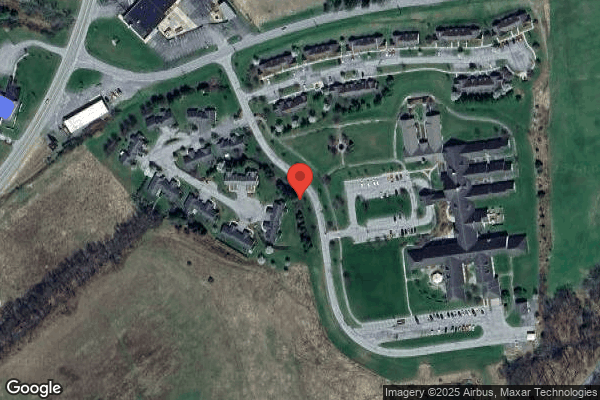
133 LAURELBROOKE DRIVE, BROOKVILLE, PA 15825 (814) 849-3615
Non profit - Corporation 90 Beds Independent Data: November 2025
Trust Grade
78/100
#169 of 653 in PA
Last Inspection: December 2024

Within standard 12-15 month inspection cycle. Federal law requires annual inspections.

Overview

Dr. Arthur Clifton McKinley Center has a Trust Grade of B, indicating it is a good facility and a solid choice for care. It ranks #169 out of 653 nursing homes in Pennsylvania, placing it in the top half of facilities in the state, and it is the best option in Jefferson County among four homes. However, the trend is worsening, with the number of issues increasing from 8 in 2023 to 11 in 2024. Staffing is a relative strength, with a 4 out of 5-star rating and a turnover rate of 20%, significantly lower than the state average, although there is concerning RN coverage, which is less than 76% of other facilities. The center has faced $13,000 in fines, which is average, but it is important to note specific incidents, such as failing to monitor Legionella in the water system, not offering residents a chance to participate in their care plans, and not providing written summaries of care plans to some residents, which raises concerns about resident safety and communication. Overall, while the facility has strengths in staffing and ranking, the increase in issues and specific deficiencies highlight areas that need improvement.

Trust Score
B
78/100
In Pennsylvania
#169/653
Top 25%
Safety Record
Low Risk
No red flags
Inspections
Getting Worse
8 → 11 violations
Staff Stability
✓ Good
20% annual turnover. Excellent stability, 28 points below Pennsylvania's 48% average. Staff who stay learn residents' needs.
Penalties
✓ Good
$13,000 in fines. Lower than most Pennsylvania facilities. Relatively clean record.
Skilled Nurses
○ Average
Each resident gets 31 minutes of Registered Nurse (RN) attention daily — about average for Pennsylvania. RNs are the most trained staff who monitor for health changes.
Violations
⚠ Watch
19 deficiencies on record. Higher than average. Multiple issues found across inspections.
★★★★☆
4.0
Overall Rating
★★★★☆
4.0
Staff Levels
★★★★☆
4.0
Care Quality
★★★★☆
4.0
Inspection Score
Stable
2023: 8 issues
2024: 11 issues

The Good

  • 4-Star Staffing Rating · Above-average nurse staffing levels
  • 4-Star Quality Measures · Strong clinical quality outcomes
  • Low Staff Turnover (20%) · Staff stability means consistent care
  • Full Sprinkler Coverage · Fire safety systems throughout facility
  • No fines on record
  • Staff turnover is low (20%)

    28 points below Pennsylvania average of 48%

Facility shows strength in staffing levels, quality measures, staff retention, fire safety.

The Bad

Federal Fines: $13,000

Below median ($33,413)

Minor penalties assessed

The Ugly 19 deficiencies on record

Dec 2024 3 deficiencies
CONCERN (D)

Potential for Harm - no one hurt, but risky conditions existed

Deficiency F0578 (Tag F0578)

Could have caused harm · This affected 1 resident

**NOTE- TERMS IN BRACKETS HAVE BEEN EDITED TO PROTECT CONFIDENTIALITY** Based on review of facility policy, clinical records, and staff interview, it was determined that the facility failed to ensure ...

Read full inspector narrative →
**NOTE- TERMS IN BRACKETS HAVE BEEN EDITED TO PROTECT CONFIDENTIALITY** Based on review of facility policy, clinical records, and staff interview, it was determined that the facility failed to ensure a physician's order was completed to indicate the code status as Full Code (CPR[cardiopulmonary resuscitation]/Attempt Resuscitation) or Do Not Resuscitate (DNR/Do Not Attempt Resuscitation-Allow Natural Death) for one of 18 residents reviewed (Resident R26). Findings include: No facility policy was provided regarding a physician's order in the electronic medical record (EMR) for a resident. Resident R26's clinical record revealed an admission date of [DATE], with diagnoses that included chronic respiratory failure with hypoxia (a condition where the lungs are unable to provide oxygen to the body), cardiac heart failure (a chronic condition in which the heart doesn't pump blood as well as it should), diabetes mellitus type one (a condition where the pancreas makes little or no insulin to carry the blood sugar into the cells of the body resulting in high blood sugars), and constipation. Resident R26's EMR lacked a physician's order to indicate a code status as either a Full Code or DNR. During an interview on [DATE], at 11:10 a.m. Licensed Practical Nurse (LPN) Employee E1 confirmed that he/she would refer to the EMR where all the physician's orders could be readily accessed when a resident had a change in condition and the code status would need to be referenced. LPN Employee E1 further confirmed that R26's EMR lacked a physician's order for code status, but the header of the resident's EMR stated as DNI which LPN Employee E1 indicated was a Do not initiate. During an interview on [DATE], at 11:30 a.m. the Director of Nursing confirmed that Resident R26's EMR lacked a physician's order to indicate a code status as Full Code or DNR. 28 Pa. Code 201.18 (b)(1) Management 28 Pa. Code 201.18(e)(1) Management 28 Pa. Code 201.29(a) Resident rights 28 Pa. Code 211.5(f)(i) Medical records 28 Pa. Code 211.10(a) Resident care policies
CONCERN (D)

Potential for Harm - no one hurt, but risky conditions existed

Medication Errors (Tag F0758)

Could have caused harm · This affected 1 resident

Based on review of facility policy and clinical records, and staff interview, it was determined that the facility failed to provide evidence that non-pharmacological interventions (interventions attem...

Read full inspector narrative →
Based on review of facility policy and clinical records, and staff interview, it was determined that the facility failed to provide evidence that non-pharmacological interventions (interventions attempted to calm a resident other than medication) were attempted prior to the administration of a PRN (as needed) psychotropic (affecting the mind) medication for one of five residents reviewed for unnecessary medications (Resident R24). Findings include: A facility policy entitled Behavioral Assessment, Intervention, and Monitoring dated 11/02/24, indicated that non-pharmacological approaches will be used to the extent possible to avoid or reduce the use of antipsychotic medications to manage behavioral symptoms and that other approaches and interventions will be tried prior to the use of antipsychotics medications. Resident R24's clinical record revealed an admission date of 5/07/22, with diagnoses that included Chronic Obstructive Pulmonary Disease (COPD - a condition that prevents airflow to the lungs resulting in difficulty breathing), Anxiety (a condition that causes a person to be nervous, uneasy, or worried about something or someone), and Depression (characterized by persistent feeling of sadness loss of interest in activities once enjoyed). Resident R24's clinical record revealed a physician's order dated 11/12/24, with a discontinuation date of 11/20/24, that identified to administer Lorazepam (anti-anxiety medication) 0.5 milligrams (mg) by mouth twice daily PRN for anxiety. A physician's order dated 11/20/24, with a discontinuation date of 12/04/24, identified to administer Lorazepam 0.5 mg po twice daily PRN for anxiety. A physician's order dated 12/06/24, with a discontinuation date of 12/19/24, identified to administer Lorazepam 0.5 mg po twice daily PRN for anxiety. Resident R24's November 2024 Medication Administration Record (MAR) revealed that the PRN Lorazepam was used seven times (11/12/24, 11/23/24, 11/16/24, 11/18/24, 11/20/24, 11/17/24, and 11/18/24). Review of the November MAR and clinical record progress notes revealed that there was no evidence of non-pharmacological interventions being attempted prior to the administration of the PRN Lorazepam seven of the seven times it was used. Resident R24's December 2024 MAR revealed that the PRN Lorazepam was used nine times (12/03/24, 12/06/24, 12/07/24, 12/09/24, 12/10/24, 12/15/24,12/16/24, 12/17/24, and 12/18/24). Review of the December MAR and clinical record progress notes revealed that there was no evidence of non-pharmacological interventions being attempted prior to the administration of the PRN Lorazepam nine of the nine times it was used. During an interview of 12/19/24, at 1:45 p.m. the Director of Nursing confirmed that Resident R24's clinical record lacked evidence that non-pharmacological interventions were being attempted prior to the administration of a PRN anti-anxiety medication for each time it was administered. 28 Pa. Code 211.12(d)(1)(3)(5) Nursing services
CONCERN (D)

Potential for Harm - no one hurt, but risky conditions existed

Deficiency F0761 (Tag F0761)

Could have caused harm · This affected 1 resident

Based on review of facility policy and manufacturer's instructions, observation, and staff interview, it was determined that the facility failed to ensure that medications were discarded in a timely m...

Read full inspector narrative →
Based on review of facility policy and manufacturer's instructions, observation, and staff interview, it was determined that the facility failed to ensure that medications were discarded in a timely manner for one of two medication rooms observed (1st floor medication room) Findings include: A facility policy entitled Medication Labeling and Storage dated 11/02/24, indicated that multi-dose vials that have been opened or accessed (example - needle punctured) are dated and discarded within 28-days unless the manufacturer specifies a shorter or longer date for the open vial. Manufacturer's recommendations for Tubersol PPD (solution used to test for tuberculosis) indicated that vials which are entered and in use for 30-days should be discarded. Observation of drug storage on 12/18/24, at approximately 10:01 a.m. in 1st floor medication storage room refrigerator revealed an opened vial of Tubersol PPD with and an open date of 11/15/2024, making the discard date 12/15/24. During an interview at the time of observation, Licensed Practical Nurse Employee E1 confirmed that the open Tubersol PPD vial was past 30-days and should have been discarded. 28 Pa. Code 201.18(b)(1) Management 28 Pa. Code 211.9(a)(1) Pharmacy services 28 Pa. Code 211.12(d)(1) Nursing services
Jan 2024 8 deficiencies
CONCERN (D)

Potential for Harm - no one hurt, but risky conditions existed

Investigate Abuse (Tag F0610)

Could have caused harm · This affected 1 resident

**NOTE- TERMS IN BRACKETS HAVE BEEN EDITED TO PROTECT CONFIDENTIALITY** Based on review of facility policy, clinical records, and staff interviews, it was determined that the facility failed to conduc...

Read full inspector narrative →
**NOTE- TERMS IN BRACKETS HAVE BEEN EDITED TO PROTECT CONFIDENTIALITY** Based on review of facility policy, clinical records, and staff interviews, it was determined that the facility failed to conduct a complete investigation for an injury of unknown origin in a timely manner for one of 18 residents reviewed (Resident R57). Findings include: Review of the facility policy entitled Resident Incident and Accident Report dated 1/27/23, indicated that, The RN (Registered Nurse) will initiate an investigation for any injury or accident of unknown cause. Review of the clinical record revealed that on 12/12/23, at 10:12 a.m. Resident R57 was having increased leg pain and the physician was notified to obtain an x-ray, an order was received from the physician at 10:38 a.m. to x-ray Resident R57's left hip and leg, the x-ray company was called at 10:52 a.m. and the x-ray was completed at 6:14 p.m. On 12/14/23, at 1:02 a.m. the x-ray results were obtained via telephone which identified an acute left femoral neck fracture and at 9:19 a.m. an order was received to send Resident R57 to the emergency department. He/she was admitted at 5:23 p.m. with a left hip fracture. Resident R57 had a left hip replacement on 12/17/23, and returned to the facility on [DATE], at 12:50 p.m. Review of the clinical record revealed that an investigation for an injury of unknown origin was not initiated in a timely manner after the change in condition and was incomplete. The investigation provided for review lacked evidence that staff interviews were completed individually, did not include names/titles/signatures, and are not date/time stamped. The investigation lacked evidence that it was started timely after the change in condition and did not include staff interviews from shifts prior to the onset. Interview conducted with the Director of Nursing on 1/11/24, at 9:40 a.m. confirmed that an investigation was not initiated in a timely manner related to an injury of unknown origin and was incomplete. 28 Pa. Code 201.14(a) Responsibility of licensee 28 Pa. Code 211.12(d)(1)(5) Nursing services
CONCERN (D)

Potential for Harm - no one hurt, but risky conditions existed

Comprehensive Care Plan (Tag F0656)

Could have caused harm · This affected 1 resident

Based on review of clinical records and staff interviews, it was determined that the facility failed to develop a wound care plan for one of 18 residents reviewed (Resident R34). Findings include: Res...

Read full inspector narrative →
Based on review of clinical records and staff interviews, it was determined that the facility failed to develop a wound care plan for one of 18 residents reviewed (Resident R34). Findings include: Resident R34's clinical record revealed an admission date of 8/2/23, with diagnosis of hypertension (high blood pressure), peripheral venous insufficiency (a condition where your veins have trouble sending blood from your limbs back to your heart), open wound right lower leg, and lymphedema (a condition that causes swelling which can cause skin break down). Review of Resident R34's treatment record revealed an order to keep dressings clean, dry and intact to both legs, and to elevate bilateral lower extremities when possible. Review of Resident R34's physician orders revealed Resident R34 follows with the wound clinic for peripheral venous wounds to bilateral legs. Review of Resident R34's care plans revealed no evidence of a care plan for peripheral venous wounds to bilateral legs. During an interview on 1/11/24, at 12:21 p.m. the Director of Nursing confirmed that Resident 34's plan of care lacked a care plan for peripheral venous wounds. 28 Pa. Code 211.12(d)(1)(5) Nursing services
CONCERN (D)

Potential for Harm - no one hurt, but risky conditions existed

Quality of Care (Tag F0684)

Could have caused harm · This affected 1 resident

Based on review of facility policies and clinical records, and resident and staff interviews, it was determined that the facility failed to follow physician's orders for medication administration and ...

Read full inspector narrative →
Based on review of facility policies and clinical records, and resident and staff interviews, it was determined that the facility failed to follow physician's orders for medication administration and oxygen therapy for two of 18 residents reviewed (Residents R65 and R30). Findings include: Review of facility policy entitled Physician Orders dated 1/27/23, revealed Upon receipt of written or verbal orders by the practitioner, the Registered Nurse (RN) will write and or enter the new order into electronic medical record (EMR). and If a new medication has been ordered . the pharmacy should dispense either via omni cell, routine/scheduled run or via emergency run. Review of Resident R65's clinical record revealed an admission date of 10/14/23, with diagnosis that include urinary tract infection (an infection in the urine), diabetes (a condition where the body produces insufficient amounts of insulin, causing high blood sugar), hypertension (high blood pressure), and urinary calculus (kidney stones). Interview with Resident R65 on 1/10/24, at 10:42 a.m. revealed that he/she was told he/she had a urinary tract infection three days prior to starting an antibiotic. Review of Resident R65's clinical record revealed a laboratory report for urinalysis culture and sensitivity (a report that shows the physician what organism is in the urine and what antibiotic would be more effective to treat the infection), report that revealed his/her urine was collected on 1/5/24. On 1/7/24, the urinalysis was received by the facility with the culture and sensitivity report received on 1/8/24. There was no evidence that the physician was notified of these reports. Review of Resident R65's clinical revealed that on 1/9/24, the physician wrote an order on the culture and sensitivity report for Bactrim DS (antibiotic medication to treat a urinary tract infection) one tablet by mouth twice a day for seven days. This physician order of 1/9/24, reflected a delay of two days after the facility received the urinalysis report and one day after the facility received the culture and sensitivity report. Review of Resident R65's medication administration record revealed the antibiotic was not started until 1/10/24, or a period of two days after the culture and sensitivity report was received by the facility and one day after the physician wrote the order. Interview with the Director of Nursing on 1/11/24, at 1:10 p.m. confirmed the antibiotic treatment was not initiated on 1/9/24, as ordered by the physician and that the physician should have been notified promptly when the urinalysis report was received on 1/7/24, and the culture and sensitivity report on 1/8/24, in order to for a physician order to initiate the antibiotic treatment as soon as possible. Review of facility policy entitled, Oxygen Administration & Supply dated 1/27/23, revealed that Disposable humidifiers, tubing, nasal canula or mask will be cleaned weekly by nursing on the 11-7 shift. All equipment will be dated. Do not keep disposable equipment from one episode to the next. Resident R30's clinical record revealed an admission date of 5/16/23, with diagnoses that included Chronic Obstructive Pulmonary Disease (COPD-a condition that obstructs air flow in the lungs with symptoms of difficulty breathing, coughing and shortness of breath), congestive heart failure (a progressive heart disease that weakens the pumping action of the heart muscles, causing fatigue and shortness of breath in the resident), and diabetes. Resident R30's physician's orders dated for 11/8/23, indicated to change oxygen tubing and humidifier bottle every week on Sunday. Review of Resident R30's December 2023 and January 2024 Treatment Administration Record (TAR) revealed that his/her oxygen tubing was identified as changed on the following dates: 12/10/23, 12/17/23, 12/24/23, 12/31/23, and 1/7/24. Observation on 1/9/24, at approximately 4:13 p.m. and on 1/11/24, at 11:10 a.m. revealed Resident R30's oxygen tubing was dated 12/10/23. This observation identified that the oxygen tubing had not been changed on 12/17/23, 12/24/23, 12/31/23, or 1/7/24 and that the December and January TARs were not accurate. During an interview on 1/11/24, at 11:15 a.m. Licensed Practical Nurse, Employee E4, confirmed that the oxygen tubing was dated 12/10/23, and had not been changed weekly as required and ordered by the physician. 28 Pa. Code 211.12(d)(1)(5) Nursing services
CONCERN (D)

Potential for Harm - no one hurt, but risky conditions existed

Respiratory Care (Tag F0695)

Could have caused harm · This affected 1 resident

Based on review of facility policy and clinical records, and resident and staff interview, it was determined that the facility failed to obtain a physician's order for the provision of Bilevel Positiv...

Read full inspector narrative →
Based on review of facility policy and clinical records, and resident and staff interview, it was determined that the facility failed to obtain a physician's order for the provision of Bilevel Positive Airway Pressure (BIPAP - a machine that uses pressure to push air into your lungs) and/or CPAP (Continuous Positive Airway Pressure) therapy for one of one residents reviewed for respiratory services (Resident R30). Findings include: Review of a facility policy dated 1/27/23, entitled, AVAPS (Average Volume Assured Pressure Support - a device that provide consistent ventilation support) and BiPAP Therapy indicated Procedure instructions stating, Obtain physician order .). Resident R30's clinical record revealed an admission date of 5/16/23, with diagnoses including respiratory failure with hypercapnia (extreme breathing difficulties demonstrated by increased carbon dioxide levels in the blood), Chronic Obstructive Pulmonary Disease (COPD - a condition involving constriction of the airways and difficulty or discomfort in breathing), and diabetes (a condition where the body produces insufficient amounts of insulin, causing High blood sugar). Review of Resident R30's clinical record revealed Treatment Administration Record (TAR) dated from 12/10/23, to 1/9/24, that Resident R30 received Continuous Positive Airway Pressure - (CPAP - delivers continuous pressurized air ) or BiPAP therapy on the night shifts of the following dates: 12/10/23-CPAP, 12/11/23-CPAP, 12/12/23-BiPAP, 12/13/23-BiPAP, 12/14/23-BIPAP, 12/15/23-BiPAP, 12/18/23-CPAP, 12/19/23-BiPAP, 12/20/23-BiPAP, 12/24/23-BiPAP, 12/27/23-BiPAP, 12/28/23-CPAP, 12/29/23-BiPAP, 12/31/23-BiPAP, 1/1/24-BIPAP, 1/4/24-BiPAP. Additional review of Resident R30's clinical record revealed that there was no physician's order for application of either CPAP or BiPAP Therapy. Observation on 1/9/24, at approximately 4:13 p.m. revealed Resident R30 had a BiPAP machine sitting on his/her bedside table. When Resident R30 was interviewed if he/she used the BiPAP machine, he /she stated that they use it most nights. During an interview on 1/10/24, at 11:30 a.m. Registered Nurse (RN) Employee E3 confirmed that Resident R30's clinical record lacked a physician's order for BiPAP Therapy. 28 Pa. Code 211.12(d)(1)(3)(5) Nursing services
CONCERN (D)

Potential for Harm - no one hurt, but risky conditions existed

Deficiency F0698 (Tag F0698)

Could have caused harm · This affected 1 resident

Based on review of facility contract, clinical record, and staff interview, it was determined that the facility failed to maintain records relating to dialysis communication and collaboration for one ...

Read full inspector narrative →
Based on review of facility contract, clinical record, and staff interview, it was determined that the facility failed to maintain records relating to dialysis communication and collaboration for one of one residents reviewed for dialysis (Resident R39). Findings include: Review of dialysis contract dated 11/28/23, indicated Long Term Care Facility (LTCF) shall timely provide all relevant information to Dialysis Clinic Inc (DCI) regarding the condition and needs of each LTCF patient ., DCI shall provide relevant information regarding each patient's dialysis treatment which may require follow up care or observation by LTCF's staff: and This .communication will occur prior to each and every transfer of a patient to DCI . Resident R39's clinical record revealed an admission date of 11/28/23, with diagnoses that included end stage renal disease (a disease that causes the kidneys not to function properly), diabetes, hypercholesterolemia (high cholesterol), and hypothyroidism (a condition where your thyroid gland [a butterfly shaped organ in your neck] makes too little hormone). Review of Resident R39's physician orders revealed an order for dialysis every Monday, Wednesday, and Friday 8:30 a.m. to 2:30 p.m. Review of Resident R39's clinical record lacked evidence of communication between the facility and dialysis clinic. During an interview on 1/11/24, at 9:24 a.m. the Director of Nursing confirmed there was no evidence of ongoing communication and collaboration between the facility and dialysis clinic. He/she also confirmed that communication should be done with every dialysis treatment. 28 Pa. Code 211.5(f)(viii) Medical records 28 Pa. Code 211.12(d)(1)(3)(5) Nursing services
CONCERN (D)

Potential for Harm - no one hurt, but risky conditions existed

Deficiency F0761 (Tag F0761)

Could have caused harm · This affected 1 resident

Based on review of facility policies, observations, and staff interviews it was determined that the facility failed to appropriately discard outdated medications for two of three medication carts revi...

Read full inspector narrative →
Based on review of facility policies, observations, and staff interviews it was determined that the facility failed to appropriately discard outdated medications for two of three medication carts reviewed (Apple Tree and Hickory Lane medication carts). Findings include: Review of facility policy entitled Storage of Medications dated 1/27/23, indicated The facility shall not use discontinued, outdated, or deteriorated drugs or biologicals. Review of manufacturer's guidelines revealed open Insulin Lispro pens must be used within 28 days after opening or be discarded, even if the pen still contains insulin. Observation of drug storage on 1/9/24, at 3:46 p.m. of the Hickory Lane medication cart revealed a pen of Insulin Lispro with an open date of 12/10/23, which was beyond the expiration date of 28 days after opening. During an interview at the time of observation, Licensed Practical Nurse (LPN) Employee E1 confirmed that the Insulin Lispro pen should have been discarded as it was beyond the 28 days after opening. Observation of drug storage on 1/9/24, at 4:18 p.m. of the Apple Tree medication cart revealed an open bottle of acetaminophen (pain medicine) 500 milligram tablets with a manufacturer's expiration date of 3/2019, which was beyond the manufacturer's expiration date. During an interview at the time of observation, LPN Employee E2 confirmed that the open bottle of acetaminophen had a manufacturer expiration date on 3/2019, and should have been discarded. 28 Pa. Code 201.18(b)(1) Management 28 Pa. Code 211.9(a)(1) Pharmacy services 28 Pa. Code 211.12(d)(1) Nursing services
CONCERN (E)

Potential for Harm - no one hurt, but risky conditions existed

Deficiency F0553 (Tag F0553)

Could have caused harm · This affected multiple residents

Based on clinical record review and staff and resident interviews, it was determined that the facility failed to ensure that the resident was offered the opportunity to participate in the development,...

Read full inspector narrative →
Based on clinical record review and staff and resident interviews, it was determined that the facility failed to ensure that the resident was offered the opportunity to participate in the development, review, and/or revision of their person-centered care plan for three of 18 residents reviewed (Residents R7, R12, and R26). Findings include: Resident R7's clinical record revealed an admission date of 5/11/22, with diagnoses that included Diabetes (a condition where the body produces insufficient amounts of insulin, causing high blood sugar), peripheral vascular disease (a slow and progressive circulation disorder), and atrial fibrillation (a type of abnormal, rapid heartbeat that is present all the time, causing shortness of breath, heart palpitations, and weakness and can lead to development of blood clots). Review of Resident R7's Quarterly Minimum Data Set (MDS- a federally mandated standardized assessment conducted at specific intervals to plan resident care needs), with an Assessment Reference Date (ARD-a look back period of time for the MDS assessment) of 11/27/23, revealed that Resident R7 was cognitively intact. During an interview with Resident R7 on 1/10/24, at approximately 10:56 a.m. resident reported that he/she was not invited to attend a care plan meeting nor had he/she ever attended one. Resident R7's clinical record lacked any evidence that Resident R7 was invited to or ever attended a care plan meeting. Resident R12's clinical record revealed an admission date of 1/11/23, with diagnoses that included cerebral palsy (a disorder that affects a person's ability to move and maintain balance and posture), bipolar disorder (an emotional disorder causing extreme high and low mood swings), urinary incontinence (loss of bladder control). Review of Resident R12's quarterly MDS with an ARD of 10/21/23, revealed that Resident R12 was cognitively intact. During an interview with Resident R12 on 1/10/24, at approximately 9:05 a.m. Resident R12 reported that he/she was not invited to attend a care plan meeting nor had he/she ever attended one. Resident R12's clinical record lacked any evidence that Resident R12 was invited to or ever attended a care plan meeting. Resident R26's clinical record revealed an admission date of 11/10/23, with diagnoses that included Chronic Obstructive Pulmonary Disease (COPD-a condition that obstructs air flow in the lungs with symptoms of difficulty breathing, coughing and shortness of breath), chronic kidney disease (a gradual loss of kidney function over time), and Difficulty walking. Review of Resident R26's five-day prospective payment system (PPS - sets payment level according to data entered in the MDS) MDS with an ARD of 12/18/23, revealed that Resident R26 was cognitively intact. During an interview with Resident R26 on 1/10/24, at approximately 10:00 a.m. Resident R26 reported that he/she was not invited to attend a care plan meeting nor had he/she ever one. Resident R26's clinical record lacked any evidence that Resident R26 was invited to or ever attended a care plan meeting. During an interview on 1/11/24, at 9:55 a.m. the Social Worker confirmed that there was no evidence of Residents R7, R12, and R26 being invited to, or attending a Care Plan Meeting. 28 Pa. Code 201.29 (a) Resident rights
CONCERN (E)

Potential for Harm - no one hurt, but risky conditions existed

Deficiency F0655 (Tag F0655)

Could have caused harm · This affected multiple residents

Based on review of clinical records and staff interview, it was determined that the facility failed to ensure that a written summary of the baseline care plan was provided to the resident and/or the r...

Read full inspector narrative →
Based on review of clinical records and staff interview, it was determined that the facility failed to ensure that a written summary of the baseline care plan was provided to the resident and/or the resident's representative for four of 18 residents reviewed (Residents R30, R25, R34, and R65). Findings include: Resident R30's clinical record revealed an admission date of 5/16/23, with diagnoses that included Chronic Obstructive Pulmonary Disease (COPD-a condition that obstructs air flow in the lungs with symptoms of difficulty breathing, coughing and shortness of breath), congestive heart failure (a progressive heart disease that weakens the pumping action of the heart muscles, causing fatigue and shortness of breath in the resident), Diabetes (a condition where the body produces insufficient amounts of insulin, causing high blood sugar). Review of Resident R30's clinical record lacked evidence that a written summary of the baseline care plan was provided to the resident and/or representative. Resident R25's clinical record revealed an admission date of 10/14/23, with diagnoses that included cellulitis (an infection of the skin), diabetes, and high blood pressure. Review of Resident R25's clinical record lacked evidence that a written summary of the baseline care plan was provided to the resident and/or representative. Resident R34's clinical record revealed an admission date of 8/2/23, with diagnoses that included high blood pressure, diabetes, and lymphedema (a condition that results in swelling of the leg or arm). Review of Resident R34's clinical record lacked evidence that a written summary of the baseline care plan was provided to the resident and/or representative. Resident R65's clinical record revealed an admission date of 9/11/23, with diagnoses that included high blood pressure, diabetes, and left femur fracture (a break in the left thigh bone). Review of Resident R65's clinical record lacked evidence that a written summary of the baseline care plan was provided to the resident and/or representative. During an interview on 1/11/24, at 9:25 a.m. the Director of Nursing confirmed there was no evidence that a written summary of the baseline care plan was provided to Residents R30, R25, R34, or R65 and/or their representative. 28 Pa. Code 211.12(d)(3)(5) Nursing services
Feb 2023 6 deficiencies
CONCERN (D)

Potential for Harm - no one hurt, but risky conditions existed

Deficiency F0761 (Tag F0761)

Could have caused harm · This affected 1 resident

**NOTE- TERMS IN BRACKETS HAVE BEEN EDITED TO PROTECT CONFIDENTIALITY** Based on review facility policy and manufacturer's instructions, observation, and staff interview it was determined that the fac...

Read full inspector narrative →
**NOTE- TERMS IN BRACKETS HAVE BEEN EDITED TO PROTECT CONFIDENTIALITY** Based on review facility policy and manufacturer's instructions, observation, and staff interview it was determined that the facility failed to discard an expired Tuberculin Purified Protein Derivative (TB) solution for one of two medication rooms observed (Dementia Unit Medication Room) Findings include: Review of facility policy entitled, Storage of Medications, dated [DATE], identified that The facility shall not use discontinued, outdated, or deteriorated drugs or biologicals. All such drugs shall be returned to the dispensing pharmacy or destroyed. Review of manufacturer's instructions on the box of TB solution indicated to Discard 30 days after opening. Observation on Dementia Unit Medication Room on [DATE], at 8:56 a.m. revealed one vial of TB solution with an opened time and date of 7:00 a.m. of [DATE], reflecting 82 days beyond the opened date. During an interview on [DATE], at 8:56 a.m. Licensed Practical Nurse Employee E1 confirmed that the vial was opened on [DATE], and was not aware that the solution expired 30-days after opening of the medication. 28 Pa. Code 211.9(a)(1) Pharmacy services 28 Pa. Code 211.10(c) Resident care policies 28 Pa. Code 211.12(d)(1)(3)(5) Nursing services
CONCERN (E)

Potential for Harm - no one hurt, but risky conditions existed

Food Safety (Tag F0812)

Could have caused harm · This affected multiple residents

**NOTE- TERMS IN BRACKETS HAVE BEEN EDITED TO PROTECT CONFIDENTIALITY** Based on review of facility policy, observations, and staff interviews, it was determined that the facility failed to monitor re...

Read full inspector narrative →
**NOTE- TERMS IN BRACKETS HAVE BEEN EDITED TO PROTECT CONFIDENTIALITY** Based on review of facility policy, observations, and staff interviews, it was determined that the facility failed to monitor resident's personal refrigerators for temperatures for two of six residents reviewed with personal refrigerators (Residents R20 and R36). Findings include: Review of facility policy entitled Resident Personal Refrigerators with an effective date of 8/1/2003, and a policy review date of 1/27/23, revealed it is the policy of this facility to permit residents to keep personal refrigerators in their rooms as long as the resident and /or representitive maintains the food safety and cleanliness of the refrigerator. Review of facility policy entitled Food from Outside Sources with an effective date of 11/28/16, and a policy review date of 1/27/23, revealed, food or beverage items may be stored in facility pantries, refrigerators, freezers, or resident's personal room refrigerators, if applicable. Nursing staff will monitor resident's room, unit, and refrigeration units for food and beverage disposal. All refrigeration units will have internal thermometers to monitor temperatures. All units must be maintained at internal temperatures that are deemed safe for food storage according to state and federal standards. Observation on 2/25/23, at 4:26 p.m. in room [ROOM NUMBER] revealed Resident R20 had a personal refrigerator in the room. Review of the refrigerator temperature log sheet revealed that there were no temperature checks completed. Observation of the inside of the refrigerator revealed that there was no thermometer to monitor temperature of the refrigerator and opened cartons of expired milk in the refrigerator dated use by 1/30/23. Observation on 2/25/23, at 4:41 p.m. in room [ROOM NUMBER] revealed Resident R36 had a personal refrigeration in the room. Review of the refrigerator temperature log sheet revealed that there were no temperature checks completed. Observation of the inside of the refrigerator revealed that there was no thermometer to monitor temperature of the refrigerator. During an interview on 2/26/23, at 10:01 a.m. the Director of Nursing (DON) confirmed that resident refrigerators should be monitored for temperature and proper functioning. Upon observation of the refrigerators, it was confirmed with the DON that the resident refrigerators in rooms [ROOM NUMBERS] did not have thermometers to monitor temperatures, the log sheets were not completed and were blank, and the refrigerator in room [ROOM NUMBER] had opened expired milk cartons dated 1/30/23, and should have been discarded. Review of the refrigerator temperature log sheets on the refrigerators in rooms [ROOM NUMBERS] were blank. The bottom of the log sheet read, Recommended Temperatures: Freezer at or below 10 degrees Farenheit. Refrigerators are at or below 41 degrees farenheit. If Temperatures are above please let maintenance know. During an interview on 2/26/23, at 11:30 a.m. Maintenance Employee E3 confirmed that there were no thermometers in the resident refrigerators to monitor the refrigerators correctly. 28 Pa Code 201.14 (a) Responsibility of Licensee
CONCERN (F)

Potential for Harm - no one hurt, but risky conditions existed

Infection Control (Tag F0880)

Could have caused harm · This affected most or all residents

Based on review of infection control records, facility policy, and staff interviews, it was determined that the facility failed to provide proof that a system to monitor and prevent legionella in the ...

Read full inspector narrative →
Based on review of infection control records, facility policy, and staff interviews, it was determined that the facility failed to provide proof that a system to monitor and prevent legionella in the facility water was established. Findings include: Review of facility policy entitled McKinley Health Center Potable Water Safety/Legionella Policy and Action Plan, dated 2/3/23, with a policy review date of 1/27/23, identified Maintenance control measures must be prepared by a qualified staff to include appropriate Check Sheets for record purposes. The Water Safety Plan will be reviewed regularly by qualified person(s) and updated accordingly. Documentation will be maintained by the Maintenance Director of the reporting and checking process for all aspects of the Water Safety Plan. Testing for Legionella will be conducted twice per year. Hot water storage tank, random sink and shower heads in a central part of the facility and in the farthest end of the facility per the CDC/ASHRAE guidelines, ice machines. During review of infection control records it was identified that there was no written evidence of routine testing for legionella in the facility water system. During an interview on 2/27/2023, at 1:45 p.m. with the Environmental Services Director /Safety Officer it was confirmed that the facility was unable to produce evidence of routine water testing for legionella in the facility water. During an interview with the Nursing Home Administrator on 2/27/2023, at 1:50 p.m. it was confirmed that the last evidence of testing for legionella in the facility water system was from 2019 and the facility currently has no routine for water testing. 28 Pa. Code 201.18(b)(1) Management 28 Pa. Code 201.14(a) Responsibility of licensee 28 Pa. Code 211.10(d) Resident care policies
MINOR (B)

Minor Issue - procedural, no safety impact

Deficiency F0625 (Tag F0625)

Minor procedural issue · This affected multiple residents

**NOTE- TERMS IN BRACKETS HAVE BEEN EDITED TO PROTECT CONFIDENTIALITY** Based on review of facility policy and clinical records and staff interview, it was determined that the facility failed to provi...

Read full inspector narrative →
**NOTE- TERMS IN BRACKETS HAVE BEEN EDITED TO PROTECT CONFIDENTIALITY** Based on review of facility policy and clinical records and staff interview, it was determined that the facility failed to provide the resident and/or resident representative with a written notice of the facility bed-hold policy (explanation of how long a bed can be held during a leave of absence and the cost per day) upon or within twenty-four hours of transfer for three of three residents reviewed for hospitalizations (Residents R23, R107, and R8). Findings include: Review of the facility policy entitled Bed Hold Policy dated 1/27/23, stated The policy is provided to residents before and at the time of transfer of a resident for hospitalization or therapeutic leave. If cases of emergency transfer, the resident's and responsible party's copy of the notice is sent to the transfer destination. Review of Resident R23's clinical record revealed an admission date of 8/25/22, with diagnoses that included schizoaffective disorder (a mental health disorder that includes symptoms such as hallucinations, delusions, mood disorder, and depression), chronic obstructive pulmonary disease (disease that causes difficulty breathing), and high blood pressure. Departmental notes indicated that Resident R23 was transferred to the hospital on [DATE], and returned to the facility on [DATE], and was again transferred to the hospital on 1/5/23, and returned to the facility on 1/31/23. The clinical record lacked evidence indicating that Resident R23 and/or their representative was provided with a copy of the facility bed-hold policy for either transfer. Review of Resident R107's clinical record revealed an admission date of 2/10/23, with diagnoses that included chronic obstructive pulmonary disease, high blood pressure, and dementia. Departmental notes indicated that Resident R107 was transferred to the hospital on 2/19/23, and returned to the facility on 2/20/23. The clinical record lacked evidence indicating that resident R107 and/or their representative was provided with a copy of the facility bed-hold policy. During an interview on 2/27/23, at 11:05 a.m. the Social Worker confirmed that the facility did not provide Residents R23 and R107 and/or their representative with written notice of the facility bed-hold policy upon or within twenty-four hours of transfer. Review of Resident R8's clinical record revealed an admission date of 4/11/17, with diagnoses that included urinary tract infection, sepsis, weakness, pneumonia, and cutaneous abscess of the groin. Departmental notes indicated that Resident R8 was transferred to the hospital on 1/7/23, with a return date of 1/10/23, and 2/12/23, and returned to the facility on 2/16/23. The clinical record lacked evidence indicating that Resident R8 and/or their representative was provided with a copy of the facility bed-hold policy. During an interview on 2/27/23, at 2:32 p.m. the Social Worker confirmed that the facility did not provide Resident R8 and/or their representative with written notice of the facility bed-hold policy upon or within twenty-four hours of transfer. 28 Pa. Code 201.18(e)(1) Management 28 Pa. Code 201.29(f) Resident rights
MINOR (B)

Minor Issue - procedural, no safety impact

Staffing Data (Tag F0851)

Minor procedural issue · This affected multiple residents

Based on facility requirements according to the Affordable Care Act (ACA), review of Payroll Based Journal (PBJ) Staffing Data Reports and staff interviews, it was determined that the facility failed ...

Read full inspector narrative →
Based on facility requirements according to the Affordable Care Act (ACA), review of Payroll Based Journal (PBJ) Staffing Data Reports and staff interviews, it was determined that the facility failed to electronically submit direct care staffing information for two of the last four quarters (Quarter Two of 2022 and Quarter Four of 2022). Findings include: Review of Section 6106 of the ACA requires facilities to electronically submit direct care staffing information (including agency and contract staff) based on payroll and other auditable data to the Centers for Medicare and Medicaid Services (CMS). Submission must be received by the end of the 45th calendar day (11:59 p.m. Eastern Standard Time) after the last day of each fiscal quarter to be considered timely. First quarter reporting includes data from October 1st through December 31st and is due by February 14th. Second quarter reporting includes data from January 1st through March 31st and is due by May 15th. Third quarter reporting includes data from April 1st through June 30th and is due by August 14th. Fourth quarter reporting includes July 1st through September 30th and is due by November 14th. Review of PBJ staffing data reports for fiscal year second quarter 2022 revealed the facility triggered for Failed to Submit Data for the Quarter. Review of PBJ staffing reports for fiscal year fourth quarter 2022 revealed the facility triggered for Failed to Submit Data for the Quarter. During an interview on 2/27/23, at 9:38 a.m. Human Resources Manager confirmed that the PBJ report for Quarter Two for 2022 and Quarter Four for 2022 both indicated failed for submission status and the facility did not meet the reporting requirement. 28 Pa. Code 201.18(a) Management
MINOR (C)

Minor Issue - procedural, no safety impact

Transfer Notice (Tag F0623)

Minor procedural issue · This affected most or all residents

**NOTE- TERMS IN BRACKETS HAVE BEEN EDITED TO PROTECT CONFIDENTIALITY** Based on clinical record review and staff interviews, it was determined that the facility failed to send copies of notice for em...

Read full inspector narrative →
**NOTE- TERMS IN BRACKETS HAVE BEEN EDITED TO PROTECT CONFIDENTIALITY** Based on clinical record review and staff interviews, it was determined that the facility failed to send copies of notice for emergency transfer to the representative of the Office of State Long-Term Care (LTC) Ombudsman for three of three residents reviewed (Residents R23, R107, and R8). Findings include: Review of Resident R23's clinical record revealed an admission date of 8/25/22, with diagnoses that included schizoaffective disorder (a mental health disorder that includes symptoms such as hallucinations, delusions, mood disorder, and depression), chronic obstructive pulmonary disease (disease that causes difficulty breathing), and high blood pressure. Departmental notes indicated that Resident R23 was transferred to the hospital on [DATE], and returned to the facility on [DATE], and was again transferred to the hospital on 1/5/23, and returned to the facility on 1/31/23. There was no evidence that the Office of the State LTC Ombudsman was notified of either transfer. Review of Resident R107's clinical record revealed an admission date of 2/10/23, with diagnoses that included chronic obstructive pulmonary disease, high blood pressure, and dementia. Departmental notes indicated that Resident R107 was transferred to the hospital on 2/19/23, and returned to the facility on 2/20/23. There was no evidence that the Office of the State LTC Ombudsman was notified. Review of Resident R8's clinical record revealed an admission date of 4/11/17, with diagnoses that included urinary tract infection, sepsis, weakness, pneumonia, and cutaneous abscess of the groin. Departmental notes indicated that Resident R8 was transferred to the hospital on 1/7/23, with a return date of 1/10/23, and 2/12/23, and returned to the facility on 2/16/23. There was no evidence that the Office of the State LTC Ombudsman was notified of either transfer. During an interview on 2/27/23, at 11:18 a.m. the Social Worker confirmed that the facility failed to notify the Office of the State LTC Ombudsman of any of the emergency transfers from the facility for Residents R23, R107, and R8. 28 Pa. Code 201.14(a) Responsibility of licensee 28 Pa. Code 201.29(a) Resident rights
Jan 2023 2 deficiencies
CONCERN (D) 📢 Someone Reported This

A family member, employee, or ombudsman was alarmed enough to file a formal complaint

Potential for Harm - no one hurt, but risky conditions existed

Notification of Changes (Tag F0580)

Could have caused harm · This affected 1 resident

Based on review of clinical record, facility documentation and policy, and staff interview, it was determined that the facility failed to promptly notify the physician and resident representative rega...

Read full inspector narrative →
Based on review of clinical record, facility documentation and policy, and staff interview, it was determined that the facility failed to promptly notify the physician and resident representative regarding a change in condition for one of seven residents reviewed (Resident R1). Findings include: Review of the facility policy entitled, Pressure Ulcer Assessment / Prevention dated 1/19/22, indicated that when a pressure area is found it must be documented on the Wound and Pressure Progress Record. It also indicated that pressure areas will have immediate interventions/dressings/treatments per the skin and wound treatment protocols unless otherwise contraindicated at the time of the areas being found. The policy further indicated that the physician will be notified of all pressure ulcers in order to obtain treatment orders. Review of Resident R1's clinical record revealed an admission date of 12/26/22, with diagnoses that included chronic obstructive pulmonary disease (lung disease), shortness of breath and diabetes. A progress note dated 1/07/23, revealed that Resident R1 had an open area to the right outer heel measuring 1.5 centimeters (cm) x 2 cm's and Optifoam (wound treatment dressing) was placed with Registered Nurse (RN) notified. The clinical record for Resident R1 lacked any evidence of physician notification and resident representative until 1/17/23, when it was revealed that he/she had a Stage II pressure ulcer on the right outer heel, a period of 10 days later. During an interview on 1/18/23, at 8:00 a.m. the Director of Nursing confirmed that the physician and resident representative were not notified of Resident R1's pressure ulcer to the right heel until 1/17/23, a period of 10 days after the discovery of the wound. 28 Pa. Code 211.12(d)(1)(5) Nursing services
CONCERN (D) 📢 Someone Reported This

A family member, employee, or ombudsman was alarmed enough to file a formal complaint

Potential for Harm - no one hurt, but risky conditions existed

Pressure Ulcer Prevention (Tag F0686)

Could have caused harm · This affected 1 resident

Based on review of clinical record, facility documentation and policy, and staff interview, it was determined that the facility failed to assess and monitor pressure ulcers within required timeframes ...

Read full inspector narrative →
Based on review of clinical record, facility documentation and policy, and staff interview, it was determined that the facility failed to assess and monitor pressure ulcers within required timeframes for one of seven residents reviewed (Resident R1). Findings include: Review of the facility policy entitled, Pressure Ulcer Assessment / Prevention dated 1/19/22, indicated that when a pressure area is found it must be documented on the Wound and Pressure Progress Record. It also indicated that pressure areas will have immediate interventions/dressings/treatments per the skin and wound treatment protocols unless otherwise contraindicated at the time of the areas being found. The policy further indicated that the physician will be notified of all pressure ulcers in order to obtain treatment orders. Review of Resident R1's clinical record revealed an admission date of 12/26/22, with diagnoses that included chronic obstructive pulmonary disease (lung disease), shortness of breath and diabetes. A progress note dated 1/07/23, revealed that Resident R1 had an open area to the right outer heel measuring 1.5 centimeters (cm) x 2 cm's and Optifoam (wound treatment dressing) was placed with Registered Nurse (RN) notified. Review of the clinical record for Resident R1 lacked any evidence of an RN wound assessment until 1/17/23, when it was revealed that he/she had a Stage II pressure ulcer on the right outer heel, a period of 10 days later. During an interview on 1/17/23, at 12:00 p.m. the Director of Nursing confirmed that Resident R1's pressure ulcer assessments/measurements were not completed by an RN upon discovery on 1/07/23, as required. 28 Pa. Code 211.12(d)(1)(5) Nursing services 28 Pa. Code 211.5(f) Clinical records
Understanding Severity Codes (click to expand)
Life-Threatening (Immediate Jeopardy)
J - Isolated K - Pattern L - Widespread
Actual Harm
G - Isolated H - Pattern I - Widespread
Potential for Harm
D - Isolated E - Pattern F - Widespread
No Harm (Minor)
A - Isolated B - Pattern C - Widespread

Questions to Ask on Your Visit

  • "Can I speak with families of current residents?"
  • "What's your RN coverage like on weekends and overnight?"

Our Honest Assessment

Strengths
  • • No major safety red flags. No abuse findings, life-threatening violations, or SFF status.
  • • 20% annual turnover. Excellent stability, 28 points below Pennsylvania's 48% average. Staff who stay learn residents' needs.
Concerns
  • • 19 deficiencies on record. Higher than average. Multiple issues found across inspections.
  • • $13,000 in fines. Above average for Pennsylvania. Some compliance problems on record.
Bottom line: Generally positive indicators. Standard due diligence and a personal visit recommended.

About This Facility

What is Dr Arthur Clifton Mckinley Ctr's CMS Rating?

CMS assigns DR ARTHUR CLIFTON MCKINLEY CTR an overall rating of 4 out of 5 stars, which is considered above average nationally. Within Pennsylvania, this rating places the facility higher than 99% of the state's 100 nursing homes. This rating reflects solid performance across the metrics CMS uses to evaluate nursing home quality.

How is Dr Arthur Clifton Mckinley Ctr Staffed?

CMS rates DR ARTHUR CLIFTON MCKINLEY CTR's staffing level at 4 out of 5 stars, which is above average compared to other nursing homes. Staff turnover is 20%, compared to the Pennsylvania average of 46%. This relatively stable workforce can support continuity of care.

What Have Inspectors Found at Dr Arthur Clifton Mckinley Ctr?

State health inspectors documented 19 deficiencies at DR ARTHUR CLIFTON MCKINLEY CTR during 2023 to 2024. These included: 16 with potential for harm and 3 minor or isolated issues.

Who Owns and Operates Dr Arthur Clifton Mckinley Ctr?

DR ARTHUR CLIFTON MCKINLEY CTR is owned by a non-profit organization. Non-profit facilities reinvest revenue into operations rather than distributing to shareholders. The facility operates independently rather than as part of a larger chain. With 90 certified beds and approximately 83 residents (about 92% occupancy), it is a smaller facility located in BROOKVILLE, Pennsylvania.

How Does Dr Arthur Clifton Mckinley Ctr Compare to Other Pennsylvania Nursing Homes?

Compared to the 100 nursing homes in Pennsylvania, DR ARTHUR CLIFTON MCKINLEY CTR's overall rating (4 stars) is above the state average of 3.0, staff turnover (20%) is significantly lower than the state average of 46%, and health inspection rating (4 stars) is above the national benchmark.

What Should Families Ask When Visiting Dr Arthur Clifton Mckinley Ctr?

Based on this facility's data, families visiting should ask: "Can I visit during a mealtime to observe dining assistance and food quality?" "How do you handle medical emergencies, and what is your hospital transfer rate?" "Can I speak with family members of current residents about their experience?"

Is Dr Arthur Clifton Mckinley Ctr Safe?

Based on CMS inspection data, DR ARTHUR CLIFTON MCKINLEY CTR has a clean safety record: no substantiated abuse findings (meaning no confirmed cases of resident harm), no Immediate Jeopardy citations (the most serious violation level indicating risk of serious injury or death), and is not on the Special Focus Facility watch list (a federal program monitoring the lowest-performing 1% of nursing homes). The facility has a 4-star overall rating and ranks #1 of 100 nursing homes in Pennsylvania. While no facility is perfect, families should still ask about staff-to-resident ratios and recent inspection results during their visit.

Do Nurses at Dr Arthur Clifton Mckinley Ctr Stick Around?

Staff at DR ARTHUR CLIFTON MCKINLEY CTR tend to stick around. With a turnover rate of 20%, the facility is 26 percentage points below the Pennsylvania average of 46%. Low turnover is a positive sign. It means caregivers have time to learn each resident's needs, medications, and personal preferences. Consistent staff also notice subtle changes in a resident's condition more quickly. Registered Nurse turnover is also low at 17%, meaning experienced RNs are available to handle complex medical needs.

Was Dr Arthur Clifton Mckinley Ctr Ever Fined?

DR ARTHUR CLIFTON MCKINLEY CTR has been fined $13,000 across 1 penalty action. This is below the Pennsylvania average of $33,209. While any fine indicates a compliance issue, fines under $50,000 are relatively common and typically reflect isolated problems that were subsequently corrected. Families should ask what specific issues led to these fines and confirm they've been resolved.

Is Dr Arthur Clifton Mckinley Ctr on Any Federal Watch List?

DR ARTHUR CLIFTON MCKINLEY CTR is not on any federal watch list. The most significant is the Special Focus Facility (SFF) program, which identifies the bottom 1% of nursing homes nationally based on persistent, serious quality problems. Not being on this list means the facility has avoided the pattern of deficiencies that triggers enhanced federal oversight. This is a positive indicator, though families should still review the facility's inspection history directly.