AVENTURA AT CREEKSIDE
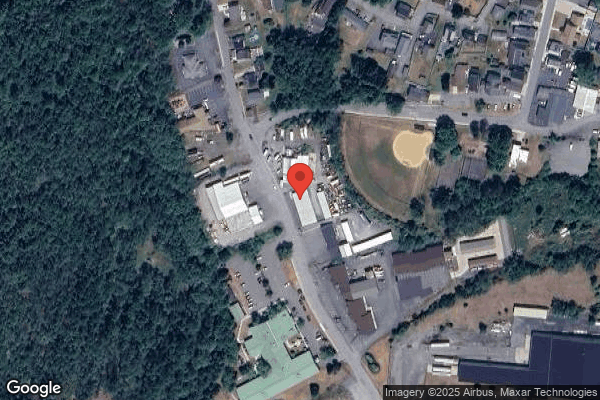
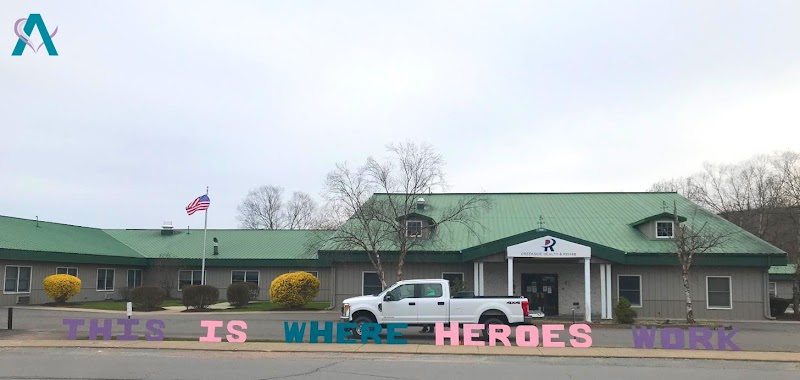
45 NORTH SCOTT STREET, CARBONDALE, PA 18407 (570) 282-1099
For profit - Corporation 81 Beds AVENTURA HEALTH GROUP Data: November 2025 2 Immediate Jeopardy citations
Trust Grade
0/100
#528 of 653 in PA
Last Inspection: July 2025

Inspected within the last 6 months. Data reflects current conditions.

Overview

Aventura at Creekside has received a Trust Grade of F, indicating significant concerns about the quality of care provided. With a state rank of #528 out of 653 facilities in Pennsylvania and a county rank of #12 out of 17 in Lackawanna County, this nursing home is in the bottom half of local options. However, the facility is showing signs of improvement, reducing issues from 45 in 2024 to 16 in 2025. Staffing is a relative strength with a rating of 4 out of 5 stars, although the turnover rate of 57% is concerning and higher than the state average of 46%. While there have been no fines reported, there are alarming incidents, including critical violations related to food safety, such as cockroach infestations in food areas, and a failure to protect residents from physical abuse, which put residents at immediate risk.

Trust Score
F
0/100
In Pennsylvania
#528/653
Bottom 20%
Safety Record
High Risk
Review needed
Inspections
Getting Better
45 → 16 violations
Staff Stability
⚠ Watch
57% turnover. Above average. Higher turnover means staff may not know residents' routines.
Penalties
✓ Good
No fines on record. Clean compliance history, better than most Pennsylvania facilities.
Skilled Nurses
○ Average
Each resident gets 36 minutes of Registered Nurse (RN) attention daily — about average for Pennsylvania. RNs are the most trained staff who monitor for health changes.
Violations
⚠ Watch
69 deficiencies on record. Higher than average. Multiple issues found across inspections.
★☆☆☆☆
1.0
Overall Rating
★★★★☆
4.0
Staff Levels
★★☆☆☆
2.0
Care Quality
★☆☆☆☆
1.0
Inspection Score
Stable
2024: 45 issues
2025: 16 issues

The Good

  • 4-Star Staffing Rating · Above-average nurse staffing levels
  • Full Sprinkler Coverage · Fire safety systems throughout facility
  • No fines on record

Facility shows strength in staffing levels, fire safety.

The Bad

1-Star Overall Rating

Below Pennsylvania average (3.0)

Significant quality concerns identified by CMS

Staff Turnover: 57%

11pts above Pennsylvania avg (46%)

Frequent staff changes - ask about care continuity

Chain: AVENTURA HEALTH GROUP

Part of a multi-facility chain

Ask about local staffing decisions and management

Staff turnover is elevated (57%)

9 points above Pennsylvania average of 48%

The Ugly 69 deficiencies on record

2 life-threatening 1 actual harm
Aug 2025 2 deficiencies 1 IJ (1 facility-wide)
CRITICAL (L) 📢 Someone Reported This

A family member, employee, or ombudsman was alarmed enough to file a formal complaint

Immediate Jeopardy (IJ) - the most serious Medicare violation

Food Safety (Tag F0812)

Someone could have died · This affected most or all residents

⚠️ Facility-wide issue

Based on observation, a review of select facility policy, and staff interviews it was determined that the facility failed to ensure the kitchen was maintained in a manner to ensure food was stored, pr...

Read full inspector narrative →
Based on observation, a review of select facility policy, and staff interviews it was determined that the facility failed to ensure the kitchen was maintained in a manner to ensure food was stored, prepared, distributed, and served under sanitary conditions and free of pest infestation. The presence of live and dead cockroaches in food preparation and storage areas created a high risk of contamination of food, utensils, and food-contact surfaces with disease-causing organisms. This failure created an increased potential for foodborne illness and placed 80 out of 80 residents in a situation of Immediate Jeopardy to their health and safety. Findings include: Food safety and inspection standards for safe food handling indicate that everything that comes in contact with food must be kept clean and food that is mishandled can lead to foodborne illness. Safe steps in food handling, cooking, and storage are essential in preventing foodborne illness. You cannot always see, smell, or taste harmful bacteria that may cause illness according to the USDA (The United States Department of Agriculture, also known as the Agriculture Department, is the U.S. federal executive department responsible for developing and executing federal laws related to food). The Food and Drug Administration (FDA) requires commercial food service establishments to clean and sanitize all equipment and utensils that come into contact with food using an effective two-step process: cleaning (removal of debris) and sanitizing (elimination of microorganisms). According to Ecolab Inc., a global company specializing in water hygiene and infection prevention solutions for industries that require strict safety and sanitation standards such as health care, long term care, food service, food processing, hospitality and manufacturing indicate that cockroaches are known vectors for pathogens such as Salmonella (bacteria that can contaminate food, water, and surfaces and cause salmonellosis, resulting in diarrhea, fever, and abdominal cramps when ingested., E. coli (Escherichia coli ,bacteria commonly found in the intestines of humans and animals; some strains produce toxins that can cause severe gastrointestinal illness, including diarrhea and, in some cases, kidney complications) and Staphylococcus (bacteria often found on human skin and in nasal passages; certain strains, such as Staphylococcus aureus, can cause food poisoning, skin infections, or more serious illnesses when introduced into the body, which can lead to serious foodborne illnesses in residents). Cockroaches pick up these bacteria on their bodies and legs when moving through contaminated areas and can transfer them to food, utensils, and preparation surfaces. This contamination creates a significant risk for the spread of disease A review of the facility's Pest Control Policy last updated July 18, 2025, indicated the facility will maintain an effective pest control program. The facility maintains an on-going pest control program to ensure that the building is kept free of insects and rodents. Contracted outside pest control services are provided. Windows are always screened. Only approved FDA and EPA' insecticides and rodenticides are permitted in the facility and all such supplies are stored in areas away from food storage areas. Garbage and trash are not permitted to accumulate and are removed from the facility daily. Maintenance services assist, when appropriate and necessary, in providing pest control services. A tour of the kitchen on August 25, 2025, at 8:20 AM revealed the following unsanitary practices with the potential to introduce contaminants into food and increase the potential for food-borne illness. The exit door in the kitchen leading to the outside was propped open with a rock. An interview with Employee 1, a dietary aide, confirmed this observation and stated the door should not be propped open. Observation of the janitor's closet located next to the exit door revealed a mop directly on the floor and a cracked light shield containing debris. The perimeter area of the floors throughout the kitchen had a buildup of dirt and debris. The floor area under the dishwasher was soiled, and a three-foot length of stainless-steel plating located behind the dishwasher was pulling away from the wall, leaving a gap along the top edge of the dishwasher area located behind the garbage disposal. Further interview with Employee 1 at this time revealed that he does sometimes see water bugs in the dishwasher area. Observation of the floor in the food preparation and tray line service area revealed a dead cockroach on the floor. Interview with the Food Service Director (FSD) on August 25, 2025, at 9:00 a.m. confirmed that cockroaches were identified in the kitchen one month ago and that the nursing home administrator (NHA) was made aware. Further observation of the kitchen with the FSD on August 25, 2025, at 9:15 a.m. revealed several live cockroaches under the dishwasher. Interview with the NHA on August 25, 2025, at 9:30 a.m. confirmed the facility did have a contract with a pest management company and that on July 21, 2025, in response to seeing cockroaches in the kitchen, the facility requested pest control services increase from monthly visits to every two weeks. However, other than increasing visits with the pest management company, there was no documented evidence the facility addressed the concern of cockroaches in the kitchen between visits, increased sanitation, or evaluated food storage and distribution practices. The NHA confirmed that food and nutrition services were to be maintained in a sanitary manner and free of pests. Review of the Commercial Services Agreement for pest management dated July 21, 2025, revealed the facility requested to increase pest control services from monthly to every two weeks and signed a new contract on that date. Review of the Pest Control Report dated July 21, 2025, indicated heavy treatment was placed in the kitchen for roaches. Review of the next Pest Control Report dated August 18, 2025, 28 days after the previous treatment, indicated that roach gel (slow-acting poison-laced bait placed in areas where roaches hide that attracts and kills cockroaches), and growth regulators (substances that prevent immature cockroaches from reaching their full pest potential) were placed in the kitchen for roach activity.Further interview with the Administrator on August 25, 2025, at 9:45 AM confirmed the pest control company did not provide a service the week of August 4, 2025, as per the facility contract for service every two weeks. When questioned if there had been any reports made to him about cockroaches being present on residents' meal trays, the Administrator confirmed that staff had reported an incident to him on August 19, 2025, that a dead cockroach was on Resident 1's refused breakfast tray. Review of the clinical record confirmed that the resident did refuse breakfast on that day as he often does refuse breakfast per personal preference. The facility failed to provide any documented evidence the facility staff was monitoring for the presence of roaches in the kitchen or had put any increased sanitation measures or environmental measures (identifying gaps, repairing wall cracks, ensuring doors are closed) in place to ensure food was stored, prepared, distributed, and served under sanitary conditions and free of pest infestation. Immediate Jeopardy was identified and called on August 25, 2025, at 10:50 AM and the Immediate Jeopardy template was provided to the Nursing Home Administrator regarding the facilities failure to maintain the kitchen so that food was stored, prepared, distributed and served under sanitary conditions. The presence of live and dead cockroaches in food preparation and storage areas created a high risk of contamination of food, utensils, and food-contact surfaces with disease-causing organisms and resulted in failure to maintain proper sanitary conditions in the kitchen thereby placing all residents at risk for foodborne illness. Evaluation of the facility's records determined that Immediate Jeopardy was initially identified on July 21, 2025, when the pest control company documented the need for heavy pest control treatment in the kitchen. In response, the facility submitted an immediate corrective action plan at 2:45 PM on August 25, 2025. The plan directed the kitchen to begin using paper supply and disposable products for all meal service. Staff were assigned to monitor each meal while the tray line was active to ensure that no insects or cockroaches were observed. Facility leadership notified all residents, families, and the medical director regarding the situation and the actions being taken. Pest control services were activated for immediate treatment of the source areas. Full sanitation of the kitchen, including all equipment and floors, was completed, and all exposed food and single-use items were discarded. The three-compartment sink was designated for use as needed, and staff were instructed to complete sanitation treatments in the kitchen after each meal. The kitchen was placed under continuous monitoring throughout the day and night by the Food Service Director or the registered nurse supervisor. Audits were scheduled to be completed hourly for three days, then daily for seven days, and weekly for four weeks. On August 26, 2025, at 11:00 a.m., the licensed pest control inspector conducted a thorough inspection of the kitchen and identified cockroach activity around walls and behind appliances, including the entire kitchen area. Recommendations included fogging treatment, four-foot door sweep installation to the kitchen exit door and sealing around the floor pipe opening under the sink. Dietary staff were educated on the facility's Pest Control and Kitchen Sanitation Policies and Protocols. All residents were to be assessed for any gastrointestinal symptoms related to food. An Ad Hoc QAPI (meeting within a nursing home to address a specific quality issue) was held to address the issue and develop ongoing preventive measures. The facility initiated daily audits and weekly inspections and treatments by both the maintenance director and the licensed pest control vendor. A fogging treatment was recommended by the pest control company and scheduled for August 27, 2025, at 7:00 PM. Staff in-service training on food safety and pest prevention was scheduled for completion by the staff educator on August 27, 2025. Final environmental measures, including sealing cracks, installing a door sweep, and repairing baseboards, were assigned a completion deadline of August 30, 2025. The Immediate Jeopardy was lifted on August 28, 2025, at 10:00 a.m. after verification the facility had implemented a comprehensive corrective action plan that immediately addressed the risk of serious harm to residents. Cross Refer F92528 Pa. Code 201.14(a) Responsibility of licensee.28 Pa. Code 201.18 (e)(1)(2.1)(3) Management. 28 Pa. Code 211.6 (f) Dietary Services. 28 Pa Code 211.10 (a)(b)(c)(d) Resident care policies
CONCERN (F) 📢 Someone Reported This

A family member, employee, or ombudsman was alarmed enough to file a formal complaint

Potential for Harm - no one hurt, but risky conditions existed

Deficiency F0925 (Tag F0925)

Could have caused harm · This affected most or all residents

Based on a review of facility policy, observations of the food and nutrition services department, interviews with facility staff, and review of pest control records, it was determined that the facilit...

Read full inspector narrative →
Based on a review of facility policy, observations of the food and nutrition services department, interviews with facility staff, and review of pest control records, it was determined that the facility failed to maintain an effective pest control program to ensure the facility was free of insects/pests, specifically cockroaches.Findings include: A review of the facility's Pest Control Policy last updated July 18, 2025, indicated the facility shall maintain an effective pest control program. The facility maintains an on-going pest control program to ensure the building is kept free of insects and rodents. Contracted outside pest control services are provided. Windows are always screened. Only approved FDA and EPA' insecticides and rodenticides are permitted in the facility and all such supplies are stored in areas away from food storage areas. Garbage and trash are not permitted to accumulate and are removed from the facility daily. Maintenance services assist, when appropriate and necessary, in providing pest control services. During observation of the kitchen on August 25, 2025, at 8:20 AM interview with Employee 1 (dietary aide) revealed that at times he does see water bugs in the dishwasher area. At that same time, a dead cockroach was observed on the floor in the food preparation/tray line area. Interview with the food service director (FSD) on August 25, 2025, at approximately 9:00 AM confirmed cockroaches had been seen in the kitchen and that the administrator was informed approximately one month ago. Despite this increase in pest control, further observation with the FSD on August 25, 2025, at 9:15 AM revealed several live cockroaches under the dishwasher. Review of the facility's Commercial Services Agreement dated July 21, 2025, confirmed the increased service schedule, and the pest control report for that date documented heavy treatment for roaches. However, the next pest control report was dated August 18, 2025 which was 28 days later, rather than every two weeks as requested indicated that roach gel (slow-acting poison-laced bait placed in areas where roaches hide that attracts and kills cockroaches) and growth regulators (prevent immature cockroaches from reaching their full pest potential) were placed in the kitchen for roach activity. Interview with the nursing home administrator (NHA) on August 25, 2025, at approximately 9:30 AM confirmed that the facility did have a contract with a pest management company. The administrator confirmed that on July 21, 2025, in response to seeing cockroaches in the kitchen the facility requested the pest control services increase from monthly visits to every two weeks. During an interview with the nursing home administrator (NHA) on August 25, 2025, at approximately 9:45 AM confirmed the pest control company did not provide a service the week of August 4, 2025, as per the facility contract for service every two weeks. Interview with the maintenance director on August 25, 2025, at approximately 10:00 AM failed to provide any documented evidence the facility was monitoring for cockroaches, documenting finding, and identifying possible areas where the cockroaches could be entering and hiding (dark, warm, and moist areas near food sources such as under appliances, under the dishwasher, and within cracks and crevices) as per facility policy. On August 26, 2025, at 11:00 AM a licensed pest control inspector visited the facility for a thorough inspection of the kitchen. The inspection revealed cockroach activity around walls and behind appliances and under the dishwasher. The problem areas included the walls around the kitchen and the entire kitchen. Recommendations included a fogging treatment, four foot door sweep installation to the kitchen exit door, and to seal around the opening of pipe in floor under the sink. Interview with the nursing home administrator (NHA) on August 26, 2025, at approximately 12:30 PM confirmed that the facility failed to show evidence of an effective pest control program. The NHA confirmed it is the facility's responsibility to maintain an effective pest control program to ensure the facility is free of pests including cockroaches.Cross Refer F812 28 Pa. Code 201.18 (e)(1)(2.1) Management 28 Pa Code 211.20 (a)(b)(c)(d) Resident care policies
Jul 2025 10 deficiencies 1 IJ
CRITICAL (J) 📢 Someone Reported This

A family member, employee, or ombudsman was alarmed enough to file a formal complaint

Immediate Jeopardy (IJ) - the most serious Medicare violation

Free from Abuse/Neglect (Tag F0600)

Someone could have died · This affected 1 resident

**NOTE- TERMS IN BRACKETS HAVE BEEN EDITED TO PROTECT CONFIDENTIALITY** Based on review of clinical records, the facility's abuse prohibition policy, and select investigative reports and interviews wi...

Read full inspector narrative →
**NOTE- TERMS IN BRACKETS HAVE BEEN EDITED TO PROTECT CONFIDENTIALITY** Based on review of clinical records, the facility's abuse prohibition policy, and select investigative reports and interviews with staff and residents it was determined the facility failed to ensure that one resident (Resident 49) out of 19 residents sampled was free from physical abuse perpetrated by a facility staff member This failure to prevent, identify, and respond appropriately to physical abuse placed Resident 49 and all other residents in the facility at risk for further harm, resulting in Immediate Jeopardy.Findings include: A review of a facility policy entitled Abuse Policy, last reviewed July 8, 2024, revealed it is the policy of the facility that acts of physical, verbal, phycological and financial abuse directed against residents are absolutely prohibited. Eash resident has the right to be free from verbal, sexual, physical and mental abuse, corporal punishment, involuntary seclusion, mistreatment, neglect, exploitation, and misappropriation of property. Further under the section titled Protection, stated that residents will be protected from harm during the investigation of allegations of abuse. A review of Resident 49's clinical record revealed the resident was admitted to the facility on [DATE], with diagnoses which included major depressive disorder (a serious mental health condition characterized by persistent sadness, loss of interest, and other symptoms that significantly impair daily life). A Quarterly Minimum Data Set Assessment (MDS-a federally mandated standardized assessment conducted at specific intervals to plan resident care) dated June 20, 2025, revealed the resident was severely cognitively impaired with a BIMS score of 2 (brief interview for mental status, a tool to assess the residents attention, orientation and ability to register and recall new information, a score of 0-7 equates to being severely cognitively impaired). A review of facility investigative documentation dated July 4, 2025, at 7:45 PM documented that Employee 1 (Nurse Aide) reported to Employee 2 (Registered Nurse Supervisor) that Employee 3 (Nurse Aide) had physically abused Resident 49 while providing care. Employee 1 alleged that Employee 3 roughly pushed the resident's head back while the resident was in a mechanical lift (Hoyer lift) during a transfer. After the transfer, Employee 3 allegedly grabbed the resident's hands and pinned them to her chest to prevent the resident from pulling at her own clothing. The resident was assessed and found to have two areas of discoloration on her left hand. Employee 3 was removed from the unit, escorted out of the facility and placed on administrative leave. A written witness statement from Employee 1 dated July 4, 2025, confirmed Employee 1 and Employee 3 were providing care to Resident 49. According to Employee 1, while the resident was in the Hoyer lift her head was close to the bar on the lift, and Employee 3 pushed the residents head back roughly to keep her head from hitting the bar. Further stating that Employee 3 pinned the resident's hands to her chest to keep the resident from grabbing her clothing while yelling in the resident's face. A review of a written witness statement from Employee 4 NA also dated July 4, 2025, revealed she entered Resident 49's room to retrieve the Hoyer lift and observed Employee 3 push the resident's head roughly. She stated that Employee 3 appeared frustrated, grabbed a brief from the resident's hand, and threw it across the room. She also witnessed Employee 3 pin the resident's hands to her chest to prevent her from grabbing her clothing. Further investigation conducted onsite on July 29, 2025, revealed that an earlier incident involving potential staff-to-resident abuse occurred on July 4, 2025, prior to the confirmed physical abuse of Resident 49. During an interview conducted with Employee 1 (Nurse Aide) at approximately 12:30 p.m., Employee 1 disclosed to the survey team that prior to providing care to Resident 49, on July 4, 2025, she and Employee 3 (Nurse Aide) had also provided care to another resident (Resident 8). Employee 1 stated that Resident 8 had been attempting to pull up her pants during care and that Employee 3 had responded by roughly grabbing Resident 8's hand. Employee 1 described Employee 3's actions as aggressive and concerning. Employee 1 further stated that immediately after completing care for Resident 8 and just prior to beginning care for Resident 49, she approached Employee 2 (the RN Supervisor on duty at the time) to express concern about Employee 3's conduct. Employee 1 stated that because other staff were present at the time, she and Employee 2 were unable to complete their discussion about the incident involving Resident 8. However, she stated she asked Employee 2 to come observe the care being provided to Resident 49 due to her concerns about the way Employee 3 had treated Resident 8. Employee 1 stated that Employee 2 responded by saying she needed a minute, and did not accompany them. Employee 1 then proceeded to assist Employee 3 with providing care to Resident 49 without any supervisory oversight. An in-person interview with Employee 2, conducted at approximately 12:45 p.m. the same day, revealed that she denied receiving any report or concern from Employee 1 regarding Employee 3's treatment of Resident 8 prior to the incident involving Resident 49. Employee 2 confirmed that she was made aware of the allegations concerning Resident 49 during or after care was provided, at which time she removed Employee 3 from the unit and placed her on administrative leave. When questioned about the prior interaction with Employee 1, Employee 2 was unable to recall or explain the conversation Employee 1 described as occurring between the two staff members prior to the incident involving Resident 49. Despite Employee 2 stating she was not aware of the concerns Employee 1 had with Employee 3's treatment of Resident 8, a second interview with Employee 1 conducted on July 29, 2025 at approximately 2:00PM confirmed she told Employee 2 she had concerns with Employee 3's treatment of Resident 8 prior to Employee 1 and Employee 3 caring for Resident 49, indicating a window for intervention from Employee 2 prior to the abuse involving Resident 49. It was determined on July 29, 2025, and confirmed through further review on July 30, 2025, that the allegation of potential physical abuse of Resident 8 by Employee 3 was not investigated by the facility and was not reported to the State Survey Agency. The facility failed to initiate a formal inquiry into the allegation and failed to protect other residents from a staff member. During an interview with the Director of Nursing on July 30, 2025 at approximately 1:00 p.m., a request was made for an investigation into allegations of abuse that Employee 3 NA had been rough with Resident 8 on July 4, 2025, while providing care. The DON was unable to provide an investigation into this allegation, however she did provide two witness statements. Including a written witness statement completed by Employee 1, NA, on July 4, 2025, that indicated while providing care to Resident 8 with Employee 3, NA, she had roughly grabbed the resident's hand to stop her from grabbing her own pants. Employee 1 NA stated that she felt uncomfortable with the way Employee 3 NA had treated the resident indicating it was aggressive. The facility failed to ensure that residents were protected from physical abuse by facility staff. Employee 2, the RN Supervisor on duty, was made aware of concerns regarding Employee 3's behavior prior to Employee 3 providing care to Resident 49. Despite this, the facility failed to remove Employee 3 from her assignment, and she continued to provide direct care, during which time she physically abused Resident 49. The facility did not take timely and appropriate steps to prevent the abuse, thereby placing Resident 49 and all other residents at risk for serious harm. The failure to recognize, report, and intervene in response to a clear concern of potential abuse resulted in Immediate Jeopardy. Immediate Jeopardy was identified on July 30, 2025, at 10:38 a.m., and the Immediate Jeopardy template was provided to the Nursing Home Administrator. It was determined that Immediate Jeopardy had begun on July 4, 2025, when Employee 3 physically harmed Resident 49, as evidenced by the observed areas of discoloration on the resident's left hand. In response to the Immediate Jeopardy findings, the facility submitted an immediate action plan on July 30, 2025, which included the following corrective measures:1. Employee 3 was suspended from duty on July 4, 2025, and remained off duty pending the outcome of the internal investigation.2. Resident 49 was assessed for injury by a licensed nursing staff, and the attending physician and responsible party were notified of the incident.3. All residents who received care from Employee 3 on July 4, 2025, received full-body audits to assess for signs of injury.4. Cognitively capable residents were interviewed to determine whether they had concerns or fears about any staff members. Cognitively impaired residents were observed for non-verbal signs of distress or potential abuse.5. Notifications were made on July 4, 2025, to Older Adult Protective Services, local law enforcement, and the Area Agency on Aging. A report was submitted to the Department of Health on July 5, 2025.6. From July 5 through July 7, 2025, all facility staff were reeducated on the facility's abuse policy and procedure, with emphasis on the immediate removal of alleged perpetrators from resident care areas and prompt notification of facility leadership. Special attention was given to RN Supervisors' responsibilities in these situations.7. The Director of Nursing reviewed the facility's risk mitigation policy on July 5, 2025.8. The interdisciplinary team was instructed to continue reviewing resident documentation for behavioral indicators or other signs suggestive of abuse and to respond promptly to any identified concerns.9. Social Services initiated follow-up visits with affected residents beginning on July 7, 2025, to assess emotional well-being and monitor for signs of psychological distress.10. Beginning July 7, 2025, the Nursing Home Administrator initiated daily audits of all abuse allegations, which were reviewed for one month to ensure reporting compliance and investigation timeliness.11. An ad hoc Quality Assurance and Performance Improvement (QAPI) meeting was convened on July 10, 2025. The meeting included abuse reporting education presented by the Nursing Home Administrator and Director of Nursing.12. Risk mitigation education was provided to all licensed nursing staff on July 29 and July 30, 2025, with documented completion. Immediate Jeopardy was determined to be removed on July 30, 2025, at 3:30 p.m., following onsite verification by the survey team that the corrective actions had been fully implemented and that the likelihood of serious harm had been removed. 28 Pa. Code 201.14 (a) Responsibility of licensee. 28 Pa. Code 201.18 (e)(1) Management. 28 Pa. Code 201.29 (a)(c) Resident Rights. 28 Pa. Code 211.12(c)(d)(5) Nursing Services.
CONCERN (D)

Potential for Harm - no one hurt, but risky conditions existed

Deficiency F0692 (Tag F0692)

Could have caused harm · This affected 1 resident

**NOTE- TERMS IN BRACKETS HAVE BEEN EDITED TO PROTECT CONFIDENTIALITY** Based on a review of clinical records and interviews with staff, it was determined the facility the facility did not identify an...

Read full inspector narrative →
**NOTE- TERMS IN BRACKETS HAVE BEEN EDITED TO PROTECT CONFIDENTIALITY** Based on a review of clinical records and interviews with staff, it was determined the facility the facility did not identify and respond to significant unplanned weight loss for one of 20 sampled residents . (Resident 9).Findings include: A clinical record review revealed Resident 9 was admitted to the facility on [DATE], with diagnoses that included Parkinson's Disease (a progressive neurodegenerative disorder that primarily affects movement often causing tremors, muscle stiffness and balance problems) A clinical record review revealed Resident 9 weighed 133.5lbs on March 12, 2025. The clinical record revealed the resident weighed 111lbs on April 18, 2025, indicating a significant weight loss of 16.9% over 37 days. Meal intake records documented the resident's consumption was variable, ranging from 25% to 100% of meals offered. Review of a dietary note dated April 20, 2025, at 09:18AM (two days after the weight loss was documented), indicated the resident had an unplanned significant weight loss confirmed by re-weight for one month. The progress note further revealed the resident previously received nutritious dessert cups with meals. The note further revealed the resident was to receive nutritious dessert cup twice daily to promote weight gain. A review of the clinical record revealed no documentation indicating that the nutritious dessert cups were offered or consumed with meals as recommended. The record also lacked documented evidence that the resident's physician and resident representative were notified of the significant weight loss, as required by professional standards and regulatory guidance. An interview with Employee 6 (Registered Dietician) conducted on July 31, 2025, at 10:08AM, revealed that when a resident experiences a significant weight loss, the resident is to be placed on weekly weights and have monthly nutritional assessments to ensure proper nutrition status. The interview further revealed that Resident 9's significant weight loss was not addressed timely. a weekly weight was not obtained following the weight loss on April 20, 2025, and the facility failed to provide documented evidence the resident's physician and resident representative were notified of the significant weight loss. Further review of the clinical record revealed the resident did not receive a nutritional assessment between April 20, 2025, and June 5, 2025. No weekly weights were documented during that period. An interview with the Director of Nursing (DON) on July 31, 2025, at 12:00PM revealed the facility could not provide a written policy addressing the monitoring and management of residents' nutritional status. The DON confirmed the facility could not provide documentation of any interventions implemented to address the weight loss identified on April 20, 2025. 28 Pa Code 211.5 (f)(ii)(iii)(x) Medical records. 28 Pa Code 211.12 (d)(1)(3)(5) Nursing services.
CONCERN (D)

Potential for Harm - no one hurt, but risky conditions existed

Pharmacy Services (Tag F0755)

Could have caused harm · This affected 1 resident

Based on a review of facility policies, medication count records, and staff interviews, it was determined that the facility failed to ensure nursing staff consistently follow established procedures fo...

Read full inspector narrative →
Based on a review of facility policies, medication count records, and staff interviews, it was determined that the facility failed to ensure nursing staff consistently follow established procedures for verifying and documenting the count of controlled substances at shift change on two of two medication carts observed.Findings include: A review of the facility policy entitled Controlled Substances last reviewed July 17, 2025, revealed it is the expectation of nursing staff to count controlled medication inventory at the end of each shift. The policy further revealed the nurse coming on duty and the nurse going off duty make the count together and document and report any discrepancies to the director of nursing services. A review of the facility Narcotic Card Count from the green nursing unit medication cart revealed the following: July 22, 2025, the night shift on coming nurse failed to sign that the narcotic count was completed and correct. July 25, 2025, the day shift on coming nurse failed to sign that the narcotic count was completed and correct. July 26, 2025, the day shift on coming nurse failed to sign that the narcotic count was completed and correct. July 28, 2025, the day shift on coming nurse failed to sign that the narcotic count was completed and correct. A review of the facility Narcotic Card Count from the lilac nursing unit medication cart revealed the following: July 27, 2025, the night shift on coming nurse failed to sign that the narcotic count was completed and correct. July 28, 2025, the night shift on coming nurse failed to sign the narcotic count was completed and correct. An interview with Employee 7 LPN (licensed practical nurse) on July 30,2025, at 8:15 AM revealed it is the expectation of nursing staff to review and sign off on narcotic count sheets with each shift change. An interview on July 30, 2025, at approximately 1:45 PM, the Nursing Home Administrator confirmed the facility failed to demonstrate consistent implementation of procedures for promoting accurate controlled drug records. 28 Pa Code 211.12 (c)(d)(1)(3)(5) Nursing service. 28 Pa Code 211.9 (c)(k) Pharmacy services. 28 Pa Code 211.5(f)(x) Clinical records.
CONCERN (E) 📢 Someone Reported This

A family member, employee, or ombudsman was alarmed enough to file a formal complaint

Potential for Harm - no one hurt, but risky conditions existed

Report Alleged Abuse (Tag F0609)

Could have caused harm · This affected multiple residents

**NOTE- TERMS IN BRACKETS HAVE BEEN EDITED TO PROTECT CONFIDENTIALITY** Based on clinical record review, staff interviews, and review of the facility's abuse prohibition policy, it was determined that...

Read full inspector narrative →
**NOTE- TERMS IN BRACKETS HAVE BEEN EDITED TO PROTECT CONFIDENTIALITY** Based on clinical record review, staff interviews, and review of the facility's abuse prohibition policy, it was determined that the facility failed to ensure allegations of abuse were reported to the State Survey Agency within 24 hours of the incident and failed to submit completed investigation findings within five (5) working days, for two of four abuse allegations reviewed (Residents 8 and 9).Findings include: A review of the facility policy entitled Abuse Policy, last reviewed July 17, 2025, revealed it is the policy of the facility that acts of physical, verbal, psychological, and financial abuse directed against residents are absolutely prohibited. Each resident has the right to be free from verbal, sexual, physical, and mental abuse, corporal punishment, involuntary seclusion, mistreatment, neglect, exploitation, and misappropriation of property. Under the section titled Investigation and Reporting, the policy states the Administrator, Director of Nursing (DON), or designee shall notify the Department of Health Event Reporting System and will notify the Adult Protective Services Area Agency on Aging within 24 hours of an alleged incident. A report of abuse will be submitted within five (5) working days to the Department of Health. The Administrator/designee is responsible for operationalizing all policies and procedures that prohibit abuse and neglect and is required to report instances of suspected or actual abuse or neglect occurring within the facility. Abuse coordinators are the Administrator and the DON/designee of the facility, who shall coordinate all investigations ensuring resident safety and report findings to regulatory agencies as required. Once an allegation of abuse has been made, the supervisor who initially received the report must inform the Administrator/DON immediately and initiate gathering requested information. An investigation must be conducted by the Administrator or designee immediately and no later than twenty-four (24) hours after the knowledge of the alleged incident. The Administrator, DON, or designee shall notify the Department of Health via the Event Reporting System electronically, or by phone in the event the electronic system is unavailable. Upon receiving an incident or suspected incident of resident abuse, the Administrator/DON/designee will conduct an investigation and report all alleged violations timely, thoroughly, and objectively, with corresponding reports submitted within five (5) working days to the appropriate agency. A review of Resident 8's clinical record revealed that the resident was admitted to the facility on [DATE], with diagnoses that included unspecified dementia (a condition characterized by progressive or persistent loss of intellectual functioning, especially with impairment of memory and abstract thinking, and often with personality change). A review of a Quarterly Minimum Data Set Assessment (MDS a federally mandated standardized assessment conducted at specific intervals to plan resident care) dated May 6, 2025, revealed the resident was severely cognitively impaired with a BIMs score of 2 (brief interview for mental status, a tool to assess the residents attention, orientation and ability to register and recall new information, a score of 0-7 equates to being severely cognitively impaired). During an interview with Employee 1 nurse aide (NA) on July 29, 2025, at approximately 12:30 p.m., she disclosed an incident involving Employee 3 (NA) and Resident 8 that had occurred on July 4, 2025. Employee 1(NA) reported that while assisting Resident 8 with care, Employee 3 (NA) roughly grabbed the resident's hand to stop her from pulling at her pants. Employee 1(NA) stated she immediately shared her concerns with Employee 2 Registered Nurse (RN) that the act was aggressive and inappropriate. This disclosure during the survey interview was the first time surveyors became aware of the alleged incident. Upon follow-up with the DON at 1:00 p.m. on July 29, 2025, it was confirmed that the facility had not reported this allegation of physical abuse to the State Survey Agency within 24 hours of the event. A review of a written witness statement completed by Employee 1(NA) on July 4, 2025, documented that Employee 3 (NA) had roughly grabbed Resident 8's hand during care, and that Employee 1(NA) felt uncomfortable with the interaction, describing it as aggressive. Further review determined that the facility did not submit a complete investigation to the State Survey Agency within five (5) working days of the incident, as required by policy. The DON confirmed during an interview on July 29, 2025, at 11:25 a.m., that neither the timely reporting requirement nor the investigation submission requirement had been met. Resident 9 was admitted [DATE], with diagnoses including Parkinson's disease (a progressive neurological disorder affecting movement), aphasia (difficulty communicating), and epilepsy (a seizure disorder). An annual MDS dated [DATE], documented a BIMS score of 3, indicating severe cognitive impairment. A review of Resident CR1's clinical record revealed he was admitted to the facility on [DATE], with diagnoses that included stage 3 chronic kidney disease (CKD) refers to permanent damage to the kidneys that occurs gradually over time) and [NAME] Syndrome (is a rare genetic disorder caused by a loss of function of specific genes and begins in childhood. Individuals affected become constantly hungry, which often leads to obesity and type 2 diabetes and may cause mild to moderate intellectual impairment and behavioral problems). Review of Resident CR1's admission MDS assessment dated [DATE], section C Cognitive Patterns revealed the resident had a BIMS score of 15, which indicated the resident was cognitively intact. On July 22, 2025, Resident CR1, the roommate of Resident 9, filed a grievance with Employee 9, Director of Social Services, alleging that on the night of July 20, 2025, Employee 10, a nurse aide, entered the room and repeatedly used profanity toward Resident 9, telling him to get the ‘F' in bed when he attempted to use the bathroom. On July 26, 2025, Resident 9's responsible party also filed a grievance alleging repeated verbal abuse. The DON initiated an investigation on July 22, 2025, identified Employee 10 nurse aide, as the alleged perpetrator, and did not make contact with Employee 10 nurse aide until July 25, 2025. The DON confirmed on July 31, 2025, at 11:33 a.m., that this verbal abuse allegation was not reported to the State Survey Agency within 24 hours and the completed investigation was not submitted within five (5) working days. Through the survey ending July 31, 2025, the facility did not provide documentation demonstrating that allegations of abuse involving Residents 8 and 9 were reported within the required 24-hour period or that completed investigation results were submitted within five (5) working days. 28 Pa. Code 201.14(c) Responsibility of licensee. 28 Pa. Code 201.18(e)(1) Management. 28 Pa. Code 201.29(a)(c) Resident Rights. 28 Pa. Code 211.10(d) Resident care policies.
CONCERN (E) 📢 Someone Reported This

A family member, employee, or ombudsman was alarmed enough to file a formal complaint

Potential for Harm - no one hurt, but risky conditions existed

Investigate Abuse (Tag F0610)

Could have caused harm · This affected multiple residents

**NOTE- TERMS IN BRACKETS HAVE BEEN EDITED TO PROTECT CONFIDENTIALITY** Based on a review of clinical records, the facility's abuse prohibition policy and information provided by the facility it was d...

Read full inspector narrative →
**NOTE- TERMS IN BRACKETS HAVE BEEN EDITED TO PROTECT CONFIDENTIALITY** Based on a review of clinical records, the facility's abuse prohibition policy and information provided by the facility it was determined the facility failed to promptly conduct a thorough investigation to rule out abuse and implement corrective action and submit the results of the completed investigation to the State Survey Agency within five working days of the incident as evidenced by two of 4 residents reviewed (Resident 9 and 8).Findings include: A review of the facility's Abuse Policy that was last reviewed by the facility on July 17, 2025, indicated the Administrator/designee was responsible for operationalizing all policies and procedures that prohibit abuse and neglect and are required to report instances of suspected or actual abuse or neglect occurring within the facility. Abuse coordinators are the Administrator and the Director of Nursing (DON)/designee of the facility. They shall coordinate all investigations ensuring resident safety, and report the findings to the regulatory agencies, as required. Once an allegation of abuse has been made, the supervisor who initially received the report must inform the Administrator/DON immediately and initiate gathering requested information. An investigation MUST be directed by the Administrator or designee immediately and no later than twenty-four (24) hours of knowledge of the alleged incident The Administrator, DON, or designee shall notify the Department of Health, via the Event Reporting System electronically, or by phone in the event of the electronic system being unavailable. Further review of the facility's abuse policy indicated that upon receiving an incident or suspected incident of resident abuse, the Administrator/DON/designee will conduct an investigation to include, but not limited to the following: complete designated report form for investigation or abuse, interview the person(s) reporting the incident; interview any witnesses to the incident; interview the resident; interview the resident's attending physician and review the resident's clinical record; interview staff members (on all shifts) having contact with the resident during the period of the alleged incident; interview the resident's roommate, family members, or visitors; interview other residents to which the accused employee provided care or services; and review all circumstances surrounding the incident. The Administrator/DON is responsible to receive and investigate all alleged violations timely, thoroughly, and objectively. A review of Resident 8's clinical record revealed admission on [DATE], with diagnoses including unspecified dementia (a progressive loss of intellectual function affecting memory, reasoning, and behavior). A review of a Quarterly Minimum Data Set Assessment (MDS a federally mandated standardized assessment conducted at specific intervals to plan resident care) dated May 6, 2025, revealed the resident was severely cognitively impaired with a BIMs score of 2 (brief interview for mental status, a tool to assess the residents attention, orientation and ability to register and recall new information, a score of 0-7 equates to being severely cognitively impaired). During an interview with Employee 1, a Nurse Aide (NA), on July 29, 2025, at approximately 12:30 p.m., stated there was an incident with Employee 3, NA, and Resident 8 on July 4, 2025. Employee 1 stated that Employee 3 had grabbed Resident 8's hand roughly to stop her from grabbing her pants while they were providing care to the resident. Employee 1 stated she went to Employee 2, the Registered Nurse (RN), with concerns that Employee 3, NA, had roughly grabbed Resident 8's hand while they were providing care. A review of a written witness statement completed by Employee 1, NA, on July 4, 2025, indicated that while providing care to Resident 8 with Employee 3, NA, she had roughly grabbed the resident's hand to stop her from grabbing her own pants. Employee 1 NA stated that she felt uncomfortable with the way Employee 3 NA had treated the resident indicating it was aggressive. There was no documented evidence of a complete investigation as required by the facility's abuse policy. Missing elements included completion of the investigation form, interviews with all staff on the shift having contact with the resident, notification to the physician and responsible party, and interviews with other residents cared for by the alleged perpetrator. During an interview on July 31, 2025, at approximately 12:00 p.m., the DON confirmed no documentation existed showing the facility had conducted an investigation consistent with the abuse policy. A review of Resident CR1's clinical record revealed he was admitted to the facility on [DATE], with diagnoses that included stage 3 chronic kidney disease (CKD) refers to permanent damage to the kidneys that occurs gradually over time) and [NAME] Syndrome (a rare genetic disorder caused by a loss of function of specific genes and begins in childhood. Individuals affected become constantly hungry, which often leads to obesity and type 2 diabetes and may cause mild to moderate intellectual impairment and behavioral problems). Review of Resident CR1's admission MDS (Minimum Data Set a federally mandated standardized assessment process conducted periodically to plan resident care) assessment dated [DATE], section C Cognitive Patterns revealed the resident had a BIMS score (Brief Interview for Mental Status a tool used to evaluate cognitive impairment and assist with dementia diagnosis) of 15, which indicated the resident was cognitively intact. A review of Resident 9's clinical record revealed admission to the facility on April 4, 2024, with diagnoses that included Parkinson's disease (a disease primarily of the central nervous system, affecting both motor and non-motor systems with symptoms developing gradually and non-motor issues become more prevalent as the disease progresses), aphasia (difficulty communicating), and epilepsy (seizure disorder). Review of Resident 9's annual MDS assessment dated [DATE], section C Cognitive Patterns revealed the resident had a BIMS score of 3, which indicated severe cognitive impairment. A review of a grievance report dated July 22, 2025, submitted by Resident CR1 to the Director of Social Services (Employee 9), reported that on the night of July 20, 2025, Resident 9 attempted to get out of bed to use the bathroom several times, and Employee 10, NA, entered the room and repeatedly swore at him, telling him to get the F in bed. CR1 reported the incident was upsetting to hear. A review of a grievance report dated July 26, 2025, from Resident 9's responsible party (RP) with Employee 9, Director of Social Services, reported being told of the same incident by CR1, describing repeated verbal abuse by Employee 10 due to the bed alarm sounding. The DON initiated an investigation on July 22, 2025, and identified Employee 10 as the alleged perpetrator. Documentation reflected attempted telephone contact with Employee 10 on July 23, 2025, but no evidence of completed investigative steps as outlined in the abuse policy. The only interview conducted was with Resident 4, the roommate of CR1 and Resident 9 at the time. No signed witness statements or interviews with other residents or staff were completed. A grievance response dated July 25, 2025, documented that Employee 10 was educated regarding inappropriate language and residents' rights and that disciplinary action was discussed. Employee 9 met with CR1 to explain the resolution. On July 30, 2025, at approximately 11:00 a.m., the DON and Nursing Home Administrator confirmed they did not consider the incident abuse and did not complete a full investigation. On July 31, 2025, at approximately 12:30 p.m., the DON was unable to provide any evidence that a thorough investigation was completed consistent with the abuse policy. 28 Pa. Code 201.14 (c) Responsibility of licensee. 28 Pa. Code 201.18 (b)(1) Management. 28 Pa. Code 201.29 (a) Resident rights. 28 Pa. Code 211.10(d) Resident care policies.
CONCERN (E)

Potential for Harm - no one hurt, but risky conditions existed

Respiratory Care (Tag F0695)

Could have caused harm · This affected multiple residents

**NOTE- TERMS IN BRACKETS HAVE BEEN EDITED TO PROTECT CONFIDENTIALITY** Based on a review of clinical records, select facility policy, observations, and resident and staff interviews, it was determine...

Read full inspector narrative →
**NOTE- TERMS IN BRACKETS HAVE BEEN EDITED TO PROTECT CONFIDENTIALITY** Based on a review of clinical records, select facility policy, observations, and resident and staff interviews, it was determined the facility failed to ensure oxygen therapy was administered in accordance with physician's orders for three of 20 residents reviewed (Residents 13, 79, and 85).Findings include: A review of the facility policy titled Oxygen Administration, last reviewed by the facility on July 17, 2025, revealed it is the facility's policy to provide oxygen therapy to residents upon order of the physician. The policy indicated it is the responsibility of the licensed nurse to initiate and monitor the administration of oxygen per physician's orders. Oxygen therapy is a medical treatment in which supplemental oxygen is administered to a resident to maintain adequate oxygen levels in the blood. Oxygen is typically delivered by a nasal cannula, which is a lightweight tube that splits into two prongs placed into the nostrils. The flow rate, measured in liters per minute (LPM), is determined by the physician based on the resident's medical needs. Deviations from prescribed flow rates can result in insufficient oxygen delivery or, in some cases, excessive oxygen administration, both of which can adversely affect health. A clinical record review revealed Resident 13 was admitted to the facility on [DATE], with diagnoses that include chronic respiratory failure with hypoxia (a condition in which the lungs are unable to adequately exchange oxygen, leading to persistently low blood oxygen levels). Further clinical record review revealed Resident 13 had a physician's order placed on May 22, 2025, for supplemental oxygen via nasal cannula at 4 liters per minute (LPM). An observation on July 29, 2025, at 8:15AM revealed Resident 13 was awake and sitting upright in her chair with nasal cannula tubing connected to an oxygen concentrator via an oxygen concentrator with the liter flow set at 0 liters per minute (LPM). During an interview on July 29, 2025, at 8:18 AM, the Director of Nursing (DON) confirmed that Resident 13 should have been receiving continuous oxygen at 4 LPM as ordered and stated she would immediately adjust the concentrator and check the resident's vital signs. A clinical record review revealed Resident 85 was admitted on [DATE], with diagnoses including chronic obstructive pulmonary disease (COPD a progressive lung disease that causes airflow blockage and breathing-related problems). A physician's order dated July 19, 2025, directed supplemental oxygen via nasal cannula at 3 LPM continuously.An observation on July 30, 2025, at 8:30 AM revealed Resident 85 was awake and lying in bed with nasal cannula tubing connected to an oxygen concentrator; however, the flowmeter was set at 2.5 liters per minute (LPM). During an interview at 8:35 AM, Employee 8 Licensed Practical nurse (LPN) confirmed the setting was incorrect and stated it would be adjusted to the prescribed 3 LPM immediately.A clinical record review revealed Resident 79 was admitted to the facility on [DATE], with a diagnosis to include chronic obstructive pulmonary disease. A physician's order dated November 30,2023 revealed the resident was prescribed supplemental oxygen via nasal cannula to be applied at 3 liters per minute (LPM) continuously. An observation on July 29, 2025, at 09:00AM revealed resident 79 was awake and sitting upright in her chair with supplemental oxygen in place via nasal cannula tubing connected to an oxygen concentrator with the liter flow set at 2 liters per minute (LPM). An interview with the resident at this time revealed the resident did not feel oxygen coming from the cannula but denied experiencing distress. An interview on July 29, 2025, at 9:05 AM, the DON confirmed Resident 79 should have been receiving 3 LPM and stated she would adjust the concentrator and check the resident's vital signs. The facility failed to follow their policy in accordance with physician orders for three resident's receiving supplemental oxygen. 28 Pa. Code 211.10 (c) Resident care policies. 28 Pa. Code 211.12 (c)(d)(1)(3)(5) Nursing services.
CONCERN (E)

Potential for Harm - no one hurt, but risky conditions existed

Deficiency F0761 (Tag F0761)

Could have caused harm · This affected multiple residents

Based on observation, review of select facility policy, and staff interviews, it was determined the facility failed to adhere to acceptable storage and labeling for multi-dose medications in one of tw...

Read full inspector narrative →
Based on observation, review of select facility policy, and staff interviews, it was determined the facility failed to adhere to acceptable storage and labeling for multi-dose medications in one of two medication carts observed (Lilac Hall).Findings include: Review of the facility policy titled Medication Labeling and Storage last reviewed by the facility July 17,2025, indicated that multi-use medication vials/bottles that have been opened or accessed (e.g. seal broken) are to be labeled with the date they were opened to ensure proper tracking for expiration purposes. An observation of the medication cart located on Lilac hall unit on July 30, 2025, at 8:22 AM, in the presence of Employee 8 (Licensed Practical Nurse) of the medication stored in the medication cart, revealed one (1) multi-dose insulin pen of Insulin Degludec (a long acting insulin medication used to lower blood sugar) and one (1) multi-dose pens of Insulin Glargine (a long acting insulin medication used to lower blood sugar) that had been opened and available for resident use, but not dated when initially opened. Further observation revealed one (1) multi-dose insulin pen of Insulin Aspart (a rapid acting insulin used to lower blood sugar) with a date on the sticker of the pen indicating the pen was opened July 1, 2025. Review of manufacturer safety information revealed the multi-dose pen of Insulin Aspart is to be discarded 28 days after opening indicating the dated pen should have been discarded on July 28, 2025. An interview with Employee 8 (LPN) on July 30,2025, at 8:24 AM, confirmed all three (3) multi dose insulin pens one (1) Insulin Aspart, one (1) Insulin Glargine and one (1) Insulin Degludec were opened, available for resident use, currently being used for administration, and not dated when initially opened with one pen of insulin Aspart being used past the expiration date. Interview with the Director of Nursing (DON) on July 31, 2025, at approximately 11:00 AM, confirmed the facility policy reflects it is the expectation of the staff to adhere to acceptable storage and labeling practice for multi-dose medications. 28 Pa. Code 211.9(a)(1)(k) Pharmacy services 28 Pa. Code 211.12(c)(d)(1)(5) Nursing services
CONCERN (E)

Potential for Harm - no one hurt, but risky conditions existed

Administration (Tag F0835)

Could have caused harm · This affected multiple residents

Based on a review of clinical records, select investigative reports, and employee job descriptions and staff interview it was determined the facility's administration failed to effectively use its res...

Read full inspector narrative →
Based on a review of clinical records, select investigative reports, and employee job descriptions and staff interview it was determined the facility's administration failed to effectively use its resources to promote resident safety and maintain the highest practicable physical and mental functioning of residents in the facility by failing to prevent the physical abuse of one resident (Resident 49) out of 5 sampled residents. Findings include: A review of the clinical record for Resident 49 revealed that the facility failed to immediately remove Employee 3,Nurse Aide (NA), an employee alleged to have physically abused a resident, from resident contact. Despite the allegation, Employee 3 (NA) remained in the facility with access to residents while the allegation was unresolved. This failure to implement immediate protective measures placed Resident 49 and all residents in danger and resulted in the Immediate Jeopardy cited at F600. Further review revealed the facility failed to fulfill mandatory reporting obligations for additional abuse allegations:The facility did not report an allegation that Employee 3 (NA) abused Resident 8 to the State Survey Agency and other officials as required.The facility did not report an allegation that Employee 10 (NA) abused Resident 9 to the State Survey Agency and other officials as required. The facility also failed to conduct thorough investigations into these additional allegations:No investigation was completed into the allegation involving Resident 8 and Employee 3 (NA).No investigation was completed into the allegation involving Resident 9 and Employee 10 (NA). The absence of timely reporting and investigation prevented the facility from determining whether abuse had occurred, identifying and removing potential perpetrators from resident contact, and implementing protective measures to prevent further harm. A review of the undated job description for the Administrator revealed the Administrator is responsible for directing day-to-day operations of the facility in accordance with federal, state, and local standards governing long-term care facilities; ensuring all personnel comply with facility policies and applicable laws; ensuring each resident receives necessary nursing, medical, and psychological services to attain and maintain the highest practicable well-being; and ensuring compliance with all facility policies and procedures by staff, residents, families, visitors, and governing agencies. The undated job description for the DON revealed the DON is responsible for assisting the Administrator in achieving nursing department goals, directing the operations and staff of the nursing department, ensuring strict compliance with regulatory requirements, maintaining resident care plans per guidelines, and promoting high standards of professional nursing care. These failures demonstrate a systemic failure in administrative oversight and an inability of facility leadership to ensure resident safety, enforce abuse prevention policies, and maintain compliance with federal regulation which contributed to the Immediate Jeopardy cited at F600 and placed all residents at continued risk for abuse, neglect, and exploitation.Cross refer F600, F609, F610. 28 Pa. Code: 201.14 (a) Responsibility of licensee. 28 Pa. Code: 201.18 (e)(1) Management. 28 Pa. Code 211.12 (c) Nursing services.
CONCERN (F)

Potential for Harm - no one hurt, but risky conditions existed

Food Safety (Tag F0812)

Could have caused harm · This affected most or all residents

Based on observation, review of select facility policies, and staff interviews, it was determined that the facility failed to store, prepare, and serve food under sanitary conditions to prevent potent...

Read full inspector narrative →
Based on observation, review of select facility policies, and staff interviews, it was determined that the facility failed to store, prepare, and serve food under sanitary conditions to prevent potential contamination and microbial growth in food, which increased the risk of food-borne illness in the dietary department.Findings included: Food safety and inspection standards for safe food handling indicate that everything that comes in contact with food must be kept clean and food that is mishandled can lead to foodborne illness. Safe steps in food handling, cooking, and storage are essential in preventing foodborne illness. You cannot always see, smell, or taste harmful bacteria that may cause illness according to the USDA (The United States Department of Agriculture, also known as the Agriculture Department, is the U.S. federal executive department responsible for developing and executing federal laws related to food). A review of facility policies entitled Environment and Food Storage last reviewed by the facility on July 17, 2025, indicated all preparation areas, food service areas, and dining areas will be maintained in a clean and sanitary condition. All foods, frozen and refrigerated, will be appropriately stored in accordance with guidelines of the FDA (Food and Drug Administration) Food Code (a model that assists food control jurisdictions at all levels of government by providing them with a scientifically sound technical and legal basis for regulating the retail and food service segment of the industry (restaurants and grocery stores and institutions such as nursing homes). All food items will be stored 6-inches above the floor and 18-inches below the sprinkler units. An initial tour of the dietary department, conducted on July 29, 2025, at 9:03 AM with the facility's consultant Certified Dietary Manager (CDM), revealed unsanitary conditions with the potential to contaminate food and increase the risk of foodborne illness. Upon entry into the dietary department, dirty breakfast meal carts containing soiled resident trays were stored in close proximity to food preparation areas, clean utensils, and clean cooking equipment. Observations of the ceiling tiles and light fixtures above the dishwashing machine revealed brown discoloration, splattered residue, and visible dirt and debris within the light covers throughout the kitchen area. Observations of the juice station revealed the thickened juice dispenser contained a gelatinous substance inside the nozzle and was sticky to the touch. The consultant CDM reported that the juice station equipment cleaning was done weekly. Further observations of the dietary department revealed that the inside of the dry storage area revealed wire racks stored directly on the floor, debris under shelving, and an accumulation of dirt and debris behind the door. During an interview with the Nursing Home Administrator (NHA) on July 30, 2025, at 2:30 PM, the above observations were reviewed. The NHA acknowledged that the facility's dietary department is required to be maintained in a clean and sanitary condition. 28 Pa. Code 201.18 (e) (2.1) Management. 28 Pa. Code 211.6 (f) Dietary Services. 28 Pa. Code 211.10 (d) Resident care policies.
MINOR (B) 📢 Someone Reported This

A family member, employee, or ombudsman was alarmed enough to file a formal complaint

Minor Issue - procedural, no safety impact

Deficiency F0582 (Tag F0582)

Minor procedural issue · This affected multiple residents

**NOTE- TERMS IN BRACKETS HAVE BEEN EDITED TO PROTECT CONFIDENTIALITY** Based on resident billing record review, clinical record review, facility document review, and staff interview, it was determine...

Read full inspector narrative →
**NOTE- TERMS IN BRACKETS HAVE BEEN EDITED TO PROTECT CONFIDENTIALITY** Based on resident billing record review, clinical record review, facility document review, and staff interview, it was determined the facility failed to provide advance written of a private pay rate increase for 1 of 2 residents reviewed for billing notification of charges (Resident 18).Findings include: Resident 18 was admitted to the facility on [DATE], with diagnoses including frequent falls and pneumonia (a lung infection caused by various germs such as bacteria, viruses, or fungi). A quarterly Minimum Data Set (MDS - a federally mandated standardized assessment conducted at specific intervals to plan resident care) dated July 21, 2025, indicated the resident was cognitively intact with a Brief Interview for Mental Status (BIMS) score of 15 (a tool used to assess a resident's attention, orientation, and ability to register and recall information; a score of 13-15 indicates intact cognition). Documentation further indicated the resident was his own responsible party, with his daughter listed as the emergency contact and Health Insurance Portability and Accountability Act (HIPAA) contact (HIPAA is a federal law that protects patient health information). A review of the facility's admission Agreement revealed that the facility is responsible for providing at least 60 days' written notice to the resident or the resident's representative before any financial rate increase takes effect. Review of Resident 18's billing statements revealed that on April 1, 2025, the monthly charge was $1,200. The billing statements for May 1, June 1, and July 1, 2025, reflected a monthly charge of $1,567.18. There was no documented evidence that the resident or his representative had been provided advance written notice of this rate increase prior to the increased charges being applied. A review of facility documentation showed that on July 2, 2025, the resident's daughter emailed Employee 5, the Business Office Manager, inquiring about the increased billing amount and requesting clarification on the charges. In the facility's email response, it was stated that the higher bill reflected the balance in the event the resident was not approved for Medicaid, and that the lower bill reflected the resident's Social Security amount due to the facility. During an interview on July 31, 2025, at approximately 10:00 a.m., Employee 5 confirmed that written notification of the private pay rate increase had not been provided to Resident 18 or his representative prior to the implementation of the increased charges. 28 Pa Code 201.29(c)(1) Resident rights.
May 2025 2 deficiencies
CONCERN (D) 📢 Someone Reported This

A family member, employee, or ombudsman was alarmed enough to file a formal complaint

Potential for Harm - no one hurt, but risky conditions existed

Deficiency F0627 (Tag F0627)

Could have caused harm · This affected 1 resident

**NOTE- TERMS IN BRACKETS HAVE BEEN EDITED TO PROTECT CONFIDENTIALITY** Based on clinical record review and staff interview, it was determined the facility failed to ensure that the discharge process ...

Read full inspector narrative →
**NOTE- TERMS IN BRACKETS HAVE BEEN EDITED TO PROTECT CONFIDENTIALITY** Based on clinical record review and staff interview, it was determined the facility failed to ensure that the discharge process honored the resident's preferences and goals and failed to demonstrate that the discharge was appropriate and necessary, for one of six sampled residents (Resident 1). Findings include: Clinical record review revealed the resident was admitted to the facility on [DATE] with diagnosis to include, Wernicke's Encephalopathy (an acute inflammatory hemorrhagic encephalopathy caused by thiamine deficiency, often associated with chronic alcoholism or malnutrition, characterized by loss of muscle coordination, visual disturbances such as diplopia, and confusion), alcohol-induced psychotic disorder, alcoholic cirrhosis of the liver without ascites, and nicotine dependence. Documentation indicated the resident was cognitively intact. While it was noted that the resident had a legal guardian, the facility was unable to produce documentation confirming guardianship status during the survey. A review of a social services note dated May 6, 2025, at 5:49 P.M. revealed, I allowed time for Resident 1 to vent his feelings related to his admission. The resident voiced his desire to move to a different facility located in a neighboring city. The social worker documented that she would contact the guardian the following day to discuss the resident's wishes. A review of a social services note dated May 8, 2025, at 11:14 A.M. revealed, Social Services received a visit from Resident 1's Guardian today. This worker informed the Guardian that the resident would like to move to a facility in a local city. The guardian gave permission for the resident's records to be sent to two local skilled nursing facilities. However, a social services note dated May 15, 2025, at 8:14 A.M., indicated the resident was being transferred to a facility located several hours away from the current facility, contradicting the resident's stated desire to remain in a local setting. A nurses note dated May 15, 2025, at 9:39 A.M. revealed the resident was discharged from the facility to facility identified as located several hours distance away. During an interview conducted on May 15, 2025, at 2:00 P.M., the facility social services worker stated that Resident 1 had clearly expressed his desire to be transferred to a local skilled nursing facility that permitted smoking. The social worker could not explain why the discharge did not align with the resident's expressed preferences, nor was there documentation justifying why an appropriate local discharge option could not be pursued or why the facility was no longer able to meet the resident's needs. The facility failed to demonstrate that the discharge was based on the resident's goals or that it was necessary and appropriate. Furthermore, there was no evidence the resident was involved in the discharge decision-making process in a meaningful way that honored his preferences, nor was there documentation to show that alternative local placement options had been exhausted or deemed unsuitable. Cross refer F 926 28 Pa. Code 201.29(h) Resident rights 28 Pa. Code 201.14(a) Responsibility of Licensee
CONCERN (E) 📢 Someone Reported This

A family member, employee, or ombudsman was alarmed enough to file a formal complaint

Potential for Harm - no one hurt, but risky conditions existed

Smoking Policies (Tag F0926)

Could have caused harm · This affected multiple residents

**NOTE- TERMS IN BRACKETS HAVE BEEN EDITED TO PROTECT CONFIDENTIALITY** Based on review of clinical records, facility policy, observation, and resident and staff interviews, it was determined that the...

Read full inspector narrative →
**NOTE- TERMS IN BRACKETS HAVE BEEN EDITED TO PROTECT CONFIDENTIALITY** Based on review of clinical records, facility policy, observation, and resident and staff interviews, it was determined that the facility failed to implement its established smoking policy to ensure resident safety and regulatory compliance. Specifically, the facility failed to post smoking policies in a conspicuous and legible manner, ensure required smoking safety equipment was available in the designated smoking area for 12 residents who smoke, and assess one cognitively intact resident (Resident 1) who requested to smoke for safe smoking practices out of 6 residents sampled. These failures created a potential for fire hazards and compromised resident safety. Findings include: Review of the facility policy titled Resident smoking policy and procedure, no review date available revealed, to ensure compliance with regulatory guidelines and safety protocols, the facility prohibits smoking except for in specifically designed areas. Review of the facility's undated policy titled Resident Smoking Policy and Procedure revealed that smoking is prohibited except in specifically designated areas and outlined the following requirements: The smoking policy must be posted in a conspicuous and legible format for residents, so that they may be easily read by residents, visitors and staff. Each resident must be individually assessed to determine if they can safely smoke with or without supervision. The assessment must include whether a smoking apron is needed, and findings should be documented in both the resident's care plan. Reassessments should occur as necessary. The smoking determination should be noted in the resident's care plan and in a smoking log to be kept on each residential floor. Residents who have been determined to require supervision must be actively supervised by a staff member while in the designed smoking area. Designated areas must be public spaces and may not include bedrooms. Designated smoking areas must include: Signage indicating that smoking is allowed, Easy access to fire extinguishers, Design features that limit secondhand smoke exposure, Noncombustible ashtrays in sufficient number, Outside ventilation, Metal containers with self-closing covers for ash disposal During the entrance conference on May 15, 2025, at approximately 1:00 PM, the Nursing Home Administrator (NHA) and Director of Nursing (DON) confirmed the facility permits smoking in designated areas. An observation conducted on May 15, 2025, at approximately 1:00 PM revealed nine residents smoking on the patio outside the activity/dining room. Although all were wearing smoking aprons and were being supervised by a staff member, no fire extinguisher or fire blanket was present in the smoking area. No signage indicating this was a designated smoking area or posting of the facility's smoking policy was observed. A locked cabinet inside the facility contained a small fire extinguisher, as reported by the activity director. An observation conducted on May 15, 2025, at approximately 1:00 PM revealed nine residents smoking on the patio outside the activity/dining room. Although all were wearing smoking aprons and were being supervised by a staff member, no fire extinguisher or fire blanket was present in the smoking area. No signage indicating this was a designated smoking area or posting of the facility's smoking policy was observed. A locked cabinet inside the facility contained a small fire extinguisher, as reported by the activity director. Further facility-wide observations, including resident areas and lobby spaces, also failed to identify any postings of the smoking policy. An interview with the Activity Director on May 15, 2025, at 1:15 PM, confirmed that the smoking policy was not posted in the designated patio area, and that no fire safety equipment (e.g., fire extinguisher or fire blanket) was located outside where residents smoked. She stated that there was a small fire extinguisher located in the locked activity cabinet in the dining room She confirmed that 12 residents regularly participate in smoking multiple times of day, and the patio is used frequently. Clinical record review for Resident 1, admitted [DATE], with diagnoses including Wernicke's encephalopathy (a neurological disorder characterized by confusion, lack of coordination, and memory loss caused by thiamine deficiency), and nicotine dependence, revealed that the resident was cognitively intact. A Social Services note dated May 8, 2025, at 2:03 PM, documented that Resident 1 was observed on the smoking patio with peers and grabbed a cigarette butt from the ashtray and a lighter from a staff member's hand to light the cigarette. Social Services intervened and explained the smoking policy. The resident complied and extinguished the cigarette. Subsequent documentation from the Activity Department (May 8, 2025, 4:32 PM) and Social Services (May 8, 2025, 4:45 PM) recorded that Resident 1 became agitated when denied access to the smoking patio and was told he could not participate until assessed by nursing. A nursing progress note dated May 10, 2025, at 3:31 PM, documented Resident 1 became verbally aggressive, banged on the door, and had to be redirected after being denied access to smoke. Another staff member was able to calm the resident and escort him back to his room. An interview with the DON and NHA on May 15, 2025, at approximately 1:30 PM, confirmed the facility failed to implement its smoking policy as written. Specifically, the DON acknowledged that Resident 1 had not been assessed for safe smoking and confirmed that required safety postings and equipment were not in place in the designated smoking area. The facility failed to assess residents for safe smoking, ensure required fire safety equipment was present in the smoking area, and post smoking policies in accordance with its established procedures. Cross refer F 627 28 Pa. Code 201.18 (b)(1)(3) Management 28 Pa. Code 209.3 (a) Smoking.
Apr 2025 2 deficiencies 1 Harm
SERIOUS (G) 📢 Someone Reported This

A family member, employee, or ombudsman was alarmed enough to file a formal complaint

Actual Harm - a resident was hurt due to facility failures

Accident Prevention (Tag F0689)

A resident was harmed · This affected 1 resident

**NOTE- TERMS IN BRACKETS HAVE BEEN EDITED TO PROTECT CONFIDENTIALITY** Based on a review of clinical records, investigative reports, staff interviews, and facility documentation, it was determined th...

Read full inspector narrative →
**NOTE- TERMS IN BRACKETS HAVE BEEN EDITED TO PROTECT CONFIDENTIALITY** Based on a review of clinical records, investigative reports, staff interviews, and facility documentation, it was determined the facility failed to consistently ensure adequate supervision, staff training, and implementation of appropriate individualized interventions to prevent accidents for three residents (Residents 1, 2, and 3) out of 10 sampled resulting in harm including skin ters, lacerations and a head injury requiring staples. Findings include: A review of clinical records revealed that Resident 1 was admitted to the facility on [DATE] with diagnosis to include Picks Disease (condition that affects the brain leading to inappropriate behavior and language difficulties), psychotic disorder with hallucinations (a mental health condition that may include hearing things, false beliefs based on reality, and difficulty sustaining activities), and muscle atrophy (loss of muscle tissue, resulting in decreased strength) and a history of falling. A Quarterly Minimum Data Set assessment (MDS a federally mandated standardized assessment conducted at specific intervals to plan resident care) dated March 3, 2025, revealed that the resident was cognitively impaired with a BIMS score of 0 (brief interview for mental status, a tool to assess the residents attention, orientation and ability to register and recall new information, a score of 0-7 indicates severe cognitive impairment) and required assistance for activities of daily living. A review of a Morse Fall Score (MFS is a rapid and simple method of assessing a patient ' s likelihood of falling) dated February 10, 2025, indicated Resident 1 was at high risk for falls. A review of the resident's plan of care initially dated June 6, 2024, last revised March 6, 2025, revealed that the resident was at risk for falls related to agitation, instability, and muscle weakness. Further it was indicated the resident required assistance of 1 with transfers, bed bolsters to define the edge of the bed and staff to keep the resident's environment clutter free. Despite these documented risks and interventions, the resident experienced multiple falls with injuries. Nursing documentation dated December 9, 2024, at 4:30 AM revealed the resident had fallen from the bed and was found on the floor. The resident was noted to be restless and incontinent of a large amount of urine. The bed alarm was in place but failed to sound. Nursing documentation dated February 10, 2025, at 9:34 PM revealed the resident had another fall from bed with no injury noted. The resident was placed on 15-minute checks as an intervention to prevent future falls. A facility investigation report dated March 16, 2025, at 12:52 AM documented that Employee 1 (Nurse Aide) approached the doorway of Resident 1's room and observed the resident to be restless and climbing out of bed. The employee reported leaving the room to request assistance in getting the resident into her chair. While the resident was left unsupervised, she rolled out of bed and struck her head on the corner of the nightstand located at the head of the bed. The resident sustained a laceration to the left side of her head above the temple (the flattened area on either side of the head, situated between the forehead and ear, and behind the eye), measuring 2 cm x 2 cm x 1 cm, and was actively bleeding. Resident 1 was documented as requiring extensive assistance with both transfers and bed mobility. Following the fall, neuro checks and vital signs were initiated, the physician was notified, and the resident was transferred to the hospital for evaluation and treatment. A witness statement from Employee 1, dated March 15, 2025, corroborated the above events, stating that she had passed by Resident 1's room and observed the resident slightly moving in bed. She acknowledged the resident was restless and that she turned away to get help. When she returned, the resident was found on the floor with the bed alarm sounding, and blood was visible on the corner of the dresser. A review of a witness statement dated March 15, 2025, no time indicated, revealed Employee 5 agency LPN (licensed practical nurse) revealed that Employee 1 had come out of Resident 1's room to ask for assistance because the resident was attempting to crawl out of bed. Employee 5 stated that before assistance could be rendered, a bang was heard, and the resident was found on the floor. A review of hospital documentation dated March 16, 2025, revealed that Resident 1 was evaluated in the emergency department following the fall. The resident was diagnosed with a 2 cm x 2 cm x 1 cm laceration to her left eyebrow area, which required closure with five sutures. A CT scan (computed tomography head scan uses X-rays to develop a 3D image of the skull, brain, and other related areas) of the head was performed, revealing a thin subdural hematoma (brain bleed). A nursing progress note dated March 16, 2025, at 9:03 AM documented that Resident 1 returned to the facility with five sutures and bruising to the left temple. In response to family concerns, a sign was placed on the wall where the nightstand had been located, stating that no furniture should be placed at the head of the bed. A review of the resident's plan of care for fall risk revealed that a new intervention was added on March 18, 2025, which included the removal of the nightstand from the resident's room per family request. In an interview conducted on April 3, 2025, at 1:30 PM, the Director of Nursing (DON) confirmed that prior to the fall on March 16, 2025, the nightstand had been moved to the foot of the bed at the family's request. However, during a routine deep cleaning, the nightstand was inadvertently returned to the head of the bed. During the fall, Resident 1 struck her head on the nightstand, resulting in a laceration and subdural hematoma. The DON also acknowledged that Employee 1 should not have left the resident unattended, especially given the resident's restlessness, history of falls, and need for extensive assistance. The facility failed to provide appropriate supervision by leaving the room when Resident 1 was agitated and trying to climb out of bed resulting in the resident failing from bed causing the resident to sustain a laceration requiring sutures and a brain bleed. A review of manufacturer's instructions for the use of a Broda chair, dated February 2022, included, chair assessments, positioning adjustments, and mobilization handling must be performed by professionals who have been trained for this purpose. Before using the chair, caregivers must have received adequate training from the chair manufacturing company or a trained third party. Recommended instructions for the use of the chair to include, to tilt the chair forward for the resident to stand and transfer out of the chair and for a more upright position while eating. Improper uses of the chair to include, transferring/transporting the resident without using the tilt function. A review of a facility investigation report dated March 21, 2025, at 9:26 AM revealed that Resident 1 fell from her Broda chair (reclining wheelchairs that offers tilt, recline and leg rest adjustments) while being transported from the dining room to the activity room by Employee 2 (Activity Aide). At the time of transport, the Broda chair was in the upright position, which is intended for eating and not for safe transport, a reclined position is utilized for transport. During the incident, the resident sustained two lacerations, measuring 3 cm x 1 cm and 2 cm x 1 cm, along with a raised area and a hematoma (a localized collection of blood) to the right side of her forehead. The attending physician, who was on site, assessed the resident, and the responsible party declined hospital transfer. A witness statement dated March 21, 2025, at 9:00 AM, from Employee 2, documented that while she was pushing Resident 1 in the Broda chair, the resident began rocking forward. As the employee attempted to stop the chair, the resident leaned forward and fell out, resulting in injury. During an interview conducted on April 3, 2025, at approximately 2:30 PM, Employee 2 stated she had recently started working at the facility and had not received training on the use or adjustment of the Broda wheelchair. She explained that she was responsible for transporting residents from the dining room to the activity room but did not adjust the chair into the reclined position prior to transport on March 21, 2025. Employee 2 was unaware the upright position was not appropriate for transport. In an interview with Employee 3 (Activities Director) on April 3, 2025, at approximately 10:00 AM, it was confirmed that Employee 2 was new and on orientation at the time of the incident. Employee 3 further stated that Employee #2 had not been trained on the proper positioning and handling of the Broda chair during transport. In a separate interview with Employee #4 (Activities Aide) on April 3, 2025, at approximately 12:30 PM, the staff member explained that activity aides were expected to assist with transporting residents but were not permitted to adjust or reposition specialized chairs such as the Broda chair, either before or after transport. In an interview with the Nursing Home Administrator (NHA) conducted on April 3, 2025, at approximately 1:00 PM, the NHA acknowledged the facility had not provided training to staff on the proper use and positioning of the Broda chair. A clinical record review revealed Resident 3 was admitted to the facility on [DATE] with diagnosis to include dementia (the loss of thinking, remembering, and reasoning to such an extent that it interferes with a person's daily life and activities) Parkinson's disease (a brain disorder that causes unintended or uncontrollable movements, such as shaking, stiffness, and difficulty with balance and coordination) and atrial fibrillation (an irregular heartbeat). A quarterly MDS assessment dated [DATE], revealed the resident was severely cognitively impaired with a BIMS score of 4. A review of the resident's care plan, initiated on April 10, 2024, identified the resident as being at risk for falls related to declining functional status. Interventions included assistance of one staff member for transfers. However, the care plan did not define the level of assistance required for bed mobility or toileting, despite the resident's increasing physical and cognitive decline. The resident was also noted to be resistive to care, with the only documented intervention being to leave and re-approach after five to ten minutes if care was refused. There was no care card or [NAME] (a list of instructions for nurse aide staff to ensure the provision of care provided is accurate) in use January 29, 2025, to guide nurse aide staff on the number of staff required or the method of assistance needed for bed mobility or toileting tasks. The following incidents involving Resident 3 were identified. January 29, 2025, at 8:37 AM: A facility investigative report and nursing documentation indicated the resident was found on the floor with a 2 cm x 2 cm abrasion to the center of his lower back. The physician was notified, and a treatment plan was obtained. There was no indication of a witnessed fall, or documented interventions reviewed or revised following this incident. February 6, 2025, at 7:15 PM: facility investigative documentation and nursing documentation noted the resident fell from the bed during provision of care. A 0.3 cm x 0.4 cm skin tear was observed on his left heel. A review of Employee 9's NA witness statement dated February 6, 2025, at 7:15 PM, indicated the employee was in the middle of changing Resident 3 in bed when he became agitated and rolled out of the bed onto the floor. Employee 9 stated she yelled out for help. A review of a witness statement from Employee 8 (LPN) dated February 6, 2025, at 7: 15 PM stated that Employee 9 had informed her the resident had fallen while being changed. It was indicated that the resident rolled over too far and fell onto the floor. There was no documentation indicating that two staff were present, nor was there evidence the care plan had been updated to address agitation during care or to require additional staff during bed mobility. A review of a facility investigative documentation and nursing documentation dated March 8, 2025, at 8:00 PM, indicated the resident was again found on the floor after having previously been in bed. No injuries were noted, and the physician was contacted. A new intervention to apply nonskid strips on the floor to the right side of the bed was implemented. A review of a facility investigative documentation and nursing documentation dated April 2, 2025, at 1:45 AM revealed Resident 3 was found in bed with active bleeding. Assessment revealed a 1.5 cm x 1.5 cm V-shaped laceration on the back of his head and a 10 cm laceration to his lower right arm. The resident reported he had fallen out of bed and then put himself back in bed. Given the resident's use of anticoagulation medication, the physician was notified, and the resident was sent to the hospital. Facility investigation determined the resident had turned off the bed alarm, contributing to the fall. A new intervention to add a magnetic alarm box was implemented after this event to alert staff of unsafe transfers or falls. A review of nursing documentation dated April 2, 2025, at 2:04 AM revealed the resident was transported to the hospital for evaluation and treatment. Nursing documentation dated April 2, 2025, at 6:11 AM revealed hospital staff reported a CT of the head showed negative results, but the resident required two staples to the back of the head and treatment for the arm laceration. The resident returned to the facility at approximately 10:40AM. Despite multiple incidents and injuries, there was no documented evidence that the facility implemented effective and individualized interventions to prevent the recurrence of falls. The care plan was not updated to reflect changes in the resident's fall patterns, behavioral triggers, or the need for increased staff assistance during personal care tasks. In an interview with the Nursing Home Administrator (NHA) on April 3, 2025, at 3:00 PM, the NHA confirmed the facility failed to implement effective interventions to address and prevent repeated falls for Resident 3. The NHA acknowledged that despite known behavioral risks and multiple incidents, the care plan and staff guidance had not been adequately revised or communicated. A review of Resident 2's clinical record revealed the resident was admitted to the facility on [DATE], with diagnosis to include chronic obstructive pulmonary disease (COPD a progressive lung disease causing difficulty with breathing). A quarterly MDS assessment dated [DATE], revealed the resident to be cognitively intact with a BIMS score of 14 (13 to 15 indicates cognitively intact), required staff assistance for activities of daily living and utilized a wheelchair for mobility. A wander risk assessment dated [DATE], identified the resident to be at moderate risk for wandering, and the resident was provided a Wander guard (an electronic device that alerts staff when a resident approaches an exit). However, a subsequent assessment dated [DATE], indicated a low risk for wandering, and the physician's order documented that the Wander guard was discontinued the same day. The resident's care plan for potential elopement related to exit-seeking behavior, initiated on April 24, 2024, included interventions such as frequent location checks, reorientation as needed, providing diversionary activities, and use of a Wander guard. However, following the March 10 assessment, the Wander guard was removed, and other interventions remained in place. A facility investigation report and nursing documentation dated March 21, 2025, at 2:39 PM, documented that the facility received a telephone call at approximately 2:48 PM from an unidentified passerby reporting a resident outside the facility alone. Staff responded and found Resident 2 in the parking area at the edge of facility property near the parking lot. A review of surveillance footage revealed the resident had exited the resident care area into the lobby at 2:32 PM and left the building through two sets of front doors by 2:39 PM. The footage showed the resident wheeling himself through the parking lot and toward the sidewalk before the resident was safely returned inside at approximately 2:50 PM with no injury noted. A review of Employee 6's (NA) witness statement dated March 21, 2025, at 3:05 PM, revealed the employee stated she was coming back from an appointment when she saw Resident 2 rolling himself away from the building. The employee indicated she called the facility to notify someone he was outside and two staff came outside to get him. A review of Employee 7's NA witness statement dated March 21, 2025, at 2:45 PM, indicated she received a phone call from a man reporting that a resident was wheeling himself through the bushes. She and a nurse (identity unconfirmed) went outside and observed Resident #2. When asked, the resident reportedly stated he was going for a walk. The facility could not provide a witness statement from the second staff member who retrieved the resident, nor was the nurse identified by name. A review of facility documentation revealed the resident wanted to go outside for a walk and was looking for Ivette. Interventions put into place after the incident were to place a Wander guard (a wearable device used in healthcare settings, particularly for memory care or senior living facilities, to help prevent residents from wandering or eloping) on the resident and to initiate every 15-minute checks. In an interview conducted April 3, 2025, at approximately 1:00 PM, the Nursing Home Administrator (NHA) explained that at the time of the incident, the designated front desk receptionist was not on duty. Per facility protocol, the Activity Director (Employee 3) was assigned to monitor the front lobby when the receptionist is unavailable. The NHA confirmed that the lobby doors are typically locked between 4:00 PM and 8:00 AM, with keypad access, but they remain open during daytime hours. He further stated the receptionist normally remains at the desk during her meal breaks. In a follow-up interview with Employee 3 (Activity Director) on April 3, 2025, at 1:30 PM, the employee stated she had been assigned to cover the front desk that day, in addition to her regular duties. She noted that on March 21, 2025, she left the building at approximately 12:30 PM to purchase supplies for a special activity and returned around 1:30 PM. From 1:45 PM to 2:30 PM, she was in the activity room setting up and conducting the event. She then took her break from 2:30 PM to 2:50 PM, during which the front lobby was left unattended. Upon returning, she saw staff bringing Resident 2 back into the building. A review of facility records showed that following the incident, elopement/wander risk assessments were completed on all residents on March 21, 2025, as part of a facility-wide review. In an interview on April 3, 2025, at 3:00 PM, the Director of Nursing (DON) and the NHA confirmed the lobby had been unattended at the time of the incident and acknowledged this contributed to the resident's ability to exit the building. While they acknowledged the lapse in supervision, they emphasized the resident remained on facility property, did not enter the public roadway, and was returned safely without injury. They indicated although the resident was outside briefly, the facility responded promptly, and the resident experienced no physical harm. 28 Pa Code 211.12 (d)(1)(3)(5) Nursing Services
CONCERN (D) 📢 Someone Reported This

A family member, employee, or ombudsman was alarmed enough to file a formal complaint

Potential for Harm - no one hurt, but risky conditions existed

Deficiency F0582 (Tag F0582)

Could have caused harm · This affected 1 resident

Based on resident billing record review, clinical record review, facility document review, and staff interview, it was determined the facility failed to provide advance written notice of a per diem (d...

Read full inspector narrative →
Based on resident billing record review, clinical record review, facility document review, and staff interview, it was determined the facility failed to provide advance written notice of a per diem (daily) room rate increase for 1 of 2 residents reviewed for billing notification of charges (Resident 1). Findings include: Clinical record review revealed that Resident was admitted to the facility June 15, 2022, with diagnosis including, but not limited to, diabetes. An admission Minimum Data Set assessment (Minimum Data Set - a federally mandated standardized assessment conducted at specific intervals to plan resident care) dated January 5, 2025 revealed the resident was cognitively intact with a BIMS score of 13 (brief interview for mental status, a tool to assess the residents attention, orientation and ability to register and recall new information, a score of 13-15 indicates intact cognition). Documentation indicated the resident was his own responsible party, with his sister listed as an emergency and HIPAA contact (Health Insurance Portability and Accountability Act federal standards to protect protected patient healthcare information). Review of the resident's billing statement on April 3, 2025, revealed that as of December 1, 2024, the resident was charged a daily per diem room rate of $350.00. Review of the billing statement for February 1, 2025, and March 1, 2025, revealed the per diem room rate increased to $550.00. Review of facility documentation provided during the survey revealed that on March 4, 2025, the resident's sister contacted the Nursing Home Administrator (NHA) via email. The email stated: NHA, thank you for providing me with the letter regarding the increase of daily room and board dated January 6, 2025, the increase from $350.00 to $550.00. Prior to you providing me this letter, today March 4, 2025, neither I nor my brother (Resident 1) saw this letter. A review of documentation provided by the facility at the time of the survey dated March 4, 2025, the resident's sister contacted the Nursing Home Administrator (NHA). The e-mail stated, NHA, thank you for providing me with the letter regarding the increase of daily room and board dated January 6, 2025, the increase from $350.00 to $550.00. Prior to you providing me this letter, today March 4, 2025, neither I nor my brother (Resident 4) saw this letter. There was no documented evidence provided by the facility that Resident 1 and/or his representative were notified in writing of the per diem room rate increase prior to the effective date of February 1, 2025. During an interview on April 3, 2025, at 2:00 PM, the NHA confirmed that the notice of the private pay per diem room rate increase was not sent timely to Resident 1 and/or his representative. 28 Pa Code 201.29(c)(1) Resident rights
Oct 2024 26 deficiencies
CONCERN (D) 📢 Someone Reported This

A family member, employee, or ombudsman was alarmed enough to file a formal complaint

Potential for Harm - no one hurt, but risky conditions existed

Resident Rights (Tag F0550)

Could have caused harm · This affected 1 resident

Based on resident and staff interviews, it was determined that the facility failed to provide care in a manner and environment that promotes each resident's quality of life and assures that each resid...

Read full inspector narrative →
Based on resident and staff interviews, it was determined that the facility failed to provide care in a manner and environment that promotes each resident's quality of life and assures that each resident is treated with dignity by failing to respond timely to residents' requests for assistance, as evidenced by experiences reported by five of five residents sampled (Residents 4, 16, 14, 2, and 70). Findings include: During a resident group interview with alert and oriented residents on October 2, 2024, at 10:00 AM, the residents in attendance expressed concerns regarding the long wait times for staff to provide assistance with their care when requested/needed. All five residents (Residents 4, 16, 14, 2, and 70) in attendance stated that it often takes longer than 30 minutes for staff to answer their call lights. The residents stated that often when they have to wait longer than 30 minutes they end up soiling themselves and having to sit in a soiled brief waiting for staff to come take care of them. The residents in attendance stated that they have brought this concern up to the facility staff many times during resident council without any real resolution to their concerns. Review of grievances and resident council minutes for the last three months showed that these concerns were not captured through resident council meeting minutes or grievances. During an interview on October 6, 2024, at approximately 11:00 AM, the Nursing Home Administrator (NHA) and Director of Nursing (DON) verified that all residents at the facility should be treated with dignity and respect. The NHA and DON were unable to explain why residents are reporting untimely staff responses to residents' requests for assistance. 28 Pa. Code 201.18 (e)(1) Management 28 Pa. Code 201.29 (a) Resident Rights 28 Pa. Code 211.12 (c)(d)(4)(5) Nursing Services.
CONCERN (D) 📢 Someone Reported This

A family member, employee, or ombudsman was alarmed enough to file a formal complaint

Potential for Harm - no one hurt, but risky conditions existed

Safe Environment (Tag F0584)

Could have caused harm · This affected 1 resident

**NOTE- TERMS IN BRACKETS HAVE BEEN EDITED TO PROTECT CONFIDENTIALITY** Based on observation staff interviews, it was determined that the facility failed to provide housekeeping and maintenance servic...

Read full inspector narrative →
**NOTE- TERMS IN BRACKETS HAVE BEEN EDITED TO PROTECT CONFIDENTIALITY** Based on observation staff interviews, it was determined that the facility failed to provide housekeeping and maintenance services to maintain a clean and safe resident environment. Findings include: An observation on October 1, 2024, at approximately 10:52 AM of the main dinning room revealed debris and food particles on the floor. The floor was noted to be sticky. Dirty place setting were still on the table from the breakfast meal service. A resident breakfast tray was still sitting on a table in the dining room. An observation on October 1, 2024, at 2:02 PM in room [ROOM NUMBER], revealed a hole in the wall in the residents' bathroom covered with plaster. The floor in the resident's bathroom was also noted to have debris and dirt near the hole. Observations on October 3, 2024, at approximately 8:40 AM revealed the main dining room had debris and food particles on the floor. Further dried sticky spills were noted on the floor. Interview with the Nursing Home Administrator on October 4, 2024, at approximately 1:30 PM confirmed that the facility failed to maintain a clean and sanitary environment for the residents. 28 Pa. Code 201.18 (e)(2.1) Management
CONCERN (D)

Potential for Harm - no one hurt, but risky conditions existed

Comprehensive Care Plan (Tag F0656)

Could have caused harm · This affected 1 resident

**NOTE- TERMS IN BRACKETS HAVE BEEN EDITED TO PROTECT CONFIDENTIALITY** Based on clinical record review and staff interviews, it was determined the facility failed to develop person-centered care plan...

Read full inspector narrative →
**NOTE- TERMS IN BRACKETS HAVE BEEN EDITED TO PROTECT CONFIDENTIALITY** Based on clinical record review and staff interviews, it was determined the facility failed to develop person-centered care plans that included individual behavioral management for one resident and smoking for two residents out of 18 sampled (Residents 56, 58 and 60). Findings include: A review of the clinical record revealed Resident 56 was admitted to the facility on [DATE], with diagnoses to include depression. A review of nursing progress notes beginning in September 2024 revealed Resident 56 was exhibiting an increase in behaviors, particularly after his wife, who is also a resident in the facility, would be early in the evening pushing resident back to his room and asking staff to put Resident 56 to bed. Resident 56 does not like to go to bed early and becomes frustrated and agitated. These incidents and Resident 56's personal preferences for bedtimes were not addressed on the resident's care plan reviewed during the survey ending October 5, 2024. A review of the clinical record revealed Resident 58 was admitted to the facility on [DATE] with a diagnosis of Bipolar disorder (a mental illness characterized by mood swings) and muscle weakness (lack of muscle strength). A review of the documentation provided by the facility listed Resident 58 as a smoker. A review of Resident 58's care plan, last updated on May 24, 2024, determined that this was not addressed on the resident's care plan. A review of the clinical record revealed Resident 60 was admitted to the facility on [DATE]. Resident 60 was admitted with a diagnosis of Chronic Obstructive Pulmonary Disease (a lung condition that is caused by damage and inflammation that limits airflow), and End Stage Renal Disease (an advanced stage of chronic kidney disease). A review of documentation by the facility listed Resident 60 as a smoker. A review of the resident's care plan revealed smoking was not addressed on the resident's care plan. Interview with the Nursing Home Administrator and Director of Nursing on October 7, 2024, at approximately 1:30 PM confirmed the facility failed to ensure that comprehensive care plans were developed. 28 Pa. Code 211.12 (d)(5) Nursing services
CONCERN (D)

Potential for Harm - no one hurt, but risky conditions existed

Deficiency F0660 (Tag F0660)

Could have caused harm · This affected 1 resident

Based on clinical record review and resident and staff interview it was determined the facility failed to develop and implement an individualized discharge plan for one of 18 residents sampled (Reside...

Read full inspector narrative →
Based on clinical record review and resident and staff interview it was determined the facility failed to develop and implement an individualized discharge plan for one of 18 residents sampled (Resident 47). Findings Include: A review of facility policy titled Discharge Summary and Plan last reviewed July 2024 revealed that every resident will be evaluated for his or her discharge needs, the discharge plan will be reevaluated based on changes in the residents needs or condition, and residents will be asked about their interest in returning to the community. A review of the clinical record of Resident 47 revealed admission to the facility on July 14, 2020, with diagnoses including bipolar disorder. An annual Minimum Data Set Assessment (MDS- standardized assessment process conducted at periodic intervals to plan resident care) dated July 3, 2024, revealed the resident had a BIMS (brief interview to aid in detecting cognitive impairment) score of 15, indicating that his cognition was intact. Review of Resident 47's comprehensive care plan revealed a focus area dated December 26, 2023, indicating the resident has been identified as a long-term placement. This discharge plan was not revised or updated as of the time of the survey on September 20, 2024. A review of social service notes between Resident 47's September 2023, and end of survey October 5, 2024, revealed no documented evidence that social services had discussed the residents discharge plans and desires. There was no documented evidence the resident's discharge care plan was assessed and updated as needed. Interview with the Nursing Home Administrator on October 4, 2024, at approximately 1:30 PM confirmed the facility failed to revise and implement a discharge plan based on the resident's desire. 28 Pa. Code 201.25 Discharge policy.
CONCERN (D)

Potential for Harm - no one hurt, but risky conditions existed

Quality of Care (Tag F0684)

Could have caused harm · This affected 1 resident

**NOTE- TERMS IN BRACKETS HAVE BEEN EDITED TO PROTECT CONFIDENTIALITY** Based on review of select facility policy and clinical records, and staff interviews it was determined that the facility failed ...

Read full inspector narrative →
**NOTE- TERMS IN BRACKETS HAVE BEEN EDITED TO PROTECT CONFIDENTIALITY** Based on review of select facility policy and clinical records, and staff interviews it was determined that the facility failed to provide nursing services consistent with professional standards of quality by failing to demonstrate that licensed nurses fully evaluated a resident's status after an unwitnessed fall for one resident (Resident 8) out of 19 residents reviewed. Findings included: According to the Title 49, Professional and Vocational Standards, Department of State, Chapter 21 State Board of Nursing Subsection 21.11 (a) The register nurse assesses human responses and plans, implements and evaluates nursing care for individuals or families for whom the nurse is responsible. In carrying out this responsibility, the nurse performs all of following functions: (4) Carries out nursing care actions which promote, maintain, and restore the well-being of individuals (6)(b) The registered nurse is fully responsible for all actions as a licensed nurse and is accountable to clients for the quality of care delivered and Subsection 21.18. (a)(5) document and maintain accurate records. The Pennsylvania Code, Title 49, Professional and Vocational Standards, State Board of Nursing, 21.145 Functions of the Licensed Practical Nurse (LPN) (a) The LPN is prepared to function as a member of the health-care team by exercising sound judgement based on preparation, knowledge, skills, understandings and past experiences in nursing situations. The LPN participates in the planning, implementation and evaluation of nursing care in settings where nursing takes place. 21.148 Standards of nursing conduct (a) A licensed practical nurse shall: (5) Document and maintain accurate records. A review of Resident 8's clinical record revealed that the resident was admitted to the facility on [DATE], with diagnoses that included diabetes and muscle weakness. A progress note dated September 3, 2024, at 6:57 AM revealed the resident was found lying on his back on the floor by his bed. Employee 5, (LPN) was called to his room by Resident 8's roommate. Employee 5's nursing progress note indicated she assessed for injury and no apparent injury was noted. Neuro checks and 15-minute checks were started per nursing note. Further review of the resident's clinical record, conducted during the survey ending October 4, 2024, revealed no documented evidence that an RN conducted an assessment of the resident after the unwitnessed fall. During an interview on October 3, 2024, at approximately 1:45 PM, the Nursing Home Administrator verified that a licensed registered nurse had not completed an assessment after an unwitnessed fall consistent with professional standards of practice. 28 Pa. Code 211.12(d)(3)(5) Nursing services.
CONCERN (D) 📢 Someone Reported This

A family member, employee, or ombudsman was alarmed enough to file a formal complaint

Potential for Harm - no one hurt, but risky conditions existed

Accident Prevention (Tag F0689)

Could have caused harm · This affected 1 resident

**NOTE- TERMS IN BRACKETS HAVE BEEN EDITED TO PROTECT CONFIDENTIALITY** Based on a review of clinical and select facility policy, information submitted by the facility, it was determined that the faci...

Read full inspector narrative →
**NOTE- TERMS IN BRACKETS HAVE BEEN EDITED TO PROTECT CONFIDENTIALITY** Based on a review of clinical and select facility policy, information submitted by the facility, it was determined that the facility failed to provide a resident who sustained repeated falls effective fall interventions to prevent the resident from falling for one of the 19 sampled residents (Resident 10). Findings include: A review of facility policy titled Falls and Fall Risks, managing last reviewed by the facility on July8, 2024, indicated that the facility will identify interventions related to the residents' specific risks and causes to prevent the resident from falling and to try to minimize complications from falling. Review of clinical records for Resident 10 was admitted to the facility on [DATE], with diagnoses that included Schizophrenia (a mental illness that affects how a person thinks, feels and behaves) Anxiety (a mental condition that causes a felling of worry, nervousness or unease) and hypertension (High blood pressure). Resident 10 has a documented history of falls, as noted in facility investigations and a clinical record review, occurring on the following dates: July 4,2024, July 7, 2024, July 9,2024, July 11, 2024, July 12, 2024, July 29, 2024, August 2, 2024, August 17, 2024, August 22, 2024, August 23, 2024, August 31, 2024 September 14, 2024 September 20, 2024. Resident 10's care plan-initiated July 3, 2024, indicated she is limited to extensive assistance with dressing, personal hygiene, walking, transferring, toileting, change of position in bed and eating related to change in mental status, decrease in functional ability. Her care plan, also indicated she has a progressive decline in intellectual functioning characterized by deficit in memory, judgment and decision making and thought process related to Dementia and Schizophrenia. Additionally, it indicated she has a potential for falls related to her impulsivity and poor safety awareness. Interventions implemented to mitigate Resident 10's risk of falling and protect her from injury included ensuring her bed is in the lowest position, bilateral floor mats, a bed alarm, and ensuring the call bell is within reach, and monitoring toilet needs initiated July 3, 2024. A fall risk assessment dated [DATE], identified that Resident 10 is at a high risk for falling. A review of Resident 10's care plan revealed that after falling on July 29th, 2024 there were no new interventions put into place until September 21, 2024. A review of Incident Reports and progress notes showed that Resident 10 had seven documented falls during this time. An observation on October 3, 2024 at 9:35 AM revealed Resident 10 was in her wheelchair in her room, attempting to get out of wheelchair with chair alarm sounding, the resident's call bell was attached to bed, but unable to be reached. During an interview on [DATE] at 10:50 AM, Employee 1, RN, confirmed that Resident 10's call bell was not within reach, and her bed alarm was sounding. During an interview on [DATE] at approximately 10:50 AM, the Nursing Home Administrator (NHA) and the Director of Nursing confirmed it is the facility's responsibility to implement each resident's person-centered care plan. The NHA confirmed that it is the facility's responsibility to ensure that all interventions identified in Resident 10's care plan are implemented to mitigate Resident 10's risk for falls and injury. 28 Pa. Code 211.10(d) Resident care policies. 28 Pa. Code 211.12(c)(d)(5) Nursing services.
CONCERN (D)

Potential for Harm - no one hurt, but risky conditions existed

Respiratory Care (Tag F0695)

Could have caused harm · This affected 1 resident

**NOTE- TERMS IN BRACKETS HAVE BEEN EDITED TO PROTECT CONFIDENTIALITY** Based on a review of select facility policy, observation, and staff interview, it was determined that the facility failed to mai...

Read full inspector narrative →
**NOTE- TERMS IN BRACKETS HAVE BEEN EDITED TO PROTECT CONFIDENTIALITY** Based on a review of select facility policy, observation, and staff interview, it was determined that the facility failed to maintain respiratory equipment in a manner to promote optimal functioning for one resident out of 19 sampled residents (Resident 48). Findings include: A review of facility policy entitled Nebulizer Therapy last reviewed on July 8, 2024, revealed to care for the nebulizer equipment the staff will clean the equipment after each use, disassemble parts after each treatment, rinse the nebulizer cup and mouthpiece with water, shake off excessive water, and air dry on an absorbent towel. A review of Resident 48's clinical record revealed the resident was admitted to the facility on [DATE], with diagnoses which included Parkinson's disease (a disorder of the central nervous system that affects movement, often including tremors). Further review of the resident's clinical record revealed a physician's order dated January 29, 2024 and discontinued on August 19, 2024, a nebulizer (a small machine that turns liquid medication into a mist that can be inhaled through a mouthpiece or mask) treatment of Ipratropium-Albuterol solution 0.5-2.5MG (milligrams) per 3ML (milliliters) inhale 3ML orally via nebulizer every six hours as needed for shortness of breath or coughing. An observation on October 1, 2024, at 12:59 PM, revealed Resident 48 was lying in bed. A nebulizer machine was noted on the resident's nightstand. The nebulizer machine had dried brown substance on top on the machine. Black spots were also noted on the machine. The tubing and mask was sitting in a bag. The tubing nor the bag was dated as to when the tubing went into use. The bag was noted to be visibly dirty. There was a dried brown substance on the bag. The mask inside the bag was also visibly dirty with dried spots noted on the mask. An observation on October 2, 2024, at 10:02 AM, revealed the nebulizer machine was still sitting on the resident's nightstand in the same condition as noted during the prior observation on October 1, 2024. An observation on October 3, 2024, at 9:05 AM, revealed the nebulizer machine still had dried brown substance and black spots on top on the machine. The tubing and the bag remained not dated. The bag was still contained a dried brown substance on it and the mask inside the bag continued to be visibly dirty with dried spots noted on the mask. Interview with the Director of Nursing on October 3, 2024, at approximately 10:00 AM confirmed the facility failed to maintain the residents' nebulizer equipment. 28 Pa. Code 211.12 (c)(d)(1)(3)(5) Nursing Services
CONCERN (D)

Potential for Harm - no one hurt, but risky conditions existed

Deficiency F0697 (Tag F0697)

Could have caused harm · This affected 1 resident

**NOTE- TERMS IN BRACKETS HAVE BEEN EDITED TO PROTECT CONFIDENTIALITY** Based on clinical record review and staff interview, it was determined that the facility failed to attempt non-pharmacological i...

Read full inspector narrative →
**NOTE- TERMS IN BRACKETS HAVE BEEN EDITED TO PROTECT CONFIDENTIALITY** Based on clinical record review and staff interview, it was determined that the facility failed to attempt non-pharmacological interventions to alleviate pain prior to the administration of a narcotic pain medication prescribed on an as needed basis for one resident (Resident 24) of 19 residents reviewed. Findings include: A review of the clinical record revealed that Resident 24 was admitted to the facility on [DATE], with diagnoses to include neuropathy ( a nerve condition that can cause a range of symptoms, including pain, numbness, tingling, swelling, or muscle weakness) and hypertension (high blood pressure). The resident had a current physician order initially dated September 10, 2024, for oxycodone ( a narcotic pain medication) 15 mg (milligram) tablet give one tablet by mouth, every eight hours as needed for moderate to severe pain. A review of the resident's September 2024 Medication Administration Record (MAR) revealed that staff administered the pain medication 29 times for the month of September. Of the 29 doses given, 24 doses were administered with no non-pharmacological interventions attempted prior to giving the pain medication. A review of the resident's October 2024 MAR revealed that staff administered the pain medication eight times for the month of October. Of the eight doses given, six doses were administered with no non-pharmacological interventions attempted prior to giving the pain medication. A review of the resident's July 2024 MAR revealed that staff administered the pain medication July 3, 2024, July 4, 2024, July 5, 2024, and July 12, 2024. Of the four doses given, two were administered with no non-pharmacological interventions attempted prior to giving the pain medication. Interview with the Nursing Home Administrator and Director of Nursing on October 4, 2024, at approximately 1:30 PM confirmed that there was no evidence that non-pharmacological interventions were consistently attempted and proved ineffective prior to administration of a as needed pain medication. 28 Pa. Code 211.12(c)(d)(1)(5) Nursing Services
CONCERN (D)

Potential for Harm - no one hurt, but risky conditions existed

Pharmacy Services (Tag F0755)

Could have caused harm · This affected 1 resident

**NOTE- TERMS IN BRACKETS HAVE BEEN EDITED TO PROTECT CONFIDENTIALITY** Based on facility documentation review, policy review, clinical record review, and staff interview, it was determined that the f...

Read full inspector narrative →
**NOTE- TERMS IN BRACKETS HAVE BEEN EDITED TO PROTECT CONFIDENTIALITY** Based on facility documentation review, policy review, clinical record review, and staff interview, it was determined that the facility failed to provide pharmaceutical services to ensure a system of records of receipt and disposition of all controlled drugs in sufficient detail to enable accurate accounting of controlled drugs when acquiring, receiving, dispensing, and or administering to identify possible diversion for one of three residents reviewed (Resident 76). Findings include: Review of facility policy, titled Discharge Medications, last reviewed July 2024, revealed The nursing staff shall forward completed drug disposition records to medical records. The complete list of the resident's medications shall also be provided to the resident upon discharge. Review of Resident 76's clinical record revealed the resident was admitted on [DATE] with diagnoses that included diabetes. Review of Resident 76's clinical record revealed they were discharged home from the facility on July 25, 2024. Review of the resident's closed record revealed that there was no record of the disposition of the resident's remaining supply of Alprazolam 0.5 mg (antianxiety medication) upon the resident's discharge to home on July 25, 2024. During an interview with the NHA on October 3, 2024, at 1:10 PM, he revealed he did not have any further information to provide and would expect Resident 76's medication disposition was completed per facility policy. 28 Pa. Code 211.12(d)(1)(3)(5) Nursing services
CONCERN (D)

Potential for Harm - no one hurt, but risky conditions existed

Medication Errors (Tag F0758)

Could have caused harm · This affected 1 resident

**NOTE- TERMS IN BRACKETS HAVE BEEN EDITED TO PROTECT CONFIDENTIALITY** Based on clinical record review and staff interview, it was determined that the facility failed to show adequate monitoring of b...

Read full inspector narrative →
**NOTE- TERMS IN BRACKETS HAVE BEEN EDITED TO PROTECT CONFIDENTIALITY** Based on clinical record review and staff interview, it was determined that the facility failed to show adequate monitoring of behaviors and potential adverse consequences of psychoactive drug use and failed to consistently attempt non-pharmacological interventions prior to the administration of psychoactive drugs for one resident out of 19 residents reviewed (Resident 24). Findings include: A review of the clinical record revealed that Resident 24 was admitted to the facility on [DATE], with diagnoses to include neuropathy ( a nerve condition that can cause a range of symptoms, including pain, numbness, tingling, swelling, or muscle weakness) and hypertension (high blood pressure). A review of physician orders revealed an order initially dated September 9, 2024, the resident had an order for Ativan 1mg (psychotropic medication) give one tablet by mouth every eight hours as needed for anxiety. The physician failed to include a stop date for the as needed psychotropic drug. A review of a medication administration note dated September 15, 2024, at 11:22 PM revealed the resident received a dose of the as needed Ativan. The facility failed to document the specific behaviors the resident was exhibiting for the Ativan to be administered. Further no non-pharmacological interventions were attempted prior to the administration of the as needed antianxiety medication. A review of a medication administration note dated September 29, 2024, at 8:08 PM revealed the resident received a dose of the as needed Ativan. The facility failed to document the specific behaviors the resident was exhibiting for the Ativan to be administered. Further no non-pharmacological interventions were attempted prior to the administration of the as needed antianxiety medication. A review of a medication administration note dated September 30, 2024, at 11:07 PM revealed the resident received a dose of the as needed Ativan. The facility failed to document the specific behaviors the resident was exhibiting for the Ativan to be administered. Further no non-pharmacological interventions were attempted prior to the administration of the as needed antianxiety medication. A review of a medication administration note dated October 1, 2024, at 9:36 PM revealed the resident received a dose of the as needed Ativan. The facility failed to document the specific behaviors the resident was exhibiting for the Ativan to be administered. Further no non-pharmacological interventions were attempted prior to the administration of the as needed antianxiety medication. Interview with the Director of Nursing on October 4, 2024, at approximately 1:30 PM confirmed that nursing staff failed to record adequate monitoring for behaviors and confirmed that non-pharmacological interventions were not consistently being attempted prior to the administration of the as needed antianxiety drug. 28 Pa. Code 211.12(c)(d)(1)(3)(5) Nursing services
CONCERN (D)

Potential for Harm - no one hurt, but risky conditions existed

Deficiency F0761 (Tag F0761)

Could have caused harm · This affected 1 resident

Based on observation, select facility policy review and staff interview, it was determined the facility failed to implement and adhere to procedures to ensure acceptable storage and use by dates for m...

Read full inspector narrative →
Based on observation, select facility policy review and staff interview, it was determined the facility failed to implement and adhere to procedures to ensure acceptable storage and use by dates for multi-dose medications in the medication storage room. Findings include: A review of facility policy titled Expiration Dating of Multidose Vials last reviewed by the facility July 8, 2024, revealed the expiration/beyond use date on the medication label must be checked prior to administering. When opening a multi-use container, the nurse's initials, and the date opened shall be recorded on the container. Observation of the medication room on October 3, 2024, at 9:35 AM, in the presence of Employee 1 (registered nurse), of medication stored in the medication refrigerator, revealed a multi-dose vial of Lidocaine Hydrochloride Injection USP (a local anesthetic agent) as well as a vial of Tuberculin Purified Protein Derivative (a solution used for Tuberculosis skin test) that had been opened, and available for use, but was not dated. Interview with Employee 1 at the time of the observation on October 3,2024, at 9:35 AM confirmed the vial of Lidocaine Hydrochloride Injection USP and a vial of Tuberculin Purified Protein Derivative were stored in the medication refrigerator, were open but not dated or initialed. Interview with the Nursing Home Administrator and Director of Nursing on October 4, 2024 at 8:45 AM, confirmed that the facility failed to adhere to acceptable storage and use by dates for multi-dose medications. 28 Pa. Code 211.9(a)(1)(k) Pharmacy services 28 Pa. Code 211.12(c)(d)(1)(5) Nursing services
CONCERN (D)

Potential for Harm - no one hurt, but risky conditions existed

QAPI Program (Tag F0867)

Could have caused harm · This affected 1 resident

**NOTE- TERMS IN BRACKETS HAVE BEEN EDITED TO PROTECT CONFIDENTIALITY** Based on a review of the facility's plan of correction from the survey ending October 4, 2024, the outcome of the activities of ...

Read full inspector narrative →
**NOTE- TERMS IN BRACKETS HAVE BEEN EDITED TO PROTECT CONFIDENTIALITY** Based on a review of the facility's plan of correction from the survey ending October 4, 2024, the outcome of the activities of the facility's quality assurance committee, a review of clinical records, and staff interview it was determined the facility failed to effectively identify ongoing deficient practices related to unnecessary psychotropic medication. Findings include: As a result of the deficiencies cited under the requirements related to the unnecessary administration of psychotropic anti-anxiety drugs during the survey of October 4, 2024, the facility developed a plan of correction to serve as their allegation of compliance, which included a quality assurance monitoring component to ensure that solutions were sustained. This corrective plan was to be completed and functional by November 11, 2024. However, during the survey ending November 26, 2024, continuing deficient facility practice was identified with these same requirements. According to the facility's plan of correction for the deficiency cited on October 4, 2024, relating to the unnecessary administration of psychotropic anti-anxiety drugs, procedures implemented to ensure deficient practice was corrected included (1) identifying other residents receiving anti-anxiety medication, (2) reviewing administrations of anti-anxiety medications to determine the existence of a pattern, (3) ensuring non-pharmacological interventions are attempted prior to administration of anti-anxiety medication, and (4) educating staff as identified through the correction process. Additionally, the facility implemented anti-anxiety medication reviews two times a week until compliance is achieved. The Director of Nursing (DON) or designee will monitor Medication Administration Records (MAR) to ensure that non-pharmacological interventions were attempted prior to antianxiety medication administration. A clinical record review revealed Resident 6 was admitted to the facility on [DATE]. A physician's order for Resident 6 to receive an oral tablet of Alprazolam 0.5 mg (a psychotropic anti-anxiety medication) with instructions to give 1.5 mg every 12 hours as needed for anxiety was initiated on November 15, 2024. A review of the facility quality assurance and performance improvement activities failed to reveal documented evidence that identified Resident 6 as at risk to be affected by noncompliance related to receiving as-needed psychotropic anti-anxiety medication. Further clinical record review revealed Resident 6's physician order for alprazolam 0.5 mg was implemented without an option to implement non-pharmacological interventions prior to administration of the as-needed psychotropic anti-anxiety medication. During an interview on November 26, 2024, at approximately 1:00 PM, the Director of Nursing (DON) confirmed that nursing staff failed to provide documented evidence that non-pharmacological interventions were attempted for Resident 6 prior to the administration of 15 doses of psychotropic anti-anxiety medication (Alprazolam 1.5 mg) between November 16, 2024, and November 25, 2024. The DON confirmed the facility failed to identify that Resident 6 was receiving an as-needed psychotropic anti-anxiety medication without the implementation of non-pharmacological interventions prior to the administration of the drug. The DON confirmed the facility failed to prevent recurrence of similar quality deficiencies in the areas of unnecessary psychotropic medication. Refer F758 28 Pa. Code 211.5 (f)(xi) Medical records. 28 Pa. Code 211.12 (c)(d)(1)(3) Nursing services 28 Pa. Code 201.18(e)(1) Management.
CONCERN (E)

Potential for Harm - no one hurt, but risky conditions existed

Deficiency F0688 (Tag F0688)

Could have caused harm · This affected multiple residents

**NOTE- TERMS IN BRACKETS HAVE BEEN EDITED TO PROTECT CONFIDENTIALITY** Based on observations, review of clinical records and staff interview it was determined that the facility failed to ensure thera...

Read full inspector narrative →
**NOTE- TERMS IN BRACKETS HAVE BEEN EDITED TO PROTECT CONFIDENTIALITY** Based on observations, review of clinical records and staff interview it was determined that the facility failed to ensure therapeutic devices to provide support and maintain proper positioning were applied for one two of 19 residents reviewed (Resident 48). Findings include: A review of Resident 48's clinical record revealed the resident was admitted to the facility on [DATE], with diagnoses which included contracture (a permanent stiffening of the muscles, tendons, ligaments, skin, and other tissues surrounding a joint that limits its range of motion) to the right and left ankle and contracture to the right and left elbow. Further review of the resident's clinical record revealed the resident was receiving restorative nursing and was to have right and left ankle plantar flexion contracture boots (a type of boot that can help with contractures, a condition that limits the ability to bend the foot and ankle downward) on in the morning and off at night. Also, the resident was to have [NAME] elbow splints (soft splints that restricts painful movement) to both elbows on in the morning and off at night. Review of Resident 48's August 2024 Documentation Survey Report revealed the resident's contracture boots were not placed on in the morning and/or removed at night 29 times for the month of August. Further the resident's elbow splints were not placed on in the morning and/or removed at night 31 times for the month of August. Review of Resident 48's September 2024 Documentation Survey Report revealed the resident's contracture boots were not placed on in the morning and/or removed at night 31 times for the month of September. Further the resident's elbow splints were not placed on in the morning and/or removed at night 30 times for the month of September. An observation of Resident 48 on October 1, 2024, at 12:59 PM revealed the resident's contracture boots and elbow splints were not in place. An observation of Resident 48 on October 2, 2024, at 10:02 AM revealed the resident's contracture boots and elbow splints were not in place. An interview with Employee 4 NA on October 2, 2024, at approximately 1:10 PM, confirmed the boots and elbow splints were not on the resident. She looked in his room at that time and found the boots in the resident's closet but could not locate his elbow splints. The employee stated she normally does not work on that hall and was not familiar with the resident. An observation on October 3, 2024, at approximately 9:15 AM revealed the resident's contracture boots and elbow splints were not in place. An interview with the Director of Nursing and Nursing Home Administrator on October 4, 2024, at approximately 1:30 PM confirmed the facility failed to ensure therapeutic devices to provide support and maintain proper positioning was applied to Resident 48. 28 Pa. Code: 211.12(c)(d)(1)(3)(5) Nursing Services.
CONCERN (E) 📢 Someone Reported This

A family member, employee, or ombudsman was alarmed enough to file a formal complaint

Potential for Harm - no one hurt, but risky conditions existed

Incontinence Care (Tag F0690)

Could have caused harm · This affected multiple residents

**NOTE- TERMS IN BRACKETS HAVE BEEN EDITED TO PROTECT CONFIDENTIALITY** Based on a review of select facility policy, clinical records, and staff interview, it was determined that the facility failed t...

Read full inspector narrative →
**NOTE- TERMS IN BRACKETS HAVE BEEN EDITED TO PROTECT CONFIDENTIALITY** Based on a review of select facility policy, clinical records, and staff interview, it was determined that the facility failed to thoroughly assess and evaluate bowel and bladder function and implement individualized approaches to restore normal bowel and bladder function to the extent possible for four out of 19 sampled residents (Resident 20, 48, 3 and 22). Findings include: A review of facility policy entitled Urinary Incontinence last reviewed July 8, 2024, revealed it is the policy of the facility to identify, assess, and provide the appropriate treatment and services to achieve or maintain as much normal urinary function as possible. A three day bladder diary will be completed for every resident upon admission, readmission, and as needed to determine if the resident requires a toileting plan or a every two hour check and change program. A review of the clinical record revealed that Resident 20 was admitted to the facility on [DATE], with diagnoses which included cerebral palsy (a group of neurological disorders that affect a person's ability to move, balance, and maintain posture. A review of Resident 20's quarterly Minimum Data Set assessment (MDS- a federally mandated standardized assessment process conducted periodically to plan resident care) dated June 5, 2024, revealed that the resident was always continent of bowel. A review of Resident 20's quarterly Minimum Data Set assessment dated [DATE], revealed that the resident was now frequently incontinent of bowel. The facility failed to assess the resident's new bowel incontinence after the decline was noted. Further the facility failed to identify the resident's patterns of incontinence to develop and specific toileting plan to restore bowel function to the extent possible for the resident. A review of the resident's current plan of care revealed the plan of care failed to identify the resident's incontinence status and specific interventions to address the resident's incontinence. A review of Resident 48's clinical record revealed the resident was admitted to the facility on [DATE], with diagnoses which included Parkinson's disease (a disorder of the central nervous system that affects movement, often including tremors). A review of Resident 48's quarterly Minimum Data Set assessment dated [DATE], revealed that the resident was always incontinent of bowel and bladder. A review of the resident's continence evaluation revealed the facility had not assessed the resident bowel and bladder function since February 5, 2024. Further the assessment identify the resident is incontinent of bowel and bladder. Under treatment options there was no documentation how often the facility would provide maintenance care to the resident. A review of the resident's current plan of care revealed the plan of care failed to identify the resident's incontinence status and specific interventions to address the resident's incontinence. An interview with the Director of Nursing on October 3, 2024, at approximately 11:00 AM revealed residents that are always incontinent should be placed on a two hour check and change program to ensure the resident is dry. The facility failed to initiate a two hour check and change program for Resident 48. A review of Resident 3's clinical record revealed the resident was admitted to the facility on [DATE], with diagnoses which included Cerebral Palsy (a neurological disorder that affects muscle movement and development) A review of the resident's bladder and bowel evaluation dated January 4, 2024, revealed the resident was always incontinent of bowel and bladder, has poor a potential for a toileting schedule, and was placed on an incontinence care and comfort plan. A review of the resident's current plan of care failed to identify the resident's urinary incontinence and interventions to provide care and services. A review of the resident's clinical record revealed the facility failed to document the resident's incontinence care and comfort care plan was being implemented and completed each shift. A review of Resident 22's clinical record revealed the resident was admitted to the facility on [DATE], with diagnoses which included Acute Cystitis (inflammation of the bladder caused by bacterial infection), Urine retention (a condition where a person is unable to empty their bladder) chronic kidney disease (a gradual loss of kidney function). An interview with Resident 22 on October 2,2024 at 10:45 AM revealed that many times the resident's catheter bag is not emptied at the end of every shift, resulting in the resident's catheter bag having up to 1500 ml of urine in the bag. An interview on October 2,2024 at 1:20 PM stated that Resident 22's catheter bag had 1500 ml of urine in it that morning when she was rendered AM care. A review of report Documentation Survey Report revealed that the facility failed maintain routine catheter care to Resident 22 each shift. Interview with the Nursing Home Administrator on October 4, 2024, at approximately 1:30 PM confirmed that the facility failed to thoroughly assess bowl and bladder function to properly identify the resident's toileting needs. 28 Pa. Code 211.12(c)(d)(1)(3)(5) Nursing services
CONCERN (E)

Potential for Harm - no one hurt, but risky conditions existed

Drug Regimen Review (Tag F0756)

Could have caused harm · This affected multiple residents

**NOTE- TERMS IN BRACKETS HAVE BEEN EDITED TO PROTECT CONFIDENTIALITY** Based on a review of clinical records and staff interview it was determined that the facility failed to ensure that the pharmaci...

Read full inspector narrative →
**NOTE- TERMS IN BRACKETS HAVE BEEN EDITED TO PROTECT CONFIDENTIALITY** Based on a review of clinical records and staff interview it was determined that the facility failed to ensure that the pharmacist conducted medication regimen reviews at least monthly for two residents out of five sampled (Resident 42 and 54 ). Findings include: A review of Resident 42's clinical record revealed that the resident was admitted to the facility on [DATE], with diagnoses to include dementia (the impaired ability to remember, think, or make decisions that interferes with doing everyday activities). A review of Resident 42's clinical record conducted at the time of the survey ending October 4, 2024, revealed no evidence that the pharmacist had conducted drug regimen reviews at least once a month between December 2023 and March 2024. A review Resident 54's clinical record revealed the resident was admitted to the facility on [DATE], and had diagnoses that included Picks Disease (A specific type of dementia that affects a person's ability to speak and be understood), and Alzheimer's disease (a brain disorder that causes memory loss, thinking problems and behavior changes). A review of Resident 54's clinical record at the time of survey ending October 4, 2024, revealed no evidence the pharmacist had conducted drug regimen reviews at least once a month between December 2023 and March 2024 During an interview with the Director of Nursing on October 3, 2024, at approximately 11:35 AM, it was confirmed that there was no evidence the pharmacist conducted monthly medication regimen reviews as required for Residents 42 and 54. 28 Pa. Code 211.12(d)(3)(5) Nursing services.
CONCERN (E)

Potential for Harm - no one hurt, but risky conditions existed

Menu Adequacy (Tag F0803)

Could have caused harm · This affected multiple residents

Based on a review of the facility's planned cycle menus, observations, and staff interview it was determined that the facility failed to follow planned menus for 4 of 4residents requiring a pureed die...

Read full inspector narrative →
Based on a review of the facility's planned cycle menus, observations, and staff interview it was determined that the facility failed to follow planned menus for 4 of 4residents requiring a pureed diet. Findings included: A review of the planned menu for October 1, 2024, revealed the lunch meal consisted of a barbecue cheeseburger, lettuce, tomato, a pickle spear, confetti coleslaw, french fries, and an oatmeal raisin cookie. Further review of an extension menu for October 1, 2024, for pureed (a method for turning solid foods into a smooth, creamy, or paste-like consistency) diets revealed residents on a pureed diet would receive a pureed barbecue cheeseburger, pureed mixed vegetable salad, mashed potatoes, and a pureed sugar cookie. Observation of the lunch meal service on October 1, 2024, at approximately 11:55 AM revealed there were no pickles, pureed marinated mixed vegetables, or pureed sugar cookies on the tray line as indicated on the menu. Further observations of the lunch meal service on October 1, 2024, revealed Resident 15, 33, 34, and 53 meal tickets revealed they were to receive a pureed cheeseburger, pureed hamburger bun, mashed potatoes, pureed marinated mixed vegetable salad, and pureed sugar cookie. The residents' meals were plated and did not contain the pureed hamburger bun, mixed vegetables, or sugar cookie. An interview with Employee 3 District Kitchen Manager on October 1, 2024, at approximately 1:15 PM revealed all planned items should be prepped on the tray line prior to the meal service and confirmed the facility failed to follow the planned menus. 28 Pa. Code 211.6 (a)(f) Dietary Services
CONCERN (E)

Potential for Harm - no one hurt, but risky conditions existed

Deficiency F0804 (Tag F0804)

Could have caused harm · This affected multiple residents

Based on observations, review of test tray results and staff interview, it was determined that the facility failed to serve foods at safe and palatable temperatures for 1 out of 5 residents. Findings...

Read full inspector narrative →
Based on observations, review of test tray results and staff interview, it was determined that the facility failed to serve foods at safe and palatable temperatures for 1 out of 5 residents. Findings include: According to the federal regulation 483.60(i)-(2) Food safety requirements - the definition of Danger Zone, found under the Definitions section, is food temperatures above 41 degrees Fahrenheit and below 135 degrees Fahrenheit that allow rapid growth of pathogenic microorganisms that can cause foodborne illness. Review of the facility meal service time schedule revealed that the scheduled lunch time for dining room cart one was 12:20 PM and dining room cart two was 12:25 PM. Observation of the lunch meal tray line on October 1, 2024, at 11:55 AM, revealed dining room cart one left the kitchen at 12:35 PM and dining room cart two left the kitchen at 12:48 PM. Observations on the nursing unit at approximately 1:15 PM revealed the staff were pushing a cart of meal trays out of the dining room and on to the nursing unit. The trays on that cart started to be delivered to residents that did not go to the dining room for lunch. An interview with Employee 3 District Kitchen Manager on October 1, 2024, at 1:15 PM indicated the trays being delivered to the residents were trays made for the dining room, but the residents did not come to the dining room to eat. The employee indicated the trays should have been remade since they have been sitting in the dining room since 12:35 PM. The residents' trays were being passed to the residents after sitting in the dining room for 40 minutes. A test tray was completed with Employee 3 on October 1, 2024, at 1:20 PM and revealed the following: Cheeseburger - 90 degrees Fahrenheit. The bun appeared soggy. French fries - 82 degrees Fahrenheit. The fries appeared soggy and limp. Coleslaw - 65 degrees Fahrenheit. The coleslaw appeared watery. Coffee - 125 degrees Fahrenheit. Interview with Employee 3 on October 1, 2024, at approximately 1:20 PM confirmed the facility failed to ensure palatable temperatures for residents. 28 Pa. Code 211.6(a)(f) Dietary services.
CONCERN (E)

Potential for Harm - no one hurt, but risky conditions existed

Deficiency F0806 (Tag F0806)

Could have caused harm · This affected multiple residents

Based on observations and resident and staff interviews, it was determined the facility failed to provide food that accommodated residents' preferences for four residents of 9 residents reviewed (Resi...

Read full inspector narrative →
Based on observations and resident and staff interviews, it was determined the facility failed to provide food that accommodated residents' preferences for four residents of 9 residents reviewed (Resident 8, 60, 58, and 49). Findings include: An observation of lunch meal tray line on October 1, 2024, at 11:55 AM revealed the following concerns were identified: Resident 8's meal ticket indicated the resident wanted pasta salad on his tray for lunch. The kitchen staff did not have pasta salad available for the resident and he did not receive pasta salad as requested. Resident 60's meal ticket indicated the resident wanted pasta salad on his tray for lunch. The kitchen staff did not have pasta salad available for the resident and he did not receive pasta salad as requested. Resident 58's meal ticket indicated the resident wanted fruit cocktail on his tray for lunch. The kitchen staff did not have fruit cocktail available for the resident and he did not receive fruit cocktail as requested. Resident 49's meal ticket indicated the resident wanted a barbecue cheeseburger on his tray for lunch. The kitchen staff served him a plain cheeseburger and he did not receive barbecue cheeseburger as requested. Interview with the Nursing Home Administrator on October 1, 2024, at approximately 1:30 PM confirmed that the dietary staff failed to accommodate the residents' preferences. 28 Pa. Code 211.6(a) Dietary services 28 Pa. Code 201.29(a) Resident rights.
CONCERN (E)

Potential for Harm - no one hurt, but risky conditions existed

Medical Records (Tag F0842)

Could have caused harm · This affected multiple residents

Based on review of clinical records and staff interview, it was determined that the facility failed to demonstrate systematically organized, readily accessible and secured resident medical records. Fi...

Read full inspector narrative →
Based on review of clinical records and staff interview, it was determined that the facility failed to demonstrate systematically organized, readily accessible and secured resident medical records. Findings include: Observations on October 1, 2024, at 10:00 AM and again at 2:00 PM revealed a copier room in the front lobby with the door unlocked and open. The room contained multiple resident medical records. The records were not secure and being stored in a location where non-medical staff can enter and access these confidential medical records. Observations on October 2, 2024, at 11:00 AM revealed a copier room in the front lobby with the door unlocked and open. The room contained multiple resident medical records. The records were not secure and being stored in a location where non-medical staff can enter and access these confidential medical records. Observations on October 3, 2024, at approximately 9:15 AM revealed an unlocked shed outside of the facility. The shed had a box of papers that contained resident medical records sitting on the floor. The records were not secure and being stored in a location where non-medical staff can enter and access these confidential medical records. An interview with the Nursing Home Administrator on October 4, 2024, at approximately 1:30 PM confirmed the facility failed to demonstrate systematically organized, readily accessible and secured resident medical records. 28 Pa. Code 201.18(b)(1) Management 28 Pa. Code 201.14 (a) Responsibility of licensee
CONCERN (E)

Potential for Harm - no one hurt, but risky conditions existed

Infection Control (Tag F0880)

Could have caused harm · This affected multiple residents

**NOTE- TERMS IN BRACKETS HAVE BEEN EDITED TO PROTECT CONFIDENTIALITY** Based on review of select facility policies and the facility's infection control tracking log, and staff interview, it was deter...

Read full inspector narrative →
**NOTE- TERMS IN BRACKETS HAVE BEEN EDITED TO PROTECT CONFIDENTIALITY** Based on review of select facility policies and the facility's infection control tracking log, and staff interview, it was determined that the facility failed to maintain and implement a comprehensive program to monitor and prevent infections in the facility, including protocols and provisions for Enhanced barrier precautions and their implementation for 5 of five residents observed (Residents 42, 22, 48, 15, and 24). Findings include: A review of the facility's current enhanced barrier precautions policy dated as reviewed by the facility March 2024, revealed that it is the policy of this facility for PPE should be stored near residents' room and accessible to staff. Near the exit or outside the room is acceptable. For residents for whom EBP are indicated EBP is employed when performing high contact resident care activities A review of MEMO FROM THE Center for Clinical Standards and Quality/Quality, Safety & Oversight Group, Ref: QSO-24-08-NH, CDC, Centers for disease control, dated March 20, 2024 regarding, Enhanced Barrier Precautions in Nursing Homes to Prevent Spread of disease revealed, CMS is issuing new guidance for State Survey Agencies and long term care (LTC) facilities on the use of enhanced barrier precautions (EBP) to align with nationally accepted standards. EBP recommendations now include use of EBP for residents with chronic wounds or indwelling medical devices during high-contact resident care activities regardless of their multidrug-resistant organism status. Enhanced Barrier Precautions (EBP) refer to an infection control intervention designed to reduce transmission of multidrug-resistant organisms that employs targeted gown and glove use during high contact resident care activities. EBP are used in conjunction with standard precautions and expand the use of PPE to donning of gown and gloves during high-contact resident care activities that provide opportunities for transfer of MDROs to staff hands and clothing. Review of information provided by the facility indicated Residents 42, 22, 48, 15, and 24 required enhanced barrier precautions. Review of the clinical record revealed Resident 42 was admitted to the facility on [DATE], with diagnoses including adult failure to thrive. The resident required enhanced barrier precautions due to a tube feeding. Review of the clinical record revealed Resident 22 was admitted to the facility on [DATE] with diagnoses including urinary retention. The resident required enhanced barrier precautions for a foley catheter. Review of the clinical record revealed Resident 48 was admitted to the facility on [DATE] with diagnoses to include other unspecified eating disorder. The resident required enhanced barrier precautions due to a tube feeding. Review of the clinical record revealed Resident 15 was admitted to the faiclity on July 23, 2023 with diagnoses to include neuropathic bladder. The resident required enhanced barrier precautions due to a foley catheter. Review of the clinical record revealed Resident 24 was admitted to the faiclity on September 9, 2024 with diagnoses to include pneumonia. The resident required enhanced barrier precautions due to an open wound on her buttocks. Observations during the initial environmental tour including the rooms of the above mentioned residents on October 1, 2024, at 8:30 a.m., revealed there was no evidence of EBP for any of the above noted residents in the facility. Interview with the Director of nursing on October 1, 2024, at 1:00 p.m., confirmed that there were no EBP implemented for any resident in the facility at the time of the survey despite meeting the above criteria. 28 Pa. Code 211.12 (c)(d)(5) Nursing services. 28 Pa. Code 211.10(a)(d) Resident care policies
CONCERN (E)

Potential for Harm - no one hurt, but risky conditions existed

Room Equipment (Tag F0908)

Could have caused harm · This affected multiple residents

Based on observation and staff interview, it was determined the facility failed to ensure that essential equipment was in safe operating condition in the facility's storage area. Findings include: A t...

Read full inspector narrative →
Based on observation and staff interview, it was determined the facility failed to ensure that essential equipment was in safe operating condition in the facility's storage area. Findings include: A tour of the facility's storage area on October 3, 2024, at approximately 9:15 AM revealed two sheds that stored resident equipment. Dirt and debris were observed on the floor of the sheds. Mattresses were noted to be sitting directly on the shed floor. Dirt and dust were noted on the resident mattresses. There were pails for bed side commodes sitting on the floor of the shed. One pail was noted to have a dried white and brown substance inside it. Bed bolsters were uncovered and lying on the floor of the shed. There were boxes of air mattresses sitting directly on the dirty floor. Wheelchairs were noted to have dirty wheel and dust on them. An interview with the Nursing Home Administrator (NHA) on October 3, 2024, at 9:20 AM revealed NHA was unable to provide any information as to why the residents' items were stored in poor condition and confirmed the facility failed to ensure that essential equipment was in safe operating condition. 28 Pa. Code 201.18(b)(1)(2)(3)(e)(2.1) Management
CONCERN (E)

Potential for Harm - no one hurt, but risky conditions existed

Deficiency F0925 (Tag F0925)

Could have caused harm · This affected multiple residents

Based on select facility policy, observations of the food and nutrition services department, and staff interview, it was determined that the facility failed to maintain an effective pest control progr...

Read full inspector narrative →
Based on select facility policy, observations of the food and nutrition services department, and staff interview, it was determined that the facility failed to maintain an effective pest control program. Findings include: A review of facility policy entitled Pest Control last reviewed July 8, 2024, indicated the facility shall maintain an effective pest control program to ensure the building is kept free of insects and rodents. Observation of the food and nutrition services department on October 1, 2024, at approximately 8:15 AM revealed small flies (which resembled a fruit fly) flying around the juice machine. A review of a pest control contract initiated on June 17, 2024, indicated the pest company will treat for roaches, ants, mice and rats, and common spiders. Further it was indicated the company would provide monthly services to the facility. It was not indicated in the contract that the company would provide services for flies. A review of pest control invoices dated June 18, 2024, July 25, 2024, August 28, 2024, September 12, 2024, and September 20, 2024, revealed the company had provided treatment to the facility on those dates. Further review of the invoices revealed they pest company did not identify the flies in the kitchen or provide treatment for them. An interview with the Nursing Home Administrator (NHA) on October 4, 2024, at approximately 9:00 AM revealed the facility had just recently sign a contract with the new pest management company and could not provide any information as to who was providing pest management to the facility or when the facility was treated for pest prior to June 2024. An interview with the NHA on October 4, 2024, at approximately 1:30 PM confirmed the facility failed to show evidence of an effective pest control program. 28 Pa. Code 201.18 (e)(1)(2.1) Management
CONCERN (F)

Potential for Harm - no one hurt, but risky conditions existed

Food Safety (Tag F0812)

Could have caused harm · This affected most or all residents

Based on observation of the main kitchen and staff interview, it was determined the facility failed to maintain acceptable practices for the storage and service of food to prevent the potential for co...

Read full inspector narrative →
Based on observation of the main kitchen and staff interview, it was determined the facility failed to maintain acceptable practices for the storage and service of food to prevent the potential for contamination and microbial growth in food, which increased the risk of food-borne illness for 78 of 78 residents residing in the facility. Findings include: Food safety and inspection standards for safe food handling indicate that everything that comes in contact with food must be kept clean and food that is mishandled can lead to foodborne illness. Safe steps in food handling, cooking, and storage are essential in preventing foodborne illness. You cannot always see, smell, or taste harmful bacteria that may cause illness according to the USDA (The United States Department of Agriculture, also known as the Agriculture Department, is the U.S. federal executive department responsible for developing and executing federal laws related to food). A tour of the kitchen was conducted with Employee 2 Dietary Manager, on October 1, 2024, at approximately 8:15 AM, that revealed the following unsanitary practices with the potential to introduce contaminants into food and increase the potential for food-borne illness: The floor of the kitchen was sticky, and food, dirt and debris was noted throughout the floor. The juice machine guns were noted to have a build up of juice in them. The counter had dried sticky juice on it. Multiple fruit flies were noted near the juice machine. The juice that was open and tapped into was not dated when it was opened. The dry storage room was propped open with 2 large cans of baked beans. On the prep counter there was an uncovered container of biscuits not dated, a container of shredded cheese not covered or dated, and one open quart of light cream not dated and felt warm to the touch. Dried food particles were noted on the steam table and plate warmer. The covers for the plates on the plate warmer were broken off. The ice machine was not draining into the drain. A small puddle of water was noted under the ice machine. There was 5 containers of cereal noted under a counter. Two containers were dated to discard on September 6, 2024, one container dated to discard on August 18, 2024, and one container not dated. In the dry storage, room breadcrumbs were opened and not dated. A janitor's closet in the kitchen was noted to have multiple boxes sitting on the floor. There was a mop sitting on the floor in the closet. A mop bucket was sitting outside the closet in the kitchen due to the closet being full of boxes and the mop bucket not being able to fit. Further there was a mop and broom just sitting on the floor in the kitchen. Two dirty garbage cans were noted in the kitchen with lids that had a dry sticky substance on them. A refrigerator was noted to have a container of marinated vegetables with no label or date on them. There was a tray of cut potatoes with no label or date on them. A container of tuna fish was not dated and a build up of liquid was noted on top of the tuna. One container of mushrooms was dated to be discarded on September 30, 2024. One container of lemons was dated discard on September 30, 2024. One container of rice was not dated. One open package of hotdogs was not dated when opened. A second refrigerator was noted to have a jar of apple sauce not dated when opened. A pan of cake that was in use not dated. Five peanut butter and jelly sandwiches that were hard and dried out were not dated. Interview with the Nursing Home Administrator on October 4, 2024, at approximately 1:30 PM, confirmed that food should be stored, prepared, and served under sanitary conditions. 28 Pa. Code 211.6 (f) Dietary services. 28 Pa. Code 201.18(b)(1) Management
MINOR (B)

Minor Issue - procedural, no safety impact

Transfer Requirements (Tag F0622)

Minor procedural issue · This affected multiple residents

Based on a clinical record review and staff interview, it was determined that the facility failed to ensure that the necessary resident information was communicated to the receiving health care provid...

Read full inspector narrative →
Based on a clinical record review and staff interview, it was determined that the facility failed to ensure that the necessary resident information was communicated to the receiving health care provider for one out of the 19 residents sampled with facility-initiated transfers (Residents 30). The findings include: A review of Resident 30's clinical record revealed that the resident was transferred to the hospital on June 5, 2024, and returned to the facility on June 12, 2024. There was no documented evidence that the facility had communicated specific information to the receiving health care provider for the residents transferred and expected to return, including advance directive information, special instructions, or precautions for ongoing care, as appropriate, or comprehensive care plan goals to ensure a safe and effective transition of care. During an interview on October 4, 2024, at approximately 1:30 PM, the Director of Nursing (DON) and Nursing Home Administrator (NHA) confirmed that there was no evidence that the necessary information was communicated to the receiving health care institution or provider upon transfer or discharge. 28 Pa. Code 201.14(a): Responsibility of Licensee 28 Pa. Code 201.29 (a) Resident rights 28 Pa. Code 211.12 (c)(d)(3) Nursing Services
MINOR (B)

Minor Issue - procedural, no safety impact

Transfer Notice (Tag F0623)

Minor procedural issue · This affected multiple residents

Based on clinical record reviews and staff interviews, it was determined that the facility failed to ensure that a written notice regarding emergency transfer to the hospital was provided to the resid...

Read full inspector narrative →
Based on clinical record reviews and staff interviews, it was determined that the facility failed to ensure that a written notice regarding emergency transfer to the hospital was provided to the resident and resident's responsible party for one resident out of 19 residents sampled (Resident 30) Findings include: A review of Resident 30's clinical record revealed that the resident was transferred to the hospital on June 5, 2024, and returned to the facility on June 12, 2024. Clinical record review revealed no documented evidence written notices had been provided to this resident and their responsible parties regarding each transfer that included the required contents: reason for the transfer, effective date of the transfer, location to which the resident was transferred to, contact and address information for the Office of the State Long-Term Care Ombudsman, and, if applicable, information for the agency responsible for the protection and advocacy of individuals with developmental disabilities. Interview with the Nursing Home Administrator on October 4, 2024 at approximately 1:30 PM, confirmed that there was no evidence that written notifications of transfer were provided to the resident and the resident's responsible party. 28 Pa. Code 201.29(h) Resident rights 28 Pa. Code 201.14(a) Responsibility of Licensee
MINOR (B)

Minor Issue - procedural, no safety impact

Deficiency F0625 (Tag F0625)

Minor procedural issue · This affected multiple residents

Based on a review of clinical records and staff interview it was determined that the facility failed to provide evidence of written information of the facility's bed hold policy was provided upon tran...

Read full inspector narrative →
Based on a review of clinical records and staff interview it was determined that the facility failed to provide evidence of written information of the facility's bed hold policy was provided upon transfer to the hospital of one resident out of 19 residents sampled (Resident 30). Findings include: A review of Resident 30's clinical record revealed that the resident was transferred to the hospital on June 5, 2024, and returned to the facility on June 12, 2024. There was no documented evidence that the resident and/or their responsible parties or legal representatives were provided written information about the facility's bed-hold policy (an agreement for the facility to hold a bed for an agreed upon rate during a hospitalization) at the time of transfer. Interview with the Director of Nursing (DON) on October 4, 2024, at approximately 1:30 PM confirmed the facility is unable to provide documented evidence of the provision of written notice of the facility's bed hold policy upon hospital transfer. 28 Pa Code 201.18 (e)(1) Management 28 Pa Code 201.29 (b) Resident rights
Jul 2024 2 deficiencies
CONCERN (D) 📢 Someone Reported This

A family member, employee, or ombudsman was alarmed enough to file a formal complaint

Potential for Harm - no one hurt, but risky conditions existed

Deficiency F0578 (Tag F0578)

Could have caused harm · This affected 1 resident

**NOTE- TERMS IN BRACKETS HAVE BEEN EDITED TO PROTECT CONFIDENTIALITY** Based on clinical record review and staff interview it was determined that the facility failed to provide care consistent with ...

Read full inspector narrative →
**NOTE- TERMS IN BRACKETS HAVE BEEN EDITED TO PROTECT CONFIDENTIALITY** Based on clinical record review and staff interview it was determined that the facility failed to provide care consistent with a resident's advanced directive and honor the resident's requests for future treatment for one resident out of four sampled (Resident 1). Findings include: A review of the clinical record revealed that Resident 1 was admitted to the facility on [DATE], with diagnoses to include dementia and hypertension. An admission minimum data set assessment (Minimum Data Set - a federally mandated standardized assessment conducted at specific intervals to plan resident care) dated April 7, 2024 revealed the resident to be severly cognitively impaired with a BIMS (Brief Interview for Mental Status) is a tool to screen and identify the cognitive condition of residents in long-term care facilities) score of 00( 0 to 7 indicates sever cognitive impairment) and required maximum assistance of staff for activities of daily living. An nursing admission assessment dated [DATE] at 6:20 PM did not indicate the resident's code status or wishes for future healthcare. Further review of the resident's clinical record revealed that the resident had a Healthcare Directive (a legal document indicating the residents health care wishes, signed prior to admission to the facility) dated February 7, 2022, which indicated that the resident was a DNR (resident did not wish to be resuscitated if the resident experienced cardiac arrest) and do not hospitalize. This document was not uploaded to the residents electronic record until April 4, 2024, three days after the resident's admission to the facility. A review of a nurse's note dated April 1, 2024, at 10:18 PM revealed that a nurse aide notified the licensed nurse that Resident 1 was in bed and unresponsive. The resident's vital signs were stable according to the entry. The nurse attempted a sternal rub (A sternal rub is a firm rub on someone's sternum is a method used when testing an unconscious person's responsiveness) on the resident and the resident responded. The physician was contacted and the resident was sent to the hospital later that night, on April 2, 2024. An interview conducted on July 22, 2024, at 12 PM the Director of Nursing (DON) stated that the nurse on duty when Resident 1 was admitted to the facility was an agency nurse. This agency nurse failed to note the resident's code status when she was verifying the resident's admission physicians order. The DON confirmed that facility staff were unaware of Resident 1's advanced directive healthcare wishes, for no hospitalization, on the day of the resident's admission, and sent the resident to emergency room April 2, 2024. The resident's baseline care plan was dated April 3, 2024, noted that the resident's code status as DNR, do not resuscitate and do not hospitalize. The resident's baseline care was completed after the resident had been hospitalized on [DATE]. 28 Pa. Code 201.24 (e)(4) admission policy 28 Pa. Code 201.29 (a) Resident rights
CONCERN (D) 📢 Someone Reported This

A family member, employee, or ombudsman was alarmed enough to file a formal complaint

Potential for Harm - no one hurt, but risky conditions existed

Deficiency F0685 (Tag F0685)

Could have caused harm · This affected 1 resident

**NOTE- TERMS IN BRACKETS HAVE BEEN EDITED TO PROTECT CONFIDENTIALITY** Based on a review of clinical records and grievances lodged with the facility and staff interview it was determined that the fac...

Read full inspector narrative →
**NOTE- TERMS IN BRACKETS HAVE BEEN EDITED TO PROTECT CONFIDENTIALITY** Based on a review of clinical records and grievances lodged with the facility and staff interview it was determined that the facility failed to ensure that residents receive services to maintain hearing ability for one of four residents sampled (Resident 1). Findings include: Clinical record review revealed that Resident 1 was admitted to the facility on [DATE] with diagnoses to include dementia and hypertension. An admission minimum data set assessment (Minimum Data Set - a federally mandated standardized assessment conducted at specific intervals to plan resident care) dated April 7, 2024, revealed that the resident was severely cognitively impaired with a BIMS (Brief Interview for Mental Status) is a tool to screen and identify the cognitive condition of residents in long-term care facilities) score of 00 (0 to 7 indicates severe cognitive impairment) and required maximum assistance of staff for activities of daily living. An admission nursing assessment dated [DATE], revealed that Resident 1 was admitted to the facility with bilateral hearing aids. A nurse's note dated May 16, 2024, at 12:03 PM indicated that nursing noted that Resident 1 had only one hearing aid at her bedside. A social services note dated May 21, 2024 at 12:55 PM, revealed that social services searched Resident 1's room and was unable to locate the resident's other hearing aid. The resident's belongs and laundry were also searched with no success in finding the resident's second hearing aid. A review of grievance dated May 21, 2024, that the resident's daughter filed with the facility on behalf of the resident revealed that one of the resident's hearing aids was missing. The resident's daughter stated that she purchased the new hearing aides for the resident, two weeks prior and was upset that the facility lost them. The facility's response to the resident's daughter's grievance regarding the loss of one of the new hearing aids, dated May 21, 2024 indicated that the resident's old pair of hearing aids (the hearing aids the resident had upon admission) were put into her ears. The facility's response noted that the resident's daughter stated that she had insurance on the hearing aids and would put a claim in. There was no evidence at the time of the survey ending July 22, 2024, that the facility assisted the resident in replacing the missing hearing aid, including assisting the resident and their representative in locating resources, as well as in making appointments, and arranging for transportation to replace the lost devices. During an interview July 22, 2024 at 12 P.M., the Director of Nursing and the Nursing Home Administrator (NHA) stated that hearing aids are kept at the resident's bedside and nursing staff assisted resident with application and removal. The NHA stated that the resident's daughter was going to put a claim into her insurance to replace the hearing aid, but the facility had made no plans to place to the device or assist the resident's daughter in securing its replacement. 28 Pa. Code 211.12 (d)(3)(5) Nursing services 28 Pa. Code 201.29 (a) Resident rights
May 2024 9 deficiencies
CONCERN (D) 📢 Someone Reported This

A family member, employee, or ombudsman was alarmed enough to file a formal complaint

Potential for Harm - no one hurt, but risky conditions existed

Quality of Care (Tag F0684)

Could have caused harm · This affected 1 resident

Based on a review of clinical records and select incident reports, and staff interviews, it was determined that the facility failed to provide nursing services consistent with professional standards o...

Read full inspector narrative →
Based on a review of clinical records and select incident reports, and staff interviews, it was determined that the facility failed to provide nursing services consistent with professional standards of practice by failing to demonstrate that a registered nurse promptly assessed a resident displaying possible signs and symptoms of a potential change in condition for one resident (Resident 38) out of 15 sampled residents sampled. Findings include: According to the American Nurses Association Principles for Nursing Documentation, nurses document their work and outcomes and provide an integrated, real-time method of informing the health care team about the patient status. Timely documentation of the following types of information should be made and maintained in a patient's EHR (electronic health record) to support the ability of the health care team to ensure informed decisions and high-quality care in the continuity of patient care: • Assessments • Clinical problems • Communications with other health care professionals regarding the patient • Communication with and education of the patient, family, and the patient's designated support person and other third parties. An incident report completed by Employee 2, a Registered Nurse (RN), dated May 10, 2024, at 2:17 p.m., revealed that Resident 38 had an unwitnessed fall and was found face down on the floor. The resident was assessed and had sustained a small bump to his right forehead. Resident was placed back into bed and neuro-checks initiated. Ambulance called due to medical condition. Resident was confused and appeared jaundice [is a condition where your skin, the whites of your eyes and mucous membranes (like the inside of your nose and mouth) turn yellow. Many medical conditions can cause jaundice, like hepatitis, gallstones, and tumors]. A nurses' progress note completed by Employee 2, dated May 10, 2024, at 2:19 p.m., revealed that the resident was found face down on the floor in his room on the right side of his bed. Bed was in the lowest position; wheelchair was on the left side of the bed near the window. Resident was wearing a nonskid sock. Continent of bowel and bladder and call bell was within reach. A small bump noted on his right forehead, cold compress applied. Neuro-checks started, and the resident was confused, not following commands, pupils pinpoint, sluggish, BUE (bilateral upper extremity) weakness noted. Nurse aide stated that before this happened that resident wasn't acting right and went back to his bed after lunch. Resident self-transfers and was moaning, and color was brownish yellow. Temperature at 98 degrees Fahrenheit, pulse 70, respirations 26, blood pressure 148/100, pulse OX 95 % room air. Physician was notified with new orders were obtained to transfer to the emergency department for evaluation due to changes in condition. A review of a witness statement completed by Employee 3, a Nurse Aide (NA), dated May 10, 2024, no time noted, indicated that at around 1:30 p.m., Resident 38's color wasn't right and that the resident wasn't acting like himself and seemed more confused than normal and reported it to the RN Supervisor. A review of a witness statement completed by Employee 4, a Nurse Aide (NA), dated May 10, 2024, at 3:30 p.m., indicated that he walked into the room to tend to Resident 38's roommate and heard a groan and then a thud coming from Resident 38's side of the room. I yelled over to ask the resident if he was okay, and he did not answer but groaned. Employee 4 indicated that he looked behind the curtain and saw the resident on the floor and quickly yelled to the LPN (licensed practical nurse). The RN Supervisor, LPN, and NA arrived and put the resident back into bed to be assessed. Employee 4 recalled that Resident 38 was very yellow-skinned more than usual and wasn't acting himself. There was no documented evidence that prior to the resident's fall on May 10, 2024, and in response to Employee 3's report to the RN Supervisor that Resident 38 appeared to show signs and symptoms of a change in condition, that the RN supervisor had promptly assessed the resident's status and condition. An interview with the Director of Nursing (DON) on May 16, 2024, at 5:20 p.m., confirmed that there was no evidence of a prompt assessment of Resident 38 by professional nursing staff of signs and symptoms of a change in resident condition. 28 Pa. Code 211.12 (d)(1)(3)(5) Nursing services 28 Pa. Code 211.5 (f) Medical records
CONCERN (D) 📢 Someone Reported This

A family member, employee, or ombudsman was alarmed enough to file a formal complaint

Potential for Harm - no one hurt, but risky conditions existed

Deficiency F0692 (Tag F0692)

Could have caused harm · This affected 1 resident

**NOTE- TERMS IN BRACKETS HAVE BEEN EDITED TO PROTECT CONFIDENTIALITY** Based on a review of clinical records and select facility policy and staff interviews it was determined that the facility failed...

Read full inspector narrative →
**NOTE- TERMS IN BRACKETS HAVE BEEN EDITED TO PROTECT CONFIDENTIALITY** Based on a review of clinical records and select facility policy and staff interviews it was determined that the facility failed to consistently and accurately monitor resident weights to timely identify changes in nutritional parameters for two residents out of 15 sampled (Residents 51 and 47). Findings included: Review of facility policy entitled Weight Policy and Procedure Facility Guidelines, provided by the facility on May 16, 2024, indicated that monthly weights would be documented in the resident's electronic medical record and that nursing needs to ensure completion of weekly weights. Discontinuation of weekly weights should occur once stabilization has been determined by the Dietitian and Interdisciplinary Team. A progress note by the Dietitian needs to reflect the stabilization and return to monthly weights. Weekly weights should not go on for months at a time unless truly clinically indicated. Weight accuracy issues require problem solving. Dietitians need to drive the re-weight process and re-weights are to be completed by the following day and documented in the electronic medical record the same day. The threshold for significant unplanned and undesired weight loss will be based on the following criteria as follows; 1 month (30 days) - 5% weight loss, 3 months (90 days) - 7.5% weight loss, and 6 months (180 days) - 10% weight loss. The Dietitian should be contacting the Physician and Responsible Party to discuss significant weight changes and completed in a timely manner and documented in the clinical record. A review of the clinical record revealed that Resident 51 was admitted to the facility on [DATE], with diagnoses that included aphasia [a comprehension and communication (reading, speaking, or writing) disorder resulting from damage or injury to the specific area in the brain], diabetes, and muscle weakness. Resident 51's current recorded weights revealed the following: 12/12/2023 2:12 p.m. - 137.4 -pounds 1/22/2024 9:22 a.m. - 133.4-pounds 2/7/2024 2:25 p.m. - 122.2 - pounds 2/8/2024 10:32 a.m. - 123.0 - pounds A progress note in the clinical record completed by the facility's remote (completes work off-site) Registered Dietitian (RD) on February 8, 2024, at 2:13 p.m., revealed that the resident's new monthly weight was 123-pounds and on 1/22/2024 the resident's weight was 133.4-pounds (loss of 10.4-pounds or 7.8% in 17-days), 11/14/2023 weight was 139.8-pounds, and 8/4/2023 weight was 143.4-pounds that indicated a (-10.4-pound or 7.8%) loss x 1 month, a (-16.8-pound -12%) loss x 3 months, and a (-20.4-pound, -14.2%) loss x 6 months. The RD noted that the resident's weight loss was significant, undesirable, and unplanned. The RD noted that the Weight loss could likely be related to previous positive COVID-19 on 1/1/2024 and slight decrease in oral intakes noted in one month. Consumes mainly 50-100% most meals. Resident also noted to be on diuretic therapy Lasix [a medication used to remove extra fluid from the body to prevent fluid overload and cardiac distress] 20 mg daily related to history of edema (swelling) and weight fluctuations may occur. Spoke to resident and she really enjoys and has good acceptance of ensure plus supplement; will increase ensure plus (high calorie nutrition supplement) to three times per day (350kcals, 16g pro) per 8oz shake for added nutrition support. Food preferences obtained and on file. Advanced directives: long term tube feeding/hydration indicated. Will also add resident to weekly weights so close monitoring can continue. RP/IDT/MD aware of weight loss. Will continue to make new recommendations PRN (as needed) and follow up with nutrition POC (plan of care). However, the facility failed to obtain weekly weights as recommended by the RD on February 8, 2024. The resident's weights were noted on 2/19/2024 12:16 p.m. - 125.0 - pounds and the next weight approximately three weeks later on 3/15/2024 4:39 p.m. - 123.6 - pounds A weight change progress note completed by the remote RD dated March 19, 2024, at 12:20 p.m., revealed that the resident's weight loss was significant and would adjust supplement orders as per Resident 51's preference and to continue to monitor weekly weights. Resident 51's next record weights were noted 11 days later on 3/26/2024 11:08 a.m. as 106.6 - pounds (entry struck out on April 1, 2024, at 7:35 a.m., by the remote Registered Dietitian) and then on 3/29/2024 6:14 p.m. -122.8 - pounds The facility failed to ensure that weekly weights were completed to monitor Resident 51's weight status for further weight loss following a significant weight loss. A review of Resident 47's clinical record revealed that she was admitted to the facility on [DATE], with diagnoses that included protein-calorie malnutrition, history of breast cancer, muscle weakness, and depression. Resident 47's recorded weights were as follows: 1/19/2024 09:20 a.m. -145.6 - pounds 2/5/2024 09:10 a.m. - 127.2 -pounds 2/9/2024 11:08 a.m. - 126.2 - pounds 2/19/2024 12:18 p.m. - 128.0 - pounds 3/15/2024 4:39 p.m. - 131.0 - pounds 3/18/2024 2:29 p.m. - 128.8 -pounds 3/26/2024 5:58 p.m. -127.6 - pounds 4/9/2024 6:33 p.m. - 129.0 - pounds A review of the resident's weight record revealed that January 19, 2024, the resident weighed 145.6-pounds, and on February 5, 2024, the resident weighed 127.2-pounds, representing an 18.4-pound or 12.6% significant weight loss in seventeen days. No reweight completed to confirm the weight change. A nutrition weight change progress note completed by the remote RD dated February 9, 2024, revealed that the resident had an undesirable, and unplanned significant weight loss and was likely related to a slight decrease in oral intakes and previous antibiotic therapy. The remote RD noted Resident usually consumes 75-100%, now consuming 50-75% most meals over seven days. Tried calling the resident's phone number, but unavailable at this time and a message left for the resident's son. Physician and interdisciplinary team aware of weight loss and goal to deter further weight loss. Fortified foods (increased calorie and protein dietary meal plan) were added to meals and Ensure Plus (a high calorie supplement) was added daily for nutrition support. Food preferences on file and resident to be weighed weekly for close monitoring. Resident 47's weight record failed to reveal that the resident was weighed weekly as planned for close nutrition monitoring following the signficiant weight loss and that reweights were timely obtained to confirm weight changes. An interview with the DON on May 16, 2024, at 5:30 p.m., confirmed that the facility failed to ensure that weekly weights were obtained as planned for Residents 51 and 47 to monitoring their weight status following a signfiicant weight loss. 28 Pa. Code 211.12 (d)(3)(5) Nursing services
CONCERN (D) 📢 Someone Reported This

A family member, employee, or ombudsman was alarmed enough to file a formal complaint

Potential for Harm - no one hurt, but risky conditions existed

Medical Records (Tag F0842)

Could have caused harm · This affected 1 resident

Based on review of clinical records and staff interview, it was determined that the facility failed to maintain accurate and complete clinical records, according to professional standards of practice,...

Read full inspector narrative →
Based on review of clinical records and staff interview, it was determined that the facility failed to maintain accurate and complete clinical records, according to professional standards of practice, by failing to ensure that a resident's clinical record included details related to injuries sustained post incidents with changes in medical status for one out of 15 sampled residents (Resident 38). Findings include: According to the American Nurses Association Principles for Nursing Documentation, nurses document their work and outcomes and provide an integrated, real-time method of informing the health care team about the patient status. Timely documentation of the following types of information should be made and maintained in a patient record to support the ability of the health care team to ensure informed decisions and high-quality care in the continuity of patient care: Assessments, Clinical problems, Communications with other health care professionals regarding the patient, Communication with and education of the patient, family, and the patient's designated support person and other third parties. A review of Resident 38's clinical record revealed that the resident was admitted to the facility September 28, 2026, with diagnoses to include muscle weakness, unsteadiness on feet, multiple rib fractures to the right side, and symbolic dysfunction [refers to the breakdown in communication caused by misinterpretation or misunderstanding of symbols that can significantly impact one's ability to effectively communicate and understand others]. A review of Resident 38's comprehensive person-centered plan of care that was initiated on September 28, 2016, identified that the resident required extensive assistance with activities of daily living (ADLs) and was a potential risk for falls related to non-compliance with safety interventions. Planned interventions included extensive assistance with personal hygiene and dressing, assist of one-person with transfers, assist with tasks as needed, and observe and report any changes in cognitive status. An annual Minimum Data Set assessment (MDS - a federally mandated standardized assessment process conducted at specific intervals to plan resident care) dated March 1, 2024, revealed that the resident was cognitively intact with a BIMS score of 13 (Brief Interview for Mental Status, a tool to assess the resident's attention, orientation, and ability to register and recall new information). A review of a nurse's progress note completed by Employee 1, a Registered Nurse (RN), dated April 15, 2024, at 6:22 a.m., indicated that the resident was assessed and an abrasion to left shin and a small laceration above left eyebrow. Blood already clotting when found by staff. Resident not on blood thinners. No LOC suspected. Resident sitting with back against right side of bed with drops of blood toward HOB (head of bed). Resident denied discomfort, pupils equal and reactive, hand grasps strong and equal, ROM (range of motion) of lower extremities at baseline with no pain/deformity noted on palpation of joints of lower extremities and upper extremities. Non-skid socks on and resident stated that he fell when he tried to go from his bed to his wheelchair. Stated that he did not ring his bell beforehand but did ring bell once he sat himself up from laying on the floor. Physician made aware of fall with new orders for Vaseline to laceration on forehead and xeroform to abrasions shins. Neuro-checks and every 15-minute checks initiated. Further review of nurses' progress notes dated April 15, 2024, at 1:37 p.m., revealed that Resident 38 was transferred to the emergency department (ED) for evaluation, resident congested with bilateral decreased breath sounds, nonproductive cough noted. Oxygen (O2) saturation at 88% on room air. O2 via nasal canula at 2 liters and 92% after O2 (oxygen) applied. Responsible party, daughter, notified of transfer and will meet the resident at the ED. Resident was awake and responsive to staff on transfer. A review of the resident's hospital history and physical examination from trauma surgery dated April 15, 2024, at 2:21 p.m., revealed that Resident 38 present to the emergency department as a Level 2 trauma [(Potentially Life Threatening): A Level of Trauma evaluation for a patient who meets mechanism of injury criteria with stable vital signs pre-hospital and upon arrival], and recusitation preformed by trauma team after a fall that occurred sometime overnight at the nursing facility and was reported that they {facility staff} found him with a black eye at 5:30 a.m., but did not call the ambulance. They {facility staff} indicated that the resident was more lethargic than usual and indicated that he had a positive head strike. Resident was admitted with mild bibasilar atelectisis [A condition where lungs collapse partially or completely. Mild cases show no signs and symptoms, but might develop breathing difficulty when it spreads.]. The facility failed to ensure that licensed nursing staff accurately documented the findings of injuries sustained post fall in Resident 38's clinical record, such as the resident's sustained head trauma to the left side of forhead and abrasion to the left lower leg. An interview with the Director of Nursing (DON) on May 16, 2024, at 6:25 p.m., confirmed that the facility failed to ensure that licensed nursing staff accurately recorded findings of injuries sustained post fall and event details in Resident 38's clinical record. 28 Pa. Code 211.12 (c)(d)(1)(5) Nursing services.
CONCERN (E) 📢 Someone Reported This

A family member, employee, or ombudsman was alarmed enough to file a formal complaint

Potential for Harm - no one hurt, but risky conditions existed

Resident Rights (Tag F0550)

Could have caused harm · This affected multiple residents

Based on a review of grievances filed with the facility and the minutes from Residents' Council meetings and resident and staff interviews, it was determined that the facility failed to provide care i...

Read full inspector narrative →
Based on a review of grievances filed with the facility and the minutes from Residents' Council meetings and resident and staff interviews, it was determined that the facility failed to provide care in a manner and environment that promotes each resident's quality of life by failing to respond timely to residents' requests for assistance, including experiences reported by three out of the 10 residents sampled (Residents 11, 17, and 50). Findings include: A review of resident council meeting minutes dated February 22, 2024, revealed that residents voiced concerns of waiting 35 - 40 minutes for staff to answer their call bells. The meeting minutes indicated that residents in attendance also indicated that there are not enough nurse aides on the floor to provide timely care to residents. A grievance form filed on behalf of a resident dated March 22, 2024, revealed that the resident had been waiting for nursing staff to assist him to the restroom, but staff did not respond timely. After waiting for a response, the resident's family member went to find staff assistance and observed nursing staff on their cell phones. The grievance indicated that nursing staff were educated about answering call bells in a timely manner. A review of resident council meeting minutes dated April 23, 2024, revealed that residents in attendance indicated that nurse aides at night are not answering residents' calls for assistance. A grievance filed following the Resident Council meeting dated April 23, 2024 indicated that nursing staff are not answering the call bells in a timely manner, there are not enough nurses to do a medication administration pass in the evening, and showers are not being offered in the evenings due to staffing issues. The grievance indicated that staff were educated regarding answering call bells in a timely manner, medication passes, and showering residents. There was no documented evidence at the time of the survey ending May 16, 2024, that the facility had reviewed the adequacy of nurse staffing or nurse staff assignments to ensure that sufficient nursing staff was available to provide timely care based on the needs of the residents. A grievance dated May 15, 2024, revealed that Resident 17 complained that she rang her call bell at 11:30 AM but staff told her that they could not provide her care until lunch was done being served in the dining room. During an interview on May 16, 2024, at 11:25 AM, Resident 17 stated that she waits on average 20 minutes for staff to respond to her call bell rings for assistance. She explained that two days ago she waited two hours for staff assistance and filed a grievance with the facility. Resident 17 stated that she was very upset because she had feces in her brief and needed staff to help with care. Resident 17 explained that long wait times for staff to provide care are an ongoing problem at the facility. She expressed anger and frustration about the wait times for care. Resident 17 stated that there are very few staff on duty and when they take a break, there is no one left to assist the residents with care on the unit. During an interview on May 16, 2024, at 1:15 PM, Resident 50 indicated that she waits about 20 minutes for staff to respond to her call bell rings when she needs care or assistance. She explained that the wait times seem to be the worst during the night shift. Resident 50 indicated that the long wait times have been an issue for herself and other residents for the last two to three months. During an interview on May 16, 2024, at 1:45 PM, Resident 11 indicated that it takes staff about 15 minutes to respond to his call bell rings for care or assistance. He explained that when the facility is short on staff, he waits about 30 minutes for assistance. Resident 11 indicated that in the morning, during breakfast, the wait times are the longest. During an interview on May 16, 2024, at approximately 5:30 PM, the Nursing Home Administrator (NHA) verified that all residents at the facility should be treated with dignity and respect. The NHA was unable to explain why residents are reporting untimely staff responses to residents' requests for assistance, which is negatively affecting their quality of life in the facility. 28 Pa. Code 201.18 (e)(1)(4) Management 28 Pa. Code 201.29 (a) Resident Rights
CONCERN (E) 📢 Someone Reported This

A family member, employee, or ombudsman was alarmed enough to file a formal complaint

Potential for Harm - no one hurt, but risky conditions existed

Deficiency F0557 (Tag F0557)

Could have caused harm · This affected multiple residents

**NOTE- TERMS IN BRACKETS HAVE BEEN EDITED TO PROTECT CONFIDENTIALITY** Based on observations, review of clinical records and staff interviews, it was determined that the facility failed to conduct me...

Read full inspector narrative →
**NOTE- TERMS IN BRACKETS HAVE BEEN EDITED TO PROTECT CONFIDENTIALITY** Based on observations, review of clinical records and staff interviews, it was determined that the facility failed to conduct meal service in a manner respectful of each resident's personal dignity for two residents observed during meals (Residents 61 and 68), failed to maintain a respectful environment as evidenced by observation of staff conduct and behaviors and as reported by two residents (Resident 50 and 17) and failed to ensure that resident maintained a dignified personal appearance for two of the 10 residents sampled (Residents 29 and 66). Findings include: A clinical record review revealed that Resident 29 was admitted to the facility on [DATE]. A review of an initial Minimum Data Set assessment (MDS - a federally mandated standardized assessment process conducted periodically to plan resident care) dated April 18, 2024 revealed that Resident 29 is moderately cognitively impaired with a BIMS score of 12 (Brief Interview for Mental Status- a tool within the Cognitive Section of the MDS that is used to assess the resident's attention, orientation, and ability to register and recall new information; a score of 8-12 indicates cognition is moderately impaired). Clinical record review revealed that Resident 61 was admitted to the facility on [DATE]. A quarterly MDS assessment dated [DATE], revealed that the resident was dependent on staff assistance to eat. Resident 66 was admitted to the facility on [DATE]. An initial MDS assessment dated [DATE], revealed that the resident is moderately cognitively impaired with a BIMS score of 10. A clinical record review revealed that Resident 68 was admitted to the facility on [DATE]. A quarterly MDS assessment dated [DATE], revealed that the resident was dependent on staff assistance to eat. An observation in the facility dining room on May 16, 2024, at 12:05 PM revealed Resident 29 wearing a brown t-shirt. Small white dandruff-like flakes were observed on the front and shoulders of the shirt and there was a hole in the left arm of the shirt. Resident 29 was also wearing a bright yellow bracelet that indicated the resident was a fall risk in black letters. An observation in the facility dining room on May 16, 2024, at 12:07 PM revealed Resident 66 was wearing a bright yellow bracelet that indicated the resident was a fall risk in black letters. An observation in the facility dining room on May 16, 2024, at 12:12 PM revealed Resident 68, seated in a wheelchair, while Resident 61 was fed by a staff member. Resident 68's meal tray was on the table in front of her, but she was not able to feed herself and watched while Resident 61 was being fed. After 12 minutes, Resident 68 staff fed Resident 61 and provided an opportunity to eat her meal. An observation in the facility dining room on May 16, 2024, at 5:01 PM revealed Resident 29 in the same brown shirt. [NAME] dandruff-like flakes remained visible on his shoulders and chest. An observation in the facility dining room on May 16, 2024, at 5:24 PM revealed that meal trays were placed on a table in front of Residents 61 and 68. At the same table, a third tray was placed in front of another resident, who began eating. Residents 61 and 86 were observed waiting with their food trays in front of them. Approximately 10 minutes passed before they were assisted by staff to eat their meal. During an interview on May 16, 2024, at 1:15 PM, Resident 50 stated that she regularly hears staff swearing. She explained that she doesn't know who they are talking to, but it makes her upset when she hears it outside of her bedroom. Resident 50 state that she hears staff say f*ck you and go f*ck yourself. An observation on May 16, 2024, at 4:52 PM in the resident dining room revealed residents seated and waiting for their evening meal. Staff were observed talking to each other near the entrance to the facility kitchen. This surveyor overheard a staff member saying, I'll f*cking leave right now, loud enough to be heard across the dining room by the residents and others present in the dining room. During an interview on May 16, 2024, at 11:25 AM, Resident 17 stated that the nurse aides will curse when they are talking to people, and it bothers her to hear that language. Resident 17 stated that she hears them say f*ck and shit, and she does not like to hear those curse words. During an interview on May 16, 2024, at approximately 6:00 PM, the Director of Nursing (DON) and Nursing Home Administrator (NHA) indicated that Residents 29 and 66 were wearing yellow fall risk bracelets since admission from the hospital, which the facility staff should have removed. The NHA and DON confirmed that residents should not have to watch other residents consume their meals while they wait for assistance and staff should not be using foul language in the presence of residents. 28 Pa. Code 201.29(a) Resident rights 28 Pa. Code 211.12 (d)(3)(5) Nursing Services
CONCERN (E) 📢 Someone Reported This

A family member, employee, or ombudsman was alarmed enough to file a formal complaint

Potential for Harm - no one hurt, but risky conditions existed

Safe Environment (Tag F0584)

Could have caused harm · This affected multiple residents

**NOTE- TERMS IN BRACKETS HAVE BEEN EDITED TO PROTECT CONFIDENTIALITY** Based on observation and resident and staff interviews it was determined that the facility failed to provide housekeeping servic...

Read full inspector narrative →
**NOTE- TERMS IN BRACKETS HAVE BEEN EDITED TO PROTECT CONFIDENTIALITY** Based on observation and resident and staff interviews it was determined that the facility failed to provide housekeeping services to maintain a clean and orderly environment in three of the three nursing halls. Findings include: During a facility tour on May 16, 2024, an observation of the resident activity room at 11:11 AM revealed crumbs, food, and paper debris on the floor. An observation in the hallway outside the activity room at 11:12 AM revealed two three-inch clumps of hair on the floor. During another observation at 5:06 PM, the clumps of hair were still in the hallway outside the activity room. An observation of the nursing station at 11:14 AM revealed a brown substance splattered on the handrail and on the wall above the handrail. A buildup of dirt and debris was observed on the surface of the handrail extending along the nursing station. Multiple dried tan liquid stains were observed on the wall across from the nursing station. An observation of resident room [ROOM NUMBER] at 11:18 AM revealed used tissues and food debris on the floor, under the window side bed, and near the exit. An observation of the resident day room at 11:20 AM revealed three dead black winged insects on the floor. Dirt and debris was observed on the floor next to the exit to the day room, and along the threshold to the room. A gap was visible in the corner of the door, allowing light to be seen through the bottom of the back door. An observation of resident room [ROOM NUMBER] at 11:22 AM revealed pink droplet stains on the floor and dirt and debris on the floor along the wall to the right of the entrance. Tiles in the resident's bathroom were stained with multiple brown, black, and tan discolorations. During an interview on May 16, 2024, at 11:25 AM, Resident 17 stated that the facility staff only lightly clean, but not thoroughly. She explained that there is still dirt on her room floor after staff cleaned the area. Resident 17 stated that she hates looking at her bathroom floor because it is very stained and discolored. An observation of resident room [ROOM NUMBER] at 11:40 AM revealed a three-foot-by-one inch gash in the wall, exposing white drywall. An observation of resident room [ROOM NUMBER] at 11:45 AM revealed brown and tan stains or discoloration on the molding strip measuring 3 feet along the bottom of the floor. A small red stain was visible on the floor, with drops of the red substance around the stain. During an interview on May 16, 2024, at approximately 5:30 PM, the Nursing Home Administrator (NHA) confirmed that the facility is to be maintained in a clean and orderly manner. 28 Pa. Code 201.18 (e)(2.1) Management 28 Pa. Code 201.29 (a) Resident Rights
CONCERN (E) 📢 Someone Reported This

A family member, employee, or ombudsman was alarmed enough to file a formal complaint

Potential for Harm - no one hurt, but risky conditions existed

QAPI Program (Tag F0867)

Could have caused harm · This affected multiple residents

Based on a review clinical record, the facility's plan of correction from the survey ending May 16, 2024, observations and the outcome of the activities of the facility's quality assurance committee i...

Read full inspector narrative →
Based on a review clinical record, the facility's plan of correction from the survey ending May 16, 2024, observations and the outcome of the activities of the facility's quality assurance committee it was determined that the facility failed to develop and implement a quality assurance plan, which was able to identify, and correct ongoing quality deficiencies related to providing a safe, clean and homelike environment. Findings included: The facility developed a plan of correction that included that all areas identified were cleaned or repaired as needed and a walk thru was performed on the remaining areas to identify any similar concerns. Any area identified were cleaned/repaired as appropriate. A new system would be placed into effect with the Department Heads. Each Department Head would be assigned areas to monitor on a weekly basis. The days and times of these Ambassador Rounds would be random, assuring the chances for compliance. Any issues identified during these rounds, would be discussed during stand-up or stand-down meetings. Housekeeping and Maintenance staff were educated by the Maintenance Director on proper cleaning methods. The Administrator would perform walk through to identify any similar concerns and would monitor tour times per week for four weeks. Results would be reviewed by the QA Committee for 2 months, then reevaluated. This corrective active plan was to be in place by June 11, 2024. However, continued deficient practice was identified under this same requirement at the time of this revisit survey conducted June 18, 2024, based on observations on the resident unit. Observations of resident rooms within Lilac Hall (rooms 101-106 and 108), [NAME] Hall (109- 116), and Peach/Blue Hall (rooms 118, 120, 122, 124, and 127 - 132, and 135 - 142) on June 18, 2024, at 9:30 a.m., revealed that the entryways of resident rooms had an approximate ¼ inch height differences between the new hallway flooring and the old floor inside the resident rooms creating an uneven surface for ambulation and mobility. The floor molding was missing from the floor at the bottom of the nurse's station and the walls presented black scuff marks. Observation of the resident shower room on June 18, 2024, at 9:43 a.m., revealed that inside the last stall, on the left side of the room, were nursing supplies, red plastic bins, a mattress, and other equipment stored in the bathroom stall. Interviews with three cognitively intact residents, Residents A8, A9, and A10 on June 18, 2024, at 12:10 p.m., revealed the resident unit has been under construction for months, but there is no work going on from the construction crew for a few months. The construction crew left the areas unfinished, which does not create a homelike environment for residents. Observation of the resident shower room area and in the presence of the facility's Assistant Director of Nursing (ADON) on June 18, 2024, at 2:45 p.m., revealed that between this handwashing sinks, on the left side of the room. there were two hand-held hair dryers hanging from their cords and were plugged into the electrical outlet creating a potential electrical accident hazard. The facility's quality assurance monitoring plans designed to ensure solutions were sustained, failed to identify the continuing deficient practice with these quality requirements and prevent recurrence of similar deficient practice as cited during the survey of May 16, 2024. Refer F584 28 Pa. Code 201.18(e)(2.1) Management.
CONCERN (F) 📢 Someone Reported This

A family member, employee, or ombudsman was alarmed enough to file a formal complaint

Potential for Harm - no one hurt, but risky conditions existed

Food Safety (Tag F0812)

Could have caused harm · This affected most or all residents

Based on observation and staff interview, it was determined that the facility failed to maintain acceptable practices for the storage and service of food to prevent the potential for contamination and...

Read full inspector narrative →
Based on observation and staff interview, it was determined that the facility failed to maintain acceptable practices for the storage and service of food to prevent the potential for contamination and microbial growth in food, which increased the risk of food-borne illness, in the dietary department and the resident unit food storage area. Findings include: Food safety and inspection standards for safe food handling indicate that everything that comes in contact with food must be kept clean and food that is mishandled can lead to foodborne illness. Safe steps in food handling, cooking, and storage are essential in preventing foodborne illness. You cannot always see, smell, or taste harmful bacteria that may cause illness according to the USDA (The United States Department of Agriculture, also known as the Agriculture Department, is the U.S. federal executive department responsible for developing and executing federal laws related to food). During a tour of the unit resident pantry area in the presence of the food service manager on May 16, 2024, at 11:30 a.m., observation of the resident refrigerator revealed that the bottom of the unit was damaged and the vent was covered with dirt, debris, and rust. Food was splattered inside and debris/dust was observed behind the microwave. Observation revealed food splatter on the garbage can. There was no lid on the can and the trash was overflowing. The wall behind the garbage can was splattered with food. The pantry floor was stained with a reddish-brown substance. Observations of the dietary department during lunch tray line service on May 16, 2024, at 11:55 a.m., revealed the following unsanitary practices with the potential to introduce contaminants into food and increase the potential for food-borne illness, was identified: Four, 4-ounce shakes were observed inside a stainless steel ¼ pan that were not labeled with a thaw or discard date as indicated by the manufacturer's instructions (manufacturer notes a 14-day shelf life after thawing). The dietary manager reported that the shakes should be dated when staff pull them from the freezer and confirmed that the actual pull date/thaw date was unknown. The cook was observed serving bacon, lettuce, and tomato (BLT) sandwiches that were the planned lunch and used his gloved hands to pick up the toast, then the lettuce, tomato, and bacon but then touched other kitchen surfaces without performing hand hygiene and changing his gloves. The cook/server did not change his gloves or perform hand hygiene during the lunch tray assembly and continued to use his gloved hands to pick up food for the residents' trays. Further observations of the tray line area revealed that the surfaces of the resident meal trays showed significant evidence of wear, such as deep scratches and non-slip surfaces worn away, which inhibit proper cleaning and sanitizing due to the surface breaks and deterioration. An interview with the food service manager on May 16, 2024, at 12:11 p.m., confirmed sanitary conditions should be maintained in the kitchen and pantries to prevent foodborne illness. 28 Pa. Code 201.18 (e)(2.1) Management 28 Pa. Code 211.6 (f) Dietary Services
CONCERN (F) 📢 Someone Reported This

A family member, employee, or ombudsman was alarmed enough to file a formal complaint

Potential for Harm - no one hurt, but risky conditions existed

Deficiency F0838 (Tag F0838)

Could have caused harm · This affected most or all residents

Based on staff interviews and a review of documentation provided by the facility, it was determined that the facility failed to conduct a facility wide assessment that accurately reflected the personn...

Read full inspector narrative →
Based on staff interviews and a review of documentation provided by the facility, it was determined that the facility failed to conduct a facility wide assessment that accurately reflected the personnel and specific resources presently available and to identify those that are necessary to care for its current resident population. Findings include: There was no facility assessment available for review at the time of the survey ending July 22, 2024. Following conclusion of the survey, the Nursing Home Administrator provided a facility assessment electronically dated as created and reviewed July 23, 2024, which indicated that the assessment would be next reviewed August 16, 2024, at the next QAPI meeting to determine the specific and unique needs of its resident population and the available and accessible resources to meet these needs on a daily basis and during emergent situations. The facility provided a facility assessment tool to the survey team electronically after the survey ended on July 23, 2024. There was no documentation on the form that identified and addressed the ongoing construction projects within the resident areas in the facility to ensure resident safety and quality of life during the renovation project which had been ongoing in the facility for several months, postponed, and resumed. The NHA was unable to provide the dates of the projects, current progress and an estimated end date for the work. A review of previous surveys conducted at the facility indicated that the work had been ongoing at least from October 2023. During survey ending June 18, 2024, new flooring was placed in the hallways in the hallways. At the time of this survey on July 22, 2024, there were no transitions placed in resident doorways, which created an accident hazard for residents. During the survey ending June 18, 2024, the resident unit has been under construction for months, but there was no work occuring on the construction project for a few months. The construction crew left the areas unfinished, failing to maintain a homelike environment for residents. During the survey ending March 13, 2024, the peach hallway activity/lounge room was locked and not accessible to residents. The room contained construction materials stored for ongoing facility construction projects. The facility assessment did not identify this ongoing construction projects that was affecting the residents in the facility, to include the specifics of the projects and how the ongoing work will affect the resident population, interventions to be implemented in the interim and the cost/financial allocation related to the facility budget. The facility assessment electronically sent to the survey team after the survey ended the July 22, 2024, did not include updated comprehensive data with respect to its current resident population and updated resources necessary to competently and safely care for the residents in the facility. Refer F 584 28 Pa. Code 201.14 (a) Responsibility of licensee 28 Pa. Code 201.18 (b)(e)(1)(3) Management
Mar 2024 4 deficiencies
CONCERN (D) 📢 Someone Reported This

A family member, employee, or ombudsman was alarmed enough to file a formal complaint

Potential for Harm - no one hurt, but risky conditions existed

Deficiency F0810 (Tag F0810)

Could have caused harm · This affected 1 resident

**NOTE- TERMS IN BRACKETS HAVE BEEN EDITED TO PROTECT CONFIDENTIALITY** Based on clinical record review, observation, and staff interview, it was determined that the facility failed to provide adaptiv...

Read full inspector narrative →
**NOTE- TERMS IN BRACKETS HAVE BEEN EDITED TO PROTECT CONFIDENTIALITY** Based on clinical record review, observation, and staff interview, it was determined that the facility failed to provide adaptive dining equipment as required by one of seven residents reviewed (Resident 1). Findings include: A review of the clinical record revealed that Resident 1 was admitted to the facility on [DATE], and had a current physician's order dated February 13, 2024, for the use an adaptive lip plate (dishes with built up rims and ridges to allow the elderly, seniors or disabled to catch the food on your fork or spoon) and lidded cup for all meals. Observation of the lunch meal on March 13, 2024, at approximately 12 p.m. revealed that the above resident, with physician orders for the adaptive lip plates, was served his lunch meal on a regular plate and cup and did not receive the lip plates as ordered. Interview on March 13, 2024, at approximately 1 PM with the Nursing Home Administrator confirmed that the adaptive lip plate and lidded cup were not being utilized at the time of the meal observation and that the facility failed to provide the resident with the prescribed adaptive eating equipment, an adaptive lip plate and lidded cup. 28 Pa. Code 211.12 (d)(3)(5) Nursing services.
CONCERN (D) 📢 Someone Reported This

A family member, employee, or ombudsman was alarmed enough to file a formal complaint

Potential for Harm - no one hurt, but risky conditions existed

QAPI Program (Tag F0867)

Could have caused harm · This affected 1 resident

Based on a review clinical records, the facility's plan of correction from the survey ending March 13, 2024, and the outcome of the activities of the facility's quality assurance committee it was dete...

Read full inspector narrative →
Based on a review clinical records, the facility's plan of correction from the survey ending March 13, 2024, and the outcome of the activities of the facility's quality assurance committee it was determined that the facility failed to develop and implement a quality assurance plan, which was able to identify and correct ongoing quality deficiencies related to adherence to written menus and menu planning to meet the needs and preferences of residents Findings include: During the survey the March 13, 2024, deficient facility practice was identified related to the facility's failure to serve meals as planned by the facility. The facility developed a plan of correction that included a new facility process Administrator will educate Dining Room Manager on substitutions or menu changes requiring approval by Registered Dietitian (RD) before being implemented. The Dining Room Manager would educate Dietary Cooks on substitution logs and the process of making substitutions and the Dining Room Manger would educate Dietary Cooks on the requirement of following planned facility menus as written. The Registered Dietitian would audit menus one time per week for two months for nutritional adequacy and meeting nutritional needs of the residents and the Administrator would audit Substitution Log usage daily four times per week for four weeks and then weekly for two months to ensure all substitutions were approved by RD. This corrective active plan was to be in place by April 2, 2024. However, continued deficient practice was identified under this same requirement at the time of this revisit and complaint survey conducted May 16, 2024, based on observations of the lunch meal preparation in the dietary department and concerns received from four cognitively intact residents. The facility failed to ensure that the recipe for the planned lunch meal served on May 16, 2024, for bacon, lettuce, and tomato (BLTs)sandwiches as per observation of the cook only serving two-slices of bacon instead of four slices of bacon as per recipe and interviews with residents voicing concerns with meals being skimpy at times. The facility's quality assurance monitoring plan designed to ensure solutions were sustained, failed to identify the continuing deficient practice with this quality requirement and prevent recurrence of similar deficient practice as cited during the survey of March 13, 2024. Refer F803 28 Pa. Code 201.18(e)(3)(4) Management.
CONCERN (F) 📢 Someone Reported This

A family member, employee, or ombudsman was alarmed enough to file a formal complaint

Potential for Harm - no one hurt, but risky conditions existed

Deficiency F0801 (Tag F0801)

Could have caused harm · This affected most or all residents

Based on observation, staff interviews and a review of employee credentials and current staffing of the facility's food and nutrition services department it was determined that the facility failed to ...

Read full inspector narrative →
Based on observation, staff interviews and a review of employee credentials and current staffing of the facility's food and nutrition services department it was determined that the facility failed to consistently provide qualified staff to provide oversight of the food and nutrition services department. Findings include: During a tour of the food and nutrition services department on March 13, 2024, at approximately 10:00 a.m., the facility's designated Dietary Manager stated that she started working at the facility three days prior to this survey and her responsibilities included oversight of food preparation, service and storage of food. The Dietary Manager, stated that presently she did not possess the regulatory required qualifications for this position, which was confirmed during review of the employee's personnel file. During an interview on March 13, 2024 at 1 PM, the Nursing Home Administrator (NHA) confirmed that there was no qualified dietary manager in the facility from January 30, 2024 through March 4, 2024, when the current Dietary Manager came to the facility from a sister facility and was designated as the facility's Dietary Manager. The NHA confirmed that the employee was not currently qualified for the position and would not begin the process of becoming a certified dietary manager until 60 days after employment. During that time from January 30, 2024, through March 4, 2024, the facility contracted with a Registered Dietitian to provide full time services but only remotely. She stated that the RD performed clinical nutriton duties only and provided no oversight of the dietary department, kitchen and dietary staff. The food ordering was completed by dietary staff at a sister facility and the menu was completed by the cook on duty. The NHA stated during interview on March 13, 2024, that the facility's dietary Manager, was working at this facility, for 3 days prior to the current survey ending March 13, 2024, and the the facility's dietitian does not come onsite at the facility to oversee the dietary department. The NHA confirmed that she herself, although not a qualified nutrition professional, provided oversight of the facility's dietary department from January 30, 2024 through March 4, 2024, and confirmed that she is not a qualified nutrition professional. The NHA stated that the Registered Dietitian works remotely and never comes into the facility to provide oversight of the dietary department, education to staff, diet consultation with residents, does not observe or interview residents as part of their nutritional assessments, including observing the residents' physical indicators of nutritional status and appearance/skin, etc, and works solely offsite. At the time of the survey ending March 13, 2024, the facility failed to employ qualified nutrition professionals to provide oversight of the food and nutrition services department, including oversight of kitchen, dietary staff and daily operations of the department. Refer F803 28 Pa Code 201.18 (e)(1)(6) Management.
CONCERN (F) 📢 Someone Reported This

A family member, employee, or ombudsman was alarmed enough to file a formal complaint

Potential for Harm - no one hurt, but risky conditions existed

Menu Adequacy (Tag F0803)

Could have caused harm · This affected most or all residents

Based on observations, review of the facility's planned written menus, menu extensions, and select facility policy, and staff interviews, it was determined that the facility failed to follow planned m...

Read full inspector narrative →
Based on observations, review of the facility's planned written menus, menu extensions, and select facility policy, and staff interviews, it was determined that the facility failed to follow planned menus, failed to ensure that the facility's dietitian periodically updated the planned menus to reflect variety, the preferences of the current resident population and nutritional adequacy and failed to assure consistent availability of food to serve the emergency menu in the event of an emergency. Findings included: A review of the current facility census at the time of the survey on March 13, 2024, revealed 71 residents were currently residing in the facility. Review of the facility's Week 3 lunch menu for Wednesday March 13, 2024, revealed that the planned menu included barbecued chicken (4 oz), mashed sweet potatoes (1/2 cup), cauliflower (1/2 cup), dinner roll, chilled peaches (1/2 cup), apple juice (4 oz), 2% milk (4 oz) and coffee (8 oz). The Week 3 lunch meal, Renal diet extension, revealed baked chicken (3 oz) no BBQ sauce, Mashed sweet potatoes (1/2 cup), cauliflower (1/2/cup), dinner roll, chilled peaches (1/2 cup), apple juice (4 oz), 2% milk(4 oz) and coffee (8 oz). However, observation of the lunch meal served on March 13, 2024, at 12:00 PM revealed that macaroni and cheese was served in place of the mashed sweet potatoes. There was no dinner rolled served with the lunch meal. Observation of the lunch tray line revealed no baked chicken or mashed sweet potatoes as planned for the renal diet extension. Interview with the dietary manager, who was recently hired on March 4, 2024, on March 12, 2024, at 11:45 PM confirmed that the substitution of macaroni and cheese for the lunch meal was made because the original starch item, mashed sweet potatoes, was not received in the weekly food order. She stated that the certified dietary manager at a sister facility orders the food, based on the weekly menu, but the food order gets changed at the corporate level and the dietary staff do not know about the changes until the food order arrives at the the facility. She stated that the dietary staff does not have invoices for food delivery received at the facility and the facility staff are not able to check the food delivered in comparison to what was ordered to fulfill the planned menu which results in menu changes at the time of meal preparation. The dietary manager stated that the cook made the decision to prepare macaroni and cheese this morning due to the unavailability of the sweet potaotes planned. The dietary manager stated that the facility does not maintain a current a substitution log despite making frequent substitutions to the menu because the facility does not have the food planned on the menu. There were no Substitution Log/Records for January 2024, February 2024, and March 2024, available at the time of the survey ending March 13, 2024. A review of the facility's disaster manual regarding emergency menus and associated food supplies. The plan included emergency menus for 7 days and an emergency menu staple products list. A review of the facility's disaster plan included 3 days of menus and a list of disaster food inventory to include all the foods to be in storage to prepare and serve the disaster menus to the residents in the facility at that time. An observation of the dietary department dry storage areas as well as the freezers on March 13, 2024, revealed no emergency food supply for the 71 residents in the facility in the event of an emergency. During an interview with the dietary manager at the time of the observation on March 13, 2024, she confirmed that the facility does not currently maintain a 3 day emergency food supply or a 7 day supply as indicated in the facility's disaster plan. During an interview March 13, 2024 at 1 P.M., the Nursing Home Administrator confirmed that the Registered Dietitian (RD) did not approve the menu changes for March 13, 2024, lunch meal. She stated that the RD preforms only clinical nutrition duties and the she, the NHA, who was not a qualified nutrition professional, was running the kitchen during the absence of a certified dietary manager. The menu changes were completed by the cook and the NHA was unable to confirm that the menu/recipes were reviewed for nutritional adequacy, portion sizes, variety, and appropriate combinations for each therapeutic and mechanically altered diet provided to residents at the facility by a qualified dietitian. The administrator further confirmed that the facility was unable to provide evidence that the facility's registered dietitian periodically reviewed and updated the menus, that the facility followed the planned menus as written, that the facility maintained a 3-day emergency food supply and that the facility prepared foods to maintain nutritive value and appearance and served portion sizes of foods to meet nutritional needs of residents. Refer F801 28 Pa. Code 211.6 (a) Dietary services. 28 Pa. Code 201.18 (e)(2)(3) Management
Jan 2024 4 deficiencies
CONCERN (D) 📢 Someone Reported This

A family member, employee, or ombudsman was alarmed enough to file a formal complaint

Potential for Harm - no one hurt, but risky conditions existed

Safe Environment (Tag F0584)

Could have caused harm · This affected 1 resident

**NOTE- TERMS IN BRACKETS HAVE BEEN EDITED TO PROTECT CONFIDENTIALITY** Based on observation and staff interview it was determined that the facility failed to provide housekeeping services to maintain...

Read full inspector narrative →
**NOTE- TERMS IN BRACKETS HAVE BEEN EDITED TO PROTECT CONFIDENTIALITY** Based on observation and staff interview it was determined that the facility failed to provide housekeeping services to maintain a clean and orderly environment and resident care equipment in one resident room out of 34 (room [ROOM NUMBER]) and as observed for one resident on the one resident unit in the facility. Findings include: Observations of resident room [ROOM NUMBER] revealed that just inside the door there blankets were observed laying on the floor. The overbed table was soiled with food debris. Dirty resident laundry, and tissues were observed on the floor and a plastic medicine cup containing a moist substance on the floor under the center resident bed in the room. Observation of room [ROOM NUMBER]'s resident bathroom revealed moist towels hanging on the assist bars of the toilet. A soiled brief was observed on the floor next to the garbage can. The trash can in the bathroom was overflowing with garbage. A bedpan was placed on the top of the toilet assist/grab bar. Observation in the hallway of the resident unit revealed that the inside arm panels of Resident 4's wheelchair were heavily soiled with dried stuck-on food debris. Interview with the Nursing Home Administrator on January 24, 2024, at approximately 2:30 PM confirmed the facility is to be maintained daily to provide a clean and sanitary living environment for the residents. 28 Pa. Code 201.18 (e)(2.1) Management
CONCERN (D) 📢 Someone Reported This

A family member, employee, or ombudsman was alarmed enough to file a formal complaint

Potential for Harm - no one hurt, but risky conditions existed

Accident Prevention (Tag F0689)

Could have caused harm · This affected 1 resident

**NOTE- TERMS IN BRACKETS HAVE BEEN EDITED TO PROTECT CONFIDENTIALITY** Based on observations and staff and resident interview it was determined that the facility failed to maintain an environment fre...

Read full inspector narrative →
**NOTE- TERMS IN BRACKETS HAVE BEEN EDITED TO PROTECT CONFIDENTIALITY** Based on observations and staff and resident interview it was determined that the facility failed to maintain an environment free of potential accident hazards on one of one nursing unit Findings include: Observations conducted during a tour of resident rooms on January 24, 2024, at 11:25 AM revealed in occupied resident room [ROOM NUMBER] two bottles of Nystatin powder (antifungal powder), one container of calmoseptine ointment, and one bottle of antifungal cream were observed on Resident 1's nightstand. Additional observations of the resident rooms on January 24, 2024, at 12:35 PM revealed that the above noted creams and powders remained on the nightstand in Resident 1's room. Resident 1 was present in the room at the time of the observation and the resident care supplies and personal care products were within the resident's reach. An observation of occupied room [ROOM NUMBER] revealed two containers of hydrogel wound ointment and one bottle of nystatin powder on Resident 2's nightstand within reach of the resident. An observation of occupied room [ROOM NUMBER] revealed one bottle of isopropyl alcohol on top of the Resident 3's dresser. The resident was seated next to his dresser at the time of the observation and the bottle within his reach. Interviews with the above residents at the time of these observations revealed that the residents did not use these products independently without staff assistance. These personal care and resident care supplies were labeled for external use only and were potentially hazardous if ingested or mishandled by residents. An interview with the Nursing Home Administrator on January 24, 2024, at 2:15 PM verified that residents' treatment and care supplies should not be left out at the bedside and confirmed the facility failed to maintain the residents' environment free of potential accident hazards. 28 Pa. Code 201.18 (e)(2.1) Management 28 Pa. Code 211.12 (d)(5) Nursing services
CONCERN (D) 📢 Someone Reported This

A family member, employee, or ombudsman was alarmed enough to file a formal complaint

Potential for Harm - no one hurt, but risky conditions existed

Deficiency F0917 (Tag F0917)

Could have caused harm · This affected 1 resident

**NOTE- TERMS IN BRACKETS HAVE BEEN EDITED TO PROTECT CONFIDENTIALITY** Based on observations and staff interview it was determined that the facility failed to provide each resident with a clean mattr...

Read full inspector narrative →
**NOTE- TERMS IN BRACKETS HAVE BEEN EDITED TO PROTECT CONFIDENTIALITY** Based on observations and staff interview it was determined that the facility failed to provide each resident with a clean mattress on one bed out of 81 available in the facility (Resident room [ROOM NUMBER]). Findings revealed: Observations of resident room [ROOM NUMBER] on January 24, 2024, at 11:25 AM revealed that the resident bed located by the door was stripped of its bottom fitted sheet. Further observation of the exposed mattress on the bed revealed that there were distinct dirty shoe footprints visible on top of the mattress. Interview with the Nursing Home Administrator on January 24, 2024, at approximately 2:30 PM confirmed the facility is to provide a clean and sanitary mattress for each resident. 28 Pa. Code (e)(2.1) Management
CONCERN (E) 📢 Someone Reported This

A family member, employee, or ombudsman was alarmed enough to file a formal complaint

Potential for Harm - no one hurt, but risky conditions existed

Food Safety (Tag F0812)

Could have caused harm · This affected multiple residents

Based on observation and staff interview, it was determined that the facility failed to maintain acceptable practices for the storage and service of food to prevent the potential for contamination and...

Read full inspector narrative →
Based on observation and staff interview, it was determined that the facility failed to maintain acceptable practices for the storage and service of food to prevent the potential for contamination and microbial growth in food, which increased the risk of food-borne illness in the food and nutrition services department and the resident pantry. Findings include: Food safety and inspection standards for safe food handling indicate that everything that comes in contact with food must be kept clean and food that is mishandled can lead to foodborne illness. Safe steps in food handling, cooking, and storage are essential in preventing foodborne illness. You cannot always see, smell, or taste harmful bacteria that may cause illness according to the USDA (The United States Department of Agriculture, also known as the Agriculture Department, is the U.S. federal executive department responsible for developing and executing federal laws related to food). A tour of the facility's kitchen conducted on January 24, 2024, at approximately 10 AM, in the presence of the Director of Nursing, revealed the following unsanitary practices with the potential to introduce contaminants into food and increase the potential for food-borne illness: There were seven thawed four-ounce nutritional shakes on in a square metal container on a shelf in the refrigerator which were not dated. Per the manufacturer label the shakes should be used within 14 days of thawing. Multiple dead bugs were observed in the overhead light fixtures. Observation of the resident pantry on the unit revealed that the resident refrigerator contained numerous containers of food that were labeled with a room number, but lacked the date when they item was placed in the refrigerator. The bottom of the refrigerator was heavily soiled with food debris and a sticky substance. The floor of the resident pantry was heavily soiled with dirt and debris. During an interview with the Nursing Home Administrator (NHA) on January 24, 2024, at 2:30 AM confirmed that the dietary department and resident pantry area were to be maintained in a sanitary manner to prevent potential contamination of food and storage items. 28 Pa. Code 201.18 (e)(2.1) Management
Nov 2023 8 deficiencies
CONCERN (D)

Potential for Harm - no one hurt, but risky conditions existed

Notification of Changes (Tag F0580)

Could have caused harm · This affected 1 resident

**NOTE- TERMS IN BRACKETS HAVE BEEN EDITED TO PROTECT CONFIDENTIALITY** Based on a review of clinical records and select facility policy and staff interviews, it was determined that the facility faile...

Read full inspector narrative →
**NOTE- TERMS IN BRACKETS HAVE BEEN EDITED TO PROTECT CONFIDENTIALITY** Based on a review of clinical records and select facility policy and staff interviews, it was determined that the facility failed to timely consult with the physician of a significant weight loss for one resident out of two sampled (Resident 19). Findings include: A review of the clinical record revealed that Resident 19 was admitted to the facility on [DATE], with diagnoses to include diabetes, irritable bowel syndrome, anxiety, schizoaffective disorder, and hypertension. A quarterly Minimum Data Set assessment (MDS-standardized assessment completed at specific intervals to identify specific resident care needs) dated August 15, 2023, indicated that the resident was cognitively intact with a BIMS (brief interview to assess cognitive status) score of 13 (13-15 reports intact cognition). The resident's weight record revealed the following recorded weights: May 15, 2023 - 263.2 lbs. October 18, 2023- 228.4 lbs. 32.6 lbs. weight loss (12.4 %) in 6 months days. Resident 19 lost a total of 32.6 lbs. or 12.4% of body weight in 6 months (May 15, 2023, to October 18, 2023). There was no documented evidence that the physician was notified of the resident's significant weight loss. Interview with the Director of Nursing (DON) on November 19, 2023, at approximately 11:35 AM, confirmed the facility failed to notify the above resident's attending physician of the unplanned significant weight changes. 28 Pa Code 211.12 (d)(3)(5) Nursing services
CONCERN (D)

Potential for Harm - no one hurt, but risky conditions existed

Deficiency F0660 (Tag F0660)

Could have caused harm · This affected 1 resident

**NOTE- TERMS IN BRACKETS HAVE BEEN EDITED TO PROTECT CONFIDENTIALITY** Based on a review of clinical records and staff interviews it was determined that the facility failed to develop and implement a...

Read full inspector narrative →
**NOTE- TERMS IN BRACKETS HAVE BEEN EDITED TO PROTECT CONFIDENTIALITY** Based on a review of clinical records and staff interviews it was determined that the facility failed to develop and implement an individualized discharge plan for two of 18 residents reviewed (Residents 175 and 59) to reflect the residents' discharge goals. Findings Include: Clinical record review revealed that Resident 175 was admitted to the facility on [DATE], with diagnoses to include bipolar disorder (disorder associated with episodes of mood swings ranging from depressive lows to manic highs). Review of an admission Minimum Data Set Assessment (MDS- a federally mandated standardized assessment process completed at specific intervals to plan resident care) dated August 13, 2023, indicated that the resident was severely cognitively impaired with a BIMS (brief interview mental screener that aids in detecting cognitive impairment) score of 03 (a score of 0-7 indicates severely cognitively impaired). A review of the resident's care plan initially dated August 13, 2023, and reviewed during the survey ending November 20, 2023, revealed no documented evidence that an individualized discharge plan was developed, and revised, as needed to reflect the resident's current desire for discharge or long-term placement at the facility. Review of social service progress notes beginning August 13, 2023, revealed no documented evidence of discharge planning. As of review on November 20, 2023, there was no further documentation regarding the resident's discharge planning. During an interview with the Nursing Home Administrator on November 19, 2023, at 12:00 PM confirmed that there was no documented evidence of a current discharge goal and plan for this resident. Clinical record review revealed that Resident 59 was admitted to the facility on [DATE], diagnoses to include dementia (a chronic or persistent disorder of the mental processes caused by brain disease or injury and marked by memory disorders, personality changes, and impaired reasoning) and bipolar disorder. Review of an admission Minimum Data Set assessment dated [DATE], indicated that the resident was severely cognitively impaired with a BIMS (brief interview mental screener that aids in detecting cognitive impairment) score of 06 (a score of 0-7 indicated that the resident was severely cognitively impaired), had no behaviors noted, resident participated in the assessment, had a resident goal to be discharged to the community, the resident's representative did not participate in the assessment, and active discharge planning was not occurring. A review of the resident's care plan initially dated October 25, 2023, and reviewed during the survey ending November 20, 2023, revealed no documented evidence that an individualized discharge plan was developed, and revised, as needed to reflect the resident's current desire for discharge or long-term placement at the facility. Review of a Multidisciplinary Care Conference Note dated November 2, 2023, revealed that the current discharge goal was long term placement due to the resident's need for 24 hour care and supervision that the family is unable to provide. Interview with the social services director (SSD) on November 20, 2023 confirmed that Resident 57's care plan failed to include that the resident's placement was long term despite the resident's goal to return home as noted on the MDS assessment.
CONCERN (D)

Potential for Harm - no one hurt, but risky conditions existed

Accident Prevention (Tag F0689)

Could have caused harm · This affected 1 resident

**NOTE- TERMS IN BRACKETS HAVE BEEN EDITED TO PROTECT CONFIDENTIALITY** Based on review of clinical records and resident incident/accident reports, and staff interviews, it was determined that the fac...

Read full inspector narrative →
**NOTE- TERMS IN BRACKETS HAVE BEEN EDITED TO PROTECT CONFIDENTIALITY** Based on review of clinical records and resident incident/accident reports, and staff interviews, it was determined that the facility failed to provide adequate staff supervision to monitor a resident's whereabouts to prevent an elopement from the facility for one resident (Resident 55) out of 18 reviewed. Findings included: A review of the clinical record revealed that Resident 55 was admitted to the facility on [DATE]. The resident's diagnoses included Type 2 diabetes, muscle weakness, and major depressive disorder. A review of Resident 55's quarterly Minimum Data Set assessment (MDS- a federally mandated standardized assessment process conducted periodically to plan resident care) dated August 15, 2023, revealed that the resident was cognitively intact. A review of an Elopement Risk assessment dated [DATE], revealed that the resident was independently mobile, had a history of elopement, and had the ability to leave the facility. The resident was considered at risk for elopement. A review of a progress note dated September 15, 2023, at 8:06 PM indicated that the nurse was alerted at 7:15 PM that Resident 55 was unable to be located in her room or in the facility common areas. The resident was last seen at 6:45 PM in the hallway outside her room. The resident stated at that time she was taking a walk. While attempting to try and locate the resident the staff noticed the door at the end of the peach hall was opened. The resident was found outside a short distance away from the building and was brought back inside. Review of facility incident report dated September 15, 2023, revealed that the resident was unable to be located in the facility and was last seen at 6:45 PM. A search of the outside revealed that the resident was found nearby the building, lying in the grass. The resident was assisted back into the facility with no injuries noted. The resident's wanderguard was in place, but the alarms were not sounding. The resident stated, I wanted to leave, and no one would let me, so I left. A review of a written statement from Employee 1 RN (registered nurse) dated September 15, 2023, indicated the resident's wanderguard was checked on dayshift and functioning but the alarm never sounded that the resident exited the building during the evening shift. A review of a written statement from Employee 2, RN, dated September 15, 2023, revealed that the employee was informed Resident 55 was unable to be located and the door at the end of the peach hall was not secured and able to be opened. The employee instructed the staff to begin looking for the resident. The employee indicated that the resident was found outside on the ground and brought back into the facility. A review of a written statement from Employee 3, a nurse aide, dated September 15, 2023, indicated that the employee saw the resident at 6:45 PM coming out of her room. The employee stated she asked the resident what she was doing. The resident then stated to the employee that she was just going on a walk then back to her bed. The employee indicated she finished providing care to another resident and went to the resident's room. The resident's roommate at that time stated Resident 55 had not been back to her room yet. The employee stated she began looking for the resident and did not see her. The employee stated she pushed on the back door, and it opened. The employee indicated at that time she went and told the charge nurse the resident could not be found and the door was opened. The employee stated that the staff went outside to look for the resident and was found around, and behind the building, in a grassy area. An interview on November 20, 2023, at 10:27 AM with an employee of the security company that supplies and fixes the wanderguard system in the facility revealed that the company came out to check and repair the system after the resident eloped. The employee stated that the system is designed to lock the door when a wanderguard bracelet is close to it. If the door was to become disengaged and a resident with a wanderguard was to exit an alarm sounds to notify the staff the resident is exiting. The employee stated the door was not aligned properly from possibly being struck by construction material that was being taken out of the facility. The magnetic lock did not engage but the door sensor sensed the door was closed. Further he indicated the alarm didn't sound because there was a bad controller in the door. The employee indicated that all repairs were made, and the system is fully functional and in correct operating condition. An interview with the Nursing Home Administrator and Director of Nursing on November 20, 2023, at approximately 2:00 PM revealed that the facility's wanderguard system did not function properly the evening the resident eloped from the building and confirmed the facility failed to provide adequate supervision of a resident with an increased risk for elopement. 28 Pa. Code: 211.12 (d)(3)(5) Nursing Services
CONCERN (D)

Potential for Harm - no one hurt, but risky conditions existed

Incontinence Care (Tag F0690)

Could have caused harm · This affected 1 resident

**NOTE- TERMS IN BRACKETS HAVE BEEN EDITED TO PROTECT CONFIDENTIALITY** Based on a review of clinical records, and staff interview, it was determined that the facility failed to thoroughly assess and ...

Read full inspector narrative →
**NOTE- TERMS IN BRACKETS HAVE BEEN EDITED TO PROTECT CONFIDENTIALITY** Based on a review of clinical records, and staff interview, it was determined that the facility failed to thoroughly assess and evaluate bowel function and implement individualized approaches to restore normal bowel function to the extent possible for one out of 18 sampled residents (Resident 55). Findings include: A review of the clinical record revealed that Resident 55 was admitted to the facility on [DATE]. The resident's diagnoses included Type 2 diabetes, muscle weakness, and major depressive disorder. A review of Resident 55's quarterly Minimum Data Set assessment (MDS- a federally mandated standardized assessment process conducted periodically to plan resident care) dated August 15, 2023, revealed that the resident was always continent of bowel. A review of Resident 55's quarterly Minimum Data Set assessment dated [DATE], revealed that the resident was now frequently incontinent of bowel. The facility failed to assess the resident's new bowel incontinence after the decline was noted. Further the facility failed to identify the resident's patterns of incontinence to develop and specific toileting plan to restore bowel function to the extent possible for the resident. A review of the resident's current plan of care revealed the plan of care failed to identify the resident's incontinence status and specific interventions to address the resident's incontinence. Interview with the Nursing Home Administrator on November 20, 2023, at approximately 2:15 PM confirmed that the facility failed to thoroughly assess bowl function to properly identify the resident's toileting needs. 28 Pa. Code 211.12(c)(d)(1)(3)(5) Nursing services
CONCERN (D)

Potential for Harm - no one hurt, but risky conditions existed

Dental Services (Tag F0791)

Could have caused harm · This affected 1 resident

**NOTE- TERMS IN BRACKETS HAVE BEEN EDITED TO PROTECT CONFIDENTIALITY** Based on review of clinical records and staff interview, it was determined that the facility failed to failed to provide emergen...

Read full inspector narrative →
**NOTE- TERMS IN BRACKETS HAVE BEEN EDITED TO PROTECT CONFIDENTIALITY** Based on review of clinical records and staff interview, it was determined that the facility failed to failed to provide emergency dental services for one resident (Resident 47) out of 18 sampled. Findings include: According to federal guidelines under §483.55 Dental Services the facility must assist residents in obtaining routine and 24-hour emergency dental care. Under these guidelines Emergency dental services includes services needed to treat an episode of acute pain in teeth, gums, or palate; broken, or otherwise damaged teeth, or any other problem of the oral cavity that required immediate attention by a dentist. For Medicaid residents, the facility must provide all emergency dental services and those routine dental services to the extent covered under the Medicaid state plan. The facility must inform the resident of the deduction for the incurred medical expense available under the Medicaid State plan and must assist the resident in applying for the deduction. If any resident is unable to pay for dental services, the facility should attempt to find alternative funding sources or delivery systems so that the resident may receive the services needed to meet their dental needs and maintain his/her highest practicable level of well-being. This can include finding other providers of dental services, such as a dental school or the provision of dental hygiene services on site at a facility. A review of Resident 47's clinical record revealed the resident had diagnoses which included dementia (a chronic or persistent disorder of the mental processes caused by brain disease or injury and marked by memory disorders, personality changes, and impaired reasoning). Review of a quarterly Minimum Data Set assessment dated [DATE], indicated that the resident was severely cognitively impaired and had mouth/facial pain. A nurses note dated July 24, 2023 noted the resident with black upper left side tooth with pus like drainage hurt to touch. Physician made aware. Doxycycline Hyclate (antibiotic) oral tablet 100 mg by mouth twice daily for 10 days for tooth infection. Review of an oral surgery referral signed by the facility's contracted dentist on August 4, 2023 indicated that surgical extraction of tooth 14 (upper left molar) and 27 (lower right canine) was recommended. Further review of the clinical record revealed no documented evidence that the resident representative was contacted related to the tooth infection or the recommendation for oral surgery. There was no documented evidence that an appointment related to the need for oral surgery was made for the resident by the facility. A nurses note dated October 16, 2023 (2 months after the oral surgery referral), noted the resident representative would like to decline oral surgery for the resident as it would be too stressful for the resident and would like the resident to be kept comfortable at the facility. A nurses note dated October 19, 2023, noted purulent (containing pus) drainage coming from bad tooth, upper left side. Afebrile. MD aware and new order for Doxycycline 100 mg twice daily for 10 days for tooth extraction. Resident representative made aware and agreeable to have tooth removed. Further review of the clinical record revealed no documented evidence that an oral surgery appointment was made for the resident despite the resident representative being agreeable to the extraction. Interview with the director of nursing on November 20, 2023, at 10:20 AM failed to provide documented evidence that the facility acted timely to obtain dental services in response to Resident 47's need for tooth extractions by an oral surgeon. 28 Pa. Code 211.12(c)(d)(3)(5) Nursing services
CONCERN (E)

Potential for Harm - no one hurt, but risky conditions existed

Menu Adequacy (Tag F0803)

Could have caused harm · This affected multiple residents

Based on review of the facility's planned written menu and menu extensions, and resident and staff interviews, it was determined that the facility failed to ensure the planned menu was sufficiently re...

Read full inspector narrative →
Based on review of the facility's planned written menu and menu extensions, and resident and staff interviews, it was determined that the facility failed to ensure the planned menu was sufficiently reviewed by the facility's consultant registered dietitian to ensure nutritional adequacy, meet the nutritional needs of the residents, and ensure menu variety. Findings included: During a group meeting conducted on November 19, 2023 at 10:30 AM, Residents 3, 17, 32, and 51, indicated that for dinner on Saturday November 18, 2023 they received chicken parmesan and pierogies for supper. The residents noted the combination of the two did not go well together. The residents also noted that for lunch on Saturday November 18, 2023, they received spaghetti and meatballs (also an Italian entrée) and that the menu lacked variety. Review of the planned menu for dinner on Saturday November 18, 2023, revealed the planned menu was chicken parmesan, tater tots, and creamy coleslaw. Interview with employee 6 (consultant registered dietitian) on November 20, 2023 at 1:00 PM revealed that she works approximately 16 hours per week at the facility. Employee 6 (consultant registered dietitian) confirmed that she did sign off on the current fall/winter menu which started the week of November 5, 2023. However, employee 6 (consultant registered dietitian) confirmed that the menu is planned by employee 5 (food service director) and was unable to confirm that the menu/recipes were reviewed for nutritional adequacy, portion sizes, variety, and appropriate combinations for each therapeutic and mechanically altered diet provided to residents at the facility. Refer F801 28 Pa. Code 211.6 (a) Dietary services. 28 Pa. Code 201.29(a) Resident rights.
CONCERN (F)

Potential for Harm - no one hurt, but risky conditions existed

Deficiency F0801 (Tag F0801)

Could have caused harm · This affected most or all residents

Based on staff interview and a review of employee credentials, it was determined that the facility failed to employ a full-time qualified director of food and nutrition services manager in the absence...

Read full inspector narrative →
Based on staff interview and a review of employee credentials, it was determined that the facility failed to employ a full-time qualified director of food and nutrition services manager in the absence of a full-time qualified dietitian. Findings include: An interview with employee 5 (foodservice director) on November 18, 2023, at approximately 1:00 PM, revealed that he was hired as the foodservice director on August 2, 2023, and worked previously as a foodservice manager at a hospital for three years. Employee 5 (foodservice director) also noted that he possessed a ServSafe Manager certificate (verifies that a person in charge has sufficient food safety knowledge to protect the public from foodborne illness). Employee 5 (foodservice director) noted that he kept his ServSafe Manager certificate at home. Further interview with employee 5 (foodservice director) revealed that the facility used a consultant registered dietitian on a part-time basis. Employee 5 (foodservice director) noted that the consultant registered dietitian only performed clinical nutrition duties and provided no oversight in the dietary department. Interview with the nursing home administrator (NHA) on November 20, 2023, at 10:00 AM, confirmed that the facility's consultant dietitian did not provide oversight to the current dietary manager. The NHA confirmed that although employee 5 (food service director) had at least two years of experience as a dietary manager in a hospital setting, he did not have nursing facility experience. The NHA failed to provide documented evidence that employee 5 (foodservice director) possessed a ServSafe Manager certificate or course of study in food safety and management to meet the minimum qualifications for a qualified food and nutrition services director. The administrator confirmed that employee 5 (foodservice director) should have oversight from a registered dietitian for oversight of the food and nutrition services department. Refer F812, F803 28 Pa Code 201.18 (e)(1)(6) Management.
CONCERN (F)

Potential for Harm - no one hurt, but risky conditions existed

Food Safety (Tag F0812)

Could have caused harm · This affected most or all residents

Based on observation and staff interview, it was determined that the facility failed to maintain acceptable practices for the storage and service of food to prevent the potential for contamination and...

Read full inspector narrative →
Based on observation and staff interview, it was determined that the facility failed to maintain acceptable practices for the storage and service of food to prevent the potential for contamination and microbial growth in food, which increased the risk of food-borne illness in the food and nutrition services department and the resident pantry. Findings include: Food safety and inspection standards for safe food handling indicate that everything that comes in contact with food must be kept clean and food that is mishandled can lead to foodborne illness. Safe steps in food handling, cooking, and storage are essential in preventing foodborne illness. You cannot always see, smell, or taste harmful bacteria that may cause illness according to the USDA (The United States Department of Agriculture, also known as the Agriculture Department, is the U.S. federal executive department responsible for developing and executing federal laws related to food). The initial tour of the kitchen conducted on November 18, 2023, at 8:40 AM, revealed the following unsanitary practices with the potential to introduce contaminants into food and increase the potential for food-borne illness: The paper towel holder at the hand-washing sink was empty. There were opened containers of apple juice and nectar-thick water on the shelf in the reach-in refrigerator which were opened but not dated. There were seven thawed four-ounce nutritional shakes on the shelf in the refrigerator which were not dated. Per the manufacturer label the shakes should be used within 14 days of thawing. There was an opened bulk container of parmesan cheese on the shelf in the reach-in refrigerator which was not dated when opened. A sanitizing bucket which contained a rag and dirty water was placed on a shelf under the handwashing sink. The hood ceiling vent located above the stove had a thick layer of dust. The interior surface of the hood vent was sticky to touch and in need of cleaning. Observation of the food and nutrition services department on November 19, 2023 at 12:10 PM revealed that multiple four ounce containers of frozen apple juice and multiple frozen four ounce nutritional shakes were being thawed in the wash and rinse compartments of the three compartment sink. The sanitizing compartment of the three compartment sink was filled with water and contained two bulk packs of frozen hotdogs. Interview with employee 4 (cook) at this time confirmed the observation and noted that the food items were placed in the three compartment sink to thaw. Observation of the trayline during this time revealed that although the plate lowerator was plugged in and turned on the plates were not warm to touch. Also, the pellet holder containing individual metal pellets which the plates are placed on to help maintain the temperature of food during transport of resident trays to the nursing unit were also plugged in but not warm to touch. Both switches on the plate lowerator and pellet holder were in the on positions. Observation of the resident pantry on November 20, 2023 at 9:15 AM revealed multiple dead bugs in the ceiling light. There was oatmeal poured in the sink in the pantry. There were food particles and a sticky substance on the interior surface of the freezer compartment of the refrigerator/freezer located in the panty. During an interview with the Nursing Home Administrator (NHA) on November 20, 2023 at 10:00 AM confirmed that the dietary department and resident pantry area were to be maintained in a sanitary manner to prevent potential contamination of food and storage items. Refer F801 28 Pa. Code 201.18 (e)(2.1) Management 28 Pa. Code 211.6 (f) Dietary Services
Understanding Severity Codes (click to expand)
Life-Threatening (Immediate Jeopardy)
J - Isolated K - Pattern L - Widespread
Actual Harm
G - Isolated H - Pattern I - Widespread
Potential for Harm
D - Isolated E - Pattern F - Widespread
No Harm (Minor)
A - Isolated B - Pattern C - Widespread

Questions to Ask on Your Visit

  • "What changes have you made since the serious inspection findings?"
  • "What safeguards are in place to prevent abuse and neglect?"
  • "Why is there high staff turnover? How do you retain staff?"
  • "Can I speak with families of current residents?"
  • "What's your RN coverage like on weekends and overnight?"

Our Honest Assessment

Strengths
  • • No fines on record. Clean compliance history, better than most Pennsylvania facilities.
Concerns
  • • Multiple safety concerns identified: Federal abuse finding, 2 life-threatening violation(s), Special Focus Facility, 1 harm violation(s), Payment denial on record. Review inspection reports carefully.
  • • 69 deficiencies on record, including 2 critical (life-threatening) violations. These warrant careful review before choosing this facility.
  • • Grade F (0/100). Below average facility with significant concerns.
  • • 57% turnover. Above average. Higher turnover means staff may not know residents' routines.
Bottom line: This facility has a substantiated abuse finding. Extreme caution advised. Explore alternatives.

About This Facility

What is Aventura At Creekside's CMS Rating?

CMS assigns AVENTURA AT CREEKSIDE an overall rating of 1 out of 5 stars, which is considered much below average nationally. Within Pennsylvania, this rating places the facility higher than 0% of the state's 100 nursing homes. A rating at this level reflects concerns identified through health inspections, staffing assessments, or quality measures that families should carefully consider.

How is Aventura At Creekside Staffed?

CMS rates AVENTURA AT CREEKSIDE's staffing level at 4 out of 5 stars, which is above average compared to other nursing homes. Staff turnover is 57%, which is 11 percentage points above the Pennsylvania average of 46%. High turnover can affect care consistency as new staff learn residents' individual needs. RN turnover specifically is 58%, which is notably high. RNs provide skilled clinical oversight, so turnover in this role can affect medical care quality.

What Have Inspectors Found at Aventura At Creekside?

State health inspectors documented 69 deficiencies at AVENTURA AT CREEKSIDE during 2023 to 2025. These included: 2 Immediate Jeopardy (the most serious level, indicating potential for serious harm or death), 1 that caused actual resident harm, 62 with potential for harm, and 4 minor or isolated issues. Immediate Jeopardy findings are rare and represent the most serious regulatory concerns. They require immediate corrective action.

Who Owns and Operates Aventura At Creekside?

AVENTURA AT CREEKSIDE is owned by a for-profit company. For-profit facilities operate as businesses with obligations to shareholders or private owners. The facility is operated by AVENTURA HEALTH GROUP, a chain that manages multiple nursing homes. With 81 certified beds and approximately 73 residents (about 90% occupancy), it is a smaller facility located in CARBONDALE, Pennsylvania.

How Does Aventura At Creekside Compare to Other Pennsylvania Nursing Homes?

Compared to the 100 nursing homes in Pennsylvania, AVENTURA AT CREEKSIDE's overall rating (1 stars) is below the state average of 3.0, staff turnover (57%) is significantly higher than the state average of 46%, and health inspection rating (1 stars) is much below the national benchmark.

What Should Families Ask When Visiting Aventura At Creekside?

Based on this facility's data, families visiting should ask: "What changes have been made since the serious inspection findings, and how are you preventing similar issues?" "What safeguards and monitoring systems are in place to protect residents from abuse or neglect?" "How do you ensure continuity of care given staff turnover, and what is your staff retention strategy?" "Can I visit during a mealtime to observe dining assistance and food quality?" These questions are particularly relevant given the facility's Immediate Jeopardy citations, the substantiated abuse finding on record, and the facility's high staff turnover rate.

Is Aventura At Creekside Safe?

Based on CMS inspection data, AVENTURA AT CREEKSIDE has documented safety concerns. The facility has 1 substantiated abuse finding (meaning confirmed case of resident harm by staff or other residents). Inspectors have issued 2 Immediate Jeopardy citations (the most serious violation level indicating risk of serious injury or death). The facility is currently on the Special Focus Facility watch list (a federal program monitoring the lowest-performing 1% of nursing homes nationwide). The facility has a 1-star overall rating and ranks #100 of 100 nursing homes in Pennsylvania. Families considering this facility should ask detailed questions about what corrective actions have been taken since these incidents.

Do Nurses at Aventura At Creekside Stick Around?

Staff turnover at AVENTURA AT CREEKSIDE is high. At 57%, the facility is 11 percentage points above the Pennsylvania average of 46%. Registered Nurse turnover is particularly concerning at 58%. RNs handle complex medical decisions and coordinate care — frequent RN changes can directly impact care quality. High turnover means new staff may not know residents' individual needs, medications, or preferences. It can also be disorienting for residents, especially those with dementia who rely on familiar faces. Families should ask: What is causing the turnover? What retention programs are in place? How do you ensure care continuity during staff transitions?

Was Aventura At Creekside Ever Fined?

AVENTURA AT CREEKSIDE has no federal fines on record. CMS issues fines when nursing homes fail to meet care standards or don't correct problems found during inspections. The absence of fines suggests the facility has either maintained compliance or corrected any issues before penalties were assessed. This is a positive indicator, though families should still review recent inspection reports for the full picture.

Is Aventura At Creekside on Any Federal Watch List?

AVENTURA AT CREEKSIDE is currently an SFF Candidate, meaning CMS has identified it as potentially qualifying for the Special Focus Facility watch list. SFF Candidates have a history of serious deficiencies but haven't yet reached the threshold for full SFF designation. The facility is being monitored more closely — if problems continue, it may be added to the official watch list. Families should ask what the facility is doing to address the issues that led to this status.