CARBONDALE NURSING AND REHABILITATION CENTER

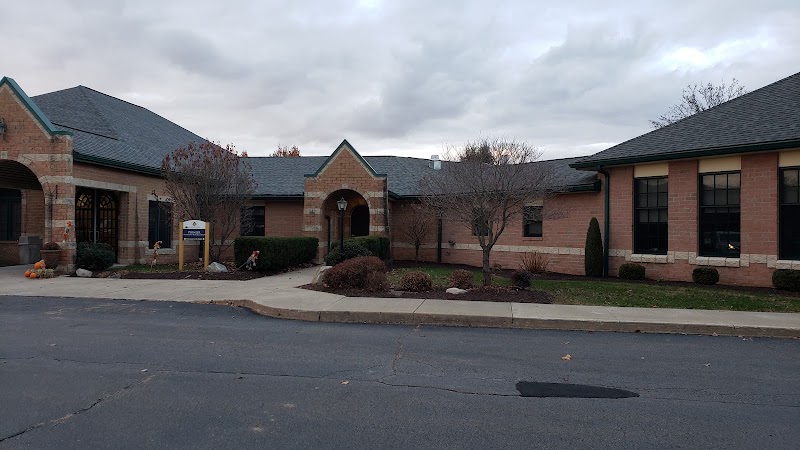
10 HART PLACE, CARBONDALE, PA 18407 (570) 282-1020
For profit - Corporation 115 Beds Independent Data: November 2025
Trust Grade
88/100
#13 of 653 in PA
Last Inspection: May 2025

Inspected within the last 6 months. Data reflects current conditions.

Overview

Carbondale Nursing and Rehabilitation Center has a Trust Grade of B+, meaning it is above average and recommended for families looking for care. It ranks #13 out of 653 facilities in Pennsylvania, placing it in the top half, and #2 out of 17 in Lackawanna County, indicating that only one other local facility is ranked higher. The trend is improving, as the number of issues identified decreased from 7 in 2024 to 4 in 2025. Staffing is a strength here with a 4 out of 5 stars rating and a turnover rate of only 25%, which is significantly better than the state average. On the downside, there were some concerning incidents, such as improper food storage that increased the risk of foodborne illnesses and failures in employee screening procedures that did not fully comply with abuse prevention regulations. Overall, while there are some areas needing attention, the facility shows a commitment to improvement and maintaining a strong standard of care.

Trust Score
B+
88/100
In Pennsylvania
#13/653
Top 1%
Safety Record
Low Risk
No red flags
Inspections
Getting Better
7 → 4 violations
Staff Stability
✓ Good
25% annual turnover. Excellent stability, 23 points below Pennsylvania's 48% average. Staff who stay learn residents' needs.
Penalties
✓ Good
No fines on record. Clean compliance history, better than most Pennsylvania facilities.
Skilled Nurses
○ Average
Each resident gets 38 minutes of Registered Nurse (RN) attention daily — about average for Pennsylvania. RNs are the most trained staff who monitor for health changes.
Violations
⚠ Watch
20 deficiencies on record. Higher than average. Multiple issues found across inspections.
★★★★★
5.0
Overall Rating
★★★★☆
4.0
Staff Levels
★★★★★
5.0
Care Quality
★★★★☆
4.0
Inspection Score
Stable
2024: 7 issues
2025: 4 issues

The Good

  • 4-Star Staffing Rating · Above-average nurse staffing levels
  • 5-Star Quality Measures · Strong clinical quality outcomes
  • Low Staff Turnover (25%) · Staff stability means consistent care
  • Full Sprinkler Coverage · Fire safety systems throughout facility
  • No fines on record
  • Staff turnover is low (25%)

    23 points below Pennsylvania average of 48%

Facility shows strength in staffing levels, quality measures, staff retention, fire safety.

The Bad

No Significant Concerns Identified

This facility shows no red flags. Among Pennsylvania's 100 nursing homes, only 1% achieve this.

The Ugly 20 deficiencies on record

May 2025 4 deficiencies
CONCERN (D)

Potential for Harm - no one hurt, but risky conditions existed

Deficiency F0567 (Tag F0567)

Could have caused harm · This affected 1 resident

**NOTE- TERMS IN BRACKETS HAVE BEEN EDITED TO PROTECT CONFIDENTIALITY** Based on a review of clinical records, resident financial documentation, and staff interview, it was determined the facility fai...

Read full inspector narrative →
**NOTE- TERMS IN BRACKETS HAVE BEEN EDITED TO PROTECT CONFIDENTIALITY** Based on a review of clinical records, resident financial documentation, and staff interview, it was determined the facility failed to safeguard, manage, and accurately account for the personal funds of one resident (Resident 40) out of 23 residents reviewed Findings include: A clinical record review revealed Resident 40 was admitted to the facility on [DATE], with diagnoses that included malignant neoplasm of the lung (an abnormal growth of cells characterized by uncontrolled and rapid growth, invasion of surrounding tissues, and the potential to spread to other areas of the body). A clinical record review revealed Resident 40's payor source is Medicaid (a joint federal and state program that helps cover medical costs for some people with limited income and resources. Individuals on Medicaid receive a Personal Needs Allowance- a monthly stipend to cover personal expenses. As of January 1, 2025, the PNA for Pennsylvania is $60 for residents residing in long-term care facilities). A review of a quarterly Minimum Data Set assessment (MDS-a federally mandated standardized assessment process conducted periodically to plan resident care) dated March 5, 2025, revealed that Resident 40 is cognitively intact with a BIMS score of 15 (Brief Interview for Mental Status-a tool within the Cognitive Section of the MDS that is used to assess the resident's attention, orientation, and ability to register and recall new information; a score of 13-15 indicates cognition is intact). During an interview conducted on April 29, 2025, at 12:30 PM, Resident 40 stated he was upset about a charge of $6,092 that appeared on his March 2025 financial statement. He explained that the facility managed his personal funds and presented a copy of the resident fund ledger showing a care cost deduction of $6,092 on March 14, 2025. Review of Resident 40's resident fund ledger from December 1, 2024, through April 28, 2025, revealed the following charges for care costs totaling $10,025: December 2024: $324 January 2025: $0 February 2025: $0 March 2025: $7,712 April 2025: $1,989 Resident 40's income from Social Security and pension benefits totaled $10,210 during the same period: December 2024: $2,014 January 2025: $2,049 February 2025: $2,049 March 2025: $2,049 April 2025: $2,049 According to Pennsylvania Medicaid requirements, the facility was responsible for deducting only the monthly care cost balance after applying the PNA (personal needs allowance-$45.00 before January 2025 and $60.00 after January 2025). Based on the resident's monthly income, the proper care cost charges from January 1, 2025, through April 28, 2025, should have been: December 2024: $2,014 - $45 = $1,969 January 2025: $2,049 - $60 = $1,989 February 2025: $2,049 - $60 = $1,989 March 2025: $2,049 - $60 = $1,989 April 2025: $2,049 - $60 = $1,989 Resident 40 should have been charged $1,989 each month from January 2025 through April 2025 and charged $1,969 in December 2024, totaling $9,925. A review of credits Resident 40 received from Social Security and his pension ($10,210) and calculating for the personal needs allowance for Pennsylvania ($285) it was determined the facility over charged the resident by $100.00. During an interview on May 1, 2025, at approximately 9:00 AM, the Nursing Home Administrator (NHA) confirmed Resident 40 was overcharged due to billing errors. The NHA confirmed it is the facility's responsibility to safeguard, manage, and accurately account for residents' personal funds deposited with the facility. The NHA indicated Resident 40 would be reimbursed for the overcharge. 28 Pa. Code 201.14(b) Responsibility of licensee. 28 Pa. Code 201.18(b)(2) Management. 28 Pa. Code 201.29(a) Resident rights.
CONCERN (D)

Potential for Harm - no one hurt, but risky conditions existed

Pressure Ulcer Prevention (Tag F0686)

Could have caused harm · This affected 1 resident

**NOTE- TERMS IN BRACKETS HAVE BEEN EDITED TO PROTECT CONFIDENTIALITY** Based on a review of clinical records and select facility policy, observations, and staff interviews, it was determined the faci...

Read full inspector narrative →
**NOTE- TERMS IN BRACKETS HAVE BEEN EDITED TO PROTECT CONFIDENTIALITY** Based on a review of clinical records and select facility policy, observations, and staff interviews, it was determined the facility failed to consistently implement measures planned to promote healing, prevent worsening, and the development of pressure sores for one resident out of 23 residents sampled (Resident 57). Findings include: According to the US Department of Health and Human Services, Agency for Healthcare Research & Quality, the pressure ulcer best practice bundle incorporates three critical components in preventing pressure ulcers: comprehensive skin assessment, standardized pressure ulcer risk assessment, and care planning and implementation to address the areas of risk. The American College of Physicians (ACP) is a national organization of internists who specialize in the diagnosis, treatment, and care of adults. The largest medical specialty organization and second-largest physician group in the United States, Clinical Practice Guidelines indicate that the treatment of pressure ulcers should involve multiple tactics aimed at alleviating the conditions contributing to ulcer development (i.e., support surfaces, repositioning, and nutritional support); protecting the wound from contamination and creating and maintaining a clean wound environment; promoting tissue healing via local wound applications, debridement, and wound cleansing; using adjunctive therapies; and considering possible surgical repair. Review of the facility policy entitled Pressure Injury Prevention and Management, last reviewed January 10, 2025, indicated the facility will provide interventions for prevention and to promote healing in accordance with evidence-based interventions for all residents who are assessed at risk or who have a pressure injury present. Basic or routine care interventions could include, but are not limited to, redistributing pressure (such as repositioning, protecting, and/or offloading heels, etc.) and providing appropriate, pressure-redistributing support surfaces. Further review of the policy revealed the facility will provide interventions for prevention to promote healing in accordance with current standards of practice and will be provided for all residents who have a pressure injury present. The goals and preferences of the resident and/or authorized representative will be included in the plan of care, interventions will be documented in the care plan and communicated to all relevant staff, and compliance with interventions will be documented in the weekly summary charting. A review of the clinical record revealed that Resident 57 was admitted to the facility on [DATE], with diagnoses that included diabetes (a chronic disease that occurs either when the pancreas does not produce enough insulin or when the body cannot effectively use the insulin it produces) and rheumatoid arthritis (a chronic inflammatory disorder usually affecting small joints in the hands and feet). A quarterly Minimum Data Set Assessment (MDS- a federally mandated standardized assessment conducted at specific intervals to plan resident care) of Resident 57 dated April 10, 2025, revealed the resident was severely cognitively impaired with a BIMS score of 03 (brief interview for mental status, a tool to assess the residents' attention, orientation, and ability to register and recall new information; a score of 0-7 indicates severe cognitive impairment) and revealed the resident was dependent on staff for activities of daily living of putting on/taking off footwear and was at risk for pressure sore development. A review of the resident's care plan, initiated July 18, 2024, and last revised April 28, 2025, revealed a problem focus of risk for skin breakdown and actual impairment to the right heel related to fragile skin and decreased mobility. Planned interventions included use of heel-lift boots at all times (removable only during care), a pro-mat plus air mattress to bed, and a pressure redistribution cushion for the chair. Physician orders dated November 12, 2024, directed the use of heel-lift boots at all times, allowing removal only for care. A skin integrity wound assessment dated [DATE], revealed the presence of a Stage IV pressure ulcer (full thickness tissue loss with exposed bone, tendon, or muscle) on the resident's right heel, measuring 0.3 cm (length) x 0.6 cm (width) x 0.2 cm (depth), with 50% slough (yellow/white necrotic tissue) and 50% granulation tissue (new connective tissue) and moderate serous drainage (clear or pale-yellow fluid similar to blood plasma). An observation of Resident 57 on April 29, 2025, at approximately 10:35 AM revealed the resident was in the activity hall wearing purple slippers and was identified by Employee 1 (Licensed Practical Nurse). An observation of her room revealed heel-lift boots lying on top of the Pro-mat mattress, not on the resident. A review of the resident's task report (a record of staff-documented care tasks) from April 29, 2025, indicated the heel-lift boots were documented as being on the resident, with no documentation of refusals noted. A second observation on April 30, 2025, at 10:50 AM revealed the resident sitting in her wheelchair in her room again without heel-lift boots and wearing purple slippers. At the time of the surveyor's observation, a nurse aide applied the heel-lift boots to the resident. An interview with Employee 1 (LPN) at that time confirmed the resident often removes the boots, stating: She kicks them off, and when she does, we just put the purple slippers on her. Further clinical review on April 30, 2025, revealed no documentation in the care plan regarding refusal of heel-lift boots, nor documentation of staff interventions to address such refusals. Additionally, the task report for April 30, 2025, indicated the heel-lift boots were on the resident at 9:05 AM, despite observations proving otherwise. During an interview with the Director of Nursing (DON) on April 30, at 1:10 PM, it was confirmed the facility did not consistently implement the planned interventions to promote healing or prevent the progression of the right heel pressure ulcer for Resident 57. 28 Pa. Code 201.18(b)(1) Management 28 Pa. Code 211.12 (d)(1)(3)(5) Nursing services.
CONCERN (D)

Potential for Harm - no one hurt, but risky conditions existed

Deficiency F0688 (Tag F0688)

Could have caused harm · This affected 1 resident

**NOTE- TERMS IN BRACKETS HAVE BEEN EDITED TO PROTECT CONFIDENTIALITY** Based on clinical record review, review of select facility policy, and resident and staff interviews, it was determined the faci...

Read full inspector narrative →
**NOTE- TERMS IN BRACKETS HAVE BEEN EDITED TO PROTECT CONFIDENTIALITY** Based on clinical record review, review of select facility policy, and resident and staff interviews, it was determined the facility failed to consistently provide restorative nursing services as planned to maintain mobility to the extent possible for one resident out of 23 residents sampled (Resident 40). Findings include: A review of the facility policy titled Restorative Nursing Program, last reviewed by the facility on January 10, 2025, revealed it is the facility's policy to provide maintenance and restorative services designed to maintain or improve residents' ability to the highest practicable level. The restorative nursing program refers to nursing interventions that promote the resident's ability to adapt and adjust to living as independently and safely as possible. Residents will receive services from restorative when they are assessed to have a need for restorative nursing services. A clinical record review revealed Resident 40 was admitted to the facility on [DATE], with diagnoses that included malignant neoplasm of the lung (an abnormal growth of cells characterized by uncontrolled and rapid growth, invasion of surrounding tissues, and the potential to spread to other areas of the body). A review of a quarterly Minimum Data Set assessment (MDS-a federally mandated standardized assessment process conducted periodically to plan resident care) dated March 5, 2025, revealed that Resident 40 is cognitively intact with a BIMS score of 15 (Brief Interview for Mental Status-a tool within the Cognitive Section of the MDS that is used to assess the resident's attention, orientation, and ability to register and recall new information; a score of 13-15 indicates cognition is intact). A care plan indicates Resident 40 exhibits a deficit in ambulation related to decreased mobility and fatigue initiated on February 16, 2025. Interventions implemented to assist Resident 40 in attaining his restorative nursing goal of ambulating with a rollator walker (a mobility device) for 50 ft include ensuring the resident is wearing appropriate footwear, instructing the resident on appropriate positioning with an assistive device, and following with a wheelchair during ambulation as recommended by skilled physical therapy. A Physical Therapy Discharge summary dated [DATE], revealed Resident 40 was discharged from physical therapy services with recommendations to implement a restorative nursing program for ambulation that includes walking 50 ft with a rollator walker and the assistance of one caregiver. During an interview on April 29, 2025, at 10:20 AM, Resident 40 indicated that physical therapy exercised with him regularly, but when his therapy services ended, no one was providing restorative ambulation services. He explained no one has walked with him in months. During an interview on April 30, 2025, at 1:00 PM, Resident 40 confirmed that no one provided restorative ambulation services today or since his physical therapy services ended over a month ago. A clinical record review revealed staff indicated Resident 40 received his restorative ambulation intervention (walking with the rollator walker for 50 ft with assistance) on 48 occasions from April 30, 2025, through April 30, 2025. The clinical record review revealed documentation indicating Employee 3, Nurse Aide, implemented Resident 40's ambulation program on April 30, 2025, at 12:35 PM. However, during an interview on April 30, 2025, at 1:05 PM, Employee 3, Nurse Aide, confirmed she did not implement Resident 40's restorative nursing ambulation program, despite documenting on the clinical record that he received the intervention on April 30, 2025, at 12:35 PM. During an interview on April 30, 2025, at approximately 1:30 PM, the Director of Nursing (DON) confirmed it is the facility's responsibility to provide and implement restorative nursing services for residents as planned to maintain residents' mobility to the highest practicable extent possible. The DON confirmed Employee 3, Nurse Aide, inaccurately documented that she provided Resident 40 restorative nursing interventions when none were implemented. 28 Pa. Code: 211.5(f)(viii) Medical records. 28 Pa. Code: 211.10(c) Resident care policies. 28 Pa Code 211.12(d)(5) Nursing services.
CONCERN (D)

Potential for Harm - no one hurt, but risky conditions existed

Food Safety (Tag F0812)

Could have caused harm · This affected 1 resident

Based on observation, review of select facility policy, and staff interview, it was determined the facility failed to maintain acceptable practices for the storage and service of food to prevent the p...

Read full inspector narrative →
Based on observation, review of select facility policy, and staff interview, it was determined the facility failed to maintain acceptable practices for the storage and service of food to prevent the potential for contamination and microbial growth in food, which increased the risk of food-borne illness in the food and nutrition services department and in two of two resident pantries. Findings include: Food safety and inspection standards for safe food handling indicate that everything that comes in contact with food must be kept clean and food that is mishandled can lead to foodborne illness. Safe steps in food handling, cooking, and storage are essential in preventing foodborne illness. You cannot always see, smell, or taste harmful bacteria that may cause illness according to the USDA (The United States Department of Agriculture, also known as the Agriculture Department, is the U.S. federal executive department responsible for developing and executing federal laws related to food). Review of a facility policy titled Use and Storage of Food Brought in by Family or Visitors, last reviewed on February 10, 2025, indicated food must be handled in a way to ensure the safety of the resident. The facility may refrigerate, label, and date prepared items in nourishment refrigerator and that food must be consumed by the resident within 3-days. Observation during the initial tour of the kitchen with the facility's registered dietitian on April 29, 2025, at 9:40 AM, revealed the following unsanitary practices with the potential to introduce contaminants into food and increase the potential for food-borne illness: There was a heavy build-up of a black substance along the wall located under the soiled side (area where dirty dishes are slid into the dishwasher) counter space of the dishwasher. There was a build-up of debris under the ceiling light shield located in the janitor's closet. Interview with the registered dietitian at this time confirmed the kitchen was to be maintained in a clean and sanitary manner. An observation on April 29, 2025, at 11:13 AM, in the Nursing B Hall Pantry, revealed a resident food refrigerator/freezer with 5 plastic undated and unmarked containers with resident food. The refrigerator also contained the following items that were also not dated: a stick of butter wrapped in plastic, a piece of white bread in a plastic bag, a vanilla ice cream sundae with caramel, and an ice cream tub. During an interview on April 29, 2025, at 11:15 AM, Employee 2, Registered Nurse (RN), confirmed the food items identified during the observation were not dated. Employee 2, RN, explained that facility staff should date all food items when opened or received by residents or residents' families. Observation of the A Hall Nursing Unit resident pantry on April 30, 2025, at 1:30 PM revealed there was a build-up of a black substance on the end of the condensation hose (removes excess water from the ice machine) of the ice machine. Observation of the B Hall Nursing Unit resident pantry on May 1, 2025, at 9:20 AM revealed a build-up of a wet black substance on the end of the condensation hose of the ice machine. Interview with the maintenance director on May 1, 2025, at 9:25 AM confirmed that the ice machines, including the condensation hoses of the ice machines, were not cleaned and sanitized frequently enough to prevent the build-up of the black substance. 28 Pa. Code 201.18 (e) (2.1) Management
Sept 2024 2 deficiencies
CONCERN (D) 📢 Someone Reported This

A family member, employee, or ombudsman was alarmed enough to file a formal complaint

Potential for Harm - no one hurt, but risky conditions existed

Pressure Ulcer Prevention (Tag F0686)

Could have caused harm · This affected 1 resident

**NOTE- TERMS IN BRACKETS HAVE BEEN EDITED TO PROTECT CONFIDENTIALITY** Based on a review of clinical records, select facility reports and staff interview it was determined the facility failed to inve...

Read full inspector narrative →
**NOTE- TERMS IN BRACKETS HAVE BEEN EDITED TO PROTECT CONFIDENTIALITY** Based on a review of clinical records, select facility reports and staff interview it was determined the facility failed to investigate the origin and promote the healing of a pressure sore for one of six residents sampled (Resident 1). Findings include: According to the US Department of Health and Human Services, Agency for Healthcare Research & Quality, the pressure ulcer best practice bundle incorporates three critical components in preventing pressure ulcers: Comprehensive skin assessment, Standardized pressure ulcer risk assessment and care planning and implementation to address areas of risk. ACP (The American College of Physicians is a national organization of internists, who specialize in the diagnosis, treatment, and care of adults. The largest medical-specialty organization and second-largest physician group in the United States) Clinical Practice Guidelines indicate that the treatment of pressure ulcers should involve multiple tactics aimed at alleviating the conditions contributing to ulcer development (i.e., support surfaces, repositioning and nutritional support); protecting the wound from contamination and creating and maintaining a clean wound environment; promoting tissue healing via local wound applications, debridement and wound cleansing; using adjunctive therapies; and considering possible surgical repair. A review of the clinical record revealed that Resident 1 was admitted to the facility on [DATE], with diagnoses to include weakness, history of falling at home, lumbar radiculopathy (pinched nerve) and dementia (a condition in which a person loses the ability to think, remember, learn, make decisions, and solve problems). A review of an admission Minimum Data Set assessment dated [DATE], (MDS - a federally mandated standardized assessment process completed periodically to plan resident care) revealed the resident had a Brief Interview for Mental Status score of 7 (BIMS is a structured evaluation aimed at evaluating aspects of cognition in elderly pateints score of 0 to 7 indicates severe cognitive impairment), and required assistance of staff for activities of daily living. Initial nursing notes as well as an admission nursing assessment dated [DATE] indicated the resident did not have skin impairment on her lower extremities. Nursing documentation dated August 4, 2024 at 7:57 PM indicated Resident 1 was noted to have a blister (painful skin condition where fluid fills a space between layers of skin caused by rubbing surfaces together) to the left medial (inner side) of her heel. The blister was noted to be flat and intact with redness. There was no complaint of pain or discomfort. The area was cleansed with soap and water and optifoam (an absorbent, adhesive, foam dressing that absorbs force and friction) was applied. A physician order to cleanse the left medial heel with soap and water, apply Optifoam dressing every other day and consult for wound therapy, was implemented. A review of a care plan initiated July 19, 2024 and updated August 16, 2024 revealed the resident was at risk for potential/actual impairment of skin integrity due to previous intact blister on the medial left heel. The planned interventions were for nursing staff to elevate the resident's heels when in she is in bed. Nursing staff were to identify and document the potential causative factors and eliminate or resolve the area when possible. Nursing staff were to complete weekly treatment documentation to include a measurement of each area of skin breakdown to include width, length, depth, type of tissue, exudate and any other notable changes or observations. Complete wound treatment as ordered. A review of a facility skin integrity report dated August 4, 2024. completed by Employee 1 (LPN). indicated Resident 1 had an intact blister on her left heel measuring 4 cm x 4 cm. The form did not include the measurement or stage (progression of a pressure area) of the area, the area on the form for this information was blacked out with no documented entry. Nursing documentation dated August 6, 2024 at 1:11 P.M. indicated Resident 1 had a change of condition regarding the blister on her left heel. Current clinical findings revealed the resident is alert with confusion noted and denies pain or discomfort in her left heel area. A flat blister measuring 4 cm x 4 cm x 0 cm was present to her left heel. Nursing staff encouraged the resident to leave her shoe off to prevent pressure to that area. The resident's feet are to be elevated on pillow when she is in her bed. A review of a physician wound evaluation and management summery dated August 8, 2024 revealed, the resident had a venous wound (open, non-healing wounds that occur on the legs or ankles due to poor blood circulation. They are caused by blood pooling in the veins, which increases pressure and fluid in the affected area. Venous ulcers are often painful, red, and covered with yellow, fibrous tissue). An examination of the left medial heel revealed a fluid filled blister measuring 4 cm x 5 cm. The treatment plan included apply skin prep once daily for 30 days and to off load her heels when in bed. Factors complicating wound healing to include, polyneuropathy (a condition where multiple peripheral nerves become damaged. It can cause symptoms such as pain, decreased sensation, and weakness), muscle weakness and dementia. There was no evidence at the time of the survey, regarding peripheral venous issues with this resident. There was no evidence at the time of the survey that an investigation was completed into the development of Resident 1's left medial heel fluid filled blister on August 4, 2024. During a telephone interview September 24, 2024 at approximately 3:00 PM, the resident's daughter stated her family visited Resident 1 on a daily basis. She stated on August 4, 2024 she visited the resident and saw a sign posted on the residents closet door stating, Do not put shoes on Resident 1, until OK given by Employee 2, RN. She stated she filed a grievance with the facility regarding her mother's blister. She stated when she saw the sign, the family looked at her heel and discovered the blister. She stated the sign on the closet door had a date of July 31, 2024 and indicated she was not informed as to why the sign was posted, or how long the resident had the skin issue on her heel. The facility never provided any information to the family as to how the blister developed or if it was caused by wearing her shoes. A review of the grievance report dated August 5, 2024 indicated the family was concerned with the blister on the resident's heel. There was no resolution to this grievance. Employee 2 the RN indicated she discussed the resident's condition with the family however, there was no documented evidence the blister was discussed. Interview with the director of nursing (DON) on September 24, 2024, at approximately 12:00 PM indicated Employee 1, LPN and Employee 2, RN did not investigate the blister on Resident 1's heel because they determined the area was a venous wound. She could not provide supporting evidence or any collaboration with the physician to support the diagnosis of venous insufficiency. 28 Pa. Code 211.12 (d) (5) Nursing services.
CONCERN (D) 📢 Someone Reported This

A family member, employee, or ombudsman was alarmed enough to file a formal complaint

Potential for Harm - no one hurt, but risky conditions existed

Deficiency F0692 (Tag F0692)

Could have caused harm · This affected 1 resident

**NOTE- TERMS IN BRACKETS HAVE BEEN EDITED TO PROTECT CONFIDENTIALITY** Based on review of clinical records and staff and family interview, it was determined the facility failed to consistently monito...

Read full inspector narrative →
**NOTE- TERMS IN BRACKETS HAVE BEEN EDITED TO PROTECT CONFIDENTIALITY** Based on review of clinical records and staff and family interview, it was determined the facility failed to consistently monitor resident weights to timely identify and act upon a resident's weight loss, and implement necessary nutritional support to promote acceptable nutritional parameters for one resident out of 6 sampled (Resident 1). Findings include: A review of Resident 1's clinical record revealed the resident was admitted to the facility on [DATE], with diagnoses to include, lumbar radiculopathy (severe pain that radiates from the back into the hip and outer side of the leg caused by compression of a nerve), dementia (condition in which a person loses the ability to think, remember, learn, make decisions, and solve problems) and a history of falling. A review of an admission Minimum Data Set assessment dated [DATE], (MDS - a federally mandated standardized assessment process completed periodically to plan resident care) revealed the resident had a Brief Interview for Mental Status score of 7 (BIMS score is a structured evaluation aimed at evaluating aspects of cognition in elderly patients a score of 0 to 7 indicates severe cognitive impairment), and required assistance of staff for activities of daily living including set up assistance for meals. The resident was able to independently feed herself. A review of an admission physician order dated July 19, 2024 revealed the resident was to receive a regular diet with regular consistency and thin liquids. A review of her meal intakes dated July 19,2024 through August 8, 2024 indicated the resident consumed between 70% to 100% of her meals on most days. A review of Resident 1's weights revealed: July 19, 2024-185.8 pounds July 21, 2024-184.6 pounds August 1, 2024-184.6 pounds August 8, 2024-176.5 pounds From August 1 through August 8, 2024 Resident 1 lost 8.1 pounds which is a 4.39 % weight loss in one week. There was no evidence of reweights on or after August 8, 2024 to confirm the validity of the initial weight. A review of nursing documentation revealed there was no communication/notification at the time the weight was obtained on August 8, 2024, between nursing or the physician regarding the residents weight loss. A review of a dietary/nutrition note dated August 14, 2024 at 1:49 PM revealed, the Registered Dietitian (RD) reviewed the resident's weights. The current weight was 176.5 pounds on August 8, 2024, the previous weight from August 1, 2024 was 184.6 pounds, indicative of a significant weight loss of 8.1 pounds or 4.4% over one week. The RD indicates the resident meal consumption are between 75% and 100%. The resident is encouraged to consume all meals and offer alternatives when meal intake is poor. This RD evaluation note was written six days after the significant weight loss was identified. There was no documented evidence at the time of the survey the physcian was notified of the significant weight loss. There were no additional interventions such as reweights after the weight loss was identified. Interview with the Director of Nursing on September 24, 2024, at 12 PM confirmed the facility was unable to demonstrate timely response to the resident's weight loss. 28 Pa Code 211.12 (d)(3)(5) Nursing services.
Jul 2024 5 deficiencies
CONCERN (D)

Potential for Harm - no one hurt, but risky conditions existed

Deficiency F0637 (Tag F0637)

Could have caused harm · This affected 1 resident

Based on a review of clinical records and the Resident Assessment Instrument and staff interviews, it was determined that the facility failed to conduct a significant change Minimum Data Set Assessmen...

Read full inspector narrative →
Based on a review of clinical records and the Resident Assessment Instrument and staff interviews, it was determined that the facility failed to conduct a significant change Minimum Data Set Assessments (MDS - a federally mandated standardized assessment process conducted at specific intervals to plan resident care) for one of 21 residents reviewed (Resident 90). Findings include: According to the RAI User's Manual dated October 2023 a Significant Change in Status MDS assessment is required within 14 days of the determination of the significant change when: A resident enrolls in a hospice program; or A resident changes hospice providers and remains in the facility; or A resident receiving hospice services discontinues those services; or A resident experiences a consistent pattern of changes, with either two or more areas of decline or two or more areas of improvement, from baseline (as indicated by comparison of the resident's current status to the most recent CMS-required MDS). A review of the clinical record of Resident 90 revealed that the resident had experienced a significant decline in condition and was placed on Hospice Care (a type of care and philosophy of care that focuses on the palliation of a chronically ill, terminally ill or seriously ill patient's pain and symptoms, attending to their emotional and spiritual needs) on May 6, 2024. There was no documented evidence that a significant change MDS was completed to reflect that Resident 90's hospice services were initiated. Interview with the Nursing Home Administrator on July 12, 2024, at approximately 1:45 PM confirmed that a comprehensive significant change MDS assessment was not completed as required.
CONCERN (D)

Potential for Harm - no one hurt, but risky conditions existed

Deficiency F0698 (Tag F0698)

Could have caused harm · This affected 1 resident

Based on observations, clinical record review and staff and resident interview it was determined that the facility failed to ensure the ready availability of necessary emergency supplies for a residen...

Read full inspector narrative →
Based on observations, clinical record review and staff and resident interview it was determined that the facility failed to ensure the ready availability of necessary emergency supplies for a resident receiving hemodialysis for one of 21 residents sampled. (Resident 52) Findings include: According to the National Kidney Foundation patients receiving hemodialysis (a machine filters wastes, salts and fluid from your blood when your kidneys are no longer healthy enough to do this work adequately) should keep emergency care supplies on hand. A review of Resident 52's clinical record revealed that the resident was admitted to the facility was on May 11, 2017, with diagnoses that included end stage renal disease and dependence on renal dialysis. Review of the resident's current plan of care, dated October 8, 2021, revealed that the resident required dialysis related to renal failure along with a care planned approach to have 4 x 4 gauze pads and cloth tape were to be at the bedside. Observations conducted on July 11, 2024, at 10:17 AM revealed no emergency supplies were available in the resident's room. Observations of the resident on July 11, 2024, at 10:20 AM revealed no emergency supplies were present on her wheelchair. An interview with Resident 52 on July 11, 2024, at 10:20 AM revealed that the resident stated that no emergency supplies for her dialysis access site are kept in her room. The resident stated that she has never seen those supplies in her room. Interview with Employee 6, LPN (licensed practical nurse), on July 11, 2024, at approximately 10:25 confirmed there were no emergency supplies at the resident's bedside or on her wheelchair. Interview with the Nursing Home Administrator on July 12, 2024, at approximately 1:45 PM confirmed the facility failed to ensure the ready availability of necessary emergency supplies at the resident's bedside. 28 Pa. Code 211.12 (d)(3)(5) Nursing Services
CONCERN (E)

Potential for Harm - no one hurt, but risky conditions existed

Abuse Prevention Policies (Tag F0607)

Could have caused harm · This affected multiple residents

Based on a review of the facility's abuse prohibition policy and employee personnel files and staff interviews, it was determined that the facility failed to fully develop and implement established ab...

Read full inspector narrative →
Based on a review of the facility's abuse prohibition policy and employee personnel files and staff interviews, it was determined that the facility failed to fully develop and implement established abuse prohibition procedures for screening five of five employees for employment (Employee 1, 2, 3,4 and 5) Findings include: According to regulatory requirements under §§483.12(a)(3) and 483.12(b)(1)] the facility must have written procedures for screening for prospective employees, to include reviewing: the employment history (e.g., dates of employment position or title), particularly where there is a pattern of inconsistency; information from former employers, whether favorable or unfavorable; and/or documentation of status and any disciplinary actions from licensing or registration boards and other registries. A review of the facility's Resident Abuse policy last reviewed by the facility January 3, 2023, revealed no procedures for screening potential employees that included obtaining references from current/previous employers. Review of employee personnel files revealed that Employee 1 (Registered Nurse) was hired March 14, 2024. The employee's application indicated that she had previous employers. There was no indication that the facility had contacted any of the employee's previous employers. Review of employee personnel files revealed that Employee 2 (unit aide) was hired April 16, 2024. The employee's application indicated that she had previous employers. There was no indication that the facility obtained information from former employers. Review of employee personnel files revealed that Employee 3 (LPN) was hired April 15, 2024. The employee's application indicated that she had previous employers. There was no indication that the facility obtained information from former employers. Review of employee personnel files revealed that Employee 4 (NA) was hired June 4, 2024. The employee's application indicated that she had previous employers. There was no indication that the facility obtained information from any former employers. Review of employee personnel files revealed that Employee 5 (unit aide) was hired May 2, 2024. The employee's application indicated that she had previous employers. There was no indication that the facility obtained information from the former employers Interview with the Administrator on July 12, 2024, at 12:15 p.m. the NHA verified that there was no evidence that previous employers were contacted for information regarding the employees past employment. 28 Pa. Code 201.18 (e)(1) Management 28 Pa. Code 201.29 (a)(c)Resident Rights 28 Pa. Code 201.14(a) Responsibility of Licensee 28 Pa. Code 201.19 (1) Personnel records
CONCERN (E)

Potential for Harm - no one hurt, but risky conditions existed

Medication Errors (Tag F0758)

Could have caused harm · This affected multiple residents

Based on a review of clinical records and staff interviews it was determined that the facility failed to ensure the presence of current documented clinical necessity of a resident's continued use of a...

Read full inspector narrative →
Based on a review of clinical records and staff interviews it was determined that the facility failed to ensure the presence of current documented clinical necessity of a resident's continued use of an psychotropic medication prescribed on an as needed basis for one resident out of five sampled (Resident 65). Findings included: A review of the clinical record revealed that Resident 65 had diagnoses of Parkinsons disease (a progressive neurological disease), dementia, and a history of falling. The resident was placed on Hospice services November 24, 2023, for end stage Parkinson's disease. The resident had a physician order dated January 9, 2024, for Haldol, an antipsychotic medication, 2 mg/ml, SL (sublingual, under the tongue), 1 ml, SL every 6 hours for anxiety/terminal agitation (a common symptom of dying, characterized by sudden agitation, anxiety, anger or confusion). There was no corresponding physicians documentation or any documentation from hospice staff of related to the resident's need for this newly added antipsychotic medication, and the resident's anxiety/terminal agitation. Prior to the addition of the Haldol to this resident's drug regimen, the had eight falls from his wheelchair, from October 17, 2023, through January 8, 2024, on one occasion sustaining injuries to his head. Following initiation of the Haldol, the resident incurred an additional fall from his wheelchair on January 18, 2024, and in response the resident's Haldol dosage was increased. A physician order dated January 24, 2024, was noted for Haldol 2 mg/1 ml, give 1.5 ml SL every 6 hours for terminal agitation due to end stage Parkinsons disease/anxiety. The resident again fell from his wheelchair on June 11, 2024, and fell from bed on June 12, 2024 from bed. A physician order dated June 12, 2024, was noted to again increase the Haldol 2 mg/1 ml, give 2 mg (1 ml) SL every 4 hours (around the clock). The pharmacist requested that the physician, attempt a gradual dose reduction (GDR) dated June 23, 2024, noting the resident's Haldol order was increased to 2 mg every 4 hours without physicians documentation of rationale. The physician responded to the pharmacy request dated June 24, 2024 stating, patient has increased episodes of agitation, increased behaviors and agitation regarding dementia and Parkinsons disease. The physician progress notes did not address the resident's behaviors and corresponding Haldol usage. There was no hospice physician documentation regarding the increase in the resident's dosage of Haldol. Interview with the interim Director of Nursing on June 12, 2024, at 10 AM, confirmed that there was no physician documentation regarding the initiation of the antipsychotic medication Haldol 2 mg/1mg, 1 mg every 6 hours around the clock, a doseage increase to 1.5 ml every 6 hours around the clock and the increase in the dose to 2 ml every 4 hours around the clock to reflect its clinical necessity. 28 Pa. Code 211.2 (d)(3) Medical director 28 Pa. Code 211.9 (a)(1) Pharmacy services 28 Pa. Code 211.5 (f) Clinical records
CONCERN (E)

Potential for Harm - no one hurt, but risky conditions existed

Deficiency F0865 (Tag F0865)

Could have caused harm · This affected multiple residents

**NOTE- TERMS IN BRACKETS HAVE BEEN EDITED TO PROTECT CONFIDENTIALITY** Based on review of select facility policy, clinical records, and incident reports and staff interviews, it was determined that t...

Read full inspector narrative →
**NOTE- TERMS IN BRACKETS HAVE BEEN EDITED TO PROTECT CONFIDENTIALITY** Based on review of select facility policy, clinical records, and incident reports and staff interviews, it was determined that the facility failed to demonstrate the implementation of ongoing QAPI programs, to include the use of systems for investigating and analyzing the root cause of adverse events, as evidenced by multiple falls incurred by one resident out of 18 sampled (Resident 65). Findings include: Review of the facility policy entitled Quality assessment and improvement plan last reviewed by the facility January 9, 2024 revealed that the facility is committed to incorporating the principles of Quality Assurance and performance Improvement (QAPI) into all aspects of the center work processes, services lines and departments. All staff and stakeholders are involved in QAPI to improve the quality of life and quality of care that out patients and residents experience. The process included: - The administrator directs the development and documentation of the center QAPI plan, including an annual QAPI calendar, and is responsible for development, maintenance and ongoing evaluation of an active and effective Quality Assurance Performance Improvement Committee. -The committee meets at least 10 times annually, preferably monthly, to monitor quality within the center, identify issues and develop and implement appropriate plans of action to correct identified quality issues. The responsibilities to include: -Assess, evaluate and identify potential improvement opportunities based on: -Current reviews of core systems -all current regulatory on-site assessments -Adverse events since the past meeting, including prevention opportunities, investigations and corrective actions. A review of the clinical record revealed that Resident 65 was admitted to the facility on [DATE], with diagnoses to include Parkinsons disease ( a progressive neurological disease), dementia, and a history of falling. The resident was placed on Hospice services November 24, 2023, for end stage Parkinsons disease. The resident's baseline care plan, initiated February 27, 2023, revealed that Resident 65 had a history of falling prior to admission to the facility and impaired cognitive function related to Parkinson's disease and dementia with moderate, cognitive function. According to the resident's care plan the resident was at risk for falls related to his diagnosis of Dementia and Parkinson's disease. The resident's care plan indicated that the resident used a wheelchair for mobility and self-propelled throughout the facility as desired. A quarterly minimum data set assessment (Minimum Data Set - a federally mandated standardized assessment conducted at specific intervals to plan resident care) dated September 22, 2023, revealed the resident was moderately cognitively impaired, required staff assistance for activities of daily living and had a history of falling. A review of incident reports revealed that Resident 65 fell while leaning forward in his wheelchair, on the following occassions: -October 17, 2023, at 8:45 PM leaned foreward in his wheelchair and fell, sustaining a right forehead laceration -November 1, 2023, at 1:45 AM leaned foreward in his wheelchair and fell, sustaining an abrasion on his left forehead -November 17, 2023, at 7:45 AM leaned foreward in his wheelchair and fell, sustaining an abrasion on his left lateral forehead -November 17, 2023, at 5:49 AM leaned foreward in his wheelchair and fell, hitting his forehead on the floor. Staff placed him back into his wheelchair and he hit his head a second time on the door, sustaining an abrasion to his mid forehead, and a left frontal scalp abrasion. He was taken to the hospital and admitted with a left frontal scalp hematoma and a lumbar 1 fracture. -November 22, 2023, at 8:10 PM leaned foreward in his wheelchair and fell, sustaining an abrasion to his mid forehead with swelling -December 7, 2023, at 3:30 P.M., leaned foreward in the wheelchair, falling onto his forehead, receiving an abrasion to his mid forehead and bridge of his nose -December 10, 2023 at 4 PM leaned foreward in the wheelchair and fell, sustaining an abrasion to the left temple area with bleeding noted. -January 8, 2024, at 9:15 AM he leaned foreward in his wheelchair and fell, sustaining an abrasion to his forehead. -January 18, 2024 at 6 PM he leaned foreward in his wheelchair and fell, foreward, sustaining a bloody nose and a laceration above his left eye -June 11, 2024 at 5:54 PM stood up from the wheelchair, he leaned towards his left side and fell. A review of occupational therapy (OT) notes indicated that the resident was referred to OT with services rendered from September 16, 2023, through October 20, 2023 related to repeated falls from his wheelchair. An OT encounter note dated October 2, 2023, indicated that OT continued to trial the resident in a standard wheelchair with foam cushion and right lateral support. During observation, patient participated in therapy tasks, however, when pieces dropped onto the floor, patient attempting to reach down to pick up but this position does place patient at risk for falling. Patient required cues to adjust posture when he sat back up due to leaning over to the right side. At this time, patient may need direct supervision when he is positioning in standard wheelchair. OT discharge documentation dated October 20, 2023, indicated that the resident was noted to propel in the standard wheelchair with the use of his bilateral lower extremities. With propulsion, the resident continues to lean forward in attempt to gain momentum to move the chair. The resident had multiple falls after this therapy period as noted above. The resident fell from his wheelchair, leaning out of the chair November 17, 2023, twice with resulting injuries of a scalp hematoma and lumbar one fracture. The planned intervention following this fall with injury was to refer him to therapy to reassess his wheelchair seating. A review of occupational therapy notes revealed that Resident 65 received OT services from November 21, 2023, through December 8, 2023. OT documentation dated November 21, 2023 revealed Resident provided with training for wheelchair propulsion. He was able to follow verbal cues to maintain upright trunk position throughout and will correct same when told to do so. Resident present for a two hour period. While not directly working with the therapist, the resident was given a variety of activities intermittently including, exercises, games, and newspaper and displayed no behavioral issues and no attempts to self transfer. The Director of Rehab consulted with the facility Director of Nursing discussing therapy and the need for an interdisciplinary team approach to addressing and managing his falls. Incident reports revealed that the the resident continued to fall through December 2023 and January 2024. Occupational therapy for wheelchair seating was again ordered as an intervention, January 10, 2024 through January 20, 2024. The resident had an additional fall January 18, 2024. and again June 11, 2024, while leaning foreward from the wheelchair. The facility to demonstrate that their QAPI system had attempted to identify and effectively address the underlying cause or contributing factors to these repeated falls to timely initiate effective interventions in an effort to prevent recurrent falls of a similar nature. During an interview July 11, 2024 at approximately 2 P.M., the Nursing Home Administrator stated that the facility could not provide additional supervision of the resident as an fall prevention intervention to prevent multiple falls, and resultant head injuries and fractured lumbar one bone. At the time of the survey ending June 12, 2024, the facility had not yet effectively addressed the resident's behavior of leaning forward in his wheelchair, which had resulted in multiple falls and facial injuries. There was no evidence at the time of the survey that the facility demonstrated an effective QAPI program to include evaluating outcomes, quality of care and quality of life by investigating adverse incidents and evidence of maintenance of thorough documentation to support their analysis of the data collected and any corrective actions developed and implemented. 28 Pa. Code 201.18 (b)(1)(3)(e)(1)(4) Management 28 Pa. Code 211.12 (c) Nursing Services
Jul 2023 9 deficiencies
CONCERN (D)

Potential for Harm - no one hurt, but risky conditions existed

Comprehensive Care Plan (Tag F0656)

Could have caused harm · This affected 1 resident

**NOTE- TERMS IN BRACKETS HAVE BEEN EDITED TO PROTECT CONFIDENTIALITY** Based on a review of clinical records it was determined that the facility failed to consistently implement a resident's person c...

Read full inspector narrative →
**NOTE- TERMS IN BRACKETS HAVE BEEN EDITED TO PROTECT CONFIDENTIALITY** Based on a review of clinical records it was determined that the facility failed to consistently implement a resident's person centered plan of care for necessary assistance with activities of daily living for one resident out of 18 sampled (Resident 244). Findings included: Clinical record review revealed that Resident 244 was admitted to the facility on [DATE] with diagnoses to include end stage heart failure, and diabetes. A review of the resident's care plan ADL self performance deficit related to weakness initiated July 27, 2021 revealed that Resident 244 required the assistance of one person for bed mobility. A review of an interdisciplinary therapy screen dated January 9, 2023 revealed that Resident 244 had a change in status for transfers, wheelchair usage, pain and bed/chair positioning. Resident 244 was placed on hospice services on January 10, 2023 related to end stage cardiac disease. A significant change minimum data set assessment (Minimum Data Set - a federally mandated standardized assessment conducted at specific intervals to plan resident care) dated January 18, 2023 revealed, Resident 244 was cognitively intact and required maximum assistance of two staff for bed mobility and transfers. The resident's ADL care plan was revised on January 26, 2023, and the resident's bed mobility status changed to assist of two persons with bed mobility, one person required to immobilize the resident's right lower extremity as a result of a recent fracture on January 7, 2023, and application of leg brace for treatment. A review of ADL records dated January 7, 2023 through February 6, 2023 revealed that only one person assisted the resident with bed mobility on most shifts. A review of nursing documentation dated February 6, 2023, at 3:23 P.M. revealed that the resident had a recent fracture, right femur with right lower leg brace. New open area noted of right lateral knee noted with moderate bloody drainage. A subsequent nurses note dated February 6, 2023 at 6:47 PM revealed that a change in the resident's condition was noted. A bone was protruding from Resident 244's right femur fracture site. There was no evidence at the time of the survey ending July 14, 2023, that the resident's bed mobility was consistently performed with the assistance of two staff members following the resident's leg fracture, application of the leg brace and as care planned on January 26, 2023, to maintain the resident's comfort and prevent further injury to the resident. 28 Pa. Code 211.12 (d)(3)(5) Nursing services
CONCERN (D)

Potential for Harm - no one hurt, but risky conditions existed

Deficiency F0697 (Tag F0697)

Could have caused harm · This affected 1 resident

**NOTE- TERMS IN BRACKETS HAVE BEEN EDITED TO PROTECT CONFIDENTIALITY** Based on a review of clinical records and select facility policy and staff and resident interview, it was determined that the fa...

Read full inspector narrative →
**NOTE- TERMS IN BRACKETS HAVE BEEN EDITED TO PROTECT CONFIDENTIALITY** Based on a review of clinical records and select facility policy and staff and resident interview, it was determined that the facility failed to provide individualized effective pain management for one resident out of 18 sampled (Resident 14). The findings include: A review of the facility's current Pain Management policy, last reviewed by the facility on January 29, 2023, revealed that the facility will help residents attain or maintain his/her highest practicable level of physical, mental, and psychosocial well-being, and to prevent or manage pain, the facility will recognize when the resident is experiencing pain and identify circumstances when the pain can be anticipated. The facility's policy also stated that interventions for pain management will be incorporated in the components of the comprehensive care plan, addressing conditions or situations that may be associated with pain or may be included as a specific pain management need or goal. A clinical records review revealed Resident 14 was admitted to the facility on [DATE], with diagnoses to include Schizophrenia (a mental disorder characterized by disruptions in thought processes, perceptions, emotional responsiveness, and social interactions), Dementia (a group of thinking and social symptoms that interfere with daily functioning), and chronic hip pain. An annual comprehensive MDS (Minimum Data Set-a federally mandated standardized assessment conducted at specific intervals to plan resident care) assessment dated [DATE], indicated that the resident was cognitively intact with a BIMS score of 15 (Brief Interview for Mental Status). The resident had physician orders for Acetaminophen Tablet 325 mg 2 tablets by mouth every 4 hours as needed for mild pain since admission March 10, 2021, and an a physician order for non-pharmacological interventions to be utilized prior to administering as needed pain medications. During an interview on July 11, 2023, at 9:40 a.m., Resident 14 stated, My hip hurts. I am going to have my hip operated on to help with the pain. The resident did not state when the surgery was scheduled or planned. Resident 14 had a fall on May 15, 2022, while in the facility. After the fall, the resident was no longer able to independently ambulate and was on non-weight bearing orders for the right lower leg extremity from June 2022 until September 2022. Resident 14's attending physician and community orthopedic surgeon initially recommended hip replacement for the injury, but after consultation, it was determined that Resident 14 was not a surgical candidate. Resident 14's Medication Administration Record (MAR) for August 2022, indicated that staff administered two Acetaminophen 325 mg tablets on ten occasions for mild pain and once for moderate pain during the month. The August 2022 MAR also revealed no evidence that non-pharmacological interventions were attempted as ordered by the physician prior to administering prn Acetaminophen 325 mg on August 25, 26, 29, and 30, 2022. On September 7, 2022, a physician order was noted for the resident to be full weight bearing with a 1-inch heel lift. The resident's September 2022 MAR revealed an increase in the resident's use of the prn Acetaminophen, revealing that staff administered two Acetaminophen 325 mg tablets on 14 occasions for mild pain and twice for moderate pain. There was also no evidence that non-pharmacological interventions were attempted, as ordered by the physician, prior to administering Acetaminophen 325 mg on September 3 or 11, 2022. A physical therapy evaluation dated October 7, 2022, at 8:38 a.m., indicated that the resident continues to complain of significant right hip pain. Patient may be having surgery in the future, but unsure of when that will be scheduled. Resident has not been walking over the last few days secondary to right lower extremity causing pain. The assessment indicated that the resident's pain level was 6/10 (a scale of 0 being no pain and 10 being the most severe) from September 6, 2022, through discharge of therapy services on October 6, 2022. There was no documented evidence that the facility had fully assessed, and addressed, the resident's increased pain during physical therapy services from September 6, 2022, through September 16, 2022. On September 16, 2022, the physician ordered Acetaminophen 500 mg two tablets to be taken by mouth two times a day for pain management. However, the resident's pain remained 6/10 through the end of therapy services on October 6, 2022, despite the increase in pain medication. There was no documented evidence of additional pain relieving modalities developed and implemented to address Resident 14's increased pain and the development of alternate measures to manage the resident's hip pain when it was determined that he was not a candidate for surgery. During an interview on July 14, 2023, at approximately 12:00 p.m., the Nursing Home Administrator (NHA) was unable to provide evidence that the facility consistently attempted non-pharmacological interventions prior to administering prn pain medications or evidence of a reassessment of the resident's pain management needs. for Refer F552 28 Pa. Code 211.5(f) Clinical records 28 Pa. Code 211.12 (d)(1)(3)(5) Nursing Services
CONCERN (D)

Potential for Harm - no one hurt, but risky conditions existed

Deficiency F0744 (Tag F0744)

Could have caused harm · This affected 1 resident

**NOTE- TERMS IN BRACKETS HAVE BEEN EDITED TO PROTECT CONFIDENTIALITY** Based on a review of clinical records and staff interview, it was determined that the facility failed to develop and implement a...

Read full inspector narrative →
**NOTE- TERMS IN BRACKETS HAVE BEEN EDITED TO PROTECT CONFIDENTIALITY** Based on a review of clinical records and staff interview, it was determined that the facility failed to develop and implement an individualized person-centered plan to address a resident's dementia-related behavioral symptoms for one out of 18 sampled residents (Resident 67). Findings include: A review of Resident 67's clinical record revealed that the resident was admitted to the facility on [DATE], with diagnoses, which included Parkinson's disease [is a chronic and progressive movement disorder that initially causes tremor in one hand, stiffness or slowing of movement], dementia with behavioral disturbances [is a chronic or persistent disorder of the mental processes caused by brain disease or injury and marked by memory disorders, personality changes, and impaired reasoning] and psychotic disorder with hallucinations [illnesses that affect the mind and impact thinking clearly, make good judgments, respond emotionally, communicate effectively, understand reality, and behave appropriately], communication deficits, and a history of multiple falls. A review of the resident's current care plan in effect at the time of the survey ending July 14, 2023, revealed no documented evidence that the facility had developed an individualized person-centered plan for the resident's dementia care, which maximized the resident's dignity, autonomy, privacy, socialization, independence, choice, and safety and using individualized, non-pharmacological approaches to care, including purposeful and meaningful activities that address the resident's customary routines, interests, preferences, and choices to enhance the resident's well-being. An interview with the Director of Nursing (DON) on July 13, 2023, at approximately 1:30 PM, confirmed the facility failed to develop and implement an individualized person-centered plan to address the resident's dementia diagnosis. 28 Pa Code 211.12 (d)(3)(5) Nursing services
CONCERN (D)

Potential for Harm - no one hurt, but risky conditions existed

Deficiency F0849 (Tag F0849)

Could have caused harm · This affected 1 resident

**NOTE- TERMS IN BRACKETS HAVE BEEN EDITED TO PROTECT CONFIDENTIALITY** Based on clinical record review and staff interview, it was determined that the facility failed to ensure coordination of hospic...

Read full inspector narrative →
**NOTE- TERMS IN BRACKETS HAVE BEEN EDITED TO PROTECT CONFIDENTIALITY** Based on clinical record review and staff interview, it was determined that the facility failed to ensure coordination of hospice services with facility services to meet the individual resident's needs for the management of the terminal illness for two out of two residents reviewed receiving hospice care (Residents 73, 15). Findings include: A review of the clinical record revealed Resident 73 was admitted to the facility on [DATE], with diagnoses to include Alzheimer's disease (a progressive disease that destroys memory) and dementia (a group of thinking and social symptoms that interfere with daily functioning). The resident was admitted to hospice services on March 22, 2023, for senile degeneration of the brain. A review of Resident 73's current plan of care in effect at the time of the survey ending July 13, 2023, revealed no evidence that the resident's plan of care was integrated with hospice services to demonstrate coordination of care and services to meet the resident's needs related to the care of the terminal illness on a daily basis. A clinical record review revealed that Resident 15 was admitted to the facility on [DATE], with diagnoses to include Alzheimer's disease (a progressive disease that destroys memory) and dementia (a group of thinking and social symptoms that interfere with daily functioning). A clinical record review revealed that Resident 15 was admitted to hospice services on November 11, 2022, for end-stage Alzheimer's Disease. A review of Resident 15's current plan of care in effect at the time of the survey ending July 13, 2023, revealed no evidence that the resident's plan of care was integrated with hospice services to demonstrate coordination of care and services to meet the resident's needs related to the care of the terminal illness. During an interview with the Director of Nursing (DON) on July 13, 2023, at approximately 1:10 p.m., she confirmed the above residents' care plans were not integrated or coordinated with hospice services. 28 Pa. Code 211.12 (d)(3)(5) Nursing services
CONCERN (E)

Potential for Harm - no one hurt, but risky conditions existed

Deficiency F0552 (Tag F0552)

Could have caused harm · This affected multiple residents

**NOTE- TERMS IN BRACKETS HAVE BEEN EDITED TO PROTECT CONFIDENTIALITY** Based on clinical record review and resident and staff interviews, it was determined that the facility failed to afford a reside...

Read full inspector narrative →
**NOTE- TERMS IN BRACKETS HAVE BEEN EDITED TO PROTECT CONFIDENTIALITY** Based on clinical record review and resident and staff interviews, it was determined that the facility failed to afford a resident the ability to participate in his treatment, be fully informed of treatment decisions and proposed and to chose preferred treatment options for one resident out of 18 sampled (Resident 14). The findings include: Review of the clinical record revealed that Resident 14 was admitted to the facility on [DATE], with diagnoses to include Schizophrenia (a mental disorder characterized by disruptions in thought processes, perceptions, emotional responsiveness, and social interactions), dementia (a group of thinking and social symptoms that interfere with daily functioning), and chronic hip pain. An annual comprehensive MDS (Minimum Data Set-a federally mandated standardized assessment conducted at specific intervals to plan resident care) assessment, dated June 5, 2023, indicated that the resident was cognitively intact with a Brief Interview for Mental Status (BIMS) score of 15. A physician progress note dated April 18, 2022, indicated that Resident 14's chief complaint was a right hip abnormality. The physician note indicated that No orthopedic follow up services at this time. Patient is able to stand and move. At this time, surgical intervention without any current pain or omitted range of motion would place the patient at an unnecessary risk. {Resident 14} remains in wheelchair most of the day. {Resident 14} is comfortable, chronic pain is managed and patient agrees with this plan. A quarterly MDS assessment, dated May 4, 2022, revealed the resident's self performance and staff assistance with activities of daily living was assessed as follows: • independently roll from lying on back to left and right side, and return to lying on back on the bed • with supervision or touching assistance move from sitting on side of bed to lying flat on the bed • with supervision or touching assistance move from lying on the back to sitting on the side of the bed with feet flat on the floor • with partial/moderate assistance come to a standing position from sitting in a chair, wheelchair, or on the side of the bed • with partial/moderate assistance transfer to and from a bed to a chair or wheelchair • walk 10-150 feet with partial/moderate assistance • independently wheel 50 ft with two turns in a wheelchair The resident had an unwitnessed fall on May 15, 2022. A nursing progress note dated May 24, 2022, at 10:17 a.m. indicated that following the fall, Resident 14 had a change in mobility status. The resident was admitted to the hospital on [DATE], and returned to the facility on June 7, 2022. A physical therapy evaluation dated June 7, 2022, indicated that Resident 14 had an order to be non-weight-bearing on the right lower extremity and to follow-up with an arthroplasty (joint repair) specialist to address the right hip once medically stable. The therapy evaluation noted that the resident complains of significant pain with right hip palpation (feeling with fingers or hands during the exam) and right lower extremity movement, such as with bed mobility tasks. The resident requires the use of a total lift for treatment. No physical therapy is indicated at this time. This evaluation indicated that the resident verbalized a pain level of 8/10 and experiences pain with all functional mobility tasks, including rolling. A nursing progress note dated June 8, 2022, at 2:02 p.m., indicated that Resident 14 was referred to a community arthroplasty specialist. A physician progress note dated June 13, 2022, that indicated that the orthopedic surgeon and nurse practitioner who originally were upset that {Resident 14's} subacute chronic fracture was not dealt with in a timely manner have now deferred the case to more capable orthopedic surgeons who deal with this area. Not sure if it will be dealt surgically. Since a timeline cannot be put on whether it is subacute or chronic. Nonetheless, {Resident 14} is in no discomfort, which the resident has never been, which is well documented, as well as, the process that lead up to his hospitalization and subsequent follow up. A significant change MDS assessment, dated June 14, 2022, revealed that the resident declined in all areas of mobility. As of this date, Resident 14 was able to: • with substantial/maximal assistance roll from lying on back to left and right side, and return to lying on back on the bed (prior to fall in the facility level -independent) • not applicable to move from sitting on side of bed to lying flat on the bed (prior level -able to complete task with supervision or touching assistance) • not applicable to move from lying on the back to sitting on the side of the bed with feet flat on the floor (prior level -able to move with supervision or touching assistance) • not applicable to come to a standing position from sitting in a chair, wheelchair, or on the side of the bed (prior level -with partial or moderate assistance) • dependent on staff to transfer to and from a bed to a chair or wheelchair (prior level -with partial or moderate assistance • walking 10-150 ft was not attempted due to medical condition (prior level -with partial or moderate assistance) • Not indicated to utilize a wheelchair or scooter (prior level -independently able to utilize wheelchair) An orthopedic surgeon consult dated July 7, 2022, at 9:30 a.m., indicated that Resident 14 needs a total hip replacement. Will discuss with the resident's physician and call with follow-up. A physician progress note dated July 14, 2022, indicated that I have a call with community arthroplasty (joint repair) surgeon today regarding patient's chronic hip pain current recommendation is to proceed with surgery. I will discuss with surgeon the resident's multiple comorbidities and medical clearance. An orthopedic consult dated August 16, 2022, indicated that Resident 14 presents for a follow-up of right hip pain. Patient fell. Diagnoses with a displaced femoral neck fracture. Since the fall patient has not been able to ambulate. Presents in a stretcher with emergency medical services. According to the consult the resident has been advised of X-Ray findings and treatment options; resident has failed conservative measures; Orthopedic Surgeons are recommending a right hip hemiarthroplasty (half joint replacement); The risks and benefits of surgery were discussed at length; Resident's questions addressed and answered; Resident to schedule appointment with community nurse practitioner one month prior to surgery; Resident advised will need preadmission testing - Labs, EKG, chest X-ray and follow-up with primary care physician for medical clearance prior to surgery. A physician progress note dated August 17, 2022, revealed that I did discuss Resident 14's case with community surgeon and they are planning on surgical repair of his hip. Community surgeon did agree that his hip fracture from his original X-ray was subacute/chronic in nature and this is a chronic pathologic is unknown duration since the patient is having discomfort and inability to ambulate, we will pursue surgery the patient agrees with same. A physician progress note dated September 7, 2022, indicated that I discussed this case with orthopedic surgeon. Since, {Resident 14} is not ambulatory and never really was and really only transferred with the help of the staff, we recommend he undergo full weight bearing with a lift on the right. He is in no pain and not complaining of pain in his hip. Community orthopedic surgeon agrees this is a chronic fracture and did not occur back with the initial workup began at our facility. No need for repairs at this time due to overall ambulatory status. At the time of the survey ending July 14, 2023, there was documented evidence that the physician had discussed the resident's treatment preferences, documented the preferences or discussion, or honored Resident 14's treatment or care decisions. According to the September 7, 2022 physician note, prior to the resident's fall on May 15, 2022, the resident was assessed to independently ambulate with a wheelchair. From June 7, 2022, through September 6, 2022, the resident had physician orders for non-weight bearing on the right leg extremity. A quarterly MDS assessment, dated September 20, 2022, Section GG0170 Mobility, revealed that as of this date, Resident 14 was able to: • with substantial/maximal assistance roll from lying on back to left and right side, and return to lying on back on the bed (prior to fall in the facility level -independent) • not applicable to move from sitting on side of bed to lying flat on the bed (prior level -able to complete task with supervision or touching assistance) • not applicable to move from lying on the back to sitting on the side of the bed with feet flat on the floor (prior level -able to move with supervision or touching assistance) • not applicable to come to a standing position from sitting in a chair, wheelchair, or on the side of the bed (prior level -with partial or moderate assistance) • dependent on staff to transfer to and from a bed to a chair or wheelchair (prior level -with partial or moderate assistance) • walking 10-150 ft was not attempted due to medical condition (prior level -with partial or moderate assistance) • Not indicated to utilize a wheelchair or scooter (prior level -independently able to utilize wheelchair) A physical therapy evaluation signed on October 7, 2022, at 8:38 a.m., indicated that Resident 14 continues to complain of significant right hip pain. Patient may be having surgery in the future, but unsure of when that will be scheduled. Resident has not been walking over the last few days secondary to right lower extremity causing pain. The assessment indicated that the resident's pain level was 6/10 from September 6, 2022, through discharge of therapy services on October 6, 2022. A physician progress note dated October 17, 2022, indicated that Resident 14 is expecting he is not going to have surgery because he is not ambulating this is a chronic finding no new changes. However, there was no documented evidence that the facility had discussed the resident's treatment preferences, documented the preferences or discussion, or honored Resident 14's treatment or care decisions. Clinical record documentation dated October 18, 2022, at 2:13 p.m. indicated that the orthopedic surgeon's office, was asking if surgery was going to be scheduled for Resident 14. A follow-up note dated October 19, 2022, at 2:04 p.m. indicated that the orthopedic surgeon had a discussion with Resident 14's primary physician and his other colleagues. The entry indicated that the patient was not a surgical candidate. Will not be proceeding with right hip hemiarthroplasty (a surgical procedure that involves replacing half the hip joint). The patient can transfer from bed to chair. Weight bear as tolerated. A nursing progress note dated October 19, 2022, at 2:28 p.m., indicated that per community orthopedic surgeon, after consulting with {Resident 14's} primary physician, it was decided that the resident is not a surgical candidate with his mental issues and other medical problems. During an interview on July 11, 2023, at 9:40 a.m., Resident 14 stated, My hip hurts. I am going to have my hip operated on to help with the pain. The resident did not state when the surgery was scheduled or planned. At the time of the survey ending July 14, 2023, there was no documented evidence that the facility had discussed the resident's treatment options for right hip pain with the resident and allowed the resident to participate in the decision making for his treatment plan. During an interview on July 14, 2023, at approximately 12:00 p.m., the Nursing Home Administrator (NHA) was unable to provide evidence that Resident 14's was afforded the right to participate in his treatment, including discussions regarding potential surgery or alternate treatment options for the resident's hip pain and to address the resident's decline in functional abilities. 28 Pa. Code 201.29(a) Resident rights. 28 Pa. Code 211.12(d)(3)(5) Nursing services
CONCERN (E)

Potential for Harm - no one hurt, but risky conditions existed

Deficiency F0565 (Tag F0565)

Could have caused harm · This affected multiple residents

Based on a review of the minutes from Resident Council meetings and resident and staff interviews, it was determined that the facility failed to put forth sufficient efforts to promptly resolve contin...

Read full inspector narrative →
Based on a review of the minutes from Resident Council meetings and resident and staff interviews, it was determined that the facility failed to put forth sufficient efforts to promptly resolve continued resident complaints and grievances expressed during Resident Council meetings, including those voiced by six of the six residents (Residents 10, 31, 42, 45, 53, 77). Findings include: A review of the minutes from the Resident Council meetings held from August 2022 through June 2023 revealed that the residents in attendance at these meetings voiced their concerns regarding the facility's failure to consistently offer snacks in the evenings. During the January 20, 2023, Resident Council meeting, the residents relayed concerns that residents are only sometimes offered an evening snack. During the February 17, 2023, Resident Council meeting, the residents relayed concerns regarding not being offered evening snacks. During the March 27, 2023, Resident Council meeting, the residents relayed concerns regarding evening snacks. During the April 21, 2023, Resident Council meeting, the residents relayed concerns that evening snacks are still not consistently being offered. During the May 22, 2023, Resident Council meeting, the residents relayed concerns that residents are offered an evening snack only when select staff are working. During the June 20, 2023, Resident Council meeting, the residents relayed concerns about not consistently being offered an evening snack. During a group meeting held on July 12, 2023, at 10:00 a.m. with seven alert and oriented residents, all six residents reported that evening snacks are not consistently offered despite their complaints raised at Resident Council meetings over the last few months. The residents stated this issue has continued without resolution by the facility to date. The facility was unable to provide documented evidence that the facility had determined if the residents' felt that their complaints or grievances had been resolved through any efforts taken by the facility in response to the residents' expressed concerns regarding not consistently being offered snacks in the evening. During an interview with the Nursing Home Administrator (NHA) and Director of Nursing (DON) on July 12, 2023, at 12:30 p.m., the NHA and DON were unable to provide documented evidence that the facility had followed up with the residents to ascertain the effectiveness of the facility's efforts in resolving their complaints regarding consistently being offered evening snacks. 28 Pa. Code 201.29 (a) Resident rights 28 Pa. Code 201.18 (e)(4) Management
CONCERN (E)

Potential for Harm - no one hurt, but risky conditions existed

ADL Care (Tag F0677)

Could have caused harm · This affected multiple residents

**NOTE- TERMS IN BRACKETS HAVE BEEN EDITED TO PROTECT CONFIDENTIALITY** Based on observation, a review of clinical records and resident and staff interviews it was determined that the facility failed ...

Read full inspector narrative →
**NOTE- TERMS IN BRACKETS HAVE BEEN EDITED TO PROTECT CONFIDENTIALITY** Based on observation, a review of clinical records and resident and staff interviews it was determined that the facility failed to ensure that a resident dependent on staff for assistance with activities of daily living received the necessary assistance to maintain good personal grooming and hygiene for one resident out of 18 sampled (Resident 1). Findings include: A clinical record review revealed that Resident 1 was admitted to the facility on [DATE], 2021, with diagnoses of cerebral infarction (an event that causes a decrease in blood flow to the brain, commonly known as a stroke) and aphasia (a disorder that results from damage to portions of the brain that are responsible for language). A quarterly MDS (Minimum Data Set-a federally mandated standardized assessment conducted at specific intervals to plan resident care) assessment dated [DATE], revealed that the resident was moderately cognitively impaired and required one person assistance with personal hygiene. An observation and interview with Resident 1 on July 11, 2023, at 10:55 a.m. revealed that the resident had a partially outgrown beard that was inconsistent in length. The resident's beard was approximately 1.0 cm in length in the longest section. The resident stated that he wanted a shave and gestured to his beard. Resident 1 stated that he was not shaved with his morning care. An observation of Resident 1 on July 12, 2023, at 8:45 a.m. revealed the resident had not yet been shaved. An observation and interview with Resident 1 on July 13, 2023, at 10:10 a.m. revealed the resident had still not been shaved and stated that he wanted a have shave. During an interview on July 13, 2023, at 10:15 a.m., Employee 1, a nurse aide, stated that Every morning we provide personal hygiene care for residents. Employee 1 also stated that I provided personal hygiene care for {Resident 1} this morning. I wash residents' faces, assist with brushing hair, brush the resident's teeth, and offer shaving. During the interview, Employee 1, confirmed that I did not shave {Resident 1} this morning, but I do plan on going back later today to assist with shaving. A clinical record review revealed that staff noted the completion of the the resident's personal hygiene nursing task (how the resident maintains personal hygiene, including combing hair, brushing teeth, shaving, applying makeup, washing/drying face and hands, and excluding baths and showers) on July 10, 11, 12, and 13 of 2023. On each of these occasions, staff noted that the resident required extensive assistance with personal hygiene nursing task During an interview on July 13, 2023, at approximately 11:00 a.m., the Nursing Home Administrator (NHA) reported that residents are only offered shaving on shower days (twice weekly) and that Resident 1 often refuses his shower. The NHA was not able to provide evidence that Resident 1 was provided the necessary services to maintain good grooming and personal hygiene and at the frequency preferred by the resident. 28 Pa. Code 211.12 (d)(5) Nursing services
CONCERN (F)

Potential for Harm - no one hurt, but risky conditions existed

Food Safety (Tag F0812)

Could have caused harm · This affected most or all residents

Based on observation, review of select facility policy and staff interview, it was determined that the facility failed to maintain acceptable practices for the storage and service of food to prevent t...

Read full inspector narrative →
Based on observation, review of select facility policy and staff interview, it was determined that the facility failed to maintain acceptable practices for the storage and service of food to prevent the potential for contamination and microbial growth in food, which increased the risk of food-borne illness in the food and nutrition services department and two resident pantries. Findings include: Food safety and inspection standards for safe food handling indicate that everything that comes in contact with food must be kept clean and food that is mishandled can lead to foodborne illness. Safe steps in food handling, cooking, and storage are essential in preventing foodborne illness. You cannot always see, smell, or taste harmful bacteria that may cause illness according to the USDA (The United States Department of Agriculture, also known as the Agriculture Department, is the U.S. federal executive department responsible for developing and executing federal laws related to food). Review of a facility policy titled Use and Storage of Food Brought in by Family or Visitors that was last reviewed on January 27, 2023, indicated food must be handled in a way to ensure the safety of the resident. The facility may refrigerate, label, and date prepared items in nourishment refrigerator and that food must be consumed by the resident within 3-days. The initial tour of the kitchen was conducted with the facility's Certified Dietary Manager (CDM) on July 11, 2023, at 9:30 AM, and revealed the following unsanitary practices with the potential to introduce contaminants into food and increase the potential for food-borne illness. The wire spice rack, mounted to the wall near the cook's area, had debris and dust adhered to the surface. Below the spice rack, there was a mounted knife rack that had debris and dust accumulated on the rack. In the dish room, several ceiling tiles were observed coated with food splatter and were ill-fitting in select areas. The mounted wall fans inside of the dish room and in the kitchen area had an accumulation of dust. The juice station dispenser gun felt sticky and had an accumulation of product on the inside of the dispenser. In of the 100 hallway nourishment room there were two opened gallons of milk and two poured beverages from resident meal trays that did not have a discard date noted. In the 400 hallway nourishment room there were two opened gallons of milk and a takeout container of meatballs dated July 9, 2023. Interview with the facility's Registered Dietitian (RD) confirmed that the container of meatballs should have been discarded and that the manufacturer's date on the gallons of milk was the date that the staff should reference for discarding. Interview with the Director of Nursing (DON) on July 13, 2023, at 11:55 AM, confirmed that all opened items should have an open date and that any opened containers should be discarded within 3-days. 28 Pa. Code 201.18 (e)(2.1) Management 28 Pa. Code 211.6 (f) Dietary Services
MINOR (B)

Minor Issue - procedural, no safety impact

Assessment Accuracy (Tag F0641)

Minor procedural issue · This affected multiple residents

**NOTE- TERMS IN BRACKETS HAVE BEEN EDITED TO PROTECT CONFIDENTIALITY** Based on a review of clinical records and the Resident Assessment Instrument and staff interview, it was determined that the fac...

Read full inspector narrative →
**NOTE- TERMS IN BRACKETS HAVE BEEN EDITED TO PROTECT CONFIDENTIALITY** Based on a review of clinical records and the Resident Assessment Instrument and staff interview, it was determined that the facility failed to ensure that the Minimum Data Set Assessments (MDS - a federally mandated standardized assessment conducted at specific intervals to plan resident care) accurately reflected the status of one resident out of 18 sampled (Residents 91). Findings included: A review of Resident 91's Discharge MDS assessment dated [DATE], Section A2100 Discharge Status revealed that Resident 82 was discharged to an acute care hospital. Review of Resident 91's clinical record revealed documentation indicating that the resident was discharged home, making the June 14, 2023, discharge MDS inaccurate. Interview with the Director of Nursing on July 14, 2023, at approximately 1:30 PM, confirmed the aforementioned MDS Assessment was inaccurate.
Understanding Severity Codes (click to expand)
Life-Threatening (Immediate Jeopardy)
J - Isolated K - Pattern L - Widespread
Actual Harm
G - Isolated H - Pattern I - Widespread
Potential for Harm
D - Isolated E - Pattern F - Widespread
No Harm (Minor)
A - Isolated B - Pattern C - Widespread

Questions to Ask on Your Visit

  • "Can I speak with families of current residents?"
  • "What's your RN coverage like on weekends and overnight?"

Our Honest Assessment

Strengths
  • • Grade B+ (88/100). Above average facility, better than most options in Pennsylvania.
  • • No major safety red flags. No abuse findings, life-threatening violations, or SFF status.
  • • No fines on record. Clean compliance history, better than most Pennsylvania facilities.
  • • 25% annual turnover. Excellent stability, 23 points below Pennsylvania's 48% average. Staff who stay learn residents' needs.
Concerns
  • • 20 deficiencies on record. Higher than average. Multiple issues found across inspections.
Bottom line: Generally positive indicators. Standard due diligence and a personal visit recommended.

About This Facility

What is Carbondale's CMS Rating?

CMS assigns CARBONDALE NURSING AND REHABILITATION CENTER an overall rating of 5 out of 5 stars, which is considered much above average nationally. Within Pennsylvania, this rating places the facility higher than 99% of the state's 100 nursing homes. This rating reflects solid performance across the metrics CMS uses to evaluate nursing home quality.

How is Carbondale Staffed?

CMS rates CARBONDALE NURSING AND REHABILITATION CENTER's staffing level at 4 out of 5 stars, which is above average compared to other nursing homes. Staff turnover is 25%, compared to the Pennsylvania average of 46%. This relatively stable workforce can support continuity of care.

What Have Inspectors Found at Carbondale?

State health inspectors documented 20 deficiencies at CARBONDALE NURSING AND REHABILITATION CENTER during 2023 to 2025. These included: 19 with potential for harm and 1 minor or isolated issues.

Who Owns and Operates Carbondale?

CARBONDALE NURSING AND REHABILITATION CENTER is owned by a for-profit company. For-profit facilities operate as businesses with obligations to shareholders or private owners. The facility operates independently rather than as part of a larger chain. With 115 certified beds and approximately 103 residents (about 90% occupancy), it is a mid-sized facility located in CARBONDALE, Pennsylvania.

How Does Carbondale Compare to Other Pennsylvania Nursing Homes?

Compared to the 100 nursing homes in Pennsylvania, CARBONDALE NURSING AND REHABILITATION CENTER's overall rating (5 stars) is above the state average of 3.0, staff turnover (25%) is significantly lower than the state average of 46%, and health inspection rating (4 stars) is above the national benchmark.

What Should Families Ask When Visiting Carbondale?

Based on this facility's data, families visiting should ask: "Can I visit during a mealtime to observe dining assistance and food quality?" "How do you handle medical emergencies, and what is your hospital transfer rate?" "Can I speak with family members of current residents about their experience?"

Is Carbondale Safe?

Based on CMS inspection data, CARBONDALE NURSING AND REHABILITATION CENTER has a clean safety record: no substantiated abuse findings (meaning no confirmed cases of resident harm), no Immediate Jeopardy citations (the most serious violation level indicating risk of serious injury or death), and is not on the Special Focus Facility watch list (a federal program monitoring the lowest-performing 1% of nursing homes). The facility has a 5-star overall rating and ranks #1 of 100 nursing homes in Pennsylvania. While no facility is perfect, families should still ask about staff-to-resident ratios and recent inspection results during their visit.

Do Nurses at Carbondale Stick Around?

Staff at CARBONDALE NURSING AND REHABILITATION CENTER tend to stick around. With a turnover rate of 25%, the facility is 21 percentage points below the Pennsylvania average of 46%. Low turnover is a positive sign. It means caregivers have time to learn each resident's needs, medications, and personal preferences. Consistent staff also notice subtle changes in a resident's condition more quickly. Registered Nurse turnover is also low at 7%, meaning experienced RNs are available to handle complex medical needs.

Was Carbondale Ever Fined?

CARBONDALE NURSING AND REHABILITATION CENTER has no federal fines on record. CMS issues fines when nursing homes fail to meet care standards or don't correct problems found during inspections. The absence of fines suggests the facility has either maintained compliance or corrected any issues before penalties were assessed. This is a positive indicator, though families should still review recent inspection reports for the full picture.

Is Carbondale on Any Federal Watch List?

CARBONDALE NURSING AND REHABILITATION CENTER is not on any federal watch list. The most significant is the Special Focus Facility (SFF) program, which identifies the bottom 1% of nursing homes nationally based on persistent, serious quality problems. Not being on this list means the facility has avoided the pattern of deficiencies that triggers enhanced federal oversight. This is a positive indicator, though families should still review the facility's inspection history directly.