GINO J MERLI VETERANS CENTER
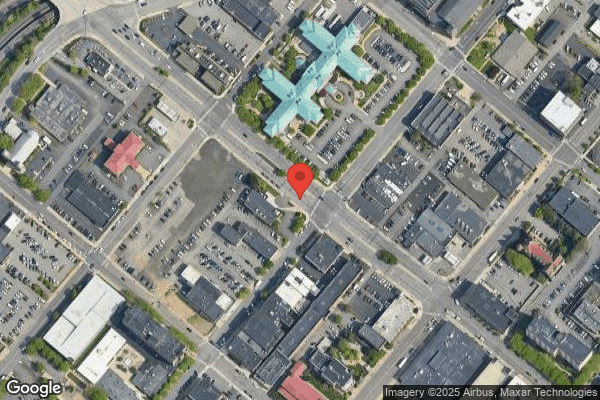
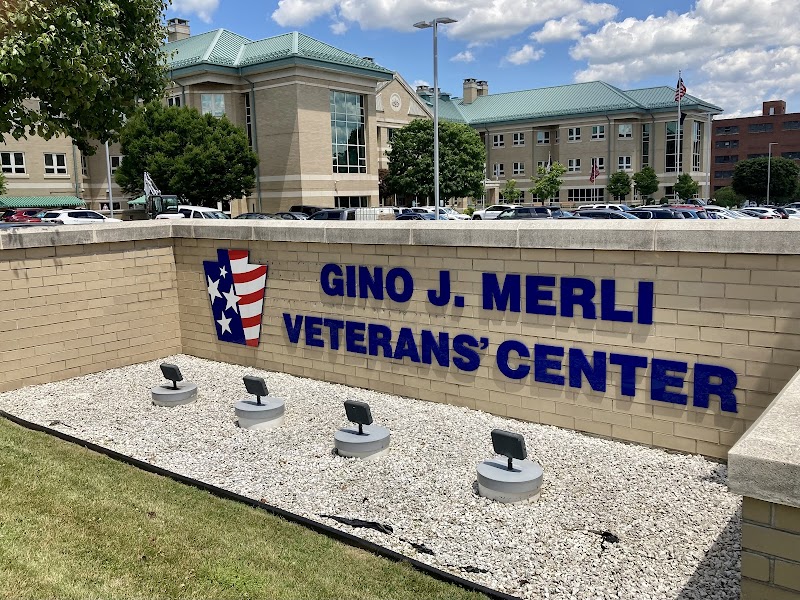
401 PENN AVENUE, SCRANTON, PA 18503 (570) 961-4300
Government - State 196 Beds Independent Data: November 2025
Trust Grade
88/100
#43 of 653 in PA
Last Inspection: June 2025

Inspected within the last 6 months. Data reflects current conditions.

Overview

Families considering Gino J Merli Veterans Center should note that it has a Trust Grade of B+, indicating it is above average and recommended for care. Ranked #43 out of 653 in Pennsylvania, this facility is in the top half of state options, and #3 out of 17 in Lackawanna County, meaning only two local facilities rank higher. However, the facility's trend is worsening, with issues increasing from 1 in 2024 to 2 in 2025. Staffing is a strength here, with a 5/5 star rating and a turnover rate of 28%, well below the state average, suggesting that staff members are experienced and familiar with the residents. On the downside, there have been serious incidents, including a failure to assess a resident's fall risks properly, which resulted in actual harm, and issues with administering unnecessary duplicate medications for two residents. While the facility has no fines recorded, which is good, the RN coverage is only average, meaning some critical care tasks may not be as closely monitored as they could be. Overall, while there are strengths in staffing and overall care quality, families should be aware of the recent worsening trend and specific safety concerns.

Trust Score
B+
88/100
In Pennsylvania
#43/653
Top 6%
Safety Record
Moderate
Needs review
Inspections
Getting Worse
1 → 2 violations
Staff Stability
✓ Good
28% annual turnover. Excellent stability, 20 points below Pennsylvania's 48% average. Staff who stay learn residents' needs.
Penalties
✓ Good
No fines on record. Clean compliance history, better than most Pennsylvania facilities.
Skilled Nurses
✓ Good
Each resident gets 55 minutes of Registered Nurse (RN) attention daily — more than average for Pennsylvania. RNs are trained to catch health problems early.
Violations
○ Average
6 deficiencies on record. Average for a facility this size. Mostly minor or procedural issues.
★★★★★
5.0
Overall Rating
★★★★★
5.0
Staff Levels
★★★★★
5.0
Care Quality
★★★★☆
4.0
Inspection Score
Stable
2024: 1 issues
2025: 2 issues

The Good

  • 5-Star Staffing Rating · Excellent nurse staffing levels
  • 5-Star Quality Measures · Strong clinical quality outcomes
  • Low Staff Turnover (28%) · Staff stability means consistent care
  • Full Sprinkler Coverage · Fire safety systems throughout facility
  • No fines on record
  • Staff turnover is low (28%)

    20 points below Pennsylvania average of 48%

Facility shows strength in staffing levels, quality measures, staff retention, fire safety.

The Bad

No Significant Concerns Identified

This facility shows no red flags. Among Pennsylvania's 100 nursing homes, only 1% achieve this.

The Ugly 6 deficiencies on record

1 actual harm
Jun 2025 1 deficiency
CONCERN (E)

Potential for Harm - no one hurt, but risky conditions existed

Deficiency F0757 (Tag F0757)

Could have caused harm · This affected multiple residents

**NOTE- TERMS IN BRACKETS HAVE BEEN EDITED TO PROTECT CONFIDENTIALITY** Based on clinical record review, facility policy review, resident observation, and staff interviews, it was determined that the ...

Read full inspector narrative →
**NOTE- TERMS IN BRACKETS HAVE BEEN EDITED TO PROTECT CONFIDENTIALITY** Based on clinical record review, facility policy review, resident observation, and staff interviews, it was determined that the facility failed to ensure residents' drug regimens were free from unnecessary medications by administering duplicate antipsychotic therapy without documented clinical justification, and by failing to attempt gradual dose reductions where appropriate, for two residents (Residents 9 and 38). Findings include: A review of the facility policy titled Behavior Management Program, last reviewed in September 2024, revealed that the facility recognizes the importance of ensuring each resident's drug regimen is free from unnecessary medications. Accordingly, the interdisciplinary team will evaluate the resident's response to psychotropic medications on an ongoing basis. This evaluation will include, but is not limited to, monitoring the resident's mood and behaviors, assessing for side effects, and reviewing the outcomes of both pharmacological and non-pharmacological interventions. Mood and behavior monitoring will be documented in the resident's electronic medical record by nursing staff, and additional clinical progress notes will be entered by other interdisciplinary team members as needed. A review of Resident 9's clinical record revealed admission to the facility on June 29, 2018, with diagnoses to include schizophrenia (a chronic mental disorder characterized by symptoms such as hallucinations, delusions, and cognitive challenges) and Parkinson's disease (a movement disorder of the nervous system that worsens over time). A Quarterly Minimum Data Set assessment (MDS- a federally mandated standardized assessment conducted at specific intervals to plan resident care) dated March 20, 2025, revealed the resident was moderately cognitively impaired with a BIMS score of 12 (brief interview for mental status, a tool to assess the resident's attention, orientation and ability to register and recall new information a score of 08-12 indicates moderate cognitive impairment). Physician's orders dated January 14, 2025, revealed the resident was prescribed: Ativan (an anti-anxiety medication) 0.5 mg three times daily, Fluvoxamine (an antidepressant) 50 mg at bedtime, Seroquel (an antipsychotic) 400 mg at 8:00 a.m. and 425 mg at 4:00 p.m., and Haldol (an antipsychotic) 5 mg at bedtime. Review of the resident's clinical record revealed an antipsychotic medication review dated March 6, 2025, listing all four medications above. The review included a checked box stating that a dose reduction was contraindicated because the benefits outweighed the risks and that a reduction would likely impair the resident's function and/or cause psychiatric instability. However, the review lacked resident-specific documentation to support this assertion. There was no individualized clinical rationale provided to explain why a GDR had not been attempted for either Seroquel or Haldol, nor was there justification for the concurrent use of two antipsychotic medications. At the time of the survey ending June 6, 2025, there was no documentation from the physician to support the absence of a GDR attempt, nor any rationale substantiating the need for ongoing duplicate antipsychotic therapy in Resident 9's drug regimen contained in the clinical record. An interview with the Director of Nursing (DON) on June 6, 2025, at 9:30 a.m., confirmed the facility was unable to provide evidence the physician had documented a resident-specific justification for continued antipsychotic use at current dosages or for the necessity of prescribing both Seroquel and Haldol concurrently. The DON also confirmed that no GDR had been attempted. Clinical record revealed that Resident 38 was admitted to the facility on [DATE], with diagnosis to include Alzheimer's disease/Dementia (a progressive brain disorder that slowly destroys memory, thinking skills, and eventually the ability to carry out simple tasks. It is the most common cause of dementia), anxiety, and the resident was also receiving hospice care. The documented hospice admitting diagnosis was end stage heart failure (heart failure occurs when the heart cannot pump enough blood to meet the body' s needs). A quarterly Minimum Data Set (MDS a federally mandated standardized assessment conducted at specific intervals to plan resident care) assessment dated [DATE], identified the resident as severely cognitively impaired and noted behavioral symptoms including fidgeting, restlessness, and difficulty concentrating. admission Physicians orders dated December 30, 2024, included Seroquel (an antipsychotic medication) 25 mg by mouth at night for dementia. A review of the Abnormal Involuntary Movement Scale (AIMS) assessment, dated December 30, 2024, revealed that Resident 38 did not exhibit any extrapyramidal symptoms upon admission to the facility. The AIMS is a 12-item, clinician-rated tool used to assess the severity of dyskinesia in patients taking neuroleptic (antipsychotic) medications. It specifically evaluates involuntary movements such as oral-facial tics (e.g., lip smacking, tongue thrusting), extremity and truncal movements (e.g., abnormal posture, pill-rolling with fingers, shuffling gait), and includes ratings for overall severity, level of incapacitation, the patient's awareness of the movements, and any distress they may be experiencing as a result. Between January 1 and February 4, 2025, nursing documentation described behavioral expressions such as throwing dishes, attempting to exit her Broda chair, and verbal outbursts during care. The record noted that Resident 38 sustained two falls from bed in early January. On February 4, 2025, a hospice nurse and the facility's LPN (Employee 1) discussed the resident's behaviors, resulting in a request by the facility LPN for Haldol 1 mg twice daily. A facility Certified Registered Nurse Practitioner (CRNP) subsequently ordered Haldol 1 mg twice daily for dementia. A hospice nursing note dated February 11, 2025, documented that Employee 1 (LPN) requested an increase in Haldol to three times daily. The CRNP issued a new order on February 11, 2025, for Haldol 1 mg three times daily. Behavioral documentation on and after that date noted persistent agitation throwing the blanket off of her, covering her face with her hands and repetitive verbalizations about her husband, but no objective evidence was provided to support the escalation. On February 13, 2025, despite no documented behavioral episode, hospice recommended increasing Seroquel to 50 mg twice daily, more than double the original dose, resulting in duplicate antipsychotic therapy. Resident 38 sustained another fall on February 15, 2025, after attempting to exit her Broda chair unsafely. Nurses' notes continued to reflect persistent behaviors despite the increased psychoactive medications. On February 20, 2025, the CRNP doubled the Haldol dose to 2 mg three times daily. However, documented behaviors persisted without documented evidence of benefit or clinical reassessment. Nursing documentation continued to reflect persistent behavioral symptoms, including restlessness, throwing blankets, and calling out, through the date of survey. There was no evidence of hallucinations, delusions, or other psychotic symptoms that would warrant the use of antipsychotic medications as a treatment modality. Observation of the resident on June 6, 2025, at 10:00 AM revealed extrapyramidal symptoms, specifically pill-rolling movements of the fingers, which are known adverse effects of antipsychotic drugs. There was no evidence in the clinical record that the resident's medication regimen was reassessed in response to these symptoms. Despite the use of antipsychotic medications, the clinical record lacked evidence that the facility attempted behavioral strategies to address the resident's symptoms prior to initiating or escalating pharmacologic treatment. There was no documentation indicating that nonpharmacological approaches were trialed or considered and determined to be ineffective or inappropriate. In the absence of such efforts, the facility did not demonstrate that medication was necessary to manage the resident's condition. Furthermore, there was no clinical rationale provided by the prescriber explaining why alternative, less restrictive measures were not suitable. Without documentation supporting that behavioral interventions were ruled out as ineffective or clinically inappropriate, the facility failed to justify the necessity of the antipsychotic medication regimen. During an interview on June 6, 2025, at 11:00 AM, the Director of Nursing confirmed that there was no physician documentation supporting the clinical need for duplicate antipsychotic therapy or the repeated increases in dosage for Resident 38. Despite the resident's hospice status, the increased use of Haldol and Seroquel was directed at managing behavioral expressions of cognitive impairment rather than addressing terminal agitation or psychiatric symptoms, without evidence of individualized assessment or consideration of alternative strategies. 28 Pa. Code 211.9(a)(1)(k) Pharmacy services 28 Pa. Code 211.2 (3) Medical Director 28 Pa. Code 201.18(b)(1) Management 28 Pa. Code 211.12(c)(d)(1)(3)(5) Nursing services
May 2025 1 deficiency 1 Harm
SERIOUS (G) 📢 Someone Reported This

A family member, employee, or ombudsman was alarmed enough to file a formal complaint

Actual Harm - a resident was hurt due to facility failures

Accident Prevention (Tag F0689)

A resident was harmed · This affected 1 resident

**NOTE- TERMS IN BRACKETS HAVE BEEN EDITED TO PROTECT CONFIDENTIALITY** Based on observations, a review of clinical records, select facility policies, documentation provided by the facility, and resid...

Read full inspector narrative →
**NOTE- TERMS IN BRACKETS HAVE BEEN EDITED TO PROTECT CONFIDENTIALITY** Based on observations, a review of clinical records, select facility policies, documentation provided by the facility, and resident and staff interviews, it was determined that the facility failed to adequately assess a resident's safety needs and implement adequate safety measures for a resident identified as at risk for falls, including a fall with multiple abrasions and a cervical spine fracture for one out of three residents sampled (Resident 1) which caused actual harm. Findings include: A review of the facility policy titled Fall Prevention Program, last reviewed by the facility June 4, 2024, revealed it is the policy of the facility to assist in fall management and prevention, reducing the risk of serious injury from falls while in conjunction optimizing each resident's freedom of mobility and/or using the least restrictive method supporting resident mobility and quality of life. The policy indicated the falls prevention program is a full-facility program including active engagement by all disciplines 24 hours a day, seven days a week. Also, the policy indicated therapy will screen all residents upon readmission to review for fall risk factors. The policy indicated a fall risk acuity observation will be completed in the electronic health record (EHR) by the licensed staff nurse upon resident readmission for all nursing care residents. Furthermore, the policy indicated an individualized, person-centered nursing care plan will be initiated and/or updated by the interdisciplinary team upon readmission. A review of the facility policy titled Wheelchair Use, last reviewed by the facility on November 4, 2024, revealed it is the facility's policy to support residents in achieving or maintaining their highest practicable physical, mental, and psychosocial well-being by encouraging their independence and assisting them with their mobility and seating needs. The policy indicated occupational therapy will determine if leg rests (support devices on wheelchairs that support the lower legs/feet and prevent slipping) are required at all times during transport on or off the unit and will determine if one or two leg rests are required for all residents utilizing a wheelchair. A clinical record review revealed Resident 1 was admitted to the facility on [DATE], with diagnoses including chronic kidney disease (gradual loss of kidney function), dependence on renal dialysis, and an acquired absence of the right leg below the knee. A review of a quarterly Minimum Data Set assessment (MDS-a federally mandated standardized assessment process conducted periodically to plan resident care) dated February 25, 2025, revealed that Resident 1 is cognitively intact with a BIMS score of 14 (Brief Interview for Mental Status- a tool within the Cognitive Section of the MDS that is used to assess the resident's attention, orientation, and ability to register and recall new information; a score of 13-15 indicates cognition is intact). A physician's order for Resident 1 to receive Acetaminophen 325 mg with directions to administer two tablets (650 mg) as needed for mild pain 1 through 4 initiated on July 19, 2022. A physician's order for Resident 1 to receive Tramadol (an opioid pain medication used to treat moderate to severe pain) tablet 50 mg with directions to give as needed for pain or discomfort level 4 through 10 initiated on July 1, 2024. A care plan indicated Resident 1 is at risk for injury from falls initiated on June 24, 2019. Interventions implemented to assist Resident 1 to be free from injury include a wheelchair with leg rests for transportation and PRN (as needed) implemented on March 10, 2023. During an interview on May 13, 2025, at approximately 12:55 PM, the Director of Rehabilitation Services explained the intervention for as-needed leg rests: leg rests should be utilized when being pushed by facility staff and not self-ambulating on and off the nursing unit. An external hospital discharge document dated April 26, 2025, at 3:10 PM, revealed Resident 1 was admitted to the hospital on [DATE], with shortness of breath. He was diagnosed with acute hypoxic respiratory failure (lungs are unable to adequately transfer oxygen into the blood, resulting in low blood oxygen levels), likely secondary to heart failure exacerbation. The resident underwent a bilateral thoracentesis (a medical procedure where a needle is inserted into the area between the lungs and the chest wall to remove fluid) on April 25, 2025. Two liters of fluid was drained from the right side of his lungs, and one and a half liters of fluid was drained from the left side of his lungs. Resident 1 was to be discharged back to the facility according to this hospital record review. The external hospital discharge document dated April 26, 2025, indicated, Special Instructions: Use caution when standing or walking since you are at an increased risk for falls. A review of a progress note dated April 26, 2025, at 5:15 PM, revealed that Resident 1's vital signs were recorded as follows: temperature 98.4°F, pulse 60 beats per minute, and respirations 20 per minute. The note documented that the resident had multiple discolored areas on both the right and left arms, which were noted as possibly resulting from intravenous access sites and blood draws during his recent hospital stay. The resident denied experiencing pain to those areas. Two dressings were observed to be intact on the right and left back. The note indicated that the Certified Registered Nurse Practitioner (CRNP) had been made aware and would assess the resident on April 28, 2025. Additionally, the resident was noted to have an 8.2 cm x 4.0 cm bruise on the left abdomen and a 15.2 cm x 6.0 cm bruise on the right abdomen, with no reported pain. The note documented that a call was placed to the discharging hospital to obtain discharge orders and a summary. The resident was documented as being in bed and resting, with a weight to be obtained. A review of the clinical record revealed no other documented evidence of a comprehensive assessment of Resident 1's care needs upon return from the hospital, including any evaluation of fall risk or the need to update the resident's care plan. During an interview conducted on May 13, 2025, at approximately 1:45 PM, the Director of Nursing (DON) stated that she was unable to provide any documentation reflecting that the facility assessed Resident 1's clinical status or fall risk upon his return from the community hospital on April 26, 2025. A review of a progress note dated April 26, 2025, at 7:00 PM, indicated that Resident 1 sustained a fall from a wheelchair while being weighed. The note documented that the resident sustained a 0.1 cm x 0.1 cm area to the right pinky. The area was cleansed with normal saline and left open to air. Additional open areas were documented as follows: Left knee: 1.5 cm x 1.0 cm Left wrist, outer aspect: 2.5 cm x 1.5 cm Left hand, posterior aspect above right finger: 1.0 cm x 1.0 cm Right hand: 2.0 cm x 1.5 cm Right elbow: 2.0 cm x 1.5 cm Forehead: 0.1 cm x 0.1 cm Treatment orders included cleansing the areas with normal saline, patting dry, applying wound dressing and gauze, and wrapping the affected areas daily until healed. Two blood blisters noted on the mid-forehead were to be left open to air. The note further indicated that the resident's power of attorney and the Certified Registered Nurse Practitioner were notified of the event. Employee 1, Nurse Aide (NA), in a signed statement dated May 4, 2025, stated that on April 26, 2025, at approximately 6:45 PM, she was instructed by Employee 3, LPN, to weigh Resident 1 because he returned from the hospital. She stated she transferred him into the weighing chair, and he leaned forward and fell. Staff assisted him back to his personal wheelchair. During a telephone interview conducted on May 19, 2025 (completed on this date due to the inability to contact the employee during the survey), Employee 1, Nurse Aide (NA), stated that on the day of the incident, she transported Resident 1 from his bedroom to the facility's scale room. She reported that she and Employee 2, NA, utilized a sit-to-stand mechanical lift to transfer Resident 1 from his wheelchair into the scale chair. Employee 1 noted that Resident 1 was wearing his prosthetic leg at the time. She stated that safety devices, such as leg rests, were not transferred from the resident's personal wheelchair to the weight chair and confirmed that the weight chair did not have leg rests in place. Employee 1 explained that while she was pushing Resident 1 forward onto the wheelchair scale, his leg did a flop on the scale and he suddenly leaned forward and fell. She stated the incident occurred too quickly for her to stop him. Although she was unsure whether he struck the wall, she recalled seeing him on the floor asking for help. Employee 1 stated that following the fall, she observed skin tears on Resident 1's arms and a scrape on his forehead. She reported that nurses assessed the resident and that she assisted other staff in transferring Resident 1 back into his wheelchair. A witness statement dated April 26, 2025, provided by Employee 2, Nurse Aide (NA), revealed that on the evening of April 26, 2025, a nurse requested assistance in weighing Resident 1. Employee 2 stated that she assisted another nurse aide (Employee 1) in the process. After Resident 1 was placed on to the scale wheelchair, the other aide pushed him forward onto the scale. At that time, Resident 1 leaned forward and fell out of the chair. Employee 2 reported that she immediately left the room to seek additional help. During an interview conducted on May 13, 2025, at 10:41 AM, Employee 2, NA, stated that Resident 1 returned to the facility at approximately 6:00 PM on April 26, 2025, following a recent hospital stay. She reported that Resident 1 appeared weaker than usual and did not seem himself. Employee 2 stated that she and her coworker, Employee 1, NA, got Resident 1 out of bed and brought him into the designated weighing room. She confirmed that they transferred him from his personal wheelchair into the facility's designated weight chair, which did not have any safety features such as leg rests. Employee 2 stated the facility does not routinely transfer leg rests or other safety devices from residents' personal wheelchairs to the weight chair. She recalled that as Employee 1 pushed the resident forward onto the scale, Resident 1 fell forward and struck his face against the wall. According to Employee 2, Resident 1 then called out, Get me up. I'm okay! She stated that she left the room to get help, while Employee 1 remained with the resident until licensed staff arrived to assess him. A witness statement dated April 26, 2025, provided by Employee 3, Licensed Practical Nurse (LPN), revealed that on April 26, 2025, she was called into the scale room while Resident 1 was being weighed as per protocol, following his return from the hospital. Upon entering the room, Employee 3 observed Resident 1 lying on the floor. She noted several areas of injury, including bleeding to the left wrist, left hand, right hand, right elbow, left knee, and forehead. Two blood blisters were also observed on the mid-forehead. Employee 3 stated that she notified the Registered Nurse Supervisor (RNS) and the Certified Registered Nurse Practitioner (CRNP) immediately. She indicated that the registered nurse assessed the resident at the scene, and Resident 1 was then assisted back into his wheelchair. Employee 3 reported that treatments for the injuries were initiated and in progress at the time of her statement. A witness statement dated April 26, 2025, provided by Employee 4, Nurse Aide (NA), revealed that while returning from the scale room, she heard another nurse aide calling for assistance. Upon entering the room, she observed Resident 1 rolling on the floor from front to back. She confirmed that two other nurse aides and an LPN were already present in the room. Employee 4 stated that Resident 1 was lifted from the floor and transferred back into his wheelchair using a mechanical lift. No additional details regarding the cause of the fall or the specific circumstances prior to her arrival were provided in her statement. A witness statement dated April 26, 2025, provided by Employee 5, Registered Nurse (RN), revealed that she was called to the unit by a nurse aide who reported that Resident 1 had fallen. Upon entering the scale room, Employee 5 observed that multiple nursing staff, including nurse aides and an LPN, were present. She noted that the weight scale had been moved forward by a nurse to create space for a full-body mechanical lift. Employee 5 reported that Resident 1 was lying on his back and partially on his right side on the window side of the bathroom, which is where the scale is typically stored. She observed multiple skin tears on both arms and the left knee. A bump was also noted on the mid-forehead. Resident 1 stated that he had leaned forward and fell. A neurological assessment was completed and found to be within normal limits. All visible wounds were treated with ointment and dressings. Employee 5 stated that the Assistant Director of Nursing (ADON) and the CRNP were made aware of the incident, and that the resident was assisted back into his wheelchair without any further complaints. A review of the facility's closed-circuit video footage on May 13, 2025, at approximately 1:30 PM, revealed that on April 26, 2025, Employee 1, NA, and Employee 2, NA, were observed entering the scale room with Resident 1. Resident 1 was being transported in his personal wheelchair into the scale room. Resident 1's personal wheelchair was observed with the safety leg rest attached. The resident transfer as described by Employee 2, NA, from his personal wheelchair to the facility weight chair was not observable in the video footage because the door to the scale room was closed. The fall event as described in the above witness statements was not observable because the door to the scale room was closed. Employee 2, NA, was seen exiting the room gesturing for assistance. When the shower room door was opened, Resident 1 was observed on the floor, and staff were seen entering and exiting the room. A review of post-incident documentation revealed that the resident sustained a cervical fracture due to the fall. A review of care plan interventions and physician orders did not include a directive to transfer the resident into an alternate chair for weighing, nor was there documented justification for not utilizing the resident's personal wheelchair during the use of the scale. No individualized safety measures were identified specific to the use of a scale in combination with his prosthetic limb. The facility utilized a [NAME] Lake 350-10-7 Single Ramp Wheelchair Platform Scale, a medical-grade device specifically designed to comply with accessibility standards under the Americans with Disabilities Act (ADA). ADA Accessibility Guidelines for Medical Diagnostic Equipment (MDE) require that such equipment accommodate individuals who use mobility devices, including wheelchairs and prosthetics, without necessitating an unsafe or burdensome transfer. The scale features a wide, low-profile platform with an integrated access ramp, enabling direct roll-on entry using the resident's own personal wheelchair. Maintaining the resident in their personal wheelchair is essential to prevent disruption of individualized positioning supports, such as properly adjusted backrests, lateral supports, and leg rests. These features are particularly critical for residents with lower-limb prosthetic devices, where improper seating or limb stabilization can lead to imbalance, shifting of the prosthesis, and increased fall risk. The use of an unfamiliar chair-such as a scale-assigned weight chair lacking individualized safety devices, such as leg rests, contradicts best practices for accessibility and resident safety, and violates the intended use of ADA-compliant scale equipment. Weighing procedures must ensure wheelchair brakes are engaged, prosthetic limbs are stabilized, and staff remain in attendance throughout the process. Failure to implement these precautions and utilize the scale as designed exposed Resident 1 to a preventable accident hazard. A progress note dated April 27, 2025, at 3:45 AM indicated resident complaints of 8 out of 10 generalized body pain unrelieved with rest, repositioning, or fluids. As needed, Tramadol (an opioid pain medication) was administered, and additional fluids provided. Resident repositions with head of bed elevated and all safety measures in place. A review of Resident 1's medication administration record (MAR) revealed he was administered Tramadol 50 mg at 3:34 AM on April 27, 2025, for a pain level 8 out of 10. A progress note dated April 27, 2025, at 5:33 AM indicated the as-needed Tramadol was effective for generalized body pain. Resident 1 had no complaints of pain or discomfort. Resident in bed, all safety measures in place. A review of Resident 1's medication administration record (MAR) revealed he was administered acetaminophen 650 mg on April 27, 2025, at 12:39 PM for a pain level 3 out of 10. A progress note dated April 27, 2025, at 1:09 PM indicated the Certified Registered Nurse Practitioner (CRNP) was made aware of resident complaints of pain. New physician's orders were indicated for an X-ray of the skull and neck, a complete blood count, and a basic metabolic panel. The note indicated the power of attorney was made aware. A progress note dated April 27, 2025, at 1:34 PM indicated as-needed Tylenol was ineffective. Resident 1 had complaints of pain on a rated 8 out of 10. Nonpharmacological interventions were also ineffective. The resident was administered Tramadol at this time. A review of Resident 1's medication administration record (MAR) revealed he was administered Tramadol 50 mg at 1:31 PM on April 27, 2025, for a pain level 8 out of 10. A progress note dated April 27, 2025, at 4:32 PM indicated x-ray results of the head and neck were received by the facility. A CT scan (computed tomography scan - a medical imaging technique that uses x-rays to create detailed, cross-sectional images of organs, bones, and soft tissue) is recommended for skull x-rays. No acute fracture or subluxation (a partial or incomplete dislocation of a joint, where the bones forming the joint are still partially in contact) by plain radiography (x-ray). Moderate cervical (related to neck or spine) degenerative changes on cervical x-ray. The CRNP was made aware, and a new physician order was noted to send Resident 1 for a CT scan. The note indicated the power of attorney was made aware. The resident indicated he had no pain while lying down but indicted he had pain on his left side when moved. The note indicated the resident had no pain or discomfort in his head or neck at this time. A progress note dated April 27, 2025, at 5:10 PM revealed Resident 1 left via stretcher to the community hospital. A review of community hospital documentation revealed a neurological consultation dated April 28, 2025, indicating the cervical spine CT imaging confirmed a Type 2 odontoid fracture (a bony extension on the C2 bone in the neck) with some posterior angulation (a bending or tilting of a bone or fracture fragment towards the back side) and also what appears to be a chronic [NAME] type fracture of C1 (a non-acute fracture in the C1/first bone in the neck). His neurologic examination was grossly normal. A community hospital consultation note dated April 28, 2025, at 10:20 AM, indicating impressions following CT imaging of spine included: 1. C1 anterior (front) arch fracture (C1 is a bone in the neck). Bilateral C1 posterior (back) arch fractures, which involve the expected bilateral vertebral artery course (path or trajectory of the vertebral arteries). 2. Type 2 odontoid process fracture (a bony extension on the C2 bone in the neck) with displaced/angulated fracture fragment. 3. No additional cervical spine fracture. The community hospital consultation note dated April 28, 2025, at 10:20 AM indicated Resident 1, a [AGE] year-old male, presented after a fall yesterday, striking his head. CT head showing a likely chronic [NAME] fracture and a Type 2 odontoid process fracture. Recommendations include no acute neurosurgical intervention required at this time, a soft collar (a soft cervical collar or neck brace is a device used to support the neck and limit movement) for three months, and follow-up outpatient 6-8 weeks with flexion-extension x-rays. A community hospital Discharge summary dated [DATE], indicated Resident 1 presented for evaluation following a fall from a chair to the scale. The summary included a report that the resident was dropped during this event. (It is unclear from the discharge summary where the allegation the resident was dropped originated. Documentation provided by the facility, interviews with Resident 1 and employees, and a review of clinical records regarding the incident revealed no clear evidence the resident was dropped. Instead, the investigation revealed the resident fell out of a wheelchair while being pushed on to a scale.) The discharge summary further noted the resident struck his forehead on a concrete wall, mostly landing on his right side. As per neurosurgery findings documented in the summary, a CT of the cervical spine showed a likely chronic [NAME] fracture and a Type 2 odontoid process fracture, with no neurological deficit. Recommendations from neurosurgery included a soft collar for 3 months and outpatient follow-up in 6-8 weeks with flexion-extension x-rays prior to the visit, with a follow-up visit scheduled for June 23, 2025. During a resident interview on May 13, 2025, at 1:20 PM, Resident 1 indicated on April 26, 2025, he returned from the hospital and needed to be weighed. He explained when the staff pushed him to the scale, he fell forward and hit his head off the wall. Resident 1 was not able to recall what wheelchair he was in when he was weighed that day. He was not able to identify any other factors that may have resulted in him falling. Resident 1 explained that ever since the fall, he has had neck pain. He described the pain as jolting and rated it as 10 out of 10. During an interview on May 13, 2025, at approximately 1:45 PM, the Director of Nursing (DON) confirmed is the facility's policy to adequately assess a resident's safety and care needs and implement adequate safety measures for a resident identified as at risk for falls. The DON confirmed that upon re-admission on [DATE], Resident 1's care needs should have been reassessed, including any changes to his fall risk acuity. The DON confirmed that upon readmission on [DATE], there was no documented evidence the facility assessed Resident 1's safety and care needs prior to his fall resulting in a cervical fracture and pain. The DON also confirmed the wheelchair from which the resident fell did not have a leg rest in place at the time of the fall. The facility's failure to reassess the resident following a significant change in condition, failure to ensure the use of appropriate assistive equipment consistent with the resident's physical needs, and failure to supervise the weighing procedure in a manner consistent with safe practices and the intended use of the ADA-compliant platform scale resulted in an avoidable fall and actual harm. 28 Pa Code 201.18(b)(1) Management. 28 Pa Code 211.10 (d) Resident care policies. 28 Pa Code 211.12 (d)(3)(5) Nursing services.
Aug 2024 1 deficiency
CONCERN (E)

Potential for Harm - no one hurt, but risky conditions existed

Comprehensive Care Plan (Tag F0656)

Could have caused harm · This affected multiple residents

**NOTE- TERMS IN BRACKETS HAVE BEEN EDITED TO PROTECT CONFIDENTIALITY** Based on clinical record review and staff interview, it was determined that the facility failed to include the resident's discha...

Read full inspector narrative →
**NOTE- TERMS IN BRACKETS HAVE BEEN EDITED TO PROTECT CONFIDENTIALITY** Based on clinical record review and staff interview, it was determined that the facility failed to include the resident's discharge planning in the comprehensive care plan of four residents out of 35 reviewed (Residents 6, 150, 11, 107). Findings include: A review of the clinical record revealed Resident 6 was admitted to the facility April 3, 2019, with a diagnosis to include Parkinson's disease (a disorder of the central nervous system that affects movement, often including tremors), diabetes )(body has trouble controlling blood sugar and using it for energy), and acquired absence of the right leg, above the knee (right lower leg amputation). Review of the quarterly Minimum Data Set assessment (MDS-a federally mandated standardized assessment process conducted at specific intervals to plan resident care) dated September 29, 2023, Section Q: Resident's Overall Goal for discharge: the resident expects to remain in this facility as per information provided by the resident. A review of Resident 6's comprehensive care plan conducted on August 14, 2024, revealed that the resident's current care plan did not address a discharge plan for the resident to remain in the facility for long term placement. A review of the clinical record revealed Resident 150 was admitted to the facility June 20, 2023, with a diagnosis to include atherosclerotic heart disease (build-up of plaque in the artery walls causing obstruction of blood flow), and chronic obstructive pulmonary disease (lung disease that block airflow and make it difficult to breathe). Review of the Significant Change in status MDS dated [DATE], Section Q: Resident's Overall Goal for discharge: the resident expects to remain in this facility as per information provided by the resident. A review of Resident 150's comprehensive care plan conducted on August 14, 2024, revealed that the resident's current care plan did not address a discharge plan for the resident to remain in the facility for long term placement. A review of the clinical record revealed Resident 11 was admitted to the facility June 29, 2018, with a diagnosis to include neurocognitive disorder with Lewy bodies (disease associated with abnormal deposits of protein in the brain), Parkinson's disease and schizophrenia. Review of a quarterly MDS dated [DATE], Section Q: Resident's Overall Goal for discharge: the resident expects to be discharged to the community as per information provided by the resident. A review of Resident 11's comprehensive care plan conducted on August 14, 2024, revealed that the resident's current care plan did not address a discharge plan for the resident to be discharged to the community. A review of the clinical record revealed Resident 107 was admitted to the facility April 20, 2021, with a diagnosis to include bipolar disorder, and atherosclerotic heart disease. Review of a quarterly MDS dated [DATE], Section Q: Resident's Overall Goal for discharge: the resident expects to remain in the facility as per information provided by the resident. A review of Resident 107's comprehensive care plan conducted on August 14, 2024, revealed that the resident's current care plan did not address a discharge plan for the resident to remain in the facility for long term placement. Interview with the Director of Nursing on August 15, 2024, at approximately 11:15 AM, confirmed the absence of discharge planning on Resident 6, 150, 11, and 107's care plan. 28 Pa. Code 211.12 (d)(5) Nursing services.
Sept 2023 3 deficiencies
CONCERN (D)

Potential for Harm - no one hurt, but risky conditions existed

MDS Data Transmission (Tag F0640)

Could have caused harm · This affected 1 resident

Based on review of the Resident Assessment Instrument Manual and clinical records and staff interviews, it was determined that the facility failed to timely submit Minimum Data Set (MDS) assessments t...

Read full inspector narrative →
Based on review of the Resident Assessment Instrument Manual and clinical records and staff interviews, it was determined that the facility failed to timely submit Minimum Data Set (MDS) assessments to the required electronic system, the CMS Quality Improvement and Evaluation System (QIES) Assessment Submission and Processing (ASAP) System, for three out of 32 residents reviewed (Resident 35, 114, and 129). Findings include: The Long-Term Care Facility Resident Assessment Instrument (RAI) User's Manual, which provides instructions and guidelines for completing Minimum Data Set (MDS) assessments (mandated assessments of a resident's abilities and care needs), dated October 2019, that assessments must be submitted within 14 days of the MDS Completion Date (Section Z0500B + 14 days). An Annual MDS assessment of Resident 35 with an ARD (Assessment Reference Date) of July 3, 2023, was not submitted/transmitted as of August 31, 2023, and was noted to be 45 days overdue. Interview with the Employee 1 (Registered Nurse Assessment Coordinator) on August 31, 2023, at approximately 10:15 AM, confirmed that the Resident 35's Annual MDS Assessment was not submitted timely. A review of Resident 114 's Annual MDS with an ARD of July 27, 2023, annual MDS status indicated validated and was not submitted/transmitted as of August 31, 2023, and was noted to be 34 days overdue. Interview with Employee 1 on August 31, 2023, at approximately 10:20 AM, confirmed that Resident 114's Annual MDS assessment was not submitted timely. A review of Resident 129's Annual MDS with an ARD of July 20, 2023, indicated that it was validated This MDS was not submitted/transmitted within 14-days of the MDS Completion Date. Interview with Employee 1 on August 31, 2023, at approximately 10:21 AM, confirmed that Resident 129's Annual MDS assessment was not submitted timely. During an interview with the Nursing Home Administrator (NHA) on August 31, 2023, at 1:30 PM, confirmed that the annual MDS assessments for Residents 35, 114, and 129 were not submitted/transmitted within 14-days of the MDS completion date and were overdue.
CONCERN (D)

Potential for Harm - no one hurt, but risky conditions existed

Comprehensive Care Plan (Tag F0656)

Could have caused harm · This affected 1 resident

**NOTE- TERMS IN BRACKETS HAVE BEEN EDITED TO PROTECT CONFIDENTIALITY** Based on clinical record review, observation, and staff and resident interviews, it was determined that the facility failed to d...

Read full inspector narrative →
**NOTE- TERMS IN BRACKETS HAVE BEEN EDITED TO PROTECT CONFIDENTIALITY** Based on clinical record review, observation, and staff and resident interviews, it was determined that the facility failed to develop and implement a comprehensive person-centered care plan to meet the current individual needs of one of 32 residents reviewed (Resident 147). Findings include: Clinical record review revealed that Resident 147 was admitted to the facility on [DATE], and had diagnoses that included heart failure. Resident 147's Quarterly Minimum Data Set (MDS) assessment (a federally mandated assessment of a resident's abilities and care needs) dated August 18, 2023, revealed that the resident was cognitively intact with a BIMS score of 14 (Brief Interview for Mental Status Score - a tool to assess cognitive function). Review of Resident 147's nursing progress notes dated August 11, 2023, and August 17, 2023, revealed a new concern with potential auditory hallucinations. Resident 147's significant other informed staff of this concern. A review of Resident 147's current care plan conducted on August 31, 2023, revealed that the new concern of potential auditory hallucinations was not included on the care plan. During an interview on August 31, 2023, at 10:46 a.m., the Director of nursing confirmed there was no documented evidence that concern with potential auditory hallucinations were addressed in Resident 147's current care plan.
CONCERN (E)

Potential for Harm - no one hurt, but risky conditions existed

Incontinence Care (Tag F0690)

Could have caused harm · This affected multiple residents

**NOTE- TERMS IN BRACKETS HAVE BEEN EDITED TO PROTECT CONFIDENTIALITY** Based on a review of select facility policy and clinical records, and staff interview, it was determined that the facility faile...

Read full inspector narrative →
**NOTE- TERMS IN BRACKETS HAVE BEEN EDITED TO PROTECT CONFIDENTIALITY** Based on a review of select facility policy and clinical records, and staff interview, it was determined that the facility failed to thoroughly assess and evaluate bowel function and implement individualized approaches to restore normal bowel function and fecal continence to the extent possible for two out of 32 sampled residents (Resident 9 and 114). Findings include: A review of facility policy entitled Bowel and Bladder Management Program last reviewed on June 26, 2023, indicated the facility will assist the residents in maintaining their highest practicable level of independence and dignity. Further it is indicated all residents' bowel and bladder habits will be patterned for three days to establish potential patterns on admission and with a change in their bowel and bladder patterns. The staff nurse will initiate a three day bowel and bladder patterning and observation log in the electronic health record. The nurse aides will document in the electronic health record the residents' bowel and bladder habits for three days. This will provide documentation of toileting schedule and continence or incontinence status for the restorative nurse to accurately evaluate, create, and care plan the bowel and bladder management program. The restorative nurse completes the bowel bladder observation form using the information collected during the evaluation as well as the information gathered in the three day bowel and bladder patterning and observation log period. The residents plan a care will be updated in accordance with their care needs. A review of Resident 9's clinical record revealed that the resident was admitted to the facility on [DATE], with diagnoses that included Parkinson's disease (a brain disorder that causes unintended or uncontrollable movements, such as shaking, stiffness, and difficulty with balance and coordination) and diabetes. A review of the resident's admission bowel and bladder assessment dated [DATE], indicated the resident was always continent of bowel. A review of the resident's clinical record revealed a three day bowel and bladder log was not completed on admission to determine the resident's bowel habits as noted in facility policy. A review of the resident's quarterly bowel and bladder assessment dated [DATE], indicated the resident had a decline in fecal continence and was now always incontinent of bowel. The facility failed to initiate a three day bowel log in response to the resident's decline in bowel continence in an effort to identify any patterns or habits and conduct an accurate assessment of the resident's bowel function and provide appropriate treatment and services to restore as much normal bowel function as possible, unless it is not clinically possible. A review of the resident's current plan of care, in effect at the time of the survey, did not address the resident's bowel incontinence. A review of Resident 114's clinical record revealed that the resident was admitted to the facility on [DATE], with diagnoses that included Alzheimer's dementia (late on-set), hypothyroidism, depression, and hypertension. A review of Resident 114's quarterly bowel and bladder assessment dated [DATE], at 12:46 PM, indicated that the resident required assistance of one-person for toilet use, for example - how resident uses the toilet room, commode, bedpan, or urinal; transfers on/off toilet; cleanses self after elimination; changes pad; manages and adjusts clothes. The assessment indicated that a toileting program was not being used to manage the resident's bowel continence. The assessment noted that the resident had cognitive impairment, however, was sometimes aware of her toileting needs. The current care plan action was noted to continue with the current plan of care and no referral needed. A review of a Quarterly MDS assessment dated [DATE], indicated that the resident required extensive assistance with support of one-person physical assist for bed mobility, transfers, toileting, and personal hygiene. Section H Bladder and Bowel H0400. Bowel Continence was coded that Resident 114 was always continent and Section H0500 was coded no that the resident was not on a toileting program. A review of the resident's quarterly MDS dated [DATE], indicated that the resident required extensive assistance with support of one-person physical assist for bed mobility, transfers, toileting, and personal hygiene. Section H Bladder and Bowel H0400. Bowel Continence was coded that Resident 114 was now frequently incontinent and Section H0500 was coded no that the resident was not on a toileting program to manage the resident's incontinence. Resident 114 had a decline in her bowel continence from the January 31, 2023, quarterly MDS and the April 28, 2023, quarterly MDS. The facility failed to initiate a three-day bowel log with the change in bowel continence to accurately assess the resident and plan care and treatment based on the resident's identified needs related to decline in bowel function to the extent practicable. A review of Resident 114's current plan of care, conducted during the survey ending September 1, 2023, failed to address the resident's decline in bowel continence and current needs related to fecal incontinence. During an interview on August 31, 2023, Employee 2, RN, stated that they don't have anyone on a bowel retraining program due to the comorbidities and age of the population residing in the facility, and the need to use mechanically lifts for some of the residents to transfer, and related to the use of bowel management medications. Interview with the Director of Nursing on August 31, 2023, at 2:23 PM confirmed that the facility failed to act upon declines in residents' bowel continence, failing to thoroughly assess bowel function and provide appropriate treatment and services to restore as much normal bowel function as possible, unless it was not clinically possible. 28 Pa. Code 211.12 (c)(d)(1)(3)(5) Nursing services
Understanding Severity Codes (click to expand)
Life-Threatening (Immediate Jeopardy)
J - Isolated K - Pattern L - Widespread
Actual Harm
G - Isolated H - Pattern I - Widespread
Potential for Harm
D - Isolated E - Pattern F - Widespread
No Harm (Minor)
A - Isolated B - Pattern C - Widespread

Questions to Ask on Your Visit

  • "Can I speak with families of current residents?"
  • "What's your RN coverage like on weekends and overnight?"

Our Honest Assessment

Strengths
  • • Grade B+ (88/100). Above average facility, better than most options in Pennsylvania.
  • • No fines on record. Clean compliance history, better than most Pennsylvania facilities.
  • • 28% annual turnover. Excellent stability, 20 points below Pennsylvania's 48% average. Staff who stay learn residents' needs.
Concerns
  • • 6 deficiencies on record, including 1 serious (caused harm) violation. Ask about corrective actions taken.
Bottom line: Generally positive indicators. Standard due diligence and a personal visit recommended.

About This Facility

What is Gino J Merli Veterans Center's CMS Rating?

CMS assigns GINO J MERLI VETERANS CENTER an overall rating of 5 out of 5 stars, which is considered much above average nationally. Within Pennsylvania, this rating places the facility higher than 99% of the state's 100 nursing homes. This rating reflects solid performance across the metrics CMS uses to evaluate nursing home quality.
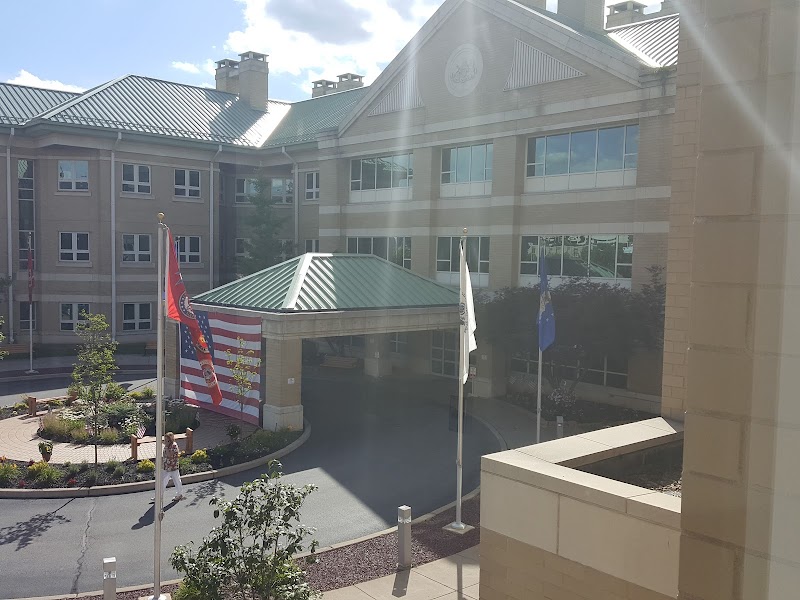
How is Gino J Merli Veterans Center Staffed?

CMS rates GINO J MERLI VETERANS CENTER's staffing level at 5 out of 5 stars, which is much above average compared to other nursing homes. Staff turnover is 28%, compared to the Pennsylvania average of 46%. This relatively stable workforce can support continuity of care.

What Have Inspectors Found at Gino J Merli Veterans Center?

State health inspectors documented 6 deficiencies at GINO J MERLI VETERANS CENTER during 2023 to 2025. These included: 1 that caused actual resident harm and 5 with potential for harm. Deficiencies causing actual harm indicate documented cases where residents experienced negative health consequences.
Who Owns and Operates Gino J Merli Veterans Center?

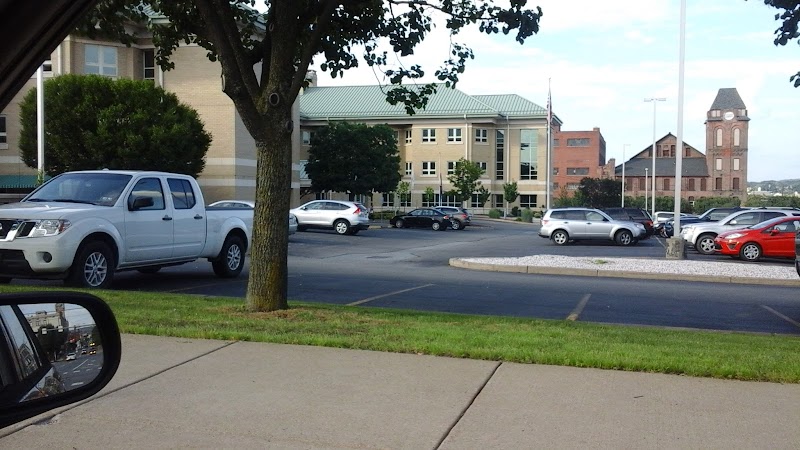
GINO J MERLI VETERANS CENTER is owned by a government entity. Government-operated facilities are typically run by state, county, or municipal agencies. The facility operates independently rather than as part of a larger chain. With 196 certified beds and approximately 178 residents (about 91% occupancy), it is a mid-sized facility located in SCRANTON, Pennsylvania.
How Does Gino J Merli Veterans Center Compare to Other Pennsylvania Nursing Homes?

Compared to the 100 nursing homes in Pennsylvania, GINO J MERLI VETERANS CENTER's overall rating (5 stars) is above the state average of 3.0, staff turnover (28%) is significantly lower than the state average of 46%, and health inspection rating (4 stars) is above the national benchmark.

What Should Families Ask When Visiting Gino J Merli Veterans Center?

Based on this facility's data, families visiting should ask: "Can I visit during a mealtime to observe dining assistance and food quality?" "How do you handle medical emergencies, and what is your hospital transfer rate?" "Can I speak with family members of current residents about their experience?"

Is Gino J Merli Veterans Center Safe?

Based on CMS inspection data, GINO J MERLI VETERANS CENTER has a clean safety record: no substantiated abuse findings (meaning no confirmed cases of resident harm), no Immediate Jeopardy citations (the most serious violation level indicating risk of serious injury or death), and is not on the Special Focus Facility watch list (a federal program monitoring the lowest-performing 1% of nursing homes). The facility has a 5-star overall rating and ranks #1 of 100 nursing homes in Pennsylvania. While no facility is perfect, families should still ask about staff-to-resident ratios and recent inspection results during their visit.

Do Nurses at Gino J Merli Veterans Center Stick Around?

Staff at GINO J MERLI VETERANS CENTER tend to stick around. With a turnover rate of 28%, the facility is 18 percentage points below the Pennsylvania average of 46%. Low turnover is a positive sign. It means caregivers have time to learn each resident's needs, medications, and personal preferences. Consistent staff also notice subtle changes in a resident's condition more quickly. Registered Nurse turnover is also low at 22%, meaning experienced RNs are available to handle complex medical needs.

Was Gino J Merli Veterans Center Ever Fined?

GINO J MERLI VETERANS CENTER has no federal fines on record. CMS issues fines when nursing homes fail to meet care standards or don't correct problems found during inspections. The absence of fines suggests the facility has either maintained compliance or corrected any issues before penalties were assessed. This is a positive indicator, though families should still review recent inspection reports for the full picture.

Is Gino J Merli Veterans Center on Any Federal Watch List?

GINO J MERLI VETERANS CENTER is not on any federal watch list. The most significant is the Special Focus Facility (SFF) program, which identifies the bottom 1% of nursing homes nationally based on persistent, serious quality problems. Not being on this list means the facility has avoided the pattern of deficiencies that triggers enhanced federal oversight. This is a positive indicator, though families should still review the facility's inspection history directly.