CHAMBERS POINTE HEALTH CARE CENTER
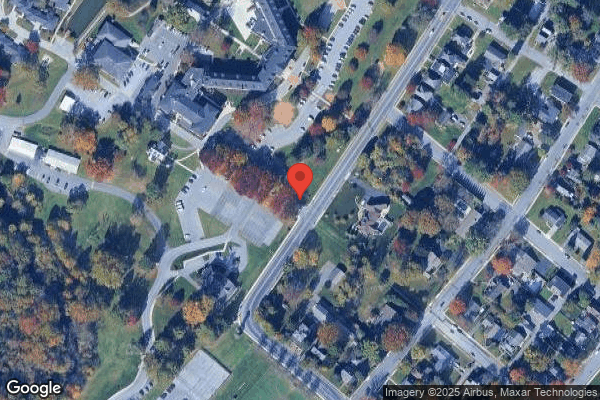
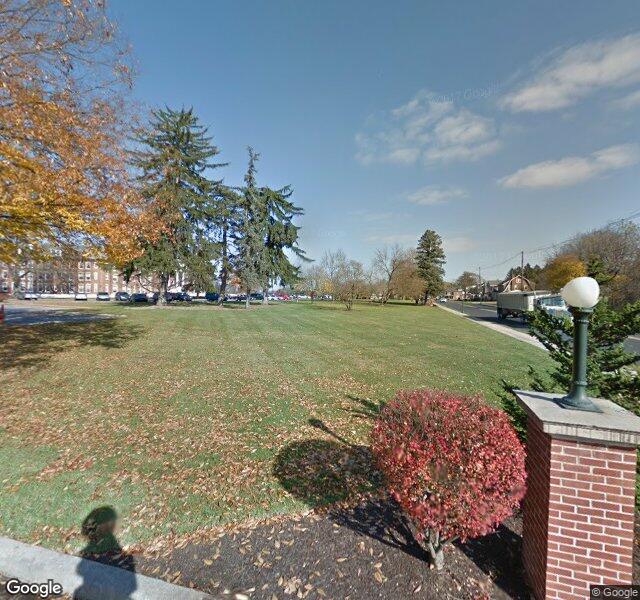
1425 PHILADELPHIA AVENUE, CHAMBERSBURG, PA 17201 (717) 261-0220
For profit - Corporation 50 Beds Independent Data: November 2025
Trust Grade
30/100
#271 of 653 in PA
Last Inspection: February 2025

Within standard 12-15 month inspection cycle. Federal law requires annual inspections.

Overview

Chambers Pointe Health Care Center has received a Trust Grade of F, indicating significant concerns about the quality of care provided. They rank #271 out of 653 nursing homes in Pennsylvania, placing them in the top half of facilities statewide, but #5 out of 9 in Franklin County means there are only a few local options that are better. The facility has been improving, with the number of issues reported decreasing from 8 in 2024 to 3 in 2025. Staffing is considered a strength here, with a 4 out of 5 star rating, although the turnover rate of 58% is concerning compared to the state average of 46%. However, the facility has faced $30,863 in fines, which is higher than 88% of facilities in Pennsylvania, indicating compliance problems. Specific incidents include a failure to develop comprehensive care plans, leading to a resident's fall with a head injury, and neglecting to use necessary footrests on a wheelchair, which also resulted in a fall. Additionally, there was a case of neglect that caused harm to another resident due to a fall that resulted in fractures. While there are some strengths, these serious incidents highlight critical weaknesses in the facility’s care practices.

Trust Score
F
30/100
In Pennsylvania
#271/653
Top 41%
Safety Record
High Risk
Review needed
Inspections
Getting Better
8 → 3 violations
Staff Stability
⚠ Watch
58% turnover. Above average. Higher turnover means staff may not know residents' routines.
Penalties
⚠ Watch
$30,863 in fines. Higher than 84% of Pennsylvania facilities, suggesting repeated compliance issues.
Skilled Nurses
✓ Good
Each resident gets 67 minutes of Registered Nurse (RN) attention daily — more than 97% of Pennsylvania nursing homes. RNs are the most trained staff who catch health problems before they become serious.
Violations
⚠ Watch
23 deficiencies on record. Higher than average. Multiple issues found across inspections.
★★★☆☆
3.0
Overall Rating
★★★★☆
4.0
Staff Levels
★★★★☆
4.0
Care Quality
★★★☆☆
3.0
Inspection Score
Stable
2024: 8 issues
2025: 3 issues

The Good

  • 4-Star Staffing Rating · Above-average nurse staffing levels
  • 4-Star Quality Measures · Strong clinical quality outcomes
  • Full Sprinkler Coverage · Fire safety systems throughout facility
  • No fines on record

Facility shows strength in staffing levels, quality measures, fire safety.

The Bad

3-Star Overall Rating

Near Pennsylvania average (3.0)

Meets federal standards, typical of most facilities

Staff Turnover: 58%

12pts above Pennsylvania avg (46%)

Frequent staff changes - ask about care continuity

Federal Fines: $30,863

Below median ($33,413)

Moderate penalties - review what triggered them

Staff turnover is elevated (58%)

10 points above Pennsylvania average of 48%

The Ugly 23 deficiencies on record

4 actual harm
Feb 2025 3 deficiencies
CONCERN (D)

Potential for Harm - no one hurt, but risky conditions existed

Safe Environment (Tag F0584)

Could have caused harm · This affected 1 resident

Based on review of clinical records, as well as observations and staff interviews, it was determined that the facility failed to ensure that residents' chairs were clean for one of 19 residents review...

Read full inspector narrative →
Based on review of clinical records, as well as observations and staff interviews, it was determined that the facility failed to ensure that residents' chairs were clean for one of 19 residents reviewed (Resident 10). Findings include: A quarterly Minimum Data Set (MDS) assessment (a mandated assessment of a resident's abilities and care needs) for Resident 10, dated November 27, 2024, revealed that the resident was usually understood, could understand others, and had diagnoses that included cerebral palsy (a group of non-progressive neurological disorders that affect movement, posture, and balance). Observations of Resident 10's power wheelchair on February 26, 2025, at 3:10 p.m. and on February 27, 2025, at 11:49 a.m. and 1:45 p.m., respectively, revealed that the resident's power wheelchair had a buildup of food and dust debris on the lower frames, as well as an accumulation of dust on the black motor/battery cover. Interview and observations with the Director of Housekeeping on February 27, 2025, at 1:45 p.m. confirmed that Resident 10's power wheelchair had a buildup of food and dust debris on the lower frames, as well as an accumulation of dust on the black motor/battery cover. She indicated that they have a regular cleaning schedule for the regular wheelchairs; however, they do not have one for the resident's power wheelchair. 28 Pa. Code 207.2(a) Administrator's Responsibility. 28 Pa. Code 211.12(d)(5) Nursing Services.
CONCERN (D)

Potential for Harm - no one hurt, but risky conditions existed

Assessment Accuracy (Tag F0641)

Could have caused harm · This affected 1 resident

Based on review of the Resident Assessment Instrument User's Manual and clinical records, as well as staff interviews, it was determined that the facility failed to complete accurate comprehensive Min...

Read full inspector narrative →
Based on review of the Resident Assessment Instrument User's Manual and clinical records, as well as staff interviews, it was determined that the facility failed to complete accurate comprehensive Minimum Data Set assessments for two of 19 residents reviewed (Residents 17, 24). Findings include: The Long-Term Care Facility Resident Assessment Instrument (RAI) User's Manual, which provides guidance and instructions for the completion of MDS assessments, dated October 2024, indicated that the intent of Section N was to record the number of days, during the seven-day assessment period, that any type of injection, insulin, and/or select medications were received by the resident. Section N0451K was to be coded if the resident received an anti-convulsant during the seven-day assessment period. Physician's orders for Resident 17, dated January 24, 2025, included orders for the resident to receive 300 mg Gabapentin (anti-convulsant) three times a day. Review of the January MAR revealed that the resident received Gabapentin during the assessment period. However, an admission MDS assessment for Resident 17, dated January 30, 2025, revealed that Sections N0415K was coded to indicate that the resident had not received the anti-convulsant. Interview with the Nursing Home Administrator on February 28, 2025, at 1:59 p.m. confirmed that MDS assessment for Resident 17 was coded inaccurately. The Long-Term Care Facility Resident Assessment Instrument User's Manual, dated October 2024, indicated that Section B-Hearing, Speech, and Vision (B0100-B1200) was to be completed to indicate the resident's ability to hear (with assistive hearing devices, if they are used), understand, and communicate with others and whether the resident experiences visual limitations or difficulties related to diseases common in aged persons. Section C-Cognitive Patterns (C0100-C1000) of the MDS was to be completed for each resident to identify his/her cognitive status. Section C0100 was to be coded No (0) or Yes (1) depending on whether a Brief Interview for Mental Status (BIMS) should be attempted with the resident and coded in Sections C0200 through C0500. The instructions for determining if a BIMS interview should be attempted indicated that if the resident was at least sometimes understood (verbally or in writing) then the BIMS interview was to be attempted with the resident. If the resident was rarely/never understood, then the BIMS interview was not to be attempted, and a Staff Assessment of Mental Status was to be completed instead and coded in Sections C0600 through C1000. The RAI User's Manual also indicated that if a resident did not answer a question, then the question should be coded as a zero for an incorrect answer. If there were no responses, or the responses were nonsensical, then the BIMS interview was to be stopped after Section C0300 (day of the week), a dash was to be coded in the remaining sections of the individual interview, a (99) was to be entered in Section C0500, and then a Staff Assessment of Mental Status was to be completed instead and coded in Sections C0600 through C1000. A quarterly MDS assessment for Resident 24, dated February 6, 2025, revealed that section B0700 was coded (3) indicating that the resident was rarely or never understood, and section B0800 was coded (3) indicating the resident could rarely or never understand others. However, according to Section C0100, attempt to conduct interview, was coded (1) indicating yes, interview the resident. Interview with the Nursing Home Administrator on February 28, 2025, at 1:59 p.m. confirmed that Section C0100 of Resident 24's February 6, 2025, MDS assessment was not accurate and should have been coded zero (0). 28 Pa. Code 211.5(f) Clinical Records.
CONCERN (D)

Potential for Harm - no one hurt, but risky conditions existed

Deficiency F0697 (Tag F0697)

Could have caused harm · This affected 1 resident

Based on review of facility policies and clinical records, observations, and resident and staff interviews, it was determined that the facility failed to provide effective pain management for one of 1...

Read full inspector narrative →
Based on review of facility policies and clinical records, observations, and resident and staff interviews, it was determined that the facility failed to provide effective pain management for one of 19 residents reviewed (Resident 17). Findings include: The facility's policy regarding pain management, dated February 20, 2025, indicated that the facility would ensure that pain management was provided to residents who required such services, consistent with professional standards of practice, the comprehensive care plan, and the resident's goals and preferences. When pain medications were administered the facility would follow up monitoring the effectiveness. An admission Minimum Data Set (MDS) assessment (a mandated assessment of a resident's abilities and care needs) for Resident 17, dated January 30, 2025, revealed that the resident was alert and oriented, received pain medication routinely and as needed, received an opioid (a controlled pain medication), and was receiving hospice services. Physician's orders for Resident 17, dated January 30, 2025, included orders for the resident to receive 0.5 milliliters (mL) of morphine sulfate solution (a narcotic pain medication) 20 milligrams/milliliter (mg/mL) every two hours as needed for shortness of breath or pain. Resident 17's Medication Administration Record for February 2025 revealed that 0.5 mL morphine sulfate was administered on February 6 at 1:13 p.m. There was no documented evidence of the effectiveness of pain relief after the administration of the morphine sulfate until 4:17 p.m., at which time the effectiveness was documented as ineffective and 0.5 mL of morphine sulfate was administered at that time. Resident 17's Medication Administration Record for February 2025 revealed that 0.5 mL morphine sulfate was administered on February 7 at 6:55 a.m. There was no documented evidence of the effectiveness of pain relief after the administration of the morphine sulfate until 10:03 a.m., at which time the effectiveness was documented as ineffective and 0.5 mL of morphine sulfate was administered at 10:07 a.m. Interview with the Nursing Home Administrator on February 28, 2025, at 1:59 p.m. confirmed that there was no follow up regarding the effectiveness of the morphine sulfate after administration on February 6 and 7, 2025. 28 Pa. Code 211.12(d)(3)(5) Nursing Services.
Aug 2024 1 deficiency
CONCERN (D) 📢 Someone Reported This

A family member, employee, or ombudsman was alarmed enough to file a formal complaint

Potential for Harm - no one hurt, but risky conditions existed

Deficiency F0808 (Tag F0808)

Could have caused harm · This affected 1 resident

Based on a review of policies and clinical records, as well as observations and staff interviews, it was determined that the facility failed to ensure that a therapeutic diet was provided as ordered b...

Read full inspector narrative →
Based on a review of policies and clinical records, as well as observations and staff interviews, it was determined that the facility failed to ensure that a therapeutic diet was provided as ordered by the physician for one of three residents reviewed (Resident 1). Findings include: The facility's policy regarding thickened liquids, dated April 11, 2024, indicated that the definition for thickened liquids are liquids where the consistency has been altered to facilitate safe, oral intake. They are ordered as part of treatment for a disease or clinical condition, such as dysphagia (a medical term for difficulty swallowing) due to stroke, cancer, multiple sclerosis (a chronic disease of the central nervous system) or other neuromuscular disease. Thickened liquids are provided only when ordered by a physician/practitioner, or when ordered by a dietitian or speech-language pathologist who has been delegated to write diet orders, to the extent allowed by state law. The facility utilizes standard liquid categories. Category 0: Thin; Category 1: Slightly thick (naturally thick); Category 2 Mildly thick (nectar thick); Category 3: Moderately thick (honey thick), and Category 4: Extremely thick (spoon thick). A quarterly Minimum Data Set (MDS) assessment (a mandated assessment of a resident's abilities and care needs) for Resident 1, dated June 19, 2024, revealed that the resident was usually understood, could usually understand, had a diagnosis which included dysphagia, and was on a mechanically altered diet (foods that are easy to swallow because they are blended, chopped, ground, or mashed so that they are easy to chew and swallow). A care plan for the resident, dated May 31, 2024, revealed that the resident has a swallowing problem. Staff were to provide the resident's diet as ordered, and she was to have nectar thick liquids (have slightly more body than thin liquids, but still can pour easily). Physician's orders for Resident 1, dated April 5, 2024, included an order for the resident to receive 237 milliliters (ml) of Ensure Plus (a nutritional supplement) three times a day. Physician's orders for Resident 1, dated May 31, 2024, included an order for the resident to receive a liberal geriatric diet (tailored to a person's preferences and health needs) with chopped meats and nectar/mildly thick consistency for her liquids. A nursing note for Resident 1, dated June 19, 2024, at 12:11 p.m. revealed that the resident went to a luncheon off the unit and was given thin water instead of a thickened drink. The resident's lungs were clear and her temperature. range was within normal limits. The resident had no coughing or signs of respiratory distress. Observations of Resident 1 during the supper meal on August 5, 2024, at 4:59 p.m. revealed that the resident was sitting at a table in the Evergreen Unit main dining room eating her supper. The resident had a hot dog that was cut up in small pieces on a hot dog bun, baked beans, enriched pudding (nutrients that were lost during processing are added back in), a small glass containing a red-colored nectar thick juice, and a container of Ensure Plus with a straw in the container. The resident picked up the container of Ensure Plus and took sips through the straw throughout the meal. Interview with the Nursing Home Administrator on August 5, 2024, at 5:27 p.m. confirmed that the nursing note for Resident 1 on June 19, 2024, indicated that the resident received the incorrect consistency for her liquids. Interview with Dietitian 1 on August 5, 2024, at 6:25 p.m. revealed that there was only one Ensure product that he is aware that would be considered nectar thick at room temperature, and that would be Ensure Max Chocolate. He indicated that Chocolate Ensure Plus would be considered Category 1 at room temperature, which would be considered slightly thick. He indicated that Resident 1 would require Category 2 level for her liquid consistency. Interview with Registered Nurse 2 on August 5, 2024, at 6:40 p.m. confirmed that she did not add any thickener to Resident 1's Ensure Plus prior to giving it to the resident. 28 Pa. Code 211.12(d)(1)(5) Nursing Services.
Mar 2024 7 deficiencies
CONCERN (D)

Potential for Harm - no one hurt, but risky conditions existed

Transfer Notice (Tag F0623)

Could have caused harm · This affected 1 resident

Based on review of clinical records and staff interviews, it was determined that the facility failed to notify the resident's representative in writing regarding the reason for hospitalization for one...

Read full inspector narrative →
Based on review of clinical records and staff interviews, it was determined that the facility failed to notify the resident's representative in writing regarding the reason for hospitalization for one of 30 residents reviewed (Resident 38). Findings include: A quarterly Minimum Data Set (MDS) assessment (a mandated assessment of a resident's abilities and care needs) for Resident 38, dated January 30, 2024, indicated that the resident was severely cognitively impaired, required assistance from staff for her daily care needs, and had diagnoses that included stroke and traumatic brain injury. Resident 38's daughter was listed in the clinical record as the responsible party and first emergency contact. MDS discharge assessments for Resident 38, dated October 13 and 19, 2023, and November 4, 2023, revealed that the resident was admitted to the hospital on those dates. Nursing notes for Resident 38, dated October 13 and 19, 2023, and November 4, 2023, indicated that the resident was transferred to the hospital for further evaluation, treatment and admission. There was no documented evidence in Resident 38's clinical record to indicate that the resident's representative was notified in writing of the purpose for the resident's transfer about the hospitalizations in October and November 2023. Interview with the Nursing Home Adminstrator on March 12, 2024, at 4:19 p.m. confirmed that there was no documentation that the resident's representative was notified in writing of Resident 38's transfers and hospitalizations in October and November 2023, and there should have been. 28 Pa. Code 201.25 Discharge Policy. 28 Pa. Code 201.29(f)(g) Resident Rights.
CONCERN (D)

Potential for Harm - no one hurt, but risky conditions existed

Deficiency F0657 (Tag F0657)

Could have caused harm · This affected 1 resident

Based on review of facility policy and clinical records, as well as staff interviews, it was determined that the facility failed to ensure that a resident's care plan was updated/revised to reflect th...

Read full inspector narrative →
Based on review of facility policy and clinical records, as well as staff interviews, it was determined that the facility failed to ensure that a resident's care plan was updated/revised to reflect the resident's specific care needs for one of 30 residents reviewed (Resident 21). Findings include: A facility policy for care planning, dated September 14, 2023, revealed that assessments of residents were ongoing and that care plans were revised as information about the residents' conditions change. A quarterly Minimum Data Set (MDS) assessment (a mandated assessment of a resident's abilities and care needs) for Resident 21, dated January 10, 2024, revealed that the resident was sometimes understood and could usually understand others, was cognitively impaired, and was dependent on staff for daily care needs. A care plan for Resident 21, updated January 10, 2024, revealed that the resident had inadequate oral intake with swallowing difficulty and unintended weight loss. There was nothing in the care plan to indicate that Resident 21 refused dinner trays. A note from speech therapy, dated January 25, 2024, revealed that Resident 21 can have a mechanically soft diet if resident is alert, out of bed, and in the dining room. A note from dietary, dated February 13, 2024, revealed that Resident 21 continues to refuse her dinner tray. Nursing notes for Resident 21 revealed that the resident refused dinner trays on February 14, February 17, February 18, February 22, February 26, and March 8, 2024. Interview with Speech Therapist 1 and Speech Therapist 2 on March 12, 2024, at 1:16 p.m. revealed that they were made aware on March 8, 2024, that Resident 21 continues to refuse dinner trays and is on the case load to evaluate safety to remain in bed while eating. Interview with Nursing Home Administrator on March 12, 2024, at 1:31 p.m. revealed that the care plan needed to be updated to reflect resident's continued refusals of supper trays. 28 Pa. Code 201.24(e)(4) admission Policy.
CONCERN (D)

Potential for Harm - no one hurt, but risky conditions existed

Deficiency F0761 (Tag F0761)

Could have caused harm · This affected 1 resident

**NOTE- TERMS IN BRACKETS HAVE BEEN EDITED TO PROTECT CONFIDENTIALITY** Based on observations and staff interviews, it was determined that the facility failed to ensure that controlled medications wer...

Read full inspector narrative →
**NOTE- TERMS IN BRACKETS HAVE BEEN EDITED TO PROTECT CONFIDENTIALITY** Based on observations and staff interviews, it was determined that the facility failed to ensure that controlled medications were stored in a separately-locked, permanently-affixed compartment in one of two medication rooms reviewed (Main), and failed to discard expired medical supplies in one of two medication rooms reviewed (Evergreen). Findings include: Observations in the Main medication room refrigerator on [DATE], at 8:12 am. revealed that there was a narcotic storage box containing an unopened bottle of liquid Ativan (a controlled medication used to treat anxiety) and the box was not permanently affixed inside the refrigerator. An interview with Registered Nurse 1 on [DATE], at 8:14 a.m. confirmed that the narcotic storage box containing the bottle of Ativan should have been permanently affixed inside the Main medication room. Observations in the Evergreen medication room on [DATE], at 8:17 a.m. revealed that there were multiple intravenous catheters (medical supplies used in the vein to provide fluids or medication) that expired in February, September and December of 2023, and three syringes that expired in [DATE] and [DATE]. An interview with Registered Nurse 1 on [DATE], at 8:19 a.m. confirmed that the medical supplies were expired and should not have been in circulation to be used on residents. Interview with the Nursing Home Administrator on [DATE], at 3:24 p.m. confirmed that the facility had no policy that spoke to expired medical supplies or narcotic boxes being permanently affixed in the medication refrigerator. Furthermore, she confirmed that the narcotic storage box containing Ativan was not permanently affixed inside the refrigerator and expired medical supplies were in circulation, and they should not have been. 28 Pa. Code 211.9(a)(1) Pharmacy Services.
CONCERN (E)

Potential for Harm - no one hurt, but risky conditions existed

Grievances (Tag F0585)

Could have caused harm · This affected multiple residents

Based on observations and review of clinical records, as well as resident and staff interviews, it was determined that the facility failed to make ongoing efforts to resolve a grievances. Findings inc...

Read full inspector narrative →
Based on observations and review of clinical records, as well as resident and staff interviews, it was determined that the facility failed to make ongoing efforts to resolve a grievances. Findings include: A meeting with a group of residents on March 11, 2024, at 10:37 a.m. revealed that the food was cold, unappetizing and unpalatable. A grievance filed on November 14, 2023, revealed that a resident received cold food on November 11, 2023, and November 12, 2023. A grievance filed on February 7, 2024, revealed that Resident 8 continued to receive cold food. Observations of the lunch meal service on March 12, 2024, at 10:52 a.m. in the Evergreen dining room revealed the following temperatures at the beginning of service: the pasta and butter sauce was 152 degrees Fahrenheit (F), the popcorn chicken was 143.0 degrees F, the shrimp was 173.0 degrees F, the mashed potatoes were 160.0 degrees F, the beets and carrots were 164.0 degrees F, the mechanical chicken was 163.0 degrees F, and the mechanical shrimp was 156.0 degrees F. After the last resident was served lunch in the Evergreen dining room on March 12, 2024, at 12:26 p.m. a test tray was conducted. The pasta with shrimp and butter sauce was 136.0 degrees F and tasted cold, the mashed potatoes with gravy was 133.0 degrees F and tasted cold, the carrots and beets were 131.0 degrees F and tasted cold, the mechanical chicken was 135.0 degrees F and tasted cold, and the mechanical shrimp was 137.0 degrees and tasted cold. Interview with the Nursing Home Administrator on March 12, 2024, at 4:32 p.m. confirmed that cold food has been an ongoing concern and that it was not resolved based on continued grievances and cold test tray. 28 Pa. Code 201.29(i) Resident Rights. 28 Pa. Code 211.12(d)(5) Nursing Services.
CONCERN (E)

Potential for Harm - no one hurt, but risky conditions existed

Drug Regimen Review (Tag F0756)

Could have caused harm · This affected multiple residents

Based on a review of facility policies and clinical records, as well as staff interviews, it was determined that the facility failed to respond timely to a pharmacy recommendation for one of 30 reside...

Read full inspector narrative →
Based on a review of facility policies and clinical records, as well as staff interviews, it was determined that the facility failed to respond timely to a pharmacy recommendation for one of 30 residents reviewed (Resident 36). Findings include: The facility's policy for pharmacy services, dated September 14, 2023, revealed that the licensed pharmacist will collaborate with facility leadership and staff to coordinate pharmaceutical services within the facility, guide development and evaluation of pharmaceutical services procedures, and help the facility identify, evaluate, and resolve pharmaceutical concerns which affect resident care and medical care, or quality of life. A quarterly Minimum Data Set (MDS) assessment (a mandated assessment of a resident's abilities and care needs) for Resident 36, dated August 11, 2023, revealed that the resident was cognitively impaired, required assistance from staff for daily care needs, and had diagnoses that included atrial fibrillation (irregular heartbeat), high blood pressure, high cholesterol, thyroid disorder, arthritis, and renal failure. Physician's orders for Resident 36 on admission, dated January 19, 2023, included orders for the resident to receive 7.5 milligrams (mg) of Meloxicam (nonsteroidal anti-inflammatory pain medication) twice a day for pain, 20 milliequivalent (meq) of potassium chloride daily for low potassium levels, 25 mg of Losartan (high blood pressure medication) daily for high blood pressure, 50 micrograms (mcg) of Levothyroxine daily for low thyroid levels, 300 mg of Allopurinol (uric acid lowering medication) daily for gout (high uric acid level causes arthritis), and 20 mg of lasix (diuretic medication) for edema. Review of the pharmacy medication regime review (MRR) for Resident 36, dated September 27, 2023, revealed recommendations to have blood draws for laboratory testing that included a basic metabolic panel for taking an angiotensin receptor blocker (a type of high blood pressure medication) every six months, a lipid panel yearly for taking a statin (cholesterol lowering medication), an uric acid level yearly when taking Allopurinol, and a thyroid stimulating hormone level yearly for taking Levothyroxine (synthetic thyroid medication). The MRR recommendation was never reviewed, responded to, or signed by the physician to agree or disagree. Review of a pharmacy MRR for Resident 36, dated November 6, 2023, revealed recommendations to have blood draws for laboratory testing that included a complete metabolic panel for taking furosemide (Lasix), Meloxicam, potassium medication, and Losartan every six months; a full lipid panel yearly for taking a statin; and an uric acid level yearly when taking Allopurinol. The MRR recommendation was never reviewed, responded to, or signed by the physician to agree or disagree. Interview with the Director of Nursing on March 13, 2024, at 3:41 p.m. confirmed that the pharmacy MRR recommendations for Resident 36 were not addressed by the physician and should have been. 28 Pa. Code 211.12(d)(3)(5) Nursing Services.
CONCERN (F)

Potential for Harm - no one hurt, but risky conditions existed

Deficiency F0804 (Tag F0804)

Could have caused harm · This affected most or all residents

Based on a review of facility's policies and observations, as well as resident and staff interviews, it was determined that the facility failed to serve food items that were palatable and at proper te...

Read full inspector narrative →
Based on a review of facility's policies and observations, as well as resident and staff interviews, it was determined that the facility failed to serve food items that were palatable and at proper temperatures. Findings include: The facility's policy regarding Food Handling Principles dated September 14, 2023, revealed that hot foods are to be served at 135-155 degrees Fahrenheit (F). Observations on March 12, 2024, at 10:52 a.m. revealed that the food was brought to the kitchenette and initial temperatures were taken. The pasta was 152.0 degrees F, the popcorn chicken was 143.0 degrees F, the shrimp was 173.0 degrees F, the mashed potatoes were 160.0 degrees F, the beets and carrots were 164.0 degrees F, the mechanical chicken was 163.0 degrees F, and the ground shrimp was 156.0 degrees F. The food was then placed in the steam table. The steam table pans containing the hot food were left uncovered throughout the lunch meal service. After serving lunch to the last resident in the dining room on March 12, 2024, at 12:26 p.m., temperatures for a test tray were obtained. The mechanical shrimp was 137.0 degrees F and cold to taste, the mechanical chicken was 135.0 degrees F and cold to taste, the carrots and beets were 131.0 degrees F and cold to taste, the mashed potatoes with gravy were 133 degrees F and cold to taste, the shrimp with pasta and garlic butter was 136.0 degrees F and cold to taste. Interview with Dietary Aide 4 on March 12, 2024, at 12:26 p.m. revealed that the lids should have been closed when not plating food. Interview with the Nursing Home Administrator on March 12, 2024, at 2:16 p.m. confirmed that food should be served at an appropriate temperature, and that the food would be cold if lids are left open during service. 28 Pa. Code 211.6(b) Dietary Services.
CONCERN (F)

Potential for Harm - no one hurt, but risky conditions existed

Food Safety (Tag F0812)

Could have caused harm · This affected most or all residents

**NOTE- TERMS IN BRACKETS HAVE BEEN EDITED TO PROTECT CONFIDENTIALITY** Based on review of facility policies, as well as observations and staff interviews, it was determined that the facility failed t...

Read full inspector narrative →
**NOTE- TERMS IN BRACKETS HAVE BEEN EDITED TO PROTECT CONFIDENTIALITY** Based on review of facility policies, as well as observations and staff interviews, it was determined that the facility failed to serve food in accordance with professional standards for food service safety, by failing to ensure that dietary staff wore hair coverings that completely covered their hair during food handling and not storing food properly. Findings include: The facility's dietary policy regarding Use of Hair Restraints, dated September 14, 2023, revealed that staff were to wear a hat or hairnet to cover all visible hair. The facility's dietary policy regarding Food Storage, dated September 14, 2023, revealed that food is stored in a manner that prevents damage, spoilage, infestation, and bacterial contamination. Observations in the main kitchen on March 11, 2024, at 10:26 a.m. revealed that the Assistant Dietary Director was wearing a hair restraint and approximately three inches of her bangs were uncovered. Observations in the freezer on March 11 2024, at 10:26 a.m. revealed a tray containing 22 uncovered, unlabeled and undated grey colored, unidentifiable food patties; 24 patties of pureed cranberry that was uncovered, unlabeled and undated; and a full box of [NAME] that was uncovered, undated and unlabeled and open to the air. Observations in the Evergreen kitchenette on March 11, 2024, at 10:41 a.m. revealed that Dietary Aide 5 exited the kitchenette without a hairnet. Observations in the Dogwood kitchenette on March 11, 2024, at 10:45 a.m. revealed that Dietary Aide 6 had three inches of hair on the back of her head that was not covered by her hair restraint. Interview with the Executive Culinary Director on March 11, 2024, at 10:46 a.m. confirmed that staff did not have all hair covered with hair restraints and should have, and that the frozen patties and box of [NAME] were not covered and dated and should have been. 28 Pa. Code 211.6(f) Dietary Services.
Nov 2023 2 deficiencies 2 Harm
SERIOUS (G) 📢 Someone Reported This

A family member, employee, or ombudsman was alarmed enough to file a formal complaint

Actual Harm - a resident was hurt due to facility failures

Comprehensive Care Plan (Tag F0656)

A resident was harmed · This affected 1 resident

Based on review of policies and clinical records, as well as observations and staff interviews, it was determined that the facility failed to develop comprehensive care plans that included specific an...

Read full inspector narrative →
Based on review of policies and clinical records, as well as observations and staff interviews, it was determined that the facility failed to develop comprehensive care plans that included specific and individualized interventions to address the care needs of residents for two of three residents reviewed (Residents 1, 3), resulting in a fall with a head injury. Findings include: The facility's policy regarding assistive devices and equipment, dated September 14, 2023, indicated that devices and equipment that assisted with resident mobility, safety and independence were provided for residents, which included wheelchairs, walkers and canes. Recommendations for the use of devices and equipment were based on the comprehensive assessment and documented in the resident's plan of care. The facility's care plan policy, dated September 14, 2023, indicated that the comprehensive, person-centered care plan included measurable objectives and time frames, and described the services that were furnished to attain or maintain the resident's highest practicable physical, mental, and psychosocial well being. An admission Minimum Data Set (MDS) assessment (a mandated assessment of a resident's abilities and care needs) for Resident 1, dated August 23, 2023, revealed that the resident was cognitively impaired, required extensive assistance with transfers, had limited range of motion to his upper extremities, used a wheelchair, had a history of falls, and had diagnoses that included dementia and traumatic brain injury (sudden injury that causes damage to the brain). The resident's care plan, dated September 14, 2023, revealed that he was at risk for falls and used a wheelchair. Investigative documents for Resident 1, dated November 15, 2023, revealed that the resident was on the floor lying in front of his wheelchair with the nurse aide standing beside him. The resident was stabilized, the bleeding was stopped from the laceration, and he was assessed by the registered nurse. A statement from Registered Nurse 1, dated November 15, 2023, revealed that when she came upon the situation to help staff, it was noted that Resident 1's foot rests for his wheelchair were in the bag hanging on the back of the wheelchair. There was no documented evidence that a care plan was developed to address Resident 1's specific and individualized interventions and care needs related to using foot rests on his wheelchair prior to falling from his wheelchair. However, the foot rests were hanging on the back of the chair and readily available at the time of Resident 1's fall. A significant change Minimum Data Set MDS assessment for Resident 3, dated November 2, 2023, revealed that the resident was cognitively impaired, used a wheelchair, had a history of falls, and had diagnoses that included dementia and Parkinson's disease (disorder of the central nervous system that affects movement, often including tremors). Observations of Resident 3 on November 29, 2023, at 12:41 p.m. revealed that the resident was in his wheelchair in the dining room, seated at a table, and had leg rests on. There was no documented evidence that a care plan was developed to address Resident 3's specific and individualized interventions and care needs related to using foot rests on his wheelchair. Interview with the Nursing Home Administrator on November 29, 2023, at 2:51 p.m. confirmed that there were no residents care planned for the use of foot rests. 28 Pa. Code 211.12(d)(1) Nursing services.
SERIOUS (G) 📢 Someone Reported This

A family member, employee, or ombudsman was alarmed enough to file a formal complaint

Actual Harm - a resident was hurt due to facility failures

Accident Prevention (Tag F0689)

A resident was harmed · This affected 1 resident

Based on review of policies, investigative reports, and clinical records, as well as staff interviews, it was determined that the facility failed to take precautions to prevent injury to a resident ca...

Read full inspector narrative →
Based on review of policies, investigative reports, and clinical records, as well as staff interviews, it was determined that the facility failed to take precautions to prevent injury to a resident caused by not having foot rests on his wheelchair during transport for one of three residents reviewed (Resident 1), resulting in a fall with a head injury. Findings include: The facility's policy regarding assistive devices and equipment, dated September 14, 2023, indicated that devices and equipment that assisted with resident mobility, safety and independence were provided for residents, which included wheelchairs, walkers and canes. Recommendations for the use of devices and equipment were based on the comprehensive assessment and documented in the resident's plan of care. An admission Minimum Data Set (MDS) assessment (a mandated assessment of a resident's abilities and care needs) for Resident 1, dated August 23, 2023, revealed that the resident was cognitively impaired, required extensive assistance with transfers, had limited range of motion to his upper extremities, used a wheelchair, had a history of falls, and had diagnoses that included dementia and traumatic brain injury (sudden injury that causes damage to the brain). The resident's care plan, dated September 14, 2023, revealed that he was at risk for falls and used a wheelchair. Investigative documents for Resident 1, dated November 15, 2023, revealed that the resident was on the floor lying in front of his wheelchair with the nurse aide standing beside him. The resident was stabilized, the bleeding was stopped from the laceration, and he was assessed by the registered nurse. A statement from Registered Nurse 1, dated November 15, 2023, revealed that Nurse Aide 2 went to the nurse's desk after she was involved in an incident with Resident 1. She stated that she was assisting another resident in the dining room and Resident 1 was in the dining room as well, and he began asking for help to get back to his room. She continued to help the resident she was with, but Resident 1 continued to ask her for help, so she began pushing him back to his room because he would not stop asking her for help. Nurse Aide 2 did not have foot rests on while she was pushing Resident 1 back to his room. Nurse Aide 2 stated that he was leaning forward and then he put his feet down and fell forward. When Registered Nurse 1 came upon the situation to help staff, it was noted that Resident 1's foot rests for his wheelchair were in the bag hanging on the back of the wheelchair. An emergency room report, dated November 15, 2023, revealed that Resident 1 was being pushed in his wheelchair and fell forward landing on his face and sustained a facial laceration measuring 5.0 centimeters (cm). An e-mail sent from the Director of Nursing to staff, dated November 16, 2023, revealed that Resident 1 had a fall, was transported by the nurse aide without foot rests, and received eight staples on his forehead. Interview with Nurse Aide 2 on November 29, 2023, at 3:11 p.m. confirmed that Resident 1 was in the dining room, needed someone to push him back to his room, and he fell on the floor. She stated that she did not add anything to his wheelchair. Interview with Registered Nurse 1 on November 29, 2023, at 3:05 p.m. confirmed that Nurse Aide 2 was pushing Resident 1 in his wheelchair without foot rests, he fell, and received a laceration to the middle of his forehead, and that he should have had foot rests on his wheelchair before Nurse Aide 2 started to push him. Interview with the Nursing Home Administrator on November 29, 2023, at 2:51 p.m. confirmed that Nurse Aide 2 did not use foot rests on Resident 1's wheelchair when he fell, and she should have put them on prior to pushing Resident 1. 28 Pa. Code 211.10(c)(d) Resident care policies. 28 Pa. Code 211.12(d)(5) Nursing services.
Jun 2023 2 deficiencies 2 Harm
SERIOUS (G) 📢 Someone Reported This

A family member, employee, or ombudsman was alarmed enough to file a formal complaint

Actual Harm - a resident was hurt due to facility failures

Free from Abuse/Neglect (Tag F0600)

A resident was harmed · This affected 1 resident

Based on review of facility policies, investigation reports, clinical records, and staff education records, as well as staff interviews, it was determined that the facility failed to ensure that resid...

Read full inspector narrative →
Based on review of facility policies, investigation reports, clinical records, and staff education records, as well as staff interviews, it was determined that the facility failed to ensure that residents were free from neglect for one of seven residents reviewed (Resident 2), resulting in harm to Resident 2 due to a fall that resulted in fractures. Findings include: The facility's policy regarding abuse and neglect, dated April 13, 2023, indicated that the facility was to provide protection for the health, welfare and rights of each resident by developing and implementing written policies and procedures that prohibit and prevent abuse, neglect, exploitation, and misappropriation of resident property. An admission Minimum Data Set (MDS) assessment (a mandated assessment of a resident's abilities and care needs) for Resident 2, dated March 30, 2023, revealed that the resident was cognitively intact, required the extensive assistance of two staff for transfers, required limited assistance with ambulation (walking), was only able to stabilize and balance herself with staff assistance, and had no recent falls. The resident's care plan, dated March 25, 2023, revealed that she required one staff member and a wheeled walker for transfers. A nursing note, dated May 20, 2023, at 11:09 p.m. revealed that the nurse aide was yelling for help and Resident 2 was found lying on the ground on her stomach, and there was a large amount of blood under her face, which was coming from the resident's nose. The bridge of the resident's nose was swollen with bruising and a laceration, and she was transferred to the hospital. A CT-scan (diagnostic test), dated May 21, 2023, revealed the resident had a fracture of the nasal bone. The facility's investigation dated May 20, 2023, revealed that Resident 2 requested that Nurse Aide 1 walk with her, and Nurse Aide 1 followed the resident with her wheelchair as the resident walked with her rolling walker. When Nurse Aide 1 asked the resident to turn and go back to her room the resident said she was dizzy, and before the resident could be seated, she fell forward. The resident has a history of being dizzy and receives medication three times a day. The investigation determined that Nurse Aide 1 was not using a gait belt at the time of the fall. Nurse Aide 1 stated that she thought the resident did not need a gait belt since it was not care planned. The facility's new employee training checklist, dated January 25, 2023, revealed that Nurse Aide 1 completed training regarding transfer/ambulation with a gait belt. An interview with Nurse Aide 1 on June 5, 2023, at 2:47 p.m. confirmed that she did not use a gait belt while walking and transferring Resident 2 because it was not care planned; however, she did confirm that she received education regarding the use of the gait belt. An interview with the Nursing Home Administrator on June 5, 2023, at 2:25 p.m. confirmed that Nurse Aide 1 did not use a gait belt when transferring and ambulating Resident 2 and she should have, and that neglect was substantiated. 42 CFR 483.13 - Resident Behavior and Facility Practices, 10-1-1998 edition. 28 Pa. Code 211.10(c)(d) Resident care policies. 28 Pa. Code 211.11(d) Resident care plan. 28 Pa. Code 211.12(d)(1)(5) Nursing services.
SERIOUS (G) 📢 Someone Reported This

A family member, employee, or ombudsman was alarmed enough to file a formal complaint

Actual Harm - a resident was hurt due to facility failures

Accident Prevention (Tag F0689)

A resident was harmed · This affected 1 resident

Based on review of facility policies, investigation reports, clinical records, and staff education records, as well as staff interviews, it was determined that the facility failed to provide care usin...

Read full inspector narrative →
Based on review of facility policies, investigation reports, clinical records, and staff education records, as well as staff interviews, it was determined that the facility failed to provide care using adequate assistance devices to prevent accidents for one of seven residents reviewed (Resident 2), resulting in the resident experiencing a fall and fracture. Findings include: The facility's policy regarding gait belt use, dated April 13, 2023, indicated that gait belts were to be used with residents that could not independently ambulate or transfer for the purpose of safety. Each nursing department employee was to be given a gait belt during orientation. All employees would receive education on the proper use of the gait belt during orientation and annually. It would be the responsibility of each employee to ensure they have it available for use at all times when at work. An admission Minimum Data Set (MDS) assessment (a mandated assessment of a resident's abilities and care needs) for Resident 2, dated March 30, 2023, revealed that the resident was cognitively intact, required the extensive assistance of two staff for transfers, required limited assistance with ambulation (walking), was only able to stabilize and balance herself with staff assistance, and had no recent falls. The resident's care plan, dated March 25, 2023, revealed that she required one staff member and a wheeled walker for transfers. A nursing note, dated May 20, 2023, at 11:09 p.m. revealed that the nurse aide was yelling for help and Resident 2 was found lying on the ground on her stomach, and there was a large amount of blood under her face, which was coming from the resident's nose. The bridge of the resident's nose was swollen with bruising and a laceration, and she was transferred to the hospital. A CT-scan (diagnostic test), dated May 21, 2023, revealed the resident had a fracture of the nasal bone. The facility's investigation, dated May 20, 2023, revealed that Resident 2 requested that Nurse Aide 1 walk with her, and Nurse Aide 1 followed the resident with her wheelchair as the resident walked with her rolling walker. When Nurse Aide 1 asked the resident to turn and go back to her room the resident said she was dizzy, and before the resident could be seated, she fell forward. The resident has a history of being dizzy and received medication three times a day. The investigation determined that Nurse Aide 1 was not using a gait belt at the time of the fall. Nurse Aide 1 stated that she thought the resident did not need a gait belt since it was not care planned. The facility's new employee training checklist, dated January 25, 2023, revealed that Nurse Aide 1 completed training regarding transfer/ambulation with a gait belt. An interview with Nurse Aide 1 on June 5, 2023, at 2:47 p.m. confirmed that she did not use a gait belt while walking and transferring Resident 2 because it was not care planned. An interview with the Nursing Home Administrator on June 5, 2023, at 2:25 p.m. confirmed that Nurse Aide 2 did not use a gait belt when transferring and ambulating Resident 2 and she should have. 28 Pa. Code 211.12(d)(1)(5) Nursing services.
Apr 2023 8 deficiencies
CONCERN (D)

Potential for Harm - no one hurt, but risky conditions existed

Comprehensive Care Plan (Tag F0656)

Could have caused harm · This affected 1 resident

Based on facility policies and clinical record reviews, as well as staff interviews, it was determined that the facility failed to develop comprehensive care plans that included specific and individua...

Read full inspector narrative →
Based on facility policies and clinical record reviews, as well as staff interviews, it was determined that the facility failed to develop comprehensive care plans that included specific and individualized interventions to address the care needs for four of 29 residents reviewed (Residents 24, 39, 54, 57). Findings include: The facility's policy regarding care plans, dated April 13, 2023, indicated that the facility develops and implements a comprehensive person-centered care plan for each resident, consistent with resident rights that includes measurable objectives and time frames to meet a resident's medical, nursing, and mental and psychosocial needs that are identified in the resident's comprehensive assessment. The comprehensive care plan will be developed within seven days of the completion of the comprehensive MDS assessment. An admission Minimum Data Set (MDS) assessment (a mandated assessment of a resident's abilities and care needs) for Resident 24, dated March 30, 2023, revealed that the resident was alert and oriented, had diagnoses that included diabetes, and received insulin (medication that lowers blood sugar levels). Physician's orders for Resident 24, dated March 23, 2023, included orders for the resident to receive 10 units of NPH Insulin (an intermediate-acting insulin that usually reaches the bloodstream about 1 to 3 hours after injection, peaks 4 to 12 hours later, and is effective for about 12 to 16 hours) twice a day before meals, and physician's orders, dated April 17, 2023, included orders for the resident to receive 10 units of NPH Insulin three times a day before meals. The resident's Medication Administration Records (MAR's) for March and April 2023 revealed that the resident received NPH Insulin from March 24 through April 21, 2023. There was no documented evidence that a care plan was developed to address Resident 24's specific and individualized care needs related to receiving insulin. Interview with the Director of Nursing on April 21, 2023, at 7:46 a.m. confirmed that an individualized care plan and interventions were not developed related to Resident 24 receiving insulin. An admission MDS assessment for Resident 39, dated February 7, 2023, revealed that the resident was able to understand others and be understood, required extensive assistance for daily care needs, and had a diagnosis that included diabetes. There was no documented evidence that a care plan was developed to address Resident 39's specific and individualized care needs related his diabetes disease. An interview with the Nursing Home Administrator on April 20, 2023, at 3:43 p.m. revealed that an individualized care plan was not developed for Resident 39 related to his diabetes. Physician's orders for Resident 54, dated March 30, 2023, included an order for the resident to receive one 2.5 milligram (mg) tablet of Apixaban (an anticoagulant medication) every morning and bedtime related to atrial fibrillation (irregular heartbeat). Medication Administration Records (MARs) for Resident 54, dated March and April 2023, revealed that the resident received the 2.5 mg of Apixaban from March 30 through April 21, 2023. There was no documented evidence that a care plan was developed to address Resident 54's specific and individualized care needs related to receiving an anticoagulant medication. Interview with the Director of Nursing on April 21, 2023, at 7:50 a.m. confirmed that an individualized care plan and interventions were not developed related to Resident 54 receiving anticoagulant medication. Physician's orders for Resident 57, dated April 9, 2023, included orders for the resident to receive 2.5 mg of Xarelto (an anticoagulant medication) twice a day related to atrial fibrillation, and the resident's MARs for April 2023 revealed that the resident received 2.5 mg of Xarelto on April 11 through 21, 2023. There was no documented evidence that a care plan was developed to address Resident 57's specific and individualized care needs related to receiving an anticoagulant medication. Interview with the Nursing Home Administrator on April 21, 2023, at 2:54 p.m. confirmed that an individualized care plan and interventions were not developed related to Resident 57 receiving anticoagulant medication. 28 Pa. Code 211.11(d) Resident care plan. 28 Pa. Code 211.12(d)(5) Nursing services.
CONCERN (D)

Potential for Harm - no one hurt, but risky conditions existed

Deficiency F0658 (Tag F0658)

Could have caused harm · This affected 1 resident

Based on review of Pennsylvania's Nursing Practice Act, facility policies, and clinical records, as well as staff interviews, it was determined that the facility failed to clarify questionable physici...

Read full inspector narrative →
Based on review of Pennsylvania's Nursing Practice Act, facility policies, and clinical records, as well as staff interviews, it was determined that the facility failed to clarify questionable physician's orders for one of 29 residents reviewed (Resident 2) and failed to ensure that a professional (registered) nurse assessed a resident after a change in condition for one of 29 residents reviewed (Residents 39). Findings include: The Pennsylvania Code, Title 49, Professional and Vocational Standards, State Board of Nursing, 21.11 (a)(1)(2)(4) indicated that the registered nurse was to collect complete and ongoing data to determine nursing care needs, analyze the health status of individuals and compare the data with the norm when determining nursing care needs, and carry out nursing care actions that promote, maintain and restore the well-being of individuals. A quarterly Minimum Data Set (MDS) assessment (a mandated assessment of a resident's abilities and care needs) for Resident 2, dated March 15, 2023, revealed that the resident was cognitively impaired, required assistance from staff for daily care needs, and had diagnoses that included heart disease. Physician's orders for Resident 2, dated June 22, 2022, included orders for the resident to receive 125 micrograms (mcg) of Digoxin at bedtime every Monday, Wednesday, and Friday related to long-term use of anticoagulants and staff were to hold the medication if the resident's pulse was greater than 60 and to notify the physician. There was no documented evidence that the physician's order to hold the Digoxin for a pulse of greater than 60 was clarified with the physician. Resident 2's Medication Administration Record (MAR) for February, March, and April 2023 revealed that staff administered the Digoxin on Mondays, Wednesdays, and Fridays when the resident's pulse was greater than 60. Interview with the Director of Nursing on April 21, 2023, at 7:46 a.m. confirmed that Resident 2's physician's order for Digoxin to be held for a pulse greater than 60 should have been clarified. The facility's bowel protocol policy, dated April 13, 2023, revealed that licensed staff will review bowel records daily and are responsible for initiating bowel protocol. Standard bowel protocol includes on the third day without a bowel movement the nurse will offer 30 cubic centimeters (cc) of Milk of Magnesia. If the resident declines the Milk of Magnesia, a Dulcolax suppository will be offered. On the fourth day without a bowel movement, the licensed staff will offer a Dulcolax suppository. If the resident declines the suppository, 30 cc of Milk of Magnesia will be offered to the resident. If there is no bowel movement by the evening of day four, a bowel assessment will be completed and the results reported to the provider. The resident will receive a focused bowel assessment every shift until a bowel movement has occurred. An admission Minimum Data Set (MDS) assessment (a mandated assessment of a resident's abilities and care needs) for Resident 39, dated February 7, 2023, revealed that the resident was able to understand others and be understood, required extensive assistance for daily care needs, received routine and as-needed pain medication, and had a diagnosis that included diabetes. Review of bowel records for Resident 39 revealed that the resident did not have bowel movement for five days between March 2, 2023, and March 7, 2023. There was no documented evidence that a focused bowel assessment was completed and reported to the provider per the facility's policy on the evening of Day 4 without a bowel movement. Interview with the Director of Nursing on April 21, 2023, at 7:48 a.m. confirmed that a bowel assessment was not completed as of March 7, 2023, after Day 4 of not having a bowel movement per facility policy and should have been. 28 Pa. Code 211.12(d)(3) Nursing services. 28 Pa. Code 211.12(d)(5) Nursing services.
CONCERN (D)

Potential for Harm - no one hurt, but risky conditions existed

Pharmacy Services (Tag F0755)

Could have caused harm · This affected 1 resident

Based on review of clinical records, as well as interviews with staff, it was determined that the facility failed to maintain accountability for controlled medications (drugs with the potential to be ...

Read full inspector narrative →
Based on review of clinical records, as well as interviews with staff, it was determined that the facility failed to maintain accountability for controlled medications (drugs with the potential to be abused) for two of 29 residents reviewed (Residents 22, 39). Findings include: A Quarterly Minimum Data Set (MDS) assessment (a mandated assessment of a resident's abilities and care needs) for Resident 22, dated January 17, 2023, revealed that the resident was cognitively intact, required extensive assistance for daily care needs, received routine and as-needed pain medication, and had diagnoses that included Parkinson's (a brain disorder that causes unintended or uncontrollable movements). Physician's orders for Resident 22, dated October 17, 2022, included an order for the resident to receive 25 milligrams (mg) of Tramadol (a narcotic pain medication) two times a day as needed for pain. Review of the controlled drug record (a form that accounts for each tablet/pill/dose of a controlled drug) for Resident 22, dated February 2023 and March 2023, indicated that a Tramadol dose was signed out on January 17, 2023, at 6:00 a.m. and March 17, 2023, at 3:45 p.m. However, the resident's clinical record, including the Medication Administration Record (MAR) and nursing notes, contained no documented evidence that the signed-out doses of Tramadol were administered to the resident on these dates and times. Interview with the Director of Nursing on April 21, 2023, at 11:00 a.m. confirmed that there was no documented evidence in Resident's 22's clinical records to indicate that the signed-out doses of Tramadol mentioned above were administered to the resident. An admission MDS assessment for Resident 39, dated February 7, 2023, revealed that the resident was able to understand others and be understood, required extensive assistance for daily care needs, received routine and as-needed pain medication, and had a diagnosis that included diabetes. Physician's orders for Resident 39, dated January 31, 2023, included an order for the resident to receive 0.25 milliliters (ml) of 20mg/mL Morphine Sulfate solution (a narcotic pain medication) every hour as needed for pain. Review of the controlled drug record for Resident 39 for March and April,2023 indicated that a Morphine Sulfate dose was signed out on March 11, 2023, at 1:30 a.m.; March 21, 2023, at 5:40 a.m.; and April 1, 2023, at 6:00 a.m. However, the resident's clinical record, including the MAR and nursing notes, contained no documented evidence that the signed-out doses of Morphine Sulfate were administered to the resident on these dates and times. Interview with the Nursing Home Administrator on April 21, 2023, at 1:51 p.m. confirmed that there was no documented evidence in Resident 39's clinical records to indicate that the signed-out doses of Morphine Sulfate mentioned above were administered to the resident. 28 Pa. Code 211.9(h) Pharmacy services. 28 Pa. Code 211.12(d)(1) Nursing services. 28 Pa. Code 211.12(d)(5) Nursing services.
CONCERN (D)

Potential for Harm - no one hurt, but risky conditions existed

Unnecessary Medications (Tag F0759)

Could have caused harm · This affected 1 resident

Based on review of manufacturer's instructions and resident clinical records, as well as observations and staff interviews, it was determined that the facility failed to ensure that the medication err...

Read full inspector narrative →
Based on review of manufacturer's instructions and resident clinical records, as well as observations and staff interviews, it was determined that the facility failed to ensure that the medication error rate was less than five percent. Findings include: Observations during medication administration on April 20, 2023, at 7:50 a.m. revealed that two medication administration errors were made during 33 opportunities for error, resulting in an error rate of 6.06 percent. The current manufacturer's instructions for Metoprolol extended life (treats high blood pressure) indicated that the medication was to be swallowed whole and not chewed or crushed. The manufacturer's instructions for pantoprazole extended release, dated May 2022, indicated that it should be swallowed whole and not chewed or crushed. Current physician's orders for Resident 16, dated June 8, 2022, included an order for the resident to receive one 40 milligram (mg) tablet of pantoprazole extended release daily and an order for one 100 mg tablet of metoprolol extended life daily. Observations during medication administration on April 20, 2023, at 7:50 a.m. revealed that Licensed Practical Nurse 1 crushed Resident 16's Protonix and metoprolol, put them in applesauce, and administered it to Resident 16. Interview with Licensed Practical Nurse 1 on April 20, 2023, at 8:04 a.m. confirmed that she should not have crushed the metoprolol or Protonix. Interview with the Director of Nursing on April 20, 2023, at 3:45 p.m. confirmed that Licensed Practical Nurse 1 should not have crushed Protonix or metoprolol prior to administering to Resident 16. 28 Pa. Code 211.12(d)(1) Nursing services. 28 Pa. Code 211.12(d)(5) Nursing services.
CONCERN (D)

Potential for Harm - no one hurt, but risky conditions existed

Medical Records (Tag F0842)

Could have caused harm · This affected 1 resident

Based on review of facility policies and clinical records, as well as resident and staff interviews, it was determined that the facility failed to maintain clinical records that were complete and accu...

Read full inspector narrative →
Based on review of facility policies and clinical records, as well as resident and staff interviews, it was determined that the facility failed to maintain clinical records that were complete and accurately documented for one of 29 residents reviewed (Residents 17). Findings include: A facility policy for oxygen administration, storage and maintenance, dated April 13, 2023, indicated that a physician's order is required for oxygen administration and that the licensed nurse will assume responsibility for documentation of saturation rates and oxygen administration. Physician orders for a continuous oxygen flow to maintain a certain saturation level, the medication administration record (MAR) will reflect the obtained saturation rate, liter of flow of oxygen, and initials of medication nurse every shift. A Quarterly Minimum Data Set (MDS) assessment (a mandated assessment of a resident's abilities and care needs) for Resident 17, dated February 28, 2023, revealed that the resident understood others and was sometimes understood, required extensive assist of staff for daily care needs, and had diagnoses that included sick sinus syndrome (a type of heart rhythm disorder). Physician's orders for Resident 17, dated January 9, 2023, included an order to use oxygen to maintain oxygen saturation (percent of oxygen carried by red blood cells through the arteries and delivered to internal organs) of greater than 90 percent. A care plan for the resident, dated January 11, 2023, included an intervention for the resident to receive oxygen at 2 liters per minute. A review of clinical records, including the MAR, Treatment Administration Records (TAR), and nursing notes, revealed no consistent documentation to reveal how many liters of oxygen the resident was receiving. An interview with the Director of Nursing on April 21, 2023, at 7:48 p.m. revealed that the physician's order for the amount of oxygen Resident 17 should receive was unclear and confirmed that there was no documentation to reveal how many liters of oxygen the resident was receiving daily. 28 Pa Code 211.5(f) Clinical records 28 Pa. Code 211.12(d)(5) Nursing services
CONCERN (D)

Potential for Harm - no one hurt, but risky conditions existed

QAPI Program (Tag F0867)

Could have caused harm · This affected 1 resident

Based on review of the facility's plans of correction for previous surveys, and the results of the current survey, it was determined that the facility's Quality Assurance Performance Improvement (QAPI...

Read full inspector narrative →
Based on review of the facility's plans of correction for previous surveys, and the results of the current survey, it was determined that the facility's Quality Assurance Performance Improvement (QAPI) committee failed to correct quality deficiencies and ensure that plans to improve the delivery of care and services effectively addressed recurring deficiencies. Findings include: The facility's deficiencies and plans of corrections for an annual survey ending May 13, 2022, revealed that the facility developed a plan of correction that included quality assurance systems to ensure that the facility maintained compliance with cited nursing home regulations. The results of the current survey, ending April 21, 2023, identified a repeated deficiency related to pharmaceutical services/accountability of narcotics. The facility's plan of correction for a deficiency regarding pharmaceutical services, cited during the survey ending May 13, 2022, revealed that the facility would complete audits and report the results of the audits to the QAPI committee for review. The results of the current survey, cited under F755, revealed that the facility's QAPI committee failed to successfully implement their plan to ensure pharmaceutical services, such as accountability for narcotics, was followed. Refer to F755. 28 Pa. Code 201.14(a) Responsibility of licensee. 28 Pa. Code 201.18(e)(1) Management.
CONCERN (E)

Potential for Harm - no one hurt, but risky conditions existed

Resident Rights (Tag F0550)

Could have caused harm · This affected multiple residents

Based on a review of facility policies and clinical records, as well as staff interviews, it was determined that the facility failed to ensure that a resident's dignity was maintained for one of 29 re...

Read full inspector narrative →
Based on a review of facility policies and clinical records, as well as staff interviews, it was determined that the facility failed to ensure that a resident's dignity was maintained for one of 29 residents reviewed (Resident 54). Findings include: The facility's policy regarding call lights, dated April 13, 2023, indicated that staff members who are alerted of an activated call light are responsible for responding. An admission Minimum Data Set (MDS) assessment (a federally-mandated assessment of a resident's abilities and care needs) for Resident 54, dated April 6, 2023, revealed that the resident was alert and oriented, able to make his needs known, required extensive assistance from staff for daily care needs including toileting, hygiene, and transfers. A care plan for the resident, dated March 31, 2023, indicated that the resident was at risk for falls and the resident needs prompt response to all requests for assistance. Interview with Resident 54 and the resident's wife on April 19, 2023, at 4:16 p.m. revealed that he had to wait for an extended period of time for staff to respond to his call bell. A call bell log for Resident 54, dated March 30 through April 20, 2023, revealed that on March 31, 2023, it took staff 17 minutes and 22 minutes to respond to the resident's call bell; on April 1, 2023, it took staff 17 minutes and 41 minutes to respond to the resident's call bell; on April 2, 2023, it took staff 37 minutes to respond to the resident's call bell; on April 4, 2023, it took staff 27 minutes to respond to the resident's call bell; on April 5, 2023, it took staff 18 minutes to respond to the resident's call bell; on April 12, 2023, it took staff 21 minutes to respond to the resident's call bell; on April 13, 2023, it took staff 20 minutes to respond to the resident's call bell; on April 14, 2023, it took staff 20 minutes and 22 minutes to respond to the resident's call bell; on April 18, 2023, it took staff 32 minutes to respond to the resident's call bell; and on April 19, 2023, it took staff 18 minutes and 24 minutes to respond to the resident's call bell. Interview with the Nursing Home Administrator on April 21, 2023, at 12:50 p.m. revealed that the call bell wait times were excessive and not acceptable. She indicated that she prefers to have the staff respond to the residents' call bells within 15 minutes. 28 Pa. Code 201.29(j) Resident rights.
CONCERN (E)

Potential for Harm - no one hurt, but risky conditions existed

Quality of Care (Tag F0684)

Could have caused harm · This affected multiple residents

Based on review of facility policies and clinical records, as well as staff interviews, it was determined that the facility failed to follow physician's orders related to bowel protocols for one of 29...

Read full inspector narrative →
Based on review of facility policies and clinical records, as well as staff interviews, it was determined that the facility failed to follow physician's orders related to bowel protocols for one of 29 residents reviewed (Resident 15) and failed to ensure that physician's orders for medications were followed for two of 29 residents reviewed (Residents 22, 39). The facility's bowel protocol, dated April 13, 2023, revealed licensed staff would review bowel records daily and were responsible for initiating the bowel protocol. The standard bowel protocol included on the third day without a bowel movement, the nurse will offer 30 cubic centimeters (cc) of Milk of Magnesia. If the resident declined the Milk of Magnesia, a Dulcolax suppository would be offered. On the fourth day without a bowel movement, the licensed staff would offer a Dulcolax suppository. If the resident declined the suppository, 30 cc's of Milk of Magnesia would be offered to the resident. If there is no bowel movement by the evening of Day 4, a bowel assessment will be completed and the results reported to the provider. The resident would receive a focused bowel assessment every shift until a bowel movement had occurred. A quarterly Minimum Data Set (MDS) assessment (a mandated assessment of a resident's abilities and care needs) for Resident 15, dated February 15, 2023, revealed that the resident was cognitively impaired, required extensive assistance from staff for daily care needs, was continent of bowel, and had diagnoses that included dementia. Physician's orders for Resident 15, dated June 8 and 16, 2022, included orders for staff to administer 30 milliliters (ml's) of Milk of Magnesia (MOM - an oral laxative) as needed on Day 3 if there was no bowel movement, a Bisacodyl suppository (a laxative inserted rectally) at bedtime on Day 4 if there was no bowel movement and the MOM was ineffective, and a Fleets enema (a liquid inserted rectally to stimulate a bowel movement) as needed on Day 5 of no bowel movement and if the Bisacodyl suppository was ineffective. Resident 15's bowel movement records for January and February 2023 revealed that the resident did not have a bowel movement from January 12-15, 2023, (four days) and January 30 through February 2, 2023 (four days). The resident's Medication Administration Records (MAR's) for January and February 2023 revealed no documented evidence that staff administered, or offered to administer, MOM or Bisacodyl to Resident 15 during the above time periods. Interview with the Director of Nursing on April 21, 2023, at 7:46 a.m. confirmed that Resident 15's physician's orders for bowel medications were not followed. A Quarterly MDS for Resident 22, dated January 17, 2023, revealed that the resident was cognitively intact, required extensive assistance for daily care needs, and had a diagnosis that included orthostatic hypotension (a drop in blood pressure that occurs when moving from a lying down position to a standing position). Physician's orders for Resident 22, dated December 14, 2022, included to administer 2.5 milligrams (mg) of Midodrine (used to treat orthostatic hypotension) two times a day. If the resident refuses the supper time dose, a dose should be offered at bedtime. Review of the Medication Administration Record (MAR) for Resident 22 dated March and April 2023 revealed that the resident refused the supper time dose of Midodrine on March 6, 8, 9, 10, 11, 12, 15, 16, 20, 21, 22, 24, 25, 26, 28, 29, and 31, 2023, and April 5, 7, 8, 9, 12, 14, and 19, 2023. There is no documented evidence that a Midodrine dose was offered at bedtime on these dates as ordered by the physician. An admission MDS assessment for Resident 39, dated February 7, 2023, revealed that the resident was able to understand others and be understood, required extensive assistance for daily care needs, received routine and as-needed pain medication, and had a diagnosis that included diabetes. Physician orders for Resident 39, dated January 31, 2023, included to administer one 10 mg Bisacodyl suppository (a laxative administered rectally) as needed for constipation every three days the resident is without a bowel movement. Review of bowel records for Resident 39 revealed that the resident had no bowel movement for five days between February 17-22, 2023; for five days between March 10-15, 2023; for five days between March 2-7, 2023; and for six days between April 11-17, 2023. Nurse's notes for Resident 39 dated February 22, 2023, and March 15, 2023, revealed that the resident had not had a bowel movement in five days. A nurse's note, dated April 15, 2023, revealed that the resident had not had a bowel movement in four days. A review of the MAR for Resident 39 revealed no documentation that a Bisacodyl suppository was administered to the resident as ordered by the physician after going three days without a bowel movement. Interview with the Director of Nursing on April 21, 2023, at 7:48 a.m. confirmed that Resident 39 was not given a Bisacodyl suppository as ordered by the physician after not having a bowel movement in three days on the above-mentioned dates and should have been, and that Resident 22 was not offered a dose of Midodrine at bedtime when she refused the supper time dose on the above-mentioned dates, and she should have been. 28 Pa. Code 211.12(d)(1)(5) Nursing services.
Understanding Severity Codes (click to expand)
Life-Threatening (Immediate Jeopardy)
J - Isolated K - Pattern L - Widespread
Actual Harm
G - Isolated H - Pattern I - Widespread
Potential for Harm
D - Isolated E - Pattern F - Widespread
No Harm (Minor)
A - Isolated B - Pattern C - Widespread

Questions to Ask on Your Visit

  • "Why is there high staff turnover? How do you retain staff?"
  • "Can I speak with families of current residents?"
  • "What's your RN coverage like on weekends and overnight?"

Our Honest Assessment

Strengths
  • • Licensed and certified facility. Meets minimum state requirements.
Concerns
  • • Multiple safety concerns identified: 4 harm violation(s), $30,863 in fines. Review inspection reports carefully.
  • • 23 deficiencies on record, including 4 serious (caused harm) violations. Ask about corrective actions taken.
  • • $30,863 in fines. Higher than 94% of Pennsylvania facilities, suggesting repeated compliance issues.
  • • Grade F (30/100). Below average facility with significant concerns.
Bottom line: Trust Score of 30/100 indicates significant concerns. Thoroughly evaluate alternatives.

About This Facility

What is Chambers Pointe Health's CMS Rating?

CMS assigns CHAMBERS POINTE HEALTH CARE CENTER an overall rating of 3 out of 5 stars, which is considered average nationally. Within Pennsylvania, this rating places the facility higher than 0% of the state's 100 nursing homes. This mid-range rating indicates the facility meets federal standards but may have areas for improvement.

How is Chambers Pointe Health Staffed?

CMS rates CHAMBERS POINTE HEALTH CARE CENTER's staffing level at 4 out of 5 stars, which is above average compared to other nursing homes. Staff turnover is 58%, which is 12 percentage points above the Pennsylvania average of 46%. High turnover can affect care consistency as new staff learn residents' individual needs. RN turnover specifically is 56%, which is notably high. RNs provide skilled clinical oversight, so turnover in this role can affect medical care quality.

What Have Inspectors Found at Chambers Pointe Health?

State health inspectors documented 23 deficiencies at CHAMBERS POINTE HEALTH CARE CENTER during 2023 to 2025. These included: 4 that caused actual resident harm and 19 with potential for harm. Deficiencies causing actual harm indicate documented cases where residents experienced negative health consequences.

Who Owns and Operates Chambers Pointe Health?

CHAMBERS POINTE HEALTH CARE CENTER is owned by a for-profit company. For-profit facilities operate as businesses with obligations to shareholders or private owners. The facility operates independently rather than as part of a larger chain. With 50 certified beds and approximately 45 residents (about 90% occupancy), it is a smaller facility located in CHAMBERSBURG, Pennsylvania.

How Does Chambers Pointe Health Compare to Other Pennsylvania Nursing Homes?

Compared to the 100 nursing homes in Pennsylvania, CHAMBERS POINTE HEALTH CARE CENTER's overall rating (3 stars) matches the state average, staff turnover (58%) is significantly higher than the state average of 46%, and health inspection rating (3 stars) is at the national benchmark.

What Should Families Ask When Visiting Chambers Pointe Health?

Based on this facility's data, families visiting should ask: "How do you ensure continuity of care given staff turnover, and what is your staff retention strategy?" "Can I visit during a mealtime to observe dining assistance and food quality?" "How do you handle medical emergencies, and what is your hospital transfer rate?" "Can I speak with family members of current residents about their experience?" These questions are particularly relevant given the facility's high staff turnover rate.

Is Chambers Pointe Health Safe?

Based on CMS inspection data, CHAMBERS POINTE HEALTH CARE CENTER has a clean safety record: no substantiated abuse findings (meaning no confirmed cases of resident harm), no Immediate Jeopardy citations (the most serious violation level indicating risk of serious injury or death), and is not on the Special Focus Facility watch list (a federal program monitoring the lowest-performing 1% of nursing homes). The facility has a 3-star overall rating and ranks #1 of 100 nursing homes in Pennsylvania. While no facility is perfect, families should still ask about staff-to-resident ratios and recent inspection results during their visit.

Do Nurses at Chambers Pointe Health Stick Around?

Staff turnover at CHAMBERS POINTE HEALTH CARE CENTER is high. At 58%, the facility is 12 percentage points above the Pennsylvania average of 46%. Registered Nurse turnover is particularly concerning at 56%. RNs handle complex medical decisions and coordinate care — frequent RN changes can directly impact care quality. High turnover means new staff may not know residents' individual needs, medications, or preferences. It can also be disorienting for residents, especially those with dementia who rely on familiar faces. Families should ask: What is causing the turnover? What retention programs are in place? How do you ensure care continuity during staff transitions?

Was Chambers Pointe Health Ever Fined?

CHAMBERS POINTE HEALTH CARE CENTER has been fined $30,863 across 4 penalty actions. This is below the Pennsylvania average of $33,388. While any fine indicates a compliance issue, fines under $50,000 are relatively common and typically reflect isolated problems that were subsequently corrected. Families should ask what specific issues led to these fines and confirm they've been resolved.

Is Chambers Pointe Health on Any Federal Watch List?

CHAMBERS POINTE HEALTH CARE CENTER is not on any federal watch list. The most significant is the Special Focus Facility (SFF) program, which identifies the bottom 1% of nursing homes nationally based on persistent, serious quality problems. Not being on this list means the facility has avoided the pattern of deficiencies that triggers enhanced federal oversight. This is a positive indicator, though families should still review the facility's inspection history directly.