LAUREL LAKES REHABILITATION AND WELLNESS CENTER
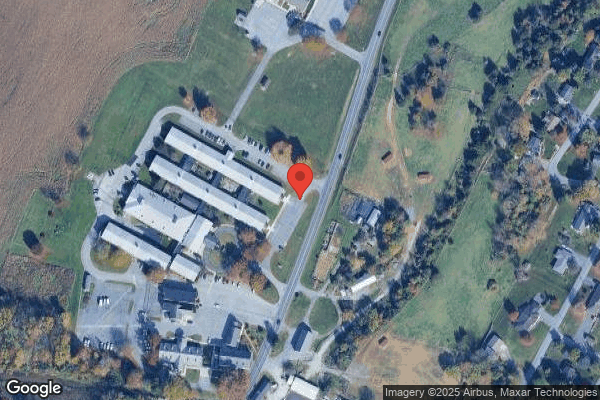
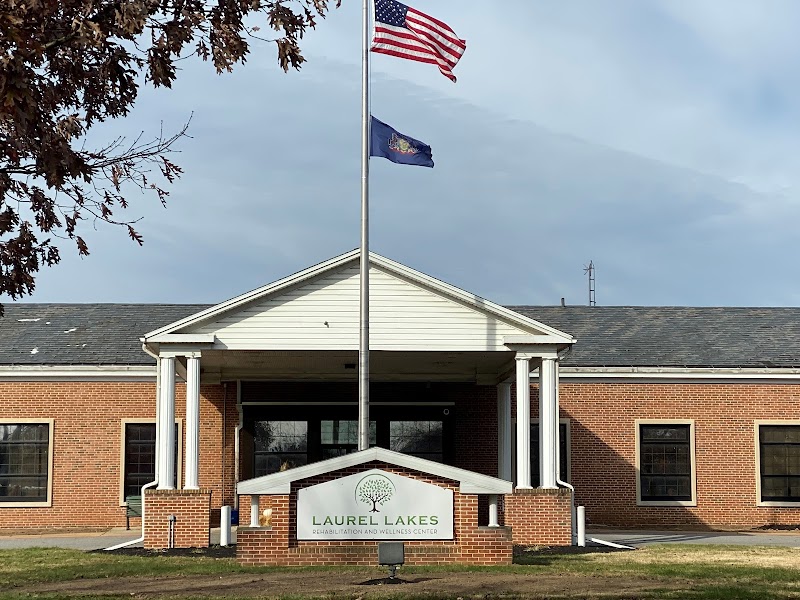
201 FRANKLIN FARM LANE, CHAMBERSBURG, PA 17201 (717) 264-2715
For profit - Limited Liability company 186 Beds Independent Data: November 2025 2 Immediate Jeopardy citations
Trust Grade
1/100
#596 of 653 in PA
Last Inspection: July 2025

Inspected within the last 6 months. Data reflects current conditions.

Overview

Laurel Lakes Rehabilitation and Wellness Center has received a Trust Grade of F, indicating significant concerns about the facility's care quality. It ranks #596 out of 653 in Pennsylvania, placing it in the bottom half of nursing homes in the state, and #8 out of 9 in Franklin County, meaning there is only one local option that is better. While the facility is showing a trend of improvement, reducing issues from 16 in 2024 to 15 in 2025, it still has a long way to go given the high number of total deficiencies, which include critical incidents that resulted in hospitalization and, in one case, death due to inadequate monitoring of a resident's change in condition. Staffing is somewhat of a concern with a rating of 2 out of 5 stars and a turnover rate of 42%, which is below the state average, but still suggests instability. Additionally, the facility has incurred $228,477 in fines, which is higher than 93% of Pennsylvania facilities, reflecting ongoing compliance problems. There is less RN coverage than 87% of state facilities, which can hinder timely and effective care. Specific incidents have included a resident being hospitalized for septic shock due to a failure in monitoring their condition and another resident who suffered serious harm from wandering unsupervised in the facility.

Trust Score
F
1/100
In Pennsylvania
#596/653
Bottom 9%
Safety Record
High Risk
Review needed
Inspections
Getting Better
16 → 15 violations
Staff Stability
○ Average
42% turnover. Near Pennsylvania's 48% average. Typical for the industry.
Penalties
○ Average
$228,477 in fines. Higher than 51% of Pennsylvania facilities. Some compliance issues.
Skilled Nurses
⚠ Watch
Each resident gets only 24 minutes of Registered Nurse (RN) attention daily — below average for Pennsylvania. Fewer RN minutes means fewer trained eyes watching for problems.
Violations
⚠ Watch
53 deficiencies on record. Higher than average. Multiple issues found across inspections.
★☆☆☆☆
1.0
Overall Rating
★★☆☆☆
2.0
Staff Levels
★☆☆☆☆
1.0
Care Quality
★☆☆☆☆
1.0
Inspection Score
Stable
2024: 16 issues
2025: 15 issues

The Good

  • Full Sprinkler Coverage · Fire safety systems throughout facility
  • No fines on record
  • Staff turnover below average (42%)

    6 points below Pennsylvania average of 48%

Facility shows strength in fire safety.

The Bad

1-Star Overall Rating

Below Pennsylvania average (3.0)

Significant quality concerns identified by CMS

Staff Turnover: 42%

Near Pennsylvania avg (46%)

Typical for the industry

Federal Fines: $228,477

Well above median ($33,413)

Significant penalties indicating serious issues

The Ugly 53 deficiencies on record

2 life-threatening
Jul 2025 15 deficiencies
CONCERN (D) 📢 Someone Reported This

A family member, employee, or ombudsman was alarmed enough to file a formal complaint

Potential for Harm - no one hurt, but risky conditions existed

Resident Rights (Tag F0550)

Could have caused harm · This affected 1 resident

Based on review of facility policy, review of grievances, and interviews with staff and residents, it was determined that the facility failed to ensure that care and services were provided in a manner...

Read full inspector narrative →
Based on review of facility policy, review of grievances, and interviews with staff and residents, it was determined that the facility failed to ensure that care and services were provided in a manner that enhanced resident dignity for one of 34 residents reviewed (Resident 130). Findings include:Review of the facility policy, titled Dignity, with a last reviewed and revised date of February 2021, revealed, Each resident shall be cared for in a manner promotes and enhances his or her sense of well-being, level of satisfaction with life, and feelings of self-worth and self-esteem. Review of Resident 130's clinical record revealed diagnoses of morbid obesity (a body mass greater than 40) and acute respiratory failure (when lungs cannot adequately exchange gases, leading to insufficient oxygen in the blood). Interview with Resident 130 on August 28, 2025, at 1:15 PM, revealed that Resident 130 had filed a complaint in June 2025, with the facility after Employee 1 had helped Resident 130 clean up and used disposable paper towels to dry Resident 130 because she said that she didn't have any bath towels. Review of facility provided grievance/concern form, dated June 5, 2025, revealed a complaint filed by Resident 130 that, during her daily care, she was dried off with paper towels. Further review revealed that there were bath towels available, but Employee 1 did not leave the unit to look for them. The resolution of this grievance was that Employee 1 was educated on going to other units to get supplies if they are not available where they are. Interview with Director of Nursing on April 31, 2025, at 11:35 AM, revealed that she would expect staff members to treat residents with dignity and respect. 28 Pa. Code 211.12(d)(1)(5) Nursing services
CONCERN (D) 📢 Someone Reported This

A family member, employee, or ombudsman was alarmed enough to file a formal complaint

Potential for Harm - no one hurt, but risky conditions existed

Deficiency F0569 (Tag F0569)

Could have caused harm · This affected 1 resident

**NOTE- TERMS IN BRACKETS HAVE BEEN EDITED TO PROTECT CONFIDENTIALITY** Based on clinical record review and staff interviews, it was determined that the facility failed to convey resident's funds with...

Read full inspector narrative →
**NOTE- TERMS IN BRACKETS HAVE BEEN EDITED TO PROTECT CONFIDENTIALITY** Based on clinical record review and staff interviews, it was determined that the facility failed to convey resident's funds within 30 days, and a final accounting of those funds to the resident upon discharge for one of three resident closed records reviewed (Resident 179).Findings include: Clinical record review revealed Resident 179 was admitted to the facility on [DATE], discharged from the facility on February 27, 2025, and did not return. Review of Resident 179's final billing statement revealed she had a credit of $638.00 that was issued in the form of a check on May 30, 2025.Interview with Employee 4 (Business Office Manager) on July 30, 2025, at 1:40 PM, revealed the transaction history report for Resident 179 indicated that she was issued a refund check on May 30, 2025, and that a third party billing system messed up transaction so she had to reverse it, but the process for issuing resident refunds typically would occur within 30 days. During an interview with the Director of Nursing on July 31, 2025, at 12:39 PM, she revealed she had no further information to provide as to why Resident 179's refund was issued late, and she would expect refunds to be issued within 30 days. 28 Pa. Code 201.29(a) Resident rights
CONCERN (D)

Potential for Harm - no one hurt, but risky conditions existed

Grievances (Tag F0585)

Could have caused harm · This affected 1 resident

Based on policy review, facility documentation review, as well as resident and staff interviews, it was determined that the facility failed to ensure that a timely response was provided to a resident ...

Read full inspector narrative →
Based on policy review, facility documentation review, as well as resident and staff interviews, it was determined that the facility failed to ensure that a timely response was provided to a resident following submission of a grievance for one of two residents reviewed for grievances (Resident 168).Findings include: Review of facility policy, Grievance Process Procedure, dated October 2021, revealed, Upon the completion of the facility investigation, the administrator will ensure that the investigation results and resolution steps are communicated to the individual who originally submitted the grievance, complaint and/or suggestion. Resolution of the concern is desired within five (5) working days from the date the concern was filed. Routine follow up on concerns that are outstanding will be completed through the morning meeting process. During an interview with Resident 168 on July 29, 2025, at 11:05 AM, she revealed that she submitted a grievance regarding food concerns about a month ago, but never heard a thing about it. Review of a grievance form dated July 4, 2025, revealed that Resident 168 filed a grievance on that date regarding not being served her meal timely and at an appropriate temperature. Further review of the form revealed that the concern was marked as resolved, and the form was signed by the dietary manager and grievance officer. However, the portion of the form used to document the method and date for notifying the Resident of the resolution was blank. During an interview with the Director of Nursing on July 31, 2025, at 12:25 PM, she confirmed that no one followed up with Resident 168, but that someone should have. 28 Pa. Code 201.14(a) Responsibility of licensee.28 Pa. Code 201.18(b)(1)(e)(1) Management.28 PA Code: 201.29(a) Resident rights.
CONCERN (D)

Potential for Harm - no one hurt, but risky conditions existed

Free from Abuse/Neglect (Tag F0600)

Could have caused harm · This affected 1 resident

Based on facility policy review, clinical record review, observation, and interviews with staff and residents, it was determined that the facility failed to protect the resident's right to be free fro...

Read full inspector narrative →
Based on facility policy review, clinical record review, observation, and interviews with staff and residents, it was determined that the facility failed to protect the resident's right to be free from mental abuse and neglect for two of 34 residents (Residents 21 and 54). Findings include: Review of facility policy, Abuse and Neglect- Clinical Protocol, revised March 2018, revealed, Abuse is defined as the willful infliction of injury, unreasonable confinement, intimidation, or punishment with resulting physical harm, pain, or mental anguish. Abuse also includes the deprivation by an individual, including the caretaker, of goods or services that are necessary to attain or maintain physical, mental, and psychosocial wellbeing. Instances of abuse of all residents, irrespective or any mental or physical condition, cause physical harm, pain or mental anguish. It includes verbal abuse, sexual abuse, physical abuse, and mental abuse including abuse facilitated or enabled through the use of technology. Review of Resident 21's clinical record revealed diagnoses of dementia (a decline in cognitive function that affects daily life) and muscle weakness (when muscles cannot exert the expected amount of force). Observation on July 28, 2025, at 10:09 AM, revealed Employee 1 entering the room of Resident 21, turn off her call bell, and ask what she needed. Resident 21 answered that she needed ice water. Employee 1 replied, I already told you that I'd take care of that, now don't ring your call bell again. Employee 1 then exited the Resident's room. Review of Resident 21's care plan revealed a care plan with a focus area that Resident 21 is at risk for falls, revised on September 28, 2020, and an intervention of keeping the call bell in reach of Resident 21 with a date initiated of April 30, 2020. Review of Resident 54's clinical record revealed diagnoses of anxiety disorder (a condition cauterized by excessive fear, worry, and anxiety that interfere with daily life) and difficulty in walking (can stem from various causes, including neurological disorders, musculoskeletal issues, and gait abnormalities). Review of Resident 54's care plan revealed a focus are of, At risk for falls, revised January 9, 2025, with interventions that include, keep call bell in reach, provide assistance to transfer as needed, and reinforce the need to call for assistance, initiated July 31, 2024. Interview with Resident 54 on July 28, 2025, at 12:09 PM, revealed that Employee 1 had told Resident 54 that she cannot use her call bell between 7:00 AM-9:00 AM; 11:00 AM-1:00 PM; and 5:00 PM- 7:00 PM because the staff is serving meals and will not answer call bells. Interview with Director of Nursing on July 31, 2025, at 11:35 AM, revealed that the facility is aware of the alleged abuse by Employee 1 and it should not have occurred. 28 Pa. Code 201.14(a) Responsibility of licensee. 28 Pa. Code 201.18(b)(1) Management. 28 Pa. Code 201.18(b)(2) Management. 28 Pa. Code 201.18(e)(1) Management.
CONCERN (D)

Potential for Harm - no one hurt, but risky conditions existed

Deficiency F0605 (Tag F0605)

Could have caused harm · This affected 1 resident

Based on facility policy review, clinical record review, and staff interview, it was determined that the facility failed to ensure that residents were free of unnecessary psychotropic medications for ...

Read full inspector narrative →
Based on facility policy review, clinical record review, and staff interview, it was determined that the facility failed to ensure that residents were free of unnecessary psychotropic medications for one of five residents reviewed (Resident 4). Findings include: Review of facility policy, titled Psychotropic Medication Use, dated July 2022, with a last review date of June 20, 2025, revealed the following: 1. A psychotropic medication is any mediation that affects brain activity associated with mental processes and behavior. 2. Drugs in the following categories are considered psychotropic medications and are subject to prescribing, monitoring, and review requirements specific to psychotropic medications: a. Anti-psychotics; b. Anti-depressants; c. Anti-anxiety medications; and d. Hypnotics. 3. Residents, families and/or the representative are involved in the medication management process. Psychotropic medication management includes: a. indications for use; b. dose (including duplicate therapy); c. duration; d. adequate monitoring for efficacy and adverse consequences; and e. preventing, identifying and responding to adverse consequences. 13. Residents receiving psychotropic medications are monitored for adverse consequences. Review of Resident 4's clinical record revealed diagnoses that included bipolar disorder (a disorder associated with episodes of mood swings ranging from depressive lows to manic highs) and depression. Review of Resident 4's physician orders revealed an order for buspirone hydrochloride (Buspar- a medication used to treat anxiety) oral tablet 5 MG (milligrams) give one tablet by mouth three times a day for anxiety, dated June 28, 2025. Review of Resident 4's clinical record and Medication Administration Records failed to reveal any side effect monitoring or behavior monitoring of resident identified behaviors with the use of the antianxiety medication buspirone. Review of Resident 4's care plan failed to include that she was receiving an antianxiety medication, any side effect monitoring to be observed for, identification of resident behaviors to monitor for, or any other interventions for the use of the antianxiety medication buspirone. During a staff interview with the Director of Nursing on July 31, 2025, at 11:16 AM, she indicated that she would expect Resident 4 to have been monitored for side effects and behaviors for the use of her antianxiety medication. She further confirmed that Resident 4's care plan should have included her antianxiety medication use as well as side effect and behavior monitoring. 28 Pa. Code 201.18(b)(1) Management28 Pa. Code 211.12(d)(1)(2)(5) Nursing services
CONCERN (D)

Potential for Harm - no one hurt, but risky conditions existed

Assessment Accuracy (Tag F0641)

Could have caused harm · This affected 1 resident

Based on clinical record reviews and resident and staff interviews, it was determined that the facility failed to ensure that resident assessments accurately reflected the resident's status for three ...

Read full inspector narrative →
Based on clinical record reviews and resident and staff interviews, it was determined that the facility failed to ensure that resident assessments accurately reflected the resident's status for three of 34 residents reviewed (Residents 3, 4, and 171). Findings include: Review of Resident 3's clinical record revealed diagnoses that included hemiplegia (paralysis of one side of body) and hemiparesis (muscle weakness on one side of the body) following a cerebral infarction (a stroke-damage to the brain from interruption of its blood supply) affecting the right side and hypertension (high blood pressure). Review of Resident 3's Medicare 5 Day MDS (Minimum Data Set - an assessment tool to review all care areas specific to the resident such as a resident's physical, mental or psychosocial needs) with the assessment reference date (last day of the assessment period) of July 3, 2025, revealed in Section GG. Functional Abilities at Question GG0115. Functional Limitation in Range of Motion that she was coded as having no impairment in her upper extremities. During a staff interview with the Director of Nursing (DON) on July 31, 2025, at 12:27 PM, she confirmed that Resident 3's MDS was coded inaccurately and that she would MDS assessments to be coded accurately. Review of Resident 4's clinical record revealed that diagnoses that included bipolar disorder (a disorder associated with episodes of mood swings ranging from depressive lows to manic highs), depression, opioid dependence and a healing left femur (large bone located in the thigh) fracture. Review of Resident 4's admission Medicare 5 Day MDS with the assessment reference date of June 11, 2025, revealed in Section J. Health Conditions subsection J1800. Any Falls Since Admission/Entry or Reentry or Prior Assessment that she was coded as having two or more falls with no injury. Review of Resident 4's clinical record revealed that she had experienced two falls on June 8, 2025, and had sustained a skin tear as a result of one fall. Review of Resident 4's admission Medicare 5 Day MDS with the assessment reference date of June 11, 2025, revealed in Section N. Medications subsection N0450. Antipsychotic Medication Review that she was coded as having gradual dose reduction of her antipsychotic medication on June 6, 2025. Review of Resident 4's clinical record failed to reveal any documentation that a dose reduction of her ordered antipsychotic medication was completed. Review of Resident 4's Significant Change MDS with the assessment reference date of July 3, 2025, revealed in Section J. Health Conditions subsection J1700. Fall History on Admission/Entry or Reentry that she was not coded as having had a fall with a fracture within the last 6 months prior to admission/entry or reentry. Review of Resident 4's clinical record revealed that she experienced a fall on June 26, 2025, at the facility and was identified as having a left femur fracture. Review of Resident 4's Significant Change MDS with the assessment reference date of July 3, 2025, revealed in Section N. Medications subsection N0450. Antipsychotic Medication Review that she was not coded as having physician documentation that a gradual dose reduction of her ordered antipsychotic was clinically contraindicated. Review of Resident 4's clinical record revealed a psychiatric consult note dated June 20, 2025, which indicated that a gradual dosage reduction was clinically contraindicated as it could lead to escalation of her symptoms. During a staff interview with the DON on July 31, 2025, at 11:16 AM, she confirmed that Resident 4's MDS assessments were coded inaccurately and that she would MDS assessments to be coded accurately. Review of Resident 171's clinical record revealed diagnoses that included type 2 diabetes mellitus (body doesn't produce enough insulin or use insulin properly) and cerebral palsy (movement disorder caused by damage to or disruptions in brain development). Review of Resident 171's clinical record revealed she was indicated as receiving tube feedings. An interview with Resident 171 on July 28, 2025, at 11:24 AM, revealed she had never received tube feedings. Review of Resident 171's current and discontinued physician orders failed to reveal orders for tube feedings. Review of Resident 171's quarterly MDS with the assessment reference date of May 16, 2025, revealed Resident 171 was coded as receiving feeding tube while a resident. During an interview with the DON on July 30, 2025, at 1:10 PM, it was revealed that Resident 171's MDS assessment was incorrect. The DON stated it was the facility's expectation that MDS assessments be coded correctly. 28 Pa. Code 211.5(f) Clinical records28 Pa. Code 211.12(d)(3)(5) Nursing services
CONCERN (D)

Potential for Harm - no one hurt, but risky conditions existed

Deficiency F0688 (Tag F0688)

Could have caused harm · This affected 1 resident

**NOTE- TERMS IN BRACKETS HAVE BEEN EDITED TO PROTECT CONFIDENTIALITY** Based on facility policy review, clinical record review, and resident and staff interviews, it was determined that the facility ...

Read full inspector narrative →
**NOTE- TERMS IN BRACKETS HAVE BEEN EDITED TO PROTECT CONFIDENTIALITY** Based on facility policy review, clinical record review, and resident and staff interviews, it was determined that the facility failed to ensure a resident with limited mobility received appropriate services, equipment, and assistance to maintain or improve mobility for one of two residents reviewed for range of motion (Resident 46). Findings include: Review of facility policy, titled Restorative Nursing Services, with a last revision date of July 2017, and a last review date of June 20, 2025, indicated Residents will receive restorative nursing care as needed to help promote optimal safety and independence. Review of Resident 46's clinical record revealed she was admitted to the facility on [DATE], with diagnoses that included muscle weakness, chronic obstructive pulmonary disorder (COPD-a type of progressive lung disease characterized by long term respiratory symptoms and airflow limitations), and chronic systolic congestive heart failure (a specific type of heart failure that occurs in the left ventricle and the ventricle cannot contract normally when the heart beats). During an interview with Resident 46 on July 29, 2025, at 11:18 AM, she indicated that she does not feel she is getting enough therapy to prepare her for her return home. Review of Resident 46's Physical Therapy Discharge summary dated [DATE], indicated in section titled RNP [Restorative Nursing Program] to facilitate patient maintaining current level of performance and in order to prevent decline, development of and instruction in the following RNP's has been completed with the IDT: bed mobility and ROM [range of motion] (Active). Review of Resident 46's care plan revealed a care plan focus for Restorative Nursing: Active Range of Motion with an intervention of Active ROM to upper/lower extremities per resident tolerance with morning and bedtime care, with an initiated date of July 20, 2025. Further review of Resident 46's care plan failed to reveal a RNP for bed mobility. Review of Resident 46's task documentation for her ROM RNP revealed that the program was not initiated until July 20, 2025, and was documented as Not Applicable on July 21, 2025, day shift and on July 22, 23, and 24, 2025, for both day and evening shifts. During a staff interview with the Director of Nursing on July 31, 2025, at 11:20 AM, she indicated that she would have expected both of Resident 46's Restorative Nursing Programs to have been initiated when she was discharged from therapy on June 27, 2025, and that she would expect staff to provide and document a resident's RNP's accordingly. She further confirmed that Not Applicable was not an appropriate documentation response to utilize. 28 Pa. Code 211.10(c)(d) Resident care policies28 Pa. Code 211.12(d)(1)(2)(3)(5) Nursing services
CONCERN (D)

Potential for Harm - no one hurt, but risky conditions existed

Deficiency F0757 (Tag F0757)

Could have caused harm · This affected 1 resident

**NOTE- TERMS IN BRACKETS HAVE BEEN EDITED TO PROTECT CONFIDENTIALITY** Based on clinical record review, medication information review, and staff interview, it was determined that the facility failed ...

Read full inspector narrative →
**NOTE- TERMS IN BRACKETS HAVE BEEN EDITED TO PROTECT CONFIDENTIALITY** Based on clinical record review, medication information review, and staff interview, it was determined that the facility failed to ensure that was free form unnecessary medications for one of five residents reviewed for unnecessary medications (Resident 4).Findings include: Review of diclofenac dosage guidelines in the Physician's Desk Reference (a comprehensive resource for drug information, providing healthcare professionals with trusted prescribing information and patient adherence resources) revealed the following: Diclofenac gel is only indicated for the relief of the pain of osteoarthritis of joints amenable to topical treatment such as the knees and hands. The gel was not evaluated for use on joints of the spine, hip, or shoulder with dosage guidelines of 4 g (4.5 inches) topically per knee, ankle, or foot joint 4 times daily (Max: 16 g/day per lower extremity joint) and/or 2 g (2.25 inches) topically per elbow, wrist, or hand joint 4 times daily (Max: 8 g/day per upper extremity joint). Do not exceed a total dose of 32 g/day over all affected joints. Do not use on more than 2 body areas at the same time. Review of Resident 4's clinical record revealed that diagnoses that included bipolar disorder (a disorder associated with episodes of mood swings ranging from depressive lows to manic highs), depression, opioid dependence and a healing left femur (large bone located in the thigh) fracture. Review of Resident 4's clinical record revealed that she was initially admitted to the facility on [DATE], with an order for diclofenac sodium external gel 1 % apply to painful joints topically four times a day for pain. Review of Resident 4's pharmacist's admission medication regimen review dated June 9, 2025, revealed that Resident 4 had an incomplete order for the diclofenac ointment and to update the order with location of body and stop date or date for reevaluation. The review failed to identify that the diclofenac ointment did not have a specified dose to apply indicated in the order. Review of Resident 4's clinical record revealed that she was transferred and admitted to the hospital on [DATE], and was readmitted to the facility on [DATE]. Review of Resident 4's current physician orders revealed an order for diclofenac sodium external gel 1 % apply to back, hands, knees, legs topically four times a day for pain, dated June 28, 2025. Review of Resident 4's pharmacist's admission medication regimen review dated June 30, 2025, failed to identify that the diclofenac ointment did not have a specified dose to apply indicated in the order and failed to identify that applying the ointment to the back and legs may not be appropriate. Review of Resident 4's Medication Administration Records for June 2025 and July 2025 revealed that she had received the diclofenac 127 times between June 28, 2025, and July 30, 2025. During a staff interview with the Director of Nursing on July 31, 2025, at 11:16 AM, she confirmed that she would have expected the pharmacist's medication regimen review on June 9 and 30, 2025, to have identified that Resident 4's diclofenac order did not have a specified dose for nursing staff to apply. 28 Pa. Code 211.9(a)(1) Pharmacy services28 Pa. Code 211.12(d)(1)(2)(3)(5) Nursing services
CONCERN (D)

Potential for Harm - no one hurt, but risky conditions existed

Deficiency F0804 (Tag F0804)

Could have caused harm · This affected 1 resident

Based on review of select facility grievances, review of the menu, completion of one meal test tray, and resident and staff interviews, it was determined that the facility failed to provide foods that...

Read full inspector narrative →
Based on review of select facility grievances, review of the menu, completion of one meal test tray, and resident and staff interviews, it was determined that the facility failed to provide foods that are palatable and at an appetizing temperatures at one of one meal observed.Findings include:Review of facility grievance filed on January 9, 2025, read, in part, cold food.Review of facility grievance filed on January 24, 2025, read, in part, food is cold.Review of facility grievance filed on July 1, 2025, read, in part, food is served cold all the time.Review of facility grievance filed on July 4, 2025, read, in part, after waiting 20 minutes, lunch was served and the cheeseburger was cold.Interview with Resident 25 on July 28, 2025, at 11:43 AM, she revealed the temperature of the food is poor when it is served.Interview with Resident 124 on July 28, 2025, at 11:50 AM, she revealed the food is always cold. During a group interview on July 29, 2025, at 11:05 AM, Resident 60 stated that food is always cold by the time it is served at the end of her hallway. Resident 168 revealed she filed a recent grievance regarding a cold meal that she received. Resident 104 stated that food service is lousy.Review of facility menu on July 31, 2025, revealed the lunch menu consisted of Homestyle Meatloaf, Au Gratin Potato, Broccoli, and Chilled Fruit Cup. A test tray was completed on July 31, 2025, at 11:38 PM, with Employee 3 (Certified Dietary Manager) the meal tray included Ham loaf, Au Gratin Potato, Broccoli, and Chilled Fruit Cup. The test tray was placed on a meal cart and delivered to B-Wing Hall with other trays being delivered at that time, 14 minutes had elapsed between with the test tray was prepared from the service line and presented for evaluation. Interview with Employee 3 on July 31, 2025, at 11:38 AM, revealed hot food temperatures should be 135 degrees Fahrenheit or above at the point of service. Employee 3 took temperatures of the food items at the time the test tray was served for evaluation. At that time, the ham loaf had a recorded highest temperature of 123 degrees, the broccoli had a recorded highest temperature of 121 degrees and the fruit cup had a recorded lowest temperature of 66 degrees; the ham loaf, broccoli, and fruit cup were not at appetizing temperatures when taste tested. The surveyor discussed the results of the test tray with Employee 3. During an interview with Employee 3 on July 31, 2025, at 11:43 AM, he revealed the fruit cups should have been kept on ice or under refrigeration up until the point of service, rather than on a sheet pan on top of the meal carts. During an interview with the Director of Nursing on July 31, 2025, at 12:37 PM, the surveyor revealed the concern with food palatability and the test tray results, she revealed her expectation that food should be served at palatable and appetizing temperatures. 28 Pa. Code 201.14. Responsibility of licensee
CONCERN (D)

Potential for Harm - no one hurt, but risky conditions existed

Deficiency F0806 (Tag F0806)

Could have caused harm · This affected 1 resident

Based on observation, review of select facility documentation, as well as resident and staff interviews, it was determined that the facility failed to ensure that residents received food that accommod...

Read full inspector narrative →
Based on observation, review of select facility documentation, as well as resident and staff interviews, it was determined that the facility failed to ensure that residents received food that accommodated their preferences for two of two residents reviewed for meal accuracy (Residents 102 and 104).Findings include:During an interview with Resident 104 on July 29, 2025, at 11:05 AM, he revealed that he frequently does not receive the meal he has selected.Review of the lunch menu for July 29, 2025, revealed the main entree was honey dijon chicken, and the alternate entree was a salmon patty.Observation of Resident 102 on July 29, 2025, at 12:10 PM, revealed he was eating his lunch in his room, and he was scraping the sauce off of his chicken. During an immediate interview with Resident 102, he revealed that he did not receive what he had requested for lunch, and that he did not like what he was served.At the time of the observation, Resident 146, Resident 102's roommate, stated that he had put a timely request in the book for himself and Resident 102 to receive the alternate entree choice for the day, a salmon patty. Resident 146 confirmed that he had received the salmon patty, and stated he was not sure why Resident 102 had not.Review of Resident 102's meal ticket did not reveal any information regarding the entree he was to be served.During an interview with Employee 2 (Dietary Aide) who was present at the nursing desk immediately following the observation, she revealed that if residents would like an alternate meal, they put their name on a meal change request log which resides at the nursing desk. Then their alternate meal choice would be written on their meal ticket so it can be plated correctly.Employee 2 provided the meal change request log for July 29, 2025.Review of the log revealed that Resident 102 and Resident 146's names were on the log, and the entree they wanted for lunch was a salmon patty.During an immediate interview with Employee 2, she revealed that she thought Resident 102's name said Resident 104's name. She confirmed that she had not given Resident 102 a salmon patty but had instead given it to Resident 104. Employee 2 stated that she would go to the kitchen to see if she could obtain a salmon patty for Resident 102. During an interview with Resident 104 on July 29, 2025, at approximately 12:15 PM, he confirmed that he had not made a request for an alternate entree for lunch on that date, but that he had received the alternate entree, a salmon patty.Email correspondence received from the Direct of Nursing on July 31, 2025, 10:39 AM, revealed the expectation that residents should receive the correct food per their preference. 28 Pa. Code 201.14(a) Responsibility of licensee.
CONCERN (E)

Potential for Harm - no one hurt, but risky conditions existed

Safe Environment (Tag F0584)

Could have caused harm · This affected multiple residents

Based on observations, resident and staff interviews, and facility documentation review, it was determined that the facility failed to provide comfortable temperatures on two of five nursing units (E ...

Read full inspector narrative →
Based on observations, resident and staff interviews, and facility documentation review, it was determined that the facility failed to provide comfortable temperatures on two of five nursing units (E and F) and failed to provide a clean homelike environment in one of 34 rooms observed (Resident 3). Findings include: Observation on July 28, 2025, the facility had two additional portable air conditioner (AC) units running in the main lobby and at the end of E and F nursing units. On July 29, 2025, between 10:00 AM and 11:00 AM, during the screening process with Residents 101, 141, 168, and 172, who share a room, the Residents stated that it was very warm in their room. The surveyor agreed that the temperature of the room felt very warm. Employee 10 (Director of Maintenance) was notified to obtain the temperature of the room, which was 83.6 degrees Fahrenheit (F). During an interview with Employee 10 on July 29, 2025, he stated that he would place a portable floor air conditioner in Residents' 101, 141, 168, and 172 room. Employee 10 was asked if the HVAC (Heating Ventilation Air Condition) system is working properly, and he replied “yes.” Outdoor temperature for the area was 93 degrees F at noon and 93 degrees F at 6:00 PM on July 29, 2025. A review of logged temperatures for all units obtained for July 14 through 25, 2025, revealed temperatures in the 60’s and 70’s within the facility. Additional temperature recordings on the F Hall revealed three additional rooms were recorded as 82.4, 84.4, and 82.4-degrees F. Maintenance installed portable AC units in each of these rooms. Resident 51 was the only Resident in these rooms who stated she was warm when residents were asked if they were asked about the temperature of the room. On July 29, 2025, at approximately 3:10 PM, Resident 9 approached a surveyor in the front lobby and stated that she did not feel well because of the heat. The surveyor reported immediately to Administration so that they could assess Resident 51. Resident 51's vital signs were stable, and her temporal temperature was 96.8 F. A review of the Resident 9's progress notes stated that she was on a leave from the facility on this day with family from 9:50 AM until 1:00 PM. The facility added an additional portable AC unit to Resident 9’s room. Resident 9’s room temperature was recorded to be 79 degrees F on July 29, 2025, at 2:15 PM. On July 30, 2025, at approximately 9:30 AM, the Director of Nursing (DON) informed the surveyor that during the evening of July 29,2025, temperature of the E-F dining room was 83 F and later climbed to 87 F. On July 30, 2025, the E-F dining room was closed to residents to install a split AC unit. The facility had already purchased the unit (receipt dated July 1, 2025) and it was on maintenance work plan, but with the increase in outside and inside temperatures it became a priority. During an interview with Resident 9 on July 30, 2025, at approximately 11:45 AM, Resident 9 said that she is feeling great and added that she doesn’t tolerate heat very well and was happy to have the portable AC installed in her room. The Resident was observed multiple times ambulating throughout the facility and had no complaints about the temperature. Resident 9’s room temp was 75.4 degrees F on July 30, 2025, at 9:45 AM. The facility continued to monitor temperatures of residents and resident rooms through the evening of July 29 to AM of July 30, 2025. On July 30, 2025, at 9:45 AM, the room temperatures were taken again, one room was 83.6 degrees F, that previously was 80 degrees F during the prior recording. A portable AC unit was placed in the room. No complaints by Residents in the room. On July 30, 2025, from 9:40 AM through 10:05 PM, all other room temperatures were 74.8 -79.4 F, no complaints by residents, many observed with sweaters on and covered with blankets or sheets while lying in bed. During an interview with the DON on July 31, 2025, the DON confirmed that temperatures are to remain within 71-81 degrees F for the comfort of residents. Observations in Resident 3's room on July 28, 2025, at 11:52 AM; July 29, 2025, at 2:00 PM; and on July 30, 2025, at 12:25 PM, revealed a black pedestal fan that was positioned at the head of Resident 3's bed that was running and was noted to have a moderate amount of gray fuzz on the front and back casing as well as on the blades. During a staff interview with the DON on July 31, 2025, at 1:50 PM, she confirmed that the fan should have been on a cleaning schedule. 28 Pa. Code 201.14(a) Responsibility of licensee 28 Pa. Code 201.18(b)(1) Management
CONCERN (E) 📢 Someone Reported This

A family member, employee, or ombudsman was alarmed enough to file a formal complaint

Potential for Harm - no one hurt, but risky conditions existed

ADL Care (Tag F0677)

Could have caused harm · This affected multiple residents

**NOTE- TERMS IN BRACKETS HAVE BEEN EDITED TO PROTECT CONFIDENTIALITY** Based on observations, facility policy review, clinical record reviews, and resident and staff interviews, it was determined tha...

Read full inspector narrative →
**NOTE- TERMS IN BRACKETS HAVE BEEN EDITED TO PROTECT CONFIDENTIALITY** Based on observations, facility policy review, clinical record reviews, and resident and staff interviews, it was determined that the facility failed to maintain adequate personal hygiene and grooming of residents dependent on staff for assistance with these activities of daily living for two of 34 residents reviewed (Residents 79 and 149).Findings include: Review of facility policy, titled Activities of Daily Living (ADL), Supporting, with a revised date of March 2018, and a last review date of June 20, 2025, revealed Residents will be provided with care, treatment and services as appropriate to maintain or improve their ability to carry out activities of daily living (ADLs). Residents who are unable to carry out activities of daily living independently will receive the services necessary to maintain good nutrition, grooming and personal and oral hygiene. Review of Resident 79's clinical record revealed she was admitted to the facility on [DATE], with diagnoses that included muscle weakness, need for assistance with personal care, and legal blindness. Observations of Resident 79 on July 28, 2025, at 12:05 PM; and on July 30, 2025, at 12:15 PM, revealed the presence of a large amount of black and gray facial hair on her upper lip and chin. Review of Resident 79's care plan revealed a focus for ADL (Activities of Daily Living - washing face, brushing teeth, personal hygiene) deficit related to weakness dated July 15, 2025, with interventions that included, but were not limited to, assist with daily hygiene, grooming, dressing, oral care and eating as needed dated July 15, 2025, and shower/bath on Wednesday and Friday evening shift, dated July 14, 2025. Observation of Resident 79 on July 31, 2025, at 9:45 AM, continued to reveal the presence of a large amount of black and gray facial hair on her upper lip and chin. Immediate interview with Resident 79 revealed that she had not been offered to be shaved since residing at the facility. She further indicated that she would need help and would like to be shaved. Review of Resident 79's bath/shower task documentation revealed that she received a shower on July 16, 2025; a bed bath on July 18 and 23, 2025; was documented as non-applicable on July 25, 2025; and was documented as refused on July 30, 2025. During a staff interview with the Director of Nursing (DON) on July 31, 2025, at 11:45 AM, Resident 79's observations and interview findings were shared. During a follow-up staff interview with the DON on July 31, 2025, at 12:37 PM, she indicated that Resident 79 had been shaved and confirmed that staff should have offered to shave Resident 79's upper lip and chin on her bath/shower day. Review of Resident 149's clinical record revealed he was admitted to the facility on [DATE], with diagnoses that included type 1 diabetes mellitus (condition where pancreas makes very little or no insulin, which leads to high blood sugar levels) and radiculopathy, lumbar region (condition where a nerve root in the lower back is compressed or irritated, leading to pain, numbness, tingling, or muscle weakness that radiates down the leg). Review of Resident 149's care plan included a focus area for activities of daily living (ADLs). The care plan revealed the Resident had a self-care deficit for all ADLs that includes grooming his toenails. Review of Resident 149's annual Minimum Data Set (MDS- periodic assessment of resident needs), dated June 12, 2025, revealed that Resident 149 BIMs (brief interview of mental status) score was 15, indicating cognitive function is intact. During an interview with Resident 149 on July 28, 2025, at 12:10 PM, he stated he hasn't had his toenails trimmed for a long time. The surveyor observed his toenail on the right foot and the great toenail extended approximately an inch from the tip of his toe. The left foot had a sock on, but the Resident said it is just as long, pointing the tip of his toe and touching the end of the nail. Resident 149 added that the podiatrist (foot doctor) was in facility to trim roommate's toenails, and he asked the podiatrist if it was his turn, and the podiatrist responded, not today. Resident 149 was unable to provide the date that their roommate had podiatry care. Review of Resident 149's podiatry services since admission to the facility revealed he consented for podiatry services on May 25, 2022. On June 10, 2022, podiatry services provided the initial visit, documenting the reason was for diabetes mellitus foot care. Podiatry notes stated that all toenails were 2-3 millimeters thick, yellow in color, and crumbly. Podiatrist documented the Resident to receive follow-up care in 2-3 months. Resident 149 received podiatry care on September 8, 2022, November 10, 2022, and was scheduled to be seen on March 23, 2023, but Resident 149 was sick on March 23, 2023, and the appointment had to be cancelled. Based on clinical record review and interview with the Resident he has not received any podiatry services since November 10, 2022. On July 28, 2025, the DON was questioned about scheduled podiatry services for Resident 149 and the surveyor described Resident 149's nails. The DON also observed Resident 149's toenails. On July 29, 2025, at approximately 9:30 AM, the DON provided a form titled Ancillary Services that stated, podiatry visits to the facility are scheduled for August 8 and 23, 2025. The DON documented that the facility audited the ancillary services and residents are being tracked for all services that would include podiatry, dental, vision and audiology services. The facility is in communication with company representatives to ensure visits are completed and monitoring to ensure consultations are received timely. During an interview with the DON on July 31, 2025, at approximately 1:30 PM, the DON confirmed that podiatry care should not have been missed on Resident 149 and added that Resident 149 is scheduled for podiatry care on August 8, 2025. 28 Pa. Code 201.18(b)(1) Management28 Pa. Code 211.12(d)(1)(5) Nursing services
CONCERN (E)

Potential for Harm - no one hurt, but risky conditions existed

Quality of Care (Tag F0684)

Could have caused harm · This affected multiple residents

Based on clinical record review and staff interview, it was determined that the facility failed to implement resident-directed care and treatment consistent with the resident's physician orders and pl...

Read full inspector narrative →
Based on clinical record review and staff interview, it was determined that the facility failed to implement resident-directed care and treatment consistent with the resident's physician orders and plan of care for one of 34 residents reviewed (Resident 25).Findings include:Review of Resident 25's clinical record revealed she was readmitted to the facility from the hospital on April 21, 2025, with diagnoses that included elevation of levels of liver transaminase (indication of liver stress or injury) and need for assistance with personal care. Review of Resident 25's physician orders revealed an order for Atorvastatin Calcium Oral Tablet 10 MG (Atorvastatin Calcium) Give 1 tablet by mouth at bedtime for hyperlipidemia please stop taking when your liver enzymes are close to normal, with a start date of April 21, 2025. Further review of Resident 25's physician orders failed to reveal any active orders for laboratory work. Review of Resident 25's hospital discharge summary documentation signed on April 21, 2025, revealed She was advised at discharge to stop taking her statin therapy until liver function is rechecked in a few weeks. She was discharged to rehab in a safe and stable condition.Further review of Resident 25's hospital discharge summary documentation signed on April 21, 2025, revealed Change how you take these medications: atorvastatin 10 mg tablet, take 1 tablet (10 mg total) by mouth nightly, please stop taking until your liver numbers are close to normal. What changed: additional instructions. The document was check marked alongside that order, indicating that it had been put into the system as it read. Review of Resident 25's physician notes revealed a physician note dated April 22, 2025, that read, in part, For Transaminitis-the statin was placed on hold. CT scans and abdominal ultrasounds did not provide any causes for this. The liver enzymes were improving after the statin was held. Continue to hold the statin, recheck the liver enzymes in a few weeks with recommendations to restart atorvastatin10 mg when the labs are normal.Review of Resident 25's physician notes revealed a physician note with an effective date of July 24, 2025, that read, in part, For Hyperlipidemia continue to hold Atorvastatin until labs are checked in a few weeks.Review of Resident 25's 2025 April, May, June, and July MAR (Medication Administration Record- documentation for medication/treatment administered or monitored), revealed Resident 25 received the Atorvastatin medication on all days of those months from April 21, 2025, through July 29, 2025. During an interview with the Director of Nursing (DON) on July 30, 2025, at 1:13 PM, the surveyor questioned the order for the atorvastatin being inconsistent with the physician notes and why the liver enzyme laboratory work was never ordered.Interview with the DON on July 31, 2025, at 12:38 PM, revealed she would expect that the medication would have been held, and labs would have been obtained per the physician notes and plan of care. 28 Pa. Code 211.12(c)(d)(1)(3)(5) Nursing services
CONCERN (E)

Potential for Harm - no one hurt, but risky conditions existed

Deficiency F0698 (Tag F0698)

Could have caused harm · This affected multiple residents

Based on review of facility policy, clinical record reviews, and staff interview, it was determined that the facility failed to ensure that residents who require dialysis receive such services consist...

Read full inspector narrative →
Based on review of facility policy, clinical record reviews, and staff interview, it was determined that the facility failed to ensure that residents who require dialysis receive such services consistent with professional standards of practice for two of two residents reviewed for dialysis (Residents 16 and 46). Findings include:Review of facility policy, titled Hemodialysis Catheters - Access and Care of, last reviewed June 20, 2025, read, in part, The nurse should document in the resident's medical record every shift as follows: 1. Location of catheter. 2. Condition of dressing (intervention if needed). 3. If dialysis was done during shift. 4. Any part of report from dialysis being given. 5. Observations post-dialysis.Review of Resident 16's clinical record revealed diagnoses that included end stage renal disease (condition in which kidneys cease functioning) and dependence on renal dialysis (treatment that removes extra fluid and waste products from the blood when the kidneys are not able to). Review of Resident 16's physician orders revealed an order to check dialysis access site dressing every shift, reinforce as needed, and notify the physician as needed. Further review of Resident 16's clinical record failed to reveal evidence that Resident 16's dialysis access site dressing checks were being completed as ordered. During an interview with the Director of Nursing (DON) on July 31, 2025 at 11:15 AM, it was revealed that a transcription error had occurred and the physician's order did not populate on Resident 16's medication or treatment administration record. The facility could not provide documentation that Resident 16's dialysis access site dressing checks were being completed. The DON stated it was the expectation of the facility that physician orders be transcribed correctly and dialysis access site dressing checks to be completed as ordered and documented. Review of Resident 46's clinical record revealed diagnoses that included end stage renal disease (condition in which kidneys cease functioning) and dependence on renal dialysis (treatment that removes extra fluid and waste products from the blood when the kidneys are not able to). Review of Resident 46's physician orders revealed an order to check dialysis access site dressing every shift, reinforce as needed, and notify the physician as needed. Further review of Resident 46's clinical record failed to reveal evidence that Resident 16's dialysis access site dressing checks were being completed as ordered. During an interview with the DON on July 31, 2025 at 11:20 AM, it was revealed that a transcription error had occurred and the physician's order did not populate on Resident 46's medication or treatment administration record. The facility could not provide documentation that Resident 46's dialysis access site dressing checks were being completed. The DON stated it was the expectation of the facility that physician orders be transcribed correctly and dialysis access site dressing checks to be completed as ordered and documented. 28 Pa Code 211.5(f) Clinical records28 Pa. Code 211.12 (d)(1)(3)(5) Nursing services
CONCERN (E)

Potential for Harm - no one hurt, but risky conditions existed

Food Safety (Tag F0812)

Could have caused harm · This affected multiple residents

Based on observations, review of facility temperature logs, and staff interviews, it was determined that the facility failed to utilize kitchen equipment in accordance with professional standards for ...

Read full inspector narrative →
Based on observations, review of facility temperature logs, and staff interviews, it was determined that the facility failed to utilize kitchen equipment in accordance with professional standards for food service safety in the main kitchen.Findings include:Observation of the dish machine in the main kitchen on July 28, 2025, at 1:22 PM, revealed kitchen staff were washing dishes from lunch, and the wash temperature of the dish machine read 138 degrees Fahrenheit (F).During an interview with Employee 3 (Certified Dietary Manager) on July 28, 2025, at 1:23 PM, he revealed the dish machine should be running at a minimum wash temperature of 150 degrees F. The surveyor questioned if he could link a sanitizing solution to the machine for safe use at a lower temperature and if he could have maintenance staff service the machine. Employee 3 revealed he could link the sanitizer to the machine as well as contact maintenance staff. Observation of the dish machine in the main kitchen on July 29, 2025, at 1:21 PM, revealed kitchen staff were washing dishes from lunch, and the wash temperature of the dish machine read 136 degrees F. Interview with Employee 3 on July 29, 2025, at 1:22 PM, revealed he had maintenance staff service the machine that morning and it had been running between 155-160 degrees F during breakfast. He further revealed he did not link the sanitizing solution to the machine. Observation of the dish machine in the main kitchen on July 30, 2025, at 1:11 PM, revealed kitchen staff were washing dishes from lunch, and the wash temperature of the dish machine read 140 degrees F. Review of the December 2024 dish machine temperature log revealed rinse temperatures were recorded below the minimum safe temperature on all days and at all meals during that month, and no corrective action was notedDuring an interview with the Director of Nursing on July 31, 2025, at 12:37 PM, she revealed her expectation that kitchen equipment is utilized in accordance with professional standards.28 Pa. Code 211.6(f) Dietary services
Oct 2024 2 deficiencies 1 IJ (1 affecting multiple)
CRITICAL (K) 📢 Someone Reported This

A family member, employee, or ombudsman was alarmed enough to file a formal complaint

Immediate Jeopardy (IJ) - the most serious Medicare violation

Quality of Care (Tag F0684)

Someone could have died · This affected multiple residents

**NOTE- TERMS IN BRACKETS HAVE BEEN EDITED TO PROTECT CONFIDENTIALITY** Based on clinical record review, hospital record review, and staff interviews, it was determined that the facility failed to ens...

Read full inspector narrative →
**NOTE- TERMS IN BRACKETS HAVE BEEN EDITED TO PROTECT CONFIDENTIALITY** Based on clinical record review, hospital record review, and staff interviews, it was determined that the facility failed to ensure care and services were provided after a change in condition for one of 20 residents reviewed (Resident 1). This failure resulted in continued decline, which required hospitalization for septic shock (a widespread infection causing organ failure and dangerously low blood pressure) and death. This failure placed an additional 10 out of 20 residents reviewed who were identified as having a change in condition in an immediate jeopardy situation (Residents 2, 3, 4, 5, 6, 7, 8, 9, 10, and 11). Findings include: The facility has a policy regarding change in condition, but does not have a specific policy or documented process for alert charting for residents that are initially assessed to have a change in condition. Review of Resident 1's clinical record revealed diagnoses that included Hypertension (above normal blood pressure), Type 2 Diabetes Mellitus (a long-term condition in which the body has trouble controlling blood sugar and using it for energy), and Displaced Bimalleolar Fracture of right lower leg (severe injury that occurs when both the medial and lateral malleolus bones in the ankle are broken and displaced). Review of Resident 1's admission MDS (Minimum Data Set- periodic assessment of the resident) dated [DATE], revealed a BIMS (brief interview of mental status) of 12, indicating cognitive status is moderately impaired. A score of 8-12 is moderately impaired and 13-15 is cognitively intact. Review of Resident 1's clinical record revealed a diagnosis of COVID-19 on [DATE], and on [DATE], documentation revealed Resident 1 had poor meal intake since COVID-19. Resident 1's quarterly MDS dated [DATE], now revealed a BIMS of 7, indicating severe cognitive impairment. On [DATE], Employee 1 (Registered Nurse) who was covering as the supervisor, was called to assess Resident 1 after a family member visiting stated concerns about Resident 1 having a headache and dry lips. The family member also requested that a urine sample be obtained so that a urinary tract infection could be ruled out. During a phone interview with the family member on [DATE], at 6:45 PM, she stated she had concerns for Resident 1 because she kept falling asleep and confirmed that she asked the nurse to do a urine test on Resident 1. The family member also stated that when she questioned the reason for Resident 1's dry lips, Employee 1 informed her that Resident 1 is probably dehydrated. During an interview with Employee 1 on [DATE], at 11:00 AM, Employee 1 stated that she didn't remember Resident 1. Employee 1 was asked about alert charting; Employee 1 was aware that residents are placed on alert charting for a change in condition. Employee 1 stated that the alert charting process keeps changing, sometimes resident's names are entered in a logbook and sometimes entered in the clinical record under the forms tab. Employee 1 was unaware that alert charting must be entered into the electronic medical record by administrative staff so that it automatically populated to an area in the treatment administration record. A review of the clinical record for Resident 1 revealed that an alert charting note was documented by Employee 1 dated [DATE], at 10:47 AM. The logbook was reviewed and the entry for Resident 1 was not in the logbook. The Nursing Home Administrator (NHA) informed the surveyor that the forms are discarded after each page is completed. The alert charting note on [DATE], stated, daughter concerned, resident has a headache, lips dry, VS (vital signs) stable, alert charting, MD (Medical Director) aware. There was no documentation that the MD was informed of the Resident's lower-than-normal blood pressure of 105/59, decreased oral intakes, or a decline in cognition. There was no documentation regarding the family member requesting a urine sample be tested to rule out a urinary tract infection. Further review of Resident 1's clinical record revealed there was no alert charting or any progress notes by nursing staff on [DATE], 5, 6, or 7, 2024, prior to 11:30 AM. On [DATE], at approximately 11:30 AM, Resident 1 was found unresponsive in her wheelchair. Staff attempted calling her name and doing a sternal rub with no response. A review of Resident 1's clinical record revealed the only nursing staff documentation after being found unresponsive was, [DATE], at 11:56 AM, RN Called to assess resident that was unresponsive sitting in the wheelchair at the nurse's station. Resident was not responding to name or sternal rub. Resident was assisted to the bed, vital signs monitored. Pulse was weak and thready. Defibrillator indicated to start chest compressions. EMS called. MD notified, and order obtained to send resident to the hospital for further evaluation. RP [responsible party] notified. [DATE], at 12:03 PM, Resident was sent out to the hospital today this nurse called the family and spoke with them about residents' condition and that resident was taken to hospital by EMS. [DATE], 7:48 PM admitted to hospital with septic shock. There was no blood pressure recorded in the medical record during the code event or prior to transport. There was no documentation of the details of the life sustaining measures that were done. There was no documentation of what, if anything, was performed by EMS or their arrival and leave time. During an interview with Employee 2 (Registered Nurse) on [DATE], at 9:45 AM, Employee 2 said that she was called to Resident 1's unit and found her unresponsive. She and other staff placed the Resident into her bed. Employee 2 said that Resident 1 had a weak, thready pulse (typically considered an emergency and could be an indication of low blood pressure). Chest compressions were initiated while a code was called, and the AED (automated external defibrillator) was applied that informed the staff to continue CPR. The MD was notified and gave orders for transport to the emergency room and Emergency Medical Services (EMS) was notified. During a review of the hospital records dated [DATE], Resident 1 was diagnosed in the emergency room with septic shock due to a complicated urinary tract infection. Prior to being sent to the ICU (intensive care unit) on [DATE], at 2:36 PM, documented vital signs in the emergency room were blood pressure 82/29, temperature 97.9, heart rate 108, respirations 40, and blood sugar 76. Resident was transferred to the ICU, however, the hospital team was unable to reverse the organ failure. With family agreement, medications were discontinued and the Resident was placed on comfort measures. The Resident passed away [DATE], at 2:54 AM. During an interview with the NHA on [DATE], at 10:08 AM, he was not in agreement that the absence of the alert charting and further monitoring of Resident 1 rose to the level of immediate jeopardy. On [DATE], at 10:08 AM, the NHA was provided the Immediate Jeopardy template, and an immediate action plan was requested to ensure that residents were being assessed for and receiving adequate monitoring for changes in condition. On [DATE], the facility performed an audit of residents who were on alert charting for a change in condition and identified that at least one shift of monitoring/vital signs were not performed. Audits revealed Residents 2-11 had a change in condition that included: Resident 2 - vomiting; Resident 3 - shortness of breath; Resident 4 -conjunctivitis (inflammation of the eye); Resident 5 - pneumonia (lung infection); Resident 6 - ill feeling and dizzy; Resident 7 - urinary tract infection with antibiotic therapy; Resident 8 - urine with blood; Resident 9 - urinary tract infection with antibiotic therapy; Resident 10 - scrotum pain; and Resident 11 - diarrhea. The facility was notified on [DATE], at 2:05 PM, that the action plan was accepted. The plan of action included: 1) An audit will be completed on all residents with reported change of conditions in the past 30 days to ensure monitoring (alert charting) was completed, after a change in condition was identified. If monitoring was not completed, a RN assessment will be completed to ensure resident is at baseline; 2) Director of Nursing (DON) or designee will provide re-education to facility licensed staff that after a resident has a change in condition, monitoring a resident with a change in condition needs to be completed. Licensed Nursing staff will be educated on how to enter alert charting process, what to monitor for, how often, how to document interventions, document detailed code interventions i.e. EMS arrival and leave times, ongoing status, and document the physician response when notified. Education is to be completed by [DATE], and any nursing licensed staff member that did not receive education will not be able to work their next scheduled shift until education is provided. During daily clinical meeting process, progress notes will be reviewed, and alert charting will be monitored for compliance, the alert charting log binders will be brought to daily clinical meeting for review of the log to ensure residents with a change in condition are added to the log for monitoring; 3) DON or designee will complete random audits of any change of condition daily for 4 weeks and then monthly for 2 months to ensure the monitoring is completed and documented. Audit findings will be reported to the monthly QAA (Quality Assessment and Assurance) meeting for review and recommendation. On [DATE], at 1:45 PM, the audit of Residents 2-11 with a change in condition was reviewed. Staff interviews revealed the facility had re-educated staff to the revised alert charting process and utilization of the logbook for change in condition. Interviews were conducted with one RN and two Licensed Practical Nurses; all were able to verbalize their role in obtaining vital signs, the facility Change in Condition policy, the new process to follow for alert charting, proper order entry for alert charting, and documentation of all clinical information in the resident's clinical record. An interview was conducted with one nurse aide who was able to verbalize their role in obtaining vital signs and reporting vital signs to the Licensed Practical Nurse for review and data entry every shift when residents are on alert charting. On [DATE], at 2:05 PM, the Immediate Jeopardy was lifted. The facility failed to ensure care and services were provided to Resident 1 after a change in condition, failed to report all changes to the MD, and failed to continue monitoring Resident 1's status that would include vital signs every shift, resulting in continued decline, hospitalization for septic shock, and death. At the time of the survey, this failure identified 10 additional residents with at least one missed alert charting in an immediate jeopardy situation. 201.14(a) Responsibility of licensee 201.18(b)(1) Management 211.12(d)(1)(2)(3)(5) Nursing services
CONCERN (D) 📢 Someone Reported This

A family member, employee, or ombudsman was alarmed enough to file a formal complaint

Potential for Harm - no one hurt, but risky conditions existed

Deficiency F0569 (Tag F0569)

Could have caused harm · This affected 1 resident

Based on review of facility policy, closed clinical record, resident account statement and staff interview it was determined that the facility failed to convey resident account balance in accordance w...

Read full inspector narrative →
Based on review of facility policy, closed clinical record, resident account statement and staff interview it was determined that the facility failed to convey resident account balance in accordance with State law and closed accounts upon discharge in a timely manner for one of 2 closed resident records, Resident 12. Findings include: A review of the facility policy titled, Account Receivable Refunds, last revised May 5, 2023, states, Credit balances to be refunded after researching for validity. Private pay credit balances/overpayment are to be refunded within 30 days. The facility confirmed that on May 17, 2024, complainant paid on the Resident 12's account to cover May 1, 2024, through May 31, 2024. Review of the closed clinical record for Resident 12, revealed resident was dischaarged from the facility on May 24, 2024. Complainant states that she has contacted the facility several times to request a refund, without success of receiving the refund. Review of Resident 12's account indicated that the complainant should have received a refund in the amount of $2,424.00 (two thousand, four hundred, twenty-four dollars). During an interview with the Nursing Home Administrator (NHA) on October 17, 2024, at 9:15 AM the NHA was aware that refunds on account balances should occur within thirty days and when ask why the balance wasn't refunded the NHA replied, It has to go through corporate for approval. The NHA also confirmed that payer of Resident 12's account is calling weekly requesting the refund. The NHA added that he contacted the facility's corporate office on October 18, 2024, and was informed the refund check will be dispersed on this date. 28 Pa. Code 211.5(d) Clinical records. 28 Pa Code: 201.18(e)(1) Management.
Aug 2024 9 deficiencies
CONCERN (D)

Potential for Harm - no one hurt, but risky conditions existed

Deficiency F0558 (Tag F0558)

Could have caused harm · This affected 1 resident

Based on observations, clinical record review, policy review, and resident and staff interviews, it was determined that the facility failed to ensure that resident needs were accommodated regarding ca...

Read full inspector narrative →
Based on observations, clinical record review, policy review, and resident and staff interviews, it was determined that the facility failed to ensure that resident needs were accommodated regarding call bell accessibility for one of 34 residents reviewed (Resident 4). Findings include: Review of facility policy, titled Answering the call light, last revised September 2022, read, in part, The purpose of this procedure is to ensure timely responses to the resident's requests and needs. Ensure that the call light is accessible to the resident when in bed, from the toilet, from the shower or bathing facility and from the floor. Review of Resident 4's clinical record revealed diagnoses that included left above the knee amputation (AKA- removing the leg from the body), muscle weakness, and seizure disorder (a condition where brain cells malfunction and send electrical signals uncontrollably) Observation in Resident 4's room on August 20, 2024, at 9:34 AM, revealed her call bell was out of reach, wrapped up around her left enabler bar. During an interview with Resident 4 on August 20, 2024, at 9:34 AM, she revealed staff wrap her call bell up like that out of reach all the time, so she won't ring her bell. Interview with Employee 1 (Licensed Practical Nurse) on August 20, 2024, at 9:38 AM, revealed it is possible the nurse aides wrapped her call bell around her bar after providing care because she does not have a clip for her call bell. Observation in Resident 4's room on August 21, 2024, at 9:31 AM, revealed her call bell was out of reach, wrapped around her left enabler bar and hanging down to the floor. Review of Resident 4's care plan revealed a focus area of [Resident 4] is at risk for falls due to muscle weakness, impaired mobility with left AKA, impaired balance, seizure disorder, anemia, medication side effects. Anticonvulsant therapy to treat: seizures, last revised April 11, 2024, with an intervention for call bell in reach created on November 5, 2019. During an interview with the Nursing Home Administrator (NHA) on August 22, 2024, at 11:33 AM, he revealed he would expect Resident 4's call bell to be in reach. Email correspondence with the NHA on August 22, 2024, at 11:54 AM, revealed written statements from nursing to rule out deliberately placing the call bell out of reach with intent of neglect. No further information was provided. 28 Pa code 201.29(a) - Resident Rights 28 Pa Code 211.12(d)(1) Nursing Services
CONCERN (D)

Potential for Harm - no one hurt, but risky conditions existed

Deficiency F0637 (Tag F0637)

Could have caused harm · This affected 1 resident

Based on clinical record review, state regulation, and staff interview, it was determined that the facility failed to conduct a Significant Change Minimum Data Set (MDS - standardized assessment tool ...

Read full inspector narrative →
Based on clinical record review, state regulation, and staff interview, it was determined that the facility failed to conduct a Significant Change Minimum Data Set (MDS - standardized assessment tool utilized to identify a resident's physical, mental and psychosocial needs) for one of two residents reviewed for Hospice (Resident 23). Findings include: Review of Centers for Medicare and Medicaid Services' Resident Assessment Instrument Version 3.0 Manual (instructions for completing the resident Minimum Data Set assessment) revealed instructions in Chapter 2 that included the direction of, An [Significant Change Minimum Data Set] is required to be preformed when a terminally ill resident enrolls in hospice program . Review of Resident 23's clinical record revealed diagnoses that included Alzheimer's disease (irreversible, progressive degenerative disease of the brain the results in decreased contact with reality and decreased ability to perform activities of daily living) and diabetes mellitus type II (decreased ability of the body to utilize insulin for the transport of glucose from the blood stream into the cells for nourishment). Review of Resident 23's MDS assessments revealed Resident 23 had an annual MDS completed with an assessment reference date of December 4, 2023. Review of Resident 23's clinical record revealed that Resident 23 was admitted to Hospice services on July 10, 2024. Review of Resident 23's MDS assessments revealed the facility did not conduct a Significant Change MDS after Resident 23 was admitted to Hospice. Instead, the facility conducted an Annual MDS assessment that had an assessment reference date of July 13, 2024 (approximately 7 months after the previous Annual MDS assessment). During a staff interview on August 22, 2024, at approximately 11:30 AM, the Nursing Home Administrator revealed that the facility should have conducted a Significant Change MDS, not an Annual MDS for Resident 23, as a result of Resident 23 entering Hospice services. 28 Pa Code 211.12(d)(1)(5) Nursing services
CONCERN (D)

Potential for Harm - no one hurt, but risky conditions existed

Deficiency F0692 (Tag F0692)

Could have caused harm · This affected 1 resident

Based on facility policy review, clinical record review, and staff interview, it was determined that the facility failed to ensure proper monitoring of fluid restrictions for two of eight residents re...

Read full inspector narrative →
Based on facility policy review, clinical record review, and staff interview, it was determined that the facility failed to ensure proper monitoring of fluid restrictions for two of eight residents reviewed for nutrition/hydration needs (Residents 3 and 117). Findings include: Review of facility policy, titled Encouraging and Restricting Fluids, with a last revised date of October 2010, indicated in section titled General Guidelines to 1. Follow specific instructions concerning fluid intake or restrictions; and in section titled Reporting to 1. Notify the supervisor if the resident refuses the procedure and 2. Report other information in accordance with facility policy and professional standards of practice. Review of Resident 3's clinical record revealed diagnoses that included heart failure (condition that develops when your heart doesn't pump enough blood for your body's needs) and hypertension (high blood pressure). Review of Resident 3's physician orders revealed an order for 1800 cc (cubic centimeters) fluid restriction in 24-hour period, with an original order date of January 31, 2024. Review of Resident 3's task documentation for fluids with meals and fluid intake from water pitcher/free fluids for the past 30 days revealed that their combined documented fluid intake on August 8, 2024, was 2280 cc; on August 10, 2024, was 2420; on August 12, 2024, was 2100 cc; on August 13, 2024, was 2400 cc; on August 14, 2024, was 1860 cc; and on August 17, 2024, was 2040 cc, therefore, exceeding their restriction of 1800 cc on those dates. Review of Resident 3's clinical record failed to reveal any documentation that a nursing supervisor was notified of Resident 3 exceeding their fluid restrictions for appropriate follow-up. Review of Resident 117's clinical record revealed diagnoses that included end stage renal disease (ESRD-condition in which a person's kidneys cease functioning on a permanent basis), dependence on renal dialysis (external filtering of the blood performed by a machine by removing the blood and replacing it), and chronic combined systolic and diastolic congestive heart failure (heart failure in which the heart cannot pump [systolic] or fill [diastolic] properly). Review of Resident 117's physician orders revealed an order for 1800 cc fluid restriction in 24-hour period, with an original order date of April 19, 2023. Review of Resident 117's task documentation for fluids with meals and fluid intake from water pitcher/free fluids for the past 30 days revealed that their combined documented fluid intakes on July 28, 2024, was 1860 cc; on August 19, 2024, was 1940; and on August 20, 2024, was 2000 cc, therefore, exceeding their restriction of 1800 cc on those dates. Review of Resident 117's clinical record failed to reveal any documentation that a nursing supervisor was notified of Resident 117 exceeding their fluid restrictions for appropriate follow-up. During an interview with the Nursing Home Administrator (NHA) and the Director of Nursing on August 22, 2024, at 9:36 AM, the NHA indicated that staff should have adhered to Resident 3 and 117's fluid restrictions and/or followed-up as a professional standard when the restrictions were exceeded. 201.18(b)(1) Management 211.10(c) Resident care policies 211.12(d)(1)(2)(5) Nursing services
CONCERN (E)

Potential for Harm - no one hurt, but risky conditions existed

Assessment Accuracy (Tag F0641)

Could have caused harm · This affected multiple residents

**NOTE- TERMS IN BRACKETS HAVE BEEN EDITED TO PROTECT CONFIDENTIALITY** Based on observation, clinical record review, and resident and staff interviews, it was determined that the facility failed to e...

Read full inspector narrative →
**NOTE- TERMS IN BRACKETS HAVE BEEN EDITED TO PROTECT CONFIDENTIALITY** Based on observation, clinical record review, and resident and staff interviews, it was determined that the facility failed to ensure that the resident assessment accurately reflected the resident's status for four of 37 residents reviewed (Residents 17, 100, 117, and 131). Findings include: Review of Resident 17's clinical record revealed diagnoses that included diabetes mellitus (DM- a form of diabetes that is characterized by high blood sugar, insulin resistance, and relative lack of insulin) and atrial fibrillation (irregular and rapid heartbeat). A review of Resident 17's Quarterly MDS (Minimum Data Set - an assessment tool to review all care areas specific to the resident such as a resident's physical, mental or psychosocial needs) with the assessment reference date of June 29, 2024, revealed in Section P. Restraints and Alarms, that Resident 17 was coded to use a restraint less than daily. Resident has a BIMS (brief interview of mental status) of 15, indicating she is cognitively intact. During observation and interview on August 19, 2024, with Resident 17, the Resident denied any use of a restraint currently or in the past. A review of physician orders and care plan failed to reveal any restraint utilized for Resident 17. During an interview with the Nursing Home Administrator (NHA) on August 19, 2024, the NHA confirmed that Resident 17's June 29, 2024, MDS was coded in error and confirmed the Resident has no restraints. Review of Resident 100's clinical record revealed diagnoses that included atherosclerotic heart disease (damage or disease in the heart's major blood vessels) and psychotic delusions with disorders (a mental health disorder is a health condition in which a person can't tell what's real from what's imagined). Review of Resident 100's physician orders revealed orders for Risperidone (atypical antipsychotic) medication that included Risperidone 0.25 mg one tablet by mouth two times a day for behaviors, with a start date of March 20, 2024, and Risperidone 0.5 mg one tablet by mouth two times a day for anxiety related to psychotic disorder with delusions, with a start date of October 6, 2023. Resident 100's MDS dated [DATE], under Section N0450. Antipsychotic Medication Review- Question C. Date of last attempted GDR [gradual dose reduction] was left blank, and Question E. Date physician documented GDR as clinically contraindicated was left blank. During an interview with the NHA on August 21, 2024, revealed the last GDR for the antipsychotic was contraindicated by the physician on January 22, 2024, and should have been documented in the July 6, 2024, Section N0450 of the MDS. Review of Resident 117's clinical record revealed diagnoses that included end stage renal disease (ESRD-condition in which a person's kidneys cease functioning on a permanent basis), dependence on renal dialysis (external filtering of the blood performed by a machine by removing the blood and replacing it), and chronic combined systolic and diastolic congestive heart failure (heart failure in which the heart cannot pump [systolic] or fill [diastolic] properly). Review of Resident 117's physician orders revealed an order for dialysis three days a week, with an original order date of February 3, 2023. Review of Resident 117's Quarterly MDS with the assessment reference date of June 7, 2024, revealed in Section O. Special Treatments, Procedures, and Programs that the Resident was not coded receiving dialysis. During an interview with the NHA and the Director of Nursing (DON) on August 22, 2024, at 10:01 AM, the NHA confirmed that Resident 117's MDS should have included dialysis and was coded in error. The NHA further indicated that he would expect MDS assessments to be completed accurately. Review of Resident 131's clinical record revealed diagnoses that included dementia (a chronic disorder of the mental processes caused by brain disease, and marked by memory disorders, personality changes, and impaired reasoning), cerebral infarction (a stroke-damage to the brain from interruption of its blood supply), and depression. Review of Resident 131's physician orders revealed an order for aspirin enteric coated (a barrier applied to oral medication that controls the location in the digestive tract where it is absorbed) low dose delayed release 81 mg (milligrams) one tablet by mouth daily for history of stroke, dated October 30, 2023. Review of Resident 131's Quarterly MDS's with the assessment reference dates of February 4, 2024, and June 6, 2024, revealed in Section N. Medications that the Resident was not coded as receiving an antiplatelet medication (a medication that decreases the formation of blood clots). In an email communication received from the NHA on August 21, 2024, at 3:57 PM, he confirmed that the aspirin should have been coded as an antiplatelet on Resident 131's MDS's for February 4, 2024, and June 6, 2024. Further review of Resident 131's clinical record revealed an order for olanzapine (an antipsychotic medication used to treat mental disorders) 10 mg give in addition to olanzapine 2.5 mg at bedtime, dated May 9, 2024; and olanzapine 2. 5 mg one tablet at bedtime, dated January 1, 2024. Review of Resident 131's order history revealed that the Resident was originally ordered olanzapine on October 30, 2023. Review of Resident 131's Consultant Pharmacist MRR (Medication Regimen Review) Recommendation to Prescriber dated December 24, 2023, revealed that the pharmacist had recommended that Resident 131's olanzapine be reviewed for a gradual dose reduction (GDR). Resident 131's physician had reviewed the recommendation and notated on the form that they disagreed with a dosage reduction because Resident 131 had failed a GDR recently. Review of Resident 131's Quarterly MDS's with assessment reference dates of February 4, 2024; March 29, 2024; and May 7, 2024; and their Significant Change MDS with the assessment reference date of June 20, 2024; revealed that in Section N. Medications at N0450. D. Physician documented GDR as clinically contraindicated was coded No and in E. Date physician documented GDR as clinically contraindicated was, therefore, blank. During an interview with the NHA and DON on August 22, 2024, at 11:22 AM, the NHA confirmed that Resident 131's MDS's were coded in error and that the GDR clinically contraindicated date should have been coded. He further indicated that he would expect residents' MDS's to be coded accurately. 28 Pa. Code 211.5(f) Medical records 28 Pa. Code 211.12(c)(d)(3)(5) Nursing services
CONCERN (E)

Potential for Harm - no one hurt, but risky conditions existed

Deficiency F0657 (Tag F0657)

Could have caused harm · This affected multiple residents

Based on clinical record review and staff interviews, it was determined that the facility failed to ensure the care plan was reviewed and revised for four of 37 residents reviewed (Residents 3, 45, 88...

Read full inspector narrative →
Based on clinical record review and staff interviews, it was determined that the facility failed to ensure the care plan was reviewed and revised for four of 37 residents reviewed (Residents 3, 45, 88, and 131). Findings include: Review of Resident 3's clinical record revealed diagnoses that included heart failure (condition that develops when your heart doesn't pump enough blood for your body's needs) and hypertension (high blood pressure). Review Resident 3's current physician orders revealed no orders for weights. Review of Resident 3's care plan revealed a focus for at nutritional risk with an intervention for weights as ordered dated January 31, 2024, and an intervention for weekly weights on Monday mornings, with a revision date of August 6, 2024. Review of Resident 3's weight records on August 21, 2024, revealed that their last weight was documented as being obtained on August 8, 2024. During an interview with the Nursing Home Administrator (NHA) and Director of Nursing (DON) on August 22, 2024, at 11:21 AM, the NHA indicated that Resident 3's weekly weights were completed/discontinued after August 8, 2024, and confirmed that the care plan should have been revised when the change occurred. Review of Resident 45's clinical record revealed diagnoses that included Alzheimer's dementia (a chronic disorder of the mental processes caused by brain disease, and marked by memory disorders, personality changes, and impaired reasoning) and difficulty walking. Review of Resident 45's current physician orders failed to reveal any orders for a pressure ulcer (wound of the skin caused by pressure over a bony prominence) treatment to their sacrum (the part of the spinal column that is directly connected to the pelvis) or orders for treatment of a wound infection. Review of Resident 45's care plan revealed a care plan focus for actual skin breakdown related to unstageable sacral/right buttock wound, with a last revised date of July 3, 3024; and a focus for infection of/at risk for infection wound/skin, with an initiated date of July 3, 2024. Further review of Resident 45's clinical record revealed that the pressure ulcer to their sacrum was documented as resolved on July 10, 2024, and that Resident 45 completed their course of antibiotics for a wound infection on July 8, 2024. During an interview with the NHA and DON on August 22, 2024, at 11:21 AM, the NHA confirmed Resident 45's care plan should have been revised when their wound healed and their infection resolved. He further indicated that he would expect resident care plans to be revised accordingly to accurately reflect a resident's condition. Review of Resident 88's clinical record revealed diagnoses of chronic obstructive pulmonary disease (COPD - a progressive disease that damages the lungs and airways, making it difficult to breathe) and chronic respiratory failure (a long-term condition that makes it difficult for the lungs to exchange oxygen and carbon dioxide in the body). Review of Resident 88's physician orders on August 22, 2024, revealed that there are no current orders for oxygen with humidification. Further review of Resident 88's physician orders revealed an order for Oxygen at 4 liters/minute with humidification, that was discontinued February 25, 2023. Review of Resident 88's care plan on August 21, 2024, revealed a care plan with a focus area of, Resident has nose bleeds, created August 8, 2021, with an intervention of humidification bottle as ordered. Further review of Resident 88's care plan on August 21, 2024, revealed a care plan with a focus area of, Resident has cardiac disease created May 3, 2021, with an intervention of humidification as indicated, with a revision date of August 8, 2022. Further review of Resident 88's care plan on August 21, 2024, revealed a care plan with a focus area of, Resident requires use of CPAP (a machine that uses mild air pressure to keep breathing airways open while you sleep), created August 8, 2022, with an intervention of oxygen per order with humidification bottle, with a revision date of August 8, 2021 Interview with the NHA on August 22, 2024, at 9:20 AM, revealed that Resident 88's care plan should have been revised and updated when the humidification was discontinued. Review of Resident 131's clinical record revealed diagnoses that included dementia (a chronic disorder of the mental processes caused by brain disease, and marked by memory disorders, personality changes, and impaired reasoning), cerebral infarction (a stroke-damage to the brain from interruption of its blood supply), and depression. Review of Resident 131's current physician orders revealed an order for Anxiety/Anxious Behaviors: (Specify: feeling nervous, continuous worrying, difficulty relaxing, restlessness, easily annoyed, irritable, fearful); Depression/Depressive Behaviors: (Specify: crying, feeling down or hopeless, sadness, despair, lack of energy, feelings of worthlessness or self-loathing, loss of interest in socializing, fixation on death or thoughts of suicide) and Insomnia/Sleepless Behaviors: (Specify: sleeplessness, difficulty falling asleep, difficulty staying asleep, restlessness, disruption in sleep pattern), all dated October 30, 2023. Review of Resident 131's care plan revealed failed to reveal a care plan focus for behaviors or any documentation of their specific identified behaviors. During an interview with the NHA and DON on August 21, 2024, at 1:13 PM, the NHA confirmed that he would expect Resident 131's specific behaviors to be identified on their care plan. During a final interview with the NHA and DON on August 22, 2024, at 11:22 AM, the NHA indicated that he would expect resident care plans to be revised accordingly to accurately reflect a resident's condition. 42 CFR 483.21(b) Comprehensive Care Plans 28 Pa. Code 211.12(d)(5) Nursing services
CONCERN (E)

Potential for Harm - no one hurt, but risky conditions existed

Deficiency F0658 (Tag F0658)

Could have caused harm · This affected multiple residents

Based on observation, policy review, clinical record review, and resident and staff interviews, it was determined that the facility failed to ensure care and services were provided in accordance with ...

Read full inspector narrative →
Based on observation, policy review, clinical record review, and resident and staff interviews, it was determined that the facility failed to ensure care and services were provided in accordance with professional standards of practice for three of 37 residents reviewed (Residents 11, 117, and 326). Findings Include: Review of Resident 11's clinical record revealed diagnoses that included end stage renal disease (ESRD-condition in which a person's kidneys cease functioning on a permanent basis), muscle weakness, and obstructive sleep apnea (a sleep-related breathing disorder that causes repeated disruptions in breathing during sleep). Review of Resident 11's physician orders revealed an order for Dialysis Precautions: No blood draws/ injections/ blood pressure from right arm. Emergency kit at bedside containing appropriate equipment, with a start date of July 4, 2024. Review of Resident 11's clinical record revealed she has been receiving hemodialysis (a treatment to filter wastes and water from your blood when your kidneys are not working well) since her original admission to the facility on February 19, 2024. Review of Resident 11's care plan revealed a focus area Renal insufficiency related to end stage renal disease, last revised on April 24, 2024, with a focus area Do not take blood pressure or blood specimens from right arm, last revised May 7, 2024. Review of Resident 11's blood pressure monitoring documentation between February 19, 2024, and August 19, 2024, revealed that on 78 occasions nursing staff documented that Resident 11's blood pressure was obtained in her right arm. Email correspondence with the Nursing Home Administrator (NHA) on August 21, 2024, at 10:19 AM, revealed in review of the documentation and the interviews with a few nurses, [Resident 11] would never let a nurse take a blood pressure in her right arm. It is probably a documentation error. Follow-up interview with the NHA on August 22, 2024, at 11:33 AM, revealed he would expect nursing documentation to be accurate in accordance with professional standards. Review of Resident 117's clinical record revealed diagnoses that included ESRD, dependence on renal dialysis (external filtering of the blood performed by a machine by removing the blood and replacing it), and chronic combined systolic and diastolic congestive heart failure (heart failure in which the heart cannot pump [systolic] or fill [diastolic] properly). Review of Resident 117's physician orders revealed an order for Dialysis Precautions: No blood draws, injections, or blood pressure from left arm, with an original order date of February 3, 2023. Review of Resident 117's blood pressure monitoring documentation between November 27, 2023, and August 22, 2024, revealed that on 65 occasions nursing staff documented that Resident 117's blood pressure was obtained in their left arm. During an interview with the NHA and Director of Nursing (DON) on August 22, 2024, at 10:01 AM, the NHA indicated that he believed this to be a documentation issue as nursing staff should know not to use Resident 117's left arm for blood pressures. During a follow-up interview with the NHA on August 22, 2024, at 11:33 AM, the NHA revealed he would expect nursing documentation to be accurate in accordance with professional standards, especially with residents receiving dialysis. Review of facility policy, titled Administering Medications, revised April 2019, revealed, Residents may self-administer their own medications only if the attending physician, in conjunction with the interdisciplinary care planning team, has determined that they have the decision-making capacity to do so safely. Review of Resident 326's clinical record revealed diagnoses that included congestive heart failure and atrial fibrillation (heart rhythm disorder that can cause palpitations, shortness of breath, and stroke). Observation of Resident 326 on August 19, 2024, at 10:53 AM, revealed her lying in bed with her overbed table in front of her. A small plastic medication cup was observed on the table with what appeared to be crushed medications mixed in a soft substance. A spoon was placed in the mixture. During an immediate interview with Resident 326, she confirmed that the cup contained her crushed medications mixed with applesauce. She revealed that she couldn't take her medications whole, and she was having difficulties taking what was in the cup since she could still taste them. During an interview with Employee 2 (Licensed Practical Nurse) on August 19, 2024, at 11:19 AM, she confirmed that she had administered the aforementioned medications to Resident 326 earlier in the morning, and had seen her start taking the medications with the spoon. Employee 3 revealed that the medication cup contained amlodipine (treats high blood pressure), aspirin, Bupropion (antidepressant), Fenofibrate (lowers cholesterol), furosemide (diuretic), and Senokot (laxative). Review of nursing progress note dated August 19, 2024 at 11:44 AM, revealed, Resident requested to have meds left at bedside table. Resident stated that she wanted a longer amount of time to take medications. Resident was educated on the importance of taking medications as the nurse is standing there and resident was adamant that meds needed to be left at bedside. Upon re-entering the room medications were found to not be taken completely. Resident stated that she tried, she couldn't get past the taste to take them. Resident verbally confirmed that she understood the importance of taking medication and the possible outcomes of not taking them. MD [doctor] and RR [resident representative] were notified. Review of Resident 326's care plan and clinical record failed to reveal evidence that she was evaluated for or determined to be able to safely self-administer her medications. During an interview with the NHA on August 21, 2024, at 1:38 PM, he revealed the expectation that Resident 326's medications should not have been left at her bedside. 28 Pa. Code 201.18(b)(1)(e)(1) Management 28 Pa. Code 211.12(d)(1)(5) Nursing services
CONCERN (E)

Potential for Harm - no one hurt, but risky conditions existed

Medication Errors (Tag F0758)

Could have caused harm · This affected multiple residents

Based on clinical record review, policy review, and staff interview, it was determined that the facility failed ensure failed to ensure effects and side effects of psychotropic medications was being m...

Read full inspector narrative →
Based on clinical record review, policy review, and staff interview, it was determined that the facility failed ensure failed to ensure effects and side effects of psychotropic medications was being monitored for three of five residents reviewed (Resident 67, 100, and 131). Findings include: Review of facility policy, Antipsychotic Medication Use, revised July 2022, revealed, The staff will observe, document, and report to the attending physician information regarding the effectiveness of any interventions, including antipsychotic medications and Nursing staff shall monitor for and report . side effects and adverse consequences of antipsychotic medications to the attending physician. Review of Resident 67's clinical record revealed diagnoses that included psychotic disorder (a condition that causes people to lose touch with reality) and depression (major loss of interest in pleasurable activities, characterized by change in sleep patterns, appetite and or daily routine). Review of Resident 67's physician's orders dated August 20, 2024, revealed a current order for Seroquel (antianxiety/psychotropic medication) 25 mg to be given twice daily, that was ordered on September 18, 2023. Review of Resident 67's clinical record on August 22, 2024, failed to reveal any monitoring for the use of this antipsychotic medication. Review of Resident 67's care plan on August 22, 2024, failed to reveal any care plan for the use of this antipsychotic medication. Interview with the Nursing Home Administrator (NHA) on August 22, 2024, at 11:32 AM, revealed that the expectation is that the facility would monitor the use of antipsychotic medications. Review of Resident 100's clinical record revealed diagnoses that included atherosclerotic heart disease (damage or disease in the heart's major blood vessels) and psychotic delusions with disorders (a mental health disorder is a health condition in which a person can't tell what's real from what's imagined). Review of Resident 100's physician orders revealed orders for Risperidone (atypical antipsychotic) medication that included Risperidone 0.25 mg one tablet by mouth two times a day for behaviors, with a start date of March 20, 2024, and Risperidone 0.5 mg one tablet by mouth two times a day for anxiety related to psychotic disorder with delusions, with a start date of October 6, 2023. Further review revealed physician orders were added on August 21, 2024, that stated, Side Effect Tracking- Antipsychotics- observation and documentation of potential side effects: blurred vision, dry mouth, drowsiness, muscle spasm or tremors, weight gain, tardive dyskinesia every shift. If side effect observed - please document in progress notes. During an interview with the NHA on August 22, 2024, at 11:00 AM, the NHA confirmed that Resident 100's physician orders should have included monitoring for side effects when the Risperidone was initiated. Review of Resident 131's clinical record revealed diagnoses that included late onset Alzheimer's dementia (a chronic disorder of the mental processes caused by brain disease, and marked by memory disorders, personality changes, and impaired reasoning), cerebral infarction (a stroke-damage to the brain from interruption of its blood supply), and depression. Review of Resident 131's physician orders revealed a current order for olanzapine (an antipsychotic medication used to treat mental disorders) 10 mg give in addition to olanzapine 2.5 mg at bedtime, dated May 9, 2024; and olanzapine 2.5 mg one tablet at bedtime, dated January 1, 2024. Review of Resident 131's order history revealed that the Resident was originally ordered olanzapine on October 30, 2023. Review of Resident 131's clinical record on August 21, 2024, failed to reveal any monitoring for the use of this antipsychotic medication. During an interview with the NHA and the Director of Nursing on August 22, 2024, at 11:22 AM, the NHA confirmed that Resident 131 did not have side effect monitoring in place, and he indicated that the monitoring of antipsychotic medications should have been implemented when the medication was originally ordered. 28 Pa. Code 201.18(b)(1) Management 28 Pa. Code 211.10(c) Resident care policies 28 Pa. Code 211.12(d)(2)(5) Nursing services
CONCERN (E)

Potential for Harm - no one hurt, but risky conditions existed

Food Safety (Tag F0812)

Could have caused harm · This affected multiple residents

Based on observations, review of select facility documentation, and staff interviews, it was determined that the facility failed to utilize equipment in accordance with professional standards for food...

Read full inspector narrative →
Based on observations, review of select facility documentation, and staff interviews, it was determined that the facility failed to utilize equipment in accordance with professional standards for food service safety in the main kitchen. Findings include: Observation of the dish machine on August 19, 2024, at 9:50 AM, revealed the wash cycle temperature was reading 132 degrees Fahrenheit (degrees F- unit of measure), below the minimum standard for safety of 150 F. Return observation of the dish machine during lunchtime on August 19, 2024, at 1:11 PM, revealed the wash cycle temperature was reading 125 F and the dishes that came out of the cycle still had food particles on them. Employee 5 (Dietary Employee) took the rack of dishes and returned them to the front of the dish machine to be rewashed. Interview with Employee 4 (Dietary Manager) on August 19, 2024, at 1:26 PM, revealed when the dish machine is not functioning properly, the process is to move to paper products or use the three-compartment sink to wash dishes, and that he does have a work order in for the dish machine. Interview with the Nursing Home Administrator (NHA) on August 19, 2024, at 1:41 PM, revealed they are calling the vendor, switching to paper products for meal service, and doing an event report. Follow-up interview with the NHA on August 20, 2024, at 1:04 PM, revealed the dish machine needed a replacement part and the facility has ordered it to be shipped overnight. Review of December 2023 dish machine temperature log revealed the recorded final rinse cycle temperatures were below the minimum safe temperature on December 1 and 11-31 at breakfast; December 10, 20, and 27-31 at lunch; and December 3, 7, 10-13, 16, 17, and 19 at dinner. Review of the January 2024 dish machine temperature log revealed the recorded wash cycle temperatures were below the minimum safe temperature on January 29 and 30 at breakfast; and January 26 and 28 at dinner. Further review of the January 2024 dish machine temperature log revealed the recorded final rinse cycle temperatures were below the minimum safe temperature on January 1-24 on all shifts; January 25, 27, 29 and 30 at breakfast; January 25 at lunch; and January 26-29, and 31 at dinner; no wash or rinse temperatures were recorded at breakfast or lunch on January 31. Review of the February 2024 dish machine temperature log revealed the recorded wash cycle temperatures were below the minimum safe temperature on February 22-24 at breakfast; and February 25 at dinner. Further review of the February 2024 dish machine temperature log revealed the recorded final rinse cycle temperatures were below the minimum safe temperature on February 19-29 on all shifts; no wash or rinse temperatures were recorded at lunch or dinner on February 17. Review of the March 2024 dish machine temperature log revealed the recorded wash cycle temperatures were below the minimum safe temperature on March 2, 11-16, 18-21, and 25 at breakfast; and March 2, 11, 12, 20, and 21 at lunch. Further review of the March 2024 dish machine temperature log revealed the recorded final rinse cycle temperatures were below the minimum safe temperature on March 1-6, 10-23, and 25 at breakfast; 2-6, 9-23, 25 and 30 at lunch; and March 1, 3, 12-21, and 24-31 at dinner. Review of the April 2024 dish machine temperature log revealed the recorded final rinse cycle temperatures were below the minimum safe temperature on April 6, 14, 17, 25, 29 and 30 at breakfast; April 18-21, 23-25, and 29 at lunch; and April 3, 4, 6, 8, 10-13, 15, 17, 20-22, and 26-30 at dinner. Review of the May 2024 dish machine temperature log revealed the recorded final rinse cycle temperatures were below the minimum safe temperature on March 1 at breakfast and lunch; and on all shifts May 2-31. Review of the June 2024 dish machine temperature log revealed the recorded wash cycle temperatures were below the minimum safe temperature on June 1, 3, 4, 6, and 8 at dinner. Further review of the June 2024 dish machine temperature log revealed the recorded final rinse cycle temperatures were below the minimum safe temperature on June 1-24, and 27-30 at breakfast; June 3-28, and 30 at lunch; and June 1-4, 6-30 at dinner. Review of the July 2024 dish machine temperature log revealed the recorded wash cycle temperatures were below the minimum safe temperature on July 26 and 27 at dinner. Further review of the July 2024 dish machine temperature log revealed the recorded final rinse cycle temperatures were below the minimum safe temperature on July 1-31 at breakfast and lunch; and July 3, 5-28, and 31 at dinner. Review of the August 2024 dish machine temperature log revealed the recorded final rinse cycle temperatures were below the minimum safe temperature on August 1-7, and 10-18 at breakfast, August 1-7, 10-13, and 15-18 at lunch; and August 1, 3, 11, and 13-17 at dinner. During an interview with the NHA on August 21, 2024, at 1:41 PM, the surveyor discussed the possibility that staff is sometimes recording the wrong temperature gauge in the final rinse section. He revealed the expectation for kitchen equipment to be utilized and monitored in accordance with professional standards. 28 Pa. Code 211.6(f) Dietary services 28 Pa. Code 201.18(b)(3)(e)(2.1) Management
CONCERN (E)

Potential for Harm - no one hurt, but risky conditions existed

Infection Control (Tag F0880)

Could have caused harm · This affected multiple residents

Based on staff interviews and facility policy review, it was determined the facility failed to maintain a data collection system of surveillance for three of 12 months reviewed (October 2023; November...

Read full inspector narrative →
Based on staff interviews and facility policy review, it was determined the facility failed to maintain a data collection system of surveillance for three of 12 months reviewed (October 2023; November 2023; and December 2023). Findings include: Review of the facility policy, titled Surveillance for Infections, last reviewed January 19, 2024, revealed the facility will maintain a monthly line list of residents with infections for trending and outbreak potential to include the following data; identifying information i.e., name, age, room number, unit, and attending physician; admission date, date of onset, symptoms if known, and date of positive diagnostic test; site; pathogen and invasive procedures or risk factors (i.e., surgery, indwelling tubes, fractured hip, malnutrition, altered mental status). During an interview with the Employee 3 (Infection Control Preventionist [ICP]) on August 20, 2024, at approximately 11:00 AM, the ICP revealed the facility was unable to find any data collection system of surveillance from the previous full health survey through June of 2024. The ICP added that she was recently hired for the position and was only able to provide the July 2024 data. The data did not show all of the information on residents with infections per their policy requirements. On August 21, 2024, the facility was able to find and present a data collection system of surveillance for January 2024 through June 2024 that was retrieved from the corporate office. On August 22, 2024, the facility's monthly data collection system of surveillance for October 2023 through December 2023 was unable to be provided by the facility. During an interview with the Nursing Home Administrator (NHA) on July 22, 2024, at 1:00 PM, the NHA was unable to provide the October 2023, November 2023, and December 2023 infection control data per facility policy, but added that a discussion at QAPI (Quality Assessment Performance Improvement) about the infections for those months should suffice. 28 Pa Code 201.14(a)(c)Responsibility of licensee 28 Pa Code 211.1(a)(c)Reportable diseases
Jul 2024 1 deficiency
CONCERN (D) 📢 Someone Reported This

A family member, employee, or ombudsman was alarmed enough to file a formal complaint

Potential for Harm - no one hurt, but risky conditions existed

Medical Records (Tag F0842)

Could have caused harm · This affected 1 resident

Based on observation, resident and staff interviews, policy review, and clinical record review, it was determined that the facility failed to document completely and accurately on the clinical records...

Read full inspector narrative →
Based on observation, resident and staff interviews, policy review, and clinical record review, it was determined that the facility failed to document completely and accurately on the clinical records for one of three residents reviewed (Resident 1). Findings include: A review of the facility policy, titled Charting and Documentation, last revised July 2017, revealed the medical record should facilitate communication between the interdisciplinary team. Review of the clinical record for Resident 1 on July 29, 2024, revealed diagnoses that included congestive obstructive pulmonary disease (COPD-disease process that causes decreased ability of the lungs to perform) and anemia (a reduction in red blood cells). Observation of Resident 1 on July 29, 2024, at 1:00 PM, revealed the Resident resting in his bed. The Resident had no complaints regarding his care and services. On July 17, 2024, Resident 1 left the faciity on a leave of absence (LOA). Resident's family member signed Resident 1 out in the sign out log at the main desk, but entered the wrong date. Resident 1's niece confirmed the date of LOA was July 17, 2024, at 12:00 PM, and not July 16, 2024. During an interview with Resident 1, he was asked if he recalls taking a LOA from the facility recently. Resident 1 informed the surveyor that he took a leave of absence on July 17, 2024, and returned July 19, 2024. Resident 1 was asked if he told anyone he was taking a LOA on July 17, 2024, Resident 1 informed the surveyor that he informed the medication nurse, Employee 1 (Licensed Practical Nurse), when she was giving his medications on July 17, 2024. Resident 1 was asked if he informed Employee 1 that he was taking a LOA for more than a day, and he replied no, and added that he wasn't aware that it was necessary since he is approved for LOA. During an interview with Employee 1 on July 29, 2024, Employee 1 admitted that she forgot to document Resident 1's LOA on July 17, 2024. Employee 1 also confirmed that she documented a late entry for the LOA on July 18, 2024, at 2:30 AM, when she was asked about any knowledge of Resident 1's LOA. During an interview with the Nursing Home Administrator (NHA) on July 29, 2024, at approximately 2:30 PM, the NHA confirmed that documentation should include a Resident's LOA and the expected date and time of the resident's return. 28 Pa. Code 211.12(d)(1)
Apr 2024 4 deficiencies
CONCERN (D) 📢 Someone Reported This

A family member, employee, or ombudsman was alarmed enough to file a formal complaint

Potential for Harm - no one hurt, but risky conditions existed

Deficiency F0637 (Tag F0637)

Could have caused harm · This affected 1 resident

Based on clinical record review and staff interview, it was determined that the facility failed to ensure a significant change assessment was completed for one of four residents reviewed (Resident 8)....

Read full inspector narrative →
Based on clinical record review and staff interview, it was determined that the facility failed to ensure a significant change assessment was completed for one of four residents reviewed (Resident 8). Findings include: A review of Resident 8's clinical record on April 1, 2024, revealed diagnoses that included Paraplegia (the inability to voluntarily move the lower parts of the body) and Atrial Fibrillation (irregular and rapid heartbeat). A review of Resident 8's usual weight range prior to January 1, 2024, was documented as 168.3 to 172.0 pounds. A review of the clinical record for Resident 8 on April 1, 2024, revealed Resident 8 had a significant weight loss of 15 % in February 2024. Resident 8's weight on January 1, 2024, was 168.3 pounds, and on February 7, 2024, weighed 143.0 pounds. Resident 8 was diagnosed with a stage 2 pressure ulcer (ulcer involving loss of the top layers of the skin) on February 21, 2024. Resident 8 was weighed again on March 4, 2024, and weighed 134 pounds, an additional 9-pound weight loss. A review of the clinical record on April 1, 2024, revealed no significant change Minimum Data Set (MDS - periodic assessment of resident's needs) was ever completed for Resident 8 for weight loss and development of the pressure ulcer. Written correspondence from the facility on April 2, 2024, at 10:55 AM, stated that the facility decided on February 20, 2024, they would continue to monitor, implement interventions, and hold off on developing a significant change assessment. During an interview with the Director of Nursing (DON) on April 2, 2024, at 1:30 PM, the DON confirmed that a significant change assessment should have been completed on Resident 8 for weight loss and development of the stage 2 pressure ulcer. 28 Pa. Code 211.12(d)(3)(5) Nursing services
CONCERN (D) 📢 Someone Reported This

A family member, employee, or ombudsman was alarmed enough to file a formal complaint

Potential for Harm - no one hurt, but risky conditions existed

Accident Prevention (Tag F0689)

Could have caused harm · This affected 1 resident

Based on staff interview, policy review, and facility investigation, it was determined that the facility failed to prevent potential accidents/hazards for controlled substances for one nursing unit (B...

Read full inspector narrative →
Based on staff interview, policy review, and facility investigation, it was determined that the facility failed to prevent potential accidents/hazards for controlled substances for one nursing unit (B Wing) and a wandering resident (Resident 11). Findings include: A review of the facility policy, titled Controlled Substances, last revised April 2019, Line 4, stated, Access to controlled medications remains locked at all times; and Line 12, C. stated, Any discrepancies in the controlled substance count are documented and reported to the Director of Nursing immediately. A review of the event investigation dated March 25, 2024, revealed that Employee 1 (Licensed Practical Nurse) delivered and reconciled with Employee 2 (Licensed Practical Nurse) a card containing 30 tablets, 15 milligrams each tablet, of morphine (a non-synthetic narcotic with a high potential abuse and is derived from opium and is used for the treatment of pain). The delivery of the medication occurred on March 24, 2024, at approximately 7:30 PM. Based on Employee 2's statement, the medication bag was placed on the medication cart pole because Employee 2 had to respond to resident wanting to return to bed. Employee 2 stated that, during the shift, she had forgotten the medication was not secured until she saw the pink slip that was delivered with the medication laying on top of her medication cart. Just prior to the end of her shift on March 25, 2024, at 6:00 AM, Employee 2 reached for the medication bag, but the card of morphine was not in the bag. Employee 2 reported to Employee 3 on March 25, 2024, at 6:00 AM, that the morphine card was missing and Employee 3 stated she informed Employee 2 she will have to let the Supervisor know. Employee continued to look for the medications. On March 25, 2024, at 6:35 PM, the Director of Nursing (DON) was notified that the morphine was missing. The DON informed the staff that she would be there in 20 minutes, and also informed the staff to check the rooms of the residents that wander the hall. While the DON was enroute, she received a call from the staff that the morphine card was found in Resident 11's bottom drawer of her bedside stand. Employee 2 added that eight of the morphine tablets were popped out of the card, and all but one tablet was found in the drawer and on the floor. The DON arrived and continued the search for the final morphine tablet, but it was never found. Resident 11, along with her roommates, were assessed and there was no change in status. Resident 11 had a BIMS (brief interview of mental status) of three, and unable to be interviewed. Resident 10, who resides in the room and had a BIMS of 15, denied seeing Resident 11 with the medication. Resident 14, who resides in the room, had a BIMS of 11 and denied seeing Resident 11 with the medication. Resident 15, who resides in the room, had a BIMS of 5 and not able to be interviewed. The physician was notified. Employee 2's employment was officially terminated on March 26, 2024, for gross negligence in failing to secure the narcotics upon arrival to the unit. All licensed staff were re-educated on securing controlled substances at all times. During an interview with the DON on April 2, 2024, the DON confirmed that the policy for securement of controlled substances was not followed and that notification to the DON was not timely. 28 Pa. Code 211.12 (d)(3)(5) Nursing services
CONCERN (D) 📢 Someone Reported This

A family member, employee, or ombudsman was alarmed enough to file a formal complaint

Potential for Harm - no one hurt, but risky conditions existed

Pharmacy Services (Tag F0755)

Could have caused harm · This affected 1 resident

Based on review of facility policy, facility investigation, and staff interview, it was determined that the facility failed to follow procedures to secure controlled medications on one of five nursing...

Read full inspector narrative →
Based on review of facility policy, facility investigation, and staff interview, it was determined that the facility failed to follow procedures to secure controlled medications on one of five nursing units (B Wing). Finding include: A review of the facility policy on April 2, 2024, titled, Controlled Substances, last revised April 2019, stated that any discrepancies in the controlled substance count are documented and reported to the director of nursing (DON) services immediately; controlled substances are stored in the medication room in a locked container, separate from containers for any non-controlled medications; and the DON services investigates all discrepancies in controlled medication reconciliation to determine the cause and identify any responsible parties, and reports the findings to the administrator. A review of the facility's event investigation dated March 25, 2024, revealed that Employee 1 (Licensed Practical Nurse) was delivered and reconciled with Employee 2 (Licensed Practical Nurse) a card containing 30 tablets with 15 milligrams each of morphine (a non-synthetic narcotic with a high potential abuse and is derived from opium and is used for the treatment of pain). The delivery of the medication occurred on March 24, 2024, at approximately 7:30 PM. A review of the written statement by Employee 2 revealed that the morphine was never secured per the facility policy. Employee 2 stated that she hung the medication on the pole of the medication cart, and then realized it at the end of the shift the card of morphine was missing. The card of morphine was found approximately 10 hours later in the bottom drawer of Resident 11's bedside stand, who frequently wanders on the unit. Eight of the pills were popped out of the card, and all but one of the pills were found. Resident 11 and her roommates were assessed and no change in status was identified. The physician and pharmacy were notified. Employee 2's employment was terminated on March 26, 2024, for failing to follow policy and failure to secure the morphine upon arrival. All licensed staff were reeducated on the immediate securement of controlled substances, always maintain securement, and to report discrepancies immediately per policy. During an interview with the DON on April 2, 2024, she confirmed that controlled substance should always be secured immediately upon arrival to the nursing units, and that what Employee 2 did was gross negligence and required immediate termination. 28 Pa. Code 211.19(a)(1)Pharmacy services 28 Pa. Code 211.12 (d)(3)(5) Nursing services
CONCERN (E) 📢 Someone Reported This

A family member, employee, or ombudsman was alarmed enough to file a formal complaint

Potential for Harm - no one hurt, but risky conditions existed

Deficiency F0790 (Tag F0790)

Could have caused harm · This affected multiple residents

**NOTE- TERMS IN BRACKETS HAVE BEEN EDITED TO PROTECT CONFIDENTIALITY** Based on a closed record review, staff interviews, and policy review, the facility failed to assist the resident in obtaining an...

Read full inspector narrative →
**NOTE- TERMS IN BRACKETS HAVE BEEN EDITED TO PROTECT CONFIDENTIALITY** Based on a closed record review, staff interviews, and policy review, the facility failed to assist the resident in obtaining and emergency dental services for one of 15 residents reviewed (Resident 13). Findings include: Review of the facility's policy, titled Emergency Dental Care, last reviewed April 2007, stated emergency dental care is available on a 24 hour basis. Emergency dental services include services to treat broken, or otherwise damaged teeth. Review of Resident 13's closed clinical record revealed diagnoses that included chronic obstructive pulmonary disease (COPD - a group of lung diseases that block airflow and make it difficult to breathe) and dysphagia (difficulty swallowing). Resident 13 was admitted to the facility on [DATE], and discharged to home on February 8, 2024. A review of the closed clinical record nursing note dated September 22, 2023, statesd, lower dentures broken. Resident stated last night staff was cleaning them and accidentally dropped dentures on to the floor causing them to break in half. Call out to RR [Resident Representative] for update. No issues noted with meal this AM. MD made aware. A review of the nutrition note dated October 26, 2023, stated resident has broken bottom dentures and is requesting pureed textures for now from regular textures. Nursing will follow-up to get dentures fixed. No additional progress notes were identified regarding the broken dentures. A review of Resident 13's physician orders during his stay failed to reveal any dental visits for replacement of the dentures. During an interview with the Nursing Home Administrator (NHA) and Director of Nursing (DON) on April 1, 2024, they confirmed that the dentures were accidently broken by staff. They also confirmed that Resident 13 was sent to the dentist on December 18, 2023, for a final denture fitting and minor adjustment. The dental practice informed the facility at that time that the dentures are ready for pick-up upon final payment. A review of correspondence dated March 30, 2024, from the dental practice revealed that Resident 13 has been calling the office everyday asking why he has not received his dentures. The dental practice also notified the facility regarding the non-payment and informed the facility they are going to report the concern to the Department of Health. The dental practice stated the dentures were broken on December 13, 2023, but the DON confirmed that the dentures were broken on September 22, 2023. During an interview with the DON on April 2, 2024, the DON provided the correspondence sent by the NHA to the facility's corporate office. It was confirmed that the corporate office has not paid the bill to the dental practice as of April 2, 2024. It was also confirmed that correspondence to corporate by the NHA has been ongoing since the dentures have been ready for pick-up on December 18, 2023. During an interview with the DON on April 2, 2024, the DON confirmed that Resident 13's dentures should have been received immediately after his visit and final adjustment. 28 Pa. Code 201.14(g)Responsibility of licensee 28 Pa. Code 211.10(c)Resident care policies
Dec 2023 1 deficiency
CONCERN (E) 📢 Someone Reported This

A family member, employee, or ombudsman was alarmed enough to file a formal complaint

Potential for Harm - no one hurt, but risky conditions existed

Infection Control (Tag F0880)

Could have caused harm · This affected multiple residents

Based on facility policy review, clinical record review, and staff interviews, it was determined that the facility failed to maintain an infection prevention and control program to prevent the transmi...

Read full inspector narrative →
Based on facility policy review, clinical record review, and staff interviews, it was determined that the facility failed to maintain an infection prevention and control program to prevent the transmission of Coronavirus Disease 2019 (COVID-19) for one of 3 residents reviewed (Resident 1). Findings Include: Review of the facility policy titled, COVID-19 Infection Control Protocols to Minimize Exposure, with an annual review in 2023, For residents going to medical appointments, regular communication between the medical facility and the nursing home (in both directions) is essential to help identify residents with potential exposures or symptoms of COVID-19 before they enter the facility so that proper precautions can be implemented. Review of the closed clinical record on December 26, 2023, revealed Resident 1 with diagnoses that included end stage renal disease (kidneys lose the ability to remove waste and balance fluids) and hypertension (elevated blood pressure). Further review of the closed clinical record on December revealed that Resident 1 attended dialysis on December 1, 2023, and on return from dialysis the facility did their routine COVID-19 test on Resident 1. The facility had active cases of COVID-19 during this time, so they were testing every Tuesday and Friday. Resident 1 tested positive for COVID-19 on Friday December 1, 2023, at 4:15 PM. During an interview with Employee 1 (Licensed Practical Nurse) on December 26, 2023, at 10:30 AM, she stated that the dialysis center was closed at the time Resident 1 tested positive, so she informed the next shift to notify dialysis on Saturday during the dialysis center's open hours. The facility was unable to provide any documentation or staff confirmation that the dialysis facility was made aware that Resident 1 was COVID-19 Positive. Documentation received from the dialysis center revealed they were never notified regarding Resident 1 testing positive for COVID-19, and were only made aware on December 13, 2023, when Resident 1 was sent to the hospital. Resident 1 attended dialysis on December 4, 6, and 8, 2023, and was placed in the waiting area with other residents at the dialysis center. Resident 1 refused dialysis on December 11, 2023, and when the facility notified the dialysis center of the cancellation there was no mention of COVID-19 positive status at that time per them dialysis center. During a telephone correspondence with the Registered Nurse at the Dialysis Center on December 28, 2023, at approximately 11:15 AM, the Registered Nurse said the dialysis center was made aware that the resident was COVID-19 positive through the hospital system when the resident was being transferred to the hospital. The dialysis center made a call to the ICP at the facility on December 13, 2023, informing the ICP the dialysis center was never notified about the COVID-19 positive status. The Registered Nurse added that the facility is aware that dialysis days are changed to Tuesday, Thursday, and Saturday for COVID-19 positive residents so they are isolated from COVID-19 negative residents. During an interview on December 26, 2023, 10:00 AM, with Resident 3, who also attends dialysis but a different dialysis center, Resident 3 stated that she wears a mask when attending dialysis. Resident 3's chart revealed she was COVID-19 positive on November 23, 2023. This dialysis center doesn't change days but separates residents in the waiting room and treatment area when they are COVID-19 positive. Resident 3's dialysis center confirmed that they were made aware of Resident 3's positive COVID-19 status timely to prevent any exposure. During an interview with the Director of Nursing (DON) on December 27, 2023, the DON was unable to confirm that the dialysis center was notified regarding Resident 1's COVID-19 positive status on December 1, 2023, through December 13, 2023. The DON was able to confirm that Resident 1's days were never switched to Tuesday, Thursday, and Friday which would have been done by the dialysis center if they were notified of Resident 1's COVID-19 positive status. 28 Pa. Code 201.14(a) Responsibility of licensee. 28 Pa. Code 201.18(b)(1) Management. 28 Pa. Code 211.12(d)(1)(2)(3)(5) Nursing services.
Sept 2023 15 deficiencies
CONCERN (D)

Potential for Harm - no one hurt, but risky conditions existed

Deficiency F0558 (Tag F0558)

Could have caused harm · This affected 1 resident

Based on record review, observations, and staff interviews, it was determined that the facility failed to ensure that resident needs were accommodated regarding call bell accessibility for one of 34 r...

Read full inspector narrative →
Based on record review, observations, and staff interviews, it was determined that the facility failed to ensure that resident needs were accommodated regarding call bell accessibility for one of 34 residents reviewed (Residents 65). Findings include: Review of Resident 65's clinical record on September 18, 2023, revealed diagnoses that included neurocognitive disorder with lewy bodies (a progressive dementia that results from protein deposits in nerve cells of brain. It affects movement, thinking skills, mood, memory, and behavior), dysphagia (difficulty swallowing), and hypertension (high blood pressure). Review of Resident 65's care plan revealed a focus area: [Resident 65] is at risk for falls due to lewy body dementia .may attempt to get up by self .actual falls, last revised June 24, 2021, with an intervention for, call bell in reach, initiated May 24, 2021. Observation in Resident 65's room on September 18, 2023, at 11:23 AM, revealed her call bell was on the floor, underneath the bed. Interview with Employee 4 (Nurse Aide) on September 18, 2023, at 11:25 AM, revealed she would place Resident 65's call bell within reach. Observation in Resident 65's room on September 19, 2023, at 9:26 AM, revealed her call bell was on the floor, underneath the bed. Further observation on September 19, 2023, at 9:46 AM, revealed Employee 5 (Nurse Aide) left Resident 65's room after providing care, Resident 65's call bell remained on the floor underneath the bed. Interview with Employee 6 (Licensed Practical Nurse) on September 19, 2023, at 9:47 AM, revealed she would go back to Resident 65's room and place her call bell within reach. Interview with the Nursing Home Administrator on September 20, 2023, at 1:41 PM, revealed she would expect Resident 65's call bell to be in reach. 28 Pa code 201.29(d) - Resident Rights 28 Pa Code 211.12(d)(1) Nursing Services
CONCERN (D)

Potential for Harm - no one hurt, but risky conditions existed

Deficiency F0582 (Tag F0582)

Could have caused harm · This affected 1 resident

Based on review of select facility documentation and staff interview, it was determined that the facility failed to provide the required notice to the resident or the resident's representative followi...

Read full inspector narrative →
Based on review of select facility documentation and staff interview, it was determined that the facility failed to provide the required notice to the resident or the resident's representative following the end of their Medicare coverage for two of two residents reviewed who remained in the facility for long-term care (Residents 46 and 120). Findings include: A Skilled Nursing Facility (SNF) Beneficiary Protection Notification Review form, completed by the facility on September 18, 2023, revealed that Medicare coverage for Resident 46 began on July 28, 2023, and that her last covered day was August 17, 2023. The form indicated that the facility initiated discontinuation from Medicare Part A coverage, and that the Resident's benefit days were not exhausted. Further review of the form revealed that neither a Notice of Medicare Non-Coverage (notifies that Medicare will no longer pay for certain services and provides information on appeal rights) nor an Advanced Beneficiary Notice of Non-coverage (ABN - a notice given to Medicare beneficiaries to convey that Medicare is not likely to provide coverage for a skilled service) was provided to the Resident or her Representative at the time that Medicare Part A was discontinued. A SNF Beneficiary Protection Notification Review form, completed by the facility on September 18, 2023, revealed that Medicare coverage for Resident 120 began on June 2, 2023, and that his last covered day was July 3, 2023. The form indicated that the facility initiated discontinuation from Medicare Part A coverage and that the Resident's benefit days were not exhausted. Further review of the form revealed that an ABN was not provided to the Resident or his Representative at the time that Medicare Part A was discontinued. During an interview with the Nursing Home Administrator on September 20, 2023, at 1:49 PM, she revealed the expectation that the appropriate notices should have been provided to Residents 46 and 120. 28 Pa. Code 201.18(e)(1) Management
CONCERN (D)

Potential for Harm - no one hurt, but risky conditions existed

Safe Environment (Tag F0584)

Could have caused harm · This affected 1 resident

**NOTE- TERMS IN BRACKETS HAVE BEEN EDITED TO PROTECT CONFIDENTIALITY** Based on observations, clinical record review, review of facility policy, and staff interviews, it was determined that the facil...

Read full inspector narrative →
**NOTE- TERMS IN BRACKETS HAVE BEEN EDITED TO PROTECT CONFIDENTIALITY** Based on observations, clinical record review, review of facility policy, and staff interviews, it was determined that the facility failed to maintain a safe, clean, and home-like environment for two of 34 residents reviewed (Residents 46 and 80), and failed to exercise reasonable care for the protection of the resident's property from loss or theft for two of two discharged residents reviewed (Residents 19 and 153). Findings include: Review of facility policy, titled Personal Property with a last review date of August 7, 2023, revealed 10. The residents belongings and clothing are inventoried and documented upon admission and updated as necessary. Review of Resident 19's clinical record revealed that they were admitted to the facility on [DATE], and were discharged from the facility on September 14, 2023. Further review of the closed clinical record revealed that their Inventory of Personal Effects was completely blank. During an interview with the Nursing Home Administrator (NHA) and Director of Nursing (DON) on September 21, 2023, at 10:55 AM, the surveyor shared with the NHA and DON that the Inventory of Personal Effects was completely blank with no information, including regarding her belongings disposition. The DON indicated that they would follow-up and see if they could locate the personal belonging information. She confirmed that it should be done upon admission, and that the secretary usually takes care of this form upon admission to the facility. During a follow-up interview with the NHA on September 21, 2023, at 1:20 PM, the NHA indicated that she had no other information to provide. Observations of Resident 46's room on September 18, 2023, at 12:24 PM, and September 19, 2023, at 9:43 AM, revealed a small personal fan clipped and duct taped to their bed rail; which had an accumulation of a gray colored lint appearing substance. Observations were shared with NHA and DON on September 20, 2023, at approximately 2:20 PM. Email communication received from NHA on September 20, 2023, at 7:19 PM, indicated the small fan was removed so it can be cleaned. During a follow-up interview with the NHA and DON on September 21, 2023, at 9:47 AM, the NHA indicated that they were not sure who put the fan there or how long it had been there. She indicated that it should be kept clean and that they were in the process of getting it cleaned. Observation of Resident 80's room on September 18, 2023, at 12:30 PM, revealed that there were two packages of incontinence briefs stored in public view on a bedside stand. Observation was shared with NHA and DON on September 20, 2023, at 2:22 PM. The DON confirmed that these items should not be sitting out in public view. Email communication received from NHA on September 20, 2023, at 7:19 PM, indicated the incontinence briefs were put away in the dresser. Review of Resident 153's clinical record revealed that she passed away on September 1, 2023. Further review revealed no documented inventory of personal effects, or accounting for Resident 153's personal effects following discharge. In an email received from the NHA on September 21, 2023, at 1:11 PM, she revealed that she did not have any additional information regarding the whereabouts of Resident 153's personal belongings following discharge. 28 Pa. Code 201.14(a) Responsibility of licensee 28 Pa. Code 201.18(b)(2)(e)(1) Management
CONCERN (D)

Potential for Harm - no one hurt, but risky conditions existed

Abuse Prevention Policies (Tag F0607)

Could have caused harm · This affected 1 resident

Based on facility policy review, clinical record review, and staff interviews, it was determined that the facility failed to implement their established procedures for investigation and protection of ...

Read full inspector narrative →
Based on facility policy review, clinical record review, and staff interviews, it was determined that the facility failed to implement their established procedures for investigation and protection of residents related in response to potential abuse for one of 34 residents reviewed (Resident 65). Findings include: Review of facility policy, titled Accidents and Incidents - Investigating and Reporting, last revised July 2017, revealed, All accidents or incidents involving residents occurring on our premises shall be investigated and reported to the administrator .the nurse supervisor/charge nurse and/or the department director or supervisor shall promptly initiate and document investigation of the accident or incident .the nurse supervisor/charge nurse and/or the department director or supervisor shall complete a report of incident/accident form and submit the original to the director of nursing within 24 hours of the incident or accident incident/accident reports will be reviewed by the safety committee for trends related to accident or safety hazards in the facility and to analyze any individual resident vulnerabilities. Review of Resident 65's clinical record on September 18, 2023, revealed diagnoses that included neurocognitive disorder with lewy bodies (a progressive dementia that results from protein deposits in nerve cells of brain. It affects movement, thinking skills, mood, memory, and behavior), dysphagia (difficulty swallowing), and hypertension (high blood pressure). Review of Resident 65's clinical record revealed a nursing progress note on June 18, 2023, at 6:32 PM, that stated, Bruise on right arm. During email correspondence with the Nursing Home Administrator (NHA) on September 19, 2023, at 12:37 PM, the surveyor inquired about an investigation related to Resident 65's bruise discovered on June 18, 2023. Interview with the NHA on September 20, 2023, at 1:40 PM, revealed she could not find a report of a incident/accident form related to Resident 65's bruise that was discovered on June 18, 2023. She further revealed she does not have any information to provide that an investigation was conducted, and she would expect a thorough investigation to be completed per the facility policy. 28 Pa. Code 201.18(e)(1) Management 28 Pa. Code 201.29(a) Resident rights
CONCERN (D)

Potential for Harm - no one hurt, but risky conditions existed

Assessment Accuracy (Tag F0641)

Could have caused harm · This affected 1 resident

Based on resident observation, clinical record review, and resident and staff interviews, it was determined that the facility failed to ensure the resident assessment accurately reflected the resident...

Read full inspector narrative →
Based on resident observation, clinical record review, and resident and staff interviews, it was determined that the facility failed to ensure the resident assessment accurately reflected the resident status for two of 32 residents reviewed (Residents 80 and 96). Findings include: Review of Resident 80's clinical record revealed diagnoses that included history of transient ischemic attack (TIA-temporary period of symptoms similar to those of a stroke which generally only lasts a few minutes and leaves no residual effects), cerebral infarct (a stroke-damage to the brain from interruption of its blood supply), psychotic disorder with delusions (a mental disorder characterized by a disconnection from reality with an unshakable belief in something that is untrue), and dementia (a chronic disorder of the mental processes caused by brain disease, and marked by memory disorders, personality changes, and impaired reasoning). Review of Resident 80's physician orders revealed the following orders: Xarelto (an anticoagulant- medication to prevent clot formation) Tablet 20 MG (Rivaroxaban) Give one tablet by mouth in the evening, dated May 18, 2021; and Seroquel (an antipsychotic) oral tablet 25 MG (Quetiapine Fumarate) Give 0.5 tablet by mouth two times a day, dated September 18, 2023. Review of Resident 80's Quarterly MDS (Minimum Data Set - an assessment tool to review all care areas specific to the resident such as a resident's physical, mental or psychosocial needs) with the assessment reference date (last day of the assessment period) of May 8, 2023, revealed in Section N Medications at question N0410.E Anticoagulants that Resident 80 had received an anticoagulant for seven days in the look-back period. Review of Resident 80's Medication Administration Record from May 2-8, 2023 (the seven day look-back period) revealed that they had only received an anticoagulant on six days. Review of Resident 80's Quarterly MDS with the assessment reference date September 3, 2023, revealed in Section N Medications at question N0450.E, that the physician had documented that a gradual dose reduction of their antipsychotic medication was clinically contraindicated on May 8, 2023. Review of Resident 80's clinical record revealed a psychiatric services note dated May 8, 2023, which recommended that a gradual dose reduction of their antipsychotic be attempted, and there was no documentation noted that indicated that a gradual dose reduction was clinically contraindicated in this note. Review of a psychiatric services note dated May 1, 2023, indicated that a gradual dose reduction of their antipsychotic medication was clinically contraindicated. During an interview with the Nursing Home Administrator (NHA) and Director of Nursing (DON) on September 20, 2023, at approximately 2:20 PM, both of the aforementioned coding concerns were shared. Email communication received from the NHA on September 20, 2023, at 5:42 PM, indicated that on the Quarterly MDS with the assessment reference date of May 8, 2023, the anticoagulant was incorrect as it should have been six days. Email communication received from the NHA on September 21, 2023, at 9:18 AM, indicated that the documented gradual dose reduction clinically contraindicated date on the Quarterly MDS with the assessment reference date of September 3, 2023, was their error. During a follow-up interview with the NHA and DON on September 21, 2023, at 9:48 AM, the NHA indicated that she would expect the MDSs to have been coded accurately at time of completion. Review of Resident 96's clinical record on September 18, 2023, at approximately 12:30 PM, revealed diagnoses including diabetes mellitus type II (decreased ability of the body to utilize insulin for the transport of glucose from the blood stream into the cells for nourishment) and chronic kidney disease stage 3 (decreased ability of the kidneys to filter toxins from the blood). During an interview with Resident 96 on September 18, 2023, at approximately 11:40 AM, Resident 96 reported dental concerns with lower teeth. Resident 96 reported that, prior to admission to the facility, Resident 96 had the upper teeth removed and had planned to have the lower teeth removed, but was admitted to the facility prior to having the dental extractions performed. Observations of Resident 96 during the interview revealed the bottom teeth looked to be decayed. Review of Resident 96's Annual MDS with an assessment reference date of August 21, 2023, revealed section L0200 - Dental, subsection D - Obvious or likely cavity or broken natural teeth, was assessed and coded as, No. Review of assessments of Resident 96 conducted by facility staff on March 30, 2023, and August 22, 2023, revealed that staff assessed Resident 96 as having no dental concerns including, Obvious or likely cavity or broken natural teeth. During observations conducted with the DON on September 21, 2023, at approximately 1:20 PM, it was observed that Resident 96 had multiple decayed and possibly broken teeth on the bottom. Directly after the observation of Resident 96's teeth on September 21, 2023, at approximately 1:25 PM, DON revealed that Resident 96's Annual MDS should have been coded to reflect the state of Resident 96's teeth. 28 Pa. Code 211.5(f) Clinical records
CONCERN (D)

Potential for Harm - no one hurt, but risky conditions existed

Comprehensive Care Plan (Tag F0656)

Could have caused harm · This affected 1 resident

Based on clinical record review and staff interview, it was determined that the facility failed to develop and implement a comprehensive plan of care for one of five residents reviewed for unnecessary...

Read full inspector narrative →
Based on clinical record review and staff interview, it was determined that the facility failed to develop and implement a comprehensive plan of care for one of five residents reviewed for unnecessary medications (Resident 148). Findings include: Review of Resident 148's clinical record on September 19, 2023, at approximately 1:00 PM, revealed diagnoses that included dementia (progressive, irreversible degenerative disease of the brain that results in decreased contact with reality and decreased ability to perform activities of daily living) and hypertension (elevated/high blood pressure). Review of Resident 148's physician orders revealed an order which was started on July 24, 2023, for Risperdal (an antipsychotic medication) 0.5 milligrams (mg - metric unit of measure) by mouth once a day, which was increased to twice a day on September 11, 2023. Review of Resident 148's comprehensive plan of care revealed Resident 148 did not have a care plan developed or implemented that addressed the use of an antipsychotic medication. During a staff interview on September 21, 2023, at approximately 10:00 AM, the Nursing Home administrator and Director of Nursing revealed that it was the facility's expectation that Resident 148 would have the use of an antipsychotic medication included in the comprehensive plan of care. 28 Pa code 211.12(d)(1)(5) Nursing services
CONCERN (D)

Potential for Harm - no one hurt, but risky conditions existed

Deficiency F0658 (Tag F0658)

Could have caused harm · This affected 1 resident

Based on observation, clinical record review, and resident and staff interviews, it was determined that the facility failed to ensure care and services were provided in accordance with professional st...

Read full inspector narrative →
Based on observation, clinical record review, and resident and staff interviews, it was determined that the facility failed to ensure care and services were provided in accordance with professional standards of practice for two of 34 residents reviewed (Residents 78 and 94). Findings Include: Review of Resident 78's clinical record revealed diagnoses that included heart failure (a chronic condition in which the heart doesn't pump blood as well as it should) and has a pacemaker (a device used to control an irregular heart rhythm). Review of Resident 78's admission MDS (Minimum Data Set - an assessment tool to review all care areas specific to the resident such as a resident's physical, mental, or psychosocial needs), dated July 11, 2023, revealed a BIMS (brief interview for mental status) score of 15, meaning Resident 78 is cognitively intact. During an interview with Resident 78 on September 18, 2023, she confirmed that she has a pacemaker, but her pacemaker monitoring device (a remote monitoring device for implanted heart devices that remotely records abnormal heart rhythms to the physician) that she has at home is missing some parts, so she is scheduled to see the cardiologist (heart doctor) for replacement. The Resident stated that she doesn't have a remote device at the facility, and there was no remote monitoring device observed in the Resident's room. A review of Resident 78's physician orders included an order written on September 6, 2023, to check the functioning of the pacemaker monitor every shift. A review of the TAR (Treatment Administration Record - form used to document physician orders as well as when and how treatments are administered to a resident) revealed staff signing off that the pacemaker monitor was functioning when the Resident doesn't have a pacemaker monitor. During an interview with the Director of Nursing (DON) on September 20, 2023, at 1:30 PM, the DON stated that the order was entered in error when the facility did an overall evaluation of Residents with pacemakers and entered standing physician orders for care on September 6, 2023. The DON agreed that standing orders did not apply to Resident 78, and the facility should have observed for the actual pacemaker monitor and should not be signing off on the functioning of a device that is not present. Review of Resident 94's clinical record revealed diagnoses that included paroxysmal atrial fibrillation (irregular heart rhythm that can cause symptoms such as fatigue, lightheadedness, and stroke) and presence of a cardiac pacemaker. Review of Resident 94's September 2023 TAR revealed an order to check pacemaker monitor functioning each shift, effective September 7, 2023. Further review of the TAR revealed that nursing staff signed off that these checks were done each shift between September 7 and 19, 2023. Observation of Resident 94's room on September 19, 2023, at 8:47 AM, failed to reveal the presence of a pacemaker monitor. During an interview with the DON on September 21, 2023, at 9:48 AM., she confirmed that Resident 94 did not have a pacemaker monitor at the facility, but one was ordered and would be delivered to the facility in approximately one week. During a follow-up interview with the DON on September 21, 2023, at 12:09 PM, she revealed that Resident 94's pacemaker monitor only transmits when pacemaker checks are scheduled with cardiology. She also revealed the expectation that nursing staff would not have been documenting that they were checking that the pacemaker monitor functioning when the monitor was not present. 28 Pa. Code 211.12(d)(1)(3)(5) Nursing services
CONCERN (D)

Potential for Harm - no one hurt, but risky conditions existed

ADL Care (Tag F0677)

Could have caused harm · This affected 1 resident

Based on clinical record review, observations, and staff interviews, it was determined that the facility failed to maintain adequate personal hygiene and grooming of residents dependent on staff for a...

Read full inspector narrative →
Based on clinical record review, observations, and staff interviews, it was determined that the facility failed to maintain adequate personal hygiene and grooming of residents dependent on staff for assistance with these activities of daily living for one of four residents reviewed (Resident 77). Findings include: Review of Resident 77's clinical record revealed diagnoses that included depression, muscle weakness, and need for assistance with personal care. Observations of Resident 77 on September 18, 2023, at 11:08 AM; September 19, 2023, at 9:40 AM; and September 20, 2023, at 8:43 AM, revealed that they had thick noticeable facial hair on their chin. Review of Resident 77's care plan revealed that they required extensive assistance of two people with bathing, and that their bath/shower days were on Tuesdays and Fridays. Review of Resident 77's task documentation for bathing revealed documentation which indicated they had received a bed bath on September 19, 2023, at 6:49 PM. During an interview with the Nursing Home Administrator (NHA) and Director of Nursing (DON) on September 20, 2023, at 2:25 PM, observations of Resident 77 were shared with the NHA and DON. The DON indicated that she would look into the concern. During a follow-up interview with the DON on September 21, 2023, at 09:31 AM, the DON indicated that the facial hair was taken care of last evening. She further indicated that she would expect staff to offer/complete this task with Resident 77's bath/shower. 28 Pa. Code 211.12(d)(1)(3)(5) Nursing services
CONCERN (D)

Potential for Harm - no one hurt, but risky conditions existed

Deficiency F0685 (Tag F0685)

Could have caused harm · This affected 1 resident

Based on observation, clinical record review, facility policy review, and staff and resident interviews, it was determined that the facility failed to ensure that residents had proper assistive device...

Read full inspector narrative →
Based on observation, clinical record review, facility policy review, and staff and resident interviews, it was determined that the facility failed to ensure that residents had proper assistive devices to maintain adequate visual ability for one of 34 residents reviewed (Resident 91). Findings include: A review of the facility policy, titled Care of the Visually Impaired Resident, last reviewed August 7, 2023, stated, Residents who have lost or damaged their devices will be assisted in obtaining services to replace the devices. Review of quarterly Minimum Data Set (MDS) assessment (a mandated assessment of a resident's abilities and care needs) for Resident 91, dated July 19, 2023, revealed the Resident is cognitively intact with a BIMS (brief interview of mental status) of 14, indicating that the Resident requires minimal assistance with daily care needs and requires corrective lenses. Further, Resident 91's fall risk score, dated September 5, 2023, was 91 (a score of 51 and over is considered high risk for falls). During an interview with Resident 91 on September 18, 2023, when asked if he wears eyeglasses, he replied Yes, but they are bent, and I can't wear them. The Resident pointed to his eyeglasses on the bedside stand, picked them up and showed the bent earpiece, and the right lens fell out as he was showing them. There was also a reddish-brown stain on the lens. Resident 91 said that he fell on September 9, 2023, and hit his head and his glasses were broken. A review of Resident 91's clinical record confirmed that he fell on September 9, 2023, and, as a result, had a hematoma (bruise that causes blood to collect and pool under the skin) on the right side of his forehead. Ice was applied to his forehead, but there was no documentation regarding the broken eyeglasses. During an interview with the Director of Nursing (DON) on September 19, 2023, she stated that Resident 91 will be scheduled to see the eye doctor. The DON was informed that the eyeglasses cannot be worn until he is seen by the eye doctor. The DON went to Resident 91's room, observed the eyeglasses, cleansed the reddish-brown stain off the lens, and sent them for immediate repair. The DON informed the unit manager to contact her directly if the eyeglasses are broken and unable to be worn. During an interview with the DON on July 19, 2023, at 1: 30 PM, she agreed the eyeglasses should have been fixed sooner so that Resident 91 didn't have to go without his glasses from September 9, 2023, to September 20, 2023. 28 Pa. Code 201.18(1) Management 28 Pa. Code 211.12(d)(1) Nursing services 28 Pa. Code 211.12(d)(5) Nursing services
CONCERN (D)

Potential for Harm - no one hurt, but risky conditions existed

Accident Prevention (Tag F0689)

Could have caused harm · This affected 1 resident

Based on observations, clinical record review, and resident and staff interviews, it was determined that the facility failed to ensure the resident environment is free from accident hazards for one of...

Read full inspector narrative →
Based on observations, clinical record review, and resident and staff interviews, it was determined that the facility failed to ensure the resident environment is free from accident hazards for one of 32 residents reviewed (Resident 29). Findings Include: Review of Resident 29's clinical record revealed diagnoses that included depression and cognitive communication deficit (difficulty in thinking and how someone uses language). Observation of Resident 29's room on September 18, 2023, at 10:24 AM, revealed two colored tablets in a clear medication cup on their overbed table. During an immediate interview with Resident 29, they indicated that the tablets were TUMS and that they have their own stock. Observation of Resident 29's room on September 19, 2023, at 9:49 AM, revealed four colored tablets in a clear medication cup on their overbed table. Further review of Resident 29's physician orders revealed an order for Tums Tablet Chewable (Calcium Carbonate Antacid) Give one tablet by mouth every eight hours as needed, dated March 11, 2022. There was no order noted indicating that they could self-administer any medications. Review of Resident 29's assessments and evaluations revealed no documentation that they were capable of self-administering any of their medications. Review of Resident 29's care plan indicated a care plan focus for being at risk for communication/cognitive loss related to confusion, short-term and long-term memory impairments, last revised on July 14, 2023. There was no documentation noted on the care plan that they could self-administer any of their medications. During an interview with the Nursing Home Administrator (NHA) and Director of Nursing (DON) on September 20, 2023, at 2:30 PM, observations and the aforementioned record review findings were shared. Email communication received from the NHA on September 20, 2023, at 7:19 PM, indicated that the Daughter had brought in the Tums and they were in a drawer (in Resident 29's room). The email further indicated that they had removed them and that the Daughter was educated to not bring in medications. During a follow-up interview with the DON on September 21, 2023, at 9:32 AM, the DON indicated that she was not sure how long the Resident has had the Tums. She indicated that they found them hidden in her room. She further indicated that education was completed with the Resident and her Daughter regarding bringing medications in from outside. When asked if staff should have identified the medication in the medicine cup at the bedside and completed a follow-up, the DON indicated, Yes, they should have. 28 Pa. Code 211.12(d)(1)(3)(5) Nursing services
CONCERN (D)

Potential for Harm - no one hurt, but risky conditions existed

Pharmacy Services (Tag F0755)

Could have caused harm · This affected 1 resident

Based on facility policy review, clinical record review, and staff interviews, it was determined that the facility failed to provide medications, as ordered by the prescriber, to meet the needs of eac...

Read full inspector narrative →
Based on facility policy review, clinical record review, and staff interviews, it was determined that the facility failed to provide medications, as ordered by the prescriber, to meet the needs of each resident for one of 34 residents reviewed (Resident 16); and failed to maintain an accurate accounting of the final disposition of medications upon discharge for two of two closed records reviewed (Residents 19 and 153). Findings Include: Review of facility policy, titled Medication and Treatment Orders, last revised July 2016, revealed, Orders for medications and treatments will be consistent with principles of safe and effective order writing. Review of Resident 16's clinical record revealed diagnoses that included type 2 diabetes mellitus with hyperglycemia (a metabolic disorder in which the body has high sugar levels for prolonged periods of time) and gangrene (a type of tissue death caused by a lack of blood supply). Review of Resident 16's medical record revealed a progress note on September 16, 2023, at 2:25 AM, that stated, Registered Nurse assessment for the Resident due to missed insulin doses. Resident was reported to have an episode of sweating heavily. Skin warm and dry upon assessment. Nurse aide reported needing to change bed sheet due to excessive sweating. Resident alert and oriented to baseline. Stated he feels fine. No signs or symptoms of low or high blood sugar. Denies shortness of breath, pain. Vital signs within normal limits. Resident blood sugar obtained 198. Orders for insulin confirmed and will resume in morning. Doctor aware, no new orders at this time. During email correspondence with the Nursing Home Administrator (NHA) on September 19, 2023, at 12:37 PM, the surveyor inquired about an incident report related to Resident 16's missed insulin doses. Review of select facility incident form dated September 16, 2023, revealed: Therapeutic interchange for Novolog and Basaglar (change of insulin to a different brand) ordered by pharmacy on September 11, 2023. Previous insulin for pending discontinue were discontinued on September 12, 2023, new insulin orders were not confirmed resulting in missed doses and missed blood sugar checks for four and a half days, no complaints of low or high blood sugar symptoms. Review of Resident 16's physician orders revealed an order for Insulin Lispro (1 UnitDial) Subcutaneous Solution Pen-injector 100 unit/ml, with a start date of August 7, 2023, and an end date of September 11, 2023. Review of Resident 16's physician orders revealed an order for Insulin Glargine Solostar Subcutaneous Solution Pen-injector 100 unit/ml, inject 13 unit subcutaneously two times a day for diabetes mellitus, with a start date of August 7, 2023, and an end date of September 11, 2023. Review of Resident 16's physician orders revealed an order for Basaglar KwikPen 100 unit/ml Solution pen injector, inject 13 unit subcutaneously two times a day related to type 2 diabetes mellitus with hyperglycemia, with a start date of September 16, 2023. Further review of Resident 16's Basaglar order revealed it was ordered on September 11, 2023, at 1:10 PM, and not confirmed by a nurse until September 16, 2023, at 1:42 PM. Review of Resident 16's physician orders revealed an order for Novolog FlexPen 100 unit/ml Solution pen injector, inject as per sliding scale, related to type 2 diabetes mellitus with hyperglycemia, with a start date of September 16, 2023. Further review of Resident 16's Novolog order revealed it was ordered on September 11, 2023, at 1:10 PM, and not confirmed by a nurse until September 16, 2023, at 1:48 AM. Review of Resident 16's MAR (Medication Administration Record- documentation for medication/treatment administered or monitored), revealed no documentation to indicate insulin was administered to Resident 16 from September 11, 2023, after 8:00 AM, until September 16, 2023, at 8:00 AM. Interview with the Director of Nursing (DON) on September 21, 2023, at 1:25 PM, revealed the confirmation of the new insulin orders on September 11, 2023, were missed until September 16, 2023, at 1:42 AM, and she would expect a licensed nurse to be confirming orders at least every shift to avoid missing medications. Review of facility policy, titled Discharge Medications, revised March 2022, revealed, Controlled substances may not be released to the resident upon discharge .The nurse shall complete the medication disposition record, including the resident's name . the date of discharge .the name of each medication, the quantity or amount of each medication .the signatures of the person receiving the medications and the nurse releasing the medications. Review of facility policy, titled Controlled Substance Disposal, revised August 2020, revealed, All controlled substances remaining in the facility after a resident has been discharged or an order discontinued are disposed of: in the facility by the Director of Nursing and consultant pharmacist (or other licensed personnel as permitted by state regulations .Disposition is documented on the facility's Drug Destruction log or similar form .The following information is entered on the facility's Drug Destruction log or similar form. a. Date of destruction b. Resident's name c. Name and strength of medication d. Prescription number e. Amount of medication destroyed f. Signature of witnesses Review of facility policy, titled Returning Medications to the Pharmacy, revised August 2020, revealed, Discontinued or unused medications are returned to the provider pharmacy for credit whenever possible .Completed medication disposition forms are kept by the facility for two years, or according to applicable law or regulation. Review of Resident 19's clinical record revealed that they were a Resident at the facility from June 26, 2023, to September 14, 2023, with diagnoses that included vascular dementia (brain damage caused by multiple strokes which causes memory loss in older adults), depression, and left ankle fracture. Review of closed record on September 21, 2023, at 12:42 PM, revealed two Controlled Drug Administration Record Tablet forms that indicated the Resident had a total of 35 (30 on one form and 5 on the other) methadone ( a controlled narcotic used to treat chronic pain) tablets remaining at discharge. The form was signed by the Resident with no date indicated. The section of the form where the disposition of the medications was to be documented with staff signatures was not completed. There was also a form, titled Pharmacy Return for Credit Request, was signed by Resident 19 and a staff member on September 14, 2023. The staff member signed the section titled Signature of Nurse completing form and Signature of Nurse giving to driver. This form listed Resident 19's other pharmacy provided medications and indicated the following: Meloxicam 7.5 milligrams 12 tablets Take 1 tab by mouth once daily; Metoprolol Succinate 25 milligrams 27 tablets Take 1 tab by mouth once daily; Venlafaxine ER 150 milligrams 13 tablets Take 1 tab by mouth twice daily; Montelukast 10 milligrams 10 tablets Take 1 tab at mouth at bedtime; Hydroxyzine 25 milligrams 11 tablets Take 1 tablet by mouth every 8 hours as needed; and Seroquel 400 milligrams 10 tablets Take 1 tab at mouth at bedtime. Review of Resident 19's physician orders revealed no order that they could be discharged with their narcotics. Review of Resident 19's clinical progress notes revealed note dated September 14, 2023, at 12:59 PM, which stated (in part) remaining medications were reviewed and sent with Resident. In review of the two Controlled Drug Administration Record Tablet forms, the Pharmacy Return for Credit Request and Resident 19's clinical progress note at discharge, it was found to be unclear what the true disposition of Resident 19's medications. During an interview with the NHA and DON on September 21, 2023, at 10:55 AM, all of the aforementioned concerns were shared. DON indicated that licensed staff should have completed the appropriate section of the controlled substance log and it should have clearly indicated the disposition of the medications. She said that the Resident took the methadone with her. She said she was not sure why she was not given her other medications at discharge. The DON indicated she would look into the concerns a little further. During a follow-up interview with the NHA and DON on September 21, 2023, at 12:10 PM, the DON revealed that she had spoken to the nurse that was there the day Resident 19 was discharged , and that the nurse indicated that the physician gave her a verbal order to send the methadone home with the Resident. The DON again confirmed that the controlled substance log should have been completed with all required information (licensed staff signatures/date/ and clear disposition of medications). At that time, additional information was requested as to why the Resident was not given her other routine medications at time of discharge as per facility policy. Email communication received from NHA on September 21, 2023, at 12:45 PM, included a written statement from a nurse regarding the verbal order they received to send methadone home with the Resident. During a final follow-up interview with the NHA on September 21, 2023, at 1:20 PM, the NHA indicated that she had no other information to provide. Review of Resident 153's clinical record revealed Resident 153 passed away on September 1, 2023. Review of Resident 153's physician orders at the time of death included active orders for Morphine Sulfate 0.25 ml (opiate/controlled substance) four times a day for pain; lorazepam (antianxiety medication) every four hours as needed for agitation and restlessness; Morphine Sulfate 0.5 ml every two hours as needed for severe pain or shortness of breath; and atropine sulfate (used to reduce salivation) every two hours as needed for secretions. Further review of Resident 153's clinical record revealed no evidence of any final disposition of the aforementioned medications. In an email from the NHA on September 21, 2023, at 1:11 PM, she revealed she was not able to locate any record of medication disposition for Resident 153 following discharge. 28 Pa. Code 211.9(j.1)(3)(4) Pharmacy services 28 Pa. Code 211.12(d)(1)(5) Nursing services
CONCERN (E)

Potential for Harm - no one hurt, but risky conditions existed

Drug Regimen Review (Tag F0756)

Could have caused harm · This affected multiple residents

Based on facility policy review, clinical record review, and staff interviews, it was determined that the facility failed to ensure that the pharmacy regimen review was completed for one of five resid...

Read full inspector narrative →
Based on facility policy review, clinical record review, and staff interviews, it was determined that the facility failed to ensure that the pharmacy regimen review was completed for one of five residents reviewed for unnecessary medications (Resident 80), and failed to act timely upon pharmacist recommendations for two of five residents reviewed for unnecessary medications (Residents 80 and 141) . Findings include: Review of facility policy, titled Medication Regimen Review with a last review date of August 7, 2023, indicated the following: 2. The consultant pharmacist reviews the medication regimen of each resident at least monthly. A more frequent review may be deemed necessary if, for example, the medication regimen is thought to contribute to an acute change in status or adverse consequence or the resident is not expected to stay 30 days. 6. Resident-specific irregularities and/or clinically significant risks resulting from or associated with medication are documented in the resident's active record and reported to the Director of Nursing, Medical Director, and/or prescriber as appropriate; 7. Recommendations are acted upon and documented by the facility staff and/or the prescriber; and 8. At least monthly, the consultant pharmacist reports any irregularities to the attending physician, medical director, and director of nursing, at a minimum. Review of Resident 80's clinical record revealed diagnoses that included history of transient ischemic attack (TIA - temporary period of symptoms similar to those of a stroke which generally only lasts a few minutes and leaves no residual effects), cerebral infarct (stroke - damage to the brain from interruption of its blood supply), psychotic disorder with delusions (a mental disorder characterized by a disconnection from reality with an unshakable belief in something that is untrue), diabetes, and dementia (a chronic disorder of the mental processes caused by brain disease, and marked by memory disorders, personality changes, and impaired reasoning). Review of Resident 80's clinical record revealed documentation by the pharmacist that they had completed an admission Medication Regimen Review, noted irregularities, and to see the report for details on April 26, 2023, and May 7, 2023. In addition, there was documentation by the pharmacist that they had completed a monthly Medication Regimen Review on June 28, 2023, noted irregularities, and to see report for details. Further review of Resident 80's clinical record failed to reveal any documentation by the pharmacist that a Medication Regimen Review was completed in November 2022, December 2022, or August 2023. Email communication was sent to the Nursing Home Administrator (NHA) and Director of Nursing (DON) on September 19, 2023, at 12:52 PM, requesting information regarding Resident 80's Medication Regimen Reviews to include recommendations made and the physician follow-up. During an interview with the NHA and DON on September 21, 2023, at 9:43 AM, revealed documentation of a Medication Regimen Review by the pharmacist was again requested for November 2022, December 2022, and August 2023, as well as the pharmacist recommendation reports for April 26, 2023; May 7, 2023; and June 28, 2023, with the physician follow-up. Review of the facility provided Medication Regimen Review report dated June 28, 2023, received on September 21, 2023, at 11:08 AM, revealed that the pharmacist had made a nursing recommendation to change the administration time of Resident 80's metformin (a medication used to manage blood sugar levels) to twice a day with meals instead of administering every 12 hours. This form was signed and dated June 28, 2023. Review of Resident 80's September Medication Administration Record revealed that the metformin was still being administered at 7:00 AM and 7:00 PM. During a follow-up interview with the NHA and DON on September 21, 2023, at 12:15 PM, the NHA and DON both indicated that they could not provide any documentation of a Medication Regimen Review being completed in November 2022, December 2022, or August 2023. The concern identified with the June 28, 2023, not being acted upon was also shared. The April 2023 and May 2023 admission Medication Regimen Review recommendations were again requested. The NHA and DON both indicated that they would look into these concerns for follow-up. During a final interview with the NHA on September 21, 2023, at 1:20 PM, the NHA indicated that she had no other information to provide for the aforementioned concerns identified. Review of Resident 141's clinical record revealed diagnoses that included Alzheimer's disease (gradually progressive brain disorder that causes problems with memory, thinking and behavior), anxiety disorder (mental disorder characterized by feelings of worry about future events and/or fear in reaction to current events), and psychotic disorder (a mental state marked by loss of contact with reality, disorganized speech and behaviors, and often hallucinations or delusions). Review of Resident 141's clinical progress notes revealed that the pharmacist completed a medication regimen review on June 28, 2023, and made recommendations that time. Further review failed to reveal evidence of what the recommendation was or if the physician reviewed and responded to the recommendation. During an interview with the DON on September 21, 2023, at 12:10 PM, she revealed that she was not able to locate any additonal information concerning the pharmacy recommendation made for Resident 141 in June 2023. 28 Pa. Code 211.2(a) Physician services 28 Pa. Code 211.10(a)(c) Resident care policies 28 Pa. Code 211.12(d)(1)(3)(5) Nursing services
CONCERN (E)

Potential for Harm - no one hurt, but risky conditions existed

Medication Errors (Tag F0758)

Could have caused harm · This affected multiple residents

Based on facility policy review, clinical record review, and staff interviews, it was determined that the facility failed to ensure that as-needed psychotropic drugs were limited to 14 days or had doc...

Read full inspector narrative →
Based on facility policy review, clinical record review, and staff interviews, it was determined that the facility failed to ensure that as-needed psychotropic drugs were limited to 14 days or had documented rationale and duration for four of five residents reviewed for unnecessary medications (Residents 30, 65, 80, and 141). Findings include: Review of facility policy, titled Antipsychotic Medication Use, revised December 2016, revealed, The need to continue PRN [as-needed] orders for psychotropic medications beyond 14 days requires that the practitioner document the rationale for the extended order. The duration of the PRN order will be indicated in the order. Review of Resident 30's clinical record revealed diagnoses including anxiety (a feeling of fear, dread, and uneasiness) and major depressive disorder (major loss of interest in pleasurable activities, characterized by change in sleep patterns, appetite, and/or daily routine). Review of Resident 30's physician's orders, dated September 18, 2022, revealed a current order for Xanax (antianxiety medication) 0.25 mg to be given every six hours, as needed, that was ordered on August 18, 2022, and was discontinued September 18, 2023. Review of Resident 30's clinical record on September 19, 2023, failed to reveal a rationale documented by the physician to extend use of this medication beyond 14 days. During an interview with the Director of Nursing (DON) on September 20, 2023, at 1:32 PM, she revealed the expectation that the physician would limit the use of the PRN psychotropic medications to 14 days or document the rationale for the extended order, as stated in the facility policy. Review of Resident 65's clinical record on September 18, 2023, revealed diagnoses that included anxiety disorder, major depressive disorder, and neurocognitive disorder with lewy bodies (a progressive dementia that results from protein deposits in nerve cells of brain. It affects movement, thinking skills, mood, memory, and behavior). Review of Resident 65's physician orders revealed an order for lorazepam oral concentrate 2 milligrams/milliliter, Give 0.25 milligram by mouth every four hours as needed for anxiety/restlessness, with a start date of March 3, 2023, and an end date of September 18, 2023. Review of Resident 65's clinical record failed to reveal any physician documentation of the medication evaluation to support the ongoing order for the lorazepam. Review of Resident 65's Medication Administration Records (MAR - form used to document physician orders as well as when and how medications are administered to a resident) for June 2023, July 2023, August 2023, and September 2023, revealed that they have not received any doses of the as-needed lorazepam. During an interview with the DON on September 21, 2023, at 9:50 AM, the DON revealed that she could not locate any information regarding the evaluation and ongoing order for the lorazepam. She further revealed that she would expect the medication to be reviewed and documentation to be completed regarding the ongoing order for the lorazepam. Review of Resident 80's clinical record revealed diagnoses that included anxiety disorder (mental health disorder characterized by feelings of worry, anxiety, or fear that are strong enough to interfere with one's daily activities); psychotic disorder with delusions (a mental disorder characterized by a disconnection from reality with an unshakable belief in something that is untrue), and dementia (a chronic disorder of the mental processes caused by brain disease, and marked by memory disorders, personality changes, and impaired reasoning). Review of Resident 80's physician orders revealed an order for lorazepam oral concentrate 2 milligrams/milliliter, Give 1 milligram by mouth every four hours as needed for anxiety, agitation and restlessness. Dose 1 milligram = 0.5 milliliters, dated June 4, 2023. Review of Resident 80's clinical record failed to reveal any physician documentation of the medication evaluation to support the ongoing order for the lorazepam. Review of Resident 80's Medication Administration Records for June 2023, July 2023, August 2023, and September 2023, revealed that they have not received any doses of the as-needed lorazepam. During an interview with the Nursing Home Administrator and DON on September 20, 2023, at 2:29 PM, the DON indicated that she could not locate any information regarding the evaluation and ongoing order for the lorazepam. She further indicated that she would expect the medication to have been reviewed and documentation to be completed regarding the ongoing order for the lorazepam. Review of Resident 141's clinical record revealed diagnoses that included anxiety disorder and Alzheimer's disease (gradually progressive brain disorder that causes problems with memory, thinking, and behavior). Review of Resident 141's September 2023 MAR revealed an order for alprazolam (antianxiety medication) every four hours as needed for anxiety, effective June 28, 2023, and as of September 20, 2023, at 2:19 PM, the order did not have an end date. Further review of Resident 141's clinical record failed to reveal documented rationale for continued use and duration of use of alprazolam beyond 14 days from the effective date of the order. During an interview with the DON on September 20, 2023, at 1:58 PM, she confirmed that the alprazolam order did not have an end date, nor was she able to locate any documented rationale for Resident 141's continued use of alprazolam beyond 14 days. 28 Pa. Code 211.12(d)(1)(3)(5) Nursing services
CONCERN (E)

Potential for Harm - no one hurt, but risky conditions existed

Food Safety (Tag F0812)

Could have caused harm · This affected multiple residents

Based on facility policy review, observations, and staff interviews, it was determined that the facility failed to store food and equipment in accordance with professional standards for food service s...

Read full inspector narrative →
Based on facility policy review, observations, and staff interviews, it was determined that the facility failed to store food and equipment in accordance with professional standards for food service safety in the main kitchen and five of five nourishment areas. Findings include: Review of facility policy, titled Food Receiving and Storage, last revised March 2023, revealed, Foods stored in the refrigerator or freezer will be covered, labeled and dated ('use by' date) .All foods belonging to residents must be labeled with the resident's name, the item and the 'use by' date. Review of facility policy, titled Food and Nutrition Services 'Use by' dating guidelines, revealed, Refrigerator-Ready to eat produce and milk, use by 7 days after opening .Frozen Shakes .Use by date of 14 days once thawed .Freezer- Use by date of 3 months after opening and properly closed. Observation of the dry storage area on September 18, 2023, at 9:53 AM, revealed: eight individual jelly packets in a dome that covers meal plates not dated; one package of strawberry gelatin mix not dated; and one flour bin with flour inside labeled August 23, 2021. Interview with Employee 3 (Food Service Director) on September 18, 2023, at 9:56 AM, revealed the staff had just filled that flour bin, and it should be relabeled with the date it was last filled. Observation of one walk-in freezer unit on September 18, 2023, at 9:57 AM, revealed: one pan containing three packages of bologna labeled use by July 16, 2023; one package of beef tips without a date; one bag labeled ground meat dated May 18, 2023; one container of chili dated February 28, 2023; one pack of bacon labeled December 30, 2022; one container of sauce labeled April 24, 2023; one box of popsicles not dated; and one pan of meat sauce not labeled or dated. Observation in the main kitchen on September 18, 2023, at 10:01 AM, revealed: two pans of bananas not labeled or dated; three packages of gravy not dated; one open container of thyme not dated; and one open container of poultry seasoning not dated. Observation of one walk-in refrigerator on September 18, 2023, at 10:08 AM, revealed: two open bags of bread not dated, and two full bags of bread not dated. Observation of the second walk-in refrigerator in the main kitchen area on September 18, 2023, at 10:10 AM, revealed: two onions on a shelf without a date; one container of whole milk open without an open date; one container of chocolate milk open without an open date; one pan of cabbage with a date August 22, 2023, and the cabbage was moldy; one pan of potatoes labeled September 1, 2023; and one container of garlic labeled July 13, 2023. Observation of the second walk-in freezer on September 18, 2023, at 10:13 AM, revealed: one bag of pie crusts not labeled or dated; and one bag of bread labeled April 23, 2023. Observation of the ice machine in the main kitchen on September 18, 2023, at 10:15 AM, revealed no air gap between the drain of the machine and the floor drain. When the surveyor looked inside the ice machine, the sides of the inside of the ice machine were dirty with a black substance. Observation of the A-Wing pantry area on September 18, 2023, at 10:17 AM, revealed: one bin of snacks containing goldfish crackers, oatmeal cookies, and graham crackers not dated; five containers of Fruit Loops cereal not dated; three containers of Raisin Bran cereal not dated; two containers of Frosted Flakes cereal not dated; one bag of individual sugar packets not dated; three individual packs of oatmeal not dated; one container of tea bags and hot chocolate packets not dated; and a drawer containing condiments that included jellies, ketchup packets, salad dressings, butter packets, and syrup packets not dated. Further observation of the A-Wing pantry area refrigerator on September 18, 2023, at 10:26 AM, revealed: one orange nutritional drink with an expiration date of June 27, 2023; and two thawed chocolate shakes not labeled with a date pulled from the freezer. Observation of the B-Wing pantry area on September 18, 2023, at 10:30 AM, revealed: one bin of snacks containing goldfish crackers, oatmeal cookies, and graham crackers not dated; three containers of Fruit Loops cereal not dated; two containers of Raisin Bran cereal not dated; 10 individual packs of oatmeal not dated; 18 thickened tea drink mix packets with use by date of July 15, 2023; two hot chocolate packets with a use by date of February 8, 2023; and three bags of individual sugar packets not dated. Further observation of the B-Wing pantry area freezer on September 18, 2023, at 10:36 AM, revealed: two sherbet frozen dessert not dated; 13 popsicles not dated; and three ice cream cones from an outside source for a resident not labeled with resident's name or use by date. Observation of the C-Wing pantry area on September 18, 2023, at 10:43 AM, revealed: one bin of snacks containing goldfish crackers and graham crackers not dated; two packets of thickened coffee mix with a use by date of July 18, 2021; two thickened tea drink mix packets with use by date July 15, 2023; three thickened tea drink mix packets with use by date March 10, 2023; and one basket of tea bags not dated. Further observation of the C-Wing pantry area freezer on September 18, 2023, at 10:46 AM, revealed: two sherbet frozen dessert not dated; and 13 popsicles not dated. Observation of the F-Wing pantry area on September 18, 2023, at 10:50 AM, revealed: one bin of snacks containing goldfish crackers, fudge cookies, and oatmeal cookies not dated; five containers of Fruit Loops cereal not dated; four containers of frosted mini wheat cereal not dated; 10 thickened tea drink mix packets with use by date March 10, 2023; three hot chocolate packets with a use by date of February 8, 2023; eight thickened coffee packets with a use by date of August 31, 2023; and one drawer containing ketchup and mustard packets, saltine crackers, jellies, sugar packers, and butters not dated. Further observation of the F-Wing pantry area freezer on September 18, 2023, at 10:51 AM, revealed: six sherbet frozen dessert not dated; one chocolate nutritional shake with a use by date of August 5, 2023; two vanilla nutritional shakes with a use by date of June 10, 2023; two vanilla nutritional shakes with a use by date of July 15, 2023; and one vanilla nutritional shake with a use by date of March 25, 2023. Observation of the E-Wing pantry area on September 18, 2023, at 10:55 AM, revealed: one bin of snacks containing goldfish crackers, oatmeal cookies, and graham crackers not dated; one open box of oatmeal cookies not dated; and one drawer containing ketchup, mustard packets, and salad dressings not dated. Observation of the E-Wing pantry area freezer on September 18, 2023, at 10:59 AM, revealed: seven sherbet frozen dessert not dated; five popsicles not dated; four vanilla nutritional shakes with a use by date of July 15, 2023; and one chocolate shake labeled use by August 5, 2023. Observation of the E-Wing pantry area refrigerator on September 18, 2023, at 11:00 AM, revealed: one chocolate nutritional shake not labeled with a thawed date; and two cranberry apple nutritional drinks with a use by date of August 18, 2023. Interview with the Employee 3 on September 18, 2023, at 11:06 AM, revealed she would expect that items to be labeled and dated per policy, and discarded once past the use by date. Interview with the Nursing Home Administrator on September 20, 2023, at 1:47 PM, revealed it was the facility's expectation that expired items are discarded once past the use by date, foods items are labeled and dated per facility policy, and kitchen equipment is utilized and cleaned in accordance with professional standards. 28 Pa. Code 211.6(f) Dietary services
MINOR (B)

Minor Issue - procedural, no safety impact

Transfer Notice (Tag F0623)

Minor procedural issue · This affected multiple residents

**NOTE- TERMS IN BRACKETS HAVE BEEN EDITED TO PROTECT CONFIDENTIALITY** Based on clinical record review and staff interviews, it was determined that the facility failed to provide transfer notices and...

Read full inspector narrative →
**NOTE- TERMS IN BRACKETS HAVE BEEN EDITED TO PROTECT CONFIDENTIALITY** Based on clinical record review and staff interviews, it was determined that the facility failed to provide transfer notices and/or transfer notices that contained the required information for four of seven residents reviewed for hospitalizations (Residents 49, 58, 74, and 146). Findings include: Review of Resident 49's clinical record on September 18, 2023, at approximately 1:00 PM, revealed diagnoses including bradycardia (slower that normal heart rate) and peripheral vascular disease (disease process that causes decreased blood circulation to the extremities). Review of Resident 49's clinical record revealed that on February 15, 2023, and July 9, 2023, Resident 49 was transferred from the facility to an acute hospital emergency room due to emergency medical needs. Review of the transfer notice provided as a result of the transfers on February 15, 2023, and July 9, 2023, revealed the notice did not include the name, address (both mailing and electronic mail), and telephone number of the State Long-Term Care Ombudsman nor the name, address, and telephone number of the State agency to which appeals could be submitted. Finally, the transfer notice did not include information on how to obtain a form to request an appeal and/or how to attain assistance with completing and submitting an appeal hearing request. Review of Resident 58's clinical record revealed diagnoses that included congestive heart failure (CHF - weakness of the heart that leads to build-up of fluid in the lungs and surrounding body tissues) and metabolic encephalopathy (abnormalities of the water, electrolytes, vitamins, and other chemicals that adversely affect brain function). Further review revealed that Resident 58 was transferred to the hospital on August 28, 2023, to be evaluated following a change in condition and was subsequently admitted . Review of available documentation failed to reveal that a notice of transfer was provided to Resident 58 or his Representative at the time of the aforementioned transfer to the hospital. During an interview with the Director of Nursing (DON) on September 21, 2023, at 12:08 PM, she revealed that she was not able to locate a notice of transfer for Resident 58's August 28, 2023, hospitalization. Review of Resident 74's clinical record on September 19, 2023, at approximately 9:30 AM, revealed diagnoses including diabetes mellitus type II (decrease ability of the body to utilize insulin for the transfer of glucose from the blood stream into the cells for nourishment) and end stage renal disease (disease of the kidneys that affects the kidneys ability to filter toxins from the blood to the point that dialysis is required to remove toxins from the blood). Review of Resident 74's clinical record revealed that on August 6, 2023, Resident 74 was transferred to an acute care hospital emergency room from the facility for an emergency medical need. Review of the transfer notice provided as a result of the transfer August 6, 2023, revealed the notice did not include the name, address (both mailing and electronic mail), and telephone number of the State Long-Term Care Ombudsman nor the name, address, and telephone number of the State agency to which appeals could be submitted. Finally, the transfer notice did not include information on how to obtain a form to request an appeal and/or how to attain assistance with completing and submitting an appeal hearing request. During a staff interview on September 21, 2023, at approximately 1:30 PM, Nursing Home Administrator (NHA) revealed it was the facility's expectation that transfer notices would contain the required information. Review of Resident 146 clinical record revealed diagnoses that included pneumonia, hypertension (high blood pressure), and encephalopathy (disease in which brain functioning is affected by some agent or condition, such as an infection or toxins in the blood). Further review of Resident 146's clinical record revealed that they were transferred and subsequently hospitalized on [DATE] through 24, 2023, and July 7 through 13, 2023, for emergent medical needs. On September 19, 2023, at 12:52 PM, transfer notices for both hospital transfers were requested via email sent to the NHA and DON. On September 20, 2023, at 12:30 PM, an email communication received from the DON indicated that she could not locate transfer notices for either of the Resident's transfers. During an interview with the DON on September 20, 2023, at 2:36 PM, the DON confirmed that she could not provide a notice of transfer for either hospitalization. During a follow-up interview with the NHA and DON on September 21, 2023, at 9:32 AM, the DON again confirmed that she could not locate transfer notices for either hospital transfer, and further indicated that she would expect those to have been completed at time of the hospital transfer. 28 Pa. Code 201.14(a) Responsibility of licensee 28 Pa. Code 201.18(b)(2) Management
Jul 2023 1 deficiency 1 IJ
CRITICAL (J) 📢 Someone Reported This

A family member, employee, or ombudsman was alarmed enough to file a formal complaint

Immediate Jeopardy (IJ) - the most serious Medicare violation

Accident Prevention (Tag F0689)

Someone could have died · This affected 1 resident

**NOTE- TERMS IN BRACKETS HAVE BEEN EDITED TO PROTECT CONFIDENTIALITY** Based on review of the clinical record, facility documentation review, review of policy and procedure, and staff interviews, it ...

Read full inspector narrative →
**NOTE- TERMS IN BRACKETS HAVE BEEN EDITED TO PROTECT CONFIDENTIALITY** Based on review of the clinical record, facility documentation review, review of policy and procedure, and staff interviews, it was determined that the facility displayed past non-compliance by failure to implement appropriate monitoring, supervision, and safety measures to prevent unsafe wandering of a resident (Resident 1) to an unsupervised area of the facility. This failure resulted in harm to the resident who was found unresponsive, had an external body temperature of 106 degrees Fahrenheit (F) and transfer to the hospital where she was intubated (tube inserted into the airway) and placed on a ventilator (a machine that helps someone breathe when they are unable to do so on their own). This failure placed Resident 1 in an Immediate Jeopardy situation. Findings include: Review of facility policy, titled Wandering and Elopements last revised June 2023, indicated that the facility will identify residents who are at risk for unsafe wandering and strive to prevent harm while maintaining the least restrictive environment for the resident. An elopement is defined as when a resident leaves the premises or a safe area without authorization. The policy also states, If a resident is missing, initiate the elopement/missing resident emergency procedure. Review of Resident 1's clinical record on July 14, 2023, revealed diagnoses that included Chronic Obstructive Pulmonary Disease (COPD - disease process that causes decreased ability of the lungs to perform), Bipolar disorder (A disorder associated with episodes of mood swings ranging from depressive lows to manic highs), and history of Traumatic Brain Injury (TBI - injury to the brain caused by a motor vehicle accident in 1987) Review of Resident 1's Quarterly Minimum Data Set (MDS- standardized assessment tool that measures health status in long-term care residents) dated May 18, 2023, revealed the Resident had moderate cognitive impairment. Review of Resident 1's elopement/wandering risk assessment dated [DATE], revealed the Resident was not at risk for elopement, but was coded yes for being cognitively impaired with poor decision-making skills. Review of Resident 1's current care plan revealed a focus area that was initiated February 14, 2023, for cognitive/communication loss related to effects of TBI. Review of information dated July 7, 2023, at 3:30 PM, and submitted by the facility, revealed that Resident 1 was found in her wheelchair in the outdoor courtyard at approximately 3:30 PM by Employee 1 (Dietary Staff Member). Employee 1 found Resident 1 unresponsive and slumped over in her wheelchair. The dietary staff member immediately went for help. Resident 1 was immediately pushed in her wheelchair back to her room while cold compresses were being applied. Resident 1's body temperature was 106 degrees F with a non-contact thermometer to the temporal/forehead area. Resident 1 was placed in bed with cold compresses and ice applied to the entire body. Resident 1's vital signs included: blood pressure 95/87 right arm; pulse 160; respirations 24; pulse ox reading was 85% and then increased to 98% when placed on a non-rebreather oxygen mask at 15 Liters per minute of oxygen. The first temperature taken was 106.0 degrees F, the temperature obtained prior to transfer to the hospital was 99.8 degrees. Resident remained unresponsive. The physician was notified about the incident and gave orders to transfer Resident 1 to the hospital for evaluation and treatment. The Resident's Responsible Party was called and a voice message was left several times. Resident 1 was transferred to hospital by EMS on July 7, 2023, at 3:58 PM. Review of hospital records revealed that Resident 1 was admitted with altered mental status and respiratory distress. The Resident was noted to have respiratory acidosis (failure of ventilation resulting in an accumulation of carbon dioxide). The Resident was intubated and placed on a ventilator and transferred to the critical care unit. On July 8, 2023, Resident 1 was extubated (tube and ventilation removed), and on July 9, 2023, the Resident was transferred out of the critical care unit. The outside temperatures on July 7, 2023, for the facility's location, per online historical data, was 87 degrees at 1:53 PM; 89 degrees at 2:53 PM; and 90 degrees at 3:53 PM. During an interview with the Nursing Home Administrator (NHA) and the Director of Nursing (DON), regarding Resident 1's incident on July 7, 2023, both agreed Resident 1 had the ability to go outside to the courtyard by pushing a handicap button that opens the doors to the courtyard. The door did not alarm if the handicap button was used. The NHA stated that the doors to the courtyards were always locked at night, but open through the day for residents. If exiting the door without using the handicap button, the door would alarm and a code would have to be reset to turn the alarm off. The NHA stated that Resident 1 was observed by a dietary staff person in the courtyard on July 7, 2023, at 1:50 PM, and appeared her usual self. Observation with the NHA on July 14, 2023, of the courtyard where Resident 1 was found on July 7, 2023, revealed that Resident 1 was located at the most distant area from the door, and the area was blocked by overgrown lavender plants. It was obvious that a person would have to physically walk the path in the courtyard to visualize Resident 1. A written statement by day shift Employee 2 (Nurse Aide) dated July 8, 2023, regarding the Resident 1 incident on July 7, 2023, stated, She [Resident 1] ate lunch in the little dining room. Lunch is usually over by 12:30 PM. I did not see her after that. I started rounds at 1:00 PM. I don't normally go look for her because she comes back, or another unit will call. She takes off, all day, every day. She will get nasty if you go after her and tell her she is wet. She normally returns when she is wet. She knows where her room is. I've never seen her go outside before ever. Employee 2 stated she never checked on Resident 1 after seeing her at 12:30 PM, and Employee 2 said she ended her shift at 2:00 PM. A written statement by evening shift Employee 3 (Nurse Aide) dated July 10, 2023, regarding the Resident 1 incident on July 7, 2023, stated, I've never seen her [Resident 1] outside before, she visits F wing and A wing. Employee 3 also documented that when she initiated rounds that day (2:00 PM), she knew she would have to go and look for her, but decided to do her charting first. Employee 3 never initiated the search for Resident 1 because staff brought Resident 1 onto the unit unresponsive in her wheelchair, after finding her in the courtyard. The NHA and DON were notified of the Immediate Jeopardy on July 14, 2023, at 1:00 PM. An Immediate Action Plan was requested. The facility initiated immediate interventions on July 7, 2023, after the incident. Documents and actions provided by the facility to address the Immediate Jeopardy included: The courtyard doors were switched to lock the automatic door opening function. Residents wanting to go out to the courtyard will need to sign out on the unit, and any cognitively impaired residents will need to be accompanied by a staff or family member. A head count was completed, and current residents were accounted for at that time of the incident. Temperatures were taken on current residents. The Nurse Aide (Employee 2) responsible for this Resident (Resident 1) on the 6:00 AM to 2:00 PM shift was suspended pending the outcome of the investigation. The Nurse Aide (Employee 3) that was assigned to this Resident (Resident 1) on the 2:00 PM to 10:00 PM shift was suspended pending the outcome of the investigation. An investigation was initiated to interview employees in the facility on July 7, 2023; Administrator/Designee continue to obtain staff statements. A risk management report was completed on July 7, 2023; the Medical Director was updated on the incident and the Resident's condition; on the Resident's return, the care plan will be reviewed and updated as needed. Additionally, an ad hoc QAA committee meeting was held to review the investigation process and develop additional recommendations on July 7, 2023. An audit was completed of current residents that are triggered for locomotion off unit to ensure care plan intervention for observation. The facility will continue to audit current residents that trigger for locomotion off unit to ensure care plan intervention for observations weekly for two months, then monthly for two months. Will review outcomes at QAPI (Quality Assurance Performance Improvement) meetings with interdisciplinary teams. The facility's Immediate Action Plan was reviewed on July 14, 2023, during the onsite survey. Facility staff were interviewed during the onsite survey regarding the facility's Immediate Action Plan and demonstrated knowledge that the following steps were taken: 1) Residents with cognitive impairment that wander throughout the facility had their care plans reviewed and updated, if needed, to ensure adequate supervision 2) Education was initiated on July 7, 2023, with the facility staff on the Federal Regulation citation F 689 Free of Accident Hazards/Supervision/Devices 3) Education was initiated on July 7, 2023, with the facility staff on courtyard guidelines 4) Education was initiated on July 7, 2023, with the staff on the facility policy for Wandering and Elopements 5) Newly admitted residents that wander throughout the facility continue to be evaluated for safety and elopement risks during the admission observation and with a change in condition 6) Courtyard doors addressed so they are immediately alarming when opened until responded to by staff The facility's Immediate Action Plan was reviewed on July 14, 2023, which included audits and education. Observations were made of the courtyard and the exit door to ensure safety measures were in place and facility staff were interviewed to confirm understanding of education. Prior to the onsite investigation, the facility failed to implement appropriate monitoring, supervision, and safety measures to prevent unsafe wandering of Resident 1 to an unsupervised area of the facility. This failure resulted in harm to Resident 1, who was found unresponsive in the courtyard on a 90 degree day, had an external body temperature of 106 degrees Fahrenheit (F) and transfer to the hospital for a five day stay which included mechanical ventilation. The Immediate Jeopardy was lifted on July 14, 2023, at 3:03 PM, and the deficient practice was found to be past non-compliance. 28 Pa. Code 201.14(a) Responsibility of licensee 28 Pa. Code 201.18(a)(b)(1)(3)(e)(1) Management 28 Pa. Code 211.10(a)(d) Resident care policies 28 Pa. Code 211.12(c)(d)(1)(5) Nursing services
Jun 2023 1 deficiency
CONCERN (D) 📢 Someone Reported This

A family member, employee, or ombudsman was alarmed enough to file a formal complaint

Potential for Harm - no one hurt, but risky conditions existed

Comprehensive Care Plan (Tag F0656)

Could have caused harm · This affected 1 resident

Based on observation, clinical record review and staff interview, it was determined that the facility failed to ensure that a comprehensive, person-centered care plan was developed for one of eight re...

Read full inspector narrative →
Based on observation, clinical record review and staff interview, it was determined that the facility failed to ensure that a comprehensive, person-centered care plan was developed for one of eight residents reviewed (Resident 2). Findings Include: Review of Resident 2's clinical record revealed diagnoses that included neuromuscular dysfunction of the bladder (a number of urinary conditions in people who lack bladder control due to a brain, spinal cord, or nerve problem) and diabetes (a group of diseases that result in too much sugar in the blood [high blood glucose]). Observation of Resident 2 on June 12, 2023, at 1:45 PM, revealed the Resident lying in bed, and a urinary catheter in place. Review of Resident 2's care plan on June 12, 2023, failed to reveal any care plan for the Resident's use of a urinary catheter. During an interview with the Director of Nursing on June 12, 2022, at 2:36 PM, it was confirmed that Resident 2 did not have a care plan for her catheter use, but one would be added. 28 Pa. Code 211.11(d) Resident care plan 28 Pa. Code 211.12(d)(5) Nursing services
Apr 2023 1 deficiency
CONCERN (E) 📢 Someone Reported This

A family member, employee, or ombudsman was alarmed enough to file a formal complaint

Potential for Harm - no one hurt, but risky conditions existed

Deficiency F0698 (Tag F0698)

Could have caused harm · This affected multiple residents

**NOTE- TERMS IN BRACKETS HAVE BEEN EDITED TO PROTECT CONFIDENTIALITY** Based on facility policy review, clinical record review, and staff interview, it was determined that the facility failed to main...

Read full inspector narrative →
**NOTE- TERMS IN BRACKETS HAVE BEEN EDITED TO PROTECT CONFIDENTIALITY** Based on facility policy review, clinical record review, and staff interview, it was determined that the facility failed to maintain complete and accurate records related to dialysis communication for three of three residents reviewed (Residents 1, 2, and 3). Findings Include: Review of facility policy, titled End-Stage Renal Disease, Care of a Resident with with a revision date of September 2010, revealed: 2. Education and training of staff includes, specifically: a. the nature and clinical management of ESRD (including infection prevention and nutritional needs) and b. the type of assessment data that is to be gathered about the resident's condition on a daily or per shift basis; and 4. Agreements between this facility and the contracted ESRD facility include all aspects of how the resident's care will be managed, including: b. how information will be exchanged between the facilities. Review of Resident's 1's clinical record revealed diagnoses that included end stage renal disease (ESRD-condition in which a person's kidneys cease functioning on a permanent basis) and dependence on renal dialysis (external filtering of the blood performed by a machine by removing the blood and replacing it). Review of Resident 1's physician orders revealed an order for hemodialysis Monday, Wednesday, and Friday, dated February 28, 2023, and Weights: Post (after) Dialysis Weight Monday, Wednesday, and Friday, dated February 27, 2023. Review of Resident 1's electronic medical record and hard chart revealed completed dialysis communication/treatment sheets for dialysis treatment dated March 3, 2023, and March 22, 2023. No other sheets were noted. During an interview with Employee 1 on April 19, 2023, at 12:03 PM, indicated that they don't send any kind of documentation to the dialysis center and that the Resident likes to keep their papers. Further review of Resident 1's clinical record progress notes from March 1, 2023, through April 10, 2023, revealed that Resident 1 refused to go to dialysis on March 6, 15, 17, 2023, and the Resident's physician services was notified. Resident 1 also refused to go to dialysis on April 5, 2023, but there was no documentation indicating that the Resident's physician services or their Responsible Party was notified of the refusal. During an interview with Director of Nursing (DON) on April 19, 2023, at 1:33 PM, DON indicated that the facility does not complete any type of communication sheet to send to dialysis and that they just get the dialysis treatment sheet from the dialysis center for the Resident's chart. During an interview with Nursing Home Administrator (NHA) and DON on April 19, 2023, at approximately 2:00 PM, concern was shared regarding the lack of dialysis treatment sheets on Resident 1's chart. The NHA indicated that they would reach out to the dialysis center to obtain Resident's treatment sheets. Email communication received from NHA on April 20, 2023, at 1:45 PM, included dialysis treatment sheets for Resident 1 for the following dates: March 1, 3, 8, 10, 13, and 22, 2023. The email further indicated that the Resident refused dialysis March 6, 15, 17, 27, 2023; and April 5, 2023, and was in hospital on April 10, 2023. Review of Resident 1's progress notes failed to reveal a nurse's note indicating that Resident 1 refused dialysis on March 27, 2023, or that the physician and Responsible Party was notified of the refusal. A follow-up email communication from NHA on April 20, 2023, at 3:19 PM, revealed that she could not provide dialysis treatment sheets for March 31, 2023, and April 7, 2023. She further indicated that dialysis was not responding to them. In an additional email communication from the NHA on April 20, 2023, at 3:24 PM, she indicated that Resident 1 attended dialysis on April 7, 2023, but confirmed she could not provide a treatment sheet to support this. Review of Resident 1's March and April 2023, Treatment Administration Records (TAR), nurse aide task documentation for the past 30 days, and weight record revealed that post-dialysis weights were not documented as being completed as per the physician orders as follows: March 13, 2023: no weight was documented on TAR and the entry box was blank, there was no weight documented in weight tab of clinical record, and there was no nurse's note regarding dialysis; and March 27, 2023: no weight was documented on the TAR and the entry box was coded with a 9 which indicated per the coding key Other/ See Progress Notes, but there was no nurse's note noted in the clinical record. Review of Resident 2's clinical record revealed that they were admitted on [DATE], with diagnoses that included end stage renal disease (ESRD-condition in which a person's kidneys cease functioning on a permanent basis) and dependence on renal dialysis (external filtering of the blood performed by a machine by removing the blood and replacing it). Review of Resident 2's physician orders revealed an order for hemodialysis Monday, Wednesday, and Friday, dated April 14, 2023, and Post (after) Dialysis Weights Monday, Wednesday, and Friday, dated April 14, 2023. Review of Resident 2's electronic medical record and hard chart failed to reveal any dialysis communication/treatment sheets. During an interview with Employee 1 on April 19, 2023, at 12:03 PM, indicated that they don't send any kind of documentation to the dialysis center, they could not locate documents either, that this Resident was new here, and that they would call the dialysis and get the treatment sheets. Review of Resident 2's clinical record progress notes revealed notes indicating that they went to dialysis and returned on April 17, 2023, and that the facility received a call from the dialysis center to schedule Resident 2 for an extra treatment on April 18, 2023, due to increased fluid. There were no other notes regarding Resident 2's dialysis. Review of April Treatment Administration Record, nurse aide task documentation, and weight record revealed that no post dialysis weight was documented as per physician's order on April 18, 2023. During an interview with DON on April 19, 2023, at 1:33 PM, DON indicated that the facility does not complete any type of communication sheet to send to dialysis and that they just get the dialysis treatment sheet from the dialysis center for the Resident's chart. During an interview with NHA and DON on April 19, 2023, at approximately 2:00 PM, concern was shared regarding the lack of dialysis treatment sheets on Resident 2's chart. The NHA indicated that they would reach out to the dialysis center to obtain Resident's treatment sheets. Email communication received from NHA on April 20, 2023, at 1:02 PM, included dialysis treatment sheets for Resident 2 that confirmed that they Resident received dialysis on April 17, 18, and 19, 2023. Review of Resident 3's clinical record revealed diagnoses that included end stage renal disease (ESRD-condition in which a person's kidneys cease functioning on a permanent basis). Review of Resident 3's physician orders revealed an order for hemodialysis Monday, Wednesday, and Friday, dated February 10, 2023, and for post (after) dialysis weight Monday, Wednesday, and Friday upon return form dialysis. Review of Resident 3's electronic medical record and hard chart revealed completed dialysis communication/treatment sheets for dialysis treatment dated March 31, 2023, and April 3, 2023. No other sheets were noted. Review of Resident 3's clinical record progress notes from March 1, 2023, through April 20, 2023, revealed a note on March 15, 2023, indicating that they were refusing dialysis due to being ill. The note further indicated that physician services, dialysis, and the Resident's family member was notified. There were no other notes regarding dialysis noted. Review of Resident 3's March 2023 and April 2023, Treatment Administration Record (TAR), nurse aide task documentation for last 30 days, and weight record revealed post-dialysis weights were not documented as being completed as per the physician orders as follows: March 20, 2023: TAR entry box was blank and there was no weight recorded on the weight record; and April 3, 2023, the TAR entry box was blank, the nurse aide documentation was coded Non-Applicable, and there was no entry on the Resident's weight record. During an interview with DON on April 19, 2023, at 1:33 PM, DON indicated that the facility does not complete any type of communication sheet to send to dialysis and that they just get the dialysis treatment sheet from the dialysis center for the Resident's chart. During an interview with NHA and DON on April 19, 2023, at approximately 2:00 PM, concern was shared regarding the lack of dialysis treatment sheets on Resident 2's chart. The NHA indicated that they would reach out to the dialysis center to obtain Resident's treatment sheets. Email communication received from NHA on April 20, 2023, at 1:58 PM, 2:45 PM, and 2:46 PM, included additional dialysis treatment sheets for Resident 3. A follow-up email from NHA on April 20, 2023, at 3:19 PM, revealed that she was unable to provide dialysis treatments for March 3, 8, 10, and 20, 2023; and April 7, and 10, 2023. She further indicated that dialysis was not responding to them. During an interview with the NHA on April 20, 2023, at 4:15 PM, she confirmed that she would expect the facility to complete documentation and receive documentation from dialysis to communicate resident status, complete any necessary follow-up notification, and confirmed that the facility staff should obtain and document post dialysis weights as ordered. 28 Pa Code 211.5(f) Clinical records 28 Pa. Code 211.12 (d)(1)(3)(5) Nursing services
Jan 2023 2 deficiencies
CONCERN (E) 📢 Someone Reported This

A family member, employee, or ombudsman was alarmed enough to file a formal complaint

Potential for Harm - no one hurt, but risky conditions existed

Safe Environment (Tag F0584)

Could have caused harm · This affected multiple residents

Based on observation and interview, it was determined that the facility failed to maintain a clean, comfortable, and home-like environment for the resident corridor that leads to the main dining room,...

Read full inspector narrative →
Based on observation and interview, it was determined that the facility failed to maintain a clean, comfortable, and home-like environment for the resident corridor that leads to the main dining room, and for 14 resident rooms occupied by the following residents (R 2, R 3, R 4, R 5, R 6, R 7, R 8, R 9, R 10, R 11, R 12, R 13, R 14, R 15, R 16, R 17, R 18, R 19, R 20, R 21, R 22, R 23, R 24, R 25, R 26, R 27, R 28, R 29, R 30, R 31, R 32, R 33, R 34, R 35, R 36, R 37, R 38, R 39, R 40, R 41). Findings include: Observation of A Wing on January 30, 2023, at approximately 9:30 AM, revealed trash cans overflowing in the bathroom in the rooms of Resident 2, 4, 6, and 7. Medication cups and gloves were on the floor near Resident 5's bed. The area under the air conditioner/heating unit was soiled with dust, stained black areas on the beige floor, and food crumbs of Resident 2, 3, 4, 5, 6, 7, 8, 9, 10, 11 and 12's rooms. An unoccupied room was found to have three medication tablets under the air conditioner/heating unit and a splintering wooded surface from the floor to above the door knob that was exposed to any resident in the hall. Toilets were not flushed in Resident rooms where Resident 2, 4, 6 and 7 reside, and there was an odor in the bathroom. Observation on January 30, 2023, at 10:00 AM, of the main resident corridor that leads to the main dining room revealed 17 stained ceiling tiles. One tile was missing, with pink insulation protruding from the ceiling. Underneath the air conditioner/heating units along both sides of the corridor there was dust and black dirt. Observation of B Wing on January 30, 2023, at approximately 10:15 AM, revealed floors soiled with dust and dirt behind doors and in the corners of the rooms where Residents 13, 14, 15, 16, 17, 18, 19, 20, and 21 reside. Observation of C Wing on January 30, 2023, at approximately 11:30 AM, revealed soiled floors with dust and black dirt behind doors and in the corners of the room where Residents 22, 23, 24, 25, 26, 27, and 28 reside. Observation of E Wing on January 30, 2023, at approximately 11:45 AM, revealed areas behind doors and under air conditioner/heating units soiled with dust, black dirt, and food crumbs where Residents 29, 30, 31, 32, 33, 35 and 35 reside. The resident room where Resident 22, 23 and 24 reside revealed four slats of the vertical venetian blind laying on the windowsill and the air conditioner/heating unit and window sill was soiled with food stains and crumbs. There were also 5 dead insects lying on the windowsill. On entrance to the F Wing January 30, 2023, at approximately 12:30 PM, a medication tablet was found on the floor in the hall. The resident rooms where Resident 36, 37, 38, 39, 40, and 41 reside were observed to have black dirt in the corners of the room and behind the doors. Food crumbs, paper, and exam gloves were on the floor around resident 41's bed. During the tour with the Nursing Home Administrator and Director of Nursing on January 30, 2023, which occurred between the hours of 9:30 AM until 1:00 PM, they both agreed that the floors need to be cleaned, trash should be empty, commodes should be flushed, the venetian blind needs replaced, and no medications should be found on the floor. 28 Pa Code 201.18(a)(3)(d) Management.
CONCERN (E) 📢 Someone Reported This

A family member, employee, or ombudsman was alarmed enough to file a formal complaint

Potential for Harm - no one hurt, but risky conditions existed

Accident Prevention (Tag F0689)

Could have caused harm · This affected multiple residents

Based on observations and interview, it was determined that the facility failed to prevent potential accidents/hazards for five medications tablets observed on the floor in three of the five Wings of ...

Read full inspector narrative →
Based on observations and interview, it was determined that the facility failed to prevent potential accidents/hazards for five medications tablets observed on the floor in three of the five Wings of the facility (A Wing, C Wing, and E Wing). Findings include: During a tour of A Wing on January 30, 2023, at approximately 9:30 AM, three tablets were observed in one unoccupied resident room. Two of the tablets were next to B Bed area and the third tablet was next to C Bed area in a four-bed room. The medication tablets were under the air conditioner/heating units, but visible while standing in the room. The Nursing Home Administrator (NHA) and Employee 1 (Licensed Practical Nurse [LPN]) were requested to retrieve and identify the three tablets. The medication tablets were identified as Eliquis 5 milligram tablet (an anticoagulant medication prescribed to prevent clotting), Pepcid (prescribed antacid for indigestion), and Tums (prescribed antacid for indigestion). During a tour of C Wing on January 30, 2023, at approximately 11:30 AM, a pink tablet was observed on the floor next to B bed area. Employee 2 (LPN) was requested to retrieve and identify the tablet. The tablet was identified as Metoprolol 50 milligram tablet (a medication prescribed for treatment of high blood pressure). During a tour, upon entrance to the F Wing, a pink tablet was observed lying in the hallway. Employee 3 (LPN) was requested to retrieve and identify the tablet. The tablet was identified as Lisinopril 20 milligrams (a medication used to treat high blood pressure). During an interview with the NHA and Director of Nursing on January 30, 2023, at approximately 3:00 PM, both agreed that medications should be observed until swallowed and, if dropped on the floor, should be discarded per policy. 28 Pa Code 201.18(a)(3)(d) Management.
Dec 2022 1 deficiency
CONCERN (E) 📢 Someone Reported This

A family member, employee, or ombudsman was alarmed enough to file a formal complaint

Potential for Harm - no one hurt, but risky conditions existed

Quality of Care (Tag F0684)

Could have caused harm · This affected multiple residents

Based on review of the clinical record, observation, and staff interview, it was determined that the facility failed to ensure care and services are provided in accordance with professional standards ...

Read full inspector narrative →
Based on review of the clinical record, observation, and staff interview, it was determined that the facility failed to ensure care and services are provided in accordance with professional standards of practice that meet each resident's physical, mental, and psychosocial needs for one of four residents reviewed (Resident 1). Findings include: Review of Resident 1's clinical record revealed diagnoses that included intellectual disabilities and epilepsy (a neurological disorder marked by sudden recurrent episodes of sensory disturbance, loss of consciousness, or convulsions, associated with abnormal electrical activity in the brain). Review of Resident 1's December 2022 physician orders read, in part, Ativan Solution 2 MG/ML (Lorazepam) Inject 1 milligram (mg, unit of measure) intramuscularly (IM) every four hours as needed for Seizures, give 1 mg IM for more than five minutes of seizure activity. This can be repeated every four hours for seizure activity, but do not give more than 3 mg within 24- hours, with a start date of November 26, 2022. There were no orders for the use of a Vagus Nerve Stimulator (VNS- a medical treatment that involves delivering electrical impulses to the vagus nerve, it is uses as an add-on treatment for certain types of intractable epilepsy). Review of Resident 1's care plan documented a focus area for anticonvulsant therapy to treat: seizures, at risk for adverse effects, with an initiated date of November 12, 2019, and a revision date of March 3, 2020. Interventions included to utilize magnet (per order) over implanted stimulator as needed for seizures, with an initiated date of November 20, 2019, and a revision date of March 3, 2020. Observation in Resident 1's room on December 13, 2022, at approximately 11:30 AM, revealed the VNS in a clear plastic bag, hanging above the Resident's bed with a sheet of paper next to the bag containing directions for when the magnet should be used and physician instructions. Interview with the Director Of Nursing (DON) on December 13, 2022, at approximately 3:00 PM, it was revealed that the last order for the use of the VNS was documented on the March 2021 physician orders, which read, in part, swipe the magnet across the generator under the skin (left side of the chest) for one second, start in the middle of the chest and swipe across the generator, counting one, one thousand. Wait for one to two minutes (depending on how long the magnet is programmed to deliver stimulation) and if the seizure is still going on, swipe the magnet across the generator again, every one minute as needed for seizure activity, don't hold the magnet over the venerator, with a start date of November 14, 2020. Resident 1 was transferred to the hospital on March 8, 2021, to have the VNS replaced. The facility could not locate the hospital discharge summary to include the orders from the March 8, 2021, hospital visit. Resident returned to the facility on March 9, 2021, and review of the physician orders post discharge failed to document an order for the use of the VNS. Further review of Resident 1's clinical record revealed a progress noted dated March 31, 2021, seizure activity noted, magnet use with no affect, 1 milliliter (unit of measure) Ativan given IM in right thigh, will continue to monitor. Interview with the DON on December 13, 2022, at approximately 4:00 PM, revealed that there should be an order for the use of the VNS. 28 Pa. Code 201.18(b)(1) Management 28 Pa. Code 211.12(d)(1)(5) Nursing services
Understanding Severity Codes (click to expand)
Life-Threatening (Immediate Jeopardy)
J - Isolated K - Pattern L - Widespread
Actual Harm
G - Isolated H - Pattern I - Widespread
Potential for Harm
D - Isolated E - Pattern F - Widespread
No Harm (Minor)
A - Isolated B - Pattern C - Widespread

Questions to Ask on Your Visit

  • "What changes have you made since the serious inspection findings?"
  • "Can I speak with families of current residents?"
  • "What's your RN coverage like on weekends and overnight?"

Our Honest Assessment

Strengths
  • • 42% turnover. Below Pennsylvania's 48% average. Good staff retention means consistent care.
Concerns
  • • Multiple safety concerns identified: 2 life-threatening violation(s), $228,477 in fines. Review inspection reports carefully.
  • • 53 deficiencies on record, including 2 critical (life-threatening) violations. These warrant careful review before choosing this facility.
  • • $228,477 in fines. Extremely high, among the most fined facilities in Pennsylvania. Major compliance failures.
  • • Grade F (1/100). Below average facility with significant concerns.
Bottom line: Trust Score of 1/100 indicates significant concerns. Thoroughly evaluate alternatives.

About This Facility

What is Laurel Lakes's CMS Rating?

CMS assigns LAUREL LAKES REHABILITATION AND WELLNESS CENTER an overall rating of 1 out of 5 stars, which is considered much below average nationally. Within Pennsylvania, this rating places the facility higher than 0% of the state's 100 nursing homes. A rating at this level reflects concerns identified through health inspections, staffing assessments, or quality measures that families should carefully consider.
How is Laurel Lakes Staffed?

CMS rates LAUREL LAKES REHABILITATION AND WELLNESS CENTER's staffing level at 2 out of 5 stars, which is below average compared to other nursing homes. Staff turnover is 42%, compared to the Pennsylvania average of 46%. This relatively stable workforce can support continuity of care.

What Have Inspectors Found at Laurel Lakes?

State health inspectors documented 53 deficiencies at LAUREL LAKES REHABILITATION AND WELLNESS CENTER during 2022 to 2025. These included: 2 Immediate Jeopardy (the most serious level, indicating potential for serious harm or death), 50 with potential for harm, and 1 minor or isolated issues. Immediate Jeopardy findings are rare and represent the most serious regulatory concerns. They require immediate corrective action.
Who Owns and Operates Laurel Lakes?

LAUREL LAKES REHABILITATION AND WELLNESS CENTER is owned by a for-profit company. For-profit facilities operate as businesses with obligations to shareholders or private owners. The facility operates independently rather than as part of a larger chain. With 186 certified beds and approximately 169 residents (about 91% occupancy), it is a mid-sized facility located in CHAMBERSBURG, Pennsylvania.
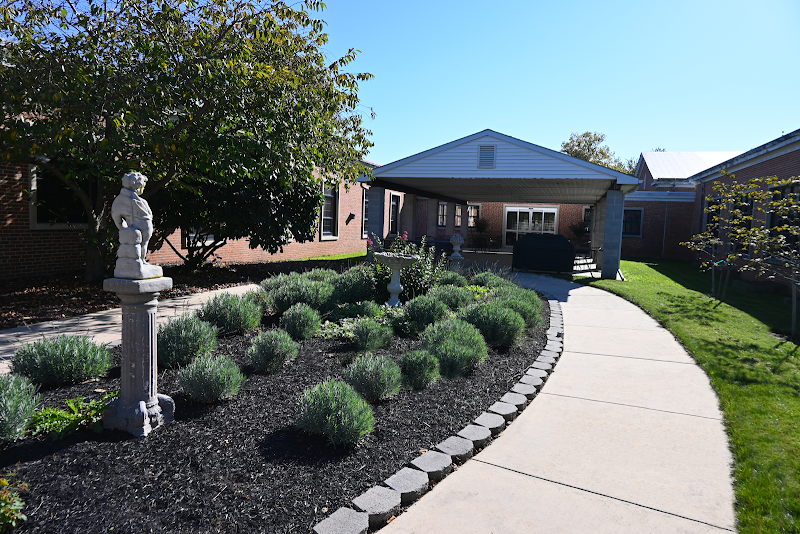
How Does Laurel Lakes Compare to Other Pennsylvania Nursing Homes?

Compared to the 100 nursing homes in Pennsylvania, LAUREL LAKES REHABILITATION AND WELLNESS CENTER's overall rating (1 stars) is below the state average of 3.0, staff turnover (42%) is near the state average of 46%, and health inspection rating (1 stars) is much below the national benchmark.

What Should Families Ask When Visiting Laurel Lakes?

Based on this facility's data, families visiting should ask: "What changes have been made since the serious inspection findings, and how are you preventing similar issues?" "Can you walk me through typical staffing levels on day, evening, and night shifts?" "Can I visit during a mealtime to observe dining assistance and food quality?" "How do you handle medical emergencies, and what is your hospital transfer rate?" These questions are particularly relevant given the facility's Immediate Jeopardy citations and the below-average staffing rating.

Is Laurel Lakes Safe?

Based on CMS inspection data, LAUREL LAKES REHABILITATION AND WELLNESS CENTER has documented safety concerns. Inspectors have issued 2 Immediate Jeopardy citations (the most serious violation level indicating risk of serious injury or death). The facility has a 1-star overall rating and ranks #100 of 100 nursing homes in Pennsylvania. Families considering this facility should ask detailed questions about what corrective actions have been taken since these incidents.

Do Nurses at Laurel Lakes Stick Around?

LAUREL LAKES REHABILITATION AND WELLNESS CENTER has a staff turnover rate of 42%, which is about average for Pennsylvania nursing homes (state average: 46%). Moderate turnover is common in nursing homes, but families should still ask about staff tenure and how the facility maintains care continuity when employees leave.

Was Laurel Lakes Ever Fined?

LAUREL LAKES REHABILITATION AND WELLNESS CENTER has been fined $228,477 across 3 penalty actions. This is 6.5x the Pennsylvania average of $35,364. Fines at this level are uncommon and typically indicate a pattern of serious deficiencies, repeated violations, or failure to correct problems promptly. CMS reserves penalties of this magnitude for facilities that pose significant, documented risk to resident health or safety. Families should request specific documentation of what issues led to these fines and what systemic changes have been implemented.

Is Laurel Lakes on Any Federal Watch List?

LAUREL LAKES REHABILITATION AND WELLNESS CENTER is not on any federal watch list. The most significant is the Special Focus Facility (SFF) program, which identifies the bottom 1% of nursing homes nationally based on persistent, serious quality problems. Not being on this list means the facility has avoided the pattern of deficiencies that triggers enhanced federal oversight. This is a positive indicator, though families should still review the facility's inspection history directly.