TRANSITIONS HEALTHCARE SHOOK HOME

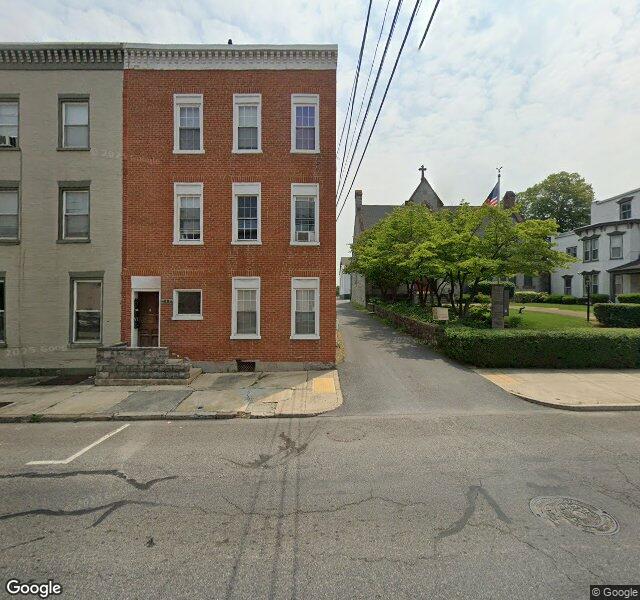
55 SOUTH SECOND STREET, CHAMBERSBURG, PA 17201 (717) 264-6815
For profit - Corporation 65 Beds TRANSITIONS HEALTHCARE Data: November 2025 2 Immediate Jeopardy citations
Trust Grade
0/100
#638 of 653 in PA
Last Inspection: April 2025

Within standard 12-15 month inspection cycle. Federal law requires annual inspections.

Overview

Transitions Healthcare Shook Home has received a Trust Grade of F, indicating significant concerns about the quality of care provided. Ranking #638 out of 653 nursing homes in Pennsylvania places it in the bottom half of facilities statewide and last among nine in Franklin County, suggesting limited options for improvement. The facility is worsening, with issues increasing from eight in 2024 to fourteen in 2025. Staffing is a relative strength, rated 4 out of 5 stars, and turnover is at 46%, which matches the state average, indicating some stability among staff. However, the facility has faced concerning fines totaling $205,694, higher than 99% of other Pennsylvania facilities, reflecting repeated compliance issues. Specific incidents include two critical failures: one resident was hospitalized due to a lack of proper care after a change in their condition, and another incident involved a significant medication error that resulted in actual harm. While staffing appears strong, the serious issues related to resident care and safety are significant red flags for potential residents and their families.

Trust Score
F
0/100
In Pennsylvania
#638/653
Bottom 3%
Safety Record
High Risk
Review needed
Inspections
Getting Worse
8 → 14 violations
Staff Stability
⚠ Watch
46% turnover. Above average. Higher turnover means staff may not know residents' routines.
Penalties
⚠ Watch
$205,694 in fines. Higher than 83% of Pennsylvania facilities, suggesting repeated compliance issues.
Skilled Nurses
✓ Good
Each resident gets 51 minutes of Registered Nurse (RN) attention daily — more than average for Pennsylvania. RNs are trained to catch health problems early.
Violations
⚠ Watch
31 deficiencies on record. Higher than average. Multiple issues found across inspections.
★☆☆☆☆
1.0
Overall Rating
★★★★☆
4.0
Staff Levels
★☆☆☆☆
1.0
Care Quality
★★☆☆☆
2.0
Inspection Score
Stable
2024: 8 issues
2025: 14 issues

The Good

  • 4-Star Staffing Rating · Above-average nurse staffing levels
  • Full Sprinkler Coverage · Fire safety systems throughout facility
  • No fines on record

Facility shows strength in staffing levels, fire safety.

The Bad

1-Star Overall Rating

Below Pennsylvania average (3.0)

Significant quality concerns identified by CMS

Staff Turnover: 46%

Near Pennsylvania avg (46%)

Higher turnover may affect care consistency

Federal Fines: $205,694

Well above median ($33,413)

Significant penalties indicating serious issues

Chain: TRANSITIONS HEALTHCARE

Part of a multi-facility chain

Ask about local staffing decisions and management

The Ugly 31 deficiencies on record

2 life-threatening 1 actual harm
Jul 2025 1 deficiency 1 Harm
SERIOUS (G) 📢 Someone Reported This

A family member, employee, or ombudsman was alarmed enough to file a formal complaint

Actual Harm - a resident was hurt due to facility failures

Deficiency F0760 (Tag F0760)

A resident was harmed · This affected 1 resident

**NOTE- TERMS IN BRACKETS HAVE BEEN EDITED TO PROTECT CONFIDENTIALITY** Based on facility policy review, clinical record review, hospital record review, facility investigation report, facility provide...

Read full inspector narrative →
**NOTE- TERMS IN BRACKETS HAVE BEEN EDITED TO PROTECT CONFIDENTIALITY** Based on facility policy review, clinical record review, hospital record review, facility investigation report, facility provided documents, and staff interviews, it was determined that the facility displayed past non-compliance in its failure to prevent a significant medication error, which resulted in actual harm as evidenced by a hospital transfer for low blood pressure, low heart rate and altered consciousness for one of three residents reviewed (Resident 1).Findings include: Review of facility policy, titled CLIN-080 Medication Pass, revealed the following, in part, 2. The MAR [Medication Administration Record] is reviewed for the right resident, right drug, right time, right route, and right dose. 3. As the medications are being poured, the licensed nurse compares the label with the MAR three times: a. When removing medication from the drawer, b. When removing the medication from the container, c. when returning the container to the drawer. 5. The resident is properly identified by 2 forms of identification (bracelet, picture ID, verbally, if resident is able to comprehend). A picture of each resident is taken upon admission to the facility and annually thereafter. Review of Resident 1's clinical record revealed diagnoses that included dementia (a chronic disorder of the mental processes caused by brain disease, and marked by memory disorders, personality changes, and impaired reasoning), hypertension (high blood pressure), cognitive communication deficit (a group of disorders that affect a person's ability to communicate, which can cause difficulty with understanding or producing language and nonverbal communication skills such as gestures and facial expressions), and type 2 diabetes mellitus (disease that occurs when your blood glucose, also called blood sugar, is too high, but does not require the use of insulin). Review of Resident 1's clinical record progress notes revealed a note dated July 12, 2025, at 7:35 AM, by Employee 2 (Registered Nurse-Supervisor) that indicated she was notified by Resident 1's Nurse (Employee 1 [Registered Nurse]) that the resident had received the incorrect medications. Resident 1 received Humalog 6 units (short-acting insulin), Insulin Glargine 15 units (long-acting insulin), Pantoprazole 20mg (medication used to treat conditions involving too much acid in the stomach), Vitamin C 500 mg, Carvedilol 12.5mg (medication used to treat high blood pressure and heart failure), Eliquis 5 mg (medication used to thin the blood and prevent blood clot formation), Finasteride 5mg (medication to treat an enlarged prostate), Gabapentin 600mg (medication used to treat seizures and nerve pain), Hydralazine 50 mg (medication used to treat high blood pressure), and Multi-vitamin and Vitamin B complex. The note further indicated that Resident 1's provider was notified, and orders were given to hold Resident 1's oral diabetic medications and to monitor his blood pressure and blood sugar every hour. The note indicated that Resident 1's blood pressure was 103/66 (normal being 120/80), his pulse was 71 (with normal being 60-100), his respirations were 16 (with normal being 16-20), and his blood sugar was 142 (with normal being 70-100). Review of Resident 1's clinical record progress notes revealed a note dated July 12, 2025, at 7:58 AM, by Employee 1 that she was asked by a nurse aide to assist with Resident 1 as he was sliding down out of his wheelchair. The note further indicated that, upon arriving to Resident 1's room, he was noted to be unresponsive in his wheelchair. His heart rate palpable to bilateral radial [wrists]- regular rate. Bilateral pupils equal and reactive to light. Resident warm/dry to touch. Blood sugar 142. At this time, resident was going in and out of responsiveness, resident laid to floor. BP [blood pressure] 135/52, HR [heart rate] 85. Sterum rub performed by this nurse - effective. BP 84/46 HR 59. Resident continues to come in and out of consciousness, BP 137/90. Resident becomes more aroused, lightly speaking with staff prior to EMS [Emergency Medical Services] arriving BP 87/52 HR 61. EMS arrived in residents' room. Review of Resident 1's clinical record progress notes revealed that he was transferred to the hospital on July 12, 2025, at 8:29 AM. Review of Resident 1's clinical record progress notes revealed a nurse's note by Employee 1 on July 12, 2025, at 4:36 PM, that indicated when she entered Resident 1's room, she said his name as Resident 2's name and that Resident 1 stated yes. The note indicated that Employee 1 administered the medications at 7:13 AM, realized incorrect medications were administered to Resident 1 at 7:19 AM, and she reported the occurrence to Employee 2 at 7:20 AM. The note further indicated that at 8:05 AM, Resident 1's Blood sugar was 142; Blood pressure was 103/66; Pulse was 71; and Respirations were 16. Review of Resident 1's clinical record revealed that his last documented vital signs prior to the medication administration error were completed on July 12, 2025, at 12:46 AM, and were recorded as blood pressure 167/87, pulse 108, respirations 20, and an oxygen saturation of 95%. His last recorded blood sugar was 232 and was noted to be recorded July 12, 2025, at 7:20 AM. Review of Resident 1's hospital emergency department record dated July 12, 2025, at 8:52 AM, revealed that he presented to the hospital with a chief complaint of medication error and that he had no specific complaints but was not able to provide much history. Patient apparently does have some mild dementia. According to paramedics patient was able to stand and answer questions. Because he was somewhat hypotensive with a pressure in 70s systolic, IV fluids were started. Physical assessment findings indicated that he was drowsy but arousable and that he was alert and oriented to person and place with no other abnormal findings. His initial glucose (blood sugar) was greater than 90. Additional notes on timeline indicated the following: at 9:11 AM Resident 1 remained somewhat hypotensive (low blood pressure) and bradycardic (low heart rate/pulse), drowsy but arousable, will be given some intravenous fluids, will closely monitor his blood sugar on recheck 93; and at 10:43 AM Resident 1 was drowsy but arousable; remained relatively hypotensive and bradycardic; had received a liter of normal saline and was receiving D5 [Dextrose 5%] normal saline infusion; and that the plan would be to hold off on any further boluses unless necessary due to concern for developing congestive heart failure, and that Resident 1 was not exhibiting any respiratory distress and oxygen saturation was 97%. During a staff interview with the Nursing Home Administrator (NHA) and Director of Nursing (DON) on July 22, 2025, at 9:40 AM, the NHA indicated that Resident 1's and Resident 2's rooms were directly across the hall from one another and that Employee 1 turned the wrong direction in the hallway and ended up in wrong room. He further indicated that Resident 1 was a new resident at the facility, only being admitted on [DATE], and the event occurred on July 12, 2025. The NHA said that Resident 1 remained at the hospital for 3 days under observation and was then discharged to another facility. He further revealed that on-the-spot education on the 5 Rights of Medication Pass was completed immediately with Employee 1. He said that the facility began educating all licensed nursing staff and started medication pass observations of all nursing staff and that the education and observations were being completed on all shifts. He said that there have been no issues were noted with any of the observations. He said that they are continuing these observations as part of the Performance Improvement Plan, they developed when the event occurred. He said that they had achieved compliance on July 14, 2025. Review of facility provided Performance Improvement Plan (PIP) for Medication Error- Med Pass Accuracy revealed the following:1) Immediate education was provided to the nurse involved on July 12, 20252) Immediate audit was completed to identify if any other residents were affected on July 12, 2025. Immediate audit completed that residents have the correct name, room number, and other identifiers in place. 3) All full time and part time licensed nursing staff were educated on the 5 Rights of Medication Administration beginning on July 12, 2025, and concluding July 14, 2025. 4) Medication Pass Observations will be completed on all nurses to ensure they are following the techniques of 5 Rights of Medication Administration. After 2 weeks of daily audits with 100% pass rate, the frequency will move to 3 days a week for 2 weeks, then weekly for 2 weeks, and then monthly for one month. During a staff interview with Employee 3 (Licensed Practical Nurse) on July 22, 2025, at 9:30 AM, Employee 3 confirmed she had received training on the 5 Rights of Medication Administration. Employee 3 indicated that she uses the picture in the electronic health record to identify residents. She said that if there was no picture or she was not sure, she would seek assistance from another staff member. During a staff interview with Employee 4 (Registered Nurse) on July 22, 2025, at 9:35 AM, Employee 4 confirmed she had received training on the 5 Rights of Medication Administration. Employee 4 indicated that she asks resident to state their name and uses the picture in the electronic health record to identify residents. She said if she had any doubt she would seek assistance from another staff member. She also indicated that she does not pass medications very often maybe, one to two times per month. During a staff interview with Employee 5 (Registered Nurse) on July 22, 2025, at 9:35 AM, Employee 5 confirmed she had received training on the 5 Rights of Medication Administration. Employee 5 said she uses the picture in the electronic health record to identify residents as well as asking them to state their name. She said if she had any doubt about a resident's identity, she would seek assistance from another staff member. She further indicated that she always verifies medications twice before administering them to a resident. She said medications are in blister packs and are labeled with each resident's name and room number. She said that insulin vials and pens are also labeled with resident's name and room number. She said that she also places the medication cart in front of the resident room for which she is preparing medications. Review of the POC documentation and interviews with staff revealed no concerns with medication administration. During a final staff interview with the NHA and DON on July 22, 2025, at 12:30 PM, they both confirmed they would expect nurses to follow the facility policy and practice the 5 Rights of Medication Administration with each medication administration to prevent significant medication errors from occurring. The NHA indicated that the facility was in compliance as of July 14, 2025, and that the PIP and audits will be reviewed at the next Quality Assurance Performance Improvement Committee Meeting on August 12, 2025. 28 Pa. Code 201.14(a) Responsibility of licensee28 Pa. Code 201.18(b)(1) Management28 Pa. Code 211.9(a)(1) Pharmacy services28 Pa. Code 211.10(c) Resident care policies28 Pa. Code 211.12(d)(1)(2)(3)(5) Nursing services
Apr 2025 12 deficiencies
CONCERN (D)

Potential for Harm - no one hurt, but risky conditions existed

Report Alleged Abuse (Tag F0609)

Could have caused harm · This affected 1 resident

Based on review of facility policy, review of select facility documentation, and staff interview, it was determined that the facility failed to ensure all alleged violations involving abuse were repor...

Read full inspector narrative →
Based on review of facility policy, review of select facility documentation, and staff interview, it was determined that the facility failed to ensure all alleged violations involving abuse were reported immediately for one of two residents reviewed for abuse (Resident 52). Findings include: Review of facility policy, titled Abuse, Neglect, Mistreatment, Exploitation, and Misappropriation of Resident Property, revised June 14, 2023, revealed, This facility's policy is to immediately report and investigate all allegations of mistreatment, neglect, abuse, misappropriation of a resident's property or any injury of unknown origin .Facility staff will be trained to report any oral or written reports of alleged neglect, abuse, mistreatment, and misappropriation of resident's property .Any report or suspicion of an incident is to be reported immediately to the charge nurse/supervisor .The Administrator and the Director of Nursing are to be notified immediately by the charge nurse/supervisor who receives the report. The Administrator or his designated person will notify the Licensing and Regulatory Agency (Department of Health/DHS), Protective Services, Local Police Department, and other state designated agencies as required. Review of Report Form for Investigation of Alleged Abuse, Neglect, Misappropriation of Property, revealed that on December 12, 2024, Resident 52 stated she wanted to attend a church activity, but Employee 3 (Nurse Aide) told her she was going to bed and not the activity. Further review of this form revealed that this incident was reported to Employee 2 (Registered Nurse) on December 13, 2024, who reported it to Employee 4 (Social Worker) on that date. It also stated that the investigation into this alleged incident of abuse did not start until December 16, 2024, and was not reported to the state regulatory agency until December 17, 2024. Review of Employee 2's witness statement (undated) revealed, [Resident 52] reported to this writer on the afternoon of 12/13/24 she wanted to attend the evening activity after supper to listen to a group of Christmas carolers singing in the activity room. [Resident 52] said that a tall colored girl asked her 'where do you think you are going' when [Resident 52] was waiting to go down to the activity. [Resident 52] told the tall colored girl that she wanted to go to the activity to listen to Christmas carolers. [Resident 52] said that 'the tall colored girl then said no you're not doing that you are going to bed.' [Resident 52] was very upset and crying at the time when she shared this with this writer. Review of Employee 4's witness statement (undated) revealed, Spoke to resident on 12/16 about incident on 12/12 (Thursday). Resident stated she was not allowed to go to activities to watch the Christmas carolers sing because she had to go to bed and it was 6 pm. She began to cry because she said she did not want to go to bed and was waiting for activities. I asked her who told her this she said her aide, she didn't know the name, only that it was a 'tall black girl.' During an interview with the Director of Nursing (DON) on April 3, 2025, at 11:03 AM, she acknowledged that there was a delay in reporting the aforementioned allegation of abuse. She revealed that the incident took place on December 12, 2024. The Resident reported the incident to Employee 2 during a care plan meeting on December 13, 2024. Employee 2 passed it along to Employee 4 for follow-up, but Employee 4 was not working that day. Administration did not become aware of the incident until December 16, 2024. The DON also revealed that verbal education was provided to Employee 2 regarding required timeframes and process for reporting allegations of potential abuse/neglect. 28 Pa. Code 201.18(b)(1) Management 28 Pa. Code 211.12(d)(1)(2)(5) Nursing services
CONCERN (D)

Potential for Harm - no one hurt, but risky conditions existed

Comprehensive Care Plan (Tag F0656)

Could have caused harm · This affected 1 resident

**NOTE- TERMS IN BRACKETS HAVE BEEN EDITED TO PROTECT CONFIDENTIALITY** Based on facility policy review, clinical record review, and staff interviews, it was determined that the facility failed to ens...

Read full inspector narrative →
**NOTE- TERMS IN BRACKETS HAVE BEEN EDITED TO PROTECT CONFIDENTIALITY** Based on facility policy review, clinical record review, and staff interviews, it was determined that the facility failed to ensure that a comprehensive, person-centered care plan was developed for two of 17 residents reviewed (Residents 13 and 24). Findings include: Review of facility policy, titled Care Plan - Comprehensive, last reviewed December 2024, revealed, Each resident will have a comprehensive care plan developed that is individualized, included measurable objectives and timetables to meet the resident's medical, nursing, mental and psychological needs is developed for each resident, and reflect the resident's cultural references, values, and practices. Review of Resident 13's clinical record revealed diagnoses that included atrial fibrillation (upper chambers of the heartbeat irregularly and rapidly) and heart failure (the heart cannot pump effectively enough to meet the body's needs). Review of Resident 13's physician orders revealed an order for Apixaban (anticoagulant medication) 2.5 milligrams two times a day, with a start date of June 11, 2024. Review of Resident 13's comprehensive care plan failed to reveal any care planning for Resident 13's anticoagulant medication use or side effect monitoring. During a staff interview on April 3, 2025 at 11:09 AM, with the Nursing Home Administrator (NHA) and Director of Nursing (DON), the NHA stated Resident 13's care plan had been updated and it was the expectation of the facility that comprehensive care plans be developed accurately. Review of Resident 24's clinical record revealed diagnoses that included dementia (loss of memory, language, problem-solving, and other thinking abilities that are severe enough to interfere with daily life) and chronic obstructive pulmonary disease (chronic inflammatory lung disease that causes obstructed airflow from the lungs). Further review of Resident 24's clinical record revealed she was admitted to the facility on [DATE]. Review of Resident 24's hospital Discharge summary dated [DATE], revealed that dementia associated with other underlying disease was noted as one of the problems addressed during her stay. Review of Resident 24's practitioner visit notes dated March 25, 2025, revealed that Resident 24 was discharged home from the facility in January 2025, but had been seen in the emergency room four times since then. Two of the visits were related to increased episodes of confusion, and her MoCA score (Montreal Cognitive Assessment - a highly sensitive tool for early detection of mild cognitive impairment) indicated significant cognitive impairment. Further review revealed that when examined, Resident 24 confirmed she did have confusion and stated she was unsure where she was. Review of Resident 24's care plan failed to reveal any information related to her cognitive impairment or dementia diagnosis. During an interview with the NHA on April 3, 2025, at 11:02 AM, he revealed the expectation that Resident 24's cognitive impairment/dementia diagnosis should have been included in her plan of care. 28 Pa. Code 201.14(a) Responsibility of licensee 28 Pa. Code 211.12(d)(1)(3)(5) Nursing services
CONCERN (D)

Potential for Harm - no one hurt, but risky conditions existed

Deficiency F0657 (Tag F0657)

Could have caused harm · This affected 1 resident

Based on facility policy review, review of facility admission agreement, clinical record review, and staff interviews, it was determined that the facility failed to ensure that the resident care plan ...

Read full inspector narrative →
Based on facility policy review, review of facility admission agreement, clinical record review, and staff interviews, it was determined that the facility failed to ensure that the resident care plan was reviewed and revised to reflect the resident's current status for two of 21 residents reviewed (Residents 48 and 55). Findings include: Review of facility policy, titled Care Plan - Comprehensive, revised September 28, 2022, revealed, Assessments of residents are ongoing and care plans are revised as information about the resident and the resident's condition change. Review of Resident 48's clinical record revealed diagnoses that included dementia (a chronic disorder of the mental processes caused by brain disease, and marked by memory disorders, personality changes, and impaired reasoning), anxiety disorder (mental health disorder characterized by feelings of worry, anxiety, or fear that are strong enough to interfere with one's daily activities), and depression. Review of Resident 48's clinical record progress notes revealed a nurse's note dated March 17, 2025, at 1:52 PM, that indicated he had edema (swelling caused by too much fluid trapped in the body's tissues) in both of his lower legs. Review of Resident 48's physician orders revealed an order for TED stockings (compression stockings used to reduce chance of blood clots and to promote increased blood flow velocity in the legs), apply in AM and remove in PM, dated March 17, 2025. Review of Resident 48's care plan failed to reveal a focus for his edema or the use of TED hose. During a staff interview with the Nursing Home Administrator (NHA) and Director of Nursing (DON) on April 3, 2025, at 10:45 AM, the DON confirmed that Resident 48's care plan should have been updated to reflect his edema and the use of TED hose. Review of the facility admission agreement, effective July 27, 2015, revealed, The facility does not permit smoking anywhere on its premises. Review of Resident 55's clinical record revealed diagnoses that included congestive heart failure (weakness of the heart that leads to buildup of fluid in the lungs and surrounding body tissues) and other symptoms and signs involving cognitive functions and awareness. Review of Resident 55's care plan revealed a focus area of, [Resident 55] wishes to be a smoker; smoking evaluation has determined resident's degree of independence for safe smoking, initiated February 20, 2025. Further review revealed an intervention to inform and orient resident to smoking areas. Review of Resident 55's clinical record failed to reveal that she was an active smoker. During an interview with the NHA on April 1, 2025, at 9:43 AM, he confirmed that the facility was non-smoking. During an interview with the DON on April 3, 2025, at 11:10 AM, she revealed the expectation that smoking should have been removed from Resident 55's care plan. 42 CFR 483.21(b)(2) Comprehensive Care Plans 28 Pa. Code 211.12(d)(1)(2)(3)(5) Nursing services
CONCERN (D)

Potential for Harm - no one hurt, but risky conditions existed

Quality of Care (Tag F0684)

Could have caused harm · This affected 1 resident

Based on clinical record review and staff interviews, it was determined that the facility failed to provide care and services in accordance with professional standards of practice to ensure each resid...

Read full inspector narrative →
Based on clinical record review and staff interviews, it was determined that the facility failed to provide care and services in accordance with professional standards of practice to ensure each resident's highest level of well-being for one of three residents reviewed for advanced directives (Resident 51). Findings Include: Review of Resident 51's clinical record revealed diagnoses that included Alzheimer's disease (gradually progressive brain disorder that causes problems with memory, thinking, and behavior) and type 2 diabetes mellitus (impairment in the way the body regulates and uses sugar [glucose] as a fuel, resulting in too much sugar circulating in the bloodstream). Further review of Resident 51's clinical record revealed a POLST form (Pennsylvania Orders for Life Sustaining Treatment), dated December 23, 2024, stating that if Resident 51 was found with no pulse and not breathing, Resident 51 did not wish to be resuscitated. Review of Resident 51's physician orders revealed an order dated July 3, 2024, for Full Code, meaning resuscitation should be attempted if she was found without a pulse and not breathing. During an interview with the Nursing Home Administrator on April 3, 2025, at 10:59 AM, he confirmed that Resident 51's orders should have reflected her DNR (Do Not Resuscitate) status. He also revealed that a whole house audit was completed to ensure accuracy of code statuses. 28 Pa. Code 211.18(b)(1) Management 28 Pa. Code 211.12(d)(1)(3)(5) Nursing services
CONCERN (D)

Potential for Harm - no one hurt, but risky conditions existed

Pressure Ulcer Prevention (Tag F0686)

Could have caused harm · This affected 1 resident

Based on review of facility policy, record review, observation, and staff interview, it was determined that the facility failed ensure the resident received care, consistent with professional standard...

Read full inspector narrative →
Based on review of facility policy, record review, observation, and staff interview, it was determined that the facility failed ensure the resident received care, consistent with professional standards, to treat and prevent pressure ulcers for one of one resident reviewed (Resident 49). Findings Include: Review of facility policy, titled CLIN-046 Dressing Changes, Revised March 28, 2016, revealed in step 11. Write the date, time, and initials on the dressing. Review of facility policy, titled IC- Enhanced Barrier Precautions, with a revision date of April 1, 2024, indicated that residents on enhanced barrier precautions require the use of gloves and a protective gown for high contact resident care activities, including wound care and any skin opening requiring a dressing. Review of Resident 49's clinical record revealed diagnoses that included pressure ulcer of right heel (localized area of damaged skin or tissue that occurs when pressure is applied to the skin for a prolonged period of time) and diabetes (a disease that effects how the body utilizes and regulates blood sugar). Review of Resident 49's current physician orders revealed an order to cleanse Resident 49's right heel with wound cleanser, apply medihoney (wound medication) and apply gauze to cover, with a start date of February 25, 2025. Another order revealed Resident 49 required enhanced barrier precautions related to her right heel, starting on February 11, 2025. Observation of Resident 49's dressing change to right heel on April 2, 2025, at 10:41 AM, revealed Employee 1(Registered Nurse) was completing Resident 49's right heel. When Employee 1 removed the dressing from Resident 49's heel, she confirmed that the dressing was not dated or timed, and she could not tell when it was applied. For the duration of the dressing change, Employee 1 was not wearing a gown at any time during the procedure. Interview with the Director of Nursing on April 3, 2025, at 12:51 PM, revealed that Resident 49's dressing should have been dated and Employee 1 should have followed the enhanced barrier precautions policy. 28 Pa. Code 211.12(c)(d)(1)(3)(5) Nursing services
CONCERN (D)

Potential for Harm - no one hurt, but risky conditions existed

Respiratory Care (Tag F0695)

Could have caused harm · This affected 1 resident

Based on review of facility policy, clinical record review, observations, and staff interview, it was determined that the facility failed to provide respiratory care/oxygen services consistent with pr...

Read full inspector narrative →
Based on review of facility policy, clinical record review, observations, and staff interview, it was determined that the facility failed to provide respiratory care/oxygen services consistent with professional standards of practice for one of three residents reviewed for respiratory care (Resident 50). Findings include: Review of facility policy titled CLIN-009 Aerosol Therapy, with a last review date of December 2024, revealed: Following the treatment remove any medication left in the medication cup of the nebulizer. Wash the nebulizer with tap water after shaking excess medication from assembly, then disassemble nebulizer and place on a paper towel and allow to air dry. Rinse the mask and/or mouthpiece with warm water for 30 seconds. Also air dry on a clean paper or towel. When nebulizer equipment is dry, place it back in labeled plastic bag. Plastic bag will have the date that the equipment was opened on the outside of the bag. Once a week, replace all disposable parts. Review of Resident 50's clinical record revealed diagnoses that included chronic diastolic congestive heart failure (heart failure that occurs when the heart does not relax properly between beats, causing the heart to be unable to pump an adequate amount of blood to the body), atrial fibrillation (abnormal heart rhythm characterized by rapid and irregular beating of the upper chamber of the heart), and chronic respiratory failure with hypoxia (long term condition in which the respiratory system is unable to adequately exchange oxygen and carbon dioxide in the body). Review of Resident 50's clinical record revealed a physician order for Ipratropium-Albuterol Inhalation Solution 0.5-2.5 milligrams/3 milliliters inhale orally via nebulizer four times a day, dated February 11, 2025. Further review of orders failed to include frequency of nebulizer tubing/mask change or frequency of cleaning of medication chamber/mask. Observations of Resident 50's room on April 1, 2025, at 10:25 AM, and April 2, 2025, at 11:48 AM, revealed that the tubing connected to her nebulizer machine was not dated and that the mask was laying on top of the machine with a plastic storage bag located beside the nebulizer. During a staff interview with the Nursing Home Administrator and Director of Nursing (DON) on April 2, 2025, at 12:55 PM, the DON indicated that she would expect the nebulizer tubing to be dated and mask to be bagged when not in use. 28 Pa. Code 211.12(d)(1)(2)(3)(5) Nursing services
CONCERN (D)

Potential for Harm - no one hurt, but risky conditions existed

Medication Errors (Tag F0758)

Could have caused harm · This affected 1 resident

Based on policy review, clinical record review, and staff interview, it was determined that the facility failed to adequately monitor psychotropic medications to ensure that residents were free from u...

Read full inspector narrative →
Based on policy review, clinical record review, and staff interview, it was determined that the facility failed to adequately monitor psychotropic medications to ensure that residents were free from unnecessary medications for one of five residents reviewed for unnecessary medications (Resident 24). Findings include: Review of facility policy, Use of Psychotropic medications, revised January 21, 2025, revealed, Complete 'Behavior/Interventions' Sheet or other behavior tracking pharmacy form to include : All relevant resident data, target behavior, record the number of episodes, intervention code and outcome by shift, if side effects observed enter code, otherwise leave blank. Review of Resident 24's clinical record revealed diagnoses that included dementia (loss of memory, language, problem-solving, and other thinking abilities that are severe enough to interfere with daily life) and anxiety disorder (mental disorder characterized by feelings of worry about future events and/or fear in reaction to current events). Review of Resident 24's physician orders revealed an order for risperidone (antipsychotic medication) for dementia, effective March 20, 2025. Review of Resident 24's clinical record failed to reveal evidence of side effect monitoring related to use of her antipsychotic medication or monitoring of the target behaviors the medication was to address. During an interview with the Director of Nursing on April 3, 2025, at 12:55 PM, she confirmed that behavior and side effect monitoring was not in place related to Resident 24's use of risperidone, but should have been. 28 Pa. Code 211.12(d)(1)(3)(5) Nursing services
CONCERN (D)

Potential for Harm - no one hurt, but risky conditions existed

Deficiency F0806 (Tag F0806)

Could have caused harm · This affected 1 resident

Based on observation, clinical record review, review of select facility documents, and staff interviews, it was determined that the facility failed to ensure that residents were served food that accom...

Read full inspector narrative →
Based on observation, clinical record review, review of select facility documents, and staff interviews, it was determined that the facility failed to ensure that residents were served food that accommodated their allergies and intolerances for one of 17 residents reviewed (Resident 32). Findings include: Review of Resident 32's clinical record revealed diagnoses that included dementia (loss of memory, language, problem-solving, and other thinking abilities that are severe enough to interfere with daily life) and chronic obstructive pulmonary disease (chronic inflammatory lung disease that causes obstructed airflow from the lungs). Review of Resident 32's physician's orders revealed an order for a gluten free, lactose free diet effective July 7, 2023., Observation of Resident 32 on March 31, 2025, at 12:51 PM, revealed she was served and consumed a cheeseburger on a bun. During an interview with Employee 5 (Dietary Aide) on March 31, 2025, at 12:58 PM, she confirmed that she had not served Resident 32's burger on a gluten free bun. She also confirmed that she has mistakenly served Resident 32 cheese on her burger. Review of Resident 32's meal ticket (paper slip that accompanies resident's meal tray that indicates allergies, preferences, and food/drink items to be received) for lunch on March 31, 2025, revealed that she was to be served a gluten free, lactose free diet. During an interview with the Nursing Home Administrator on April 3, 2025, at 10:56 AM, he revealed the expectation that Resident 32 should have been served the appropriate diet. He also revealed that education was provided to staff. 28 Pa. Code 201.18(b)(1)(e)(1) Management
CONCERN (E)

Potential for Harm - no one hurt, but risky conditions existed

Deficiency F0577 (Tag F0577)

Could have caused harm · This affected multiple residents

Based on observation and staff interview, it was determined that the facility failed to post the most recent Federal or State survey results for one of one survey books observed (located in main entra...

Read full inspector narrative →
Based on observation and staff interview, it was determined that the facility failed to post the most recent Federal or State survey results for one of one survey books observed (located in main entrance lobby). Findings Include: Observation of the survey binder located in the main entrance lobby on April 1, 2025, at 11:27 AM, revealed the most recent survey results present were dated August 2023. Review of the facility's survey history revealed the most recent survey result that could have been posted was conducted on March 19, 2025. During an interview with the Nursing Home Administrator on April 2, 2025, at 1:02 PM, he revealed the expectation that the survey books should be up to date and confirmed that they had been updated. 28 Pa. Code 201.14 Responsibility of licensee
CONCERN (E)

Potential for Harm - no one hurt, but risky conditions existed

Transfer Notice (Tag F0623)

Could have caused harm · This affected multiple residents

**NOTE- TERMS IN BRACKETS HAVE BEEN EDITED TO PROTECT CONFIDENTIALITY** Based on clinical record review, facility document review, and staff interviews, it was determined that the facility failed to p...

Read full inspector narrative →
**NOTE- TERMS IN BRACKETS HAVE BEEN EDITED TO PROTECT CONFIDENTIALITY** Based on clinical record review, facility document review, and staff interviews, it was determined that the facility failed to provide a notice of transfer that included the required information for three of four resident records reviewed for hospitalizations (Residents 47, 50, and 58). Findings include: Review of Resident 47's clinical record revealed diagnoses that included atrial fibrillation (irregular and rapid heartbeats on the upper chamber of the heart) and acute kidney failure (a sudden and significant decrease in kidney function). Further review of Resident 47's clinical record revealed that she had been transferred and admitted to the hospital on [DATE]. Review of facility provided document, titled Notice of Proposed Involuntary Discharge or Transfer, revealed the notice did not contain the location of transfer, statement of the Resident's appeal rights, the mailing address of the entity which receives request for appeals; mailing address of the Office of the State Long-Term Care Ombudsman; the mailing address for the agency responsible for protection and advocacy of individuals with developmental disabilities; nor, the mailing address for agency responsible for the protection and advocacy of individuals with mental disorders. During a staff interview with the Nursing Home Administrator (NHA) on April 3, 2025, at 12:02 PM, the NHA confirmed that the facility transfer notice did not contain all the required information. Review of Resident 50's clinical record revealed diagnoses that included chronic diastolic congestive heart failure (heart failure that occurs when the heart does not relax properly between beats, causing the heart to be unable to pump an adequate amount of blood to the body), atrial fibrillation, and chronic respiratory failure with hypoxia (long-term condition in which the respiratory system is unable to adequately exchange oxygen and carbon dioxide in the body). Review of Resident 50's clinical record revealed that she had been transferred and admitted to the hospital on [DATE]; November 13, 2024; and February 8, 2025. Review of facility provided document, titled Notice of Proposed Involuntary Discharge or Transfer, revealed the notice did not contain the location of transfer, statement of the Resident's appeal rights, the mailing address of the entity which receives request for appeals; mailing address of the Office of the State Long-Term Care Ombudsman; the mailing address for the agency responsible for protection and advocacy of individuals with developmental disabilities; nor, the mailing address for agency responsible for the protection and advocacy of individuals with mental disorders. During a staff interview with the NHA on April 3, 2025, at 12:02 PM, the NHA confirmed that the facility transfer notice did not contain all the required information. Review of Resident 58's clinical record revealed diagnoses that included paroxysmal atrial fibrillation and acute kidney failure. Further review of Resident 58's clinical record revealed that he had been transferred and admitted to the hospital on [DATE]. Review of facility provided document, titled Notice of Proposed Involuntary Discharge or Transfer, revealed the notice did not contain the location of transfer, statement of the Resident's appeal rights, the mailing address of the entity which receives request for appeals; mailing address of the Office of the State Long-Term Care Ombudsman; the mailing address for the agency responsible for protection and advocacy of individuals with developmental disabilities; nor, the mailing address for agency responsible for the protection and advocacy of individuals with mental disorders. During a staff interview with the NHA on April 3, 2025, at 12:02 PM, the NHA confirmed that the facility transfer notice did not contain all the required information. 28 Pa. Code 201.14(a) Responsibility of licensee
CONCERN (E)

Potential for Harm - no one hurt, but risky conditions existed

Deficiency F0692 (Tag F0692)

Could have caused harm · This affected multiple residents

Based on facility policy review, clinical record review, and staff interview, it was determined that the facility failed to monitor hydration to ensure proper hydration for one of two residents review...

Read full inspector narrative →
Based on facility policy review, clinical record review, and staff interview, it was determined that the facility failed to monitor hydration to ensure proper hydration for one of two residents reviewed for hydration (Resident 50). Findings include: Review of facility policy, titled CLIN-054 Fluid Intake with a last review date of December 2024, failed to reveal how the facility would manage fluid intake for residents with physician ordered restrictions. Review of Resident 50's clinical record revealed diagnoses that included chronic diastolic congestive heart failure (heart failure that occurs when the heart does not relax properly between beats, causing the heart to be unable to pump an adequate amount of blood to the body), atrial fibrillation (abnormal heart rhythm characterized by rapid and irregular beating of the upper chamber of the heart), and chronic respiratory failure with hypoxia (long-term condition in which the respiratory system is unable to adequately exchange oxygen and carbon dioxide in the body). Review of Resident 50's clinical record revealed a physician order for no added salt /1500 CC (cubic centimeters) FR [fluid restriction] diet Regular texture, Regular Liquids consistency, small portions at meals, dated November 16, 2024. Further review of Resident 50's clinical record failed to reveal how the Resident's fluid restrictions would be distributed throughout a 24-hour time period or how the facility would monitor Resident 50's overall fluid intakes on a daily basis. Review of Resident 50's clinical record nurse aide task documentation for fluid intake with meals and additional fluids provided from March 4, 2025 -April 1, 2025, revealed that Resident 50's was documented as consuming a total of 3370 cc on March 7, 2025; and 1560 cc's on March 25, 2025. Review of Resident 50's Medication Administration Records from November 2024 through April 1, 2025, failed to include any documentation of how much fluid was provided to Resident 50 during medication administrations on any shift. Review of Resident 50's clinical record progress notes failed to reveal documentation that her physician was made aware of her exceeding her ordered fluid restrictions on March 7 and 25, 2025. During a staff interview with the Nursing Home Administrator and Director of Nursing (DON) on April 3, 2025, at 11:08 AM, the DON confirmed that there was no documentation of how many fluids were being provided by nursing staff with medication passes or nurse monitoring of total fluids consumed in a 24-hour period. She indicated that on March 7, 2025, she believed her fluid intake was a documentation error as Resident 50 does not generally consume that amount of fluid and that there were no notes indicating any change in her status. She confirmed that there was no documentation that Resident 50's physician was notified of her exceeding her fluid restriction on March 25, 2025. In addition, she confirmed that Resident 50 should have had a fluid breakdown in a 24-hour period to include meals, medication passes, and other offerings, established with nurse monitoring of fluids on a daily basis when the order was initially given for the fluid restriction. 28 Pa. Code 211.10(c) Resident care policies 28 Pa. Code 211.12(d)(1)(2)(3)(5) Nursing services
CONCERN (E)

Potential for Harm - no one hurt, but risky conditions existed

Food Safety (Tag F0812)

Could have caused harm · This affected multiple residents

Based on observations, facility policy review, and staff interviews, it was determined that the facility failed to ensure food was prepared and served under sanitary conditions in two of two dining ro...

Read full inspector narrative →
Based on observations, facility policy review, and staff interviews, it was determined that the facility failed to ensure food was prepared and served under sanitary conditions in two of two dining rooms observed (1st and 2nd floor). Findings include: Review of facility policy, Bare Hand Contact with Food and Use of Plastic Gloves, dated 2021, revealed, Bare hand contact with food is prohibited .Gloved hands are considered a food contact surface that can become contaminated or soiled. If used, single-use gloves shall be used for only one task (such as working with ready-to-eat food or with raw animal food), used for no other purpose, and discarded when damaged or soiled, or when interruptions occur in the operation. Hands are to be washed when entering the kitchen and before putting on the single-use gloves (before beginning work with food) and after removing single-use gloves. Gloves are just like hands. They get soiled. Anytime a contaminated surface is touched, the gloves must be changed, and hands must be washed. Observation of tray line service on second floor on March 31, 2025, at 12:38 PM, revealed Employee 7 (Dietary Aide) wearing gloves, touching the paper meal tickets, then reaching into the bag of hamburger buns to retrieve them wearing the same gloves, and touching cheese slices wearing the same gloves. Observation during lunch meal service on second floor on March 31, 2025, at approximately 12:40 PM, Employee 8 (Nurse Aide) brought a resident's plate back up to the serving line to have Employee 7 add a slice of cheese to the burger. Employee 8 was noted to use the tip of her right index finger to slide the top bun off the burger for Employee 7 to add the cheese. Employee 8 then slid the top bun back onto the burger using her same finger. Employee 8 was not wearing gloves. Observation in the first floor dining room on March 31, 2025, starting at approximately 12:40 PM, revealed Employee 6 (Nurse Aide) touching the sandwiches of Residents 26, 27, and 45 with her bare hands while assisting them with cutting and/or placing condiments on their sandwiches. Observation of tray line on first floor on March 31, 2025, at 12:44 PM, revealed Employee 5 (Cook) wearing gloves, touching the paper meal tickets, then reaching into the bag of hamburger buns to retrieve them wearing the same gloves, and touching cheese slices wearing the same gloves. During a staff interview with the Nursing Home Administrator (NHA) and Director of Nursing (DON) on April 2, 2025, at 12:43 PM, the DON confirmed that staff should have used tongs to serve hamburger buns and cheese slices, and that nursing staff should wear gloves when touching residents' food. During an interview with the NHA on April 3, 2025, at 10:56 AM, he revealed the expectation that staff should not be touching resident food with bare hands. 28 Pa. Code 211.6(f) Dietary services 28 Pa. Code 211.18(b)(1) Management
Mar 2025 1 deficiency
CONCERN (D) 📢 Someone Reported This

A family member, employee, or ombudsman was alarmed enough to file a formal complaint

Potential for Harm - no one hurt, but risky conditions existed

Incontinence Care (Tag F0690)

Could have caused harm · This affected 1 resident

Based on observation, facility policy review, clinical record review, and staff interviews, it was determined that the facility failed to ensure residents received appropriate treatment and services t...

Read full inspector narrative →
Based on observation, facility policy review, clinical record review, and staff interviews, it was determined that the facility failed to ensure residents received appropriate treatment and services to prevent urinary tract infections and to promote dignity related to use of a foley catheter (small, flexible tube that can be inserted through the urethra and into the bladder, allowing urine to drain) for one of three residents reviewed for catheter use (Resident 1). Findings Include: Review of facility policy, titled Catheter Care - Routine, revised March 21, 2016, revealed, Provide privacy cover for drainage bag as needed. Review of facility policy, titled, Catheterization - Foley, revised January 23, 2017, revealed, Keep the catheter bag below the level of the bladder at all times. Do not rest the bag on the floor. Review of Resident 1's clinical record revealed diagnoses that included dementia (loss of memory, language, problem-solving, and other thinking abilities that are severe enough to interfere with daily life) and protein-calorie malnutrition (insufficient protein intake or protein deficiency). Observation on March 24, 2025, at 12:42 PM, revealed Resident 1 in bed. Her catheter drainage bag and its contents were visible from the doorway, and the bag was touching the floor. During an immediate interview with Employee 1 (Licensed Practical Nurse) she confirmed that the drainage bag should have been covered and stated that she would remedy the situation. During an interview with the Director of Nursing on March 24, 2025, at 2:13 PM, she acknowledged the aforementioned concern, and confirmed that Resident 1's catheter drainage bag should not have been resting directly on the floor. 28 Pa Code 211.12(d)(1)(5) Nursing Services
Jun 2024 2 deficiencies 2 IJ (1 affecting multiple)
CRITICAL (J) 📢 Someone Reported This

A family member, employee, or ombudsman was alarmed enough to file a formal complaint

Immediate Jeopardy (IJ) - the most serious Medicare violation

Notification of Changes (Tag F0580)

Someone could have died · This affected 1 resident

Based on facility policy review, clinical record review, hospital record review, and resident representative and staff interviews, it was determined that the facility failed to notify the physician af...

Read full inspector narrative →
Based on facility policy review, clinical record review, hospital record review, and resident representative and staff interviews, it was determined that the facility failed to notify the physician after a change in a resident's condition and failed to notify a resident's representative of a change in treatment for one of four residents reviewed (Resident 1). Immediate Jeopardy was identified because the failure to notify the physician resulted in a lack of physician oversight. This caused a delay in treatment, which resulted in transfer to the hospital for hypovolemic shock (emergency condition in which severe blood or other fluid loss makes the heart unable to pump enough blood to the body), hypotension (low blood pressure), hyperglycemia (elevated blood sugar), and cardiac arrest for Resident 1. Findings include: Review of facility policy, titled Change of Condition, with a last revision date of February 22, 2024, revealed the following: It is the policy of the Facility to inform residents, physicians/CRNP's (Certified Registered Nurse Practitioners), and resident representatives of a change in the resident's condition; Licensed nursing staff will: 1. Evaluate any changes noted through direct observation or by assigned staff or any changes noted in report at change of shift or as noted on 24 Hour Report; 2. Obtain a complete set of vital signs (temperature, pulse respirations, and blood pressure) at the onset of the change and/or more often as appropriate or ordered by the physician/CRNP; 5. Notify the physician/CRNP immediately if the condition appears serious; 6. Notify the resident's representative of the change and any changes made to the resident's plan of care; 7. Address the change on the 24 Hour Report or facility specific form at the nursing station for follow through by the next shift; and 9b. Licensed staff will document findings in the EHR (electronic health record) regarding the change of condition and observations. Review of Resident 1's clinical record revealed diagnoses that included iron deficiency anemia (a condition in which blood lacks adequate healthy red blood cells), Type 2 Diabetes Mellitus (a long-term condition in which the body has trouble controlling blood sugar and using it for energy), hyperlipidemia (a condition in which there are high levels of fat particles [lipids] in the blood), and hypertension (elevated blood pressure). Review of Resident 1's nursing progress note dated May 22, 2024, at 1:30 PM, revealed that Resident 1 was complaining of not feeling well and stating that she felt full. Blood pressure 85/58 (normal is 120/80), abdomen was large, soft, and non-tender, and the Resident denied nausea and pain. The note further indicated that Resident 1 was given ginger ale soda and added to alert charting and the physician list. On June 17, 2024, at 12:44 PM, the Director of Nursing (DON) stated that alert charting means that the resident's name and symptoms to monitor will be put on a paper in a book at the nurse's station. She stated that nursing staff are then to document their findings in the resident's medical record. On June 17, 2024, at 1:18 PM, the DON stated when a resident is added to the physician list, it means the physician will see them the next time they are in the building. She further stated that the Nurse Practioner (Employee 1) comes in on Tuesdays and Fridays; so Resident 1 would have been seen on Friday, May 24, 2024. In addition, the DON provided daily assignment sheets for review, which are not part of the clinical record but did reflect Resident 1's low blood pressures. Review of the facility form, titled Daily Assignment Sheet, revealed Resident 1 had the following blood pressures documented on the paper form: May 23, 2024, 6 AM-2 PM shift- 80/60 May 23, 2024, 2 PM-10 PM shift- 80/58. Review of Resident 1's clinical record revealed the aforementioned blood pressures were not documented in Resident 1's clinical record and there is no evidence that the provider was made aware of those blood pressures. Review of Resident 1's nursing progress note dated May 22, 2024, at 6:10 PM, revealed that an assessment was completed on Resident 1 after the nurse aide stated she was more difficult to transfer than usual. Assessment completed all unremarkable except resident had hypoactive bowel sounds. Day two of no BM [bowel movement] after having a medium on 5/20. Resident is to MD in AM to assess changes noted today. Neurologically intact. Stated that she does feel less full than this AM and did state that she was going to attempt to eat PM meal. Continue with current POC [plan of care], monitor anticipate needs. Review of Resident 1's clinical record revealed no evidence that Resident 1 was assessed by the physician on May 22 or 23, 2024. Review of Resident 1's physical therapy treatment notes revealed a note dated May 23, 2024, at 12:06 PM, that indicated Resident 1 had been trialed standing in supported position, with evidence of decreased ability to stand upright and to stand pivot. The note further indicated that Resident 1 had poor alertness throughout the session and that they were being downgraded to a stand pivot disc with the assistance of two staff due to safety concerns. Review of Resident 1's occupational therapy treatment notes revealed a note dated May 23, 2024, at 10:33 AM, that indicated Resident 1 attempted to engage in sit to stand transfers and stand pivot disc transfers but was very lethargic and fatigued requiring moderate to maximum assistance of two people. The note further indicated that Resident 1 was reporting that they had a headache and did not feel well and that nursing was made aware. Review of Resident 1's nursing progress note dated May 24, 2024, revealed that the RN (Registered Nurse) was called to assess the Resident and noted the following vital signs: Temperature 96.6; pulse 60 and regular; respirations 12; blood pressure 106/52; pulse ox 84% on room air. Further review of Resident 1's progress notes revealed Employee 1 (Nurse Practioner) reported that resident was confused and lethargic. Upon assessment, resident was gray in color and diaphoretic. Denies pain. Resident slowly to respond. Resident kept closing her eyes. BS [blood sugar] 552 [normal is 70-100]. Resident unable to state what was wrong. A new order was received to send Resident 1 to the emergency department. The Facility called 911 and Resident 1 left the facility via ambulance at 7:40 AM. Review of Resident 1's EMS (Emergency Medical Services) record dated May 24, 2024, revealed that, upon arrival to the facility, the RN told EMS that Resident 1 had been hypotensive (low blood pressure), very pale, clammy, and had an altered mental status for the past two days. The RN stated that Resident 1's blood sugar was 552 on the morning of May 24, 2024, no insulin was given, and that no other glucose readings were documented during Resident 1's admission to the facility. The EMS report further revealed that the RN stated Resident 1's blood pressure was in the 60's over the 40's the past two days. Initial blood pressure from EMS at 7:34 AM was 82/51. It was also noted on assessment that Resident 1 was very cold and very pale as if in a GI [gastrointestinal] bleed. Further review of the EMS report for Resident 1 revealed the following blood pressure readings: 7:48 AM 72/43 7:52 AM 85/59 7:57 AM 86/63 8:03 AM 81/58. Review of Resident 1's hospital records dated May 24, 2024, revealed that they arrived at the emergency department at 8:06 AM, and the Resident was being treated for shock, hypotension (low blood pressure), gastrointestinal bleeding, and acute kidney injury. Resident 1 was noted to be profoundly pale, clammy to touch, with a low blood pressure of 84/64. At 9:08 AM, Resident 1 was noted to have no pulse and resuscitation efforts were initiated but were unsuccessful. During an interview with Employee 1 (Nurse Practioner) on June 18, 2024, from 8:30 AM to 8:37 AM, Employee 1 confirmed that Resident 1 was started on Midodrine (medication to treat low blood pressure) after notification of a low blood pressure. Employee 1 stated that she was only aware of one low blood pressure and then she was told that Resident 1's blood pressure went back up. Employee 1 stated, .if I knew [Resident 1] was running in the 80's on multiple occasions, it may have changed the treatment course. Employee 1 indicated that when she arrived to visit Resident 1 on May 24, 2024, she noted a change in Resident 1's condition and gave the order to send Resident 1 to the hospital. Further review of Resident 1's clinical record failed to reveal any documentation that Resident 1's Representative was made aware of the additional low blood pressures or that a new medication was ordered. During a phone interview with the Nursing Home Administrator (NHA) on June 18, 2024, at approximately 10:00 AM, the NHA stated that they placed Resident 1 on charting and the physician list to be checked. The NHA indicated that he had spoken with Employee 4 (Registered Nurse) and that it was his understanding that when Employee 4 called Employee 1, Resident 1 was placed on alert charting, both low blood pressures were shared, and Employee 1 ordered a medication to treat the low blood pressure. During this conversation, it was shared with the NHA that Employee 1 indicated that they were not informed of the multiple low blood pressures and that there was no documentation in Resident 1's clinical record that Employee 1 was made aware of the blood pressures, that a treatment order was obtained, or that Resident 1's Representative was made aware of the additional low blood pressure and new treatment order. The NHA indicated that Employee 4 said that they missed writing the note. The NHA also indicated that Resident 1's Representative was present when their first low blood pressure was obtained on May 22, 2024, and that Resident 1's Representative was there 24/7. He indicated that notifications should be made and documented in a Resident's clinical record. During an interview with Resident 1's Representative on June 18, 2024, at 10:19 AM, she stated that she was not aware of Resident 1's low blood pressures or that a new medication was ordered for the low blood pressure. On June 20, 2024, at 11:51 AM, the NHA was provided the Immediate Jeopardy template and an immediate action plan was requested to ensure that physicians/CRNP's are notified timely of changes in a resident's condition. The facility provided a plan of action at 5:15 PM. The facility was notified at 5:25 PM that the action plan was accepted. The plan of action included: 1) Running an exception report to identify abnormal pressures of any other resident that may be at risk of a change in condition and notifying the physician of any residents that triggered on the report; 2) Education would be provided to nursing staff that all clinical information will be entered into the electronic medical record; 3) Education would be provided to nursing staff on the facility's Change in Condition policy and adherence to the policy; 4) Education would be provided to nursing staff (Registered Nurses and Licensed Practical Nurses) to notify physicians/CRNP's of change in condition/abnormal values; 5) Education would be provided to nurse aides to report vital signs to licensed nursing staff; and 6) Education was provided to staff currently working and staff not currently working at the facility will be called and educated before working their next shift. On June 20, 2024, at 5:15 PM, interviews with staff, review of education, and review of the exception report revealed the facility had run the exception report and it had been reviewed and signed by Employee 1. Interviews were conducted with one Registered Nurse, four Licensed Practical Nurses, and five Nurse Aides; all were able to verbalize their role in monitoring, reporting, and documenting a resident's change in condition. On June 20, 2024, at 5:45 PM, the Immediate Jeopardy was lifted. The nursing staff failed to notify Resident 1's physcian of the repeated low blood pressures and overall decline in condition. This resulted in a delay in physcian assessment and oversight and a delay in treatment. 201.14(a) Responsibility of licensee 201.18(b)(1) Management 211.12(d)(1)(2)(3)(5) Nursing services
CRITICAL (K) 📢 Someone Reported This

A family member, employee, or ombudsman was alarmed enough to file a formal complaint

Immediate Jeopardy (IJ) - the most serious Medicare violation

Quality of Care (Tag F0684)

Someone could have died · This affected multiple residents

**NOTE- TERMS IN BRACKETS HAVE BEEN EDITED TO PROTECT CONFIDENTIALITY** Based on facility policy review, clinical record review, hospital record review, and staff interviews, it was determined that th...

Read full inspector narrative →
**NOTE- TERMS IN BRACKETS HAVE BEEN EDITED TO PROTECT CONFIDENTIALITY** Based on facility policy review, clinical record review, hospital record review, and staff interviews, it was determined that the facility failed to ensure care and services were provided after a change in condition for one of 16 residents reviewed (Resident 1). This failure resulted in continued decline, which required hospitalization for hypovolemic shock (emergency condition in which severe blood or other fluid loss makes the heart unable to pump enough blood to the body), low blood pressure, and cardiac arrest for Resident 1. This failure placed an additional six out of six residents reviewed who were identified as having a change in condition in an immediate jeopardy situation (Residents 9, 12, 13, 14, 15, and 16). The facility also failed to monitor blood glucose levels for residents with Diabetes Mellitus for two of 16 residents reviewed (Resident 1 and 9). Findings include: Review of facility policy, titled Change of Condition, with a last revision date of February 22, 2024, revealed the following: It is the policy of the Facility to inform residents, physician/CRNP's (Certified Registered Nurse Practitioners), and resident representatives of a change in the resident's condition; Licensed nursing staff will: 1. Evaluate any changes noted through direct observation or by assigned staff or any changes noted in report at change of shift or as noted on 24 Hour Report; 2. Obtain a complete set of vital signs (temperature, pulse respirations, and blood pressure) at the onset of the change and/or more often as appropriate or ordered by the physician/CRNP; 5. Notify the physician/CRNP immediately if the condition appears serious; 6. Notify the resident's representative of the change and any changes made to the resident's plan of care; 7. Address the change on the 24 Hour Report or facility specific form at the nursing station for follow through by the next shift; and 9b. Licensed staff will document findings in the EHR (electronic health record) regarding the change of condition and observations. Review of Resident 1's clinical record revealed diagnoses that included iron deficiency anemia (a condition in which blood lacks adequate healthy red blood cells), Type 2 Diabetes Mellitus (a long-term condition in which the body has trouble controlling blood sugar and using it for energy), hyperlipidemia (a condition in which there are high levels of fat particles [lipids] in the blood), and hypertension (elevated blood pressure). Review of Resident 1 physician orders revealed orders for Lantus SoloStar Subcutaneous Solution Pen-injector 100 units/milliliters (Insulin Glargine-injectable medication to treat high blood sugars) Inject 8 units subcutaneously one time a day for Type 2 Diabetes Mellitus, dated May 14, 2024; and Midodrine HCl Oral Tablet 2.5 MG Give one tablet by mouth three times a day for hypotension dated May 23, 2024. Further review of Resident 1's physician order history revealed an order for Tresiba FlexTouch Subcutaneous Solution Pen-injector 100 units/milliliters (Insulin Degludec-injectable medication to treat high blood sugars) inject 8 unit subcutaneously one time a day for DM, ordered on April 11, 2024, and discontinued on May 15, 2024. There were no orders noted for blood sugar monitoring. Review of Resident 1's physician visit note dated April 12, 2024, revealed that Resident 1 had a FreeStyle Libre 3 sensor (a device used for continuous glucose monitoring). Review of Resident 1's clinical record revealed that blood glucose monitoring was not occurring. There were no routine blood glucose readings documented during Resident 1's admission to the facility, from April 11, 2024, through May 24, 2024. On May 24, 2024, Resident 1 was documented as having a change in condition and was subsequently transferred to the hospital. At that time, Resident 1's blood glucose was checked and it was 552 (normal is 70-100). During an interview with Employee 5 (Licensed Practical Nurse) on June 20, 2024, at 10:08 AM, Employee 5 stated that the facility does not use the FreeStyle Libre blood glucose monitoring. During an interview with the Director of Nursing (DON) on June 20, 2024, at 3:30 PM, she stated that the facility does use the FreeStyle Libre monitors, and that the facility has a written policy on their use. The policy was requested but was never provided to the surveyor, as of June 20, 2024, at 5:45 PM. Review of Resident 9's clinical record revealed that they were admitted to the facility on [DATE], with diagnoses that included Type 2 Diabetes Mellitus with Foot Ulcer, and hypertension (high blood pressure). Review of Resident 9's physician orders revealed orders for metformin hydrochloride tablet (oral medication to manage blood sugar) 1000 milligrams give one tablet by mouth twice daily for Type 2 Diabetes Mellitus dated June 9, 2024; and Trulicity Subcutaneous Solution Pen-injector 4.5 milligrams/0.5 milliliters (duglatide) inject 0.5 milliliters subcutaneously weekly on Wednesday for Type 2 Diabetes Mellitus, dated June 9, 2024. Review of Resident 9's hospital referral records provided to the facility on June 7, 2024, revealed that Resident 9's blood sugar was monitored before every meal and nightly. Further review of Resident 9's clinical record and orders failed to reveal any orders or documentation of the monitoring of Resident 9's blood sugar levels since their admission to the facility on June 8, 2024. During an interview with the NHA on June 20, 2024, at 5:30 PM, he confirmed that Resident 9 had not been receiving blood sugar monitoring and that a new order had been obtained that day to monitor Resident 9's blood sugar levels. Review of Resident 1's nursing progress note dated May 22, 2024, at 1:30 PM, revealed that Resident 1 was complaining of not feeling well and stating that she felt full. Blood pressure 85/58 (normal is 120/80), abdomen was large, soft, and non-tender, and the Resident denied nausea and pain. The note further indicated that Resident 1 was given ginger ale soda and added to alert charting and the physician list. During an interview with the DON on June 17, 2024, at 12:44 PM, the DON indicated that alert charting was a facility process where a resident with any changes or concerns gets put into the book and that each shift nursing staff will make notes if they are having symptoms. She indicated that the book is at the nurse's station and has in it what the nurses are to monitor for and then the nursing staff will document their findings in the electronic health record. On June 17, 2024, at 1:18 PM, the DON stated when a resident is added to the physician list, it means the physician will see them the next time they are in the building. She further stated that the nurse practioner comes in on Tuesdays and Fridays, so Resident 1 would have been seen on Friday, May 24, 2024. Review of Resident 1's nursing progress note dated May 22, 2024, at 6:10 PM, revealed Assessment completed on resident after CNA [certified nurse aide] stated she was more difficult to transfer than usual. Assessment completed all unremarkable except resident had hypoactive bowel sounds. Day two of no BM [bowel movement] after having a medium on 5/20. Resident is to [see] MD in AM to assess changes noted today. Neurologically intact. Stated that she does feel less full than this AM and did state that she was going to attempt to eat PM meal. Continue with current POC [plan of care], monitor anticipate needs. Review of Resident 1's nursing progress note dated May 23, 2024, at 5:15 AM, revealed Resident has had no complaints r/t [related to] not feeling well/poor appetite this shift. Will continue to monitor. The note did not address the low blood pressure. There were no other nursing progress notes noted between May 23, 2024, at 5:15 AM, and May 24, 2024, at 11:15 AM, indicating the monitoring of Resident 1's identified changes. In addition, the note on May 22, 2024, at 6:10 PM and the note on May 23, 2024, at 5:15 AM, failed to reveal any documentation regarding Resident 1's blood pressure. Review of Resident 1's nursing progress note dated May 24, 2024, revealed that the RN (Registered Nurse) noted the following vital signs: Temperature 96.6; pulse 60 and regular; respirations 12; blood pressure 106/52; pulse ox 84% on room air. Further review of Resident 1's progress notes revealed Employee 1 (Nurse Practitioner) reported that resident was confused and lethargic. Upon assessment, resident was gray in color and diaphoretic. Denies pain. Resident slowly to respond. Resident kept closing her eyes. BS [blood sugar] 552 [normal is 70-100]. Resident unable to state what was wrong. A new order was received to send Resident 1 to the emergency department. The Facility called 911 and Resident 1 left the facility via ambulance at 7:40 AM. Review of Resident 1's EMS (Emergency Medical Services) record, dated May 24, 2024, revealed that, upon arrival to the facility, the RN told EMS that Resident 1 had been hypotensive (low blood pressure), very pale, clammy, and had an altered mental status for two days. The RN stated that Resident 1's blood sugar was 552 on the morning of May 24, 2024, no insulin was given, and that no other glucose readings were documented during Resident 1's admission to the facility. The EMS report further noted that the RN stated Resident 1's blood pressure was in the 60's over the 40's over the past two days. Initial blood pressure from EMS at 7:34 AM was 82/51. It was also noted on assessment that Resident 1 was very cold and very pale as if in a GI bleed. Further review of the EMS report for Resident 1 revealed the following blood pressure readings: 7:48 AM 72/43 7:52 AM 85/59 7:57 AM 86/63 8:03 AM 81/58. Review of Resident 1's hospital records dated May 24, 2024, revealed that they arrived at the emergency department at 8:06 AM, and was being treated for shock, hypotension (low blood pressure), gastrointestinal bleeding, and acute kidney injury. Resident 1 was noted to be profoundly pale, clammy to touch, with a low blood pressure of 84/64. At 9:08 AM, Resident 1 was noted to have no pulse and resuscitation efforts were initiated but were unsuccessful. Review of the alert charting list dated May 2024 revealed that Resident 1 had been entered on the list on May 22, 2024, on day shift for not feeling well, decreased appetite, and low blood pressure. The list further revealed the following: 1) on May 22, 2024, evening shift was blank; 2) on May 23, 2024, night shift had initials entered and day and evening shift were blank; 3) on May 23, 2024, all shifts were blank; and 4) on May 24, 2024, the night shift was blank. Review of Resident 1's nursing progress notes revealed there were no corresponding nursing progress notes for the alert charting, with the exception of a note on May 22, 2024, evening shift and a note on May 23, 2024, night shift. On June 17, 2024, at 1:18 PM, the DON provided daily assignment sheets for review, which are not part of the clinical record, but did reflect Resident 1's low blood pressures. Review of the facility form, titled Daily Assignment Sheet, revealed Resident 1 had the following blood pressures documented on the form: May 22, 2024, 10 PM-6 AM shift- 120/60 May 23, 2024, 6 AM-2 PM shift- 80/60 May 23, 2024, 2 PM-10 PM shift- 80/58. Review of Resident 1's clinical record revealed the aforementioned blood pressures were not documented in Resident 1's clinical record and there is no evidence that the provider was made aware of those blood pressures. During an interview with Employee 1 on June 18, 2024, from 8:30 AM to 8:37 AM, Employee 1 confirmed that Resident 1 was started on Midodrine (medication to treat low blood pressure) after notification of a low blood pressure. Employee 1 stated that she was only aware of one low blood pressure and then she was told that Resident 1's blood pressure went back up. Employee 1 stated, .if I knew [Resident 1] was running in the 80's on multiple occasions, it may have changed the treatment course. Employee 1 indicated that when she arrived to visit Resident 1 on May 24, 2024, she noted a change in Resident 1's condition and gave the order to send Resident 1 to the hospital. Review of Resident 1's clinical record revealed that the 80/60 blood pressure on May 23, 2024, was not documented in Resident 1's clinical record and there was no evidence that Employee 1, or any other provider, was made aware of the low blood pressure. During a phone interview with the Nursing Home Administrator (NHA) on June 18, 2024, at approximately 10:00 AM, the NHA stated that they placed Resident 1 on charting and the physician list to be checked. The NHA indicated that he had spoken with Employee 4 (Registered Nurse) and that it was his understanding that when Employee 4 called Employee 1, Resident 1 was placed on alert charting, both low blood pressures were shared, and Employee 1 ordered a medication to treat the low blood pressure. During this conversation, it was shared with the NHA that Employee 1 indicated that they were not informed of the multiple low blood pressures and that there was no documentation in Resident 1's clinical record that Employee 1 was made aware of the blood pressures, that a treatment order was obtained, or that Resident 1's Representative was made aware of the additional low blood pressure and new treatment order. The NHA indicated that Employee 4 said that they missed writing the note. During an interview with Employee 4 on June 20, 2024, at 9:49 AM, Employee 4 indicated they had received reports on the afternoon of May 22, 2024, from nurse aides and therapy that Resident 1 was not acting right and was not feeling well. Resident 1's blood pressure was noted to be 85/58, but all other assessment findings were within normal limits. Employee 4 confirmed that she did not speak to Resident 1's physician/CRNP (Certified Registered Nurse Practitioner). Employee 4 further stated that on May 23, 2024, Resident 1 still said that she did not feel well. Employee 4 said that she took Resident 1's blood pressure after she returned from an activity, and it was 80/60. Employee 4 then said that when Employee 1 came in to assess Resident 1 on May 24, 2024, in the early morning, Employee 1 called Employee 4 to Resident 1's room because Resident 1 was confused and lethargic. Employee 4 indicated that Resident 1 was gray in color and diaphoretic (sweaty) and slow to respond but denied pain. Employee 4 said that Resident 1 appeared as if she might be experiencing a cardiac (heart) related issue. Review of the clinical record revealed no documented blood pressure on May 23, 2024. During an interview with Employee 6 (Physical Therapy Assistant) on June 20, 2024, at 10:23 AM, Employee 6 indicated that they could not recall specific dates, but remembered that Resident 1 was noted to decline in therapy participation and was not doing as well as when the Resident was first admitted . Review of Resident 1's physical therapy treatment notes revealed a note dated May 21, 2024, at 3:09 PM, that indicated Resident 1 was completing multiple trials of sit to stands and transfers with moderate assistance of one person to rise and was making attempts with grab bars/railing with minimal assistance of one person. Review of Resident 1's physical therapy treatment notes revealed a note dated May 22, 2024, at 2:29 PM, that indicated Resident 1 was attempting bed mobility with increased need for assistance, difficulty sitting on edge of bed, and increased assist during sit to stand trials. Review of physical therapy note dated May 22, 2024, at 3:31 PM, indicated that Resident 1 was requiring maximum assistance for sit to stand transfers. Review of Resident 1's physical therapy treatment note dated May 23, 2024, at 12:06 PM, indicated Resident 1 had been trialed standing in supported position, with evidence of decreased ability to stand upright and to stand pivot. The note further indicated that Resident 1 had poor alertness throughout the session and that Resident was being downgraded to a stand pivot disc with the assistance of two staff due to safety concerns. Review of Resident 1's occupational therapy treatment note dated May 22, 2024, at 4:01 PM, indicated Resident 1 tolerated standing two minutes with minimal assistance for safety. Review of Resident 1's occupational therapy treatment note dated May 23, 2024, at 10:33 AM, indicated Resident 1 attempted to engage in sit to stand transfers and stand pivot disc transfers, but was very lethargic and fatigued, requiring moderate to maximum assistance of two people. The note further indicated that Resident 1 was reporting that the Resident had a headache and did not feel well and that nursing was made aware. Review of facility's alert charting documentation, which reflected residents who had a change in condition revealed that Residents 9, 12, 13, 14, 15, and 16 were all on alert charting for additional monitoring on June 20, 2024, after a change in condition. On June 20, 2024, at 11:51 AM, the NHA was provided the Immediate Jeopardy template and an immediate action plan was requested to ensure that resident's were being assessed for and receiving adequate monitoring for changes in condition. The facility was notified at 5:25 PM that the action plan was accepted. The plan of action included: 1) Running an exception report to identify abnormal pressures of any other resident that may be at risk of a change in condition and notifying the physician of any residents that triggered on the report; 2) any resident's identified at risk based on the exception report were added to alert charting; 3) Education would be provided to nursing staff that all clinical information will be entered into the electronic medical record; 4) Running a report to identify residents with a diabetic medication and cross check for blood sugar monitoring; 5) All residents identified as having a change in condition will have alert charting initiated; 6) All alert charting will be initiated by Registered Nurses or Licensed Practical Nurses and entered as orders on the Medication Administration Record for nursing staff to sign off and the order will include vital signs and/or blood sugars if needed; 7) Nurse Aides will obtain vital signs at the beginning of the shift and turned into the Licensed Practical Nurse to review. Any abnormal vital signs will then be rechecked by the Licensed Practical Nurse at that time and reported to the Registered Nurse for notification to the physician/CRNP; 8) Education would be provided to nursing staff (Registered Nurses and Licensed Practical Nurses) to identify any resident with diabetic medication if an order to monitor blood sugar should be obtained if not on the hospital discharge summary; 9) an audit had been completed of all residents on diabetic medication to ensure blood sugar monitoring is being completed; 10) Education to nursing staff (Registered Nurses and Licensed Practical Nurses) that all insulins must have a blood sugar entered into the insulin order; and 11) Education was provided to staff currently working and staff not currently working at the facility will be called and educated before working their next shift. On June 20, 2024, at 5:30 PM, interviews, review of education, and review of the exception report revealed the facility had run the exception report and that it had been reviewed and signed by Employee 1. Interviews were conducted with one Registered Nurse and four Licensed Practical Nurses; all were able to verbalize their role in obtaining vital signs, the facility Change in Condition policy, the new process to follow for alert charting, proper order entry for blood sugar monitoring, and documentation of all clinical information in the resident's clinical record. Interviews were conducted with five nurse aides, and all were able to verbalize their role in obtaining vital signs, reporting vital signs to the Licensed Practical Nurse and/or Registered Nurse, and reporting changes in a resident's condition. On June 20, 2024, at 5:45 PM, the Immediate Jeopardy was lifted. The facility failed to ensure care and services were provided to Resident 1 after a change in condition and failed to continue monitoring Resident 1's blood pressure, resulting in continued decline and hospitalization for hypovolemic shock, cardiac arrest, and death. At the time of the survey, this failure placed six additional residents on alert charting in an immediate jeopardy situation. 201.14(a) Responsibility of licensee 201.18(b)(1) Management 211.12(d)(1)(2)(3)(5) Nursing services
May 2024 6 deficiencies
CONCERN (D)

Potential for Harm - no one hurt, but risky conditions existed

Assessment Accuracy (Tag F0641)

Could have caused harm · This affected 1 resident

**NOTE- TERMS IN BRACKETS HAVE BEEN EDITED TO PROTECT CONFIDENTIALITY** Based on clinical record review and resident and staff interviews, it was determined that the facility failed to ensure that the...

Read full inspector narrative →
**NOTE- TERMS IN BRACKETS HAVE BEEN EDITED TO PROTECT CONFIDENTIALITY** Based on clinical record review and resident and staff interviews, it was determined that the facility failed to ensure that the resident assessment accurately reflected the resident's status for three of 15 residents reviewed (Residents 7, 27, and 41). Findings Include: Review of Resident 7's clinical record revealed diagnoses that included muscle weakness and other abnormalities of gait and mobility (difficulty walking caused by various conditions). Review of facility incident reports dated March 11 and 12, 2024, revealed that Resident 7 experienced a fall on each of those dates when she was lowered to the floor by staff. Review of Resident 7's April 24, 2024, comprehensive MDS (Minimum Data Set - an assessment tool to review all care areas specific to the resident such as a resident's physical, mental or psychosocial needs) revealed it was coded to indicate that Resident 7 had not experienced any falls since her last assessment dated [DATE]. In email correspondence received from the Nursing Home Administrator (NHA) on May 30, 2024, at 12:26 PM, he confirmed that Resident 7's March 11 and 12, 2024, falls were not properly captured on her April 24, 2024, MDS assessment. Review of Resident 27's clinical record revealed diagnoses that included chronic venous insufficiency (a condition in which blood pools in the veins, straining the walls of the veins), congestive heart failure (CHF - a long-term condition that happens when your heart can't pump blood well enough to give your body a normal supply), and hypertension (high blood pressure). During an interview with Resident 27 on May 28, 2024, at 10:23 AM, he revealed he had concerns about a wound he acquired in the hospital that hasn't healed. Review of select facility wound tracking documentation on May 28, 2024, at 1:45 PM, revealed Resident 27 was noted as having an active hospital acquired pressure injury (damage to the skin or other tissues caused by prolonged periods of pressure) since his admission on [DATE]. Review of Resident 27's admission MDS with ARD (assessment reference date- last day of the assessment period) of March 4, 2024, revealed Resident 27 was marked no to indicate he does not have a pressure injury. During an interview with Employee 2 (Registered Nurse Assessment Coordinator) on May 30, 2024, at 10:40 AM, she revealed she missed his pressure injury on the assessment because the wound doctor didn't see him until later in the day when he got admitted from the hospital. Interview with the NHA on May 30, 2024, at 11:11 AM, revealed he would expect Resident 27's MDS assessment to be completed accurately. Review of Resident 41's clinical record revealed diagnoses that included Protein calorie malnutrition (PCM - an imbalance between the nutrients your body needs to function and the nutrients it gets), bullous pemphigoid (a skin condition that causes large, fluid-filled blisters), and anxiety disorder (a persistent feeling of worry, nervousness, or unease). Review of Resident 41's clinical record on May 30, 2024, at 10:07 AM, revealed she was admitted to hospice (end of life) services on April 8, 2024, with an admitting diagnosis of PCM. Review of Resident 41's Significant Change MDS with ARD of April 14, 2024, revealed under Section I, subsection I5600. Malnutrition (protein or calorie) or at risk for malnutrition, Resident 27 was marked no to indicate she does not have an active diagnosis of PCM. During an interview with Employee 2 on May 30, 2024, at 10:39 AM, she revealed she missed Resident 41's diagnosis of PCM because she was admitted to hospice at the hospital on April 8, 2024, and that diagnosis was not on her discharge summary when she returned from the hospital later that day. Interview with the NHA on May 30, 2024, at 11:12 AM, revealed he would expect Resident 41's MDS assessment to be completed accurately. 28 Pa. Code 211.5(f) Medical Records 28 Pa. Code 211.12(d)(1)(3)(5) Nursing services
CONCERN (D)

Potential for Harm - no one hurt, but risky conditions existed

Quality of Care (Tag F0684)

Could have caused harm · This affected 1 resident

**NOTE- TERMS IN BRACKETS HAVE BEEN EDITED TO PROTECT CONFIDENTIALITY** Based on clinical record review and staff interviews, it was determined that the facility failed to ensure care and services wer...

Read full inspector narrative →
**NOTE- TERMS IN BRACKETS HAVE BEEN EDITED TO PROTECT CONFIDENTIALITY** Based on clinical record review and staff interviews, it was determined that the facility failed to ensure care and services were provided in accordance with professional standards of practice to meet each resident's physical, mental, and psychosocial needs for three of 15 residents reviewed (Residents 7, 41, and 154). Findings Include: Review of Resident 7's clinical record revealed diagnoses that included anxiety disorder (mental disorder characterized by feelings of worry about future events and/or fear in reaction to current events) and major depressive disorder (mental disorder characterized by at least two weeks of low mood that is present across most situations). Review of Resident 7's May 2024 MAR (Medication Administration Records - forms used to document physician orders as well as when and how medications are administered to a resident) revealed an order for Aripiprazole (antipsychotic medication) one time a day for mood related to major depressive disorder and generalized anxiety disorder, effective April 18, 2023. Further review of the MAR revealed that it was not documented that Aripiprazole was administered to Resident 7 on May 1-3, 2024. Review of corresponding nursing progress notes revealed the following: on May 1, 2024 - Not available in the cart, will reorder; on May 2, 2024 - Not available in the cart, will reorder; and on May 3, 2024 - Not available at this time. Pharmacy aware. Medication ordered. Further review of available clinical documentation failed to reveal that the physician was notified of the aforementioned missed doses of medication. During an interview with the Regional Nurse and Nursing Home Administrator (NHA) on May 30, 2024, at 11:31 AM, they revealed that they could not locate any evidence that the physician was notified of Resident 7's missed doses of Aripiprazole. The NHA revealed the expectation that the physician should have been notified. Review of Resident 41's clinical record revealed diagnoses that included bullous pemphigoid (a skin condition that causes large, fluid-filled blisters), protein calorie malnutrition (PCM - an imbalance between the nutrients your body needs to function and the nutrients it gets), and anxiety disorder (a persistent feeling of worry, nervousness, or unease). Review of Resident 41's physician orders revealed an order for: Treatment to Right hip: Cleanse area with Normal Saline/wound cleanser, Pat dry. Apply Medi honey to the open areas, cover with an island dressing. Pain medicine 1/2 hour before dressing changes, every day shift, with a start date of April 23, 2024. Further review of Resident 41's physician orders revealed an order for: Morphine Sulfate, Give 2.5 ml (ml - metric unit of measure) by mouth every 2 hours as needed for pain or respiratory distress, with a start date of April 8, 2024. Review of Resident 41's clinical record revealed a nursing progress note on April 23, 2024, that read, in part, Hospice Recommendations: pain medicine ½ hour before dressing changes. Review of Resident 41's April 2024 and May 2024 MAR failed to reveal that pain medication was documented as administered prior to the daily wound treatments. Further Review of Resident 41's May 2024 TAR (Treatment Administration Record- record of treatment orders), revealed her wound treatments to her right hip were not documented as administered on May 11 and 28, 2024. During an interview with Employee 5 (Licensed Practical Nurse) on May 30, 2024, at 1:08 PM, she revealed she didn't administer Resident 41's wound treatment on May 28, 2024, day shift, as the Resident was sitting in the sun room throughout the shift. She further stated she passed the wound treatment on to second shift, but that there was no documentation in Resident 41's clinical record to indicate the treatment was done on the next shift. Further she revealed she was not aware of the order to administer pain medication prior to the wound treatment. Interview with Employee 7 (Licensed Practical Nurse) on May 30, 2024, at 1:10 PM, revealed she did Resident 41's wound treatment that morning, but did not administer pain medication a half hour beforehand, and she could not locate any documentation to indicate Resident 41's wound treatments were completed on May 11 and 28, 2024. She further revealed she did not know she had the order to administer the pain medication prior to the wound treatments. During an interview with the Director of Nursing on May 30, 2024, at 1:17 PM, the surveyor revealed the concern with Resident 41's missing wound treatment documentation and lack of pain medication administration per physician order. No further information was provided. Review of Resident 154's clinical record revealed diagnoses that included major depressive disorder and anxiety disorder. Review of Resident 154's clinical record revealed that, upon admission on [DATE], Resident 154 was ordered buspirone (anti-anxiety medication) 30 milligrams (mg - metric unit of measure) one tablet by mouth twice a day for depression; bupropion (antidepression medication) extended release 150 mg one table twice a day; and Vesicare (medication used to treat overactive bladder) 10 mg once a day. Review of Resident 154's MAR revealed that the facility did not have Resident 154's buspirone and bupropion medication for administration from the evening shift of May 23, 2024, through to the day shift administration time on May 28, 2024; a total of 10 administrations. Review of the MAR also revealed that the facility did not administer Resident 154's Vesicare medication from May 24 to 28, 2024, for a total of five administrations. Review of Resident 154's interdisciplinary progress notes revealed no documented notification to the attending physician that Resident 154 was not receiving the ordered buspirone, bupropion, nor Vesicare. During a staff interview on May 30, 2024, at approximately 12:45 PM, NHA revealed it was the facility's expectation that the attending physician is notified when a resident does not receive a medication. 28 Pa. Code 211.12(d)(1)(3)(5) Nursing services
CONCERN (D)

Potential for Harm - no one hurt, but risky conditions existed

Pressure Ulcer Prevention (Tag F0686)

Could have caused harm · This affected 1 resident

Based on clinical record review, observations, and staff interviews, it was determined that the facility failed to provide care and services to prevent and treat pressure injuries in accordance with p...

Read full inspector narrative →
Based on clinical record review, observations, and staff interviews, it was determined that the facility failed to provide care and services to prevent and treat pressure injuries in accordance with professional standards for one of three residents reviewed for pressure injuries (Resident 9). Findings include: Review of Resident 9's clinical records revealed diagnoses that included dementia (progressive, irreversible degenerative brain disease that results in decreased contact with reality and decreased ability to perform activities of daily living) and end stage renal disease (severely compromised ability of the kidneys to filter toxins from the blood). Review of Resident 9's physician orders revealed an active order which stated, Monitor dry blisters on toes - if drainage noted, apply Mepilex transfer and [dressing] and schedule to change [Monday, Wednesday, Saturday and as-needed], dated July 6, 2022. During a treatment observation on May 29, 2024, at approximately 11:41 AM, Resident 9 was observed to have an open blister to the outer aspect of her right fifth toe. The area appeared to be approximately 0.5 centimeters (cm - metric unit of measure) in width and 0.5 cm in length, with no depth. There was a small amount of loose skin and the characteristics of the area were consistent with a stage II pressure injury (shallow open area of the skin that does not present with slough/eschar [dead cells/skin] caused by pressure over a bony prominence). After the observation, Employee 3 revealed that Resident 9 had a fluid filled blister and confirmed that the blister had become an open area. Review of Resident 9's clinical record revealed no documentation of the open area, to include progress note from nursing staff regarding the formation of a pressure injury, notification of the physician of the open area on the right fifth toe, wound assessment(s) including dimensions and characteristics of the wound, nor a care plan for the pressure injury. It was also revealed that there was no evaluation of the area by the wound team or physician. Review of Resident 9's weekly skin checks revealed no skin check identified the area observed on Resident 9's right fifth toe. During a staff interview on May 29, 2024, at approximately 1:30 PM, Director of Nursing (DON) revealed that the order for a treatment and dressing, reviewed above, was from an unrelated skin condition that was not pressure injuries. Review of a wound assessment conducted on May 29, 2024 at 7:54 PM, confirmed the observations as the facility assessed the wound as a 0.6 cm by 0.5 cm pressure injury. During a staff interview on May 30, 2024, at approximately 12:30 PM, DON revealed that, due to the lack of documentation and/or assessments, the facility was unable to determine the exact date that the pressure injury first presented. During a staff interview on May 30, 2024, at approximately 12:45 PM, Nursing Home Administrator (NHA) revealed it was the facility's expectation that new wounds are reported to the attending physician and the facility wound team for care, services, and treatment. During the interview, NHA revealed the facility was unable to locate a policy regarding notification of the attending physician regarding a change in condition of a resident. 28 Pa code 201.18(b)(1)(3) Management 28 Pa code 211.12(d)(1)(3)(5) Nursing services
CONCERN (D)

Potential for Harm - no one hurt, but risky conditions existed

Pharmacy Services (Tag F0755)

Could have caused harm · This affected 1 resident

**NOTE- TERMS IN BRACKETS HAVE BEEN EDITED TO PROTECT CONFIDENTIALITY** Based on clinical record review and resident and staff interviews, it was determined that the facility failed to ensure the accu...

Read full inspector narrative →
**NOTE- TERMS IN BRACKETS HAVE BEEN EDITED TO PROTECT CONFIDENTIALITY** Based on clinical record review and resident and staff interviews, it was determined that the facility failed to ensure the accurate acquiring, receiving, dispensing, and administering of all drugs to meet the needs of each resident for two of 18 residents reviewed (Residents 7 and 154). Findings Include: Review of Resident 7's clinical record revealed diagnoses that included anxiety disorder (mental disorder characterized by feelings of worry about future events and/or fear in reaction to current events) and major depressive disorder (mental disorder characterized by at least two weeks of low mood that is present across most situations). Review of Resident 7's May 2024 MAR (Medication Administration Records - forms used to document physician orders as well as when and how medications are administered to a resident) revealed an order for Aripiprazole (antipsychotic medication) one time a day for mood related to major depressive disorder and generalized anxiety disorder, effective April 18, 2023. Further review of the MAR revealed that it was not documented that Aripiprazole was administered to Resident 7 on May 1-3, 2024. Review of corresponding nursing progress notes revealed the following: on May 1, 2024 - Not available in the cart, will reorder; on May 2, 2024 - Not available in the cart, will reorder; and on May 3, 2024 - Not available at this time. Pharmacy aware. Medication ordered. During an interview with the Nursing Home Administrator (NHA) on May 30, 2024, at 11:31 AM, he revealed that he had no additional information regarding why Resident 7's Aripiprazole was not available. Review of Resident 154's clinical record revealed diagnoses that included major depressive disorder (mental health disorder characterized by low mood, loss of enjoyable activities, changes in appetite and/or sleep patterns) and anxiety disorder (feelings of worry and/or fear that interfere with daily activities). During an interview with Resident 154 on May 28, 2024, at approximately 12:30 PM, Resident 154 expressed concerns regarding receiving all her medications. Review of Resident 154's clinical record revealed that, upon admission on [DATE], Resident 154 was ordered buspirone (anti-anxiety medication) 30 milligrams (mg - metric unit of measure) one tablet by mouth twice a day for depression; bupropion (antidepressant medication) extended release 150 mg one table twice a day; and Vesicare (medication used to treat overactive bladder) 10 mg once a day. Review of Resident 154's MAR revealed that the facility did not have Resident 154's buspirone and bupropion medication for administration from the evening shift of May 23, 2024, through to the day shift administration time on May 28, 2024; a total of 10 administrations. Review of the MAR also revealed that the facility did administer Resident 154's Vesicare medication from May 24 to 28, 2024, for a total of five administrations. Review of Resident 154's progress notes revealed staff documented that the medications were not received by the pharmacy. During a staff interview on May 30, 2024, at approximately 12:30 PM, Director of Nursing (DON) revealed that when staff initially entered Resident 154's medication orders into the electronic health record, an error was made causing the pharmacy to not send the medication. During the interview, DON stated that facility staff contacted pharmacy regarding the lack of medication, but that the pharmacy computer system showed that delivery was not needed for the medications. During the interview, DON revealed it was expected that orders are entered correctly. 28 Pa. Code 201.14(a) Responsibility of licensee 28 Pa. Code 201.18(b)(1)(3) Management 28 Pa. Code 211.9(a)(1) Pharmacy services 28 Pa. Code 211.12(d)(1)(3)(5) Nursing services
CONCERN (D)

Potential for Harm - no one hurt, but risky conditions existed

Drug Regimen Review (Tag F0756)

Could have caused harm · This affected 1 resident

Based on clinical record review, policy review, and staff interviews, it was determined that the facility failed to ensure that the drug regimen of each resident was reviewed at least monthly by a lic...

Read full inspector narrative →
Based on clinical record review, policy review, and staff interviews, it was determined that the facility failed to ensure that the drug regimen of each resident was reviewed at least monthly by a licensed pharmacist, that irregularities were reported to the appropriate parties, and that these reports were acted upon for two of 5 residents reviewed for unnecessary medications (Residents 7 and 41). Findings include: Review of facility policy, titled Medication Regimen Review - Pharmacy, revised August 10, 2017, revealed that the medication regimen of each resident is reviewed by a licensed pharmacist according to federal, state, and local regulations. The pharmacist must report any irregularities to the attending physician, the facility's medical director, and the Director of Nursing (DON), and that these reports must be acted upon in a manner that meets the needs of the residents. Upon receipt of the written consultant pharmacist report for non-urgent recommendations, the DON or designee shall provide the report to the attending physician or their designee within 7 days, and the attending physician or designee should ideally respond within 7 days of the pharmacist's review date, but no later than the next regularly scheduled physician visit. Review of Resident 7's clinical record revealed diagnoses that included anxiety disorder (mental disorder characterized by feelings of worry about future events and/or fear in reaction to current events) and major depressive disorder (mental disorder characterized by at least two weeks of low mood that is present across most situations). Review of pharmacist note dated November 1, 2023, revealed the following recommendation: Medications reviewed. Please consider ordering a CBC [Complete Blood Count - blood test used to monitor or diagnose health conditions] to monitor this resident's SSRI [Selective Serotonin Reuptake Inhibitors - medications that treat depression by increasing levels of Serotonin in the brain] therapy. See recommendation form. Further review of Resident 7's clinical record failed to reveal any evidence that this recommendation was reviewed or acted upon. During an interview with the DON on May 30, 2024, at 1:32 PM, she revealed the facility received an email from the pharmacist on November 1, 2023, regarding pharmacy reviews for that month. Attached to the email was a blank recommendation form, so the facility assumed no recommendations were made. The DON also revealed that the facility was unaware that the pharmacist was entering notes into the Resident's electronic health record, so did not look there to see if any recommendations had been made. Review of Consultant Pharmacist Recommendation to Physician form dated February 27, 2024, revealed the pharmacist made the following recommendations after reviewing Resident 7's medication regimen: Please verify that the following PRN [as-needed] orders are still required and NOT considered for routine therapy .1. Baclofen [skeletal muscle relaxant] (not used in >60 days) 2. Chloraseptic [relieves sore throat and mouth pain] (not used in >60 days) 3. Hydrocortisone [used to reduce pain, swelling and allergic-type reactions] ( not used in >60 days) 4. Lactulose [laxative] (not used in >60 days) 5. Miralax [laxative] (not used in >60 days) 6. Nystatin [antifungal] (not used in >60 days). Review of Consultant Pharmacist Recommendation to Physician Form dated March 24, 2024, revealed the same recommendation that was made on February 27, 2024, was again made on that date. Review of Resident 7's clinical record failed to reveal evidence that the recommendation made on February 27, 2024, was reviewed or acted upon between that date and the date of the pharmacist's next medication regimen review on March 24, 2024. During an interview with the DON on May 30, 2024, at 1:32 PM, she revealed the expectation that the February 2024 recommendation should have been reviewed and acted upon timely. Review of Resident 41's clinical record revealed diagnoses that included anxiety disorder, bullous pemphigoid (a skin condition that causes large, fluid-filled blisters), and protein calorie malnutrition (PCM - an imbalance between the nutrients your body needs to function and the nutrients it gets). Review of Resident 41's clinical record on May 29, 2024, at 9:50 AM, failed to reveal pharmacy medication regimen review notes for the months of January 2024 through March 2024. Review of select facility forms from the pharmacy, containing a list of residents who had no recommendations made for January 2024 through March 2024, failed to include Resident 41. During an interview with the Nursing Home Administrator on May 30, 2024, he revealed they are doing ongoing staff education on a new process since the building has switched pharmacy services as of December 2023. It was revealed that the recommendations get faxed over from the pharmacy and put in the physician folder for review, the physician should be signing off on any recommendations made, and then implemented and scanned into the resident's medical record accordingly. Interview with the DON on May 30, 2024, at 1:38 PM, revealed she is unable to locate Resident 41's pharmacy reviews with physician responses for the aforementioned months, and she would expect them to be available and reviewed by the physician. 28 Pa. Code 201.14(a) Responsibility of licensee 28 Pa. Code 201.18(b)(1) Management 28 Pa. Code 211.9(a)(1) Pharmacy services 28 Pa. Code 211.12(d)(1)(3)(5) Nursing services
CONCERN (E)

Potential for Harm - no one hurt, but risky conditions existed

Deficiency F0657 (Tag F0657)

Could have caused harm · This affected multiple residents

**NOTE- TERMS IN BRACKETS HAVE BEEN EDITED TO PROTECT CONFIDENTIALITY** Based on facility policy reviews, observations, clinical record review, and resident and staff interviews, it was determined tha...

Read full inspector narrative →
**NOTE- TERMS IN BRACKETS HAVE BEEN EDITED TO PROTECT CONFIDENTIALITY** Based on facility policy reviews, observations, clinical record review, and resident and staff interviews, it was determined that the facility failed to ensure the resident care plan was reviewed and revised to reflect the resident's current status for four of 15 residents reviewed (Residents 18, 27, 41, and 45). Findings include: Review of facility policy, titled Care Plan-Comprehensive, last revised September 28, 2022, stated, Assessments of residents are ongoing and care plans are revised as information about the resident and the resident's condition change. The care planning/interdisciplinary team is responsible for the review and updating of care plans: a. When there has been a significant change in the resident's condition, d. At least quarterly. Review of facility policy, titled Bed System Safety, revised July 2, 2019, revealed that the interdisciplinary team will review bed system evaluations and develop the appropriate care plan for the use of positioning devices and side rails. Review of Resident 18's clinical record revealed diagnoses that included Parkinson's Disease (long-term movement disorder where the brain cells that control movement start to die and cause changes in how one moves, feels, and acts) and osteoarthritis (joint degeneration resulting in pain). Observation on May 28, 2024, at 10:22 AM, revealed bilateral upper side rails on Resident 18's bed. Review of Resident 18's active physician orders revealed an order for bilateral enablers, or 1/4 upper side rails if bed does not accomodate enablers, effective April 30, 2024. Review of Resident 18's current care plan failed to reveal any information related to the presence or use of side rails. During an interview with the Nursing Home Administrator (NHA) on May 30, 2024, at 11:32 AM, he confirmed that Resident 18's use of side rails should have been included in his care plan. Review of Resident 27's clinical record revealed diagnoses that included chronic venous insufficiency (a condition in which blood pools in the veins, straining the walls of the veins), congestive heart failure (CHF - a long-term condition that happens when your heart can't pump blood well enough to give your body a normal supply), and hypertension (high blood pressure). Review of select facility wound tracking documentation on May 29, 2024, at 9:55 AM, revealed Resident 27 was noted as having an active pressure injury (damage to the skin or other tissues caused by prolonged periods of pressure) since he was admitted on [DATE]. During an interview with Resident 27 on May 28, 2024, at 10:23 AM, he revealed he had concerns about a wound he acquired in the hospital that hasn't healed. Review of Resident 27's care plan on May 30, 2024, at 10:52 AM, failed to reveal a comprehensive care plan for a pressure injury. During an interview with the NHA on May 30, 2023, at 11:55 AM, he revealed that Resident 27's care plan has an intervention for a wound treatment order that was initiated on May 27, 2024, but he would expect Resident 27 to have a comprehensive care plan for his pressure injury he has had since admission. Review of Resident 41's clinical record revealed diagnoses that included Protein calorie malnutrition (PCM - an imbalance between the nutrients your body needs to function and the nutrients it gets), bullous pemphigoid (a skin condition that causes large, fluid-filled blisters), and anxiety disorder (a persistent feeling of worry, nervousness, or unease). Review of Resident 41's physician orders revealed orders related to as needed oxygen use, including changing the oxygen tubing and humidifier bottle. Observation in Resident 41's room on May 28, 2024, at 12:02 PM, revealed oxygen equipment dated May 15, 2024. Review of Resident 41's clinical record on May 30, 2024, at 10:05 AM, revealed she was administered oxygen on May 15, 2024, due to shortness of breath. Review of Resident 41's clinical record on May 30, 2024, at 10:07 AM, revealed she was admitted to hospice (end of life) services on April 8, 2024. Review of Resident 41's care plan on May 28, 2024, at 1:02 PM, failed to reveal a care plan for hospice services or oxygen use. During an interview with the NHA on May 30, 2023, at 11:12 AM, he revealed he would expect Resident 41 to have a care plan for hospice services and oxygen use. A review of Resident 45's clinical record on May 29, 2024, at 9:00 AM, revealed clinical diagnoses that included hospice (end of life status) and a stage 3 pressure ulcer (ulcer involving full thickness of skin loss, exposing tissue) of the sacral (large, triangular bone at the base of the spine and at the upper and back part of the pelvic cavity). A review of Resident 45's physician orders on May 28, 2024, revealed an order for daily wound care for the stage 3 pressure ulcer. A review of the clinical record revealed that Resident 45 developed a stage 2 pressure ulcer (ulcer involving loss of the top layers of the skin) September 18, 2023, that progressed to a stage 3 pressure ulcer on November 20, 2023. A review of Resident 45's care plan on May 29, 2024, revealed the facility never revised the care plan until January 29, 2024, to reveal the stage 2 or the stage 3 pressure ulcers and interventions. During an interview with the Employee 1 (Regional Nurse) and the NHA on May 30, 2024, at 11:15 AM, both confirmed that Resident 45's pressure ulcers should have been included in her care plan. 28 Pa. Code 211.12(d)(1)(2)(5) Nursing services
Jun 2023 9 deficiencies
CONCERN (D)

Potential for Harm - no one hurt, but risky conditions existed

Grievances (Tag F0585)

Could have caused harm · This affected 1 resident

Based on observations, facility policy review, and staff interview, it was determined that the facility failed to post the facility policy and procedure to file a grievance, failed to post information...

Read full inspector narrative →
Based on observations, facility policy review, and staff interview, it was determined that the facility failed to post the facility policy and procedure to file a grievance, failed to post information regarding the facility's grievance official for two of two facility units observed, and failed to ensure residents were informed of their ability to file an anonymous grievance for two of two facility units observed (First and Second floor units). Findings include: Review of facility policy, titled Grievance Procedure, last reviewed September 9, 2022, revealed under subsection, titled Procedure stated, .Resident and/or Resident Representative may file a grievance either verbally or in writing by communicating the grievance with any staff member. Additionally residents can file an anonymous grievance by completing an anonymous concern form .Anonymous concern forms and self-addressed envelopes can be found in the resident binders in stored in resident rooms .Residents and/or their Resident Representatives may complete the forms and place them in a mailbox outside the Director of Social Services' office .The Director of Social Services (or designee) will check the mailbox Monday thru Friday during normal business hours The Director of Social Services (or designee) will check the mailbox on the first business day following a weekend or holiday. During general observations on June 20, 2023, at 11:00 AM, it was observed that no postings on the facility's grievance and/or complaint procedure, nor identification of the facility grievance official were posted. It was also observed that no grievance forms were readily available. During a staff interview on June 20, 2023, at 11:40 AM, Nursing Home Administrator (NHA) revealed that there should have been grievance forms available, and that the grievance process/procedure should have been posted. During observations with NHA, it was confirmed that there was no posting of the grievance procedure or policy, nor were there grievance forms available for residents to obtain without request. 201.14 (a) Responsibility of licensee
CONCERN (D)

Potential for Harm - no one hurt, but risky conditions existed

Deficiency F0657 (Tag F0657)

Could have caused harm · This affected 1 resident

**NOTE- TERMS IN BRACKETS HAVE BEEN EDITED TO PROTECT CONFIDENTIALITY** Based on staff interviews and clinical record review, it was determined that the facility failed to ensure the comprehensive car...

Read full inspector narrative →
**NOTE- TERMS IN BRACKETS HAVE BEEN EDITED TO PROTECT CONFIDENTIALITY** Based on staff interviews and clinical record review, it was determined that the facility failed to ensure the comprehensive care plan was revised for two of 12 residents reviewed (Residents 6 and 26). Findings include: Review of Resident 6's clinical record revealed diagnoses that included chronic obstructive pulmonary disease (COPD - a type of progressive lung disease characterized by long term respiratory symptoms and airflow limitations) and heart failure (heart failure that occurs when the heart does not relax properly between beats, causing the heart to be unable to pump an adequate amount of blood to the body). Review of Resident 6's current physician orders revealed an order for a no added salt diet and 1400 cc (cubic centimeter) fluid restriction, dated June 2, 2023. Review of Resident 6's care plan revealed that they had a care plan focus for being at risk for altered fluid maintenance; excessive or decreased related [in part] to diuretic (medication which causes increased passing of urine) and fluid restriction, with a created date of November 9, 2016, and a last revised date of April 5, 2019. Interventions included 1200 cc fluid restriction, dated May 29, 2020. During an interview with the Nursing Home Administrator (NHA) and Director of Nursing (DON) on June 22, 2023, at 11:06 AM, the NHA confirmed that he would expect the care plan to have been updated when the change in orders occurred. During a follow-up interview with the NHA and DON on June 22, 2023, at 12:16 PM, the DON indicated that she had reviewed Resident 6's care plan and noted that their fluid restrictions were noted in two different focus areas on their care plan: 1) risk for altered fluid maintenance and 2) nutritional risk. The DON further stated that they were not aware it was in two places, so only one was updated to the correct amount at the time of the order change. She further indicated that the other focus area on the care plan had been updated to reflect the correct amount of fluid restrictions. A review of the clinical record for Resident 26 on June 20, 2023, at 1:00 PM, revealed diagnoses that included a history of urinary tract infections (UTI), a current UTI, and hypertension (elevated blood pressure). Further review of the clinical record revealed that Resident 26 was diagnosed with a UTI on June 11, 2023. An antibiotic was initiated due to the Resident's history and symptoms. On June 12, 2023, Resident 26 was admitted to the hospital with diagnoses of UTI and sepsis (bacteria infect the bloodstream). Resident 26 was readmitted to the facility on [DATE], with orders to continue on antibiotics through June 22, 2023. A review of Resident 26's comprehensive care plan dated June 2023, failed to include a focus area for her history of UTI, current UTI, or sepsis. The Resident is currently receiving the antibiotic that was initiated in the hospital for the UTI and sepsis. Correspondence with the DON on June 21, 2023, confirmed there was no care plan for UTI or sepsis. The care plan for UTI and sepsis was created on June 21, 2023. During an interview with the DON and NHA on June 22, 2023, they both agreed the care plan should have been created for Resident 26 prior to June 21, 2023. 28 Pa. Code 211.11(a) Resident care plan
CONCERN (D)

Potential for Harm - no one hurt, but risky conditions existed

Quality of Care (Tag F0684)

Could have caused harm · This affected 1 resident

Based on clinical record review, observations, and staff interviews, it was determined that the facility failed to implement resident-directed care and treatment consistent with the resident's physici...

Read full inspector narrative →
Based on clinical record review, observations, and staff interviews, it was determined that the facility failed to implement resident-directed care and treatment consistent with the resident's physician orders and care plan for one of 12 residents reviewed (Resident 13). Findings include: Review of Resident 13's clinical record revealed diagnoses that included Post-Traumatic Stress Disorder (PTSD - a mental health condition that develops following a traumatic event), dementia (irreversible, progressive, degenerative disease of the brain, resulting in loss of reality contact and functioning ability), and diabetes mellitus (a form of diabetes that is characterized by high blood sugar, insulin resistance, and relative lack of insulin). Review of Resident 13's care plan revealed an intervention for No regular shoes. May wear open-toe shoes, dated December 8, 2021. Review of Resident 13's physician orders revealed an order for No regular shoes. May wear open-toe shoes, dated December 9, 2021. Further review of Resident 13's clinical record revealed a nursing progress note on December 8, 2021, stating LOA (LOA- leave of absence) to podiatry. Noted to have diabetic ulcer (ulcer- wound). Recommended to not wear shoes or open toe shoes only. Observation in the dining room on unit on June 20, 2023, at 12:36 PM, revealed Resident wearing close-toe sneakers. Observation in Resident's room on June 21, 2023, at 10:27 AM, revealed Resident wearing close-toe sneakers, sitting up in her wheelchair. Observation in Resident's room on June 21, 2023, at 12:05 PM, revealed Resident wearing close-toe sneakers in the recliner chair. Further observation revealed a sign on the closet door that stated wear black shoes when ambulating and propelling in wheelchair, and remove when in reclining. Email correspondence with Employee 2 on June 21, 2023, at 12:40 PM, revealed that [Resident 13's] diabetic ulcers healed and it was decided she could once again wear her sneakers. Employee 2 further revealed that, due to an oversight, an order to discontinue Resident 13 ' s shoe restriction has not been created. Employee 2 stated the physician would be notified and the new order obtained. Interview with Nursing Home Administrator on June 21, 2023, at 1:42 PM, revealed he would expect the physician orders and care plan to be followed. 28 Pa. Code 211.12(c)(d)(1)(3)(5) Nursing services
CONCERN (D)

Potential for Harm - no one hurt, but risky conditions existed

Pressure Ulcer Prevention (Tag F0686)

Could have caused harm · This affected 1 resident

Based on observations, clinical record review, staff interview, and facility policy review, it was determined that the facility failed to ensure treatment and services for pressure ulcer that were con...

Read full inspector narrative →
Based on observations, clinical record review, staff interview, and facility policy review, it was determined that the facility failed to ensure treatment and services for pressure ulcer that were consistent with professional standards of practice to promote healing and prevent infection for one of two residents reviewed for pressure ulcers (Resident 2). Findings include: Review of facility policy, with subject of Wound care last reviewed September 9, 2022, revealed subsection 12 stated, Follow infection control protocol (e.g., wash hands, dispose of soiled items in appropriate receptacles, etc,). Review of Resident 2's clinical record on June 20, 2023, at approximately 11:00 AM, revealed diagnoses included congestive heart failure (CHF - decreased ability of the heart to pump blood to the body) and stage 3 chronic kidney disease (decreased ability of the kidneys to filter toxins from the blood). Review of Resident 2's clinical record on June 20, 2023, at approximately 11:17 AM, revealed a physician order for treatment to the right lateral shin for a stage 3 pressure ulcer, which included cleansing with normal saline, application of bacitracin (topical antibiotic cream), and covering with adaptic dressing and ABD pad. During wound treatment observations conducted on June 21, 2023, at 10: 26 AM, Employee 3 was observed performing hand hygiene prior to accessing Resident 3's right lateral shin dressing. Employee 3 was then observed placing gloves on and removing the dirty dressing. Employee 3 was observed changing gloves between removing the dirty dressing and cleansing the wound with normal saline; changing gloves between cleansing the wound and applying the bacitracin topical antibiotic; and changing gloves between applying the bacitracin and applying the adaptic dressing. After the dressing change to Resident 2's lateral shin, Employee 3 was observed removing the last set of gloves and performing hand hygiene. During the process of the dressing change, Employee 3 failed to perform hand hygiene during glove changes. During a staff interview on June 21, 2023, at approximately 1:30 PM, the Director of Nursing and Nursing Home Administrator revealed it was the facility's expectation that staff perform hand hygiene with a change of gloves during a wound dressing change. 28 Pa. Code 211.12(d)(1)(3)(5) Nursing services
CONCERN (D)

Potential for Harm - no one hurt, but risky conditions existed

Medication Errors (Tag F0758)

Could have caused harm · This affected 1 resident

**NOTE- TERMS IN BRACKETS HAVE BEEN EDITED TO PROTECT CONFIDENTIALITY** Based on clinical record review, staff interview, and facility policy review, it was determined that the facility failed to ensu...

Read full inspector narrative →
**NOTE- TERMS IN BRACKETS HAVE BEEN EDITED TO PROTECT CONFIDENTIALITY** Based on clinical record review, staff interview, and facility policy review, it was determined that the facility failed to ensure that the resident medication regimen was free from unnecessary psychotropic medications for two of five residents reviewed for unnecessary medications (Residents 7 and 28) Findings include: Review of facility policy, titled Psychotropic Medication Policy and Procedure last reviewed September 9, 2022, revealed that the policy stated, Physicians and mid-level providers will use psychotropic medications appropriately working with the interdisciplinary team to ensure appropriate use, evaluation and monitoring. Review of the policy's subsection, titled Standards stated, 1. The facility will make every effort to comply with state and federal regulations related to the use of psychopharmacological medications in the long-term care facility to include regular review for continued need, appropriate dosage, side effects, risks and/or benefits .2. The facility supports the appropriate use of psychopharmacologic medications that are therapeutic and enabling for residents suffering from mental illness .3. The facility supports the goal of determining the underlying cause of behavioral symptoms so the appropriate treatment of environmental, medical, and/or behavioral interventions, as well as psychopharmacological medications can be utilized to meet the needs of the individual resident .6. Psychopharmacological medications will never be used for the purpose of discipline or convenience . Review of subsection, titled Primary care physician, PA or APN stated 1. Orders of psychotropic medication only for the treatment of specific medical and/ or psychiatric conditions or when the medications meets the needs of the resident to alleviate significant distress for the resident not met by the use of non pharmacologic approaches .2. Document the rationale and diagnosis for the use and identifies target symptoms .3. Document discussion with the resident and/or responsible party regarding the risk versus benefit of the use of these medications. Review of subsection, titled Nursing stated 1. monitor psychotropic drug use daily noting any adverse effects . 2) Will monitor for the presence of target behaviors on a daily basis . Review of Resident 7's clinical record revealed that they were admitted to the facility on [DATE], with diagnoses that included anxiety disorder (mental health disorder characterized by feelings of worry, anxiety, or fear that are strong enough to interfere with one's daily activities) and major depressive disorder (mental health disorder characterized by persistently depressed mood or loss of interest in daily activities). Review of Resident 7's current physician orders revealed the following orders: 1) Aripiprazole (antipsychotic medication used to treat psychiatric disorders, but can also be used in combination with an antidepressant to treat depression) 2 milligrams one tablet by mouth one time a day, dated April 18, 2023; 2) citalopram (medication used to treat depression) 40 milligrams one tablet by mouth one time a day, dated April 18, 2023; 3) clonazepam (medication used to treat anxiety) 0.5 milligrams one tablet by mouth two times a day, dated April 18, 2023; and 4) trazodone (medication used to treat depression) 100 milligrams two tablets by mouth at bedtime, dated May 25, 2023. 5) Monitor for potential side effects r/t (related to) psychotropic (medications that affect a person's mental state) medication use three times a day A=sedation; B=drowsiness; C=dry mouth; D=blurred vision; E=urinary retention; F=tachycardia; G=muscle tremors; H=agitation; I=headache; J=skin rash; K=photosensitivity (skin); L=excess weight gain; N=none observed, dated April 18, 2023; and 6) Choose [Y] if behavior displayed and document detail in progress notes or [N] if no behaviors displayed, three times a day for psychotropic medication use. Did the resident display behaviors such as: agitation, anger, withdrawn, hallucinations/paranoia/delusions, insomnia, increased sleepiness, refusal of care, apathy, depressive statements?, dated April 18, 2023. Review of Resident 7's care plan revealed the following: 1) focus for behaviors as evidenced by history of suicidal ideations (thinking about or planning suicide), initiated on April 19, 2023; 2) focus for uses psychotropic medications (aripiprazole) related to altered mood, initiated on May 1, 2023, with an intervention of monitor/record/report to provider prn (as needed) side effects and adverse reactions of psychoactive medications to include: unsteady gait, tardive dyskinesia, EPS (shuffling gait, rigid muscles, shaking), frequent falls, refusal to eat, difficulty swallowing, dry mouth, depression, suicidal ideations, social isolation, blurred vision, diarrhea, fatigue, insomnia, loss of appetite, weight loss, muscle cramps nausea, vomiting, behavior symptoms not usual to the person, initiated on May 1, 2023 3) focus for uses anti-anxiety medications (clonazepam) related to anxiety, initiated on May 1, 2023, with interventions of: a) taking Anti-anxiety meds which are associated with an increased risk of confusion, amnesia, loss of balance, and cognitive impairment that looks like dementia, falls, broken hips and legs. Monitor (FREQ) for safety; b) educate resident/family/caregivers about risks, benefits, and the side effects and/or toxic symptoms of Clonazepam; and c) give anti-anxiety medications ordered by physician. d) monitor/document side effects and effectiveness. Antianxiety side effects include: Drowsiness, lack of energy, Clumsiness, slow reflexes, Slurred speech, Confusion and disorientation, Depression, Dizziness, lightheadedness, Impaired thinking and judgment, Memory loss, forgetfulness, Nausea, stomach upset, Blurred or double vision. Paradoxical side effects (medication causes side effects in direct opposition to its intended outcome: Mania, Hostility and rage, Aggressive or impulsive behavior, Hallucinations; and e) monitor/record occurrence of for target behavior symptoms (Specify: pacing, wandering, disrobing, inappropriate response to verbal communication, violence/aggression towards staff/others. etc.) and document per facility protocol, all initiated on May 1, 2023. In further review of Resident 7's current physician orders and care plan, it was noted that the care plan specifically indicates antipsychotic (aripiprazole) side effects to monitor for, but these were not included in the orders and, therefore, were not reflected anywhere for staff to monitor. Review of Resident 7's physican admission note dated April 19, 2023, failed to reveal any documentation of Resident 7's identified target behaviors or discussion with the Resident and/or Responsible Party regarding the risk versus benefit of the use of the prescribed psychotropic medications. During an interview with the Nursing Home Administrator (NHA) and Director of Nursing (DON) on June 21, 2023, at 1:40 PM, the following concerns were shared: the lack of identified Resident specific behaviors, the discrepancies noted between orders and care plan, and that the care plan indicated Specify with examples provided of types of behaviors, but none selected for Resident. Additional information was requested regarding the Resident's target behaviors as well as documentation of education and consent with Resident and /or Responsible Party. Email communication received from Employee 1 (Social Worker) on June 21, 2023, at 6:48 PM, included a a form, titled Informed Consent for Psychotropic Medications for Resident 7. Review of this aforementioned consent revealed the following: 1) it was dated June 21, 2023; 2) the form only included the medications clonazepam and trazodone; 3) the subsections, titled target behaviors, beneficial effects expected, and possible side effects/risks were not completed; and 4) it was not signed by Resident 7. During an interview with the NHA and DON on June 22, 2023, at 11:25 AM, the NHA indicated that the Resident had been on these medications prior to her entry to the facility and the staff probably didn't think about obtaining consent. The concerns regarding lack of identified Resident target behaviors, lack of side effect monitoring for the antipsychotic (aripiprazole) as indicated in care plan, and that the consent did not include all medications, nor did it include target behaviors, benefits of medications, and side effects/risks. Surveyor also questioned if Resident 7 was capable of signing the consent. NHA and DON were asked to provide any additional information that they could regarding her psychotropic medications, especially the antipsychotic. During a follow-up interview with the NHA on June 22, 2023, at 12:01 PM, the NHA indicated that they were working to review the medications with the daughter to obtain consent, and working to clean up the side effect and behavior monitoring. He further indicated that he would have expected all appropriate measures to have been implemented at the time the Resident was admitted to the facility since she was on the medications upon admission. An additional interview with the NHA and DON on June 22, 2023, at 12:21, the DON provided a consent that was reviewed with Resident 7's Responsible Party, which indicated they gave verbal consent for all four medications. The DON further indicated that the Resident has not really experienced any behaviors since being admitted at the facility, so they went with the basic behaviors listed in their standard templates. DON did share that the only behavior exhibited was some sadness over a break-up with a boyfriend, and that Resident 7 has not exhibited any suicidal ideations since their admission. The DON confirmed that there was no monitoring of antipsychotic side effects. Review of Resident 28's clinical record on June 20, 2023, at approximately 12:00 PM, revealed diagnoses including Parkinson's disease (disorder of the central nervous system that results in unintended muscle movement, stiffness, and loss of balance) and dementia (progressive, irreversible degenerative disease of the brain that results in decreased contact with reality and decreased ability to perform activities of daily living). Review of Resident 28's physician's orders revealed an order dated March 15, 2023, for Seroquel (an antipsychotic medication used to treat psychiatric disorders) 25 milligrams (mg - metric unit of measure) once a day. Review of Resident 28's interdisciplinary progress notes for the month of March 2023, physician progress note dated March 13, 2023, and behavior monitoring documented in the Treatment Administration revealed no documented indication for the initiation of the Seroquel medication. During a staff interview on June 22, 2023, at approximately 11:20 AM, NHA revealed the medication was initiated by hospice services after an episode of Resident 28 holding their breath while receiving care. Review of Hospice recommendation form dated March 3, 2023, revealed the subsection, titled Assessment Findings stated, Clenching fists [and] holding breath while staff providing cares. No longer making attempt to feed self. The aforementioned document's subsection, titled Recommendations stated, Seroquel 25mg [by mouth] [with] dinner medications. Total [one to one] feed assist for all meals. Further review of the document revealed the recommendation was signed by Hospice Registered Nurse. Review of Resident 28's clinical record revealed no assessment by a physician for the appropriate use of the antipsychotic medication, nor was it documented that non-pharmacological approaches were attempted to address Resident 28 holding his breath. During a staff interview on June 22, 2023, at approximately 12:05 PM, NHA revealed that the facility was unaware of any alternative, non-pharmacological approaches attempted prior to the application of the antipsychotic medication. During the staff interview NHA further revealed that the antipsychotic medication may not have been appropriate for Resident 28 at that time. 28 Pa. Code 211.12(d)(1)(3)(5) Nursing services
CONCERN (E)

Potential for Harm - no one hurt, but risky conditions existed

Deficiency F0699 (Tag F0699)

Could have caused harm · This affected multiple residents

**NOTE- TERMS IN BRACKETS HAVE BEEN EDITED TO PROTECT CONFIDENTIALITY** Based on policy review, clinical record review, and staff interviews, it was determined that the facility failed to develop and ...

Read full inspector narrative →
**NOTE- TERMS IN BRACKETS HAVE BEEN EDITED TO PROTECT CONFIDENTIALITY** Based on policy review, clinical record review, and staff interviews, it was determined that the facility failed to develop and implement an individualized person-centered care plan to render trauma informed care to a resident with a diagnosis of Post-Traumatic Stress Disorder (PTSD) for one out of 12 residents reviewed (Resident 13). Findings include: Review of Facility Policy, titled Trauma Informed Care last revised October 8, 2019, revealed Policy Explanation and Compliance Guidelines: 1. Each resident will be screened for a history of trauma upon admission. 2. The facility social worker or designee will conduct the screening in a private setting. 3. If the screening indicates that the resident has a history of trauma and/or trauma-related symptoms, a physician's order will be obtained for the resident to be evaluated by a mental health professional who is experienced in working with those exposed to trauma. The mental health professional should be licensed to assess, diagnose, and treat the resident accordingly. 4. Once the physician's order is received, the social worker or designee will place the referral to the mental health professional. 5. The facility will account for residents' experiences, preferences, and cultural differences in order to eliminate or mitigate triggers that may cause re-traumatization of the resident. A review of the clinical record revealed that Resident 13 was admitted to the facility on [DATE], with diagnoses that included Post-Traumatic Stress Disorder (PTSD - a mental health condition that develops following a traumatic event), dementia (irreversible, progressive, degenerative disease of the brain, resulting in loss of reality contact and functioning ability), and diabetes mellitus (a form of diabetes that is characterized by high blood sugar, insulin resistance, and relative lack of insulin). Further clinical record review for Resident 13 on June 20, 2023, at 10:35 AM, did not reveal screening for a history of trauma, physician orders for evaluation by a mental health professional, documentation, or care planning per facility policy for compliance guidelines of trauma informed care. Email correspondence with Employee 1 (Social Worker) on June 21, 2023, at 12:11 PM, revealed There is nothing specific to PTSD in care plan. She did have a psych consultation back in 2021 before coming to us. I did not see any other psych consults. The surveyor inquired via email if Employee 1 (Social Worker) was able to provide documentation related to a PTSD screening from the facility since admission. Further email correspondence with Employee 1 (Social Worker) on June 21, 2023 at 1:03 PM, revealed I do not believe one was completed since admission. The facility failed to develop and implement an individualized person-centered plan to address Resident 13's diagnosis of PTSD according to standards of practice to promote the Resident's emotional well-being and safety. The Resident's current care plan did not address the Resident's diagnosis, symptoms, or triggers related to the diagnosis of PTSD. Email correspondence with Nursing Home Administrator (NHA) on June 20, 2023, at 3:59 PM, revealed the facility was unable to provide any further evidence that the facility provided culturally competent, trauma-informed care in accordance with professional standards of practice and accounting for Resident's experiences and preferences in order to eliminate or mitigate triggers that may cause re-traumatization of the Resident. Interview with NHA on June 22, 2023, at 11:03 AM, confirmed the facility was unable to demonstrate that the facility provided culturally competent, trauma-informed care in accordance with professional standards of practice and accounting for Resident's experiences and preferences in order to eliminate or mitigate triggers that may cause re-traumatization of the Resident. 28 Pa Code 211.12 (c)(d)(1)(3)(5) Nursing services 28 Pa Code 211.11(d) Resident care plan
CONCERN (E)

Potential for Harm - no one hurt, but risky conditions existed

Food Safety (Tag F0812)

Could have caused harm · This affected multiple residents

Based on policy review, observations, and staff interviews, it was determined that the facility failed to store food and equipment in accordance with professional standards for food service safety in ...

Read full inspector narrative →
Based on policy review, observations, and staff interviews, it was determined that the facility failed to store food and equipment in accordance with professional standards for food service safety in the main kitchen and two of two pantries. Findings include: Review of facility policy, titled The Shook Home Dietary Department Policies and Procedures with an effective date of August 22, 2022, revealed When putting away stock they will check shelves to ensure everything has a date, either manufacturers expiration date or the date they were opened and they are not expired. Perishable foods must be refrigerated immediately to ensure nutritive value and quality. All foods placed in the refrigerator must be labeled and dated. Observation in the main kitchen on June 20, 2023, at 9:55 AM, revealed: one open container of parsley without an open date; one container of pink colored powdered substance not labeled or dated; one small storage container with a small amount of flour dated February 3, 2023; and four colanders stored right side up on a shelf. Observation during initial tour of the second floor pantry area on June 20, 2023, at 9:44 AM, revealed: one open bag of hamburger buns without a date; one bag of bread labeled use by June 18, 2023; individual butter and creamer packets in containers without a date in the reach-in refrigerator; and one small container of individual butter packets on the counter not dated. Observation during initial tour of the first floor pantry area on June 20, 2023, at 9:50 AM, revealed: one bag of bread labeled use by June 19, 2023; one bag of hamburger buns labeled use by June 16, 2023; a plastic bag of puffed snacks without a label or date; three packs of strawberry oat bites without a date; individual butter and creamer packets in containers without a date in the refrigerator; and one small container of individual butter packets on the counter not dated. Interview with the Food Service Director (FSD) on June 20, 2023, at approximately 10:00 AM, revealed that items should be labeled and dated per policy, and discarded once expired. FSD also revealed the colanders should be stored upside down, the butter packets should not be stored at room temperature, and the flour container has been filled since February and should be cleaned and relabeled. Interview with the Nursing Home Administrator on June 22, 2023, at 12:02 PM, revealed it was the facility's expectation that expired items are discarded, foods items are labeled and dated per facility policy, and food items and kitchen equipment are stored in accordance with professional standards. 28 Pa. Code 211.6(f) Dietary services
MINOR (B)

Minor Issue - procedural, no safety impact

Transfer Notice (Tag F0623)

Minor procedural issue · This affected multiple residents

Based on clinical record review, facility provided documents, and staff interviews, it was determined that the facility failed to notify the resident/resident representative, in writing, to include th...

Read full inspector narrative →
Based on clinical record review, facility provided documents, and staff interviews, it was determined that the facility failed to notify the resident/resident representative, in writing, to include the following: the reason for the transfer or discharge, date of transfer, location of transfer, statement of the resident's appeal rights, and name, address (mailing and email), and telephone number of the Office of the State Long-Term Care Ombudsman for three of 12 resident records reviewed (Residents 6, 19, and 26); and failed to notify the representative of the Office of the State Long-Term Care Ombudsman of resident transfers for one of 12 resident records reviewed (Resident 6). Findings include: Review of Resident 6's clinical record revealed diagnoses that included chronic obstructive pulmonary disease (COPD - a type of progressive lung disease characterized by long term respiratory symptoms and airflow limitations) and heart failure (heart failure that occurs when the heart does not relax properly between beats, causing the heart to be unable to pump an adequate amount of blood to the body). Further review of Resident 6's clinical record revealed a transfer to the hospital on March 24, 2023. Email communication received from Employee 1 (Social Worker) on June 20, 2023, at 4:26 PM, revealed that Resident 6's Responsible Party was notified of their hospital transfer as documented in their clinical progress notes, but there was not a completed notice of transfer. A follow-up email communication from Employee 1 on June 21, 2023, at 6:48 PM, Employee 1 confirmed that they could not provide a notice of transfer for Resident 6. Review of facility provided documentation for the Ombudsman notification of Resident transfers for March 2023, revealed that Resident 6's name was not on the list. Email communication received from Employee 1 on June 22, 2023, at 8:48 AM, confirmed that Resident 6 was not listed on the list of resident transfers that was provided to the Ombudsman. Employee 1 further indicated that they had edited the report and would send an email to the Ombudsman to make them aware of the omission. During an interview with the Nursing Home Administrator (NHA) and Director of Nursing (DON) on June 22, 2023, at 11:05 AM, the NHA indicated that he would expect the notice of transfer to have been provided to the Resident or their Responsible Party at time of their transfer to the hospital, which would have included all required information, and that ombudsman reporting would have been completed accurately. A review of the clinical record for Resident 19 on June 20, 2023, at 1:00 PM, revealed diagnoses that included dysphagia (difficulty swallowing) and gastrostomy (a feeding tube placed directly into the stomach for long-term enteral feeding). Further review of the clinical record revealed that Resident 19 had one hospital transfer on November 26, 2022, to November 29, 2023. The facility was requested to provide the transfer notices for the hospitalization. Employee 1 confirmed that no transfer notice was completed for Resident 19. During an interview with the NHA on June 22, 2023, at 11:15 AM, the NHA confirmed that a transfer notice should have been completed and provided to the Representative. A review of the clinical record for Resident 26 on June 20, 2023, at 1:00 PM, revealed diagnoses that included a history of urinary tract infections, a current urinary tract infection, and hypertension (elevated blood pressure). Further review of the clinical record revealed that Resident 26 had four hospital transfers on the following dates: February 24, 2023, to March 1, 2023; March 27, 2023, to April 4, 2023; April 22, 2023, to April 25, 2023; and June 12, 2023, to June 15, 2023. The facility was requested to provide the transfer notices for the hospitalizations. Employee 1 confirmed that no transfer notices were completed for Resident 26. During an interview with the NHA on June 22, 2023, at 11:20 AM, the NHA confirmed that a transfer notices for Resident 26 should have been completed and provided to the Representative. 28 Pa. Code 201.14(a) Responsibility of licensee
MINOR (B)

Minor Issue - procedural, no safety impact

Deficiency F0625 (Tag F0625)

Minor procedural issue · This affected multiple residents

Based on clinical record review and staff interviews, it was determined that the facility failed to ensure that the resident and/or resident representative received written notice of the facility bed-...

Read full inspector narrative →
Based on clinical record review and staff interviews, it was determined that the facility failed to ensure that the resident and/or resident representative received written notice of the facility bed-hold policy at the time of transfer for two of 12 residents reviewed (Residents 6 and 26). Findings include: Review of Resident 6's clinical record revealed diagnoses that included chronic obstructive pulmonary disease (COPD - a type of progressive lung disease characterized by long term respiratory symptoms and airflow limitations) and heart failure (heart failure that occurs when the heart does not relax properly between beats, causing the heart to be unable to pump an adequate amount of blood to the body). Further review of Resident 6's clinical record revealed a transfer to the hospital on March 24, 2023. Email communication received from Employee 1 (Social Worker) on June 20, 2023, at 4:26 PM, revealed that Resident 6 was on a Medical Assistance bed-hold at time of their hospital transfer and subsequent admission; and they did not exceed their allotted 15 days. A follow-up email communication from Employee 1 on June 21, 2023, at 6:48 PM, Employee 1 confirmed that they could not provide a completed written notice of the facility bed-hold policy for Resident 6. During an interview with the Nursing Home Administrator (NHA) and Director of Nursing on June 22, 2023, at 11:05 AM, the NHA indicated that he would expect a written notice of the facility bed-hold policy to have been provided to the resident or their Responsible Party at the time of their hospital transfer. A review of the clinical record for Resident 26 on June 20, 2023, at 1:00 PM, revealed diagnoses that included a history of urinary tract infections, a current urinary tract infection, and hypertension (elevated blood pressure). Further review of the clinical record revealed that Resident 26 had four hospital transfers on the following dates: February 24, 2023, to March 1, 2023; March 27, 2023, to April 4, 2023; April 22, 2023, to April 25, 2023; and June 12, 2023, to June 15, 2023. The facility was requested to provide the bed-hold notices for the hospitalizations. Employee 1 confirmed that no bed-hold notices were completed for Resident 26 for any of the four hospitalizations. During an interview with the NHA on June 22, 2023, at 11:20 AM, the NHA confirmed that bed-hold notices for Resident 26 should have been completed and provided to the Representative. 28 Pa. Code 201.14(a) Responsibility of Licensee
Understanding Severity Codes (click to expand)
Life-Threatening (Immediate Jeopardy)
J - Isolated K - Pattern L - Widespread
Actual Harm
G - Isolated H - Pattern I - Widespread
Potential for Harm
D - Isolated E - Pattern F - Widespread
No Harm (Minor)
A - Isolated B - Pattern C - Widespread

Questions to Ask on Your Visit

  • "What changes have you made since the serious inspection findings?"
  • "Can I speak with families of current residents?"
  • "What's your RN coverage like on weekends and overnight?"

Our Honest Assessment

Strengths
  • • Licensed and certified facility. Meets minimum state requirements.
Concerns
  • • Multiple safety concerns identified: 2 life-threatening violation(s), 1 harm violation(s), $205,694 in fines. Review inspection reports carefully.
  • • 31 deficiencies on record, including 2 critical (life-threatening) violations. These warrant careful review before choosing this facility.
  • • $205,694 in fines. Extremely high, among the most fined facilities in Pennsylvania. Major compliance failures.
  • • Grade F (0/100). Below average facility with significant concerns.
Bottom line: Trust Score of 0/100 indicates significant concerns. Thoroughly evaluate alternatives.

About This Facility

What is Transitions Healthcare Shook Home's CMS Rating?

CMS assigns TRANSITIONS HEALTHCARE SHOOK HOME an overall rating of 1 out of 5 stars, which is considered much below average nationally. Within Pennsylvania, this rating places the facility higher than 0% of the state's 100 nursing homes. A rating at this level reflects concerns identified through health inspections, staffing assessments, or quality measures that families should carefully consider.

How is Transitions Healthcare Shook Home Staffed?

CMS rates TRANSITIONS HEALTHCARE SHOOK HOME's staffing level at 4 out of 5 stars, which is above average compared to other nursing homes. Staff turnover is 46%, compared to the Pennsylvania average of 46%.

What Have Inspectors Found at Transitions Healthcare Shook Home?

State health inspectors documented 31 deficiencies at TRANSITIONS HEALTHCARE SHOOK HOME during 2023 to 2025. These included: 2 Immediate Jeopardy (the most serious level, indicating potential for serious harm or death), 1 that caused actual resident harm, 26 with potential for harm, and 2 minor or isolated issues. Immediate Jeopardy findings are rare and represent the most serious regulatory concerns. They require immediate corrective action.

Who Owns and Operates Transitions Healthcare Shook Home?

TRANSITIONS HEALTHCARE SHOOK HOME is owned by a for-profit company. For-profit facilities operate as businesses with obligations to shareholders or private owners. The facility is operated by TRANSITIONS HEALTHCARE, a chain that manages multiple nursing homes. With 65 certified beds and approximately 59 residents (about 91% occupancy), it is a smaller facility located in CHAMBERSBURG, Pennsylvania.

How Does Transitions Healthcare Shook Home Compare to Other Pennsylvania Nursing Homes?

Compared to the 100 nursing homes in Pennsylvania, TRANSITIONS HEALTHCARE SHOOK HOME's overall rating (1 stars) is below the state average of 3.0, staff turnover (46%) is near the state average of 46%, and health inspection rating (2 stars) is below the national benchmark.

What Should Families Ask When Visiting Transitions Healthcare Shook Home?

Based on this facility's data, families visiting should ask: "What changes have been made since the serious inspection findings, and how are you preventing similar issues?" "Can I visit during a mealtime to observe dining assistance and food quality?" "How do you handle medical emergencies, and what is your hospital transfer rate?" "Can I speak with family members of current residents about their experience?" These questions are particularly relevant given the facility's Immediate Jeopardy citations.

Is Transitions Healthcare Shook Home Safe?

Based on CMS inspection data, TRANSITIONS HEALTHCARE SHOOK HOME has documented safety concerns. Inspectors have issued 2 Immediate Jeopardy citations (the most serious violation level indicating risk of serious injury or death). The facility has a 1-star overall rating and ranks #100 of 100 nursing homes in Pennsylvania. Families considering this facility should ask detailed questions about what corrective actions have been taken since these incidents.

Do Nurses at Transitions Healthcare Shook Home Stick Around?

TRANSITIONS HEALTHCARE SHOOK HOME has a staff turnover rate of 46%, which is about average for Pennsylvania nursing homes (state average: 46%). Moderate turnover is common in nursing homes, but families should still ask about staff tenure and how the facility maintains care continuity when employees leave.

Was Transitions Healthcare Shook Home Ever Fined?

TRANSITIONS HEALTHCARE SHOOK HOME has been fined $205,694 across 1 penalty action. This is 5.9x the Pennsylvania average of $35,136. Fines at this level are uncommon and typically indicate a pattern of serious deficiencies, repeated violations, or failure to correct problems promptly. CMS reserves penalties of this magnitude for facilities that pose significant, documented risk to resident health or safety. Families should request specific documentation of what issues led to these fines and what systemic changes have been implemented.

Is Transitions Healthcare Shook Home on Any Federal Watch List?

TRANSITIONS HEALTHCARE SHOOK HOME is not on any federal watch list. The most significant is the Special Focus Facility (SFF) program, which identifies the bottom 1% of nursing homes nationally based on persistent, serious quality problems. Not being on this list means the facility has avoided the pattern of deficiencies that triggers enhanced federal oversight. This is a positive indicator, though families should still review the facility's inspection history directly.