HARMAR VILLAGE HEALTH & REHAB CENTER
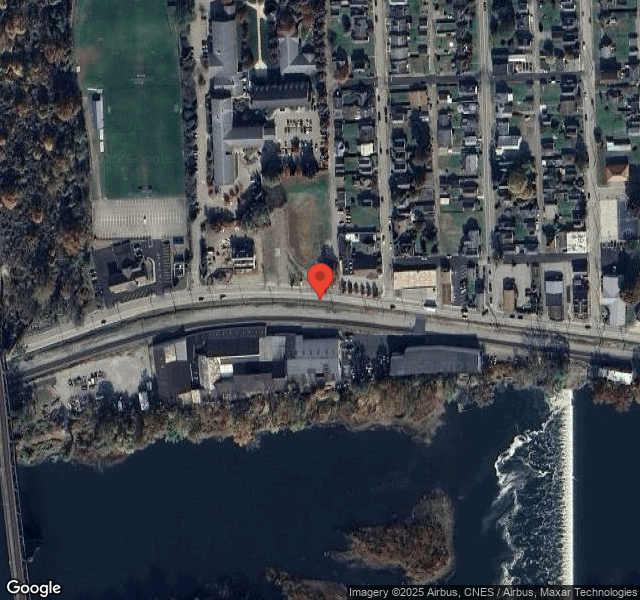

715 FREEPORT ROAD, CHESWICK, PA 15024 (724) 274-3773
For profit - Corporation 130 Beds SABER HEALTHCARE GROUP Data: November 2025 2 Immediate Jeopardy citations
Trust Grade
0/100
#570 of 653 in PA
Last Inspection: March 2025

Within standard 12-15 month inspection cycle. Federal law requires annual inspections.

Overview

Harmar Village Health & Rehab Center has received a Trust Grade of F, indicating significant concerns and poor quality of care. It ranks #570 out of 653 facilities in Pennsylvania, placing it in the bottom half, and #37 of 52 in Allegheny County, suggesting limited local options for better care. While the facility appears to be improving overall, with the number of reported issues decreasing from 46 in 2024 to 39 in 2025, it still faces alarming challenges, including 67% staff turnover, which is higher than the state average, and significant fines totaling $93,798, indicating compliance problems. Staffing is rated below average with a score of 2 out of 5 stars, and incidents of concern include a resident eloping due to inadequate supervision and another suffering a fracture because proper safety measures were not in place. Overall, while there are some signs of improvement, families should carefully consider these serious weaknesses when evaluating this facility.

Trust Score
F
0/100
In Pennsylvania
#570/653
Bottom 13%
Safety Record
High Risk
Review needed
Inspections
Getting Better
46 → 39 violations
Staff Stability
⚠ Watch
67% turnover. Above average. Higher turnover means staff may not know residents' routines.
Penalties
⚠ Watch
$93,798 in fines. Higher than 89% of Pennsylvania facilities, suggesting repeated compliance issues.
Skilled Nurses
○ Average
Each resident gets 35 minutes of Registered Nurse (RN) attention daily — about average for Pennsylvania. RNs are the most trained staff who monitor for health changes.
Violations
⚠ Watch
109 deficiencies on record. Higher than average. Multiple issues found across inspections.
★☆☆☆☆
1.0
Overall Rating
★★☆☆☆
2.0
Staff Levels
★☆☆☆☆
1.0
Care Quality
★☆☆☆☆
1.0
Inspection Score
Stable
2024: 46 issues
2025: 39 issues

The Good

  • Full Sprinkler Coverage · Fire safety systems throughout facility
  • No fines on record

Facility shows strength in fire safety.

The Bad

1-Star Overall Rating

Below Pennsylvania average (3.0)

Significant quality concerns identified by CMS

Staff Turnover: 67%

20pts above Pennsylvania avg (46%)

Frequent staff changes - ask about care continuity

Federal Fines: $93,798

Well above median ($33,413)

Moderate penalties - review what triggered them

Chain: SABER HEALTHCARE GROUP

Part of a multi-facility chain

Ask about local staffing decisions and management

Staff turnover is elevated (67%)

19 points above Pennsylvania average of 48%

The Ugly 109 deficiencies on record

2 life-threatening 1 actual harm
Aug 2025 1 deficiency
CONCERN (D) 📢 Someone Reported This

A family member, employee, or ombudsman was alarmed enough to file a formal complaint

Potential for Harm - no one hurt, but risky conditions existed

Pharmacy Services (Tag F0755)

Could have caused harm · This affected 1 resident

Based on review of facility policy, resident records and staff interviews it was determined that the facility failed to make certain that a controlled substance (drugs with the potential to be abused)...

Read full inspector narrative →
Based on review of facility policy, resident records and staff interviews it was determined that the facility failed to make certain that a controlled substance (drugs with the potential to be abused) was disposed of as per acceptable standards of practice for one of three closed resident records (Closed Resident Record CR1). Findings include: The facility Discontinued medication procedure policy last reviewed 1/10/25, indicated that controlled medications are to remain in the facility under double lock and be destroyed following the controlled medication destruction policy and procedure. The nurse discontinuing the medication will remove the medication from the cart and store in a secure area. Facility documentation of controlled substance list dated 7/2025, indicated that Clonazepam (Klonopin) is a schedule four controlled substance. Review of Closed Resident Record CR1's admission record indicated 6/30/25, indicated she had diagnoses that included diabetes (metabolic disorder impacting organ function related to glucose levels in the human body), chronic obstructive pulmonary disease (COPD: a disease characterized by persistent respiratory symptoms involving breathlessness, coughing, and obstructed airflow to the lungs), and panic disorder (an anxiety disorder characterized by panic attacks and feelings of intense fear). Review of Closed Resident Record CR1's Minimum Data Set (MDS - a periodic assessment of resident care needs) dated 7/6/25, indicated that these diagnoses were the most recent upon review. Review of Closed Resident Record CR1's progress notes dated 7/10/25, indicated she was discharged home with her son via a private vehicle. Review of Closed Resident Record CR1's physician order dated 6/30/25, indicated to provide Clonazepam 0.5 mg as needed twice daily for anxiety. During observations of medication carts on 8/4/25, at 9:56 a.m. observations of the 2-South Medication cart with Licensed Practical Nurse (LPN) Employee E1 found Closed Resident Record CR1's Clonazepam (Klonopin) 0.5mg tabs in the medication cart. A count of medications indicated Klonopin tabs were available. During an interview on 8/4/25, at 9:57 a.m. Licensed Practical Nurse (LPN) Employee E1 stated Closed Resident Record CR1was discharged . During an interview on 8/4/25, at 10:28 a.m. the Director of Nursing (DON) was asked upon discharge, how soon medications, narcotics, or psychotropics removed from medication cart: we discharge them to the resident, if they are wasted it's within a day or two. During an exit interview on 8/4/25, at 2:58 p.m. information was disseminated to the Nursing Home Administrator (NHA) and the Director of Nursing (DON) that the facility failed to make certain a controlled substance was disposed of as per acceptable standards of practice for Closed Resident Record CR1 as required. 28 Pa. Code 211.9 (a)(1)(3)(4)(5) Pharmacy services.28 Pa. Code 211.12 (d)(1)(5) Nursing services.
May 2025 3 deficiencies 1 IJ
CRITICAL (J) 📢 Someone Reported This

A family member, employee, or ombudsman was alarmed enough to file a formal complaint

Immediate Jeopardy (IJ) - the most serious Medicare violation

Accident Prevention (Tag F0689)

Someone could have died · This affected 1 resident

**NOTE- TERMS IN BRACKETS HAVE BEEN EDITED TO PROTECT CONFIDENTIALITY** Based on review of facility policy and documents, clinical records, and staff interviews, it was determined that the facility fa...

Read full inspector narrative →
**NOTE- TERMS IN BRACKETS HAVE BEEN EDITED TO PROTECT CONFIDENTIALITY** Based on review of facility policy and documents, clinical records, and staff interviews, it was determined that the facility failed to make certain each resident received adequate supervision and failed to identify a resident who was an elopement risk which resulted in an elopement for one of five residents (Resident R1). This failure created an immediate jeopardy situation. Findings include: Review of the facility Elopement/Unauthorized Absence Policy policy dated 8/2/24, last reviewed 3/20/25, indicated the facility will identify residents with potential and/or actual risk factors for elopement and protect the resident through development and implementation of safety interventions. In the event of a resident elopement the facility will implement its policies and procedures promptly to locate the resident in a timely manner. Upon determining that a resident cannot be located a headcount will be conducted. If resident Is still missing Code Green using the resident name, room number, and unit name will be announced. Announce three times. The clinical supervisor or designs will notify the Administrator, the Director of Nursing (DON), and the attending physician. Review of the facility's admission Policy dated 3/16/23, last reviewed 3/20/25, stated the facility will admit only those individuals requiring care and services to meet their physical, psychosocial, and emotional needs and whose needs can be met by the facility. The facility will individually review and assess each prospective admission to determine if their specific needs can be adequately in the facility before acceptance. Review of Resident R1's admission record indicated she was admitted on [DATE], with diagnoses of dementia (loss of cognitive functioning- thinking remembering, and reasoning, to such an extent that it interferes with a person's daily life and activities), anxiety, and bipolar (a mental health condition that affects a person's mood, energy, activity, and thought and is characterized by manic (or hypomanic) and depressive episodes). Review of Resident R1's Hospital Discharge summary dated [DATE], revealed the resident required minimal assistance with sit to stand transfers. Orders for the next facility related to activity was as prior to hospitalization, with no restrictions. The resident was independent with a wheeled walker prior to admission. Review of Resident R1's admission assessment completed 4/25/25, at 2:37 p.m. by Licensed Practical Nurse (LPN), Employee E2 revealed the resident was ambulatory with assistance. The resident was disoriented, had a memory impairment, and disorganized thinking. The resident was assessed to be able to wheel at least 50 feet in a wheelchair with partial/moderate assistance. Resident R1's elopement risk assessment asked if the resident was ambulatory or independent in a wheelchair and LPN, Employee E2 selected No-Clinically not at risk for elopement. No further questions were asked and Resident R1 was not identified as an elopement risk. The facility failed to identify Resident R1 as an elopement risk and initiate an elopement care plan. Review of Resident R1's progress note dated 4/25/25, at 2:40 p.m. entered by LPN, Employee E2 revealed the resident was only alert to self and unable to make needs known. Resident was very confused. Review of Resident R1's progress note dated 4/25/25, at 9:56 p.m. entered by the DON stated a call was received from RN Supervisor that Resident R1 was confused and wandering. Resident R1 eloped from the unit and was found in the basement. Review of Resident R1's elopement evaluation dated 4/25/25, at 9:47 p.m. identified Resident R1 as an elopement risk. Immediate interventions included transferring the resident to the Memory Impairment Unit (MIU- secured memory care unit specifically designed to care for those with cognitive impairment or memory problems). Review of information submitted to the Department of Health on 4/26/25, stated on 4/25/25, at approximately 8:00 p.m. Resident R1 was missing, and a nurse aide notified the nurse. The resident was last seen around 7:30 p.m. drinking a chocolate milk and eating a snack on the unit. Upon admission, Resident R1 was not identified as a wandering risk and exhibited no behaviors. Staff searched all units and the outside perimeter of the facility. Resident R1 was found in the basement uninjured at approximately 8:30 p.m. Once escorted back to the unit, Resident R1 was reevaluated for a wander risk and the resident's room was changed to the memory care secured unit. The physician and family were notified. Review of Resident R1's Brief Interview for Mental Status (BIMS) assessment dated [DATE], revealed the resident had a BIMS of 1, severe cognitive impairment. During an interview on 5/7/25, at 12:03 p.m. Nurse Aide, Employee E6 stated the resident arrived to the facility in a wheelchair. Resident was confused, observed climbing in other resident's bed, and attempting to walk around room. NA, Employee E6 indicated Resident R1 was placed back into a wheelchair. During an interview on 5/7/25, at 12:09 p.m. Licensed Practical Nurse, Employee E2 stated when the resident arrived LPN, Employee E2 did not receive report from family or the hospital. The supervisor handed over a packet of information about 45 minutes before the resident arrived. It was revealed the RN Supervisor failed to assist with the admission assessment. LPN, Employee E2 completed an admission assessment and did not identify Resident R1 as an elopement risk. During an interview on 5/7/25, at 12:27 p.m. NA, Employee E8 indicated they observed Resident R1 to be very confused on 4/25/25. Resident R1 was confused, opening doors to other resident rooms, and was placed in a wheelchair due to being found in roommates bed and trying to ambulate without staff assistance. Resident R1 was not stable on her feet. Once Resident R1 was placed in the wheelchair, she was moving around the unit. NA, Employee E8 stated Resident R1 was fast in the wheelchair. Staff attempted to keep resident occupied, the resident was provided snacks. When NA, Employee E8 came back from break, NA, Employee E8 asked where Resident R1 was. The staff on the floor checked twice in the resident's room and on the unit. A code green was called and Resident R1's chocolate milk was on the floor of the elevator. The resident was found in the basement on a dolly with no brief on. During an interview on 5/7/25, at 2:43 p.m. Registered Nurse, Employee E7 confirmed on 4/25/25, she was the RN Supervisor on duty. RN, Employee E7 stated she took report from the hospital for Resident R1. RN, Employee E7 entered the medications into the clinical record, but did not assess the resident. RN, Employee E7 indicated she reviewed the information from the hospital discharge summary. Review of Resident R1's referral documents on 5/8/25, at 9:17 a.m. revealed the resident previously resided in a MIU (a secured memory care unit specifically designed to care for those with cognitive impairment or memory problems) at a personal care home. Resident R1 was not admitted to the MIU at the facility. The facility failed to implement their admission policy and ensure the facility reviewed and assessed Resident R1 to determine if their specific needs can be adequately met in the facility before acceptance. Review of Resident R1's investigation on 5/8/25, revealed Resident R1 had an increase in mobility from the initial elopement assessment. When Resident R1's mobility increased staff intervened with snacks and drinks. The facility failed to reassess Resident R1 for an elopement risk and implement a care plan to prevent Resident R1 from eloping off the unit on 4/25/25. When RN Supervisor, Employee E1 was aware Resident R1 could not be located, RN, Employee E1 failed to follow the facility's resident elopement unauthorized absence procedure and call code green prior to notifying the DON. During an interview on 5/8/25, at 9:37 a.m. admission Director, Employee E4 stated prior to accepting a resident to the facility, hospital referral documents are reviewed from central intake which is comprised of four different people. Once central intake combs through it, a decision is made to accept the resident or not. If the resident is accepted, the admission Director reads through the hospital documentation to see if a resident needs to be placed in the MIU or needs medical equipment. admission Director, Employee E4 stated They have missed it, sometimes I miss things. Admissions Director, Employee E4 confirmed the facility's elopement risk assessment does not identify residents who are at risk for eloping. admission Director, Employee E4 indicated just because a resident is not ambulatory at the time of admission, does not mean they are not at risk for eloping. During an interview on 5/8/25, at 10:11 a.m. the Nursing Home Administrator (NHA) and Director of Nursing (DON) indicated the root cause of Resident R1's elopement was staff initially thought the resident was not going anywhere, then Resident R1 became more mobile. When asked what the facility did to prevent the incident from reoccurring, the NHA stated elopement assessments were completed for those who were previously identified as a risk and verbal education was provided to all nursing staff. The facility failed to assess all residents for a risk of elopement and educate all clinical and non-clinical staff. The NHA and DON confirmed the facility failed to identify Resident R1 as an elopement risk upon admission, ensure Resident R1 received adequate supervision, and follow the facility's resident elopement unauthorized absence procedure and call code green prior to notifying the DON. During an interview on 5/8/25, at 11:13 a.m. LPN, Employee E3 stated the nurse on the unit is responsible for completing elopement assessments for new admissions. When asked how often assessments are completed, LPN, Employee E3 stated I am not certain, I am agency. LPN, Employee E3 indicated Resident R1 was found about a half hour after code green was called. Resident R1 was found in the basement and was brought to the locked unit. On 5/8/25, at 11:20 a.m. the NHA and DON were notified that Immediate Jeopardy was called due to the elopement of Resident R1 on 4/25/25, and facility staff were provided an Immediate Jeopardy template, and a corrective action plan was requested. On 5/8/25, at 2:11 p.m. the NHA provided the facility's first plan of correction. On 5/8/25, at 4:45 p.m. an immediate action plan was received and accepted which included the following interventions: -R1 was reassessed on 4/25/25 and deemed an elopement risk and moved to the secure memory care unit. Her plan of care was updated. The family and physician was updated. -To ensure residents who are newly admitted to the facility are reviewed and assessed to ensure their specific needs can be adequately met in the facility before acceptance, the admission Policy will be reviewed, and a protocol developed to address pre-admission elopement risk factors. The protocol will consist of central intake and admissions director reviewing a referral for indications of an elopement risk. If there are elopement risk factors identified, the admissions director will review with the clinical department to discuss risk factors and interventions. The central intake and Admissions Director will be educated on this process on 5/8/25, by the Regional Director of Clinical Education. -All residents will be re-assessed on 5/8/25, with an elopement risk tool that includes all risk factors. If a risk factor is identified the resident will be deemed an elopement risk and their plan of care will be updated with interventions to prevent elopement. -The admission and Elopement Policy and procedures will be reviewed and updated as needed by the Nursing Home Administrator by the end of the day on 5/8/25. -All staff will be re-educated on elopement risks and supervision by the Director of Nursing or designee on 5/8/25 via in person, phone and/or other means of communication to ensure education is done timely. All staff will sign off on understanding of education prior to the start of their next scheduled shift if they are not currently in the facility. The Registered Nurses (RN) and Licensed Practical (LPN) nursing staff will be educated on the updated elopement observation and a Registered Nurse review of the elopement tool by the Director of Nursing or designee by end of the day 5/8/25, via in person, phone and/or other means of communication to ensure education is done timely. RN and LPN staff will sign off on understanding of education prior to the start of their next scheduled shift if they are not currently in the facility. -The Director of Nursing or designee will audit all new admissions weekly for 4 weeks then monthly times 2 months to ensure the elopement observation identifies any risk factors and interventions implemented as appropriate. -An Ad Hoc QA/QAPI will be conducted by the end of the day on 5/8/25. This plan of correction will be monitored at the monthly Quality Assurance meeting until such time consistent substantial compliance has been met. -On 5/8/25, an elopement preadmit referral review tool was created to assess risk factor for elopements. If risk factors are identified, the Admissions Director will review with DON/ADON and indicate on Admissions Notification Form. Risk factors and interventions will be communicated to clinical team members. On 5/8/25, 4 of 4 central intake team members were educated and the Admissions Director were educated. During interviews completed on 5/9/25, at 9:40 a.m. 4 of 5 staff members verified they were educated on elopement preadmit referral review tool. 1 of 5 staff members who was not available for interview signed in-service sign off sheet. -On 5/8/25, 104/104 residents were assessed with the elopement risk tool that included a total of nine risk factors. 13 of 104 residents were identified as an elopement risk. 13 of 13 care plans reviewed on 5/9/25, revealed 13 of 13 residents were care plan individually for their risk of elopement. -On 5/8/25, the admission and elopement policies were reviewed. No changes were made to the elopement policy. The elopement preadmit protocol was added to the admission policy. -98/123 staff members confirmed they were re-educated on elopement risks and supervision. During phone interviews completed at 5/9/25, at 11:11 a.m., 3/3 staff verified they were educated on elopement risks and supervision. If a resident is unable to be located, a code green is called after the initial head count. Staff are required to sign off understanding prior to the start of their next shift. During in-person interviews completed on 5/9/25, at 11:04 a.m. 24/24 staff confirmed they were educated on elopement risks, supervision, and what to do if a resident in unable to be located. Elopement risk assessments are completed upon admission, quarterly, and as needed with change in condition. Resident is identified as an elopement risk will have interventions in place to prevent elopement. -During in-person interviews completed on 5/9/25, at 11:04 a.m. 9/9 nursing staff confirmed competency on updated elopement risk assessment. During phone interviews completed on 5/9/25, at 11:11 a.m., 3/3 nursing staff confirmed they were educated on elopement tool, elopement risks, and supervision. Staff indicated if a resident is unable to be located, a head count will be conducted. If resident is still missing a code green will be called, then the clinical supervisor will notify NHA, DON, and attending physician. -As of 5/9/25, at 9:36 a.m. the facility has not had any new admission. Facility has audit tool that ensures admission elopement assessment was completed, all risk factors were assessed, if risk factor present, intervention is put in place, and the RN will review and sign off elopement risk assessments. -Ad Hoc QA/QAPI meeting was conducted on 5/8/25. The NHA, DON, Regional Director of Clinical Services, and Medical Director designee were present. Elopement audits were completed whole house, preadmission protocol for elopement risk was created, and education for elopement, supervision and the new elopement tool was implemented. Verification of the facility's Corrective Action Plan revealed all elements of plan were met. The Immediate Jeopardy was lifted on 5/9/25, at 11:27 a.m. During an interview on 5/9/25, at 2:54 p.m., the NHA and Regional Director of Clinical Services, Employee E5 confirmed that the facility failed to make certain each resident received adequate supervision and failed to identify and implement interventions for a resident who was an elopement risk which resulted in an elopement for one of five residents (Resident R1), resulting in Immediate Jeopardy. 28 Pa. Code 207.2(a)Administrators Responsibility. 28 Pa. Code§ 201.14(a) Responsibility of Licensee. 28 Pa. Code § 211.10(d) Resident care policies. 28 Pa. Code § 211.12(d)(5) Nursing Services.
CONCERN (D) 📢 Someone Reported This

A family member, employee, or ombudsman was alarmed enough to file a formal complaint

Potential for Harm - no one hurt, but risky conditions existed

Quality of Care (Tag F0684)

Could have caused harm · This affected 1 resident

**NOTE- TERMS IN BRACKETS HAVE BEEN EDITED TO PROTECT CONFIDENTIALITY** Based on review of clinical records, and staff interview it was determined that the facility failed to provide appropriate treat...

Read full inspector narrative →
**NOTE- TERMS IN BRACKETS HAVE BEEN EDITED TO PROTECT CONFIDENTIALITY** Based on review of clinical records, and staff interview it was determined that the facility failed to provide appropriate treatment and care for one of four residents (Resident R1) Findings include: Resident R1 was admitted to the facility on [DATE]. Review of Resident R1 clinical record indicated the following diagnosis of dementia (loss of cognitive functioning- thinking remembering, and reasoning, to such an extent that it interferes with a person's daily life and activities), anxiety, and bipolar (mental health condition that affects a person's mood, energy, activity, and thought and is characterized by manic (or hypomanic) and depressive episodes). Review of the clinical record physician orders indicated Resident R1 was prescribed: ziprasidone HCl - (Geodon - an antipsychotic to treat bipolar disorder) capsule; 80 mg; Amount to Administer: 80 MG; oral Further review of the clinical record indicated Resident R1 missed five doses of ziprasidone for AM and PM doses. Review of clinical progress notes did not indicate that the physician was notified of Resident R1 missing the ordered doses. During an interview on 5/9/25, at 2:35 p.m. Director of Nursing confirmed that the facility failed to provide care and services as needed with medication that was ordered for Resident R1 that was not provided and failed to notify the physician that medication was not available for Resident R1. 28 Pa. Code 201.14 (a) Responsiblity of licensee 28 Pa. Code 201.29 (a) (c.3)(1) Resident rights 28 Pa. Code 211.12 (d) (1)(3)(5) Nursing services
CONCERN (D) 📢 Someone Reported This

A family member, employee, or ombudsman was alarmed enough to file a formal complaint

Potential for Harm - no one hurt, but risky conditions existed

Pharmacy Services (Tag F0755)

Could have caused harm · This affected 1 resident

**NOTE- TERMS IN BRACKETS HAVE BEEN EDITED TO PROTECT CONFIDENTIALITY** Based on review of facility policy and facility documents it was determined that the facility failed to make certain controlled ...

Read full inspector narrative →
**NOTE- TERMS IN BRACKETS HAVE BEEN EDITED TO PROTECT CONFIDENTIALITY** Based on review of facility policy and facility documents it was determined that the facility failed to make certain controlled substances were accounted for accurately and destroyed approiately for one of four residents. Findings include: Review of facility policy Inventory Control of Controlled Substances dated 01/10/25, indicated: Facility should maintain separate individual controlled substance records on all Schedule II medications and any medication with a potential for abuse or diversion in the form of a declining inventory using the Controlled Substances Declining inventory Record Facility should insure the incoming and outgoing nurses count all Schedule II controlled substances and other medications with a risk of abuse or diversion at the change of each shift. Resident R2 was admitted to the facility on [DATE]. Review of Resident R2 MDS (minimum data set - a periodic assessment of needs) dated 2/13/25, indicated a diagnosis of PVD ( a slow and progressive disorder of the blood vessels), osteoporosis (is a bone disease), and a-fib ( an irregular and often very rapid heart rhythm). Review of facility submitted documentation to the state survey office indicated the following: On 3/12/25 at 5 AM, a card of 13 tablets of Oxycodone was delivered to the facility for Resident R2, and signed for by the RN supervisor Employee E9. They were then given to agency nurse Employee E8 who was to sign them into the cart. Instead of signing the medication into the controlled Drug Tracking Log, she subtracted the card, stating that the order was discontinued. Review of the facility documentation narcotic count sheet indicated that Agency Nurse Employee E? documented receiving and subtracting the oxycodone. Interview with the Director of Nursing on 5/9/25, at 2:35 p.m. indicated that ADON (Assistant Director of Nursing ) Employee E9 indicated that she signed on the narcotic count sheet but did not stay to observe Agency Nurse Employee E8 put the narcotics into locked medication cart. DON confirmed that the facility realized that the medication was missing once Resident R2 asked for the medication but it could not be located. Further review of facility documentation indicated that agency Nurse Employee E8 signed for additional narcotics that were to be destroyed. During an interview on 5/9/25, at 12:55 p.m. with Regional Director of Clinical Services E5 confirmed that non destruction forms were not found/completed for narcotics and the facility was not destroying medication s with the use of two licensed staff and the facility failed to verify that narcotics were being disposed of appropriately by staff. During an interview on 5/9/25, at 2:50 p.m. Nursing Home Administrator and Director of Nursing confirmed that that the facility failed to make certain controlled substances were accounted for accurately and destroyed appropriately for one of four residents. 28 Pa. Code 211.9 (a)(j.1)(1)(2)(3)(4)(5) Pharmacy services. 28 Pa. Code 211.12 (d)(1)(5) Nursing services.
Mar 2025 32 deficiencies
CONCERN (D)

Potential for Harm - no one hurt, but risky conditions existed

Deficiency F0554 (Tag F0554)

Could have caused harm · This affected 1 resident

**NOTE- TERMS IN BRACKETS HAVE BEEN EDITED TO PROTECT CONFIDENTIALITY** Based on review of facility policies, observations, resident and staff interviews, it was determined that the facility failed to...

Read full inspector narrative →
**NOTE- TERMS IN BRACKETS HAVE BEEN EDITED TO PROTECT CONFIDENTIALITY** Based on review of facility policies, observations, resident and staff interviews, it was determined that the facility failed to determine the ability to self-administer medications for four of 21 residents (Residents R14, R42, R74, and R80). Findings include: Review of facility policy General Dose Preparation and Medication Administration dated 1/10/25, indicated that this policy is related to medication administration. Facility should take all measures required by facility policy including but not limited to the following: Facility staff should no leave medications or chemicals unattended. Review of Resident R14's clinical record indicated the resident was admitted to the facility on [DATE]. Review of Resident R14's Minimum Data Set (MDS - a periodic assessment of care needs) dated 2/4/25, indicated diagnoses of asthma (condition where the airways narrow and swell), osteoporosis (condition when the bones become brittle and fragile), and dysphagia (difficulty swallowing). Review of Resident R14's physician's order failed to include an order for self-administration of medications. Review of Resident R14's care plan on 1/30/25, failed to include self-administration of medication management. Review of Resident R14's clinical record indicated the absence of a Self-Administration of Medication assessment. During an observation on 3/10/25, at 9:12 a.m. Resident R14 had a tube of Icy Hot Maximum Strength cream (a cream used to treat pain) sitting on her overbed table. Resident R14 stated, I put it on my knee when it starts to hurt. During an interview on 3/10/25, at 9:13 a.m. Licensed Practical Nurse (LPN) Employee E8 confirmed that a tube of Icy Hot cream was in Resident R14's room and removed it. Review of Resident R42's clinical record indicated the resident was admitted to the facility on [DATE]. Review of Resident R42's MDS dated [DATE], indicated diagnoses of high blood pressure, anemia (too little iron in the body causing fatigue), and hyperlipidemia (elevated levels of fats in the blood). Review of Resident R42's physician's order failed to include an order for self-administration of medications. Review of Resident R42's care plan on 2/9/25, failed to include self-administration of medication management. Review of Resident R42's clinical record indicated the absence of a Self-Administration of Medication assessment. During an observation on 3/10/25, at 9:15 a.m. Resident R42 had a cup of pills, that included three oval white pills, one white oblong pill, one yellow pill, and one green pill, sitting on her dresser and a nurse was not present in the room. During an interview on 3/10/25, at 9:18 a.m. LPN Employee E8 stated, I gave her pills earlier this morning and did not watch her take them. Review of Resident R74's clinical record indicated the resident was admitted to the facility on [DATE]. Review of Resident R74's Minimum Data Set (MDS - a periodic assessment of care needs) dated 2/14/25, indicated diagnoses of high blood pressure, coronary artery disease (damage or disease in the heart's major blood vessels), and seizures (a disruption of brain electrical activity that can cause changes in behavior, movement, awareness, or sensation). Review of Resident R74's physician's order failed to include an order for self-administration of medications. Review of Resident R74's care plan on 2/27/25, failed to include self-administration of medication management. Review of Resident R74's clinical record indicated the absence of a Self-Administration of Medication assessment. During an observation on 3/10/25, at 9:21 a.m. Resident R74 had a bottle of Flonase (a nasal spray used to treat allergies) sitting on her overbed table. During an interview on 3/10/25, at 9:23 a.m. LPN Employee E8 confirmed a bottle of Flonase was in Resident R74 ' s room and removed it. Review of Resident R80's clinical record indicated the resident was admitted to the facility on [DATE]. Review of Resident R80's Minimum Data Set (MDS - a periodic assessment of care needs) dated 2/14/25, indicated diagnoses of high blood pressure, heart failure (a progressive heart disease that affects pumping action of the heart muscles), and hyperlipidemia (elevated levels of fats in the blood). Review of Resident R80's physician's order failed to include an order for self-administration of medications. Review of Resident R80's care plan on 2/22/25, failed to include self-administration of medication management. Review of Resident R80's clinical record indicated the absence of a Self-Administration of Medication assessment. During an observation on 3/10/25, at 9:25 a.m. Resident R80 had a bottle of Flonase sitting on her overbed table. During an interview on 3/10/25, at 9:25 a.m. LPN Employee E8 confirmed a bottle of Flonase was in Resident R80's room and removed it. During an interview on 3/10/25, at 2:30 p.m. the Director of Nursing confirmed that the facility failed to determine the ability to self-administer medications for four of 21 residents (Residents R14, R42, R74, and R80). 28 Pa. Code 201.14(a) Responsibility of Licensee. 28 Pa. Code: 211.10(c)(d) Resident care policies. 28 Pa. Code: 211.12(d)(1)(5) Nursing services. 28 Pa. Code: 211.9(a)(1) Pharmacy services.
CONCERN (D) 📢 Someone Reported This

A family member, employee, or ombudsman was alarmed enough to file a formal complaint

Potential for Harm - no one hurt, but risky conditions existed

Notification of Changes (Tag F0580)

Could have caused harm · This affected 1 resident

**NOTE- TERMS IN BRACKETS HAVE BEEN EDITED TO PROTECT CONFIDENTIALITY** Based on clinical record and interview, it was determined that the facility failed to notify the resident's responsible party of...

Read full inspector narrative →
**NOTE- TERMS IN BRACKETS HAVE BEEN EDITED TO PROTECT CONFIDENTIALITY** Based on clinical record and interview, it was determined that the facility failed to notify the resident's responsible party of changes in condition for one of six sampled residents (Resident R71). Findings include: Review of the Resident R71 admission record indicates he was admitted on [DATE]. Review of Resident R71 5 day MDS assessment (MDS-Minimum Data Set Assessment. Periodic assessment of resident care needs) dated 2/17/25, indicated that the resident current diagnoses were pneumonia, major depressive disorder and sepsis. Review of Resident R71 nurse progress dated 1/17/25 indicated family was concerned with Seroquel making the resident tired. Review of Resident R71 nurse progress dated 1/31/25, physician saw resident indicating dose was appropriate. Review of Resident R71 nurse progress dated 2/1/25 pharmacy indicated Seroquel was at appropiate dose. Review of Resident R71 nurse progress dated 1/17/25- 2/9/25 revealed no notification to guardian regarding Seroquel dose. During an interview on 3/12/25 at 11:00 a.m., the Social Worker Employee E10 confirmed the guardian was not notified in the above changes in condition as required. 28 Pa. Code 211.12(d)(1)(5) Nursing Services.
CONCERN (D)

Potential for Harm - no one hurt, but risky conditions existed

Deficiency F0620 (Tag F0620)

Could have caused harm · This affected 1 resident

**NOTE- TERMS IN BRACKETS HAVE BEEN EDITED TO PROTECT CONFIDENTIALITY** Based on review of resident records, admission documentation and staff interview, it was determined that the facility failed to ...

Read full inspector narrative →
**NOTE- TERMS IN BRACKETS HAVE BEEN EDITED TO PROTECT CONFIDENTIALITY** Based on review of resident records, admission documentation and staff interview, it was determined that the facility failed to maintain admission documentation for one of two residents (Resident R100). Findings include: Review of Resident R100 was admitted [DATE] with diagnoses that include dementia(progressive decline in cognitive abilities, including memory, thinking, reasoning, and problem-solving), acute kidney failure and hypertension. Review of the Resident Assessment Instrument 3.0 User's Manual effective October 2019, indicated that a Brief Interview for Mental Status (BIMS) is a screening test that aides in detecting cognitive impairment. The BIMS total score suggests the following distributions: 13-15: cognitively intact 8-12: moderately impaired 0-7: severe impairment Review of Resident R100's admission MDS assessment (Minimum Data Set assessment MDS- a periodic assessment of resident care needs) dated 10/29/24 indicated the resident was assessed as having a BIMS score of 4, which indicates severe impairment. Review of Resident R100's clinical record revealed no admission packet. During an interview with Regional Director of Clinical Services Employee E6 on 3/12/25 at 12:20 p.m. confirmed Resident R100 never had his admission paper work completed as required. 28 Pa Code: 211.5 (f)(v.) Medical records.
CONCERN (D)

Potential for Harm - no one hurt, but risky conditions existed

Deficiency F0655 (Tag F0655)

Could have caused harm · This affected 1 resident

**NOTE- TERMS IN BRACKETS HAVE BEEN EDITED TO PROTECT CONFIDENTIALITY** Based on a review of facility policy, clinical records, and staff interview, it was determined that the facility failed to devel...

Read full inspector narrative →
**NOTE- TERMS IN BRACKETS HAVE BEEN EDITED TO PROTECT CONFIDENTIALITY** Based on a review of facility policy, clinical records, and staff interview, it was determined that the facility failed to develop a baseline care plan for two of five residents (Resident R90, and R203). Findings include: Review of facility policy Interim/Baseline Care Plan dated 1/10/25, indicated that within 48 hours of admission, the facility will develop and implement an interim/baseline care plan for each resident that includes the instructions needed to provide effective and person-centered care of the resident until a comprehensive assessment can be completed, leading to a comprehensive care plan. The baseline care plan will be sued until the comprehensive assessment and care plan is developed by the interdisciplinary team. Review of the clinical record indicated Resident R90 was admitted to the facility on [DATE]. Review of Resident R90's Minimum Data Set (MDS - a periodic assessment of care needs) dated 1/30/25, indicated diagnoses of high blood pressure, hyperlipidemia (high levels of fat in the blood), and lymphedema (swelling in an arm or leg caused by a lymphatic system blockage). Review of Resident R90's clinical record on 3/13/25, at approximately 1:00 p.m. failed to reveal that a baseline care plan had been developed. During an interview on 3/13/25, at 1:33 p.m. the Director of Nursing (DON) confirmed that the facility failed to develop a baseline care plan within 48 hours as required for Resident R90. Review of Resident R203's medical record indicated the resident was admitted to facility on 3/5/25, with diagnoses of chronic obstructive pulmonary disease (COPD, a group of progressive lung disorders characterized by increasing breathlessness), chronic respiratory failure (a long-term condition where lungs cannot adequately exchange oxygen and carbon dioxide), and dependence of supplemental oxygen. Review of Resident R203's medical record on 3/11/25, at approximately 2:00 p.m. failed to reveal that a baseline care plan was developed. During an interview on 3/11/25, at 2:22 p.m. the Director of Nursing confirmed that the facility failed to develop a baseline care plan within 48 hours as required for Resident R203. 28 Pa. Code: 211.12(d)(1)(5) Nursing services.
CONCERN (D)

Potential for Harm - no one hurt, but risky conditions existed

Deficiency F0657 (Tag F0657)

Could have caused harm · This affected 1 resident

**NOTE- TERMS IN BRACKETS HAVE BEEN EDITED TO PROTECT CONFIDENTIALITY** Based on review of facility policy, clinical records, and staff interview, it was determined the facility failed to update a car...

Read full inspector narrative →
**NOTE- TERMS IN BRACKETS HAVE BEEN EDITED TO PROTECT CONFIDENTIALITY** Based on review of facility policy, clinical records, and staff interview, it was determined the facility failed to update a care plan for one of three residents (Resident R50) to accurately reflect the current status of the resident and care needs. Findings include: Review of the facility policy Comprehensive Care Plan dated 1/10/25, indicated an interdisciplinary plan of care will be established for every resident and updated in accordance with State, and Federal requirements and on an as needed basis. Review of the admission record indicated Resident R50 was admitted to the facility on [DATE]. Review of Resident R50's Minimum Data Set (MDS - a periodic assessment of care needs) dated 2/5/25, indicated the diagnoses of anemia (the blood doesn't have enough healthy red blood cells), high blood pressure, and heart failure (heart doesn't pump blood as well as it should). Review of medical records revealed that Resident R50 had a hospital stay from 12/23/24, through 12/31/24, with diagnoses of a fecal impaction (when a large, hard mass of stool gets stuck in the intestines due to chronic constipation). Review of Resident R50's care plan on 3/13/25, at 11:00 a.m. failed to identify the monitoring or management of fecal impaction or constipation. During an interview on 3/13/25, at 11:18 a.m. the Director of Nursing confirmed the facility failed to identify fecal impaction or constipation for Resident R50's care plan and the facility failed to update a care plan for one of three residents (Resident R50) to accurately reflect the current status of the resident and care needs. 28 Pa. Code: 211.12(d)(1)(5) Nursing services.
CONCERN (D)

Potential for Harm - no one hurt, but risky conditions existed

Deficiency F0658 (Tag F0658)

Could have caused harm · This affected 1 resident

**NOTE- TERMS IN BRACKETS HAVE BEEN EDITED TO PROTECT CONFIDENTIALITY** Based on review of facility policy, job descriptions, clinical record review, and staff interviews, it was determined that the f...

Read full inspector narrative →
**NOTE- TERMS IN BRACKETS HAVE BEEN EDITED TO PROTECT CONFIDENTIALITY** Based on review of facility policy, job descriptions, clinical record review, and staff interviews, it was determined that the facility failed to provide care and services to meet the accepted standards of practice by failing to complete an admission assessment for two of four residents (Residents R90 and R203). Findings include: Review of the facility's Licensed Practical Nurse (LPN) job description indicated staff will maintain comprehensive documentation on required charting, medication/treatment administration, incidents/accidents, physician orders, admission/transfer/discharge, weights/vitals, etc. Review of the facility's Registered Nurse (RN) job description indicated staff will maintain comprehensive documentation on required charting, medication/treatment administration, incidents/accidents, physician orders, admission/transfer/discharge, weights/vitals, etc. Review of the clinical record indicated Resident R90 was admitted to the facility on [DATE]. Review of Resident R90's Minimum Data Set (MDS - a periodic assessment of care needs) dated 1/30/25, indicated diagnoses of high blood pressure, hyperlipidemia (high levels of fat in the blood), and lymphedema (swelling in an arm or leg caused by a lymphatic system blockage). Review of Resident R90's clinical record on 3/13/25, at approximately 1:00 p.m. failed to reveal that an Admission/readmission Observation assessment had been completed when the resident was admitted on [DATE]. Review of Resident R203's medical record indicated the resident was admitted to facility on 3/5/25, with diagnoses of chronic obstructive pulmonary disease (COPD, a group of progressive lung disorders characterized by increasing breathlessness), chronic respiratory failure (a long-term condition where lungs cannot adequately exchange oxygen and carbon dioxide), and dependence of supplemental oxygen. Review of Resident R203's medical record on 3/11/25, at approximately 2:00 p.m. failed to reveal an Admission/readmission Observation assessment had been completed when the resident was admitted on [DATE]. During an interview on 3/13/25, at 1:33 p.m. the Director of Nursing (DON) confirmed that the facility failed to provide care and services to meet professional standards of practice by failing to complete an admission assessment for Resident R90 and R203. 28 Pa. Code: 201.14(a) Responsibility of licensee. 28 Pa. Code 211.12(d)(1)(2)(3)(5) Nursing services.
CONCERN (D)

Potential for Harm - no one hurt, but risky conditions existed

Deficiency F0660 (Tag F0660)

Could have caused harm · This affected 1 resident

**NOTE- TERMS IN BRACKETS HAVE BEEN EDITED TO PROTECT CONFIDENTIALITY** Based on review of clinical record review and interview with staff, it was determined that the facility failed to provide discha...

Read full inspector narrative →
**NOTE- TERMS IN BRACKETS HAVE BEEN EDITED TO PROTECT CONFIDENTIALITY** Based on review of clinical record review and interview with staff, it was determined that the facility failed to provide discharge planning that focuses on the resident's discharge goals and preparation of resident to be active partners in the discharge planning process that focuses on the resident's discharge planning and process for one of three residents (R46). Findings include: Review of Resident R46's admission record indicated R46 was admitted [DATE]. Review of R46's Minimum Data Set (MDS-a periodic assessment of care needs) dated 2/13/25, indicated diagnoses of muscle wasting, anemia and failure to thrive. Review of R46s physician orders dated 3/9/25, indicated resident to discharge to home with home health. Review of Resident R46's progress notes dated March 2025 indicated no discharge instruction, no inventory or medication reconciliation, no indication that the R46 had been discharged . During an interview on 3/13/25, at 2:45 p.m. the Director of Nursing confirmed that the facility failed complete discharge documentation for Resident R46 as required. 28. Pa. Code 211.5(d) Medical records.
CONCERN (D)

Potential for Harm - no one hurt, but risky conditions existed

Pressure Ulcer Prevention (Tag F0686)

Could have caused harm · This affected 1 resident

**NOTE- TERMS IN BRACKETS HAVE BEEN EDITED TO PROTECT CONFIDENTIALITY** Based on review of facility policy, clinical records, and staff interview, it was determined that the facility failed to make ce...

Read full inspector narrative →
**NOTE- TERMS IN BRACKETS HAVE BEEN EDITED TO PROTECT CONFIDENTIALITY** Based on review of facility policy, clinical records, and staff interview, it was determined that the facility failed to make certain that residents received proper treatment and monitoring for pressure ulcers and failed to develop a plan of care timely for two of three residents (Residents R47 and R60). Findings include: Review of facility policy Pressure Injury Prevention and Treatment dated 1/10/25, indicated pressure injuries identified will be assessed initially an at least weekly thereafter, until closed. Review of the facility's Registered Nurse (RN) job description indicated staff will accurately administer medication and treatment to residents per physician orders and maintain comprehensive documentation on required charting, medication/treatment administration, incidents/accidents, physician orders, admission/transfer/discharge, weights/vitals, etc. Review of the facility's Licensed Practical Nurse (LPN) job description indicated staff will accurately administer medication and treatment to residents per physician orders and maintain comprehensive documentation on required charting, medication/treatment administration, incidents/accidents, physician orders, admission/transfer/discharge, weights/vitals, etc. Review of the clinical record indicated Resident R47 was admitted to the facility on [DATE]. Review of Resident R47's Minimum Data Set (MDS - a periodic assessment of care needs) dated 2/3/25, indicated diagnoses of high blood pressure, hyperlipidemia (high levels of fat in the blood), and dementia. (a group of symptoms that affects memory, thinking and interferes with daily life). Section M - Skin Conditions, Question M0300 indicated the resident had one Stage 2 pressure ulcer (partial-thickness loss of skin with exposed dermis, presenting as a shallow open ulcer. The wound bed is viable, pink or red, moist, and may also present as an intact or open/ruptured blister) during the 14-day lookback period. Review of a nursing progress note dated 1/27/25, stated, Right buttock with open area. Approximately 0.5 cm (centimeter) circumference x 0.25 cm deep. Dermaseptin (an ointment used to treat and prevent minor skin irritations) ordered for QS (every shift) and PRN (as needed). Review of a nursing progress note dated 2/13/25, stated, Wound scabbed over. Left OTA (open to air). Review of Resident R47's wound assessments, nurse progress notes, and physician notes did not include wound assessments for the weeks of 2/2/25, 2/9/25, and 2/16/25. During a telephonic interview on 3/14/25, at 12:10 p.m. RN Employee E23 stated, I filled out the Skin Conditions section of Resident R47's MDS. I knew to document that she had a Stage 2 from looking at the nursing progress note that stated she had an open area on her buttock. Review of an Initial Progress Note dated 2/26/25, completed by a wound care Certified Nurse Practitioner stated, The patient is being seen today for the evaluation and treatment plan for a DTI (Deep Tissue Injury - intact skin with localized area of persistent non-blanchable deep red, maroon, purple discoloration due to damage of underlying soft tissue) to the right buttock. During an interview on 3/13/25, at 1:28 p.m. the Director of Nursing (DON) stated, We scheduled a telehealth visit for Resident R47 today, we don't have any more documentation to connect this. We need a professional to lay eyes on her wound today. Staff didn't get her back to bed so the wound practitioner could see her, that's why there is a documentation gap between 2/13/25 and 2/26/25. During this interview, the DON confirmed that the facility failed to make certain Resident R47 received proper monitoring for a pressure ulcer. Review of Resident R47's care plan revealed a plan of care including goals and interventions for Resident R47's right buttock DTI was developed on 3/13/25. During an interview on 3/14/25, at 10:49 a.m. Regional Director of Clinical Services Employee E6 confirmed that the facility did not develop a plan of care for Resident R47's right buttock DTI identified on 2/2/6/25, until 3/13/25. Review of the clinical record indicated Resident R60 was admitted to the facility on [DATE]. Review of Resident R60's Minimum Data Set (MDS - a periodic assessment of care needs) dated 12/6/24, indicated diagnoses of high blood pressure, Peripheral Vascular Disease (PVD - circulatory condition in which narrowed blood vessels reduce blood flow to the limbs), and hyperlipidemia (high levels of fat in the blood). Review of a physician order dated 2/6/25, indicated to cleanse sacrum (bottom of the spine) with NSS (normal sterile saline) pat dry, skin prep (a liquid that forms a protective film on intact or damaged skin) to edges, apply calcium alginate (an absorbent dressing) to wound bed and cover with DD (dry dressing) twice a day. Review of Resident R60's February 2025 Medication Administration Record (MAR) revealed the treatment was not signed off as completed on the following shifts: - 2/10/25 8 a.m. - 2/11/25 8 a.m. and 4 p.m. - 2/13/25 8 a.m. - 2/15/24 8 a.m. Review of a physician order dated 2/16/25, indicated to cleanse sacrum with NSS pat dry, skin prep to edges, apply calcium alginate to wound bed and cover with DD twice a day. To be done after scheduled pain medications given. Review of Resident R60's February 2025 MAR revealed the treatment was not documented as completed on the following shifts: - 2/24/25 8 a.m. - 2/26/25 8 a.m. - 2/27/25 8 a.m. - 2/27/25 8 p.m., the documented reason was, Wound care nurse on duty, unknown if performed or not Review of Resident R60's clinical record revealed a Wound Management Detail Report was not completed for the following weeks: - 11/24/24 to 11/30/24 - 2/9/25 to 2/15/25 During an interview on 3/13/25, at 12:40 p.m. Regional Director of Clinical Services Employee E6 confirmed that the facility failed to make certain that Resident R60 received proper treatment and monitoring for a pressure ulcer. 28 Pa. Code 201.18 (b)(1) Management. 28 Pa. Code 211.10 (a)(c)(d) Resident care policies. 28 Pa. Code 211.12 (d)(1)(2)(3)(5) Nursing services.
CONCERN (D)

Potential for Harm - no one hurt, but risky conditions existed

Accident Prevention (Tag F0689)

Could have caused harm · This affected 1 resident

**NOTE- TERMS IN BRACKETS HAVE BEEN EDITED TO PROTECT CONFIDENTIALITY** Based on reviews of facility policy, observations, and staff interviews, it was determined that the facility failed to implement...

Read full inspector narrative →
**NOTE- TERMS IN BRACKETS HAVE BEEN EDITED TO PROTECT CONFIDENTIALITY** Based on reviews of facility policy, observations, and staff interviews, it was determined that the facility failed to implement effective safety measures by not supervising residents during mealtime for one of three floors (Third Floor), and failed to make certain that each resident received adequate monitoring of elopement (leaving an area without permission) devices for one of two residents (Resident R82). Findings include: Review of facility policy Resident Rights and Facility Responsibilities dated 1/10/25, indicated it is the facility's policy to comply with all Residents Rights, and to communicate these rights to residents and their designated representatives in a language that they can understand. During a dining room observation on 3/10/25, at 11:32 a.m. eight residents were sitting in the main dining room on the Third floor waiting for lunch. During a dining room observation on 3/10/25, at 11:42 a.m. staff members served residents their lunch in the main dining room and left the room. During an interview on 3/10/25, at 11:53 a.m. Licensed Practical Nurse (LPN) Employee E9 was sitting behind the nurse ' s station on the computer. When asked, Does the common dining room need supervised when residents are eating?, LPN Employee E9 stated, Technically yes but no that doesn't happen. During an interview on 3/10/25, at 11:55 a.m. LPN Employee E8 stated, We are supposed to have someone in the dining room while residents eat and confirmed that no one was supervising the main dining room while residents were eating. During an interview on 3/10/25, at 2:30 p.m. the Nursing Home Administrator (NHA) confirmed that the facility failed to implement effective safety measures by not supervising residents during mealtime for one of three floors (Third Floor). Review of the admission record indicated Resident R82 was admitted to the facility on [DATE]. Review of Resident R82's Minimum Data Set (MDS - a periodic assessment of care needs) dated 2/5/25, indicated the diagnoses of dementia (a group of symptoms that affects memory, thinking and interferes with daily life), hyperlipidemia (abnormally high levels of fats are in the bloodstream), and anxiety (a feeling of worry). Review of Resident R82's care plan indicated a problem identified on 2/13/24, that he experiences wandering (moves with no rational purpose, seemingly oblivious to needs or safety), and exit-seeking: 2/12/24 wandered to first floor stating he was leaving to go get a beer. Review of Resident R82's clinical record revealed a physician's order dated 2/13/24, for an electronic bracelet (a device that alerts staff know when a resident has left a safe area), and to check function daily , and an order dated 2/13/24, to check electronic bracelet's placement every shift. Review of Resident R82's clinical record failed to indicate that the facility checked the security bracelet's function on 3/10/25, and failed to check the bracelet's placement on 2/19/25 day shift, 3/5/25 evening shift, 3/7/25 day shift, 3/10/25 evening shift, and night shift, and 3/11/25 day shift and evening shift. During an interview on 3/13/25, at 11:36 a.m. the Director of Nursing confirmed that the facility failed to make certain each resident received adequate monitoring of elopement prevention devices for one of two residents (Resident R82). 28 Pa Code: 201.14 (a) Responsibility of licensee. 28 Pa Code: 201.18 (e)(1) Management. 28 Pa Code: 211.10 (c)(d) Resident care policies.
CONCERN (D)

Potential for Harm - no one hurt, but risky conditions existed

Deficiency F0698 (Tag F0698)

Could have caused harm · This affected 1 resident

Based on review of resident clinical records and staff interview, it was determined the facility failed to provide consistent and complete communication with the dialysis (treatment that helps body re...

Read full inspector narrative →
Based on review of resident clinical records and staff interview, it was determined the facility failed to provide consistent and complete communication with the dialysis (treatment that helps body remove extra fluid and waste products) center for one of one resident receiving hemodialysis (Resident R66) for two of four days. Findings include: A review of Resident R66's MDS (MDS-a periodic assessment of resident care needs) dated 2/10/25, with the diagnosis of end stage renal disease (permanent condition in which the kidneys can no longer filter the blood), diabetes mellitus and hypertension. A review of Resident R66 physician orders last revised on 10/27/24, indicate dialysis Mondays, Wednesdays and Fridays. A review of Resident R66's dialysis binder indicated dialysis sheets completed on 1/3/25, 1/6/25, 1/8/25, 1/13/25, 1/15/25 and 1/17/25, incomplete 1/10/25, 1/20/25, 1/22/25, 1/27/25, 1/29/25, 2/12/25, 2/14/25, 2/17/25, 2/19/25, 2/21/25 and 2/24/25. During an interview on 3/13/25 Director of Nursing at 11:45 a.m., confirmed the dialysis communication forms for Resident R66 were incomplete for twelve of eighteen days. 28 Pa. Code: 201.14(a) Responsibility of licensee. 28 Pa. Code 201.18(b)(1)(e)(1) Management. 28 Pa. Code: 211.10(c) Resident care policies. 28 Pa. Code 211.12(d)(1)(3)(5) Nursing services.
CONCERN (D)

Potential for Harm - no one hurt, but risky conditions existed

Medication Errors (Tag F0758)

Could have caused harm · This affected 1 resident

**NOTE- TERMS IN BRACKETS HAVE BEEN EDITED TO PROTECT CONFIDENTIALITY** Based on facility policies, clinical record review, and staff interview, it was determined that the facility failed to identify ...

Read full inspector narrative →
**NOTE- TERMS IN BRACKETS HAVE BEEN EDITED TO PROTECT CONFIDENTIALITY** Based on facility policies, clinical record review, and staff interview, it was determined that the facility failed to identify a diagnosed specific condition for treatment for one of three residents receiving psychotropic medications (Resident R62). Review of facility policy Psychoactive Medication Policy dated 1/10/25, indicated diagnoses supporting the use of psychoactive medication will be documented in the medical record. Review of the clinical record revealed Resident R62 was admitted to the facility on [DATE]. Review of Resident R62's Minimum Data Set (MDS - a periodic assessment of care needs) dated 2/25/25, indicated diagnoses of high blood pressure, hyperlipidemia (high levels of fat in the blood), and dementia (a group of symptoms that affects memory, thinking and interferes with daily life). Review of a physician order dated 11/14/24, indicated to administer Seroquel (an antipsychotic) 25 mg (milligrams) twice a day. The physician order failed to identify a specific condition for treatment. Review of a physician order dated 11/24/24, indicated to administer trazodone (an antidepressant) 50 mg twice a day. The physician order failed to identify a specific condition for treatment. During an interview on 3/12/25, at 1:58 p.m. the Director of Nursing confirmed that the facility failed to identify a diagnosed specific condition for treatment for psychotropic medication usage for Resident R62 as required. 28 Pa. Code: 211.5(f) Medical records. 28 Pa. Code: 211.10(c) Resident care policies. 28 Pa. Code: 211.12(c)(d)(1)(3)(5) Nursing services.
CONCERN (D)

Potential for Harm - no one hurt, but risky conditions existed

Deficiency F0761 (Tag F0761)

Could have caused harm · This affected 1 resident

Based on review of facility policies, observations, and staff interviews, it was determined that the facility failed to properly store medications on one of three nursing units (Second Floor), one of ...

Read full inspector narrative →
Based on review of facility policies, observations, and staff interviews, it was determined that the facility failed to properly store medications on one of three nursing units (Second Floor), one of two medication rooms (Third Floor Medication Room), and two of three medication carts (Three South Medication Cart and Three East Medication Cart). Findings include: Review of facility policy Storage and Expiration Dating of Medications and Biologicals dated 1/10/25, indicated the facility should ensure medications and biologicals, including treatment items, are securely stored in a locked cabinet/cart or locked medication room that is inaccessible by residents and visitors. Once any medication or biological package is opened, facility should follow manufacturer/supplier guidelines with respect to expiration dates for opened medications. Facillity staff should record the date opened on the primary medication container (i.e., vial, bottle, inhaler) when the medication has a shortened expiration date once opened. If a multi-dose vial of an injectable medication has been opened or accessed (e.g., needle-punctured), the vial should be dated and discarded within 28 days unless the manufacturer specifies a different (shorter or longer) date for that opened vial. During an observation of the Second Floor nursing unit on 3/11/25, at 10:15 a.m. revealed a cardboard box stored under a desk at the nurse's station. The cardboard box contained the following medications and biologicals: - Six bags of TPN (total parental nutrition, a nutrition solution administered intravenously via a vein) - One opened box of Lovenox (an injectable blood thinner) containing five syringes - One box of ten Lovenox syringes, unopened - Five vials of Tuberculin solution (a medication used to help diagnosis tuberculosis) - One tube of Voltaren gel (a topical medication used for pain relief), unopened - Eight boxes of DuoNeb vials (an inhaled medication used to assist with breathing effort) - One box of Albuterol vials (an inhaled medication used to assist with breathing effort) - One nicotine patch, unopened - Two sodium chloride bullet (a solution used for airway maintenance by helping to loosen and thin mucous) - Eight Zofran (a medication used to treat nausea and vomiting) tablets - 8 Neupro patches, unopened (a medication used to treat Parkinson's disease and restless legs syndrome) - One bottle of Flonase - Two Albuterol inhalers - One bottle of Zenpep (digestive enzymes used to help break down and digest fats, starch, and proteins in food) - One box of Bisacodyl suppositories (used to treat constipation) - One tube of Nystatin cream (used to treat fungal skin infections) - 30 individual packs of Tylenol, unopened During an interview on 3/11/25, at 10:15 a.m. Registered Nurse (RN) Employee E3 stated, That looks like a box of medications that we are trying to get rid of. During an interview on 3/11/25, at 10:50 a.m. the Regional Director of Clinical Services (RDCS) Employee E6 stated, We're having an issue determining which medications are returnable versus non-returnable to pharmacy. Night shift was given the box of medications to go through last night to determine what was returnable and what should have been destroyed. Obviously they didn't. During this interview, RDCS Employee E6 confirmed that the facility failed to properly store medications on the Second Floor nursing unit. During an observation of the Third Floor Medication Room refrigerator on 3/11/25, at 10:27 a.m. revealed the following: - Resident R31's Lopressor (a medication used to treat high blood pressure) suspension with a do not use after date of 3/5/25 - Resident R31's Gabapentin (a medication used to treat nerve pain) open with no open date noted - Resident R27's lispro insulin vial open with no open date noted - Two vials of Tuberculin solution open with no open date noted During an observation of the Third Floor Medication Room supplies on 3/11/25, at 10:29 a.m. revealed two expired 23 gauge (the needle size) needles with the expiration date of 10/18/24. During an interview on 3/11/25, at 10:30 a.m. Licensed Practical Nurse (LPN) Employee E4 confirmed the above observations and that the facility failed to properly store medications in the Third Floor Medication Room. During a medication cart review (Third Floor South) on 3/11/25, at 11:15 a.m. revealed the following: - Amelog Solostar Lispro Insulin Pen (a medication used to lower blood sugar levels) expired 3/10/25 - Lantus Insulin Pen (a medication used to lower blood sugar levels) no opened or expired date - Insulin Glargine Pen (a medication used to lower blood sugar levels) no resident identification and expired During an interview on 3/11/25, at 11:23 a.m. LPN Employee E4 confirmed the above expired insulin pens and one insulin pen failed to reveal resident information. During a medication cart review (Third Floor East) on 3/12/25, at 12:02 p.m. revealed the following: - Insulin Glargine Pen - expired - Insulin Lispro - expired During an interview on 3/12/25, at 12:15 p.m. LPN Employee E22 confirmed the above expired insulin pens. During an interview on 3/12/25, at 2:05 p.m. Director of Nursing confirmed that the facility failed to properly store medications on one of three nursing units (Second Floor), one of two medication rooms (Third Floor Medication Room), and two of three medication carts (Three South Medication Cart and Three East Medication Cart). 28 Pa. Code: 211.9(a)(1)(j.1)(k) Pharmacy services. 28 Pa. Code: 211.12(d)(1)(2)(3)(5) Nursing services.
CONCERN (D)

Potential for Harm - no one hurt, but risky conditions existed

Deficiency F0849 (Tag F0849)

Could have caused harm · This affected 1 resident

**NOTE- TERMS IN BRACKETS HAVE BEEN EDITED TO PROTECT CONFIDENTIALITY** Based on a review of facility policy, resident clinical records, and staff interview, it was determined the facility failed to o...

Read full inspector narrative →
**NOTE- TERMS IN BRACKETS HAVE BEEN EDITED TO PROTECT CONFIDENTIALITY** Based on a review of facility policy, resident clinical records, and staff interview, it was determined the facility failed to obtain a diagnosis, and order for hospice services and to ensure the coordination of hospice services with facility services to meet the needs of each resident for end-of-life care for three of four residents (Resident R39, R62, and R81). Findings include: Review of the facility policy Hospice Care dated 1/10/25, indicated that the facility will ensure that the resident's plan of care and a description of the services furnished by the facility to attain or maintain the residents highest practicable physical, mental, and psychological wellbeing. The facility will also obtain from hospice the instructions on how to access the hospice's 24 hour on-call system Review of the clinical record revealed that Resident R39 was admitted to the facility on [DATE]. Review of Resident R39's MDS (Minimum Data Set- periodic assessment of resident care needs) dated 2/28/25, indicated diagnoses of high blood pressure, dementia (a group of symptoms that affects memory, thinking and interferes with daily life), and hyperlipidemia (abnormally high levels of fats are in the bloodstream). Review of Resident R39's clinical record revealed a physician's order dated 2/17/25, to admit to hospice services. Review of Resident R39's comprehensive care plan failed to indicate a plan of care that included that Resident R39 was receiving hospice services. Review of the clinical record revealed Resident R62 was admitted to the facility on [DATE]. Review of Resident R62's MDS dated [DATE], indicated diagnoses of high blood pressure, hyperlipidemia, and dementia. Review of Section O, Question O0110K1 indicated the resident received hospice care while in the facility. Review of a physician order dated 10/24/24, indicated to admit resident to hospice services with a diagnosis of parkinsonism. Review of Resident R65's comprehensive care plan on 3/12/25, failed to indicate a plan of care by the facility that displayed the coordination of hospice services by failing to included contact information for the hospice agency and how to access the hospice's 24 hour on-call system. Review of Resident R81's clinical record indicated the resident was admitted to the facility on [DATE]. Review of Resident R81's MDS dated [DATE], indicated diagnoses of high blood pressure, wound infection, and septicemia (the body's extreme response to an infection that can be life threatening) . Review of Resident R81's clinical record revealed a physician's order dated 2/10/25, to admit to hospice services. Review of Resident R81's comprehensive care plan failed to indicate a plan of care by the facility that displayed the coordination of hospice services by failing to include contact information for the hospice agency and how to access the hospice's 24 hour on-call system. During an interview on 3/13/25, at 11:15 a.m. the Director of Nursing confirmed that the facility failed to ensure the coordination of hospice services with facility services to meet the needs of each resident for end-of-life care for Residents R39, R62, and R81. 28 Pa. Code: 201.14(a) Responsibilities of licensee. 28 Pa. Code: 201.18(b)(1)(3) Management.
CONCERN (D)

Potential for Harm - no one hurt, but risky conditions existed

Infection Control (Tag F0880)

Could have caused harm · This affected 1 resident

**NOTE- TERMS IN BRACKETS HAVE BEEN EDITED TO PROTECT CONFIDENTIALITY** Based on review of facility policy, observations, and staff interviews, it was determined that the facility failed to implement ...

Read full inspector narrative →
**NOTE- TERMS IN BRACKETS HAVE BEEN EDITED TO PROTECT CONFIDENTIALITY** Based on review of facility policy, observations, and staff interviews, it was determined that the facility failed to implement infection control practices to prevent cross contamination during a dressing change for one of three residents (Resident R81). Findings include: Review of facility policy Clean Dry Dressing Change dated 1/10/25, indicated where sterile technique is not ordered or indicated, wounds will be dressed using clean technique which avoids direct contamination of material and supplies. Procedure: - Perform hand hygiene - Introduce self to patient/resident - Confirm patient/resident ID - Explain procedure to patient/resident, offer bathroom, analgesia - Ensure privacy - Set up clean field using a barrier, towel, chux, etc - Position patient to visualize area to be dressed - Perform hand hygiene - [NAME] clean gloves - Check any dressing present, remove and wrap in gloves as you take gloves off, discard in trash bag - Assess wound (if you need to touch the area perform hand hygiene and don new clean gloves) - Perform hand hygiene - Prepare supplies on field on field including any cleansing solution - [NAME] clean gloves - Cleanse with ordered solution or normal saline soaked gauze pads - Remove gloves and discard - Perform hand hygiene and don clean gloves - Apply new dressing(s) as ordered - Assist patient/resident back to comfortable position - Remove and discard gloves - Perform hand hygiene - Document procedure and update findings - Notify provider if necessary Review of the clinical record indicated Resident R81 was admitted to the facility on [DATE]. Review of Resident R81's Minimum Data Set (MDS - a periodic assessment of care needs) dated 2/18/25, indicated diagnoses of high blood pressure, wound infection, and sepsis (the body ' s extreme response to an infection that can be life threatening). Section M - Skin Conditions, Question M0300 indicated the resident had one Stage 4 pressure ulcer (full-thickness skin and tissue loss with exposed or directly palpable fascia, muscle, tendon, ligament, cartilage or bone in the ulcer). Review of a physician order dated 3/11/25, indicated to cleanse sacral (bottom of the spine) wound with soap and water, pat dry, apply absorbent dressing such as alginate or foam and cover with abd pad (gauze pad used for absorption). During a dressing change observation on 3/11/25, from 8:53 a.m. to 9:10 a.m. Registered Nurse (RN) Employee E7 removed Resident R81's previous dressing, removed her gloves and did not perform hand hygiene prior to donning a clean pair of gloves. After applying a new dressing, RN Employee E7 removed her gloves and did not perform hand hygiene prior to donning a clean pair of gloves. RN Employee E7 dated the dressing on Resident R81's sacrum with a black marker, removed her gloves, and donned a new pair of gloves without performing hand hygiene. During an interview on 3/11/25, at 9:13 a.m. RN Employee E7 confirmed that she did not perform hand hygiene between donning and doffing clean gloves and that the facility failed to implement infection control practices to prevent cross contamination during a dressing change observation. 28 Pa. Code: 201.14 (a) Responsibility of licensee. 28 Pa. Code: 201.18 (b)(1)(e)(1) Management. 28 Pa. Code: 211.10 (d) Resident care policies. 28 Pa. Code: 211.12 (d)(1)(2)(5) Nursing services.
CONCERN (D)

Potential for Harm - no one hurt, but risky conditions existed

Deficiency F0883 (Tag F0883)

Could have caused harm · This affected 1 resident

**NOTE- TERMS IN BRACKETS HAVE BEEN EDITED TO PROTECT CONFIDENTIALITY** Based on facility policy, clinical record review and staff interview, it was determined that the facility failed to provide accu...

Read full inspector narrative →
**NOTE- TERMS IN BRACKETS HAVE BEEN EDITED TO PROTECT CONFIDENTIALITY** Based on facility policy, clinical record review and staff interview, it was determined that the facility failed to provide accurate and timely documentation related to the Influenza and Pneumonia vaccine for one of six residents (Resident R63). Findings include: Review of facility policy Resident Vaccination dated 1/10/25, indicated that residents or their responsible party will be asked about prior vaccinations at admission. Prior doses of influenza, pneumococcal, COVID-19, and other vaccines will be documented in the immunization portal in the electronic health record. Consents, refusals, or medical ineligibility will be documented. Review of Resident R63's clinical record indicated the resident was admitted to the facility on [DATE]. Review of Resident R63's Minimum Data Set (MDS - a periodic assessment of care needs) dated 1/29/25, indicated diagnoses of multiple sclerosis (a disease that affects central nervous system), seizures (a disruption of brain electrical activity that can cause changes in behavior, movement, awareness, or sensation), and gastroesophageal reflux disease (a digestive disease in which stomach acid or bile irritates the food pipe lining). MDS Section O- Special treatment, Procedures, and Programs O0250 indicated Influenza vaccine was coded 5- not offered. O0300 indicated Pneumonia vaccine was coded a 0- not offered. O0350 indicated COVID vaccine was coded a 0- resident not up to date. During a review of Resident R63's clinical record on 3/11/25, at 1:00 p.m. indicated that the Pneumonia and Influenza vaccination was not entered and was blank. During a review of Resident R63's clinical record on 3/11/25, at 1:05 p.m. failed to include documentation of Pneumonia and Influenza vaccination refusal consent form, and that education was provided to Resident R63. During an interview on 3/11/25, at 2:05 p.m. Regional Clinical Director-Infection Preventionist Employee E6 stated the facility has no documentation that Resident R63 received his vaccinations or that he was offered after being admitted into the facility. During an interview on 3/11/25, at 2:10 p.m. Infection Preventionist Employee E6 confirmed that the facility failed to provide accurate and timely documentation related to the Influenza and Pneumonia vaccine for one of six residents (Resident R63). 28 Pa. Code 211.5(f) Clinical records
CONCERN (D)

Potential for Harm - no one hurt, but risky conditions existed

Deficiency F0887 (Tag F0887)

Could have caused harm · This affected 1 resident

**NOTE- TERMS IN BRACKETS HAVE BEEN EDITED TO PROTECT CONFIDENTIALITY** Based on facility policy, clinical record review and staff interview, it was determined that the facility failed to provide accu...

Read full inspector narrative →
**NOTE- TERMS IN BRACKETS HAVE BEEN EDITED TO PROTECT CONFIDENTIALITY** Based on facility policy, clinical record review and staff interview, it was determined that the facility failed to provide accurate and timely documentation related to the COVID-19 (a respiratory disease) vaccine for two of six residents (Resident R6, and R63). Findings include: Review of facility policy Resident Vaccination dated 1/10/25, indicated that residents or their responsible party will be asked about prior vaccinations at admission. Prior doses of influenza, pneumococcal, COVID-19, and other vaccines will be documented in the immunization portal in the electronic health record. Consents, refusals, or medical ineligibility will be documented. Review of Resident R6's clinical record indicated the resident was admitted to the facility on [DATE]. Review of Resident R6's Minimum Data Set (MDS - a periodic assessment of care needs) dated 2/5/25, indicated diagnoses of hypertension, coronary artery disease (damage or disease in the heart's major blood vessels), and cancer (uncontrolled cell growth and the ability to invade and spread to other parts of the body). MDS Section O- Special treatment, Procedures, and Programs O0350 indicated COVID-19 vaccine was coded a 0- resident not up to date. Review of clinical records indicated that Resident R6 last received a COVID-19 vaccination on 2/17/21. During a review of Resident R6's clinical record on 3/11/25, at 1:05 p.m. failed to include documentation of an up-to-date COVID-19 booster vaccine was offered and that education was provided to Resident R6. Review of Resident R63's clinical record indicated the resident was admitted to the facility on [DATE]. Review of Resident R63's MDS dated [DATE], indicated diagnoses of multiple sclerosis (a disease that affects central nervous system), seizures (a disruption of brain electrical activity that can cause changes in behavior, movement, awareness, or sensation), and gastroesophageal reflux disease (a digestive disease in which stomach acid or bile irritates the food pipe lining). MDS Section O- Special treatment, Procedures, and Programs O0250 indicated Influenza vaccine was coded 5- not offered. O0300 indicated Pneumonia vaccine was coded a 0- not offered. O0350 indicated COVID-19 vaccine was coded a 0- resident not up to date. During a review of Resident R63's clinical record on 3/11/25, at 1:08 p.m. indicated that the COVID vaccination was not entered and was blank. During a review of Resident R63's clinical record on 3/11/25, at 1:10 p.m. failed to include documentation of facility offering a COVID-19 vaccination and that education was provided to Resident R63. During an interview on 3/11/25, at 2:05 p.m. Regional Clinical Director-Infection Preventionist Employee E6 stated the facility has no documentation that Resident R6, and R63 was offered a COVID-19 vaccination after being admitted into the facility. During an interview on 3/11/25, at 2:10 p.m. Infection Preventionist Employee E6 confirmed that the facility failed to provide accurate and timely documentation related to the COVID-19 vaccine for two of six residents (Resident R6, and R63). 28 Pa. Code 211.5(f) Clinical records
CONCERN (D)

Potential for Harm - no one hurt, but risky conditions existed

Deficiency F0941 (Tag F0941)

Could have caused harm · This affected 1 resident

Based on review of facility documents and staff interview, it was determined that the facility failed to provide training on effective communication for four of five staff members (Employee E11, E12, ...

Read full inspector narrative →
Based on review of facility documents and staff interview, it was determined that the facility failed to provide training on effective communication for four of five staff members (Employee E11, E12, E13, and E14). Findings include: Review of the Facility Assessment dated 1/26/25, indicated that new staff are trained during orientation and existing staff are trained monthly on specific topics to ensure educational requirements are met. Review of facility provided documents and training records revealed the following staff members did not have documented training on effective communication. Nurse Aide (NA) Employee E11 had a hire date of 7/1/23, failed to have effective communication in-service education between 7/1/23, and 7/1/24. NA Employee E12 had a hire date of 7/1/23, failed to have effective communication in-service education between 7/1/23, and 7/1/24. NA Employee E13 had a hire date of 7/1/23, failed to have effective communication in-service education between 7/1/23, and 7/1/24. NA Employee E14 had a hire date of 7/1/23, failed to have effective communication in-service education between 7/1/23, and 7/1/24. During an interview on 3/14/25, at 12:31 p.m. the Nursing Home Administrator confirmed that the facility failed to provide training on effective communication for four of five staff members. 28 Pa Code: 201.14 (a) Responsibility of licensee. 28 Pa Code: 201.18 (b)(1) Management. 28 Pa Code: 201.20 (a) Staff development.
CONCERN (E)

Potential for Harm - no one hurt, but risky conditions existed

Resident Rights (Tag F0550)

Could have caused harm · This affected multiple residents

**NOTE- TERMS IN BRACKETS HAVE BEEN EDITED TO PROTECT CONFIDENTIALITY** Based on facility policy, observation and staff interview, it was determined that the facility failed to ensure that care was pr...

Read full inspector narrative →
**NOTE- TERMS IN BRACKETS HAVE BEEN EDITED TO PROTECT CONFIDENTIALITY** Based on facility policy, observation and staff interview, it was determined that the facility failed to ensure that care was provided in a manner which maintained resident dignity on three of three units (Second Floor Resident R81, Third Floor Resident R31, and Memory Impaired Unit (MIU) Resident R65). Findings include: Review of facility policy Resident Rights and Facility Responsibilities dated 1/10/25, indicated it is the facility's policy to comply with all Residents Rights, and to communicate these rights to residents and their designated representatives in a language that they can understand. Review of the facility's Resident Handbook indicated residents have the right to be treated at all times with courtesy, respect, and full recognition of dignity and individuality. Review of Resident R31's clinical record indicated the resident was admitted to the facility on [DATE]. Review of Resident R31's Minimum Data Set (MDS - a periodic assessment of care needs) dated 2/24/25, indicated diagnoses of high blood pressure, diabetes (a metabolic disorder in which the body has high sugar levels for prolonged periods of time), and aphasia (a language disorder that affects a person's ability to communicate). MDS Section K- Swallowing/Nutritional Status, Section K0520 indicated resident on a feeding tube-while a resident. Review of Resident R31's physician orders indicated that resident is NPO (nothing by mouth). During an observation on the Third Floor common dining room on 3/10/25, at 11:25 a.m. Resident R31 was sitting in the dining room while other residents were being served lunch and eating. Resident R31 is nonverbal, and not able to eat by mouth. During an interview on 3/10/25, at 11:29 a.m. Licensed Practical Nurse (LPN) Employee E8 confirmed that Resident R31 was in the dining room during mealtimes and failed to maintain her dignity when sitting around food and unable to eat. During an observation on the MIU on 3/10/25, at 12:19 p.m. Resident R65 was observed in her room being assisted with lunch. Nurse Aide (NA) Employee E2 was standing beside Resident R65 while feeding her. During an interview on 3/10/25, at 12:20 p.m. NA Employee E2 confirmed that the facility failed to provide a dignified dining experience for Resident R65. Review of the clinical record indicated Resident R81 was admitted to the facility on [DATE]. Review of Resident R81's MDS dated [DATE], indicated diagnoses of high blood pressure, wound infection, and sepsis (the body's extreme response to an infection that can be life threatening). Section M - Skin Conditions, Question M0300 indicated the resident had one Stage 4 pressure ulcer (full-thickness skin and tissue loss with exposed or directly palpable fascia, muscle, tendon, ligament, cartilage or bone in the ulcer). Review of a physician order dated 3/11/25, indicated to cleanse sacral (bottom of the spine) wound with soap and water, pat dry, apply absorbent dressing such as alginate or foam and cover with abd pad (gauze pad used for absorption). During an observation of wound care on 3/12/25, from 8:58 a.m. through 9:10 a.m., Registered Nurse (RN) Employee E7 wrote on the dressing after it was placed on Resident R81's sacrum. During an interview on 3/12/25, at 9:13 a.m. RN Employee E7 confirmed the facility failed to maintain Resident R81's dignity when writing on the dressings after placement on the resident. Pa. Code: 211.10(a)(b)(c)(d) Resident care policies. Pa. Code 211.12(d)(1)(2)(3)(5) Nursing services.
CONCERN (E)

Potential for Harm - no one hurt, but risky conditions existed

Deficiency F0578 (Tag F0578)

Could have caused harm · This affected multiple residents

**NOTE- TERMS IN BRACKETS HAVE BEEN EDITED TO PROTECT CONFIDENTIALITY** Based on review of facility policy, clinical records, and staff interview, it was determined that the facility failed to provide...

Read full inspector narrative →
**NOTE- TERMS IN BRACKETS HAVE BEEN EDITED TO PROTECT CONFIDENTIALITY** Based on review of facility policy, clinical records, and staff interview, it was determined that the facility failed to provide documentation of advanced directives or was given the opportunity to formulate an advance directive (a written instruction such as a living will or durable power of attorney for health care for when the individual is incapacitated) for two of four residents reviewed (Resident R31, and R42). Findings include: A review of the facility policy Advanced Directives Information last reviewed 1/10/25, indicated that advanced directives are written instructions about future medical care if or when you become unable to make decisions for yourself. Advanced directives will be discussed with you or your representative to determine if any advanced directives have been chosen or if you have any questions. Your medical record will identify any chosen advanced directives. Review of Resident R31's clinical record indicated the resident was admitted to the facility on [DATE]. Review of Resident R31's Minimum Data Set (MDS - a periodic assessment of care needs) dated 2/24/25, indicated diagnoses of high blood pressure, diabetes (a metabolic disorder in which the body has high sugar levels for prolonged periods of time), and aphasia (a language disorder that affects a person ' s ability to communicate). A review of the clinical record failed to reveal an advanced directive or documentation that Resident R31 was given the opportunity to formulate an Advanced Directive. Review of Resident R42's clinical record indicated the resident was admitted to the facility on [DATE]. Review of Resident R42's MDS dated [DATE], indicated diagnoses of high blood pressure, anemia (too little iron in the body causing fatigue), and hyperlipidemia (elevated levels of fats in the blood). A review of the clinical record failed to reveal an advanced directive or documentation that Resident R42 was given the opportunity to formulate an Advanced Directive. During an interview on 3/14/25, at 11:58 a.m. the Regional Clinical Director Employee E6 confirmed that the facility failed to provide documentation of advanced directives or was given the opportunity to formulate an advance directive for two of four residents reviewed (Resident R31, and R42). 28 Pa. Code: 201.29(b) Resident rights.
CONCERN (E)

Potential for Harm - no one hurt, but risky conditions existed

Transfer Requirements (Tag F0622)

Could have caused harm · This affected multiple residents

**NOTE- TERMS IN BRACKETS HAVE BEEN EDITED TO PROTECT CONFIDENTIALITY** Based on review of facility policy, clinical record review, and staff interview, it was determined that the facility failed to m...

Read full inspector narrative →
**NOTE- TERMS IN BRACKETS HAVE BEEN EDITED TO PROTECT CONFIDENTIALITY** Based on review of facility policy, clinical record review, and staff interview, it was determined that the facility failed to make certain that the necessary resident information was communicated to the receiving health care provider for four of five residents sampled with facility-initiated transfers (Residents R26, R31, R44, and R95). Review of facility policy Transfers dated 1/10/25, indicated forms that need to be sent out with facility-initiated transfers to hospital: Discharge/Transfer Form, copy of care plan goals, and Bed Hold Notice. Review of the clinical record revealed that Resident R26 was admitted to the facility on [DATE]. Review of Resident 26's MDS (Minimum Data Set, periodic assessment of resident care needs) dated 2/11/25, indicated diagnoses of anxiety disorder (mental illnesses that involve persistent and uncontrollable feelings of fear), hyperlipidemia (abnormally high levels of fats are in the bloodstream), and dementia (neuro-cognitive disorder impacting reasoning, judgment, and memory). Review of the clinical record indicated Resident R26 was transferred to the hospital on 2/9/25. Review of Resident R26's clinical record revealed no documented evidence that the facility had communicated specific information to the receiving health care provider for the residents transferred and expected to return, which included the resident's care plan goals, advanced directive information, specific instructions for ongoing care, resident representative information, and all information necessary to meet the resident's specific needs at the receiving facility. Review of Resident R31's clinical record indicated the resident was admitted to the facility on [DATE]. Review of Resident R31's MDS dated [DATE], indicated diagnoses of high blood pressure, diabetes (a metabolic disorder in which the body has high sugar levels for prolonged periods of time), and aphasia (a language disorder that affects a person's ability to communicate). Review of the clinical record indicated Resident R31 was transferred to the hospital on 1/10/25. Review of Resident R31's clinical record revealed no documented evidence that the facility had communicated specific information to the receiving health care provider for the residents transferred and expected to return, which included the resident's care plan goals, advanced directive information, specific instructions for ongoing care, resident representative information, and all information necessary to meet the resident's specific needs at the receiving facility. Review of the clinical record indicated Resident R44 was admitted to the facility on [DATE]. Review of Resident R44's MDS dated [DATE], indicated diagnoses of anemia (too little iron in the blood), hyperlipidemia, and dementia. Review of the clinical record indicated Resident R44 was transferred to the hospital on 1/25/25. Review of Resident R44's clinical record revealed no documented evidence that the facility had communicated specific information to the receiving health care provider for the residents transferred and expected to return, which included the resident's care plan goals, advanced directive information, specific instructions for ongoing care, resident representative information, and all information necessary to meet the resident's specific needs at the receiving facility. Review of the clinical record indicated Resident R95 was admitted to the facility on [DATE]. Review of Resident R95's MDS dated [DATE], indicated diagnoses of atrial fibrillation (a condition where the upper chambers of the heart (atria) beat irregularly and rapidly), parkinsonism(clinical syndrome characterized by a group of motor symptoms that mimic Parkinson's disease) and difficulty walking. Review of the clinical record indicated Resident R95 was transferred to the hospital on 2/24/25. Review of Resident R95s clinical record revealed no documented evidence that the facility had communicated specific information to the receiving health care provider for the residents transferred and expected to return, which included the resident's care plan goals, advanced directive information, specific instructions for ongoing care, resident representative information, and all information necessary to meet the resident's specific needs at the receiving facility. During an interview on 3/13/25, at 1:25 p.m. the Director of Nursing confirmed that the facility failed to make certain that the necessary resident information was communicated to the receiving health care provider for four of five residents as required. 28 Pa. Code: 201.29 (a)(c.3)(2) Resident rights.
CONCERN (E)

Potential for Harm - no one hurt, but risky conditions existed

Deficiency F0625 (Tag F0625)

Could have caused harm · This affected multiple residents

**NOTE- TERMS IN BRACKETS HAVE BEEN EDITED TO PROTECT CONFIDENTIALITY** Based on review of facility policy, clinical record review, and staff interviews, it was determined that the facility failed to ...

Read full inspector narrative →
**NOTE- TERMS IN BRACKETS HAVE BEEN EDITED TO PROTECT CONFIDENTIALITY** Based on review of facility policy, clinical record review, and staff interviews, it was determined that the facility failed to notify the resident or resident's representative of the facility bed-hold policy (an agreement for the facility to hold a bed for an agreed upon rate during a hospitalization) for four of four resident hospital transfers (Residents R31, R44, R74, and R95). Review of facility policy Transfers dated 1/10/25, indicated forms that need to be sent out with facility-initiated transfers to hospital: Discharge/Transfer Form, copy of care plan goals, and Bed Hold Notice. Review of Resident R31's clinical record indicated the resident was admitted to the facility on [DATE]. Review of Resident R31's Minimum Data Set (MDS - a periodic assessment of care needs) dated 2/24/25, indicated diagnoses of high blood pressure, diabetes (a metabolic disorder in which the body has high sugar levels for prolonged periods of time), and aphasia (a language disorder that affects a person's ability to communicate). Review of the clinical record indicated Resident R31 was transferred to the hospital on 1/10/25, and returned to the facility on 1/11/25. Review of Resident R31's clinical record failed to include documented evidence that the resident or the resident's representative were provided with written information about the facility's bed hold policy at the time of the transfer to the hospital on 1/10/25. Review of the clinical record indicated Resident R44 was admitted to the facility on [DATE]. Review of Resident R44's MDS dated [DATE], indicated diagnoses of anemia (too little iron in the blood), hyperlipidemia (high levels of fat in the blood), and dementia. Review of the clinical record indicated Resident R44 was transferred to the hospital on 1/25/25, and returned to the facility on 1/27/25. Review of Resident R44's clinical record failed to include documented evidence that the resident or the resident's representative were provided with written information about the facility's bed hold policy at the time of the transfer to the hospital on 1/25/25. Review of Resident R74's clinical record indicated the resident was admitted to the facility on [DATE]. Review of Resident R74's MDS dated [DATE], indicated diagnoses of high blood pressure, coronary artery disease (damage or disease in the heart's major blood vessels), and seizures (a disruption of brain electrical activity that can cause changes in behavior, movement, awareness, or sensation). Review of the clinical record indicated Resident R74 was transferred to the hospital on [DATE], and returned 1/7/25. Review of Resident R74's clinical record failed to include documented evidence that the resident or the resident's representative were provided with written information about the facility's bed hold policy at the time of the transfer to the hospital on [DATE]. Review of the clinical record indicated Resident R95 was admitted to the facility on [DATE]. Review of Resident R95's MDS dated [DATE], indicated diagnoses of atrial fibrillation (a condition where the upper chambers of the heart (atria) beat irregularly and rapidly), parkinsonism(clinical syndrome characterized by a group of motor symptoms that mimic Parkinson's disease) and difficulty walking. Review of the clinical record indicated Resident R95 was transferred to the hospital on 2/24/25, and returned 3/5/25. Review of Resident R95's clinical record failed to include documented evidence that the resident or the resident's representative were provided with written information about the facility's bed hold policy at the time of the transfer to the hospital on 2/24/25. During an interview on 3/13/25, at 1:25 p.m. the Director of Nursing confirmed that the facility failed to notify the resident or resident's representative of the facility bed-hold policy for four of four resident hospital transfers as required. 28 Pa. Code: 201.29 (a)(c.3)(2) Resident rights.
CONCERN (E)

Potential for Harm - no one hurt, but risky conditions existed

Quality of Care (Tag F0684)

Could have caused harm · This affected multiple residents

**NOTE- TERMS IN BRACKETS HAVE BEEN EDITED TO PROTECT CONFIDENTIALITY** Based on review of facility policy, clinical record review, and staff interviews, it was determined that the facility failed to ...

Read full inspector narrative →
**NOTE- TERMS IN BRACKETS HAVE BEEN EDITED TO PROTECT CONFIDENTIALITY** Based on review of facility policy, clinical record review, and staff interviews, it was determined that the facility failed to make certain that residents were provided appropriate treatment and care for eight of 24 residents (Residents R1, R19, R47, R62, R81, R90, R203, and R253). Findings include: Review of facility policy Resident Weight dated 1/10/25, indicated weights will be obtained routinely in order to monitor nutritional health over time. Each resident's weight will be determined upon admission/readmission to the facility, weekly for the first four weeks after admission/readmission, and monthly or more often if risk is identified, or as ordered. Nursing is responsible for obtaining weights. Weights will be recorded in the electronic health record. Review of the facility policy Diabetic Protocol dated 1/10/25, indicated the provider and staff will work together to give appropriate treatment to manage diabetes (a metabolic disorder in which the body has high sugar levels for prolonged periods of time). The provider will follow up on any acute episodes associated with a significant blood glucose level changes and deterioration. The provider will order desired parameters for monitoring and reporting information related to diabetes or blood sugar management. The staff will incorporate such parameters into the Medication Administration Record and care plan. Review of facility policy Hypoglycemia indicated when acute hypoglycemia (low blood sugar level) is suspected, assess mental status (alert, uncooperative, or unconscious) and use glucometer to determine the resident's blood sugar level. A blood glucose of 70 mg/dL (milligrams per deciliter) or less may indicate the need for intervention. If there are no provider orders for specific treatment do the following: - If the resident is conscious and treatment is indicated, give 1 tube of dextrose gel (15 grams) - After 15 minutes, repeat blood sugar and if still under 70 mg/dL, repeat glucose gel - After 15 minutes, repeat blood sugar. If above 70 mg/dL, give a snack of a protein and a carbohydrate (ex. 1/2 a sandwich with bread and a protein or crackers and a protein). Monitor until stable. Once acute hypoglycemia has resolved, notify the provider and document in resident's medical record. Review of the facility's Registered Nurse (RN) job description indicated staff will accurately administer medication and treatment to residents per physician orders and maintain comprehensive documentation on required charting, medication/treatment administration, incidents/accidents, physician orders, admission/transfer/discharge, weights/vitals, etc. Review of the facility's Licensed Practical Nurse (LPN) job description indicated staff will accurately administer medication and treatment to residents per physician orders and maintain comprehensive documentation on required charting, medication/treatment administration, incidents/accidents, physician orders, admission/transfer/discharge, weights/vitals, etc. Review of the clinical record indicated Resident R1 was admitted to the facility on [DATE]. Review of Resident R1's Minimum Data Set (MDS - a periodic assessment of care needs) dated 2/5/25, indicated diagnoses of high blood pressure, dementia (a group of symptoms that affects memory, thinking and interferes with daily life), and low back pain. Review of a physician order dated 12/11/23, indicated to obtain weight monthly on the 1st Tuesday of the month. Review of Resident R1's February 2025 Medication Administration Record (MAR) indicated the resident was not weighed on 2/4/25 as ordered. The documented reason was, CNA (Certified Nurse Aide) not available for task. During an interview on 3/14/24, at 10:49 a.m. Regional Director of Clinical Services Employee E6 confirmed that the facility failed to provide appropriate treatment and care by failing to obtain a weight per physician order for Resident R1. Review of Resident R19's clinical record indicated the resident was admitted to the facility on [DATE]. Review of Resident R19's MDS dated [DATE], indicated diagnoses of high blood pressure, coronary artery disease (damage or disease in the heart's major blood vessels), and diabetes. Review of Resident R19's care plan dated 2/3/25, indicated resident has a potential for alteration in blood glucose levels related to diabetes mellitus. Review of Resident R19's physician orders indicated to check accuchecks (blood glucose monitoring via a fingerstick) three times a day. The order failed to indicate parameters as to when to notify the physician. Review of Resident R19's abnormal blood glucose readings (normal reading is between 70-100 milligrams per deciliter -mg/dL were the following: 1/12/25 - 360 mg/dL 1/18/25 - 356 mg/dL 2/5/25 - 380 mg/dL 2/19/25 - 375 mg/dL Review of Resident R19's progress notes failed to reveal that the physician was notified of the above blood glucose readings. During an interview on 3/11/25, at 2:00 p.m. Director of Nursing (DON) confirmed the facility failed to notify the physician of Resident R19's abnormal blood glucose readings. Review of the clinical record indicated Resident R47 was admitted to the facility on [DATE]. Review of Resident R47's MDS dated [DATE], indicated diagnoses of high blood pressure, hyperlipidemia (high levels of fat in the blood), and dementia. Review of a physician order dated 12/8/23, indicated to obtain weight monthly on the 1st Monday of every month. Review of Resident R47's February 2025 MAR indicated the resident was not weighed on 2/3/25 as ordered. The documented reason was, Not obtained. During an interview on 3/14/24, at 10:49 a.m. Regional Director of Clinical Services Employee E6 confirmed that the facility failed to provide appropriate treatment and care by failing to obtain a weight per physician order for Resident R47. Review of the clinical record revealed Resident R62 was admitted to the facility on [DATE]. Review of Resident R62's MDS dated [DATE], indicated diagnoses of high blood pressure, hyperlipidemia, and dementia. Review of a physician order dated 10/16/23, indicated to notify the physician if blood sugar is less than 60 mg/dL. Review of Resident R62's vitals records for February and March 2025, indicated the following blood glucose measurements: - 2/27/25: 59 mg/dL - 3/9/25: 56 mg/dL - 3/11/25: 53 mg/dL Review of Resident R62's progress notes from 2/1/25, through 3/13/25, failed to include documentation that the facility's hypoglycemia protocol was implemented for Resident R62's abnormal blood glucose readings on the dates listed above and that the physician was notified. Review of a nursing progress note dated 3/6/25, stated, CBG (capillary blood glucose) 61. Provided resident with orange juice and apple sauce. Resident asymptomatic (without symptoms). Will recheck in 30 minutes. During an interview on 3/13/25, at 10:43 a.m. Regional Director of Clinical Services Employee E6 confirmed that the facility failed to implement the facility's hypoglycemia protocol, failed to document appropriate hypoglycemia interventions, and failed to notify the physician of low blood sugar readings for Resident R62 on the dates listed above. Review of Resident R81's clinical record indicated the resident was admitted to the facility on [DATE]. Review of Resident 81's MDS dated [DATE], indicated diagnoses of high blood pressure, wound infection, and septicemia (the body ' s extreme response to an infection that can be life threatening) Section K0520B indicated that resident had a feeding tube while a resident. Review of Resident R81's clinical record revealed a physician's order dated 7/3/24, that resident is to NPO (nothing by mouth) and is to remain on tube feeding for primary nutrition/hydration and all medications. Review of Resident R81's clinical record revealed a physician's order dated 2/10/25, to provide chlorhexidine gluconate (a mouthwash that prevents the growth of bacteria in the mouth and reduces inflammation in the gums) two times per day. Review of Resident R81's clinical record revealed that Resident 81 did not receive chlorhexidine gluconate on 2/13/25, in the morning, or evening, 2/25/25, in the morning, 2/16/25 in the evening, 2/19/25 in the morning, 2/27/25, in the morning, and 3/5/25, in the evening. Review of Resident R81's clinical record revealed a physician's order dated 3/3/25, to provide acetaminophen (a pain and fever reducer) three times per day by mouth. Review of Resident R81's clinical record revealed a physician's order dated 3/3/25, to provide haloperidol lactate (medication to treat nervous, emotional, and mental conditions) every four hours by mouth. Review of Resident R81's clinical record revealed a physician's order dated 3/3/25, for morphine (medication for moderate to severe pain) every two hours as needed by mouth. During an interview on 3/13/25, at 11:26 a.m. the DON confirmed that Resident R81 is to receive nothing by mouth, which includes medication, and that the above orders should have stated to provide the medications via the feeding tube, and not by mouth. DON also confirmed that the facility also failed to administer mouthwash as ordered. Review of the clinical record indicated Resident R90 was admitted to the facility on [DATE]. Review of Resident R90's MDS dated [DATE], indicated diagnoses of high blood pressure, hyperlipidemia, and lymphedema (swelling in an arm or leg caused by a lymphatic system blockage). Review of Resident R90's Wound Management Detail Report indicated the resident was admitted on [DATE] with right and left calf venous ulcers (a wound caused by problems with blood flow in leg veins). Review of the Wound Management Detail Report revealed that the previous DON had created Resident R90's admission wound assessment on 2/6/25, ten days after the resident had been admitted to the facility. Review of a wound care service Initial Progress Note dated 2/5/25, stated, The patient is being seen today for the evaluation and treatment plan for a venous ulcer left posterior (back of) leg and right posterior leg. During an interview on 3/13/25, at 12:50 p.m. Director of Clinical Services Employee E6 confirmed that the facility failed to assess and document Resident R90's right and left posterior calf venous wounds from 1/24/25, to 2/4/25. Review of a physician order dated 2/6/25, indicated to exfoliate BLE (bilateral lower extremities) liberal application of moisturizer, avoid open areas twice a day. Review of Resident R90's February 2025 Medication Administration Record (MAR) revealed the treatment was not documented as completed on the following shifts: - 2/7/25 4 p.m. - 2/10/25 8 a.m., the documented reason was, Providing patient care. - 2/11/25 4 p.m. - 2/13/25 4 p.m. - 2/19/25 4 p.m. - 2/20/25 8 a.m. - 2/21/25 4 p.m. Review of a physician order dated 2/6/25, indicated to cleanse left posterior (back of) leg with soap and water apply Acetic Acid (a solution used to prevent and treat infections) wet to moist cover with ABD (gauze pad used for absorption) and wrap with ACE wrap (an elastic bandage used to decrease swelling) BID (twice a day) for compression. Review of Resident R90's February 2025 MAR revealed the treatment was not documented as completed on the following shifts: - 2/7/25 4 p.m. - 2/9/25 4 p.m. - 2/10/25 8 a.m., the documented reason was, Providing patient care. - 2/11/25 8 am. - 2/13/25 5 p.m. - 2/19/25 4 p.m. - 2/20/25 8 a.m. - 2/21/25 4 p.m. - 2/27/25 4 p.m. Review of a physician order dated 2/6/25, indicated to cleanse right leg with soap and water apply Acetic Acid wet to moist cover with ABD and wrap with ACE wrap BID for compression. Review of Resident R90's February 2025 MAR revealed the treatment was not documented as completed on the following shifts: - 2/7/25 4 p.m. - 2/9/25 4 p.m. - 2/10/25 8 a.m., the documented reason was, Providing patient care. - 2/11/25 4 p.m. - 2/13/25 4 p.m. - 2/19/25 4 p.m. - 2/20/25 8 a.m. - 2/21/25 4 p.m. - 2/25/25 8 a.m., the documented reason was, Unable to change no help. - 2/27/25 4 p.m. During an interview on 3/13/25, at 11:41 a.m. the DON confirmed that Resident R90's treatments were not documented as completed per physician orders on the dates listed above and that the facility failed to provide appropriate care and treatment. Review of Resident R90's clinical record on 3/13/25, at approximately 1:00 p.m. failed to reveal that an Admission/readmission Observation assessment had been completed when the resident was admitted on [DATE]. Review of Resident R203's medical record indicated the resident was admitted to facility on 3/5/25, with diagnoses of chronic obstructive pulmonary disease (COPD, a group of progressive lung disorders characterized by increasing breathlessness), chronic respiratory failure (a long-term condition where lungs cannot adequately exchange oxygen and carbon dioxide), and dependence of supplemental oxygen. Review of Resident R203's medical record on 3/11/25, at approximately 2:00 p.m. failed to reveal an Admission/readmission Observation assessment had been completed when the resident was admitted on [DATE]. During an interview on 3/13/25, at 1:33 p.m. the Director of Nursing (DON) confirmed that the facility failed to complete an admission assessment for Resident R90 and R203 Review of the clinical record indicated Resident R253 was admitted to the facility on [DATE], with diagnoses of pulmonary fibrosis (thickening of the tissue around and between the air sacs in the lungs), high blood pressure, and gastroesophageal reflux disease (GERD - when stomach acid frequently flows back into the esophagus). Review of a physician order dated 3/7/25, indicated to administer furosemide 40 mg (milligrams) daily. Review of Resident R253's March 2025 Medication Administration Record (MAR) indicated the medication was not administered on the following dates: - 3/7/25, the documented reason was refused - 3/8/25, the documented reason was refused Review of a physician order dated 3/7/25, indicated to administer insulin lispro per sliding scale - If blood sugar is less than 70, call physician - If blood sugar is 141 - 180, give 1 unit - If blood sugar is 181 - 220, give 2 units - If blood sugar is 221 - 260, give 3 units - If blood sugar is 261 - 300, give 4 units - If blood sugar is 301 - 340, give 5 units - If blood sugar is 341 - 400 give 6 units - If blood sugar is greater than 400, give 6 units and call physician Review of Resident R253's March 2025 MAR indicated the medication was not administered on the following dates: - 3/7/25 4 p.m., blood sugar was 301, requiring units of insulin. The documented reason was, refused. - 3/7/25 9 p.m., blood sugar was 325, requiring 5 units of insulin. The documented reason was, refused. Review of Resident R253's progress notes from 3/7/25, from 3/12/25, failed to include documentation that the physician was made aware of Resident R253's refusal of physician ordered medications on 3/7/25, and 3/8/25. During an interview on 3/13/25, at 1:28 p.m. the DON confirmed that the facility failed to document notification to the physician regarding Resident R253 refusing physician ordered medications. 28 Pa. Code: 201.14(a) Responsibility of licensee. 28 Pa. Code: 201.18 (b)(1)(e)(1) Management. 28 Pa. Code 211.10(c)(d) Resident care policies. 28 Pa. Code: 211.12 (d)(1)(2)(3)(5) Nursing services.
CONCERN (E)

Potential for Harm - no one hurt, but risky conditions existed

Deficiency F0692 (Tag F0692)

Could have caused harm · This affected multiple residents

**NOTE- TERMS IN BRACKETS HAVE BEEN EDITED TO PROTECT CONFIDENTIALITY** Based on review of facility policy, clinical record review, and staff interviews, it was determined that the facility failed to ...

Read full inspector narrative →
**NOTE- TERMS IN BRACKETS HAVE BEEN EDITED TO PROTECT CONFIDENTIALITY** Based on review of facility policy, clinical record review, and staff interviews, it was determined that the facility failed to properly monitor weight and nutrition status by failing to obtain weights for two of four residents (Residents R65 and R81). Findings include: Review of facility policy Resident Weight dated 1/10/25, indicated weights will be obtained routinely in order to monitor nutritional health over time. Each resident's weight will be determined upon admission/readmission to the facility, weekly for the first four weeks after admission/readmission, and monthly or more often if risk is identified, or as ordered. Nursing is responsible for obtaining weights. Weights will be recorded in the electronic health record. Review of the clinical record indicated Resident R65 was admitted to the facility on [DATE]. Review of Resident R65's Minimum Data Set (MDS - a periodic assessment of care needs) dated 2/5/25, indicated diagnoses of high blood pressure, hyperlipidemia (high levels of fat in the blood), and depression. Review of Resident R65's weight record on 3/11/25, failed to reveal any documented weights for February 2025. During an interview on 3/14/25, at 10:49 a.m. Regional Director of Clinical Services Employee E6 confirmed that the facility failed to properly monitor weight and nutrition status by failing to obtain and document Resident R65's weight in February 2025. Review of Resident R81's clinical record indicated the resident was admitted to the facility on [DATE]. Review of Resident 81's MDS dated [DATE], indicated diagnoses of high blood pressure, wound infection, and septicemia (the body ' s extreme response to an infection that can be life threatening). Section K0520B indicated that resident had a feeding tube while a resident. Review of clinical record revealed that Resident R81's last recorded weight was 184.8 pounds on 1/10/25. Review of clinical record revealed that Resident R81 was transferred to hospital on 2/2/25, and returned on 2/10/25. Review of Resident R81's clinical record revealed a physician's order dated 2/10/25 to obtain weight at admission, then weekly for four weeks. Review of Resident R81's clinical record revealed a Nutritional assessment dated [DATE], that indicated that weight from hospital on 2/2/25, of 179.5 pounds was used for the assessment and tube feeding needs, and that weight requested at this facility. Review of Resident R81's clinical record conducted on 3/13/25, at 9:30 a.m. failed to include that the admission weight and four weekly weights were obtained or that the nutrition assessments were able to be updated to include an accurate weight obtained by the facility. During an interview on 3/14/25, at 12:26 p.m. the Nursing Home Administrator confirmed that the facility failed to properly monitor weight and nutrition status for Resident R81. 28 Pa. Code: 211.10(c)(d) Resident care policies. 28 Pa. Code: 211.12(d)(1)(3)(5) Nursing services.
CONCERN (E)

Potential for Harm - no one hurt, but risky conditions existed

Tube Feeding (Tag F0693)

Could have caused harm · This affected multiple residents

**NOTE- TERMS IN BRACKETS HAVE BEEN EDITED TO PROTECT CONFIDENTIALITY** Based on review of facility policy, clinical record review, observation, and staff interview, it was determined that the facilit...

Read full inspector narrative →
**NOTE- TERMS IN BRACKETS HAVE BEEN EDITED TO PROTECT CONFIDENTIALITY** Based on review of facility policy, clinical record review, observation, and staff interview, it was determined that the facility failed to ensure that residents with an enteral feeding tube (a tube inserted in the stomach through the abdomen) received appropriate treatment and services to prevent potential complications for two of three residents (Residents R31, and R95). Findings include: Review of facility policy Enteral Feeding Tube dated [DATE], indicated enteral nutrition tubes will be utilized only after assessment determines that the clinical condition of the resident makes use of the feeding tube medically necessary and consent of the resident, or representative is given. Services will be provided to restore normal eating skills to the extent possible. Licensed clinicians with demonstrated competence may administer enteral feeding. If irrigation sets are used, they should be rinsed with warm water after each use and replaced every 24 hours. Review of Resident R31's clinical record indicated the resident was admitted to the facility on [DATE]. Review of Resident R31's Minimum Data Set (MDS - a periodic assessment of care needs) dated [DATE], indicated diagnoses of high blood pressure, diabetes (a metabolic disorder in which the body has high sugar levels for prolonged periods of time), and aphasia (a language disorder that affects a person ' s ability to communicate). MDS Section K- Swallowing/Nutritional Status, Section K0520 indicated resident on a feeding tube-while a resident. Review of current physician order indicated Peptaman 1.5 (a type of feeding that will supply a person with nutrients and minerals) to be administered continual over 16 hours. Flush tube with 60 ml (milliliters) of water every hour along with tube feed. Change enteral feeding bag daily and change irrigation set daily. During a tour of unit on [DATE], at 9:30 a.m. Resident R31's enteral feeding was observed hanging at bedside and failed to have a date written on the enteral feeding bag. Water flush bag failed to have a date written, and the syringe was not dated. Review of the clinical record indicated Resident R95 was admitted to the facility on [DATE]. Review of Resident R95's MDS dated [DATE], indicated diagnoses of atrial fibrillation (a condition where the upper chambers of the heart (atria) beat irregularly and rapidly), parkinsonism(clinical syndrome characterized by a group of motor symptoms that mimic Parkinson's disease) and difficulty walking. Review of current physician order indicated Isosource 1.2 to be administered continual over 20 hours. Flush tube with 35 ml of water every hour along with tube feed. During a tour of unit on [DATE], at 9:45 p.m. Resident R95's enteral feeding was observed hanging at bedside. Fibersource HN was hanging, use be date [DATE]. Water flush bag failed to have a date written. During an interview on [DATE], at 10:00 a.m. Licensed Practical Nurse Employee E9 confirmed the wrong feeding was hanging, it was expired and the water flush bag was not dated. During an interview on [DATE], at 9:47 a.m. Licensed Practical Nurse Employee E8 confirmed she failed to see a date on the enteral feeding bag, water flush bag and the syringe. 28 Pa. Code: 201.18(b)(1) Management. 28 Pa. Code: 211.10(c) Resident care policies. 28 Pa. Code: 211.12(d)(1) Nursing services.
CONCERN (E)

Potential for Harm - no one hurt, but risky conditions existed

Respiratory Care (Tag F0695)

Could have caused harm · This affected multiple residents

**NOTE- TERMS IN BRACKETS HAVE BEEN EDITED TO PROTECT CONFIDENTIALITY** Based on review of facility policy, observations, staff interviews, and clinical record review, it was determined that the facil...

Read full inspector narrative →
**NOTE- TERMS IN BRACKETS HAVE BEEN EDITED TO PROTECT CONFIDENTIALITY** Based on review of facility policy, observations, staff interviews, and clinical record review, it was determined that the facility failed to provide appropriate respiratory care for six of six residents (Residents R31, R42, R74, R81, R203, and R253). Findings include: Review of facility policy Oxygen Administration dated 1/10/25, indicated licensed clinicians will administer oxygen via the specified route as ordered by the provider. Change tubing, mask, cannula (a thin, flexible tube that is inserted into the nose to deliver oxygen) weekly and document. Change prefilled humidifier bottle when empty. Humidifcation should be added if flow rate is more than four liters per minute of oxygen. Review of facility policy Nebulizer (a machine that turns liquid medicine into a mist that can be inhaled into the lungs) Administration dated 1/10/25, indicated licensed clinicians may deliver medication via a nebulizer machine. Review of Resident R31's clinical record indicated the resident was admitted to the facility on [DATE]. Review of Resident R31's Minimum Data Set (MDS - a periodic assessment of care needs) dated 2/24/25, indicated diagnoses of high blood pressure, diabetes (a metabolic disorder in which the body has high sugar levels for prolonged periods of time), and aphasia (a language disorder that affects a person ' s ability to communicate). Review of physician's order dated 7/14/25, indicated to administer Ipratropium-Albuterol (medication used to lung disease) inhalation via nebulizer every 12 hours as needed for shortness of breath. During an observation on 3/10/25, at 9:33 a.m. a nebulizer machine, tubing, and mask was on the bedside stand. The tubing and mask failed to have a date and was not stored in a bag for infection control purpose, when not in use. During an interview on 3/10/25, at 9:47 a.m. Licensed Practical Nurse (LPN) Employee E8 confirmed that Resident R31's nebulizer tubing and mask was not dated and stored in a bag, when not in use. Review of Resident R42's clinical record indicated the resident was admitted to the facility on [DATE]. Review of Resident R42's MDS dated [DATE], indicated diagnoses of high blood pressure, anemia (too little iron in the body causing fatigue), and hyperlipidemia (elevated levels of fats in the blood). MDS Section O- Special treatment, Procedures, Programs Section O0100 C1 indicated that resident utilizes oxygen. Review of physician's order dated 12/4/23, indicated to administer Oxygen via nasal cannula continuously at two liters per minute. Review of physician's order dated 1/17/24, indicated to clean oxygen concentrator and filter, change tubing weekly. Label tubing with date and initials. During an observation on 3/10/25, at 9:15 a.m. Resident R42 was in bed receiving oxygen and her oxygen tubing was not dated and initialed. During an interview on 3/10/25, at 9:18 a.m. LPN Employee E8 confirmed that Resident R42's oxygen tubing was not dated and initialed. Review of Resident R74's clinical record indicated the resident was admitted to the facility on [DATE]. Review of Resident R74's MDS dated [DATE], indicated diagnoses of high blood pressure, coronary artery disease (damage or disease in the heart's major blood vessels), and seizures (a disruption of brain electrical activity that can cause changes in behavior, movement, awareness, or sensation). MDS Section O- Special treatment, Procedures, Programs Section O0100 C1 indicated that resident utilizes oxygen. Review of physician orders dated 1/10/25, indicated to administer oxygen via nasal cannula continuously at two liters per minute. Add humidification (the process of adding moisture to the dry oxygen flow to prevent discomfort and irritation, such as dryness or bleeding, in the nose and throat) if greater than four liters per minute or for comfort, if needed. Review of physician orders dated 1/7/25, indicated to administer Ipratropium-Albuterol inhalation via nebulizer four times a day as needed. During an observation on 3/10/25, at 9:00 a.m. Resident R74 was in bed receiving oxygen. No date was present on the oxygen humidification bottle, and it was empty. The nebulizer machine, tubing, and mask was on the bedside stand. The nebulizer tubing failed to have a date and was not stored in bag, when not in use. During an interview on 3/10/25, at 9:06 a.m. LPN Employee E8 confirmed that Resident R74's oxygen humidification bottle was empty, not dated, and that the nebulizer tubing failed to have a date and was not stored in a bag, when not in use. Review of Resident R81's clinical record indicated the resident was admitted to the facility on [DATE]. Review of Resident R81's MDS dated [DATE], indicated diagnoses of high blood pressure, wound infection, and septicemia (the body's extreme response to an infection that can be life threatening). MDS Section O - Special treatment, Procedures, Programs Section O0100 C1 indicated that resident utilizes oxygen. During an observation on 3/10/25, at 10:37 a.m. Resident R81's oxygen tubing was dated 2/12/25. During an interview on 3/10/25, at 10:47 a.m. the Director of Nursing (DON) confirmed that the facility failed to change oxygen tubing weekly . During a medical record review on 3/11/25, at 11:00 a.m. Resident R81's physician orders failed to include an order to provide oxygen and Resident R81's care plan failed to include interventions for receiving oxygen. During an interview on 3/11/25, at 2:20 p.m. the DON confirmed that the facility failed to obtain a physician's order to provide oxygen for Resident R81, and failed to include oxygen therapy in Resident R81's care plan. Review of Resident R203's medical record indicated the resident was admitted to facility on 3/5/25, with diagnoses of chronic obstructive pulmonary disease (COPD, a group of progressive lung disorders characterized by increasing breathlessness), chronic respiratory failure (a long-term condition where lungs cannot adequately exchange oxygen and carbon dioxide), and dependence of supplemental oxygen. Review of Resident R203's medical record revealed a physician's order dated 3/5/25, to provide oxygen at 5 liters/minute. During an observation and interview on 3/10/25, at 1:18 p.m. Resident R203 was receiving oxygen and stated that he was not given a humidification bottle on his oxygen concentrator and that he normally uses one at home. Resident R203 stated that as a result My sinuses are killing me. No humidification bottle was attached to the oxygen concentrator per observation at this time. During an interview on 3/10/25, at 1:26 p.m. the DON confirmed that the facility failed to provide a humidification bottle as required to Resident R203 as required, as he received more than four liters of oxygen per minute. Review of the clinical record indicated Resident R253 was admitted to the facility on [DATE], with diagnoses of pulmonary fibrosis (thickening of the tissue around and between the air sacs in the lungs), high blood pressure, and gastroesophageal reflux disease (GERD - when stomach acid frequently flows back into the esophagus). Review of a physician order dated 3/7/25, indicated to administer oxygen via nasal cannula continuously at 5 liters/minute. During an observation on 3/10/25, at 9:10 a.m. Resident R253 was observed receiving oxygen via a nasal cannula at 4 liters/minute. During an interview on 3/10/25, at 11:48 a.m. LPN Employee E1 stated, I think something is wrong with the concentrator, she was receiving 4 liters but I turned her back up to 5 because that is what she's ordered. During this interview, LPN Employee E1 confirmed that the facility failed to provide appropriate respiratory care for Resident R253. 28 Pa. Code: 201.14(a) Responsibility of licensee. 28 Pa. Code: 211.10(c)(d) Resident care policies. 28 Pa. Code: 211.12(d)(1)(2)(3)(5) Nursing services.
CONCERN (E)

Potential for Harm - no one hurt, but risky conditions existed

Deficiency F0700 (Tag F0700)

Could have caused harm · This affected multiple residents

**NOTE- TERMS IN BRACKETS HAVE BEEN EDITED TO PROTECT CONFIDENTIALITY** Based on observations, review of facility policy, clinical record review, and staff interview, it was determined that the facili...

Read full inspector narrative →
**NOTE- TERMS IN BRACKETS HAVE BEEN EDITED TO PROTECT CONFIDENTIALITY** Based on observations, review of facility policy, clinical record review, and staff interview, it was determined that the facility failed to obtain a physician order and conduct ongoing accurate assessments to ensure that bedrails were used to meet residents' needs, and the risks associated with bedrail usage for three of five residents (Residents R47, R65, and R253). Findings include: Review of facility policy Bed Rail dated 1/10/25, indicated if a bed or side rail or bar is used, the facility will evaluate the potential risks associated with the use of bed rails including entrapment, prior to bed rail installation using the Bed and Bed Rail Safety Inspection Checklist. Review of the clinical record indicated Resident R47 was admitted to the facility on [DATE]. Review of Resident R47's Minimum Data Set (MDS - a periodic assessment of care needs) dated 2/3/25, indicated diagnoses of high blood pressure, hyperlipidemia (high levels of fat in the blood), and dementia (a group of symptoms that affects memory, thinking and interferes with daily life). Review of a physician order dated 6/29/23, indicated bilateral (both sides) assistive handrails to aid in positioning. Review of Resident R47's clinical record revealed the last Enabler/Physical Restraint/Side Rail Review was completed on 5/8/24. During an observation on 3/10/25, at 9:05 a.m. two top enabler bars were present on Resident R47's bed. Review of the clinical record indicated Resident R65 was admitted to the facility on [DATE]. Review of Resident R65's MDS dated [DATE], indicated diagnoses of high blood pressure, hyperlipidemia (high levels of fat in the blood), and depression. Review of a physician order dated 6/30/25, indicated bilateral assistive handrails to aide with positioning. Review of Resident R65's clinical record indicated the last Enabler/Physical Restraint/Side Rail Review was completed on 9/16/24. During an observation on 3/10/25, at 9:32 a.m. two top enabler bars were present on Resident R65's bed. Review of the clinical record indicated Resident R253 was admitted to the facility on [DATE], with diagnoses of pulmonary fibrosis, high blood pressure, and gastroesophageal reflux disease. Review of Resident R265's Enabler-Restraint Observation dated 3/6/25, indicated none of above were being utilized. During an observation on 3/10/25, at 9:12 a.m. two top enabler bars were present on Resident R265's bed. Review of Resident R253's active physician orders on 3/11/25, failed to reveal an order for enabler bar usage. During an interview on 3/14/25, at 10:45 a.m. Regional Director of Clinical Services (RDCS) Employee E6 stated, The bedrails were not captured in Resident R265's admission assessment and they have been removed from her bed because she wasn't using them. During an interview on 3/14/25, at 10:45 a.m. RDCS Employee E6 confirmed that the facility failed to obtain a physician order and conduct ongoing accurate assessments to ensure that bedrails were used to meet residents' needs, and the risks associated with bedrail usage for three of five residents as required. 28 Pa. Code: 201.14 (a) Responsibility of licensee. 28 Pa. Code: 201.18 (e)(1) Management. 28 Pa. Code 211.10 (c)(d) Resident care policies. 28 Pa. Code: 211.12 (d)(1)(3)(5) Nursing services.
CONCERN (E)

Potential for Harm - no one hurt, but risky conditions existed

Deficiency F0725 (Tag F0725)

Could have caused harm · This affected multiple residents

Based on review of facility policy, resident observations, resident and staff interviews, it was determined that the facility failed to have sufficient nursing staff to provide nursing and related ser...

Read full inspector narrative →
Based on review of facility policy, resident observations, resident and staff interviews, it was determined that the facility failed to have sufficient nursing staff to provide nursing and related services to attain or maintain the highest practicable physical, mental, and psychosocial well-being of six of ten residents (Residents R1, R8, R22, R60, R81, and R90). Findings include: Review of the facility's Registered Nurse (RN) job description indicated staff will accurately administer medication and treatment to residents per physician orders and maintain comprehensive documentation on required charting, medication/treatment administration, incidents/accidents, physician orders, admission/transfer/discharge, weights/vitals, etc. Review of the facility's Licensed Practical Nurse (LPN) job description indicated staff will accurately administer medication and treatment to residents per physician orders and maintain comprehensive documentation on required charting, medication/treatment administration, incidents/accidents, physician orders, admission/transfer/discharge, weights/vitals, etc. Review of Resident R1's February 2025 Medication Administration Record (MAR) revealed the resident was not weighed per physician order on 2/4/25, the documented reason was, CNA (Certified Nurse Aide) not available for task. Review of Resident R8's March 2025 MAR revealed the resident was not provided ordered wound care treatments on 3/6/25, the documented reason was, providing patient care, patient admission. Review of Resident R22's February 2025 MAR revealed the resident was not provided ordered wound care treatments on 2/21/25, the documented reason was, other patient care. Review of Resident R60's February 2025 MAR revealed the resident was not provided ordered wound care treatments on 2/27/25, the documented reason was, wound care nurse on duty, unknown if performed or not. Review of Resident R81's February 2025 MAR revealed the resident was not provided ordered wound care treatments on 2/18/25, the documented reason was, unable to get to. Review of Resident R90's February 2025 MAR revealed the resident was not provided ordered wound care treatments on 2/25/25, the documented reason was, unable to change no help. During an interview on 3/12/25, at 2:15 p.m. the Director of Nursing confirmed that the facility failed to have sufficient nursing staff to provide nursing and related services to attain or maintain the highest practicable physical, mental, and psychosocial well-being of six of ten residents. 28 Pa. Code: 201.14(a) Responsibility of licensee. 28 Pa. Code 201.18(e)(6) Management. 28 Pa. Code: 201.20(a) Staff development. 28 Pa. Code: 211.12(c)(d)(1)(2)(3)(4) Nursing services.
CONCERN (E)

Potential for Harm - no one hurt, but risky conditions existed

Deficiency F0730 (Tag F0730)

Could have caused harm · This affected multiple residents

Based on review of personnel records and staff interview it was determined that the facility failed to complete annual performance evaluations for five of five nurse aide (NA) personnel records (NA Em...

Read full inspector narrative →
Based on review of personnel records and staff interview it was determined that the facility failed to complete annual performance evaluations for five of five nurse aide (NA) personnel records (NA Employee E11, E12, E13, E14, and E15). Findings include: Review of personnel records indicated that NA Employees E11, E12, E13, E14, and E15 had a hire date at the facility of 7/1/23. Review of personnel records did not include annual performance evaluations based on the date of hire for NA Employee E11, E12, E13, E14, and E15. During an interview on 3/13/25, at 12:16 p.m. the Nursing Home Administrator confirmed that the facility failed to complete annual performance evaluations for five of five nurse aides as required. 28 Pa Code: 201.20 (a)(b)(d) Staff development.
CONCERN (E)

Potential for Harm - no one hurt, but risky conditions existed

Pharmacy Services (Tag F0755)

Could have caused harm · This affected multiple residents

Based on review of facility policy, observation and staff interview it was determined the facility failed to dispose or reconcile discontinued medication in a timely manner for one of three nursing un...

Read full inspector narrative →
Based on review of facility policy, observation and staff interview it was determined the facility failed to dispose or reconcile discontinued medication in a timely manner for one of three nursing units (Second Floor) and one of two medication rooms (Third Floor Medication Room). Findings include: Review of facility policy Discontinued Medication Procedure dated 1/10/25, indicated when a medication is discontinued, the medication will be sent home with the patient on discharge, returned to pharmacy, or destroyed according to policy. The nurse discontinuing the medication will remove the medication from the cart and store in a secure area. Items eligible for return will be returned to the pharmacy within 48 hours or as soon as practicably possible. During an observation of the Second Floor nursing unit on 3/11/25, at 10:15 a.m. revealed a cardboard box stored under a desk at the nurse's station. The cardboard box contained the following medications and biologicals: - Six bags of TPN (total parental nutrition, a nutrition solution administered intravenously via a vein) - One opened box of Lovenox (an injectable blood thinner) containing five syringes - One box of ten Lovenox syringes, unopened - Five vials of Tuberculin solution (a medication used to help diagnosis tuberculosis) - One tube of Voltaren gel (a topical medication used for pain relief), unopened - Eight boxes of DuoNeb vials (an inhaled medication used to assist with breathing effort) - One box of Albuterol vials (an inhaled medication used to assist with breathing effort) - One nicotine patch, unopened - Two sodium chloride bullet (a solution used for airway maintenance by helping to loosen and thin mucous) - Eight Zofran (a medication used to treat nausea and vomiting) tablets - 8 Neupro patches, unopened (a medication used to treat Parkinson's disease and restless legs syndrome) - One bottle of Flonase - Two Albuterol inhalers - One bottle of Zenpep (digestive enzymes used to help break down and digest fats, starch, and proteins in food) - One box of Bisacodyl suppositories (used to treat constipation) - One tube of Nystatin cream (used to treat fungal skin infections) - 30 individual packs of Tylenol, unopened During an interview on 3/11/25, at 10:15 a.m. Registered Nurse (RN) Employee E3 stated, That looks like a box of medications that we are trying to get rid of. During an interview on 3/11/25, at 10:50 a.m. the Regional Director of Clinical Services (RDCS) Employee E6 stated, We're having an issue determining which medications are returnable versus non-returnable to pharmacy. Night shift was given the box of medications to go through last night to determine what was returnable and what should have been destroyed. Obviously they didn't. During this interview, RDCS Employee E6 confirmed that the facility failed to dispose or reconcile discontinued medications in a timely manner on the Second Floor nursing unit. During an observation on 3/11/25, at 10:33 a.m. of the Third Floor Medication Room revealed the following: - Six vials of Ampicillin (an antibiotic) 2 gm (grams) powder connected to 100 mL (milliliter) bags of sodium chloride for intravenous infusion, with a use by date of 2/21/25 - 16 vials of Ampicillin 2 gm powder connected to 100 mL bags of sodium chloride for intravenous infusion, with a use by date of 2/25/25 - Four 1000 mL bags of Lactated Ringers (an intravenous fluid used for fluid and electrolyte replenishment), with a use by date of 2/15/25 - An open box of Lovenox containing nine syringes - Tamsulosin (a medication used to treat prostrate conditions) - 17 pills - Cellcept (a medication used to prevent organ rejection after a transplant) - 37 pills - Metoprolol (a medication used to treat high blood pressure) - 54 pills - Atorvastatin (a medication used to lower the amount of cholesterol in the blood) - 16 pills - Rosuvastatin (a medication used to lower the amount of cholesterol in the blood) - 42 pills - Potassium Chloride (a supplement) - 21 pills - Lasix (a medication to decrease fluid in your body) - 30 pills - Buspirone (a medication used to treat anxiety) - 54 pills - One bottle of Lactulose (a medication used to treat constipation) During an interview on 3/11/25, at 10:39 a.m. Clinical Quality Specialist (CQS) Employee E5 confirmed the above observations and stated, Pharmacy doesn't always accept everything back, then it would have to be destroyed. These medications should have already been returned or destroyed. During an interview on 3/11/25, at 10:39 CQS Employee E5 confirmed that the facility failed to dispose or reconcile discontinued medications in a timely manner for the Third Floor Medication Room. 28 Pa. Code 211.12 (d)(3)(5) Nursing services. 28 Pa. Code 211.9 (a)(1)(j.1)(k) Pharmacy services.
CONCERN (E)

Potential for Harm - no one hurt, but risky conditions existed

Medical Records (Tag F0842)

Could have caused harm · This affected multiple residents

**NOTE- TERMS IN BRACKETS HAVE BEEN EDITED TO PROTECT CONFIDENTIALITY** Based on clinical record review and staff interview, it was determined that the facility failed to maintain complete and accurat...

Read full inspector narrative →
**NOTE- TERMS IN BRACKETS HAVE BEEN EDITED TO PROTECT CONFIDENTIALITY** Based on clinical record review and staff interview, it was determined that the facility failed to maintain complete and accurate documentation for three of three residents (Residents R44, R62, and R65). Findings include: Review of facility policy Comprehensive Care Planning dated /10/25, indicated a facility designee, appointed and directed by the Administrator is responsible for developing and maintaining an accurate record of residents scheduled for the Resident Care Plan Conference. The presence of all Resident Care Conferences staff/attendees and their relationship to the resident will be documented. Review of the clinical record indicated Resident R44 was admitted to the facility on [DATE]. Review of Resident R44's Minimum Data Set (MDS - a periodic assessment of care needs) dated 2/6/25, indicated diagnoses of anemia (too little iron in the blood), hyperlipidemia (high levels of fat in the blood), and dementia (a group of symptoms that affects memory, thinking and interferes with daily life). Review of Resident R44's clinical record revealed documentation that the resident had a care conference completed on 11/19/24, and the next scheduled care conference was 2/18/25. Review of the clinical record failed to reveal documentation to indicate that the scheduled care conference had been performed on 2/18/25. Review of the clinical record revealed Resident R62 was admitted to the facility on [DATE]. Review of Resident R62's MDS dated [DATE], indicated diagnoses of high blood pressure, hyperlipidemia, and dementia. Review of Resident R62's clinical record revealed documentation that the resident had a care conference completed on 11/7/24, and the next scheduled care conference was 2/6/25. Review of the clinical record failed to reveal documentation to indicate that the scheduled care conference had been performed on 2/6/25. Review of the clinical record indicated Resident R65 was admitted to the facility on [DATE]. Review of Resident R65's MDS dated [DATE], indicated diagnoses of high blood pressure, hyperlipidemia, and depression. Review of Resident R65's clinical record revealed documentation that the resident had a care conference completed on 11/8/24, and the next scheduled care conference was 2/6/25. Review of the clinical record failed to reveal documentation to indicate that the scheduled care conference had been performed on 2/6/25. During an interview on 3/14/25, at 8:58 a.m. Social Services Employee E10 stated that care conferences occurred for Residents R44, R62, and R65 in February 2025. During this interview, Social Services Employee E10 provided a folder of paper documents containing handwritten care conference attendance and topics discussed for Residents R44, R62, and R65. Social Services Employee E10 stated, I took over as the primary Social Worker in January and I've been behind on documentation, I haven't had a chance to enter these into the medical record yet. During an interview eon 3/14/25, at 9:04 a.m. Social Services Employee E10 confirmed that the facility failed to maintain complete and accurate documentation for three of three residents as required. 28 Pa. Code 211.5(f) Clinical Records.
CONCERN (F)

Potential for Harm - no one hurt, but risky conditions existed

Food Safety (Tag F0812)

Could have caused harm · This affected most or all residents

Based on review of facility policies, observations, and staff interviews, it was determined the facility failed to maintain clean equipment in a manner to prevent foodborne illness in the Main Kitchen...

Read full inspector narrative →
Based on review of facility policies, observations, and staff interviews, it was determined the facility failed to maintain clean equipment in a manner to prevent foodborne illness in the Main Kitchen. Findings include: Review of facility policy Kitchen Sanitation and Cleaning Schedules dated 1/10/25, indicated that food and nutrition services staff will maintain the sanitation of the kitchen through compliance with a written, comprehensive cleaning schedule During an observation and interview on 3/11/25, at 1:15 p.m. Certified Dietary Manager Employee E21 confirmed that a fan that was pointed towards the clean dishes coming out of the dish machine, was covered in a gray, fuzzy substance, and that the facility failed to maintain clean equipment to prevent foodborne illness. 28 Pa. Code: 201.14(a) Responsibility of licensee 28 Pa. Code: 201.18(b)(1) Management. 28 Pa. Code: 211.6(f) Dietary services.
CONCERN (F)

Potential for Harm - no one hurt, but risky conditions existed

Garbage Disposal (Tag F0814)

Could have caused harm · This affected most or all residents

Based on observation, and staff interview it was determined that the facility failed to properly contain and dispose of garbage in one of two outside dumpsters to prevent the potential for rodent and ...

Read full inspector narrative →
Based on observation, and staff interview it was determined that the facility failed to properly contain and dispose of garbage in one of two outside dumpsters to prevent the potential for rodent and insect infestation (dumpster one). Findings include: During an observation and interview of the facility's outdoor trash receptacles on 3/11/25, at 12:45 p.m. Certified Dietary Manager Employee E21 confirmed that the lid/cover was not closed on dumpster one. During an observation on 3/13/25, at 8:29 a.m. the lid/cover of dumpster one was noted to be open. During an interview on 3/13/25, at 8:30 a.m. the Nursing Home Administrator confirmed that the facility failed to properly contain and dispose of garbage in the outside trash receptacles to prevent the potential for rodent and insect infestation. 28 Pa. Code 201.18(b)(3) Management.
Feb 2025 1 deficiency
CONCERN (D) 📢 Someone Reported This

A family member, employee, or ombudsman was alarmed enough to file a formal complaint

Potential for Harm - no one hurt, but risky conditions existed

Deficiency F0760 (Tag F0760)

Could have caused harm · This affected 1 resident

**NOTE- TERMS IN BRACKETS HAVE BEEN EDITED TO PROTECT CONFIDENTIALITY** Based on review of facility policy, clinical record, and staff interview it was determined that the facility failed to make cert...

Read full inspector narrative →
**NOTE- TERMS IN BRACKETS HAVE BEEN EDITED TO PROTECT CONFIDENTIALITY** Based on review of facility policy, clinical record, and staff interview it was determined that the facility failed to make certain residents are free from significant medication errors for one of three ( Resident R1). Findings include: Review of facility policy Medication Administration Times dated 1/10/25, indicated: Facility should insure that authorized personnel, as determined by applicable law, administer medications according to times of administration as determined by Facility's pharmacy committee and/or Physician/Prescriber. Review of Resident R1 admission record indicated they were admitted on [DATE]. Review of Resident R1 clinical record admission record indicated a diagnosis of osteoarthritis (degenerative joint disease, in which the tissues in the joint break down over time, diabetes mellitus (group of diseases that affect how the body uses bloods sugar), and hypertension (is when the pressure in your blood vessels is too high). Review of physician orders for 1/26/25, indicated the following: Metformin (drug used to treat diabetes) tablet extended release 24 hour; 500mg Amount to Administer, 1 tablet; oral Lisinopril-hydrochlorothiazide (a drug used to treat high blood pressure) tablet 10-12.5 Amount to Administer, 1 tablet; oral Review of the clinical record MAR (medication administration record) on 1/26/25, indicated both metformin and lisinopril had blank spaces. Review of Omni Inventory list - Omni cell (device that stores emergency medication) included lisinopril and metformin. Review of clinical notes failed to indicate why the medication was not given, or why emergency medication was not accessed. An interview on 2/13/25, at 4:45 p.m. the Director of Nursing confirmed that the facility failed to give medication as ordered and the facility failed to make certain resident are free from significant medication errors for Resident R1. 28 Pa. Code 201.14(a)Responsibility of licensee. 28 Pa. Code 201.18(b)(1)( e)(1)Management. 28 Pa. Code 211.12(d)(5)Nursing services.
Jan 2025 2 deficiencies
CONCERN (D) 📢 Someone Reported This

A family member, employee, or ombudsman was alarmed enough to file a formal complaint

Potential for Harm - no one hurt, but risky conditions existed

Deficiency F0583 (Tag F0583)

Could have caused harm · This affected 1 resident

Based on review of facility policy, observation, and staff interview it was determined that the facility failed to maintain the confidentiality of residents' medical information on one of five medicat...

Read full inspector narrative →
Based on review of facility policy, observation, and staff interview it was determined that the facility failed to maintain the confidentiality of residents' medical information on one of five medication carts (3 East Medication Cart). Findings include: During an observation on 1/22/25, at 1:09 p.m. the 3 East Medication Cart at the nurses station was left unattended with the computer screen open with identifiable information any passerby could see resident personal and confidential information. During an interview on 1/22/25, at 1:10 p.m. Licensed Practical Nurse Employee E2 confirmed the above observation. During an interview on 1/22/25, at 1:46 p.m. the Nursing Home Administrator confirmed that the facility failed to maintain the confidentiality of residents' medical information as required. 28 Pa. code: 211.5(b) Clinical records. 28 Pa. Code: 201.29(i) Resident Rights. 28 Pa. Code: 211.12(d)(3) Nursing Services.
CONCERN (F) 📢 Someone Reported This

A family member, employee, or ombudsman was alarmed enough to file a formal complaint

Potential for Harm - no one hurt, but risky conditions existed

Pharmacy Services (Tag F0755)

Could have caused harm · This affected most or all residents

Based on review of facility policy, controlled medication shift reconciliation records and staff interviews, it was determined that the facility failed to implement procedures to promote accurate acco...

Read full inspector narrative →
Based on review of facility policy, controlled medication shift reconciliation records and staff interviews, it was determined that the facility failed to implement procedures to promote accurate accounting of controlled medications on five of five medication carts reviewed (2 North, 2 South, 3 East, Memory Impaired Unit (MIU), and 3 South). Findings include: Review of facility policy Inventory Control of Controlled Substances dated 8/28/24, indicated facility should ensure that the incoming and outgoing nurses count all Schedule II controlled substances and other medications with a risk of abuse or diversion at the change of each shift or at least once daily and document the results on a Controlled Substance Count Verification/Shift Count Sheet. During a review of the Controlled Medication Shift Reconciliation log for the 3 East Medication Cart on 1/22/25, at 1:11 p.m. revealed the oncoming nurse and/or outgoing nurse failed to sign the sheet during shift change to verify counts of controlled drugs on the following dates: - 1/1/25, oncoming nurse for 11 p.m. shift - 1/2/25, outgoing nurse for 7 a.m. shift - 1/3/25, outgoing nurse for 7 a.m. shift - 1/17/25, oncoming nurse for 11 p.m. shift - 1/19/25, oncoming nurse for 11 p.m. shift - 1/20/25, outgoing nurse for 7 a.m. shift During an interview on 1/22/25, at 1:13 p.m. Licensed Practical Nurse (LPN) Employee E2 confirmed the above observations and stated, There should be signatures there. During a review of the Controlled Medication Shift Reconciliation log for the MIU Medication Cart on 1/22/25, at 1:15 p.m. revealed the oncoming nurse and/or outgoing nurse failed to sign the sheet during shift change to verify counts of controlled drugs on the following dates: - 1/2/25, oncoming nurse for 11 p.m. shift - 1/3/25, outgoing nurse for 7 a.m. shift - 1/11/25, outgoing nurse for 11 p.m. shift - 1/13/25, oncoming nurse for 7 a.m. shift, and outgoing nurse for 3 p.m. shift - 1/16/25, outgoing nurse for 3 p.m. shift - 1/17/25, outgoing nurse for 11 p.m. shift During an interview on 1/22/25, at 1:19 p.m. LPN Employee E3 confirmed the above observations. During a review of the Controlled Medication Shift Reconciliation log for the 3 South Medication Cart on 1/22/25, at 1:21 p.m. revealed the oncoming nurse and/or outgoing nurse failed to sign the sheet during shift change to verify counts of controlled drugs on the following dates: - 1/11/25, outgoing nurse for 11 p.m. shift - 1/12/25, outgoing nurse for 7 a.m. shift and outgoing nurse for 11 p.m. shift - 1/18/25, outgoing nurse for 11 p.m. shift During an interview on 1/22/25, at 1:22 p.m. LPN Employee E4 confirmed the above observations. During a review of the Controlled Medication Shift Reconciliation log for the 2 South Medication Cart on 1/22/25, at 1:24 p.m. revealed the oncoming nurse and/or outgoing nurse failed to sign the sheet during shift change to verify counts of controlled drugs on the following dates: - 1/4/25, oncoming nurse for 11 p.m. shift - 1/5/25, outgoing nurse for 7 a.m. shift - 1/6/25, oncoming nurse for 11 p.m. shift - 1/7/25, oncoming and outgoing nurse for 7 a.m. shift, oncoming and outgoing nurse for 3 p.m. shift, and outgoing nurse for 11 p.m. shift - 1/14/25, oncoming nurse for 3 p.m. shift, and outgoing and coming nurse for 11 p.m. shift - 1/17/25, outgoing nurse for 7 a.m. shift - 1/18/25, outgoing nurse for 7 a.m. shift - 1/21/24, oncoming nurse for 3 p.m. shift, and outgoing nurse for 11 p.m. shift During an interview on 1/22/25, at 1:24 p.m. LPN Employee E5 confirmed the above observations. During a review of the Controlled Medication Shift Reconciliation log for the 2 North Medication Cart on 1/22/25, at 1:26 p.m. revealed the oncoming nurse and/or outgoing nurse failed to sign the sheet during shift change to verify counts of controlled drugs on the following dates: - 1/2/25, outgoing nurse for 11 p.m. shift - 1/7/25, oncoming nurse for 3 p.m. shift, and outgoing nurse for 11 p.m. shift - 1/11/25, oncoming nurse for 3 p.m. shift, and outgoing nurse for 11 p.m. shift - 1/12/25, oncoming nurse for 7 a.m. shift, outgoing and oncoming nurse for 3 p.m. shift, and outgoing nurse for 11 p.m. shift - 1/16/25, outgoing and oncoming nurse for 3 p.m. shift, and outgoing and oncoming nurse for 11 p.m. shift - 1/17/25, outgoing nurse for 7 a.m. shift, outgoing and oncoming nurse for 3 p.m. shift, and outgoing and oncoming nurse for 11 p.m. shift - 1/18/25, outgoing nurse for 7 a.m. shift, and oncoming nurse for 11 p.m. shift - 1/19/25, outgoing and oncoming nurse for 7 a.m. shift, and outgoing nurse for 3 p.m. shift During an interview on 1/22/25, at 1:28 p.m. LPN Employee E5 confirmed the above observations. During an interview on 1/22/25, at 1:4 p.m. the Nursing Home Administrator confirmed that the facility failed to implement procedures to promote accurate accounting of controlled medications on five of five medication carts as required. 28 Pa. Code 211.12 (d)(3)(5) Nursing services 28 Pa. Code 211.19(a)(1)(k) Pharmacy services
Dec 2024 2 deficiencies
CONCERN (D) 📢 Someone Reported This

A family member, employee, or ombudsman was alarmed enough to file a formal complaint

Potential for Harm - no one hurt, but risky conditions existed

Deficiency F0657 (Tag F0657)

Could have caused harm · This affected 1 resident

**NOTE- TERMS IN BRACKETS HAVE BEEN EDITED TO PROTECT CONFIDENTIALITY** Based on clinical records and staff interview, it was determined that the facility failed to revise a care plan for one of three...

Read full inspector narrative →
**NOTE- TERMS IN BRACKETS HAVE BEEN EDITED TO PROTECT CONFIDENTIALITY** Based on clinical records and staff interview, it was determined that the facility failed to revise a care plan for one of three residents (Resident R3) to accurately reflect the current status of the resident. Findings include: Review of clinical record indicated Resident R3 was admitted to the facility on [DATE], with diagnoses that included encephalopathy(disease in which the functioning of the brain is affected by some agent or condition), hypothyroidism and anemia. Review of Resident R3's Minimum Data Set (MDS-a mandated assessment of a resident's abilities and care needs) assessment, dated 11/18/24, indicated the diagnoses remain current. Review of Resident R3's Resident Care Plan Summary Report (report nurse aides used to know what kind of care to provide) dated 11/18/24, indicated equip resident with a device that alarms when wanders. Check for proper functioning of device every day and placement q shift. Review of Resident R3's physician orders dated 11/13/24 indicated no order for device. During an interview on 12/17/24, at 1:30 p.m. Director of Nursing confirmed the facility failed to revise care plan for Resident R3 as required. 28 Pa. Code: 211.11(d) Resident Care Plan.
CONCERN (E) 📢 Someone Reported This

A family member, employee, or ombudsman was alarmed enough to file a formal complaint

Potential for Harm - no one hurt, but risky conditions existed

Comprehensive Assessments (Tag F0636)

Could have caused harm · This affected multiple residents

**NOTE- TERMS IN BRACKETS HAVE BEEN EDITED TO PROTECT CONFIDENTIALITY** Based on clinical record review, and staff interview, it was determined that the facility failed to complete admission activites...

Read full inspector narrative →
**NOTE- TERMS IN BRACKETS HAVE BEEN EDITED TO PROTECT CONFIDENTIALITY** Based on clinical record review, and staff interview, it was determined that the facility failed to complete admission activites evaluation for three of three residents as required. (Residents R1, R2 and R3) Findings include: During a review of clinical record indicated that Resident R3 was admitted [DATE]. During a review of clinical record clinical assessment summary indicated Resident R3 admission Activities Evaluation due date was 11/16/24, and it was not completed and overdue. During a review of clinical record indicated that Resident R1 was admitted [DATE]. During a review of clinical record clinical assessment summary indicated Resident R1 admission Activities Evaluation due date was 11/31/24, and it was not completed and overdue. During a review of clinical record indicated that Resident R2 was admitted [DATE]. During a review of clinical record clinical assessment summary indicated Resident R2 admission Activities Evaluation due date was 12/2/24, and it was not completed and overdue. During an interview on 12/17/24, at 1:00 p.m., Nursing Home Administrator confirmed the that admission Activities Evaluation's were not completed as required. 28 Pa. Code: 211.10(d) Resident care policies.
Nov 2024 4 deficiencies
CONCERN (D) 📢 Someone Reported This

A family member, employee, or ombudsman was alarmed enough to file a formal complaint

Potential for Harm - no one hurt, but risky conditions existed

Grievances (Tag F0585)

Could have caused harm · This affected 1 resident

**NOTE- TERMS IN BRACKETS HAVE BEEN EDITED TO PROTECT CONFIDENTIALITY** Based on review of facility policy, resident grievances for 60 days, resident counsel meetings for 60 days, and staff interviews...

Read full inspector narrative →
**NOTE- TERMS IN BRACKETS HAVE BEEN EDITED TO PROTECT CONFIDENTIALITY** Based on review of facility policy, resident grievances for 60 days, resident counsel meetings for 60 days, and staff interviews, it was determined that the facility failed to effectively resolve and provide responses to a resident in a timely manner in relation to a concern documented via resident council minutes and complete the reports in their entirety for one of three concerns reviewed. Findings include: Review of facility Resident Grievances and Concerns policy dated 8/8/24, indicated that facility recognizes that residents have the right to voice grievances at the facility, or other agencies or entities that hear grievances, without discrimination. Such grievances include those with respect to care and treatment that has been furnished, the behavior of staff and other residents and any other concern regarding the resident's stay. Review of the facility's Resident Council Agenda Minutes for October of 2024, indicated the following nursing concern had not been responded to in a timely manner: -10/9/24: Resident R1 attended the monthly resident council meeting and had a concern. R1 stated in the meeting that she had to wait three hours to get changed. During a review of facility's Concern forms dated October 2024, failed to [NAME] that a concern was made, identified, or investigated for Resident R1. The facility failed to provide documented evidence that they made prompt efforts to resolve Resident R1's concern. During an interview on 11/21/24, at 1:35 p.m. the Director of Nursing (DON) stated, The administrator usually reviews the resident council minutes. I usually don't but I'm going to start. During an interview on 11/21/24, at 3:45 p.m. the DON confirmed that the facility failed to effectively resolve and provide responses to a resident in a timely manner in relation to a concern documented via resident council minutes and complete the reports in their entirety for one of three concerns reviewed. 28 Pa. Code 201.14(a) Responsibility of licensee. 28 Pa. Code 201.18(b)(e)(1) Management. 28 Pa. Code 211.10(c)(d) Resident care policies. 28 PA Code: 201.29(j) Resident rights.
CONCERN (D) 📢 Someone Reported This

A family member, employee, or ombudsman was alarmed enough to file a formal complaint

Potential for Harm - no one hurt, but risky conditions existed

Abuse Prevention Policies (Tag F0607)

Could have caused harm · This affected 1 resident

**NOTE- TERMS IN BRACKETS HAVE BEEN EDITED TO PROTECT CONFIDENTIALITY** Based on review of facility documents, facility policy, clinical records, and staff interviews, it was determined that the facil...

Read full inspector narrative →
**NOTE- TERMS IN BRACKETS HAVE BEEN EDITED TO PROTECT CONFIDENTIALITY** Based on review of facility documents, facility policy, clinical records, and staff interviews, it was determined that the facility failed to implement written policies and procedures to ensure a complete and thorough investigation of an allegation of neglect for one of three residents (Resident R1). Findings include: Review of facility policy Abuse, Neglect, and Exploitation dated 8/28/24, indicated it is the facility's policy to investigate all allegations, suspicions and incidents of abuse, neglect, involuntary seclusion, intimidation, exploitation or residents, misappropriation of resident property and injuries of unknown source. Facility staff must immediately report all such allegations to the Administrator or Abuse Coordinator. The Administrator or Abuse Coordinator will immediately begin an investigation and notify the applicable local and state agencies. If a staff member is accused or suspected of abuse the facility immediately remove staff member from resident care area and request a written statement from accused staff member. The person investigating the incident should interview the resident, the accused, and all witnesses and obtain written statements from the resident, if possible, the accused, and each witness. Evidence of the investigation should be documented. Review of the clinical record indicated Resident R1 was admitted to the facility on [DATE]. Review of Resident R1's Minimum Data Set (MDS - a periodic assessment of care needs) dated 11/8/24, indicated diagnoses of heart failure (a progressive heart disease that affects pumping action of the heart muscles), diabetes (a metabolic disorder in which the body has high sugar levels for prolonged periods of time), and cancer (a disease in which abnormal cells divide uncontrollably and destroy body tissue). Review of Resident counsel minutes dated 10/9/24, indicated Resident R1 voiced a concern during the meeting. Resident R1 stated that she waited three hours to be changed. Review of Concern Form dated October 2024, failed to indicate that the facility identified Resident R1 concern from the resident counsel meeting. During an interview on 11/21/24, at 2:38 p.m. the Director of Nursing (DON) indicated that she was unaware of Resident's R1 allegation of neglect and would investigate the allegation. DON stated, The administrator usually reviews the resident counsel meetings, but I'm going to start now. The facility failed to provide documentation of an investigating regarding Resident R1's allegation of neglect on 10/9/24. During an interview on 11/19/24, at 3:42 p.m. the DON confirmed that the facility failed to implement written policies and procedures to ensure a complete and thorough investigation of an allegation of neglect for one of three residents (Resident R1). 28 Pa. Code 201.14(a) Responsibility of licensee. 28 Pa. Code 201.18(e)(1) Management.
CONCERN (D) 📢 Someone Reported This

A family member, employee, or ombudsman was alarmed enough to file a formal complaint

Potential for Harm - no one hurt, but risky conditions existed

Report Alleged Abuse (Tag F0609)

Could have caused harm · This affected 1 resident

**NOTE- TERMS IN BRACKETS HAVE BEEN EDITED TO PROTECT CONFIDENTIALITY** Based on review of facility policy, clinical record review, reports submitted to the State, and staff interview, it was determin...

Read full inspector narrative →
**NOTE- TERMS IN BRACKETS HAVE BEEN EDITED TO PROTECT CONFIDENTIALITY** Based on review of facility policy, clinical record review, reports submitted to the State, and staff interview, it was determined that the facility failed to report an allegation of neglect in the required time frame for one of three residents (Resident R1). Findings include: Review of facility policy Abuse, Neglect, and Exploitation dated 8/28/24, indicated neglect is the failure of the facility, its employees or service providers to provide goods and services to a resident that are necessary to avoid physical harm, pain, mental anguish, or emotional distress. All allegations of abuse, neglect, involuntary seclusion, injuries of unknown source, and misappropriation of resident property must be reported immediately to the Administrator, Director of Nursing, and to the applicable State Agency. All serious incidents involving a resident will be reported to the Department of Health (State Agency) field office within 24 hours. Review of the clinical record indicated Resident R1 was admitted to the facility on [DATE]. Review of Resident R1's Minimum Data Set (MDS - a periodic assessment of care needs) dated 11/8/24, indicated diagnoses of heart failure (a progressive heart disease that affects pumping action of the heart muscles), diabetes (a metabolic disorder in which the body has high sugar levels for prolonged periods of time), and cancer (a disease in which abnormal cells divide uncontrollably and destroy body tissue). Review of resident counsel minutes dated 10/9/24, indicated Resident R1 attended the meeting and verbalized a concern of waiting three hours to be changed. Review of facility concern log dated October 2024, failed to include Resident R1 concern was identified and investigated. Review of incidents submitted to the State Agency of 11/21/24, at 2:30 p.m. did not include the neglect allegation involving Resident R1. During an interview on 11/21/24, at 3:42 p.m. the Director of Nursing confirmed that the facility failed to report an allegation of neglect in the required time frame for one of three residents (Resident R1). 28 Pa. Code 201.14(a)(c.)(e.) Responsibility of licensee. 28 Pa. Code 201.18(b)(1)(3)(e)(1) Management. 28 Pa. Code 201.20(b) Staff development. 28 Pa. Code 211.10(c.)(d) Resident care policies.
CONCERN (D) 📢 Someone Reported This

A family member, employee, or ombudsman was alarmed enough to file a formal complaint

Potential for Harm - no one hurt, but risky conditions existed

Investigate Abuse (Tag F0610)

Could have caused harm · This affected 1 resident

**NOTE- TERMS IN BRACKETS HAVE BEEN EDITED TO PROTECT CONFIDENTIALITY** Based on review of facility documents, facility policy, clinical records, and staff interview, it was determined that the facili...

Read full inspector narrative →
**NOTE- TERMS IN BRACKETS HAVE BEEN EDITED TO PROTECT CONFIDENTIALITY** Based on review of facility documents, facility policy, clinical records, and staff interview, it was determined that the facility failed to conduct a thorough investigation of an allegation of neglect for one of three residents (Resident R1). Findings include: Review of facility policy Abuse, Neglect, and Exploitation dated 8/28/24, indicated it is the facility's policy to investigate all allegations, suspicions and incidents of abuse, neglect, involuntary seclusion, intimidation, exploitation or residents, misappropriation of resident property and injuries of unknown source. If a staff member is accused or suspected of abuse the facility immediately remove staff member from resident care area and request a written statement from accused staff member. The person investigating the incident should interview the resident, the accused, and all witnesses and obtain written statements from the resident, if possible, the accused, and each witness. Evidence of the investigation should be documented. Review of the clinical record indicated Resident R1 was admitted to the facility on [DATE]. Review of Resident R1's Minimum Data Set (MDS - a periodic assessment of care needs) dated 11/8/24, indicated diagnoses of heart failure (a progressive heart disease that affects pumping action of the heart muscles), diabetes (a metabolic disorder in which the body has high sugar levels for prolonged periods of time), and cancer (a disease in which abnormal cells divide uncontrollably and destroy body tissue). Review of resident counsel minutes dated 10/9/24, indicated Resident R1 attended the meeting and verbalized a concern of waiting three hours to be changed. Review of facility concern log dated October 2024, failed to include that Resident R1's concern was identified and investigated. During an interview on 11/21/24, at 2:38 p.m. the Director of Nursing (DON) indicated that she was unaware of Resident R1's allegation of neglect and would start looking into it. The facility failed to provide documentation of an investigating regarding Resident R1's allegation of neglect on 10/9/24. During an interview on 11/21/24, at 3:42 p.m. the DON confirmed that the facility failed to conduct a thorough investigation of an allegation of neglect for one of three residents (Resident R1). 28 Pa Code: 201.18 (e)(1)(2) Management. 28 Pa Code: 201.29 (a )(c)(d) Resident Rights. 28 Pa Code: 211.12 (a)(c)(d)(1)(3)(5) Nursing services.
Oct 2024 1 deficiency 1 Harm
SERIOUS (G) 📢 Someone Reported This

A family member, employee, or ombudsman was alarmed enough to file a formal complaint

Actual Harm - a resident was hurt due to facility failures

Free from Abuse/Neglect (Tag F0600)

A resident was harmed · This affected 1 resident

**NOTE- TERMS IN BRACKETS HAVE BEEN EDITED TO PROTECT CONFIDENTIALITY** Based on review of facility documents, facility policy, clinical records, resident interview, and staff interviews, it was deter...

Read full inspector narrative →
**NOTE- TERMS IN BRACKETS HAVE BEEN EDITED TO PROTECT CONFIDENTIALITY** Based on review of facility documents, facility policy, clinical records, resident interview, and staff interviews, it was determined that the facility failed to provide appropriate goods and services to prevent falls, resulting in neglect for one of two residents (Resident R1), which resulted in actual harm of a left arm humerus fracture for Resident R1. This deficiency is cited as past non-compliance. Findings include: Review of facility policy Pennsylvania Resident Abuse last reviewed 1/15/24, indicated that the facility will not tolerate abuse, neglect, mistreatment, exploitation of residents, and misappropriation of resident property by anyone. It is the facility's policy to investigate all allegations, suspicions and incidents of abuse, neglect, involuntary seclusion, intimidation, exploitation of residents, misappropriation of resident property and injuries on unknown source. Review of facility's current Nurse Aide (NA) job description indicated the primary purpose of your (NA) job is to provide a safe environment, give emotional and social support and attend to the resident's physical needs and comfort. Performs direct care to the resident as assigned, in accordance with the resident's care plan, and as directed by your supervisor. Review of the admission record indicated R1 was admitted to the facility on [DATE]. Review of Resident R1's Minimum Data Set (MDS- a periodic assessment of care needs) dated 8/2/24, indicated diagnoses of stroke (damage to the brain from an interruption of blood supply), hemiplegia (paralysis of one side of the body), and Parkinson's Disease (disorder of the nervous system that results in tremors). Section GG indicated resident is dependent for toilet hygiene, lower body dressing, and substantial/maximal assistance for toilet transfer. Review of Resident R1's physician order dated 8/21/24, indicated full body mechanical lift (a machine that safely lifts residents with limited mobility from point A to point B) for transfers, with assist of two staff members. Review of Resident R1's care plan dated 8/21/24, indicated full body mechanical lift for transfers, with assist of two staff members. Review of Resident R1's progress note dated 10/21/24, at 11:00 p.m. indicated resident's emergency contact updated that Resident R1 was being sent out to the hospital for evaluation of left shoulder, and left wrist for fracture. Review of Nurse Aide (NA) Employee E1's witness statement dated 10/21/24, indicated he was in the middle of performing care and Resident R1 was having trouble standing up as he was attempting to put a brief on. After struggling to stand up the resident was going down, NA could not hold her up anymore and had to put her on the ground. He leaned the resident against her wheelchair, tried to get resident back up in her wheelchair, but resident was too heavy. He leaned resident back on her wheelchair and had to get help from other aides on the floor. The resident was screaming, and the nurse was alerted, and saw resident on the ground. Review of documentation provided by the facility dated 10/21/24, at 6:30 p.m. indicated Resident R1 resides on the third-floor long term care unit since 9/2/21. Resident is alert to self and able to make needs known. On 10/21/24, at 6:30 p.m. resident was standing at the side rail after being toileted for staff to provide hygiene, and her legs became weak. NA Employee E1 lowered her to the floor. Resident complained of pain to the left arm following the event. Resident is an assist with mechanical lift for transfers. Physician was made aware and ordered x-ray to rule out fracture (a broken bone). X-ray obtained and results indicated possible left humerus (the long bone in the upper arm that runs from the shoulder to the elbow) fracture. Physician notified and ordered resident be sent to the hospital for follow up x-ray. Family notified. Resident was seen in the emergency department and confirmed left humerus fracture. Resident was splinted, and a sling applied. To follow up with ortho in one to two weeks. Resident returned to the facility with splinting and new order for oxycodone (pain medication). Review of documentation provided by the facility dated 10/22/24, indicated that Resident R1's fall that occurred on 10/21/24, indicated after obtaining NA Employee E1's statement, he was sent home pending investigation for not following the proper plan of care. Review of documentation provided by the facility dated 10/23/24, at 11:13 a.m. indicated NA Employee E1 was reported through a Mandatory Abuse Report for neglect. Review of NA Employee E2's witness statement dated 10/21/24, indicated he was providing care in a resident room when NA Employee E1 asked him for assistance with a transfer. He indicated he responded, No problem, give me a second and I'll be right there. When he came out NA Employee E1 was sitting down. The nurse stopped on the way to the shower room for assistance with Resident R1. That's when NA Employee E2 walked in the room and saw Resident R1 lying on the ground. He was told resident fell during an attempt to toilet by NA Employee E1. Review of Licensed Practical Nurse (LPN) Employee E3's witness statement dated 10/21/24, indicated she was standing at nurses' station facing the south hall and heard Resident R1 screaming. She entered the resident's bathroom and observed Resident R1 on the floor, with her head leaning on the electric wheelchair that was in front of the toilet. Feet and legs lying in front with feet by the wall. Resident still screaming My arm is broke. My arm is broke! She asked NA Employee E1 what happened, and he replied that he stood resident to get her off the toilet and he couldn't hold her anymore, so he lowered her to the ground. Resident had no mechanical lift sling (a device used to support the resident's weight during transfer that is hooked onto the mechanical lift) on her chair or within reach. Review of LPN Employee E4's witness statement dated 10/21/24, indicated she entered the room and resident's head was resting on the back of her wheelchair seat and her left arm was under her body. Resident stated, I think my arm is broken. Resident was tearful and visibly in distress. Observation on 10/29/24, at 9:59 a.m. Resident R1 was resting in her bed. The left upper arm was deeply bruised and multicolored purple, red, and yellow. The left arm rested in a sling that went around the neck. Interview on 10/29/24, at 10:00 a.m. Resident R1 indicated He let me fall. when asked what happened to her left arm. Resident R1 also indicated the arm causes her a great deal of pain still. Interview on 10/29/24, at 10:15 a.m. NA Employee E5 indicated transfer status is found under the Care Profile in the computer, and that two staff are required for a mechanical lift. Interview on 10/29/24, at 10:18 a.m. NA Employee E6 indicated, transfer status is found in the kiosk (a small computer mounted on the wall) under the resident's profile. We also give each other report and have a report sheet. Interview on 10/29/24, at 10:20 a.m. NA Employee E7 indicated transfer status is in Matrix (electronic health record system). We always use two staff for lifts. Interview on 10/29/24, at 10:22 a.m. NA Employee E8 indicated transfer status is in the computer under the profile. Two staff are required for mechanical lifts. Interview on 10/29/24, at 10:26 a.m. NA Employee E9 indicated transfer status in the kiosk on the wall. Interview on 10/29/24, at 1:00 p.m. the Director of Nursing confirmed NA Employee E1 was terminated the day she interviewed him about the incident. He did not follow the resident plan of care, and transferred Resident R1 by himself rather than the two staff required with a mechanical lift resulting in harm of a left humerus fracture relating to the fall on 10/21/24. On 10/21/24, the facility-initiated a plan of corrective actions which included: 1. Re-education on the Resident Profile transfer status and abuse/neglect for all nursing staff completed on 10/22/24. 2. Interdisciplinary team and ad hoc QAPI (Quality Assurance and Performance Improvement) meetings held on 10/22/24. 3. Transfer status audit of all residents to ensure transfer status is in the Resident Profile for the proper plan of care. Completed 10/22/24. 4. Audits initiated regarding transfer status on 10/23/24. Seven audits conducted between 10/23/24, and 10/29/24. Review of education, audits, and staff interviews on 10/29/24, indicated that the facility has demonstrated compliance with the regulation as of 10/22/24. Interviews on 10/29/24, with 18 of 18 nursing staff present on site, and eight via telephonic interview confirmed receiving training on transfer status, and abuse/neglect. 28 Pa. Code: 201.14(a) Responsibility of licensee 28. Pa Code 201.18(b)(1)(e)(1) Management. 28 Pa. Code 201.29(j) Resident rights. 28. Pa. Code 211.12(d)(1)(5) Nursing services.
Sept 2024 4 deficiencies
CONCERN (D) 📢 Someone Reported This

A family member, employee, or ombudsman was alarmed enough to file a formal complaint

Potential for Harm - no one hurt, but risky conditions existed

Abuse Prevention Policies (Tag F0607)

Could have caused harm · This affected 1 resident

**NOTE- TERMS IN BRACKETS HAVE BEEN EDITED TO PROTECT CONFIDENTIALITY** Based on review of facility documents, facility policy, and staff interviews, it was determined that the facility failed to impl...

Read full inspector narrative →
**NOTE- TERMS IN BRACKETS HAVE BEEN EDITED TO PROTECT CONFIDENTIALITY** Based on review of facility documents, facility policy, and staff interviews, it was determined that the facility failed to implement written policies and procedures to conduct a thorough investigation of an incident to rule out neglect for one of two residents (Resident R2). Findings include: Review of facility Pennsylvania Resident Abuse policy dated 7/11/24, last reviewed 8/28/24, indicated the facility will not tolerate abuse, neglect, or mistreatment of residents by anyone. Staff must immediately report all such allegations to the administrator/abuse coordinator. The administrator/abuse coordinator will immediately begin an investigation and notify the applicable local and state agencies. The investigation must be completed within five working days from the alleged occurrence. Evidence of the investigation should be documented. Review of the facility's undated Nurse Aide job description indicated the purpose of your job is to provide a safe environment, give emotional and social support and attend to the resident's physical needs and comfort. Performs direct care to the residents as assigned, in accordance with the resident's care plan, and as directed by your supervisor. Follows all health, sanitary and infection control policies and maintains established standards of practice set forth by community's administration and Nursing Policies and Procedures. Review of Resident R2's admission record indicated he was admitted to the facility on [DATE], and readmitted on [DATE]. Review of Resident R2's Minimum Data Set (MDS) assessment (mandated assessment of a resident's abilities and care needs) dated 9/11/24, indicated diagnoses of dementia (loss of cognitive functioning- thinking, remembering, and reasoning), anxiety, and urinary tract infection (UTI). Review of Resident R2's progress note dated 9/16/24, indicated the resident was not able to make his needs known or understand others. Review of a witness statement dated 9/16/24, indicated Nurse Aide, Employee E5 was assigned Resident R2 on the 3-11 shift on 9/16/24. It was indicated Resident R2 spent the entire shift in the dining room. It was indicated Resident R2 was not fed, and when she took over for care at 11, her and NA, Employee E6 took him into the shower room to give him a shower because his brief was so wet it was disintegrating. During an interview on 9/25/24, at 12:29 p.m. Nurse Aide, Employee E4 stated on the evening of 9/16/24, she observed Resident R2 sitting in the dining room for hours and noticed he did not receive his dinner tray. It was indicated she observed his meal tray left untouched on the cart with the meal ticket ripped, with dirty trays on the cart. It was indicated later on when she was assigned him, his brief was totally disintegrated. NA, Employee E4 stated the previous nurse aide who was assigned him didn't touch him all shift, and she had to get him in the shower. NA, Employee E4 indicated she wrote a witness statement and slid it under the Director of Nursing door. Review of the facility's incidents dated 8/1/24, through 9/25/24, failed to include Resident R2's allegation of neglect that occurred on 9/16/24. During an interview on 9/25/24, at 1:59 p.m. the Director of Nursing indicated she was not aware of Resident R3's allegation of neglect that occurred on 9/16/24. During an interview on 9/25/24, at 3:47 p.m. the Director of Nursing confirmed that the facility failed to implement written policies and procedures to ensure a complete and thorough investigation of an incident involving the potential for neglect for one of two residents (Resident R2). 28 Pa. Code 201.14(a) Responsibility of licensee. 28 Pa. Code 201.18(e)(1) Management.
CONCERN (D) 📢 Someone Reported This

A family member, employee, or ombudsman was alarmed enough to file a formal complaint

Potential for Harm - no one hurt, but risky conditions existed

Pressure Ulcer Prevention (Tag F0686)

Could have caused harm · This affected 1 resident

**NOTE- TERMS IN BRACKETS HAVE BEEN EDITED TO PROTECT CONFIDENTIALITY** Based on review of facility policy, clinical records, observation, and interviews with staff, it was determined that the facilit...

Read full inspector narrative →
**NOTE- TERMS IN BRACKETS HAVE BEEN EDITED TO PROTECT CONFIDENTIALITY** Based on review of facility policy, clinical records, observation, and interviews with staff, it was determined that the facility failed to make certain that residents were assessed and received the necessary services to prevent pressure ulcers/wounds from developing for one of three residents (Residents R1). Findings include: Review of the facility Pressure Injury Prevention and Treatment Policy dated 9/18/23, last reviewed 8/28/24, indicated new pressure injuries will not develop unless the individual's clinical condition demonstrates that they were unavoidable. It was indicated residents are assessed for pressure injury risk on admission. It was indicated pressures injuries identified will be assessed initially and include location and stage, size, exudate, pain, wound bed description, appearance of surrounding tissues, and any evidence of infection. Review of the facility Comprehensive Care Planning Policy dated 3/2/21, last reviewed 8/28/24, indicated a baseline care plan must be developed within 48 hours of admission to insure that the resident's needs are met appropriately until the comprehensive care plan is completed. Review of the admission record indicated Resident R1 was admitted to the facility on [DATE], and readmitted [DATE], with diagnoses of cerebral infarction (occurs when the blood supply to part of the brain is blocked or reduced), glaucoma (a condition that damages your eye's optic nerve, and it gets worse over time), and low pain. Review of Resident R1's baseline care plan dated 8/13/24, failed to include a pressure ulcer care plan. Review of Resident R1's progress note dated 8/13/24, indicated a second day skin check was completed and the resident's skin was intact with no noted alterations. It was documented the Resident is dependent for bed poisoning needs. Review of Resident R1's progress note dated 8/15/24, at 9:05 p.m. indicated the resident had some excoriation (a medical condition in which a person's skin becomes painful, often red, and starts to come off) observed to her groin and shearing (refers to the damage caused when tissue layers laterally shift in relation to each other) was observed on her right upper buttocks. No pressure ulcer care plan or Braden Scale Assessment was completed. Review of Resident R1's nurse aide documentation dated 8/17/24, indicated the resident had an open area to her buttock. Review of Resident R1's clinical record on 8/17/24, failed to include an assessment of Resident R1's open area to her buttock. Review of Resident R1's Minimum Data Set (MDS - a periodic assessment of care needs) dated 8/18/24, indicated the diagnoses were current. Section M-Skin Conditions indicated the resident was at risk at developing pressure ulcers and had zero one or more unhealed pressure ulcers. Review of Resident R1's clinical record from 8/12/24, through 8/18/24, failed to indicate the resident was transferred out of bed or that a Braden Scale Assessment was completed. Review of Resident R1's Braden Scale Assessment completed on 8/19/24, at 12:39 p.m. indicated the resident was a 15, mild risk. Interventions failed to include the turning and repositioning program, and it was indicated to continue current plan of care. A pressure ulcer care plan was not initiated. Review of Resident R1's progress note dated 8/19/24, at 7:11 p.m. indicated the resident had had a dark purple area to her coccyx and left buttock approximately 7.0 centimeters (cm) x 8.0 cm with open area middle to dark purple area 2.0 cm x 1.0 cm with scant amount of serosanguineous drainage (a type of wound drainage, or exudate, secreted by an open wound in response to tissue damage). It was indicated the resident's left lower extremity was purple and cold to touch. Review of Resident R1's progress note dated 8/19/24, at 8:16 p.m. indicated the resident was transferred out to hospital for further evaluation. Review of Resident R1's progress note dated 8/20/24, at 3:19 a.m. indicated the resident was admitted to the hospital with diagnoses of necrotic (premature death of body tissue) decubitus ulcer (wounds that occur when the skin and soft tissue are damaged by unrelieved pressure). Review of Resident R1's Hospital Records dated 8/20/24, indicated the resident had a probable pressure ulcer/cellulitis at the left buttock. It was indicated the resident had a DTI to her right heel, left buttocks, and coccyx, and a stage two right hell pressure ulcer. Review of Resident R1's Hospital Discharge summary dated [DATE], discharge diagnoses included cellulitis (bacterial skin infection) and decubitus ulcer. During an interview on 9/25/24, at 11:19 a.m. Registered Nurse (RN), Employee E1 stated turning and repositioning every two hours is not realistic. It was indicated if a new wound is found an assessment is completed, the resident's family and doctor are notified, and it is documented in the clinical record. During an interview on 9/25/24, at 11:57 a.m. RN, Employee E2 stated residents are not able to be turned and repositioned every two hours to prevent pressure ulcer development. During an interview on 9/25/24, at 12:29 p.m. Nurse Aide (NA), Employee E3 stated I don ' t think people are getting proper care, wounds and redness is getting worse. It was indicated residents are sitting in chairs up to 12 hours, and not being changed or repositioned. During an interview on 9/25/24, at 1:49 p.m. the Director of Nursing confirmed the facility failed to developed a pressure ulcer care plan, implement interventions to prevent pressure ulcer development, and failed to assess and monitor Resident R1's open area that was documented on 8/17/24. During an interview on 9/25/24, at 1:52 p.m. the Director of Nursing confirmed the facility failed to make certain that residents were assessed and received the necessary services to prevent pressure ulcers/wounds from developing for one of three residents (Residents R1). 28 Pa. Code: 201.29(i) Resident Rights. 28 Pa. Code 211.10(c)(d) Resident Care Policies. 28 Pa. Code 211.12(d)(1)(3)(5) Nursing services.
CONCERN (D) 📢 Someone Reported This

A family member, employee, or ombudsman was alarmed enough to file a formal complaint

Potential for Harm - no one hurt, but risky conditions existed

Deficiency F0725 (Tag F0725)

Could have caused harm · This affected 1 resident

Based on review of facility policy, resident observations, resident and staff interviews, and grievance review, it was determined that the facility failed to have sufficient nursing staff to provide n...

Read full inspector narrative →
Based on review of facility policy, resident observations, resident and staff interviews, and grievance review, it was determined that the facility failed to have sufficient nursing staff to provide nursing and related services to attain or maintain the highest practicable physical, mental, and psychosocial well-being of four of eight residents (Residents R3, R4, R5, and R6). Findings Include: Review of the facility's undated Nurse Aide job description indicated the purpose of your job is to provide a safe environment, give emotional and social support and attend to the resident's physical needs and comfort. Performs direct care to the residents as assigned, in accordance with the resident's care plan, and as directed by your supervisor. Follows all health, sanitary and infection control policies and maintains established standards of practice set forth by community's administration and Nursing Policies and Procedures. During an interview on 9/25/24, at 11:19 a.m. Registered Nurse (RN), Employee E1 stated there always is a concern with staffing due to staff calling off. It was indicated turning and repositioning residents every two hours is not realistic, and call lights are on for a while, sometimes residents are not changed timely. RN, Employee E1 stated some residents who are on diuretics (also called water pills, are used to reduce fluid buildup in the body) are needed to be changed every 45 minutes, however it's not possible with amount of residents there are. RN, Employee E1 stated there are so many patients, they can't. During an interview on 9/25/24, at 11:53 a.m. Resident R3 stated staff take longer to answer call lights at nights. It was indicated he has waited more than an hour at night. It was indicated there have been times he received his 10 p.m. medications as late as midnight. During an interview on 9/25/24, at 11:57 a.m. RN, Employee E2 indicated staff are unable to turn and reposition residents every two hours due to staffing. RN, Employee E2 stated call lights are on for over 15 minutes and it's hard to answer timely. During an interview on 9/25/24, at 12:08 p.m. Resident R4's family visitor stated she thinks the facility is understaffed. It was indicated Resident R4 had to wait up to an hour to go to the bathroom and by the time it was taken care of it was too late. It was indicated when she tries calling the facility, it takes 20 minutes to get someone on the phone. During an interview on 9/25/24, at 12:17 p.m. Resident R5 indicated staffing is always an issue. Resident R5 stated it takes staff long to answer call lights and can wait up to 25 minutes to be changed. During an interview on 9/25/24, at 12:29 p.m. NA, Employee E4 stated that place is unreal with staffing. NA, Employee E4 stated it's tiring and I don't think people are getting proper care, wounds and redness are getting worse. Sometimes people are only getting changed once a day. It was indicated people who are dependent for transfer sit in a chair for up to 12 hours. During an observation of call light responses on 9/25/24, from 2:01 p.m. to 2:36 p.m. Resident R6 call light was observed on at 2:04 p.m. During an interview with Resident R6 on 9/25/24, 2:05 p.m. he indicated he just moved his bowels and needed changed. When Resident R6 was asked how long he has waited to be changed, he indicated he has waited a few hours during night shift. During an observation on 9/25/24, at 2:17 p.m. NA, Employee E3 was observed entering Resident R6's room and turning off his call light without changing his brief. During an interview on 9/25/24, at 2:24 p.m. Resident R6 stated NA, Employee E3 listened to what I said, then left without letting me know when he'd be back. During an observation and interview on 9/25/24, at 2:36 p.m. Resident R6's stated this is very aggravating and put on his call light once again. During an interview on 9/25/24, at 1:53 p.m. the Director of Nursing confirmed that the facility failed to have sufficient nursing staff to provide nursing and related services to attain or maintain the highest practicable physical, mental, and psychosocial well-being of four of eight residents. (Residents R3, R4, R5, and R6) 28 Pa. Code: 201.14(a) Responsibility of licensee. 28 Pa. Code 201.18(e)(6) Management. 28 Pa. Code: 201.20(a) Staff development. 28 Pa. Code: 211.12(a)(c)(d)(1)(2)(3)(4) Nursing services.
CONCERN (D) 📢 Someone Reported This

A family member, employee, or ombudsman was alarmed enough to file a formal complaint

Potential for Harm - no one hurt, but risky conditions existed

Infection Control (Tag F0880)

Could have caused harm · This affected 1 resident

Based on review of facility policy, observation, and staff interviews, it was determined that the facility failed to implement infection control measures during a COVID-19 outbreak for one of two nurs...

Read full inspector narrative →
Based on review of facility policy, observation, and staff interviews, it was determined that the facility failed to implement infection control measures during a COVID-19 outbreak for one of two nursing floors (2nd floor). Finding include: Review of the facility's undated Nurse Aide job description indicated the purpose of your job is to provide a safe environment, give emotional and social support and attend to the resident's physical needs and comfort. Performs direct care to the residents as assigned, in accordance with the resident's care plan, and as directed by your supervisor. Follows all health, sanitary and infection control policies and maintains established standards of practice set forth by community's administration and Nursing Policies and Procedures. Review of the facility's Monthly Isolation Precaution Tracking dated 2024, indicated Resident R3 tested positive for COVID-19 on 9/23/24. It was indicated the resident was in isolation until 10/4/24. During an observation on 9/25/24, at 11:47 a.m. droplet isolation precautions signage was observed outside Resident R3's room. It was indicated to wear a N95, gown, and gloves. During an observation on 9/25/24, at 11:49 a.m. Nurse Aide (NA), Employee E3 entered Resident R3's room without performing hand hygiene, applying gloves, or a gown. NA, Employee E3 was observed moving items on the resident's bedside table and placing his lunch tray down. NA, Employee E3 failed to wash his hands after exiting the room. During an interview on 9/25/24, at 11:50 a.m. NA, Employee E3 confirmed he was aware Resident R3 was on isolation precautions for COVID-19. NA, Employee E3 confirmed he failed to perform hand hygiene and don personal protective equipment prior to entering Resident R3's room. During an interview on 9/25/24, at 3:47 p.m. the Director of Nursing confirmed the facility failed to adhere to isolation precautions for a resident in isolation for COVID-19 during a COVID-19 outbreak for one of two nursing floors (2nd floor). 28 Pa. Code: 201.14(a) Responsibility of licensee. 28 Pa. Code 211.12(d)(1)(2)(5) Nursing services 28 Pa. Code: 211.12(d)(3) Nursing services.
Sept 2024 3 deficiencies
CONCERN (D) 📢 Someone Reported This

A family member, employee, or ombudsman was alarmed enough to file a formal complaint

Potential for Harm - no one hurt, but risky conditions existed

Comprehensive Care Plan (Tag F0656)

Could have caused harm · This affected 1 resident

**NOTE- TERMS IN BRACKETS HAVE BEEN EDITED TO PROTECT CONFIDENTIALITY** Based on review of facility policy, clinical record, and staff interview it was determined that the facility failed to implement...

Read full inspector narrative →
**NOTE- TERMS IN BRACKETS HAVE BEEN EDITED TO PROTECT CONFIDENTIALITY** Based on review of facility policy, clinical record, and staff interview it was determined that the facility failed to implement a care plan for a behavior for one of three residents (Resident R1). Findings include: Review of facility policy Comprehensive Care Planning Policy dated 8/28/24, indicated The facility must develop a Person Centered Comprehensive Care Plan for each resident that include measurable objectives and time tables to meet the resident's medical, nursing, and mental and psychosocial needs. A review of the clinical record revealed Resident R1 was admitted to the facility on [DATE], with diagnosis of dementia (a loss of cognitive function that affects a person ability to think, remember, and reason) . Review of the progress notes indicates Resident R1 had behaviors of toileting in trash cans on the following days: 8/24/24: went to bathroom in trash can. 9/7/24: housekeeping found trash can were Resident R1 had urinated in another residents trash can. Review of care plans failed to include a care plan for toileting in inappropriate places. During an interview on 9/13/24, at 4:00 p.m. Director of Nursing confirmed, that Resident R1 has behaviors of toileting self in trash cans, and the facility failed to develop a care plan for the behavior. 28 Pa. Code 211.11(d) Resident care plan.
CONCERN (E) 📢 Someone Reported This

A family member, employee, or ombudsman was alarmed enough to file a formal complaint

Potential for Harm - no one hurt, but risky conditions existed

Accident Prevention (Tag F0689)

Could have caused harm · This affected multiple residents

**NOTE- TERMS IN BRACKETS HAVE BEEN EDITED TO PROTECT CONFIDENTIALITY** Based on facility policy review, clinical and facility record review, facility submitted documents it was determined that the fa...

Read full inspector narrative →
**NOTE- TERMS IN BRACKETS HAVE BEEN EDITED TO PROTECT CONFIDENTIALITY** Based on facility policy review, clinical and facility record review, facility submitted documents it was determined that the facility failed to provide adequate supervision to prevent elopement for one of twenty Residents (Resident R1). Findings include: Review of the facility policy Elopement/Unauthorized Absence Policy dated 8/28/24, indicated The facility will identify residents with potential and/or actual risk factors for elopement and protect the resident through development and implementation of safety interventions. In the event of a resident elopement the facility will implement its policies and procedures promptly to locate the resident in a timely manner. Review of the Resident Assessment Instrument 3.0 User's Manual effective October 2023, indicated that a brief Interview of Mental Status (BIMS) is a screening test that aides in detecting cognitive impairment. The BIMS total score suggest the following distributions: 13-15: cognitively intact 8-12: moderately impaired 0-7: severe impairment Review of the clinical record indicated Resident R1 was admitted to the facility on [DATE]. Review of the Minimum Data Set (MDS, a periodic assessment of resident care needs), dated 8/25/24,included diagnosis of dementia (loss of cognitive function that affects a person ability to think, remember, and reason). Review of Section C: Cognitive Patterns, Questions C0500 BIMS Summary Score revealed resident R1 score to be a 1. Review of an Elopement Risk assessment dated [DATE], indicated Resident R1 was an elopement risk. Resident R1 was living in the MIU (memory impared unit) a secure unit in the facility. Review of facility documentation revealed the following: Resident R1 was identified as an elopement risk upon admission due to Resident attempting to wander through other residents rooms, and was added to the elopement binder. The resident residents on the MIU and was last seen in the dining room on the secured unit. The resident was found by a family member outside of the MIU, and a nurse took Resident R1 back to the MIU. Review of witness statements , for staff working on the unit (MIU and unsecured part of the floor) indicated that staff was unaware of how Resident R1 got off the locked unit, and statement from family member indicated that no resident followed them out of the unit. During an interview on 9/13/24, at 4:05 p.m. Nursing Home Administrator and Director of Nursing confirmed that Resident R1 was found off of the MIU unit, by another Residents family member, who got the attention of a staff person. Resident R1 was off the unit without staff knowledge without staff knowledge and awareness, and the facility failed to provide adequate supervision to prevent an elopement for one of twenty residents. 28 Pa.Code: 201.14 (a) Responsibility of licensee. 28 Pa. Code: 201.29(a) Resident rights.
CONCERN (E) 📢 Someone Reported This

A family member, employee, or ombudsman was alarmed enough to file a formal complaint

Potential for Harm - no one hurt, but risky conditions existed

Deficiency F0865 (Tag F0865)

Could have caused harm · This affected multiple residents

Based on review of facility documentation, and interviews with staff it was determined that the facility failed to maintain and implement an effective, quality assurance and performance improvement pr...

Read full inspector narrative →
Based on review of facility documentation, and interviews with staff it was determined that the facility failed to maintain and implement an effective, quality assurance and performance improvement program that focuses on outcome as required by failing to implement a QAPI for an elopement for one of 15 Residents (Resident R1). Findings include: Facility policy Quality Assurance and Performance Improvement (QAPI) Policy dated 8/28/24, indicated: The purpose of QAPI in the facility is to take a proactive approach to continually improving delivery of care and serviced and to engage residents, caregivers, and other clinical/ operational partners in maximizing quality of life and quality of care. The QAPI program will establish system[s] for monitoring care and services, drawing data from multiple sources, including the Facility Assessment. The program should actively incorporate feedback from residents, staff, families, and others as appropriate. This includes investigating, tracking, and monitoring adverse events and allegations of abuse of all types, as well as implementing action plans to prevent recurrence. The focus will be on high-risk, high-volume, and problem-prone areas. Review of the policy Elopement / Unauthorized Absence Policy dated 8/2/2024, indicated The facility will identify residents with potential and/or actual risk factors for elopement and protect the resident through development and implementation of safety interventions. In the event of a resident elopement the facility will implement its policies and procedures promptly to locate the resident in a timely manner. Definition: Elopement occurs when a resident leaves the premises of a safe area without authorization. Review of the facility documentation indicated the following Resident R1 was identified as a elopement risk during admission, was added to the elopement binder. This was due to her frequent wandering into and out of other residents rooms and rummaging through their belongings. Her elopement risk score is 4.0. The resident resides on the Memory impaired unit. The resident was found by a family member on a unsecured nursing unit (south). Review of facility previous citations indicated that facility had a previous elopement in July of 2024 and was cleared (process when facility has substantial compliance from a plan of correction and shows a good faith effort to fix deficiency) from deficiencies in August 2024. Review of QAPI documentation DOH Survey Report dated August 2024 indicated elopement was identified as on-going area of improvement. During an interview on September 13, 2024, at 4:12 p.m. Nursing Home Administrator and Director of Nursing confirmed that a previous elopement took place in July , the facility put in plan of correction, and had identified elopement as area for the QAPI. A second elopement took place in September and that the facility failed to maintain and implement an effective, quality assurance and performance improvement program that focuses on outcome as required by failing to implement a QAPI for an elopement for Resident R1. 28 Pa. Code 201.14(a)Responsibility of licensee. 28 Pa. Code 201.18(a)(b)(3)(e(1)(3)(4)Management.
Aug 2024 2 deficiencies 1 IJ
CRITICAL (J) 📢 Someone Reported This

A family member, employee, or ombudsman was alarmed enough to file a formal complaint

Immediate Jeopardy (IJ) - the most serious Medicare violation

Accident Prevention (Tag F0689)

Someone could have died · This affected 1 resident

**NOTE- TERMS IN BRACKETS HAVE BEEN EDITED TO PROTECT CONFIDENTIALITY** Based on review of facility policy, clinical records, facility documents, resident interview, and staff interviews, it was deter...

Read full inspector narrative →
**NOTE- TERMS IN BRACKETS HAVE BEEN EDITED TO PROTECT CONFIDENTIALITY** Based on review of facility policy, clinical records, facility documents, resident interview, and staff interviews, it was determined that the facility failed to identify a resident's risk for elopement and failed to make certain each resident received adequate supervision that resulted in an elopement (resident exits to an unsupervised or unauthorized area without the facility's knowledge) for one resident (Resident R1). This failure created an immediate jeopardy situation for one of 96 residents (Resident R1), who was not properly identified as an elopement risk, and the facility failed to document the appropriate assistance level for one of three residents (Resident R2), and failed to provide appropriate assistance to prevent an avoidable fall for one of three residents reviewed (Resident R2) resulting in actual harm of a laceration (a wound produced by the tearing of soft body tissue, often irregular and jagged). Findings include: Review of facility policy Elopement/Unauthorized Absence reviewed 1/15/24, indicated that the facility will identify residents with potential and/or actual risk factors for elopement and protect the resident through development and implementation of safety interventions. Elopement occurs when a resident leaves the premises or a safe area without authorization (i.e. an order for discharge or leave of absence) and/or necessary supervision to do so. All residents will be assessed using the facility Elopement Assessment for the risk of elopement on admission, quarterly, and as needed. When the Elopement Assessment score is 4 or higher, the resident is identified as at risk for elopement. Residents identified at risk will have their picture and face sheet or the demographic form placed in a binder that is kept in an area accessible by staff. Review of the Nurse Aide (NA) job description indicated the primary purpose of the job is to provide a safe environment, give emotional and social support and attend to the resident's physical needs and comfort and perform direct care to the residents as assigned, in accordance with the resident's care plan, and as directed by the Supervisor. Review of Resident R1's clinical hospital records from 6/8/24, included a hospitalist consultation note that stated the following: Resident R1 was admitted to the inpatient behavioral health unit under a 302 ( an involuntary commitment for emergency evaluation and treatment for persons who may be a danger to themselves or others) petitioned by his daughters which was upheld by the ED (emergency department) physician. According to review of the 302 the patient has been living in deplorable conditions and has not been caring for himself. He has been delusional. He was recently hospitalized for dehydration and malnutrition and was discharged to a skilled nursing facility. He apparently left against medical advice from the skilled nursing facility and was attempting to hitchhike. He later made his way home and his family went to check on him and that his home smelled like gas concerning for a gas leak. 911 was contacted and the patient was instructed to leave the home however he refused. One of his daughters picked him up and put him in her car to drive away from the home continue and he attempted to open the door and jump out of the moving car. Patient also was attempting to live in his shed if he was unable to live in his home. Review of clinical records from the hospital indicated that Resident R1 was discharged on 6/25/24 to a skilled nursing facility. Review of the clinical record indicated that Resident R1 was admitted to the facility on [DATE]. A review of the Minimum Data Set Assessment (MDS-periodic assessment of care needs) dated 7/2/24, included diagnoses of delusional disorder (a type of mental health condition in which a person cannot tell what is real from what is imagined), mild neurocognitive disorder (some decreased mental function), and nontraumatic chronic subdural hemorrhage (an old clot of blood on the surface of the brain beneath its outer covering). Review of Resident R1's clinical record revealed an admission Observation completed on 6/25/24, that indicated that resident stated he was not a smoker. Review of Resident R1's clinical record revealed an Elopement Observation completed on 6/26/24, which consisted of the following information: Note that the evaluator is to check the box next to each question if the answer is applicable. 1) Is resident ambulatory or independent in wheelchair locomotion? Yes 2) Does the resident have any of the following risk factors? · New admission who has made statements questioning the need to be here. (This was NOT marked indicating that the question was not applicable to this resident). · Resident is cognitively impaired, poor decision-making skills, and/or pertinent diagnosis (Example, dementia, Organic Brain Syndrome, Alzheimer's, delusions, hallucinations, anxiety disorder, depression, manic depression, and schizophrenia). (This WAS marked indicating that the question was applicable to this resident). · No Elopement risk factors identified or verbalized. (This was NOT marked indicating that the question was not applicable to this resident). 3) Does the resident exhibit any additional elopement risk criteria? · Resident exhibits exit seeking behaviors. (This was NOT marked indicating that the question was not applicable to this resident). · Resident verbalizes, wanting to go home, going on a trip, going to meet someone. (This was NOT marked indicating that the question was not applicable to this resident). · Not accepting present residency situation/location. (This was NOT marked indicating that the question was not applicable to this resident). · Resident wanders without a sense of purpose. (This was NOT marked indicating that the question was not applicable to this resident.) · Recent multiple changes in environment. (This was NOT marked indicating that the question was not applicable to this resident). · Resident wanders in and out of other resident rooms and/or rummages in other's belongings. (This was NOT marked indicating that the question was not applicable to this resident). · Current acute exacerbation of medical conditions; (i.e.: infection, pain, blood sugar levels, sudden changes in cognition/confusion) (This was NOT marked indicating that the question was not applicable to this resident). ·No additional risk criteria noted (This WAS marked indicating that the question was applicable to this resident). Elopement Risk: Elopement Risk Score: 0.0000 Level: No Elopement Risk Care Plan Elopement care plan initiated. (This was NOT marked indicating that the question was not applicable to this resident). Elopement care plan not initiated - Resident not elopement risk. (This WAS marked indicating that the question was applicable to this resident) Elopement care plan reviewed and/or revised. (This was NOT marked indicating that the question was not applicable to this resident). Review of Resident R1's clinical record revealed that no elopement care plan was implemented. Review of Resident R1's clinical record revealed a nursing progress note dated 6/25/24, at 8:55 p.m. that stated the following: Resident forgot to turn the sink off two time this shift. Resident was educated on how to turn the sink off when he is done after the first incident. He Verbally Understood. The second time resident forgot to turn the sink off his room, hallway, and room [ROOM NUMBER] flooded. Staff and this writer cleaned the water up. Resident sink is now filled with water that will not drain. Safety and comfort measures maintained. Will continue to monitor. Review of Resident R1's clinical record revealed a nursing progress note dated 6/27/24, at 6:46 a.m. that stated the following: Resident moving through the hallways in the course of the night on his wheelchair, the resident repeatedly expressed the need to go home by morning. Resident also requested that he needs his cigarettes by morning, stating someone took them. The writer provided reassurance to resident and redirection and made resident know this a non-smoking facility. Review of Resident R1's clinical record revealed results of a MOCA test (Montreal cognitive assessment- a test used for early detection of mild cognitive impairment) dated 6/27/24, with a score of 19 out of 30 which is considered to be indicative of mild cognitive impairment. Review of Resident R1's clinical record revealed a nursing progress note dated 6/29/24, at 2:51 a.m. that stated the following: This nurse and another staff RN (registered nurse) were called to 2nd floor for a patient that was throwing things in his room. As we entered the room he was packing to leave. We reoriented him and he decided to stay and sit in the lounge and watch TV. Will monitor. Review of Resident R1's clinical record indicated that Resident R1 had a care plan dated 7/1/24, for choosing to exercise his right to AMA (leave against medical advise). Review of Resident R1's clinical record did not reveal any further documentation regarding any exit seeking behaviors from 6/29/24, through 7/19/24. Review of Resident R1's clinical record revealed a nursing progress note dated 7/20/24, at 10:49 a.m. that stated the following: Nurse Aide notified this writer that this resident had possibly left the facility/grounds. Aide stated the housekeeper saw him leave out the facility door by the smoke/break area with his bags saying he was going to Springdale (neighboring town) this writer immediately delegated a ground search internal and external to other aides and nurses. This writer asked nurse to call Code green (facility code to announce a missing person) since receptionist was not available. This writer and other staff did an external sweep since resident was not found internal. Code green was called around 930 am An external sweep extended to facility entrance with no results. This writer and another nurse decided to check up and down the street in their car. Nurse A went towards the turnpike and this writer went the opposite. This writer located this resident by an ambulance center (approximately 0.5 mile away from the facility) and pulled up beside him and asked him to head back to the facility with her. This writer offered this resident a ride which he refused and said I won't make it very far anyways and shut the writers car door and proceeded to walk away. This writer turned down the street by the ambulance center to turn around. About 50 feet. When finally back on the main road this resident was no longer on the sidewalk or anywhere else this writer could see while driving. This writer called 911 to report this incident. While driving around and talking to 911 operator this writer finally observed this resident across the street from where he originally was walking along the railroad tracks. This writer observed him crossing the street and standing in front of a local bar (approximately 0.7 miles away from the facility) when a police officer pulled up beside him. Resident at this point sat down on the retaining wall in front of the bar. This writer pulled into the parking lot and spoke to the two officers that pulled in. Officer 1 took down this residents name and offered to take him back to the facility. Resident said no he was going to go back with this writer in her car. Officer okayed this and said they would follow us back. Once here it was observed that the resident had grass blades and other [NAME] on his left lower pants and his back. When asked if he fell he said no he was hiding in the bush from the writer so she couldn't see him. Resident denies any sob (shortness of breath)chest pain or any other issues warranting EMS (emergency medical services) check in. Resident had his personal belongings with him in three clear garbage bags with his walker. He was wearing a black t shirt black pants and shoes with his black glasses and black cane. This resident reports he did try to call his brother but he didn't answer. Upon return staff checked resident and found him to be in same condition he had left. Applied a RoamAlert band (an electronic device that notifies staff when a resident leaves a safe area) to lower ankle. Provided resident education. Did staff safety huddle to ensure plan of care for safety is put into place. no questions from staff at this time. Will plan to have this resident stationed in MIU (memory impaired unit- a secured unit that prevents residents from leaving unsupervised) for closer observation for the day per the administrators request. Review of Resident R1's clinical record revealed a nursing progress note dated 7/20/24, at 1:19 p.m. that stated the following: RoamAlert band placed on patient. Review of Resident R1's clinical record revealed a nursing progress note dated 7/20/24, at 1:57 p.m. that stated the following: Initial safety plan was to place RomaAlert on resident and place in MIU for constant observation until neuro/cognitive checks (exam of brain function) were completed. Now that the checks are completed resident is to be taken out of MIU. He is deemed competent per BIMS( Brief Interview for Mental Status- a tool that measures orientation (year, month, and day), and learning (recall three words)) to be taken out of MIU. He is to be checked on frequently, about every 30 min, and more as needed if increased risk for elopement is observed. Review of Resident R1's clinical record revealed a nursing progress note dated 7/20/24, at 2:42 p.m. that stated the following: Spoke with resident regarding his current mental status. He states he is okay but wants to go home. I asked him about going home with no gas turned on as he had a previous gas leak. He stated he has freezer food he can live off of and had plans to call a plumber to get it fixed. I told him I wasn't sure if plumbers dealt with gas problems. He stated he also had a neighbor that was willing to help him when he needs it. He stated he was in the process of moving some of his clothes to his daughter and sister in law house, where he was going to build a shed outside on the property to live in. He stated now his sister in law texted him saying he moved all of his clothes back to house. Resident stated he daughters have all cut him off and he guesses he's not their father anymore. He said when he left the building this morning he was thought about stopping to buy a pack of cigarettes because of the stress he's been under. I discussed about talking with psych to help deal with some of his stress. He said he might be willing to speak with them. I asked him if he was going to start eating again, he said he did not want to if we were just going to keep him here to die. He was also stating that he thinks we are just trying to make him commit suicide but he would never do that because it is against his belief. I told him he needs to keep his RomaAlert on, and that we would be checking in on him often. Review of Resident R1's clinical record revealed a nursing progress note dated 7/20/24, at 6:30 p.m. that stated the following: Resident monitored post elopement event. Wandering halls, does not appear to be exit seeking. Calm and pleasant. Does not complain of pain or discomfort. RoamAlert was removed by the administrator. Will continue to monitor. Review of Resident R1's clinical record revealed a nursing progress note dated 7/20/24, at 9:37 p.m. that stated the following: The resident still shows interest going home. Resident have been placed under constant 30-minute monitoring. The family has been informed about the resident's persistent desire to leave. A call was made to doctor regarding the resident's interest going home, and a suicidal assessment was conducted. Doctor advised that if the resident continues to persist, an AMA (Against Medical Advice) procedure should be initiated. since resident cannot also be hold at the lock up unit considering his cognitive level. Review of Resident R1's medical record revealed an additional Elopement Observation was completed per facility policy on 7/22/24, which consisted of the following information: Note that the evaluator is to check the box next to each question if the answer is applicable. 1) Is resident ambulatory or independent in wheelchair locomotion? Yes 2) Does the resident have any of the following risk factors? · New admission who has made statements questioning the need to be here. (This was NOT marked indicating that the question was not applicable to this resident). · Resident is cognitively impaired, poor decision-making skills, and/or pertinent diagnosis (Example, dementia, Organic Brain Syndrome, Alzheimer's, delusions, hallucinations, anxiety disorder, depression, manic depression, and schizophrenia). (This was NOT marked indicating that the question was not applicable to this resident). · No Elopement risk factors identified or verbalized. (This was NOT marked indicating that the question was not applicable to this resident). 3) Does the resident exhibit any additional elopement risk criteria? · Resident exhibits exit seeking behaviors. (This was NOT marked indicating that the question was not applicable to this resident). · Resident verbalizes, wanting to go home, going on a trip, going to meet someone. (This was NOT marked indicating that the question was not applicable to this resident). · Not accepting present residency situation/location. (This was NOT marked indicating that the question was not applicable to this resident). · Resident wanders without a sense of purpose. (This was NOT marked indicating that the question was not applicable to this resident.) · Recent multiple changes in environment. (This was NOT marked indicating that the question was not applicable to this resident). · Resident wanders in and out of other resident rooms and/or rummages in other's belongings. (This was NOT marked indicating that the question was not applicable to this resident). ·Current acute exacerbation of medical conditions; (i.e.: infection, pain, blood sugar levels, sudden changes in cognition/confusion) (This was NOT marked indicating that the question was not applicable to this resident). ·No additional risk criteria noted (This was NOT marked indicating that the question was not applicable to this resident). Elopement Risk: Elopement Risk Score: 0.0000 Level: No Elopement Risk Care Plan Elopement care plan initiated. (This was NOT marked indicating that the question was not applicable to this resident). Elopement care plan not initiated - Resident not elopement risk. (This WAS marked indicating that the question was applicable to this resident) Elopement care plan reviewed and/or revised. (This was NOT marked indicating that the question was not applicable to this resident). Additional information: Resident voiced he will work with social worker for planned discharge and will not leave building without permission. Review of the above evaluation from 7/22/24, compared to original evaluation from 6/26/24, revealed that Resident R1 was no longer marked as cognitively impaired, and remained no elopement risk. Review of Resident R1's clinical record revealed that no elopement care plan was implemented. Review of Resident R1's clinical record revealed a physician's order dated 7/25/24, that stated: Please obtain orders for discharge and home health. Review of Resident R1's clinical record revealed a nursing progress note dated 7/26/24, at 12:45 p.m. that stated the following: This case manager was notified by nursing staff on third floor that resident is on the third floor asking staff for a ride home. When this case manager alerted the back-up social services worker of the situation, back-up social services worker informed this case manager that she obtained the keys to the resident's house and went to and inside of the resident's home this afternoon and the home is infested and deplorable and that MD was notified and an order was now obtained from the MD to cancel discharge and resident is aware and agreeable. Therapy notified. Therapy was not involved in home assessment on this date and was unaware of any home assessment being conducted on this date. Per back-up social services worker, nursing is to be putting MD order in to cancel discharge at this time. Again, social services worker is aware that resident is actively seeking a ride home. Review of Resident R1's clinical record revealed a nursing progress note dated 7/26/24, at 11:06 p.m. that stated the following: Resident alert and oriented x 2( knows who they are and where they are, but not what time it is or what is happening to them). Resident took medication with no adverse reaction. Resident inform staff he wanted to hang out at the courtyard outside for a while. Call was placed to doctor seeking for an LOA (leave of absence) order for resident who states he don't intend leaving and will be in and will have a talk with someone on Monday on when he may leave the facility. Doctor approved for an LOA order for resident, resident then went out to the courtyard and was back. Currently in room resting at this time. Review of Resident R1's clinical record revealed a nursing progress note dated 7/27/24, at 10:04 a.m. that stated the following: Nurse brought to writers attention that resident was outside in the courtyard. She was concerned if he was permitted outside alone. Checking orders, it was found that this resident has LOA with supervision. Resident reports he was able to go out yesterday as long as he signed out in the book at the nurses station. Nurse caring for resident was concerned about letting him go alone and she was busy, this writer okay resident to go outside and provided him with instruction to not leave the premises. Also put facility phone number into his phone in case he has any issues outside or while off the unit. Resident will return to the unit anywhere from 30-90 minutes. This writer will check on resident often. Review of Resident R1's clinical record revealed a social service progress note dated 7/30/24, at 10:07 a.m. that stated the following: Spoke with resident and advised him to refrain from asking staff or residents for cigarettes and to please stay on the resident floors and not to be going through employee breakroom to go outside. Resident understood and agreed to the rules. During an interview on 7/30/24, at 12:10 p.m. Director of Nursing (DON) stated that Elopement Observations are completed at admission, quarterly as needed. DON stated that she did not want to leave Resident R1 on MIU as he Doesn't have a diagnosis of dementia. DON confirmed that updated Elopement Observation indicated that resident is not at risk for elopement and that the Elopement Observation form does not include a question regarding any history of elopement, and that Resident R1 had a history of elopement per hospital records that were provided to the facility prior to admission. DON stated that Resident R1 has stated that he will not attempt to leave the facility again and that she has staff checking on him every 30 minutes. When DON was asked about any available documentation that Resident R1 is being checked on every 30 minutes, DON confirmed that the facility failed to document that this was being completed. Review of Resident R1's clinical record revealed a physician's order dated 7/30/4, at 12:11 p.m. that Resident R1 is to have one-on-one supervision. During a facility tour on 7/30/24, at 1:10 p.m. Agency was able to walk through the employee breakroom and exit the door that leads to the outdoor employee smoking area and exit into the parking lot without meeting any obstacles. On 7/30/24, at 2:55 p.m., the Nursing Home Administrator (NHA) was made aware that Immediate Jeopardy (IJ) existed, NHA was provided the IJ Template, for one of 96 residents, which resulted in an elopement from the facility, and a corrective action plan was requested. During an interview on 7/30/24 at 4:22 p.m. DON informed State Agency that Resident R1 was outside and refused to come back in the building. During an observation on 7/30/24, at 4:24 p.m. Resident R1 was noted to be sitting outside on a bench with other staff members around him who were trying to get him to come back in the building. Resident R1 stated that he was going to leave because staff told him he couldn't go outside without supervision. Resident stated he was going to leave. When asked where he would go he said I don't know. When asked how he would get there he stated hitchhike. DON strongly encouraging resident to come back in the building. Resident R1 was left outside with supervision. Review of Resident R1's clinical record revealed a nursing progress note dated 7/30/24, at 4:47 p.m. that stated the following: Resident left nursing unit stating that he would like to go home. Resident was escorted off of unit by staff, however, resident does not feel that he needs supervision. Spoke with resident outside on back patio. Resident states he does not need to be here and he is going to go to his home. Reminded resident that his home is not clean at this moment and we do not recommend that he lives in it at this time. Resident states that he has food in the freezer and he feels as though he would be fine in his home. Attempted to re-direct and explain to resident that he is better off to stay in the building but he is insisting to stay outside at this time. Resident remains outside with staff supervision. During an observation on 7/30/24, at 5:05 p.m. Resident R1 was being escorted back in building by staff. Review of Resident R1's clinical record revealed a nursing progress note dated 7/30/24, at 5:58 p.m. that stated the following: Resident requesting to leave AMA early in shift, RN (registered nurse) aware. DON aware, Resident packed belongings and stated that he was leaving. Resident one on one (supervision) at this time. Nurse aide sitting with and trying to calm resident. Resident came back up to bedroom and is not exit seeking at this time. On 7/30/24, at 6:43 p.m. an acceptable Corrective Action Plan was received which included the following interventions: Immediate Action: · Possible elopement was identified on 7/20/24, at approximately 9:22 a.m., when Resident R1 was observed leaving the facility with his belongings. Code [NAME] was called, and property was searched. · 911 was called, as well as doctor and Resident R1 s responsible party. · Staff conducted search of local streets and located Resident R1 who agreed to return to the facility. · Resident R1 returned to the facility approximately seven minutes after reported elopement and was assessed for injuries and found to be in stable condition. · New Elopement Assessment was conducted for Resident R1. · Resident R1's care plan updated to include one on one supervision until otherwise assessed or discharged · Resident R1 was assessed to determine what will make him more comfortable and update plan of care accordingly. Residents: · All other residents were assessed to determine if they had a desire to discharge outside of their planned timeline completed on 7/20/24. System Correction: · Review of Elopement policy by Medical Director, DON and NHA. · Elopement Risk Tool will be updated to include the question about history of elopement. · All residents will be evaluated for their elopement risk using this updated tool. ·All residents will be evaluated for behaviors of packing, desire to leave, or exit seeking, and their care plans will be updated accordingly based on identified risk. · In person staff education started 7/30/24, which included any updates made to the elopement policy and on follow-up required when a resident has behaviors of packing, desire to leave, or exit seeking. Education was completed in person if staff was on duty or via telephone. Monitoring: · Nursing documents were audited for behaviors of packing desire to leave, or exit seeking immediately, then weekly for four weeks, and monthly for two months. · Results will be reported to Quality Assurance and Process Improvement Committee for tracking and trending. Review of Resident R1's clinical record revealed a nursing progress note dated 7/30/24, at 7:02 p.m. that stated the following: Resident taken outside by CNA. Writer sitting with resident in smoking area and resident stood up and started walking towards the road stating that he is just going to hitchhike and is not waiting any longer. RN called and came to assist. Review of Resident R1's clinical record revealed a nursing progress note dated 7/30/24, at 11:00 p.m. that stated the following: Resident at the beginning of the shift was so worried and wanted to get out of the building to go home. Resident packed off all his stuff and took the elevator to the first floor before heading toward the exit door down stair. Several attempts made in trying to make Resident see a reason for staying in the facility for a while for arrangement to be made for him to get home in a safe comfortable environment. DON and other staff member where call in to intervened. Resident still persisted going home on his own. At that point resident was then placed on one on one supervision. Resident later changed his decision to go home and came back to the floor, accompanied by the aide. Resident had his dinner and later went outside accompany by a staff member; while sitting outside with staff resident decided to start walking towards the main road stating he was ready to go home. Staff members followed resident right to the main road in so doing staff called this writer on Resident intention to leave. This writer rushed to see resident with another staff. DON was present at the scene trying to ensure resident was safe and encouraged to return to the building. Resident finally agreed returning to the facility as such walked back into the building but promised leaving the next day. Resident still a one on one and currently in bed sleeping at this time. During an interview on 7/31/24, at 9:56 a.m. RN Employee E9 stated that Resident R1 has expressed the desire to leave[TRUNCATED]
CONCERN (D) 📢 Someone Reported This

A family member, employee, or ombudsman was alarmed enough to file a formal complaint

Potential for Harm - no one hurt, but risky conditions existed

Staffing Information (Tag F0732)

Could have caused harm · This affected 1 resident

Based on an observation and staff interviews, it was determined that the facility failed to prominently display Nurse Staffing Information on 7/30/24, as required, Findings include: During an observ...

Read full inspector narrative →
Based on an observation and staff interviews, it was determined that the facility failed to prominently display Nurse Staffing Information on 7/30/24, as required, Findings include: During an observation on 7/30/24, at 10:39 am Employee E1 failed to locate the Nurse Staffing Information at the facility's receptionist desk. During an interview on 7/30/24, at 10:39 am Employee E1 confirmed that the facility failed to display the Nurse Staffing Information at the facility's receptionist desk. During an interview on 7/30/24 at 10:40 am the Nursing Home Administrator confirmed that the facility failed to display the Nurse Staffing Information in a prominent place as failed to be readily accessible to residents and visitors as required.
Jun 2024 1 deficiency
CONCERN (D) 📢 Someone Reported This

A family member, employee, or ombudsman was alarmed enough to file a formal complaint

Potential for Harm - no one hurt, but risky conditions existed

Accident Prevention (Tag F0689)

Could have caused harm · This affected 1 resident

**NOTE- TERMS IN BRACKETS HAVE BEEN EDITED TO PROTECT CONFIDENTIALITY** Based on review of facility policy, clinical records, observations and staff interviews it was determined that the facility fail...

Read full inspector narrative →
**NOTE- TERMS IN BRACKETS HAVE BEEN EDITED TO PROTECT CONFIDENTIALITY** Based on review of facility policy, clinical records, observations and staff interviews it was determined that the facility failed to provide an environment that was free of accident hazards, failed to ensure that residents received neurological assessments after a fall, consistently document incident report and post-fall investigation in the (Electronic Health Record -E.H.R.), failed to complete a new nursing fall risk evaluation (E.H.R.) after a fall, and failed to consistently document regarding post-incident response/symptoms for seventy two hours after a fall, for one of three residents (Resident R1). Findings include: The facility Incident and accident policy dated 11/7/22, indicated that an accident is any occurrence which is not consistent with routine care. The incident/accident will be recorded in the health record. Documentation regarding post-incident response and symptoms will be completed every shift for 72 hours post-occurrence. Review of the Facility provided undated, Fall Prevention and Management Program: One-Page Guide indicated Incident report and post-fall investigation in E.H.R. Risk Management. New Nursing fall risk evaluation in E.H.R. Update care plan. Review of the admission record indicated Resident R1 was admitted to the facility on [DATE]. Review of Resident R1's Minimum Data Set (MDS - a periodic assessment of care needs dated 5/9/24, indicated the diagnoses of Parkinson ' s Disease (disorder of the nervous system that results in tremors), chronic obstructive pulmonary disease (COPD- a group of diseases that block airflow and make it hard to breathe), and high blood pressure. Review of Resident R1's care plan dated 6/1/24, indicated resident is at risk for falls. Review of Resident R1's progress note dated 5/20/24, at 10:52 a.m. indicated resident was found on the floor in the dining room in right side lying position with bleeding coming from right temporal area. Review of Resident R1's Safety Events - Fall form dated 5/20/24, at 10:54 a.m. indicated the same information as the progress note. Review of Resident R1's assessments on 6/12/24, at 10:30 a.m. failed to include neurological checks (Post incident response and symptom) and failed to include a new nursing fall risk evaluation in the E.H.R as required for the fall that occurred on 5/20/24. Review of Resident R1's care plan dated 6/1/24, failed to include an update as required, following the fall on 5/20/24. Review of Resident R1's progress note dated 5/22/24, at 6:57 p.m. indicated staff coming off elevator heard a thump and noticed resident lying on the floor on the right. Blood noted under right side of head. Moderate amount of bleeding noted to right eyebrow by temporal area. Review of the E.H.R. on 6/12/24, at 10:30 a.m. failed to include a Safety Events - Fall form for the fall on 5/22/24. Review of Resident R1's assessments on 6/12/24, at 10:30 a.m. failed to include neurological checks, and failed to include a new nursing fall risk evaluation as required for the fall that occurred on 5/22/24. Review of Resident R1's care plan dated 6/1/24, failed to include an update as required, following the fall on 5/22/24. Review of Resident R1's progress note dated 6/1/24, at 8:27 p.m. indicated staff got called into room by Nurse Aide, resident lying on the floor on the left side with head towards the window and wheelchair behind his buttocks. Review of Resident R1's Safety Events - Fall form dated 6/1/24, at 8:20 p.m. indicated the same information as the progress note. Review of Resident R1's assessments on 6/12/24, at 10:30 a.m. failed to include complete neurological checks for one of the four every four-hour checks, and seven of seven of the every eight hour checks, and failed to include a new nursing fall risk evaluation as required for the fall that occurred on 6/1/24. Review of Resident R1's progress notes failed to have documentation regarding post-incident response/symptoms every shift for seventy-two hours, with only one of three required entries on 6/2/24, only one of three required entries on 6/3/24, and zero of two entries required on 6/4/24, after fall on 6/1/24. Interview with the Director of Nursing on 6/12/24, at 2:00 p.m. confirmed the above findings and that the facility failed to provide an environment that was free of accident hazards, failed to ensure that residents received neurological assessments after a fall, consistently document incident report and post-fall investigation in the E.H.R., failed to complete a new nursing fall risk evaluation (E.H.R.) after a fall, and failed to consistently document regarding post-incident response/symptoms for seventy two hours after a fall, for one of three residents (Resident R1). 28 Pa. Code: 201.14(a) Responsibility of licensee. 28 Pa. Code: 201.18(e)(1) Management. 28 Pa. Code: 207.2(a) Administrator's responsibility. 28 Pa. Code: 211.10(d) Resident care policies.
May 2024 1 deficiency
CONCERN (D) 📢 Someone Reported This

A family member, employee, or ombudsman was alarmed enough to file a formal complaint

Potential for Harm - no one hurt, but risky conditions existed

Free from Abuse/Neglect (Tag F0600)

Could have caused harm · This affected 1 resident

**NOTE- TERMS IN BRACKETS HAVE BEEN EDITED TO PROTECT CONFIDENTIALITY** Based on review of facility policies, documents and clinical records and staff interviews, it was determined that the facility f...

Read full inspector narrative →
**NOTE- TERMS IN BRACKETS HAVE BEEN EDITED TO PROTECT CONFIDENTIALITY** Based on review of facility policies, documents and clinical records and staff interviews, it was determined that the facility failed to make certain a resident was free from abuse and neglect for one of two residents reviewed (Resident R3). Findings include: Review of facility policy Pennsylvania Resident Abuse last reviewed 1/15/24, indicated that the facility will not tolerate abuse, neglect, mistreatment, exploitation of residents, and misappropriation of resident property by anyone. It is the facility's policy to investigate all allegations, suspicions and incidents of abuse, neglect, involuntary seclusion, intimidation, exploitation of residents, misappropriation of resident property and injuries on unknown source. Review of facilities current Nurse Aide (NA) job description indicated the primary purpose of you (NA) job is to provide a safe environment, give emotional and social support and attend to the resident's physical needs and comfort. Performs direct care to the resident as assigned, in accordance with the resident's care plan, and as directed by your Supervisor. A review of the Resident Assessment Instrument 3.0 User's Manual effective October 2019 indicated that a Brief Interview for Mental Status (BIMS, a screening test that aides in detecting cognitive impairment ). The BIMS total score suggests the following distributions: 13-15: cognitively intact 8-12: moderately impaired 0-7: severe impairment Review of the clinical record indicated that Resident R3 was admitted to the facility on [DATE]. Review of The Minimum Data Set (MDS - a periodic assessment of resident care needs) dated 4/10/24, indicated diagnoses of diabetes (high sugar levels in the body for prolonged periods of time), high blood pressure, and heart failure. Further review of MDS indicated that Resident R3 is dependent for chair/bed-to-chair transfers in which helper does all of the effort; resident does none of the effort to complete the activity; Or, the assistance of two or more helpers is required for the resident to complete the activity. Further review of MDS indicated BIMS score of 15 cognitively intact. Review of Resident R3's current care plan, initiated 4/17/24, indicated an identified problem that resident has limited physical mobility, and transfer status: assist of (2) staff every shift. Review of Resident R3's clinical progress note dated 5/5/24, at 8:04 a.m., stated that doctor services was notified of right arm flank bruise. Doctor stated o ice area and xray (diagnostic test) for arm since resident is complaining of pain. Order was placed to xray right arm. Further review of clinical progress note dated 5/5/24, at 9:24 a.m., stated this writer called to see resident due to new skin concern. This writer observed bruising to right breast, right arm, and right flank area. Resident is complaining of mild right arm pain. MD (Medical Doctor) called and orders received to obtain an xray. Review of facility submitted documents dated 5/6/24, identified a complaint of Resident abuse, which stated On the morning of 5/5 a CNA (Nurse Aide or NA) was providing a bed bath to (Resident R3). The aide (NA) saw bruises to the patient's right arm, right breast, and right flank and reported to the nurse. Upon interview, patient states her aide (NA) on Thursday morning 'got me to the edge of the bed and put her arms around me and I started to slide backwards. She then stated to me 'I know have to use force to get you into your chair'. The aide (NA) then grabbed me like a bear hug and plopped me into the chair.' The patient transfers with an assist of two. Xray results were negative. Review of facility provided investigation witness statement document dated 5/5/24, Nursing Assistant (NA)Employee E1 indicated that she was called into Resident R3's room to have her brief changed. NA Employee E1 noticed bruising on the posterior side of her right upper arm, under her right breast, and her right flank. When NA Employee E1 asked Resident R3 what happened, Resident R3 stated that two days ago when her daylight NA was transferring her from the bed to her wheelchair, there was a problem during the transfer, with Resident R1 stating NA told her (Resident R1) that she was going to use force. Witness statement further stated that NA Employee E1 notified the Unit nurse and the nurse supervisor in order to further evaluate. Review of additional facility provided investigation witness statement document dated 5/5/24, Licensed Practical Nurse (LPN) Employee E2 stated that staff asked me to go into resident (Resident R1's) room and resident said a few days ago a staff member picked her up and put her in the wheelchair. Resident R1 stated to LPN Employee E2 that the staff member said she was going to forcibly place her into the wheel chair. LPN Employee E2 was shown bruises under the right arm, right back, and right breast, and LPN Employee E2 informed the Registered Nurse (RN) Supervisor. Review of additional facility provided investigation witness statement document dated 5/5/24, Registered Nurse Employee E3 placed a phone call to Nurse Assistant (NA) Employee E4 in reference to an event on the morning of 5/3/24. Statement further indicated NA Employee E4 was questioned about resident's (Resident R1) AM care and any new skin concerns. NA Employee E4, per statement, stated Therapy requested to have resident up after breakfast. After her (Resident R1) breakfast, I (NA Employee E4) went in to wash her up and dress her for the day. After her care, I (NA Employee E4) told her I would help her to the edge of the bed. I assisted her (Resident R1) her to the edge and placed my hands under her arm and rocked her then pivoted her into the wheelchair. An additional witness statement was obtained from NA Employee R4 on 5/6/24, at 10:20 a.m., by Nursing Home Administrator (NHA) asking NA Employee E4 why did you use one person instead of 2 for her (Resident R1's) transfer and NA Employee E4 stated they told me she was a one transfer that she's a one assist when I was training. NHA further asked Are you trained on how to use the resident record in Matrix (Electronic Medical Record) to see how they transfer?, and NA Employee E4 responded No, nobody could get in. Interview conducted with NA Employee E5 and NA Employee E6 on 5/20/24, between 2:00 to 2:15 p.m., indicated the process for how NA's are able to review the residents transfer status in the Electronic Medical Record portion specific to NA documentation. NA Employee E5 and NA Employee E6 demonstrated to surveyor the location of a residents transfer status within the Electronic Medical Record Care Assist program under Care Plan and/or Resident Profile link. Interview conducted with LPN Employee E7 on 5/20/24, at 2:10 p.m., revealed that a residents transfer status is located in the physician orders, and there should always be an order for a residents transfer status. LPN Employee E7 further revealed that if there was no order for transfer status, a hoyer (mechanical lift device) lift is to be used for safety, and notification to RN Supervisor that an order is needed for residents transfer status. Interview conducted with NHA on 5/20/24, at 2:22 p.m., indicated that care plans are where a residents transfer status is located for nurses and NA's to review. During an interview conducted on 5/20/24, at 3:00 p.m., NHA and RN Consultant Employee E8 confirmed that the facility failed to make certain a resident was free from abuse and neglect for one of two residents reviewed (Resident R3). 28. Pa Code 201.14(a) Responsibility of licensee. 28. Pa Code 201.18(b)(1)(e )(1) Management. 28. Pa. Code 211.12(d)(1)(5) Nursing services.
Apr 2024 28 deficiencies
CONCERN (D)

Potential for Harm - no one hurt, but risky conditions existed

Deficiency F0553 (Tag F0553)

Could have caused harm · This affected 1 resident

**NOTE- TERMS IN BRACKETS HAVE BEEN EDITED TO PROTECT CONFIDENTIALITY** Based on review of facility policy, clinical records and staff interview, it was determined that the facility failed to ensure a...

Read full inspector narrative →
**NOTE- TERMS IN BRACKETS HAVE BEEN EDITED TO PROTECT CONFIDENTIALITY** Based on review of facility policy, clinical records and staff interview, it was determined that the facility failed to ensure a resident representative was notified in advance of care conference meetings for one of two residents (Resident R3). Findings include: The facility Comprehensive care planning policy dated 3/2/21 and last reviewed 1/15/24, indicated that a comprehensive care plan must be developed by the interdisciplinary Care Planning Team within seven days after completion of the comprehensive Minimum Date Set assessment (MDS). The facility designee is responsible for mailing an original letter of requested participation to an appropriate family member or legal representative for all residents scheduled for review who have been deemed legally incompetent or have been charted as being medically incompetent by their attending physician. A review of the Resident Assessment Instrument 3.0 User's Manual effective October 2019, indicated that a Brief Interview for Mental Status (BIMS, a screening test that aides in detecting cognitive impairment). The BIMS total score suggests the following distributions: 13-15: cognitively intact 8-12: moderately impaired 0-7: severe impairment Review of Resident R3's admission record indicated she was originally admitted on [DATE], and readmitted on [DATE]. Review of Resident R3's MDS assessment (Minimum Data Set assessment: MDS -a periodic assessment of resident care needs) 2/1/24, indicated she had diagnoses that included neurocognitive disorder with Lewy bodies (a progressive form of dementia characterized by memory loss and progressive or persistent loss of intellectual functioning associated with protein deposits in nerve cells in the brain), hypertension (a condition impacting blood circulation through the heart related to poor pressure) and chronic obstructive pulmonary disease (COPD: a disease characterized by persistent respiratory symptoms involving breathlessness, coughing, and obstructed airflow to the lungs). The MDS assessment indicated that these were the most recent diagnoses upon review. Review of Resident R3's MDS assessment Section C0500-BIMS score indicated a score of 0 meaning Resident R3 had a severe cognitive impairment. Review of Resident R3's clinical records and care conference documents did not indicate that Resident R3's representative was notified or participated in care conference meetings before January 2024. During an interview on 4/18/24, at 4:31 p.m. the Director of Social Services Employee E1 confirmed that the facility failed to ensure a Resident R3's representative was notified in advance of care conference meetings as required. 28 Pa. Code 211.11 (e) Resident care plan.
CONCERN (D)

Potential for Harm - no one hurt, but risky conditions existed

Notification of Changes (Tag F0580)

Could have caused harm · This affected 1 resident

**NOTE- TERMS IN BRACKETS HAVE BEEN EDITED TO PROTECT CONFIDENTIALITY** Based on review of facility policy, clinical records, and staff interviews it was determined that the facility failed to notify ...

Read full inspector narrative →
**NOTE- TERMS IN BRACKETS HAVE BEEN EDITED TO PROTECT CONFIDENTIALITY** Based on review of facility policy, clinical records, and staff interviews it was determined that the facility failed to notify a family representative of a change in condition for two of ten residents (Resident R41 and CR85). Findings include: Review of the facility Resident Change in Condition Policy last reviewed 1/15/24, indicated the provider and family/responsible party will be notified as soon as the nurse identified a change in condition and the resident is stable. The provider, family, or responsible party will be notified when there has been a reaction to a medication or treatment, a significant change in the resident's physical, emotional, or mental condition, and a need to alter the resident's medical treatment, including a change in the provider orders. Review of the clinical record indicated that Resident CR85 was admitted to the facility on [DATE], with diagnoses of anxiety, depression, and dementia (loss of cognitive functioning, thinking, remembering, and reasoning to such an extent that it interferes with a person's daily life and activities). Review of Resident CR85's Minimum Data Set (MDS - a periodic assessment of care needs) dated 12/12/23, indicated the diagnoses were current. Review of Resident CR85's progress note dated 1/5/24, indicated the resident's urine was dark with a strong foul odor. The resident indicated burning with urination. Review of Resident CR85's clinical record on 1/5/25, failed to include evidence that a family representative was notified of Resident CR85's change in condition. During an interview on 4/19/24, at 9:22 a.m. the Director of Nursing confirmed the facility failed to notify a resident representative for a change in condition for Resident CR85. Review of the clinical record indicated that Resident R41 was admitted to the facility on [DATE], with diagnoses of high blood pressure, diabetes (a disease that occurs when your blood sugar is too high), and heart failure (a progressive heart disease that affects pumping action of the heart muscles.) Review of Resident R41's MDS dated [DATE], indicated the diagnoses were current. Review of Resident R41's progress note dated 3/19/24, entered at 10:27 p.m. indicated the resident complained of face feeling numb as well as tongue and bilateral hands. The resident's blood pressure was 168/68. It was indicated the Registered Nurse Supervisor was notified. Review of Resident R41's progress note dated 3/19/24, entered at 10:55 p.m. stated the resident complained of right-side arm numbness and tongue numbness accompanied with some dizziness. The residents blood pressure was elevated at 190/70. Review of Resident R41's clinical record on 3/19/24, failed to indicate the resident's representative was notified of the resident's change in condition. During an interview on 4/18/24, at 12:21 p.m. Registered Nurse Supervisor Employee E16 stated any notification to the physician and family must be documented in the residents clinical record. During an interview on 4/18/24, at 3:38 p.m. the Director of Nursing confirmed the facility failed to notify family on 3/19/24, of abnormal vital signs and the change in condition for two of two residents (Resident R41 and CR85). 28 Pa. Code 201.14(a)(c)(e) Responsibility of licensee. 28 Pa. Code 201.18(b)(1)(e)(1)(3) Management. 28 Pa. Code 201.20(b) Staff development. 28 Pa. Code 211.10(c)(d) Resident care policies.
CONCERN (D)

Potential for Harm - no one hurt, but risky conditions existed

Deficiency F0620 (Tag F0620)

Could have caused harm · This affected 1 resident

**NOTE- TERMS IN BRACKETS HAVE BEEN EDITED TO PROTECT CONFIDENTIALITY** Based on review of facility policy, resident records, resident group, and staff interview it was determined that the facility fa...

Read full inspector narrative →
**NOTE- TERMS IN BRACKETS HAVE BEEN EDITED TO PROTECT CONFIDENTIALITY** Based on review of facility policy, resident records, resident group, and staff interview it was determined that the facility failed to provide a comprehensive review of resident admission rights and maintain admission documentation for two of three residents (Resident R7 and R89). Findings include: The facility New admission/ readmission process policy dated 7/1/23, indicated that new admissions will be promptly introduced to key personnel and oriented to the facility. The facility Admissions packet last reviewed , indicated that a resident or a resident representative acknowledge that the following information was provided prior to or at the time of admission: a resident handbook, plan of care scheduling, grievance procedure and an explanation of resident rights. Review of Resident R7's admission record indicated she was admitted on [DATE]. Review of Resident R7's MDS assessment (Minimum Data Set assessment: MDS -a periodic assessment of resident care needs) dated 3/28/24, indicated that she had diagnoses that included hyperlipidemia (elevated lipid levels within the blood), diabetes (metabolic disorder impacting organ function related to glucose levels in the human body), and chronic obstructive pulmonary disease (COPD: a disease characterized by persistent respiratory symptoms involving breathlessness, coughing, and obstructed airflow to the lungs). The assessment indicated that the diagnoses were still current upon review. Review of Resident R7's nurse admission note dated 1/28/24, indicated she is alert and able to make her own needs known. Review of Resident R7's clinical notes did not include a completed admissions packet or evidence of a review of residents rights upon admission. Review of Resident R89's admission record indicated she was admitted on [DATE]. Review of Resident R89's nurse admission assessment dated [DATE], indicated she had diagnoses that included ovarian cancer, history of falling, and bacteremia (bacteria in the blood stream). She was found to be alert and capable of making decisions. Review of Resident R89's nurse admission note dated 4/9/24, indicated she is alert and able to make her own needs known. Review of Resident R89's clinical notes did not include a completed admissions packet or evidence of a review of residents rights upon admission. During a resident council group interview on 4/16/24, at 1:27 p.m. one out of seven residents voiced that their rights were not reviewed upon admission. During an interview on 4/17/24, at 2:53 p.m. the Nursing Home Administrator (NHA) confirmed that the facility failed to provide a comprehensive review of resident admission rights and maintain admission documentation for Resident R7 and Resident R89 as required. 28 Pa Code: 201.18 (b)(2) Management. 28 Pa Code: 201.24 (a) admission policy. 28 Pa Code: 201.19 (i) Resident rights.
CONCERN (D)

Potential for Harm - no one hurt, but risky conditions existed

Assessment Accuracy (Tag F0641)

Could have caused harm · This affected 1 resident

**NOTE- TERMS IN BRACKETS HAVE BEEN EDITED TO PROTECT CONFIDENTIALITY** Based on review of the Resident Assessment Instrument (RAI) User's Manual, clinical records, and staff interviews, it was determ...

Read full inspector narrative →
**NOTE- TERMS IN BRACKETS HAVE BEEN EDITED TO PROTECT CONFIDENTIALITY** Based on review of the Resident Assessment Instrument (RAI) User's Manual, clinical records, and staff interviews, it was determined that the facility failed to ensure that MDS assessments accurately reflected the resident's status for one of five residents (Resident R11). Findings include: The Resident Assessment Instrument (RAI) User's Manual, which gives instructions for completing Minimum Data Set (MDS) assessments (mandated assessments of a resident's abilities and care needs), dated October 2023, indicated the following instructions: -Section I: Active Diagnoses, that a diagnosis should be checked if they had had an active diagnosis for a disease or condition in the last seven days. Review of the clinical record indicated Resident R11 was admitted to the facility on [DATE]. Review of Resident R11's MDS dated [DATE], indicated diagnoses of bipolar disorder (a mental condition marked by alternating periods of elation and depression), osteoporosis (a condition when the bones become brittle and fragile), and dysphagia (difficulty swallowing). Review of clinical record revealed that diagnosis list for Resident R11 had a diagnosis of PTSD (Post Traumatic Stress Disorder- a disorder in which a person has difficulty recovering after experiencing or witnessing a terrifying event and may have triggers that can bring back memories of trauma accompanied by intense emotional and physical reactions). During a clinical record review conducted on 4/16/24, at 9:51 a.m., Resident R11' s MDS dated [DATE], did not include diagnosis of PTSD. During an interview on 4/16/24, at 10:06 a.m. Registered Nurse Assessment Coordinator Employee E9 confirmed that the facility failed to ensure that MDS assessments accurately reflected the resident's status for one of five residents. 28 Pa. Code: 211.12(d)(1)(2)(3)(5) Nursing Services.
CONCERN (D)

Potential for Harm - no one hurt, but risky conditions existed

Deficiency F0655 (Tag F0655)

Could have caused harm · This affected 1 resident

**NOTE- TERMS IN BRACKETS HAVE BEEN EDITED TO PROTECT CONFIDENTIALITY** Based on review of clinical record, facility policy, and staff interview, it was determined that the facility failed to develop ...

Read full inspector narrative →
**NOTE- TERMS IN BRACKETS HAVE BEEN EDITED TO PROTECT CONFIDENTIALITY** Based on review of clinical record, facility policy, and staff interview, it was determined that the facility failed to develop a baseline care plan that included interventions needed to provide effective and person-centered care for two of six residents (Resident R32 and R77). Findings include: The facility policy Interim/Baseline Care Planning Policy last reviewed 1/15/24, indicated within 48 hours of admission, the facility will develop and implement an interim/baseline care plan for each resident that includes the instructions needed to provide effective and person-centered care of the resident. Review of the admission record indicated Resident R32 was admitted to the facility on [DATE], with diagnoses of chronic obstructive pulmonary disease (a chronic inflammatory lung disease that causes obstructed airflow from the lung), anxiety, and cancer Review of Resident R32's physician order dated 2/7/24, indicated to administer oxygen via nasal cannula continuously at 2 liters/minutes. It was indicated to check concentrator to ensure functioning and appropriate setting. Review of Resident R32's clinical record from 2/7/24, through 2/9/24, failed to include a baseline care plan. During an interview on 4/17/24, at 4:48 p.m. RNAC, Employee E9 confirmed that the facility failed to implement a baseline care plan for Resident R32. Review of the clinical record indicated Resident R77 was admitted to the facility on [DATE], with diagnoses of dementia (a group of symptoms that affects memory, thinking, and interferes with daily life), malnutrition (lack of sufficient nutrients to the body), and dysphagia (difficulty swallowing). Review of clinical record revealed no documentation of a baseline care plan for Resident R77. During an interview on 4/17/24, at 3:15 p.m. Director of Nursing confirmed that the facility failed to implement a baseline care plan for Resident R77. 28 Pa. Code: 211.11 (a)(c)(d) Resident care plan. 28 Pa. Code: 211.12(d)(1)(5) Nursing services
CONCERN (D)

Potential for Harm - no one hurt, but risky conditions existed

Deficiency F0658 (Tag F0658)

Could have caused harm · This affected 1 resident

**NOTE- TERMS IN BRACKETS HAVE BEEN EDITED TO PROTECT CONFIDENTIALITY** Based on clinical record review, job description review, observation, and staff interviews, it was determined that the facility ...

Read full inspector narrative →
**NOTE- TERMS IN BRACKETS HAVE BEEN EDITED TO PROTECT CONFIDENTIALITY** Based on clinical record review, job description review, observation, and staff interviews, it was determined that the facility failed to provide care and services to meet the accepted standards of practice for one of six residents (Resident R2). Findings include: Review of the facility Licensed Practical Nurse job description indicated that the Licensed Practical Nurse (LPN) will cooperate with other resident services when coordinating nursing services to ensure that the resident ' s total regimen of care is maintained. Prepare and administer medications as ordered by the physician. Must demonstrate knowledge and skills necessary to provide care appropriate to the age-related needs of the residents served. Review of the clinical record indicated that Resident R2 was admitted to the facility on [DATE]. Review of Resident R2's Minimum Data Set (MDS - a periodic assessment of care needs) dated 3/16/24, indicated diagnoses of hypertension (high blood pressure), dementia (a group of symptoms that affects memory, thinking and interferes with daily life), diabetes (a metabolic disorder in which the body has high sugar levels for prolonged periods of time). Review of a physician's order dated 4/17/24, indicated to apply Medi-Honey (a wound gel) ; gel; 80 percent; Cleanse right heel wound with Normal Saline Solution and pat dry. Apply a thin layer of Medi-Honey to wound bed. Pack wound with a small piece of Xeroform (a fine mesh gauze that maintains a moist wound environment) gauze and cover with a foam dressing. Wrap in kerlix (a gauze bandage roll) and secure with tape. Review of Resident R2's care plan dated 3/6/24, indicated that Resident R2 will have intact skin and no newly acquired pressure injuries will occur. Review of a physician's order dated 4/17/24, indicated to perform treatment once a day on daylight shift and as needed for wound care. During an observation on 4/18/24, at 3:00 p.m. of Resident R2 right heel, the dressing was not completed as per physician order and dressing was observed with no date. During a review of Resident R2's April Treatment Administration Record (TAR) on 4/18/24, at 3:04 p.m. revealed Licensed Practical Nurse (LPN) E2 had signed off the wound treatment as completed. During an interview on 4/18/24, at 3:05 p.m. LPN Employee E2 stated, I have not completed my treatments yet. During this interview, LPN Employee E2 confirmed that she documented the scheduled dressing change as completed prior to performing the dressing change as ordered. During an interview on 4/18/24, at 3:07 p.m. the Director of Nursing (DON) confirmed that the facility failed to provide care and services to meet the accepted standards of practice for one of six residents (Resident R2). 28 Pa. Code: 201.14(a) Responsibility of licensee. 28 Pa. Code 211.12(d)(1)(2)(3)(5) Nursing services.
CONCERN (D) 📢 Someone Reported This

A family member, employee, or ombudsman was alarmed enough to file a formal complaint

Potential for Harm - no one hurt, but risky conditions existed

ADL Care (Tag F0677)

Could have caused harm · This affected 1 resident

**NOTE- TERMS IN BRACKETS HAVE BEEN EDITED TO PROTECT CONFIDENTIALITY** Based on review of facility policy, clinical record review, a resident council group interview, resident and staff interviews, i...

Read full inspector narrative →
**NOTE- TERMS IN BRACKETS HAVE BEEN EDITED TO PROTECT CONFIDENTIALITY** Based on review of facility policy, clinical record review, a resident council group interview, resident and staff interviews, it was determined that the facility failed to make certain that showers were consistently provided for one of two residents (Resident R14). Findings include: Review of the facility Resident Bath/Showering/Scheduling Policy dated 1/15/24, indicated each resident will be asked about their bathing preference and will be scheduled to receive bathing a minimum of two times per week unless they prefer less frequent baths. The facility will maintain a bathing/showering schedule for each unit. Review of the facility ADL Documentation Policy dated 1/15/24, indicated activities of daily living care will be documented each shift by staff providing the care. This shall include, but not limited to, documentation of bathing, dressing, and transferring. Review of Resident R14's admission record indicated that Resident R14 was admitted to the facility on [DATE], with diagnoses that included stroke (occurs when the supply of blood to the brain is reduced or blocked completely, which prevents brain tissue from getting oxygen and nutrients), dementia (loss of cognitive functioning, thinking, remembering, and reasoning to such an extent that it interferes with a person's daily life and activities), and depression. Review of Resident R14's Concern Form dated 12/3/23, indicated Resident R14's daughter stated she had a concern that her mother has missed several showers. 1 Review of Resident R14's MDS assessment (MDS-Minimum Data Set assessment: periodic assessment of resident care needs) dated 2/20/24, indicated that diagnoses remain current. Resident R14 is dependent on staff for bathing and showering. During a resident council group interview on 4/16/24, at 1:27 p.m. one out of seven residents voiced a concern with receiving showers as per the shower schedule. During an interview on 4/17/24 at 1:06 p.m., Resident R14's family member stated Resident R14 is supposed to get showers Wednesdays and Saturdays. She gets her showers 50% of the time. It was indicated the resident was scheduled to have a shower today, and it was not completed. A review of the facility shower list on 4/17/24, indicated Resident R14 is ordered a shower to be given every Wednesday and Saturday. Review of the facility's shower binder that documents resident's showers revealed Resident R14 did not receive a shower on four out of five opportunities in April. Review of Resident R14's clinical record did not indicate a reason for the missed opportunities. During an interview on 4/17/24, at 1:57 p.m. Nurse Aide, Employee E5 stated the resident's schedule for showers is located on the wall in the shower room. It was indicated there is a form that staff must fill out after a shower is completed, and it is placed in the shower binder located at the main nurse's station on the third floor. If a nurse aide is unable to complete a shower, then they must notify the nurse. Review of the facility's Shower Binder on 4/17/24, at 2:03 p.m. failed to reveal evidence that Resident R14 had her shower completed as scheduled on 4/3/24, 4/10/24, 4/13/24, and 4/17/24, daylight shift. During an interview on 4/17/24, at 2:03 p.m. Registered Nurse (RN) Supervisor, Employee E7 confirmed the only documented place to verify if a resident had a shower was in the facility's shower binder. RN, Supervisor Employee E7 confirmed Resident R14 last shower was 4/6/24. During an interview on 4/17/24, at 2:06 p.m. Licensed Practical Nurse, Employee E3 stated it is expected for nurse aides to notify the nurse if they are unable to complete a resident's shower. LPN, Employee E3 confirmed Resident R14 was not showered on 4/17/24, and her last shower documented was 4/5/24. During an interview on 4/17/24, at 2:16 p.m. Nurse Aide, Employee E11 confirmed she was unable to complete Resident R14's shower as ordered. The facility failed to make certain that showers were consistently provided for one of two residents (Resident R14). 28 Pa. Code: 211.11(d) Resident care plan. 28 Pa. Code: 211.12(d)(1)(2)(5) Nursing services.
CONCERN (D)

Potential for Harm - no one hurt, but risky conditions existed

Quality of Care (Tag F0684)

Could have caused harm · This affected 1 resident

**NOTE- TERMS IN BRACKETS HAVE BEEN EDITED TO PROTECT CONFIDENTIALITY** Based on review of wound tracking documentation, resident clinical records and staff interview it was determined that the facili...

Read full inspector narrative →
**NOTE- TERMS IN BRACKETS HAVE BEEN EDITED TO PROTECT CONFIDENTIALITY** Based on review of wound tracking documentation, resident clinical records and staff interview it was determined that the facility failed to provide a weekly wound assessment for one of two resident records with a non-pressure skin concern (Resident R67). Findings include: Review of Resident R67's admission record indicated she was admitted on [DATE], and readmitted on [DATE]. Review of Resident R67's Minimum Data Set assessment (MDS -a periodic assessment of resident care needs) dated 2/6/24, indicated she had diagnoses that included anxiety disorder (a medical condition creating a sense of acute fear, restlessness, and worry), hypertension (a condition impacting blood circulation through the heart related to poor pressure), and peripheral vascular disease (PVD- a narrowing of the blood vessels in the legs). The MDS assessment indicated that these were the most recent diagnoses upon review. Review of Resident R67's care plan dated 10/11/23, indicated that she had an arterial ulcer (a break in the skin due to inadequate of blood supply) on her left big toe and on her left heel. Review of Resident R67's physician orders dated 12/21/23, indicated to apply Betadine swab (a solution to prevent skin infection and promote healing) to left toe once a day. Review of Resident R67's physician orders dated 3/27/24, indicated to apply Medi-honey gel to left heel wound bed and cover with foam dressing once a day. Review of Resident R67's left big toe wound assessment dated [DATE], indicated she had an arterial ulcer to her left big toe measuring 1cm x 1.1 cm x 0.2 cm. And she had an arterial ulcer to her left heel measuring 0.9 cm x 0.7 cm x 0.1 cm. Review of Resident R67's wound assessments and clinical documents did not include a wound assessment for the week of 4/9/24. The facility wound tracking summary dated 4/16/24, indicated that Resident R67 still had a wound to her left big toe and left heel. During an interview on 4/19/24, at 9:28 a.m. Licensed Practical Nurse (LPN) Employee E4 stated: The wound nurse would know the location of Resident R67's wound assessments. She is off today. The assessments are usually on the computer. During an interview on 4/19/24, at 9:51 a.m. the Director of Nursing (DON) stated: wound assessments should all be in the computer. During an interview on 4/19/24, at 10:36 a.m. the Medical records personnel Employee E4 stated: I do not see a wound assessment on 4/9/24 for Resident R67 During an interview on 4/19/24, at 11:35 a.m. the Director of Nursing (DON) that the facility failed to provide a weekly wound assessment for Resident R67 as required. 28. Pa Code 201.18(b)(1)(e)(1) Management. 28. Pa. Code 211.12(d)(1)(5) Nursing services.
CONCERN (D)

Potential for Harm - no one hurt, but risky conditions existed

Pressure Ulcer Prevention (Tag F0686)

Could have caused harm · This affected 1 resident

Based on review of facility policy, clinical record review, observation, and staff interview, it was determined that the facility failed to accurately monitor and assess for changes in skin condition ...

Read full inspector narrative →
Based on review of facility policy, clinical record review, observation, and staff interview, it was determined that the facility failed to accurately monitor and assess for changes in skin condition for one of six residents (Resident R2). Findings include: Review of the facility policy Clean Dressing Change Policy, dated 1/15/24, indicated the facility, where sterile technique is not ordered or indicated, wound will be dressed using clean technique which avoids direct contamination of material and supplies. The facility will check any dressing present, assess wound, cleanse and apply new dressing as ordered and, document procedure and update findings. Review of Resident R2's admission record indicated admission to the facility on 3/10/20. Review of Resident R2's Minimum Data Set (MDS - a periodic assessment of care needs) dated 3/16/24, indicated diagnoses of hypertension (high blood pressure), dementia (a group of symptoms that affects memory, thinking and interferes with daily life), diabetes (a metabolic disorder in which the body has high sugar levels for prolonged periods of time). Review of Resident R2's clinical record indicated that Resident R2 developed a right heel pressure area on 1/4/24, that measured 3.5 cm by 5 cm. Review of Resident R2's clinical record indicated that Resident R2's right heel pressure area on 4/2/24, measured 1.3 cm by 1.5cm by 0.1cm. in size. Review of Resident R2's clinical record indicated that Resident R2 is being followed by the wound nurse and wound care consultant for wound management. Review of Resident R2's care plan dated 3/6/24, indicated that Resident R2 will have intact skin and no newly acquired pressure injuries will occur. Review of a physician's order dated 4/17/24, indicated to apply Medi-Honey ( a wound gel ); gel; 80 percent; Cleanse right heel wound with Normal Saline Solution and pat dry. Apply a thin layer of Medi-Honey to wound bed. Pack wound with a small piece of Xeroform (a fine mesh gauze that maintains a moist wound environment) gauze and cover with a foam dressing. Wrap in kerlix ( a gauze bandage roll ) and secure with tape. Review of a physician's order dated 4/17/24, indicated to perform treatment once a day on daylight shift and as needed for wound care. Review of progress note dated 4/17/24, by Licensed Practical Nurse (LPN) Employee E8, documented that hospice was in to see resident this shift and completed all wound care. During an observation on 4/18/24, at 3:00 p.m. of Resident R2's right heel, indicated the dressing was not dated when it was changed last. During an interview on 4/18/24, at 3:07 p.m. the DON confirmed that Resident R2's right heel dressing was not dated when it was last changed and failed to accurately monitor and assess for changes in skin condition for one of six residents reviewed (Resident R2). 28 Pa. Code 201.14(a) Responsibility of licensee. 28 Pa. Code 211.5(f) Clinical records. 28. Pa. Code 211.12(d)(1)(3)(5) Nursing services.
CONCERN (D)

Potential for Harm - no one hurt, but risky conditions existed

Accident Prevention (Tag F0689)

Could have caused harm · This affected 1 resident

**NOTE- TERMS IN BRACKETS HAVE BEEN EDITED TO PROTECT CONFIDENTIALITY** Based on review of facility policy, clinical records, observations and staff interviews it was determined that the facility fail...

Read full inspector narrative →
**NOTE- TERMS IN BRACKETS HAVE BEEN EDITED TO PROTECT CONFIDENTIALITY** Based on review of facility policy, clinical records, observations and staff interviews it was determined that the facility failed to provide an environment that was free of accident hazards and the facility failed to ensure that residents received neurological assessments after an incident involving a fall for four of six residents (Residents R3, Resident R61, Resident R60, and Resident R88). Findings include: The facility Incident and accident policy dated 11/7/22, indicated that an accident is any occurrence which is not consistent with routine care. Following all unusual occurrences, a complete set of vitals will be taken every shift for 72 hours. Documentation regarding post-incident response and symptoms will be completed every shift for 72 hours post-occurrence. Review of Resident R3's admission record indicated she was originally admitted on [DATE], and readmitted on [DATE]. Review of Resident R3's MDS assessment (Minimum Data Set assessment: MDS -a periodic assessment of resident care needs) 2/1/24, indicated she had diagnoses that included neurocognitive disorder with Lewy bodies (a progressive form of dementia characterized by memory loss and progressive or persistent loss of intellectual functioning associated with protein deposits in nerve cells in the brain), hypertension (a condition impacting blood circulation through the heart related to poor pressure) and chronic obstructive pulmonary disease (COPD: a disease characterized by persistent respiratory symptoms involving breathlessness, coughing, and obstructed airflow to the lungs). The MDS assessment indicated that these were the most recent diagnoses upon review. Review of Resident R3's care plan dated 1/19/24, indicated that Resident R3 is at risk of falls. Review of Resident R3's clinical nurse documentation dated 1/19/24, indicated that Resident R3 was found on the floor in her room by housekeeping staff. Review of Resident R3's clinical records, January 2024 Medication Administration Record (MAR), and nurse notations did not include neurological assessment (Post incident response and symptom) for the fall that occurred on 1/19/24. Review of Resident R61's admission record indicated he was admitted on [DATE]. Review of Resident R61's MDS assessment dated [DATE], indicated that he had diagnoses that included vascular dementia (a neuro-cognitive disorder impacting reasoning, judgment, and memory), chronic kidney disease (a loss of kidney function resulting in the swelling of feet, fatigue, high blood pressure and changes in urination), anxiety disorder (a medical condition creating a sense of acute fear, restlessness, and worry) and a history of falling. Review of Resident R61's care plan dated 11/23/23, indicated that he was at risk of falls. Review of Resident R61's clinical note dated 11/23/23, indicated he was found by nursing staff in his room on the bathroom floor. Review of Resident R61's clinical records, November 2023 Medication Administration Record (MAR), and nurse notations did not include neurological assessment (Post incident response and symptom) for the fall that occurred on 11/23/23. During an interview on 4/17/24, at 11:38 a.m. Registered Nurse (RN) Supervisor Employee E7 stated: we turn in paper q-checks to the Director of Nursing (DON). Residents with unobserved falls receive Q-15 minute checks. During an interview on 4/18/24, at 9:40 a.m. the Medical Records personnel Employee E4 confirmed that the facility failed to ensure that a Resident R61 received neurological assessment after a fall incident as required. During an interview on 4/18/24, at 10:41a.m. the Director of Nursing (DON) confirmed that the facility failed to ensure that a Resident R3 received neurological assessment after a fall incident as required. Review of Resident R60's admission record indicated he was admitted on [DATE], with diagnoses of dementia, anxiety, and psychotic disorder with hallucinations (severe mental disorders that cause abnormal thinking and perceptions). Resident R60's MDS dated [DATE], indicated the diagnoses were current. Resident R60's MDS assessment section C0200 Brief Interview for Mental Status (BIMS, a screening test that aides in detecting cognitive impairment). The BIMS total score suggests the following distributions: 13-15: cognitively intact, 8-12: moderately impaired, 0-7: severe impairment. Resident R60's BIMS score was a 02 indicating Resident R60 was severely cognitively impaired. During an interview on 4/15/23, at 9:45 a.m. Nurse Aide, Employee E11 indicated personal care items that pose a risk to residents should not be left in resident's rooms. During an observation on 4/15/23, at 10:59 a.m. Resident R60's electric razor was observed left on his night stand next to his bed unattended. During an interview on 4/15/23, at 11:00 a.m. Licensed Practical Nurse (LPN), Employee E17 confirmed Resident R60's electric razor was left at his bedside unattended. During an interview on 4/15/23, at 11:00 a.m. the DON, confirmed the facility failed to provide an environment that was free of accident hazards for Resident R60 as required. During an interview on 4/15/24, at 9:23 a.m. Resident R88 indicated: there is black wire exposed on the bed remote. During observations on 4/15/24, at 9:24 a.m. Resident R88 black bed remote was observed with sharp edges on the top of the remote and frayed wiring on the bottom of the remote. During an interview on 4/15/23, at 10:30 a.m. interview with Maintenance supervisor Employee E6 confirmed that the facility failed to provide an environment that was free of accident hazards for Resident R88 as required. 28 Pa. Code: 201.14(a) Responsibility of licensee. 28 Pa. Code: 201.18(e)(1) Management. 28 Pa. Code: 207.2(a) Administrator's responsibility. 28 Pa. Code: 211.10(d) Resident care policies.
CONCERN (D)

Potential for Harm - no one hurt, but risky conditions existed

Deficiency F0692 (Tag F0692)

Could have caused harm · This affected 1 resident

**NOTE- TERMS IN BRACKETS HAVE BEEN EDITED TO PROTECT CONFIDENTIALITY** Based a review of facility policy, clinical record review and staff interview, it was determined that the facility failed to mak...

Read full inspector narrative →
**NOTE- TERMS IN BRACKETS HAVE BEEN EDITED TO PROTECT CONFIDENTIALITY** Based a review of facility policy, clinical record review and staff interview, it was determined that the facility failed to make certain that weights were monitored, and a resident was timely assess for nutritional status for one of three residents (Resident R11). Findings include: Review of facility policy Resident Weight, dated 1/15/24, indicated that weights will be obtained routinely in order to monitor nutritional health over time. Each resident's weight will be determined upon admission/readmission to the facility, weekly for the first four weeks after admission/readmission, and monthly or more often if risks is identified, or as ordered. Upon admission/readmission, the resident will be weighed as soon as practically possible, but no later than 24 hours after admission/readmission. Review of the clinical record indicated Resident R11 was admitted to the facility on [DATE]. Review of Resident R11's Minimum Data Set (MDS - a periodic assessment of care needs) dated 2/6/24, indicated diagnoses of bipolar disorder (a mental condition marked by alternating periods of elation and depression), osteoporosis (a condition when the bones become brittle and fragile), and dysphagia (difficulty swallowing). Section K0520: Nutritional Approaches, mechanically altered diet was checked, indicating that While a Resident in the past seven days, this nutritional approach was performed. Review of Resident R11's clinical record failed to reveal that a nutritional assessment was completed and that therapeutic diet was captured by MDS dated [DATE]. Review of Resident R11's clinical record revealed that the facility failed to weigh Resident R11 in a timely manner upon admission as weight was not obtained until 2/6/24. During an interview on 4/17/24, at 1:25 p.m. Diet Technician Employee E19 confirmed that the facility failed to timely monitor weight and assess and the nutritional status for one of three resident (Resident R11) records reviewed. 28 Pa. Code: 201.18(b)(1)(e)(1) Management. 28 Pa. Code: 211.12(d)(1)(3)(5) Nursing services.
CONCERN (D)

Potential for Harm - no one hurt, but risky conditions existed

Respiratory Care (Tag F0695)

Could have caused harm · This affected 1 resident

**NOTE- TERMS IN BRACKETS HAVE BEEN EDITED TO PROTECT CONFIDENTIALITY** Based on review of facility policy, observations, staff interviews, and clinical record review, it was determined that the facil...

Read full inspector narrative →
**NOTE- TERMS IN BRACKETS HAVE BEEN EDITED TO PROTECT CONFIDENTIALITY** Based on review of facility policy, observations, staff interviews, and clinical record review, it was determined that the facility failed to provide oxygen as ordered for one of four residents (Resident R32). Findings include: Review of the facility's Oxygen Administration (all routes) Policy dated 1/15/24, indicated oxygen will be administered via the specific route as ordered by a provider. Review of the clinical record revealed that Resident R32 was admitted to the facility on [DATE]. Review of the admission record indicated Resident R32 was admitted to the facility on [DATE], with diagnoses of chronic obstructive pulmonary disease (a chronic inflammatory lung disease that causes obstructed airflow from the lung), anxiety, and cancer. Review of Resident R32's Minimum Data Set (MDS - a periodic assessment of care needs) dated 2/10/24, indicated the diagnoses were current. Section O- Special Treatments Procedures and Programs indicated the resident received oxygen therapy while a resident. Review of Resident R32's physician order dated 2/7/24, indicated to administer oxygen via nasal cannula continuously at 2 liters/minutes. It was indicated to check concentrator to ensure functioning and appropriate setting. During an interview on 4/15/24, at 2:28 a.m. the Director of Nursing confirmed that the facility failed to ensure a resident received necessary respiratory care and services as ordered for one of four residents (Resident R32). 28 Pa. Code: 201.14(a) Responsibility of licensee. 28 Pa. Code 211.12(d)(1)(3)(2)(5) Nursing services.
CONCERN (D)

Potential for Harm - no one hurt, but risky conditions existed

Deficiency F0699 (Tag F0699)

Could have caused harm · This affected 1 resident

**NOTE- TERMS IN BRACKETS HAVE BEEN EDITED TO PROTECT CONFIDENTIALITY** Based on review of facility policy, resident record review, and staff interviews, it was determined that the facility failed to ...

Read full inspector narrative →
**NOTE- TERMS IN BRACKETS HAVE BEEN EDITED TO PROTECT CONFIDENTIALITY** Based on review of facility policy, resident record review, and staff interviews, it was determined that the facility failed to provide a trauma survivor with trauma informed care to eliminate or mitigate triggers that may cause re-traumatization of the resident for one of two residents (Resident R11). Findings include: Review of facility policy Social Services dated 1/15/24, indicated that Social Services will assist in implementing interventions for the resident's needs by developing and maintaining care plans which are individualized, realistic, with measurable goals, including, but limited to trauma, PTSD (Post Traumatic Stress Disorder- a disorder in which a person has difficulty recovering after experiencing or witnessing a terrifying event and may have triggers that can bring back memories of trauma accompanied by intense emotional and physical reactions). Social Services is responsible for assessing and ensuring residents who are trauma survivors received culturally competent, trauma informed care/approached. Including: ·Psychiatric referrals as needed. ·Identifying triggers and implementing approaches/interventions to help reduce risk of re-traumatization. ·Considering residents' experiences and cultural preferences, values and practices. Review of the clinical record indicated Resident R11 was admitted to the facility on [DATE]. Review of Resident R11's Minimum Data Set (MDS - a periodic assessment of care needs) dated 2/6/24, indicated diagnoses of bipolar disorder (a mental condition marked by alternating periods of elation and depression), osteoporosis (a condition when the bones become brittle and fragile), and dysphagia (difficulty swallowing). Review of clinical record revealed that diagnosis list for Resident R11 had a diagnosis of PTSD. Review of Resident R11's care plan on 4/17/24, indicated that resident had PTSD, and that the facility should assist Resident R11 with identifying triggers, and measures that relieve fears and set goals, but failed to identify what the triggers were and how to avoid them. During an interview on 4/18/24, at 3:21 p.m., Social Worker Employee E2 confirmed that the facility failed to identify PTSD triggers for Resident R11 in order to eliminate or mitigate any triggers that may cause re-traumatization for Resident R11. 28 Pa. Code: 201.14(a) Responsibility of licensee. 28 Pa. Code: 201.18(b)(1) Management.
CONCERN (D) 📢 Someone Reported This

A family member, employee, or ombudsman was alarmed enough to file a formal complaint

Potential for Harm - no one hurt, but risky conditions existed

Deficiency F0725 (Tag F0725)

Could have caused harm · This affected 1 resident

**NOTE- TERMS IN BRACKETS HAVE BEEN EDITED TO PROTECT CONFIDENTIALITY** Based on observations, clinical record review, resident council group interview, resident and staff interviews, it was determine...

Read full inspector narrative →
**NOTE- TERMS IN BRACKETS HAVE BEEN EDITED TO PROTECT CONFIDENTIALITY** Based on observations, clinical record review, resident council group interview, resident and staff interviews, it was determined that the facility failed to have sufficient nursing staff to provide nursing and related services to attain or maintain the highest practicable physical, mental, and psychosocial well-being of two of ten residents (Resident R62 and R14). Findings Include: Review of the Facility assessment dated [DATE], indicated staff assignments are determined by acuity, interpersonal needs, and census to adequately provide person centered care. Within each assignment, the individual needs of the resident are acknowledged by the care nurse. It stated it is the facility's goal to ensure the health, safety, comfort, and well-being of the resident. Review of the facility ADL Documentation Policy dated 1/15/24, indicated activities of daily living care will be documented each shift by staff providing the care. This shall include, but not limited to, documentation of food intake, toileting, ambulation, bathing, dressing, and transferring. During a resident council group interview on 4/16/24, at 1:27 p.m. seven out of seven residents voiced a concern with insufficient staff available to provide care. During an observation on 4/17/24, at 10:20 a.m. a surveyor from the Department of Health entered the Memory Impaired Unit and noted an odor of feces. During an observation on 4/17/24, at 10:25 a.m. Resident R62 was observed lying in bed with her left hand covered in her feces. The residents feces were observed on the sheets and floor. The resident was observed touching her face. During an interview on 4/17/24, at 10:28 a.m. Nurse Aide, Employee E10 stated for residents that are memory impaired rounding should be completed every half hour to an hour to ensure residents are checked for toileting and changed. It was indicated another nurse that was assigned the split shift was responsible for Resident R62. During an interview and observation on 4/17/24, at 10:50 a.m. Resident R62 was observed still covered in her feces and a surveyor from the Department of Health notified RN, Supervisor E7 that Resident R62 needed attention. During an interview on 4/17/24, at 11:35 a.m. NA, Employee E10 indicated she has a concern for staffing, especially on weekends. NA, Employee E10 stated staffing is terrible and I feel the residents are the one that suffer. During an interview on 4/17/24, at 12:48 p.m. NA, Employee E11 confirmed she was assigned to Resident R62, however she was on the other unit taking care of other resident, and she had to train a new employee today too, so that slows you down. NA, Employee E11 stated she is working a split assignment. NA, Employee E11 stated there should be two aides at all times in the Memory Impaired Unit and I feel the facility is short-staffed every day. She stated she is responsible for passing lunch trays for three separate halls, and if she didn't have to, she could be providing care. NA, Employee E11 indicated she hasn't had time to complete any documentation. During an interview on 4/17/24 at 1:06 p.m., Resident R14's family member stated Resident R14 is supposed to get showers Wednesdays and Saturdays. She gets her showers 50% of the time. It was indicated the resident was scheduled to have a shower today, and it was not completed. A review of the facility shower list on 4/17/24, indicated Resident R14 was ordered a shower to be given every Wednesday and Saturday. During an interview on 4/17/24, at 1:57 p.m. Nurse Aide, Employee E5 stated the workload of nurse aides is sometimes more hectic. NA, Employee E11 stated if the facility got more in-house staff it'll be better. Review of the facility's Shower Binder on 4/17/24, at 2:03 p.m. failed to reveal evidence that Resident R14 had her shower completed as scheduled on 4/3/24, 4/10/24, 4/13/24, and 4/17/24, on the daylight shift. During an interview on 4/17/24, at 2:06 p.m. Licensed Practical Nurse, Employee E11 stated it is expected for nurse aides to notify the nurse if they are unable to complete a resident's shower. LPN, Employee E11 confirmed Resident R14 was not showered on 4/17/24, and her last shower documented was 4/5/24. During an interview on 4/17/24, at 2:16 p.m. Nurse Aide, Employee E11 confirmed she was unable to complete Resident R14's shower as ordered. During observation of lunch on 4/18/24, at 12:49 p.m. RN, Employee E16 stated she feels at times there are too many feeds, and not enough staff to do it. During an interview on 4/18/24, at 3:33 p.m., the Nursing Home Administrator confirmed that the facility failed to have sufficient nursing staff to provide nursing and related services to attain or maintain the highest practicable physical, mental, and psychosocial well-being of two of ten residents (Resident R62 and R14). 28 Pa. Code: 211.10(c)(d) Resident care policies. 28 Pa. Code: 211.12(d)(1)(2)(3)(5) Nursing services. 28 Pa. Code 201.14(a)Responsibility of licensee. 28 Pa. Code 201.18(b)(1)(e)(1) Management.
CONCERN (D)

Potential for Harm - no one hurt, but risky conditions existed

Deficiency F0744 (Tag F0744)

Could have caused harm · This affected 1 resident

**NOTE- TERMS IN BRACKETS HAVE BEEN EDITED TO PROTECT CONFIDENTIALITY** Based on a review of clinical records and staff interview, it was determined that the facility failed to ensure a resident with ...

Read full inspector narrative →
**NOTE- TERMS IN BRACKETS HAVE BEEN EDITED TO PROTECT CONFIDENTIALITY** Based on a review of clinical records and staff interview, it was determined that the facility failed to ensure a resident with dementia receives the appropriate treatment and services to attain or maintain his highest practicable physical, mental, and psychosocial well-being for one of four residents reviewed (Resident R62). Findings include: Review of the facility Dementia Care Services Policy policy last reviewed 1/15/24, stated staff residents who are diagnoses with dementia will receive the appropriate treatment and services to attain or maintain his/her highest practicable physical, mental, psychosocial wellbeing. Staff must be familiar with dementia care approaches and each resident's person-centered care plan. Review of Resident R62's clinical record indicated the resident was admitted to the facility on [DATE], with diagnoses that included high blood pressure, depression, dementia (loss of cognitive function, thinking, remembering, and reasoning). A Minimum Data Set Assessment (MDS, a form completed at specific intervals to determine care needs) dated 3/12/24, indicated the diagnoses were current. Review of Resident R62's care plan dated 4/9/24, indicated the resident has an impaired decision making that maybe related to her history of dementia and intervention indicated to use non-verbal communication techniques to encourage response. It was indicated the resident has a history of depression, interventions included to assess and respond to mood and behavior problems and provide care, activities, and a daily schedule. It was indicated to use techniques such as relaxation, meditation, breathing techniques, and monitor and record effectiveness. During an observation on 4/17/24, at 10:25 a.m. Resident R62 was observed lying in bed with her left hand covered in her feces. The residents feces were observed on the sheets and floor. The resident was observed touching her face. During an interview on 4/17/24, at 10:28 a.m. Nurse Aide, Employee E10 stated for residents that are memory impaired rounding should be completed every half hour to an hour to ensure residents are checked for toileting and changed. During an interview and observation on 4/17/24, at 10:50 a.m. Resident R62 was observed still covered in her feces and a surveyor from the Department of Health notified RN, Supervisor E7 that Resident R62 needed attention. During an observation on 4/17/24, at 2:14 p.m. R62 was observed lying in bed yelling out, and LPN, Employee E17 was observed walking into Resident R62's room and asking the resident to quiet. LPN, Employee E17 failed to implement interventions to address the resident's behaviors as her care plan indicated. During an observation on 4/17/24,at 2:18 p.m. Resident R62 continued to yell out from her room. During an interview on 4/17/24, 2:19 p.m. LPN, Employee E17 stated she basically all day has been yelling out. She stated she does that a lot and indicated once she starts, she doesn't really stop. During an observation at 4/17/24, at 2:23 p.m. Resident R62 continued to yell out and Employee E17 failed to address Resident R62's behaviors. During an interview on 4/17/24, at 2:24 p.m. Nurse Aide (NA), Employee E10 was observed sitting at the nurses station outside Resident R62's room. NA, Employee E10 indicated usually Resident R62 does not calm down. During an interview on 4/18/24, at 10:49 a.m. the Director of Nursing confirmed the facility failed to ensure a resident with dementia receives the appropriate treatment and services to attain or maintain his highest practicable physical, mental, and psychosocial well-being for one of four residents reviewed (Resident R62). 28 Pa Code 211.12 (d)(1)(2)(3)(5) Nursing services
CONCERN (D)

Potential for Harm - no one hurt, but risky conditions existed

Deficiency F0773 (Tag F0773)

Could have caused harm · This affected 1 resident

**NOTE- TERMS IN BRACKETS HAVE BEEN EDITED TO PROTECT CONFIDENTIALITY** Based on review of clinical records, and staff interview it was determined that the facility failed to ensure that a resident's ...

Read full inspector narrative →
**NOTE- TERMS IN BRACKETS HAVE BEEN EDITED TO PROTECT CONFIDENTIALITY** Based on review of clinical records, and staff interview it was determined that the facility failed to ensure that a resident's physician was notified about abnormal laboratory test results for one of two residents (Resident R3) Findings include: The facility Resident change in condition policy dated 2/9/24, indicated that a licensed nurse will recognize and intervene in the event of a change in resident condition. The Physician/Provider will be notified as soon as the nurse has identified the change in condition. Review of Resident R3's admission record indicated she was originally admitted on [DATE], and readmitted on [DATE]. Review of Resident R3's MDS assessment (Minimum Data Set assessment: MDS -a periodic assessment of resident care needs) 2/1/24, indicated she had diagnoses that included neurocognitive disorder with Lewy bodies (a progressive form of dementia characterized by memory loss and progressive or persistent loss of intellectual functioning associated with protein deposits in nerve cells in the brain), hypertension (a condition impacting blood circulation through the heart related to poor pressure) and chronic obstructive pulmonary disease (COPD: a disease characterized by persistent respiratory symptoms involving breathlessness, coughing, and obstructed airflow to the lungs). The MDS assessment indicated that these were the most recent diagnoses upon review. Review of Resident R3's care plan dated 2/29/24, indicated to report results to the doctor and follow up as indicated. Review of Resident R3's physician orders dated 2/27/24, indicated to acquire a basic metabolic panel lab test (a group of blood test revealing kidney function and shows levels of glucose, electrolytes, sodium and calcium). Review of Resident R3's lab results dated 2/27/24, indicated a basic metabolic panel with the following out of range results: Urea nitrogen 31 Calcium 8.4 BUN/creatinine ratio 31 Review of Resident R3's clinical record did not include a call to the physician to review the abnormal results and/or obtain new orders related to the results. During an interview on 4/18/24, at 3:48 p.m. the Director of Nursing (DON) confirmed that the facility failed to ensure that a resident's physician was notified about abnormal laboratory test results for Resident R3. 28 Pa. Code 211.12(d)(3)(5) Nursing services.
CONCERN (D)

Potential for Harm - no one hurt, but risky conditions existed

Deficiency F0804 (Tag F0804)

Could have caused harm · This affected 1 resident

Based on a review of facility policies, facility documents, a resident group interview, resident representative interviews, and staff interviews, it was determined that the facility failed to serve fo...

Read full inspector narrative →
Based on a review of facility policies, facility documents, a resident group interview, resident representative interviews, and staff interviews, it was determined that the facility failed to serve food products that appeared palatable for the supper meal on 4/10/24. (supper meal 4/10/24) Findings include: Review of facility policy Dining Experience at Mealtimes, dated 1/15/24, indicated that the facility will provide attractive, nourishing, and palatable meals. Review of facility document Concern Form , dated 4/11/24, indicated that Resident R14 had received burnt ravioli on 4/10/24. During an interview on 4/15/24, at 12:14 p.m. a resident representative stated that Resident R44 was served burnt ravioli that came up from the Main Kitchen last week. She stated that she brought in her mother's supper from home but was upset with the meal that was provided. During a resident group interview on 4/16/24, at 1:27 p.m. three out of seven residents voiced concerns with how the food in the facility taste. During an interview on 4/17/24, at 1:06 p.m. a resident representative stated that last Wednesday Resident R14 was served burnt food that was supposed to be ravioli, it was so burnt, couldn't even distinguish it was ravioli, I had to run out and grab her something. During an interview on 4/17/24, at 2:20 p.m. a resident representative stated that she was present at supper time on 4/10/24, when Resident R2 was served burnt ravioli that came up from the Main Kitchen, but that the nursing staff had gone down to the kitchen to get her a sandwich instead. During an interview on 4/18/24, at 2:15 p.m. Food Service Director (FSD) Employee E13 confirmed that the facility failed to provide an attractive and palatable meal on 4/10/24, and served burnt ravioli. FSD Employee E13 also confirmed that staff had to request many alternates to serve that evening due to the main entrée being burnt. Pa Code 211.6(b)(c)(d) Dietary Services.
CONCERN (D)

Potential for Harm - no one hurt, but risky conditions existed

Deficiency F0847 (Tag F0847)

Could have caused harm · This affected 1 resident

**NOTE- TERMS IN BRACKETS HAVE BEEN EDITED TO PROTECT CONFIDENTIALITY** Based on review of facility documents, resident clinical record, and staff interview it was determined that the facility failed ...

Read full inspector narrative →
**NOTE- TERMS IN BRACKETS HAVE BEEN EDITED TO PROTECT CONFIDENTIALITY** Based on review of facility documents, resident clinical record, and staff interview it was determined that the facility failed to ensure a representative signed a binding arbitration agreement on the behalf of a resident lacking capacity to understand the agreement terms for one of three residents (Resident R50). Findings include: The facility Arbitration agreement last reviewed 1/15/24, indicated that arbitration is a cost effective method to resolve disputes. Arbitration is the exclusive resolution for all legal claims or disputes of any kind. A review of the Resident Assessment Instrument 3.0 User's Manual effective October 2019, indicated that a Brief Interview for Mental Status (BIMS, a screening test that aides in detecting cognitive impairment). The BIMS total score suggests the following distributions: 13-15: cognitively intact 8-12: moderately impaired 0-7: severe impairment Review of Resident R50's admission record indicated he was originally admitted [DATE], and readmitted on [DATE]. Review of Resident R50's MDS assessment (Minimum Data Set assessment: MDS -a periodic assessment of resident care needs) dated 1/15/24 indicated he had diagnoses that included dementia (a condition characterized by memory loss and progressive or persistent loss of intellectual functioning), dysphagia (difficulty swallowing), and a history of falls. Review of Resident R50's Section C0500-BIMS score indicated a score of 4 meaning Resident R3 had a severe cognitive impairment. Review of Resident R50's physician clinical note 2/22/24, indicated that Resident R50's son was his Power of Attorney. Review of Resident R50's clinical note dated 3/16/24, indicated that he was alert with some confusion. Review of Resident R50's arbitration agreement dated 7/28/23, indicated that Resident R50 signed the arbitration agreement. During an interview on 4/16/24, at 1:06 p.m. the Nursing Home Administrator (NHA) confirmed that the facility failed to ensure a representative signed a binding arbitration agreement on the behalf of Resident 50 as required. 28 Pa. Code 201.24 (b) admission Policy 28 Pa. Code 201.14(a) Responsibility of Licensee 28 Pa. Code 201.18(b)(2) Management
CONCERN (D)

Potential for Harm - no one hurt, but risky conditions existed

QAPI Program (Tag F0867)

Could have caused harm · This affected 1 resident

Based on a review of facility policy, plans of correction, and the results of the current and former surveys, it was determined that the facility's Quality Assurance Performance Improvement (QAPI) com...

Read full inspector narrative →
Based on a review of facility policy, plans of correction, and the results of the current and former surveys, it was determined that the facility's Quality Assurance Performance Improvement (QAPI) committee failed to correct quality deficiencies and make certain that plans to improve the delivery of care and services effectively addressed recurring deficiencies. Findings include: Review of the facility policy QAPI (quality Assessment/Performance Improvement) Program, dated 1/15/24, indicated that the facility's QAPI program will establish systems for monitoring care and services, drawing data from multiple sources, including the Facility Assessment. The program should actively incorporate feedback from residents, staff, families, and others as appropriate. This includes investigating, tracking, and monitoring adverse events and allegations of abuse of all types, as well as implementing action plans to prevent recurrence. The focus will be on high-risk, high volume, and problem-prone areas. The facility's deficiencies and plans of correction for State Survey and Certification (Department of Health) survey ending 5/1/23, revealed that the facility would maintain compliance with cited nursing home regulations. The facility's deficiencies and plans of correction for State Survey and Certification (Department of Health) survey ending 5/1/23, identified a deficiency related to residents not receiving nursing and related services due to not having sufficient staff. The facility's plan of correction for the survey ending 5/1/23, indicated that administration would educate Director of Nursing (DON) on sufficient staffing needs of the facility to ensure there is appropriate staffing to meet the needs of each resident in a timely manner. Staffing schedules and daily assignments will be reviewed and discussed at the staffing meeting five days a week by DON or designee. Audits of residents care needs will be reviewed three times a week for four weeks, then weekly for two months by the DON or designee. Results of the audits will be tracked and trended and reported to the Quality Assurance Committee for further recommendations and follow-up by the DON or designee. Residents' care needs will be monitored by reviewing progress notes by the DON or designee. Staffing meeting includes the scheduler, DON, and Administrator or designee. Audits of 10% of the resident care needs will be monitored three times a week by reviewing bathing/shower schedules for four weeks then weekly for two months by the DON or designee. The facility's deficiencies and plans of correction for State Survey and Certification (Department of Health) survey ending 5/1/23, identified a deficiency related to make certain that each residents' drug regimen was free from unnecessary drugs used without adequate indications for use, and failed to ensure that alternate interventions were attempted prior to the administration of psychotropic medications. The facility's plan of correction for the survey ending 5/1/23, indicated that residents receiving psychotropic medications will be reviewed for proper indication for use and that non-paradoxical interventions were tried prior to use of medications by DON or designee. License nursing staff will be educated on the appropriate indication for use of a psychotropic medication as well as non- paradoxical interventions to be used prior to administration of as needed psychotropic medications. Audits of indication for use and non- paradoxical interventions for use of an as needed psychotropic medications will be completed three times a week for four weeks, then weekly for two months by the DON or designee. The facility's deficiencies and plans of correction for State Survey and Certification (Department of Health) survey ending 5/1/23, identified a deficiency related failure to store food in accordance with professional standards for food service safety. The facility's plan of correction for the survey ending 5/1/23, indicated that the facility recognizes that responsibility to store, prepare, distribute and store food under sanitary conditions. The facility has determined that all residents who receive food and beverages prepared in the kitchen have the potential of being effected by the alleged deficient practice. Items identified were immediately discarded. All perishable and non-perishable foods were reviewed to ensure proper labeling and dating. All dietary staff will be in-serviced on the facility's policies and procedures for proper labeling and dating of food products to ensure food safety. Staff that fail to comply with the facility's policy will be provided with additional education and/or progressively disciplined as indicated. The Dietary Manger or designee will complete validation checklists daily for two weeks, then weekly audits for one month and monthly for three months to ensure foods are properly labeled and dated, Ongoing, the Dietary Manager or designee will continue to review food storage areas daily to ensure all food items are properly labeled and dated according to policy. Results of the audits will be reviewed at the facility QAPI meetings and reviewed for compliance. The facility's deficiencies and plans of correction for State Survey and Certification (Department of Health) survey ending 5/1/23, identified a deficiency related failure to consistently follow guidance from the Centers for Disease Control for appropriate use of personal protective equipment to prevent cross-contamination for residents with infections. The facility's plan of correction for the survey ending 5/1/23, indicated that the DON or designee will in- service staff on contact precautions. Weekly audits of resident in contact precautions will be monitored for signage, PPE available and used properly, washing hands with soap and water by DON or designee. Results and audits will be tracked and trended and trended and reported to the Quality Assurance Committee meeting for further recommendations and follow-up by DON or designee. The results of the current survey ending 4/19/24, identified repeated deficiency related to not having sufficient nursing staff to perform nursing related services, residents receiving unnecessary drugs without adequate indications for use, and failed to ensure alternative interventions were attempted prior to the administration of psychotropic drugs, failure to label and date food, and failure to use PPE appropriately. During an interview on 4/19/24, at 10:40 a.m. the Nursing Home Administrator confirmed the facility failed to correct quality deficiencies and make certain that plans to improve the delivery of care and services effectively addressed recurring deficiencies 28 Pa. Code: 201.14(a) Responsibility of licensee. 28 Pa. Code 201.18(e)(1) Management.
CONCERN (D)

Potential for Harm - no one hurt, but risky conditions existed

Infection Control (Tag F0880)

Could have caused harm · This affected 1 resident

Based on review of facility policy, observation, and staff interviews, it was determined that the facility failed to dispose of PPE (Personal Protective Equipment) appropriately and perform hand hygie...

Read full inspector narrative →
Based on review of facility policy, observation, and staff interviews, it was determined that the facility failed to dispose of PPE (Personal Protective Equipment) appropriately and perform hand hygiene practices consistent with accepted stands of practice, which created the potential for the cross-contamination and the spread of diseases and infections on one of two nursing floors (Third floor). Findings include: Review of facility policy Hand Hygiene/Handwashing Policy, last reviewed 1/15/24, indicated hand hygiene is the most important component for preventing the spread of infection. It was indicated hand hygiene should be performed immediately before touching a resident and before handling invasive medical devices. During an observation on 4/15/24, at 9:30 a.m. Physical Therapist Assistant (PTA) Employee E15 was observed exiting a resident's room while pushing a resident in a wheelchair who was on enhanced barrier precautions (requires wearing gloves and gowns). During an observation on 4/15/24, at 9:31 a.m. Employee E15 was holding a rolled up, used isolation gown in his hand. Employee E15 walked down the hallway and disposed of the isolation gown in the nurse's station garbage can. During an interview on 4/15/24, at 10:09 a.m. with Employee E15 confirmed that he didn't dispose of isolation gown prior to exiting resident's room. He stated, I was looking for a red isolation bin to throw away the gown. I didn't want to just throw it in the regular garbage can. You caught me. During an interview on 4/19/24, at 9:30 a.m. Director of Nursing confirmed that the facility failed to dispose of PPE (Personal Protective Equipment) appropriately, which created the potential for the cross-contamination and the spread of diseases and infections on one of two nursing units (Third floor nursing). During an observation on 4/17/24, at 8:53 a.m. Licensed Practical Nurse (LPN), Employee E8 failed to perform hand hygiene prior to administering Resident R90's Trelegy Ellipta (an inhaler that is used to treat asthma (a condition that affects the airways in the lungs) and chronic obstructive pulmonary disease (a chronic inflammatory lung disease that causes obstructed airflow from the lung). During an interview on 4/17/24, at 8:55 a.m. LPN, Employee E8 confirmed she failed to follow hand hygiene practices consistent with accepted standards of practice. During an interview on 4/17/24, at 8:56 a.m. the Director of Nursing confirmed the facility failed to follow hand hygiene practices to prevent the spread of infection for one of two nursing floors (Third floor). 28 Pa Code: 201.14 (a) Responsibility of licensee 28 Pa Code: 201.18 (b)(1)(3) Management 28 Pa Code: 211.10 (d) Resident care policies 28 Pa Code 211.12 (d)(3) Nursing services
CONCERN (E)

Potential for Harm - no one hurt, but risky conditions existed

Deficiency F0583 (Tag F0583)

Could have caused harm · This affected multiple residents

Based on review of facility policy, observations, and staff interview it was determined that the facility failed to maintain the confidentiality of residents' medical information for seven out of ten ...

Read full inspector narrative →
Based on review of facility policy, observations, and staff interview it was determined that the facility failed to maintain the confidentiality of residents' medical information for seven out of ten resident rooms (Resident R47, Resident R10, Resident R9, Resident R61, Resident R70, Residents R3, and Resident R63). Findings include: The facility Notice of privacy practices-your information, your rights, our responsibilities policy dated 1/15/24, indicated that the facility is required by law to maintain the privacy and security of your protected health information. During a tour on 4/15/24, at 9:15 a.m. the following was observed At 9:15 a.m. Resident R47 room was observed with a sign above Resident R47 bed which stated : keep O2 on and cut food in small pieces. At 9:24 a.m. Resident R10 room was observed with a sign above her bed which stated: no blood pressure to right arm. Resident R10 bed frame was observed with a sign which stated: Assist x 2. During a tour on 4/15/24, at 10:10 a.m. with Registered Nurse (RN) Employee E12 the following was observed: At 10:10 a.m. tour Resident R9's bed frame was observed with a sign which stated: Assist x 2. At 10:11 a.m. Resident R61's bed frame was observed with a sign which stated: Assist x 1. At 10:12 a.m. Resident R70's bed frame was observed with a sign which stated: Assist x 1. At 10:22 a.m. Resident R3's bed frame was observed with a sign which stated: Assist x 1. and Resident R63's bed frame was observed with a sign which stated: Assist x 1. During an interview on 4/15/24, at 10:53 a.m. the Director of Nursing (DON) confirmed that the facility failed to maintain the confidentiality of residents' medical information for Residents R3, R9, R10, R47, R61, R63, and Resident R70 as required. During an observation on 4/15/24, at 11:00 a.m., the following was observed: Resident R50's room revealed a signed posted above his bed on the wall that stated Resident R50's ted hose to come off at night. LPN Employee E17 confirmed the facility failed to maintain the confidentiality of residents' medical information for Residents R50, at the time of the observation. During an interview on 4/15/24, at 1:40 p.m. the DON confirmed that the facility failed to maintain the confidentiality of residents' medical information for Residents R50. 28 Pa. Code 201.29(j) Resident rights. 28 Pa. Code 211.5(b) Clinical records.
CONCERN (E)

Potential for Harm - no one hurt, but risky conditions existed

Comprehensive Care Plan (Tag F0656)

Could have caused harm · This affected multiple residents

**NOTE- TERMS IN BRACKETS HAVE BEEN EDITED TO PROTECT CONFIDENTIALITY** Based on a review of clinical records, and staff interviews, it was determined that the facility failed to ensure that the facil...

Read full inspector narrative →
**NOTE- TERMS IN BRACKETS HAVE BEEN EDITED TO PROTECT CONFIDENTIALITY** Based on a review of clinical records, and staff interviews, it was determined that the facility failed to ensure that the facility develop and implement a plan of care to include a focus and interventions to maintain a resident's highest practicable physical well-being as required for three of nine residents (Residents R11, R32, R51), and failed to ensure the comprehensive care plan for a seat belt release was implemented for one of three residents (Resident R54). Findings include: Review of Title 42 Code of Federal Regulations (CFR) §483.21 - Comprehensive Care Plans, the facility must develop and implement a comprehensive care plan for each resident that includes measurable objectives, and timeframes to meet a resident's medical, nursing, and mental and psychosocial needs that are identified in the comprehensive assessment, and must be culturally competent and trauma informed. Review of the clinical record indicated Resident R11 was admitted to the facility on [DATE]. Review of Resident R11's Minimum Data Set (MDS - a periodic assessment of care needs) dated 2/6/24, indicated diagnoses of bipolar disorder (a mental condition marked by alternating periods of elation and depression), osteoporosis (a condition when the bones become brittle and fragile), and dysphagia (difficulty swallowing). Review of clinical record revealed that diagnosis list for Resident R11 had a diagnosis of PTSD (Post Traumatic Stress Disorder- a disorder in which a person has difficulty recovering after experiencing or witnessing a terrifying event and may have triggers that can bring back memories of trauma accompanied by intense emotional and physical reactions) Review of Resident R11's care plan on 4/17/24, indicated that resident had PTSD, and that the facility should assist Resident R11 with identifying triggers, and measures that relieve fears and set goals, but failed to identify what the triggers were and how to avoid them. During an interview on 4/18/24, at 3:21 p.m., Social Worker Employee E2 confirmed that the facility failed to implement Resident R11's care plan for PTSD by failing to assist Resident R11 with identifying triggers for PTSD and measures that relieve fears. Review of Resident R32's MDS dated [DATE], indicated diagnoses of chronic obstructive pulmonary disease (a chronic inflammatory lung disease that causes obstructed airflow from the lung), anxiety, and cancer. Review of Resident R32's physician order dated 2/7/24, indicated to administer oxygen via nasal cannula continuously at 2 liters/minutes. It was indicated to check concentrator to ensure functioning and appropriate setting. During an observation on 4/15/24, at 10:02 a.m. an oxygen concentrator (medical device that gives you extra oxygen) was observed at the Resident R32's bedside. During an interview on 4/17/24, at 4:48 p.m. RNAC, Employee E9 confirmed the Resident R32's care plan failed to include interventions addressing the resident's oxygen use. Review of Resident R51's MDS dated [DATE], indicated diagnoses of diabetes, high blood sugar (a disease that occurs when your blood sugar is too high), and depression. Review of Resident R51's clinical care plan dated 2/27/24, failed to include interventions to address the resident's depression. During an interview on 4/15/24, at 9:51 a.m. Resident R51 stated I do get mad, how would you feel if you were just existing. Review of Resident R51's clincal record on 4/15/24, at 10:06 a.m. failed to include interventions to address the resident's depression. Review of the clinical record indicated Resident R54 was admitted to the facility on [DATE]. Review of Resident R54's MDS dated [DATE], indicated diagnoses of hypertension (high blood pressure in the arteries), depression and, cerebral palsy (group of disorders that affect a person's ability to move and maintain balance and posture). Review of Resident R54's therapy documentation, dated 4/15/24, indicate reason for self-releasing seat belt is to improve out of bed and upright positioning. Review of Resident R54's physician orders, dated 4/17/24, indicate apply self-release seat belt and release every two hours for fifteen minutes. Check twice a day from 7:00 a.m. - 3:00 p.m. and 3:00 p.m. - 11:00 p.m. Review of Resident R54's care plan indicated to check function of self-releasing seat belt every shift. Review of Resident R54's clinical record failed to include evidence the resident's function of his self-releasing seat belt was checked every shift. During an interview on 4/17/24, at 10:47 a.m. Director of Nursing stated, the current order needs clarified by the physician, I'll take care of it. During an interview on 4/19/24, at 9:30 a.m. Director of Nursing confirmed the facility failed to ensure a comprehensive care plan for seat belt releasing was implemented for Resident R54. During an interview on 4/18/24, at 3:38 p.m. the Director of Nursing confirmed the facility failed to develop a plan of care to include a focus and interventions to maintain a resident's highest practicable physical well-being as required for four of nine residents (Residents R11, R51, and R54). 28 Pa. Code: 201.14(a) Responsibility of licensee. 28 Pa. Code: 201.18(b)(1) Management.
CONCERN (E)

Potential for Harm - no one hurt, but risky conditions existed

Drug Regimen Review (Tag F0756)

Could have caused harm · This affected multiple residents

**NOTE- TERMS IN BRACKETS HAVE BEEN EDITED TO PROTECT CONFIDENTIALITY** Based on review of the pharmacy recommendations, clinical record, and staff interview, it was determined that the facility faile...

Read full inspector narrative →
**NOTE- TERMS IN BRACKETS HAVE BEEN EDITED TO PROTECT CONFIDENTIALITY** Based on review of the pharmacy recommendations, clinical record, and staff interview, it was determined that the facility failed to act on the pharmacy recommendations in a timely manner for three of four residents (Resident R3, R41, and R60). Findings include: The facility Medication regimen review policy dated 8/17/23, indicated that the facility and the consultant pharmacist will follow guidance outlined in the CMS State operations manual. If an irregularity does not require urgent action but should be addressed before the consultant pharmacists next monthly MRR, the facility staff and the consultant pharmacist will confer on the timeliness of attending physician responses. The attending physician should address the consultant pharmacist's recommendation no later than their next scheduled visit to the facility to assess the resident, either 30 or 60 days per applicable regulation. Review of Resident R3's admission record indicated she was originally admitted on [DATE], and readmitted on [DATE]. Review of Resident R3's MDS assessment (Minimum Data Set assessment: MDS -a periodic assessment of resident care needs) 2/1/24, indicated she had diagnoses that included neurocognitive disorder with Lewy bodies (a progressive form of dementia characterized by memory loss and progressive or persistent loss of intellectual functioning associated with protein deposits in nerve cells in the brain), hypertension (a condition impacting blood circulation through the heart related to poor pressure) and chronic obstructive pulmonary disease (COPD: a disease characterized by persistent respiratory symptoms involving breathlessness, coughing, and obstructed airflow to the lungs). The MDS assessment indicated that these were the most recent diagnoses upon review. Review of Resident R3's care plan dated 11/29/23, indicated to administer Psychotropic Medications per MD order and evaluate effectiveness while monitoring for adverse side effects. Review of Resident R3's September 2023 physician orders found the following: -Metoprolol succinate tablet extended release, give 1 and 1/2 tablet (37.5 MG) by mouth once daily for hypertension *do not crush* for hypertension. End date 9/11/23 -Metoprolol tartrate 50 mg tablet, one tablet by mouth once a day in the morning. Start date 9/12/23. Review of Resident R3's October 2023 Medication Administration Record (MAR) indicated she received metoprolol tartrate 50 mg tablet for 31 days. Review of Resident R3's November 2023 Medication Administration Record (MAR) indicated she received metoprolol tartrate 50 mg tablet for 29 days. Review of Resident R3's Medication regimen review (MRR) dated 9/14/23 indicated an order for immediate release Metoprolol tartrate 50mg once a day, prior to this she was on long acting Metoprolol Succinate, 37.5 mg once a day. Please review current order (Should Resident R3 be receiving the extended release instead?). Review of Resident R3's Medication regimen review (MRR) review done by doctor and signed off 74 days (11/29/23) to change to the order to the extended release version of metoprolol. During an interview on 4/18/24, at 12:47 p.m. the Director of Nursing (DON) confirmed that the facility failed to act on the pharmacy recommendations in a timely manner for Resident R3 as required. Review of Resident R41's admission record indicated she was admitted on [DATE], with diagnoses of dementia (loss of cognitive function, thinking, remembering, and reasoning), high blood pressure, and atrial fibrillation (irregular heart rate). Review of Resident R41's physician order dated 12/1/23, indicated to administer one tablet of 10 mg Hydroxyzine HCL (medication used to help control anxiety and tension caused by nervous and emotional conditions), three times a day, PRN (as needed). The reason for use was not indicated. Review of Resident R41's clinical record revealed a Medication regimen review (MRR) that was completed on 12/18/23, that indicated the resident was ordered Hydroxyzine HCL which is a PRN anxiolytic (medication that treats anxiety symptoms), which had been in place for more than 14 days without a stop date. The recommendations indicated to review and add a potential stop date to the as needed Hydroxyzine. It was indicated if the medication needs to continue, to document diagnosis to support use. Review of Resident R41's MRR's physician response dated 1/29/24, revealed the physician responded to the pharmacy recommendations to discontinue the Hydroxyzine, a total of 42 days after the MRR was completed. The order for Hydroxyzine was discontinued on 1/29/24. Review of Resident R41's electronic January 2024 Medication Administration Record (MAR) indicated the resident received Hydroxyzine HCL a total of 13 times. During an interview on 4/18/24, at 2:05 p.m. the Director of Nursing (DON) confirmed the facility failed to act on the pharmacy recommendations in a timely manner for Resident R41 as required. Review of Resident R60's admission record indicated he was admitted on [DATE], with diagnoses of dementia, anxiety, and psychotic disorder with hallucinations (severe mental disorders that cause abnormal thinking and perceptions). Review of Resident R60's physician order dated 10/17/23, indicated to administer one tablet of 2.5 mg olanzapine (antipsychotic medication that is used to treat psychotic conditions), by mouth, as needed, at bedtime for agitation. Review of Resident R60's clinical record revealed a Medication regimen review (MRR) that was completed on 10/17/23, that indicated the resident was ordered olanzapine which is a PRN antipsychotic without a stop date. It was indicated PRN antipsychotics may not exceed 14 days. Review of Resident R60's electronic November 2023 Medication Administration Record indicated the resident received olanzapine on 11/4/23, and 11/12/23. Review of Resident R60's Medication regimen review (MRR) physician response dated 11/27/23, revealed the physician responded to the pharmacy recommendations to add a stop date for olanzapine, a total of 41 days after the MRR was completed. The order for olanzapine was discontinued on 11/15/23. During an interview on 4/19/24, at 9:37 a.m. the Director of Nursing (DON) confirmed the facility failed to act on the pharmacy recommendations in a timely manner for Resident R60 as required. 28 Pa. Code 211.12(d)(1)(3)(5) Nursing services.
CONCERN (E)

Potential for Harm - no one hurt, but risky conditions existed

Medication Errors (Tag F0758)

Could have caused harm · This affected multiple residents

**NOTE- TERMS IN BRACKETS HAVE BEEN EDITED TO PROTECT CONFIDENTIALITY** Based on review of facility policy, resident records, and staff interviews it was determined that the facility failed to provide...

Read full inspector narrative →
**NOTE- TERMS IN BRACKETS HAVE BEEN EDITED TO PROTECT CONFIDENTIALITY** Based on review of facility policy, resident records, and staff interviews it was determined that the facility failed to provide evidence that non-pharmacological interventions (interventions attempted to calm a resident other than medication) were attempted prior to the administration for one of four residents and the facility failed to ensure a resident's medication regimen was free from potentially unnecessary medications for three out of four residents (Residents R41, R60, and R61). Findings include: The facility Dementia care services policy dated 1/15/24, indicated that the use of pharmacological approaches will be limited to situations where non-pharmacological approaches have been tried and failed. The facility Psychoactive medication policy dated 1/15/24, indicated that all residents receiving psychoactive mediication will have their behaviors, effectiveness of interventions (pharmacological and non-pharmacological) and potential for gradual dose reduction of psychoactive medications monitored and documented. The nurse will document following each shift the number of behavior episodes, non-medication interventions, outcome of interventions, behavior interventions and any side effects. Review of Resident R41's admission record indicated she was admitted on [DATE], with diagnoses of dementia (loss of cognitive function, thinking, remembering, and reasoning), high blood pressure, and atrial fibrillation (irregular heart rate). Review of Resident R41's physician order dated 12/1/23, indicated to administer 10 mg Hydroxyzine HCL (used to help control anxiety and tension caused by nervous and emotional conditions), one tablet, three times a day, PRN (as needed). The reason for use was not indicated. The medication was discontinued on 1/30/24. Review of Resident R41's clinical record revealed a pharmacy recommendation that was completed on 12/18/23, that indicated the resident was ordered a PRN anxiolytic (medication that treats anxiety symptoms), which had been in place for more than 14 days without a stop date. The recommendations indicated to review and add a potential stop date to the as needed Hydroxyzine. It was indicated if the medication needs to continue, to document diagnosis to support use. The physician accepted the recommendations and discontinued the Hydroxyzine on 1/29/24. Review of Resident R41's clinical record from 12/1/23, through 1/30/24, failed to indicate a rationale why the 10 mg Hydroxyzine HCL by mouth, as needed, was ordered for more than 14 days without a stop date. Review of Resident R41's care plan dated 12/12/23, indicated the resident had inappropriate and disruptive behaviors. During an interview on 4/18/24, at 2:05 p.m. the Director of Nursing (DON) confirmed the facility failed to ensure a medication regimen was free from potentially unnecessary medications for Resident R41 as required. Review of Resident R60's admission record indicated he was admitted on [DATE], with diagnoses of dementia, anxiety, and psychotic disorder with hallucinations (severe mental disorders that cause abnormal thinking and perceptions). Review of Resident R60's physician order dated 10/17/23, indicated to administer one tablet of 2.5 mg olanzapine (antipsychotic medication that is used to treat psychotic conditions), by mouth, as needed, at bedtime for agitation. The order was discontinued on 11/15/23. Review of Resident R60's clinical record revealed a pharmacy recommendation that was completed on 10/17/23, that indicated the resident was ordered a PRN antipsychotic without a stop date. The recommendations indicated to discontinue olanzapine or add a stop date that does not exceed 14 days from initiation. It was indicated if the PRN antipsychotic cannot be discontinued, the prescriber should directly examine the resident to determine if the antipsychotic is still needed and document the specific condition being treated prior to issuing a new PRN order. Review of Resident R60's clinical record from 10/17/23, through 11/15/23, failed to indicate a rationale why the 2.5 mg olanzapine by mouth, as needed, at bedtime was ordered for more than 14 days without a stop date. During an interview on 4/19/24, at 9:37 a.m. the Director of Nursing (DON) confirmed the facility failed to ensure a medication regimen was free from potentially unnecessary medications for Resident R60 as required. Review of Resident R61's admission record indicated he was admitted on [DATE]. Review of Resident R61's MDS assessment dated [DATE], indicated that he had diagnoses that included vascular dementia (a neuro-cognitive disorder impacting reasoning, judgment, and memory), chronic kidney disease (a loss of kidney function resulting in the swelling of feet, fatigue, high blood pressure and changes in urination), anxiety disorder (a medical condition creating a sense of acute fear, restlessness, and worry) and a history of falling. Review of Resident R61's care plan dated 8/26/23, indicated to monitor resident's behaviors and responses to medication. Review of Resident R61's physician orders dated 8/18/23, indicated to administer Quetiapine (Seroquel) 25mg/ 0.5 tablet at bedtime for delirium. The order end date is 11/21/23. Review of Resident R61's physician orders dated 11/21/23, indicated to administer Quetiapine (Seroquel) 25mg/ 0.5 tablet at bedtime for delirium. Review of Resident R61's August 2023, September 2023, October 2023, November 2023 Medication Administration Records (MAR) indicated the continued administration of Seroquel 25mg. Review of Resident R61's clinical nurse documents and behavioral tracking documentation did not indicate any behaviors in August 2023, September 2023, and November 2023 to indicate the appropriate use of a psychoactive medication. Review of Resident R61's clinical nurse documents and behavioral tracking documentation did not indicate any behaviors associated with delirium. During an interview on 4/19/24, at 8:49 a.m. Licensed Practical Nurse (LPN) Employee E8 stated the following about Resident R61 behaviors: Resident R61 had some medication refusals and would yell he wanted to see his doctor. During an interview on 4/19/24, at 10:21 a.m. Nurse aide (NA) Employee E18 voiced the following about Rresident R61 behaviors: He has had no behaviors that I recall. During an interview on 4/19/24, at 11:35 a.m. the Director of Nursing (DON) confirmed that the facility failed to provide evidence that non-pharmacological interventions were attempted prior to the administration of a psychotropic medication and the facility failed to ensure a medication regimen was free from potentially unnecessary medications for Resident R61 as required. 28 Pa. Code 211.9(k) Pharmacy services 28 Pa. Code 211.10(a) Resident care policies 28 Pa. Code 211.12(c)(d)(2)(5) Nursing services.
CONCERN (E)

Potential for Harm - no one hurt, but risky conditions existed

Deficiency F0761 (Tag F0761)

Could have caused harm · This affected multiple residents

Based on review of facility policies, observations and staff interview it was determined that the facility failed to store all drugs and biologicals in a safe, secure, and orderly manner for one of tw...

Read full inspector narrative →
Based on review of facility policies, observations and staff interview it was determined that the facility failed to store all drugs and biologicals in a safe, secure, and orderly manner for one of two nursing floors (second floor). Findings include: During an observation and interview on 4/15/24, at 11:01 a.m. a 1.5 ounce bottle of 1% Tolnaftate Antifungal powder (medication applied to the skin used to treat fungal infections) was observed on Resident R56's nightstand. LPN, Employee E17 confirmed the facility failed to properly store and secure medications. During an interview with on 4/15/23, at 1:40 p.m. the Director of Nursing confirmed the facility failed to store all drugs and biologicals in a safe, secure, and orderly manner for one of two nursing units (second floor). 28 Pa Code: 211.9 (a) Pharmacy services. 28 Pa code: 211.12 (d) (1) (5) Nursing services.
CONCERN (F)

Potential for Harm - no one hurt, but risky conditions existed

Transfer Requirements (Tag F0622)

Could have caused harm · This affected most or all residents

**NOTE- TERMS IN BRACKETS HAVE BEEN EDITED TO PROTECT CONFIDENTIALITY** Based on clinical record review and staff interview, it was determined that the facility failed to make certain that the necessa...

Read full inspector narrative →
**NOTE- TERMS IN BRACKETS HAVE BEEN EDITED TO PROTECT CONFIDENTIALITY** Based on clinical record review and staff interview, it was determined that the facility failed to make certain that the necessary resident information was communicated to the receiving health care provider for five out of five residents sampled with facility initiated transfers (Residents R35, R52, R54, R77 and Closed Record(CR) CR86). The findings include: Review of the clinical record indicated Resident R35 was admitted to the facility on [DATE]. Review of Resident R35's Minimum Data Set (MDS - a periodic assessment of care needs) dated 2/7/24, indicated diagnoses of diabetes (a metabolic disorder in which the body has high sugar levels for prolonged periods of time), hypertension (high blood pressure in the arteries) and, anemia (too little iron in the body causing fatigue). Review of Resident 35's clinical record revealed that the resident was transferred to the hospital on [DATE] and returned to the facility on [DATE]. Review of Resident R35's clinical record revealed no documented evidence that the facility had communicated specific information to the receiving health care provider for the residents transferred and expected to return, which included the resident's care plan goals, advanced directive information, specific instructions for ongoing care, resident representative information, and all information necessary to meet the resident's specific needs at the receiving facility. Review of the clinical record indicated Resident R52 was admitted to the facility on [DATE]. Review of Resident R52's MDS dated [DATE], indicated diagnoses of diabetes (a metabolic disorder in which the body has high sugar levels for prolonged periods of time), hypertension (high blood pressure in the arteries) and, dementia (a group of symptoms that affects memory, thinking and interferes with daily life). Review of Resident 52's clinical record revealed that the resident was transferred to the hospital on 3/2/24 returned to the facility on 3/7/24. Review of Resident R52's clinical record revealed no documented evidence that the facility had communicated specific information to the receiving health care provider for the residents transferred and expected to return, which included the resident's care plan goals, advanced directive information, specific instructions for ongoing care, resident representative information, and all information necessary to meet the resident's specific needs at the receiving facility. Review of the clinical record indicated Resident R54 was admitted to the facility on [DATE]. Review of Resident R54's MDS dated [DATE], indicated diagnoses of hypertension (high blood pressure in the arteries), depression and, cerebral palsy (group of disorders that affect a person's ability to move and maintain balance and posture) Review of Resident 54's clinical record revealed that the resident was transferred to the hospital on 7/13/23 returned to the facility on 7/17/23. Review of Resident R54's clinical record revealed no documented evidence that the facility had communicated specific information to the receiving health care provider for the residents transferred and expected to return, which included the resident's care plan goals, advanced directive information, specific instructions for ongoing care, resident representative information, and all information necessary to meet the resident's specific needs at the receiving facility. Review of the clinical record indicated Resident R77 was admitted to the facility on [DATE]. Review of Resident R77's MDS dated [DATE], indicated diagnoses of dementia (a group of symptoms that affects memory, thinking, and interferes with daily life), malnutrition (lack of sufficient nutrients to the body), and dysphagia (difficulty swallowing). Review of Resident 77's clinical record revealed that the resident was transferred to the hospital on 2/20/24 and returned to the facility on 2/21/24. Review of Resident R77's clinical record revealed no documented evidence that the facility had communicated specific information to the receiving health care provider for the residents transferred and expected to return, which included the resident's care plan goals, advanced directive information, specific instructions for ongoing care, resident representative information, and all information necessary to meet the resident's specific needs at the receiving facility. Review of the clinical record indicated Resident CR86 was admitted to the facility on [DATE]. Review of Resident CR86's MDS dated [DATE], indicated diagnoses of diabetes, high blood sugar (a disease that occurs when your blood sugar is too high), and chronic kidney disease (condition characterized by a gradual loss of kidney function). Review of Resident CR86's clinical record revealed that the resident was transferred to the hospital on 1/22/24 and admitted to the hospital on [DATE]. During an interview on 4/17/24, at 3:13 p.m. the Director of Nursing (DON) confirmed that there was no evidence that the necessary information was communicated to the receiving health care institution or provider upon transfer for five out of five residents sampled with facility initiated transfers (Residents R35, R52, R54, R77 and CR86). 28 Pa. Code 201.29 (a)(c.3)(2) Resident rights.
CONCERN (F)

Potential for Harm - no one hurt, but risky conditions existed

Deficiency F0625 (Tag F0625)

Could have caused harm · This affected most or all residents

**NOTE- TERMS IN BRACKETS HAVE BEEN EDITED TO PROTECT CONFIDENTIALITY** Based on review of facility policy, clinical records, and staff interviews, it was determined that the facility failed to notify...

Read full inspector narrative →
**NOTE- TERMS IN BRACKETS HAVE BEEN EDITED TO PROTECT CONFIDENTIALITY** Based on review of facility policy, clinical records, and staff interviews, it was determined that the facility failed to notify the resident or resident's representative of the facility bed-hold policy (an agreement for the facility to hold a bed for an agreed upon rate during a hospitalization) for five of five resident hospital transfers (Residents R35, R52, R54, R77 and Closed Record (CR) R86). Findings Include: Review of the facility policy Bed Hold Letter Policy, dated 1/15/24, indicated it is the policy of the facility to track Medicaid bed hold days and notify appropriate parties via Medicaid Bed Hold Letter. Business office or designee will complete the Medicaid Bed Hold Letter and send to the appropriate parties' certified/return receipt requested. The Medicaid Bed Hold Letter can be given directly to the responsible party if they are present. Medicaid copy will be retained in resident's financial file. Review of the clinical record indicated Resident R35 was admitted to the facility on [DATE]. Review of Resident R35's Minimum Data Set (MDS - a periodic assessment of care needs) dated 2/7/24, indicated diagnoses of diabetes (a metabolic disorder in which the body has high sugar levels for prolonged periods of time), hypertension (high blood pressure in the arteries) and, anemia (too little iron in the body causing fatigue). Review of Resident 35's clinical record revealed that the resident was transferred to the hospital on [DATE]. Review of Resident R35's clinical record failed to include documented evidence that the resident or the resident's representative were provided with written information about the facility's bed hold policy at the time of the transfer to the hospital on [DATE]. Review of the clinical record indicated Resident R52 was admitted to the facility on [DATE]. Review of Resident R52's Minimum Data Set (MDS - a periodic assessment of care needs) dated 3/16/24, indicated diagnoses of diabetes (a metabolic disorder in which the body has high sugar levels for prolonged periods of time), hypertension (high blood pressure in the arteries) and, dementia (a group of symptoms that affects memory, thinking and interferes with daily life). Review of Resident 52's clinical record revealed that the resident was transferred to the hospital on 3/2/24. Review of Resident R52's clinical record failed to include documented evidence that the resident or the resident's representative were provided with written information about the facility's bed hold policy at the time of the transfer to the hospital on 3/3/24. Review of the clinical record indicated Resident R54 was admitted to the facility on [DATE]. Review of Resident R54's Minimum Data Set (MDS - a periodic assessment of care needs) dated 2/2/24, indicated diagnoses of hypertension (high blood pressure in the arteries), depression and, cerebral palsy (group of disorders that affect a person's ability to move and maintain balance and posture) Review of Resident 54's clinical record revealed that the resident was transferred to the hospital on 7/13/23. Review of Resident R54's clinical record failed to include documented evidence that the resident or the resident's representative were provided with written information about the facility's bed hold policy at the time of the transfer to the hospital on 7/13/23. Review of the clinical record indicated Resident R77 was admitted to the facility on [DATE]. Review of Resident R77's Minimum Data Set (MDS - a periodic assessment of care needs) dated 1/12/24, indicated diagnoses of dementia (a group of symptoms that affects memory, thinking, and interferes with daily life), malnutrition (lack of sufficient nutrients to the body), and dysphagia(difficulty swallowing). Review of Resident 77's clinical record revealed that the resident was transferred to the hospital on 2/20/24 and returned to the facility on 2/21/24. Review of Resident R77's clinical record failed to include documented evidence that the resident or the resident's representative were provided with written information about the facility's bed hold policy at the time of the transfer to the hospital on 2/20/24. Review of the clinical record indicated Resident CR86 was admitted to the facility on [DATE]. Review of Resident CR86's MDS dated [DATE], indicated diagnoses of diabetes, high blood sugar (a disease that occurs when your blood sugar is too high), and chronic kidney disease (condition characterized by a gradual loss of kidney function). Review of Resident CR86's clinical record revealed that the resident was transferred to the hospital on 1/22/24, and admitted to the hospital on [DATE]. Review of CR86's clinical record failed to include documented evidence that the resident or the resident's representative were provided with written information about the facility's bed hold policy at the time of the transfer to the hospital on 1/22/24. During an interview on 4/18/24, at 10:59 a.m. Business Office Manager, Employee E20 stated bed hold information is sent with the residents when they are transferred out of the facility. Business Office Manager, Employee E20 indicated the facility is unable to provide evidence the resident or resident's representative were notified of the facility's bed hold policy for five of five residents (Resident R35, R52, R54, R77, and CR86). During an interview on 4/19/24, at 9:30 a.m. Director of Nursing confirmed that the facility failed to notify the resident or resident's representative of the facility bed-hold policy for five of five resident hospital transfers (Residents R35, R52, R54, R77, CR86). 28 Pa. Code: 201.29(b)(d)(j) Resident rights.
CONCERN (F)

Potential for Harm - no one hurt, but risky conditions existed

Food Safety (Tag F0812)

Could have caused harm · This affected most or all residents

Based on a review of facility policies, observations, and staff interviews, it was determined that the facility failed to properly label and date food products, monitor food expiration dates, properly...

Read full inspector narrative →
Based on a review of facility policies, observations, and staff interviews, it was determined that the facility failed to properly label and date food products, monitor food expiration dates, properly restrain facial hair, and properly maintain kitchen equipment in a sanitary condition in the Main Kitchen creating the potential for food-borne illness. Findings include: Review of facility policy Storage of Refrigerated Foods, dated 1/15/24, indicated that staff should label and note pull date on all food items when removing from the freezer. Refrigerated foods should be stored upon delivery and rotated so all new deliveries are placed behind existing stock. Refrigerated foods prepared and held for more than 24 hours will be marked to indicate the date the food will be consumed or discarded, Prepared foods will be held maximum of 7 days with day of preparation counted as day 1. Review of facility policy Storage of dry Food, dated 1/15/24. indicated that staff should rotate stock on first in/first out system. New stock is placed in back of previously delivered items of the same food so that older stock will be issued first. Review of facility policy Kitchen Sanitation and Cleaning Schedules, dated 1/15/24, indicated that staff will maintain sanitation of the kitchen through compliance with a written comprehensive cleaning schedule. During an observation and interview on 4/15/24, at 8:55 a.m. in the walk in cooler in the Main Kitchen, a metal bin that contained cooked meat, was not labeled or dated. Food Service Director (FSD) Employee E13 confirmed that the facility failed to properly label and date the cooked meat. During an observation and interview on 4/15/24, at 9:05 a.m. in the walk in freezer of the Main Kitchen, a bag of cookie dough had been opened and was not marked with a date, a box of harvest vegetables, a box of asparagus tips, a box of broccoli cuts, and two strawberry pies did not have a date. FSD Employee E13 confirmed that the facility failed to mark dates on the inventory prior to her start of employment approximately one week ago. During an observation on 4/15/24, at 9:15 a.m. in the dry storage area, a can of peaches, a can of cream corn, a can of pineapple tidbits, a can of Italian style green beans, and a can of nacho cheese sauce had no date. During an observation on 4/15/24, at 9:16 a.m. in the stand up freezer in the Main Kitchen, a plastic container with two chicken patties was labeled with a use by date of 4/8/24. During an interview on 4/15/24, at 9:17 a.m. FSD Employee E13 confirmed that the facility failed to ensure that items were dated to ensure proper rotation, and failed to dispose of chicken patties after their use by date. During an observation, and interview on 4/16/24, at 11:20 a.m. Dietary Aide Employee E14 was observed on the lunch tray line wearing a beard net, however a mustache that was greater than one inch in length was exposed as well as some of his beard which was hanging out underneath of the beard net. FSD Employee E13 confirmed that the facility failed to properly cover facial hair during the serving of food. During an observation and interview on 4/16/24, at 11:21 a.m. in the Main Kitchen, a dried brown substance and crumbs were noted to be on the top of the electrical outlets that were adjacent to the tray line. A brown substance was noted to be covering the sides of the stove as well as the fryer, and the hood above the stove was noted to have a thick layer of a gray, fuzzy substance on the outside. FSD Employee E13 confirmed that the facility failed to ensure that kitchen equipment was kept clean, and sanitized. 28 Pa. Code: 201.14(a) Responsibility of licensee 28 Pa. Code: 201.18(b)(1) Management. 28 Pa. Code: 211.6(c) Dietary services.
Dec 2023 1 deficiency
CONCERN (D) 📢 Someone Reported This

A family member, employee, or ombudsman was alarmed enough to file a formal complaint

Potential for Harm - no one hurt, but risky conditions existed

Free from Abuse/Neglect (Tag F0600)

Could have caused harm · This affected 1 resident

**NOTE- TERMS IN BRACKETS HAVE BEEN EDITED TO PROTECT CONFIDENTIALITY** Based on facility policy, clinical records, facility documents and staff interviews, it was determined that the facility failed ...

Read full inspector narrative →
**NOTE- TERMS IN BRACKETS HAVE BEEN EDITED TO PROTECT CONFIDENTIALITY** Based on facility policy, clinical records, facility documents and staff interviews, it was determined that the facility failed to make certain residents were free from neglect for one of six residents (Resident R1). Findings include: Review of facility Resident Abuse Policy dated 3/17/23, indicates the facility will not tolerate abuse, neglect, mistreatment, exploitation of residents, and misappropriation of residents property by anyone. It is the facility's policy to investigate all allegations. Review of the clinical record indicated Resident R1 was admitted to the facility on [DATE]. Review of the Minimum Data Set (MDS-periodic assessment assessment of resident's care needs) dated 11/22/23, revelaed diagnoses of anemia, heart failure and coronary artery disease (caused by plaque buildup in the wall of the arteries that supply blood to the heart). Review of Resident R1 progress notes dated 12/3/23 at 5:45 p.m. indicated the following Resident found to have urine soaked brief, resulting in excoriation. Family present and aware, requesting a thicker ointment to be used as a protective barrier. Interview with Director of Nursing (DON) on 12/12/23 at 1:00 p.m. revealed that the facility could not provide documentation of when the resident was changed on 12/3/23. Statements provided 12/12/23 by Nurse Aide Employee E1 indicated she changed Resident R1 between 130-1:45 p.m. Nurse Aide Employee E2 stated she changed her between 3-3:30 p.m. and does rounds on the resident every 2 hours. Registered Nurse Employee E3 stated that the Resident R1 is a heavy wetter, she (the RN) made a big deal about it because the daughter is very involved daily and wanted to make sure it didn't get worse. During an interview on 12/12/23 at 2:10 p.m. the DON confirmed that the facility failed to make certain that one of six residents was free from neglect from changing a brief. 28 Pa. Code 201.18(e)(1) Management. 28 Pa. Code 201. 29(a)(c)(d) Resident Rights.
Sept 2023 1 deficiency
CONCERN (D) 📢 Someone Reported This

A family member, employee, or ombudsman was alarmed enough to file a formal complaint

Potential for Harm - no one hurt, but risky conditions existed

Deficiency F0573 (Tag F0573)

Could have caused harm · This affected 1 resident

Based on review of facility policy, facility documents, and staff interviews, it was determined that the facility failed to provide access to medical records to a resident or representative within a 2...

Read full inspector narrative →
Based on review of facility policy, facility documents, and staff interviews, it was determined that the facility failed to provide access to medical records to a resident or representative within a 24 hour period and/or to provide copies of medical records to the resident or representative within 48 hours for one of seven residents (Resident R1). Findings include: Review of facility policy Medical Records Requests Policy last revised 12/18/17, indicated that a resident or his/her legal representative may have access to the resident's own clinical records for review within 24 hours (excluding weekends and holidays) following the request, provided there is a valid authorization. Photocopies of the clinical record will be provided when requested by the resident or his/her legal representative (within two (2) working days of the request), with a valid written or verbal authorization. Review of facility documents indicated that a request for a copy of medical records by a representative of Resident R1 was received on 8/31/23, and was never sent. During an interview on 9/19/23, at 3:08 p.m. Medical Records Employee E1 stated that she received the signed request from Resident R1's legal representative on 8/31/23, but since the company had recently been sold, she wanted to verify with the Director of Nursing (DON) regarding the new company's policy for releasing medical records. Medical Records Employee E1 stated that the DON referred to the Interim Nursing Home Administrator (NHA) who stated that he was dealing with the representative and to, hold off on providing any requested records. During this interview on 9/19/23, at 3:08 p.m. Medical Record Employee E1 confirmed that she did not provide the representative with any requested documents and that the facility failed to release medical records in a timely manner for one of seven residents (Resident R1). 28 Pa. Code 201.29(a) Resident rights.
Aug 2023 6 deficiencies
CONCERN (D) 📢 Someone Reported This

A family member, employee, or ombudsman was alarmed enough to file a formal complaint

Potential for Harm - no one hurt, but risky conditions existed

Report Alleged Abuse (Tag F0609)

Could have caused harm · This affected 1 resident

**NOTE- TERMS IN BRACKETS HAVE BEEN EDITED TO PROTECT CONFIDENTIALITY** Based on review of facility policy, clinical record, incident reports, reports submitted to the State, and a staff interview, it...

Read full inspector narrative →
**NOTE- TERMS IN BRACKETS HAVE BEEN EDITED TO PROTECT CONFIDENTIALITY** Based on review of facility policy, clinical record, incident reports, reports submitted to the State, and a staff interview, it was determined that the facility failed to report an incident/allegation of abuse for one of three residents reviewed (Resident R4). Findings include: The facility policy Pennsylvania Resident Abuse, dated 3/17/23, indicated the facility staff must immediately report all such allegation to the Administrator/Abuse Coordinator. The Administrator/Abuse Coordinator must immediately begin an investigation and notify the applicable local and state agencies. Once the Administrator and Department of Health are notified an investigation must be conducted within five working days from the incident. The investigation must include any interviews and written statements from the resident, accused, and all witnesses. Witnesses include anyone who witnessed or heard the incident; came in close contact with the resident the day of the incident (including other residents, family member); and employees who worked closely with the accused perpetrator or victim the day of the incident. Review of the job description for the Director of Nursing (DON) revealed that the DON assumes accountability for the development, organization, and implementation of approved policies and procedures and it is the DON's responsibility to report problems to the Administrator, conduct daily rounds, and initiate any corrective action as needed. Review of the job description for the Nursing Home Administrator (NHA) revealed that it is the NHA's responsibility to inspect the facility routinely to ensure established policies and procedures are implemented. Review of the clinical record revealed that Resident R4 was admitted to the facility on [DATE], with diagnoses that included dementia with behavioral disturbances (a group of symptoms affecting memory, thinking and social abilities severely enough to interfere with your daily life) and anemia (a deficiency of healthy red blood cells in blood). A review of Resident R4's care plan dated 5/31/20, indicated the resident had impaired cognitive function and interventions included to cue, reorient, and supervise as needed. A review of Resident R4's Minimum Data Set (MDS) assessment (a mandated assessment of resident abilities and care needs), dated 5/31/23, revealed that the diagnoses remained current. A late entry progress note for Resident R4, dated 6/29/23, revealed that LPN reported a resident to resident altercation happened on 6/28/23, that involved Resident R4. The DON was helping the LPN with wound rounds in the Memory Impaired Unit when they both witnessed the altercation. The information was reported to the NHA and DON for further investigation. It was stated Resident R4 had increased pain in her left arm throughout the night. There was no documented evidence that the altercation with Resident 4 was reported to the local PA Department of Health field office. During an interview on 7/18/23, at 4:00 p.m. the Director of Nursing confirmed that the facility failed to report the altercation involving Resident R4 as required. 28 Pa Code: 201.14 (a)(c )(e ) Responsibility of management 28 Pa Code: 201.18 (b)(1) (e)(1) Management.
CONCERN (D) 📢 Someone Reported This

A family member, employee, or ombudsman was alarmed enough to file a formal complaint

Potential for Harm - no one hurt, but risky conditions existed

Investigate Abuse (Tag F0610)

Could have caused harm · This affected 1 resident

**NOTE- TERMS IN BRACKETS HAVE BEEN EDITED TO PROTECT CONFIDENTIALITY** Based on facility policies, clinical record reviews and staff interviews, it was determined that the facility failed to initiate...

Read full inspector narrative →
**NOTE- TERMS IN BRACKETS HAVE BEEN EDITED TO PROTECT CONFIDENTIALITY** Based on facility policies, clinical record reviews and staff interviews, it was determined that the facility failed to initiate a thorough investigation that included statements from the witnesses and/or statements from the residents for allegations of abuse and injuries of unknown origin for two of two residents (Residents R1 and R4). Findings include: The facility policy Pennsylvania Resident Abuse dated 3/17/23, indicated the facility staff must immediately report all such allegation to the Administrator/Abuse Coordinator. The Administrator/Abuse Coordinator must immediately begin an investigation and notify the applicable local and state agencies. It is indicated once the Administrator and Department of Health are notified an investigation must be conducted within five working days from the incident. The investigation must include an interviews and written statements from the resident, accused, and all witnesses. Witnesses include anyone who witnessed or heard the incident; came in close contact with the resident the day of the incident (including other residents, family member); and employees who worked closely with the accused perpetrator or victim the day of the incident. The facility policy Incidents and Accidents dated 1/7/22, indicated all incidents and accidents, including injuries of unknown origin, must be analyzed and reported. It was indicated the Nursing Home Administrator (NHA), Director of Nursing (DON), and Medical Director will review all incident reports, and ensure completion of any investigations needed. Review of the job description for the Director of Nursing stated, the DON assumes accountability for the development, organization, and implementation of approved policies and procedures. It was indicated it is the DON responsibility to report problems to the Administrator, conduct daily rounds, and initiate any corrective action as needed. Review of the job description for the Nursing Home Administrator stated, it is the NHA's responsibility to inspect the facility routinely to assure that established policies and procedures are implemented. Review of the clinical record indicated that Resident R4 was admitted to the facility on [DATE], with diagnoses which included dementia with behavioral disturbances (a group of symptoms affecting memory, thinking and social abilities severely enough to interfere with your daily life), polyosteoarthritis (when five or more joints are affected with joint pain) and anemia (a deficiency of healthy red blood cells in blood.) A review of Resident R4's care plan dated 5/31/20, indicated the resident had impaired cognitive function and interventions included to cue, reorient, and supervise as needed. A review of Resident R4's Minimum Data Set (MDS- a periodic assessment of resident care needs), dated 5/31/23, indicated the diagnoses remained current. A review of Resident R4's progress note dated 6/29/23, entered by LPN, Employee E4 indicated Resident R4 complained of left forearm and upper arm soreness, and the RN supervisor was made aware. A review of Resident R4's late entry progress note dated 6/29/23, entered by RN, Employee E5 stated LPN reported a resident to resident altercation happened on 6/28/23 that involved Resident R4. LPN stated the DON was helping her with wound rounds in the MIU when they both witnessed the altercation. It was stated this information was reported to the NHA and DON for further investigation. It was stated Resident R4 had increased pain in her left arm throughout the night. During an interview on 7/19/23, at 11:08 a.m. the Director of Nursing confirmed the facility failed to complete an investigation and provide witness statements for Resident R4's resident to resident altercation that occurred on 6/28/23. Review of the clinical record indicated that Residents R1 was admitted to the facility on [DATE] and readmitted [DATE], with diagnoses which included muscle weakness and hemiplegia and hemiparesis following cerebral infarction (weakness and paralysis following a stroke) affecting the left non-dominant side. A review of Resident R1's MDS dated [DATE], indicated the diagnoses remained current. A review of Resident R1's care plan dated 12/20/22, last revised 7/7/23, indicated the resident transfer with a full body mechanical lift with an assist of two. A review of Residents R1's progress note dated 7/14/23, entered by RN, Employee E3 indicated that Resident R1 was transferred to toilet via Hoyer lift and a cut was noted to the resident's left lateral lower leg. A review of Resident R1's progress note dated 7/14/23, entered by RN, Employee E6 Indicated the resident had a 3 cm interruption to skin integrity to the dorsal aspect of the left leg. A review of Resident R1's investigation failed to include witness statements from the aide that transferred the resident using the Hoyer lift, anyone who witnessed or heard the incident; or came in close contact with the resident the day the injury of unknown origin was identified. During an interview on 7/18/23, at 4:46 p.m. the DON confirmed the facility failed to complete an investigation and provide witness statements for Resident R1's injury of unknown origin that was discovered when she was transferred via a Hoyer lift on 7/14/23. During an interview on 7/25/23, at 3:58 p.m. the NHA confirmed that the facility failed to thoroughly conduct an investigation that included statements from the witnesses and residents for two of two residents (Residents R1 and R4). 28 Pa Code: 201.18 (e)(1)(2) Management 28 Pa Code: 201.29 (a )(c)(d) Resident Rights 28 Pa Code: 211.12 (a)(c)(d)(1)(3)(5) Nursing services
CONCERN (D) 📢 Someone Reported This

A family member, employee, or ombudsman was alarmed enough to file a formal complaint

Potential for Harm - no one hurt, but risky conditions existed

Quality of Care (Tag F0684)

Could have caused harm · This affected 1 resident

**NOTE- TERMS IN BRACKETS HAVE BEEN EDITED TO PROTECT CONFIDENTIALITY** Based on review of clinical record and staff interviews, it was determined that the facility failed to provide prescribed treatm...

Read full inspector narrative →
**NOTE- TERMS IN BRACKETS HAVE BEEN EDITED TO PROTECT CONFIDENTIALITY** Based on review of clinical record and staff interviews, it was determined that the facility failed to provide prescribed treatment necessary to manage constipation and promote normal bowel activity by implementing the bowel regimen protocol for two of three residents (Resident R3 and R7). Findings included: The facility's Bowel Tracking Policy last revised 2/26/20, indicated that the facility must record and monitor bowel activity of residents each shift and address issues identified. The DON is responsible for ensuring that a daily auditing process is in place to identify residents who had no bowel movement in three days (72 hours). If a resident has not had a bowel movement for three full days (72 hours), the nurse will initiate the facility bowel protocol. A review of the facility's Bowel Medication Monitor procedure, undated, indicated that residents should be given a laxative on the 3 p.m. to 11 p.m. shift, at bedtime, if a resident failed to have a bowel movement after three days. If no bowel movement on the fourth day, residents should be given a Bisacodyl suppository rectally, in the early morning. If the suppository was ineffective, a fleets enema must be administered rectally on the 3 p.m. to 11 p.m. shift. A review of the clinical record indicated that Resident R3 was admitted to the facility on [DATE], and readmitted on [DATE], with diagnoses that included heart failure, pleural effusions (excessive collection of fluid in the fluid-filled space that surrounds the lungs), a stage 3 pressure ulcer, and constipation. A review of Resident R3's Minimum Data Set (MDS) assessment (a mandatory assessment of a resident's abilities and care needs) dated 5/2/23, indicated the diagnoses were current. During an observation on 7/19/23, at 9:43 a.m. RN, Employee E6 was completing an assessment on Resident R3 due to a change in condition. Resident R3 complained of difficulty breathing and was observed having labored and fast breathing. The resident indicated she was unsure when her last bowel movement was and RN, Employee E6 indicated the resident had absent bowel sounds. A review of Resident R3's care plan dated 5/5/18, indicated the resident had a history of constipation and indicated to monitor bowel movements every shift and record. It stated to notify the nurse if the resident failed to have a bowel movement after 48-72 hours. A review Resident R3's physician orders dated 6/29/23, included orders to administer 30 ml of 400 mg/ml magnesium hydroxide (MOM) by mouth, once daily, as needed for constipation if no bowel movement noted in eight shifts, then to administer a 10 mg bisacodyl suppository rectally, every 24 hours, as needed for constipation if the milk of magnesia is ineffective, and then to administer 15 ml of 10 gm/15 ml lactulose solution once daily, for constipation. A review of Resident R3's June's Medication Administration Record (MAR) revealed that the facility failed to implement the bowel regimen protocol. The physician's order for MOM and the bisacodyl suppository were left blank and not signed off for completion. It was documented that the 15 ml of lactulose solution was not administered on 7/16/23 due to Resident R3's refusal. A review of Resident R3's progress notes dated 7/16/23, failed to indicate if a physician was notified of the resident's lactulose refusal. A review of Resident R3's clinical record from 7/13/23 through 7/19/23, indicated the resident did not have a bowel movement. During an interview on 7/19/23, at 9:49 a.m., LPN, Employee E7 stated Resident R3's last bowel movement was on 7/13/23, a total of six days ago, and the facility failed to initiate the bowel regimen protocol. A review of Resident R3's progress note dated 7/19/23, stated the resident was resting in bed, and becoming tachypneic with even sight engagement. Scattered rhonchi noted to lung bases. Extended period without documented bowel movement recorded, bowel sounds are not active-however abdomen is soft and non-tender. Physician contacted & orders returned to send resident to ER for evaluation. 911 notified and patient sent to emergency room via stretcher. A review of Resident R3's Hospital Gen Med Progress Note from 7/19/23 to 7/24/23, failed to indicate if the resident had complications from the facility's failure to implement the bowel regimen protocol after the resident did not have a bowel movement in six days. A review of the Resident R3's Hospital Gen Med Progress Note dated 7/23/23, indicated the resident was no longer stable for a transfer back to the facility and was placed on inpatient hospice. A review of the clinical record indicated that Resident R7 was admitted to the facility on [DATE], and readmitted on [DATE], with diagnoses that included dementia, diverticulosis (a condition where small pouches or bulges form in the lining of your large intestine), and constipation. A review of Resident R7's MDS, dated [DATE], indicated the diagnoses were current. A review of Resident R7's care plan, dated 12/25/22, indicated that the resident was at risk for constipation due to decreased mobility, dementia, diverticulosis, and poly-osteoarthritis (joint pain and stiffness). Interventions included to administer stool softeners per physician's orders and evaluate for effectiveness. Resident R7's care plan indicated bowel movements must be monitored every shift and recorded in the electronic record, and if the resident failed to have a bowel movement in two to three days, the nurse must be notified. It was indicated to a give a laxative, suppository, and an enema per the facility protocol. A review of the Documentation Survey Report for June, 2023 revealed no documented evidence that Resident R7 had a bowel movement from 6/11/23 through 6/14/23, and 6/16/23-6/19/23. A review of Resident R7's progress noted dated 6/22/23, indicated that the nurse aide notified the RN that Resident R7 was vomiting and had diarrhea. The resident's blood pressure was elevated and her oxygen saturation (how much oxygen your blood carries as a percentage, normal values are between 90 and 100%) was 86% on room air, and the resident was pale and clammy. A review Resident R7's physician's orders, dated 2/14/19 through 6/23/23, included orders to administer 30 ml of 400 mg/ml magnesium hydroxide by mouth, as needed for constipation, if no bowel movement noted in eight shifts, to administer a 10 mg bisacodyl suppository rectally as needed for constipation if milk of magnesia is ineffective, and to administer a 19-7 gram/118 ml enema rectally as needed for consitpation if the bisacodyl suppository is ineffective. A review of Resident R7's progress note dated 6/22/23, indicated the physician ordered the resident to be sent to the hospital for evaluation. A review of the Resident's R7's progress note dated 6/23/23, indicated the resident was admitted to the hospital acutely with a possible small bowel obstruction. During an interview on 8/3/23, at 5:00 p.m. the DON confirmed that the facility failed to ensure that physician's orders were followed and the bowel regimen protocol was implemented for two of three residents reviewed (Resident R3 and R7). 28 Pa. Code: 211.10(c) Resident care policies. 28 Pa. Code: 211.12(d)(1(5) Nursing services.
CONCERN (D) 📢 Someone Reported This

A family member, employee, or ombudsman was alarmed enough to file a formal complaint

Potential for Harm - no one hurt, but risky conditions existed

Accident Prevention (Tag F0689)

Could have caused harm · This affected 1 resident

**NOTE- TERMS IN BRACKETS HAVE BEEN EDITED TO PROTECT CONFIDENTIALITY** Based on review of facility policy, clinical records and staff interviews, it was determined that the facility failed to make ce...

Read full inspector narrative →
**NOTE- TERMS IN BRACKETS HAVE BEEN EDITED TO PROTECT CONFIDENTIALITY** Based on review of facility policy, clinical records and staff interviews, it was determined that the facility failed to make certain each resident received adequate supervision and assistance to prevent accidents for one of five residents (Resident R2). Findings include: The facility's Mechanical Lift policy, dated 1/7/22, indicated a mechanical lift may be used for transferring residents that cannot be safely transferred by themselves or with staff assistance. It was indicated a two person assist/oversight is required for total body lifts. Review of Resident R2's clinical record indicated she was admitted on [DATE], and readmitted on [DATE], with diagnoses that included stroke, traumatic brain injury, and seizures. Review of Resident R2's MDS assessment (MDS-Minimum Data Set assessment: a mandated assessment of resident's abilities and care needs) dated 7/11/23, indicated that the diagnoses were current. Review of Resident R2's care plan, dated 4/20/22, indicated the resident was totally dependent for all mobility aspects of care. Physician's orders for Resident R2, dated 7/5/23, included an order to transfer the resident using a full body mechanical lift. During an observation on 7/18/23, at 10:17 a.m., Nurse Aide, Employee E2 entered into Resident R2's room alone with a Hoyer lift. Resident R2 was lying in bed. During an observation and interview on 7/18/23, at 10:24 a.m. Nurse aide Employee E2 was observed exiting the room and Resident R2 was observed sitting in her chair. Nurse aide, Employee E2 confirmed she transferred Resident R2 by herself instead of with an assist of two. During an interview on 7/18/23, at 12:46 p.m. the Director of Nursing confirmed that the facility failed to make certain Resident R2 received adequate supervision and assistance with a Hoyer lift as required. 28 Pa. Code: 201.14(a) Responsibility of licensee. 28 Pa. Code: 201.18(e)(1) Management. 28 Pa. Code: 211.10(d) Resident care policies. 28 Pa. Code: 211.12(d)(1)(2)(3)(5) Nursing services.
CONCERN (D) 📢 Someone Reported This

A family member, employee, or ombudsman was alarmed enough to file a formal complaint

Potential for Harm - no one hurt, but risky conditions existed

Deficiency F0726 (Tag F0726)

Could have caused harm · This affected 1 resident

**NOTE- TERMS IN BRACKETS HAVE BEEN EDITED TO PROTECT CONFIDENTIALITY** Based on review of policies and clinical records, observations, and staff interviews it was determined that the facility failed ...

Read full inspector narrative →
**NOTE- TERMS IN BRACKETS HAVE BEEN EDITED TO PROTECT CONFIDENTIALITY** Based on review of policies and clinical records, observations, and staff interviews it was determined that the facility failed to ensure that licensed nurses demonstrated the competencies and skills necessary to ensure medications were reordered and available for one of two residents (Resident R5). Findings include: The facility's current Flexible Medication Times policy, indicated that medications are administered in accordance with Pennsylvania State Regulations. Review of Resident R5's clinical records indicated an admission date of 3/30/18, with diagnoses of adjustment disorder mixed with anxiety, depressed mood, mild cognitive impairment, and low back pain. Review of R5's MDS dated [DATE], indicated the diagnoses were current. Physician's orders for Resident 5, dated 6/29/23 through 7/17/23, included orders to administer one milligram of clonazepam twice daily, 600 mg of Guaifenesin twice daily for cough, one drop of 0.1% olopatadine twice daily for allergic conjunctivitis/eczematous dermatitis, one daily vitamin once a day for supplementation. Review of Resident R5's July, 2023 Medication Administration Record (MAR) revealed that medications were not given on the following dates during and medication pass times: clonazepam on 7/5/23 PM because it was unavailable; guaifenesin on 7/8/23 AM, 7/10/23 AM, 7/12/23 AM and PM, and 7/13/23 AM because it was unavailable; olopatadine eye drops on 7/11/23 AM and 7/17/23 PM because it was unavailable, and multivitamin on 7/8/23 AM because it was unavailable. During an interview on 7/18/23, at 12:09 p.m. LPN Employee E7 stated there were multiple times I couldn ' t give residents medications, because they were waiting to be refilled and that staff, especially agency, do not always refill medications when they get low. During an interview on 8/3/23, at 5:00 p.m. the Director of Nursing confirmed that the facility failed to ensure that licensed nurses demonstrated the competencies and skills necessary to ensure that medications were reordered and available. 28 Pa Code: 201.14(a) Responsibility of licensee 28 Pa Code:201.18(a)(3) Management
CONCERN (E) 📢 Someone Reported This

A family member, employee, or ombudsman was alarmed enough to file a formal complaint

Potential for Harm - no one hurt, but risky conditions existed

Pharmacy Services (Tag F0755)

Could have caused harm · This affected multiple residents

Based on review of policies and clinical records, as well as staff interviews, it was determined that the facility failed to maintain accountability for controlled medications (drugs with the potentia...

Read full inspector narrative →
Based on review of policies and clinical records, as well as staff interviews, it was determined that the facility failed to maintain accountability for controlled medications (drugs with the potential to be abused) for four of four medication carts reviewed (3 South-1, 3 South-2, 3 East, and MIU). Findings include: A review of the facility's Controlled Medication Shift Reconciliation sign-off sheets for July, 2023, indicated controlled medications must be counted (reconciled) at the end of each shift by the off-going nurse and on-coming nurse. For 12 hour shift counts, the nurses are to sign the 7:00 a.m.- 7:00 p.m. and 7:00 p.m. -7:00 a.m. spaces and place an x in the 3:00 a.m. -11:00 p.m. space. Observations of the July, 2023 controlled medication count sheets on the 3-South-1 cart revealed no documented evidence that a controlled medication count was completed on July 6 at 7:00 a.m. and 7:00 p.m.; July 7 at 7:00 a.m.; July 12 at 3:00 p.m.; July 13 at 3:00 p.m.; July 19 at 7:00 p.m.; July 20 at 7:00 p.m.; July 30 at 7:00 a.m.; and July 31 at 7:00 a.m. and 7:00 p.m. Observations of the July, 2023 controlled medication count sheets on the 3-South-2 cart revealed no documented evidence that a controlled medication count was completed on July 2 at 7:00 p.m.; July 7 at 7:00 a.m.; July 15 at 7:00 a.m.; July 19 at 3:00 p.m. and 7:00 p.m.; July 20 at 7:00 a.m.; July 21 at 7:00 a.m.; July 25 at 3:00 p.m. and 7:00 p.m.; July 27 at 3:00 p.m.; July 28 at 7:00 p.m.; July 29 at 7:00 a.m.; July 30 at 7:00 a.m.; and July 31 at 7:00 a.m. and 7:00 p.m. Observations of the July, 2023 controlled medication count sheets on the 3-East cart revealed no documented evidence that a controlled medication count was completed on July 2 at 3:00 p.m.; July 6 at 7:00 p.m.; July 7 at 7:00 a.m.; July 9 at 7:00 p.m.; July 10 at 7:00 a.m.; July 11 at 3:00 p.m. and 7:00 p.m.; July 12 at 3:00 p.m. and 7:00 p.m.; July 21 at 7:00 p.m.; July 22 at 7:00 a.m.; July 27 at 3:00 p.m.; and July 28 at 7:00 p.m. Observations of the July, 2023 controlled medication count sheets on the MIU cart revealed no documented evidence that a controlled medication count was completed on July 6 at 7:00 p.m.; July 11 at 7:00 p.m.; July 21 at 7:00 p.m.; July 28 at 7:00 p.m.; July 29 at 3:00 p.m.; July 30 at 7:00 p.m., and July 31 at 7:00 a.m. During an interview on 8/3/23, at 5:00 p.m. the Director of Nursing confirmed that the facility failed to maintain accountability for controlled medications (drugs with the potential to be abused) in four of four medication carts reviewed (3 South-1, 3 South-2, 3 East, and MIU). 28 Pa. Code 211.9(h) Pharmacy services. 28 Pa. Code 211.12(d)(1)(5) Nursing services.
May 2023 16 deficiencies
CONCERN (D) 📢 Someone Reported This

A family member, employee, or ombudsman was alarmed enough to file a formal complaint

Potential for Harm - no one hurt, but risky conditions existed

Deficiency F0604 (Tag F0604)

Could have caused harm · This affected 1 resident

**NOTE- TERMS IN BRACKETS HAVE BEEN EDITED TO PROTECT CONFIDENTIALITY** Based on review of facility policy, staff interview, and clinical record review it was determined that the facility failed to en...

Read full inspector narrative →
**NOTE- TERMS IN BRACKETS HAVE BEEN EDITED TO PROTECT CONFIDENTIALITY** Based on review of facility policy, staff interview, and clinical record review it was determined that the facility failed to ensure that a resident remained free from unnecessary physical restraint for one of six residents when an employee secured the back of the wheelchair to the hand rail preventing a resident from moving freely on the nursing unit - resulting in the potential for harm for one of six residents (Resident R35). Findings include: Review of facility policy Abuse dated 5/3/22, indicted that Each resident has the right to be free from abuse, neglect, misappropriation of property and exploitation. This includes but is not limited to freedom from corporal punishment, involuntary seclusion, and any physical or chemical restraint not required to treat the resident's symptoms. No resident in this facility will have chemical or physical restrains imposed for purposes of discipline or convenience and that are not required to treat resident's medical symptoms. Review of the clinical record indicated that Resident R35 was admitted to the facility on [DATE], with diagnoses of anxiety disorder (mental health disorder characterized by feelings of worry, anxiety, or fear that are strong enough to interfere with daily activity's), and altered mental status (change in mental function). The diagnosis remained current as of the Minimum Data Set (MDS-a periodic assessment of resident care needs) dated 1/31/23. Review of the clinical record indicated that on 4/14/23, a staff person took the handle part of resident's wheelchair and lifted it to attach to the hand rail - this attachment prevented Resident R35 from moving freely throughout the nursing unit. Review of facility documentation indicated the following: , indicated that on 4/14/23, Nurse Aide (NA) Employee E16 was walking throughout the MIU unit, they noticed that Resident R35 was hooked to the wall. Review of facility documentation indicated the following: NA Employee E16 was in the Memory Impaired Unit (MIU) and saw NA Employee E17 attach the wheelcahir handle of Resident R35 on to the railing in the hallway. During an interview on 4/28/23, at 11:33 a.m., NA Employee E16 indicated that as they were coming on shift, observed Resident R35's wheelchair attached to the hand rail which prevented the resident from moving freely. NA Employee E16 was unable to get the wheelchair off of the hand rail and went and got another employee to assist. During an interview on 4/28/23, at 12: 07 p.m. NA Employee E2 indicated that coming into the MIU observed Resident R35's wheelchair lifted to be attached onto the handrail preventing Resident R35 from moving. NA Employee E2 lifted Resident R35's wheelchair off of the hand rail. Both NA Employees E16 and E2 indicated that they reported the incident to the nurse. Review of facility documentation witness statements indicated that NA Employee E17 confirmed that they placed Resident R35's wheelchair on the handrail. Per the witness statement Resident R35 had been wandering around the unit, and was frustrating the other residents, NA Employee 17 indicated that they were concerned about safety for Resident R35, attached the wheelchair to the hand rail by the kiosk (device for Nurse Aides to complete charting) and stayed with Resident R35 while completing charting. During an interview on 4/28/23, at 2:50 p.m. Nursing Home Administrator and Director of Nursing confirmed that Resident R35's wheelchair was lifted onto the hand rail to prevent movement throughout the unit and that Resident R35 was restrained by NA Employee 17. 28 Pa. Code 211.8 e(f)Use of Restraints.
CONCERN (D)

Potential for Harm - no one hurt, but risky conditions existed

Deficiency F0657 (Tag F0657)

Could have caused harm · This affected 1 resident

**NOTE- TERMS IN BRACKETS HAVE BEEN EDITED TO PROTECT CONFIDENTIALITY** Based on review of facility policy, fall tracking documentation, clinical records, observations and staff interviews it was dete...

Read full inspector narrative →
**NOTE- TERMS IN BRACKETS HAVE BEEN EDITED TO PROTECT CONFIDENTIALITY** Based on review of facility policy, fall tracking documentation, clinical records, observations and staff interviews it was determined that the facility failed to ensure that a resident's care plan was updated and revised to reflect the resident's specific care needs for two of eight residents (Residents R8 and R50). Findings include: Review of the facility policy Care Plan dated 5/3/22, indicated that care plans will be updated when a change in condition occurs. Review of admission Record indicated Resident R8 admitted to the facility on [DATE]. Review of Resident R8's Minimum Data Set (MDS- a periodic assessment of resident care needs) dated 3/27/23, indicated the diagnoses of anemia (the blood doesn't have enough health red blood cells), heart failure (heart doesn't pump blood as well as it should), and high blood pressure. Review of Resident R8's progress notes dated as follows: -4/16/23, 1:35 p.m. indicated increased pain to coccyx area. -4/20/23, 10:40 p.m. indicated cleanse coccyx with soap and water, pat dry, apply Triad paste (protective barrier cream) twice a day and as needed for soiling. Review of Resident R8's physician order dated 4/25/23, indicated to cleanse coccyx with soap and water, apply Medi honey (wound gel) and cover with foam dressing every day. Review of Resident 8's care plan on 4/26/23 at 2:52 p.m. failed to include an update for the new opening of the coccyx wound. Review of admission Record indicated Resident R50 was admitted to the facility on [DATE]. Review of Resident R50's MDS dated [DATE], included diagnoses of heart failure (a progressive heart disease that affects pumping action of the heart muscles), hemiplegia (paralysis on one side of the body), and muscle wasting. Review of a progress note dated 4/7/23, at 12:38 p.m. indicated Resident R5 had a new bruise to the bottom of resident's left breast extending to the left side of her body. Area is dark purple in color, tender to palpate. Review of a progress note dated 4/7/23, at 9:23 p.m. indicted the bruise was determined to be caused by leaning on the side of the wheelchair, due to stroke. Therapy to pad left side of wheelchair or add a postural pad to keep resident from leaning. Review of Resident R50's care plan most recently reviewed on 3/8/23, did not reflect the addition of a cushion to assist in resident positioning. During an interview on 4/28/23, at 3:00 p.m. the Nursing Home Administrator confirmed the facility failed to ensure that a resident's care plan was updated and revised to reflect the resident's specific care needs for two of eight residents (Residents R8 and Resident R50). 28 Pa. Code 211.11(d) Resident care plan.
CONCERN (D)

Potential for Harm - no one hurt, but risky conditions existed

Deficiency F0658 (Tag F0658)

Could have caused harm · This affected 1 resident

**NOTE- TERMS IN BRACKETS HAVE BEEN EDITED TO PROTECT CONFIDENTIALITY** Based on review of accepted medical definitions, facility policy, clinical records and staff interview it was determined that th...

Read full inspector narrative →
**NOTE- TERMS IN BRACKETS HAVE BEEN EDITED TO PROTECT CONFIDENTIALITY** Based on review of accepted medical definitions, facility policy, clinical records and staff interview it was determined that the facility failed to provide care and services according to accepted standards of clinical practice in the identification of a resident's mental health diagnosis for one of three residents (Resident R1). Findings include: Review of the United States National Library of Medicine guidance indicated that although schizophrenia most commonly presents early in life, at least 20% of patients have onset after the age of 40 years. Some have proposed that schizophrenia with onset between the ages of 40 and 60 years is a distinct subtype of schizophrenia - late onset schizophrenia. Review of the facility Psychotropic Medications (a drug that affects a person's mental state) policy dated 5/3/22, indicated that patients will not be on any unnecessary psychotropic medications and the resident's record must show documentation of the diagnosed condition for which a psychotropic medication is prescribed. Review of admission record indicated that Resident R1 was admitted to the facility on [DATE]. Review of Resident R1's Minimum Data Set (MDS- a periodic assessment of resident care needs) dated 4/4/23, included diagnoses of high blood pressure, depression and schizophrenia (delusions and hallucinations that blur the line between what is real and what isn't) . Review of Resident R1's MDS questions Section I5950 Psychotic disorder other than schizophrenia and Section I6000 Schizophrenia trended as follows: -10/13/20 both sections indicated No. -1/18/21 both sections indicated No. -4/14/21 Psychotic section indicated No. Schizophrenia indicated Yes. New onset of schizophrenia at the time Resident R1's age was [AGE] years old. Review of Psychiatry Consultation dated 11/6/20, indicated Resident R1 had paranoid thoughts (thinking and feeling you are being threatened in some way, even if there is no evidence that is occuring), delusional false allegations, rule out Bipolar disorder (episodes of mood swings ranging from depressive lows to manic highs), and rule Lewy body disease (dementia like) and hallucinations (a perception of having seen, heard, touched, tasted or smelled something that wasn't actually there). Review of physician order dated 11/16/21, indicated the first order for Risperdal (antipsychotic medication) for treatment of paranoid personality disorder. Review of Resident R1's medical diagnosis list included a new diagnosis of schizophrenia on 2/12/21. Review of clinical record failed to reveal where the new diagnosis of Schizophrenia originated. Review of Psychiatry Consultation dated 5/19/22, indicated a new diagnosis of schizophrenia. During an interview on 4/28/23, at 3:00 p.m., the Nursing Home Administrator and Director of Nursing confirmed Schizophrenia is not diagnosed in a resident's 90's, and that the facility failed to provide care and services according to accepted standards of clinical practice in the identification of a resident's diagnosis for Resident R1. 28 Pa. Code: 201.18(b)(1)(2) Management.
CONCERN (D) 📢 Someone Reported This

A family member, employee, or ombudsman was alarmed enough to file a formal complaint

Potential for Harm - no one hurt, but risky conditions existed

Quality of Care (Tag F0684)

Could have caused harm · This affected 1 resident

**NOTE- TERMS IN BRACKETS HAVE BEEN EDITED TO PROTECT CONFIDENTIALITY** Based on review of facility policy, clinical records and staff interviews, it was determined that the facility failed to obtain ...

Read full inspector narrative →
**NOTE- TERMS IN BRACKETS HAVE BEEN EDITED TO PROTECT CONFIDENTIALITY** Based on review of facility policy, clinical records and staff interviews, it was determined that the facility failed to obtain physician orders of a urine culture and sensitivity (UA/C&S) sample in a timely fashion for one of three residents with a change in condition (Resident R15). Findings include: Review of facility policy Registered Nurse Assessment dated 5/3/22, indicated any notification of change in condition will prompt a Registered Nurse assessment for physician notification and intervention as necessary. Review of the facility policy Urinary Tract Infection/Treatment dated 5/3/22, indicated it is the policy of the facility to provide early identification and treatment of urinary tract infections. Review of admission record indicated that Resident R15 was admitted to the facility on [DATE]. Review of the Minimum Data Set (MDS - a periodic assessment of resident care needs) dated 2/21/23 , indicated diagnoses of high blood pressure, urinary tract infection (UTI-infection of the kidney, bladder or urethra) and diabetes (too much sugar in the blood). Review of Resident R15's progress notes indicated the following: - 4/19/23, at 7:09 p.m. indicated the nurse was called to the room as Resident R15 had complained of not feeling well, general aching, and having the whole body feel stiff. - 4/20/23, at 2:42 p.m. indicated complaints of urinary urgency, frequency, burning with urination, and just not feeling well. RN supervisor made aware and no new orders as of the time of progress note entry. -4/21/23, at 9:39 p.m. indicated a resident complaint of burning on urination and not feeling well, nurse called on-call physician and obtained an order to obtain a UA/C&S. -4/22/23, at 8:42 a.m. indicated new order received last night for UA/C&S. Daughter arrived this morning stating she was going to have her mother sent to the hospital as she still does not seem herself and continues to complain of burning on urination. Resident R15 to be sent emergency room for evaluation and treatment at family's request. -4/22/23, at 9:25 a.m. indicated Resident 15 complaining just not feeling well and unable to urinate normally. 4/22/23, at 9:37 a.m. indicated emergency services arrive and transferred resident to the emergency room (ER). 4/22/23, at 6:57 p.m. Resident R15 returned from the ER with a new order for Bactrim (antibiotic to treat infections) for possible UTI. Review of progress notes from 4/21/23 - 4/22/23 indicated no evidence of facility attempting to obtain the UA/C&S specimen. Review of physician orders for April 2023, indicated no order for UA/C&S specimen. Review of Treatment Administration Record (TAR) dated April 2023, indicated no order for UA/C&S specimen. Review of results of UA/C&S specimen was not found in clinical record. Review of Resident R15's care plan dated 3/5/23, indicated resident has frequent incontinence and staff were to monitor for signs and symptoms of UTI: pain, burning, blood tinged urine, urinary frequency, altered mental status and chills. The Director of Nursing (DON) failed to provide results of UA/C&S on 4/28/23, at 11:00 a.m. upon request. During an interview on 4/28/23, at 2:10 p.m., the DON confirmed the facility failed to obtain physician orders and urine culture and sensitivity sample in a timely fashion for Resident R15. 28 Pa. Code: 201.18(b)(1)(e)(1) Management. 28 Pa. Code: 201.20(a)(b)(c)(d) Staff development. 28 Pa. Code: 211.10(c)(d) Resident care policies. 28 Pa. Code: 211.12(d)(1)(2)(3)(5) Nursing services.
CONCERN (D) 📢 Someone Reported This

A family member, employee, or ombudsman was alarmed enough to file a formal complaint

Potential for Harm - no one hurt, but risky conditions existed

Pressure Ulcer Prevention (Tag F0686)

Could have caused harm · This affected 1 resident

**NOTE- TERMS IN BRACKETS HAVE BEEN EDITED TO PROTECT CONFIDENTIALITY** Based on review of facility policy, clinical records, observations, and staff interviews, it was determined that the facility fa...

Read full inspector narrative →
**NOTE- TERMS IN BRACKETS HAVE BEEN EDITED TO PROTECT CONFIDENTIALITY** Based on review of facility policy, clinical records, observations, and staff interviews, it was determined that the facility failed to promote the healing and prevent development of pressure injuries for one of four residents reviewed (R30). Findings include: Review of facility document entitled, Pressure Injury Guidelines, dated 5/3/22, indicated, it is the policy of this facility to provide early identification and treatment of all pressure ulcers using an interdisciplinary approach and systematic documentation procedures. Review of the clinical record revealed that Resident R30 was initially admitted to the facility on [DATE], and readmitted on [DATE]. Review of the Minimum Data Set (MDS - periodic assessment of care needs) dated 4/14/23, included diagnoses of diabetes (a metabolic disorder in which the body has high sugar levels for prolonged periods of time), kidney disease, and history of a stroke. Review of Section G: Activities of Daily Living (ADL) Assistance indicated that Resident R30 is totally dependent on staff for all activities. Review of the Braden assessment (tool used to assist in predicting risk of pressure injury development) completed 4/11/23, indicated that Resident R30 was at risk of pressure ulcer development. Review of two physician orders dated 3/24/23, indicated for staff to Encourage turning and repositioning and Turn and reposition frequently as tolerated. Review of an occupational therapy order dated 3/28/23, indicated Resident R30 was to have a Heelz Up device (a specialized cushion placed under the lower legs which allows the heels to be elevated off the bed to prevent pressure injury development). Review of Resident R30's plan of care for potential alteration in skin integrity and pressure injuries initiated 11/14/17, updated 3/27/23, indicated to reposition frequently every shift and to utilize side-lying wedge for frequent repositioning. During observations on 4/25/23, at 1:45 p.m. and 2:50 p.m. Resident R30 was observed to be lying on her back, her feet resting directly on a pillow, with heels not elevated. During observations on 4/26/23, at 11:45 a.m. and 1:12 p.m. Resident R30 was observed to be lying on her back, feet resting directly on a pillow, with heels not elevated. During observations on 4/27/23, at 9:02 a.m., 2:00 p.m., and 3:09 p.m. Resident R30 was observed to be lying on her back, feet resting directly on a pillow, with heels not elevated. During an observation and interview on 4/27/23, at 3:09 p.m. Occupational Therapist Staff Employee E7 confirmed that a Heelz Up device was ordered, that Resident R30's feet directly on the pillow does not prevent pressure injury development, and that Resident R30 requires staff assistance to reposition her. During an observation on 4/27/23, at 6:00 p.m. Resident R30 was observed to by laying on her back. During an observation and interview on 4/28/23, at 9:15 a.m., Resident R30 was observed to by lying on her back with heel protector boots on. The Director of Nursing (DON)confirmed at that time, that Resident R30 did not have her heels floated and required staff assistance to reposition. Review of the physician's orders active on 4/28/23, failed to include an order for heel protector boots. During an interview on 4/2823, at 3:00 p.m. the Nursing Home Administrator and DON confirmed that the facility failed to promote the healing and prevent development of pressure injuries for Resident R30. 28 Pa. Code 201.14(a)Responsibility of licensee. 28 Pa. Code 201.18(b)(1)(e)(1) Management. 28 Pa. Code 201.29(a) Resident rights. 28 Pa. Code 211.10 (c)(d) Resident care policies. 28 Pa. Code 211.11(a) Resident care plan. 28 Pa. Code 211.12(d)(1)(5) Nursing services.
CONCERN (D)

Potential for Harm - no one hurt, but risky conditions existed

Deficiency F0714 (Tag F0714)

Could have caused harm · This affected 1 resident

**NOTE- TERMS IN BRACKETS HAVE BEEN EDITED TO PROTECT CONFIDENTIALITY** Based on review of facility policy and document review and staff interview, it was determined that the facility failed to make c...

Read full inspector narrative →
**NOTE- TERMS IN BRACKETS HAVE BEEN EDITED TO PROTECT CONFIDENTIALITY** Based on review of facility policy and document review and staff interview, it was determined that the facility failed to make certain that a physician did not delegate a task when the regulations specify that the physician must perform it personally, or when the delegation is prohibited under state law for one of five residents. (Resident R2). Findings include: Review of the facility policy Psychotropic Medications dated 5/3/22, indicated residents receiving psychotropic medications will be assessed by the physician for drug reductions based on pharmacy recommendations. Review of Resident R2's admission record indicated she was initially admitted to the facility on [DATE], and readmitted on [DATE]. Review of Resident R2's Minimum Data Set (MDS) assessment (periodic assessment of a resident care needs) dated 4/5/23, included diagnoses of Alzheimer's disease (a type of brain disorder that causes problems with memory, thinking and behavior), chronic kidney disease (gradual loss of kidney function), and history of a stroke. Review of Resident R2's pharmacy recommendation forms, dated 11/2/22, 1/10/23, and 2/10/23, indicated a respondent signature of Licensed Practical Nurse Employee E6, this form required a physician signature. During an interview 5/1/23, at 2:25 p.m. Nursing Home Administrator confirmed that pharmacy recommendation requests are required to be responded to by physicians. 28 Pa. Code: 201.14(a) Responsibility of licensee. 28 Pa. Code: 211.2(a) Physician services. 28 Pa. Code: 211.9(a)(1)(k) Pharmacy services. 28 Pa. Code: 211.12(d)(1)(2)(3)(5) Nursing services.
CONCERN (D)

Potential for Harm - no one hurt, but risky conditions existed

Deficiency F0868 (Tag F0868)

Could have caused harm · This affected 1 resident

Based on review of facility records and staff interview, it was determined that the facility failed to provide evidence of required committee member attendance at Quality Assurance and Performance Imp...

Read full inspector narrative →
Based on review of facility records and staff interview, it was determined that the facility failed to provide evidence of required committee member attendance at Quality Assurance and Performance Improvement (QAPI) Committee meetings for two of three quarterly QAPI Committee meetings (7/21/22, and 10/20/22). Findings include: Review of the QAPI Committee attendance records for the meeting dated 7/21/22, failed to reveal the presence of a Qualified Infection Preventionist. Review of the QAPI Committee attendance records for the meeting dated 10/2/22, failed to reveal the presence of the Nursing Home Administrator. During an interview on 4/28/23, at 3:00 p.m. the Nursing Home Administrator confirmed the facility failed to provide evidence of required committee member attendance at Quality Assurance and Performance Improvement (QAPI) Committee meetings. 28 Pa. Code 201.18(e)(1)(2)(3) Management 28 Pa. Code 201.14(a) Responsibility of licensee
CONCERN (D) 📢 Someone Reported This

A family member, employee, or ombudsman was alarmed enough to file a formal complaint

Potential for Harm - no one hurt, but risky conditions existed

Infection Control (Tag F0880)

Could have caused harm · This affected 1 resident

**NOTE- TERMS IN BRACKETS HAVE BEEN EDITED TO PROTECT CONFIDENTIALITY** Based on facility documents, observations, and staff interview, it was determined that the facility failed to consistently follo...

Read full inspector narrative →
**NOTE- TERMS IN BRACKETS HAVE BEEN EDITED TO PROTECT CONFIDENTIALITY** Based on facility documents, observations, and staff interview, it was determined that the facility failed to consistently follow guidance from the Centers for Disease Control (CDC) to appropriately don personal protective equipment (PPE) to prevent cross-contamination for one of six residents with infections (Residents R30). Findings include: Review of the CDC guidance Guideline for Isolation Precautions: Preventing Transmission of Infectious Agents in Healthcare Settings updated May 2022, indicated: Contact Precautions are intended to prevent transmission of infectious agents which are spread by direct or indirect contact with the patient or the patient's environment. Contact Precautions also apply where the presence of fecal incontinence suggests an increased potential for extensive environmental contamination and risk of transmission. Healthcare personnel caring for patients on Contact Precautions wear a gown and gloves for all interactions that may involve contact with the patient or potentially contaminated areas in the patient's environment. Donning PPE upon room entry and discarding before exiting the patient room is done to contain pathogens, especially those that have been implicated in transmission through environmental contamination (e.g., C. difficile, noroviruses, and other intestinal tract pathogens). Review of the CDC document Frequently Asked Questions for Clinicians about C. diff dated 10/25/22, indicated -Use contact precautions for patients with known or suspected CDI (C. diff infection): -Place these patients in private rooms. If private rooms are not available, they can be placed in rooms (cohorted) with other CDI patients. -Wear gloves and a gown when entering CDI patient rooms and during their care. -As no single method of hand hygiene will eliminate all C. diff spores, using gloves to prevent hand contamination remains the cornerstone for preventing C. diff transmission via the hands of healthcare personnel. -Always perform hand hygiene after removing gloves using soap and water while caring for patients with CDI. Review of the facility policy Transmission Based Precautions, Airborne, Droplet, Contact dated 5/3/22, indicated that in addition to standard precautions, staff should use contact precautions for the specified resident known to, or suspected to be infected or colonized with epidemiologically important microorganisms than can be transmitted by direct contact. Included in the example list is Clostridium Difficile (C. Diff, a bacterium that causes an inflammation of the colon) Review of the facility policy Care of Residents with Clostridium Difficile dated 5/3/22, indicated that contact precautions will be provided for residents diagnosed or suspected of having Clostridium Difficile diarrhea. Review of the clinical record revealed that Resident R30 was initially admitted to the facility on [DATE], and readmitted on [DATE]. Review of the Minimum Data Set (MDS - periodic assessment of care needs) dated 4/14/23, included diagnoses of diabetes (a metabolic disorder in which the body has high sugar levels for prolonged periods of time), kidney disease, and history of a stroke. Review of Section G: Activities of Daily Living (ADL) Assistance indicated that Resident R30 is totally dependent on staff for all activities. Review of Resident R30's facility diagnosis list indicated Enterocolitis (inflammation of the colon and small intestine) due to Clostridium difficile, recurrent dated 3/24/23. Review of an active physician order dated 3/24/23, indicated that Resident R30 was to have contact precautions related to C. diff. Review of a second active physician order dated 3/25/23, indicated that Resident R30 was to have contact precautions related to C. diff. Review of Resident R30's plan of care dated 3/24/23, indicated that Resident R30 had C. difficile, with the intervention of using contact precautions. During an observation on 4/25/23, at 1:45 p.m. Resident R30 was observed in bed, with her gown soiled with a malodorous brown substance. During a record review on 4/25/23, at 1:51 p.m. an order for contact precautions related to C. diff was noted. During the previous observation, no signage or PPE for use with contact precautions was noted on or outside of Resident R30's door. During an interview and observation on 4/25/23, at 2:06 p.m. the Director of Nursing (DON) confirmed the soilage of the gown and confirmed that Resident R30 had a history of C. diff infections. During an observation of incontinence care provided on 4/25/23, at 2:09 p.m. the following was observed: -Staff entered the room wearing a surgical masks. -Nurse Aide (NA) Employee E2 removed the disposable under pad from the bed with bare hands. -NA Employee E3 placed a dry towel on the bedside table, and on top of the dry towel placed a stack of wet washcloths. -Licensed Practical Nurse (LPN) Employee E4 flushed and disconnected Resident R30's feeding tube, wearing only gloves and a surgical mask. -While the feeding tube was being disconnected, NA Employee E3 washed Resident R30's hand (that was soiled with fecal matter and blood) with a wet washcloth. No soap was utilized. -NA Employees E2 and E3 provided incontinence care. NA Employee E3 confirmed that the blood present was due to Resident R30's menstrual cycle, not a wound. -LPN Employee E4 removed her gloves, and placed new gloves on, without performing hand hygiene. She then opened a new piston syringe (large plastic syringe that can be used for flushing and introducing medications into a feeding tube) and hung it on the feeing pump pole for use. -LPN Employee E4 removed her gloves and used hand sanitizer to clean her hands and exited the room. -During an interview at this time, both NA Employees E2 and E3 confirmed they were unaware that contact precautions were ordered for Resident R30. Both NAs Employee E2 and E3 were able to verbalize the correct precautions that should have been taken, and confirmed they had not taken those precautions. -LPN Employee E4 reentered the room. When asked if Resident R30 was to be on precautions for C. diff, she responded, Well, I think yeah. When asked if she was aware she needed to wash her hands with soap and water when caring for a resident with C.diff, and not use hand sanitizer as she had, she responded, I washed my hands in the hallway, I don't ever touch her sink. When asked if the refusal of touching Resident R30's sink was an indication that she was aware that there was a concern for infection transmission, and that by washing her hands in the hallway she possibly carried germs out of the room, she confirmed both of these questions. During an interview on 4/25/23, at 2:45 p.m. the Director of Nursing confirmed the facility failed to consistently follow guidance from the Centers for Disease Control (CDC) to appropriately don personal protective equipment (PPE) prevent cross-contamination for one of six residents with infections.
CONCERN (D) 📢 Someone Reported This

A family member, employee, or ombudsman was alarmed enough to file a formal complaint

Potential for Harm - no one hurt, but risky conditions existed

Deficiency F0882 (Tag F0882)

Could have caused harm · This affected 1 resident

Based on review of infection control documentation and staff interview, it was determined that the facility failed to have one or more individuals serving as the Infection Preventionist, responsible f...

Read full inspector narrative →
Based on review of infection control documentation and staff interview, it was determined that the facility failed to have one or more individuals serving as the Infection Preventionist, responsible for the facility's infection prevention plan during an outbreak of gastrointestinal illness for four of 23 residents (Resident R1, R37, R43, and R54). Review of the facility provided job description for Infection Control Coordinator (IP) dated 5/3/22, indicated the IP will analyze outbreaks, will have authority to institute infection control measures in emergency situations, is responsible for implementing, monitoring, and evaluating the infection control program, coordinates staff education according to identified needs relating to infection control, and conducts surveillance, gathers data, and prepares reports. Review of the facility Pennsylvania Department of Health GI Illness Outbreak Recommendations Checklist (for GI illness outbreaks in Pennsylvania long-term care facilities) dated August 2019 indicated that for the duration of the outbreak, the facility should increase the frequency of hand hygiene audits and provide written and verbal feedback to staff. This guidance further indicated that while individual cases of norovirus are not reportable, all outbreaks are reportable by PA law (28 PA Code § 27.3). Comparison review of residents to the state licensing agency, with the facility provided line list included the following discrepancies: -Resident R1: Reported to the state licensing agency, not present on the facility line list. -Resident R37: Present on the facility line list, not reported to the state licensing agency. -Resident R43: Reported to the state licensing agency, not present on the facility line list. -Resident R54: Present on the facility line list, not reported to the state licensing agency. Review of the facility provided timeline for staff covering the IP role, the following was documented: -3/9/23: Registered Nurse (RN) Employee E19 no longer present in the building. Continues to monitor medical records to report to state and federal agencies. -3/15/23: RN Employee E20 signs job description for the Infection Control Coordinator position. -4/10/23: RN Employee E21 begins to be trained for IP role. No longer being trained as of 4/21/23. Never certified. -4/26/23: RN Employee E20 resumed IP role. During an interview on 4/26/23, at 9:21 a.m. the Nursing Home Administrator confirmed that RN Employee E20 signed the job description as the Infection Control Coordinator, but had been doing RNAC stuff until today. During an interview on 4/28/23, at 2:30 p.m. RN Clinical Coordinator Employee E9 confirmed that during the norovirus outbreak, she had taken responsibility for coordinating reporting, education, and ensuring infection control guidelines were followed. At this time, evidence of staff education was requested. During an interview on 4/28/23, at 3:00 p.m. the Nursing Home Administrator confirmed that the facility failed to have one or more individuals serving as the Infection Preventionist, responsible for the facility's infection prevention plan during an outbreak of gastrointestinal illness for four of 23 residents. 28 Pa. Code 201.14(a) Responsibility of licensee 28 Pa. Code 201.18(b)(1)(3)(e)(1) Management. 28 Pa. Code: 211.12(d)(1)(3)Nursing services.
CONCERN (E)

Potential for Harm - no one hurt, but risky conditions existed

Deficiency F0582 (Tag F0582)

Could have caused harm · This affected multiple residents

Based on review of facility documentation and staff interview it was determined that the facility failed to provide the Notice of Medicare Non-Coverage (NOMNC) for one of four residents reviewed (Resi...

Read full inspector narrative →
Based on review of facility documentation and staff interview it was determined that the facility failed to provide the Notice of Medicare Non-Coverage (NOMNC) for one of four residents reviewed (Resident R501). Findings include: Review of the Skilled Beneficiary Notification Review (a form used to notify residents and families of services potentially ending), it was noted that Resident R501 did not have (nor was it provided) a NOMNC form - from CMS that provides information to residents and their beneficiaries. During an interview on 4/27/23, at 3:12 p.m. Social Worker Employee E18 confirmed that the facility failed to provide a NOMNC form for one of four residents reviewed.
CONCERN (E) 📢 Someone Reported This

A family member, employee, or ombudsman was alarmed enough to file a formal complaint

Potential for Harm - no one hurt, but risky conditions existed

Deficiency F0725 (Tag F0725)

Could have caused harm · This affected multiple residents

Based on observations, clinical record review, resident and staff interviews, it was determined that the facility failed to have sufficient nursing staff to provide nursing and related services to att...

Read full inspector narrative →
Based on observations, clinical record review, resident and staff interviews, it was determined that the facility failed to have sufficient nursing staff to provide nursing and related services to attain or maintain the highest practicable physical, mental, and psychosocial well-being of nine of ten residents (Resident R8, R47, R10, R16, R39, R213, R12, R13, and R31). Findings Include: Review of the Facility assessment dated 2023, indicated at 1.16 personal resident care and needs that potentially affect staffing and resource needs provided or requested by resident regard to daily schedules, waking, bathing, activities, naps, food, and going to bed, etc. The facility will make every effort to accommodate. Review of Nursing Assistant (NA) job description indicated the basic function of the NA is to provide personal and restorative nursing care and assist with Activities of Daily Living (ADL's) in accordance with established policies and procedures, as directed by the nurse. Assists in maintaining the highest degree of quality care for geriatric residents and residents of various ages. Review of the Licensed Practical Nurse (LPN) job description indicated the basic function of the LPN is consistent with the philosophy of the Nursing Department, the LPN is expected to deliver quality care to assigned residents under the direction of a professional registered nurse in accordance with the Nursing Centers' policies, procedures, state and federal regulations. The Licensed Nurse directs the nursing assistant, and utilizes the nursing process so that the physical, medical and emotional needs of the resident/patient are met. Review of the Resident Assessment Instrument 3.0 User's Manual effective October 2019, indicated that a Brief Interview for Mental Status (BIMS) is a screening test that aides in detecting cognitive impairment. The BIMS total score suggests the following distributions: 13-15: cognitively intact 8-12: moderately impaired 0-7: severe impairment During an interview on 4/24/23, at 1:45 p.m., Resident Family RF31 stated It was fine until now. They are short of help. I've been waiting, and they turned her light off. She has had to go (to the restroom) for about a half hour. Interview on 4/24/23, at 1:48 p.m., Nurse Aide (NA) Employee E2 stated the he is unable to provide quality care to residents. Not able to consistently shower residents, get them out of bed, or get them cleaned up. During an interview on 4/25/23, at 9:30 a.m., Licensed Practical Nurse (LPN) Employee E5 indicated the third floor had three aides to start the day for 64 residents and that there is never enough staff to meet the residents' needs. During an observation and interview on 4/25/23, at 10:28 a.m., Resident R8's (BIMS score 3/27/23 a 12) call bell was activated, upon entering the room resident stated You have to wait at least 45 minutes on average to get help. They just don't have enough people. During an observation and interview on 4/25/23, at 10:32 a.m., Resident R47 (BIMS score 3/24/23 a 10) was in bed in her night gown and indicated You have to wait to get dressed. Observation and interview on 4/25/23, at 1:45 p.m., Resident R31's family member stated It was fine until now. They are short of help. I've been waiting, and they turned her light off. She has had to go (to the restroom) for about a half hour. During an interview on 4/25/23, at 1:48 p.m., NA Employee E2 stated I am unable to provide quality care to residents. Not able to consistently shower residents, get them out of bed, or get them cleaned up. During an observation and interview on 4/26/23, at 9:22 a.m., Resident R10 (BIMS on 2/8/23 a 14) was in her electric wheelchair and stated There's just not enough help, I have to go to the bathroom when I have to go, especially after meals, I've had several accidents because they're passing trays or can't find another person. They turn the light off four or five times before they actually help you. During an observation and interview on 4/26/23, at 9:24 a.m., Resident R16 (BIMS score on 2/4/23 a 15), and RF16's member who was at bedside, Resident R16 stated I can never get into the sling on time, they Hoyer (a mechanical machine that lifts people from point A to point B) me onto the commode in the shower room, I have to wait outside well over 30 minutes until they find a second person. They've done it with one before, because if I had to wait for a second person, I'd never get on. Most times on evenings I don't get a shower because there's not enough staff. Review of Resident R16's clinical record failed to indicated showers were received on 4/11/23 and 4/14/23. During an interview on 4/26/23, at 9:29 a.m., LPN Employee E5 indicated We have four aides today, I'm leaving this job, I don't want to lose my license and they don't care about the staff. We can't give appropriate care, showers aren't being done, the ratio of staff to people is just too much. It's sad, I've been here for four years. During an interview on 4/26/23, at 11:00 a.m., NA Employee E11 indicated they were normally on the Third Floor until second floor was opened, and since then it's been hard to get showers in and some of the residents' skin is breaking down. During an interview on 4/27/23, at 8:40 a.m., NA Employee E12 indicated We can't always give our showers because there's not enough people and you need two for Hoyer lifts. During an interview on 4/27/23, at 2:35 p.m. Resident R39's family member requested to speak with the State Agency and indicated Resident R39 has lived here for 5 years, the new managers are not so great, they are short staffed putting staff where they want to, this past Sunday we had one aide in each hall one in Memory Impaired Unit and one nurse for the entire facility. They approved another agency aide, who was not to return to facility due to poor care, to return. They do not answer the phone, I called one evening and over 30 minutes nobody answered the phone, I had to drive down here to see what Resident R39 needed. Three aides and a nurse, the supervisor was on second floor and refused to put people to bed because you need two people and she was down there by herself. They have walkies but they don't use them because she would have answered the phone if she had it on her. She's the coding girl. During an interview on 4/27/23, at 3:00 p.m., NA Employee E13 indicated Some days we are short and it's hard to get the showers in. During an interview on 4/27/23, at 3:15 p.m., NA Employee E14 indicated When staffing is poor, inevitably residents have to wait longer, especially if they are a lift. One NA needs to stay on the Memory Impaired Unit and now one staff has to be on the second floor, so there are two staff you can't use for assistance. I get to my residents in line of need by priority. They make us chart at the beginning of the shift before we even give care. The residents are not walked like they should, every shift except night shift and they aren't doing it. During an interview on 4/27/23, at 3:35 p.m. Residnet Family RF213 approached surveyor indicating her mother has not yet received a shower lately. Review of Resident R213's clinical record failed to indicated showers were received on 4/20/23 through 4/25/23. During an interview on 4/27/23, at 7:10 p.m., Resident Family RF12 indicated There is never enough staff, staff look for another nurse and can't find a nurse anywhere. The Director of Nursing is not available, there was not a nurse on Tuesday, I know they do not have a wound care nurse, on Monday she had five blisters on her backside and they put ointment on and she screamed it burns, yesterday the supervisor put a pink patch on and today there is nothing there again. They aren't allowed to take their lunches to pump up the staffing numbers. I've never seen it like this in the eight years we've been here. Observation on the Memory Impaired Unit on 4/25/23, at 12:59 p.m., indicated a female resident roaming and wandering the unit, pushing Resident R13 into a corner and Resident R13 trying to get away . there was no interventions from staff to separate and only one staff on the unit. During an interview on 04/28/23, at 02:54 p.m., RN Employee E9 indicated there is not enough staff, we all wear so many hats no wound nurse, no Infection Preventionist, staff training, it's hard to do it all by yourself. I pass medications and have a two pound weight limit so I can't lift residents, I have to call someone from upstairs to help me on the second floor. During a telephonic interview on 5/1/23, at 8:34 a.m., RN Employee E15 indicated over the weekend there were a total of 5 staff in nursing, the residents aren't receiving the care they deserve ratios were one aide to 20, essentially 4 workers. Showers aren't getting done on days like this. They wait a long time to get care on bad staffing days. During an interview on 4/28/23, at 3:00 p.m., the Nursing Home Administrator confirmed that the facility failed to have sufficient nursing staff to provide nursing and related services to attain or maintain the highest practicable physical, mental, and psychosocial well-being of nine of ten residents (Resident R8, R47, R10, R16, R39, R213, R12, R13, and R31). 28 Pa. Code: 211.10(c)(d) Resident care policies. 28 Pa. Code: 211.12(d)(1)(2)(3)(5) Nursing services. 28 Pa. Code 201.14(a)Responsibility of licensee. 28 Pa. Code 201.18(b)(1)(e)(1) Management.
CONCERN (E)

Potential for Harm - no one hurt, but risky conditions existed

Medication Errors (Tag F0758)

Could have caused harm · This affected multiple residents

**NOTE- TERMS IN BRACKETS HAVE BEEN EDITED TO PROTECT CONFIDENTIALITY** Based on facility policy and clinical record review and staff interviews, it was determined that the facility failed to make cer...

Read full inspector narrative →
**NOTE- TERMS IN BRACKETS HAVE BEEN EDITED TO PROTECT CONFIDENTIALITY** Based on facility policy and clinical record review and staff interviews, it was determined that the facility failed to make certain that each resident's drug regimen was free from unnecessary drugs used without adequate indications for use for one of five residents (Resident R2) and failed to ensure that alternate interventions were attempted prior to the administration of psychotropic medications for one of five residents reviewed (Resident R53) . Findings include: The facility Psychotropic Medications policy reviewed 5/3/22, indicated the resident's record must show documentation of the diagnosed condition for which a psychotropic medication is prescribed. The policy further indicated Residents who are ordered a PRN psychotropic drug that the trigger or antecedent of the behavior or symptom is identified when possible, and that resident specific non-pharmacological interventions are identified and attempted prior to the administration of the drug. Review of Resident R2's admission record indicated she was initially admitted to the facility on [DATE], and readmitted on [DATE]. Review of Resident R2's Minimum Data Set (MDS -periodic assessment of a resident care needs) dated 4/5/23, included diagnoses of Alzheimer's disease (a type of brain disorder that causes problems with memory, thinking and behavior), chronic kidney disease (gradual loss of kidney function), and history of a stroke. Review of a physician order dated 10/22/21, indicated Resident R2 received Seroquel (an anti-psychotic medication) 25 mg at bedtime, related to dementia with behavioral disturbance. Review of a pharmacist recommendation dated 10/7/22, indicated Resident has been on Seroquel 25 mg at bedtime since last decreased on 10/22/21. She is due for an annual dosage reduction review. Please note that the behaviors being monitored are insomnia and restlessness, which are not appropriate behaviors for the use of Seroquel. She is also on Remeron 22.5 mg (an anti-depressant medication, sometimes used to treat sleeplessness) for insomnia. Would you consider a dosage reduction to the Seroquel at this time? The documented physician response to the dose reduction request dated 10/11/22, was After review of current antipsychotic medications, I feel the risks of relapse and decline outweigh benefits of reducing the medication. A dose reduction is not recommended at this time. Review of a pharmacist recommendation dated 11/8/22, indicated Insomnia and restlessness are not appropriate behaviors to monitor for the use of Seroquel. Please update with appropriate behaviors. The documented response to the dose reduction request dated 11/9/22, was Change to mood changes and noisy. Makes sounds all day long non-stop. Review of a pharmacist recommendation dated 1/10/23, indicated Resident is on antipsychotic medication Seroquel, and the behaviors being monitored are mood changes and noisy. Please note that these behaviors by themselves do not justify the use of antipsychotic medications. Antipsychotic medications should only be used for behaviors that can cause danger to self or others. The documented physician response to the dose reduction request dated 1/10/23, was Change to insomnia and confusion. Review of a pharmacist recommendation dated 2/10/23, indicated Resident is on antipsychotic medication Seroquel, and the behaviors being monitored are insomnia and confusion. Please note that these behaviors by themselves do not justify the use of antipsychotic medications. Antipsychotic medications should only be used for behaviors that can cause danger to self or others. The documented physician response to the dose reduction request dated 1/10/23, was Picked(sic) afraid / panic compulsive. Review of the Behavior/Intervention Monthly Flow Record for 1/1/23, through 4/26/23, revealed all days documented have had no behaviors. During an interview 4/28/23, at 3:00 p.m. Nursing Home Administrator and the Director of Nursing confirmed the facility failed to make certain that each resident's drug regimen was free from unnecessary drugs used without adequate indications for use for one of five residents. Resident R53 was admitted to the facility on [DATE], with the following diagnosis encephalopathy, and dementia. The diagnosis remained current as of the MDS. Review of Resident R53's recapitulation orders dated 4/17/23, indicated that diazepam Intensol oral concentrate 5mg/ml give 0.2 ml by mouth every 2 hours as needed for severe anxiety/agitation. Review of the MAR (medication administration record) April 2023 indicated the following: April 13, 16, 17,18,20, 25, and 26, 2023, diazepam prn was given. Review of the facility documentation failed to show interventions given prior to administration. During an interview on 4/28/23, at 3:10 p.m. Director of Nursing confirmed that the facility failed to provide alternate interventions before providing psychotropic medications for Resident R53. 28 Pa. Code: 201.14(a) Responsibility of licensee. 28 Pa. Code: 211.2(a)(c) Physician services. 28 Pa. Code: 211.9(a)(1)(d)(k) Pharmacy services. 28 Pa. Code: 211.12(c) Nursing services. 28 Pa. Code: 211.12(d)(5) Nursing services.
CONCERN (E)

Potential for Harm - no one hurt, but risky conditions existed

Deficiency F0761 (Tag F0761)

Could have caused harm · This affected multiple residents

Based on review of facility policies, observations, and staff interviews, it was determined that the facility failed to properly and securely store medications in two of four medications carts (Two So...

Read full inspector narrative →
Based on review of facility policies, observations, and staff interviews, it was determined that the facility failed to properly and securely store medications in two of four medications carts (Two South and Three South medication carts) and one of two medication rooms (Third floor medication room). Findings include: Review of the facility policy Medication Storage last reviewed 5/3/22, indicated when opening a multi-dose container, it is recommended the first person to use the multi-dose product to record the date opened on the accessory label affixed for that purpose. Observation on 4/25/23, at 1:09 p.m., of the Third South medication cart revealed it was unlocked, and not within eyesight of a nursing staff member. Continued observation on 4/25/23, at 1:14 p.m., revealed Licensed Practical Nurse (LPN) Employee E2 accessing the drawer, and then leaving the cart to go the Three East hallway, leaving the medication cart still unlocked. During an interview on 4/25/23, at 1:20 p.m., LPN Employee E2 confirmed that the medication cart was left unlocked, not within eyesight of nursing staff. Observation on 4/25/23, at 1:18 p.m., the Two South medication cart revealed the following medications stored improperly: -Flonase (allergy medication) without date opened -Robitussin (cough syrup) without date opened -Milk of Magnesia (MOM constipation medication) without date opened. Interview on 4/25/23, at 1:18 p.m., LPN Employee E1 confirmed that the medications should have been dated when opened and were stored improperly. Observation on 4/25/23, at 1:45 p.m., the Third-floor medication room revealed a lidocaine injection vial without date opened. Interview on 4/25/23, at 1:45 p.m., LPN Employee E4 confirmed the medication should have been dated when opened and was stored improperly. Observation on 4/26/23, at 9:29 a.m., the Three South medication cart revealed nine bottles of MiraLAX (constipation medication) without a date opened. Interview on 4/26/23, at 9:29 a.m., LPN Employee E5 confirmed that the medications should have been dated when opened and were stored improperly. Interview on 4/28/23, at 2:10 p.m., the Director of Nursing confirmed that the facility failed to properly and securely store medications in two of four medications carts, and one of two medication rooms. 28 Pa. Code: 211.10(c) Resident care policies. 28 Pa. Code: 211.10(d) Resident care policies. 28 Pa. Code: 211.12(d)(1)(5) Nursing services.
CONCERN (E)

Potential for Harm - no one hurt, but risky conditions existed

Food Safety (Tag F0812)

Could have caused harm · This affected multiple residents

Based on a review of facility policy, observations and staff interviews, it was determined that the facility failed to store food in accordance with professional standards for food service safety in t...

Read full inspector narrative →
Based on a review of facility policy, observations and staff interviews, it was determined that the facility failed to store food in accordance with professional standards for food service safety in two of two nursing units (Second and Third floors). Findings include: Review of the facility policy Pantries dated 5/3/22, indicated All food stored will be dated and labeled in accordance with the facility's Date Marking and Labeling policy. Review of the facility policy Date Marking and Labeling dated 5/3/22, indicated all food shall be properly date marked (date is placed on food item). A commercially prepared item such as bulk juice, milk etc. upon opening is date marked. Observation on 4/25/23, at 11:18 a.m., of the Second Floor pantry refrigerator indicated the following items with no date marked upon opening: -orange drink two half gallons -lemon drink one half gallon -chocolate milk one half gallon -2% milk one half gallon -iced tea one half gallon -cranberry juice one half gallon Interview on 4/25/23 at 11:20 a.m., Licensed Professional Nurse (LPN) Employee E1 confirmed the labels were not date marked upon opening. Observation on 4/25/23, at 12:02 p.m., of the Third Floor pantry refrigerator indicated the following items with no date marked upon opening: -orange drink one half gallon -lemon drink one half gallon -chocolate milk two half gallons Interview on 4/25/23, at 12:04 p.m., Dietary Manager Employee E8 confirmed the labels were not date marked upon opening. Interview with Nursing Home Administrator and Director of Nursing on 4/28/23, at 2:10 p.m., confirmed the facility failed to store food in accordance with professional standards for food service safety in two of two nursing units (Second and Third floors). 28 Pa. Code: 211.10(c)(d) Resident care policies. 28 Pa. Code: 211.12(d)(1)(2)(3)(5) Nursing services.
CONCERN (F) 📢 Someone Reported This

A family member, employee, or ombudsman was alarmed enough to file a formal complaint

Potential for Harm - no one hurt, but risky conditions existed

Antibiotic Stewardship (Tag F0881)

Could have caused harm · This affected most or all residents

Based on a review of the facility's infection control policies and procedures and staff interview, it was determined the facility failed to implement an antibiotic stewardship program two of twelve mo...

Read full inspector narrative →
Based on a review of the facility's infection control policies and procedures and staff interview, it was determined the facility failed to implement an antibiotic stewardship program two of twelve months (March and April 2023) Review of the facility policy entitled Antibiotic Stewardship Program dated 5/3/22, indicated the indicated the facility will monitor all residents receiving antibiotics for appropriate use, with the goal of reducing the incidence of multi-drug resistant organism infections and improving resident outcomes. Residents will be monitored daily for newly ordered antibiotics. Request for the antibiotic and infection line listing simply produced a report from the electronic health record that failed to include an organism as the cause of the infection or any further tracking. Interview with Clinical Coordinator Registered Nurse (RN) Employee E9 on 4/27/23, at 3:33 p.m., indicated the previous Infection Preventionist left in March 2023 and the antibiotic stewardship was not assigned to her (RN Employee E9) and to her knowledge nobody is doing the antibiotic stewardship program for March or April 2023. During an interview on 4/26/23 at 9:21 a.m. the Nursing Home Administrator confirmed that the facility failed to implement an Antibiotic Stewardship program for two of twelve months (March and April 2023). 28 Pa. Code: 211.10(c)(d) Resident care policies. 28 Pa. Code: 211.12(d)(1)(2)(3)(5) Nursing services.
MINOR (C)

Minor Issue - procedural, no safety impact

Deficiency F0865 (Tag F0865)

Minor procedural issue · This affected most or all residents

Based on review of select facility documents and staff interview, it was determined that the facility failed to develop a QAPI (Quality Assurance and Performance Improvement) Plan to reflect the compl...

Read full inspector narrative →
Based on review of select facility documents and staff interview, it was determined that the facility failed to develop a QAPI (Quality Assurance and Performance Improvement) Plan to reflect the complexities, unique care, and services that the facility provides. Findings include: Review of Facility QAPI Plan updated April 2023, revealed the scope of services outlines the type of care and services our organization provides. Review of the QAPI plan included in the services provided -Ventilator Care: We provide a ventilator care program that includes social services, nursing, activities, dietary, and rehabilitative support for those who are ventilator dependent. Review of the Facility Assessment updated 1/22/23, failed to include ventilator care as a service provided by the faiclity. During an interview on 5/1/23, at 2:25 p.m. the Nursing Home Administrator confirmed that the facility does not provide ventilator care. 28 Pa. Code 201.14(a) Responsibility of licensee 28 Pa. Code 201.18(b)(1) Management
Understanding Severity Codes (click to expand)
Life-Threatening (Immediate Jeopardy)
J - Isolated K - Pattern L - Widespread
Actual Harm
G - Isolated H - Pattern I - Widespread
Potential for Harm
D - Isolated E - Pattern F - Widespread
No Harm (Minor)
A - Isolated B - Pattern C - Widespread

Questions to Ask on Your Visit

  • "What changes have you made since the serious inspection findings?"
  • "Why is there high staff turnover? How do you retain staff?"
  • "Can I speak with families of current residents?"
  • "What's your RN coverage like on weekends and overnight?"

Our Honest Assessment

Strengths
  • • Licensed and certified facility. Meets minimum state requirements.
Concerns
  • • Multiple safety concerns identified: 2 life-threatening violation(s), Special Focus Facility, 1 harm violation(s), $93,798 in fines, Payment denial on record. Review inspection reports carefully.
  • • 109 deficiencies on record, including 2 critical (life-threatening) violations. These warrant careful review before choosing this facility.
  • • $93,798 in fines. Extremely high, among the most fined facilities in Pennsylvania. Major compliance failures.
  • • Grade F (0/100). Below average facility with significant concerns.
Bottom line: This facility is on CMS's Special Focus list for poor performance. Consider alternatives strongly.

About This Facility

What is Harmar Village Health & Rehab Center's CMS Rating?

CMS assigns HARMAR VILLAGE HEALTH & REHAB CENTER an overall rating of 1 out of 5 stars, which is considered much below average nationally. Within Pennsylvania, this rating places the facility higher than 0% of the state's 100 nursing homes. A rating at this level reflects concerns identified through health inspections, staffing assessments, or quality measures that families should carefully consider.

How is Harmar Village Health & Rehab Center Staffed?

CMS rates HARMAR VILLAGE HEALTH & REHAB CENTER's staffing level at 2 out of 5 stars, which is below average compared to other nursing homes. Staff turnover is 67%, which is 20 percentage points above the Pennsylvania average of 46%. High turnover can affect care consistency as new staff learn residents' individual needs. RN turnover specifically is 70%, which is notably high. RNs provide skilled clinical oversight, so turnover in this role can affect medical care quality.

What Have Inspectors Found at Harmar Village Health & Rehab Center?

State health inspectors documented 109 deficiencies at HARMAR VILLAGE HEALTH & REHAB CENTER during 2023 to 2025. These included: 2 Immediate Jeopardy (the most serious level, indicating potential for serious harm or death), 1 that caused actual resident harm, 105 with potential for harm, and 1 minor or isolated issues. Immediate Jeopardy findings are rare and represent the most serious regulatory concerns. They require immediate corrective action.
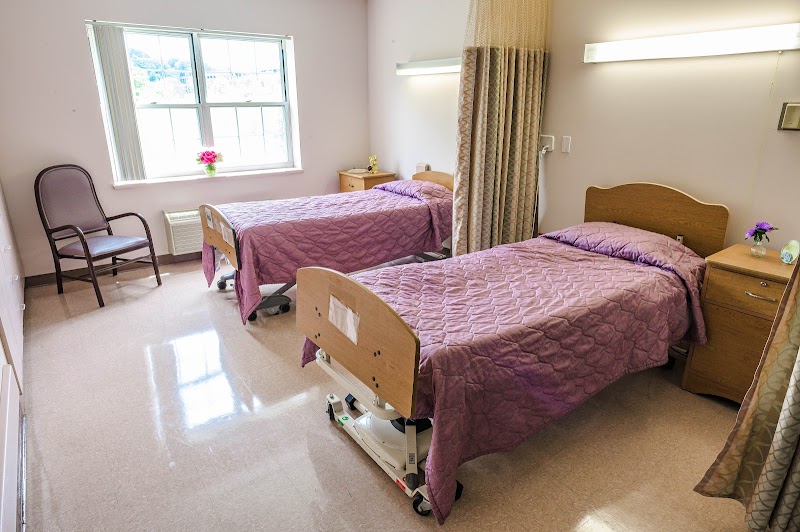
Who Owns and Operates Harmar Village Health & Rehab Center?

HARMAR VILLAGE HEALTH & REHAB CENTER is owned by a for-profit company. For-profit facilities operate as businesses with obligations to shareholders or private owners. The facility is operated by SABER HEALTHCARE GROUP, a chain that manages multiple nursing homes. With 130 certified beds and approximately 102 residents (about 78% occupancy), it is a mid-sized facility located in CHESWICK, Pennsylvania.
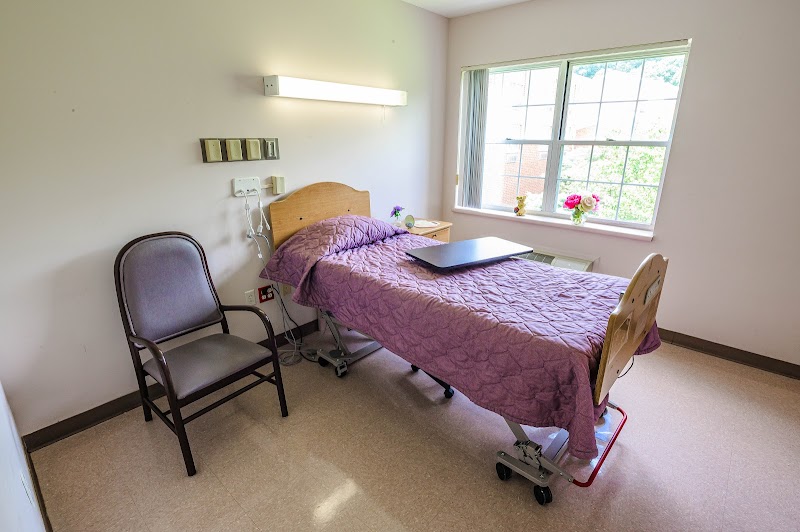
How Does Harmar Village Health & Rehab Center Compare to Other Pennsylvania Nursing Homes?

Compared to the 100 nursing homes in Pennsylvania, HARMAR VILLAGE HEALTH & REHAB CENTER's overall rating (1 stars) is below the state average of 3.0, staff turnover (67%) is significantly higher than the state average of 46%, and health inspection rating (1 stars) is much below the national benchmark.

What Should Families Ask When Visiting Harmar Village Health & Rehab Center?

Based on this facility's data, families visiting should ask: "What changes have been made since the serious inspection findings, and how are you preventing similar issues?" "How do you ensure continuity of care given staff turnover, and what is your staff retention strategy?" "Can you walk me through typical staffing levels on day, evening, and night shifts?" "Can I visit during a mealtime to observe dining assistance and food quality?" These questions are particularly relevant given the facility's Immediate Jeopardy citations, the facility's high staff turnover rate, and the below-average staffing rating.

Is Harmar Village Health & Rehab Center Safe?

Based on CMS inspection data, HARMAR VILLAGE HEALTH & REHAB CENTER has documented safety concerns. Inspectors have issued 2 Immediate Jeopardy citations (the most serious violation level indicating risk of serious injury or death). The facility is currently on the Special Focus Facility watch list (a federal program monitoring the lowest-performing 1% of nursing homes nationwide). The facility has a 1-star overall rating and ranks #100 of 100 nursing homes in Pennsylvania. Families considering this facility should ask detailed questions about what corrective actions have been taken since these incidents.

Do Nurses at Harmar Village Health & Rehab Center Stick Around?

Staff turnover at HARMAR VILLAGE HEALTH & REHAB CENTER is high. At 67%, the facility is 20 percentage points above the Pennsylvania average of 46%. Registered Nurse turnover is particularly concerning at 70%. RNs handle complex medical decisions and coordinate care — frequent RN changes can directly impact care quality. High turnover means new staff may not know residents' individual needs, medications, or preferences. It can also be disorienting for residents, especially those with dementia who rely on familiar faces. Families should ask: What is causing the turnover? What retention programs are in place? How do you ensure care continuity during staff transitions?

Was Harmar Village Health & Rehab Center Ever Fined?

HARMAR VILLAGE HEALTH & REHAB CENTER has been fined $93,798 across 8 penalty actions. This is above the Pennsylvania average of $34,017. Fines in this range indicate compliance issues significant enough for CMS to impose meaningful financial consequences. Common causes include delayed correction of deficiencies, repeat violations, or care failures affecting resident safety. Families should ask facility leadership what changes have been made since these penalties.

Is Harmar Village Health & Rehab Center on Any Federal Watch List?

HARMAR VILLAGE HEALTH & REHAB CENTER is currently an SFF Candidate, meaning CMS has identified it as potentially qualifying for the Special Focus Facility watch list. SFF Candidates have a history of serious deficiencies but haven't yet reached the threshold for full SFF designation. The facility is being monitored more closely — if problems continue, it may be added to the official watch list. Families should ask what the facility is doing to address the issues that led to this status.