KADIMA REHABILITATION & NURSING AT CHESWICK
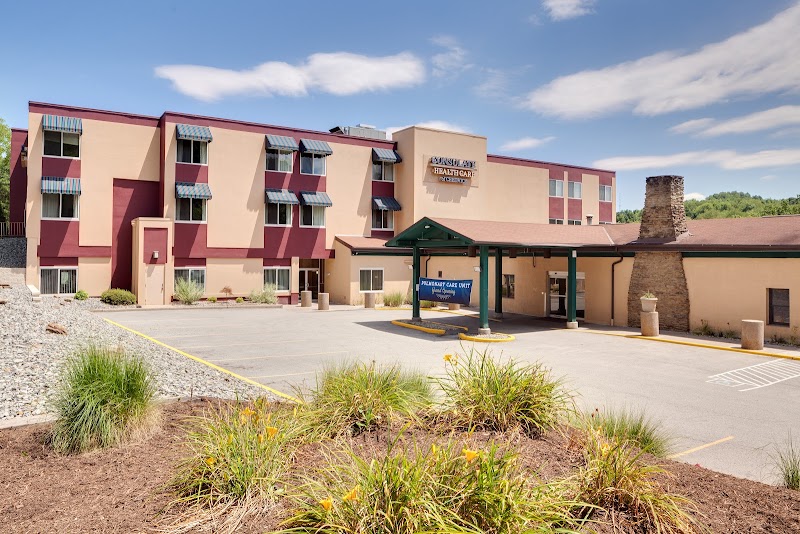
3876 SAXONBURG BOULEVARD, CHESWICK, PA 15024 (412) 767-4998
For profit - Corporation 121 Beds KADIMA HEALTHCARE GROUP Data: November 2025
Trust Grade
8/100
#585 of 653 in PA
Last Inspection: November 2024

Within standard 12-15 month inspection cycle. Federal law requires annual inspections.

Overview

Kadima Rehabilitation & Nursing at Cheswick has received a Trust Grade of F, indicating significant concerns about the quality of care provided. Ranking #585 out of 653 facilities in Pennsylvania places it in the bottom half of the state, and #41 of 52 in Allegheny County suggests that only a few local options are better. While the facility is showing signs of improvement, having reduced issues from 18 in 2024 to 9 in 2025, it still reported serious incidents, including a resident suffering a deep scalp laceration due to inadequate assistance during a transfer. Staffing ratings are average, but with a concerning 57% turnover rate, which is above the state average, indicating instability. Additionally, the nursing home has faced $15,266 in fines, which, while average, may still reflect ongoing compliance issues and there's less RN coverage than 90% of other facilities in Pennsylvania, potentially impacting the quality of care.

Trust Score
F
8/100
In Pennsylvania
#585/653
Bottom 11%
Safety Record
High Risk
Review needed
Inspections
Getting Better
18 → 9 violations
Staff Stability
⚠ Watch
57% turnover. Above average. Higher turnover means staff may not know residents' routines.
Penalties
✓ Good
$15,266 in fines. Lower than most Pennsylvania facilities. Relatively clean record.
Skilled Nurses
⚠ Watch
Each resident gets only 23 minutes of Registered Nurse (RN) attention daily — below average for Pennsylvania. Fewer RN minutes means fewer trained eyes watching for problems.
Violations
⚠ Watch
59 deficiencies on record. Higher than average. Multiple issues found across inspections.
★☆☆☆☆
1.0
Overall Rating
★★★☆☆
3.0
Staff Levels
★★☆☆☆
2.0
Care Quality
★☆☆☆☆
1.0
Inspection Score
Stable
2024: 18 issues
2025: 9 issues

The Good

  • Full Sprinkler Coverage · Fire safety systems throughout facility
  • No fines on record

Facility shows strength in fire safety.

The Bad

1-Star Overall Rating

Below Pennsylvania average (3.0)

Significant quality concerns identified by CMS

Staff Turnover: 57%

11pts above Pennsylvania avg (46%)

Frequent staff changes - ask about care continuity

Federal Fines: $15,266

Below median ($33,413)

Minor penalties assessed

Chain: KADIMA HEALTHCARE GROUP

Part of a multi-facility chain

Ask about local staffing decisions and management

Staff turnover is elevated (57%)

9 points above Pennsylvania average of 48%

The Ugly 59 deficiencies on record

2 actual harm
Jul 2025 1 deficiency
CONCERN (E) 📢 Someone Reported This

A family member, employee, or ombudsman was alarmed enough to file a formal complaint

Potential for Harm - no one hurt, but risky conditions existed

Safe Environment (Tag F0584)

Could have caused harm · This affected multiple residents

**NOTE- TERMS IN BRACKETS HAVE BEEN EDITED TO PROTECT CONFIDENTIALITY** Based on a review of facility policies, observations and staff interviews it was determined that the facility failed to provide ...

Read full inspector narrative →
**NOTE- TERMS IN BRACKETS HAVE BEEN EDITED TO PROTECT CONFIDENTIALITY** Based on a review of facility policies, observations and staff interviews it was determined that the facility failed to provide a safe, clean, comfortable environment for the residents in resident rooms [ROOM NUMBERS], Second floor dining room, and the Third floor dining room as required. (Resident room [ROOM NUMBER], Resident room [ROOM NUMBER], Second floor dining room, and Third floor dining room) Findings include: A review of facility policy Environmental Services, Clean, safe and Orderly Environment dated 3/21/25, revealed that the exterior and the interior of the facility will be maintained in clean, safe and orderly manner. Housekeeping, Laundry, and Maintenance services will be provided properly with precaution taken to prevent infection and cross contamination. During an observation on 7/2/25, conducted from 12:30 p.m., through 1:00 p.m., revealed the following: - room [ROOM NUMBER]'s air conditioning unit had a build-up of grime, and black debris on the air inlet grill and internal area immediately behind. - Third floors dining room areas air conditioning units (2) had a build-up of grime, and black debris on the air inlet grill and internal area immediately behind. - room [ROOM NUMBER]'s air conditioning unit had a build-up of grime, and black debris on the air inlet grill and internal area immediately behind. - Second floors dining room areas air conditioning unit had a build-up of grime, and black debris on the air inlet grill and internal area immediately behind. During an interview on 7/2/25, at 12:37 p.m., Director of Maintenance (DOM) Employee E1 confirmed that room [ROOM NUMBER]'s air conditioning unit had a build-up of grime, and black debris on the air inlet grill and internal area immediately behind. During an interview on 7/2/25, at 12:40 p.m., DOM Employee E1 confirmed that the Third floors dining room areas air conditioning units (2) had a build-up of grime, and black debris on the air inlet grill and internal area immediately behind. During an interview on 7/2/25, at 12:45 p.m., DOM Employee E1 confirmed that room [ROOM NUMBER]'s air conditioning unit had a build-up of grime, and black debris on the air inlet grill and internal area immediately behind. During an interview on 7/2/25, at 12:47 p.m., DOM Employee E1 confirmed that the Second floors dining room areas air conditioning unit had a build-up of grime, and black debris on the air inlet grill and internal area immediately behind. During an interview on 7/2/25, at 2:05 p.m., the Nursing Home Administrator (NHA) confirmed that the facility failed to provide a safe, clean, comfortable environment for the residents in resident rooms [ROOM NUMBERS], Second floor dining room, and the Third floor dining room as required. (Resident room [ROOM NUMBER], Resident room [ROOM NUMBER], Second floor dining room, and Third floor dining room) Pa Code: 201.14(a) Responsibility of Licensee Pa Code: 201.18(b)(1)(3) Management Pa Code: 201.29(a) Resident Rights
May 2025 1 deficiency
CONCERN (D) 📢 Someone Reported This

A family member, employee, or ombudsman was alarmed enough to file a formal complaint

Potential for Harm - no one hurt, but risky conditions existed

Investigate Abuse (Tag F0610)

Could have caused harm · This affected 1 resident

**NOTE- TERMS IN BRACKETS HAVE BEEN EDITED TO PROTECT CONFIDENTIALITY** Based on review of facility policy, clinical record reviews and staff interviews, it was determined that the facility failed to ...

Read full inspector narrative →
**NOTE- TERMS IN BRACKETS HAVE BEEN EDITED TO PROTECT CONFIDENTIALITY** Based on review of facility policy, clinical record reviews and staff interviews, it was determined that the facility failed to initiate a thorough investigation for incident or accidents for two of six residents (Residents R1, R2). Findings include: The facility Accident and Incident-Investigating and Reporting policy dated 7/1/24, indicated all accidents or incidents occurring on the premises must be investigated and reported to the administrator. Review of clinical record indicated Resident R2 was admitted [DATE], with diagnoses which included anxiety, diabetes mellitus and bipolar disorder. A review of Resident R2's Minimum Data Set (MDS-a periodic assessment of resident care needs), dated 3/5/25, indicated diagnoses remained current. Review of Resident R2 nurse progress notes dated 4/17/25 Resident R2 was reported that on 4/13/25, resident was observed in the basement near the kitchen. When interviewed Resident R2 (BIMS score 15/15) stated that she did go to the basement to seek kitchen staff regarding her dinner menu. Review of clinical record indicated Resident R1 was admitted [DATE], with diagnoses which included seizures, hypertension (a medical condition where the force of blood pushing against the artery walls is consistently too high) and alcohol dependence. A review of Resident R1's Minimum Data Set (MDS-a periodic assessment of resident care needs), dated 5/12/25, indicated diagnoses remained current. Review of Resident R1 nurse progress notes dated 5/23/25 at 7:30 a.m. Resident R2 came down to the first floor. ambulating. He walked to the side door and exited the building. He was spotted by the first floor nurse and NA. During an interview on 5/28/25, at 1:30 p.m. Nursing Home Administrator confirmed the facility did not conduct a through elopement investigation on Resident R1, R2 as required. 28 Pa. Code: 201.14(a) Responsibility of licensee 28 Pa. Code: 201.18(b)(1)(3) Management 28 Pa. Code: 211. 10(d) Resident care policies 28 Pa. Code: 211.12(d)(3) Nursing services
Mar 2025 4 deficiencies
CONCERN (E) 📢 Someone Reported This

A family member, employee, or ombudsman was alarmed enough to file a formal complaint

Potential for Harm - no one hurt, but risky conditions existed

Safe Environment (Tag F0584)

Could have caused harm · This affected multiple residents

**NOTE- TERMS IN BRACKETS HAVE BEEN EDITED TO PROTECT CONFIDENTIALITY** Based on a review of facility policies, observations and staff interviews it was determined that the facility failed to provide ...

Read full inspector narrative →
**NOTE- TERMS IN BRACKETS HAVE BEEN EDITED TO PROTECT CONFIDENTIALITY** Based on a review of facility policies, observations and staff interviews it was determined that the facility failed to provide a safe, clean, comfortable environment for the residents in residnet room [ROOM NUMBER], First floor common area, and the elevator door on the second floor nursing unit as required. ( Resident room [ROOM NUMBER], First floor common area, elevator door second floor nursing unit) Findings include: A review of facility Resident Environment policy dated 7/1/24, revealed that the facility will maintain a safe, clean and comfortable homelike environment for the residents. During an observation on 3/19/25, it was revealed the following: * the door jam at the elevator door on the second floor nursing unit was missing on the right side side which exposed rough and unfinished plaster which created an unsafe environment for the residents, * there was torn and missing wall paper on the wall in the lounge area on the first floor * Resident room [ROOM NUMBER] contained peeling and chipping paint on the ledge at the heating unit, and gauge marks in the walls as well as missing paint. During an interview on 3/19/25, at 10:00 am Assistant Maintenance Director Employee E1 confirmed that the door jam at the elevator on the second floor failed to provide a safe environment for the residents. During an interview on 3/19/25, at 12:30 pm Assistant Director of Nursing Employee E6 confirmed that Resident room [ROOM NUMBER] and the lounge area on the first floor failed to provide a homelike environment to the residents. Pa Code: 201.14(a) Responsibility of Licensee Pa Code: 201.18(b1)(3) Management Pa Code: 211.10(d) Resident care policies
CONCERN (E) 📢 Someone Reported This

A family member, employee, or ombudsman was alarmed enough to file a formal complaint

Potential for Harm - no one hurt, but risky conditions existed

Deficiency F0804 (Tag F0804)

Could have caused harm · This affected multiple residents

Based on a review of facility policies, manufacture instructions, observations and staff interviews it was determined that the facility failed to follow manufacture instructions for the production of ...

Read full inspector narrative →
Based on a review of facility policies, manufacture instructions, observations and staff interviews it was determined that the facility failed to follow manufacture instructions for the production of sugar free pudding on 3/19/25. (sugar free pudding) Findings include: A review of facility Standardize Recipes policy date 8/5/24, it was revealed that standardized recipes are used in the production of food products. During an interview on 3/19/25, at 10:30 am Food Service Worker Employee E3 confirmed that tray line service for the lunch meal begins at 11:00 am. She further confirmed that the production sheets indicated 33 servings of diet (sugar free) pudding was needed for the lunch meal service. During an observation on 3/19/25, at 10:30 am it was revealed that the facility failed to prepare 33 serving of diet (sugar free) pudding needed for the lunch meal service. During an observation on 3/19/25, at 10:35 am Food Service Worker Employee E2 was observed preparing diet (sugar free) pudding by pouring two quarts of 2% milk onto a mixing bowl and adding two packets of sugar free vanilla instant pudding and pie filling mix to the milk. Food Service Worker Employee E2 whisked the milk and pudding mix together. She determined that the pudding was not thick enough and added one more package of the pudding mix to the mixture. Food Service Worker Employee E3 portioned the pudding mixture into serving bowls. While portioning the pudding mixture she determined that she did not have enough product to fill all the portions (33) required for the meal service. Food Service Worker Employee E3 proceeded to produce additional pudding by measuring and adding two cups of 2% milk to a bowl and adding 2 packets of sugar free vanilla pudding and pie filling mix. When it was brought to her attention that she incorrectly measured the milk she added additional 2% milk to equal a total of two quarts. Food Service Worker Employee E3 determined that the product was not thick enough and added a packet of sugar free butterscotch pudding and pie filling mix to the vanilla pudding mixture. A review of the manufacture instructions on the back label of the sugar free vanilla pudding and pie filling mix and the back label of the sugar free butterscotch pudding and pie mix indicated that each packet yielded 8 serving and was to be mixed with one quart of skim milk per packet. Once mixed with a mixer the pudding mixture was to be poured into serving containers and refrigerated for 30 minutes until set. During an interview on 3/19/25, at 11:45 am the Food Service Director Employee E5 confirmed that the facility failed to follow the manufacture instructions for diet (sugar free) pudding by improperly measuring the milk for each batch of pudding produced, using the improper milk product, and not producing the product prior to meal service to permit the product to set properly. Food Service Director Employee E5 confirmed that the facility's failure to follow the manufacture instructions created the potential for inaccurate nutrients and possible non palatable food product to be served to the residents. Pa Code: 201.14(a) Responsibility of Licensee
CONCERN (E) 📢 Someone Reported This

A family member, employee, or ombudsman was alarmed enough to file a formal complaint

Potential for Harm - no one hurt, but risky conditions existed

Deficiency F0805 (Tag F0805)

Could have caused harm · This affected multiple residents

Based on a review of facility policies, observations, resident tray cards, menu diet extension sheets, and staff interviews it was determined that the facility failed to provide the approved dessert f...

Read full inspector narrative →
Based on a review of facility policies, observations, resident tray cards, menu diet extension sheets, and staff interviews it was determined that the facility failed to provide the approved dessert for 23 of 23 residents prescribed a Mechanical Soft diet and nine out of nine resident prescribed a puree diet for the lunch meal service on 3/19/25. Findings include: A review of facility Menu policy dated 8/5/24, revealed that standardized cycle menus are prepared by the corporate menu team and fulfill residents' nutritional and therapeutic needs. The faciliy Registered Dietician reviews and approves the menu. A review of facility Description of Standard Diets policy date 8/5/24, revealed that a mechanical diet is used when a resident has difficulty chewing and or swallowing. A puree diet is used for residents that have difficulty chewing or swallowing, the food consistency is pureed. During a review of the resident's tray cards for the lunch meal on 3/19/25, it was revealed that for dessert the resident prescribed a mechanical soft diet were to receive a mechanical soft lemon blueberry tart and the residents prescribed a puree diet were to receive a pureed lemon blueberry tart. During an observation on 3/19/25, at 11:25 am [NAME] Employee E 4 confirmed that the facility failed to make mechanical lemon blueberry tarts for those residents prescribed a mechanical soft diet and pureed lemon blueberry tarts for those residents prescribed a puree diet. A review of the facility menu extension sheets for the lunch meal on 3/19/25, indicated that the residents prescribed a mechanical soft diet were to receive a mechanical soft lemon blueberry tart and the residents prescribed a puree diet were to receive a pureed lemon blueberry tart for their dessert. During an interview on 3/19/25, at 12:30 pm Food Service Director Employee E5 confirmed that the facility failed to produce and serve the approved dessert to those residents prescribed a mechanical soft diet and resident prescribed a puree diet as required Pa Code: 201.14(a) Responsibility of Licensee
CONCERN (F) 📢 Someone Reported This

A family member, employee, or ombudsman was alarmed enough to file a formal complaint

Potential for Harm - no one hurt, but risky conditions existed

Menu Adequacy (Tag F0803)

Could have caused harm · This affected most or all residents

Based on a review of facility policies, Four week Spring Summer (SS) cycle menu diet extension sheets and staff interviews it was determined that the facility failed to review, date. approve, and foll...

Read full inspector narrative →
Based on a review of facility policies, Four week Spring Summer (SS) cycle menu diet extension sheets and staff interviews it was determined that the facility failed to review, date. approve, and follow a preplanned cycle menu (Four week Spring Summer cycle menu, lunch meal on 3/19/25) as required. Findings include: A review of facility Menu policy dated 8/5/24, revealed that standardized cycle menus are prepared by the corporate menu team and fulfill residents' nutritional and therapeutic needs. The faciliy Registered Dietician reviews and approves the menu. A review of the facility's Four Week Spring Summer Cycle Menu extension spreadsheets provided by the facility revealed that the menus failed to provide documented evidence that the facility's Registered Dietician (RD) reviewed, dated and approved the four week Spring Summer cycle menu. During an interview on 3/19/25, at 11:45 am Food Service Director Employee E5 confirmed that the facility implemented the four week Spring Summer cycle menu prior to his hiring in 11/24. During an observation of the lunch meal service on 3/19/25, it was revealed that the facility failed to follow the preplanned cycle menu by failing to provide the correct dessert to residents prescribed a mechanical soft diet and pureed diet. See also F 805. During an interview at 12:30 pm Food Service Director Employee E5 confirmed that the facility failed to provide documented evidence that the facility's RD reviewed, dated, and approved the four week Spring Summer cycle menu prior to implementation and during the lunch meal on 3/19/25, the facility failed to follow the menu as planned. Pa Code: 211.6(a) Dietary services Pa Code: 201.14(a) Responsibility of Licensee
Feb 2025 1 deficiency
CONCERN (D) 📢 Someone Reported This

A family member, employee, or ombudsman was alarmed enough to file a formal complaint

Potential for Harm - no one hurt, but risky conditions existed

Medical Records (Tag F0842)

Could have caused harm · This affected 1 resident

**NOTE- TERMS IN BRACKETS HAVE BEEN EDITED TO PROTECT CONFIDENTIALITY** Based on review of clinical records and staff interview, it was determined that the facility failed to make certain that medical...

Read full inspector narrative →
**NOTE- TERMS IN BRACKETS HAVE BEEN EDITED TO PROTECT CONFIDENTIALITY** Based on review of clinical records and staff interview, it was determined that the facility failed to make certain that medical records on each resident are complete and accurately documented for three of seven residents (Resident R1. R2 and R3). Findings include: Review of the clinical record indicated Resident R1 was admitted to the facility on [DATE]. Review of Resident R1's Minimum Data Set (MDS - a periodic assessment of care needs) dated 1/29/25, indicated diagnoses of alcoholic cirrhosis of liver, chronic kidney disease and hepatic encephalopathy(condition where the brain becomes impaired due to severe liver disease). Review of Resident R1's clinical record revealed social services did not do an initial admission assessment. Review of Resident R2's admission record indicated the resident was admitted to the facility 1/29/25. A review of Resident R2's MDS dated [DATE], included diagnoses of orthopedic aftercare, absence of left leg below knee and alcohol-induced chronic pancreatitis. Review of Resident R2's clinical record revealed social services did not do an initial admission assessment. Review of Resident R3's admission record indicated the resident was admitted to the facility 1/31/25. A review of Resident R3's MDS dated [DATE], included diagnoses fracture of shaft of right tibia, protein-calorie malnutrition and polyosteoarthritis (condition where multiple joints experience osteoarthritis). Review of Resident R3's clinical record revealed social services did not do an initial admission assessment. During an interview on 2/6/25 at 11:30 a.m. Nursing Home Administrator confirmed that the facility did not complete social service initial admission assessment as required. 28 Pa. Code: 211.5(f)(g)(h) Clinical records.
Jan 2025 2 deficiencies
CONCERN (E) 📢 Someone Reported This

A family member, employee, or ombudsman was alarmed enough to file a formal complaint

Potential for Harm - no one hurt, but risky conditions existed

Deficiency F0826 (Tag F0826)

Could have caused harm · This affected multiple residents

Based on review of clinical records and staff interview, it was determined that the facility failed to ensure that a Speech Therapist who provided care to residents was licensed as a Speech Therapist ...

Read full inspector narrative →
Based on review of clinical records and staff interview, it was determined that the facility failed to ensure that a Speech Therapist who provided care to residents was licensed as a Speech Therapist for three of 12 months (November, and December 2024, and January 2025) Findings include: Review of Title 49 Chapter 45 indicated that Speech Therapists on a provisional license shall practice only under supervision of a supervisor who holds the same type of license as the provisional licensee, who is physically present in the area or unit where the provisional licensee is practicing. During an interview on 1/7/25, at 11:09 a.m. Speech Language Pathologist (SLP) Employee E2 confirmed that she has a provisional speech therapist license, as she is required to complete nine months of a fellowship before she will be issued a regular license. SLP Employee E2 stated that she had been supervised by a licensed SLP on a daily basis, however this stopped on 11/10/24 when the licensed SLP terminated her employment at the facility. Since 11/10/24, SLP Employee E2 has been working without daily supervision. No licensed SLP was available until 12/12/24 when SLP E3 was hired, who comes into the facility once every two to three weeks to supervise SLP Employee E2. During an interview on 1/7/25, at 11:57 a.m. Supervisor for the State Licensing Board confirmed that a SLP with a provisional license requires supervision from a licensed SLP, who must be physically present in the building. During an interview on 1/7/25, at 2:08 p.m. Nursing Home Administrator confirmed that the facility failed to provide speech therapy services by a licensed SLP or provide supervision to a SLP with a provisional license since 11/10/24. 28 Pa. Code: 201.18(b)(3) Management
CONCERN (F) 📢 Someone Reported This

A family member, employee, or ombudsman was alarmed enough to file a formal complaint

Potential for Harm - no one hurt, but risky conditions existed

Deficiency F0570 (Tag F0570)

Could have caused harm · This affected most or all residents

Based on a review of facility policies, documents and staff interviews it was determined that the facility failed to secure a surety bond on behalf of the residents of the facility that assured the se...

Read full inspector narrative →
Based on a review of facility policies, documents and staff interviews it was determined that the facility failed to secure a surety bond on behalf of the residents of the facility that assured the security of all personal funds of residents deposited with the facility for three months 11/24, 12/24, and 1/25 as required. (11/24, 12/24, and 1/25) Finding include: A review of facility Surety Bond policy dated 7/1/24, indicated that a surety bond is purchased on behalf of the residents by the facility to protect the financial security of resident's funds deposited in a resident trust account. The facility evaluates the value of the bond annually to make certain that sufficient coverage is maintained. A review of the facility's Resident Trust Surety Bond effective 11/1/24, revealed that the bond's value at $193,915.84, A review of the Facillity Trial Balance (a document providing evidence of each resident's current balance held by the facility) date 1/7/25, indicated the value of funds held by the facility at $252,107.96 During an interview on 1/7/25, at 1:00 pm the Nursing Home Administrator confirmed that the amount of the facility's surety bond failed to protect all resident financial funds deposited in the facility Reisdent Trust Fund as required. PA Code: 201.18(e)(1) Management
Nov 2024 16 deficiencies
CONCERN (D)

Potential for Harm - no one hurt, but risky conditions existed

Safe Environment (Tag F0584)

Could have caused harm · This affected 1 resident

Based on review of facility policy, observations and staff interviews it was determined that the facility failed to provide a clean, safe, comfortable, and homelike environment for two of three units ...

Read full inspector narrative →
Based on review of facility policy, observations and staff interviews it was determined that the facility failed to provide a clean, safe, comfortable, and homelike environment for two of three units (Second-floor, and Third-floor). Findings include: Review of the facility policy Resident Environment dated 7/1/24, indicated the facility will provide an environment that is safe, clean, comfortable, and homelike. A homelike environment de-emphasizes the institutional character of the setting. Observation on 11/4/24, at 9:35 a.m. Resident R44 had two square floor tiles missing from the right side of the bed. Observation on 11/4/24, at 11:42 a.m. the Second-floor dining room had seven trays stacked with old dishes from breakfast on the table against the far wall. There were five residents eating their lunch at this time. One mechanical lift, and two unused wheelchairs were stored in one corner of the dining room, and two additional unused wheelchairs in the opposite corner. Observation on 11/4/24, at 10:42 a.m. Resident R56 had multiple divots (small holes/depressions) in the floor tiles to the right side of the bed. Observation on 11/4/24, at 10:54 a.m. the Third-floor dining room had four mechanical lifts, two unused wheelchairs were stored in one corner of the dining room, and two additional unused wheelchairs in the opposite corner. Observation on 11/4/24, at 11:42 a.m. Resident R16 was outside the doorway of the dining room in a Broda chair (specialty wheelchair that allows for mobility and positioning support) that had a dried, sticky substance on the wheels, brakes, arm rests, and frame of the wheelchair. Interview on 11/4/24, at 11:42 a.m. Nurse Aide (NA) Employee E1 confirmed the Broda chair had a dried, sticky substance on the wheels, brakes, arm rests, and frame of the wheelchair. Interview on 11/7/24, at 1:00 p.m. the Nursing Home Administrator confirmed the facility failed to provide a clean, safe, comfortable, and homelike environment for two of three units (Second-floor, and Third-floor). 28 Pa. Code: 201.14 (a) Responsibilities of licensee. 28 Pa. Code: 201.18 (a)(b)(1)(3) Management. 28 Pa. Code: 211.10 (c)(d) Resident care policies. 28 Pa. Code: 211.12 (d)(1)(2)(3)(5) Nursing services.
CONCERN (D)

Potential for Harm - no one hurt, but risky conditions existed

Free from Abuse/Neglect (Tag F0600)

Could have caused harm · This affected 1 resident

**NOTE- TERMS IN BRACKETS HAVE BEEN EDITED TO PROTECT CONFIDENTIALITY** Based on review of facility policies, facility documents, clinical records, and resident and staff interviews, it was determined...

Read full inspector narrative →
**NOTE- TERMS IN BRACKETS HAVE BEEN EDITED TO PROTECT CONFIDENTIALITY** Based on review of facility policies, facility documents, clinical records, and resident and staff interviews, it was determined that the facility failed to make certain residents were free from neglect for one of three residents (Resident R53). Findings include: Review of facility policy Abuse: Protection From Abuse dated 7/1/24, indicated residents have the right to be free from neglect and abuse. Review of the admission record indicated Resident R53 admitted to the facility on [DATE], and readmitted [DATE]. Review of Resident R53's Minimum Data Set (MDS- a periodic assessment of care needs) dated 9/23/24, indicated the diagnoses of anxiety, depression, and high blood pressure. Review of Resident R53's witness statement dated 10/24/24, indicated the resident had to go to the bathroom in the middle of the night. I sat on the toilet and saw diarrhea in my brief. It was indicated she pulled the call bell, and Nurse Aide Employee E6, came and when she asked for assistance with changing her brief, NA, Employee E6 stated change it yourself and walked away. Review of Resident R53's roommate witness statement, dated 10/24/24, stated Resident R53 went to the bathroom around 2 a.m. When she pulled the call bell, NA, Employee E6 came to get the resident off the toilet. It was indicated she heard Resident R53 tell NA, Employee E6 that she had an accident and needed her brief changed. NA, Employee E6 flicked her hand, and said change it yourself. and walked out of the room. During an interview on 11/5/24, at 9:41 a.m. Resident R53 indicated she had problem with diarrhea, and she pushed the call bell for assistance. Resident R53 state a nurse aide came in and told her she was not going to help her. Resident R53 stated she was trying to make it to bathroom, but it started coming out. Interview with the Director of Nursing on 11/6/24, at 10:08 a.m. confirmed the facility failed to make certain residents were free from neglect for one of three residents (Resident R53). 28 Pa. Code: 201.14(a) Responsibility of licensee. 28 Pa. Code: 211.10(d) Resident care policies. 28 Pa. Code: 201.18 (b) (1) (e) (1) Management. 28 Pa. Code: 211.12 (d) (1) (2) (5) Nursing services.
CONCERN (D)

Potential for Harm - no one hurt, but risky conditions existed

Investigate Abuse (Tag F0610)

Could have caused harm · This affected 1 resident

**NOTE- TERMS IN BRACKETS HAVE BEEN EDITED TO PROTECT CONFIDENTIALITY** Based on review of facility policy, clinical record reviews and staff interviews, it was determined that the facility failed to ...

Read full inspector narrative →
**NOTE- TERMS IN BRACKETS HAVE BEEN EDITED TO PROTECT CONFIDENTIALITY** Based on review of facility policy, clinical record reviews and staff interviews, it was determined that the facility failed to initiate a thorough investigation for incident or accidents for one of six residents (Resident R70). Findings include: The facility Accident and Incident-Investigating and Reporting policy dated 7/1/24, indicated all accidents or incidents occurring on the premises must be investigated and reported to the administrator. Review of clinical record indicated Resident R70 was admitted [DATE], with diagnoses which included chronic atrial fibrillation (heart condition that causes the upper chambers of the heart to beat irregularly and often very fast), bipolar disorder and major depressive disorder. A review of Resident R70's Minimum Data Set (MDS-a periodic assessment of resident care needs), dated 8/7/24, indicated diagnoses remained current. Review of Resident R70 nurse progress notes dated 10/3/24 at 1:16 p.m. Resident R70 was found by the elevator in the basement by a nurse aide around 7:30 - 8:00 pm. She was brought back to her room. Confused could not say why she went down there. Will check alarms and monitor. During an interview on 11/7/24, at 8:45 a.m. Director of Nursing (ADON) confirmed the facility did not conduct a investigation on Resident R70 as required. 28 Pa. Code: 201.14(a) Responsibility of licensee. 28 Pa. Code: 201.18(b)(1)(3) Management. 28 Pa. Code: 211. 10(d) Resident care policies. 28 Pa. Code: 211.12(d)(3) Nursing services.
CONCERN (D)

Potential for Harm - no one hurt, but risky conditions existed

Deficiency F0620 (Tag F0620)

Could have caused harm · This affected 1 resident

**NOTE- TERMS IN BRACKETS HAVE BEEN EDITED TO PROTECT CONFIDENTIALITY** Based on review of resident records, admission documentation and staff interview, it was determined that the facility failed to ...

Read full inspector narrative →
**NOTE- TERMS IN BRACKETS HAVE BEEN EDITED TO PROTECT CONFIDENTIALITY** Based on review of resident records, admission documentation and staff interview, it was determined that the facility failed to maintain admission documentation for two of three residents (Resident R11, R67). Findings include: Review of Resident R11 was admitted [DATE] with diagnoses that include parkinsonism (neurodegenerative diseases that cause similar motor symptoms, such as rigidity, tremors, and slow movement), adjustment disorder with depressed mood and convulsions. Review of the Resident Assessment Instrument 3.0 User's Manual effective October 2019, indicated that a Brief Interview for Mental Status (BIMS) is a screening test that aides in detecting cognitive impairment. The BIMS total score suggests the following distributions: 13-15: cognitively intact 8-12: moderately impaired 0-7: severe impairment Review of Resident R11 admission MDS assessment (Minimum Data Set assessment MDS- a periodic assessment of resident care needs) dated 6/18/24 indicated the resident was assessed as having a BIMS score of 5, which indicates severe impairment. Review of Resident R11's clinical record revealed no admission packet. Review of Resident R67 was admitted [DATE] with diagnoses that include hemiplegia and hemiparesis following cerebral infarction affect left non-dominant side, cognitive communication deficit and hypertension. Review of the Resident Assessment Instrument 3.0 User's Manual effective October 2019, indicated that a Brief Interview for Mental Status (BIMS) is a screening test that aides in detecting cognitive impairment. The BIMS total score suggests the following distributions: 13-15: cognitively intact 8-12: moderately impaired 0-7: severe impairment Review of Resident R67 admission MDS assessment (Minimum Data Set assessment MDS- a periodic assessment of resident care needs) dated 7/8/24 indicated the resident was assessed as having a BIMS score of 10, which indicates severe moderately impaired. Review of Resident R67's admission packet dated 6/28/24 indicated a no signature from POA (power of Attorney). During an interview with Nursing Home Administrator on 11/6/24 at 11:30 a.m. confirmed Resident R67 was cognitively impaired and should not have signed facility paperwork and R11 never had his admission paper work completed as required. 28 Pa Code: 201.18(b)(2) Management. 28 Pa Code: 201.24(a) admission policy. 28 Pa Code: 201.19(i) Residents rights.
CONCERN (D)

Potential for Harm - no one hurt, but risky conditions existed

Accident Prevention (Tag F0689)

Could have caused harm · This affected 1 resident

**NOTE- TERMS IN BRACKETS HAVE BEEN EDITED TO PROTECT CONFIDENTIALITY** Based on facility policy review, clinical and facility record review, facility provided documents and staff interviews, it was d...

Read full inspector narrative →
**NOTE- TERMS IN BRACKETS HAVE BEEN EDITED TO PROTECT CONFIDENTIALITY** Based on facility policy review, clinical and facility record review, facility provided documents and staff interviews, it was determined that the facility failed to provide adequate supervision for one resident resulting in elopement (resident exited to an unsupervised and unauthorized location without staff's knowledge) for one of six residents(Resident R70). Findings include: The facility Resident Elopement policy dated 7/1/24, indicated the facility to provide a safe and secure environment for the residents and to be proactive in preventing resident elopement. Review of clinical record indicated Resident R70 was admitted [DATE], with diagnoses which included chronic atrial fibrillation, bipolar disorder and major depressive disorder. A review of Resident R70's Minimum Data Set (MDS-a periodic assessment of resident care needs), dated 8/7/24, indicated diagnoses remained current. Review of Resident R70 nurse progress notes dated 10/3/24 at 1:16 p.m. Resident R70 was found by the elevator in the basement by a nurse aide around 7:30 - 8:00 pm. She was brought back to her room. Confused could not say why she went down there. Will check alarms and monitor. During an interview on 11/7/24, at 8:45 a.m. Director of Nursing (ADON) confirmed the facility did not provide adequate supervision for Resident R70 as required. 28 Pa. Code 211.12(d)(1)(3)(5) Nursing services. 28 Pa. Code 211.10(d) Resident care policies. 28 Pa. Code: 201.29(a)(b)(c)(I)(n) Resident rights. 28 Pa. Code 201.18(b)(1) Management.
CONCERN (D)

Potential for Harm - no one hurt, but risky conditions existed

Respiratory Care (Tag F0695)

Could have caused harm · This affected 1 resident

**NOTE- TERMS IN BRACKETS HAVE BEEN EDITED TO PROTECT CONFIDENTIALITY** Based on review of facility policy, observations, staff interviews, and clinical record review, it was determined that the facil...

Read full inspector narrative →
**NOTE- TERMS IN BRACKETS HAVE BEEN EDITED TO PROTECT CONFIDENTIALITY** Based on review of facility policy, observations, staff interviews, and clinical record review, it was determined that the facility failed to provide appropriate respiratory care related to oxygen equipment and management for three of four residents (Residents R33, R44 and R87). Findings include: Review of the facility policy Oxygen Administration dated 7/1/24, indicated oxygen therapy will be ordered as appropriate using nasal cannula (thin flexible tube that goes around the head and into the nose). Change pre-filled humidification systems at least weekly, along with oxygen tubing. Review of the admission record indicated Resident R33 admitted to the facility on [DATE]. Review of Resident R33's Minimum Data Set (MDS- a periodic assessment of care needs) dated 8/2/24, indicated the diagnoses of anemia (the blood doesn't have enough healthy red blood cells), chronic obstructive pulmonary disease (COPD- a group of diseases that block airflow and make it hard to breathe), and depression. Review of Resident R33's current physician orders indicated oxygen at 2 lpm (liters per minute). Change oxygen concentrator filter and oxygen tubing weekly on Wednesday night every week. Observation on 11/4/24, at 10:41 a.m. Resident R33 was in bed with oxygen cannula connected to oxygen concentrator. Concentrator filters were covered with a gray/white fuzzy substance on each side of the concentrator. Interview 11/4/24, at 10:45 a.m. Licensed Practical Nurse (LPN) Employee E3 confirmed oxygen concentrator filters were covered with a gray/white fuzzy substance on each side of the concentrator. Review of the admission record indicated Resident R44 admitted to the facility on [DATE]. Review of Resident R44's MDS dated [DATE], indicated the diagnoses of anemia, Multiple Sclerosis (immune system eats away at protective covering of nerve cells), and high blood pressure. Review of Resident R44's current physician orders indicated oxygen at 2 lpm. Change oxygen concentrator filter and oxygen tubing weekly on Wednesday night every week. Observation on 11/4/24, at 12:55 p.m. Resident R44 was in bed with oxygen cannula connected to oxygen concentrator. Concentrator filters were covered with a gray/white fuzzy substance on each side of the concentrator. Interview on 11/4/24, at 12:59 p.m. LPN Employee E5 confirmed oxygen concentrator filters were covered with a gray/white fuzzy substance on each side of the concentrator. Review of the admission record indicated Resident R87 admitted to the facility on [DATE]. Review of Resident R87's MDS dated [DATE], indicated the diagnoses of Non-Alzheimer ' s Dementia (dementia caused by other diseases with symptoms forgetfulness, limited social skills, and impaired thinking abilities that interfere with daily functioning), high blood pressure, and anxiety. Review of Resident R87's current physician orders indicated oxygen at 3 lpm. Change oxygen concentrator filter and oxygen tubing weekly on Wednesday night every week. Observation on 11/4/24, at 9:40 a.m. Resident R87 was in bed with oxygen cannula connected to oxygen concentrator. Oxygen tubing was dated 10/24/24. Interview on 11/4/24, at 9:45 a.m. LPN Employee E5 confirmed oxygen tubing was outdated and was not changed weekly on Wednesday as ordered. Interview on 11/7/24, at 1:00 p.m. the Nursing Home Administrator confirmed the facility failed to provide appropriate respiratory care related to oxygen equipment and management for three of four residents (Residents R33, R44 and R87). 28 Pa. Code: 201.14 (a) Responsibilities of licensee. 28 Pa. Code: 201.18 (a)(b)(1)(3) Management. 28 Pa. Code: 201.20(a)(b)(c)(d) Staff development. 28 Pa. Code: 211.10 (c)(d) Resident care policies. 28 Pa. Code: 211.12 (d)(1)(2)(3)(5) Nursing services.
CONCERN (D)

Potential for Harm - no one hurt, but risky conditions existed

Deficiency F0726 (Tag F0726)

Could have caused harm · This affected 1 resident

**NOTE- TERMS IN BRACKETS HAVE BEEN EDITED TO PROTECT CONFIDENTIALITY** Based on observations, and staff interview it was determined that the facility failed to ensure that licensed nurses have the sp...

Read full inspector narrative →
**NOTE- TERMS IN BRACKETS HAVE BEEN EDITED TO PROTECT CONFIDENTIALITY** Based on observations, and staff interview it was determined that the facility failed to ensure that licensed nurses have the specific competencies and skill sets necessary to provide care for a resident requiring subcutaneous injections (insertion of medication beneath the skin) which led to an emergency room visit for one of seven residents (Resident 48). Findings include: Review of the facility's current Licensed Practical Nurse (LPN) Job Description indicated Drug Administration Function: Ensure that an adequate supply of floor stock medications, supplies, and equipment is on hand to meet the nursing needs of residents. Safety and Sanitation: Ensure that all personnel performing tasks that involve potential exposure to blood or body fluids participate in appropriate in-service training programs prior to performing such tasks. Equipment and Supply Functions: Participate in the development and implementation of the procedure for the safe operation of all nursing service equipment. Review of the admission record indicated Resident R48 admitted to the facility on [DATE]. Review of Resident R48's Minimum Data Set (MDS) dated [DATE], indicated the diagnosis of diabetes (a long-term condition in which the body has trouble controlling blood sugar and using it for energy), schizophrenia (delusions and hallucinations that blur the line between what is real and what isn't), and anxiety. Review of Resident R48's physician order dated 9/3/24, indicated Lantus (long-acting insulin) inject 80 units subcutaneously two times a day. Review of Resident R48's current care plan indicated diabetes medication as ordered by doctor. Monitor and document for side effects and effectiveness. Review of Resident R48's progress note dated 10/5/24, at 12:43 p.m. Resident was getting her insulin coverage for a glucose of 305 and the needle became dislodged into her abdomen. The physician was called and ordered Resident R48 to be sent out to Emergency Room. Report given to Emergency Medical Services (EMS) and the emergency room. Review of Resident R48's progress note dated 10/5/24, at 6:03 p.m. indicated resident returned from hospital at 6:00 p.m. No new orders. Resident was x-rayed at the hospital and no needle was found. Needle syringe was further investigated after resident departed facility to emergency room it was found to have been a syringe with a retractable needle (after the administration of the syringe contents, the hypodermic needle retracts to the inside of the barrel of the syringe). Interview on 11/5/24, at 11:27 a.m. LPN Employee E7 indicated It was a new needle system. We weren't trained on it. They were getting new needles, three different types of needles. They appeared the same as the old needles, but the needle disappeared, and I was worried, so I sent her out to the emergency room. Interview on 11/5/24, at 11:00 a.m. the Nursing Home Administrator confirmed that the facility failed to ensure that licensed nurses have the specific competencies and skill sets necessary to provide care for a resident requiring subcutaneous injections which lead to an emergency room visit for one of seven residents (Resident 48). 28 Pa. Code: 201.14 (a) Responsibilities of licensee. 28 Pa. Code: 201.18 (a)(b)(1)(3) Management. 28 Pa. Code: 201.20(a)(b)(c)(d) Staff development. 28 Pa. Code: 211.10 (c)(d) Resident care policies. 28 Pa. Code: 211.12 (d)(1)(2)(3)(5) Nursing services.
CONCERN (D)

Potential for Harm - no one hurt, but risky conditions existed

Deficiency F0773 (Tag F0773)

Could have caused harm · This affected 1 resident

Based on clinical record review and staff interviews it was determined the facility failed to report abnormal lab results to the ordering physician timely for one of three residents reviewed. (Residen...

Read full inspector narrative →
Based on clinical record review and staff interviews it was determined the facility failed to report abnormal lab results to the ordering physician timely for one of three residents reviewed. (Resident R58) Findings Include: Review of the facility Notification of Condition Change: Physician policy dated 7/1/24, revealed a change in a resident's condition will be reported to the physician in a timely manner, including abnormal lab values. Review of Resident 58's Physician orders revealed an order dated 11/3/24, for a urine culture (test of urine to determine if there is a Urinary Tract Infection). Review of Resident 58's Laboratory report for the urinalysis revealed the report was final and was reported on 11/4/24. The results had abnormal lab values. Interview with Infection Preventionist, Employee E8 on 11/6/24, at 9:50 a.m. indicated lab results are signed off after it is reviewed by a physician. It was indicated notification to the physician, lab results, and any new orders are documented in the resident's clinical record. Review of Resident R58's clinical record on 11/6/24, at 1:30 p.m. failed to include evidence Resident R58's physician was notified of the abnormal lab results. Interview with the Nursing Home Administrator on 11/6/24, at 1:34 p.m. confirmed the facility failed to report abnormal lab results to the ordering physician timely for one of three residents reviewed. (Resident R58). 28 Pa. Code 211.12(c)(d) (1)(3)(5) Nursing services.
CONCERN (D)

Potential for Harm - no one hurt, but risky conditions existed

Deficiency F0810 (Tag F0810)

Could have caused harm · This affected 1 resident

**NOTE- TERMS IN BRACKETS HAVE BEEN EDITED TO PROTECT CONFIDENTIALITY** Based on facility policy, observations, and staff interviews it was determined that the facility failed to provide adaptive feed...

Read full inspector narrative →
**NOTE- TERMS IN BRACKETS HAVE BEEN EDITED TO PROTECT CONFIDENTIALITY** Based on facility policy, observations, and staff interviews it was determined that the facility failed to provide adaptive feeding devices for one of four residents (Resident R11). Findings include: Review of the facility policy Adaptive Eating Devices dated 7/1/24, indicated adaptive eating devices are pieces of equipment used by patients to enable them to achieve or maintain their highest level of eating independence. It was indicated the director of dining ensures that the patient meal identification states in the alert field the specific adaptive device needed or another system is in place. Review of the admission record indicated Resident R11 admitted to the facility on [DATE]. Review Resident R11's active physician order dated 6/11/24, indicated the resident is to have weighted utensils and divided plate. Review of Resident R11's MDS dated [DATE], indicated the diagnoses of high blood pressure, Parkinson's Disorder (a movement disorder of the nervous system that worsens over time), and dysphagia (difficulty swallowing). During an observation on 11/4/24, at 12:04 p.m. Resident R11's lunch tray failed to include weighted utensils and a divided plate. During an interview on 11/4/24, at 12:05 p.m. Nurse Aide, Employee E9 confirmed Resident R11 failed to have weighted utensils and a divided plate served with his meal. During an observation and interview on 11/6/24,, Food Service Director, Employee E10 confirmed Resident R11's meal tray or ticket did not have weighted utensils and a divided plate. Food Service Director, Employee E10 confirmed the facility failed to provide adaptive feeding devices for one of four residents (Resident R11). 28 Pa Code: 211.6(a) Dietary service.
CONCERN (E)

Potential for Harm - no one hurt, but risky conditions existed

Transfer Requirements (Tag F0622)

Could have caused harm · This affected multiple residents

**NOTE- TERMS IN BRACKETS HAVE BEEN EDITED TO PROTECT CONFIDENTIALITY** Based on clinical record review and staff interview, it was determined that the facility failed to make certain that the necessa...

Read full inspector narrative →
**NOTE- TERMS IN BRACKETS HAVE BEEN EDITED TO PROTECT CONFIDENTIALITY** Based on clinical record review and staff interview, it was determined that the facility failed to make certain that the necessary resident information was communicated to the receiving health care provider for four out of five residents sampled with facility-initiated transfer (Residents R41, R58, R69, R70). Findings include: Review of Resident R41's admission record indicated she was originally admitted on [DATE], with diagnoses that included neurocognitive disorder with muscle weakness, high blood pressure, and insomnia (difficulty falling or staying asleep). Review of Resident R41's clinical record revealed that the resident was transferred to the hospital on 9/28/24, and returned to the facility on 9/29/24. Review of Resident R41's clinical record revealed no documented evidence that the facility had communicated specific information to the receiving health care provider for the residents transferred and expected to return, which included the resident's care plan goals, advanced directive information, specific instructions for ongoing care, resident representative information, and all information necessary to meet the residents specific needs at the receiving facility. Review of Resident R58's admission record indicated she was originally admitted on [DATE], with diagnoses that included neurocognitive disorder with anxiety, high blood pressure, and dementia (a general term for loss of memory, language, problem-solving and other thinking abilities that are severe enough to interfere with daily life.) Review of Resident R58's clinical record revealed that the resident was transferred to the hospital on 9/23/24, and returned to the facility on 9/28/24. Review of Resident R58's clinical record revealed no documented evidence that the facility had communicated specific information to the receiving health care provider for the residents transferred and expected to return, which included the resident's care plan goals, advanced directive information, specific instructions for ongoing care, resident representative information, and all information necessary to meet the residents specific needs at the receiving facility. Review of Resident R69's admission record indicated she was originally admitted on [DATE], with diagnoses that included neurocognitive disorder with lewy bodies (type of dementia that causes a decline in mental abilities over time), parkinsonism (brain conditions that cause slowed movements, rigidity stiffness and tremors)and repeated falls. Review of Resident R69's clinical record revealed that the resident was transferred to the hospital on 4/2324, and returned to the facility on 4/25/24. Review of Resident R69's clinical record revealed no documented evidence that the facility had communicated specific information to the receiving health care provider for the residents transferred and expected to return, which included the resident's care plan goals, advanced directive information, specific instructions for ongoing care, resident representative information, and all information necessary to meet the residents specific needs at the receiving facility. Review of Resident R70's admission record indicated she was originally admitted on [DATE], with diagnoses that included bipolar, major depressive disorder and atrial fibrillation(heart condition that causes the upper chambers of the heart to beat irregularly and often very fast). Review of the clinical record indicated Resident R16 was transferred to hospital on 3/27/24 and returned to the facility on 4/5/24, also 6/29/24 returned 6/30/24. Review of Resident R70's clinical record revealed no documented evidence that the facility had communicated specific information to the receiving health care provider for the residents transferred and expected to return, which included the resident's care plan goals, advanced directive information, specific instructions for ongoing care, resident representative information, and all information necessary to meet the residents specific needs at the receiving facility. During an interview on 11/6/24 at 2:15 p.m. the Assistant Director of Nursing (ADON) confirmed that the facility failed to provide the necessary information for Resident R41, R58, R69, R70. 28 Pa. Code 201.29(a)(c.3)(2) Resident rights
CONCERN (E)

Potential for Harm - no one hurt, but risky conditions existed

Deficiency F0625 (Tag F0625)

Could have caused harm · This affected multiple residents

**NOTE- TERMS IN BRACKETS HAVE BEEN EDITED TO PROTECT CONFIDENTIALITY** Based on review of facility policy, clinical record review, and staff interviews, it was determined that the facility failed to ...

Read full inspector narrative →
**NOTE- TERMS IN BRACKETS HAVE BEEN EDITED TO PROTECT CONFIDENTIALITY** Based on review of facility policy, clinical record review, and staff interviews, it was determined that the facility failed to notify the resident or resident's representative of the facility bed-hold policy (an agreement for the facility to hold a bed for an agreed upon rate during a hospitalization) for three of five resident hospital transfers (Resident R58, R69, R70). Findings include: Review of Resident R58's admission record indicated she was originally admitted on [DATE], with diagnoses that included neurocognitive disorder with anxiety, high blood pressure, and dementia (a general term for loss of memory, language, problem-solving and other thinking abilities that are severe enough to interfere with daily life.) Review of Resident R58's clinical record revealed that the resident was transferred to the hospital on 9/23/24, and returned to the facility on 9/28/24. Review of Resident R58's clinical record failed to include documented evidence that the resident or the resident's representative were provided with written information about the facility's bed hold policy at the time of the transfer to the hospital on 9/23/24. Review of Resident R69's admission record indicated she was originally admitted on [DATE], with diagnoses that included neurocognitive disorder with lewy bodies (type of dementia that causes a decline in mental abilities over time), parkinsonism (brain conditions that cause slowed movements, rigidity stiffness and tremors)and repeated falls. Review of Resident R69's clinical record revealed that the resident was transferred to the hospital on 4/23/24, and returned to the facility on 4/25/24. Review of Resident R69's clinical record failed to include documented evidence that the resident or the resident's representative were provided with written information about the facility's bed hold policy at the time of the transfer to the hospital on 4/23/24. Review of Resident R70's admission record indicated she was originally admitted on [DATE], with diagnoses that included bipolar, major depressive disorder and atrial fibrillation(heart condition that causes the upper chambers of the heart to beat irregularly and often very fast). Review of the clinical record indicated Resident R70 was transferred to hospital on 3/27/24 and returned to the facility on 4/5/24, also 6/29/24 returned 6/30/24. Review of Resident R70's clinical record failed to include documented evidence that the resident or the resident's representative were provided with written information about the facility's bed hold policy at the time of the transfer to the hospital on 3/27/24 and 6/29/24. During an interview on 11/6/24, at 2:15 p.m. Assistant Director of Nursing (ADON) confirmed that the facility failed to notify the resident or resident's representative of the facility bed-hold policy for three of five resident hospital transfers as required (Resident R58, R69, R70). 28 Pa. Code 201.29 (a)(c.3)(2) Resident rights.
CONCERN (E)

Potential for Harm - no one hurt, but risky conditions existed

Deficiency F0699 (Tag F0699)

Could have caused harm · This affected multiple residents

**NOTE- TERMS IN BRACKETS HAVE BEEN EDITED TO PROTECT CONFIDENTIALITY** Based on review of facility policy, resident record review, and staff interviews, it was determined that the facility failed to ...

Read full inspector narrative →
**NOTE- TERMS IN BRACKETS HAVE BEEN EDITED TO PROTECT CONFIDENTIALITY** Based on review of facility policy, resident record review, and staff interviews, it was determined that the facility failed to provide a trauma survivor with trauma informed care to eliminate or mitigate triggers that may cause re-traumatization of the resident for five of five residents (Resident R41, R43, R44, R59, and R77). Findings include: Review of facility policy Trauma Informed Care dated 7/1/24, indicated the facility will provide individualized and personalized care to the residents. Upon admission, screening for trauma will occur by the social worker. This information will be provided to the interdisciplinary team as needed, for care, treatment, and diagnosis. When information about past trauma becomes available the interdisciplinary team will incorporate this information into the resident's care. Review of the clinical record indicated Resident R41 was admitted to the facility on [DATE], and readmitted [DATE]. Review of the facility's Social Service History assessment dated [DATE], failed to assess and identify triggers that may be stressors or prompt recall of a previous traumatic event. Review of Resident R41's Minimum Data Set (MDS - a periodic assessment of care needs) dated 8/5/24, indicated diagnoses of Post Traumatic Stress Disorder (PTSD- a disorder that develops when a person has experienced or witnessed a scary, shocking, terrifying, or dangerous event), insomnia (difficulty falling and staying asleep, and anxiety. Review of Resident R41's care plan indicated that resident had PTSD but failed to identify what the triggers were and how to avoid them. Review of the clinical record indicated Resident R43 was admitted to the facility on [DATE]. Review of the facility's Social Service History assessment dated [DATE], failed to assess and identify triggers that may be stressors or prompt recall of a previous traumatic event. Review of Resident R43's MDS dated [DATE], indicated diagnoses of PTSD, depression, and muscle weakness. Review of Resident R43's care plan indicated that resident had PTSD but failed to identify what the triggers were and how to avoid them. Review of the clinical record indicated Resident R44 was admitted to the facility 12/23/21. Review of Resident R44's MDS dated [DATE], indicated diagnoses of PTSD, anemia, Multiple Sclerosis (immune system eats away at protective covering of nerve cells), and high blood pressure. Review of Resident R44's care plan indicated that resident had PTSD but failed to identify what the triggers were and how to avoid them. Review of the clinical record indicated Resident R59 was admitted to the facility 4/27/20, and readmitted [DATE]. Review of facility's Social Service History assessment dated [DATE], indicated that resident had a history of PTSD. Review of Resident R59's MDS dated [DATE], indicated diagnoses of PTSD, depression, and personality disorder. Review of Resident R59's care plan indicated that resident had PTSD but failed to identify what the triggers were and how to avoid them. Review of the clinical record indicated Resident R77 was admitted to the facility on [DATE]. Review of the facility's Social Service History assessment dated [DATE], indicated the resident had a history of substance abuse, physical abuse, and sexual abuse. Review of Resident R77's MDS dated [DATE], indicated diagnoses of PTSD, depression, and anxiety. Review of Resident R77's care plan indicated that resident had PTSD but failed to identify what the triggers were and how to avoid them. During an interview on 11/5/24, at 12:34 p.m. the Social Service Director, Employee E2 indicated residents are assessed for trauma upon admission and triggers are identified. It was indicated if residents were abused, then the resident's triggers are included in the care plan. During an interview on 11/6/24, at 10:40 a.m. Social Service Director Employee E2 confirmed that the facility failed to identify PTSD triggers in order to eliminate or mitigate any triggers that may cause re-traumatization for five of five residents (Resident R41, R43, R44, R59, and R77). 28 Pa. Code: 201.14(a) Responsibility of licensee. 28 Pa. Code: 201.18(b)(1) Management.
CONCERN (E)

Potential for Harm - no one hurt, but risky conditions existed

Deficiency F0849 (Tag F0849)

Could have caused harm · This affected multiple residents

**NOTE- TERMS IN BRACKETS HAVE BEEN EDITED TO PROTECT CONFIDENTIALITY** Based on a review of facility policy, resident clinical records, and staff interview, it was determined the facility failed to o...

Read full inspector narrative →
**NOTE- TERMS IN BRACKETS HAVE BEEN EDITED TO PROTECT CONFIDENTIALITY** Based on a review of facility policy, resident clinical records, and staff interview, it was determined the facility failed to obtain a physician order for hospice services and to ensure the coordination of hospice services (supportive services for end stage terminal illness) with facility services to meet the needs of each resident for end-of-life care for three of three residents (Resident R18, R38, and R76). Findings include: Review of the facility policy Hospice Care dated 7/1/24, indicated all hospice assessments, plan of care, progress notes and services provided will be maintained on the medical record and integrated with the facility plan of care. Nursing staff will ensure there is a current physician's order, physician progress note regarding Hospice care, Hospice documentation is current and available on the medical record. Review of the admission record indicated Resident R18 admitted to the facility on [DATE]. Review of Resident R18's MDS, dated [DATE], indicated the diagnoses of Parkinson's Disease ( a movement disorder of the nervous system that worsens over time), high blood pressure, and Alzheimer's Disease (a brain disorder that gets worse over time, causing a gradual decline in memory, thinking, behavior and social skills). Section O0110 K1. indicated hospice care received while a resident. Review of Resident R18's current physician orders indicated admit to an outside vendor's Hospice Services on 5/22/24. The order failed to include the diagnoses qualifying the resident for Hospice Services. Review of Resident R18's current care plan indicated to obtain physician order and appropriate referral and notify Hospice of any change in condition or medication changes. The care plan failed to identify contact information on how to contact the Hospice Service for Resident R18. Review of the admission record indicated Resident R38 admitted to the facility on [DATE]. Review of Resident R38's MDS, dated [DATE], indicated the diagnoses of stroke (damage to the brain from an interruption of blood supply), high blood pressure, and atrial fibrillation (irregular heart rhythm). Section O0110 K1. indicated hospice care received while a resident. Review of Resident R38's current physician orders indicated admit to an outside vendor's Hospice Services on 9/14/21. The order failed to include the diagnoses qualifying the resident for Hospice Services. Review of Resident R38's current care plan indicated to obtain physician order and appropriate referral and notify Hospice of any change in condition or medication changes. The care plan failed to identify contact information on how to contact the Hospice Service for Resident R38. Review of the admission record indicated Resident R76 admitted to the facility on [DATE]. Review of Resident R76's MDS, dated [DATE], indicated the diagnoses of Non-Alzheimer's Dementia (dementia caused by other diseases with symptoms forgetfulness, limited social skills, and impaired thinking abilities that interfere with daily functioning), high blood pressure, and depression. Section O0110 K1. indicated hospice care received while a resident. Review of Resident R76's current physician orders indicated admit to an outside vendor's Hospice Services. The order failed to include the diagnoses qualifying the resident for Hospice Services. Review of Resident R76's current care plan indicated to obtain physician order and appropriate referral and notify Hospice of any change in condition or medication changes. The care plan failed to identify contact information on how to contact the Hospice Service for Resident R76. Interview on 11/6/24, at 9:24 a.m. Social Service Director Employee E2 confirmed the facility failed to obtain a physician order for hospice services and to ensure the coordination of hospice services (supportive services for end stage terminal illness) with facility services to meet the needs of each resident for end-of-life care for three of three residents (Resident R18, R38, and R76). 28 Pa. Code: 201.14 (a) Responsibilities of licensee. 28 Pa. Code: 201.18 (a)(b)(1)(3) Management. 28 Pa. Code: 201.20(a)(b)(c)(d) Staff development. 28 Pa. Code: 211.10 (c)(d) Resident care policies. 28 Pa. Code 211.11(d)e Resident care plan. 28 Pa. Code: 211.12 (d)(1)(2)(3)(5) Nursing services.
CONCERN (E)

Potential for Harm - no one hurt, but risky conditions existed

Infection Control (Tag F0880)

Could have caused harm · This affected multiple residents

**NOTE- TERMS IN BRACKETS HAVE BEEN EDITED TO PROTECT CONFIDENTIALITY** Based on facility policies, clinical record review, observation, and staff interviews, it was determined the facility failed to ...

Read full inspector narrative →
**NOTE- TERMS IN BRACKETS HAVE BEEN EDITED TO PROTECT CONFIDENTIALITY** Based on facility policies, clinical record review, observation, and staff interviews, it was determined the facility failed to ensure enhanced barrier precautions were ordered and implemented for four of four residents (Resident R26, R41, R44, and R65). Findings include: Review of facility policy Enhanced Barrier Precautions dated 7/1/24, indicated enhanced barrier precautions require the use of gown and gloves only for high-contact resident care activities. High contact resident care activities include device care or use of urinary catheter. It was indicated an enhanced barrier precaution sign is displayed near the entrance of the room or the facility has another system to communicate may be utilized to alert staff of the enhanced barrier precautions. PPE supplies will be available for use (gloves, gown) near the resident's room. A trash can will be placed near the exit of the resident room to dispose of gown and gloves. Review of Center for Disease (CDC) definition for Enhanced Barrier Precautions (EBP, a type of special isolation when providing direct care to a resident): The use of isolation gown and gloves during high-contact resident care activities including catheter and wound care. Review of the clinical record indicated that Resident R26 was admitted to the facility on [DATE]. Review of Resident R26's physician order dated 3/3/22, revealed an active order for a foley catheter. Review of Resident R26's physician order failed to include an order for enhanced barrier precautions. During an observation on 11/5/24, at 10:34 a.m. no enhanced barrier isolation signage or PPE were observed outside Resident R26's door. Resident R26 was observed with a catheter. Review of the clinical record indicated that Resident R41 was admitted to the facility on [DATE]. Review of Resident R41's physician order dated 7/27/24, revealed an active order for the resident's suprapubic catheter. Review of Resident R41's physician order failed to include an order for enhanced barrier precautions. During an observation on 11/4/24, at 10:23 a.m. no enhanced barrier isolation signage or PPE were observed outside Resident R41's door. Resident R41 was observed with a catheter. Review of the clinical record indicated that Resident R44 was admitted to the facility on [DATE]. Review of Resident R44's physician order dated 12/29/23, revealed an active order to change the resident's suprapubic catheter as needed if it becomes dislodged. Review of Resident R44's physician order failed to include an order for enhanced barrier precautions. During an observation on 11/4/24 11:15 a.m. no enhanced barrier isolation signage or PPE were observed outside Resident R44's door. Resident R41 was observed with a catheter. Review of the clinical record indicated that Resident R65 was admitted to the facility on [DATE]. Review of Resident R65's physician order dated 6/3/24, revealed an active order to provide suprapubic catheter care. Review of Resident R65's physician order failed to include an order for enhanced barrier precautions. During an observation on 11/5/24, at 9:01 a.m. no enhanced barrier isolation signage or PPE were observed outside Resident R65's door. Resident R65 was observed with a catheter. During an interview on 11/5/24, at 2:01 p.m. the Infection Preventionist, Employee E8 confirmed that the facility failed to ensure enhanced barrier precautions were ordered for four of four residents (Resident R26, R41, R44, and R65). 28 Pa. code: 201.14 (a) Responsibility of licensee. 28 Pa. Code: 201.18 (b) (1) (e) (1) Management. 28 Pa. Code: 211.10 (d) Resident care policies. 28 Pa. Code: 211.12 (d) (1) (2) (5) Nursing services. 28 Pa. Code: 211.11(a) Resident care plan.
CONCERN (F)

Potential for Harm - no one hurt, but risky conditions existed

Food Safety (Tag F0812)

Could have caused harm · This affected most or all residents

Based on a review of policy, observation and staff interview, it was determined that the facility failed to properly maintain kitchen equipment in a sanitary condition creating the potential for cross...

Read full inspector narrative →
Based on a review of policy, observation and staff interview, it was determined that the facility failed to properly maintain kitchen equipment in a sanitary condition creating the potential for cross contamination in the main kitchen of the facility. Findings include: A review of facility policy Sanitation dated 7/1/24, indicated the food service area shall be maintained in a clean and sanitary manner. All equipment shall be kept clean, maintained in good repair and shall be free from breaks, corrosions, open seams, cracks, and chipped areas. During an observation on 11/4/24, at 9:50 a.m., of the walk-in cooler in the main kitchen, conducted with Food Service Director (FSD) Employee E3, revealed that the cold air condenser fan covers had a build-up of dust, grime, and dark colored debris. FSD Employee E3 confirmed observation by surveyor when viewed. During an interview on 11/4/24, at 9:55 a.m., FSD Employee E3 confirmed that the facility failed to properly maintain kitchen equipment, walk-in cooler, in a sanitary condition creating the potential for cross contamination in the main kitchen of the facility. 28 Pa. Code: 201.14(a) Responsibility of licensee. 28 Pa. Code: 201.18(b)(1) Management.
MINOR (C)

Minor Issue - procedural, no safety impact

Transfer Notice (Tag F0623)

Minor procedural issue · This affected most or all residents

**NOTE- TERMS IN BRACKETS HAVE BEEN EDITED TO PROTECT CONFIDENTIALITY** Based on clinical record review and staff interview, it was determined that the facility failed to provide a transfer notice to ...

Read full inspector narrative →
**NOTE- TERMS IN BRACKETS HAVE BEEN EDITED TO PROTECT CONFIDENTIALITY** Based on clinical record review and staff interview, it was determined that the facility failed to provide a transfer notice to a representative of the Office of the Long-Term Care Ombudsman Division for four out of five residents (Residents R41, R58, R69, R70). Findings include: Review of Resident R41's admission record indicated she was originally admitted on [DATE], with diagnoses that included neurocognitive disorder with muscle weakness, high blood pressure, and insomnia (difficulty falling or staying asleep). Review of Resident R41's clinical record revealed that the resident was transferred to the hospital on 9/28/24, and returned to the facility on 9/29/24. Review of Resident R41's clinical record indicated the facility failed to include documented evidence that the facility provided a written transportation notification to the Office of the Long-Term Care Ombudsman for the transfer to hospital on 9/29/24. Review of Resident R58's admission record indicated she was originally admitted on [DATE], with diagnoses that included neurocognitive disorder with anxiety, high blood pressure, and dementia (a general term for loss of memory, language, problem-solving and other thinking abilities that are severe enough to interfere with daily life.) Review of Resident R58's clinical record revealed that the resident was transferred to the hospital on 9/23/24, and returned to the facility on 9/28/24. Review of Resident R58's clinical record indicated the facility failed to include documented evidence that the facility provided a written transportation notification to the Office of the Long-Term Care Ombudsman for the hospitalization on 9/28/24. Review of Resident R69's admission record indicated she was originally admitted on [DATE], with diagnoses that included neurocognitive disorder with lewy bodies (type of dementia that causes a decline in mental abilities over time), parkinsonism (brain conditions that cause slowed movements, rigidity stiffness and tremors)and repeated falls. Review of Resident R69's clinical record revealed that the resident was transferred to the hospital on 4/23/24, and returned to the facility on 4/25/24. Review of Resident R69's clinical record indicated the facility failed to include documented evidence that the facility provided a written transportation notification to the Office of the Long-Term Care Ombudsman for the hospitalization on 4/23/24. Review of Resident R70's admission record indicated she was originally admitted on [DATE], with diagnoses that included bipolar, major depressive disorder and atrial fibrillation(heart condition that causes the upper chambers of the heart to beat irregularly and often very fast). Review of the clinical record indicated Resident R70 was transferred to hospital on 3/27/24 and returned to the facility on 4/5/24, also 6/29/24 returned 6/30/24. Review of Resident R70's clinical record indicated the facility failed to include documented evidence that the facility provided a written transportation notification to the Office of the Long-Term Care Ombudsman for the hospitalization on 3/27/24 and 6/29/24. During an interview on 11/6/24 at 2:15 p.m. the Assistant Director of Nursing (DON) confirmed the facility failed to provide a transfer notice to a representative of the Office of the Long-Term Care Ombudsman Division for four out of five residents (Residents R41, R58, R69, R70). 28 Pa. Code 201.29(a)(c.3)(2) Resident rights.
May 2024 2 deficiencies
CONCERN (D) 📢 Someone Reported This

A family member, employee, or ombudsman was alarmed enough to file a formal complaint

Potential for Harm - no one hurt, but risky conditions existed

Quality of Care (Tag F0684)

Could have caused harm · This affected 1 resident

**NOTE- TERMS IN BRACKETS HAVE BEEN EDITED TO PROTECT CONFIDENTIALITY** Based on review of facility policy, clinical records, and staff interview, it was determined that the facility failed to follow ...

Read full inspector narrative →
**NOTE- TERMS IN BRACKETS HAVE BEEN EDITED TO PROTECT CONFIDENTIALITY** Based on review of facility policy, clinical records, and staff interview, it was determined that the facility failed to follow physician orders and notify a physician or abnormal glucose readings via a Capillary Blood Glucose (CBG) level as ordered for one of four residents (Resident R1). Findings include: Review of facility Hypoglycemia Protocol indicated if a resident has asymptomatic (without symptoms) low blood glucose (less than 70 or physician ordered parameter), treatment includes hold all diabetic medications, including insulin and oral medications. Administer rapidly absorbed simple carbohydrate such as 4 ounces juice, or 5 or 6 ounce regular soda pop or tube of glucose gel per resident's routine. Repeat blood glucose measurement in 10-15 minutes. Notify physician per ordered parameters. Document physician notification and response. The Centers for Disease Control defines diabetes as: Diabetes Mellitus is a chronic (long-lasting) health condition that affects how your body turns food into energy. Most of the food you eat is broken down into sugar (also called glucose) and released into your bloodstream. When your blood sugar goes up, it signals your pancreas to release insulin. Insulin acts like a key to let the blood sugar into your body's cells for use as energy. If you have diabetes, your body either doesn't make enough insulin or can't use the insulin it makes as well as it should. When there isn't enough insulin or cells stop responding to insulin, too much blood sugar stays in your bloodstream. Over time, that can cause serious health problems, such as heart disease, vision loss, and kidney disease. Hypoglycemia is a condition that occurs when blood glucose is lower than normal, usually below 70 milligrams per deciliter (mg/dl). If left untreated, hypoglycemia may lead to weakness, confusion, unconsciousness, arrhythmias and even death. People with Diabetes Mellitus may be prescribed injectable insulin to assist in maintaining acceptable levels of CBG's. Review of the clinical record indicated Resident R1 was admitted to the facility on [DATE]. Review of Resident R1's Minimum Data Set (a periodic assessment of care needs) dated 3/28/24, indicated diagnoses of renal failure (failure of the kidneys resulting in an inability to filter blood and remove waste), diabetes (too much sugar in the blood), and hemiplegia (paralysis on one side of the body). Review of a physician order dated 3/22/24, indicated to administer Glucose Gel 40%, give 37.5 grams by mouth as needed for hypoglycemia of less than or equal to 60 mg/dl in patients who are asymptomatic or symptomatic and able to swallow. Re-check blood sugar in 10-15 minutes. May repeat x 1. Review of Resident R1's blood glucose monitoring from 3/27/24 through 4/29/24 indicated the following: 3/27/24: 67 mg/dl 3/30/24: 61 mg/dl 3/31/24: 64 mg/dl 4/3/24: 68 mg/dl 4/5/24: 63 mg/dl 4/6/24: 68 mg/dl 4/7/23: 65 mg/dl 4/9/24: 67 mg/dl 4/14/24: 65 mg/dl 4/15/24: 64 mg/dl 4/20/24: 64 mg/dl 4/22/24: 66 mg/dl 4/23/24: 65 mg/dl 4/24/24: 60 mg/dl 4/25/24: 58 mg/dl 4/28/24: 69 mg/dl 4/29/24: 64 mg/dl Review of Resident R1's progress notes from 3/27/24 through 4/29/24, failed to include documentation that a physician was notified for Resident R1's abnormal blood glucose levels on the above listed dates. During an interview on 5/8/24, at 1:13 p.m. the Assistant Director of Nursing (ADON) confirmed that the facility could not produce documentation to indicate that the physician was notified of Resident R1's abnormal blood glucose levels. During an interview on 5/8/24, at 2:51 p.m. the ADON confirmed that the facility failed to follow physician orders and notify a physician or abnormal glucose readings via a Capillary Blood Glucose (CBG) level as ordered for one of four residents (Resident R1). 28 Pa. Code 201.18 (b)(1) Management. 28 Pa. Code 201.29(d) Resident Rights. 28 Pa. Code 211.10 (c)(d) Resident Care policies. 28 Pa. Code 211.12 (d)(1)(2)(3)(5) Nursing services.
CONCERN (D) 📢 Someone Reported This

A family member, employee, or ombudsman was alarmed enough to file a formal complaint

Potential for Harm - no one hurt, but risky conditions existed

Deficiency F0692 (Tag F0692)

Could have caused harm · This affected 1 resident

**NOTE- TERMS IN BRACKETS HAVE BEEN EDITED TO PROTECT CONFIDENTIALITY** Based on a review of facility policy, clinical record review, and staff interview, it was determined that the facility failed to...

Read full inspector narrative →
**NOTE- TERMS IN BRACKETS HAVE BEEN EDITED TO PROTECT CONFIDENTIALITY** Based on a review of facility policy, clinical record review, and staff interview, it was determined that the facility failed to make certain that weights were monitored as ordered for one of four residents (Resident R1). Findings include: Review of facility policy Weight Monitoring and Weight Loss Intervention dated 7/1/23, indicated all residents will be weighed on admission, readmission, and at least monthly. More frequent weights may be obtained per facility policy. Review of the clinical record indicated Resident R1 was admitted to the facility on [DATE]. Review of Resident R1's Minimum Data Set (a periodic assessment of care needs) dated 3/28/24, indicated diagnoses of renal failure (failure of the kidneys resulting in an inability to filter blood and remove waste), diabetes (too much sugar in the blood), and hemiplegia (paralysis on one side of the body). Review of a physician order dated 3/27/24, indicated to obtain weekly weights every Wednesday for four weeks. Review of Resident R1's Medication Administration Record (MAR) revealed that weights were not documented for 4/3/24, 4/10/24, and 4/17/24. During an interview on 5/8/24, at 11:48 a.m. Registered Dietitian (RD) Employee E1 provided paper documentation indicating that Resident R1 was weighed on 4/24/24, and 5/1/24. During an interview on 5/8/24, at 11:54 a.m. RD Employee E1 confirmed that the facility did not have documented weights for Resident R1 on 4/3/24, and 4/10/24. During an interview on 5/8/24, at 2:51 p.m. the Assistant Director of Nursing confirmed that the facility failed to make certain that weights were monitored as ordered for one of four residents (Resident R1). 28 Pa. Code: 201.18(b)(1)(e)(1) Management. 28 Pa. Code: 211.12(d)(1)(3)(5) Nursing services.
Dec 2023 12 deficiencies
CONCERN (D)

Potential for Harm - no one hurt, but risky conditions existed

Resident Rights (Tag F0550)

Could have caused harm · This affected 1 resident

Based on review of facility policy, resident council group interview, resident and staff interview it was determined that the facility failed to uphold resident rights and offer residents the opportun...

Read full inspector narrative →
Based on review of facility policy, resident council group interview, resident and staff interview it was determined that the facility failed to uphold resident rights and offer residents the opportunity to vote for the November 2023 election for one of three sampled residents (Resident R6). Findings include: The facility Resident voting policy dated 8/2016, last reviewed 7/1/23, indicated that staff will assist all residents to exercise his or her rights as a citizen. This includes, the right to vote. During a resident council group interview on 12/19/23, at 1:30 p.m. ten out of 11 residents stated they did not receive assistance with registering to vote for the November 2023 election. During an interview on 12/20/23, at 9:14 a.m. the Activities Director Employee E7 stated: I ask the residents if they want to vote. Most of the residents are registered to vote with a mail in ballot. During an interview on 12/20/23, at 10:56 a.m. the Activities Director Employee E7 stated: I looked through my desk. I was only able to find documentation showing proof for two residents. During an interview on 12/20/23, at 2:11 p.m. Resident R6 stated the following: I do vote. But they did not help me sign up this year. During an interview on 12/20/23, at 2:25 p.m. the Nursing Home Administrator (NHA) stated that the facility failed to uphold resident rights and offer residents the opportunity to vote for the November 2023 election as required. 28 Pa. Code 201.1(i)Resident rights.
CONCERN (D)

Potential for Harm - no one hurt, but risky conditions existed

Deficiency F0569 (Tag F0569)

Could have caused harm · This affected 1 resident

**NOTE- TERMS IN BRACKETS HAVE BEEN EDITED TO PROTECT CONFIDENTIALITY** Based on review of facility policy, closed clinical records, resident fund account statements and staff interview it was determi...

Read full inspector narrative →
**NOTE- TERMS IN BRACKETS HAVE BEEN EDITED TO PROTECT CONFIDENTIALITY** Based on review of facility policy, closed clinical records, resident fund account statements and staff interview it was determined that the facility failed to convey resident funds in accordance with State law and closed accounts upon death in a timely manner for one out of five closed resident records (Closed Resident Records CR246). Findings include: The facility Resident fund distribution policy dated 9/2017, and last reviewed 7/1/23, indicated that available funds in the account will be distributed for burial arrangement, returned to the legally responsible party or submitted to the Estate Recovery fund if applicable within 30 days of death. Review of Closed Resident Records CR246's admission record indicated she was admitted on [DATE], with diagnoses that included hypertension (a condition impacting blood circulation through the heart related to poor pressure), fracture of one rib, schizoaffective disorder (a mental condition characterized by delusions, hallucinations, or disorganized thought impacting daily functioning), and mild cognitive impairment. Review of Closed Resident Records CR246's MDS assessment (Minimum Data Set--MDS assessment: a periodic assessment of resident care needs) dated 6/8/23, indicated that the diagnoses were the most recent upon review. Review of Closed Resident Records CR246's nurse progress notes dated 6/26/23, indicated that staff was called to her room at 5:35 p.m. She was non-responsive at this time. No heartbeat discerned on auscultation. No response with sternal rub. Lungs sound absent. Doctor and hospice notified. Review of Closed Resident Records CR246's physician orders dated 6/26/23, indicated to release her body to the funeral home of choice. Review of resident trust fund account dated 12/20/23, indicated that Closed Resident Records CR246 had a balance of $538.00 and her account was still open. During an interview on 12/20/23, at 11:45 a.m. the Business Office Manager Employee E8 was asked about Closed Resident Records CR246's account and why it was still open: The money has to be sent to estate recovery. The account should be closed. During an interview on 12/20/23, at 11:45 a.m. the Business Office Manager Employee E8 confirmed that the facility failed to convey resident funds in accordance with State law and closed accounts upon death in a timely manner as required. 28 Pa. Code 211.5(d) Clinical records. 28 Pa Code: 201.18(e)(1) Management.
CONCERN (D)

Potential for Harm - no one hurt, but risky conditions existed

Notification of Changes (Tag F0580)

Could have caused harm · This affected 1 resident

**NOTE- TERMS IN BRACKETS HAVE BEEN EDITED TO PROTECT CONFIDENTIALITY** Based on review of facility policy, clinical records, and staff interview it was determined that the facility failed to notify a...

Read full inspector narrative →
**NOTE- TERMS IN BRACKETS HAVE BEEN EDITED TO PROTECT CONFIDENTIALITY** Based on review of facility policy, clinical records, and staff interview it was determined that the facility failed to notify a physician of abnormal blood pressure for two of two residents (Resident R14 and R84). Findings include: The facility Protocol-When to Call the Doctor policy dated 7/1/23, indicated the physicians caring for residents in the facility want to respond in an appropriate and timely manner to changes in condition as determined by nursing staff to address any concerns voiced by staff, residents, or family members. It was indicated the physician must be notified if a resident has vital signs abnormalities. The Centers for Disease Control defines blood pressure as the pressure of blood pushing against the walls of your arteries. Arteries carry blood from your heart to other parts of your body. High blood pressure, also known as hypertension, is blood pressure that is higher than normal. The higher your blood pressure levels, the more risk you have for other health problems, such as heart disease, heart attack, and stroke. It was indicated Blood pressure is measured using two numbers: The first number, called systolic blood pressure, measures the pressure in your arteries when your heart beats. The second number, called diastolic blood pressure, measures the pressure in your arteries when your heart rests between beats. A normal blood pressure level is less than 120/80 mmHg. The American Heart Association defines low blood pressure of a reading less than 90/60. A hypertensive crisis is considered to be a systolic reading greater than 180 and a diastolic reading higher than 120. It was indicated during a hypertensive crisis the doctor should be consulted immediately. Review of Resident R14's clinical record indicated the resident was admitted to the facility on [DATE]. Review of Resident R14's MDS assessment (Minimum Data Set assessment: MDS -a periodic assessment of resident care needs) dated 12/4/23, indicated the resident was admitted with diagnoses that included chronic pain syndrome and presence of cardiac and vascular implant and graft (a surgical procedure wherein a healthy artery or vein is grafted to bypass the blocked artery/vein.) Review of Resident R14's progress note dated 12/9/23, entered by Licensed Practical Nurse (LPN), Employee E14 at 10:05 a.m. stated resident's blood pressure low at 84/46. It was indicated the Registered Nurse (RN) Supervisor was made aware. Review of Resident R14's late entry progress note entered by RN Supervisor, Employee E3 created 12/11/23, effective 12/9/23, at 12:00 p.m. indicated the resident's blood pressure was steady at 114/68. Review of Resident R14's clinical progress notes dated 12/9/23, failed to include documentation that the physician was notified for the abnormal blood pressure of 84/46 on 12/9/23 at 10:05 a.m. During an interview on 12/19/23, at 10:13 a.m. RN Supervisor, Employee E3 confirmed the facility failed to notify a physician of an abnormal blood pressure for Resident R14 on 12/9/23, at 10:05 a.m. Review of Resident R84's clinical record indicated the resident was admitted to the facility on [DATE], with diagnosis that included high blood pressure, hemiplegia (paralysis of one side of the body), and diabetes (a disease that occurs when your blood glucose, or blood sugar, is too high.) Review of Resident R84's MDS assessment dated [DATE], indicated that diagnoses were current. Review of Resident R84's Blood Pressure Summary dated 12/11/23, at 9:18 p.m. indicated the resident's blood pressure was elevated at 224/84. Review of Resident R84's progress note dated 12/11/23, failed to include documentation that the physician was notified of the resident's abnormal blood pressure of 224/84. Review of Resident R84's December 2023 Medication Administration Record indicated on the day shift of 12/12/23, the resident's blood pressure was 224/84. Review of Resident R84's progress note dated 12/12/23, failed to include documentation that the physician was notified of the resident's abnormal blood pressure of 224/84. During an interview on 12/20/23, at 12:03 p.m. the Director of Nursing confirmed the facility failed to notify a physician of an abnormal blood pressure for Resident R84 on 12/11/23 and 12/12/23. 28 Pa. Code 201.14(a) Responsibility of licensee. 28 Pa. Code 201.14(c)(e) Responsibility of licensee. 28 Pa. Code 201.18(b)(1)(e)(1) Management. 28 Pa. Code 201.18(b)(3) Management. 28 Pa. Code 201.20(b) Staff development. 28 Pa. Code 211.10(c) Resident care policies. 28 Pa. Code 211.10(d) Resident care policies.
CONCERN (D)

Potential for Harm - no one hurt, but risky conditions existed

Free from Abuse/Neglect (Tag F0600)

Could have caused harm · This affected 1 resident

**NOTE- TERMS IN BRACKETS HAVE BEEN EDITED TO PROTECT CONFIDENTIALITY** Based on review of facility policy, documents and clinical record and staff interview, it was determined that the facility faile...

Read full inspector narrative →
**NOTE- TERMS IN BRACKETS HAVE BEEN EDITED TO PROTECT CONFIDENTIALITY** Based on review of facility policy, documents and clinical record and staff interview, it was determined that the facility failed to protect residents from neglect for one of four residents reviewed (Resident R79). Findings include: Review of policy titled Abuse: protection from abuse, last reviewed 7/1/23, indicated the resident has the right to be free from sexual, physical, mental abuse, corporal punishment, involuntary seclusion, neglect and misappropriation of property. Review of admission record indicated that Resident R79 was admitted to the facility on [DATE]. Review of Resident R79's Minimum Data set (MDS- a periodic assessment of care needs dated 1/13/23, indicated diagnosis chronic obstructive pulmonary disease (chronic inflammatory lung disease that causes obstructed airflow from the lungs) , diabetes mellitus, dementia (loss of thinking, remembering, and reasoning skills) and anxiety disorder. Review of facility submitted documentation dated 2/28/23, revealed that Resident R79 soaked in urine from his head to his feet. Pads were soaked in urine, all sheets, pillows, bath blankets, pants shirt. When Nurse Aide (NA) Employee E12 got him up there was a pool of urine on the mattress. NA Employee E12 reported it to Licensee Practical Nurse Employee E13 (LPN). Further review of the facility submitted documentation revealed that NA Employee E12 reported the incident 2/28/23, to Director of Nursing, at which time an investigation was inititiated. Review of Nurse Aide (NA) Employee E11 witness statement's indicated that she wasn't aware of the situation and didn't get a report when she got there for her assignment and she wasn't aware that the resident was back from the hospital. Further review of facility submitted documentation revealed that NA Employee E11 admitted she did not care for the resident and that the neglect allegation is substantiated. NA Employee E11 Agency notified and she will not return to the facility to work. During an interview on 12/20/23, at 12:23 p.m. Director of Nursing confirmed confirmed that the facility failed to protect residents from neglect for one of four residents reviewed (Resident R79). 28 Pa. Code: 201.14 (a) Responsibilities of licensee 28 Pa. Code: 201.18 (b)(1) Management 28 Pa. Code: 211. 12(d)(1)(2)(5) Nursing services
CONCERN (D)

Potential for Harm - no one hurt, but risky conditions existed

Deficiency F0660 (Tag F0660)

Could have caused harm · This affected 1 resident

**NOTE- TERMS IN BRACKETS HAVE BEEN EDITED TO PROTECT CONFIDENTIALITY** Based on review of facility policy, clinical record review, resident and staff interviews it was determined that the facility fa...

Read full inspector narrative →
**NOTE- TERMS IN BRACKETS HAVE BEEN EDITED TO PROTECT CONFIDENTIALITY** Based on review of facility policy, clinical record review, resident and staff interviews it was determined that the facility failed to provide discharge planning for resident needs prior to discharge for one of four residents (Resident R94). Findings include: Review of the facility's Post Discharge Plan policy dated 7/1/23, indicated when a facility anticipates a residents discharge to a private residence, a post discharge plan will be developed which will assist the resident to adjust to his or her new living environment. The resident or representative should provide the facility with a minimum of a 72 hour notice of a discharge to assure that an adequate discharge plan can be developed. Failure to comply with this rule could result in the facility being unable to develop a discharge plan and the medical record must be documented as to the reason why a discharge plan was not developed. Review of Resident R94's clinical record indicated the resident was admitted to the facility on [DATE], with the following diagnosis: cognitive communication deficit (change in communication skills caused by brain injury), high blood pressure, and Wernicke's encephalopathy (brain and memory disorder that requires immediate treatment. It happens due to a severe lack of vitamin B1). Review of resident R94's care plan dated 10/10/23, failed to include a plan of care for discharge. During an interview on 12/20/23, at 12:36 p.m. Registered Nurse (RN) Supervisor, Employee E15 stated Resident R94 left with her belongings and father on 10/3/23. It was stated that Licensed Practical Nurse (LPN), Employee E16 stated Resident R94 notified her that she was telling staff all morning she was leaving. During an interview on 12/20/23, at 12:53 p.m. LPN, Employee E16 stated Resident R94 was talking about moving with her father a few weeks before she left. During an interview on 12/20/23, at 1:08 p.m. Social Worker, Employee E17 stated she was not made aware the resident was planning to be discharged . Social Worker, Employee E17 stated there was no opportunity to offer home health services prior to the resident leaving, and the resident's discharge was unplanned. It was stated the facility was unaware of the address the resident was discharged to the community. During an interview on 12/20/23, at 1:35 p.m. the Nursing Home Administrator (NHA), stated once she was made aware the resident left the facility with all her belongings, she called the resident's father and offered home health services and the resident's dad stated she would not want them. It was indicated the doctor was called and notified that the resident left the facility and the doctor ordered to discharge the resident. The NHA stated she discharged herself. Review of Resident R94's progress notes dated 10/3/23, entered by RN Supervisor, Employee E15 stated resident took all belongings and left with her father. Staff was not notified, after speaking with her father, it was confirmed that resident discharged herself and will be living with her father from now on. It was indicated her father will pick up her medications tomorrow. Review of Resident R94's progress note dated 10/4/23, entered by the Director of Nursing (DON), stated Resident did alert staff she was being discharged home on [DATE], but father was outside waiting and resident did not take medications. Father was called and encouraged to come back and get residents medications. Father returned 10/4/23. During an interview on 12/20/23, at 2:24 p.m. the DON confirmed the facility failed to complete a timely and safe discharge for Resident R94. 28 Pa. Code 211.11(d)e Resident care plan.
CONCERN (D)

Potential for Harm - no one hurt, but risky conditions existed

Deficiency F0676 (Tag F0676)

Could have caused harm · This affected 1 resident

**NOTE- TERMS IN BRACKETS HAVE BEEN EDITED TO PROTECT CONFIDENTIALITY** Based on a review of facility policy, clinical record review, resident interview, resident council group interview and staff int...

Read full inspector narrative →
**NOTE- TERMS IN BRACKETS HAVE BEEN EDITED TO PROTECT CONFIDENTIALITY** Based on a review of facility policy, clinical record review, resident interview, resident council group interview and staff interview, it was determined that the facility failed to provide care and services regarding bathing for one of four sampled residents (Resident R42). Findings include: The facility Flow of care policy last reviewed 7/1/23, indicated that care will be provided to residents 24-hours a day to attain and maintain the highest level of functioning. Residents are to have two baths or showers a week unless the resident states otherwise. Review of Resident R42's admission record indicated he was originally admitted on [DATE], with diagnoses that included bipolar disorder (a mental condition characterized by alternating periods of elation and depression), paraplegia, neuro-dysfunction of the bladder, history of falling and hypertension (a condition impacting blood circulation through the heart related to poor pressure). Review of Resident R42's MDS assessment (Minimum Data Set--MDS assessment: a periodic assessment of resident care needs) dated 5/11/23, indicated that the diagnoses were current upon review. Review of Resident R42's care plan dated 10/27/19, indicated that he has a mobility and ADL (activity of daily living) self care and performance deficit. Review of Resident R42's care plan dated 11/9/22, indicated that he will be offered bed baths when showers are refused. Review of Resident R42's shower and bed bath documention dated the week of 12/10/23 through 12/16/23 did not indicate a shower or bed bath was provided. During an interview on 12/18/23, at 10:59 a.m Resident R42 stated: they could do a lot better. I'm missing showers. My shower days are Tuesday and Fridays. During a resident council group interview on 12/19/23, at 1:30 p.m. three out of 11 residents stated they did not receive showers or bed baths consistently by staff. During an interview on 12/19/23, at 2:36 p.m. interview with Licensed Practical Nurse Assessment Coordinator (LPNAC) Employee E9 confirmed that the facility failed to provide care and services regarding bathing for Resident R42 as required. 28 Pa. Code 211.10(c) Resident care policies 28 Pa. Code 211.12(d)(1)(5) Nursing services
CONCERN (D)

Potential for Harm - no one hurt, but risky conditions existed

Deficiency F0692 (Tag F0692)

Could have caused harm · This affected 1 resident

**NOTE- TERMS IN BRACKETS HAVE BEEN EDITED TO PROTECT CONFIDENTIALITY** Based on review of facility policies and clinical records, as well as staff interviews, it was determined that the facility fail...

Read full inspector narrative →
**NOTE- TERMS IN BRACKETS HAVE BEEN EDITED TO PROTECT CONFIDENTIALITY** Based on review of facility policies and clinical records, as well as staff interviews, it was determined that the facility failed to develop an individualized care plan to address the resident's specific nutritional concerns and preferences for one of four (Resident R67) records reviewed. Findings include: Review of facility policy MDS/RAI/Care Planning, dated 7/1/23, indicated that residents will have a comprehensive assessment completed by day 14 of stay and a comprehensive care plan completed and reviewed within 7 days of the completion date of the MDS (Minimum Data Set assessment - a mandated assessment of a resident's abilities and care needs). The resident will then be assessed at least quarterly and care plan reviewed by the interdisciplinary team according to OBRA scheduled and more often if required for Medicare reimbursement. Policy further indicated that the facility will develop a written plan of care individualized for each resident, which identifies through an assessment process his/her strengths, problems and needs. Review of facility policy Nutritional Care Planning Process, dated 7/1/23, indicated an MDS and Initial Nutritional assessment and Quarterly MDS and Quarterly Nutritional assessment are completed to establish a Dietary Plan of Care. Each resident is nutritionally reassessed on a quarterly basis, with problems, goals, and approaches reassessed as well. Care plan will be revised as needed based on identified interventions. Review of clinical admission record indicated that Resident R67 was admitted to the facility 3/22/23. Review of Resident R67's MDS assessment dated [DATE], indicated diagnosis end stage renal disease, diabetes mellitus (a metabolic disorder in which the body has high sugar levels for a prolonged periods of time), and peripheral vascular disease (a condition in which narrowed arteries reduce blood flow to the arms or legs). Section K0510D: Nutritional Approaches, Therapeutic Diet indicated that while a resident within the last 7 days, Resident R67 received this approach. Section O0100J: Special Treatment, Programs, and Procedures; Dialysis indicated that this treatment was performed during the last 14 days. Review of active physician orders for Resident R67, initiated 7/12/23, indicated a renal diet, regular texture diet was ordered. Further review of active physician orders, initiated 12/18/23, indicated a Nutritious Dessert cup was ordered two times per day. Further review of active physician orders, initiated 7/12/23, indicated DaVita Dialysis, every day shift Monday-Wednesday-Friday for dialysis. Review of Nutrition Status Review - Quarterly assessment for Resident R67, dated 9/7/23, indicated a renal/regular texture diet as ordered. Further review indicated that Resident R67 is end stage renal and is dependent on dialysis 3 days a week; also has stage 4 pressure ulcer on right heel. Review of Wound Evaluation & Management Summary, dated 12/20/23, indicated Resident R67 has a Stage 4 Pressure Wound on the right, posterior heel full thickness. Review of Resident R67's current plan of care, failed to include an individualized care plan to address the resident's specific nutritional concerns and preferences. The care plan failed to identified causes of impaired nutritional status (therapeutic diet, dialysis, stage 4 pressure ulcer), reflect the resident's personal goals and preferences, and identify resident-specific interventions (ordered use of oral nutritional supplement) and a time frame and parameters for monitoring. During an interview on 12/21/23, at 8:50 a.m., Licensed Practical Nurse Assessment Coordinator (LPNAC) Employee E9 confirmed that the facility failed to develop an individualized care plan to address the resident's specific nutritional concerns and preferences for one of four (Resident R67) records reviewed. 28 Pa. Code: 201.18(b)(1)(e)(2) Management. 28 Pa. Code: 211.12(d)(3) Nursing services. 28 Pa. Code: 211.12(d)(5) Nursing services.
CONCERN (D)

Potential for Harm - no one hurt, but risky conditions existed

Unnecessary Medications (Tag F0759)

Could have caused harm · This affected 1 resident

**NOTE- TERMS IN BRACKETS HAVE BEEN EDITED TO PROTECT CONFIDENTIALITY** Based on review of facility policy and clinical record, observation and staff interviews it was determined that the facility fai...

Read full inspector narrative →
**NOTE- TERMS IN BRACKETS HAVE BEEN EDITED TO PROTECT CONFIDENTIALITY** Based on review of facility policy and clinical record, observation and staff interviews it was determined that the facility failed to administer medications with a medication error rate that was less than five percent for two of five residents (Resident R36 and R84). Findings include: Review of the facility's Medication Administration policy dated, 7/1/23, indicated medications are administered, as prescribed, in accordance with good nursing principles and practices and only by persons legally authorized to do so to comply with federal Laws governing Medication Administration and in order to ensure the safe, accurate, and timely administration of medications. It was indicated medications must be administered within 60 minutes before or after the scheduled times. It was indicated unless otherwise specified by the physician, routine medication are adminstered according to the established medication administration schedule for the facility. Five medication errors occurred during 30 observed opportunities, which resulted in a 16.67% medication error rate. Review of Resident R36's Minimum Data Set (MDS-periodic review of care needs) dated 11/14/23, indicated the resident was admitted on [DATE], and diagnoses included multiple sclerosis (A disease that affects central nervous system. The immune system attacks the myelin, the protective layer around nerve fibers and causes inflammation and lesions.) and muscle weakness. Review of Resident R36's physician order dated 8/18/22, instructed the nurse to give 100mg of Gabapentin (an anticonvulsant medication that helps manage seizures due to epilepsy. It can also treat nerve pain and restless leg syndrome.) three times a day for nerve pain. During an observation of Resident R36's medication administration on 12/20/23, at 9:30 a.m. Licensed Practical Nurse (LPN), Employee E6 failed to administer the Gabapentin and struck it out and documented medication not available, waiting for pharmacy to bring. LPN, Employee E6 failed to use the Omnicell to administer Resident R36's Gabapentin. Review of Resident R84's Minimum Data Set (MDS-periodic review of care needs) dated 8/4/23, indicated the resident was admitted on [DATE], with diagnoses of high blood pressure, diabetes (a disease that occurs when your blood glucose, or blood sugar, is too high), and hemiplegia (paralysis of one side of the body.) Review of Resident R84's physician order dated 9/12/23, instructed the nurse to give 0.2 mg of clonidine HCL (a medicine that lowers blood pressure by relaxing the blood vessels and increasing the blood flow to the heart and brain) by mouth, three times a day, for high blood pressure. Review of Resident R84's physician order dated 9/12/23, instructed the nurse to give 25 mg of hydralazine (a vasodilator that works by relaxing the muscles in your blood vessels to help them dilate (widen). This lowers blood pressure and allows blood to flow more easily through your veins and arteries.) by mouth, three times a day, for high blood pressure. Review of Resident R84's physician order dated 9/12/23, instructed the nurse to give 300mg of labetalol HCL (a prescription drug that lowers blood pressure by making your heart beat more slowly and with less force.) by mouth, three times a day, for high blood pressure. Review of Resident R84's physician order dated 8/30/23, instructed the nurse to give 20 mg of furosemide (a water pill (diuretic) that reduces extra fluid and salt in the body and treats high blood pressure.) by mouth, once a day, for high blood pressure. During an observation of Resident R84's medication administration on 12/20/23, at 9:45 a.m. LPN, Employee E6 confirmed Resident R84's morning medications were scheduled for administration at 8:00 a.m. LPN, Employee E6 administered Resident R84's clonidine, hydralazine, labetalol, and furosemide that were scheduled for 8:00 a.m. at 9:45 a.m. LPN, Employee E6 confirmed she failed to administered Resident R84's medication within 60 minutes of the scheduled time. During an interview on 12/20/23, at 10:25 a.m. the Director of Nursing confirmed that the facility failed to administer medications with less than a 5% error rate. 28 Pa. Code 201.14(a) Responsibility of Licensee. 28 Pa. Code: 211.12(d)(1)(5) Nursing services.
CONCERN (D)

Potential for Harm - no one hurt, but risky conditions existed

Deficiency F0760 (Tag F0760)

Could have caused harm · This affected 1 resident

**NOTE- TERMS IN BRACKETS HAVE BEEN EDITED TO PROTECT CONFIDENTIALITY** Based on review of facility policy and clinical record, observation and staff interviews it was determined that the facility fai...

Read full inspector narrative →
**NOTE- TERMS IN BRACKETS HAVE BEEN EDITED TO PROTECT CONFIDENTIALITY** Based on review of facility policy and clinical record, observation and staff interviews it was determined that the facility failed it was determined that the facility failed to make certain that residents are free from significant medication errors for one of five residents (Resident R84). Findings include: Review of the facility's Medication Administration policy dated, 7/1/23, indicated medications are administered, as prescribed, in accordance with good nursing principles and practices and only by persons legally authorized to do so to comply with federal Laws governing Medication Administration and in order to ensure the safe, accurate, and timely administration of medications. It was indicated medications must be administered within 60 minutes before or after the scheduled times. Review of Resident R84's Minimum Data Set (MDS-periodic review of care needs) dated 8/4/23, indicated the resident was admitted on [DATE], with diagnoses of high blood pressure, diabetes (a disease that occurs when your blood glucose, or blood sugar, is too high), and hemiplegia (paralysis of one side of the body.) Review of Resident R84's physician order dated 9/12/23, instructed the nurse to give 0.2 mg of Clonidine HCL (a Narrow therapeutic index (NTI) drug that lowers blood pressure which is defined as where small differences in dose or blood concentration may lead to serious therapeutic failures.) by mouth, three times a day, for high blood pressure. Review of Resident R84's December Medication Administration Record (MAR) indicated the resident's 0.2 mg Clonidine HCL was to be administered at 8:00 a.m. During an observation of Resident R84's medication administration on 12/20/23, at 9:45 a.m. LPN, Employee E6 confirmed Resident R84's morning medications were ordered for administration at 8:00 a.m. LPN, Employee E6 took Resident R84's blood pressure and it was elevated at 198/80. LPN, Employee E6 administered Resident R84's Clonidine that was scheduled for 8:00 a.m. at 9:45 a.m. During an interview on 12/20/23, at 10:25 a.m. the Director of Nursing confirmed that the facility failed to make certain that residents are free from significant medication errors for one of five residents (Resident R84). 28 Pa Code: 211.9 (a) Pharmacy services. 28 Pa code: 211.12 (d) (1) (5) Nursing services.
CONCERN (D)

Potential for Harm - no one hurt, but risky conditions existed

Deficiency F0847 (Tag F0847)

Could have caused harm · This affected 1 resident

**NOTE- TERMS IN BRACKETS HAVE BEEN EDITED TO PROTECT CONFIDENTIALITY** Based on review of facility documents and resident clinical record and staff and resident interviews it was determined that the ...

Read full inspector narrative →
**NOTE- TERMS IN BRACKETS HAVE BEEN EDITED TO PROTECT CONFIDENTIALITY** Based on review of facility documents and resident clinical record and staff and resident interviews it was determined that the facility failed to ensure a resident had the capacity to understand the terms of a binding arbitration agreement for two of three residents (Resident R11 and Resident R57). Findings include: Review of the Resident Assessment Instrument 3.0 User's Manual effective October 2019, indicated that a Brief Interview for Mental Status (BIMS) is a screening test that aides in detecting cognitive impairment. The BIMS total score suggests the following distributions: 13-15: cognitively intact 8-12: moderately impaired 0-7: severe impairment Review of admission record indicated Resident R11 was admitted to the facility on [DATE]. Review of Resident R11's Minimum Data Set (MDS - a periodic assessment of care needs) dated 3/18/20, indicated the diagnoses of down syndrome (a genetic disorder associated with physical growth delays, characteristic facial features and mild to moderate developmental and intellectual disability) and Non-Alzheimer's dementia (the loss of memory and other intellectual functions severe enough to cause problems in one's abilities to perform their usual personal, social, or occupational activities.) BIMS score indicated 5 - severe impaired cognition. Review of Resident R11's Binding Arbitration Agreement (a binding agreement by the parties to submit to arbitration all or certain disputes which have arisen or may arise between them in respect of a defined legal relationship, whether contractual or not. The decision is final, can be enforced by a court, and can only be appealed on very narrow grounds) indicated the resident signed the document on admission on [DATE]. Review of Resident R11's Binding Arbitration Agreement dated 3/11/20, revealed Resident R11 signed her name as Robert. Review of admission record indicated Resident R57 was admitted to the facility on [DATE]. Review of R57's MDS dated [DATE], indicated the diagnoses of transient cerebral ischemic attack (a temporary blockage of blood flow to the brain.) and adult failure to thrive (a progressive functional deterioration of a physical and cognitive nature.) BIMS score indicated 10 - moderately impaired cognition. Review of Resident R57's Binding Arbitration Agreement indicated the resident signed it on admission on [DATE]. During an interview on 12/18/23, at 10:21 a.m. the Admissions Director, Employee E5 confirmed the facility failed to ensure Residents R11 and R57 had the capacity to understand the terms of a binding arbitration agreement. 28 Pa. Code: 201.14(a)(c)(d)(e) Responsibility of licensee. 28 Pa. Code: 201.18(e)(1) Management
CONCERN (D)

Potential for Harm - no one hurt, but risky conditions existed

Deficiency F0919 (Tag F0919)

Could have caused harm · This affected 1 resident

Based on review of facility policy, observations and staff interview, it was determined that the facility failed to maintain call bell equipment for two of five sampled residents (Resident R8 and R51)...

Read full inspector narrative →
Based on review of facility policy, observations and staff interview, it was determined that the facility failed to maintain call bell equipment for two of five sampled residents (Resident R8 and R51). Findings include: The facility Call lights policy dated 7/1/23, indicated that a call light system is used by the faciltiy to respond to the resident's request. During observations on 12/19/23, at 11:24 a.m. Resident R8 call bell was observed on at first floor nurse station call bell monitor. The monitor showed Resident R8's call bell on for four minutes. Observations of light above Resident R8's room found not functioning. During an interview on 12/19/23, at 11:25 a.m. Housekeeper, Employee E4 confirmed the light above the Resident R8's room was not working. During observations on 12/19/23, at 10:29 a.m. Resident R51 call bell was observed on at third floor nurse station call bell monitor. The monitor showed Resident R51's call bell on for eight minutes. Observations of light above Resident R51's room found not functioning. During an interview on 12/19/23, at 10:30 a.m. Environmental Services Manager Employee E10 stated: the light above the Resident R51's room is not working. At that time, Resident R51 was observed pressing his call bell and the light above the room did not turn on. During an interview on 12/21/23, at 10:24 a.m. Environmental Services Manager Employee E10 confirmed that the facility failed to maintain call bell equipment for Resident R51 as required. 28 Pa. Code: 205.67(j) Electric requirements for existing and new construction.
CONCERN (E)

Potential for Harm - no one hurt, but risky conditions existed

Deficiency F0658 (Tag F0658)

Could have caused harm · This affected multiple residents

**NOTE- TERMS IN BRACKETS HAVE BEEN EDITED TO PROTECT CONFIDENTIALITY** Based on facility policy, clinical record review, job description review, observation, and staff interview, it was determined th...

Read full inspector narrative →
**NOTE- TERMS IN BRACKETS HAVE BEEN EDITED TO PROTECT CONFIDENTIALITY** Based on facility policy, clinical record review, job description review, observation, and staff interview, it was determined the facility failed to provide care and services to meet the accepted standards of practice for four of five residents (Resident R36, R41, R76, and R84). Findings: Review of the facility's Medication Administration policy dated, 7/1/23, indicated medications are administered, as prescribed, in accordance with good nursing principles and practices and only by persons legally authorized to do so to comply with federal Laws governing Medication Administration and in order to ensure the safe, accurate, and timely administration of medications. It was indicated medications must be administered within 60 minutes before or after the scheduled times. It is stated unless otherwise specified by the physician, routine medications are administered according to the established medication administration schedule for the facility. Review of Resident R36's Minimum Data Set (MDS-periodic review of care needs) dated 11/14/23, indicated the resident was admitted on [DATE], and diagnoses included muscle weakness and multiple sclerosis (a disease that affects central nervous system. The immune system attacks the myelin, the protective layer around nerve fibers, and causes inflammation and lesions.) Review of Resident R36's physician order dated 8/18/22, instructed the nurse to give 100mg of Gabapentin (an anticonvulsant medication that helps manage seizures due to epilepsy. It can also treat nerve pain and restless leg syndrome) three times a day for nerve pain. During an observation of Resident R36's medication administration on 12/20/23, at 9:30 a.m. Licensed Practical Nurse (LPN), Employee E6 failed to administer the Gabapentin and struck it out and documented medication not available, waiting for pharmacy to bring. LPN, Employee E6 failed to use the Omnicell (autoamted medication dispensing system) to administer Resident R36's Gabapentin. Review of R41's MDS dated [DATE], indicated the resident was admitted to the facility on [DATE]. Review of Resident R41's clinical record indicated active diagnoses of high blood pressure, schizoaffective disorder (a mental health disorder that is marked by a combination of schizophrenia symptoms, such as hallucinations or delusions, and mood disorder symptoms, such as depression or mania.), and delirium (a type of confusion). Review of Resident R41's physician order dated 4/17/19, instructed the nurse to administer 25mg of Seroquel (used to treat certain mental and mood disorders) two times a day for anxiety related to delirium. Review of Resident R41's physician order dated 7/18/19, instructed the nurse to administer 20mg of Lexapro (used to treat depression and anxiety) one time a day for depression and anxiety. Review of Resident R41's December MAR indicated the resident was scheduled to have his Seroquel and Lexapro at 8:00 a.m. During an observation of Resident R41's medication pass on 12/20/23, at 9:15 a.m. Resident R41 failed to receive his medications within 60 minutes of when it was scheduled. Review of Resident R76's MDS dated [DATE], indicated the resident was admitted to the facility on [DATE]. Review of Resident R76's clinical record indicated active diagnoses of delusional disorder and mild depressive disorder. Review of Resident R76's physician order dated 10/6/23, instructed the nurse to administer 2.5 mg of Zyprexa (used to treat severe agitation associated with certain mental/mood conditions) one time a day for mild depressive disorder. Review of Resident R76's December MAR indicated the resident was scheduled to have his Zyprexa at 8:00 a.m. During an observation on 12/20/23, at 9:07 a.m., LPN, Employee E6 confirmed Resident R76's morning medications were ordered for administration at 8:00 a.m. LPN, Employee E6 administered Resident R76's Zyprexa that was scheduled for 8:00 a.m. at 9:07 a.m. Review of Resident R84's MDS dated [DATE], indicated the resident was admitted on [DATE], with diagnoses of high blood pressure, diabetes (a disease that occurs when your blood glucose, or blood sugar, is too high), and hemiplegia (paralysis of one side of the body). Review of Resident R84's physician order dated 9/12/23, instructed the nurse to give 0.2 mg of Clonidine HCL (a medicine that lowers blood pressure by relaxing the blood vessels and increasing the blood flow to the heart and brain.) by mouth, three times a day, for high blood pressure. Review of Resident R84's physician order dated 9/12/23, instructed the nurse to give 25 mg of hydralazine (a vasodilator that works by relaxing the muscles in your blood vessels to help them dilate (widen). This lowers blood pressure and allows blood to flow more easily through your veins and arteries.) by mouth, three times a day, for high blood pressure. Review of Resident R84's physician order dated 9/12/23, instructed the nurse to give 300mg of Labetalol HCL (a prescription drug that lowers blood pressure by making your heart beat more slowly and with less force.) by mouth, three times a day, for high blood pressure. Review of Resident R84's physician order dated 8/30/23, instructed the nurse to give 20 mg of furosemide (a water pill (diuretic) that reduces extra fluid and salt in the body and treats high blood pressure.) by mouth, once a day, for high blood pressure. Review of Resident R84's December MAR indicated the resident was scheduled to have their Clonidine, Hydralazine, Labetalol, and Furosemide at 8:00 a.m. During an observation of Resident R84's medication administration on 12/20/23, at 9:45 a.m. LPN, Employee E6 confirmed Resident R84's morning medications were ordered for administration at 8:00 a.m. LPN, Employee E6 administered Resident R84's Clonidine, Hydralazine, Labetalol, and Furosemide that were scheduled for 8:00 a.m. at 9:45 a.m. During an interview on 12/20/23, at 9:46 a.m. LPN, Employee E6 stated it takes her a little longer to pass medications since she is agency. LPN, Employee E6 confirmed she was late passing medications for Resident R36, R41, R76, and R84 that were scheduled for 8:00 a.m. During an interview on 12/20/23 at 10:25 a.m., the Director of Nursing (DON), stated if a resident's medication is not available, it is expected for the nurse to check the Omnicell. During an interview on 12/20/23, at 12:03 p.m. the DON confirmed the facility failed to provide care and services to meet the accepted standards of practice for four of five residents (Resident R36, R41, R76, and R84). 28 Pa. Code: 201.14(a) Responsibility of licensee. 28 Pa. Code 211.12(d)(1)(2)(5) Nursing services 28 Pa. Code: 211.12(d)(3) Nursing services.
Mar 2023 3 deficiencies 2 Harm
SERIOUS (G) 📢 Someone Reported This

A family member, employee, or ombudsman was alarmed enough to file a formal complaint

Actual Harm - a resident was hurt due to facility failures

Free from Abuse/Neglect (Tag F0600)

A resident was harmed · This affected 1 resident

**NOTE- TERMS IN BRACKETS HAVE BEEN EDITED TO PROTECT CONFIDENTIALITY** Based on review of facility policies, clinical records, incident reports, facility documents, employee file, written employee st...

Read full inspector narrative →
**NOTE- TERMS IN BRACKETS HAVE BEEN EDITED TO PROTECT CONFIDENTIALITY** Based on review of facility policies, clinical records, incident reports, facility documents, employee file, written employee statement, and staff interviews, it was determined that the facility failed to ensure that a resident was free from neglect by not providing the required assistance of two people for a safe transfer, which resulted in actual physical harm (laceration of the right posterior scalp- a deep cut on the back of the head) for one of three residents reviewed (Resident R1). Findings include: Review of the facility policy Abuse Protection, last reviewed 7/21/22, indicated that neglect is defined as the failure to provide goods and services necessary to avoid physical harm, mental anguish, or mental illness. Neglect refers to failure through inattentiveness, carelessness, or omission to provide timely, consistent, safety adequate, and appropriate services, treatment of care, including, but not limited to nutrition, medication, therapies, and activities of daily living. The absence of reasonable accommodations of individual needs and preferences may result in resident neglect. Review of the facility policy Transfer with a Mechanical Lift (a large mechanical device designed to help caregivers lift and transfer a resident who is unable to use their legs from one place to another), last reviewed 7/21/22, indicated that the mechanical lift will be used by two staff members. Review of the clinical record indicated Resident R1 was admitted to the facility on [DATE], with diagnoses that included morbid obesity, peripheral vascular disease (a circulatory condition in which narrowed blood vessels reduce blood flow to the limbs), and a right below knee amputation. Review of Resident R1's MDS assessment (MDS-Minimum Data Set Assessment: periodic assessment of resident care needs) dated 2/10/22, indicated that the diagnoses remained current and included Section G- Functional Status, Questions G0110B, Activities of Daily Living Assistance for Transfers which indicated that Resident R1 required extensive assistance of two or more staff members. Review of Resident R1's physician orders dated 2/16/22, indicated that Resident R1 was to be transferred with assistance of two people with a sliding board (a rigid, flat board designed to help caregivers transfer a resident who is unable to use their legs from one place to another). Review of Resident R1's care plan dated 2/18/22, indicated that Resident R1 had impaired ability to perform transfers and that the facility should provide two people with use of a sliding board to assist with safe transfers. Review of facility documents dated 3/10/23, indicated Nurse Aide (NA) Employee E1 transferred Resident R1 via mechanical lift which tipped over and Resident R1 fell to the floor. Resident was bleeding from the back of the head and was transferred to emergency room where she received staples to close the wound. NA Employee E1 was transferring Resident R1 without assistance of another person. Review of NA Employee E1's signed witness statement, dated 3/9/23, stated that NA Employee E1 was lowering resident into her chair when the Hoyer (mechanical lift) started to tip over. Review of NA Employee E1's employee file indicated that NA Employee E1 received education on Abuse, Safety and Restorative nursing training on 2/8/23. During an interview on 3/20/23, at 10:30 a.m., NA Employee E2 stated that she was on the same unit passing lunch trays when the accident occurred. She was summoned by Licensed Practical Nurse (LPN) Employee E3 to come into Resident R1's room. When NA employee E2 entered the room, she observed Resident R1 on the floor bleeding from her head and NA Employee E1 wiping blood off the floor. NA Employee E2 further explained that NA Employee E1 was transferring Resident R1 from the bed to her wheelchair by herself. It was also stated that Resident R1 only has one leg and that she is difficult to transfer due to being off balance. NA Employee E2 stated that a residents transfer orders are available in the computer under the [NAME] and was able to demonstrate where it was in the computer. During an interview on 3/20/23, at 10:42 a.m., LPN Employee E4 stated that there have been no problems identified with the operation of the mechanical lift and that it does require two people for a safe transfer. During an observation on 3/220/23, at 10:56 a.m., two employees were observed coming out of a resident's room with a mechanical lift. These employees were identified as NA Employees E5 and E6. During an interview on 3/20/23, at 10:56 a.m., NA Employee E5 stated that she and NA Employee E6 were in process of getting people out of bed to eat lunch. When asked why both NA Employee E5 and E6 were working together to complete this task, NA Employee E5 stated you need two people for a Hoyer. NA Employee E5 also stated that a resident's transfer status is in the computer and can easily be verified. During an interview on 3/20/23, at 10:56 a.m. NA Employee E6 confirmed the above process and added that using two people for a mechanical lift transfer is part of their training and that they also receive yearly in-servicing on this topic. During a phone interview on 3/20/23, at 11:25 a.m., NA Employee E1 stated I don't understand what happened. I made a mistake of doing it by myself. I should have looked better than I did for help. I was just trying to get my work done. NA Employee E1 also confirmed that she had received education on requiring two people for a mechanical lift transfer prior to the incident and that she no longer works at this facility. During an interview on 3/20/23, at 2:35 p.m. NA Employee E7 stated that although Resident R1 was ordered assistance of two people for a sliding board transfer, Resident R1 refused to use it and preferred the mechanical lift even though she was terrified of it. During an interview on 3/20/23, at 2:35 p.m. NA Employee E5 also confirmed that Resident R1 preferred to use the mechanical lift and would refuse use of the sliding board. During an interview on 3/20/23, at 2:42 p.m. the Nursing Home Administrator (NHA) confirmed the facility failed to ensure that a resident was free from neglect by not providing the required assistance of two people with a sliding board for a safe transfer, which resulted in actual physical harm (laceration of the right posterior scalp) for Resident R1. 483.13 - Resident Behavior and Facility Practices, 10-1-1998 edition 28 Pa Code 201.14(a) Responsibility of licensee. 28 Pa Code 201.18(b)(1)(e)(1) Management. 28 Pa Code 201.29(a)(j) Resident rights. 28 Pa Code 211.12(d)(1)(5) Nursing services. 28 Pa Code 211.12(d)(3) Nursing services.
SERIOUS (G) 📢 Someone Reported This

A family member, employee, or ombudsman was alarmed enough to file a formal complaint

Actual Harm - a resident was hurt due to facility failures

Accident Prevention (Tag F0689)

A resident was harmed · This affected 1 resident

**NOTE- TERMS IN BRACKETS HAVE BEEN EDITED TO PROTECT CONFIDENTIALITY** Based on review of facility policy, clinical records, incident reports, facility documents, employee file, a written employee st...

Read full inspector narrative →
**NOTE- TERMS IN BRACKETS HAVE BEEN EDITED TO PROTECT CONFIDENTIALITY** Based on review of facility policy, clinical records, incident reports, facility documents, employee file, a written employee statement, and staff interviews, it was determined that the facility failed to ensure that a resident was free from a preventable accident and received adequate supervision during a transfer, which resulted in actual physical harm (laceration of the right posterior scalp- a deep cut on the back of the head) for one of three residents reviewed (Resident R1). Findings include: Review of the facility policy Transfer with a Mechanical Lift (a large mechanical device designed to help caregivers lift and transfer a resident who is unable to use their legs, from one place to another), last reviewed 7/21/22, indicated that the mechanical lift will be used by two staff members. Review of the clinical record indicated Resident R1 was admitted to the facility on [DATE], with diagnoses that included morbid obesity, peripheral vascular disease (a circulatory condition in which narrowed blood vessels reduce blood flow to the limbs), and a right below knee amputation. Review of Resident R1's MDS assessment (MDS-Minimum Data Set Assessment: periodic assessment of resident care needs) dated 2/10/22, indicated that the diagnoses remained current and included Section G- Functional Status, Questions G0110B, Activities of Daily Living Assistance for Transfers which indicated that Resident R1 required extensive assistance of two or more staff members. Review of Resident R1's physician orders dated 2/16/22, indicated that Resident R1 was to be transferred with assistance of two people with a sliding board (a rigid, flat board designed to help caregivers transfer a resident who is unable to use their legs, from one place to another). Review of Resident R1's care plan dated 2/18/22, indicated that Resident R1 had impaired ability to perform transfers and that the facility should provide two people with use of a sliding board to assist with safe transfers. Review of facility documents dated 3/10/23, indicated Nurse Aide (NA Employee E1) transferred Resident R1 via mechanical lift which tipped over and Resident R1 fell to the floor. Resident was bleeding from the back of the head and was transferred to emergency room where she received staples to close the wound. NA Employee E1 was transferring Resident R1 without assistance of another person. Review of NA Employee E1's signed witness statement, dated 3/9/23, stated that NA Employee E1 was lowering resident into her chair when the Hoyer (mechanical lift) started to tip over. Review of NA Employee E1's employee file indicated that NA Employee E1 received education on Abuse, Safety and Restorative nursing training on 2/8/23. During an interview on 3/20/23, at 10:30 a.m., NA Employee E2 stated that she was on the same unit passing lunch trays when the accident occurred. She was summoned by Licensed Practical Nurse (LPN) Employee E3 to come into Resident R1's room. When NA employee E2 entered the room, she observed Resident R1 on the floor bleeding from her head and NA Employee E1 wiping blood off the floor. NA Employee E2 further explained that NA Employee E1 was transferring Resident R1 from the bed to her wheelchair by herself. It was also stated that Resident R 1 only has one leg and that she is difficult to transfer due to being off balance. NA Employee E2 stated that a residents transfer orders are available in the computer under the [NAME] and was able to demonstrate where it was in the computer. During an interview on 3/20/23, at 10:42 a.m., LPN Employee E4 stated that there have been no problems identified with the operation of the mechanical lift and that it does require two people for a safe transfer. During an observation on 3/220/23, at 10:56 a.m., two employees were observed coming out of a resident's room with a mechanical lift. These employees were identified as NA Employee E5 and E6. During an interview on 3/20/23, at 10:56 a.m., NA Employee E5 stated that she and NA Employee E6 were in process of getting people out of bed to eat lunch. When asked why both NA Employee E5 and E6 were working together to complete this task, NA Employee E5 stated you need two people for a Hoyer. NA Employee E5 also stated that a resident's transfer status is in the computer and can easily be verified. During an interview on 3/20/23, at 10;56 a.m. NA Employee E6 confirmed the above process and added that using two people for a mechanical lift transfer is part of their training and that they also receive yearly in-servicing on this topic. During a phone interview on 3/20/23, at 11:25 a.m., NA Employee E1 stated I don't understand what happened. I made a mistake of doing it by myself. I should have looked better than I did for help. I was just trying to get my work done. NA Employee E1 also confirmed that she had received education on requiring two people for a mechanical lift transfer prior to the incident and that she no longer works at this facility. During an interview on 3/20/23, at 2:35 p.m. NA Employee E7 stated that although Resident R1 was ordered assistance of two people for a sliding board transfer, Resident R1 refused to use it and preferred the mechanical lift even though she was terrified of it. During an interview on 3/2023, at 2:35 p.m. NA Employee E5 also confirmed that Resident R1 preferred to use the mechanical lift and would refuse use of the sliding board. During an interview on 3/20/23, at 2:42 p.m. the Nursing Home Administrator (NHA) confirmed the facility failed to ensure that a resident was free from a preventable accident, resulting in actual harm when Resident R1 was not provided adequate supervision of two people for a transfer which caused Resident R1 to sustain a scalp laceration. 28 Pa Code 201.14(a) Responsibility of licensee. 28 Pa Code 201.18(b)(1)(e)(1) Management. 28 Pa Code 201.29(a)(j) Resident rights. 28 Pa Code 211.12(d)(1)(5) Nursing services. 28 Pa Code 211.12(d)(3) Nursing services.
CONCERN (D) 📢 Someone Reported This

A family member, employee, or ombudsman was alarmed enough to file a formal complaint

Potential for Harm - no one hurt, but risky conditions existed

Deficiency F0657 (Tag F0657)

Could have caused harm · This affected 1 resident

**NOTE- TERMS IN BRACKETS HAVE BEEN EDITED TO PROTECT CONFIDENTIALITY** Based on review of facility policy, clinical records and staff interview, it was determined that the facility failed to update a...

Read full inspector narrative →
**NOTE- TERMS IN BRACKETS HAVE BEEN EDITED TO PROTECT CONFIDENTIALITY** Based on review of facility policy, clinical records and staff interview, it was determined that the facility failed to update a care plan to reflect the current preference for transfers of one of three residents (Resident R1). Findings include: Review of the facility policy MDS/RAI/Care Planning, last reviewed 7/21/22, indicated the Resident Assessment Instrument (RAI) and Care Planning Process provide a tool for an interdisciplinary approach to plan the care of the resident. Residents will have a comprehensive assessment completed by day 14 of stay and the resident will be assessed at least quarterly, and care plan reviewed by the interdisciplinary team more often if required, Review of the clinical record indicated Resident R1 was admitted to the facility on [DATE], with diagnoses that included morbid obesity, peripheral vascular disease (a circulatory condition in which narrowed blood vessels reduce blood flow to the limbs), and a right below knee amputation. Review of Resident R1's MDS assessment (MDS-Minimum Data Set Assessment: periodic assessment of resident care needs) dated 2/10/22, indicated that the diagnoses remained current and included Section G- Functional Status, Questions G0110B, Activities of Daily Living Assistance for Transfers which indicated that Resident R1 required extensive assistance of two or more staff members. Review of Resident R1's physician orders dated 2/16/22, indicated that Resident R1 was to be transferred with assistance of two people with a sliding board (a rigid, flat board designed to help caregivers transfer a resident who is unable to use their legs from one place to another). A review of Resident R1's care plan dated 2/18/22, indicated that Resident R1 had impaired ability to perform transfers and that the facility should provide two people with use of a sliding board to assist with safe transfers. A review of facility documents dated 3/10/23, indicated Nurse Aide (NA Employee E1 transferred Resident R1 via mechanical lift which tipped over and Resident R 1 fell to the floor. Resident was bleeding from the back of the head and was transferred to emergency room where she received staples to close the wound. NA Employee E1 was transferring Resident R1 without assistance of another person. During an interview on 3/20/23, at 2:35 p.m. NA Employee E7 stated that although Resident R1 was ordered assistance of two people for a sliding board transfer, Resident R1 refused to use it and preferred the mechanical lift even though she was terrified of it. During an interview on 3/2023, at 2:35 p.m. NA Employee E5 also confirmed that Resident R1 preferred to use the mechanical lift and would refuse use of the sliding board. During an interview on 3/20/23, at 2:52 p.m. the Nursing Home Administrator (NHA) confirmed the facility failed to update the plan of care that included the resident's preference to be transferred with a mechanical lift instead of the sliding board for Resident R1. 28 Pa. Code: 211.11(d) Resident care plan. 28 Pa. Code: 211.12(d)(5) Nursing services.
Dec 2022 16 deficiencies
CONCERN (D)

Potential for Harm - no one hurt, but risky conditions existed

Deficiency F0554 (Tag F0554)

Could have caused harm · This affected 1 resident

**NOTE- TERMS IN BRACKETS HAVE BEEN EDITED TO PROTECT CONFIDENTIALITY** Based on review of facility policies, observations, and resident and staff interviews, it was determined that the facility faile...

Read full inspector narrative →
**NOTE- TERMS IN BRACKETS HAVE BEEN EDITED TO PROTECT CONFIDENTIALITY** Based on review of facility policies, observations, and resident and staff interviews, it was determined that the facility failed to determine the ability to safely self-administer medications for one of six residents reviewed (Resident R294). Findings include: Review of the facility's policy Self-Administration of Medication last reviewed 7/21/22, indicated that the physician must order and the interdisciplinary team must assess the resident's ability to safely self-administer medications. Clinical record review revealed Resident R294 was admitted to the facility on [DATE], with the diagnoses of Chronic Obstructive Pulmonary Disease (a group of lung diseases that block airflow and make it difficult to breathe), Convulsions (seizures), and Gastric Reflux Disease (stomach acid). Review of Physician Orders dated 12/11/22, indicated the facility failed to obtain an order for Resident R294 to self-administer medications. Review of Resident R294's care plan dated 12/9/22, failed to include a goal or interventions for self-administration of medications. Review of assessments indicated that an assessment to safely self-administer medications was not completed. Observations of Resident R294's overbed table on 12/11/22, at 9:14 a.m. and 12/12/22, at 9:25 a.m. revealed an albuterol (medication to assist in breathing) inhaler not in a bag. During an interview on 12/11/22, at 9:45 a.m. Licensed Practical Nurse Employee E11, confirmed the medication was at bedside without a physician's order to do so or an assessment to determine the ability to safely self-administer medications for one of six residents (Resident R294). 28 Pa Code: 211.10 (c )(d) Resident care policies 28 Pa Code: 211.12 (d )(1)(5) Nursing services
CONCERN (D)

Potential for Harm - no one hurt, but risky conditions existed

Deficiency F0578 (Tag F0578)

Could have caused harm · This affected 1 resident

**NOTE- TERMS IN BRACKETS HAVE BEEN EDITED TO PROTECT CONFIDENTIALITY** Based on review of facility policies, resident interview, and staff interview it was determined the facility failed to make cert...

Read full inspector narrative →
**NOTE- TERMS IN BRACKETS HAVE BEEN EDITED TO PROTECT CONFIDENTIALITY** Based on review of facility policies, resident interview, and staff interview it was determined the facility failed to make certain the physician orders regarding a resident's wishes regarding life sustaining treatments and the POLST (Physician Order for Life Sustaining Treatment) form were accurate for one of four residents (Resident R38). Findings include: Review of facility policy titled Advanced Care Planning & POLST Process last reviewed 7/ 21/22, indicated requirements include provisions to inform and provide written information to all adult residents concerning the right to accept or refuse medical or surgical treatment and, at the individual's option, formulate an advanced directive and/or POLST (Physician Orders for Life Sustaining Treatment - a physician order that documents and directs the patient's medical considerations regarding life sustaining interventions.) Upon admission the resident will be offered the opportunity to complete a POLST form, the facility will assist the resident and notify the physician. After the physician reviews and signs the POLST form, the facility will ensure the appropriate orders are in place that match the resident's specified wishes. Review of facility policy titled Advanced Directives for Healthcare last reviewed [DATE], indicated the policy shall establish guidelines for medical treatment decision-making that both recognized and respect the resident's right to self-determination and that are consistent with applicable state and federal laws. It is the policy of this facility to encourage residents to make their own decisions for all aspects of their healthcare. If the resident is capable of appointing a Healthcare Representative and chooses to do so, Social Services shall obtain the executed documents and place them into the clinical record. Whenever possible, Physician Orders for Life Sustain Treatment (POLST) shall be completed in conjunction with the resdient and/or Health Care Agent(s)/Representatives. Review of facility policy titled Resident Rights last reviewed [DATE], indicated the facility will protect and promote the rights of each resident, including the right to choose a physician and treatment and participate in decisions and care planning and to exercise his/her own independent judgement by executing any documents. Review of the Resident R38's clinical record indicated the resident was admitted to the facility on [DATE]. Diagnoses included Multiple Sclerosis, abnormal posture, muscle weakness, and unsteadiness of feet. Review of Resident R38's Minimum Data Set (MDS - a periodic assessment of resident care needs) dated [DATE], indicated a Brief Interview for Mental Status (BIMS - an interview used to assess a person's cognition) score of 13, indicating the resident is cognitively intact. Review of Resident R38's Face Sheet (a quick reference document that gives resident information such as medical history, contact details, resident preferences and wishes) dated [DATE], documented the resident was a CPR Full Code (medical personnel would do everything possible to save the life of the patient in a medical emergency.) Review of Resident R38's Face Sheet dated [DATE], documented the resident's code status was changed to a DNR (do not resuscitate) and CMO (comfort measures only - medical treatment of a dying person assuring maximum comfort). Review of Resident R38's Physician Recapitulation orders dated [DATE], indicated a code status change of CPR and Full Treatment was discontinued on [DATE] and comfort measures only (CMO) was ordered on [DATE]. Review of Resident R38's care plan dated [DATE], included an Advanced Directive revision on [DATE], to comfort measures only. Review of Resident R38's progress notes include: [DATE] - Registered Nurse Supervisor discussed POLST form in great detail, resident refuses to modify in any capacity, resident is alert and oriented x3 (oriented to person, place and time). [DATE] - Social Services Worker had lengthy conversation with Mother about resident's decline and recommendations for hospice care services. Social Services Worker also discussed resident's code status with Mother and Mother decided to retain hospice care services and also changed code status to DNR (do not resuscitate.) [DATE] - Social Service Director recorded 'resident is alert and able to communicate in an effective manner. Resident is oriented to person, place and time.' Review of Resident R38's POLST dated [DATE], revealed the resident signed a POLST for CPR and Full Treatment. The form was not signed by the physician/physician assistant/certified registered nurse practitioner as required. Review of Resident R38's hospice advanced directive form and Do Not Hospitalize Order dated [DATE], documented do not hospitalize, resuscitate and intubate (a tube through the nose or mouth to aid in breathing) and was signed by the resident's mother and physician. Review of Resident R38's hospice advanced directive form and Do Not Hospitalize Order dated [DATE], documented do not hospitalize, resuscitate (to bring a person back to life) and intubate (a tube through the nose or mouth to aid in breathing), and was signed by the resident's mother and physician. Review of Resident R38's current POLST form dated [DATE], documented do not resuscitate and comfort measures only and was signed by the resident's mother and physician. During an interview on [DATE], at 11:40 a.m. Social Service Director Employee E10 confirmed Resident R38 is capable of making their own decisions. During an interview on [DATE], at 11:55 a.m. the Department Surveyor and the Social Service Director Employee E10 interviewed Resident R38 regarding code status. Resident R38 acknowledged they wanted their code status to be Full Code by nodding their head, indicating yes. During an interview on [DATE], at 11:45 a.m. Social Service Director Employee E10 confirmed Resident R38 is capable of making their own decisions and the facility failed to make certain physician orders regarding a resident's wishes for life sustaining treatments and the POLST form were accurate for Resident R38. 28 Pa. Code: 201.18(b)(1)(2)(e)(1) Management. 28 Pa. Code: 201.29(a)(d) Resident rights. 28 Pa. Code 211.12(d)(1)(2)(5) Nursing services.
CONCERN (D)

Potential for Harm - no one hurt, but risky conditions existed

Deficiency F0657 (Tag F0657)

Could have caused harm · This affected 1 resident

**NOTE- TERMS IN BRACKETS HAVE BEEN EDITED TO PROTECT CONFIDENTIALITY** Based on review of facility policy, clinical records, and staff interview, it was determined that the facility failed to revise/...

Read full inspector narrative →
**NOTE- TERMS IN BRACKETS HAVE BEEN EDITED TO PROTECT CONFIDENTIALITY** Based on review of facility policy, clinical records, and staff interview, it was determined that the facility failed to revise/update care plans for two of four residents to accurately reflect the current status of the residents (Residents R77 and R294). Findings include: Review of the facility policy Participation in Planning Care and Treatment dated 7/1/21, indicated that the care plan shall be reviewed, evaluated, and updated, as necessary. Review of admission record indicated Resident R294 was admitted to the facility on [DATE], with the diagnoses of Chronic Obstructive Pulmonary Disease (a group of lung diseases that block airflow and make it difficult to breathe), Convulsions (seizures), and Gastric Reflux Disease (stomach acid). Observation of Resident R294's nebulizer equipment on 12/11/22, at 9:14 a.m. revealed no label indicating date last changed. Review of Resident R294's care plan indicated no goals or interventions for caring for the nebulizer equipment and tubing changes. Review of admission record indicated Resident R77 was admitted to the facility on [DATE]. Review Resident R77's Minimum Data Set (MDS - a periodic assessment of care needs) dated 12/2/22, indicated the diagnoses of high blood pressure, pneumonia, and dementia. Observation of Resident R77's nebulizer equipment on 12/11/22, at 9:17 a.m. revealed no label indicating date last changed. Review of Resident R77's care plan indicated no goals or interventions for caring for the nebulizer equipment and tubing changes. During an interview conducted on 12/11/22, at 9:30 a.m., Registered Nurse (RN) Employee E15, confirmed the facility failed to revise/update Resident R77 and R294's care plans to accurately reflect the use of nebulizer equipment and tubing management. 28 Pa. Code: 211.11(d) Resident care plan. 28 Pa. Code: 211.12(d)(5) Nursing services.
CONCERN (D)

Potential for Harm - no one hurt, but risky conditions existed

Deficiency F0680 (Tag F0680)

Could have caused harm · This affected 1 resident

Based on review of facility documentation and staff interview, it was determine that the facility failed to ensure that the Activities Department had a qualified director to oversee the activities pro...

Read full inspector narrative →
Based on review of facility documentation and staff interview, it was determine that the facility failed to ensure that the Activities Department had a qualified director to oversee the activities program. The findings include: Review of the Activity Director personnel file Employee E17, did not include information regarding the Activity Director having completed a state approved program to be qualified to oversee the Activity Program. During an interview on 12/13/22, at 2:30 p.m., Regional Nurse Employee E16 confirmed that the Activity Director was not qualified to oversee the Activity Program. 28 Pa. Code: 201.18(b)(3) Management.
CONCERN (D)

Potential for Harm - no one hurt, but risky conditions existed

Quality of Care (Tag F0684)

Could have caused harm · This affected 1 resident

Based on observation, clinical record review, staff interview, and facility policy it was determined that the facility failed to notify a physician of abnormal glucose readings via a Capillary Blood G...

Read full inspector narrative →
Based on observation, clinical record review, staff interview, and facility policy it was determined that the facility failed to notify a physician of abnormal glucose readings via a Capillary Blood Glucose (CBG) level as per physician's order for one out of five residents (Resident R63). Findings include: The Centers for Disease Control defines diabetes as: Diabetes Mellitus is a chronic (long-lasting) health condition that affects how your body turns food into energy. Most of the food you eat is broken down into sugar (also called glucose) and released into your bloodstream. When your blood sugar goes up, it signals your pancreas to release insulin. Insulin acts like a key to let the blood sugar into your body's cells for use as energy. If you have diabetes, your body either doesn't make enough insulin or can't use the insulin it makes as well as it should. When there isn't enough insulin or cells stop responding to insulin, too much blood sugar stays in your bloodstream. Over time, that can cause serious health problems, such as heart disease, vision loss, and kidney disease. Hypoglycemia is a condition that occurs when blood glucose is lower than normal, usually below 70 milligrams per deciliter (mg/dl). If left untreated, hypoglycemia may lead to weakness, confusion, unconsciousness, arrhythmias and even death. People with Diabetes Mellitus may be prescribed injectable insulin to assist in maintaining acceptable levels of CBG's. Hyperglycemia, or high blood glucose, occurs when there is too much sugar in the blood. This happens when your body has too little insulin. Hyperglycemia is blood glucose greater than 125 mg/dL while fasting (not eating for at least eight hours, or a blood glucose greater than 180 mg/dL one to two hours after eating. The facility Nursing care of a diabetic resident policy last reviewed on 7/1/21, indicated that the facility will assist the resident with insulin to prevent recurrence of hyperglycemia or hypoglycemia. Steps include obtaining a physician orders for finger stick blood sugar testing including parameters for intervention, sliding scale insulin coverage, and when to call the physician. Documentation should reflect the assessed diabetic resident and include results of any fingerstick glucose monitoring and interventions to stabilize blood glucose. Review of Resident R63's admission record indicated he was on 7/17/18, with diagnoses that included diabetes ( metabolic disorder impacting organ function related to glucose levels in the human body), sleep apnea (a sleep disorder in which breathing starts and stops periodically), dysphagia (difficulty swallowing), and traumatic brain injury. Review of Resident R63's MDS assessment (MDS-Minimum Data Set assessment: periodic assessment of resident care needs) dated 6/17/22, indicated that the diagnoses were current upon review. Review of Resident R63's careplan dated 8/11/22, indicated to complete accuchecks as ordered, call doctor with abnormals and monitor and assess. Review of Resident R63's physician order dated 1/4/22, indicated to administer insulin subcutaneously via insulin pen before meals and at bedtime using blood glucose monitoring and the following protocol: 70-150=0 151-200=2 units 201-250=4 units 251-300=6 units 301-350=8 units 351-400=10 units If greater than 400=12 units and call the doctor Review of Resident R63's blood glucose vital summary dated September 2022 to November 2022 indicated the following: 9/19/22-401 mg/dl 9/20/22-424 mg/dl 9/25/22-408 mg/dl 10/3/22-508 mg/dl 10/4/22-511 mg/dl 10/6/22-465 mg/dl 10/11/22-411 mg/dl 10/14/22-406 mg/dl 10/15/22-441 mg/dl 10/31/22-469 mg/dl 11/21/22-427 mg/dl 11/24/22-455 mg/dl 11/28/22-425 mg/dl Review of Resident R63's nurse progress notes, physician notes, and Medication Administration Records for September 2022, October 2022 and November 2022, did not include physician notifications for the abnormal glucose levels. During an interview on 3/29/22, at 12:34 p.m. Licensed Practical Nurse Assessment Coordinator (LPNAC) Employee E5 confirmed that the facility failed to notify a physician of abnormal glucose readings as per physician's order for Resident R63 as required. 28 Pa. Code: 211.10(c)(d)Resident care policies. 28 Pa. Code: 211.12(d)(1)(2)(3)(5) Nursing services.
CONCERN (D) 📢 Someone Reported This

A family member, employee, or ombudsman was alarmed enough to file a formal complaint

Potential for Harm - no one hurt, but risky conditions existed

Accident Prevention (Tag F0689)

Could have caused harm · This affected 1 resident

**NOTE- TERMS IN BRACKETS HAVE BEEN EDITED TO PROTECT CONFIDENTIALITY** Based on review of facility policy, observations, staff and resident interviews, it was determined the facility failed to provid...

Read full inspector narrative →
**NOTE- TERMS IN BRACKETS HAVE BEEN EDITED TO PROTECT CONFIDENTIALITY** Based on review of facility policy, observations, staff and resident interviews, it was determined the facility failed to provide adequate supervision with smoking materials and keep the resident environment free of accident hazards for two of four residents (Resident R40 and R44) and failed to provide an environment free of potential accidents and hazards relating to an electric heater for one of four residents (Resident R74). Findings include: Review of facility policy titled Smoking Policy last reviewed 7/21/22, indicated [Cheswick Rehabilitation and Wellness Center] is a smoke free facility. Designated smoking areas have been established outside the building for those residents, staff or visitors who chose to smoke. Smoking restrictions apply to all smoking methods including cigarettes, pipes, cigars, and electronic cigarettes. Upon admission, residents will be questioned about about the use of electronic cigarettes and informed that these devices are prohibited on the facility premises. To ensure the safety of all residents, smoking supplies for all residents will be kept locked in the medication cart and provided to the resident upon request. Review of Resident R40's clinical record indicated the resident was admitted to the facility on [DATE]. Diagnoses included Barrett's Esophagus (damage to the esophagus due to repeated exposure to stomach acid), Chronic Obstructive Pulmonary Disease (COPD - constriction of the airways making it difficult to breathe), perforation of the esophagus, chronic pain, diabetes, malignant neoplasm of the right lung (lung cancer), and depression. Review of Resident R40's Minimum Data Set (MDS - periodic assessment of resident needs) dated 11/7/22, recorded a Brief Interview for Mental Status (BIMS - interview to determine cognitive function) score of 12, indicating the resident's cognition is moderately impaired Review of Resident R40's care plan dated 12/9/22, included the resident is at risk for smoking related injuries due to impaired cognition with interventions of observe [resident] for unsafe smoking behaviors or attempts to obtain smoking materials from outside sources, [resident is] not to have cigarettes or smoking material on person, and provide smoking apron while smoking. The care plan also indicated the resident is non-complaint with the smoking policy. Review of Resident R40's Smoking Safety Screening dated 10/22/22, indicated the resident is safe to smoke with supervision. During an observation on 12/11/22, at 2:25 p.m. Resident R40 was observed to have two electronic cigarette devices on the bedside tray table. During an interview on 12/11/22, at 2:30 p.m. Resident R40 acknowledged ownership of the two electronic cigarette devices on the bedside tray table. During an interview on 12/11/22, at 2:30 p.m. Licensed Practical Nurse Employee E7 confirmed Resident R40 had two electronic cigarette devices on the bedside tray table and the facility failed to provide adequate supervision to keep the resident environment free of accident hazards. Review of Resident R44's clinical record indicated the resident was admitted to the facility on [DATE]. Diagnoses included paraplegia (paralysis that affects lower body and legs), attention deficit hyperactivity disorder (ADHD - difficulty with focus, hyperactivity, and impulsive behavior), anxiety, bipolar disorder (a mental health condition that causes mood swings ranging from depressive lows to manic highs), schizoaffective disorder (cycles of severe symptoms that may include delusions, hallucinations, depressed and manic episodes), major depressive disorder, and post traumatic stress disorder (PTSD - a mental health condition triggered by a terrifying event with symptoms that include nightmares, flashbacks, severe anxiety, and uncontrollable thoughts of the event). Review of Resident R44's Minimum Data Set (MDS - periodic assessment of resident needs) dated 11/4/22, indicated a Brief Interview for Mental Status (BIMS - interview to determine cognitive status) score of 14, indicating the resident is cognitively intact. Review of Resident R44's care plan dated 12/5/22, included the resident is at risk for side effects/injury from smoking relating to paraplegia and a lack of safety awareness with interventions to include monitoring for safe smoking, smoking in designated area, and use of a smoking apron. Review of Resident R44's Smoking Safety Screening dated 10/21/22, indicated the resident is safe to smoke with supervision and a smoking apron. During an observation on 12/15/22, at 9:55 a.m. Resident R44 was observed to have two electronic cigarette devices on the bedside tray table. During an interview on 12/15/22, at 9:55 a.m. Resident R44 acknowledged ownership of the two electronic cigarette devices on the bedside tray table. During an interview on 12/15/22, at 10:05 a.m. Licensed Practical Nurse Employee E8 and Nursing Assistant Employee E9 confirmed Resident R40 had two electronic cigarettes on the bedside tray table and the facility failed to provide adequate supervision to keep the resident environment free of accident hazards. During an observation on 12/11/22, at 9:15 a.m. and 12/12/22, at 11:00 an electric space heater set at 80 degrees was noted at bedside of Resident R77. Review of admission record indicated Resident R77 was admitted to the facility on [DATE]. Review of Resident R77's Minimum Data Set (MDS - a periodic assessment of care needs) dated 11/10/22, indicated the diagnoses of heart failure, high blood pressure, and anxiety. The Brief Interview for Mental Status (BIMS, a screening test that aides in detecting cognitive impairment). The BIMS total score suggests the following distributions: 13-15: cognitively intact 8-12: moderately impaired 0-7: severe impairment Resident R77's score of 11 indicated moderately impaired cognition. Review of Resident R77's care plan dated 11/27/22, indicated no assessment of electrical heater use and/or potential for injury relating to electric heater use. During an interview on 12/12/22, at 11:00 a.m. Maintenance Director Employee E21 confirmed the electric heater was a safety risk and the topical temperature of the heater registered at 179 degrees Fahrenheit During an interview on 12/12/22, at 11:15 a.m., the Nursing Home Administrator confirmed the above observations and indicated the facility failed to provide an environment free of potential accidents and hazards relating to an electric heater for one of four residents (Resident R77). 28 Pa. Code: 201.14(a) Responsibility of licensee 28 Pa. Code 201.18(b)(1)(e)(1) Management 28 Pa. Code 209.3(b) Smoking 28 Pa Code: 211.12 (d)(1)(5) Nursing services
CONCERN (D)

Potential for Harm - no one hurt, but risky conditions existed

Deficiency F0692 (Tag F0692)

Could have caused harm · This affected 1 resident

**NOTE- TERMS IN BRACKETS HAVE BEEN EDITED TO PROTECT CONFIDENTIALITY** Based on review of facility policy, clinical record review, weight documentation, and staff interview it was determined that the...

Read full inspector narrative →
**NOTE- TERMS IN BRACKETS HAVE BEEN EDITED TO PROTECT CONFIDENTIALITY** Based on review of facility policy, clinical record review, weight documentation, and staff interview it was determined that the facility failed to obtain weight monitoring documentation for one of two sampled residents (Resident R54). Findings include: The facility Nutrition Management policy last reviewed on 7/21/22, indicated that the facility will endure that a resident maintains acceptable parameters of nutritional status, such as body weight. Weight loss is a guide in determining nutritional status, an analysis of weight loss should be examined in light of the current diagnoses. If there is a five percent difference in weight, the resident will be reweighed within 72 hours. Review of Resident R54's admission record indicated that he was admitted on [DATE], with diagnoses that included history of lumbar fracture, hypertension (a condition impacting blood circulation through the heart related to poor pressure) anxiety disorder, and hyperlipidemia (elevated lipid levels within the blood). Review of Resident R54's care plan dated 6/15/22, indicated to record and monitor weights. Review of Resident R54's weight summary report indicated the following: 9/3/22: 120.4 lbs 10/2/22: 121 lbs 11/2/22: 114.8 lbs 12/6/22: 112.8 lbs Review of Resident R54's nutrition note dated 11/10/22, indicate that Resident R54 is on weekly weights and he had a significant weight loss of five percent in a month. Review of Resident R54's nutrition documentation, physician orders, and weight summary documentation did not include an order for weekly weight monitoring or weekly weights the month of November 2022. During an interview on 12/12/22, at 10:54 a.m. Registered Dietitian (RD) Employee E6 confirmed that the facility failed to input an order for weekly weights and failed to obtain weekly weight monitoring documentation for Resident R54 as required. 28 Pa Code: 211.10 (c )(d) Resident care policies 28 Pa Code: 211.12 (d )(1)(5) Nursing services
CONCERN (D)

Potential for Harm - no one hurt, but risky conditions existed

Tube Feeding (Tag F0693)

Could have caused harm · This affected 1 resident

**NOTE- TERMS IN BRACKETS HAVE BEEN EDITED TO PROTECT CONFIDENTIALITY** Based on review of facility policy, observations, resident records and staff interview it was determined that the facility faile...

Read full inspector narrative →
**NOTE- TERMS IN BRACKETS HAVE BEEN EDITED TO PROTECT CONFIDENTIALITY** Based on review of facility policy, observations, resident records and staff interview it was determined that the facility failed to discontinue the use of a enteral feed for one out two sampled residents (Resident R53). Findings include: The facility Feeding tubes policy reviewed on 7/1/21, indicated that residents that have been identified as requiring nutritional support will receive enteral (Tube) feeding per professional standards. Decisions to discontinue the use of a feeding tube are collaborative and involve the physician, interdisciplinary team, and include the relevance of a feeding tube. Review of Resident R53's admission record indicated she was originally admitted on [DATE], with diagnoses that included dysphagia (difficulty swallowing), hypertension (a condition impacting blood circulation through the heart related to poor pressure), and depressive disorder Review of Resident R53's care plan dated 5/24/22, indicated that the tube feed was required to maintain nutrition status. Review of Resident R53's MDS assessment dated [DATE], indicated that the diagnoses were current upon review. Section KO510. Nutritional approaches indicated that Resident R53 had a feeding tube. Review of Resident R53's MDS assessment dated [DATE], indicated that Resident R53 was no longer on a feeding tube. Review of Resident R53's physician orders dated 5/20/22, indicated that the resident was on enteral feeding, to check placement prior to medications and feedings, and to flush tubing every four hours. Review of medications dated 5/20/22, indicated to provide the following medications via G-tube (Acetaminophen 325 mg, Aspirin 81 mg, Atorvastatin 20mg, Carvedilol 3.125 mg, Ferrous sulfate 220 mg, Lasix 40mg, Levothyroxine 88mcg, Miralax Powder 17 gm, Norvasc 5mg, Pantoprazole Sodium 40mg, and Plavix 75 mg. Review of Resident R53's nutrition assessment dated [DATE], indicated that Resident R53 was not on tube feed, continue to flush tube, weight is stable. Review of Resident R53's physician orders dated 11/10/22, indicated that Resident R53 was on a mechanical soft diet and thin liquids. During observations on 12/11/22, at 9:01 a.m. Resident R53 observed eating breakfast, texture was mechanical soft. During observations on 12/12/22 9:16 a.m. Resident R53 observed eating breakfast, texture was mechanical soft. During an interview on 12/12/22, 11:05 a.m. Licensed Practical Nurse (LPN) Employee E3 stated that Resident R53 takes her medications by mouth, she is not on a tube feed at all. She has taken medications by mouth a long time. During an interview on 12/12/22, at 11:18 a.m. Speech Therapists Employee E4 stated that the Registered Dietitian makes the determination about if a resident receives Tube feed. During an interview on 12/12/22, at 12:08 p.m. Registered Dietitian (RD) Employee E6 confirmed that failed to discontinue the use of a enteral feed for Resident R53 as required. 28 Pa. Code: 201.14(a) Responsibility of licensee. 28 Pa. Code: 211.10(d) Resident care policies. 28 Pa. Code: 211.12(d)(1) Nursing services. 28 Pa. Code: 211.12(d)(5) Nursing services.
CONCERN (D)

Potential for Harm - no one hurt, but risky conditions existed

Respiratory Care (Tag F0695)

Could have caused harm · This affected 1 resident

**NOTE- TERMS IN BRACKETS HAVE BEEN EDITED TO PROTECT CONFIDENTIALITY** Based on facility policy review, observations, and staff interviews, it was determined that the facility failed to maintain sani...

Read full inspector narrative →
**NOTE- TERMS IN BRACKETS HAVE BEEN EDITED TO PROTECT CONFIDENTIALITY** Based on facility policy review, observations, and staff interviews, it was determined that the facility failed to maintain sanitary conditions of respiratory equipment for two of two residents reviewed (Resident 294 and R77 ). Findings include: Review of facility policy Oxygen Administration dated 7/21/22, indicated the cannula or mask and tubing will be replaced weekly by nursing staff. Review of admission record indicated Resident R294 was admitted to the facility on [DATE], with the diagnoses of Chronic Obstructive Pulmonary Disease (a group of lung diseases that block airflow and make it difficult to breathe), Convulsions (seizures), and Gastric Reflux Disease (stomach acid). Observation of Resident R294's nebulizer equipment (nebulizer changes a medication into a mist so it can be inhaled into the lungs) on 12/11/22, at 9:14 a.m. indicated no label indicating date last changed. Review of admission record indicated Resident R77 was admitted to the facility on [DATE]. Review Resident R77's Minimum Data Set (MDS - a periodic assessment of care needs) dated 12/2/22, indicated the diagnoses of high blood pressure, pneumonia, and dementia. Observation of Resident R77's nebulizer equipment on 12/11/22, at 9:17 a.m. indicated no label indicating date last changed. Interview with LPN Employee E11 on 12/11/22, at 10:05 a.m., confirmed the presence of nebulizer machines and tubing without dates indicating the last time they were changed. Interview on 12/12/22, at 10:03 a.m., with the Director of Nursing confirmed that the facility failed to maintain sanitary conditions of respiratory equipment for two of two residents reviewed. 28 Pa. Code 211.5(f) Clinical records 28 Pa. Code 211.12(c) Nursing services 28 Pa. Code 211.12(d)(3) Nursing services 28 Pa. Code 211.12(d)(1)(5) Nursing services
CONCERN (D)

Potential for Harm - no one hurt, but risky conditions existed

Deficiency F0697 (Tag F0697)

Could have caused harm · This affected 1 resident

**NOTE- TERMS IN BRACKETS HAVE BEEN EDITED TO PROTECT CONFIDENTIALITY** Based on facility policies, clinical record review and staff interview, it was determined that the facility failed to make certa...

Read full inspector narrative →
**NOTE- TERMS IN BRACKETS HAVE BEEN EDITED TO PROTECT CONFIDENTIALITY** Based on facility policies, clinical record review and staff interview, it was determined that the facility failed to make certain the highest practicable pain management was achieved for one of four residents (Resident R50). Findings include: Review of facility policy Pain Management Guidelines dated 7/21/22, indicated functions of appropriate pain management include intervening to treat pain before the pain becomes severe and anticipating pain during activities that may be uncomfortable (i.e. dressing changes) and pre-treating with pain medication. Review of admission Record indicated Resident R50 was admitted to the facility on [DATE]. Review of Resident R50's Minimum Data Set (MDS - a periodic assessment of care needs) dated 11/1/22 indicated the diagnoses high blood pressure, depression, and falls. Review of Resident R50's care plan dated 11/4/22 indicated to assess for pain before, during and after treatments. Observation of Resident R50's dressing change to right unstageable heel ulcer on 12/12/22, at 8:59 a.m. indicated pressure relieving boots were not in place upon entrance to room. Licensed Practical Nurse (LPN) Employee E12 was cleansing the right heel wound and Resident R50 reeled her leg back in pain with a cry out on four different occasions during the procedure, facial expression of wincing grimace and verbalized her pain score as a nine out of ten, with ten being the highest. Interview on 12/12/22, at 8:59 a.m. LPN Employee E12 stated she tends to wince during dressing changes. When asked if she had been premedicated for pain, LPN Employee E12 stated no. Interview on 12/12/22 at 11:00 a.m. with the Director of Nursing confirmed the facility failed to make certain the highest practicable pain management was achieved for one of four residents (Resident R50). 28 Pa Code:201.14(a) Responsibility of licensee. Previously cited: 1/14/21 28 Pa. Code: 201.20(a)(b)(c)(d) Staff development. 28 Pa. Code: 201.29(j) Resident rights. 28 Pa. Code: 211.10(c)(d) Resident care policies. 28 Pa. Code: 211.12(d)(1)(2)(3)(5) Nursing services Previously cited: 9/10/21
CONCERN (D)

Potential for Harm - no one hurt, but risky conditions existed

Drug Regimen Review (Tag F0756)

Could have caused harm · This affected 1 resident

**NOTE- TERMS IN BRACKETS HAVE BEEN EDITED TO PROTECT CONFIDENTIALITY** Based upon clinical record review, and staff interview, it was determined that the facility failed to ensure that any irregulari...

Read full inspector narrative →
**NOTE- TERMS IN BRACKETS HAVE BEEN EDITED TO PROTECT CONFIDENTIALITY** Based upon clinical record review, and staff interview, it was determined that the facility failed to ensure that any irregularities submitted in the medication regiment reviews (MRR) by pharmacy were acted upon for one out of five sampled residents (Resident R41). Findings include: The facility Unnecessary medications policy last reviewed on 7/21/22, indicated that each resident's drug regimen will be free from unnecessary drugs. There will be evidence that supports a justification of drug use and is in the best interest of the resident, such as a physician's note, a psychiatric consultation or evaluation, documentation confirming previous attempts at dosage reduction, and documentation showing resident's improvement. When antipsychotic drugs are used outside these guidelines without valid reasons, they may be deemed unnecessary drugs. An unnecessary drug is any drug used when in excessive dose, duration, and without adequate indications for use. The facility requires reason and substantiated rationale for use of drug criterion. Residents who use antipsychotic drugs will receive gradual dose reduction (GDR), unless clinically contraindicated in an effort to discontinue these drugs. The facility Consultant pharmacy reports: medication regimen review policy last reviewed on 7/21/22, indicated that the medication regimen review (MRR) includes evaluating the resident's response to medication therapy to determine that the resident maintains highest practicable level of functioning. MRR involves reporting of findings with recommendations. The consultant pharmacist reviews the medication regiment review of each resident at least monthly. All recommendations are reported to the director of nursing and attending physician. Recommendations are acted upon and documented by the facility staff or prescriber. Review of Resident R41's admission record indicated he was originally admitted on [DATE], with diagnoses that included major depressive disorder, cellulitis (bacterial infection of the skin causing redness, aches, and swelling), impulsive disorder, and hypertension (a condition impacting blood circulation through the heart related to poor pressure),. Review of Resident R41's MDS assessment (MDS-Minimum Data Set assessment: periodic assessment of resident care needs)) dated 2/2/22, indicated that the diagnoses were current upon review. Review of Resident R41's care plan dated 3/4/21, indicated that Resident R41 used psychotropic medications, to evaluate medication regimen, and monitor effects of anti-psychotic medications. Review of Resident R41's physician orders dated 7/25/21, indicated to administer Lexapro 10mg tablet once a day for depression. Review of Resident R41's physician orders dated 2/2/22, indicated to administer Lorazepam 1mg by mouth every four hours as needed for anxiety. Review of Resident R41's medication regimen review (MRR) completed on 2/15/22, indicated that Resident R41 was on Lexapro 10mg for depression and there was no dose reductions to date. A gradual dose reduction (GDR) must be attempted annually. Please consider a GDR. If not appropriate, please document a rationale. Review of Resident R41's MRR response dated 3/7/22, did not include a rationale for declining the GDR recommendation and the continued use of Lexapro 10mg. Review of Resident R41's medication regimen review (MRR) completed on 2/15/22, indicated that Resident R41 was on Lorazepam 1mg for four hours PRN for anxiety. Per regulatory guidelines, the duration of treatment with such medication should be limited to 14 days. A new order may be written to extend the duration beyond 14 days if the prescriber believes it is appropriate. Please evaluate for continued need for this medication. If it is extended, please document the rationale for the extended time period in the medical record and indicate a specific duration. Review of Resident R41's physician notes on the medication regimen review dated 3/7/22, indicated to discontinue the use of PRN Lorazepam. Review of Resident R41's physician orders for March 2022 did not include a 14-day stop date as per the pharmacy recommendation for the PRN use of Lorazepam. Review of Resident R41's physician orders dated 11/17/22, indicated to administer Lorazepam 0.5 ml sublingually every four hours as needed for terminal restlessness. The 11/17/22 Lorazepam PRN order did not include a 14-day stop date as per pharmacy recommendations. Review of Resident R41's psychiatric note dated 11/23/22, indicated to follow up on PRN use and set up normal. Review of Resident R41's Medication Administration Record (MAR) for November and December 2022 indicated he used the medication on the following dates: 11/16/22 , 11/30/22, 12/5/22 , and 12/10/22. Review of Resident R41's physician notes, nurse notes, and psychiatric notes did not include a justification for the continued use of Lorazepam beyond 14 days. During an interview on 12/13/22, at 11:59 a.m. the Director of Nursing (DON) confirmed that the facility failed to ensure that any irregularities submitted in the medication regiment reviews by pharmacy were acted upon for Resident R41 as required. 28 Pa. Code 211.5(f) Clinical records 28 Pa. Code 211.12(c) Nursing services 28 Pa. Code 211.12(d)(3) Nursing services 28 Pa. Code 211.12(d)(1)(5) Nursing services
CONCERN (D)

Potential for Harm - no one hurt, but risky conditions existed

Medication Errors (Tag F0758)

Could have caused harm · This affected 1 resident

**NOTE- TERMS IN BRACKETS HAVE BEEN EDITED TO PROTECT CONFIDENTIALITY** Based on review of facility policy, clinical records and interview with staff, it was determined that the facility failed to mak...

Read full inspector narrative →
**NOTE- TERMS IN BRACKETS HAVE BEEN EDITED TO PROTECT CONFIDENTIALITY** Based on review of facility policy, clinical records and interview with staff, it was determined that the facility failed to make certain that PRN (as needed) orders for psychotropic medications are limited to 14 days for one out of five sampled residents (Resident R41). Findings include: The facility Antipsychotic drug policy last reviewed on 7/21/22, indicated that there will be a 14 day limit on PRN orders. Orders may not extend beyond the 14 day limit. A new order for the PRN antipsychotic may be written every 14 days if the physician assesses the resident and documents clinical rationale for the new order. The facility Unnecessary medications policy last reviewed on 7/21/22, indicated that each resident's drug regimen will be free from unnecessary drugs. There will be evidence that supports a justification of drug use and is in the best interest of the resident, such as a physician's note, a psychiatric consultation or evaluation, documentation confirming previous attempts at dosage reduction, and documentation showing resident's improvement. When antipsychotic drugs are used outside these guidelines without valid reasons, they may be deemed unnecessary drugs. An unnecessary drug is any drug used when in excessive dose, duration, and without adequate indications for use. The facility requires reason and substantiated rationale for use of drug criterion. Residents who use antipsychotic drugs will receive gradual dose reduction, unless clinically contraindicated in an effort to discontinue these drugs. The facility Consultant pharmacy reports: medication regimen review policy last reviewed on 7/21/22, indicated that the medication regimen review (MRR) includes evaluating the resident's response to medication therapy to determine that the resident maintains highest practicable level of functioning. MRR involves reporting of findings with recommendations. The consultant pharmacist reviews the medication regiment review of each resident at least monthly. All recommendations are reported to the director of nursing and attending physician. Recommendations are acted upon and documented by the facility staff or prescriber. Review of Resident R41's admission record indicated he was originally admitted on [DATE], with diagnoses that included major depressive disorder, cellulitis (bacterial infection of the skin causing redness, aches, and swelling), impulsive disorder, and hypertension (a condition impacting blood circulation through the heart related to poor pressure),. Review of Resident R41's MDS assessment (MDS-Minimum Data Set assessment: periodic assessment of resident care needs) dated 2/2/22, indicated that the diagnoses were current upon review. Review of Resident R41's care plan dated 3/4/21, indicated that Resident R41 used psychotropic medications, to evaluate medication regimen, and monitor effects of anti-psychotic medications. Review of Resident R41's physician orders dated 2/2/22, indicated to administer Lorazepam 1mg by mouth every four hours as needed for anxiety. Review of Resident R41's medication regimen review (MRR) completed on 2/15/22, indicated that Resident R41 was on Lorazepam 1mg for four hours PRN for anxiety. Per regulatory guidelines, the duration of treatment with such medication should be limited to 14 days. Review of Resident R41's physician orders dated 11/17/22, indicated to administer Lorazepam 0.5 ml sublingually every four hours as needed for terminal restlessness. No 14-day stop date was included in the physician's order as per the pharmacy recommendation. Review of Resident R41's psychiatric note dated 11/23/22, indicated to follow up on PRN use and set up normal. Review of Resident R41's Medication Administration Record (MAR) for November 2022 and December 2022 indicated Resident R41 used the medication on the following dates: 11/16/22 , 11/30/22, 12/5/22 , and 12/10/22. This was beyond the 14 day recommendation from pharmacy. Review of Resident R41's physician notes, nurse notes, and psychiatric notes did not include a justification for the continued use of Lorazepam beyond 14 days. During an interview on 12/13/22, at 11:59 a.m. the Director of Nursing (DON) confirmed that the facility failed to make certain that PRN medication orders for psychotropic medications are limited to 14 days and utilized with a medical justification for Resident R41 as required. 28 Pa. Code 211.9(a)(1) Pharmacy services. 28 Pa. Code 211.12(d)(1)(5) Nursing services.
CONCERN (D)

Potential for Harm - no one hurt, but risky conditions existed

Deficiency F0761 (Tag F0761)

Could have caused harm · This affected 1 resident

Based on review of facility policies, observations, and staff interviews, it was determined that the facility failed to date multi-dose over the counter (OTC) medication bottles in two of five medicat...

Read full inspector narrative →
Based on review of facility policies, observations, and staff interviews, it was determined that the facility failed to date multi-dose over the counter (OTC) medication bottles in two of five medication carts (1st floor, and 2 [NAME] Cart), and failed to properly secure a medication cart in one of five treatment carts (first floor). Findings include: The facility policy Storage of Medication last reviewed 7/21/22, indicated medications are stored in a safe, secure, and orderly manner in accordance with federal and state regulations and facility policies, and compartments containing medications are locked when not in use and are not left unattended. During an observation on 12/11/22, at 9:14 a.m. of the 1st floor medication cart revealed the following OTC medications were observed open without a date of opening: One bottle - Miralax (stool softener) One bottle - Milk of Magnesium (laxative) One bottle - Geri-Tussin (cough relief) During an interview on 12/11/22, at 9:15 a.m. Licensed Practical Nurse Employee E11 confirmed the facility failed to date OTC medications once opened. During an observation on 12/11/22, at 9:43 a.m. of the 2 [NAME] medication cart revealed the following OTC medications were observed open without a date of opening: One bottle- Acetaminophen 325 milligrams (mg; pain/fever reducer) One bottles - Vitamin D 125 micrograms (mcg; supplement) One bottle - Vitamin D 1000 International Units (IU; supplement) One bottle - Acetaminophen 500mg One bottles - Ibuprofen 200 mg (pain/fever reducer) One bottles - Vitamin C 500mg (supplement) One bottle - Zinc 50 mg (supplement) One bottle - Iron 325 mg (supplement) One bottle - Docusate sodium 100 mg ( stool softener) One bottle - Senna 8.6 mg (laxative) One bottle - Senna Plus 50/8.6 mg (laxative) Four bottles - multi-Vitamin (supplement) Two bottles - Aspirin 81 mg (low dose fever/pain reducer) One bottle - Vitamin B12 1000 mcg (supplement) One bottle - Calcium/Vitamin D3 600/10mch (supplement) One bottle - Benadryl 50 mg (allergy relief) One bottle - Melatonin 3 mg (sleep aid) One bottle - Vitamin B12 500 mg (supplement) One bottle - Calcium 500 mg (supplement) One bottle - Probiotic (digestive aid) One bottle - Vitamin B1 100 mg (supplement) One bottle - Cranberry 425 mg (supplement) One bottle - Cetirizine 10 mg (allergy relief) One bottle - Folic Acid 1000 mcg (supplement) One bottle - Amantadine 20 mg One bottle - Omeprazole 20 mg (stomach acid reducer) One bottle - Antacid (stomach acid relief) One box - 12-hour mucous relief During an interview on 12/11/22, at 9:45 a.m. Licensed Practical Nurse Employee E20 confirmed the facility failed to date OTC medications once opened. During an observation on 12/11/22, at 9:35 a.m. the first-floor medication cart was in front of the nurses station unattended and unsecured in front of the nurses station and outside of a resident room. During an interview on 12/11/22, at 9:38 a.m. Registered Nurse Supervisor Employee E15 confirmed the cart should not have been left unsecured, unattended, and accessible to residents. 28 Pa. Code 211.9(a)(1) Pharmacy services. 28 Pa. Code 211.12(d)(1)(5) Nursing services.
CONCERN (D)

Potential for Harm - no one hurt, but risky conditions existed

Deficiency F0838 (Tag F0838)

Could have caused harm · This affected 1 resident

**NOTE- TERMS IN BRACKETS HAVE BEEN EDITED TO PROTECT CONFIDENTIALITY** Based on review of the facility assessment, facility in-service training and staff interview it was determined that the facility...

Read full inspector narrative →
**NOTE- TERMS IN BRACKETS HAVE BEEN EDITED TO PROTECT CONFIDENTIALITY** Based on review of the facility assessment, facility in-service training and staff interview it was determined that the facility failed to update the facility assessment to include competencies, resources, and required care for residents with substance abuse concerns for six out of six residents (Residents R13, R17, R18, R40, R64, and Resident R80). Findings include: The facility assessment dated [DATE], indicated that the facility will maintain adequate trained and competent staff. Mandatory education for employees is delivered and tracked. Review of Resident R13's admission record indicated she was admitted on [DATE], with diagnoses that included diabetes ( metabolic disorder impacting organ function related to glucose levels in the human body), opioid abuse (a disorder characterized by misusing opioids, causing difficulty with decreasing use, impacting everyday tasks and creating negative social and physical consequences), and bipolar disorder (a disorder associated with episodes of mood swings ranging from depressive lows to manic highs). Review of Resident R13's hospital discharge records dated 5/14/22, indicated she had a history of substance abuse. Review of Resident R17's admission record indicated he was admitted on [DATE], with diagnoses that included opioid dependence, diabetes and hypertension (a condition impacting blood circulation through the heart related to poor pressure). Review of Resident R17's hospital discharge records dated 10/13/22, indicated he had a history of substance abuse. Review of Resident R18's admission record indicated she was initially admitted to the facility on [DATE], with diagnoses that included diabetes, COPD (COPD-a disease characterized by persistent respiratory symptoms involving breathlessness, coughing, and obstructed airflow to the lungs), and substance abuse. Review of Resident R18's physician note dated 11/16/22, indicated that the resident had a history of substance abuse. Review of Resident R40's admission record indicated he was admitted on [DATE], with diagnoses that included dysphagia (difficulty swallowing), hypertension, and diabetes. Review of Resident R40's physician note dated 4/6/22, indicated that the resident had a history of substance abuse. Review of Resident R64's admission record indicated he was admitted on [DATE], with diagnoses that included depressive disorder, cirrhosis of the liver (degenerative condition that may cause liver failure), and substance abuse. Review of Resident R64's nurse progress note dated 10/5/22, indicated that the resident had a history of substance abuse. Review of Resident R80's admitted record indicated he was admitted on [DATE], with diagnoses that included anxiety disorder, depressive disorder and substance abuse. Review of Resident R80's psychiatric notation dated 7/1/22, indicated he had a history of substance abuse. Review of the Facility assessment dated [DATE], did not include competencies, resources, and required care for residents with substance abuse concerns. During an interview on 12/14/22, at 11:16 a.m. the Nursing Home Administrator (NHA) confirmed that failed to update the facility assessment to include competencies, resources, and required care for residents with substance abuse concerns for Residents R13, R17, R18, R40, R64, and Resident R80 as required 28 Pa. Code 201.14(a) Responsibility of licensee. 28 Pa. Code 201.18(a)(b)(3) Management. 28 Pa. Code 211.12(c) Nursing services.
CONCERN (D)

Potential for Harm - no one hurt, but risky conditions existed

Infection Control (Tag F0880)

Could have caused harm · This affected 1 resident

**NOTE- TERMS IN BRACKETS HAVE BEEN EDITED TO PROTECT CONFIDENTIALITY** Based on review of facility policy, clinical record review, observation, and staff interviews, it was determined that the facili...

Read full inspector narrative →
**NOTE- TERMS IN BRACKETS HAVE BEEN EDITED TO PROTECT CONFIDENTIALITY** Based on review of facility policy, clinical record review, observation, and staff interviews, it was determined that the facility failed to prevent the potential for cross contamination during one of three resident dressing changes (Resident R50). Findings include: A review of facility policy Infection Control Program Overview updated 7/21/22, indicated the facility will implement and maintain an infection prevention and control program in order to prevent, recognize, and control, to the extent possible, the onset and spread of infection within the facility. Review of admission record indicates Resident R50 was admitted to the facility on [DATE]. Review of Resident R50's Minimum Data Set (MDS - a periodic assessment of care needs) dated 11/1/22, indicated diagnoses of falls, depression and high blood pressure. Review of physician orders for Resident R50 indicated the nurse is to clean the wound to right heel with Normal Sterile Saline (NSS), pat dry, apply Santyl (a collagen wound ointment) to wound base, cover with oil emulsion, pad with gauze pad and wrap with gauze. During an observation of Resident R50's dressing change on 12/12/22, at 8:59 a.m., Resident R50 was resting in bed, Licensed Practical Nurse (LPN) Employee E 12 asked Resident R50 to hold her leg up off the bed, a barrier was not placed under the wound. When LPN Employee E12 cleansed the heel, the resident could not manage to hold her leg midair and the open heel wound touched the bed's surface on two separate occasions during the procedure. LPN Employee E12 also carried a black duffel bag room to room with resident treatment supplies in bags. Included in this bag was a separate bag used for garbage and dirty wound bandages. During an interview on 12/12/22, at 11:15 a.m. the Director of Nursing confirmed the lack of assistance in holding resident's leg, lack of barrier under the heel wound, along with the inappropriate use of duffel bag with clean and dirty supplies in same vehicle all created the potential for cross contamination. 28 Pa Code:201.14(a) Responsibility of licensee. 28 Pa. Code: 201.20(a)(b)(c)(d) Staff development. 28 Pa. Code: 201.29(j) Resident rights. 28 Pa. Code: 211.10(c)(d) Resident care policies. 28 Pa. Code: 211.12(d)(1)(2)(3)(5) Nursing services
CONCERN (E)

Potential for Harm - no one hurt, but risky conditions existed

Deficiency F0726 (Tag F0726)

Could have caused harm · This affected multiple residents

**NOTE- TERMS IN BRACKETS HAVE BEEN EDITED TO PROTECT CONFIDENTIALITY** Based on review of the facility assessment, Nurse Aide (NA) and nurse training documentation and staff interview, it was determi...

Read full inspector narrative →
**NOTE- TERMS IN BRACKETS HAVE BEEN EDITED TO PROTECT CONFIDENTIALITY** Based on review of the facility assessment, Nurse Aide (NA) and nurse training documentation and staff interview, it was determined that the facility failed to ensure that nursing staff have annual in-service education necessary to care for residents' needs for four out of six employee records (NA Employee E1, NA Employee E2, NA Employee E13, and Licensed Practical Nurse (LPN) Employee E14). Findings include: The facility assessment dated [DATE], indicated that the facility will maintain adequate trained and competent staff. Mandatory education for employees is delivered and tracked. Topics covered include abuse/neglect, resident rights, dementia overview, disaster preparedness, fire safety, infection control, workplace violence, and restorative nursing. Review of NA Employee E1's employee personnel record indicated he was hired as a nurse aide on 5/20/02 Review of NA Employee E2's employee personnel record indicated she was hired as a nurse aide on 3/29/17. Review of NA Employee E13`'s employee personnel record indicated she was hired as a nurse aide on 10/18/18. Review of LPN Employee E14's employee personnel record indicated she was hired as a LPN on 9/17/21. Review of annual in-service training documentation from December 2021 to December 2022, did not include annual in-service training for NA Employee E1, NA Employee E2, NA Employee E13, and LPN Employee E14 involving the education for the following: fire drills, accident prevention, resident rights, dementia training, and restorative nursing. Interview on 12/15/22, at 10:00 a.m., the Director of Nursing confirmed the facility failed to ensure that nursing staff have annual in-service education necessary to care for residents' needs for four out of six employee records (NA Employee E1, NA Employee E2, NA Employee E13, and LPN Employee E 14). 28 Pa Code: 201.14(a) Responsibility of licensee 28 Pa Code:201.18(a)(3) Management
Nov 2022 1 deficiency
CONCERN (D) 📢 Someone Reported This

A family member, employee, or ombudsman was alarmed enough to file a formal complaint

Potential for Harm - no one hurt, but risky conditions existed

Quality of Care (Tag F0684)

Could have caused harm · This affected 1 resident

Based on review of facility policy, clinical records, resident and staff interviews, it was determined that the facility failed to make certain physician orders were obtained for one of three resident...

Read full inspector narrative →
Based on review of facility policy, clinical records, resident and staff interviews, it was determined that the facility failed to make certain physician orders were obtained for one of three residents (Resident R1). Review of the undated facility policy Medication and Treatment Orders indicated, verbal and standard orders must be recorded in the clinical record, under the physician orders when received, and must be recorded by the nurse receiving the order. Review of admission Record indicated Resident R1 was admitted to facility on 5/15/2016, with diagnoses that included major depression, dementia, and anxiety. Review of the Minimum Data Set (MDS - a periodic assessment of care needs) dated 9/2/22, indicated the diagnoses remain current. Review of Psychology Consult document, dated 6/1/22, indicated Depakote (a medication to treat behaviors) 125 mg (milligrams) in the morning and 250mg at bedtime. Review of physician orders at that time did not indicate a change in the dosage of Depakote. Review of facility documentation, dated 10/5/22, indicated the facility failed to follow through with a verbal or standard order from the attending physician for the recommendation made by the consulting psychologist on 6/1/22. Interview on 11/1/22 at 2:00 p.m., with Nursing Home Administrator confirmed the facility failed to make certain physician orders were obtained for Resident R1. 28 Pa. Code: 201.14(c)(d)(e) Responsibility of licensee.
Understanding Severity Codes (click to expand)
Life-Threatening (Immediate Jeopardy)
J - Isolated K - Pattern L - Widespread
Actual Harm
G - Isolated H - Pattern I - Widespread
Potential for Harm
D - Isolated E - Pattern F - Widespread
No Harm (Minor)
A - Isolated B - Pattern C - Widespread

Questions to Ask on Your Visit

  • "What safeguards are in place to prevent abuse and neglect?"
  • "Why is there high staff turnover? How do you retain staff?"
  • "Can I speak with families of current residents?"
  • "What's your RN coverage like on weekends and overnight?"

Our Honest Assessment

Strengths
  • • Licensed and certified facility. Meets minimum state requirements.
Concerns
  • • Multiple safety concerns identified: Federal abuse finding, 2 harm violation(s). Review inspection reports carefully.
  • • 59 deficiencies on record, including 2 serious (caused harm) violations. Ask about corrective actions taken.
  • • $15,266 in fines. Above average for Pennsylvania. Some compliance problems on record.
  • • Grade F (8/100). Below average facility with significant concerns.
Bottom line: This facility has a substantiated abuse finding. Extreme caution advised. Explore alternatives.

About This Facility

What is Kadima Rehabilitation & Nursing At Cheswick's CMS Rating?

CMS assigns KADIMA REHABILITATION & NURSING AT CHESWICK an overall rating of 1 out of 5 stars, which is considered much below average nationally. Within Pennsylvania, this rating places the facility higher than 0% of the state's 100 nursing homes. A rating at this level reflects concerns identified through health inspections, staffing assessments, or quality measures that families should carefully consider.
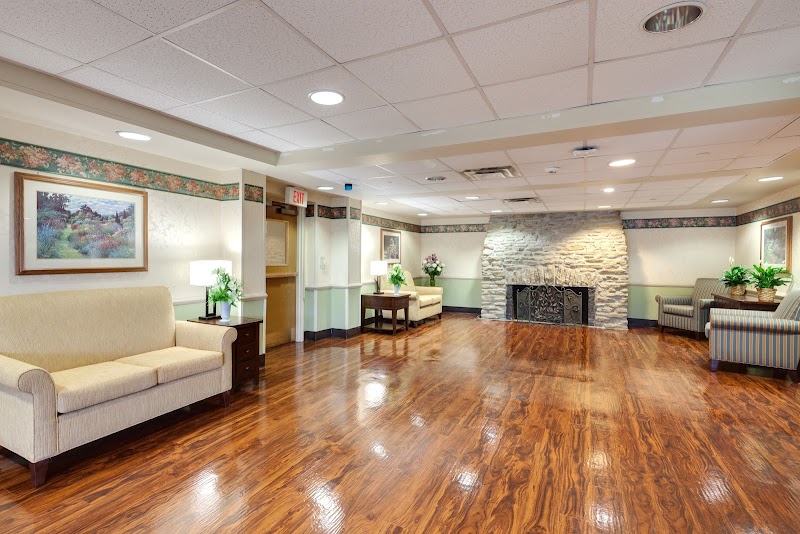
How is Kadima Rehabilitation & Nursing At Cheswick Staffed?

CMS rates KADIMA REHABILITATION & NURSING AT CHESWICK's staffing level at 3 out of 5 stars, which is average compared to other nursing homes. Staff turnover is 57%, which is 11 percentage points above the Pennsylvania average of 46%. High turnover can affect care consistency as new staff learn residents' individual needs.

What Have Inspectors Found at Kadima Rehabilitation & Nursing At Cheswick?

State health inspectors documented 59 deficiencies at KADIMA REHABILITATION & NURSING AT CHESWICK during 2022 to 2025. These included: 2 that caused actual resident harm, 56 with potential for harm, and 1 minor or isolated issues. Deficiencies causing actual harm indicate documented cases where residents experienced negative health consequences.
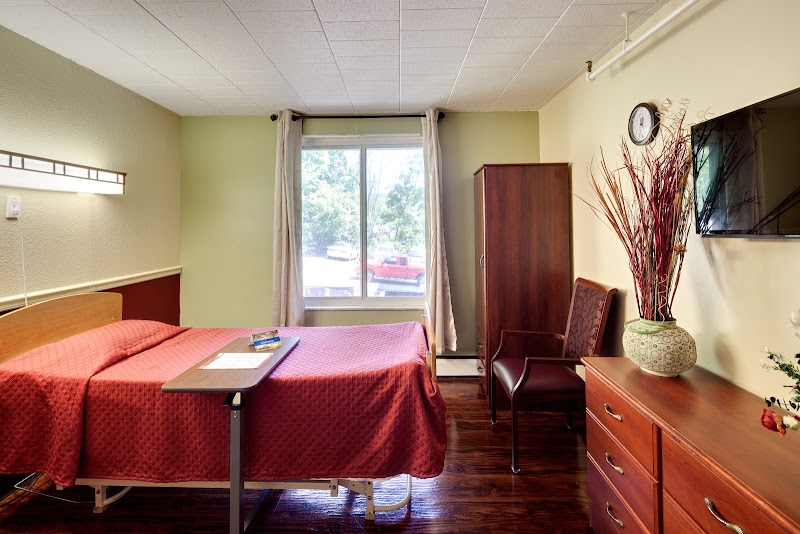
Who Owns and Operates Kadima Rehabilitation & Nursing At Cheswick?

KADIMA REHABILITATION & NURSING AT CHESWICK is owned by a for-profit company. For-profit facilities operate as businesses with obligations to shareholders or private owners. The facility is operated by KADIMA HEALTHCARE GROUP, a chain that manages multiple nursing homes. With 121 certified beds and approximately 104 residents (about 86% occupancy), it is a mid-sized facility located in CHESWICK, Pennsylvania.
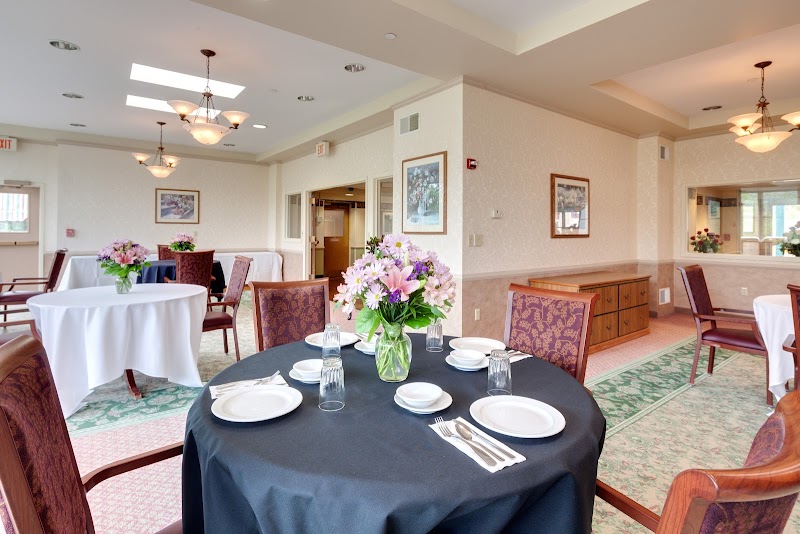
How Does Kadima Rehabilitation & Nursing At Cheswick Compare to Other Pennsylvania Nursing Homes?

Compared to the 100 nursing homes in Pennsylvania, KADIMA REHABILITATION & NURSING AT CHESWICK's overall rating (1 stars) is below the state average of 3.0, staff turnover (57%) is significantly higher than the state average of 46%, and health inspection rating (1 stars) is much below the national benchmark.

What Should Families Ask When Visiting Kadima Rehabilitation & Nursing At Cheswick?

Based on this facility's data, families visiting should ask: "What safeguards and monitoring systems are in place to protect residents from abuse or neglect?" "How do you ensure continuity of care given staff turnover, and what is your staff retention strategy?" "Can I visit during a mealtime to observe dining assistance and food quality?" "How do you handle medical emergencies, and what is your hospital transfer rate?" These questions are particularly relevant given the substantiated abuse finding on record and the facility's high staff turnover rate.

Is Kadima Rehabilitation & Nursing At Cheswick Safe?

Based on CMS inspection data, KADIMA REHABILITATION & NURSING AT CHESWICK has documented safety concerns. The facility has 1 substantiated abuse finding (meaning confirmed case of resident harm by staff or other residents). The facility has a 1-star overall rating and ranks #100 of 100 nursing homes in Pennsylvania. Families considering this facility should ask detailed questions about what corrective actions have been taken since these incidents.

Do Nurses at Kadima Rehabilitation & Nursing At Cheswick Stick Around?

Staff turnover at KADIMA REHABILITATION & NURSING AT CHESWICK is high. At 57%, the facility is 11 percentage points above the Pennsylvania average of 46%. High turnover means new staff may not know residents' individual needs, medications, or preferences. It can also be disorienting for residents, especially those with dementia who rely on familiar faces. Families should ask: What is causing the turnover? What retention programs are in place? How do you ensure care continuity during staff transitions?

Was Kadima Rehabilitation & Nursing At Cheswick Ever Fined?

KADIMA REHABILITATION & NURSING AT CHESWICK has been fined $15,266 across 2 penalty actions. This is below the Pennsylvania average of $33,232. While any fine indicates a compliance issue, fines under $50,000 are relatively common and typically reflect isolated problems that were subsequently corrected. Families should ask what specific issues led to these fines and confirm they've been resolved.

Is Kadima Rehabilitation & Nursing At Cheswick on Any Federal Watch List?

KADIMA REHABILITATION & NURSING AT CHESWICK is not on any federal watch list. The most significant is the Special Focus Facility (SFF) program, which identifies the bottom 1% of nursing homes nationally based on persistent, serious quality problems. Not being on this list means the facility has avoided the pattern of deficiencies that triggers enhanced federal oversight. This is a positive indicator, though families should still review the facility's inspection history directly.