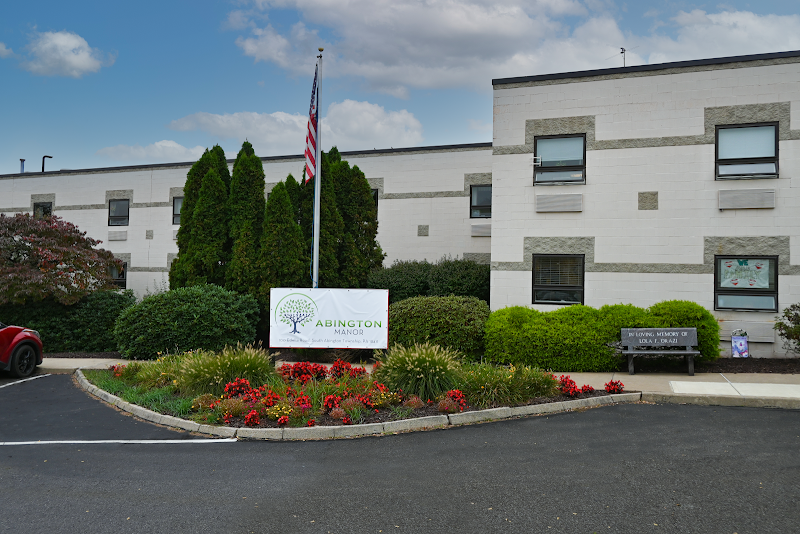

ABINGTON MANOR

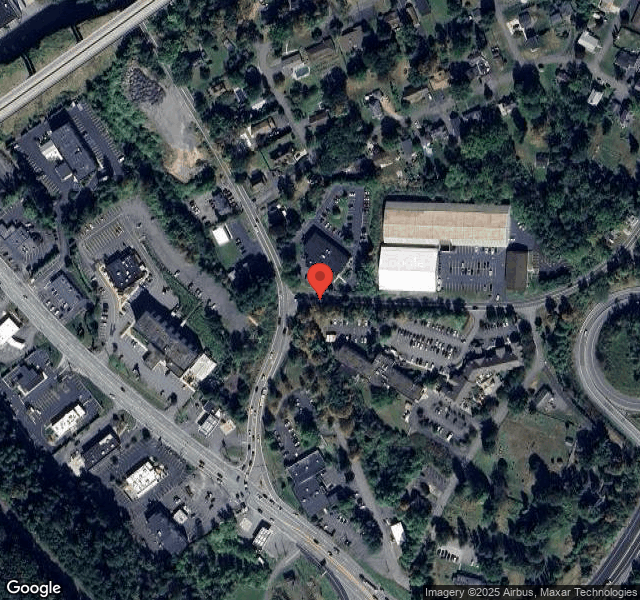
100 EDELLA ROAD, Clarks Summit, PA 18411 (570) 586-1002
For profit - Corporation 119 Beds Independent Data: November 2025
Trust Grade
30/100
#382 of 653 in PA
Last Inspection: November 2024

Within standard 12-15 month inspection cycle. Federal law requires annual inspections.

Overview

Abington Manor has received a Trust Grade of F, indicating significant concerns about the facility's overall performance. Ranked #382 out of 653 in Pennsylvania, it falls within the bottom half of nursing homes in the state, and is #10 out of 17 in Lackawanna County, suggesting limited local options that are better. Although the facility is showing improvement-reducing issues from 11 in 2024 to 5 in 2025-there are still serious problems, including a case where a resident suffered a mid-humerus fracture due to neglect in following their care plan for transfers. Staffing is average with a turnover rate of 42%, which is slightly better than the state average, and there are no fines recorded, which is a positive sign. However, the facility has been found lacking in maintaining a clean environment and ensuring proper care to prevent pressure sores, highlighting areas that need attention despite some strengths.

Trust Score
F
30/100
In Pennsylvania
#382/653
Bottom 42%
Safety Record
High Risk
Review needed
Inspections
Getting Better
11 → 5 violations
Staff Stability
○ Average
42% turnover. Near Pennsylvania's 48% average. Typical for the industry.
Penalties
✓ Good
No fines on record. Clean compliance history, better than most Pennsylvania facilities.
Skilled Nurses
○ Average
Each resident gets 34 minutes of Registered Nurse (RN) attention daily — about average for Pennsylvania. RNs are the most trained staff who monitor for health changes.
Violations
⚠ Watch
43 deficiencies on record. Higher than average. Multiple issues found across inspections.
★★☆☆☆
2.0
Overall Rating
★★★☆☆
3.0
Staff Levels
★★★☆☆
3.0
Care Quality
★★☆☆☆
2.0
Inspection Score
Stable
2024: 11 issues
2025: 5 issues

The Good

  • Full Sprinkler Coverage · Fire safety systems throughout facility
  • No fines on record
  • Staff turnover below average (42%)

    6 points below Pennsylvania average of 48%

Facility shows strength in fire safety.

The Bad

2-Star Overall Rating

Below Pennsylvania average (3.0)

Below average - review inspection findings carefully

Staff Turnover: 42%

Near Pennsylvania avg (46%)

Typical for the industry

The Ugly 43 deficiencies on record

1 actual harm
Aug 2025 1 deficiency 1 Harm
SERIOUS (G) 📢 Someone Reported This

A family member, employee, or ombudsman was alarmed enough to file a formal complaint

Actual Harm - a resident was hurt due to facility failures

Free from Abuse/Neglect (Tag F0600)

A resident was harmed · This affected 1 resident

**NOTE- TERMS IN BRACKETS HAVE BEEN EDITED TO PROTECT CONFIDENTIALITY** Based on a review of clinical records, facility policy, investigative documentation provided by the facility, and resident and s...

Read full inspector narrative →
**NOTE- TERMS IN BRACKETS HAVE BEEN EDITED TO PROTECT CONFIDENTIALITY** Based on a review of clinical records, facility policy, investigative documentation provided by the facility, and resident and staff interviews, it was determined the facility displayed past non-compliance by failing to protect one of four sampled residents (Resident 3) from neglect by not implementing the individualized care plan intervention for transfers, resulting in actual harm in the form of a mid-humerus fracture. Findings Include: A review of the facility policy titled Identifying Types of Abuse, last reviewed by the facility on September 26, 2024, revealed that abuse of any kind against residents is strictly prohibited. The policy defines neglect as the failure of the facility, its employees, or service providers to provide goods and services to a resident that are necessary to avoid physical harm, pain, mental anguish, or emotional distress. Neglect includes cases where the facility's indifference or disregard for resident care, comfort, or safety results in physical harm, pain, mental anguish, or emotional distress. A clinical record review revealed Resident 3 was originally admitted to the facility on [DATE] , with diagnoses that included chronic respiratory failure with hypoxia (a condition where the respiratory system is unable to remove carbon dioxide from or provide oxygen to the body) and chronic obstructive pulmonary disease (COPD is a condition caused by damage to the airways or other parts of the lung that blocks airflow and makes it hard to breathe). A review of a significant change in status Minimum Data Set assessment (MDS a federally mandated standardized assessment process conducted periodically to plan resident care) dated August 7, 2025, revealed that Resident 3 was cognitively intact with a BIMS score of 13 (Brief Interview for Mental Status- a tool within the Cognitive Section of the MDS that is used to assess the resident's attention, orientation, and ability to register and recall new information; a score of 13-15 indicates cognition is intact).A review of the individualized care plan revealed Resident 3 had an activity of daily life self-care deficit related to decreased mobility initiated on October 25, 2023. Interventions developed to assist Resident 3 with this deficit included employees utilizing a mechanical lift with the assistance of two staff for transfers initiated on October 25, 2023.A review of the Kardex (a reference tool providing a concise, quick overview of a resident's essential information for nursing staff) dated July 29, 2025, revealed Resident 3 required a mechanical lift and the assistance of two staff members for all transfers.A review of facility provided investigative documentation revealed a written witness statement dated July 29, 2025, provided by Employee 1, Nurse Aide (NA), which indicated Employee 1, NA, was in the shower room getting ready to transfer Resident 3 from the shower chair to her wheelchair. Employee 1, NA, indicated that she put her arms around Resident 3, and when Resident 3 picked her arm up, they heard a cracking sound. Employee 1, NA, indicated she then went to get help. Employee 1, NA, reported Employee 2, Licensed Practical Nurse (LPN), was also present.A written witness statement dated July 29, 2025, provided by Employee 2, Licensed Practical Nurse (LPN), revealed she was asked by Employee 1, NA, to help with a transfer. She indicated Employee 1, NA, wanted her to clean Resident 3 and pull up her brief as Employee 1, NA, assisted her to a standing position. Employee 2, LPN, indicated she heard a pop as Employee 1, NA, lifted Resident 3. Resident 3 was assisted back down and began stating she could not move her arm. Employee 1, NA, left to get assistance. Employee 2, LPN, described specifically that Employee 1, NA, put her arms under Resident 3's arms so that they were chest to chest. As Employee 1, NA, began to stand with Resident 3, they heard the pop.An investigation document provided by the facility dated July 29, 2025, at 10:33 AM revealed Employee 1, NA, attempted to manually lift Resident 3 after completing a shower. Employee 1, NA, heard a crack, lowered Resident 3 back to her chair, and alerted additional staff for further assessment. The certified registered nurse practitioner assessed Resident 3's left arm to have notable swelling and bruising. Resident 3 was guarding her arm and complained of severe pain. The document indicated Employee 1, NA, was suspended pending an investigation.A progress note dated July 29, 2025, at 10:23 AM revealed a call was placed for a stat (immediate) x-ray of Resident 3's left arm.A progress note dated July 29, 2025, at 11:25 AM revealed Resident 3 was transferred to the community hospital by way of ambulance for left arm pain. The resident representative and physician were made aware.A review of x-ray results titled XR Humerus 2 or More Views, dated July 29, 2025, at 12:59 PM revealed three views of the left shoulder and three views of the left humerus (the large arm bone between the shoulder and the elbow). Shoulder views revealed Resident 3 sustained a fracture in the mid-diaphysis humerus (the long, cylindrical shaft or body that forms the middle section of the bone). No dislocation noted. Probable old, healed fracture of the proximal humerus. Views of the left humerus revealed a spiral oblique displaced fracture (a bone broken into at least two pieces by a twisting force, with the break curving around the bone at an angle) mid-diaphysis (long straight shaft of upper arm bone). Other bones were intact, and no dislocation noted. The impression from the x-rays indicated Resident 3 sustained a humerus fracture.A review of community hospital discharge instructions dated August 1, 2025, revealed Resident 3 presented at the community hospital on July 29, 2025, with complaints of left arm pain. Resident 3 was found to have a spiral fracture of the left humerus. Resident 3 was admitted for pain management, orthopedic and vascular consultation, and rehabilitation therapy, and the fracture was treated non-operatively with immobilization and pain control before the resident was discharged back to the facility on August 1, 2025, at 5:37 PM. During a telephone interview on August 20, 2025, at 10:10 AM Employee 1, a nurse aide (NA), confirmed she attempted to lift Resident 3 manually and heard a crack as she lifted the resident from the chair. Employee 1, NA, confirmed that she was aware of Resident 3's need to be transferred by way of mechanical lift with the assistance of two staff, but she explained that she was lifting her enough to slide a lift pad under the resident. Employee 1, NA, explained she no longer works at the facility.During an interview on August 20, 2025, at 10:25 AM, Resident 3 recalled her arm injury but could not describe the incident. She remembered experiencing terrible pain. Resident 3 indicated that her arm remains sore, but the pain has greatly improved.During a telephone interview on August 20, 2025, at approximately 11:00 AM, Employee 2, Licensed Practical Nurse (LPN), explained that Employee 1, NA, asked her to help provide care for Resident 3 in the shower room on July 29, 2025. Employee 2, LPN, explained that she was new to the facility and not familiar with Resident 3 or Resident 3's plan of care. Employee 2, LPN, indicated that she recalled Employee 1, NA, wrapping her arms around Resident 3, beginning to lift the resident, hearing a crack, putting the resident back in the chair, and then going to get assistance. Employee 2, LPN, explained that she no longer works at the facility. During an interview on August 20, 2025, at approximately 12:00 PM, the Nursing Home Administrator (NHA) and the Director of Nursing (DON) stated the facility's investigation determined that Employee 1 failed to follow Resident 3's plan of care, which required transfers to be performed using a mechanical lift with the assistance of two staff. They confirmed that the failure to follow the plan of care resulted in a serious physical injury in the form of a mid-humerus fracture. The NHA and DON stated that Employee 1 was terminated as a result of the investigation findings. This deficiency was cited as past non-compliance and verified as implemented.The facility's corrective action plan included the following:The facility cannot retroactively correct the deficient practice. Employee 1, Nurse Aide, was terminated.A full house audit was completed on July 29, 2025, on resident transfer status to ensure the care plan and Kardex are up to date and correct.Education was provided to nursing staff regarding the use of the correct sling while operating the mechanical lift, review of the resident Kardex protocol, and the facility's policy for abuse and neglect.Education was initiated on July 29, 2025, and continued on July 30, 2025, and July 31, 2025, with current employees. Nurses not educated by 11:00 PM on July 31, 2025, will not be able to work until education is completed. Education is ongoing with new hires and agency staff.Transfer observations were conducted with staff on each unit. Transfer audits will be completed on every shift daily for one week, with weekly random audits to continue. Results of the audits were reviewed at the AD HOC Quality Assurance Performance Improvement Committee Meeting. The facility's compliance date was July 31, 2025. 28 Pa. Code 201.14 (a) Responsibility of licensee. 28 Pa. Code 201.18 (e)(1) Management. 28 Pa. Code 201.29 (a) Resident rights. 28 Pa. Code 211.10 (c) Resident care policies. 28 Pa. Code 211.12 (d)(5) Nursing services.
Jul 2025 1 deficiency
CONCERN (D) 📢 Someone Reported This

A family member, employee, or ombudsman was alarmed enough to file a formal complaint

Potential for Harm - no one hurt, but risky conditions existed

Grievances (Tag F0585)

Could have caused harm · This affected 1 resident

**NOTE- TERMS IN BRACKETS HAVE BEEN EDITED TO PROTECT CONFIDENTIALITY** Based on facility policy and clinical record review and resident interview, it was determined the facility did not ensure prompt...

Read full inspector narrative →
**NOTE- TERMS IN BRACKETS HAVE BEEN EDITED TO PROTECT CONFIDENTIALITY** Based on facility policy and clinical record review and resident interview, it was determined the facility did not ensure prompt efforts were made to resolve a resident's grievance and/or concerns for two of five residents reviewed. (Resident 1 and 2).Findings include:A review of the facility policy titled, Grievance Process Procedure, indicated concerns may be presented to any staff member and if unable to be resolved at that time a grievance/concern form will be initiated and submitted to be completed. The policy further revealed the facility will investigate the grievance and notify the person filing the grievance of resolution within 5 working days from the date of concern.A review of clinical record revealed Resident 1 was admitted to the facility on [DATE], with diagnoses to include osteoarthritis (a degenerative joint disease where the protective cartilage cushioning the ends of bones wears down, leading to pain, stiffness, and reduced mobility)A review of a quarterly Minimum Data Set assessment (MDS - a federally mandated standardized assessment conducted at specific intervals to plan resident care) dated May 7, 2025, revealed that Resident 1 was cognitively intact with a BIMS score of 14 (Brief Interview for Mental Status, a tool within the Cognitive Section of the MDS that is used to assess the resident's attention, orientation, and ability to register and recall new information; a score of 13-15 indicates cognitively intact).A review of a Resident council Meeting minutes dated May 20, 2025, indicated two of seven residents attending had concerns related to call bell response times (Resident 1 and Resident 2). A review of resident council meeting minutes dated June 17, 2025, revealed that Resident 1 and Resident 2 were still experiencing extended call bell response times. A review of the facility complaint log for May 2025, included a grievance form for the above concern for Resident 1 and Resident 2. There was no evidence that the concern was investigated and resolved in a timely manner.An interview with Resident 1 conducted July 15, 2025, at approximately 10:00AM revealed her concern with call bell response times has not been resolved. The interview further revealed the resident had experienced pressing her call bell and waiting longer than one hour causing her to urinate and defecate on herself. Resident 2 was unavailable for interview. During an interview on July 15, 2025, at approximately 12:00PM with the Nursing Home Administrator confirmed the facility was unable to provide any further documentation that the grievance was resolved in a timely manner according to the facility policy. 28 Pa. Code 201.29(a) Resident rights
Jun 2025 3 deficiencies
CONCERN (D) 📢 Someone Reported This

A family member, employee, or ombudsman was alarmed enough to file a formal complaint

Potential for Harm - no one hurt, but risky conditions existed

Deficiency F0697 (Tag F0697)

Could have caused harm · This affected 1 resident

**NOTE- TERMS IN BRACKETS HAVE BEEN EDITED TO PROTECT CONFIDENTIALITY** Based on a review of clinical records, facility policy, and staff interviews, it was determined the facility failed to ensure th...

Read full inspector narrative →
**NOTE- TERMS IN BRACKETS HAVE BEEN EDITED TO PROTECT CONFIDENTIALITY** Based on a review of clinical records, facility policy, and staff interviews, it was determined the facility failed to ensure that pain management was provided consistent with professional standards of practice, the comprehensive person-centered care plan, and the resident's goals and preferences for one of 17 sampled residents (Resident CR1). Findings include: A review of facility policy titled Administering Medication, last reviewed September 26, 2024, revealed medications are administered in accordance with prescriber orders. A clinical record review revealed Resident CR1 was admitted to the facility on [DATE], with diagnoses that include Parkinson's disease (a brain disorder that causes unintended or uncontrollable movements, such as shaking, stiffness, and difficulty with balance and coordination) and malignant carcinoid tumor (a slow-growing type of cancer that has spread to other parts of the body). Resident CR1's care plan, initiated on May 16, 2025, identified a goal for the resident to report that pain is managed within acceptable limits. The care plan included an intervention to administer pain medications as ordered by the physician. A physician's order for Resident CR1 to be administered oxycodone-acetaminophen 5 mg/325 mg (oxycodone is an opioid pain medication; acetaminophen is a pain medication) with directions to give one tablet by mouth every 12 hours as needed for pain level rated 5-10 (moderate to severe pain) for 14 days was initiated on May 21, 2025. An additional physician's order for Resident CR1 to be administered acetaminophen tablets 325 with directions to give 650 mg by mouth every 6 hours as needed for pain level rated 1-5, mild to moderate, was initiated on May 21, 2025. A review of Resident CR1's Medication Administration Record for May 2025 revealed Resident CR1 received oxycodone-acetaminophen 5 mg-325 mg on four occasions from May 21, 2025 , through May 25, 2025, outside of the parameters prescribed by the physician for the administration of the medication. May 21, 2025, the resident received oxycodone-acetaminophen 5 mg/325 mg for a documented pain level of 0 out of 10. May 22, 2025, the resident received oxycodone-acetaminophen 5 mg/325 mg for a documented pain level of 3 out of 10. May 23, 2025, the resident received oxycodone-acetaminophen 5 mg/325 mg for a documented pain level of 4 out of 10. May 24, 2025, the resident received oxycodone-acetaminophen 5 mg/325 mg for a documented pain level of 3 out of 10. These documented pain scores did not meet the required threshold (pain level 5-10) for administration of the oxycodone-acetaminophen combination, as indicated by the prescriber. During an interview on June 3, 2025, at approximately 1:00 PM, the Director of Nursing (DON) confirmed Resident CR1 received oxycodone-acetaminophen 5 mg/325 mg outside of the parameters set by the physician. The DON confirmed it is the facility's responsibility to ensure that pain management is provided to residents consistent with professional standards of practice. 28 Pa. Code 211.5 (f)(xi) Medical records. 28 Pa. Code 211.10 (c) Resident care policies. 28 Pa. Code 211.12 (d)(1)(3)(5) Nursing services.
CONCERN (D) 📢 Someone Reported This

A family member, employee, or ombudsman was alarmed enough to file a formal complaint

Potential for Harm - no one hurt, but risky conditions existed

Deficiency F0760 (Tag F0760)

Could have caused harm · This affected 1 resident

**NOTE- TERMS IN BRACKETS HAVE BEEN EDITED TO PROTECT CONFIDENTIALITY** Based on a review of resident clinical records, select facility policy, staff, and staff interview, it was revealed the facility...

Read full inspector narrative →
**NOTE- TERMS IN BRACKETS HAVE BEEN EDITED TO PROTECT CONFIDENTIALITY** Based on a review of resident clinical records, select facility policy, staff, and staff interview, it was revealed the facility failed to ensure that one of the 17 residents sampled was free of a significant medication error. (Resident 2). Findings include: A review of facility policy titled Administering Medication, last reviewed September 26, 2024, revealed medications are administered in accordance with prescriber orders. The policy indicates the individual administering the medication checks the label three (3) times to verify the right resident, right medication, right dosage, right time, and right method (route) of administration before giving the medication. A clinical record review revealed Resident 2 was admitted to the facility on [DATE], with diagnoses that included chronic obstructive pulmonary disease (COPD is a condition caused by damage to the airways or other parts of the lung that blocks airflow and makes it hard to breathe) and a recent left femur fracture (thigh bone). A physician's order for oxycodone 5 mg with directions to give one (1) capsule by mouth every 8 hours as needed for pain management for five days was initiated on May 6, 2025. The medication order was discontinued on May 7, 2025. During an interview on June 3, 2025, at approximately 11:00 AM, the Director of Nursing (DON) revealed the medication dosage was reduced because the resident was responding negatively to the medication. A physician's order for oxycodone 5 mg with directions to give a half (2.5 mg) tablet by mouth every 8 hours as needed for pain management for 14 days was initiated on May 7, 2025. A review of Resident 2's Medication Administration Record (MAR) for May 2025 revealed the resident received oxycodone 5 mg on May 9, 2025, at 8:23 AM. However, facility-provided investigative documentation revealed that the medication administered was not the ordered dose. Employee 1, a licensed practical nurse (LPN), administered the full 5 mg dose rather than the ordered 2.5 mg (half tablet). On May 9, 2025, a physician's order for Narcan (naloxone, an opioid antagonist used to reverse the effects of opioid overdose) 4 mg/0.1 ml nasal spray was initiated for use as needed for opioid reversal. A progress note dated May 9, 2025, at 8:45 AM documented that Resident 2 experienced a sudden change in mental status. The resident appeared diaphoretic (excessively sweating), had a blank stare, and was initially unresponsive. The registered nurse was notified and completed an assessment. Vital signs at that time included blood pressure 107/65 mmHg, oxygen saturation 100% on 2 LPM nasal cannula, temperature 97.9°F, and heart rate 70 bpm. A blood glucose (Accu-check) result was 184. New medical orders were obtained from Employee 2, Certified Registered Nurse Practitioner (CRNP), and the resident began responding within five minutes. The resident asked for ginger ale and was subsequently alert. Although the MAR indicated that Narcan was administered at 10:05 AM, a progress note from the same date reported that the naloxone nasal spray was administered at 8:45 AM in response to the resident's unresponsive episode. Further documentation indicated that a peripheral IV was started in the resident's right lower arm at 9:05 AM, and a CRNP note from that morning stated the unresponsive episode lasted approximately 10 minutes following the administration of oxycodone 5 mg. The CRNP documented that Narcan was administered, and oxycodone was discontinued. A progress note dated May 9, 2025, at 10:45 AM, revealed the resident was alert, the resident's pupils were equal and reactive to light, the resident's hand grasps equal, and the resident's pain response was appropriate. Vital signs included 98/63 (BP), 19 bpm (respirations per minute), 91 (heart rate), 97.7 (temperature), and 98% (oxygen saturation). The resident voiced no complaints of pain. An employee witness statement dated May 9, 2025, submitted by Employee 1, LPN, confirmed that the nurse forgot to split the oxycodone tablet, resulting in administration of the incorrect dose. During an interview on June 3, 2025, at approximately 1:00 PM, the Director of Nursing (DON) confirmed Employee 1, LPN, administered the wrong dose of oxycodone to Resident 2 on May 9, 2025, resulting in the resident having an unresponsive episode and requiring the use of Narcan (naloxone) nasal liquid 4 mg/0.1 ml. The DON stated that a contributing factor in the resident's response was the resident's poor renal clearance (the body's process of removing substances from the blood through the kidneys and excreting them in the urine), as identified by the physician. The DON confirmed it is the facility's responsibility to ensure residents are free of significant medication errors. 28 Pa. Code 211.10 (c)(d) Resident care policies. 28 Pa. Code 211.12 (d)(1)(5) Nursing services. 28 Pa. Code 211.9 (a)(1)(d) Pharmacy services.
CONCERN (E) 📢 Someone Reported This

A family member, employee, or ombudsman was alarmed enough to file a formal complaint

Potential for Harm - no one hurt, but risky conditions existed

Safe Environment (Tag F0584)

Could have caused harm · This affected multiple residents

**NOTE- TERMS IN BRACKETS HAVE BEEN EDITED TO PROTECT CONFIDENTIALITY** Based on observations and resident and staff interviews, it was determined the facility failed to provide services to maintain a...

Read full inspector narrative →
**NOTE- TERMS IN BRACKETS HAVE BEEN EDITED TO PROTECT CONFIDENTIALITY** Based on observations and resident and staff interviews, it was determined the facility failed to provide services to maintain a clean and homelike environment for two out of two nursing units (Floors 1 and 2). Findings include: Observations made on June 3, 2025, during an on-site facility tour revealed a worn, stained, and tattered carpeting with scattered debris throughout four resident hallways on both Floor 1 and Floor 2 nursing units. At 8:48 AM, the 3-Hallway was observed with multiple white stains and scattered white paper pieces approximately the size of a fingernail. Dark discolorations and stains were noted throughout the hallway carpet, ranging in size from one inch to several feet. An observation at 8:56 AM revealed a plastic safety lancet (a medical device used for obtaining capillary blood samples, designed to prioritize safety by incorporating features that minimize the risk of needlestick injuries and accidental contamination) on the floor. The needle was retracted and locked in the protective plastic barrier. An observation at 9:08 AM revealed a white substance buildup on the rug outside of resident room [ROOM NUMBER]. At 10:41 AM, the floor on the door side of resident room [ROOM NUMBER] contained scattered orange chips, several white paper pieces, and a small solid brown object. At 10:42 AM, dark discolorations and stains measuring several inches to several feet were observed throughout the hallway outside resident rooms 301 through room [ROOM NUMBER]. At 10:44 AM, an orange substance was observed encrusted into the carpet between resident rooms [ROOM NUMBERS] During an interview conducted on June 3, 2025, at approximately 11:00 AM, the Nursing Home Administrator (NHA) confirmed the carpeting on both nursing units contained multiple stains, visible debris, and substance build-ups. The NHA stated the facility was aware of the condition and had solicited bids from external contractors for flooring replacement. The NHA acknowledged it is the facility's responsibility to ensure the environment remains clean and homelike for residents. 28 Pa. Code 201.18 (e)(1)(2.1) Management. 28 Pa. Code 201.29 (a) Resident rights. 28 Pa. Code 211.12 (d)(3) Nursing services.
Nov 2024 8 deficiencies
CONCERN (D)

Potential for Harm - no one hurt, but risky conditions existed

Assessment Accuracy (Tag F0641)

Could have caused harm · This affected 1 resident

**NOTE- TERMS IN BRACKETS HAVE BEEN EDITED TO PROTECT CONFIDENTIALITY** Based on a review of clinical records, the Resident Assessment Instrument, and staff interview, it was determined that the facil...

Read full inspector narrative →
**NOTE- TERMS IN BRACKETS HAVE BEEN EDITED TO PROTECT CONFIDENTIALITY** Based on a review of clinical records, the Resident Assessment Instrument, and staff interview, it was determined that the facility failed to ensure that the Minimum Data Set Assessments accurately reflected the status of two residents out of 20 sampled (Residents 69 and 79). Findings include: According to the Resident Assessment Instrument (RAI) User's Manual (an assessment tool utilized to gather definitive information on a resident's strengths and needs, which must be addressed in an individualized care plan, and the RAI also assists staff to evaluate goal achievement and revise care plans accordingly by enabling the facility to track changes in the resident's status) dated October 2024, Section O, Special Treatments, Procedures, and Programs O 0110 J1 Dialysis, indicates facilities will code peritoneal or renal dialysis, which occurs at the nursing home or at another facility, and record treatments of hemofiltration, slow continuous ultrafiltration (SCUF), continuous arteriovenous hemofiltration (CAVH), and continuous ambulatory peritoneal dialysis (CAPD) in this item. Intravenous (IV) medication and blood transfusions administered during dialysis are considered part of the dialysis procedure. A clinical record review revealed Resident 69 was admitted to the facility on [DATE]. A review of an admission Minimum Data Set assessment (MDS-a federally mandated standardized assessment process conducted periodically to plan resident care) Section O 0110. Special Treatments, Procedures, and Programs, J1, Dialysis completed for Resident 69, dated October 28, 2024, indicated he received dialysis treatments while a resident at the facility. Further clinical record review revealed no other documented evidence that Resident 69 received dialysis services while a resident at the facility. During an interview on November 13, 2024, at approximately 9:30 AM, the Director of Nursing (DON) confirmed that Resident 69 was not currently receiving dialysis services and has not received dialysis treatments as a resident at the facility. The DON confirmed the facility coded Resident 69's MDS assessment dated [DATE], in error as related to dialysis services. The MDS was coded as the resident receiving dialysis despite no physician order. A clinical record review revealed Resident 79 was admitted to the facility on [DATE]. A review of an admission MDS Section N Medications N0350, Insulin, dated October 10, 2024, indicated Resident 79 received three insulin injections in the last seven days. Further clinical record review revealed no other documented evidence that Resident 79 was administered any insulin injections in the last seven days. The MDS was coded as the resident receiving insulin despite no physician order. During an interview on November 13, 2024, at approximately 9:30 AM, the DON confirmed that Resident 79 did not receive insulin as indicated in Resident 79's MDS assessment dated [DATE]. The DON indicated Resident 79's MDS assessment dated [DATE], was coded in error as it relates to insulin. 28 Pa. Code 211.5(f)(i) Medical records. 28 Pa. Code 211.12(d)(3) Nursing services.
CONCERN (D)

Potential for Harm - no one hurt, but risky conditions existed

Comprehensive Care Plan (Tag F0656)

Could have caused harm · This affected 1 resident

**NOTE- TERMS IN BRACKETS HAVE BEEN EDITED TO PROTECT CONFIDENTIALITY** Based on observation, clinical record review, select facility policy, facility investigation reports, and staff interviews, it w...

Read full inspector narrative →
**NOTE- TERMS IN BRACKETS HAVE BEEN EDITED TO PROTECT CONFIDENTIALITY** Based on observation, clinical record review, select facility policy, facility investigation reports, and staff interviews, it was determined the facility failed to implement a person-centered fall prevention plan of care for one resident out of 23 sampled (Resident 96). Findings include: A review of facility policy entitled Managing Falls and Fall Risk, last reviewed by the facility on September 26, 2024, revealed it is the facility's policy to identify interventions related to the resident's specific risks and causes to try to prevent the resident from falling and to minimize complications from falling. The policy indicates facility staff will identify pertinent interventions to try to prevent subsequent falls and to address the risks of clinically significant consequences of falling. A clinical record review revealed Resident 96 was admitted to the facility on [DATE], with diagnoses that include heart failure (a condition that occurs when the heart is unable to pump enough blood and oxygen to the body's organs) and pneumonia (a lung infection that causes the air sacs in the lungs to fill with fluid or pus, making it difficult to breathe). A care plan focus indicating Resident 96 is at risk for falls due to altered mobility and antidepressant medication use was initiated on October 11, 2024. Interventions implemented to minimize his risk of falls included encouraging transfer and slowly changing positions, assistance with transfers and ambulation as needed, and reinforcing the need to call for assistance. A fall risk form dated October 15, 2024, revealed Resident 96 is at moderate risk for falling with a history of prior falls and overestimating or forgetting his limitations. A review of facility incidents revealed Resident 96 experienced a fall event on the following dates: October 15, 2024 October 20, 2024 October 27, 2024 November 6, 2024 November 8, 2024 A review of Resident 96's fall incident report dated November 8, 2024, revealed Resident 96 fell while being assisted in the bathroom when a nurse aide left him to gather hygiene supplies. A review of a witness statement dated November 8, 2024, revealed Employee 2, Nurse Aide (NA), indicated he took Resident 96 to the bathroom. Employee 2, NA, indicated he left the bathroom while Resident 96 was holding the grab assist bars to get the resident a clean brief. Employee 2, NA, indicated that he heard a thump. The fall incident report dated November 8, 2024, revealed Resident 96 explained he was holding the grab assist bars when he lost his balance and fell to the ground. A skin observation tool dated November 9, 2024, revealed Resident 96 was observed with a skin tear on his right elbow measuring 5.5 cm x 1.5 cm x 0.1 cm and reopened a surgical incision on his face measuring 2.0 cm x 0.1 cm x 0.1 cm. A review of Resident 96's care plan revealed a new intervention was implemented on November 9, 2024, to minimize his risk for falling. The new intervention indicated staff will always stay with the resident while in the bathroom, initiated on November 9, 2024. During an observation on November 12, 2024, at 11:20 AM Employee 1, NA, assisted Resident 96 to the bathroom. Employee 1, NA, left Resident 96 in the bathroom unattended while she gathered supplies for hygiene. Employee 1, NA, returned to the bathroom and assisted the resident without incident. During an interview on November 14, 2024, at approximately 12:00 PM, Employee 1, NA, confirmed Resident 96 had a fall prevention intervention in place to always remain with the resident while in the bathroom. During an interview on November 15, 2024, at approximately 10:30 AM, the Director of Nursing (DON) confirmed it is the facility's responsibility to ensure staff implement interventions developed on each resident's comprehensive person-centered care plan. The DON confirmed Resident 96's care plan included an intervention for staff to always remain with the resident while in the bathroom. 28 Pa. Code 201.18(b)(1) Management. 28 Pa. Code 201.14(a) Responsibility of licensee. 28 Pa. Code 211.12(d)(5) Nursing services.
CONCERN (D)

Potential for Harm - no one hurt, but risky conditions existed

Quality of Care (Tag F0684)

Could have caused harm · This affected 1 resident

**NOTE- TERMS IN BRACKETS HAVE BEEN EDITED TO PROTECT CONFIDENTIALITY** Based on clinical record review, review of select facility policy, and staff interview, it was determined the facility failed to...

Read full inspector narrative →
**NOTE- TERMS IN BRACKETS HAVE BEEN EDITED TO PROTECT CONFIDENTIALITY** Based on clinical record review, review of select facility policy, and staff interview, it was determined the facility failed to provide quality care as evidenced by the facility failure to ensure physician orders were followed for the administration of medications for two of 23 sampled residents (Residents 64 and 6). Findings include: A review of the facility policy titled Administering Medications last reviewed by the facility September 26, 2024, indicated that medications are administered within one hour of their prescribed time. The individual (licensed nurse) administering the medication initials the resident's Medication Administration Record (MAR) on the appropriate line after giving each medication and before administering the next medication. A review of the clinical record reveal that Resident 64 was admitted to the facility on [DATE], with diagnoses to include diabetes mellitus (a metabolic disorder in which the body has high sugar levels for a prolonged period), and COPD (chronic obstructive pulmonary disease- an ongoing lung condition caused by damage to the lungs). A current physician's order initially dated September 9, 2023, indicated Accu-checks (a test to check blood glucose levels) BID (twice daily) every morning and at bedtime for diabetes mellitus. A review of Resident 64's November 2024 Medication Administration Record (MAR) revealed that on November 7, 2024, the morning Accu-check for 6:00 A.M. for Resident 64 was not completed. A current physician's order initially dated July 27, 2023, indicated that Lantus Solostar Solution Pen injector 100 Units/ML (insulin) Inject 30 units subcutaneously (injection given in the fatty tissue, just under the skin) one time a day for elevated blood glucose related to diabetes mellitus. A review of Resident 64's November 2024 Medical Administration Record (MAR) revealed that on November 7, 2024, Resident 64 did not receive the prescribed dose of insulin ordered at 06:00 A.M. A current physician's order initially dated December 5, 2022, indicated Spiriva Respimat Aerosol Solution 2.5 MCG/ACT (inhaler), 2 puffs, inhale orally in the A.M. for COPD. A review of Resident 64's November 2024 Medication Administration Record (MAR) revealed that on November 7, 2024, Resident 64 did not receive the prescribed dose of the inhaler ordered at 06:00 A.M. A current physician's order initially dated June 11, 2024, indicated Systane Ultra PF Ophthalmic Solution 0.4-0.3% (an eye drop solution) instill 1 drop in both eyes four times a day for dry eyes. A review of Resident 64's November 2024 Medication Administration Record (MAR) revealed that on November 7, 2024, Resident 64 did not receive the prescribed eye drops ordered at 06:00 A.M. A current physicians order initially dated July,13, 2023, indicated Pregabalin Capsule (nerve pain medication) 50 mg, give one capsule by mouth two times per day for neuropathy (a term for nerve damage that can occur anywhere in the body). A review of Resident 64's November 2024 Medication Administration Record (MAR) revealed that resident 64 did not receive the prescribed medication ordered at 06:00 A.M. A review of the clinical record revealed that Resident 6 had diagnoses which include diabetes mellitus and cerebral infarction (stroke). A current physician order initially dated October 7, 2023, indicated Basaglar KwikPen 100 Units/ML solution (insulin) inject 20 units subcutaneously once daily for a diagnosis of diabetes mellitus. Review of Resident 6's November 2024 Medication Administration Record (MAR) revealed that on November 12, 2024, the resident did not receive the prescribed dose of insulin which was ordered to be administered at 6:30 AM. An interview with the Director of Nursing (DON) on November 14, 2024, at 1:00 P.M. confirmed the facility failed to follow physician orders and administer physician ordered medications as prescribed for Resident 64 and Resident 6. Specifically, the facility did not administer prescribed medications, including blood glucose monitoring, insulin, inhalers, and other scheduled medications, at the designated times. These failures resulted in residents not receiving necessary treatments as ordered. 28 Pa. Code 211.12 (d)(1)(3)(5) Nursing services.
CONCERN (D)

Potential for Harm - no one hurt, but risky conditions existed

Deficiency F0757 (Tag F0757)

Could have caused harm · This affected 1 resident

**NOTE- TERMS IN BRACKETS HAVE BEEN EDITED TO PROTECT CONFIDENTIALITY** Based on a review of clinical records, select facility policies, and staff interview, it was determined the facility failed to e...

Read full inspector narrative →
**NOTE- TERMS IN BRACKETS HAVE BEEN EDITED TO PROTECT CONFIDENTIALITY** Based on a review of clinical records, select facility policies, and staff interview, it was determined the facility failed to ensure that the resident's drug regimen was free of unnecessary antibiotic medications for one out of 23 residents sampled (Resident 90). Findings included: A review of the facility policy titled Antibiotic Stewardship, last reviewed by the facility on September 26, 2024, revealed that antibiotics will be prescribed and administered to residents under the guidance of the facility's antibiotic stewardship program and in conjunction with the facility's general policy for medication utilization and prescribing. The policy indicates if a resident is admitted from an emergency department, acute care facility, or other care facility, the admitting nurse will review discharge and transfer paperwork for current antibiotic or anti-infective orders. The policy also indicates culture and sensitivity (urine culture is a method to grow and identify bacteria that may be in the urine. The sensitivity test helps select the best medicine to treat the infection) laboratory results will be communicated to the prescriber as soon as available to determine if antibiotic therapy should be started, continued, modified, or discontinued. A clinical record review revealed a culture laboratory result report dated October 21, 2024, at 6:32 PM, indicating Resident 90's urine showed growth of Klebsiella oxytoca ESBL (extended-spectrum beta-lactamase) producing organisms of greater than 100,000 colonies/ml and Enterococcus species of greater than 100,000 colonies/ml. The susceptibility report indicated Klebsiella oxytoca ESBL is resistant to ceftriaxone (a class of medicines known as cephalosporin antibiotics). The report did not indicate if Enterococcus species identified in Resident 90's urine were susceptible or resistant to cephalosporin antibiotics. A community provider progress notes dated October 22, 2024, at 10:51 AM indicated Resident 90 was started on Rocephin (Ceftriaxone) for a symptomatic urinary tract infection and can be discharged on an oral antibiotic. A clinical record review revealed Resident 90 was admitted to the facility on [DATE], with diagnoses that included a myocardial infarction (a condition where the blood flow to the heart is reduced or stopped). An admission notes dated October 23, 2024, indicated Resident 90 was transferred and admitted to the facility on [DATE]. The note indicated a review of Resident 90's hospital course, which included a community provider section indicating Resident 90's urine analysis was concerning for a urinary tract infection, and a urine culture was sent, though pending at the time of discharge. Resident 90 was started on ceftriaxone (a cephalosporin class of antibiotics) while a patient and was discharged on Cephalexin/Keflex. She was able to urinate independently, and she was deemed medically ready for discharge on [DATE]. The culture laboratory report dated October 21, 2024, did not indicate if the identified organisms were susceptible or resistant to Cephalexin/Keflex (another type of cephalosporin antibiotic). A physician's order for Cephalexin capsule 500 mg with directions to give one capsule by mouth four times a day for infection for five days was initiated on October 23, 2024, at 6:00 AM and discontinued on October 23, 2024. Another physician's order for Cephalexin capsule 500 mg with directions to give one capsule by mouth four times a day for infection for five days was initiated on October 23, 2024, at 12:00 PM and discontinued on October 28, 2024. A medication administration record dated October 2024 revealed Resident 90 received twenty doses of Cephalexin capsule 500 mg between October 23, 2024, and October 28, 2024. There was no documented evidence the resident had experienced any symptoms of a urinary tract infection, such as fever, chills, mental changes/confusion, fatigue, nausea/vomiting, pressure in the lower part of the pelvis, or increased urination, from her admission on [DATE], through the course of her prescribed antibiotic course on October 28, 2024. During an interview on November 15, 2024, at approximately 10:00 AM, Employee 3, Certified Registered Nurse Practitioner (CRNP), confirmed the culture laboratory report did not indicate if the identified organisms were susceptible or resistant to Cephalexin/Keflex (another type of cephalosporin antibiotics). Employee 3, CRNP, was not able to provide documented evidence indicating the necessity for Resident 90 to receive Cephalexin 500 mg. During an interview on November 15, 2024, at approximately 10:30 AM, the Director of Nursing (DON) confirmed it is the facility's responsibility to ensure the resident's drug regimen was free of unnecessary antibiotic drugs. The DON confirmed that Resident 90's culture laboratory report dated October 21, 2024, did not indicate if the identified organisms were susceptible or resistant to the cephalexin antibiotic medication. The DON was not able to provide documented evidence indicating the necessity for Resident 90 to receive Cephalexin 500 mg. 28 Pa. Code 211.2 (d)(3)(9) Medical director. 28 Pa. Code 211.9 (k) Pharmacy services. 28 Pa. Code 211.12 (d)(1)(3) Nursing services.
CONCERN (D)

Potential for Harm - no one hurt, but risky conditions existed

Food Safety (Tag F0812)

Could have caused harm · This affected 1 resident

Based on observation and staff interview, it was determined that the facility failed to maintain acceptable practices for the storage and service of food to prevent the potential for contamination and...

Read full inspector narrative →
Based on observation and staff interview, it was determined that the facility failed to maintain acceptable practices for the storage and service of food to prevent the potential for contamination and microbial growth in food, which increased the risk of food-borne illness in the food and nutrition services department. Findings include: Food safety and inspection standards for safe food handling indicate that everything that encounters food must be kept clean and food that is mishandled can lead to foodborne illness. Safe steps in food handling, cooking, and storage are essential in preventing foodborne illness. You cannot always see, smell, or taste harmful bacteria that may cause illness according to the USDA (The United States Department of Agriculture, also known as the Agriculture Department, is the U.S. federal executive department responsible for developing and executing federal laws related to food). Initial tour of the food and nutrition services department in the presence of the foodservice director on November 12, 2024, at 8:40 AM revealed the following food storage concerns with the potential to increase the potential for food-borne illness: There were 14 four-ounce thawed nutritional beverage shakes on the shelf in the refrigerator which were not dated with a thaw or discard date. The manufacturer label indicated to use within 14 days of thawing. There were two bags of frozen vegetables on the shelf in the freezer which were not dated. Interview with the food service director at the time of the observations confirmed that acceptable practices for food storage were to be followed and all food items were to be properly dated to ensure safety and quality. 28 Pa. Code 201.18 (e)(1) Management
CONCERN (D)

Potential for Harm - no one hurt, but risky conditions existed

Medical Records (Tag F0842)

Could have caused harm · This affected 1 resident

**NOTE- TERMS IN BRACKETS HAVE BEEN EDITED TO PROTECT CONFIDENTIALITY** Based on review of clinical records and resident and staff interview, it was determined the facility failed to ensure the clinic...

Read full inspector narrative →
**NOTE- TERMS IN BRACKETS HAVE BEEN EDITED TO PROTECT CONFIDENTIALITY** Based on review of clinical records and resident and staff interview, it was determined the facility failed to ensure the clinical record was accurately documented, according to professional standards of practice, reflecting the administration of medication for one resident out of 23 sampled (Resident 204). Findings included: The Pennsylvania Code, Title 49, Professional and Vocational Standards, State Board of Nursing, 21.145 Functions of the Licensed Practical Nurse (LPN) (a) The LPN is prepared to function as a member of the health-care team by exercising sound judgement based on preparation, knowledge, skills, understandings, and past experiences in nursing situations. The LPN participates in the planning, implementation, and evaluation of nursing care in settings where nursing takes place. 21.148 Standards of nursing conduct (a) A licensed practical nurse shall: (5) Document and maintain accurate records. According to the American Nurses Association Principles for Nursing Documentation, nurses document their work and outcomes and provide an integrated, real-time method of informing the health care team about the patient status. Timely documentation of the following types of information should be made and maintained in a patient's EHR (electronic health record) to support the ability of the health care team to ensure informed decisions and high-quality care in the continuity of patient care: Assessments Clinical problems Communications with other health care professionals regarding the patient Communication with and education of the patient, family, and the patient's designated support person and other third parties. A review of Resident 204's clinical record revealed that the resident was admitted to the facility on [DATE], with diagnoses that included end stage kidney disease, anxiety, shortness of breath, and need for palliative care. A physician order dated November 6, 2024, was noted for Morphine Sulfate solution 20mg/mL give 0.5 mL by mouth every hour as needed for shortness of breath or pain for 14 days. A review of Resident 204's Medication Administration Record (MAR) dated November 2024 failed to specify the circumstances under which the narcotic medication should be administered for either pain or shortness of breath. An interview the Director of Nursing (DON) on November 15, 2024, at approximately 2:00 PM confirmed the facility failed to specify when narcotic medication may need to be administered to Resident 204. The DON further confirmed that there should have been two separate orders to identify if the resident required the ordered narcotic medication for shortness of breath or pain. 28 Pa. Code 211.12 (c)(d)(1)(3)(5) Nursing services.
CONCERN (E)

Potential for Harm - no one hurt, but risky conditions existed

Pressure Ulcer Prevention (Tag F0686)

Could have caused harm · This affected multiple residents

**NOTE- TERMS IN BRACKETS HAVE BEEN EDITED TO PROTECT CONFIDENTIALITY** Based on review of clinical records and select facility reports, observations and staff and resident interviews it was determine...

Read full inspector narrative →
**NOTE- TERMS IN BRACKETS HAVE BEEN EDITED TO PROTECT CONFIDENTIALITY** Based on review of clinical records and select facility reports, observations and staff and resident interviews it was determined the facility failed to consistently implement measures planned to promote healing, prevent worsening and the development of pressure sores for two residents out of 23 residents sampled (Residents 204 and Resident 1). Findings include: According to the US Department of Health and Human Services, Agency for Healthcare Research & Quality, the pressure ulcer best practice bundle incorporates three critical components in preventing pressure ulcers: Comprehensive skin assessment, standardized pressure ulcer risk assessment and care planning and implementation to address the areas of risk. The American College of Physicians (ACP) is a national organization of internists, who specialize in the diagnosis, treatment, and care of adults. The largest medical-specialty organization and second-largest physician group in the United States) Clinical Practice Guidelines indicate that the treatment of pressure ulcers should involve multiple tactics aimed at alleviating the conditions contributing to ulcer development (i.e. support surfaces, repositioning and nutritional support); protecting the wound from contamination and creating and maintaining a clean wound environment; promoting tissue healing via local wound applications, debridement and wound cleansing; using adjunctive therapies; and considering possible surgical repair. Review of the facility policy entitled Prevention of Pressure Injuries, last reviewed September 26, 2024, indicated the facility will review and select medical devices with consideration to the ability to minimize tissue damage, including size, shape, its application, and ability to secure the device, monitor regularly for comfort and signs of pressure-related injury, and consult current clinical practice guidelines for prevention measures associated with specific devices. Additionally, monitoring of area(s) will include evaluation, report, and documentation of potential changes in the skin, and a review of interventions and strategies for effectiveness on an ongoing basis. A review of the clinical record revealed that Resident 1 was admitted to the facility on [DATE], with diagnoses that included dementia (loss of thinking, remembering, and reasoning skills), aphasia (a language disorder that affects the ability to speak and understand what others say), and contracture (a permanent tightening of the muscles, tendons, skin, and surrounding tissues that causes the joints to shorten and stiffen) of the right elbow. A Quarterly Minimum Data Set assessment (MDS- a federally mandated standardized assessment process conducted at specific intervals to plan resident care) dated August 12, 2024, revealed the resident was severely cognitively impaired and was dependent on staff for all activities of daily living, and was at risk for pressure sore development. A review of Resident 1's care plan initiated October 24, 2021, and last revised on November 1, 2024, revealed the resident was at risk for alteration in skin integrity related to impaired mobility and incontinence. Planned interventions included pressure reducing cushion to chair/wheelchair, sheepskin to protect back in chair and bed, observe for changes in skin condition and report abnormalities, encourage/assist to get out of bed as tolerated, encourage/assist to reposition, encourage/assist to float heels as able when in bed, pressure reduction/relieving mattress on bed, use pillows and/or positioning devices as needed, administer preventative skin treatment per physician orders, and diet and supplement per physician order. Further review of Resident 1's care plan initiated March 5, 2019, and last revised November 1, 2024, revealed the resident was at risk for skin breakdown related to contractures, decreased activity, impaired cognition, impaired sensation, incontinence, limited mobility, shear/friction risks. Planned interventions included off load/float heels while in bed with heels up device, weekly skin assessment by licensed nurse, apply barrier cream after incontinence care, and provide skin preventative skin care (lotions, barrier cream). A review of the facility's investigation report dated September 29, 2024, at 3:38 p.m., revealed the nurse aide, Employee 4 who was providing morning care to Resident 1 identified an open area to the resident's right antecubital (area inside of the elbow). According to the investigation report, the resident's right arm is contracted, and the resident had elbow protectors in place. The area measured 4 cm x 4 cm (no depth identified) and treatment was initiated as ordered by the physician. Employee 4 indicated she noticed the elbow pad was very tight, so she removed it and noticed the open area. A review of Resident 1's clinical record did not identify orders and/or interventions for the application of elbow protectors however, a review of Resident 1's Documentation Survey Report dated September 2024 indicated the resident had Geri-sleeves (protective sleeve to prevent injury) to bilateral arms which were to be removed for care. According to the report, the Geri-sleeves were documented as provided each shift as ordered. The resident was identified to have an elbow protector present that was applied by staff despite no documented physicians order or care plan directive for its use. There was also no skin assessment conducted for the potential risks associated with the use of the elbow protector. The facility failed to implement interventions to prevent the development of a pressure ulcer for a resident with identified contractures. A review of Resident 204's clinical record revealed the resident was admitted to the facility on [DATE], with diagnoses that included end stage kidney disease, anxiety, shortness of breath, and need for palliative care (end of life care). A review of the resident's care plan initiated November 6, 2024, identified a focus area related to skin breakdown with planned interventions which included enhanced barrier precautions related to a wound, observe for changes in skin condition and report abnormalities, encourage and assist as needed to turn and reposition; use assistive devices as needed, encourage/assist to float heels as able when in bed, use lift sheet as tolerate to prevent friction/shear, administer treatment per physician orders, and report evidence of infection such as purulent drainage (thick yellow/green drainage), swelling, localized heat, or increased pain. A review of Resident 204's clinical record revealed documentation dated November 6, 2024, at 12:46 a.m., which revealed the resident was admitted to the facility with a Stage 3(sores that have broken completely through the top two layers of the skin and into the fatty tissue below) pressure ulcer on the right buttock and coccyx that measured 8. 5cm x 5cm x 0. 1cm with slough tissue (dead tissue) in the wound bed, and an intact blister on the right lower back which measured 1. 5cm x 2. 5cm x 0 cm. Review of a Skin and Wound note dated November 7, 2024, at 3:56 p.m., completed by the wound care consultant indicated the pressure area on Resident 204's sacrum (coccyx) was a DTI (deep tissue injury to underlying tissue below the skin's surface that results from prolonged pressure in an area of the body. Like a pressure sore, a deep tissue injury restricts blood flow in the tissue causing the tissue to die) with a scant amount of serosanguineous (drainage which is yellowish with small amount of blood), 50% granulation (new tissue) and 50% epithelial (healing tissue). No measurements were documented. The area on the resident's right lower back was identified as incontinence associated dermatitis which measured 3 cm x 1cm x 0. 2cm, treatment recommendations were made and implemented by the facility. Review of Skin and Wound note dated November 14, 2024, at 11:48 p.m., completed by the wound care consultant indicated the DTI on the sacrum continued to have a scant amount of serosanguineous drainage, 30% epithelial tissue, 30% granulation tissue, and 40% eschar (dead tissue). No measurements were documented. According to the documentation, the sacral wound has worsened greatly since last evaluation and was identified as a potential Kennedy Ulcer (a dark sore that develops rapidly during the final stages of person's life and is often unavoidable). No additional recommendations were identified. Skin assessments were documented on November 7, 2024, and November 14, 2024, however, there were no wound measurements recorded for Resident 204's sacral pressure area to evaluate whether the pressure ulcer was healing, worsening, or remaining unchanged. Facility policy indicates that wounds would be monitored to determine any potential changes. The lack of consistent wound measurements had the potential to prevent accurately evaluating the effectiveness of the treatment plan and adjusting interventions as necessary. Observation of Resident 204 on November 13, 2024, at approximately 11:00 a.m. revealed there was an alternating air mattress on the resident's bed, her heels were elevated, and the resident was without evidence of pain/discomfort. However, Resident 204 declined to allow the surveyor to observe her sacral pressure ulcer. Interview with the Director of Nursing on November 15, 2024, at approximately 2:10 p.m., confirmed there was no evidence the facility thoroughly evaluated Resident 204's sacral pressure ulcer for worsening and/or improvement. The DON further confirmed the facility failed to implement interventions to prevent the development of Resident 1's pressure. 28 Pa. Code 201.14(a) Responsibility of licensee 28 Pa. Code 201.18(b)(1) Management 28 Pa. Code 211.5(f)(ix) Clinical records 28 Pa. Code 211.12 (d)(1)(3)(5) Nursing services.
MINOR (B)

Minor Issue - procedural, no safety impact

Deficiency F0583 (Tag F0583)

Minor procedural issue · This affected multiple residents

**NOTE- TERMS IN BRACKETS HAVE BEEN EDITED TO PROTECT CONFIDENTIALITY** Based on review of clinical records, facility written procedures, and resident and staff interview, it was determined the facili...

Read full inspector narrative →
**NOTE- TERMS IN BRACKETS HAVE BEEN EDITED TO PROTECT CONFIDENTIALITY** Based on review of clinical records, facility written procedures, and resident and staff interview, it was determined the facility failed to ensure that mail was delivered unopened to two of 23 residents interviewed (Residents 64 and 20). Findings include: Definitions under the regulatory guidance for §483.10(h)(2) The facility must respect the residents right to personal privacy, including the right to privacy in his or her oral (that is, spoken), written, and electronic communications, including the right to send and promptly receive unopened mail and other letters, packages and other materials delivered to the facility for the resident, including those delivered through a means other than a postal service. Review of a facility written procedure regarding residents' rights indicated that residents have the right to personal privacy which includes that mail must be delivered to residents within 24 hours and be unopened. Mail can be opened and read if a person requests it. A review of the clinical record reveal that Resident 64 was admitted to the facility on [DATE], with diagnoses to include diabetes mellitus (a metabolic disorder in which the body has high sugar levels for a prolonged period), and essential hypertension (abnormally high blood pressure that is not a result of a medical condition). A review of a quarterly Minimum Data Set Assessment (MDS - a federally mandated standardized assessment completed at specific times to identify resident care needs) dated October 10, 2024, revealed the resident was cognitively intact with a BIMS score of 15 (brief interview for mental status, a tool to assess the resident's attention, orientation, and ability to register and recall new information, a score of 13 to 15 equates to cognitively intact). During an interview on November 13, 2024, at 8:43 A.M. Resident 64 stated he does not receive his incoming mail unopened. Resident 64 also stated he does not always receive his mail opened, but it has happened on more than one occasion. During this interview it was also revealed there have been instances where the mail he receives is not in the sender's envelope. A review of the clinical record revealed Resident 20 was admitted to the facility on [DATE], with diagnoses to include diabetes mellitus and depression. A review of a quarterly Minimum Data Set assessment dated [DATE], revealed the resident was cognitively intact with a BIMS score of 15. During an interview on November 13, 2024, at 11:30 A.M. Resident 20 stated that at times staff open her mail before it is delivered to her. Resident 20 stated the mail seems to be opened without her permission when the mail is from a medical place such as a letter for an appointment or provided service. During an interview on November 15, 2024, at approximately 9:00 A.M., the Nursing Home Administrator (NHA) confirmed that residents have the right to personal privacy and to receive their mail unopened. The NHA failed to provide documented evidence that Resident 20 and Resident 64 received their mail unopened as required to ensure resident privacy. 28 Pa. Code 201.29(a) Resident rights.
Apr 2024 3 deficiencies
CONCERN (D) 📢 Someone Reported This

A family member, employee, or ombudsman was alarmed enough to file a formal complaint

Potential for Harm - no one hurt, but risky conditions existed

Medical Records (Tag F0842)

Could have caused harm · This affected 1 resident

Based on review of clinical records and select reports and staff interview, it was determined the facility failed to maintain accurate and complete clinical records, according to professional standard...

Read full inspector narrative →
Based on review of clinical records and select reports and staff interview, it was determined the facility failed to maintain accurate and complete clinical records, according to professional standards of practice for one of four sampled residents (Resident 1). Findings include: According to the American Nurses Association Principles for Nursing Documentation, nurses document their work and outcomes and provide an integrated, real-time method of informing the health care team about the patient status. Timely documentation of the following types of information should be made and maintained in a patient record to support the ability of the health care team to ensure informed decisions and high quality care in the continuity of patient care: Assessments, Clinical problems, Communications with other health care professionals regarding the patient, Communication with and education of the patient, family, and the patient's designated support person and other third parties. According to the Title 49, Professional and Vocational Standards, Department of State, Chapter 21 State Board of Nursing Subsection 21.145. (a) The licensed practical nurse (LPN) is prepared to function as a member of a health-care team by exercising sound nursing judgement based on preparation, knowledge, skills, understanding and past experiences in nursing situations. The LPN participates in the planning, implementation, and evaluation of nursing care in settings where nursing takes place. 21.148 Standards of nursing conduct. (a) A licensed practical nurse shall: (5) Document and maintain accurate records. (b) A licensed practical nurse may not: (8) Falsify or knowingly make incorrect entries into the patient's record other related documents. Employee 3, a licensed practical nurse (LPN), wrote in an witness statement that she went to Resident 1's room at 4:30 PM on March 31, 2024 to get his Accucheck and she noticed that his lunch tray was on his bedside table untouched. She stated she asked some of the nurse aides if they knew where the resident was and they said no. She looked into the LOA book to see if he signed out for the day and there was nothing signed out. She then went to the RN supervisor, Employee 5, and told her she could not find Resident 1. A review of Resident 1's MAR (medication administration record) dated for March 31, 2024 revealed Employee 3, an LPN (licensed practical nurse) administered Resident 1's Aspirin 81 mg by mouth and Metformin HL 500 mg one tablet by mouth at 5:00 PM as indicated by her initials indicating they were administered. However, according to interviews with facility staff on April 3, 2024, and a review of the facility's documentation and resident clinical record revealed that Resident 1 was not in the facility at 5 PM on March 31, 2024, and did not receive any medications after 6 AM on that date. Employee 3 reported resident's absence to the RN Supervision on March 31, 2024, at approximately 4:30 PM but documented that she adminstered his medications at 5 PM when the resident was not present in the facility. Interview with the ADON (assistant director of nursing) on April 3, 2024, at 3:00PM confirmed that Employee 3 did not administer the 5 PM medications to Resident 1 as documented on the resident's MAR. Refer F725 28 Pa. Code 211.5 (f) Medical records. 28 Pa. Code 211.12 (c)(d)(1)(5) Nursing services.
CONCERN (E) 📢 Someone Reported This

A family member, employee, or ombudsman was alarmed enough to file a formal complaint

Potential for Harm - no one hurt, but risky conditions existed

Accident Prevention (Tag F0689)

Could have caused harm · This affected multiple residents

**NOTE- TERMS IN BRACKETS HAVE BEEN EDITED TO PROTECT CONFIDENTIALITY** Based on review of clinical records and select resident incident/accident reports and staff interview, it was determined that th...

Read full inspector narrative →
**NOTE- TERMS IN BRACKETS HAVE BEEN EDITED TO PROTECT CONFIDENTIALITY** Based on review of clinical records and select resident incident/accident reports and staff interview, it was determined that the facility failed to provide adequate staff supervision to timely identify a resident's unauthorized absence from the facility to assure the safety of one resident (Resident 1) and failed to consistently implement planned safety measures, including necessary staff supervision, to prevent a fall for one resident out of four sampled (Resident 2) Findings include: A review of the clinical record revealed that Resident 2 was admitted to the facility on [DATE], with diagnoses of Alzheimer's disease (decline in brain function which causes memory loss and causes brain tissue to breakdown) and mild dementia ( a condition in which a person loses the ability to think, remember, learn, make decisions, and solve problems) with behavior disturbance A review of a quarterly Minimum Data Set Assessment (MDS - a federally mandated standardized assessment completed at specific times to identify resident care needs) dated December 15, 2023, revealed that the resident was severely cognitively impaired with a BIMS of 3 (brief interview for mental status, a tool to assess the residents attention, orientation and ability to register and recall new information, a score of 00 - 07 equates to severe cognitive impairment) and required extensive assistance of two staff for activities of daily living. A fall risk assessment dated [DATE], indicated that the resident was at high risk for falls. Care planned interventions on this date were the use of bed alarm while in bed, call bell in reach, encourage to transfer and change positions slowly, fall mats to both sides of bed, provide assistance to transfer and ambulate as needed. Staff were to check the resident's bed alarm and chair alarm every shift and as needed. Documentation in Resident 2's clinical record dated February 26, 2024, at 3:00 PM revealed a nurse aide, Employee 7 heard a loud yell and a bang and responded to the resident dining/day room. Employee 7 found Resident 2 on the floor, on the resident's left side, bleeding from his right hand and blood on the floor. Upon nursing assessment, the resident was identified to have an an open area to his right hand on his fourth finger with tendons exposed measuring 1 cm x 1.5 cm x 0.1 cm. The resident was sent to the hospital, received three sutures to close the wound and returned to the facility. A review of the facility's investigation into the resident's fall, revealed a statement from Employee 8, the nurse aide responsible for Resident 2's care on February 26, 2024, indicating that she, along with another staff member, assisted the resident into his wheelchair because he was climbing out of bed. She stated she forgot to put the chair alarm on his wheelchair . She placed him in the dining room. Employee 8 stated she last saw the resident at 1:00 PM sitting in the dining room at 1:00 PM. At 2:50 PM staff found the resident on the floor of the dining room/day room. The resident along with another resident were in the dining room unsupervised. No facility staff were present in the dining room/day room at that time. Interview with the assistant director of nursing on April 3, 2024, at 3:00 PM confirmed the facility failed to implement planned safety interventions and provide adequate staff supervision to prevent Resident 2's fall with minor injury. Clinical record review revealed Resident 1 was admitted to the facility on [DATE] with diagnoses of insulin dependent diabetes mellitus (commonly referred to as diabetes, is a group of metabolic diseases in which there are high blood sugar levels over a prolonged period, unspecified visual disturbance, cataract removal, and cerebral ischemia (in which there is insufficient blood flow to the brain to meet metabolic demand. This leads to poor oxygen supply or cerebral hypoxia and this leads to death of brain tissue. It is a subtype of stroke). A review of this resident's quarterly minimum data set (MDS- a federally mandated standardized assessment conducted at specific intervals to plan resident care) dated March 13, 2024, revealed that the resident was cognitively intact with a BIMS score of 14 (brief interview for mental status, a tool to assess the residents attention, orientation and ability to register and recall new information, a score of 13-15 equates to being cognitively intact). The resident was independent with ambulation and activities of daily living. Interview with multiple facility staff members who wish to remain anonymous for fear of retaliation, on April 3, 2024, at approximately 8:30 AM revealed that staff were unable to locate Resident 1 in the facility for many hours on Easter Sunday March 31, 2024. A telephone interview with Employee 6 an RN on April 3, 2024 at approximately 2:00 PM revealed that she received a telephone call from the nurse practitioner in the facility (CRNP) on March 31, 2024, at 5:45 PM inquiring if she had seen Resident 1 and another call at 6:15 PM from the ADON inquiring about Resident 1's whereabouts. Employee 6 replied by suggesting that they check the casino because the resident had been known to frequent the local casino. A late note entered by the ADON (assistant director of nursing) in Resident 1's clinical record on April 1, 2024, at 6:45 PM indicated that Resident 1 was discharged from the facility. An order written by the CRNP dated April 1, 2024, indicated that the resident was discharged from facility on March 31, 2024, with home health services. A review of the resident's medication administration record (MAR) for March 31, 2024 revealed he received his 6:00 AM medications but staff did not administer his scheduled medications at 9 AM, 5 PM, and 9 PM. According to the NHA and ADON during an interview on April 3, 2024 at approximately 11:00 AM the ADON stated she received a call from the facility staff on March 31, 2024 approximately 5:30 PM indicating that Resident 1 was not in the building and he did not sign out as a leave of absence (LOA). She stated she contacted the NHA. The facility's Social Worker stated she knew he was at the casino however, but did not know how he got there or when he left the building. The NHA stated she called the casino and they confirmed he was there. The Social Worker and the RNAC (registered nurse assessment coordinator) traveled to the casino and met the ADON there, around 6:30 PM on March 31, 2024. The resident was located and he stated he did not want to return to the facility because he had three nights of a hotel stay which was paid for by the casino. The ADON and the Social Worker had the resident sign a paper, created in handwriting which stated I {the resident name} am signing myself out of {name of facility} against medical advice (AMA) on March 31, 2024. I am signing out against medical advice despite being educated on the risks and consequences. This handwritten form was signed by the ADON and Social Worker. They stated the resident left the facility at approximately 10:30 AM and was appropriately discharged . A telephone interview on April 3, 2024 at 11:30 AM with Employee 1 a Registered Nurse who was assigned to this resident on March 31, 2024, revealed she did not arrive at the facility that day (March 31, 2024) until 9:00 AM . She stated she relieved Employee 2 who had possession of the medication cart at the time. Employee 1 stated she didn't see Resident 1. She stated she wasn't concerned about the resident's medication administration scheduled for 9 AM, because Resident 1 usually came to her for his medication. She stated she disposed of his medication that wasn't given and when her shift was over at 3:00 PM she left the resident's unit to work from 3:00 PM to 11:00 PM on another unit. She stated she did not see the resident from the time she arrived on duty at 9:00 AM and did not report his absence to anyone because she was responsible for 28 residents and he was someone that always showed up. Employee 1 confirmed, however, that she did not know where the resident was during her shift. A telephone interview with Employee 4, a nurse aide, on April 3, 2024, at 11:35 AM Employee 4 confirmed Resident 1 was on her assignment that day. She stated that she saw Resident 1 at the very beginning of her shift at approximately 9:30 AM and did not see him after that time. When asked about the resident's lunch meal and if she attempted to locate the resident to have lunch on the date, she stated It was too too busy! A lot going on! No time to do books! Employee 3, a licensed practical nurse (LPN) as per written statement indicated that she went to Resident 1's room at 4:30 PM to get his Accucheck and she noticed that his lunch tray was on his bedside table untouched. She stated she asked some of the nurse aides if they knew where the resident was and they said no. She looked into the LOA book to see if he signed out for the day and there was nothing signed out. She then went to the supervisor. The RN supervisor, Employee 5, and told her she could not find Resident 1. During an interview with the RN Supervisor Employee 5 on April 3, 2024 at 2:45 PM she stated Employee 3 notified her that Resident 1 was not available for his Accucheck and his lunch tray was in his room untouched on March 31, 2024, at approximately 4:30 PM. Employee 5 indicated she contacted the ADON and began to search the grounds for him. She stated they checked the whole building and could not locate him. She learned later on that evening that he was located at the casino. During an interview on April 3, 2024 at approximately 3:00 PM, the Nursing Home Administrator and the ADON confirmed that on March 31, 2024, during the 7:00 AM to 3:00 PM shift nursing staff failed to adequately supervise Resident 1 and were unaware of his whereabouts during that shift to assure that the resident was safe. Refer F725 28 Pa. Code 211.12 (d)(3)(5) Nursing services.
CONCERN (E) 📢 Someone Reported This

A family member, employee, or ombudsman was alarmed enough to file a formal complaint

Potential for Harm - no one hurt, but risky conditions existed

Deficiency F0725 (Tag F0725)

Could have caused harm · This affected multiple residents

**NOTE- TERMS IN BRACKETS HAVE BEEN EDITED TO PROTECT CONFIDENTIALITY** Based on observations, a review of clinical records, and staff interviews it was determined the facility failed to provide suffi...

Read full inspector narrative →
**NOTE- TERMS IN BRACKETS HAVE BEEN EDITED TO PROTECT CONFIDENTIALITY** Based on observations, a review of clinical records, and staff interviews it was determined the facility failed to provide sufficient nursing staff to consistently provide timely care and supervision necessary to maintain the physical and mental well-being of two the four residents sampled (Resident 1) Findings include: A review of the clinical record revealed that Resident 2 was admitted to the facility on [DATE], with diagnoses of Alzheimer's disease (decline in brain function which causes memory loss and causes brain tissue to breakdown) and mild dementia ( a condition in which a person loses the ability to think, remember, learn, make decisions, and solve problems) with behavior disturbance A review of a quarterly Minimum Data Set Assessment (MDS - a federally mandated standardized assessment completed at specific times to identify resident care needs) dated December 15, 2023, revealed that the resident was severely cognitively impaired with a BIMS of 3 (brief interview for mental status, a tool to assess the residents attention, orientation and ability to register and recall new information, a score of 00 - 07 equates to severe cognitive impairment) and required extensive assistance of two staff for activities of daily living. A fall risk assessment dated [DATE], indicated that the resident was at high risk for falls. Care planned interventions on this date were the use of bed alarm while in bed, call bell in reach, encourage to transfer and change positions slowly, fall mats to both sides of bed, provide assistance to transfer and ambulate as needed. Staff were to check the resident's bed alarm and chair alarm every shift and as needed. Documentation in Resident 2's clinical record dated February 26, 2024, at 3:00 PM revealed a nurse aide, Employee 7 heard a loud yell and a bang and responded to the resident dining/day room. Employee 7 found Resident 2 on the floor, on the resident's left side, bleeding from his right hand and blood on the floor. Upon nursing assessment, the resident was identified to have an an open area to his right hand on his fourth finger with tendons exposed measuring 1 cm x 1.5 cm x 0.1 cm. The resident was sent to the hospital, received three sutures to close the wound and returned to the facility. A review of the facility's investigation into the resident's fall, revealed a statement from Employee 8, the nurse aide responsible for Resident 2's care on February 26, 2024, indicating that she, along with another staff member, assisted the resident into his wheelchair because he was climbing out of bed. She stated she forgot to put the chair alarm on his wheelchair . She placed him in the dining room. Employee 8 stated she last saw the resident at 1:00 PM sitting in the dining room at 1:00 PM. At 2:50 PM staff found the resident on the floor of the dining room/day room. The resident along with another resident were in the dining room unsupervised. No facility staff were present in the dining room/day room at that time. Interview with the assistant director of nursing on April 3, 2024, at 3:00 PM confirmed the facility failed to implement planned safety interventions and provide adequate staff supervision to prevent Resident 2's fall with minor injury. Clinical record review revealed Resident 1 was admitted to the facility on [DATE] with diagnoses of insulin dependent diabetes mellitus (commonly referred to as diabetes, is a group of metabolic diseases in which there are high blood sugar levels over a prolonged period, unspecified visual disturbance, cataract removal, and cerebral ischemia (in which there is insufficient blood flow to the brain to meet metabolic demand. This leads to poor oxygen supply or cerebral hypoxia and this leads to death of brain tissue. It is a subtype of stroke). A review of this resident's quarterly minimum data set (MDS- a federally mandated standardized assessment conducted at specific intervals to plan resident care) dated March 13, 2024, revealed that the resident was cognitively intact with a BIMS score of 14 (brief interview for mental status, a tool to assess the residents attention, orientation and ability to register and recall new information, a score of 13-15 equates to being cognitively intact). The resident was independent with ambulation and activities of daily living. Interview with multiple facility staff members who wish to remain anonymous for fear of retaliation, on April 3, 2024, at approximately 8:30 AM revealed that staff were unable to locate Resident 1 in the facility for many hours on Easter Sunday March 31, 2024. A telephone interview with Employee 6 an RN on April 3, 2024 at approximately 2:00 PM revealed that she received a telephone call from the nurse practitioner in the facility (CRNP) on March 31, 2024, at 5:45 PM inquiring if she had seen Resident 1 and another call at 6:15 PM from the ADON inquiring about Resident 1's whereabouts. Employee 6 replied by suggesting that they check the casino because the resident had been known to frequent the local casino. A late note entered by the ADON (assistant director of nursing) in Resident 1's clinical record on April 1, 2024, at 6:45 PM indicated that Resident 1 was discharged from the facility. An order written by the CRNP dated April 1, 2024, indicated that the resident was discharged from facility on March 31, 2024, with home health services. A review of the resident's medication administration record (MAR) for March 31, 2024 revealed he received his 6:00 AM medications but staff did not administer his scheduled medications at 9 AM, 5 PM, and 9 PM. According to the resident's March 2024 MAR the resident did not receive the following medications as scheduled at 9 AM, 5 PM and 9 PM on March 31, 2024: Amlodipine 2.5 mg by mouth for hypertension at 9 AM Ascorbic Acid 600 mg by mouth as a supplement at 9 AM Cyanocobalamin 600 mg by mouth for anemia at 9 AM Eucerin Cream to upper arms for itching at 9 AM Ferrous Sulfate 326 mg one tablet by mouth for anemia at 9 AM Aspirin 81 mg one tablet by mouth at 5 PM (documented as given but determined it was not because the resident was not present in the facility) Magnesium Oxide 40 mg by mouth at 9 AM and 5 PM Metformin HCL 500mg by mouth at 7:30 AM and 5 PM (staff documented that the 5 PM dose was given but was not because the resident was not in the facility at that time) Atorvastatin Calcium 40 mg one tablet for elevated cholesterol at 9 PM Fiasp Flex Touch Insulin 100 units/ML 5 units before meals and at bedtime Basaglar Kwik-Pen 100 units/ML insulin 20 units at 9 PM Blood sugars ordered 11 AM 5PM and 9 PM According to the NHA and ADON during an interview on April 3, 2024 at approximately 11:00 AM the ADON stated she received a call from the facility staff on March 31, 2024 approximately 5:30 PM indicating that Resident 1 was not in the building and he did not sign out as a leave of absence (LOA). She stated she contacted the NHA. The facility's Social Worker stated she knew he was at the casino however, but did not know how he got there or when he left the building. The NHA stated she called the casino and they confirmed he was there. The Social Worker and the RNAC (registered nurse assessment coordinator) traveled to the casino and met the ADON there, around 6:30 PM on March 31, 2024. The resident was located and he stated he did not want to return to the facility because he had three nights of a hotel stay which was paid for by the casino. The ADON and the Social Worker had the resident sign a paper, created in handwriting which stated I {the resident name} am signing myself out of {name of facility} against medical advice (AMA) on March 31, 2024. I am signing out against medical advice despite being educated on the risks and consequences. This handwritten form was signed by the ADON and Social Worker. They stated the resident left the facility at approximately 10:30 AM and was appropriately discharged . A telephone interview on April 3, 2024 at 11:30 AM with Employee 1 a Registered Nurse who was assigned to this resident on March 31, 2024, revealed she did not arrive at the facility that day (March 31, 2024) until 9:00 AM . She stated she relieved Employee 2 who had possession of the medication cart at the time. Employee 1 stated she didn't see Resident 1. She stated she wasn't concerned about the resident's medication administration scheduled for 9 AM, because Resident 1 usually came to her for his medication. She stated she disposed of his medication that wasn't given and when her shift was over at 3:00 PM she left the resident's unit to work from 3:00 PM to 11:00 PM on another unit. She stated she did not see the resident from the time she arrived on duty at 9:00 AM and did not report his absence to anyone because she was responsible for 28 residents and he was someone that always showed up. Employee 1 confirmed, however, that she did not know where the resident was during her shift. A telephone interview with Employee 4, a nurse aide, on April 3, 2024, at 11:35 AM Employee 4 confirmed Resident 1 was on her assignment that day. She stated that she saw Resident 1 at the very beginning of her shift at approximately 9:30 AM and did not see him after that time. When asked about the resident's lunch meal and if she attempted to locate the resident to have lunch on the date, she stated It was too too busy! A lot going on! No time to do books! Employee 3, a licensed practical nurse (LPN) as per written statement indicated that she went to Resident 1's room at 4:30 PM to get his Accucheck and she noticed that his lunch tray was on his bedside table untouched. She stated she asked some of the nurse aides if they knew where the resident was and they said no. She looked into the LOA book to see if he signed out for the day and there was nothing signed out. She then went to the supervisor. The RN supervisor, Employee 5, and told her she could not find Resident 1. During an interview with the RN Supervisor. Employee 5, on April 3, 2024 at 2:45 PM she stated Employee 3 notified her that Resident 1 was not available for his Accucheck and his lunch tray was in his room untouched on March 31, 2024, at approximately 4:30 PM. Employee 5 indicated she contacted the ADON and began to search the grounds for him. She stated they checked the whole building and could not locate him. She learned later on that evening that he was located at the casino. A review of nurse staffing for the 3 west resident unit on which Resident 1 resided, on March 31, 2024, during the 7:00 AM to 3:00 PM shift revealed that staffing was 1 RN, 1 LPN who arrived at 9:00 AM and 2 nurse aides. The resident census was 29 residents on the 3 W resident unit. However, the available staff failed to adequately supervise Resident 1's whereabouts to provide the resident's medications, blood sugar monitoring, nursing care, and meals. During an interview on April 3, 2024 at approximately 3:00 PM, the Nursing Home Administrator and the ADON confirmed that the facility was unable to demonstrate the provision of sufficient nursing staff to supervise and provide care as planned and ordered to Resident 1 on March 31, 2024, during the 7:00 AM to 3:00 PM shift. Refer F689 28 Pa. Code 211.12 (c)(d)(4)(5) Nursing Services 28 Pa. Code 201.18 (e)(1)(6) Management
Dec 2023 8 deficiencies
CONCERN (D)

Potential for Harm - no one hurt, but risky conditions existed

Quality of Care (Tag F0684)

Could have caused harm · This affected 1 resident

**NOTE- TERMS IN BRACKETS HAVE BEEN EDITED TO PROTECT CONFIDENTIALITY** Based on a review of clinical records and select facility policies, and staff interviews, it was revealed that the facility fail...

Read full inspector narrative →
**NOTE- TERMS IN BRACKETS HAVE BEEN EDITED TO PROTECT CONFIDENTIALITY** Based on a review of clinical records and select facility policies, and staff interviews, it was revealed that the facility failed to follow physician orders for bowel protocol to promote normal bowel activity and treat constipation for one resident out of 25 sampled residents (Resident 52). Findings include: A review of clinical records revealed Resident 52 was admitted to the facility on [DATE], with diagnoses, which included dementia, hypertension, and osteoporosis. A review of Resident 52's current physician orders revealed orders for administration of Milk of Magnesia (MOM) Suspension give 30 mL orally as needed for constipation if no bowel movement (BM) in 3 days, Dulcolax suppository as needed for constipation for now BM within 24 hours after administration of MOM, and sodium phosphates enema as needed for constipation if MOM ineffective. A review of Resident 52's Documentation Survey Report dated December 2023, revealed that the resident had an extra-large BM on December 4, 2023, on the 3 PM to 11 PM shift. There was no evidence that the resident had a BM from December 5, 2023, through December 11, 2023, a total of 7 days. A review of Resident 52's Medication Administration Record (MAR) dated December 2023 revealed that there was no evidence that the resident had been offered and/or received the ordered medications for constipation. According to the physician orders and lack of bowel activity, the resident should have received MOM on December 8, 2023. A review of nursing documentation dated December 11, 2023, at 8:09 AM revealed that the resident had not had a bowel movement for seven days. The resident's bowel sounds were present in all four quadrants, but were hypoactive (sluggish, a sign that intestinal activity has slowed), the resident did not have abdominal pain or discomfort, and the resident's abdomen was not distended. The physician ordered a KUB (X-ray of Kidney, ureter, and Bladder typically performed to investigate for bowel obstruction and often used to diagnose constipation). Review of the results of the KUB dated December 11, 2023, indicated that the resident had mild to modest constipation. Documentation dated December 12, 2023, at 12:32 PM revealed that the physician ordered to begin bowel protocol as ordered. Additional review of the resident's MAR dated December 2023, failed to provide evidence that the physician ordered bowel protocol was administered as ordered to treat the resident's constipation. Review of the Documentation Survey Report dated December 2023, revealed that Resident 52 did have an extra-large BM on December 12, 2023, on the 7 AM - 3 PM shift, but had not received the physician ordered medication for treatment constipation. Interview with the Director of Nursing on December 21, 2023, at 10:30 AM confirmed that there was no documented evidence in the clinical record that the physician ordered bowel protocol was followed. 28 Pa. Code 211.12 (d)(1)(5) Nursing services.
CONCERN (D) 📢 Someone Reported This

A family member, employee, or ombudsman was alarmed enough to file a formal complaint

Potential for Harm - no one hurt, but risky conditions existed

Drug Regimen Review (Tag F0756)

Could have caused harm · This affected 1 resident

**NOTE- TERMS IN BRACKETS HAVE BEEN EDITED TO PROTECT CONFIDENTIALITY** Based on a review of clinical records and staff interview, it was determined that the pharmacist failed to identify drug irregul...

Read full inspector narrative →
**NOTE- TERMS IN BRACKETS HAVE BEEN EDITED TO PROTECT CONFIDENTIALITY** Based on a review of clinical records and staff interview, it was determined that the pharmacist failed to identify drug irregularities, duplicate drug therapy, in the drug regimen of one resident (Resident 27) out of five sampled residents. Findings include: A review of Resident 27's clinical record revealed that the resident was admitted to the facility on [DATE], with diagnoses that included Alzheimer's dementia with behavioral disturbance, major depressive disorder, and anxiety disorder. A review of Resident 27's physician's orders revealed an order dated June 21, 2021, at 8:00 AM, for Duloxetine HCL [(Cymbalta) is used to treat depression and anxiety] capsule delayed release sprinkle 60 mg, give 60 mg by mouth one time a day for major depressive disorder. The resident also had a physcian order August 8, 2023, at 9:00 AM, for Lexapro [an antidepressant used to treat depression] 10 mg give one tablet per day for recurrent depressive disorder] and an order for Mirtazapine [(Remeron) [an antidepressant used to treat depression] Tablet 15 MG, give one tablet by mouth at bedtime for major depressive disorder. A review of the resident's Medication Administration Record (MAR) for the months August 2023, September 2023, October 2023, November 2023, and through survey ending December 22, 2023, revealed that the resident consistently received both antidepressant medications daily. A review of the drug regimen reviews completed by the facility's pharmacist during the months from August 2023 through the survey ending December 22, 2023, revealed that the pharmacist failed to identify the duplicate antidepressant drug therapy prescribed and administered to Resident 27 for the treatment of major depressive disorder. Interview with the Director of Nursing (DON) on December 22, 2023, at 9:15 AM, confirmed that the pharmacist failed to identify the drug irregularity in Resident 27's medication regimen. Refer F758 28 Pa. Code 211.9 (k) Pharmacy services. 28 Pa. Code 211.2 (d)(3) Medical Director. 28 Pa. Code 211.5(f) Medical records.
CONCERN (D) 📢 Someone Reported This

A family member, employee, or ombudsman was alarmed enough to file a formal complaint

Potential for Harm - no one hurt, but risky conditions existed

Medication Errors (Tag F0758)

Could have caused harm · This affected 1 resident

**NOTE- TERMS IN BRACKETS HAVE BEEN EDITED TO PROTECT CONFIDENTIALITY** Based on clinical record review and staff interviews, it was determined that the facility failed to ensure the presence of physi...

Read full inspector narrative →
**NOTE- TERMS IN BRACKETS HAVE BEEN EDITED TO PROTECT CONFIDENTIALITY** Based on clinical record review and staff interviews, it was determined that the facility failed to ensure the presence of physician documentation of the clinical rationale for the continued administration of duplicate antidepressant drug therapy for one resident out of five sampled residents (Resident 27). Findings include: A review of Resident 27's clinical record revealed that the resident was admitted to the facility on [DATE], with diagnoses that included Alzheimer's dementia with behavioral disturbance, major depressive disorder, and anxiety disorder. A review of Resident 27's physician's orders revealed an order dated June 21, 2021, at 8:00 AM, for Duloxetine HCL [(Cymbalta) is used to treat depression and anxiety] capsule delayed release sprinkle 60 mg, give 60 mg by mouth one time a day for major depressive disorder. The resident also had a physcian order August 8, 2023, at 9:00 AM, for Lexapro [an antidepressant used to treat depression] 10 mg give one tablet per day for recurrent depressive disorder] and an order for Mirtazapine [(Remeron) [an antidepressant used to treat depression] Tablet 15 MG, give one tablet by mouth at bedtime for major depressive disorder. A review of the resident's Medication Administration Record (MAR) for the months August 2023, September 2023, October 2023, November 2023, and through survey ending December 22, 2023, revealed that the resident consistently received both antidepressant medications daily. At the time of the survey ending December 22, 2023, Resident 27's clinical record failed to reveal that the attending physician documented resident-specific clinical justification for the resident's need for duplicate antidepressant drug therapy for treatment of major depressive disorder Interview with the Director of Nursing (DON) on December 22, 2023, at 9:15 AM, confirmed that Resident 27's attending physician failed to provide documented clinical rationale for the use of both antidepressants. Refer F756 28 Pa. Code 211.9 (k) Pharmacy services. 28 Pa. Code 211.12 (c) Nursing services. 28 Pa. Code 211.2 (d)(3) Medical Director. 28 Pa. Code 211.5(f) Medical records.
CONCERN (E) 📢 Someone Reported This

A family member, employee, or ombudsman was alarmed enough to file a formal complaint

Potential for Harm - no one hurt, but risky conditions existed

Resident Rights (Tag F0550)

Could have caused harm · This affected multiple residents

**NOTE- TERMS IN BRACKETS HAVE BEEN EDITED TO PROTECT CONFIDENTIALITY** Based on a review of clinical records and resident and staff interviews, it was determined that the facility failed to provide c...

Read full inspector narrative →
**NOTE- TERMS IN BRACKETS HAVE BEEN EDITED TO PROTECT CONFIDENTIALITY** Based on a review of clinical records and resident and staff interviews, it was determined that the facility failed to provide care in a manner and environment that promotes each resident's quality of life by failing to respond timely to residents' requests for assistance, including experiences reported by two alert and oriented residents out of four interviewed during a group meeting (Residents 45 and 71) and three out of the 25 residents sampled (Residents 6, 49 and 308). Findings include: A clinical record review revealed that Resident 49 was admitted to the facility on [DATE]. An annual comprehensive Minimum Data Set assessment (MDS - a federally mandated standardized assessment process conducted periodically to plan resident care) dated November 21, 2023, revealed that Resident 49 is cognitively intact with a BIMS score of 13 (Brief Interview for Mental Status- a tool within the Cognitive Section of the MDS that is used to assess the resident's attention, orientation, and ability to register and recall new information; a score of 13-15 indicates cognition is intact). According to the assessment the resident requires staff assistance with activities of daily living, including transfers. During an interview on December 19, 2023, at 10:50 AM, Resident 49 stated that she usually waits over 20 minutes for staff to answer her call bells when requesting assistance. She explained that the wait time for staff to respond to her needs for assistance is over 30 minutes when the facility is low on staff. Resident 49 stated that she attempts to transfer herself to the bathroom when staff do not respond timely to her calls for assistance. Resident 49's current plan of care for activities of daily life deficits revealed interventions initiated on December 3, 2023, which indicated that for ambulation and when using the toilet, the resident requires the assistance of one staff member and the use of a rollator walker (a mobility device that provides support to maintain stability and balance). A clinical record review revealed that Resident 6 was admitted to the facility on [DATE]. A review of a quarterly MDS assessment dated [DATE], revealed that Resident 6 is cognitively intact with a BIMS score of 14. During an interview on December 19, 2023, at approximately 10:50 AM Resident 6 stated that she requires total care from staff and it is her experience that the facility has not had enough staff for a while now, and that she often waits up to an hour for staff assistance to meet her needs after ringing her call bell. During a resident group interview on December 20, 2023, at 10:30 AM, two residents out of the four residents interviewed stated that they experience long wait times for staff to respond to their calls for assistance. During the resident group interview, the other two residents in attendance, Residents 10 and 82, reported that they are independent and do not need to ring their call bells for assistance. During the resident group interview on December 20, 2023, at 10:30 AM, Resident 71 indicated that he regularly waits 30 minutes or longer for staff to respond after he rings his call bell for assistance. He explained that once he had an accident while waiting for staff to provide care. During the resident group interview on December 20, 2023, at 10:30 AM, Resident 45 stated that she often waits 30 minutes for staff to respond after she rings her call bell for assistance. Resident 45 explained that she sometimes is not able to hold her urine and accidentally soils her brief while waiting. She stated that she feels embarrassed and blames herself when she is unable to hold her urine while waiting for staff assistance with toileting. A clinical record review revealed that Resident 308 was admitted to the facility on [DATE]. A review of an admission MDS assessment dated [DATE], revealed that Resident 308 is cognitively intact with a BIMS score of 13. During an interview on December 21, 2023, at approximately 1:15 PM Resident 308 stated that she requires assistance from staff and often waits up to 45 minutes for staff assistance after ringing her call bell. During an interview on December 21, 2023, at approximately 1:30 PM, the Director of Nursing (DON) verified that all residents at the facility should be treated with dignity and respect. The DON was unable to explain why residents are reporting untimely staff responses to residents' requests for assistance, which is negatively affecting their quality of life in the facility. 28 Pa. Code 201.18 (e)(1) Management 28 Pa. Code 201.29 (a) Resident rights
CONCERN (E)

Potential for Harm - no one hurt, but risky conditions existed

Deficiency F0565 (Tag F0565)

Could have caused harm · This affected multiple residents

Based on a review of select facility policy, the minutes from resident group meetings and grievances lodged with the facility, and resident and staff interviews, it was determined that the facility fa...

Read full inspector narrative →
Based on a review of select facility policy, the minutes from resident group meetings and grievances lodged with the facility, and resident and staff interviews, it was determined that the facility failed to demonstrate their response to resident complaints and grievances raised at group meetings, including resident complaints and grievances raised during two of the three Resident Food Committee meeting minutes reviewed (November 2023 and December 2023) and one of the three Resident Council Meeting minutes reviewed (October 2023). Findings include: A review of facility policy titled Grievance Process Procedure, last reviewed by the facility on July 1, 2023, revealed that the facility has developed a grievance procedure to address the process for filing, investigating, and responding to the grievances or concerns. Further review of the facility policy revealed that if a concern is made to a staff member and cannot be resolved on-the-spot, it should be documented on the grievance form. Any new grievance shall be brought to the morning meeting to be reviewed and validate that they have been entered into the grievance log and assigned for follow-up. A review of facility policy titled Frequency of Meals, last reviewed by the facility on July 1, 2023, revealed that residents will be offered nourishing snacks if the time span between the evening meal and the next day's breakfast exceeds fourteen (14) hours. A review of facility mealtimes revealed that residents on Nursing Unit 2 [NAME] are served their evening meal at 4:30 PM and receive breakfast at 7:30 AM. The time span between evening meal and the next day's breakfast exceeds 14 hours. Residents on Nursing Unit 3 [NAME] are served their evening meal at 4:20 PM and receive breakfast at 7:40 AM. The time span between evening meal and the next day's breakfast exceeds 14 hours. Residents on Nursing Unit 2 East are served their evening meal at 4:50 PM and receive breakfast at 7:50 AM. The time span between evening meal and the next day's breakfast exceeds 14 hours. Residents on Nursing Unit 3 East are served their evening meal at 4:40 PM and receive breakfast at 8:00 AM. The time span between evening meal and the next day's breakfast exceeds 14 hours. A review of Resident Council Meeting Minutes dated October 31, 2023, revealed that residents on the second floor Nursing Unit raised concerns that they were not consistently getting nightly snacks. A review of grievances lodged with the facility failed to reveal a grievance filed on behalf of residents following the October 31, 2023, Resident Council Meeting as noted in facility policy. A review of the Food Committee Meeting Minutes dated November 15, 2023, indicated that residents in attendance raised concerns about not receiving a snack at bedtime. The meeting minutes indicated that residents residing in Nursing Unit 2 East are not being offered snacks. A review of grievances lodged with the facility failed to reveal a grievance filed on behalf of residents following the November 15, 2023, Resident Food Committee Meeting. A review of the Food Committee Meeting Minutes dated December 13, 2023, indicated that residents in attendance raised concerns about not receiving a snack at bedtime. The meeting minutes indicated that residents residing in Nursing Unit 2 East are not being offered snacks. A review of grievances lodged with the facility failed to reveal a grievance filed on behalf of residents following the December 13, 2023, Resident Food Committee Meeting. During an interview with Resident 6 on December 19, 2023, at approximately 10:49 AM the resident stated that she does not receive a bedtime snack unless she requests one. The resident explained that she is a diabetic and is concerned about her blood sugar levels being affected if she does not eat something prior to bed. During a resident group interview on December 20, 2023, at 10:30 AM, one resident out of the four interviewed (Resident 82) reported that staff's failure to consistently provide snacks remains a concern for residents residing in Nursing Unit 2 East. Resident 82 explained that she does not consistently receive snacks as desired. She stated that she enjoys having a snack in the evening but only receives snacks two or three times a week. Resident 82 indicated that she has brought this concern up over the last few months at Resident Council Meetings and Food Committee Meetings, but nothing has been done to resolve the issue. During an interview on December 21, 2023, at approximately 1:00 PM with Resident 308 stated that she is not offered and does not receive a bedtime snack. During a resident group interview with alert and oriented residents on December 20, 2023, at 10:30 AM, four of the four residents in attendance (Residents 10, 45, 71, and 82) reported that noise level in the facility at night is not comfortable. The residents in attendance stated that they are disrupted by the noise and loud sounds in the facility during the night shift. During the group interview on December 20, 2023, Resident 10 stated that her roommate receives care at 5:30 AM each morning. She explained that when staff enter her room, they talk very loudly and sometimes talk on their cell phones while giving care to her roommate. Resident 10 stated that this wakes her up almost every day early in the morning before her desired time for awakening. She stated that she has brought up this concern to facility staff in the past, but the problem continues. During the group interview on December 20, 2023, Residents 45 and 82 stated that their sleep is often disrupted when they hear staff talking loudly in the middle of the night and in the early morning hours. They explained that staff talk on their cell phones quite a bit and are often very loud during the night. During the group interview on December 20, 2023, Resident 71 stated that staff place the laundry and trash bins outside of his room. He stated that he hears the laundry and trash bins slamming shut, and the noise bothers him. Resident 71 explained that he is frustrated because he has brought this issue to the facility staff in the past, but nothing has been done to resolve his concern. A review of the minutes from Resident Council Meeting Minutes dated October 31, 2023, revealed that residents raised concerns about nursing staff being loud during the 6:00 AM nursing medication pass. The Resident Council Meeting Minutes dated November 15, 2023, indicated that residents raised concerns that nursing staff are being too loud during the 11:00 PM to 7:00 AM shift. During an interview on December 22, 2023, at approximately 10:00 AM, the Nursing Home Administrator and Director of Nursing (DON) confirmed that the facility is to be maintained in a manner that supports the resident's right to the maintenance of comfortable sound levels. During an interview on December 22, 2023, at approximately 10:30 AM, the Director of Nursing (DON) and Nursing Home Administrator (NHA) were unable to provide evidence that the facility responded to residents' concerns raised at resident group meetings regarding not consistently receiving snacks on Nursing Unit 2 East. The NHA and DON were unable to provide evidence of the facility's efforts to resolve the concerns raised by residents during group meetings and that the facility had communicated any follow-up actions to residents regarding those concerns. The DON and NHA confirmed that it is the policy of the facility to respond to resident concerns raised during resident group meetings and to provide resident groups with responses, actions, and rationale taken to resolve grievances and concerns. Refer F584 28 Pa. Code: 201.18 (e)(1) Management. 28 Pa. Code: 201.29 (a) Resident Rights.
CONCERN (E) 📢 Someone Reported This

A family member, employee, or ombudsman was alarmed enough to file a formal complaint

Potential for Harm - no one hurt, but risky conditions existed

Safe Environment (Tag F0584)

Could have caused harm · This affected multiple residents

**NOTE- TERMS IN BRACKETS HAVE BEEN EDITED TO PROTECT CONFIDENTIALITY** Based on observations, a review of the minutes from resident group meetings and resident and staff interviews, it was determined...

Read full inspector narrative →
**NOTE- TERMS IN BRACKETS HAVE BEEN EDITED TO PROTECT CONFIDENTIALITY** Based on observations, a review of the minutes from resident group meetings and resident and staff interviews, it was determined that the facility failed to maintain a clean, comfortable, and homelike environment in resident rooms on one of the four resident units (Nursing Unit 2 East) and failed to maintain comfortable sound levels as reported by four of four residents interviewed during a group meeting (Residents 10, 45, 71, and 82) Findings include: An observation on December 19, 2023, at 10:15 AM in resident room [ROOM NUMBER] revealed a heating/cooling unit with black and gray mold-like circular stains on the ventilation fins and dirt, debris, and dust inside the unit. An observation on December 19, 2023, at 10:30 AM in resident room [ROOM NUMBER] revealed the window side wall had several quarter-sized areas of scrapped paint, grey scuff marks, and cracks in the drywall. Further observation revealed additional areas of quarter-sized scrapped paint, white and tan substance spill stains, and a beige cracked coaxial outlet cover on the wall opposite the resident beds. Also observed was a six-inch by two-inch area of missing paint on the wall to the right of the resident doorway and green privacy curtains with white and brown stains. An observation on December 19, 2023, at 10:50 AM in resident room [ROOM NUMBER] revealed pink liquid stains on the wall opposite the resident's bed, a heating/cooling unit with tan substance stains on the unit's fins, and privacy curtains with a build-up of white stains. An observation on December 19, 2023, at 11:05 AM in resident room [ROOM NUMBER] revealed a jagged one-inch crack in the drywall running the height of the heating/cooling unit and brown substance stains on the wall to the left of the heating/cooling unit. Further observation revealed the bathroom door frame with black scuff marks and areas of chipped paint. The wall to the right of the bathroom was observed with tan stains, grey scuff marks, dents, and a floor light cover with areas of chipped paint. A white Tylenol pill was observed on the floor to the left of the entrance door in an area with dirt, debris, a brown substance buildup, and human hair. During a resident group interview with alert and oriented residents on December 20, 2023, at 10:30 AM, four of the four residents in attendance (Residents 10, 45, 71, and 82) reported that noise level in the facility at night is not comfortable. The residents in attendance stated that they are disrupted by the noise and loud sounds in the facility during the night shift. During the group interview on December 20, 2023, Resident 10 stated that her roommate receives care at 5:30 AM each morning. She explained that when staff enter her room, they talk very loudly and sometimes talk on their cell phones while giving care to her roommate. Resident 10 stated that this wakes her up almost every day early in the morning before her desired time for awakening. She stated that she has brought up this concern to facility staff in the past, but the problem continues. During the group interview on December 20, 2023, Residents 45 and 82 stated that their sleep is often disrupted when they hear staff talking loudly in the middle of the night and in the early morning hours. They explained that staff talk on their cell phones quite a bit and are often very loud during the night. During the group interview on December 20, 2023, Resident 71 stated that staff place the laundry and trash bins outside of his room. He stated that he hears the laundry and trash bins slamming shut, and the noise bothers him. Resident 71 explained that he is frustrated because he has brought this issue to the facility staff in the past, but nothing has been done to resolve his concern. A review of the minutes from Resident Council Meeting Minutes dated October 31, 2023, revealed that residents raised concerns about nursing staff being loud during the 6:00 AM nursing medication pass. The Resident Council Meeting Minutes dated November 15, 2023, indicated that residents raised concerns that nursing staff are being too loud during the 11:00 PM to 7:00 AM shift. During an interview on December 22, 2023, at approximately 10:00 AM, the Nursing Home Administrator and Director of Nursing (DON) confirmed that the facility is to be maintained in a manner that supports the resident's right to a clean, comfortable, and homelike environment, including the maintenance of comfortable sound levels. Refer F565 28 Pa. Code 201.18 (e)(1)(2.1) Management 28 Pa. Code 201.29 (a) Resident Rights
CONCERN (E)

Potential for Harm - no one hurt, but risky conditions existed

ADL Care (Tag F0677)

Could have caused harm · This affected multiple residents

**NOTE- TERMS IN BRACKETS HAVE BEEN EDITED TO PROTECT CONFIDENTIALITY** Based on clinical record review, observation and staff and resident interviews, it was determined that the facility failed to pr...

Read full inspector narrative →
**NOTE- TERMS IN BRACKETS HAVE BEEN EDITED TO PROTECT CONFIDENTIALITY** Based on clinical record review, observation and staff and resident interviews, it was determined that the facility failed to provide necessary staff assistance with activities of daily living to maintain good personal grooming for residents dependent on staff assistance with these activities, including experiences reported by four alert and oriented residents out of four residents interviewed during a group meeting (Residents 10, 45, 71, and 82) and for one of 25 residents sampled (Resident 6). Findings include: During a resident group interview on December 20, 2023, at 10:30 AM, four residents out of the four residents interviewed stated that the facility does not consistently provide showers as scheduled or according to their individual plan of care. During the resident group interview, Residents 10, 45, 71, and 82 stated that their showers are frequently cancelled. Resident 45 stated that she is not receiving showers regularly because often there are not enough nursing staff to shower her on her scheduled shower day, and her shower is rescheduled for another day during the week. Resident 71 stated that he is not showered as scheduled. He explained that his scheduled shower gets canceled quite a bit, and it bothers him because he is unable to wash himself. Resident 71 stated that he has expressed this problem to staff, but nothing has changed and the problem is not fixed. Resident 10 stated that staff do not provide showers as scheduled because staff are often unable to give her a shower. She stated that last week staff informed her that she would have to take a cold shower because of an issue with the water temperatures. Resident 10 indicated that she wanted to take a shower but refused when staff told her that the water temperature was too cold. During an interview on December 22, 2023, at approximately 12:00 PM, the Director of Maintenance indicated that the facility has not had any reported issues regarding cold water temperatures. He explained that he checks the temperatures daily to ensure they are within acceptable parameters for resident safety. During an observation of the second-floor resident shower room, at the same time as the interview, the shower water temperature was observed to be 101.1 degrees Fahrenheit and felt comfortable. A review of the clinical record revealed that Resident 6 was originally admitted to the facility on [DATE], and had diagnoses which included morbid obesity, dysarthria, muscle weakness and osteoarthritis of knee. A quarterly Minimum Data Set Assessment (MDS - a federally mandated standardized assessment conducted at specific intervals to plan resident care) of Resident 6 dated November 1, 2023, indicated that the resident was totally dependent on staff for bathing/showers. The resident was cognitively intact with a BIMS score of 14 (brief interview for mental status, a tool to assess the residents' attention, orientation and ability to register and recall new information, a score of 13-15 indicates the resident is cognitive intact). The resident had functional limitation in range of motion of her lower extremities and required staff assistance for activities of daily living which included bathing and personal hygiene. A review of Resident 6's shower record revealed that the resident was to be showered on Wednesdays and Sundays on the 7:00 AM to 3:00 PM shift. During interview with Resident 6 on December 19, 2023, at approximately 10:49 AM the resident stated that staff have not showered her in over two months because the Hoyer lift (mechanical lift) was broken for her transport. She stated that staff have provided a bed bath, which consisted of cleaning under her breasts and armpits, but no peri care (cleaning private areas) was provided. Further interview with Resident 6 on December 20, 2023, at approximately 12:05 PM revealed that the resident did not receive her shower that morning because the facility did not have the correct Hoyer lift belt to transfer her. She stated that staff told her that the belt they had could not get wet in the shower. She stated that she used to hide one of the belts in her room because they go missing all the time and she needs a specific one (solid black), but someone took it out of her room. A review of Resident 6's shower schedule for the month of November 2023 revealed no evidence that the resident was showered during the month. The resident was provided a bed bath on November 5, 2023, November 8, 2023, November 15, 2023, and November 22, 2023. There was no evidence that the resident was showered, received a bed bath or had refused both options on November 1, November 12, or November 26, 2023, the resident's other scheduled shower days. On Sunday November 19, 2023, and Wednesday November 29, 2023, the resident was noted to have reused a shower (no reason for the refusal was noted). Resident 6's shower schedule for the month of December 2023 showed that the resident received one shower on Sunday December 10, 2023. The resident was provided a bed bath on December 3, 2023, and December 20, 2023. There was no evidence that the resident was showered, received a bed bath or had reused both options on December 6, December 13 or December 17, 2023, the resident's remaining scheduled shower days. There was no documented evidence in Resident 6's clinical record or care plan of any resident refusals or reasons for not showering this resident as scheduled. During an interview on December 22, 2023, at approximately 9:30 AM, the Director of Nursing (DON) and Nursing Home Administrator (NHA) confirmed that the facility has not been able to consistently provide residents' showers as scheduled in their individualized care plans. The NHA and DON confirmed that it is the facility's responsibility to ensure necessary staff are provided to assist residents with activities of daily living to maintain good personal grooming for resident's dependent on staff for assistance. 28 Pa. Code 211.12 (d)(4)(5) Nursing services.
CONCERN (E)

Potential for Harm - no one hurt, but risky conditions existed

Food Safety (Tag F0812)

Could have caused harm · This affected multiple residents

Based on observation and staff interview, it was determined that the facility failed to maintain acceptable practices for the storage and service of food to prevent the potential for contamination and...

Read full inspector narrative →
Based on observation and staff interview, it was determined that the facility failed to maintain acceptable practices for the storage and service of food to prevent the potential for contamination and microbial growth in food, which increased the risk of food-borne illness in the food and nutrition services department and one of two resident pantries. Findings include: Food safety and inspection standards for safe food handling indicate that everything that comes in contact with food must be kept clean and food that is mishandled can lead to foodborne illness. Safe steps in food handling, cooking, and storage are essential in preventing foodborne illness. You cannot always see, smell, or taste harmful bacteria that may cause illness according to the USDA (The United States Department of Agriculture, also known as the Agriculture Department, is the U.S. federal executive department responsible for developing and executing federal laws related to food). The initial tour of the kitchen was conducted on December 19, 2023, at 9:28 AM, in the presence of the Certified Dietary Manager (CDM), revealed unsanitary practices with the potential to introduce contaminants into food and increase the potential for food-borne illness and the following concerns were identified: In the first-floor corridor, near the food receiving area, observation revealed multiple cases of dry food/ingredients/supplies directly on the floor. Observations during a tour of the third-floor resident pantry area on December 19, 2023, at 10:03 AM, revealed on three pitchers of juices on a push cart that were warm to touch. Observation of the third-floor resident pantry revealed that the lid on the ice machine was broken. When opened, the lid closure slid out of place and did not close properly. A screw was observed positioned to stop the lid from sliding off the ice machine. During an interview with the Nursing Home Administrator (NHA) on December 21, 2023, at 1:15 PM, confirmed that she noticed that the third-floor resident pantry ice machine lid was broken, and that maintenance should have corrected the issue and that facility's food should not have remained directly on the floor. 28 Pa. Code 201.18 (e) (2.1) Management 28 Pa. Code 211.6 (f) Dietary Services
Oct 2023 4 deficiencies
CONCERN (D) 📢 Someone Reported This

A family member, employee, or ombudsman was alarmed enough to file a formal complaint

Potential for Harm - no one hurt, but risky conditions existed

Quality of Care (Tag F0684)

Could have caused harm · This affected 1 resident

**NOTE- TERMS IN BRACKETS HAVE BEEN EDITED TO PROTECT CONFIDENTIALITY** Based on clinical record review and staff interviews, it was determined that the facility failed to provide nursing services con...

Read full inspector narrative →
**NOTE- TERMS IN BRACKETS HAVE BEEN EDITED TO PROTECT CONFIDENTIALITY** Based on clinical record review and staff interviews, it was determined that the facility failed to provide nursing services consistent with professional standards of practice by failing to follow physcian's orders for treatment of one resident out of nine sampled (Resident CR1) Findings include: A review of the clinical record revealed that Resident CR1 was admitted to the facility on [DATE], with diagnoses that included pleural effusion, diabetes, chronic kidney disease on dialysis and asthma. A review of a hospital history and physical dated September 6, 2023, revealed Resident CR1 was admitted to the hospital with complaints of shortness of breath. She has a past medical history of recurrent pleural effusions with weekly thoracentesis. The patient was seen by thoracic surgery and was scheduled for PleurX (placement) surgery on Wednesday August 16, 2023. Post procedure X-Ray showed a small right apical pneumothorax. The patient had intermittant bouts of respiratory distress associated with fluid drainage. Thoracic notes drainage taken off resident should not excees 1500 ml/day. The resident's admission physician orders dated September 11, 2023, did not include the specific care and services required related to the resident's PleurX catheter A review of Resident CR1's care plan, initiated, September 11, 2023, for the resident's risk for respiratory impairment revealed interventions to administer medications/treatments as per physicians order, evaluate lung sounds and vital signs as needed, report significant changes to physician, obtain labs/diagnostic tests as ordered the notify physician of results, obtain labs/diagnostic tests as ordered the notify physician of results, obtain pulse oximetry as clinically indicated and report abnormal findings, encourage deep breathing exercises and head of bed to be maintained at greater than 30 degrees A review of nursing documentation dated September 12, 2023 at 12:30 PM noted that a Call placed to cardiothoracic physician regarding PleurX clarification orders, left message x 2 waiting return call. A nurses note dated September 12, 2023, at 2:20 P.M. revealed Call received from cardiothoracic physician regarding PleurX drain. New order noted, Drain PleurX Monday-Wednesday-Friday, drain no more than 1500 ml per drain. Resident her own responsible party and aware of same. A physician order dated September 12, 2023, was noted to Change PleurX catheter (A PleurX drainage catheter is a thin, flexible tube placed in the chest to drain fluid from the pleural space. This can make it easier to breathe) dressing Monday-Wednesday-Friday and Drain PleurX chest catheter Monday-Wednesday-Friday. Drain no more than 1500 ml at one time. A nurses note dated Friday September 15, 2023 at 10:25 AM noted Call placed to cardiothoracic physician's office regarding leakage around PleurX tube right chest and redness to peri wound around catheter insertion site. Resident drained this AM 1500 ml clear yellow drainage, resident tolerated well. Left message waiting return call. A nurses note dated September 15, 2023, at 1:07 PM. revealed Call received from cardiothoracic physician. New order received to drain PleurX drain daily maximum drainage amount 1000 ml. Made aware of redness around insertion site, stated some redness is expected, new order noted for same. The physician order dated September 15, 2023, was noted to drain PleurX catheter Monday-Wednesday-Friday. Drain no more that 1000 ccs at a time. A nurses note dated Saturday, September 16, 2023 at 07:41 AM revealed Resident CR1 alert able to make needs known. Pleurex vac applied drained 1000 cc of tan drainage. Resident tolerated well no ill effects noted. Vital signs stable for this residents baseline. Resident offers no other complaints at this time. Resident left in bed with all safety measures in place. A nurses note dated Sunday, September 17, 2023 at 08:07 A.M. revealed, at 03:45 AM indicated that {Resident CR1} yelling that she cannot breathe. (Oxygen) sat 90-91% on room air, attempting to get out of bed on her own, encouraged to stay in bed, head elevated and oxygen 2 L administered. {Resident CR1} said 'she panicked.' 1000 cc was tapped from abdomen. Temperature, 98.1, pulse rate 90. respirations 20, blood pressure 109/64 oxygen saturation 96-97% with oxygen on. She settled and slept. At 0700 A.M. she offered no complaints. The resident required draining of the chest tube more frequently than ordered by the physician on Mondays, Wednesdays and Fridays. There was no documented evidence that nursing had timely consulted with the physician regarding the need to drain the resident's PleurX catheter, on Saturday September 16, 2023, and again on Sunday September 17, 2023, along with the resident's increased anxiousness and complaint of being unable to breathe. The physician was not notified until Monday September 18, 2023. A nurses dated Monday September 18, 2023 at 12:31 P.M. revealed that the resident's son was made aware that resident was refusing to go to dialysis. Stated he was going to call the resident and see if he can get her to go. Nursing noted that the resident was Still refusing same. A nurses note dated September 18, 2023 at 12:30 PM revealed RN notified by floor nurse that {Resident CR1} is refusing to go to dialysis. Responsible party notified of same. Resident CR1 said she is short of breath. Spo2 99%. Received new orders for stat CXR, CBC, BMP. A nurses note dated September 18, 2023, at 12:27 PM revealed Spoke to the resident's son and made aware that resident tested positive for COVID 19 today. A nurses note dated September 18, 2023, at 12:58 PM revealed that the resident was leaving to go to the emergency room due to a change in vital signs and increased shortness of breath. During an interview on October 4, 2023, at approximately 1 PM, with the Director of Nursing (DON) it was confirmed that the resident required more frequent draining of the chest tube than ordered by the physician and that nursing staff did not inform the physician of the resident's need for more frequent draining of the chest tube, anxiousness and shortness of breath over the weekend and notification did not occur until Monday September 18, 2023. 28 Pa. Code 211.12 (c)(d)(1)(3)(5) Nursing services. 28 Pa. Code 211.5(f)(g)(h) Clinical records.
CONCERN (D) 📢 Someone Reported This

A family member, employee, or ombudsman was alarmed enough to file a formal complaint

Potential for Harm - no one hurt, but risky conditions existed

Deficiency F0698 (Tag F0698)

Could have caused harm · This affected 1 resident

**NOTE- TERMS IN BRACKETS HAVE BEEN EDITED TO PROTECT CONFIDENTIALITY** Based on review of clinical records, observations and family and staff interviews it was determined that the facility failed to ...

Read full inspector narrative →
**NOTE- TERMS IN BRACKETS HAVE BEEN EDITED TO PROTECT CONFIDENTIALITY** Based on review of clinical records, observations and family and staff interviews it was determined that the facility failed to provide person-centered care for one resident out of two residents sampled (Resident CR1) receiving hemodialysis. Findings include: A review of the clinical record revealed that Resident CR1 was admitted to the facility on [DATE], with diagnoses to include end-stage kidney disease with dependence on kidney dialysis (process of removing waste products and excess fluid from the body when the kidneys are not able to adequately filter the blood), heart disease, and diabetes. According to the clinical record, the resident had a left arm fistula (An AV fistula is a connection that's made between an artery and a vein for dialysis access. A surgical procedure, done in the operating room, is required to stitch together two vessels to create an AV fistula) which was not being used, and a tunneled central catheter, in her right chest used for dialysis access. admission physician orders dated September 11, 2023, were noted for a left arm fistula and tunnel cath in right chest, Dialysis days/times: Monday-Wednesday-Friday at 1 PM; Dialysis site of AV shunt Check Bruit and Thrill every shift and No blood draws/ injections/ blood pressure from left arm; Emergency kit at bedside containing appropriate equipment. Check dialysis access site dressing every shift and reinforce as needed. Notify physician as needed. No directions specified for order; Monitor Hemodialysis site for signs/symptoms of complications (e.g. bleeding, swelling, pain, drainage, odor, hardness or redness at site); and notify the physician and dialysis center immediately with any urgent problems. The physician orders did not specify the care to be provided to the resident's tunneled central catheter in her right chest for dialysis and any care prescribed for the left arm AV fistula, which was not being used. The resident's care plan dated September 11, 2023, for Renal insufficiency related to chronic kidney disease included interventions to check access site for lack of thrill/bruit, evidence of infection, swelling or excessive bleeding per facility guidelines. Report abnormalities to physician; do not get fistula or graft site wet with bathing/showers; do NOT take blood pressure or blood specimens from LEFT arm. Emergency equipment at bedside & wheelchair. The resident's care plan did not include interventions for the planned care of the tunneled central line, dialysis access site, to include its emergency care. The resident's current dialysis access site, the tunneled central line in the right chest, was not addressed on the resident's care plan with individualized measures planned for its monitoring, care and maintenance. 28 Pa. Code 211.12 (c)(d)(3)(5) Nursing services
CONCERN (D) 📢 Someone Reported This

A family member, employee, or ombudsman was alarmed enough to file a formal complaint

Potential for Harm - no one hurt, but risky conditions existed

Food Safety (Tag F0812)

Could have caused harm · This affected 1 resident

Based on observation and staff interview, it was determined that the facility failed to maintain acceptable practices for the storage and service of food to prevent the potential for contamination and...

Read full inspector narrative →
Based on observation and staff interview, it was determined that the facility failed to maintain acceptable practices for the storage and service of food to prevent the potential for contamination and microbial growth in food, which increased the risk of food-borne illness in one of two resident pantries. (Third-Floor) Findings include: Food safety and inspection standards for safe food handling indicate that everything that comes in contact with food must be kept clean and food that is mishandled can lead to foodborne illness. Safe steps in food handling, cooking, and storage are essential in preventing foodborne illness. You cannot always see, smell, or taste harmful bacteria that may cause illness according to the USDA (The United States Department of Agriculture, also known as the Agriculture Department, is the U.S. federal executive department responsible for developing and executing federal laws related to food). Observation of the third-floor resident pantry refrigerator on October 4, 2023, at approximately 10 AM revealed a white plastic bag containing a Styrofoam take-out food container dated July 11 (no year). Further observation revealed that the container was filled with moldy food, which could not be identified. The bag also contained a clear plastic food container filled with spaghetti noodles, which had turned a dark grey color. On the inside door of the refrigerator there were three, 46-ounce containers of thickened fluids that were opened. There were no dates on the containers to identify when they were first opened. Interview with the Director of Nursing on October 4, 2023, at 1:30 PM confirmed that sanitary practices for food storage should be maintained in the resident pantry refrigerator 28 Pa. Code 201.18 (e)(2.1) Management
CONCERN (E) 📢 Someone Reported This

A family member, employee, or ombudsman was alarmed enough to file a formal complaint

Potential for Harm - no one hurt, but risky conditions existed

Safe Environment (Tag F0584)

Could have caused harm · This affected multiple residents

**NOTE- TERMS IN BRACKETS HAVE BEEN EDITED TO PROTECT CONFIDENTIALITY** Based on observations and staff interview, it was determined that the facility failed to provide housekeeping and maintenance se...

Read full inspector narrative →
**NOTE- TERMS IN BRACKETS HAVE BEEN EDITED TO PROTECT CONFIDENTIALITY** Based on observations and staff interview, it was determined that the facility failed to provide housekeeping and maintenance services necessary to maintain a clean and sanitary environment in resident areas on one of two resident units (Third Floor) Findings include: Observations on the Third Floor Nursing Unit on October 4, 2023, at approximately 10:00 AM, revealed that the carpeted floors in hallway that housed rooms 301 to 314 were heavily soiled/stained with large white and dark colored stains. The carpeted floor at the end of the hallway that housed rooms 330 to 331 were heavily soiled with white and dark colored stains and the carpeting was imbedded with food debris. In room [ROOM NUMBER], a large bedpan was on the floor beneath the heating/cooling unit along with a bed pillow. In room [ROOM NUMBER], napkins, food debris, and sugar packets were observed beneath the bed. The hallway wall molding, between rooms [ROOM NUMBERS], was soiled with a dried sticky purple colored substance, which appeared to have run down the wall. The wall molding in the hallway between rooms [ROOM NUMBERS] was heavily soiled with a dried brown sticky substance, which appeared to have run down the wall. The hallway molding between the third-floor shower room and room [ROOM NUMBER] was heavily soiled with a dried brown sticky substance, which appeared to have run down the wall. Observations of the Third-Floor resident pantry revealed the floor was heavily soiled with a brown sticky substance and the wall beneath the paper towel dispenser was soiled with brown/tan substance. Interview with the Director of Nursing on October 4, 2023, at approximately 1:30 PM confirmed the facility is to be maintained daily to provide a clean and sanitary environment for the residents. 28 Pa. Code (e)(2.1) Management
Jun 2023 2 deficiencies
CONCERN (D) 📢 Someone Reported This

A family member, employee, or ombudsman was alarmed enough to file a formal complaint

Potential for Harm - no one hurt, but risky conditions existed

Notification of Changes (Tag F0580)

Could have caused harm · This affected 1 resident

**NOTE- TERMS IN BRACKETS HAVE BEEN EDITED TO PROTECT CONFIDENTIALITY** Based on a review of clinical records, facility provided documentation, and staff interviews, it was determined that the facilit...

Read full inspector narrative →
**NOTE- TERMS IN BRACKETS HAVE BEEN EDITED TO PROTECT CONFIDENTIALITY** Based on a review of clinical records, facility provided documentation, and staff interviews, it was determined that the facility failed to timely consult with the physician about the potential need to alter treatment in response to a change in condition of a resident's wound and failed to notify the resident and the resident's interested representative of the signs of declining condition of the resident's wound for one resident out nine sampled (Resident CR1). Findings include: A review of the clinical record revealed that Resident CR1 was readmitted to the facility on [DATE], with diagnoses to include diabetes, depression, chronic obstructive pulmonary disease (COPD), fracture of left pubis, and peripheral vascular disease (PVD - a common condition in which narrowed arteries reduce blood flow to the arms or legs). An admission Minimum Data Set assessment (MDS-standardized assessment completed at specific intervals to identify specific resident care needs) dated February 10, 2023, revealed the Brief Interview for Mental Status (BIMS section of the MDS which assesses cognition, a tool to assess the resident's attention, orientation, and ability to register and recall new information, a score of 13-15 equates to being Cognitively Intact) revealed that the resident scored a 13, which indicated that he was cognitively intact. Resident CR1's clinical record indicated the resident was his own responsible party but had an interested family member, as an emergency contact. The resident's February 2023 Treatment Administration Record (TAR indicated that on February 22, 2023, a new treatment was ordered to cleanse bilateral shins with normal saline solution, apply A+D Ointment, and cover with Comfort foam border gauze, every day shift for Protection/Prevention. A review the interdisciplinary and nursing progress notes in the resident's clinical record dated from February 21, 22, 23, and 24, 2023, revealed no reference to skin concerns on both the resident's shins which prompted the new physician order for treatment. A nursing note dated February 25, 2023, at 2:45 PM, revealed that while completing resident's treatment to his bilateral lower extremities, staff observed green drainage from wounds and reddened skin around the wound that appeared macerated. Nursing applied the ointment as ordered, and also skin prep area around and wrapped the resident's lower extremities with kerlix. At the time of the survey ending June 13, 2023, there was no documented evidence in the resident's clinical record to indicate that the resident's attending physician, the resident and the resident's representative were made aware of the presence of the green drainage, a potential sign of a possible wound infection, observed on February 25, 2023. Interview with the Director of Nursing (DON) on June 13, 2023, at approximately 11:35 AM, confirmed she was unable to provide documented evidence of timely notification of the resident, resident representative and physician of possible complication with the resident's wound when observed on February 25, 2023. 28 Pa Code 211.12 (d)(3)(5) Nursing services 28 Pa Code 201.29 (d) Resident rights
CONCERN (D) 📢 Someone Reported This

A family member, employee, or ombudsman was alarmed enough to file a formal complaint

Potential for Harm - no one hurt, but risky conditions existed

Medical Records (Tag F0842)

Could have caused harm · This affected 1 resident

**NOTE- TERMS IN BRACKETS HAVE BEEN EDITED TO PROTECT CONFIDENTIALITY** Based on a review of clinical records and staff interviews, it was determined that the facility failed to maintain clinical reco...

Read full inspector narrative →
**NOTE- TERMS IN BRACKETS HAVE BEEN EDITED TO PROTECT CONFIDENTIALITY** Based on a review of clinical records and staff interviews, it was determined that the facility failed to maintain clinical records in accordance with professional standards and practices as evidenced by licensed and professional nursing staff failing to document accurately document a resident's condition and medical findings reflective of a change in condition for one resident out of 9 sampled resident (Resident CR 1). Findings: According to the American Nurses Association Principles for Nursing Documentation, nurses document their work and outcomes and provide an integrated, real-time method of informing the health care team about the patient status. Timely documentation of the following types of information should be made and maintained in a patient's EHR (electronic health record) to support the ability of the health care team to ensure informed decisions and high-quality care in the continuity of patient care: · Assessments · Clinical problems · Communications with other health care professionals regarding the patient · Communication with and education of the patient, family, and the patient ' s designated support person and other third parties. A review of the clinical record revealed that Resident CR1 was admitted to the facility on [DATE], with diagnoses to have include diabetes, depression, chronic obstructive pulmonary disease (COPD), fracture of left pubis, and peripheral vascular disease (PVD - a common condition in which narrowed arteries reduce blood flow to the arms or legs). A daily skilled nursing note dated January 19, 2023, at 6:39 PM, indicated that Resident CR1 was receiving skilled services and that the areas impacting skilled services included diabetes and a Musculoskeletal Condition. A nursing note dated January 20, 2023, 2:02 PM, indicated that the resident's stool was negative for c-difficile (Infection of the large intestine (colon) caused by the bacteria Clostridium difficile causing diarrhea and colitis An admission/re-admission evaluation note dated February 4, 2023, at 1:57 PM, indicated that Resident CR1 was readmitted to the facility from home and was ambulatory upon arrival. Primary reason for admission: weakness, elevated blood sugars. There was no nursing documentation in the resident's clinical record from January 20, 2023, until readmission on [DATE], which was confirmed during interview with the Director of Nursing (DON) on June 13, 2023, at approximately 11:35 AM Following surveyor inquiry on June 13, 2023, at approximately 1:20 PM, the DON provided a form entitled Discharge Planning Summary - V3, dated January 23, 2023, indicating that the resident was discharging home, on January 25, 2023, at 11:00 AM. Interview with the DON on June 13, 2023, at approximately 1:20 PM, confirmed there was no documented evidence in the resident's clinical record that the resident had been discharged home on January 25, 2023. According to the resident's Treatment Administration Record (TAR) dated February 2023, a new treatment was ordered on February 22, 2023, to cleanse bilateral shins with normal saline solution, apply A+D Ointment, and cover with Comfort foam border gauze, every day shift for Protection/Prevention. A review of nursing progress notes dated from February 21, 22, 23, and 24, 2023, revealed no documented evidence of any skin concerns with the resident's bilateral shins which necessitated the new treatment order. A nursing note, dated February 25, 2023, at 2:45 PM, revealed that while staff were providing the resident's treatment to his bilateral lower extremities, green drainage was observed from wounds and reddened skin around the wound appeared macerated. Nursing applied ointment as ordered, along with skin prep area around, and wrapped the resident's lower legs with kerlix. Nursing did not document any further assessment of the characteristics and appearance of the resident's wounds including the assessment of size In response to surveyor inquiry during the survey ending June 13, 2023, the facility provided a outside wound consult, dated February 23, 2023, but it did not reference the resident's left or right shin. A subsequent outside wound consult, dated March 2, 2023, indicated that the resident had scattered partial - thickness ulcerations of the right and left shin, further describing its size, shape, color, drainage, odor etc. Interview with the Director of Nursing (DON) on June 13, 2023, at approximately 11:35 AM, confirmed that there was no documented evidence that facility nursing staff had fully assessed and documented the condition of the resident's bilateral shin wounds prior to the wound consult on March 2, 2023. The assessment and documentation of the appearance of the condition of the resident's shins were recorded by the outside wound consult dated March 2, 2023. There was no documented evidence in the nursing progress notes of the resident's discharge home and licensed and professional nursing assessment of the condition and progression of the resident's bilateral shin abrasions/wounds from February 22, 2023, till March 2, 2023, which was confirmed during interview with the Nursing Home Administrator (NHA) on June 13, 2023, at approximately 3:55 PM. 28 Pa. Code 211.5(f)(g)(h) Clinical records 28 Pa. Code 211.12(c)(d)(1)(5) Nursing Services
Jan 2023 12 deficiencies
CONCERN (D)

Potential for Harm - no one hurt, but risky conditions existed

Investigate Abuse (Tag F0610)

Could have caused harm · This affected 1 resident

**NOTE- TERMS IN BRACKETS HAVE BEEN EDITED TO PROTECT CONFIDENTIALITY** Based on a review of select facility policy, clinical records, facility submitted documentation, and select facility investigati...

Read full inspector narrative →
**NOTE- TERMS IN BRACKETS HAVE BEEN EDITED TO PROTECT CONFIDENTIALITY** Based on a review of select facility policy, clinical records, facility submitted documentation, and select facility investigations, and staff interviews it was determined that the facility failed to conduct thorough investigations into potential neglect of 28 residents including Residents 1, 2, and 3. Findings included: A review of facility policy entitled Abuse, Neglect, Exploitation, or Misappropriation Reporting and Investigating last revised October 2022, revealed that all allegations are thoroughly investigated. The administrator initiates investigations. Further the individual conducting the investigation at a minimum must review the documentation and evidence, reviews the residents medical records to determine the residents physical or cognitive status at the time of the incident, observe alleged victims including their interactions with staff and other residents, interview the person reporting the incident, interviews any witnesses to the incident, interviews the residents or the resident representatives, interview staff members on all shifts who had contact with the resident during the period of time of the alleged incident, interview other residents of the accused employee provides care and services to, and document the investigation completely and thoroughly. A review of information dated February 16, 2023, submitted by the facility revealed that on February 16, 2023, Employee 1, a nurse aide, and Employee 2, nurse aides left the facility at 12:00 PM on that date and did not return to complete their shift. Both nursing employees were scheduled to work from 7:00 AM to 3:00 PM on that date. Employees 1 and 2 left the facility and did not speak to the charge nurse on the resident unit or the nursing supervisor to inform them that they were leaving and not completing their shift and their assigned duties. Employee 1 reportedly texted the facility's scheduler at 12:14 PM to inform the scheduler that both she, and Employee 2, quit and they (Employees 1 and 2) did not clock out. Employee 1 and Employee 2 were each assigned to provide care to 14 residents that day, a total of 28 residents for which the employees were responsible to provide direct nursing care that shift. A review of facility investigation into potential neglect of the residents as a result of the job abandonment by Employee 1 and Employee 2 revealed that the facility obtained only three witness statements to investigate the potential neglect. Statements were obtained from Employee 3, Scheduling Manager, Employee 5 RN (registered nurse), and Employee 6, LPN. There was no documented evidence that the facility had interviewed any of the 28 residents for whom Employee 1 and Employee 2 were responsible to provide direct nursing care during that shift to ascertain if the residents' care had been provided or they had experienced any ill effects as a result of the employees abandoning their nursing duties. A review of Resident 1's clinical record revealed that the resident was admitted to the facility on [DATE], with diagnoses, which included cerebral infarction (stroke) and hemiplegia (paralysis) on the right side of the body. A review of the nursing staff assignments for the dayshift on February 16, 2023, listing the residents assigned to Employees 1 and 2 revealed that that Resident 1 was one of the residents assigned. Further review of the resident's clinical record revealed that on February 16, 2023, for 7:00 AM to 3:00 PM revealed no documented evidence that the resident received the following care as planned during the dayshift of duty on February 16, 2023: Bathing and showering Nail care Toileting Barrier cream application Catheter care Bed and chair alarm placement and functioning Fall prevention interventions placement and functioning Heels floated Skin checks Fluid intake Restorative Nursing to assist in bathing, dressing, and range of motion Turning and repositioning A review of Resident 2's clinical record revealed the resident was admitted to the facility on [DATE], with diagnoses which included lupus. A review of the nursing staff assignments for the dayshift on February 16, 2023, listing the residents assigned to Employees 1 and 2 revealed that that Resident 2 was one of the residents assigned. Review of the resident's clinical record revealed that on February 16, 2023, for 7:00 AM to 3:00 PM revealed no documented evidence that the resident received the following care as planned during the dayshift of duty on February 16, 2023: Toileting Barrier cream application Bed and chair alarm placement and functioning Heels floated Skin checks Fluid intake Turning and repositioning A review of Resident 3's clinical record revealed the resident was admitted to the facility on [DATE], with diagnoses, which included type 2 diabetes, and chronic kidney disease. Resident 3 was on Employee 1 and 2's assignment on February 16, 2023. Further review of the resident's clinical record revealed that on February 16, 2023, for 7:00 AM to 3:00 PM revealed no documented evidence that the resident received the following care as planned during the dayshift of duty on February 16, 2023: Toileting Barrier cream application Catheter care Pressure sore prevention interventions placement Fall prevention interventions placement and functioning Heels floated Skin checks Fluid intake Restorative Nursing to assist in bathing, dressing, and range of motion Turning and repositioning An interview on March 9, 2023, at approximately 9:20 AM with a cognitively intact resident on the aides assignment list, who did not wish to be identified and wished to remain anonymous in fear of retaliation by facility staff, stated that the resident does recall the day the employees left the nursing unit. The resident stated that not much care was given that day and that the resident did not see the aides that day. The resident stated that the resident would ring the call bell and had to wait a long time to go to the bathroom and had an accident (urinary incontinence) and sitting wet in bed for an extended period of time because nursing staff did not respond to the resident's call bell and failed to provide timely toileting assistance. The facility failed to conduct a thorough investigation into the potential neglect of residents by Employees 1 and 2 by failing to interview the affected residents and failing to attempt to ascertain any care that was not provided and the effect that lack of care may have had the residents. An interview with the Nursing Home Administrator on March 9, 2023, at approximately 3:00 PM confirmed that the facility facility was unable to provide documented evidence of a thorough investigation conducted into the potential neglect of residents as the result of Employee 1 and Employee 2 abandoning their job duties and leaving the facility prior to the completion of their shifts. 28 Pa. Code 201.18 (e)(1)(6) Management 28 Pa. Code 201.29 (c)(j) Resident rights 28 Pa. Code 211.12 (c) Nursing services
CONCERN (D)

Potential for Harm - no one hurt, but risky conditions existed

Assessment Accuracy (Tag F0641)

Could have caused harm · This affected 1 resident

**NOTE- TERMS IN BRACKETS HAVE BEEN EDITED TO PROTECT CONFIDENTIALITY** Based on a review of clinical records and the Resident Assessment Instrument and staff interviews, it was determined that the fa...

Read full inspector narrative →
**NOTE- TERMS IN BRACKETS HAVE BEEN EDITED TO PROTECT CONFIDENTIALITY** Based on a review of clinical records and the Resident Assessment Instrument and staff interviews, it was determined that the facility failed to ensure that the Minimum Data Set Assessments (MDS - a federally mandated standardized assessment conducted at specific intervals to plan resident care) accurately reflected the status of one resident out of three discharged residents sampled (Residents 102). Findings include: According to the RAI User's Manual, Section A2100, Discharge Status, the facility is to record the resident's discharge location from the facility. A review of Resident 102's Discharge MDS assessment dated [DATE], revealed in Section A2100, that the resident was discharged to the hospital. A review of Resident 102's clinical record revealed that the resident was discharged to home with family on January 5, 2023. Interview with the Director of Nursing on January 20, 2023, at approximately 11:00 AM confirmed that the Discharge MDS Section A2100 was inaccurate. 28 Pa. Code 211.5 (g)(h) Clinical records 28 Pa. Code 211.12 (c)(d)(5) Nursing services
CONCERN (D)

Potential for Harm - no one hurt, but risky conditions existed

Deficiency F0660 (Tag F0660)

Could have caused harm · This affected 1 resident

**NOTE- TERMS IN BRACKETS HAVE BEEN EDITED TO PROTECT CONFIDENTIALITY** Based on a review of information submitted by the facility and clinical records and staff it was determined that the facility fa...

Read full inspector narrative →
**NOTE- TERMS IN BRACKETS HAVE BEEN EDITED TO PROTECT CONFIDENTIALITY** Based on a review of information submitted by the facility and clinical records and staff it was determined that the facility failed to develop and implement an individualized discharge plan for one of 21 residents reviewed (Resident 89) to reflect the resident's discharge goals. Findings Include: Clinical record review revealed that Resident 89 was admitted to the facility on [DATE], with diagnoses to include Alcohol induced Psychotic Disorder. A review of the resident's care plan, initially dated August 23, 2021, and as of survey ending January 20, 2023, revealed no documented evidence that an individualized discharge plan was developed and revised as needed to reflect the resident's desire for discharge or long term placement at the facility. Review of a quarterly Minimum Data Set Assessment (MDS- a federally mandated standardized assessment process completed at specific intervals to plan resident care) dated November 11, 2022, indicated the resident was cognitively intact with a BIMS (brief interview mental screener that aids in detecting cognitive impairment) score of 15 (a score of 13 to 15 indicated that the resident was cognitively intact). A review of Social Service notes revealed the last note related to discharge planning was dated December 14, 2021. At that time a discussion was held about Resident 89 possibly discharging to a lower level of care. There was no further documentation regarding discharge planning for this resident as of the time of the survey ending January 20, 2023. At the time of the survey ending January 20, 2023, there was no documentation of the resident's current discharge plan or wishes. During an interview with the Nursing Home Administrator and Director of Nursing on January 20, 2023, at 12:00 PM confirmed that there was no documented evidence of a current discharge goal and plan for this resident. 28 Pa. Code 201.25 Discharge policy 28 Pa. Code 211.11 (d)(e) Resident care plan 28 Pa. Code 211.16 (a) Social Services
CONCERN (D)

Potential for Harm - no one hurt, but risky conditions existed

Pressure Ulcer Prevention (Tag F0686)

Could have caused harm · This affected 1 resident

**NOTE- TERMS IN BRACKETS HAVE BEEN EDITED TO PROTECT CONFIDENTIALITY** Based on review of clinical records and staff interview, it was determined that the facility failed to timely identify and fully...

Read full inspector narrative →
**NOTE- TERMS IN BRACKETS HAVE BEEN EDITED TO PROTECT CONFIDENTIALITY** Based on review of clinical records and staff interview, it was determined that the facility failed to timely identify and fully assess pressure sores developed by one resident out of four sampled residents with pressure ulcers (Resident 48). Findings include: Review of Resident 48's clinical record revealed that the resident was admitted to the facility on [DATE], with diagnoses of dementia, muscle weakness, and chronic kidney disease. Review of Resident 48's admission Minimum Data Set Assessment (MDS- a federally mandated standardized assessment process conducted periodically to plan resident care) dated January 4, 2023, revealed that the resident had moderate cognitive impairment and required extensive assistance of two plus persons physical assist for bed mobility, transfers, and toileting. Review of the resident's admission Braden Observation - V3 [an assessment tool for predicting the risk of pressure ulcers, based on the total of scores given in the categories of sensory perception, moisture, activity, mobility, nutrition, and friction and shear] assessment dated [DATE], revealed that the resident was at risk for pressure ulcers. Review of the resident's admission Resident 48's initial Observation - Admission/readmission - V 4: Section H. Skin Evaluation dated December 30, 2022, at 1:04 PM, indicated that the resident was at risk for the development of pressure ulcers. Review of the resident's task report revealed that from the time of admission staff were to perform the tasks of turning and repositioning the resident each shift, placing a pressure redistribution mattress on the resident's bed and pressure redistribution cushion to the chair. A nursing noted completed by Employee 6, a LPN, dated January 2, 2023, at 10:27 PM, revealed that the resident had complaints of pain in her left foot. Employee 6 noted that the resident's right foot was assessed and a fluid filled blister on the left heel was noted. The area was described as red and purple colored around the blister and up towards the Achilles of the foot. Employee 6 made the Nursing Supervisor aware and the nursing supervisor assessed the heel. Resident 48 reported to Employee 6 and the nursing supervisor that she had had that blister since she was at another facility. Physician orders were noted for heel Medix boots, the resident was medicated for pain, and both lower extremities were elevated on pillows. A new pressure ulcer investigation completed by Employee 7, RN, dated January 3, 2023, at 11:08 PM, revealed that Resident 48 had a deep tissue injury [(DTI) is a serious type of pressure injury that begins in the muscle closest to the bone and may not be visible in its early stages] to the left heel that had purple discoloration and the area was raised/fluid. Employee 7 noted that while assessing the resident she found another area to the resident's right heel. Heel boots and skin prep each shift were put into place for bilateral heels and an air mattress was ordered. The resident was to be turned and repositioned every hour and as needed. A nursing progress by Employee 7, a RN, dated January 3, 2023, at 11:14 AM, revealed that Resident 48 was had a DTI to the left heel and had purple discoloration and noted to be raised/fluid. There was no documented evidence that the facility's licensed and professional nursing staff had conducted thorough assessments and recorded the measurements of each newly identified pressure injury to Resident 48's left and right heels when initially found on January 2nd and 3rd, 2023. A Weekly Wound Evaluation - V3: Wound #1 completed by the assistant director of nursing (ADON) dated January 6, 2023, 3-days after the initial discovery of the impaired area, at 1:53 PM, revealed that the resident had a new facility acquired suspected deep tissue injury, pressure ulcer, to the left heel that measured 5.5 cm in length by 3.5 cm in width by 0.0 cm in depth. The wound was described as follows: wound bed was noted to have necrotic tissue, no wound exudate noted, no dressing present, peri wound was normal, no odor, no tunneling, no undermining present, and no signs or symptoms of infection. Current treatment plan to include skin prep each shift and the physician and family aware of new pressure injuries. A Weekly Wound Evaluation - V3: Wound #2 completed by the ADON dated January 6, 2023, at 1:53 PM, revealed that a new facility acquired suspected deep tissue injury, pressure ulcer was found to the right heel that measured 1.0 cm in length by 0.5 cm in width by 0.0 cm in depth and was described as follows: wound bed was noted to have necrotic tissue, no wound exudate noted, no dressing present, peri wound was normal, no odor, no tunneling, no undermining present, and no signs or symptoms of infection. Current treatment plan to include skin prep each shift and the physician and family aware of new pressure injuries. Interview with the Director of Nursing (DON) on January 20, 2023, at 2:30 PM, confirmed that the initial measurements of the newly pressure sores were not timely recorded. Nursing staff failed to document complete assessments, including the size/dimensions of the deep tissue injuries until three days after the initial documented pressure area to Resident 48's left heel was identified. 28 Pa. Code 211.5 (f)(g)(h) Clinical records. 28 Pa. Code 211.12(a)(c)(d)(5) Nursing services.
CONCERN (D)

Potential for Harm - no one hurt, but risky conditions existed

Accident Prevention (Tag F0689)

Could have caused harm · This affected 1 resident

**NOTE- TERMS IN BRACKETS HAVE BEEN EDITED TO PROTECT CONFIDENTIALITY** Based on a review of clinical records, facility provided documentation and select investigative reports and resident and staff i...

Read full inspector narrative →
**NOTE- TERMS IN BRACKETS HAVE BEEN EDITED TO PROTECT CONFIDENTIALITY** Based on a review of clinical records, facility provided documentation and select investigative reports and resident and staff interview, it was determined that failed to provide sufficient staff supervision and effective monitoring of resident whereabouts to prevent an elopement for one of 21 residents reviewed (Resident 89). Findings include: A review of Resident 89's clinical record revealed admission to the facility on [DATE], with a diagnosis of alcohol induced psychotic disorder. Review of a quarterly Minimum Data Set Assessment (MDS- a federally mandated standardized assessment process completed at specific intervals to plan resident care) dated [DATE], indicated the resident was cognitively intact with a BIMS (brief interview mental screener that aids in detecting cognitive impairment) score of 15 (a score of 13 to 15 indicated that the resident was cognitively intact). The facility assessed the resident for elopement risk on [DATE], and determined the resident was an elopement risk and placed a wanderguard bracelet on resident's right ankle. A review of nursing progress notes and monthly behavior flow records dated for the month of [DATE], revealed documented evidence that the resident had an increase in wandering, and elopement attempts during the month. A nursing progress note dated [DATE], revealed that the resident was wandering throughout the unit. A nursing progress note dated [DATE], indicated that the resident was pacing on the unit. Nursing progress notes dated [DATE], revealed that the resident was wandering the unit and also running up and down the hallways. A nursing progress note dated [DATE], also revealed that the resident was running up and down the hallways. A nursing progress note dated [DATE], revealed that the resident was wandering the unit and staring at the elevators and stairwells. A nursing progress note dated [DATE], revealed that the resident was pacing the hallways and made two attempts to get on the elevator. Review of Resident 89's current care plan in place at time of survey ending [DATE], revealed the problem of elopement risk was initiated on [DATE]. There were no revisions to the resident's care plan related to his elopement risk prior to the resident's elopement from the facility, which occurred on [DATE]. There was no documented evidence that in response to the resident's increased wandering behaviors displayed during the month of [DATE] that the facility had reviewed the resident's care plan for risk for elopement. According to information submitted by the facility, on [DATE], 6:10 p.m., Employee 3, (CNA), was asked to assist the undertaker in placing a deceased resident in a hearse parked outside the facility. Employee 3 spoke to undertaker, and he stated that Resident 89 had approached him outside the facility and offered to help the undertaker. Resident 89 then headed to the other end of the facility parking lot. Employee 3 immediately began looking for the resident. Resident 89 was on 15-minute checks at this time according to the faciltiy and other staff had realized that the resident was not on unit and called a code green facility's elopement code. Employee 4, (LPN), began looking for the resident also. The resident was spotted on the road outside of the facility. He was running down the road heading away from the facility. Employee 4 ran after the resident but was unable to catch up to him. The Facility staff called 911. The maintenance director was called and while on his way to the facility, at approximately 6:30 p.m., approximately 2 miles from facility, he found the resident walking on side of road and he was able to stop and speak to resident. Police arrived at approximately the same time. Resident 89's friend, his responsible party arrived. At this time Resident 89, agreed to go to the hospital for a mental health evaluation, only if his responsible party would take him. When they arrived at the hospital, Resident 89 jumped out of the car and ran towards the direction of where he previously lived. The resident's friend contacted [NAME] police who advised him to get 302 paperwork, (involuntary mental health evaluation), while the police looked for Resident 89. Resident 89 was located by an off-duty police officer in a local bar, at approximately 7:15 p.m. Resident was transferred to the hospital without injury. An employee witness statement from Employee 3 (CNA) revealed that she was asked to help the undertaker. Employee 3 stated that While I was out there, the undertaker told me he was speaking with {Resident 89} and he thought he was going to help him. I asked him if he was outside with him, he said 'yes' and told me he (Resident 89) headed towards the parking lot, I immediately started looking for him. While Employee 3 was looking for resident other staff came out to look for resident and let her know the police were called. An employee witness statement from the Director of Maintenance, indicated that he found the resident as he was on his way to the facility approximately 6:30 p.m., and that the police arrived at approximately the same time. An employee witness statement from Employee 4 (LPN), indicated that at approximately 5:45 p.m., Resident 89 was pacing by nurses' station, and began asking questions about the undertaker, and then asking if the undertaker had a passenger. Employee 4 stepped away from the nurse's station to assist other residents, when she returned a few minutes later she noticed Resident 89 was no longer pacing by the nurse's station. Alert and oriented residents told Employee 4 that Resident 89 had gone down in the elevator with the undertaker. Employee 4 called a code green at that time. Employee 4 went outside and saw Resident 89 walking very fast across far end of parking lot towards entrance. I immediately ran after resident, when I got to Edella Road resident was no longer in site(sic). A witness statement from the resident's friend, his representative, revealed that he was called to go speak to the resident at the location the resident was found after eloping from the facility. Resident 89 was refusing to go back to the facility, when his friend arrived. The resident's friend was able to convince the resident to go to the hospital to be evaluated. The resident agreed only if he took him. The resident's friend stated that Resident 89 was bragging about how he got out, and when they arrived at the hospital resident shouted, I am not going and jumped out of the car and headed south towards his old home. The facility failed to review the adequacy of the resident's safety plan prior to the resident's elopement in response to the resident's increased wandering behavior. The facility failed to re-assess the resident's risk for elopement and develop and implement current individualized safety measures to effectively monitor the resident's exit seeking behaviors and supervise the resident's whereabouts and activities to prevent elopement An interview with the NHA on [DATE], at approximately 1:00 PM confirmed that the facility failed to provide adequate supervision for a resident with known exit seeking behavior, with over reliance on the facility's wanderguard system, to prevent the resident from exiting the facility without staff supervision placing the resident at risk for accidents and injury. 28 Pa. Code 211.12 (a)(c)(d)(1)(3)(5) Nursing services.
CONCERN (D)

Potential for Harm - no one hurt, but risky conditions existed

Tube Feeding (Tag F0693)

Could have caused harm · This affected 1 resident

**NOTE- TERMS IN BRACKETS HAVE BEEN EDITED TO PROTECT CONFIDENTIALITY** Based on observations, clinical record review, and staff interview it was determined that the facility failed to provide a resid...

Read full inspector narrative →
**NOTE- TERMS IN BRACKETS HAVE BEEN EDITED TO PROTECT CONFIDENTIALITY** Based on observations, clinical record review, and staff interview it was determined that the facility failed to provide a resident with appropriate treatment and services to prevent complications from an enteral feeding and to meet the resident's nutritional needs for one resident out of two residents sampled with feeding tubes (Resident 254). Findings include: A review of Resident 254's clinical record revealed that the resident was initially admitted to the facility on [DATE], with diagnoses to have included dysphagia (difficulty swallowing), encephalopathy, and gastro-esophageal reflux. The resident was hospitalized on [DATE], and was readmitted to the facility on [DATE], with a peg tube due to difficulty swallowing. Resident 254 required a PEG tube [Percutaneous endoscopic gastrostomy (PEG) is an endoscopic medical procedure in which a tube (PEG tube) is passed into the patient's stomach through the abdominal wall, most commonly to provide a means of feeding when oral intake is not adequate [for example, because of dysphagia] for enteral feeding [enteral nutrition generally refers to any method of feeding that uses the gastrointestinal (GI) tract to deliver part or all of a person's caloric requirements]. A physician order dated January 14, 2023, was noted for Jevity 1.5 Cal (a high calorie, high protein formula) at 50 ml per hour continuous (over 24-hours) via enteral feeding pump (is used to deliver liquid nutrients and medications to a patient's digestive tract). Review of a nutrition evaluation that was completed by the facility's registered dietitian on January 17, 2023, at 8:54 AM, revealed that the resident received enteral feedings secondary to failure to thrive and currently received Jevity 1.5 Cal with feedings administered via gastrojejunostomy tube. The RD estimated that the resident's caloric needs were between 1584-1800 calories per day and that the resident's needs were being met with the ordered enteral feeding (Jevity 1.5 Cal) at 50 ccs a hour for 24 hours. Review of a nursing progress note dated January 18, 2023, at 8:20 PM, revealed that Resident 254 vomited after supper, a large amount of what appeared to be Jevity. An observation of Resident 245 on January 19, 2023, at 8:40 AM, of the resident's tube feeding delivery revealed that the resident was receiving Jevity 1.2 Cal (less calories per ml than the prescribed Jevity 1.5 Cal). Interview with Employee 5, a RN, on January 19, 2023, at 8:45 AM, revealed that Resident 254 had been experiencing nausea and vomiting since returning from the hospital and receiving the enteral feeding. Employee 5 also confirmed that the facility had been providing the resident Jevity 1.2 Cal instead of the prescribed Jevity 1.5 Cal. Interview with the Director of Nursing on January 19, 2023, at 1:15 PM, revealed that during her hospitalization, the resident received Jevity 1.5 Cal and would be returning to the facility on January 14, 2023, with an order to continue with Jevity 1.5 Cal at 50 ml per hour continuous via peg tube. The DON stated that facility was not able to provide Jevity 1.5 Cal due to the product being on backorder with their supplier. The DON stated indicated that the hospital was going to provide the facility with Jevity 1.5 Cal until the product became available with their supplier, however the facility had not received it. The DON confirmed that the resident should have had Jevity 1.5 Cal administered instead of Jevity 1.2 Cal and that the provided formula did not provide the same nutrition to meet the resident 254's estimated nutritional requirements. There was no documented evidence that the facility had evaluated the resident for alternate feeding formulas or delivery rate related to the resident's vomiting and potential intolerance of the Jevity 1.2 The facility's registered dietitian failed to address the caloric and nutrient difference and the resident's possible feeding intolerance. 28 Pa. Code 211.12 (a)(c)(d)(3)(5) Nursing services. 28 Pa. Code 211.6 (d) Dietary Services
CONCERN (D)

Potential for Harm - no one hurt, but risky conditions existed

Deficiency F0699 (Tag F0699)

Could have caused harm · This affected 1 resident

**NOTE- TERMS IN BRACKETS HAVE BEEN EDITED TO PROTECT CONFIDENTIALITY** Based on a review of clinical records and staff interview, it was determined that the facility failed to develop and implement a...

Read full inspector narrative →
**NOTE- TERMS IN BRACKETS HAVE BEEN EDITED TO PROTECT CONFIDENTIALITY** Based on a review of clinical records and staff interview, it was determined that the facility failed to develop and implement an individualized person-centered plan to render trauma informed care to a resident with a diagnosis of Post-Traumatic Stress Disorder for one out of 22 residents reviewed (Resident 29). Findings include: A review of the clinical record revealed that Resident 29 was admitted to the facility on [DATE], with diagnoses that included Post Traumatic Stress Disorder (PTSD). The resident's current care plan, in effect at the time of review on January 18, 2023, did not identify the resident's PTSD diagnosis, symptoms or triggers related to this diagnosis and resident specific interventions to meet the resident's needs for minimizing triggers and/or re-traumatization. The facility failed to develop and implement an individualized person-centered plan to address, this resident's diagnosis of PTSD according to standards of practice to promote the resident's emotional well-being and safety. Interview with the Director of Nursing on January 19, 2023, at approximately 9:00 AM, confirmed the facility was unable to demonstrate that the facility provided culturally competent, trauma-informed care in accordance with professional standards of practice and accounting for resident's experiences and preferences to eliminate or mitigate triggers that may cause re-traumatization of the resident. 28 Pa Code 211.12 (a)(d)(3)(5) Nursing services 28 Pa Code 211.11(d) Resident care plan 28 Pa. Code 211.16(a) Social Services
CONCERN (E)

Potential for Harm - no one hurt, but risky conditions existed

Quality of Care (Tag F0684)

Could have caused harm · This affected multiple residents

**NOTE- TERMS IN BRACKETS HAVE BEEN EDITED TO PROTECT CONFIDENTIALITY** Based on a review of clinical records and select facility policy and staff interviews it was revealed that the facility failed t...

Read full inspector narrative →
**NOTE- TERMS IN BRACKETS HAVE BEEN EDITED TO PROTECT CONFIDENTIALITY** Based on a review of clinical records and select facility policy and staff interviews it was revealed that the facility failed to administer medications in accordance with physician prescribed parameters for one resident out of 22 sampled (Resident 100). Findings include: A review of the clinical record revealed that Resident 100 was admitted to the facility on [DATE], with diagnoses, which included pyelonephritis (kidney infection), dysphagia (difficulty swallowing), and arthritis. Resident 100 had a current physician order dated January 6, 2023, for Midodrine HCL 5 mg (medication used to treat low blood pressure), give three tablets three times a day for hypotension (low blood pressure) and to hold the medication if the resident's systolic blood pressure was greater than 110. A review of Resident 100's Medication Administration Record dated January 2023 revealed that between January 6 and January 17, 2023, nursing staff administered this medication 14 times when the resident's systolic blood pressure was greater than 110. Interview with the Director of Nursing on January 20, 2023, at 2:30 p.m. confirmed that nursing staff failed to follow the physician's order for administration of the resident's blood pressure medication. 28 Pa. Code 211.12 (a)(c)(d)(1)(3)(5) Nursing services. 28 Pa. Code 211.10(a)(c)(d) Resident care policies 28 Pa. Code 211.5(f)(g) Clinical records
CONCERN (E)

Potential for Harm - no one hurt, but risky conditions existed

Incontinence Care (Tag F0690)

Could have caused harm · This affected multiple residents

**NOTE- TERMS IN BRACKETS HAVE BEEN EDITED TO PROTECT CONFIDENTIALITY** Based on review of clinical records, and staff interview, it was determined that the facility failed to consistently implement i...

Read full inspector narrative →
**NOTE- TERMS IN BRACKETS HAVE BEEN EDITED TO PROTECT CONFIDENTIALITY** Based on review of clinical records, and staff interview, it was determined that the facility failed to consistently implement individualized approaches designed to decrease urinary incontinence and restore normal bladder function to extent possible and failed to provide maintenance care to prevent incontinence related complications and promote resident comfort for two of 14 residents sampled (Residents 2 and 6). Findings include: A review of Resident 2's clinical record revealed that the resident was admitted to the facility on [DATE], with diagnoses that included lupus and overactive bladder. A review of Resident 2's bowel and bladder observation dated December 26, 2022, revealed that the resident was incontinent of urine and was to be placed on a bladder retraining program. The resident's plan of care for urinary incontinence related to impaired mobility was dated December 26, 2022, with the planned approach for a bladder retraining toileting program to be completed in the morning, before meals, and at bedtime. A review of the documentation survey report for the month of January 2023, February 2023, and March 2023, as of the date of survey on March 9, 2023, revealed that staff failed to complete the tasks for the resident's scheduled bladder retraining program on 23 occassions as planned during January 2023, 21 occassions during February 2023, and five occasions to date of the survey during March 2023. A review of Resident 6's clinical record revealed that the resident was admitted to the facility on [DATE], with diagnoses that include dementia. A review of Resident 6's bowel and bladder observation dated January 12, 2023, revealed that the resident was incontinent of bowel and bladder and was to be placed on an incontinence care and comfort program. A review of the resident's plan of care for urinary incontinence related to dementia revealed an intervention dated January 12, 2023, for the resident to have an incontinence care and comfort toileting program. A review of Resident 6's clinical record revealed no documentation that the resident's incontinence care and comfort program had been initiated on January 12, 2023, as care planned and was consistently being provided through the time of the survey ending March 9, 2023. Interview with the Director of Nursing on March 9, 2023, at approximately 3:00 PM confirmed that the facility failed to implement individualized approaches to restore normal bladder function and provide incontinence maintenance care as planned. 28 Pa. Code 211.12(a)(c)(d)(5) Nursing services
CONCERN (E)

Potential for Harm - no one hurt, but risky conditions existed

Medication Errors (Tag F0758)

Could have caused harm · This affected multiple residents

**NOTE- TERMS IN BRACKETS HAVE BEEN EDITED TO PROTECT CONFIDENTIALITY** Based on clinical record review and staff interviews, it was determined that the facility failed to ensure the presence of physi...

Read full inspector narrative →
**NOTE- TERMS IN BRACKETS HAVE BEEN EDITED TO PROTECT CONFIDENTIALITY** Based on clinical record review and staff interviews, it was determined that the facility failed to ensure the presence of physician documentation of the clinical rationale for the continued administration of an antipsychotic medication and failed to ensure that a gradual dose reduction was attempted for a psychoactive drug for three residents out of five residents sampled for unnecessary medications (Residents 59, 68, and 94). Findings include: A review of the clinical record revealed that Resident 59 was admitted to the facility on [DATE], with diagnoses that included dementia. A physician's order dated May 23, 2022, was noted for Seroquel [an antipsychotic medication used to treat severe agitation associated with certain mental/mood conditions such as schizophrenia and bipolar mania], give 12.5 mg by mouth two times per day related to unspecified dementia. The resident had been receiving Seroquel 12.5 mg twice daily since February 23, 2022, when a gradual dose reduction was completed. A review of a Consultation Report from the Pharmacist dated October 13, 2022, revealed a recommendation to the physician to consider a gradual dose reduction for Seroquel 12.5 mg twice daily. The physician indicated disagree, failed attempts. However, the resident had a successful GDR of the Seroquel in February 2022. There was no documentation at the time of the survey ending January 20, 2023, that the physician had acted on the pharmacist's request for a gradual dose reduction or that the physician had provided resident-specific rationale for the continued use and of an antipsychotic medication. The physician's response was not accurate and failed to include resident specific information related to the benefit of the current dose of the medication and why a dose reduction attempt was clinically contraindicated. During an interview with the Director of Nursing on January 19, 2023, at approximately 1:00 p.m., she confirmed that no attempts at gradually reducing the dose of the above psychoactive medication had been made since February 2022 and the current physician documentation failed to include accurate resident specific details in support of the GDR declination. Review of Resident 68's clinical record revealed that the resident was admitted to the facility on [DATE], with diagnoses to have included muscle weakness, heart failure, and dysphagia (difficulty swallowing). Review of a physician's order dated December 14, 2022, at 12:30 PM, revealed an order for Xanax [(Alprazolam) belongs to a class of medications called benzodiazepines used to treat anxiety and panic disorders] Tablet 0.25 milligrams, give 1 tablet by mouth every 12 hours as needed for anxiety for 14-days. Review of Resident 68's Medication Administration Record (MAR) for December 2022, revealed that the resident received the prn Xanax on December 21, 2022, at 8:09 AM, on December 22, 2022, at 1:28 PM, on December 26, 2022, at 9:31 AM, on December 27, 2022, at 7:54 AM, and on December 28, 2022, at 11:37 AM. A physician order dated December 29, 2022, at 2:31 PM, was noted for Alprazolam Tablet 0.25 milligrams, give 1 tablet by mouth every 12 hours as needed for anxiety. A nurse's note dated December 29, 2022, at 2:35 PM, revealed that the CRNP was notified that the resident's prn order for Xanax was to be discontinued as ordered on December 28, 2022, after 14 days. The CRNP renewed the order for Xanax 0.25 mg, 1 tablet by mouth every 12 hours as needed (PRN) due to the resident having periods of increased anxiety, but failed to identify the end date for the prn order. Review of Resident 68's December 2022 and January 2023, through January 20, 2023, revealed that staff administered the prn Xanax to the resident on December 31, 2022, at 9:14 AM, on January 4, 2023, at 2:12 AM, on January 6, 2023, at 3:42 AM, on January 7, 2023, at 5:29 M, on January 8, 2023, at 9:38 AM, on January 10, 2023, at 9:19 AM, on January 11, 2023, at 9:10 AM, on January 12, 2023, at 11:55 AM, on January 13, 2023, at 1:24 AM, on January 14, 2023, at 10:19 AM, on January 15, 2023, at 4:23 AM, on January 16, 2023, at 7:51 AM, on January 17, 2023, at 12:07 AM, and on January 18, 2023, at 9:58 AM. The prescribing practitioner failed to ensure that PRN orders for psychotropic drugs were limited to 14 days and failed to document their rationale in the resident's medical record and indicate the duration for the PRN order. Review of Resident 94's clinical record revealed that the resident was admitted to the facility on [DATE], with diagnoses to have included dementia with behavior disturbance, anxiety, and agitation. Review of physician's order dated August 8, 2022, at 6:00 AM, revealed an order for Seroquel [is a prescription atypical antipsychotic that treats bipolar disorder manic episodes, depression, and schizophrenia] tablet 25 mg, give 12.5 mg by mouth in the morning related to restlessness and agitation. Review of a consultant pharmacist's review for Resident 94's medications dated September 28, 2022, revealed a recommendation to the resident's attending physician to re-evaluate the diagnosis due to inappropriate antipsychotic use. Further review of the pharmacist's recommendation indicated that appropriate diagnoses for Seroquel such as Tourette's [a neurological condition that causes unwanted, involuntary muscle movements and sounds known as tics], Huntington's [is a rare, inherited disease that causes the progressive breakdown (degeneration) of nerve cells in the brain], schizophrenia [is a serious mental disorder in which people interpret reality abnormally], and schizo-affective bipolar disorder. Review of the physician's/prescriber response, completed by the attending physician's CRNP, dated October 10, 2022, revealed add dementia with behavioral disturbance. However, the diagnoses failed to meet the criteria for use of an antipsychotics. Interview with the Director of Nursing (DON) on January 20, 2023, at 2:30 PM, confirmed the above findings. 28 Pa. Code 211.12 (c)(d)(3)(5) Nursing Services 28 Pa. Code 211.5 (f)(g)(h) Clinical records 28 Pa. Code 211.9(a) (1)(k) Pharmacy Services 28 Pa. Code 211.2(a) Physician services
CONCERN (E)

Potential for Harm - no one hurt, but risky conditions existed

Deficiency F0760 (Tag F0760)

Could have caused harm · This affected multiple residents

**NOTE- TERMS IN BRACKETS HAVE BEEN EDITED TO PROTECT CONFIDENTIALITY** Based on a review of clinical records and staff interview it was determined the facility failed to ensure that one resident out ...

Read full inspector narrative →
**NOTE- TERMS IN BRACKETS HAVE BEEN EDITED TO PROTECT CONFIDENTIALITY** Based on a review of clinical records and staff interview it was determined the facility failed to ensure that one resident out of 22 reviewed were free from significant medication errors (Resident 9). Findings include: A review of the clinical record revealed that Resident 9 was admitted to the facility on [DATE], with diagnoses to include stroke, chronic obstructive pulmonary disease, and dementia. Hospital discharge instructions provided to the facility on December 6, 2022, upon the resident's admission indicated that the resident was to continue taking Metolazone (diuretic/ water pill) 2.5 mg one tablet every other day and that the next dose was scheduled for December 8, 2022. The hospital discharge instructions revealed that the resident was to no longer take the following medications: Eliquis (anticoagulant) 5 mg, calcium-vitamin D 600 mg/125 IU, clopidogrel (antiplatelet) 75 mg, donepezil (medication for memory) 10 mg, pantoprazole (acid reflux medication) 40 mg, potassium chloride (supplement) 20 mEq, and sertraline (antidepressant) 50 mg. Review of Resident 9's Medication Administration Records dated December 2022 through January 3, 2023, revealed that the resident received metolazone 2 5mg every other day. However also continued to receive Eliquis 5 mg two times a day, calcium-vitamin D 600 mg/125IU daily, clopidogrel 75 mg daily, donepezil 10 mg daily, pantoprazole 40 mg daily, potassium chloride 20 mEq two times a day, and sertraline 50 mg daily from December 6, 2022, through January 3, 2023. Further review of January 2023 MAR revealed that on January 3, 2023, Eliquis, calcium-vitamin D, clopidogrel, donepezil, pantoprazole, potassium chloride, and sertraline were discontinued. The resident's clinical record did not include documentation relating to the discontinuation of the above medications. There was no documented evidence that the physician was notified that the resident had continued to receive the above medications from the time of admission on [DATE], through January 3, 2023, despite the hospital discharge instructions indicating that those specific medications were to be discontinued upon admission on [DATE]. Interview with the director of nursing on January 19, 2023, at approximately 11:24 AM confirmed that due to a failure to transcribe admission transfer orders correctly, the anticoagulant medication Eliquis, along with the other medications, had repeatedly been administered to the resident in error. The director of nursing further confirmed that the facility had failed to timely identify the transcription error to prevent the significant medication error and potential adverse outcome. 28 Pa Code 211.12 (a)(c)(d)(1)(3)(5) Nursing services 28 Pa. Code 211.9 (a)(1)(e)(k) Pharmacy services
CONCERN (E)

Potential for Harm - no one hurt, but risky conditions existed

Deficiency F0761 (Tag F0761)

Could have caused harm · This affected multiple residents

Based on a review of select facility policy, observation and staff interview, it was determined that the facility failed to ensure adherence to pharmacy supplies, drugs and/or biologicals expiration/u...

Read full inspector narrative →
Based on a review of select facility policy, observation and staff interview, it was determined that the facility failed to ensure adherence to pharmacy supplies, drugs and/or biologicals expiration/use by dates and failed to store multi-dose medications in a manner that ensures acceptable storage times on two of the two nursing units observed (second and third floor). Findings include: A review of the facility policy entitled Storage of Medications, last reviewed July 2022 indicated that the nursing staff is responsible for maintaining medication storage and preparation areas in a clean, safe, and sanitary manner. Drug containers that have missing, incomplete, improper, or incorrect labels are returned to the pharmacy for proper labeling before storing. Discontinued, outdated, or deteriorated drugs or biologicals are returned to the dispensing pharmacy or destroyed. An observation of the third floor 1-9 medication cart on January 19, 2023, at 8:30 a.m., revealed three opened (in use) insulin pens belonging to Resident 70 including Glargine Insulin Pen, Basaglar Kwik Pen, and Aspart Flexpen Lispro Kwik Pen and Humalog Insulin pen belonging to Resident 51 was opened (in use). Each pen failed to indicate when they were first opened and put into use. A pharmacy bag, which contained 5 bottles of Nitroglycerin 0.4 mg sublingual tablets was in top drawer of the medication cart. Four of the five bottles lacked a label identifying the resident's name and one bottle had expired September 2022. One of the 5 bottles was prescribed for a resident who had been discharged from the facility on August 16, 2022. and according to the bottle, the medication expired. Employee 1, licensed practical nurse (LPN), confirmed that the medications were not labeled or stored properly. Observation of the third-floor East medication cart on January 19, 2023, at 10:06 a.m., in the presence of Employee 2, LPN, revealed a Glargine insulin pen belonging to Resident 14 was opened on January 12, 2023. Further review of the packing revealed that the label on the Glargine insulin pen had been torn off. There was no resident identification on the insulin pen, only the packaging. A Novolog 100U/mL multidose insulin vial and two Lantus Solostar insulin pens belonging to Resident 55 were opened and failed to indicate when they were first opened and put into use. A Levemir Flextouch insulin pen belonging to resident 16 was opened and failed to indicate when it was opened and available for use. Observation revealed a Levemir Flextouch insulin pen, had the initially prescribed resident's name blackened out on the pharmacy packaging. A resident's first name was handwritten on the pharmacy packaging. Further review of the insulin pen in the package revealed that the pen was not labeled to identify to whom the pen belonged or when the pen was opened and available for use. Employee 2 confirmed the above medications were not dated when opened for resident use or labeled properly. Interview with the Director of Nursing on January 20, 2023, at 2:30 p.m. confirmed that the facility failed to ensure that resident medications were properly dated, labeled, and/or destroyed. 28 Pa. Code 211.9 (a)(1)(k) Pharmacy Services 28 Pa. Code 211.12(a)(c)(d)(3)(5) Nursing services
Nov 2022 1 deficiency
CONCERN (D) 📢 Someone Reported This

A family member, employee, or ombudsman was alarmed enough to file a formal complaint

Potential for Harm - no one hurt, but risky conditions existed

Infection Control (Tag F0880)

Could have caused harm · This affected 1 resident

Based on a review of clinical records, select facility policy, current CDC (Centers for Disease Control and Prevention) and PAHAN (Pennsylvania Health Alert Network) infection control guidance, observ...

Read full inspector narrative →
Based on a review of clinical records, select facility policy, current CDC (Centers for Disease Control and Prevention) and PAHAN (Pennsylvania Health Alert Network) infection control guidance, observations and staff interview, it was determined that the facility failed to consistently implement infection control precautions necessary to deter the spread of the COVID-19 virus in the facility as evidenced by one resident out of six residents requiring transmission based precautions (Resident 3). Findings include: A review of the Pennsylvania Department of Health 2022 - PAHAN - 663 - 10-04-UPD dated October 4, 2022, subject: UPDATE: Interim Infection Prevention and Control. Recommendations for Healthcare Settings during the COVID-19 Pandemic. This HAN Update provides comprehensive information regarding infection prevention and control for COVID-19 in healthcare settings based on changes made by CDC on September 23, 2022. Isolation for residents: The term isolations refer to the implementation of measures for a resident with COVID-19 infection during their infectious period, to prevent transmission to other residents, health care professionals, or visitors. Isolation in long term care facility residents includes the use of standard and transmission- based precautions for COVID-19 and a private room with a private bathroom or another resident with laboratory confirmed COVID-19, preferably in a COVID Care Unit and restrict the resident to their room with the door closed. (In some circumstances keeping the door closed may pose resident safety risks and the door might need to remain open. If the door remains open, work with facility engineers to implement strategies to minimize airflow into the hallway). An outbreak is considered one or more COVID-19 cases in a facility. If residents develop signs and symptoms of COVID-19 perform viral testing, implement isolation while tests are pending and place unvaccinated roommate(s) under quarantine immediately. Do not place a person with suspected COVID-19 into a COVID care unit prior to confirmation of infection by positive test result. Managing residents with exposure: to include use of standard and transmission- based precautions for COVID-19 and always maintain source control while around others; and be placed in a single room. If limited single rooms are available or if numerous residents are simultaneously identified to have known to have SARS-CoV-2 exposures or symptoms concerning for COVID-19, residents should shelter- in-place at their current location while being monitored for evidence of SARS-CoV-2; and restrict the resident to their room; and Quarantine for residents should extend 10 days from the date of the last exposure, regardless of the results of testing, unless the resident should become symptomatic or positive for SARS-CoV-2 during that period. A review of the current facility policy entitled COVID-19 Infection Control Protocols to Minimize Exposure dated November 2022, revealed that the facility is to place a resident with suspected COVID-19 in isolation. Isolation refers to the implementations of measures for resident with COVID-19 infections during their infectious period, to prevent transmission to other residents, HCP (Health Care Providers) , or visitors. Isolation in LTCF (Long Term Care Facilities) includes: Use of standard and transmission- Based Precautions for COVID-19; and Private room with a private bathroom if available or with other residents with the laboratory confirmed COVID-19. If cohorting, this cohort consists of both asymptomatic and asymptomatic residents who test positive for COVID-19, including any new or re-admissions. Residents who test positive for COVID-19 are known to shed virus, regardless of symptoms: therefore, all positive residents would be places in this positive cohort. Additionally, a red zone may also refer to a temporary housing of COVID-19 positive residents within a non-dedicated unit when the planned COVID Care Unit is full. Review of Resident 3's clinical record revealed that the resident tested positive for COVID-19 on October 9, 2022 and was symptomatic. The resident was not cohorted and remained in the resident's room with a COVID negative resident, Resident 1. The facility failed to isolate the COVID positive resident, Resident 3. A tour of the facility during the survey ending November 23, 2022, revealed that the facility has a licensed/certified bed capacity of 119 beds. The census on October 9, 2022 was one hundred and one (101), with seventeen (17) remaining available beds and one (1) on bed hold. During an interview with the Director of Nursing on November 23, 2022, at approximately 1:00 p.m., the Director of Nursing stated that the facility did not move (cohort) those residents who tested positive for COVID-19 to a designated isolation area during this current outbreak. The Director of Nursing also stated that those COVID positive residents remained in their assigned rooms and the roommate, Resident 1, which was COVID negative was offered a bed move on October 10, 2022, but the resident declined. The facility failed to promptly separate the COVID positive and negative residents and allowed Resident 3 to remain in the room with the COVID negative roommate, Resident 1. Resident 1 was retested for COVID-19 on day 3 and day 5 and results were negative. The facility failed to implement guidelines provided by the Pennsylvania Department of Health for timely isolation and cohorting. Interview with the Nursing Home Administrator and Director of Nursing on November 23, 2022, at 2:30 p.m. confirmed that the facility failed to timely implement proper infection control practices to prevent the potential spread of COVID-19 by allowing a COVID positive resident and COVID negative resident to continue to reside in the same room during the isolation period. 28 Pa. Code 211.12 (a)(c)(d)(1)(5) Nursing services 28 Pa. Code 201.18 (e)(1) Management 28 Pa. Code 211.10(a)(c)(d) Resident care policies
Understanding Severity Codes (click to expand)
Life-Threatening (Immediate Jeopardy)
J - Isolated K - Pattern L - Widespread
Actual Harm
G - Isolated H - Pattern I - Widespread
Potential for Harm
D - Isolated E - Pattern F - Widespread
No Harm (Minor)
A - Isolated B - Pattern C - Widespread

Questions to Ask on Your Visit

  • "What safeguards are in place to prevent abuse and neglect?"
  • "Can I speak with families of current residents?"
  • "What's your RN coverage like on weekends and overnight?"

Our Honest Assessment

Strengths
  • • No fines on record. Clean compliance history, better than most Pennsylvania facilities.
  • • 42% turnover. Below Pennsylvania's 48% average. Good staff retention means consistent care.
Concerns
  • • Multiple safety concerns identified: Federal abuse finding, 1 harm violation(s). Review inspection reports carefully.
  • • 43 deficiencies on record, including 1 serious (caused harm) violation. Ask about corrective actions taken.
  • • Grade F (30/100). Below average facility with significant concerns.
Bottom line: This facility has a substantiated abuse finding. Extreme caution advised. Explore alternatives.

About This Facility

What is Abington Manor's CMS Rating?

CMS assigns ABINGTON MANOR an overall rating of 2 out of 5 stars, which is considered below average nationally. Within Pennsylvania, this rating places the facility higher than 0% of the state's 100 nursing homes. A rating at this level reflects concerns identified through health inspections, staffing assessments, or quality measures that families should carefully consider.

How is Abington Manor Staffed?

CMS rates ABINGTON MANOR's staffing level at 3 out of 5 stars, which is average compared to other nursing homes. Staff turnover is 42%, compared to the Pennsylvania average of 46%. This relatively stable workforce can support continuity of care.

What Have Inspectors Found at Abington Manor?

State health inspectors documented 43 deficiencies at ABINGTON MANOR during 2022 to 2025. These included: 1 that caused actual resident harm, 41 with potential for harm, and 1 minor or isolated issues. Deficiencies causing actual harm indicate documented cases where residents experienced negative health consequences.

Who Owns and Operates Abington Manor?

ABINGTON MANOR is owned by a for-profit company. For-profit facilities operate as businesses with obligations to shareholders or private owners. The facility operates independently rather than as part of a larger chain. With 119 certified beds and approximately 109 residents (about 92% occupancy), it is a mid-sized facility located in Clarks Summit, Pennsylvania.

How Does Abington Manor Compare to Other Pennsylvania Nursing Homes?

Compared to the 100 nursing homes in Pennsylvania, ABINGTON MANOR's overall rating (2 stars) is below the state average of 3.0, staff turnover (42%) is near the state average of 46%, and health inspection rating (2 stars) is below the national benchmark.

What Should Families Ask When Visiting Abington Manor?

Based on this facility's data, families visiting should ask: "What safeguards and monitoring systems are in place to protect residents from abuse or neglect?" "Can I visit during a mealtime to observe dining assistance and food quality?" "How do you handle medical emergencies, and what is your hospital transfer rate?" "Can I speak with family members of current residents about their experience?" These questions are particularly relevant given the substantiated abuse finding on record.

Is Abington Manor Safe?

Based on CMS inspection data, ABINGTON MANOR has documented safety concerns. The facility has 1 substantiated abuse finding (meaning confirmed case of resident harm by staff or other residents). The facility has a 2-star overall rating and ranks #100 of 100 nursing homes in Pennsylvania. Families considering this facility should ask detailed questions about what corrective actions have been taken since these incidents.

Do Nurses at Abington Manor Stick Around?

ABINGTON MANOR has a staff turnover rate of 42%, which is about average for Pennsylvania nursing homes (state average: 46%). Moderate turnover is common in nursing homes, but families should still ask about staff tenure and how the facility maintains care continuity when employees leave.

Was Abington Manor Ever Fined?

ABINGTON MANOR has no federal fines on record. CMS issues fines when nursing homes fail to meet care standards or don't correct problems found during inspections. The absence of fines suggests the facility has either maintained compliance or corrected any issues before penalties were assessed. This is a positive indicator, though families should still review recent inspection reports for the full picture.

Is Abington Manor on Any Federal Watch List?

ABINGTON MANOR is not on any federal watch list. The most significant is the Special Focus Facility (SFF) program, which identifies the bottom 1% of nursing homes nationally based on persistent, serious quality problems. Not being on this list means the facility has avoided the pattern of deficiencies that triggers enhanced federal oversight. This is a positive indicator, though families should still review the facility's inspection history directly.