SUSQUEHANNA HEALTH AND WELLNESS CENTER
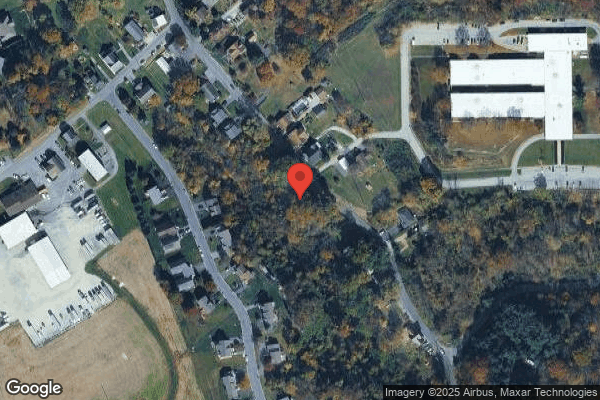

745 OLD CHICKIES HILL ROAD, COLUMBIA, PA 17512 (717) 684-7555
For profit - Limited Liability company 173 Beds Independent Data: November 2025
Trust Grade
25/100
#500 of 653 in PA
Last Inspection: July 2025

Inspected within the last 6 months. Data reflects current conditions.

Overview

Susquehanna Health and Wellness Center has a Trust Grade of F, indicating significant concerns about the care provided, as this grade is considered poor. They rank #500 out of 653 facilities in Pennsylvania, placing them in the bottom half of all nursing homes in the state, and #27 out of 31 in Lancaster County, suggesting that only a few local options are better. The facility shows a trend of improvement, with issues decreasing from 26 in 2024 to 8 in 2025. Staffing is a concern, with a rating of 2 out of 5 stars, and while the turnover rate of 46% is on par with the state average, it may indicate challenges in staff stability. However, the facility has faced serious incidents, including a resident who fell and suffered a head laceration due to inadequate adherence to a care plan, and another resident who developed an infection from improper monitoring of parenteral nutrition, necessitating multiple hospital visits. Furthermore, the facility has accumulated $145,887 in fines, which is higher than 91% of Pennsylvania facilities, raising alarms about ongoing compliance issues. Overall, while there are some areas of improvement, potential residents and their families should consider these significant weaknesses carefully.

Trust Score
F
25/100
In Pennsylvania
#500/653
Bottom 24%
Safety Record
High Risk
Review needed
Inspections
Getting Better
26 → 8 violations
Staff Stability
⚠ Watch
46% turnover. Above average. Higher turnover means staff may not know residents' routines.
Penalties
✓ Good
$145,887 in fines. Lower than most Pennsylvania facilities. Relatively clean record.
Skilled Nurses
⚠ Watch
Each resident gets only 29 minutes of Registered Nurse (RN) attention daily — below average for Pennsylvania. Fewer RN minutes means fewer trained eyes watching for problems.
Violations
⚠ Watch
37 deficiencies on record. Higher than average. Multiple issues found across inspections.
★★☆☆☆
2.0
Overall Rating
★★☆☆☆
2.0
Staff Levels
★★★☆☆
3.0
Care Quality
★★☆☆☆
2.0
Inspection Score
Stable
2024: 26 issues
2025: 8 issues

The Good

  • Full Sprinkler Coverage · Fire safety systems throughout facility
  • No fines on record

Facility shows strength in fire safety.

The Bad

2-Star Overall Rating

Below Pennsylvania average (3.0)

Below average - review inspection findings carefully

Staff Turnover: 46%

Near Pennsylvania avg (46%)

Higher turnover may affect care consistency

Federal Fines: $145,887

Well above median ($33,413)

Significant penalties indicating serious issues

The Ugly 37 deficiencies on record

2 actual harm
Jul 2025 7 deficiencies
CONCERN (D)

Potential for Harm - no one hurt, but risky conditions existed

Comprehensive Care Plan (Tag F0656)

Could have caused harm · This affected 1 resident

Based on observations, clinical record review and staff interview it was determined that the facility failed to develop a comprehensive care plan for one of 32 residents reviewed (Resident 1).Findings...

Read full inspector narrative →
Based on observations, clinical record review and staff interview it was determined that the facility failed to develop a comprehensive care plan for one of 32 residents reviewed (Resident 1).Findings include:Observations on July 22, 2025, at 2:20 p.m. and July 24, 2025, at 12:00 p.m. revealed Resident 1 receiving oxygen via nasal cannula.Review of Resident 1's clinical record revealed no care plan for oxygen use.Interview with the Director of Nursing on July 25, 2025, at 11:23 a.m. confirmed that Resident 1 did not have a care plan for oxygen use.483.21 Develop/Implement Comprehensive Care PlanPreviously cited 8/22/2428 Pa. Code 211.12(d)(1)(5) Nursing ServicesPreviously cited 8/22/24
CONCERN (D)

Potential for Harm - no one hurt, but risky conditions existed

Deficiency F0692 (Tag F0692)

Could have caused harm · This affected 1 resident

**NOTE- TERMS IN BRACKETS HAVE BEEN EDITED TO PROTECT CONFIDENTIALITY** Based on review of facility policy, review of clinical records and staff interviews, it was determined that the facility failed ...

Read full inspector narrative →
**NOTE- TERMS IN BRACKETS HAVE BEEN EDITED TO PROTECT CONFIDENTIALITY** Based on review of facility policy, review of clinical records and staff interviews, it was determined that the facility failed to maintain acceptable parameters of nutritional status for two of three residents reviewed (Residents 4 and 22). Findings include:Review of facility policy, Weight Assessment and Intervention revised September 2008, revealed monthly weights will be completed no later than the 7th day of the month. Additionally, any weight change of 5% or more since the last weight assessment will be retaken the next day for confirmation.Review of Resident 4's clinical record revealed that the resident weighed 150.0 pounds on April 28, 2025. The resident was admitted to the hospital on [DATE], and readmitted to the facility on [DATE].Review of a weight warning note on May 9, 2025, revealed a weight of 181.3 pounds and indicated a suspected discrepancy in weight. A reweight was requested. Review of the clinical record revealed a reweight of 135.0 pounds was obtained on May 20, 2025 (11 days later).Interview with Employee E3 on July 24, 2025, at 9:40 a.m. confirmed that Resident 4's reweight was not completed timely after the readmission discrepancy.Review of Resident 22's clinical record revealed that the resident weighed 96.8 pounds on February 1, 2025 and 88.4 pounds (decrease of 8.4 pounds or 8.7% decrease) on March 5, 2025. Review of weight warning note of March 6, 2025, indicated suspected significant weight change and a reweight was requested. Review of the clinical record revealed that a reweight of 85.6 pounds was obtained on March 19, 2025 (14 days later).Review of Resident 22's clinical record revealed a weight of 92.6 pounds on April 8, 2025 (increase of 7.0 pounds or 8.3% since previous weight). There was no documented evidence that a reweight was obtained.Review of Resident 22's clinical record revealed a weight of 81.0 pounds on May 15, 2025 (decrease of 11.6 pounds or 12.5% since previous weight). Review of weight warning note of May 16, 2025, revealed suspected significant weight change from previous month and a reweight was requested. A reweight of 78.6 pounds was obtained on May 21, 2025 (5 days later).Interview with Employee E3 on July 24, 2025, at 11:25 a.m. indicated that reweights should be done as soon as possible. Employee E3 indicated that a reweight for Resident 22's April 2025 weight was not completed because the weight change did not trigger for a reweight. 28 Pa. Code 211.12(d)(1)(3)(5) Nursing services
CONCERN (D)

Potential for Harm - no one hurt, but risky conditions existed

Respiratory Care (Tag F0695)

Could have caused harm · This affected 1 resident

Based on observations, clinical record review and staff interview it was determined that the facility failed to ensure respiratory care was provided consistent with professional standards of practice ...

Read full inspector narrative →
Based on observations, clinical record review and staff interview it was determined that the facility failed to ensure respiratory care was provided consistent with professional standards of practice for one of one resident reviewed (Resident 1).Findings include:Observations on July 22, 2025, at 2:20 p.m. and July 24, 2025, at 12:00 p.m. revealed Resident 1 receiving oxygen via nasal cannula (tube that delivers oxygen) at a flow rate of 2.0 liters per minute.Review of Resident 1's clinical record revealed no order for oxygen or respiratory care.Interview with the Director of Nursing on July 25, 2025, at 11:23 a.m. confirmed that Resident 1 did not have an order for oxygen use.483.25 Respiratory/Tracheostomy Care and SuctioningPreviously cited 3/5/25, 8/22/2428 Pa. Code 211.12(d)(3)(5) Nursing ServicesPreviously cited 8/22/24
CONCERN (D)

Potential for Harm - no one hurt, but risky conditions existed

Deficiency F0725 (Tag F0725)

Could have caused harm · This affected 1 resident

Based upon observation, it was determined that the facility failed to ensure adequate and competent staffing levels were maintained to promptly respond to resident call bells on one day of three days ...

Read full inspector narrative →
Based upon observation, it was determined that the facility failed to ensure adequate and competent staffing levels were maintained to promptly respond to resident call bells on one day of three days of the survey.Findings include:Observation on July 23, 2025, at 12:07 p.m. on the B Wing nursing unit revealed five resident call bells with the lights on and audibly ringing, as well as lunch carts in the hallway that had been delivered to the unit from the kitchen.Observation of the B Wing nursing unit nurses' station on July 23, 2025, at 12:07 p.m. revealed four employees gathered in a side room with the door closed.Further observation of the B Wing nursing unit nurses' station on July 23, 2025, at 12:07 p.m. revealed a licensed employee sleeping in front of the computer at the desk.Observation of the B Wing resident call bells revealed the resident call bells remained unanswered and the lunch trays not delivered for approximately 15 minutes.The above information was conveyed to the Nursing Home Administrator and Director of Nursing on July 25, 2025, at 11:30 a.m. 28 Pa. Code 201.18(b)(1)(2)(5)(e)(1) ManagementPreviously cited 8/22/202428 Pa. Code 201.29(c)(4) Resident RightsPreviously cited 8/22/202428 Pa. Code 211.12(d)(1)(5) Nursing ServicesPreviously cited 8/22/2024
CONCERN (D)

Potential for Harm - no one hurt, but risky conditions existed

Deficiency F0761 (Tag F0761)

Could have caused harm · This affected 1 resident

Based on review of facility policies and procedures and observation, it was determined that the facility failed to ensure medications were properly labeled with open and expiration dates and failed to...

Read full inspector narrative →
Based on review of facility policies and procedures and observation, it was determined that the facility failed to ensure medications were properly labeled with open and expiration dates and failed to ensure expired medications were not administered for one of three medication carts reviewed (B Wing Medication Cart).Findings include:Based upon facility policy and procedure titled Storage of Medications revealed Discontinued, outdated, or deteriorated drugs or biologicals are returned to the dispensing pharmacy or destroyed.Review of facility policy and procedure titled Administering Medications revealed The expiration/beyond use date on the medication label is checked prior to administering. When opening a multi-dose container, the date opened is recorded on the container.Review of package insert instructions for Humalog Insulin (medication used to treat high blood sugar levels) Pens revealed unopened Humalog pens should be stored in the refrigerator.Further review of package insert instructions for Humalog Insulin Pens revealed that once opened, Humalog can be kept at room temperature for up to 28 days. Review of package insert instruction for Lantus Insulin (medication used to treat high blood sugar levels) revealed Lantus Insulin should be used within 28 days after opening.Review of package insert instructions for Insulin Aspart (Novolog insulin) (medication used to treat high blood sugar levels) revealed that Insulin Aspart expires 28 days after opening.Review of package insert instructions for Insulin glargine (medication used to treat high blood sugar levels) revealed Insulin glargine must be discarded 28 days after opened. Observation of the B Wing Medication Cart on July 24, 2025, at 11:00 a.m. revealed a Humalog Insulin Pen opened on June 20, 2025, with no expiration date. The expiration date for this Humalog Insulin Pen would have been July 17, 2025, 28 days after opening the pen. Further observation revealed an unopened and undated Humalog Insulin Pen in the medication drawer.Further observation revealed two open and undated insulin aspart pens.Further observation revealed one open and undated insulin glargine vial. 28 Pa. Code 211.12(c)(d)(1)(3)(5) Nursing ServicesPreviously cited 8/22/2024, 3/5/2025
CONCERN (E)

Potential for Harm - no one hurt, but risky conditions existed

Deficiency F0730 (Tag F0730)

Could have caused harm · This affected multiple residents

Based on review of facility documentation and staff interviews it was determined that the facility failed to complete a performance review at least once every 12 months for five of five nurse aides (E...

Read full inspector narrative →
Based on review of facility documentation and staff interviews it was determined that the facility failed to complete a performance review at least once every 12 months for five of five nurse aides (Employees E4, E5, E6, E7, and E8).Findings include:Review of Employee E4's personnel record revealed a date of hire of October 11, 2023.Review of Employee E5's personnel record revealed a date of hire of May 24, 2023.Review of Employee E6's personnel record revealed a date of hire of June 8, 2022.Review of Employee E7's personnel record revealed a date of hire of September 3, 2019.Review of Employee E8's personnel record revealed a date of hire of October 6, 2021.Further review of the personnel records revealed no evidence that the employees had a performance review at least once every 12 months.Interview with the Nursing Home Administrator and Director of Nursing on July 25, 2025, at 10:10 a.m. confirmed that performance reviews had not been completed for the above employees.28 Pa. Code 201.19(2) Personnel policies and procedures
CONCERN (E)

Potential for Harm - no one hurt, but risky conditions existed

Infection Control (Tag F0880)

Could have caused harm · This affected multiple residents

Based upon review of facility policy and procedure, observation and clinical record review, it was determined that the facility failed to ensure proper infection control procedures were followed durin...

Read full inspector narrative →
Based upon review of facility policy and procedure, observation and clinical record review, it was determined that the facility failed to ensure proper infection control procedures were followed during medication administration observation and pressure ulcer wound treatments for three of three residents observed (Resident 6, Resident 22 and Resident 136.)Findings include: Review of facility policy and procedure titled Administering Medications revealed “Staff follows established facility infection control procedures (e.g. handwashing, aseptic technique, gloves, isolation precautions, etc) for the administration of medications, as applicable.” Observation of Medication Administration on July 22, 2025, at 11:44 a.m. revealed Licensed Employee E9 placing medication pills for administration into Licensed Employee E9’s ungloved hands and then placing the medication pill into the medication cup for administration. Observations on all days of the survey revealed no system in place to communicate to staff that resident required enhanced barrier precautions. Additionally, no PPE (personal protective equipment) was readily available to staff providing high contact care. Review of resident 6’s progress notes on July 24, 2025, revealed resident had a stage III pressure ulcer to the sacrum (bone at the bottom of the spine). Observations of Resident 6’s room showed no indication of enhanced barrier precautions being communicated to staff entering the room. No PPE was observed to be available to staff providing care to Resident 6. Observation of Resident 6’s wound care on July 25, 2025, at 11:28 a.m. revealed Licensed Employee E10 failed to utilize Personal Protective Equipment during the wound dressing change. Review of Resident 22’s progress note of July 15, 2025, revealed resident had a stage II pressure ulcer (wound with partial thickness skin loss) to the sacrum (triangular bone at the base of the spine). Observation of Resident 22’s wound care on July 25, 2025, at 10:17 a.m. revealed Licensed Employee E10 failed to utilize Personal Protective Equipment during the wound dressing change. Review of resident 136’s progress notes on May 6, 2025, revealed resident had a stage III pressure ulcer to the sacrum (wound full-thickness skin loss) to the sacrum (triangular bone at the base of the spine). Observations of Resident 136’s room showed no indication of enhanced barrier precautions being communicated to staff entering the room. No PPE was observed to be available to staff providing care to Resident 136. Observation of Resident 136’s wound care on July 24, 2025, at 9:40 a.m. revealed Licensed Employee E10 failed to utilize Personal Protective Equipment during the wound dressing change. The above information was conveyed to the Nursing Home Administrator and Director of Nursing on July 25, 2025, at 11:00 a.m.
Mar 2025 1 deficiency
CONCERN (D) 📢 Someone Reported This

A family member, employee, or ombudsman was alarmed enough to file a formal complaint

Potential for Harm - no one hurt, but risky conditions existed

Respiratory Care (Tag F0695)

Could have caused harm · This affected 1 resident

**NOTE- TERMS IN BRACKETS HAVE BEEN EDITED TO PROTECT CONFIDENTIALITY** Based on observation, clinical record review, hospital record review, and resident and staff interviews, it was determined that ...

Read full inspector narrative →
**NOTE- TERMS IN BRACKETS HAVE BEEN EDITED TO PROTECT CONFIDENTIALITY** Based on observation, clinical record review, hospital record review, and resident and staff interviews, it was determined that the facility failed to provide appropriate respiratory care and follow the physician's orders for two of the two residents reviewed (Resident CL1 and Resident 1). Findings include: A review of Resident CL1's hospital records dated February 2, 2025, revealed that the resident was sent to the hospital on January 26, 2025, for shortness of breath and was admitted with a diagnosis of Acute Respiratory Failure. The same report revealed that the Resident was using a BIPAP (a non-invasive ventilator technique that provides pressurized air to assist with breathing) in the hospital. A review of the hospital record BIPAP order dated February 10, 2025, revealed Auto Bipap Max-18 Min-5 PS-5 for associated diagnosis of Acute Respiratory Failure and Obstructive Sleep Apnea (A potentially serious sleep disorder in which breathing repeatedly stops and starts). A review of the hospital discharge summary order dated February 11, 2025, revealed DME (Durable medical equipment) SUPPTY-RT-CPAP/BiPAP A review of Resdient CL1's clinical records revealed the resident was admitted to the facility on [DATE]. Further review of resident CL1's clinical record revealed there was no physician order for Bipap or that the physician was notified of Resident CL1's Bipap order from the hospital. An interview with the supply staff, Employee E3 conducted on March 5, 2025, at 11:00 a.m., revealed that the facility liaison sent her/him Resident CL1's Bipap order supplies and settings from the hospital so she/he could order it and have it ready for the resident's admission to the facility. Employee E3 reported that the order was made from [name of the DME company] and got a confirmation email that the machine and supplies would be delivered on February 11, 2025. A phone interview with the DME representative conducted on March 5, 2025, at 11:30 a.m., confirmed that Resident CL1's Bipap (with supplies) was delivered to the facility on February 11, 2025. An interview with the Director of Nursing conducted March 5, 2025, at 1:00 p.m., revealed that hospital reports are reviewed by the facility's liaison and communicated to the facility to determine the Resident's device and treatment needs for admission. The DON was unable to provide an explanation as to why Resident CL1 did not have a Bipap order despite it being on the Resdient CL1's hospital orders when discharged from the hospital on February 10, 2025. A review of Resident 1's hospital record revealed resident was hospitalized from [DATE]-10, 2025, for a diagnosis of Acute Respiratory Failure with Hypoxemia (A life-threatening condition where the lungs fail to adequately exchange oxygen and carbon dioxide, resulting in low oxygen level). Further review revealed resident was ordered Bipap with the setting of: Total Inspiratory pressure-14, and expiratory pressure-6 while in the hospital. A review of Resident 1's Hospital Discharge Summary report dated February 10, 2025, revealed: Should use Noninvasive ventilator with all naps and during bedtime. A review of the physician's order dated February 19, 2025, revealed an order for a BIPAP every night shift. A review of the nursing progress notes dated February 11, 2025, at 10:51 p.m., revealed resident had been taking off his/her BIPAP throughout the night as he/she felt as though he/she could not breathe. An interview conducted with Resident 1 on March 5, 2025, at 10:30 a.m., revealed that he/she felt that the machine (BIPAP) was not properly working because the pressure was too much causing his/her mouth and throat to be severely dry. The resident reported that someone checked the machine, but he/she was told that it was properly working. An observation of Resident 1's Bipap machine in the presence of the Director of Nursing on March 5, 2025, at 11:00 a.m., revealed that the machine had a setting of IP-18, and EP-5. Instead of the ordered of setting of IP-14, EP-6 from the hospital. An interview with the DON on March 5, 2025, at 11:10 a.m., revealed that the Bipap machine was already set up to the setting ordered from the hospital when it was delivered to the facility by the DME company. A phone interview with the DME representative conducted on March 5, 2025, at 11:30 a.m., confirmed that Resident 1's Bipap machine had a setting order of IP-14, EP-6. The machine with a serial number [B ----------] was delivered to the facility. The DME representative also reported that A Bipap for Resident CL1 with a setting order of IP-18, EP5 with a serial number of [B----------] was delivered to the facility on February 11, 2025. An observation of Resident 1's Bipap machine conducted on March 5, 2025, at noon., in the presence of the DON revealed that Resident 1 had Resident CL1's machine based on the serial number reported by the DME representative. An interview with the DON on March 5, 2025, at 1:00 p.m., was conducted. The DON was unable to explain why Resident 1 was using Resident Cl1's Bipap machine instead of his/her machine with physician ordered setting. The facility failed to ensure physician orders for Residents CL1 and 1 for Bipap were followed when admitted to the facility following hospitalization. 28 Pa. Code 211.5(f) Clinical records 28 Pa. 211.12(c)(d)(1)(3)(5) Nursing services
Aug 2024 18 deficiencies
CONCERN (D)

Potential for Harm - no one hurt, but risky conditions existed

Resident Rights (Tag F0550)

Could have caused harm · This affected 1 resident

Based on clinical record reviews, observations, and staff interviews, it was determined that the facility failed to provide care in a manner that maintained dignity for one of 56 residents reviewed (R...

Read full inspector narrative →
Based on clinical record reviews, observations, and staff interviews, it was determined that the facility failed to provide care in a manner that maintained dignity for one of 56 residents reviewed (Resident 48). Findings include: An admission Minimum Data Set (MDS) assessment (a mandated assessment of a resident's abilities and care needs) for Resident 48, dated August 6, 2024, indicated that the resident was understood and able to understand others, required substantial to moderate assistance with personal hygiene care, and had diagnoses that included diabetes. Observations of Resident 48 on August 19, 2024, at 11:00 a.m. revealed that she was lying in her bed with many long, white hairs protruding from under her chin. An interview with Resident 48 at that time revealed that she does not like having the long hair on her chin because it sometimes gets caught on her blankets and pulls her skin. Observations of Resident 48 on August 21, 2024, at 7:47 a.m. and on August 22, 2024, at 12:07 p.m. revealed that the resident continued to have many long, white hairs protruding from under her chin. Review of Resident 48's clinical record, including nurses' notes and nurse aide documentation, revealed no evidence that the resident was offered or refused to have her facial hair removed. Interview with the Director of Nursing on August 22, 2024, at 12:10 p.m. revealed that staff should have provided Resident 48 care that included removing her visible facial hair. 28 Pa. Code 201.29(c) Resident Rights. 28 Pa. Code 211.12(d)(5) Nursing Services.
CONCERN (D)

Potential for Harm - no one hurt, but risky conditions existed

Deficiency F0558 (Tag F0558)

Could have caused harm · This affected 1 resident

Based on a review of clinical records, as well as staff interviews, it was determined that the facility failed to determine a resident's preference for bathing for one of 56 residents reviewed (Reside...

Read full inspector narrative →
Based on a review of clinical records, as well as staff interviews, it was determined that the facility failed to determine a resident's preference for bathing for one of 56 residents reviewed (Resident 48). Findings include: An admission Minimum Data Set (MDS) assessment (a mandated assessment of a resident's abilities and care needs) for Resident 48, dated August 6, 2024, indicated that the resident was understood and able to understand others; required substantial to moderate assistance with personal hygiene care; had a preference that was was very important to her to choose between a tub bath, shower, bed bath, or sponge bath; and had diagnoses that included diabetes. Review of the care plan for Resident 48, dated August 2, 2024, revealed that the resident required assist of one staff for bathing; however, it did not indicate if the resident preferred showers, tub baths or bed baths. Interview with the Director of Nursing on August 22, 2024, at 2:10 p.m. revealed that there was no documented evidence that Resident 48's shower preferences were identified to enable staff to provide her bathing preference. 28 Pa. Code 211.12(d)(5) Nursing Services.
CONCERN (D)

Potential for Harm - no one hurt, but risky conditions existed

Deficiency F0559 (Tag F0559)

Could have caused harm · This affected 1 resident

Based on clinical record reviews and observations, as well as resident and staff interviews, it was determined that the facility failed to ensure that in preparation for room changes each resident rec...

Read full inspector narrative →
Based on clinical record reviews and observations, as well as resident and staff interviews, it was determined that the facility failed to ensure that in preparation for room changes each resident received written notice, including the reason for the change, before the resident's room or roommate was changed for one of 56 residents reviewed (Resident 139). Findings include: Review of Resident 139's clinical record and quarterly Minimum Data Set (MDS) assessment (a mandated assessment of a resident's abilities and care needs) for Resident 139, dated July 1, 2024, revealed that the resident could understand others and make herself understood and was cognitively intact. A social service note, dated August 12, 2024, at 9:45 a.m., revealed that Resident 139 toured the A-unit, was introduced to several nursing staff on the unit, and was in agreement with the room at that time. A facility census report revealed that Resident 139 was moved from the B-wing to a room on the A unit on August 12, 2024. There was no documented evidence that Resident 139 was provided a written notice prior to the room change, including the reason for the change. Observations and interview with Resident 139 on August 19, 2024, at 12:12 p.m. revealed that she was moved from the B-unit to the A-unit and did not know the reason why she had to move. Interview with the Nursing Home Administrator on August 21, 2024, at 3:23 p.m. confirmed that there was no documented evidence that Resident 139 was provided a written notice regarding the room change and the reason for the move. 28 Pa. Code 201.14(a) Responsibility of Licensee. 28 Pa. Code 201.29(a) Resident Rights.
CONCERN (D)

Potential for Harm - no one hurt, but risky conditions existed

Comprehensive Assessments (Tag F0636)

Could have caused harm · This affected 1 resident

**NOTE- TERMS IN BRACKETS HAVE BEEN EDITED TO PROTECT CONFIDENTIALITY** Based on review of the Resident Assessment Instrument User's Manual and clinical records, as well as staff interviews, it was de...

Read full inspector narrative →
**NOTE- TERMS IN BRACKETS HAVE BEEN EDITED TO PROTECT CONFIDENTIALITY** Based on review of the Resident Assessment Instrument User's Manual and clinical records, as well as staff interviews, it was determined that the facility failed to ensure that comprehensive admission Minimum Data Set assessments were completed in the required time frame for nine of 56 residents reviewed (Residents 22, 82, 112, 120, 131, 136, 153, 155, 157). Findings include: The Long-Term Care Facility Resident Assessment Instrument (RAI) User's Manual, which provides instructions and guidelines for completing required Minimum Data Set (MDS) assessments (mandated assessments of a resident's abilities and care needs), dated October, 2023, indicated that an admission MDS assessment was to be completed no later than 14 days (admission date + 13 calendar days) following admission. A comprehensive admission MDS assessment for Resident 22, dated June 27, 2024, revealed that the resident was admitted to the facility on [DATE], and the resident's admission MDS assessment was dated as completed on July 9, 2024, which was 19 days after admission. A comprehensive admission MDS assessment for Resident 82, dated May 22, 2024, revealed that the resident was admitted to the facility on [DATE], and the resident's admission MDS assessment was dated as completed on June 3, 2024, which was 20 days after admission. A comprehensive admission MDS assessment for Resident 112, dated May 3, 2024, revealed that the resident was admitted to the facility on [DATE], and the resident's admission MDS assessment was dated as completed on May 13, 2024, which was 16 days after admission. A comprehensive admission MDS assessment for Resident 120, dated June 27, 2024, revealed that the resident was admitted to the facility on [DATE], and the resident's admission MDS assessment was dated as completed on July 8, 2024, which was 18 days after admission. A comprehensive admission MDS assessment for Resident 131, dated June 13, 2024, revealed that the resident was admitted to the facility on [DATE], and the resident's admission MDS assessment was dated as completed on June 21, 2024, which was 15 days after admission. A comprehensive admission MDS assessment for Resident 136, dated May 14, 2024, revealed that the resident was admitted to the facility on [DATE], and the resident's admission MDS assessment was dated as completed on May 23, 2024, which was 16 days after admission. A comprehensive admission MDS assessment for Resident 153, dated June 12, 2024, revealed that the resident was admitted to the facility on [DATE], and the resident's admission MDS assessment was dated as completed on June 21, 2024, which was 16 days after admission. A comprehensive admission MDS assessment for Resident 155, dated June 24, 2024, revealed that the resident was admitted to the facility on [DATE], and the resident's admission MDS assessment was dated as completed on July 2, 2024, which was 16 days after admission. A comprehensive admission MDS assessment for Resident 157, dated June 25, 2024, revealed that the resident was admitted to the facility on [DATE], and the resident's admission MDS assessment was dated as completed on July 4, 2024, which was 16 days after admission. An interview with Nursing Home Administrator on August 22, 2024, at 3:29 p.m. confirmed that the admission MDS assessments listed above were not completed within the required time frames. 28 Pa. Code 211.5(f) Clinical Records.
CONCERN (D)

Potential for Harm - no one hurt, but risky conditions existed

Deficiency F0638 (Tag F0638)

Could have caused harm · This affected 1 resident

Based on review of the Resident Assessment Instrument User's Manual and clinical records, as well as staff interviews, it was determined that the facility failed to ensure that Quarterly Minimum Data ...

Read full inspector narrative →
Based on review of the Resident Assessment Instrument User's Manual and clinical records, as well as staff interviews, it was determined that the facility failed to ensure that Quarterly Minimum Data Set assessments were completed within the required timeframe for seven of 56 residents reviewed (Residents 21, 26, 64, 70, 98, 139, 148). Findings include: The Long-Term Care Facility Resident Assessment Instrument (RAI) User's Manual, which provides instructions and guidelines for completing required Minimum Data Set (MDS) assessments (mandated assessments of residents' abilities and care needs), dated October 2019, indicated that the completion date for a quarterly assessment is the Assessment Reference Date (ARD - the last day of an assessment's look-back period) plus 14 days. A quarterly assessment is due every 92 days (ARD of most recent assessment + 92 days). A quarterly MDS assessment for Resident 21, with an ARD of May 10, 2024, was completed on May 27, 2024, which was three days late. A quarterly MDS assessment for Resident 26, with an ARD of May 10, 2024, was completed on May 27, 2024, which was three days late. A quarterly MDS assessment for Resident 64, with an ARD of May 13, 2024, was completed on May 28, 2024, which was one day late. A quarterly MDS assessment for Resident 70, with an ARD of May 13, 2024, was completed on May 28, 2024, which was two days late. A quarterly MDS assessment for Resident 98, with an ARD of May 9, 2024, was completed on May 24, 2024, which was one day late. A quarterly MDS assessment for Resident 139, with an ARD of May 9, 2024, was completed on May 24, 2024, which was one day late. A quarterly MDS assessment for Resident 148, with an ARD of May 24, 2024, was completed on June 9, 2024, which was two days late. An interview with Nursing Home Administrator on August 22, 2024, at 3:29 p.m. confirmed that the quarterly MDS assessments listed above were not completed within the required time frames. 28 Pa. Code 211.5(f) Clinical Records. 28 Pa. Code 211.12(d)(5) Nursing Services.
CONCERN (D)

Potential for Harm - no one hurt, but risky conditions existed

Respiratory Care (Tag F0695)

Could have caused harm · This affected 1 resident

Based on clinical record reviews, observations, and staff interviews, it was determined that the facility failed to obtain physician's orders for the administration of oxygen for one of 56 residents r...

Read full inspector narrative →
Based on clinical record reviews, observations, and staff interviews, it was determined that the facility failed to obtain physician's orders for the administration of oxygen for one of 56 residents reviewed (Resident 139). Findings include: A quarterly Minimum Data Set (MDS) assessment (a mandated assessment of a resident's abilities and care needs) for Resident 139, dated July 1, 2024, revealed that the resident was cognitively intact, had medical diagnoses that included heart failure and respiratory failure, and used oxygen. The resident's care plan, dated March 7, 2024, revealed that staff were to administer oxygen as ordered by the physician. Observations on August 19, 2024, at 12:11 p.m. revealed that Resident 139 was receiving oxygen via nasal cannula (tube that delivers oxygen) set at a flow rate of 2.0 liters per minute. There was no documented evidence that a physician's order was received for the administration of oxygen. Interview with the Nursing Home Administrator on August 21, 2024, at 3:23 p.m. confirmed that there was no physician's order for Resident 139 to receive oxygen. 28 Pa. Code 211.12(d)(3)(5) Nursing Services.
CONCERN (D)

Potential for Harm - no one hurt, but risky conditions existed

Pharmacy Services (Tag F0755)

Could have caused harm · This affected 1 resident

Based on facility policies and clinical records, as well as staff interviews, it was determined that the facility failed to maintain accountability for controlled medications (drugs with the potential...

Read full inspector narrative →
Based on facility policies and clinical records, as well as staff interviews, it was determined that the facility failed to maintain accountability for controlled medications (drugs with the potential to be abused) for three of 56 residents reviewed (Residents 36, 94, 116). Findings include: A facility policy for medication administration, dated June 1, 2024, indicated that the individual administering a medication initials the resident's MAR on the appropriate line after giving each medication and before administering the next ones. A quarterly Minimum Data Set (MDS) assessment (a mandated assessment of a resident's abilities and care needs) for Resident 36, dated July 23, 2024, indicated that the resident was understood and able to understand others, required substantial to maximum assistance for his daily care needs, and had diagnoses that included dementia. Physician's orders for Resident 36, dated June 15, 2024, and July 17, 2024, included to administer 50 milligrams (mg) of Tramadol (a controlled medication use to treat pain) every eight hours as needed for right shoulder or right wrist pain. Review of the controlled drug administration records (tracks each dose of a controlled medication) for Resident 36, dated April 13, 2024, and June 25, 2024, indicated that 50 mg of Tramadol was signed out as administered on June 15, 2024, at 3:15 p.m.; June 18, 2024, at 1:30 p.m.; June 19, 2024, at 5:00 p.m.; and July 19, 2024, time unreadable. Review of the Medication Administration Records (MAR's) for Resident 36, dated June and July 2024, revealed no documented evidence that the signed-out doses of Tramadol were administered on the above-mentioned dates and times. Interview with the Director of Nursing on August 22, 2024, at 1:06 p.m. confirmed that there was no documented evidence that the signed-out doses of Tramadol were administered to Resident 36 on the above-mentioned dates and times. A quarterly MDS assessment for Resident 94, dated July 23, 2024, indicated that the resident was understood and able to understand others, required substantial to maximum assistance for his daily care needs, and had diagnoses that included dementia. Physician's orders for Resident 94, dated June 1, June 18, July 3, and July 17, 2024, included an order to administer 0.25 mL of 2 mg/ml of Ativan every six hours as needed for anxiety/shortness of breath. Review of the controlled drug administration records for Resident 94 for June and July 2024 revealed that 0.25 mL of 2 mg/ml of Ativan was signed out as administered on June 10 at 3:13 a.m., June 18 at 3:30 a.m., June 20 at 1:00 a.m., and July 3, 2024, at 10:00 p.m. Review of the MAR's for Resident 94 for June and July 2024 revealed that there was no documented evidence the signed-out doses of Ativan were administered on the above-mentioned dates and times. Interview with the Director of Nursing on August 22, 2024, at 1:06 p.m. confirmed that there was no documented evidence the signed-out doses of Ativan for Resident 94 were administered on the above-mentioned dates and times. A quarterly MDS assessment for Resident 116, dated July 4, 2024, indicated that the resident was understood and able to understand others, was dependent on staff for daily care needs, and had diagnosis that included stroke. Physician's orders for Resident 116, dated July 31, 2024, included for the resident to receive 0.25 milliliters (ml) of Ativan 2mg/ml solution every six hours as needed for anxiety for 14 days. Review of the controlled drug administration records for Resident 116, dated August 4, 2024, indicated that 0.25 ml of Ativan 2 mg/ml solution was signed out as administered on August 13, 2024, no time recorded, and on August 14, 2024, at 8:00 p.m. Review of the MAR for Resident 116, dated August 2024, revealed no documented evidence that the signed-out doses of Ativan were administered on the above-mentioned dates and times. Interview with the Director of Nursing on August 22, 2024, at 1:06 p.m. confirmed that there was no documented evidence that the signed-out doses of Ativan were administered on the above-mentioned dates and times. 28 Pa. Code 211.9(h) Pharmacy Services. 28 Pa. Code 211.12(d)(1)(5) Nursing Services.
CONCERN (D)

Potential for Harm - no one hurt, but risky conditions existed

Deficiency F0761 (Tag F0761)

Could have caused harm · This affected 1 resident

Based on review of policies, as well as observations and staff interviews, it was determined that the facility failed to label medications with the date they were opened in one of two medication rooms...

Read full inspector narrative →
Based on review of policies, as well as observations and staff interviews, it was determined that the facility failed to label medications with the date they were opened in one of two medication rooms reviewed (A unit) and in two of four medication carts reviewed (A and B unit). Findings include: The facility's policy regarding medication storage/labeling, dated June 1, 2024, indicated that multi-dose vials that have been opened or accessed are dated and discarded within 28 days unless the manufacturer specifies a shorter or longer date for the open vial. An undated package insert for Tubersol (used to test for tuberculosis - a bacterial infection) revealed that once entered/opened, the vial was to be discarded after 30 days. Observations in the medication room refrigerator on the A unit on August 22, 2024, at 12:18 p.m. revealed that an opened vial of Tubersol was not properly labeled with the date it was opened. An interview with Registered Nurse 1 at that time confirmed that the opened vial of Tubersol was not properly labeled with the date it was opened and should have been. Manufacturer's instructions for Basaglar (insulin) pen, dated November 2023, revealed that the pen should be thrown away after 28 days of use, even if it still has insulin left in it. Manufacturer's instructions for Humalog (insulin) pen, dated August 2023, revealed that the pen should be thrown away after 28 days of use, even if it still has insulin left in it. Manufacturer's instructions for Lyumjev (insulin) pen, dated October 2022, revealed that the pen should be thrown away after 28 days of use, even if it still has insulin left in it. Observations of the North B cart revealed an open and undated Basaglar pen for Resident 93, an opened and undated Lumjev pen for Resident 58, and an opened and undated Humalog pen for Resident 58. Interview with Licensed Practical Nurse 4 on August 21, 2024, at 8:04 a.m. revealed that the Basaglar, Humalog, and Lyumjev pens were not dated when opened and that they should have been. Physician's orders for Resident 2, dated July 31, 2024, included orders for the resident to receive Lyumjev Kwikpen (insulin lispro- fact acting insulin) subcutaneously (beneath the skin) with meals based on a sliding scale (amount of insulin based on blood sugar results), and was to give 2 units of Lyumjev for a blood sugar of 150-200 milligrams per deciliter (mg/dL). Observations during the medication pass on August 21, 2024, at 7:49 a.m. revealed that Licensed Practical Nurse 5 administered 2 units of Lyumjev to Resident 2 for a blood sugar result of 180 mg/dL and the Lyumjev Kwikpen was not dated when opened. Interview with Licensed Practical Nurse 5 at that time confirmed that the Lyumjev Kwikpen was not dated when opened and should have been. Interview with the Director of Nursing on August 21, 2024, at 10:38 a.m. confirmed that the insulin pens should have been dated when opened. 28 Pa. Code 211.12(d)(1) Nursing Services.
CONCERN (D)

Potential for Harm - no one hurt, but risky conditions existed

Infection Control (Tag F0880)

Could have caused harm · This affected 1 resident

Based on review of established infection control guidelines, facility policy, and residents' clinical records, as well as observations and staff interviews, it was determined that the facility failed ...

Read full inspector narrative →
Based on review of established infection control guidelines, facility policy, and residents' clinical records, as well as observations and staff interviews, it was determined that the facility failed to follow infection control guidelines from the Centers for Medicare/Medicaid Services (CMS) and the Centers for Disease Control (CDC) to reduce the spread of infections and prevent cross-contamination for three of 56 residents reviewed (Residents 25, 77, 94). Findings include: CDC guidance on isolation precautions and Implementation of Personal Protective Equipment (PPE) use in Nursing Homes to Prevent Spread of Multidrug-Resistant Organisms (MDRO's - bacteria that have become resistant to certain antibiotics, and these antibiotics can no longer be used to control or kill the bacteria), dated July 12, 2022, indicates that MDRO transmission is common in skilled nursing facilities, contributing to substantial resident morbidity and mortality and increased healthcare costs. Enhanced Barrier Precautions (EBP) are an infection control intervention designed to reduce transmission of resistant organisms that employs targeted gown and glove use during high contact resident care activities. CMS updated its infection prevention and control guidance effective April 1, 2024. The recommendations now include the use of EBP during high-contact care activities for residents with chronic wounds or indwelling medical devices, regardless of their MDRO status, in addition to residents who have an infection or colonization with a CDC-targeted or other epidemiologically important MDRO when contact precautions do not apply. The facility's policy regarding Enhanced Barrier Precautions (EBP), dated June 1, 2024, indicated that precautions are used as an infection prevention and control intervention to reduce the spread for multi-drug resistant organisms (MDRO's) to residents. EBP's are indicated for residents with wounds and/or indwelling medical devices regardless of MDRO colonization. EBP's remain in place for the duration of the resident's stay or until resolution of the wound or discontinuation of the indwelling medical device that places them at increased risk. Signs are posted on the door or wall outside the resident room indicating the type of precautions and PPE required. An admission Minimum Data Set (MDS) assessment (a mandated assessment of a resident's abilities and care needs) for Resident 25, dated July 18, 2024, revealed that the resident was understood and able to understand others, was dependent on staff for personal hygiene care, had an indwelling catheter (a small tube inserted into the bladder to drain urine), and had diagnosis that included renal insufficiency. Physician's orders, dated July 20, 2024, included for the resident to have a 16 French (indicates a size) foley catheter (type of an indwelling catheter). Observations of Resident 25 on August 20, 2024, at 10:25 p.m. revealed that the resident was lying in bed with a urinary drainage bag hanging on the left side of her bed. There was no sign posted on her door or wall alerting staff and visitors of the resident's need for EBP. A significant change MDS assessment for Resident 77, dated August 6, 2024, revealed that the resident was cognitively intact and had a nephrostomy (procedure that creates an artificial opening in the skin and kidney to allow urine to drain from the kidney). Physician's orders, dated July 2, 2024, included an order for the resident to have her nephrostomy site cleaned with normal saline (solution of water and salt) and gauze applied every day shift. A care plan, dated July 12, 2024, indicated that the resident was to use nephrostomy tubes related to kidney stones. Observations on August 20, 2024, at 12:52 p.m. revealed that there was no sign posted on her door or wall alerting staff and visitors of the resident's need for EBP. A quarterly MDS assessment for Resident 94, dated July 10, 2024, revealed that the resident was cognitively impaired, required assistance from staff for daily care needs, and had diagnoses that included dementia and a stroke. A wound note, dated August 13, 2024, revealed that Resident 94 had a vascular wound (wound caused by poor circulation) on her left foot. Physician's orders, dated August 13, 2024, included orders for the resident's left foot be cleaned with normal saline, Medi-Honey (honey based wound treatment) and Calcium Alginate with Silver (absorbent dressing used to prevent infection) applied, and covered with a dry dressing every day. Observations of Resident 94 during a dressing change on August 20, 2024, at 11:34 a.m. revealed that the resident had a vascular wound on her left foot. There was no sign posted on her door or wall alerting staff and visitors of the resident's need for EBP. Interview with the Director of Nursing on August 20, 2024, at 12:47 p.m. confirmed that Resident 25, 77, and 94 did require EBP because of their indwelling catheter, nephrostomy, and vascular wound and that a sign should have been posted on their door alerting staff to this; however, a sign was never posted. 28 Pa. Code 201.14(a) Responsibility of Licensee. 28 Pa. Code 201.18(e)(1) Management. 28 Pa. Code 211.12(d)(1)(5) Nursing Services.
CONCERN (E)

Potential for Harm - no one hurt, but risky conditions existed

Transfer Notice (Tag F0623)

Could have caused harm · This affected multiple residents

Based on clinical record reviews and staff interviews, it was determined that the facility failed to notify the resident and resident's representative, in writing, regarding the reason for hospitaliza...

Read full inspector narrative →
Based on clinical record reviews and staff interviews, it was determined that the facility failed to notify the resident and resident's representative, in writing, regarding the reason for hospitalization for five of 56 residents reviewed (Residents 18, 36, 38, 77, 85). Findings include: A quarterly Minimum Data Set (MDS) assessment (a federally-mandated assessment of a resident's abilities and care needs) for Resident 18, dated June 17, 2024, indicated that the resident was cognitively impaired, required assistance from staff for his daily care needs, and had diagnoses that included dementia. A nursing note for Resident 18, dated June 11, 2024, revealed that the resident was transferred to the hospital for evaluation of abdominal pain and to have his indwelling urinary catheter flushed or replaced. He was admitted to the hospital with a urinary tract infection. There was no documented evidence that a written notice of Resident 18's transfer to the hospital was provided to the resident's responsible party regarding the reason for transfer. A quarterly MDS assessment for Resident 36, dated July 23, 2024, indicated that the resident was understood and able to understand others, required substantial to moderate assist from staff for his personal care needs, and had diagnoses that included dementia. A nursing note for Resident 36, dated June 7, 2024, at 6:41 a.m., revealed that the resident had an unwitnessed fall resulting in a possible right arm fracture. The physician was notified, and the resident was sent to the emergency room for evaluation. A nursing note for Resident 36, dated July 4, 2024, at 10:46 p.m., revealed that the resident had a significant change in condition. The certified registered nurse practitioner was notified, and the resident was sent to the emergency room for evaluation. There was no documented evidence that a written notice of Resident 36's transfers to the hospital were provided to the resident or the resident's representative regarding the reason for transfer. A quarterly MDS assessment for Resident 38, dated May 21, 2024, indicated that the resident was severely cognitively impaired, was dependent on staff for personal care needs, and had diagnoses that included idiopathic epilepsy (a genetic seizure disorder). A nursing note for Resident 38, dated May 7, 2024, at 2:40 p.m., revealed that the resident had a seizure and was not responding to treatments provided and his condition was worsening; therefore, he was transferred to the emergency room for evaluation. A nursing note for Resident 38, dated June 21, 2024, at 6:34 a.m., revealed that the resident's feeding tube came out of his body. The physician was notified, and the resident was sent to the emergency room for evaluation. There was no documented evidence that a written notice of Resident 38's transfers to the hospital were provided to the resident or the resident's representative regarding the reason for transfer. A quarterly MDS assessment for Resident 77, dated May 2, 2024, indicated that the resident was moderately cognitively impaired, required assistance from staff for personal care needs, and had diagnoses that included dementia and heart failure. A nursing note, dated June 24, 2024, at 7:46 p.m. revealed that Resident 77 was found coughing and wheezing, was flushed, and had an oxygen saturation (amount of oxygen in the blood) in the 70's (normal 95-100 percent). The physician was notified, and the resident was transferred to the hospital. There was no documented evidence that a written notice of Resident 77's transfer to the hospital was provided to the resident or the resident's representative regarding the reason for transfer. A quarterly MDS assessment for Resident 85, dated May 16, 2024, indicated that the resident was severely cognitively impaired, required assistance from staff for personal care needs, and had diagnoses that included dementia, seizure disorder, and a stroke. A nursing note, dated July 27, 2024, at 10:10 a.m. revealed that Resident 85 was observed lying in bed with his eyes closed with right-sided facial droop and facial edema (swelling). The resident stated, I don't feel well, and the physician was notified and an order was received to send him to the hospital for evaluation and treatment. A nursing note, dated July 27, 2024, at 12:28 p.m. revealed that Resident 85 was admitted to the hospital with a diagnosis of encephalopathy (a condition that causes brain dysfunction). There was no documented evidence that a written notice of Resident 85's transfer to the hospital was provided to the resident or the resident's representative regarding the reason for transfer. Interview with the Nursing Home Administrator on August 20, 2024, at 3:48 p.m. confirmed that the facility did not provide a written notice to the residents or their responsible party when a resident was transferred to the hospital. 28 Pa. Code 201.25 Discharge Policy. 28 Pa. Code 201.29(f)(g) Resident Rights.
CONCERN (E)

Potential for Harm - no one hurt, but risky conditions existed

Assessment Accuracy (Tag F0641)

Could have caused harm · This affected multiple residents

**NOTE- TERMS IN BRACKETS HAVE BEEN EDITED TO PROTECT CONFIDENTIALITY** Based on review of the Resident Assessment Instrument User's Manual and clinical records, as well as staff interviews, it was de...

Read full inspector narrative →
**NOTE- TERMS IN BRACKETS HAVE BEEN EDITED TO PROTECT CONFIDENTIALITY** Based on review of the Resident Assessment Instrument User's Manual and clinical records, as well as staff interviews, it was determined that the facility failed to complete accurate Minimum Data Set assessments for seven of 56 residents reviewed (Residents 28, 52, 53, 91, 94, 139, 162). Findings include: The Long Term Care Facility Resident Assessment Instrument (RAI) User's Manual, which gives instructions for completing Minimum Data Set (MDS) assessments (mandated assessments of a resident's abilities and care needs), dated [DATE], revealed that Section O0110G1b (non-invasive mechanical ventilator) was to be checked if a CPAP/BIPAP device (respiratory support devices that prevent airways from closing by delivering slightly pressurized air through a mask or other device continuously or via electronic cycling throughout the breathing cycle) was used while a resident within the last 14 days. Physician's orders for Resident 28, dated [DATE], included an order for the resident to use a CPAP/BIPAP with distilled water every evening and night shift. A quarterly MDS assessment for Resident 28, dated [DATE], revealed that Section O0110G1b was not checked, indicating that the resident did not use a CPAP/BIPAP device during the seven-day assessment period. Review of the MAR for Resident 28, dated [DATE], revealed that the resident used a CPAP/BIPAP device every night during the seven-day assessment period. The RAI User's Manual, dated [DATE], indicated that Section P0200 (alarms) was to be coded if the resident had various types of alarms in use. This section was to be coded (A) if a bed alarm was used, (B) if a chair alarm was used, (C) if a floor mat alarm was used, (D) if a wander/elopement alarm was used, (F) if any other alarm was used during the seven-day look-back period. A quarterly MDS assessment for Resident 52, dated, dated [DATE], revealed that Section P0200 was coded D, indicating that the resident used a wander/elopement alarm. Review of the clinical record for Resident 52 for July and [DATE] revealed no documented evidence that the resident was using a wander/elopement alarm during the MDS assessment look-back period. The RAI User's Manual, dated [DATE], revealed that Section H0100 (bowel and bladder appliances) was to be coded (A) if the resident had and indwelling catheter (small tube inserted into the bladder to drain urine), (B) if the resident had an external catheter, (C) if the resident received intermittent catheterization (insertion and removal of a catheter to drain urine), and (Z) if none of the above applied during the seven-day look-back period. Section H0300 (urinary incontinence) was to be coded (0) if the resident was always continent, (1) if the resident occasionally incontinent of urine, (2) if the resident was frequently incontinent of urine, (3) if the resident was always in incontinent of urine, and (9) if the resident's urinary continence was not rated because the resident had a catheter. A care plan for Resident 53, dated [DATE], indicated that the resident had a suprapubic catheter for overactive bladder symptoms unresponsive to multiple interventions. An admission MDS assessment for Resident 53, dated [DATE], revealed that Section H0100 was coded (A) indicating that the resident had an indwelling catheter during the seven-day look-back assessment period and Section H0300 was coded (3) always incontinent, indicating the resident was always incontinent of urine during the seven-day look-back assessment period. The Long-Term Care Facility RAI User's Manual, dated [DATE], revealed that Section N0415C1 should be checked if the resident received an antidepressant medication and Section N0415I1 was to be checked if the resident received an anti-platelet medication during the seven-day assessment period. Physician's orders for Resident 91, dated [DATE], included an order for the resident to receive 81 milligrams (mg) of aspirin (antiplatelet) one time a day, and physician's orders, dated [DATE], included an order for the resident to receive 60 mg of duloxetine (an antidepressant) one time day. A quarterly MDS for Resident 91, dated [DATE], revealed that Section N0415C1 and Section N0415I1 were not checked, indicating that the resident did not receive an anti-depressant or an anti-platelet medication during the seven-day look-back assessment period. Review of the MAR for Resident 91, dated [DATE], revealed that the resident received 81 mg of aspirin once a day and 60 mg of duloxetine once a day during the seven-day assessment period. The Long-Term Care Facility RAI User's Manual, dated [DATE], revealed that Section N0415B1 should be checked if the resident received an anti-anxiety medication during the seven-day assessment period. Physician's orders for Resident 94, dated [DATE], included an order for the resident to receive 0.25 milliliters (mL) of 2 mg/mL of Ativan (anti-anxiety) at bedtime for anxiety. A quarterly MDS for Resident 94, dated [DATE], revealed that Section N0415B1 was not checked, indicating that the resident did not receive an anti-anxiety medication during the seven-day look-back assessment period. Review of the MAR for Resident 94, dated [DATE] revealed that the resident received 0.25 mL of Ativan at bedtime during the seven-day assessment period. Physician's orders for Resident 139, dated [DATE], included an order for the resident to receive 50 mg of Trazadone (anti-depressant) at bedtime for depression. A quarterly MDS for Resident 139, dated [DATE], revealed that Section N0415C was not checked, indicating that the resident did not receive an anti-depressant medication during the seven-day look-back assessment period. Review of the MAR for Resident 139, dated [DATE], revealed that the resident received 50 mg of Trazadone at bedtime during the seven-day assessment period. The Long-Term Care Facility RAI User's Manual, dated October, 2023, revealed that Section A2105 was to capture the discharge status of the resident by checking the appropriate type of discharge from the facility from the types listed, (1) home/community, (2) nursing home (long term care facility), (3) skilled nursing facility (SNF, swing beds), (4) short term general hospital, (5) long term care hospital, (6) inpatient rehabilitation facility, (7) in-patient psychiatric facility, (8) intermediate care facility, (9) hospice (home, non-institutional), (10) hospice (institutional facility), (11) critical access hospital, (12) home under care of organized home health service organization, (13) deceased , and (99) not listed. A discharge MDS for Resident 162, dated [DATE], revealed that section A2105 indicated that the resident was discharged to a short-term general hospital. A physician's order for Resident 162, dated [DATE], included an order to discharge to home with personal belongings on [DATE]. Interview on [DATE], at 3:09 p.m. with the Registered Nurse Assessment Coordinator confirmed that the assessments mentioned above were coded incorrectly. 28 Pa. Code 211.5(f) Clinical Records.
CONCERN (E)

Potential for Harm - no one hurt, but risky conditions existed

Comprehensive Care Plan (Tag F0656)

Could have caused harm · This affected multiple residents

Based on review of facility policies, clinical records, and staff interviews, it was determined that the facility failed to develop a comprehensive care plan that included specific and individualized ...

Read full inspector narrative →
Based on review of facility policies, clinical records, and staff interviews, it was determined that the facility failed to develop a comprehensive care plan that included specific and individualized interventions to address the care needs of residents for six of 56 residents reviewed (Residents 8, 25, 27, 38, 53, 120). Findings include: A facility policy for Comprehensive Person-Centered Care Plans, dated June 1, 2024, included that the interdisciplinary team, in conjunction with the resident and his/her family or legal representative, develops and implements a comprehensive, person-centered care plan for each person. The comprehensive, person-centered care plan was to be developed within seven days of the completion of the required MDS assessment (admission, annual or change in significant status), and no more than 21 days after admission. Assessments of residents are ongoing and care plans are revised as information about the resident and the resident's condition change. A quarterly Minimum Data Set (MDS) assessment (a mandated assessment of a resident's abilities and care needs) for Resident 8, dated July 17, 2024, revealed that the resident was cognitively impaired, was dependent on staff for personal care needs, and had diagnoses that included diabetes. Physician's orders for Resident 8, dated August 16, 2024, included an order to administer 33 units of Toujeo SoloStar (long-acting insulin used to lower blood sugar) insulin once a day. There was no documented evidence that a care plan was developed to address Resident 8's individual care and treatment needs related to her diabetes diagnosis and diabetes medication use. Interview with the Director of Nursing on August 20, 2024, at 5:09 p.m. revealed that a care plan to address the care needs of Resident 8's diabetes diagnosis and diabetes medication use was not developed and should have been. An admission MDS assessment for Resident 25, dated July 18, 2024, revealed that the resident was understood and able to understand others, was dependent on staff for personal hygiene care, had an indwelling catheter (a small tube inserted into the bladder to drain urine), had diagnoses that included renal insufficiency, and was receiving hospice services. Physician's orders for Resident 25, dated July 20, 2024, included an order for the resident to have a 16 French (indicates a size) foley catheter (type of an indwelling catheter). Interview with the Director of Nursing on August 20, 2024, at 12:47 p.m. revealed that Resident 25 required enhanced barrier precautions (infection control intervention designed to reduce transmission of multidrug-resistant organisms that requires gown and glove use during high contact resident care activities) because of her indwelling catheter; however, a care plan to address the care needs associated with enhanced barrier precautions related to her indwelling catheter was not developed and should have been. An annual MDS for Resident 27, dated June 7, 2024, indicated that the resident was cognitively intact. Physician's orders for Resident 27, dated August 14, 2024, included an order for the resident to receive 1 gram of Vancomycin (antibiotic) through her Peripherally Inserted Central Catheter (PICC- a long thin tube inserted through a vein in the arm and passed to the larger veins near the heart that can be used for a prolonged period of time) for osteomyelitis (bone infection). Resident 27's care plan, dated May 2, 2022, revealed that it did not include any information or interventions related to the resident's PICC line, infection with antibiotic treatment, or enhanced barrier precautions. An interview with the Director of Nursing on August 20, 2024, at 12:48 p.m. confirmed that Resident 27's care plan did not include anything regarding the resident's infection, PICC line, antibiotic treatment, or Enhanced Barrier Precautions and it should have. A quarterly MDS assessment for Resident 38, dated May 21, 2024, revealed that the resident was cognitively impaired, was dependent on staff for all care needs, had an indwelling catheter, and had diagnoses that included neurogenic bladder. Physician's orders, dated June 21, 2024, included an order for the resident to have a 16 French foley catheter for neuromuscular dysfunction of his bladder. Observations of Resident 38's room on August 19, 2024, at 11:30 a.m. revealed that the resident was lying in bed with a foley catheter drainage bag hanging on his bed. A sign was posted on the door to his room indicating that enhanced barrier precautions were required when providing care to the resident. Resident 38's care plan did not include anything regarding enhanced barrier precautions related to the indwelling catheter. An admission MDS assessment for Resident 53 dated June 8, 2024, revealed that the resident was understood and able to understand others, was independent with personal hygiene care, had an indwelling catheter, and had diagnosis that included Parkinson's disease (brain disorder that causes unintended or uncontrollable movements, such as shaking, stiffness, and difficulty with balance and coordination). Physician's orders for Resident 53, dated July 1, 2024, included for the resident to have a 16 French suprapubic catheter (tube that is used to drain urine from the bladder through a cut in the abdomen) for urinary retention. Observations of Resident 53's room on August 19, 2024, at 11:30 a.m. revealed that the resident sitting in bed with a urinary catheter drainage bag attached to his leg. A sign was posted on the door to his room indicating that enhanced barrier precautions were required when providing care to the resident. Resident 53's care plan did not include anything regarding enhanced barrier precautions related to the indwelling catheter. Interview with the Director of Nursing on August 20, 2024, at 12:47 p.m. revealed that Residents 38 and 53 did require enhanced barrier precaution because of their indwelling catheters; however, care plans to address the care needs associated with enhanced barrier precautions related to their indwelling catheters were never developed and should have been. A quarterly MDS for Resident 120, dated July 15, 2024, revealed that the resident was cognitively intact and that he was on a blood thinner. Physician's orders for Resident 120, dated June 21, 2024, included an order for the resident to receive 5 milligrams (mg) Apixaban (blood thinner) two times per day. Resident 120's care plan, dated June 21, 2024, did not include any information or interventions related to the use of a blood thinner. Interview with the Director of Nursing on August 20, 2024 at 12:48 p.m. revealed that Resident 120's care plan did not included anything regarding the resident's use of Apixaban and it should have. 28 Pa. Code 201.24(e)(4) admission Policy. 28 Pa. Code 211.12(d)(1)(5) Nursing Services.
CONCERN (E)

Potential for Harm - no one hurt, but risky conditions existed

Quality of Care (Tag F0684)

Could have caused harm · This affected multiple residents

Based on review of clinical records, as well as staff interviews, it was determined that the facility failed to ensure that physicians orders were followed for three of 56 residents reviewed (Resident...

Read full inspector narrative →
Based on review of clinical records, as well as staff interviews, it was determined that the facility failed to ensure that physicians orders were followed for three of 56 residents reviewed (Residents 104, 112, 139). Findings include: A quarterly Minimum Data Set (MDS) assessment (a mandated assessment of a resident's abilities and care needs) assessment for Resident 104, dated June 14, 2024, indicated that the resident was understood and able to understand others, was dependent on staff for personal hygiene care, and had diagnoses that included cancer and anxiety. Physician's orders for Resident 104, dated June 29, 2024, and August 5, 2024, included an order for the resident to receive 150 milligrams (mg) of Depo-Provera (a medication containing hormones that has been found effective in reducing offensive sexual behavior) intramuscularly one time a day every seven days for impulse disorder. Review of the Medication Administration Record (MAR) for Resident 104 for July 2024 revealed no documented evidence that the resident was administered the Depo-Provera injection as ordered on July 13, 20, and 27, 2024, and August 3, 6, and 20, 2024. Interview with the Director of Nursing on August 22, 2024, at 4:12 p.m. confirmed that there was no documented evidence that Resident 104 was administered Depo-Provera as ordered on the above-mentioned dates. Hospital discharge papers for Resident 112, dated July 17, 2024, revealed that the resident was admitted to the hospital with congestive heart failure and that she required intravenous (IV) Lasix (diuretic) to remove excess fluid. Resident 112's care plan for congestive heart failure, dated July 17, 2024, indicated that the resident should be weighed per the physician's orders. Physician's orders for Resident 112, dated July 18 ,2024, included an order for the resident to be weighed daily and to notify the physician if there was a 2-pound weight gain in one day or a 5-pound weight gain in one week. Resident 112's weight record for July and August 2024 revealed that the resident was not weighed on July 21, 27, 2024, and August 4, 5, 7, 8, 2024. On August 9, 2024, Resident 112 weighed 106.8 pounds and on August 11 the resident weighed 111 pounds. There was no documented evidence that the physician was notified of the 4.2-pound weight gain. On August 15, 2024, Resident 112 weighed 105.6 pounds and on August 16 the resident weighed 108 pounds. There was no documented evidence that the physician was notified regarding the 2.4-pound weight gain in one day. Interview with Registered Nurse Supervisor 1 on August 21, 2024, at 11:39 a.m. revealed that she was not notified about Resident 112's weight gains and therefore the physician was not notified. She stated that night shift should have notified her of the weight gains so that she could have notified the physician. Interview with the Director of Nursing on August 21, 2024, at 4:42 p.m. confirmed that staff should have weighed Resident 112 and notified the physician as ordered. A quarterly Minimum Data Set (MDS) assessment (a federally-mandated assessment of a resident's abilities and care needs) for Resident 139, dated July 1 2024, indicated that the resident was alert and oriented, had respiratory failure, and was received an antibiotic. Physician's orders for Resident 139, dated June 30, 2024, included an order for the resident to receive 100 milligrams (mg) of Doxycycline (an antibiotic) two times a day for seven days for a respiratory tract infection. Review of Resident 139's Medication Administration Record (MAR) for July 2024 revealed that the resident did not receive 100 mg of Doxycycline on July 1, 2024, at 9:00 a.m. and 8:00 p.m. as ordered. Interview with the Nursing Home Administrator on August 21, 2024, at 3:23 p.m. confirmed that Resident 139 missed two doses of Doxycycline on July 1, 2024, and did not receive the antibiotic as ordered by the physician. 28 Pa. Code 211.12(d)(1)(5) Nursing Services.
CONCERN (E)

Potential for Harm - no one hurt, but risky conditions existed

Accident Prevention (Tag F0689)

Could have caused harm · This affected multiple residents

Based on clinical record reviews, observations, and staff interviews, it was determined that the facility failed to ensure that each resident received assistance devices to prevent accidents for two o...

Read full inspector narrative →
Based on clinical record reviews, observations, and staff interviews, it was determined that the facility failed to ensure that each resident received assistance devices to prevent accidents for two of 56 residents reviewed (Residents 109, 125) and failed to protect the safety of other residents from violence from two of 56 residents reviewed (Residents 52, 85). Findings include: A comprehensive Minimum Data Set (MDS) assessment (a mandated assessment of a resident's abilities and care needs) for Resident 109, dated May 15, 2024, revealed that the resident was cognitively intact and required extensive assistance for daily care needs including transfers and locomotion. Observations of Resident 109 on August 19, 2024, at 12:28 p.m. revealed that the resident was sitting in a wheelchair while being transported to her room by Nurse Aide 2. There were no footrests on her wheelchair to prevent her feet from dragging during the transport. An interview with Nurse Aide 2 revealed that he did not know if she had leg rests or not and did not know if she needed them. An interview with the Director of Nursing on August 19, 2024, at 4:38 p.m. confirmed that footrests should have been used when transporting residents in their wheelchairs. A quarterly MDS for Resident 125, dated June 17, 2024, revealed that the resident was understood and able to understand others, required partial to moderate assistance of staff for personal hygiene needs, used a manual wheelchair for mobility, and had diagnoses that included a stroke. Observation of Resident 125 on August 20, 2024, at 11:35 a.m. revealed that she was sitting in her wheelchair being transported the length of a long hallway to her bedroom by Activities Aide 3. There were no footrests on the resident's wheelchair to prevent her feet from dragging during the transport. An interview with Activities Aide 3 at the time of the observation revealed that she was unsure if footrests were to be on the wheelchair when transporting a resident. Interview with the Director of Nursing on August 29, 2024, at 5:05 p.m. confirmed that footrests should have been used when transporting the resident in her wheelchair. A quarterly MDS assessment a mandated assessment of a resident's abilities and care needs for Resident 52, dated, dated August 5, 2024, revealed that the resident was usually understood and was always able to understand others, was dependent on staff for personal hygiene care, and had diagnosis that included Parkinson's disease and schizophrenia. Care plan for Resident 52, dated March 2, 2022, revealed that the resident had behavior symptoms including hitting himself and others, being resistive with care, running his wheelchair into other people and objects, and inappropriate comments and yelling at others. Staff were to redirect or assist to remove the resident from situations or individuals that cause visual or verbal irritation as allowed, and to monitor the resident while in common areas for aggression including verbal or physical. A care plan, dated May 24, 2022, indicated that the resident had difficulty communicating related to mental retardation. Staff were to maintain his safety and anticipate and meet his needs. A nurse's note for Resident 52, dated June 25, 2024, at 10:53 a.m. revealed that the resident went up to a female resident who was sitting in the hall and attempted to hit her in the face, the resident was able to block him, and then he hit her on the chin with a closed fist. An investigation revealed that the female resident involved was Resident 167 and that the incident did not cause any harm to her. A nurse's note, dated June 25, 2024, at 11:21 a.m., revealed that the resident was sitting in the hall and when another resident went past him, he hit the other resident on the right shoulder. An investigation revealed that the other resident involved was Resident 17 and that the incident did not cause any harm to him. A nurse's note, dated July 25, 2024, at 3:30 p.m., revealed that the resident was rolling himself out of the activity room and while going past a female resident he reached out and punched her in the arm. An investigation revealed that female resident involved was Resident 167 and that the incident did not cause any harm to her. Interview with the Director of Nursing on August 22, 2024, at 2:54 p.m. revealed that Resident 52 did have physical altercations with other residents as identified above and that staff were to monitor the resident's emotions and stimuli and remove him from potentially aggressive situations; however, his intellectual disabilities made it difficult to determine when his behaviors would occur, making it difficult to prevent. A quarterly MDS assessment for Resident 85, dated May 16, 2024, revealed that the resident was cognitively impaired; had physical, verbal, and other behaviors not directed towards others that occurred that occurred one to three days; rejected care; and had diagnoses that included dementia and a stroke. A care plan for Resident 85, dated August 14, 2024, revealed that the resident was at risk for behaviors symptoms of hitting doors and walls; rejection of care; elopement; wandering into other resident rooms; urinating in inappropriate places; lying in beds; changes in mood related to anxiety, depression delusions, and cognitive loss; verbal and physical agitation (hitting, kicking, pushing, cursing, screaming) towards others; and unwanted interactions with other residents. Interventions included to encourage the resident to a private area where he may openly express his feelings regarding why he was angry and upset; offer opportunities for free expression through creative activities; a psychiatric referral as needed; redirect resident to his own room when expressing and appearing tired; redirect to the bathroom when observed urinating in inappropriate places; redirect and validate resident to ensure safety of self and others; staff to be aware that the resident sits within groups due to protection/safety of peers; use a consistent approach when providing care; assess for physical/environmental changes that may participate changes in mood; discuss feelings regarding current situation; offer choices to enhance sense of control; validate feelings of loss; medications as ordered; allow resident time to respond to directions or requests; be aware of resident personal space; close observation/supervision while in public space; gain the resident's attention before speaking or touching; give the resident a clear and concise explanation of anything about to occur; if behavioral intervention strategies are not working leave (if safe to do so) and reapproach later; keep at the nurse's station so there is a space between residents and redirect him when needed; monitor the resident while approaching other residents and redirect; provide diversional activities; remove from public area when behavior was disruptive/unacceptable; medication review as needed; monitor for resident's increase in voice, body positioning, and other indicators of reactions while near others; monitor surroundings for stimulation of others; and redirect the resident while in other's personal space. A nursing note, dated June 9, 2024, at 9:49 p.m. revealed Resident 85 struck Resident 111 in the left arm and left cheek. The resident's were immediately separated, and Resident 111's skin was assessed and found to be without redness, bruising, or disruption in integrity. Resident 85 was placed under direct and close supervision to maintain safety of all residents. An interdisciplinary note, dated June 10, 2024, indicated that Resident 85's behaviors were escalating and the resident was to have close observation/supervision while in common areas and a complete comprehensive medication review completed by psychiatry. A physician's order, dated June 11, 2024, included an order for the resident to receive 2.5 milligrams (mg) of Zyprexa (antipsychotic) twice a day. A nursing note, dated June 21, 2024, at 9:47 p.m. revealed that Resident 85 walked over to Resident 26 and punched her in the left shoulder. The residents were separated and Resident 26 was assessed with no injuries found. Resident 85's care plan was updated June 22, 2024, to include that he was to be monitored while approaching other residents and to redirect him. A nursing note, dated June 24, 2024, at 6:15 p.m. revealed that Resident 85 hit Resident 99 in the left leg and attempted to hit another resident and a staff member. Resident 85 was re-directed from the other residents and Resident 99 was assessed and had no injuries. Resident 85's care plan was updated on June 25, 2024, to include that he was to be redirected while in other's personal space. A nursing note, dated July 12, 2024, at 12:18 p.m., revealed that Resident 85 was being verbally aggressive towards another resident in the dayroom and proceeded to hit Resident 70 on her left arm. The residents were separated and Resident 70 was assessed to have no injuries. Resident 85's care plan was updated on July 12, 2024, to keep him at the nurse's station so there was a space between residents and to redirect him when needed. A nursing note and witness statements, dated July 14, 2024, at 6:15 a.m. revealed that Resident 85 entered Resident 97's room and punched her in the arm. The residents were separated and there were no injuries noted to either resident. There was no documented evidence that any changes were made to Resident 85's plan of care. A nursing note, dated July 17, 2024, at 9:24 p.m. revealed that Resident 85 and Resident 34 were arguing and exchanged curse words, and Resident 34 hit Resident 85 and then Resident 85 hit Resident 34. This happened a few times and the licensed practical nurse was notified. The residents were separated and there were no injuries noted. A physician's order, dated July 17, 2024, included an order to increase the Zyprexa to 5 mg twice a day, and his care plan was updated to include to monitor him for an increase in his voice, body positioning, and other indicators of reactions while near others. Physician's orders, dated July 19, 2024, included orders to discontinue the Zyprexa and start Risperdal Consta ER intramuscularly every two weeks. A nursing note, dated July 20, 2024, at 3:45 p.m., revealed that Resident 85 was agitated throughout the shift; received Ativan as needed, which was ineffective; was pacing up the halls and approaching other residents, yelling and agitated; and while under supervision abruptly punched Resident 110 on her back. The residents were separated and an order was received to administer 0.5 mg of Haldol (antipsychotic) intramuscularly (injection in the muscle) one time, which was ineffective. Resident 85 continued to approach other residents and while attempting to re-direct Resident 85, he began to strike staff on three occasions. A physician's order was received to send the resident to the hospital. A nursing note, dated July 21, 2024, at 5:35 p.m. revealed that Resident 85 approached Resident 159 at the end of the hall and a verbal argument began. Staff went down the hallway to intervene and Resident 85 pushed Resident 159 from the back, knocking him onto his hands and knees before staff could get there. The residents were separated and there were no injuries noted. There was no documented evidence that any changes were made to Resident 85's plan of care. Following the above incidents, there was no documented evidence that Resident 85's care-planned behavior interventions were revised when they were not effective, and no evidence that an individualized behavior management plan was developed in an attempt to prevent Resident R85's behaviors from affecting the safety of all other residents. Interview with Registered Nurse 1 on August 22, 2024, at 12:16 p.m. revealed that Resident 85 would curse, stand over residents like he was going to hit them, would become aggressive and hit other residents, and anything could set him off. Staff would place him on one-to-one observations, adjust his medications, try activities, and re-direct him, but you could be talking to him one minute and the next minute he would go off. Interview with the Director of Nursing on August 22, 2024, at 2:52 p.m. revealed that the facility tried interventions, but Resident 85 was very impulsive and continued to hit other residents. She indicated that they tried activities, adjusting his medications, and one-to-one observations, but he still hit others. 28 Pa. Code 211.10(c)(d) Resident Care Policies. 28 Pa. Code 211.12(d)(5) Nursing Services.
CONCERN (E)

Potential for Harm - no one hurt, but risky conditions existed

Deficiency F0760 (Tag F0760)

Could have caused harm · This affected multiple residents

Based on review of facility policies and clinical records, as well as staff interviews, it was determined that the facility failed to ensure that it was free from significant medication errors for two...

Read full inspector narrative →
Based on review of facility policies and clinical records, as well as staff interviews, it was determined that the facility failed to ensure that it was free from significant medication errors for two of 56 residents reviewed (Residents 8, 56). Findings include: The facility's policy regarding medication administration, dated June 1, 2024, indicated that medications are administered in accordance with prescriber orders, including any required time frame. A quarterly Minimum Data Set (MDS) assessment (a mandated assessment of a resident's abilities and care needs) for Resident 8, dated July 17, 2024, revealed that the resident was cognitively impaired, was dependent on staff for personal care needs, and had diagnosis that included diabetes. Nurse's note for Resident 8, dated August 16, 2024, indicated that a new physician's order was obtained to decrease the resident's Levemir (type of long-acting insulin used to lower blood sugar) to 33 units every day. Physician's orders for Resident 8, dated August 16, 2024, included an order to discontinue giving 35 units of Levemir insulin once a day. Physician's orders for Resident 8, dated August 16, 2024, included an order to administer 33 units of Toujeo SoloStar (long-acting insulin used to lower blood sugar) insulin once a day. Review of the Medication Administration Record (MAR) for Resident 8, dated August 2024, revealed no documented evidence that the resident received insulin on August 17, 18, 19, and 20, 2024. Interview with the Director of Nursing on August 20, 2024, at 5:09 p.m. revealed that there was a glitch in the pharmacy system and the previous insulin order was discontinued; however, the new insulin order was not processed resulting in the resident not getting insulin as ordered on August 17, 18, 19, and 20, 2024. A quarterly MDS assessment for Resident 56, dated June 18, 2024, revealed that the resident was cognitively intact, received insulin, and had diagnoses that included diabetes (a disease that interferes with blood sugar control). Physician's orders for Resident 56, dated January 10, 2023, included an order for the resident to receive 12 units of Humalog insulin subcutaneously (injected just under the skin) in the morning related to diabetes and to hold the insulin if the resident's blood sugar was less than or equal to 120 milligrams/deciliter (mg/dL), 20 units of Humalog insulin subcutaneously in the afternoon related to diabetes and to hold the insulin if the resident's blood sugar was less than or equal to 120 mg/dL, and 8 units of Humalog insulin subcutaneously in the evening related to diabetes and to hold the insulin if the resident's blood sugar was less than or equal to 120 mg/dL. Resident 56's Medication Administration Records (MAR's) for June, July and August 2024 revealed that at 9:00 a.m. on June 16 the resident's blood sugar was 116 mg/dL, on August 1 the resident's blood sugar was 115 mg/dL, on August 14 the resident's blood sugar was 105 mg/dL, and on August 19 the resident's blood sugar was 116 mg/dL; at 12:00 p.m. on August 12 the resident's blood sugar was 120 mg/dL and on August 14 the resident's blood sugar was 103 mg/dL; and at 5:00 p.m. on June 20 the resident's blood sugar was 117 mg/dL, on June 27 the resident's blood sugar was 114 mg/dL, on July 2 the resident's blood sugar was 90 mg/dL, on July 5 the resident's blood sugar was 104 mg/dL, on July 8 the resident's blood sugar was 117 mg/dL, on July 11 the resident's blood sugar was 117 mg/dL, on July 22 the resident's blood sugar was 118 mg/dL, on August 12 the resident's blood sugar was 120 mg/dL, and on August 20, 2024, the resident's blood sugar was 90 mg/dL. There was no documented evidence that the resident's insulin was held on the above dates as ordered by the physician. Interview with the Director of Nursing on August 22, 2024, at 2:52 p.m. confirmed that Resident 56's insulin was not held when the resident's blood sugar was less than or equal to 120 mg/dL on the dates mentioned above and should have been held. 28 Pa. Code 211.12(d)(1)(5) Nursing Services.
CONCERN (E)

Potential for Harm - no one hurt, but risky conditions existed

Deficiency F0804 (Tag F0804)

Could have caused harm · This affected multiple residents

Based on observations and interviews with residents and staff, it was determined that the facility failed to serve food that was palatable to residents. Findings include: Interviews on August 19, 2024...

Read full inspector narrative →
Based on observations and interviews with residents and staff, it was determined that the facility failed to serve food that was palatable to residents. Findings include: Interviews on August 19, 2024, with Resident 28 at 12:17 p.m. and Resident 56 at 12:22 p.m. revealed that the food was terrible and a little rough. The posted menu for August 20, 2024, revealed that the lunch meal was chicken teriyaki, fluffy steamed rice, seasoned broccoli, and sherbet. Observations in the kitchen on August 20, 2024, at 11:57 p.m. revealed that a test tray was placed on the lunch meal cart going to the A wing. The cart arrived on the unit at 11:59 p.m., and the last resident was served and eating at 12:15 p.m. At 12:15 p.m. the temperature of the chicken teriyaki was 131.7 degrees Fahrenheit (F) and was dry, and the temperature of the seasoned broccoli was 134.7 degrees F and it was mushy. Interview with the Dietary Manager on August 20, 2024, at 12:15 p.m. confirmed that the chicken appeared dry and the broccoli was mushy and over-cooked. 28 Pa. Code 201.18(b)(1)(3)(e)(1) Management.
CONCERN (E)

Potential for Harm - no one hurt, but risky conditions existed

Food Safety (Tag F0812)

Could have caused harm · This affected multiple residents

Based on review of policies, as well as observations and staff interviews, it was determined that the facility failed to ensure that food was stored and served in accordance with professional standard...

Read full inspector narrative →
Based on review of policies, as well as observations and staff interviews, it was determined that the facility failed to ensure that food was stored and served in accordance with professional standards for food service safety and failed to effectively sanitize dishes during mechanical dishwashing. Findings include: The facility's policy for food storage, dated June 1, 2024, revealed that leftover food was to be stored in covered containers or wrapped carefully and securely, and each item was to be clearly labeled and dated before being refrigerated. Observations of the walk-in refrigerator and dry storage area on August 19, 2024, at 8:45 a.m. revealed that there were two Styrofoam containers that contained cooked eggs/omelets that were not dated or labeled, and one gallon of corn syrup that was open without a lid. Interview with the Dietary Manager on August 19, 2024, at 8:45 a.m. confirmed that staff should have labeled and dated the Styrofoam containers of eggs and she was not sure why there was no lid on the gallon of corn syrup in the dry storage area. Observations in the main kitchen on August 19, 2024, at 8:45 a.m. and August 21, 2024, at 1:17 p.m. revealed that there was a fan on top of the ice machine that had dust accumulation on the blades and cage and was blowing towards the food prep/service area, and 51 one clear cups had a white, removable residue on the inside of them. The facility's policy regarding pot and pan washing, dated June 1, 2024, indicated that pots and pans were to be sanitized in the third sink using warm water and bleach or sanitizer to provide no less than 50 parts per million (PPM) chlorine in solution for one minute. Observations on August 21, 2024, at 1:30 p.m. revealed that Dietary Aide 6 was washing metal pans and scoops using the three-compartment sink. She washed and rinsed the pans and scoops in the first and second sinks and then placed them in the third sink to sanitize, removing them in a couple seconds. Interview with the Dietary Manager on August 21, 2024, at 1:25 p.m. and 1:44 p.m. confirmed that the fan was dirty and needed cleaned, the clear cups had a build up of white residue in them, and that Dietary Aide 6 should have left the items soak in the sanitizing solution for a longer period of time. 28 Pa. Code 211.6(f) Dietary Services.
CONCERN (E) 📢 Someone Reported This

A family member, employee, or ombudsman was alarmed enough to file a formal complaint

Potential for Harm - no one hurt, but risky conditions existed

Medical Records (Tag F0842)

Could have caused harm · This affected multiple residents

**NOTE- TERMS IN BRACKETS HAVE BEEN EDITED TO PROTECT CONFIDENTIALITY** Based on review of facility policies and clinical records, as well as staff interviews, it was determined that the facility fail...

Read full inspector narrative →
**NOTE- TERMS IN BRACKETS HAVE BEEN EDITED TO PROTECT CONFIDENTIALITY** Based on review of facility policies and clinical records, as well as staff interviews, it was determined that the facility failed to ensure that residents' clinical records were complete and accurately documented for three of 56 residents reviewed (Residents 94, 98, 112). Findings include: A quarterly Minimum Data Set (MDS) assessment (a mandated assessment of a resident's abilities and care needs) for Resident 94, dated July 10, 2024, revealed that the resident could usually make herself understood and understand others, was cognitively impaired, and had diagnoses that included dementia and a stroke. Nurse aide documentation for Resident 94 for June, July and August 2024 revealed that staff were documenting every shift that the resident was wearing a wander bracelet (alarming device) June 14 through August 20, 2024. Observations of Resident 94 on August 20, 2024, at 11:06 a.m. revealed that the resident was sitting in her wheelchair and did not have a wander bracelet (alarming device) on. Interview with Registered Nurse 1 on August 20, 2024, at 11:06 a.m. confirmed that Resident 94 did not have a wander bracelet on and staff were charting that one was in place. A quarterly MDS for Resident 98, dated May 9, 2024, revealed that he was confused, required minimal staff assistance with his daily care needs, and was admitted to the facility on [DATE]. A nursing note, dated June 26, 2024, indicated that the resident was not confused and was able to make his own decisions. A consultation with an orthopedic surgeon for Resident 98, dated August 2022, revealed that the resident required both knees to be replaced; however, he was homeless, had teeth that needed extracted, and needed to detox from alcohol before he was considered for surgery. A Certified Registered Nurse Practioner's (CRNP - advanced practice nurse) note, dated March 21, 2024, revealed that Resident 98 was homeless and that he required all of his teeth to be extracted prior to having his knee replacement surgeries. He was admitted to the facility in order to have his teeth extractions, a consult with a gastrointestinal (GI) doctor related to his alcoholism, and so that he would have somewhere to discharge to after his knee replacements. The physician further noted that the resident had an addiction to narcotics and was not taking his medications appropriately while homeless. A nurse's note, dated April 1, 2024, revealed that Resident 98 was to consult an oral surgeon for teeth extractions on April 4, 2024, and that he was to have a consult with the GI doctor on April 5, 2024. A physician's note, dated April 11, 2024, indicated that Resident 98 saw the GI doctor on April 9, 2024, and was to have a procedure done in order for them to clear him for any surgery. A nurse's note, dated June 14, 2024, indicated that Resident 98 was seen by the oral surgeon and that there were no new orders. A CRNP note for Resident 98, dated June 20, 2024, revealed that the resident was to have a GI procedure on July 11, 2024. A note, authored by the Nursing Home Administrator on July 8, 2024, for Resident 98 indicated that the resident wanted permission to use the local transit bus to go to appointments and stores as well as the bank, and he was angry because this was not an approved method of transport due to him needing to have supervision on his outings. A social services note, dated July 29, 2024, revealed that the resident was issued a 30-day eviction notice because he failed to pay his bill. Interview with Resident 98 on August 19, 2024, at 1:19 p.m. revealed that he was issued an eviction notice for non-payment. He stated that he did not authorize the facility take his Social Security or any money out of his bank account and as soon as he found out that they had taken payment for the month of June, he went to the bank and stopped payment. He also called the Social Security office and had that stopped as well. He stated that other residents live in the home for free and he refused to give the nursing home a dime. He said that he did not care for the way the nursing home was run, that staff did not have to do anything for him, and that he did not feel that he should have to pay anything. He was angry because the administrative staff would not allow him to live at the home for free, travel anywhere he wanted to go on the transit bus, and that his brother was able to sign him in to the nursing home. He stated that he agreed to go to the nursing home so that he could have all his teeth extracted and see a doctor so that he could have his knees replaced. He said that he was not going to pay the nursing facility because they did not do their job in getting those things done for him. During interview with Resident 98 on August 21, 2024, at 4:32 p.m. he again stated he was not going to pay the nursing home at all and he would not permit them to take his income so that he could live at the nursing home. He said that he obtained a lawyer that was willing to sue the nursing home so that the resident would not have to pay them for having lived there. He also stated that the Nursing Home Administrator was planning to pay for one week's rent at the motel when he is evicted from the nursing home on August 29; however, he wanted the cash handed to him because he had a better idea for the money. He believed he could get an apartment and pay for the month's rent with the money. He also talked about squatter's rights, which he had been informed of by an attorney. He said that he really wanted to be discharged out of the nursing home but that he was not permitted back into the majority of the homeless shelters or the Salvation Army. Interview with the Social Services Director and the Director of Nursing on August 22, 2024, at 10:52 a.m. revealed that Resident 98 was scheduled for teeth extraction; however, he cancelled it. He did not tell anyone at the facility that he cancelled it. He would not allow the staff to reschedule the appointment. She stated that he further cancelled his GI appointments and would not allow the staff to help him reschedule them either. She stated that the resident insisted he wanted all of his teeth pulled at one time and that he also wanted dentures made at that time, and there was no oral surgeon that would remove a mouth full of teeth and provide them with dentures that same day. An interview with the Social Services Director on August 22, 2024, revealed that she was aware that the resident was canceling his own appointments, not rescheduling them, attempting to arrange transport with a city transit bus, and that he was not willing to let the facility assist him in making his appointments. She said that Resident 98's medical record was not complete as it did not contain any of that information and it should have. A quarterly MDS for Resident 112, dated July 19, 2024, revealed that she was severely cognitively impaired and required staff assistance with her daily care needs. A speech therapy note, dated July 27, 2024, indicated that the resident had a choking episode and required the Heimlich maneuver on July 26, 2024. There was no documentation in Resident 112's medical record indicating that the resident had choked or that she required the Heimlich maneuver. Interview with the Director of Nursing on August 20, 2024, at 12:28 p.m. revealed that Resident 112's clinical record did not contain any information regarding the choking episode and it should have. 28 Pa. Code 211.5(f) Clinical Records. 28 Pa. Code 211.12(d)(5) Nursing Services.
Mar 2024 8 deficiencies 2 Harm
SERIOUS (G)

Actual Harm - a resident was hurt due to facility failures

Comprehensive Care Plan (Tag F0656)

A resident was harmed · This affected 1 resident

**NOTE- TERMS IN BRACKETS HAVE BEEN EDITED TO PROTECT CONFIDENTIALITY** Based on review of clinical record and facility documentation and staff interviews, it was determined that the facility failed t...

Read full inspector narrative →
**NOTE- TERMS IN BRACKETS HAVE BEEN EDITED TO PROTECT CONFIDENTIALITY** Based on review of clinical record and facility documentation and staff interviews, it was determined that the facility failed to follow care plan interventions to prevent falls for one of seven residents, resulting in actual harm to Resident 106, who fell, requiring emergency care and three staples to treat a laceration to the head. The facility also failed to develop a comprehensive care plan regareding aggressive behaviors for one of 30 residents reviewed (Resident 39). Findings include: Review of Resident 106's clinical record revealed diagnoses including Dementia (loss of cognitive functioning that interferes with daily life and activities), Down's syndrome (genetic disorder associated with physical growth delays, characteristic facial features and mild to moderate developmental and intellectual disability), cognitive communication deficit, unspecified Psychosis (severe mental condition in which thought and emotions are so affected that contact is lost with external reality), and generalized Muscle Weakness. Review of Resident 106's Annual Minimum Data Set (MDS - periodic assessment of resident care needs) dated November 2, 2023, revealed the resident scored a BIMS (Brief Interview for Mental Status) of 02, indicating severe cognitive impairment. Further review of the resident's MDS revealed under Section J (Health Conditions) the resident had two falls with no injury and one fall with injury within the lookback period. Review of Resident 106's progress notes revealed a nurse's note dated November 8, 2023, which indicated the nurse entered room resident was seen sitting on the bathroom floor facing the sink .Resident was laid down in bed about 60 minutes prior to fall for a nap. Resident ambulated unassisted to the bathroom and fell. Review of facility documentation regarding Resident 106's fall on November 8, 2023 revealed Resident 106's fell at 3:30 p.m. Review of the IDT (Interdisciplinary Team) Review revealed the resident fell in the bathroom attempting to toilet self without staff assistance. The new intervention approved by the IDT was to offer the resident toileting on the last round of the 7-3 (day) shift. Review of Resident 106's care plan revealed the resident's care plan for falls was updated on November 9, 2023, with the intervention to offer resident toileting on the last round of the 7-3 shift. Review of Resident 106's progress notes revealed a nurse's note dated November 22, 2023, which stated that the nurse was called to the resident's room because the resident was found on the floor, and resident was seen lying on her back with her head facing the footboard on her fall mat. Resident was wearing shirt, pants, regular socks, and a soiled brief. Resident was laid down for a nap after lunch. Some time between then and the fall resident had a large BM (bowel movement) which made her restless. Resident attempted to ambulate unassisted to the bathroom. Review of facility documentation regarding Resident 106's November 22 nd fall revealed the resident's fall occurred at 3:00 p.m. Review of the IDT review revealed the new intervention was to offer the resident toileting prior to the end of 7-3 shift. Review of Resident 106's progress notes revealed a nurse's note on November 23, 2023, which stated called to resident room around [3:30 p.m.] resident observed laying on her back on top of her fall mat. head by footboard of the bed and feet towards the wall. wheelchair at the end by resident head .prior to fall resident was resting in bed .nursing intervention check on resident at the end of 7-3 shift, if resident is awake offer resident [to get out of bed.] Review of facility documentation regarding Resident 106's November 23rd fall failed to reveal when the resident was last toileted prior to the fall. Further review of Resident 106's progress notes revealed a nurse's note dated December 1, 2023, which stated: At about [3:10 p.m.] this writer was walking out of the B wing nurses station and heard a thud. This writer then heard sounds coming from [Resident 106's room] and walked in and observed the resident on the fall matt, beside her bed, laying on her back, with her head resting on the bottom edge of the bedside stand. Resident was able to move all extremities per usual. Blood was noted on resident's hand and when staff assisted her to a sitting position, it was noted that the back of the resident's head was bleeding. Upon inspection, it was noted that the resident had a laceration that was bleeding and needed stitches. [Physician] also heard the thud and assessed the resident's head wound, agreeing that the resident needed stitches. When asked what she was trying to do, the resident stated that she had to go to the bathroom [ROOM NUMBER] notified. Review of Resident 106's emergency room documentation revealed the resident was diagnosed with a closed head injury and required staples to the head. Review of Resident 106's nurse's note revealed the resident returned from the hospital the same night at approximately 9:15 p.m. with three staples to the laceration to the back of the head. Review of facility documentation revealed a witness statement from nurse aide, Employee E7, taken on December 1, 2023, which indicated: I was told to toilet resident and lay her down in bed for a nap after lunch. I did not know I was supposed to get her out of bed before 3pm. The facility's failure to follow Resident 106's care plan by offering toileting at the end of 7-3 shift, resulting in Resident 106's fall with laceration to the head requiring staples, was discussed with and confirmed with the Nursing Home Administrator and Assistant Director of Nursing on March 29, 2024, at 12:00 p.m. Review of Resident 39's diagnosis list includes Parkinson's Disease (disorder of the central nervous system that affects movement, often including tremors), and Depression. Review of Resident 39's Annual Minimum Data Set (MDS- standardized assessment tool that measures health status in long-term care residents) dated March 1, 2024, revealed the Resident had a moderate cognitive impairment. Review of the nursing progress notes dated February 4, 2024, at 6:25 p.m., revealed that the resident was in their power chair with a wheelchair leg rest looking for another resident who he thought had threatened him/her. When asked, Resident 39 reported that another resident shook a fist at him/her and said something. Will continue to observe. Review of the nursing progress notes dated February 9, 2024, at 2:17 p.m., revealed Resident 39 was in the lobby showing signs of aggression towards another resident. Both residents were observed yelling at each other, staff separated them and redirected them to different locations. The same note indicated that Resident 39 walked with the social worker back to the unit and expressed a desire to find a wheelchair leg to come after the other resident. After speaking to the resident, he/she calmed down and stated that he/she would stay away from the other resident. 15-30 minutes later, Resident 39 was seen coming back to the lobby looking for the other resident, he/she was redirected back to the unit. Interview conducted with licensed social worker Employee E10 on March 29, 2024, at 9:40 a.m. at which time, Employee E10 reported, she/he spoke with the resident after the February 4, 2024, incident but did not have any recollection of the event. Review of Resident 39's clinical records failed to reveal a comprehensive care plan for Resident 39's aggressive behavior towards another resident was developed after the above incidents. The facility was unable to provide documentation of a comprehensive care plan for Resident 39's aggressive behavior towards another resident was developed. The above information regarding Resident 39 was conveyed to the Nursing Home Administrator on March 29, 2024, at 1:00 p.m. 28 Pa. Code 201.14(a) Responsibility of licensee 28 Pa. Code 201.18(b)(1)(e)(1) Management 28 Pa. Code 210.18(b)(3)(e)(1) Management 28 Pa. Code 211.12(c) Nursing services 28 Pa. Code 211.12(d)(1)(3)(5) Nursing services
SERIOUS (G)

Actual Harm - a resident was hurt due to facility failures

Tube Feeding (Tag F0693)

A resident was harmed · This affected 1 resident

Based on clinical record review, observation, and staff interview, it was determined that the facility failed to provide the appropriate monitoring, care, and services for two of four residents receiv...

Read full inspector narrative →
Based on clinical record review, observation, and staff interview, it was determined that the facility failed to provide the appropriate monitoring, care, and services for two of four residents receiving parenteral nutrition (Residents 18 and 37) which resulted in actual harm to Resident 18, who developed an infection to the site of the parenteral tube feed which caused pain, multiple hospital trips, and required IV (intravenous) antibiotic therapy. Findings include: Observation of Resident 18 on March 26, 2024, and March 27, 2024, revealed the resident had a percutaneous endoscopic gastrostomy (PEG tube - tube placed through the abdomen directly into the stomach to provide nutrition and medication when oral intake is not adequate). Further observation revealed the resident had an IV placed in the right arm. Review of Resident 18's care plan for the PEG tube revealed an intervention added September 6, 2022, to provide care to the tube site per (physician) orders. Review of Resident 18's physician orders revealed an order dated April 2, 2023, and discontinued October 11, 2023, to cleanse the PEG insertion site with soap and water, apply Bacitracin (antibiotic ointment) and leave open to air every shift for skin care. Review of Resident 18's October 2023, November 2023, December 2023, and January 2024 Treatment Administration Records (TARs) failed to reveal evidence of documented care to the PEG insertion site until January 11, 2024, when an order was obtained to apply clotrimazole 1% (antifungal) cream to the PEG site twice a day for yeast for 10 days. Review of Resident 18's February 2024 TAR failed to reveal evidence of documented care to the PEG insertion site. Review of Resident 18's progress notes revealed a provider note dated January 11, 2024, when the resident returned from a hospitalization occurring January 7, 2024, until January 10, 2024, for gastritis (inflammation of the stomach). Further review of the progress note revealed, while at the hospital, the resident's PEG site was believed to be infected and positive for a yeast infection, so the resident was started on clotrimazole until January 21, 2024. Additional review of Resident 18's progress notes revealed a nurse's note on February 24, 2024, which stated that the resident's PEG tube bandage was changed, and skin surrounding is red/irritated/moist and painful to the touch. Cleaned with [normal saline] and bacitracin applied. Further review of Resident 18's progress notes revealed a nurse's note on February 27, 2024, which stated that the resident's PEG tube bandage was changed, and skin surrounding is red/irritated/moist and painful to the touch. Cleaned with [normal saline] and bacitracin applied. Will continue to monitor. Further review of Resident 18's clinical record failed to reveal evidence that the provider was made aware of the resident's PEG site following the February 24th and February 27th nursing progress notes. Review of Resident 18's progress note revealed a nurse's note dated March 2, 2024, which indicated Resident has brown color drainage from [PEG] site. Drainage has a foul odor. Resident abdomen area is distended. Resident 18 was sent to the hospital at approximately 4:20 p.m. and returned the same day at 10:45 p.m. with a diagnosis of abrasion of abdominal wall with infection and an order for Cephalexin (Keflex) (antibiotic) 500 milligrams every 12 hours from March 3, 2024, through March 17, 2024. Further review of Resident 18's progress notes revealed a nurse's note dated March 6, 2024, indicating the PEG site was fire red, active bleeding this shift. [NAME] drainage. Area cleansed and dressing applied [twice.] .Right side of stoma site bubbling liquid. Asked resident if in pain at first said no. Explained to resident the importance of letting us know. He then said he is in pain Culture collected. Additional review of Resident 18's progress notes revealed a nurse's note dated March 7, 2024, indicating Resident peg site is red with purulent drainage and blood. Area cleaned and dry dressing applied. Further review of Resident 18's progress notes revealed a nurse's note dated March 8, 2024, at 6:59 a.m. indicating Resident with moderate amount blood from [peg] tube. Blood bubbling from stoma site. Area cleansed and dressing applied. Gown and sheet needed to be changed also. Additional review of Resident 18's clinical record revealed a progress note dated March 8, 2024 at 3:15 p.m. indicating Peg tube [stoma] has bloody and dark drainage seeping around tubing. Air and 'bubbling' noted around site. Cleaned and dressing applied. Further review of Resident 18's progress notes revealed a nurse's note on March 9, 2024, at 1:57 a.m. indicating Notified by Nurse that Resident is having significant increased bleeding [and] possible stool coming out around [PEG] tube. The physician was contacted for orders to send to the emergency room. Further review of Resident 18's progress notes revealed the resident was sent to the emergency room of three different hospitals and returned to the facility the same day March 9, 10, and 11, 2024, due to no sources of bleeding being identified and the resident already being on antibiotics. Further review of Resident 18's progress notes revealed a provider note on March 12, 2024, which stated that the resident's culture returned positive for klebsiella (bacteria), MRSA (bacteria resistant to many antibiotics), and candida (yeast.) The resident's Keflex was discontinued and the resident was started on Bactrim (antibiotic) DS one tablet twice daily for 14 days. Review of Resident 18's March 2024 TAR revealed the resident was ordered to have the PEG site cleansed with normal saline and covered with a dry dressing twice daily from March 14, 2024, through March 18, 2024. Review of Resident 18's progress notes revealed the physician discontinued the treatment on March 18, 2024, and ordered to cleanse the site with Hibiclens (antiseptic skin cleanser) twice daily. Further review of Resident 18's progress notes revealed the resident was started on fluconazole (antifungal medication) 200mg daily for seven days and Lotrimin (antifungal) cream daily for seven days. Further review of Resident 18's progress notes revealed a physician's note on March 25, 2024, which stated: follow up of abdominal abscess/dermatitis near his PEG tube insertion .Bactrim DS twice a day for the infection. He is also being seen by our wound physician. His wound culture returned positive for Klebsiella pneumoniae as well as MRSA, both susceptible to Bactrim. Despite this, he does not seem to be improving and continues to have dark brown mucus and bloody drainage from the PEG tube site. The physician ordered daptomycin (antibiotic) 350 mg IV every 24 hours for 7 days at this time. Observation of Resident 18's PEG tube care with licensed nurse, Employee E3, who is also the Infection Preventionist, on March 29, 2024, at 9:20 a.m. revealed the PEG site was red with dark drainage surrounding the site. Resident 18 complained of pain during care. Interview with Employee E3 at this time revealed all residents with PEG tubes are expected to have at least daily care to the PEG site to prevent infection. Interview with the Nursing Home Administrator and Assistant Director of Nursing on March 29, 2024, at 12:00 p.m. confirmed that Resident 18 did not receive daily consistent PEG tube care from October 2023 until March 2024. The facility failed to provide consistent, daily PEG tube care to Resident 18, which resulted in the actual harm of infection, multiple hospital trips, antibiotics, and pain. Review of facility's enteral tube feeding via continuous pump policy with a revision date of November 2018 states Check the enteral nutrition label against the order before administration. Check the following information a. resident name, ID and room number, b. type of formula, date and time formula was prepared, rate of administration (mL/hour). The policy also states under Initiate feeding the following On formula label document initials, date, and time the formula was hung/administered, the resident's name and flow rate. On flush bag (if applicable) document initials, date and time the water was hung/administered, the resident's name and prescribed flush amounts/intervals. Clinical medical record review for Resident 37 revealed an active physician's order dated January 19, 2024, that instructed staff to provide enteral feeding (provision of food and fluids via the gastrointestinal tract, e.g., directly into the stomach, not through the mouth) of Isosource 1.5, 75 ml (milliliters) continuously with 60 ml water every hour, start feeding at 4pm, stop at 10am.(for a total of 1350 ml of Isosource and 1080 ml of water). Clinical medical record review of Resident 37 revealed the following diagnosis: Generalized Idiopathic Epilepsy and epileptic syndromes (causes seizures that involve electrical discharges all over the brain at the same time), Quadriplegia (paralysis of all four limbs and the torso), Oropharyngeal Dysphagia (affects the ability to swallow). Observation of Resident 37 on March 27, 2024, at 9:39 A.M. revealed Isosource 1.5 liquid nutrition infusing via a pump set at a rate of 70 ml per hour. Additional observations revealed the Isosource did not contain the initials, date, or time the formula was hung. Observations of Resident 37 on March 28, 2024, at 8:17 A.M. revealed Isosource 1.5 liquid nutrition infusing via a pump set at a rate of 70 ml per hour, with a total volume of 1828 ml Isosource infused and a total volume of 1624 ml of water flushed. Isosource 1.5 did not contain the initials, date, or time the formula was hung. Interview conducted with the Assistant Director of Nursing (ADON), Nursing Home Administrator (NHA), and Registered Dietitian Employee (E4), on March 29, 2024, at 10:02 A.M. confirmed Resident 37's Isosource 1.5 rate should have been set to 75 ml/hr. Observation of Resident 37's feed pump on March 29, 2024 at 10:38 A.M. with the ADON and E4 revealed the feed pump was set to 70 ml/hr and the Isosource 1.5 was missing the initials, date, and time the bag was hung. ADON performed a 24-hour lookback function on Resident 37's pump. The 24 hour lookback revealed Resident 37 only received 1083 ml of Isosource 1.5 in a 24 hour period. Additional observations on March 29, 2024 at 10:40 A.M. revealed Resident 37's pump was still active and infusing Isosource 1.5. The above information was confirmed by the Assistant Director of Nursing and Employee E4 at 10:41 A.M 28 Pa. Code 201.14(a) Responsibility of licensee 28 Pa. Code 201.18(b)(1) Management 28 Pa. Code 201.18(b)(3) Management 28 Pa. Code 201.18(e)(1) Management 28 Pa. Code 211.12(c) Nursing services 28 Pa. Code 211.12(d)(1)(5) Nursing services
CONCERN (D)

Potential for Harm - no one hurt, but risky conditions existed

Resident Rights (Tag F0550)

Could have caused harm · This affected 1 resident

**NOTE- TERMS IN BRACKETS HAVE BEEN EDITED TO PROTECT CONFIDENTIALITY** Based upon review of facility policy and procedure, clinical record review and review of documentation provided by the facility,...

Read full inspector narrative →
**NOTE- TERMS IN BRACKETS HAVE BEEN EDITED TO PROTECT CONFIDENTIALITY** Based upon review of facility policy and procedure, clinical record review and review of documentation provided by the facility, it was determined the facility failed to honor residents' rights relating to ambulation equipment and medication for two of twenty-nine residents reviewed (Resident 100 and Resident 145). Findings include: Review of facility policy and procedure titled Administering Medications, revised [DATE], revealed Medication administration times are determined by resident need and benefit, not staff convenience. Factors that are considered include honoring resident choices and preferences, consistent with his or her care plan. Review of Resident 100's clinical record revealed Resident 100 sustained a fall consisting of slipping out of bed on February 16, 2024. Review of documentation provided by the facility revealed that Resident 100's walker and wheelchair would be kept out of Resident 100's sight and reach to prevent resident from attempting to get out of bed and walk unassisted. Review of Resident 100's current plan of care revealed an intervention for falls stating wheelchair and walker to be kept out of sight of resident. Resident will not ambulate without equipment. Interview with the Assistant Director of Nursing on [DATE], at 11:15 a.m. revealed Resident 100 was unable to ambulate without either a wheelchair or walker. The removal of the wheelchair and walker was an attempt to keep resident from ambulating after being placed in bed. The interview further revealed that if Resident 100 wanted to ambulate then the resident would have to ring the call bell, which Resident 100 was continually educated on and failed to do. Removal of Resident 100's wheelchair and walker from reach and/or sight prohibited Resident 100 from ambulating as desired. Review of Resident 145's diagnosis list revealed a diagnosis of dementia (irreversible progressive degenerative disease of the brain resulting in loss of reality contact and functioning ability. Review of Resident 145's clinical record revealed Resident 145 was admitted to the facility on [DATE], and expired on [DATE]. Review of Resident 145's clinical progress notes dated [DATE], revealed Resident refused all am medications this morning x3. First attempt whole, she spit them out, second attempt crushed, she refused, 3rd attempt put in ice cream, refused to eat, refused breakfast, will not eat anything, resident states 'I just want to sleep'. The facility failed to honor resident 145's refusal of medications by forcing three attempts to take the medication, including hiding the medication in ice cream. The above information was conveyed to the Nursing Home Administrator and Assistant Director of Nursing on [DATE], at 11:30 a.m. 28 Pa. Code 211.12(c)(d)(1)(5) Nursing Services
CONCERN (D)

Potential for Harm - no one hurt, but risky conditions existed

Investigate Abuse (Tag F0610)

Could have caused harm · This affected 1 resident

Based on a review of the facility's policy, clinical records review, facility documentation review, and staff interviews, it was determined that the facility failed to investigate bruises of unknown o...

Read full inspector narrative →
Based on a review of the facility's policy, clinical records review, facility documentation review, and staff interviews, it was determined that the facility failed to investigate bruises of unknown origin and thoroughly investigate allegations of rape for two of the 30 residents reviewed (Resident 58 and 100). Findings include: Review of the facility's policy titled Abuse Investigation and Reporting, revised in July 2017, revealed that all reports of resident abuse, neglect, exploitation, misappropriation of resident property, mistreatment, and/or injuries on unknown cause shall be promptly reported to local, state, and federal agencies and thoroughly investigated by facility management. Review of Resident 58's diagnosis list includes PTSD (Post Traumatic Stress Syndrome) and Anxiety disorder. Review of the nursing progress notes dated March 17, 2024, at 6:55 a.m., revealed, two staff heard the resident talking on the phone and reported that she/he cannot breathe and that she was getting raped. The resident demanded to be picked up by the ambulance because she was getting abused. Review of the facility investigation and statement of Employee E8 revealed that her/him and another staff, while caring for another resident in the room heard Resident 58 talking to a man on the phone trying to tell her/his location but unable to remember. The resident asked the staff to tell 911 her/his location, the person on the other line asked if the resident was in danger, and the staff responded that the resident was safe but confused. The resident yelled at the staff, asked what they were doing in the room, and informed the person on the phone that she was being raped and that she could not breathe. The incident was reported to the supervisor. Review of the facility investigation and statement of Employee E9 revealed that while she/he and Employee E8 were caring for another resident in the room, Resident 58 was on the phone and asked Employee E8 to tell the 911 dispatcher the location of the facility. Employee E8 informed the 911 dispatcher of the name of the facility and that the resident was safe and was having confusion, then the resident said that she had been raped and can't breathe. Employee E8 reported the incident to the supervisor. Review of the physician's note dated March 18, 2024, revealed the resident was seen and evaluated for allegation of rape. The resident reported that the incident occurred on the morning of March 17th at approximately 7:00 a.m. The resident reported that a female nurse wearing a jumpsuit and mask, allegedly touched the resident's private area and inserted objects. The physician's notes revealed that the resident did not have physical signs of altercation but presented with marked confusion, erratic behavior, and confusion for the last few days. A urine test was ordered. Review of the nursing progress notes dated March 18, 2024, at 2:21 p.m., revealed a skin assessment completed on Resident 58, no abnormal marks, no bruises, no skin opening, and no genitalia intact. Further review of the facility documentation revealed that aside from the two employees who overheard the phone conversation with the 911 dispatcher in the early morning of March 17, 2024, no other staff that worked or could have possibly had contact with the resident was interviewed despite Employee E9's statement that the resident told the 911 dispatcher that she had been raped. The above information was conveyed to the Nursing Home Administrator on March 29, 2024, at 1:00 p.m. The facility failed to ensure Resident 58's allegation of rape was thoroughly investigated. Review of Resident 100's clinical progress notes dated October 22, 2023, revealed On arrival to resident room resident, she was found lying on left side next to clothing cabinet. Call light was not on. Resident was wearing a blouse, slacks and shoes. She was continent of bowel and bladder. She was last seen by staff within the hour of fall. No clutter was found on the floor. Roommates folded fall mat was placed off to the side. Review of Resident 100's clinical progress notes dated October 29, 2023, revealed Noted bruises right upper flank 8 cm [centimeters] x 2 cm yellow/green and right lateral breast 1.3 cm x 5 cm purple. Denies pain/discomfort. +ROM [range of motion] WNL [within normal limits]. No documentation was provided to indicate that Resident 100's bruises were investigated to rule out abuse. Interview with the Assistant Director of Nursing on March 29, 2023, at 11:30 a.m. revealed the facility assumed the bruises were from the fall that occurred on October 22, 2023. Both bruises were noted on Resident 100's right side. Documentation provided by facility and clinical progress notes indicate Resident 100 fell on the left side, not the right side. The facility failed to investigate bruises of an unknown origin to rule out abuse. 28 Pa. Code 211.10(c)(d) Resident care policies 28 Pa. Code 211.12(c)(d)(1)(5) Nursing services
CONCERN (D)

Potential for Harm - no one hurt, but risky conditions existed

Pressure Ulcer Prevention (Tag F0686)

Could have caused harm · This affected 1 resident

**NOTE- TERMS IN BRACKETS HAVE BEEN EDITED TO PROTECT CONFIDENTIALITY** Based on clinical records review and staff interview, it was determined that the facility failed to timely provide wound treatme...

Read full inspector narrative →
**NOTE- TERMS IN BRACKETS HAVE BEEN EDITED TO PROTECT CONFIDENTIALITY** Based on clinical records review and staff interview, it was determined that the facility failed to timely provide wound treatment to an Unstageable Pressure Ulcer (Obscured full-thickness skin and tissue loss) for one of the nine residents reviewed (Resident 122). Findings include: Review of Resident 122's clinical records review, and skin admission assessment revealed Resident 122 was admitted to the facility on [DATE], with an unstageable wound to the right heel with a measurement of 10.0 x 9.0 cm, depth unable to determine, 80% necrotic tissue, foul smelling. The treatment plan was to apply betadine and cover with dressing. Review of Resident 122's skin care plan developed on February 9, 2024, revealed an intervention to administer wound treatment per the physician's order. Review of the February 2024, Treatment Administration Record (TAR) failed to reveal a treatment order for the right heel identified upon admission on [DATE]. Review of the wound consult report dated February 14, 2024, revealed the following assessment: Right heel unstageable, 7.5 x 10.0 x 0.5 cm. 50% slough (A non-viable yellow, tan, gray, green, or brown tissue; usually moist, can be soft, stringy and mucinous in texture). Treatment recommendations are as follows: Cleanse with Dakin's, apply Santyl (A topical medication used for removing damaged or burned skin to allow for wound healing and growth of healthy skin), alginate, and cover with dressing. Review of Resident 122's clinical record including February 2024 TAR revealed Resident 122's right heel unstageable wound did not receive treatment until seen by the wound consultant on February 14, 2024, five days after the wound was identified on admission. An interview with the wound nurse Employee E6 on March 29, 2024, confirmed that the wound treatment was not put in place when identified on admission. Employee E6 confirmed Resident 122's right heel unstageable wound did not have a documented wound treatment until seen by the wound consultant on February 14, 2024. The facility failed to ensure Resident 122's right heel unstageable wound received treatment timely. 28 Pa. Code 210.18(b)(3)(e)(1) Management 28 Pa. Code 211.12(c) Nursing services 28 Pa. Code 211.12(d)(1)(3)(5) Nursing services
CONCERN (D)

Potential for Harm - no one hurt, but risky conditions existed

Deficiency F0740 (Tag F0740)

Could have caused harm · This affected 1 resident

Based on clinical records review and staff interview, it was determined that the facility failed to provide behavioral services and treatment for a resident exhibiting aggressive behavior towards anot...

Read full inspector narrative →
Based on clinical records review and staff interview, it was determined that the facility failed to provide behavioral services and treatment for a resident exhibiting aggressive behavior towards another resident for one 30 residents reviewed (Resident 39). Findings include: Review of resident 39's diagnosis list includes Parkinson's Disease (disorder of the central nervous system that affects movement, often including tremors), and Depression. Review of Resident 39's Annual Minimum Data Set (MDS- A standardized assessment tool that measures health status in long-term care residents) dated March 1, 2024, revealed that the Resident had a moderate cognitive impairment. Review of Resident 39's nursing progress notes dated February 4, 2024, at 6:25 p.m., revealed the resident was in their power chair with a wheelchair leg rest looking for another resident who he/she thought had threatened him/her. When asked, Resident 39 reported another resident shook a fist at him/her and said something. Will continue to observe. Interview with licensed Social Worker Employee E10 was conducted on March 29, 2024, at 9:40 a.m. Employee E10 reported that she/he spoke to the resident the day after but did not have any recollection of the event. Review of Resident 39's clinical record failed to reveal the physician was notified of the event and the Resident's behavior. Additaional review failed to reveal any additional interventions implemented by the facility. Review of Resident 39's nursing progress notes dated February 9, 2024, at 2:17 p.m., revealed Resident 39 was in the lobby showing signs of aggression towards another resident. Both residents were observed yelling at each other, staff separated them and redirected them to different locations. The same note indicated that Resident 39 walked with the social worker back to the unit and expressed a desire to find a wheelchair leg to come after the other resident. After speaking to the resident, he/she calmed down and stated that he/she would stay away from the other resident. 15-30 minutes later, Resident 39 was seen coming back to the lobby looking for the other resident, he/she was redirected back to the unit. Review of Resident 39's clinical record failed to reveal the physician was notified of the incident and the resident's aggressive behavior. The facility was unable to provide documented evidence of behavioral services and treatment were provided to Resident 39 after two incidents of physical aggression towards another resident. The above was conveyed to the Nursing Home Administrator on March 29, 2024, at 1:00 p.m. The facility failed to ensure Resident 39 was provided with behavioral services and treatment for showing aggressive behavior towards another resident. 28 Pa. Code 210.18(b)(3)(e)(1) Management 28 Pa. Code 211.12(c) Nursing services 28 Pa. Code 211.12(d)(1)(3)(5) Nursing services
CONCERN (E)

Potential for Harm - no one hurt, but risky conditions existed

Safe Environment (Tag F0584)

Could have caused harm · This affected multiple residents

Based upon observation, it was determined the facility failed to provide a clean, comfortable, and homelike environment for two nursing units of four observed (two nursing units in the B Wing of the f...

Read full inspector narrative →
Based upon observation, it was determined the facility failed to provide a clean, comfortable, and homelike environment for two nursing units of four observed (two nursing units in the B Wing of the facility). Findings include: Observation of both B Wing nursing units on all days of the survey revealed carpeting that was worn, dirty and stained in multiple areas and odorous. Interview with the Nursing Home Administrator on March 29, 2024, at 11:00 a.m. revealed that a quote had been acquired to replace the carpeting, however no replacement had been completed in the past year. The facility failed to provide a clean, comfortable, and homelike environment on two of four nursing units observed. 28 Pa. Code 201.18(a)(b)(3) Management
CONCERN (F)

Potential for Harm - no one hurt, but risky conditions existed

Food Safety (Tag F0812)

Could have caused harm · This affected most or all residents

Based on observations and staff interviews, it was determined that the facility failed to ensure a sanitary environment in the beverage area in the kitchen. Findings include: Observation conducted in ...

Read full inspector narrative →
Based on observations and staff interviews, it was determined that the facility failed to ensure a sanitary environment in the beverage area in the kitchen. Findings include: Observation conducted in the kitchen in the presence of Dietitian Employee E5 on March 26, 2024, at 10: 40 a.m., the following was observed: A hole with an approximate size of half a foot in length and one foot in width was observed on the bottom wall behind the beverage area. The right-side wall of the beverage area was observed with one baseball-sized hole, one ping-pong-sized hole, and a crack on the wall approximately two feet long. Observation conducted on March 29, 2024, at 11:40 a.m., in the presence of Employee E5 revealed the same observation above. Interview with Employee E5 was conducted on March 29, 2024, Employee E5 was unable to determine how long the cracks and holes on the walls in the beverage area had been present. The facility failed to ensure a sanitary environment, and kitchen walls free from holes and cracks in the beverage area of the kitchen. 42 CFR 483.60(i)(2) Food Procurement, Store/Prepare/Serve-Sanitary 28 Pa. Code 201.14(a) Responsibility of licensee 28 Pa. Code 201.18(b)(1) Management
Aug 2023 1 deficiency
CONCERN (D) 📢 Someone Reported This

A family member, employee, or ombudsman was alarmed enough to file a formal complaint

Potential for Harm - no one hurt, but risky conditions existed

Comprehensive Care Plan (Tag F0656)

Could have caused harm · This affected 1 resident

Based on clinical record review and staff interview, it was determined that the facility failed to ensure Resident R8's care plan was comprehensive including mental health diagnosis and associated beh...

Read full inspector narrative →
Based on clinical record review and staff interview, it was determined that the facility failed to ensure Resident R8's care plan was comprehensive including mental health diagnosis and associated behaviors for one of eight residents reviewed (Resident R8). Findings include: Review of the clinical record for Resident R8 revealed the following diagnoses: Schizophrenia (serious mental illness which impacts a person's ability to perceive the world around them in the same way) and Major Depressive Disorder (mental health disorder characterized by low self-esteem, loss of interest in normally enjoyable activities, low energy, and pain without a clear cause). Review of Resident R8's clinical record failed to reveal a care plan goal/interventions for Schizophrenia indicating that the resident should be monitored for mental health associated behaviors and side effects of medication. An interview with the Director of Nursing (DON) on August 23, 2023, at 1:15 p.m. revealed that the facility was not documenting the residents behaviors and did not have a care plan for the medication. The facility failed to ensure a comprehensive care plan including goal and interventions for Schizophrenia for Resident R8. 28 Pa. Code: 201.18(b)(1) Management 28 Pa. Code: 211.5(f) Clinical records 28 Pa. Code: 211.12(d)(1)(5) Nursing services
Feb 2023 1 deficiency
CONCERN (D) 📢 Someone Reported This

A family member, employee, or ombudsman was alarmed enough to file a formal complaint

Potential for Harm - no one hurt, but risky conditions existed

Quality of Care (Tag F0684)

Could have caused harm · This affected 1 resident

Based upon observation, interview and clinical record review, it was determined the facility failed to ensure medications were administered according to physician orders for four of four residents rev...

Read full inspector narrative →
Based upon observation, interview and clinical record review, it was determined the facility failed to ensure medications were administered according to physician orders for four of four residents reviewed (Resident 1, Resident 2, Resident 3, Resident 4). Findings include: Review of Resident 1's January 23, 2023 physician orders revealed orders for Daliresp (respiratory medication) 500 micrograms (mcg) to be administered one time per day at 9:00 a.m.; Diltiazem (anti-hypertensive medication) ER 180 milligrams (mg) to be administered one time per day at 9:00 a.m.; Pantoprazole (GI medication) 40 mg to be administered one time per day at 9:00 a.m.; Prednisone (steroid medication) 5 mg to be administered one time per day at 9:00 a.m.; Rybelsus Oral (medication for diabetes) 3 mg to be administered one time per day at 9:00 a.m.; Stiolto Respimat Inhalation Aerosol Solution 2 puffs to be administered one time per day at 9:00 a.m.; Torsemide (anti-hypertensive medication) 20 mg to be administered one time per day at 9:00 a.m.; and Xarelto (anti-coagulant medication) 2.5 mg to be administered two times per day, one dose at 9:00 a.m. Interview with the Nursing Home Administrator on February 14, 2023 at 10:00 a.m. revealed that Resident 1 did not receive the above medications on January 29, 2023 related to the night shift nurse inadvertently taking the medication cart keys home at the end of the shift which resulted in the locked medication cart containing Resident 1's medications. The medication cart was subsequently opened at 11:00 a.m. on January 29, 2023 by the facility maintenance person. Review of Resident 2's January 2023 physician orders revealed orders for Docusate Sodium (medication for constipation) Capsule 100 mg to be administered one time per day at 9:00 a.m.; Senna (constipation medication) 8.6 mg tablet to be administered one time per day at 9:00 a.m.; and Zyprexa (anti-depressant medication) 10 mg to be administered at 9:00 a.m. one time per day. Interview with the Nursing Home Administrator on February 14, 2023 at 10:00 a.m. revealed that Resident 2 did not receive the above medications on January 29, 2023 related to the night shift nurse inadvertently taking the medication cart keys home at the end of the shift which resulted in the locked medication cart containing Resident 2's medications. The medication cart was subsequently opened at 11:00 a.m. on January 29, 2023 by the facility maintenance person. Review of Resident 3's January 2023 physician orders revealed orders for Cetirizine (allergy medication) 10 mg to be administered one time per day at 9:00 a.m.; Vitamin D tablet 1000 units two tablets to be administered one time per day at 9:00 a.m.; and Clopidogrel (anti-coagulant) 75 mg to be administered one time per day at 9:00 a.m. Interview with the Nursing Home Administrator on February 14, 2023 at 10:00 a.m. revealed that Resident 3 did not receive the above medications on January 29, 2023 related to the night shift nurse inadvertently taking the medication cart keys home at the end of the shift which resulted in the locked medication cart containing Resident 3's medications. The medication cart was subsequently opened at 11:00 a.m. on January 29, 2023 by the facility maintenance person. Review of Resident 4's January 2023 physician orders revealed orders for Aspirin 81 mg to be administered one time per day at 9:00 a.m.; Vitamin D tablet to be administered one time per day at 9:00 a.m.; and Cyanocobalamin (supplement) 1000 mcg tablet to be administered one time per day at 9:00 a.m. Interview with the Nursing Home Administrator on February 14, 2023 at 10:00 a.m. revealed that Resident 3 did not receive the above medications on January 29, 2023 related to the night shift nurse inadvertently taking the medication cart keys home at the end of the shift which resulted in the locked medication cart containing Resident 3's medications. The medication cart was subsequently opened at 11:00 a.m. on January 29, 2023 by the facility maintenance person. Interview with the Nursing Home Administrator and Director of Nursing on February 14, 2023 at 1:00 p.m. revealed extra keys for the medication carts are available in the Director of Nursing's office, education has been provided to all nursing and supervisory personnel and the pharmacy had been contacted to purchase new medication carts and keys. The facility failed to administer medications according to physician orders. 28 Pa. Code 211.12(c)(d)(1)(5) Nursing Services
Dec 2022 1 deficiency
CONCERN (E) 📢 Someone Reported This

A family member, employee, or ombudsman was alarmed enough to file a formal complaint

Potential for Harm - no one hurt, but risky conditions existed

Infection Control (Tag F0880)

Could have caused harm · This affected multiple residents

**NOTE- TERMS IN BRACKETS HAVE BEEN EDITED TO PROTECT CONFIDENTIALITY** Based on observation, facility policy review and staff interviews it was determined that the facility failed to ensure proper in...

Read full inspector narrative →
**NOTE- TERMS IN BRACKETS HAVE BEEN EDITED TO PROTECT CONFIDENTIALITY** Based on observation, facility policy review and staff interviews it was determined that the facility failed to ensure proper infection control practices to prevent the spread of disease on COVID positive unit for one of two units (B wing) and proper storage of soiled linens. Findings include: Review of facility policy titled, COVID 19 Infection Control Protocols to Minimize Exposure with a revision date of November 2022 revealed under Section titled, Cohorting subsection Red-COVID positive indicated PPE Required: N95 or equivalent respirator; Face shield or goggles; Gloves; Gown. Observation of entrance to COVID positive unit revealed signage indicating STOP: N95 required beyond this point. Observation conducted on December 16, 2022 at approximately 1:20 p.m. on the B wing revealed a non licensed staff member (housekeeping) entering room [ROOM NUMBER] (identified as COVID positive room) without wearing full PPE as identified for a COVID 19 positive resident room. Further observation of housekeeper revealed he/she entered room [ROOM NUMBER] three different times without wearing full PPE. Additional asseveration conducted on December 16, 2022 at approximately 2:20 p.m. on the B wing revealed a nursing staff member exiting resident rooms only wearing an N95 mask. The same employee was observed sitting at the nursing station without N95 covering his/her nose and not wearing goggles/face shield as deemed appropriate for COVID positive unit. Additional observation of room [ROOM NUMBER] on the B wing revealed soiled linens and towels in a bag on the floor by the bed nearest the door. Interview conducted on December 16, 2022 at approximately 2:52 p.m. with Infection Preventionist, Employee E3 confirmed, each staff member should be wearing full PPE including N95 mask, goggles or face shields, and gown with gloves (when inside resident rooms). 28 Pa Code 211.12(d)(1)(5) Nursing Services
Understanding Severity Codes (click to expand)
Life-Threatening (Immediate Jeopardy)
J - Isolated K - Pattern L - Widespread
Actual Harm
G - Isolated H - Pattern I - Widespread
Potential for Harm
D - Isolated E - Pattern F - Widespread
No Harm (Minor)
A - Isolated B - Pattern C - Widespread

Questions to Ask on Your Visit

  • "Can I speak with families of current residents?"
  • "What's your RN coverage like on weekends and overnight?"

Our Honest Assessment

Strengths
  • • Licensed and certified facility. Meets minimum state requirements.
Concerns
  • • Multiple safety concerns identified: 2 harm violation(s), $145,887 in fines. Review inspection reports carefully.
  • • 37 deficiencies on record, including 2 serious (caused harm) violations. Ask about corrective actions taken.
  • • $145,887 in fines. Extremely high, among the most fined facilities in Pennsylvania. Major compliance failures.
  • • Grade F (25/100). Below average facility with significant concerns.
Bottom line: Trust Score of 25/100 indicates significant concerns. Thoroughly evaluate alternatives.

About This Facility

What is Susquehanna Health And Wellness Center's CMS Rating?

CMS assigns SUSQUEHANNA HEALTH AND WELLNESS CENTER an overall rating of 2 out of 5 stars, which is considered below average nationally. Within Pennsylvania, this rating places the facility higher than 0% of the state's 100 nursing homes. A rating at this level reflects concerns identified through health inspections, staffing assessments, or quality measures that families should carefully consider.

How is Susquehanna Health And Wellness Center Staffed?

CMS rates SUSQUEHANNA HEALTH AND WELLNESS CENTER's staffing level at 2 out of 5 stars, which is below average compared to other nursing homes. Staff turnover is 46%, compared to the Pennsylvania average of 46%. This relatively stable workforce can support continuity of care.

What Have Inspectors Found at Susquehanna Health And Wellness Center?

State health inspectors documented 37 deficiencies at SUSQUEHANNA HEALTH AND WELLNESS CENTER during 2022 to 2025. These included: 2 that caused actual resident harm and 35 with potential for harm. Deficiencies causing actual harm indicate documented cases where residents experienced negative health consequences.

Who Owns and Operates Susquehanna Health And Wellness Center?

SUSQUEHANNA HEALTH AND WELLNESS CENTER is owned by a for-profit company. For-profit facilities operate as businesses with obligations to shareholders or private owners. The facility operates independently rather than as part of a larger chain. With 173 certified beds and approximately 163 residents (about 94% occupancy), it is a mid-sized facility located in COLUMBIA, Pennsylvania.

How Does Susquehanna Health And Wellness Center Compare to Other Pennsylvania Nursing Homes?

Compared to the 100 nursing homes in Pennsylvania, SUSQUEHANNA HEALTH AND WELLNESS CENTER's overall rating (2 stars) is below the state average of 3.0, staff turnover (46%) is near the state average of 46%, and health inspection rating (2 stars) is below the national benchmark.

What Should Families Ask When Visiting Susquehanna Health And Wellness Center?

Based on this facility's data, families visiting should ask: "Can you walk me through typical staffing levels on day, evening, and night shifts?" "Can I visit during a mealtime to observe dining assistance and food quality?" "How do you handle medical emergencies, and what is your hospital transfer rate?" "Can I speak with family members of current residents about their experience?" These questions are particularly relevant given the below-average staffing rating.

Is Susquehanna Health And Wellness Center Safe?

Based on CMS inspection data, SUSQUEHANNA HEALTH AND WELLNESS CENTER has a clean safety record: no substantiated abuse findings (meaning no confirmed cases of resident harm), no Immediate Jeopardy citations (the most serious violation level indicating risk of serious injury or death), and is not on the Special Focus Facility watch list (a federal program monitoring the lowest-performing 1% of nursing homes). The facility has a 2-star overall rating and ranks #100 of 100 nursing homes in Pennsylvania. While no facility is perfect, families should still ask about staff-to-resident ratios and recent inspection results during their visit.

Do Nurses at Susquehanna Health And Wellness Center Stick Around?

SUSQUEHANNA HEALTH AND WELLNESS CENTER has a staff turnover rate of 46%, which is about average for Pennsylvania nursing homes (state average: 46%). Moderate turnover is common in nursing homes, but families should still ask about staff tenure and how the facility maintains care continuity when employees leave.

Was Susquehanna Health And Wellness Center Ever Fined?

SUSQUEHANNA HEALTH AND WELLNESS CENTER has been fined $145,887 across 15 penalty actions. This is 4.2x the Pennsylvania average of $34,538. Fines at this level are uncommon and typically indicate a pattern of serious deficiencies, repeated violations, or failure to correct problems promptly. CMS reserves penalties of this magnitude for facilities that pose significant, documented risk to resident health or safety. Families should request specific documentation of what issues led to these fines and what systemic changes have been implemented.

Is Susquehanna Health And Wellness Center on Any Federal Watch List?

SUSQUEHANNA HEALTH AND WELLNESS CENTER is not on any federal watch list. The most significant is the Special Focus Facility (SFF) program, which identifies the bottom 1% of nursing homes nationally based on persistent, serious quality problems. Not being on this list means the facility has avoided the pattern of deficiencies that triggers enhanced federal oversight. This is a positive indicator, though families should still review the facility's inspection history directly.