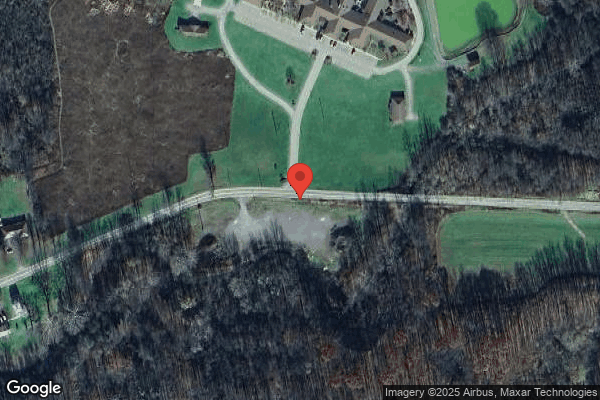

ROLLING FIELDS, INC

9108 STATE HIGHWAY 198, CONNEAUTVILLE, PA 16406 (814) 587-2012
For profit - Corporation 181 Beds HERITAGE MINISTRIES Data: November 2025
Trust Grade
60/100
#346 of 653 in PA
Last Inspection: October 2024

Within standard 12-15 month inspection cycle. Federal law requires annual inspections.

Overview

Rolling Fields, Inc. has a Trust Grade of C+, indicating it is decent and slightly above average compared to other facilities. It ranks #346 out of 653 in Pennsylvania, placing it in the bottom half of state facilities, and #4 out of 6 in Crawford County, meaning there are only two local options that are better. The facility shows an improving trend, with issues decreasing from 10 in 2023 to 8 in 2024, which is a positive sign. Staffing is a strength, with a 4 out of 5-star rating and a turnover rate of 0%, which is well below the state average, suggesting that staff are experienced and familiar with residents. However, there are concerns, including $28,242 in fines, indicating some compliance issues, and specific incidents where the facility failed to ensure required staff training and did not provide a homelike dining experience, affecting residents' overall quality of life.

Trust Score
C+
60/100
In Pennsylvania
#346/653
Bottom 48%
Safety Record
Low Risk
No red flags
Inspections
Getting Better
10 → 8 violations
Staff Stability
○ Average
Turnover data not reported for this facility.
Penalties
○ Average
$28,242 in fines. Higher than 52% of Pennsylvania facilities. Some compliance issues.
Skilled Nurses
✓ Good
Each resident gets 50 minutes of Registered Nurse (RN) attention daily — more than average for Pennsylvania. RNs are trained to catch health problems early.
Violations
⚠ Watch
19 deficiencies on record. Higher than average. Multiple issues found across inspections.
★★★☆☆
3.0
Overall Rating
★★★★☆
4.0
Staff Levels
★★★★☆
4.0
Care Quality
★★★☆☆
3.0
Inspection Score
Stable
2023: 10 issues
2024: 8 issues

The Good

  • 4-Star Staffing Rating · Above-average nurse staffing levels
  • 4-Star Quality Measures · Strong clinical quality outcomes
  • Full Sprinkler Coverage · Fire safety systems throughout facility
  • No fines on record

Facility shows strength in staffing levels, quality measures, fire safety.

The Bad

3-Star Overall Rating

Near Pennsylvania average (3.0)

Meets federal standards, typical of most facilities

Federal Fines: $28,242

Below median ($33,413)

Moderate penalties - review what triggered them

Chain: HERITAGE MINISTRIES

Part of a multi-facility chain

Ask about local staffing decisions and management

The Ugly 19 deficiencies on record

Oct 2024 8 deficiencies
CONCERN (D)

Potential for Harm - no one hurt, but risky conditions existed

Notification of Changes (Tag F0580)

Could have caused harm · This affected 1 resident

Based on review of clinical records and facility policy and staff interviews, it was determined that the facility failed to notify the physician regarding refusal of medication for one of 18 residents...

Read full inspector narrative →
Based on review of clinical records and facility policy and staff interviews, it was determined that the facility failed to notify the physician regarding refusal of medication for one of 18 residents reviewed (Resident R1). Findings include: Review of facility policy entitled Medication Administration dated 7/5/24, indicated Notify provider of any medication refused three times so that a determination can be made as to how to proceed . Review of Resident R1's clinical record revealed an admission date of 4/9/24, with diagnoses that included Diabetes (a health condition that caused by the body's inability to produce enough insulin), Hypertension (high blood pressure), and Hemiplegia (a condition where a person is paralyzed and unable to move one side of their body). Review of Resident R1's physician's orders revealed an order dated 4/9/24, for Insulin Lispro four times a day to treat diabetes. Review of Resident R1's September 2024, Medication Administration Record (MAR) revealed Resident R1 refused his/her Insulin Lispro 111 times, and review of Resident R1's October 2024, MAR revealed Resident R1 refused his/her Insulin Lispro 118 times. During an interview on 10/30/24, at 1:00 p.m. the Director of Nursing confirmed that Resident R1 had refused his/her Insulin Lispro and the clinical record lacked evidence that the physician was notified. He/she also confirmed that the physician should have been notified after the third refusal. 28 Pa. Code 211.10(c) Resident care policies 28 Pa. Code 211.12(d)(1)(5) Nursing services
CONCERN (D)

Potential for Harm - no one hurt, but risky conditions existed

Deficiency F0583 (Tag F0583)

Could have caused harm · This affected 1 resident

Based on observations, review of facility policy, and staff interview, it was determined that the facility failed to provide resident privacy on one of two medication carts (Dogwood Medication cart). ...

Read full inspector narrative →
Based on observations, review of facility policy, and staff interview, it was determined that the facility failed to provide resident privacy on one of two medication carts (Dogwood Medication cart). Findings include: Review of facility policy entitled Resident Rights Privacy & Confidentiality dated 7/5/24, indicated The facility limits access to any medical records to staff and consultants who provide direct care to the resident. And All records - medical, personal, financial or social service - will be safe-guarded at all times to insure confidentiality. Observation on Dogwood Hall on 10/29/24, at 11:13 a.m. revealed a medication cart sitting in the hallway against the wall with an open computer on top of the medication cart and resident health information visibly facing into the hallway. Continued observations revealed several visitors, residents and staff who walked past the visible health record information until the nurse returned to the medication cart at 11:25 a.m. During an interview on 10/29/24, at 11:25 a.m. Licensed Practical Nurse (LPN) Employee E1 confirmed that he/she left the medication cart with the computer open and did not cover resident health information that was on the computer on top of the medication cart. LPN Employee E1 also confirmed that resident information is to be covered when not within view. 28 Pa. Code 201.14(a) Responsibility of licensee 28 Pa. Code 211.12(d)(1)(5) Nursing services
CONCERN (D)

Potential for Harm - no one hurt, but risky conditions existed

Assessment Accuracy (Tag F0641)

Could have caused harm · This affected 1 resident

**NOTE- TERMS IN BRACKETS HAVE BEEN EDITED TO PROTECT CONFIDENTIALITY** Based on review of clinical records and staff interviews, it was determined that the facility failed to accurately code the Mini...

Read full inspector narrative →
**NOTE- TERMS IN BRACKETS HAVE BEEN EDITED TO PROTECT CONFIDENTIALITY** Based on review of clinical records and staff interviews, it was determined that the facility failed to accurately code the Minimum Data Set (MDS-periodic assessment of resident care needs) for two of 18 residents reviewed (Resident R29 and R16 ). Findings include: Review of Resident R29's clinical record revealed an admission date of 3/15/22, with diagnoses that included multiple sclerosis (a disease resulting in nerve damage that disrupts communication between the brain and the body), benign prostatic hyperplasia (type of prostate enlargement resulting in slow or backflow of urine), spastic hemiplegia(condition that causes tightness and involuntary contractions in the limbs and extremities on one side of the body) and weakness. Review of Resident R29's clinical record revealed a physician's order dated 7/12/24, for a Texas catheter (type of external condom catheter to collect urine) to be placed on at bedtime and remove in morning. Review of the MDS dated [DATE], Bowel and Bladder Section H0100 Appliances revealed to check all that apply. Documentation on the MDS for H0100 revealed Resident R29 was marked for having an external catheter and an indwelling catheter. During an interview on 10/30/24, at 1:15 p.m. the Registered Nurse Assessment Coordinator (RNAC) confirmed that the resident did not have an indwelling catheter. The RNAC also confirmed that Section H0100 of the MDS dated [DATE], was incorrectly coded for Resident R29 regarding an indwelling catheter. Resident R16's clinical record revealed an admission date of 1/25/23, with diagnoses that included Type II diabetes (condition where the pancreas does not make enough insulin), dysphagia (difficulty swallowing), and cognitive communication deficit (difficulty communicating). Resident R16's physician's order summary revealed that an Ozempic injection (an antihyperglycemic injection used to help control blood sugar, which is not classified as an insulin) was ordered by the physician on 9/5/24. The Quarterly MDS dated [DATE], Medications Section N0350A indicated that Resident R16 received insulin one time during the seven day look back period. During an interview on 10/30/24, at 12:13 p.m. the Corporate RNAC confirmed that Section N - Medications category N0350A Insulin of the Quarterly MDS dated [DATE] was incorrectly coded for Resident R16 and should have been zero days. 28 Pa. Code 201.14(a) Responsibility of Licensee 28 Pa. Code 211.12(d)(1)(3)(5) Nursing services
CONCERN (D)

Potential for Harm - no one hurt, but risky conditions existed

Deficiency F0657 (Tag F0657)

Could have caused harm · This affected 1 resident

Based on review of facility policy and clinical records, and staff interview, it was determined that the facility failed to update a care plan for one of 18 residents reviewed (Resident R29). Findings...

Read full inspector narrative →
Based on review of facility policy and clinical records, and staff interview, it was determined that the facility failed to update a care plan for one of 18 residents reviewed (Resident R29). Findings include: Review of a facility policy entitled Formation of the Resident Care Plan dated 7/5/24, indicated that, care plans are periodically reviewed and revised by a team of qualified persons after each assessment. Review of Resident R29's clinical record revealed an admission date of 3/15/22, with diagnoses that included multiple sclerosis (a disease resulting in nerve damage that disrupts communication between the brain and the body), benign prostatic hyperplasia (type of prostate enlargement resulting in slow or backflow of urine), spastic hemiplegia(condition that causes tightness and involuntary contractions in the limbs and extremities on one side of the body) and weakness. Review of Resident R29's clinical record revealed a physician's order dated 7/12/24, for a Texas catheter (type of external condom catheter to collect urine) to be placed on at bedtime and removed in morning. Review of clinical record documentation for Resident R29 revealed there was no evidence that the care plan was updated to reflect the Texas catheter. During an interview on 10/30/24, at 1:15 p.m. the Registered Nurse Assessment Coordinator confirmed that Resident R29's care plan was not updated to reflect the Texas catheter. 28 Pa. Code 201.14(a) Responsibility of licensee 28 Pa. Code 211.10(c) Resident care policies 28 Pa. Code 211.12(d)(1)(5) Nursing services
CONCERN (D)

Potential for Harm - no one hurt, but risky conditions existed

Quality of Care (Tag F0684)

Could have caused harm · This affected 1 resident

Based on review of clinical records and facility policies, facility documentation, and staff interview, it was determined that the facility failed to administer medications as ordered by the physician...

Read full inspector narrative →
Based on review of clinical records and facility policies, facility documentation, and staff interview, it was determined that the facility failed to administer medications as ordered by the physician for one of 18 residents reviewed (Resident R1). Findings include: Review of facility policy entitled Medication Administration dated 7/5/24, indicated All nurses must possess an awareness of responsibility to follow physician's orders precisely . Review of facility policy entitled Sliding Scale Insulin Coverage dated 7/5/24, indicated Nurse verifies type and amount of insulin to be given, and administers it. and Nurse will record in the EMAR the date, time, fingerstick blood sugar level and the amount of insulin administered. Review of Resident R1's clinical record revealed an admission date of 4/9/24, with diagnoses that included Diabetes (a health condition that caused by the body's inability to produce enough insulin), Hypertension (high blood pressure), and Hemiplegia (a condition where a person is paralyzed and unable to move one side of their body). Review of Resident R1's physician's orders revealed an order dated 4/9/24, for Insulin Lispro (medication to treat diabetes and control blood sugar levels) 100 Units per Milliliter Subcutaneous (an injection placed just under the skin) four times a day for sliding scale (a scale to determine how much insulin to give based on the blood glucose results) 70-130 0 units, 131-180 1 unit, 181-240 = 2 units, 241-300 3 units, 301-350 4 units four times a day for diabetes. Review of Resident R1's September 2024, and October 2024, Medication Administration Record's (MAR) revealed Resident R1's Blood Glucose Monitoring (BGM) at breakfast on 9/18/24, was 161 and documentation on the MAR was 0 for insulin given. Review of MAR's for Hour of Sleep (HS) on 9/11/24, BGM was 211; on 9/18/24, BGM was 242; on 9/19/24, BGM was 240; on 9/25/24, BGM was 271; and on 10/16/24, BGM was 337. The MAR's lacked documentation of the amount of insulin administered in accordance with the physician's order. Interview with the Director of Nursing on 10/30/24, at 1:00 p.m. confirmed that Resident R1's Insulin Lispro was not administered in accordance with physician's orders. He/she also confirmed that Resident R1's insulin should have been administered in accordance with the physician's order. 28 Pa. Code 211.10(c) Resident care policies 28 Pa. Code 211.12(d)(1)(5) Nursing services
CONCERN (D)

Potential for Harm - no one hurt, but risky conditions existed

Respiratory Care (Tag F0695)

Could have caused harm · This affected 1 resident

Based on review of facility policy and clinical records, and staff interview, it was determined that the facility failed to administer routine oxygen as ordered for one of 18 residents reviewed (Resid...

Read full inspector narrative →
Based on review of facility policy and clinical records, and staff interview, it was determined that the facility failed to administer routine oxygen as ordered for one of 18 residents reviewed (Resident R31). Findings include: Review of facility policy entitled Medication Administration dated 7/5/24, indicated All nurses must possess an awareness of responsibility to follow physician's orders precisely . Review of Resident R31's clinical record revealed an initial admission date of 7/5/24, with diagnoses that included malignant neoplasm of the right bronchus or lung (lung cancer), atrial fibrillation (irregular heartbeat), and low back pain. Resident R31's clinical record revealed a physician's order dated 7/31/24, indicating Resident R31 was to be on routine oxygen set at 2 liters per minute via nasal canula. Resident R31's Medication Administration Record (MAR) for September 2024 and October 2024 revealed that he/she did not have his/her routine oxygen in place as ordered by the physician on every shift on 9/1/24, 9/2/24, 9/3/24, 9/4/24, 9/5/24, 9/6/24, 9/7/24, 9/8/24, 9/9/24, 9/10/24, 9/11/24, 9/12/24, 9/13/24, 9/14/24, 9/15/24, 9/16/24, 9/17/24, 9/18/24, 9/19/24, 9/20/24, 9/21/24, 9/22/24, 9/23/24, 9/24/24, 9/25/24, 9/26/24, 9/27/24, 9/28/24, 9/29/24, 9/30/24, 10/1/24, 10/2/24, 10/3/24, 10/4/24, 10/5/24, 10/6/24, 10/7/24, 10/8/24, 10/9/24, 10/10/24, 10/11/24, 10/12/24, 10/13/24, 10/14/24, 10/15/24, 10/16/24, 10/17/24, 10/18/24, 10/19/24, 10/20/24, 10/21/24, 10/22/24, 10/23/24, 10/24/24, 10/25/24, 10/26/24, 10/27/24, 10/28/24, and 10/29/24. During an interview on 10/30/24, at 1:43 p.m. Licensed Practical Nurse Employee E3 confirmed that Resident R31's routine oxygen order was not being administered as ordered by the physician on the shifts and dates listed above. 28 Pa. Code 211.12(d)(1)(5) Nursing services
CONCERN (D)

Potential for Harm - no one hurt, but risky conditions existed

Deficiency F0868 (Tag F0868)

Could have caused harm · This affected 1 resident

Based on review of facility records and staff interview, it was determined that the facility failed to assure required attendance of the Medical Director to Quality Assurance and Performance Improveme...

Read full inspector narrative →
Based on review of facility records and staff interview, it was determined that the facility failed to assure required attendance of the Medical Director to Quality Assurance and Performance Improvement (QAPI) Committee meetings for one of four quarterly QAPI Committee meetings (September 2024). Findings include: A facility policy entitled Quality Assurance and Process Improvement (QAPI) Program and Committee dated 7/5/24, indicated the QAPI committee shall meet at least quarterly and will include feedback from the Medical Director. Review of the QAPI Committee Attendance Records from April 2024 through October 2024 revealed no evidence on the attendance sign-in sheets for the required QAPI meetings that the Medical Director was in attendance for the September 2024 meeting. During an interview on 10/31/24, at 11:13 a.m. the Nursing Home Administrator confirmed the facility lacked evidence that the Medical Director attended the quarterly QAPI Committee meeting as required for the September 2024 meeting. 28 Pa. Code 201.18(e)(1)(3) Management 28 Pa. Code 211.10(d) Resident care policies
MINOR (B)

Minor Issue - procedural, no safety impact

Staffing Data (Tag F0851)

Minor procedural issue · This affected multiple residents

Based on facility requirements according to the Affordable Care Act (ACA), review of Payroll Based Journal (PBJ) Staffing Data Reports, and staff interview, it was determined that the facility failed ...

Read full inspector narrative →
Based on facility requirements according to the Affordable Care Act (ACA), review of Payroll Based Journal (PBJ) Staffing Data Reports, and staff interview, it was determined that the facility failed to electronically submit accurate direct care staffing information for one of the last four quarters (Quarter One of 2024). Findings include: Review of Section 6106 of the ACA requires facilities to electronically submit direct care staffing information (including agency and contract staff) based on payroll and other auditable data to the Centers for Medicare and Medicaid Services (CMS). First quarter reporting includes data from October 1st through December 31st. Review of PBJ staffing data reports for fiscal year first quarter 2024 revealed the facility triggered for No RN hours on 12/17/23, 12/23/23, 12/24/23, 12/25/23, and 12/31/23, and Failed to have Licensed Nursing Coverage 24 hours/day on 12/16/23, 12/17/23, 12/23/23, 12/24/23, 12/25/23, 12/30/23, and 12/31/23. Review of staffing documentation on 12/17/23, 12/23/23, 12/24/23, 12/25/23, and 12/31/23, revealed the facility did have RN hours and on 12/16/23, 12/17/23, 12/23/23, 12/24/23, 12/25/23, 12/30/23, and 12/31/23, the facility did have Licensed Nursing Coverage 24 hours/day, indicating the facility failed to submit accurate PBJ information as required by the ACA. During an interview on 10/31/24, at 10:41 a.m. the Scheduler Employee E2 confirmed that the PBJ report for Quarter One for 2024 was submitted inaccurately. 28 Pa. Code 201.18(b)(3) Management
Nov 2023 6 deficiencies
CONCERN (D)

Potential for Harm - no one hurt, but risky conditions existed

Deficiency F0691 (Tag F0691)

Could have caused harm · This affected 1 resident

Based on clinical record review, observations, and resident and staff interviews, it was determined that the facility failed to provide urostomy (an opening in the belly made during surgery to re-dire...

Read full inspector narrative →
Based on clinical record review, observations, and resident and staff interviews, it was determined that the facility failed to provide urostomy (an opening in the belly made during surgery to re-direct urine away from the damaged bladder) care and services consistent with professional standards of practice for one of one residents with a urostomy (Resident 57). Findings include: Upon request, no facility policy was provided by the Director of Nursing (DON). Review of Resident 57's clinical record revealed an admission date 10/22/18, with diagnoses of kidney failure, chronic kidney disease-stage four (kidneys are severely damaged and are not able to filter waste from the blood sufficiently), gastro-esophagus reflux disease (a digestive disease in which stomach acid or bile irritates the food pipe lining), and an artificial opening of the urinary tract (urostomy). Review of Resident R57's care plan dated 10/13/23, identified an alteration in elimination as shown by the presence of a urostomy with interventions to change appliance per order. Review of Resident R57's physician order referenced on the Treatment Record, dated with a start date of 1/23/20, revealed Change urostomy Q [every] 3 days - Every 72 hours Apply ring of stoma [artificial opening] paste at opening . Review of the Resident R57's Treatment Record for October 2023 from 10/01/23, through 10/31/23, revealed Resident R57's urostomy was only changed on 10/01/23, 10/10/23, 10/20/23, and 10/22/23, or four of 31 days. Observations of Resident R57 on 10/30/23, at approximately 11:00 a.m., on 10/31/23, at approximately 10:00 a.m., and on 11/01/23, at approximately 1:00 p.m. revealed Resident 57 with a urostomy maintained. A strong odor of urine was also noted during the observations. During an interview on Tuesday, 10/31/23, at approximately 11:00 a.m. Resident 57 indicated that his/her urostomy does not get changed as ordered on Tuesdays and Saturdays weekly. Furthermore, an interview on Wednesday, 11/01/23, at approximately 1:00 p.m. revealed Resident 57's urostomy did not get changed the day prior, 10/31/23, as ordered. During an interview on 11/01/23, at 2:45 p.m. the DON confirmed that Resident R57's urostomy was not changed every three days per the physician order as noted above and failed to provide urostomy care and services consistent with professional standards of practice for Resident 57. 28 Pa. Code 211.10 (c) Resident care policies 28 Pa. Code 211.12 (d)(1)(5) Nursing services
CONCERN (D)

Potential for Harm - no one hurt, but risky conditions existed

Deficiency F0761 (Tag F0761)

Could have caused harm · This affected 1 resident

Based on review of facility policy, observations, and staff interviews, it was determined that the facility failed to properly label multi-use pens of insulin with an opened and/or use by dates for on...

Read full inspector narrative →
Based on review of facility policy, observations, and staff interviews, it was determined that the facility failed to properly label multi-use pens of insulin with an opened and/or use by dates for one of three medication storage carts reviewed (Birch Street). Findings include: Review of the current facility policy entitled, Insulin Administration Procedure, last reviewed 11/13/2022, identified that Upon opening a new vial, make sure to write both the open and discard date on the vial with a permanent marker. Timing and loss of potency varies depending on the type of insulin, refer to the pharmacy label prior to writing discard date. Observation of medication storage cart on Birch Street, on 10/30/2023, at 3:45 p.m. revealed that multi-use pens of insulin were opened with no opened date and/or use-by date printed on the vial. During an interview with Licensed Practical Nurse Employee E1 on 10/30/2023, at the time of the observation, it was confirmed that the multi-use pens of insulin were opened and in the medication cart for use and there was no opened date and/or use-by date on the pens for staff to know if the medication was still safe for use or to discard. During an interview on 10/30/2023, at 3:45 p.m. Registered Nurse Supervisor Employee E2 confirmed that insulins in the Birch Street cart were opened with no opened date and/or use by date on the pens. It was confirmed that opened pens of insulin should have opened and/or use by dates on the pens. 28 Pa. Code 211.12(d)(1)(2)(5) Nursing services 28 Pa. Code 211.10(c) Resident care policies
CONCERN (D)

Potential for Harm - no one hurt, but risky conditions existed

Infection Control (Tag F0880)

Could have caused harm · This affected 1 resident

Based on review of infection control records, facility policy, and staff interviews, it was determined that the facility failed to provide proof that a system to monitor and prevent legionella in the ...

Read full inspector narrative →
Based on review of infection control records, facility policy, and staff interviews, it was determined that the facility failed to provide proof that a system to monitor and prevent legionella in the facility water was established. Findings include: Upon request, no facility policy was provided by the Nursing Home Administrator (NHA). During review of infection control records, it was identified there was no written evidence of routine testing for legionella in the facility water system. During an interview with the Director of Environmental Services on 11/02/23, at 11:15 a.m. he/she indicated the facility does not complete water testing for legionella in the facility water. During an interview with the NHA on 11/02/23, at 11:20 a.m. it was confirmed the facility lacked evidence of testing for legionella in the facility water system, and the facility currently has no routine for water testing. 28 Pa. Code 201.14(a) Responsibility of licensee 28 Pa. Code 201.18(b)(1) Management 28 Pa. Code 211.10(d) Resident care policies
CONCERN (E)

Potential for Harm - no one hurt, but risky conditions existed

Resident Rights (Tag F0550)

Could have caused harm · This affected multiple residents

Based on review of facility policy, observations and staff interviews, it was determined that the facility failed to provide a homelike dining experience by not having the dining room open for all res...

Read full inspector narrative →
Based on review of facility policy, observations and staff interviews, it was determined that the facility failed to provide a homelike dining experience by not having the dining room open for all residents to use for breakfast, lunch and dinner. Findings include: Review of the facility policy entitled, Elder Dining Options dated 11/16/22, revealed that the facility offers several dining options: supervised dining in the Kallimos Cafe (Main Dining Room), supervised dining in the Elder's room, supervised dining in the Fig Street Common Area and assisted dining in the Elder's room. Observations of meals served to all residents' rooms from 10/30/23, through 11/01/23, revealed that the dining room had not been open for the resident population to use for each meal (breakfast, lunch and dinner). Review of the dietary staff schedules dated from 8/27/23, through 11/02/23, revealed that the dining room had only been open five times during that 68 day period. During an interview on 11/01/23, at 1:15 p.m. the Nursing Home Administrator confirmed the residents have been eating in their rooms or common areas and have not been allowed to eat in the Kallimos Cafe consistently for the past several months. 28 Pa. Code 201.18(b)(3) Management
CONCERN (E) 📢 Someone Reported This

A family member, employee, or ombudsman was alarmed enough to file a formal complaint

Potential for Harm - no one hurt, but risky conditions existed

Deficiency F0725 (Tag F0725)

Could have caused harm · This affected multiple residents

Based on review of facility records, observations, and resident, family member, and staff interviews, and review of the Long Term Care Facility Resident Assessment Instrument 3.0 User's Manual 2019 (R...

Read full inspector narrative →
Based on review of facility records, observations, and resident, family member, and staff interviews, and review of the Long Term Care Facility Resident Assessment Instrument 3.0 User's Manual 2019 (RAI-assessment guide used to plan the provision of care for residents), it was determined that the facility failed to ensure sufficient nursing staff to assure residents attain or maintain the highest practicable physical, mental, and psychosocial well-being for six of 21 residents reviewed (Residents R9, R36, R40, R44, R47, and R53). Findings include: Review of the RAI manual instructions for Section C0500 Brief Interview for Mental Status (BIMS) revealed that a score of 13-15 identified a resident as cognitively intact and a score of 8-12 identified a resident as moderately impaired, and a score of 0-7 as severely impaired. Section GG0100 Prior Functioning: Everyday Activities. Indicate the resident's usual ability with everyday activities prior to the current illness, exacerbation, or injury. Review of Resident R47's MDS information identified a BIMS of 14/15 and was Dependent (helper does All of the effort Resident does none of the effort to complete the activity. Or, the assistance of 2 or more helper is required for the resident to complete the activity), During resident interviews on 10/30/23, from 11:00 a.m. through 3:30 p.m., Resident R47 verbalized that call bell response times were a concern with wait times of an hour or more. Resident R47 indicated that he/she has to wait for assistance to go the bathroom and his/her incontinence product is typically soaked by the time staff answer his/her call light. Resident R47 also indicated it was common to wait for long periods regardless of shifts. Resident R53, with a BIMS of 11/15, verbalized that he/she would like to go to the dining room for meals. However, due to not enough staff, the dining room is not open, and residents are required to eat each meal in their rooms. Resident R47 and Resident R53 verbalized that meals are late. Observations on 10/30/23, 10/31/23, and 11/01/23, revealed the dining room was not open for resident meals. During a Resident Council meeting on 10/31/23, at approximately 10:15 a.m., four of six residents (Resident R9 with a BIMS 15/15, R36 with a BIMS 15/15, R40 with a BIMS 15/15, and R44 with a BIMS 15/15) in attendance indicated resident needs were not being met due to long call bell response times related to insufficient staffing. During an interview on 11/02/23, at 11:20 a.m. the Director of Nursing confirmed the dining room has not been open and off shifts (afternoon and midnight shift) have been a struggle to meet the resident needs due to insufficient staff. 28 Pa. Code 201.14(a) Responsibility of licensee 28 Pa. Code 201.18(b)(1)(3) Management 28 Pa. Code 211.12(d)(4) Nursing services
CONCERN (F)

Potential for Harm - no one hurt, but risky conditions existed

Deficiency F0947 (Tag F0947)

Could have caused harm · This affected most or all residents

Based on review of facility employee in-service training records and staff interview, it was determined that the facility failed to assure staff completed all required mandatory trainings for the year...

Read full inspector narrative →
Based on review of facility employee in-service training records and staff interview, it was determined that the facility failed to assure staff completed all required mandatory trainings for the yearly Nurse Aide (NA) 12-hour mandatory trainings for the past year from December 2022 through November 2023. Findings include: Upon request, no records or evidence of mandatory in-service training for all NA's from December 2022 through November 2023, was provided for review. During an interview on 11/02/23, at 12:40 p.m. the Nursing Home Administrator confirmed that no evidence could be provided regarding NA's 12-hour mandatory in-service trainings as required. 28 Pa. Code 201.20(a)(d) Staff development
Aug 2023 1 deficiency
CONCERN (E) 📢 Someone Reported This

A family member, employee, or ombudsman was alarmed enough to file a formal complaint

Potential for Harm - no one hurt, but risky conditions existed

Deficiency F0725 (Tag F0725)

Could have caused harm · This affected multiple residents

Based on review of staffing schedules and facility documentation, and resident and staff interviews, it was determined that the facility failed to ensure sufficient nursing staff to assure residents a...

Read full inspector narrative →
Based on review of staffing schedules and facility documentation, and resident and staff interviews, it was determined that the facility failed to ensure sufficient nursing staff to assure residents attain or maintain the highest practicable physical, mental, and psychosocial well-being for 10 of 13 residents interviewed (Residents R2, R3, R4, R5, R6, R7, R9, R10, R11 and R13). Findings include: During resident interviews on July 26, 2023, from 9:30 a.m., through 2:25 p.m. Residents R2, R3, R4, R5, R6, R7, R9, R10, R11 and R13 voiced concerns with insufficient nursing staff, elicited complaints of extended wait times for call lights to be answered and untimely assistance with toileting/personal care and general assistance. In addition, Residents R3, R7 and R9 expressed concerns that more staff members were leaving out of frustration with low staffing levels and low pay. Review of Resident Council minutes for July 2023, revealed resident concerns that good staff were leaving and that a substantial rate increase was needed. A review of the past three weeks (7/5/23 through 7/25/23) of nursing staff levels, documented that the facility did not provide sufficient nursing staff to meet state regulatory requirements for 21 of the 21 days reviewed. During an interview on August 2, 2023, at 1:17 p.m., the Nursing Home Administrator confirmed the accuracy of the low staffing levels. 28 Pa Code 211.12 (d)(4) Nursing services 28 Pa Code 201.14(a) Responsibility of licensee 28 Pa Code 201.18(a)(3) Management
Apr 2023 1 deficiency
CONCERN (E) 📢 Someone Reported This

A family member, employee, or ombudsman was alarmed enough to file a formal complaint

Potential for Harm - no one hurt, but risky conditions existed

Deficiency F0836 (Tag F0836)

Could have caused harm · This affected multiple residents

Based on a review of vendor invoices as well as interviews with vendors and staff, it was determined that the facility failed to operate in compliance with state regulations and codes. The facility fa...

Read full inspector narrative →
Based on a review of vendor invoices as well as interviews with vendors and staff, it was determined that the facility failed to operate in compliance with state regulations and codes. The facility failed to pay vendors in a timely manner. Findings include: 28 PA Code Commonwealth of Pennsylvania Long Term Care Licensure Regulations subsection 201.14(g), dated July 24, 1999, revealed that a facility owner shall pay in a timely manner bills incurred in the operation of a facility that are not in dispute and that are for services without which the residents' health and safety are jeopardized. The facility's Accounts Payable Ledger dated January 1, 2023, through March 31, 2023, revealed that multiple vendors had submitted invoices for payment for services provided. However, as of April 19, 2023, multiple vendors had not received payment for the services provided. Total amounts owed to vendors were $59,667.18. Below is only a partial sample of the vendors that are still owed payment for services provided. Information provided by the facility revealed that the facility's vendor for water was owed $5,877.93. Interview with the water service vendor on April 20, 2023, at 11:50 a.m. confirmed that the facility was 30 days in arrears (past due) in paying their water bill, and that the water service could potentially be shut off. The vendor confirmed that a shut off notice had not been issued to date, and that no payment had been received since the first of March 2023. Information provided by the facility revealed that the facility's vendor for sewage was owed $19,200.00. Interview with the sewage vendor on April 20, 2023, at 12:21 p.m. confirmed he/she spoke with the facility's Chief Financial Officer on April 19, 2023, and that the facility's governing board was scheduled to have a meeting on April 20, 2023, and that the vendor will be notified on April 24, 2023, when and the amount of the outstanding balance will be paid. The vendor also confirmed they are contracted with water department and cannot continue service if the water is shut off, and that their guidelines state they will begin to issue shut off notices when the customer is three calendar quarters behind, and that the facility is currently two calendar quarters behind in payments. Interview with the Nursing Home Administrator on April 18, 2023, at 10:30 a.m. confirmed that the facility's corporate office receives all due bills and that he/she does not know what is being paid. Interview with the Nursing Home Administrator on April 20, 2023, at 3:55 p.m. confirmed that as of April 1, 2023, the facility owed $5,877.93 to the water vendor, and that at the end of March 2023, the facility owed $20,160 and paid $10,560 to the sewage vendor and currently still owed $19,200. 28 Pa. Code 201.14 (g) Responsibility of licensee 28 Pa. Code 201.18 (e)(1) Management
Feb 2023 1 deficiency
CONCERN (D) 📢 Someone Reported This

A family member, employee, or ombudsman was alarmed enough to file a formal complaint

Potential for Harm - no one hurt, but risky conditions existed

Grievances (Tag F0585)

Could have caused harm · This affected 1 resident

Based on a review of facility policy, clinical progress notes, facility grievances, and interviews, it was determined that the facility failed to resolve a resident representative's grievance concerni...

Read full inspector narrative →
Based on a review of facility policy, clinical progress notes, facility grievances, and interviews, it was determined that the facility failed to resolve a resident representative's grievance concerning facility staff not answering facility telephones for one of three residents reviewed (Resident R1). Findings include: Review of the facility policy entitled, Grievances dated 11/14/22, revealed that the facility will ensure prompt resolution to all grievances, keeping the resident and the resident representative informed throughout the investigation and resolution process. Residents and representatives may file a complaint personally or in writing to the Grievance Officer. Grievances can also be filed with the Administrator, Supervisors, Departments heads, or Social Work. All grievances will be reviewed and investigated. A response will be given within 5 business days. The facility will promote the grievance process throughout the organization by notifying residents of their rights related to grievances as well as educating all those affected by potential grievances or concerns on the facility grievance processes. Review of clinical progress notes for Resident R1, dated 2/16/23, at 11:07 a.m. indicated that, Resident R1's family member called this morning. Began conversation by stating that he/she was .sick of us and this place . He/She wanted to know why facility staff did not answer the phone last night. That he/she called to find out what Resident R1's results were from his/her neck X-ray. Facility staff member explained to Resident R1's family member that the results of Resident R1's X-ray were negative. Resident R1's family member continued to yell and say why couldn't the facility staff answer the phone. The facility staff member explained again that he/she was not at the facility last evening and couldn't answer that question. Once again the family member stated he/she was sick of facility and the facility staff are a bunch of incompetent people who don't care about anything. While the family member was yelling, the facility staff member explained to him/her that he/she wasn't going to listen to him/her yell at them. The facility staff member documented he/she had nothing to do with anything that transpired last evening. During interviews with the Nursing Home Administrator (NHA) on 2/24/23, at 9:40 a.m. and 2/27/23, at 2:20 p.m. it was confirmed that no Grievances were noted regarding the facility telephones not being answered on 2/15/23 and/or Resident R1's family member's concerns documented in Resident R1's clinical progress notes, dated 2/16/23. The NHA confirmed he/she was unaware of Resident R1's family member's concerns of facility staff not answering facility telephones on 2/15/23. 28 Pa. Code 201.14(a) Responsibility of licensee 28 Pa. Code 201.18(b)(1) Management 28 Pa. Code 201.18(b)(3)(e)(1)(3) Management 28 Pa. Code 201.29(j) Resident rights
Feb 2023 1 deficiency
CONCERN (E) 📢 Someone Reported This

A family member, employee, or ombudsman was alarmed enough to file a formal complaint

Potential for Harm - no one hurt, but risky conditions existed

Deficiency F0804 (Tag F0804)

Could have caused harm · This affected multiple residents

Based on observations and resident interviews, it was determined that the facility failed to provide meals at a palatable temperature for 10 of 13 residents interviewed (Residents R1, R2, R3, R4, R5, ...

Read full inspector narrative →
Based on observations and resident interviews, it was determined that the facility failed to provide meals at a palatable temperature for 10 of 13 residents interviewed (Residents R1, R2, R3, R4, R5, R6, R8, R9, R11 and R12). Findings include: Observations of meal distribution on 2/11/23, from 7:30 a.m, through 12:00 p.m. revealed that trays were brought individually from the kitchen and delivered on non-insulated plates with non-insulated metal lids with a quarter sized steam release hole in the center. On 2/11/23, during resident interviews, the following residents complained of receiving meals that had cooled when delivered. From 7:40 a.m., through 12:00 p.m., Residents R1, R2, R3, R4, R5, R6, R8, R9, R11 and R12 all expressed frustration that their meals were unpalatable because the food was cold when delivered by staff. At 10:00 a.m., Residents R8 and R9 explained that the nursing staff were often too busy to pick the meals up from the kitchen and deliver them before the food cooled to an unappetizing temperature. The December 2023, Resident Council minutes, documented concerns of meals arriving cold. The facility failed to maintain that food was palatable and at an appropriate temperature for the residents. During interview on 2/11/23, at 11:00 a.m. the Dietary Manager confirmed that the dietary department prepared the meals and when ready for delivery, the nursing staff were alerted to deliver the meals to the residents. 28 Pa. Code 201.14(a) Responsibility of licensee
Dec 2022 1 deficiency
CONCERN (E)

Potential for Harm - no one hurt, but risky conditions existed

Resident Rights (Tag F0550)

Could have caused harm · This affected multiple residents

Based on review of facility policy and clinical records, observations, and staff interviews, it was determined that the facility failed to maintain resident dignity for three of three residents (Resid...

Read full inspector narrative →
Based on review of facility policy and clinical records, observations, and staff interviews, it was determined that the facility failed to maintain resident dignity for three of three residents (Residents R44, R71, and R80) with urinary drainage devices. Findings include: Review of the facility policy entitled, Nursing Policy & Procedure Catheter Care dated 11/14/22, revealed that all over-bed drainage (OBD) bags must be covered at all times for resident dignity. Review of Resident R71's clinical record revealed an admission date of 10/22/18, with diagnoses that included Stage 4 kidney disease (kidneys that are failing), metabolic encephopathy (condition of damage to the brain function that is caused by a condition unrelated to the brain), urostomy (artificial opening of the urinary tract where the urine drains through to a collection bag), and diabetes mellitus (a condition that affects the way the body processes blood sugar). Observations from 12/12/22, through 12/13/22, revealed Resident R71's urostomy bag hanging from the resident's bed uncovered, exposing the bag with urine to be viewed easily by all who enter the room. Additionally, Resident R71 had a roommate with visitors during the observations. During an interview on 12/13/22, at 2:30 p.m. Licensed Practical Nurse (LPN) Employee E1 confirmed that Resident R71's urostomy bag was hanging from the bed filled with urine. LPN Employee E1 also confirmed that Resident R71's urostomy bag should be covered to protect Resident R71's privacy/dignity. During an interview on 12/15/22, at 1:30 p.m. the Director of Nursing confirmed that Resident R71's urostomy bag should always be covered to maintain privacy/dignity for the resident. Review of Resident R44's clinical record revealed an admission date of 9/08/22, with diagnoses that included congestive heart failure, diabetes, hypertension, altered mental status, and difficulty walking. Observations from 12/12/22, through 12/13/22, revealed Resident R44's urinary catheter (tubing to drain urine into a bag from the bladder) bag hanging from the resident's bedside chair uncovered exposing the bag with urine to be viewed easily by all who enter the room. Review of Resident R80's clinical record revealed an admission date of 9/22/22, with diagnoses that included cerebral infarction (disrupted blood flow to the brain due to problems with the vessels that supply it), paralysis, dysfunction of the bladder, gout, and depression. Observations from 12/12/22, through 12/13/22, revealed Resident R80's urinary catheter bag hanging from the resident's bed uncovered exposing the bag with urine to be viewed easily by all who enter or pass by the room in the hallway. During an interview and observation on 12/13/22, at 2:09 p.m. with LPN Employee E2 it was confirmed that Residents R44 and R80, both had catheter bags with urine in them that were not in a catheter privacy bag and were exposed to those passing by their room. It was confirmed that catheter bags should be in privacy bags to protect resident privacy/dignity. 28 Pa. Code 201.29(j) Resident rights 28 Pa. Code 211.12(d)(1)(5) Nursing services
Understanding Severity Codes (click to expand)
Life-Threatening (Immediate Jeopardy)
J - Isolated K - Pattern L - Widespread
Actual Harm
G - Isolated H - Pattern I - Widespread
Potential for Harm
D - Isolated E - Pattern F - Widespread
No Harm (Minor)
A - Isolated B - Pattern C - Widespread

Questions to Ask on Your Visit

  • "Can I speak with families of current residents?"
  • "What's your RN coverage like on weekends and overnight?"

Our Honest Assessment

Strengths
  • • No major safety red flags. No abuse findings, life-threatening violations, or SFF status.
Concerns
  • • 19 deficiencies on record. Higher than average. Multiple issues found across inspections.
  • • $28,242 in fines. Higher than 94% of Pennsylvania facilities, suggesting repeated compliance issues.
Bottom line: Mixed indicators with Trust Score of 60/100. Visit in person and ask pointed questions.

About This Facility

What is Rolling Fields, Inc's CMS Rating?

CMS assigns ROLLING FIELDS, INC an overall rating of 3 out of 5 stars, which is considered average nationally. Within Pennsylvania, this rating places the facility higher than 0% of the state's 100 nursing homes. This mid-range rating indicates the facility meets federal standards but may have areas for improvement.

How is Rolling Fields, Inc Staffed?

CMS rates ROLLING FIELDS, INC's staffing level at 4 out of 5 stars, which is above average compared to other nursing homes.

What Have Inspectors Found at Rolling Fields, Inc?

State health inspectors documented 19 deficiencies at ROLLING FIELDS, INC during 2022 to 2024. These included: 18 with potential for harm and 1 minor or isolated issues.

Who Owns and Operates Rolling Fields, Inc?

ROLLING FIELDS, INC is owned by a for-profit company. For-profit facilities operate as businesses with obligations to shareholders or private owners. The facility is operated by HERITAGE MINISTRIES, a chain that manages multiple nursing homes. With 181 certified beds and approximately 51 residents (about 28% occupancy), it is a mid-sized facility located in CONNEAUTVILLE, Pennsylvania.

How Does Rolling Fields, Inc Compare to Other Pennsylvania Nursing Homes?

Compared to the 100 nursing homes in Pennsylvania, ROLLING FIELDS, INC's overall rating (3 stars) matches the state average and health inspection rating (3 stars) is at the national benchmark.

What Should Families Ask When Visiting Rolling Fields, Inc?

Based on this facility's data, families visiting should ask: "Can I visit during a mealtime to observe dining assistance and food quality?" "How do you handle medical emergencies, and what is your hospital transfer rate?" "Can I speak with family members of current residents about their experience?"

Is Rolling Fields, Inc Safe?

Based on CMS inspection data, ROLLING FIELDS, INC has a clean safety record: no substantiated abuse findings (meaning no confirmed cases of resident harm), no Immediate Jeopardy citations (the most serious violation level indicating risk of serious injury or death), and is not on the Special Focus Facility watch list (a federal program monitoring the lowest-performing 1% of nursing homes). The facility has a 3-star overall rating and ranks #1 of 100 nursing homes in Pennsylvania. While no facility is perfect, families should still ask about staff-to-resident ratios and recent inspection results during their visit.

Do Nurses at Rolling Fields, Inc Stick Around?

ROLLING FIELDS, INC has not reported staff turnover data to CMS. Staff turnover matters because consistent caregivers learn residents' individual needs, medications, and preferences. When staff frequently change, this institutional knowledge is lost. Families should ask the facility directly about their staff retention rates and average employee tenure.

Was Rolling Fields, Inc Ever Fined?

ROLLING FIELDS, INC has been fined $28,242 across 5 penalty actions. This is below the Pennsylvania average of $33,361. While any fine indicates a compliance issue, fines under $50,000 are relatively common and typically reflect isolated problems that were subsequently corrected. Families should ask what specific issues led to these fines and confirm they've been resolved.

Is Rolling Fields, Inc on Any Federal Watch List?

ROLLING FIELDS, INC is not on any federal watch list. The most significant is the Special Focus Facility (SFF) program, which identifies the bottom 1% of nursing homes nationally based on persistent, serious quality problems. Not being on this list means the facility has avoided the pattern of deficiencies that triggers enhanced federal oversight. This is a positive indicator, though families should still review the facility's inspection history directly.