VALLEY MANOR REHABILITATION AND HEALTHCARE CENTER
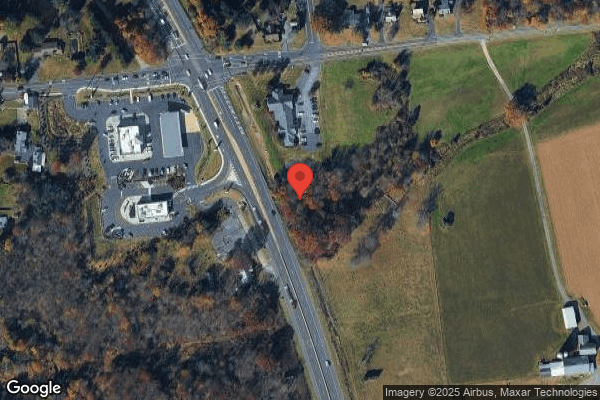
7650 ROUTE 309, COOPERSBURG, PA 18036 (610) 282-1919
For profit - Corporation 180 Beds LME FAMILY HOLDINGS Data: November 2025
Trust Grade
43/100
#505 of 653 in PA
Last Inspection: March 2025

Within standard 12-15 month inspection cycle. Federal law requires annual inspections.

Overview

Valley Manor Rehabilitation and Healthcare Center has received a Trust Grade of D, which indicates below-average performance with some concerns. They rank #505 out of 653 facilities in Pennsylvania, placing them in the bottom half, and #16 out of 16 in Lehigh County, meaning there are no better local options. The facility is showing a trend of improvement, with issues decreasing from 11 in 2024 to 9 in 2025. Staffing is rated average with a 3/5 star rating, but the turnover rate of 64% is concerning, significantly higher than the state average of 46%. While the facility has more RN coverage than 76% of other Pennsylvania facilities, there have been specific incidents of concern, such as food being stored improperly in the kitchen and residents reporting that menus are frequently substituted without notice. Overall, while there are some strengths, particularly in RN coverage, families should be aware of the significant weaknesses in food safety and staffing stability.

Trust Score
D
43/100
In Pennsylvania
#505/653
Bottom 23%
Safety Record
Low Risk
No red flags
Inspections
Getting Better
11 → 9 violations
Staff Stability
⚠ Watch
64% turnover. Above average. Higher turnover means staff may not know residents' routines.
Penalties
✓ Good
$17,461 in fines. Lower than most Pennsylvania facilities. Relatively clean record.
Skilled Nurses
○ Average
Each resident gets 41 minutes of Registered Nurse (RN) attention daily — about average for Pennsylvania. RNs are the most trained staff who monitor for health changes.
Violations
⚠ Watch
43 deficiencies on record. Higher than average. Multiple issues found across inspections.
★★☆☆☆
2.0
Overall Rating
★★★☆☆
3.0
Staff Levels
★☆☆☆☆
1.0
Care Quality
★★★☆☆
3.0
Inspection Score
Stable
2024: 11 issues
2025: 9 issues

The Good

  • Full Sprinkler Coverage · Fire safety systems throughout facility
  • No fines on record

Facility shows strength in fire safety.

The Bad

2-Star Overall Rating

Below Pennsylvania average (3.0)

Below average - review inspection findings carefully

Staff Turnover: 64%

18pts above Pennsylvania avg (46%)

Frequent staff changes - ask about care continuity

Federal Fines: $17,461

Below median ($33,413)

Minor penalties assessed

Chain: LME FAMILY HOLDINGS

Part of a multi-facility chain

Ask about local staffing decisions and management

Staff turnover is elevated (64%)

16 points above Pennsylvania average of 48%

The Ugly 43 deficiencies on record

May 2025 1 deficiency
CONCERN (D) 📢 Someone Reported This

A family member, employee, or ombudsman was alarmed enough to file a formal complaint

Potential for Harm - no one hurt, but risky conditions existed

Comprehensive Care Plan (Tag F0656)

Could have caused harm · This affected 1 resident

**NOTE- TERMS IN BRACKETS HAVE BEEN EDITED TO PROTECT CONFIDENTIALITY** Based on clinical record review it was determined that the facility failed to develop and/or implement a comprehensive care plan...

Read full inspector narrative →
**NOTE- TERMS IN BRACKETS HAVE BEEN EDITED TO PROTECT CONFIDENTIALITY** Based on clinical record review it was determined that the facility failed to develop and/or implement a comprehensive care plan that addressed individual resident needs as identified in the comprehensive assessment for one of three sampled residents. (Resident 1) Findings include: Clinical record review revealed that Resident 1 was admitted to the facility on [DATE], with diagnoses that included atrial fibrillation (an irregular heart rhythm) and an infection in the skin. According to the Minimum Data Set assessment, dated April 18, 2025, the resident was dependent on staff for care, had multiple wounds, and had heart disease. On April 21, 2025, a nurse practioner noted that the resident has prior surgeries including the placement of an internal cardioverter/defibrillator (a device that administers a shock to correct certain abnormal rhythms). There was no documentation that the facility included interventions on the plan of care to monitor and care for this device. 28 Pa. Code 211.12(d)(1)(3)(5) Nursing services.
May 2025 2 deficiencies
CONCERN (D) 📢 Someone Reported This

A family member, employee, or ombudsman was alarmed enough to file a formal complaint

Potential for Harm - no one hurt, but risky conditions existed

Quality of Care (Tag F0684)

Could have caused harm · This affected 1 resident

**NOTE- TERMS IN BRACKETS HAVE BEEN EDITED TO PROTECT CONFIDENTIALITY** Based on clinical record review and observation, it was determined that the facility failed to ensure that physician's orders we...

Read full inspector narrative →
**NOTE- TERMS IN BRACKETS HAVE BEEN EDITED TO PROTECT CONFIDENTIALITY** Based on clinical record review and observation, it was determined that the facility failed to ensure that physician's orders were implemented for one of eight sampled residents. (Resident 1) Findings include: Clinical record review revealed that Resident 1 had diagnoses that included dementia, diabetes, and end stage renal disease (kidney failure). Review of the Minimum Data Set assessment dated [DATE], revealed that Resident 1 was cognitively impaired and required extensive assistance from staff for dressing. On April 30, 2025, the physician ordered for staff to apply geri sleeves (arm protectors) to both arms at all times except during hygiene. Multiple observations on May 15, 2025, between 10:00 a.m., and 12:40 p.m., revealed that Resident 1 was in bed without geri sleeves on his arms. CFR 483.25 Quality of Care Previously cited 3/6/25 28 Pa. Code 211.12(d)(1)(5) Nursing services.
CONCERN (D) 📢 Someone Reported This

A family member, employee, or ombudsman was alarmed enough to file a formal complaint

Potential for Harm - no one hurt, but risky conditions existed

Accident Prevention (Tag F0689)

Could have caused harm · This affected 1 resident

**NOTE- TERMS IN BRACKETS HAVE BEEN EDITED TO PROTECT CONFIDENTIALITY** Based on clinical record review, review of facility documentation, observation, and staff interview, it was determined that the ...

Read full inspector narrative →
**NOTE- TERMS IN BRACKETS HAVE BEEN EDITED TO PROTECT CONFIDENTIALITY** Based on clinical record review, review of facility documentation, observation, and staff interview, it was determined that the facility failed to implement safety interventions for two of eight sampled residents. (Residents 1 and 2) Findings include: Clinical record review revealed that Resident 1 had diagnoses that included dementia, diabetes, and end stage renal disease (kidney failure). The Minimum Data Set (MDS) assessment dated [DATE], revealed Resident 1 was cognitively impaired and required staff assistance for bed mobility and transfers. Review of the care plan revealed that the resident was at risk for falls and staff was to place mats on the floor on both sides of the bed while the resident was in bed. Review of facility documentation dated March 3, 2025, and April 5, 2025, revealed that the resident slid out of bed onto the floor. On March 9, 2025, documentation revealed that the resident was found on the floor at the foot of the bed. On April 2, 2025, documentation revealed that the resident was found lying with the top-half of his body against the bed frame. Multiple observations on May 15, 2025, between 10:00 a.m. and 12:40 p.m., revealed Resident 1 was in bed without mats on the floor on both sides of the bed. Clinical record review revealed Resident 2 had diagnoses that included kidney failure, heart failure, and convulsions (rapid involuntary muscle contractions). The MDS assessment dated [DATE], revealed Resident 2 was cognitively impaired and required staff assistance for bed mobility and transfers. Review of the care plan revealed that the resident was a risk for falls and staff was to place mats on the floor on both sides of the bed while the resident was in bed. On May 15, 2025, at 10:20 a.m., Resident 2 was observed in bed without mats on the floor on both sides of the bed. In an interview on May 15, 2025, at 1:25 p.m., the Administrator confirmed that mats should have been on the floor on both sides of the bed while Residents 1 and 2 were in bed. 28 Pa. Code 211.12(d)(1)(5) Nursing services.
Mar 2025 5 deficiencies
CONCERN (D)

Potential for Harm - no one hurt, but risky conditions existed

Safe Environment (Tag F0584)

Could have caused harm · This affected 1 resident

**NOTE- TERMS IN BRACKETS HAVE BEEN EDITED TO PROTECT CONFIDENTIALITY** Based on observation, it was determined that the facility failed to provide a safe, clean, and comfortable environment on one of...

Read full inspector narrative →
**NOTE- TERMS IN BRACKETS HAVE BEEN EDITED TO PROTECT CONFIDENTIALITY** Based on observation, it was determined that the facility failed to provide a safe, clean, and comfortable environment on one of three nursing units. (Central) Findings include: On March 4, 2024, from 9:30 a.m. to 1:15 p.m., the following was observed: In room [ROOM NUMBER], the doorknob to the bathroom was broken. There were no paper towels in the dispenser for residents or staff to dry their hands. In room [ROOM NUMBER], the transition was loose between the bathroom and the resident room, and the walls were heavily marred. In room [ROOM NUMBER], the window curtain was off the rod, and the walls were heavily marred with chipped paint throughout the room. In room [ROOM NUMBER], the bottom of the closet door was peeling and separating, and the walls were marred with chipped paint. In rooms 111, 113, 205 and 207, the walls are marred with chipped paint throughout the rooms. In room [ROOM NUMBER], the bottom of the wall had a large hole along the baseboard near the bathroom, and the walls were marred with chipped paint throughout the room. In room [ROOM NUMBER], the window curtain was off the rod, and the walls were marred with chipped paint throughout the room. In room [ROOM NUMBER], the right side closet door was off the track and on the floor, the bottom of left closet door was peeling and separating, and the walls were marred with chipped paint throughout the room. In room [ROOM NUMBER], the privacy curtain was covered in dried pink and light brown stains, the window curtain was off the rod, and the walls were marred with chipped paint throughout the room. In room [ROOM NUMBER], the bottom of closet door was peeling and crumbling, there was broken tile on the left side between the bed and the window with loose pieces scattered on the floor, tile missing in front of the bathroom door, and walls marred with chipped paint throughout the room. In room [ROOM NUMBER], there was tile missing in the bathroom, and marred walls with chipped paint throughout the room. CFR: 483.10(i) Safe, Clean, Comfortable, and Homelike Environment Previously cited 2/14/24. 28 Pa. Code 201.18(b)(1)(e)(2.1) Management.
CONCERN (D)

Potential for Harm - no one hurt, but risky conditions existed

ADL Care (Tag F0677)

Could have caused harm · This affected 1 resident

**NOTE- TERMS IN BRACKETS HAVE BEEN EDITED TO PROTECT CONFIDENTIALITY** Based on and staff and resident interview, it was determined that the facility failed to provide services to maintain adequate g...

Read full inspector narrative →
**NOTE- TERMS IN BRACKETS HAVE BEEN EDITED TO PROTECT CONFIDENTIALITY** Based on and staff and resident interview, it was determined that the facility failed to provide services to maintain adequate grooming and hygiene for two of 28 sampled residents. (Residents 49, 63) Findings include: Clinical record review revealed that Resident 49 had diagnoses that included dementia, diabetes mellitus, and polyneuropathy. According to the Minimum Data Set (MDS) assessment dated [DATE], the resident was able to clearly communicate his needs and required extensive assistance from staff for personal hygiene. Review of the care plan revealed that the resident required assistance with activities of daily living (ADLs) with an intervention for staff to trim nails on shower days. On March 4, 2025, at 10:44 a.m., the resident was observed out of bed in his wheelchair. Resident 49's fingernails were long and dirty; there was a dark colored substance underneath the nails. The resident stated that his fingernails needed to be cut. On March 5, 2025, at 11:24 a.m., the resident was observed in bed; his fingernails remained long and dirty. Clinical record review revealed that Resident 63 had diagnoses that included stroke, chronic pain, and depression. According to the MDS assessment dated [DATE], the resident was able to clearly communicate his needs and required extensive assistance from staff for personal hygiene. Review of the care plan revealed that the resident required assistance with ADLs with an intervention for staff to trim nails and facial hair grooming on shower days. On March 4, 2025, at 11:30 a.m., the resident was observed out of bed in his wheelchair. Resident 49's fingernails were long and dirty; there was a dark colored substance underneath the nails. The resident stated that his fingernails needed to be cut, and he wanted his beard shaved. On March 5, 2025, at 11:24 a.m., the resident was observed in bed, his fingernails remained long and dirty and beard not shaved. In an interview on March 6, 2025, at 9:16 a.m., the Director of Nursing confirmed that the residents' fingernails and beard should have been trimmed and cleaned with bathing and as needed. CFR 483.24(a)(2) ADL care provided for Dependent Residents Previously cited 2/14/24 28 Pa. Code 211.12(d)(1)(5) Nursing services.
CONCERN (D)

Potential for Harm - no one hurt, but risky conditions existed

Quality of Care (Tag F0684)

Could have caused harm · This affected 1 resident

**NOTE- TERMS IN BRACKETS HAVE BEEN EDITED TO PROTECT CONFIDENTIALITY** Based on clinical record review and staff interview, it was determined that the facility failed to implement physician's orders ...

Read full inspector narrative →
**NOTE- TERMS IN BRACKETS HAVE BEEN EDITED TO PROTECT CONFIDENTIALITY** Based on clinical record review and staff interview, it was determined that the facility failed to implement physician's orders for one of 28 sampled residents. (Resident 249) Findings include: Clinical record review revealed that Resident 249 had diagnoses that included atrial fibrillation, chronic obstructive pulmonary disease, and diabetes mellitus. Review of the Minimum Data Set assessment revealed that the resident had cognitive impairment. Review of Resident 249's skin assessment dated [DATE], revealed that the resident had multiple bilateral lower extremity wounds from frost bite. In an interview on March 4, 2025, at 1:30 p.m., Resident 249's responsible party stated that she was concerned about the resident's wounds becoming infected because wound care was not being done daily. A physician's order dated February 20, 2025, directed staff to soak bilateral feet in lukewarm soapy water, pat dry, apply betadine to scattered open wounds and toes and leave open to air, cover left medial ankle with abdominal dressing pad (ABD) pad and wrap in Kerlix (cotton gauze bandage rolls). A review of the February and March 2025 Treatment Administration Records revealed that the wound care was not done as ordered on February 21 and 28, 2025, and March 1 and 4, 2025. In an interview on March 6, 2025, at 08:43 a.m., the Nursing Home Administrator confirmed that the wound care was not done as ordered. CFR(s) 483.25 Quality of Care Previously cited 2/14/24 28 Pa. Code 211.12(d)(1)(5) Nursing services.
CONCERN (E)

Potential for Harm - no one hurt, but risky conditions existed

Medication Errors (Tag F0758)

Could have caused harm · This affected multiple residents

**NOTE- TERMS IN BRACKETS HAVE BEEN EDITED TO PROTECT CONFIDENTIALITY** Based on clinical record review and staff interview, it was determined that the facility failed to document the rationale for th...

Read full inspector narrative →
**NOTE- TERMS IN BRACKETS HAVE BEEN EDITED TO PROTECT CONFIDENTIALITY** Based on clinical record review and staff interview, it was determined that the facility failed to document the rationale for the continued use of as needed (PRN) anti-anxiety medications for three of five sampled residents who were on psychotropic medications. (Residents 47, 106, 128) Findings include: Clinical record review revealed that Resident 47 had diagnoses that included anxiety, major depressive disorder and end stage renal disease. The Minimum Data Set (MDS) assessment dated [DATE], indicated that the resident had minimal memory impairment, and had been administered an anti-anxiety medication within the seven-day assessment period. A review of the care plan revealed that the resident utilized psychotropic medications due to anxiety. On January 13, 2025, a physician ordered for staff to administer an anti-anxiety medication (Ativan) every 12 hours PRN for anxiety. Review of the Medication Administration Records (MARs) revealed that Resident 47 received the prn Ativan four times in January 2025, twice in February 2025, and once in March 2025. There was no documentation in the resident's clinical record from the physician for the rationale to extend the PRN Ativan beyond the 14 days from the original order on January 13, 2025. Clinical record review revealed that Resident 106 had diagnoses that included peripheral vascular disease, diabetes mellitus, and bipolar disorder. On August 20, 2024, a physician ordered for staff to administer a psychoactive medication (Ativan) every 6 hours as needed for anxiety and/or agitation. Review of the MARs revealed that resident 106 received the prn Ativan six times in January 2025, and three times in February 2025. There was no documentation in the resident's clinical record from the physician for the rationale to extend the PRN Ativan beyond the 14 days from the original order on August 20, 2024. Clinical record review revealed that resident 128 had diagnoses that included major depressive disorder, metabolic encephalopathy, Parkinson's disease, type 2 diabetes mellitus, anxiety, and unspecified dementia. The MDS assessment dated [DATE], indicated that the resident had severe memory impairment, and had been administered an anti-anxiety medication within the seven-day assessment period. A review of the care plan revealed that the resident utilized psychotropic medications due to depression and anxiety. On November 10, 2024, a physician ordered for staff to administer an anti-anxiety medication (Ativan gel) every four hours as needed for anxiety. Review of the Medication Administration Records (MARs) revealed that resident 128 received the prn Ativan four times in November 2024, once in December 2024, six times in January 2025, twelve times in February 2025, and five times in March 2025. There was no documentation in the resident's clinical record from the physician for the rationale to extend the PRN Ativan beyond the 14 days from the original order on November 10, 2024. On January 28, 2025, a physician ordered for staff to administer to resident 128 an anti-anxiety medication, lorazepam (generic Ativan), every four hours as needed for anxiety. Review of the MARs revealed the resident had been administered the PRN lorazepam medication once in January 2025, 20 times in February 2025, and three times in March 2025. There was no documentation in the resident's clinical record from the physician for the rationale to extend the PRN lorazepam beyond the 14 days from the original order on January 28, 2025. In an interview on March 6, 2025, at 9:27 a.m., the Administrator stated that there was no documentation to support the rationale to extend the PRN psychotropic medications beyond the 14 days from the original order for the aforementioned residents. Pa. Code 211.12(d)(1)(5) Nursing services.
CONCERN (E)

Potential for Harm - no one hurt, but risky conditions existed

Infection Control (Tag F0880)

Could have caused harm · This affected multiple residents

Based on facility policy review, clinical record review, observation, and staff interview, it was determined that the facility failed to follow policies and procedures to prevent the spread of infecti...

Read full inspector narrative →
Based on facility policy review, clinical record review, observation, and staff interview, it was determined that the facility failed to follow policies and procedures to prevent the spread of infection for five of 28 sampled residents (Residents 12, 19, 49, 86, 131) on two of three nursing units. (North and Central) Findings include: Review of the facility policy entitled, Transmission Based Precautions, last reviewed November 25, 2024, revealed that transmission based precautions (TBPs) may include contact precautions, droplet precautions, and airborne precautions that vary with how restrictive they were in requiring certain personal protective equipment (PPE). If a resident was identified as having a communicable disease, then TBPs were to be initiated. Staff were to post a sign on the door that all personnel and visitors entering the room must first see the nurse to obtain additional information before entering the room as part of maintaining the specific TBP and PPE protocol. Review of the facility policy entitled, Droplet Precautions, last reviewed November 25, 2024, revealed that droplet precautions were to be implemented for residents documented or suspected to be infected with microorganisms transmitted by droplets generated by the individual coughing, sneezing, talking, or by the performance of such procedures such as suctioning. An infection requiring Droplet Precautions includes influenza. Staff was to wear cleanable or disposable eye wear, non-sterile, disposable isolation gowns, face masks, and gloves, which were donned and doffed when entering and exiting patients' rooms and were not to be reused. Clinical record review revealed that Resident 12 tested positive for influenza A on March 1, 2025. Observation on March 5, 2025, at 8:50 a.m., revealed an environmental services worker (EVS 1) in Resident 15's room without any PPE. EVS 1 exited the room at 8:59 a.m. and went directly into the next resident room. On March 5, 2025, at 9:00 a.m., Registered Nurse (RN 1) was observed entering Resident 15's room for eight minutes wearing a surgical face mask. RN 1 did not have on the additional required PPE. RN 1 was observed giving the resident her medications and exiting the room at 9:08 a.m. At 9:10 a.m., RN 1 re-entered Resident 12's room to give additional medication wearing only a surgical mask. RN 1 did not have on the required PPE. RN 1 did not remove her face mask when she exited the room. In an interview at that time, RN 1 stated that she didn't see the sign outside the door and did not know why Resident 12 was on Droplet Precautions. Review of the facility policy entitled, Enhanced Barrier Precautions, last reviewed November 25, 2024, revealed that Enhanced Barrier Precautions (EBPs) are used to help reduce the transmission of Multi-Drug Resistant Organisms (MDROs) by requiring the use of gowns and gloves during specific high contact resident care activities for residents known to be colonized or infected with an MDRO as well as those at increased risk of acquiring an MDRO. Residents at risk include but are not limited to those with feeding tubes, indwelling urinary catheters, central vascular lines, tracheostomy tubes, and wounds. Clinical record review revealed that Resident 19 had diagnoses that included a history of an open wound of the abdominal wall as well as sacral and right lower extremity pressure wounds. On March 5, 2025, at 9:20 a.m., a nurse aide (NA 3) was observed entering Resident 19's room to provide care. NA 3 did not use a protective gown in accordance with facility policy. There was no sign indicating that the resident was on EBPs. Clinical record review revealed that Resident 49 had diagnoses that included a history of neuromuscular dysfunction of the bladder with a suprapubic catheter. On March 4, 2025, at 11:45 a.m., a nurse aide (NA 2) was observed entering Resident 49's room to provide care. NA 2 did not use a protective gown in accordance with facility policy. There was no sign indicating that the resident was on EBPs. Clinical record review revealed that Resident 86 had diagnoses that included end stage renal disease with a right chest permanent catheter (a flexible tube inserted into the vein in the neck, chest, or groin, used for dialysis). On March 5, 2025, at 10:30 a.m., a nurse aide (NA 1) was observed entering Resident 86's room to provide care. NA 1 did not use a protective gown in accordance with facility policy. There was no sign indicating that the resident was on EBPs. Clinical record review revealed that Resident 131 had diagnoses that included a history of neuromuscular dysfunction of the bladder with an indwelling catheter. On March 5, 2025, at 1:37 p.m., a licensed practical nurse (LPN 1) was observed entering Resident 131's room to provide care. LPN 1 did not use a protective gown in accordance with facility policy. There was no sign indicating that the resident was on EBPs. In an interview on March 6, 2025, at 8:45 a.m., the Director of Nursing confirmed that Droplet and Enhanced Barrier Precautions should have been implemented and the policies were not being followed by staff. 28 Pa. Code 211.10(d) Resident care policies. 28 Pa. Code 211.12(d)(1)(5) Nursing services.
Jan 2025 1 deficiency
CONCERN (D) 📢 Someone Reported This

A family member, employee, or ombudsman was alarmed enough to file a formal complaint

Potential for Harm - no one hurt, but risky conditions existed

Deficiency F0806 (Tag F0806)

Could have caused harm · This affected 1 resident

**NOTE- TERMS IN BRACKETS HAVE BEEN EDITED TO PROTECT CONFIDENTIALITY** Based on clinical record review, observation, and staff interview, it was determined that the facility failed to ensure that res...

Read full inspector narrative →
**NOTE- TERMS IN BRACKETS HAVE BEEN EDITED TO PROTECT CONFIDENTIALITY** Based on clinical record review, observation, and staff interview, it was determined that the facility failed to ensure that residents were served preferred items on their meal trays for two of six sampled residents. (Residents 2, 3) Findings include: Review of the current daily menu posted at the nurses' station revealed that the lunch meal for January 3, 2025, consisted of baked fish, oven roasted potatoes, buttered carrots, and peach cobbler. An alternate side was buttered noodles, and alternate meals were a grilled cheese sandwich, a lunch meat sandwich, a peanut butter and jelly sandwich, or a hot dog. No beverages were listed on the menu. Clinical record review revealed that Resident 2 had a diagnosis of anxiety and hypertension. The Minimum Data Set (MDS) assessment dated [DATE], indicated that the resident was alert and oriented. Observations on January 3, 2025, at 12:58 p.m., revealed the resident was served her lunch of baked fish, buttered noodles, buttered carrots, and peach cobbler. Review of her meal tray ticket revealed that she disliked carrots. In an interview with the resident at that time, she confirmed that she did not like carrots, was not offered a substitute, and often received items she did not prefer. Clinical record review revealed that Resident 3 had diagnoses that included heart failure and diabetes. The MDS assessment dated [DATE], indicated that the resident was alert and oriented. Observation on January 3, 2025, at 1:05 p.m., revealed the resident received his meal of baked fish, oven roasted potatoes, buttered carrots, peach cobbler, lemonade, and two diet cranberry juices. In an interview with the resident at that time, he stated that he was frequently served lemonade on his meal tray, even though his meal ticket said he disliked lemonade. A review of the resident's meal tray ticket revealed that he was not to receive lemonade. In an interview on January 3, 2025, at 3:10 p.m., the Administrator stated that the dietary department was expected to follow the residents' preferences identified on the meal tickets. 28 Pa. Code 201.14(a) Responsibility of licensee. 28 Pa. Code 201.18(b) Management.
Jul 2024 1 deficiency
CONCERN (D) 📢 Someone Reported This

A family member, employee, or ombudsman was alarmed enough to file a formal complaint

Potential for Harm - no one hurt, but risky conditions existed

Deficiency F0925 (Tag F0925)

Could have caused harm · This affected 1 resident

Based on observation and staff interview, it was determined that the facility failed to maintain an effective pest control program in one of three nursing units. (North) Findings include: Observations...

Read full inspector narrative →
Based on observation and staff interview, it was determined that the facility failed to maintain an effective pest control program in one of three nursing units. (North) Findings include: Observations on the North unit on July 25, 2024, at 10:42 a.m., revealed flies in the hallway, and in rooms 304, 308, 405, and 407. Observations again on July 25, 2024, at 11:38 a.m., revealed flies in the hallway, and in rooms 303, 304, 308, 405, and 407. In an interview on July 25, 2024, at 12:40 p.m., the Administrator confirmed there were flies on the North unit. 28 Pa. Code 201.18(b)(3)(e)(2.1)Management.
Mar 2024 1 deficiency
CONCERN (D) 📢 Someone Reported This

A family member, employee, or ombudsman was alarmed enough to file a formal complaint

Potential for Harm - no one hurt, but risky conditions existed

Free from Abuse/Neglect (Tag F0600)

Could have caused harm · This affected 1 resident

Based on clinical record review and facility policy review, it was determined that the facility failed to prevent resident to resident physical abuse by one resident (Resident 1) to ensure that each r...

Read full inspector narrative →
Based on clinical record review and facility policy review, it was determined that the facility failed to prevent resident to resident physical abuse by one resident (Resident 1) to ensure that each resident was free from abuse, for two of six sampled residents (Resident 2, 6). In addition, it was determined that the facility failed to report resident to resident abuse to the State Licensing Agency, Division of Nursing Care Facilities. Findings include: Review of the facility policy entitled, Abuse, Neglect, Exploitation, Mistreatment of Resident/Patient, or Misappropriation of Resident/Patient Property, last reviewed September 2023, revealed the facility had designated and implemented processes, which strived to ensure the prevention and reporting of suspected, or alleged, abuse. The designated shift supervisor was responsible for immediate initiation of the reporting process and the Administrator, Director of Nursing, and Risk Manager were ultimately responsible for investigating and reporting abuse to the State Licensing Agency. Clinical record review revealed that Resident 1 had diagnoses that included dementia with behavioral disturbance, anxiety, and depression. Review of nursing documentation and the care plan revealed that the resident had a history of behavioral disturbances, including yelling, screaming, and cursing at other residents and staff, and pushing others. Interventions included to refer to the psychiatrist/psychologist, as needed. On February 29, 2024, the psychiatrist noted that Resident 1 continued with agitated and aggressive behavior and at times he would yell at other residents and staff, slam his fists into walls/desks, and would occasionally pick up heavy furniture. The psychiatrist indicated that with his impaired judgement, Resident 1's behaviors were a safety concern to other residents, staff, and himself, and close nursing supervision was recommended. Nursing documentation, dated March 8, 2024, noted that Resident 1 was in the dayroom pushing Resident 6 against the soda machines. Staff had to stand between the two residents due to Resident 1 putting his fists up to hit Resident 6. The was no documented evidence that this incident was reported by the shift supervisor or investigated by the Administrator, Director of Nursing, or Risk Manager until March 19, 2024. Review of nursing documentation and a facility incident report, dated March 14, 2024, revealed that Resident 1 was in the activity room with other residents for a baking activity. Resident 1 was observed and heard yelling at other residents and knocked over a table and chairs. As he was leaving the room, Resident 2 said the F word and Resident 1 pushed Resident 2 causing him to fall to the ground. Resident 2 stated, He hit me. There was no documented evidence that this incident was reported to the State Licensing Agency. In an interview with the Administrator and Director of Nursing on March 19, 2024, at 1:20 p.m., they confirmed that there was no documented evidence that the March 8, 2024, incident was reported by the shift supervisor and that the March 14, 2024, incident was reported to the State Licensing Agency. 28 Pa. Code 201.18(e)(1) Management. 28 Pa. Code 201.29(a) Resident rights. 28 Pa. Code 211.12(d)(1)(5) Nursing services.
Feb 2024 9 deficiencies
CONCERN (D)

Potential for Harm - no one hurt, but risky conditions existed

Notification of Changes (Tag F0580)

Could have caused harm · This affected 1 resident

Based on facility policy review, clinical record review and interview, it was determined that the facility failed to notify the resident's physician and responsible party of changes in condition for t...

Read full inspector narrative →
Based on facility policy review, clinical record review and interview, it was determined that the facility failed to notify the resident's physician and responsible party of changes in condition for two of 33 sampled residents. (Resident 4, 145) Findings include A review of the facility policy entitled, Notification of Resident/Patient Change in Condition, last reviewed September 28, 2023, revealed that staff were to notify the physician and family or representative if there was a change in condition. The time of notification and the person to whom they spoke was to be documented in the nurse's note. Clinical record review revealed that Resident 4 had diagnoses that included diabetes. The resident had a care plan intervention that directed staff to notify the physician if the resident's finger stick blood glucose level went below 70. Review of the Medication Administration Record revealed that the resident's blood glucose level was below 70 on December 10, 19 and 28, 2023. There was no documentation to support that the physician was notified of the low blood glucose levels. In an interview on February 14, 2023, at 9:37 a.m., the Director of Nursing confirmed there was no evidence that Resident 4's physician was notified of the low blood glucose levels. Clinical record review revealed that Resident 145 had diagnoses that included, aphasia (inability to understand and form speech), end stage renal disease that required hemodialysis, and seizure. In an interview on February 11, 2024, at 2:15 p.m., the resident's representative stated that they were not notified when Resident 145 was transferred to the hospital in January 2024. Review of the nurse's notes revealed that on January 4, 2024, the resident was transferred and admitted to the hospital for a change in condition. There was no evidence that Resident 145's representative was notified of the transfer to the hospital. Additionally, a review of the resident's weights revealed that on February 3, 2024, the resident weighed 125 pounds (lbs.). On February 5, 2024, the resident weighed 140.4 lbs., which indicated a significant weight gain of 15.4 lbs. (12.5%). Further review of the record revealed that Resident 145 continued to gain weight and weighed 143.3 lbs. on February 12, 2024, which indicated an ongoing significant gain of 18.3 lbs. (14.6%) since February 3, 2024. There was no evidence that the physician was notified of the significant weight gain. In an on February 14, 2024, at 11:15 a.m., the Assistant Director of Nursing confirmed there was no evidence that Resident 145's representative was notified of the change in condition and transfer to the hospital and in an interview of February 14, 2024 at 11:53 a.m., the Director of Nursing confirmed that the physician was not notified of the resident's significant weight gain. 28 Pa. Code 211.12(d)(1)(5) Nursing services.
CONCERN (D)

Potential for Harm - no one hurt, but risky conditions existed

ADL Care (Tag F0677)

Could have caused harm · This affected 1 resident

**NOTE- TERMS IN BRACKETS HAVE BEEN EDITED TO PROTECT CONFIDENTIALITY** Based on clinical record review, observation, and resident and staff interview, it was determined that the facility failed to pr...

Read full inspector narrative →
**NOTE- TERMS IN BRACKETS HAVE BEEN EDITED TO PROTECT CONFIDENTIALITY** Based on clinical record review, observation, and resident and staff interview, it was determined that the facility failed to provide services to maintain adequate grooming and personal hygiene for residents unable to carry out activities of daily living for one of 33 sampled residents. (Resident 58) Findings include: Clinical record review revealed that Resident 58 had diagnoses that included hypertension (high blood pressure) and chronic obstructive pulmonary disease. The Minimum Data Set assessment dated [DATE], revealed that the resident was cognitively intact and required extensive staff assistance for personal hygiene. The care plan identified that Resident 58 had difficulty caring for himself due to physical limitations and interventions included that staff assist with daily hygiene and grooming. Observation on February 11, 2024, at 9:30 a.m., and February 12, 2024, at 9:09 a.m., revealed that Resident 58's fingernails on both hands were long and jagged and his face appeared unshaven. In an interview at that time, Resident 58 could not recall the last time staff provided or offered nail care or to have his face shaved and that he would not have refused. In an interview on February 12, 2024, at 2:30 p.m., the Director of Nursing stated that nail care and facial shaving were to be done on resident shower days as needed. CFR 483.24(a)(2) ADL Care provided for Dependent Residents. Previously cited 3/17/23 Pa. Code 211.12(d)(1)(5) Nursing services.
CONCERN (D)

Potential for Harm - no one hurt, but risky conditions existed

Quality of Care (Tag F0684)

Could have caused harm · This affected 1 resident

Based on facility policy review, clinical record review, resident interview, and staff interview, it was determined that the facility failed to ensure physician's orders and care plan interventions we...

Read full inspector narrative →
Based on facility policy review, clinical record review, resident interview, and staff interview, it was determined that the facility failed to ensure physician's orders and care plan interventions were implemented for three of 33 sampled residents. (Resident 27, 70, 153) Findings include: Review of the policy entitled, Medication Administration General Guidelines, last reviewed September 28, 2023, revealed that medications were to be administered in accordance with written orders of the attending physician. Clinical record review revealed that Resident 27 had diagnoses that included cerebral palsy, paraplegia, and pain. On January 22, and February 8, 2024, the physician ordered staff to administer 10 milligrams of a narcotic pain medication (oxycodone), as needed for severe pain of seven or above (on a scale of zero to 10.) Review of January and February, 2024, Medication Administration Records (MAR) revealed the resident received the medication for pain assessed at less than seven on six occasions. In an interview on February 14, 2024, at 9:39 a.m., the Director of Nursing confirmed the medication was given outside parameters. Clinical record review revealed that Resident 70 had diagnoses that included dementia, hypertension, peripheral vascular disease, and congestive heart failure (CHF). On February 11, 2024, at 11:29 a.m., Resident 70 was observed on her bed and both of her lower legs appeared swollen and red. Resident 70 stated that staff were aware of her swollen legs. On February 6, 2024, a nurse noted that the resident presented with pitting edema to bilateral lower extremities. Care plan interventions to address the resident's edema included that staff were to apply TEDS (compression stockings) to both legs in the morning and remove in the evening. Resident 70 was observed on multiple occasions on February 11, 2024, between 11:49 a.m. and 2:48 p.m., and the compression stockings were not in place. Resident 70 was observed on February 12, 2024, at 12:05 p.m., and the stockings were not in place. The resident stated that staff had not offered to apply compression stockings to her legs and she had not refused. Resident 70 was subsequently observed at 12:59 p.m., and 1:22 p.m., and the stockings were not in place. There was no evidence that staff had attempted to apply the compression stockings in the morning or that the resident had refused. In an interview on February 14, 2024, at 9:13 a.m., the assistant Director of Nursing (ADON) confirmed there was no evidence that staff were applying the compression stockings or that the resident had refused to wear them. Clinical record review revealed that Resident 153 had diagnoses that included hypertension (high blood pressure). A physician's order dated December 14, 2023, directed staff to administer a medication (metoprolol tartrate) two times a day for hypertension. Staff were not to administer the medication if the resident's systolic blood pressure (SBP, the first measurement of blood pressure when the heart beats and the pressure is at its highest) was less than 100 millimeters of mercury (mm/Hg) or if the heart rate (the number of times a heart beats in one minute) was less than 60. Review of Resident 153's February 2024, MAR revealed that staff administered the medication 11 times with no documentation to support that the blood pressure and heart rate were assessed prior to medication administration per physician's order. In an interview on February 14, 2024, at 9:20 a.m., the ADON confirmed there was no documented evidence that the blood pressure and heart rate were taken prior to the medication administration per physician's order. CFR 483.25 Quality of Care previously cited 3/17/23 28 Pa. Code 211.12(a)(d)(1)(5) Nursing services.
CONCERN (D)

Potential for Harm - no one hurt, but risky conditions existed

Deficiency F0698 (Tag F0698)

Could have caused harm · This affected 1 resident

Based on policy review, clinical record review, and staff interview, it was determined that the facility failed to ensure that staff provided services consistent with professional standards of practic...

Read full inspector narrative →
Based on policy review, clinical record review, and staff interview, it was determined that the facility failed to ensure that staff provided services consistent with professional standards of practice for two of two dialysis residents. (Residents 121, 145) Findings include: Review of facility policy entitled, Dialysis Management, last reviewed September 28, 2023, revealed that the facility would initiate a communication log prior to a resident being transferred to the dialysis center. The form would serve as the general communication method between the two entities. The communication tool would be used each time the resident was sent to dialysis. The nurse assigned to the resident would assure the communication form was completed and sent with the resident to dialysis. The facility nurse would complete sections one and three of the form. Clinical record review revealed that Resident 121 had diagnoses that included chronic kidney disease stage 5 that required hemodialysis. The resident had an arteriovenous fistula ( AVF-an artificial tube used to connect an artery to a vein for hemodialysis) in the left upper arm and a physician's order dated January 12, 2024, directing that staff was not to take blood pressure measurements in the resident's left arm. Review of Resident 121's blood pressure summary revealed that from January 12, 2024, through February 11, 2024, nursing staff had taken the resident's blood pressure in the left arm 15 of 42 times. In an interview on February 14, 2024, at 9:15 a.m., the Assistant Director of Nursing (ADON) confirmed that nursing staff were to have taken the blood pressure in Resident 121's right arm due to the left arm AVF. Clinical record review revealed that Resident 145 had diagnoses that included anoxic brain injury, end stage renal disease that required hemodialysis, heart failure, respiratory failure, aphonia (inability to produce voice), aphasia (inability to understand or form speech), seizure, and history of thrombosis and embolism. Review of the resident's dialysis communication forms revealed no evidence that section one of the communication form, which included medications administered prior to dialysis, status of the access site, and any relevant changes, was completed on February 5 and 7, 2024. Further review of the forms revealed that section three, which included vital signs, status of the access site, and mental status, was incomplete on February 2, 2024. There was no evidence that the resident's nurse adequately completed the dialysis communication form on those dates. In an interview on February 14, 2024, at 9:13 a.m., the ADON confirmed the dialysis communication forms were incomplete. CFR 483.25(1)Dialysis Previously cited 3/17/23 28 Pa. Code 211.12(d)(1)(3)(5) Nursing services.
CONCERN (D)

Potential for Harm - no one hurt, but risky conditions existed

Deficiency F0761 (Tag F0761)

Could have caused harm · This affected 1 resident

**NOTE- TERMS IN BRACKETS HAVE BEEN EDITED TO PROTECT CONFIDENTIALITY** Based on a review of facility policy, observation, and staff interview, it was determined that the facility failed to properly s...

Read full inspector narrative →
**NOTE- TERMS IN BRACKETS HAVE BEEN EDITED TO PROTECT CONFIDENTIALITY** Based on a review of facility policy, observation, and staff interview, it was determined that the facility failed to properly store medications in three of four medication carts. (Central Hall 200, South Hall 500, South Hall 500/600) Findings include: Review of the facility policy entitled, Preparation and General Guidelines, last reviewed [DATE], revealed that all drugs were to be stored and administered in compliance with state and federal regulations. Once any medication or biological package was opened, the facility should follow manufacturer/supplier guidelines with respect to expiration dates for opened medications. Facility staff wer to record the date opened on the primary medication container when the medication had a shortened expiration date once opened. Medications were to be administered from containers labeled with an expiration date, when applicable. Observation on February 12, 2024, from 1:30 p.m. to 2:00 p.m, of the Central Hall 200, South Hall 500 and South Hall 500/600 medication carts revealed the following medications that were open with no opened date or expiration dates: Eight Lantus insulin pens Two insulin lispro pens Two insulin aspart pens One Basaglar insulin pen Two Novolog insulin pen One Humalong insulin pen One Levemir insulin pen According to the manufacturer's instructions the medications should be discarded 28 days after opening. In an interview, on February 14, 2024, at 11:20 a.m., the Director of Nursing stated that the staff was to label all medications with open and expiration dates and all expired medication was to be removed from the medication cart. 28 Pa. Code 211.12 (d)(1)(2)(5) Nursing services.
CONCERN (E) 📢 Someone Reported This

A family member, employee, or ombudsman was alarmed enough to file a formal complaint

Potential for Harm - no one hurt, but risky conditions existed

Safe Environment (Tag F0584)

Could have caused harm · This affected multiple residents

**NOTE- TERMS IN BRACKETS HAVE BEEN EDITED TO PROTECT CONFIDENTIALITY** Based on observation, it was determined that the facility failed to provide a safe, clean, and comfortable environment on three ...

Read full inspector narrative →
**NOTE- TERMS IN BRACKETS HAVE BEEN EDITED TO PROTECT CONFIDENTIALITY** Based on observation, it was determined that the facility failed to provide a safe, clean, and comfortable environment on three of three nursing units. (Central, North, and South) Findings include: Observations on February 12, 2024, from 10:00 a.m. to 11:00 a.m., revealed dirty floors in rooms [ROOM NUMBER], cracked/broken floor tiles in room [ROOM NUMBER], trash on the floor in room [ROOM NUMBER], and a stained privacy curtain in room [ROOM NUMBER]. On February 11, 2024, at 9:30 a.m., and February 12, 2024, at 9:40 a.m., brown stains were observed on the wall adjacent to the sink in room [ROOM NUMBER]. On February 11, 2024, from 11:01 a.m. to 2:18 p.m., the following was observed: Window curtains were in poor condition, disrepair, and/or falling from the rods in rooms 103, 104, 105, 106, 108, 109, 117, 205, 211, 213, and 215. There were cracked floor tiles, a bent threshold plate, an unattached television cable, a leaking faucet, and a continuously running toilet in room [ROOM NUMBER]. The bedside cabinet for 205A had a broken drawer. Multiple cigarette butts were on the ground adjacent to the residents' smoking area. Observations on February 11, 2024, from 9:49 a.m. to 12:17 p.m., and on February 12, 2024, from 1:03 p.m. to 1:50 p.m., revealed the following: Small winged insects were observed in rooms 510, 508, 515, and 609, and in the corridor. Floors were dirty with debris in rooms [ROOM NUMBERS], and there was a brown stain under the bedside table in 500A (present both days). The surface of the wall was peeling behind the bed in 503A. In room [ROOM NUMBER], the baseboard molding was loose and a corner of the wall was broken. CFR: 483.10(i) Safe, Clean, Comfortable, and Homelike Environment Previously cited 3/17/23. 28 Pa. Code 201.18(b)(1)(e)(2.1) Management.
CONCERN (F) 📢 Someone Reported This

A family member, employee, or ombudsman was alarmed enough to file a formal complaint

Potential for Harm - no one hurt, but risky conditions existed

Food Safety (Tag F0812)

Could have caused harm · This affected most or all residents

Based on a review of facility policy, observation, and staff interview, it was determined that the facility failed to store and serve food under sanitary conditions in the kitchen and on two of three ...

Read full inspector narrative →
Based on a review of facility policy, observation, and staff interview, it was determined that the facility failed to store and serve food under sanitary conditions in the kitchen and on two of three nursing units. (Central and South units) Findings include: A review of the facility policy entitled, Food Policy, last reviewed September 28, 2023, revealed that the facility maintained personal food in accordance with safe food guidelines. Food was to be stored in the refrigerator or freezer in airtight containers, and labeled with the resident's name, room number, and the date it was placed in the refrigerator. Items were to be discarded after 72 hours. Observation of the kitchen on February 11, 2024, at 9:07 a.m., revealed the following: There were particles of debris scattered on the floor of the walk-in freezer. In the walk-in refrigerator, there were two boxes of thawing, raw bacon stored on a shelf over cooked, ready to eat eggs. There was a container of pureed fruit dated February 4, 2024. In an interview, Dietary Employee 1 (DE 1) stated that the pureed fruit should have been discarded. The wall tiles on the outside of the walk-in refrigerator were chipped and brown. The built-in wall fan that was over a food preparation table had an accumulation of dust in the grate cover and fan blades. There was a portion of a winged insect that was adhered to the outside of the grate. The can opener had a black substance along the edges of the mount that was attached to the food preparation table. There was a large cream-colored liquid residue under the sink attached to the dish machine unit. There was a cream-colored substance on the pipe under the sink. DE 1 stated that the sink was used for the garbage disposal. The garbage disposal was activated, and a large amount of the cream-colored liquid expelled from the sides of the pipe. There were two fruit flies observed in the dish machine area. Behind the ice machine, the floor was wet and there was a portion of the wall that was covered in plastic and was adhered to the wall and floor with tape. The tape on the floor was wrinkled and wet. There was an open aerosol can on the floor behind the dish machine. Observation of the kitchen on February 12, 2024, at 12:38 p.m., revealed DE 2 was wearing gloves and cutting a raw cucumber. DE 2 left the food preparation area and proceeded to the oven and opened the doors. DE 2 then returned to the food preparation table and continued cutting the raw cucumber. DE 2 did not change her gloves or perform hand hygiene after changing tasks. The glove on DE 2's right hand was ripped, and her pinky finger was exposed. In an interview, DE 2 stated that the raw cucumber was being prepared for a raw salad. There were various stained ceiling tiles outside of the walk-in refrigerator. The tiles on the wall across from the walk-in refrigerator were chipped and broken. Observation of the pantry refrigerator on the South nursing unit on February 11, 2024, at 1:00 p.m., revealed two jars of liquid that were not labeled. There was a container of chocolate milk with a use by date of February 8, 2024. There was a container of egg nog with a use by date of January 15, 2024. There was a take-out container of food that was not dated. There was a yogurt drink and a container of sour cream, and neither were labeled with a resident name. Observation of the pantry refrigerator on the Central nursing unit on February 12, 2024, at 12:38 p.m., revealed the freezer compartment had built-up ice and an orange colored spill. In the refrigerator compartment, there was yogurt that had expired January 29, 2024, three sticks of cheese with no date, and a pudding that had expired February 11, 2024. Inside the microwave, there was brown dry spillage and food debris spattered on the walls and ceiling. 28 Pa. Code 201.18 (b)(3)(e)(2.1) Management.
MINOR (C)

Minor Issue - procedural, no safety impact

Staffing Information (Tag F0732)

Minor procedural issue · This affected most or all residents

Based on observation and interview, it was determined that the facility failed to post accurate and current nurse staffing information. Findings include: During a tour of the facility conducted on Fe...

Read full inspector narrative →
Based on observation and interview, it was determined that the facility failed to post accurate and current nurse staffing information. Findings include: During a tour of the facility conducted on February 11, 2024, at 8:28 a.m., the staffing information that was posted in the lobby was dated for February 9, 2024. On February 12, 2024, at 1:50 p.m., the staffing information that was posted in the lobby was for February 11, 2024. In an interview on February 14, 2024, at 9:15 a.m., the Nursing Home Administrator confirmed that incorrect staffing data was posted. 28 Pa Code 201.18(b)(3) Management.
MINOR (C)

Minor Issue - procedural, no safety impact

Garbage Disposal (Tag F0814)

Minor procedural issue · This affected most or all residents

Based on observation, it was determined that the facility failed to dispose of trash and refuse properly. Findings include: Observation of the dumpster area during the environmental tour of the kitc...

Read full inspector narrative →
Based on observation, it was determined that the facility failed to dispose of trash and refuse properly. Findings include: Observation of the dumpster area during the environmental tour of the kitchen on February 11, 2024, at 9:07 a.m., revealed the following: There was an accumulation of items that included cigarette butts, blue disposable gloves, napkins, plastic wrappers, and plastic utensils on the ground surrounding the dumpsters. The door to the dumpster was open, and there was trash inside of that dumpster. Additionally, the dumpster's sliding doors were observed open on both sides at 12:21 p.m. Observation on February 12, 2024, at 8:41 a.m., revealed various items that included Styrofoam cups and pieces, paper and plastic products, and condiment packets along the side of the building. 28 Pa. Code 201.18(b)(3) Management.
Mar 2023 20 deficiencies
CONCERN (D)

Potential for Harm - no one hurt, but risky conditions existed

Assessment Accuracy (Tag F0641)

Could have caused harm · This affected 1 resident

**NOTE- TERMS IN BRACKETS HAVE BEEN EDITED TO PROTECT CONFIDENTIALITY** Based on clinical record review and staff interview, it was determined that the facility failed to ensure that the Minimum Data ...

Read full inspector narrative →
**NOTE- TERMS IN BRACKETS HAVE BEEN EDITED TO PROTECT CONFIDENTIALITY** Based on clinical record review and staff interview, it was determined that the facility failed to ensure that the Minimum Data Set (MDS) assessment was completed to accurately reflect the resident's current status for two of 32 sampled residents. (Residents 140, 147) Findings include: Clinical record review revealed that Resident 140 had diagnoses that included spinal stenosis and diabetes. The MDS assessment dated [DATE], indicated that the resident utilized a physical restraint. There was no documented evidence that the resident utilized any kind of restraint. In an interview on March 16, 2023, at 2:19 p.m., the Director of Nursing stated that Resident 140 did not use a restraint. Clinical record review revealed that Resident 147 had diagnoses that included congestive heart failure. The MDS assessment dated [DATE], indicated that the resident had been discharge to the hospital. According to a nurse's note dated January 9, 2023, Resident 147 discharged home with his family. In an interview on March 17, 2023, at 1:30 p.m., the Director of Nursing stated that Resident 147 discharged home with his family. 28 Pa. Code 211.5(f) Clinical records.
CONCERN (D)

Potential for Harm - no one hurt, but risky conditions existed

ADL Care (Tag F0677)

Could have caused harm · This affected 1 resident

Based on clinical record review, observation, resident interview, and staff interview, it was determined that the facility failed to provide necessary services to maintain good grooming for one of 32 ...

Read full inspector narrative →
Based on clinical record review, observation, resident interview, and staff interview, it was determined that the facility failed to provide necessary services to maintain good grooming for one of 32 sampled residents. (Resident 19) Findings include: Clinical record review revealed that Resident 19 had diagnoses that included difficulty in walking, muscle weakness, and muscle wasting of both upper arms. The Minimum Data Set (MDS) assessment, dated February 21, 2023, indicated that the resident had no memory problems and required extensive staff assistance with personal hygiene, including shaving. The care plan identified that the resident had a problem with self-care and was to be provided with staff assistance to complete personal hygiene tasks. During an interview on March 15, 2023, at 12:13 p.m., Resident 19 was observed with a full beard and mustache. The resident stated that he preferred to be clean-shaven, required staff assistance for shaving, and that it did not get done. During an interview on March 16, 2023, at 2:18 p.m., the Director of Nursing confirmed that nurse aides were responsible for providing assistance with shaving during care. 28 Pa. Code 201.29(j) Resident rights. 28 Pa. Code 211.12(d)(1)(5) Nursing services.
CONCERN (D)

Potential for Harm - no one hurt, but risky conditions existed

Deficiency F0679 (Tag F0679)

Could have caused harm · This affected 1 resident

**NOTE- TERMS IN BRACKETS HAVE BEEN EDITED TO PROTECT CONFIDENTIALITY** Based on clinical record review, observation, and resident and staff interviews, it was determined that the facility failed to p...

Read full inspector narrative →
**NOTE- TERMS IN BRACKETS HAVE BEEN EDITED TO PROTECT CONFIDENTIALITY** Based on clinical record review, observation, and resident and staff interviews, it was determined that the facility failed to provide an activities program to meet needs and preferences based on the comprehensive assessment and care plan for one of 32 sampled residents. (Resident 13) Findings include: Clinical record review revealed that Resident 13 was admitted to the facility on [DATE], with diagnoses that included chronic obstructive pulmonary disorder (lung disease that makes it difficult to breathe), difficulty in walking, and muscle weakness. The quarterly Minimum Data Set (MDS) assessment dated [DATE], revealed that the resident had no cognitive impairment and required staff assistance for transferring between surfaces. The annual MDS assessment dated [DATE], identified that Resident 13 expressed that it was important to do things with groups of people, go outside to get fresh air, and to participate in religious services or practices. The care plan identified that the resident benefited from staff checking in with her regularly to offer opportunities for socialization. During an interview on March 14, 2023, at 9:15 a.m., Resident 13 reported that she was not informed of activities programming and wished someone would come offer her to go to activities. The activities calendar hanging next to Resident 13's bed was for February 2023. In addition, Resident 13 stated that she would like to attend group discussion, such as council meetings, if someone would assist her to go. Observations on March 14, 2023, at 10:12 a.m., revealed Resident 13 lying in bed. During this time activities staff was walking throughout the unit inviting residents to attend an activity. The activities staff walked past Resident 13's room twice without asking her to attend. Observations on March 15, 2023 from 11:00 a.m. through 12:24 p.m., revealed Resident 13 lying in bed, her activities calendar next to her bed was still for February 2023. Observations at this time also revealed a group craft activity in the common area. Review of Resident 13's record revealed staff were to ensure the resident was offered the opportunity to participate in one on one activities, group events, and independent activities. Review of Resident 13's tasks related to the resident's activity participation for 30 days prior to March 16, 2023 revealed that Resident 13 was only provided with one on one activities on three occasions. In an interview on March 16, 2023, at 11:04 a.m., the Administrator confirmed that any activities completed with a resident are documented in the tasks. 28 Pa. Code 201.29(j) Resident rights.
CONCERN (D)

Potential for Harm - no one hurt, but risky conditions existed

Quality of Care (Tag F0684)

Could have caused harm · This affected 1 resident

Based on policy review, clinical record review, and staff interview, it was determined that the facility failed to implement physician's orders in accordance with facility policy for one of 32 sampled...

Read full inspector narrative →
Based on policy review, clinical record review, and staff interview, it was determined that the facility failed to implement physician's orders in accordance with facility policy for one of 32 sampled residents. (Resident 49) Findings include: Review of the facility policy entitled, Bowel Protocol, reviewed on January 26, 2023, revealed that staff were to ensure residents had adequate elimination and to prevent or relieve constipation. The Bowel Protocol was to be initiated when a resident went three days without having a bowel movement. Clinical record review revealed that Resident 49 had diagnoses that included dementia, difficulty walking, and severe kidney disease, requiring hemodialysis (process of removing excess toxins and water from the blood). The resident had a physician's order dated October 7, 2022, for staff to administer a laxative suppository every 24 hours as needed for constipation. The care plan identified that Resident 49 had the potential for constipation related to immobility. Resident 49's bowel activity records and nursing documentation indicated that the resident had a bowel movement on November 22, 2022, and did not have another until November 27, 2022. There was a lack of documentation to support that the resident received the physician's ordered as needed laxative after three days with no bowel movement in accordance with facility policy. During an interview on March 17, 2023, at 12:25 p.m. the Assistant Director of Nursing confirmed that Resident 49 should have received the laxative suppository after having no bowel movement for three days from November 22, 2022, and that it was not administered. 28 Pa. Code 211.12(d)(1)(5) Nursing services.
CONCERN (D)

Potential for Harm - no one hurt, but risky conditions existed

Deficiency F0688 (Tag F0688)

Could have caused harm · This affected 1 resident

**NOTE- TERMS IN BRACKETS HAVE BEEN EDITED TO PROTECT CONFIDENTIALITY** Based on clinical record review and staff interview, it was determined that the facility failed to provide services to increase ...

Read full inspector narrative →
**NOTE- TERMS IN BRACKETS HAVE BEEN EDITED TO PROTECT CONFIDENTIALITY** Based on clinical record review and staff interview, it was determined that the facility failed to provide services to increase range of motion and/or prevent further decrease in range of motion for one of seven sampled residents with impairment. (Resident 49) Findings include: Clinical record review revealed that Resident 49 had diagnoses that included dementia, muscle weakness, and muscle wasting of both upper arms. The Minimum Data Set assessment dated [DATE], indicated that the resident was cognitively impaired and dependent on staff for activities of daily living, such as moving in bed and dressing. An occupational therapy Discharge summary dated [DATE], noted that the resident displayed stiffness in both upper extremities and that caregivers were educated on completing recommended passive range of motion (PROM) of both upper extremities during care. There was a lack of documentation to support that the occupational therapist's recommendation for PROM during care was implemented for Resident 49. During an interview on March 17, 2023, the nurse aide (NA 1) caring for Resident 49 reported that there was no indication the resident was to receive range of motion exercises. There was nothing included on the care plan to indicate that the resident was to receive PROM to both upper extremities during care. 28 Pa. Code 211.12(d)(1)(3)(5) Nursing services.
CONCERN (D)

Potential for Harm - no one hurt, but risky conditions existed

Accident Prevention (Tag F0689)

Could have caused harm · This affected 1 resident

Based on observation, it was determined that the facility failed to ensure that resident care areas were free from accident hazards on one of three nursing units. (South unit) Findings include: Observ...

Read full inspector narrative →
Based on observation, it was determined that the facility failed to ensure that resident care areas were free from accident hazards on one of three nursing units. (South unit) Findings include: Observation on March 14, 2023, on the South unit from 9:04 a.m. through 1:30 p.m., revealed a treatment cart on the 500 section of the hallway of the unit that was unlocked and unattended by staff. The contents included Procto-Med (steroid cream), bacitracin (antibiotic ointment), Ketoconazole (antifungal shampoo), diclofenac sodium (anti-inflammatory cream), Nyamyc (antifungal cream), sodium chloride solution, muscle rub cream, triamcinolone (corticosteroid cream), bandages, and gloves. During the observations, there were multiple residents in the hallway that had access to the medication cart when it was observed unattended by staff. 28 Pa. Code 211.12(d)(1)(5) Nursing services.
CONCERN (D)

Potential for Harm - no one hurt, but risky conditions existed

Incontinence Care (Tag F0690)

Could have caused harm · This affected 1 resident

Based on clinical record review and observation, it was determined that the facility failed to provide adequate care to prevent infections for one of three sampled residents using an indwelling urinar...

Read full inspector narrative →
Based on clinical record review and observation, it was determined that the facility failed to provide adequate care to prevent infections for one of three sampled residents using an indwelling urinary catheter. (Resident 49) Findings include: Clinical record review revealed that Resident 49 had diagnoses that included severe chronic kidney disease, diabetes mellitus, and a history of urinary tract infections and sepsis. The resident had a physician's order for the use of a suprapubic catheter (device inserted into the bladder to drain urine) related to neuromuscular dysfunction of the bladder. Observation at various times on March 15 and 16, 2023, revealed that Resident 49's indwelling urinary catheter bag and tubing were placed directly on the floor while the resident was in bed. 28 Pa. Code 211.12(d)(1)(5) Nursing services.
CONCERN (D)

Potential for Harm - no one hurt, but risky conditions existed

Deficiency F0699 (Tag F0699)

Could have caused harm · This affected 1 resident

**NOTE- TERMS IN BRACKETS HAVE BEEN EDITED TO PROTECT CONFIDENTIALITY** Based on clinical record review and staff interview, it was determined that the facility failed to develop and implement an indi...

Read full inspector narrative →
**NOTE- TERMS IN BRACKETS HAVE BEEN EDITED TO PROTECT CONFIDENTIALITY** Based on clinical record review and staff interview, it was determined that the facility failed to develop and implement an individualized person-centered plan to render trauma informed care to a resident with a diagnosis of Post-Traumatic Stress Disorder (PTSD) for one of 32 sampled residents. (Resident 86) Findings include: Clinical record review revealed that Resident 86 was admitted to the facility on [DATE], with diagnoses that included PTSD, anxiety, and schizophrenia. Review of a psychiatric consultation dated March 8, 2023, and the Minimum Data Set assessment dated [DATE], revealed that the resident had a diagnosis of PTSD. There was no assessment or care plan in Resident 86's clinical record that identified symptoms or triggers related to this diagnosis. There were no specific interventions to meet the resident's needs for minimizing triggers and/or re-traumatization. In an interview on March 17, 2023, at 10:26 a.m., the Director of Nursing confirmed that there was no assessment completed or care plan developed to address Resident 86's PTSD symptoms or triggers. 28 Pa. Code 211.12(c)(d)(3)(5) Nursing services. 28 Pa. Code 211.11(e) Resident care plan.
CONCERN (D)

Potential for Harm - no one hurt, but risky conditions existed

Deficiency F0804 (Tag F0804)

Could have caused harm · This affected 1 resident

**NOTE- TERMS IN BRACKETS HAVE BEEN EDITED TO PROTECT CONFIDENTIALITY** Based on clinical record review, policy review, review of incident/accident reports and staff interview, it was determined that ...

Read full inspector narrative →
**NOTE- TERMS IN BRACKETS HAVE BEEN EDITED TO PROTECT CONFIDENTIALITY** Based on clinical record review, policy review, review of incident/accident reports and staff interview, it was determined that the facility failed to ensure that hot liquids were served to residents at a safe temperature for one of 32 sampled residents. (Resident 150) Findings include: Review of the facility policy titled, Hot Liquid Management, effective March 2017, revealed that prior to delivering beverage carts to designated units, dietary staff was to temp the liquid to validate that it was not greater than 165 degrees Fahrenheit to minimize the risk for resident burns. The temperature was to be recorded on designated logs. Clinical record review revealed that Resident 150 had diagnoses that included esophageal cancer and anxiety. A Minimum Data Set assessment dated [DATE], identified that the resident needed only staff setup assistance to eat meals. A nurse noted on October 20, 2022, at 6:00 p.m. that Resident 150 spilt hot chicken broth on herself during dinner. Follow-up documentation revealed that the resident's skin was assessed after the incident and had a reddened area to her right abdomen and hip. Review of the facility's investigation into the incident revealed that temperature of the chicken broth was not taken by dietary staff prior to service to ensure a safe temperature. In an interview on March 17, 2023, at 2:00 p.m., the Nursing Home Administrator stated that the dietary department did not measure the temperature of the chicken broth prior to service to Resident 150 on October 20, 2022. 28 Pa. Code: 201:18(b)(1) Management.
CONCERN (D)

Potential for Harm - no one hurt, but risky conditions existed

Deficiency F0868 (Tag F0868)

Could have caused harm · This affected 1 resident

Based on facility documentation review and staff interview, it was determined that the facility quality assessment and assurance committee failed to meet at least quarterly. Findings include: Review o...

Read full inspector narrative →
Based on facility documentation review and staff interview, it was determined that the facility quality assessment and assurance committee failed to meet at least quarterly. Findings include: Review of facility quality assessment and assurance committee meeting minutes revealed there was a lack of documented evidence to support that the facility met between July 22, 2022, and January 26, 2023, a period of six months. During an interview on March 17, 2023, at 2:20 p.m., the Nursing Home Administrator confirmed that the facility quality assessment and assurance committee failed to meet at least quarterly in 2022.
CONCERN (E)

Potential for Harm - no one hurt, but risky conditions existed

Deficiency F0565 (Tag F0565)

Could have caused harm · This affected multiple residents

Based on the Resident Council interview, staff interview, and review of the Resident Council meeting minutes, it was determined that the facility failed to act promptly upon the grievances voiced by t...

Read full inspector narrative →
Based on the Resident Council interview, staff interview, and review of the Resident Council meeting minutes, it was determined that the facility failed to act promptly upon the grievances voiced by the resident group. (Residents 29, 37, 70, 87, 95, 109) Findings include: During an interview conducted with the Resident Council on March 16, 2023, at 1:00 p.m., six of seven residents present complained that the facility did not act promptly in response to complaints voiced at the resident council meetings regarding cold food temperatures and that the problem continued. Review of Resident Council Food Committee meeting minutes dated November 17, 2022, December 16, 2022, January 20, 2023, and February 16, 2023, included resident complaints of cold food. Documentation in the November minutes reflected that residents did not feel the complaint of cold food was being addressed by the facility. There was a lack of documentation to support that complaints of cold food had been acted upon promptly by the facility. During an interview on March 16, 2023, at 10:42 p.m., the Administrator confirmed that there was a lack of documentation to support that concerns voiced and documented in the Food Committee portion of the minutes had been addressed. 28 Pa. Code 201.29(i) Resident rights.
CONCERN (E)

Potential for Harm - no one hurt, but risky conditions existed

Safe Environment (Tag F0584)

Could have caused harm · This affected multiple residents

**NOTE- TERMS IN BRACKETS HAVE BEEN EDITED TO PROTECT CONFIDENTIALITY** Based on observation, it was determined that the facility failed to provide a safe, clean, and comfortable environment for resid...

Read full inspector narrative →
**NOTE- TERMS IN BRACKETS HAVE BEEN EDITED TO PROTECT CONFIDENTIALITY** Based on observation, it was determined that the facility failed to provide a safe, clean, and comfortable environment for residents on three of three nursing units. (South Wing, Center Wing, and North Wing) Findings include: Observations on March 14 and 15, 2023, on the South Wing at various times throughout the day, revealed that the wall behind the B bed in room [ROOM NUMBER] had holes in it. The hallway wall had holes in it around rooms 505, 507, 511, and 513. Observations on March 14 and 15, 2023, on the North Wing at various times throughout the day, revealed that the paint above the A bed in room [ROOM NUMBER] had peeled. The wall next to the heater in room [ROOM NUMBER] was heavily marred. In room [ROOM NUMBER], there was a dried brown stain on the wall behind the bed, two brown stains on the ceiling near the closet, a hole in the wall across from the bed, a dried red stain on the top of the heating unit and on the floor between the window and the bed, the kick plate was coming off the door to the room, and the molding behind the bed was falling from the wall. In room [ROOM NUMBER], there was a dried brown stain on the wall behind the D bed. The 400 hallway shower room had a bent curtain rod for the toilet room, there was soiled toilet paper on the floor in the corner of the toilet room, the corner of the wall in the shower area was heavily chipped, and there were two bags of soiled linens on the floor in the tub room. Observations on March 15 and 16, 2023, on the Central Wing at various times throughout the day, revealed that the Bath Suite across from room [ROOM NUMBER] had holes in the wall of the entry room, the gray shower chair had a brown stain on the middle seat panel, there was dirt and debris on the floor of the toilet area, and water was on the floor of the toilet area adjacent to the wall shared with the shower. The Bath Suite across from room [ROOM NUMBER] had a heavily marred door, the entry room had ripped wallpaper with holes in the plaster and cove molding missing, there was a hole in the wall beside the tub room, and a rusty, partially loose baseboard heater with edges exposed in the shower area. The bathroom shared by residents in rooms 101/103 had a dried yellow stain in front of the toilet and a brown dried substance on the back of the toilet seat observed throughout both days and the baseboard heater was loose from the wall. 28 Pa. Code 207.2(a) Administrator's responsibility.
CONCERN (E)

Potential for Harm - no one hurt, but risky conditions existed

Deficiency F0698 (Tag F0698)

Could have caused harm · This affected multiple residents

Based on policy review, clinical record review, and staff interview, it was determined that the facility failed to provide ongoing assessment and monitoring for three of three sampled residents receiv...

Read full inspector narrative →
Based on policy review, clinical record review, and staff interview, it was determined that the facility failed to provide ongoing assessment and monitoring for three of three sampled residents receiving dialysis (process of removing excess toxins and water from the blood). (Residents 126, 131, 143) Findings include: Review of the facility policy entitled, Dialysis Management, last reviewed January 26, 2023, revealed that the facility was to initiate a communication log to ensure relevant information was easily accessible and complete between the nursing staff and dialysis center staff. The log was to include information of resident assessment, documentation of fistula or graft site (a surgical procedure connecting the artery and vein for dialysis), the resident's wet and dry weights (before and after dialysis weights), the fluid intake/output status, and an evaluation of any post dialysis complications. Clinical record review revealed that Resident 126 had diagnoses that included diabetes and end-stage renal disease and had a physician's order for in-house dialysis three times a week. The care plan included that staff use dialysis communication forms to assess the resident. There was a lack of documented evidence to support that the facility obtained the pre and post dialysis weights and consistently assessed the resident before and after dialysis on seven of eight days in March 2023. Clinical record review revealed that Resident 131 had diagnoses that included diabetes and end-stage renal disease and had a physician's order for in-house dialysis three times a week. The care plan included that staff use dialysis communication forms to assess the resident. There was a lack of documented evidence to support that the facility obtained the pre and post dialysis weights and consistently assessed the resident before and after dialysis on six of eight days in March 2023. Clinical record review revealed that Resident 143 had diagnoses that included atrial fibrillation (abnormal heart rhythm) and end-stage renal disease and had a physician's order for in-house dialysis three times a week. The care plan included that staff use dialysis communication forms to assess the resident. There was a lack of documented evidence to support that the facility obtained the pre and post dialysis weights and consistently assessed the resident before and after dialysis on seven of eight days in March 2023. During an interview on March 17, 2023, at 2:30 p.m., the Director of Nursing confirmed that communication forms were to be completed before and after dialysis to assess residents and that these forms were not completed. 28 Pa. Code 211.12(d)(1)(3)(5) Nursing services.
CONCERN (E)

Potential for Harm - no one hurt, but risky conditions existed

Medication Errors (Tag F0758)

Could have caused harm · This affected multiple residents

Based on policy review, clinical record review, and staff interview, it was determined that the facility failed to monitor and/or provide behavioral interventions for the use of psychotropic medicatio...

Read full inspector narrative →
Based on policy review, clinical record review, and staff interview, it was determined that the facility failed to monitor and/or provide behavioral interventions for the use of psychotropic medications for one of 32 sampled residents. (Resident 133) Findings include: Review of the facility policy entitled, STANDARD, Use of Psychoactive Medication Overview, last reviewed January 26, 2023, revealed that the goal was to maximize the resident's functional potential and well-being while minimizing the hazards associated with drug side effects. Guidelines included monitoring for side effects of the medication. Clinical record review revealed that Resident 133 had diagnoses that included intellectual disabilities, bipolar disorder, anxiety disorder, and depression. Review of physician's orders and Medication Administration Records (MARs) for February and March 2023, revealed that the resident received an antipsychotic medication (Seroquel) daily, an antidepressant medication (Zoloft) daily, an anti-anxiety medication (Valium) daily, and an anti-anxiety medication (hydroxyzine) as needed. There was a lack of documentation to support that Resident 133 had been monitored for possible side-effects from the use of the above-named psychoactive medications. In addition, review of the MARs revealed that Resident 133 had received the as needed anti-anxiety medication nine of 15 times in February 2023, with no evidence that staff offered non-pharmacological interventions prior to the administration of the psychoactive medication. In an interview on March 17, 2023 at 1:29 p.m., the Administrator confirmed that side-effects had not been monitored for the use of the psychoactive medications identified above. 28 Pa. Code 211.12(d)(1)(5) Nursing services.
CONCERN (F)

Potential for Harm - no one hurt, but risky conditions existed

Menu Adequacy (Tag F0803)

Could have caused harm · This affected most or all residents

**NOTE- TERMS IN BRACKETS HAVE BEEN EDITED TO PROTECT CONFIDENTIALITY** Based on resident interview, observation, facility documentation, and staff interview, it was determined that the facility faile...

Read full inspector narrative →
**NOTE- TERMS IN BRACKETS HAVE BEEN EDITED TO PROTECT CONFIDENTIALITY** Based on resident interview, observation, facility documentation, and staff interview, it was determined that the facility failed to follow the pre-approved menus. Findings include: During the Resident Council interview conducted on March 16, 2023, at 1:00 p.m., five of seven residents stated that menu items are frequently substituted, and they did not know what foods they would receive for their meals. Review of the facility menus revealed the lunch meal on March 14, 2023, was to include turkey scalopini, orzo with vegetables, sauteed broccoli florets, and banana pudding. The lunch meal on March 15, 2023, was to include country fried steak, beef brown gravy, whipped potatoes, green and gold beans, and chilled peaches. The dinner meal on March 15, 2023, was chicken pot pie, buttered green beans, and cookies. The lunch meal on March 16, 2023 was mustard [NAME] chicken, buttered green beans, and frosted cake. Observation of the lunch meal on March 14, 2023, at 12:30 p.m., revealed that residents were served chicken pot pie, green beans, and vanilla pudding. Turkey, orzo with vegetables, broccoli florets, and banana pudding were not available for the lunch meal. Observation of the lunch meal on March 15, 2023, revealed that residents were served baked chicken, steamed vegetables, whipped potatoes, and peaches. Country fried steak and green and gold beans were not available for the lunch meal. In a confidential interview with dietary staff on March 14, 2023, at 8:45 a.m., they stated that they frequently did not have the items they needed to prepare the planned menus and that for dinner on March 15, 2023, the residents would receive macaroni and cheese, green beans, and cookies due to having to adjust the menu on March 14, 2023. Observation of the tray line and a tray audit for the lunch meal on March 16, 2023, at 12:20 p.m., revealed that residents were served kielbasa, sauerkraut, scalloped potatoes, and peaches. Mustard [NAME] chicken, buttered green beans, and cookies were not available for the lunch meal. In an interview on March 16, 2023, at 12:30 p.m., the Food Service Director confirmed that the residents were not served the meal items as planned on the facility menus. Pa. Code 211.6(a)(b) Dietary services.
CONCERN (F)

Potential for Harm - no one hurt, but risky conditions existed

Deficiency F0838 (Tag F0838)

Could have caused harm · This affected most or all residents

Based on staff interview, it was determined that the facility failed to conduct and document a facility-wide assessment to determine what resources were necessary to competently care for residents in ...

Read full inspector narrative →
Based on staff interview, it was determined that the facility failed to conduct and document a facility-wide assessment to determine what resources were necessary to competently care for residents in emergencies and day-to-day operations. Findings include: During an interview on March 17, 2023, at 3:20 p.m., the Nursing Home Administrator reported that the facility did not conduct and document a facility-wide assessment.
CONCERN (F)

Potential for Harm - no one hurt, but risky conditions existed

Infection Control (Tag F0880)

Could have caused harm · This affected most or all residents

Based on policy review, facility documentation review, and staff interview, it was determined that the facility failed to perform infection surveillance in accordance with facility policy. Findings in...

Read full inspector narrative →
Based on policy review, facility documentation review, and staff interview, it was determined that the facility failed to perform infection surveillance in accordance with facility policy. Findings include: Review of the facility policy entitled, Infection Outcome Surveillance, last reviewed January 26, 2023, revealed that the facility would use a systematic method of collecting, consolidating, and analyzing data concerning the distribution and determining factor of a given disease or event. Review of the facility infection control program on March 16, 2023, at 12:57 p.m., revealed there was no documented evidence of infection surveillance since March 2022. In an interview on March 16, 2023, at 2:23 p.m., the Director of Nursing confirmed that the monthly infection tracking was not done per facility policy. 28 Pa. Code 211.10(d) Resident care policies. 28 Pa. Code 211.12(d)(1)(5) Nursing services.
MINOR (B)

Minor Issue - procedural, no safety impact

Transfer Notice (Tag F0623)

Minor procedural issue · This affected multiple residents

**NOTE- TERMS IN BRACKETS HAVE BEEN EDITED TO PROTECT CONFIDENTIALITY** Based on clinical record review and staff interview, it was determined that the facility failed to notify the resident's represe...

Read full inspector narrative →
**NOTE- TERMS IN BRACKETS HAVE BEEN EDITED TO PROTECT CONFIDENTIALITY** Based on clinical record review and staff interview, it was determined that the facility failed to notify the resident's representative(s) of transfer and the reasons for the move in writing for four of seven sampled residents who were transferred to the hospital. (Residents 2, 13, 49, 74) Findings include: Clinical record review revealed that Resident 2 was transferred and admitted to the hospital on [DATE], after a change in condition. There was no evidence that the resident's responsible party was provided with written information regarding the resident's transfer to the hospital. Clinical record review revealed that Resident 13 was transferred and admitted to the hospital on [DATE], and February 17, 2023, after changes in condition. There was no evidence that the resident's responsible party was provided with written information regarding the resident's transfers to the hospital. Clinical record review revealed that Resident 49 was transferred and admitted to the hospital on [DATE], after a change in condition. There was no evidence that the resident's responsible party was provided with written information regarding the resident's transfer to the hospital. Clinical record review revealed that Resident 74 was transferred and admitted to the hospital on [DATE], after a change in condition. There was no evidence that the resident's responsible party was provided with written information regarding the resident's transfer to the hospital. In an interview on March 16, 2023, at 1:05 p.m., the Director of Nursing confirmed that written transfer information, including the reasons for the move, was not provided to residents' representative(s).
MINOR (B)

Minor Issue - procedural, no safety impact

Deficiency F0625 (Tag F0625)

Minor procedural issue · This affected multiple residents

**NOTE- TERMS IN BRACKETS HAVE BEEN EDITED TO PROTECT CONFIDENTIALITY** Based on clinical record review and staff interview, it was determined that the facility failed to provide a written notice of t...

Read full inspector narrative →
**NOTE- TERMS IN BRACKETS HAVE BEEN EDITED TO PROTECT CONFIDENTIALITY** Based on clinical record review and staff interview, it was determined that the facility failed to provide a written notice of the facility's bed-hold policy to the resident, family member, or legal representative at the time of transfer for three of seven sampled residents who were transferred to the hospital. (Residents 2, 13, 74) Findings include: Clinical record review revealed that Resident 2 was transferred and admitted to the hospital on [DATE], after a change in condition. There was no documented evidence that the resident's responsible party or legal representatives were provided written information about the facility's bed-hold policy (an agreement for the facility to hold a bed for an agreed upon rate during a hospitalization) at the time of transfer. Clinical record review revealed that Resident 13 was transferred and admitted to the hospital on [DATE], and February 17, 2023, after changes in condition. There was no documented evidence that the resident's responsible party or legal representatives were provided written information about the facility's bed-hold policy at the time of transfer. Clinical record review revealed that Resident 74 was transferred and admitted to the hospital on [DATE], after a change in condition. There was no documented evidence that the resident's responsible party or legal representatives were provided written information about the facility's bed-hold policy at the time of transfer. In an interview on March 16, 2023 at 10:40 a.m., the Director of Nursing confirmed that no written notice of the bed hold policy was given to the resident's representative upon transfer out of the facility.
MINOR (B)

Minor Issue - procedural, no safety impact

Room Equipment (Tag F0908)

Minor procedural issue · This affected multiple residents

Based on observation and staff interview, it was determined that the facility failed to ensure mechanical equipment was in safe operating condition in the kitchen. Findings include: Observation of t...

Read full inspector narrative →
Based on observation and staff interview, it was determined that the facility failed to ensure mechanical equipment was in safe operating condition in the kitchen. Findings include: Observation of the kitchen on March 14, 2023, at 8:40 a.m., revealed that the coffee machine was leaking large volumes of water onto the table below it. The nozzle from the juice machine and the ice machine were leaking water. In a confidential interview with dietary staff they stated that the machines were broken and had been for some time. 28 Pa. Code 201.18 (b)(3) Management.
Feb 2023 1 deficiency
CONCERN (D) 📢 Someone Reported This

A family member, employee, or ombudsman was alarmed enough to file a formal complaint

Potential for Harm - no one hurt, but risky conditions existed

Resident Rights (Tag F0550)

Could have caused harm · This affected 1 resident

**NOTE- TERMS IN BRACKETS HAVE BEEN EDITED TO PROTECT CONFIDENTIALITY** Based on clinical record review and resident interview, it was determined that the facility failed to provide services to enhanc...

Read full inspector narrative →
**NOTE- TERMS IN BRACKETS HAVE BEEN EDITED TO PROTECT CONFIDENTIALITY** Based on clinical record review and resident interview, it was determined that the facility failed to provide services to enhance each resident's quality of life by offering showers as scheduled to two of eight sampled residents. (Residents 1, 3) Findings include: Clinical record review revealed that Resident 1 had diagnoses that included cerebral palsy and osteoarthritis. The Minimum Data Set (MDS) assessment dated [DATE], indicated that the resident was oriented and was totally dependent on staff assistance for bathing. The resident was to receive a shower twice per week and as needed. During an interview on February 27, 2023, at 10:45 a.m., the resident reported that she preferred to take a shower twice a week and was not offered the opportunity to do so. Review of documentation in the clinical record revealed that the resident was offered a shower one of eight scheduled times in the past 30 days. There was a lack of documentation to support that Resident 1 was consistently provided the opportunity to have a shower as scheduled. Clinical record review revealed that Resident 3 had diagnoses that included a right femur fracture and depression. The MDS assessment dated [DATE], indicated that the resident was oriented and totally dependent on staff for bathing. The resident was to receive a shower twice per week and as needed. During an interview on February 27, 2023, at 12:30 p.m., the resident reported that she preferred to take a shower twice a week and was not offered the opportunity to do so. Review of documentation in the clinical record revealed that the resident was only offered a shower four of eight scheduled times in the past 30 days. There was a lack of documentation to support that Resident 3 was consistently provided the opportunity to have a shower as scheduled. 28 Pa. Code 201.29(j) Resident rights. 28 Pa. Code 211.12(d)(5) Nursing services.
Jan 2023 1 deficiency
CONCERN (D) 📢 Someone Reported This

A family member, employee, or ombudsman was alarmed enough to file a formal complaint

Potential for Harm - no one hurt, but risky conditions existed

Quality of Care (Tag F0684)

Could have caused harm · This affected 1 resident

**NOTE- TERMS IN BRACKETS HAVE BEEN EDITED TO PROTECT CONFIDENTIALITY** Based on clinical record review, it was determined that the facility failed to ensure that physician's orders were implemented t...

Read full inspector narrative →
**NOTE- TERMS IN BRACKETS HAVE BEEN EDITED TO PROTECT CONFIDENTIALITY** Based on clinical record review, it was determined that the facility failed to ensure that physician's orders were implemented timely for one of three residents sampled. (Resident CR1) Findings include: Clinical record review revealed that Resident CR1 was admitted to the facility on [DATE], with diagnoses that included end stage renal disease, diabetes, rib fractures and hypertension. On November 30, 2022, a physician directed staff to obtain blood samples on December 6, 2022, to determine a complete blood count, metabolic profile, Vitamin D level, and thyroid function . Documentation in the clinical record revealed that the blood specimens were not obtained as order for analysis by the physician on December 6, 2022, 28 Pa. Code 211.12(d)(1)(5) Nursing services. Previously cited 4/26/22
Nov 2022 1 deficiency
CONCERN (D) 📢 Someone Reported This

A family member, employee, or ombudsman was alarmed enough to file a formal complaint

Potential for Harm - no one hurt, but risky conditions existed

Safe Environment (Tag F0921)

Could have caused harm · This affected 1 resident

**NOTE- TERMS IN BRACKETS HAVE BEEN EDITED TO PROTECT CONFIDENTIALITY** Based on observation, it was determined that the facility failed to provide a safe, sanitary and comfortable environment for res...

Read full inspector narrative →
**NOTE- TERMS IN BRACKETS HAVE BEEN EDITED TO PROTECT CONFIDENTIALITY** Based on observation, it was determined that the facility failed to provide a safe, sanitary and comfortable environment for residents on one of three nursing units. (South Wing) Findings include: Observations on November 17, 2022, at various times throughout the day, revealed that the closet wall in room [ROOM NUMBER] was chipped with a rough edge exposed. The closets in room [ROOM NUMBER] was heavily marred. The door to room [ROOM NUMBER] was peeling and had jagged edges. In room [ROOM NUMBER], the wall was heavily marred by the bathroom door and behind bed B, paint was peeling off the drawers and closets, there was a hole in the molding by the closets, and there was an accumulation of dirt and debris on top of the heating unit. In room [ROOM NUMBER], the wall by the bathroom door was marred and the paint was peeling on the closets and molding on the window. In room [ROOM NUMBER], there was a hole in the wall by the bathroom door and the closets and drawers were scratched and marred. The heating unit had debris on top of it and had exposed wall with spray foam insulation. The outlet behind bed A was cracked and the nightstand for bed A had a broken top drawer with a jagged edge exposed when using. In room [ROOM NUMBER], the door had a jagged edge near the hinge, the closet wall was chipped with a rough edge exposed, there was an accumulation of dirt, debris, and spiderwebs on the heating unit, and the outlet behind bed B was bent and coming out of the wall. In room [ROOM NUMBER], the door had a jagged edge, the wall near the vent by the bathroom was marred, and the drawers, closet, and molding around the window were marred. 28 Pa. Code 207.2(a) Administrator's responsibility.
Understanding Severity Codes (click to expand)
Life-Threatening (Immediate Jeopardy)
J - Isolated K - Pattern L - Widespread
Actual Harm
G - Isolated H - Pattern I - Widespread
Potential for Harm
D - Isolated E - Pattern F - Widespread
No Harm (Minor)
A - Isolated B - Pattern C - Widespread

Questions to Ask on Your Visit

  • "Why is there high staff turnover? How do you retain staff?"
  • "Can I speak with families of current residents?"
  • "What's your RN coverage like on weekends and overnight?"

Our Honest Assessment

Strengths
  • • No major safety red flags. No abuse findings, life-threatening violations, or SFF status.
Concerns
  • • 43 deficiencies on record. Higher than average. Multiple issues found across inspections.
  • • $17,461 in fines. Above average for Pennsylvania. Some compliance problems on record.
  • • Grade D (43/100). Below average facility with significant concerns.
  • • 64% turnover. Above average. Higher turnover means staff may not know residents' routines.
Bottom line: Trust Score of 43/100 indicates significant concerns. Thoroughly evaluate alternatives.

About This Facility

What is Valley Manor Rehabilitation And Healthcare Center's CMS Rating?

CMS assigns VALLEY MANOR REHABILITATION AND HEALTHCARE CENTER an overall rating of 2 out of 5 stars, which is considered below average nationally. Within Pennsylvania, this rating places the facility higher than 0% of the state's 100 nursing homes. A rating at this level reflects concerns identified through health inspections, staffing assessments, or quality measures that families should carefully consider.

How is Valley Manor Rehabilitation And Healthcare Center Staffed?

CMS rates VALLEY MANOR REHABILITATION AND HEALTHCARE CENTER's staffing level at 3 out of 5 stars, which is average compared to other nursing homes. Staff turnover is 64%, which is 18 percentage points above the Pennsylvania average of 46%. High turnover can affect care consistency as new staff learn residents' individual needs.

What Have Inspectors Found at Valley Manor Rehabilitation And Healthcare Center?

State health inspectors documented 43 deficiencies at VALLEY MANOR REHABILITATION AND HEALTHCARE CENTER during 2022 to 2025. These included: 38 with potential for harm and 5 minor or isolated issues.

Who Owns and Operates Valley Manor Rehabilitation And Healthcare Center?

VALLEY MANOR REHABILITATION AND HEALTHCARE CENTER is owned by a for-profit company. For-profit facilities operate as businesses with obligations to shareholders or private owners. The facility is operated by LME FAMILY HOLDINGS, a chain that manages multiple nursing homes. With 180 certified beds and approximately 151 residents (about 84% occupancy), it is a mid-sized facility located in COOPERSBURG, Pennsylvania.

How Does Valley Manor Rehabilitation And Healthcare Center Compare to Other Pennsylvania Nursing Homes?

Compared to the 100 nursing homes in Pennsylvania, VALLEY MANOR REHABILITATION AND HEALTHCARE CENTER's overall rating (2 stars) is below the state average of 3.0, staff turnover (64%) is significantly higher than the state average of 46%, and health inspection rating (3 stars) is at the national benchmark.

What Should Families Ask When Visiting Valley Manor Rehabilitation And Healthcare Center?

Based on this facility's data, families visiting should ask: "How do you ensure continuity of care given staff turnover, and what is your staff retention strategy?" "Can I visit during a mealtime to observe dining assistance and food quality?" "How do you handle medical emergencies, and what is your hospital transfer rate?" "Can I speak with family members of current residents about their experience?" These questions are particularly relevant given the facility's high staff turnover rate.

Is Valley Manor Rehabilitation And Healthcare Center Safe?

Based on CMS inspection data, VALLEY MANOR REHABILITATION AND HEALTHCARE CENTER has a clean safety record: no substantiated abuse findings (meaning no confirmed cases of resident harm), no Immediate Jeopardy citations (the most serious violation level indicating risk of serious injury or death), and is not on the Special Focus Facility watch list (a federal program monitoring the lowest-performing 1% of nursing homes). The facility has a 2-star overall rating and ranks #100 of 100 nursing homes in Pennsylvania. While no facility is perfect, families should still ask about staff-to-resident ratios and recent inspection results during their visit.

Do Nurses at Valley Manor Rehabilitation And Healthcare Center Stick Around?

Staff turnover at VALLEY MANOR REHABILITATION AND HEALTHCARE CENTER is high. At 64%, the facility is 18 percentage points above the Pennsylvania average of 46%. High turnover means new staff may not know residents' individual needs, medications, or preferences. It can also be disorienting for residents, especially those with dementia who rely on familiar faces. Families should ask: What is causing the turnover? What retention programs are in place? How do you ensure care continuity during staff transitions?

Was Valley Manor Rehabilitation And Healthcare Center Ever Fined?

VALLEY MANOR REHABILITATION AND HEALTHCARE CENTER has been fined $17,461 across 3 penalty actions. This is below the Pennsylvania average of $33,253. While any fine indicates a compliance issue, fines under $50,000 are relatively common and typically reflect isolated problems that were subsequently corrected. Families should ask what specific issues led to these fines and confirm they've been resolved.

Is Valley Manor Rehabilitation And Healthcare Center on Any Federal Watch List?

VALLEY MANOR REHABILITATION AND HEALTHCARE CENTER is not on any federal watch list. The most significant is the Special Focus Facility (SFF) program, which identifies the bottom 1% of nursing homes nationally based on persistent, serious quality problems. Not being on this list means the facility has avoided the pattern of deficiencies that triggers enhanced federal oversight. This is a positive indicator, though families should still review the facility's inspection history directly.