CARING HEIGHTS COMMUNITY CARE & REHAB CTR
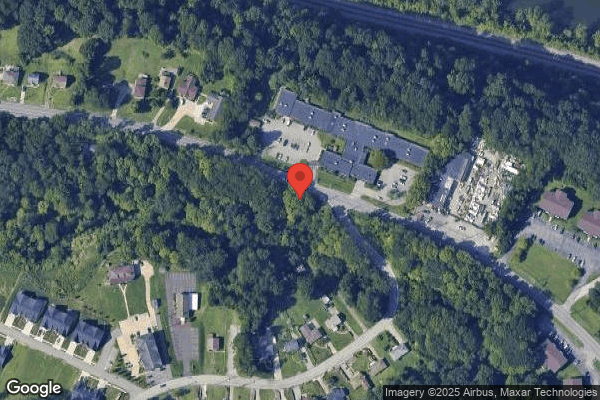

234 CORAOPOLIS ROAD, CORAOPOLIS, PA 15108 (412) 331-6060
For profit - Corporation 119 Beds SABER HEALTHCARE GROUP Data: November 2025
Trust Grade
60/100
#269 of 653 in PA
Last Inspection: September 2025

Inspected within the last 6 months. Data reflects current conditions.

Overview

Caring Heights Community Care & Rehab Center has a Trust Grade of C+, which means it is slightly above average but still has room for improvement. It ranks #269 out of 653 facilities in Pennsylvania, placing it in the top half, and #12 out of 52 in Allegheny County, indicating limited local competition. The facility is showing improvement; it reduced its number of issues from 34 in 2024 to 28 in 2025. Staffing is a relative strength, with a 3/5 star rating and a turnover rate of 40%, which is better than the state's average. While the facility has not incurred any fines, it has had some concerning incidents, such as failing to maintain accurate resident care plans for bedrail use and not notifying residents or their representatives about important policies related to hospital transfers. Overall, while there are strengths in staffing and a lack of fines, the facility does have some areas that need attention.

Trust Score
C+
60/100
In Pennsylvania
#269/653
Top 41%
Safety Record
Low Risk
No red flags
Inspections
Getting Better
34 → 28 violations
Staff Stability
○ Average
40% turnover. Near Pennsylvania's 48% average. Typical for the industry.
Penalties
✓ Good
No fines on record. Clean compliance history, better than most Pennsylvania facilities.
Skilled Nurses
✓ Good
Each resident gets 46 minutes of Registered Nurse (RN) attention daily — more than average for Pennsylvania. RNs are trained to catch health problems early.
Violations
⚠ Watch
66 deficiencies on record. Higher than average. Multiple issues found across inspections.
★★★☆☆
3.0
Overall Rating
★★★☆☆
3.0
Staff Levels
★★★★★
5.0
Care Quality
★★☆☆☆
2.0
Inspection Score
Stable
2024: 34 issues
2025: 28 issues

The Good

  • 5-Star Quality Measures · Strong clinical quality outcomes
  • Full Sprinkler Coverage · Fire safety systems throughout facility
  • No fines on record
  • Staff turnover below average (40%)

    8 points below Pennsylvania average of 48%

Facility shows strength in quality measures, fire safety.

The Bad

3-Star Overall Rating

Near Pennsylvania average (3.0)

Meets federal standards, typical of most facilities

Staff Turnover: 40%

Near Pennsylvania avg (46%)

Typical for the industry

Chain: SABER HEALTHCARE GROUP

Part of a multi-facility chain

Ask about local staffing decisions and management

The Ugly 66 deficiencies on record

Sept 2025 28 deficiencies
CONCERN (D)

Potential for Harm - no one hurt, but risky conditions existed

Resident Rights (Tag F0550)

Could have caused harm · This affected 1 resident

**NOTE- TERMS IN BRACKETS HAVE BEEN EDITED TO PROTECT CONFIDENTIALITY** Based on facility policy, review of clinical record, observation and staff interview, it was determined that the facility failed...

Read full inspector narrative →
**NOTE- TERMS IN BRACKETS HAVE BEEN EDITED TO PROTECT CONFIDENTIALITY** Based on facility policy, review of clinical record, observation and staff interview, it was determined that the facility failed to ensure that care was provided in a manner which maintained resident dignity for one of four residents (Resident R87). Findings include: Review of facility policy Indwelling Urinary Catheter dated 8/1/25, indicated that clinical staff may provide urinary catheter care. Such care will help to prevent catheter association urinary tract infections. Check drainage tubing and bag to ensure that the catheter is draining properly, and no kinks are present. The urinary drainage bag must be placed below the bladder level but not on the floor. Ensure drainage bag is covered with privacy/dignity bag. Review of the clinical record indicated Resident R87 was admitted to the facility on [DATE]. Review of Resident R87's Minimum Data Set (MDS - a periodic assessment of care needs) dated 8/20/25, indicated diagnoses of high blood pressure, heart failure (a progressive heart disease that affects pumping action of the heart muscles), and obstructive uropathy (a blockage in the urinary system that prevents urine from draining normally). Review of Resident R87's care plan revised on 8/26/25, indicated the resident has an indwelling urinary catheter related to obstructive uropathy. During an observation on 9/2/25, at 11:37 a.m. Resident R87's catheter draining bag was observed lying on the floor beside the bed without a privacy cover applied. During an interview on 9/2/25, at 11:51 a.m. Licensed Practical Nurse Employee E1 confirmed Resident R87's catheter draining bag did not have a privacy cover and that the facility failed to ensure that care was provided in a way that maintained Resident R87's dignity. Pa. Code: 211.10(d) Resident care policies. Pa. Code: 211.12(d)(1)(5) Nursing services.
CONCERN (D)

Potential for Harm - no one hurt, but risky conditions existed

Deficiency F0583 (Tag F0583)

Could have caused harm · This affected 1 resident

**NOTE- TERMS IN BRACKETS HAVE BEEN EDITED TO PROTECT CONFIDENTIALITY** Based on observation, and staff interview it was determined that the facility failed to maintain the confidentiality of resident...

Read full inspector narrative →
**NOTE- TERMS IN BRACKETS HAVE BEEN EDITED TO PROTECT CONFIDENTIALITY** Based on observation, and staff interview it was determined that the facility failed to maintain the confidentiality of residents' medical information on one of five medication carts (West Wing Medication Cart).Findings include:During an observation on 9/2/25, at 12:29 p.m. the [NAME] Wing Medication Cart outside of room [ROOM NUMBER] was left unattended with the computer screen open with identifiable information any passerby could see resident personal and confidential information.During an interview on 9/2/25, at 12:29 p.m. Registered Nurse Employee E8 confirmed the above observation and that the facility failed to maintain the confidentiality of residents' medical information as required.28 Pa. Code: 201.14(a) Responsibility of licensee.28 Pa. Code: 201.29(c.3) Resident Rights.28 Pa. code: 211.5(b) Medical records.28 Pa. Code: 211.12(d)(1)(3) Nursing services.
CONCERN (D)

Potential for Harm - no one hurt, but risky conditions existed

Grievances (Tag F0585)

Could have caused harm · This affected 1 resident

Based on a review of facility documents, observations, and staff interview, it was determined that the facility failed to ensure that the grievance forms were available and that residents had the righ...

Read full inspector narrative →
Based on a review of facility documents, observations, and staff interview, it was determined that the facility failed to ensure that the grievance forms were available and that residents had the right to file an anonymous grievance for two of two nursing units (West Wing, and East Wing). Findings include:A review of facility document titled Concern Resolution and Grievance Procedure posted on the Main Entrance Hallway Bulletin Board, indicated that a resident has the right to file grievances orally or in writing, and the right to file grievances anonymously. Contact the Social Worker, Administrator and /or Grievance Official of the facility should a resident have any concerns regarding care, treatment, or right. If choosing to report anonymously, fill out Concern/Grievance Form located near the front desk in the front lobby. Once form is completed, you can place it in the suggestion box located in the front lobby carpeted area, on the windowsill. Review of the facility Grievance Log provided at survey entrance revealed that no grievances were filed during July and August 2025.During an observation on 9/5/25, at in the Front Lobby, and the Front Desk, no Concern/Grievance forms were located.During an interview on 9/5/25, at 11:28 a.m. the Nursing Home Administrator (NHA) stated that if a resident wants to file a grievance, they can just ask a nurse or any of the Department Heads for a Grievance Form. When asked how this allows a resident to file anonymously, she stated They can just write it on a blank piece of paper. NHA then gestured to a box in the Front Lobby marked Anonymous Concern and Suggestion and handed State Agency an index card size form that was located on the outside of this box, that was marked Impact and stated We believe in recognizing the good work that our dedicated health care professionals do each and every day! If you see a staff member making and IMPACT, please take a moment to fill out this card. This card did not include any information about filing a grievance but was to nominate employees for a job well done. NHA stated that residents could also use this card. NHA confirmed that the Impact card did not include information regarding filing a grievance, and that grievance forms were not readily available therefore residents could not file an anonymous grievance. 28 Pa. Code 201.14(a)Responsibility of licensee28 Pa. Code 201.18(b)(3) Management28 Pa. Code 201.29(a)Resident rights
CONCERN (D)

Potential for Harm - no one hurt, but risky conditions existed

Deficiency F0604 (Tag F0604)

Could have caused harm · This affected 1 resident

**NOTE- TERMS IN BRACKETS HAVE BEEN EDITED TO PROTECT CONFIDENTIALITY** Based on review of facility policies, clinical records, facility documents, and staff interviews it was determined that the faci...

Read full inspector narrative →
**NOTE- TERMS IN BRACKETS HAVE BEEN EDITED TO PROTECT CONFIDENTIALITY** Based on review of facility policies, clinical records, facility documents, and staff interviews it was determined that the facility failed to identify a bolster (a long, thick cushion) as a possible restraint, and failed to assess the functional status of the individual resident to determine if the use of a bolster is a restraint for two of four residents (Residents R6 and R7).Findings include:Review of facility policy Restraint Policy dated 8/1/25, last dated 7/1/24, indicated physical and/or chemical restraints will be initiated only after a comprehensive review determines that they are necessary to treat the resident's medical symptoms that warrant their use. Use the Enabler Restraint Observation to determine if the device restricts the resident's freedom of movement.Before proceeding with the device identified as a restraint, the interdisciplinary team evaluates factors leading to the consideration of the device, determines that all the resident's needs are being met and the need to restraint is not due to unmet needs, determines that all alternative measures have been attempted and found to be unsuccessful, weighs the risks versus benefits of the restraints being considered, involves resident and family in decision making and educates them regarding risks and benefits, analyzes all information and decides which devices is most appropriate, and develops measures to minimize risk and resident decline as a result of use.Physical Restraint is defined as any manual method or physical or mechanical device, material, or equipment attached or adjacent to the resident's body that the individual cannot remove easily which restricts freedom of movement or normal access to one's body.Review of the clinical record indicated Resident R6 was admitted to the facility on [DATE].Review of Resident R6's Minimum Data Set (MDS - a periodic assessment of care needs) dated 8/7/25, indicated diagnoses of high blood pressure, Friedreich ataxia (rare genetic condition that causes progress damage to the nervous system, affecting movement, balance, and coordination), and malnutrition (lack of sufficient nutrients in the body).During an observation on 9/2/25, at 10:30 a.m. Resident R6 was observed lying in bed with bolsters between their body on both sides of the bed.Review of Resident R6's active physician orders failed to include an order for bilateral bolsters to their bed.Review of Resident R6's care plan dated 4/16/24, indicated the resident has a history of falling. Interventions include bolsters to bed.Review of Resident R6's clinical record failed to identify any assessments or ongoing evaluations for the use of bolsters.Review of the clinical record indicated Resident R7 was admitted to the facility on [DATE].Review of Resident R7's MDS dated [DATE], indicated diagnoses of high blood pressure, dementia (a group of symptoms that affects memory, thinking and interferes with daily life), and arthritis (inflammation of one or more joints, causing pain and stiffness).During an observation on 9/2/25, at 12:08 p.m. bolsters were observed on both sides of Resident R7's bed.Review of a physician order dated 7/3/25, indicated to ensure bed bolsters are on and secure.Review of Resident R7's care plan dated 7/7/25, indicated the resident is at risk for falling related to weakness, pain, poor safety awareness, psychotropic medication use. Interventions include bolsters related to fall on 7/3/25.Review of Resident R7's clinical record failed to identify any assessments or ongoing evaluations for the use of bolsters.During an interview on 9/4/25, at 10:51 a.m. the Director of Nursing confirmed that the facility failed to identify a bolster as a possible restraint and failed to assess the functional status of the individual resident to determine if the use of a bolster is a restraint for two of four residents (Residents R6 and R7).28 Pa. Code: 211.8(e) Use of restraints.28 Pa. Code: 211.10(d) Resident care policies.28 Pa. Code: 211.12(d)(1)(5) Nursing services.
CONCERN (D)

Potential for Harm - no one hurt, but risky conditions existed

Deficiency F0605 (Tag F0605)

Could have caused harm · This affected 1 resident

**NOTE- TERMS IN BRACKETS HAVE BEEN EDITED TO PROTECT CONFIDENTIALITY** Based on clinical record review, facility policy, and staff interview, it was determined that the facility failed to ensure that...

Read full inspector narrative →
**NOTE- TERMS IN BRACKETS HAVE BEEN EDITED TO PROTECT CONFIDENTIALITY** Based on clinical record review, facility policy, and staff interview, it was determined that the facility failed to ensure that residents medication regime was free from unnecessary psychotropic (a mind-altering medication) medication for one of three residents (Resident R50). Findings include: Review of facility Psychopharmacological Medication Use dated 8/1/25, indicated the facility should comply with the Psychopharmacologic Dosage Guidelines created by the Centers for Medicare and Medicaid Services, the State Operations Manual, and all other applicable law relating to the use of psychopharmacologic medications. Facility staff should monitor the residents' behaviors. Review of the clinical record indicated Resident R50 was admitted to the facility on [DATE]. Review of Resident R50's Minimum Data Set (MDS - a periodic assessment of care needs) dated 8/14/25, indicated diagnoses of heart failure (a progressive heart disease that affects pumping action of the heart muscles), anxiety, and respiratory failure (a condition where the lungs are unable to adequately exchange oxygen and carbon dioxide, leading to insufficient oxygenation of the body's tissues). Review of Resident R50's physician order dated 8/14/25, indicated to administer Hydroxyzine (a psychotropic medication used to treat anxiety) 25 milligrams orally twice a day, as needed (PRN) for anxiety. Review of Resident R50's physician order failed to include a 14 day stop date and there was no documented rationale by the physician for the medication to extend past 14 days for Resident R50's Hydroxyzine. Review of Resident R50's Medication Administration Record dated August 2025, indicated that resident received Hydroxyzine PRN four times. Review of Resident R50's Progress Notes dated August 2025, failed to indicate any behaviors and any non-pharmacological interventions used to prior to administering Resident R50's Hydroxyzine. During an interview on 9/3/25, at 2:45 p.m. Director of Nursing confirmed that the facility failed to ensure that residents medication regime was free from unnecessary psychotropic medication for one of three residents (Resident R50). 28 Pa. Code 211.2(d)(3) Medical director 28 Pa. Code 211.10(a) Resident care policies
CONCERN (D)

Potential for Harm - no one hurt, but risky conditions existed

Deficiency F0637 (Tag F0637)

Could have caused harm · This affected 1 resident

**NOTE- TERMS IN BRACKETS HAVE BEEN EDITED TO PROTECT CONFIDENTIALITY** Based on review of the Minimum Data Set (MDS-periodic assessment of resident care needs) User's Manual, clinical record, and sta...

Read full inspector narrative →
**NOTE- TERMS IN BRACKETS HAVE BEEN EDITED TO PROTECT CONFIDENTIALITY** Based on review of the Minimum Data Set (MDS-periodic assessment of resident care needs) User's Manual, clinical record, and staff interview, it was determined that the facility failed to complete a comprehensive assessment after a significant change in condition for one of three residents reviewed receiving hospice services (Resident R25).Findings include: Review of the MDS User's Manual revealed that a significant change in status assessment is required to be performed when a terminally ill resident enrolls in a hospice program and remains a resident at the nursing home. The Assessment Reference Date (ARD) must be within 14-days from effective date of the hospice election. Review of the admission record indicated Resident R25 was admitted to the facility on [DATE]. Review of Resident R25's MDS dated [DATE], indicated the diagnoses of hypothyroidism (condition where the thyroid gland doesn't produce enough thyroid hormone, leading to a slowdown in metabolism), congestive heart failure (syndrome caused by an impairment in the heart's ability to fill with and pump blood), and high blood pressure. Review of the clinical record for Resident R25 revealed a physician's order to consult hospice services on 7/30/25. Review of Resident R25's plan on care revealed a Problem Start Date: 8/1/25, Category: Hospice; Resident is on hospice services for unspecified congestive heart failure. Further review of Resident R25's clinical record revealed a physician's order to admit to hospice on 8/12/25. Review of Resident R25's MDS's lacked evidence that a significant change MDS with an ARD completed within 14-days from when Resident R25 was admitted to hospice care was completed. During an interview on 9/3/25, at 11:12 a.m., the Registered Nurse Assessment Coordinator (RNAC) Employee E6 confirmed that the facility failed to complete a significant change MDS for Resident R25 when admitted to hospice services. 28 Pa. Code 201.14(a) Responsibility of licensee 28 Pa. Code 211.12(d)(2) Nursing services
CONCERN (D)

Potential for Harm - no one hurt, but risky conditions existed

Assessment Accuracy (Tag F0641)

Could have caused harm · This affected 1 resident

**NOTE- TERMS IN BRACKETS HAVE BEEN EDITED TO PROTECT CONFIDENTIALITY** Based on a review of facility policy, Resident Assessment Instrument (RAI) User's Manual, clinical records, and staff interviews...

Read full inspector narrative →
**NOTE- TERMS IN BRACKETS HAVE BEEN EDITED TO PROTECT CONFIDENTIALITY** Based on a review of facility policy, Resident Assessment Instrument (RAI) User's Manual, clinical records, and staff interviews, it was determined that the facility failed to ensure Minimum Data Set (MDS - a periodic assessment of care needs) assessments accurately reflected the resident's status for two of three residents (Residents R7 and R79). Findings include: The Resident Assessment Instrument (RAI) User's Manual, which gives instructions for completing Minimum Data Set (MDS) assessments (mandated assessments of a resident's abilities and care needs), dated October 2024, indicated the following instructions: Section N0415: High-Risk Drug Classes: Use and Indication, Question N0415E1 - Anticoagulant (e.g., warfarin, heparin, or low-molecular weight heparin): check if an anticoagulant medication was taken by the resident at any time during the 7-day look-back period (or since admission/entry or reentry if less than 7 day). Do not code antiplatelet medications such as aspirin/extended release, dipyridamole, or clopidogrel as N0415E, Anticoagulant. Review of the clinical record indicated Resident R7 was admitted to the facility on [DATE]. Review of Resident R7's MDS dated [DATE], indicated diagnoses of high blood pressure, dementia (a group of symptoms that affects memory, thinking and interferes with daily life), and arthritis (inflammation of one or more joints, causing pain and stiffness). Question N0415E1 indicated the resident received an anticoagulant during the 7-day look-back period. Review of Resident R7's clinical record failed to include a physician order for an anticoagulant medication. Review of Resident R7's physician order dated 6/24/25, indicated to administer Aspirin (an antiplatelet medication) 81 milligrams (mg) once a day for CAD (coronary artery disease - damage or disease in the heart's major blood vessels). Review of the clinical record indicated Resident R79 was admitted to the facility on [DATE]. Review of Resident R79's clinical record failed to include a physician order for an anticoagulant medication. Review of Resident R79's physician order dated 8/20/25, indicated to administer Aspirin 325 mg once a day for DVT (Deep Vein Thrombosis - when a blood clot forms in a deep vein) prevention. During an interview on 9/4/25, at 11:25 a.m. Registered Nurse Assessment Coordinator (RNAC) Employee E6 stated, We were told to count Aspirin as an anticoagulant when given for DVT (deep vein thrombosis) prophylaxis. During an interview on 9/4/25, at 11:29 a.m. RNAC Employee E6 confirmed Resident R7's MDS dated [DATE], was incorrectly coded for anticoagulant use. During an interview on 9/4/25, at 2:22 p.m. RNAC Employee E6 confirmed that Resident R79's MDS dated [DATE], was incorrectly coded for anticoagulant use. 28 Pa. Code 201.14(a) Responsibility of licensee. 28 Pa. Code 211.5(f) Medical records.
CONCERN (D)

Potential for Harm - no one hurt, but risky conditions existed

Comprehensive Care Plan (Tag F0656)

Could have caused harm · This affected 1 resident

**NOTE- TERMS IN BRACKETS HAVE BEEN EDITED TO PROTECT CONFIDENTIALITY** Based on review of facility policy, observation, and staff interviews, it was determined that the facility failed to develop a c...

Read full inspector narrative →
**NOTE- TERMS IN BRACKETS HAVE BEEN EDITED TO PROTECT CONFIDENTIALITY** Based on review of facility policy, observation, and staff interviews, it was determined that the facility failed to develop a comprehensive care plan for anxiety for one of three residents (Resident R8).Findings include:Review of facility policy Comprehensive Care Planning Policy dated 8/1/25, and previously dated 7/1/24, indicated that the facility will develop a comprehensive person-centered care plan for each resident that includes measurable goals and timetables to meet the resident's medical, nursing, mental and psychosocial needs identified in the comprehensive assessments. These plan s will be focused on resident choices, abilities with the intent of maintaining or improving resident functional abilities and quality of life. Review of the clinical record indicated Resident R8 was admitted to the facility on [DATE].Review of Resident R8's Minimum Data Set (MDS - a periodic assessment of care needs) dated 8/10/25, indicated diagnoses of high blood pressure, atrial fibrillation (disease of the heart characterized by irregular and often faster heartbeat), and chronic obstructive pulmonary disease (COPD, a group of progressive lung disorders characterized by increasing breathlessness).Review of Resident R8's clinical record revealed a physician's order dated 8/4/25, to provide buspirone (a medication used to treat anxiety) 5 milligram three times a day for anxiety.Review of Resident R8's plan of care failed to reveal any interventions or care plan for anxiety.During an interview on 9/4/25, at 11:22 a.m. Registered Nurse Assessment Coordinator Employee E6 confirmed that the facility failed to develop a comprehensive care plan for anxiety for Resident R8.28 Pa. Code 211.10(c)(d) Resident care policies.28 Pa. Code 211.12(d)(1)(3)(5) Nursing services.
CONCERN (D)

Potential for Harm - no one hurt, but risky conditions existed

Quality of Care (Tag F0684)

Could have caused harm · This affected 1 resident

**NOTE- TERMS IN BRACKETS HAVE BEEN EDITED TO PROTECT CONFIDENTIALITY** Based on review of facility policy, clinical record review, and staff interviews, it was determined that the facility failed to ...

Read full inspector narrative →
**NOTE- TERMS IN BRACKETS HAVE BEEN EDITED TO PROTECT CONFIDENTIALITY** Based on review of facility policy, clinical record review, and staff interviews, it was determined that the facility failed to make certain that residents were provided appropriate treatment and care by failing to implement the facility's hypoglycemia (low blood sugar) protocol and failing to notify the physician timely of a change in condition for one of three residents reviewed (Resident R132).Findings include: Review of facility policy Hypoglycemia dated 8/1/25, indicated nursing personnel are responsible for recognizing signs and symptoms of hypoglycemia and responding accordingly. In the absence of specific treatment orders for hypoglycemia, this protocol will be followed. Monitor for symptoms of hypoglycemia. Symptoms may include: - Weakness or dizziness - Tremor, Palpitations, Sweating - Hunger, Altered Mental Status - Facial Pallor, Hunger - Numbness, Tingling, Drowsiness - Anxiety, AgitationA blood glucose of 70 mg/dL or less may indicate the need for intervention. If there are no provider orders for specific treatment, do the following: - Resident is drowsy or unconscious or is unable to or unwilling to consume anything orally, administer glucagon 1 mg subcutaneously (a medication administered into the skin). Monitor resident every 15 minutes after treatment. - Once acute hypoglycemia has been resolved, notify the provider and document in resident's medical record. Review of the clinical record indicated Resident R132 was admitted to the facility on [DATE]. Review of Resident R132's Minimum Data Set (MDS - a periodic assessment of care needs) dated 9/1/25, indicated diagnoses of diabetes (a metabolic disorder in which the body has high sugar levels for prolonged periods of time), high blood pressure, and cerebral infarction (necrotic tissue in the brain resulting loss of blood and oxygen to the brain). During a review of Resident R132's blood glucose log dated August 2025, revealed that on 8/31/25, Resident R132's blood glucose level was 45 mg/dL. Review of Resident R132's physician orders dated 8/28/25, indicated to notify the physician if blood glucose is less than 60 mg/dL and that resident is NPO (nothing allowed by mouth). Review of Resident R132's progress notes failed to reveal any documentation of resident's blood glucose of 45 mg/dL. In further review, the facility failed to document an assessment of the hypoglycemic episode, failed to notify the physician, and failed to document interventions used to improve the hypoglycemic episode. During an interview on 9/4/25, at 9:30 a.m. the Director of Nursing (DON) stated the facility did not have any documentation concerning the low blood glucose level for Resident R132. During an interview on 9/4/25, at 9:33 a.m. the DON confirmed that the facility failed to make certain that residents were provided appropriate treatment and care by failing to implement the facility's hypoglycemia protocol and failing to notify the physician timely of a change in condition as required. 28 Pa. Code 201.18 (b)(1) Management. 28 Pa. Code 211.10 (c)(d) Resident Care policies. 28 Pa. Code 211.12 (d)(1)(2)(3)(5) Nursing services.
CONCERN (D)

Potential for Harm - no one hurt, but risky conditions existed

Deficiency F0688 (Tag F0688)

Could have caused harm · This affected 1 resident

**NOTE- TERMS IN BRACKETS HAVE BEEN EDITED TO PROTECT CONFIDENTIALITY** Based on review of facility policy, clinical record review, observations, and staff interviews, it was determined that the facil...

Read full inspector narrative →
**NOTE- TERMS IN BRACKETS HAVE BEEN EDITED TO PROTECT CONFIDENTIALITY** Based on review of facility policy, clinical record review, observations, and staff interviews, it was determined that the facility failed to develop and implement a comprehensive resident-specific plan of care for a resident with limited mobility requiring equipment and assistance to maintain or improve mobility for two of three residents (Resident R93 and R103).Findings include: Review of facility policy Comprehensive Care Planning dated 8/1/25, previously dated 7/1/25, indicated the facility will develop a comprehensive person-centered care plan for each resident that includes measurable goals and timetables to meet the resident's medical, nursing, mental, and psychosocial needs identified in the comprehensive assessment. These plans will be focused on resident choices and abilities with the intent of maintaining or improving resident functional abilities and quality of life. Review of the clinical record revealed that Resident R93 was admitted to the facility on [DATE]. Review of Resident 93's MDS (Minimum Data Set, periodic assessment of resident care needs) dated 8/6/25, indicated diagnoses of chronic obstructive pulmonary disease (COPD, a group of progressive lung disorders characterized by increasing breathlessness), dementia (neuro-cognitive disorder impacting reasoning, judgment, and memory), and malnutrition (lack of proper nutrition). Review of Resident R93's clinical record revealed a physician's order dated 2/21/25, to wear right ankle brace on right lower extremity when out of bed. Review of Resident R93's care plan failed to include the development of goals and interventions related to Resident R93's right ankle brace usage. Review of the clinical record indicated Resident R103 was admitted to the facility on [DATE]. Review of Resident R103's MDS dated [DATE], indicated diagnoses of high blood pressure, anxiety, and bipolar disorder (a mental condition marked by alternating periods of elation and depression). Review of a physician order dated 7/22/25, indicated bilateral (both sides) resting hand splints to be worn (remove for skin checks and hygiene and range of motion). Review of Resident R103's care plan failed to include the development of goals and interventions related to Resident R103's bilateral resting hand splint usage. During an interview on 9/4/25, at 11:22 a.m. Registered Nurse Assessment Coordinator (RNAC) Employee E6 stated, I think therapy enters care plans for splints. During this interview, RNAC Employee E6 confirmed that the facility failed to develop and implement a comprehensive resident-specific care plan for Resident R103's bilateral resting hand split usage. During an interview on 9/4/25, at 2:06 p.m. Rehabilitation Director Employee E9 stated, The therapy department does not develop care plans for braces or splints. During an interview on 9/4/25, at 2:14 p.m. RNAC Employee E6 confirmed that facility failed to develop and implement a comprehensive resident-specific care plan for Resident R93's ankle brace. 28 Pa. Code: 201.14(a) Responsibility of licensee. 28 Pa. Code: 211.10(c)(d) Resident care policies. 28 Pa. Code: 211.12(d)(1)(3)(5) Nursing services.
CONCERN (D)

Potential for Harm - no one hurt, but risky conditions existed

Respiratory Care (Tag F0695)

Could have caused harm · This affected 1 resident

**NOTE- TERMS IN BRACKETS HAVE BEEN EDITED TO PROTECT CONFIDENTIALITY** Based on review of facility policy, observations, staff interviews, and clinical record review, it was determined that the facil...

Read full inspector narrative →
**NOTE- TERMS IN BRACKETS HAVE BEEN EDITED TO PROTECT CONFIDENTIALITY** Based on review of facility policy, observations, staff interviews, and clinical record review, it was determined that the facility failed to provide appropriate respiratory care for one of four residents (Resident R50). Findings include: Review of facility policy Oxygen Administration dated 8/1/25, indicated licensed clinicians with demonstrated competence will administer oxygen via the specified route as ordered. Cleaning: Change tubing, mask, cannula weekly and document. Review of the clinical record indicated Resident R50 was admitted to the facility on [DATE]. Review of Resident R50's Minimum Data Set (MDS - a periodic assessment of care needs) dated 8/14/25, indicated diagnoses of heart failure (a progressive heart disease that affects pumping action of the heart muscles), anxiety, and respiratory failure (a condition where the lungs are unable to adequately exchange oxygen and carbon dioxide, leading to insufficient oxygenation of the body's tissues). MDS Section O-Special treatments, procedures and program C1 is marked, indicating oxygen therapy. Review of a physician's active orders dated 8/8/25, indicated to administer ipratropium-albuterol solution (a medication used to treat tightening of airways) for shortness of breath/wheezing (an abnormal lung sound) four times a day. Review of a physician's active orders dated 8/9/25, indicated to administer two liters of oxygen via a nasal cannula (a thin flexible plastic tube with two prongs used to deliver oxygen into a person's nostrils) as needed. During an observation on 9/2/25, at 10:30 a.m. Resident R50 was lying in her bed receiving two liters per minute of oxygen via nasal cannula. The oxygen tubing was dated 8/19/25. During an observation on 9/2/25, at 10:35 a.m. a nebulizer machine (used to deliver medication) was sitting on Resident R50's bedside table. The nebulizer tubing was dated 8/19/25. During an interview on 9/2/25, at 11:52 a.m. Licensed Practical Nurse (LPN) Employee E1 confirmed the dates on the oxygen and nebulizer tubing and stated they should have been changed. During an interview on 9/2/25, at 2:45 p.m. the Director of Nursing confirmed that the facility failed to provide appropriate respiratory care for one of four residents (Resident R50). 28 Pa. Code: 201.14(a) Responsibility of licensee. 28 Pa. Code: 211.12(d)(1)(2)(3)(5) Nursing services
CONCERN (D)

Potential for Harm - no one hurt, but risky conditions existed

Deficiency F0699 (Tag F0699)

Could have caused harm · This affected 1 resident

**NOTE- TERMS IN BRACKETS HAVE BEEN EDITED TO PROTECT CONFIDENTIALITY** Based on review of facility policy, resident record review, and staff interviews, it was determined that the facility failed to ...

Read full inspector narrative →
**NOTE- TERMS IN BRACKETS HAVE BEEN EDITED TO PROTECT CONFIDENTIALITY** Based on review of facility policy, resident record review, and staff interviews, it was determined that the facility failed to provide a trauma survivor with trauma informed care to eliminate or mitigate triggers that may cause re-traumatization of the resident for one of two residents (Resident R15). Findings include: Review of the facility policy Social Services dated 8/1/25, indicated the facility provides social services to assure that each resident can attain or maintain his/her highest practical be physical, mental and psychosocial well-being. Social Services will assist in implementing interventions for the resident's needs by developing and maintaining care plans which are individualized, realistic, with measurable goals, including Trauma and PTSD. Review of the clinical record indicated Resident R15 was admitted to the facility on [DATE]. Review of Resident R15's Minimum Data Set (MDS - a periodic assessment of care needs) dated 8/3/25, indicated diagnoses of Post Traumatic Stress Disorder (PTSD- a disorder that develops when a person has experienced or witnessed a scary, shocking, terrifying, or dangerous event), depression, and high blood pressure. Review of Resident R15's care plan indicated that resident had PTSD but failed to identify what the triggers were and how to avoid them. During an interview on 9/4/25, at 1:02 p.m. Social Service Director Employee E7 stated that there is no documented ongoing assessment for PTSD for Resident R15 and failed to identify any triggers in the care plan. During an interview on 9/4/25, at 2:26 p.m. Director of Nursing confirmed that the facility failed to identify PTSD triggers for Resident R15 in order to eliminate or mitigate any triggers that may cause re-traumatization for the resident. 28 Pa. Code: 201.14(a) Responsibility of licensee. 28 Pa. Code: 201.18(b)(1) Management.
CONCERN (D)

Potential for Harm - no one hurt, but risky conditions existed

Deficiency F0744 (Tag F0744)

Could have caused harm · This affected 1 resident

**NOTE- TERMS IN BRACKETS HAVE BEEN EDITED TO PROTECT CONFIDENTIALITY** Based on clinical record review and staff interview, it was determined that the facility failed to develop and implement individ...

Read full inspector narrative →
**NOTE- TERMS IN BRACKETS HAVE BEEN EDITED TO PROTECT CONFIDENTIALITY** Based on clinical record review and staff interview, it was determined that the facility failed to develop and implement individualized person-centered care plans to address dementia and cognitive loss displayed by one of four residents reviewed (Resident R7).Findings include:Review of facility policy Dementia Care Services dated 8/1/25, previously dated 7/1/24, indicated our nursing home residents who are diagnosed with Alzheimer's/other forms of dementia or who display such symptoms will receive the appropriate treatment and services to attain or maintain his/her highest practicable physical/mental/psychosocial wellbeing. Staff will be familiar with dementia care approaches and each resident's person-centered care plan. Review of the Resident Assessment Instrument 3.0 User's Manual, effective October 2024, indicated that a Brief Interview for Mental Status ( BIMS) is a screening test that aides in detecting cognitive impairment. The BIMS total score suggests the following distributions:13-15: cognitively intact8-12: moderately impaired0-7: severe impairmentReview of the clinical record indicated Resident R7 was admitted to the facility on [DATE].Review of Resident R7's Minimum Data Set (MDS - a periodic assessment of care needs) dated 6/30/25, indicated diagnoses of high blood pressure, dementia (a group of symptoms that affects memory, thinking and interferes with daily life), and arthritis (inflammation of one or more joints, causing pain and stiffness). Question C0500 BIMS Summary Score indicated the resident scored a 3, severe impairment.Review of Resident R7's care plan on 9/3/25, failed to indicate the facility had developed and implemented a person-centered care plan to address Resident R7's dementia and cognitive loss.During an interview on 9/4/25, at 11:34 a.m. Registered Nurse Assessment Coordinator (RNAC) Employee E6 stated, Social Services is responsible for developing dementia care plans.During an interview on 9/4/25, at 11:42 a.m. Social Worker Employee E7 stated, I wasn't aware that we're responsible for developing dementia care plans, I think that is the RNACs.During an interview on 9/4/25, at 11:42 a.m. Social Worker E7 confirmed that the facility failed to develop and implement individualized person-centered care plans to address dementia and cognitive loss displayed by one of four residents reviewed (Resident R7).28 Pa. Code: 201.14(a) Responsibility of licensee.28 Pa. Code: 211.10(c)(d) Resident care policies.28 Pa. Code: 211.12(d)(1)(3)(5) Nursing services.
CONCERN (D)

Potential for Harm - no one hurt, but risky conditions existed

Deficiency F0761 (Tag F0761)

Could have caused harm · This affected 1 resident

Based on review of facility policy, observations, and staff interviews, it was determined that the facility failed to properly store medical supplies in one of two medication rooms (East Wing Medicati...

Read full inspector narrative →
Based on review of facility policy, observations, and staff interviews, it was determined that the facility failed to properly store medical supplies in one of two medication rooms (East Wing Medication Room).Findings:Review of facility Storage and Expiration Dating of Medications, Biologicals, Syringes and Needles policy dated 8/1/25, indicated the policy sets for the procedures relating to the storage and expiration dates of medications, biologicals, syringes, and needles. The facility personnel should inspect nursing station storage areas for proper storage compliance on a regularly scheduled basis. During a medication storage room review on 9/3/25, at 1:27 p.m. the following were observed:- - Five 21-gauge needles with an expiration date of 4/30/25During an interview on 9/3/25, at 1:32 p.m. Licensed Practical Nurse (LPN) Employee E2 confirmed the above findings. During an interview on 9/3/25, at 2:45 p.m. the Director of Nursing confirmed that the facility failed to properly store medical supplies in one of two medication rooms (East Wing Medication Room).28 Pa Code: 211.9 (a)(1) Pharmacy services. 28 Pa code: 211.12 (d) (1) (5) Nursing services.
CONCERN (D)

Potential for Harm - no one hurt, but risky conditions existed

Deficiency F0805 (Tag F0805)

Could have caused harm · This affected 1 resident

**NOTE- TERMS IN BRACKETS HAVE BEEN EDITED TO PROTECT CONFIDENTIALITY** Based on facility policy, observation, and staff interviews, it was determined that the facility failed to provide drinks in a f...

Read full inspector narrative →
**NOTE- TERMS IN BRACKETS HAVE BEEN EDITED TO PROTECT CONFIDENTIALITY** Based on facility policy, observation, and staff interviews, it was determined that the facility failed to provide drinks in a form to meet individuals' needs in one of two residents (Resident R10).Findings include: Review of the facility policy Physician/Provider Orders dated 8/1/25, indicated that the charge nurse shall transcribe and review all physician or provider orders. Orders shall include diet, including nutritional supplements. Review of the clinical record revealed that Resident R10 was admitted to the facility on [DATE]. Review of Resident R10's MDS (Minimum Data Set, periodic assessment of resident care needs) dated 7/22/25, indicated diagnoses of high blood pressure, diabetes (a metabolic disorder in which the body has high sugar levels for prolonged periods of time), and dementia (a group of symptoms that affects memory, thinking and interferes with daily life). Section K Swallowing Nutritional Status K0520 C indicated mechanical altered diet and was check marked -while a resident. Review of Resident R10's physician's orders on 9/2/25, indicated that resident was ordered thickened liquids, honey consistency. Review of Resident R10's care plan dated 8/26/25, indicated to provide diet as ordered. Requires thickened liquids. During an observation on 9/2/25, at 10:45 a.m. Resident R10 was observed laying in his bed with a white Styrofoam cup with clear thin liquids on his bedside table, within reach. During an interview on 9/2/25, at 11:11 a.m. Licensed Practical Nurse Employee E1 stated the clear liquid looked like thickener was added but staff failed to mix it and ensure it was the correct consistency. During an interview on 9/2/25, at 2:35 p.m. the Director of Nursing confirmed that the facility failed to provide drinks in a form to meet individuals' needs in one of two residents (Resident R10). 28 Pa. Code: 201.18(b)(3) Management 28 Pa Code: 211.10(c) Resident Care Policies
CONCERN (D)

Potential for Harm - no one hurt, but risky conditions existed

Deficiency F0849 (Tag F0849)

Could have caused harm · This affected 1 resident

**NOTE- TERMS IN BRACKETS HAVE BEEN EDITED TO PROTECT CONFIDENTIALITY** Based on a review of facility policy, resident clinical records, and staff interview, it was determined the facility failed to e...

Read full inspector narrative →
**NOTE- TERMS IN BRACKETS HAVE BEEN EDITED TO PROTECT CONFIDENTIALITY** Based on a review of facility policy, resident clinical records, and staff interview, it was determined the facility failed to ensure the coordination of hospice services with facility services to meet the needs of each resident for end-of-life care for two of four residents (Resident R16, and R22).Findings include: Review of facility policy Hospice Care Policy dated 8/1/25, and previously dated 7/1/24, indicated that hospice services and those providing them will meet professional standards and be provided timely. The facility will ensure that the resident's written plan of care includes both the most recent hospice plan of care and a description of the services furnished by the facility to attain or maintain the resident's highest practicable physical, mental, and psychosocial wellbeing. The facility will designate a team member with a clinical background to work with hospice representative(s) to coordinate the care provided to the community's residents by the hospice staff and the community staff. The coordinator will be responsible for the following: Obtaining the following information from the hospice: The most recent hospice plan of care specific to each patient. Hospice Election Form. Physician certification and recertification of the terminal illness specific to each patient. Review of the clinical record indicated Resident R16 was admitted to the facility on [DATE]. Review of Resident R16's MDS (MDS-Minimum Data Set assessment: periodic assessment of resident care needs) dated 8/27/25, indicated diagnoses of aphasia (language disorder that affects communication), anemia (too little iron in the body causing fatigue), and CVA (cerebrovascular accident - sudden interruption to blood flow of the brain, leading to brain cell death, and potential damage.) Section O-0110 Special treatments indicated that hospice services were provided while a resident. Review of Resident R16's plan of care indicated that resident was receiving hospice services from 5/28/24. Review of Resident R16's hospice records revealed that the last documentation that a hospice nurse was in the facility and provided services was on 10/16/24. The last documentation that hospice nurse aides were in the facility and provided services was on 10/22/24. During an interview on 9/4/25, at 9:59 a.m. Social Worker Employee E10 confirmed the above findings and that the facility failed to ensure the coordination of hospice services with facility services to meet the needs of each resident for end-of-life care for Resident R16. Review of clinical record indicated Resident R22 was admitted to the facility 7/9/2024. Review of Resident R22's MDS dated [DATE], indicated diagnoses of congestive heart failure (syndrome caused by an impairment in the heart's ability to fill with and pump blood), palliative care, and atherosclerotic heart disease. Section O-0110 Special treatments indicated that hospice services were provided while a resident. Review of the clinical record revealed a physician's order to admit Resident R22 to hospice on 4/23/25. Review of clinical progress note dated 4/22/25, revealed confirmation that Resident R22 will be admitted for hospice service start date of 4/23/25. Review of Resident R22's hospice records failed to reveal documentation that a Physician Certification of the Terminal Illness was completed specific to this resident. During an interview of 9/5/25, at 10:00 a.m., Social Worker Employee E10 confirmed the above findings and that the facility failed to ensure the coordination of hospice services with facility services to meet the needs of each resident for end-of-life care for Resident R22. 28 Pa. Code: 201.14(a) Responsibility of licensee. 28 Pa. Code: 211.10(d) Resident care policies 28 Pa. Code: 211.12(d)(3)(5) Nursing services.
CONCERN (D)

Potential for Harm - no one hurt, but risky conditions existed

Infection Control (Tag F0880)

Could have caused harm · This affected 1 resident

**NOTE- TERMS IN BRACKETS HAVE BEEN EDITED TO PROTECT CONFIDENTIALITY** Based on review of facility policies, review of clinical record, observations, and staff interviews, it was determined that the ...

Read full inspector narrative →
**NOTE- TERMS IN BRACKETS HAVE BEEN EDITED TO PROTECT CONFIDENTIALITY** Based on review of facility policies, review of clinical record, observations, and staff interviews, it was determined that the facility failed to maintain proper infection control practices related to the care of indwelling urinary catheters (tube inserted in the bladder to drain urine) for one of four residents (Resident R87), and failed to use Personal Protective Equipment (PPE) appropriately in Enhanced Barrier Precautions (EBP-a type of isolation), which created the potential for the cross-contamination and the spread of diseases and infections for one of three residents (R87). Findings include: Review of facility policy Indwelling Urinary Catheter dated 8/1/25, indicated that clinical staff may provide urinary catheter care. Such care will help to prevent catheter association urinary tract infections. Check drainage tubing and bag to ensure that the catheter is draining properly, and no kinks are present. The urinary drainage bag must be placed below the bladder level but not on the floor. Ensure drainage bag is covered with privacy/dignity bag. Review of facility policy Infection Prevention and Control Program dated 8/1/25, indicated the policy is to maintain an organized, effective facility - wide program designed to prevent, identify, control and reduce the risk of acquiring and transmitting infections. Review of the clinical record indicated Resident R87 was admitted to the facility on [DATE]. Review of Resident R87's Minimum Data Set (MDS - a periodic assessment of care needs) dated 8/20/25, indicated diagnoses of high blood pressure, heart failure (a progressive heart disease that affects pumping action of the heart muscles), and obstructive uropathy (a blockage in the urinary system that prevents urine from draining normally). During a tour of the facility on 9/2/25, at 10:03 a.m. included EBP signage on Resident R87's door with PPE stored in a bin prior to entering resident's room. Review of Resident R87's care plan revised on 8/26/25, indicated the resident has an indwelling urinary catheter related to obstructive uropathy and has the need for EBP related to potential for infectious disease as evidenced by indwelling foley catheter. Review of Resident R87's current physician orders indicated EBP for foley catheter. During an observation on 9/2/25, at 11:37 a.m. Resident R87's catheter draining bag was observed lying directly on the floor beside the bed without a privacy cover applied. During an observation on 9/2/25, at 11:45 a.m. Nursing Assistant (NA) Employee E11 emptied Resident R87's foley catheter and failed to wear PPE, as required. During an interview on 9/2/25, at 11:52 a.m. NA Employee E11 was asked, What does this EBP sign mean? NA replied, I should have worn PPE when I emptied the residents foley catheter. We are educated in EBP and should wear at least gloves and gowns when we do special procedures and confirmed that the foley drainage bag was on the floor and that he did not wear PPE while emptying Resident R87's foley. During an interview on 9/2/25, at 2:45 p.m. the Director of Nursing confirmed that the facility failed to maintain proper infection control practices related to the care of indwelling urinary catheters for one of four residents (Resident R87), and failed to use PPE appropriately in Enhanced Barrier Precautions, which created the potential for the cross-contamination and the spread of diseases and infections for one of three residents (Resident R87). 28 Pa. code: 201.14 (a) Responsibility of licensee. 28 Pa. Code: 201.18 (b) (1) (e) (1) Management. 28 Pa. Code: 211.10 (d) Resident care policies. 28 Pa. Code: 211.12 (d) (1) (2) (5) Nursing services
CONCERN (D)

Potential for Harm - no one hurt, but risky conditions existed

Deficiency F0941 (Tag F0941)

Could have caused harm · This affected 1 resident

Based on review of job description, facility documents and staff interviews, it was determined that the facility failed to provide Communication training to one of five direct care facility staff revi...

Read full inspector narrative →
Based on review of job description, facility documents and staff interviews, it was determined that the facility failed to provide Communication training to one of five direct care facility staff reviewed (Employee E4). Findings include: Review of the facility Nursing Assistant Job Description indicated the primary purpose of your job role is to provide a safe environment, give emotional and social support and attend to the resident's physical needs and comfort. Complete or attend all training and education as assigned and as otherwise required by applicable law, rule, or regulations. During an interview on 9/3/2025, at 10:15 a.m. Director of Nursing stated that education is conducted by calendar year running January through December. Review of facility education documents for the year 2024 revealed the following concerns: Review of Nurse Aide (NA) Employee E4's facility provided information did not include training on effective communication. During an interview on 9/3/25, at 1:15 p.m. the Director of Nursing confirmed that the facility failed to provide Communication training to one of five direct care facility staff reviewed (Employee E4). 28 Pa. Code: 201.14(a) Responsibility of Licensee 28 Pa. Code: 201.20(a) Staff Development
CONCERN (D)

Potential for Harm - no one hurt, but risky conditions existed

Deficiency F0942 (Tag F0942)

Could have caused harm · This affected 1 resident

Based on review of job description, facility documents and staff interviews, it was determined that the facility failed to provide Resident Rights training to two of five direct care facility staff re...

Read full inspector narrative →
Based on review of job description, facility documents and staff interviews, it was determined that the facility failed to provide Resident Rights training to two of five direct care facility staff reviewed (Employee E4 and E5). Findings include: Review of the facility Nursing Assistant Job Description indicated the primary purpose of your job role is to provide a safe environment, give emotional and social support and attend to the resident's physical needs and comfort. Complete or attend all training and education as assigned and as otherwise required by applicable law, rule, or regulations. During an interview on 9/3/2025, at 10:15 a.m. Director of Nursing stated that education is conducted by calendar year running January through December. Review of facility education documents for the year 2024 revealed the following concerns: Review of Nurse Aide (NA) Employee E4's facility provided information did not include training on Resident Rights. Review of NA Employee E5's facility provided information did not include training on Resident Rights. During an interview on 9/3/25, at 1:15 p.m. the Director of Nursing confirmed that the facility failed to provide Resident Rights training to two of five direct care facility staff reviewed (Employee E4 and E5). 28 Pa. Code: 201.14(a) Responsibility of Licensee 28 Pa. Code: 201.20(a) Staff Development
CONCERN (D)

Potential for Harm - no one hurt, but risky conditions existed

Deficiency F0943 (Tag F0943)

Could have caused harm · This affected 1 resident

Based on review of job description, facility documents and staff interviews, it was determined that the facility failed to provide Abuse, Neglect, and Exploitation training to one of five direct care ...

Read full inspector narrative →
Based on review of job description, facility documents and staff interviews, it was determined that the facility failed to provide Abuse, Neglect, and Exploitation training to one of five direct care facility staff reviewed (Employee E4). Findings include: Review of the facility Nursing Assistant Job Description indicated the primary purpose of your job role is to provide a safe environment, give emotional and social support and attend to the resident's physical needs and comfort. Complete or attend all training and education as assigned and as otherwise required by applicable law, rule, or regulations. During an interview on 9/3/2025, at 10:15 a.m. Director of Nursing stated that education is conducted by calendar year running January through December. Review of facility education documents for the year 2024 revealed the following concerns: Review of Nurse Aide (NA) Employee E4's facility provided information did not include training on Abuse. Neglect, and Exploitation. During an interview on 9/3/25, at 1:15 p.m. the Director of Nursing confirmed that the facility failed to provide Abuse. Neglect, and Exploitation training to one of five direct care facility staff reviewed (Employee E4). 28 Pa. Code: 201.14(a) Responsibility of Licensee 28 Pa. Code: 201.20(a) Staff Development
CONCERN (D)

Potential for Harm - no one hurt, but risky conditions existed

Deficiency F0944 (Tag F0944)

Could have caused harm · This affected 1 resident

Based on review of job description, facility documents and staff interviews, it was determined that the facility failed to provide Quality Assurance and Performance Improvement (QAPI) training to two ...

Read full inspector narrative →
Based on review of job description, facility documents and staff interviews, it was determined that the facility failed to provide Quality Assurance and Performance Improvement (QAPI) training to two of five direct care facility staff reviewed (Employee E3 and E4). Findings include: Review of the facility Nursing Assistant Job Description indicated the primary purpose of your job role is to provide a safe environment, give emotional and social support and attend to the resident's physical needs and comfort. Complete or attend all training and education as assigned and as otherwise required by applicable law, rule, or regulations. During an interview on 9/3/2025, at 10:15 a.m. Director of Nursing stated that education is conducted by calendar year running January through December. Review of facility education documents for the year 2024 revealed the following concerns: Review of Nurse Aide (NA) Employee E3's facility provided information did not include training on QAPI. Review of Nurse Aide (NA) Employee E4's facility provided information did not include training on QAPI. During an interview on 9/3/25, at 1:15 p.m. the Director of Nursing confirmed that the facility failed to provide QAPI training to two of five direct care facility staff reviewed (Employee E3 and E4). 28 Pa. Code: 201.14(a) Responsibility of Licensee 28 Pa. Code: 201.20(a) Staff Development
CONCERN (D)

Potential for Harm - no one hurt, but risky conditions existed

Deficiency F0945 (Tag F0945)

Could have caused harm · This affected 1 resident

Based on review of job description, facility documents and staff interviews, it was determined that the facility failed to provide Infection Control training to one of five direct care facility staff ...

Read full inspector narrative →
Based on review of job description, facility documents and staff interviews, it was determined that the facility failed to provide Infection Control training to one of five direct care facility staff reviewed (Employee E4). Findings include: Review of the facility Nursing Assistant Job Description indicated the primary purpose of your job role is to provide a safe environment, give emotional and social support and attend to the resident's physical needs and comfort. Complete or attend all training and education as assigned and as otherwise required by applicable law, rule, or regulations. During an interview on 9/3/2025, at 10:15 a.m. Director of Nursing stated that education is conducted by calendar year running January through December. Review of facility education documents for the year 2024 revealed the following concerns: Review of Nurse Aide (NA) Employee E4's facility provided information did not include training on Infection Control. During an interview on 9/3/25, at 1:15 p.m. the Director of Nursing confirmed that the facility failed to provide Infection Control training to one of five direct care facility staff reviewed (Employee E4). 28 Pa. Code: 201.14(a) Responsibility of Licensee 28 Pa. Code: 201.20(a) Staff Development
CONCERN (D)

Potential for Harm - no one hurt, but risky conditions existed

Deficiency F0946 (Tag F0946)

Could have caused harm · This affected 1 resident

Based on review of job description, facility documents and staff interviews, it was determined that the facility failed to provide Compliance and Ethics training to two of five direct care facility st...

Read full inspector narrative →
Based on review of job description, facility documents and staff interviews, it was determined that the facility failed to provide Compliance and Ethics training to two of five direct care facility staff reviewed (Employee E4 and E5). Findings include: Review of the facility Nursing Assistant Job Description indicated the primary purpose of your job role is to provide a safe environment, give emotional and social support and attend to the resident's physical needs and comfort. Complete or attend all training and education as assigned and as otherwise required by applicable law, rule, or regulations. During an interview on 9/3/2025, at 10:15 a.m. Director of Nursing stated that education is conducted by calendar year running January through December. Review of facility education documents for the year 2024 revealed the following concerns: Review of Nurse Aide (NA) Employee E4's facility provided information did not include training on Compliance and Ethics. Review of NA Employee E5's facility provided information did not include training on Compliance and Ethics. During an interview on 9/3/25, at 1:15 p.m. the Director of Nursing confirmed that the facility failed to provide Compliance and Ethics training to two of five direct care facility staff reviewed (Employee E4 and E5). 28 Pa. Code: 201.14(a) Responsibility of Licensee 28 Pa. Code: 201.20(a) Staff Development
CONCERN (D)

Potential for Harm - no one hurt, but risky conditions existed

Deficiency F0947 (Tag F0947)

Could have caused harm · This affected 1 resident

Based on review of job description, facility documents and staff interviews, it was determined that the facility failed to conduct the minimum 12 hours of nurse aide (NA) training per year for one of ...

Read full inspector narrative →
Based on review of job description, facility documents and staff interviews, it was determined that the facility failed to conduct the minimum 12 hours of nurse aide (NA) training per year for one of five direct care facility staff reviewed (NA Employee E4). Findings include: Review of the facility Nursing Assistant Job Description indicated the primary purpose of your job role is to provide a safe environment, give emotional and social support and attend to the resident's physical needs and comfort. Complete or attend all training and education as assigned and as otherwise required by applicable law, rule, or regulations. During an interview on 9/3/2025, at 10:15 a.m. Director of Nursing stated that education is conducted by calendar year running January through December. Review of facility education documents for the year 2024 revealed the following concerns: Review of NA Employee E4's facility provided information included a total of 0.21 hours of annual training. Review of NA Employee E4's facility provided information did not include the minimum 12-hour NA training. During an interview on 9/3/25, at 1:15 p.m. the Director of Nursing confirmed that the facility failed to provide a minimum of 12-hour NA training to one of five direct care facility staff reviewed (Employee E4). 28 Pa. Code: 201.14(a) Responsibility of Licensee 28 Pa. Code: 201.20(a) Staff Development
CONCERN (D)

Potential for Harm - no one hurt, but risky conditions existed

Deficiency F0949 (Tag F0949)

Could have caused harm · This affected 1 resident

Based on review of job description, facility documents and staff interviews, it was determined that the facility failed to provide Behavioral Health training to one of five direct care facility staff ...

Read full inspector narrative →
Based on review of job description, facility documents and staff interviews, it was determined that the facility failed to provide Behavioral Health training to one of five direct care facility staff reviewed (Employee E4). Findings include: Review of the facility Nursing Assistant Job Description indicated the primary purpose of your job role is to provide a safe environment, give emotional and social support and attend to the resident's physical needs and comfort. Complete or attend all training and education as assigned and as otherwise required by applicable law, rule, or regulations. During an interview on 9/3/2025, at 10:15 a.m. Director of Nursing stated that education is conducted by calendar year running January through December. Review of facility education documents for the year 2024 revealed the following concerns: Review of Nurse Aide (NA) Employee E4's facility provided information did not include training on Behavioral Health. During an interview on 9/3/25, at 1:15 p.m. the Director of Nursing confirmed that the facility failed to provide Behavioral Health training to one of five direct care facility staff reviewed (Employee E4). 28 Pa. Code: 201.14(a) Responsibility of Licensee 28 Pa. Code: 201.20(a) Staff Development
CONCERN (E)

Potential for Harm - no one hurt, but risky conditions existed

Deficiency F0700 (Tag F0700)

Could have caused harm · This affected multiple residents

**NOTE- TERMS IN BRACKETS HAVE BEEN EDITED TO PROTECT CONFIDENTIALITY** Based on observations, review of facility policy, clinical record review, and staff interview, it was determined that the facili...

Read full inspector narrative →
**NOTE- TERMS IN BRACKETS HAVE BEEN EDITED TO PROTECT CONFIDENTIALITY** Based on observations, review of facility policy, clinical record review, and staff interview, it was determined that the facility failed to maintain accurate resident care plans and conduct ongoing accurate assessments to ensure that bedrails were used to meet residents' needs and the risks associated with bedrail usage for four of four residents (Residents R5, R6, R92, and R103).Findings include:Review of the clinical record indicated Resident R5 was admitted to the facility on [DATE].Review of Resident R5's Minimum Data Set (MDS - a periodic assessment of care needs) dated 6/15/25, indicated diagnoses of hyponatremia (low levels of sodium in the blood), cancer (a disease in which abnormal cells divide uncontrollably and destroy body tissue), and malnutrition (lack of sufficient nutrients in the body).During an observation on 9/2/25, at 10:35 a.m. two top enabler bars were present on Resident R5's bed.Review of Resident R5's clinical record on 9/3/25, failed to include an ongoing assessment for the resident's enabler bar usage, and failed to include the development of goals and interventions related to the resident's enable bar usage in the care plan.Review of the clinical record indicated Resident R6 was admitted to the facility on [DATE].Review of Resident R6's MDS dated [DATE], indicated diagnoses of high blood pressure, Friedreich ataxia (rare genetic condition that causes progress damage to the nervous system, affecting movement, balance, and coordination), and malnutrition (lack of sufficient nutrients in the body). During an observation on 9/2/25, at 10:30 a.m. two top enabler bars were present on Resident R6's bed.Review of a physician order dated 11/13/24, indicated mobility bars to aid in movement.Review of Resident R6's care plan on 9/3/25, failed to include the development of goals and interventions related to the resident's enabler bar usage.Review of the clinical record indicated Resident R92 was admitted to the facility on [DATE].Review of Resident R92's MDS dated [DATE], indicated diagnoses of high blood pressure, hyperkalemia (high levels of potassium in the blood), and need for assistance with personal care.During an observation on 9/2/25, at 11:05 a.m. two top enabler bars were present on Resident R92's bed.Review of Resident R92's clinical record on 9/3/25, failed to include an ongoing assessment for the resident's enabler bar usage, and failed to include the development of goals and interventions related to the resident's enable bar usage in the care plan.Review of the clinical record indicated Resident R103 was admitted to the facility on [DATE].Review of Resident R103's MDS dated [DATE], indicated diagnoses of high blood pressure, anxiety, and bipolar disorder (a mental condition marked by alternating periods of elation and depression).During an observation on 9/2/25, at 10:08 a.m. two top enabler bars were present on Resident R103's bed.Review of Resident R103's clinical record on 9/3/25, failed to include an ongoing assessment for the resident's enabler bar usage, and failed to include the development of goals and interventions related to the resident's enable bar usage in the care plan.During an interview on 9/4/25, at 10:51 a.m. the Director of Nursing confirmed that the facility failed to maintain accurate resident care plans and conduct ongoing accurate assessments to ensure that bedrails were used to meet residents' needs and the risks associated with bedrail usage for three of three residents as required.28 Pa. Code: 201.14 (a) Responsibility of licensee.28 Pa. Code 211.10 (d) Resident care policies.28 Pa. Code: 211.12 (d)(1)(5) Nursing services.
MINOR (C)

Minor Issue - procedural, no safety impact

Deficiency F0575 (Tag F0575)

Minor procedural issue · This affected most or all residents

Based on observations and staff interview it was determined that the facility failed to have required postings for the facility in areas that are accessible to all residents for Adult Protective Servi...

Read full inspector narrative →
Based on observations and staff interview it was determined that the facility failed to have required postings for the facility in areas that are accessible to all residents for Adult Protective Service information, and complete contact information for State Agency and State Long-Term Care Ombudsman program posted at the facility.Findings include:During an observation on 9/5/25, at 11:20 a.m. in the Main Entrance Hallway there was a variety of information posted for residents. This information failed to include information for Adult Protective Services, and failed to include address, and email address for State Agency as well as an email address for the Ombudsman as required.During an interview on 9/5/25, at 11:28 a.m. the Nursing Home Administrator confirmed that the facility failed to have required postings in areas that are accessible to all residents for Adult Protective Services information, and complete contact information for State Agency, and State Long-Term Care Ombudsman program.28 Pa. Code: 201.14(a)Responsibility of licensee.28 Pa. Code: 201.18(b)(3) Management.
MINOR (C)

Minor Issue - procedural, no safety impact

Deficiency F0579 (Tag F0579)

Minor procedural issue · This affected most or all residents

Based on observations and staff interviews, it was determined, the facility failed to display written information on applying for Medicare and Medicaid benefits and receiving refunds for previous paym...

Read full inspector narrative →
Based on observations and staff interviews, it was determined, the facility failed to display written information on applying for Medicare and Medicaid benefits and receiving refunds for previous payments covered by Medicare and Medicaid as required, on two of two nursing floors (West Wing and East Wing). Findings include:During an observation on 9/5/25, at 11:20 a.m. in the Main Entrance Hallway there was a variety of information posted for residents. This information failed to include information on applying for Medicare and Medicaid benefits, and receiving refunds for previous payments covered by Medicare, and Medicaid.During an interview on 9/5/25, at 11:28 a.m., the Nursing Home Administrator confirmed that the facility failed to display written information on applying for Medicare and Medicaid benefits and receiving refunds for previous payments covered by Medicare and Medicaid as required, on two of two nursing floors (West Wing, and East Wing). 28 Pa. Code: 201.14(a)Responsibility of licensee.28 Pa. Code: 201.18(e) Management.
Oct 2024 25 deficiencies
CONCERN (D)

Potential for Harm - no one hurt, but risky conditions existed

Resident Rights (Tag F0550)

Could have caused harm · This affected 1 resident

**NOTE- TERMS IN BRACKETS HAVE BEEN EDITED TO PROTECT CONFIDENTIALITY** Based on clinical record review, observations, and interviews with staff, it was determined that the facility failed to promote ...

Read full inspector narrative →
**NOTE- TERMS IN BRACKETS HAVE BEEN EDITED TO PROTECT CONFIDENTIALITY** Based on clinical record review, observations, and interviews with staff, it was determined that the facility failed to promote and protect a resident's dignity for one out of three residents reviewed (Resident R38). Findings include: Review of Resident R38's admission record indicated the resident was admitted to the facility on [DATE], with diagnoses of transient cerebral ischemic attack (a temporary blockage of blood flow to the brain, usually caused by a blood clot.), muscle weakness, and cerebrovascular disease (condition that affect blood flow to your brain). Review of Resident R38's physician order dated 11/11/23, indicated a regular puree diet order with nectar thick liquid. Review of Resident R38's Minimum Data Set (MDS - periodic assessment of care needs) dated 9/7/24, indicated the diagnoses were current. During an observation on 10/21/24, at 10:01 a.m. a sign was observed posted on Resident R38's head board that stated Nectar Thick. During an observation and interview on 10/22/24, at 11:57 a.m. Registered Nurse, Employee E7 confirmed the facility failed to promote and protect a residents' dignity for one out of three residents (Residents R38). 28 Pa Code:201.29(j) Resident rights. 28 Pa Code: 211.11(d)(1)(5) Nursing services.
CONCERN (D)

Potential for Harm - no one hurt, but risky conditions existed

Deficiency F0568 (Tag F0568)

Could have caused harm · This affected 1 resident

Based on review of resident personal fund accounting, clinical record review and resident and staff interview, it was determined that the facility failed to provide a resident funds quarterly statemen...

Read full inspector narrative →
Based on review of resident personal fund accounting, clinical record review and resident and staff interview, it was determined that the facility failed to provide a resident funds quarterly statement for five of eight residents reviewed for personal funds concerns (Resident R2, R30, R67, R99 and R94). Findings include: During resident group indicated they did not know how much money they had and do not receive financial statements. Interview with Resident R2 on 10/22/24, at 11:30 a.m., revealed that she did not receive any financial statements pertaining to her personal fund account. Resident R2 denied that she had any family or individuals who assisted her to manage her finances. Interview with Business Office Manager E11 on 10/23/24 at 1:00 p.m. revealed that she knows those statements are an issue. Interview with the Nursing Home Administrator (NHA) on 10/24/24 at 11:30 a.m. revealed that the statements come from their corporate office in Ohio and she could not provide proof of who received them and what time frame. NHA confirmed there is no evidence that the resident's received statements of their personal fund account at least quarterly. 28 Pa. Code 201.14(a) Responsibility of licensee 28 Pa. Code 201.29(a) Resident rights 28 Pa. Code 211.12(d)(3) Nursing services
CONCERN (D)

Potential for Harm - no one hurt, but risky conditions existed

Notification of Changes (Tag F0580)

Could have caused harm · This affected 1 resident

**NOTE- TERMS IN BRACKETS HAVE BEEN EDITED TO PROTECT CONFIDENTIALITY** Based on review of facility policy, clinical record review, and staff interviews, it was determined that the facility failed to ...

Read full inspector narrative →
**NOTE- TERMS IN BRACKETS HAVE BEEN EDITED TO PROTECT CONFIDENTIALITY** Based on review of facility policy, clinical record review, and staff interviews, it was determined that the facility failed to notify a physician for a change in condition for one of five residents (Resident R14). Findings include: Review of the clinical record indicated that Resident R14 was admitted to the facility on [DATE], and readmitted on [DATE], with diagnosis that included Friedreich ataxia (a rare genetic condition that causes progressive nervous system damage and movement issues), heart failure (condition in which the heart muscle can't pump enough blood to meet the body's needs for blood and oxygen), and atrial fibrillation (irregular and often faster heartbeat). An MDS (Minimum Data Set- periodic assessment of care needs) dated 7/12/24, indicated the diagnoses remain current. Review of Resident R14's care plan dated 4/16/24, indicated to observe resident for non-verbal signs of distress. Review of Resident R14's care plan dated 7/9/24, indicated the resident is at risk for pain related to the diagnosis of Friedreich ataxia and to notify the physician as needed with any changes. Review of Resident R1 progress note dated 9/14/24, at 11:23 p.m. entered by Registered Nurse (RN), Employee E20, stated checked resident's vitals because he was having pain and stating that he was not feeling well at 6:00 p.m. The resident's heart rate was 130. At 11:15 p.m. he was complaining of having trouble breathing. He did not want to sit up even though I told him that would help his breathing. I checked his vitals and his heart rate was 116. I asked him if he was anxious about anything and he said no. He asked for Tylenol to help his back and that was given. There was no documentation that the physician was notified. Review of Resident R1 progress note dated 9/15/24, at 3:00 a.m. entered by RN, Employee E21, stated the report given from the last shift nurse is that the resident is not feeling well, he was short of breath and restless. The resident was complaining the same and vital signs were obtained. The resident's heart rate was 139. The RN was notified, assessed the resident and the resident's heart beat was 135. The RN told the nurse to keep monitoring the resident. At 3:00 a.m. the resident asked for Tylenol and two, 325 mg of Tylenol was administered. There was no documentation that the physician was notified. Review of Resident R14's progress note dated 9/15/24, at 10:17 a.m. Licensed Practical Nurse, Employee E22, stated the resident was yelling out for help, stated he was in pain and felt like his heart rate was high. Repositioned resident in bed helped a little with pain, checked his vitals around 8:00 a.m. and his blood pressure was 62/42, heart rate was 87. Gave the resident his morning medications and checked back in 30 minutes and his blood pressure was 112/82, heart rate 142. It was indicated supervisor is sending resident out to hospital. Review of Resident R14's hospital discharge summary it was indicated the resident was admitted to the hospital from [DATE], through 9/19/24, with discharge diagnoses of atrial fibrillation, atrial flutter, high blood pressure, and non-ST elevation myocardial infarction (NSTEMI- a type of heart attack that usually happens when your heart ' s need for oxygen can't be met.) During an interview on 10/22/24, at 9:15 a.m. RN, Employee E3 indicated if a resident has a change in condition, the RN supervisor must be made aware and then a call is placed to the physician. It was indicated it is documented in the resident's clinical record when a physician is notified. During an interview on 10/23/23 at 12:53 p.m., the Director of Nursing and Nursing Home Administrator confirmed the facility failed to timely notify a physician for a change in condition for one of five residents (Resident R14). 28 Pa. Code: 201.29(a)(b)(c)(d)(j)(m) Resident rights. 28 Pa. Code: 201.14(a)(c)(d)(e) Responsibility of licensee. 28 Pa. Code: 211.12(d)(1)(2)(3)(5) Nursing services. 28. Pa. Code: 211.10(a)(c)(d) Resident care policies.
CONCERN (D)

Potential for Harm - no one hurt, but risky conditions existed

Deficiency F0582 (Tag F0582)

Could have caused harm · This affected 1 resident

Based on a review of facility admission documents and staff interview, it was determined that the facility failed to ensure resident rights to make informed decisions and choices about important aspec...

Read full inspector narrative →
Based on a review of facility admission documents and staff interview, it was determined that the facility failed to ensure resident rights to make informed decisions and choices about important aspects of residents' health, safety and welfare by making certain residents understand the Notice of Medicare Non-Coverage (NOMNC) form for one of three residents (Resident R105) and failed to ensure NOMNC notices were provided timely for one of three residents (Resident R321). Findings include: Review of the Resident Assessment Instrument 3.0 User's Manual effective October 2019 indicated that a Brief Interview for Mental Status (BIMS), is a screening test that aides in detecting cognitive impairment. The BIMS total score suggests the following distributions: 13-15: cognitively intact 8-12: moderately impaired 0-7: severe impairment Review of Resident R105's admission record indicated the resident was admitted to the facility 9/28/24. Review of Resident R105's demographic information available in the electronic medical record indicated that Resident R105's spouse was the emergency and primary financial contact. Review of Resident R105's Minimum Data Set (MDS - periodic assessment of care needs) dated 10/2/24, included diagnoses of cancer, anxiety, and encephalopathy (a disease that affects brain structure or function). Review of Section C: Cognitive Patterns, Questions C0500 BIMS Summary Score revealed Resident R105's score to be 3, severe impairment. Review of the NOMNC form dated 10/10/24, revealed that it was signed by Resident R105. Review of Resident R321's admission record indicated the resident was admitted to the facility 9/28/24. Review of Resident R321's Minimum Data Set (MDS - periodic assessment of care needs) dated 6/18/24, included diagnoses of high blood pressure, alcohol abuse, and sciatica (a pain that travels along the sciatic nerve from the buttock to the leg). Review of the NOMNC form indicated services will end 6/20/24. Resident R321 signed the NOMNC on 6/21/24, the facility failed to issue the NOMNC timely. During an interview on 10/25/24, at 9:34 a.m., the Director of Nursing confirmed the facility failed to ensure the NOMNC is explained to the resident and his or her representative in a form and manner that he or she understands for one of three residents (Resident R105), and failed to ensure NOMNC notices were provided timely for one of three residents (Resident R321). 28 Pa. Code 201.24 (b) admission Policy. 28 Pa. Code 201.14(a) Responsibility of Licensee. 28 Pa. Code 201.18(b)(2) Management. 28 Pa. Code 201.29(a) Resident Rights.
CONCERN (D)

Potential for Harm - no one hurt, but risky conditions existed

Safe Environment (Tag F0584)

Could have caused harm · This affected 1 resident

Based on review of facility policy, observations and staff interviews it was determined that the facility failed to provide a clean, safe, comfortable, and homelike environment for five of twelve resi...

Read full inspector narrative →
Based on review of facility policy, observations and staff interviews it was determined that the facility failed to provide a clean, safe, comfortable, and homelike environment for five of twelve residents (Residents R21, R59, R68, R84, R97). Findings include: Review of Title 42 Code of Federal Regulations §483.10(i) Safe Environment. The resident has a right to a safe, clean, comfortable, and homelike environment, including but not limited to receiving treatment and supports for daily living safely. §483.10(i)(2) Housekeeping and maintenance services necessary to maintain a sanitary, orderly, and comfortable interior. A facility tour with Maintenance Director Employee E9 on 10/25/24, at 10:00 a.m. revealed five resident rooms had deep gouges behind the head of the bed. Resident R21, R59, R68, R84 and R97. Two resident rooms had sticky, debris, and grime on the floor under the bedside table, and between the door and window beds. The base of Resident R68's tube feeding pole was corroded with dried tube feed formula. An interview on 10/25/24, at 10:00 a.m. the Maintenance Director Employee E9 confirmed the facility failed to provide a clean, safe, comfortable, and homelike environment for five of twelve residents (Residents R21, R59, R68, R84, R97 ). 28 Pa. Code: 201.14(a) Responsibility of licensee. 28 Pa. Code: 201.18 (b) (1) (e) (1) Management. 28 Pa. Code 201.29(d) Resident Rights
CONCERN (D)

Potential for Harm - no one hurt, but risky conditions existed

Free from Abuse/Neglect (Tag F0600)

Could have caused harm · This affected 1 resident

**NOTE- TERMS IN BRACKETS HAVE BEEN EDITED TO PROTECT CONFIDENTIALITY** Based on review of facility policies, facility documents, clinical records, and resident and staff interviews, it was determined...

Read full inspector narrative →
**NOTE- TERMS IN BRACKETS HAVE BEEN EDITED TO PROTECT CONFIDENTIALITY** Based on review of facility policies, facility documents, clinical records, and resident and staff interviews, it was determined that the facility failed to make certain residents were free from abuse and neglect for two of three residents (Resident R57 and R84). Findings include: Review of facility policy Abuse, Neglect and Exploitation dated 7/1/24, indicated neglect as the failure of the facility, its employees or service providers to provide goods and services to resident that are necessary to avoid physical harm, pain, mental anguish, or emotional distress. Review of the admission record indicated Resident R57 admitted to the facility on [DATE]. Review of Resident R57's Minimum Data Set (MDS- a periodic assessment of care needs) dated 8/2/24, indicated the diagnoses of multiple sclerosis (immune system eats away at protective covering of nerve cells), peripheral vascular disease (a condition in which narrowed blood vessels reduce blood flow to the limbs), and coronary artery disease (narrow arteries decreasing blood flow to heart). Section GG0170 indicated dependent for transfers to and from the bed. Review of Resident R57's current physician orders on 10/21/24, indicated transfers with assist of two staff with Hoyer lift (a machine that safely lifts residents with limited mobility from point A to point B). Resident R57's care plan dated 9/24/24, indicated provide assistance of two for transferring and use Hoyer lift for transferring. Interview on 10/21/24, at 9:51 a.m. Resident R57 indicated the only trouble he has had at the facility was with an agency Nurse Aide (NA) Employee E10 who transferred him without a second person. He indicated NA Employee E10 proceeded with transferring him alone despite him telling her two people were required. NA Employee E10 had him twisted in the bed at the time of transfer and hurt his left lower leg. Review of Nurse Practitioner progress note dated 10/9/24, at 12:26 p.m. indicated Resident R57 reports having increased pain in his left lower extremity due to issues during transferring the other day. Interview with the Director of Nursing on 10/22/24, at 11:00 a.m. indicated a witness statement from NA Employee E10 could not be produced. Review of the admission record indicated Resident R84 admitted to the facility on [DATE], with diagnosis that include cirrhosis of the liver, chronic kidney disease and autoimmune hepatitis. Review of Resident R84's Minimum Data Set (MDS- a periodic assessment of care needs) dated 8/13/24, indicated diagnosis remained current. Review of facility provided documents revealed that on 9/26/24, 9:00 p.m., Resident R84 resident informed her NA that the NA that worked the morning shift took pictures of her with diarrhea on her without her consent and violated her rights. Facility statement for NA Employee E13 taken on 9/26/24, indicated the Employee E13 went in to change Resident R84 and she was full of BM (bowel movement), R84 stated she was not changed from night shift. NA E13 stated she took a picture of R84 and sent it to the NA that had her on the previous shift. Facility substantiated investigation and terminated NA Employee E13 for violating resident rights. Interview with the Director of Nursing on 10/22/24, at 11:00 a.m. confirmed the facility failed to make certain residents were free from abuse and neglect for two of three residents (Resident R57 and R84 ). 28 Pa. Code: 201.14(a) Responsibility of licensee. 28 Pa. Code: 211.10(d) Resident care policies. 28 Pa. Code: 201.18 (b) (1) (e) (1) Management. 28 Pa. Code: 211.12 (d) (1) (2) (5) Nursing services.
CONCERN (D)

Potential for Harm - no one hurt, but risky conditions existed

Report Alleged Abuse (Tag F0609)

Could have caused harm · This affected 1 resident

**NOTE- TERMS IN BRACKETS HAVE BEEN EDITED TO PROTECT CONFIDENTIALITY** Based on review of facility policy, clinical records, facility incident documents, resident, and staff interviews, it was determ...

Read full inspector narrative →
**NOTE- TERMS IN BRACKETS HAVE BEEN EDITED TO PROTECT CONFIDENTIALITY** Based on review of facility policy, clinical records, facility incident documents, resident, and staff interviews, it was determined that the facility failed to report an alleged allegation of neglect for one of three residents (Resident R57). Findings include: Review of facility policy Abuse, Neglect and Exploitation dated 7/1/24, indicated facility staff must immediately report all abuse allegations to the Administrator. The Administrator will notify the applicable local and state agencies. Review of the admission record indicated Resident R57 admitted to the facility on [DATE]. Review of Resident R57's Minimum Data Set (MDS- a periodic assessment of care needs) dated 8/2/24, indicated the diagnoses of multiple sclerosis (immune system eats away at protective covering of nerve cells), peripheral vascular disease (a condition in which narrowed blood vessels reduce blood flow to the limbs), and coronary artery disease (narrow arteries decreasing blood flow to heart). Section GG0170 indicated dependent for transfers to and from the bed. Review of Resident R57's current physician orders on 10/21/24, indicated transfers with assist of two staff with Hoyer lift (a machine that safely lifts residents with limited mobility from point A to point B). Resident R57's care plan dated 9/24/24, indicated provide assistance of two for transferring and use Hoyer lift for transferring. Interview on 10/21/24, at 9:51 a.m. Resident R57 indicated the only trouble he has had at the facility was with an agency Nurse Aide (NA) Employee E10 who transferred him without a second person. He indicated NA Employee E10 proceeded with transferring him alone despite him telling her two people were required. NA Employee E10 had him twisted in the bed at the time of transfer and hurt his left lower leg. Interview on 10/21/24, at 9:51 a.m. further indicated that Resident R57 informed the Director of Nursing the following morning of the event. Interview with the Director of Nursing on 10/22/24, at 11:00 a.m. confirmed Resident R57 had informed her of the event and confirmed that the facility failed to report an allegation of neglect for one of three residents (Resident R57) as required. 28 Pa. Code: 201.14(a) Responsibility of licensee. 28 Pa. Code: 211.10(d) Resident care policies. 28 Pa. Code: 201.18 (b) (1) (e) (1) Management.
CONCERN (D)

Potential for Harm - no one hurt, but risky conditions existed

Investigate Abuse (Tag F0610)

Could have caused harm · This affected 1 resident

**NOTE- TERMS IN BRACKETS HAVE BEEN EDITED TO PROTECT CONFIDENTIALITY** Based on review of facility policy, clinical records, facility documents, and staff interview, it was determined that the facili...

Read full inspector narrative →
**NOTE- TERMS IN BRACKETS HAVE BEEN EDITED TO PROTECT CONFIDENTIALITY** Based on review of facility policy, clinical records, facility documents, and staff interview, it was determined that the facility failed to investigate an allegation of abuse/neglect for one of three residents (Resident R57). Findings include: Review of facility policy Abuse, Neglect and Exploitation dated 7/1/24, indicated once the Administrator and Department of Health are notified, an investigation of the allegation will be conducted and completed within five days of the alleged occurrence. Review of the admission record indicated Resident R57 admitted to the facility on [DATE]. Review of Resident R57's Minimum Data Set (MDS- a periodic assessment of care needs) dated 8/2/24, indicated the diagnoses of multiple sclerosis (immune system eats away at protective covering of nerve cells), peripheral vascular disease (a condition in which narrowed blood vessels reduce blood flow to the limbs), and coronary artery disease (narrow arteries decreasing blood flow to heart). Section GG0170 indicated dependent for transfers to and from the bed. Review of Resident R57's current physician orders on 10/21/24, indicated transfers with assist of two staff with Hoyer lift (a machine that safely lifts residents with limited mobility from point A to point B). Resident R57's care plan dated 9/24/24, indicated provide assistance of two for transferring and use Hoyer lift for transferring. Interview on 10/21/24, at 9:51 a.m. Resident R57 indicated the only trouble he has had at the facility was with an agency Nurse Aide (NA) Employee E10 who transferred him without a second person. He indicated NA Employee E10 proceeded with transferring him alone despite him telling her two people were required. NA Employee E10 had him twisted in the bed at the time of transfer and hurt his left lower leg. Interview on 10/21/24, at 9:51 a.m. further indicated that Resident R57 informed the Director of Nursing the following morning of the event. Review of Nurse Practitioner progress note dated 10/9/24, at 12:26 p.m. indicated Resident R57 reports having increased pain in his left lower extremity due to issues during transferring the other day. Interview with the Director of Nursing on 10/22/24, at 11:00 a.m. indicated a witness statement from NA Employee E10 could not be produced and that the facility failed to investigate the allegation of neglect for one of three residents (Resident R57). 28 Pa. Code: 201.14(a) Responsibility of licensee. 28 Pa. Code: 211.10(d) Resident care policies. 28 Pa. Code: 201.18 (b) (1) (e) (1) Management. 28 Pa. Code: 211.12 (d) (1) (2) (5) Nursing services.
CONCERN (D)

Potential for Harm - no one hurt, but risky conditions existed

Transfer Requirements (Tag F0622)

Could have caused harm · This affected 1 resident

**NOTE- TERMS IN BRACKETS HAVE BEEN EDITED TO PROTECT CONFIDENTIALITY** Based on clinical record review and staff interview, it was determined that the facility failed to make certain that the necessa...

Read full inspector narrative →
**NOTE- TERMS IN BRACKETS HAVE BEEN EDITED TO PROTECT CONFIDENTIALITY** Based on clinical record review and staff interview, it was determined that the facility failed to make certain that the necessary resident information was communicated to the receiving health care provider for two out of four residents sampled with facility-initiated transfer (Residents R49 and R59). Findings include: Review of Resident R59's admission record indicated he was originally admitted on [DATE], with diagnoses that included heart failure, obesity and dysphagia (difficulty swallowing). Review of Resident R59's clinical record revealed that the resident was transferred to the hospital on 4/15/24, and returned to the facility on 4/17/24. Review of Resident R59's clinical record revealed no documented evidence that the facility had communicated specific information to the receiving health care provider for the residents transferred and expected to return, which included the resident's care plan goals, advanced directive information, specific instructions for ongoing care, resident representative information, and all information necessary to meet the residents specific needs at the receiving facility. Review of the clinical record indicated Resident R49 was admitted to the facility on [DATE]. Review of Resident R49's MDS (MDS-Minimum Data Set assessment: periodic assessment of resident care needs) dated 10/6/24, indicated diagnoses of chronic obstructive pulmonary disease (progressive airflow limitation and tissue destruction), obstructive sleep apnea and hypertension. Review of the clinical record indicated Resident R49 was transferred to hospital on 5/24/24 and returned to the facility on 6/3/24. Review of Resident R49's clinical record revealed no documented evidence that the facility had communicated specific information to the receiving health care provider for the residents transferred and expected to return, which included the resident's care plan goals, advanced directive information, specific instructions for ongoing care, resident representative information, and all information necessary to meet the residents specific needs at the receiving facility. During an interview on 10/23/24 at 11:30 a.m. the Director of Nursing (DON) confirmed that the facility failed to provide the necessary information for Resident R49 and R59. 28 Pa. Code 201.29(a)(c.3)(2) Resident rights.
CONCERN (D)

Potential for Harm - no one hurt, but risky conditions existed

Pressure Ulcer Prevention (Tag F0686)

Could have caused harm · This affected 1 resident

**NOTE- TERMS IN BRACKETS HAVE BEEN EDITED TO PROTECT CONFIDENTIALITY** Based on review of facility policy, clinical records, and staff interviews, it was determined that the facility failed to make c...

Read full inspector narrative →
**NOTE- TERMS IN BRACKETS HAVE BEEN EDITED TO PROTECT CONFIDENTIALITY** Based on review of facility policy, clinical records, and staff interviews, it was determined that the facility failed to make certain that residents received the necessary services, consistent with professional standards of practice to promote healing and prevent infection for one of four residents (Residents R26). Findings include: Review of the facility Pressure Injury Prevention and Treatment Policy dated 9/18/23, last reviewed 7/1/24, indicated residents admitted with existing pressure injuries will receive necessary treatment and services, consistent with professional standards of practice, to promote healing and prevent infection. Pressure injuries identified will be assessed initially and at least weekly thereafter. Pressure injuries will be documented and orders obtained from providers for treatment. Review of the facility Comprehensive Care Planning Policy dated 7/1/24, last indicated a baseline care plan must be developed within 48 hours of admission to insure that the resident's needs are met appropriately until the comprehensive care plan is completed. It was indicated there must always be back up documentation to show that approaches in care plan are being followed. Review of the facility policy Physician/Provider Order dated 12/14/21, last reviewed 7/1/24, indicated the nurse shall transcribe and review all physician/provider orders The attending physician shall review and confirm the orders. The order must be transcribed to all appropriate areas. Review of the admission record indicated Resident R26 was admitted to the facility on [DATE], with diagnoses of cerebral infarction (occurs when the blood supply to part of the brain is blocked or reduced) and hemiplegia (paralysis that affects only one side of the body) and hemiparesis (one-sided muscle weakness caused by brain, spinal cord, or nerve problems) following cerebral infarction affecting the left non-dominate side. Review of Resident R26's progress note dated 6/26/24, indicated the resident has two areas to left hip noted. Review of Resident R26's skin observation dated 6/26/24, indicated the resident had a 12 centimeters (cm) x 7 cm left hip unstageable pressure ulcer (wounds that are filled with slough (soft, yellowish, or white type of necrotic tissue that accumulates on the surface of a wound) or eschar (typically tan, brown, or black dead tissue that falls of the skin) and depth cannot be measured.) with heavy seropurulent drainage (thin, watery, cloudy yellow to tan in color that is an indicator of infection), and a 7 cm x 3 cm left hip unstageable pressure ulcer with heavy seropurulent drainage and slough. Review of Resident R26's baseline care plan dated 6/26/24, failed to include a pressure ulcer care plan. Review of Resident R26's Minimum Data Set (MDS - periodic assessment of care needs) dated 6/29/24, indicated the diagnoses were current. Section M-Skin Conditions indicated the resident had two unstageable pressure ulcers. Review of Resident R26's physician orders from 6/26/24, through 7/11/24, failed to include an order to cleanse the resident wounds or apply a wound dressing. Review of Resident R26's Braden Scale assessment dated [DATE], indicated Resident R26 was at mild risk (score of 16) for pressure ulcer development (a standardized, evidence-based assessment tool commonly used in health care to assess and document a client ' s risk for developing pressure injuries). The interventions for skin and pressure ulcer treatments was left blank and not completed. The facility failed to indicate if the plan of care was continued, initiated, or updated. Review of Resident R26's physician order dated 7/12/24, indicated to clean left hip with normal saline solution and apply honey and cover with dry dressing every day. Review of Resident R26's Skin and Wound Note dated 7/15/24, entered by Nurse Practitioner, Employee E23 indicated the resident's left superior unstageable hip pressure ulcer measured 8 cm x 4 cm x 0 cm with scant amount of serous, green tinged drainage. The resident's left inferior unstageable hip pressure ulcer measured 5 cm x 2 cm x 0 cm and had a scant amount of serous green tinged drainage. A surgical wound debridement was completed at the bedside to remove necrotic (dead) tissue. It was recommended to obtain a wound culture of the left hip wounds. Review of Resident R26's physician orders dated 7/16/24, indicated to obtain wound culture to left hip wounds. Review of Resident R26's Skin and Wound Note dated 7/22/24, entered by Nurse Practitioner, Employee E23 indicated the resident was unable to be evaluated because she was out of the facility for an appointment. The resident's wound culture results were reviewed and treatment was changed to apply Gentamicin (topical medication used to prevent or treat a wide variety of bacterial infections) then acetic acid (wound cleansing solution) moistened gauze twice a day. It was indicated the resident also needed antibiotics for pseudomonas (a type of bacteria) and MRSA (Methicillin-resistant Staphylococcus aureus-a type of infection caused by specific bacteria that are resistant to commonly used antibiotics) coverage. Review of Resident R26's clinical record from 6/26/24, through 7/22/24, failed to include a pressure ulcer care plan. Review of Resident R26's care plan dated 7/23/24, indicated the resident has impaired skin integrity and had a stage 4 left superior hip pressure ulcer. Interventions were not added to the care plan by Wound Care Licensed Practical Nurse, Employee E2, until 7/30/24. It was indicated to assess the pressure ulcer for stage, size, presence/absence of granulation tissue (type of connectiv etiisue that forms during wound healing) and epithelization (the formation of a new layer of skin over the wound), and condition of surrounding skin. The frequency was left blank. The care plan failed to indicate how often to complete wound assessments. Review of the clinical record indicated the resident was out to the hospital from [DATE], through 7/26/24. Review of Resident R26's physician order dated 7/26/24, indicated to administer 800-160 mg sulfamethoxazole-trimethoprim (antibiotic used to treat bacterial infections), two times a day, for unstageable left hip pressure ulcer. During an interview on 10/23/24, at 10:56 a.m. Wound Care Licensed Practical Nurse, Employee E2 indicated Resident R26 was admitted to the facility with pressure ulcers on 6/26/24. It was indicated Wound Care Nurse, Employee E2 was on vacation at that time and she didn't see her until 7/8/24. Wound Care LPN, Employee E2 confirmed the facility failed to enter a physician order to cleanse and cover the wound from 6/26/24, through 7/12/24. During an interview on 10/25/24, at 9:50 a.m. Registered Nurse Assessment Coordinator, Employee E1 confirmed the facility failed to timely implement a pressure ulcer care plan. During an interview on 10/25/24, at 1:07 p.m. the Director of Nursing and Nursing Home Administrator confirmed the facility failed to make certain that residents were received the necessary services, consistent with professional standards of practice, to promote healing and prevent infection for one of four residents (Residents R26). 28 Pa. Code: 201.29(i) Resident Rights. 28 Pa. Code 211.10(c)(d) Resident Care Policies. 28 Pa. Code 211.12(d)(1)(3)(5) Nursing services.
CONCERN (D)

Potential for Harm - no one hurt, but risky conditions existed

Accident Prevention (Tag F0689)

Could have caused harm · This affected 1 resident

**NOTE- TERMS IN BRACKETS HAVE BEEN EDITED TO PROTECT CONFIDENTIALITY** Based on review of facility policy, clinical records, and staff interviews, it was determined that the facility failed to provid...

Read full inspector narrative →
**NOTE- TERMS IN BRACKETS HAVE BEEN EDITED TO PROTECT CONFIDENTIALITY** Based on review of facility policy, clinical records, and staff interviews, it was determined that the facility failed to provide adequate assistance during a transfer for one of six residents (Resident R102), which resulted in a laceration of right lower extremity that required 15 sutures for Resident R102. Findings include: Review of the facility Incident/ Accident Policy dated 7/1/24, indicated an incident/accident is any occurrence which is not consistent with the routine care of a particular resident An incident/ accident can occur anywhere and be discovered by anyone. All incident/accidents involving residents will be analyzed and reported. Review of Resident R102's admission record indicated he was admitted to the facility on [DATE]. Review of Resident R102's physician order dated 9/5/24, indicated to transfer the resident with an assist of two persons. Review of Resident R102's Minimum Data Set (MDS-periodic assessment of a resident's abilities and care needs) dated 9/11/24, indicated diagnoses of dementia (disorder that affect the brain and impair a person's memory, thinking, behavior, or emotions enough to interfere with daily life and independence), depression, and displaced ankle fracture of the lower left leg. Review of Resident R102's care plan dated 9/8/24, indicated the resident is at risk for falling due to weakness, pain, and left ankle fracture. It was indicated to transfer the resident with an assist of two as ordered. The resident's goal was to remain free from injury. Review of Resident R102's progress note dated 10/4/24, at 9:20 p.m. entered by Registered Nurse, Employee E14 indicated staff assisted resident from her wheelchair to her bed. Upon lying in bed resident stated that she thought that she bumped her right leg. Staff assessed her right lower extremity and found a laceration then altered the charge nurse. Charge nurses assessed the laceration. Small amount of blood noted. The doctor was notified, and determined that the laceration will need possible sutures and the resident was sent to the hospital for further evaluation. Review of RN, Employee E3 witness statement dated 10/4/24, indicated the incident was unwitnessed. RN, Employee E3 stated he was called to the room by the nurse aide who stated she got a skin tear on her leg. The resident was lying in bed on left side with a towel over her right calf. Nurse aide stated she caught her left on side rail getting into bed. Blood was noted on the floor and bottom on exposed metal side rail and in the bed. A 17 centimeter skin tear was observed on the resident's right lateral calf. The supervisor was notified and arranged transport to the hospital for further evaluation. Review of Nurse Aide, Employee E4 witness statement dated 10/4/24, indicated as the resident was transferred from the chair to the bed the resident obtained an open tear on the bed rail. Review of Resident R102's physician orders from 9/5/24, through 10/4/24, failed to include an order for bed rails. Review of Resident R102's witness statement dated 10/5/24, at 10:00 a.m. indicated the DON obtained a verbal statement from Resident R102 that stated They were putting me into bed from by wheelchair and when I got in the bed they noticed blood on the sheet. I did not have any pain or notice that I had an opening on my leg. It was just an accident and this happened in the hospital. The witness statement was not signed by Resident R102. Review of Resident R102's progress note dated 10/5/24, at 11:18 a.m. indicated the resident returned to the facility and had 15 sutures to her right calf laceration. Review of the facility report submitted to the Department of Health on 10/5/24, at 1:42 p.m. by the Director of Nursing (DON) indicated on 10/4/24, Resident R102 was being transferred by nurse aides from wheelchair to bed and her calf got scraped by the mobility bar on her bed causing a laceration (17 centimeters (cm) x 1 cm x 0. 1cm) to her right outer calf area. It was indicated the resident is an assist of two persons with transfers and was being transferred appropriately. During an interview on 10/23/24, at 11:50 a.m. RN, Employee E3 indicated NA, Employee E4 was transferring Resident R102 from her wheelchair to bed and her leg got caught on the bottom of the side rail. RN, Employee E3 stated NA, Employee E4 was the only aide in the room at the time of the incident. NA, Employee E4 did not answer the phone or return the message left by the State Agency on 10/24/24. Review of the facility's Incidents/Accident Report Q & A Log: for the month of October 2024, failed to include Resident R102's incident that occurred on 10/4/24. During an interview on 10/24/24, at 10:02 a.m. the Director of Therapy, Employee E16 confirmed on 10/4/24, Resident R102 required two people for transfers. Director of Therapy, Employee E16 stated Resident R102 was evaluated by occupational therapy on 10/4/24, and was dependent with care, required a maximum assist for upper body, and was dependent for lower body. The Director of Therapy indicated nurses are responsible for entering an order in the clinical record for bed rails, and nurse aides must refer to the clinical record for a resident's transfer status. During an interview 10/24/24, at 10:22 a.m. NA, Employee E17 was asked how she knows where to find the transfer status of a resident. NA, Employee E17 stated from her assignment sheet or in the clinical record. NA, Employee E17 indicated she documents how a resident transfers in the clinical record using the tablet on the wall. During an interview on 10/24/24, at 10:23 a.m. RN, Supervisor, Employee E14 indicated aides have assignment sheets that have the transfer status of residents, and nurse aides are given resident's transfer status during report. During an interview 10/24/24, at 10:27 a.m. NA, Employee E18 was asked how she knows where to find the transfer status of a resident. NA Employee E18 stated the resident's transfer status should be listed on the assignment sheet, if not on their, then the nurse will let you know. During an interview on 10/24/24, at 1:38 p.m. the Nursing Home Administrator and Director of Nursing confirmed that the facility failed to provide adequate assistance during a transfer for one of six residents (Resident R102), which resulted in a laceration of Resident R1 of right lower extremity. 28 Pa. Code 201.14(a) Responsibility of licensee. 28 Pa. Code 201.18(b)(1)(e)(1) Management. 28 Pa. Code 201.20(b)(1) Staff Development. 28 Pa. Code 201.29(a) Resident rights. 28 Pa. Code 211.10(c)(d) Resident care policies. 28 Pa. Code 211.11(d) Resident care plan.
CONCERN (D)

Potential for Harm - no one hurt, but risky conditions existed

Deficiency F0692 (Tag F0692)

Could have caused harm · This affected 1 resident

**NOTE- TERMS IN BRACKETS HAVE BEEN EDITED TO PROTECT CONFIDENTIALITY** Based on review of facility policies and clinical records, as well as staff interviews, it was determined that the facility fail...

Read full inspector narrative →
**NOTE- TERMS IN BRACKETS HAVE BEEN EDITED TO PROTECT CONFIDENTIALITY** Based on review of facility policies and clinical records, as well as staff interviews, it was determined that the facility failed to update an individualized care plan to address the resident's specific nutritional concerns and preferences for one of four (Resident R82) records reviewed. Findings include: Review of facility policy Comprehensive Care Planning dated 7/1/24, indicated an interdisciplinary plan of care will be established for every resident and updated in accordance with state and federal regulatory requirements and on an as needed basis. Review of the admission record indicated that Resident R82 was admitted to the facility on [DATE]. Review of Resident R82's Minimum Data Set (MDS- a periodic assessment of care needs) dated 9/5/24, indicated the diagnoses cerebral palsy (a group of conditions that affect movement and posture caused by brain damage before birth), aspiration pneumonia (a lung infection caused by inhaling foreign substances like food, liquid or vomit), and gall bladder stones. Review of current physician orders indicated Resident R82's current diet order was Regular, Nectar thick (liquids), Mech Soft (texture), initiated 9/10/24. Review of Resident R82's care plan initiated 9/2/24, indicated an approach/intervention to nutritional status problem to provide diet per order: Puree (texture)/Nectar thick (liquids). During an interview on 10/23/24, at 9:54 a.m., Registered Nurse Assessment Coordinator (RNAC) Employee E1 confirmed that the facility failed to update an individualized care plan to address the resident's specific nutritional concerns and preferences for one of four (Resident R82) records reviewed. 28 Pa. Code: 201.18(b)(1)(e)(1) Management. 28 Pa. Code: 211.12(d)(3)(5)Nursing services.
CONCERN (D)

Potential for Harm - no one hurt, but risky conditions existed

Deficiency F0698 (Tag F0698)

Could have caused harm · This affected 1 resident

**NOTE- TERMS IN BRACKETS HAVE BEEN EDITED TO PROTECT CONFIDENTIALITY** Based on review of facility policy and clinical record and staff interview it was determined that the facility failed to make ce...

Read full inspector narrative →
**NOTE- TERMS IN BRACKETS HAVE BEEN EDITED TO PROTECT CONFIDENTIALITY** Based on review of facility policy and clinical record and staff interview it was determined that the facility failed to make certain consistent dialysis communication was maintained and failed to maintain an accurate care plan for dialysis access site for one of one dialysis resident (Resident R39). Findings include: Review of the facility policy Hemodialysis Care Policy dated 7/1/24, indicated communication between the dialysis provider and facility staff will occur before and after each hemodialysis (a treatment for advanced kidney failure that filters wastes, salts, and fluid from your blood) treatment and as needed. Review of the facility policy Comprehensive Care Planning Policy, dated 7/1/24, indicated an interdisciplinary plan of care will be established for every resident and updated on an as needed basis. Review of the admission record indicated Resident R39 was admitted to the facility on [DATE]. Review of Resident R39's Minimum Data Set (MDS - a periodic assessment of care needs) dated 8/29/24, indicated the diagnoses of heart failure (heart doesn't pump blood as well as it should), renal failure (condition where the kidneys lose the ability to remove waste and balance fluids) with dialysis, and high blood pressure. Review of current physician orders on 10/21/24, indicated Resident R39 attends dialysis on Monday, Wednesday, and Friday each week. Check bruit and thrill to access site every eight hours. Review of Resident R39's care plan failed to include management or monitoring of the access site, an AV fistula (a connection that is made between an artery and vein for dialysis access). It incorrectly indicated Resident R39 will not exhibit signs or symptoms of infection at peritoneal access site. Resident R39 does not have a peritoneal access site. Interview on 10/21/24, at 1:00 p.m. with Registered Nurse (RN) Employee E8 confirmed Resident R39 has never had a peritoneal access site and has an AV fistula in the right upper arm, and that the care plan did not reflect Resident R39's current needs. A review of the clinical record did not include complete communication forms since admission on [DATE]. There were only four incomplete communication sheets (dialysis portion, and facility medications missing) for the following dates: 10/16/24, 10/18/24, 10/21/24, and one without a date. Interview on 10/21/24, at 1:30 p.m. the Director of Nursing confirmed the above dates did not include complete communication forms as required for Resident R39. Interview on 10/21/24, at 2:00 p.m. the Director of Nursing confirmed the facility failed to make certain consistent dialysis communication was maintained and failed to maintain an accurate care plan for dialysis access site for one of one dialysis resident (Resident R39). 28 Pa. Code: 201.14(a) Responsibility of licensee. 28 Pa. Code: 211.10(d) Resident care policies. 28 Pa. Code: 201.18 (b) (1) (e) (1) Management. 28 Pa. Code: 211.12 (d) (1) (2) (5) Nursing services.
CONCERN (D)

Potential for Harm - no one hurt, but risky conditions existed

Deficiency F0742 (Tag F0742)

Could have caused harm · This affected 1 resident

**NOTE- TERMS IN BRACKETS HAVE BEEN EDITED TO PROTECT CONFIDENTIALITY** Based on clinical records and facility policy review, and staff interview, it was determined that the facility failed to ensure ...

Read full inspector narrative →
**NOTE- TERMS IN BRACKETS HAVE BEEN EDITED TO PROTECT CONFIDENTIALITY** Based on clinical records and facility policy review, and staff interview, it was determined that the facility failed to ensure that a resident who displayed mental or psychosocial adjustment difficulties received appropriate treatment and services to correct the problem for one of five residents (Resident R2). Findings include: Interview with the facility's Administrator on 10/25/24, at 11:30 a.m. indicated they did not have a policy relating to treatment and services for mental and or psychosocial concerns. Review of the facility policy Managing Use of Unauthorized/Illegal Substances Policy dated 7/1/24, indicated this community does not permit the use of unprescribed medications, drugs, alcohol, or substances and/or those that are illegal by state or federal law. Review of the admission record indicated Resident R2 was admitted to the facility on [DATE]. Review of Resident R2's Minimum Data Set (MDS- a periodic assessment of care needs) dated 9/15/24, indicated diagnoses of wound infection, depression, bipolar disorder (a disorder associated with episodes of mood swings ranging from depressive lows to manic highs), and below the knee amputation of right leg (R BKA). Review of Resident R2's current physician orders on 10/25/24, indicated: -Medication monitoring - antianxiety special instructions Xanax (an antianxiety medication) monitor for side effects. Possible side effects of drowsiness, slurred speech, dizziness, nausea, aggressive/impulsive behaviors every shift. -Xanax 0.5mg (milligrams) oral tablet once a day as needed for anxiety. -10/7/24, oxycodone solution give 5ml (milliliters) oral for break thru pain every eight hours as needed. -10/21/24, OxyContin oral extend release, over 12 hours, 10mg tablet every 12 hours every day. Review of Resident R2's care plan dated: -10/22/24, indicated Resident in long term placement at the facility related to Right BKA. -9/13/24, indicated Resident displays behavioral symptoms of attention seeking and manipulative behaviors. Intervention to set limits, if possible, for behaviors related to attention seeking. -9/13/24, indicated Resident is non-compliant with care at times. Review of Resident R2's progress notes on 10/25/24, at 11:30 a.m. indicated the following: -5/18/24, at 10:01 p.m. Resident requesting oxycodone 2 tabs. twice this shift. C/O's R hip and sciatica discomfort. -8/14/24, Psychology note indicated today, Resident presented with perseverative thoughts about medication, stating I can't function without my pills, they should know that. -9/13/24, Psychology note indicated Resident was guarded throughout the session. How do you think I'm feeling? Everything is going wrong! in reference to recent increased care needed for amputation stump and wounds. -9/27/24, Psychology note indicated Resident presented with perseverative (repeatedly dwell) thoughts about medication, stating I need to see the psychiatry person soon, I just want this anxiety to get under control. -10/14/24, Psychiatric note indicated Resident appears anxious and tearful I am not doing well with this anxiety I am so worried about my nephew who is not in a good living situation Dr cut my anxiety med down and my pain (PCP) med and I feel terrible, Pain, anxious and can't sleep. Also witnessed by two nursing staff to be snoring her oxycodone after crushing it. Primary Care Physician aware and started taper of her narcotic which she is obviously very upset about. Requesting from this Nurse Practitioner (NP) to increase Xanax and help with mood and anxiety. Decision was made to increase her bipolar disorder medication and not the Xanax. Plan: PCP initiated a narcotic weaning schedule due to witnessed snorting of her narcotic pain med. -10/20/24, at 12:55 p.m. Nurse Aide (NA) came and asked Licensed Practical Nurse (LPN) Employee E14 to look in on Resident. When entered the room the resident had her back to me hunched over the desk crushing her Xanax between a 20-dollar bill. She was using her vape to crush the Xanax. When confronted she said she was going to eat the pill. -10/23/24, Psychology note indicated recent pause in treatment was prompted by Resident declining to meet over the past few weeks. Currently, Resident presents as tearful, stating Nothing is going right, I'm so worried about my family. She described increased anxiety and depression. Interview on 10/25/24, at 11:00 a.m. LPN Employee E14 indicated I saw her do it. I was coming down the hallway and NA Employee E15 told me she's crushing her pills. I entered her room, and she was hunched over her table with her back to me, ironing a 20-dollar bill with her vape back and forth. She opened the 20-dollar bill, and the pink Xanax pill was totally crushed into powder. She turned and saw me; I asked her what she was doing. I know they have caught her in the past with a straw. She opened the bill and ate the powder into her mouth. Interview on 10/25/24, at 11:01 a.m. NA Employee E15 indicated on Saturday, she heard a banging noise from Resident R2's room, so she peaked her head in and saw Resident with a folded bill, like she was going to snort it up her nose. NA Employee E15 reported it to the nurse. The interview further indicated Resident R2 acts highed up. She's real groggy and hard to arise. I work evening shift sometimes. She was very angry when they changed her meds to a liquid form. She would pull her hair out. She likes to manipulate people. Interview with the Director of Nursing on 10/25/24, at 12:00 p.m indicated Resident R2's PCP changed her oxycodone to a liquid form because she was caught crushing her medications. The nurses are supposed to make sure she takes it with water, and she still pockets it (Xanax). Review of the clinical record on 10/25/24, at 12:00 p.m., provided no evidence of addressing the potential drug addiction, drug manipulation problem for ongoing solutions. Plan of care did not reflect this behavior or interventions to prevent future snorting episodes. Interview on 10/25/24, at 1:00 p.m. the Director of Nursing was informed that the facility failed to ensure that a resident who displayed mental or psychosocial adjustment difficulties received appropriate treatment and services to correct the problem for one of five residents (Resident R2). 28 Pa. Code: 201.14(a) Responsibility of licensee. 28 Pa. Code: 211.10(d) Resident care policies. 28 Pa. Code: 201.18 (b) (1) (e) (1) Management. 28 Pa. Code: 211.12 (d) (1) (2) (5) Nursing services.
CONCERN (D)

Potential for Harm - no one hurt, but risky conditions existed

Drug Regimen Review (Tag F0756)

Could have caused harm · This affected 1 resident

**NOTE- TERMS IN BRACKETS HAVE BEEN EDITED TO PROTECT CONFIDENTIALITY** Based upon clinical record review, and staff interview, it was determined that the facility failed to ensure that any irregulari...

Read full inspector narrative →
**NOTE- TERMS IN BRACKETS HAVE BEEN EDITED TO PROTECT CONFIDENTIALITY** Based upon clinical record review, and staff interview, it was determined that the facility failed to ensure that any irregularities submitted in the medication regiment reviews (MRR) by pharmacy were acted upon for one out of five residents (Resident R12). Findings include: Review of the clinical record indicated Resident R12 was admitted to the facility on [DATE]. Review of Resident R12's Minimum Data Set (MDS - a periodic assessment of care needs) dated 9/7/24, indicated diagnoses heart failure condition in which the heart muscle is unable to pump enough blood to meet the body ' s needs for blood and oxygen), respiratory failure (results from inadequate gas exchange by the respiratory system, meaning that the arterial oxygen, carbon dioxide, or both cannot be kept at normal levels), and rhabdomyolysis (A breakdown of skeletal muscle due to direct or indirect muscle injury). Review of Resident R12's active physician order dated 2/28/24, indicated to administer 0.5ml of 2mg/ml lorazepam as needed for anxiety, every four hours. Review of Resident R12's pharmacy regimen review dated 3/25/24, indicated Resident R12 had an order for an anxiolytic, which has been in place for greater than 14 days without a stop date: Lorazepam concentrate 0.5 ml (1mg) by mouth every four hours, as needed, for anxiety. The recommendation indicated to please review and add a potential stop-date to this prn anxiolytic (drug used to treat anxiety) order. If the Lorazepam needs to continue, please document the intended duration of therapy and the rationale for the extended time period. The pharmacy review was not signed by the physician. Review of Resident R12's pharmacy regimen review dated 5/22/24, indicated Resident R12 prn order for Lorazepam concentrate 0.5 ml (1mg) by mouth every four hours, as needed, for anxiety, has not been given since 2/28/24. The recommendation was to please consider discontinuing due to lack of use. The pharmacy review was not signed by the physician. Review of Resident R12's clinical record from 2/28/24, through 10/23/24, failed to indicate a rationale why the 0.5ml of 2mg/ml lorazepam by mouth, as needed for anxiety, was ordered for more than 14 days without a stop date. During an interview on 10/23/24, at 12:27 p.m. the Director of Nursing and Nursing Home Administrator confirmed the facility failed to ensure that any recommendations and orders that were submitted in the medication regimen reviews by pharmacy and the physician were acted upon for Resident R12 as required. 28 Pa Code: 201.14 (a ) Responsibility of licensee 28 Pa. Code 211.5(f) Clinical records 28 Pa. Code 211.12(c) Nursing services 28 Pa. Code 211.12(d)(1)(2)(5) Nursing services
CONCERN (D)

Potential for Harm - no one hurt, but risky conditions existed

Medication Errors (Tag F0758)

Could have caused harm · This affected 1 resident

**NOTE- TERMS IN BRACKETS HAVE BEEN EDITED TO PROTECT CONFIDENTIALITY** Based on facility policy, clinical record review, and staff interview it was determined the facility failed to ensure PRN orders...

Read full inspector narrative →
**NOTE- TERMS IN BRACKETS HAVE BEEN EDITED TO PROTECT CONFIDENTIALITY** Based on facility policy, clinical record review, and staff interview it was determined the facility failed to ensure PRN orders for psychotropic drugs are limited to 14 days for one of five residents (Resident R12), failed to identify a diagnosed specific condition for treatment, and failed to monitor the effectiveness or adverse consequences of psychotropic medication use for one of five residents (Resident R82) reviewed. Findings Include: Review of facility policy Psychoactive Medication Policy dated 7/1/24, indicated all residents receiving psychoactive medication[s] will have their behaviors, effectiveness of interventions (pharmacological and non-pharmacological) and potential for a gradual dose reduction of psychoactive medication monitored and documented. Review of the clinical record indicated Resident R12 was admitted to the facility on [DATE]. Review of Resident R12's Minimum Data Set (MDS - a periodic assessment of care needs) dated 9/7/24, indicated diagnoses heart failure condition in which the heart muscle is unable to pump enough blood to meet the body ' s needs for blood and oxygen), respiratory failure (results from inadequate gas exchange by the respiratory system, meaning that the arterial oxygen, carbon dioxide, or both cannot be kept at normal levels), and rhabdomyolysis (A breakdown of skeletal muscle due to direct or indirect muscle injury). Review of Resident R12's active physician order dated 2/28/24, indicated to administer 0.5ml of 2mg/ml lorazepam as needed every four hours. Review of Resident R12's clinical record from 2/28/24, through 10/23/24, failed to indicate a rationale why the 0. 5ml of 2mg/ml lorazepam by mouth, as needed for anxiety, was ordered for more than 14 days without a stop date. During an interview on 10/23/24, at 12:27 p.m. the Director of Nursing and Nursing Home Administrator confirmed the facility failed to ensure PRN orders for psychotropic drugs are limited to 14 days for one of five residents (Resident R12) Review of the admission record indicated that Resident R82 was admitted to the facility on [DATE]. Review of Resident R82's Minimum Data Set (MDS- a periodic assessment of care needs) dated 9/5/24, indicated the diagnoses cerebral palsy (a group of conditions that affect movement and posture caused by brain damage before birth), aspiration pneumonia (a lung infection caused by inhaling foreign substances like food, liquid or vomit), and gall bladder stones. Section N - Medications, N0415A indicated that Resident R82 was taking, and indication noted for use of Antipsychotic medication. Review of Resident R82's physician orders indicated an order for Quetiapine (Seroquel) tablet; 300 mg (milligram); amount: 2 tabs; oral. Special Instructions: Give 2 tabs for total of 600 mg; at bedtime; 21:00 (9:00 p.m.), initiated 9/16/24. This physician order for antipsychotic medication failed to identify a diagnosed specific condition for treatment. Review of Resident R82's care plan initiated on 9/1/24, identified problem that resident is at risk for adverse consequence R/T (regards to) receiving antipsychotic medication; goal - resident will not exhibit signs of drug related side effects or adverse drug reaction; and approach - Assess/record effectiveness of drug treatment. Monitor and report signs of sedation, anticholinergic and/or extrapyramidal symptoms. Monitor resident's behavior and response to medication. Quantitatively and objectively document the resident's behavior. Review of Resident R82's clinical record failed to reveal any documented evidence that the facility was monitoring the effectiveness or adverse consequences of antipsychotic medication use. During an interview on 10/23/24, at 9:56 a.m., Registered Nurse Assessment Coordinator (RNAC) Employee E1 confirmed that the facility failed to identify a diagnosed specific condition for treatment for a physician ordered antipsychotic medication and failed to monitor the effectiveness or adverse consequences of psychotropic medication use for one of five residents (Resident R82) reviewed. 28 Pa Code 211.5(f) Medical records 28 Pa code 211.10(c) Resident care policies 28 Pa. 211.12(c)(d)(1)(3)(5) Nursing services
CONCERN (D)

Potential for Harm - no one hurt, but risky conditions existed

Deficiency F0761 (Tag F0761)

Could have caused harm · This affected 1 resident

Based on review of facility policy, observations and staff interview it was determined that the facility failed to date opened medications and properly store medications in one of three medication car...

Read full inspector narrative →
Based on review of facility policy, observations and staff interview it was determined that the facility failed to date opened medications and properly store medications in one of three medication carts observed Findings include: Review of facility policy Storage and Expiration Dating of Medications and Biologicals dated 7/1/24, indicated once any medication or biological package is opened, the facility staff should record the date opened on the primary medication container when the medication has a shortened expiration date once opened. Observation on 10/22/24, at 10:02 a.m. of the East Wing Front Hall medication cart indicated the following medications stored in the drawer without a date and time opened as required: -Symbicort (an inhaler used for easier breathing). -Albuterol (an inhaler used for easier breathing). -Fluticasone Propionate (steroid inhaler used for easier breathing) three separate inhalers not dated. Interview on 10/22/24, 10:05 a.m. Registered Nurse (RN) Employee E8 verified the multiple inhalant medications above were not dated when opened as required. Interview on 10/22/24, at 2:00 p.m. the Director of Nursing confirmed that the facility failed to date opened medications and properly store medications in one of three medication carts observed (East Wing Front Hall medication cart). 28 Pa. Code: 211.12(d)(1)(2)(3)(5) Nursing services.
CONCERN (D)

Potential for Harm - no one hurt, but risky conditions existed

Dental Services (Tag F0791)

Could have caused harm · This affected 1 resident

**NOTE- TERMS IN BRACKETS HAVE BEEN EDITED TO PROTECT CONFIDENTIALITY** Based on clinical record review and resident and staff interview, it was determined that the facility failed to ensure timely de...

Read full inspector narrative →
**NOTE- TERMS IN BRACKETS HAVE BEEN EDITED TO PROTECT CONFIDENTIALITY** Based on clinical record review and resident and staff interview, it was determined that the facility failed to ensure timely dental services for one of six residents reviewed for dental concerns (Resident 11). Findings include: Review of the facility Dental Services Policy dated 7/1/24, indicated the facility will assist residents in obtaining routine and 24-hour emergency dental care services to meet the needs of each resident. The Social Service personnel or designees will, if necessary or requested, assist the resident/ resident representative in making dental appointments and transportation arrangements to and from the dental services locations. Review of the clinical record indicated Resident R11 was admitted to the facility on [DATE], and readmitted on [DATE]. Review of Resident R11's MDS (MDS-Minimum Data Set assessment: periodic assessment of resident care needs) dated 6/18/24, indicated diagnoses depression and orthostatic hypotension (a form of low blood pressure that occurs when standing after sitting or lying down). Review of Resident R11's clinical record indicated he was evaluated by the dentist on 8/6/24. It was indicated the resident was seen for upper complete dentures. Review of Resident R11's progress note dated 8/6/24, entered by Activities Director, Employee E6 indicated the resident was seen by the dentist on this date to begin process and evaluation for new upper dentures. Resident has two roots that need extracted. It was stated this director will contact resident's daughter regarding consent for the extraction. During an interview on 10/21/24, at 12:34 p.m. Resident R11 indicated he had a concern for his dentures. Resident R11 stated he has been waiting over a month to get his dentures. During an interview on 10/22/24, at 1:30 p.m. Activities Director, Employee E6 stated she still needs to contact Resident R11's daughter for consent and confirmed the facility failed to ensure timely dental services for one of six residents reviewed for dental concerns (Resident 11). 28 Pa. Code 211.12(d)(1)(3)(5) Nursing services 28 Pa. Code 211.15. Dental services
CONCERN (D)

Potential for Harm - no one hurt, but risky conditions existed

Deficiency F0847 (Tag F0847)

Could have caused harm · This affected 1 resident

**NOTE- TERMS IN BRACKETS HAVE BEEN EDITED TO PROTECT CONFIDENTIALITY** Based on review of facility documents, resident clinical records and staff interviews it was determined that the facility failed...

Read full inspector narrative →
**NOTE- TERMS IN BRACKETS HAVE BEEN EDITED TO PROTECT CONFIDENTIALITY** Based on review of facility documents, resident clinical records and staff interviews it was determined that the facility failed to ensure a resident had the capacity to understand the terms of a binding arbitration agreement (a binding agreement by the parties to submit to arbitration all or certain disputes which have arisen or may arise between them in respect of a defined legal relationship, whether contractual or not.) for one of three residents (Resident R61). Findings include: Review of the admission record indicated Resident R61 was admitted to the facility on [DATE]. Review of Resident R61's Binding Arbitration Agreement indicated that the resident signed the document on 6/20/24. Review of Resident R61's Minimum Data Set (MDS - a periodic assessment of care needs) dated 6/26/24, indicated the diagnoses of cancer, Bipolar disorder (a serious mental illness characterized by extreme mood swings), and heart failure (a progressive heart disease that affects pumping action of the heart muscles). Resident R61's MDS assessment section C0200 Brief Interview for Mental Status (BIMS, a screening test that aides in detecting cognitive impairment). The BIMS total score suggests the following distributions: 13-15: cognitively intact, 8-12: moderately impaired, 0-7: severe impairment. Resident R61's BIMS score was a six, indicating severe impairment. During an interview on 10/22/24, at 9:58 a.m. admission Director, Employee E12 confirmed the facility failed to ensure a resident had the capacity to understand the terms of a binding arbitration agreement) for one of three residents (Resident R61). 28 Pa. Code: 201.14(a)(c)(d)(e) Responsibility of licensee. 28 Pa. Code: 201.18(e)(1) Management
CONCERN (D)

Potential for Harm - no one hurt, but risky conditions existed

Deficiency F0849 (Tag F0849)

Could have caused harm · This affected 1 resident

**NOTE- TERMS IN BRACKETS HAVE BEEN EDITED TO PROTECT CONFIDENTIALITY** Based on a review of Resident Assessment Instrument (RAI) User's Manual, facility policy, resident clinical records, and staff i...

Read full inspector narrative →
**NOTE- TERMS IN BRACKETS HAVE BEEN EDITED TO PROTECT CONFIDENTIALITY** Based on a review of Resident Assessment Instrument (RAI) User's Manual, facility policy, resident clinical records, and staff interviews, it was determined the facility failed to obtain a diagnosis for hospice service, to ensure an accurate MDS assessment, and failed to ensure the coordination of hospice services with facility services to meet the needs of each resident for end of life care for two of four residents (Resident R12 and R41). Findings include: Review of facility policy Hospice Care Policy dated 7/1/24, indicated that this community provides hospice services through collaboration with a Medicare certified hospice agency when ordered by a resident's physician. Such services will be provided following these requirements: - The hospice services and those providing them will meet professional standards and be provided timely. - The facility will ensure that the resident's written plan of care includes both the most recent hospice plan of care and a description of the services furnished by the facility to attain or maintain the resident's highest practicable physical, mental, and psychosocial wellbeing. The Resident Assessment Instrument (RAI) User's Manual, which gives instructions for completing Minimum Data Set (MDS - mandated assessments of a resident's abilities and care needs), dated October 2023, indicated the following instructions: -Section O: Special Treatments, Procedures, and Programs: Check all of the following treatments, procedures, and programs that were performed during the last 14 days. Review of the clinical record indicated Resident R12 was admitted to the facility on [DATE]. Review of Resident R12's Minimum Data Set (MDS - a periodic assessment of care needs) dated 9/7/24, indicated diagnoses heart failure condition in which the heart muscle is unable to pump enough blood to meet the body ' s needs for blood and oxygen), respiratory failure (results from inadequate gas exchange by the respiratory system, meaning that the arterial oxygen, carbon dioxide, or both cannot be kept at normal levels), and rhabdomyolysis (A breakdown of skeletal muscle due to direct or indirect muscle injury). Section O: Special Treatments, Procedures, and Programs: Section O0100 question K1 indicated that Resident R41 has received hospice care while a resident. Review of Resident R12's physician order dated 3/30/24, indicated to admit to hospice for COPD (a common, preventable and treatable disease that is characterized by persistent respiratory symptoms like progressive breathlessness and cough.) Review of Resident R12's care plan last revised 9/16/24, failed to indicate a plan of care by the facility that displayed the coordination of hospice services by failing to included contact information for the hospice agency and how to access the hospice's 24 hour on-call system. During an interview on 10/22/24 11:49 a.m., Social Worker, Employee E5 confirmed the facility failed to ensure the coordination of hospice services with facility services to meet the needs of each resident for end of life care for Resident R12. Review of the clinical record indicated Resident R41 was admitted to the facility on [DATE]. Review of Resident R41's Minimum Data Set (MDS - a periodic assessment of care needs) dated 8/27/24, indicated diagnoses of cerebral infarction (also known as an ischemic stroke which results from disrupted blood flow to the brain due to problems with the blood vessels that supply it), anemia (deficiency of healthy red blood cells in the blood), and high blood pressure. Section O: Special Treatments, Procedures, and Programs: Section O0100 question K1 indicated that Resident R41 has received hospice care while a resident. Review of Resident R41's clinical record indicated an original hospice election date of 8/21/23. Review of a physician order dated 6/11/14, indicated Resident R41 was admitted to hospice, but did not include a diagnosis related to the need of hospice service. Review of Resident R41's MDS dated [DATE], Section O0100 question K1 failed to indicate that Hospice programs were performed during the last 14 days. During an interview on 10/23/24, at 11:32 a.m., Registered Nurse Assessment Coordinator (RNAC) Employee E1 confirmed that Resident R41 has never been off hospice coverage since original election date 8/3/23. RNAC Employee E1 further confirmed that the facility failed to identify hospice diagnosis with the physician order and failed to ensure that MDS assessments accurately reflected the status of Resident R41's hospice services. 28 Pa. Code 211.2(d)(3) Physician services. 28 Pa Code: 211.12 (d)(3)(5) Nursing services
CONCERN (D)

Potential for Harm - no one hurt, but risky conditions existed

Infection Control (Tag F0880)

Could have caused harm · This affected 1 resident

**NOTE- TERMS IN BRACKETS HAVE BEEN EDITED TO PROTECT CONFIDENTIALITY** Based on facility policy, clinical record review, observation, and staff interview, it was determined that the facility failed t...

Read full inspector narrative →
**NOTE- TERMS IN BRACKETS HAVE BEEN EDITED TO PROTECT CONFIDENTIALITY** Based on facility policy, clinical record review, observation, and staff interview, it was determined that the facility failed to follow enhanced barrier precautions for one of two residents with an enteral feeding tube. (Resident R68) Findings include: Review of the Centers for Disease Control (CDC) signage for Enhanced Barrier Precautions (EBP) indicated wear gloves and a gown for the following high contact resident care activities: Device care or use: central line, urinary catheter, feeding tube, and tracheostomy. Review of the facility policy Transmission-Based Precautions and Isolation Policy dated 7/1/24, indicated Enhanced Barrier Precautions (EBP) are indicated for high contact care activities for residents with chronic wounds and indwelling devices. Review of the clinical record indicated Resident R68 was admitted to the facility on [DATE]. Review of Resident R68's Minimum Data Set (MDS - a periodic assessment of care needs) dated 9/1/24, indicated the diagnoses of anemia (the blood doesn ' t have enough healthy red blood cells), high blood pressure, and renal insufficiency (condition where the kidneys lose the ability to remove waste and balance fluids), and gastrostomy (the creation of an artificial external opening into the stomach for nutritional support). Review of Resident R68's current physician orders on 10/21/24, failed to include an order for EBP. Review of Resident R68's care plan on 10/21/24, failed to include EBP for care and management of the enteral feeding tube as required. Observation on 10/21/24, at 10:30 a.m. Resident R68 was in bed. He lifted his shirt and revealed an enteral feeding tube in his abdomen. The doorway failed to have signage indicating EBP was required. Interview on 10/24/24, at 2:04 p.m. Infection Preventionist Employee E19 confirmed that Resident R68 should have had an order for EBP for care and management of his enteral feeding tube. Interview on 10/25/24, at 12:30 p.m. the Director of Nursing confirmed the facility failed to follow enhanced barrier precautions for one of two residents with an enteral feeding tube. (Resident R68) 28 Pa. Code: 201.14(a) Responsibility of licensee. 28 Pa. Code 211.12(d)(1)(3) Nursing services.
CONCERN (D)

Potential for Harm - no one hurt, but risky conditions existed

Deficiency F0883 (Tag F0883)

Could have caused harm · This affected 1 resident

**NOTE- TERMS IN BRACKETS HAVE BEEN EDITED TO PROTECT CONFIDENTIALITY** Based on facility policy, clinical record review and staff interview, it was determined that the facility failed to make certain...

Read full inspector narrative →
**NOTE- TERMS IN BRACKETS HAVE BEEN EDITED TO PROTECT CONFIDENTIALITY** Based on facility policy, clinical record review and staff interview, it was determined that the facility failed to make certain that pneumococcal vaccinations were addressed in a timely fashion for two of five residents (Residents R68, and R114). Findings include: Review of the facility policy Resident Vaccination Policy dated 7/1/24, indicated residents and/or their responsible party will be asked about prior vaccinations at admission. Prior doses of influenza, pneumococcal, COVID-19, and other vaccines will be documented in the immunization portal in the electronic health record. Review of the admission record indicated Resident R68 admitted to the facility on [DATE]. Review of Resident R68's Minimum Data Set (MDS- a periodic assessment of care needs) dated 9/1/24, indicated the diagnoses of anemia (the blood doesn ' t have enough healthy red blood cells), high blood pressure, and renal insufficiency (condition where the kidneys lose the ability to remove waste and balance fluids). Review of Resident R68's Immunizations on 10/21/24, at 11:00 a.m. in the electronic health record, failed to include documentation of pneumococcal status. Review of the admission record indicated Resident R114 admitted to the facility on [DATE]. Review of Resident R114's MDS dated [DATE], indicated the diagnoses of stroke (damage to the brain from an interruption of blood supply), atrial fibrillation (irregular heart rhythm), and high blood pressure. Review of Resident R114's Immunization tab 0n 10/21/24, at 11:00 a.m. in the electronic health record, failed to include documentation of pneumococcal status. Interview on 10/24/24, at 11:00 a.m. Infection Preventionist Employee E19 confirmed the pneumococcal immunization information was not present in the Electronic Health Record as required, and that the facility failed to make certain that pneumococcal vaccinations were addressed in a timely fashion for two of five residents (Residents R68, and R114). 28 Pa. Code: 201.14(a) Responsibility of licensee. 28 Pa. Code 211.12(d)(1)(3) Nursing services.
CONCERN (E)

Potential for Harm - no one hurt, but risky conditions existed

Transfer Notice (Tag F0623)

Could have caused harm · This affected multiple residents

**NOTE- TERMS IN BRACKETS HAVE BEEN EDITED TO PROTECT CONFIDENTIALITY** Based on clinical record review and staff interview, it was determined that the facility failed to provide a transfer notice to ...

Read full inspector narrative →
**NOTE- TERMS IN BRACKETS HAVE BEEN EDITED TO PROTECT CONFIDENTIALITY** Based on clinical record review and staff interview, it was determined that the facility failed to provide a transfer notice to a representative of the Office of the Long-Term Care Ombudsman Division for four of four residents (Residents R14, R49, R59, R120). Findings include: Review of the clinical record indicated Resident R14 was admitted to the facility on [DATE], and readmitted on [DATE]. Review of Resident R14's MDS (MDS-Minimum Data Set assessment: periodic assessment of resident care needs) dated 7/19/24, indicated diagnoses of adult failure to thrive, high blood pressure, and atrial fibrillation (irregular heart beat). Review of the clinical record indicated Resident R14 was transferred to hospital on 9/15/24, and returned to the facility on 9/19/24. Review of Resident R14's clinical record and facility documents indicated the facility failed to include documented evidence that the facility provided a written transportation notification to the Office of the Long-Term Care Ombudsman for the transfer to the hospital on 9/15/24. Review of Resident R59's admission record indicated he was originally admitted on [DATE], with diagnoses that included heart failure, obesity and dysphagia (difficulty swallowing). Review of Resident R59's clinical record revealed that the resident was transferred to the hospital on 4/15/24, and returned to the facility on 4/17/24. Review of Resident R59's clinical record and facility documents indicated the facility failed to include documented evidence that the facility provided a written transportation notification to the Office of the Long-Term Care Ombudsman for the hospitalization on 4/15/24. Review of the clinical record indicated Resident R49 was admitted to the facility on [DATE]. Review of Resident R49's MDS (MDS-Minimum Data Set assessment: periodic assessment of resident care needs) dated 10/6/24, indicated diagnoses of chronic obstructive pulmonary disease (progressive airflow limitation and tissue destruction), obstructive sleep apnea and hypertension. Review of the clinical record indicated Resident R49 was transferred to hospital on 5/24/24 and returned to the facility on 6/3/24. Review of Resident R49's clinical record and facility documents indicated the facility failed to include documented evidence that the facility provided a written transportation notification to the Office of the Long-Term Care Ombudsman for the hospitalization on 5/24/24. Review of the clinical record indicated Resident R120 was admitted to the facility on [DATE], and readmitted on [DATE]. Review of Resident R120's MDS dated [DATE], indicated diagnoses of adult failure to thrive, high blood pressure, and atrial fibrillation (irregular heart beat). Review of the clinical record indicated Resident R120 was transferred to hospital on 8/30/24, and ceased to breathe at the hospital. Review of Resident R120's clinical record and facility documents indicated the facility failed to include documented evidence that the facility provided a written transportation notification to the Office of the Long-Term Care Ombudsman for the transfer to the hospital on 8/30/24. Review of the documents provided by the facility, from January 2024, through September 2024, indicated the facility last notified the Office of the Long-Term Care Ombudsman Division of discharges on 3/4/24. During an interview on 10/22/24 at 10:30 a.m. the Director of Nursing (DON) confirmed the facility failed to provide a transfer notice to a representative of the Office of the Long-Term Care Ombudsman Division for four out of four residents (Residents R14, R49, R59, R120). 28 Pa. Code 201.29(a)(c.3)(2) Resident rights.
CONCERN (E)

Potential for Harm - no one hurt, but risky conditions existed

Deficiency F0625 (Tag F0625)

Could have caused harm · This affected multiple residents

**NOTE- TERMS IN BRACKETS HAVE BEEN EDITED TO PROTECT CONFIDENTIALITY** Based on review of facility policy, clinical record review, and staff interviews, it was determined that the facility failed to ...

Read full inspector narrative →
**NOTE- TERMS IN BRACKETS HAVE BEEN EDITED TO PROTECT CONFIDENTIALITY** Based on review of facility policy, clinical record review, and staff interviews, it was determined that the facility failed to notify the resident or resident's representative of the facility bed-hold policy (an agreement for the facility to hold a bed for an agreed upon rate during a hospitalization) for four of four resident hospital transfers (Resident R14, R49, R59, and R120). Findings Include: Review of the clinical record indicated Resident R14 was admitted to the facility on [DATE], and readmitted on [DATE]. Review of Resident R14's MDS (MDS-Minimum Data Set assessment: periodic assessment of resident care needs) dated 7/19/24, indicated diagnoses of adult failure to thrive, high blood pressure, and atrial fibrillation (irregular heart beat). Review of the clinical record indicated Resident R14 was transferred to hospital on 9/15/24, and returned to the facility on 9/19/24. Review of Resident R14's clinical record and facility documents failed to include documented evidence that the resident or the resident's representative were provided with written information about the facility's bed hold policy at the time of the transfer to the hospital on 9/15/24. Review of Resident R59's admission record indicated he was originally admitted on [DATE], with diagnoses that included heart failure, obesity and dysphagia (difficulty swallowing). Review of Resident R59's clinical record revealed that the resident was transferred to the hospital on 4/15/24, and returned to the facility on 4/17/24. Review of Resident R59's clinical record failed to include documented evidence that the resident or the resident's representative were provided with written information about the facility's bed hold policy at the time of the transfer to the hospital on 4/15/24. Review of the clinical record indicated Resident R49 was admitted to the facility on [DATE]. Review of Resident R49's dated 10/6/24, indicated diagnoses of chronic obstructive pulmonary disease (progressive airflow limitation and tissue destruction), obstructive sleep apnea and hypertension. Review of the clinical record indicated Resident R49 was transferred to hospital on 5/24/24 and returned to the facility on 6/3/24. Review of Resident R49's clinical record failed to include documented evidence that the resident or the resident's representative were provided with written information about the facility's bed hold policy at the time of the transfer to the hospital on 5/24/24. Review of the clinical record indicated Resident R120 was admitted to the facility on [DATE], and readmitted on [DATE]. Review of Resident R120's MDS dated [DATE], indicated diagnoses of adult failure to thrive, high blood pressure, and atrial fibrillation (irregular heart beat). Review of the clinical record indicated Resident R120 was transferred to hospital on 8/30/24, and ceased to breathe at the hospital. Review of Resident R120's clinical record and facility documents indicated the facility failed to include documented evidence that the facility provided a written transportation notification to the Office of the Long-Term Care Ombudsman for the transfer to the hospital on 8/30/24. During an interview on 10/22/24, at 11:30 a.m. Director of Nursing Employee confirmed that the facility failed to notify the resident or resident's representative of the facility bed-hold policy for four of four resident hospital transfers as required. 28 Pa. Code 201.29 (a)(c.3)(2) Resident rights
CONCERN (E)

Potential for Harm - no one hurt, but risky conditions existed

Assessment Accuracy (Tag F0641)

Could have caused harm · This affected multiple residents

**NOTE- TERMS IN BRACKETS HAVE BEEN EDITED TO PROTECT CONFIDENTIALITY** Based on a review of the RAI (Resident Assessment Instrument), clinical records, and staff interviews it was determined that the...

Read full inspector narrative →
**NOTE- TERMS IN BRACKETS HAVE BEEN EDITED TO PROTECT CONFIDENTIALITY** Based on a review of the RAI (Resident Assessment Instrument), clinical records, and staff interviews it was determined that the facility failed to make certain that resident assessments were accurate for two of eight residents (Residents R68, and R114). Findings include: The Resident Assessment Instrument (RAI) User's Manual, which gives instructions for completing Minimum Data Set (MDS) assessments (periodic assessments of resident care needs), dated October 2024, indicated the following: -Section O 1. Code 0, no: if the resident ' s pneumococcal vaccination status is not up to date or cannot be determined. Proceed to item O0300B, If Pneumococcal vaccine not received, state reason. 2. Code 1, yes: if the resident ' s pneumococcal vaccination status is up to date. Skip to O0350. Review of the admission record indicated Resident R68 admitted to the facility on [DATE]. Review of Resident R68's Minimum Data Set (MDS- a periodic assessment of care needs) dated 9/1/24, indicated the diagnoses of anemia (the blood doesn ' t have enough healthy red blood cells), high blood pressure, and renal insufficiency (condition where the kidneys lose the ability to remove waste and balance fluids). Review of Resident R68's Vaccine Consent form dated 11/27/23, indicated To my knowledge, Resident has had the Pneumococcal Vaccine: Yes, Date or No. Consent indicated yes in the year 2020. Further review of Section O of Resident 68's MDS dated [DATE], indicated Section O300 A and B both to be answered with a dash. Review of the admission record indicated Resident R114 admitted to the facility on [DATE]. Review of Resident R114's MDS dated [DATE], indicated the diagnoses of stroke (damage to the brain from an interruption of blood supply), atrial fibrillation (irregular heart rhythm), and high blood pressure. Review of Resident R114's Vaccine Consent form dated 9/19/24, indicated To my knowledge, Resident has had the Pneumococcal Vaccine: Yes, Date or No. Consent indicated No and that they give permission for Resident to receive the vaccination if ordered by the physician. Further review of Section O of Resident 114's MDS dated [DATE], indicated Section O300 A and B both to be answered with a dash. Interview on 10/25/24 Registered Nurse Assessment Coordinator (RNAC) Employee E1 confirmed the Section O300 A and B were both incorrectly dashed out for Residents R68 and R114 and the facility failed to make certain that resident assessments were accurate for two of twelve residents (Residents R68, and R111). 28 Pa. Code 201.14(a) Responsibility of Licensee. 28 Pa. Code: 211.10(c)(d) Resident care policies. 28 Pa. Code: 211.12(d)(1)(5) Nursing services.
Aug 2024 1 deficiency
CONCERN (D) 📢 Someone Reported This

A family member, employee, or ombudsman was alarmed enough to file a formal complaint

Potential for Harm - no one hurt, but risky conditions existed

Report Alleged Abuse (Tag F0609)

Could have caused harm · This affected 1 resident

**NOTE- TERMS IN BRACKETS HAVE BEEN EDITED TO PROTECT CONFIDENTIALITY** Based on review of facility policy, clinical records, incident reports, resident and staff interviews it was determined that fai...

Read full inspector narrative →
**NOTE- TERMS IN BRACKETS HAVE BEEN EDITED TO PROTECT CONFIDENTIALITY** Based on review of facility policy, clinical records, incident reports, resident and staff interviews it was determined that failed to report a resident-to-resident abuse altercation for two of three sampled residents (Resident R1 and Closed Resident Record CR2). Findings include: The facility Abuse, neglect, and exploitation policy dated 7/11/24, indicated that the facility will not tolerate abuse, neglect, mistreatment, and exploitation of residents. Facility staff must immediately report all such allegation to the Administrator. The Administrator will notify the applicable local and state agencies. Review of Resident R1's admission record indicated he was originally admitted on [DATE] and readmitted [DATE]. Review of Resident R1's MDS assessment (MDS-Minimum Data Set assessment: periodic assessment of resident care needs) dated 4/9/24, indicated he had diagnoses that included dementia with behavioral disturbance (neuro-cognitive disorder impacting reasoning, judgment, and memory), anxiety disorder (a medical condition creating a sense of acute fear, restlessness, and worry), and chronic obstructive pulmonary disease (COPD-a disease characterized by persistent respiratory symptoms involving breathlessness, coughing, and obstructed airflow to the lungs). These diagnoses were the most recent upon review. Review of Resident R1's clinical nurse progress note dated 7/15/24, indicated that staff was notified by another resident that Resident R1 was on the smoking patio and was arguing with another resident, Closed Resident Record CR2, over a lighter. Per other resident's that witnessed the altercation, Resident R1 had grabbed Closed Resident Record CR2 lighter and wouldn't give it back. Closed Resident Record CR2 got the lighter back and Resident R1 grabbed her arm and caused a skin tear with his fingernails to Closed Resident Record CR2's right forearm. Review of Closed Resident Record CR2's admission record indicate she was admitted on [DATE]. Review of Closed Resident Record CR2's MDS assessment dated [DATE], indicated she had diagnoses that included a fall history, COPD, and history of a left femur fracture. These diagnoses were the most recent upon review. Review of Closed Resident Record CR2's clinical nurse progress notes dated 7/15/24, indicated that Resident R1 tried to grab Closed Resident Record CR2's lighter from her. She took it back from him and Resident R1 grabbed her right forearm, causing a skin tear. Resident R1 was immediately removed from the smoking patio. Closed Resident Record CR2 stated that she was ok and just a little shaken up. Closed Resident Record CR2 was taken back to the nurses' station; the skin tear was cleansed and steri strips were applied. Emotional support provded; Closed Resident Record CR2 again stated that she was fine. Resident's husband was notified in person of the incident. Incident/investigation documents dated 7/15/24, indicated that Registered Nurse (RN) Supervisor Employee E1 provided a statement. She stated Closed Resident Record CR2 reported that another resident tried to take her lighter, grabber her arm and caused a skin tear. Review of reports submitted and provided by the facility dated July 2024 did not include a report for the resident-to-resident altercation between Resident R1 and Closed Resident Record CR2. During an interview on 8/4/24, at 9:39 a.m. Resident R3 stated: I did witness a resident scratch another resident during smoke break. Resident was Resident R1. He scratched Closed Resident Record CR2 and she was bleeding. During an interview on 8/4/24, at 12:21 p.m. Registered Nurse (RN) Supervisor Employee E1 stated: one resident, Resident R3, opened the smoking patio door and yelled. She said that Resident R1 had grabbed Closed Resident Record CR2 and gave her a skin tear to her right arm. I observed two skin tears, maybe 3 c.m. x 0.5c.m. x 0.1c.m. It was open. There was a bit of a skin flap area. It was on the right arm. Seems liked Resident R1 grabbed and pulled. I took Closed Resident Record CR2 back to the unit, I put 2 steri strips on her arm. There was no active bleeding. And she said she was fine. During an interview on 8/4/24, at 11:18 a.m. the Director of Nursing (DON) confirmed that the facility failed to report a resident-to-resident abuse altercation involving Resident R1 and Closed Resident Record CR2 as required. 28 Pa Code: 201.14 (a ) Responsibility of Management 28 Pa Code: 201.18 (e)(1) Management
Jul 2024 1 deficiency
CONCERN (E) 📢 Someone Reported This

A family member, employee, or ombudsman was alarmed enough to file a formal complaint

Potential for Harm - no one hurt, but risky conditions existed

Deficiency F0692 (Tag F0692)

Could have caused harm · This affected multiple residents

**NOTE- TERMS IN BRACKETS HAVE BEEN EDITED TO PROTECT CONFIDENTIALITY** Based on clinical records and staff interviews, it was determined that the facility failed to monitor residents' weight for thre...

Read full inspector narrative →
**NOTE- TERMS IN BRACKETS HAVE BEEN EDITED TO PROTECT CONFIDENTIALITY** Based on clinical records and staff interviews, it was determined that the facility failed to monitor residents' weight for three of three residents reviewed. (Resident R1, Closed Record Resident CR1 and CR2) Findings include: Review of the facility policy Resident Weight Policy, dated 7/1/24, indicated weights will be obtained routinely in order to monitor nutritional health over time. Each resident's weight will be determined upon admission/readmission to the facility, weekly for the first four weeks after admission/readmission, and monthly or more often if risk is identified, or as ordered. Review of the clinical record revealed that Resident R1 was admitted to the facility on [DATE]. Review of Resident R1's Minimum Data Set (MDS - periodic assessment of care needs) dated 7/14/24, indicated diagnoses of hip fracture (broken hip bone), rib fracture (broken rib bone), and s/p motor vehicle accident. Review of Resident R1's physician orders dated 7/8/24, indicated to obtain weight upon admission, then weekly for four weeks. Review of Resident R1's care plan dated 7/15/24, indicated to weigh resident per protocol. Review of Resident R1's weight record on 7/25/24, at 12:39 p.m. indicated one weight of 173 pounds on 7/8/24. The weight record did not include any other weights. Review of the clinical record revealed that Closed Record Resident CR1 was admitted to the facility on [DATE]. Review of Resident CR1's MDS dated [DATE], indicated the diagnoses of hip fracture, high blood pressure, and Alzheimer ' s Disease (a progressive disease that destroys memory and other important mental functions). Review of Resident CR1's physician order dated 5/25/24, indicated to obtain weight upon admission, then weekly for four weeks. Review of Resident CR1's care plan dated 5/30/24, indicated resident is at nutrition risk related to poor intake, dysphagia (difficulty swallowing), and dementia. Review of Resident CR1's weight record on 7/25/24, at 12:45 p.m. indicated two weights dated 5/25/24, of 160 pounds, and weight dated 6/8/24, of 134.4 pounds. A weight loss of 25.6 pounds in two weeks. The weight record did not include any other weights. Review of Resident CR1's Medical Nutritional Therapy Observation dated 5/30/24, indicated: nutritional monitoring of intake, weights, skin status and lab data. Review of Resident CR1's Medical Nutritional Therapy Observation dated 6/8/24, was blank. Review of Resident CR1's progress note dated 6/4/24, indicated resident is only eating 15-30% (percent) of her meals and will be placed on supervised feed list, and have a trial of weighted utensils (adaptive silverware). Review of Resident CR1's Skilled Note dated 6/8/24, indicated no nutrition problems. Review of Resident CR1's Skilled Notes indicated the next entry on 6/10/24, which indicated no nutrition problems and no evidence that the physician was notified of the weight loss. Review of the clinical record revealed that Closed Record Resident CR2 was admitted to the facility on [DATE]. Review of Resident CR2's MDS dated [DATE], indicated the diagnoses of renal insufficiency (condition where the kidneys lose the ability to remove waste and balance fluids), anxiety (intense, excessive, and persistent worry and fear about everyday situations), and depression. Review of Resident CR2's physician order dated 6/8/24, indicated to obtain weight upon admission, then weekly for four weeks. Review of Resident CR2's care plan dated 6/15/24, indicated resident is at nutrition risk related to history of anxiety and depression. Monitor weight per protocol. Review of Resident CR2's weight record on 7/25/24, at 1:00 p.m. indicated two weights dated 6/8/24, of not taken, and weight dated 6/15/24, of 161.2 pounds. The weight record did not include any other weights. Interview on 7/25/24, at 1:15 p.m. Dietary Manager Employee E1 indicated he was not in place at the time of the missed weights, lack of nutritional assessment, intervention, and notification of the physician and that he would address any concerns as soon as he became aware of them. Interview on 7/25/24, at 1:30 p.m. the Director of Nursing confirmed the weights not completed for Resident R1, CR1, and CR2 and that the facility failed to monitor residents' weight for three of three residents reviewed. 28 Pa. Code: 201.18 (b) (1) (e) (1) Management. 28 Pa. Code: 211.10(d) Resident care policies.
Jun 2024 4 deficiencies
CONCERN (D) 📢 Someone Reported This

A family member, employee, or ombudsman was alarmed enough to file a formal complaint

Potential for Harm - no one hurt, but risky conditions existed

Deficiency F0554 (Tag F0554)

Could have caused harm · This affected 1 resident

**NOTE- TERMS IN BRACKETS HAVE BEEN EDITED TO PROTECT CONFIDENTIALITY** Based on observations, resident and staff interviews, it was determined that the facility failed to determine the ability to sel...

Read full inspector narrative →
**NOTE- TERMS IN BRACKETS HAVE BEEN EDITED TO PROTECT CONFIDENTIALITY** Based on observations, resident and staff interviews, it was determined that the facility failed to determine the ability to self-administer medications for two of ten residents (Residents R1 and R2). Findings include: Review of the CFR §483.10(c)(7) indicated the resident has the right to self-administer medications if the interdisciplinary team, as defined by §483.21(b)(2)(ii), has determined that this practice is clinically appropriate. Interview with the Nursing Home Administrator on 6/26/24, at 1:00 p.m. indicated the facility did not have a policy for self-administration of medications. Review of the admission record indicated Resident R1 was admitted to the facility on [DATE] . Review of Resident R1's Minimum Data Set (MDS- a periodic assessment of care needs) dated 5/2/24, indicated the diagnoses of high blood pressure, anxiety (intense, excessive, and persistent worry and fear about everyday situations), and depression. Review of Resident R1's current physician orders on 6/26/24, at 9:04 a.m. failed to include an order for resident to self-administer medications. Review of Resident assessments on 6/26/24, at 9:04 a.m. failed to include that an interdisciplinary team had determined that the practice was clinically appropriate. Review of Resident R1' current care plan on 6/26/24, at 9:04 a.m. failed to include a problem, goal, or intervention for resident to self-administer medication. Observation on 6/26/24, at 9:10 a.m. Resident R1 was sitting up in bed finishing the breakfast meal with a medication cup full of 14 different pills on the bedside stand. Interview with Resident R1, on 6/26/24, at 9:10 a.m. indicated she doesn't take them until after she finishes her breakfast to prevent her stomach from becoming upset. Interview with Licensed Practical Nurse (LPN) Employee E1 on 6/26/24, at 9:12 a.m. confirmed the medications were left at bedside and resident was not assessed for self-administration. Review of the admission record indicated Resident R2 was admitted to the facility on [DATE]. Review of Resident R2's MDS dated [DATE], indicated the diagnoses of atrial fibrillation (irregular heart rhythm), heart failure (heart doesn't pump blood as well as it should), and coronary artery disease (narrow arteries decreasing blood flow to heart). Review of Resident R2's current physician orders on 6/26/24, at 9:20 a.m. failed to include an order for resident to self-administer medications. Review of Resident R2's current physician orders on 6/26/24, at 9:20 a.m. failed to include an order for resident to self-administer medications. Review of Resident assessments on 6/26/24, at 9:20 a.m. failed to include that an interdisciplinary team had determined that the practice was clinically appropriate. Review of Resident R2' current care plan on 6/26/24, at 9:20 a.m. failed to include a problem, goal, or intervention for resident to self-administer medication. Observation on 6/26/24, at 9:22 a.m. Resident R2 was sitting in the wheelchair with a medication cup full of three different pills on the bedside stand. Interview with Resident R2, on 6/26/24, at 9:22 a.m. indicated she was getting ready to take them. Interview on 6/26/24, at 9:24 a.m. Registered Nurse (RN) Employee E2 confirmed the medications were left at bedside and resident was not assessed for self-administration. Interview on 6/26/24, at 9:30 a.m. RN Supervisor Employee E3 confirmed the above medications at bedside and that the facility failed to determine the ability to self-administer medications for two of five residents reviewed (Residents R1 and R2). 28.Pa.Code: 211.10 (c) Resident care policies. 28.Pa.Code: 211.12 (d)(1)(2)(5) Nursing services.
CONCERN (D) 📢 Someone Reported This

A family member, employee, or ombudsman was alarmed enough to file a formal complaint

Potential for Harm - no one hurt, but risky conditions existed

Deficiency F0657 (Tag F0657)

Could have caused harm · This affected 1 resident

**NOTE- TERMS IN BRACKETS HAVE BEEN EDITED TO PROTECT CONFIDENTIALITY** Based on review of facility policy and clinical records and staff interview, it was determined that the facility failed to updat...

Read full inspector narrative →
**NOTE- TERMS IN BRACKETS HAVE BEEN EDITED TO PROTECT CONFIDENTIALITY** Based on review of facility policy and clinical records and staff interview, it was determined that the facility failed to update a care plan for one of 10 residents (Resident R3) to accurately reflect the current status of the resident. Findings include: Review of the facility policy Comprehensive Care Planning Policy dated 7/1/23, indicated an interdisciplinary plan of care will be established for every resident and updated in accordance with state and federal regulatory requirements and on as needed basis. Review of the admission record indicated Resident R3 was admitted to the facility on [DATE]. Review of the Minimum Data Set (MDS- a periodic assessment of care needs) dated 4/9/24, indicated the diagnoses of dementia (a general term for loss of memory, language, problem solving and other thinking abilities that are severe enough to interfere with daily life), weakness, and dermatitis (skin inflammation). Section J1300 indicated tobacco use - Yes. Review of facility provided list of Smoking Residents updated 6/26/24, indicated Resident R3 was an active smoking resident. Review of Resident R3's Smoking Risk evaluation dated 6/4/24, indicated the resident currently smokes and his intentions related to smoking indicated the resident intends to smoke. Review of the current care plan for Resident R3 on 6/26/24, at 8:35 a.m. failed to include a problem, goal, or interventions for smoking and current use of tobacco. Interview on 6/26/24, at 2:51 p.m. the Nursing Home Administrator confirmed the facility failed to update a care plan for one of 10 residents (Resident R3) to accurately reflect the current status of the resident. 28 Pa. Code 211.12 (d)(1)(2)(3) Nursing services 28 Pa. Code: 201.14(a) Responsibility of licensee.
CONCERN (D) 📢 Someone Reported This

A family member, employee, or ombudsman was alarmed enough to file a formal complaint

Potential for Harm - no one hurt, but risky conditions existed

Quality of Care (Tag F0684)

Could have caused harm · This affected 1 resident

**NOTE- TERMS IN BRACKETS HAVE BEEN EDITED TO PROTECT CONFIDENTIALITY** Based on review of facility policy, clinical record, observation, and staff interview it was determined that the facility failed...

Read full inspector narrative →
**NOTE- TERMS IN BRACKETS HAVE BEEN EDITED TO PROTECT CONFIDENTIALITY** Based on review of facility policy, clinical record, observation, and staff interview it was determined that the facility failed to have timely smoking assessments for two of ten residents (Residents R4, and R5). Findings include: Review of the facility policy Resident Smoking Policy dated 7/1/23, indicated residents are asked if they have a desire/intent to smoke while in the facility. Anyone answering yes is further assessed for smoking safety awareness and the need for reasonable physical or safety accommodations. The assessment is completed thereafter on readmission, quarterly and with any significant change in the resident's condition. Review of the admission record indicated Resident R4 was admitted to the facility on [DATE]. Review of the Minimum Data Set (MDS- a periodic assessment of care needs) dated 4/4/24, indicated the diagnoses of diabetes (a long-term condition in which the body has trouble controlling blood sugar and using it for energy), heart failure (heart doesn't pump blood as well as it should), and asthma (airways become inflamed, narrow, and swell, producing extra mucous making it hard to breathe). Section J1300 indicated resident currently uses tobacco. Review of Resident R4's Smoking Risk Assessment on 6/26/24, at 10:00 a.m. indicated the last assessment completed was on 3/1/24. Review of the admission record indicated Resident R5 was admitted to the facility on [DATE]. Review of Resident R5's MDS dated [DATE], indicated the diagnoses of coronary artery disease (narrow arteries decreasing blood flow to heart), high blood pressure, and peripheral vascular disease (a condition in which narrowed blood vessels reduce blood flow to the limbs). Review of Resident R4's Smoking Risk Assessment on 6/26/24, at 10:05 a.m. indicated the last assessment completed was on 2/1/24. Interview on 6/26/24, at 10:49 a.m. the Nursing Home Administrator confirmed the facility failed to have timely smoking assessments for two of ten residents as required (Residents R4, and R5). 28 Pa. Code: 201.14(a) Responsibility of licensee. 28.Pa.Code: 211.10 (c) Resident care policies. 28 Pa. Code 211.12 (d)(1)(2)(3) Nursing services
CONCERN (D) 📢 Someone Reported This

A family member, employee, or ombudsman was alarmed enough to file a formal complaint

Potential for Harm - no one hurt, but risky conditions existed

Accident Prevention (Tag F0689)

Could have caused harm · This affected 1 resident

**NOTE- TERMS IN BRACKETS HAVE BEEN EDITED TO PROTECT CONFIDENTIALITY** Based on review of facility policy, clinical records, observations and staff interviews it was determined that the facility fail...

Read full inspector narrative →
**NOTE- TERMS IN BRACKETS HAVE BEEN EDITED TO PROTECT CONFIDENTIALITY** Based on review of facility policy, clinical records, observations and staff interviews it was determined that the facility failed to ensure that residents received complete neurological assessments after a fall and a complete set of vital signs every shift for 72 hours for one of three residents (Closed Record Resident CR1) and failed to make certain each resident received adequate supervision that resulted in two elopements (resident exits to an unsupervised or unauthorized area without the facility's knowledge) for one of three residents (CR1). Findings include: Review of the facility's Incident and accident policy dated 7/1/23, indicated that an accident is any occurrence which is not consistent with routine care. The incident/accident will be recorded in the health record. Documentation regarding post-incident response and symptoms, and a complete set of vital signs will be completed every shift for 72 hours post-occurrence. Review of the facility's Neurological Checks dated 7/1/23, indicated upon initiation of the schedule neurological checks will be completed, every 15 minutes x four; every 30 minutes x four, every one-hour x four, every four hours x four, and every eight hours x seven. Review of the facility's Elopement/Unauthorized Absence policy dated 7/1/23, indicated the facility will identify residents with potential and/or actual risk factors for elopement and protect the resident through development and implementation of safety interventions. Review of the admission record indicated Resident CR1 was admitted to the facility on [DATE], with the following diagnoses of stroke (damage to the brain from an interruption of blood supply), altered mental status (a change in mental function), and adult failure to thrive (a syndrome of global decline in older adults as a worsening of physical frailty that is frequently compounded by cognitive impairment). Review of Resident CR1's admission Observation dated 6/7/24, indicated the resident has a diagnosis of dementia (a general term for loss of memory, language, problem solving and other thinking abilities that are severe enough to interfere with daily life). Review of Resident CR1's Brief Interview for Mental Status (BIMS- is a screening test that aides in detecting cognitive impairment) dated 6/10/24, indicated a result of seven - severe impairment. Review of baseline care plan dated 6/7/24, at 5:00 p.m. indicated safety - resident will be monitored to minimize risk of wandering and/or elopement: - YES. Falls - minimize potential risk factors related to falls/injury - YES. Review of CR1's progress notes indicated on 6/7/24, at 7:17 p.m. resident was standing in the middle of the room naked and had a BM (bowel movement) in the middle of the room on the floor. Resident was very confused. Easy to redirect. Review of CR1's progress notes indicated on 6/8/24, at 12:45 p.m. Resident observed sitting on the floor in the bathroom, covered in feces. Resident had ambulated to the bathroom without calling for assistance. Call light was not on. Resident last seen when lunch tray was collected around 1230. Neuros, vitals, and ROM WNL. Resident did not have footwear on at the time of the fall. Resident assisted to wheelchair and given a shower. Educated resident to call for assistance when needing to use the restroom and encouraged to wear non-skid socks/footwear when ambulating. Review of CR1's Neurological Checks dated 6/8/24, at 1:39 p.m. indicated four of the seven required every eight-hour checks were not completed. (Checks #3, #4, #5, and #6). Further review of CR1's Neurological Checks dated 6/8/24, Vital signs section dated 6/8/24, through 6/10/24, failed to include a complete set of vital signs on four of nine required shifts post occurrence. (6/9/24, on daylight, 6/10/24 on daylight and evenings, and 6/11/24, on nights). Review of Resident CR1's Elopement evaluation on 6/7/24, indicated: -No- clinically not at risk for elopement. -Does the resident have any of the following risk factors? Resident is cognitively impaired, has poor decision-making skills, and pertinent diagnoses of Dementia was not checked off. -Does the resident exhibit any additional elopement risk criteria? Current acute exacerbation of medical conditions such as sudden changes in cognition/confusion was not checked off. -Elopement care plan not initiated - Resident not elopement risk. Review of Resident CR1's progress note dated 6/12/24, at 11:45 p.m. indicated the physical therapy door alarm sounded. Nurse found resident in the parking lot trying to open car doors. Resident stated he was going to the store. Review of Resident CR1's care plan dated 6/13/24, indicated divert resident's exit seeking behavior by offering an activity. Increased purposeful rounding. Resident is an active participant in the happy feet initiative (a binder with photos of exit seeking residents). Review of Resident CR1's progress note dated at 6/17/24, at 6:46 a.m. one on one maintained. Resident very restless up and down all night long urinating on floor. Review of Resident CR1's progress note dated 6/20/24, at 3:39 p.m. indicated Resident exited the front doors by following a family when exiting on Saturday afternoon. Interview on 6/26/24, at 2:51 p.m. the Nursing Home Administrator confirmed the facility failed to ensure that residents received complete neurological assessments after a fall and a complete set of vital signs every shift for 72 hours for one of three residents (Resident CR1) and failed to make certain each resident received adequate supervision that resulted in two elopements (resident exits to an unsupervised or unauthorized area without the facility's knowledge) for one of three residents (CR1). 28.Pa.Code: 211.10 (c) Resident care policies. 28 Pa. Code: 201.14(a) Responsibility of licensee. 28 Pa. Code 211.12 (d)(1)(2)(3) Nursing services 28 Pa. Code: 201.18 (b) (1) (e) (1) Management.
Feb 2024 3 deficiencies
CONCERN (D) 📢 Someone Reported This

A family member, employee, or ombudsman was alarmed enough to file a formal complaint

Potential for Harm - no one hurt, but risky conditions existed

Investigate Abuse (Tag F0610)

Could have caused harm · This affected 1 resident

**NOTE- TERMS IN BRACKETS HAVE BEEN EDITED TO PROTECT CONFIDENTIALITY** Based on review of facility policy, clinical record review, investigation documentation, and staff interviews, it was determined...

Read full inspector narrative →
**NOTE- TERMS IN BRACKETS HAVE BEEN EDITED TO PROTECT CONFIDENTIALITY** Based on review of facility policy, clinical record review, investigation documentation, and staff interviews, it was determined that the facility failed to conduct a thorough investigation to rule out neglect and/or abuse for one of three sampled residents (Resident R1). Findings include: Review of facility policy Abuse, Neglect, and Exploitation dated 8/3/23, indicated it is the facility policy to investigate all suspicions and incidents of neglect and injuries of unknown source. It was indicated written statements must be obtained from the resident, if possible, the accused, and each witness. It was indicated if there are no direct witnesses, then the interviews may be expanded. The facility policy Fall Prevention and Management Policy last reviewed 7/1/23, indicated all falls will be reviewed and investigated. Review of the clinical record indicated that Resident R1's was admitted to the facility on [DATE]. Review of Resident R1's Minimum Data Set (MDS - a periodic assessment of care needs) dated 12/26/23, indicated diagnoses fall, dementia (a term used to describe a group of symptoms affecting memory, thinking and social abilities), generalized weakness. Review of Resident R1's care plan dated 1/29/24, indicated the resident was at risk of falling. Review of Resident R1's Event Report dated 2/5/24, entered by Registered Nurse, Employee E2 indicated Resident R1 had a fall with minor injury. It was indicated the resident had a bump on her head. Review of the facility's Post Fall Huddle (PFH) Form that was not dated or signed, indicated Resident R1 had a fall on 2/5/24, at 12:45 a.m. It was indicated Registered Nurse (RN), Employee E1, RN, Employee E2, and Nurse Aide (NA), Employee E3 assisted the resident after the fall. Review of Resident R1's investigation report failed to include NA, Employee E3's witness statement and a statement from the resident. During an interview on 2/21/24, at 12:59 p.m. the Director of Nursing and Nursing Home Administrator confirmed that the facility failed to conduct a thorough investigation to rule out neglect and/or abuse as required for one of three residents (Resident R1). 28 Pa. Code: 201.14 (a)(c)(e) Responsibility of licensee. 28 Pa. Code: 201.18 (e)(1) Management.
CONCERN (D) 📢 Someone Reported This

A family member, employee, or ombudsman was alarmed enough to file a formal complaint

Potential for Harm - no one hurt, but risky conditions existed

Deficiency F0655 (Tag F0655)

Could have caused harm · This affected 1 resident

**NOTE- TERMS IN BRACKETS HAVE BEEN EDITED TO PROTECT CONFIDENTIALITY** Based on review of clinical record, facility policy, and staff interview, it was determined that the facility failed to develop ...

Read full inspector narrative →
**NOTE- TERMS IN BRACKETS HAVE BEEN EDITED TO PROTECT CONFIDENTIALITY** Based on review of clinical record, facility policy, and staff interview, it was determined that the facility failed to develop a baseline care plan that included interventions needed to provide effective and person-centered care for one of three residents (Resident R1). Findings include: The facility policy Interim/Baseline Care Planning Policy last reviewed 7/1/23, indicated a baseline care plan to meet the resident's immediate needs shall be developed within forty-eight hours of the resident's admission. Review of the admission record indicated Resident R1 was admitted to the facility on [DATE], with the diagnoses of diagnoses fall, dementia (a term used to describe a group of symptoms affecting memory, thinking and social abilities), and COVID (a contagious respiratory virus). Review of Resident R1's John Hopkins Fall Risk dated 12/19/23, indicated the resident was a high fall risk. Review of Resident R1's clinical record from 12/19/23, through 12/21/23, failed to include a baseline care plan that was implemented. The to provide effective and person-centered care. During an interview on 2/21/24, at 12:50 p.m. the Director of Nursing confirmed that the facility failed to implement a baseline care plan for one of three residents (Resident R1). 28 Pa. Code: 211.11 (a)(c)(d) Resident care plan. 28 Pa. Code: 211.12(d)(1)(5) Nursing services
CONCERN (D) 📢 Someone Reported This

A family member, employee, or ombudsman was alarmed enough to file a formal complaint

Potential for Harm - no one hurt, but risky conditions existed

Quality of Care (Tag F0684)

Could have caused harm · This affected 1 resident

**NOTE- TERMS IN BRACKETS HAVE BEEN EDITED TO PROTECT CONFIDENTIALITY** Based on review of facility policy, clinical records, and staff interviews it was determined that the facility failed to provide...

Read full inspector narrative →
**NOTE- TERMS IN BRACKETS HAVE BEEN EDITED TO PROTECT CONFIDENTIALITY** Based on review of facility policy, clinical records, and staff interviews it was determined that the facility failed to provide needed care and services to prevent falls, provide an ongoing assessment post fall, and follow physician orders for one of three residents (Resident R1). Findings include: The facility policy Fall Prevention and Management Policy last reviewed 7/1/23, indicated residents will be assessed for fall risks on admission, quarterly, after any fall, and as needed. It was indicated if risks are identified, preventive measures will be put in place and care planned. All falls will be reviewed and investigated. The facility policy Interim/Baseline Care Planning Policy last reviewed 7/1/23, indicated a baseline care plan to meet the resident's immediate needs shall be developed within forty-eight hours of the resident's admission. Review of the clinical record indicated that Resident R1's was admitted to the facility on [DATE]. Review of Resident R1's Minimum Data Set (MDS - a periodic assessment of care needs) dated 12/26/23, indicated diagnoses of history of falling, dementia (a term used to describe a group of symptoms affecting memory, thinking and social abilities), and generalized weakness. Review of Resident R1's physician order dated 12/19/23, indicated administer 2.5 mg Eliquis (blood thinner) twice a day. Review of Resident R1's John Hopkins Fall Risk assessment dated [DATE], indicated the resident was a high fall risk. Review of Resident R1's clinical record from 12/19/23, through 1/28/24, failed to include a focus and interventions to prevent falls from occurring. Review of Resident R1's care plan dated 1/25/24, indicated the resident is prescribed anticoagulant therapy (medications that prevent the blood from clotting as quickly which increases the risk of bleeding), and interventions indicated to protect the resident from injury and trauma. No further interventions to protect the resident from injuries or trauma was documented. Review of the facility's fall report dated 11/21/23, through 2/21/23, indicated Resident R1 had a fall on 1/27/24, 2/2/24, and 2/5/24. Review of Resident R1's progress note dated 1/27/24, entered at 4:15 p.m. by Licensed Practical Nurse (LPN), Employee E4 indicated the resident was found sitting on the floor next to her bed, LPN called the RN to assess, no injuries noted. The family and physician were notified. Review of Resident R1's John Hopkins Fall Risk assessment dated [DATE], indicated the resident was a high fall risk. Review of Resident R1's care plan dated 1/29/24, indicated the resident was at risk of falling. Interventions included to wear non-skid footwear, give resident verbal reminders not to ambulate or transfer without assistance, and keep call light and personal items frequently used in reach at all times. No further interventions were implemented to prevent the resident from falling. Review of Resident R1's progress note dated 2/2/24, entered at 5:24 p.m. by RN, Employee E5 indicated upon being notified by a visitor, staff found resident sitting on the floor in front of a chair in the day lounge. She was facing her wheelchair that was unlocked. Resident was unaware of what she was attempting to do. No injuries were observed. The resident's daughter and physician were notified. It was indicated a physical assessment was completed and neurological checks were initiated. Review of Resident R1's Neurological Checks form dated 2/2/24, indicated a set of vital signs must be obtained with each neurological check (assess an individual ' s neurological functions, motor and sensory response, and level of consciousness) until the observation is completed. It was indicated to complete neurological checks every 15 minutes for one hour, then every 30 minutes for two hours, then hourly for four hours, then every four hours for 16 hours, then every eight hours for 56 hours. The facility staff failed to obtain vital signs and complete a neurological check after the first assessment. During an interview on 2/21/24, at 9:42 a.m. LPN, Employee E6 indicated if a resident has an unwitnessed fall, neurological checks must be completed every 15 minutes, then half hour, then hourly, then every eight hours for 72 hours. During an interview on 2/21/24, at 11:25 a.m. LPN, Employee E6 confirmed the facility failed to obtain Resident R1's vital signs and complete a neurological check after the first assessment on 2/2/24. Review of Resident R1's John Hopkins Fall Risk assessment dated [DATE], indicated the resident was a moderate fall risk. The assessment indicated the resident did not have a fall within the previous six months and was on zero high risks medications. The facility failed to accurately complete Resident R1's fall risk assessment. Review of Resident R1's Event Report dated 2/5/24, entered by Registered Nurse, Employee E2 indicated Resident R1 had a fall with minor injury. It was indicated the resident had a bump on her head. Review of the facility's Post Fall Huddle (PFH) Form undated and unsigned, indicated Resident R1 had a fall on 2/5/24, at 12:45 a.m. Review of the facility's Focused Head to Toe Observation dated 2/5/24, entered at 1:38 a.m. indicated the assessment was completed after the resident fell. It was indicated the resident did not have any alteration in skin such as bruises. Review of Resident R1's progress notes on 2/5/24, failed to include documentation regarding the resident's fall. Review of Resident R1's physician order dated 2/5/24, indicated to apply ice to the affected area of injury post fall for 20 minutes, four times a day, for three days. It indicated to monitor for significant injury, and notify the physician if severe swelling, bruising, or pain is present. Review of Resident R1's weekly skin note dated 2/6/24, indicated the resident had an existing skin issue. It was documented the resident had left side head and face contusion. No further description was documented. Review of Resident R1's clinical record failed to indicate a physician was notified of the resident's bruising to her left side head and face as ordered. Review of Resident R1's late entry progress note entered by Nurse Practitioner, Employee E7 on 2/12/24, dated 2/9/24, indicated the resident was seen for a fall review and follow up. It stated the resident had a large hematoma (a solid swelling of clotted blood within the tissues) on the left side of her forehead that was tender to touch, and left periorbital (around the eye) ecchymosis (occurs when blood leaks from a broken capillary into surrounding tissue under the skin) and bruising. During an interview on 2/21/24, at 12:59 p.m. the Director of Nursing and Nursing Home Administrator confirmed that the facility provide needed care and services to prevent falls, provide an ongoing assessment post fall, and follow physician orders for one of three residents (Resident R1). 28 Pa. Code: 211.10(c)(d) Resident care policies. 28 Pa. Code: 211.12(d)(1)(2)(3)(5) Nursing services.
Nov 2023 4 deficiencies
CONCERN (D)

Potential for Harm - no one hurt, but risky conditions existed

Deficiency F0575 (Tag F0575)

Could have caused harm · This affected 1 resident

Based on observations and staff interviews it was determined that the facility failed to have required postings for the Medicaid fraud control unit for the facility. Findings include: Observations on ...

Read full inspector narrative →
Based on observations and staff interviews it was determined that the facility failed to have required postings for the Medicaid fraud control unit for the facility. Findings include: Observations on the nursing care unit bulletin board failed to include information for the Medicaid fraud control unit throughout the survey from 11/6/23 through 11/9/23. During observations on 11/9/23, at 12:29 p.m. with Nursing Home Administrator confirmed that the facility failed to post information about the Medicaid fraud control unit. 28 Pa. Code: 201.14(a)Responsibility of licensee. 28 Pa. Code: 201.18e Management.
CONCERN (D)

Potential for Harm - no one hurt, but risky conditions existed

Investigate Abuse (Tag F0610)

Could have caused harm · This affected 1 resident

**NOTE- TERMS IN BRACKETS HAVE BEEN EDITED TO PROTECT CONFIDENTIALITY** Based on review of facility policy, clinical records, facility documents, and staff interview, it was determined that the facili...

Read full inspector narrative →
**NOTE- TERMS IN BRACKETS HAVE BEEN EDITED TO PROTECT CONFIDENTIALITY** Based on review of facility policy, clinical records, facility documents, and staff interview, it was determined that the facility failed to fully investigate an incident for one of three residents reviewed (Resident R157). Findings include: A review of the facility's Abuse, Neglect, and Exploitation dated 7/1/23, indicated It is the facility's policy to investigate all allegations, suspicions and incidents of abuse, neglect, involuntary seclusion, exploitation of residents, misappropriation of resident property and injuries of unknown source. Facility staff must immediately report all such allegations to the Administrator/abuse Coordinator. Review of the clinical record indicated Resident R157 was admitted to the facility on [DATE]. Resident R157 admit sheet indicated they were admitted , with diagnosis of Fibromyalgia (chronic disorder characterized by widespread pain and other symptoms such as fatigue and muscle stiffness), Type 2 Diabetes (problem in the way the body regulates and uses sugar as fuel), and muscle weakness (lack of muscle strength) . Review of the MDS (minimum data set a periodic assessment of periodic needs) dated 10/18/23, indicated the diagnosis remained the same. Review of facility submitted report indicated: on 11/6/23, Resident R157, asked Employee E2 LPN (Licensed Practical Nurse) to push him/her to the vending machines because they were tired of propelling their chair. Resident R157 put their feet down onto the floor while being pushed and stopped the wheelchair. Later that evening Resident R157 complained of pain in the right leg with swelling noted. Review of the incident report (completed by Employee E2 LPN) #1519 - Other dated 11/6/23, resident requested to be pushed to the vending machine in wheel chair. Resident stated she got tired and need to put her legs down. Further review of the investigation had a witness statement by Employee E2 LPN, and a statement from Resident R157 documented by the DON (Director of Nursing). No other witness statements were completed in the investigation. During an interview on 11/8/23, with the NHA (Nursing Home Administrator) and the DON, they confirmed that other witness statements were not completed. Review of the investigation indicated that only Employee E2 LPN saw Resident R157 after the incident, and an assessment was not completed by a RN (Registered Nurse) until the morning. During interviews with two of the RN supervisors who worked on 11/6/23, per the deployment sheets both indicated that they did not assess Resident R157 the day of the incident. Review of the investigation failed to identify that Resident R157 was not assessed by an RN or other staff then Employee E2 LPN. No information was included if other staff had any information on the incident or the follow up care for Resident R157. During an interview on 11/8/23, at 3:50 p.m. with NHA and DON confirmed that the facility failed to fully investigate an incident for Resident R157. 28 Pa. Code: 201.14 (a) Responsibility of licensee. 28 Pa. Code: 201.14 (c)(e) Responsibility of licensee. 28 Pa. Code: 201.18 (e)(1) Management.
CONCERN (E)

Potential for Harm - no one hurt, but risky conditions existed

Deficiency F0761 (Tag F0761)

Could have caused harm · This affected multiple residents

Based on review of facility policy, observation, and staff interviews, it was determined that the facility failed to properly store medical supplies and biologicals in one of two medication rooms (Eas...

Read full inspector narrative →
Based on review of facility policy, observation, and staff interviews, it was determined that the facility failed to properly store medical supplies and biologicals in one of two medication rooms (East Medication Room). Review of the facility policy Storage and Expiration of Medications, Biologicals, Syringes, and Needles dated 7/1/23, indicated the facility should ensure that medications and biologicals are stored in an orderly manner in cabinets, drawers, carts, refrigerators/freezers of sufficient size to prevent crowding. The facility should ensure that food is not to be stored in the refrigerator, freezer, or general storage areas where medications are biologicals are stored. Findings include: During an observation of the East Medication Room on 11/7/23, at 10:01 a.m. the following was observed in the medication refrigerator: - Three single serve packages of butter, stored in a Tylenol box. During an observation of the East Medication Room on 11/7/23, at 10:04 a.m. the following was observed under the sink: - A silver tray - A can of soup - A sharps storage container During an interview on 11/7/23, at 10:10 a.m. Registered Nurse Employee E3 and Registered Nurse Employee E1 confirmed the above observations. During an interview on 11/7/23, at 10:10 a.m. the Director of Nursing confirmed the facility failed to properly store medical supplies and biologicals in one of two medication rooms. 28.Pa.Code: 211.10 (c) Resident care policies. 28.Pa.Code: 211.12 (d)(1)(2)(5) Nursing services.
CONCERN (E)

Potential for Harm - no one hurt, but risky conditions existed

Infection Control (Tag F0880)

Could have caused harm · This affected multiple residents

Based on review of facility policy, observation, and staff interview, it was determined that the facility failed to provide a safe and sanitary environment to help prevent the potential for cross cont...

Read full inspector narrative →
Based on review of facility policy, observation, and staff interview, it was determined that the facility failed to provide a safe and sanitary environment to help prevent the potential for cross contamination for one of two medication rooms (East Medication Room). Findings include: Review of the facility policy Storage and Expiration of Medications, Biologicals, Syringes, and Needles dated 7/1/23, indicated the facility should ensure that resident medication and biological storage areas are locked and do not contain non-medical biological items. Review of the facility policy Infection Prevention and Control Program Policy dated 7/1/23, indicated the facility is to maintain a facility-wide program designed to prevent, identify, control and reduce the risk of acquiring and transmitting infection among employees, volunteers, and contracted health care workers. During an observation of the East Medication Room on 11/7/23, at 10:06 a.m. personal staff jackets were hanging on a coat rack that had been adhered to the wall on the right side of wall immediately upon entrance of medication room. During an observation of the East Medication Room on 11/7/23, at 10:06 a.m. one reusable fabric lunch box was present on the sink counter of the medication room. During an interview on 11/7/23, at 10:10 a.m. Registered Nurse Employee E3 and Registered Nurse Employee E1 confirmed the above observations and that the jackets and fabric lunch box belonged to staff members working on the unit. During an interview on 11/7/23, at 10:10 a.m. the Director of Nursing confirmed the facility failed to provide a safe and sanitary environment to help prevent the potential for cross contamination for one of two medication rooms. 28 Pa. Code: 201.14(a) Responsibility of licensee. 28 Pa. Code: 211.10(d) Resident care policies. 28 Pa. Code: 201.18 (b) (1) (e) (1) Management. 28 Pa. Code: 211.12 (d) (1) (2) (5) Nursing services.
Understanding Severity Codes (click to expand)
Life-Threatening (Immediate Jeopardy)
J - Isolated K - Pattern L - Widespread
Actual Harm
G - Isolated H - Pattern I - Widespread
Potential for Harm
D - Isolated E - Pattern F - Widespread
No Harm (Minor)
A - Isolated B - Pattern C - Widespread

Questions to Ask on Your Visit

  • "Can I speak with families of current residents?"
  • "What's your RN coverage like on weekends and overnight?"

Our Honest Assessment

Strengths
  • • No major safety red flags. No abuse findings, life-threatening violations, or SFF status.
  • • No fines on record. Clean compliance history, better than most Pennsylvania facilities.
  • • 40% turnover. Below Pennsylvania's 48% average. Good staff retention means consistent care.
Concerns
  • • 66 deficiencies on record. Higher than average. Multiple issues found across inspections.
Bottom line: Mixed indicators with Trust Score of 60/100. Visit in person and ask pointed questions.

About This Facility

What is Caring Heights Community Care & Rehab Ctr's CMS Rating?

CMS assigns CARING HEIGHTS COMMUNITY CARE & REHAB CTR an overall rating of 3 out of 5 stars, which is considered average nationally. Within Pennsylvania, this rating places the facility higher than 0% of the state's 100 nursing homes. This mid-range rating indicates the facility meets federal standards but may have areas for improvement.
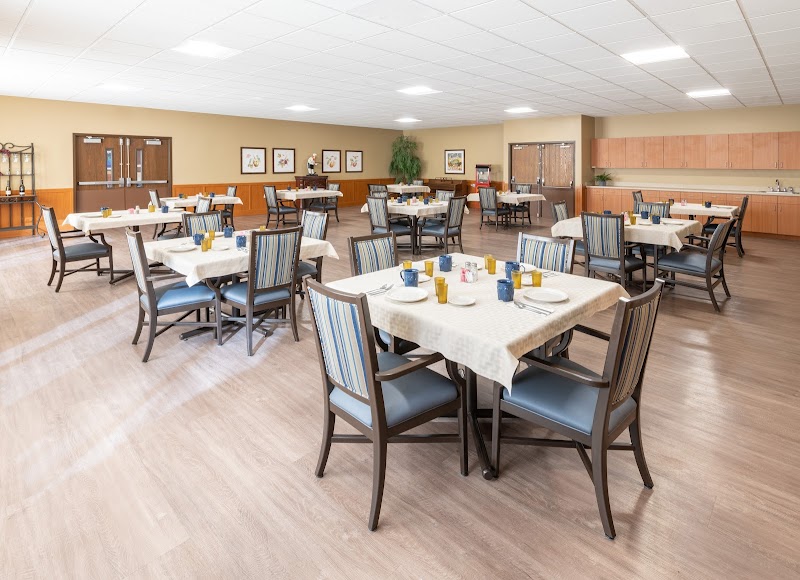
How is Caring Heights Community Care & Rehab Ctr Staffed?

CMS rates CARING HEIGHTS COMMUNITY CARE & REHAB CTR's staffing level at 3 out of 5 stars, which is average compared to other nursing homes. Staff turnover is 40%, compared to the Pennsylvania average of 46%. This relatively stable workforce can support continuity of care.

What Have Inspectors Found at Caring Heights Community Care & Rehab Ctr?

State health inspectors documented 66 deficiencies at CARING HEIGHTS COMMUNITY CARE & REHAB CTR during 2023 to 2025. These included: 64 with potential for harm and 2 minor or isolated issues. While no single deficiency reached the most serious levels, the total volume warrants attention from prospective families.
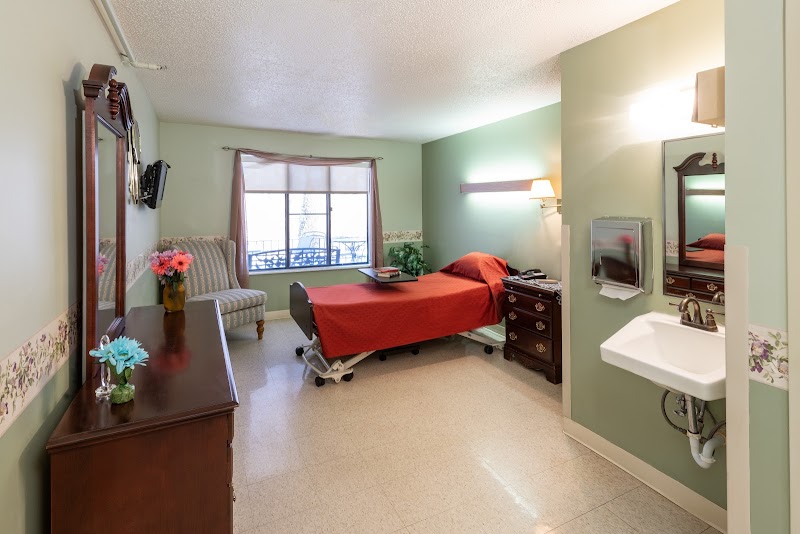
Who Owns and Operates Caring Heights Community Care & Rehab Ctr?

CARING HEIGHTS COMMUNITY CARE & REHAB CTR is owned by a for-profit company. For-profit facilities operate as businesses with obligations to shareholders or private owners. The facility is operated by SABER HEALTHCARE GROUP, a chain that manages multiple nursing homes. With 119 certified beds and approximately 107 residents (about 90% occupancy), it is a mid-sized facility located in CORAOPOLIS, Pennsylvania.
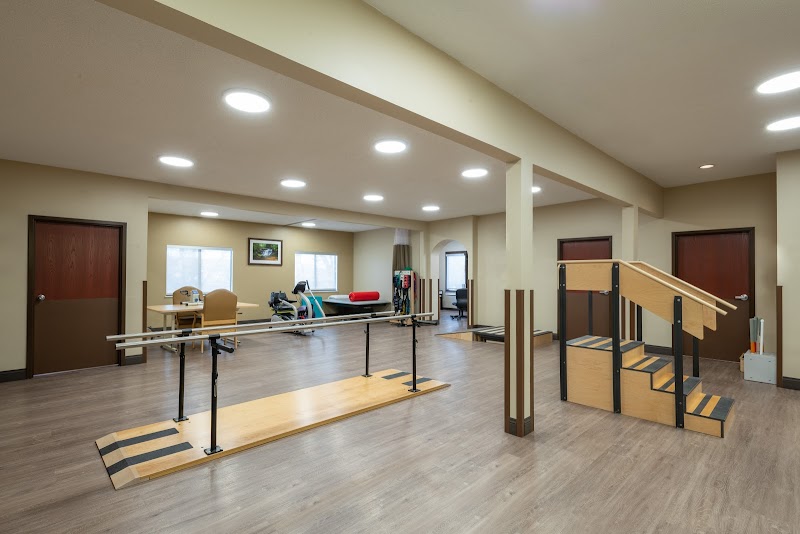
How Does Caring Heights Community Care & Rehab Ctr Compare to Other Pennsylvania Nursing Homes?

Compared to the 100 nursing homes in Pennsylvania, CARING HEIGHTS COMMUNITY CARE & REHAB CTR's overall rating (3 stars) matches the state average, staff turnover (40%) is near the state average of 46%, and health inspection rating (2 stars) is below the national benchmark.

What Should Families Ask When Visiting Caring Heights Community Care & Rehab Ctr?

Based on this facility's data, families visiting should ask: "Can I visit during a mealtime to observe dining assistance and food quality?" "How do you handle medical emergencies, and what is your hospital transfer rate?" "Can I speak with family members of current residents about their experience?"

Is Caring Heights Community Care & Rehab Ctr Safe?

Based on CMS inspection data, CARING HEIGHTS COMMUNITY CARE & REHAB CTR has a clean safety record: no substantiated abuse findings (meaning no confirmed cases of resident harm), no Immediate Jeopardy citations (the most serious violation level indicating risk of serious injury or death), and is not on the Special Focus Facility watch list (a federal program monitoring the lowest-performing 1% of nursing homes). The facility has a 3-star overall rating and ranks #1 of 100 nursing homes in Pennsylvania. While no facility is perfect, families should still ask about staff-to-resident ratios and recent inspection results during their visit.

Do Nurses at Caring Heights Community Care & Rehab Ctr Stick Around?

CARING HEIGHTS COMMUNITY CARE & REHAB CTR has a staff turnover rate of 40%, which is about average for Pennsylvania nursing homes (state average: 46%). Moderate turnover is common in nursing homes, but families should still ask about staff tenure and how the facility maintains care continuity when employees leave.

Was Caring Heights Community Care & Rehab Ctr Ever Fined?

CARING HEIGHTS COMMUNITY CARE & REHAB CTR has no federal fines on record. CMS issues fines when nursing homes fail to meet care standards or don't correct problems found during inspections. The absence of fines suggests the facility has either maintained compliance or corrected any issues before penalties were assessed. This is a positive indicator, though families should still review recent inspection reports for the full picture.

Is Caring Heights Community Care & Rehab Ctr on Any Federal Watch List?

CARING HEIGHTS COMMUNITY CARE & REHAB CTR is not on any federal watch list. The most significant is the Special Focus Facility (SFF) program, which identifies the bottom 1% of nursing homes nationally based on persistent, serious quality problems. Not being on this list means the facility has avoided the pattern of deficiencies that triggers enhanced federal oversight. This is a positive indicator, though families should still review the facility's inspection history directly.