CEDAR HILL HEALTHCARE AND REHABILITATION CENTER
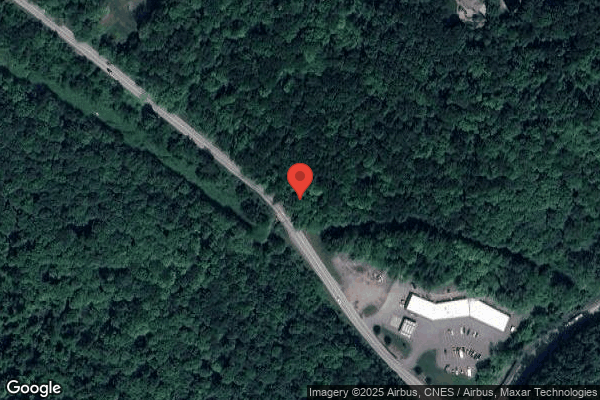
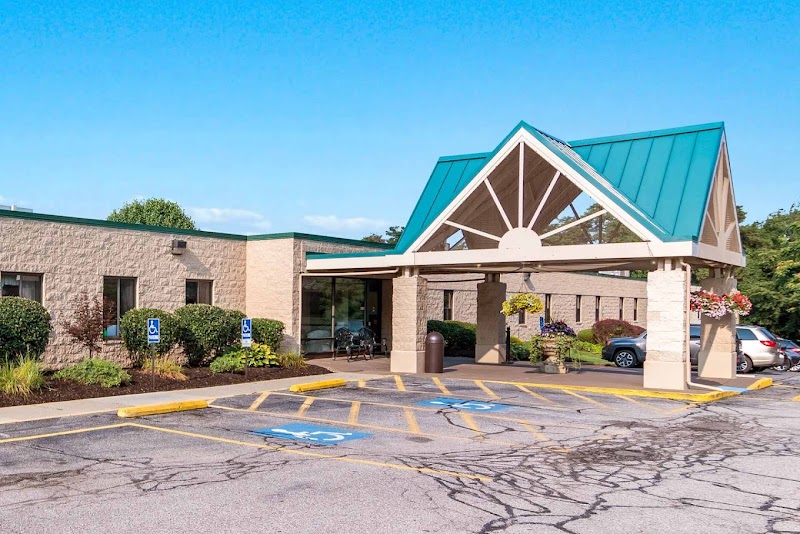
951 BRODHEAD ROAD, CORAOPOLIS, PA 15108 (412) 269-1101
For profit - Individual 150 Beds Independent Data: November 2025
Trust Grade
45/100
#397 of 653 in PA
Last Inspection: August 2025

Inspected within the last 6 months. Data reflects current conditions.

Overview

Cedar Hill Healthcare and Rehabilitation Center has received a Trust Grade of D, indicating below-average conditions with some concerns about care quality. Ranking #397 out of 653 facilities in Pennsylvania places it in the bottom half, while being #21 of 52 in Allegheny County suggests that only a few local options are better. The facility is showing signs of improvement, with the number of reported issues decreasing from 22 in 2024 to 13 in 2025, but staffing turnover is high at 64%, which is above the state average. While there have been no fines reported, there are serious concerns about the timely payment of vendor bills and lack of consistent infection prevention oversight, which puts residents at risk for service interruptions and potential health issues. On the positive side, the facility does have an average level of RN coverage, which is important for catching health problems early.

Trust Score
D
45/100
In Pennsylvania
#397/653
Bottom 40%
Safety Record
Low Risk
No red flags
Inspections
Getting Better
22 → 13 violations
Staff Stability
⚠ Watch
64% turnover. Above average. Higher turnover means staff may not know residents' routines.
Penalties
✓ Good
No fines on record. Clean compliance history, better than most Pennsylvania facilities.
Skilled Nurses
○ Average
Each resident gets 39 minutes of Registered Nurse (RN) attention daily — about average for Pennsylvania. RNs are the most trained staff who monitor for health changes.
Violations
⚠ Watch
49 deficiencies on record. Higher than average. Multiple issues found across inspections.
★★☆☆☆
2.0
Overall Rating
★★★☆☆
3.0
Staff Levels
★★★★☆
4.0
Care Quality
★★☆☆☆
2.0
Inspection Score
Stable
2024: 22 issues
2025: 13 issues

The Good

  • 4-Star Quality Measures · Strong clinical quality outcomes
  • Full Sprinkler Coverage · Fire safety systems throughout facility
  • No fines on record

Facility shows strength in quality measures, fire safety.

The Bad

2-Star Overall Rating

Below Pennsylvania average (3.0)

Below average - review inspection findings carefully

Staff Turnover: 64%

18pts above Pennsylvania avg (46%)

Frequent staff changes - ask about care continuity

Staff turnover is elevated (64%)

16 points above Pennsylvania average of 48%

The Ugly 49 deficiencies on record

Aug 2025 11 deficiencies
CONCERN (D) 📢 Someone Reported This

A family member, employee, or ombudsman was alarmed enough to file a formal complaint

Potential for Harm - no one hurt, but risky conditions existed

Notification of Changes (Tag F0580)

Could have caused harm · This affected 1 resident

**NOTE- TERMS IN BRACKETS HAVE BEEN EDITED TO PROTECT CONFIDENTIALITY** Based on a review of facility policy, clinical record review, and staff interviews, it was determined that the facility failed t...

Read full inspector narrative →
**NOTE- TERMS IN BRACKETS HAVE BEEN EDITED TO PROTECT CONFIDENTIALITY** Based on a review of facility policy, clinical record review, and staff interviews, it was determined that the facility failed to notify the resident representative of the start of a new antibiotic for one of three residents (Resident R136).Findings include: Review of the facility policy Notification of Change of Condition: Responsible Party/Guardian last reviewed 4/2/25, indicated the responsible party or guardian is to be notified of changes in condition or occurrences. The nurse must document the name of the person notified, the date and time in the nurse's notes. Review of the clinical record indicated that Resident R136 was admitted to the facility on [DATE]. Review of Resident R136's Minimum Data Set (MDS - periodic assessment of resident care needs) dated 5/20/25, included diagnoses of high blood pressure, depression and heart failure (the heart doesn't pump the way it should). Review of Resident R136's physician orders dated 6/18/25, indicated Keflex oral capsule (treats bacterial infection) give 500 milligrams (mg) three times a day for cellulitis right hip for 7 days. Review of Resident R136's physician progress notes dated 6/18/25, indicated asked by staff to see the patient. Resident R136 has a right lateral thigh redness with tenderness. Clinically it looks like cellulitis. Will treat with the Keflex for one week and reevaluate. Review of Resident R136's progress notes failed to include notification of Resident R136's representative of the start of the new antibiotic. During an interview completed on 08/27/2025, 12:22 p.m. the Nursing Home Administrator confirmed that the facility failed to notify the resident representative of the start of a new antibiotic for one of three residents (Resident R136). 28 Pa. Code: 201.14(a) Responsibility of licensee. 28 Pa. Code: 201.18 (b)(1) Management. 28 Pa. Code: 211.10 (c)(d) Resident Care policies. 28 Pa. Code: 211.12 (d)(1)(2)(3)(5) Nursing services.
CONCERN (D)

Potential for Harm - no one hurt, but risky conditions existed

Report Alleged Abuse (Tag F0609)

Could have caused harm · This affected 1 resident

**NOTE- TERMS IN BRACKETS HAVE BEEN EDITED TO PROTECT CONFIDENTIALITY** Based on review of facility policy, clinical record, facility documents, reports submitted to the State, and staff interview it ...

Read full inspector narrative →
**NOTE- TERMS IN BRACKETS HAVE BEEN EDITED TO PROTECT CONFIDENTIALITY** Based on review of facility policy, clinical record, facility documents, reports submitted to the State, and staff interview it was determined that the facility failed to report an allegation of neglect for one of three residents (Resident R2).Findings include: Review of facility Abuse Protection policy last reviewed 4/2/25, indicated regardless of how minor an accident or incident may be, it must be reported to the department supervisor as soon as such accident/incident is discovered or when information of such accident/incident has been discovered. The reporting and filing of accurate documents relative to incidents of abuse, reporting to State agencies as required. Review of the clinical record indicated Resident R2 was admitted to the facility on [DATE]. Review of Resident R2's Minimum Data Set (MDS - a periodic assessment of care needs) dated 7/30/25, indicated diagnoses of high blood pressure, cancer, and mood disorder. MDS Section GG-Functional Abilities, GG0130 Self-Care for lower body dressing was coded as a 1, which revealed the resident was dependent with the ability to dress and undress below the waist. Resident R2 does none of the effort to complete the activity. Review of Resident R2's progress note dated 8/19/25, revealed the resident arrived at an appointment with no pants on. It was documented the outside provider notified the facility Resident R2 did not have any pants on. Review of information submitted to the State Agency on 8/19/25, and 8/20/25, failed to include Resident R2's incident of neglect. During an interview on 8/26/25, at 11:45 a.m. the Nursing Home Administrator confirmed the facility failed to identify the incident of Resident R2 arriving to an appointment without pants on 8/19/25, as an allegation of neglect. The Nursing Home Administrator confirmed the facility failed to report an allegation of neglect for one of three residents (Resident R2). 28 Pa Code: 201.14 (a)(c )(e ) Responsibility of management 28 Pa Code: 201.18 (b)(1) (e)(1) Management.
CONCERN (D)

Potential for Harm - no one hurt, but risky conditions existed

Assessment Accuracy (Tag F0641)

Could have caused harm · This affected 1 resident

**NOTE- TERMS IN BRACKETS HAVE BEEN EDITED TO PROTECT CONFIDENTIALITY** Based on a review of facility policy, Resident Assessment Instrument (RAI) User's Manual, clinical records, and staff interviews...

Read full inspector narrative →
**NOTE- TERMS IN BRACKETS HAVE BEEN EDITED TO PROTECT CONFIDENTIALITY** Based on a review of facility policy, Resident Assessment Instrument (RAI) User's Manual, clinical records, and staff interviews, it was determined that the facility failed to ensure that Minimum Data Set (MDS - a periodic assessment of care needs) accurately reflected the resident's status for two of three residents (Resident R4 and R84).Findings include: The Long-Term Care Facility Resident Assessment Instrument (RAI) User's Manual, which gives instructions for completing Minimum Data Set Assessments dated October 2024, indicated the following instructions: Section O: Special Treatments, Procedures, and Programs, indicated to document what services and treatments were performed while a resident of the facility and within the last 14 days. Review of the clinical record indicated Resident R4 was admitted to the facility on [DATE]. Review of Resident R4's MDS dated [DATE], indicated diagnoses of end stage renal disease (kidneys no longer function), high blood pressure and diabetes (high sugar in the blood). Section O Special treatments section J1- Dialysis, failed to be checked performed while a resident. Review of physician orders dated 7/30/25, indicated that resident R4 is scheduled for dialysis on Monday, Wednesday and Friday 10:00 a.m. to 2:00 p.m. Review of Resident R4's current care plan indicated Resident R4 needs dialysis related to renal failure. During an interview completed on 8/27/25, at 11:30 a.m. Registered Nurse Assessment Coordinator (RNAC) Employee E3 confirmed that Resident R4's MDS dated [DATE], Section O Special treatments section J1- Dialysis, failed to be checked performed while a resident. Review of the clinical record indicated Resident R84 was admitted to the facility on [DATE]. Review of Resident R84's MDS dated [DATE], indicated diagnoses of diabetes (high sugar in the blood), high blood pressure and dependence on supplemental oxygen. Section O Special treatments section C1- Oxygen Therapy failed to be checked performed while a resident. Review of Resident 84's physician orders dated 6/27/25, indicated oxygen at 4 liters per minute continuously via nasal cannula (device used to deliver oxygen through the nose) every shift. Review of Resident R84's current care plan indicated oxygen therapy dependence on supplemental oxygen. During an interview completed on 8/27/25, at 2:30 p.m. RNAC Employee E3 confirmed that Resident R84's MDS dated [DATE], Section O Special treatments section C1- oxygen therapy, failed to be checked performed while a resident and that the facility failed to ensure the MDS accurately reflected the resident's status for two of three residents (Resident R4 and R84). 28 Pa. Code 201.14(a) Responsibility of licensee. 28 Pa. Code 211.5(f) Medical records.
CONCERN (D)

Potential for Harm - no one hurt, but risky conditions existed

Comprehensive Care Plan (Tag F0656)

Could have caused harm · This affected 1 resident

**NOTE- TERMS IN BRACKETS HAVE BEEN EDITED TO PROTECT CONFIDENTIALITY** Based on facility policy, clinical records and staff interview, it was determined that the facility failed to develop a care pla...

Read full inspector narrative →
**NOTE- TERMS IN BRACKETS HAVE BEEN EDITED TO PROTECT CONFIDENTIALITY** Based on facility policy, clinical records and staff interview, it was determined that the facility failed to develop a care plan for two of three residents (Resident R1 and R97) to accurately reflect the current status of the resident. Findings include: Review of the facility policy “Care Plan” last reviewed 4/2/25, indicated the facility’s interdisciplinary team will develop a comprehensive care plan for each resident. The residents’ care plan shall be developed upon admission and implemented as soon as possible thereafter and describe the services that are to be furnished to attain or maintain the residents’ highest practical physical, mental and psychosocial well-being. A review of the clinical record indicated Resident R1 was admitted to the facility on [DATE]. A review of the Resident R1's Minimum Data Set (MDS- a periodic assessment of care needs) dated 6/9/25, indicated the diagnoses of high blood pressure, depression and diabetes (high sugar in the blood). A review of Resident R1’s physician orders dated 7/18/25, indicated insulin Lispro (fast acting) subcutaneous solution cartridge 100 UNIT/milliliter (ml) inject as per sliding scale with meals resident has a Libre (Continuous Glucose System) and self-check with phone nurse to document. A review of Resident R1’s physician orders dated 7/18/25, indicated insulin Glargine (long acting) subcutaneous solution inject 34 units subcutaneously at bedtime resident has Libre and self-check with phone nurse to document. A review of Resident R1’s physician orders dated 8/13/25, indicated free style Libre 3 sensor inject 1 application every 15 days for diabetes monitoring. A review of Resident R1’s current care plan failed to include interventions for Libre. A review of the clinical record indicated Resident R97 was admitted to the facility on [DATE], with diagnoses that included atrial fibrillation (irregular heartbeat where the heart's two upper chambers, the atria, quiver and beat too fast instead of contracting properly), hypertension and type 2 diabetes mellitus. A review of Resident R97's quarterly MDS dated [DATE], indicated the diagnosis remained current. A review of Resident R97's physician orders dated 8/20/25, indicated Tresiba FlexTouch Subcutaneous Solution Pen-injector 100 UNIT/ML (Insulin Degludec) Inject 30 unit subcutaneously in the morning for DM2 resident has libre (continuous glucose monitoring) and self-checks. A review of Resident R97's current care plan revealed no care plan for the libre. During an interview on 8/28/25, at 1:30 p.m. Nursing Home Administrator confirmed the facility failed to revise the care plan for Resident R97 as required. During an interview completed on 08/28/25, at 1:44 p.m. the Director of Nursing confirmed that the facility failed to implement a care plan for Resident R1’s Libre system and that the facility failed to develop a care plan for two of three residents (Resident R1 and R97) to accurately reflect the current status of the resident. 28 Pa. Code: 211.11(d) Resident Care Plan
CONCERN (D) 📢 Someone Reported This

A family member, employee, or ombudsman was alarmed enough to file a formal complaint

Potential for Harm - no one hurt, but risky conditions existed

Deficiency F0658 (Tag F0658)

Could have caused harm · This affected 1 resident

**NOTE- TERMS IN BRACKETS HAVE BEEN EDITED TO PROTECT CONFIDENTIALITY** Based on review of facility policies, resident record review, and staff interviews, it was determined that the facility failed t...

Read full inspector narrative →
**NOTE- TERMS IN BRACKETS HAVE BEEN EDITED TO PROTECT CONFIDENTIALITY** Based on review of facility policies, resident record review, and staff interviews, it was determined that the facility failed to follow professional standards of practice when obtaining physician orders for one of four residents. (Resident R136).Findings include: Review of the facility policy Medication and Treatment Orders last reviewed 4/2/25, indicated telephone or verbal orders must be recorded in the clinical record, under physician orders when received and must be recorded by the nurse receiving the order. Review of the clinical record indicated that Resident R136 was admitted to the facility on [DATE]. Review of Resident R136's Minimum Data Set (MDS - periodic assessment of resident care needs) dated 5/20/25, included diagnoses of high blood pressure, depression and heart failure (the heart doesn't pump the way it should). Review of Resident R136's nursing progress note dated 5/5/25, indicated Unit Manager (UM) called 3-11 Registered Nurse (RN) supervisor (sup) requested to put in order provided by physician (md) to unit manager for urinalysis with culture and sensitivity (UA/CS) due to increased confusion to determine if urinary tract infection (UTI). Order placed in point click care (PCC), assigned nurse. During an interview completed on 8/27/25, at 10:20 a.m. upon reviewing the nursing progress note dated 5/5/25, the Director of Nursing (DON) confirmed that a Unit Manager gave a RN supervisor a verbal order for a UA/CS and stated they are not a physician and that the facility failed to follow professional standards of practice when obtaining physician orders for one of four residents. (Resident R136). 28 Pa. Code: 201.14(a) Responsibility of licensee. 28 Pa. Code: 201.18 (b)(1) Management. 28 Pa. Code: 211.10 (c)(d) Resident Care policies. 28 Pa. Code: 211.12 (d)(1)(2)(3)(5) Nursing services.
CONCERN (D)

Potential for Harm - no one hurt, but risky conditions existed

Deficiency F0676 (Tag F0676)

Could have caused harm · This affected 1 resident

**NOTE- TERMS IN BRACKETS HAVE BEEN EDITED TO PROTECT CONFIDENTIALITY** Based on observation, staff interview, clinical record review and review of the facility policy, it was determined that the faci...

Read full inspector narrative →
**NOTE- TERMS IN BRACKETS HAVE BEEN EDITED TO PROTECT CONFIDENTIALITY** Based on observation, staff interview, clinical record review and review of the facility policy, it was determined that the facility failed to provide appropriate assistance with meals for one of three residents (Resident R65). Findings include: Review of the facility policy Flow of Care last reviewed 4/2/25, indicated the flow of care is to be implemented on a continuous basis to promote quality of life with the residents. The charge nurse will be responsible for evaluating compliance with the flow of care expectations to ensure that needs are met on an ongoing basis. Review of the admission record indicated Resident R65 was admitted to the facility on [DATE]. Review of Resident R65's Minimum Data Set (MDS - a periodic assessment of care needs) dated 5/14/25, indicated the diagnoses of heart failure (the heart doesn't pump blood as well as it should), atrial fibrillation (irregular heart rhythm), and dementia (a general term for loss of memory, language, problem solving and other thinking abilities that are severe enough to interfere with daily life). Section C0500 - Brief Interview for Mental Status (BIMS - is a screening test that aides in detecting cognitive impairment) indicated a score of 12 - moderately impaired cognition. Review of Resident R65's current care plan on 8/25/25, indicated Special Instructions Staff to cut food into small pieces at mealtimes. During an observation on 8/25/25, at 11:53 a.m. Resident R65's meal ticket indicated that staff is to cut food into small pieces at mealtimes. Resident R65 was observed sitting in a wheelchair at bedside, with a piece of whole chicken breast in both hands attempting to tear it apart with fingers. During an interview on 8/25/25, at 11:54 a.m. Nurse Aide (NA) Employee E6 confirmed Resident R65 had a piece of whole chicken breast in both hands attempting to tear it apart with fingers, and that staff failed to cut the food into small pieces at mealtime as indicated. During an interview on 8/25/25, at 12:00 p.m. the Director of Nursing confirmed the facility failed to provide appropriate assistance with meals for one of three residents (Resident R65). 28 Pa. Code 211.10(d) Resident care policies. 28 Pa. Code 211.12(d)(1)(5) Nursing services.
CONCERN (D)

Potential for Harm - no one hurt, but risky conditions existed

Quality of Care (Tag F0684)

Could have caused harm · This affected 1 resident

**NOTE- TERMS IN BRACKETS HAVE BEEN EDITED TO PROTECT CONFIDENTIALITY** Based on review of clinical records and staff interview, it was determined that the facility failed to provide care and treatmen...

Read full inspector narrative →
**NOTE- TERMS IN BRACKETS HAVE BEEN EDITED TO PROTECT CONFIDENTIALITY** Based on review of clinical records and staff interview, it was determined that the facility failed to provide care and treatment as ordered by physician for one of three residents (Residents R2) and have a physician order for a continuous glucose monitoring device for one of one resident (Resident R97).Findings include: Review of facility policy Medication and Treatment Orders dated 4/2/25, indicated all medication and treatment orders must be carried out exactly as prescribed by the physician or other licensed prescriber. Nursing staff are responsible for documenting administration and monitoring the resident's response to all medication and treatments. Review of the clinical record indicated Resident R2 was admitted to the facility on [DATE]. Review of Resident R2's Minimum Data Set (MDS - a periodic assessment of care needs) dated 7/30/25, indicated diagnoses of high blood pressure, cancer, and fracture. Review of Resident R2's physician order dated 7/25/25, revealed the resident was ordered to wear sling at all times except for hygiene. During an observation on 8/25/25, at 1:38 p.m. Resident R2 was observed lying in bed with no sling in place. The resident's sling was observed on the resident's bedside dresser. During an observation on 8/26/25, at 11:22 a.m. Resident R2 was observed with no sling on while working with therapy. During an interview on 8/26/25, at 11:24 a.m. Physical Therapist, Employee E7 was asked if Resident R2's sling was on prior to the start of therapy. PT, Employee E7 stated it was not on and confirmed Resident R2's sling was not on as ordered. During an interview on 8/26/25, at 3:04 p.m. the Nursing Home Administrator and Director of Nursing confirmed the facility failed to provide care and treatment as ordered by physician for one of three residents (Residents R2). A review of the clinical record indicated Resident R97 was admitted to the facility on [DATE], with diagnoses that included atrial fibrillation, hypertension and type 2 diabetes mellitus. A review of Resident R97's MDS assessment dated [DATE], indicated the diagnosis remained current. A review of Resident R97's physician orders dated 8/20/25, indicated Tresiba FlexTouch Subcutaneous Solution Pen-injector 100 UNIT/ML (Insulin Degludec). Inject 30 unit subcutaneously in the morning for DM2 resident has libre (continuous glucose monitoring) and self-checks. A review of Resident R97's physician orders dated 8/20/25 revealed no active order for the libre, when to change or care for it. During an interview on 8/28/25, at 1:25 p.m. the Director of Nursing confirmed the Resident R97 did not have an active order for the libre. 28 Pa. Code: 201.18 (b)(1) Management. 28 Pa. Code: 211.10 (c)(d) Resident Care policies. 28 Pa. Code: 211.12 (d)(1)(2)(3)(5) Nursing services.
CONCERN (D)

Potential for Harm - no one hurt, but risky conditions existed

Incontinence Care (Tag F0690)

Could have caused harm · This affected 1 resident

**NOTE- TERMS IN BRACKETS HAVE BEEN EDITED TO PROTECT CONFIDENTIALITY** Based on review facility policies, observations, clinical records, and staff interviews, it was determined that the facility fai...

Read full inspector narrative →
**NOTE- TERMS IN BRACKETS HAVE BEEN EDITED TO PROTECT CONFIDENTIALITY** Based on review facility policies, observations, clinical records, and staff interviews, it was determined that the facility failed to make certain that appropriate treatments and services were provided for the use of an indwelling urinary catheter as required for one of three residents (Resident R134).Findings include: Review of facility Resident Rights last reviewed 4/2/25, indicated the resident has a right to a dignified existence. This facility will promote the exercise of rights for each resident. The facility will protect and promote the rights of each resident including but not inclusive to privacy and confidentiality. Review of the clinical record indicated Resident R134 was admitted to the facility on [DATE], with the diagnosis of high blood pressure, obstructive and reflux uropathy (urine can't flow normally due to blockage) and urinary tract infection. Review of Resident 134's physician orders dated 8/23/24, indicated the resident had an indwelling urinary catheter (closed sterile system inserted into the bladder to allow for urine drainage). Observation on 8/25/25, at 10:24 a.m. Resident R134 was lying in bed with a catheter connected to a drainage bag, the drainage bag was lying on the floor and failed to be covered as required. During an interview completed on 8/25/25, at 10:27 a.m. Licensed Practical Nurse (LPN) Employee E2 confirmed Resident R134's drainage bag was not covered as required and that the facility failed to make certain that appropriate treatments and services were provided for the use of an indwelling urinary catheter as required for one of three residents (Resident R134). 28 Pa. Code: 201.14(a) Responsibility of licensee. 28 Pa. Code: 211.10(c)(d) Resident care policies. 28 Pa. Code: 211.12(d)(1)(2)(3)(5) Nursing services.
CONCERN (D)

Potential for Harm - no one hurt, but risky conditions existed

Deficiency F0698 (Tag F0698)

Could have caused harm · This affected 1 resident

**NOTE- TERMS IN BRACKETS HAVE BEEN EDITED TO PROTECT CONFIDENTIALITY** Based on review of clinical records, facility policy and staff and interviews it was determined the facility failed to ensure re...

Read full inspector narrative →
**NOTE- TERMS IN BRACKETS HAVE BEEN EDITED TO PROTECT CONFIDENTIALITY** Based on review of clinical records, facility policy and staff and interviews it was determined the facility failed to ensure resident's receiving dialysis received care and treatment as ordered and ensured fluid restrictions were maintained for one of two residents (Resident R6).Findings include: Review of facility policy Dialysis Care dated 4/2/25, indicated residents ordered dialysis therapy will be monitored, and documentation will be maintained in the medical record. All residents receiving dialysis treatment will have their access site assessed every shift. Review of the facility's Care Plan policy dated 4/2/25, revealed the facility will develop a comprehensive care plan for each resident. The care plan shall be reviewed, evaluated, and updated as necessary, by professionals involved in the care of the resident. Review of facility policy Medication and Treatment Orders dated 4/2/25, indicated all medication and treatment orders must be carried out exactly as prescribed by the physician or other licensed prescriber. Nursing staff are responsible for documenting administration and monitoring the resident's response to all medication and treatments. Review of the clinical record indicated Resident R6 was admitted to the facility 11/15/24, and readmitted to the facility on [DATE]. Review of Resident R6's Minimum Data Set (MDS - a periodic assessment of care needs) dated 7/16/25, indicated diagnoses of high blood pressure, End Stage Renal Disease (ESRD, an inability of the kidneys to filter the blood), and dependence on dialysis. Review of Resident R6's care plan dated 11/18/24, revealed the resident has end stage renal failure and requires hemodialysis. Interventions included to maintain fluid restriction as ordered. Ensure fluid restriction breakdown as available to all direct care staff and staff are educated on restriction to ensure adherence. It was indicated to monitor dialysis access site for signs and symptoms of infection or erosion through chest wall tissue. Change dressing as ordered, monitor for bleeding, and changed as needed. Review of Resident R6's physician's order dated 7/17/25, revealed the resident was ordered a 1200cc daily fluid restriction. Dietary to give 280cc each meal. The following free water fluid restrictions for nursing were ordered-7 a.m. to 3 p.m. 180 milliliters (ml)-3 p.m. to 11 p.m. 120 ml-11p.m. to 7 a.m. 60 ml Review of Resident R6's clinical record revealed the facility failed to adhere to the resident's fluid restriction on the following days: 8/6/25-1,260 ml 8/10/25-1,420ml 8/11/25-1320 ml 8/13/25-1320 ml 8/15/25-1380 ml 8/18/25-1480 ml 8/20/25-1,140 ml 8/22/25-1,272 ml 8/24/25-1240 ml 8/25/25-1560 ml Review of Resident R6's progress note dated 8/12/25, revealed dietary sent the resident's fluid intake history to the physician via fax. Documentation failed to include evidence the physician reviewed the resident's fluid intake or any evidence the resident or staff were educated on restriction to ensure adherence as care planned. Review of Resident R6's progress note dated 8/20/25, revealed the physician and dialysis were made aware of the resident's non-compliance with free water restriction. No changes were made to the resident's physician order for fluid restriction. Documentation failed to include evidence the resident or staff were educated on restriction to ensure adherence as care planned. During an interview on 8/25/25, at 1:56 p.m. Licensed Practical Nurse (LPN), Employee E10 confirmed Resident R6 was on a fluid restriction. LPN, Employee E10 stated the nurse aides are responsible for documenting what they provide the resident, and the nurses sign off how much fluid is given to the resident by them. Review of Resident R6's physician's order dated 8/26/25, entered by Dietician, Employee E11 revealed the resident was ordered a 1200cc daily fluid restriction. Dietary to give 280cc each meal. The following free water fluid restrictions for nursing were ordered-7 a.m. to 3 p.m. 180 ml-3 p.m. to 11 p.m. 240 ml-11p.m. to 7 a.m. 120 ml A further review of Resident R6's August 2025 Medication Administration Record (MAR) failed to include evidence of the total amount of fluid the resident received each shift on 8/26/25 and 8/27/25. A review of Resident R6's clinical record on 8/27/25, failed to include an order to monitor the resident's dialysis access site for bleeding and signs and symptoms of infection or erosion through chest wall tissue. A further review failed to include an order to change the dressing. During an interview on 8/28/25, at 11:26 a.m. the Director of Nursing and Nursing Home Administrator confirmed the facility failed to ensure Resident R6 fluid restriction were maintained as ordered. The DON confirmed Resident R6 did not have an order to monitor the dialysis access site and to change the dressing. The NHA and DON confirmed the facility failed to ensure that residents who require dialysis receive such services, consistent with professional standards of practice, the comprehensive person-centered care plan, and the residents' goals and preferences for one of two residents (Resident R6). 28 Pa. Code: 201.14(a) Responsibility of licensee. 28 Pa. Code: 211.10(c) Resident care policies. 28 Pa. Code: 211.12(d)(1)(3)(5) Nursing services.
CONCERN (D)

Potential for Harm - no one hurt, but risky conditions existed

Deficiency F0699 (Tag F0699)

Could have caused harm · This affected 1 resident

**NOTE- TERMS IN BRACKETS HAVE BEEN EDITED TO PROTECT CONFIDENTIALITY** Based on resident record review and staff interviews, it was determined to facility failed to provide a trauma survivor with tra...

Read full inspector narrative →
**NOTE- TERMS IN BRACKETS HAVE BEEN EDITED TO PROTECT CONFIDENTIALITY** Based on resident record review and staff interviews, it was determined to facility failed to provide a trauma survivor with trauma informed care to eliminate or mitigate triggers that may cause re-traumatization of the resident for one of one residents (Resident R73). Findings: Review of Resident R73's record indicated the resident was admitted on [DATE]. Diagnoses included post-traumatic stress disorder (PTSD - a psychiatric disorder that may occur in persons that have witnessed a traumatic event causing intense, disturbing thoughts and feelings related to the experience), dysphagia (difficulty or impairment in swallowing) and anxiety. Review of physician orders dated 8/13/25, included buspirone (medication used to treat anxiety) and fluoxetine (medication used to treat anxiety). Review of Resident R73's assessments did not include a Trauma Informed Care Evaluation (a data collection tool that gathers information on traumatic events and aids in identifying and addressing the resident's needs). Review of Resident R73's care plan for PTSD was dated 8/19/25. During an interview on 8/27/25, at 1:00 p.m. Social Worker Employee E5 confirmed that Resident R73 did not have a Trauma Informed Care Evaluation and that her care plan was not completed timely. 28 Pa. Code: 201.14(a) Responsibility of licensee. 28 Pa. Code: 201.18(b)(1) Management.
CONCERN (D)

Potential for Harm - no one hurt, but risky conditions existed

Menu Adequacy (Tag F0803)

Could have caused harm · This affected 1 resident

**NOTE- TERMS IN BRACKETS HAVE BEEN EDITED TO PROTECT CONFIDENTIALITY** Based on review of the facility policy, the facility's tray assembly tickets, observation, and resident and staff interviews, it...

Read full inspector narrative →
**NOTE- TERMS IN BRACKETS HAVE BEEN EDITED TO PROTECT CONFIDENTIALITY** Based on review of the facility policy, the facility's tray assembly tickets, observation, and resident and staff interviews, it was determined that the facility failed to follow their tray assembly tickets for preferences for two of five residents (Resident R11 and R124). Findings include: Review of the facility policy Dining and Food Preferences dated 4/2/25, indicated individual dining, food, and beverage preferences are identified for all residents. The individual tray assembly ticket will identify all food items appropriate for the resident based on diet order, allergies and intolerances, and preferences. Review of the admission record indicated Resident R11 was admitted to the facility on [DATE]. Review of the Resident R11's Minimum Data Set (MDS- a periodic assessment of care needs) dated 5/10/25, indicated the diagnoses of anemia (low iron in the blood) high blood pressure and diabetes (high sugar in the blood). Review of Resident R11’s physician orders dated 5/12/25, indicated low potassium diet, regular texture, thin consistency, may have double protein portions. Observation on 8/25/25, at 12:10 p.m. Resident R11's lunch meal consisted of Salsbury steak with gravy, buttered noodles, tossed salad and peach pie. Resident R11’s tray assembly ticket indicated hamburger on bun, ketchup, buttered noodles, tossed salad and peach pie. During an interview completed on 8/25/25, at 12:27 p.m. Nurse Aide (NA) Employee E4 confirmed the meal ticket stated hamburger on bun and ketchup, however Resident R11 was served Salsbury steak with gravy which failed to follow preferences listed on the tray assembly ticket. NA Employee E4 stated “I gave her the tray, but I did not read her ticket items, I would have went to the kitchen and had it changed”. Review of the admission record indicated Resident R124 was admitted to the facility on [DATE]. Review of the Resident R124's MDS dated [DATE], indicated the diagnoses of heart failure (the heart doesn’t pump blood as well as it should), high blood pressure, and depression. Review of Resident R124's physician order dated 7/22/25, indicated Regular diet. No mayonnaise and no salt packet. Observation of the lunch meal on 8/25/25, at 12:31 p.m. Resident R124's tray assembly ticket indicated cornflake chicken breast, peas and carrots, cheesy rice, dinner roll, margarine, peach pie with crumb topping, hot tea, and lemonade. NA Employee E8 removed the lid from the meal plate and revealed Salsbury steak with gravy and noodles served. Interview on 8/25/25, at 12:32 p.m. NA Employee E8 confirmed the meal ticket stated cornflake chicken breast and Resident R124 was served Salsbury steak with gravy which failed to follow preferences listed on the tray assembly ticket. Observation of the lunch meal on 8/26/25, at 11:58 a.m. Resident R124's tray assembly ticket indicated no mayonnaise and no salt packet. During an observation and interview on 8/26/25, at 12:00 p.m. the Dietary Director Employee E9 was requested to observe Resident R124's meal tray with survey agency and verified that the lunch tray had two salt packets on it and failed to follow preferences listed on the tray assembly ticket. During an interview on 8/26/25, at 12:00 p.m. Dietary Director Employee E9 confirmed the facility failed to follow their tray assembly tickets for preferences for two of five residents (Resident R11, and R124). 28 Pa. Code 211.6 (a) Dietary Services
Jun 2025 1 deficiency
CONCERN (D) 📢 Someone Reported This

A family member, employee, or ombudsman was alarmed enough to file a formal complaint

Potential for Harm - no one hurt, but risky conditions existed

Deficiency F0558 (Tag F0558)

Could have caused harm · This affected 1 resident

**NOTE- TERMS IN BRACKETS HAVE BEEN EDITED TO PROTECT CONFIDENTIALITY** Based on review of facility policy, review of resident council meeting minutes, review of grievance logs, observations, staff an...

Read full inspector narrative →
**NOTE- TERMS IN BRACKETS HAVE BEEN EDITED TO PROTECT CONFIDENTIALITY** Based on review of facility policy, review of resident council meeting minutes, review of grievance logs, observations, staff and resident interviews it was determined that the facility failed to accommodate the call bell needs for four of nine residents (Resident R2, R3, R4 and R7) Findings include: Review of facility policy Call Lights last reviewed 4/2/25, indicated a call light system is used by this facility to respond to the resident request and needs. Answer the resident's call as soon as possible. Review of the facility policy Call Light Response last reviewed 4/2/25, indicated staff will respond to the call light and the residents request and needs in a timely manner. Review of the facility policy Flow of Care last reviewed 4/2/25, indicated care will be provided to residents, as needed 24 hours a day to attain and maintain the highest level of functioning. The flow of care is to be implemented on a continuous basis to promote quality of life with the resident. Call light within reach for all residents and answered timely. Review of Resident council meeting minutes dated 4/14/25, indicated a concern about call bells being answered timely. Review of Resident council meeting minutes dated 5/19/25, indicated a concern about call bells being answered timely. Review of Resident council meeting minutes dated 6/9/25, indicated a concern about call lights being answered timely. Review of grievance log for 4/9/25, indicated a concern completed by family member for call bell times. Review of the admission record indicated Resident R4 was admitted to the facility on [DATE]. Review of Resident R4's MDS (minimum data set a periodic assessment of needs) dated 5/15/25, indicated the diagnosis of deep vein thrombosis (DVT-blood clot) multiple sclerosis (MS- autoimmune disease that affects the brain and spinal cord) and reduced mobility. Section C -Cognitive Patterns Brief Interview for Mental Status (BIMS- tool used to screen and identify the cognition condition of a resident) indicated a score of 15 intact cognition. 0-7 Severely impaired cognition 8-12 moderately impaired cognition 13-15 intact cognition Review of Resident R4's care plan date initiated 9/27/23, indicated Focus: Resident R4 has bowel incontinence. Interventions that include but not inclusive to check resident every two hours and assist with toileting as needed During an interview completed on 6/17/24 at 10:38 a.m. upon asking Resident R4 concerning call bell response times replied, I have waited in the evening for over a hour, it happens often, a couple of times a week. Review of the admission record indicated Resident R3 was admitted to the facility on [DATE]. Review of Resident R3's MDS dated [DATE], indicated the diagnosis of anemia (low iron in the blood), heart failure (heart doesn't pump the way it should) and high blood pressure. Section C Cognitive Patterns BIMS score indicated a score of 15 (intact cognition). Review of Resident R3's care plan date initiated 11/29/22, indicated at risk for bladder incontinence related to impaired mobility. Interventions include but not inclusive to Check every 2-3 hours and as required for incontinence. During an interview completed on 6/17/24, at 10:49 a.m. upon asking Resident R3 concerning call bell response times replied, I use the urinal at night, about a month ago I put my light on for someone to empty it, no one came in so I used a cup to urinate in, I have two urinals now. Review of the admission record indicated Resident R7 was admitted to the facility on [DATE]. Review of Resident R7's MDS) dated [DATE], indicated the diagnosis of cancer, high blood pressure and diabetes (high sugar in the blood) Section C Cognitive Patterns BIMS score indicated a score of 15 (intact cognition). Review of Resident R7's care plan date initiated 10/11/22 indicated Resident R7 has an ADL Self Care Performance Deficit related to decreased mobility, osteoarthritis, chronic Pain, morbid obesity. Interventions that included but not inclusive to requires setup and clean-up assist with urinal usage and requires extensive assist of one staff after episodes of bowel incontinence. During an interview completed on 6/17/25, at 11:05 a.m. upon asking Resident R7 concerning call bell response time replied, it varies, the problem is when they use the agency staff, I have waited as long as two hours. Review of the admission record indicated Resident R2 was admitted to the facility on [DATE]. Review of Resident R2's MDS (minimum data set a periodic assessment of needs) dated 5/10/25, indicated a diagnosis of cancer, hypertension (high blood pressure) and diabetes (high sugar in the blood). Section C Cognitive Pattern- BIMS indicated a score of 11 (moderately impaired cognition). Review of Resident R2's care plan date initiated 5/16/24, indicated ADL function deficit as evidenced by resident needing supervision/touch assist to needing substantial/total dependence with ADLS. Interventions include but not inclusive to Check for incontinence and change brief every 2 hours and as needed. Encourage resident to ask for assistance. Keep call light within reach During an interview completed on 6/17/25, at 11:20 a.m. upon asking Resident R2 concerning call bell response time replied, Sunday during midnight shift I had an accident, I waited well over an hour, it was too long I had diarrhea, a man finally came in and helped me he gave me a complete bed bath. Review of the admission record indicated Resident R1 was admitted to the facility on [DATE]. Review of Resident R1's MDS dated [DATE] indicated the diagnosis anemia, high blood pressure and diabetes. Section C Cognitive Patterns BIMS score indicated a score of 15 (intact cognition). During an interview completed on 6/17/25, at 11:22 a.m. Resident R1 (Resident R2's roommate) stated I went out to the nursing station that night, they told me to put the call light on and they would get someone, we waited over an hour. During an observation completed on 6/17/25, at 11:22 a.m. the call light was activated in room [ROOM NUMBER] at 11:22 a.m. and was answered at 11:39 a.m. During an interview completed on 6/17/25, at 11:39 a.m. Nurse Aide Employee E6 confirmed the call light was answered at 11:39 a.m. with a wait time of 17 minutes. During an interview completed on 6/17/25, at 12:56 a.m. the Director of Nursing confirmed that the facility had received some complaints concerning the weekend call bell timeliness and indicated she had emailed the staff to remind that they need to be rounding and answering the call lights timely. During an interview completed on 6/17/25, at 1:30 p.m. the Nursing Home Administrator confirmed that the facility failed to accommodate the call bell needs for four of nine residents (Resident R2, R3, R4 and R7) 28 Pa. Code: 201.14(a) Responsibility of licensee. 28 Pa. Code: 211.10(d) Resident care policies. 28 Pa. Code: 211.12(d)(1)(5) Nursing services.
Jan 2025 1 deficiency
CONCERN (D) 📢 Someone Reported This

A family member, employee, or ombudsman was alarmed enough to file a formal complaint

Potential for Harm - no one hurt, but risky conditions existed

Infection Control (Tag F0880)

Could have caused harm · This affected 1 resident

Based on review of facility policy, resident clinical records, observations, and staff interviews, it was determined that the facility failed to use Personal Protective Equipment (PPE) appropriately, ...

Read full inspector narrative →
Based on review of facility policy, resident clinical records, observations, and staff interviews, it was determined that the facility failed to use Personal Protective Equipment (PPE) appropriately, which created the potential for the cross-contamination and the spread of diseases and infections in two out of 18 droplet precautions (infection control measures designed to prevent the spread of infectious diseases that are transmitted through respiratory droplets) rooms. (Covid and Exposed Unit). Findings include: Review of facility policy Isolation Procedure: Resident placement in Transmission-Based Precautions dated 4/17/24, indicated transmission-based precautions (including droplet) will be implemented when indicated by suspicion or presence of infectious disease. Initiate precautions as indicated. Review of facility policy Personal Protective Equipment dated 4/17/24, indicated personal protective equipment (PPE) is available at all times. PPE includes gowns, gloves, masks, eyewear. Review of facility policy Coronavirus (Covid-19) policy dated 4/17/24, indicated facility leadership and clinical staff are implementing all reasonable measures to protect the health and safety of residents and staff during the current outbreak of coronavirus disease. Managing a confirmed or suspected Covid-19 individual: Staff entering or caring for the patient should follow recommendations for PPE. During a tour of facilities covid and exposed to covid unit, that included rooms 227 through 236, on 1/30/25, at 10:45 a.m. revealed each room with droplet isolation signage by resident ' s door, and PPE available for usage. During an observation on 1/30/25, at 10:55 a.m. Housekeeper Employee E2 was cleaning room and failed to wear appropriate droplet precaution PPE (gown, gloves, mask, eyewear). During an observation on 1/30/25, at 11:00 a.m. Nurse Assistant (NA) Employee E3 was finishing providing care to a resident and failed to wear appropriate droplet precaution PPE. During an interview on 1/30/25, at 11:07 a.m. NA Employee E3 stated that she should have had a gown, gloves, N-95 mask (respirator mask used for droplet isolation), and eyewear on when entering a room with droplet isolation signage hanging by the door. During an interview on 1/30/25, at 11:10 a.m. Registered Nurse Employee E2 confirmed that staff should be wearing N-95 mask, gown, gloves, and face covering when entering droplet isolation rooms. A review of resident ' s clinical record of residents residing in rooms 227 through 236 on 1/30/25, at 12:15 p.m. all had current physician orders for droplet isolation, testing of covid, and care plans where updated to reflect isolation needs. During an interview on 1/30/25, at 1:15 p.m. Director of Nursing confirmed that the facility failed to use Personal Protective Equipment appropriately, which created the potential for the cross-contamination and the spread of diseases and infections in two out of 18 droplet precautions rooms. (Covid and Exposed Unit). 28 Pa. Code: 201.14(a) Responsibility of licensee.
Sept 2024 13 deficiencies
CONCERN (D)

Potential for Harm - no one hurt, but risky conditions existed

Deficiency F0558 (Tag F0558)

Could have caused harm · This affected 1 resident

**NOTE- TERMS IN BRACKETS HAVE BEEN EDITED TO PROTECT CONFIDENTIALITY** Based on review of facility policy, clinical records, and staff interviews, it was determined that the facility failed to make c...

Read full inspector narrative →
**NOTE- TERMS IN BRACKETS HAVE BEEN EDITED TO PROTECT CONFIDENTIALITY** Based on review of facility policy, clinical records, and staff interviews, it was determined that the facility failed to make certain call bells were in reach for two of seven residents as required (Resident R30 and R108). Findings include: The facility policy Call Lights dated 4/17/24, indicated when a resident is in bed or confined to a chair be sure the call light is within easy reach of the resident. Review of Resident R30's clinical record indicated admission to the facility on 3/13/24. Review of Resident R30's Minimum Data Set (MDS - a periodic assessment of care needs) dated 9/19/23, indicated diagnoses of hypertension (high blood pressure) hyperlipidemia (high fats in the blood) and depression. During an interview and observation on 9/16/24, at 10:05 a.m. Resident R30's was sitting in her wheelchair, her call light button was wrapped on enabler/side rail assist bar on the other side of bed. When Resident R30 was asked what she would do if she needed help, she stated I don't know, I can't reach have my bell. Interview on 09/16/24 at 10:25 a.m. Licensed Practical Nurse (LPN) Employee E2 confirmed the call bell was on the other side of the bed out of Residents R30's reach. Review of admission record indicated R108 admitted to the facility on [DATE]. Review of R108's Minimum Data Set (MDS- a periodic assessment of care needs) dated 8/5/24, indicated the diagnoses of hemiplegia of right dominant side (paralysis of right side), aphasia following cerebral infarction (comprehension and communication (reading, speaking, or writing) disorder resulting from damage or injury to the specific area in the brain), and dysphagia (difficulty swallowing). Observation on 9/16/24, at 10:39 a.m. Resident R108's call bell was observed not in reach and hanging off the right-side bed rail. Resident R108 confirmed he was unable to reach his call light. Interview on 9/16/24, at 10:50 a.m. LPN Employee E3 confirmed facility failed to make certain call bells were in reach for two of seven residents as required. (Resident R30 and R108). 28 Pa. Code: 211.10(c)(d) Resident care policies. 28 Pa. Code: 211.12(d)(1)(2)(3)(5) Nursing services. 28 Pa Code: 201.29 (I)(o) Resident rights.
CONCERN (D)

Potential for Harm - no one hurt, but risky conditions existed

Deficiency F0578 (Tag F0578)

Could have caused harm · This affected 1 resident

Based on review of facility policy and clinical records, and staff interview, it was determined that the facility failed to assure physician orders, residents' Physician Order for Life Sustaining Trea...

Read full inspector narrative →
Based on review of facility policy and clinical records, and staff interview, it was determined that the facility failed to assure physician orders, residents' Physician Order for Life Sustaining Treatment (POLST- a legal document specifying the resident/responsible party choices regarding life-sustaining treatments), was available for one of four residents (Residents R336). Findings include: The facility Advanced Directives policy dated 4/17/24, indicated that this policy shall establish guidelines for medical treatment decision-making that both recognize and respect the residents right of self-determination. Review of Resident R336's clinical record indicate an admission date of 9/13/24, with diagnoses including diabetes (high sugar in the blood), hypertension (high blood pressure), and hyperlipidemia (high fat in the blood), Review of Resident R336 clinical record 9/18/24, at 12:30 p.m. failed to reveal a POLST (Physician Orders for Life Sustaining Treatment) or a physician order for code status. During an interview on 09/18/24, at 12:37 p.m. Licensed Practical Nurse Employee E3 confirmed there was not a code status for Resident R336 and that the facility failed to assure physician orders, residents' Physician Order for Life Sustaining Treatment (POLST- a legal document specifying the resident/responsible party choices regarding life-sustaining treatments), was available for one of four residents (Residents R336). 28 Pa. Code 201.18(b)(1) Management 28 Pa. Code 201.18(e)(1) Management 28 Pa. Code 201.29(a) Resident rights 28 Pa. Code 211.10(c) Resident care policies
CONCERN (D)

Potential for Harm - no one hurt, but risky conditions existed

Transfer Notice (Tag F0623)

Could have caused harm · This affected 1 resident

**NOTE- TERMS IN BRACKETS HAVE BEEN EDITED TO PROTECT CONFIDENTIALITY** Based on review of resident clinical records, and staff interviews, it was determined that the facility failed to provide a tran...

Read full inspector narrative →
**NOTE- TERMS IN BRACKETS HAVE BEEN EDITED TO PROTECT CONFIDENTIALITY** Based on review of resident clinical records, and staff interviews, it was determined that the facility failed to provide a transfer notice to a representative of the Office of the Long-Term Care Ombudsman Division for two of two residents (Resident R41, and R107). Findings Include: A review of the facility policy Documentation of Discharges or Deaths last reviewed 4/17/24, indicated all discharges will be sent to the Office Ombudsman's office at the end of the month. Review of Resident R41's clinical record indicated the resident was admitted to the facility on [DATE], and readmitted on [DATE], with diagnoses of hypertensive heart disease without heart failure (long-term condition that develops over many years in people who have high blood pressure), dementia (the loss of cognitive functioning, thinking, remembering, and reasoning, to such an extent that it interferes with a person's daily life and activities), and major depressive disorder (a mood disorder that causes a persistent feeling of sadness and loss of interest). Review of Resident R41's clinical record revealed that the resident was transferred to the hospital on 7/17/24, and returned to the facility on 7/23/24. Review of Resident R41's clinical record failed to include documented evidence that the resident or the resident's representative were provided with written information about the facility's bed hold policy at the time of the transfer to the hospital on 7/17/24. A review of Resident R41's clinical record indicated the facility failed to include documented evidence that the facility provided a written notification to the Office of Long-Term Care Ombudsman for the hospitalization on 7/17/24. Review of Resident R107's clinical record indicated the resident was admitted to the facility on [DATE], with diagnoses of anxiety, depression, and high blood pressure. Review of Resident R107's clinical record revealed that the resident was transferred to the hospital on [DATE] and returned to the facility on [DATE]. A review of Resident R107's clinical record indicated the facility failed to include documented evidence that the facility provided a written notification to the Office of Long-Term Care Ombudsman for the hospitalization on 10/21/23. During an interview on 7/31/24, at 10:54 a.m. Social Service Director Employee E1 stated I do not notify the ombudsman of a transfer to the hospital, I didn't know that they needed to be notified. During an interview on 9/18/24, at 12:32 p.m. information disseminated to the Nursing Home Administrator, regarding the notice to a representative of the Office of the Long-Term Care Ombudsman Division was not provided for two of two residents (Resident R41 and R107). 28 Pa. Code 201.29 (a) (c.3) (2) Resident rights.
CONCERN (D)

Potential for Harm - no one hurt, but risky conditions existed

Deficiency F0658 (Tag F0658)

Could have caused harm · This affected 1 resident

Based on review of clinical records and staff interview it was determined that the facility failed to provide care and services according to accepted standards of clinical practice in the identificati...

Read full inspector narrative →
Based on review of clinical records and staff interview it was determined that the facility failed to provide care and services according to accepted standards of clinical practice in the identification of a resident's diagnosis of schizoaffective disorder for one of five residents (Resident R45). Findings include: Review of the American Psychiatric Association, Diagnostic and Statistical Manual of Mental Disorders (DSM-5), Fifth Edition, Schizoaffective Disorder, Diagnostic Criteria included, but is not limited to: A. An uninterrupted period of illness during which there is a major mood episode (major depressive or manic) concurrent with Criterion-A of schizophrenia: --Two (or more) of the following, each present for a significant portion of time during a one-month period (or less if successfully treated). At least one of these must be (1), (2), or (3): --1. Delusions. --2. Hallucinations. --3. Disorganized speech (e.g., frequent derailment or incoherence). --4. Grossly disorganized or catatonic behavior. --5. Negative symptoms (i.e., diminished emotional expression or avolition). B. Delusions or hallucinations for 2 or more weeks in the absence of a major mood episode (depressive or manic) during the lifetime duration of the illness. C. Symptoms that meet criteria for a major mood episode are present for the majority of the total duration of the active and residual portions of the illness. D. The disturbance is not attributable to the effects of a substance (e.g., a drug of abuse, a medication) or another medical condition. Review of the Resident R45's clinical record revealed the resident was admitted to the facility with an original admission date of 11/9/16. Review of the History and Physical (H&P, comprehensive assessment of resident completed by provider on the initial resident visit) dated 11/10/16, included diagnoses of acute right middle cerebral artery (MCA) infarct with left hemiparesis (Stroke that stops the blood flow to one of the largest arteries in the brain), and hemiparesis (muscle weakness or partial paralysis on one side of the body). Resident R45 was admitted for rehabilitation. A diagnosis of Major Depressive Disorder MMD (a serious mood disorder that affects your whole body, including your mood and thoughts) is documented on the H&P. Review of the PASRR (Pennsylvania Preadmission Screening Resident Review Identification) All applicants to a Medicaid certified nursing facility be evaluated for a serious mental illness or intellectual disability and is a Federal PASRR Regulations 42 CFR 483.106. This was completed on 11/9/16, section III identifies the Major Depressive Disorder, single episode and in section VIII indicated a negative screen for Serious Mental Illness. This document was reviewed by the Department of Public Welfare on 11/22/16. Review of R45 care plan of 11/11/16, does not include planning or interventions for a Serious Mental Illness. Review of Psychiatric Progress Note of 12/3/20, diagnosis includes Psuedobulbar Affect (PBA may be caused by neurological damage related to a neurologic condition or brain injury), depression, anxiety, psychosis, delusions, and hallucinations. Review of Psychiatric Progress notes dated 3/10/21, indicates a diagnosis of Schizoaffective Disorder. Review of the admission Diagnosis from 11/9/16 through 1/19/24 indicates Schizoaffective Disorder diagnosis was added to the record on 3/11/21. Review of the documentation prior to 3/10/21, failed record a diagnosis of Schizoaffective Disorder until 3/10/21. During an interview with Social Services at E8 and E9 on 9/20/24, 11 a.m., a request was made for additional documentation of the Serious Mental Illness of Schizoaffective Disorder onset prior to 3/10/21, and was not able to be produced. During an interview on 9/20/24, at 11:54 a.m. with the Nursing Home Administrator and Director of Nursing a request was made for additional documentation of the Serious Mental Illness of Schizoaffective onset prior to 3/10/21. The Nursing Home Administrator provided a new PASRR Screening with a date of 1/15/24. This document failed to acknowledge under section III any diagnosis of a Serious Mental Illness (this would include Schizoaffective Disorder). The administrator confirmed this document (PASRR) was not in the medical record and that it was part of an email documentation. No other documents were produced. Confirming the facility did not have documented evidence of a practitioner diagnosing the resident with schizoaffective disorder according to professional standards for one of five residents. 28 Pa. Code 211.2 (a) Physician services. 28 Pa. Code 211.5 (f)(g)(h) Clinical records.
CONCERN (D)

Potential for Harm - no one hurt, but risky conditions existed

Accident Prevention (Tag F0689)

Could have caused harm · This affected 1 resident

**NOTE- TERMS IN BRACKETS HAVE BEEN EDITED TO PROTECT CONFIDENTIALITY** Based on review of facility policy, clinical records, facility documents, and staff interviews, it was determined that the facil...

Read full inspector narrative →
**NOTE- TERMS IN BRACKETS HAVE BEEN EDITED TO PROTECT CONFIDENTIALITY** Based on review of facility policy, clinical records, facility documents, and staff interviews, it was determined that the facility failed to provide adequate supervision resulting in an elopement (resident exits to an unsupervised or unauthorized area without the facility's knowledge) for one out of three sampled residents (Closed Resident Record CR132). Findings include: The facility Resident elopement policy dated 4/17/24, indicated that elopement is defined as a resident leaving the physical structure of the facility without the knowledge of facility staff. Review of Closed Resident Record CR132's admission record indicated he was admitted on [DATE]. Review of Closed Resident Record CR132's initial nurse assessment dated [DATE], indicated he was admitted with diagnosed that include chronic kidney disease (a loss of kidney function resulting in the swelling of feet, fatigue, high blood pressure and changes in urination), hyperlipidemia (elevated lipid levels within the blood), and generalized muscle weakness. This is the most current assessment upon his admission. Review of Closed Resident Record CR132's clinical nurse progress note dated 6/22/24, indicated that he was in room and tearful. CR132 asked the nurse to try to call his son because he cannot get a hold of him and he thinks something might be wrong. Staff called his son. There was no answer. Staff left a message requesting a return call. Review of Closed Resident Record CR132's clinical nurse progress note dated 6/23/24, indicated Closed Resident Record CR132 was not in the facility. Review of Closed Resident Record CR132's clinical nurse progress note dated 6/23/24, indicated a late entry note for 6/22/24: At approximately 6:00 p.m. Closed Resident Record CR132 was not found in his room and could not be located in the building. Registered Nurse (RN) Employee E13 notified Nursing Home Administrator (NHA) and Director of Nursing (DON) and also called a code and grounds searched. DON and NHA arrived on site followed by local Police. Closed Resident Record CR132 was last seen in hall near his room at approximately 5:30 p.m. when staff had conversation with him listening to his concerns about his son. No verbal mention or ideation of elopement risk observed during that conversation. Subsequent investigation by Police did indeed locate Resident with son. Please refer to written Witness Statement for further details. Review of investigation documents dated 6/22/24, indicated that Agency Licensed Practical Nurse (LPN) Employee E10 provided the following statement: At approximately 5:45 p.m. Agency Licensed Practical Nurse (LPN) Employee E10 was entering the facility from break. Upon entering, she witnessed CR132 trying to transfer from a travel wheelchair to his wheelchair. She asked if she could assist him. He agreed. She transferred him and pushed him to his room. CR132 was telling LPN he was waiting for one of his sons. After she exited his room, Agency Licensed Practical Nurse (LPN) Employee E10 informed his nurse what she witnessed and explained that CR132 was not in his room. She went back to the nurse station. A half hour passed and she realized she forgot something from her car. She went to her car and came back to the nurse unit 15 minutes later. A nurse asked if Agency Licensed Practical Nurse (LPN) Employee E10 if she seen Resident CR132. She was informed he was not in his room. Staff could not locate him. She did not see him but recalled seeing a car pull off from the front of the facility. Agency Licensed Practical Nurse (LPN) Employee E10 then started searching. Review of investigation documents dated 6/22/24, found a LOA (leave of absence) form signed out for 6/22/24, ineligible upon review for Closed Resident CR132. Review of investigation documents dated 6/22/24, indicated that CR132 son was contacted. The son stated CR132 was with the son. The son refused to return the resident and refused to sign AMA (against medical advice) discharge documentation. Review of Closed Resident Record CR132's care plans dated 6/24/24, indicated to assess cognitive status and instruct on safety measures. During an interview on 9/18/24, at 11:59 a.m. the Nursing Home Adminstrator (NHA) stated: his son said he was signing Closed Resident Record CR132 out. The son said he was not bringing him back. The resident did come back to the hospital. Whenever we came in, we looked through the LOA (leave of absence) book, he signed out the LOA form on a different resident. During an interview on 9/19/24, at 11:03 a.m. Nurse aide (NA) Employee E11 stated the following: I never saw Closed Resident Record CR132. I was not assigned to him. I was outside on break. I got off at 7:00 p.m., so it must of been after 5:00 p.m. I saw a car pull in fast; it got my attention. Whoever the person was in the car, was trying to look in my car. The car pulled in front of the door. The guy went in. I was not paying attention. When I looked up again, i saw the Closed Resident Record CR132's son get back in the car. When I got off break, they said they were missing a resident. It was probably 5:15 p.m. when staff started looking. They walked to the local Wal-mart, staff looked in their cars, looked at the bar across the street. He was in the nursing home earlier. I did not even provide a statement. During an interview on 9/19/24, at 11:49 a.m. Nurse aide (NA) Employee E12 stated the following: earlier that day, CR132 kept telling us he was leaving. I took his dinner, around 4:30 p.m. to him. After dinner, I was with another resident. Around 5:15 p.m. i did not see Closed Resident Record CR132 in his room. I reported him missing to the nurse. We started looking for him, NHA and DON were called, and they started looking for him. We looked at Wal-mart, across the street, down stairs in activities. I don't know if this was an elopement. He would say he was leaving every day. No, I did not see him physically trying to get out and I would have stopped him. On 9/19/24, at 12:21 p.m. Agency Licensed Practical Nurse (LPN) Employee E10 phone interview was attempted and a voice message left for the staff. During a phone interview on 9/19/24, at 2:47 p.m. Registered Nurse (RN) Employee E13 stated the following: I have a statement that I kept. The simple answer is I was the nurse on the South hall. I was doing medication pass and I was on the cart that day. I came upon Closed Resident Record CR132 room, he seemed a little depressed. I spoke to him and to see what his concerns were. He mentioned to me that he did not need to be at the home. I then went about and did the rest of my med pass. I went back around to see if he was in room around 5:30 p.m. I walked around the whole building and they could not find him. I notified the supervisor. We had staff looking around the building. Must of searched for him around 6:00 p.m. At the time , I believed it was an elopement. I worked 3-11:00 p.m. that day. The police were contacted and a later time, we had in-service about elopement. Closed Resident Record CR132 was not exhibiting exit seeking behaviors. The police were called and they did an investigation and we tried calling the family. there was no answer. He was found with his son. During an interview on 9/19/24, at 2:58 p.m. information was disseminated to the Nursing Home Administrator (NHA) and Director of Nursing (DON) that the facility failed to provide adequate supervision for Closed Resident Record CR132 resulting in an elopement. 28 Pa. Code 201.14(a) Responsibility of licensee 28 Pa. Code 201.18(b)(1)(e)(1) Management 28 Pa. Code 211.12(c)(d)(1)(3)(5) Nursing services
CONCERN (D)

Potential for Harm - no one hurt, but risky conditions existed

Incontinence Care (Tag F0690)

Could have caused harm · This affected 1 resident

**NOTE- TERMS IN BRACKETS HAVE BEEN EDITED TO PROTECT CONFIDENTIALITY** Based on facility policy, clinical record review, and interview, the facility failed to have physician order specifications rela...

Read full inspector narrative →
**NOTE- TERMS IN BRACKETS HAVE BEEN EDITED TO PROTECT CONFIDENTIALITY** Based on facility policy, clinical record review, and interview, the facility failed to have physician order specifications relating to size of indwelling catheter for one of three residents (Residents R103). Findings include: Review of facility policy Indwelling Foley Catheter, Appropriate Use Protocol dated 4/17/24, indicated indwelling catheters will be only changed if needed due to leakage or becoming dislodged or clogged. Review of the facility policy Medication and Treatment Orders dated 4/17/24, indicated treatment orders will contain what is to be done, frequency, and duration of treatment. Review of admission record indicated Resident R103 was admitted to the facility on [DATE], with diagnoses of high blood pressure, kidney insufficiency, and depression. Review of Resident R103's care plan dated 12/12/23, indicated the resident had a foley catheter (a tube inserted in the bladder to drain urine.) Review of Resident R103's Minimum Data Set (MDS- a periodic assessment of care needs) dated 8/16/24, indicated the diagnoses were current. Review of Resident R103's physician order dated 9/12/24, indicated the resident had an indwelling foley catheter due to blockage. The resident's physician order failed to include specifications of what size catheter and balloon for the indwelling urinary catheter. During an interview on 9/18/24, at 12:32 p.m. information disseminated to the Director of Nursing (DON) regarding the facility's failure to have physician order specifications relating to size of indwelling catheter for one of three residents (Resident R103). 28 Pa. Code 211.10(c)(d) Resident Care Policies 28 Pa. Code 211.12 (d)(2) Nursing Services 28 Pa. Code 211.12(d)(1)(5) Nursing Services
CONCERN (D)

Potential for Harm - no one hurt, but risky conditions existed

Deficiency F0700 (Tag F0700)

Could have caused harm · This affected 1 resident

**NOTE- TERMS IN BRACKETS HAVE BEEN EDITED TO PROTECT CONFIDENTIALITY** Based on observations, review of facility policy, clinical record review, and staff interview, it was determined that the facili...

Read full inspector narrative →
**NOTE- TERMS IN BRACKETS HAVE BEEN EDITED TO PROTECT CONFIDENTIALITY** Based on observations, review of facility policy, clinical record review, and staff interview, it was determined that the facility failed to obtain physician's orders, conduct ongoing accurate assessments and failed to obtain a consent to ensure that enabler/side rail assist bars were used to meet residents' needs and the risks associated with enabler bar/side rail assist bar usage for two of three residents (R30 and R75). Findings include: Review of facility policy Proper Use of Enabler Bars dated 4/17/24, indicated side rails may be used as resident mobility aids and the use of side rails as restraints, will not be used unless necessary to treat a medical symptom. Guidelines include but are not inclusive to: -An assessment will be made to determine the resident's symptoms or reason for using side rails. -Informed consent for the use of less restrictive devices will be obtained from the resident or legal representative per facility protocol. Review of Resident R30's clinical record indicated admission to the facility on 3/13/24. Review of Resident R30's Minimum Data Set (MDS - a periodic assessment of care needs) dated 9/19/23, indicated diagnoses of hypertension (high blood pressure) hyperlipidemia (high fats in the blood) and depression. Observation on 9/16/24, at 10:05 a.m. bilateral enabler/side rail assist bars present on Resident R 30's bed. Review of Resident R30's clinical record failed to reveal a current physician order for the use of enabler/side rail assist bar. During an interview on 9/19/24, at 10:28 a.m. Licensed Practical Nurse Employee E3, confirmed Resident R30 did not have current physician orders for enable/side rail assist bars. Review of the Resident R75's clinical record indicated admission to the facility on 6/15/23. Review of Resident R57's Minimum Data Set assessment dated [DATE], indicated diagnosis of multiple sclerosis (autoimmune disease that affects the central nervous system) mental disorder and disease of the skin. During an interview and observation on 9/16/24, at 10:18 a.m. Resident R75 was in bed a right-side enabler/side rail assist bar was observed. Resident R75 stated the left enabler/side rail assist bar was getting replaced. During a review of Resident R75 physician orders unable to locate enabler/side rail assist bar orders. A review of resident R75's clinical record failed to reveal a Side Rail Assist Bar Evaluation and consent for Resident R75's enabler/side rail assist bar. During an interview on 09/20/24, at 11:20 a.m. the Director of Nursing stated, we don't do orders for enabler/side rail assist bars, and confirmed the facility failed to conduct ongoing accurate assessments to ensure that enabler/side rail assist bars were used to meet residents' needs and the risks associated with enabler bar usage for two of three residents (R30 and R75). 28 Pa. Code 201.14(a) Responsibility of Licensee. 28 Pa. Code: 211.10(c)(d) Resident care policies. 28 Pa. Code: 211.12(d)(1)(5) Nursing services.
CONCERN (D)

Potential for Harm - no one hurt, but risky conditions existed

Deficiency F0726 (Tag F0726)

Could have caused harm · This affected 1 resident

Based on review of facility policy, Nursing staff personnel records, nurse training documentation and staff interview, it was determined that the facility failed to ensure that nursing staff received ...

Read full inspector narrative →
Based on review of facility policy, Nursing staff personnel records, nurse training documentation and staff interview, it was determined that the facility failed to ensure that nursing staff received annual in-service education for one out of six nursing personnel (Registered Nurse Employee E5). Findings include: The facility In-service training policy dated 4/17/24, indicated that the facility will provide in-service training for all personnel. All mandatory in-service requirements must be completed annually as a condition of continued employment. Training topics include residents rights, abuse, neglect and exploitation, behavioral health, infection control, compliance and ethics, effective communication, and dementia management. Review of Registered Nurse (RN) Employee E5's personnel record indicated she was hired to the facility on 2/20/97. Review of Registered Nurse (RN) Employee E5's personnel record did not include annual in-services on resident rights, person centered care, communication, basic nursing skills, basic restorative services, skin and wound care, medication management, pain management, infection control, identification of changes in condition, and cultural competency. During an interview on 9/19/24, at 11:00 a.m. the Director of Human Resources Employee E4 confirmed that the facility failed to ensure that nursing staff received annual in-service education for one out of six nursing personnel (Registered Nurse Employee E5). 28 Pa Code: 201.14(a) Responsibility of licensee 28 Pa Code:201.18(a)(3) Management
CONCERN (D)

Potential for Harm - no one hurt, but risky conditions existed

Deficiency F0760 (Tag F0760)

Could have caused harm · This affected 1 resident

**NOTE- TERMS IN BRACKETS HAVE BEEN EDITED TO PROTECT CONFIDENTIALITY** Based on review of facility policy and clinical records, and staff interview, it was determined that the facility failed to make...

Read full inspector narrative →
**NOTE- TERMS IN BRACKETS HAVE BEEN EDITED TO PROTECT CONFIDENTIALITY** Based on review of facility policy and clinical records, and staff interview, it was determined that the facility failed to make certain medications were administered as ordered by the physician for one of of three residents (Resident R385). Findings include: A review of facility policy Medication administration dated 4/17/2024, indicated that medications are administered, as prescribed, in accordance with good nursing principles and practices and only persons legally authorized to do so to comply with Federal Laws governing Medication Administration and in order to ensure the safe, accurate and timely administration of medications. A review of Resident R385 admission record indicated that she was admitted to the facility on [DATE]. A review of Resident R385's Minimum Data Set assessment (MDS - a periodic assessment of care needs) dated 8/2/24, indicated she had with diagnoses that included diabetes (a metabolic disorder impacting organ function related to glucose levels in the human body), chronic kidney Disease (a loss of kidney function resulting in the swelling of feet, fatigue, high blood pressure and changes in urination) and morbid obesity. A review of Resident R385's physician original order 4/5/24, indicated to give Jentadueto (combination of two diabetes medication to lower blood sugar) 2.5 MG (milligram) twice daily. A review Resident R385's the Medication Administration Record (MAR) dated September 2024, indicated that Resident R385 Jentadue to medication was not administered for the 9/10/2024 A review Resident R385's clinical progress notes dated 9/10/2024, indicated that the medication was reordered by Licensed Practical Nurse (LPN) Employee E6. There was no documented evidence on this date that the provider was notified. During the Resident Council Meeting on 9/17/2924 at 1:30 p.m. a resident expressed concern of the facility not having her diabetic medication available. During an interview with Resident R385 in her room on 9/18/2024 10:30 a.m. she stated that the facility did not have her diabetic medication (Jentadueto) available and was told by the staff it was being reordered. During an interview on 9/18/2024, the Certified Registered Nurse Practitioner (CRNP) Employee E7 and the Director of Nursing reported that she was notified of the missed dose and the reorder of the medication with confirmation that there was no documentation in the record of this notification. The Director of Nursing reported the staff will document the details of the notification. During an interview on 9/19/2024 at 8:36 a.m the Director of Nursing confirmed that the facility failed to provide diabetic medication per physician order for Resident R385. 28 Pa. Code 211.12 (c)(1)(3) Nursing Services.
CONCERN (D)

Potential for Harm - no one hurt, but risky conditions existed

Infection Control (Tag F0880)

Could have caused harm · This affected 1 resident

Based on facility policy, clinical record review, observation, and staff interview, it was determined that the facility failed to properly disinfect a respiratory equipment spacer (spacer- a plastic t...

Read full inspector narrative →
Based on facility policy, clinical record review, observation, and staff interview, it was determined that the facility failed to properly disinfect a respiratory equipment spacer (spacer- a plastic tube with a mouthpiece on one end, allows the person more time to inhale allowing medication to enter the lungs more efficiently) prior to placing in medication cart for one of three residents (Resident R136) and failed to prevent cross contamination during a dressing change for one of three residents (Resident R90). Findings Include: Review of the Aero Chamber Z STAT manual cleaning instructions for mask and mouthpiece chambers indicate: -Soak the parts for 15 minutes in a mild solution of liquid dish detergent and lukewarm clean water. -Agitate gently. -Rinse parts in clean water. -Dishwasher safe, avoid heated dry over 158*, parts on top rack only. -Do not boil or sterilize. -Shake out excess water from the parts and allow to air dry in a vertical position. -Ensure parts are dry before reassembly. Review of facility policy Oral Inhalation Administration) reviewed 4/17/24, indicated to allow for safe, accurate, and effective administration of medication using an oral inhaler (with or without a spacer/chamber) or nebulizer. Procedures include but not inclusive to: -If using a spacer, wash spacer according to manufacture directions. Observation of medication pass on 9/17/24, at 10:00 a.m. Licensed Practical Nurse (LPN) Employee E2 administered Resident R136 medications that included an albuterol inhaler with spacer. After inhaler administration LPN Employee E2 placed the spacer into a plastic bag and placed into drawer on medication cart. During an interview on 9/17/24, at 10:13 a.m. LPN Employee E2 confirmed the spacer was not cleansed after use and was placed directly into bag then placed on to cart. LPN Employee E2 stated I have asked several times what to do, I was bleaching them and confirmed the facility failed to properly disinfect respiratory equipment for Resident R136. Review of Resident R90's clinical record indicated an admission date of 11/15/22, indicated diagnosis of diabetes (high sugar in the blood), anemia (low iron in the blood) and open wound left foot. Review of physician orders dated 9/6/24, indicated Cleanse left foot amputation site with Vashe moistened gauze allow to sit on wound for one minute, cover with collagen then silver alginate cover with dynamo and wrap with Kling daily. During an observation on 9/18/24, at 10:05 a.m. a dressing change for resident R90 the following cross contamination opportunities were observed. Licensed Practical Nurse (LPN) Employee E2 took the bottle of Vashe wound cleanser into Resident R90's room, placed on bedside stand the poured into cup. A barrier was not placed under the wound prior to cleansing, LPN Employee E2 applied the collagen, silver alginate, covered with dynamo and wrapped with Kling. LPN Employee E2 then removed gloves used hand sanitizer and placed new gloves to remove discard from tray table. LPN Employee E2 did not clean off tray table after removal of supplies. During an interview completed on 9/18/24, at 10:34 a.m. LPN Employee E2 confirmed to taking the bottle of Vashe wound cleanser into resident R90's room and replacing it into treatment cart, not placing a barrier under wound prior to cleansing, failing to complete hand hygiene after the cleansing of wound, and failing to cleanse tray table after removal of supplies LPN Employee E2 confirmed the facility failed to prevent cross contamination during a dressing change for one of three residents (Resident R90). 28 Pa. Code 201.14(a) Responsibility of Licensee. 28 Pa. Code 201.18(b)(1)(e)(1) Management. 28 Pa. Code 211.12 (d)(1)(2)(3) Nursing Services.
CONCERN (E)

Potential for Harm - no one hurt, but risky conditions existed

Deficiency F0583 (Tag F0583)

Could have caused harm · This affected multiple residents

Based on review of facility policy, observations, and staff interview it was determined that the facility failed to provide privacy and confidentiality of resident healthcare information for twelve of...

Read full inspector narrative →
Based on review of facility policy, observations, and staff interview it was determined that the facility failed to provide privacy and confidentiality of resident healthcare information for twelve of thirty-seven residents (Residents R3, R28, R33, R57, R76, R81, R94, R117, R122, R123, R131 and R435). Findings include: The facility policy Health Insurance Portability and Accounting Act of 1996 (HIPPA) dated 4/17/24, indicated this facility will keep information regarding a resident ' s health private and confidential. The facility policy Resident rights dated 4/17/24, indicates this facility will protect and promote the rights of each resident, including but not inclusive to privacy and confidentiality. The facility policy Coronavirus (Covid-19) dated 4/17/24, indicated this guidance is to provide the facility an overview of key actions required to reduce risk and prevent the potential spread of infections to patients and staff. Procedure includes but not inclusive to placing appropriate signage outside of room to identify that precautions are needed. During an observation on 09/17/24, at 2:33 p.m. with Registered Nurse (RN) Employee E14 the following was observed: . A sign printed in red ink on the outside of Resident R3's door indicating infection with COVID-19. . A sign printed in red ink on the outside of Resident R57's door indicating infection with COVID-19. . A sign printed in red ink on the outside of Resident R76's door indicating infection with COVID-19 . A sign printed in red ink on the outside of Resident R81's door indicating infection with COVID-19 . A sign printed in red ink on the outside of Resident R122's door indicating infection with COVID-19. . A sign printed in red ink on the outside of Resident R123's door indicating infection with COVID-19. . A sign printed in red ink on the outside of Resident R435's door indicating infection with COVID-19. During an interview on 9/17/24, at 2:33 p.m. RN Employee E14 stated we should never say what the person has and confirmed the facility failed to keep information regarding a resident's health private and confidential. During an observation on 9/17/24, at 2:51 p.m. with RN Employee E3 the following was observed: . A sign printed in red ink on the outside of Resident R28's door indicating infection with COVID-19. . A sign printed in red ink on the outside of Resident R33's door indicating infection with COVID-19. . A sign printed in red ink on the outside of Resident R81's door indicating infection with COVID-19. . A sign printed in red ink on the outside of Resident R94's door indicating infection with COVID-19. . A sign printed in red ink on the outside of Resident R117's door indicating infection with COVID-19. During an interview on 9/17/24, at 2:52 p.m. RN Employee E3 stated I was questioning these signs as well, as they are new, we had green signs for enhanced droplet precaution on covid rooms and confirmed that the facility failed to keep information regarding a residents health private and confidential as required. 28 Pa. Code 201.29(j) Resident rights. 28 Pa. Code 211.5(b) Clinical records.
CONCERN (E)

Potential for Harm - no one hurt, but risky conditions existed

Deficiency F0761 (Tag F0761)

Could have caused harm · This affected multiple residents

**NOTE- TERMS IN BRACKETS HAVE BEEN EDITED TO PROTECT CONFIDENTIALITY** Based on review of facility policies, observations and staff interview it was determined that the facility failed to the failed ...

Read full inspector narrative →
**NOTE- TERMS IN BRACKETS HAVE BEEN EDITED TO PROTECT CONFIDENTIALITY** Based on review of facility policies, observations and staff interview it was determined that the facility failed to the failed to ensure medications were not left unattended at the bedside for three of three of seven residents (Residents R36, R50 and R98). Findings include: Review of the facility Medication Administration policy dated 4/17/24, indicated medications are administered as prescribed, in accordance with good nursing principles and practices and only by persons legally authorized to do so to comply with federal laws governing medication administration and in order to ensure safe, accurate, and timely administration of medications. In order for residents to self-administer medications, an attending physician must authorize to do so in accordance with procedures for self-administration of medications. Review of the facility Storage of Medications policy dated 4/17/24, indicated medications are stored in a safe, secure, and orderly manner in accordance with federal and state regulations and facility policies. During an observation and interview on 9/16/24, at 9:57 a.m. one round white pill was observed unattended on Resident R36's bedside table in a pill cup. Resident R36 indicated the nurse walked out before she finished taking her pills. During an interview on 9/16/24, at 10:00 a.m. Licensed Practical Nurse (LPN), Employee E1 confirmed the facility failed to properly store and secure medications. Review of Resident R50's clinical record indicated admission to the facility on [DATE]. A review of Resident R50's Minimum Data Set (MDS - a periodic assessment of care needs) dated 0/00/00, indicated diagnoses of Chronic Obstructive Pulmonary Disease (lung disease that damages the airways and air sacs in the lungs making it difficult to breath) and respiratory failure (condition when the lungs can ' t get enough oxygen into the blood). During an observation and interview on 9/16/2024, at 10:00 a.m. two inhalers were noted on Resident R50's overbed table, one labeled as Fluticasone-Salmeterol 250-50 MCG/ACT Aerosol Powder and another labeled Tiotropium Bromide Monohydrate 18 MCG Capsule. Review of Resident R50's physician orders indicated Fluticasone-Salmeterol 250-50 MCG/ACT Aerosol Powder inhale 1 puff by mouth every 12 hours and Tiotropium Bromide Monohydrate 18 MCG Capsule (inhale contents of 1 capsule by taking 2 separate inhalations via handihaler device once daily). Review of Resident R50's physician orders did not include self-administration of medications or instructions to leave at bedside. During an interview on 9/16 /24 at 10:03 a.m. LPN Employee E6 stated resident is alert and can keep them at the bedside. LPN Employee E6 removed the meds and confirmed the facility failed to properly store and secure medications. Review of Resident R98's clinical record indicated an admission date of 8/9/23. A review of Resident R98's Minimum Data Set, dated [DATE], indicated diagnoses of hypertension (high blood pressure), anxiety, and dry eye syndrome. During an observation and interview on 9/16/24 at 10:00 a.m. a bottle of systane eye drops were noted on resident ' s bedside table. Review of Resident R98's physician orders did not include self-administration of medications or instructions to leave at bedside. During an interview on 9/16/24, at 10:05 a.m. LPN Employee E2 stated I don ' t think she has an order for those, I'm assuming her son brought them, removed from room and confirmed the facility failed to properly store and secure medications. During an interview with on 9/17/24, at 9:30 a.m. the Director of Nursing confirmed that the facility failed to store drugs and biologicals in a safe, secure, and orderly manner for three of seven residents (Residents R50, R98 and R36). 28 Pa Code: 211.9 (a) Pharmacy services. 28 Pa code: 211.12 (d) (1) (5) Nursing services.
MINOR (B)

Minor Issue - procedural, no safety impact

Deficiency F0625 (Tag F0625)

Minor procedural issue · This affected multiple residents

**NOTE- TERMS IN BRACKETS HAVE BEEN EDITED TO PROTECT CONFIDENTIALITY** Based on review of facility policy, clinical records, and staff interviews, it was determined that the facility failed to notify...

Read full inspector narrative →
**NOTE- TERMS IN BRACKETS HAVE BEEN EDITED TO PROTECT CONFIDENTIALITY** Based on review of facility policy, clinical records, and staff interviews, it was determined that the facility failed to notify the resident or resident's representative of the facility bed-hold policy (an agreement for the facility to hold a bed for an agreed upon rate during a hospitalization) for two of two resident hospital transfers (Residents R41 and R107). Findings Include: Review of the facility Transfer Notice of Bed Hold Policy and Readmission policy dated 4/17/24, indicated the facility will provide written information to the resident or legally responsible party that specifies the bed-hold policy prior or at the time of transfer to a hospital or other anticipated temporary leave. Review of Resident R41's clinical record indicated the resident was admitted to the facility on [DATE], and readmitted on [DATE], with diagnoses of hypertensive heart disease without heart failure (long-term condition that develops over many years in people who have high blood pressure), dementia (the loss of cognitive functioning, thinking, remembering, and reasoning, to such an extent that it interferes with a person's daily life and activities), and major depressive disorder (a mood disorder that causes a persistent feeling of sadness and loss of interest). Review of Resident R41's clinical record revealed that the resident was transferred to the hospital on 7/17/24, and returned to the facility on 7/23/24. Review of Resident R41's clinical record failed to include documented evidence that the resident or the resident's representative were provided with written information about the facility's bed hold policy at the time of the transfer to the hospital on 7/17/24. During an interview on 9/18/24, at 10:48 a.m. LPN Employee E2, confirmed that the facility failed to notify the resident or resident's representative of the facility bed-hold policy for Resident R41's hospital transfers. Review of Resident R107's clinical record indicated the resident was admitted to the facility on [DATE], with diagnoses of anxiety, depression, and high blood pressure. Review of Resident R107's clinical record revealed that the resident was transferred to the hospital on [DATE] and returned to the facility on [DATE]. Review of Resident R107's clinical record failed to include documented evidence that the resident or the resident's representative were provided with written information about the facility's bed hold policy at the time of the transfer to the hospital on [DATE]. During an interview on 9/18/24, at 1:05 p.m. LPN Nurse Manager, Employee E3 confirmed the facility failed to provide documented evidence that the resident or resident's representative was notified of the facility bed-hold policy for Residents R107. 28 Pa. Code: 201.29(b)(d)(j) Resident rights.
Aug 2024 1 deficiency
MINOR (B) 📢 Someone Reported This

A family member, employee, or ombudsman was alarmed enough to file a formal complaint

Minor Issue - procedural, no safety impact

Deficiency F0569 (Tag F0569)

Minor procedural issue · This affected multiple residents

**NOTE- TERMS IN BRACKETS HAVE BEEN EDITED TO PROTECT CONFIDENTIALITY** Based on review of facility policy, clinical records, resident fund account statements and staff interview it was determined tha...

Read full inspector narrative →
**NOTE- TERMS IN BRACKETS HAVE BEEN EDITED TO PROTECT CONFIDENTIALITY** Based on review of facility policy, clinical records, resident fund account statements and staff interview it was determined that the facility failed to convey resident funds and closed account upon discharge or death in a timely manner for one of five resident records reviewed. (Resident R1). Findings include: Review of Code of Federal Regulations (CFR)§483.10(f)(10)(v) indicated conveyance upon discharge, eviction, or death. Upon the discharge, eviction, or death of a resident with a personal fund deposited with the facility, the facility must convey within 30 days the resident's funds, and a final accounting of those funds, to the resident, or in the case of death, the individual or probate jurisdiction administering the resident's estate, in accordance with State law. The facility Accounting and Records policy dated 4/17/24, indicated monies due residents should be credited to their respective bank accounts within an appropriate timeframe. Review of the admission record indicated Resident R1 was admitted to the facility on [DATE], with the following diagnoses chronic kidney disease (condition where the kidneys lose the ability to remove waste and balance fluids), diabetes (a long-term condition in which the body has trouble controlling blood sugar and using it for energy), and depression. Review of Resident R1's progress note dated 12/20/23, indicated the resident was pronounced dead at 8:50 a.m. at the facility. Review of Resident R1's Invoice for [NAME] Period 11/1/23 - 2/15/24, indicated a receipt for Resident Part, Automatic Cash Withdraw (AC) for $1,226.66 on 1/17/24, and again on 2/15/24, with a resident account balance of $626.56 remaining (owed to the resident/family). Interview with the Nursing Home Administrator on 8/7/24, at 11:00 a.m. indicated Resident R1 ceased to breath under the old company, indicating a new ownership 3/19/24. Telephonic interview with Resident R1's responsible party on 8/7/24, at 2:00 p.m. indicated he had not received any refund checks from the old company from Resident R1's account as of the present conversation and that his mother had passed away eight months ago. Interview with Business Office Employee E1 on 8/7/24, at 2:15 p.m. indicated a refund request was sent to the old company and the facility received notice on 5/9/24, at 12:40 p.m. that the refund for $626.56 was approved, and on 5/9/24, at 2:11 p.m. that the refund check was in queue to print, and finally that it was printed on 5/9/24, at 2:18 p.m. Review of facility provided email communications dated 8/7/24, at 1:09 p.m. indicated the check that was sent to Resident R1's responsible party was check number 951 dated 5/9/24, and that on 8/7/24, at 1:12 p.m. the check hasn't been cleared. Interview on 8/8/24, at 2:20 p.m. the Nursing Home Administrator indicated she was unaware that the refund was not sent timely, and that the facility failed to convey resident funds and closed account upon discharge or death in a timely manner for one of five resident records reviewed. (Resident R1). 28. Pa Code 201.14(a) Responsibility of licensee. 28 Pa. Code 201.18e(4)Management 28 Pa. Code 201.29(1)(j)Resident rights
Mar 2024 1 deficiency
CONCERN (D) 📢 Someone Reported This

A family member, employee, or ombudsman was alarmed enough to file a formal complaint

Potential for Harm - no one hurt, but risky conditions existed

Deficiency F0565 (Tag F0565)

Could have caused harm · This affected 1 resident

Based on review of facility policy, resident council meeting minutes and resident and staff interviews, it was determined that the facility failed to provide evidence that Resident Council concerns we...

Read full inspector narrative →
Based on review of facility policy, resident council meeting minutes and resident and staff interviews, it was determined that the facility failed to provide evidence that Resident Council concerns were assigned to the appropriate department, facility responses to Resident Council concerns, and how the facility resolved the repetitive Resident Council concerns for three of three months (January, February, and March 2024). Findings include: The facility indicated they do not have a Resident Council policy. Review of the facility policy Grievances dated 8/16/23, indicated the resident has the right to voice grievances with respect to treatment which has been furnished as well as that which has not been furnished. The facility actively seeks a resolution and keeps the resident appropriately apprised of its progress toward resolution. Review of Resident Council meeting minutes for the meeting on 1/15/24, indicated the following concerns: call lights not being answered on evening and night shifts, unable to find Nurse Aides (NA), they are always on their phones, have attitudes, not setting up meal trays, and clothing items were missing. Review of Resident Council meeting minutes for the meeting on 2/12/24, indicated the following concerns: on evening and night shifts unable to find NA's, not answering call lights, not setting up meal trays, staff standing at the desk on their phones all the time, and NA's leaving bags of linen on the floor. Review of Resident Council meeting minutes for the meeting on 3/11/24, indicated the following concerns: NA's not answering call lights, not setting up meal trays, meals being cold, NA's standing at the desk on their phones, leaving dirty linens on the floor, that weekends are just horrible, and clothing items were missing. Review of Grievance and Complaint Log dated February 2024, and March 2024, indicated the following: 2/12/24 - Unacceptable call light response time, and on and off the commode. 2/13/24 - Resident Council unacceptable call light response time, availability of NA's, and cold meals. 2/15/24 - Unacceptable call light response time and attitudes from NA's. 2/15/24 - Unacceptable call light response time and attitudes from NA's. 2/15/24 - Left on toilet too long by NA, call light timeliness, and attitudes from NA's. 2/15/24 - Care concerns, call light timeliness, attitudes from nursing staff. 3/2/24 - NA's not assisting with meals. 3/8/24 - Resident was in shorts on a cold day, due to no clean clothing. 3/9/24 - NA's not assisting with meals. 3/11/24 - Resident Council ongoing concern of call lights not being answered, not setting up meal trays, and meals being cold. 3/12/24 - NA's always on their phones, call light timeliness is lacking, food is always cold. Interview on 3/15/24, at 1:45 p.m. the Nursing Home Administrator confirmed there was no evidence that Resident Council concerns were assigned to the appropriate department, facility responses to Resident Council concerns, and how the facility resolved the repetitive Resident Council concerns for three of three months (January, February, and March 2024). 28 Pa. Code 201.29(j) Resident rights.
Feb 2024 1 deficiency
CONCERN (D) 📢 Someone Reported This

A family member, employee, or ombudsman was alarmed enough to file a formal complaint

Potential for Harm - no one hurt, but risky conditions existed

Quality of Care (Tag F0684)

Could have caused harm · This affected 1 resident

**NOTE- TERMS IN BRACKETS HAVE BEEN EDITED TO PROTECT CONFIDENTIALITY** Based on review of facility policy and investigative documents, it was determined that the facility failed to provide quality of...

Read full inspector narrative →
**NOTE- TERMS IN BRACKETS HAVE BEEN EDITED TO PROTECT CONFIDENTIALITY** Based on review of facility policy and investigative documents, it was determined that the facility failed to provide quality of care with an unlicensed employee providing medications to six residents. This was identified as a past non-compliance for six of six residents (Resident R1, R2 R3, R4, R5 and R6). Findings include: Quality of care is a fundamental principle that applies to all treatment and care provided to facility residents. Based on the comprehensive assessment of a resident, the facility must ensure that residents receive treatment and care in accordance with professional standards of practice, the comprehensive person-centered care plan, and the residents' choices. Review of the job description for NA (Nursing Assistant) indicated job functions to include: duties and responsibilities, administrative, committee, personnel, and specific job function, staff development, competency, safety, equipment & safety functions, financial responsibilities, customer service and resident rights. Giving medications to residents was not included on the nurse Assistant job description. Review of the job description for LPN (Licensed Practical Nurse) indicated: Drug Administration Function: Prepare and administer medications as ordered by the physician. Ensure that direct nursing care is provided by a licensed nurse. Education: Must possess at a minimum a Nursing degree from an accredited college or university, or graduate from an approved LPN/LVN/RNM program. Review of facility documentation submitted to the State Survey Agency indicated: It was reported to the DON (Director of Nursing ) on [DATE], by an agency nurse that over the weekend a co-worker, NA Employee E1, who has been function as an agency NA made the comment if there is a call-off they are not taking a cart . The DON initiated an investigation and discovered that NA Employee E1, had worked at the facility as an LPN on [DATE], and [DATE]. The DON then contacted the agency and was told that NA Employee E1 was employed as a Nurse Aide through the agency. The agency confirmed that they were scheduled to work on [DATE], and [DATE]. During an on-site investigation [DATE], the following was documented on the facility investigation: Employee E2 LPN states that NA Employee E1 kept saying that they did not want to take a cart on the next shift as a nurse. Employee E2 LPN questioned about why NA Employee E1 would say that, and NA Employee E1 said she had worked here before as a Nurse and that they are a LPN. After the conversation DON pulled staffing sheets for the past month and found out that NA Employee E1 was handwritten into the schedule as a nurse on [DATE], 3pm to 11pm and was also on the schedule [DATE], 11pm - 7am. Agency for NA Employee E1 was contacted and confirmed they had her as a Nurse Aide, but did not have her listed as an LPN. Results of investigation failed to show that NA Employee E1 had a LPN current or expired. On [DATE], the facility initiated a plan of correction that included: Investigation determined that NA Employee E1 misinformed the scheduler that they were a nurse. Agency's providing staff to the facility were reduced from 7 to three staffing agencies. Resident were assessed by Unit Manager and DON and no adverse effects noted. Reviewed with Medical Director. Interim scheduler and unit managers educated that the schedule could not be changed without approval by DON/NHA. All agency nursing personnel credentials have been audited to ensure the professional capacity in which they are working g matches the credentials in their file. No further issues were found. All credentials are checked by scheduler and nursing prior to them working in facility. The Moon Twp Police were notified and report was filed. The Board of Nursing was contacted via phone and email. Audits were conducted for agency staff credentials 3x peer week for 4 weeks then weekly x 4 weeks to ensure the practice does not recur. Audits started on [DATE], and were completed on [DATE]. During an interview on [DATE], at approximately 10:30 a.m. The DON confirmed that the facility failed to provide quality of care with an unlicensed employee providing medications to six of six residents reviewed.
Feb 2024 3 deficiencies
CONCERN (D) 📢 Someone Reported This

A family member, employee, or ombudsman was alarmed enough to file a formal complaint

Potential for Harm - no one hurt, but risky conditions existed

Deficiency F0576 (Tag F0576)

Could have caused harm · This affected 1 resident

Based on review of facility documentation, observations, resident interview and staff interviews it was determined that the facility failed to consistently maintain functional telephone services and u...

Read full inspector narrative →
Based on review of facility documentation, observations, resident interview and staff interviews it was determined that the facility failed to consistently maintain functional telephone services and uphold residents' ability to communicate with individuals for two out of four observed resident phones (Resident R1 and Resident R2). Findings include: The facility Telephone policy dated 8/16/23, indicated that the resident has the right to have reasonable access to the use of a telephone where calls can be made without being overheard. It is the policy of this facility to provide every resident with an opportunity to have access to a telephone for private conversations with loved ones and friends. During an interview on 2/13/24, at 9:32 a.m. Maintenance Supervisor Employee E1 stated when asked any complaints about the phone functioning: yes, its all over the building. It is an issue. Been an issue for 2-3 months. Before, we had analogue phone lines. Now, phone call goes through the computer and all the phone extensions changed. During observations with Maintenance Supervisor Employee E1 on 2/13/24, at 9:58 a.m. observations of Resident R1's and Resident R2's phones were observed not functioning. During an interview on 2/13/24, at 9:59 a.m. Resident R1 stated since I came in on Friday the phone has not worked. During an interview on 2/13/24, at 10:00 a.m. Maintenance Supervisor Employee E1 stated that Resident R1's and R2's phones were plugged in and not working. During an interview on 2/13/24, at 10:42 a.m. the Nursing Home Administrator (NHA) he stated the following: its an internet based phone system. Its been an issue for some time. The phone system and internet are using the same bandwidth. That causes havoc with the phone calls being dropped and phone call transfers. Phone company repaired it and then it happened again. Transfers were an issues as phone extension got mixed up. This issue is not resolved. During an interview on 2/13/24, at 11:57 a.m. Resident R9 stated she has not had phone services for two months and cannot receive phone calls from her family. During an exit interview on 2/14/24, at 12:00 p.m. information was relayed to the Nursing Home Administrator (NHA) that the facility failed to consistently maintain functional telephone services and uphold residents' ability to communicate with individuals for Residents R1 and R2 as required. 28 Pa. Code 201.14(a) Responsibility of licensee 28 Pa. Code 201.29(j) Resident rights
CONCERN (D) 📢 Someone Reported This

A family member, employee, or ombudsman was alarmed enough to file a formal complaint

Potential for Harm - no one hurt, but risky conditions existed

Deficiency F0583 (Tag F0583)

Could have caused harm · This affected 1 resident

Based on observation and staff interview, it was determined that the facility failed to secure confidential medical information on staff computers for two out of seven medication carts (300 hall/Sub-a...

Read full inspector narrative →
Based on observation and staff interview, it was determined that the facility failed to secure confidential medical information on staff computers for two out of seven medication carts (300 hall/Sub-acute and 100 hall/South). Findings include: The facility Health insurance portability and accountability act. last reviewed on 8/16/23, indicated that the facility will keep information regarding a resident's health private and confidential. This includes information on paper, fax or computer. During observations on 2/13/24, at 9:11 a.m. the 300 hall/subacute medication cart was observed with a staff computer on it. Observations found Resident R3 confidential medical information on the screen and fully exposed. No staff were observed near the medication cart During observations on 2/13/24, at 9:16 a.m. the 100 hall/South medication cart was observed with a staff computer on it. Observations found Resident R4 confidential medical information on the screen and fully exposed. No staff were observed near the medication cart During an interview on 2/13/24, at 10:46 a.m. the Director of Nursing (DON) confirmed that the facility failed to secure confidential medical information on staff computers on the 300 hall/subacute and 100 hall/South medication carts as required. 28 Pa. Code 201.29(j) Resident rights.
CONCERN (E) 📢 Someone Reported This

A family member, employee, or ombudsman was alarmed enough to file a formal complaint

Potential for Harm - no one hurt, but risky conditions existed

Safe Environment (Tag F0584)

Could have caused harm · This affected multiple residents

Based on policy review, observations, and staff interview, it was determined that the facility failed to maintain a clean, comfortable, homelike environment in five out of 12 sampled resident rooms (R...

Read full inspector narrative →
Based on policy review, observations, and staff interview, it was determined that the facility failed to maintain a clean, comfortable, homelike environment in five out of 12 sampled resident rooms (Residents R2, R5, R6, R7, and Resident R8). Findings include: The facility Resident environment policy stated 8/16/23, indicated that the facility will provide an environment that is safe, clean, comfortable and homelike During a tour with Housekeeping Supervisor Employee E2 on 2/13/24, starting at 11:24 a.m. the following was observed: At 11:27 a.m. Residents R5's room was observed with a large crack in the wall under her window. The crack had a white-powered substance falling out of wall. At 11:29 a.m. Residents R6's room was observed with brown spots on the floor in front of the bed. At 11:30 a.m. Residents R7's room was observed with a large black spot on the privacy curtain. At 11:31 a.m. Residents R2's room was observed with large gauges on the wall behind her oxygen concentrator. At 11:36 a.m. Residents R8's room was observed brown tile in front of his bathroom. The tile was broken with observable sharp edges. During an interview on 2/13/24, at 11:38 a.m. Housekeeping Supervisor Employee E2 confirmed that the facility failed to maintain a clean, comfortable, homelike environment for Residents R2, R5, R6, R7, and Resident R8 as required. 28 Pa Code: 207.2(a) Administrator's Responsibility. 28 Pa Code: 201.29(k) Resident Rights.
Jan 2024 3 deficiencies
CONCERN (E) 📢 Someone Reported This

A family member, employee, or ombudsman was alarmed enough to file a formal complaint

Potential for Harm - no one hurt, but risky conditions existed

Deficiency F0679 (Tag F0679)

Could have caused harm · This affected multiple residents

Based on facility document review, observation, and staff interview, it was determined that the facilityfailed to provide an ongoing activity program to meet the needs of the residents by failing to r...

Read full inspector narrative →
Based on facility document review, observation, and staff interview, it was determined that the facilityfailed to provide an ongoing activity program to meet the needs of the residents by failing to respond to facility requests for supplies and by failing to respond vendor invoices which caused entertainment activities to be canceled and refusals of entertainers to return to the facility. Findings include: Review of an Activity Entertainer Invoice dated 6/4/23, revealed Entertainment Vendor V9 provided vocal entertainment on 6/2/23, with a charge of $125.00. This invoice included an approved purchase order number. On 12/31/23, at 8:59 a.m. the Activities Director Employee E5 confirmed that this vendor has not been paid. [Vendor V9] has been coming to our building for years with the residents. He told me he will never come back because they never paid him. Review of an Activity Entertainer Invoice dated 7/5/23, revealed Entertainment Vendor V10 provided musical entertainment on 7/5/23, with a charge of $150.00. This invoice included an approved purchase order number. On 12/27/23, at 11:04 a.m. the Activities Director Employee E5 confirmed that this vendor has not been paid, and has stated he will not be returning to the facility to provide further entertainment. Review of an Activity Entertainer Invoice dated 7/12/23, revealed Entertainment Vendor V11 provided musical entertainment on 7/12/23, with a charge of $100.00. This invoice included an approved purchase order number. On 12/28/23, at 11:00 a.m. the Activities Director Employee E5 confirmed that this vendor has not been paid she is unsure if Entertainment Vendor V11 will perform, as scheduled, in January 2024. Review of an Activity Entertainer Invoice dated 8/2/23, revealed Entertainment Vendor V12 provided musical entertainment on 8/2/23, with a charge of $150.00. This invoice included an approved purchase order number. On 12/27/23, at 11:10 a.m. the Activities Director Employee E5 confirmed that this vendor has not been paid. Review of an Activity Entertainer Invoice dated 8/14/23, revealed Entertainment Vendor V13 provided a therapy horse on 8/14/23, with a charge of $200.00. This invoice included an approved purchase order number. On 12/27/23, at 11:07 a.m. the Activities Director Employee E5 confirmed that this vendor has not been paid. Review of an Activity Entertainer Invoice dated 9/6/23, revealed Entertainment Vendor V14 provided musical/comedy entertainment on 9/6/23, with a charge of $185.00. This invoice included an approved purchase order number. On 12/28/23, at 11:00 a.m. the Activities Director Employee E5 confirmed that this vendor has not been paid, and has since canceled a scheduled further engagement due to non-payment for services. Review of an Activity Entertainer Invoice dated 10/6/23, revealed Entertainment Vendor V15 provided musical entertainment on 10/4/23, with a charge of $100.00. This invoice included an approved purchase order number. On 12/27/23, at 11:08 a.m. the Activities Director Employee E5 confirmed that this vendor has not been paid. Review of an Activity Entertainer Invoice dated 11/15/23, revealed Entertainment Vendor V16 provided vocal entertainment on 11/15/23, with a charge of $125.00. This invoice included an approved purchase order number. On 12/27/23, at 11:10 a.m. the Activities Director Employee E5 confirmed that this vendor has not been paid. Review of facility documents indicated that a Zoomobile event (community outreach program bringing zoo animals to the facility) was scheduled for 9/20/23, with a fee of $175.00 due for the program due on 9/6/23. Review of program communication dated 9/13/23, indicated the zoo had not received payment. Facility documents indicated that this information was forwarded to the facility ownership accounts payable department, with the documentation that the invoice had previously been provided to facility ownership accounts payable department. Facility communication was reviewed dated 9/18/23, with an additional request from the facility for payment to the Zoomobile program. On 12/27/23, at 11:06 a.m. the Activities Director Employee E5 confirmed that the Zoomobile program cancelled the event due to non-payment. Review of facility documents dated 11/4/23, indicated a request to facility ownership for an American flag as part of the residents' Veteran's Day event, at a cost of $19.99. On 12/31/23, at 9:26 a.m. the Activities Director Employee E5 confirmed that the facility did not respond to the request, and she had to purchase the residents' flag with her personal funds. Review of facility documents dated 12/15/23, indicated a request to facility ownership for a bingo markers and word search books, at a cost of $48.27. Review of Purchasing Consultant Corporate Employee E9 dated 12/15/23, indicated We are currently experiencing payment issues. During an interview on 12/27/23, at 10:16 a.m. the Medical Director stated that he has offered to donate his personal money to the Activities program to assist in covering the lack of funding. During an interview on 12/27/23, at approximately 10:30 a.m. Activities Director Employee E5 confirmed that she has spent approximately $1200.00 of her personal funds in the past year to support the facility Activities program. She further confirmed that this was not reimbursed by the facility, but as a donation because she did not want the resident's program to suffer. During an interview on 12/27/23, at 2:10 p.m. Food Services Account Manager Employee E12 stated that throughout the year, her department has provided food items from the Dietary deparment to during the Activities programs, due to the Activities Department not having the funding to provide food at their activities. Food Services Account Manager Employee E12 provided the following amounts, totaling $1406.21. -January 2023: $75.00. -February 2023: $100.90. -March 2023: $153.87. -April 2023: $113.90. -May 2023: $175.27. -June 2023: $75.00. -July 2023: $86.80. -August 2023: $75.00. -September 2023: $75.00. -October 2023: $205.10. -November 2023: $75.00. -December 2023: $195.37. During an interview on 12/27/23, at 3:00 p.m. the Nursing Home Administrator and the Activities Director confirmed the facility failed to provide an ongoing activity program to meet the needs of the residents by failing to respond to facility requests for supplies and by failing to respond vendor invoices which caused entertainment activities to be canceled and refusals of entertainers to return to the facility. 28 Pa. Code 201.14(a) Responsibility of licensee. 28 Pa. Code 211.10(d) Resident care policies.
CONCERN (F) 📢 Someone Reported This

A family member, employee, or ombudsman was alarmed enough to file a formal complaint

Potential for Harm - no one hurt, but risky conditions existed

Deficiency F0836 (Tag F0836)

Could have caused harm · This affected most or all residents

**NOTE- TERMS IN BRACKETS HAVE BEEN EDITED TO PROTECT CONFIDENTIALITY** Based on a review of vendor invoices, facility financial documents, as well as interviews with vendors and staff, it was determi...

Read full inspector narrative →
**NOTE- TERMS IN BRACKETS HAVE BEEN EDITED TO PROTECT CONFIDENTIALITY** Based on a review of vendor invoices, facility financial documents, as well as interviews with vendors and staff, it was determined that facility failed to pay bills in a timely manner which created a potential for an interruption of supplies and services. Findings include: 28 PA Code Commonwealth of Pennsylvania Long Term Care Licensure Regulations, subsection 201.14(g), dated 7/1/23, indicated that a facility owner shall pay in a timely manner bills incurred in the operation of a facility that are not in dispute and that are for services without which the residents' health and safety are jeopardized. During an interview on 12/27/23, at 10:16 a.m., Medical Director Vendor V1 stated that he has not been paid for services provided as the facility Medical Director since July of 2023. Review of invoices dated 8/31/23, 9/30/23, 10/31/23, and 11/30/23, reveals charges related to services provided as the facility Medical Director of $3000.00 per month, totaling a past due balance of $12,000. Review of an electronic communication dated 1/3/23, at 9:31 p.m. Medical Director Vendor V1 confirmed that he was still unpaid, stating, I have not heard anything from the main office regaring Medical Director Invoices. [The NHA] is also trying to get the answer. During an interview on 12/28/23, at 8:45 a.m., Medical Supply Vendor V2 stated that the facility has had late fees and late payments since 7/24/22, and that their current balance is $26,474.97. Medical Supply Vendor V2 provided the last shipment on 12/11/23, and have since then placed the account on hold due to nonpayment. The last payment received was on 12/8/23, for the amount $16,100.76. Medical Supply Vendor V2 stated to restore services the total balance of $26,474.97 must be paid in full. During an interview on 12/27/23, at 9:50 a.m. Unit Manager Employee E1 stated that supplies are not consistent on the unit, many times getting different types and brands of supplies. She further stated that, A nurse had to buy wound care supplies. During an interview on 12/27/23, at 10:00 a.m. Maintenance Director Employee E2 confirmed that he is responsible for the ordering of supplies. He stated that the facility has trouble Getting supplies in from time to time, mostly [Medical Supply Vendor V2]. During an interview on 12/27/23, at 10:06 a.m. Licensed Practical Nurse (LPN) Employee E3 We have run out of supplies, we have to scavenge to find them. She further stated that when she saw her low supply of diabetic lancets (small, sharp objects to prick the skin, allowing a small drop of blood to test blood glucose), she thought, Oh, shit. LPN Employee E3 was concerned how long her supply of lancets will last. During an interview on 12/27/23, at 2:20 p.m. LPN Employee E7 stated that there have been times that the facility has run low on supplies, but not usually completely out. That he is required to look for supplies in the facility, or has had to wait on additional supplies to be brought from an additional facility. During an interview on 12/27/23, at 2:30 p.m. Nurse Aide (NA) Employee E3 stated that she has run out of items while caring for residents, specifically bariatric briefs, soap. NA Employee E3 stated that she is aware of two times that staff had to purchase briefs and diabetic supplies, and further confirmed that she has had to use disposable briefs smaller than what was required for the residents. During an interview on 12/27/23, at 2:38 p.m. Registered Nurse (RN) Employee E4 stated that there have been times they have run out of feeding tube supplies. During an interview on 12/27/23, at 2:40 p.m. RN Employee E8 stated that the facility has run out of wound care supplies, and there has been no ink for the nurses' station printer in a long time. Review of facility documents provided on 12/28/23, revealed three instances where staff had to purchase medical supplies at a local store to provide care to the residents. During an interview on 12/28/23, Operations Consultant Employee E6 confirmed that they now use an alternate vendor for medical supplies. Review of accounts receivable information provided by Durable Medical Equipment (DME) Vendor V3, revealed a past due balance of $77,162.39. During an interview on 12/27/23, at 9:15 a.m. the Nursing Home Administrator confirmed that DME Vendor V3 has requested the return of the rented supplies, and that DME Vendor V3 will no longer provide any new rental equipment to the facility. Review of the list of rented medical equipment from DME Vendor V3 confirmed that the equipment is currently in use by 20 residents. During an interview on 1/3/24, at 12:15 p.m. DME Vendor V3 confirmed that with December 2023 charges, the outstanding bill is approximately $93000, with over $46,000 at greater than 90 days past due. DME Vendor V3 confirmed that terms are 30 days, but they usually allow up to 90 days. During an interview on 12/28/23, Operations Consultant Employee E5 confirmed that they now use an alternate vendor for durable medical equipment. Review of facility provided information on 12/27/23, revealed that Radiology Services Vendor V4 notified the facility on 11/8/23, that services will be suspended as of 11/16/23, for non-payment of services rendered. Review of facility provided information indicated that on 11/15/23, the Medical Director ordered a stat (medical abbreviation for urgent or rush) chest X-Ray. Radiology Services Vendor V4 refused to provide services and an alternative vendor was required to be used. During an interview on 12/28/23, at approximately 10:00 a.m. Radiology Vendor V4 confirmed the facility has had unpaid balances since May 2023, with a current outstanding balance of $33,434.66. Radiology Vendor V4 further confirmed that services to the facility were terminated on 11/17/23, due to non-payment. During an interview on 12/28/23, Operations Consultant Employee E6 confirmed that they now use an alternate vendor for radiology services. During an interview on 12/28/23, at 11:45 a.m. Respiratory Vendor V5 confirmed that the facility has an unpaid balance of $11,630.13, with a last payment received in June of 2023. Respiratory Vendor V5 confirmed that services were terminated on 12/27/23, and a minimum payment of $7175.10 is required to restore services. Review of a facility provided email from Respiratory Vendor V5 confirmed that if payment is not made within 30 days, a cancellation notice to pick up all equipment would be generated. During a clarification interview on 1/2/23, at 10:30 a.m. the Office Manager for Respiratory Vendor V5 confirmed that services are currently suspended due to non-payment, no new equipment will be provided to the facility, and after thirty days (from 12/28/23) if no payment is received, a request for the return of the previously rented equipment will be issued. The office manager further stated that they usually allow up to 60 days for repayment and that this bill was greater than 90 days overdue. Review of facility provided information on 12/27/23, revealed that Landscaping Vendor V6 notified the facility on 12/5/23, that they terminated the snow removal contract, due to lack of payment for the previously provided landscaping services. Review of a Landscaping Vendor V6 invoice revealed an unpaid balance of $2275.81, noted as greater than 30 days past due. Terms noted on the invoice were Net 30. During an interview on 12/28/23, Operations Consultant Employee E6 confirmed that the facility is in the process of purchasing snow removal equipment, rather than maintain a snow removal contract. Review of facility provided information on 12/27/23, revealed that Transportation Vendor V7 suspended services to the facility. During an interview on 12/28/23, at 1:03 p.m., Transportation Vendor V7 confirmed the facility's account was placed on hold in October 2023. Transportation Vendor V7 stated that bill has always been delinquent, and revealed the last bill paid was for services in April 2023, which was paid in September 2023. The facility has an outstanding balance of $28,251.76., and payment would be required in full to restore services. During an interview on 12/27/23, at 2:38 p.m. RN Employee E4 confirmed that follow-up appointments have been canceled due to a lack of transportation. Review of facility provided information on 12/27/23, revealed that Transportation Vendor V8 suspended non-emergency ambulance services to the facility, for residents without a private insurance or private pay funding source. Residents with a funding source of Medicare, Medicaid, or a managed care payor source would not be provided transportation services. During an interview on 12/27/23, at 9:15 a.m. the Nursing Home Administrator clarified that private insurances and private pay residents are billed by Transportation Vendor V8 directly, while residents with a funding source of Medicare, Medicaid, or a managed care are billed to the facility. Review of facility provided Activities Department information revealed the following: -Activities Vendor V9 provided vocal entertainment services on 6/2/23, for $125.00, and had not received payment at the time of the survey. -Activities Vendor V10 provided musical entertainment services on 7/5/23, for $150.00, and had not received payment at the time of the survey. -Activities Vendor V11 provided musical entertainment services on 7/12/23, for $100.00, and had not received payment at the time of the survey. -Activities Vendor V12 provided musical entertainment services on 8/2/23, for $150.00, and had not received payment at the time of the survey. -Activities Vendor V13 provided therapy horse services on 8/15/23, for $200.00, and had not received payment at the time of the survey. Review of an electronic communication dated 1/4/23, at 11:48 a.m. Activities Vendor V13 indicated, I will need confirmation that payment is being or has been process by the end of the week or I will need to take this matter to small claims court and late fees will be added. -Activities Vendor V14 provided musical/comedy entertainment services on 9/6/23, for $185.00, and had not received payment at the time of the survey. -Activities Vendor V15 provided musical entertainment services on 10/4/23, for $100.00, and had not received payment at the time of the survey. -Activities Vendor V16 provided musical entertainment services on 11/15/23, for $125.00, and had not received payment at the time of the survey. During an interview on 12/27/23, at 2:10 p.m. Food Services Accounts (FSA) Manager Employee E12 revealed that Dietary Vendor V17 has not been paide for the any services beginning in June 2023. FSA Manager confirmed that while managment of the dietary department is contracted to her organization, vendor payments are the responsibility of the facility ownership. Review of Dietary Vendor V17 invoices revealed the terms to be Net 30. During an interview on 1/3/23, at 2:25 p.m., Dietary Vendor V17 confirmed a payment [NAME] not been received on the account since May 2023, and a current balance of 1646.49. During an interview on 12/28/23, at 3:30 p.m. Operations Consultant Employee E6 and the Nursing Home Administrator confirmed the facility failed to pay bills in a timely manner which created a potential for an interruption of supplies and services. 28 Pa. Code 201.14(g) Responsibility of licensee. 28 Pa. Code 201.18(e)(1)(2) Management.
CONCERN (F) 📢 Someone Reported This

A family member, employee, or ombudsman was alarmed enough to file a formal complaint

Potential for Harm - no one hurt, but risky conditions existed

Deficiency F0837 (Tag F0837)

Could have caused harm · This affected most or all residents

**NOTE- TERMS IN BRACKETS HAVE BEEN EDITED TO PROTECT CONFIDENTIALITY** Based on a review of vendor invoices, facility financial documents, as well as interviews with vendors and staff, it was determi...

Read full inspector narrative →
**NOTE- TERMS IN BRACKETS HAVE BEEN EDITED TO PROTECT CONFIDENTIALITY** Based on a review of vendor invoices, facility financial documents, as well as interviews with vendors and staff, it was determined that the governing body failed to implement policies regarding the management of the operation of the facility by failing to respond to vendor invoices and failing to respond to facility requests for payment of outstanding bills. Findings include: 28 PA Code Commonwealth of Pennsylvania Long Term Care Licensure Regulations, subsection 201.14(g), dated 7/1/23, indicated that a facility owner shall pay in a timely manner bills incurred in the operation of a facility that are not in dispute and that are for services without which the residents' health and safety are jeopardized. During an interview on 12/27/23, at 10:16 a.m., Medical Director Vendor V1stated that he has not been paid for services provided as the facility Medical Director since July of 2023. Review of invoices dated 8/31/23, 9/30/23, 10/31/23, and 11/30/23, reveals charges related to services provided as the facility Medical Director of $3000.00 per month, totaling a past due balance of $12,000. Review of an email request to the Nursing Home Administrator (NHA) and facility ownership by Medical Director Vendor V1 dated 11/30/23, revealed the November 2023 invoice, and a request for payment for August, September, and October. Review of an email request to the NHA and facility ownership by Medical Director Vendor V1 dated 12/19/23, was a resubmission of the previous email request, and verbiage of I am sending the email again if you did not get it. Review of an email on from the NHA to facility ownership dated 12/20/23, indicated Our Medical Director has not been paid since July. Please copy all and let us know when this check will be cut and mailed out months August - November. During an interview on 12/27/23, at 3:00 p.m. the NHA confirmed that he did not receive a response from facility ownership regarding the non-payment to Medical Director Vendor V1. Review of an electronic communication dated 1/3/23, at 9:31 p.m. Medical Director Vendor V1 confirmed that he was still unpaid, stating, I have not heard anything from the main office regaring Medical Director Invoices. [The NHA] is also trying to get the answer. During an interview on 12/28/23, at 8:45 a.m., Medical Supply Vendor V2 stated that the facility has had late fees and late payments since 7/24/22, and that their current balance is $26,474.97. Medical Supply Vendor V2 provided the last shipment on 12/11/23, and have since then placed the account on hold due to nonpayment. The last payment received was on 12/8/23, for the amount $16,100.76. Medical Supply Vendor V2 stated to restore services the total balance of $26,474.97 must be paid in full. During an interview on 12/27/23, at 9:50 a.m. Unit Manager Employee E1 stated that supplies are not consistent on the unit, many times getting different types and brands of supplies. She further stated that, A nurse had to buy wound care supplies. During an interview on 12/27/23, at 10:00 a.m. Maintenance Director Employee E2 confirmed that he is responsible for the ordering of supplies. He stated that the facility has trouble Getting supplies in from time to time, mostly [Medical Supply Vendor V2]. During an interview on 12/28/23, Operations Consultant Employee E1 confirmed that they now use an alternate vendor for medical supplies. Review of accounts receivable information provided by Durable Medical Equipment (DME) Vendor V3, revealed a past due balance of $77,162.39. During an interview on 12/27/23, at 9:15 a.m. the Nursing Home Administrator confirmed that DME Vendor V3 has requested the return of the rented supplies, and that DME Vendor V3 will no longer provide any new rental equipment to the facility. Review of the list of rented medical equipment from DME Vendor V3 confirmed that the equipment is currently in use by 20 residents. During an interview on 1/3/24, at 12:15 p.m. DME Vendor V3 confirmed that with December 2023 charges, the outstanding bill is approximately $93,000, with over $46,000 at greater than 90 days past due. DME Vendor V3 stated, The corporate office won't talk to us. Each facility has a person who is responsible, ours is [Corporate Employee E9]. We would communicate with him on the payments. They have all gone dark on me. No one will respond to anyone. During an interview on 12/28/23, Operations Consultant Employee E1 confirmed that they now use an alternate vendor for durable medical equipment. Review of facility provided information on 12/27/23, revealed that Radiology Services Vendor V4 notified the facility on 11/8/23, that services will be suspended as of 11/16/23, for non-payment of services rendered. Review of facility documents dated 11/9/23, indicated local facility management request to facility ownership update on the status of Radiology Services Vendor V4's payment. Review of an email on from the NHA to facility ownership dated 11/15/23, indicated I just had our medical director ordered a stat chest x-ray and [Radiology Services Vendor V4] refuses to respond due to non-payment of past invoices. I'm attempting to get the new company to come out. Once again, I am facing operational issues due to [facility ownership] accounting and payable department failing to pay invoices. During an interview on 12/27/23, at 3:00 p.m. the NHA confirmed that he did not receive a response from facility ownership regarding the non-payment to Radiology Vendor V4. During an interview on 12/28/23, Operations Consultant Employee E1 confirmed that they now use an alternate vendor for radiology services. During an interview on 12/28/23, at 11:45 a.m. Respiratory Vendor V5 confirmed that the facility has an unpaid balance of $11,630.13, with a last payment received in June of 2023. Respiratory Vendor V5 confirmed that services were terminated on 12/27/23, and a minimum payment of $7175.10 was required to restore services. Review of a facility provided email from Respiratory Vendor V5 confirmed Once all payments are updated services will resume. If payment isn't made within 30 days, we would send a cancellation notice to pick up all equipment. Please advise when payment will be made. During a clarification interview on 1/2/23, at 10:30 a.m. the Office Manager for Respiratory Vendor V5 confirmed that services are currently suspended due to non-payment, no new equipment will be provided to the facility, and after thirty days (from 12/28/23) if no payment is received, a request for the return of the previously rented equipment will be issued. The office manager further stated that they usually allow up to 60 days for repayment and that this bill was greater than 90 days overdue. Review of facility provided information on 12/27/23, revealed that Landscaping Vendor V6 notified the facility on 12/5/23, that they terminated the snow removal contract, due to lack of payment for the previously provided landscaping services. Review of a Landscaping Vendor V6 invoice revealed an unpaid balance of $2275.81, noted as greater than 30 days past due. Terms noted on the invoice were Net 30. Review of emails from the NHA to facility ownership referencing Landscaping Vendor V6 revealed requests for information on payment status dated 11/1/23, 12/1/23, 12/5/23, 12/15/23, and 12/19/23. During an interview on 12/27/23, at 3:00 p.m. the NHA confirmed that he did not receive a response from facility ownership regarding the non-payment to Landscaping Vendor V6. Review of facility provided information on 12/27/23, revealed that Transportation Vendor V7 suspended services to the facility. Review of facility documents dated 11/1/23, indicated local facility management request to facility ownership for payment. Please update me on the non-payment of invoices for [Transportation Vendor V7]. We're having to cancel physicians appointmens [NAME] this week, which will, once again, potentially affect length of stay due to our inability to get weight bearing upgrades on short stay residents. We continue to be told by this vendor that the invoices are not getting paid. During an interview on 12/28/23, at 1:03 p.m. Transportation Vendor V7 confirmed the facility's account was placed on hold in October 2023. Transportation Vendor V7 stated that bill has always been delinquent, and revealed the last bill paid was for services in April 2023, which was paid in September 2023. The facility has an outstanding balance of $28,251.76., and payment would be required in full to restore services. Review of facility provided information on 12/27/23, revealed that Transportation Vendor V8 suspended non-emergency ambulance services to the facility, for residents without a private insurance or private pay funding source. Residents with a funding source of Medicare, Medicaid, or a managed care payor source would not be provided transportation services. During an interview on 12/27/23, at 9:15 a.m. the Nursing Home Administrator clarified that private insurance and private pay residents are billed by Transportation Vendor V8 directly, while residents with a funding source of Medicare, Medicaid, or managed care are billed to the facility. Review of facility provided Activities Department information revealed the following: -Activities Vendor V9 provided vocal entertainment services on 6/2/23, for $125.00, and had not received payment at the time of the survey. -Activities Vendor V10 provided musical entertainment services on 7/5/23, for $150.00, and had not received payment at the time of the survey. -Activities Vendor V11 provided musical entertainment services on 7/12/23, for $100.00, and had not received payment at the time of the survey. -Activities Vendor V12 provided musical entertainment services on 8/2/23, for $150.00, and had not received payment at the time of the survey. -Activities Vendor V13 provided therapy horse services on 8/15/23, for $200.00, and had not received payment at the time of the survey. -Activities Vendor V14 provided musical/comedy entertainment services on 9/6/23, for $185.00, and had not received payment at the time of the survey. -Activities Vendor V15 provided musical entertainment services on 10/4/23, for $100.00, and had not received payment at the time of the survey. -Activities Vendor V16 provided musical entertainment services on 11/15/23, for $125.00, and had not received payment at the time of the survey. Review of emails from the NHA and the Activities Director to facility ownership referencing payment to Activities Vendors revealed requests for information on payment status dated 8/2/23, 10/6/23, 10/23/23, 11/16/23, 11/17/23. Review of an email from facility ownership Employee E9 dated 11/17/23, indicated All checks are set to go out. During an interview on 12/27/23, at 3:00 p.m. the NHA and the Activities confirmed the Activities Vendors have not been paid and confirmed that they did not receive any further response from facility ownership regarding the non-payment of Activities Vendors. Review of an electronic communication dated 1/4/23, at 11:48 a.m. Activities Vendor V13 indicated, I will need confirmation that payment is being or has been process by the end of the week or I will need to take this matter to small claims court and late fees will be added. During an interview on 12/27/23, at 2:10 p.m. Food Services Accounts (FSA) Manager Employee E12 revealed that Dietary Vendor V17 has not been paide for the any services beginning in June 2023. FSA Manager confirmed that while managment of the dietary department is contracted to her organization, vendor payments are the responsibility of the facility ownership. Review of Dietary Vendor V17 invoices revealed the terms to be Net 30. During an interview on 1/3/23, at 2:25 p.m., Dietary Vendor V17 confirmed a payment [NAME] not been received on the account since May 2023, and a current balance of 1646.49. During an interview on 12/28/23, at 3:30 p.m. Operations Consultant Employee E1 and the Nursing Home Administrator confirmed the that the governing body failed to implement policies regarding the management of the operation of the facility by failing to respond to vendor invoices and failing to respond to facility requests for payment of outstanding bills 28 Pa. Code 201.14(g) Responsibility of licensee. 28 Pa. Code 201.18(e)(1)(2) Management.
Oct 2023 11 deficiencies
CONCERN (D)

Potential for Harm - no one hurt, but risky conditions existed

Grievances (Tag F0585)

Could have caused harm · This affected 1 resident

Based on review of facility documentation, resident and staff interviews, and review of facility policy the facility failed to make certain that all residents had the access/ability to file a grievanc...

Read full inspector narrative →
Based on review of facility documentation, resident and staff interviews, and review of facility policy the facility failed to make certain that all residents had the access/ability to file a grievance, that the facility documented a residents grievance, and that the facility had a policy and procedure that met federal guidelines for one of six residents (Resident R71). Findings include: Review of facility policy Concern Procedure- Resident/Family dated 8/16/23, indicated : When a staff member becomes aware of a resident or family concern, a Resident/Family Concern Form will be completed. The original will be forwarded to the Social Services Director. Copies of the concern will be provided to the appropriate departments for resolution. Responses and/or resolutions to the concern will be returned from those departments to the Social Services Director. All responses to Resident/family concern forms will be forwarded to the Social Service Director within five (5) days of receipt of the initial concern. Review of the facility policy Grievances dated 8/16/23, indicated This facility will support each resident's right to voice grievances (e.g. those about treatment, care management of funds, lost clothing , or visitation of rights) and to assure that after receiving a complaint/grievance, the facility actively seeks a resolution and keeps the resident appropriately apprised of its progress toward resolution. During an interview 10/13/23, 12:19 p.m. Resident R71 indicated: While receiving care from a Nurse Aide at the facility, their iPad was on the bed side table and got knocked over. Resident R71 asked multiple staff members for a concern from and to notify the facility administrator regarding getting the iPad fixed and or reimbursement. Resident R71 stated that they did not hear back from the facility and was never offered a concern form for the incident. Resident R71 stated that this happened a while Ago - in the meantime he reached out to an associate to take the iPad to get fixed (Resident R71 uses the iPad daily and was inconvenienced by not having an iPad nor having resolution to the iPad getting fixed) and when it was taken to the iPad store they could not fix it or replace it with the same model. Resident R71 purchased a new iPad. During an interview on 10/13/23, at 1:06 p.m. with Social Service Employee E12 Stated - that the Nursing Home Administrator is the grievance officer and if there was a situation where residents property was broken they would expect to see a concern form filed out and it would be include on the concern grievance log. Social Service Employee E12 was aware of Resident R71 concern about their iPad, but could not give a date when it was broken and was not aware of the current status of Resident R71 concern. Review of the facility policies failed to include the following: §483.10(j)(3) The facility must make information on how to file a grievance or complaint available to the resident. §483.10(j)(4) The facility must establish a grievance policy to ensure the prompt resolution of all grievances regarding the residents' rights contained in this paragraph. Upon request, the provider must give a copy of the grievance policy to the resident. The grievance policy must include: (i) Notifying resident individually or through postings in prominent locations throughout the facility of the right to file grievances orally (meaning spoken) or in writing; the right to file grievances anonymously; the contact information of the grievance official with whom a grievance can be filed, that is, his or her name, business address (mailing and email) and business phone number; a reasonable expected time frame for completing the review of the grievance; the right to obtain a written decision regarding his or her grievance; and the contact information of independent entities with whom grievances may be filed, that is, the pertinent State agency, Quality Improvement Organization, State Survey Agency and State Long-Term Care Ombudsman program or protection and advocacy system; (ii) Identifying a Grievance Official who is responsible for overseeing the grievance process, receiving and tracking grievances through to their conclusions; leading any necessary investigations by the facility; maintaining the confidentiality of all information associated with grievances, for example, the identity of the resident for those grievances submitted anonymously, issuing written grievance decisions to the resident; and coordinating with state and federal agencies as necessary in light of specific allegations; (iii) As necessary, taking immediate action to prevent further potential violations of any resident right while the alleged violation is being investigated; (iv) Consistent with §483.12(c)(1), immediately reporting all alleged violations involving neglect, abuse, including injuries of unknown source, and/or misappropriation of resident property, by anyone furnishing services on behalf of the provider, to the administrator of the provider; and as required by State law; (v) Ensuring that all written grievance decisions include the date the grievance was received, a summary statement of the resident's grievance, the steps taken to investigate the grievance, a summary of the pertinent findings or conclusions regarding the resident's concerns(s), a statement as to whether the grievance was confirmed or not confirmed, any corrective action taken or to be taken by the facility as a result of the grievance, and the date the written decision was issued; (vi) Taking appropriate corrective action in accordance with State law if the alleged violation of the residents' rights is confirmed by the facility or if an outside entity having jurisdiction, such as the State Survey Agency, Quality Improvement Organization, or local law enforcement agency confirms a violation for any of these residents' rights within its area of responsibility; and (vii) Maintaining evidence demonstrating the result of all grievances for a period of no less than 3 years from the issuance of the grievance decision. During an interview on 10/13/23, at 1:32 p.m. with Director of Nursing and Corporate Compliance Officer confirmed that the facility failed to complete a concern form for the incident of the broken iPad, and it was not on the concern log, and an actual date that the iPad was broken, could not be provided as no documentation of the incident at the time of the survey could be located. Also, the facility failed to have a complete grievance policy that included all the required components of the federal regulation. 28 Pa. Code 201.29(1)Resident rights 28 Pa. Code 201.18e(4)Management
CONCERN (D)

Potential for Harm - no one hurt, but risky conditions existed

Free from Abuse/Neglect (Tag F0600)

Could have caused harm · This affected 1 resident

**NOTE- TERMS IN BRACKETS HAVE BEEN EDITED TO PROTECT CONFIDENTIALITY** Based on review of facility policy, clinical record review, and staff interviews, it was determined that the facility failed to ...

Read full inspector narrative →
**NOTE- TERMS IN BRACKETS HAVE BEEN EDITED TO PROTECT CONFIDENTIALITY** Based on review of facility policy, clinical record review, and staff interviews, it was determined that the facility failed to ensure that a resident was free from neglect by not providing a two-person transfer per physician's order for one of six sampled residents (Resident R13). Findings include: Review of facility policy Abuse Protection last reviewed 8/16/23, indicated that residents have the right to be free from verbal, sexual, physical, and mental abuse, corporal punishment, involuntary seclusion, neglect, and misappropriation of property. Neglect is defined as the failure to provide goods and services necessary to avoid physical harm, mental anguish, or mental illness. Neglect refers to failure through inattentiveness, carelessness, or omission to provide timely, consistent, safe, adequate, and appropriate services, treatment of care, including but not limited to nutrition, medication, therapies, and activities of daily living. The absence of reasonable accommodations of individual needs and preferences may result in resident neglect. Review of facility policy Flow of Care last reviewed 8/17/23, indicated that care will be provided to residents, as needed 24-hours a day to attain and maintain the highest level of functioning. Staff will receive report and review Point of Care (electronic medical record system). Review of the clinical record indicated that Resident R13 was admitted to the facility on [DATE]. Review of The Minimum Data Set (MDS - a periodic assessment of resident care needs) dated 9/5/23, indicated diagnoses of diabetes (high sugar levels in the body for prolonged periods of time), anemia (too little iron in the body), and arthritis (inflammation of one or more joints, causing pain and stiffness). Section G: Functional Status, Question G01100 indicated that Resident R13 required a minimum of two persons physical assist for transfers between surfaces (to or from bed, chair, wheelchair, and standing position). Review of a physician order dated 7/29/22, indicated transfer assistance of two-persons to stand-pivot with a wheeled walker. Review of Resident R13's care plan dated 4/28/23, indicated to provide transfer assistance of two-persons. Review of a nursing progress note dated 9/12/23, indicated that the Registered Nurse (RN) was called into the room by the Nurse Aide (NA) and the resident was observed laying on the floor with a pillow. The NA stated she was transferring the resident from bed to the wheelchair and the resident lost her strength. The NA assisted resident to the floor, no injuries were noted. Review of Resident R13's incident report dated 9/12/23, indicated the resident was being transferred by NA Employee E9 to the wheelchair when Resident R13's legs gave out. Resident R13 is an assist of two-persons and NA Employee E9 was educated about where to find transfer status and to ask a nurse if unsure. During an interview on 10/13/23, at 9:52 a.m. NA Employee E6 stated that she looks in the computer at the resident's [NAME] (a file that gives a brief overview of each resident and is updated every shift) if she is unsure of how to transfer a resident. During an interview on 10/13/23, at 10:00 a.m. NA Employee E7 and NA Employee E8 both stated that they get on the computer and look at the [NAME] if they are unsure of how to transfer a resident. During an interview on 10/13/23, at 10:26 a.m. NA Employee E9 stated, I was transferring Resident R13 into the chair and she was hesitant, her knees gave out and I lowered her to the floor. I had a nurse and an aide come and help me and we got her back into the bed. I was the only one transferring her when it happened. I was agency at the time and I was not aware of how to transfer her, I had not gotten my assignment sheet yet, and I did not know where to look in the computer. Resident R13 told me that they have been getting her up with one person. During an interview on 10/11/23, at 11:42 a.m. the Director of Nursing confirmed that the facility failed to ensure that Resident R13 was free from neglect and failed to provide two-person transfer assistance as required. 28. Pa Code 201.14(a) Responsibility of licensee. 28. Pa Code 201.18(b)(1)(e )(1) Management. 28. Pa. Code 211.12(d)(1)(5) Nursing services.
CONCERN (D)

Potential for Harm - no one hurt, but risky conditions existed

Deficiency F0602 (Tag F0602)

Could have caused harm · This affected 1 resident

**NOTE- TERMS IN BRACKETS HAVE BEEN EDITED TO PROTECT CONFIDENTIALITY** Based on review of clinical records and facility investigative documents, and staff interviews, it was determined that the facil...

Read full inspector narrative →
**NOTE- TERMS IN BRACKETS HAVE BEEN EDITED TO PROTECT CONFIDENTIALITY** Based on review of clinical records and facility investigative documents, and staff interviews, it was determined that the facility failed to ensure that residents were free from misappropriation (the act of stealing something that you have been trusted to care of and using it for yourself) of medications for one of five residents reviewed (Residents R216). Findings include: Review of the facility policy Abuse Reporting and Investigation dated 8/16/23, indicated types of abuse include verbal abuse, sexual abuse, physical abuse, involuntary seclusion, mental abuse, neglect, and misappropriation of resident property. Review of admission record indicated Resident R216 was admitted to the facility on [DATE]. Review of Minimum Data Set (MDS- a periodic assessment of care needs) dated 11/22/22, indicated the diagnoses of anemia (the blood doesn ' t have enough healthy red blood cells), high blood pressure, and diabetes (too much sugar in the blood). Review of the Brief Interview for Mental Status (BIMS, a screening test that aides in detecting cognitive impairment) dated 11/22/22, the BIMS total score suggests the following distributions: 13-15: cognitively intact 8-12: moderately impaired 0-7: severe impairment for Resident R216 the score was 13 - cognitively intact. Review of Resident R216's physician order dated 11/15/22, indicated give oxycodone tablet (narcotic pain medication) 5mg (milligrams) one tablet by mouth every four hours as needed for moderate pain. Review of Resident R216's controlled drug record dated 11/16/22 - 12/8/22, indicated oxycodone was signed out by Registered Nurse (RN) Employee E10 on multiple occasions. Review of December 2022 Medication Administration Record (MAR) indicated Resident R216 did not receive oxycodone in the month of December 2022. Review of Registered Nurse Employee E11's witness statement dated 12/9/22, indicated Resident R216 denied receiving any of the medications. Review of Report Form for Investigation of Alleged Abuse, Neglect, and Misappropriation of Property dated 12/9/22, indicated the facility determined through the investigation that the nurse was dispensing the narcotic, signing it out on the narcotic count sheet, did not document in the MAR, and did not give the narcotic to the resident. Conclusion indicated the nurse was diverting (change the direction or use of something) the narcotic and not administering it to the resident. Interview with the Director of Nursing on 10/12/23, at 2:57 p.m. indicated the total number of Resident R216's oxycodone tablets that were not accounted for was 20 and that the facility failed to ensure that residents were free from misappropriation of medications for one of five residents reviewed (Residents R216). 28 Pa. Code: 211.12 (d) (1) (5) Nursing services. 28 Pa. Code 201.29(j) Resident rights.
CONCERN (D)

Potential for Harm - no one hurt, but risky conditions existed

Investigate Abuse (Tag F0610)

Could have caused harm · This affected 1 resident

**NOTE- TERMS IN BRACKETS HAVE BEEN EDITED TO PROTECT CONFIDENTIALITY** Based on review of facility policy, clinical record review, investigation documentations, and staff interviews, it was determine...

Read full inspector narrative →
**NOTE- TERMS IN BRACKETS HAVE BEEN EDITED TO PROTECT CONFIDENTIALITY** Based on review of facility policy, clinical record review, investigation documentations, and staff interviews, it was determined that the facility failed to conduct a thorough investigation to rule out neglect and/or abuse for one of six sampled residents (Resident R13). Findings include: Review of facility policy Abuse Reporting and Investigation last reviewed 8/16/23, indicated that the facility will thoroughly investigate all reports of suspected or alleged abuse, neglect, or exploitation. Review of facility policy Abuse Protection last reviewed 8/16/23, indicated neglect is defined as the failure to provide goods and services necessary to avoid physical harm, mental anguish, or mental illness. Neglect refers to failure through inattentiveness, carelessness, or omission to provide timely, consistent, safe, adequate, and appropriate services, treatment of care, including but not limited to nutrition, medication, therapies, and activities of daily living. The absence of reasonable accommodations of individual needs and preferences may result in resident neglect. Review of facility policy Accidents and Incidents - Investigating and Recording last reviewed 8/16/23, indicated all accidents and incidents must be reported to the nursing supervisor and included on the 24-hour report. An Incident Report must be completed and an investigation is implemented and witness statements obtained. Review of the clinical record indicated that Resident R13 was admitted to the facility on [DATE]. Review of The Minimum Data Set (MDS - a periodic assessment of resident care needs) dated 9/5/23, indicated diagnoses of diabetes (high sugar levels in the body for prolonged periods of time), anemia (too little iron in the body), and arthritis (inflammation of one or more joints, causing pain and stiffness). Section G: Functional Status, Question G01100 indicated that Resident R13 required a minimum of two persons physical assist for transfers between surfaces (to or from bed, chair, wheelchair, and standing position). Review of a physician order dated 7/29/22, indicated transfer assistance of two-persons to stand-pivot with a wheeled walker. Review of Resident R13's care plan dated 4/28/23, indicated to provide transfer assistance of two-persons. Review of a nursing progress note dated 9/12/23, indicated that the Registered Nurse (RN) was called into the room by the Nurse Aide (NA) and the resident was observed laying on the floor with a pillow. The NA stated she was transferring the resident from bed to the wheelchair and the resident lost her strength. The NA assisted resident to the floor, no injuries were noted. Review of Resident R13's incident report dated 9/12/23, indicated the resident was being transferred by NA Employee E9 to the wheelchair when Resident R13's legs gave out. Resident R13 is an assist of two-persons and NA Employee E9 was educated about where to find transfer status and to ask a nurse if unsure. During an interview on 10/13/23, at 10:26 a.m. NA Employee E9 stated, I was transferring Resident R13 into the chair and she was hesitant, her knees gave out and I lowered her to the floor. I had a nurse and an aide come and help me and we got her back into the bed. I was the only one transferring her when it happened. I was agency at the time and I was not aware of how to transfer her, I had not gotten my assignment sheet yet, and I did not know where to look in the computer. Resident R13 told me that they have been getting her up with one person. During an interview on 10/11/23, at 11:42 a.m. the Director of Nursing (DON) stated, I did not do much of the fall investigation. When I asked the Assistant Director of Nursing (ADON) Employee E1 she said there were two Nurse Aides (NA) in the room but when I asked the bedside nurse, she said she was called in the room because NA Employee E9 was transferring Resident R13 alone and could not hold her up when her knees gave out. During an interview on 10/13/23, at 11:03 a.m. ADON Employee E1 stated, I think NA Employee E9 was agency at the time. I am not sure if she knew how to look up transfer statuses but I would not be surprised if she did not. During an interview on 10/11/23, at 10:26 a.m. the DON confirmed that the facility failed to conduct a thorough investigation to rule out neglect and/or abuse as required. 28 Pa. Code: 201.14 (a) Responsibility of licensee. 28 Pa. Code: 201.14 (c)(e) Responsibility of licensee. 28 Pa. Code: 201.18 (e)(1) Management.
CONCERN (D)

Potential for Harm - no one hurt, but risky conditions existed

Assessment Accuracy (Tag F0641)

Could have caused harm · This affected 1 resident

**NOTE- TERMS IN BRACKETS HAVE BEEN EDITED TO PROTECT CONFIDENTIALITY** Based on a review of facility policy and clinical records and staff interviews it was determined that the facility failed to mak...

Read full inspector narrative →
**NOTE- TERMS IN BRACKETS HAVE BEEN EDITED TO PROTECT CONFIDENTIALITY** Based on a review of facility policy and clinical records and staff interviews it was determined that the facility failed to make certain that resident assessments were accurate for three of 13 residents (Resident R28, R51, and R85). Findings include: The Resident Assessment Instrument (RAI) User's Manual, which gives instructions for completing Minimum Data Set (MDS) assessments (periodic assessments of resident care needs), dated October 2018, and updated October 2019, indicated that Section C: Cognitive Patterns, Question C0100 Should Brief Interview for Mental Status Be Conducted? (BIMS) should be coded as 0 if the resident is rarely/never understood, and that it should be coded 1, and the BIMS assessment should be completed if the resident is at least sometimes understood. Further review of the RAI indicated under Coding Tips rules for stopping the BIMS before it is complete: 1. All responses up to this point have been nonsensical (making no sense), 2. there has been no verbal or written response to any of the questions up to this point, or 3. there has been no verbal or written response to some questions up to this point and for all others, the resident has given a nonsensical response. The remaining questions would be filled out with a dash (-). Review of the admission record indicated Resident R28 admitted to the facility on [DATE]. Review of Resident R28's MDS dated [DATE], indicated the diagnoses of stroke, diabetes (too much sugar in the blood), and hemiplegia (weakness or paralysis on one side of the body). - Section B: Hearing, Speech, and Vision, Question B0700 indicated that Resident R28 understands and can be understood. -Section C: Cognitive Patterns, Question C0100 indicated that Resident R28 should not receive a BIMS interview because they are rarely/never understood. Review of social service note dated 9/15/23, indicated Resident R28 declined to answer the interview and staff interview was completed. Review of the admission record indicated Resident R51 admitted to the facility on [DATE]. Review of Resident R51's MDS dated [DATE], indicated the diagnoses of anemia (the blood doesn't have enough healthy red blood cells), high blood pressure, and Alzheimer's Disease (a progressive disease that destroys memory and other important mental functions). - Section B: Hearing, Speech, and Vision, Question B0700 indicated that Resident R51 sometimes understands. -Section C: Cognitive Patterns, Question C0100 indicated that Resident R51 should not receive a BIMS interview because they are rarely/never understood. Review of the admission record indicated Resident R85 admitted to the facility on [DATE]. Review of Resident R85's MDS dated [DATE] indicated the diagnoses of anemia, high blood pressure, and Alzheimer's Disease. - Section B: Hearing, Speech, and Vision, Question B0700 indicated that Resident R85 sometimes understands. -Section C: Cognitive Patterns, Question C0100 indicated that Resident R85 should not receive a BIMS interview because they are rarely/never understood. Interview on 10/13/23 at 10:51 a.m. Regional Clinical Consultant Employee E5 confirmed that the facility failed to accurately complete the Brief Interview for Mental Status when the resident is at least sometimes understood, as required in the RAI Manual, and that the facility failed to make certain that resident assessments were accurate for three of 13 residents 28 Pa. Code: 211.12(d)(1)(2)(3)(5) Nursing Services.
CONCERN (D)

Potential for Harm - no one hurt, but risky conditions existed

Comprehensive Care Plan (Tag F0656)

Could have caused harm · This affected 1 resident

**NOTE- TERMS IN BRACKETS HAVE BEEN EDITED TO PROTECT CONFIDENTIALITY** Based on review of facility policy, clinical records and staff interview it was determined that the facility failed to implement...

Read full inspector narrative →
**NOTE- TERMS IN BRACKETS HAVE BEEN EDITED TO PROTECT CONFIDENTIALITY** Based on review of facility policy, clinical records and staff interview it was determined that the facility failed to implement comprehensive care plans for one of six clinical records reviewed (Resident R98). Findings include: Review of facility policy MDS/RAI/Care Planning, dated 8/16/23, indicated that the facility is to Develop a written plan of care individualized for each resident, which identifies through an assessment process, his/her strengths, problems, needs. Resident R98 was admitted to the facility on [DATE]. Review of Resident R98 MDS (minimum data set - a brief periodic assessment of resident needs) dated 8/29/23, indicated that Resident R98 had the diagnosis of sepsis ( when an infection you already have triggers a chain reaction throughout your body) , UTI (infection in any part of the urinary system), and bacteremia (presence of bacteria in the bloodstream). Review of Resident R98 clinical record physician orders indicated that resident had a foley catheter, IV Medications, PICC Line, and a Wound Vac. Review of Resident R98 clinical record failed to include care plans for a foley catheter, IV Medications, PICC Line, and a Wound Vac. During an interview on 10/13/23, at 1:04 p.m. RNAC (Registered Nurse Assessment Coordinator) Employee E4 Confirmed that the facility failed to complete comprehensive care plans for Resident R98 care areas which included foley catheter, IV medications, PICC Line and a wound vac. 28 Pa. Code211.10c(d)Resident care policies. 28 Pa. Code 211.12(d)(1)(3)(5)Nursing services.
CONCERN (D)

Potential for Harm - no one hurt, but risky conditions existed

Deficiency F0657 (Tag F0657)

Could have caused harm · This affected 1 resident

**NOTE- TERMS IN BRACKETS HAVE BEEN EDITED TO PROTECT CONFIDENTIALITY** Based on review of clinical records, and staff interview the facility failed to update and revise care plans for one of six resi...

Read full inspector narrative →
**NOTE- TERMS IN BRACKETS HAVE BEEN EDITED TO PROTECT CONFIDENTIALITY** Based on review of clinical records, and staff interview the facility failed to update and revise care plans for one of six residents reviewed (R98). Findings include: Resident R98 was admitted to the facility on [DATE]. Review of Resident R98 MDS (minimum data set - a brief periodic assessment of resident needs) dated 8/29/23, indicated that Resident R98 had the diagnosis of sepsis ( when an infection you already have triggers a chain reaction throughout your body) , UTI (infection in any part of the urinary system), and bacteremia (presence of bacteria in the bloodstream). During an interview on 10/ 10/23, at 12:28 p.m. Resident R98 indicated that their teeth had been removed and the they received dentures. Review of Resident R98 clinical record showed a care plan for dental care. Additional review of the clinical record care plans failed to include information on dentures or on denture care. During an interview on 10/13/23, at 10:01 a.m. Employee E1 RNAC (Registered Nurse Assessment Coordinator) confirmed that the facility failed to revise the care plans to include Resident R98 dentures and dental care. 28 Pa. Code 211.5(f)Clinical records. 28 Pa. Code 211.11(a)Resident care plan. 28 Pa. Code 211.12(d)(1)(3)(5)Nursing services.
CONCERN (D)

Potential for Harm - no one hurt, but risky conditions existed

Pressure Ulcer Prevention (Tag F0686)

Could have caused harm · This affected 1 resident

**NOTE- TERMS IN BRACKETS HAVE BEEN EDITED TO PROTECT CONFIDENTIALITY** Based on review of clinical records and staff interview it was determined that the facility failed to assess, stage and size a r...

Read full inspector narrative →
**NOTE- TERMS IN BRACKETS HAVE BEEN EDITED TO PROTECT CONFIDENTIALITY** Based on review of clinical records and staff interview it was determined that the facility failed to assess, stage and size a residents wound at admit for one of four Residents reviewed (Resident R105). Findings include: Review of the clinical record indicated Resident R105 was admitted to the facility on [DATE], with the following diagnosis of UTI ( urinary tract infection - an infection in any part of the urinary system), and unspecified intellectual disabilities (deficits of adaptive functioning that result in failure to meet developmental and sociocultural standards). Review of the MDS (minimum data set - a brief periodic assessment of the resident needs) dated 9/19/23, indicated the diagnosis remained current. Review of the clinical record progress notes dated 6/23/23, indicated Resident R105 has a DTI on buttock. Further review of the clinical record failed to show any assessment, staging of wound until 7/23. During an interview on 10/13/23, at 1:42 p.m. Director of Nursing confirmed that the facility failed to assess and stage a residents wound at admit for Resident R105. 28 Pa. Code 201.14(a) Responsibility of licensee. 28 Pa. Code 211.12(d)(1)(5) Nursing services.
CONCERN (E)

Potential for Harm - no one hurt, but risky conditions existed

Deficiency F0655 (Tag F0655)

Could have caused harm · This affected multiple residents

Based on review of facility policy, clinical record review, and staff interview, it was determined that the facility failed to ensure that a baseline care plan that included the minimum healthcare inf...

Read full inspector narrative →
Based on review of facility policy, clinical record review, and staff interview, it was determined that the facility failed to ensure that a baseline care plan that included the minimum healthcare information necessary to properly care for a resident was developed and implemented within 48 hours of admission for 16 of 19 new admissions in the past 30 days. Findings include: A review of facility policy MDS/RAI/Care Planning last reviewed 8/16/23, indicated to ensure coordination and implementation of each resident's plan of care, individualized for each residents strengths, problems, and needs. A review of Title 42 Code of Federal Regulations (CFR) §483.21(a) - Baseline Care Plans states that the facility must develop and implement a baseline care plan for each resident that includes the instructions needed to provide effective and person-centered care of the resident that meets professional standards of quality care and the baseline care plan must be developed within 48 hours of a resident's admission. A review of the facility's new admissions within the past 30 days failed to reveal baseline care plans in the clinical record. During an interview on 10/12/23, at 12:32 p.m. Registered Nurse Assessment Coordinator (RNAC) Employee E4 stated, we aren't doing baseline care plans. When the company got bought in June 2022, that's when baseline care plan completion stopped because staff role requirements changed. During an interview on 10/12/23, at 12:32 p.m. RNAC Employee E4 confirmed that the facility failed to ensure that a baseline care plan that included the minimum healthcare information necessary to properly care for a resident was developed and implemented within 48 hours of admission for 16 of 19 new admissions in the past 30 days. 28 Pa. Code: 211.11 (a)(c) Resident care plan. 28 Pa. Code: 211.11 (d) Resident care plan. 28 Pa. Code: 211.12(d)(1)(5) Nursing services
CONCERN (E)

Potential for Harm - no one hurt, but risky conditions existed

Deficiency F0761 (Tag F0761)

Could have caused harm · This affected multiple residents

Based on review of facility policies, observations, and staff interviews, it was determined that the facility failed to properly and securely store medications in two out of four medications carts (So...

Read full inspector narrative →
Based on review of facility policies, observations, and staff interviews, it was determined that the facility failed to properly and securely store medications in two out of four medications carts (South and Subacute). Findings include: A review of facility policy Storage of Medications last reviewed 8/16/23, indicated that medications are stored in a safe, secure, and orderly manner in accordance with federal and state regulations and facility policies. Medications are stored in the containers in which they are received. Drug containers having soiled, illegible, worn, makeshift, incomplete, damaged, or missing labels are relabeled before storing. Each resident is assigned a cubicle or drawer to prevent the possibility of a drug for one resident being given to another. During an observation on 10/11/23, at 9:28 a.m. of the South medication cart indicated the following medications stored in one compartment without individual packaging or separation from other residents medications: - Resident R60's Basaglar pen (prefilled pen to inject long acting insulin under the skin) and NovoLog (rapid acting insulin) not in a box or individual bag. The resident label on the NovoLog pen appeared worn and was falling off. - Resident R24's Levemir pen (prefilled pen to inject long acting insulin under the skin). Continued observations of the South medication cart revealed the following medications not dated upon opening: - Resident R85's atropine drops (a medication when given orally helps to decrease body fluids), no date opened. - Resident R1's Breo Ellipta (an inhaled medication used to make breathing easier) inhaler, no date opened. - Resident R24's Breo Ellipta inhaler, no date opened. - Resident R24's Levemir pen, no date opened. - Resident 62's Wixela (an inhaled medication used to make breathing easier) inhaler, no date opened. During an interview on 10/11/23, at 9:35 a.m. Licensed Practical Nurse (LPN) Employee E2 confirmed the findings noted above. During an observation on 10/11/23, at 9:45 a.m. of the Subacute medication cart indicated the following medications not dated upon opening: - Resident R103's Glargine pen (prefilled pen to inject long acting insulin under the skin), no date opened. - Resident R87's Basaglar pen, no date opened. - Resident R53's Breo Ellipta inhaler, no date opened. During an interview on 10/11/23, at 9:52 a.m. LPN Employee E3 confirmed the findings noted above. During an interview on 10/11/23, at 1:05 p.m. the Director of Nursing confirmed that the facility failed to properly store medications and failed to date opened insulin pens, inhaled medications, and oral medications in two of four medication carts observed (South and Subacute). 28 Pa. Code: 211.9(a)(1)(h)(k)(l)(1) Pharmacy services. 28 Pa. Code:211.12(d)(1)(2)(3)(5) Nursing services.
CONCERN (F)

Potential for Harm - no one hurt, but risky conditions existed

Deficiency F0882 (Tag F0882)

Could have caused harm · This affected most or all residents

Based on review of infection control documentation and staff interview, it was determined that the facility failed to have one or more individuals serving as the Infection Preventionist for seven of t...

Read full inspector narrative →
Based on review of infection control documentation and staff interview, it was determined that the facility failed to have one or more individuals serving as the Infection Preventionist for seven of twelve months (November 2022, December 2022, January 2023, June 2023, July 2023, August 2023, and September 2023). Findings include: Review of the Pennsylvania Department of Health notice PAHAN #626, dated 2/15/22, PAHAN #663, dated 10/4/22, PAHAN #694, dated 5/11/23, indicated long-term care facilities should Assign one or more individuals with training in IPC (infection preventions and control) to provide on-site management of the IPC program. This should be a full-time role for at least one person in facilities that have more than 100 residents. During an interview on 10/10/23, at 9:38 a.m. Regional Clinical Consultant Employee E5 stated, the current Infection Preventionist is in the training process. Myself and another Regional Clinical Consultant have been overseeing it but we do not work full time at this building. During an interview on 10/11/23, at 11:30 a.m. the Infection Preventionist Employee E1 stated, I started in September 2023, I'm currently working on my training. I think there was gap in coverage from May 2023 to July 2023 and then the Regional Clinical Consultants took over in July and August. During an interview on 10/12/23, at 1:09 p.m. the Director of Nursing (DON) stated, the previous Infection Preventionist left in October of 2022 and was immediately replaced with a Registered Nurse (RN) who was already working in the facility. That RN left in May of 2023 and the Regional Clinical Consultant has been covering until we found a new one. The current Infection Preventionist started in September 2023. Review of the facility's Infection Control binder indicated that the RN who took over the Infection Preventionist role in October 2022 did not complete the required specialized training in infection prevention and control until 2/6/23. During an interview on 10/12/23, at 1:09 p.m. the DON confirmed that the facility failed to have one or more individuals serving as the Infection Preventionist for seven of twelve months. 28 Pa. Code 201.14(a) Responsibility of licensee 28 Pa. Code 201.18(b)(1)(3)(e)(1) Management. 28 Pa. Code: 211.12(d)(1)(3)Nursing services.
Jun 2023 2 deficiencies
CONCERN (D) 📢 Someone Reported This

A family member, employee, or ombudsman was alarmed enough to file a formal complaint

Potential for Harm - no one hurt, but risky conditions existed

ADL Care (Tag F0677)

Could have caused harm · This affected 1 resident

**NOTE- TERMS IN BRACKETS HAVE BEEN EDITED TO PROTECT CONFIDENTIALITY** Based on review of facility policy, resident group summary, resident interview and observations, clinical record review, and sta...

Read full inspector narrative →
**NOTE- TERMS IN BRACKETS HAVE BEEN EDITED TO PROTECT CONFIDENTIALITY** Based on review of facility policy, resident group summary, resident interview and observations, clinical record review, and staff interview it was determined that the facility failed to provide Activity of Daily Living (ADL) assistance of a shower for four of four residents (Resident R1, R2, R3, and R4). Findings include: A review of the facility policy Flow of Care dated August 2022, indicated that care needs shall be documented and that residents will receive showers and baths. Review of Resident Council Meeting Minutes dated 6/19/23, the nursing assistants (NA) are not giving residents their showers and the NA's do not know what to do. Review of undated Nursing Assistant Job Description indicated duties to include Assist residents with bath functions (i.e. bed bath, tub or shower bath) as directed. Review of admission record indicated Resident R1 was admitted to the facility on [DATE]. Review of Resident R1's Minimum Data Set (MDS- a periodic assessment of care needs) dated 5/7/23, indicate the diagnoses of anemia (the blood doesn ' t have enough healthy red blood cells), high blood pressure, and diabetes (too much sugar in the blood). Section C indicated resident was cognitively intact. Section G indicated Resident R1 required assistance of one person for transferring, personal hygiene, and showering. Review of Resident R1's care plan dated 6/1/23, indicated a deficit in Activities of Daily Living (ADL's) due to fatigue, impaired balance, and chronic pain. Intervention of BATHING/SHOWERING: The resident requires supervision to limited assistance by one staff with bathing/showering weekly and as necessary. Review of Resident R1's Documentation Survey Report v2 (documentation of ADL's provided to residents) for May 2023 indicated Resident R1 received only five days of bed baths and zero days of showers (5/1, 5/8, 5/15, 5/22, and 5/29/23). June 2023 indicated Resident R1 received only four days of bed baths and zero days of showers (6/5/, 6/12, 6/19, and 6/26/23). Interview on 6/29/23, at 11:52 a.m. Resident R1 indicated, I can't remember the last time I had a shower and I really want to get a shower. They just never do it. Review of admission record indicated Resident R2 was admitted to the facility on [DATE]. Review of Resident R2's MDS dated [DATE], indicate the diagnoses of anemia, stomach acid, and Non-Alzheimer's Dementia (condition where memory loss and signs of Parkinson's disease {tremors} present together). Section C indicated resident had moderate cognitive ability. Section G indicated Resident R2 required limited to extensive assistance of one person for transferring, personal hygiene, and showering. Review of Resident R2's care plan dated 4/11/23, indicated a deficit in Activities of Daily Living (ADL's) due to dementia, spinal stenosis (narrowing of spinal cord), and leg fracture. Intervention of BATHING: avoid scrubbing and pat dry. The care plan failed to include interventions for showers. Review of Resident R2's Documentation Survey Report v2 for May 2023 indicated Resident R2 received only five days of bed baths and zero days of showers (5/1, 5/8, 5/15, 5/22, and 5/29/23). June 2023 indicated Resident R2 received only three days of bed baths and zero days of showers (6/5/, 6/12, and 6/26/23). Interview on 6/29/23, at 11:55 a.m. Resident R2 indicated, Really? I haven't had a shower in at least three or four weeks. Review of admission record indicated Resident R3 was admitted to the facility on [DATE]. Review of Resident R3's MDS dated [DATE], indicate the diagnoses of anemia, high blood pressure, and heart failure (heart doesn ' t pump blood as well as it should). Section C indicated resident was cognitively intact. Section G indicated Resident R3 required extensive to total assistance of one or more persons for transferring, personal hygiene, and showering. Review of Resident R3's care plan dated 4/17/23, failed to include any goals or interventions relating to bathing and showering. Review of Resident R3's Documentation Survey Report for May 2023 indicated Resident R3 received only one day of bed baths and zero days of showers (5/22/23). June 2023 indicated Resident R3 received only one day of bed baths and zero days of showers (6/26/23). Interview on 6/29/23, at 12:09 p.m. Resident R3 indicated, I'm not sure if I've had a shower, I don't think so. Review of admission record indicated Resident R4 was admitted to the facility on [DATE]. Review of Resident R4's MDS dated [DATE], indicate the diagnoses of heart failure, high blood pressure, and Coronary artery disease (CAD -narrow arteries decreasing blood flow to heart), Section C indicated resident had impaired cognitive ability. Section G indicated Resident R4 required supervision to limited assistance of one person for transferring, personal hygiene, and showering. Review of Resident R4's care plan dated 6/26/23, failed to include any goals or interventions relating to bathing and showering. Review of Resident R4's Documentation Survey Report v2 for May 2023 indicated Resident R4 received only one day of bed baths and zero days of showers (5/22/23). June 2023 indicated Resident R4 received only four days of bed baths and zero days of showers (6/5/, 6/12, 6/19 and 6/26/23). Interview on 6/29/23, at 12:12 p.m. Resident R4 indicated, We don't get in the shower here. Interview on 6/29/23, at 3:15 p.m. the Director of Nursing confirmed the clinical record indicated that residents did not receive showers which indicated that the Activity of Daily Living, assistance for showers for four of four residents was not completed. 28 Pa. Code: 211.11(d)(e) Resident care plan. 28 Pa. Code 211.12 (d)(1) Nursing services.
CONCERN (D) 📢 Someone Reported This

A family member, employee, or ombudsman was alarmed enough to file a formal complaint

Potential for Harm - no one hurt, but risky conditions existed

Menu Adequacy (Tag F0803)

Could have caused harm · This affected 1 resident

Based on menu, observations, and staff interviews, it was determined that the facility failed to serve what was on the menu, to reflect menu changes, and failed to have dietitian pre-approval of subst...

Read full inspector narrative →
Based on menu, observations, and staff interviews, it was determined that the facility failed to serve what was on the menu, to reflect menu changes, and failed to have dietitian pre-approval of substituted food items for nutritional comparison as required for one of one lunch meals (Thursday, 6/29/23). Findings include: Review of the menu indicated that the menu for lunch was as follows: Stuffed bell pepper Chive mashed potato Green beans Dinner roll Fresh fruit Observation of lunch meal service in the main dining room on 6/29/23, at approximately 12:15 p.m., it was revealed that some of the residents (10) had the following instead: Stuffed cabbage Chive mashed potato Green beans Dinner roll Fresh fruit Observation on 6/29/23, at 11:52 p.m. seven resident's lunch trays in rooms indicated the lunch menu did not include stuffed peppers or chive mashed potato and either lasagna with tomato sauce or vegetable lasagna was served instead. Review of Menu Substitution Record dated 6/27/23, indicated lasagna, vegetable lasagna, and stuffed cabbage were being served instead of stuffed peppers; however, the substitution was not pre-approved by a Dietitian for nutritional comparison as required. Interview on 6/29/23, at 1:45 p.m. Dietary Manager Employee E1 confirmed a different lunch menu. She stated We did not have the stuffed peppers, so we used the lasagna's we had in the freezer instead, and one box of stuffed cabbage that did come in. Dietary Manager Employee E1 also indicated that the menu posted in the dining area still indicated stuffed peppers were being served for lunch and the facility should have updated the menu's posted so the residents were aware of the change. Interview on 6/29/23, at 3:15 p.m. the Nursing Home Administrator confirmed that the facility failed to serve what was on the menu, to reflect menu changes, and failed to have dietitian pre-approval of substituted food items for nutritional comparison as required for one of one lunch meals (Thursday, 6/29/23). 28 Pa. Code: 211.6(a)(b) Dietary services
May 2023 1 deficiency
CONCERN (D) 📢 Someone Reported This

A family member, employee, or ombudsman was alarmed enough to file a formal complaint

Potential for Harm - no one hurt, but risky conditions existed

Deficiency F0558 (Tag F0558)

Could have caused harm · This affected 1 resident

**NOTE- TERMS IN BRACKETS HAVE BEEN EDITED TO PROTECT CONFIDENTIALITY** Based on observations, resident and staff interviews it was determined that the facility failed to respond to resident call bell...

Read full inspector narrative →
**NOTE- TERMS IN BRACKETS HAVE BEEN EDITED TO PROTECT CONFIDENTIALITY** Based on observations, resident and staff interviews it was determined that the facility failed to respond to resident call bells in a timely manner for two of four call bells observed (Resident R7 and Resident R11). Findings include: Resident R7 Was admitted to the facility on [DATE], with the following diagnosis Heart Failure (chronic condition in which the heart doesn't pump blood as well as it should), and COPD (constriction of airways). Which remained current as the MDS (minimum data set - a periodic assessment of resident needs) dated 4/10/23. Observations on 5/23/23, at 2:01 p.m. Resident R7's call light was illuminated. Further observations showed Resident R7 call light continued for 28 minutes (2:26 p.m.). During an interview on 5/23/23, Resident R7 stated the following I have been waiting for someone to come to answer my call bell I am wet and my bed controller fell, and I am uncomfortable in this position and need changed. The facility needs more help to get to the call bells. Resident R11 was admitted to the facility on [DATE], with the following diagnosis of hemiplegia (paralysis of one side of body) and depression (persistent sadness and a lack of interest or pleasure in previously rewarding or enjoyable activities) . Which remained current as of the MDS dated [DATE]. Observation on 5/23/23, at 4:27 p.m., Resident R11's call light was illuminated. Further observations showed call light was not answered for 15 minutes (4:46 p.m.). During an interview on 5/23/23, Resident R11 stated the following they have been waiting to get assistance to go to the bathroom. This happens often more in the evening (3-11) and weekends. During an interview on 5/23/23, at 5:50 p.m. Nursing Home Administrator and Director of Nursing confirmed that the facility failed to answer the call bells in a timely manner. 28 Pa. Code 201.2(j) Resident rights.
Understanding Severity Codes (click to expand)
Life-Threatening (Immediate Jeopardy)
J - Isolated K - Pattern L - Widespread
Actual Harm
G - Isolated H - Pattern I - Widespread
Potential for Harm
D - Isolated E - Pattern F - Widespread
No Harm (Minor)
A - Isolated B - Pattern C - Widespread

Questions to Ask on Your Visit

  • "Why is there high staff turnover? How do you retain staff?"
  • "Can I speak with families of current residents?"
  • "What's your RN coverage like on weekends and overnight?"

Our Honest Assessment

Strengths
  • • No major safety red flags. No abuse findings, life-threatening violations, or SFF status.
  • • No fines on record. Clean compliance history, better than most Pennsylvania facilities.
Concerns
  • • 49 deficiencies on record. Higher than average. Multiple issues found across inspections.
  • • Grade D (45/100). Below average facility with significant concerns.
  • • 64% turnover. Above average. Higher turnover means staff may not know residents' routines.
Bottom line: Trust Score of 45/100 indicates significant concerns. Thoroughly evaluate alternatives.

About This Facility

What is Cedar Hill Healthcare And Rehabilitation Center's CMS Rating?

CMS assigns CEDAR HILL HEALTHCARE AND REHABILITATION CENTER an overall rating of 2 out of 5 stars, which is considered below average nationally. Within Pennsylvania, this rating places the facility higher than 0% of the state's 100 nursing homes. A rating at this level reflects concerns identified through health inspections, staffing assessments, or quality measures that families should carefully consider.
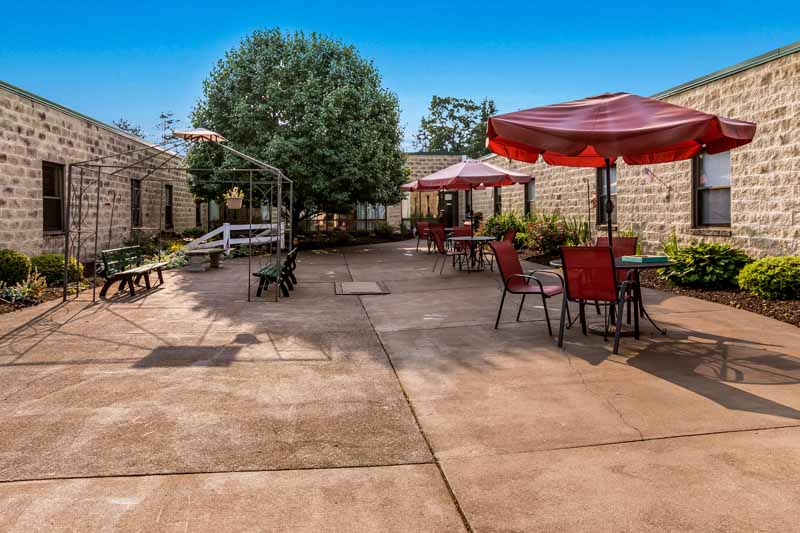
How is Cedar Hill Healthcare And Rehabilitation Center Staffed?

CMS rates CEDAR HILL HEALTHCARE AND REHABILITATION CENTER's staffing level at 3 out of 5 stars, which is average compared to other nursing homes. Staff turnover is 64%, which is 18 percentage points above the Pennsylvania average of 46%. High turnover can affect care consistency as new staff learn residents' individual needs.

What Have Inspectors Found at Cedar Hill Healthcare And Rehabilitation Center?

State health inspectors documented 49 deficiencies at CEDAR HILL HEALTHCARE AND REHABILITATION CENTER during 2023 to 2025. These included: 47 with potential for harm and 2 minor or isolated issues.
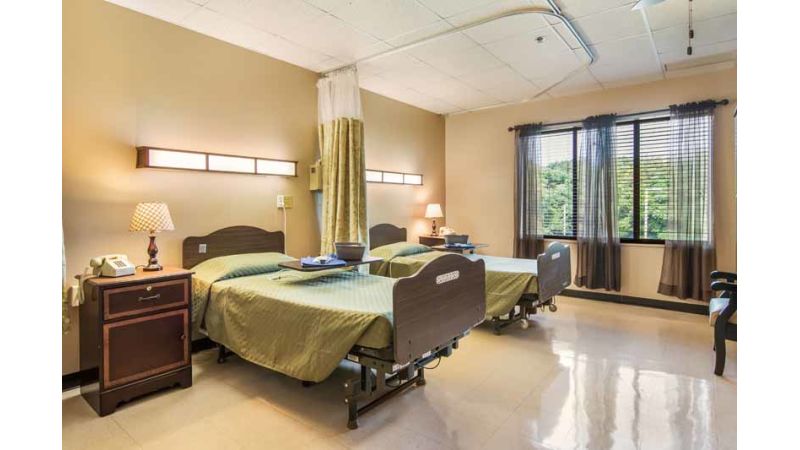
Who Owns and Operates Cedar Hill Healthcare And Rehabilitation Center?

CEDAR HILL HEALTHCARE AND REHABILITATION CENTER is owned by a for-profit company. For-profit facilities operate as businesses with obligations to shareholders or private owners. The facility operates independently rather than as part of a larger chain. With 150 certified beds and approximately 129 residents (about 86% occupancy), it is a mid-sized facility located in CORAOPOLIS, Pennsylvania.

How Does Cedar Hill Healthcare And Rehabilitation Center Compare to Other Pennsylvania Nursing Homes?

Compared to the 100 nursing homes in Pennsylvania, CEDAR HILL HEALTHCARE AND REHABILITATION CENTER's overall rating (2 stars) is below the state average of 3.0, staff turnover (64%) is significantly higher than the state average of 46%, and health inspection rating (2 stars) is below the national benchmark.

What Should Families Ask When Visiting Cedar Hill Healthcare And Rehabilitation Center?

Based on this facility's data, families visiting should ask: "How do you ensure continuity of care given staff turnover, and what is your staff retention strategy?" "Can I visit during a mealtime to observe dining assistance and food quality?" "How do you handle medical emergencies, and what is your hospital transfer rate?" "Can I speak with family members of current residents about their experience?" These questions are particularly relevant given the facility's high staff turnover rate.

Is Cedar Hill Healthcare And Rehabilitation Center Safe?

Based on CMS inspection data, CEDAR HILL HEALTHCARE AND REHABILITATION CENTER has a clean safety record: no substantiated abuse findings (meaning no confirmed cases of resident harm), no Immediate Jeopardy citations (the most serious violation level indicating risk of serious injury or death), and is not on the Special Focus Facility watch list (a federal program monitoring the lowest-performing 1% of nursing homes). The facility has a 2-star overall rating and ranks #100 of 100 nursing homes in Pennsylvania. While no facility is perfect, families should still ask about staff-to-resident ratios and recent inspection results during their visit.

Do Nurses at Cedar Hill Healthcare And Rehabilitation Center Stick Around?

Staff turnover at CEDAR HILL HEALTHCARE AND REHABILITATION CENTER is high. At 64%, the facility is 18 percentage points above the Pennsylvania average of 46%. High turnover means new staff may not know residents' individual needs, medications, or preferences. It can also be disorienting for residents, especially those with dementia who rely on familiar faces. Families should ask: What is causing the turnover? What retention programs are in place? How do you ensure care continuity during staff transitions?

Was Cedar Hill Healthcare And Rehabilitation Center Ever Fined?

CEDAR HILL HEALTHCARE AND REHABILITATION CENTER has no federal fines on record. CMS issues fines when nursing homes fail to meet care standards or don't correct problems found during inspections. The absence of fines suggests the facility has either maintained compliance or corrected any issues before penalties were assessed. This is a positive indicator, though families should still review recent inspection reports for the full picture.

Is Cedar Hill Healthcare And Rehabilitation Center on Any Federal Watch List?

CEDAR HILL HEALTHCARE AND REHABILITATION CENTER is not on any federal watch list. The most significant is the Special Focus Facility (SFF) program, which identifies the bottom 1% of nursing homes nationally based on persistent, serious quality problems. Not being on this list means the facility has avoided the pattern of deficiencies that triggers enhanced federal oversight. This is a positive indicator, though families should still review the facility's inspection history directly.