

SHERWOOD OAKS

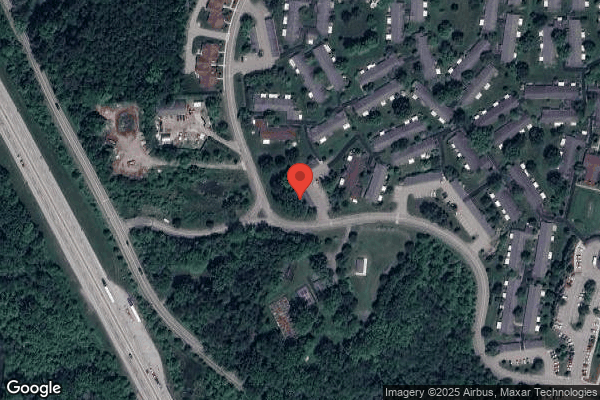
100 NORMAN DRIVE, CRANBERRY TOWNSHIP, PA 16066 (724) 776-8100
Non profit - Corporation 43 Beds UPMC SENIOR COMMUNITIES Data: November 2025
Trust Grade
83/100
#120 of 653 in PA
Last Inspection: March 2025

Within standard 12-15 month inspection cycle. Federal law requires annual inspections.

Overview

Sherwood Oaks in Cranberry Township, Pennsylvania has a Trust Grade of B+, indicating it is above average and recommended for families considering care options. The facility ranks #120 out of 653 in the state, placing it in the top half, and #2 out of 11 in Butler County, meaning only one other local option is rated higher. The facility is improving, with the number of issues decreasing from 7 in 2024 to 4 in 2025. Staffing is a strong point, rated 5 out of 5, with a turnover rate of 42%, which is below the state average. However, the facility has incurred $12,740 in fines, which is concerning as it is higher than 80% of similar facilities in Pennsylvania. While Sherwood Oaks has excellent RN coverage, more than 98% of facilities in the state, there have been specific concerns noted. For instance, medications were improperly stored in several medication carts, and there were instances where residents did not receive timely assistance when calling for help, potentially compromising their well-being. Additionally, there were lapses in ensuring that residents were free from neglect, with some not receiving the appropriate care as required. Overall, the facility has strengths in staffing and RN coverage, but families should be aware of the noted deficiencies.

Trust Score
B+
83/100
In Pennsylvania
#120/653
Top 18%
Safety Record
Low Risk
No red flags
Inspections
Getting Better
7 → 4 violations
Staff Stability
○ Average
42% turnover. Near Pennsylvania's 48% average. Typical for the industry.
Penalties
✓ Good
$12,740 in fines. Lower than most Pennsylvania facilities. Relatively clean record.
Skilled Nurses
✓ Good
Each resident gets 115 minutes of Registered Nurse (RN) attention daily — more than 97% of Pennsylvania nursing homes. RNs are the most trained staff who catch health problems before they become serious.
Violations
⚠ Watch
15 deficiencies on record. Higher than average. Multiple issues found across inspections.
★★★★★
5.0
Overall Rating
★★★★★
5.0
Staff Levels
★★★★☆
4.0
Care Quality
★★★★☆
4.0
Inspection Score
Stable
2024: 7 issues
2025: 4 issues

The Good

  • 5-Star Staffing Rating · Excellent nurse staffing levels
  • 4-Star Quality Measures · Strong clinical quality outcomes
  • Full Sprinkler Coverage · Fire safety systems throughout facility
  • No fines on record
  • Staff turnover below average (42%)

    6 points below Pennsylvania average of 48%

Facility shows strength in staffing levels, quality measures, fire safety.

The Bad

Staff Turnover: 42%

Near Pennsylvania avg (46%)

Typical for the industry

Federal Fines: $12,740

Below median ($33,413)

Minor penalties assessed

Chain: UPMC SENIOR COMMUNITIES

Part of a multi-facility chain

Ask about local staffing decisions and management

The Ugly 15 deficiencies on record

Mar 2025 4 deficiencies
CONCERN (D)

Potential for Harm - no one hurt, but risky conditions existed

Comprehensive Care Plan (Tag F0656)

Could have caused harm · This affected 1 resident

**NOTE- TERMS IN BRACKETS HAVE BEEN EDITED TO PROTECT CONFIDENTIALITY** Based on review of facility policies, clinical records, and staff interviews, it was determined that the facility failed to deve...

Read full inspector narrative →
**NOTE- TERMS IN BRACKETS HAVE BEEN EDITED TO PROTECT CONFIDENTIALITY** Based on review of facility policies, clinical records, and staff interviews, it was determined that the facility failed to develop comprehensive care plans to meet resident care needs for two of five residents (Residents R13 and R23). Findings include: Review of facility policy SRC-Resident Centered Care Plan-6.0, dated 2/7/25, indicated that the facility will develop a plan of care that is tailored to the resident's specific wishes and clinical care needs and in keeping with the resident and family's overall goals of care; to structure and guide therapeutic interventions to meet resident's needs and achieve expected outcomes. The care plan will be individualized for each resident based upon all available resident-specific information. The care plan is formally reviewed and completed within 21 days after admission at the Interdisciplinary Care Plan Conference and communicated to appropriate staff. The care plan is reviewed and updated at least quarterly, and is based on ongoing assessment and evaluation of resident needs and goals of care. It may specifically be reviewed and updated as the resident's condition changes. A review of the clinical record revealed Resident R13 was admitted to the facility on [DATE], with diagnoses that included diabetes (a long-term condition in which the body has trouble controlling blood sugar and using it for energy), high blood pressure, and stroke (damage to the brain from an interruption of blood supply). A review of the Minimum Data Set (MDS - a periodic assessment of care needs) dated 11/27/24, indicated the diagnoses remain current. Review of Resident R13's physician order dated 11/18/24, indicated Dexcom G7 Receiver Device (Continuous Glucose System Receiver) inject one device subcutaneously (fat layer) in the morning every 10 days. May change every 12 hours as needed for dislodgement or malfunction. A review of the clinical record failed to reveal a person-centered care plan was developed for Resident R13 to address goals and interventions relating to Dexcom G7 Receiver Device (Continuous Glucose System Receiver) as required. Interview on 3/4/25, at 2:40 p.m. the Director of Nursing confirmed the clinical record failed to reveal a person-centered care plan for Resident R13 to address goals and interventions relating to Dexcom G7 Receiver Device (Continuous Glucose System Receiver) as required. A review of the clinical record revealed Resident R23 was admitted to the facility on [DATE], with diagnoses that included Parkinsonism (a clinical syndrome characterized by tremor, bradykinesia [slowed movements], rigidity, and postural instability), chronic pain syndrome (a condition where people experience symptoms beyond pain alone, such as depression and anxiety, which interfere with their daily lives), and polyneuropathy (a condition in which a person's peripheral nerves are damaged). A review of the MDS dated [DATE], indicated the diagnoses remain current. Further review of the MDS Section N: Medications, Question N0415 indicated Resident R23 received antiplatelet medication seven days a week. Review of Resident R23's physician order dated 10/16/24, indicated Clopidogrel (Plavix - medication used to prevent heart attacks and strokes in person's with heart disease) tab 75 mg (milligrams) one time a day for CVA (cerebrovascular accident) prophylaxis related to transient cerebral ischemic attacks and related syndromes. A review of the clinical record failed to reveal a person-centered care plan was developed for Resident R23 to address goals and interventions relating to antiplatelet medication (Plavix) usage for CVA prophylaxis. During an interview on 3/5/25, at 10:38 a.m., Registered Nurse Assessment Coordinator (RNAC) Employee E1 confirmed that Resident R23's care plan failed to contain goals and interventions relating to antiplatelet medication use. During an interview on 3/5/25, at 12:45 p.m., the Director of Nursing (DON) confirmed that the facility failed to develop comprehensive care plans to meet resident care needs for two of five residents (Residents R13 and R23). 28 Pa. Code 211.10(c.) Resident care policies. 28 Pa. Code 211.12(d)(1)(5) Nursing services.
CONCERN (D)

Potential for Harm - no one hurt, but risky conditions existed

Quality of Care (Tag F0684)

Could have caused harm · This affected 1 resident

**NOTE- TERMS IN BRACKETS HAVE BEEN EDITED TO PROTECT CONFIDENTIALITY** Based on review of facility policy, clinical records, and staff interview it was determined that the facility failed to follow p...

Read full inspector narrative →
**NOTE- TERMS IN BRACKETS HAVE BEEN EDITED TO PROTECT CONFIDENTIALITY** Based on review of facility policy, clinical records, and staff interview it was determined that the facility failed to follow physician orders for a lab test for one of four residents (Resident R31). Findings include: Review of the facility policy Physician Orders dated 2/21/24, indicated physician orders are followed in accordance with good nursing principles and practices and are transcribed and carried out by persons legally authorized to do so. To ensure that the residents receive all medications and treatments that are ordered by the physician in a timely manner. Review of the admission record indicated Resident R31 was admitted to the facility on [DATE]. Review of Resident R31's Minimum Data Set (MDS - a periodic assessment of care needs) dated 11/27/24, indicated the diagnoses of anemia (the blood doesn't have enough healthy red blood cells), high blood pressure, and atrial fibrillation (irregular heart rhythm), and long-term use of anticoagulant (used to prevent and treat blood clots in blood vessels and the heart). Review of physician's order dated 11/5/24, indicated Coumadin (an anticoagulant medication) 3 mg (milligrams) one tablet every Tuesday, Thursday, Saturday, and Sunday in the evening, and Coumadin 4mg one tablet every Monday, Wednesday, and Friday in the evening. Review of Resident R31's Medication Administration Record indicated the coumadin was being given as ordered in November 2024, and December 2024. Review of Resident R31's coumadin flow sheet dated 10/21/24, indicated the INR (International Normalized Ratio lab values - measures how long it takes for blood to clot) was 2.3 with physician orders to recheck in one month. Review of Resident R31's physician order indicated the recheck INR should have been completed on 11/14/24. Review of facility provided documentation dated 12/27/24, indicated the INR ordered for 11/14/24, was not correctly transcribed in the electronic health record and therefore; was not obtained as ordered. Review of Resident R31's progress note dated 12/20/24, at 9:10 p.m. indicated staff observed miscellaneous bruises on resident arms and back. Resident indicated she bumps into bed while attempting to get into closet. Bruises easily no complaints of pain or discomfort. Review of Resident R31's progress note dated 12/25/24, at 1:06 p.m. indicated staff reported new bruise to resident's rear right flank (side of the back, below the ribs and above the hips). Resident takes blood thinners and has a history of easy bruising. Review of Resident R31's progress note dated 12/26/24, at 2:30 a.m. resident complaints of nausea and vomited small amounts of coffee ground emesis (vomit). Resident is pale and stated she isn't feeling well. Denied abdominal pain. Resident takes coumadin routinely, obtained INR with machine which read >8.0. Physician on call indicated to give Vitamin K (used to treat bleeding) 10ml (milliliters) intramuscularly times one dose and send to the emergency room. Review of Resident R31's emergency room information indicated the INR level to be 10.7 (extremely high). Review of facility provided documentation dated 12/27/24, indicated the root cause of the residents high INR was associated with the missed INR testing from 11/14/24. Review of physician history and physical note dated 1/8/25, at 12:57 p.m. as late entry for 1/7/25, readmission to the facility from coagulopathy (a condition that prevents the blood from clotting properly), and hemorrhagic stroke (an emergency condition in which a ruptured blood vessel causes bleeding inside the brain). Interview on 3/5/25, at 9:21 a.m. the Director of Nursing confirmed the facility failed to follow physician orders for a lab test for one of four residents (Resident R31). 28 Pa. Code: 201.14(a) Responsibility of licensee. 28 Pa. Code: 201.18(b)(1)(3) Management. 28 Pa. Code: 211.12 (d)(1)(2)(3)(5) Nursing services.
CONCERN (D)

Potential for Harm - no one hurt, but risky conditions existed

Accident Prevention (Tag F0689)

Could have caused harm · This affected 1 resident

Based on review of facility policy, clinical records and staff interviews, it was determined that the facility failed to make certain each resident received adequate supervision and assistance to prev...

Read full inspector narrative →
Based on review of facility policy, clinical records and staff interviews, it was determined that the facility failed to make certain each resident received adequate supervision and assistance to prevent accidents for one of four residents (Resident R6). Findings include: Review of the facility policy SRC- Safety - 2.0 Accidents and Incidents (Residents) dated 2/21/24, indicated an accident/incident is any happening, which is not consistent with routine operations or the routine care of the particular resident. It may be an accident or a situation which might result in an accident. Review of admission record indicated Resident R6 was admitted to the facility 5/10/17. Review of Resident R6's Minimum Data Set (MDS - a periodic assessment of care needs) dated 8/3/24, indicated diagnoses of muscle weakness, macular degeneration (eye disease that causes vision loss), and allergic rhinitis (an allergic response causing itchy, watery eyes, sneezing, and other similar symptoms). -Section C indicated a Brief Interview for Mental Status (BIMS -screening test that aides in detecting cognitive impairment) a score of 12 ( 8-12: indicates moderately impaired cognitive ability). -Section GG0130 indicated 01. Dependent - Helper does ALL of the effort. Resident does none of the effort to complete the activity. Or the assistance of 2 or more helpers. Dependent for toileting, transfers, and shower/bathe. -Personal hygiene such as combing hair, applying make-up, drying face and hands is 04. Supervision or touching assistance - Helper provides verbal cues and/or touching/steadying and/or contact guard assistance as resident completes activity. -01 sit to stand: the ability to come to a standing position from sitting in a chair, wheelchair, or on the side of the bed (dependent) required for the resident to complete the activity. Review of the care conference progress note dated 8/16/24, indicated Resident R6's son told the team Resident R6 tells him she enjoys the meals but forgets soon after. Review of Resident R6's progress note dated 1/5/24, at 6:50 p.m. indicated called into room by walkie for nurse STAT. Resident lying on bathroom floor, feet at sink and head at doorway lying on right side. Wheelchair in upright position with left chair on and right chair lock off, acing toilet. Resident eye open but not communicating with staff when spoken to. When attempting to assist to roll resident over, observed laceration on right side of head, with hematoma (collection of blood outside a vessel) present. Moderate amount of bright red blood present. Noted skin tear to left forearm. Vitals obtained, resident becoming nauseated, but no vomit noted. Ambulance left with resident on stretcher at 7:18 p.m. Review of facility provided documentation indicated Resident R6 suffered a comminuted proximal humeral fracture of the right arm through the humeral head and neck (a severe shoulder injury where the upper part of the humerus bone (near the shoulder joint) is broken into multiple pieces, with the break extending through both the ball like joint surface and the narrow area connecting the head to the bone shaft). Right forehead laceration was sutured at the emergency room and will require removal in 10 - 12 days. Right upper arm shoulder sling in place. Review of Nurse Aide (NA) Employee E5's Employee Statement Form dated 9/2/24, indicated Resident R6 was at the sink to brush her teeth. NA Employee E6 locked both wheelchair locks and gave her the toothbrush, got the room ready for bed. Resident was asked if she was okay or needed more time. Resident replied Yes to more time. We told resident to ring when she was done. Cord of bathroom call bell draped around sink faucet. Around 6:40 p.m. we checked in on her and she was washing her face. We went to care for another room and on the way back resident was opening her lotion to put on her face around 6:45 p.m. Went to care for another room and were walking back we heard a thud. Ran into room and found Resident R6 on her right side on the floor with blood coming from her head. The right wheelchair lock was not locked upon discovering resident. Review of NA Employee E6's Employee Statement Form Dated 9/2/24, indicated the same timeline as NA Employee E5, with the addition of adding they asked the resident if she wanted privacy, and the resident said yes. Review of NA Employee E7's Employee Statement Form Dated 9/2/24, indicated I heard my coworkers shout, and I entered Resident R6's room . Resident was lying on the floor diagonal to the bathroom door. NA Employee E6 was in the bathroom with her. The right wheel of the chair was unlocked, and the left was locked. We placed a towel on residents head to clot (stop) the bleeding. Resident was very sweaty, confused and unaware of the situation. Blood pressure was significantly low (93/55), and she appeared nauseous. Interview on 3/5/25, at 9:21 a.m. the Director of Nursing confirmed that the facility failed to make certain each resident received adequate supervision and assistance to prevent accidents for one of four residents (Resident R6). 28 Pa. Code: 201.14(a) Responsibility of licensee. 28 Pa. Code: 201.18(b)(1)(3) Management. 28 Pa. Code: 211.12 (d)(1)(2)(3)(5) Nursing services.
CONCERN (E)

Potential for Harm - no one hurt, but risky conditions existed

Deficiency F0761 (Tag F0761)

Could have caused harm · This affected multiple residents

Based on review of facility policies, observations, and staff interviews, it was determined that the facility failed to properly store medications in three of four medications carts (West cart, Founde...

Read full inspector narrative →
Based on review of facility policies, observations, and staff interviews, it was determined that the facility failed to properly store medications in three of four medications carts (West cart, Founder Cart, and Lake Cart). Findings include: Review of the facility policy Disposition of Medications dated 2/7/25, indicated medications that are no longer required for example, expired medications should be dispositioned as indicated. Observation on 3/4/25, at 8:14 a.m., the [NAME] medication cart revealed the following medication stored improperly: -Ipratropium/albuterol (an inhaled medication to breathe easier) with a multi-dose foil package opened and without a date. Interview on 3/4/25, at 8:14 a.m., Registered Nurse (RN) Employee E2 confirmed that the medication should have been dated when opened and was stored improperly. Observation on 3/4/25, at 8:37 a.m., the Founder's medication cart revealed the following medication stored improperly: Ipratropium/albuterol with a multi-dose foil package opened and without a date. Interview on 3/4/25t, at 8:37 a.m., Licensed Practical Nurse (LPN) Employee E3 confirmed the medication should have been dated when opened and was stored improperly. Observation on a.m., the Lake medication cart revealed Xdemvy eye drop container (used to treat blepharitis- mites live on the skin) opened and without a date. Interview on 3/3/25 at 10:54 a.m., RN Employee E4 confirmed that the medication should have been dated when opened and was stored improperly. Interview on 3/6/25, at 12:45 p.m., the Director of Nursing confirmed that the facility failed to properly store medications in three of four medications carts (West cart, Founder Cart, and Lake Cart). 28 Pa. Code: 211.10(c.) Resident care policies. 28 Pa. Code: 211.12(d)(1)(5) Nursing services.
Dec 2024 1 deficiency
CONCERN (E) 📢 Someone Reported This

A family member, employee, or ombudsman was alarmed enough to file a formal complaint

Potential for Harm - no one hurt, but risky conditions existed

Deficiency F0725 (Tag F0725)

Could have caused harm · This affected multiple residents

**NOTE- TERMS IN BRACKETS HAVE BEEN EDITED TO PROTECT CONFIDENTIALITY** Based on review of facility policy, resident observations, resident and staff interviews, and grievance review, it was determine...

Read full inspector narrative →
**NOTE- TERMS IN BRACKETS HAVE BEEN EDITED TO PROTECT CONFIDENTIALITY** Based on review of facility policy, resident observations, resident and staff interviews, and grievance review, it was determined that the facility failed to have sufficient nursing staff to provide nursing and related services to attain or maintain the highest practicable physical, mental, and psychosocial well-being for six of eight residents (Residents R2, R4, R5, R6, R7 and R8). Findings Include: Review of the facility policy Call Lights last reviewed 2/21/24, indicates all residents have a call light or alternative communication device within their reach at all times when unattended. Facility personnel will answer a call light as soon as possible. To ensure safety and communication between staff and residents in order to timely meet their needs. Respond to emergency call lights immediately. Respond to call lights and communication devices promptly and in person whenever possible. Review of the facility policy Resident Rights last reviewed 2/21/24, indicates a resident has the right to receive the services and items included in the resident's plan of care. A resident has the right to reside and receive services in the facility with reasonable accommodation of resident needs and preferences. A resident has the right to have grievances promptly resolved, in accordance with law. Review of the facility policy Nursing Service last reviewed 2/21/24, indicates nursing care includes the provision of all prescribed medications and treatments, personal care, hygiene, and nursing interventions in response to physical, emotional, or behavioral needs/problems. All nursing care is directed at attaining and maintaining optimal levels of health and functioning. To safely and effectively meet the nursing needs of the resident. Review of facility provided grievance dated 10/31/24, indicates received a phone call from Resident R2's son with concerns that Resident R2 called him the morning of 10/31/24, to report that no one is answering her call bell. Son stated that my mother previously fell in the bathroom and he is concerned that extended call bell responses times add to her potential for falls. Further review revealed that on 11/15/24, son again reported continued issues with call bell response via e- mail at approximately 9:55 p.m. yesterday evening my mother phoned me from her bed to say she needed to urinate, but no one was responding to her calls for assistance. Review of Resident R2's clinical record indicated she was admitted to the facility on [DATE], current room [ROOM NUMBER]. Review of Resident R2's Minimum Data Set (MDS- a periodic assessment of care needs) dated 10/28/24, indicated the diagnoses of hypertension (high Blood pressure), hyperlipidemia (high fat in the blood) and hyperglycemia (high sugar in the blood). Section C0100 brief interview for mental status (BIMS- a structured evaluation aimed at evaluation aspects of cognition in the elderly a score 0-7 indicates severe cognitive impact, 8-12 moderate impairment, 13-15 intact cognitive response.) indicated a score of 12 moderate impairment. Review of the facility provided work order on 9/5/24, indicates round flat call bell isn't working room [ROOM NUMBER] please check. Response noted: tested call bell twice it is working. Review of the facility provided work order dated 11/15/24, indicates the call bells in room [ROOM NUMBER] and 426 are not working. Response: replaced batteries in call bell tested twice all is good. Observation and interview on 12/3/24, resident was sitting in her wheelchair next to bed, her over the bed tray table was next to her and had a flat call bell pressure pad as well as a silver bell that dings when tapped. Resident is dressed and well groomed. Upon asking resident about the call bell response time on the day she called her son, she replied it's been several years ago, I can't remember. Review of the facility provided device activity report indicated the following: Room Date Time alarmed Time cleared Total Time minutes (m) Seconds (s) 426 11/15/24, 1:38 p.m. 1:52 p.m. 13 m 8's Area: Bed 426 11/16/24, 1:08 p.m. 1:24 p. m. 15 m 53's Area: Bed 426 11/16/24, 7:09 p.m. 7:36 p.m. 27m 14's Area: Bed 426 11/17/24, 11:40 a.m. 11:50 a.m. 10m 4s Area: Bed 426 11/17/24, 9:53 p.m. 10:04 p.m. 10m 38s Area: Bed 426 11/18/24, 8:33 p.m. 9:01 p.m. 28m 53s Area: Bed 426 11/19/24, 9:30 p.m. 10:03 p.m. 33m 20s Area: Bed 426 11/20/24, 10:38 p.m. 10:57 p.m. 18m 54s Area: Bed 426 11/21/24, 2:51 a.m. 3:20 a.m. 29m 35s Area: Bed 426 11/22/24, 1:27 p.m. 1:55 p.m. 27m 34s Area: Bath 426 11/22/24, 8:26 p.m. 8:45 p.m. 19m 32s Area: Bed 426 11/23/24, 2:39 a.m. 3:01 a.m. 21m 34s Area: Bed 426 11/23/24, 9:05 p.m. 9:31 p.m. 26m 7s Area: Bed 426 11/23/24, 9:38 p.m. 9:52 p.m. 13m 36s Area: Bed 426 11/24/24, 8;33 p.m. 8:57 p.m. 24m 0s Area: Bed 426 11/26/24, 9:11 p.m. 9:31 p.m. 20m 28s Area: Bed 426 11/27/24, 11:00 a.m. 11:30 a.m. 29m 59s Area: Bath 426 11/29/24, 9:14 a.m. 9:34 a.m. 19m 52s Area: Bed 426 12/1/24, 8:03 p.m. 8:37 p.m. 33m 56s Area: Bed Review of Resident R4's clinical record indicated she was admitted to the facility on [DATE], current room [ROOM NUMBER]. Review of Resident R4's Minimum Data Set (MDS- a periodic assessment of care needs) dated 10/10/24, indicated the diagnoses of hypertension (high Blood pressure), hyponatremia (low sodium levels), and hyperlipidemia (high fat in the blood). Section C0100 BIMS- indicated a score of 12 moderate impairment. During an interview completed on 12/3/24, at 10:26 a.m. Resident R4, was resting in her bed, upon asking if staff was answering her call bell timely Resident R4 stated It takes a long time for them to answer my bell, sometimes I will pee in my bed. Review of the facility provided device activity report indicated the following: Room Date Time alarmed Time cleared Total Time minutes (m) Seconds (s) 431 11/15/24, 7:17 p.m. 7:43 p.m. 25m 33s Area: Bed 431 11/16/24, 5:12 p.m. 5:24 p.m. 12m 18s Area: Bath 431 11/17/24, 7:06 p.m. 7:25 p.m. 18m 58s Area: Bed 431 11/19/24, 7:10 p.m. 8:44 p.m. 94m 4s Area: Bed 431 11/20/24, 5:24 p.m. 5:49 p.m. 25m 1s Area: Bed 431 11/21/24, 7:01 p.m. 7:52 p.m. 50m 57s Area: Bed 431 11/22/24, 8:32 p.m. 9:04 p.m. 31m 51s Area: Bed 431 11/23/24, 7:14 a.m. 7:27 a.m. 12m 37s Area: Bed 431 11/24/24, 9:06 p.m. 9:40 p.m. 33m 36s Area: Bed 431 11/25/24, 7:15 a.m. 7:45 a.m. 29m 14s Area: Bed 431 11/27/24, 8:49 p.m. 9:28 p.m. 39m 35s Area: Bed 431 11/28/24, 12:52 p.m. 1:29 p.m. 37m 23s Area: Bed 431 11/29/24, 10:26 p.m. 11:05 p.m. 39m 16s Area: Bed 431 12/1/24, 6:38 p.m. 7:02 p.m. 24m 26s Area: Bed Review of Resident R5's clinical record indicated she was admitted to the facility on [DATE], current room [ROOM NUMBER]. Review of Resident R5's Minimum Data Set (MDS- a periodic assessment of care needs) dated 10/7/24, indicated the diagnoses of skin cancer, anemia (low iron in the blood), and hypertension. Section C0100 BIMS- indicated a score of 15 intact cognitive response. During an interview on 12/3/24, at 10:08 a.m. Resident R5, room [ROOM NUMBER], indicated it can take staff a while to answer her light and stated oh my God at least 20 minutes. I have had accidents it's not my fault, I ring the bell, I keep hearing we are short of help. It's even during the day, I can't walk, I use the bed pan. Just once a couple of weeks ago they left me on it, it hurt, it was more than half an hour. Review of the facility provided device activity report indicated the following: Room Date Time alarmed Time cleared Total Time minutes (m) Seconds (s) 409 11/15/24, 10:31 a.m. 10:43 p.m. 11m 32s Area: Bed 409 11/16/24, 8:06 a.m. 8:53 a.m. 47m 11s Area: Bed 409 11/19/24, 9:31 a.m. 9:58 a.m. 26m 45s Area: Bed 409 11/19/24, 1:31 p.m. 1:49 p.m. 18m 39s Area: Bed 409 11/21/24, 748 a.m. 8:06 a.m. 18m 5s Area: Bed 409 11/22/24, 7:33 a.m. 7:47 a.m. 14m 3s Area: Bed 409 11/23/24, 6:06 p.m. 6:24 p.m. 18m 28s Area: Bed 409 11/23/24, 8:19 p.m. 8:50 p.m. 31m 17s Area: Bed 409 11/24/24, 4:39 p.m. 4:50 p.m. 11m 6s Area: Bed 409 11/25/24, 2:18 p.m. 2:57 p.m. 39m 17s Area: Bed 409 11/27/24, 6:43 p.m. 8:15 p.m. 92m 21s Area: Bed 409 11/27/24, 9:02 p.m. 9:31 p.m. 28m 58s Area: Bed 409 11/28/24, 8:14p.m. 8:28 p.m. 14m 19s Area: Bed 409 11/30/24, 9:29 a.m. 9:40 a.m. 11m 41s Area: Bed 409 12/1/24, 9:57 a.m. 10:15 a.m. 18m 34s Area: Bed During an interview completed on 12/3/24, at 11:00 a.m. Resident R6 stated he has on occasion had to wait for his call bell to be answered and stated we were short staffed over the holiday weekend. During an interview completed 12/3/24, at 11:05 a.m. Resident R7 stated I just go on my own, I don't have to wait. During an interview completed on 12/3/24, at 10:38 a.m. Resident R8 stated at night sometimes they run short. Review of facility provided matrix dated 12/3/24, indicated current in-house census at 31. Review of facility provided Care Plan/Task listing report dated 12/4/24, indicated eleven residents require an assist of two for transfers. Seven residents requires an assist of two for bed mobility. During an interview completed on 12/3/24, at 2:50 p.m. upon asking the Director of Nursing (DON) what the expectation time frame is for staff is to answer call bells the DON stated, a reasonable time frame less than twenty minutes. During an interview completed on 12/4/24, at 8:55 a.m. upon asking the Nursing Home Administrator (NHA) what is the expectation for answering call bells stated, based upon what is going on at that time, that is I would expect it to be answered. Upon asking for clarification concerning the extended call bell answer times on the facility provided device activity report the NHA responded You are looking at data that few places could provide, strapping it out. The majority are answered prompt, more than you would see anywhere else. The expectation is prompt call bell response, upon asking what he would consider as prompt, the NHA sated prompt would be a wide variety, I don ' t know how to answer that question. During an interview completed on 12/4/24, at 12:20 p.m. the DON stated after 7:00 p.m. it's the busy time for getting the residents to bed. I think they try to get in as soon as possible. Upon asking about Resident R2's son call bell response concerns the DON stated I'm in constant communication with the staff addressing his concerns (referring to Resident R 2's son) about call bells. I would expect that there is a lot of competing factors with the activities of daily living (ADLs) and nighttime care. We are transparent about concerns being recorded. The floor Resident R2 is on has a high number of resident's that require an assist of two. We are addressing our call bell times in general and in our quality assurance performance improvement (QAPI) plan, confirming that the facility failed to have sufficient nursing staff to provide nursing and related services to attain or maintain the highest practicable physical, mental, and psychosocial well-being of six of eight residents (Residents R2, R4, R5, R6, R7 and R8). 28 Pa. Code: 201.14(a) Responsibility of licensee. 28 Pa. Code 201.18(e)(6) Management. 28 Pa. Code: 201.20(a) Staff development. 28 Pa. Code: 211.12(a)(c)(d)(1)(2)(3)(4) Nursing services.
Apr 2024 6 deficiencies
CONCERN (D)

Potential for Harm - no one hurt, but risky conditions existed

Deficiency F0583 (Tag F0583)

Could have caused harm · This affected 1 resident

Based on review of facility policy, observation, and staff interview it was determined that the facility failed to maintain the confidentiality of residents' medical information on one of three medica...

Read full inspector narrative →
Based on review of facility policy, observation, and staff interview it was determined that the facility failed to maintain the confidentiality of residents' medical information on one of three medication carts (medication cart assignment two). Findings include: Review of facility policy Resident Rights dated 1/31/17, reviewed 4/4/23, indicates a resident has a right to personal privacy and confidentiality of their personal and medical records. During an observation on 4/24/24, at 8:37 a.m. Registered Nurse (RN), Employee E1 went into Resident R16's room to administer medications. RN, Employee E1 left the computer screen open with resident information visible to anyone passing by in the hallway. A report sheet with resident information was also present on the medication cart along with a binder that had a sheet of paper labeled fluid restrictions with a resident's name, all visible to anyone passing by in the hallway. During an interview on 4/124/24, at 8:56 a.m. RN, Employee E1 confirmed the facility failed to provide privacy and confidentiality of resident health information on one of three medication carts (medication cart assignment two). 28 Pa. Code 201.29(j) Resident rights. 28 Pa. Code: 211.5(b) Clinical records.
CONCERN (D)

Potential for Harm - no one hurt, but risky conditions existed

Abuse Prevention Policies (Tag F0607)

Could have caused harm · This affected 1 resident

**NOTE- TERMS IN BRACKETS HAVE BEEN EDITED TO PROTECT CONFIDENTIALITY** Based on review of facility policy, clinical records and staff interview, it was determined that the facility failed to implemen...

Read full inspector narrative →
**NOTE- TERMS IN BRACKETS HAVE BEEN EDITED TO PROTECT CONFIDENTIALITY** Based on review of facility policy, clinical records and staff interview, it was determined that the facility failed to implement written policies and procedures to prohibit and prevent abuse, neglect, and exploitation of residents for one of five residents (Resident R134). Findings include: Review of the facility policy Abuse, Neglect, Exploitation last reviewed on 2/21/24, with a previous review date of 4/4/23, indicated that the facility shall provide a safe environment where residents are protected from all forms of abuse including injuries of unknown origin. Some cases if abuse may not be directly observed and these areas shall be identified and investigated reported to the state agencies as required. Review of the clinical record indicated that Resident R134 was admitted to the facility on [DATE], with diagnoses which included heart failure, hallucinations, Myelodysplastic disease(cancer of blood cells causing bone marrow to not mature causing fatigue, bleeding disorders and shortness of breath), heart disease with heart valve disease and need for a pacemaker and osteoporosis. A MDS dated [DATE], indicated his diagnoses remained current with additional diagnosis of a fractured right hip after a fall on 9/4/23, during a transfer. Review of a progress note dated 11/1/23, indicated that Resident R134 had a skin assessment revealing an abrasion of his left hip measuring 6.2 cm x 1.7 cm and a dark purple bruise of his right lateral back measuring 2.1 cm x 0.8 cm. During an interview on 4/24/24, at 9:35 a.m., the Director of Nursing confirmed that the facility failed to implement written policies and procedures to prohibit and prevent abuse, neglect, and exploitation of residents for one of five residents (Resident R134). 28 Pa Code: 201.18 (e)(1)(2) Management 28 Pa Code: 201.29 (a )(c)(d) Resident Rights 28 Pa Code: 211.12 (a)(c)(d)(1)(3)(5) Nursing services
CONCERN (D)

Potential for Harm - no one hurt, but risky conditions existed

Accident Prevention (Tag F0689)

Could have caused harm · This affected 1 resident

**NOTE- TERMS IN BRACKETS HAVE BEEN EDITED TO PROTECT CONFIDENTIALITY** Based on review of facility policy, clinical records, and staff interview, it was determined that the facility failed to provide...

Read full inspector narrative →
**NOTE- TERMS IN BRACKETS HAVE BEEN EDITED TO PROTECT CONFIDENTIALITY** Based on review of facility policy, clinical records, and staff interview, it was determined that the facility failed to provide adequate protection from hazards for hot pack use for one of five residents (Resident R18), which resulted in a erythema (reddened) area requiring monitoring until identified as healed 8 days later. Findings include: Review of the facility policy Accidents and Incidents dated 2/21/24, with a previous review date of 4/4/23, indicated a safe environment will be promoted for all residents, report occurrences appropriately, and review and analyze for the opportunity for preventative measures. Review of the facility policy Heated Compress last reviewed on 2/21/24, with a previous review date of 4/4/23, indicated that warm moist heat such as a heating pad, gel pack or instant pack may be used as nursing intervention or as a physician order. Review of the clinical record indicated that Resident R18 was admitted on [DATE], with diagnoses which included repeated falls and bilateral primary osteoarthritis of knees. A MDS (Minimum Data Set- a periodic review of resident care needs) dated 2/8/24, indicated the diagnoses remained current. Review of Resident R18's plan of care for pain management, joint pain initiated 11/30/22, application of hot/cold packs to bilateral knees per her request. Leave in place for 20 minutes and check skin after pack removal and report concerns to nurse. Review of a facility provided document dated 3/4/24, indicated that Resident R135 had a hot pack placed on her right knee by Nurse Aide(NA) Employee E6 and developed a 3.5 cm x 2 cm area of erythema with no blistered area once the hot pack was removed. Registered Nurse(RN) Employee E5 assessed the area and initially applied Calazime barrier cream and after assessed by the Nurse Practitioner, the area was to be left open to air with no treatment and monitor. During review of Resident R135's statement indicated that she remembered the hot packs being very warm. Review of the statement from NA Employee E6 dated 3/5/24, regarding the incident of 3/3/24, stated that at 7:30 p.m., he placed a hot pack wrapped in a pillowcase on each of Resident R135's knees and when checking if resident R135 needed a brief change at 10:40 p.m., he repeated the hot packs. Review of skin assessment documentation from 3/4/24, through 3/12/24, did not identify any new areas and on 3/12/24, the area was healed . Review of a facility provided email document dated 3/5/24, indicated the Director of Nursing (DON) sending all staff a Must Read document indicating Resident R135 having a minor burn and also called it superficial. The document indicated that Nurse Aides are not to place or remove hot/cold packs, only Nurses are responsible for doing so. Review of a training provided to all nursing staff indicated only nurses are to apply/remove hot/cold packs and that staff are not to heat anything in the microwave. Any use must be care planned. A staff attendance was attached with the names of the staff involved on the form. During an interview on 4/24/24, at 8:35 a.m., NA Employee E7 stated that she is not allowed to place hot/cold packs, only nurses can do so. During an interview on 4/24/24, at 8:38 a.m., NA Employee E8 stated that nurses can only place hot/cold packs. During an interview on 4/24/24, at 8:40 a.m., NA's Employee E9 and E10 stated they ask the nurses to place and remove them. During an interview on 4/24/24, at 8:42 a.m., NA Employee E11 stated that nurses can only place and remove hot/cold packs. During an interview on 4/25/24, at 9:13 a.m., the DON confirmed that the facility failed to provide adequate protection from hazards for hot pack use for one of five residents (Resident R18), which resulted in a erythema (reddened) area requiring monitoring until identified as healed 8 days later. 28 Pa. Code 201.14(a) Responsibility of licensee. 28 Pa. Code 201.18(b)(1)(e)(1) Management. 28 Pa. Code 201.20(b)(1) Staff Development. 28 Pa. Code 201.29(a) Resident rights. 28 Pa. Code 211.10(c)(d) Resident care policies. 28 Pa. Code 211.11(d) Resident care plan.
CONCERN (D)

Potential for Harm - no one hurt, but risky conditions existed

Deficiency F0761 (Tag F0761)

Could have caused harm · This affected 1 resident

Based on review of facility policy, observations, and staff interviews, it was determined that the facility failed to properly secure medications in one of three medication carts (medication cart assi...

Read full inspector narrative →
Based on review of facility policy, observations, and staff interviews, it was determined that the facility failed to properly secure medications in one of three medication carts (medication cart assignment two). Findings include: Review of the facility policy Medication Storage dated 12/16, reviewed 4/4/24, indicate medications are stored and maintained under strict conditions to accept standards. During an observation on 4/24/24, at 8:37 a.m. Registered Nurse (RN) Employee E1 was completing a medication pass for Resident R16. RN Employee E1 administered medications for Resident R16, after using Trelegy Ellipta inhaler (relaxes and opens airways in lungs) she placed inhaler on top of medication cart and returned to room to complete medication administration. The medication cart was placed outside of Resident R16 's room and the medication was left unattended. During an interview on 4/24/24, at 8:56 a.m. RN Employee E1 confirmed the medication (Trelegy Ellipta inhaler) was left unattended and not properly secured on top of the medication cart accessible to anyone passing by in the hallway. 28 Pa. Code: 211.9(a)(1)(k) Pharmacy services. 28 Pa. Code: 211.10(c) Resident care policies.
CONCERN (E)

Potential for Harm - no one hurt, but risky conditions existed

Free from Abuse/Neglect (Tag F0600)

Could have caused harm · This affected multiple residents

**NOTE- TERMS IN BRACKETS HAVE BEEN EDITED TO PROTECT CONFIDENTIALITY** Based on review of facility policies, documents, clinical records and staff interviews, it was determined that the facility fail...

Read full inspector narrative →
**NOTE- TERMS IN BRACKETS HAVE BEEN EDITED TO PROTECT CONFIDENTIALITY** Based on review of facility policies, documents, clinical records and staff interviews, it was determined that the facility failed to make certain a resident was free from abuse and neglect for four of six residents reviewed (Resident R2, R134, R135 and R9). Findings include: The facility's policy Abuse Neglect, and Exploitation Policy dated 2/21/24, with a previous review date of 4/4/23, indicated it is the facility's policy to provide a safe environment where residents are protected from all forms of abuse and strive to achieve a culture that treats every resident with dignity and respect while providing person centered care and services. The facility goal is to prevent and prohibit all types of abuse, neglect, misappropriation of property and exploitation. The facility assures that residents are free from neglect by identifying the needed care and services to all residents. Review of clinical record indicated that Resident R2 was admitted to the facility on [DATE], with diagnoses which included dementia, repeated falls, anticoagulant use, history of fractures of face and arm, and difficulty walking. A MDS (Minimum Data Set- a periodic review of resident care needs) dated 2/26/24, indicated the diagnoses remained current. Review of Resident R2's MDS dated [DATE], Section G0110 indicated Resident R2 required the assistance of two staff for transfers. Review of Resident R2's plan of care dated 12/7/20 through current indicated Resident R2 was a transfer of two staff for all transfers. Review of a facility provided document dated 8/6/23, indicated that Resident R2 had been transferred with assistance of one Nurse Aide using the pivot disc and when Resident R2 slid off of the bed, the Nurse Aide had to lower Resident R2 to the floor. The incident did not cause any injuries for Resident R2. The document indicated that the Nurse Aide was re-educated. Review of the clinical record indicated that Resident R134 was admitted to the facility on [DATE], with diagnoses which included heart failure, hallucinations, Myelodysplastic disease (cancer of blood cells causing bone marrow to not mature causing fatigue, bleeding disorders and shortness of breath), heart disease with heart valve disease and need for a pacemaker and osteoporosis. MDS dated [DATE], indicated Resident R134 diagnoses remained current with additional diagnosis of a fractured right hip after a fall on 9/4/23, during a transfer. Review of an MDS Section G0110 dated 9/14/23, indicated Resident R134 was an assistance of two staff for all transfers. Review of Resident R134's plan of care dated 12/12/22, indicated Resident R134 was to be transferred with two staff and use of a full body lift. Review of a facility provided document dated 10/31/23, indicated that Resident R134 had been transferred with assist of two staff and a walker. Resident R134 was determined to not have any injuries. The two Nurse Aides were removed from his care and re-educated. Review of the clinical record indicated that Resident R135 had been admitted to the facility on [DATE], with diagnoses which included dementia, heart disease, a brain bleed, falls with fractures and a cognitive communication deficit. A MDS dated [DATE] indicated the diagnoses remained current. Review of a facility provided document dated 10/31/23, indicated Resident R135 had fallen in her room and three Nurse Aides had responded to LPN Employee E4 call for assistance to get Resident R135 off of the floor and as statements indicated that LPN Employee E4 kicked Resident R135 's foot and stated move I need to get in there and Resident R135 stated don't be so rough to her. Review of clinical record indicated that Resident R9 was admitted to the facility on [DATE], with diagnoses which included hypertension (high blood pressure), hyperlipidemia (high fat in the blood), and osteoarthritis (pain, swelling and stiffness of joints). A MDS dated [DATE], indicated the diagnoses remained current. Review of Resident R9's plan of care dated 8/23/22, through current indicated resident R9 was a transfer with a sit to stand lift and assist of two for all transfers. Review of a facility provided document dated 2/18/24, indicated that Resident R9 had been transferred with assistance of one Nurse Aide (NA) to a chair when Resident R9 ' s legs began to slide. The NA had to lower Resident R9 to the floor. The incident did not cause any injuries for Resident R9. The document indicated that the Nurse Aide was immediately re-educated. During an interview on 4/25/24, at 9:48 a.m. the Director of Nursing confirmed that the facility failed to make certain a resident was free from abuse and neglect for four of six residents reviewed (Resident R2, R134, R135 and R9). 28 Pa. Code 201.14(a) Responsibility of Licensee. 28 Pa. Code 201.18(b)(1)(3) Management. 28 Pa. Code 201.29(a)(c)(d)(j) Resident Rights 28 Pa. Code 211.10(c)(d) Resident Care Policies. 28 Pa. Code 211.12(d)(1)(3) Nursing services.
CONCERN (E)

Potential for Harm - no one hurt, but risky conditions existed

Infection Control (Tag F0880)

Could have caused harm · This affected multiple residents

Based on review of facility policy, observations, and staff interviews, it was determined that the facility failed to properly disinfect reusable equipment between residents for one of three medicatio...

Read full inspector narrative →
Based on review of facility policy, observations, and staff interviews, it was determined that the facility failed to properly disinfect reusable equipment between residents for one of three medication carts (medication cart assignment two) and failed to implement infection control practices during administration of eye drops on two of three residents (Resident R27) Findings include: Review of facility policy Cleaning of Non-critical Patient Care Equipment dated 10/2/23, last reviewed 4/4/23, indicated it is the policy to clean and disinfect shared noncritical patient care equipment in a manner that prevents the transmission of microorganisms while maintaining the integrity of the equipment. Non-critical items are those that come in contact with intact skin but not mucus membranes. Review of facility policy Medication Administration: Eye dated 12/1/06, last reviewed 4/4/23, indicate to provide a safe, effective eye medication administration process including but not inclusive to carry medication into resident room, put on clean gloves, instill eye drops. During an observation on 4/24/24, at 8:37 a.m. Registered Nurse (RN) Employee E1 was completing medication pass, during the medication pass RN Employee E1 removed a pulse oximeter (equipment used for non- invasive method for monitoring a person ' s blood oxygen saturation) from the side section of medication cart. Employee E1 took the pulse oximeter into resident R16's room and placed on finger to obtain reading. RN Employee E1 then placed the pulse oximeter back into the side section of medication cart. During an interview on 4/24/24, at 8:56 a.m. RN Employee E1 confirmed the pulse oximeter was not properly disinfected. During an observation on 4/24/24, at 9:05 a.m. RN Employee E2 was completing a medication pass. RN Employee E2 took Resident R27's Systane eye drops (for dry eyes) into room with oral medications, after administering oral medications RN Employee E2 proceeded to instill the eye drops without utilizing gloves. During an interview on 4/24/24, at 9:40 a.m. RN Employee E2 confirmed the failure to implement infection control practices during administration of eye drops. 28 Pa. code: 201.14 (a) Responsibility of licensee. 28 Pa. Code: 201.18 (b) (1) (e) (1) Management. 28 Pa. Code: 211.10 (d) Resident care policies. 28 Pa. Code: 211.12 (d) (1) (2) (5) Nursing services.
Jun 2023 4 deficiencies
CONCERN (D)

Potential for Harm - no one hurt, but risky conditions existed

Comprehensive Assessments (Tag F0636)

Could have caused harm · This affected 1 resident

**NOTE- TERMS IN BRACKETS HAVE BEEN EDITED TO PROTECT CONFIDENTIALITY** Based on review of facility documentation, clinical record and staff interview it was determined that the facility failed to sub...

Read full inspector narrative →
**NOTE- TERMS IN BRACKETS HAVE BEEN EDITED TO PROTECT CONFIDENTIALITY** Based on review of facility documentation, clinical record and staff interview it was determined that the facility failed to submit a complete a MDS for one of six residents (Resident R15). Findings include: Review of facility documentation CMS's RAI Version 3.0 Manual (Resident Assessment Instructions) indicated the following: Use a check mark for boxes where the instructions state to check all that apply. Review of Resident R15 clinical record indicated resident was admitted on [DATE], with diagnosis of hypertension (abnormally high blood pressure), and hyperthyroidism (overactivity of thyroid gland resulting in a rapid heartbeat increased rate of metabolism . Which remained current as of the MDS (minimum data set a periodic assessment of resident needs) dated 3/27/23. Review of Resident R15 MDS dated [DATE], Section F0300 Customary Routine and Activities indicated the following: Section F0300 had dashes in all sections and failed to address any of the questions asked. During an interview on 6/2/23, RNAC (Registered Nurse Assessment Coordinator) Employee E1 confirmed that section F0300 Preferences for Customary Routine and Activities with two sections for daily preferences and activity preferences was incomplete with dashes in both boxes. Resident R15 preferences were not indicated in either section nor in the staff or family section for preferences. During an interview on 6/2/23, at 10:39 a.m. RNAC Employee E1 confirmed that Section F0300 had dashes and that the section was not completed nor were the questions asked or the information gathered prior to the submission of the MDS. 28 Pa. Code 201.14(a) Responsibility of licensee. 28 Pa. Code 211.5(f) Clinical records.
CONCERN (D)

Potential for Harm - no one hurt, but risky conditions existed

Comprehensive Care Plan (Tag F0656)

Could have caused harm · This affected 1 resident

**NOTE- TERMS IN BRACKETS HAVE BEEN EDITED TO PROTECT CONFIDENTIALITY** Based on review of facility policies, clinical records, and staff interview, it was determined that the facility failed to devel...

Read full inspector narrative →
**NOTE- TERMS IN BRACKETS HAVE BEEN EDITED TO PROTECT CONFIDENTIALITY** Based on review of facility policies, clinical records, and staff interview, it was determined that the facility failed to develop and implement comprehensive care plans to meet resident care needs for two of six residents (Residents R3 and R15). Findings include Review of the facility policy Care Plan and Interdisciplinary Care Conferences last reviewed on 4/4/23, with a previous review date of 4/7/22, indicated that an individualized, interdisciplinary care plan is initiated within 24 hours. The care plan is a working tool that is reviewed and revised and is to reflect response to care and changing needs, goals and wishes of each resident and family's overall goals of care. Review of the clinical record indicated that Resident R3 was re-admitted to the facility on [DATE], with diagnoses which included Diabetes, heart failure, dementia, insomnia, delusional disorder. A MDS(Minimum Data Set- a periodic assessment of resident care needs) dated 4/13/23, indicated the diagnoses remained current. Review of Resident R3's identified as the current plan of care did not include a plan of care for the diagnosis of dementia or interventions related to the diagnosis. Review of the clinical record indicated that Resident R15 was admitted to the facility on [DATE], with diagnoses which included back pain, behaviors, wandering and falls . An MDS dated [DATE], indicated the diagnoses remained current. The MDS Section P0200 indicated Resident R15 wore an alarm/elopment bracelet daily. Section E0900 indicated Resident R15 wanders 4-6 days, but not daily, and Section E 1000 indicated Resident R15 was at risk for wandering/elopment. Review of the identified as the current plan of care for Resident R15 did not include wandering and interventions for this diagnosis. During an interview on 6/2/23, at 9:55 a.m., the Director of Nursing confirmed that the facility failed to develop and implement comprehensive care plan for Resident R3 to include dementia and comprehensive plan of care for wandering for Resident R15. 28 Pa. Code: 211.11(a)(b)(c)(d) Resident care plan.
CONCERN (D)

Potential for Harm - no one hurt, but risky conditions existed

Deficiency F0761 (Tag F0761)

Could have caused harm · This affected 1 resident

**NOTE- TERMS IN BRACKETS HAVE BEEN EDITED TO PROTECT CONFIDENTIALITY** Based on review of facility policy, observation and staff interview, it was determined that the facility failed to make certain ...

Read full inspector narrative →
**NOTE- TERMS IN BRACKETS HAVE BEEN EDITED TO PROTECT CONFIDENTIALITY** Based on review of facility policy, observation and staff interview, it was determined that the facility failed to make certain that outdated biologicals were discarded in one of two medication rooms (Lake Hall medication room). Findings include: Review of the facility policy Medication and Biological Storage last reviewed on [DATE], indicated that all medications and biologicals are stored and maintained under strict conditions according to accepted standards. All drugs and biologicals will be checked to ensure date prior to use. During an observation of the Lake Hall medication room on [DATE], from 9:50 a.m. through 10:10 a.m., the following was identified: 22 packages of secondary intravenous bag tubing was expired dated [DATE]. 2 bottles of culture expired dated [DATE]. 3 culture swabs expired dated [DATE], and one dated [DATE]. During an interview on [DATE], at 10:10 a.m., Registered Nurse Employee E4 confirmed the biologicals were expired and the facility failed to discard out of date biologicals. 28 Pa. Code: 211.9(a)(1)(2)(g)(h)(k) Pharmacy services.
CONCERN (D)

Potential for Harm - no one hurt, but risky conditions existed

Infection Control (Tag F0880)

Could have caused harm · This affected 1 resident

Based on review of facility policies, observation and staff interview, it was determined that the facility failed to prevent the potential for cross contamination during a dressing change for one of f...

Read full inspector narrative →
Based on review of facility policies, observation and staff interview, it was determined that the facility failed to prevent the potential for cross contamination during a dressing change for one of four residents (Resident R7). Findings include: Review of the facility policy Wound Dressing Change last reviewed on 4/4/23, indicated all wound care will be performed using a clean technique unless otherwise ordered. Adherence to all standard precautions with all wound dressing changes as indicated. Individual resident supplies may be placed on the over-the-bed table after it has been disinfected and dried using an approved cleaning agent and protective barrier applied. During an observation of the pressure ulcer dressing change on 6/1/23, from 9:51 a.m. through 10:31 a.m., the following occurred: Registered Nurse(RN) Unit Manager Employee E3 placed barrier onto residents overbed table without removing Resident R7's personal items including a glass of water, tissue, remote control, etc., and without cleaning table before and after performing dressing change. During an interview on 6/1/23, at 10:31 a.m. at 10:31 a.m., RN Unit Manager Employee E3 confirmed that the facility failed to prevent the potential for cross-contamination during Resident R7's dressing change. 28 Pa. Code: 201.14(a) Management. 28 Pa. Code: 201.20(c) Staff development. 28 Pa. Code: 211.10(d) Resident care policies. 28 Pa. Code: 211.12(d)(1)(2)(3)(5) Nursing services.
Understanding Severity Codes (click to expand)
Life-Threatening (Immediate Jeopardy)
J - Isolated K - Pattern L - Widespread
Actual Harm
G - Isolated H - Pattern I - Widespread
Potential for Harm
D - Isolated E - Pattern F - Widespread
No Harm (Minor)
A - Isolated B - Pattern C - Widespread

Questions to Ask on Your Visit

  • "Can I speak with families of current residents?"
  • "What's your RN coverage like on weekends and overnight?"

Our Honest Assessment

Strengths
  • • Grade B+ (83/100). Above average facility, better than most options in Pennsylvania.
  • • No major safety red flags. No abuse findings, life-threatening violations, or SFF status.
  • • 42% turnover. Below Pennsylvania's 48% average. Good staff retention means consistent care.
Concerns
  • • 15 deficiencies on record. Higher than average. Multiple issues found across inspections.
  • • $12,740 in fines. Above average for Pennsylvania. Some compliance problems on record.
Bottom line: Generally positive indicators. Standard due diligence and a personal visit recommended.

About This Facility

What is Sherwood Oaks's CMS Rating?

CMS assigns SHERWOOD OAKS an overall rating of 5 out of 5 stars, which is considered much above average nationally. Within Pennsylvania, this rating places the facility higher than 99% of the state's 100 nursing homes. This rating reflects solid performance across the metrics CMS uses to evaluate nursing home quality.

How is Sherwood Oaks Staffed?

CMS rates SHERWOOD OAKS's staffing level at 5 out of 5 stars, which is much above average compared to other nursing homes. Staff turnover is 42%, compared to the Pennsylvania average of 46%. This relatively stable workforce can support continuity of care.

What Have Inspectors Found at Sherwood Oaks?

State health inspectors documented 15 deficiencies at SHERWOOD OAKS during 2023 to 2025. These included: 15 with potential for harm.

Who Owns and Operates Sherwood Oaks?

SHERWOOD OAKS is owned by a non-profit organization. Non-profit facilities reinvest revenue into operations rather than distributing to shareholders. The facility is operated by UPMC SENIOR COMMUNITIES, a chain that manages multiple nursing homes. With 43 certified beds and approximately 38 residents (about 88% occupancy), it is a smaller facility located in CRANBERRY TOWNSHIP, Pennsylvania.

How Does Sherwood Oaks Compare to Other Pennsylvania Nursing Homes?

Compared to the 100 nursing homes in Pennsylvania, SHERWOOD OAKS's overall rating (5 stars) is above the state average of 3.0, staff turnover (42%) is near the state average of 46%, and health inspection rating (4 stars) is above the national benchmark.

What Should Families Ask When Visiting Sherwood Oaks?

Based on this facility's data, families visiting should ask: "Can I visit during a mealtime to observe dining assistance and food quality?" "How do you handle medical emergencies, and what is your hospital transfer rate?" "Can I speak with family members of current residents about their experience?"

Is Sherwood Oaks Safe?

Based on CMS inspection data, SHERWOOD OAKS has a clean safety record: no substantiated abuse findings (meaning no confirmed cases of resident harm), no Immediate Jeopardy citations (the most serious violation level indicating risk of serious injury or death), and is not on the Special Focus Facility watch list (a federal program monitoring the lowest-performing 1% of nursing homes). The facility has a 5-star overall rating and ranks #1 of 100 nursing homes in Pennsylvania. While no facility is perfect, families should still ask about staff-to-resident ratios and recent inspection results during their visit.

Do Nurses at Sherwood Oaks Stick Around?

SHERWOOD OAKS has a staff turnover rate of 42%, which is about average for Pennsylvania nursing homes (state average: 46%). Moderate turnover is common in nursing homes, but families should still ask about staff tenure and how the facility maintains care continuity when employees leave.

Was Sherwood Oaks Ever Fined?

SHERWOOD OAKS has been fined $12,740 across 1 penalty action. This is below the Pennsylvania average of $33,206. While any fine indicates a compliance issue, fines under $50,000 are relatively common and typically reflect isolated problems that were subsequently corrected. Families should ask what specific issues led to these fines and confirm they've been resolved.

Is Sherwood Oaks on Any Federal Watch List?

SHERWOOD OAKS is not on any federal watch list. The most significant is the Special Focus Facility (SFF) program, which identifies the bottom 1% of nursing homes nationally based on persistent, serious quality problems. Not being on this list means the facility has avoided the pattern of deficiencies that triggers enhanced federal oversight. This is a positive indicator, though families should still review the facility's inspection history directly.