EMBASSY OF SAXONBURG
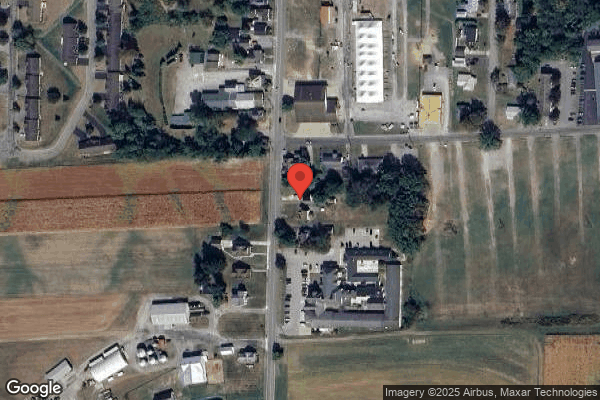

223 PITTSBURGH ST, SAXONBURG, PA 16056 (724) 352-9445
For profit - Limited Liability company 68 Beds EMBASSY HEALTHCARE Data: November 2025
Trust Grade
58/100
#282 of 653 in PA
Last Inspection: June 2025

Inspected within the last 6 months. Data reflects current conditions.

Overview

Embassy of Saxonburg has a Trust Grade of C, which means it is average and in the middle of the pack among nursing homes. In Pennsylvania, it ranks #282 out of 653 facilities, placing it in the top half, and #3 out of 11 in Butler County, indicating that only two local options are better. The facility's trend is improving, having reduced its issues from 14 in 2024 to 7 in 2025. Staffing is a strength, with a rating of 4 out of 5 stars and a turnover rate of 54%, which is around the state average. However, there are some concerning incidents, including failures to properly label and date food products in the kitchen, which raises potential health risks, and issues with communication during resident transfers to hospitals, which could affect care continuity. Overall, while the facility shows some strengths in staffing and is on an upward trend, there are notable weaknesses in food safety practices and administrative processes that families should consider.

Trust Score
C
58/100
In Pennsylvania
#282/653
Top 43%
Safety Record
Low Risk
No red flags
Inspections
Getting Better
14 → 7 violations
Staff Stability
⚠ Watch
54% turnover. Above average. Higher turnover means staff may not know residents' routines.
Penalties
✓ Good
$4,194 in fines. Lower than most Pennsylvania facilities. Relatively clean record.
Skilled Nurses
✓ Good
Each resident gets 45 minutes of Registered Nurse (RN) attention daily — more than average for Pennsylvania. RNs are trained to catch health problems early.
Violations
⚠ Watch
28 deficiencies on record. Higher than average. Multiple issues found across inspections.
★★★☆☆
3.0
Overall Rating
★★★★☆
4.0
Staff Levels
★★★☆☆
3.0
Care Quality
★★★☆☆
3.0
Inspection Score
Stable
2024: 14 issues
2025: 7 issues

The Good

  • 4-Star Staffing Rating · Above-average nurse staffing levels
  • Full Sprinkler Coverage · Fire safety systems throughout facility
  • No fines on record

Facility shows strength in staffing levels, fire safety.

The Bad

3-Star Overall Rating

Near Pennsylvania average (3.0)

Meets federal standards, typical of most facilities

Staff Turnover: 54%

Near Pennsylvania avg (46%)

Higher turnover may affect care consistency

Federal Fines: $4,194

Below median ($33,413)

Minor penalties assessed

Chain: EMBASSY HEALTHCARE

Part of a multi-facility chain

Ask about local staffing decisions and management

The Ugly 28 deficiencies on record

Aug 2025 1 deficiency
CONCERN (D) 📢 Someone Reported This

A family member, employee, or ombudsman was alarmed enough to file a formal complaint

Potential for Harm - no one hurt, but risky conditions existed

Safe Environment (Tag F0584)

Could have caused harm · This affected 1 resident

**NOTE- TERMS IN BRACKETS HAVE BEEN EDITED TO PROTECT CONFIDENTIALITY** Based on review of facility policy, observations and staff interviews it was determined that the facility failed to provide a cl...

Read full inspector narrative →
**NOTE- TERMS IN BRACKETS HAVE BEEN EDITED TO PROTECT CONFIDENTIALITY** Based on review of facility policy, observations and staff interviews it was determined that the facility failed to provide a clean, safe, comfortable, and homelike environment for two of five rooms (C Hall and Shower Room). Findings include: Review of the facility policy Resident Environmental Quality dated 2/19/25, indicated the policy of this facility is to be designed, constructed, equipped, and maintained to provide a safe, functional, sanitary, and comfortable environment for residents, staff, and the public. On 8/12/25, at 10:01 a.m. observation of D hall floor included: - room [ROOM NUMBER] had two ceiling tiles that had brown stains on them.- During an interview on 8/12/25, at 10:22a.m. Anonymous Resident R1 stated, When I get a shower and move the towel under my feet, it is black. On 8/12/25, at 10:45 a.m. observation of Shower Room included: - Walls throughout the shower room had paint off in sections- Plaster repairs not painted- Shower 1 and Shower 2, on the left-hand side walking into shower room, had dark discoloration between the tiles on the floor and the lower walls. During an interview on 8/12/25, at 11:11 a.m. Director of Nursing (DON) confirmed the above findings, and that the facility failed to provide a clean, safe, comfortable, and homelike environment for two of five rooms (C Hall and Shower Room). 28 Pa. Code 201.18(b)(3)(e)(2) Management. 28 Pa code 211.12(d)(1) Nursing services.
Jun 2025 5 deficiencies
CONCERN (D)

Potential for Harm - no one hurt, but risky conditions existed

Assessment Accuracy (Tag F0641)

Could have caused harm · This affected 1 resident

**NOTE- TERMS IN BRACKETS HAVE BEEN EDITED TO PROTECT CONFIDENTIALITY** Based on a review of facility policy, Resident Assessment Instrument (RAI) User's Manual, clinical records, and staff interviews...

Read full inspector narrative →
**NOTE- TERMS IN BRACKETS HAVE BEEN EDITED TO PROTECT CONFIDENTIALITY** Based on a review of facility policy, Resident Assessment Instrument (RAI) User's Manual, clinical records, and staff interviews, it was determined that the facility failed to ensure that Minimum Data Set (MDS - a periodic assessment of care needs) assessments accurately reflected the resident's status for three of three residents (Resident R66). Findings include: The Resident Assessment Instrument (RAI) User's Manual, which gives instructions for completing Minimum Data Set (MDS) assessments (mandated assessments of a resident's abilities and care needs), dated October 2024, indicated the following instructions: Section A2105: Discharge Status: This item documents the location to which the resident is being discharged at the time of discharge. Select the two-digit code that corresponds to the resident's discharge status. Code 01, Home/Community: if the resident was discharged to a private home, apartment, board and care, assisted living facility, group home, transitional living, or adult foster care. A community residential setting is defined as any house, condominium, or apartment in the community, whether owned by the resident or another person. Review of the clinical record indicated Resident R66 was admitted to the facility on [DATE]. Review of Resident R66's MDS dated [DATE], indicated diagnoses of anxiety, hyperlipidemia (high levels of fat in the blood), and underweight. Section A2105 was entered as 04, which indicated Resident R66 was discharged to a Short-Term General Hospital. Review of a nursing progress note dated 5/3/25, stated, 1140 resident arrived via stretcher with 2 attendants. Shortly after daughter & husband arrived at door daughter immediately stated this wouldn't work, it is way too far for her dad to drive & he has to see his wife every day. She stated that she knows that there are other facilities much closer & she wants her mom transferred. Explained that the auth is only good for this facility therefore we would have to contact the insurance company for a new auth & the other facility for admission process which likely wouldn't happen till Monday/Tuesday d/t (due to) the weekend. Daughter verbalized understanding & stated she would let me know what they were going to do shortly. Upon f/u (follow up) with daughter, daughter stated she was going to take her mom AMA, she stated she was a nurse & she is aware of the process. She also stated that she was in contact with the admissions director at another facility & they are working to get her an auth for admission ASAP. Reviewed AMA paperwork with daughter, daughter verbalized understanding & completed paperwork. Daughter & husband assisted resident to dress, transfer & get in car, left facility without incident 1315. During an interview on 6/4/25, at 9:16 a.m. the Director of Nursing (DON) stated, The person who filled out the MDS flipped the entrance and discharge status, it should be coded that she went home. During an interview on 6/4/25, at 9:16 a.m. the DON confirmed that the facility failed to ensure that MDS assessments accurately reflected the resident's status for Resident R66. 28 Pa. Code 201.14(a) Responsibility of licensee. 28 Pa. Code 211.5(f) Medical records.
CONCERN (D)

Potential for Harm - no one hurt, but risky conditions existed

Quality of Care (Tag F0684)

Could have caused harm · This affected 1 resident

**NOTE- TERMS IN BRACKETS HAVE BEEN EDITED TO PROTECT CONFIDENTIALITY** Based on clinical record review and staff interview it was determined that the facility failed to make certain that residents we...

Read full inspector narrative →
**NOTE- TERMS IN BRACKETS HAVE BEEN EDITED TO PROTECT CONFIDENTIALITY** Based on clinical record review and staff interview it was determined that the facility failed to make certain that residents were provided appropriate treatment and care for two of eight sampled residents (Resident R39, and R61). Findings include: Review of Resident R39's admission record indicated resident was admitted on [DATE], with diagnoses of high blood pressure, Post Traumatic Stress Disorder (PTSD - a disorder in which a person has difficulty recovering after experiencing or witnessing a terrifying event and may have triggers that can bring back memories of trauma accompanied by intense emotional and physical reactions), and encounter for other orthopedic aftercare. Review of Resident R39's quarterly MDS assessment (MDS-Minimum Data Set assessment: periodic assessment of resident care needs) dated 4/29/25, indicated that the diagnoses were current upon review. During an observation on 6/2/25, at 12:40 p.m. Resident R39 was observed with knee immobilizer braces on both legs. Review of Resident R39's clinical record failed to reveal a physician's order or a care plan for the use and management of the knee immobilizer. During an interview on 6/4/25, at 10:42 a.m. Therapy Director (TD) Employee E3 stated that Resident R39 was required to have knee immobilizers on at all times, but that they can be removed in bed for skin checks to ensure that skin is free from any abrasions. TD Employee E3 believed, that knee immobilizer can be removed for showering. During an interview on 6/4/25, at 11:46 a.m. the Director of Nursing (DON) confirmed that the facility failed to implement a physician's order and care plan for appropriate use and management of Resident R39's knee immobilizer. Review of Resident R61's admission record indicated he was originally admitted on [DATE], with diagnoses that included cerebral aneurysm (bulge or weakening in the wall of a blood vessel in the brain), hypertension and muscle weakness. Review of Resident R61's quarterly MDS assessment dated [DATE], indicated that the diagnoses were current upon review. Review of Resident R61's physician order's dated 2/26/25 indicated NPO (nothing by mouth) diet, NPO texture, NPO consistency. Review of Resident R61's physician order's dated 2/26/25 indicated to administer Hydroxyzine HCl Oral Tablet 25 MG (Hydroxyzine HCl). Give 1 tablet by mouth at bedtime for anxiety disorder. Review of Resident R61's physician order's dated 4/29/25 indicated to administer Bactrim DS Tablet 800-160 MG (Sulfamethoxazole-Trimethoprim) Give 1 tablet by mouth every 12 hours. During an interview on 6/3/25, at 1:45 p.m. the DON confirmed that Resident R61's physician's orders were not followed as required. 28 Pa. Code: 211.10(c)(d) Resident care policies. 28 Pa. Code: 211.12(d)(1)(2)(3)(5) Nursing services.
CONCERN (D)

Potential for Harm - no one hurt, but risky conditions existed

Deficiency F0699 (Tag F0699)

Could have caused harm · This affected 1 resident

**NOTE- TERMS IN BRACKETS HAVE BEEN EDITED TO PROTECT CONFIDENTIALITY** Based on review of facility policy, resident record review, and staff interviews, it was determined that the facility failed to ...

Read full inspector narrative →
**NOTE- TERMS IN BRACKETS HAVE BEEN EDITED TO PROTECT CONFIDENTIALITY** Based on review of facility policy, resident record review, and staff interviews, it was determined that the facility failed to provide trauma survivors with trauma informed care to eliminate or mitigate triggers that may cause re-traumatization of the resident for one of three residents (Resident R39). Findings include: Review of facility policy Trauma Informed Care, dated 2/19/25, indicated that the facility will identify triggers which may re-traumatize residents with a history of trauma. Trigger specific interventions will identify ways to decrease the resident's exposure to triggers which re-traumatize the resident, as well as identify ways to mitigate or decrease the effect of the trigger on the resident, and will be added to the resident's care plan. Review of the clinical record indicated Resident R39 was admitted to the facility on [DATE]. Review of Resident R39's Minimum Data Set (MDS - a periodic assessment of care needs) dated 4/29/25, indicated diagnoses of high blood pressure, Post Traumatic Stress Disorder (PTSD - a disorder in which a person has difficulty recovering after experiencing or witnessing a terrifying event and may have triggers that can bring back memories of trauma accompanied by intense emotional and physical reactions), and encounter for other orthopedic aftercare. Review of Resident R 39'S clinical record revealed an Initial Social Service History dated 4/23/25, that contained the following information: · Have you had difficult experiences in your life? If so, would you like to discuss? Resident R39 was assaulted by a man and therefore feels uncomfortable having any mal care takers. · What happens when you feel that you are reliving the experience? Anxious · Are there any triggers that make you feel as if you are reliving the stressful experience? Male caretakers. Review of Resident R39's care plan on 6/3/25, failed to completely address PTSD by identifying the trigger of male care givers, and that Resident R39 should not have them. During an interview on 6/3/25, at 2:42 p.m. the Nursing Home Administrator confirmed that the facility failed to provide trauma survivors with trauma informed care to eliminate or mitigate triggers that may cause re-traumatization of the resident for one of three residents (Resident R39). 28 Pa. Code: 201.14(a) Responsibility of licensee. 28 Pa. Code: 201.18(b)(1) Management.
CONCERN (E)

Potential for Harm - no one hurt, but risky conditions existed

Deficiency F0628 (Tag F0628)

Could have caused harm · This affected multiple residents

**NOTE- TERMS IN BRACKETS HAVE BEEN EDITED TO PROTECT CONFIDENTIALITY** Based on review of facility policy, clinical record review, and staff interview, it was determined that the facility failed to m...

Read full inspector narrative →
**NOTE- TERMS IN BRACKETS HAVE BEEN EDITED TO PROTECT CONFIDENTIALITY** Based on review of facility policy, clinical record review, and staff interview, it was determined that the facility failed to make certain that the necessary resident information was communicated to the receiving health care provider for two of three residents sampled with facility-initiated transfers (Residents R28 and R61), failed to notify the resident or resident's representative of the facility bed-hold policy (an agreement for the facility to hold a bed for an agreed upon rate during a hospitalization) for three of three resident hospital transfers (Residents R28, R41, and R61), and failed to notify the Office of the State Long-Term Care Ombudsman upon transfer to the hospital for three of three resident hospital transfers (Resident R28, R41, and R61). Findings include: Review of facility policy Transfer and Discharge reviewed 2/19/25, indicated the facility's transfer/discharge notice will be provided to the resident and the resident's representative in a language and manner in which they can understand. Review of the clinical record indicated Resident R28 was admitted to the facility on [DATE]. Review of Resident R28's Minimum Data Set (MDS - a periodic assessment of care needs) dated 5/14/25, indicated diagnoses of diabetes (a metabolic disorder in which the body has high sugar levels for prolonged periods of time), hypertension (condition where the force of blood pushing against your artery walls is consistently too high) and chronic kidney disease. Review of the clinical record indicated Resident R28 was transferred to the hospital on 5/21/25, and returned to the facility on 5/3125. Review of Resident R28's clinical record revealed no documented evidence that the facility had communicated specific information to the receiving health care provider for the residents transferred and expected to return, which included the resident's care plan goals, advanced directive information, specific instructions for ongoing care, resident representative information, and all information necessary to meet the resident's specific needs at the receiving facility. Review of Resident R28's clinical record failed to include documented evidence that the resident or the resident's representative were provided with written information about the facility's bed hold policy at the time of the transfer to the hospital on 5/21/25. During an interview on 6/3/25, at 1:54 p.m. the Director of Nursing (DON) confirmed that there was no evidence that the necessary information was communicated to the receiving health care institution or provider upon transfer, and that the facility failed to notify the resident or resident representative of the facility bed-hold policy for Resident R28. Review of the clinical record indicated Resident R41 was admitted to the facility on [DATE]. Review of Resident R41's MDS dated [DATE], indicated diagnoses of high blood pressure, coronary artery disease (damage or disease in the heart's major blood vessels), and abnormal posture. Review of the clinical record indicated Resident R41 was transferred to the hospital on 1/26/25, and returned to the facility on 2/1/25. Review of Resident R41's clinical record failed to include documented evidence that the resident or the resident's representative were provided with written information about the facility's bed hold policy at the time of the transfer to the hospital on 1/26/25. During an interview on 6/3/25, at 2:21 p.m. the DON confirmed that facility failed to notify the resident or resident representative of the facility bed-hold policy for Resident R41. Review of the clinical record indicated Resident R61 was admitted to the facility on [DATE]. Review of Resident R61's MDS dated [DATE], indicated diagnoses of cerebral infarction (the death of brain tissue caused by a disruption in blood flow), hypertension (condition where the force of blood pushing against your artery walls is consistently too high) and muscle weakness. Review of the clinical record indicated Resident R61 was transferred to the hospital on 4/25/25, and returned to the facility on 4/26/25. Review of Resident R61's clinical record revealed no documented evidence that the facility had communicated specific information to the receiving health care provider for the residents transferred and expected to return, which included the resident's care plan goals, advanced directive information, specific instructions for ongoing care, resident representative information, and all information necessary to meet the resident's specific needs at the receiving facility. Review of Resident R61's clinical record failed to include documented evidence that the resident or the resident's representative were provided with written information about the facility's bed hold policy at the time of the transfer to the hospital on 4/26/25. During an interview on 6/3/25, at 2:13 p.m. the DON confirmed that there was no evidence that the necessary information was communicated to the receiving health care institution or provider upon transfer, and that the facility failed to notify the resident or resident representative of the facility bed-hold policy for Resident R61. A request to review facility documents on 6/4/25, of the facility's compliance in notifying the State Ombudsman Office revealed the facility failed to provide documented evidence of notifying the State Ombudsman Office of resident hospital transfer for the time period 1/2025 through 4/2025 for Residents R28, R41 and R61. During an interview on 6/4/25, at 9:39 a.m. the DON confirmed that the facility failed to provide documented evidence that the Office of the State Long-Term Care Ombudsman was notified upon transfer to the hospital for three of three residents (Resident R28, R41, and R61). 28 Pa. Code: 201.29 (a)(c.3)(2) Resident rights.
CONCERN (F)

Potential for Harm - no one hurt, but risky conditions existed

Food Safety (Tag F0812)

Could have caused harm · This affected most or all residents

Based on facility policy, observations and staff interview, it was determined that the facility failed to properly label and date food products, in the Main Kitchen. (Main Kitchen). Findings include:...

Read full inspector narrative →
Based on facility policy, observations and staff interview, it was determined that the facility failed to properly label and date food products, in the Main Kitchen. (Main Kitchen). Findings include: Review of facility policy Dating for Dry Food Storage, dated 2/19/5, indicated that when receiving foods from delivery, assure the foods are packaged with a shipping label. If the food item is a shelf stable item, and left in the original container/box it was shipped in with a dated label, it does not require additional label or dating. If a food item that is shelf stable is removed from the original packaging/box from shipment, the item must have a date marked that it was received. During an observation in the Main Kitchen on 6/2/25, at 9:15 a.m. the following was noted: · An opened bag of lettuce was in the tray line refrigerator with no label or date. · Two cans of tuna with no receive date in the dry storage area. · An open bag of garlic, and a bag of celery with no label or date in the walk-in refrigerator. · Two apple pies with no receive date in the walk-in freezer. During an interview on 6/2/25, at 9:30 am the Assistant Dietary Manager Employee E2 confirmed that the facility failed to properly label and date food products in the Main Kitchen. Pa Code 201.14(a) Responsibility of licensee. Pa Code 201.18(b)(3) Management.
May 2025 1 deficiency
CONCERN (D) 📢 Someone Reported This

A family member, employee, or ombudsman was alarmed enough to file a formal complaint

Potential for Harm - no one hurt, but risky conditions existed

ADL Care (Tag F0677)

Could have caused harm · This affected 1 resident

**NOTE- TERMS IN BRACKETS HAVE BEEN EDITED TO PROTECT CONFIDENTIALITY** Based on review of clinical records, staff, and resident interviews, it was determined that the facility failed to provide Activ...

Read full inspector narrative →
**NOTE- TERMS IN BRACKETS HAVE BEEN EDITED TO PROTECT CONFIDENTIALITY** Based on review of clinical records, staff, and resident interviews, it was determined that the facility failed to provide Activity of Daily Living (ADL) assistance for three out of nine residents (Resident R2, R3, and R4). Findings include: Review of the facility Activities of Daily Living last reviewed 2/19/25, indicated that residents who are unable to carry out activities of daily living will receive the necessary services to maintain good nutrition, grooming, and personal and oral hygiene. Review of the facility policy Personal Care Procedure last reviewed 2/19/25, indicates the facility will provide/assist resident care and hygiene to each resident based on their individual status and needs. Bath/showers may be given at any time the resident chooses. They may be done in the morning, before bed or any other time of the resident's preference. Review of Resident R2's admission record indicated resident was admitted to facility on 1/15/24, with the diagnosis of multiple sclerosis (MS- an autoimmune disease that damages the nerve cells that causes problems between your brain and body), quadriplegia (paralysis of both the arms and legs), and trigeminal neuralgia (chronic pain disorder that causes pain in the face). Review of Resident R2's physician orders dated 2/23/25, indicate shower Monday/Thursday 2:00 p.m. - 10:00 p.m. During an interview completed on 5/6/25, at 10:45 a.m. Resident R2 was in bed reading a book. Upon asking Resident R2 about her bathing schedule she replied, the shower room is still under renovations so we get bed baths upon further query Resident R2 indicated she utilizes the shower bed, she can sit in the shower chair, however it is not safe for her to do so as she feels she will fall out. Resident R2 also indicated she has not received a shower since the end of March and would like to have one. Review of Resident R3's admission record indicated resident was admitted to facility on 5/29/23, with the diagnosis of multiple sclerosis, paraplegia (paralysis that affects the lower half of the body), and diabetes (high sugar in the blood). Review of Resident R3's physician orders dated 6/25/24, indicate shower days Tuesdays and Friday ' s daylight shift. During an interview completed on 5/6/25, at 10:50 a.m. Resident R3 was resting in bed. Upon asking Resident R3 about her bathing schedule she replied, I use the shower bed; I have been unable to get a shower for almost two months. I just get a bed bath and they wash my hair. Resident R3 expressed frustration and stated they should have hired someone, they just have one maintenance man and he is doing everything. Resident R3 further stated she is unable to utilize a shower chair as it does not have a platform on it. Resident R3 requested for me to come back into her room at a later time and asked me Do you see that guy outside cutting the grass, that ' s why the shower room is not done. Review of resident R4's admission record indicated resident was admitted to the facility on [DATE], with the diagnosis of diabetes, peripheral vascular disease (PVD- the blood flow to limbs is decreased), and spinal stenosis (narrowing of the spine which puts pressure on the spinal cord and causes pain). Review of Resident R4's physician orders dated 4/8/25, indicate shower or bath 7-3 (day shift) or 3-11 (evening shift During an interview completed on 5/6/25, at 10:56 a.m. Resident R4 was in his room sitting in his power wheelchair. Upon asking Resident R4 about his shower schedule he replied, The shower room is under repair, it's been March since I had a shower, the baths are not good enough, I use the shower bed and it cannot fit into the room. Resident R4 further stated the bed baths aren't worth a damn. Review of six months of Resident Council minutes indicated on 2/27/25, new business bathroom remodel, on 3/20/25, indicate in progress bathroom remodel and 4/17/25, indicate in progress bathroom remodel. During an interview and observation completed on 5/7/25, at 11:15 a.m. of the shower room it was revealed that the room had an area that was sectioned off with white construction plastic. The Director of Nursing (DON) stated this is the shut off area, the tile is done, he just needs to finish with the painting, it needs to have time to dry. Two shower stalls were available for resident use; however, they could not accommodate a shower bed. During an interview completed on 5/6/25, at 11:20 a.m. the Nursing Home Administrator (NHA) indicated the shower room could not accommodate the shower bed appropriately and that they were remodeling the shower room. The NHA stated we only have one maintenance man, it should be completed by the end of the week, I'm trying my best. And confirmed that the facility failed to provide Activity of Daily Living (ADL) assistance for three out of nine residents (Resident R2, R3, and R4). 28 Pa. Code: 201.14(a) Responsibility of licensee. 28 Pa. Code: 201.18(e)(2.1) Management.
Aug 2024 2 deficiencies
CONCERN (D) 📢 Someone Reported This

A family member, employee, or ombudsman was alarmed enough to file a formal complaint

Potential for Harm - no one hurt, but risky conditions existed

Notification of Changes (Tag F0580)

Could have caused harm · This affected 1 resident

Based on facility policy, clinical record review and staff interviews, it was determined the facility failed to notify a family representative of a change in condition for one of three residents. (Res...

Read full inspector narrative →
Based on facility policy, clinical record review and staff interviews, it was determined the facility failed to notify a family representative of a change in condition for one of three residents. (Resident R1). Findings include: A review of the facility Change in Condition Notification Protocol reviewed 3/27/24, indicates the facility will inform the resident; consult with the residents physician; and if known notify the residents legal representative/and or resident representative when there is a significant change in the resident's physical, mental or psychosocial status (i.e., a deterioration in health, mental or psychosocial status in either life threatening conditions or clinical complications). A need to alter treatment significantly (i.e., a need to discontinue an existing form of treatment due to adverse consequences, or to commence a new form of treatment). A review of Resident R1's clinical record indicates an admission date of 11/21/2023, with the diagnosis of peripheral vascular disease (PVD-narrowing of blood vessels), hypertension (high blood pressure), and atrial fibrillation (abnormal heart rhythm). A review of Resident R1's progress note 8/11/24, 2:41 p.m. indicate Staff approached desk to report that resident was urine was an abnormal color. Entered room to observe that resident had voided into urinal which was a noticeably darker brown color. Denies any pain or discomfort when urinating. Vitals obtained; 97.7, 112, 20, 136/74, 95% RA. Resident also noted to having slight tremors/shaking in bilateral upper extremities as well as facial grimacing. When asked if he was in pain, he reported that his right elbow was sore and that he was overall uncomfortable. Received PRN (as needed) tramadol 50mg at 1:51 p.m. EMAR (electronic medical record). RN supervisor made aware and back to assess resident. When asked if he would like to go to the hospital for evaluation resident replied No. Call bell within reach, encouraged resident to increase fluid intake and alert staff if he changed his mind about going out to the hospital. Resident verbalized understanding. A review of nursing progress notes 8/11/24, at 3:33 p.m. indicate physician notified of resident continued weakness, no consumption for lunch, B/P 134/70 HR 112 Temp 97.3 BS 117 SPO2 91% resident denies SOB at this time. States he has chills when room door is opened. Reassessment of resident T 99.1 HR 110 SPO2 now 85% O2 applied at 2L N/C as per nursing measure. Resident repositioned in bed, HR tachycardic Cool cloth to forehead, appears to be resting more comfortably. Notified physician of updated vitals. A review of physician orders dated 8/11/24 indicate oxygen at 2 liters per minute via nasal canula ordered. A review of progress notes fails to include notification to family for change in condition or the start of oxygen. During an interview completed on 8/19/24, at 12:43 p.m. the Director of Nursing confirmed the facility failed to notify a family representative of a change in condition for one of three residents. (Resident R1). 28 Pa. Code 201.14(a)(c)(e) Responsibility of licensee. 28 Pa. Code 201.18(b)(1)(e)(1) Management.
CONCERN (D) 📢 Someone Reported This

A family member, employee, or ombudsman was alarmed enough to file a formal complaint

Potential for Harm - no one hurt, but risky conditions existed

Laboratory Services (Tag F0770)

Could have caused harm · This affected 1 resident

Based on clinical record review and staff interview it was determined the facility failed to obtain laboratory services as ordered for one of two residents (Resident R1). Findings Include: A review of...

Read full inspector narrative →
Based on clinical record review and staff interview it was determined the facility failed to obtain laboratory services as ordered for one of two residents (Resident R1). Findings Include: A review of the facility Medication and Treatment Orders reviewed 3/27/24, indicated physician orders for medications and treatments will be consistent of safe and effective order writing. Treatment orders and follow up appointments will be documented in Point Click Care (PCC) and on the treatment administered record (TAR). A review of Resident R1's clinical record indicates an admission date of 11/21/2023, with the diagnosis of peripheral vascular disease (PVD-narrowing of blood vessels), hypertension (high blood pressure), and atrial fibrillation (abnormal heart rhythm). Review of Resident R1's physician orders revealed an order dated 4/9/24, indicated cbc-diff, cmp (bun, creatinine, lytes, ast, alt, t. billi, d. billi,Ibilli, alk phos) weekly for screening every Tuesday. Review of the Resident R55's clinical record failed to reveal the resident's labs were obtained on 8/6/24, as ordered. Interview with the Director of Nursing on 8/19/24, at 12:43 p.m. confirmed the facility failed to obtain laboratory services as ordered for one of two residents (Resident R1). 28 Pa. Code 211.12(c)(d) (1)(3)(5) Nursing services
Jul 2024 9 deficiencies
CONCERN (D)

Potential for Harm - no one hurt, but risky conditions existed

Deficiency F0557 (Tag F0557)

Could have caused harm · This affected 1 resident

Based on facility policy, observation and staff interview, it was determined that the facility failed to maintain the personal dignity for a resident during the dressing change observation (Resident R...

Read full inspector narrative →
Based on facility policy, observation and staff interview, it was determined that the facility failed to maintain the personal dignity for a resident during the dressing change observation (Resident R42). Findings include: Review of the facility policy Resident Rights dated 3/27/24, indicated the resident has a right to be treated with respect and dignity. During an observation of a dressing change on 6/30/24, at 10:15 a.m. Licensed Practical Nurse (LPN) Employee E5 performed the treatment and then took a marker from her pocket and dated the dressing after placing the outer dressing to Resident R42's abdomen. During an interview on 6/30/24, at 10:25 a.m. LPN Employee E5 confirmed that the facility failed to provide a dignified experience during the dressing change. 28 Pa. Code: 201.29 (a)(b)(c) Resident Rights 28 Pa. Code 211.12(d)(1)(2)(3)(5) Nursing services
CONCERN (D)

Potential for Harm - no one hurt, but risky conditions existed

Report Alleged Abuse (Tag F0609)

Could have caused harm · This affected 1 resident

**NOTE- TERMS IN BRACKETS HAVE BEEN EDITED TO PROTECT CONFIDENTIALITY** Based on review of facility policy, clinical records, incident reports, State reportable incidents, and staff interview it was d...

Read full inspector narrative →
**NOTE- TERMS IN BRACKETS HAVE BEEN EDITED TO PROTECT CONFIDENTIALITY** Based on review of facility policy, clinical records, incident reports, State reportable incidents, and staff interview it was determined that the facility failed to report an incident of resident-to-resident abuse altercation for one out of five sampled residents (Residents R24). Findings include: The facility Abuse, neglect and exploitation policy last reviewed 3/27/24, indicated that the facility will provide protections for the health, welfare and rights of each resident by developing and implementing written policies and procedures that prohibit and prevent abuse, neglect and exploitation. The facility will have written procedures to assist staff in identifying different types of abuse. This includes certain resident to resident altercations. Reporting of all alleged violations to the Administrator, State agency, adult protective services and all other required agencies within specified time frames, which includes not later than 24-hours if the event that caused the allegation do not result in serious bodily injury. Review of Resident R24's admission record indicated he was admitted on [DATE]. Review of Resident R24's MDS assessment (Minimum Data Set assessment: MDS -a periodic assessment of resident care needs) dated 3/14/24, indicated that he had diagnoses that included Parkinson's disease, chronic obstructive pulmonary disease (COPD: a disease characterized by persistent respiratory symptoms involving breathlessness, coughing, and obstructed airflow to the lungs), Neurocognitive disorder with lewy bodies (a progressive form of dementia characterized by memory loss and progressive or persistent loss of intellectual functioning associated with protein deposits in nerve cells in the brain), and hypertension (a condition impacting blood circulation through the heart related to poor pressure). Review of Resident R24's clinical nurse progress note dated 5/5/24, indicated that Resident R24 was slapped on the cheek by Resident R15 during dinner. Nurse aide reported that Resident R15 said Resident R24 was going to [NAME] him and this is why he hit him. Nurse aide reported that it was not a hard slap. Resident R24 has no marks on his cheek. Daughter, Doctor and Assistant Director of Nursing (ADON) Employee E7 were notified. Review of incident report dated 5/5/24, indicated Resident R24 was assessed and found without injury. Resident R24 and Resident R15 were separated. Review of reports submitted to the local State field office from May 2024 to June 2024 did not include the resident ro resident altercation involving Resident R24. During an interview on 7/1/24, at 2:01 p.m. Registered Nurse (RN) Employee E3 stated the following: I do remember the note about Resident R24. I was at the nurses' station. A Nurse aide told me they were pushing residents out of the dining room. Resident R24 and Resident R15 were in the hallway. Resident R15 said Resident R24 stole his car and Resident R15 reached out and smacked Resident R24 on the cheek. I assessed him. Resident R24 had a red mark. I notified family. I believe I did an incident report under risk management. I got a statement from everyone that was present. I reported the incident to Assistant Director of Nursing (ADON) Employee E7. During an interview on 7/1/24, at 2:30 p.m. the Director of Nursing (DON) confirmed that the facility failed to report an incident of resident to resident abuse altercation involving Resident R24 as required. 28 Pa Code: 201.14 (a) Responsibility of Management. 28 Pa Code: 201.18 (e )(1) Management.
CONCERN (D)

Potential for Harm - no one hurt, but risky conditions existed

Deficiency F0657 (Tag F0657)

Could have caused harm · This affected 1 resident

**NOTE- TERMS IN BRACKETS HAVE BEEN EDITED TO PROTECT CONFIDENTIALITY** Based on review of facility policy, clinical records, observations, and staff interviews it was determined that the facility fai...

Read full inspector narrative →
**NOTE- TERMS IN BRACKETS HAVE BEEN EDITED TO PROTECT CONFIDENTIALITY** Based on review of facility policy, clinical records, observations, and staff interviews it was determined that the facility failed to ensure that a resident's care plan was updated and revised to reflect the resident's specific care needs for one of four residents (Resident R56). Findings include: Review of facility policy Comprehensive Care Plans dated 3/27/24, indicated the care plan will describe, at a minimum, the services that are to be furnished to attain or maintain the resident's highest practicable physical, mental, and psychosocial well-being and resident specific interventions that reflect the resident's needs. Review of the admission record indicated Resident R56 was admitted to the facility on [DATE]. Review of Resident R56's Minimum Data Set (MDS - a periodic assessment of care needs) dated 5/10/24, indicated the diagnoses of unspecified dementia with unspecified severity and other behavioral disturbances (a general term for loss of memory, language, problem solving and other thinking abilities that are severe enough to interfere with daily life), impulse disorder (conditions that make it difficult to control your actions or reactions), and pain. Review of Resident R56's physician order dated 6/30/24, indicated ceftriaxone (an antibiotic) one-gram intramuscular injection every night for urinary tract infection. Review of Resident R56's progress notes dated 6/30/24, at 10:29 p.m. indicated labs showed elevated white blood cells, resident's antibiotic was administered intramuscularly in the right arm. Review of Resident R56's care plan on 7/2/24, at 10:20 a.m. failed to include a plan of care for urinary infection and treatment with intramuscular antibiotic. Interview on 7/2/24, at 10:23 a.m. Licensed Practical Nurse Assessment Coordinator (LPNAC) Employee E11 confirmed the Resident R56's care plan failed to include the urinary tract infection and treatment with antibiotic and that the facility failed to ensure that a resident's care plan was updated and revised to reflect the resident's specific care needs for one of four residents (Resident R56). 28 Pa. Code 211.12(d)(1)(2)(3)(5) Nursing services.
CONCERN (D)

Potential for Harm - no one hurt, but risky conditions existed

Deficiency F0688 (Tag F0688)

Could have caused harm · This affected 1 resident

**NOTE- TERMS IN BRACKETS HAVE BEEN EDITED TO PROTECT CONFIDENTIALITY** Based on facility policy, observation, clinical record review, and staff interview, it was determined that the facility failed t...

Read full inspector narrative →
**NOTE- TERMS IN BRACKETS HAVE BEEN EDITED TO PROTECT CONFIDENTIALITY** Based on facility policy, observation, clinical record review, and staff interview, it was determined that the facility failed to provide treatment and services to prevent further decrease in range of motion for one of three residents (Resident R41). Findings include: Review of the facility policy Prevention of Decline in Range of Motion dated 3/27/24, indicated the facility will provide treatment and care in accordance with professional standards of practice. This includes appropriate equipment (braces or splints). Review of the admission record indicated R41 was admitted to the facility on [DATE]. Review of Resident R41's Minimum Data Set (MDS - a periodic assessment of care needs) dated 5/31/24, indicated the diagnoses of dementia (a general term for loss of memory, language, problem solving and other thinking abilities that are severe enough to interfere with daily life), anxiety, and high blood pressure. Review of Resident R41's current physician orders on 7/2/24, indicated washcloth to be put between resident's left fingers and palm for protection from fingernails. Orders failed to include an order for a left-hand palm guard. Review of Resident R41's care plan dated 6/26/24, failed to indicate instructions for left fingers and palm protection. Observation on 6/30/24, at 12:50 p.m. Resident R41 was observed in room with a palm guard (a splint that protects the palm) on the left hand. Observation on 7/2/24, at 11:22 a.m. Resident R41 was observed in the dining room with a palm guard on the left hand. Interview on 7/2/24, at 11:22 a.m. Nurse Aide (NA) Employee E10 indicated Resident R41 always has the palm guard on her left hand and wasn't sure when it's supposed to be applied or removed. Interview on 7/2/24, at 2:00 p.m. the Director of Nursing indicated we didn't know she even had the left palm guard, her family must have brought it, and confirmed the facility failed to provide treatment and services to prevent further decrease in range of motion for one of three residents (Resident R41). 28 Pa. Code 201.14(a) Responsibility of Licensee. 28 Pa. Code 211.12(d)(1)(2)(3)(5) Nursing services.
CONCERN (D)

Potential for Harm - no one hurt, but risky conditions existed

Accident Prevention (Tag F0689)

Could have caused harm · This affected 1 resident

**NOTE- TERMS IN BRACKETS HAVE BEEN EDITED TO PROTECT CONFIDENTIALITY** Based on facility policy, clinical and facility record review, facility provided documents and staff interviews, it was determin...

Read full inspector narrative →
**NOTE- TERMS IN BRACKETS HAVE BEEN EDITED TO PROTECT CONFIDENTIALITY** Based on facility policy, clinical and facility record review, facility provided documents and staff interviews, it was determined that the facility failed to provide adequate supervision for two of six residents, resulting in a fall for one of six residents (Resident R24), and resulting in potential interaction with an unsecured disinfectant for one of six residents (Resident R56). Findings include: Review of facility policy Accidents and Supervision dated 3/27/24, indicated the resident environment will remain as free of accident hazards as is possible. Each resident will receive adequate supervision and assistive devices to prevent accidents. This includes identifying hazards and implementing interventions to reduce hazards and risks. Review of the Resident Assessment Instrument 3.0 User's Manual effective October 2019, indicated that a Brief Interview for Mental Status (BIMS) is a screening test that aides in detecting cognitive impairment. The BIMS total score suggests the following distributions: 13-15: cognitively intact 8-12: moderately impaired 0-7: severe impairment Review of the admission Record indicated Resident R24 was admitted to the facility on [DATE]. Review of Resident R24's Minimum Data Set (MDS - a periodic assessment of care needs) dated 6/14/24, indicated the diagnoses of Dementia (a group of symptoms that affects memory, thinking and interferes with daily life), Parkinsonism (to brain conditions that cause slowed movements, rigidity (stiffness) and tremors) and unsteadiness on feet. Section C: Cognitive Patterns, Question C0500 indicated a BIMS score of 3 - severe cognitive impairment. Review of fall risk evaluation form dated 4/8/24, indicated that Resident R24 had a score of 14 indicating high fall risk. Review of Resident R24's physician order dated 5/30/24, indicated OOB(out of bed) with assist of two. Review of facility provided documents dated 6/7/24 revealed Resident R24 was taken to the shower room by a NA(nurse aide) and placed on a shower chair toilet. She left to get supplies and help another NA pass trays. Resident pulled call light, another NA went to assist and found resident on the floor. No injuries noted. Review of the admission record indicated Resident R56 was admitted to the facility on [DATE]. Review of Resident R56's MDS dated [DATE], indicated the diagnoses of unspecified dementia with unspecified severity and other behavioral disturbances (a general term for loss of memory, language, problem solving and other thinking abilities that are severe enough to interfere with daily life), impulse disorder (conditions that make it difficult to control your actions or reactions), and pain. Section C: Cognitive Patterns, Question C0500 indicated a BIMS score of 3 - severe cognitive impairment. Review of Resident R56's care plan dated 6/12/24, indicated resident lacks safety awareness. Observation on 7/1/24, at 10:22 a.m. Resident R56 was seated at the dining room table alone, (no staff were in the room). A chemical spray bottle was on the table within reach of the resident. Interview on 7/1/24, at 10:23 a.m. Dietary Manager Employee E1 confirmed the spray bottle was an unsecured chemical within Resident R56's reach and it should not have been left there. During an interview on 7/1/24, at 2:10 p.m. Director of Nursing confirmed the facility failed to provide adequate supervision for two of six residents, resulting in a fall for one of six residents (Resident R24), and resulting in potential interaction with an unsecured disinfectant for one of six residents (Resident R56). 28 Pa. Code 201.14(a) Responsibility of Licensee. 28 Pa. Code 211.12(d)(1)(2)(3)(5) Nursing services.
CONCERN (D)

Potential for Harm - no one hurt, but risky conditions existed

Deficiency F0740 (Tag F0740)

Could have caused harm · This affected 1 resident

**NOTE- TERMS IN BRACKETS HAVE BEEN EDITED TO PROTECT CONFIDENTIALITY** Based on review of facility documents, clinical records and staff interviews it was determined that the facility failed to ident...

Read full inspector narrative →
**NOTE- TERMS IN BRACKETS HAVE BEEN EDITED TO PROTECT CONFIDENTIALITY** Based on review of facility documents, clinical records and staff interviews it was determined that the facility failed to identify and meet residents' highest practicable psych-social needs for one of six residents (Resident R33). Findings include: Review of the facility policy Behavioral Health Services dated 3/27/24, indicated it is the facility's policy to ensure all residents receive necessary behavioral health services to assist them in reaching and maintaining their highest level of mental and psychosocial functioning. The facility will monitor the resident closely for expressions or indications of distress and ensure appropriate follow-up assessments. Review of the admission record indicated Resident R33 was admitted to the facility on [DATE]. Review of Resident R33's Minimum Data Set (MDS - a periodic assessment of care needs) dated 5/6/24, indicated the diagnoses of diabetes (a long-term condition in which the body has trouble controlling blood sugar and using it for energy), high blood pressure, and heart failure (heart doesn't pump blood as well as it should). Review of the care plan dated 5/30/24, indicated Resident R33 displays depressive behaviors. Review of Resident R33's progress note dated 6/28/24, at 2:15 p.m. indicated Resident at first wanted to refuse her medication this morning stating I do not want things to keep me healthy. I want to die. I have nothing to live for except my sister. Further review of Resident R33's progress notes on 7/1/24, at 11:00 a.m. failed to include any documentation that she was monitored after making a statement of wanting to die three days prior. Observation on 6/30/24, at 1:19 p.m. Resident R33 sitting up in wheelchair sleeping. Interview on 6/30/24, at 1:20 p.m. Nurse Aide (NA) Employee E9 indicated She's been depressed lately. Interview on 7/2/24, at 2:00 p.m. the Director of Nursing confirmed that the facility failed to identify and meet residents' highest practicable psych-social needs for one of six residents (Resident R33). 28 Pa. Code: 201.29 (a)(b)(c) Resident Rights 28 Pa. Code 211.12(d)(1)(2)(3)(5) Nursing services
CONCERN (D)

Potential for Harm - no one hurt, but risky conditions existed

Deficiency F0761 (Tag F0761)

Could have caused harm · This affected 1 resident

Based on review of facility policy, observations and staff interview it was determined that the facility failed to date opened medications and properly store medications in one of three medication car...

Read full inspector narrative →
Based on review of facility policy, observations and staff interview it was determined that the facility failed to date opened medications and properly store medications in one of three medication carts observed (Middle medication cart). Findings include: Review of facility policy Storage of Medications dated 3/27/24, indicated the facility shall store all drugs and biologicals in a safe, secure, and orderly manner. Observation on 6/30/24, 8:40 a.m. the Middle medication cart indicated the following medications stored in the drawer without a date and time on the insulin pens, indicating date opened as required for Resident R33's Lispro insulin pen (a short acting, manmade version of human insulin), and Tresiba (an ultralong-acting insulin). Interview on 6/30/24, 8:40 a.m. Licensed Practical Nurse (LPN) Employee E5 verified the two medications were not dated when opened as required. Interview on 6/30/24, at 2:00 p.m. the Director of Nursing confirmed that the facility failed to date opened medications and properly store medications in one of three medication carts observed (Middle medication cart). 28 Pa. Code: 211.12(d)(1)(2)(3)(5) Nursing services.
CONCERN (D)

Potential for Harm - no one hurt, but risky conditions existed

Infection Control (Tag F0880)

Could have caused harm · This affected 1 resident

**NOTE- TERMS IN BRACKETS HAVE BEEN EDITED TO PROTECT CONFIDENTIALITY** Based on facility policy, clinical record review, observation, and staff interview, it was determined that the facility failed t...

Read full inspector narrative →
**NOTE- TERMS IN BRACKETS HAVE BEEN EDITED TO PROTECT CONFIDENTIALITY** Based on facility policy, clinical record review, observation, and staff interview, it was determined that the facility failed to prevent cross contamination during a dressing change for one of four residents (Resident 42) and failed to provide a safe and sanitary environment to help prevent the potential for cross contamination in the sole shower room. Findings include: Review of facility policy Dressing Change, Dry/Clean dated 3/27/24, indicated facility nurses will position the resident and adjust clothing to provide access to affected area. Pull glove over soiled dressing and discard into plastic bag. Wash and dry hands thoroughly. Put on clean gloves. Use clean technique (a set of practices used in healthcare to reduce the number of microorganisms and prevent contamination). Review of facility policy Infection Prevention & Control Program dated 3/27/24, indicated the facility will provide a safe, sanitary, and comfortable environment to help prevent the development and transmission of communicable diseases and infections. Review of the admission record indicated Resident R42 was admitted to the facility on [DATE]. Review of Resident R42's Minimum Data Set (MDS - a periodic assessment of care needs) dated 5/22/24, indicated the diagnoses of diabetes (a long-term condition in which the body has trouble controlling blood sugar and using it for energy), schizophrenia (characterized by thoughts or experiences that seem out of touch with reality, disorganized speech or behaviors, and decreased participation in activities of daily living), and surgical wound. Review of Resident R42's physician order dated 6/27/24, indicated to cleanse abdominal wound with Dakins 1/4 strength solution (wound cleanser), pack with Dakins moistened gauze cover with an abdominal pad daily. Observation on 6/30/24, at 10:15 a.m. of Resident R42's dressing change indicated Licensed Practical Nurse (LPN) Employee E5 removed soiled dressing, placed in trash can, moved trash can closer to the bed with her hands, donned new gloves and proceeded to pack wound with her fingers. LPN did not wash her hands prior to putting on the new gloves. During the treatment Resident R42's gown touched the open wound on three occasions contaminating the site. During an interview on 6/30/24, at 10:25 a.m. LPN Employee E5 confirmed not washing her hands prior to putting on new gloves as required, packing the wound with her fingers, and that the gown contaminated the open wound on three occasions. Observation of the sole shower room on 6/30/24, at 9:30 a.m. indicated the following: -Shower room stall with a gallon jug of soap, without a lid, on the floor. -A bucket on the floor under the shower chair, -A bottle of shampoo on the shower bench, a dirty washcloth on the floor, and a dirty towel on the shower bench. -The shower stall on the left had shower chair with a bucket attached underneath that had a brown substance smeared all over it. -The floor by the back door had a brown substance on it. Interview and tour on 6/30/24, at 9:40 a.m. LPN Employee E6 confirmed the observations of the shower room and indicated it was maintained as required to prevent cross contamination. Interview on 6/30/24, at 2:00 p.m. the Director of Nursing confirmed the facility failed to prevent cross contamination during a dressing change for one of four residents (Resident 42) and failed to provide a safe and sanitary environment to help prevent the potential for cross contamination in the sole shower room. 28 Pa. Code 201.14(a) Responsibility of Licensee. 28 Pa. Code 211.12(d)(1)(2)(3)(5) Nursing services.
CONCERN (F)

Potential for Harm - no one hurt, but risky conditions existed

Food Safety (Tag F0812)

Could have caused harm · This affected most or all residents

Based on observations and staff interview, it was determined that the facility failed to properly label and date food products in the reach-in cooler and walk- in freezer and failed to maintain sanita...

Read full inspector narrative →
Based on observations and staff interview, it was determined that the facility failed to properly label and date food products in the reach-in cooler and walk- in freezer and failed to maintain sanitary conditions which created the potential for cross contamination (Main Kitchen). Findings include: During an observation of the main designated kitchen on 6/30/24, at 9:05 a.m. the following was observed: - 6 sandwiches no label or date (reach in cooler) - 1 salad, not covered no label or date - 4 foam containers, no label or date - 2 bags (reach in freezer), not secured, no label or date - 6 bags hoagie buns (walk in freezer), no label or date - 2 boxes, magic cup, ice cream (walk in freezer) on the floor During an observation of the dish room on 6/30/24, at 10:00 a.m. the following was observed: -Dietary employee drying dishes with a towel During an interview on 7/1/24 at 1:30 p.m. Dietary Manager E1 confirmed that the facility failed to properly label and date food products and practice proper infection control in the dish room which created the potential for food borne illness. 28 Pa. Code: 201.18(b)(1) Management. 28 Pa. Code: 211.6(c) Dietary services. 28 Pa. Code: 201.14(a) Responsibility of licensee.
Mar 2024 2 deficiencies
CONCERN (D) 📢 Someone Reported This

A family member, employee, or ombudsman was alarmed enough to file a formal complaint

Potential for Harm - no one hurt, but risky conditions existed

Notification of Changes (Tag F0580)

Could have caused harm · This affected 1 resident

Based on clinical record review and staff interview, it was determined the facility failed to notify the physician of a change in condition for twelve of nineteen residents testing positive for Covid-...

Read full inspector narrative →
Based on clinical record review and staff interview, it was determined the facility failed to notify the physician of a change in condition for twelve of nineteen residents testing positive for Covid-19 (Resident R1, R2, R5, R7, R8, R10, R11, R12, R16, R17, R18, R19). Findings include: Review of the facility policy Notification of Changes last reviewed 2/15/23, indicate the facility must inform the resident, consult with the resident's physician and/or notify the resident's family member or legal representative when there is a change requiring such notification. Circumstances requiring notification include but not exclusive to circumstances that require a need to alter treatment, significant change in the resident's physical, mental or psychosocial condition. Review of Resident R1's clinical record indicated admission to facility on 9/11/20, with the diagnosis of Lymphoma (form of cancer), diabetes (high blood sugar levels) edema (swelling). Review of facility covid line listing indicated Resident R1 tested positive for COVID-19 on 2/21/24. Review of Resident R1's progress notes did not include information on physician notification of COVID-19 testing results. Review of Resident R2's clinical record indicate admission to facility on 12/23/23, with the diagnosis of diabetes, Parkinson's disease (degenerative neurological disorder), hypertension (high blood pressure). Review of facility covid line listing indicated Resident R2 tested positive for COVID-19 on 2/24/24. Review of Resident R2's progress notes did not include information on physician notification of COVID-19 testing results. Review of Resident R5's clinical record indicate admission to facility on 1/16/24, with the diagnosis of fracture of left femur (thigh bone), multiple sclerosis (autoimmune disease), dysphagia (difficulty swallowing). Review of facility covid line listing indicated Resident R5 tested positive for COVID-19 on 2/16/24. Review of Resident R5's progress notes did not include information on physician notification of COVID-19 testing results. Review of Resident R7's clinical record indicate admission to facility on 1/12/24, with diagnosis of dementia (loss of memory), muscle weakness, gastro-esophageal reflux disease (GERD- stomach acid flows backwards). Review of facility covid line listing indicated Resident R7 tested positive for COVID-19 on 2/16/24. Review of Resident R7's progress notes did not include information on physician notification of COVID-19 testing results. Review of Resident R8's clinical record indicated admission to facility on 3/3/23, with diagnosis of aphasia (loss of ability to understand or express speech), cerebral infarction (stroke), ataxia (loss of body movements). Review of facility covid line listing indicated Resident R8 tested positive for COVID-19 on 2/22/24. Review of Resident R8's progress notes did not include information on physician notification of COVID-19 testing results. Review of Resident R10's clinical record indicated admission to facility on 12/25/29, with diagnosis of cerebral infarction (stroke), diabetes, aphasia (loss of ability to understand or express speech). Review of facility covid line listing indicated Resident R10 tested positive for COVID-19 on 2/16/24. Review of Resident R10's progress notes did not include information on physician notification of COVID-19 testing results. Review of Resident R11's clinical record indicated admission to facility on 1/22/24, with diagnosis of diabetes, dysphagia, hypertension. Review of facility covid line listing indicated Resident R11 tested positive for COVID-19 on 2/16/24. Review of Resident R11's progress notes did not include information on physician notification of COVID-19 testing results. Review of Resident R12's clinical record indicated admission to facility on 2/7/24, with diagnosis of atrial fibrillation (A-fib rapid irregular heartbeat), weakness. Review of facility covid line listing indicated Resident R12 tested positive for COVID-19 on 2/16/24. Review of Resident R12's progress notes did not include information on physician notification of COVID-19 testing results. Review of Resident R16's clinical record indicated admission to facility on 8/24/22, with diagnosis of emphysema (lungs are damaged), neutropenia (low white blood cells), gastritis (inflammation of the stomach). Review of facility covid line listing indicated Resident R16 tested positive for COVID-19 on 2/16/24. Review of Resident R16's progress notes did not include information on physician notification of COVID-19 testing results. Review of Resident R17's clinical record indicated admission to facility on 12/18/23, with diagnosis of diabetes, muscle weakness, hyperlipidemia (high fat in blood). Review of facility covid line listing indicated Resident R17 tested positive for COVID-19 on 2/16/24. Review of Resident R17's progress notes did not include information on physician notification of COVID-19 testing results. Review of Resident R18's clinical record indicated admission to facility on 8/22/23, with diagnosis of multiple rib fractures, hyperlipidemia, hypertension. Review of facility covid line listing indicated Resident R18 tested positive for COVID-19 on 2/18/24. Review of Resident R18's progress notes did not include information on physician notification of COVID-19 testing results. Review of Resident R19's clinical record indicated admission to facility on 2/13/24, with diagnosis of intercranial injury (injury of brain), GERD, hyperlipidemia. Review of facility covid line listing indicated Resident R19 tested positive for COVID-19 on 2/18/24. Review of Resident R19's progress notes did not include information on physician notification of COVID-19 testing results. Interview on 3/18/24, at 2:14 p.m. the Nursing Home Administrator confirmed the facility failed to notify the physician of a change in condition for twelve of nineteen residents testing positive for COVID-19. (Resident R1, R2, R5, R7, R8, R10, R11, R12, R16, R17, R18, R19). 28 Pa. Code 201.14(a)(c)(e) Responsibility of licensee. 28 Pa. Code 201.18(b)(1)(e)(1) Management.
CONCERN (D) 📢 Someone Reported This

A family member, employee, or ombudsman was alarmed enough to file a formal complaint

Potential for Harm - no one hurt, but risky conditions existed

Infection Control (Tag F0880)

Could have caused harm · This affected 1 resident

Based on clinical record review and staff interview, it was determined the facility failed to obtain physician orders for transmission-based precautions for three of nineteen residents (Resident R1, R...

Read full inspector narrative →
Based on clinical record review and staff interview, it was determined the facility failed to obtain physician orders for transmission-based precautions for three of nineteen residents (Resident R1, R5, R8). Findings include: Review of the facility policy Infection Prevention and Control Program revised 8/1/23, indicates the facility has established and maintains an infection control program designed to provide a safe, sanitary, and comfortable environment and to help prevent the development and transmission of communicable disease and infections as per accepted national standards and guidelines. Isolation protocol includes but not exclusive to: - resident with an infection or communicable disease shall be placed on transmission-based precaution as recommended by current CDC guidelines. Review of Resident R1's clinical record indicated admission to facility on 9/11/20, with the diagnosis of Lymphoma (form of cancer), diabetes (high blood sugar levels) edema (swelling). Review of facility covid line listing indicated Resident R1 tested positive for COVID-19 on 2/21/24. Review of Residents R1's physician orders did not include interventions for transmission-based precautions. Review of Resident R5's clinical record indicate admission to facility on 1/16/24, with the diagnosis of fracture of left femur (thigh bone), multiple sclerosis (autoimmune disease), dysphagia (difficulty swallowing). Review of facility covid line listing indicated Resident R5 tested positive for COVID-19 on 2/16/24. Review of Residents R5's physician orders did not include interventions for transmission-based precautions. Review of Resident R8's clinical record indicated admission to facility on 3/3/23, with diagnosis of aphasia (loss of ability to understand or express speech), cerebral infarction (stroke), ataxia (loss of body movements). Review of facility covid line listing indicated Resident R8 tested positive for COVID-19 on 2/22/24. Review of Residents R8's physician orders did not include interventions for transmission -based precautions. Interview on 3/18/24, at 2:14 p.m. the Nursing Home Administrator confirmed the facility failed to obtain physician orders/interventions for transmission-based precautions for three of nineteen residents (Resident R1, R5, R8). 28 Pa. Code 201.14(a)(c)(e) Responsibility of licensee. 28 Pa. Code 201.18(b)(1)(e)(1) Management
Jan 2024 1 deficiency
CONCERN (D) 📢 Someone Reported This

A family member, employee, or ombudsman was alarmed enough to file a formal complaint

Potential for Harm - no one hurt, but risky conditions existed

Deficiency F0657 (Tag F0657)

Could have caused harm · This affected 1 resident

**NOTE- TERMS IN BRACKETS HAVE BEEN EDITED TO PROTECT CONFIDENTIALITY** Based on review of facility policy, clinical records, and staff interview, it was determined the facility failed to update a car...

Read full inspector narrative →
**NOTE- TERMS IN BRACKETS HAVE BEEN EDITED TO PROTECT CONFIDENTIALITY** Based on review of facility policy, clinical records, and staff interview, it was determined the facility failed to update a care plan for one of three residents (Resident R23) to accurately reflect the current status of the resident after an elopement event. Findings include: Review of facility policy Comprehensive Care Plan dated 2/15/23, indicated the facility will develop and implement a comprehensive care plan for each resident, consistent with resident rights, that includes measurable objectives and timeframes to meet a resident's medical, nursing, and mental and psychosocial needs that are identified in the resident's comprehensive assessment. The objectives will be utilized to monitor the residents progress. The comprehensive care plan will be reviewed and revised by the interdisciplinary team after each comprehensive and quarterly MDS (a periodic assessment of care needs). Alternative interventions will be documented, as needed. Review of the facility policy Elopements and Wandering Residents dated 2/15/23, indicated that the facility ensures that residents who exhibit wandering behavior and/or are at risk for elopement receive adequate supervision to prevent accidents, and receive care in accordance with their person-centered plan of care addressing the unique factors contributing to wandering or elopement. Review of admission Record indicated that Resident R23 was admitted to facility 12/19/23. Review of Resident R23's Minimum Data Set (MDS - a periodic assessment of care needs) dated 12/26/23, indicated diagnoses Alzheimer's disease (a degenerative brain disorder resulting in progressive memory loss, impaired thinking, disorientation, and changes in personality and mood), anxiety disorder (a group of mental illnesses that cause constant fear and worry, characterized by sudden feeling of worry, fear and restlessness), and high blood pressure. Review of Resident R23's admission assessment dated [DATE], indicated that resident does not have the cognitive ability to be orientated to room/surroundings, and that resident is currently receiving hospice services. Further review identified that has she has impaired cognition and/or decision making skills, and is independent with indoor mobility (ambulation). Review of Resident R23's Wander/Elopement assessment dated [DATE], indicated that she is at risk for elopement. Further review indicated that Rationale for Risk Decision: Resident has been diagnosed with Alzheimer's disease. She has gathered her belongings in a blanket and stated I am going home as she came out of her room to hallway. Further review indicated that appropriate interventions have been initiated. Review of Resident R23's clinical progress note dated 1/13/24, at 11:30 a.m., indicated that resident was seen walking back into facility by another resident's family; it appears that walked out of facility without her wanderguard going off and within 2 minutes was walking back into building at which time wanderguard did go off; Resident was brought to desk by staff with no apparent injuries noted; Resident is not in any apparent distress or have any issues notes at this time. Review of Resident R23's Wander/Elopement assessment dated [DATE], at 7:34 a.m., indicated that she is at risk for elopement. Further review indicated that Rationale for Risk Decision: eloped from facility 1/13/24. Further review indicated that appropriate interventions have been reviewed. Review of Resident R23's current care plan, initiated 12/20/23, updated 1/12/24, failed to indicate any revisions or implementation of new interventions to address elopement event on 1/13/24. During an interview conducted on 1/19/24, at 3:45 p.m., the Nursing Home Administrator confirmed the facility failed to update a care plan for one of three residents (Resident R23) to accurately reflect the current status of the resident after an elopement event. 28 Pa. Code: 211.10(c) Resident care policies. 28 Pa. Code: 211.12(d)(1)(5) Nursing services.
Jul 2023 5 deficiencies
CONCERN (D) 📢 Someone Reported This

A family member, employee, or ombudsman was alarmed enough to file a formal complaint

Potential for Harm - no one hurt, but risky conditions existed

Abuse Prevention Policies (Tag F0607)

Could have caused harm · This affected 1 resident

**NOTE- TERMS IN BRACKETS HAVE BEEN EDITED TO PROTECT CONFIDENTIALITY** Based on review of facility abuse policy, clinical records and staff interview, it was determined that the facility failed to im...

Read full inspector narrative →
**NOTE- TERMS IN BRACKETS HAVE BEEN EDITED TO PROTECT CONFIDENTIALITY** Based on review of facility abuse policy, clinical records and staff interview, it was determined that the facility failed to implement the abuse policy and report an allegation of mistreatment and dignity to administration immediately for one out of five sampled residents (Resident R19). Findings include: The facility Abuse, neglect, exploitation and misappropriation policy dated 2/15/23, indicated that abuse is the willful infliction of injury, unreasonable confinement, intimidation or punishment resulting in physical harm, pain, mental anguish. Mistreatment includes the inappropriate treatment of a resident. All incidents and allegations of abuse, neglect or mistreatment must be reported immediately to administration. Review of Resident R19's admission record indicated she was admitted on [DATE]. Review of Resident R19's MDS assessment (Minimum Data Set assessment: MDS -a periodic assessment of resident care needs) dated 5/10/23, indicated her diagnoses included cerebral infarction, Dementia (a condition characterized by memory loss and progressive or persistent loss of intellectual functioning), hypertension (a condition impacting blood circulation through the heart related to poor pressure), and dysphagia (difficulty swallowing). The assessment indicated that these were the most recent diagnoses upon review. Review of Resident R19's clinical progress note dated 7/2/23, indicated that Resident R19's daughter observed with Resident R19 in dining room. Daughter observed pulling Resident R19's pants down in front, Daughter then put her hand down Resident R19's pants and smelled her hand, and then alerted staff that Resident R19 stinks. Review of Resident R19's skin assessment on 7/2/23, indicated she was assessed and found without trauma. Review of Resident R19's clinical notes did not include a notification to the Administrator of Resident R19's mistreatment by a visitor on 7/2/23. During an interview on 7/06/23, at 12:56 p.m. the Nursing Home Administrator (NHA) confirmed that the facility failed to implement the abuse policy and report an allegation of mistreatment and dignity to administration immediately for Resident R19 as required. 28 Pa. Code: 201.20. (b) Staff development 28 Pa. Code: 201.29 (a)(b)(c) Resident Rights
CONCERN (E)

Potential for Harm - no one hurt, but risky conditions existed

Transfer Requirements (Tag F0622)

Could have caused harm · This affected multiple residents

**NOTE- TERMS IN BRACKETS HAVE BEEN EDITED TO PROTECT CONFIDENTIALITY** Based on review of facility policies, closed resident records and staff interview, it was determined that the facility failed to...

Read full inspector narrative →
**NOTE- TERMS IN BRACKETS HAVE BEEN EDITED TO PROTECT CONFIDENTIALITY** Based on review of facility policies, closed resident records and staff interview, it was determined that the facility failed to acquire and document a physician's order for three out of five sampled resident records (Residents R25, R30, and R34). Findings include: The facility Emergency transfer or discharge policy, last reviewed on 2/15/23, indicated that the facility attempts to meet the needs of the residents within the facility, but in acute situations when it is not in the best interest of the resident due to medical or safety reasons, an emergency transfer or discharge is implemented. The following procedures will be completed: notify the resident's physician, notify the receiving facility, arrange transportation, prepare transfer forms and relevant documentation, notify the family, and completed the documentation routinely associated with a discharge. Review of Resident R30's admission record indicated she was admitted on [DATE]. Review of Resident R30's MDS assessment (Minimum Data Set assessment: MDS -a periodic assessment of resident care needs) dated 5/11/23, indicated that she had diagnoses that included hyperlipidemia (elevated lipid levels within the blood), diabetes (metabolic disorder impacting organ function related to glucose levels in the human body), chronic kidney disease (a loss of kidney function resulting in the swelling of feet, fatigue, high blood pressure and changes in urination), and dementia. The assessment indicated that the diagnoses were the most recent upon review. Review of Resident R30's clinical note dated 12/27/22, indicated that staff at the desk heard a chair alarm. Resident R30 was observed falling to floor and hitting her head on the floor. RN down to assess Resident R30. Resident R30 was laying on her stomach, wound to the right side of her head, blood noted on floor, RN applied pressure to area, 911 called. Blanket placed under Resident R30. Family called and doctor called. EMT's arrived, Resident R30 left via ambulance to hospital for evaluation. Review of Resident R30's physician orders did not include an order to discharge to the hospital. During an interview on 7/6/23, at 12:26 p.m. Registered Nurse (RN) Supervisor Employee E6 confirmed that the facility failed to acquire and document a physician's order for Resident R30. Review of the clinical record indicated that Resident R25 was admitted to the facility on [DATE]. Review of Resident R25's MDS assessment dated [DATE], indicated diagnoses of hypertension (high blood pressure in the arteries), panlobular emphysema (widespread destruction of the gas-exchanging tissues of the lungs, resulting in difficulty breathing), and chronic respiratory failure with hypoxia (inadequate respiration resulting in a low level of oxygen in the blood). Review of Resident R25's change in condition note dated 6/1/23, indicated Resident R25 had fallen when going to the bathroom and hit her head. Resident R25 was bleeding from her head and complaining of a headache and was sent to the emergency room via an ambulance to be evaluated. Review of Resident R25's physician orders did not include a written physician order for Resident R25 to discharge to the hospital. Review of the clinical record indicated that Resident R34 was admitted to the facility on [DATE]. Review of Resident R34's MDS assessment dated [DATE], indicated diagnoses of hypertension, diabetes (a metabolic disorder in which the body has high sugar levels for prolonged periods of time), and muscle weakness. Review of Resident R34's nursing note dated 5/25/23, indicated Resident R34's was found laying face down on the floor after falling forward in his wheelchair. Review of Resident R34's physician progress note dated 5/25/23, indicated that Resident R34 was alert and bleeding from a forehead wound when assessed by the physician. The physician wanted Resident R34 sent to the hospital for further evaluation. Review of Resident R34's physician orders did not include a written physician order for Resident R34 to discharge to the hospital. During an interview on 7/7/23, at 10:02 a.m. with Licensed Practical Nurse (LPN) Employee E2 confirmed that there were no orders for Residents R25 and R34 to be discharged to the hospital. 28 Pa Code: 201.29 (f) Resident rights. 28 Pa Code: 201.29 (g) Resident rights
CONCERN (E)

Potential for Harm - no one hurt, but risky conditions existed

Comprehensive Care Plan (Tag F0656)

Could have caused harm · This affected multiple residents

**NOTE- TERMS IN BRACKETS HAVE BEEN EDITED TO PROTECT CONFIDENTIALITY** Based on review of facility policies, clinical records, and staff interviews, it was determined that the facility failed to deve...

Read full inspector narrative →
**NOTE- TERMS IN BRACKETS HAVE BEEN EDITED TO PROTECT CONFIDENTIALITY** Based on review of facility policies, clinical records, and staff interviews, it was determined that the facility failed to develop and implement comprehensive care plans to meet care needs for four of eight Residents (Residents R24, R25, R52, and R207). Findings include: Review of facility policy Comprehensive Care Plans dated 2/15/23, indicated the comprehensive care plan will describe, at a minimum, the services that are to be furnished to attain or maintain the resident's highest practicable physical, mental, and psychosocial well-being and resident specific interventions that reflect the resident's needs. Review of the admission record indicated Resident R52 was admitted to the facility on [DATE]. Review of Resident R52's Minimum Data Set (MDS - a periodic assessment of care needs) dated 5/26/23, indicated the diagnoses of heart failure (heart doesn't pump blood as well as it should), high blood pressure, and depression. Review of Resident R52's progress notes dated 6/24/23, indicated complaints of severe constipation despite laxatives (medications to assist in moving bowels) and part of an impaction was removed for semi soft stool. Review of Residents R52's care plan dated 6/14/23, failed to include a problem, goal, and interventions for bowel monitoring and constipation treatment. Interview on 7/7/23, at 1:45 p.m. Licensed Practical Nurse (LPN) Employee E2 confirmed the care plan for Resident R52's constipation and bowel monitoring was not created. Review of the clinical record indicated that Resident R24 was admitted to the facility on [DATE]. Review of the MDS dated [DATE], indicated diagnoses of hypertension (high blood pressure in the arteries), chronic respiratory failure with hypercapnia (inadequate respiration resulting in high levels of carbon dioxide in the blood), and chronic obstructive pulmonary disease (COPD, a group of progressive lung disorders characterized by increasing breathlessness). Review of a physician order dated 5/8/23, indicated to apply oxygen at 3 liters per minute via a nasal cannula (a lightweight tube placed in the nostrils to deliver oxygen) continuously. Review of a physician order dated 5/9/23, indicated to administer Albuterol Sulfate (a type of medication that is inhaled to make breathing easier by relaxing muscles in the lungs and widening the airway) every 6 hours for shortness of breath. Review of Resident R24's care plan dated 5/8/23, failed to include a plan of care related to the use of oxygen therapy, inhalation medications, and respiratory equipment. Review of the clinical record indicated that Resident R25 was admitted to the facility on [DATE]. Review of the MDS dated [DATE], indicated diagnoses of hypertension, panlobular emphysema (widespread destruction of the gas-exchanging tissues of the lungs, resulting in difficulty breathing), and chronic respiratory failure with hypoxia (inadequate respiration resulting in a low level of oxygen in the blood). Review of a physician order dated 5/10/23, indicated to apply oxygen at 4 liters per minute via a nasal cannula continuously. Review of a physician order dated 5/19/23, indicated to administer Budesonide (a type of medication that is inhaled to prevent difficulty breathing, chest tightness, wheezing, and coughing) twice daily for shortness of breath. Review of Resident R25's care plan dated 5/10/23, failed to include a plan of care related to the use of oxygen therapy, inhalation medications, and respiratory equipment. Review of the clinical record indicated that Resident R207 was admitted to the facility on [DATE]. Review of the MDS dated [DATE], indicated diagnoses of muscle weakness, chronic obstructive pulmonary disease (COPD), and essential hypertension (abnormally high blood pressure that is not the result of a medical condition). Review of a physician order dated 6/23/23, indicated to apply oxygen at 2 liters per minute via a nasal cannula continuously. Review of Resident R207's care plan dated 6/23/23, failed to include a plan of care related to the use of oxygen therapy and respiratory equipment. Interview on 7/7/23, at 11:10 a.m. with Social Worker Employee E5 confirmed care plans were not created for Residents R24, R25, and R207's use of oxygen therapy and respiratory equipment. Interview on 7/7/23, at 2:00 p.m. the Nursing Home Administrator confirmed the facility failed to develop and implement comprehensive care plans to meet care needs for four of eight Residents (Residents R24, R25, R52, and R207). 28 Pa. Code: 211.11(a)(b)(c)(d) Resident care plan.
CONCERN (E)

Potential for Harm - no one hurt, but risky conditions existed

Respiratory Care (Tag F0695)

Could have caused harm · This affected multiple residents

**NOTE- TERMS IN BRACKETS HAVE BEEN EDITED TO PROTECT CONFIDENTIALITY** Based on review of facility policies, resident observations and interviews, clinical record review, and staff interview, it was ...

Read full inspector narrative →
**NOTE- TERMS IN BRACKETS HAVE BEEN EDITED TO PROTECT CONFIDENTIALITY** Based on review of facility policies, resident observations and interviews, clinical record review, and staff interview, it was determined that the facility failed to provide appropriate respiratory care for three of four Residents (Residents R24, R25, and R207). Findings include: Review of the facility's policy Oxygen Administration dated 2/15/23, indicated that oxygen tubing and mask/cannula will be changed weekly and as needed, nebulizer tubing will be changed every 72 hours, and the humidifier bottle will be changed when empty or every 72 hours. Additionally, all delivery devices will be covered in a plastic bag when not in use. Review of the clinical record indicated that Resident R24 was admitted to the facility on [DATE]. Review of the MDS dated [DATE], indicated diagnoses of hypertension (high blood pressure in the arteries), chronic respiratory failure with hypercapnia (inadequate respiration resulting in high levels of carbon dioxide in the blood), and chronic obstructive pulmonary disease (COPD, a group of progressive lung disorders characterized by increasing breathlessness). Review of physician's orders dated 5/8/23, indicated to apply oxygen at 3 liters per minute via a nasal cannula (a lightweight tube placed in the nostrils to deliver oxygen) continuously and to change humidifier and tubing weekly every Saturday night shift. Review of a physician order dated 5/9/23, indicated to administer Albuterol Sulfate (a type of medication that is inhaled to make breathing easier by relaxing muscles in the lungs and widening the airway) every 6 hours for shortness of breath. Observation and interview of Resident R24 on 7/5/23, at 11:13 a.m. revealed the resident was receiving oxygen at 3 liters per minute via a nasal cannula (a lightweight tube placed in the nostrils to deliver oxygen). The nasal cannula tubing had no date on it, the humidifier bottle connected to the oxygen concentrator was dated 6/25 and the nebulizer machine and aerosol mask (a mask placed over the nose and mouth connected to a supply of oxygen) were sitting on Resident R24's wheelchair, no date noted on the tubing or mask. Review of the clinical record indicated that Resident R25 was admitted to the facility on [DATE]. Review of the MDS dated [DATE], indicated diagnoses of hypertension, panlobular emphysema (widespread destruction of the gas-exchanging tissues of the lungs, resulting in difficulty breathing), and chronic respiratory failure with hypoxia (inadequate respiration resulting in a low level of oxygen in the blood). Review of physician's orders dated 5/10/23, indicated to apply oxygen at 4 liters per minute via a nasal cannula continuously and to change humidifier and tubing weekly every Saturday night shift. Review of a physician order dated 5/19/23, indicated to administer Budesonide (a type of medication that is inhaled to prevent difficulty breathing, chest tightness, wheezing, and coughing) twice daily for shortness of breath. Observation of Resident R25 on 7/5/23, at 11:22 a.m. revealed the resident was receiving oxygen at 3 liter per minute via a nasal cannula, no date was noted on the nasal cannula tubing and the humidifier bottle connected to the oxygen concentrator was dated 6/25. The nebulizer machine and aerosol mask were sitting on Resident R25's bedside table with no date noted on the tubing or mask. Review of the clinical record indicated that Resident R207 was admitted to the facility on [DATE]. Review of the MDS dated [DATE], indicated diagnoses of muscle weakness, chronic obstructive pulmonary disease (COPD), and essential hypertension (abnormally high blood pressure that is not the result of a medical condition). Review of a physician's orders dated 6/23/23, indicated to apply oxygen at 2 liters per minute via a nasal cannula continuously and to change tubing weekly every Saturday night shift. Observation and interview of Resident R207 on 7/5/23, at 11:18 a.m. revealed the resident was receiving oxygen at 2 liters per minute via a nasal cannula. No date was noted on the nasal cannula tubing. Interview on 7/5/23, at 11:47 a.m. with Registered Nurse Supervisor Employee E6 confirmed the oxygen tubing, humidification, and nebulizer equipment were not stored and changed per facility policy or physician order for three of four Residents (Residents R24, R25, and R207). 28 Pa. Code: 201.14(a) Responsibility of licensee. 28 Pa. Code 211.12(d)(1)(2)(5) Nursing services 28 Pa. Code: 211.12(d)(3) Nursing services.
CONCERN (E)

Potential for Harm - no one hurt, but risky conditions existed

Deficiency F0801 (Tag F0801)

Could have caused harm · This affected multiple residents

Based on a review of facility job description, personnel records, and staff interviews, it was determined that the facility failed to make certain that the full time Dietary Manager maintained appropr...

Read full inspector narrative →
Based on a review of facility job description, personnel records, and staff interviews, it was determined that the facility failed to make certain that the full time Dietary Manager maintained appropriate competencies and skill sets to carry out the daily functions of the Dietary Department for 11 out of 12 months (September 2022 to July 2023). Findings include: The facility Job description: Dietary director (no date), indicated that the Dietary Director job is to assist the dietitian in planning, organizing, developing and directing the overall operation of the dietary department. The Dietary Director is delegated administrative authority. The Dietary Director qualifications include: a graduate of an accredited course in dietetic training, two years of supervisor's experience, training in food management, training in cost control, and Certification requirements as per State law. Review of Dietary Manager Employee E3's personnel record indicated she started at the facility on 2/2/05 as a dietary aide. She was moved to a food service director/ cook on 1/27/10. Review of Dietary Manager Employee E3's personnel record did not include a signature for her position as a Dietary Manager. The personnel record did not include qualifications for a Dietary Manager (Certification as a Dietary Manager, a graduate of an accredited course in dietetic training, training in food management, training in cost control). The date when she started as a Dietary Manager was not specified. During an interview on 7/6/23, at 11:51 a.m. the Nursing Home Administrator (NHA) stated that Dietary Manager Employee E3 was promoted to her position around January 2022. During an interview on 7/06/23, at 2:11 p.m. the Regional Registered Dietitian (RD) Employee E4 stated that she was not a full-time employee, she worked one day a week, she oversaw other facilities as well as the facility kitchen. During an interview on 7/6/23, at 2:43 p.m. the Nursing Home Administrator (NHA) confirmed that the facility failed to make certain that the full time Dietary Manager maintained appropriate competencies and skill sets to carry out the daily functions of the Dietary Department as required. 28 Pa. Code: 211.6 (c)(d) Dietary Services
Jan 2023 2 deficiencies
CONCERN (D) 📢 Someone Reported This

A family member, employee, or ombudsman was alarmed enough to file a formal complaint

Potential for Harm - no one hurt, but risky conditions existed

Deficiency F0657 (Tag F0657)

Could have caused harm · This affected 1 resident

**NOTE- TERMS IN BRACKETS HAVE BEEN EDITED TO PROTECT CONFIDENTIALITY** Based on review of facility policy, clinical records, and staff interview, it was determined the facility failed to update a car...

Read full inspector narrative →
**NOTE- TERMS IN BRACKETS HAVE BEEN EDITED TO PROTECT CONFIDENTIALITY** Based on review of facility policy, clinical records, and staff interview, it was determined the facility failed to update a care plan for one of four residents (Resident R1) to accurately reflect the current status of the resident and potentially prevent an elopement event. Findings include: Review of the facility policy Notification of Changes dated 6/6/22, indicated circumstances that require a need to alter treatment may include, acute condition and an update made to the care plan for a modification of treatment. Review of admission Record indicated Resident R1 was admitted to the facility on [DATE]. Review of Resident R1's Minimum Data Set (MDS - a periodic assessment of care needs) dated 12/8/22 indicated the diagnoses of Parkinson's Disease (disorder of nervous system causing tremors), hypothyroidism (thyroid gland doesn't produce enough thyroid hormone), and neurocognitive disorder (decreased mental function due to a medical disease other than a psychiatric illness). Review of Resident R1's progress notes on the following dates indicated the following: 12/2/22, at 8:00 p.m. Resident R1 was roaming the hallways. 12/3/22, at 1:30 p.m. Resident R1 was wandering in and out of other residents rooms. 12/3/22, at 6:09 a.m. Resident R1 made the statement I want to go home over and over again. 12/4/22, at 11:58 a.m. Resident R1 was walking up and down the hallways, agitated, and opened the door to the back hallway exit and set off the alarm, asking to call her mother. 12/5/22, at 4:06 a.m. Resident R1 was awake and roaming the hallways at 2:30 a.m. and was at nurses station at 3:30 a.m. waiting for her sister to come. 12/7/22, at 1:45 a.m. Resident R1 was up all night, making statements about staff and residents I don't trust anyone here, I need to go home. Review of Resident R1's care plan dated 12/1/22 indicated no revisions or implementation of new interventions in relation to behaviors noted. Interview on 1/19/23, at 2:30 p.m. the Director of Nursing confirmed the facility failed to update a care plan for one of four residents (Resident R1) to accurately reflect the current status of the resident with exit seeking behaviors. 28 Pa. Code: 211.10(c) Resident care policies. 28 Pa. Code: 211.12(d)(1)(5) Nursing services.
CONCERN (D) 📢 Someone Reported This

A family member, employee, or ombudsman was alarmed enough to file a formal complaint

Potential for Harm - no one hurt, but risky conditions existed

Accident Prevention (Tag F0689)

Could have caused harm · This affected 1 resident

**NOTE- TERMS IN BRACKETS HAVE BEEN EDITED TO PROTECT CONFIDENTIALITY** Based on facility policy review, clinical record review, facility specific documents, and staff interview, it was determined tha...

Read full inspector narrative →
**NOTE- TERMS IN BRACKETS HAVE BEEN EDITED TO PROTECT CONFIDENTIALITY** Based on facility policy review, clinical record review, facility specific documents, and staff interview, it was determined that the facility failed to provide adequate supervision and effective safety measures to prevent one of two residents (Resident R1) form eloping from the facility. Findings include: The facility policy Elopement, Missing Resident, Code Search last reviewed on 6/6/22, indicated it is the policy of the facility to provide a safe environment for all residents regardless of orientation status and to supervise those residents at risk for elopement based upon the comprehensive assessment and specific care plan of each resident. If a resident is determined unaccounted for the facility will immediately implement a safe an organized deployment for the search. Review of admission Record indicated Resident R1 was admitted to the facility on [DATE]. Review of Resident R1's Minimum Data Set (MDS - a periodic assessment of care needs) dated 12/8/22 indicated the diagnoses of Parkinson's Disease (disorder of nervous system causing tremors), hypothyroidism (thyroid gland doesn't produce enough thyroid hormone), and neurocognitive disorder (decreased mental function due to a medical disease other than a psychiatric illness). The Brief Interview for Mental Status (BIMS, a screening test that aides in detecting cognitive impairment). The BIMS total score suggests the following distributions: 13-15: cognitively intact 8-12: moderately impaired 0-7: severe impairment Resident R1's score was 12, moderately impaired cognition. Review of Resident R1's progress notes on the following dates indicated the following: 12/2/22, at 8:00 p.m. Resident R1 was roaming the hallways. 12/3/22, at 1:30 p.m. Resident R1 was wandering in and out of other residents rooms. 12/3/22, at 6:09 a.m. Resident R1 made the statement I want to go home over and over again. 12/4/22, at 11:58 a.m. Resident R1 was walking up and down the hallways, agitated, and opened the door to the back hallway exit and set off the alarm, asking to call her mother. 12/5/22, at 4:06 a.m. Resident R1 was awake and roaming the hallways at 2:30 a.m. and was at nurses station at 3:30 a.m. waiting for her sister to come. 12/7/22, at 1:45 a.m. Resident R1 was up all night, making statements about staff and residents I don ' t trust anyone here, I need to go home. Review of Resident R1's care plan dated 12/1/22, indicated a Focus of resident is exhibiting behaviors of agitation and paranoia. A goal that resident will remain safe, and not experience any complications related to behaviors. An intervention to report any behaviors that could affect the resident's quality of life and/or could affect other residents. Review of Resident R1's physical therapy encounter note dated 12/6/22, indicated Resident ambulated with contact guard assist for 200 feet with multiple directional changes and thresholds. She was anxious and asking about her sister. Review of Elopement document dated 12/7/22, indicated Resident R1 was on the couch at the nurses station, staff were assisting other residents and answering call lights. It was determined Resident R1 was no longer on the couch at some point after staff returned to nurses station. Staff split up and started to search rooms and bathrooms while one staff member showered a resident, three other staff members swept the building two times, and then checked the adjacent personal care, while second check being done Registered Nurse walked outside around the facility two times, still unable to find resident that eloped. Two staff members went via vehicle to search surrounding area finding Resident R1 in a nearby [NAME] across the street. Resident was uninjured, yelling and swinging at staff. Review of Registered Nurse (RN) Employee E1's witness statement dated 12/7/22, indicated care was being provided to a resident with a complaint and Resident R1 eloped out the front of the facility, was able to see Resident R1 was gone along with two other staff and started to search facility twice and RN Employee E1 went out front door searching for Resident R1 and was unable to find her. Review of Nursing Assistant (NA) Employee E2's undated witness statement indicated they were dealing with multiple resident call lights and needs and then realized Resident R1 was missing. The two RN's Employee E1 and E3 and myself did two searching around the inside of the building before going outside to look. RN Employee E3 said Resident R1 was found. Review of RN Employee E3's updated witness statement indicated Resident R1 had been up wandering hallways all evening. There were multiple lights on and residents with care needs. RN Employee E3 noticed Resident R1 was no longer on the couch and they started searching for her, and returned her to the facility. Interview with Director of Nursing on 1/19/23, at 2:30 p.m. confirmed that behavior changes noted above and exit seeking behaviors noted above, should have prompted an elopement assessment be completed and a bracelet be applied as a precaution. Interview with the Nursing Home Administrator on 1/19/23, at 2:4 p.m. confirmed that the facility failed to provide necessary supervision to ensure safety for Resident R1. 28 Pa Code: 201.14 (a) Responsibility of licensee. 28 Pa Code: 201.18 (e)(1) Management. 28 Pa Code: 211.10 (c)(d) Resident care policies. 28 Pa Code: 211.11 Resident care plan.
Understanding Severity Codes (click to expand)
Life-Threatening (Immediate Jeopardy)
J - Isolated K - Pattern L - Widespread
Actual Harm
G - Isolated H - Pattern I - Widespread
Potential for Harm
D - Isolated E - Pattern F - Widespread
No Harm (Minor)
A - Isolated B - Pattern C - Widespread

Questions to Ask on Your Visit

  • "Can I speak with families of current residents?"
  • "What's your RN coverage like on weekends and overnight?"

Our Honest Assessment

Strengths
  • • No major safety red flags. No abuse findings, life-threatening violations, or SFF status.
  • • $4,194 in fines. Lower than most Pennsylvania facilities. Relatively clean record.
Concerns
  • • 28 deficiencies on record. Higher than average. Multiple issues found across inspections.
  • • Grade C (58/100). Below average facility with significant concerns.
Bottom line: Mixed indicators with Trust Score of 58/100. Visit in person and ask pointed questions.

About This Facility

What is Embassy Of Saxonburg's CMS Rating?

CMS assigns EMBASSY OF SAXONBURG an overall rating of 3 out of 5 stars, which is considered average nationally. Within Pennsylvania, this rating places the facility higher than 0% of the state's 100 nursing homes. This mid-range rating indicates the facility meets federal standards but may have areas for improvement.

How is Embassy Of Saxonburg Staffed?

CMS rates EMBASSY OF SAXONBURG's staffing level at 4 out of 5 stars, which is above average compared to other nursing homes. Staff turnover is 54%, compared to the Pennsylvania average of 46%.

What Have Inspectors Found at Embassy Of Saxonburg?

State health inspectors documented 28 deficiencies at EMBASSY OF SAXONBURG during 2023 to 2025. These included: 28 with potential for harm.

Who Owns and Operates Embassy Of Saxonburg?

EMBASSY OF SAXONBURG is owned by a for-profit company. For-profit facilities operate as businesses with obligations to shareholders or private owners. The facility is operated by EMBASSY HEALTHCARE, a chain that manages multiple nursing homes. With 68 certified beds and approximately 62 residents (about 91% occupancy), it is a smaller facility located in SAXONBURG, Pennsylvania.

How Does Embassy Of Saxonburg Compare to Other Pennsylvania Nursing Homes?

Compared to the 100 nursing homes in Pennsylvania, EMBASSY OF SAXONBURG's overall rating (3 stars) matches the state average, staff turnover (54%) is near the state average of 46%, and health inspection rating (3 stars) is at the national benchmark.

What Should Families Ask When Visiting Embassy Of Saxonburg?

Based on this facility's data, families visiting should ask: "Can I visit during a mealtime to observe dining assistance and food quality?" "How do you handle medical emergencies, and what is your hospital transfer rate?" "Can I speak with family members of current residents about their experience?"

Is Embassy Of Saxonburg Safe?

Based on CMS inspection data, EMBASSY OF SAXONBURG has a clean safety record: no substantiated abuse findings (meaning no confirmed cases of resident harm), no Immediate Jeopardy citations (the most serious violation level indicating risk of serious injury or death), and is not on the Special Focus Facility watch list (a federal program monitoring the lowest-performing 1% of nursing homes). The facility has a 3-star overall rating and ranks #1 of 100 nursing homes in Pennsylvania. While no facility is perfect, families should still ask about staff-to-resident ratios and recent inspection results during their visit.

Do Nurses at Embassy Of Saxonburg Stick Around?

EMBASSY OF SAXONBURG has a staff turnover rate of 54%, which is 8 percentage points above the Pennsylvania average of 46%. Moderate turnover is common in nursing homes, but families should still ask about staff tenure and how the facility maintains care continuity when employees leave.

Was Embassy Of Saxonburg Ever Fined?

EMBASSY OF SAXONBURG has been fined $4,194 across 1 penalty action. This is below the Pennsylvania average of $33,121. While any fine indicates a compliance issue, fines under $50,000 are relatively common and typically reflect isolated problems that were subsequently corrected. Families should ask what specific issues led to these fines and confirm they've been resolved.

Is Embassy Of Saxonburg on Any Federal Watch List?

EMBASSY OF SAXONBURG is not on any federal watch list. The most significant is the Special Focus Facility (SFF) program, which identifies the bottom 1% of nursing homes nationally based on persistent, serious quality problems. Not being on this list means the facility has avoided the pattern of deficiencies that triggers enhanced federal oversight. This is a positive indicator, though families should still review the facility's inspection history directly.