EMMANUEL CENTER FOR NURSING
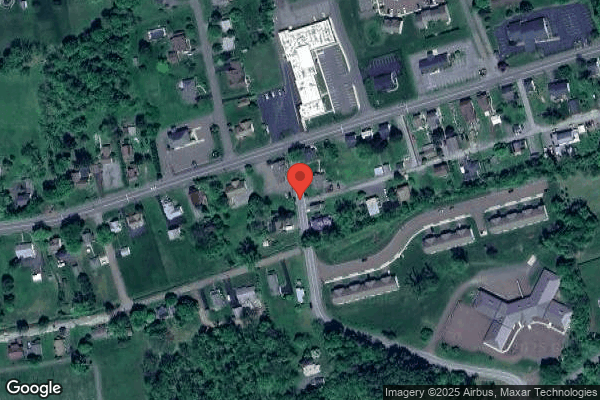
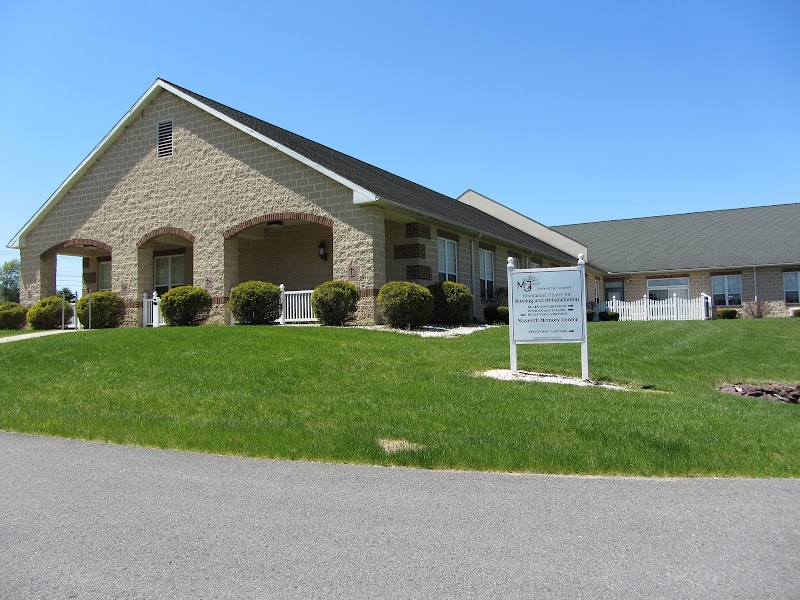
600 SCHOOL HOUSE ROAD, DANVILLE, PA 17821 (570) 275-6100
Non profit - Church related 90 Beds Independent Data: November 2025
Trust Grade
60/100
#284 of 653 in PA
Last Inspection: December 2024

Within standard 12-15 month inspection cycle. Federal law requires annual inspections.

Overview

Emmanuel Center for Nursing has a Trust Grade of C+, indicating it is slightly above average but not outstanding. It ranks #284 out of 653 facilities in Pennsylvania, placing it in the top half, and is the best option in Montour County. The overall trend is improving, with the number of issues decreasing from 29 in 2024 to just 1 in 2025. Staffing is a concern, with less registered nurse coverage than 88% of facilities in the state, but the turnover rate is impressively low at 0%, meaning staff are stable and familiar with residents. There have been some troubling findings during inspections, including failures in food safety practices that increased the risk of foodborne illness and insufficient nursing staff in the hospice unit, leading to potential gaps in care. Overall, while there are notable strengths, potential families should consider these weaknesses carefully.

Trust Score
C+
60/100
In Pennsylvania
#284/653
Top 43%
Safety Record
Low Risk
No red flags
Inspections
Getting Better
29 → 1 violations
Staff Stability
○ Average
Turnover data not reported for this facility.
Penalties
✓ Good
No fines on record. Clean compliance history, better than most Pennsylvania facilities.
Skilled Nurses
○ Average
Each resident gets 30 minutes of Registered Nurse (RN) attention daily — about average for Pennsylvania. RNs are the most trained staff who monitor for health changes.
Violations
⚠ Watch
43 deficiencies on record. Higher than average. Multiple issues found across inspections.
★★★☆☆
3.0
Overall Rating
★★☆☆☆
2.0
Staff Levels
★★★★★
5.0
Care Quality
★★☆☆☆
2.0
Inspection Score
Stable
2024: 29 issues
2025: 1 issues

The Good

  • 5-Star Quality Measures · Strong clinical quality outcomes
  • Full Sprinkler Coverage · Fire safety systems throughout facility
  • No fines on record

Facility shows strength in quality measures, fire safety.

The Bad

3-Star Overall Rating

Near Pennsylvania average (3.0)

Meets federal standards, typical of most facilities

The Ugly 43 deficiencies on record

May 2025 1 deficiency
CONCERN (E) 📢 Someone Reported This

A family member, employee, or ombudsman was alarmed enough to file a formal complaint

Potential for Harm - no one hurt, but risky conditions existed

Deficiency F0725 (Tag F0725)

Could have caused harm · This affected multiple residents

Based on observations, staff interviews, review of clinical records, and the census of the designated Hospice Specialty Unit, it was determined the facility failed to ensure sufficient and appropriate...

Read full inspector narrative →
Based on observations, staff interviews, review of clinical records, and the census of the designated Hospice Specialty Unit, it was determined the facility failed to ensure sufficient and appropriately deployed nursing staff to consistently provide timely quality of care, supervision, and services necessary to meet the physical and mental well-being of 10 residents receiving hospice services. Findings include: Review of facility census revealed 10 residents currently receiving Hospice services in the designated Hospice Specialty Unit. The unit was staffed with one LPN (licensed practical nurse) and one nurse aide. Observation of the Hospice Unit on May 7, 2025, at 11:35 AM revealed six residents seated in the common area in wheelchairs and/or specialty chairs. The assigned LPN was stationed at the medication cart. Interview with Employee 1 (LPN) at the time of observation confirmed there was no other staff present as the assigned nurse aide was off unit on a scheduled break. During continued observation, two separate call bell lights were observed activated in resident rooms. Employee 1 responded to one call bell, leaving the common area unattended. While in the resident's room, Resident 8, seated in the common area and identified by the facility as a fall risk with poor safety awareness, was observed attempting to stand unassisted from her wheelchair, activating her chair alarm. Upon hearing the chair alarm, Employee 1 left the private resident room and rushed into the common area to address the sounding alarm. No staff member was present to supervise the common area while Employee 1 was answering call bells and attending to other residents' needs. Interview with Employee 1 on May 7, 2025, at 11:45 AM revealed that when a staff member takes a scheduled break, there is no assigned staff member to relieve and/or replace that staff member during their break, leaving the unit with only one staff member to care for all 10 residents. Continued interview with Employee 1 revealed that the Hospice unit is not adequately staffed to meet the acuity of needs of the residents (a measure of the level of care someone needs, considering factors like the severity of their illness, the frequency of interventions required and potential for complications). Three out of the ten hospice residents use a mechanical lift (a lift that uses hydraulic power to transfer a person while cradled in a sling. Requiring the use of two staff members to operate.) for transfers, seven residents require two staff member assistance for bed mobility, transfers, and assist with cares, and seven require total staff assistance for feeding. Employee 1 stated that when the nurse and the nurse aide are providing care to resident who requires 2 staff assistance such as for transfers, toileting or bed mobility, the other residents in the common area are left unsupervised. There have been times when a bed or chair alarm are sounding but no one is available to check on the situation of the alarm as 2 staff members are tending to another resident's needs. Review of the Hospice unit information provided by the facility identified seven out of the ten residents required assistance with feeding and were unable to safely consume their meals without staff assistance. Continued observations of the common area on May 7, 2025, at approximately 12:20 PM revealed the meal trays were delivered on open carts to the Hospice unit. Six residents were seated together at the dining table. Five of the six residents seated at the table required staff assistance. Employee 1 and the Director of Nursing were the only two staff members present to assist with feeding the five dependent residents in the dining room. The nurse aide was providing feeding assistance to a dependent resident who preferred to eat in his room. One additional resident, who preferred to eat in her room, was required to wait until a staff member was available. Observation at 2:45 PM showed Resident 9 attempting to stand from a recliner chair unassisted, and Resident 8 again attempting to stand from her wheelchair. Both are identified fall risks. The Hospice unit census reflected that 9 out of 10 residents are considered fall risks. Interview with Employee 2 (LPN) on May 7, 2025, at 2:55 PM revealed that on May 6, 2025, during second shift, Employee 2 attempted to obtain assistance from staff on the 200 unit (unit adjacent to the Hospice unit) however no staff were available. She reported that it is not uncommon that the 200 unit cannot spare an employee to assist with the Hospice unit. Interview with Employee 3 on May 7, 2025, at 3:00 PM revealed that on May 4, 2025, during the second shift, the LPN called off and the facility did not provide an LPN for the Hospice unit. There was only one employee, a nurse aide, assigned to care for the entire Hospice unit. The LPN from the 200 unit was required to work the 200 unit and the Hospice unit. Employee 3 reported that the LPN was too busy performing the medication and treatment management for residents on both the 200 unit and the Hospice unit that Employee 3 was not provided with a second team member to assist with care. She reported it was difficult to manage the entire unit when many residents required the assistance of two staff members for safe transfers and bed mobility. Further interview with Employee 2 at 3:05 PM revealed that inadequate staffing during critical periods, such as when a resident is actively dying, prevents the nurse from offering necessary emotional support to grieving families, as the nurse is also responsible for routine cares, repositioning, and responding to call bells. Interview with the Nursing Home Administrator and Director of Nursing on May 7, 2025, at approximately 3:30 PM confirmed the facility failed to account for resident acuity in determining adequate staffing and acknowledged that current staffing levels on the Hospice unit are insufficient to meet the needs of the resident population. 28 Pa. Code 201.18(b)(1)(e)(1)(2)(3)(6) Management 28 Pa. Code 211.12(c)(d)(1)(3)(4)(5) Nursing services
Dec 2024 10 deficiencies
CONCERN (D)

Potential for Harm - no one hurt, but risky conditions existed

Incontinence Care (Tag F0690)

Could have caused harm · This affected 1 resident

**NOTE- TERMS IN BRACKETS HAVE BEEN EDITED TO PROTECT CONFIDENTIALITY** Based on a review of clinical records, select facility policy, and staff interview, it was determined the facility failed to pro...

Read full inspector narrative →
**NOTE- TERMS IN BRACKETS HAVE BEEN EDITED TO PROTECT CONFIDENTIALITY** Based on a review of clinical records, select facility policy, and staff interview, it was determined the facility failed to provide appropriate treatment and services to restore normal bladder function for one out of 20 residents sampled (Resident 21). Findings include: A review of facility policy titled Bowel and Bladder Management, last reviewed by the facility on August 8, 2024, revealed it is the facility's policy to ensure that each resident with bowel or bladder incontinence receives appropriate treatment and services to achieve or maintain as much normal elimination function as possible. The policy indicates residents deemed appropriate will have an individualized toilet schedule or bladder training program. Residents' comprehensive, individualized, person-centered care plan will be updated or revised to include the resident's bowel and bladder needs, goals, and personal preferences. A clinical record review revealed Resident 21 was admitted to the facility on [DATE], with diagnoses that included hydrocephalus (a condition where cerebrospinal fluid builds up in the brain, increasing pressure on brain tissue). A review of an admission Minimum Data Set assessment (MDS-a federally mandated standardized assessment process conducted periodically to plan resident care) dated September 22, 2024, revealed that Resident 21 is cognitively intact with a BIMS score of 15 (Brief Interview for Mental Status- a tool within the Cognitive Section of the MDS that is used to assess the resident's attention, orientation, and ability to register and recall new information; a score of 13-15 indicates cognition is intact). The admission MDS assessment dated [DATE], Section GG0170F Mobility, indicated Resident 19 requires substantial and maximal assistance for transferring to the toilet. The admission MDS assessment dated [DATE], Section H0200A Urinary Toileting Program indicated a trial of toileting (e.g., scheduled toileting, prompted voiding, or bladder training) has not been attempted on admissions, entry, or reentry or since urinary incontinence was noted in the facility. A care plan identifying Resident 21 had the potential for complications with bowel and bladder related to current medical and physical status. The care plan goal indicated Resident 21 will be clean and dry with incontinence cares provided as needed through December 3, 2024. Interventions in place are incontinence care with incontinence episodes, medications and creams as ordered, and observation of changes in color, consistency, frequency, odor, discomfort, distention, fever, or confusion. A review of urinary incontinence tracking from dated November 24, 2024, through December 23, 2024, revealed Resident 21 was incontinent of urine on 76 occasions. During an interview on December 23, 2024, at approximately 10:00 AM, the Director of Nursing (DON) was unable to provide documented evidence the facility determined if Resident 21 was appropriate for an individualized toilet schedule or bladder training program. The DON confirmed the facility did not implement a bladder training or individualized toileting schedule to attempt to restore normal bladder functioning for Resident 19. The DON confirmed it is the facility's responsibility to ensure residents are provided appropriate treatment and services to restore normal bladder function. 28 Pa. Code 211.10(c) Resident care policies. 28 Pa. Code 211.12(d)(1)(5) Nursing services.
CONCERN (D)

Potential for Harm - no one hurt, but risky conditions existed

Respiratory Care (Tag F0695)

Could have caused harm · This affected 1 resident

**NOTE- TERMS IN BRACKETS HAVE BEEN EDITED TO PROTECT CONFIDENTIALITY** Based on review of clinical records and select facility policy, observation, and staff interview it was determined the facility ...

Read full inspector narrative →
**NOTE- TERMS IN BRACKETS HAVE BEEN EDITED TO PROTECT CONFIDENTIALITY** Based on review of clinical records and select facility policy, observation, and staff interview it was determined the facility failed to consistently provide respiratory care and supplemental oxygen, as ordered by the physician for one resident out of 20 sampled. (Resident 2) Additionally, the facility failed to store respiratory equipment in a sanitary manner for one resident out of three sampled receiving oxygen therapy (Resident 41). Findings included: A review of the facility policy titled Oxygen Therapy last reviewed by the facility in August 2024, revealed the E-tanks (oxygen cylinders which contain oxygen under pressure) are used to allow residents to be mobile in the facility and participate in therapy, activities, and meals. The licensed nursing staff will monitor oxygen delivery systems hourly. E-tanks will be changed when they are approximately ¼ full (at the top of the red areas on the gauge). Tanks and concentrators are checked hourly and initialed on the checklist when in use. During an initial facility tour on December 21, 2024, at 11:33 AM, oxygen tubing attached to the oxygen concentrator (bedside machine that concentrates ambient air to supply an oxygen-rich gas stream), in Resident 41's room was observed lying on the floor. This tubing, including the nasal cannula (flexible plastic tubing with small prongs inserted into the nostrils to deliver supplemental oxygen), was not in use but was not stored in a sanitary manner and was observed lying directly on the floor. Interview with Employee 3 (licensed practical nurse) on December 21, 2024, at 11:40 AM confirmed the oxygen tubing and nasal cannula were improperly stored on the floor. A review of Resident 2's clinical record revealed the resident was admitted on [DATE], with diagnoses to include respiratory failure with hypoxia (not enough oxygen passes from the lungs to the blood, making it difficult to breath), and congestive heart failure (a chronic, progressive condition in which the heart muscle is unable to pump enough blood to meet the body's needs for blood and oxygen). A physician order dated February 19, 2024, specified oxygen at 3 liters/min via nasal cannula continuously for congestive heart failure. A quarterly MDS (minimum data set- a federally mandated standardized assessment conducted at specific intervals to plan resident care) dated November 5, 2024, indicated the resident was severely cognitively impaired with a BIMS score of 4 (brief interview for mental status, a tool to assess the resident's attention, orientation, and ability to register and recall new information, a score of 0-7 represents severe cognitive impairment). The resident required extensive assistance from staff for activities of daily living and bed mobility. An observation conducted on December 21, 2024, at 12:40 PM revealed that Resident 2 was seated in his wheelchair in the 100-nursing unit dining room. The oxygen tank, located on the back of the wheelchair, was observed to be empty. This observation was confirmed by Employee 3. Interview with the Director of Nursing (DON) on December 23, 2024, at approximately 10:45 AM revealed the facility was unable to provide documented evidence that oxygen tanks and concentrators were monitored hourly and recorded as required by the facility's policy. The DON confirmed that Resident 41's oxygen tubing was not stored in a sanitary manner and that the facility failed to provide oxygen therapy as prescribed for Resident 2. 28 Pa. Code 211.12 (d)(1)(5) Nursing services
CONCERN (D)

Potential for Harm - no one hurt, but risky conditions existed

Deficiency F0757 (Tag F0757)

Could have caused harm · This affected 1 resident

**NOTE- TERMS IN BRACKETS HAVE BEEN EDITED TO PROTECT CONFIDENTIALITY** Based on a review of clinical records and staff interviews, it was determined the facility failed to ensure a resident's drug re...

Read full inspector narrative →
**NOTE- TERMS IN BRACKETS HAVE BEEN EDITED TO PROTECT CONFIDENTIALITY** Based on a review of clinical records and staff interviews, it was determined the facility failed to ensure a resident's drug regimen was free of unnecessary antibiotic drugs for one out of 20 residents sampled (Resident 19). Findings included: A clinical record review revealed Resident 19 was admitted to the facility on [DATE], with diagnoses that included disease of the spinal cord, unspecified (damage to the spinal cord that is not otherwise specified). Further clinical record review revealed Resident 19 had physician orders for a Foley catheter, 16 French, with a 30 ml balloon (a type of indwelling urinary catheter, rubber tube inserted into bladder to drain urine) related to neuromuscular dysfunction of the bladder. A clinical record review revealed no documented evidence the resident had experienced any symptoms of a urinary tract infection, such as fever, chills, mental changes/confusion, fatigue, nausea/vomiting, pressure in the lower part of the pelvis, or an increase in urination from October 1, 2024, through October 2, 2024. A urine culture laboratory report dated October 2, 2024, revealed Resident 19's urine tested positive for Escherichia coli (ESBL-extended-spectrum beta-lactamase, which is an enzyme produced by some bacteria that makes them resistant to many antibiotics) quantities between 10,000 and 100,000 colonies/ml. A physician progress note dated October 3, 2024, revealed Resident 19 is feeling tired, experiencing pain under her rib cage, and experiencing nausea. The note indicated the resident does not have fever, chills, or changes in gastrointestinal function. Furthermore, the note indicated laboratory work was completed yesterday and the resident's urine is positive for bacteria. The note indicated Resident 19 is probable for a urinary tract infection and has previously responded well to ceftriaxone 1 gm IM (intra muscular-injection into muscle) daily. A review of a medication administration record dated October 2024 revealed Resident 19 received two doses of ceftriaxone (an antibiotic medication) sodium injection solution reconstituted 1 gm once, on October 3, 2024, and a second dose on October 4, 2024. The medication was discontinued on October 4, 2024. The urine culture laboratory report dated October 2, 2024, revealed the Escherichia coli organism identified in Resident 19's urine is resistant to ceftriaxone antibiotic medication. A McGeer Criteria for Infection Surveillance checklist (a set of standardized guidelines used to define and identify healthcare-associated infections in long-term care facilities, particularly in elderly populations) dated October 4, 2024, revealed Resident 19 did not meet criteria for the use of antibiotic medication. During an interview on December 23, 2024, at approximately 9:45 AM, Employee 2, Infection Preventionist (IP), indicated Resident 19 did not meet criteria to receive antibiotic medication for a urinary tract infection on October 3, 2024. Employee 2, IP, confirmed that Resident 19 did not have a fever, leukocytosis, acute mental status change, or acute functional decline. During an interview on December 23, 2024, at approximately 10:30 AM, the Director of Nursing (DON) confirmed it is the facility's responsibility to ensure that residents' drug regimens are free of unnecessary antibiotic drugs. The DON confirmed Resident 19 received two doses of ceftriaxone (an antibiotic medication) sodium injection solution reconstituted 1 gm once on October 3, 2024, and a second dose on October 4, 2024. The DON was not able to provide documented evidence for the clinical rationale indicating the need for Resident 19 to receive a ceftriaxone sodium injection. 28 Pa. Code 211.2 (d)(3) Medical director. 28 Pa. Code 211.9 (k) Pharmacy services. 28 Pa. Code 211.12 (d)(3) Nursing services.
CONCERN (D)

Potential for Harm - no one hurt, but risky conditions existed

Deficiency F0849 (Tag F0849)

Could have caused harm · This affected 1 resident

**NOTE- TERMS IN BRACKETS HAVE BEEN EDITED TO PROTECT CONFIDENTIALITY** Based on the review of clinical records and staff interviews it was determined the facility failed to demonstrate coordination o...

Read full inspector narrative →
**NOTE- TERMS IN BRACKETS HAVE BEEN EDITED TO PROTECT CONFIDENTIALITY** Based on the review of clinical records and staff interviews it was determined the facility failed to demonstrate coordination of services in the development of the comprehensive plan of care between the facility and a Hospice agency for two residents out of three sampled residents receiving hospice care (Resident 34 and 47). Findings include: Review of Resident 34's clinical record revealed she was admitted to the facility on [DATE], with diagnoses that included end stage dementia (very severe cognitive decline and affects individuals by declines in mobility, increased incontinence, increased infection, trouble swallowing/eating, and severe confusion with increased anxiety) with need for hospice care/services (care designed to give supportive care to people in the final phase of a terminal illness and focus on comfort and quality of life, rather than cure with goals to enable patients to be comfortable and free of pain) and dysphagia (difficulty swallowing). A review of Resident 34's comprehensive person-centered plan of care indicated the resident had signs and symptoms of overall declining conditions and medical diagnosis of end stage dementia with disease process progression and need for hospice care with a goal for the resident to remain comfortable with physical, psychosocial, spiritual, so that life is neither hastened nor prolonged but follows residents process of concluding life. Planned interventions included hospice services, observe for factors that may affect resident's comfort and responses to interventions, observe for end of life needs and review with MD, representative, family for optimizing care, discontinue weights, and allow resident to refuse medications. A review of the clinical record revealed that Resident 34 passed away at the facility on December 22, 2024, at 6:00 PM. Resident 34's comprehensive person-centered plan of care (POC) failed to reflect coordination of services between the facility and the Hospice agency in meeting the resident's daily care needs and specific needs related to care and services provided for the resident's terminal diagnosis. An interview with the Nursing Home Administrator (NHA) on December 22, 2024, at 10:30 AM, confirmed the facility failed to ensure that Resident 34's comprehensive person-centered POC was coordinated and integrated with hospice services. A review of Resident 47's clinical record revealed he was admitted to the facility on [DATE], with diagnoses that included end stage Parkinson's disease (includes severe motor symptoms and cognitive issues like dementia and may have severe posture issues that require a wheelchair, and may be bedridden, increased risk of injuries, and infections) with need for hospice care/service to maintain comfort. A review of Resident 47's comprehensive person-centered plan of care indicated the resident had signs and symptoms of an overall declining condition and medical diagnosis of end stage Parkinson's disease with disease process progression and need for hospice care with a goal for the resident to remain comfortable with physical, psychosocial, spiritual, so that life is neither hastened nor prolonged but follows residents process of concluding life. Planned interventions included hospice services, observe for factors that may affect resident's comfort and responses to interventions, observe for end of life needs and review with MD, representative, family for optimizing care, discontinue weights, and resident may refuse medications. Through survey ending December 23, 2024, Resident 47's comprehensive person-centered POC failed to demonstrate coordination of services and integration between the facility/interdisciplinary team and Hospice agency. An interview with the Nursing Home Administrator (NHA) on December 23, 2024, at 10:33 AM, confirmed that the facility failed to ensure that Resident 47's comprehensive person-centered POC was coordinated and integrated with hospice services. 28 Pa. Code 201.21(c) Use of outside resources 28 Pa. Code 211.12 (d)(3)(5) Nursing services
CONCERN (D)

Potential for Harm - no one hurt, but risky conditions existed

Infection Control (Tag F0880)

Could have caused harm · This affected 1 resident

Based on observation and staff interview it was determined the facility failed to ensure that staff followed proper infection control techniques while passing medications to one of three residents (Re...

Read full inspector narrative →
Based on observation and staff interview it was determined the facility failed to ensure that staff followed proper infection control techniques while passing medications to one of three residents (Residents 38) on the 200 Hall nursing unit. Findings included: An observation on December 22, 2024 at 9:13 AM revealed Employee 1 LPN (licensed practical nurse) was administering morning medications to Resident 38 on the 200 Hall nursing unit. Employee 1 was opened a bottle of calcium tablets and the employee used her bare hand without performing hand hygeine to block the pills from coming out of the bottle, touching the pills, and then picked up the the calcium pill with her ungloved hand and without performing hand hygiene or donning gloves, placed it in Resident 38's medication cup. Further observation revealed the employee knocked over the medication cup where two pills had spilled out on to the medication cart. The employee did not dispose of those pills but picked them up off the medication cart, with ungloved hand and without performing hand hygiene or donning gloves, and placed them back into the medication cup. The employee proceeded to administer the medications to Resident 38. The employee failed to wash her hands after administering the medications. Interview with the Director of Nursing on December 22, 2024, at approximately 11:00 AM confirmed that Employee 1 failed to follow proper infection control measures prior to the administration of these medications. 28 Pa. Code 211.12(d)(1)(5) Nursing services.
CONCERN (E)

Potential for Harm - no one hurt, but risky conditions existed

Resident Rights (Tag F0550)

Could have caused harm · This affected multiple residents

**NOTE- TERMS IN BRACKETS HAVE BEEN EDITED TO PROTECT CONFIDENTIALITY** Based on a review of clinical records, resident council meeting minutes, and resident and staff interviews, it was determined th...

Read full inspector narrative →
**NOTE- TERMS IN BRACKETS HAVE BEEN EDITED TO PROTECT CONFIDENTIALITY** Based on a review of clinical records, resident council meeting minutes, and resident and staff interviews, it was determined the facility failed to provide care in a manner that promotes each resident's quality of life by failing to respond timely to residents' requests for assistance, including experiences reported by two residents out of the 20 residents sampled (Residents 19 and 21) and experiences reported by five out of the six residents during a resident group interview (Residents 5, 12, 19, 21, and 42). Findings include: A review of Resident Council meeting minutes dated October 21, 2024, revealed residents in attendance raised concerns about long wait times for staff to respond and provide care after ringing their call bells for assistance. The residents in attendance indicated that staff will initially respond to their call bell, turn off the bell, but do not provide care. A review of Resident Council meeting minutes dated November 22, 2024, revealed residents in attendance raised concerns that staff are turning off the call bell lights but not providing care. Residents in attendance indicating that a staff will initially respond and turn off her call bell light but not perform care until after some time passes. A review of Resident Council meeting minutes dated December 17, 2024, revealed residents in attendance raised concerns regarding not having enough staff to assist residents back to their rooms after meals in the dining room. A clinical record review revealed Resident 19 was admitted to the facility on [DATE], with diagnoses that included disease of the spinal cord, unspecified (damage to the spinal cord that is not otherwise specified). A review of a significant change in status Minimum Data Set assessment (MDS-a federally mandated standardized assessment process conducted periodically to plan resident care) dated November 2, 2024, revealed that Resident 19 is cognitively intact with a BIMS score of 15 (Brief Interview for Mental Status- a tool within the Cognitive Section of the MDS that is used to assess the resident's attention, orientation, and ability to register and recall new information; a score of 13-15 indicates cognition is intact). During an interview on December 21, 2024, at 10:25 AM, Resident 19 indicated she often waits 20 minutes for staff to provide her care after she rings her call bell for assistance. She explained that it has been an ongoing problem that staff initially respond, turn off her call bell light, but do not provide her care for 15 or 20 minutes later. She indicated that she has had to adapt to going to the bathroom when staff are available. She explained she had to learn how to s&*t on command because staff may not be available the next time she rings her bell for assistance. Resident 19 indicated when the facility uses agency staff, it extends the wait times for care, because they do not know the residents as well as the in-house staff. She explained that the facility uses agency staff a few times a week. A clinical record review revealed Resident 21 was admitted to the facility on [DATE], with diagnoses that included hydrocephalus (a condition where cerebrospinal fluid builds up in the brain, increasing pressure on brain tissue). A review of an admission Minimum Data Set assessment (MDS-a federally mandated standardized assessment process conducted periodically to plan resident care) dated September 22, 2024, revealed that Resident 21 is cognitively intact with a BIMS score of 15 (Brief Interview for Mental Status- a tool within the Cognitive Section of the MDS that is used to assess the resident's attention, orientation, and ability to register and recall new information; a score of 13-15 indicates cognition is intact). During an interview on December 21, 2024, at 11:35 AM, Resident 21 indicated she often waits a while for care. She explained the wait time for staff to provide care has been up to an hour when staffing is low. She explained staffing is low a few times a week. Resident 21 indicated she is happy her ability to care for herself is increasing, because now she doesn't have to wait as much for staff assistance to take her to the bathroom. During a group interview with alert and oriented residents on December 22, 2024, at 10:00 AM, five out of the six residents (Residents 5, 12, 19, 21, and 42) interviewed indicated they have concerns about the long wait times to receive care from staff after ringing their call bells for assistance. Residents 5, 12, 19, 21, and 42 explained they are frustrated and upset because they rely on staff for care. During the group interview, Resident 12 indicated she waits an hour to an hour and a half for care. She explained the long wait times for care are the worst when agency staff are working at the facility. During the group interview, Resident 5 indicated she waits 20 to 30 minutes for care. She explained often, staff will turn off her call bell light without providing her care. Resident 5 indicated she is embarrassed because she sometimes soils herself while waiting for staff to assist her to the bathroom. During the group interview, Resident 4 indicated he sometimes waits an hour to an hour and a half for staff to provide care after he rings his call bell for assistance. He explained he is frustrated because he often waits and waits for staff. During the group interview, Resident 42 indicated she waits a long time for staff to escort her from the dining room. She explained there is not enough staff to escort residents back to their rooms after meals. Resident 42 indicated she is often pushed to the hallway and waits 20 or 30 minutes in the hallway for staff to be available to assist her back to her room after meals. During an interview on December 22, 2024, at approximately 1:00 PM, the Nursing Home Administrator (NHA) and Director of Nursing (DON) verified all residents at the facility should be treated with dignity and respect and provided care in a manner that promotes each resident's quality of life. The NHA and DON were unable to explain why residents are reporting untimely staff responses to residents' requests for assistance and care. 28 Pa. Code 201.18 (e)(1) Management. 28 Pa. Code 201.29 (a) Resident rights. 28 Pa. Code 211.12(c)(d)(4) Nursing services.
CONCERN (E)

Potential for Harm - no one hurt, but risky conditions existed

Deficiency F0557 (Tag F0557)

Could have caused harm · This affected multiple residents

Based on review of clinical records and select facility policy, observations and staff interview, it was determined the facility failed to provide meal service in an environment that maintains each re...

Read full inspector narrative →
Based on review of clinical records and select facility policy, observations and staff interview, it was determined the facility failed to provide meal service in an environment that maintains each resident's dignity for three residents out of 6 sampled (Residents 26, 44, and 58), and failed to provide medication in a manner that respected the resident's dignity for one resident out of 20 sampled (Resident 31). Findings include: Review of the facility policy titled Dignity- Quality of Life last reviewed by the facility in August 2024, revealed the facility promotes care for residents in a manner and in an environment that maintains or enhances each resident's dignity and respect. A review of Resident 26's clinical record revealed she was severely cognitively impaired. And required total assistance from staff to be fed her meals. An observation conducted on December 21, 2024, at 12:05 PM of the 100-nursing unit dining room revealed Resident 26 and Resident 44 seated together at a table. At 12:06 PM Resident 26's lunch meal was delivered and placed on the table in front of her. Staff continued to serve other residents their lunch meals in the 100-unit dining room while Resident 26's lunch meal remained in front of her. At 12:16 PM, Resident 44 was served her lunch meal and began eating, while Resident 26's meal remained untouched due to the lack of staff assistance. A staff member did not begin assisting Resident 26 until 12:20 PM, 14 minutes after her meal was delivered. Additional observation of the 100-nursing unit dining room revealed Resident 58 seated at a table with Resident 57. Resident 57 was served her lunch meal at 12:09 PM and began eating immediately. Resident 58 did not receive her lunch meal until 12:22 PM, 13 minutes later, by which time her tablemate had finished eating. A review of Resident 31's clinical record revealed diagnosis which included generalized osteoarthritis, neuralgia (severe, sharp pain that follows the path of the nerve), and neuritis (inflammation of the nerves). Review of Resident 31's physician orders revealed an order dated July 6, 2024, for Bio freeze External gel 4% (gel used to treat minor aches and pains of the muscle/joints), apply to left foot topically four times a day for pain. On December 21, 2024, at 12:28 PM, Employee 3 (a licensed practical nurse) was observed in the 100-nursing unit dining room, during the lunch meal, repositioning Resident 31's wheelchair, removing her left sock, and applying Bio freeze gel to her left foot. This procedure was conducted in the dining room's common area, in the presence of multiple residents, and during the lunch meal service. This action did not afford Resident 31 privacy or dignity, as the procedure was performed in a public space and inappropriately timed during the meal service. During an interview conducted on December 23, 2024, at 10:45 AM the Nursing Home Administrator and Director of Nursing confirmed that the lunch meal service on the 100-nursing unit was not conducted in a manner that promotes each residents' dignity. They also confirmed that it is the facility's expectation for employees to provide Bio freeze applications in residents' rooms to ensure privacy and dignity. 28 Pa. Code 211.12 (c)(d)(1)(3)(5) Nursing services
CONCERN (E)

Potential for Harm - no one hurt, but risky conditions existed

Quality of Care (Tag F0684)

Could have caused harm · This affected multiple residents

**NOTE- TERMS IN BRACKETS HAVE BEEN EDITED TO PROTECT CONFIDENTIALITY** Based on a review of clinical records, observation, and resident and staff interviews, it was determined the facility failed to ...

Read full inspector narrative →
**NOTE- TERMS IN BRACKETS HAVE BEEN EDITED TO PROTECT CONFIDENTIALITY** Based on a review of clinical records, observation, and resident and staff interviews, it was determined the facility failed to provide nursing services consistent with professional standards of practice by failing to thoroughly assess, obtain physician orders, and develop and implement a person-centered comprehensive care plan in accordance with standards of practice, for two residents out of 20 sampled residents (Residents 41 and 43). Findings include: According to the American Nurses Association Principles for Nursing Documentation, nurses document their work and outcomes and provide an integrated, real-time method of informing the health care team about the patient status. Timely documentation of the following types of information should be made and maintained in a patient's EHR (electronic health record) to support the ability of the health care team to ensure informed decisions and high-quality care in the continuity of patient care: Assessments Clinical problems Communications with other health care professionals regarding the patient Communication with and education of the patient, family, and the patient's designated support person. A cardiac loop recorder monitors the heart's electrical activity and transmits data to physicians for managing conditions like arrhythmias (irregular heart rhythms). Proper documentation and care planning ensure: Monitoring for Symptoms: Identifying signs of device-related complications or abnormal heart rhythms. Timely Intervention: Staff can promptly address concerns or escalate issues to a physician. Comprehensive Care: Avoiding complications, such as infections at the implant site, through routine assessments and interventions. A review of the clinical record revealed that Resident 41 was admitted to the facility on [DATE], with diagnoses that included hypertension (elevated blood pressure) and cerebral infarction (stroke). During an observation of Resident 41's room on December 21, 2024, at 11:33 AM, a remote electronic transmitter device (a device that records and sends data from a device implanted in a person directly to the physician's office using Wi-Fi or cellular data) was located on the resident's bedside table. During an interview with Resident 41, a cognitively intact resident, he confirmed he had some type of small device that resembles a paperclip implanted in his chest. He reported that he had the device for over two years, before he was admitted to the facility. A review of Resident 41's hospital records obtained by the facility on December 23, 2024, at the request of the surveyor, revealed the resident underwent a loop recorder implant (a heart recording device, implanted in the body under the chest skin, that records heart rate and rhythm continuously. It monitors the heart's electrical activity and records and sends the data to the cardiologist via a remote transmitter device) placement on January 26, 2022. A review of Resident 41's admission assessment dated [DATE], failed to document the presence of the loop recorder implant. Review of Resident 41's admission assessment, physician orders, and care plan revealed no documentation of the loop recorder or any corresponding care requirements, despite the potential for heart rhythm complications. Review of Resident 41's plan of care, in effect at the time of the survey ending December 23, 2024, identified that Resident 41 had a potential for complications with heart/circulation due to atrial fibrillation (an irregular heartbeat that reduces the heart's ability to pump blood through the body, which means you do not get enough oxygen) or other dysrhythmia's and hypertension. The facility failed to identify the presence of, or the care for, the resident's implanted loop recorder on the resident's current plan of care. A review of the clinical record revealed that Resident 43 was admitted to the facility on [DATE], with diagnoses that included cerebral infarction (stroke), and the presence of a cardiac and vascular implant and graft. During an observation of Resident 43's room on December 21, 2024, at 1:15 PM, a remote electronic transmitter device was located on the resident's bedside table. A review of Resident 43's hospital records obtained by the facility on December 23, 2024, at the request of the surveyor, revealed the resident underwent a loop recorder implant placement on August 16, 2024. Review of a nurses note dated August 16, 2024, at 3:15 PM revealed the Electrophysiology report was received from the procedure. The resident had a loop recorder implantation completed. A review of Resident 43's IDT (Interdisciplinary Team) care conference summary dated August 26, 2024, failed to identify, and document the presence of the newly implanted loop recorder. A review of the weekly skin check tool dated September 2, 2024, (first skin check performed since resident's procedure on August 16, 2024) indicated that there were no new skin issued noted. Review of Resident 43's physician orders failed to identify the presence of, or care for, the residents loop recorder implant. Review of Resident 43's plan of care, in effect at the time of the survey ending December 23, 2024, identified that Resident 43 had a potential for complications with heart/circulation due to carotid stenosis, hypertension, and peripheral vascular disease. The facility failed to identify the presence of, or the care for, the resident's implanted loop recorder on the resident's current plan of care. The facility was unable to provide documented evidence that the loop recorder implant site was assessed after the implant procedure on August 16, 2024. Interview with the Nursing Home Administrator and Director of Nursing on December 23, 2024, at approximately 11:00 AM confirmed the facility's failure to assess and document the presence of the loop recorders, obtain appropriate physician orders, and include the devices in the residents' care plans. This failure placed Residents 41 and 43 at risk for undetected complications and inadequate care. 28 Pa. Code 211.12 (c)(d)(1)(3)(5) Nursing services. 28 Pa. Code 211.5(f) Medical records.
CONCERN (F)

Potential for Harm - no one hurt, but risky conditions existed

Food Safety (Tag F0812)

Could have caused harm · This affected most or all residents

Based on observation and staff interview, it was determined the facility failed to maintain acceptable practices for the storage and service of food to prevent the potential for contamination and micr...

Read full inspector narrative →
Based on observation and staff interview, it was determined the facility failed to maintain acceptable practices for the storage and service of food to prevent the potential for contamination and microbial growth in food, which increased the risk of food-borne illness in the dietary department and in the 100-Hall and 200-Hall medication room refrigerators. Findings include: Food safety and inspection standards for safe food handling indicate that everything that comes in contact with food must be kept clean and food that is mishandled can lead to foodborne illness. Safe steps in food handling, cooking, and storage are essential in preventing foodborne illness. You cannot always see, smell, or taste harmful bacteria that may cause illness according to the USDA (The United States Department of Agriculture, also known as the Agriculture Department, is the U.S. federal executive department responsible for developing and executing federal laws related to food). A review of the facility policy entitled Sanitation and Infection Control provided by the facility on December 23, 2024, indicated that all foods are labeled, dated, stored, and securely covered, and use-by dates are monitored and followed. During the initial tour of the dietary department conducted with the facility's weekend day-shift dietary supervisor on December 21, 2024, at 9:30 AM, revealed the following unsanitary practices with the potential to introduce contaminants into food and increase the potential for food-borne illness: Upon entry to the dietary department/kitchen area two garbage cans with lids were full of trash and had red splatter on their exteriors. These cans were located near the tray line area where resident meal trays were being prepared for lunch. Another garbage can, soiled with visible trash inside, was located underneath a stainless-steel sink/workstation and was missing a lid. Near the tray line, clean pitcher lids were stored next to dirty cleaning rags. Two black bins containing bowls with visible debris and food particles were observed on the food preparation sink area, directly across from the tray line. Two boxes of uncovered Danish pastries were stored next to a bottle of cleaning solution and a staff member's personal drink. Several dome lids covers, and clear plastic covers were scattered beneath the sink, and some were uncovered. The lid of the bulk sugar container had visible debris and a yellowish substance adhered to its surface. The lid of the bulk flour container also had visible debris on its surface. The tubing attached to the filter of the ice machine had a heavy accumulation of dust. The blue plastic ice scoop was cracked, with sharp edges and missing pieces, posing a contamination and safety hazard. Observations of the cook's area revealed the ventilation hood over the cooking equipment had a heavy accumulation of greasy residue combined with dust particles adhered to the pipes and grates. The bulletin board displaying laminated department postings was splattered with dried, crusty substances. Shelving used to store facility manuals and binders was splattered with visible debris. Observations of the cold food prep area revealed on the bottom shelf of a wire rack, a case of bananas was stored less than six inches off the floor, violating proper food storage guidelines. Upon entering the dry food storage room, observed the lid of a gray garbage can had visible food splatter adhered to its surface. Observations inside of the dry food storage room revealed several boxes and bags of pasta were open and not securely sealed or stored in containers to prevent contamination. The dietary day-shift supervisor confirmed these findings and acknowledged that the dietary department must be maintained in a sanitary manner to prevent foodborne illness. Observations of the 100-Hall medication room on December 23, 2024, at 8:51 AM, revealed there were four 4-ounce strawberry nutritional shakes, nine 4-ounce chocolate nutritional shakes, and eight 6-ounce apple cranberry juice drinks were not labeled with a thaw date or use-by date. According to manufacturer instructions, once thawed, these products must be used within 14 days. Additionally, in the presence of Employee 4 an LPN observed that on the 200-Hall Medication Room that there four 6-ounce orange juice drinks and three 6-ounce apple cranberry juice drinks were also found without thaw dates or use-by dates. An interview with Employee 4 on December 23, 2024, at 9:00 AM, confirmed all supplements should be labeled and dated as per manufactures recommendations. Further interview with the Nursing Home Administrator (NHA) on December 22, 2024, at 1:00 PM, confirmed the facility's dietary department is expected to meet sanitary standards to prevent the risk of contamination and foodborne illness. and all nutritional supplements must be properly labeled and stored in accordance with manufacturer instructions. 28 Pa. Code 201.18 (e) (2.1) Management 28 Pa. Code 211.6 (f) Dietary Services
MINOR (B)

Minor Issue - procedural, no safety impact

Deficiency F0625 (Tag F0625)

Minor procedural issue · This affected multiple residents

Based on a review of clinical records and staff interview it was determined the facility failed to provide residents or their representatives with written information of the facility's bed hold policy...

Read full inspector narrative →
Based on a review of clinical records and staff interview it was determined the facility failed to provide residents or their representatives with written information of the facility's bed hold policy upon transfer to the hospital of one resident out of 20 residents sampled (Resident 10). Findings include: A review of Resident 10's clinical record revealed the resident was transferred to the hospital on December 5, 2024, and returned to the facility on December 9, 2024. There was no documented evidence the facility provided Resident 10 and/or her representative written information about the facility's bed-hold policy (an agreement for the facility to hold a bed for an agreed-upon rate during a hospitalization) at the time of transfer. Interview with the Nursing Home Administrator (NHA) on December 22, 2024, at approximately 1:00 PM confirmed that the facility was unable to provide documented evidence indicating Resident 10 and/or Resident 10's representative was provided the facility's bed hold policy upon hospital transfer. 28 Pa Code 201.18 (e)(1) Management. 28 Pa Code 201.29 (b) Resident rights.
Jan 2024 19 deficiencies
CONCERN (D)

Potential for Harm - no one hurt, but risky conditions existed

Investigate Abuse (Tag F0610)

Could have caused harm · This affected 1 resident

Based on a review of clinical records, select facility incident reports, and the facility's abuse prohibition policy and staff interview it was determined that the facility failed to thoroughly invest...

Read full inspector narrative →
Based on a review of clinical records, select facility incident reports, and the facility's abuse prohibition policy and staff interview it was determined that the facility failed to thoroughly investigate injuries of unknown origin to rule out abuse, neglect, or mistreatment as a potential cause of the injury sustained by one resident out of 18 sampled (Resident 19). Findings included: A review of the facility's policy, entitled Investigation of Abuse last reviewed by the facility March 16, 2023, indicated that a complete investigation will be conducted. In case of injury of unknown origin, the facility will try to determine the source of the injury and rule out neglect or abuse. When investigating injuries of unknown origin the facility will interview staff and anyone coming in contact with the resident over the course of 24 hours prior to the noted injury. The investigation will include the signed statements of these contact people. Additionally, the facility will identify anyone who provided services to the resident during this 24 hour period and document the specific services provided and any unusual event occurring during the delivery of service. A review of the clinical record revealed that Resident 19 had diagnoses. which included Alzheimer's disease and osteoporosis. An annual Minimum Data Set assessment (MDS-standardized assessment completed at specific intervals to identify specific resident care needs) dated September 8, 2023, indicated that the resident was severely cognitively impaired, non-ambulatory, and required the assistance of two staff for bed mobility and transfers. A late entry nurses note dated October 9, 2023, at 8:03 AM indicated that nursing observed Resident 19's left lower extremity to present +2 edema and warmth. The resident did not express signs or symptoms of pain when edema was assessed. The physician assistant was made aware. Staff were to monitor the resident's left lower extremity and the physician assistant planned to see the resident on October 10, 2023; staff were to call with any changes. A physician order dated October 10, 2023, was noted to obtain a venous doppler to the left lower extremity for left lower extremity edema, redness, warmth, and pain. A nurses note dated October 10, 2023, at 2:04 PM indicated that the doppler study was completed and the results were negative for DVT (deep vein thrombosis- blood clot in a deep vein) of the resident's left lower extremity. A late entry nurses note dated October 12, 2023, at 9:00 AM revealed that swelling was observed to the resident's left lower extremity with no improvement with elevation. Nursing contacted the physician and an order was received to obtain an Xray of the left lower extremity and a CBC (complete blood count). The resident's representative made aware. A nurses note dated October 13, 2023, at 9:02 AM revealed that the facility received the Xray results which indicated that the resident had acute fractures of distal left tibia (shin bone) and fibula (calf bone). The MD was made aware. A new order was received to send the resident to emergency room for evaluation. Resident representative aware. A nurses note dated October 13, 2023, at 10:39 PM indicated that the resident returned from the emergency room. The emergency room reported that orthopedics saw the resident and returned the bone to its appropriate place and applied a splint. The resident will need to follow-up with ortho as outpatient according to the discharge instructions. Review of a facility investigation summary report dated October 12, 2023, indicated that swelling of the resident's extremity was observed on October 10, 2023, in the morning and the provider was notified. A doppler was ordered, and resident was seen by the medical provider on October 10, 2023. On October 12, 2023, the resident's leg was still swollen with no improvement, the medical provider was contacted, and Xray of the left lower extremity was ordered. Xray results were positive for tibia/fibula fracture. Medical provider was made aware and orders for urgent ortho consult. The resident was not able to provide details related to the incident. Review of the facility's summary and outcome of investigative findings revealed that staff witness statements did not recall/indicate any potential mechanism or means of injury. The resident was noted to be at increased risk for bone related injuries due to medical history including osteoporosis with contractures and vitamin D deficiency. Possible mechanism of injury was noted to be not limited to transfers via Hoyer lift to/from bed to chair, repositioning, and transport of resident in chair. Mandatory nursing education sessions were to be scheduled for proper lift use and transfer/positioning of residents with contractures. However, further review of the facility investigation and provided witness statements, failed to provide documented evidence that the facility interviewed all staff and anyone coming in contact with the resident over the course of 24 hours prior to when the signs of injury (edema and warmth) were first noted on October 9, 2023. There was no documented evidence that all staff who provided care and services to the resident during that time period were identified and that the specific services provided to the resident were identified and documented, including any unusual event which occurred during the delivery of services prior to the fracture. Interview with the administrator and director of nursing on January 12, 2024, at 10:00 AM confirmed that Resident 19 was non-ambulatory and totally dependent on staff for care. The NHA and DON confirmed that the facility was unable to provide a completed thorough investigation to rule out abuse, neglect, or mistreatment as a potential cause of Resident 19's injury of unknown origin, fractured lower leg. 28 Pa Code 201.29 (a)(c) Resident rights 28 Pa. Code 211.12(c) Nursing services 28 Pa. Code 201.18 (e)(1) Management
CONCERN (D)

Potential for Harm - no one hurt, but risky conditions existed

Comprehensive Care Plan (Tag F0656)

Could have caused harm · This affected 1 resident

**NOTE- TERMS IN BRACKETS HAVE BEEN EDITED TO PROTECT CONFIDENTIALITY** Based on a review of clinical records and staff interview, it was determined that the facility failed to develop person-centered...

Read full inspector narrative →
**NOTE- TERMS IN BRACKETS HAVE BEEN EDITED TO PROTECT CONFIDENTIALITY** Based on a review of clinical records and staff interview, it was determined that the facility failed to develop person-centered comprehensive care plans to meet the current needs and problems of three out of 18 residents sampled (Residents 33, 64, and 22). Findings include: A review of the clinical record revealed that Resident 33 was admitted to the facility on [DATE], with diagnoses that included hypertensive heart disease. A review of Resident 33's laboratory results report dated January 2, 2024, revealed that the resident had tested positive for RSV (Respiratory Syncytial Virus). However, the resident's care plan, in effect at the time of the survey ending January 11, 2024, failed to reflect the resident's diagnosis of RSV and interventions to treat and manage the resident's symptoms. A review of the clinical record revealed that Resident 64 was admitted to the facility on [DATE], with diagnoses that included Alzheimer's disease with late onset and epileptic seizures. A review of Resident 64's laboratory results report dated January 3, 2024, revealed that the resident tested positive for RSV. However, the resident's care plan, in effect at the time of the survey ending January 11, 2024, failed to reflect the resident's diagnosis of RSV and interventions to treat and manage the resident's symptoms. Interview with the Nursing Home Administrator and Director of Nursing on January 11, 2024, at approximately 1:40 PM confirmed the facility failed to ensure that comprehensive care plans were developed for Residents 33 and 64. A review of the clinical record revealed that Resident 22 was admitted to the facility on [DATE], with diagnoses that included depression. A review of a nurse's note Employee 5, LPN, entered into the clinical record dated December 3, 2023, at 10:19 PM indicated that the resident's resident representative approached the desk and stated that he was upset because the resident stated that he wanted to kill himself. Employee 5 (LPN) sat with the resident and the resident stated, I'm just down in the dumps. One to one supervision and reassurance were offered to resident. Resident stated,I would never hurt myself. Every 15 minute checks were initiated. The registered nurse supervisor was made aware of the situation. A nurses note dated December 4, 2023, at 1:43 PM indicated that Resident 22 stated that he feels safe and that he does not want to harm himself or others. Nursing noted that the resident was resident resting comfortably in bed watching television. Review of a Psychiatric New Evaluation dated December 11, 2023, indicated that Resident 22 was evaluated for anxiety and adjustment issues. When the resident was asked about past suicidal statements the resident stated that was just to get attention. The resident was diagnosed with adjustment disorder with anxiety, depressed mood and mild neurocognitive disorder. The plan was to continue current medications, supportive care, reorient, redirect, psychiatric team to monitor mood and behavior, encourage resident to participate in activities on the unit, and follow-up in four weeks. Resident 22's clinical record revealed nurses notes dated December 24, 2023, December 28, 2023, December 30, 2023, January 1, 2024, January 4, 2024, January 6, 2024, and January 7, 2024, which indicated that the resident had displayed inappropriate verbal and physical sexual behaviors towards staff. A review of Resident 22's current comprehensive care plan initially dated October 11, 2023, revealed that the resident's diagnosis of depression, suicidal statements, newly diagnosed adjustment disorder with anxiety and depressed mood, mild neurocognitive disorder, and inappropriate sexual behaviors were not identified along with corresponding treatment and management interventions. Interview with the Nursing Home Administrator and Director of Nursing on January 11, 2024, at approximately 1:50 PM confirmed the facility failed to include the above residents' current problems and needs on their comprehensive plans of care. 28 Pa Code 211.12 (d)(3)(5) Nursing Services.
CONCERN (D)

Potential for Harm - no one hurt, but risky conditions existed

Quality of Care (Tag F0684)

Could have caused harm · This affected 1 resident

**NOTE- TERMS IN BRACKETS HAVE BEEN EDITED TO PROTECT CONFIDENTIALITY** Based on review of select facility policies and clinical records it was determined that the facility failed to provide nursing s...

Read full inspector narrative →
**NOTE- TERMS IN BRACKETS HAVE BEEN EDITED TO PROTECT CONFIDENTIALITY** Based on review of select facility policies and clinical records it was determined that the facility failed to provide nursing services consistent with professional standards of quality by failing to demonstrate that licensed nurses evaluated and recorded the provision of necessary nursing care for a change in condition for one resident out of 18 sampled residents (Resident 39). Findings included: According to the Title 49, Professional and Vocational Standards, Department of State, Chapter 21 State Board of Nursing Subsection 21.11 (a) The register nurse assesses human responses and plans, implements and evaluates nursing care for individuals or families for whom the nurse is responsible. In carrying out this responsibility, the nurse performs all of following functions: (4) Carries out nursing care actions which promote, maintain, and restore the well-being of individuals (6)(b) The registered nurse is fully responsible for all actions as a licensed nurse and is accountable to clients for the quality of care delivered and Subsection 21.18. (a)(5) document and maintain accurate records. The Pennsylvania Code, Title 49, Professional and Vocational Standards, State Board of Nursing, 21.145 Functions of the Licensed Practical Nurse (LPN) (a) The LPN is prepared to function as a member of the health-care team by exercising sound judgement based on preparation, knowledge, skills, understandings and past experiences in nursing situations. The LPN participates in the planning, implementation and evaluation of nursing care in settings where nursing takes place. 21.148 Standards of nursing conduct (a) A licensed practical nurse shall: (5) Document and maintain accurate records. According to the American Nurses Association Principles for Nursing Documentation, nurses document their work and outcomes and provide an integrated, real-time method of informing the health care team about the patient status. Timely documentation of the following types of information should be made and maintained in a patient's EHR (electronic health record) to support the ability of the health care team to ensure informed decisions and high-quality care in the continuity of patient care: · Assessments · Clinical problems · Communications with other health care professionals regarding the patient · Communication with and education of the patient, family, and the patient ' s designated support person and other third parties. A review of Resident 39's clinical record revealed that the resident was re-admitted to the facility on [DATE], with diagnoses of Parkinson's Disease (a chronic and progressive movement disorder that initially causes tremor in one hand stiffness or slowing of movement), Depression (a mood disorder of persistent symptoms of depressed mood and sadness and Unspecified Convulsions (seizures that are classified as unknown onset). A review of a quarterly Minimum Data Set assessment (MDS-a federally mandated standardized assessment process conducted at specific intervals to plan resident care) dated December 18, 2023, revealed Resident 39 was cognitively intact and required moderate to maximum assistance for activities of daily living. The facility policy entitled Notification to Physician/Family/Resident Representative of Change in Resident Health Status dated as reviewed March 16, 2023, revealed that acute illness or significant change in a resident's physical, mental or psychosocial status (i.e., deterioration in health, mental or psychosocial status in either life-threatening condition or clinical complications). A need to alter treatment or change an existing form of treatment due to adverse consequences. A need to alter treatment significantly means to stop of form of treatment because of adverse consequences notification depending on the nursing assessment, appropriate notification may be immediate to 48 hours. A nursing note dated December 17, 2023, at 11:55 PM indicated that several times, nursing observed the resident asleep in her wheelchair, slumped over to her left side, needing verbal cues to sit up. The resident's medications were withheld due to resident's inability to swallow. Nursing noted that they will continue to monitor the resident. A review of the Resident 39's December MAR (medication administration record) revealed that on December 17, 2023, the following medications were held at approximately 8:00 PM due to the resident's inability to swallow; Melatonin 3 milligrams (mg), Mirtazapine (antidepressant medication) 7.5 mg, Carbidopa-levodopa 25-250 mg, Carboxymethlycellulose Sodium ophthalmic solution (eye drops) one drop in both eyes, Colace (stool softener) 100 mg, Tylenol arthritis extended release (ER) 650 mg, Multivitamin with minerals, Lamotrigine (anticonvulsant medication) 100 mg. There was no documented evidence that licensed professional nursing staff conducted had fully assessed the resident, to include measured vital signs, or notified the nursing supervisor and/or physician of the resident's inability to swallow and observed lethargy. There was no documented evidence of physician orders to hold the Resident 39's medications on the evening of December 17, 2023. Interview with the Director of Nursing (DON) on January 10, 2024, at 11:00 AM, confirmed the facility's licensed and professional nursing staff failed to record complete and accurate assessment of the resident's change in condition in the resident's clinical record. 28 Pa. Code 211.12 (c)(d)(1)(3)(5) Nursing Services 28 Pa. Code 211.5 (f) Medical Records
CONCERN (D)

Potential for Harm - no one hurt, but risky conditions existed

Respiratory Care (Tag F0695)

Could have caused harm · This affected 1 resident

Based on resident interviews, clinical records, and staff interview, it was determined that the facility failed to timely provide prescribed respiratory care for one resident reviewed for one of 18 re...

Read full inspector narrative →
Based on resident interviews, clinical records, and staff interview, it was determined that the facility failed to timely provide prescribed respiratory care for one resident reviewed for one of 18 residents reviewed (Resident 49). Findings include: Resident 49's clinical record revealed an admission date of November 4, 20220 with diagnoses that included asthma, and sleep apnea. Nursing progress notes revealed that the resident told nursing staff on January 7, 2024, that he was experiencing a sore throat, cough, and congestion. A physician's order was obtained for Albuterol Inhalation Solution 0.5-2.5 (3) MG/3ML (Ipratropium-Albuterol) 1 vial inhale orally every 4 hours as needed for shortness of breath. The resident's January 2024 Medication Administration Record (MAR) indicated that staff administered the above noted breathing treatment to Resident 49 on January 7, 2024, at 4:00 p.m., and January 10, 2024, at 7:00 a.m. During an interview with Resident 49 at approximately 10:30 a.m., on January 10, 2024. Resident 49 stated he had requested a breathing treatment the previous evening January 9, 2024, at 7:00 p.m., so he could sleep better, but he did not receive the treatment at that time, He stated that he requested it again at 9:00 p.m., but staff still did not provide the breathing treatment. Resident 49 further stated that staff did not provide the breathing treatment until the day shift nurse came into facility at approximately 7:00 a.m., on January 10, 2024 During an interview on January 10, at 11:55 a.m. the Nursing Home Administrator and Director of Nursing were unable to provide evidence that Resident 49 had been provided the respiratory care as prescribed. 28 Pa. Code 211.12(d)(1)(5) Nursing services
CONCERN (D)

Potential for Harm - no one hurt, but risky conditions existed

Deficiency F0740 (Tag F0740)

Could have caused harm · This affected 1 resident

**NOTE- TERMS IN BRACKETS HAVE BEEN EDITED TO PROTECT CONFIDENTIALITY** Based on observations, clinical record review and staff interviews, it was determined that the facility failed to ensure each re...

Read full inspector narrative →
**NOTE- TERMS IN BRACKETS HAVE BEEN EDITED TO PROTECT CONFIDENTIALITY** Based on observations, clinical record review and staff interviews, it was determined that the facility failed to ensure each resident received the necessary behavioral health care in a timely manner to attain or maintain the highest practicable mental and psychosocial well-being for one of 18 residents sampled (Resident 25). Findings include: Review of clinical record of Resident 25 revealed that the resident was admitted to the facility on [DATE], with diagnoses including anxiety and depression. A review of Resident 25's Quarterly Minimum Data Set Assessment (MDS - a federally mandated standardized assessment conducted at specific intervals to plan resident care) dated September 28, 2023, revealed that the resident was cognitively intact. Further review of Resident 25's clinical record revealed that the resident exhibited multiple behaviors, including exit seeking and eloping from facility. Resident 25 was noted to display exit seeking behaviors almost daily, throughout the month of September 2023 through end of the survey January 11, 2024, according to a review of nursing progress notes. Review of Resident 25's care plan, initiated by the facility on January 21, 2023, indicated that the resident has a behavioral problem regarding exit seeking/ elopement risk . However, the resident's care plan did not address the resident's specific behavioral health needs or the specific behavioral symptoms that were noted in the nursing documentation. According to nursing progress notes and the plan of care, the resident's exit seeking increases when family visits or routine changes. However, the care plan failed to include approaches developed to address this triggering factor. Review of a Psychological evaluation dated October 17, 2023, indicated that Resident 25 continued to express the desire to return home and recommended that Resident 25 would benefit from continued psychological services every 6 months. Further review of resident's clinical record revealed no further documented visits from psychological services after October 17, 2023, through the end of survey January 11, 2024. The facility failed to demonstrate that qualified staff, with the competencies and skills necessary, had provided appropriate services and that the facility had implemented individualized approaches to the resident's care, including direct care and activities, directed toward understanding, preventing, relieving, and/or accommodating the resident's distress or loss of abilities, including the resident's desire to return home. During an interview with the Nursing Home Administrator (NHA), on January 11, 2024, at approximately 10:00 a.m., the NHA was unable to provide evidence that Resident 25 was being provided the necessary behavioral health services. Refer F689 28 Pa. Code 211.10 (d) Resident care policies
CONCERN (D)

Potential for Harm - no one hurt, but risky conditions existed

Deficiency F0744 (Tag F0744)

Could have caused harm · This affected 1 resident

**NOTE- TERMS IN BRACKETS HAVE BEEN EDITED TO PROTECT CONFIDENTIALITY** Based on a review of clinical records and staff interview, it was determined that the facility failed to develop and implement a...

Read full inspector narrative →
**NOTE- TERMS IN BRACKETS HAVE BEEN EDITED TO PROTECT CONFIDENTIALITY** Based on a review of clinical records and staff interview, it was determined that the facility failed to develop and implement an individualized person-centered plan to address a resident's dementia-related behavioral symptoms for one out of 18 residents reviewed (Resident 57). Findings include: A review of Resident 57's, clinical record revealed that the resident was admitted to the facility on [DATE], with diagnoses to include vascular dementia with behavioral disturbances (a condition characterized by progressive or persistent loss of intellectual functioning, especially with impairment of memory and abstract thinking, and often with personality change). A review of Resident 57's Significant Change Minimum Data Set Assessment (MDS - a federally mandated standardized assessment conducted at specific intervals to plan resident care) dated December 13, 2023, revealed that the resident was severely cognitively impaired. A review of behavior tracking dated from May 2023 to December 2023, revealed that the resident displayed behaviors of repeat movements, yelling, and screaming, kicking, and hitting, pushing, grabbing, abusive language, threatening behavior, and rejection of care. Further review of the resident's clinical record revealed that staff did not document the specific interventions attempted to address the above noted resident behaviors along with the effectiveness of any interventions employed to reduce, manage or modify the resident's dementia related behavioral symptoms. The resident's current care plan, included a problem/need of the potential for complications with cognition related to dementia. This problem area was not initiated until January 3, 2024, despite the resident's admission diagnosis in January 2023, and tracking of behavioral symptoms from May 2023 through December 2023, noting multiple behavioral symptoms. The care plan did identify the specific behaviors that the resident exhibits and the interventions designed to address those behaviors. The facility failed to develop and implement an individualized person-centered interdisciplinary plan to address, modify and manage this resident's dementia-related behaviors. The resident's care plan for dementia failed to include individualized interventions based on an assessment of the resident's preferences, social/past life history, customary routines, and interests in an effort to manage the resident's dementia-related behavioral symptoms. Interview with Nursing Home Administrator on January 11, 2024, at approximately 1:40 PM, confirmed the facility was unable to provide evidence of the development and implementation of an individualized person-centered plan to address dementia-related behaviors. 28 Pa Code 211.12 (d)(3)(5) Nursing services
CONCERN (D)

Potential for Harm - no one hurt, but risky conditions existed

Deficiency F0757 (Tag F0757)

Could have caused harm · This affected 1 resident

Based on a review of clinical records and staff interviews it was determined that the facility failed to ensure that one resident's drug regimen was free of unnecessary antibiotic drugs for one out of...

Read full inspector narrative →
Based on a review of clinical records and staff interviews it was determined that the facility failed to ensure that one resident's drug regimen was free of unnecessary antibiotic drugs for one out of 18 residents sampled (Resident 64). Findings included: A review of the clinical record revealed that Resident 64 was admitted into the facility on February 24, 2023, and has diagnoses including Alzheimer's disease, dementia and chronic kidney failure. A review of nursing progress notes dated January 3, 2024, at 2:30 PM revealed that the resident was observed to have light hematuria (blood in urine) with a foul smell. The resident was unable to verbalize discomfort due to cognitive impairment. A physician order dated January 3, 2024, was noted to obtain a urine analysis and culture and sensitivity (microscopic study of the urine culture performed to determine the presence of pathogenic bacteria in patients with suspected urinary tract infection [UTI]). A review of a laboratory report for a urinalysis dated January 3, 2024, revealed that the results were abnormal with blood, protein, nitrates and bacteria in the sample. A review of laboratory test results dated January 4, 2024, at 12:26 PM, revealed multiple flora suggesting contamination of the sample or colonization. The report noted that clinical correlation was needed and to consider repeat testing if symptoms worsen. A review of McGeer's Criteria, used by the facility as part of antibiotic stewardship, dated January 4, 2024, indicated that the resident had a single symptom of fever and leukocytosis (higher than normal level of white blood cells in the blood) and no other symptoms of a UTI and the UTI criteria was not met to treat for a UTI. A physician order dated January 4, 2024, at 7:13 PM was note for Keflex (antibiotic medication) 500 milligrams (mg) by mouth four times daily for UTI, although the urine culture and sensitivity report was inconclusive. A review of the resident's medication administration record for the month of January 2024, revealed that the resident received 24 doses of Keflex, with the last dose received on January 10, 2024. There was no corresponding physician documentation to indicate the clinical necessity of initiating antibiotic treatment with Keflex to treat the resident's suspected urinary tract infection prior to receiving accurate results of a repeat culture and sensitivity test. At the time of the survey ending January 11, 2024, there was no evidence that a repeat urinalysis was completed. Interview with the Infection Preventionist on January 10, 2024, at 9:45 AM, confirmed that the administration of Keflex was not clinically justified for treatment of Resident 64's urinary tract infection. 28 Pa. Code 211.2(d)(3)(5) Medical Director 28 Pa. Code 211.12 (d)(1)(3) Nursing Services 28 Pa. Code 211.5 (f) Medical records
CONCERN (E)

Potential for Harm - no one hurt, but risky conditions existed

Resident Rights (Tag F0550)

Could have caused harm · This affected multiple residents

**NOTE- TERMS IN BRACKETS HAVE BEEN EDITED TO PROTECT CONFIDENTIALITY** Based on a review of clinical records, observation, and resident and staff interviews, it was determined that the facility faile...

Read full inspector narrative →
**NOTE- TERMS IN BRACKETS HAVE BEEN EDITED TO PROTECT CONFIDENTIALITY** Based on a review of clinical records, observation, and resident and staff interviews, it was determined that the facility failed to provide care in a manner respectful of each resident's dignity for one resident (Resident 1), and failed to provide care in a manner and environment that promotes each resident's quality of life by failing to respond timely to residents' request for assistance as reported by two residents out of 11 sampled (Residents 12 and 11). Findings include: A review of Resident 1's clinical record revealed he was admitted to the facility on [DATE], with diagnoses which have included malignant neoplasm of the prostate, chronic kidney disease, diabetes, COVID-19, bronchopneumonia, and clostridium difficile [C-diff] (a bacterium infection that causes an infection of the colon). A review of a nurses progress note dated February 11, 2024, at 1:19 AM, revealed that the resident was positive for C - diff, and was placed on contact precautions, and began treatment, Vancomycin (antibiotic). Observation on February 22, 2024, at approximately 11:20 AM, revealed that a metal apron on the wall outside the resident's room, 101, containing personal protective equipment (PPE) supplies. Continued observation revealed 2 paper signs taped on the door to the resident's room. The first sign noted C-Difficile requires special care with pink highlighted words, handwashing only and a line drawn to the information stating that the C-diff spores are not killed by alcohol - based hand sanitizer. The second sign read Contact precautions. A second observation on February 22, 2024, at approximately 12:40 PM, that the above noted two signs remained posted on the door to the resident's room. Interview with alert and oriented Resident 1 on February 22, 2024, at approximately 1:50 PM, revealed that the resident was aware of his diagnosis of c-diff, treatments, and safety precautions, but verified that he would not like that information shared with others as noted on the signs on the door to his room. Interview with the Nursing Home Administrator (NHA), on February 22, 2024, at approximately 2:10 PM, confirmed that signs identifying a individual medical condition, or resident care needs, should not have been placed on the resident's door, visible to others. During an interview with Resident 11 on February 22, 2024, at 10:30 AM the resident stated that staff do not consistently answer call bells timely and provide care in a timely manner. Resident 11 stated that he prefers to get out of bed each day between 6:30 and 7:00 AM. Resident 11 stated that on Saturday February 17, 2024, agency nursing staff did not get him out of bed until 8:00 AM. Resident 11 reported that this morning, February 22, 2024, his wife (Resident 12) rang the call bell to request staff assistance to get out of bed. Resident 11 stated that the call bell rang greater than 30 minutes before staff answered her call bell and assisted Resident 12 out of bed. Interview with the nursing home administrator on February 22, 2024, at approximately 2:30 PM verified that all residents at the facility should be treated with dignity and respect. The NHA confirmed that the facility staff were to answer call bells promptly and provide assistance in a timely manner to promote each resident's quality of life. Refer F 880 28 Pa. Code 211.12 (c)(d)(3)(5) Nursing services
CONCERN (E)

Potential for Harm - no one hurt, but risky conditions existed

Deficiency F0565 (Tag F0565)

Could have caused harm · This affected multiple residents

Based on review of select facility policy and minutes from Resident Council meetings and resident and staff interviews it was determined that the facility failed to put forth sufficient efforts to pro...

Read full inspector narrative →
Based on review of select facility policy and minutes from Resident Council meetings and resident and staff interviews it was determined that the facility failed to put forth sufficient efforts to promptly resolve continued resident complaints/grievances expressed during Resident Council Meetings including those voiced by five of five residents attending a resident group meeting (Residents 29, 46, 26, 49, and 16) Findings include: Review of the facility's current Grievance policy provided during the survey ending January 11, 2024, indicated that it is the facility's policy to provide an opportunity for residents to express concerns at any time. The facility's goal is to resolve resident and family concerns in a timely basis. Review of the minutes from the Resident Council meetings held between October 2023 through December 2023, revealed that residents in attendance at these resident group meetings voiced their concerns regarding facility services during the meetings. During the October 2023 Resident Council meeting the residents in attendance relayed concerns with staff responding their requests for assistance via the nurse call bell system, in a timely manner. During the November 2023 Resident Council meeting the residents in attendance relayed concerns with staff responding their requests for assistance via the nurse call bell system in a timely manner. During the December 2023 Resident Council meeting the residents in attendance relayed concerns with staff responding their requests for assistance via the nurse call bell system in a timely manner. During a group meeting held on January 10, 2024, at 10:30 a.m., with five (5) alert and oriented residents, five of five residents (Residents 29, 46, 26, 49, and 16) stated that they often wait longer than 25-30 minutes for staff assistance after they ring their call bells. The residents stated that they have repeatedly brought this particular complaint to the facility's attention without resolution to date. The facility was unable to provide documented evidence at the time of the survey ending January 10, 2024, that the facility had determined if the residents' felt that their complaints/grievances had been resolved through any efforts taken by the facility in response to the residents' expressed concerns regarding untimely call bell response time. During an interview with the Nursing Home Administrator (NHA) on January 11, 2024, at 11:00 a.m. the NHA was unable to provide documented evidence that the facility had followed-up with the residents to ascertain the effectiveness of the facility's efforts in resolving their complaints regarding call bell timeliness. 28 Pa. Code: 201.29 (a) Resident rights. 28 Pa. Code 201.18 (e)(1) Management
CONCERN (E)

Potential for Harm - no one hurt, but risky conditions existed

Abuse Prevention Policies (Tag F0607)

Could have caused harm · This affected multiple residents

Based on a review of the facility's abuse prohibition policy and employee personnel files and staff interviews, it was determined that the facility failed to implement their established procedures for...

Read full inspector narrative →
Based on a review of the facility's abuse prohibition policy and employee personnel files and staff interviews, it was determined that the facility failed to implement their established procedures for screening four of five employees for employment (Employee 1, 2, 3, and 4) Findings include: A review of the facility's Resident Abuse policy last reviewed March 16, 2023, revealed procedures for screening potential employees that included obtaining references from current/previous employers. Review of employee personnel files revealed that Employee 1 (Activity aide) was hired October 9, 2023. The employee's application indicated that she had previous employers. There was no indication that the facility obtained any references for this employee's previous employers. Review of employee personnel files revealed that Employee 2 (dietary aide) was hired September 19, 2023. The employee's application indicated that she had previous employers. There was no indication that the facility obtained any references from the prior employers. Review of employee personnel files revealed that Employee 3 (LPN) was hired August 23, 2023. The employee's application indicated that she had previous employers. There was no indication that the facility obtained references from any prior employers. Review of employee personnel files revealed that Employee 4 (LPN) was hired November 2, 2023. The employee's application indicated that she had previous employers. There was no indication that the facility obtained references for this employee from any prior employers. Interview with the Administrator on January 11, 2024, at 12:15 p.m. the NHA verified that there was no evidence that previous employers were contacted for references according to the facility's Resident Abuse policy procedures for screening employees. 28 Pa. Code 201.19 (1) Personnel records 28 Pa. Code 201.29 (a) Resident rights
CONCERN (E)

Potential for Harm - no one hurt, but risky conditions existed

Accident Prevention (Tag F0689)

Could have caused harm · This affected multiple residents

**NOTE- TERMS IN BRACKETS HAVE BEEN EDITED TO PROTECT CONFIDENTIALITY** Based on review of clinical records and resident incident/accident reports, and staff interviews, it was determined that the fac...

Read full inspector narrative →
**NOTE- TERMS IN BRACKETS HAVE BEEN EDITED TO PROTECT CONFIDENTIALITY** Based on review of clinical records and resident incident/accident reports, and staff interviews, it was determined that the facility failed to provide necessary staff supervision to monitor a resident's whereabouts to prevent an elopement from the facility for two residents (Resident 25 and 73) out of 18 reviewed. Findings included: Review of clinical record of Resident 25 revealed that the resident was admitted to the facility on [DATE], with diagnoses including anxiety and depression. A review of an Elopement Risk assessment dated [DATE], revealed that the resident was considered at high risk for elopement and a wanderguard bracelet was applied. A review of Resident 25's Quarterly Minimum Data Set Assessment (MDS - a federally mandated standardized assessment conducted at specific intervals to plan resident care) dated September 28, 2023, revealed that the resident was cognitively intact. A review of a nursing progress note dated September 27, 2023, revealed that At around 13:25 (1:25 PM) {Resident 25} was observed to be out under carport of front entrance/exit by therapy employee through therapy room window. Alarm sounding. Therapy staff and administration staff responded to alarm. {Resident 25} approached by staff and was observed starting to stand up from wheelchair. {Resident 25} was assisted to sit down in wheelchair and was brought back into the facility. {Resident 25} was unable to state where she was trying to go or what she was trying to do when brought back in. Follow up interview by DON and therapist who responded and resident stated that she was not outside and wished she had gone outside. Resident did not incur any injury related to incident and was ordered to have a medical workup by provider to rule out medical etiology related to increase in behaviors. Review of facility incident report dated September 26, 2023, revealed that the resident was last seen in the hallway across from the conference room at 1:15 p.m., alarm was sounding at 1:25 p.m., and the resident was seen through window in front of main doors, and brought back into facility without injury. A review of a written statement from the Director of Nursing, dated September 26, 2023, revealed that the DON saw the resident reading a magazine sitting outside the conference room and said hello to her at 1:15 p.m. Further review of Resident 25's clinical record revealed a consistent escalation of exit seeking behavior by the resident beginning on September 8, 2023, when a visit with her daughter had to be cancelled, and through September 26, 2023, when the elopement occurred. A review of a progress note dated December 2, 2023, revealed At approximately 1500 (3 PM) alarm was sounding in short hallway on unit 200. Staff responded and found resident, observed sitting in wheelchair and holding the emergency exit door on unit 200 on short hall with door open. Wheelchair was observed to be past exit entrance with resident sitting in wheelchair. Resident was brought back into facility. She was unable to state where she was trying to go or what she was trying to do when brought back in. Resident did not have any injuries noted. Review of facility incident report dated December 2, 2023, revealed that the resident was last seen in the common area of unit 200 at 2:50 p.m. Resident 25 was observed holding the emergency exit open and outside the door at approximately 3:00 p.m. Resident was brought back inside facility without injury. Review of clinical record revealed resident had been out of facility with family for holiday leave and was previously noted to have an increase in exit seeking behavior when her routine changed and/or she spent time with family. There was no documented evidence that the facility increased supervision of the resident due to the increase noted in the resident's exit seeking behavior. Review of clinical record of Resident 73 revealed admission to the facility on November 15, 2022, with diagnoses including dementia. A review of Resident 73's Quarterly Minimum Data Set assessment dated [DATE], revealed that the resident was cognitively impaired. A review of an Elopement Risk assessment dated [DATE], revealed that the resident was considered at high risk for elopement. A review of a progress note dated August 25, 2023, revealed Resident was observed walking in secure courtyard off main dining room on Friday, 8/25/23 around 1630 (4:30 PM). Resident was redirected back into the facility, stated she was trying to go home. Resident did not incur any injury related to incident. Resident did recently have family visit on 8/23/23, resident observed to have increased anxiety and behaviors after visit concluded. Review of facility incident report dated August 25, 2023, revealed that the resident was seen outside the dining room in the locked courtyard. According to the report the dining room door was not locked as it should have been at time of incident. A review of a written statement from the Employee 6 (LPN), dated August 25, 2023, revealed that the LPN was giving medications to other residents and saw Resident 73 in the courtyard and went to get her and brought her back in without injury at approximately 4:30 p.m. A review of a progress note dated September 19, 2023, revealed Resident 73 was observed in employee parking lot on backside of the building on Tuesday, September 19, 2023, around 1000 (10 AM). Resident was redirected back into facility, stated she was trying to find her mom. Resident did not incur any injury related to incident. Resident was last observed at 0930 (9:30 AM) sitting in recliner in common area on unit 200. Resident is care-planned, non-compliance with plan of care. Resident is continually non-compliant with transfer and ambulation orders. Resident with history of self-ambulating throughout facility with rolling walker. Resident has wanderguard to right ankle. Resident with history with inability to sit still for prolonged duration of time, inability to stay focused on task/activity provided to resident for redirection. Review of a facility incident report dated September 19, 2023, revealed that a maintenance staff person was observed exiting the 200 hallway and the door was not closed completely. A staff member saw Resident 73 headed to the door and attempted to stop her, Resident 73 went out the (partially open) door. The wanderguard system was triggered and other staff members went outside and brought resident back inside without injury. Resident 73 was transferred to a memory care unit after the second elopement on September 19, 2023. Surveyors tested the wanderguard system during survey ending January 11, 2023. The wanderguard system was functioning. Observation revealed elopement books on the units and at receptionist desk. An interview with the Nursing Home Administrator and Director of Nursing on January 10, 2024, at approximately 2:00 PM confirmed the facility failed to provide adequate supervision of residents with an increased risk for elopement and exit seeking behaviors and ensure that means of exit, doors to the outside, were appropriately secured. 28 Pa. Code: 211.12 (d)(3)(5) Nursing Services
CONCERN (E)

Potential for Harm - no one hurt, but risky conditions existed

Drug Regimen Review (Tag F0756)

Could have caused harm · This affected multiple residents

**NOTE- TERMS IN BRACKETS HAVE BEEN EDITED TO PROTECT CONFIDENTIALITY** Based on a review of clinical records and pharmacy recommendations and staff interview it was determined that the pharmacist fai...

Read full inspector narrative →
**NOTE- TERMS IN BRACKETS HAVE BEEN EDITED TO PROTECT CONFIDENTIALITY** Based on a review of clinical records and pharmacy recommendations and staff interview it was determined that the pharmacist failed to identify irregularities in the drug regimen of one resident (Resident 57) out of 18 residents reviewed. Findings include: A review of Resident 57's, clinical record revealed that the resident was admitted to the facility on [DATE], with diagnoses to include vascular dementia with behavioral disturbances (a condition characterized by progressive or persistent loss of intellectual functioning, especially with impairment of memory and abstract thinking, and often with personality change). A review of the resident's clinical record revealed a physician's order dated May 16, 2023, for Seroquel (an antipsychotic medication) 25 mg by mouth at bedtime for altered mental status. Review of a consultant pharmacist drug regimen reviews conducted from May 2023 to January 2024 revealed that the pharmacist failed to identify the lack of a clinically supportable diagnosis for Resident 57's antipsychotic drug use. Resident 57's Medication Administration Records (MAR) for December 2023 through January 2024, revealed that the resident continued to receive Seroquel daily for altered mental status. An interview with the Director of Nursing on January 11, 2024, at approximately 1:40 PM, confirmed that the pharmacist failed to identify this drug irregularity in the resident's drug regimen. 28 Pa. Code 211.9 (k) Pharmacy services.
CONCERN (E)

Potential for Harm - no one hurt, but risky conditions existed

Medication Errors (Tag F0758)

Could have caused harm · This affected multiple residents

**NOTE- TERMS IN BRACKETS HAVE BEEN EDITED TO PROTECT CONFIDENTIALITY** Based on review clinical records and staff interviews, it was determined that the facility failed to ensure that a resident was ...

Read full inspector narrative →
**NOTE- TERMS IN BRACKETS HAVE BEEN EDITED TO PROTECT CONFIDENTIALITY** Based on review clinical records and staff interviews, it was determined that the facility failed to ensure that a resident was free from unnecessary psychoactive medications by failing to attempt a gradual dose reduction, failing to ensure the presence of documented clinical rationale for the continued use of psychotropic medication and failing to monitor for potential adverse consequences of psychoactive drug use for two residents of 18 residents reviewed. (Resident 57 and 51) Findings include: A review of Resident 57's, clinical record revealed that the resident was admitted to the facility on [DATE], with diagnoses to include vascular dementia with behavioral disturbances (a condition characterized by progressive or persistent loss of intellectual functioning, especially with impairment of memory and abstract thinking, and often with personality change). The resident was transferred to the hospital on May 8, 2023, for a change in mental status and returned to the facility on May 16, 2023, after being treated for acute hypoxemic respiratory failure (difficultly breathing causing a lack of oxygen in the blood) and a urinary tract infection. Review of Resident 57's clinical revealed a physician's order dated May 16, 2023, for Seroquel (an antipsychotic medication) 25 mg by mouth at bedtime for altered mental status. A review of the resident's clinical record revealed no documented evidence that the facility had been monitoring the resident for potential adverse side effects for the newly prescribed antipsychotic medication. A review of a Pharmacy Consultation Report dated May 17, 2023, indicated the resident had an acute illness and an antipsychotic was initiated due to worsening behavioral symptoms. The report noted that if acute illness has resolved, and behaviors have subsided, consider a gradual taper to discontinuation (of the antipsychotic drug). A review of the facility's CRNP (certified registered nurse practitioner) response to the recommendation revealed that the CRNP solely noted that the resident is stable. The CRNP or prescribing physician failed to document the resident specific clinical rationale for continuing the newly prescribed antipsychotic. A review of the resident's clinical record revealed revealed one incident documented of the resident record that she had a behavior of yelling out on October 3, 2023. There was no documentation of any attempted non-pharmacological interventions to address the resident's behavior on that occasion. A nursing note dated November 12, 2023, at 2:23 AM revealed that the resident continued to ring her call bell all evening and night. She rang the bell, to make sure her bell worked, have her blanket put over her feet, and because she thinks she has already slept for 12 hours. A review of behavior tracking dated November 2023, revealed from November 1, 2023 through November 17, 2023, the resident only had two incidents of yelling out. There was no documentation of any attempted non-pharmacological interventions to address the resident's behavior on those occassions. A physician orders dated November 18, 2023, was noted to increase the resident's dosage of Seroquel, to Seroquel 12.5 mg in the morning for paranoid behaviors in addition to the 25 mg she was already receiving at night. A review of the resident's clinical record revealed no documentation of paranoid behaviors. Interview with the acting Nursing Home Administrator on January 11, 2024, at approximately 1:40 PM confirmed that nursing staff failed to record adequate monitoring of potential side effects and confirmed the absence of physician documentation of the clinical necessity for the resident's antipsychotic drug use and dose increase. A review of the Resident 51's clinical record revealed that the resident was admitted to the facility on [DATE], with diagnoses which included late onset Alzheimer's Disease (a brain disorder that slowly destroys memory and thinking skills and, eventually, the ability to carry out the simplest tasks) and anxiety. Current physician orders were noted for Risperidone (antipsychotic medication) 0.25 mg (milligram) one tablet by mouth daily at 8:00 AM and 12:00 PM, and Risperidone 0.5 mg one tablet daily at 8:00 PM related to dementia with other behavioral disturbances. Pharmacy consultations dated February 2023, July 2023, and October 2023, revealed that the pharmacist recommended a gradual dose reduction (GDR) of the physician prescribed medication Risperidone. The pharmacist identified that the resident had been receiving Risperidone since September 16, 2021, for expressions or indications of distress related to dementia, and a dose reduction was never attempted. The response documentation provided to pharmacy solely noted that the resident is stable and failed to include resident specific clinical rationale for declination of a dose reduction attempt. The Certified Registered Nurse Practitioner (CRNP) response documented noted that the resident's power of attorney (POA) was not in agreement with a reduction. However, failed to include prescriber clinical justification for the continued use of the antipsychotic medication and its benefit to the resident and how it maintained or improved the resident's functional abilities. A review of a pharmacy consultation dated March 2023, revealed that the pharmacist identified that there was no documentation of specific target behaviors being treated requiring treatment with the antipsychotic drug or individualized behavioral interventions attempted to alleviate and behavioral symptoms in the resident's medical record. Recommendations to update the person-centered care plan and medical record to include specific target behaviors and the frequency and impact of the behaviors. The pharmacist identified that the diagnosis alone is insufficient to justify the use of an antipsychotic medication. The resident's clinical record lacked documented clinical rationale from the resident's attending physician for administering antipsychotic drug, based upon an assessment of the resident's current condition and therapeutic goals and consistent with manufacturer's recommendations and clinical practice guidelines and clinical standards of practice A review of a psychiatric consultation report dated August 7, 2023, at 9:45 AM, revealed that the resident was seen on that day for a psychiatric evaluation, to evaluate mental status and adjust medications for behavioral disturbance. The consult report noted that her mood has been stable, and she has not had any distressing behavior. Appeared to be more frail than prior the resident was hospitalized the month prior for a stroke. Her mood was calm and content and was cooperative with the staff. The report noted that the resident has been stable with no recent behavioral abnormalities, easily redirectable when she was sundowning. A review of Documentation Survey Report v2 intervention of monitoring behavior symptoms, dated from September 2023 through January 2024, revealed staff observed that the resident displayed no behaviors. A review of the facility's Behavioral Tracking for use of an antipsychotic medication dated from September 2023 until December 2023, revealed no behaviors documented requiring continued treatment with Risperidone medication. A review of the clinical record revealed that the resident's dose of Risperidone was increased on November 9, 2023, despite the recommendation from pharmacist to attempt a GDR. A review of a psychiatric consultation report dated December 11, 2023, at 3:00 PM, revealed that the resident was seen on that day for psychiatric evaluation, to evaluate mental status and adjust medications for behavioral disturbances. The consult report noted that Risperidone dose was increased on November 9, 2023, to better manage distressing and irritable behavior after lunch time and into the afternoon. Staff reports that the resident's mood and behavior have improved with the medication adjustment. The report noted that there was a recent up-tick in distressing behavior that has subsided with the increase in the Risperdal dose, more easily re-directed now when she has sundowning. When reviewed during the survey ending January 11, 2024, the resident's clinical record, documentation survey report and behavior tracking failed to reflect the above behaviors noted in the psychiatric consultation report. An interview with the nursing home administrator (NHA) and director of nursing (DON) on January 11, 2024, at approximately 1: 00 PM confirmed no attempts at gradually reducing the dose of Risperidone had been made and confirmed that there was no documented evidence of the clinical assessments and prescriber documentation identifying the justification for the use of an antipsychotic medication. 28 Pa. Code 211.9 (a)(1)(k) Pharmacy Services 28 Pa. Code 211.2(d)(3) Medical Director
CONCERN (E)

Potential for Harm - no one hurt, but risky conditions existed

Deficiency F0804 (Tag F0804)

Could have caused harm · This affected multiple residents

Based on observations, test tray results, resident and staff interviews, and test tray results it was determined that the facility failed to serve meals at safe and palatable temperatures. Findings in...

Read full inspector narrative →
Based on observations, test tray results, resident and staff interviews, and test tray results it was determined that the facility failed to serve meals at safe and palatable temperatures. Findings include: According to the federal regulatory guidance at 483.60(i)-(2) Food safety requirements - the definition of Danger Zone, found under the Definitions section, is food temperatures above 41 degrees Fahrenheit and below 135 degrees Fahrenheit that allow rapid growth of pathogenic microorganisms that can cause foodborne illness. During an interview on January 9, 2024, at 10:47 AM, Resident 12 stated that the food served was rarely ever hot, and she will often send it back to be reheated. She mentioned that she likes vegetables but could never eat them due to being mushy or not cooked. During an interview on January 9, 2024, at 11:00 AM, Resident 29 stated that the food has gone downhill and always comes out cold. She mentioned that she spoke with dietary staff related to a steam table and has voiced concerns during resident council meetings about the temperature of the food. During an interview on January 9, 2024, at 11:25 AM, Resident 13 stated that the food could be better, and the temperature is never hot. During an interview on January 10, 2024, at 9:27 AM, Resident 39 stated that the food is not the greatest and comes out cold. Review of December 2023 Resident Food Committee minutes revealed residents voiced concerns that food temperatures of hot food were better but meals (hot foods) were still sometimes cold. During interview with residents (Residents 29, 46, 26, 49, and 16) during a group meeting on January 10, 2024 at 10:30 AM, the residents reported that hot meals are often served cold and unpalatable. A test tray performed on the 100 Nursing Unit on January 10, 2024, at 12:10 PM revealed that the planned hot meal served was beef brisket, mashed potatoes, and Asian vegetables. At 12:25 PM, at the time the last resident was served, a test tray was completed and yielded the following results: beef brisket was 112 degrees Fahrenheit, mashed potatoes were 130 degrees Fahrenheit, and Asian vegetables were at 120 degrees Fahrenheit. The hot food tasted lukewarm and was not palatable at the temperatures served. Interview with the nursing home administrator (NHA) on January 10, 2024, at 1:15 PM, confirmed that food was to be served at safe and palatable temperatures.
CONCERN (E)

Potential for Harm - no one hurt, but risky conditions existed

Deficiency F0809 (Tag F0809)

Could have caused harm · This affected multiple residents

Based on review of select facility policy and the minutes from Residents' Council meetings, and resident and staff interviews, it was determined that the facility failed to routinely offer bedtime sna...

Read full inspector narrative →
Based on review of select facility policy and the minutes from Residents' Council meetings, and resident and staff interviews, it was determined that the facility failed to routinely offer bedtime snacks to residents as desired. Findings include: A review of facility policy titled Residents Snacks reviewed March 16, 2023, revealed that bedtime snacks will be offered to residents daily. During a group meeting held on January 10, 2024, at 10:30 a.m., with five (5) alert and oriented residents, five of five residents (Residents 29, 46, 26, 49, and 16) stated that they have not received bedtime snacks in a very long time. The residents stated that they have repeatedly brought this particular complaint to the facility staff's attention without resolution to date. During an interview on January 10, 2024, at 2 p.m., the Nursing Home Administrator and Director of Nursing were unable to verify that residents are routinely offered and provided snacks at bedtime as preferred by each resident on nightly basis. 28 Pa. Code 211.12 (d)(3)(5) Nursing Services 28 Pa. Code 211.10(a) Resident care policies
CONCERN (E)

Potential for Harm - no one hurt, but risky conditions existed

Infection Control (Tag F0880)

Could have caused harm · This affected multiple residents

**NOTE- TERMS IN BRACKETS HAVE BEEN EDITED TO PROTECT CONFIDENTIALITY** Based on a review of clinical records, select facility policy, CDC and Pennsylvania Department of Health guidelines, observation...

Read full inspector narrative →
**NOTE- TERMS IN BRACKETS HAVE BEEN EDITED TO PROTECT CONFIDENTIALITY** Based on a review of clinical records, select facility policy, CDC and Pennsylvania Department of Health guidelines, observations, and staff interview it was determined that the facility failed to follow infection control practices designed to deter spread of RSV (Respiratory Syncytial Virus) infections in the facility. Findings included: Review of the facility's policy entitled Management of Respiratory Syncytial Virus last reviewed by the facility on March 16, 2023, indicated it is the policy of the facility to ensure that proper and appropriate infection control principles are utilized to help decrease the risk of transmission of RSV. RSV is a highly contagious respiratory virus that can affect any age but is greater risk for older adults. It is easily spread through air uninfected respiratory droplets or through direct contact. The use of proper infection control principles can help decrease the risk of transmission of RSV. Further it was indicated the nurse will observe residents for signs and symptoms that may be consistent with upper respiratory tract infections but could be diagnosis RSV. The facility we'll follow testing guidance for RSV per state and local guidance in accordance with physician's orders. Infection control principles will be followed to decrease the risk of transmission based on federal state and local guidance. Residents testing positive for RSD will be placed on transmission based precautions for 10 days. Symptoms persisting past 10 days require an evaluation from provider to clear transmission based precaution status. According to PA HAN 720 initially dated September 29, 2023, testing should be used to diagnose respiratory infections due to the similarity of symptoms. Virus identification is crucial for making decisions regarding cohorting, implementing treatment, among other interventions. During increased respiratory virus activity, facilities are advised to use comprehensive respiratory panels to determine if multiple pathogens are circulating in the facility. According to CDC guidelines when an acute respiratory infection is identified in a resident it is important to take rapid action to prevent the spread to others in the facility. Further it is indicated to test anyone with respiratory illness signs and symptoms. The selection of the diagnostic tests will depend on the suspected cause of the infection. The facility should investigate for potential respiratory virus spread among residents and preform active surveillance to identify any additional ill residents using symptom screening and evaluating potential exposures. A review of an RSV line listing revealed the facility had an outbreak of RSV beginning on December 21, 2023, in the 100 hall nursing unit with Resident 34. The following residents tested positive for RSV after the initial outbreak: Resident 63 on December 22, 2023 Resident 61 on December 24, 2023 Resident 33 on January 2, 2024 Resident 64 on January 3, 2024. Resident 223 was admitted to the facility on [DATE], and was positive for RSV on admission. A review of these clinical records revealed that the facility did not implement additional active respiratory surveillance on the residents once the outbreak began to promptly identify any additional respiratory illnesses. A review of Resident 47's clinical record, who resides in the 100 hall nursing unit, revealed that the resident began to experience respiratory symptoms of a cough and congestion on December 30, 2023. A nursing note dated January 1, 2024, at 7:00 AM revealed that the resident continued to have respiratory symptoms of a moist cough, moderate amounts of phlegm, a temperature of 99.1 degrees, and rhonchi (course sounds in the lungs caused by constricted airways). Nursing notes revealed that the resident continued to have respiratory symptoms from January 2, 2024 through January 7, 2024. A review of Resident 46's clinical record, who resides on the 100 hall nursing unit, revealed on December 31, 2023, the resident began to experience cough. Nursing noted that the resident continued to experience a non-productive cough and cold like symptoms from January 1, 2024, through January 11, 2024. A review of Resident 57's clinical record, who resides on the 100 hall nursing unit, revealed that on January 1, 2024, the resident began to experience respiratory symptoms of a cough. Nursing noted on January 2, 2024, at 1:00 AM that the resident was having a coughing fit and a hard time clearing her phlegm. Nursing notes revealed that from January 3, 2024, through January 11, 2024, the resident continued to experience respiratory symptoms as noted above. The facility failed to perform testing on the residents who were experiencing multiple respiratory symptoms to promptly determine if the residents had contracted RSV during the current outbreak and to prevent further spread throughout the facility. A review a of resident council meeting minutes dated December 29, 2023, revealed that the residents in attendance at the meeting raised a concern about residents not being tested for RSV. The Resident Council asked the facility why residents are not being tested for RSV if they have symptoms and there are RSV infections in the facility. The DON (director of nursing) replied that it was up to the doctor and RSV is viral and just has to run its course. An observation on January 9, 2024, at approximately 10:45 AM revealed a red bin intended for disposal of used/contaminated PPE (personal protective equipment) in the doorway to room [ROOM NUMBER]. Resident 233 resides in the room and was positive for RSV. The red bin was overflowing with PPE and dirty used contaminated PPE was hanging outside, overflowing from the bin. An interview with the Infection Preventionist on January 10, 2024, at approximately 10:35 AM revealed she stated that residents that were experiencing respiratory symptoms should have been tested since the facility had an RSV outbreak. An interview with the Director of Nursing on January 11, 2024, at approximately 1:40 PM confirmed the facility failed to implement policies and procedures to prevent the potential spread of RSV. 28 Pa Code 211.10(a)(d) Resident care policies 28 Pa. Code 211.12 (c)(d)(1)(5) Nursing services.
CONCERN (F)

Potential for Harm - no one hurt, but risky conditions existed

Food Safety (Tag F0812)

Could have caused harm · This affected most or all residents

Based on observation and staff interview, it was determined that the facility failed to maintain acceptable practices for the storage and service of food to prevent the potential for contamination and...

Read full inspector narrative →
Based on observation and staff interview, it was determined that the facility failed to maintain acceptable practices for the storage and service of food to prevent the potential for contamination and microbial growth in food, which increased the risk of food-borne illness in the food and nutrition services department and one of two resident pantries. Findings include: Food safety and inspection standards for safe food handling indicate that everything that comes in contact with food must be kept clean and food that is mishandled can lead to foodborne illness. Safe steps in food handling, cooking, and storage are essential in preventing foodborne illness. You cannot always see, smell, or taste harmful bacteria that may cause illness according to the USDA (The United States Department of Agriculture, also known as the Agriculture Department, is the U.S. federal executive department responsible for developing and executing federal laws related to food). During the initial tour of the food and nutrition services department with the foodservice director (FSD) conducted on January 9, 2024, at 10:00 AM the following unsanitary practices with the potential to introduce contaminants into food and increase the potential for food-borne illness were identified: There was a build-up of debris in the ceiling light shields located above the two-door refrigerator, trayline, handwashing sink, spice rack area, and food preparation area were dust covered. The ceiling vents and ceiling blocks in these areas were also dust covered. The hood vents located above the stoves had a thick layer dust and were in need of cleaning. The perimeter of the floors throughout the kitchen were visibly soiled and had an accumulation of debris. Uncovered bowls of applesauce were being stored in the roll-in refrigerator. There was a build-up of a chalky brownish colored substance (identified by the FSD as limescale) on the outside surface of the dishwasher. The exterior surfaces of two garbage cans near the trayline were heavily soiled and in need of cleaning. The interior surface of several hot beverage mugs identified as clean were stained with a brownish colored residue. Interview with the foodservice director (FSD) at this time confirmed that the food and nutrition services department was to be maintained in a sanitary manner. The FSD also confirmed that at the present time the steamer (used to cook vegetables and other food items), the upper portion of the convection oven, and the trayline steamtable (one of five wells not heating up) needed repair. The FSD confirmed that a plan to cook items that would normally be cooked in the steamer on the stove top was in place. Interview with the administrator on January 9, 2024, at approximately 11:30 AM confirmed that the top convection oven has not been working since March 2023 and the steamer has not been working since April 2023. The steamtable was identified as needing repair on December 30, 2023. The administrator noted that new equipment was ordered and expected to be installed on February 23, 2024. Observation of the 100 nursing unit pantry on January 10, 2024, at 12:20 PM revealed a partially eaten breakfast tray on the counter and dirty mugs and plastic cups in the pantry sink; there was a build-up of a chalky brownish substance adhered to the dispensing spout and drip tray of the automatic ice dispenser; and there was a black substance on the end of the condensation hose of the automatic ice dispenser. Observation at this time also revealed a utility cart with five partially eaten breakfast trays in the hallway located between the resident lounge and the resident pantry. Interview with the administrator on January 10, 2024, at 1:15 PM confirmed that resident meal trays were to be timely collected and returned to the food and nutrition services department following each meal and resident pantry areas were to be maintained in a sanitary manner to prevent potential contamination of food and maintain acceptable practices for food storage items. 28 Pa. Code 201.18 (e)(2.1) Management 28 Pa. Code 211.6 (f) Dietary Services
MINOR (B)

Minor Issue - procedural, no safety impact

Transfer Requirements (Tag F0622)

Minor procedural issue · This affected multiple residents

Based on clinical record review and staff interview, it was determined that the facility failed to ensure that the necessary resident information was communicated to the receiving health care provider...

Read full inspector narrative →
Based on clinical record review and staff interview, it was determined that the facility failed to ensure that the necessary resident information was communicated to the receiving health care provider for four residents out of 18 residents sampled (Residents 10, 29, 39, and 3). The findings include: A review of Resident 39's clinical record revealed that the resident was transferred to the hospital on September 7, 2023, and returned to the facility on September 11, 2023. A review of Resident 10's clinical record revealed that the resident was transferred to the hospital on November 10, 2023, and returned to the facility on November 15, 2023. A review of Resident 29's clinical record revealed that the resident was transferred to the hospital on December 5, 2023, and returned to the facility on December 6, 2023. A review of Resident 3's clinical record revealed that the resident was transferred to the hospital on April 27, 2023, and returned to the facility on May 1, 2023. Resident 3 was also transferred to the hospital on May 4, 2023, and returned to the facility on May 10, 2023. There was no documented evidence that the facility had communicated the necessary specific information to the receiving health care institution or provider for the resident is transferred and expected to return. For those transferred residents noted above, the facility failed to provide evidence that the resident's comprehensive care plan goals and all information necessary to meet the resident's immediate needs were communicated to the receiving health care institution. Interview with the Nursing Home Administrator and Director of Nursing on January 11, 2024, at approximately 1:40 PM, confirmed that there was no evidence that the necessary information was communicated to the receiving health care institution or provider upon transfer or discharge. 28 Pa. Code 211.12 (d)(3)(5) Nursing Services
MINOR (B)

Minor Issue - procedural, no safety impact

Transfer Notice (Tag F0623)

Minor procedural issue · This affected multiple residents

Based on clinical record review and staff interview, it was determined that the facility failed to send copies of the written notices of facility initiated transfers to a representative of the Office ...

Read full inspector narrative →
Based on clinical record review and staff interview, it was determined that the facility failed to send copies of the written notices of facility initiated transfers to a representative of the Office of the State Long Term-Care Ombudsman for three out of 18 residents sampled (Resident 10, 29 and 39). Findings include: A review of Resident 39's clinical record revealed that the resident was transferred to the hospital on September 7, 2023, and returned to the facility on September 11, 2023. A review of Resident 10's clinical record revealed that the resident was transferred to the hospital on November 10, 2023, and returned to the facility on November 15, 2023. A review of Resident 29's clinical record revealed that the resident was transferred to the hospital on December 5, 2023, and returned to the facility on December 6, 2023. There was no documented evidence that the facility sent copies of the written transfer notices to a representative of the Office of the State Long-Term Care Ombudsman for these facility-initiated transfers. Interview with the Nursing Home Administrator on January 11, 2024, at approximately 1:40 PM, confirmed that there was no evidence that copies of the written notifications of facility initiated transfers were provided to the Office of the State Long-Term Care Ombudsman. 28 Pa. Code 201.14(a) Responsibility of Licensee
May 2023 1 deficiency
CONCERN (E) 📢 Someone Reported This

A family member, employee, or ombudsman was alarmed enough to file a formal complaint

Potential for Harm - no one hurt, but risky conditions existed

Medical Records (Tag F0842)

Could have caused harm · This affected multiple residents

**NOTE- TERMS IN BRACKETS HAVE BEEN EDITED TO PROTECT CONFIDENTIALITY** Based on review of clinical records and select facility investigative reports and staff interview, it was determined that the fa...

Read full inspector narrative →
**NOTE- TERMS IN BRACKETS HAVE BEEN EDITED TO PROTECT CONFIDENTIALITY** Based on review of clinical records and select facility investigative reports and staff interview, it was determined that the facility failed to maintain accurate and complete clinical records, according to professional standards of practice for three of seven sampled residents (Resident 1, 2, and 3). Findings include: According to the American Nurses Association Principles for Nursing Documentation, nurses document their work and outcomes and provide an integrated, real-time method of informing the health care team about the patient status. Timely documentation of the following types of information should be made and maintained in a patient record to support the ability of the health care team to ensure informed decisions and high quality care in the continuity of patient care: Assessments, Clinical problems, Communications with other health care professionals regarding the patient, Communication with and education of the patient, family, and the patient's designated support person and other third parties. According to the Title 49, Professional and Vocational Standards, Department of State, Chapter 21 State Board of Nursing Subsection 21.11 (a) The register nurse assesses human responses and plans, implements and evaluates nursing care for individuals or families for whom the nurse is responsible. In carrying out this responsibility, the nurse performs all of following functions: (4) Carries out nursing care actions which promote, maintain, and restore the well-being of individuals (6)(b) The registered nurse is fully responsible for all actions as a licensed nurse and is accountable to clients for the quality of care delivered and Subsection 21.18. (a)(5) document and maintain accurate records. A review of clinical record revealed Resident 1 was admitted to the facility on [DATE], with diagnoses to include Parkinson's disease (brain disorder that causes unintended or uncontrollable movements). A review of the resident's April 2023 Medication Administration Record (MAR) revealed that on April 16, 2023, Employee 1, RN, (Registered Nurse), who was working in the capacity as the Director of Nursing at that time, signed the record indicating that she removed the resident's bilateral lower extremity tubi grips (a compression bandage) for the evening shift. Employee 1 documented on April 20, 2023, and April 26, 2023, that she administered Tylenol 325 mg two tablets, Sinemet 25-100MG one tablet, and Miralax 17 GM dissolved in eight ounces of liquid at 2:00 PM to Resident 1. A review of a facility investigation revealed, however, that Employee 1 was not working at the time she documented the removal of Resident 1's tubi grips. Employee 1 was not working as the medication nurse on April 20, 2023,and April 26, 2023 and the facility determined that Employee 1 documented medications and treatments that she did not administer or provide to the resident. A review of clinical record revealed Resident 2 was admitted to the facility on [DATE], with diagnoses to include dementia (the loss of cognitive functioning, thinking, remembering, and reasoning). A review of the resident's April 2023 MAR revealed that on April 16, 2023, Employee 1 documented that she administered the resident's Aspercreme lotion to the left hand, knees, and hips at 8:00 PM and administered Gabapentin 100 mg one capsule at 10:00 PM. On April 26, 2023, Employee 1 documented that she administered Gabapentin 100 mg one capsule and provided a Mighty Shake at 2:00 PM to Resident 2. A review of a facility investigation revealed that Employee 1 was not working at the time she documented that she administered the Aspercreme and Gabapentin to Resident 2 on April 16, 2023. Employee 1 was not working as the medication nurse on April 26, 2023, when she documented that she administered the 2:00 PM Gabapentin and provided the Mighty Shake. The facility determined that Employee 1 documented that medications that she did not administer and provided a nutritional supplement and treatment to the resident, which she did not actually provide. A review of clinical record revealed Resident 3 was admitted to the facility on [DATE], with diagnoses to include Type II Diabetes and atrial fibrillation(an irregular and often very rapid heart rhythm). A review of the resident's April 2023 MAR revealed on April 16, 2023, Employee 1 documented that she administered the resident's 8:00 PM Gabapentin 800 mg, one tablet, Metoprolol Tartrate 100MG one tablet, Senna Plus 50-8.6 MG two capsules, Refresh eye drops one drop in each eye, Lantus 10 units, Melatonin 3 MG two tablets, Myrbetriq 25MG two tablets, and Coumadin 3 MG one tablet. A review of a facility investigation revealed Employee 1 was not working at the time she documented that she administered the resident's medications on April 16, 2023, at 8:00 PM. The facility determined that Employee 1 documented medications that she did not administer to the resident. An interview with the Nursing Home Administrator on May 15, 2023, at approximately 2:00 PM confirmed that Employee 1, RN, failed to accurately document in the residents' clinical records. 28 Pa. Code 211.5 (f)(h) Clinical records. 28 Pa. Code 211.12 (a)(c)(d)(1)(5) Nursing services.
Jan 2023 12 deficiencies
CONCERN (D)

Potential for Harm - no one hurt, but risky conditions existed

Assessment Accuracy (Tag F0641)

Could have caused harm · This affected 1 resident

**NOTE- TERMS IN BRACKETS HAVE BEEN EDITED TO PROTECT CONFIDENTIALITY** Based on a review of clinical records and the Resident Assessment Instrument and staff interviews, it was determined that the fa...

Read full inspector narrative →
**NOTE- TERMS IN BRACKETS HAVE BEEN EDITED TO PROTECT CONFIDENTIALITY** Based on a review of clinical records and the Resident Assessment Instrument and staff interviews, it was determined that the facility failed to ensure that the Minimum Data Set Assessments (MDS - a federally mandated standardized assessment conducted at specific intervals to plan resident care) accurately reflected the status of two residents out of 17 sampled (Resident 29 and 42). Findings include: A review of the clinical record of Resident 29 revealed a quarterly MDS assessment dated [DATE], noted the resident's ADL assistance as extensive assistance - (resident involved in activity, staff provide weight-bearing support), and a two + persons physical assist. However, the resident was totally dependent, full staff performance every time during entire 7-day period) and a two + persons physical assist. A review of Resident 42's quarterly MDS assessment dated [DATE], indicated in Section N0410 Medications Received that an antibiotic medication was received seven times in the last seven days. Review of the Resident 42's November 2022 Medication Administration Record (MAR) revealed that no antibiotic medication was received during the 7 day lookback making the November 11, 2022 quarterly MDS Assessment inaccurate. Interview with the Administrator on January 20, 2023, at 9:20 a.m. she confirmed that Resident 29's MDS assessment dated [DATE], was inaccurate, with respect to completion of Section G0110 related to Activities of Daily Living and confirmed that no antibiotic medication was received during the 7 day lookback for Resident 42, making the November 11, 2022 quarterly MDS Assessment inaccurate. 28 Pa. Code 211.5(g)(h) Clinical records 28 Pa. Code 211.12(c)(d)(1)(5) Nursing services
CONCERN (D)

Potential for Harm - no one hurt, but risky conditions existed

Deficiency F0661 (Tag F0661)

Could have caused harm · This affected 1 resident

Based on clinical record review and staff interview, it was determined that the facility failed to complete a discharge summary, which included a recapitulation of the resident's stay, the course of i...

Read full inspector narrative →
Based on clinical record review and staff interview, it was determined that the facility failed to complete a discharge summary, which included a recapitulation of the resident's stay, the course of illness, corresponding treatment, discharge instructions, and post-discharge care plan for one of three closed records reviewed (Resident 64). Findings include: A review of the clinical record review revealed that Resident 64 was admitted to the on October 4, 2022, with diagnosis to include ventral hernia without obstruction (any protrusion of intestine or other tissue through a weakness or gap in the abdominal wall). The resident was discharged to a personal care home on October 25, 2022. Review of Resident 64's closed clinical record revealed a Discharge Instructions form, which included the resident's diet and reconciliation of the resident's pre-discharge and post-discharge medications. However, at the time of the survey ending January 20, 2023, there was no documented evidence a discharge summary was provided to the resident and personal care home, which included a recapitulation of the resident's stay, the course of illness, corresponding treatment, discharge instructions, and post-discharge care plan. The documented discharge summary failed to include an accurate and current description of the clinical status of the resident and sufficiently detailed, individualized care instructions to ensure that the resident transitions safely from the facility to the personal care home. During an interview conducted on January 20, 2023, at approximately 11:00 AM the Nursing Home Administrator confirmed that a discharge nursing summary was not accurately and fully completed for Resident 64. 28 Pa. Code 211.12 (a)(c)(d)(3)(5) Nursing services 28 Pa. Code 201.25 Discharge policy
CONCERN (D)

Potential for Harm - no one hurt, but risky conditions existed

Accident Prevention (Tag F0689)

Could have caused harm · This affected 1 resident

**NOTE- TERMS IN BRACKETS HAVE BEEN EDITED TO PROTECT CONFIDENTIALITY** Based on a review of clinical records and select facility policy and staff interview it was determined that the facility failed ...

Read full inspector narrative →
**NOTE- TERMS IN BRACKETS HAVE BEEN EDITED TO PROTECT CONFIDENTIALITY** Based on a review of clinical records and select facility policy and staff interview it was determined that the facility failed to implement planned fall prevention interventions and effective safety measures, including necessary staff supervision of two residents identified at risk for falls with known unsafe behaviors, to prevent falls with serious injuries, femur/hip fractures, for two residents out of four sampled (Resident 215 and Resident 19). Findings include: A review of the facility policy entitled Falls and injury prevention program last reviewed by the facility April 1, 2022, revealed that the facility will promote an environment that remains as free of accidents as possible, staffing and programming that emphasizes fall prevention and provide resident with adequate supervision and assistance to prevent accidents. A multi-disciplinary falls committee has been developed to ensure each resident receives adequate supervision and assistance to prevent accidents, and review accidents/incidents and investigations of accidents/incidents for completeness. A review of Resident 215's clinical record revealed that she was admitted to the facility on [DATE], with diagnoses including diabetes, hypertension, dementia, depression, atrial fibrillation (an irregular and often very rapid heart rhythm), and glaucoma (a group of eye diseases that can cause vision loss and blindness). A review of a discharge Minimum Data Set assessment (MDS - a federally mandated standardized assessment process conducted periodically to plan resident care) dated January 1, 2023, revealed that the resident had short term memory problems, was severely cognitively impaired with daily decision making, required extensive assistance with bed mobility, locomotion on and off unit, and limited assistance with transfers, and walking in room. A review of the resident's care plan, initiated December 29, 2022, revealed that the resident was at risk for falls related to medical and physical status, medications, and had a history of falls at home. The interventions planned were to place the resident's bed in low position, the call light positioned for easy access with reinforcement for need to use call light, check for unmet needs, an environment free of clutter, commonly used articles within reach, and encourage/assist the resident with non-skid shoes/socks. The resident's care plan did not include the resident's need for staff supervision or safety checks based on the resident's risk for falls, cognitive impairment, history of falls and need for staff assistance with transfers and ambulation. The plan of care planned to reinforce the need to use the call light with the resident. However, the resident was severely cognitively impaired with short-term memory problems. A review of a fall risk assessment dated [DATE], indicated that Resident 215 was at risk for falls. A physician order was noted December 29, 2022, to transfer/ambulate the resident with the walker and assistance of one staff. Nursing progress notes dated December 30, 2022, at 2:08 PM, indicated that staff found the resident ambulating independently in the hallway and transferring herself in her room. At the recommendation of therapy, the facility implemented bed/chair alarms for safety at that time. Nursing noted on December 30, 2022, at 2:10 PM, that the resident was in the bathroom, toileting herself and getting dressed without staff assistance. Nursing notes dated December 31, 2022, at 5:57 AM, indicated that staff had to redirect the resident as she was non-compliant with using the call bell. Nursing educated the resident about the importance of the call bell for safety and noted that the resident verbalized understanding, although the resident was severely cognitive impairment and had short-term memory problems. A nurse progress note dated January 1, 2023, at 12:40 PM, indicated that staff heard an alarm and found the resident on the floor of her room. The resident assessed with no visible signs of injury, but was complaining of left sided hip pain. She was unable to stand on her left leg and her left foot turned outward. Nursing noted on January 1, 2023, at 12:52 PM, that when asked what happened the resident said the floor was slippery. The resident was sent to the hospital and subsequently admitted to the hospital with a fractured left femur as a result of this fall. The facility's fall investigation dated January 1, 2023, at 12:07 PM, indicated that a nurse aide responded to the resident's alarm and went into resident's room. The aide observed the resident on floor on her buttocks and her legs were under the bed in front of her recliner. Staff helped the resident up and the resident immediately complained of left hip pain. The staff member questioned the resident if she fell on the floor and the responded no that she just sat down. The resident was readmitted to the facility on [DATE], at 7:15 PM, following left hip hemiarthroplasty relating to the fall. During interview conducted on January 19, 2023, at 1:55 PM the NHA and DON were unable to provide evidence that the facility had determined what type of footwear the resident was wearing at the time of the resident's unwitnessed fall on January 1, 2023. The resident's care plan indicated that the resident would be assisted/encouraged to wear non-skid shoes or non-skid socks. The resident also stated that the floor was slippery when interviewed by staff at the time of the fall. The facility's investigation also failed to identify what time the resident had last been observed by staff prior to responding to the alarm. The resident was identified at risk for falls and history of falls and known unsafe behaviors of unassisted self-transfers and ambulation. The staff re-educated the resident on the use of the call bell, but the resident had severe cognitive impairment and short-term memory problems. The facility failed to assure that the planned safety measure of non-skid footwear was in place at the time of the resident fell and sustained a fractured femur. The facility also failed to plan and provide necessary supervision of the resident based on the resident's fall risk and history of falls. During an interview January 19, 2023, at approximately 2:00 PM, the NHA confirmed that the facility did not conduct, or complete a thorough incident/accident investigation, and that the facility failed to implement effective preventative measures to prevent the resident's fall and fracture of her left femur. Review of Resident 19's clinical record revealed the resident had diagnoses, which included ALS (amyotrophic lateral sclerosis- a nervous system disease that weakens muscles and impacts physical function). A review of an annual MDS assessment dated [DATE], 2023, indicated that the resident was cognitively intact with a BIMS score (brief interview mental screener that aids in detecting cognitive impairment) of 15 (a score of 13 -15 indicates cognitively intact), required one person assistance for transfers, ambulation, and toileting, and was occasionally incontinent of urine and was always continent of bowel. A review of the resident's annual fall risk assessment dated [DATE] indicated Resident 19 was at risk for falls due to unsteadiness and need for assistance. A nurses note dated September 18, 2022, at 8:18 PM indicated that resident was assessed due to a fall in the bathroom. The resident was standing at the bathroom sink independently, lost his balance, and fell backwards, onto his backside. The resident stated that he did not hit his head. A skin tear was noted to the resident's right hand. The resident was educated on risks of falls. Review of the facility incident report dated September 18, 2022 indicated that the immediate intervention included a verbal reminder to ring the call bell. A review of the resident's care plan, initiated September 22, 2022, revealed a problem of safety/falls related to medications and the resident's diagnosis that can/may affect falls. The interventions to prevent falls were that the resident's call light be positioned for easy access, encourage/assist with non-skid socks/shoes, ensure environment is free of clutter, commonly used articles within reach, and reinforce need to use call light to request assistance. A review of the resident's care plan date initiated, September 30, 2022, also identified the resident's non-compliance placing the resident at risk for injuries related to transfers and refusing preventative treatments. Interventions planned were to educate/remind as needed about potential negative outcomes related to their, involve family or friends as able, and seek reasons for non-compliance. However, there was no documented evidence that the facility had evaluated the resident's potential reasons for non-compliance. The resident's care plan for safety and falls did not include planned interventions for staff supervision or safety checks to ensure the resident's needs were being met or the use of safety alarms to alert staff of resident's unsafe transfers based on the resident's non-compliance and medical diagnosis. Review of a nurse's note (late entry) dated December 31, 2022, at 1:11 AM noted that on December 30, 2022, at 3:10 PM the registered nurse supervisor was called to the resident's room. The resident was found lying in a pool of blood. Upon entering the room, the resident was observed lying on the floor, primarily on the right side, with his upper torso curved with his face down, lying on his right arm. The resident was noted to have a large laceration top of forehead that was actively bleeding. He was alert and oriented to person, place, time. The resident stated that he had been sitting on the toilet, stood up, lost balance, and fell striking his head against his wheelchair that was parked adjacent to him. The resident denied loss of consciousness or dizziness, denies straining on commode to have bowel movement, denies pain with exception of his head and right hip lying on hard floor, able to move all extremities, denied tingling or shooting sensation. The resident remained conscious and alert. A sterile gauze, pressure, ice applied were in attempt to stop the bleeding. The resident was wearing shoes and the floor free from debris. The physician and responsible party made aware, and in agreement, to transfer the resident to the emergency room. A nurses note dated December 30, 2022 at 11:42 PM noted that the resident was admitted to the hospital with a right femur fracture. The facility investigation report dated December 30, 2022, at 3:15 PM noted in the nursing description of the event that an aide was passing linen and went into the resident's room to find him on the bathroom floor on his side, right side facing down on floor with blood under his head. The resident description of the event as reported by the resident is that the resident stated he was transferring himself from the toilet to the wheelchair and fell. He couldn't reach the call bell. The immediate intervention was to call 911 and to send the resident to the hospital for evaluation. The resident was admitted to the hospital with hip fracture and 2 cm laceration to the head. The report noted that resident was non-compliant with transfer orders and did not ring for assistance. The facility's investigation failed to include when staff had last visually checked on the resident and provided care or assisted the resident with toileting. Review of information dated December 31, 2022, at 10:55 AM, submitted by the facility noted that the resident was admitted to the hospital following the above fall. The resident required eight staples and was diagnosed with a comminuted (broken in at least two places) nondisplaced fracture of the right greater trochanter (hip) which will required surgery. An incidental finding of possible malignancy was also noted. Review of the hospital history and physical report dated December 30, 2022, at 5:58 PM indicated that the resident had a fall transferring from toilet to wheelchair. The cognitively intact resident reported to the hospital staff that he was on the floor for about an hour before the nurse aide at the facility found him. Interview with the director of nursing (DON) on January 20, 2023 at approximately 1:00 PM confirmed that Resident 19's incident/accident investigation was not thoroughly completed. The DON verified that the facility was unable to provide documented evidence that the facility had attempted adequate preventative measures, such as safety alarms or had planned and provided increased supervision to prevent Resident 19's fall that resulted in serious injury. 28 Pa. Code 211.12(a)(c)(d)(1)(5) Nursing services 28 Pa. Code 211.11(d) Resident care plan 28 Pa. Code 211.10(a)(d) Resident care policies
CONCERN (D)

Potential for Harm - no one hurt, but risky conditions existed

Deficiency F0744 (Tag F0744)

Could have caused harm · This affected 1 resident

**NOTE- TERMS IN BRACKETS HAVE BEEN EDITED TO PROTECT CONFIDENTIALITY** Based on a review of clinical records and staff interview, it was determined that the facility failed to develop and implement a...

Read full inspector narrative →
**NOTE- TERMS IN BRACKETS HAVE BEEN EDITED TO PROTECT CONFIDENTIALITY** Based on a review of clinical records and staff interview, it was determined that the facility failed to develop and implement an individualized person-centered plan to address a resident's dementia-related behavioral symptoms for one out of 17 residents reviewed (Resident 48). Findings include: A review of the clinical record revealed that Resident 48 was admitted to the facility on [DATE], with diagnoses that included unspecified dementia without behavioral disturbances (a decline affecting memory, normal thinking, communicating which make it difficult to perform normal activities of daily living such as dressing, eating, and bathing). An admission Minimum Data Set assessment (a federally mandated standardized assessment completed periodically to plan resident care) dated November 22, 2022, indicated that the resident was moderately cognitively impaired for decision making and exhibited a behavior of non-intrusive wandering. Review of the resident's care plan initially dated November 18, 2022, indicated that the resident had a focused care area of elopement and/or disruptive behaviors requiring a code alert bracelet and secured area due to behavioral symptoms wandering and elopement concerns, dementia diagnosis with cognitive impairment, memory loss, and significant judgement concerns. Interventions to keep the resident safe and secure included wandering assessments upon admission, quarterly, with significant change, and as needed, observe, monitor, document behaviors/mood exit-seeking concerns, and notify supervisor, social worker, and physician as needed, and Code Alert bracelet (a bracelet which alarms when exit door approached) to right ankle. The resident's current care plan, in effect at the time of the survey of January 20, 2023, did not identify based on the resident's identified dementia behavior of wandering specific individualized person-centered interventions to address the behavior based on an assessment of the resident's preferences, social/past life history, customary routines, and interests to manage the resident's dementia-related behavioral symptoms. Interview with Director of Nursing and Nursing Home Administrator on January 20, 2023, at approximately 9:00 AM, confirmed that the facility was unable to provide evidence of the development and implementation of an individualized person-centered plan to address dementia-related behaviors and any approaches used to manage or modify the resident's behavior of wandering. 28 Pa Code 211.12 (a)(c)(d)(1)(3)(5) Nursing services 28 Pa Code 211.11 (d) Resident care plan
CONCERN (D)

Potential for Harm - no one hurt, but risky conditions existed

Deficiency F0761 (Tag F0761)

Could have caused harm · This affected 1 resident

**NOTE- TERMS IN BRACKETS HAVE BEEN EDITED TO PROTECT CONFIDENTIALITY** Based on observation, a review of clinical records and select facility policy and staff interview, it was determined that the fa...

Read full inspector narrative →
**NOTE- TERMS IN BRACKETS HAVE BEEN EDITED TO PROTECT CONFIDENTIALITY** Based on observation, a review of clinical records and select facility policy and staff interview, it was determined that the facility failed to implement procedures to ensure acceptable storage and use by dates for multi-dose medications on one of two medication carts observed (B hall - 100's) and acceptable labeling of IV solutions for one of four residents reviewed (Resident 26). Findings include: A review of facility policy entitled Medication Labels and Peripheral IV insertion/infusion/maintenance guidelines, last reviewed by the facility April 1, 2022, indicated some medications must be dated upon opening and should be discarded after the expiration date has passed. When opened the following is a list of medications with their accompanying expiration dates, included in this list is all insulins. A peripheral IV is used for administration of fluids and medication. Inspect all solution containers prior to hanging for discoloration, turbidity, leaks, particulate matter and expiration date. Change IV solution containers every 24 hours minimum. Label container with time tape indicating date, time and administration rate. A review of Resident 26's clinical record revealed that the resident was admitted to the facility December 27, 2022, with diagnoses to include osteomyelitis, diabetes, peripheral vascular disease (PVD), low back pain, and rheumatoid arthritis. A nursing progress note dated January 17, 2023, at 9:42 AM, revealed critical lab result received, potassium (K+ 6.2) (blood potassium level is normally around 3.6 to 5.2 millimoles per liter, having a blood potassium level higher than 6.0 can be dangerous) and glucose 34 (a blood sugar level below 70 mg/dl is low and can harm you). New orders were noted to start a peripheral IV, infuse normal saline solution (NSS) 1000 milliliter (ML) at 100 ml/hour x 1 then discontinue IV. A physician order was noted January 17, 2023, indicated to infuse 1000 ml of NSS at 100 ml/hr then discontinue. An observation on January 17, 2023, at approximately 11:50 AM, in resident room [ROOM NUMBER] revealed Resident 26 was lying in bed with an IV solution infusing. The IV solution bag was unlabeled, without the date, time, resident's name and rate of infusion. An observation on January 17, 2023, at approximately 12:15 PM, in the presence of Employee 1, Licensed Practical Nurse (LPN), in resident room [ROOM NUMBER], revealed Resident 26 lying in bed with an IV solution infusing into the resident. The IV solution bag was unlabeled, without the date, time, residents name, and rate of infusion. An interview with Employee 1, LPN, at that time confirmed the observation and Employee 1 stated that the IV bag solution should have been labeled. Observation of the 100, B hall, medication cart on January 19, 2023, at approximately 11:38 AM, revealed a Basaglar Kwik Pen, (medication used for diabetes), and a Novolog Flex Pen (medication used for diabetes) belonging to Resident 34, opened and available for use and not dated when initially opened. The above medication cart observation was conducted in the presence of Employee 2, Licensed Practical Nurse (LPN), who confirmed that the medications were not dated when opened for resident use. Interview with the Nursing Home Administrator (NHA) on January 19, 2023, at approximately 1:55 PM, confirmed that medications were to be dated when opened and the IV solution bag should have been labeled. 28 Pa. Code 211.9(a)(1)(k) Pharmacy services 28 Pa. Code 211.12 (a)(c)(d)(1)(5) Nursing services
CONCERN (D)

Potential for Harm - no one hurt, but risky conditions existed

Deficiency F0883 (Tag F0883)

Could have caused harm · This affected 1 resident

Based on review of clinical records and staff interview, it was determined that the facility failed to timely offer and/or provide the pneumococcal immunization to one of 17 residents reviewed (Reside...

Read full inspector narrative →
Based on review of clinical records and staff interview, it was determined that the facility failed to timely offer and/or provide the pneumococcal immunization to one of 17 residents reviewed (Resident 32). Findings include: Review of the clinical record of Resident 32 revealed admission to the facility on December 7, 2022. The resident was not offered the pneumococcal immunization until surveyor inquiry on January 19, 2023. Interview with the Administrator on January 18, 2023, at approximately 9:30 a.m. confirmed that Resident 32 was not offered the pneumococcal immunization until surveyor inquiry on January 19, 2023. 28 Pa. Code 211.12 (a)(c)(d)(5) Nursing services
CONCERN (E)

Potential for Harm - no one hurt, but risky conditions existed

Resident Rights (Tag F0550)

Could have caused harm · This affected multiple residents

Based on residents and staff interviews it was determined that the facility failed to provide care in an environment, which promotes each resident's quality of life by failing to respond timely to res...

Read full inspector narrative →
Based on residents and staff interviews it was determined that the facility failed to provide care in an environment, which promotes each resident's quality of life by failing to respond timely to residents' request for assistance as reported by seven residents out of seven interviewed (Residents 24, 28, 32, 42, 43, 47, and 66). Findings include: Interview conducted on January 18, 2023, at 10:30 a.m. five residents attended a group meeting. All five of these residents, Residents 24, 28, 43, 47, and 66, voiced concerns that staff do not answer their call bells timely and meet their needs for assistance in a timely manner. All five residents stated that staff take longer than 30 minutes, and sometimes up to 45 minutes, to respond to their call bells and/or provide requested care. All residents stated that these long waits and delays may occur at any time of day and any shift of nursing duty. The residents stated that they feel the the facility was short staffed and that insufficient nurse staffing was a part of the problem as to why they wait so long for assistance from staff when requested. During interview with Resident 42 on January 18, 2023 at 11:35 a.m. the resident stated that the he waits at least 30 minutes, and up to one hour, for staff to answer his call bell and provide needed care. The resident stated that his observations are that the facility needs more staff. Interview with Resident 32 on January 18, 2023 at 11:40 a.m. revealed that the resident stated that his feelings are that staffing is an issue because he usually waits 45 minutes, if not longer, for staff to answer his call bell and/or provide care when requested. The resident stated that the long waits for staff to respond to call bells and requests for assistance happens on all shifts. Interview with the Director of Nursing on January 20, 2023 at 11:30 a.m. confirmed that she was aware that residents had concerns that staff were not responding timely to their requests for assistance, which was negatively affecting their quality of life in the facility. Refer F 725 28 Pa. Code 211.12 (a)(c)(d)(4) Nursing Services 28 Pa. Code 201.19 (i)(j) Resident rights
CONCERN (E)

Potential for Harm - no one hurt, but risky conditions existed

Deficiency F0680 (Tag F0680)

Could have caused harm · This affected multiple residents

Based on staff interview and a review of employee personnel records it was determined that the facility failed to ensure the qualified part-time professional activities director responsibilities inclu...

Read full inspector narrative →
Based on staff interview and a review of employee personnel records it was determined that the facility failed to ensure the qualified part-time professional activities director responsibilities included directing the development, implementation, supervision and ongoing evaluation of the activities program, which includes the completion and/or directing/delegating the completion of the activities component of the comprehensive assessment; and contributing to and/or directing/delegating the contribution to the comprehensive care plan goals and approaches that are individualized to match the skills, abilities, and interests/preferences of each resident. Findings include: Interview with the administrator on January 17, 2023 at 11:30 AM revealed that the previous full-time qualified activities director resigned on November 19, 2022. The administrator stated that no qualified candidates have applied or been interviewed. The administrator stated that since November 19, 2022, Employee 3 (facility corporation Wellness Director) has had oversight of the activities program at the facility and was assisting to develop monthly activity calendars and answer questions that the activities staff may have regarding implementation of the activities program. Review of employee 3's personnel file confirmed that Employee 3 was a certified therapeutic recreation specialist. However, further interview with the administrator on January 19, 2023 at 1:00 PM confirmed that Employee 3's role at the facility was limited and failed to include directing/delegating the completion of the activities component of the comprehensive assessment; and contributing to and/or directing/delegating the contribution to the comprehensive care plan goals and approaches that are individualized to match the skills, abilities, and interests/preferences of each resident. 28 Pa. Code 201.3 Definitions. 28 Pa. Code 201.18(b)(3) (e) (2)(6) Management 28 Pa. Code 201.19 Personnel policies and procedures
CONCERN (E)

Potential for Harm - no one hurt, but risky conditions existed

Deficiency F0688 (Tag F0688)

Could have caused harm · This affected multiple residents

**NOTE- TERMS IN BRACKETS HAVE BEEN EDITED TO PROTECT CONFIDENTIALITY** Based on clinical record review, and staff interview, it was determined that the facility failed to provide restorative nursing ...

Read full inspector narrative →
**NOTE- TERMS IN BRACKETS HAVE BEEN EDITED TO PROTECT CONFIDENTIALITY** Based on clinical record review, and staff interview, it was determined that the facility failed to provide restorative nursing services planned to maintain the functional abilities of two of seven sampled residents (Residents 34 and 43). Findings include: Review of Resident 34's clinical record indicated that the resident was admitted to the facility on [DATE], with diagnoses that included muscle weakness and diabetes. A quarterly Minimum Data Set assessment (MDS- a federally mandated standardized assessment process conducted at specific intervals to plan resident care) dated January 4, 2023, indicated that the resident's cognition was intact and the resident required staff assistance for bed mobility, transfer, dressing, personal hygiene, and toilet use. A physical therapy Discharge summary dated [DATE], indicated that the resident was to receive Restorative Nursing and Active range of motion (AROM) to the right lower extremity (RLE) in all planes at hip, knee and ankle and passive range of motion (PROM) to the left lower extremity (LLE) in all planes at hip, knee, & ankle. The resident's care plan, in effect at the time of the survey ending January 20, 2023, revealed that the resident was to receive AROM to RLE in all planes at hip, knee and ankle 3 x 15 each daily to maintain strength and flexibility, and PROM to LLE in all planes at hip, knee, & ankle 3 x 15 each daily to maintain strength and flexibility. Review of the facility Documentation Survey Report for the months of December 2022 and January 2023 revealed that staff documented that the resident's RNP was being completed. However, interview with Resident 34 on January 19, 2023, at 11:30 a.m. revealed that the resident stated that staff are not providing her the RNP program as planned. Review of Resident 43's clinical record indicated that the resident was admitted to the facility on [DATE], with diagnoses that included a fractured left femur and anxiety. An annual MDS dated [DATE], indicated that the resident's cognition was intact, and the resident required staff assistance for bed mobility, transfer, dressing, personal hygiene, and toilet use. A physical therapy Discharge summary dated [DATE], indicated that the resident was to receive Restorative Nursing and to ambulate 100 feet with a front wheeled walker daily. Review of the resident's plan of care, in effect at the time of the survey ending January 20, 2023, revealed the plan for the resident to ambulate 100 feet with a front wheeled walker and staff assistance of 1 person with the wheelchair to follow daily. Review of the facility Documentation Survey Report for the months of December 2022 and January 2023 indicated that staff documented that the resident's RNP was being completed as planned. However, interview with Resident 43 on January 19, 2023 at 1:30 p.m. revealed that the resident stated that some days the staff walk her in the hall, but most days the only walking she does it to the bathroom and back ( possibly 10 feet each way). The resident stated that she feels she is not walking the 100 feet as per her therapy recommendations. Interview with the Administrator on January 19, 2023 at 10:30 a.m. failed to explain why the residents stated that they are not consistently receiving the RNP services as per therapy recommendations and care planned 28 Pa. Code: 211.5(f) Clinical records 28 Pa Code 211.12 (a)(c)(d)(3)(5) Nursing services
CONCERN (E)

Potential for Harm - no one hurt, but risky conditions existed

Deficiency F0697 (Tag F0697)

Could have caused harm · This affected multiple residents

**NOTE- TERMS IN BRACKETS HAVE BEEN EDITED TO PROTECT CONFIDENTIALITY** Based on a review of clinical records and select facility policy, resident and staff interview, it was determined that the facil...

Read full inspector narrative →
**NOTE- TERMS IN BRACKETS HAVE BEEN EDITED TO PROTECT CONFIDENTIALITY** Based on a review of clinical records and select facility policy, resident and staff interview, it was determined that the facility failed to consistently attempt non-pharmacological interventions to alleviate pain prior to the administration of a narcotic pain medication prescribed on an as needed basis (PRN), failed to effectively manage a resident's consistent and repeated use of an opioid pain medication prescribed as needed (PRN), and had failed to administer pain medication as prescribed by the physician, for one resident out of four reviewed (Resident 23). Findings include: According to US Department of Health and Human Services, Interagency Task Force, Executive Summary report May 6, 2021, for Pain Management Best Practices the development of an effective pain treatment plan after proper evaluation to establish a diagnosis with measurable outcomes that focus on improvements including quality of life (QOL), improved functionality, and Activities of Daily Living (ADLs). Achieving excellence in acute and chronic pain care depends on the following: o An emphasis on an individualized patient-centered approach for diagnosis and treatment of pain is essential to establishing a therapeutic alliance between patient and clinician. o Acute pain can be caused by a variety of different conditions such as trauma, burn, musculoskeletal injury, neural injury, as well as pain due to surgery/procedures in the perioperative period. A multi-modal approach that includes medications, nerve blocks, physical therapy and other modalities should be considered for acute pain conditions. o A multidisciplinary approach for chronic pain across various disciplines, utilizing one or more treatment modalities, is encouraged when clinically indicated to improve outcomes. These include the following five broad treatment categories -Medications: Various classes of medications, including non-opioids and opioids, should be considered for use. The choice of medication should be based on the pain diagnosis, the mechanisms of pain, and related co-morbidities following a thorough history, physical exam, other relevant diagnostic procedures and a risk-benefit assessment that demonstrates the benefits of a medication outweighs the risks. The goal is to limit adverse outcomes while ensuring that patients have access to medication-based treatment that can enable a better quality of life and function. Ensuring safe medication storage and appropriate disposal of excess medications is important to ensure best clinical outcomes and to protect the public health. o Restorative Therapies including those implemented by physical therapists and occupational therapists (e.g., physiotherapy, therapeutic exercise, and other movement modalities) are valuable components of multidisciplinary, multimodal acute and chronic pain care. o Interventional Approaches including image-guided and minimally invasive procedures are available as diagnostic and therapeutic treatment modalities for acute, acute on chronic, and chronic pain when clinically indicated. A list of various types of procedures including trigger point injections, radiofrequency ablation, cryoneuroablation, neuro-modulation and other procedures are reviewed. o Behavioral Health Approaches for psychological, cognitive, emotional, behavioral, and social aspects of pain can have a significant impact on treatment outcomes. Patients with pain and behavioral health comorbidities face challenges that can exacerbate painful conditions as well as function, QOL, and ADLs. o Complementary and Integrative Health, including treatment modalities such as acupuncture, massage, movement therapies (e.g., yoga, tai chi), spirituality, among others, should be considered when clinically indicated. o Effective multidisciplinary management of the potentially complex aspects of acute and chronic pain should be based. A review of facility policy entitled Pain Management last reviewed by the facility April 1, 2022, indicated the facility is to help a resident obtain or maintain his/her highest level of practicable well-being and to prevent and manage pain. Pain is always subjective, the resident experiencing the pain is the best authority on the existence and nature of his/her pain. A resident's statement is the most valued measurement of pain. As indicated, non-pharmaceutical and/or complimentary and alternative therapies will be initiated. On a regular basis the resident's pain management program will be evaluated for effectiveness. A pain scale of 1-10 is utilized to describe pain and amount of pain relief. When treating pain, the physician should order a drug appropriate to the resident's current level of pain, and progress by increasing the dose of that drug until the maximum benefit is obtained. When no further pain control can be achieved, progress to a higher level of medication. A review of the clinical record revealed that Resident 23 was most recently admitted to the facility on [DATE], with diagnoses that included methicillin resistant staphylococcus aureus (MRSA - a type of infection), peripheral vascular disease (PVD - a progressive circulation disorder), diabetes, pressure ulcer (bedsore), low back pain, osteoarthritis, and acquired absence of right leg below the knee. A quarterly Minimum Data Set assessment (MDS-standardized assessment completed at specific intervals to identify specific resident care needs) dated November 24, 2022, revealed that the resident was cognitively intact with a BIMS score of 15 (the Brief Interview for Mental Status a tool that assesses cognition; a score of 13-15 equates to being Cognitively Intact). Section J, Pain Management, question J0300, indicated the resident has had pain and/or was hurting within the last 5 days. A current physician's order, initially dated September 1, 2022, and November 17, 2022, for Percocet 5-325 MG tablet (an opioid - narcotic pain medication) one tablet by mouth every 4 hours, as needed, for severe pain, attempt 3 non - pharmacological interventions/effectiveness prior to administration. A review of the resident's November 2022 Medication Administration Record (MAR), revealed that staff administered this prn pain medication 38 times during the month of November 2022. Of the 38 doses given, 28 were administered without documented evidence of the non-pharmacological interventions that were attempted prior to administering the pain medication. According to the December 2022, MAR staff administered this prn pain medication 40 times during the month of December 2022. Of the 40 doses given, 27 were administered without documented evidence of the non-pharmacological interventions attempted prior to administering the pain medications. A review of the resident's January 2023, MAR, at the time the survey ended on January 20, 2023, revealed that staff administered this prn pain medication 34 times during the month of January 2023. Of the 34 doses given, 22 were administered without documented evidence of the non-pharmacological interventions that were attempted prior to administering the pain medications. During an interview with the Director of Nursing (DON) on January 19, 2023, at approximately 11:50 AM the DON stated that the facility was using a pain scale of 1 -10 and severe pain would be rated at the level 8 and above. A further review of the November 2022, MAR revealed that staff administered this pain medication for a pain level of 6 or below on November 2, 3, 7, 8, 10, 18, 21, 22, 25, and 30th, 2022. The December 2022, MAR revealed that staff administered this pain medication for a pain level of 6 or below on December 1, 5, 6, 7, 8, 10, 11, 12, 13, 14, 16, 19, 20, 23, 24, 25, 29, and 31st, 2022. According to the January 2023, MAR, as of the time the survey ending January 20, 2023, staff administered this pain medication for a pain level of 6 or below on January 2, 5, 7, 9, 10, 11, 12, 13, 14, 16, 17, and 19th, 2023. Interview with alert and oriented Resident 23, on January 20, 2023, at approximately 11:20 AM, revealed that the resident stated that he requests the PRN opioid pain medication nearly everyday to manage the pain in his feet and hands. Review of Resident 23's November 2022, MAR, revealed that nursing staff administered the PRN opioid pain medication to the resident daily, with the exception of the days between November 12 -17, 2022, when Resident 23 was hospitalized . Review of the resident's December 2022, MAR, revealed that nursing administered the PRN opioid pain medication to the resident daily, with the exception of 3 days, December 2, 9, and 26th, 2022. Review of Resident 23's January 2023, MAR, as of the time of the survey ending January 20, 2023, revealed that nursing administered the PRN opioid pain medication to the resident daily, with the exception of 1 day, January 4, 2023. Interview with the Nursing Home Administrator (NHA) on January 20, 2023, at approximately 11:48 AM, confirmed that there was no documented evidence that non-pharmacological interventions were consistently attempted, and proved ineffective, prior to administration of prn narcotic pain medication. The NHA also verified that nursing staff failed to follow physician orders for administration of pain medications based on assessed level of pain severity, and the resident had shown excessive daily use of the PRN opioid pain medication. The NHA stated that the physician should have been notified timely to revise the resident's treatment plan for pain. 28 Pa. Code 211.2(a) Physician Services 28 Pa. Code 211.5(f)(g) Clinical records 28 Pa. Code 211.12(a)(c)(d)(1)(3)(5) Nursing Services
CONCERN (E)

Potential for Harm - no one hurt, but risky conditions existed

Deficiency F0725 (Tag F0725)

Could have caused harm · This affected multiple residents

Based on observation, review of nurse staffing, the minutes from Resident Council Meetings and clinical records, observations and staff and resident interviews it was determined that the facility fail...

Read full inspector narrative →
Based on observation, review of nurse staffing, the minutes from Resident Council Meetings and clinical records, observations and staff and resident interviews it was determined that the facility failed to provide and/or efficiently deploy sufficient nursing staff to consistently provide timely and quality of care to residents, including timely provision of assistance from the dining room back to the residents rooms and monitoring during meal service in the main dining room and timely response to requests for assistance to maintain resident safety and promote the physical and psychosocial well-being of residents, including Residents 24, 28, 43, 47, 66, 42 and 32. Findings include: During a group meeting with residents on January 18, 2023, at 10:30 a.m. the five residents in attendance, Residents 24, 28, 43, 47, and 66, all voiced concerns with the long waits for nursing staff to assist them from the dining room back to their rooms after meals. The residents stated that these long waits have been an ongoing problem for them during the last few months and the have discussed the problem during their monthly Resident Council meetings. The residents also stated that in the past it was activity staff transporting them from the dining room and usually never nursing staff. The residents stated that recently they have waited up to an hour to be transported back to their rooms after their meals. All five residents also voiced a concern that there is no nursing staff being present in the main dining room during meals to assist or supervise residents while eating. During the interview conducted on January 18, 2023, at 10:30 a.m. all five residents, Residents 24, 28, 43, 47, and 66, also voiced concerns that staff do not answer their call bells timely and meet their needs for assistance in a timely manner. All five residents stated that staff take longer than 30 minutes, and sometimes up to 45 minutes, to respond to their call bells and/or provide requested care. All residents stated that these long waits and delays may occur at any time of day and any shift of nursing duty. The residents stated that they feel the the facility was short staffed and that insufficient nurse staffing was a part of the problem as to why they wait so long for assistance from staff when requested. During interview with Resident 42 on January 18, 2023 at 11:35 a.m. the resident stated that the he waits at least 30 minutes, and up to one hour, for staff to answer his call bell and provide needed care. The resident stated that his observations are that the facility needs more staff. Interview with Resident 32 on January 18, 2023 at 11:40 a.m. revealed that the resident stated that his feelings are that staffing is an issue because he usually waits 45 minutes, if not longer, for staff to answer his call bell and/or provide care when requested. The resident stated that the long waits for staff to respond to call bells and requests for assistance happens on all shifts. Review of the minutes from Resident Council meetings revealed that beginning July 27, 2022, the residents voiced the concern of waiting long periods of time to get staff help to return to their rooms from the dining room after meals. The problem continued during August 2022 as reported in the August 24, 2022, Resident Council meeting minutes, and was repeatedly identified as a problem at the meetings held during September 2022, October 2022 and November 2022. There was no Resident Council meeting in December 2022. The January 2023 Resident Council meeting had not been held as of the time of the survey ending January 20, 2023. Observation on January 18, 2023, at 12:00 PM revealed that 13 residents were present in the main dining room having lunch. The main dining room is located next to the facility's main kitchen, which is some distance from the nursing units. Observation revealed that nusing staff were not present in the main dining room to assist or supervise the residents during this lunch meal. Interview with Resident 165, a cognitively intact resident, at that time revealed that the resident stated that often there are no nursing staff present in the dining room at resident meals. The facility failed to provide and/or efficiently deploy sufficient nursing staff to timely assist residents back to their rooms from the dining room after meals and to supervise and assist the residents, as needed, during meals to ensure resident safety and adequate assistance and consumption at meals. Interview with the Administrator on January 20, 2023 at 10:15 a.m. revealed that she was unable to explain why residents are waiting so long for nursing staff to assist them back to their rooms after meals. The NHA verified that there should be at least one nursing staff present in the main dining room during meals. Interview with the Director of Nursing on January 20, 2023 at 11:30 a.m. also confirmed that she was aware that residents had concerns that nursing staff were not responding timely to their requests for assistance via the nurse call bell system. Refer F550 28 Pa. Code 211.12(a)(c)(d)(1)(3)(5) Nursing services 28 Pa. Code 201.18 (e)(1)(2)(3)(6) Management
CONCERN (E)

Potential for Harm - no one hurt, but risky conditions existed

Dental Services (Tag F0791)

Could have caused harm · This affected multiple residents

**NOTE- TERMS IN BRACKETS HAVE BEEN EDITED TO PROTECT CONFIDENTIALITY** Based on review of clinical records and staff interview, it was determined that the facility failed to offer routine annual dent...

Read full inspector narrative →
**NOTE- TERMS IN BRACKETS HAVE BEEN EDITED TO PROTECT CONFIDENTIALITY** Based on review of clinical records and staff interview, it was determined that the facility failed to offer routine annual dental services for four Medicaid payor sources out of 17 residents sampled (Residents 29, 33, 34 and 42). Findings include: Review of Resident 29's clinical record indicated that the resident was admitted to the facility on [DATE], and that the resident's payor source was Medicaid. Review of Resident 33's clinical record indicated that the resident was admitted to the facility on [DATE], and that the resident's payor source was Medicaid. Review of Resident 34's clinical record indicated that the resident was admitted to the facility on [DATE], and that the resident's payor source was Medicaid. Review of Resident 42's clinical record indicated that the resident was admitted to the facility on [DATE], and that the resident's payor source was Medicaid. There was no documented evidence that the above residents were offered or had received dental services in the past year. Interview with the Administrator on January 19, 2023 at 10:30 a.m. confirmed that the facility had no documented evidence that Residents 29, 33, 34 and 42 were offered or had been provided dental services in the last year. 28 Pa. Code 211.12(c)(d)(3)(5) Nursing services 28 Pa. Code 211.15(a) Dental services
Understanding Severity Codes (click to expand)
Life-Threatening (Immediate Jeopardy)
J - Isolated K - Pattern L - Widespread
Actual Harm
G - Isolated H - Pattern I - Widespread
Potential for Harm
D - Isolated E - Pattern F - Widespread
No Harm (Minor)
A - Isolated B - Pattern C - Widespread

Questions to Ask on Your Visit

  • "Can I speak with families of current residents?"
  • "What's your RN coverage like on weekends and overnight?"

Our Honest Assessment

Strengths
  • • No major safety red flags. No abuse findings, life-threatening violations, or SFF status.
  • • No fines on record. Clean compliance history, better than most Pennsylvania facilities.
Concerns
  • • 43 deficiencies on record. Higher than average. Multiple issues found across inspections.
Bottom line: Mixed indicators with Trust Score of 60/100. Visit in person and ask pointed questions.

About This Facility

What is Emmanuel Center For Nursing's CMS Rating?

CMS assigns EMMANUEL CENTER FOR NURSING an overall rating of 3 out of 5 stars, which is considered average nationally. Within Pennsylvania, this rating places the facility higher than 0% of the state's 100 nursing homes. This mid-range rating indicates the facility meets federal standards but may have areas for improvement.

How is Emmanuel Center For Nursing Staffed?

CMS rates EMMANUEL CENTER FOR NURSING's staffing level at 2 out of 5 stars, which is below average compared to other nursing homes.

What Have Inspectors Found at Emmanuel Center For Nursing?

State health inspectors documented 43 deficiencies at EMMANUEL CENTER FOR NURSING during 2023 to 2025. These included: 40 with potential for harm and 3 minor or isolated issues.

Who Owns and Operates Emmanuel Center For Nursing?

EMMANUEL CENTER FOR NURSING is owned by a non-profit organization. Non-profit facilities reinvest revenue into operations rather than distributing to shareholders. The facility operates independently rather than as part of a larger chain. With 90 certified beds and approximately 78 residents (about 87% occupancy), it is a smaller facility located in DANVILLE, Pennsylvania.

How Does Emmanuel Center For Nursing Compare to Other Pennsylvania Nursing Homes?

Compared to the 100 nursing homes in Pennsylvania, EMMANUEL CENTER FOR NURSING's overall rating (3 stars) matches the state average and health inspection rating (2 stars) is below the national benchmark.

What Should Families Ask When Visiting Emmanuel Center For Nursing?

Based on this facility's data, families visiting should ask: "Can you walk me through typical staffing levels on day, evening, and night shifts?" "Can I visit during a mealtime to observe dining assistance and food quality?" "How do you handle medical emergencies, and what is your hospital transfer rate?" "Can I speak with family members of current residents about their experience?" These questions are particularly relevant given the below-average staffing rating.

Is Emmanuel Center For Nursing Safe?

Based on CMS inspection data, EMMANUEL CENTER FOR NURSING has a clean safety record: no substantiated abuse findings (meaning no confirmed cases of resident harm), no Immediate Jeopardy citations (the most serious violation level indicating risk of serious injury or death), and is not on the Special Focus Facility watch list (a federal program monitoring the lowest-performing 1% of nursing homes). The facility has a 3-star overall rating and ranks #1 of 100 nursing homes in Pennsylvania. While no facility is perfect, families should still ask about staff-to-resident ratios and recent inspection results during their visit.

Do Nurses at Emmanuel Center For Nursing Stick Around?

EMMANUEL CENTER FOR NURSING has not reported staff turnover data to CMS. Staff turnover matters because consistent caregivers learn residents' individual needs, medications, and preferences. When staff frequently change, this institutional knowledge is lost. Families should ask the facility directly about their staff retention rates and average employee tenure.

Was Emmanuel Center For Nursing Ever Fined?

EMMANUEL CENTER FOR NURSING has no federal fines on record. CMS issues fines when nursing homes fail to meet care standards or don't correct problems found during inspections. The absence of fines suggests the facility has either maintained compliance or corrected any issues before penalties were assessed. This is a positive indicator, though families should still review recent inspection reports for the full picture.

Is Emmanuel Center For Nursing on Any Federal Watch List?

EMMANUEL CENTER FOR NURSING is not on any federal watch list. The most significant is the Special Focus Facility (SFF) program, which identifies the bottom 1% of nursing homes nationally based on persistent, serious quality problems. Not being on this list means the facility has avoided the pattern of deficiencies that triggers enhanced federal oversight. This is a positive indicator, though families should still review the facility's inspection history directly.