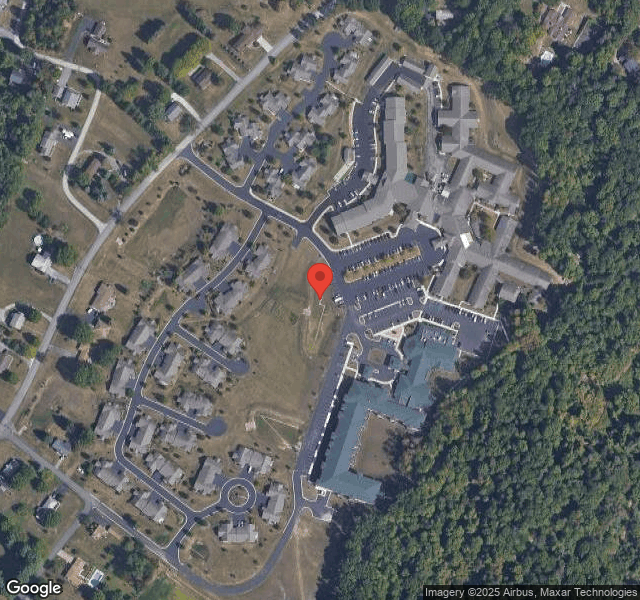




LAUREL VIEW VILLAGE

2000 CAMBRIDGE DRIVE, DAVIDSVILLE, PA 15928 (814) 288-2724
Non profit - Church related 60 Beds Independent Data: November 2025
Trust Grade
75/100
#192 of 653 in PA
Last Inspection: April 2025

Within standard 12-15 month inspection cycle. Federal law requires annual inspections.

Overview

Laurel View Village has a Trust Grade of B, indicating it is a good choice for families seeking care, although it is not top-tier. It ranks #192 out of 653 facilities in Pennsylvania, placing it in the top half, and #1 out of 6 in Somerset County, meaning it is the best option locally. However, the facility is experiencing a worsening trend, with issues increasing from 3 in 2024 to 8 in 2025. Staffing is a strength, rated 5 out of 5 stars, with a turnover rate of 40%, which is better than the state average, suggesting that staff are experienced and familiar with residents. One concern is that while there have been no fines, the facility has documented 20 potential harm issues, including serving food that was not at safe, appetizing temperatures and failing to maintain sanitary conditions in the kitchen. Additionally, there were lapses in following physician orders for bowel protocols and medication administration for some residents. Overall, families should weigh the strengths of dedicated staff and good ratings against the recent issues identified during inspections.

Trust Score
B
75/100
In Pennsylvania
#192/653
Top 29%
Safety Record
Low Risk
No red flags
Inspections
Getting Worse
3 → 8 violations
Staff Stability
○ Average
40% turnover. Near Pennsylvania's 48% average. Typical for the industry.
Penalties
✓ Good
No fines on record. Clean compliance history, better than most Pennsylvania facilities.
Skilled Nurses
✓ Good
Each resident gets 55 minutes of Registered Nurse (RN) attention daily — more than average for Pennsylvania. RNs are trained to catch health problems early.
Violations
⚠ Watch
20 deficiencies on record. Higher than average. Multiple issues found across inspections.
★★★★☆
4.0
Overall Rating
★★★★★
5.0
Staff Levels
★★☆☆☆
2.0
Care Quality
★★★☆☆
3.0
Inspection Score
Stable
2024: 3 issues
2025: 8 issues

The Good

  • 5-Star Staffing Rating · Excellent nurse staffing levels
  • Full Sprinkler Coverage · Fire safety systems throughout facility
  • No fines on record
  • Staff turnover below average (40%)

    8 points below Pennsylvania average of 48%

Facility shows strength in staffing levels, fire safety.

The Bad

Staff Turnover: 40%

Near Pennsylvania avg (46%)

Typical for the industry

The Ugly 20 deficiencies on record

May 2025 1 deficiency
CONCERN (D) 📢 Someone Reported This

A family member, employee, or ombudsman was alarmed enough to file a formal complaint

Potential for Harm - no one hurt, but risky conditions existed

Medical Records (Tag F0842)

Could have caused harm · This affected 1 resident

Based on review of clinical records and investigation documents, as well as staff interviews, it was determined that the facility failed to ensure that clinical records were complete and accurately do...

Read full inspector narrative →
Based on review of clinical records and investigation documents, as well as staff interviews, it was determined that the facility failed to ensure that clinical records were complete and accurately documented for one of three residents reviewed (Resident 3). Findings include: An admission Minimum Data Set (MDS) assessment (a mandated assessment of a resident's abilities and care needs) for Resident 3, dated April 29, 2025, indicated that the resident was cognitively impaired, was dependent on staff for daily care tasks, and had a history of falls. A nursing note for Resident 3, dated May 19, 2025, at 4:47 p.m. revealed that it was a follow-up to a fall earlier in the day, and the resident was now complaining of shoulder pain. Facility investigation documents for Resident 3 revealed that the resident fell on May 19, 2025, at 9:00 a.m. and had a skin tear on the back of the left hand. The investigation document included an assessment of the resident's fall and injury; however, there was no documented evidence of this assessment in the resident's clinical record. Interview with the Nursing Home Administrator on May 28, 2025, at 11:27 a.m. confirmed that although a registered nurse assessed Resident 3 on May 19, 2025, at 9:02 a.m. and documented the assessment in the investigation documents, the investigation documents were not part of the resident's clinical record. 28 Pa. Code 211.5(f) Clinical Records. 28 Pa. Code 211.12(d)(1) Nursing Services.
Apr 2025 7 deficiencies
CONCERN (D)

Potential for Harm - no one hurt, but risky conditions existed

Assessment Accuracy (Tag F0641)

Could have caused harm · This affected 1 resident

Based on review of the Resident Assessment Instrument User's Manual and clinical records, as well as staff interviews, it was determined that the facility failed to complete accurate Minimum Data Set ...

Read full inspector narrative →
Based on review of the Resident Assessment Instrument User's Manual and clinical records, as well as staff interviews, it was determined that the facility failed to complete accurate Minimum Data Set assessments for four of 29 residents reviewed (Residents 15, 23, 28, 38). Findings include: The Long-Term Care Facility Resident Assessment Instrument (RAI) User's Manual, which provides guidance and instructions for the completion of MDS assessments, dated October 2024, indicated that the intent of Section N was to record the number of days, during the seven-day assessment period, that any type of injection, insulin, and/or select medications were received by the resident. Section N0415B1 was to be coded if the resident received an antianxiety medication during the seven-day assessment period, Section N0415F1 was to be coded if the resident received an antibiotic medication during the seven-day assessment period, Section N0415G1 Diuretic Medications (medications that promote the excretion of urine by the kidneys) was to be coded if the resident took the medication during the seven-day assessment period, and Section N0451K1 was to be coded if the resident received an anticonvulsant (medication used to prevent seizures) medication during the seven-day assessment period. Physician's orders for Resident 15, dated February 5, 2024, included an order for the resident to receive 320-12.5 mg of Valsartan-hydrochlorothiazide (antihypertensive - diuretic medication) daily for hypertension (high blood pressure). Medication Administration Records (MAR's) for Resident 15, dated January 2025, revealed that staff administered 320-12.5 mg of valsartan-hydrochlorothiazide daily from January 1 through 31, 2025. However, Section N0415G1 of Resident 15's quarterly MDS assessment, dated January 16, 2025, was coded to indicate that the resident did not receive a diuretic medication during the seven-day assessment. Physician's orders for Resident 23, dated July 23, 2024, included an order for the resident to receive 0.5 mg of lorazepam (an antianxiety medication) four times a day for post traumatic stress disorder. MAR's for Resident 23, dated January 2025, revealed that staff administered 0.5 mg of lorazepam four times a day from January 1 through 31, 2025. However, Section N0415B1 of Resident 23's quarterly MDS assessment, dated January 25, 2025, was coded to indicate that the resident did not receive an antianxiety medication during the seven-day assessment. Physician's orders for Resident 28, dated January 27, 2025, included an order for staff to apply 1 percent Silver Sulfadiazine cream (topical antibiotic cream used to prevent infections) to open areas on the resident's coccyx and right buttocks every evening. Treatment Administration Records (TAR's) for Resident 28 for February 2025 revealed that staff applied 1 percent Silver Sulfadiazine to the resident's coccyx and right buttocks every evening from February 1 through 9, 2025. However, Section N0415F1 of Resident 28's annual MDS assessment, dated February 15, 2025, was coded to indicate that the resident did not receive an antibiotic medication during the seven-day assessment. Physician's orders for Resident 38, dated September 25, 2024, included an order for the resident to receive 100 mg of carbamazepine (anti-convulsant medication used to treat neuralgia) at bedtime for neuralgia (nerve pain). MAR's for Resident 38, dated December 2024, revealed that staff administered 100 mg of carbamazepine at bedtime from December 1 through 31, 2024. However, Section N0415K1 of Resident 38's quarterly MDS assessment, dated December 30, 2024, was coded to indicate that the resident did not receive an anticonvulsant medication during the seven-day assessment. Interview with Registered Nurse Assessment Coordinator 1 (RNAC - a registered nurse who is responsible for the completion of MDS assessments) on April 15, 2025, at 11:20 a.m. confirmed that MDS assessments for Residents 15, 23, 28, and 38 were coded inaccurately. 28 Pa. Code 211.5(f) Clinical Records.
CONCERN (D)

Potential for Harm - no one hurt, but risky conditions existed

Deficiency F0676 (Tag F0676)

Could have caused harm · This affected 1 resident

Based on a review of facility policies and clinical records, as well as resident and staff interviews, it was determined that the facility failed to ensure that restorative nursing programs to maintai...

Read full inspector narrative →
Based on a review of facility policies and clinical records, as well as resident and staff interviews, it was determined that the facility failed to ensure that restorative nursing programs to maintain or improve physical abilities were provided as per the resident's plan of care for one of 29 residents reviewed (Resident 39). Findings include: A facility policy regarding restorative nursing programs, dated December 2024, indicated that each resident involved will have an individualized program with a realistic and measurable goal. The restorative nursing program is designed to assist each resident to achieve and maintain an optimal level of self-care, independence and quality of life. Through the resident's care plan, the goals of the restorative nursing program are reinforced in the restorative services. Restorative aides/designee will be responsible for documenting how the resident did, how far they may have ambulated, how long they stood for, or how many repetitions of exercise were performed. And if there were any issues to what they were, what was done and who was made aware. The restorative nursing coordinator will oversee the restorative nursing programs and documentation. A monthly summary assessment is to be completed by the restorative nursing aide/designee to include changes and adjustments, progress towards goals, and the needs to continue or discharge, as per team recommendations. Each resident program will be evaluated monthly for any significant change in function and discussed and revised as needed. A quarterly Minimum Data Set (MDS) assessment (a mandated assessment of a resident's abilities and care needs) for Resident 39, dated January 19, 2025, revealed that the resident was cognitively intact, required substantial/maximum assistance (helper provides more than half of the effort required to complete a task) with lower body dressing, moderate assistance (resident performs about half the effort required for an activity) with upper body dressing, substantial/maximum assistance with transfers and ambulation, was able to ambulate 10 feet with substantial/maximum assistance, and had a diagnosis of Parkinsonism (a neurological disorder causing slowed movements, stiffness and tremors). A care plan intervention for Resident 39, revised on December 2, 2024, indicated that the resident was on a restorative active range of motion (performance of an exercise to move a joint without any assistance or effort of another person to the muscles surrounding the joint) program to his bilateral upper extremities using five-pound weights with a goal of two sets for 15 repetitions. A care plan intervention for Resident 39, revised on December 2, 2024, indicated that the resident was on a restorative ambulation program, and he was to be walked with limited assistance (resident is highly involved in performing an activity) from one person and use of a front-wheeled walker and with a wheelchair follow for a goal of 100 feet. The restorative active range of motion and ambulation was to be documented on the activity of daily living flowsheet. Review of Resident 39's restorative active range of motion documentation from February 1, 2025, through April 14, 2025, as well as review of nursing notes, revealed no documented evidence that the restorative active range of motion program was completed as per the resident's plan of care on the day shift for the following dates: February 1, 2, 4, 8, 9, 15, 16, and 18-28; March 1, 2, 3, 8, 9, 15, 16, 17, 20, 22, 23, 29 and 30; and April 3, 5, 6, 12, and 13. Review of Resident 39's restorative ambulation documentation from February 1, 2025, through April 14, 2025, as well as review of nursing notes, revealed no documented evidence that the restorative ambulation program was completed as per the resident's plan of care on the day shift for the following dates: February 2, 14,16, 18, 22, 23 and 25; March 4, 5, 6, 9, 17, 18, 19, 20, 23, 24, 28, 30 and 31; and April 2, 4, 5, 6, 7, 8, 9, 10, 11, 13 and 14. Review of Resident 39's restorative ambulation documentation from February 1, 2025, through April 14, 2025, as well as review of nursing notes, revealed that there was no documented evidence that the restorative ambulation program was completed as per the resident's plan of care on the evening shift for the following dates: February 2, 4, 5, 7, 8, 9, 13-18, and 20-28; March 1, 4, 6, 8-14, 17, 18, 19, 21-27, 29, 30 and 31; and April 1- 6, 8, 9 and 10. A monthly restorative review for Resident 39, dated January 23, 2025, indicated that the resident participates with range of motion exercise with the restorative aide and staff, and that he ambulates with a wheeled walker and limited assistance from two staff to his tolerance in his room. A monthly restorative review for Resident 39, dated March 5, 2025, indicated that the resident participates with range of motion exercise with the restorative aide and staff, and that he ambulates with a wheeled walker and limited assistance from two staff to his tolerance in his room. A monthly restorative review for Resident 39, dated March 24, 2025, indicated that the resident participates with range of motion exercise with the restorative aide and staff, and that he ambulates with a wheeled walker and limited assistance from two staff to his tolerance in his room. An interview with Nurse Aide 2 on April 16, 2025, at 8:14 a.m. revealed that she only walks Resident 39 in his room from his bed to his recliner chair at beside. She indicated that she would attempt to walk him to his bathroom some days, but he was usually unable to walk that far. An interview with the Nursing Home Administrator on April 16, 2025, at 11:08 a.m. confirmed that there was no documented evidence that Resident 39's restorative active range of motion and ambulation programs were completed as per his care plan on the above-mentioned dates and shifts. 28 Pa. Code 211.12(d)(3)(5) Nursing Services.
CONCERN (D)

Potential for Harm - no one hurt, but risky conditions existed

Incontinence Care (Tag F0690)

Could have caused harm · This affected 1 resident

Based on review of facility policies and clinical records, as well as observation and staff interviews, it was determined that the facility failed to ensure that residents received proper care for ind...

Read full inspector narrative →
Based on review of facility policies and clinical records, as well as observation and staff interviews, it was determined that the facility failed to ensure that residents received proper care for indwelling urinary catheters and failed to ensure that urinary output was measured and documented per facility policy for one of 29 residents reviewed (Resident 39) who had an indwelling urinary catheter. Findings include: A quarterly Minimum Data Set (MDS) assessment (a mandated assessment of a resident's abilities and care needs) for Resident 39, dated January 19, 2025, revealed that the resident was cognitively intact, required assistance with care needs, had an indwelling urinary catheter (a thin, flexible tube inserted into the bladder to drain urine from the bladder), and had a diagnosis of obstructive uropathy (blockage of the urinary tract). Physician's orders for Resident 39, dated February 10, 2025, included an order for suprapubic catheter (a type of indwelling catheter that drains urine from the bladder through the abdomen), 18 French (size) with a 10 cubic centimeters (cc) balloon (located on the bladder end of the catheter and filled with sterile water to hold the tube in place). Observations of Resident 39 on April 16, 2025, at 8:06 a.m. revealed that the resident was lying in bed with his catheter bag and tubing lying on the floor. There was no privacy bag or other type of barrier between the bag and the floor. Interview with Nurse Aide 2 on April 16, 2025, at 8:14 a.m. confirmed that Resident 39's catheter bag and tubing was lying in direct contact with the floor. She indicated that he had a basin that the catheter bag should have been in and located the basin under his bed. Interview with the Nursing Home Administrator on April 16, 2025, at 12:08 p.m. confirmed that the catheter bag and tubing should not have been in direct contact with the floor and should have been in a basin. The facility's policy regarding intake and output measurement, dated December 2024, indicated that all residents with an indwelling catheter require measurement and documentation of intake and output every shift . Daily intake and output records are maintained via the electronic medical record. Review of Resident 39's activity of daily living record from February 1, 2025, through April 14, 2025, revealed that there was no documented evidence that the resident's urinary output was measured on the day shift for the following dates: February 2 and 19; March 2, 4, 7, 22, 23, 24, 28 and 30; and April 4, 5, and 14. There was no documented evidence that the resident's urinary output was measured on the evening shift for the following dates: March 1, 7 and 20; and April 10. There was no documented evidence that the resident's urinary output was measured on the night shift for the following dates: February 11, 18, 27 and 28; and March 1, 20, 21, 22, and 31. Interview with the Nursing Home Administrator on April 16, 2025, at 11:42 a.m. confirmed that there was no documented evidence that Resident 39's urinary outputs were measured per facility policy on the above-mentioned dates and shifts. 28 Pa. Code 211.12(d)(1)(5) Nursing Services.
CONCERN (D)

Potential for Harm - no one hurt, but risky conditions existed

Deficiency F0692 (Tag F0692)

Could have caused harm · This affected 1 resident

Based on a review of facility policies and clinical records, as well as staff interviews, it was determined that the facility failed to ensure that interventions to prevent weight loss were provided a...

Read full inspector narrative →
Based on a review of facility policies and clinical records, as well as staff interviews, it was determined that the facility failed to ensure that interventions to prevent weight loss were provided as recommended by the dietician for one of 29 residents reviewed (Resident 12). Findings include: A facility policy for nutrition interventions, dated October 2024, indicated that the dietician/qualified nutrition professional identifies residents who are at risk and/or potential risk for nutrition-related problems. The dietician/qualified nutrition professional recommends interventions to maintain the resident's nutrition status, based on resident preference and tolerance. For residents at nutritional risk, the dietician/qualified nutrition professional updates nutrition prescriptions per community ordering writing standards, for example, diet orders, supplements, med pass, and nourishment, and monitors resident's acceptance/outcomes on a regular basis and recommends changes. A quarterly Minimum Data Set (MDS) assessment (a mandated assessment of a resident's abilities and care needs) for Resident 12, dated March 21, 2025, revealed that the resident had cognitive impairment, required set up and clean up assistance with eating, had diagnoses that included dementia, and had unplanned weight loss. Orders for Resident 12, dated April 3, 2025, included for the resident to have a regular mechanical soft diet with ground meats and nectar thick liquids. A dietary note for Resident 12, dated March 20, 2025, indicated that Resident 12 was agreeable to adding ice cream twice a day to her diet due to her weight loss and decreased food intake, and that the resident was to be given ice cream twice a day. Review of Resident 12's clinical record revealed no documented evidence that ice cream was provided to the resident twice a day per the dietician's recommendation. Review of the weight record for Resident 12 revealed that on March 17, 2025, the resident had a weight of 130.7 pounds (lbs) and on April 14, 2025, the resident's weight was 125.5 lbs. Observation of Resident 12 on April 16, 2025, at 12:05 p.m. revealed that she was sitting in the dining room with her lunch meal in front of her. No ice cream or magic cup supplement was observed. Interview with the Dietician on April 16, 2025, at 1:21 p.m. revealed that Resident 12 refused most nutritional supplements offered but did agree to trying ice cream twice a day, and that she believed that Resident 12 was getting ice cream or a magic cup (frozen dessert that like ice cream when frozen but is a pudding after thawing) after her diet was changed to thickened liquids, with her meals. The dietician confirmed that ice cream twice a day was not listed on her meal ticket, and there was no documented evidence that it or an equivalent magic cup was being provided per her recommendation. Interview with Dietary Manager on April 16, 2025, at 1:37 p.m. revealed that when nutritional support items are added to a residents' diet, an order for it was usually added into the resident's clinical record and the item added to the resident's meal ticket; however, there was no order for Resident 12 to have ice cream twice a day per the dietician's recommendation, and it was not added to her meal ticket. There was no documented evidence that Resident 12 was receiving or refusing ice cream or a magic cup equivalent twice a day. 28 Pa. Code 211.12(d)(3)(5) Nursing Services.
CONCERN (D)

Potential for Harm - no one hurt, but risky conditions existed

Deficiency F0810 (Tag F0810)

Could have caused harm · This affected 1 resident

Based on review of policies and clinical records, observations, and staff interviews, it was determined that the facility failed to ensure that staff provided assistive devices to eat as ordered by th...

Read full inspector narrative →
Based on review of policies and clinical records, observations, and staff interviews, it was determined that the facility failed to ensure that staff provided assistive devices to eat as ordered by the physician for one of 29 residents reviewed (Resident 23). Findings include: A quarterly Minimum Data Set (MDS) assessment (a mandated assessment of a resident's abilities and care needs) for Resident 23, dated January 25, 2025, indicated that the resident was moderately cognitively impaired, required set-up assistance from staff with eating, and had diagnoses that included dementia. Physician's orders, dated February 14, 2024, included an order for the resident to utilize a divided plate (plate that allows easier access to food). Observations of Resident 23 during the lunch meal on April 15, 2025, at 12:02 p.m. revealed that the resident was in the dining room eating her meal and did not have a divided plate. The resident's meal ticket for the noon meal indicated that she was to have a divided plate. Interview with Licensed Practical Nurse 4 on April 15, 2025, at 12:04 p.m. confirmed that Resident 23 did not have a divided plate as ordered. 28 Pa. Code 211.12(d)(3)(5) Nursing Services.
CONCERN (E)

Potential for Harm - no one hurt, but risky conditions existed

Quality of Care (Tag F0684)

Could have caused harm · This affected multiple residents

Based on clinical record reviews and staff interviews, it was determined that the facility failed to follow physician's orders related to bowel protocols for two of 29 residents reviewed (Residents 4,...

Read full inspector narrative →
Based on clinical record reviews and staff interviews, it was determined that the facility failed to follow physician's orders related to bowel protocols for two of 29 residents reviewed (Residents 4, 41) and failed to follow physician's orders for medication administration for one of 29 resident (Resident 27). Findings include: A facility policy for the bowel protocol, dated November 2021, indicated that on admission the following bowel protocol will be ordered for all residents to prevent constipation unless otherwise specified by the admitting physician. Give 30 milliliters (ml) of Milk of Magnesia (MOM - an oral laxative) one time if there is not bowel movement after 3 days. If Milk of Magnesia is ineffective, on day 4, give a 10 milligram (mg) Dulcolax suppository (a laxative inserted rectally). If both Milk of Magnesia and Dulcolax suppository are ineffective, on day 5 give a Fleets enema (a liquid inserted rectally to stimulate a bowel movement) unless contraindicated. Monitor the use of the bowel protocol. A quarterly Minimum Data Set (MDS) assessment (a mandated assessment of a resident's abilities and care needs) for Resident 4, dated February 27, 2025, indicated that the resident was cognitively impaired, was dependent on staff for daily care needs, and had diagnoses that included dementia. Current physician's orders for Resident 4 included orders for staff to administer 30 milliliters (ml) of Milk of Magnesia as needed for no bowel movement after three days; a 10 milligram (mg) Dulcolax suppository as needed if Milk of Magnesia was not effective, to be administered on day 4 if no bowel movement; and to administer a Fleets enema as needed if Milk of Magnesia and Dulcolax suppository are ineffective, to be administered on day 5 of no bowel movement. Review of the bowel record for Resident 4, dated March 2025, indicated that the resident did not have a bowel movement on March 17 through March 23, 2025, a total of seven days. Review of the Medication Administration Record (MAR) for Resident 4, dated March 2025, indicated that 30 ml of Milk of Magnesia was administered to the resident on March 20 with ineffective results. Review of the MAR revealed no documented evidence that Dulcolax was administered when Milk of Magnesia was ineffective on day 4 of not having a bowel movement as ordered, and no documented evidence that a Fleets enema was administered on day 5 of no bowel movement, as ordered. An admission MDS assessment for Resident 41, dated February 3, 2025, indicated that the resident was cognitively impaired, was dependent on staff for daily care needs, was frequently incontinent of bowel movements, and had diagnoses that included dementia. Physician's orders for Resident 41, dated January 28, 2025, included orders for staff to administer 30 ml of Milk of Magnesia as needed for no bowel movement after three days, a 10 mg Dulcolax suppository as needed if Milk of Magnesia was not effective on day 4 if no bowel movement, and to administer a Fleets enema as needed for constipation on day 5 if both Milk of Magnesia and Dulcolax suppository were ineffective. Review of the bowel records for Resident 41, dated February and April 2025, indicated that the resident did not have a bowel movement on February 2 through 6, 2025, (6 days) and on April 7 through April 11, 2025, (five days). Review of the Medication Administration Record (MAR) for Resident 41, dated February and April 2025, indicated that 30 ml of Milk of Magnesia and the Dulcolax suppository were not administered on the third and fourth day without a bowel movement, as ordered by the physician. Interview with the Nursing Home Administrator on April 16, 2025, at 11:26 a.m. confirmed that bowel protocol was not followed for Residents 4 and 41 on the above-mentioned dates. A quarterly MDS assessment for Resident 27, dated January 31, 2025, indicated that the resident was cognitively intact, required assistance from staff for daily care needs, and had diagnoses that included left-sided hemiplegia (paralysis or weakness on one side of the body) after having a stroke. Current physician's orders for Resident 27 indicated that the resident was to receive a Salonpas patch to her left or right shoulder as needed for pain daily, and to remove the Salonpas patch no more than 12 hours after the application. Review of the MAR for Resident 27 dated February, March, and April 2025 revealed that a Salonpas patch was administered to Resident 27 on February 1 at 9:33 a.m., February 5 at 6:45 a.m., February 6 at 6:05 a.m., February 7 at 6:44 a.m., February 10 at 5:27 a.m., February 12 at 6:44 a.m., February 17 at 6:51 a.m., February 19 at 9:37 a.m., March 1 at 6:57 a.m., March 4 at 7:05 a.m., March 6 at 7:21 a.m., March 10 at 5:27 a.m., March 16 at 7:00 a.m., March 17 at 7:18 a.m., March 18 at 9:53 a.m., March 20 at 6:47 a.m., March 30 at 8:24 a.m., April 1 at 6:40 a.m., April 7 at 6:40 a.m., April 8 at 6:27 a.m., and April 12 at 6:01 a.m. There was no documented evidence that the Salonpas patch was removed within 12 hours of applying it as ordered. Interview with the Nursing Home Administrator on April 15, 2025, at 11:34 a.m. confirmed that there was no documented evidence that the Salonpas patch was removed from Resident 27 within 12 hours after it was applied as ordered on the above mentioned dates. 28 Pa. Code 211.12(d)(5) Nursing Services.
CONCERN (E)

Potential for Harm - no one hurt, but risky conditions existed

QAPI Program (Tag F0867)

Could have caused harm · This affected multiple residents

Based on review of the facility's plans of correction for previous surveys, and the results of the current survey, it was determined that the facility's Quality Assurance Performance Improvement (QAPI...

Read full inspector narrative →
Based on review of the facility's plans of correction for previous surveys, and the results of the current survey, it was determined that the facility's Quality Assurance Performance Improvement (QAPI) committee failed to maintain compliance with nursing home regulations and ensure that plans to improve the delivery of care and services effectively addressed recurring deficiencies. Findings include: The facility's deficiencies and plans of correction for a State Survey and Certification (Department of Health) survey ending May 23, 2024, revealed that the facility developed plans of correction that included quality assurance systems to ensure that the facility maintained compliance with cited nursing home regulations. The results of the current survey, ending April 16, 2025, identified repeated deficiencies related to a failure to follow physician's orders, provide proper care of urinary catheters, and nutrition maintenance. The facility's plan of correction for a deficiency regarding following physician's orders, cited during survey ending May 23, 2024, revealed that the facility developed a plan of correction that included completing audits and reporting the results of the audits to the QAPI committee for review. The results of the current survey, cited under F684, revealed that the QAPI committee was ineffective in correcting deficient practices related to following physician's orders. The facility's plan of correction for a deficiency regarding failures to provide proper catheter care, cited during the survey ending May 23, 2024, revealed that the facility would complete audits and the results would be reviewed as part of quality assurance. The results of the current survey, cited under F690, revealed that the facility's QAPI committee was ineffective in maintaining compliance with the regulation regarding catheter care. The facility's plan of correction for a deficiency regarding nutrition maintenance, cited during the survey ending on May 23, 2024, revealed that audits would be conducted, and the results of the audits would be brought before the QAPI committee for further monitoring. The results of the current survey, cited under F692, revealed that the QAPI committee was ineffective in maintaining compliance with the regulation regarding nutrition maintenance. Refer to F684, F690, F692. 28 Pa. Code 201.14(a) Responsibility of Licensee. 28 Pa. Code 201.18(e)(1) Management.
May 2024 3 deficiencies
CONCERN (D)

Potential for Harm - no one hurt, but risky conditions existed

Quality of Care (Tag F0684)

Could have caused harm · This affected 1 resident

Based on review of facility policy and clinical records, as well as staff interviews, it was determined that the facility failed to ensure that physicians orders were followed for two of 17 residents ...

Read full inspector narrative →
Based on review of facility policy and clinical records, as well as staff interviews, it was determined that the facility failed to ensure that physicians orders were followed for two of 17 residents reviewed (Residents 7, 28). Findings include: An annual Minimum Data Set (MDS) assessment (a mandated assessment of a resident's abilities and care needs) for Resident 7, dated April 12, 2024, revealed that the resident was cognitively intact, was independent for personal care needs, had a colostomy (an opening for the colon, or large intestine, through the stomach) and had diagnosis that included acute kidney failure. Physician's orders for Resident 7, dated April 29, 2024, included an order for the resident to have her periostomy (skin around the ostomy site) wound cleansed with wound cleanser, pat dry, betamethasone cream and calcium alginate applied to the wound bed, and covered with a bordered gauze every evening and as needed. A skin and wound note for Resident 7, dated May 20, 2024, at 8:27 a.m., revealed that the resident's wound treatment orders had changed. Physician's orders for Resident 7, dated May 20, 2024, included for the resident to have her periostomy wound cleansed with wound cleanser then collagen applied and covered with a bordered gauze every evening shift and as needed. A nurse's note, dated May 20, 2024, at 4:22 p.m., revealed that the resident was seen by the wound consultant and new orders were received and carried out. Review of the Medication Administration Record (MAR) for Resident 7, dated May 2024, revealed that on May 20, 21 and 22, 2024, both above-mentioned wound care orders were active and documented as administered. Interview with the Director of Nursing on May 23, 2024, at 12:48 p.m. confirmed that a new order was obtained for wound care on May 20, 2024, and was administered; however, the previous order was not discontinued as it should have been. Both treatment orders were documented as administered on the dates identified above; however, the order, dated April 29, 2024, should have been discontinued and not administered. The facility's policy on Hypoglycemia (Low blood sugar), dated February 12, 2024, revealed that insulin was to be held when a resident's blood sugar was less than 60 milligrams per deciliter (mg/dL) and the physician was to be notified. A quarterly Minimum Data Set (MDS) assessment (a mandated assessment of a resident's abilities and care needs) for Resident 28, dated February 1, 2024, revealed that the resident was understood and was understood by others, cognitively intact, dependent on staff for daily care tasks, had diagnoses that included diabetes, and received insulin (to lower blood sugar levels). Physician's orders for Resident 28, dated April 17, 2022, included an order for the resident to receive 20 units of Lantus insulin before bedtime. Resident 28's MAR for March, April, and May 2024 revealed that the resident's blood sugar was 69 mg/dL on March 17; 74 mg/dL on April 2; 77 mg/dL on April 17; and 58 mg/dL on May 17, and the bedtime dose of insulin was held on the above dates. There was no documented evidence that the resident refused or that the physician was notified when the insulin was held for Resident 28 on these days. Interviews with the Director of Nursing on May 22, 2024, at 3:00 p.m. confirmed that the physician was not notified when the insulin was held and should have been. 28 Pa. Code 211.12(d)(1)(5) Nursing Services.
CONCERN (D)

Potential for Harm - no one hurt, but risky conditions existed

Incontinence Care (Tag F0690)

Could have caused harm · This affected 1 resident

Based on review of clinical records, as well as staff interviews, it was determined that the facility failed to ensure that physician's orders were followed for care of an indwelling urinary catheter ...

Read full inspector narrative →
Based on review of clinical records, as well as staff interviews, it was determined that the facility failed to ensure that physician's orders were followed for care of an indwelling urinary catheter for one of 17 residents reviewed (Resident 30). Findings include: An annual Minimum Data Set (MDS) assessment (a mandated assessment of a resident's abilities and care needs) for Resident 30, dated April 5, 2024, revealed that the resident was rarely or never understood or able to understand, was dependent on staff for his daily care tasks, and had an indwelling urinary catheter. An urology consult for Resident 30, dated January 3, 2024, included orders for the resident's suprapubic catheter (flexible tube that is used to drain urine from the bladder through a cut in the abdomen) to be changed every four weeks. Review of Resident 30's clinical record, including the Treatment Administration Records (TAR), dated January, February and March 2024, and nursing notes, revealed no documented evidence that the resident's suprapubic catheter was changed between January 30, 2024, and March 2, 2024. Interview with the Nursing Home Administrator on May 21, 2024, at 1:02 p.m. confirmed that there was no documented evidence that Resident 30's suprapubic catheter was changed every four weeks as ordered between January 30, 2024, and March 2, 2024, and it should have been. 28 Pa. Code 211.12(d)(5) Nursing Services.
CONCERN (D)

Potential for Harm - no one hurt, but risky conditions existed

Deficiency F0692 (Tag F0692)

Could have caused harm · This affected 1 resident

Based on review of clinical records, as well as observations and staff interviews, it was determined that the facility failed to provide a therapeutic diet as ordered for one of 17 residents reviewed ...

Read full inspector narrative →
Based on review of clinical records, as well as observations and staff interviews, it was determined that the facility failed to provide a therapeutic diet as ordered for one of 17 residents reviewed (Resident 51). Findings included: A quarterly Minimum Data Set (MDS) assessment (a mandated assessment of a resident's abilities and care needs) for Resident 51, dated March 1, 2024, revealed that the resident was cognitively intact, was understood and understood others, required extensive assistance from staff for all her daily care needs, had diagnoses that included kidney failure, and was on a therapeutic diet. Physician's orders for Resident 51, dated February 29, 2024, included an order for a No Salt Added diet with regular texture and thin liquids. A nurse's note for Resident 51, dated May 4, 2024, revealed that the resident was having prolonged chewing and a referral to speech therapy was made. The resident's diet was downgraded to mechanical soft as a precaution. A speech therapy note for Resident 51, dated May 7, 2024, revealed that the resident was having difficulty chewing and the diet was downgraded to a mechanical soft diet. Physician's order for Resident 51, dated May 7, 2024, included an order for a regular diet with mechanical soft ground texture (a type of texture-modified diet for people who have difficulty chewing and swallowing) and thin liquids. There was no documented evidence in the clinical record to indicate that Resident 51's therapeutic No Added Salt diet was continued when the texture was downgraded to mechanical soft with thin liquids. Interview with the Nursing Home Administrator on May 21, 2024, at 1:05 p.m. confirmed that Resident 51's therapeutic No Added Salt diet was not continued when the texture was downgraded to mechanical soft and should have been. 28 Pa. Code 211.6(a) Dietary Services.
Jun 2023 9 deficiencies
CONCERN (D)

Potential for Harm - no one hurt, but risky conditions existed

Abuse Prevention Policies (Tag F0607)

Could have caused harm · This affected 1 resident

Based on review of policies and clinical records, as well as staff interviews, it was determined that the facility failed to complete an investigation into an injury of unknown origin for two of 27 re...

Read full inspector narrative →
Based on review of policies and clinical records, as well as staff interviews, it was determined that the facility failed to complete an investigation into an injury of unknown origin for two of 27 residents reviewed (Residents 3, 34) to rule out abuse/neglect as a possible cause. Findings include: The facility's policy regarding abuse prevention, dated November 2022, indicated that staff will report all alleged violations involving neglect or abuse, including injuries of unknown source. All alleged violations are thoroughly investigated and must prevent further potential abuse while the investigation is in process. A quarterly Minimum Data Set (MDS) assessment (a mandated assessment of a resident's abilities and care needs) for Resident 3 dated, May 9, 2023, indicated that the resident was cognitively impaired, required extensive assistance with daily care needs including transfers, and had diagnoses that included Alzheimer's disease. A nursing note for Resident 3, dated May 9, 2023, at 2:24 p.m. revealed that her left knee was reddened and painful. A nursing note for Resident 3, dated May 16, 2023, at 9:11 a.m. revealed that her left knee remained swollen and that she was complaining of pain and guarding her knee. She had yellow/green bruising noted from her knee to her inner thigh. X-ray results revealed an acute fracture of Resident 3's distal femur (thigh bone near the knee). There was no documented evidence that the facility conducted an investigation to rule out abuse or neglect as a cause of Resident 3's leg fracture. An interview with the Nursing Home Administrator on June 8, 2023, at 9:45 a.m. confirmed that the facility did not conduct an investigation to rule out abuse or neglect as a cause of Resident 3's fracture. A quarterly MDS for Resident 34, dated May 16, 2023, indicated that the resident was cognitively impaired, required extensive assistance with daily care needs including transfers, and had diagnosis that included Alzheimer's disease, osteoarthritis, and abnormal posture. A nursing note for Resident 34, dated June 3, 2023, revealed that the resident had a witnessed fall in her room while using the sit-to-stand lift machine. The resident was attached to the right side of the lift with the sling underneath the resident when she slid out of her chair and onto the floor underneath the lift machine. There was no documented evidence that the facility conducted a thorough investigation to rule out abuse or neglect as the cause of Resident 34's fall while using the sit-to-stand lift. An interview with the Nursing Home Administrator on June 8, 2023, at 1:47 p.m. confirmed that the facility did not conduct a thorough investigation to rule out abuse or neglect as the cause of Resident 34's fall while using the sit to stand lift. 42 CFR 483.13 - Resident Behavior and Facility Practices, 10-1-1998 edition. 28 Pa. Code 201.14(a) Responsibility of licensee 28 Pa. Code 201.18(e)(1) Management 28 Pa. Code 201.29(j) Resident rights 28 Pa. Code 211.12(d)(5) Nursing services
CONCERN (D)

Potential for Harm - no one hurt, but risky conditions existed

Report Alleged Abuse (Tag F0609)

Could have caused harm · This affected 1 resident

Based on review of state laws, facility policies and residents' clinical records, as well as staff interviews, it was determined that the facility failed to ensure that all alleged violations involvin...

Read full inspector narrative →
Based on review of state laws, facility policies and residents' clinical records, as well as staff interviews, it was determined that the facility failed to ensure that all alleged violations involving abuse were reported to the State Survey Agency (Department of Health) and to other state agencies in accordance with state law for two of 27 residents reviewed (Residents 3, 34). Findings include: The Older Adult Protective Services Act of November 6, 1987, amended by Act 1997-13, Chapter 7, Section 701, requires that all administrators or employees who have reasonable cause to suspect that a resident was a victim of sexual abuse, that abuse/neglect resulted in serious physical injury and/or serious bodily injury, or that a death was suspicious, were to make an immediate report to the Protective Services Agency, the Pennsylvania Department of Aging (PDA), and to law enforcement officials. The facility's policy regarding abuse, dated November 2022, revealed that allegations of actual or suspected abuse with injuries of unknown origin would be immediately reported to the registered nurse supervisor, attending physician, Director of Nursing, Nursing Home Administrator, and to other officials in accordance with state law, including the State Survey and Certification Agency (Department of Health). A quarterly Minimum Data Set (MDS) assessment (a mandated assessment of a resident's abilities and care needs) for Resident 3 dated, May 9, 2023, indicated that the resident was cognitively impaired, required extensive assistance with daily care needs including transfers, and had diagnoses that included Alzheimer's disease. A nursing note for Resident 3, dated May 9, 2023, at 2:24 p.m. revealed that her left knee was reddened and painful. A nursing note for Resident 3, dated May 16, 2023, at 9:11 a.m. revealed that her left knee remained swollen and that she was complaining of pain and guarding her knee. She had yellow/green bruising noted from her knee to her inner thigh. X-ray results revealed an acute fracture of Resident 3's distal femur (thigh bone near the knee). There was no documented evidence that the Department of Health was notified about Resident 3's fall with fracture. An interview with the Nursing Home Administrator on June 8, 2023, at 9:45 a.m. confirmed that the incident with Resident 3's fall with fracture should have been reported to the Department of Health. A quarterly MDS for Resident 34, dated May 16, 2023, indicated that the resident was cognitively impaired, required extensive assistance with daily care needs including transfers, and had diagnoses that included Alzheimer's disease, osteoarthritis, and abnormal posture. A nursing note for Resident 34, dated June 3, 2023, revealed that the resident had a witnessed fall in her room while using the sit-to-stand lift machine. The resident was attached to the right side of the lift with the sling underneath the resident when she slid out of her chair and onto the floor underneath the lift machine. There was no documented evidence that a thorough investigation was completed in order to determine what caused Resident 34 to slide out of her chair while using the lift machine. An interview with the Nursing Home Administrator on June 8, 2023, at 1:47 p.m. confirmed that the facility did not investigate the incident regarding Resident 34 sliding to the floor during a transfer with a sit-to-stand lift. She stated she did not feel this incident should have been a reportable to the Department of Health. 42 CFR 483.13 - Resident Behavior and Facility Practices, 10-1-1998 edition. 28 Pa. Code 201.18(b)(1) Management.
CONCERN (D)

Potential for Harm - no one hurt, but risky conditions existed

Comprehensive Care Plan (Tag F0656)

Could have caused harm · This affected 1 resident

Based on review of facility policies and clinical records, as well as observations and staff interviews, it was determined that the facility failed to develop comprehensive care plans that included sp...

Read full inspector narrative →
Based on review of facility policies and clinical records, as well as observations and staff interviews, it was determined that the facility failed to develop comprehensive care plans that included specific and individualized interventions to address the care needs for one of 27 residents reviewed (Resident 16). Findings include: The facility's policy for care planning, dated April 2023, indicated that the facility develops and implemented a comprehensive, person-centered care plan for each resident. Care plans shall incorporate goals and objectives that lead to the promotion and or maintenance of the resident's highest level of independence. Each resident would be provided with individualized goals that were measurable and based on resident needs. A quarterly Minimum Data Set (MDS) assessment (a mandated assessment of a resident's abilities and care needs) for Resident 5, dated March 3, 2023, indicated that the resident was cognitively intact and required extensive assistance from staff with her bed mobility, transfers, dressing, toileting, and personal hygiene. An interview with Resident 16 on June 5, 2023, at 7:51 p.m. revealed that her toes were very painful and that she had an infection. A review of Resident 16's clinical record revealed a podiatry consult, dated May 30, 2023, indicating that the resident had a left toe wound infection and the resident and staff requested nail debridement. Physician's orders for Resident 16, dated May 30, 2023, included orders to administer 500 milligrams (mg) of Keflex (an antibiotic) every 8 hours for 21 administrations, apply betadine 10 percent external solution every evening shift until June 14, 2023, and to soak the left great toe in a half cup of Epsom salt and warm water, then swab with betadine solution every Monday, Wednesday and Friday until June 14, 2023. Review of Resident 16's care plan, initiated May 29, 2019, revealed that it did not include any information or interventions related to the care needs for the toe infection or use of antibiotic medication. An interview with the Director of Nursing on June 8, 2023, at 12:15 p.m. confirmed that Resident 16's care plan did not include anything regarding the care and treatment of the great left toe. 28 Pa. Code 211.11(d) Resident care plan. 28 Pa. Code 211.12(d)(5) Nursing services.
CONCERN (D)

Potential for Harm - no one hurt, but risky conditions existed

Drug Regimen Review (Tag F0756)

Could have caused harm · This affected 1 resident

Based on review of policies and clinical records, as well as staff interviews, it was determined that the facility failed to ensure that the physician responded timely to a pharmacy recommendation for...

Read full inspector narrative →
Based on review of policies and clinical records, as well as staff interviews, it was determined that the facility failed to ensure that the physician responded timely to a pharmacy recommendation for one of 27 residents reviewed (Resident 8). Findings include: The facility's policy regarding consultant pharmacist services provider requirements, dated May 2023, revealed that at least monthly the resident's medication regimen would be reviewed by the consultant pharmacist. The reviews would address standards of care which may include issues related to federal regulations, drug interactions, drug side effects, dosage adjustments or reductions, alternative therapy, and lab requirements. The documentation will be noted in the facility's electronic medical record and issues of note will be provided to the responsible provider, Director of Nursing, and Medical Director with a written summary. The facility has a process to ensure that issues are acted upon in a timely manner relative to the degree of significance. Physician's orders for Resident 8, dated September 7, 2022, included an order for the resident to receive one 25 milligram (mg) tablet of Seroquel (antipsychotic medication) daily for dementia with behavioral disturbance. A monthly pharmacy medication regimen review for Resident 8, dated March 13, 2023, revealed a recommendation for a gradual dose reduction of Seroquel from 25 mg to 12.5 mg daily. There was no documented evidence that a gradual dose reduction was completed. A monthly pharmacy medication regimen review for Resident 8, dated April 11, 2023, revealed a repeat recommendation for a gradual dose reduction of Seroquel from 25 mg to 12.5 mg daily. Physician's orders for Resident 8, dated April 12, 2023, included an order for the resident to receive one 12.5 mg tablet of Seroquel daily for dementia with behavioral disturbance. Interview with the Nursing Home Administrator on June 8, 2023, at 12:29 p.m. confirmed that there was no documented evidence in Resident 8's clinical record to indicate that the physician addressed the March 13, 2023, pharmacy recommendation for a gradual dose reduction of Seroquel until April 12, 2023, when it was recommended a second time. 28 Pa. Code 211.12(d)(3)(5) Nursing services.
CONCERN (D)

Potential for Harm - no one hurt, but risky conditions existed

Medication Errors (Tag F0758)

Could have caused harm · This affected 1 resident

Based on review of policies and clinical records, as well as staff interviews, it was determined that the facility failed to ensure that the physician responded timely to pharmacy recommendations for ...

Read full inspector narrative →
Based on review of policies and clinical records, as well as staff interviews, it was determined that the facility failed to ensure that the physician responded timely to pharmacy recommendations for one of 27 residents reviewed (Resident 8). Findings include: The facility's policy regarding consultant pharmacist services provider requirements, dated May 2023, revealed that at least monthly the resident's medication regimen would be reviewed by the consultant pharmacist. The reviews would address standards of care which may include issues related to federal regulations, drug interactions, drug side effects, dosage adjustments or reductions, alternative therapy, and lab requirements. The documentation will be noted in the facility's electronic medical record and issues of note will be provided to the responsible provider, Director of Nursing, and Medical Director with a written summary. The facility has a process to ensure that issues are acted upon in a timely manner relative to the degree of significance. A quarterly Minimum Data Set (MDS) assessment (a mandated assessment of a resident's abilities and care needs) for Resident 8, dated May 12, 2023, indicated that the resident was cognitively impaired and required extensive assistance from staff with her bed mobility, transfers, dressing, toileting, personal hygiene, and received antipsychotic medication. Physician's orders for Resident 8, dated September 7, 2022, included an order for the resident to receive one 25 milligram (mg) tablet of Seroquel (antipsychotic medication) daily for dementia with behavioral disturbance. A monthly pharmacy medication regimen review for Resident 8, dated March 13, 2023, revealed a recommendation for a gradual dose reduction of Seroquel from 25 mg to 12.5 mg daily. There was no documented evidence that a gradual dose reduction was completed. A monthly pharmacy medication regimen review for Resident 8, dated April 11, 2023, revealed a repeat recommendation for a gradual dose reduction of Seroquel from 25 mg to 12.5 mg daily. Physician's orders for Resident 8, dated April 12, 2023, included an order for the resident to receive one 12.5 mg tablet of Seroquel daily for dementia with behavioral disturbance. A review of the medication administration record for Resident 8 for March and April 2023 revealed that 25 mg of Seroquel was administered from March 13-24, 2023, and March 31 to April 11, 2023. Resident 8 was on hospital leave from March 25-30, 2023. Interview with the Nursing Home Administrator on June 8, 2023, at 12:29 p.m. confirmed that there was no documented evidence that Resident 8's physician addressed the pharmacist's recommendation from March 13, 2023, to decrease the resident's Seroquel and the resident continued to receive 25 mg daily until April 11, 2023. 28 Pa. Code 211.12(d)(3) Nursing services. 28 Pa. Code 211.12(d)(5) Nursing services.
CONCERN (D)

Potential for Harm - no one hurt, but risky conditions existed

QAPI Program (Tag F0867)

Could have caused harm · This affected 1 resident

Based on review of the facility's plans of correction for previous surveys, and the results of the current survey, it was determined that the facility's Quality Assurance Performance Improvement (QAPI...

Read full inspector narrative →
Based on review of the facility's plans of correction for previous surveys, and the results of the current survey, it was determined that the facility's Quality Assurance Performance Improvement (QAPI) committee failed to correct quality deficiencies and ensure that plans to improve the delivery of care and services effectively addressed recurring deficiencies. Findings include: The facility's deficiencies and plans of corrections for State Survey and Certification (Department of Health) survey ending July 7, 2022, revealed that the facility developed plans of correction that included quality assurance systems to ensure that the facility maintained compliance with cited nursing home regulations. The results of the current survey, ending June 8, 2023, identified repeated deficiencies related to sanitary food storage/preparation and food palatability. The facility's plan of correction for a deficiency regarding food palatability, cited during the survey ending July 7, 2022, revealed that the development and implementation of care plans would be monitored by QAPI. The results of the current survey, cited under F804, revealed that the QAPI committee was ineffective in maintaining compliance with regulation regarding food palatability. The facility's plan of correction for a deficiency regarding sanitary food storage/preparation, cited during the survey ending July 7, 2022, revealed that the development and implementation of care plans would be monitored by QAPI. The results of the current survey, cited under F812, revealed that the QAPI committee was ineffective in maintaining compliance with regulation regarding the sanitary food storage/preparation. Refer to F804, F812. 28 Pa. Code 201.14(a) Responsibility of licensee. 28 Pa. Code 201.18(e)(1) Management.
CONCERN (E)

Potential for Harm - no one hurt, but risky conditions existed

Deficiency F0849 (Tag F0849)

Could have caused harm · This affected multiple residents

Based on review of hospice contracts and clinical records, as well as staff interviews, it was determined that the facility failed to ensure that the designated interdisciplinary team member obtained ...

Read full inspector narrative →
Based on review of hospice contracts and clinical records, as well as staff interviews, it was determined that the facility failed to ensure that the designated interdisciplinary team member obtained the required information from the contracted hospice provider for one of 27 residents reviewed (Resident 3) who was receiving hospice services. Findings include: An agreement between the facility and a hospice provider (provider of end-of-life services) indicated that the hospice provider would maintain medical records for each hospice patient. Such records will be prepared and maintained with federal and state law, rules, regulations, procedures, policies, guidelines, and generally accepted medical record practices. A record of all services provided to the patient and events regarding the patient's care will be located at the facility. A quarterly Minimum Data Set (MDS) assessment (a mandated assessment of a resident's abilities and care needs) for Resident 3 dated, May 9, 2023, indicated that the resident was cognitively impaired, required extensive assistance with daily care needs including transfers, was receiving hospice services, and had diagnosis that included Alzheimer's disease. Physician's orders for Resident 3, dated February 2, 2023, revealed that the resident was to receive hospice services from the facility's contracted hospice provider. As of June 9, 2023, there was no documented evidence in the resident's clinical record, or in the hospice provider's clinical record, that the facility obtained updated nursing notes from hospice. The last nursing note from hospice located on the resident's chart was dated February 7, 2023. Interview with Registered Nurse 1 on June 7, 2023, at 1:35 p.m. confirmed that there were no updated nursing notes on Residents 3 hospice binder and that the last note was dated February 7, 2023. Interview with the Nursing Home Administrator on June 7, 2023, at 3:29 p.m. confirmed that Resident 3 did not have updated nursing notes on the hospice chart and that there should have been. 28 Pa. Code 211.12(d)(3) Nursing services. 28 Pa. Code 211.12(d)(5) Nursing services.
CONCERN (F)

Potential for Harm - no one hurt, but risky conditions existed

Deficiency F0804 (Tag F0804)

Could have caused harm · This affected most or all residents

Based on a review of facility policy, resident interviews, observations, and staff interviews, it was determined that the facility failed to ensure that residents received foods that were served at ap...

Read full inspector narrative →
Based on a review of facility policy, resident interviews, observations, and staff interviews, it was determined that the facility failed to ensure that residents received foods that were served at appetizing temperatures. Findings include: The facility's policy regarding Meal Temperatures, dated November 2022, revealed that all food and drinks should be palatable, attractive and served at a safe and appetizing temperature. Interview with Resident 44 on June 6, 2023, at 9:47 a.m. revealed that the food served by the facility at meal times was not served hot enough, tasted cold, and the plates were cold. Observations in the dining room kitchenette on June 7, 2023, at 11:53 a.m. revealed Dietary Worker 2 was plating food from the steam table and then placing the plate into microwave for 30 seconds prior to serving it to the residents. A test tray was requested from the kitchenette on June 7, 2023, at 12:30 p.m. after the last of the residents had been served. The test tray was served from the steam table and was not placed into the microwave as each of the other trays had been. At 12:34 p.m. the test tray temperature of the carrots was 101.9 degrees F, the temperature of the mashed potatoes with gravy was 112.1 degrees F, the temperature of the pork loin with gravy was 126.1 F, and these items were cold to taste and not appetizing at the temperatures they were served at. An interview with Dietary Worker 2 on June 7, 2023, at 12:34 p.m. revealed that she plates the food from the steam table but puts each plate in the microwave because the residents like their food hot. She did not know if the steam table was functioning properly or not. An interview with the Dietician on June 7, 2023, at 12:41 p.m. confirmed that the carrots, mashed potatoes and pork loin were not served at proper temperatures, and that she did not know if the steam table was functioning properly. An interview with the Dietary Manager on June 7, 2023, at 3:11 p.m. revealed that the steam table was not functioning properly and that they were going to get it repaired. She stated that the food temperatures at lunch were too low. 28 Pa. Code 201.18(b)(1)(e)(1) Management.
CONCERN (F)

Potential for Harm - no one hurt, but risky conditions existed

Food Safety (Tag F0812)

Could have caused harm · This affected most or all residents

Based on observations and staff interviews, it was determined that the facility failed to store and prepare food under sanitary conditions. Findings include: Observations of the grill and deep fryer o...

Read full inspector narrative →
Based on observations and staff interviews, it was determined that the facility failed to store and prepare food under sanitary conditions. Findings include: Observations of the grill and deep fryer on June 5, 2023, at 6:58 p.m. revealed a large accumulation of a thick, blackened, removable substance on the grill, food debris and crumbs around the grill, and grease splashes down the sides of the grill. The deep fryer had food debris/crumbs piled up in the grease and grease stains around the fryer. Observations of the prep cooler on June 5, 2023, at 6:58 p.m. revealed three half-pint cartons of milk that expired on May 19, 2023, and eight half-pint cartons of milk that had no expiration date printed on them. Interview with the Dietary Manager on June 5, 2023, at 6:58 p.m. confirmed that the grill and deep fryer were in need of cleaning and that the expired milk and the milk cartons without an expiration date should have been thrown out. 28 Pa. Code 211.6(f) Dietary services.
Understanding Severity Codes (click to expand)
Life-Threatening (Immediate Jeopardy)
J - Isolated K - Pattern L - Widespread
Actual Harm
G - Isolated H - Pattern I - Widespread
Potential for Harm
D - Isolated E - Pattern F - Widespread
No Harm (Minor)
A - Isolated B - Pattern C - Widespread

Questions to Ask on Your Visit

  • "Can I speak with families of current residents?"
  • "What's your RN coverage like on weekends and overnight?"

Our Honest Assessment

Strengths
  • • No major safety red flags. No abuse findings, life-threatening violations, or SFF status.
  • • No fines on record. Clean compliance history, better than most Pennsylvania facilities.
  • • 40% turnover. Below Pennsylvania's 48% average. Good staff retention means consistent care.
Concerns
  • • 20 deficiencies on record. Higher than average. Multiple issues found across inspections.
Bottom line: Generally positive indicators. Standard due diligence and a personal visit recommended.

About This Facility

What is Laurel View Village's CMS Rating?

CMS assigns LAUREL VIEW VILLAGE an overall rating of 4 out of 5 stars, which is considered above average nationally. Within Pennsylvania, this rating places the facility higher than 99% of the state's 100 nursing homes. This rating reflects solid performance across the metrics CMS uses to evaluate nursing home quality.

How is Laurel View Village Staffed?

CMS rates LAUREL VIEW VILLAGE's staffing level at 5 out of 5 stars, which is much above average compared to other nursing homes. Staff turnover is 40%, compared to the Pennsylvania average of 46%. This relatively stable workforce can support continuity of care.

What Have Inspectors Found at Laurel View Village?

State health inspectors documented 20 deficiencies at LAUREL VIEW VILLAGE during 2023 to 2025. These included: 20 with potential for harm.

Who Owns and Operates Laurel View Village?

LAUREL VIEW VILLAGE is owned by a non-profit organization. Non-profit facilities reinvest revenue into operations rather than distributing to shareholders. The facility operates independently rather than as part of a larger chain. With 60 certified beds and approximately 52 residents (about 87% occupancy), it is a smaller facility located in DAVIDSVILLE, Pennsylvania.

How Does Laurel View Village Compare to Other Pennsylvania Nursing Homes?

Compared to the 100 nursing homes in Pennsylvania, LAUREL VIEW VILLAGE's overall rating (4 stars) is above the state average of 3.0, staff turnover (40%) is near the state average of 46%, and health inspection rating (3 stars) is at the national benchmark.

What Should Families Ask When Visiting Laurel View Village?

Based on this facility's data, families visiting should ask: "Can I visit during a mealtime to observe dining assistance and food quality?" "How do you handle medical emergencies, and what is your hospital transfer rate?" "Can I speak with family members of current residents about their experience?"

Is Laurel View Village Safe?

Based on CMS inspection data, LAUREL VIEW VILLAGE has a clean safety record: no substantiated abuse findings (meaning no confirmed cases of resident harm), no Immediate Jeopardy citations (the most serious violation level indicating risk of serious injury or death), and is not on the Special Focus Facility watch list (a federal program monitoring the lowest-performing 1% of nursing homes). The facility has a 4-star overall rating and ranks #1 of 100 nursing homes in Pennsylvania. While no facility is perfect, families should still ask about staff-to-resident ratios and recent inspection results during their visit.

Do Nurses at Laurel View Village Stick Around?

LAUREL VIEW VILLAGE has a staff turnover rate of 40%, which is about average for Pennsylvania nursing homes (state average: 46%). Moderate turnover is common in nursing homes, but families should still ask about staff tenure and how the facility maintains care continuity when employees leave.

Was Laurel View Village Ever Fined?

LAUREL VIEW VILLAGE has no federal fines on record. CMS issues fines when nursing homes fail to meet care standards or don't correct problems found during inspections. The absence of fines suggests the facility has either maintained compliance or corrected any issues before penalties were assessed. This is a positive indicator, though families should still review recent inspection reports for the full picture.

Is Laurel View Village on Any Federal Watch List?

LAUREL VIEW VILLAGE is not on any federal watch list. The most significant is the Special Focus Facility (SFF) program, which identifies the bottom 1% of nursing homes nationally based on persistent, serious quality problems. Not being on this list means the facility has avoided the pattern of deficiencies that triggers enhanced federal oversight. This is a positive indicator, though families should still review the facility's inspection history directly.