HARBORVIEW REHABILITATION CARE CENTER AT DOYLESTOW
432 MAPLE AVENUE, DOYLESTOWN, PA 18901 (215) 345-1452
For profit - Corporation 120 Beds LME FAMILY HOLDINGS Data: November 2025 1 Immediate Jeopardy citation
Trust Grade
8/100
#569 of 653 in PA
Last Inspection: September 2024

Within standard 12-15 month inspection cycle. Federal law requires annual inspections.

Overview

Harborview Rehabilitation Care Center at Doylestown has received a Trust Grade of F, indicating significant concerns and poor overall quality. It ranks #569 out of 653 facilities in Pennsylvania, placing it in the bottom half statewide and #27 out of 29 in Bucks County, meaning there are very few local options that are worse. The facility is showing an improving trend, reducing issues from 13 in 2024 to 5 in 2025, but it still faces serious challenges. Staffing is rated average with a 3/5, but the turnover rate is concerning at 66%, significantly higher than the state average. Additionally, the center has incurred $107,979 in fines, which is higher than 91% of Pennsylvania facilities, suggesting ongoing compliance issues. There are strengths in RN coverage, as it surpasses 81% of state facilities, potentially enhancing care quality. However, specific incidents highlight serious weaknesses; for example, a resident was allowed to leave the facility unsupervised, leading to a critical situation. Other concerns include unsanitary conditions with broken toilets and odors in several resident rooms, which could negatively impact residents' comfort and health. Overall, while there are some improvements, significant issues remain that families should carefully weigh when considering this facility.

Trust Score
F
8/100
In Pennsylvania
#569/653
Bottom 13%
Safety Record
High Risk
Review needed
Inspections
Getting Better
13 → 5 violations
Staff Stability
⚠ Watch
66% turnover. Above average. Higher turnover means staff may not know residents' routines.
Penalties
✓ Good
$107,979 in fines. Lower than most Pennsylvania facilities. Relatively clean record.
Skilled Nurses
✓ Good
Each resident gets 52 minutes of Registered Nurse (RN) attention daily — more than average for Pennsylvania. RNs are trained to catch health problems early.
Violations
⚠ Watch
51 deficiencies on record. Higher than average. Multiple issues found across inspections.
★☆☆☆☆
1.0
Overall Rating
★★★☆☆
3.0
Staff Levels
★☆☆☆☆
1.0
Care Quality
★☆☆☆☆
1.0
Inspection Score
Stable
2024: 13 issues
2025: 5 issues

The Good

  • Full Sprinkler Coverage · Fire safety systems throughout facility
  • No fines on record

Facility shows strength in fire safety.

The Bad

1-Star Overall Rating

Below Pennsylvania average (3.0)

Significant quality concerns identified by CMS

Staff Turnover: 66%

20pts above Pennsylvania avg (46%)

Frequent staff changes - ask about care continuity

Federal Fines: $107,979

Well above median ($33,413)

Significant penalties indicating serious issues

Chain: LME FAMILY HOLDINGS

Part of a multi-facility chain

Ask about local staffing decisions and management

Staff turnover is elevated (66%)

18 points above Pennsylvania average of 48%

The Ugly 51 deficiencies on record

1 life-threatening
Apr 2025 1 deficiency
CONCERN (D) 📢 Someone Reported This

A family member, employee, or ombudsman was alarmed enough to file a formal complaint

Potential for Harm - no one hurt, but risky conditions existed

Deficiency F0761 (Tag F0761)

Could have caused harm · This affected 1 resident

**NOTE- TERMS IN BRACKETS HAVE BEEN EDITED TO PROTECT CONFIDENTIALITY** Based on observation, it was determined that the facility failed to ensure that medications/biologicals were securely stored in ...

Read full inspector narrative →
**NOTE- TERMS IN BRACKETS HAVE BEEN EDITED TO PROTECT CONFIDENTIALITY** Based on observation, it was determined that the facility failed to ensure that medications/biologicals were securely stored in a medication or treatment cart on two of three nursing units. (Second and Third floor nursing units) Findings include: Observation on April 21, 2025, at 10:05 a.m., and again at 12:00 p.m., in resident room [ROOM NUMBER]-2, revealed two bottles of iodoform gauze (medicated fabric used in wound treatments), one opened bottle of normal saline solution (wound cleansing solution) without a cap, and a tube of anti-fungal cream on a bedside table in the corner of the room. Observation on April 21, 2025, at 10:41 a.m., and again at 12:20 p.m., on the second floor dining room revealed a box of Frosty Heat Lidocaine patches (medicated pain patch) on the window sill in the dining room. Observations on April 21, 2025, on the third floor nursing unit, from 10:05 a.m. through 11:55 a.m., revealed the treatment cart in the hallway was unlocked and unattended with a tube of medicated cream on top and accessible to anyone in the vicinity. 28 Pa. Code 211.12(d)(1)(5) Nursing services.
Mar 2025 1 deficiency
CONCERN (F) 📢 Someone Reported This

A family member, employee, or ombudsman was alarmed enough to file a formal complaint

Potential for Harm - no one hurt, but risky conditions existed

Safe Environment (Tag F0921)

Could have caused harm · This affected most or all residents

**NOTE- TERMS IN BRACKETS HAVE BEEN EDITED TO PROTECT CONFIDENTIALITY** Based on observation it was determined that the facility failed to provide a safe, sanitary, and comfortable environment on thre...

Read full inspector narrative →
**NOTE- TERMS IN BRACKETS HAVE BEEN EDITED TO PROTECT CONFIDENTIALITY** Based on observation it was determined that the facility failed to provide a safe, sanitary, and comfortable environment on three of three nursing units. (First, Second, and Third Floor) Findings include: Observation on the First floor nursing unit on March 12, 2025, from 10:00 a.m. through 12:30 p.m. revealed the following: In room [ROOM NUMBER], the toilet would not flush. In room [ROOM NUMBER], the floor mat for bed 3 had a strong pervasive odor, the toilet would not flush. Observation on the Second floor nursing unit on March 12, 2025, from 12:40 p.m. through 2:00 p.m. revealed the following: There was a wheelchair outside the second floor conference room with a pool noodle covering the arm rest. In room [ROOM NUMBER], there were scattered black colored spots around the window, a hole in the wall above the window, stained ceiling tiles in the bathroom, and broken tile near the sink. In room [ROOM NUMBER], there was a hole in the wall behind bed 3, stained ceiling tiles in the bathroom, the raised toilet bar handle was broken, and the sink faucet was dripping when turned off. In room [ROOM NUMBER], there were stained ceiling tiles in the bathroom, the sink faucet was dripping when turned off, and a ceiling tile missing above the toilet. In room [ROOM NUMBER], there were stained ceiling tiles in bathroom and a ceiling tile partially hanging from the ceiling. In room [ROOM NUMBER], there were stained ceiling tiles in the bathroom, a ceiling tile partially hanging from the ceiling, exposed drywall without paint around the soap dispenser, and brown spotted stains scattered on the ceiling above bed 1, bed 2, and bed 3. In room [ROOM NUMBER], there was no curtain or blind covering the window, the wall was cracked above the window, there were stained ceiling tiles in the bathroom, and brown spotted stains scattered on the ceiling above bed 1. In room [ROOM NUMBER], there was a hole on the wall next to the PTAC unit (ductless air conditioning unit that heats and cools small areas), peeling paint by the window, stained ceiling tiles in the bathroom, and drywall without spackle or paint by the soap dispenser. In room [ROOM NUMBER], there was a hole in the wall next to bed 1, there was spackle without paint behind bed 2, brown spotted stains scattered on the ceiling above bed B, stained ceiling tiles in the bathroom, and pink coating on the walls in the bathroom with an earthy, musty odor. The vinyl plank floor in the corridor between room [ROOM NUMBER] and the nurses' station was cracked or missing. In room [ROOM NUMBER], the privacy curtain for bed 1 had dried white and brown stains, the ceiling had brown spotted stains scattered near the bathroom, stained ceiling tiles in the bathroom, one ceiling tile partially hanging from the ceiling, one broken ceiling tile, a broken toilet lid cover, and gouged wall around the soap dispenser. In room [ROOM NUMBER], there was a crack in the wall above the window, chipped paint on the wall by the window, stained ceiling tiles in the bathroom, one broken ceiling tile, a thick coating of dust on the vent, and spackle without paint. In room [ROOM NUMBER], there was a hole in the wall next to bed 1, a gouged wall with screws behind bed 2, brown spotted stains scattered on the ceiling above bed 2, pink coating the walls in the bathroom with an earthy, musty odor, and stained ceiling tiles. In room [ROOM NUMBER], there was a large hole in the wall behind the door, stained ceiling tiles in the bathroom, the light cover was broken, and the light was not working in the bathroom. In room [ROOM NUMBER], the transition between the corridor and the room was chipped and loose. In room [ROOM NUMBER], there was spackle without paint next to bed 2, the dresser was missing a drawer handle for bed 2, there were stained ceiling tiles in the bathroom, and an opening in the wall near the toilet with exposed pipe. In room [ROOM NUMBER], the bathroom doorknob was loose, a ceiling tile was missing above the toilet, and the wall was gouged around the soap dispenser. In room [ROOM NUMBER], the tub faucet was dripping while turned off, there was drywall without spackle or paint, stained ceiling tiles in the bathroom, and a thick coating of dust on the vent. Observation on the Third floor nursing unit on March 12, 2025, from 2:20 p.m. through 4:00 p.m. revealed the following: The third floor shower room was obsereved with hair and dirt covering the drain. In room [ROOM NUMBER], the window curtain was falling off the left side, the cover was broken off the PTAC unit, and the bathroom had crumbling drywall in the left corner. In room [ROOM NUMBER], the footboard was broken off bed 3, the toilet paper holder was broken, and there was drywall without spackle or paint surrounding the soap dispenser. In room [ROOM NUMBER], the transition was loose between the corridor and the room. In the bathroom, the toilet was running, tile was broken, and there was a hole in the wall above the baseboard. In room [ROOM NUMBER], there was a large hole in the wall, broken tile by the PTAC unit, and the rubber baseboard molding was peeling off the wall below the window. In room [ROOM NUMBER], there were broken tiles below the window and next to the dresser for bed 2, the window blinds were broken, there was a dried tan substance splattered on the ceiling above bed 1, spackle unpainted near the bathroom, the bathroom had a hole in the wall below the sink, and there was a dark black ring around the base of the toilet. In room [ROOM NUMBER], there was unpainted spackle on the wall and the privacy curtain for bed 1 had brown stains. In the bathroom, the toilet was running. In room [ROOM NUMBER], there was a hole in the wall behind bed 1, the second drawer dresser handle was missing for bed 3, and there was drywall without spackle or paint surrounding the soap dispenser. In room [ROOM NUMBER], there was no sheet on the mattress on bed 2 and the resident was observed laying directly on the mattress. There was a gallon of sterile water, clean briefs, a package of wipes, and two gloves on floor. The toilet would not flush and was out of use. In room [ROOM NUMBER], the footboard for bed 2 was broken, there were no curtains or blinds for the window, there was a missing tile by bed 2, the bottom drawer dresser handle was missing for bed 2, and the toilet would not flush and was out of use. In room [ROOM NUMBER], the rubber baseboard molding was missing near the bathroom wall, the wall was gouged near the bathroom wall, and the window blinds were broken. In room [ROOM NUMBER], there was a hole in the wall with a magazine picture taped over it, a hole in the wall next to bed 1, broken tile in front of the bathroom, the toilet would not flush and was out of use, there was no soap dispenser in bathroom, and the baseboard heater in the bathroom had no cover, exposing the heating element. In room [ROOM NUMBER], there was no sheet on the mattress on bed 2 and the resident was observed laying directly on the mattress. The vents of the PTAC unit contained dirt and debris. CFR 482.90(i) Other Environmental Conditions. Previously cited 2/5/25 28 Pa. Code 201.14(a) Responsibility of licensee. 28 Pa. Code 201.18(b)(1)(e)(2.1) Management.
Feb 2025 3 deficiencies
CONCERN (D) 📢 Someone Reported This

A family member, employee, or ombudsman was alarmed enough to file a formal complaint

Potential for Harm - no one hurt, but risky conditions existed

Deficiency F0804 (Tag F0804)

Could have caused harm · This affected 1 resident

**NOTE- TERMS IN BRACKETS HAVE BEEN EDITED TO PROTECT CONFIDENTIALITY** Based on observation, resident interview, staff interview, and results of a test tray audit, it was determined that the facility...

Read full inspector narrative →
**NOTE- TERMS IN BRACKETS HAVE BEEN EDITED TO PROTECT CONFIDENTIALITY** Based on observation, resident interview, staff interview, and results of a test tray audit, it was determined that the facility failed to ensure that residents were served food that was palatable and at acceptable temperatures on one of three nursing units (First Floor) for five of six sampled residents. (Residents 1, 2, 4, 5, 6) Findings include:. Observation on February 5, 2025, at 11:46 a.m., revealed that the food cart for the First Floor nursing unit left the kitchen at 11:46 a.m. and arrived on the nursing unit at 11:47 a.m. The cart sat in the dining room until 11:59 a.m., when staff began to distribute the food trays to residents. The last tray was served at 12:05 p.m., 18 minutes after the food cart had arrived on the nursing unit. At that time, the temperatures of the food on the tray were as follow: The main entree of penne pasta and [NAME] sauce was 122 degrees Fahrenheit. The chef's blend vegetables that included broccoli and carrots was 100 degrees Fahrenheit. The main entree and the vegetables were cool to taste and were not palatable. In an interview, on February 5, 2025, at 11:35 a.m., the Director of Dietary stated that hot food was to be served at 130 degrees Fahrenheit at the point of service to residents and that trays were to be distributed to residents from the food cart within 10 minutes of arrival to the nursing unit. Clinical record review revealed that Residents 1, 2, 4, 5, and 6 were alert and oriented and able to make their needs known to staff. In an inteview on February 5, 2025, at 12:05 p.m., Residents 4 and 6 stated that the lunch today was served cold and was not palatable. In an interview on February 5, 2025, at 12:10 p.m., Resident 5 stated that the food was not good and was often served cold. In an interview on February 5, 2025, at 12:15 p.m., Resident 1 stated that the food, including today, was often served cold and did not always taste good. In an interview on February 5, 2025, at 12:20 p.m., Resident 2 stated that the food, including today, was often served cold and was not palatable. Observation revealed that Resident 2 did not eat much of her meal. 28 Pa. Code 201.14(a) Responsibility of licensee. 28 Pa. Code 201.18(b)(3) Management.
CONCERN (E) 📢 Someone Reported This

A family member, employee, or ombudsman was alarmed enough to file a formal complaint

Potential for Harm - no one hurt, but risky conditions existed

Deficiency F0919 (Tag F0919)

Could have caused harm · This affected multiple residents

**NOTE- TERMS IN BRACKETS HAVE BEEN EDITED TO PROTECT CONFIDENTIALITY** Based on observation, resident interview, and staff interview, it was determined that the facility failed to provide a working c...

Read full inspector narrative →
**NOTE- TERMS IN BRACKETS HAVE BEEN EDITED TO PROTECT CONFIDENTIALITY** Based on observation, resident interview, and staff interview, it was determined that the facility failed to provide a working call bell for four of six residents (Residents 1, 2, 5, 6) on one of three nursing units. (First Floor) Findings include: Clinical record review revealed that Resident 1 had diagnoses that included heart disease and diabetes. The Minimum Data Set (MDS) assessment dated [DATE], indicated that the resident was alert and oriented. Observation on February 5, 2025, at 11:00 a.m. through 12:15 p.m., revealed that the call light above resident room [ROOM NUMBER] was lit, but there was no audible alert. In an interview at 11:00 a.m., Resident 1 stated that his call bell did not work and that staff did not respond to the light because there was no sound. Clinical record review revealed that Resident 5 had diagnoses that included adult failure to thrive and diabetes. Review of nursing documentation dated February 1, 2025, indicated that the resident was alert and oriented and able to make his needs known to staff. Observation on February 5, 2025, at 12:15 p.m., revealed that the call light above resident room [ROOM NUMBER] was lit, but there was no sound when activated. In an interview at 12:10 p.m., Resident 5 stated that his call bell did not work. Clinical record review revealed that Resident 6 had diagnoses that included major depressive disorder and anxiety. The MDS assessment dated [DATE], indicated that the resident was alert and oriented. Observation on February 5, 2025, at 11:10 a.m. through 12:15 p.m., revealed that the call light above resident room [ROOM NUMBER] was lit, but there was no call bell sounding from the room. In an interview at 11:10 a.m., Resident 6 stated that the call bell did not work, that the light stayed on all the time, and that it had not worked for a while. Clinical record review revealed that Resident 2 had diagnoses that included sepsis (infection). Review of nursing documentation dated January 30, 2025, indicated that the resident was alert and oriented and able to make her needs known to staff. Observation on February 5, 2025, at 11:20 p.m., revealed that in resident room [ROOM NUMBER], the call bell for the bed by the window was unplugged and laying on the floor near the heating vent. In an interview at that time, Resident 2 stated, that the call bell did not work even if it was plugged in to the wall. In an interview on February 5, 2025, at 10:35 a.m., the Director of Nursing stated that there had been an issue with the call bell system not working on a consistent basis on the First Floor nursing unit for a while. 28 Pa. Code 201.18(b)(3)(e)(2.1) Management. 28 Pa. Code 211.12(d)(5) Nursing services.
CONCERN (F) 📢 Someone Reported This

A family member, employee, or ombudsman was alarmed enough to file a formal complaint

Potential for Harm - no one hurt, but risky conditions existed

Safe Environment (Tag F0921)

Could have caused harm · This affected most or all residents

**NOTE- TERMS IN BRACKETS HAVE BEEN EDITED TO PROTECT CONFIDENTIALITY** Based on observation, it was determined that the facility failed to provide a sanitary, functional, and comfortable environment ...

Read full inspector narrative →
**NOTE- TERMS IN BRACKETS HAVE BEEN EDITED TO PROTECT CONFIDENTIALITY** Based on observation, it was determined that the facility failed to provide a sanitary, functional, and comfortable environment for residents on one of three nursing units. (First Floor) Findings include: Observations on February 5, 2025, from 11:00 a.m through 12:20 p.m., on the First Floor nursing unit revealed the following environmental issues: In resident room [ROOM NUMBER], there was a large hole in the wall behind the toilet in the bathroom. There was a ceiling tile near the vent in the bathroom that was damaged. There were stained and missing floor tiles throughout the bathroom floor. The floor tiles around the bottom of the toilet and under the sink were stained. The toilet bowl was soiled. There was a bath tub in the bathroom of room [ROOM NUMBER] that had a basin on top of it. The basin was filled with a bag of soiled linen. There was no paper towel holder in the bathroom. In resident room [ROOM NUMBER], there were two boxes of wound dressing pads, two gallon jugs of sterile water, a box of gloves, a reacher, and other personal hygiene items stored on the window sill. In addition, the dresser near the window bed was overflowing with miscellaneous items on the top of the dresser and in the drawers. In an interview, the resident stated that he needed help to clean out the dresser and the window sill. The over-the-bed table for the first bed in room [ROOM NUMBER] was cracked and damaged. The bottom rungs of the table were soiled with a black substance. The sheets and comforter on the second bed in room [ROOM NUMBER] were stained. In the first floor dining room there were six stained ceiling tiles and one ceiling tile with a hole. There was also a large ceiling tile that was missing which exposed rusted pipes and wires. The tiles around the toilet in the bathroom of room [ROOM NUMBER] were stained. There were seven bathroom wall tiles that had fallen off the wall and were laying on the floor of the bathroom. The toilet bowl in this bathroom was soiled. The toilet seat was crooked and broken. The ceiling tile near the vent in the bathroom was damaged. The tiles on the bathroom floor of room [ROOM NUMBER] were damaged. The lower wall behind the toilet was damaged. The tiles in the bathroom of room [ROOM NUMBER] were stained and there was no paper towel holder in place. 28 Pa.Code 201.18(b)(1)(e)(2.1) Management.
Sept 2024 4 deficiencies
CONCERN (D)

Potential for Harm - no one hurt, but risky conditions existed

Abuse Prevention Policies (Tag F0607)

Could have caused harm · This affected 1 resident

Based on a review of facility policy, review of employee files, and staff interview, it was determined that the facility failed to conduct required criminal background checks in a timely manner prior ...

Read full inspector narrative →
Based on a review of facility policy, review of employee files, and staff interview, it was determined that the facility failed to conduct required criminal background checks in a timely manner prior to employment for three of five newly hired employees. (Employees 3, 4, 5) Findings include: Review of the facility policy entitled, Abuse Neglect Exploitation Mistreatment, and Misappropriation of Property Prevention, last reviewed September 5, 2024, revealed that the facility was to screen and train employees on the prevention, identification, investigation, and reporting of abuse, neglect, mistreatment, and misappropriation of property, to include the use of physical and chemical restraints. The procedure was for the faciltiy, prior to employment, to screen potential employees for a history of abuse, neglect, or mistreating residents. This included attempts to obtain information from previous employers and checking with the appropriate licensing boards and registries. Review of employee files revealed the following background checks that were not completed prior to employment: Employee 3 was hired on July 30, 2024. The facility failed to conduct a criminal background check until September 24, 2024. Employee 4 was hired on July 19, 2024. The facility failed to conduct a criminal background check until September 24, 2024. Employee 5 was hired on May 29, 2024. The facility failed to conduct a criminal background check until September 24, 2024. In an interview on September 26, 2024, at 12:10 p.m., the Administrator stated that the criminal background checks had not been completed prior to hire as per facility policy for the above listed newly hired employees. 28 Pa. Code 201.19 Personnel policies and procedures.
CONCERN (D)

Potential for Harm - no one hurt, but risky conditions existed

Assessment Accuracy (Tag F0641)

Could have caused harm · This affected 1 resident

Based on clinical record review and staff interview, it was determined that the facility failed to ensure that the Minimum Data Set (MDS) assessment was complete to accurately reflect the current stat...

Read full inspector narrative →
Based on clinical record review and staff interview, it was determined that the facility failed to ensure that the Minimum Data Set (MDS) assessment was complete to accurately reflect the current status of one of 22 sampled residents. (Resident 7) Findings include: Clinical record review revealed that Resident 7 had an indwelling urinary catheter that was discontinued on July 29, 2024. The MDS assessment, dated August 27, 2024, incorrectly indicated in Section H that the resident still had the indwelling urinary catheter during the previous seven days. In an interview on September 26, 2024, at 10:30 a.m., the Director of Nursing confirmed that Resident 7's MDS assessment was inaccurate.
CONCERN (D)

Potential for Harm - no one hurt, but risky conditions existed

Comprehensive Care Plan (Tag F0656)

Could have caused harm · This affected 1 resident

**NOTE- TERMS IN BRACKETS HAVE BEEN EDITED TO PROTECT CONFIDENTIALITY** Based on clinical record review and staff interview, it was determined that the facility failed to develop a comprehensive care ...

Read full inspector narrative →
**NOTE- TERMS IN BRACKETS HAVE BEEN EDITED TO PROTECT CONFIDENTIALITY** Based on clinical record review and staff interview, it was determined that the facility failed to develop a comprehensive care plan that addressed individual resident needs as identified in the comprehensive assessment for two of 22 sampled residents. (Resident's 7, 59) Findings include: Clinical record review revealed that Resident 7 was admitted to the facility on [DATE], and had diagnoses that included vascular dementia, kidney disease, and Crohn's disease (inflammatory bowel disease). The Minimum Data Set (MDS) Care Area Assessment (CAA) summary dated May 28, 2024, noted that the resident's urinary incontinence was to be addressed in the care plan. There was no evidence that interventions to address Resident's 7 urinary incontinence was included in the current care plan. Clinical record review revealed that Resident 59 was admitted to the facility on [DATE], and had diagnoses that included heart failure and renal insufficiency (kidney disease). The MDS CAA summary dated August 5, 2024, noted that the resident's visual function, communication needs, and urinary incontinence were to be addressed in the care plan. There was no evidence that interventions to address Resident 59's visual status, communication needs, and urinary incontinence were included in the current care plan. In an interview on September 26, 2024, at 10:20 a.m., the Director of Nursing confirmed there was no documented evidence that the care areas were addressed in the care plans. 28 Pa. Code 211.12(d)(1)(5) Nursing services.
CONCERN (F)

Potential for Harm - no one hurt, but risky conditions existed

Food Safety (Tag F0812)

Could have caused harm · This affected most or all residents

Based on observation and staff interview, it was determined that the facility failed to maintain sanitary conditions and functional equipment in the dietary department. Findings include: Observation ...

Read full inspector narrative →
Based on observation and staff interview, it was determined that the facility failed to maintain sanitary conditions and functional equipment in the dietary department. Findings include: Observation of the dietary department on September 24, 2024, at 9:40 a.m., revealed the following: There were two sets of convection ovens. The first set of convection ovens was soiled on the inside of the doors and on the bottoms of the ovens. There was splattered, dark grease on the racks and on the inside of the doors of the ovens. In addition, the oven doors were rusted in the middle which made the doors difficult to close all the way. The second set of convection ovens was not operational. Observation of the range top stove revealed that there were only three of six burners on top of the stove that were functional. There was a black substance splattered and stained on the backsplash behind the range. In addition, both bottom ovens were not operational. In an interview at this time, the Director of Dietary stated that the second set of convection ovens did not work and that both of the bottom ovens of the range top stove were not operational. 28 Pa. Code 201.14(a) Responsibility of licensee
Aug 2024 2 deficiencies
CONCERN (D) 📢 Someone Reported This

A family member, employee, or ombudsman was alarmed enough to file a formal complaint

Potential for Harm - no one hurt, but risky conditions existed

Accident Prevention (Tag F0689)

Could have caused harm · This affected 1 resident

Based on clinical record review, review of facility documentation, and staff interview, it was determined that the facility failed to provide adequate supervision to monitor a resident's whereabouts a...

Read full inspector narrative →
Based on clinical record review, review of facility documentation, and staff interview, it was determined that the facility failed to provide adequate supervision to monitor a resident's whereabouts and prevent an elopement for one of four sampled residents. (Resident 8) Findings include: Clinical record review revealed that Resident 8 had diagnoses that included mood disorder, amnesia, bipolar disorder, and depression. Review of a facility incident report dated August 2, 2024, revealed that at 8:18 p.m., staff noted that the resident was not in his room. Further review of the clinical record revealed that staff documented that the resident had not been seen since before dinner and that his dinner meal tray remained in his room untouched. The facility was unable to locate the resident and was unaware of his location until the following day, August 3, 2024. In an interview on August 5, 2024, at 11:57 a.m. the Administrator confirmed that the facility was unable to locate the resident on August 2, 2024. In an interview on August 5, 2024, at 4:28 p.m. the Assistant Director of Nursing confirmed that that the resident did not have physician orders that permitted him to be out of the building unsupervised. CFR 483.12(d)(1)(2) Free of Accident Hazards/Supervision Previously cited 7/1/24 28 Pa. Code 201.18(b)(1)(3) Management. 28 Pa. Code 211.12(d)(1)(3)(5) Nursing Services.
CONCERN (F) 📢 Someone Reported This

A family member, employee, or ombudsman was alarmed enough to file a formal complaint

Potential for Harm - no one hurt, but risky conditions existed

Safe Environment (Tag F0921)

Could have caused harm · This affected most or all residents

**NOTE- TERMS IN BRACKETS HAVE BEEN EDITED TO PROTECT CONFIDENTIALITY** Based on observation, it was determined that the facility failed to provide a safe, sanitary, and comfortable environment on thr...

Read full inspector narrative →
**NOTE- TERMS IN BRACKETS HAVE BEEN EDITED TO PROTECT CONFIDENTIALITY** Based on observation, it was determined that the facility failed to provide a safe, sanitary, and comfortable environment on three of three nursing units. (First, Second, and Third Floor) Findings include: Observation on the first floor nursing unit on August 5, 2024, at 9:30 a.m., revealed the following: There were stained ceiling tiles above the nurses station. In room [ROOM NUMBER], the soap dispenser in the bathroom as broken. The wall adjacent to the shower door was chipped and the plaster was crumbling. In the shower room, the soap dispenser was broken off of the wall. There was a light without a cover and another light with a broken cover. Observation on the second floor nursing unit on August 5, 2024, at 10:12 a.m., 12:25 p.m., 2:25 p.m., and 3:50 p.m., revealed the following: In room [ROOM NUMBER], the hot water in the bathroom sink was not functioning. In room [ROOM NUMBER], the wall above the window was cracked. In room [ROOM NUMBER], there was hole in the wall under the sink. In room [ROOM NUMBER], above the toilet, there were missing and stained ceiling tiles. There was water dripping from the bathroom ceiling. The battery pack to a mechanical lift was not covered. A piece of baseboard at the entrance to the dinning room was peeled away from the wall. Observation on the third floor nursing unit on August 5, 2024, at 10:20 a.m. and 11:47 a.m., revealed the following: There was a metal hook on the floor in the corridor by the elevators. In room [ROOM NUMBER], the floor was dirty and sticky. There was dirt, a plastic spoon, and an alcohol swab on the floor outside of room [ROOM NUMBER]. In room [ROOM NUMBER], the floor was dirty and the wall behind the headboard was peeling. In room [ROOM NUMBER], there were broken and cracked floor tiles. There was a wheelchair in the hallway between rooms [ROOM NUMBERS] that had an open pack of briefs and dirt on the seat cushion. There was a rag and a lift sling on a chair in the hallway outside of room [ROOM NUMBER]. The door to the shower room was marred and chipped. In the shower room, the shower floor was broken. There were batteries on the floor behind the garbage, the floor was wet. There was a bag of wet linens on the top of the garbage can and not in the covered, soiled laundry bin. CFR 482.90(i) Other Environment Conditions. Previously cited 7/1/24 28 Pa. Code 201.14(a) Responsibility of licensee. 28 Pa. Code 201.18(b)(1) Management.
Jul 2024 5 deficiencies 1 IJ
CRITICAL (J) 📢 Someone Reported This

A family member, employee, or ombudsman was alarmed enough to file a formal complaint

Immediate Jeopardy (IJ) - the most serious Medicare violation

Accident Prevention (Tag F0689)

Someone could have died · This affected 1 resident

**NOTE- TERMS IN BRACKETS HAVE BEEN EDITED TO PROTECT CONFIDENTIALITY** Based on clinical record review, policy review, observations, review of facility documentation, and staff interviews it was dete...

Read full inspector narrative →
**NOTE- TERMS IN BRACKETS HAVE BEEN EDITED TO PROTECT CONFIDENTIALITY** Based on clinical record review, policy review, observations, review of facility documentation, and staff interviews it was determined that the facility failed to provide necessary supervision to monitor a resident's whereabouts and prevent an elopement (unauthorized departure from the facility) by one of seven sampled residents. This failure resulted in an Immediate Jeopardy situation. (Resident 1) Additionally, the facility failed to keep the environment free of accident hazards on one of three nursing units. (First Floor) Findings include: Review of the facility policy entitled, Elopement - Overview, last reviewed on March 13, 2024, revealed that each resident was to be assessed for elopement risk when admitted and develop individualized interventions and communicate to staff. Staff was to review and revise the Interdisciplinary Plan of Care as needed. Clinical record review revealed that Resident 1 was admitted to the facility on [DATE], after a stay in a psychiatric facility and had diagnoses that included a traumatic brain injury, difficulty walking, history of seizures (sudden uncontrolled body movements), psychosis (an abnormal condition of the mind with loss of contact with reality), and depressed mood. According to the Minimum Data Set (MDS) assessment (a periodic evaluation of resident care needs), dated May 15, 2024, the resident was cognitively impaired and required substantial assistance to walk. On May 9, 2024, a social worker noted that due to the resident's brain injury, he has a high risk for impulsive and unsafe behaviors and does not understand consequences. That same day, the facility assessed the resident's risk for elopement and determined that he was at risk. Despite the risk for elopement no additional safety measures were implemented. On June 9, 2024, a nurse noted that on the previous evening at 6:00 p.m., the resident left the facility and walked away at a fast pace. According to the facility investigation into the elopement, he was in front of the facility on the patio when he walked away. His whereabouts were unknown until a staff member on their break outside saw the resident. When found, the resident stated that he wanted to hurt himself and he was sent to the hospital for evaluation. On June 9, 2024, at 1:07 p.m., a nurse noted that he returned to the facility. No additional interventions were implemented to increase supervision at that time. On June 10, 2024, the care plan was updated to indicate that the resident enjoys sitting outside, however there was no documented intervention to indicate how staff would ensure that he did so safely. On June 20, 2024, at 7:00 p.m., a nurse noted that Resident 1 eloped from the facility and walked into town, later found at a coffee shop. Review of the facility investigation revealed that he was again on the front patio when he walked away from the facility unsupervised. His whereabouts were unknown from 6:42 p.m. until 7:15 p.m., when he was found approximately one mile away on the other side of a busy [NAME] street (North Main Street). While away from the facility unsupervised, the resident fell and sustained bruising to his right hip and was bleeding on his right hand. On July 1, 2024, at 4:20 p.m., the Administrator was notified that the failure to provide adequate supervision to prevent elopement constituted an Immediate Jeopardy situation at F689-J, and the Immediate Jeopardy template was provided. The facility was informed that a corrective action plan was required. The facility presented an acceptable action plan for removal of the Immediate Jeopardy on July 1, 2024, at 7:30 p.m. The facility's action plan contained the following: 1. The facility immediately audited all residents identified as an elopement risk to ensure proper interventions were in place. Audits were completed on July 1, 2024. 2. The facility audited residents' most recent elopement assessments to ensure residents identified as at risk for elopement had interventions included on their care plans. Audits were completed on July 1, 2024. 3. The facility educated licensed nursing staff on the elopement assessment scoring system and care planning interventions. Licensed nursing staff that were working on July 1, 2024, were immediately educated on the elopement assessment and scoring system. Other staff, including agency staff, will be re-educated prior to the start of their next shift. 80% of facility licensed nursing staff were re-educated on July 1, 2024. The remaining 20% of staff will be educated by July 5, 2024. 4. Staff in all other departments will be re-educated on the elopement policy and providing supervision to those residents identified as at risk for elopement. Facility staff that were working on July 1, 2024, were immediately educated on the elopement policy and providing supervision to those residents identified as at risk for elopement. Other staff, including agency staff, will be re-educated prior to the start of their next shift. 80% of facility non-licensed nursing staff will be re-educated on July 2, 2024. The remaining 20% of non-licensed staff will be educated by July 5, 2024. 5. Staff providing resident supervision will not be tasked with other responsibilities. 6. Activities department staff along with members of the interdisciplinary team will create a schedule for supervised Fresh Air Breaks for those residents requiring supervision. 7. Facility will audit newly admitted residents' and current residents' assessments (based on the MDS schedule) weekly for three weeks and then monthly for three months. All results will be reviewed and discussed during facility Quality Assurance Performance Improvement (QAPI) meetings. 8. After the elopement on June 20, 2024, Resident 1 supervision was immediately increased to constant supervision by staff (1:1). 9. Resident 1 requested to be sent to the hospital for psychiatric evaluation on June 20, 2024, and was subsequently returned to the facility on June 21, 2024, and remained on 1:1 supervision. 10. Resident 1 was evaluated by facility psychiatric practitioner on June 24, 2024, and his medications were adjusted. Resident 1 requested to be sent to hospital again for a psychiatric evaluation and signed voluntary commitment documents (Act 201). Resident was again transported to a psychiatric hospital. The survey team validated that the Immediate Jeopardy was removed on July 1, 2024, at 7:30 p.m., through observation, reviewing the facility training, and review of facility policies and procedures following the facility's implementation of the plan of removal of the Immediate Jeopardy. The deficient practice remained at a D (isolated with potential for more than minimal harm) scope and severity following the removal of the Immediate Jeopardy. Clinical record review revealed that Resident 3 was admitted to the facility with diagnoses that included depression and anxiety. Review of the nurses' notes revealed that on May 21, 2024, Resident 3 fell in the hallway outside his room while transferring into a wheelchair. Review of the facility invetigation revealed that when the resident fell he grabbed the handrail and it broke off the wall. The immediate intervention was to have maintenance audit and replace or repair any loose or faulty handrails. Observations on July 1, 2024, from 10:30 a.m., through 2:00 p.m. revealed nine areas on the first floor nursing unit that did not contain handrail returns (the individual segments connecting the end of a railing to the wall). These areas included: right side of the elevator near the lobby, right side outside of the nursing office doorway, left and right sides of the admissions office doorway, right side of room [ROOM NUMBER]'s doorway, right side of room [ROOM NUMBER]'s doorway, left and right sides of room [ROOM NUMBER]'s doorway, and left side of room [ROOM NUMBER]'s doorway). In an interview at 2:45 p.m. the Director of Nursing confirmed that the hand rail returns were missing. CFR 483.12(d)(1)(2) Free of Accident Hazards/Supervision/Devices Previously cited 10/4/23 28 Pa. Code 201.18(b)(1)(3) Management. 28 Pa. Code 205.9(a) Corridors. 28 Pa. Code 211.10(d) Resident care policies. 28 Pa. Code 212.12(c) Nursing services. 28 Pa. Code 212.12(d)(1)(3)(5) Nursing services.
CONCERN (D) 📢 Someone Reported This

A family member, employee, or ombudsman was alarmed enough to file a formal complaint

Potential for Harm - no one hurt, but risky conditions existed

Comprehensive Care Plan (Tag F0656)

Could have caused harm · This affected 1 resident

**NOTE- TERMS IN BRACKETS HAVE BEEN EDITED TO PROTECT CONFIDENTIALITY** Based on clinical record review and staff interview, it was determined that the facility failed to develop a comprehensive care ...

Read full inspector narrative →
**NOTE- TERMS IN BRACKETS HAVE BEEN EDITED TO PROTECT CONFIDENTIALITY** Based on clinical record review and staff interview, it was determined that the facility failed to develop a comprehensive care plan that addressed individual resident needs as identified in the comprehensive assessment for three of seven sampled residents. (Residents 1, 2, and 3) Findings include: Clinical record review revealed that Resident 1 was admitted to the facility on [DATE], with diagnoses that included a traumatic brain injury and psychosis. According to an elopement risk evaluation completed on May 9, 2024, the resident was at risk for elopement (leaving the facility unsupervised) and needed interventions. According to the comprehensive care plan, the risk for elopement had not been added to the care plan until June 21, 2024. Clinical record review revealed that Resident 2 was admitted to the facility on [DATE], with diagnoses that included cerebral palsy and deafness. A Minimum Data Set (MDS) assessment completed on May 16, 2024, indicated that the resident was highly impaired with hearing. According to the Care Area Assessment (CAA) summary from that assessment, the facility identified that communication was a problem for the resident and should have been included on the care plan. Review of the care plan revealed that the facility did not develop interventions to address this care area. Clinical record review revealed that Resident 3 had an MDS assessment completed on December 6, 2023. According to the assessment, the resident needed assistance from staff for activites of daily living. According to the CAA summary from that assessment, the facility identified that falling was a problem for the resident and should have been included on the care plan. Review of the nurses' notes revealed that on May 21, 2024, Resident 3 fell in the facility. Review of the care plan revealed that the facility did not develop interventions to address this care area. In an interview on July 1, 2024, at 1:40 p.m., the Director of Nursing confirmed that the care plans did not include the areas of potential concern identified in the comprehensive assessments. 28 Pa. Code 211.12(d)(5) Nursing services.
CONCERN (D) 📢 Someone Reported This

A family member, employee, or ombudsman was alarmed enough to file a formal complaint

Potential for Harm - no one hurt, but risky conditions existed

Administration (Tag F0835)

Could have caused harm · This affected 1 resident

**NOTE- TERMS IN BRACKETS HAVE BEEN EDITED TO PROTECT CONFIDENTIALITY** Based on facility documentation review and staff interview, it was determined that the Nursing Home Administrator and the Direct...

Read full inspector narrative →
**NOTE- TERMS IN BRACKETS HAVE BEEN EDITED TO PROTECT CONFIDENTIALITY** Based on facility documentation review and staff interview, it was determined that the Nursing Home Administrator and the Director of Nursing failed to effectively manage the facility regarding the elopement of a resident (Resident 1). This was identified as an Immediate Jeopardy situation for one of seven residents reviewed. Findings include: Review of the job description for the Administrator revealed that the Administrator is responsible for maintaining appropriate guidelines and and regulations to assure (sic) the highest degree of attention and care is provided to all residents. Essential job functions included: Ensures that the most current resident care policies .necessary to remain in compliance with required laws regulations and guidelines are available and followed, and Ensures that an adequate number of personnel are employed to met the needs of the residents and State requirements. Review of the job description for the Director of Nursing (DON) revealed that the DON is responsible for developing, organizing, evaluating and administering patient care programs and services of the Center. Resident 1 was admitted to the facility on [DATE], and was identified by the facility at high risk for elopement (leaving the facility unsupervised by staff). He eloped from the facility on June 8 and 20, 2024. The facility had not implemented interventions to prevent elopement until after he did so twice. Based on the deficiencies identified in this report, the Administrator and DON failed to fulfill essential job functions and responsibilities of their positions, contributing to the Immediate Jeopardy situation. Refer to F689. 28 Pa. Code 201.14(a) Responsibility of licensee. 28 Pa. Code 201.18(b)(1) Management.
CONCERN (F) 📢 Someone Reported This

A family member, employee, or ombudsman was alarmed enough to file a formal complaint

Potential for Harm - no one hurt, but risky conditions existed

Safe Environment (Tag F0921)

Could have caused harm · This affected most or all residents

**NOTE- TERMS IN BRACKETS HAVE BEEN EDITED TO PROTECT CONFIDENTIALITY** Based on observation it was determined that the facility failed to provide a safe, sanitary, and comfortable environment on thre...

Read full inspector narrative →
**NOTE- TERMS IN BRACKETS HAVE BEEN EDITED TO PROTECT CONFIDENTIALITY** Based on observation it was determined that the facility failed to provide a safe, sanitary, and comfortable environment on three of three nursing units. (First, Second, and Third Floor) Findings include: Observation on the First floor nursing unit on July 1, 2024, from 10:30 a.m. through 2:00 p.m. revealed the following: In the bathroom in room [ROOM NUMBER] there was brown spots on the ceiling tile frames, black marks on the wall behind the toilet, and white splash marks on the walls. In the bathroom in room [ROOM NUMBER] there was a ceiling tile with brown stains above the toilet. In room [ROOM NUMBER] there were towels on the floor under the air conditioning unit. There was dirt, debris, and two drink containers on the floor. In the bathroom the soap dispenser was broken off the wall, the ceiling tile above the toilet was stained brown, and the molding was missing from the wall on the left side of the toilet. In room [ROOM NUMBER] there were towels on floor under the air conditioning unit and holes in the wall to the right of the unit. In room [ROOM NUMBER] there were holes in the wall to the right of bed 1's headboard and there were brown stains on the privacy curtain. There was a spackled area on the wall the was not painted near the door. In the hallway there were brown stained ceiling tiles near rooms [ROOM NUMBERS] and peeling paint on the wall by the hand sanitizer near room [ROOM NUMBER]. There were multiple brown stained ceiling tiles over the nurses' station. There was a hole in the wall above the electrical panel near room [ROOM NUMBER]. The light fixture outside the shower room and supply room was hanging from the ceiling and the doorways to the shower room and supply room had multiple areas where the wall was crumbling and chipping. The door to the shower room was heavily marred and scratched. In the shower room the flooring near the shower was ripped and peeling. There was one light that did not contain a cover and another with a broken cover. There were brown stains on the walls near the toilet and the soap dispenser near the sink was broken from the wall. There was soiled paper towels, a walker, and a reusable grocery bag on one of the shower gurneys. Observation on the Second floor nursing unit on July 1, 2024, from 10:30 a.m. through 2:00 p.m. revealed the following: In room [ROOM NUMBER] the sink was leaking and the hot water was not functioning. There were yellow stains on the ceiling above beds one and two. The privacy curtains were stained. Moulding around the air conditioner was missing. There was peeling pain above the window. In room [ROOM NUMBER] there was a hole in the wall near the sink. The window in room [ROOM NUMBER] had no privacy curtains or blinds. In the bathroom of room [ROOM NUMBER] there are missing ceiling tiles and water was leaking through the hole. In the bathroom of room [ROOM NUMBER] there are missing ceiling tiles. In the bathroom [ROOM NUMBER] there was a hole in the wall. The soap dispenser had fallen off the wall and was on the floor. The wall in the dining room near the door was heavily soiled. A piece of baseboard near the entrance in the corridor was peeling and protruding into the hall. The cover to the battery pack for the mechanical list was missing the cover. Observation on the Third floor nursing unit on July 1, 2024, from 10:30 a.m. through 2:00 p.m. revealed the following: In room [ROOM NUMBER] the floor was dirty and sticky in the room and the bathroom. In room [ROOM NUMBER] there were broken tiles on the floor. In room [ROOM NUMBER] the floor was dirty and sticky in the room and the bathroom. In the bathroom of room [ROOM NUMBER] the floor was dirty and sticky. Soiled laundry was in the tub. In room [ROOM NUMBER] the floor was dirty. Throughout the corridor there were portions of the wall that has been spackled but never sanded or painted. Near the stairs there trash on a bed in the hallway throughout the day. Overhead lighting was not working in numerous areas. Throughout the unit lighting fixtures and name plates on the walls were missing. A medicine cup with green liquid was on the floor near room [ROOM NUMBER]. In the shower room there was trash and dirt on the floor. The privacy curtains were heavily stained and partially detached from the ceiling. One of the sinks was missing and dirty, rusty hardware was protruding from the wall. The wall in the dining room near the door was heavily soiled. CFR 482.90(i) Other Environmental Conditions. Previously cited 10/4/23 28 Pa. Code 201.14(a) Responsibility of licensee. 28 Pa. Code 201.18(b)(1) Management.
MINOR (C) 📢 Someone Reported This

A family member, employee, or ombudsman was alarmed enough to file a formal complaint

Minor Issue - procedural, no safety impact

Staffing Information (Tag F0732)

Minor procedural issue · This affected most or all residents

Based on observation it was determined that the facility failed to post current nurse staffing information. Findings include: On July 1, 2024, at 9:15 a.m., nurse staffing information was observed po...

Read full inspector narrative →
Based on observation it was determined that the facility failed to post current nurse staffing information. Findings include: On July 1, 2024, at 9:15 a.m., nurse staffing information was observed posted in the lobby dated June 27, 2024. CFR 483.35(g) Nurse Staffing Information. Previously cited 10/4/23 28 Pa Code 201.18(b)(3) Management.
Apr 2024 1 deficiency
CONCERN (D) 📢 Someone Reported This

A family member, employee, or ombudsman was alarmed enough to file a formal complaint

Potential for Harm - no one hurt, but risky conditions existed

Deficiency F0558 (Tag F0558)

Could have caused harm · This affected 1 resident

Based on observation and resident interview, it was determined that the facility failed to provide a reasonable accommodation of needs for one of seven sampled residents. (Resident 2) Findings include...

Read full inspector narrative →
Based on observation and resident interview, it was determined that the facility failed to provide a reasonable accommodation of needs for one of seven sampled residents. (Resident 2) Findings include: Clinical record review revealed that Resident 2 had diagnoses that included multiple sclerosis, depression, and anxiety. Review of the care plan revealed that the resident was incontinent and staff were to keep her skin clean and dry. Further review of the care plan revealed that the resident required assistance from staff for activities of daily living. On April 29, 2024, at 10:48 a.m., Resident 2 was observed in bed. The resident stated that her brief needed to be changed, she had not received any care that morning, and that she would like assistance to get out of bed. The resident stated that staff were aware. Observation revealed that the resident did not receive staff assistance or care until 11:29 a.m. In an interview on April 29, 2024, at 1:50 p.m., Resident 2 confirmed that she waited over 40 minutes for her soiled brief to be changed and was not assisted out of bed or provided any care that morning until 11:29 a.m. 28 Pa. Code 211.12(d)(5) Nursing services.
Jan 2024 1 deficiency
CONCERN (D) 📢 Someone Reported This

A family member, employee, or ombudsman was alarmed enough to file a formal complaint

Potential for Harm - no one hurt, but risky conditions existed

Deficiency F0657 (Tag F0657)

Could have caused harm · This affected 1 resident

**NOTE- TERMS IN BRACKETS HAVE BEEN EDITED TO PROTECT CONFIDENTIALITY** Based on clinical record review and staff interview, it was determined that the facility failed to develop or review the care pl...

Read full inspector narrative →
**NOTE- TERMS IN BRACKETS HAVE BEEN EDITED TO PROTECT CONFIDENTIALITY** Based on clinical record review and staff interview, it was determined that the facility failed to develop or review the care plan within seven days after the completion of the comprehensive assessment for four of eight sampled residents. (Residents 1, 2, 3, 4) Findings include: Clinical record review revealed that Resident 1 was admitted on [DATE], and had diagnoses that included anxiety and depression. The Quarterly Minimum Data Set (MDS) assessment was completed on December 22, 2023. There was a lack of documentation to support that the facility had conducted an interdisciplinary care plan meeting to review the care plan. Clinical record review revealed that Resident 2 was admitted on [DATE], and had diagnoses that included kidney failure and hypotension (low blood pressure). The admission MDS assessment was completed on December 22, 2023. There was a lack of documentation to support that the facility had conducted an interdisciplinary care plan meeting to develop the care plan. Clinical record review revealed that Resident 3 was admitted on [DATE], and had diagnoses that included a stroke. The Quarterly MDS assessment was completed on December 22, 2023. There was a lack of documentation to support that the facility had conducted an interdisciplinary care plan meeting to review the care plan. Clinical record review revealed that Resident 4 was admitted on [DATE], and had diagnoses that included diabetes and schizophrenia. The Quarterly MDS assessment was completed on December 7, 2023. There was a lack of documentation to support that the facility had conducted an interdisciplinary care plan meeting to review the care plan. In an interview on January 4, 2023, at 1:30 p.m., the Administrator confirmed that there was no documentation that interdisciplinary care conferences were conducted to develop or review the care plans for Residents 1, 2, 3, and 4. 28 Pa. Code 201.18(b)(1) Management.
Dec 2023 1 deficiency
CONCERN (D) 📢 Someone Reported This

A family member, employee, or ombudsman was alarmed enough to file a formal complaint

Potential for Harm - no one hurt, but risky conditions existed

Pharmacy Services (Tag F0755)

Could have caused harm · This affected 1 resident

Based on clinical record review, it was determined that the facility failed to ensure that physician prescribed medications were provided timely to one of seven residents sample. ( Resident 6) Finding...

Read full inspector narrative →
Based on clinical record review, it was determined that the facility failed to ensure that physician prescribed medications were provided timely to one of seven residents sample. ( Resident 6) Findings include: Clinical record review revealed that Resident R6 was admitted to the facility with diagnoses that included kidney disease and hyperkalemia (elevated potassium level). On December 11, 2023, a physician directed staff to administer an oral medication every other day (Veltassa) to lower elevated potassium levels. Review of the Medication Administration Record (MAR) for December 2023 revealed that the medication was not adminstered on December 18, 20, 22, 24, 2023 due to unavailability from the pharmacy. 28 Pa. Code 211.9 (a)(d) Pharmacy services. 28 Pa. Code 211.12(d)(1) (3)(5) Nursing services.
Oct 2023 1 deficiency
CONCERN (E) 📢 Someone Reported This

A family member, employee, or ombudsman was alarmed enough to file a formal complaint

Potential for Harm - no one hurt, but risky conditions existed

MDS Data Transmission (Tag F0640)

Could have caused harm · This affected multiple residents

Based on review of the Resident Assessment Instrument Users Manual (RAI), clinical record review and staff interview, it was determined that the facility failed to complete Minimum Data Set (MDS) asse...

Read full inspector narrative →
Based on review of the Resident Assessment Instrument Users Manual (RAI), clinical record review and staff interview, it was determined that the facility failed to complete Minimum Data Set (MDS) assessments in a timely manner for nine of ten sampled residents. (Residents 2, 3, 4, 5, 6, 7, 8, 9, 10) Findings include: Review of the Long Term Care Facility RAI User's Manual which provided instructions and guidelines for completing required MDS assessments, (federally mandated assessment tool), dated October 2019, revealed that significant change in status assessments, quarterly assessments, and admission assessments were to be completed no longer then 14 days after the Assessment Reference Date (ARD) which refers to the last day of the assessment observation period. Clinical record review revealed that Residents 2, 7, and 8, had quarterly MDS assessments noted as still in progress and had not yet been completed as per the time requirements. Clinical record review revealed that Residents 3, 4, 6. 9, and 10, had admission MDS assessments noted as still in progress and had not yet been completed as per the time requirements. Clinical record review revealed that Resident 5 had a significant change in status assessment noted as still in progress and had not yet been completed as per the time requirements. In an interview on October 23, 2023, at 1:50 p.m., the Administrator confirmed that the MDS assessments had not been completed within the required time frame.
Oct 2023 15 deficiencies
CONCERN (D)

Potential for Harm - no one hurt, but risky conditions existed

Resident Rights (Tag F0550)

Could have caused harm · This affected 1 resident

Based on observation and interview, it was determined that the facility failed to provide services to promote a dignified dining experience in one of three dining rooms. (Third floor) Findings include...

Read full inspector narrative →
Based on observation and interview, it was determined that the facility failed to provide services to promote a dignified dining experience in one of three dining rooms. (Third floor) Findings include: Observation of the lunch meal served in the third-floor dining room on October 1, 2023, at 11:45 a.m., revealed that Residents 2, 4, 47, 66, and 188 were served hot beverages in Styrofoam cups. In an interview during the observation period, Registered Nurse 1 stated that hot beverages are typically served in handled mugs. In an interview on October 2, 2023, at 12:52, the Director of Dining Services confirmed that the hot beverages should have been served in handled mugs, not Styrofoam cups. CFR 483.10(a)(1) Resident Rights Previously Cited 11/03/2022 28 Pa. Code 201.18(b)(3) Management.
CONCERN (D)

Potential for Harm - no one hurt, but risky conditions existed

Deficiency F0553 (Tag F0553)

Could have caused harm · This affected 1 resident

Based on clinical record review, resident interview, and staff interview, it was determined that the facility failed to ensure that the resident and/or the resident representative were offered the opp...

Read full inspector narrative →
Based on clinical record review, resident interview, and staff interview, it was determined that the facility failed to ensure that the resident and/or the resident representative were offered the opportunity to participate in the development, review and/or revision of their care plan for four of 21 residents sampled (Resident 24, 31, 53, 86) Findings include: Clinical record review revealed that Resident 24 had diagnoses that included stroke and paralysis on one side of the body. The resident was identified as being alert and oriented and very capable of making needs known. The resident reported during a resident council meeting held on October 3, 2023, at 1:09 p.m., that he and his resident representative had not been offered the opportunity to be involved in the development and revision of his care plan. Review of the resident's clinical record revealed that the resident had a Minimum Data Set (MDS) assessment completed on April 5, 2023, and July 5, 2023. A care plan meeting should have been scheduled within seven days of these assessments. There was no documented evidence that the care plan meeting was held or that the resident was offered the opportunity to attend the care plan meetings. Clinical record review revealed that Resident 31 had diagnoses that included a mood disorder and depression. The resident was identified as being alert and oriented and capable of making needs known. The resident reported during a resident council meeting held on October 3, 2023, at 1:09 p.m., that she had not been offered the opportunity to be involved in the development and revision of her care plan. Review of the resident's clinical record revealed that the resident had a MDS assessment completed on May 4, 2023, and August 3, 2023. A care plan meeting should have been scheduled within seven days of these assessments. There was no documented evidence that the care plan meeting was held or that the resident was offered the opportunity to attend the care plan meetings. Clinical record review revealed that Resident 53 had diagnoses that included a stroke. The resident was identified as being alert and oriented and very capable of making needs known. The resident reported during a resident council meeting held on October 3, 2023, at 1:09 p.m., that he had not been offered the opportunity to be involved in the development and revision of his care plan. Review of the resident's clinical record revealed that the resident had a MDS assessment completed on April 4, 2023, and July 4, 2023. A care plan meeting should have been scheduled within seven days of these assessments. There was no documented evidence that the care plan meeting was held or that the resident was offered the opportunity to attend the care plan meetings. Clinical record review revealed that Resident 86 had diagnoses that included end stage renal disease and heart failure and was dependent on dialysis. Resident 86 had an admission MDS assessment completed on August 5, 2023. The resident was identified as being alert and oriented and very capable of making needs known. During an interview on October 1, 2023, at 2:07 p.m., the resident stated that he was not offered the opportunity to be involved in the development of his care plan. Review of the resident's clinical record revealed that the interdisciplinary team had a care plan meeting on August 16, 2023. There was no documented evidence that the resident and/or the resident's representative was offered the opportunity to attend the care plan meeting with the interdisciplinary team. In an inteview on October 4, 2023, at 12:51 p.m., the Administrator confirmed there was no documented evidence that there was a care plan meeting held with the residents and/or their responsible party and the interdisciplinary team. 28 Pa. Code 211.11(e) Resident care plan.
CONCERN (D)

Potential for Harm - no one hurt, but risky conditions existed

ADL Care (Tag F0677)

Could have caused harm · This affected 1 resident

**NOTE- TERMS IN BRACKETS HAVE BEEN EDITED TO PROTECT CONFIDENTIALITY** Based on clinical record review, observation, and staff interview, it was determined that the facility failed to provide service...

Read full inspector narrative →
**NOTE- TERMS IN BRACKETS HAVE BEEN EDITED TO PROTECT CONFIDENTIALITY** Based on clinical record review, observation, and staff interview, it was determined that the facility failed to provide services to maintain adequate grooming and personal hygiene and assistance with transfer out of bed for four of six sampled residents who required assistance with activities of daily living. (Residents 3, 19, 86, 238) Findings include: Clinical record review revealed that Resident 3 had diagnoses that included paraplegia (paralysis of the lower body), anxiety, and depression. Review of the Minimum Data Set (MDS) assessment dated [DATE], indicated that the resident required extensive assistance from staff for personal hygiene. Review of the care plan revealed a problem for self-care deficit. The intervention was for staff to provide nail care as needed. Review of the Resident's bathing record revealed that the resident was bathed on September 30, 2023. On October 1, 2023, at 12:37 p.m., Resident 3 was observed in bed and her nails were long and discolored. In an interview at that time the resident stated that she preferred her nails to be kept short and that staff could not locate nail clippers when she requested nail care. Resident 3 could not recall the last time staff provided or offered nail care, and stated that she had not refused nail care. On October 3, 2023, at 11:11 a.m., Resident 3's nails remained long and discolored, the resident stated staff had not offered nail care. Clinical record review revealed that Resident 19 had diagnoses that included schizophrenia and dysphagia (difficulty swallowing). The MDS assessment dated [DATE], indicated that the resident was cognitively impaired and required extensive staff assistance for personal hygiene. The care plan identified that the resident had a physical functioning deficit related to mobility and self-care impairment and interventions included for staff to provide the resident with assistance with daily hygiene and grooming. Observations on October 1, 2023, at 12:38 p.m., and October 2, 2023, at 11:49 a.m., revealed that Resident 19's fingernails on both hands were long and jagged with dirt underneath. Clinical record review revealed that Resident 86 had diagnoses that included anemia, end stage renal disease and heart failure. Review of the MDS assessment dated [DATE], indicated that the resident had no memory impairment and required extensive staff assistance for transferring from one position to another. During an interview on October 1, 2023, at 1:33 p.m., Resident 86 stated that he has not been out of bed since he was admitted to the facility except to go to dialysis. The resident stated that he wanted to be out of bed every day. A physician's order dated September 6, 2023, directed staff to offer the resident time out of the bed daily as tolerated. In an interview on October 4, 2023, at 9:50 a.m., the Administrator stated that the resident should have been provided a suitable chair for staff to get him out of bed for his comfort and repositioning needs. Clinical record review revealed that Resident 238 had diagnoses that included Parkinson's disease, schizophrenia, and dyskinesia (uncontrolled, involuntary muscle movement). The MDS assessment dated [DATE], indicated that the resident was cognitively impaired and required extensive staff assistance for personal hygiene. Observations on October 1, 2023, at 11:58 a.m., and October 2, 2023, at 10:36 a.m., revealed that Resident 238's fingernails on both hands were long and jagged with dirt underneath. In an interview on October 3, 2023, at 1:35 p.m., the Director of Nursing stated nails are expected to be done on resident shower days and as needed. 28 Pa. Code 211.12(d)(1)(5) Nursing services.
CONCERN (D)

Potential for Harm - no one hurt, but risky conditions existed

Pressure Ulcer Prevention (Tag F0686)

Could have caused harm · This affected 1 resident

Based on clinical record review, observation, and interview, it was determined that the facility failed to provide interventions to prevent pressure ulcers for one of 21 sampled residents. (Resident 2...

Read full inspector narrative →
Based on clinical record review, observation, and interview, it was determined that the facility failed to provide interventions to prevent pressure ulcers for one of 21 sampled residents. (Resident 29) Findings include: Clinical record review revealed that Resident 29 had diagnoses that included chronic kidney disease, diabetes mellitus, chronic pain, and depression. A physician's order dated September 28, 2023, directed staff to provide a Roho cushion (a pressure reduction device) to the resident's chair when out of bed and during dialysis. On October 1, 2023, at 11:23 a.m., Resident 29 was observed in bed. There was a cushion on the resident's dresser. Resident 29 stated that the cushion was to be used while out of bed, at dialysis. Observation on October 2, 2023, at 11:26 a.m., revealed the cushion remained on Resident 29's dresser and the resident was not in the room. At 11:32 a.m., on the same date, Resident 29 was observed sitting in the chair at dialysis treatment. There was no cushion observed under the resident. During the same observation period, Registered Nurse 2 stated that no cushion was provided or applied to the resident's chair for treatment. Observation on October 2, 2023, at 1:32 p.m., revealed that Resident 29 remained sitting in the chair at dialysis treatment with no cushion in place. In an interview on October 3, 2023, at 11:05 a.m., Resident 29 confirmed that the cushion was not in place at any time during dialysis treatment. There was no evidence that the resident refused use of the cushion during dialysis treatment on October 2, 2023. 28 Pa. Code 211.12(d)(3)(5) Nursing services.
CONCERN (D)

Potential for Harm - no one hurt, but risky conditions existed

Accident Prevention (Tag F0689)

Could have caused harm · This affected 1 resident

Based on observation and staff interview, it was determined that the facility failed to ensure that the environment remained free of accident hazards in two of three shower rooms. (1st floor shower ro...

Read full inspector narrative →
Based on observation and staff interview, it was determined that the facility failed to ensure that the environment remained free of accident hazards in two of three shower rooms. (1st floor shower room and 2nd floor shower room) Findings include: On all days of the survey, observations of the first floor shower room revealed that there was a bagged disposable razor on top of a box of gloves. Observations of the second floor shower room revealed that there was an unlocked cabinet that contained antiperspirant, skin/hair cleanser, a container of petroleum jelly, a resident's prescription blended topical cream, skin cream, vitamin A & D cream, shaving cream and a dirty electric razor with hair and debris on the razor head. In an interview on October 3, 2023, at 12:10 p.m., the Director of Nursing confirmed that there were four ambulatory residents that were cognitively impaired and had access to the potentially hazardous materials. CFR 483.25(d)(1)(2) Accidents. Previously cited 11/3/2022 28 Pa. Code 211.12(d)(1)(5) Nursing services.
CONCERN (D)

Potential for Harm - no one hurt, but risky conditions existed

Deficiency F0692 (Tag F0692)

Could have caused harm · This affected 1 resident

**NOTE- TERMS IN BRACKETS HAVE BEEN EDITED TO PROTECT CONFIDENTIALITY** Based on clinical record review and staff interview, it was determined that the facility failed to timely assess the nutritional...

Read full inspector narrative →
**NOTE- TERMS IN BRACKETS HAVE BEEN EDITED TO PROTECT CONFIDENTIALITY** Based on clinical record review and staff interview, it was determined that the facility failed to timely assess the nutritional status of two of three sampled residents at nutrition risk. (Residents 4, 29) Findings include: Review of the facility policy entitled, Weight Management, last reviewed August 31, 2023, revealed that a reweigh would be obtained for any weight change of plus or minus five pounds from the previous weight, unless other parameters were ordered by the physician. All reweighs would be obtained within 24 hours and were to be documented in the resident's record. Clinical record review revealed that Resident 4 had diagnoses that included depression, anemia, anxiety, dementia, and dysphagia. Review of the care plan revealed that the resident was at nutrition risk related to weight loss. On December 28, 2022, the resident weighed 261.6 pounds (lbs.), on January 2, 2023, the resident weighed 236.2 lbs., which reflected a 25.4 pound (lb.) (9.7%) weight loss. There was no evidence that a reweigh was obtained, per the policy. There was no evidence that the Registered Dietitian (RD) assessed the resident's nutritional status or weight loss until March 2, 2023. On February 13, 2023, the resident weighed 232.8 lbs., on April 27, 2023, the resident weighed 215.0 lbs., which reflected a 17.8 lb. (7.6%) weight loss. There was no evidence that a reweigh was obtained, per the policy. There was no evidence that the RD addressed the resident's nutritional status or continued weight loss until July 4, 2023. In an interview on October 3, 2023, at 1:30 p.m., the Administrator stated that residents with a history of significant weight loss should be followed at high risk and assessed on a monthly basis. In an interview on October 4, 2023, at 10:57 a.m., the RD confirmed that the resident should have been reweighed on those dates and that the reweighs were not obtained per the policy. Additionally, the RD stated that the resident should have been followed and assessed monthly due to a high nutrition risk related to a history of significant weight loss and that the resident was not monitored monthly. Clinical record review revealed that Resident 29 had diagnoses that included chronic kidney disease, diabetes mellitus, chronic pain, and anxiety. Review of the care plan revealed that the resident was at nutrition risk related to weight loss. Further review of the resident's record revealed that she was readmitted to the facility on [DATE], and weighed 138.4 lbs. This reflected a 27.6 lb. (16.6%) weight loss from April 5, 2023. There was no evidence that a nutrition assessment was completed upon readmission to the facility. The resident's nutritional status and weight loss was not assessed until July 3, 2023. In an interview on October 3, 2023, at 1:30 p.m., the Administrator stated that a full nutrition assessment should be conducted upon a resident's readmission to the facility. In an interview on October 4, 2023, at 10:57 a.m., the RD confirmed that a nutrition assessment should have been completed upon Resident 29's readmission to the facility on May 5, 2023, and that the assessment was not done. 28 Pa. Code 211.12(3)(5) Nursing services.
CONCERN (D)

Potential for Harm - no one hurt, but risky conditions existed

Deficiency F0698 (Tag F0698)

Could have caused harm · This affected 1 resident

Based on policy review, clinical record review, and interview, it was determined that the facility failed to ensure that staff provided services consistent with professional standards of practice for ...

Read full inspector narrative →
Based on policy review, clinical record review, and interview, it was determined that the facility failed to ensure that staff provided services consistent with professional standards of practice for one of three dialysis residents sampled. (Resident 86) Findings include: Review of the facility policy entitled, Obtaining Blood Pressures in Dialysis Residents, dated August 31, 2023, revealed that staff was not to take a blood pressure on a resident's arm where a chest wall catheter was present for access to provide dialysis. Clinical record review revealed that Resident 86 had diagnoses that included heart failure, kidney failure, and dependence on dialysis. The resident had a catheter inserted into the right chest wall for dialysis access and a physician order dated August 5, 2023, directing that staff was not to take blood pressure measurements in the resident's right arm. The care plan revealed that the resident was not to have blood pressures taken in the right arm. Review of Resident 86's blood pressure summary revealed that from August 5, 2023 through October 4, 2023, nursing staff had taken the resident's blood pressure in the right arm 30 of 191 times. In an interview conducted on October 4, 2023, at 10:08 a.m., the Director of Nursing confirmed that staff should have taken Resident 86's blood pressure using the left arm. CFR 483.25(l) Dialysis Previously cited 11/3/2022 28 Pa. 211.12(d)(1)(5) Nursing services.
CONCERN (D)

Potential for Harm - no one hurt, but risky conditions existed

Deficiency F0757 (Tag F0757)

Could have caused harm · This affected 1 resident

**NOTE- TERMS IN BRACKETS HAVE BEEN EDITED TO PROTECT CONFIDENTIALITY** Based on clinical record review, policy review, and staff interview, it was determined that the facility failed to adequately mo...

Read full inspector narrative →
**NOTE- TERMS IN BRACKETS HAVE BEEN EDITED TO PROTECT CONFIDENTIALITY** Based on clinical record review, policy review, and staff interview, it was determined that the facility failed to adequately monitor residents on psychoactive medications for one of 21 sampled residents. (Resident 19) Findings include: Review of the facility policy entitled, Behavior Management, last reviewed August 31, 2023, revealed that staff was to assess and monitor a resident for abnormal involuntary movements and adverse side effects upon a new order for antipsychotic medication and every six months when on an antipsychotic medication. Clinical record review revealed that Resident 19 was admitted to the facility on [DATE], with diagnoses of schizophrenia and dysphagia (difficulty swallowing). On March 15, 2023, the physician ordered that the resident receive an antipsychotic medication (lorazepam). On July 5, 2023, the physician ordered that the resident receive an antipsychotic medication (haloperidol). The care plan revealed that the resident was to be monitored for adverse side effects related to the use of this medication. There was no documentation in the clinical record to support that nursing staff monitored the resident for abnormal involuntary movements per facility policy. In an interview on October 4, 2023, at 3:00 p.m., the Director of Nursing stated that there was no documentation to support that Resident 19 was monitored for abnormal involuntary movements per facility policy. 28 Pa. Code 211.12(d)(1)(3)(5) Nursing services.
CONCERN (D)

Potential for Harm - no one hurt, but risky conditions existed

Medication Errors (Tag F0758)

Could have caused harm · This affected 1 resident

Based on clinical record review and staff interview, it was determined that the facility failed to ensure that a PRN (as needed) psychoactive medication was limited to 14 days unless the physician doc...

Read full inspector narrative →
Based on clinical record review and staff interview, it was determined that the facility failed to ensure that a PRN (as needed) psychoactive medication was limited to 14 days unless the physician documented in the clinical record the rationale to extend the PRN for one of 21 sampled residents. (Resident 19) Additionally, the facility failed to ensure the a resident was free from unnecessary use of a psychotropic medication for one of 21 sampled residents. (Resident 4) Findings include: Clinical record review revealed that Resident 4 had diagnoses that included depression with psychotic symptoms, schizoaffective disorder, anxiety, paranoid personality disorder, restlessness and agitation, dementia, and post-traumatic stress disorder. A physician's order dated September 2, 2023, directed staff to administer Klonopin (also known as clonazepam, an antianxiety medication) 0.5 milligrams (mg) every eight hours as needed for anxiety. Review of a progress note dated September 19, 2023, revealed that the resident slept a lot after administration of the medication. The practitioner ordered the dose of Klonopin be reduced to 0.25 mg as needed. A physician's order dated September 19, 2023, directed staff to administer 0.25 mg of clonazepam every eight hours as needed for anxiety. Review of Resident 4's medication administration record for September 2023 revealed that an order for 0.5 mg of Klonopin remained active and staff administered the antianxiety medication at the incorrect, higher dose on September 26, and 29, 2023. Staff did not discontinue the order for 0.5mg Klonopin upon entering the order for the reduced dose. In an interview on October 4, 2023, at 12:51 p.m., the Director of Nursing confirmed that the order for 0.5 mg Klonopin PRN should have been discontinued upon activating the order for the lower dose. Clinical record review revealed that Resident 19 had diagnoses that included schizophrenia and dysphagia (difficulty swallowing). On July 12, 2023, a physician ordered that staff administer a psychoactive medication (haloperidol) every 12 hours as needed. The order for the haloperidol failed to include a time frame for the continued use of the medication. There was no physician documentation that it was appropriate for the order to be extended beyond 14 days. In an interview on October 04, 2023, at 10:15 a.m. the Director of Nursing confirmed that there was no evidence the physician documented a rationale for continuing the medication beyond 14 days. 28 Pa. code 211.12(d)(1)(5) Nursing services.
CONCERN (E)

Potential for Harm - no one hurt, but risky conditions existed

Quality of Care (Tag F0684)

Could have caused harm · This affected multiple residents

Based on clinical record review and staff interview, it was determined that the facility failed to ensure that physicians' orders were implemented for five of 21 sampled residents. (Residents 3, 11, 2...

Read full inspector narrative →
Based on clinical record review and staff interview, it was determined that the facility failed to ensure that physicians' orders were implemented for five of 21 sampled residents. (Residents 3, 11, 29, 86, 288) Findings include: Clinical record review revealed that Resident 3 had diagnoses that included hypertension. A physician's order dated July 13, 2019, directed staff to administer a medication (lisinopril) once daily for hypertension. Staff were not to administer the medication if the resident's systolic blood pressure (SBP, the first measurement of blood pressure when the heart beats and the pressure is at it's highest) was less than 110 millimeters of mercury (mm/Hg). Review of Resident 3's medication administration records (MAR) revealed that staff administered the medication when the resident's SBP was less than 110 mm/Hg two times in August and two times in September of 2023. Clinical record review revealed that Resident 11 had diagnoses that included remission for psychoactive substance dependence, anxiety, depression, borderline personality disorder, and psychoactive and mood disturbance. A physician's order dated December 28, 2022, directed staff to perform a mouth check after the resident took her pills. A physician's order dated May 3, 2023, directed staff to crush all Resident 11's medications to prevent diversion. The resident was not to handle the medications directly. Observation on October 3, 2023, at 12:10 p.m., revealed Registered Nurse (RN) 3, prepared Resident 11's medications and poured the following medications into a medication cup: 50 milligrams (mg) tramadol, 4 mg tolterodine, and 600 mg ibuprofen. RN 3 did not crush the medication and proceeded to hand the medication cup of whole medications to Resident 11. The resident inspected the medications and proceeded to take the whole medications. RN 3 did not perform a mouth check. Clinical record review revealed that Resident 29 had diagnoses that included hypertension. A physician's order dated December 21, 2022, directed staff to administer a medication (carvedilol) twice per day for hypertension. Staff were not to administer the medication if the resident's SBP was less than 110 mm/Hg. Review of Resident 29's MARs revealed that staff administered the medication when the resident's SBP was less than 110 mm/Hg four times in August and six times in September of 2023. Clinical record review revealed that Resident 86 had diagnoses that included end stage renal disease and heart failure. A physician's order dated August 6, 2023, directed staff to administer a medication (midodrine hydrochloride) three times a day for hypotension (low blood pressure). Staff was not to administer the medication if the resident's SBP was 130 mm/Hg or higher. A review of Resident 86's MARs revealed that staff administered the medication when the resident's SBP was higher than 130 mm/Hg five times in August, 13 times in September, and twice in October of 2023. Clinical record review revealed that Resident 288 had diagnoses that included convulsions and epilepsy (seizures). On September 15, 2023, the physician ordered for staff to administer the anti-seizure medication lacosamide (250 milligrams every 12 hours) at 9:00 a.m. and 9:00 p.m. Review of the resident's MAR for September 2023, revealed that the resident did not receive the lacosamide on September 15, 22, 28, 29, and 30, 2023, at 9:00 p.m., and September 30, 2023, at 9:00 a.m. During an interview on October 4, 2023, at 12:52 p.m., the Director of Nursing confirmed that the identified medications were administered outside the established parameters. 28 Pa. Code 211.12(d)(1)(5) Nursing services.
CONCERN (E)

Potential for Harm - no one hurt, but risky conditions existed

Safe Environment (Tag F0921)

Could have caused harm · This affected multiple residents

**NOTE- TERMS IN BRACKETS HAVE BEEN EDITED TO PROTECT CONFIDENTIALITY** Based on observation, it was determined that the facility failed to provide a safe, sanitary, and comfortable environment on thr...

Read full inspector narrative →
**NOTE- TERMS IN BRACKETS HAVE BEEN EDITED TO PROTECT CONFIDENTIALITY** Based on observation, it was determined that the facility failed to provide a safe, sanitary, and comfortable environment on three of three nursing units. (Nursing units 1, 2, and 3) Findings include: Observations throughout the facility at various times during all days of the survey revealed the following: A wall mounted fan at the nurse's station on the first floor had a heavy accumulation of dust and dirt. The first floor hallway was missing a ceiling tile over the oxygen storage room door and there were six stained ceiling tiles. Wall corners at the shower and opposite corner were marred and crumbled with significant dust on the floor. On October 1, 2023, there was no sheet on the mattress in room [ROOM NUMBER], and the resident was observed laying directly on the mattress. During the rest of the survey a sheet that did not fit was observed on the mattress and the resident was observed laying on exposed mattress. In the room [ROOM NUMBER] bathroom, there was a stained ceiling tile. The molding tile was missing at the base of the wall with a long, deep hole at the base. In room [ROOM NUMBER], there were brown-stained privacy curtains between A and B bed. The air conditioner cover was not secure and the bathroom ceiling tile was stained. In room [ROOM NUMBER]A, the privacy curtains were pulled down in places and the bathroom light cover was broken. In the first floor supervised bath, the floor was broken, cracked, and had areas that no longer adhered to the floor. Hair and dirt covered the drain. The shower table pad had dirt and debris on it and had multiple cracks and tattered edges. There was a tube of ointment under the dirty laundry hampers. The tub contained clothing, a discarded glove, a roll of medical tape, a plastic bag containing a pad, a chair pad, and two wheelchair footrests. In the second floor supervised bath, the floor was broken, cracked, and had areas that no longer adhered to the floor. The shower chairs had a buildup of dirt. The shower table pad had tattered edges, a cracked perimeter, and was dirty with stains and debris. The shower table was broken at the base. There were no paper towels in two of two dispensers. A window double fan was tipped on its side, lengthwise, and was not secure. In the second-floor pantry, the overhead storage cabinet was missing a door and the drawer under the counter was dirty with a buildup of dirt and debris. Throughout the third-floor nursing unit, the walls were marred and chipped. There was a dark dried substance spattered on the bottom half of the walls. The blood pressure cart had a dried orange substance on the wheelbase. In room [ROOM NUMBER], the privacy curtain between beds 2 and 3 had brown stains and there was a dark brown dried substance splattered on the walls. In room [ROOM NUMBER], the privacy curtain between beds 2 and 3 had orange and brown stains. There was a pervasive odor of urine in rooms [ROOM NUMBERS]. The mattress was peeling in room [ROOM NUMBER], bed 1. In room [ROOM NUMBER], the drywall in the right-hand corner of the room and along the base of the wall was crumbled. In room [ROOM NUMBER], there was a hole in the wall near the bathroom. The privacy curtain between beds 2 and 3 had orange and brown stains. There were yellow, orange, and brown streaks splattered on the walls and bed 3's dresser drawer handle was broken. In room [ROOM NUMBER], the window curtain had brown stains and the rubber baseboard molding behind bed 2 was off the wall. In room [ROOM NUMBER], the drywall was bubbled and peeling to the left of the window. The dining room on the third-floor nursing unit had a brown substance on various areas of the wall. The soiled linen cart in the supervised bathroom on the third-floor nursing unit was uncovered on multiple observations. The contents of the cart were exposed and spilled onto the floor. The privacy curtain was draped over, and falling into, one of the compartments of the cart. The material on the lock cabinet was peeling. There was a black substance on the ledge that separated the bathing areas. There was a box of gloves on the ledge of the wall in front of the toilet. Half of the box had been removed which exposed the gloves. The cover for the light over the toilet was broken. The privacy curtain in room [ROOM NUMBER] was hanging by the solid cloth, not the netting with hook holes. There was a black substance on the bottom of the straps that hold the ice cooler on the water cart of the third floor. There were broken handles on both dressers in room [ROOM NUMBER]. 28 Pa. Code 201.18(b)(3), (e)(2.1) Management.
CONCERN (F)

Potential for Harm - no one hurt, but risky conditions existed

Food Safety (Tag F0812)

Could have caused harm · This affected most or all residents

Based on facility policy review, observation, and interview, it was determined that the facility failed to store food in a sanitary manner in the kitchen and on three of three nursing units. (First, S...

Read full inspector narrative →
Based on facility policy review, observation, and interview, it was determined that the facility failed to store food in a sanitary manner in the kitchen and on three of three nursing units. (First, Second, and Third floors) Findings include: Review of the facility policy entitled, Nourishment Rooms and Kichenettes, last reviewed August 31, 2023, revealed that containers of resident food would be labeled with the resident's name, room number, and date the item was placed in the refrigerator. Perishable items would be discarded after 72 hours. Observation of the kitchen on October 1, 2023, at 9:45 a.m., revealed a container of coleslaw in the refrigerator with a use by date of September 26, 2023. There was a black substance on the shelves in the refrigerator. There were three rubber spatulas with chipped rubber. There was an accumulation of dirt and various substances on the ledge over the stove top. There was an accumulation of a black substance on the deflector and inside wall of the ice machine. In an interview during the tour, dietary employee DE1 stated that ice in the machine was used for residents on the nursing units and in the kitchen. Observation of the pantry on the first floor nursing unit on October 2, 2023, at 11:00 a.m., revealed that the inside of the microwave was dirty with food/particle spatter. In an interview on October 2, 2023, at 11:05 a.m., nurse aide NA1 stated that the microwave was used to rewarm resident meals. A toaster had a significant buildup of toast crumbs and pieces of bread. There was an ice chest cart for ice dispensing and on the lower shelf there was a stained and saturated towel. There was a stained ceiling tile and the cabinet drawer front was not secure. Observation of the pantry on the second floor nursing unit on October 2, 2023, at 11:20 a.m., revealed the refrigerator was turned up to the coldest setting and the temperature was 26 degrees. There were wet icy paper towels on the shelves and a meat tray contained water and plasticware. There were containers that were not labeled or dated and there was a styrofoam cup and two plastic cups unmarked and filled with a brown substance. The cabinet drawer was dirty. There was an ice chest cart for ice dispensing and on the lower shelf there was a stained and saturated towel. The ice scoop was placed directly on the lower shelf without a container. On October 2, 2023, at 1:20 p.m., licensed practical nurse LPN1 was observed using the ice scoop to get ice from the ice chest for a resident and placing the scoop, unprotected, back on the shelf. The wall light switch cover was broken and missing pieces. Observation of the pantry on the third floor nursing unit on October 2, 2023, at 1:15 p.m., revealed a brown substance, a clear liquid, and a wet paper plate on the bottom level of the refrigerator. There were loose napkins and two containers of food items. One container was open and neither container was labeled or dated. There was a brown substance on the shelf and there was a cup containing a food item that was not labeled or dated. In the freezer was a bag of portioned, frozen meals. A substance had leaked into the bag. There were two Styrofoam cups. One was filled with an unidentified brown substance. 28 Pa. Code 201.18(b)(3)(e)(2.1) Management.
MINOR (B)

Minor Issue - procedural, no safety impact

Garbage Disposal (Tag F0814)

Minor procedural issue · This affected multiple residents

Based on observation, it was determined that the facility failed to dispose of trash and refuse properly. Findings include: Observation of the dumpster area on October 1, 2023, at 10:25 a.m., reveal...

Read full inspector narrative →
Based on observation, it was determined that the facility failed to dispose of trash and refuse properly. Findings include: Observation of the dumpster area on October 1, 2023, at 10:25 a.m., revealed various items on the ground surrounding the dumpster, including the metal base to a rolling table, two plastic rolling carts, a wheeled desk chair, plastic cups, personal condiment containers, bags, plastic wrappers, plastic utensils, and an aluminim can. CFR 483.60(i) Food Safety Requirements. Previously cited 05/15/23 28 Pa. Code 201.18(b)(3) Management.
MINOR (B)

Minor Issue - procedural, no safety impact

Room Equipment (Tag F0908)

Minor procedural issue · This affected multiple residents

Based on observation, facility documentation review, and staff interview, it was determined that the facility failed to ensure mechanical equipment was in working order in the kitchen. Findings inclu...

Read full inspector narrative →
Based on observation, facility documentation review, and staff interview, it was determined that the facility failed to ensure mechanical equipment was in working order in the kitchen. Findings include: Observation during the kitchen tour on October 1, 2023, at 9:45 a.m., revealed a large accumulation of ice on the floor in the back of the freezer, as well as on the ceiling. Ice formations extended down from the under side of the fan. There was an accumulation of ice and condensation on two boxes of vanilla shakes and a box of pepperoni. There was a large accumulation of freezer burn on a bucket of veal stock. In an interview on October 2, 2023, at 12:52 p.m., the Director of Dining Services stated that the large accumulation of ice has been present in the freezer for three weeks. Review of a service report dated October 2, 2023, revealed that the water was not flowing properly from the drain pan to the floor and the drain line needed to be refit and insulated. 28 Pa. Code 201.18(b)(3)(e)(2.1) Management.
MINOR (C)

Minor Issue - procedural, no safety impact

Staffing Information (Tag F0732)

Minor procedural issue · This affected most or all residents

Based on observation and interview, it was determined that the facility failed to post accurate and current nurse staffing information. Findings include: During a tour of the facility conducted on Oct...

Read full inspector narrative →
Based on observation and interview, it was determined that the facility failed to post accurate and current nurse staffing information. Findings include: During a tour of the facility conducted on October 1, 2023, at 9:19 a.m., the staffing information that was posted in the lobby was dated for September 25, 2023. On October 4, 2023, at 10:30 a.m., the Nursing Home Administrator confirmed that incorrect staffing data was posted. 28 Pa. Code 201.18(b)(3) Management.
May 2023 1 deficiency
MINOR (C) 📢 Someone Reported This

A family member, employee, or ombudsman was alarmed enough to file a formal complaint

Minor Issue - procedural, no safety impact

Garbage Disposal (Tag F0814)

Minor procedural issue · This affected most or all residents

Based on observation and staff interview, it was determined that the facility failed to dispose of trash and refuse properly. Findings include: Observations on May 15, 2023, at 1:08 p.m. and 2:20 p.m...

Read full inspector narrative →
Based on observation and staff interview, it was determined that the facility failed to dispose of trash and refuse properly. Findings include: Observations on May 15, 2023, at 1:08 p.m. and 2:20 p.m., revealed various particles of debris that included gloves, a medication cup, plastic fork, and disposable wipes scattered around the dumpster. There was an accumulation of cigarette remnants along the mulch and concrete of the patio area on the side of the building. In an interview on May 15, 2023, at 2:34 p.m., the Administrator stated that both staff and residents were to dispose of cigarette remnants in the designated receptacles located on the property. CFR 483.60(i)(4) Dispose of garbage and refuse properly Previously cited 11/3/2022 28 Pa. Code 201.14(c) Responsibility of licensee
Apr 2023 2 deficiencies
CONCERN (D) 📢 Someone Reported This

A family member, employee, or ombudsman was alarmed enough to file a formal complaint

Potential for Harm - no one hurt, but risky conditions existed

Deficiency F0919 (Tag F0919)

Could have caused harm · This affected 1 resident

**NOTE- TERMS IN BRACKETS HAVE BEEN EDITED TO PROTECT CONFIDENTIALITY** Based on clinical record review, observation, and staff interview, it was determined that the facility failed to provide a funct...

Read full inspector narrative →
**NOTE- TERMS IN BRACKETS HAVE BEEN EDITED TO PROTECT CONFIDENTIALITY** Based on clinical record review, observation, and staff interview, it was determined that the facility failed to provide a functional communication system to allow residents to call for assistance directly to a staff member or centralized staff work area for two of seven sampled residents. (Residents 6, 7) Findings include: Clinical record review revealed that Resident 6 had diagnoses that included diabetes mellitus, chronic obstructive pulmonary disease, and chronic heart failure. The Minimum Data Set (MDS) assessment dated [DATE], indicated that the resident required staff assistance for activities of daily living such as transferring between surfaces and using the toilet. The care plan identified that Resident 6 required was at risk for falls and interventions included keeping the call bell within reach. Observation on April 27, 2023, revealed that the resident activated the bedside call bell system in room [ROOM NUMBER]-1 by pushing the button at 12:15 p.m. The light in the corridor over the resident's room did not activate. An auditory alert sounded from the communication system panel at the nurses' station; however, the light did not display beside the the room number to identify which room had activated the call bell. During an interview at 12:20 p.m., the nurse (LPN 1) confirmed that the call bell system did not work and that the rooms would need to be checked in order to identify which call bell was activated. Continuing observation revealed that the location of the call bell was not identified until 36 minutes after activation, at 12:51 p.m. Clinical record review revealed that Resident 7 had diagnoses that included Alzheimer's disease and anxiety disorder. The MDS assessment dated [DATE], indicated that the resident required extensive staff assistance for activities of daily living and had a history of falling. The care plan identified that the resident was at risk for falls and interventions included to keep the call light within reach. Observation on April 27, 2023, at 1:10 p.m., revealed that Resident 7 was in bed in room [ROOM NUMBER]-2. The resident's call bell was missing the button to push to activate the bell. 28 Pa. Code 205.28(c)(1) Nurses' station. 28 Pa. Code 205.67(j)(k) Electric requirements for existing and new construction. 28 Pa. Code 207.2(a) Administrator's responsibility.
CONCERN (E) 📢 Someone Reported This

A family member, employee, or ombudsman was alarmed enough to file a formal complaint

Potential for Harm - no one hurt, but risky conditions existed

Deficiency F0676 (Tag F0676)

Could have caused harm · This affected multiple residents

**NOTE- TERMS IN BRACKETS HAVE BEEN EDITED TO PROTECT CONFIDENTIALITY** Based on clinical record review and resident interview, it was determined that the facility failed to provide necessary care and...

Read full inspector narrative →
**NOTE- TERMS IN BRACKETS HAVE BEEN EDITED TO PROTECT CONFIDENTIALITY** Based on clinical record review and resident interview, it was determined that the facility failed to provide necessary care and services to to improve or maintain activities of daily living (walking) for two of four sampled residents on a restorative nursing program. (Residents 1, 2) Findings include: Clinical record review revealed that Resident 1 had diagnoses that included cerebral infarction (stroke). According to the Minimum Data Set (MDS) assessment dated [DATE], the resident required assistance from staff to walk. There was a physician's order dated February 2, 2023, indicating that Resident 1 was on a restorative nursing program to ambulate two to five times per day, as tolerated, for 20 to 25 feet with a walker and staff assistance. Review of the clinical record revealed a lack of documentation to support that the resident was offered nursing assistance to walk 29 of 31 days in March 2023, and 19 of 26 days in April 2023. During an interview conducted on March 27, 2023, at 3:00 p.m., Resident 1 reported that nursing assistance for walking had not been offered daily. Clinical record review revealed that Resident 2 had diagnoses that included osteoarthritis, polyneuropathy (damage or disease affecting peripheral nerves), and difficulty in walking. According to the MDS assessment dated [DATE], the resident had not walked during the previous seven days. There was a physician's order dated May 27, 2022, indicating that Resident 2 was on a restorative nursing program to ambulate every day shift up to 100 feet, as tolerated, with a walker and followed with a wheelchair. Review of the clinical record revealed a lack of documentation to support that the resident was offered nursing assistance to walk 20 of 31 days in March 2023. During an interview conducted on March 27, 2023, at 4:30 p.m., Resident 2 reported that nursing assistance for walking had not being offered daily. 28 Pa. Code 211.12(d)(1)(5) Nursing services.
Apr 2023 1 deficiency
CONCERN (D) 📢 Someone Reported This

A family member, employee, or ombudsman was alarmed enough to file a formal complaint

Potential for Harm - no one hurt, but risky conditions existed

Safe Environment (Tag F0584)

Could have caused harm · This affected 1 resident

**NOTE- TERMS IN BRACKETS HAVE BEEN EDITED TO PROTECT CONFIDENTIALITY** Based on observation and resident interview, it was determined that the facility failed to provide a safe, clean, and comfortabl...

Read full inspector narrative →
**NOTE- TERMS IN BRACKETS HAVE BEEN EDITED TO PROTECT CONFIDENTIALITY** Based on observation and resident interview, it was determined that the facility failed to provide a safe, clean, and comfortable environment for a resident on one of three nursing units (Resident 1, First Floor) Findings include: Observation on the First Floor on April 18, 2023, revealed the following: In room [ROOM NUMBER] there were two large holes behind bed 2 on both side of the bed. In an interview at 12:15 p.m., Resident 1 stated she was concern about the holes and was afraid an animal or bugs would crawl out. 28 Pa. Code 201.18(b)(3) Management.
Apr 2023 2 deficiencies
CONCERN (D) 📢 Someone Reported This

A family member, employee, or ombudsman was alarmed enough to file a formal complaint

Potential for Harm - no one hurt, but risky conditions existed

Incontinence Care (Tag F0690)

Could have caused harm · This affected 1 resident

Based on clinical record review, policy review, and resident interview, it was determined that the facility inserted failed to assess one of three sampled residents who were incontinent of bladder to ...

Read full inspector narrative →
Based on clinical record review, policy review, and resident interview, it was determined that the facility inserted failed to assess one of three sampled residents who were incontinent of bladder to determine if normal bladder function could be restored. (Resident 1) Findings include: Review of the facility policy entitled Incontinence, (no policy review date available) revealed that facility staff was to assess residents who were incontinent to determine what treatments or services could be provided to restore continence. Clinical record review revealed that Resident 1 had diagnoses that included cerebrovascular accident (stroke) and an overactive bladder. According to her bladder assessment done the day of her admission, February 16, 2023, the resident was completely continent of bladder prior to admission to the facility. According to the Minimum Data Set assessment, dated February 23, 2023, the resident had no cognitive impairments, is easily understood, and needed extensive assistance from staff for toileting. The assessment further indicated that the resident was frequently incontinent of urine, a decline in function from her previous assessment. The Care Area Assessment indicated that the resident's incontinence was a problem and should have been included on the care plan. There was no documentation in the clinical record that the resident's decline in urinary continence was assessed by the facility or included on the care plan. In an interview on April 12, 2023, at 10:15 a.m., the resident stated that she was able to tell staff when she needed to use the restroom and could use the toilet or bedpan. Instead, staff instructed the resident to use briefs. 28 Pa. Code 211.12(d)(1)(5) Nursing services.
MINOR (C) 📢 Someone Reported This

A family member, employee, or ombudsman was alarmed enough to file a formal complaint

Minor Issue - procedural, no safety impact

Staffing Information (Tag F0732)

Minor procedural issue · This affected most or all residents

Based on observation it was determined that the facility failed to post accurate and current nurse staffing. Findings include: During a tour of the facility conducted on April 12, 2023, at 8:00 a.m., ...

Read full inspector narrative →
Based on observation it was determined that the facility failed to post accurate and current nurse staffing. Findings include: During a tour of the facility conducted on April 12, 2023, at 8:00 a.m., there was no nursing staffing information posted in the facility.
Mar 2023 1 deficiency
MINOR (B) 📢 Someone Reported This

A family member, employee, or ombudsman was alarmed enough to file a formal complaint

Minor Issue - procedural, no safety impact

Safe Environment (Tag F0921)

Minor procedural issue · This affected multiple residents

Based on observation, it was determined that the facility failed to provide a sanitary, functional, safe and comfortable environment in the laundry department. Findings include: On March 15, 2023, at...

Read full inspector narrative →
Based on observation, it was determined that the facility failed to provide a sanitary, functional, safe and comfortable environment in the laundry department. Findings include: On March 15, 2023, at 11:30 a.m., observation of the laundry department located in the basement area of the facility revealed the following: There was a black substance all over the left side of the wall in the cleaning supplies room. Also in this same room, there was multiple missing, cracked and damaged floor tiles. Throughout the entire laundry department, there were various areas of cracked and damaged floor tiles. There was a large gouge all along the bottom of the wall in the hallway leading to the supply room. There were two heavy duty dryers that were broken and unable to be utilized by staff. CFR 483.90(i) Safe/Functional/Sanitary/Comfortable Environment Previously cited 11/3/22 28 Pa. Code 207.2(a) Administrator's responsibility
Feb 2023 1 deficiency
CONCERN (D) 📢 Someone Reported This

A family member, employee, or ombudsman was alarmed enough to file a formal complaint

Potential for Harm - no one hurt, but risky conditions existed

Deficiency F0676 (Tag F0676)

Could have caused harm · This affected 1 resident

**NOTE- TERMS IN BRACKETS HAVE BEEN EDITED TO PROTECT CONFIDENTIALITY** Based on clinical record review, observation, and resident and staff interview, it was determined that the facility failed to pr...

Read full inspector narrative →
**NOTE- TERMS IN BRACKETS HAVE BEEN EDITED TO PROTECT CONFIDENTIALITY** Based on clinical record review, observation, and resident and staff interview, it was determined that the facility failed to provide services to maintain activities of daily living including hygiene for two of five sampled residents. (Resident 1, 2) Findings include: Clinical record review revealed that Resident 1 had diagnoses that included dementia, depression, and anxiety. Review of the Minimum Data Set (MDS) assessment dated [DATE], revealed that Resident 1 required assistance from staff for activities of daily living (ADLs). On February 17, 2023, at 10:56 a.m., Resident 1 was observed in his room, dressed, and seated on the edge of the bed. His fingernails were long and chipped in multiple areas. In an interview Resident 1 stated that he preferred his nails short, has not refused nail care, and has asked staff for assistance with nail care. Review of bathing documentation revealed that Resident 1 was bathed on February 13, 2023. There was no evidence that Resident 1 was offered or refused nail care when bathed. Clinical record review revealed that Resident 2 had diagnoses that included paraplegia, anxiety, depression, and neuropathy. Review of the MDS assessment dated [DATE], revealed that Resident 2 required assistance from staff for ADLs. Review of the care plan revealed that Resident 2 had a physical functioning deficit, the intervention was for staff to provide nail care as needed. On February 17, 2023, at 10:51 a.m., Resident 2 was observed in bed, her fingernails were long, discolored, and chipped in various areas. In an interview Resident 2 stated that staff have not offered to trim her nails, she had requested nail care, she preferred her nails short, and she has not refused nail care. There was no evidence that Resident 2 was offered or refused nail care. In an interview on February 17, 2023, at 2:21 p.m., the Administrator stated that staff should provide nail care with bathing and as needed. 28 PA. Code 211.12(d)(1)(5) Nursing services.
Jan 2023 1 deficiency
CONCERN (E) 📢 Someone Reported This

A family member, employee, or ombudsman was alarmed enough to file a formal complaint

Potential for Harm - no one hurt, but risky conditions existed

Safe Environment (Tag F0584)

Could have caused harm · This affected multiple residents

Based on observations, it was determined that the facility failed to maintain a clean and comfortable environment on two of three nursing units and in the laundry. (Units 2, 3) Findings include: Obse...

Read full inspector narrative →
Based on observations, it was determined that the facility failed to maintain a clean and comfortable environment on two of three nursing units and in the laundry. (Units 2, 3) Findings include: Observations on the second floor at 9:30 a.m., revealed that the carpeting throughout the unit was soiled and stained. There was a urine odor throughout the floor. In the bathing area, the toilet bowl and seat were stained with fecal matter. Wet, soiled towels were on the floor. Two bags of soiled laundry were stored near the toileting area. A large ceiling tile was missing and pipes were exposed. In the soiled utility room three boxes of filled sharps containers were stored on the floor. The sink in the room was dirty. There was an odor of urine in the room. Flies were present. In the central supply room, the floor was dirty and boxes of supplies were stored directly on the floor. Observations of the third floor at 10:15 a.m., revealed that the carpeting was stained and soiled in various areas throughout the unit. There was a smell of urine in the hallway. Flies were observed in the bathing area. The toilet bowl in the bathing area had not been flushed and the toilet seat was stained . There was a heavy odor of urine in the shower room. Bags of soiled clothing were stored on the floor. Three hand sanitizer units in the resident hallways were empty. Observations of the laundry at 11:00 a.m., revealed the floor that was dirty and sticky in spots in the clean sorting area. Two washers were stained with laundry detergent that covered the front loading area of the machine. 28 Pa. Code 207.2(a) Administrators responsibility.
Nov 2022 7 deficiencies
CONCERN (D)

Potential for Harm - no one hurt, but risky conditions existed

Deficiency F0558 (Tag F0558)

Could have caused harm · This affected 1 resident

**NOTE- TERMS IN BRACKETS HAVE BEEN EDITED TO PROTECT CONFIDENTIALITY** Based on clinical record review and resident and staff interview, it was determined that the facility failed to ensure that a ca...

Read full inspector narrative →
**NOTE- TERMS IN BRACKETS HAVE BEEN EDITED TO PROTECT CONFIDENTIALITY** Based on clinical record review and resident and staff interview, it was determined that the facility failed to ensure that a call bell was accessible or functioning for three of 27 sampled residents. (Residents 42, 46, 82) Findings include: Clinical record review revealed that Resident 42 had diagnoses that included muscle weakness, gout, and respiratory failure. The Minimum Data Set (MDS) assessment dated [DATE], indicated that the resident was alert and oriented, and was dependent of staff assistance with activities of daily living. The ongoing care plan indicated that the resident was dependent on staff for assistance and at risk for falls and that the call bell should be kept within reach. On November 1, 2022, at 1:00 p.m., the resident's call bell was observed in between the bed rail and mattress. The resident stated that the call bell could not be reached where it was. On November 2, 2022, at 12:32 p.m., the resident's call bell was observed in between the bed rail and the mattress. The resident stated that the call bell could not be reached where it was. Clinical record review revealed that Resident 46 had diagnoses that included quadriplegia, a displaced fracture of the right forearm, stroke, and end stage renal disease. The MDS assessment dated [DATE], indicated that the resident was alert and oriented, and was dependent on staff assistance with activities of daily living. The ongoing care plan indicated that the resident was dependent on staff for assistance and at risk for falls and that the call bell should be kept within reach. On November 1, 2022, at 10:54 a.m., the resident's call bell was observed along their left arm at the elbow. The resident stated they could not reach the call bell because their left arm was paralyzed and their right forearm was broken. On November 2, 2022, at 11:30 a.m., Resident 46's call bell was observed clipped to the top of the mattress on the left side out of reach. The resident stated that they did not know where the call bell was. Clinical record review revealed that Resident 82 had diagnoses that included paraplegia and acute kidney failure. The MDS assessment dated [DATE], indicated that the resident was alert and oriented and required extensive assistance with activities of daily living. On November 1, 2022, at 10:33 a.m., Resident 82's call bell was observed to not be not working. The resident stated that they had pushed the button on the call bell because they needed assistance from staff to complete hygiene care. The call light was not sounding and the light was not on. The call bell was not functioning at this time and the resident was in need of assistance from staff. 28 Pa. Code 211.12(d)(5) Nursing services.
CONCERN (D)

Potential for Harm - no one hurt, but risky conditions existed

Deficiency F0698 (Tag F0698)

Could have caused harm · This affected 1 resident

Based on policy review, clinical record review, and interview it was determined that the facility failed to ensure that staff provided services consistent with professional standards of practice for t...

Read full inspector narrative →
Based on policy review, clinical record review, and interview it was determined that the facility failed to ensure that staff provided services consistent with professional standards of practice for two of three dialysis residents sampled. (Residents 6, 46) Findings include: Review of the facility policy entitled, Obtaining Blood Pressures in Dialysis Residents, dated December 28, 2021, revealed that staff was not to take a blood pressure on a resident's arm where a fistula or a right chest wall catheter was present for access to provide dialysis. If the blood pressure could not be taken in either arm, nursing staff was to obtain the blood pressure at the ankle level. Clinical record review revealed that Resident 6 had diagnoses that included diabetes, kidney failure and dependence on dialysis. The resident had a catheter inserted into the right chest wall and also had a left arm fistula for dialysis access and a physician order dated November 10, 2021, revealed that staff was not to take the resident's blood pressure in the right and left arm because of these devices. The ongoing care plan revealed that the resident was not to have blood pressures taken using the arms. Review of Resident 6's blood pressure summary revealed that from October 1, 2022, through November 2, 2022, nursing staff had taken the resident's blood pressure in the left or right arm 72 times out of 95 times. Clinical record review revealed that Resident 46 had diagnoses that included diabetes, kidney failure, and dependence on dialysis. The resident had a catheter inserted into the right chest wall for dialysis access and a physician order dated June 8, 2021, revealed that staff was not to take the resident's blood pressure in the right arm. The ongoing care plan revealed that the resident was not to have blood pressures taken in the right arm. Review of Resident 46's blood pressure summary revealed that from October 1, 2022, through November 2, 2022, nursing staff had taken the resident's blood pressure in the right arm 33 times out of 71 times. In an interview conducted on November 3, 2022, at 12:15 p.m., the Director of Nursing confirmed that staff should have taken resident 6's blood pressure using the ankle and should have taken Resident 46's blood pressure using the left arm. 28 Pa. 211.12(d)(1)(5)
CONCERN (D)

Potential for Harm - no one hurt, but risky conditions existed

Deficiency F0806 (Tag F0806)

Could have caused harm · This affected 1 resident

**NOTE- TERMS IN BRACKETS HAVE BEEN EDITED TO PROTECT CONFIDENTIALITY** Based on clinical record review, observation and resident and staff interview, it was determined that the faiclity failed to ens...

Read full inspector narrative →
**NOTE- TERMS IN BRACKETS HAVE BEEN EDITED TO PROTECT CONFIDENTIALITY** Based on clinical record review, observation and resident and staff interview, it was determined that the faiclity failed to ensure that a resident was served preferred food items on their meal trays and ensure that the resident was aware of alternate meal items for one of 27 sampled residents. (Resident 19) Findings include: Review of the weekly menu revealed that lunch on November 1, 2022, was chicken francaise, angel hair pasta, herb roasted cauliflower and a frosted brownie. There was no alternate meal choice listed on the weekly menu. In an interview on November 1, 2022, at 12:30 p.m., the Director of Dietary stated that there is an alternate Bistro Menu that lists the alternates that are available to residents for all three meals on a daily basis. Clinical record review revealed that Resident 19 had diagnoses of end stage renal disease and dependence on dialysis. The Minimum Data Set assessment dated [DATE], indicated that the resident was alert and oriented and was independent with eating. On on November 1, 2022, at 12:10 p.m., Resident 19 was served his lunch meal in his room. He was served chicken and cauliflower. Review of his meal tray card revealed that one of his dislikes was cauliflower. At this time, the resident did not eat much of his meal and he stated that he does not like cauliflower and that he would have chosen something different then chicken. He further stated that he had never been told about the Bistro Menu and was unaware of any other alternate food items that were available to order from the kitchen.
CONCERN (E)

Potential for Harm - no one hurt, but risky conditions existed

Resident Rights (Tag F0550)

Could have caused harm · This affected multiple residents

**NOTE- TERMS IN BRACKETS HAVE BEEN EDITED TO PROTECT CONFIDENTIALITY** Based on clinical record review, staff and resident interview and observation, it was determined that the facility failed to ens...

Read full inspector narrative →
**NOTE- TERMS IN BRACKETS HAVE BEEN EDITED TO PROTECT CONFIDENTIALITY** Based on clinical record review, staff and resident interview and observation, it was determined that the facility failed to ensure that residents were assisted with bathing in accordance with individual preference for five of 27 sampled residents. (Residents 19, 41, 56, 77, 82) In addition, the facility failed to ensure that the dietary menus were posted on three of three nursing units. (Nursing units 1, 2, 3) Findings include: Clinical record review revealed that Resident 19 had diagnoses that included major depression and right above the knee amputation. The Minimum Data Set (MDS) assessment dated [DATE], indicated that the resident was alert and oriented, was feeling down and required one person physical assistance with bathing. According to the care plan, the resident needed assistance with bathing. There was an intervention that staff set up and assist with transfers and grooming. Review of the bathing records revealed that the resident was scheduled to receive a shower on Mondays and Thursdays. There was no documented evidence that showers had been offered or given in the last 30 days. In an interview on November 1, 2022, at 12:10 p.m., the resident stated that they were supposed to get a shower yesterday, which was Monday October 31, 2022. Resident 19 further stated to not being offered assistance to get a shower and never did receive a shower as scheduled on October 31, 2022. Clinical record review revealed that Resident 41 had diagnoses that included chronic respiratory failure and anxiety. The MDS assessment dated [DATE], indicated that the resident was alert and required supervision and physical assistance of one person for hygiene care and bathing. According to the care plan, the resident needed assistance with bathing. There was an intervention that staff provide assistance to the resident with set up for care and transfers. Review of the bathing records revealed that the resident was to receive a shower on Mondays and Thursdays. There was no documented evidence that showers had been offered or given in the last 30 days. In an interview on November 1, 2022, at 10:30 a.m., the resident confirmed that showers had not been consistently offered. Clinical record review revealed that Resident 56 had diagnoses that included diabetes and major depression. The MDS assessment dated [DATE], revealed that the resident was alert and required one person physical assistance for bathing. According to the care plan, the resident needed assistance with bathing. Review of the bathing records revealed that the resident was to receive a shower on Mondays and Thursdays. There was no documented evidence that showers had been offered or given in the last 30 days. Clinical record review revealed that Resident 77 had a diagnosis of hemiplegia. The MDS assessment dated [DATE], indicated that the resident was alert and oriented and was totally dependent on staff for bathing. According to the care plan, the resident needed assistance with bathing. There was an intervention which indicated that the resident was entirely dependent on someone else for grooming needs. Review of the bathing records revealed that the resident was to receive a shower on Wednesdays and Saturdays. There was no documented evidence that showers had been offered or given in the last 30 days Clinical record review revealed that Resident 82 had diagnoses of sepsis, acute kidney failure and paraplegia. The MDS assessment dated [DATE], indicated that the resident was alert and oriented and required extensive assistance with ADL care. According ot the care plan, the resident needed assistance with bathing. There was an intervention that the resident depends entirely on someone else for grooming needs. Review of the bathing records revealed that the resident was to receive a shower on Tuesdays and Fridays. There was no documented evidence that showers had been offered or given in the last 30 days In an interview on November 1, 2022, at 11:20 a.m., the resident confirmed that assistance from staff had been offered and the resident had not received a shower in a while. In an interview conducted on November 3, 2022, at 10:09 a.m., the Director of Nursing stated that there was no documented evidence that the residents had received their scheduled showers on a consistent basis. Observation on November 1, 2022, at 12:00 p.m., November 2, 2022 at 1:00 p.m., and November 3, 2022, at 1:00 p.m., on Nursing units 1, 2, and 3 revealed there were no weekly or daily menu posted near the resident dining rooms or on any bulletin boards to inform the residents of the meal offering for that day. In addition, the Bistro menu that lists the meal alternatives available on a daily basis was not posted for the residents on the units. CFR 483.10(a)(1)(2)(b)(1)(2) Resident Rights/Exercise of Rights Previously cited 3/29/22, 12/10/21 28 Pa. Code 201.29(j) Resident rights.
CONCERN (E)

Potential for Harm - no one hurt, but risky conditions existed

Accident Prevention (Tag F0689)

Could have caused harm · This affected multiple residents

**NOTE- TERMS IN BRACKETS HAVE BEEN EDITED TO PROTECT CONFIDENTIALITY** Based on clinical record review and observation, it was determined that the facility failed to ensure that the resident's enviro...

Read full inspector narrative →
**NOTE- TERMS IN BRACKETS HAVE BEEN EDITED TO PROTECT CONFIDENTIALITY** Based on clinical record review and observation, it was determined that the facility failed to ensure that the resident's environment was free of accident hazards on two of three nursing units (Nursing units 2 and 3) and for four of four sampled residents who had behaviors. (Residents 9, 13, 30, 65) Findings include: Clinical record review revealed that Resident 9 had diagnoses of dementia with behavioral disturbance, anxiety, and bipolar disorder. The Minimum Data Set (MDS) assessment dated [DATE], indicated that the resident had memory impairment and required supervision to limited assistance with activities of daily living. On September 19, 2022, a nurse noted that the resident had poor short term memory and was able to ambulate independently. Clinical record review revealed that Resident 13 had diagnoses of dementia, schizophrenia and psychosis. The MDS assessment dated [DATE], indicated that the resident had memory impairment. A review of the care plan revealed the resident was at risk for yelling and resident to resident altercations. Clinical record review revealed that Resident 30 had diagnoses of depression, schizoaffective disorder, and psychosis. The MDS assessment dated [DATE], indicated that the resident had no memory impairment and was able to ambulate independently with a rolling walker. On October 9, 2022, behavior charting revealed that the resident was pacing back and forth down the hall and would approach the nurse with questions about their medications or who was working the next shift and would re-ask the questions again a few minutes later. On October 1, 2022, behavior charting noted that the resident had increased agitation and was going to different floors questioning staff, then would re-ask the same questions. A review of the care plan revealed the resident was at risk for behaviors that included frequently asking for their medications. Clinical record review revealed that Resident 65 had diagnoses of depression, and schizophrenia. The MDS assessment dated [DATE], indicated that the resident had memory impairment and was able ambulate independently. A review of the care plan revealed the resident was at risk for behaviors that included a history of resident to resident altercations. On the second floor nursing unit, an unlocked treatment cart was observed on November 1, 2022, at 10:00 a.m., 10:33 a.m., 11:51 a.m., 12:37 p.m., and 1:56 p.m. and again on November 2, 2022 at 9:25 a.m., and 9:45 a.m. The contents included Procure triple antibiotic ointment, bottles of ketoconazole shampoo for residents, ketoconazole and triamcinolone creams, Vagisil ointment, clindamycin gel, metronidazole 0.75% cream, silver sulfa cream, Nystatin cream. The cart contents also included bandages, application sticks, alginate dressings. On November 1, 2022, at 10:39 a.m., 12:12 p.m,. and 1:18 p.m., and again on November 2, 2022, at 10:11 a.m., on the third floor nursing unit, there was a soiled utility room that was left open and accessible to residents. On the door of the soiled utility room, there was a sign that indicated to keep the door closed at all times. Inside the soiled utility room was electrical panel boxes that were on the wall which had wires exposed that were accessible to any resident who entered that room unattended. On November 1, 2022, at 10:38 a.m., 11:51 a.m., and 1:11 p.m., on the third floor nursing unit there was a a large pair of scissors left unattended on top of the medication cart. The scissors were accessible to residents in the area. At 11:51 a.m., Resident 9 was observed at the medication cart and had access to the scissors that had been left on top of the cart. In an interview on November 3, 2022, at 10:11 a.m., the Director of Nursing (DON) stated that the soiled utility rooms were to be locked and scissors were to be contained inside of the locked medication cart. The DON stated that all treatment carts were to be locked. The DON further stated that there were residents on the second and third floor nursing units who had wandering behaviors. 28 Pa. Code 211.12(d)(1)(5) Nursing services.
CONCERN (F)

Potential for Harm - no one hurt, but risky conditions existed

Safe Environment (Tag F0921)

Could have caused harm · This affected most or all residents

**NOTE- TERMS IN BRACKETS HAVE BEEN EDITED TO PROTECT CONFIDENTIALITY** Based on observation, it was determined that the facility failed to provide a safe, sanitary and comfortable environment on thre...

Read full inspector narrative →
**NOTE- TERMS IN BRACKETS HAVE BEEN EDITED TO PROTECT CONFIDENTIALITY** Based on observation, it was determined that the facility failed to provide a safe, sanitary and comfortable environment on three of three nursing units. (Nursing units 1, 2 and 3) Findings include: Observation throughout the facility during all days of the survey revealed the following: Upon entrance into the main lobby of the building, there was a pervasive odor of urine throughout the lobby and the first floor nursing unit. There was a missing piece of baseboard in the hallway by the dining room door. There was a hole in the wall in room [ROOM NUMBER]. There were several strips of black tape on the floor in the shower area and no toilet paper holder. On the second floor nursing unit the hallway carpets were stained and worn. The resident room threshold strips were missing and there was thick dirt buildup in the gap between the hallway carpet and tile in rooms 207, 209, 212, 214, 215, 216, 217, and 219. The threshold strip in room [ROOM NUMBER] was cracked and broken. The wall across from the nursing station was missing molding. Throughout the unit, the walls were marred and chipped. In room [ROOM NUMBER], 211 and 216 there was debris on the floor and the floor was sticky. The door to the Supervised bath area did not close completely. Inside the bath there was a privacy curtain hung that had stains on both sides. The floor was dirty and stained. The faucets were dirty and stained. A shower chair had a buildup of dirt. At the toilet there was no toilet paper holder. The curtains in room [ROOM NUMBER] were stained, the wall heater unit cover was cracked and the overbed table had dried liquid stains and the table top was chipped and broken. A chair scale and transfer lift in the bathroom had thick dust build up at the base of the equipment and hair, string and debris intertwined around the wheels. At the end of the hall there was two lifts and a blood pressure cart that had thick dust build up at the base of the equipment and hair, string and debris intertwined around the wheels. In the pantry there was a microwave that had food particles and smudges stuck to the handle, door and controls. The inside of the microwvae was dirty. In the refrigerator and freezer there was dried spillage stains and debris. The pantry floor was sticky with a build up of dirt and debris. In room [ROOM NUMBER], there were floor tiles around the bottom of the toilet that were stained. The floors in room [ROOM NUMBER] were sticky and there was trash on the floor. There was a strong urine odor in the hallway. The walls in room [ROOM NUMBER] were marred and damaged. There was trash and crumbs on the floor in room [ROOM NUMBER]. The floor was sticky in resident room [ROOM NUMBER]. The walls in resident room [ROOM NUMBER] were marred and scratched. In room [ROOM NUMBER], there was a large piece of tile that was missing from the floor. The walls in the dining room were dirty and splattered with food especially near the garbage can. There were two wheelchairs at the end of the short hall on the third floor that were heavily soiled and the seat cushions on the chair had a strong odor of urine. The carpeting throughout the third floor on both the long and short hall was stained and soiled in various areas. Observation on November 1, 2022, at 10:39 a.m., on the third floor, revealed that there was a soiled utility room that had trash on the floor, full trash bags on the floor, the soiled utility sink was heavily soiled with a brown substance and had a used glove in it. There was also large holes in the walls of this room. There was a large trash bin that had bags of garbage and other garbage that was overflowing. On November 2, 2022, at 9:39 a.m., in room [ROOM NUMBER], there was a large brown stain on the back wall of the bathroom. At 10:18 a.m., observation revealed that there was dust on the oscillating fan that was located at the nursing desk. At 1:00 p.m., observation revealed that Resident 40's tube feeding pole and the base of the pole was splattered with dried feeding tube liquid. 28 Pa Code: 201.18(b)(3) Management.
MINOR (C)

Minor Issue - procedural, no safety impact

Garbage Disposal (Tag F0814)

Minor procedural issue · This affected most or all residents

Based on observation it was determined that the facility failed to properly contain refuse in a sanitary manner. Findings include: Observation on November 1, 2022, at 10:30 a.m., during the initial en...

Read full inspector narrative →
Based on observation it was determined that the facility failed to properly contain refuse in a sanitary manner. Findings include: Observation on November 1, 2022, at 10:30 a.m., during the initial environmental tour, revealed a garbage dumpster that had the side plastic door wide open and there was an accumulation of trash and debris that included plastic bottles and used gloves around the dumpsters. 28 Pa Code. 201.14 (c) Responsibility of licensee.
Understanding Severity Codes (click to expand)
Life-Threatening (Immediate Jeopardy)
J - Isolated K - Pattern L - Widespread
Actual Harm
G - Isolated H - Pattern I - Widespread
Potential for Harm
D - Isolated E - Pattern F - Widespread
No Harm (Minor)
A - Isolated B - Pattern C - Widespread

Questions to Ask on Your Visit

  • "What changes have you made since the serious inspection findings?"
  • "Why is there high staff turnover? How do you retain staff?"
  • "Can I speak with families of current residents?"
  • "What's your RN coverage like on weekends and overnight?"

Our Honest Assessment

Strengths
  • • Licensed and certified facility. Meets minimum state requirements.
Concerns
  • • Multiple safety concerns identified: 1 life-threatening violation(s), $107,979 in fines. Review inspection reports carefully.
  • • 51 deficiencies on record, including 1 critical (life-threatening) violation. These warrant careful review before choosing this facility.
  • • $107,979 in fines. Extremely high, among the most fined facilities in Pennsylvania. Major compliance failures.
  • • Grade F (8/100). Below average facility with significant concerns.
Bottom line: Trust Score of 8/100 indicates significant concerns. Thoroughly evaluate alternatives.

About This Facility

What is Harborview Rehabilitation At Doylestow's CMS Rating?

CMS assigns HARBORVIEW REHABILITATION CARE CENTER AT DOYLESTOW an overall rating of 1 out of 5 stars, which is considered much below average nationally. Within Pennsylvania, this rating places the facility higher than 0% of the state's 100 nursing homes. A rating at this level reflects concerns identified through health inspections, staffing assessments, or quality measures that families should carefully consider.
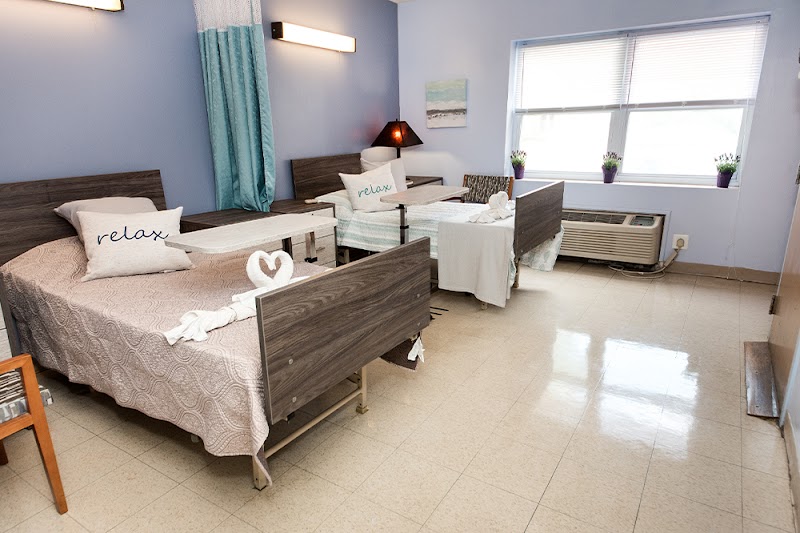
How is Harborview Rehabilitation At Doylestow Staffed?

CMS rates HARBORVIEW REHABILITATION CARE CENTER AT DOYLESTOW's staffing level at 3 out of 5 stars, which is average compared to other nursing homes. Staff turnover is 66%, which is 20 percentage points above the Pennsylvania average of 46%. High turnover can affect care consistency as new staff learn residents' individual needs. RN turnover specifically is 64%, which is notably high. RNs provide skilled clinical oversight, so turnover in this role can affect medical care quality.

What Have Inspectors Found at Harborview Rehabilitation At Doylestow?

State health inspectors documented 51 deficiencies at HARBORVIEW REHABILITATION CARE CENTER AT DOYLESTOW during 2022 to 2025. These included: 1 Immediate Jeopardy (the most serious level, indicating potential for serious harm or death), 42 with potential for harm, and 8 minor or isolated issues. Immediate Jeopardy findings are rare and represent the most serious regulatory concerns. They require immediate corrective action.
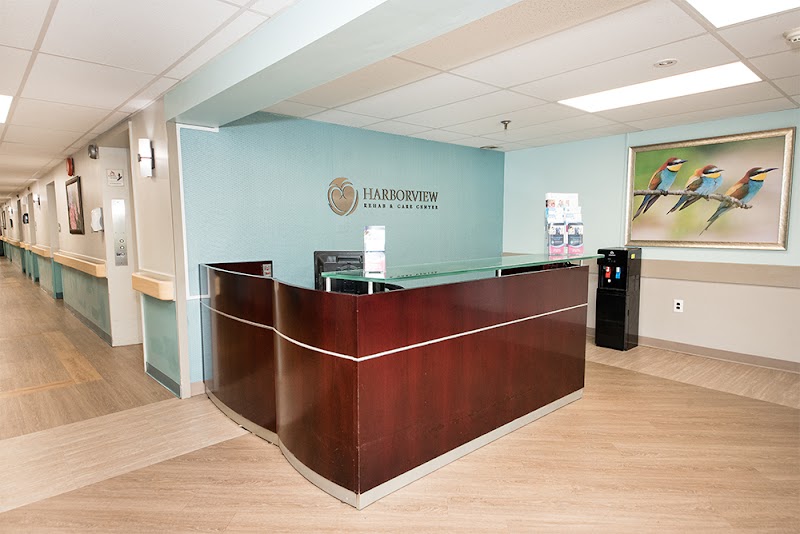
Who Owns and Operates Harborview Rehabilitation At Doylestow?

HARBORVIEW REHABILITATION CARE CENTER AT DOYLESTOW is owned by a for-profit company. For-profit facilities operate as businesses with obligations to shareholders or private owners. The facility is operated by LME FAMILY HOLDINGS, a chain that manages multiple nursing homes. With 120 certified beds and approximately 104 residents (about 87% occupancy), it is a mid-sized facility located in DOYLESTOWN, Pennsylvania.
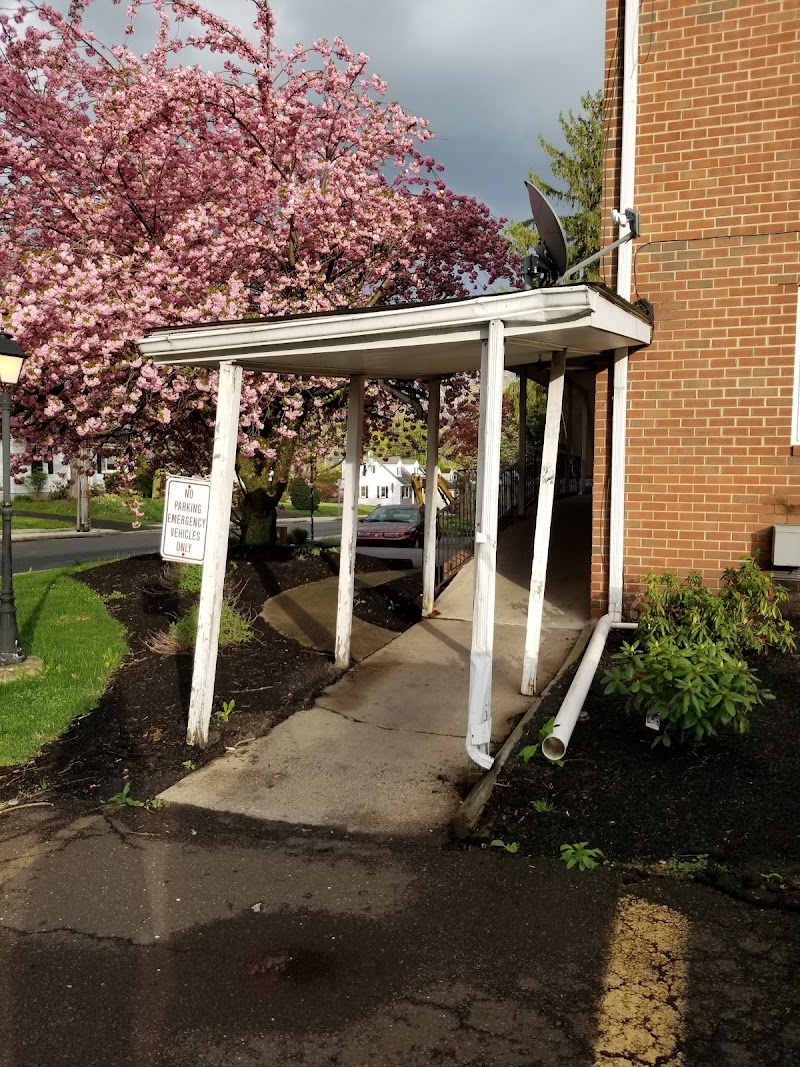
How Does Harborview Rehabilitation At Doylestow Compare to Other Pennsylvania Nursing Homes?

Compared to the 100 nursing homes in Pennsylvania, HARBORVIEW REHABILITATION CARE CENTER AT DOYLESTOW's overall rating (1 stars) is below the state average of 3.0, staff turnover (66%) is significantly higher than the state average of 46%, and health inspection rating (1 stars) is much below the national benchmark.

What Should Families Ask When Visiting Harborview Rehabilitation At Doylestow?

Based on this facility's data, families visiting should ask: "What changes have been made since the serious inspection findings, and how are you preventing similar issues?" "How do you ensure continuity of care given staff turnover, and what is your staff retention strategy?" "Can I visit during a mealtime to observe dining assistance and food quality?" "How do you handle medical emergencies, and what is your hospital transfer rate?" These questions are particularly relevant given the facility's Immediate Jeopardy citations and the facility's high staff turnover rate.

Is Harborview Rehabilitation At Doylestow Safe?

Based on CMS inspection data, HARBORVIEW REHABILITATION CARE CENTER AT DOYLESTOW has documented safety concerns. Inspectors have issued 1 Immediate Jeopardy citation (the most serious violation level indicating risk of serious injury or death). The facility has a 1-star overall rating and ranks #100 of 100 nursing homes in Pennsylvania. Families considering this facility should ask detailed questions about what corrective actions have been taken since these incidents.

Do Nurses at Harborview Rehabilitation At Doylestow Stick Around?

Staff turnover at HARBORVIEW REHABILITATION CARE CENTER AT DOYLESTOW is high. At 66%, the facility is 20 percentage points above the Pennsylvania average of 46%. Registered Nurse turnover is particularly concerning at 64%. RNs handle complex medical decisions and coordinate care — frequent RN changes can directly impact care quality. High turnover means new staff may not know residents' individual needs, medications, or preferences. It can also be disorienting for residents, especially those with dementia who rely on familiar faces. Families should ask: What is causing the turnover? What retention programs are in place? How do you ensure care continuity during staff transitions?

Was Harborview Rehabilitation At Doylestow Ever Fined?

HARBORVIEW REHABILITATION CARE CENTER AT DOYLESTOW has been fined $107,979 across 11 penalty actions. This is 3.2x the Pennsylvania average of $34,159. Fines at this level are uncommon and typically indicate a pattern of serious deficiencies, repeated violations, or failure to correct problems promptly. CMS reserves penalties of this magnitude for facilities that pose significant, documented risk to resident health or safety. Families should request specific documentation of what issues led to these fines and what systemic changes have been implemented.

Is Harborview Rehabilitation At Doylestow on Any Federal Watch List?

HARBORVIEW REHABILITATION CARE CENTER AT DOYLESTOW is not on any federal watch list. The most significant is the Special Focus Facility (SFF) program, which identifies the bottom 1% of nursing homes nationally based on persistent, serious quality problems. Not being on this list means the facility has avoided the pattern of deficiencies that triggers enhanced federal oversight. This is a positive indicator, though families should still review the facility's inspection history directly.