LIBERTY POINTE REHABILITATION AND HEALTHCARE CTR
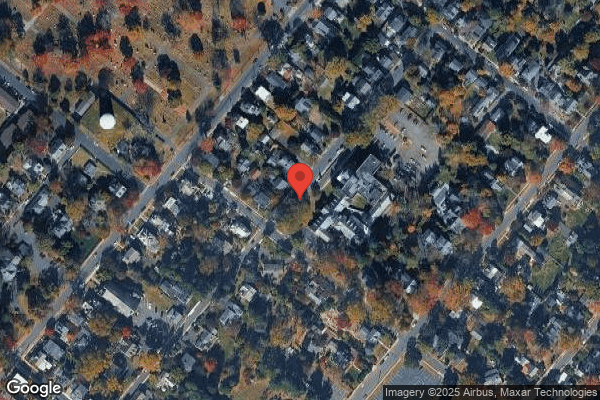

252 BELMONT AVENUE, DOYLESTOWN, PA 18901 (215) 348-2983
For profit - Corporation 178 Beds PRESTIGE HEALTHCARE ADMINISTRATIVE SERVICES Data: November 2025
Trust Grade
65/100
#305 of 653 in PA
Last Inspection: December 2024

Within standard 12-15 month inspection cycle. Federal law requires annual inspections.

Overview

Liberty Pointe Rehabilitation and Healthcare Center received a Trust Grade of C+, indicating it is decent and slightly above average compared to other facilities. It ranks #305 out of 653 in Pennsylvania, placing it in the top half of state facilities, but only #25 out of 29 in Bucks County, suggesting limited local competition. The facility is improving, with the number of issues decreasing from 8 in 2023 to 7 in 2024. Staffing is a strong point, with a 4/5 star rating and a turnover rate of 52%, which is average but not alarming. Notably, there have been no fines reported, which is a positive sign. However, there are concerning incidents, like failures to maintain sanitary kitchen conditions, with expired food and unclean equipment, as well as issues with the overall environment, including stained and peeling ceilings in multiple areas. While there are strengths in staffing and no fines, families should be aware of the sanitation problems that need attention.

Trust Score
C+
65/100
In Pennsylvania
#305/653
Top 46%
Safety Record
Low Risk
No red flags
Inspections
Getting Better
8 → 7 violations
Staff Stability
⚠ Watch
52% turnover. Above average. Higher turnover means staff may not know residents' routines.
Penalties
✓ Good
No fines on record. Clean compliance history, better than most Pennsylvania facilities.
Skilled Nurses
○ Average
Each resident gets 34 minutes of Registered Nurse (RN) attention daily — about average for Pennsylvania. RNs are the most trained staff who monitor for health changes.
Violations
⚠ Watch
15 deficiencies on record. Higher than average. Multiple issues found across inspections.
★★★☆☆
3.0
Overall Rating
★★★★☆
4.0
Staff Levels
★★★☆☆
3.0
Care Quality
★★★☆☆
3.0
Inspection Score
Stable
2023: 8 issues
2024: 7 issues

The Good

  • 4-Star Staffing Rating · Above-average nurse staffing levels
  • Full Sprinkler Coverage · Fire safety systems throughout facility
  • No fines on record

Facility shows strength in staffing levels, fire safety.

The Bad

3-Star Overall Rating

Near Pennsylvania average (3.0)

Meets federal standards, typical of most facilities

Staff Turnover: 52%

Near Pennsylvania avg (46%)

Higher turnover may affect care consistency

Chain: PRESTIGE HEALTHCARE ADMINISTRATIVE

Part of a multi-facility chain

Ask about local staffing decisions and management

The Ugly 15 deficiencies on record

Dec 2024 3 deficiencies
CONCERN (D)

Potential for Harm - no one hurt, but risky conditions existed

Quality of Care (Tag F0684)

Could have caused harm · This affected 1 resident

**NOTE- TERMS IN BRACKETS HAVE BEEN EDITED TO PROTECT CONFIDENTIALITY** Based on clinical record review, observation, and staff interview, it was determined that the facility failed to ensure that phy...

Read full inspector narrative →
**NOTE- TERMS IN BRACKETS HAVE BEEN EDITED TO PROTECT CONFIDENTIALITY** Based on clinical record review, observation, and staff interview, it was determined that the facility failed to ensure that physician's orders were implemented for one of 33 sampled residents. (Resident 2) Findings include: Clinical record review revealed that Resident 2 had diagnoses that included dementia, hypertension, and chronic obstructive pulmonary disease. Review of the Minimum Data Set assessment dated [DATE], indicated that the resident had memory impairment and was dependent on staff for dressing. On November 10, 2024, a physician ordered for staff to apply compression stockings (Tubigrips) on bilateral legs for swelling. On December 10, 2024, at 11:45 a.m. and 12:44 p.m., and again on December 11, 2024, at 10:00 a.m. and 10:25 a.m., the resident was observed dressed and seated in her wheelchair in the dining room on the nursing unit without the Tubigrips in place. On December 11, 2024, at 10:30 a.m., the licensed practical nurse stated that staff was to put the Tubigrips on with morning care. In an interview on December 12, 2024, at 10:30 a.m., the Director of Nursing stated that staff was to apply the Tubigrips every day with morning care as ordered by the physician. CFR(s) 483.25 Quality of Care Previously cited 4/13/24 28 Pa.Code 211.22(d)(1)(5)Nursing services.
CONCERN (D)

Potential for Harm - no one hurt, but risky conditions existed

Deficiency F0919 (Tag F0919)

Could have caused harm · This affected 1 resident

Based on resident interview and observation, it was determined that the facility failed to provide a working call bell for two of 33 sampled residents. (Residents 4, 142) Findings include: During a re...

Read full inspector narrative →
Based on resident interview and observation, it was determined that the facility failed to provide a working call bell for two of 33 sampled residents. (Residents 4, 142) Findings include: During a resident group meeting conducted on December 11, 2024, at 10:00 a.m., Resident 4 stated that when she activated the call bell from her bed, the light outside the door did not activate. Resident 142 stated that when he activated the call bell from his bed, there was no sound or light, and that he must yell for assistance. Observations on December 11, 2024, at 11:15 a.m., revealed that when Resident 4 activated the call bell from her bed, no light was observed outside of her door. At 11:35 a.m., Resident 142 activated the call bell from his bed; no sound or light was observed. 28 Pa. Code 201.18(b)(3) Management. 28 Pa. Code 211.12(d) Nursing services.
CONCERN (F)

Potential for Harm - no one hurt, but risky conditions existed

Food Safety (Tag F0812)

Could have caused harm · This affected most or all residents

Based on observation, it was determined that the facility failed to maintain sanitary conditions and store food properly in the dietary department. Findings include: During an environmental tour of t...

Read full inspector narrative →
Based on observation, it was determined that the facility failed to maintain sanitary conditions and store food properly in the dietary department. Findings include: During an environmental tour of the dietary department on December 10, 2024, at 9:30 a.m., observations revealed the following: There was a large hole in the paneling on the back wall of the recycling area located in the dietary department. The convection ovens were soiled. The insides of the top and bottom oven doors were coated with grease. The bottom of the top oven was covered heavily with burnt debris and burnt food crumbs. There was a large metal scoop stored on the inside of the large bin that contained flour. There was debris on the floor alongside the wall near the steamer and dry goods bins. On the inside of the ice machine, there was a brown substance on parts of the lid. The brown substance was also on the left inside wall of the ice machine. There were five cracked floor tiles near the entrance way of the utility hallway that was located inside the dietary department. 28 Pa. Code 201.18(b)(1)(3) Management. 28 Pa. Code 207.2(a) Administrator's responsibility.
Jul 2024 2 deficiencies
CONCERN (D) 📢 Someone Reported This

A family member, employee, or ombudsman was alarmed enough to file a formal complaint

Potential for Harm - no one hurt, but risky conditions existed

Notification of Changes (Tag F0580)

Could have caused harm · This affected 1 resident

Based on facility policy review and clinical record review, it was determined that the facility failed to notify a resident's physician of changes in clinical condition for one of three sampled reside...

Read full inspector narrative →
Based on facility policy review and clinical record review, it was determined that the facility failed to notify a resident's physician of changes in clinical condition for one of three sampled residents. (Resident 3) Findings include: A review of the facility policy entitled, Notification of Changes, last reviewed November 1, 2023, revealed that staff were to notify the physician and resident representative if there was a change in clinical condition. Clinical record review revealed that Resident 3 had diagnoses that included dementia, difficulty walking, and osteoporosis. According to the pain evaluation documentation during May 2024, the resident had either no pain or a pain rated as a 1 on a scale of one to ten. On May 13, 2024, at 7:30 p.m., a nurse noted that the resident fell and was found on her left side. That night at 11:17 p.m., a nurse noted that the resident's pain was rated a 3. The following morning at 6:03 a.m., the nurse noted that the pain level increased to a 6. At 7:18 a.m., the nurse noted that the resident was having pain in her left hip when she moved. There was no documentation that the facility notified the resident's physician of the increase in hip pain following the fall. 28 Pa. Code 211.12(d)(1)(5) Nursing services.
CONCERN (D) 📢 Someone Reported This

A family member, employee, or ombudsman was alarmed enough to file a formal complaint

Potential for Harm - no one hurt, but risky conditions existed

Deficiency F0697 (Tag F0697)

Could have caused harm · This affected 1 resident

Based on facility policy review, clinical record review, and staff interview, it was determined that the facility failed to evaluate effectiveness of pain medication consistent with professional stand...

Read full inspector narrative →
Based on facility policy review, clinical record review, and staff interview, it was determined that the facility failed to evaluate effectiveness of pain medication consistent with professional standards for one of three sampled residents. (Resident 3) Findings include: Review of the facility policy entitled, Pain Management, Last reviewed November 1, 2023, revealed that when using medications to treat pain, nursing staff was to evaluate the effectiveness of the medication to ensure appropriate treatment. Clinical record review revealed that Resident 3 had diagnoses that included dementia, difficulty walking, and osteoporosis. Since September 24, 2021, the resident had an ongoing physician's order that staff administer a pain medication (acetaminophen 650 milligrams) as needed for mild pain (pain rated 1-3 on a scale of 1-10). On May 13, 2024, at 7:30 p.m., a nurse noted that the resident fell and was found on her left side. According to the Medication Administration Records (MARs), that night at 10:23 p.m., a nurse administered the acetaminophen for pain rated at a 3. There was no documentation that the nurse assessed the resident afterwards to determine if the medication was effective. Documentation on the MAR the following morning at 6:03 a.m., indicated that the resident's pain had worsened to a 6. The nurse again administered the acetaminophen despite the pain being more severe than mild. Additionally, there was no evidence that the nurse notified the physician to obtain orders for additional pain management appropriate to the severity of the resident's pain. During an interview on July 8, 2024, at 1:30 p.m., the Director of Nursing confirmed that nursing staff should have documented whether or not the pain medication was effective. 28 Pa. Code 211.12(d)(1)(5) Nursing services.
Apr 2024 1 deficiency
CONCERN (D) 📢 Someone Reported This

A family member, employee, or ombudsman was alarmed enough to file a formal complaint

Potential for Harm - no one hurt, but risky conditions existed

Quality of Care (Tag F0684)

Could have caused harm · This affected 1 resident

**NOTE- TERMS IN BRACKETS HAVE BEEN EDITED TO PROTECT CONFIDENTIALITY** Based on facility policy review, clinical record review, and staff interview, it was determined that the facility failed to accu...

Read full inspector narrative →
**NOTE- TERMS IN BRACKETS HAVE BEEN EDITED TO PROTECT CONFIDENTIALITY** Based on facility policy review, clinical record review, and staff interview, it was determined that the facility failed to accurately monitor weight changes for two of five sampled residents. (Residents CL1, 3) Findings include: Review of the facility policy entitled, Weight Monitoring, dated November 1, 2023, revealed that a weight monitoring schedule would be developed upon admission for all residents and that weights would be recorded at the time obtained. Newly admitted residents were to have their weight monitored weekly for four weeks. Clinical record review revealed that Resident CL1 was admitted to the facility on [DATE], with diagnoses that included dementia, diabetes, and adult failure to thrive. Review of Resident CL1's care plan revealed he had a potential nutritional problem with an intervention to weigh per physician's order and facility policy. On March 7, 2024, the physician ordered for staff to obtain weights weekly for four weeks. There was no documented evidence that Resident CL1 was weighed weekly on March 19 or 26, 2024. Clinical record review revealed that Resident 3 was admitted to the facility on [DATE], with diagnoses that included dementia, and dysphagia (difficulty swallowing). Review of the care plan revealed that Resident 3 had swallowing problem with an intervention to monitor weights per facility policy. Review of a nutrition assessment dated [DATE], revealed the dietitian recommended weekly weights for four weeks then monthly weights. There was no documented evidence that a weight schedule was developed upon admission or that Resident 3 was weighed weekly per dietitian recommendation and facility policy. In an interview on April 18, 2024 at 2:27 p.m., the Director of Nursing confirmed that there is no documented evidence that weights were obtained per physician orders, dietitian recommendation, or facility policy. 28 Pa. Code 211.12(d)(1)(3)(5) Nursing services.
Feb 2024 1 deficiency
MINOR (B) 📢 Someone Reported This

A family member, employee, or ombudsman was alarmed enough to file a formal complaint

Minor Issue - procedural, no safety impact

Deficiency F0804 (Tag F0804)

Minor procedural issue · This affected multiple residents

Based on facility policy review, resident and staff interview, observation, and results of a test tray audit, it was determined that the facility failed to provide food that was palatable and at appet...

Read full inspector narrative →
Based on facility policy review, resident and staff interview, observation, and results of a test tray audit, it was determined that the facility failed to provide food that was palatable and at appetizing temperatures on three of five nursing units. (Stations one, three, and four) Findings include: A review of the facility policy entitled, Food: Quality and Palatability, last reviewed November 22, 2023, revealed that food would be palatable, attractive, and served at a safe and appetizing temperature. During interviews on February 22, 2024, from 10:28 a.m. through 10:50 a.m., Residents 1, 2, 3, and 4, stated that the food was often cold and not palatable. Results of a test tray audit conducted on February 22, 2024, at 12:35 p.m., revealed chicken at a temperature of 112 degrees Fahrenheit (F), stuffing at a temperature of 100 degrees F, and Brussels sprouts at a temperature of 100 degrees F. In an interview during this observation period, Dietary Director 1 stated that the hot foods should have achieved a temperature of 130 degrees F or higher. On February 22, 2024, from 12:45 p.m. through 1:10 p.m., Residents 5 and 6 had received lunch in their rooms and stated the hot food was cold and Resident 7 had received lunch in the dining room and stated it was cold which was consistently a problem. 28 Pa. Code 201.14(a) Responsibility of licensee
Dec 2023 5 deficiencies
CONCERN (D)

Potential for Harm - no one hurt, but risky conditions existed

Comprehensive Care Plan (Tag F0656)

Could have caused harm · This affected 1 resident

**NOTE- TERMS IN BRACKETS HAVE BEEN EDITED TO PROTECT CONFIDENTIALITY** Based on clinical record review and staff interview, it was determined that the facility failed to develop a care plan and inter...

Read full inspector narrative →
**NOTE- TERMS IN BRACKETS HAVE BEEN EDITED TO PROTECT CONFIDENTIALITY** Based on clinical record review and staff interview, it was determined that the facility failed to develop a care plan and interventions to meet each residents' needs as identified in the comprehensive assessment for two of 28 sampled residents. (Residents 101, 136) Findings include: Clinical record review revealed that Resident 101 had diagnoses that included mood disorder, major depressive disorder, and anxiety. Review of the Minimum Data Set (MDS) assessment dated [DATE], revealed that Care Area Assessments (CAA) triggered cognitive loss/dementia and communication as problem areas to be care planned. Resident 101's current care plan did not include interventions to address cognitive loss/dementia and communication. In an interview on December 21, 2023, at 9:29 a.m., the Director of Nursing confirmed that there had been no care plan developed to address Resident 101's cognitive loss/dementia and communication. Clinical record review revealed that Resident 136 was admitted to the facility on [DATE], with diagnoses that included hypotension (low blood pressure), anxiety, and acute kidney failure. Review of the MDS assessment dated [DATE], revealed that the resident had an indwelling catheter. The CAA for this MDS triggered urinary incontinence and indwelling catheter as a problem area to be care planned. Observation on December 19, 2023, at 10:45 a.m., revealed Resident 136 laying in bed with an indwelling catheter intact. Resident 136's current care plan did not include interventions to address urinary incontinence and indwelling catheter. In an interview on December 21, 2023, at 12:12 p.m., the Director of Nursing confirmed that there had been no care plan developed to address Resident 136's indwelling catheter. CFR 483.10(c)(3)(i) Comprehensive Care Plans Previously cited 1/27/23 28 Pa. Code 211.12(d)(5) Nursing services.
CONCERN (D)

Potential for Harm - no one hurt, but risky conditions existed

Medication Errors (Tag F0758)

Could have caused harm · This affected 1 resident

**NOTE- TERMS IN BRACKETS HAVE BEEN EDITED TO PROTECT CONFIDENTIALITY** Based on clinical record review and staff interview, it was determined that the facility failed to ensure that a resident receiv...

Read full inspector narrative →
**NOTE- TERMS IN BRACKETS HAVE BEEN EDITED TO PROTECT CONFIDENTIALITY** Based on clinical record review and staff interview, it was determined that the facility failed to ensure that a resident receiving an as needed psychotropic medication was provided with behavioral interventions prior to administration and that physician's orders included duration parameters and rationale for continued use for one of seven sampled residents on psychotropic medications. (Resident 136) Findings include: Clinical record review revealed that Resident 136 was admitted to the facility on [DATE], with diagnoses that included hypotension (low blood pressure) and anxiety and had a physician's order, dated November 21, 2023, for staff to administer a psychotropic medication (Xanax) every 12 hours as needed for anxiety. The current order for the Xanax failed to include a time frame for the continued use of the medication. There was no physician documentation that it was appropriate for the order to be extended beyond 14 days. Review of the medication administration records for November and December 2023, revealed that the medication was adminstered 11 times with no documentation to support that behavioral interventions were attempted. In an interview on December 21, 2023, at 11:33 a.m., the Director of Nursing confirmed that there was no time frame for the continued use of Resident 136's Xanax and no documented evidence that behavioral interventions were attempted prior to administration. 28 Pa. code 211.12(d)(1)(5) Nursing Services.
CONCERN (D)

Potential for Harm - no one hurt, but risky conditions existed

Safe Environment (Tag F0921)

Could have caused harm · This affected 1 resident

**NOTE- TERMS IN BRACKETS HAVE BEEN EDITED TO PROTECT CONFIDENTIALITY** Based on observation and staff interview, it was determined that the facility failed to provide maintenance services to ensure s...

Read full inspector narrative →
**NOTE- TERMS IN BRACKETS HAVE BEEN EDITED TO PROTECT CONFIDENTIALITY** Based on observation and staff interview, it was determined that the facility failed to provide maintenance services to ensure safe water temperatures on two of five nursing units. (Stations 2 and 5) Findings include: Observations of water temperature readings taken by Employee 1 (maintenance staff), using a facility thermometer, from 9:30 a.m., to 11:54 a.m., on December 20, 2023, revealed the following: The resident room [ROOM NUMBER] sink was 121.5 degrees Fahrenheit (°F). The resident room [ROOM NUMBER] sink was 127.0 °F. The resident room [ROOM NUMBER] sink was 126.1 °F. The sink in the shower room on Station 5 was 127.7 °F. In an interview on December 20, 2023, at 12:20 p.m., the Administrator stated that hot water should be below 110 °F and the temperatures were above that in rooms identified and the Station 5 shower room. 28 Pa. Code 201.18(b)(3)(e)(1) Management. 28 Pa. Code 205.63 (b)(c) Plumbing and piping systems required for existing and new construction.
CONCERN (E)

Potential for Harm - no one hurt, but risky conditions existed

Safe Environment (Tag F0584)

Could have caused harm · This affected multiple residents

**NOTE- TERMS IN BRACKETS HAVE BEEN EDITED TO PROTECT CONFIDENTIALITY** Based on observation, it was determined that the facility failed to provide a safe, sanitary, and comfortable environment on fou...

Read full inspector narrative →
**NOTE- TERMS IN BRACKETS HAVE BEEN EDITED TO PROTECT CONFIDENTIALITY** Based on observation, it was determined that the facility failed to provide a safe, sanitary, and comfortable environment on four of five nursing units. (Station 1, Station 2, Station 3, and Station 5) Findings include: Observation on December 20, 2023, at 11:58 a.m., revealed a ceiling tile outside of room [ROOM NUMBER] and inside of room [ROOM NUMBER] that was stained and bowing. Observation on December 19, 2023, at 10:39 a.m., revealed peeling paint in rooms [ROOM NUMBERS]. There was a brown stained ceiling tile in room [ROOM NUMBER]. In room [ROOM NUMBER], a ceiling tile was stained and bowing. Observation on December 19, 2023, at 10:28 a.m., revealed clear splatter on the wall under the television, a bent outlet cover, and missing wall panels that left metal bars exposed in room [ROOM NUMBER]. The ceiling vent in the hallway outside room [ROOM NUMBER] had an accumulation of dust. There were brown stained ceiling tiles in the hallway outside the shower room, in room [ROOM NUMBER], and room [ROOM NUMBER]. There was a cracked ceiling tile in room [ROOM NUMBER]. 28 Pa. Code 201.18(b)(3)(e)(1) Management.
CONCERN (F)

Potential for Harm - no one hurt, but risky conditions existed

Food Safety (Tag F0812)

Could have caused harm · This affected most or all residents

Based on observation and interview, it was determined that the facility failed to maintain sanitary conditions in the kitchen. Findings include: Observation during the kitchen tour on December 19, 2...

Read full inspector narrative →
Based on observation and interview, it was determined that the facility failed to maintain sanitary conditions in the kitchen. Findings include: Observation during the kitchen tour on December 19, 2023, at 10:22 a.m., revealed the following: There was a container of mushrooms in the walk-in refrigerator that was dated December 5, 2023. The Regional Director of Dining Services stated that the food should have been discarded seven days after it was opened. In the dry storage room, there was a number ten can of mushrooms and the bottom of the can was bulging. There were number ten cans of fruit cocktail, cherry pie filling, and pitted prunes, that were dented. The cans were not stored in a separate area designated for dented cans. There was a bag of thickener powder in a plastic container, that did not have a lid on the container, and the bag was opened and not sealed. There was an accumulation of debris on the windowsill under the air conditioner. There were multiple cases of food items that were on the floor. The Regional Director of Dining stated that the food items were delivered on December 18, 2023, and remained on the floor since that time. There was an open package of pasta that was not dated. A piece of pipe that extended from the grease trap under the three-compartment sink was broken. The pipe was not covered, and the contents of the pipe were exposed to air. There was liquid and particles of debris on the bottom of two reach-in freezers. There were containers of dry cereal and a scoop used to dish the cereal was stored on top of the container. There was a large accumulation of ice on the shelves and floor of the walk-in freezer. The base cover of the fan was off and was on the shelf. The fan was leaking fluid onto food items and there was moisture and an accumulation of ice on boxes of potato tots, gluten free bagels, shrimp, and turkey breast. There was an open bag of pie shells on the shelf under the fan. There was an accumulation of liquid on the bag. There was an accumulation of a black substance in the grease trap and a dried substance on the front of the oven door under the stove top. 28 Pa. Code 201.18(b)(3)(e)(2.1) Management.
Dec 2023 1 deficiency
CONCERN (D) 📢 Someone Reported This

A family member, employee, or ombudsman was alarmed enough to file a formal complaint

Potential for Harm - no one hurt, but risky conditions existed

Quality of Care (Tag F0684)

Could have caused harm · This affected 1 resident

Based on clinical record review and staff interview, it was determined that the facility failed to ensure that physician's orders were implemented for one of five sampled residents. (Resident CL1 ) Fi...

Read full inspector narrative →
Based on clinical record review and staff interview, it was determined that the facility failed to ensure that physician's orders were implemented for one of five sampled residents. (Resident CL1 ) Findings include: Clinical record review revealed that Resident CL1 had diagnoses that included end stage renal disease and post hemorrhagic anemia. A physician's order dated November 29, 2023, directed staff to administer an injection (epoetin alfa) one time a day every Monday, Wednesday, and Friday to treat the resident's anemia. A review of the December 2023, Medication Administration Records revealed that there was no evidence that staff administered the injections as ordered on December 1, 4, and 6, 2023. In an interview on December 8, 2023, at 11:56 a.m., the Director of Nursing confirmed that there was no documented evidence that Resident CL1 received the injections as ordered by the physician. 28 Pa. Code 211.12(d)(1)(5) Nursing services.
Jan 2023 2 deficiencies
CONCERN (D)

Potential for Harm - no one hurt, but risky conditions existed

Deficiency F0558 (Tag F0558)

Could have caused harm · This affected 1 resident

**NOTE- TERMS IN BRACKETS HAVE BEEN EDITED TO PROTECT CONFIDENTIALITY** Based on clinical record review and resident and staff interview, it was determined that the facility failed to ensure a call be...

Read full inspector narrative →
**NOTE- TERMS IN BRACKETS HAVE BEEN EDITED TO PROTECT CONFIDENTIALITY** Based on clinical record review and resident and staff interview, it was determined that the facility failed to ensure a call bell was accessible for one of 25 sampled residents. (Resident 87) Findings include: Clinical record review revealed that Resident 87 had diagnoses that included muscle weakness and heart failure. The Minimum Data Set assessment dated [DATE], indicated that the resident was alert and oriented, and was dependent on staff assistance with activites of daily living. The ongoing care plan indicated the resident was at risk for falls and that the call bell should be kept within reach. On January 24, 2023, at 11:57 a.m., and 12:53 p.m., and on January 26, 2023, at 11:24 a.m., the resident's call bell was observed beside the bed and out of reach. The resident stated that the call bell could not be reached. In an interview on January 27, 2023, at 10:45 a.m., the Director of Nursing confirmed that Resident 87's call bell was not in reach. 28 Pa. Code 211.12(d)(5) Nursing services.
CONCERN (D)

Potential for Harm - no one hurt, but risky conditions existed

Comprehensive Care Plan (Tag F0656)

Could have caused harm · This affected 1 resident

**NOTE- TERMS IN BRACKETS HAVE BEEN EDITED TO PROTECT CONFIDENTIALITY** Based on clinical record review and staff interview, it was determined the facility failed to develop a comprehensive care plan ...

Read full inspector narrative →
**NOTE- TERMS IN BRACKETS HAVE BEEN EDITED TO PROTECT CONFIDENTIALITY** Based on clinical record review and staff interview, it was determined the facility failed to develop a comprehensive care plan that addressed individual resident needs as identified on the comprehensive assessment for one of 25 sampled residents. (Resident 111) Findings include: Clinical record review revealed that Resident 111 had diagnoses that included schizophrenia. Review of the Minimum Data Set assessment dated [DATE], identified that the resident had been administered an antipsychotic medication seven days in the review period. According to the Care Area Assessment, the facility identified the resident's antipsychotic drug use was a problem and an individualized care plan with interventions was to be developed. There was no care plan to address the use of antipsychotic medication for Resident 111. In an interview conducted on January 27, 2023, at 10:38 a.m., the Director of Nursing confirmed that there was no care plan developed to address the use of antipsychotic medication for Resident 111. 28 Pa. Code 211.11(d) Resident care plan.
Understanding Severity Codes (click to expand)
Life-Threatening (Immediate Jeopardy)
J - Isolated K - Pattern L - Widespread
Actual Harm
G - Isolated H - Pattern I - Widespread
Potential for Harm
D - Isolated E - Pattern F - Widespread
No Harm (Minor)
A - Isolated B - Pattern C - Widespread

Questions to Ask on Your Visit

  • "Can I speak with families of current residents?"
  • "What's your RN coverage like on weekends and overnight?"

Our Honest Assessment

Strengths
  • • No major safety red flags. No abuse findings, life-threatening violations, or SFF status.
  • • No fines on record. Clean compliance history, better than most Pennsylvania facilities.
Concerns
  • • 15 deficiencies on record. Higher than average. Multiple issues found across inspections.
Bottom line: Mixed indicators with Trust Score of 65/100. Visit in person and ask pointed questions.

About This Facility

What is Liberty Pointe Rehabilitation And Healthcare Ctr's CMS Rating?

CMS assigns LIBERTY POINTE REHABILITATION AND HEALTHCARE CTR an overall rating of 3 out of 5 stars, which is considered average nationally. Within Pennsylvania, this rating places the facility higher than 0% of the state's 100 nursing homes. This mid-range rating indicates the facility meets federal standards but may have areas for improvement.
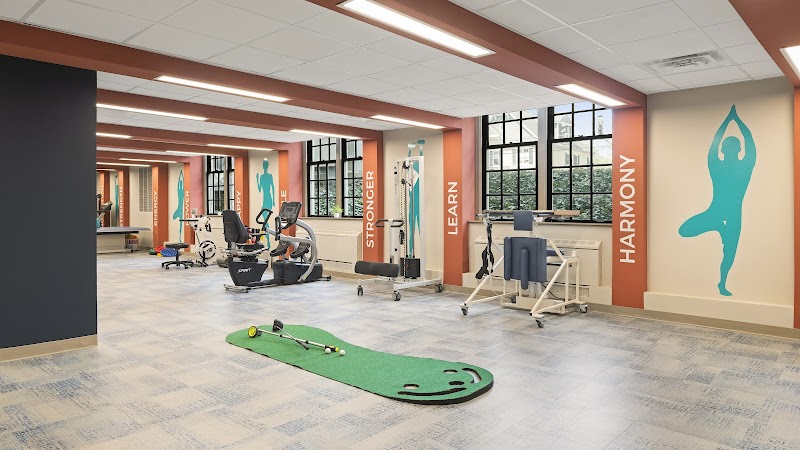
How is Liberty Pointe Rehabilitation And Healthcare Ctr Staffed?

CMS rates LIBERTY POINTE REHABILITATION AND HEALTHCARE CTR's staffing level at 4 out of 5 stars, which is above average compared to other nursing homes. Staff turnover is 52%, compared to the Pennsylvania average of 46%.

What Have Inspectors Found at Liberty Pointe Rehabilitation And Healthcare Ctr?

State health inspectors documented 15 deficiencies at LIBERTY POINTE REHABILITATION AND HEALTHCARE CTR during 2023 to 2024. These included: 14 with potential for harm and 1 minor or isolated issues.
Who Owns and Operates Liberty Pointe Rehabilitation And Healthcare Ctr?

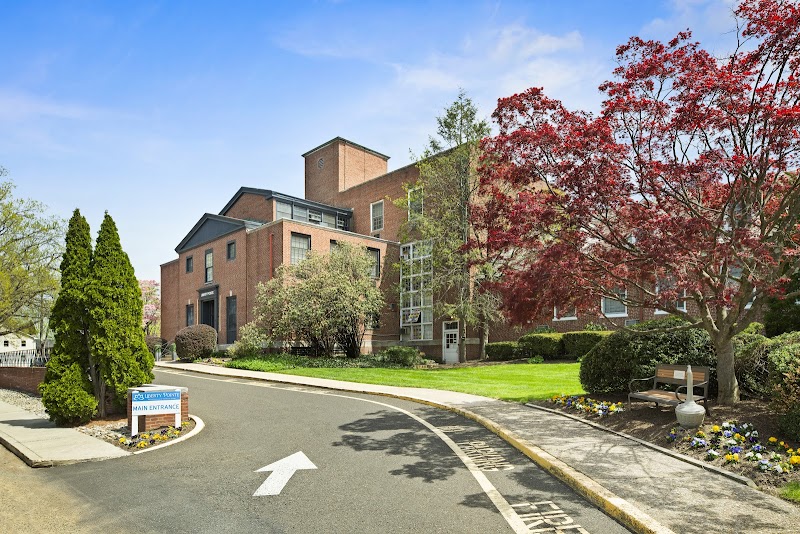
LIBERTY POINTE REHABILITATION AND HEALTHCARE CTR is owned by a for-profit company. For-profit facilities operate as businesses with obligations to shareholders or private owners. The facility is operated by PRESTIGE HEALTHCARE ADMINISTRATIVE SERVICES, a chain that manages multiple nursing homes. With 178 certified beds and approximately 156 residents (about 88% occupancy), it is a mid-sized facility located in DOYLESTOWN, Pennsylvania.
How Does Liberty Pointe Rehabilitation And Healthcare Ctr Compare to Other Pennsylvania Nursing Homes?

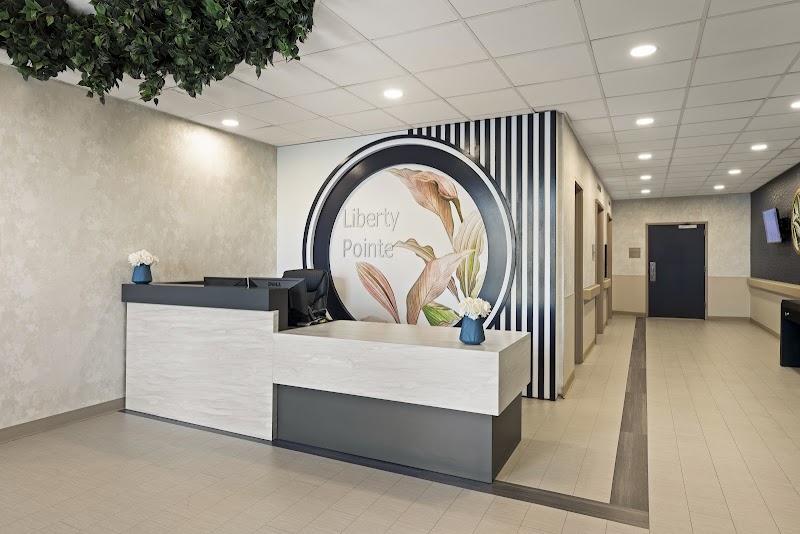
Compared to the 100 nursing homes in Pennsylvania, LIBERTY POINTE REHABILITATION AND HEALTHCARE CTR's overall rating (3 stars) matches the state average, staff turnover (52%) is near the state average of 46%, and health inspection rating (3 stars) is at the national benchmark.

What Should Families Ask When Visiting Liberty Pointe Rehabilitation And Healthcare Ctr?

Based on this facility's data, families visiting should ask: "Can I visit during a mealtime to observe dining assistance and food quality?" "How do you handle medical emergencies, and what is your hospital transfer rate?" "Can I speak with family members of current residents about their experience?"

Is Liberty Pointe Rehabilitation And Healthcare Ctr Safe?

Based on CMS inspection data, LIBERTY POINTE REHABILITATION AND HEALTHCARE CTR has a clean safety record: no substantiated abuse findings (meaning no confirmed cases of resident harm), no Immediate Jeopardy citations (the most serious violation level indicating risk of serious injury or death), and is not on the Special Focus Facility watch list (a federal program monitoring the lowest-performing 1% of nursing homes). The facility has a 3-star overall rating and ranks #1 of 100 nursing homes in Pennsylvania. While no facility is perfect, families should still ask about staff-to-resident ratios and recent inspection results during their visit.

Do Nurses at Liberty Pointe Rehabilitation And Healthcare Ctr Stick Around?

LIBERTY POINTE REHABILITATION AND HEALTHCARE CTR has a staff turnover rate of 52%, which is 6 percentage points above the Pennsylvania average of 46%. Moderate turnover is common in nursing homes, but families should still ask about staff tenure and how the facility maintains care continuity when employees leave.

Was Liberty Pointe Rehabilitation And Healthcare Ctr Ever Fined?

LIBERTY POINTE REHABILITATION AND HEALTHCARE CTR has no federal fines on record. CMS issues fines when nursing homes fail to meet care standards or don't correct problems found during inspections. The absence of fines suggests the facility has either maintained compliance or corrected any issues before penalties were assessed. This is a positive indicator, though families should still review recent inspection reports for the full picture.

Is Liberty Pointe Rehabilitation And Healthcare Ctr on Any Federal Watch List?

LIBERTY POINTE REHABILITATION AND HEALTHCARE CTR is not on any federal watch list. The most significant is the Special Focus Facility (SFF) program, which identifies the bottom 1% of nursing homes nationally based on persistent, serious quality problems. Not being on this list means the facility has avoided the pattern of deficiencies that triggers enhanced federal oversight. This is a positive indicator, though families should still review the facility's inspection history directly.