PINE RUN HEALTH CENTER

Within standard 12-15 month inspection cycle. Federal law requires annual inspections.
Pine Run Health Center in Doylestown, Pennsylvania, has received a Trust Grade of A, indicating it is considered excellent and highly recommended for care. Ranked #99 out of 653 facilities in Pennsylvania, it is in the top half of all state nursing homes, and #10 out of 29 in Bucks County, meaning there are only nine better local options. The facility is new, with its first inspection showing a stable trend, and no fines have been recorded, which is a positive sign. Staffing is strong, earning a 5/5 star rating with a 40% turnover rate, which is below the state average, and they have good RN coverage. However, there were some concerns: food was not stored under sanitary conditions in the kitchen, dignity was not maintained for some residents, and there were failures to implement physician orders for monitoring resident weights, which could lead to health risks. While Pine Run has notable strengths, these weaknesses should be carefully considered by families researching their options.
- Trust Score
- A
- In Pennsylvania
- #99/653
- Safety Record
- Low Risk
- Inspections
- Too New
- Staff Stability ○ Average
- 40% turnover. Near Pennsylvania's 48% average. Typical for the industry.
- Penalties ✓ Good
- No fines on record. Clean compliance history, better than most Pennsylvania facilities.
- Skilled Nurses ✓ Good
- Each resident gets 61 minutes of Registered Nurse (RN) attention daily — more than 97% of Pennsylvania nursing homes. RNs are the most trained staff who catch health problems before they become serious.
- Violations ✓ Good
- Only 4 deficiencies on record. Cleaner than most facilities. Minor issues only.
The Good
-
5-Star Staffing Rating · Excellent nurse staffing levels
-
Full Sprinkler Coverage · Fire safety systems throughout facility
-
No fines on record
-
Staff turnover below average (40%)
8 points below Pennsylvania average of 48%
Facility shows strength in staffing levels, fire safety.
The Bad
Near Pennsylvania avg (46%)
Typical for the industry
Part of a multi-facility chain
Ask about local staffing decisions and management
The Ugly 4 deficiencies on record
Mar 2024
4 deficiencies
CONCERN
(D)
Potential for Harm - no one hurt, but risky conditions existed
Resident Rights
(Tag F0550)
Could have caused harm · This affected 1 resident
Based on clinical record review and observation, it was determined that the facility failed to ensure that dignity was maintained for two of 18 sampled residents. (Residents 45, 222)
Findings include:...
Read full inspector narrative →
CONCERN
(D)
Potential for Harm - no one hurt, but risky conditions existed
Quality of Care
(Tag F0684)
Could have caused harm · This affected 1 resident
Based on clinical record review and staff interview, it was determined that the facility failed to ensure that physician's orders were implemented for one of 18 sampled residents. (Resident 15)
Findin...
Read full inspector narrative →
CONCERN
(F)
Potential for Harm - no one hurt, but risky conditions existed
Food Safety
(Tag F0812)
Could have caused harm · This affected most or all residents
Based on observation, it was determined that the facility failed to store food under sanitary conditions in the kitchen.
Findings include:
Observation of the kitchen on March 19, 2024, at 11:50 a.m....
Read full inspector narrative →
MINOR
(B)
Minor Issue - procedural, no safety impact
Transfer Notice
(Tag F0623)
Minor procedural issue · This affected multiple residents
**NOTE- TERMS IN BRACKETS HAVE BEEN EDITED TO PROTECT CONFIDENTIALITY** Based on clinical record review and staff interview, it was determined that the facility failed to notify the resident and the r...
Read full inspector narrative →
Understanding Severity Codes (click to expand)
Questions to Ask on Your Visit
- "Can I speak with families of current residents?"
- "What's your RN coverage like on weekends and overnight?"
Our Honest Assessment
- • Grade A (90/100). Above average facility, better than most options in Pennsylvania.
- • No major safety red flags. No abuse findings, life-threatening violations, or SFF status.
- • No fines on record. Clean compliance history, better than most Pennsylvania facilities.
- • Only 4 deficiencies on record. Cleaner than most facilities. Minor issues only.
- • No significant concerns identified. This facility shows no red flags across CMS ratings, staff turnover, or federal penalties.
About This Facility
What is Pine Run's CMS Rating?
CMS assigns PINE RUN HEALTH CENTER an overall rating of 5 out of 5 stars, which is considered much above average nationally. Within Pennsylvania, this rating places the facility higher than 99% of the state's 100 nursing homes. This rating reflects solid performance across the metrics CMS uses to evaluate nursing home quality.
How is Pine Run Staffed?
CMS rates PINE RUN HEALTH CENTER's staffing level at 5 out of 5 stars, which is much above average compared to other nursing homes. Staff turnover is 40%, compared to the Pennsylvania average of 46%. This relatively stable workforce can support continuity of care.
What Have Inspectors Found at Pine Run?
State health inspectors documented 4 deficiencies at PINE RUN HEALTH CENTER during 2024. These included: 3 with potential for harm and 1 minor or isolated issues.
Who Owns and Operates Pine Run?
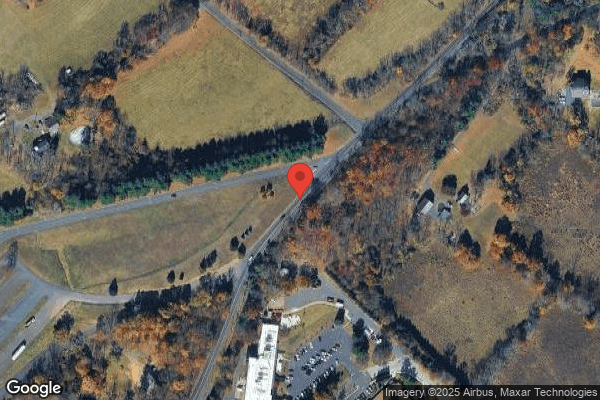
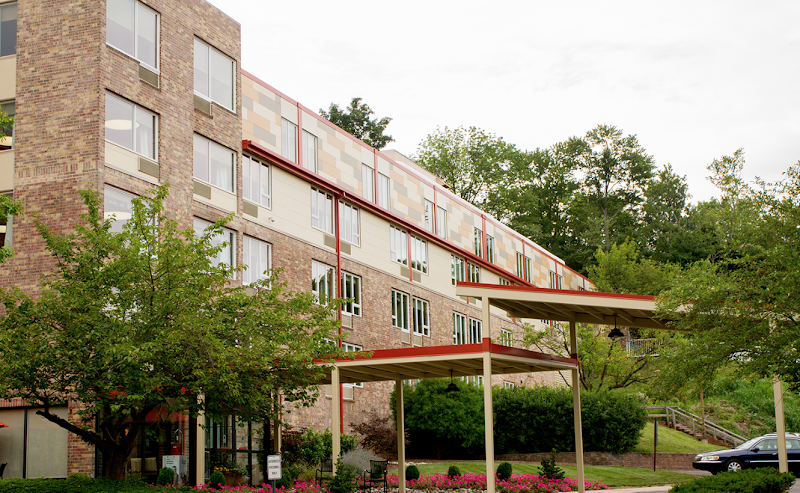
PINE RUN HEALTH CENTER is owned by a non-profit organization. Non-profit facilities reinvest revenue into operations rather than distributing to shareholders. The facility is operated by PRESBYTERIAN SENIOR LIVING, a chain that manages multiple nursing homes. With 90 certified beds and approximately 80 residents (about 89% occupancy), it is a smaller facility located in DOYLESTOWN, Pennsylvania.
How Does Pine Run Compare to Other Pennsylvania Nursing Homes?
Compared to the 100 nursing homes in Pennsylvania, PINE RUN HEALTH CENTER's overall rating (5 stars) is above the state average of 3.0, staff turnover (40%) is near the state average of 46%, and health inspection rating (4 stars) is above the national benchmark.
What Should Families Ask When Visiting Pine Run?
Based on this facility's data, families visiting should ask: "Can I visit during a mealtime to observe dining assistance and food quality?" "How do you handle medical emergencies, and what is your hospital transfer rate?" "Can I speak with family members of current residents about their experience?"
Is Pine Run Safe?
Based on CMS inspection data, PINE RUN HEALTH CENTER has a clean safety record: no substantiated abuse findings (meaning no confirmed cases of resident harm), no Immediate Jeopardy citations (the most serious violation level indicating risk of serious injury or death), and is not on the Special Focus Facility watch list (a federal program monitoring the lowest-performing 1% of nursing homes). The facility has a 5-star overall rating and ranks #1 of 100 nursing homes in Pennsylvania. While no facility is perfect, families should still ask about staff-to-resident ratios and recent inspection results during their visit.
Do Nurses at Pine Run Stick Around?
PINE RUN HEALTH CENTER has a staff turnover rate of 40%, which is about average for Pennsylvania nursing homes (state average: 46%). Moderate turnover is common in nursing homes, but families should still ask about staff tenure and how the facility maintains care continuity when employees leave.
Was Pine Run Ever Fined?
PINE RUN HEALTH CENTER has no federal fines on record. CMS issues fines when nursing homes fail to meet care standards or don't correct problems found during inspections. The absence of fines suggests the facility has either maintained compliance or corrected any issues before penalties were assessed. This is a positive indicator, though families should still review recent inspection reports for the full picture.
Is Pine Run on Any Federal Watch List?
PINE RUN HEALTH CENTER is not on any federal watch list. The most significant is the Special Focus Facility (SFF) program, which identifies the bottom 1% of nursing homes nationally based on persistent, serious quality problems. Not being on this list means the facility has avoided the pattern of deficiencies that triggers enhanced federal oversight. This is a positive indicator, though families should still review the facility's inspection history directly.