CHRIST THE KING MANOR

1100 WEST LONG AVENUE, DUBOIS, PA 15801 (814) 371-3180
Non profit - Other 160 Beds Independent Data: November 2025
Trust Grade
65/100
#274 of 653 in PA
Last Inspection: June 2024

Within standard 12-15 month inspection cycle. Federal law requires annual inspections.

Overview

Christ the King Manor has a Trust Grade of C+, indicating it is slightly above average, but there are areas for improvement. It ranks #274 out of 653 facilities in Pennsylvania, placing it in the top half, and is the best option among four local facilities in Clearfield County. The facility is improving, showing a decrease in issues from seven in 2023 to three in 2024. Staffing is a strength, earning 4 out of 5 stars with a turnover rate of 34%, which is lower than the state average of 46%. However, there are some concerning incidents reported, such as failing to complete necessary health assessments for several residents, administering enteral feeding incorrectly for one resident, and incomplete clinical records for two others, indicating potential gaps in care.

Trust Score
C+
65/100
In Pennsylvania
#274/653
Top 41%
Safety Record
Low Risk
No red flags
Inspections
Getting Better
7 → 3 violations
Staff Stability
○ Average
34% turnover. Near Pennsylvania's 48% average. Typical for the industry.
Penalties
✓ Good
No fines on record. Clean compliance history, better than most Pennsylvania facilities.
Skilled Nurses
✓ Good
Each resident gets 43 minutes of Registered Nurse (RN) attention daily — more than average for Pennsylvania. RNs are trained to catch health problems early.
Violations
⚠ Watch
19 deficiencies on record. Higher than average. Multiple issues found across inspections.
★★★☆☆
3.0
Overall Rating
★★★★☆
4.0
Staff Levels
★☆☆☆☆
1.0
Care Quality
★★★★☆
4.0
Inspection Score
Stable
2023: 7 issues
2024: 3 issues

The Good

  • 4-Star Staffing Rating · Above-average nurse staffing levels
  • Full Sprinkler Coverage · Fire safety systems throughout facility
  • No fines on record
  • Staff turnover below average (34%)

    14 points below Pennsylvania average of 48%

Facility shows strength in staffing levels, fire safety.

The Bad

3-Star Overall Rating

Near Pennsylvania average (3.0)

Meets federal standards, typical of most facilities

Staff Turnover: 34%

12pts below Pennsylvania avg (46%)

Typical for the industry

The Ugly 19 deficiencies on record

Jun 2024 3 deficiencies
CONCERN (E)

Potential for Harm - no one hurt, but risky conditions existed

Assessment Accuracy (Tag F0641)

Could have caused harm · This affected multiple residents

Based on a review of the Resident Assessment Instrument User's Manual and clinical records, as well as staff interviews, it was determined that the facility failed to complete accurate Minimum Data Se...

Read full inspector narrative →
Based on a review of the Resident Assessment Instrument User's Manual and clinical records, as well as staff interviews, it was determined that the facility failed to complete accurate Minimum Data Set assessments for seven of 42 residents reviewed (Residents 17, 52, 63, 64, 98, 103, 117). Findings include: The Long Term Care Facility Resident Assessment Instrument (RAI) User's Manual, which gives instructions for completing Minimum Data Set (MDS) assessments (mandated assessments of a resident's abilities and care needs), dated October 2023, revealed that Section O0110G1b (non-invasive mechanical ventilator) and Section O0110G3b (CPAP- Continuous positive airway pressure - a machine that uses mild air pressure to keep breathing airways open while sleeping) was to be checked if a CPAP device was used while a resident at the facility during the seven-day assessment period. Physician's orders for Resident 17, dated March 25, 2024, included an order for the resident to use a CPAP with humidification at bedtime with oxygen at 2 Liters per minute (L/min) every night. A quarterly MDS for Resident 17, dated April 20, 2024, revealed that Section O0110G1b and Section O0110G3b were not checked indicating that the resident did not use a CPAP device during the seven-day assessment period. Review of the MAR for Resident 17 dated April 2024 revealed that the resident used a CPAP device every night during the seven-day assessment period. Interview with the Director of Nursing on June 13, 2024, at 7:46 a.m. confirmed that Section O0110G1b and Section O0110G3b of Resident 17's quarterly MDS assessment, dated April 20, 2024, should have been checked to indicate that he used a CPAP device during the seven-day assessment period but was not. The Long-Term Care Facility RAI User's Manual, dated October 2023, revealed that Section N0415C should be checked if the resident received an antidepressant medication, Section N0415G was to be checked if the resident received a diuretic medication, and Section N0415H was to be checked if the resident received an opioid (pain medication) medication during the seven-day assessment period. Physician's orders for Resident 52, dated May 15, 2024, included an order for the resident to receive 2 milligrams (mg) of Bumetanide (diuretic) one time a day and 10 mg of Fluoxetine (an antidepressant) one time day. Physician's orders, dated April 5, 2024, included an order for the resident to receive 50 mg of Tramadol (opioid pain medication) once daily at bedtime. A quarterly MDS for Resident 52, dated May 21, 2024, revealed that Section N0415C, Section N0415G, and Section N0415H where not checked, indicating that the resident did not receive a diuretic medication, an antidepressant medication, or an opioid medication during the seven-day look-back assessment period. Review of the MAR for Resident 52, dated May 2024 revealed that the resident received 2 mg of Bumetanide once a day, 10 mg of Fluoxetine once a day, and 50 mg of Tramadol once a day during the seven-day assessment period. Interview with the Director of Nursing on June 13, 2024, at 7:45 a.m. confirmed that Section N0415C, Section N0415G, and Section N0415H of Resident 52's quarterly MDS assessment for May 15, 2024, was checked incorrectly and should have been checked to indicate that she received a diuretic, antidepressant, and opioid medication during the seven-day assessment period. The Long-Term Care Facility RAI User's Manual, dated October 2023, revealed that Section O0110J1b was to be checked if the resident was receiving dialysis treatment while a resident at the facility during the seven-day assessment period. Physician's orders for Resident 63, dated August 2, 2023, included an order to ensure communication forms are sent with the resident to dialysis every Monday, Wednesday, and Friday, and to ensure the form is received back upon return. A quarterly MDS for Resident 63, dated June 5, 2024, revealed that section O0110J1b was not checked, indicating that the resident did not receive dialysis treatment during the seven-day assessment period. Interview with the Director of Nursing on June 13, 2024, at 9:46 a.m. confirmed that section O0110J1b of Resident 63's quarterly MDS assessment, dated June 5, 3024, was not checked to indicate that she was receiving dialysis treatments while a resident at the facility during the seven-day assessment period and it should have been. The RAI User's Manual, dated October 2023, revealed that if a resident used oxygen, then Section O0110C was to be checked if it applied. Physician's orders for Resident 64, dated February 23, 2024, and March 21, 2024, included orders for the resident to use a CPAP with oxygen at 2 liters per minute (lpm) during the evening and night shift and to receive 2 liters of oxygen per minute every shift. Review of Resident 64's MAR for March 2024 revealed that the resident used a CPAP device during the evening and night shift and received 2 liters of oxygen every shift from March 1 to 31, 2024. However, a quarterly MDS assessment, dated May 29, 2024, revealed that Section O0110G1b and Section O0110G3b were not checked, indicating that the resident did not use a CPAP device during the review period, and Section O0110C was not checked, indicating that the resident did not receive oxygen during the review period. Interview with the Director of nursing on June 13, 2024, at 7:45 a.m. confirmed that Resident 64's quarterly MDS of May 29, 2024, was coded incorrectly. The RAI User's Manual, dated October 2023, revealed that if the resident had a fall since admission, entry or re-entry, or a prior assessment, then Section J1800 was to be coded (1) Yes, and Section J1900 was to be completed. If the resident had a fall with no injury since admission, entry or re-entry, or a prior assessment then J1900A was to be coded with the number of falls. If the resident had a fall with an injury (skin tears, abrasions, lacerations, superficial bruises, hematoma) since admission, entry or re-entry, or a prior assessment then Section J1900B was to be coded with the number of falls. If the resident had a fall with a major injury (bone fractures, joint dislocations, closed head injuries with altered consciousness, subdural hematoma) since admission, entry or re-entry, or a prior assessment then Section J1900C was to be coded with the number of falls. An investigation report and nursing note for Resident 98, dated March 27, 2024, at 10:53 p.m. revealed that the resident was found lying on the floor in the resident's room. He was having some pain with his knee and was reluctant to bend it. An x-ray result, dated March 28, 2024, revealed that the resident had an acute fracture of the right hip. A significant change MDS assessment for Resident 98, dated April 6, 2024, revealed that Section J1800 was incorrectly coded zero (0) - No, indicating that the resident had no falls since admission, entry or re-entry, or the prior assessment. By coding Section J1800 as (0) No, the computerized MDS software did not allow Sections J1900C to be completed to reflect that the resident had a fall and fracture. Interview with the Director of nursing on June 13, 2024, at 7:45 a.m. confirmed that Resident 98's significant change MDS assessment of April 6, 2024, was coded incorrectly. An investigation report and nursing note for Resident 103, dated May 14, 2024, at 6:57 a.m. revealed that the resident was found lying on the floor beside his bed and had a 3.0 centimeter (cm) superficial scratch to his forehead. A significant change MDS assessment for Resident 103, dated May 18, 2024, revealed that Section J1900 was coded (1) indicating that the resident had one fall with a major injury. Interview with the Director of nursing on June 12, 2024, at 1:25 p.m. confirmed that Resident 103's admission MDS assessment of May 18, 2024, was coded incorrectly. A discharge MDS for Resident 117, dated April 28, 2024, revealed that section A2105 indicated the resident was discharged to a short-term general hospital. Physician's orders for Resident 117, dated April 28, 2024, included an order to discharge to home. Interview with the Director of Nursing on June 13, 2024, at 9:46 a.m. confirmed that Section A2105, Resident 117's discharge MDS assessment, dated April 28, 2024, should have been checked to indicate that the resident was discharged to home. 28 Pa. Code 211.5(f) Clinical Records.
CONCERN (E)

Potential for Harm - no one hurt, but risky conditions existed

Tube Feeding (Tag F0693)

Could have caused harm · This affected multiple residents

Based on review of clinical records, as well as staff interviews, it was determined that the facility failed to ensure that an enteral feeding was administered in accordance with physician's orders fo...

Read full inspector narrative →
Based on review of clinical records, as well as staff interviews, it was determined that the facility failed to ensure that an enteral feeding was administered in accordance with physician's orders for one of 42 residents reviewed (Resident 67). Findings include: A quarterly Minimum Data Set (MDS) assessment (a mandated assessment of a resident's abilities and care needs) for Resident 67, dated April 25, 2024, revealed that the resident was understood, could understand others, and had a feeding tube. A care plan for the resident, dated February 9, 2024, revealed that the resident required supplemental tube feed (a way to provide nutrition when you cannot eat or drink safely by mouth) and fluids via percutaneous endoscopic gastrostomy (PEG -the placement of a feeding tube through the skin and the stomach wall) tube to meet nutritional/hydration needs. Staff were to give 240 milliliters (ml) of Glucerna (a tube feeding formula) daily for inadequate oral intake via PEG-tube as ordered. A care plan, dated May 6, 2024, revealed that the resident has a potential nutritional problem related to impaired oral intake and the need for a mechanically altered diet. Staff was to provide and serve supplements as ordered: Give 240 ml of Glucerna 1.5 Cal via PEG-tube after meals for impaired oral intake when she consumes less than three points of her meal (a system used to explain the amount eaten). Physician's orders for Resident 67, dated November 8, 2023, included an order for staff to give 240 ml of Glucerna 1.5 Cal via PEG-tube after meals for impaired oral intake when she consumes less than three points of her meal. Resident 67's amount eaten record for April and May 2024 indicated that the resident ate four points during the lunch meal and five points during the supper meal on April 15, 2024; ate three points during the lunch meal on April 29, 2024; ate six points during the lunch meal on May 7, 2024; ate four points during the supper meal on May 15, 2024; ate three points during the lunch meal on May 19, 2024; ate three points during the lunch meal on May 23, 2024; and ate four points during the supper meal on May 27, 2024. However, Resident 67's Medication Administration Records, dated April and May 2024, indicated that she received the 240 ml bolus feeding of Glucerna 1.5 Cal on the above dates. Interview with the Director of Nursing on June 13, 2024, at 9:56 a.m. confirmed that Resident 67 received the 240 ml bolus feeding of Glucerna 1.5 Cal on the above dates when her meal points were three and/or above and that she should not have been given the 240 ml bolus feeding of Glucerna 1.5 Cal. 28 Pa. Code 211.12(d)(5) Nursing Services.
CONCERN (E)

Potential for Harm - no one hurt, but risky conditions existed

Medical Records (Tag F0842)

Could have caused harm · This affected multiple residents

Based on review of clinical records, as well as staff interviews, it was determined that the facility failed to ensure that clinical records were complete and accurately documented for two of 42 resid...

Read full inspector narrative →
Based on review of clinical records, as well as staff interviews, it was determined that the facility failed to ensure that clinical records were complete and accurately documented for two of 42 residents reviewed (Residents 24, 67). Findings include: A significant change in status Minimum Data Set (MDS) assessment (a mandated assessment of a resident's abilities and care needs) for Resident 24, dated April 20, 2024, revealed that the resident was usually understood, could usually understand others, and had a diagnosis of dementia. Physician's orders for Resident 24, dated April 16, 2024, included an order for staff to cleanse the resident's left buttocks with wound cleanser then apply Chamosyn ointment (used to protect skin from wetness, urine, or stools) to her Peri wound (the area around the wound) and place Xeroform (a fine mesh gauze occlusive dressing impregnated with petrolatum and 3 percent Xeroform) to her open wounds. Then place an ABD pad (a gauze dressing that absorbs fluid from large or heavily draining wounds) every day and evening shift and as needed with each incontinence. Physician's orders for Resident 24, dated April 15, 2024, included an order for the resident to receive 0.25 milliliters (ml) of morphine sulfate (used to treat moderate to severe pain) every three hours as needed for pain/shortness of breath. Physician's orders for Resident 24, dated June 7, 2024, included an order for staff to administer the as needed Roxanol (the brand name for morphine) 15-20 minutes prior her to wound care every shift. Resident 24's Treatment Administration Record (TAR), dated June 2024, indicated that the night shift staff documented as administering the as needed Roxanol 15-20 minutes prior her to wound care June 7 through 11, 2024. However, there was no documented evidence in the resident's clinical record and/or TAR that the night shift completed any wound care. Interview with the Director of Nursing on June 12, 2024, at 12:15 p.m. confirmed that there was no documented evidence that the night shift completed any wound care on Resident 24 and that they should not be documenting the administration of the Roxanol 15-20 minutes prior to her wound care. A quarterly MDS assessment for Resident 67, dated April 25, 2024, revealed that the resident was understood, could understand others, and had a feeding tube. A care plan for the resident, dated February 9, 2024, revealed that the resident requires supplemental tube feed (a way to provide nutrition when you cannot eat or drink safely by mouth) and fluids via percutaneous endoscopic gastrostomy (PEG -the placement of a feeding tube through the skin and the stomach wall) tube to meet nutritional/hydration needs. Staff were to give 240 milliliters (ml) of Glucerna (a tube feeding formula) daily for inadequate oral intake via PEG-tube as ordered. A care plan, dated May 6, 2024, revealed that the resident has a potential nutritional problem related to impaired oral intake and the need for a mechanically altered diet. Staff was to provide and serve supplements as ordered: Give 240 ml of Glucerna 1.5 Cal via PEG-tube after meals for impaired oral intake when she consumes less than three points of her meal. Physician's orders for Resident 67, dated November 8, 2023, included an order for staff to give 240 ml of Glucerna 1.5 Cal via PEG-tube after meals for impaired oral intake when she consumes less than three points of her meal. Physician's orders for Resident 67, dated November 2, 2023, included an order for staff to flush the resident's PEG-tube with 30 ml of warm water before and after each feeding. Resident 67's Medication Administration Records (MARs), dated May and June 2024, indicated that staff did not give the 240 ml of Glucerna 1.5 Cal via Peg-tube on May 7, 2024, at 8:30 a.m.; on May 12, 2024, at 8:30 a.m. and 12:30 p.m.; on May 17, 2024, at 8:30 a.m.; on May 19, 2024, at 8:30 a.m.; on May 20, 2024, at 8:30 a.m. and 6:30 p.m.; on May 21, 2024, at 8:30 a.m., 12:30 p.m., and 6:30 p.m.; on May 22, 2024, at 8:30 a.m., 12:30 p.m., and 6:30 p.m.; on May 23, 2024, at 8:30 a.m.; on May 24, 2024, at 8:30 a.m.; on May 25, 2024, at 8:30 a.m. and 6:30 p.m.; on May 26, 2024, at 12:30 p.m.; on May 27, 2024, at 12:30 p.m.; on May 30, 2024, at 6:30 p.m.; on May 31, 2024, at 12:30 p.m.; on June 1, 2024, at 8:30 a.m.; on June 2, 2024, at 8:30 a.m.; on June 3, 2024, at 6:30 p.m.; on June 6, 2024, at 6:30 p.m.; on June 7, 2024, at 8:30 a.m., 12:30 p.m., and 6:30 p.m.; on June 8, 2024, at 6:30 p.m.; on June 9, 2024, at 6:30 p.m.; on June 10, 2024, at 8:30 a.m. and 12:30 p.m.; on June 11, 2024, at 8:30 a.m., and 12:30 p.m.; and on June 12, 2024, at 8:30 a.m. However, Resident 67's TARs, dated May and June 2024, indicated that the staff documented as flushing the resident's PEG-tube with 30 ml of warm water before and after each feeding on the above dates and times. Interview with the Director of Nursing on June 13, 2024, at 7:50 a.m. confirmed that staff documented as flushing the resident's PEG-tube with 30 ml of warm water before and after each feeding on the above dates and times when the resident did not receive the 240 ml of Glucerna 1.5 Cal via Peg-tube. 28 Pa. Code 211.5(f) Clinical Records. 28 Pa. Code 211.12(d)(1)(5) Nursing Services.
Jul 2023 7 deficiencies
CONCERN (D)

Potential for Harm - no one hurt, but risky conditions existed

Assessment Accuracy (Tag F0641)

Could have caused harm · This affected 1 resident

Based on review of the Resident Assessment Instrument User's Manual and clinical records, as well as staff interviews, it was determined that the facility failed to complete accurate comprehensive Min...

Read full inspector narrative →
Based on review of the Resident Assessment Instrument User's Manual and clinical records, as well as staff interviews, it was determined that the facility failed to complete accurate comprehensive Minimum Data Set assessments for one of 48 residents reviewed (Resident 72). Findings include: The Resident Assessment Instrument (RAI) User's Manual, which gives instructions for completing Minimum Data Set (MDS) assessments (required assessments of a resident's abilities and care needs), dated October 2019, revealed that Section N0410H Opioid Medications (narcotic medications used to treat pain) was to be coded for the number of days the resident used an opioid during the seven-day assessment period. Physician's orders for Resident 72, dated March 24, 2022, included an order for the resident to receive Hydrocodone acetaminophen (an opioid used for pain) every day. The resident's Medication Administration Record (MAR) for April 2023 revealed that the resident received Hydrocodone acetaminophen seven days during the look-back assessment period. A Quarterly MDS for Resident 72, dated April 27, 2023, revealed that Section N0401H was coded (0), indicating that the resident did not receive opioid medication for seven days during the look-back assessment period. An interview with the Director of Nursing on July 20, 2023, at 1:05 p.m. confirmed that the assessment mentioned above was coded incorrectly. 28 Pa. Code 211.5(f) Clinical records.
CONCERN (D)

Potential for Harm - no one hurt, but risky conditions existed

Comprehensive Care Plan (Tag F0656)

Could have caused harm · This affected 1 resident

Based on review of policies and clinical records, as well as staff interviews, it was determined that the facility failed to develop an individualized care plan for one of 48 residents reviewed (Resid...

Read full inspector narrative →
Based on review of policies and clinical records, as well as staff interviews, it was determined that the facility failed to develop an individualized care plan for one of 48 residents reviewed (Resident 50). Findings include: The facility's policy regarding care plans, dated July 3, 2023, indicated that the facility would develop a written plan of care that was individualized for each resident's daily care routines and would be available to staff personnel who had responsibility for providing care or services to the resident. Physician's orders for Resident 50, dated June 21, 2023, included orders for the resident to have an indwelling foley catheter (a tube inserted directly into the bladder). There was no documented evidence that a care plan was developed to address Resident 50's care needs related to the indwelling foley catheter. Interview with the Director of Nursing on July 19, 2023, at 2:00 p.m. confirmed that Resident 50 did not have a care plan that addressed the care and services needed for an indwelling foley catheter. 28 Pa. Code 211.11(d) Resident care plan. 28 Pa. Code 211.12(d)(5) Nursing services.
CONCERN (D)

Potential for Harm - no one hurt, but risky conditions existed

Deficiency F0697 (Tag F0697)

Could have caused harm · This affected 1 resident

Based on review of policies and clinical records, as well as staff interviews, it was determined that the facility failed to ensure proper pain management for one of 48 residents reviewed (Resident 11...

Read full inspector narrative →
Based on review of policies and clinical records, as well as staff interviews, it was determined that the facility failed to ensure proper pain management for one of 48 residents reviewed (Resident 115). Findings include: The facility's policy for pain management, dated July 3, 2023, indicated that the goal of pain management is to relieve the physical and psychological symptoms associated with pain while maintaining the resident's functional level. The resident is to have a plan of action formulated which may include non-pharmacological intervention and pharmacological (medication) interventions. The resident may request a non-narcotic or narcotic as ordered by the physician. When completing a pain assessment, if pain is indicated, the resident should be offered non-pharmacological intervention if appropriate. A quarterly Minimum Data Set (MDS) assessment (a mandated assessment of a resident's abilities and care needs) for Resident 115, dated July 13, 2023, indicated that he was confused, had pain, had not received any non-medication interventions for pain, but did receive as-needed and routine pain medication, was unable to respond to what level of pain he had and if the pain interfered with his rest or sleep at night. A diagnosis record for Resident 115, dated April 17, 2023, included Parkinsons (degenerative disorder of the nervous system which effects the motor system) and spinal stenosis (narrowing of the spinal canal which can cause pressure on the spinal cord) of the lumbar region (lower back). A physician's order for Resident 115, dated April 17, 2023, included an order for the resident to receive one 5-325 milligrams (mg) tablet of Hydrocodone-Acetaminophen by mouth every 4 hours as needed for a pain level of 6-10 (where 1 is the least amount of pain and 10 is the most severe pain). The Medication Administration Record (MAR) for Resident 115 for May 2023 indicated that on May 1, 2023, at 10:26 p.m. and May 22, 2023, at 12:45 a.m. he was administered one 5-325 mg tablet of Hydrocodone-Acetaminophen for a pain level of 7, which was ineffective. There was no documented evidence of any other interventions being attempted, of the physician being notified, or of any further pain monitoring until May 2, 2023, at 2:15 a.m. and May 23, 2023, at 6:29 a.m. (4-6 hours later). Interview with the Director of Nursing on July 19, 2023, at 3:47 p.m. confirmed that there was no documented follow up by staff when the medication for Resident 115 was ineffective and that they should have attempted something else, notified the physician, and documented their follow up in the clinical record. 28 Pa. Code 211.12(d)(5) Nursing services.
CONCERN (D)

Potential for Harm - no one hurt, but risky conditions existed

Medical Records (Tag F0842)

Could have caused harm · This affected 1 resident

Based on review of clinical records and facility investigation reports, as well as staff interviews, it was determined that the facility failed to ensure that residents' clinical records were complete...

Read full inspector narrative →
Based on review of clinical records and facility investigation reports, as well as staff interviews, it was determined that the facility failed to ensure that residents' clinical records were complete and accurately documented for two of 48 residents reviewed (Residents 5, 50). Findings include: The facility's policy for fall and incident reporting, dated July 3, 2023, indicated that post fall and incident assessment charting will be completed in the resident's electronic record by the registered nurse on duty. A quarterly Minimum Data Set (MDS) assessment (a federally-mandated assessment of the resident's abilities and care needs) for Resident 5, dated June 26, 2023, revealed that the resident was usually understood and could usually understand, was cognitively impaired, required extensive assist for daily care needs, and had diagnoses that included chronic kidney disease. A fall report for Resident 5, dated February 10, 2023, at 10:39 a.m., completed by the registered nurse, revealed that the resident had a witnessed fall on February 6, 2023, at 6:15 p.m. The fall report revealed that two nurse aides reported that the resident went to stand and his legs gave out, resulting in him sliding from his recliner to the ground. Upon assessment the resident was sitting on the ground with his legs extended out in front of him. His head was resting on the recliner, the recliner was slightly elevated, and the walker was in front of him. There was no documented evidence in Resident 5's clinical record of the registered nurse's post-fall assessment. A quarterly MDS for Resident 50, dated June 3, 2023, revealed that the resident was usually understood and could understand, was cognitively impaired, required extensive assist for daily care needs, and had diagnoses that included a displaced fracture of the lateral malleolus of right fibula (bone located in the lower leg). A fall report for Resident 50, dated April 12, 2023, at 3:00 p.m., completed by the registered nurse, revealed that the resident had an unwitnessed fall in his bathroom. The resident was trying to transfer without assistance and fell. The resident's call light was not on and he was last seen by staff when they put him on the commode. He was wearing shoes and maneuvered to his right side. The resident stated that he hit his head on the wall. No bruising, bumps, or open areas were noted. The resident's skin was warm and dry. The resident had a rug burn approximately 1.0 centimeter (cm) by 1.0 cm below right knee and abrasions to left anterior thigh. He was alert and oriented to self only. The resident was anxious and was grabbing at the wall and commode trying to pull himself up. The resident was lying in front of his toilet with his head facing the doorway. He denied pain at that time. Neurological checks were intact. The resident was afebrile and his hips and pelvis were palpated with no reports of pain. His legs were equal in length with no internal rotation noted. He was moving all extremities per baseline. The resident was transferred back to his recliner via mechanical lift. There was no documented evidence in Resident 50's clinical record of the registered nurse's post-fall assessment. Interview with the Director of Nursing on July 19, 2023, at 3:42 p.m. confirmed that there was no documented evidence of the registered nurse's post-fall assessments in Resident 5's and 50's clinical records. 28 Pa Code 211.5(f) Clinical records. 28 Pa. Code 211.12(d)(5) Nursing services.
CONCERN (D)

Potential for Harm - no one hurt, but risky conditions existed

Infection Control (Tag F0880)

Could have caused harm · This affected 1 resident

Based on review of facility policy and clinical records, as well as observations and staff interviews, it was determined that the facility failed to enure proper signage related to isolation precautio...

Read full inspector narrative →
Based on review of facility policy and clinical records, as well as observations and staff interviews, it was determined that the facility failed to enure proper signage related to isolation precautions was posted for one of 48 residents reviewed (Resident 108). Findings include: The facility's policy for initiating isolation precautions, dated July 3, 2023, indicated that when isolation precautions are implemented, the licensed practical nurse or charge nurse assigned to the resident shall post the appropriate signs on the room entrance so that all personnel will be aware of the isolation precautions. The facility's policy for visitation of residents requiring isolation precautions, dated July 3, 2023, indicated that visitors must follow instructions issued by the registered nurse supervisor or charge nurse. An isolation notice requesting all visitors to speak with the nurse prior to visiting the resident will be posted at the entrance of the resident's room. A diagnosis record for Resident 108, dated June 3, 2023, included the diagnosis of a sacral pressure ulcer, Stage 4 (a wound caused by pressure which may extend into the muscle, tendon and bone). A physician's consultation note for Resident 108, dated April 12, 2023, indicated that the resident had a Stage 4 pressure ulcer and a culture from the pressure ulcer showed heavy methicillin resistant staphylococcus aureus (MRSA, a drug resistant bacteria that is difficult to treat). Physician's orders for Resident 108, dated June 3, 2023, included an order for the resident to be on contact precautions due to MRSA of the wound. Observations of Resident 108's room on July 17, 2023, at 11:01 a.m. and July 18, 2023, at 8:27 a.m. and 1:12 p.m. revealed that she had personal protective equipment (PPE) hanging on the door for use; however, there was no signage regarding isolation precautions per the facility's policy. Interview on July 18, 2023, at 1:28 p.m. with Registered Nurse 1 confirmed that she was on isolation for MRSA of the wound and that there should have been a sign on the door but was not. Interview with the Director of Nursing on July 19, 2023, at 3:01 p.m. confirmed that there should have been signage on the door about isolation. 28 Pa. Code 211.12(d)(1)(5) Nursing services.
CONCERN (E)

Potential for Harm - no one hurt, but risky conditions existed

Quality of Care (Tag F0684)

Could have caused harm · This affected multiple residents

Based on a review of the facility policies and clinical records, as well as staff interviews, it was determined that the facility failed to monitor a resident's blood pressure as ordered prior to medi...

Read full inspector narrative →
Based on a review of the facility policies and clinical records, as well as staff interviews, it was determined that the facility failed to monitor a resident's blood pressure as ordered prior to medication administration for one of 48 residents reviewed (Resident 115). Findings include: The facility's policy for administration of medication, dated July 23, 2023, indicated that medication that requires blood pressure parameters is to be obtained and charted on the medication administration record. A diagnosis record for Resident 115, dated April 17, 2023, included diagnoses of atrial fibrillation (irregular heart rhythm) and heart failure. Physician's orders for Resident 115, dated May 14, 2023, included an order for the resident to receive 3.125 milligrams (mg) of Carvedilol (Coreg), one tablet by mouth two times a day for atrial fibrillation and to hold it if the systolic blood pressure (SBP is the pressure when your heart contracts and pushes out blood) is less than 100 or the heart rate is less than 60 beats per minute. The Medication Administration Record (MAR) for Resident 115 for May and June 2023 indicated that the afternoon dose of Carvedilol was not given on May 14, 19, 29, 31 or June 4, 6, 9, 12, 2023. There was no documented evidence in Resident 115's clinical record as to why the medication was not given on the dates listed, and no documented evidence that the resident's blood pressure was taken as ordered for all afternoon doses from May 14, 2023 through June 11, 2024. Interview with the Director of Nursing on July 20, 2023, at 7:48 a.m. confirmed that there was no documented evidence to indicate why the afternoon doses of Carvedilol were not given on the dates listed, and also confirmed that the blood pressure should have been obtained and documented prior to the administration of every dose of carvedilol. 28 Pa. Code 211.12(d)(1)(5) Nursing services.
CONCERN (E)

Potential for Harm - no one hurt, but risky conditions existed

Deficiency F0698 (Tag F0698)

Could have caused harm · This affected multiple residents

Based on review of policies and clinical records, as well as staff interviews, it was determined that the facility failed to ensure communication between a dialysis provider and the nursing staff for ...

Read full inspector narrative →
Based on review of policies and clinical records, as well as staff interviews, it was determined that the facility failed to ensure communication between a dialysis provider and the nursing staff for two of 48 residents reviewed (Residents 69, 109). Findings include: The facility's policy regarding dialysis, dated July 3, 2023, indicated that a communication form was sent to the dialysis unit with each visit. The facility's contract, dated September 13, 2019, indicated that both parties shall ensure that there is documented evidence of collaboration of care and communication between the long-term care facility and the dialysis unit. A quarterly Minimum Data Set (MDS) assessment (a mandated assessment of a resident's abilities and care needs) for Resident 69, dated June 8, 2023, indicated that she was alert and oriented; was independent with hygiene, bed mobility, and transfers; and she received dialysis. A diagnosis record for Resident 69, dated February 24, 2021, included diabetes and end-stage renal disease. Physician's orders for Resident 69, dated October 4, 2021, and her current care plan, dated August 5, 2021, indicated that she was to receive dialysis every Monday, Wednesday, and Friday at 10:00 a.m. There was no documented evidence of routine collaboration of care and communication between the long-term care facility and the dialysis unit on the days when she received dialysis services. Interview with the Director of Nursing on July 19, 2023, at 3:10 p.m. revealed that the staff send communication forms with this resident since she is alert and oriented; however, the forms are not returned daily after dialysis. Interview with the Assistant Director of Nursing on July 19, 2023, at 3:25 p.m. confirmed that there was a record of physician's orders from dialysis with recent changes, dated April 24, 2023, and July 6, 2023; however, there was no documented evidence of routine communication and collaboration of care between the long-term care facility and the dialysis unit for Resident 69. An admission Minimum Data Set (MDS) assessment (a mandated assessment of a resident's abilities and care needs) for Resident 109, dated July 10, 2023, revealed that the resident is usually understood and understands, is cognitively intact, required extensive assist for daily care needs, received dialysis, and had diagnosis that included end-stage renal disease. Physician's orders for Resident 109, dated July 3, 2023, included an order for the resident to have dialysis every Tuesday, Thursday, and Saturday. As of July 19, 2023, there was no documented evidence of routine communication and collaboration of care between the long-term care facility and dialysis unit for Resident 109. Interview with the Director of Nursing on July 19, 2023, at 2:00 p.m. confirmed that the facility does not receive communication forms from the dialysis unit for collaboration of care and communication between the long-term care facility and dialysis unit. 28 Pa. Code 211.12(d)(3) Nursing services.
Dec 2022 2 deficiencies
CONCERN (D) 📢 Someone Reported This

A family member, employee, or ombudsman was alarmed enough to file a formal complaint

Potential for Harm - no one hurt, but risky conditions existed

Deficiency F0658 (Tag F0658)

Could have caused harm · This affected 1 resident

Based on review of the Pennsylvania Nurse Practice Act and clinical records, as well as staff interviews, it was determined that the facility failed to have a professional (registered) nurse assess a ...

Read full inspector narrative →
Based on review of the Pennsylvania Nurse Practice Act and clinical records, as well as staff interviews, it was determined that the facility failed to have a professional (registered) nurse assess a resident's skin for one of 13 residents reviewed (Resident 6). Findings include: The Pennsylvania Code, Title 49, Professional and Vocational Standards, State Board of Nursing, 21.11 (a)(1)(2)(4) indicated that the registered nurse was to collect complete and ongoing data to determine nursing care needs, analyze the health status of individuals and compare the data with the norm when determining nursing care needs, and carry out nursing care actions that promote, maintain and restore the well-being of individuals. An admission Minimum Data Set (MDS) assessment (a mandated assessment of a resident's abilities and care needs) for Resident 6, dated November 25, 2022, indicated that the resident was cognitively impaired, required extensive assistance from staff for her daily care tasks, and had no skin impairments. A nursing note, dated December 5, 2022, at 10:45 p.m. revealed that Resident 6 had a small rash on her abdomen, lower back, thighs and right shoulder and the registered nurse was informed. There was no documented evidence that Resident 6's skin was assessed by a registered nurse after it was determined that the resident had a small rash on her abdomen, lower back, thighs and right shoulder. A nursing note, dated December 10, 2022, at 12:08 p.m. revealed that Resident 6 had a rash on her back, abdomen and her skin folds (areas of skin to skin contact) and was complaining of the areas being itchy. The physician was notified and orders were obtained. Physician's orders, dated December 10, 2022, included orders for Permethrin Cream 5 percent (used to treat scabies) be applied to her whole head and body for scabies (itchy skin rash caused by a tiny burrowing mite) and washed off after 8 to 10 hours and repeated in seven days. Interview with the Director of Nursing on December 13, 2022, at 4:15 p.m. confirmed that she was not aware that Resident 6 had a rash on December 5, 2022, and that there no was no evidence that a skin assessment was completed by a registered nurse. She confirmed that a registered nurse should have assessed the resident's skin at that time. 28 Pa. Code 211.12(d)(1)(5) Nursing services.
CONCERN (D) 📢 Someone Reported This

A family member, employee, or ombudsman was alarmed enough to file a formal complaint

Potential for Harm - no one hurt, but risky conditions existed

Medical Records (Tag F0842)

Could have caused harm · This affected 1 resident

Based on clinical record reviews and staff interviews, it was determined that the facility failed to maintain clinical records that were complete and accurately documented for three of 13 residents re...

Read full inspector narrative →
Based on clinical record reviews and staff interviews, it was determined that the facility failed to maintain clinical records that were complete and accurately documented for three of 13 residents reviewed (Residents 1, 4, 5). Findings include: A nursing note for Resident 1, dated December 3, 2022, revealed that the resident complained this morning that her belly, back, breast and feet were itchy. Lotion was applied and was not effective. The registered nurse was notified. This was a rapid new onset. There was no documented evidence in Resident 1's clinical record that the registered nurse documented her assessment at the time of the resident's change in condition on December 3, 2022, until December 13, 2022, when she entered her assessment as a late entry. Interview with the Assistant Director of Nursing on December 13, 2022, at 12:55 p.m. revealed that she was contacted December 3, 2022, regarding the rash on Resident 1. She drove into the facility and looked at the rash along with the other registered nurse. At 1:26 p.m. she indicated that she went and placed a late note in Resident 1's clinical record regarding her assessment of Resident 1's skin rash. A nursing note for Resident 4, dated November 14, 2022, at 2:10 p.m. revealed that the resident had blotchy rash on his upper trunk and extremities, and denies any itching. The supervisor was made aware. There was no documented evidence in Resident 4's clinical record that the registered nurse documented an assessment at the time of the resident's change in condition on November 14, 2022, until November 15, 2022, at 8:17 p.m., when a late-entry note was entered. A nursing note for Resident 4, dated December 3, 2022, at 10:57 a.m. revealed that the resident was covered in a full body rash. The resident was up all night by the nurses' station, as he was unable to rest because of his itching. The resident was starting to bruise and had open scabs on his skin from the itching. He currently has moisturizing lotion in place with no positive change. The registered nurse was notified. There was no documented evidence in Resident 4's clinical record that the registered nurse documented her assessment at the time of the resident's change in condition on December 3, 2022, until December 13, 2022, when a late-entry note was entered. An admission Minimum Data Set (MDS) assessment (a mandated assessment of a resident's abilities and care needs) for Resident 5, dated October 12, 2022, indicated that the resident was alert and oriented, could make himself understood and could understand others, required extensive assistance from staff for his daily care tasks, and had no skin impairments. A nursing note for Resident 5, dated December 4, 2022, at 8:15 a.m. revealed that the resident's family was updated of the possibility of scabies, as he had a rash, and Permethrin cream was being used. The family was aware that he was scratching yesterday. There was no documented evidence in Resident 5's clinical record that the registered nurse documented her assessment at the time of the resident's change in condition on December 3, 2022, until December 13, 2022, at 1:19 p.m., when a late-entry note was entered. Interview with the Director of Nursing on December 13, 2022, at 5:00 p.m. confirmed that there were no documented assessments by the registered nurse at the time of their change in condition for the above residents and that they were all late entries into the resident's clinical records. 28 Pa. Code 211.5(f) Clinical records.
Jul 2022 7 deficiencies
CONCERN (D)

Potential for Harm - no one hurt, but risky conditions existed

Abuse Prevention Policies (Tag F0607)

Could have caused harm · This affected 1 resident

Based on review of policies and personnel files, as well as staff interviews, it was determined that the facility failed to complete nurse aide registry verification for one of five new nurse aides re...

Read full inspector narrative →
Based on review of policies and personnel files, as well as staff interviews, it was determined that the facility failed to complete nurse aide registry verification for one of five new nurse aides reviewed (Nurse Aide 1). Findings include: The facility's policy regarding abuse prevention, dated October 1, 2021, indicated that the facility would take necessary steps to prevent the employment of individuals who have been convicted of abusing, neglecting, or mistreating individuals. The facility would investigate the histories of individuals being considered for hiring by checking references. In addition, the facility would further investigate all potential employees by making inquiries with the State Nurse Aide Registry when appropriate, checking with the appropriate licensing boards, and checking the criminal history background of all newly hired employees. The personnel file for Nurse Aide 1 revealed that she was hired on April 26, 2022, and there was no documented evidence that the nurse aide's standing on the Pennsylvania Nurse Aide Registry was verified prior to hire. Interview with the Nursing Home Administrator on July 14, 2022, at 2:30 p.m. confirmed that there was no documented evidence that Nurse Aide 1's standing on the Pennsylvania Nurse Aide Registry was verified prior to their hire. 28 Pa. Code 201.18(e)(1) Management.
CONCERN (D)

Potential for Harm - no one hurt, but risky conditions existed

Assessment Accuracy (Tag F0641)

Could have caused harm · This affected 1 resident

Based on review of the Resident Assessment Instrument User's Manual and clinical records, as well as staff interviews, it was determined that the facility failed to complete accurate Minimum Data Set ...

Read full inspector narrative →
Based on review of the Resident Assessment Instrument User's Manual and clinical records, as well as staff interviews, it was determined that the facility failed to complete accurate Minimum Data Set assessments for two of 48 residents reviewed (Residents 27, 62). Findings include: A care plan for Resident 27, dated April 26, 2021, and revised April 11, 2022, revealed that the resident has an ADL self care performance deficit and staff was to ensure the bathroom door alarm is on and working. Physician's orders, dated December 9, 2021, included an order for the resident to have a door alarm to his bathroom. The Long-Term Care Facility Resident Assessment Instrument (RAI) User's Manual, which provides guidance and instructions for the completion of Minimum Data Set (MDS) assessments (mandated assessments of a resident's abilities and care needs), dated October 2019, indicated that the intent of Section P0200 (Alarms) was to record the frequency that an alarm or electronic device that monitors the resident's movement and alerts the staff, by either audible or inaudible means, when movement is detected was used, at any time during the day or night, during the seven-day look-back period. If the resident had an alarm, then the appropriate type of alarm used was to be coded in Sections P0200A through P0200F. An annual MDS assessment for Resident 27, dated April 30, 2022, revealed that Section P0200A through P0200F was coded to indicate that the resident did not use an alarm. Questions P0200D and P0200F indicated that no alarms were used. However, a review of Treatment Administration Records (TARs) for Resident 27, dated April 2022, revealed that on April 1-30, 2022, staff were documenting that the resident's bathroom door alarm was on and working. Interview with the Director of Nursing on July 14, 2022, at 9:45 a.m. confirmed that Resident 27 did have a bathroom door alarm and Section P0200 was coded inaccurately on the annual MDS assessment of April 30, 2022. The RAI User's Manual, dated October 2019, revealed that Section O0100 was to be completed with the resident's special treatments, procedures, and programs, and Section O0100H was to be coded for the use of intravenous (IV - a catheter inserted into a vein to provide medications or other fluids) medications. Column (1) was to be checked if the resident received IV medications while not a resident of the facility within the last 14 days, and column (2) was to be checked if the resident received IV medications while a resident of the facility within the last 14 days. A nursing note for Resident 62, dated May 27, 2022, indicated that the resident was admitted to the facility with an infection in his left hip that required IV antibiotics and had a peripherally inserted central catheter (PICC - a catheter inserted in the vein to provide medication used when intravenous treatment is required over a long period) in his right arm. Physician's orders for Resident 62, dated May 27, 2022, included an order for the resident to be provided Cefazolin Sodium (antibiotic medication) solution reconstituted 2 grams intravenously every eight hours for infected left hip for six weeks. Review of the medication administration records for Resident 62 for May and June 2022 indicated that the resident received all scheduled doses of the IV antibiotic. An admission MDS assessment for Resident 62, dated June 1, 2022, revealed that column (2) of Section 00100H (IV medications) was not marked with a checkmark indicating that the resident received IV medications. Interview on July 14, 2022, at 10:32 a.m. with Registered Nurse Assessment Coordinator 4 (RNAC - the registered nurse responsible for completing the MDS assessments) confirmed that Section O0100H2 of Resident 62's MDS assessment was inaccurate and should have indicated that the resident received IV medications during the 14-day look-back review period. 28 Pa. Code 211.5(f) Clinical records.
CONCERN (D)

Potential for Harm - no one hurt, but risky conditions existed

Deficiency F0773 (Tag F0773)

Could have caused harm · This affected 1 resident

Based on review of facility policies and clinical records, as well as staff interviews, it was determined that the facility failed to obtain a physician's order for an invasive procedure to collect a ...

Read full inspector narrative →
Based on review of facility policies and clinical records, as well as staff interviews, it was determined that the facility failed to obtain a physician's order for an invasive procedure to collect a specimen for a laboratory test for two of 48 residents reviewed (Residents 27, 116). Findings include: The facility's policy regarding urine specimen collection, dated October 1, 2021, revealed that all urine specimens must have a physician's order and are sent to the laboratory for analysis. Any resident who is able to void continently must be given the opportunity to do so before an order for a catherization (insertion of a plastic tube into the bladder) is obtained. A quarterly Minimum Data Set (MDS) assessment (a mandated assessment of a resident's abilities and care needs) for Resident 27, dated March 7, 2022, revealed that the resident was sometimes understood, could understand, and required extensive assistance from staff for his daily care needs, including with toileting, and was frequently incontinent of bladder. Physician's orders, dated April 13, 2022, included an order for a urinalysis and culture and sensitivity (UA/C&S tests to determine if there is a urinary infection and which antibiotics will work to treat it) and the order was to be discontinued when obtained. A progress note for Resident 27, dated April 17, 2022, revealed that the writer attempted to straight cath (an invasive procedure in which the catheter is inserted through the urethra and into the bladder to drain the urine; once the bladder is empty, the catheter is removed) the resident to obtain the UA/C&S as ordered. The catheter would not advance to obtain the urine. Will re-attempt at later time. There was no documented evidence that staff obtained a physician's order to obtain Resident 27's urine specimen via catheterization. A quarterly MDS assessment for Resident 116, dated June 30, 2022, revealed that the resident was understood, usually understands, required extensive assistance from staff for toilet use, and was frequently incontinent of bladder. Physician's orders, dated June 9, 2022, included an order for a urinalysis and culture and sensitivity, and the order was to be discontinued when obtained. A progress note for Resident 116, dated June 10, 2022, revealed that the writer attempted to straight cath the resident to obtain the UA/C&S, but was unable to obtain urine. A progress note for Resident 116, dated June 12, 2022, revealed that the resident was straight cathed to obtain the UA/C&S. The amount of urine obtained from the straight cath only filled the tubing, which was not enough to send to the lab. A progress note for Resident 116, dated June 21, 2022, revealed that the resident was straight cathed without difficulty to obtain the UA/C&S. There was no documented evidence that staff obtained a physician's order to obtain Resident 116's urine specimen via catheterization. Interview with the Director of Nursing on July 13, 2022, at 2:50 p.m. confirmed that there was no evidence that a physician's order was obtained for Resident 27 and 116 to be catheterized in order to obtain the urine specimen. 28 Pa. Code 211.12(d)(1)(3)(5) Nursing services.
CONCERN (D)

Potential for Harm - no one hurt, but risky conditions existed

Infection Control (Tag F0880)

Could have caused harm · This affected 1 resident

Based on review of policies and clinical records, as well as observations and staff interviews, it was determined that the facility failed to ensure that staff used proper infection control practices ...

Read full inspector narrative →
Based on review of policies and clinical records, as well as observations and staff interviews, it was determined that the facility failed to ensure that staff used proper infection control practices during incontinent care for one of 29 residents reviewed (Resident 68). Findings include: The facility's policy regarding hand washing, dated October 1, 2022, indicated that hands were to be washed before moving from a contaminated body site to a clean body site during resident care, after contact with a resident's intact skin, after contact with blood or bodily fluids, and before any direct contact with a resident. The facility's policy regarding gloves, dated October 1, 2022, indicated that disposable, single-use gloves must be replaced as soon as practical when contaminated. An admission Minimum Data Set (MDS) assessment (a mandated assessment of a resident's abilities and care needs) for Resident 68, dated June 4, 2022, revealed that the resident was cognitively intact and required the extensive assistance of two staff for bed mobility, toileting, hygiene, was totally dependent on two staff for transfers, was occasionally incontinent of bladder, and frequently incontinent of bowel. Observations of Resident 68 on July 11, 2022, at 1:06 p.m. revealed that the resident had been incontinent of urine, but still had to be toileted to have a bowel movement. Nurse Aides 2 and 3, both wearing gloves, assisted Resident 68 to the toilet and removed her saturated, urine-soaked brief. Both nurse aides allowed the resident to have privacy to have a bowel movement. Nurse Aides 2 and 3 used alcohol-based hand rub and donned clean gloves. Both nurse aides assisted the resident to stand, and Nurse Aide 2 used a moistened wipe to provide peri care, while Nurse Aide 3 applied a new brief. As Nurse Aides 2 and 3 were pulling the resident's pants up, she said that her pants needed changed because they were wet. Resident 68 was assisted to sit in her wheelchair and her pants were removed. With the same gloves on that were used while providing peri care, Nurse Aide 2 assisted the resident out of the bathroom to her room, got clean pants out of her closet, and started to put them on the resident. Nurse Aide 3 placed the resident's soiled pants in a bag, tied it shut, and put it in her closet because the family does the resident's laundry. Without changing her gloves, Nurse Aide 3 assisted Nurse Aide 2 to stand the resident and pull up her clean pants. Nurse Aides 2 and 3 then removed their gloves and used alcohol-based hand rub. Interview with Nurse Aide 2 on July 11, 2022, at 1:16 p.m. confirmed that she did not change gloves and perform hand hygiene after providing peri care, because the pants had urine on them and needed removed, but she should have at least changed her soiled gloves before putting on clean pants. Interview with the Assistant Director of Nursing/Infection Preventionist on July 14, 2022, at 10:55 a.m. confirmed that after cleaning Resident 68, Nurse Aide 2 should have removed her gloves, washed her hands, and applied new gloves before dressing the resident in clean pants. 28 Pa. Code 211.12(d)(1) Nursing services. 28 Pa. Code 211.12(d)(5) Nursing services.
CONCERN (E)

Potential for Harm - no one hurt, but risky conditions existed

Quality of Care (Tag F0684)

Could have caused harm · This affected multiple residents

Based on review of policies and clinical records, as well as staff interviews, it was determined that the facility failed to ensure that residents received care in accordance with professional standar...

Read full inspector narrative →
Based on review of policies and clinical records, as well as staff interviews, it was determined that the facility failed to ensure that residents received care in accordance with professional standards of practice and facility policy, by failing to ensure that physician's orders were followed for five of 48 residents reviewed (Residents 2, 32, 62, 93, 111) who were ordered monitoring of Intake and Output, and failed to ensure that physician's orders for obtaining weights were followed for one of 48 residents reviewed (Resident 114). Findings include: The facility's policy regarding Intake and Output (I&O - the measurement of a resident's fluid intake by mouth, feeding tubes, or intravenous catheters, and output from kidneys, gastrointestinal tract, drainage tubes, and wounds), dated October 1, 2021, indicated that I&O were to be monitored accurately to ensure adequate hydration levels per physician's order. All nursing personnel were responsible for recording and maintaining the amounts on residents with a physician's order, or for residents with tube feedings, fluid restrictions, elevated temperature, intravenous therapy, lithium therapy, indwelling catheter, a noticeable change in condition, and during the first 14 days of admission to the facility. A quarterly Minimum Data Set (MDS) assessment (a mandated assessment of a resident's abilities and care needs) for Resident 2, dated July 2, 2022, indicated that the resident was alert and oriented, could make herself understood and could understand others, had a feeding tube, was on a mechanically altered diet, and had diagnoses that included chronic kidney disease. Physician's orders for Resident 2, dated May 2, 2022, included an order for the resident to have I&O monitored every shift. A care plan, dated May 3, 2022, indicated that staff were to monitor and document the resident's I&O per the facility policy. Review of Resident 2's I&O records for June 16 to July 14, 2022, revealed that there was no documented evidence that Resident 2's I&O was monitored or recorded every shift in accordance with the physician's orders and care plan. An annual MDS assessment for Resident 32, dated April 27, 2022, indicated that the resident was severely cognitively impaired, had no speech, and was rarely or never understood, had a feeding tube, and had diagnoses that included traumatic spinal cord dysfunction and quadriplegia (paralysis from the neck down). Physician's orders for Resident 32, dated March 26, 2022, included an order for the resident to have I&O monitored every shift. A care plan, revised June 9, 2022, indicated that the resident was dependent on staff for tube feedings and water flushes, and to follow physician orders Review of Resident 32's I&O records for June 15 to July 14, 2022, revealed that there was no documented evidence that Resident 32's output was being monitored and recorded every shift in accordance with the physician's orders and care plan. An admission MDS assessment for Resident 62, dated June 1, 2022, indicated that the resident was severely cognitively impaired, could make himself understood and could understand others, required extensive assistance with bed mobility, transfers, and toileting, received diuretic (water pill) and antibiotic medications, and had diagnoses that included infection of the left hip prosthesis. Physician's orders for Resident 62, dated June 10, 2021, included an order for the resident to have I&O monitored every shift due to intravenous therapy. A care plan, revised June 1, 2022, indicated that staff were to monitor and document the resident's I&O due to the potential for fluid deficit related to increased fluid needs related to an open wound with drainage and a wound vac (a machine that uses a suction pump, tubing and a dressing to remove excess exudate and promote healing in wounds). Review of Resident 62's I&O records for June 14 to July 13, 2022, revealed that there was no documented evidence that Resident 62's output was being monitored or recorded every shift in accordance with the physician's orders and care plan. A quarterly MDS assessment for Resident 93, dated June 21, 2022, indicated that the resident was alert and oriented, could make himself understood and could understand others, required supervision with eating, received a diuretic medication, and had diagnoses that included heart failure. Physician's orders for Resident 93, dated April 24, 2021, included an order for the resident to have I&O monitored every shift. A care plan, dated April 12, 2021, indicated that staff were to monitor and document the resident's I&O per the facility policy. Review of Resident 93's I&O records for June 15 to July 13, 2022, revealed that there was no documented evidence that Resident 93's output was being monitored or recorded every shift in accordance with the physician's order and care plan. An admission MDS assessment for Resident 111, dated June 29, 2022, indicated that the resident was cognitively intact, could make herself understood and could understand others, required extensive assist with bed mobility, transfers, dressing and toileting, was independent with eating, received a diuretic medication, and had diagnoses that hypertension (high blood pressure). Physician's orders for Resident 111, dated June 29, 2021, included an order for the resident to have I&O monitored every shift indefinitely. A care plan, revised June 28, 2022, indicated that staff were to monitor and document the resident's I&O related to diuretic use. An interview with the Registered Dietitian on July 14, 2022, at 10:51 a.m. indicated that the I&O monitoring was ordered due to fluid retention and weight gain, and that she monitors the intake of fluids but nursing staff are assessing for edema. Review of Resident 111's I&O records for June 24 to July 14, 2022, revealed that there was no documented evidence that Resident 111's I&O was being monitored or recorded every shift in accordance with the physician's orders and care plan. Interview with the Director of Nursing on July 14, 2022, at 11:07 a.m. confirmed that there was no documented evidence that I&O was monitored every shift per the physician's orders and care plans for Residents 2, 32, 62, 93 and 111. A quarterly MDS assessment for Resident 114, dated July 2, 2022, revealed that the resident was understood and could understand, and required limited assistance from staff for her daily care tasks. A care plan for the resident, dated May 17, 2021, and revised June 10, 2022, revealed that the resident was at risk for unintended weight loss and that staff were to obtain the resident's weight as ordered, and monitor per the facility's policy. Physician's orders for the resident, dated December 14, 2021, included an order for the resident to be weighed every two weeks on Saturday. Review of Resident 114's clinical record, including Medication Administration Records (MARs) and Treatment Administration Records (TARs), revealed no documented evidence that the resident had her weights obtained as ordered and/or that the resident had refused to have her weight obtained. Review of nurse aide documentation revealed that on May 8, and 21, 2022, and June 4, and 18, 2022, it was documented that the resident was not available. However, there was no documented evidence that the resident was not in the facility during those dates. Interview with the Director of Nursing on July 13, 2022, at 10:15 a.m. confirmed that there was no documented evidence that Resident 114 had her weights obtained as ordered and that she spoke with the nurse aide that attempted to obtain the resident's weight on those dates and the nurse aide indicated that the resident did not want to get out of bed, so she marked it as the resident not being available to obtain her weight. She indicated that the nurse aide should have marked that the resident refused if she was unable to obtain the resident's weight at that time. 28 Pa. Code 211.12(d)(1)(3)(5) Nursing services.
CONCERN (E)

Potential for Harm - no one hurt, but risky conditions existed

Food Safety (Tag F0812)

Could have caused harm · This affected multiple residents

**NOTE- TERMS IN BRACKETS HAVE BEEN EDITED TO PROTECT CONFIDENTIALITY** Based on review of facility policy, manufacturer's instructions, United States Food and Drug Administration food safety guidance...

Read full inspector narrative →
**NOTE- TERMS IN BRACKETS HAVE BEEN EDITED TO PROTECT CONFIDENTIALITY** Based on review of facility policy, manufacturer's instructions, United States Food and Drug Administration food safety guidance and dietary menus, as well as observations and staff interviews, it was determined that the facility failed to ensure that food items were stored and prepared in accordance with professional standards for food service safety in the main kitchen. Findings include: The United States Food and Drug Administration guidance regarding the best way to thaw ground beef (undated) indicated that thawed ground beef should be used or refrozen with in one or two days. A facility policy regarding food storage, dated October 1, 2021, indicated that when thawing frozen meat, poultry, or fish in the refrigerator, allow a minimum or 24 to 48 hours, and cook immediately after thawing. Observations in the main kitchen's walk-in refrigerator on July 11, 2022, at 10:28 a.m. revealed a large foil-covered metal pan that was labeled hamburger, 30 pounds, pulled July 2, for peppers. Inside the large metal pan was a five-pound package of ground [NAME]. Interview with the Dietary Manager at that time confirmed that only 25 pounds of the [NAME] was used for peppers and that the remaining five pounds should have been discarded. Interview with the Dietary Manager on July 12, 2022, indicated that frozen ground meat is thawed over five to six days, then the facility would use the thawed meat within six days. A facility menu for the week of July 4 through July 10, 2022, revealed that stuffed peppers were served for dinner on July 7, 2022. Interview with the Independent Market Alliance Foodservice representative on July 13, 2022, at 4:39 p.m. confirmed that after thawing [NAME], the product should be used within one to two days, following the guidance of the United States Food and Drug Administration. Interview with the Dietary Director on July 14, 2022, at 9:45 a.m. indicated that she was waiting on a call back from the manufacturer to receive guidance for use of ground [NAME] after thawing. The Dietary Director revealed that there is no written policy regarding the timeliness of using thawed meat, as it was an unwritten rule that they would use frozen to thawed meat up to six days after being thawed. There was no other guidance or manufacturer's instructions provided during the survey regarding the use of thawed ground [NAME]. Manufacturer's instructions for the RN model nugget ice machine (undated) revealed that that the drain tube was to have an air gap between the opened, trapped and vented drain. Observations in the main kitchen on July 11, 2022, at 10:47 a.m. revealed that the ice machine's drainage tube was lying on the yellow grate over the floor pan drain. Interview with the Director of Maintenance at that time confirmed that there was no air gap between the drainage tube and the drain as required and that the tubing was lying on the yellow grate. 28 Pa. Code 211.6(f) Dietary services.
MINOR (B)

Minor Issue - procedural, no safety impact

Deficiency F0582 (Tag F0582)

Minor procedural issue · This affected multiple residents

Based on review of clinical records and staff interviews, it was determined that the facility failed to ensure that notices of Medicare non-coverage were provided timely for one of three discharged re...

Read full inspector narrative →
Based on review of clinical records and staff interviews, it was determined that the facility failed to ensure that notices of Medicare non-coverage were provided timely for one of three discharged residents reviewed (Resident 369). Findings included: Resident 369's notice of Medicare non-coverage indicated that her coverage would end as of April 6, 2022, and the notice was signed but had no date when it was signed. There was no documented evidence that she was provided with a 48-hour notice of Medicare non-coverage. Interview with Medical Records on July 12, 2022, at 12:52 p.m. confirmed that there was no documented evidence that Resident 369 was provided a Medicare non-coverage notice within the 48-hour time frame. 28 Pa. Code 201.18(e)(1) Management.
Understanding Severity Codes (click to expand)
Life-Threatening (Immediate Jeopardy)
J - Isolated K - Pattern L - Widespread
Actual Harm
G - Isolated H - Pattern I - Widespread
Potential for Harm
D - Isolated E - Pattern F - Widespread
No Harm (Minor)
A - Isolated B - Pattern C - Widespread

Questions to Ask on Your Visit

  • "Can I speak with families of current residents?"
  • "What's your RN coverage like on weekends and overnight?"

Our Honest Assessment

Strengths
  • • No major safety red flags. No abuse findings, life-threatening violations, or SFF status.
  • • No fines on record. Clean compliance history, better than most Pennsylvania facilities.
  • • 34% turnover. Below Pennsylvania's 48% average. Good staff retention means consistent care.
Concerns
  • • 19 deficiencies on record. Higher than average. Multiple issues found across inspections.
Bottom line: Mixed indicators with Trust Score of 65/100. Visit in person and ask pointed questions.

About This Facility

What is Christ The King Manor's CMS Rating?

CMS assigns CHRIST THE KING MANOR an overall rating of 3 out of 5 stars, which is considered average nationally. Within Pennsylvania, this rating places the facility higher than 0% of the state's 100 nursing homes. This mid-range rating indicates the facility meets federal standards but may have areas for improvement.

How is Christ The King Manor Staffed?

CMS rates CHRIST THE KING MANOR's staffing level at 4 out of 5 stars, which is above average compared to other nursing homes. Staff turnover is 34%, compared to the Pennsylvania average of 46%. This relatively stable workforce can support continuity of care.

What Have Inspectors Found at Christ The King Manor?

State health inspectors documented 19 deficiencies at CHRIST THE KING MANOR during 2022 to 2024. These included: 18 with potential for harm and 1 minor or isolated issues.
Who Owns and Operates Christ The King Manor?

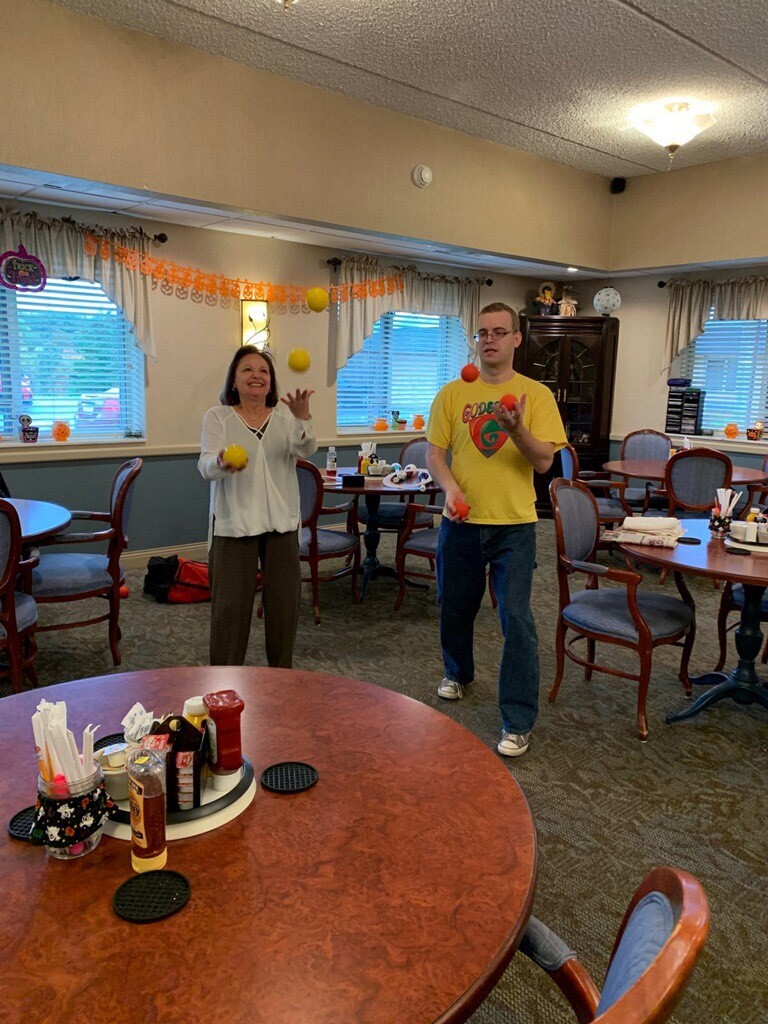
CHRIST THE KING MANOR is owned by a non-profit organization. Non-profit facilities reinvest revenue into operations rather than distributing to shareholders. The facility operates independently rather than as part of a larger chain. With 160 certified beds and approximately 119 residents (about 74% occupancy), it is a mid-sized facility located in DUBOIS, Pennsylvania.
How Does Christ The King Manor Compare to Other Pennsylvania Nursing Homes?

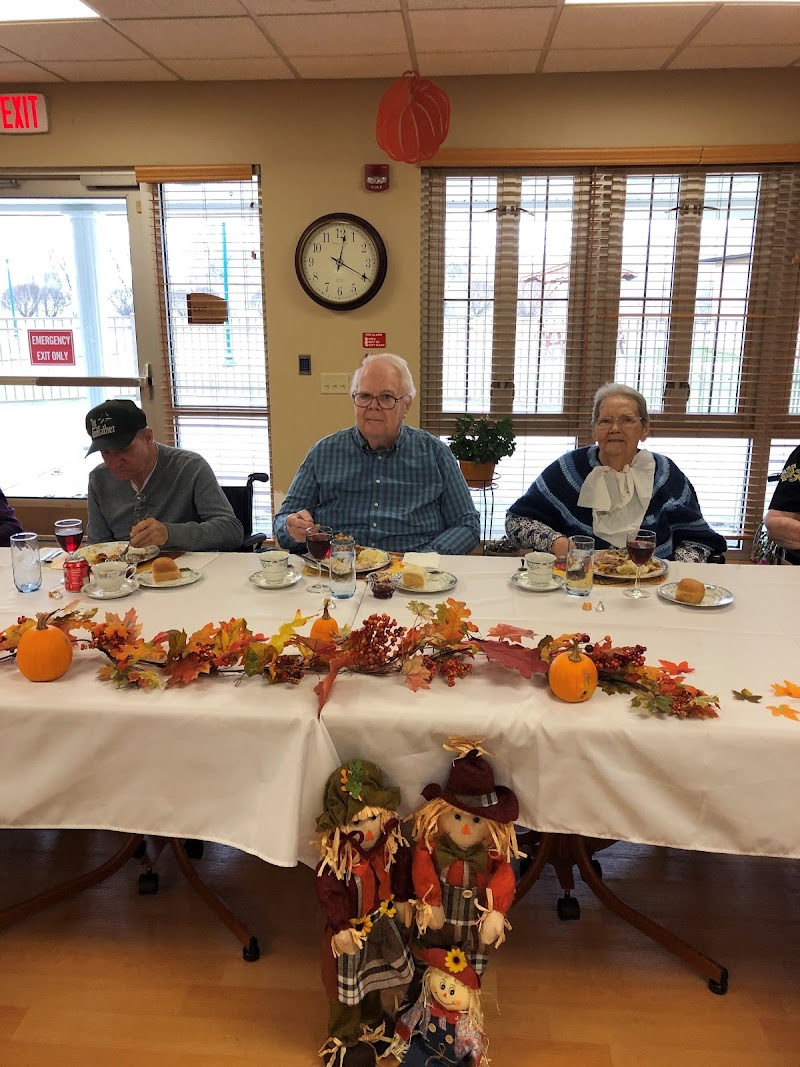
Compared to the 100 nursing homes in Pennsylvania, CHRIST THE KING MANOR's overall rating (3 stars) matches the state average, staff turnover (34%) is significantly lower than the state average of 46%, and health inspection rating (4 stars) is above the national benchmark.

What Should Families Ask When Visiting Christ The King Manor?

Based on this facility's data, families visiting should ask: "Can I visit during a mealtime to observe dining assistance and food quality?" "How do you handle medical emergencies, and what is your hospital transfer rate?" "Can I speak with family members of current residents about their experience?"

Is Christ The King Manor Safe?

Based on CMS inspection data, CHRIST THE KING MANOR has a clean safety record: no substantiated abuse findings (meaning no confirmed cases of resident harm), no Immediate Jeopardy citations (the most serious violation level indicating risk of serious injury or death), and is not on the Special Focus Facility watch list (a federal program monitoring the lowest-performing 1% of nursing homes). The facility has a 3-star overall rating and ranks #1 of 100 nursing homes in Pennsylvania. While no facility is perfect, families should still ask about staff-to-resident ratios and recent inspection results during their visit.

Do Nurses at Christ The King Manor Stick Around?

CHRIST THE KING MANOR has a staff turnover rate of 34%, which is about average for Pennsylvania nursing homes (state average: 46%). Moderate turnover is common in nursing homes, but families should still ask about staff tenure and how the facility maintains care continuity when employees leave.

Was Christ The King Manor Ever Fined?

CHRIST THE KING MANOR has no federal fines on record. CMS issues fines when nursing homes fail to meet care standards or don't correct problems found during inspections. The absence of fines suggests the facility has either maintained compliance or corrected any issues before penalties were assessed. This is a positive indicator, though families should still review recent inspection reports for the full picture.

Is Christ The King Manor on Any Federal Watch List?

CHRIST THE KING MANOR is not on any federal watch list. The most significant is the Special Focus Facility (SFF) program, which identifies the bottom 1% of nursing homes nationally based on persistent, serious quality problems. Not being on this list means the facility has avoided the pattern of deficiencies that triggers enhanced federal oversight. This is a positive indicator, though families should still review the facility's inspection history directly.