DUNMORE HEALTH CARE CENTER
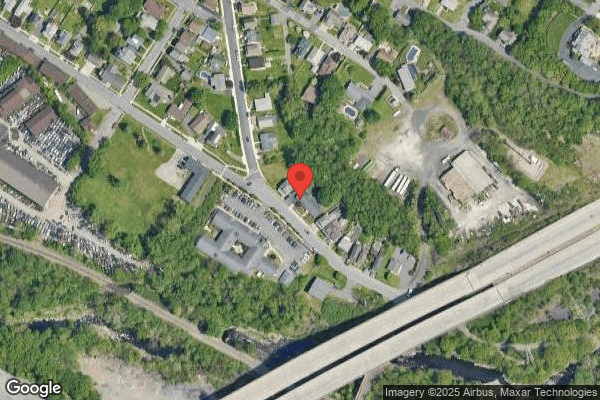

1000 MILL STREET, DUNMORE, PA 18512 (570) 342-7624
For profit - Corporation 92 Beds SABER HEALTHCARE GROUP Data: November 2025
Trust Grade
33/100
#549 of 653 in PA
Last Inspection: December 2024

Within standard 12-15 month inspection cycle. Federal law requires annual inspections.

Overview

Dunmore Health Care Center has received a Trust Grade of F, indicating significant concerns about the quality of care provided. It ranks #549 out of 653 nursing homes in Pennsylvania, placing it in the bottom half of facilities in the state, and #14 out of 17 in Lackawanna County, suggesting only a couple of local options are better. While the facility has shown improvement over the past year, reducing reported issues from 26 to just 1, it still faces serious concerns, including a resident suffering a fractured nose due to a lack of adequate staff assistance during care. The staffing rating is average with a turnover rate of 53%, which is close to the state average, and the facility has incurred $12,048 in fines, indicating some compliance problems. Although there is average RN coverage, which is a positive aspect, specific incidents highlight the need for better individualized care plans, as some residents did not receive the necessary support for mobility and toileting needs.

Trust Score
F
33/100
In Pennsylvania
#549/653
Bottom 16%
Safety Record
Moderate
Needs review
Inspections
Getting Better
26 → 1 violations
Staff Stability
⚠ Watch
53% turnover. Above average. Higher turnover means staff may not know residents' routines.
Penalties
✓ Good
$12,048 in fines. Lower than most Pennsylvania facilities. Relatively clean record.
Skilled Nurses
○ Average
Each resident gets 34 minutes of Registered Nurse (RN) attention daily — about average for Pennsylvania. RNs are the most trained staff who monitor for health changes.
Violations
⚠ Watch
34 deficiencies on record. Higher than average. Multiple issues found across inspections.
★☆☆☆☆
1.0
Overall Rating
★★★☆☆
3.0
Staff Levels
★☆☆☆☆
1.0
Care Quality
★★☆☆☆
2.0
Inspection Score
Stable
2024: 26 issues
2025: 1 issues

The Good

  • Full Sprinkler Coverage · Fire safety systems throughout facility
  • No fines on record

Facility shows strength in fire safety.

The Bad

1-Star Overall Rating

Below Pennsylvania average (3.0)

Significant quality concerns identified by CMS

Staff Turnover: 53%

Near Pennsylvania avg (46%)

Higher turnover may affect care consistency

Federal Fines: $12,048

Below median ($33,413)

Minor penalties assessed

Chain: SABER HEALTHCARE GROUP

Part of a multi-facility chain

Ask about local staffing decisions and management

The Ugly 34 deficiencies on record

1 actual harm
Jan 2025 1 deficiency
CONCERN (D) 📢 Someone Reported This

A family member, employee, or ombudsman was alarmed enough to file a formal complaint

Potential for Harm - no one hurt, but risky conditions existed

Deficiency F0658 (Tag F0658)

Could have caused harm · This affected 1 resident

Based on review of clinical records, select resident incident report, and staff interviews it was determined the facility failed to provide nursing services consistent with professional standards of q...

Read full inspector narrative →
Based on review of clinical records, select resident incident report, and staff interviews it was determined the facility failed to provide nursing services consistent with professional standards of quality by failing to thoroughly conduct and document the results of a professional nursing assessment regarding the clinical status of a resident following a change in condition for one resident (Resident 1) out of 8 residents reviewed. Findings include: According to the American Nurses Association Principles for Nursing Documentation, nurses document their work and outcomes and provide an integrated, real-time method of informing the health care team about the patient status. Timely documentation of the following types of information should be made and maintained in a patient ' s EHR (electronic health record) to support the ability of the health care team to ensure informed decisions and high-quality care in the continuity of patient care: · Assessments · Clinical problems · Communications with other health care professionals regarding the patient · Communication with and education of the patient, family, and the patient's designated support person and other third parties. A review of Resident 1's clinical record revealed an admission date to the facility December 5, 2018, with diagnoses to include aphasia (a language disorder that affects the ability to speak and understand what others say. It usually happens suddenly after a stroke or traumatic brain injury). A review of a quarterly Minimum Data Set assessment (MDS-a federally mandated standardized assessment process conducted at specific intervals to plan resident care) dated November 7, 2024, revealed that Resident 1 was cognitively impaired and required substantial assistance with activities of daily living. A review of nursing documentation dated September 10, 2024, at 7:38 p.m., revealed Resident 1's daughter expressed concern about her mother's condition to Employee 1 (LPN). Employee 1 noted the resident was clammy, and lethargic. Resident 1's vital signs were taken and her Oxygen saturation (the amount of oxygen you have circulating in your blood) was 87%. The normal range is 95 to 100%. Resident 1's daughter asked the RN supervisor on duty Employee 2, to assess her mother. The resident's nursing progress note stated that Employee 2 was present on unit to assess the resident. However, there was no documented evidence that an assessment was completed. Further review of the clinical record revealed no additional documentation regarding Resident 1's condition until September 11, 2024, at 9:10 a.m., when Employee 3 (RN) noted the resident's condition had not improved and contacted the physician. STAT (immediate) labs were ordered, and results returned at 11:53 a.m. indicated an elevated white blood cell count of 32.68 K/ul (thousands per microliter of blood normal adult 4.0 K/ul -11.0 K/ul or 4000-11000 cells per microliter), consistent with an active infection. However, the resident was not transferred to the hospital until 2:01 p.m. on September 11, 2024. Resident 1 was later diagnosed and treated for sepsis (a condition that arises when the body's response to infection causes injury to its own tissues and organs) returning to the facility on September 17, 2024. There was no documented evidence that a thorough and timely nursing assessment was conducted following the resident's initial change in condition. Additionally, the facility failed to escalate care in a timely manner, which delayed appropriate medical intervention. The facility failed to ensure nursing services were provided consistent with professional standards. Interview with the Nursing Home Administrator and Director of Nursing on January 24, 2025, at 11:30 a.m. confirmed that the facility nursing staff didn't timely assess and timely send the resident to the hospital for her documented change in condition resulting in the lack of provided nursing services consistent with professional standards 28 Pa Code 211.12 (1)(3)(5) Nursing Services
Dec 2024 13 deficiencies
CONCERN (D)

Potential for Harm - no one hurt, but risky conditions existed

Deficiency F0578 (Tag F0578)

Could have caused harm · This affected 1 resident

**NOTE- TERMS IN BRACKETS HAVE BEEN EDITED TO PROTECT CONFIDENTIALITY** Based on a review of clinical records and select facility policy and staff interview, it was determined the facility failed to d...

Read full inspector narrative →
**NOTE- TERMS IN BRACKETS HAVE BEEN EDITED TO PROTECT CONFIDENTIALITY** Based on a review of clinical records and select facility policy and staff interview, it was determined the facility failed to demonstrate it had ascertained if a resident had an advance directive upon admission and whether the resident would like information to formulate an advance directive for two out of 18 sampled residents (Residents 74 and 18). Findings included: A review of a facility entitled Advance Care Planning meeting Protocol last reviewed by the facility on December 2, 2024, indicated that it was the policy of the facility that upon admission to the facility, the appropriate team member would meet with the resident and offer to formulate an advance directive to ensure their preferences (Living Wills, Medical [NAME] of Attorney, etc.) are recorded in their medical record and further used to develop their plan of care. Social Services, along with other team members as needed, will meet with the resident and family members within a reasonable timeframe (3-5 days from admission) to discuss pertinent information regarding the resident's wishes. A review of Pennsylvania Statute Title 20: Chapter 54: Healthcare revealed that an advance health care directive is a health care power of attorney, a living will, or a written combination of a health care power of attorney and a living will. A review of the clinical record revealed that Resident 74 was admitted to the facility on [DATE], with diagnoses that included esophageal cancer (a tumor that occurs in esophagus - tube which connects from throat to the stomach, resulting in difficulty in swallowing, chest pain, cough, sudden weight loss and heartburn), metabolic encephalopathy (a condition in which brain function is disturbed either temporarily or permanently due to different diseases or toxins in the body and may be reversible if the preexisting disorders are treated), and protein calorie malnutrition ( the state of inadequate intake of food as a source of protein, calories, and other essential nutrients occurring in the absence of significant inflammation, injury, or another condition that elicits a systemic inflammatory response). Review of Resident 74's admission Minimum Data Set (MDS- a federally mandated standardized assessment process completed periodically to plan resident care) dated November 5, 2024, revealed the resident was cognitively intact with a BIMS (brief interview mental screening tool used to screen and identify cognitive impairment) score of 15 (12 to 15 indicates intact cognition). Resident 74's clinical record revealed a Pennsylvania Physician Orders for Life-Sustaining Treatment (POLST- The POLST is not intended to replace an advance health care directive document or other medical orders. The POLST process and health care decision-making works best when the person has appointed a health care agent to speak for them when they become unable to speak for themselves. A health care agent can only be appointed through an advance health care directive or a health care power of attorney), but no documented evidence of an Advance Directive or if the facility asked the resident if he would like information to formulate an advance directive. Further review of Resident 74's clinical record failed to reveal documented evidence that facility staff offered the resident the opportunity to formulate an Advanced Directive. Additionally, there was no documented evidence that the facility determined if the resident had or did not have an Advance Directive or Healthcare Power of Attorney. A review of the clinical record revealed Resident 18 was admitted to the facility on [DATE], with diagnoses that included unspecified dementia (a chronic or persistent disorder of the mental processes caused by brain disease or injury and marked by memory disorders, personality changes, and impaired reasoning). Review of Resident 18's admission Minimum Data Set (MDS- a federally mandated standardized assessment process completed periodically to plan resident care) dated November 23, 2024, revealed the resident was severely cognitively impaired. Resident 18's clinical record revealed a Pennsylvania Physician Orders for Life-Sustaining Treatment (POLST- The POLST is not intended to replace an advance health care directive document or other medical orders, the POLST indicated the resident was a DNR (do not resituate) but there was no documented evidence of an Advance Directive or evidence that the facility discussed advance directives and offered the opportunity to formulate one with the residents representative. Further review of Resident 18's clinical record failed to reveal documented evidence that facility staff offered the resident the opportunity to formulate an Advanced Directive. Additionally, there was no documented evidence that the facility determined if the resident had or did not have an Advance Directive or Healthcare Power of Attorney. An interview with the social services director (SSD) on December 11, 2024, at 10:30 AM, confirmed there was no documented evidence to indicate the facility had determined if Residents 74 and 18 had or did not have an advance directive upon admission to the facility. The SSD confirmed there was no documented evidence that Resident 72 or Resident 18 were made aware of the right to formulate an advance directive and that information to formulate an advance directive could be requested and provided by the facility. 28 Pa. Code 201.29 (a)(b) Resident rights
CONCERN (D)

Potential for Harm - no one hurt, but risky conditions existed

Assessment Accuracy (Tag F0641)

Could have caused harm · This affected 1 resident

**NOTE- TERMS IN BRACKETS HAVE BEEN EDITED TO PROTECT CONFIDENTIALITY** Based on a review of clinical records and the Resident Assessment Instrument and staff interviews, it was determined the facilit...

Read full inspector narrative →
**NOTE- TERMS IN BRACKETS HAVE BEEN EDITED TO PROTECT CONFIDENTIALITY** Based on a review of clinical records and the Resident Assessment Instrument and staff interviews, it was determined the facility failed to ensure the Minimum Data Set Assessments accurately reflected the status of one resident out of 18 sampled (Resident 49). Findings include: A review of the clinical record revealed that Resident 49 was admitted to the facility on [DATE], with diagnoses to have included cardiovascular disease, depression, and diabetes. A review of Resident 49's quarterly review Minimum Data Assessment (MDS-a federally mandated standardized assessment conducted at specific intervals to plan resident care) dated November 2, 2024, revealed in Section P - P0100 Restraints was coded D Other to indicate the resident had a form of restraints in place. A review of Resident 49's clinical record failed to reveal that the resident had restraints in place. An interview with the Director of Nursing (DON) on December 12, 2024, at 10:00 AM, revealed that Resident 49 did not have physician's orders for restraints or require restraints and confirmed the quarterly MDS November 2, 2024, Section P0100 Restraints was coded in error to indicate the resident had a restraint in place. 28 Pa. Code 201.18(e)(1) Management 28 Pa. Code 211.12(c)(d)(1)(5) Nursing services
CONCERN (D)

Potential for Harm - no one hurt, but risky conditions existed

Quality of Care (Tag F0684)

Could have caused harm · This affected 1 resident

Based on observation, review of clinical records, and resident and staff interviews it was determined the facility failed to provide services consistent with professional standards of practice by fail...

Read full inspector narrative →
Based on observation, review of clinical records, and resident and staff interviews it was determined the facility failed to provide services consistent with professional standards of practice by failing to follow physician orders for bowel protocol for one resident (Resident 59) out of 18 residents reviewed to promote normal bowel activity to the extent practicable. Findings include: According to the American Academy of Family Physicians (The American Academy of Family Physicians is one of the largest medical organizations in the US founded to promote the science and art of family medicine) the primary goal of constipation management should be symptom improvement, and the secondary goal should be the passage of soft, formed stool without straining at least three times per week. A review of the clinical record revealed that Resident 59 had physician orders dated May 1, 2024, for the following bowel regimen: - Milk of Magnesia (MOM) Suspension 400 mg/5ML (Magnesium Hydroxide), Give 30 ml by mouth as needed for constipation if no BM (bowel movement) after the third day. -Bisacodyl suppository; 10 mg; insert 1 suppository rectally as needed for constipation if no BM on the fourth day and no result from MOM. -Enema (Mineral Oil), insert 1 application rectally as needed for constipation if no BM on the fifth day and no result from the suppository notify md if no bowel movement. Review of Resident 59's bowel tracking for November 2024, revealed that Resident 59 did not have a bowel movement on November 19, 20, 21, 22, and 23, 2024. Review of Resident's Medication Administration Record (MAR) for November 2024, revealed no documented evidence that nursing administered the prescribed bowel protocol during the time period without a bowel movement to promote bowel activity. There was no documented evidence the staff had notified the physician the resident went five consecutive days, November 19, 20, 21, 22, and 23, 2024, without a bowel movement. During an interview with the Director of Nursing (DON) on December 12, 2024, at 9:20 AM, the DON was unable to provide evidence the physician ordered bowel protocol was followed for Resident 59 during the period without bowel activity stated above, nor evidence of timely physician notification. 28 Pa. Code 211.12 (d)(1)(3)(5) Nursing services 28 Pa. Code 211.5(f) Medical records
CONCERN (D)

Potential for Harm - no one hurt, but risky conditions existed

Deficiency F0699 (Tag F0699)

Could have caused harm · This affected 1 resident

**NOTE- TERMS IN BRACKETS HAVE BEEN EDITED TO PROTECT CONFIDENTIALITY** Based on a review of clinical records and staff interview, it was determined the facility failed to develop and implement an ind...

Read full inspector narrative →
**NOTE- TERMS IN BRACKETS HAVE BEEN EDITED TO PROTECT CONFIDENTIALITY** Based on a review of clinical records and staff interview, it was determined the facility failed to develop and implement an individualized person-centered plan to render trauma informed care to a resident with a diagnosis of Post-Traumatic Stress Disorder for one out of 18 residents reviewed (Resident 78). Findings include: A review of Resident 78's clinical record revealed the resident was admitted to the facility on [DATE], with diagnoses that included Post Traumatic Stress Disorder (PTSD a mental health condition that's caused by an extremely stressful or terrifying event, either being part of it or witnessing it. Symptoms may include flashbacks, nightmares, severe anxiety, and uncontrollable thoughts about the event). The resident's current care plan, in effect at the time of review on December 11, 2024, did not identify the resident's PTSD symptoms or triggers related to this diagnosis and resident specific interventions to meet the resident's needs for minimizing triggers and/or re-traumatization. The facility failed to develop and implement an individualized person-centered plan to address, this resident's diagnosis of PTSD according to standards of practice to promote the resident's emotional well-being and safety. Interview with the Director of Social Services on December 11, 2024, at approximately 11:00 a.m., confirmed she was unaware of the resident's PTSD diagnosis and there had not been a care plan in place to address the resident's diagnoses of PTSD. Interview with the Nursing Home Administrator on December 11, 2024, at 1:00 p.m., confirmed the facility was unable to demonstrate the facility provided culturally competent, trauma-informed care in accordance with professional standards of practice and accounting for resident's experiences and preferences to eliminate or mitigate triggers that may cause re-traumatization of the resident. 28 Pa Code 211.12 (d)(3)(5) Nursing services.
CONCERN (E)

Potential for Harm - no one hurt, but risky conditions existed

Deficiency F0688 (Tag F0688)

Could have caused harm · This affected multiple residents

**NOTE- TERMS IN BRACKETS HAVE BEEN EDITED TO PROTECT CONFIDENTIALITY** Based on a review of clinical records, select facility policy, and resident and staff interviews, it was determined the facility...

Read full inspector narrative →
**NOTE- TERMS IN BRACKETS HAVE BEEN EDITED TO PROTECT CONFIDENTIALITY** Based on a review of clinical records, select facility policy, and resident and staff interviews, it was determined the facility failed to ensure residents receive appropriate services and assistance to maintain or improve mobility with the maximum practicable independence for one resident out of 18 sampled (Resident 6). Findings include: A review of policy entitled Restorative Nursing Referral and Process Policy last reviewed by the facility on December 4, 2024, revealed it is the policy of the facility that Residents who could benefit from the nursing restorative program can be identified at the following times: -on admission -when other assessments are required, such as an MDS assessment -from the 24 hour report and the change of shift report -at morning stand up meeting -at care plan meeting and other resident-focused meetings -at risk management meetings such as behavior management, nutrition at risk -during restorative weekly meetings. The procedure to include, a referral from the therapy department, goals can be written in the initial evaluation for resident participation in the restorative program. It was indicated the restorative program is a nursing program and is at the discretion of the nursing restorative coordinator. Further a care plan will be developed for a restorative program. Clinical record review revealed that Resident 6 was admitted to the facility on [DATE], with diagnoses which included diabetes and muscle weakness. A quarterly MDS (Minimum Data Set - a federally mandated standardized assessment conducted at specific intervals to plan resident care) dated November 20, 2024, revealed the resident to be cognitively intact with a BIMS score of 15 (BIMS (Brief Interview for Mental Status) is a mandatory tool used to screen and identify the cognitive condition of residents upon admission into a long-term care facility. A score of 13-15 indicates cognitively intact) and required staff assistance for activities of daily living. A review of a physical therapy Discharge summary dated [DATE], revealed a recommendation of discharged from therapy services and start restorative nursing program (RNP) for range of motion of bilateral lower extremities. A review a care plan for ADL functional status/rehabilitation dated May 22, 2024, restorative nursing interventions to include active range of motion to left lower extremities for 30 repetitions and passive range of motion to right lower extremity for 30 repetitions. A review of nursing staff documentation dated November 1, 2024, through November 30, 2024, revealed that staff completed RNP exercises for Resident 6 daily for between 2 minutes and 30 minutes daily. There were no nursing evaluations of the RNP program to include resident progress, the continuation of the services or the need to revise the program from the inception of the program May 22, 2024, through the end of the survey December 12, 2024. During an interview on December 11, 2024, at approximately 11:00 AM, the Assistant Director of Nursing confirmed residents RNP programs should be evaluated monthly and documented in the medical record. She stated that she had not reviewed any of the programs since taking over the program in May 2024. During an interview December 12, 2024 at 10:00 AM, the Nursing Home Administrator confirmed it is the facility's responsibility and policy to ensure residents receive appropriate services and assistance to maintain or improve mobility with the maximum practicable independence. 28 Pa. Code: 211.12(d)(3)(5) Nursing services
CONCERN (E)

Potential for Harm - no one hurt, but risky conditions existed

Incontinence Care (Tag F0690)

Could have caused harm · This affected multiple residents

**NOTE- TERMS IN BRACKETS HAVE BEEN EDITED TO PROTECT CONFIDENTIALITY** Based on a review of select facility policy, clinical records, and staff interviews it was determined that the facility failed t...

Read full inspector narrative →
**NOTE- TERMS IN BRACKETS HAVE BEEN EDITED TO PROTECT CONFIDENTIALITY** Based on a review of select facility policy, clinical records, and staff interviews it was determined that the facility failed to develop and implement individualized measures for the toileting needs of two residents out of 18 sampled residents for bowel and bladder management (Residents 27 and 74). Findings included: A facility policy entitled Continence Management Programs last reviewed by the facility December 2, 2024, indicated that the facility will design a plan to manage incontinence that is developed according to the resident's needs and capabilities. Upon admission, the admitting Nurse will complete a head-to-toe assessment which includes interview of resident and review of underlying conditions such as potential or actual diagnoses that may affect the ability to participate in a continence management program. The nursing staff will identify each resident who is incontinent, assess, and plan appropriate treatment and services to achieve or maintain as much normal urinary and/or bowel function as possible. Additionally, the policy indicted that a Continence Evaluation will be conducted to determine if a 72-hour Bowel and Bladder Tracking is indicated. If tracking is indicated, the licensed Nurse will instruct the nursing assistants (NA) to fill out the form. When a new pattern has been identified, a new Continence Evaluation will be completed and the licensed nurse will develop a toileting plan, determining the approaches needed to achieve the goal(s), establish the type of staff intervention needed to meet each resident's goal(s), select equipment and aids needed to be successful and note the interventions, and review the plan as needed to identify any necessary modifications. A review of Resident 27's clinical record revealed that the resident was most recently readmitted to the facility on [DATE], with diagnoses that included sepsis (an infection of the blood stream resulting in a cluster of symptoms such as drop in a blood pressure, increase in heart rate and fever), COPD (chronic obstructive pulmonary disease an ongoing lung condition caused by damage to the lungs and the damage results in swelling and irritation), and morbid obesity (is a complex chronic condition that can lead to several serious health issues). A review of the resident's Admission/readmission Observation completed by Employee 1 RN (registered nurse) dated September 27, 2024, at 4:49 PM, revealed the resident always was incontinent of urine and always incontinent of bowel and required adult incontinence briefs to manage incontinence. Additionally, at the time of the readmission observation assessment, Employee 1 initiated a Continence and Retraining/Scheduled Toileting and Decision/Determination Observation form that indicated bladder and bowel were to be assessed due to readmission. Resident 27's had a history of UTI's (urinary tract infections), functionally was unable to walk to the bathroom which required the use of a wheelchair for locomotion, and usually aware of her toileting needs. However, Resident 27's Continence and Retraining/Scheduled Toileting and Decision/Determination Observation form failed to reveal that staff completed a 72-hour bladder and bowel tracking form to assess the resident's continence to potentially implement a scheduled toileting program, as practicable, or develop individualized incontinence management schedule. A review of Resident 27's comprehensive person-centered plan of care revealed the facility failed to indicate the resident's bladder and bowel continence status or her individualized toileting/incontinence management program to ensure the resident's highest practicable level of independence and dignity. During an interview with the Assistant Director of Nursing (ADON) on December 12, 2024, at 9:17 AM, revealed that the facility could not provide documented evidence that Resident 27's bladder and bowel continence/incontinence was assessed, and that a 72-hour bladder and bowel tracker was completed as per facility policy. A review of the clinical record revealed that Resident 74 was admitted to the facility on [DATE], with diagnoses that included esophageal cancer (a tumor that occurs in the tube which connects from throat to the stomach resulting in difficulty in swallowing, chest pain, cough, sudden weight loss and heartburn), metabolic encephalopathy (is a condition in which brain function is disturbed either temporarily or permanently due to different diseases or toxins in the body), and protein calorie malnutrition (is the state of inadequate intake of food), A review of the resident's Admission/readmission Observation completed by the ADON dated October 31, 2024, at 5:05 PM, revealed that the resident was able to stand and pivot from wheelchair with assistance, was alert and oriented and understands clear-comprehension, and always continent of urine with use of urinal. The resident's bowel continence section was not completed. A review of Resident 74's admission Minimum Data Set assessment (MDS - a federally mandated standardized assessment process conducted periodically to plan resident care) dated November 5, 2024, revealed that the resident was cognitively intact with a BIMS (brief interview mental screening tool used to screen and identify cognitive impairment) score of 15 (12 to 15 indicates cognitive intact), required substantial/extensive assistance from staff for transfers, and toileting, and toileting hygiene. Additionally, the admission MDS was coded to indicate that a trial urinary and trial bowel toileting program was not attempted and was occasionally incontinent of urine, frequently incontinent of bowel, and was not on a bladder or bowel toileting program. Resident 74's clinical record failed to reveal any documented evidence that continence/incontinence status was assessed to develop and implement an individualized toileting or incontinence management program to ensure the resident's highest practicable level of independence and dignity. An interview with the Assistant Director of Nursing (ADON), on December 12, 2024, at 9:30 AM, revealed the facility could not provide documented evidence that upon admission Resident 74's bladder and bowel continence/incontinence was assessed, and that a 72-hour bladder and bowel tracker was completed as per facility policy, and plan of care was fully developed to reflect the resident's toileting needs. At the time of the interview with the ADON, it was confirmed that upon admission the facility failed to assess Resident 27 and Resident 74's bladder and bowel continence/incontinence and failed to complete a 72-hour bladder and bowel tracker as per facility policy, and that the facility failed to fully develop a plan of care to reflect the resident's toileting needs to ensure the resident's highest practicable level of independence and dignity. 28 Pa. Code 211.12 (d)(1)(3)(5) Nursing services 28 Pa. Code 211.10(a)(d) Resident care policies
CONCERN (E)

Potential for Harm - no one hurt, but risky conditions existed

Deficiency F0744 (Tag F0744)

Could have caused harm · This affected multiple residents

**NOTE- TERMS IN BRACKETS HAVE BEEN EDITED TO PROTECT CONFIDENTIALITY** Based on a review of clinical records and staff interview, it was determined the facility failed to develop and implement an ind...

Read full inspector narrative →
**NOTE- TERMS IN BRACKETS HAVE BEEN EDITED TO PROTECT CONFIDENTIALITY** Based on a review of clinical records and staff interview, it was determined the facility failed to develop and implement an individualized person-centered plan to address a resident's dementia-related behavioral symptoms for two out of 18 residents (Resident 18 and 19). Findings include: A review of Resident 18's clinical record revealed the resident was admitted to the facility on [DATE], with diagnoses which included dementia (a chronic or persistent disorder of the mental processes caused by brain disease or injury and marked by memory disorders, personality changes, and impaired reasoning). A review of Resident 18's admission Minimum Data Set Assessment (MDS - a federally mandated standardized assessment conducted at specific intervals to plan resident care) dated November 23, 2024, revealed the resident was severely cognitively impaired. A review of the resident's current care plan, initially dated November 21, 2024, revealed no documented evidence the facility had developed an individualized person-centered plan for the resident's dementia care, while maximizing the resident's dignity, autonomy, privacy, socialization, independence, choice, and safety and using individualized, non-pharmacological approaches to care, including purposeful and meaningful activities that address the resident's customary routines, interests, preferences, and choices to enhance the resident's well-being. The facility failed to develop and implement an individualized person-centered plan to address, modify and manage this resident's dementia-related behaviors. The resident's care plan for dementia failed to include individualized interventions based on an assessment of the resident's preferences, social/past life history, customary routines, and interests in an effort to manage, modify or decrease the resident's dementia-related behavioral symptoms. A review of Resident 19's clinical record revealed the resident was admitted to the facility on [DATE], with diagnoses that included acute dementia. A review of Resident 19's Quarterly Minimum Data Set Assessment (MDS - a federally mandated standardized assessment conducted at specific intervals to plan resident care) dated October 21, 2024, revealed the resident was severely cognitively impaired. A review of the resident's care plan initiated July 18, 2022 for cognitive deficit indicated the resident had a diagnosis of Dementia with Lewy Bodies (Lewy body dementia causes a decline in mental abilities that gradually gets worse over time. People with Lewy body dementia might see things that aren't there. This is known as visual hallucinations. They also may have changes in alertness and attention). A review of the resident's current care plan, initially dated April 15, 2024, in effect at the time of the survey ending December 12, 2024, revealed no documented evidence the facility had developed an individualized person-centered plan for the resident's dementia care, while maximizing the resident's dignity, autonomy, privacy, socialization, independence, choice, and safety and using individualized, non-pharmacological approaches to care, including purposeful and meaningful activities that address the resident's customary routines, interests, preferences, and choices to enhance the resident's well-being. The facility failed to develop and implement an individualized person-centered plan to address, modify and manage this resident's dementia-related behaviors. The resident's care plan for dementia failed to include individualized interventions based on an assessment of the resident's preferences, social/past life history, customary routines, and interests in an effort to manage, modify or decrease the resident's dementia-related behavioral symptoms. Interview with Nursing Home Administrator on December 12, 2024, at approximately 10:00 AM, confirmed the facility was unable to provide evidence of the development and implementation of an individualized person-centered plan to address the resident's dementia care. 28 Pa Code 211.12 (d)(3)(5) Nursing services
CONCERN (E)

Potential for Harm - no one hurt, but risky conditions existed

Medication Errors (Tag F0758)

Could have caused harm · This affected multiple residents

**NOTE- TERMS IN BRACKETS HAVE BEEN EDITED TO PROTECT CONFIDENTIALITY** Based on clinical record review and staff interviews, it was determined the facility failed to ensure the presence of physician ...

Read full inspector narrative →
**NOTE- TERMS IN BRACKETS HAVE BEEN EDITED TO PROTECT CONFIDENTIALITY** Based on clinical record review and staff interviews, it was determined the facility failed to ensure the presence of physician documentation of the clinical rationale for the continued administration of an antidepressant medication for one resident out of five sampled residents for unnecessary medication use. (Resident 19). Findings included: A review of Resident 19's clinical record revealed the resident was admitted to the facility on [DATE], with diagnoses that included acute dementia (a chronic condition that causes a decline in mental abilities, such as thinking, remembering, and reasoning, that interferes with daily life). A review of Resident 19's Quarterly Minimum Data Set Assessment (MDS - a federally mandated standardized assessment conducted at specific intervals to plan resident care) dated October 21, 2024, revealed the resident was severely cognitively impaired. A review of current Physicians orders dated April 4, 2024, revealed orders for Mirtazapine 15 mg (an antidepressant medication) by mouth at bedtime for depression, Trazadone 200 mg (an antidepressant medication) by mouth at bedtime for depression, and Sertraline 50 mg (an antidepressant medication) by mouth at bedtime for depression. A review of a pharmacy consultation report dated October 14, 2024 completed by the consultant facility pharmacist recommended a gradual dose reduction (GDR) of the residents Mirtazapine 7.5 mg antidepressant medication. The GDR request was declined by the RN nurse practitioner on October 17, 2024. The documented reasoning was resident recently hospitalized secondary to behavior against staff. A GDR is contraindicated. A review of a pharmacy consultation report dated November 15, 2024 completed by the consultant facility pharmacist recommended a gradual dose reduction (GDR) of the residents Trazadone antidepressant medication. The GDR request was declined by the physician assistant on November 19, 2024. The documented reasoning stated Residents psych medications are managed by the consultant psychiatrist. Please defer to this physician for medication management. Further review of the pharmacy consultant report failed to include a resident specific rationale to justify the continued use of the multiple antidepressants in use for this resident. In addition, there was no documented evidence at the time of the survey to justify the concurrent use of multiple antidepressant medications for this resident. An interview with the Director of Nursing (DON), on December 11, 2024, at approximately 1:00 PM, confirmed the facility failed to ensure that Resident 19's attending physician provided clinical justification/rationale for the continued administration of antidepressant medication and the concurrent use of multiple antidepressant medications. 28 Pa. Code 211.9 (k) Pharmacy services. 28 Pa. Code 211.12 (c) Nursing services. 28 Pa. Code 211.2 (d)(3) Medical Director
CONCERN (E)

Potential for Harm - no one hurt, but risky conditions existed

Medical Records (Tag F0842)

Could have caused harm · This affected multiple residents

**NOTE- TERMS IN BRACKETS HAVE BEEN EDITED TO PROTECT CONFIDENTIALITY** Based on clinical record review and staff interview, it was determined the facility failed to maintain accurate clinical records...

Read full inspector narrative →
**NOTE- TERMS IN BRACKETS HAVE BEEN EDITED TO PROTECT CONFIDENTIALITY** Based on clinical record review and staff interview, it was determined the facility failed to maintain accurate clinical records for one of 18 residents sampled (Resident 19). Findings include: A review of Resident 19's clinical record revealed the resident was admitted to the facility on [DATE], with diagnoses that included acute dementia (a chronic condition that causes a decline in mental abilities, such as thinking, remembering, and reasoning, that interferes with daily life). A review of a care plan initiated July 18, 2022, for cognitive deficit revealed the resident has a diagnosis of Dementia with Lewy Bodies (Lewy body dementia causes a decline in mental abilities that gradually gets worse over time. People with Lewy body dementia might see things that aren't there. This is known as visual hallucinations. They also may have changes in alertness and attention). The facility was noted to have changed clinical record systems on April 8, 2024. The above noted care plan was not completely transferred, to include the dementia care plan for Resident 19, from the initial electronic medical record system to the system currently in use at the facility at the time of the survey ending December 12, 2024. During an interview conducted on December 11, 2024, 11:00 AM, the Director of Nursing (DON) confirmed that Resident 19's current care plan was incomplete. She stated that the facility changed electronic records systems on April 8, 2024, and all the resident medical information was not transferred from the prior electronic clinical records to the current system. The DON stated she did not know how many of the current residents at the time of the survey had complete medical records. 28 Pa Code 211.12(c)(d)(1)(3)(5) Nursing services
CONCERN (E)

Potential for Harm - no one hurt, but risky conditions existed

Deficiency F0865 (Tag F0865)

Could have caused harm · This affected multiple residents

**NOTE- TERMS IN BRACKETS HAVE BEEN EDITED TO PROTECT CONFIDENTIALITY** Based on a review clinical records and facility provided documents it was determined the facility failed to develop and implemen...

Read full inspector narrative →
**NOTE- TERMS IN BRACKETS HAVE BEEN EDITED TO PROTECT CONFIDENTIALITY** Based on a review clinical records and facility provided documents it was determined the facility failed to develop and implement a quality assurance plan, which was able to identify, and correct ongoing quality deficiencies related to complete and accurate medical records. Findings include: A review of a facility policy for Quality Assurance and Performance Improvement (QAPI) program reviewed December 4, 2024, revealed the purpose of QAPI in the facility is to take a proactive approach to continually improving delivery of care and services and to engage residents, caregivers, and other clinical/operational partners in maximizing quality of life and quality of care. The facility will conduct performance improvement projects to examine and improve care and services which have been identified as opportunities for improvement. A review of Resident 19's clinical record revealed the resident was admitted to the facility on [DATE], with diagnoses that included acute dementia (a chronic condition that causes a decline in mental abilities, such as thinking, remembering, and reasoning, that interferes with daily life). A review of a care plan initiated July 18, 2022 for cognitive deficit indicated the resident has a diagnosis of Dementia with Lewy Bodies (Lewy body dementia causes a decline in mental abilities that gradually gets worse over time. People with Lewy body dementia might see things that aren't there. This is known as visual hallucinations. They also may have changes in alertness and attention). The facility was noted to have changed clinical record systems on April 8, 2024. The above noted care plan was not completely transferred, to include the dementia care plan for Resident 19, from the initial electronic medical record system to the system currently in use at the facility at the time of the survey ending December 12, 2024. During an interview conducted on December 11, 2024, 11:00 AM, the Director of Nursing (DON) confirmed that Resident 19's current care plan was incomplete. She stated that the facility changed electronic records systems on April 8, 2024 and all the resident medical information was not transferred from the prior electronic clinical records to the current system. The DON stated she did not know how many of the current residents at the time of the survey had complete medical records. During an interview December 12, 2024, the DON and NHA confirmed the ongoing issue regarding the transfer of medical records into the current electronic medical record was not part of the ongoing quality assurance program at the facility. The facility's quality assurance monitoring plans designed to ensure solutions were sustained, failed to identify the continuing deficient practice with these quality requirements and prevent deficient practice. Refer F744, F842 28 Pa. Code 211.12(c) Nursing services 28 Pa. Code 201.18(e)(1) Management
CONCERN (E)

Potential for Harm - no one hurt, but risky conditions existed

Infection Control (Tag F0880)

Could have caused harm · This affected multiple residents

**NOTE- TERMS IN BRACKETS HAVE BEEN EDITED TO PROTECT CONFIDENTIALITY** Based on observations, review of the facility's infection control tracking logs, the infection control and prevention policy, an...

Read full inspector narrative →
**NOTE- TERMS IN BRACKETS HAVE BEEN EDITED TO PROTECT CONFIDENTIALITY** Based on observations, review of the facility's infection control tracking logs, the infection control and prevention policy, and staff interviews it was determined the facility failed to develop and implement a comprehensive infection control program to prevent the spread of infectious diseases including scabies for two of 18 residents reviewed (Resident 56 and Resident CR1). Findings include: A review of the current facility policy for Infection Prevention and Control, last reviewed December 4, 2024, revealed it is the policy of the facility to maintain an organized, effective facility-wide program designed to systematically prevent, identify, control and reduce the risk of acquiring and transmitting infections among employees, volunteers, visitors and contract healthcare workers, to conduct surveillance of communicable disease and infectious outbreaks and to monitor employee health. A review of a facility policy entitled Scabies Management reviewed December 4, 2024, revealed, the purpose of the policy is to treat residents infected with and sensitized to scabies and to prevent the spread of scabies to other residents and staff. Affected residents should remain in contact precautions until 24 hours after treatment. Exposed staff members should report any rashes developing on their bodies to the Infection Preventionist or DON (Director of Nursing). A resident sharing a room with someone infected with scabies will be monitored for scabies. If symptoms are not present, daily assessments will occur until the case is resolved. Clinical record review revealed that Resident 56 was admitted to the facility on [DATE], with diagnoses to include heart failure, hypertension (high blood pressure), and anxiety. A quarterly MDS assessment (Minimum Data Set - a federally mandated standardized assessment conducted at specific intervals to plan resident care) dated September 2, 2024, revealed the resident to be moderately cognitively impaired with a BIMS (Brief Interview for Mental Status, a short cognitive screening tool used to assess a person's cognitive functioning) score of 12 (a score of 8 to 12 suggests moderate cognitive impairment) and required staff assistance for activities of daily living. A review of a care plan initiated October 29, 2024 for skin integrity revealed the resident had a rash related to scabies with interventions to include, conduct a systematic skin inspection per facility policy, dermatology consult as needed, discourage resident from scratching area to reduce tissue damage, encourage resident to request medication before symptoms become unbearable, record the location, size (length, width, and depth), color, distribution, contour, consistency of rash(s) per facility policy, and monitor, document, and report to the provider any changes in color, temperature, sensation, pain or presence of drainage and/ or odor. A review of nursing notes dated September 19, 2024, at 7:50 P.M. revealed the resident's daughter reported Resident 56 had a small rash on her upper right arm, and a small red area was noted. The Resident was noted to be scratching at the area. The rash was cleansed with soap and water. A note was left for the physician to examine the resident. There was no documented nursing skin assessment completed at that time. A review of nursing progress note dated September 20, 2024, at 4:56 P.M. revealed the nurse practitioner was in to see the resident and address the family concerns of the itchy rash. A new order was noted for Hydrocortisone cream 1% (steroid cream) to the rash twice a day until resolved and then reassess. A review of a nursing progress note dated September 27, 2024, at 12:51 P.M. revealed the physician was in to see and examine the resident. The resident complained to the physician about an itchy rash to her right arm. New orders were noted to start a Medrol dose pack (oral steroids) and Clobetasol 0.05% cream (a medication used to treat skin conditions) twice a day for 5 days. A review of a skin assessment dated [DATE] revealed, an existing skin issue noted, scab on lower mid back, with no redness. There was no documentation of a rash on the assessment form at that time. A review of a nursing progress note dated October 6, 2024, at 8:51 A.M. revealed the physician was in to see the resident and a new order was noted to start Claritin (oral allergy medication)10 mg by mouth, daily for itch and Betamethasone (topical steroid cream)0.05 topical ointment apply topically to affected areas twice daily. A review of a skin assessment dated [DATE], revealed, an existing skin issue noted. Scratches on lower mid back/ sacrum with no redness or drainage. There was no documentation of a rash on the assessment form at that time. A review of a nursing progress note dated October 16, 2024, at 2:17 P.M. indicated the nurse practitioner saw the resident and discontinued the Claritin and wrote a new order to start Allegra (an oral allergy medication) 180 mg PO (by mouth) daily. A review of a skin assessment dated [DATE] revealed, an existing skin issue noted, dermatitis throughout the resident's body with mid back and sacrum scratches. A review of a skin assessment dated [DATE] revealed, an existing skin issue noted, scratches on the lower mid back and sacrum. No redness or drainage. Small red itchy bumps noted over te resident's entire body. A review of a psychiatry note dated October 28, 2024, 8:24 A.M. by the contracted nurse practitioner stated the resident was seen for a follow up psychiatry visit. The resident stated that her mood is frustrated. The resident spoke in depth regarding her rash and management by her attending physician and lack of sleep. The resident reported anxiety related to her current situation. A nursing note dated October 28, 2024, at 11:48 A.M. revealed, a call was placed to dermatology and an appointment was scheduled for October 29, 2024 at 9:00 A.M. A nursing note dated October 29, 2024, at 10:34 A.M. revealed the resident returned from the dermatology appointment with diagnosis of scabies. A new order was noted to discontinue the Betamethasone (steroid cream) cream and to start Permethrin (anti-scabies treatment) cream apply topically from head to toe when sent from pharmacy, wash off in shower 12 hours post application, maintain contact precautions. Further recommendations included, clothing and bedding should be washed in hot water and any roommate should be treated for possible scabies. Clinical record review revealed that Resident CR1 was admitted to the facility on [DATE], with diagnosis to include after care for a fracture (broken bone) and non-Hodgkin lymphoma (cancer). Resident CR1 and Resident 56 were roommates since Resident CR1's admission to the facility. There was no evidence that after the October 29, 2024, dermatology consultation that Resident CR1 or her responsible party were notified of the diagnosis of scabies and offered treatment as recommended by the dermatology office. A review of nursing documentation dated November 4, 2024 at 11:28 A.M. revealed nursing assessed the resident's skin fully. The resident had small areas where a rash remained. Multiple self-inflicted scratch marks were noted to bottom and top of the arms where there was no rash. The resident still complained of itching. A nurses note dated November 4, 2024 at 4:03 P.M. revealed the physician was called regarding the resident's itching and a new order was noted for Benadryl (an allergy medication) 25mg by mouth every 6 hours as needed for 1 week. A nurses note dated November 4, 2024, at 9:28 P.M. revealed the resident was upset rolling up and down halls and day room cursing at staff about medicines, other residents, her medical records, and food. The resident was unwilling/unable to articulate what was bothering her. Staff asked the resident to please refrain from bad language in public areas. The resident was offered Benadryl for itching, snacks, and drinks. Further the resident indicated she wants a lawyer to make her itching stop. A review of a skin assessment dated [DATE], revealed, an existing skin issue noted, scratches on lower mid back, pimple-like area to right scapula, a rash to right mid back and flank area, and a rash to the right breast and under the right breast. There were no measurements for the noted areas or any additional description of the areas. A nurses note dated November 5, 2024, at 1:28 P.M. indicated dermatology was called regarding the resident's continued complaints of itching, informed of new areas of concern. A new order was noted to start Betamethasone (steroid cream) ointment twice a day. A nursing progress note dated November 5, 2024, at 10:35 P.M. revealed the second dose of permethrin cream was applied and was scheduled to be washed off in the morning. A nurses note dated November 12, 2024, at 1:43 P.M. revealed, the resident was assessed with nursing and physician assistant. A new order noted for Caladryl (anti itch lotion) three times a day and make a follow up appointment with dermatology. A nurses note dated November 13, 2024, at 2:26 P.M. revealed the resident returned from the dermatology appointment with new orders for Ivermectin (an oral anti scabies medication) 3 mg, take 4 tablets by mouth on day 1 and repeat 14 days later. A review of a dermatology consultation report dated November 13, 2024, revealed the resident was seen for a follow up visit for scabies. The areas affected were noted as the arms, abdomen, back, buttocks, breast, chest, and legs. The areas were noted as worsened. The physician's findings included small papules and burrows with scales, excoriations, and crust located on the arms, breasts, abdomen, back and buttocks. Another two applications of the Permethrin cream was ordered at that time. There was no evidence at the time of the survey that comprehensive and accurate skin assessments were completed for Resident 56 with symptoms displayed since September 19, 2024 to the survey ending December 12, 2024. An interview with the ADON on November 11, 2024, at approximately 1:00 PM verified the facility failed to implement proper infection control practices, including the facility's established policy and procedures for skin assessments to prevent and mitigate further spread of scabies. 28 Pa Code 211.12 (d)(1)(2)(3)(5) Nursing Services 28 Pa. Code 201.18 (b)(1)(e)(1) Management
MINOR (B)

Minor Issue - procedural, no safety impact

Transfer Notice (Tag F0623)

Minor procedural issue · This affected multiple residents

**NOTE- TERMS IN BRACKETS HAVE BEEN EDITED TO PROTECT CONFIDENTIALITY** Based on a review of clinical records and facility-initiated transfer notices and a staff interview, it was determined the facil...

Read full inspector narrative →
**NOTE- TERMS IN BRACKETS HAVE BEEN EDITED TO PROTECT CONFIDENTIALITY** Based on a review of clinical records and facility-initiated transfer notices and a staff interview, it was determined the facility failed to provide written notices of facility-initiated hospital transfers to the resident and their representative for one resident out of the 18 sampled (Resident 2). Findings include: A review of Resident 2's clinical record revealed the resident was initially admitted to the facility on [DATE] with diagnoses that included chronic obstructive pulmonary disease. A review of the clinical record revealed that Resident 2 was transferred to the hospital on November 20, 2024, and was readmitted to the facility on [DATE]. A review of the clinical record failed to reveal documented evidence the facility provided the resident and the resident's responsible party (RP) with a written notice of the facility-initiated transfer and reason for the transfer on November 20, 2024. An interview with the Nursing Home Administrator on December 12, 2024, at 9:10am, confirmed the facility had no documented evidence Resident 2's responsible parties were provided with a written notice of the facility initiated transfer that was initiated on November 20, 2024. 28 Pa. Code 201.14(a) Responsibility of licensee.
MINOR (B)

Minor Issue - procedural, no safety impact

Deficiency F0625 (Tag F0625)

Minor procedural issue · This affected multiple residents

**NOTE- TERMS IN BRACKETS HAVE BEEN EDITED TO PROTECT CONFIDENTIALITY** Based on a review of clinical records and a staff interview, it was determined that the facility failed to provide written notic...

Read full inspector narrative →
**NOTE- TERMS IN BRACKETS HAVE BEEN EDITED TO PROTECT CONFIDENTIALITY** Based on a review of clinical records and a staff interview, it was determined that the facility failed to provide written notice of the facility's bed hold policy to a resident and the resident's representative upon the resident's transfer to the hospital for one resident out of the 18 sampled (Resident 2). Findings include: A review of the clinical record revealed that Resident 2 required transfer to the hospital on November 20, 2024, and was readmitted to the facility on [DATE]. There was no documented evidence that the residents and/or their responsible parties or legal representatives were provided written information about the facility's bed-hold policy (an agreement for the facility to hold a bed for an agreed upon rate during a hospitalization) at the time of transfer. During an interview on December 12, 2024, at approximately 9:10 am, the Nursing Home Administrator (NHA) was unable to provide evidence that the facility made Resident 2 and their representative, aware of a facility's bed-hold and reserve bed payment policy upon transfer to the hospital. 28 Pa Code 201.18 (e)(1) Management 28 Pa Code 201.29 (a) Resident rights
May 2024 2 deficiencies
CONCERN (D) 📢 Someone Reported This

A family member, employee, or ombudsman was alarmed enough to file a formal complaint

Potential for Harm - no one hurt, but risky conditions existed

Quality of Care (Tag F0684)

Could have caused harm · This affected 1 resident

**NOTE- TERMS IN BRACKETS HAVE BEEN EDITED TO PROTECT CONFIDENTIALITY** Based on review of select reports, facility policy, and clinical records, and staff interviews it was determined that the facili...

Read full inspector narrative →
**NOTE- TERMS IN BRACKETS HAVE BEEN EDITED TO PROTECT CONFIDENTIALITY** Based on review of select reports, facility policy, and clinical records, and staff interviews it was determined that the facility failed to provide nursing services consistent with professional standards of quality by failing to demonstrate that licensed nurses thoroughly assessed and consistently monitored a resident after the resident ingested a potentially harmful substance for one resident out of eight sampled (Resident A1). Findings included: According to the Pennsylvania Code, Title 49, Professional and Vocational Standards, State Board of Nursing, 21.11 (a)(1)(2)(4) indicates that the registered nurse was to collect complete ongoing data to determine nursing care needs, analyze the health status of individuals and compare the data with the norm when determining nursing care needs, and carry out nursing care actions that promote, maintain, and restore the well-being of individuals. The Pennsylvania Code, Title 49, Professional and Vocational Standards, State Board of Nursing, 21.145 Functions of the Licensed Practical Nurse (LPN) (a) The LPN is prepared to function as a member of the health-care team by exercising sound judgement based on preparation, knowledge, skills, understandings, and past experiences in nursing situations. The LPN participates in the planning, implementation, and evaluation of nursing care in settings where nursing takes place. 21.148 Standards of nursing conduct (a) A licensed practical nurse shall: (5) Document and maintain accurate records. According to the American Nurses Association Principles for Nursing Documentation, nurses document their work and outcomes and provide an integrated, real-time method of informing the health care team about the patient status. Timely documentation of the following types of information should be made and maintained in a patient ' s EHR (electronic health record) to support the ability of the health care team to ensure informed decisions and high-quality care in the continuity of patient care: · Assessments · Clinical problems · Communications with other health care professionals regarding the patient · Communication with and education of the patient, family, and the patient ' s designated support person and other third parties. A review of the undated facility policy titled Resident Change in Condition indicated that the nurse will address any emergency care required given the situation and then gather information prior to contacting the physician that include current vital signs, when the condition occurred, background and the situation. Changes in condition will be included on 24-hour report and communicated in morning meeting. A review of clinical record revealed that Resident A1 was admitted to the facility on [DATE], with diagnoses to include encephalopathy (disease that affects the brain structure or function and causes altered mental status), and type 2 diabetes mellitus (a condition resulting in insufficient production of insulin causing high blood sugar). A quarterly Minimum Data Set assessment (MDS - a federally mandated standardized assessment process conducted at specific intervals to plan resident care) dated March 13, 2024, revealed that the resident was severely cognitively impaired. A facility report dated May 12, 2024, at 5:42 PM revealed that Resident A1's family saw him drink a liquid that was at the resident's bedside which was later identified as Betadine 10% solution approximately 10 milliliters (ml) left behind by the nurse after a heel dressing change (Betadine is used on the skin to treat or prevent skin infection in minor cuts, scrapes, or burns, Betadine should not be used in the mouth if you are using a form that is made for use only on the skin, and should not be swallowed). The resident thought it was liquid protein solution. The on-call physician and poison control were notified. A progress note dated May 12, 2024, at 6:46 PM revealed that poison control suggested feeding the resident a carbohydrate, probably a loaf of bread, and watch out for any vomiting; and to call back if this occurs. The resident was reassured and had already eaten a sandwich for dinner, no incidents noted. A facility report dated May 13, 2024, at 1:30 PM revealed that the betadine treatment the nurse provided to the resident's heel on May 12, 2024, was performed at nursing judgement, as the resident had no physician order for this treatment. An in-service education was conducted with staff informing them not to apply treatments without a physician order and do not leave treatments/personal care items at the bedside; they must be put away. However, following the resident's ingestion of the betadine on May 12, 2024, there was no documented evidence that licensed and professional nursing staff had consistently monitored and timely assessed the resident for any changes in condition from the time the resident ingested a potentially harmful substance until the following day May 13, 2024 at 9:17 AM. A review of Observation Detail List Report revealed a focused head to toe observation performed by a Registered Nurse (RN) of the resident post ingestion of betadine solution. Interview with the Director of Nursing (DON) on May 29, 2024, at approximately 9:30 AM revealed that she was not aware of the incident on May 12, 2024, until the following day when she noticed documentation in the resident's clinical record stating that the resident had swallowed betadine solution. During an interview with the DON and Nursing Home Administrator (NHA) on May 29, 2024, at approximately 2:35 PM confirmed there was no documented evidence in the resident's clinical record that the facility's licensed and professional nursing staff had fully assessed and consistently monitored Resident A1 after swallowing a potentially harmful substance. Refer F689 28 Pa. Code 211.12 (c)(d)(1)(3)(5) Nursing Services 28 Pa. Code 211.5 (f) Medical Records
CONCERN (E) 📢 Someone Reported This

A family member, employee, or ombudsman was alarmed enough to file a formal complaint

Potential for Harm - no one hurt, but risky conditions existed

Accident Prevention (Tag F0689)

Could have caused harm · This affected multiple residents

**NOTE- TERMS IN BRACKETS HAVE BEEN EDITED TO PROTECT CONFIDENTIALITY** Based on observation, a review of select facility policy, clinical records, and select incident/accident reports and staff inter...

Read full inspector narrative →
**NOTE- TERMS IN BRACKETS HAVE BEEN EDITED TO PROTECT CONFIDENTIALITY** Based on observation, a review of select facility policy, clinical records, and select incident/accident reports and staff interview, it was determined that the facility failed to maintain an environment free of potential accident hazards to prevent accidental ingestion and misuse of substances not intended for oral use and to prevent access to resident personal care supplies, treatment products, and medications that may be mishandled or consumed by residents for whom the medications were not prescribed, for two residents out of eight sampled (Resident A1 and A2) and observed on two of two nursing units. Findings include: A review of an undated facility policy titled General Dose Preparation and Medication Administration indicated that facility staff should not leave medications or chemicals unattended. Facility staff should enter the date opened on the label of the medication with shortened expiration dates for example insulins and irrigation solutions. A review of an undated facility policy titled Storage and Expiration Dating of Medications and Biologicals indicated the facility should ensure that all medications and biologicals including treatment items are securely stored in a locked cabinet/cart or locked medication room that is inaccessible by residents and visitors. Topical external use medications or other medications should be stored separately from oral medications. Medication packaging should have a label with an expiration date once the package is opened the facility should follow supplier guidelines with respect to expiration dates and staff should record the date opened on the primary medication bottle when it has a shortened expiration date. A review of clinical record revealed that Resident A1 was admitted to the facility on [DATE], with diagnoses to include encephalopathy (disease that affects the brain structure or function and causes altered mental status), and type 2 diabetes mellitus (a condition resulting in insufficient production of insulin causing high blood sugar). A quarterly Minimum Data Set assessment (MDS - a federally mandated standardized assessment process conducted at specific intervals to plan resident care) dated March 13, 2024, revealed that the resident was severely cognitively impaired. A facility report dated May 12, 2024, at 5:42 PM revealed that Resident A1's family saw him drink a liquid that was at the resident's bedside which was later identified as Betadine 10% solution approximately 10 milliliters (ml) left behind by the nurse after a heel dressing change (Betadine is used on the skin to treat or prevent skin infection in minor cuts, scrapes, or burns, Betadine should not be used in the mouth if you are using a form that is made for use only on the skin, and should not be swallowed). The resident thought it was liquid protein solution. The on-call physician and poison control were notified. A progress note dated May 12, 2024, at 6:46 PM revealed that poison control suggested feeding the resident a carbohydrate, probably a loaf of bread, and watch out for any vomiting; and to call back if this occurs. The resident was reassured and had already eaten a sandwich for dinner, no incidents noted. A facility report dated May 13, 2024, at 1:30 PM revealed that the betadine treatment the nurse provided to the resident's heel on May 12, 2024, was performed at nursing judgement, as the resident had no physician order for this treatment. An in-service education was conducted with staff informing them not to apply treatments without a physician order and do not leave treatments/personal care items at the bedside; they must be put away. A review of an employee witness statement dated May 16, 2024, (no time) revealed that Employee 1, Licensed Practical Nurse (LPN) was notified that the resident wanted his heels wrapped. After realizing there was not a physician order for this treatment Employee 1 noted that I asked Employee 2 Registered Nurse Supervisor (RNS) if it was okay to wrap his heels without an order and she said it was fine. The resident asked if I could apply betadine, I poured 10 mls of betadine into a medication cup and went to do the treatment. After completion I cleaned up and left, the room. Staff then notified me that family observed the resident drink the brown liquid in the medication cup, this was reported to Employee 2 RNS immediately who called the physician and poison control. Employee 2 RNS advised me to monitor the resident for vomiting and to encourage food and fluids. A review of Ad Hoc QAPI/QAA Form dated May 16, 2024, (no time) revealed the problems of potential hazardous solution left at the bedside and treatment completed without an order. A facility sweep, interviews and skin assessment was completed after the incident and any identified issues were removed. An observation conducted during a tour of resident rooms on May 29, 2024, at 9:26 AM revealed a barrier cream and a bottle of Acetic Acid (antiseptic agent not used for consumption) irrigation solution opened, without an expiration date, and unattended on a bedside table in resident room [ROOM NUMBER]. An observation on May 29, 2024, at 9:35 AM revealed a bottle of shaving cream and normal saline solution ([NSS] used as a topical cleansing agent) opened, without an expiration date and unattended on a dresser in resident room [ROOM NUMBER]. An observation on May 29, 2024, at 10:00 AM revealed a four ounce bottle of sterile water and irrigation kit on a dresser in resident room [ROOM NUMBER]-W. Interview with the Director of Nursing (DON) on May 29, 2024, at approximately 10:15AM confirmed that treatments and personal care items were not to be left at the bedside. The DON confirmed that the facility failed to maintain the residents' environment free of potential accident hazards by leaving treatments and personal care items accessible to residents, which may allow accidental consumption or misuse. A review of clinical records revealed that Resident A2 was admitted to the facility on [DATE], with diagnosis to include dementia (a neurocognitive disorder that affects memory, thinking and interferes with daily life) and depression (mood disorder with symptoms of sadness). A quarterly MDS of Resident A2 dated May 3, 2024, indicated the resident was moderately cognitively impaired. An observation on May 29, 2024, at 8:49 AM revealed a medication cup filled with multiple medications on Resident A2's bedside table unsupervised by staff. A review of Medication Administration Record for the month of May 2024, revealed that on May 29, 2024, at 9:00 AM Resident A2 was scheduled to receive the following medications by mouth: Duloxetine 30 milligrams (mg) (antidepressant medication) Oxybutynin Chloride Extended Release (ER) 5 mg (overactive bladder medication) Potassium Chloride ER 20 micro equivalents (MEQ) (low potassium supplement medication) Vitamin D2 1,250 micrograms (mcg)/50,000 units (vitamin D supplement medication) There was no documented evidence that the resident self-administered medications, which had been left at the resident's bedside. During an interview with the DON on May 29, 2024, at 2:30 PM confirmed that the resident should have been supervised while taking the observed medications and verified that Resident A2 does not self-administer medications. 28 Pa. Code 211.10 (d) Resident care policies 28 Pa. Code 211.12 (c)(d)(1)(5) Nursing services
Feb 2024 4 deficiencies
CONCERN (E) 📢 Someone Reported This

A family member, employee, or ombudsman was alarmed enough to file a formal complaint

Potential for Harm - no one hurt, but risky conditions existed

Resident Rights (Tag F0550)

Could have caused harm · This affected multiple residents

Based on observation, review of grievances lodged with the facility, and staff interview, it was determined that the facility failed to provide care in a manner that promotes each resident's quality o...

Read full inspector narrative →
Based on observation, review of grievances lodged with the facility, and staff interview, it was determined that the facility failed to provide care in a manner that promotes each resident's quality of life by failing to respond timely to residents' requests for assistance as evidenced by four out of 11 residents sampled (Residents 1, 8, 9, and 10). Findings include: A review of a grievance submitted by Resident 4's representative dated January 23, 2024, revealed that the resident's representative had to physically call facility herself and ask for someone to answer her mother's call bell since no staff had answered the call bell. Review of the facility's resolution revealed that on January 24, 2024, nursing staff were provided written and/or verbal education via telephone to please be attentive to answering call bells. A resident call bell should be answered within 5-10 minutes. It is everyone's job to answer call bells, not just CNAs (nurse aides). Please do not walk by a call bell without addressing the resident's needs. Observations performed on the second-floor resident care unit on February 21, 2024, at 6:30 AM revealed that there were 4 call lights sounding at that time, and one licensed practical nurse and two nurse aides present on the unit. At time of observation, Employee 1, LPN, was completing paperwork at the nurse's desk, Employee 2, a nurse aide, was performing resident care on her assignment, and Employee 3, nurse aide, was at the nurse's station also completing computer work for her assignment, as the four residents' requests for assistance via the nurse call bell system continued to sound. Review of staff assignment sheet revealed that Employee 3 had been assigned to the area of the unit on which the 4 residents' call lights were sounding but continued to do data entry instead of responding to residents requests for assistance. Continued observation revealed that at 6:55 AM, approximately 20 minutes later, Employee 2 responded to the residents' call bells. Interview with the Nursing Home Administrator on February 21, 2024, at approximately 2:30 p.m. revealed the expectation was for staff to answer call bells within 5-10 minutes and provide the requested assistance to residents. Refer F677, F725 28 Pa. Code 201.18 (e)(1)(4) Management 28 Pa. Code 211.10 (c)(d) Resident care policies 28 Pa. Code 211.12 (c)(d)(1)(5) Nursing services
CONCERN (E) 📢 Someone Reported This

A family member, employee, or ombudsman was alarmed enough to file a formal complaint

Potential for Harm - no one hurt, but risky conditions existed

ADL Care (Tag F0677)

Could have caused harm · This affected multiple residents

**NOTE- TERMS IN BRACKETS HAVE BEEN EDITED TO PROTECT CONFIDENTIALITY** Based on a review of select facility policy and clinical records and staff interviews it was determined that the facility failed...

Read full inspector narrative →
**NOTE- TERMS IN BRACKETS HAVE BEEN EDITED TO PROTECT CONFIDENTIALITY** Based on a review of select facility policy and clinical records and staff interviews it was determined that the facility failed to provide services necessary to maintain adequate personal hygiene and grooming of residents' dependent on staff for assistance with these activities of daily living for three out of 11 residents reviewed (Residents 2, CR1, and CR2). Findings include: A review of a facility policy for Resident Bath/Showering/Scheduling Policy, dated as last revised September 9, 2022, indicated that residents will be bathed or showered according to their preferences in order to maintain healthy hygiene and skin condition. According to the policy, each resident will be asked about his/her bathing preferences upon admission (type of bath, preferred days and times). Each resident will be scheduled to receive bathing a minimum of two times per week, unless they prefer less frequent baths. The procedures were that If the bath/shower cannot be given or the resident refuses, the nursing assistant will promptly report this to the Charge nurse. The charge nurse will speak with the resident who refuses to ascertain why they are refusing and to determine if alternative arrangements that suit the resident can be made. If the resident continues to refuse the Charge nurse will document the resident's refusal in the medical record. Review of clinical record revealed that Resident 4 was admitted to the facility on [DATE]. A review of a grievance submitted by Resident 4's representative dated January 23, 2024, the resident's representative voiced concerns that staff provided the resident only one shower in the seven days the resident had resided in the facility. The resident asked for more showers and the resident's representative did not believe that the resident had been showered after she requested a shower. Review of facility resolution revealed that on January 24, 2024, nursing staff were education that, all residents get two showers a week and bed baths in between. If a resident wants a shower more often, then it should be provided. COVID positive residents still need showers. They should shower last after the negative residents are already showered. Shower room should be cleaned by housekeeping after all COVID positive showers are done. Review of Resident 2's clinical record revealed admission to the facility on February 2, 2024, with diagnoses which included hypertension, chronic kidney disease, and hyperlipidemia (high cholesterol). A review of Resident 2's admission MDS Assessment (Minimum Data Set-a federally mandated standardized assessment process completed periodically to plan resident care) dated February 9, 2024, revealed that the resident was cognitively intact, that it was very important to choose between a tub bath, shower, bed bath, and required substantial/maximal assistance (helper does more than half the effort. Helper lifts or holds trunk or limbs and provides more than half the effort) from staff for showers/ bathing. Review of Resident 2's Documentation Survey Report dated February 2024 revealed that the resident did not have a scheduled shower/bath day assigned on the aide's documentation survey report of tasks to be completed. Further review of the report revealed that there was no evidence that Resident 2 was provided a shower during the resident's stay. According to the report, Resident 2 had received only bed baths from February 2, 2024, through February 20, 2024, when reviewed during the survey ending February 21, 2024. Review of Resident CR1's clinical record revealed admission to the facility on February 6, 2024, with diagnoses which included congestive heart failure, heart disease, and chronic obstructive pulmonary disease. Resident CR1 was discharged from the facility on February 12, 2024. A review of Resident CR1's admission MDS assessment dated [DATE], revealed that the resident was cognitively intact, that it was very important to choose between a tub bath, shower, bed bath, and required partial/moderate assistance (helper does less than half the effort. Helper lifts or holds trunk or limbs but provides less than half the effort) from staff for showers/ bathing. Review of Resident CR1's Documentation Survey Report dated February 2024 revealed that the resident received a bed bath on February 6, 2024. There was no documented evidence that the resident was offered or provided a shower during her stay at the facility from February 6, 2024, through February 12, 2024. Further review of the clinical record failed to provide evidence that the resident was provided the opportunity to choose the time of day she would like for showers to be provided. Review of Resident CR2's clinical record revealed admission to the facility on January 25, 2024, with diagnoses which included COVID-19, depression, and stroke. Resident CR2 was discharged from the facility to home on February 12, 2024. Review of Resident CR2's admission MDS assessment dated [DATE], revealed that the resident was cognitively intact, that it was very important to choose between a tub bath, shower, bed bath, and required partial/moderate assistance from staff for showers/ bathing. Review of Resident CR2's Documentation Survey Report dated February 2024 revealed that the resident did not have a scheduled shower/bath day assigned to the nurse aides on the task report. Further review of the report revealed that there was no evidence that Resident CR2 was provided a shower during the resident's stay. According to the report, Resident CR2 had only received bed baths from admission February 1, 2024, through February 12, 2024. During an interview February 21, 2024, at approximately 2 PM the Regional Clinical Nurse Consultant confirmed that residents are to receive two showers per week and confirmed that the facility was unable to demonstrate that the above residents had been showered at least twice a week. The consultant further confirmed that the staff education provided on January 24, 2024, regarding showering of residents. Refer F725 and F550 28 Pa Code 211.12 (c)(d)(4)(5) Nursing services 28 Pa. Code 211.10 (c)(d) Resident care policies
CONCERN (E) 📢 Someone Reported This

A family member, employee, or ombudsman was alarmed enough to file a formal complaint

Potential for Harm - no one hurt, but risky conditions existed

Deficiency F0725 (Tag F0725)

Could have caused harm · This affected multiple residents

**NOTE- TERMS IN BRACKETS HAVE BEEN EDITED TO PROTECT CONFIDENTIALITY** Based on observations, a review of clinical records, grievances lodged with the facility and nurse staffing levels and staff int...

Read full inspector narrative →
**NOTE- TERMS IN BRACKETS HAVE BEEN EDITED TO PROTECT CONFIDENTIALITY** Based on observations, a review of clinical records, grievances lodged with the facility and nurse staffing levels and staff interviews it was determined that the facility failed to provide and/or efficiently deploy sufficient nursing staff to consistently provide timely care, including assistance with activities of daily living, to meet the physical needs and promote the psychosocial well-being of each resident including Resident 4, Resident 2, Resident CR1 and CR2). Findings include: A review of a grievance submitted by Resident 4's representative dated January 23, 2024, revealed that the resident's representative had to physically call facility herself and ask for someone to answer her mother's call bell since no staff had answered the call bell. Review of the facility's resolution revealed that on January 24, 2024, nursing staff were provided written and/or verbal education via telephone to please be attentive to answering call bells. A resident call bell should be answered within 5-10 minutes. It is everyone's job to answer call bells, not just CNAs (nurse aides). Please do not walk by a call bell without addressing the resident's needs. Education was also provided regarding resident showers, which noted that all residents get two showers a week and bed baths in between. If a resident wants a shower more often, then it should be provided. COVID positive residents still need showers. They should shower last after the negative residents are already showered. Shower room should be cleaned by housekeeping after all COVID positive showers are done. Observation of the first-floor nursing unit on February 21, 2024, at approximately 6:20 AM, 42 residents were residing on the unit. There was one LPN and 2 nurse aides assigned to the unit. At time of observation, the registered nurse supervisor was seated at the nurse's station taking care of medications for a resident no longer in the facility. Observation on the second-floor nursing unit on February 21, 2024, at approximately 6:30 AM, 44 residents were residing on the unit. There was one LPN (license practical nurse) on the unit and 2 nurse aides assigned to care for the residents. Upon arrival to the second-floor resident unit at 6:30 AM, there were 4 resident room call bells sounding on one side of the hall. At that time, Employee 1, LPN, was completing data entry while watching Resident 8, one nurse aide, Employee 2, was tending to residents on the other side of the hall, and the other nurse aide, Employee 3, was completing data entry for her shift. No one was observed responding to sounding call bells. Continued observation revealed that it took 20 minutes for the second-floor nursing staff to respond to the 4 call bells. Review of staff assignment sheet revealed that Employee 3 had been assigned to the area of the unit on which the 4 residents' call lights were sounding but continued to do data entry instead of responding to residents requests for assistance. Continued observation revealed that at 6:55 AM, approximately 20 minutes later, Employee 2 responded to the residents' call bells. Interview with the Nursing Home Administrator on February 21, 2024, at approximately 2:30 p.m. revealed the expectation was for staff to answer call bells within 5-10 minutes and provide the requested assistance to residents. Interview with Employee 1, LPN, on February 21, 2024, at 7 AM revealed that Resident 8 had been admitted on [DATE], and due to behaviors, required 1:1 observation during the 11 PM to 7 AM shift. According to Employee 1, the night shift nursing supervisor assisted with sitting with resident during the night, but was not able to continue to watch the resident throughout the entire shift. This required each assigned staff member on the second floor to alternate watching Resident 8 while attempting to meet the care needs of the other 43 residents on the unit. Observation of shift change from night shift to day shift on February 21, 2024, revealed that there was no staffing sheet available for the oncoming shift, which resulted in the on-coming staff be unaware of which unit to report for duty. The oncoming staff were unable to timely to timely report to the unit to which they were assigned due to the lack of a deployment sheet upon start of the shift. Review of Resident 2's clinical record revealed admission to the facility on February 2, 2024, with diagnoses, which included hypertension, chronic kidney disease, and hyperlipidemia (high cholesterol). A review of Resident 2's admission MDS Assessment (Minimum Data Set-a federally mandated standardized assessment process completed periodically to plan resident care) dated February 9, 2024, revealed that the resident was cognitively intact, that it was very important to choose between a tub bath, shower, bed bath, and required substantial/maximal assistance (helper does more than half the effort. Helper lifts or holds trunk or limbs and provides more than half the effort) from staff for showers/ bathing. Review of Resident 2's Documentation Survey Report dated February 2024 revealed that the facility did not identify the resident's scheduled shower or bath days on the nurse aide's assignment. Further review of the report revealed that there was no evidence that Resident 2 was provided a shower since admission. According to the report, the facility's nursing staff provided Resident 2 only bed baths from admission on [DATE], through February 20, 2024, when reviewed during the survey on February 21, 2024. Review of Resident CR1's clinical record revealed admission to the facility on February 6, 2024, with diagnoses which included congestive heart failure, heart disease, and chronic obstructive pulmonary disease. Resident CR1 was discharged from the facility on February 12, 2024. A review of Resident CR1's admission MDS assessment dated [DATE], revealed that the resident was cognitively intact, that it was very important to choose between a tub bath, shower, bed bath, and required partial/moderate assistance (helper does less than half the effort. Helper lifts or holds trunk or limbs but provides less than half the effort) from staff for showers/ bathing. Review of Resident CR1's Documentation Survey Report dated February 2024 revealed that the resident received a bed bath on February 6, 2024. There was no documented evidence that nursing staff provided or offered the resident a shower during her stay at the facility. Further review of the clinical record failed to provide evidence that the resident was provided the opportunity to choose the time of day she would prefer to be showered. Review of Resident CR2's clinical record revealed admission to the facility on January 25, 2024, with diagnoses which included COVID-19, depression, and stroke. Resident CR2 was discharged from the facility to home on February 12, 2024. Review of Resident CR2's admission MDS assessment dated [DATE], revealed that the resident was cognitively intact, that it was very important to choose between a tub bath, shower, bed bath, and required partial/moderate assistance from staff for showers/ bathing. Review of Resident CR2's Documentation Survey Report dated February 2024 revealed that the facility did not schedule a shower/bath day for the resident and none was assigned to the nursing the staff. There was no evidence that nursing staff showered Resident CR2 during the resident's stay. Nursing provided Resident CR2 only bed baths from February 1, 2024, through February 12, 2024, when the resident was discharged home. During an interview February 21, 2024, at approximately 2 PM the Regional Clinical Nurse Consultant confirmed that residents are to receive two showers per week and confirmed that the facility was unable to demonstrate that the above residents had been showered at least twice a week. A review of nurse staffing and resident census and staff interview, it was determined that the facility failed to consistently provide minimum general nursing care hours to each resident daily as required by PA state licensure regulations. A review of the facility's weekly staffing records revealed that on the following dates the facility failed to provide the state minimum nurse staffing of 2.87 hours of general nursing care to each resident: A review of the facility's calculated total nursing care hours per resident day for February 18, 2024, was at 227.50 total hours for a maximum resident census of 84 and the facility required 241.08 total hours for a maximum resident census of 84. Further review of PPD for February 18, 2024, revealed that the facility provided only 2.71 hours of direct nursing care to each resident and failed to provide the minimum of 2.87 hours of direct nursing care daily to each resident daily. An interview with the Nursing Home Administrator (NHA) on February 21, 2024, at 2:35 PM, confirmed that the facility failed to provide the minimum of 2.87 hours of direct nursing care daily for each resident. Refer F550, F677 28 Pa. Code 201.18 (b)(1)(2)(3) Management 28 Pa. Code 211.10 (c)(d) Resident care policies 28 Pa. Code 211.12 (d)(1)(3)(4)(5)(i)(1) Nursing services
MINOR (C) 📢 Someone Reported This

A family member, employee, or ombudsman was alarmed enough to file a formal complaint

Minor Issue - procedural, no safety impact

Staffing Information (Tag F0732)

Minor procedural issue · This affected most or all residents

Based on observation, review of posted daily nurse staffing data and staff interview, it was determined that the facility failed to ensure accurate and complete daily nursing time posting. Findings in...

Read full inspector narrative →
Based on observation, review of posted daily nurse staffing data and staff interview, it was determined that the facility failed to ensure accurate and complete daily nursing time posting. Findings include: During an observation on February 21, 2024, at approximately 6:15 AM the facility's posted nursing time was observed at the entrance to the first-floor nursing unit. A review of the posted nursing time revealed that the posting was not dated. Further review of the posted nursing time revealed that there was no time available for the 3p to 11p shift. The facility failed to post the daily nurse staffing data accordingly. 28 Pa. Code 211.12 (d)(1)(3)(5) Nursing services 28 Pa. Code 201.18 (b)(1)(3) Management
Jan 2024 7 deficiencies 1 Harm
SERIOUS (G)

Actual Harm - a resident was hurt due to facility failures

Accident Prevention (Tag F0689)

A resident was harmed · This affected 1 resident

**NOTE- TERMS IN BRACKETS HAVE BEEN EDITED TO PROTECT CONFIDENTIALITY** Based on a review of clinical records and select incident reports, and staff interview it was determined that the facility faile...

Read full inspector narrative →
**NOTE- TERMS IN BRACKETS HAVE BEEN EDITED TO PROTECT CONFIDENTIALITY** Based on a review of clinical records and select incident reports, and staff interview it was determined that the facility failed to provide a resident with the necessary amount of staff assistance with activities of daily living, bed mobility, to safely provide resident care based on the resident's current functional abilities and prevent a fall during the provision of resident care, resulting in a fractured nose, for one resident out of 18 sampled (Resident 46). Findings included: A review of Resident 46's clinical record revealed that the resident was admitted to the facility on [DATE], with diagnoses that included a history of a malignant neoplasm of the brain [is a cancerous brain tumor], chronic pain syndrome, and anxiety. Resident 46's initial fall risk plan identified that the resident was at risk for falls characterized by a history of falls, injury and /or multiple risk factors related to decreased mobility with a noted goal to minimize risks for falls and minimize injuries related to falls. Planned fall prevention interventions were to apply a perimeter mattress and check placement each shift, bed in the lowest position, and to implement preventative fall interventions/devices. The resident was noted to have an ADL/self-care deficit related to pain/decreased mobility with a planned intervention that included transfer with assistance of two with mechanical lift. An MDS (Minimum Data Set - a federally mandated standardized assessment process conducted periodically to plan resident care) dated August 29, 2023, revealed that the resident was cognitively intact and required extensive assistance with support of two plus-persons physical assistance for bed mobility and toilet use and extensive assistance of one-person physical assist. A physical therapy (PT) screen dated August 9, 2023, revealed that the resident had a decline in bed mobility and a physical therapy (PT) evaluation and treatment to improve bed mobility and overall function was planned. Resident 46's Physical Therapy Discharge Summary completed by Employee 5, a physical Therapist (PT) for dates of service from August 9, 2023, through September 14, 2023, revealed that the resident's discharge status for bed mobility was maximum assistance, total dependence with attempts to initiate and noted that the resident had increased pain, which limited progress. An incident report for a witnessed fall completed by Employee 6, a registered nurse (RN), dated September 16, 2023, at 4:54 PM, revealed that she was called to Resident 46's room after the resident reportedly fell off the bed while being changed by Employee 7, a nurse aide. Upon arrival to the room, the resident was lying on his back {on the floor}, on the left side of the bed with a bloody nose and a small abrasion was noted on the bridge of the resident's nose. Staff assisted the resident up via Hoyer lift back to bed and assessed to have been alert and oriented times four and vital signs were within normal limits (WNL). Initial neurological check was completed and WNL. Resident 46 reported that when Employee 7 was turning him on to his left side to change his soiled brief that he {Resident 46} lost his grip while holding on to a chair {and fell out of bed}. A review of a fall witness statement completed by Employee 7, a nurse aide, dated September 16, 2023, no time indicated, revealed that Resident 46 informed his aide before dinner that he needed to be changed before his relatives arrived. Employee 7 noted I proceeded to clean him {Resident 46}, while I was wiping his bottom, the resident slipped off the bed and landed on his face and right shoulder. I immediately called for help at 4:54 PM, and nursing responded immediately and proceeded to evaluate him and during the evaluation the resident stated that his right arm gave way. Further review of the fall incident report revealed that the physician was notified of Resident 46's witnessed fall and new orders were given to transfer the resident to the emergency room for further evaluation and treatment. A review of a nursing progress note completed by Employee 6, RN, dated September 16, 2023, at 9:36 PM, revealed that the resident was being discharged from the ER with a diagnosis of a non-displaced nasal (nose) fracture with a consult to ENT (ear, nose, and throat specialist) required for repair and to hold Eliquis (blood thinner) through Monday. A review of the facility's Post Fall Huddle Form completed by Employee 8, a RN, dated September 17, 2023, revealed that the root cause of Resident 46's fall from bed was that the air mattress was compressed. The immediate keep safe intervention was an assist of two staff for ADL care. A review of the resident's task summary report dated September 2023, revealed that on September 16, 2023, the date of the incident, the resident's air mattress was last check for proper function at 7:44 AM. There was no documented evidence that the air mattress was checked after 7:44 AM, on September 16, 2023. At the time of survey ending January 19, 2024, the facility was unable to state why Resident 46's safety and fall prevention plan was not revised to reflect physical therapy's discharge status/recommendations for services ending September 14, 2023. indicating that the resident required maximum assistance with bed mobility. The facility failed to provide the necessary staff assistance with bed mobility based on the resident's current functional abilities for bed mobility and the noted declines in the resident's functional status identified prior to the resident's fall to ensure safety during the provision of care. An interview with the Director of Nursing (DON) on January 18, 2024, at approximately 2:35 PM, confirmed that the resident was not provided ADL care based on the resident's current mobility requirements after declines in the resident's functional abilities related to increased pain levels to ensure safety to prevent the fall resulting in non-displaced nasal fractures. This deficiency is cited as past non-compliance. The facility's corrective action plan was to identify other residents with the potential to be affected, the DON/designee reviewed all residents ADL care plans to ensure there was bed mobility assistance level. To prevent this from recurring, the DON/designee educated all licensed nursing staff to ensure that on admission or change in condition, that the care plan is updated to reflect bed mobility assistance level and that the letter K is present by tasks to ensure NA can view. To monitor and maintain on-going compliance, the DON/designee reviewed five resident care plans weekly times four weeks and then monthly times two to ensure bed mobility assistance level was completed. The results of the audits will be forwarded to the facility QAPI committee for further review and recommendations. The facility's corrective action plan was completed September 25, 2023, and confirmed during the survey of January 19, 2024. 28 Pa. Code 211.12 (c)(d)(1)(3)(5) Nursing services.
CONCERN (D)

Potential for Harm - no one hurt, but risky conditions existed

Report Alleged Abuse (Tag F0609)

Could have caused harm · This affected 1 resident

Based on the review of the facility's abuse prohibition policy, clinical records and select facility investigations and staff interviews, it was determined that the facility failed to ensure that an a...

Read full inspector narrative →
Based on the review of the facility's abuse prohibition policy, clinical records and select facility investigations and staff interviews, it was determined that the facility failed to ensure that an allegation of abuse was reported timely for one of 18 residents reviewed (Resident 56). Findings include: The facility's abuse prohibition policy last reviewed by the facility January 25, 2023, indicated that all allegations of abuse shall be reported immediately to his or her supervisor. Facility investigation documents, dated December 14, 2023, included a statement from Employee 10, a nurse aide, indicated she witnessed an incident the last time she worked with Employee 11, a nurse aide, involving Resident 56. According to Employee 10's statement, Employee 10 and Employee 11 were providing care to Resident 56. Employee 10 stated that Employee 11 told Resident 56 don't f**ck with me and put a pillow over the resident's head. Employee 10 did not reveal the date in her written statement because she did not report the incident immediately. Information submitted by the facility revealed that the above incident allegedly occurred on December 5, 2023, but was not reported to the Director of Nursing until December 14, 2023. Interview with the Nursing Home Administrator on January 19, 2024, at 9:35 a.m. confirmed that Employee 10 did not report the allegation of abuse immediately as required. 28 Pa Code 201.18 (e)(1) Management 28 Pa. Code 201.29 (a)(c) Resident rights
CONCERN (D)

Potential for Harm - no one hurt, but risky conditions existed

Deficiency F0657 (Tag F0657)

Could have caused harm · This affected 1 resident

Based on review of select facility policy and interviews with residents and staff, it was determined that the facility failed to review and revise the resident's plan of care in response to a signific...

Read full inspector narrative →
Based on review of select facility policy and interviews with residents and staff, it was determined that the facility failed to review and revise the resident's plan of care in response to a significant weight loss for one resident out 18 residents (Resident 30). Findings include: Review of the clinical record of Resident 30 revealed admission to the facility on April 11, 2019, with diagnoses to include diabetes. On December 5, 2023, the resident weighed 213.6 pounds and on January 3, 2024, the resident weighed 202.8 pounds, which was a 5.06% percent significant weight loss in approximately one month. A dietary progress note dated January 9, 2024, revealed that the dietitian recognized the significant weight loss and attributed the loss to a history of edema and noted that the weight loss was noted as beneficial. However, a review of Resident 30's care plan, dated last revised on January 18, 2022, revealed that the resident was identified to be at nutrition/hydration risk related to: Parkinson's disease, diabetes, therapeutic menu plan, obese BMI, mna 10, significant weight gain- edema. The facility failed to review and revise the resident's care plan reflect Resident 30's the desirable significant weight loss identified on Janaury 3, 2024. Interview on January 18, 2024, at 2:30 p.m. the Nursing Home Administrator (NHA) confirmed that Resident 30's care plan was not revised after the resident experienced a significant weight loss.
CONCERN (D)

Potential for Harm - no one hurt, but risky conditions existed

Pressure Ulcer Prevention (Tag F0686)

Could have caused harm · This affected 1 resident

**NOTE- TERMS IN BRACKETS HAVE BEEN EDITED TO PROTECT CONFIDENTIALITY** Based on review of clinical records and staff interview, it was determined that the facility failed to promptly act upon known r...

Read full inspector narrative →
**NOTE- TERMS IN BRACKETS HAVE BEEN EDITED TO PROTECT CONFIDENTIALITY** Based on review of clinical records and staff interview, it was determined that the facility failed to promptly act upon known risk factors for pressure sore development and implement individualized measures to deter skin breakdown and conduct a timely assessment of a resident's pressure sore and assure prompt physician prescribed treatment for one resident out of five sampled with pressure ulcers (Resident 64) Findings include: Review of Resident 64's clinical record revealed that the resident was admitted to the facility on [DATE], with diagnoses of malignant neoplasm (cancerous tumor) of the bladder and lung, abnormal mobility, and abnormal gait (changes in walking pattern, and dysphagia (difficulty swallowing). A review of the resident's plan of care dated August 23, 2023, identified that he was at risk for skin breakdown and actual impaired skin integrity related to decreased mobility and a history of pressure ulcers upon admission. The facility's planned interventions for pressure ulcer prevention and management were to assess and document the status of the area, turn and reposition as indicated, and a bariatric bed with low air loss mattress. A readmission Braden Observation assessment (a tool to assess risk for pressure sores) completed by an RN dated November 22, 2023, at 4:00 PM, revealed that the resident scored 11 indicating that the resident was at high risk for pressure ulcers. Review of Resident 64's quarterly Minimum Data Set Assessment (MDS- a federally mandated standardized assessment process conducted periodically to plan resident care) assessment dated [DATE], revealed that the resident had moderate cognitive impairment and had functional limitation in range of motion impairment on both sides of his lower extremities (hip, knee, ankle, foot), extensive assistance of two plus persons physical assist for bed mobility, transfers, and toileting. A review of a SBAR (situation, background, assessment, recommendations) summary (can be used to communicate information between healthcare professionals) completed by Employee 9, a licensed practical nurse (LPN), dated January 8, 2024, at 10:26 PM, revealed that Resident 64 had a change in condition, evidence of a new skin wound or ulcer found. A review of a Pressure/Non-Pressure Skin Assessment investigation completed by Employee 8, a registered nurse (RN), dated January 9, 2024, at 3:35 PM (two shifts after the skin impairment was found), revealed that the wound was a stage 3 pressure ulcer [involves the full thickness of the skin and may extend into the subcutaneous tissue layer and there may be undermining and/or tunneling that makes the wound much larger than it may seem on the surface] to the right hip that measured 5.0 centimeters (cm) in length by 2.0 cm in width and 0.2 cm in depth with a small amount of serosanguineous drainage [is a type of wound drainage composed of red blood cells and serum, the clear fluid that surrounds them]. The wound bed had slough [is necrotic tissue that needs to be removed from the wound for healing to take place] and no odor present. The area was in-house acquired and was not present on admission. Resident had complaints of pain when touching the pressure area. Employee 8 noted that the resident only liked to lay on his right side due to significant contractures in all extremities. The facility's noted immediate interventions were to cleanse with NSS (normal saline solution), and apply Santyl and boarder foam dressing daily, and repositioned resident onto his left side to remove pressure off his right hip. According to Employee 8's assessment of the resident's pressure sore, the RN noted that the resident only liked to lay on his right side due to significant contractures in all extremities. Prior to the identification of the resident's pressure sore on January 8, 2024, there was no documented evidence that the facility had shown sufficient efforts to address this known risk factor. The resident's clinical record failed to reveal documented evidence of more frequent attempts to turn and reposition the resident off the right side due to known significant lower extremity contractures and positioning that favored his right side, or alternate forms of positioning aides and devices to alleviate pressure on the resident's right side. During an interview with the Director of Nursing (DON) on January 19, 2024, at 9:35 AM, confirmed that the facility could not provide documented evidence that Resident 64's new facility acquired state 3 pressure ulcer was timely assessed by a registered nurse and the attending physician was timely notified for treatment orders and effective pressure relieving preventative measures had been implemented prevent the pressure ulcer to his right hip. 28 Pa. Code: 211.12 (c)(d)(1)(3)(5) Nursing Services
CONCERN (D)

Potential for Harm - no one hurt, but risky conditions existed

Medication Errors (Tag F0758)

Could have caused harm · This affected 1 resident

**NOTE- TERMS IN BRACKETS HAVE BEEN EDITED TO PROTECT CONFIDENTIALITY** Based on clinical record review and staff interviews, it was determined that the facility failed to clinically justify increasin...

Read full inspector narrative →
**NOTE- TERMS IN BRACKETS HAVE BEEN EDITED TO PROTECT CONFIDENTIALITY** Based on clinical record review and staff interviews, it was determined that the facility failed to clinically justify increasing the dose of an antipsychotic medication for one of five residents reviewed for unnecessary medications (Resident 15). Findings include: A review of the Resident 15's clinical record revealed that the resident was admitted to the facility on [DATE], with diagnoses of dementia without behavioral disturbance, psychotic disturbance, mood disturbance and anxiety. The resident had a current physician order dated July 18, 2023, for Seroquel (antipsychotic medication) 25 milligrams (mg) one tablet twice daily related to persistent mood disorder, unspecified psychosis not due to a substance or known physiological condition, hallucinations unspecified, major depressive disorder, recurrent, unspecified, with administration times at 9:00 AM and 5:00 PM. A review of Documentation Survey Report v2 noting the interventions to monitor the resident's behavioral symptoms from January 2023 through May 2023, revealed that staff had not observed any behaviors displayed by the resident. A review of Behavioral Tracking for use of an antipsychotic medication from January 2023 until May 2023 there were no behaviors documented to justify the continued use of Seroquel medication. A pharmacy consultation dated January 2023, revealed that the pharmacist recommended to the physician to attempt a gradual dose reduction (GDR) of the physician prescribed medication Seroquel. The record noted that the physician accepted the recommendation and decreased the dose of Seroquel to 12.5 mg by mouth daily. A review of the clinical record of physician orders revealed that the resident's dose of Seroquel was decreased to 12.5 mg by mouth daily on January 6, 2023. A review of the clinical record revealed that the resident's dose of Seroquel was discontinued on March 14, 2023. Following the discontinuation of the antipsychotic drug Seroquel on March 14, 2023, there was no documented evidence that the resident was displaying behavioral symptoms. Nursing progress notes dated March 27, 2023, that the resident's urine analysis and culture and sensitivty was positive for positive for ([E. coli] a group of bacteria that can cause various illnesses in people). The physician was made aware, and opted not to treat, but to make a urology appointment, which was scheduled for June 21, 2023. Nursing progress notes dated March 28, 29, 31, 2023, revealed that the resident had been repeatedly calling outside providers. The resident was making numerous phone calls to outside facilities including urology related to an upcoming appointment and television companies with questions related to programs. A physician order dated April 1, 2023, was noted to restart Seroquel 25 mg by mouth daily. Physician/PA/NP Progress Note dated April 12, 2023, at 11:02 PM, revealed that the resident had increased anxiety with obsessive compulsive disorder ([OCD]a pattern of unwanted thoughts and fears known as obsessions) behavior and was calling various companies trying to order services. Seroquel was restarted but consider psych evaluation and trial of Depakote (an anti-seizure medication used for mood disorders). This consideration of Depakote was not attempted, according to the resident's clinical record. Further review of progress notes dated April 13, 2023, at 6:50 PM, the physician contacted nursing staff to inform nursing that the resident called his office with complaints of urinary frequency 12 times the night prior and that her appointment was not until June or July. The physician ordered Amoxicillin (antibiotic medication) 875 milligrams (mg) by mouth twice daily for seven days, based on the results of the resident's prior urine culture (from March 26, 2023). A psychiatric consultation report dated May 17, 2023, revealed that the resident was seen on that day for a psychiatric evaluation, to follow up on behavior management mood. The consult report noted that resident had no delusions. Discussed current mood and behaviors with staff, with no reports of fixated behaviors of continuously calling multiple doctors' offices regarding her medications and appointments. Assessment and plan note no indication of anxiety or depression. Staff reports concerns of fixated thoughts and repetitively calling multiple doctors offices despite being redirected. Seroquel restarted on April 1, 2023, consider increasing to 50 mg by mouth daily for major depressive disorder (MDD) (a mood disorder that causes feeling of sadness and lack of interest) with psych features. A physician order was noted May 19, 2023, to increase of Seroquel to 50 mg by mouth daily. However, there was no documentation of the clinical justification for the increase in dosage of the antipsychotic medication Seroquel for Resident 15. Interview with the nursing home administrator (NHA) and director of nursing (DON) on January 19, 2024, at approximately 11: 00 AM confirmed that the resident's clinical records lacked documentation of clinical justification for increasing the resident's dose of Seroquel and the necessity of the increase in the treatment of the resident's symptoms. 28 Pa. Code 211.2 (d)(3) Medical Director 28 Pa. Code 211.9(a)(1)(k) Pharmacy Services.
CONCERN (E)

Potential for Harm - no one hurt, but risky conditions existed

Deficiency F0602 (Tag F0602)

Could have caused harm · This affected multiple residents

**NOTE- TERMS IN BRACKETS HAVE BEEN EDITED TO PROTECT CONFIDENTIALITY** Based on a review of the facility's abuse prohibition policy, select investigative reports, and clinical records, and staff inte...

Read full inspector narrative →
**NOTE- TERMS IN BRACKETS HAVE BEEN EDITED TO PROTECT CONFIDENTIALITY** Based on a review of the facility's abuse prohibition policy, select investigative reports, and clinical records, and staff interview, it was determined that the facility failed to ensure three residents out of 18 sampled were free from misappropriation of resident property, their medications (Resident 44, 188, and 189). Findings included: A review of the facility's abuse policy dated as reviewed by the facility January 25, 2023, revealed that the facility will not tolerate abuse, neglect, mistreatment, exploitation of residents, and misappropriation of resident property by anyone. Misappropriation is the deliberate misplacement, exploitation, or wrongful, temporary, or permanent use of a residence belongings or money without the resident's consent. A review of the clinical record review revealed that Resident 44 was admitted to the facility on [DATE], with diagnoses, which include seizures and type 2 diabetes. The resident had a physician order dated July 28, 2023, for Oxycodone 5 mg (opioid narcotic pain medication) give two tablets every morning and at bedtime for pain management and an additional order dated August 21, 2023, for Oxycodone 2.5 mg every six hours as needed for breakthrough pain. A review of the clinical record review revealed that Resident 188 was admitted to the facility on [DATE], with diagnoses which include peripheral vascular disease and venous insufficiency. The resident had a physician order dated September 7, 2023, for Oxycodone 5 mg give one tablet every eight hours as needed for breakthrough pain. A review of the clinical record review revealed that Resident 189 was admitted to the facility on [DATE], with diagnoses that included a fracture of the left femur. The resident had a physician order dated September 18, 2023, for Oxycodone 5 mg give one tablet every four hours, as needed, for moderate pain and Oxycodone 10 mg every six hours as needed for severe pain. A facility investigative report dated September 21, 2023, revealed that at approximately 6:00 PM Employee 3, RN (registered nurse), was administering medications to Resident 44 when she noticed that the medication card containing the resident's oxycodone popped very easily from the package. Upon further inspection Employee 3 observed there were 2 different types of medications in the blister card and the back of the packaging appeared to have been tampered with. Employee 3 notified the ADON (assistant director of nursing) and the DON (director of nursing) at that time. All narcotic medication cards were then reviewed. The facility found an additional three narcotic cards containing oxycodone that had been tampered with belonging to Resident 188 and 189. Through their investigation the facility had identified 47 Claritin tablets (allergy medication) had been replaced for the oxycodone in the four identified tampered blister cards. Staff Schedules were reviewed and the facility interviewed Employee 4, LPN (license practical nurse), on September 22, 2023. At that time Employee 4 admitted to the NHA (nursing home administrator) and DON that she swapped out the residents' oxycodone tablets for Claritin tablets. A review of Employee 3's statement dated September 22, 2023, revealed that while the employee was working during 3:00 PM to 9:00 PM she noticed an issue with a resident's oxycodone. The employee indicated that when giving Resident 44's nighttime dose, one tablet popped easily out of the medication card and looked suspicious. The employee stated the tablet looked different from an oxycodone tablet and it was visible that the card had been tampered with. A review of Employee 4's statement dated September 22, 2023, revealed that the employee stated that she removed three residents' oxycodone (Residents 44, 188, and 189) from the medication cards and replaced them with Claritin. The employee indicated that she had a drug problem in the past and had been going through some rough times and found herself in a bad place. A review of a drug screen completed on Employee 4 dated September 22, 2023, revealed that the employee tested positive for oxycodone. Upon conclusion of the facility's investigation, Employee 4 was terminated on September 22, 2023, for misappropriation of Resident 44, 188, and 189's medication, oxycodone. An interview with the NHA on January 19, 2023, at approximately 11:30 AM confirmed the facility failed to ensure all residents were free from misappropriation of resident property. This deficiency is cited as past non-compliance. The facility's corrective action plan included the following: The ADON reviewed all controlled substances in the facility to see if changes in medications were made or back of blister cards were altered. A total of 4 blister cards for three residents were noted to be tampered. Pain assessments and head to toe assessments were completed on Resident 44, 188, and 189 with no issues identified. The physician and responsible parties were made aware. [NAME] police, Area on Aging, [NAME] Area DEA (Drug Enforcement Agency), The Department of State, and The Department of Health were made aware of the misappropriation. The pharmacy was notified and requested that additional cards be delivered for residents with identified issues and the facility was billed for the cost. Statements were obtained in the facility identified Employee 4 of drug diversion. To identify residents that have the potential to be affected, the social worker or designee will interview capable residents to ensure controlled substances were given per physician's order. Incapable residents will have pain assessments completed. To identify residents that have the potential to be affected the ADON or designee reviewed current residents that had drugs diverted to ensure residents did not have any allergies to the medications that were replaced in the prescribed medication blister cards. To identify any issues with the potential to affect residents the ADON or designee review narcotic blister packs to ensure they were checked for the right medication and the back of the blister pack was intact. To identify residents that have the potential to be affected the regional director of clinical services or designee reviewed all controlled substance logs to the medication administration record (MAR) for the last seven days to ensure narcotics were given and signed out on the MAR. To identify residents that have the potential to be affected the ADON or designee will review current resident manifestation sheets from the Omnicare and controlled substances to ensure controlled substances were received and accounted for. To identify residents that have the potential to be affected the ADON or designee will review the Omnicell to ensure narcotics pulled in the past seven days were signed out in the residents' MARs. To prevent this from happening again the regional director of clinical services or designee educated the ADON on an appropriate chain of custody of controlled substances. The receiving nurse from the delivery driver will sign the electronic manifestation sheet from the delivery driver. The nurse then will distribute controlled substances and pharmacy countdown sheets directly to the nurse authorized to access the controlled substances in the medication cart and document the receipt on the nursing unit. Once received by the medication cart nurse it will be logged in the facilities controlled medication inventory system immediately. The yellow sheet will then be placed under the ADON's door for comparison of inventory received and the electronic manifestation sheet to ensure all controlled substances were received and accounted for. The ADON or designee will educate all the licensed nurses. To prevent this from happening again the ADON or designee will educate the licensed nursing staff on ensuring when controlled substance is given and is documented on the MAR and the controlled substance log. If a resident refused the medication and the controlled substance was popped out of the blister pack, two nurses must destroy the medication and document appropriately. To prevent this from happening again the ADON or designee will educate the licensed nurses if a blister pack appears to be tampered with or the medication and the blister pack appears to be not the correct pill the DON or ADON one will be made aware immediately and remove the medication from the cart and alert Omnicare. The medication will be stored in a safe place until the DON or the ADON or the pharmacists are in the facility to review the medication. To prevent this from happening again the ADON or designee will educate current staff on the abuse policy specifically with misappropriation. To prevent this from happening again the ADON or designee will educate licensed nurses on appropriate procedure and documentation on destruction of narcotics. To monitor and maintain ongoing compliance the social worker or designee will interview 10 capable residents weekly for four weeks then monthly for two months to ensure control substances were given per the physician's order. To monitor and maintain ongoing compliance the ADON or designee will assess 10 incapable residents weekly for four weeks then monthly for two months for pain or signs and symptoms of anxiety based off the controlled substance the resident is on. To monitor and maintain ongoing compliance the ADON or designee will audit 10 controlled substance blister packs weekly for four weeks then monthly for two months to ensure a blister pack does not appear to be tampered with or the medication in the blister pack is the correct pill. To monitor and maintain ongoing compliance the ADON or designee will complete an audit of 10 residents on controlled substances weekly for four weeks and monthly for two months to ensure that controlled substances are given and documented appropriately in the MAR and on the controlled substance log. To monitor and maintain ongoing compliance the ADON or designee will audit the chain of custody of narcotics weekly for four weeks and monthly for two months to ensure the electronic manifestation sheets matched the delivery sheet. To monitor and maintain ongoing compliance the NHA or designee will complete 5 interviews on random employees weekly for four weeks and monthly for two months to ensure that staff are confident in the abuse policy. To monitor and maintain ongoing compliance the ADON or designee will audit narcotics that are destroyed weekly for four weeks and monthly for two months to ensure appropriate destruction of narcotics. To monitor and maintain ongoing compliance the ADON or designee will review the Omnicell narcotic removal weekly times four weeks and monthly for two months to ensure all narcotics removed from the Omnicell were administered per the physician order. The facility's corrections were completed by September 25, 2023, as confirmed during the survey ending January 19, 2024. 28 Pa Code 211.12 (c)(d)(1)(3)(5) Nursing services 28 Pa. Code 201.18(e)(1) Management 28 Pa. Code 201.29 (a)(c) Resident rights
CONCERN (E)

Potential for Harm - no one hurt, but risky conditions existed

Quality of Care (Tag F0684)

Could have caused harm · This affected multiple residents

**NOTE- TERMS IN BRACKETS HAVE BEEN EDITED TO PROTECT CONFIDENTIALITY** Based on observation, review of clinical records and staff and resident interviews it was determined that the facility failed to...

Read full inspector narrative →
**NOTE- TERMS IN BRACKETS HAVE BEEN EDITED TO PROTECT CONFIDENTIALITY** Based on observation, review of clinical records and staff and resident interviews it was determined that the facility failed to provide nursing services consistent with professional standards of quality by failing to assure that licensed nurses promptly assessed and evaluated a resident's wound to ensure the resident timely received necessary care and treatment for one resident (Resident 188) and failed to follow acceptable nursing practices, by pre-pouring medications, resulting in a medication error for one resident (Resident 15), following which nursing staff failed to assess the resident's condition out of 18 sampled residents. Findings included: According to the Pennsylvania Code, Title 49, Professional and Vocational Standards, State Board of Nursing, 21.11 (a)(1)(2)(4) indicates that the registered nurse was to collect complete ongoing data to determine nursing care needs, analyze the health status of individuals and compare the data with the norm when determining nursing care needs, and carry out nursing care actions that promote, maintain, and restore the well-being of individuals. The Pennsylvania Code, Title 49, Professional and Vocational Standards, State Board of Nursing, 21.145 Functions of the Licensed Practical Nurse (LPN) (a) The LPN is prepared to function as a member of the health-care team by exercising sound judgement based on preparation, knowledge, skills, understandings and past experiences in nursing situations. The LPN participates in the planning, implementation, and evaluation of nursing care in settings where nursing takes place. 21.148 Standards of nursing conduct (a) A licensed practical nurse shall: (5) Document and maintain accurate records. According to the American Nurses Association Principles for Nursing Documentation, nurses document their work and outcomes and provide an integrated, real-time method of informing the health care team about the patient status. Timely documentation of the following types of information should be made and maintained in a patient ' s EHR (electronic health record) to support the ability of the health care team to ensure informed decisions and high quality care in the continuity of patient care: · Assessments · Clinical problems · Communications with other health care professionals regarding the patient · Communication with and education of the patient, family, and the patient ' s designated support person and other third parties. A review of the clinical record review revealed that Resident 188 was admitted to the facility on [DATE], with diagnoses which include peripheral vascular disease and venous insufficiency. A review of an admission Minimum Data Set assessment dated [DATE], (MDS - a federally mandated standardized assessment process completed periodically to plan resident care) revealed that the resident was cognitively intact. A review of an admission wound assessment dated [DATE], revealed that the resident had six arterial wounds on the left lower extremity: -Left fourth toe measuring 1 cm x 1.6 cm x 0.1 cm 100% eschar (black dead tissue) -Left medial foot measuring 1 cm x 1.5 cm x 0.1 cm 50% granulation (healthy pink color) and 50% dried serous crust (yellow). -Left foot measuring 2 cm x 1.7 cm x 0.1 cm 50% granulation and 50% dried serous crust. -Left lateral foot measuring 1.5 cm x 2.4 cm x 0.1 cm 100% dried serous crust. -Left distal leg measuring 3 cm x 2.7 cm 100% dried serous crust. -Left proximal leg measuring 12 cm x 13 cm x 0.1 cm 100% dried serous crust. The admission wound assessment revealed that the resident also had an arterial wound to his right great toe measuring 0.4 cm x 0.3 cm 100% eschar. A nursing note dated September 6, 2023, at 1:20 PM revealed that the resident was transported to an outside wound care provider and was now to receive Silvadene and a dry dressing to his left lower extremity wounds as result of that consultation. There was no documentation of the status and condition of the resident's wounds at that time, describing any improvement, declines, measurements and description of appearance. A review of the resident's clinical record revealed no documented evidence that the facility had assessed resident's wound during the week after the resident's admission and documented the wounds' appearance, size, and characteristics. A review of wound assessments revealed that the resident's wounds were not assessed again until September 20, 2023, 19 days after the first and only documented assessment completed by the facility. A review of the wound assessment dated [DATE], revealed only 4 wounds now were being tracked: -Left upper shin measuring 12 cm x 13 cm x 0.1 cm with serous drainage, a pink and yellow wound bed and had a faint odor. -Left pedal area measuring 5 cm x 9 cm x 0.1 cm with serous drainage, a pink and yellow wound bed and had a faint odor. -Left fourth toe measuring 2 cm x 2.5 cm x 0.1 cm with serous drainage, slough(thick yellow material) in the wound bed and had a faint odor. Left inner ankle measuring 1 cm x 1.5 cm x 0.1 cm with serous drainage and a pink wound bed. The facility failed to document the status of the wound on the resident's right great toe on September 20, 2023, and there was no documentation if it was still present or the date it had healed. The facility staff did not assess the resident's wounds again until two weeks later on the October 4, 2023. A review of a facility wound assessment dated [DATE], revealed now only assessed two wounds instead of the seven present on admission: -Left fourth toe had deteriorated and is now measuring 4 cm x 3 cm with the depth not measured. The wound had a moderate amount of serous drainage, wound bed was black, and had a moderate odor. -Left leg knee to ankle deteriorated and now is being measured as one wound measuring 36 cm x 11 cm x 0.2 cm. The wound had a moderate amount of serous drainage, a yellow and pink wound bed, and a moderate odor with the area surround the wounds macerated. A facility incident report dated October 6, 2023, revealed that during wound rounds with the facility's contracted wound consultant, staff identified an undetermined number of suspected maggots in the resident's wound of the resident's left fourth toe. The resident's toe was necrotic. The area was cleansed with Dakin's solution, but the wound physician was unable to remove all the maggots. The resident was sent out to the hospital at that time. There was no documented evidence of the presence of maggots in the resident's left toe wound during the assessment on October 4, 2023. There was no documented evidence that the facility's licensed and professional nursing staff had timely and fully assessed the resident's multiple wounds, at least weekly, to timely identify changes potentially requiring new or altered treatments. An interview with the director of nursing (DON) on January 19, 2024, at approximately 11:30 AM confirmed that there was no evidence to show that licensed nuring staff had timely and thoroughly assessed the resident's wounds and documented the status and condition of the wounds at least weekly to track healing, progression, and changes. A review of the clinical record revealed that Resident 15 was admitted to the facility on [DATE], with diagnoses, which included anxiety and persistent mood disorder. Resident 15 had a current physician order dated April 18, 2023, for Ativan (an anti-anxiety medication) 0.5 milligrams (mg) by mouth two times a day for anxiety. The medication was scheduled for administration at 9:00 AM and 10:30 PM. A review of the resident's Controlled Medication Utilization Record dated from December 23, 2023, through January 11, 2024, revealed that on December 29, 2023, Employee 1, LPN, and Employee 2, LPN, signed the utilization record both signed out a dose of Ativan at 10:30 PM for administration to the resident. A review of Resident 15's Medication Administration Record (MAR) dated December 2023, revealed that on December 29, 2023, Employee 1, LPN, administered the Ativan .5 mg dose at 10 PM. A review of an incident report revealed that Employee 2 LPN pre-poured the Resident 15's scheduled 10:00 PM medications on December 29, 2023, and then Employee 1 LPN administered the medications, not realizing that the Ativan was included, then signing out an additional dose, which then resulted in the administration of an additional dose of Ativan 0.5 mg to the resident on the night of December 29, 2023. A review of the resident's clinical record revealed that there was no documented evidence of that a licensed and professional nursing staff had fully assessed the resident's physical status and condition in response to the resident receiving an additional dose of Ativan on December 29, 2023, or had monitored the resident after the double dose of Ativan was erroneously administered to the resident. There was no documentation that a physician or nursing supervisor were notified. A review of Resident 15's Medication Administration Record (MAR) dated January 2024, revealed that on January 15, 2024, nursing staff did not administer the Ativan . 5mg as scheduled for 10:30 PM. A review of the resident's Controlled Medication Utilization Record for dates December 23, 2023, through January 17, 2024, revealed that on January 15, 2024, the 10:30 PM dose of Ativan was not administered to the resident per the physician's order. During an interview January 18, 2024, at approximately 2:30 PM the Director of Nursing (DON) confirmed that nursing staff failed to follow acceptable standards of nursing practice during medication administration resulting in medication error, a double dose, and failed to administer the resident's Ativan as prescribed. 28 Pa. Code 211.9 (a)(1)(d) Pharmacy services 28 Pa. Code 211.12 (c)(d)(1)(3)(5) Nursing services
Feb 2023 6 deficiencies
CONCERN (D)

Potential for Harm - no one hurt, but risky conditions existed

Deficiency F0637 (Tag F0637)

Could have caused harm · This affected 1 resident

Based on review of the Resident Assessment Instrument Manual and clinical records, and staff interview, it was determined that the facility failed to timely complete a significant change Minimum Data ...

Read full inspector narrative →
Based on review of the Resident Assessment Instrument Manual and clinical records, and staff interview, it was determined that the facility failed to timely complete a significant change Minimum Data Set assessment for one of 18 residents reviewed (Resident 40). Findings include: The Long-Term Care Facility Resident Assessment Instrument (RAI) User's Manual, which provides instructions and guidelines for completing Minimum Data Set (MDS) assessments (mandated assessments of a resident's abilities and care needs), dated October 2019, indicated that the assessment reference date (ARD - the last day of the assessment's look-back period) of a significant change MDS assessment must be completed no later than the ARD plus 14 calendar days. A significant change MDS assessment of Resident 40 revealed an ARD of August 19, 2022. However, the MDS assessment was not signed as completed until September 7, 2022, which was 5 days late. Interview with the administrator on February 3, 2023 at 2:00 PM confirmed that Resident 40's significant change MDS Assessment was not completed no later than the ARD plus 14 calendar days. 28 Pa. Code 211.5(f) Clinical records 28 Pa. Code 211.12(c) Nursing services
CONCERN (D)

Potential for Harm - no one hurt, but risky conditions existed

Assessment Accuracy (Tag F0641)

Could have caused harm · This affected 1 resident

**NOTE- TERMS IN BRACKETS HAVE BEEN EDITED TO PROTECT CONFIDENTIALITY** Based on a review of clinical records and the Resident Assessment Instrument and staff interviews, it was determined that the fa...

Read full inspector narrative →
**NOTE- TERMS IN BRACKETS HAVE BEEN EDITED TO PROTECT CONFIDENTIALITY** Based on a review of clinical records and the Resident Assessment Instrument and staff interviews, it was determined that the facility failed to ensure the Minimum Data Set Assessments (MDS - a federally mandated standardized assessment conducted at specific intervals to plan resident care) accurately reflected the status of two residents out of 18 sampled (Residents 54 and 64). Findings include: A review of the clinical record revealed that Resident 54 was admitted to the facility on [DATE]. According to the RAI User's Manual, Section N0410, Medications Received, items in this section assesses, the number of days a resident received medications during the seven-day look back period. A review of Resident 54's Quarterly MDS assessment dated [DATE], revealed Section N0410 indicated the resident received anticoagulant medications seven days during the look back period. A review of Resident 54's clinical record from November 2022 revealed that the resident did not receive anticoagulant medication during the look back period. Review of Resident 64's clinical record revealed that the resident was admitted to the facility on [DATE]. Review of physician's orders dated July 28, 2022, revealed an order for the hospice services due to an end stage condition. A review of Resident 64's Quarterly MDS assessment dated [DATE], Section O.0100. Special Treatments, Procedures, and Programs, K. Hospice care failed to indicate that the resident was receiving hospice services. Interview with the Registered Nurse Assessment Coordinator (RNAC) on January 31, 2023, at 1:15 PM, confirmed the MDS error that Resident 54 did not receive anticoagulant therapy during the 7-day look back of the November 20, 2022, quarterly MDS and Resident 64's quarterly MDS assessment dated [DATE], should have been coded yes to indicate that the received hospice care. 28 Pa. Code 211.5(g)(h) Clinical records. 28 Pa. Code 211.12(c)(d)(1)(5) Nursing services.
CONCERN (D)

Potential for Harm - no one hurt, but risky conditions existed

Comprehensive Care Plan (Tag F0656)

Could have caused harm · This affected 1 resident

**NOTE- TERMS IN BRACKETS HAVE BEEN EDITED TO PROTECT CONFIDENTIALITY** Based on review of clinical records, observation and staff interview it was determined that the facility failed to develop a com...

Read full inspector narrative →
**NOTE- TERMS IN BRACKETS HAVE BEEN EDITED TO PROTECT CONFIDENTIALITY** Based on review of clinical records, observation and staff interview it was determined that the facility failed to develop a comprehensive care plan to meet the individualized psychosocial and safety needs of one resident out of six residents reviewed (Resident 35). Findings include: A review of clinical record revealed that Resident 35 was admitted to the facility on [DATE], with diagnoses to include anxiety and depression. A review of Resident 35's clinical record including psychiatric services notes, revealed that the resident had attempted suicide in the past. A review of the resident's current plan of care in effect at the time of the survey ending February 3, 2023, revealed no documented evidence of a care plan developed for this resident's history of suicide attempts. An interview with the Director of Nursing on February 2, 2023, at 11:00 AM, confirmed the facility failed to develop and implement an individualized person-centered plan to address the resident's attempted suicide. 28 Pa Code 211.12 (a)(c)(d)(1)(3)(5) Nursing services 28 Pa Code 211.11(d) Resident care plan
CONCERN (D)

Potential for Harm - no one hurt, but risky conditions existed

Deficiency F0676 (Tag F0676)

Could have caused harm · This affected 1 resident

**NOTE- TERMS IN BRACKETS HAVE BEEN EDITED TO PROTECT CONFIDENTIALITY** Based on a review of clinical records and interviews with staff and resident it was determined that the facility failed to consi...

Read full inspector narrative →
**NOTE- TERMS IN BRACKETS HAVE BEEN EDITED TO PROTECT CONFIDENTIALITY** Based on a review of clinical records and interviews with staff and resident it was determined that the facility failed to consistently provide a functional communication system to maintain the resident's ability to communicate for one of two residents sampled with communication needs/deficits (Resident 19). Findings include: Review of Resident 19's clinical record revealed that the resident was most recently admitted to the facility on [DATE], with diagnoses that included symbolic dysfunction [is a communication disorder is a speech and language disorder which refers to problems in communication and in related areas such as oral motor function], dysphagia (difficulty swallowing), multiple sclerosis [is a disease that affects central nervous system where the immune system attacks the myelin, the protective layer around nerve fibers, and causes inflammation and lesions that can impair the brains ability to send signals to rest of the body] and loss of hearing. Review of Resident 19's comprehensive care plan, dated March 25, 2022, indicated that the resident had difficulty communicating related to being deaf. The resident's goal was to be able to make his needs known with the planned use of alternative devices. A review of the Resident 19's quarterly MDS assessment (Minimum Data Set assessment-a federally mandated standardized assessment process conducted periodically to plan resident care) dated December 3, 2022, revealed that the resident's ability to hear was highly impaired without use of hearing aid(s) or other hearing appliance and that his speech was unclear (slurred or mumbled words) but the was cognitively intact. Interview with Resident 19 on February 1, 2023, at 10:13 AM, in the resident's room revealed that the resident was in bed. When the surveyor asked him a question the resident pointed to his ears and mumbled words that could not be understood. The resident was unable to participate in the interview. At the time of this observation there was no type of communication device/tool within the resident's reach to allow him to communicate with the surveyor. During an interview with Employee 1, a LPN, stated that Resident 19 used a white board to write down his needs/messages to communicate with staff/visitors. Employee 1 stated that the resident should have a white board within his reach and confirmed that he didn't have one within his reach while he was lying in bed in his room. Interview with the Nursing Home Administrator (NHA) on February 2, 2023, at revealed that the facility communicates with Resident 19 by means of a white board or electronic device and confirmed neither were within his reach when he was in bed. The facility failed to ensure that Resident 19 had an effective communication system within his reach to effectively communicate with others in the facility at all times. 28 Pa. Code 201.29(j) Resident rights.
CONCERN (D)

Potential for Harm - no one hurt, but risky conditions existed

Deficiency F0699 (Tag F0699)

Could have caused harm · This affected 1 resident

**NOTE- TERMS IN BRACKETS HAVE BEEN EDITED TO PROTECT CONFIDENTIALITY** Based on a review of clinical records and staff interview, it was determined that the facility failed to develop and implement a...

Read full inspector narrative →
**NOTE- TERMS IN BRACKETS HAVE BEEN EDITED TO PROTECT CONFIDENTIALITY** Based on a review of clinical records and staff interview, it was determined that the facility failed to develop and implement an individualized person-centered plan to render trauma informed care to a resident with a personal history of trauma related to sexual abuse for one resident out of 18 reviewed (Resident 73). Findings include: A review of the clinical record revealed that Resident 73 was admitted to the facility on [DATE], with diagnoses that included personal history of sexual abuse. The resident's current care plan, in effect at the time of the survey ending February 3, 2023, did not identify the residents' history of sexual abuse or any symptoms or triggers related to this past history of trauma (trauma results from an event, series of events, or set of circumstances that is experienced by an individual as physically or emotionally harmful or life threatening and that has lasting adverse effects on the individual's functioning and mental, physical, social, emotional, or spiritual well-being) and resident specific interventions to meet the resident's needs for minimizing triggers and/or re-traumatization. The facility failed to develop and implement an individualized person-centered plan to address, this resident's history of sexual abuse according to standards of practice to promote the resident's emotional well-being. Interview with the Nursing Home Administrator on February 2, 2023, at approximately 2:00 PM, confirmed the facility was unable to demonstrate that the facility provided culturally competent, trauma-informed care in accordance with professional standards of practice and accounting for resident's experiences and preferences to eliminate or mitigate triggers that may cause re-traumatization of the resident. 28 Pa Code 211.12 (a)(d)(3)(5) Nursing services 28 Pa Code 211.11(d) Resident care plan 28 Pa. Code 211.16(a) Social Services
CONCERN (D)

Potential for Harm - no one hurt, but risky conditions existed

Deficiency F0761 (Tag F0761)

Could have caused harm · This affected 1 resident

Based on observation and staff interview, it was determined that the facility failed to ensure adherence to medication and pharmaceuticals expiration dates in one of two medication storage rooms. Find...

Read full inspector narrative →
Based on observation and staff interview, it was determined that the facility failed to ensure adherence to medication and pharmaceuticals expiration dates in one of two medication storage rooms. Findings include: An observation of the second-floor medication storage room on February 2, 2023, at 8:41 AM revealed two bottles of multidose Tubersol vials opened. Neither bottle was dated when they were opened and put into use. Additionally, there were 4 Aptima multitest swab specimen collection kits that expired February 28, 2022, a BD swab specimen collection and transport kit that expired September 30, 2022, and six heparin lock flush 50 units/5 mL prefilled syringes that expired on August 31, 2022. Employee 1, licensed practical nurse, confirmed the observations of the expired drugs and pharmaceutical products on February 2, 2023, at 8:45 AM. Interview with the Director of Nursing on February 2, 2023, at 1:33 PM confirmed that the expired medications and pharmaceuticals should have been removed from the medication room and medications in use should have been dated when opened. 28 Pa. Code 211.9 (a)(1)(k) Pharmacy Services 28 Pa. Code 211.12(a)(c)(d)(3)(5) Nursing services
Nov 2022 1 deficiency
CONCERN (D) 📢 Someone Reported This

A family member, employee, or ombudsman was alarmed enough to file a formal complaint

Potential for Harm - no one hurt, but risky conditions existed

Deficiency F0940 (Tag F0940)

Could have caused harm · This affected 1 resident

Based on a review of clinical records, employee personnel files, training and orientation records, and a resident incident report and staff and resident interviews it was determined that the facility ...

Read full inspector narrative →
Based on a review of clinical records, employee personnel files, training and orientation records, and a resident incident report and staff and resident interviews it was determined that the facility failed to provide staff the necessary training to safely carry out their job duties and functions as evidenced by one resident and staff member out of four sampled (Resident 75 and Employee 1). Findings included: A review of the personnel file of Employee 1, van driver, revealed that the employee began working as a facility van driver on August 21, 2021. A review of the employee's job description revealed that the duties included to transport residents to and from scheduled appointments and activity outings, and emergency transports, and to ensure that equipment and work areas are safe. At the time of the survey ending November 7, 2022, the employee's personnel and training records revealed no documented evidence that the employee received training and orientation to the position of the van driver prior to assuming job duties of transporting residents. Review of Resident 75's clinical record revealed admission to the facility on October 18, 2022, with diagnoses that included chronic kidney disease with dependence on kidney dialysis (process of removing waste products and excess fluid from the body when the kidneys are not able to adequately filter the blood), morbid obesity, and diabetes. A review the resident's 5-Day/admission Minimum Data Set Assessment (MDS- a federally mandated standardized assessment process conducted periodically to plan resident care) dated October 25, 2022, revealed that Resident 75 was cognitively intact and required extensive assistance of two plus persons physical assist for bed mobility, transfers, toileting, and dressing. The assessment indicated that the resident not steady and was only able to stabilize with staff assistance during moving from seated to standing position, walking (with use of a walker), turning around and facing the opposite direction while walking, moving on and off toilet, and surface-to-surface transfers. An incident report completed by the Assistant Director of Nursing (ADON) dated October 28, 2022, at 4:00 PM, revealed that while the facility van driver, Employee 1, who is also a nurse aide, was returning Resident 75 from his dialysis treatment, he made a turn at a stop sign, and the resident tipped backwards in his wheelchair with the seatbelts still strapped to him and sustained a superficial laceration to the top left of his head and offered complaints of right shoulder pain. The resident was sent to the emergency department for an evaluation. Review of the resident's emergency department report dated October 28, 2022, at 4:59 PM, revealed that the resident arrived at the ED via emergency services (EMS) as a level 2 trauma (is a traumatic injury such as broken bones, internal bleeding, or other serious injuries, that require hospitalization and treatment by a specialized team of medical professionals). Results of an x-ray report that indicated that Resident 75 sustained an acute mildly displaced fracture of the right scapular (is a fracture of the shoulder blade) body fracture that extended into the inferior glenhoid (is a projection of the outer side of the scapula). Review of Employee 1's post event witness statement (no date or time indicated), revealed that the resident was picked up from dialysis at around 3:25 PM, and put all belts on to hold the resident's wheelchair in place, plus his seatbelt. I shook the chair to make sure it wouldn't move. Employee 1 indicated that they drove about 2-3 blocks up to the stop sign and as making a turn, I heard the resident say whoa and he tipped over with the chair and everything. The van driver put the turn signal on and turned into a gas station, parked the van, and proceeded to check the resident. Employee 1 opened the back door and found the resident laying flat on his wheelchair with all the belts on, except the front belts were loose but still attached to the chair. Resident 75 told Employee 1 that he had no idea what happened and that it all went so quick. Employee 1's witness statement further indicated that he took the belts off to help the resident sit up, and that the resident had complaints of right shoulder pain first, and then his head. Employee 1 had a towel in the van and put it on the top of the resident's head where he scraped it on the back gate. Employee 1 stated that We tried to sit on one of the open seats on the side of the van but were unsuccessful, luckily two men walked by the van, and I asked for help. I took the side at his shoulder was injured and grabbed the back of his pants and were able to get on the seat. Once the resident was safe on the seat, I called the facility and let the Assistant Director of Nursing (ADON) know what was happening and drove back to the facility as slow as I can go, so the resident wouldn't be in pain and safe. The facility was unable to provide documented evidence at the time of the survey ending November 7, 2022, that Employee 1 was fully trained and orientated to the duties of the van driver and was knowledgeable of the procedures to be implemented in response to a resident incident or accident to prevent further injury to the resident. Interview with Resident 75 on November 7, 2022, at 10:25 AM, revealed that after he tipped backwards, he immediately felt pain in his right shoulder and knew that something wasn't right and asked the van driver to call an ambulance. Next, the driver asked two men passing by the gas station to assist with transferring the resident back into a seat. Interview with the Nursing Home Administrator (NHA), on November 7, 2022, at 2:15 PM, confirmed that the facility was unable to demonstrate that Employee 1 received the necessary training prior to transporting residents in the facility's van and that the employee received appropriate orientation to the position and duties to promote resident safety. 28 Pa. Code 201.19 Personnel policies and procedures 28 Pa. Code 201.20 (b) Staff development
Understanding Severity Codes (click to expand)
Life-Threatening (Immediate Jeopardy)
J - Isolated K - Pattern L - Widespread
Actual Harm
G - Isolated H - Pattern I - Widespread
Potential for Harm
D - Isolated E - Pattern F - Widespread
No Harm (Minor)
A - Isolated B - Pattern C - Widespread

Questions to Ask on Your Visit

  • "Can I speak with families of current residents?"
  • "What's your RN coverage like on weekends and overnight?"

Our Honest Assessment

Strengths
  • • Licensed and certified facility. Meets minimum state requirements.
Concerns
  • • 34 deficiencies on record, including 1 serious (caused harm) violation. Ask about corrective actions taken.
  • • $12,048 in fines. Above average for Pennsylvania. Some compliance problems on record.
  • • Grade F (33/100). Below average facility with significant concerns.
Bottom line: Trust Score of 33/100 indicates significant concerns. Thoroughly evaluate alternatives.

About This Facility

What is Dunmore Health's CMS Rating?

CMS assigns DUNMORE HEALTH CARE CENTER an overall rating of 1 out of 5 stars, which is considered much below average nationally. Within Pennsylvania, this rating places the facility higher than 0% of the state's 100 nursing homes. A rating at this level reflects concerns identified through health inspections, staffing assessments, or quality measures that families should carefully consider.
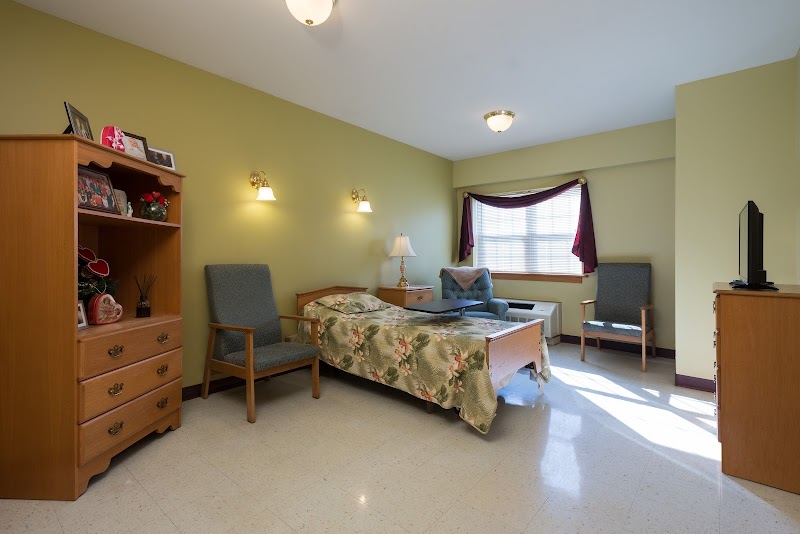
How is Dunmore Health Staffed?

CMS rates DUNMORE HEALTH CARE CENTER's staffing level at 3 out of 5 stars, which is average compared to other nursing homes. Staff turnover is 53%, compared to the Pennsylvania average of 46%. RN turnover specifically is 56%, which is notably high. RNs provide skilled clinical oversight, so turnover in this role can affect medical care quality.

What Have Inspectors Found at Dunmore Health?

State health inspectors documented 34 deficiencies at DUNMORE HEALTH CARE CENTER during 2022 to 2025. These included: 1 that caused actual resident harm, 30 with potential for harm, and 3 minor or isolated issues. Deficiencies causing actual harm indicate documented cases where residents experienced negative health consequences.
Who Owns and Operates Dunmore Health?

DUNMORE HEALTH CARE CENTER is owned by a for-profit company. For-profit facilities operate as businesses with obligations to shareholders or private owners. The facility is operated by SABER HEALTHCARE GROUP, a chain that manages multiple nursing homes. With 92 certified beds and approximately 85 residents (about 92% occupancy), it is a smaller facility located in DUNMORE, Pennsylvania.
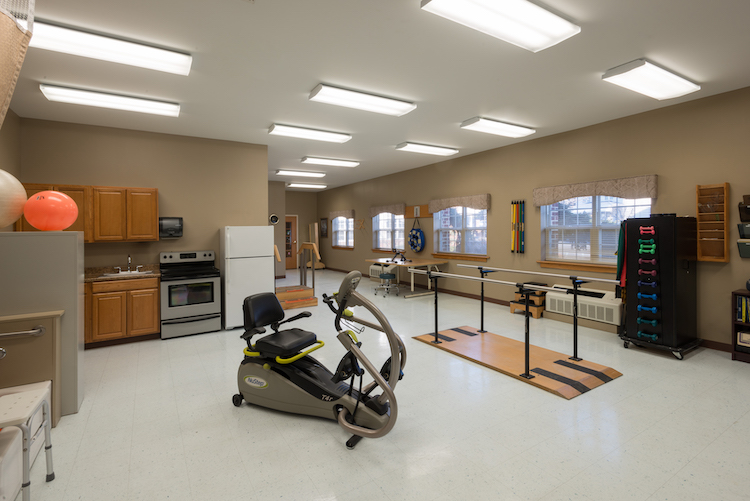
How Does Dunmore Health Compare to Other Pennsylvania Nursing Homes?

Compared to the 100 nursing homes in Pennsylvania, DUNMORE HEALTH CARE CENTER's overall rating (1 stars) is below the state average of 3.0, staff turnover (53%) is near the state average of 46%, and health inspection rating (2 stars) is below the national benchmark.

What Should Families Ask When Visiting Dunmore Health?

Based on this facility's data, families visiting should ask: "Can I visit during a mealtime to observe dining assistance and food quality?" "How do you handle medical emergencies, and what is your hospital transfer rate?" "Can I speak with family members of current residents about their experience?"

Is Dunmore Health Safe?

Based on CMS inspection data, DUNMORE HEALTH CARE CENTER has a clean safety record: no substantiated abuse findings (meaning no confirmed cases of resident harm), no Immediate Jeopardy citations (the most serious violation level indicating risk of serious injury or death), and is not on the Special Focus Facility watch list (a federal program monitoring the lowest-performing 1% of nursing homes). The facility has a 1-star overall rating and ranks #100 of 100 nursing homes in Pennsylvania. While no facility is perfect, families should still ask about staff-to-resident ratios and recent inspection results during their visit.

Do Nurses at Dunmore Health Stick Around?

DUNMORE HEALTH CARE CENTER has a staff turnover rate of 53%, which is 7 percentage points above the Pennsylvania average of 46%. Moderate turnover is common in nursing homes, but families should still ask about staff tenure and how the facility maintains care continuity when employees leave.

Was Dunmore Health Ever Fined?

DUNMORE HEALTH CARE CENTER has been fined $12,048 across 1 penalty action. This is below the Pennsylvania average of $33,199. While any fine indicates a compliance issue, fines under $50,000 are relatively common and typically reflect isolated problems that were subsequently corrected. Families should ask what specific issues led to these fines and confirm they've been resolved.

Is Dunmore Health on Any Federal Watch List?

DUNMORE HEALTH CARE CENTER is not on any federal watch list. The most significant is the Special Focus Facility (SFF) program, which identifies the bottom 1% of nursing homes nationally based on persistent, serious quality problems. Not being on this list means the facility has avoided the pattern of deficiencies that triggers enhanced federal oversight. This is a positive indicator, though families should still review the facility's inspection history directly.