SAPPHIRE CARE AND REHAB CENTER
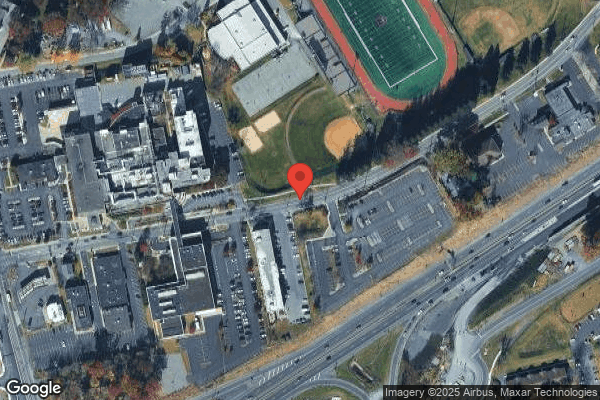

221 EAST BROWN STREET, EAST STROUDSBURG, PA 18301 (570) 421-6200
For profit - Limited Liability company 127 Beds Independent Data: November 2025
Trust Grade
35/100
#628 of 653 in PA
Last Inspection: August 2025

Inspected within the last 6 months. Data reflects current conditions.

Overview

Sapphire Care and Rehab Center has received a Trust Grade of F, which means it has significant concerns and is considered poor in quality. It ranks #628 out of 653 facilities in Pennsylvania, placing it in the bottom half of the state, and is the lowest-ranked facility in Monroe County. Although the facility is showing improvement, with issues decreasing from 20 in 2024 to 12 in 2025, it still faces serious challenges. Staffing is a weakness, with only 1 out of 5 stars and a concerning lack of registered nurse coverage compared to 92% of Pennsylvania facilities, which means residents may not receive adequate oversight. There have been troubling incidents, including a resident suffering a fractured arm due to neglect and a failure to implement infection control protocols, which raise red flags for potential health risks. On a positive note, the facility has not incurred any fines, indicating some level of compliance.

Trust Score
F
35/100
In Pennsylvania
#628/653
Bottom 4%
Safety Record
Moderate
Needs review
Inspections
Getting Better
20 → 12 violations
Staff Stability
⚠ Watch
48% turnover. Above average. Higher turnover means staff may not know residents' routines.
Penalties
✓ Good
No fines on record. Clean compliance history, better than most Pennsylvania facilities.
Skilled Nurses
⚠ Watch
Each resident gets only 23 minutes of Registered Nurse (RN) attention daily — below average for Pennsylvania. Fewer RN minutes means fewer trained eyes watching for problems.
Violations
⚠ Watch
53 deficiencies on record. Higher than average. Multiple issues found across inspections.
★☆☆☆☆
1.0
Overall Rating
★☆☆☆☆
1.0
Staff Levels
★★★☆☆
3.0
Care Quality
★★☆☆☆
2.0
Inspection Score
Stable
2024: 20 issues
2025: 12 issues

The Good

  • Full Sprinkler Coverage · Fire safety systems throughout facility
  • No fines on record

Facility shows strength in fire safety.

The Bad

1-Star Overall Rating

Below Pennsylvania average (3.0)

Significant quality concerns identified by CMS

Staff Turnover: 48%

Near Pennsylvania avg (46%)

Higher turnover may affect care consistency

The Ugly 53 deficiencies on record

1 actual harm
Aug 2025 11 deficiencies
CONCERN (D)

Potential for Harm - no one hurt, but risky conditions existed

Deficiency F0558 (Tag F0558)

Could have caused harm · This affected 1 resident

**NOTE- TERMS IN BRACKETS HAVE BEEN EDITED TO PROTECT CONFIDENTIALITY** Based on observation, select facility policy, and resident and staff interviews, it was determined the facility failed to reason...

Read full inspector narrative →
**NOTE- TERMS IN BRACKETS HAVE BEEN EDITED TO PROTECT CONFIDENTIALITY** Based on observation, select facility policy, and resident and staff interviews, it was determined the facility failed to reasonably accommodate residents' need for call bell accommodation for one out of 29 residents sampled (Resident 18).Findings include: A review of a facility policy titled Call Light Policy, last reviewed by the facility on August 7, 2025, revealed that it is the policy to ensure the facility is adequately equipped with a call light at each resident's bedside, toilet, and bathing facility to allow residents to call for assistance. Further review revealed that each resident will be evaluated for unique needs and preferences to determine any special accommodation that may be needed for the resident to utilize the call system, and any special accommodations will be identified on the resident's person-centered plan of care and provided accordingly, with examples to include touch pads, larger buttons, and bright colors. A review of Resident 18's clinical record revealed that the resident was admitted to the facility on [DATE], with diagnoses to include hemiplegia (paralysis on one side of the body) and muscle wasting and atrophy (thinning of muscle mass). A review of an admission Minimum Data Set assessment (MDS-a federally mandated standardized assessment process conducted periodically to plan resident care) dated July 9, 2025, revealed that Resident 18 had moderately impaired cognition with a BIMS score of 12 (Brief Interview for Mental Status-a tool within the Cognitive Section of the MDS that is used to assess the resident's attention, orientation, and ability to register and recall new information; a score of 8-12 indicates cognition is moderately impaired). Further clinical record review of a skilled nursing progress note, dated July 17, 2025, revealed that Resident 18 was contracted in both upper and lower extremities. Contractures are a permanent shortening of muscles, tendons, or joints, often due to immobility or neurological conditions, which can cause stiffness and limit movement. Observations made during an interview with Resident 18 on August 13, 2025, at approximately 11:00 AM, revealed that the resident had contractures to both hands. During the interview, it was revealed that Resident 18 was unable to use his push-button call bell due to these contractures. Resident 18 stated that he had not been able to use his call bell for assistance at the facility and would like a touch-sensitive call bell system. An interview with Employee 1, Licensed Practical Nurse, conducted on August 13, 2025, at approximately 11:15 AM, confirmed the observation that Resident 18 was unable to utilize the standard push-button call light due to his hand contractures. Following surveyor inquiry, observation at approximately 12:00 PM on August 13, 2025, revealed that the facility did provide a touch-sensitive call light device, which Resident 18 was able to operate. During an interview with the Nursing Home Administrator on August 13, 2025, at approximately 12:30 PM, it was confirmed that Resident 18 had not been provided with a call system compatible with his physical needs prior to the surveyor's inquiry. 28 Pa. Code 211.10 (d) Resident care policies. 28 Pa. Code 211.12 (d)(1)(3)(5) Nursing Services. 28 Pa. Code 201.29 (a) Resident Rights.
CONCERN (D) 📢 Someone Reported This

A family member, employee, or ombudsman was alarmed enough to file a formal complaint

Potential for Harm - no one hurt, but risky conditions existed

Deficiency F0627 (Tag F0627)

Could have caused harm · This affected 1 resident

**NOTE- TERMS IN BRACKETS HAVE BEEN EDITED TO PROTECT CONFIDENTIALITY** Based on clinical record review and staff interview, it was determined the facility failed to demonstrate that a resident's disc...

Read full inspector narrative →
**NOTE- TERMS IN BRACKETS HAVE BEEN EDITED TO PROTECT CONFIDENTIALITY** Based on clinical record review and staff interview, it was determined the facility failed to demonstrate that a resident's discharge from the facility was appropriate and necessary, for one of three sampled residents (Resident 112).Findings include: Clinical record review revealed that Resident 112 was admitted to the facility on [DATE], with diagnoses to include acute kidney failure (an abrupt decrease in kidney function, resulting in the retention of waste products) and unsteadiness on feet. Review of an entry Minimum Data Set Assessment (MDS a federally mandated standardized assessment process completed at specific intervals to plan resident care) dated July 7, 2025, indicated the resident had a BIMS (brief interview mental screener that aids in detecting cognitive impairment) score of 14 indicating she was cognitively intact. A review of Resident 112's hospital discharge history and physical paperwork from July 7, 2025, revealed the resident had been hospitalized in part due to her inability to care for herself. Review of Resident 112's clinical record revealed the resident was discharged home from the facility on July 19, 2025. Information provided from the Area Agency on Aging revealed upon return home the resident had no food in her home that the only item in the refrigerator/freezer was ice cubes. A review of Resident 112's clinical record revealed social service notes dated July 18, 2025, indicating residents discharge planning had been discussed with the resident's family. However, there were no social service notes indicating how the family would assist the resident with acquiring food and other services to assist the resident in the transition to home, given the resident's prior difficulty in caring for herself. During an interview on August 14, 2025, at approximately 11:00 AM, the Director of Social Services (SS) confirmed Resident 112 was to be discharged to her home. The Director of SS was unable to provide documented evidence that Resident 112 would receive the required care and services to ensure a safe discharge to home. A physician discharge note dated July 19, 2025, indicated Resident 112 arrived at the facility after a hospitalization due to increased weakness and inability to care for herself, and was to be discharged home. The facility failed to demonstrate that the discharge was appropriate. During an interview with the Social Service Director on August 14, 2025, at 12:00 PM it was unable to provide documented evidence that Resident 112's discharge was safe and appropriate.28 Pa. Code 201.29(h) Resident rights 28 Pa. Code 201.14(a) Responsibility of Licensee.
CONCERN (D)

Potential for Harm - no one hurt, but risky conditions existed

Assessment Accuracy (Tag F0641)

Could have caused harm · This affected 1 resident

**NOTE- TERMS IN BRACKETS HAVE BEEN EDITED TO PROTECT CONFIDENTIALITY** Based on a review of clinical records, the Resident Assessment Instrument, and staff interview, it was determined the facility f...

Read full inspector narrative →
**NOTE- TERMS IN BRACKETS HAVE BEEN EDITED TO PROTECT CONFIDENTIALITY** Based on a review of clinical records, the Resident Assessment Instrument, and staff interview, it was determined the facility failed to ensure that Minimum Data Set Assessments accurately reflected the status of two residents out of 29 sampled. (Residents 21 and 72).Findings include: According to the Resident Assessment Instrument (RAI) User's Manual (an assessment tool utilized to gather definitive information on a resident's strengths and needs, which must be addressed in an individualized care plan, and the RAI also assists staff to evaluate goal achievement and revise care plans accordingly by enabling the facility to track changes in the resident's status) dated October 2024, Section K0300 Weight Loss the facility is to record loss of 5% or more in the last month or loss of 10% or more in the last 6 months. A clinical record review revealed Resident 21 was admitted to the facility on [DATE]. Resident 21 was transferred to the hospital on July 17, 2025, and readmitted to the facility on [DATE]. A review of a Medicare 5 day Minimum Data Set Assessment (MDS- a federally mandated standardized assessment conducted at specific intervals to plan resident care) dated July 29, 2025, indicated in Section K0200 that the resident's height was 67 inches and weight was 107 pounds. Review of Section K0300 indicated that Resident 21 did not experience a weight loss of 5% or more in the last month or loss of 10% or more in the last 6 months. Review of Resident 21's Weight Record revealed that on June 13, 2025, the resident weighed 123 pounds. On July 29, 2025, the resident weighed 107 pounds which is indicative of a 13 % significant weight loss in the last month. During an interview on August 14, 2025, at approximately 11:00 AM the Registered Dietitian (RD) confirmed that Resident 21 did experience a 18.6% weight loss between June 13, 2025, and the Medicare 5 day MDS assessment dated [DATE], and that Section K0300 was inaccurate. According to the RAI User's Manual dated October 2024, Section O, Special Treatments, Procedures, and Programs O 0110 J1 Dialysis, indicates facilities will code peritoneal or renal dialysis, which occurs at the nursing home or at another facility, and record treatments of hemofiltration, slow continuous ultrafiltration (SCUF), continuous arteriovenous hemofiltration (CAVH), and continuous ambulatory peritoneal dialysis (CAPD) in this item. Intravenous (IV) medication and blood transfusions administered during dialysis are considered part of the dialysis procedure. A clinical record review revealed Resident 72 was admitted to the facility on [DATE], with diagnoses which included end-stage renal disease (final stage of chronic kidney disease in which the kidneys no longer support the body's needs) with maintenance hemodialysis (a machine filters wastes, salts, and fluid from the blood when the kidneys are no longer healthy enough to function) every Monday, Wednesday, and Friday. A review of an admission Minimum Data Set assessment (MDS-a federally mandated standardized assessment process conducted periodically to plan resident care) Section O 0110. Special Treatments, Procedures, and Programs, J1, Dialysis completed for Resident 72, dated August 5, 2025, indicated the resident did not receive dialysis treatments while a resident at the facility. Further review of the clinical record revealed that Resident 72 did receive dialysis treatments on August 1 and August 4, 2025. During an interview on August 13, 2025, at approximately 1:00 PM, the Registered Nurse Assessment Coordinator (RNAC) confirmed that Resident 72's was receiving dialysis services. The RNAC confirmed the facility coded Resident 72's MDS assessment dated [DATE], in error as related to dialysis services. 28 Pa. Code 211.5(f)(i) Medical records. 28 Pa. Code 211.12(d)(3) Nursing services.
CONCERN (D)

Potential for Harm - no one hurt, but risky conditions existed

Pressure Ulcer Prevention (Tag F0686)

Could have caused harm · This affected 1 resident

**NOTE- TERMS IN BRACKETS HAVE BEEN EDITED TO PROTECT CONFIDENTIALITY** Based on a review of clinical records, select facility policy, resident observation, and staff interview, it was determined the ...

Read full inspector narrative →
**NOTE- TERMS IN BRACKETS HAVE BEEN EDITED TO PROTECT CONFIDENTIALITY** Based on a review of clinical records, select facility policy, resident observation, and staff interview, it was determined the facility failed thoroughly assess and timely implement treatments to an identified skin impairment for one resident out of 29 sampled residents (Resident 16). Findings include: According to the US Department of Health and Human Services, Agency for Healthcare Research & Quality, the pressure ulcer best practice bundle incorporates three critical components in preventing pressure ulcers: Comprehensive skin assessment, Standardized pressure ulcer risk assessment and care planning and implementation to address the areas of risk. The American College of Physicians (ACP) is a national organization of internists, who specialize in the diagnosis, treatment, and care of adults. The largest medical-specialty organization and second-largest physician group in the United States) Clinical Practice Guidelines indicate that the treatment of pressure ulcers should involve multiple tactics aimed at alleviating the conditions contributing to ulcer development (i.e. support surfaces, repositioning and nutritional support); protecting the wound from contamination and creating and maintaining a clean wound environment; promoting tissue healing via local wound applications, debridement and wound cleansing; using adjunctive therapies; and considering possible surgical repair. A review of the facility's policy titled Prevention of Pressure Ulcers/Injuries last reviewed August 7, 2025, indicated staff will inspect the skin on a daily basis and identify any signs of developing pressure injuries, inspect pressure points such as sacrum (lower back at the base of the spine), heels, buttocks, coccyx (tailbone), elbows, ischium (lower pelvic bones), and trochanter (hip area). According to the policy, staff will evaluate, report, and document potential changes in the skin and review interventions and strategies for effectiveness on an ongoing basis. The policy further states that weekly body audits will be performed, and a resident-centered care plan will be based upon the risk factors identified in the assessment. A review of Resident 16's clinical record revealed Resident 16 was admitted to the facility on [DATE], with diagnoses which included but not limited to Alzheimer's disease, unspecified (a condition that slowly affects how a person thinks, remembers, and acts) and muscle wasting and atrophy (muscles become smaller and weaker over time). A review of the March 28, 2025, Minimum Data Set (MDS-a federally mandated standardized assessment process conducted periodically to plan resident care) identified Resident 16 required partial/ moderate assistance (helper does less than half the effort) with aspects of mobility including roll left to side, sitting to lying, sit to stand, chair/bed to chair transfer, and toilet transfer. Review of the June 20, 2025, MDS noted Resident 16 required substantial/ maximal assistance (helper does more than half the effort) with aspects of mobility including roll left to side, sitting to lying, sit to stand, chair/bed to chair transfer, and toilet transfer. The June 20, 2025, MDS illustrated an increase in assistance and decrease in mobility experienced by Resident 16. Clinical record review of Resident 16's plan of care that was initiated on February 11, 2024, identified Resident 16 was at risk for pressure ulcer development related to cognitive deficits and incontinence of bladder and bowel. Among the stated goals included the absence of skin injury including redness, blisters or discoloration by/through review date. Planned interventions included administer treatments as ordered and observe for effectiveness as well as informing MD, responsible party, resident and caregivers of any new area of skin breakdown. A nurse practitioner progress note dated July 1, 2025, documented a Stage II pressure injury (skin is broken, it's deeper than red skin but has not gone into the muscle or bone), on the sacral (lower back, base of spine, tailbone location) area measuring 0.8cm (length) x 0.8cm (width) x 0.1cm (depth), with exposed dermis (middle layer of skin), no odor, peri wound (skin surrounding wound) was intact, wound base 100% epithelial (covering that lines the skin), light amount of serous exudate (thin, watery drainage), wound edges were attached, and no pain was evaluated at the time. A treatment was initiated to cleanse with normal saline, apply Silvasorb gel (a wound dressing with antimicrobial properties) to the base of the wound, covering with a bordered dressing to be changed daily and as needed. Clinical record review of Resident 16's ‘Preventative skin care observation' forms for the month of July 2025 and August, 2025 illustrate no new concerns. A review of the Treatment Administration Record (TAR) for July 2025 documented wound treatments were carried out on most days but revealed omissions on July 8, July 9, July 26, August 1, and August 2, 2025. The clinical record lacked documentation of wound monitoring or weekly measurements after July 1, 2025. Progress notes by the nurse practitioner from July 8, 2025, documented refusal of evaluation by the resident but incorrectly indicated the wound was resolved based only on staff report. Further nurse practitioner notes between July 11 and July 25, 2025, inconsistently documented that the skin was dry or that no wound care was present, despite the July 1, 2025, diagnosis. A late entry note on July 31, 2025, by the nurse practitioner, again documented the presence of a sacral wound. Interview with Director of Nursing (DON), on August 12, 2025, at approximately 12:00 PM, failed to produce documented evidence that the sacral wound was monitored and confirmed the area had not been evaluated by the wound consultants since July 1, 2025. The DON confirmed Resident 16 still experienced a pressure injury in the sacral area. The DON was unable to provide documentation that timely wound care and pressure injury interventions were initiated to promote healing and monitoring of the Stage II pressure injury identified July 1, 2025. Following the surveyor inquiry on August 12, 2025, treatment was initiated and then scheduled to be evaluated by an outside wound consultant. Clinical record review of progress notes dated August 12, 2025, described an area Moisture Associated Skin Damage (MASD is prolonged exposure to moisture rather than pressure or friction) and described white slough (dead tissue that accumulates on the surface of a wound) in the sacral region. The ordered treatment included cleaning the site with normal saline and applying Silvasorb gel to the area and covering the area with a dressing. Resident 16 was to be evaluated by the wound consultants the following week according to clinical record review dated August 12, 2025. On August 14, 2025, at 10:45 AM, surveyor observation of the wound care by the DON confirmed the presence of a sacral skin injury. Measurements documented that day were 1.5 cm x 1.0 cm x 0 cm, demonstrating enlargement of the wound compared to July 1, 2025. An interview with the DON on August 14, 2025, at approximately 1:15 PM confirmed the facility could not provide documented evidence that Resident 16's Stage II sacral, pressure injury was measured and thoroughly assessed weekly by the staff, wound healing consultants, or the provider. The facility could not provide documentation, the provider nor the responsible party was informed of the skin injury. 28 Pa. Code 211.10(d) Resident care policies. 28 Pa. Code 211.12(c)(d)(1)(3)(5) Nursing services.
CONCERN (D)

Potential for Harm - no one hurt, but risky conditions existed

Deficiency F0688 (Tag F0688)

Could have caused harm · This affected 1 resident

**NOTE- TERMS IN BRACKETS HAVE BEEN EDITED TO PROTECT CONFIDENTIALITY** Based on a review of facility policy, clinical records, physician orders, resident interview, and staff interview, it was determ...

Read full inspector narrative →
**NOTE- TERMS IN BRACKETS HAVE BEEN EDITED TO PROTECT CONFIDENTIALITY** Based on a review of facility policy, clinical records, physician orders, resident interview, and staff interview, it was determined the facility failed to provide restorative nursing services and a therapeutic device prescribed to maintain mobility and current level of functioning as ordered by the physician and recommended by rehabilitative therapy staff for one resident (Resident 4) out of five sampled residents. Findings include: Review of the facility Restorative Nursing Services Policy last updated August 7, 2025, indicated that residents will receive restorative nursing care as needed to help promote optimal safety and independence. Residents may be started on a restorative nursing program upon admission, during the course of stay, or when discharged from rehabilitative care. Restorative goals and objectives are individualized and resident-centered and are outlined in the resident's plan of care. The resident or resident representative will be included in determining goals and the plan of care. A review of Resident 4's clinical record revealed that the resident was admitted to the facility on [DATE], with diagnoses that included hemiplegia (paralysis on one side of the body) and hemiparesis (weakness on one side of the body) following a cerebral infarction (stroke) affecting the left non-dominant side. A physical therapy Discharge summary dated [DATE], recommended a restorative nursing program (RNP) consisting of bilateral lower extremity (BLE) assisted active range of motion (AAROM) exercises, 10 repetitions times two sets for 15 minutes daily. AAROM is an exercise in which the resident moves a body part through its range of motion with the assistance of another person. A physician order dated April 24, 2025, confirmed this recommendation. An occupational therapy Discharge summary dated [DATE], recommended a restorative nursing program to include active range of motion (AROM resident moves joints independently without assistance) to the left upper extremity each joint 10 repetitions times one set. The summary also recommended a splint and brace program, including inspection of skin integrity, application of a left modified palm guard (a therapeutic device applied to the hand for individuals with limited hand function) during evening care and removal in the morning, and positioning the left upper extremity in an elevated and supported position while in bed. Physician orders dated June 20, 2025, confirmed both the AROM and the splint/brace interventions. A review of Resident 4's current plan of care identified a focus area of self-care deficit related to stroke, with a goal to improve the current level of function. However, the plan of care failed to identify or incorporate the resident's restorative nursing needs as ordered. Interview with Resident 4 on August 15, 2025, at 12:10 PM revealed that he did not recall receiving any restorative exercises since being discharged from therapy. Resident 4 also noted that staff have not consistently been applying the palm guard to his left hand. Further review of the clinical record failed to provide any documented evidence that the resident's restorative nursing was offered to the resident by staff as ordered by the physician. There was no documented evidence that the resident's modified palm guard was being applied as ordered by the physician to the resident's left hand. Interview with the Nursing Home Administrator on August 15, 2025, at approximately 11:30 AM failed to provide documented evidence that the resident's restorative nursing program which included exercises and a modified palm guard to the left hand to maintain the resident's mobility to the extent possible were being provided as ordered by the physician. 28 Pa. Code: 211.5(f)(i)(ii) Medical records. 28 Pa Code 211.1 (d) Resident care policies. 28 Pa Code 211.12 (c)(d)(5) Nursing services.
CONCERN (D)

Potential for Harm - no one hurt, but risky conditions existed

Pharmacy Services (Tag F0755)

Could have caused harm · This affected 1 resident

Based on a review of controlled drug shift count records, select facility policy, observations of the medication cart, and staff interviews, it was determined that the facility failed to implement pro...

Read full inspector narrative →
Based on a review of controlled drug shift count records, select facility policy, observations of the medication cart, and staff interviews, it was determined that the facility failed to implement procedures to promote accurate documentation of controlled medications for one of three medication carts reviewed (first floor, back cart). Findings include: A review of facility policy entitled Controlled Substances last reviewed on August 7, 2025, revealed that nursing staff must count controlled medications at the end of each shift. The policy further stated that the nurse coming on duty and the nurse going off duty must complete the count together and that both nurses are required to sign the record to verify accuracy. In addition, the policy directed that any discrepancies must be reported to the Director of Nursing Services immediately A review of controlled drug records (also known as narcotics are medications that are regulated by federal law due to their high risk of abuse or misuse) for the first-floor, back medication cart revealed multiple instances in which the required signatures verifying narcotic counts were missing: January 14, 2025, the off coming nightshift nurse failed to sign that the narcotic count was completed and correct,January 15, 2025, the nightshift on coming nurse failed to sign that the narcotic count was completed and correct, and the off coming night shift nurse failed to sign that the narcotic count was completed and correct,January 17, 2025, the off going evening nurse failed to sign that the narcotic count was completed and correct, andAugust 10, 2025, the oncoming evening nurse failed to sign that the narcotic count was completed and correct, and off coming evening nurse failed to sign that the narcotic count was completed and correct. An interview with Employee 2, licensed practical nurse, on August 14 ,2025, at approximately 9:00 AM, confirmed the narcotic sheets on the dates listed above were not signed by the oncoming and off-going nurses as required. The information was reviewed with the Director of Nursing on August 14, 2025, at approximately 10:30 A.M. The review confirmed that the facility had not consistently implemented its established procedures to ensure accurate documentation of controlled substances. 28 Pa Code 211.12 (c)(d)(1)(3)(5) Nursing service. 28 Pa Code 211.9 (c)(k) Pharmacy services. 28 Pa Code 211.5 (f)(x) Clinical records. 28 Pa Code 211.10 (c)(d) Resident care policies.
CONCERN (D)

Potential for Harm - no one hurt, but risky conditions existed

Deficiency F0761 (Tag F0761)

Could have caused harm · This affected 1 resident

Based on observation, review of facility policy, review of manufacturer instructions, and staff interviews, it was determined the facility failed to implement and adhere to procedures to ensure accept...

Read full inspector narrative →
Based on observation, review of facility policy, review of manufacturer instructions, and staff interviews, it was determined the facility failed to implement and adhere to procedures to ensure acceptable storage and use-by dates for multi-dose medications on one of three medication carts (first floor, back cart).Findings include: A review of the facility policy titled Storage of Medications, last reviewed by the facility on August 7, 2025, revealed that the facility shall not use discontinued, outdated, or deteriorated drugs or biologicals and that all such drugs shall be returned to the dispensing pharmacy or destroyed. A review of manufacturer instructions for Humalog Kwik Pen, Basaglar Kwik Pen, and Humalog Insulin vials revealed that these medications must be stored in the refrigerator until ready for use. Once removed from refrigeration, the insulin vials and pens may be used for up to 28 days. After 28 days, they are to be discarded. On August 14, 2025, at approximately 9:00 A.M., an observation of the first floor, back medication cart was conducted in the presence of Employee 2, a licensed practical nurse. The cart contained a Humalog KwikPen that had been opened on July 5, 2025, a Humalog Insulin vial that had been opened on July 5, 2025, and a Basaglar KwikPen that had been opened on July 11, 2025. These insulin medications were opened and available for resident use despite being beyond the manufacturer's recommended 28-day discard date. An interview with Employee 2 at the time of the observation on August 14, 2025, at approximately 9:00 AM, revealed the above medications were beyond the manufacturer's recommended 28-day discard date, and the medications should have been removed from the medication cart and discarded. On August 14, 2025, at approximately 10:30 A.M., the above findings were reviewed with the Director of Nursing. The review confirmed that the facility had not adhered to manufacturer guidelines and facility policy regarding the acceptable storage and use-by dates for multi-dose medications. 28 Pa. Code 211.9(a)(1)(k) Pharmacy services. 28 Pa. Code 211.12(c)(d)(1)(5) Nursing services. 28 Pa Code 211.10 (c)(d) Resident care policies.
CONCERN (E)

Potential for Harm - no one hurt, but risky conditions existed

Quality of Care (Tag F0684)

Could have caused harm · This affected multiple residents

**NOTE- TERMS IN BRACKETS HAVE BEEN EDITED TO PROTECT CONFIDENTIALITY** Based on clinical record review, select facility policy, and staff interviews, it was determined the facility failed to provide ...

Read full inspector narrative →
**NOTE- TERMS IN BRACKETS HAVE BEEN EDITED TO PROTECT CONFIDENTIALITY** Based on clinical record review, select facility policy, and staff interviews, it was determined the facility failed to provide professional standards of practice for diabetes management for one resident out of 29 sampled (Resident 119). Findings include: A review of facility policy entitled Administering Medications, last reviewed on August 7, 2025, revealed that medications must be administered in accordance with the physician's orders and if the dosage is believed to be inappropriate or excessive for a resident or a medication has been identified as having potential adverse consequences for the resident or is suspected of being associated with adverse consequences, the person preparing or administering the medication shall contact the resident's attending physician or the facility's medical director to discuss the concerns. A review of Resident 119's clinical record revealed the resident was admitted to the facility on [DATE], with diagnoses that included cerebral infarction (brain damage that results from a lack of blood) and diabetes (a chronic disease that occurs either when the pancreas does not produce enough insulin {a hormone that helps regulate blood sugar levels} or when the body cannot effectively use the insulin it produces). A review of a quarterly Minimum Data Set assessment (MDS a federally mandated standardized assessment process conducted periodically to plan resident care) dated July 22, 2025, revealed that Resident 119 had moderately impaired cognition with a BIMS score of 9 (Brief Interview for Mental Status a tool within the Cognitive Section of the MDS that is used to assess the resident's attention, orientation, and ability to register and recall new information; a score of 8-12 indicates cognition is moderately impaired). A clinical record review for Resident 119 revealed physician orders, dated June 10, 2025, for insulin aspart 5 units subcutaneous (under the skin) injection four times a day. A review of Resident 119's Medication Administration Record (MAR) for July 2025 revealed the following:Insulin aspart was held on July 20, 2025, at 11:00 PM administration with a documented blood glucose of 94 mg/dL.Insulin aspart was held on July 29, 2025, at the 5:00 PM administration with a documented blood glucose of 103 mg/dL.Insulin aspart was held on July 29, 2025, at the 11:00 PM administration with a documented blood glucose of 118 mg/dL. Further review of Resident 119's MAR for August 2025 revealed the following:Insulin aspart was held on August 2, 2025, at the 5:00 PM administration with no blood glucose documented.Insulin aspart was held on August 2, 2025, at the 11:00 PM administration with a documented blood glucose of 101 mg/dL.Insulin aspart was held on August 7, 2025, at the 2:00 PM administration with a documented blood glucose of 99 mg/dL. A review of Resident 119's clinical record revealed no physician orders indicating parameters for holding insulin aspart. Additionally, there was no documented evidence that the physician was notified that insulin doses had been withheld on the above dates. During an interview with the Nursing Home Administrator on August 15, 2025, at approximately 10:30 AM, the aforementioned information regarding the administration of the insulin aspart was reviewed. 28 Pa Code 211.12 (c)(d)(1)(3)(5) Nursing services. 28 Pa Code 211.10 (c)(d) Resident care policies.
CONCERN (E)

Potential for Harm - no one hurt, but risky conditions existed

Accident Prevention (Tag F0689)

Could have caused harm · This affected multiple residents

Based on observations and staff interviews, it was determined that the facility failed to demonstrate an effective maintenance program of inspection of all bed frames with bed extenders to assure the ...

Read full inspector narrative →
Based on observations and staff interviews, it was determined that the facility failed to demonstrate an effective maintenance program of inspection of all bed frames with bed extenders to assure the limiting of entrapment zones and promote resident safety for two residents out of 29 sampled (Resident 1 and Resident 7) and in three resident rooms observed.Findings included: Entrapment is a situation in which a resident's head, neck, chest, or limbs can become trapped between parts of a hospital bed system such as the mattress, bed frame, side rails, or footboard. The U.S. Food and Drug Administration (FDA) and the Centers for Medicare & Medicaid Services (CMS) according to Guidance for Industry and FDA Staff: Hospital Bed System Dimensional and Assessment Guidance to Reduce Entrapment issued March 10, 20026 identify seven potential entrapment zones, including the space between the mattress and the footboard of the bed (Zone 6). Zone 7 Between the Head or Foot Board and the End of the Mattress When there is too large of a space between the inside surface of the headboard or footboard and the end of the mattress, the risk of head entrapment increases. Such gaps can result in serious injury or death if a resident becomes caught in them. Facilities are expected to inspect and maintain bed systems to minimize or eliminate entrapment hazards. Observations made during an interview with Resident 7 on August 13, 2025, at approximately 9:00 A.M., revealed a bed frame with a bed extender being utilized due to the resident's height that had an approximately 4 inches to 6 inch gap from the bottom of the mattress to the footboard of the bed. Observations made of Resident 1 on August 13, 2025, at approximately 9:30 A.M., revealed a bed frame with a bed extender that had a gap from the bottom of the mattress to the footboard that was filled in with wedges that are normally used for repositioning. Observations made during a tour of the facility of the second floor on August 13, 2025, at approximately 9:35 A.M., revealed a bed frame with a bed extender that had a gap from the bottom of the mattress to the footboard in rooms 205-B and 210-B. An interview on August 15, 2025, at approximately 10:00 A.M., with the physical therapy director, revealed that when a bed extender is used, it was the facility's practice to place a wedge in the gap created by the extender. The director acknowledged that wedges commonly used for repositioning were being applied in these circumstances. The information regarding bed extenders and maintenance of bed gaps was reviewed with the Nursing Home Administrator on August 15, 2025, at approximately 10:15 A.M. 28 Pa. Code 201.18 (e) (2.1) Management.
CONCERN (E)

Potential for Harm - no one hurt, but risky conditions existed

Deficiency F0692 (Tag F0692)

Could have caused harm · This affected multiple residents

**NOTE- TERMS IN BRACKETS HAVE BEEN EDITED TO PROTECT CONFIDENTIALITY** Based on clinical record review, review of facility policy, and staff interviews, it was determined that the facility failed to ...

Read full inspector narrative →
**NOTE- TERMS IN BRACKETS HAVE BEEN EDITED TO PROTECT CONFIDENTIALITY** Based on clinical record review, review of facility policy, and staff interviews, it was determined that the facility failed to follow its own policies and procedures for monitoring nutritional status, obtaining weights, completing reweights, and ensuring timely notification of significant weight changes for six of ten sampled residents (Residents 16, 18, 21, 97, 107, and 119). Findings include: A review of the facility's Nutritional Assessment Policy last reviewed August 7, 2025, indicated that as part of the comprehensive assessment, a nutritional assessment, including nutritional status and risk factors for impaired nutrition, shall be conducted for each resident. The dietitian, in conjunction with the nursing staff and healthcare practitioners, will conduct a nutritional assessment for each resident upon admission and as indicated by change in condition that place the resident at risk for impaired nutrition. The nutritional assessment will be conducted by the interdisciplinary team and identify components which include Nursing: current height and weight, a description of the resident's usual intake and appetite, a history of reduced appetite or progressive weight loss or gain prior to admission, a description of the resident's overall appearance, Physician: current clinical conditions and recent events that may have affected a resident's nutritional status and risk factors, current laboratory results related to fluid and electrolyte status, and the presence of chewing or swallowing abnormalities, and Dietitian: an estimate of calorie, protein, and fluid needs, whether the resident's current intake is adequate to meet his or her nutritional needs, and special food formulations. A review of the facility Weight Policy last reviewed August 7, 2025, indicated the multidisciplinary team will strive to prevent, monitor, and intervene for undesirable weight loss for residents. Nursing staff will measure resident weights on admission and the next day, weekly for four weeks then monthly thereafter. Obtain weights as needed based on acuity. Weights will be recorded in the resident's medical record. Any weight change of 5% or more since the last weight assessment will be retaken the next day for confirmation. If the weight is verified, nursing will immediately notify the dietitian. The dietitian will review individual weight trends over time. Negative trends will be evaluated by the treatment team whether the criteria for significant weight change have been met. The threshold for significant unplanned and undesired weight loss will be based on the following criteria: 1 month 5% weight loss is significant; 3 months 7.5% weight loss is significant; 6 months 10% weight loss is significant. Clinical record review noted Resident 16 was admitted to the facility on [DATE], with diagnoses which included but not limited to Alzheimer's disease, unspecified (a condition that slowly affects how a person thinks, remembers, and acts), Muscle wasting and atrophy (muscles become smaller and weaker over time). Clinical record review of the nutrition notes dated March 11, 2025, reported a weight of 113 lbs. and confirmed Resident 16 experienced a significant loss of 9.0 lbs. (7.4%) in 30 days, significant loss of 12.0 lbs. (9.6%) in 90 days, and a non-significant loss of 5.0 lbs. (4.2%) in 180 days. Ensure (commercially prepared nutritional beverage) was then recommended on March 11, 2025, to address the weight loss. There was no documented evidence that Resident 16's resident representative and provider was notified. Further review of the nutrition note, dated April 25, 2025, documented the resident's weight as 109 pounds and confirmed that the resident continued to experience weight loss of 6.2% in approximately 50 days and 7.5% in 90 days. There was no documented evidence in the clinical record that further nutritional interventions were initiated at that time, or that the resident's physician or resident representative was notified of the changes. A progress note dated May 9, 2025, documented a change in nutritional supplements, discontinuing Ensure (a commercially prepared nutritional beverage) and substituting double desserts, citing the resident's lack of tolerance and acceptance of Ensure. The clinical record contained no documented evidence that the resident's weight trend or response to this intervention was evaluated in accordance with facility policy. Review of the nutrition note, dated June 20, 2025, documented the resident's weight at 108.2 pounds and showed a cumulative weight loss of 16.8 pounds (13.4%) in 180 days. There was no documented evidence that the resident's physician or representative was notified of this significant weight loss, nor was there evidence that the required reweight was obtained to confirm accuracy or prompt reassessment of nutritional interventions. Clinical record review revealed that Resident 18 was admitted to the facility on [DATE], with diagnoses to include hemiplegia (paralysis on one side of the body) and muscle wasting and atrophy (thinning of muscle mass) and was dependent on tube feedings for nutrition. The resident was weighed on admission and the following day; however, no weekly weights were obtained for the next four weeks as required by facility policy. Records showed that the last documented weight was July 4, 2025, with no further weights until August 13, 2025, after surveyor inquiry. Resident 18 was weighed on August 13, 2025, and weighed 138 lbs. Interview with the registered dietitian on August 14, 2025, at 10:00 AM confirmed that Resident 18's weight monitoring was not completed as per facility policy. Clinical record review revealed that Resident 21 was admitted to the facility on [DATE], with diagnoses including dementia (a condition marked by loss of memory, reasoning, and thinking severe enough to interfere with daily life). On admission, the resident's weight was documented at 123 pounds.Review of the resident's weight record showed no documented evidence that weekly weights were obtained for four weeks following admission, as required by the facility's Weight Policy. Further review of the clinical record revealed that the resident was transferred to the hospital on July 17, 2025, and readmitted to the facility on [DATE]. A subsequent weight, documented on July 29, 2025 (six days after readmission), showed the resident weighed 107 pounds. This represented a 16-pound (13%) weight loss since June 13, 2025, which meets the facility's definition of significant weight loss. There was no documented evidence that a required reweight was obtained to confirm this loss. As of surveyor review on August 14, 2025, there was no documented evidence that further weights were obtained, despite the documented weight loss and facility policy requiring weekly weights for four weeks upon admission or readmission. A dietitian note dated July 24, 2025, recorded the last available weight as 123 pounds and recommended that nursing staff obtain a current weight. A dietitian weight warning note dated August 1, 2025, documented that the resident may have lost 16 pounds (13%) in approximately 45 days. The note further indicated the resident was consuming more than 75% of meals and taking Ensure (nutritional beverage supplement) twice daily with fair acceptance, making it unlikely that the resident had lost such a large amount of weight in that short period. The note directed staff to obtain a reweight and provide additional dessert as an intervention. Further review of the clinical record revealed no documented evidence that the physician or resident representative was notified of the possible weight loss, and no documented evidence that the recommended reweight was obtained as directed by the dietitian. Review of findings with the registered dietitian on August 14, 2025, confirmed that Resident 21's weight monitoring was not carried out according to the facility's Weight Policy. Clinical record review revealed that Resident 97 was admitted to the facility on [DATE], with diagnoses including moderate protein-calorie malnutrition (an imbalance between the nutrients needed by the body and the nutrients actually consumed). Further review of the resident's weight record showed that the resident weighed 118 pounds on June 6, 2025, and 110 pounds on July 2, 2025, reflecting an 8 pound loss (6.7%) in 30 days. An unplanned weight loss greater than 5% in 30 days meets the facility's definition of significant weight loss. A dietitian weight warning note dated July 3, 2025, acknowledged the 8 pound (6.7%) weight loss in approximately 30 days. The note further documented that the resident was consuming more than 75% of meals with a fair intake of Ensure (a commercially prepared nutritional beverage) and health shakes twice daily. The dietitian recorded that it was unlikely the resident had lost such a large amount of weight in that short timeframe and suggested that the June weight was likely an error. The note recommended continued monitoring of weights and laboratory values. Despite this recommendation, there was no documented evidence that weekly weights were obtained for four weeks as required by the facility's Weight Policy. Further review of the clinical record revealed no documented evidence that the resident's physician or representative was notified of the significant weight loss, as required by facility policy. Clinical record review revealed that Resident 107 was admitted to the facility on [DATE], with diagnoses including diabetes and dysphagia (difficulty swallowing). A nutritional assessment dated [DATE], documented that the resident's hospital weight prior to admission was 157 pounds. The assessment also recorded a history of significant weight loss of 13 pounds, or 7.6%, in three months as noted in the hospital record. Review of the resident's weight record revealed that on August 13, 2025, fourteen days after admission, the resident's weight was documented as 150 pounds. This represented a continued weight loss. There was no documented evidence that weights were obtained in a timely manner following admission, as required by the facility's Weight Policy. Review of findings with the registered dietitian on August 14, 2025, confirmed that Resident 107's weight monitoring was not completed in accordance with facility policy. Clinical record review revealed that Resident 119 was admitted to the facility on [DATE], with diagnoses including cerebral infarction (brain damage caused by lack of blood supply to the brain) and dependence on tube feedings for nutrition. Review of the resident's weight record showed that on May 16, 2025, the resident weighed 302.4 pounds. A nutrition progress note completed by the registered dietitian on July 3, 2025, documented the most recent weight as 302.4 pounds, with the note indicating that the resident's weight reflected stability. There was no documented evidence that monthly weights were obtained after May 16, 2025, as required by the facility's Weight Policy. A subsequent nutrition progress note dated July 22, 2025, again documented the most recent weight as 302.4 pounds from May 16, 2025, and reflected stability, despite no monthly weights being documented in the record as required. The weight record then showed that on July 29, 2025, the resident weighed 257 pounds, representing a potential 45.4 pound (15.0%) weight loss in approximately 70 days. A nutrition progress note dated August 1, 2025, documented that the July 29, 2025, weight was likely an error and recommended a reweight to confirm accuracy. The note further directed that, if the weight loss was confirmed, consideration for nutritional interventions would be assessed. Further review of the clinical record revealed no documented evidence that a reweight was obtained, as requested by the dietitian. There was also no documented evidence that the resident's physician or representative was notified of the potential significant weight loss. Review of findings with the registered dietitian on August 14, 2025, at 10:00 AM, confirmed that Resident 119's weight monitoring was not completed in accordance with facility policy. Review of findings with the nursing home administrator on August 15, 2025, confirmed that weight monitoring for the above-mentioned residents had not been consistently completed as required by policy to ensure accurate assessment of nutritional status and timely planning of nutritional support. 28 Pa Code 211.10 (a)(c) Resident care policies. 28 Pa Code 211.12 (c)(d)(3)(5) Nursing services.
CONCERN (E)

Potential for Harm - no one hurt, but risky conditions existed

Deficiency F0909 (Tag F0909)

Could have caused harm · This affected multiple residents

**NOTE- TERMS IN BRACKETS HAVE BEEN EDITED TO PROTECT CONFIDENTIALITY** Based on observation and staff interview, it was determined that the facility failed to ensure the availability of a functioning...

Read full inspector narrative →
**NOTE- TERMS IN BRACKETS HAVE BEEN EDITED TO PROTECT CONFIDENTIALITY** Based on observation and staff interview, it was determined that the facility failed to ensure the availability of a functioning bed for all current licensed and certified resident beds on two of three resident care units, (first floor and second floor).Findings include: The facility is licensed and certified by the State and the Centers for Medicare & Medicaid Services (CMS) for a specific number of resident beds. The facility must provide residents with bedrooms that are appropriately furnished with a bed, mattress, and related equipment in accordance with the facility's license and certification. Licensed capacity, in plain terms, is the maximum number of residents the facility is legally permitted and expected to be accommodated at any given time. Beds must be physically present to demonstrate that the facility is able to provide immediate, safe, and appropriate accommodations for its licensed capacity, and not merely maintain bed space on paper. Observations made during an environmental tour August 14, 2025, at 11:30 A.M., multiple missing resident beds were observed on the first and second floor units, as follows: Resident room [ROOM NUMBER], licensed as a triple room, contained no bed for 104B.Resident room [ROOM NUMBER], licensed as a triple room, contained no bed for 106B.Resident room [ROOM NUMBER], licensed as a double room, contained no bed for 113B.Resident room [ROOM NUMBER], licensed as a double room, contained no bed for 116B.Resident room [ROOM NUMBER], licensed as a double room, contained no bed for 217B. These observations confirmed that the facility did not maintain the full complement of licensed and certified beds, as several licensed resident spaces were without a functioning bed and mattress. The missing beds were not stored elsewhere in the facility and therefore were not available for immediate use. A review of the findings with the Nursing Home Administrator on August 14, 2025, at approximately 12:00 p.m. was conducted and confirmed. 28 Pa Code 201.18(b)(1) Management. 28 Pa Code 205.20 Resident rooms.
Feb 2025 1 deficiency
CONCERN (D) 📢 Someone Reported This

A family member, employee, or ombudsman was alarmed enough to file a formal complaint

Potential for Harm - no one hurt, but risky conditions existed

Notification of Changes (Tag F0580)

Could have caused harm · This affected 1 resident

**NOTE- TERMS IN BRACKETS HAVE BEEN EDITED TO PROTECT CONFIDENTIALITY** Based on review of select facility policy and clinical records, and staff interview, it was determined the facility failed to ti...

Read full inspector narrative →
**NOTE- TERMS IN BRACKETS HAVE BEEN EDITED TO PROTECT CONFIDENTIALITY** Based on review of select facility policy and clinical records, and staff interview, it was determined the facility failed to timely notify the resident's interested representative of a change in condition for one resident out of 20 sampled (Resident 19). Findings include: A review of the facility's policy Change in a Resident's Condition or Status last reviewed by the facility January 2025, indicated the facility shall promptly notify the resident, his or her attending physician, and representative (sponsor) of changes in the resident's medical/mental condition and /or status. A review of the clinical record revealed Resident 19 was admitted to the facility on [DATE], with diagnoses that included Alzheimer's disease (a progressive brain disease that destroys memory and other important mental functions), and hypertension (high blood pressure). The resident's clinical record identified an emergency contact as their designated representative. A quarterly Minimum Data Set assessment (MDS- standardized assessment completed at specific intervals to plan care) dated December 18, 2024, indicated the resident had a BIMS score of 12 (Brief Interview for Mental Status-a tool to assess the resident's attention, orientation, and the ability to register and recall new information, a score of 8-12 equates to moderate cognitive impairment). Nursing documentation on January 5, 2025, at 2:22 PM, stated that Resident 19 activated their call light and reported feeling unwell, stating, I feel like throwing up and I do not feel good. The resident's temperature was 97.2°F, and a COVID-19 test was administered, resulting in a positive test. Nursing documentation dated January 5, 2025, at 3:59 PM revealed the resident is her own RR (resident representative) and aware of her positive covid test and the physician was made aware of the positive covid result. Continued review of nursing documentation dated January 15, 2025, at 1:27 PM, ten (10) days after Resident 19 tested positive for covid, indicated that the family was updated on the resident's condition and test result on January 7, 2025. Interview with the [NAME] President of Operations on February 25, 2025, at 10:15 AM confirmed that a BIMS score of 12 indicates moderate cognitive impairment and that facility policy requires the resident's emergency contact to be notified within 24 hours of a significant change in condition, such as an illness or a positive test result. The VP confirmed there was no documentation of timely notification. Interview with the facility's Infection Preventionist (IP) on February 25, 2025, at 12:30 PM confirmed that Resident 19 tested positive for COVID-19 on January 5, 2025, and that there was no documented evidence that the resident's emergency contact was notified in a timely manner. Interview with Resident 19's emergency contact on February 25, 2025, at 6:00 PM revealed the facility never contacted her regarding the resident's positive COVID-19 diagnosis. The emergency contact stated that she learned about the resident's condition only through a phone conversation with the resident, rather than from facility staff. There was no documented evidence the resident's emergency contact was timely notified of the residents change in condition and positive covid test result as required by the facility policy. 28 Pa Code 211.12 (c)(d)(3)(5) Nursing services
Oct 2024 20 deficiencies
CONCERN (D)

Potential for Harm - no one hurt, but risky conditions existed

Resident Rights (Tag F0550)

Could have caused harm · This affected 1 resident

**NOTE- TERMS IN BRACKETS HAVE BEEN EDITED TO PROTECT CONFIDENTIALITY** Based on observation, clinical record review and staff interview, it was determined the facility failed to provide meal service ...

Read full inspector narrative →
**NOTE- TERMS IN BRACKETS HAVE BEEN EDITED TO PROTECT CONFIDENTIALITY** Based on observation, clinical record review and staff interview, it was determined the facility failed to provide meal service in an environment that maintains each resident's dignity for one of 20 sampled residents (Resident 42). Findings include: Review of Resident 42's clinical record revealed the resident was admitted to the facility on [DATE], with diagnoses including unspecified dementia. Observation of the third floor nursing unit on October 22, 2024, at approximately 12:20 p.m. revealed Resident 42 was in the dining room. Resident 42's lunch tray was placed in front of her on the table at approximately 12:22 p.m. Resident 42 required assistance with feeding and was unable to feed herself. Further observation revealed that Resident 42 was not assisted with her lunch meal until approximately 12:47 p.m. approximately 25 minutes after it was placed in front of her. Interview with the Nursing Home Administrator on October 22, 2024, at approximately 1:45 p.m. confirmed that Resident 42 should have been served and assisted with her lunch meal within the same time frame as the other residents on the third floor unit. The NHA confirmed the facility failed to provide a dignified dining experience for Resident 42 and confirmed the lunch meal service on the third floor was not conducted in a manner that promotes each residents' dignity. 28 Pa Code: 201.29 (i) Resident rights.
CONCERN (D)

Potential for Harm - no one hurt, but risky conditions existed

Assessment Accuracy (Tag F0641)

Could have caused harm · This affected 1 resident

Based on a review of clinical records, the Resident Assessment Instrument, and staff interview, it was determined that the facility failed to ensure that the Minimum Data Set Assessments accurately re...

Read full inspector narrative →
Based on a review of clinical records, the Resident Assessment Instrument, and staff interview, it was determined that the facility failed to ensure that the Minimum Data Set Assessments accurately reflected the status of one resident out of 20 sampled (Resident 94). Findings include: A review of the clinical record of Resident 94 revealed a physician's order dated August 2, 2024, for the resident to be discharged to home on August 6, 2024. A review of a nurses note dated August 6, 2024, at 11:53 AM revealed that Resident 94 was discharged home via facility transport. The resident was able to walk independently. Discharge instructions provided to the resident. All discharge paperwork was signed by the resident. Medications, prescriptions, and education provided. All personal belongings brought home. Resident not in any form of distress and in good spirits. A review of Resident 94's Discharge MDS Assessment (MDS - a federally mandated standardized assessment conducted at specific intervals to plan resident care) dated August 6, 2024, Section A 2105, indicated that the resident was discharged to an acute care hospital. Interview with the Nursing Home Administrator on October 25, 2024, at 9:30 AM, confirmed Resident 94 was discharged home and that the MDS Assessment was not accurate with respect to the resident's discharge location. 28 Pa. Code 211.12(c)(d)(1)(5) Nursing services
CONCERN (D)

Potential for Harm - no one hurt, but risky conditions existed

Comprehensive Care Plan (Tag F0656)

Could have caused harm · This affected 1 resident

**NOTE- TERMS IN BRACKETS HAVE BEEN EDITED TO PROTECT CONFIDENTIALITY** Based on observation, clinical record review and staff interview, it was determined the facility failed to develop and implement...

Read full inspector narrative →
**NOTE- TERMS IN BRACKETS HAVE BEEN EDITED TO PROTECT CONFIDENTIALITY** Based on observation, clinical record review and staff interview, it was determined the facility failed to develop and implement a person-centered comprehensive care plan to meet the needs of three out of 20 residents sampled (Residents 86, 28, and 13) Findings including: Clinical record review revealed that Resident 86 was admitted to the facility on [DATE], with diagnoses to include hypertension (elevated blood pressure), Type 2 diabetes (body has trouble controlling blood sugar and using it for energy), and hyperlipidemia (high cholesterol). A review of Resident 86's hospital records sent to the facility on June 13, 2024, revealed the resident underwent a pacemaker placement (device implanted in the body to deliver electrical impulses to the heart to help the heartbeat at a normal rate and rhythm) on June 15, 2022. A review of chest x-ray results dated June 12, 2024, confirmed the placement of the pacemaker device. A physician's order dated August 1, 2024, revealed on order for the resident to see a cardiologist for a pacemaker check. During an interview with Resident 86 on October 22, 2024, at 11:00 AM the cognitively intact resident confirmed he had a pacemaker for two years. During an observation of Resident 86's room during the time of the interview, a remote pacemaker monitoring device (sends data from the pacemaker directly to the physician's office using Wi-Fi or cellular data) was located on the resident bedside table. A review of the resident's current plan of care, in effect at the time of the survey ending October 25, 2024, failed to identify the presence of, or the care for, the resident's implantable pacemaker on the resident's current plan of care. Clinical record review revealed Resident 28's was initially admitted to the facility on [DATE], with diagnoses to include chronic obstructive pulmonary disease (COPD- lung disease that blocks airflow and makes it difficult to breathe), chronic respiratory failure with hypoxia (not enough oxygen passes from the lungs to the blood, making it difficult to breath), and tracheostomy status [surgical procedure that creates an opening in the neck into the trachea (windpipe) to allow air and oxygen to reach the lungs]. A physician's order dated August 5, 2024, revealed on order to apply the SmartVest to the resident for cough assist (SmartVest is an inflatable vest that is attached to a machine that mechanically performs chest therapy by vibrating at a high frequency. The machine sends air through hoses, which cause the vest to inflate and deflate rapidly. The vest vibrates the chest to loosen and thin mucus. The resident then coughs to clear the mucus), two times a day for cough assistance. Apply 10 Hz for 10 minutes at each treatment. A review of the resident's current plan of care, in effect at the time of the survey ending October 25, 2024, identified that Resident 28 had a need for oxygen therapy due to COPD, pneumonia, chronic respiratory failure with hypoxia and tracheostomy status and that the resident had a tracheostomy due to shortness of breath and vocal cord paralysis. The facility failed to identify the presence and daily use of, or the care for, the resident's SmartVest on the resident's current plan of care. A clinical record review revealed that Resident 13 was most recently admitted to the facility on [DATE], with diagnoses which included dementia with behavioral disturbance (refers to drastic changes in behavior, perception, thoughts, and mood caused by deterioration of memory, language, and other thinking abilities), anxiety, and major depressive disorder. Observation of Resident 13's room during initial observation on October 22, 2024, at approximately 9:46 a.m. revealed the room had a strong fungal/rotten food like odor. Interview with Employee 8, nurse aide, on October 23, 2024, at approximately 10:12 a.m. confirmed there was an unpleasant odor in the room. Employee 8 further stated Resident 13 is known to hide food in her room. Additional observation of the resident's room revealed an orange semiliquid substance in a clear plastic container that appeared to be Jello, multiple opened small chip bags, and used Styrofoam cups stacked on the windowsill. The overbed table was positioned in front of the resident's closet door. Employee 8 stated that the resident places table in front of closet to prevent people from entering her closet where she is known to hide additional food/snack items. A review of Resident 13's current plan of care, in effect at the time of the survey ending October 25, 2024, identified the resident hoards sweaters and other belongings behind her on her wheelchair with a goal to remain free from injury or illness when avoidable through the next review. Intervention included fall risk management. There was no evidence at the time of the survey ending October 25, 2024, the facility had developed and/or implemented a person-centered plan of care related to Resident 13's hoarding of food items. Interview with the Director of Nursing on October 24, 2024, at 2:00 PM confirmed the facility failed to ensure that comprehensive care plans were developed in manner to meet the resident's medical and treatment needs. 28 Pa. Code 211.12 (d)(5) Nursing services
CONCERN (D)

Potential for Harm - no one hurt, but risky conditions existed

Deficiency F0657 (Tag F0657)

Could have caused harm · This affected 1 resident

Based on clinical record review, observation, and resident and staff interviews, it was determined the facility failed to ensure a resident's comprehensive care plan was reviewed and revised as needed...

Read full inspector narrative →
Based on clinical record review, observation, and resident and staff interviews, it was determined the facility failed to ensure a resident's comprehensive care plan was reviewed and revised as needed to accurately reflect the resident's current needs and services required by one of 20 residents reviewed (Resident 22). Findings include: Review of the clinical record of Resident 22 revealed initial admission to the facility on May 11, 2019, with diagnoses to include congestive heart failure (a serious condition that occurs when the heart can't pump enough blood to meet the body's needs), stroke, and anxiety. A review of Resident 22's Elopement/Wander Risk Evaluation dated May 21, 2024, revealed that the resident was a low wander risk as indicated by a score of 1 (a score of 0-4 indicated low risk for wandering/elopement). Review of Resident 22's current physician orders revealed an order dated September 18, 2024, which permitted the resident to go out on pass by himself via the bus. A review of a quarterly Minimum Data Set Assessment (MDS - federally mandated assessment of a resident's abilities and care needs) dated September 23, 2024, indicated that Resident 22 was cognitively intact with a BIMS (brief interview for mental status) score of 15 (13-15 represents intact cognitive responses). According to the assessment, Section E0900. Wandering, the resident did not have the presence of wandering during the 7-day lookback period. A review of Resident 73's current care plan revealed a focused area of potential for elopement and associated injury related to exit seeking behavior, dated August 24, 2022, with interventions to include door alarms on at all times, and answer alarms promptly, encourage group activity and attempt to keep occupied, make receptionist and other staff aware of elopement risk, provide diversional activities when exit seeking, notify social services for persistent attempts to leave building and not responding to redirection, refuses to wear Wanderguard (a wearable alert system that helps keep track of patients or residents who are at risk of wandering), check resident's whereabouts frequently, and redirect from exits as needed based on behavior. Review of the resident's care plan revealed that the focus area of potential for elopement and interventions had not been revised since November 1, 2023. There was no documented evidence that Resident 22's care plan had been reviewed and revised related to his potential for elopement. Interview with the Director of Nursing on October 25, 2024, at approximately 1:30 PM confirmed that the facility failed to review and revise Resident 22's plan of care to accurately reflect the resident's current status and needs. 28 Pa. Code 211.12(d)(3)(5) Nursing services.
CONCERN (D)

Potential for Harm - no one hurt, but risky conditions existed

Quality of Care (Tag F0684)

Could have caused harm · This affected 1 resident

Based on a review of clinical records and staff interviews it was determined the facility failed to provide nursing services consistent with professional standards of quality to ensure that licensed n...

Read full inspector narrative →
Based on a review of clinical records and staff interviews it was determined the facility failed to provide nursing services consistent with professional standards of quality to ensure that licensed nurses administered medications as prescribed to one resident of 20 sampled residents (Resident 22) Findings included: According to the Pennsylvania Code, Title 49, Professional and Vocational Standards, State Board of Nursing, 21.11 (a)(1)(2)(4) indicates that the registered nurse was to collect complete ongoing data to determine nursing care needs, analyze the health status of individuals and compare the data with the norm when determining nursing care needs, and carry out nursing care actions that promote, maintain, and restore the well-being of individuals. The Pennsylvania Code, Title 49, Professional and Vocational Standards, State Board of Nursing, 21.145 Functions of the Licensed Practical Nurse (LPN) (a) The LPN is prepared to function as a member of the health-care team by exercising sound judgement based on preparation, knowledge, skills, understandings and past experiences in nursing situations. The LPN participates in the planning, implementation, and evaluation of nursing care in settings where nursing takes place. 21.148 Standards of nursing conduct (a) A licensed practical nurse shall: (5) Document and maintain accurate records. According to the American Nurses Association Principles for Nursing Documentation, nurses document their work and outcomes and provide an integrated, real-time method of informing the health care team about the patient status. Timely documentation of the following types of information should be made and maintained in a patient's EHR (electronic health record) to support the ability of the health care team to ensure informed decisions and high quality care in the continuity of patient care: Assessments Clinical problems Communications with other health care professionals regarding the patient Communication with and education of the patient, family, and the patient ' s designated support person and other third parties. A review of Resident 22's clinical record revealed admission to the facility on May 11, 2019, with diagnoses to include congestive heart failure (a chronic condition that occurs when the heart can't pump enough blood to meet the body's needs), stroke, and anxiety. A physician order dated January 9, 2024, was noted for Midodrine HCL 10mg three times a day related to essential hypotension (low blood pressure), hold if systolic blood pressure (SBP - top number on blood pressure reading that measures the pressure in the arteries when the heart beats) more than 120 mm/Hg (millimeters of mercury). The medication was scheduled for 8:30 AM, 12:30 PM, and 4:30 PM. A review of Resident 22's Medication Administration Record for the month of September 2024, revealed on the following dates the blood pressure medication was administered: September 3, 2024, at 4:30 PM, for a blood pressure of 127/68 mm/Hg . September 5, 2024, at 8:30 AM and 12:30 PM, for a blood pressure of 132/72 mm/Hg . September 15, 2024, at 8:30 AM, for a blood pressure of 127/54 mm/Hg . September 16, 2024, at 4:30 PM, for a blood pressure of 124/65 mm/Hg . September 19, 2024 at 8:30 AM, for a blood pressure of 134/73 mm/Hg . September 19. 2024, at 12:30 PM, for a blood pressure of 137/69 mm/Hg . September 28, 2024, at 12:30 PM for a blood pressure of 128/68 mm/Hg . Each dose was administered when the resident's SBP was greater than 120 mm/Hg . Interview with the Director of Nursing on October 25, 2024, at approximately 1:30 PM confirmed the nursing staff failed to hold Resident 22's Midodrine medication as prescribed by the physician when the resident's systolic blood pressure was greater than 120 mm/Hg . 28 Pa. Code 211.12 (d)(3)(5) Nursing services 28 Pa. Code 211.5(f) Medical records
CONCERN (D)

Potential for Harm - no one hurt, but risky conditions existed

Deficiency F0692 (Tag F0692)

Could have caused harm · This affected 1 resident

Based on review of select facility policy, clinical records, and staff interview it was determined the facility failed to monitor the nutritional parameters for one resident with an identified signifi...

Read full inspector narrative →
Based on review of select facility policy, clinical records, and staff interview it was determined the facility failed to monitor the nutritional parameters for one resident with an identified significant weight loss out of 20 residents sampled (Resident 60). Findings include: Review of a facility policy titled Weight Assessment last reviewed by the facility in January 2024, revealed that any weight change of 5 pounds or more since the last assessment will be retaken for confirmation. If the weight loss is verified nursing will notify the physician and dietician. A review of Resident 60's clinical record revealed admission to the facility on December 16, 2021, with diagnoses to include dementia (the loss of thinking, remembering, and reasoning to such an extent that it interferes with a person's daily life and activities). A review of the resident's weights noted the following: July 1, 2024 125.0 lbs August 2, 2024 122.0 lbs September 4, 2024 117.0 lbs September 10, 2024 114.0 lbs indicating a 6.6% weight loss in 30 days. The dietician requested a reweight after the five pound weight loss between August 2, 2024 and September 4, 2024. The facility failed to reweigh the resident in a timely manner, six days elapsed between the weight on September 4, and September 10, 2024. A review of a dietary note dated September 12, 2024, revealed the dietitian noted the resident's significant weight loss and noted variable intakes. The dietician added nutritious shakes twice a day and requested weekly weights to prevent further weight loss. Further review of the resident's clinical record revealed the facility failed to complete the weekly weights as requested by the dietician. There was no evidence at the time of the survey ending October 25, 2024, the facility had timely acted upon the resident's weight loss and developed and implemented nutritional support measures to maintain acceptable nutritional parameters and deter progressive weight loss. Interview with the Director of Nursing on October 24, 2024, at approximately 9:20 AM, confirmed that the facility failed to timely identify, address, and implement weight loss interventions. 28 Pa Code 211.5(f)(ix) Medical records 28 Pa. Code 211.12 (c)(d)(3)(5) Nursing services
CONCERN (D)

Potential for Harm - no one hurt, but risky conditions existed

Deficiency F0698 (Tag F0698)

Could have caused harm · This affected 1 resident

Based on observations, clinical record review, and resident and staff interview it was determined that the facility failed to ensure the ready availability of necessary emergency supplies for a reside...

Read full inspector narrative →
Based on observations, clinical record review, and resident and staff interview it was determined that the facility failed to ensure the ready availability of necessary emergency supplies for a resident receiving hemodialysis for one of 20 residents sampled. (Resident 85) Findings include: According to the National Kidney Foundation patients receiving hemodialysis (a machine filters wastes, salts, and fluid from your blood when your kidneys are no longer healthy enough to do this work adequately) should keep emergency care supplies on hand. A review of Resident 85's clinical record revealed the resident was admitted to the facility was on August 11, 2024, with diagnoses that included end stage renal disease (a chronic kidney disease that occurs when the kidneys can no longer function properly) and dependence on renal hemodialysis. A review of the resident's current plan of care dated August 15, 2024, and last revised August 27, 2024, revealed that the resident required dialysis with the potential for infection, fluid volume excess/deficit, pain, and trauma related to end stage renal failure. Planed interventions included monitor dialysis catheter right internal jugular site for signs and symptoms of infection, swelling, bleeding, and pain. The facility failed to develop planned interventions for emergency supplies for the resident's dialysis access site. An observation conducted on October 22, 2024, at 10:08 AM, revealed that there were no emergency supplies available in the resident's room or on the resident's wheelchair. An interview with Resident 85 on October 22, 2024, at time of observation confirmed that there were no emergency supplies available in the resident's room or on the resident's wheelchair. An interview with Employee 10 LPN (licensed practical nurse) on October 22, 2024, at approximately 11:58 AM, confirmed no emergency supplies for Resident 85's dialysis access site were available in the resident's room or on her wheelchair. Employee 10 further confirmed that the emergency supplies were to be available at the bedside. Interview with the Director of Nursing on October 25, 2024, at approximately 1:45 PM, confirmed the facility failed to ensure the ready availability of necessary emergency supplies at the resident's bedside and that the care plan failed to reflect interventions for the dialysis access site in the event of an emergency. 28 Pa. Code 211.12 (d)(3)(5) Nursing Services
CONCERN (D)

Potential for Harm - no one hurt, but risky conditions existed

Deficiency F0740 (Tag F0740)

Could have caused harm · This affected 1 resident

**NOTE- TERMS IN BRACKETS HAVE BEEN EDITED TO PROTECT CONFIDENTIALITY** Based on clinical record review and staff interviews, it was determined the facility failed to ensure each resident received the...

Read full inspector narrative →
**NOTE- TERMS IN BRACKETS HAVE BEEN EDITED TO PROTECT CONFIDENTIALITY** Based on clinical record review and staff interviews, it was determined the facility failed to ensure each resident received the necessary behavioral health care in a timely manner to attain or maintain the highest practicable mental and psychosocial well-being for one of 20 residents sampled (Resident 10). Findings include: A review of Resident 10's clinical record revealed the resident was admitted to the facility on [DATE], with diagnoses including schizoaffective disorder (a mental health condition that is marked by a mix of schizophrenia symptoms, such as hallucinations and delusions, and mood disorder symptoms, such as depression, mania and a milder form of mania called hypomania). Further review of Resident 10's clinical record revealed the resident exhibited behaviors, including agitation, restlessness, crying and yelling out. Observations on October 22, 2024, between 8:45 a.m. and 9:30 a.m., revealed Resident 10 to be wheeling in and out of her room appearing restless and agitated. The resident was observed to be crying and mumbling. No behavioral interventions were observed to be implemented during the observations. Review of Resident 10's care plan, initiated by the facility on January 11, 2024, did not indicate the resident had a behavioral problem. The resident's care plan did not address the resident's specific behavioral problems or symptoms that were noted in the nursing documentation. Review of Psychological evaluations revealed the last psychological evaluation was dated August 17, 2024, and indicated Resident 10 was continuing to have intermittent behaviors and would benefit from continued behavioral health services. These episodes occurred often and were not easily redirectable. A review of a nursing progress notes between August 2024 and October 2024 revealed the resident had continued and increased behaviors during this time period. The facility failed to update the resident's care plan to address the mental health needs of the resident and failed to provide continued psychological services to promote the highest practicable mental health condition. During an interview with the Nursing Home Administrator (NHA), on October 25, 2024, at approximately 10:00 a.m., the NHA was unable to provide evidence that Resident 10 was being provided psychological services to maintain the highest practicable level of mental and psychosocial wellbeing. 28 Pa. Code 201.14(a) Responsibility of licensee. 28 Pa. Code 211.12(d)(1)(5) Nursing services.
CONCERN (E)

Potential for Harm - no one hurt, but risky conditions existed

Abuse Prevention Policies (Tag F0607)

Could have caused harm · This affected multiple residents

Based on a review of the facility's abuse prohibition policy and employee personnel files and staff interviews, it was determined the facility failed to fully develop and implement established abuse p...

Read full inspector narrative →
Based on a review of the facility's abuse prohibition policy and employee personnel files and staff interviews, it was determined the facility failed to fully develop and implement established abuse prohibition procedures for screening five of five employees for employment. (Employee 3, 4, 5, 6, and 7) Findings include: According to regulatory requirements under §§483.12(a)(3) and 483.12(b)(1) the facility must have written procedures for screening prospective employees, to include reviewing: the employment history (e.g., dates of employment position or title), particularly where there is a pattern of inconsistency; information from former employers, whether favorable or unfavorable; and/or documentation of status and any disciplinary actions from licensing or registration boards and other registries. A review of the facility's Resident Abuse policy last reviewed by the facility January 24, 2024, revealed no procedures for screening potential employees that included obtaining references from current/previous employers. Review of employee personnel files revealed that Employee 3 (Nurse Aide) was hired October 7, 2024. The employee's application indicated that she had previous employers. There was no indication that the facility had contacted any of the employee's previous employers. Review of employee personnel files revealed that Employee 4 (LPN) was hired October 7, 2024. The employee's application indicated that she had previous employers. There was no indication that the facility obtained information from former employers. Review of employee personnel files revealed that Employee 5 (Activities) was hired September 30, 2024. The employee's application indicated that she had previous employers. There was no indication that the facility obtained information from former employers. Review of employee personnel files revealed that Employee 6 (NA) was hired August 19, 2024. The employee's application indicated that she had previous employers. There was no indication that the facility obtained information from any former employers. Review of employee personnel files revealed that Employee 7 (RN) was hired August 19, 2024. The employee's application indicated that she had previous employers. There was no indication that the facility obtained information from the former employers. Interview with the Administrator on October 24, 2024, at 12:15 p.m. the NHA verified that there was no evidence that previous employers were contacted for information regarding the employees past employment. 28 Pa. Code 201.18 (e)(1) Management 28 Pa. Code 201.29 (a)(c)Resident Rights 28 Pa. Code 201.14(a) Responsibility of Licensee 28 Pa. Code 201.19 (1) Personnel records.
CONCERN (E)

Potential for Harm - no one hurt, but risky conditions existed

Accident Prevention (Tag F0689)

Could have caused harm · This affected multiple residents

**NOTE- TERMS IN BRACKETS HAVE BEEN EDITED TO PROTECT CONFIDENTIALITY** Based on observation and staff interview it was determined the facility failed to maintain an environment free of potential acci...

Read full inspector narrative →
**NOTE- TERMS IN BRACKETS HAVE BEEN EDITED TO PROTECT CONFIDENTIALITY** Based on observation and staff interview it was determined the facility failed to maintain an environment free of potential accident hazards during medication administration on one of two resident care units. (First floor). Findings include: An observation on the first floor nursing unit on October 24, 2024, at 8:56 AM, during medication administration revealed there were medications located on overbed table in room [ROOM NUMBER]-1. One clear plastic medication cup with what appeared to be crushed medications in a liquid, a second medication cup with a red colored liquid, and a large plastic cup filled with a pink liquid, on Resident 83's overbed table. During an interview with Resident 83, who resides in room [ROOM NUMBER] on October 24, 2024, at 8:56 AM revealed the resident stated the nurse left the medications on the table. Resident 83 further stated, she will give them to me eventually. A review of Resident 83's Medication Administration Record (MAR) dated October 2024, revealed the resident was scheduled to receive Allopurinol 100mg (used to decrease high blood uric acid levels) Ferrous sulfate 325 mg (iron supplement), Furosemide 20mg (diuretic or water pill), Sitagilptin phosphate 50mg (antidiabetic mediation), Apixaban 5mg (anticoagulant), Juven (nutritional supplement) one packet, Metoprolol tartrate 50mg (blood pressure medication), Proheal liquid protein, and Hydroxyzine HCL 25mg (antihistamine), daily via feeding tube at 8:30 AM. An interview with Employee 9, LPN (license practical nurse) on October 24, 2024, at 8:58 AM, indicated Resident 83 administers her own medications via the feeding tube once prepared by the nurse. Employee 9 confirmed the prepared medications were left unattended at the resident's bedside. A review of Resident 83's current physician orders revealed an order dated October 4, 2024, which indicated the resident is to administer her own bolus feedings after staff setup. There was no evidence the resident was to administer her own medications via the feeding tube. The observation was confirmed with the Director of Nursing (DON) on October 24, 2024, at approximately 9:10 AM. The DON further confirmed that Resident 83 was not to administer her own medications via the feeding tube and the medications were not to be left at the bedside which created a potential accident hazard if accidently consumed by another resident. 28 Pa. Code 211.9 (a)(1) Pharmacy services. 28 Pa Code 211.12 (c)(d)(5) Nursing services
CONCERN (E)

Potential for Harm - no one hurt, but risky conditions existed

Incontinence Care (Tag F0690)

Could have caused harm · This affected multiple residents

**NOTE- TERMS IN BRACKETS HAVE BEEN EDITED TO PROTECT CONFIDENTIALITY** Based on observations, a review of clinical records and staff interview, it was determined the facility failed to provide the ne...

Read full inspector narrative →
**NOTE- TERMS IN BRACKETS HAVE BEEN EDITED TO PROTECT CONFIDENTIALITY** Based on observations, a review of clinical records and staff interview, it was determined the facility failed to provide the necessary care and services to prevent potential urinary tract infections to the extent possible for one resident with an indwelling urinary catheter out of 20 sampled residents (Residents 83). Findings included: A review of Resident 83's clinical record revealed the resident was admitted on [DATE], with diagnoses, which included retention of urine and required the use of an indwelling catheter for urination. Review of physician orders revealed an order dated October 4, 2024, for Acetic Acid irrigation solution 0.25%, use 1 dose via irrigation every day and evening shift. The physician order failed to identify what was to be flushed or the amount of Acetic Acid to be administered. Observation of Resident 83's room on October 22, 2024, at 10:25 a.m. revealed there were two opened irrigation kits with a piston syringes and two opened undated bottle of Acetic Acid 0.25% behind each resident's television. Each piston syringe kit was labeled Foley flush. Further observation of the opened undated 1000mL containers of Acetic Acid 0.25% revealed the container is a single-dose container. One container had approximately 500mL remaining and the other container had approximately 800mL remaining. A review of manufacturer instructions revealed that the contents of an opened container should be used promptly to minimize the possibility of bacterial growth or pyrogen formation. Discard the unused portion of irrigation solution since no antimicrobial agent has been added. Interview with Employee 2, licensed practical nurse, on October 22, 2024, at approximately 11:00 a.m. confirmed the irrigation supplies were not stored and/or discarded in a sanitary manner. During an interview with the Director of Nursing (DON), and in the presence of the Nursing Home Administrator (NHA) on October 25, 2024, at 1:30 p.m., confirmed that the facility failed to maintain resident 83's foley catheter supplies in a sanitary manner to prevent the possible spread of infection. 28 Pa. Code 211.12 (d)(3)(5) Nursing services
CONCERN (E)

Potential for Harm - no one hurt, but risky conditions existed

Respiratory Care (Tag F0695)

Could have caused harm · This affected multiple residents

**NOTE- TERMS IN BRACKETS HAVE BEEN EDITED TO PROTECT CONFIDENTIALITY** Based on review of clinical records, select facility policy, observation, and staff interview, it was determined the facility fa...

Read full inspector narrative →
**NOTE- TERMS IN BRACKETS HAVE BEEN EDITED TO PROTECT CONFIDENTIALITY** Based on review of clinical records, select facility policy, observation, and staff interview, it was determined the facility failed to follow physician orders for oxygen therapy and failed to maintain oxygen equipment in a functional and sanitary manner for three residents out of 20 sampled (Residents 28, 61, and 52). Findings include: Review of the facility policy titled Equipment Changing last reviewed by the facility on January 24, 2024, revealed that all respiratory equipment must be changed in order to prevent nosocomial infections (healthcare associated infections). The equipment should be marked with the date that it was changed. All equipment should be changed on a weekly basis as well as prn (as needed) if it becomes soiled or falls on the ground. Review of Resident 28's clinical record revealed the resident was initially admitted to the facility on [DATE], with diagnoses to include chronic obstructive pulmonary disease (COPD- lung disease that blocks airflow and makes it difficult to breathe), chronic respiratory failure with hypoxia (not enough oxygen passes from the lungs to the blood, making it difficult to breath), and tracheostomy status (surgical procedure that creates an opening in the neck) into the trachea (windpipe) to allow air and oxygen to reach the lungs. The resident had three current physician's orders dated August 5, 2024, for the following: (1) provide supplemental oxygen therapy at 5.0 liters/minute via the tracheostomy; (2) provide Albuterol Sulfate inhalation nebulization solution (2.5 mg/3 ml) 0.083% a medication inhaled into the lungs using a nebulizer machine (a small machine that turns liquid medicine into a mist that can be inhaled into the lungs) via tracheostomy every 4 hours as needed for wheezing/shortness of breath; and (3) change the oxygen tubing and clean the oxygen filter (on the oxygen concentrator- a bedside machine that concentrates ambient air to supply an oxygen-rich gas stream) every Sunday during night shift. An observation conducted on October 22, 2024, at 11:45 AM revealed that Resident 28 was awake and sitting upright in bed with supplemental oxygen in place via an oxygen concentrator with the liter flow set at 5.0 liters per minute. The resident's oxygen tubing and trach mask were not dated and the resident's oxygen concentrator filter was visibly covered in dust. Further observation revealed the resident's nebulizer machine, including the tubing and mask, were placed on the bedside table. Also on the bedside table were two pillows and a blanket that were stacked on top of the nebulizer mask and tubing. The nebulizer mask was uncovered, not bagged, and not dated. Review of Resident 61's clinical record revealed the resident was admitted to the facility on [DATE], with diagnoses to include chronic obstructive pulmonary disease, and chronic respiratory failure with hypoxia. The resident had a current physician's order dated June 5, 2024, for continuous oxygen therapy administration via nasal cannula (flexible plastic tubing with small prongs inserted into the nostrils to deliver supplemental oxygen) at 4.0 liters per minute. The resident also had a current physician order dated June 11, 2024, to change the oxygen tubing every Tuesday during night shift. An observation conducted on October 22, 2024, at 12:21 PM revealed that Resident 61 was sitting on the edge of his bed with supplemental oxygen in place via an oxygen concentrator with the liter flow set at 4.0 liters per minute. The resident's oxygen tubing was not dated. The resident's oxygen concentrator filter was visibly covered in dust. Interview with Employee 1 LPN (licensed practical nurse) on October 22, 2024, at 12:25 PM confirmed that Resident 28 and 61's oxygen tubing was not dated and the oxygen concentrator filters were covered in dust. Review of Resident 52's clinical record revealed the resident was initially admitted to the facility on [DATE], with diagnoses to include chronic obstructive pulmonary disease, chronic respiratory failure with hypoxia, and dependence on supplemental oxygen. The resident had a current physician's order dated June 11, 2024, to change oxygen tubing every Tuesday on night shift and an order dated June 12, 2024, for oxygen administration at 2 liters per minute per nasal cannula. An observation conducted on October 22, 2024, at 1:10 PM revealed Resident 52 was awake and lying in bed with supplemental oxygen in place via an oxygen concentrator with a liter flow set at 4.0 liters per minute. Further observation revealed Resident 52's oxygen tubing was not dated, and the oxygen concentrator filter was visibly covered in dust. Interview with Employee 2 LPN (licensed practical nurse) on October 22, 2024, at 1:15 PM confirmed Resident 52 was prescribed 2.0 liters per minute of oxygen continuously, but the resident was currently receiving 4.0 liters per minute. Employee 2 also confirmed the oxygen tubing was not dated, and the oxygen filter was covered with dust. Interview with Nursing Home Administrator on October 24, 2024, at 1:45 PM confirmed the facility failed to follow physician orders for the administration of oxygen and the condition of the oxygen concentrators was not consistent with facility policy for maintenance of oxygen delivery equipment. 28 Pa. Code 211.12 (c)(d)(1)(3)(5) Nursing services 28 Pa. Code 211.10 (a)(c) Resident Care Policies
CONCERN (E)

Potential for Harm - no one hurt, but risky conditions existed

Pharmacy Services (Tag F0755)

Could have caused harm · This affected multiple residents

Based on a review of clinical records, select facility policy, and medication records, and staff interviews, it was determined that the facility failed to implement pharmacy procedures for accounting ...

Read full inspector narrative →
Based on a review of clinical records, select facility policy, and medication records, and staff interviews, it was determined that the facility failed to implement pharmacy procedures for accounting for controlled drugs on one of six medication carts. (First Floor Back) Findings included: A review of the facility's policy entitled Controlled Substances last reviewed by the facility on January 24, 2024, revealed that nursing staff must count controlled medications at the end of each shift. The nurse coming on duty and the nurse going off duty must make the count together. They much document and report any discrepancies to the Director of Nursing services. A review of the facility's Change of Shift Controlled Substances Count Sheet revealed that the signature of nurse arriving on duty and nurse departing from duty indicates that controlled drugs on the cart have been counted and that the quantity of each medication counted is in agreement with the quantity stated on the Daily Narcotic Count Sheet and that the controlled substance log was reconciled and found to be accurate. Observation of the First Floor Back medication cart narcotic log on October 24, 2024, at 9:21 a.m., in the presence of the Director of Nursing, found the logbook on the desk at the nurse's station while the assigned nurse was actively passing morning medications. Further observations revealed on the following dates the shift to shift sign off was not completed: October 9, 2024, off-going nurse 3pm to 11pm shift. October 17, 2024, off-going nurse 3pm to 11pm shift. October 23, 2024, off-going nurse 7am to 3pm shift. The Director of Nursing confirmed on October 24, 2024, at time of observation the logbook should be with the medication cart in order for controlled substances to be signed out when administered. The DON further confirmed that the nursing staff failed to consistently sign shift-to-shift reconciliation of narcotic medications. Interview with the Director of Nursing on October 25, 2024, at approximately 12:30 p.m. confirmed that the facility failed to implement procedures for accurately accounting of controlled drugs at the beginning and end of each shift. 28 Pa. Code 211.12 (d)(1)(2)(3)(5) Nursing Services 28 Pa. Code 211.9 (d)(j.1)(1)(2)(3)(5) Pharmacy services 28 Pa. Code 211.10 (a)(c)(d) Resident care policies
CONCERN (E)

Potential for Harm - no one hurt, but risky conditions existed

Drug Regimen Review (Tag F0756)

Could have caused harm · This affected multiple residents

**NOTE- TERMS IN BRACKETS HAVE BEEN EDITED TO PROTECT CONFIDENTIALITY** Based on review of clinical records and staff interview, it was determined the facility failed to ensure that the attending phys...

Read full inspector narrative →
**NOTE- TERMS IN BRACKETS HAVE BEEN EDITED TO PROTECT CONFIDENTIALITY** Based on review of clinical records and staff interview, it was determined the facility failed to ensure that the attending physician acted upon on the pharmacist's reports of irregularities in the drug regimen of four resident of 20 residents reviewed (Residents 28, 10, 73, and 36). Findings include: A review of Resident 28's clinical record revealed admission to the facility on April 17, 2024, with diagnoses to include Thrombophilia (blood disorder that makes the blood in the veins and arteries more likely to clot), chronic obstructive pulmonary disease (COPD- lung disease that blocks airflow and makes it difficult to breathe), and chronic respiratory failure with hypoxia (not enough oxygen passes from the lungs to the blood, making it difficult to breath). A review of the consultant pharmacist's Consultant Pharmacist Communication to Physician dated August 13, 2024, addressed the physician's order for Lovenox (an anticoagulant- blood thinner used to prevent blood clots). The pharmacist recommended the physician identify the duration of the therapy for Lovenox, currently ordered for DVT (deep vein thrombosis). The facility failed to provide written documentation of the attending physician's response to the consultant pharmacist's recommendation and there was no documentation the resident's physician acknowledged this identified pharmacy report. A review of facility documentation entitled Pharmacy Review dated September 14, 2024, revealed the consultant pharmacist conducted a medication regimen review and recommendations were made. The document indicated to review the Clinical Pharmacy Report for the recommendations. The facility was unable to provide the Clinical Pharmacy Report or documentation as to what the pharmacy recommendation included and the physician's response to the recommendation. Review of the consultant pharmacist's Consultant Pharmacist Communication to Physician dated October 13, 2024, identified that Resident 28 was prescribed two medications: Lovenox and nonsteroidal anti-inflammatory agents (NSAIDs-used to treat mild-moderate pain, fever, and inflammation). The pharmacist's recommendation was to consider therapy modification indicating that NSAIDs may enhance the anticoagulant (blood thinning) effect of Lovenox. The pharmacist further recommended to discontinue NSAIDs prior to the initiation of Lovenox whenever possible. If co-administration cannot be avoided, monitor the resident closely for clinical laboratory results and evidence of bleeding. The facility failed to provide written documentation of the attending physician's response to the consultant pharmacist's recommendation and there was no documentation the resident's physician acknowledged this identified pharmacy report. A review of Resident 10's clinical record revealed the resident was admitted to the facility on [DATE], with diagnoses including schizoaffective disorder (a mental health condition that is marked by a mix of schizophrenia symptoms, such as hallucinations and delusions, and mood disorder symptoms, such as depression, mania and a milder form of mania called hypomania). A review of facility documentation entitled Pharmacy Review dated August 2024, revealed the consultant pharmacist conducted a medication regimen review and recommendations were made. The document indicated to review the Clinical Pharmacy Report for the recommendations. The facility was unable to provide the Clinical Pharmacy Report or documentation as to what the pharmacy recommendation included and the physician's response to the recommendation. The facility failed to provide written documentation of the attending physician's response to the consultant pharmacist's recommendation and there was no documentation the resident's physician acknowledged this identified pharmacy report. A review of Resident 73's clinical record revealed the resident was admitted to the facility on [DATE], with diagnoses including dementia (loss of cognitive functioning - thinking, remembering, and reasoning - to such an extent that it interferes with a person's daily life and activities). A review of facility documentation entitled Pharmacy Review dated March 2024, revealed the consultant pharmacist conducted a medication regimen review and recommendations were made. The document indicated to review the Clinical Pharmacy Report for the recommendations. The facility was unable to provide the Clinical Pharmacy Report or documentation as to what the pharmacy recommendation included and the physician's response to the recommendation. The facility failed to provide written documentation of the attending physician's response to the consultant pharmacist's recommendation and there was no documentation the resident's physician acknowledged this identified pharmacy report. A review of Resident 36's clinical record revealed the resident was admitted to the facility on [DATE], with diagnoses including dementia. A review of facility documentation entitled Pharmacy Review dated April 2024, revealed the consultant pharmacist conducted a medication regimen review and recommendations were made. The document indicated to review the Clinical Pharmacy Report for the recommendations. The facility was unable to provide the Clinical Pharmacy Report or documentation as to what the pharmacy recommendation included and the physician's response to the recommendation. The facility failed to provide written documentation of the attending physician's response to the consultant pharmacist's recommendation and there was no documentation that the resident's physician acknowledged this identified pharmacy report. An interview with Director of Nursing on October 24, 2024, at 11:00 AM confirmed the facility was unable to provide documented evidence the attending physician acted upon the pharmacy recommendations. 28 Pa. Code 211.2 (d)(3)(9) Medical director 28 Pa Code 211.5 (f)(vii) Medical records 28 Pa. Code 211.9 (k) Pharmacy services
CONCERN (E)

Potential for Harm - no one hurt, but risky conditions existed

Medication Errors (Tag F0758)

Could have caused harm · This affected multiple residents

**NOTE- TERMS IN BRACKETS HAVE BEEN EDITED TO PROTECT CONFIDENTIALITY** Based on review clinical records and staff interviews, it was determined that the facility failed to ensure that a resident was ...

Read full inspector narrative →
**NOTE- TERMS IN BRACKETS HAVE BEEN EDITED TO PROTECT CONFIDENTIALITY** Based on review clinical records and staff interviews, it was determined that the facility failed to ensure that a resident was free from unnecessary psychoactive drugs by failing to ensure the presence of clinical rationale for the continued use of an as needed psychotropic medication for two of five residents reviewed (Residents 44 and 20). Findings include: A review of Resident 44's clinical record revealed the resident was admitted to the facility on [DATE], with diagnoses to include Bipolar Disorder (a mental illness that causes extreme mood swings, along with changes in energy, sleep, thinking, and behavior). A review of Resident 44's clinical record revealed a physician's order for lorazepam (used to treat anxiety) give 0.5 mg by mouth every 12 hours as needed for Anxiety with a start date of September 9, 2023, and no end date . A review of the October 2024 Medication Administration Records (MAR) revealed that the medication (alprazolam) was administered to the resident four times during the month of October 2024. A review of the physician's notes for the months of September and October 2024, revealed that the physician failed to document the clinical rationale for the continued use or identify the need for the extended duration for the prn (as needed) order for the psychoactive drug without re-evaluation of its necessity. A review of Resident 20's clinical record revealed admission to the facility on July 17, 2021, with diagnoses which included anxiety and depression. A review of Resident 20's clinical record revealed a physician's order dated October 7, 2023, for Lorazepam 1mg give one tablet every 8 hours as needed for anxiety, and no end date. A review of the controlled substance record for Resident 20's Lorazepam revealed that the medication was last administered on December 13, 2023, at 9:00 p.m. A review of pharmacy recommendation dated January 27, 2024, revealed that the pharmacist recommended the physician review the Lorazepam medication and implement a 14-day stop date. Further review revealed that the pharmacist again reviewed the antianxiety medication with recommendations for a stop date and/or gradual dose reduction. The physician failed to document the clinical rationale for the continued use or identify the need for the extended duration for the prn (as needed) order for the psychoactive drug without re-evaluation of its necessity. An interview was conducted with the Director of Nursing on October 24, 2024, at approximately 12:30 p.m. verified that there was no physician documentation of the clinical rationale for the prn medication to be used more than 14 days. 28 Pa. Code 211.9 (k) Pharmacy services. 28 Pa Code 211.5 (f) Medical records 28 Pa. Code 211.2 (d)(7) Medical director
CONCERN (E)

Potential for Harm - no one hurt, but risky conditions existed

Deficiency F0761 (Tag F0761)

Could have caused harm · This affected multiple residents

Based on a review of select facility policy, observations, and staff interview, it was determined that the facility failed to adhere to acceptable storage and use by dates for multi-dose medication on...

Read full inspector narrative →
Based on a review of select facility policy, observations, and staff interview, it was determined that the facility failed to adhere to acceptable storage and use by dates for multi-dose medication on two of six medication carts observed. Findings include: A review of facility policy entitled Administering Medications last reviewed by the facility on January 24, 2024, indicated that insulin pens will be clearly labeled with the resident's name or other identifying information. The expiration/beyond use date on the medication label must be checked prior to administering. When opening a multi-dose container, the date opened shall be recorded on the container. An observation of a first floor medication cart on October 24, 2024, at 9:07 a.m., revealed Employee 9 LPN (license practical nurse) was working medication cart. One Basaglar insulin pen, two Lispro insulin pens, and one Humulin 70/30 insulin pen were opened and available for use. There was no evidence that the insulin pens were dated when opened or with an expiration/beyond use date. Further observations of the first floor medication cart revealed a Fiasp insulin pen labeled as opened on September 19, 2024. According to manufacturer instructions, once opened, the Fiasp insulin pen should be discarded after 28 days. An interview with Employee 9 on October 24, 2024, at the time of the observation, confirmed the all insulin pens should have been dated when opened and the Fiasp insulin pen should have been discarded. An observation of a second floor medication cart On October 24, 2024, at approximately 9:38 a.m., revealed Employee 1 LPN was working the medication cart. Two Lispro insulin pens were observed to be opened and available for use. Neither of the two pens were dated when opened or with an expiration/beyond use date. Further observations of the Lispro insulin pens revealed that one of the pens was not properly labeled with resident identification. An interview with the Director of Nursing (DON) on October 25, 2024, at approximately 10:51 a.m., confirmed the that the facility failed to correctly label and date multi-dose medications when opened to assure acceptable storage times and adhere to expiration dates. 28 Pa. Code 211.9 (a)(1)(k) Pharmacy Services 28 Pa. Code 211.12 (c)(d)(3)(5) Nursing services
CONCERN (E)

Potential for Harm - no one hurt, but risky conditions existed

Dental Services (Tag F0791)

Could have caused harm · This affected multiple residents

Based on review of clinical records, payor source data, and staff interview, it was determined the facility failed to offer routine annual dental services for one resident with Medicaid as a payor sou...

Read full inspector narrative →
Based on review of clinical records, payor source data, and staff interview, it was determined the facility failed to offer routine annual dental services for one resident with Medicaid as a payor source (Resident 52) and failed to promptly refer a resident with mouth pain and a physician's order for a dental consult with Medicaid as a payor source (Resident 86) out of 20 residents sampled Findings include: Review of Resident 52's clinical record revealed admission to the facility on November 2, 2023, and the resident's current payor source was Medicaid. There was no documented evidence at the time of the survey ending October 25, 2024, the resident had been offered dental services in the past year. Review of resident 86's clinical record revealed admission to the facility on June 14, 2024, and the resident's current payor source was Medicaid. A physician's order dated August 1, 2024, revealed on order for a dental consult for left side mouth pain. At the time of the survey ending October 25, 2024, the facility was unable to provide documented evidence the facility had provided timely assistance to obtain dental services needed by the resident to evaluate and provide treatment for mouth pain. Interview with the Director of Nursing on October 24, 2024, at 2:00 PM confirmed the facility had not offered Resident 52 routine dental services in the past year and the facility was unable to provide documented evidence that Resident 86 was provided a dental consult as ordered by the physician. 28 Pa. Code 211.12 (c)(d)(3)(5) Nursing services
CONCERN (E)

Potential for Harm - no one hurt, but risky conditions existed

Antibiotic Stewardship (Tag F0881)

Could have caused harm · This affected multiple residents

Based on review of the facility's infection control policies and procedures and staff interview, it was determined the facility failed to implement an antibiotic stewardship program for 6 of 12 months...

Read full inspector narrative →
Based on review of the facility's infection control policies and procedures and staff interview, it was determined the facility failed to implement an antibiotic stewardship program for 6 of 12 months reviewed. (April 2024-September 2024). Findings include: Review of the facility policy entitled Antibiotic Stewardship last reviewed January 2024 indicated antibiotics will be prescribed and administered to residents under the guidance of the facility's antibiotic stewardship program. The purpose of the antibiotic stewardship program is to monitor the use of antibiotics in the residents. Review of the facility's Infection Control surveillance for September 2023 through September 2024, failed to include documentation to indicate that antibiotic monitoring was completed for 6 months (April 2024 through September 2024). During an interview on October 25, 2024, at 9:45 a.m. the Director of Nursing confirmed the facility failed to implement an antibiotic stewardship program that included a system of surveillance to monitor antibiotic use and laboratory correlation for infections for 6 of 12 months and was unable to produce the tracking records from April 2024 through September 2024 for review. 28 Pa. Code: 211.10(c)(d) Resident care policies. 28 Pa. Code: 211.12(d)(1)(2)(3)(5) Nursing services.
CONCERN (F)

Potential for Harm - no one hurt, but risky conditions existed

Infection Control (Tag F0880)

Could have caused harm · This affected most or all residents

**NOTE- TERMS IN BRACKETS HAVE BEEN EDITED TO PROTECT CONFIDENTIALITY** Based on review of the facility's infection control tracking log, observations, and staff interview, it was determined that the ...

Read full inspector narrative →
**NOTE- TERMS IN BRACKETS HAVE BEEN EDITED TO PROTECT CONFIDENTIALITY** Based on review of the facility's infection control tracking log, observations, and staff interview, it was determined that the facility failed to maintain and implement a comprehensive program to monitor and prevent infections in the facility, including protocols and provisions for Enhanced Barrier Precautions for 6 of six residents observed (Residents 70, 66, 52, 12, 83, and 33). Findings include: A review of a memo from The Center for Clinical Standards and Quality/Quality, Safety & Oversight Group, Ref: QSO-24-08-NH, CDC, Centers for disease control, dated March 20, 2024 regarding, Enhanced Barrier Precautions in Nursing Homes to Prevent Spread of disease revealed, CMS is issuing new guidance for State Survey Agencies and long term care (LTC) facilities on the use of enhanced barrier precautions (EBP) to align with nationally accepted standards. EBP recommendations now include use of EBP for residents with chronic wounds or indwelling medical devices during high-contact resident care activities regardless of their multidrug-resistant organism (MDRO) status. Enhanced Barrier Precautions (EBP) refer to an infection control intervention designed to reduce transmission of multidrug-resistant organisms that employs targeted gown and glove use during high contact resident care activities. EBP are used in conjunction with standard precautions and expand the use of PPE to donning of gown and gloves during high-contact resident care activities that provide opportunities for transfer of MDROs to staff hands and clothing. Review of information provided by the facility indicated Residents 70, 66, 52, 12, 83, and 33 required enhanced barrier precautions. Review of the clinical record revealed Resident 70 was admitted to the facility on [DATE], with diagnoses including malnutrition. The resident required enhanced barrier precautions due to a tube feeding. Review of the clinical record revealed Resident 66 was admitted to the facility on [DATE] with diagnoses including neurogenic bladder. The resident required enhanced barrier precautions for a foley catheter. Review of the clinical record revealed Resident 52 was admitted to the facility on [DATE], with diagnoses including adult failure to thrive. The resident required enhanced barrier precautions due to a tube feeding. Review of the clinical record revealed Resident 12 was admitted to the facility on [DATE], with diagnoses including a stage 4 pressure ulcer of the sacral region. The resident required enhanced barrier precautions due to an open wound on her buttocks and a foley catheter. Review of the clinical record revealed Resident 83 was admitted to the facility on [DATE], with diagnoses, which included retention of urine. The resident required enhanced barrier precautions due to an indwelling urinary catheter, a feeding tube, and chronic open wounds. Review of the clinical record revealed that Resident 33 was admitted to the facility on [DATE], with diagnoses which included neuromuscular dysfunction of the bladder (a condition that occurs when the nerves and muscles that control the bladder don't work properly). The resident required EBP due to use of an indwelling catheter. Observations during the initial environmental tour including the rooms of the above mentioned residents on October 22, 2024, at 9:30 a.m., revealed there was no evidence of EBP for any of the above noted residents in the facility. Interview with the Director of nursing on October 22, 2024, at 1:00 p.m., confirmed that there were no EBP implemented for any resident in the facility at the time of the survey despite meeting the above criteria. 28 Pa. Code 211.12 (c)(d)(5) Nursing services.
CONCERN (F)

Potential for Harm - no one hurt, but risky conditions existed

Deficiency F0882 (Tag F0882)

Could have caused harm · This affected most or all residents

Based on staff interview, it was determined the facility did not have one or more individuals serving as the Infection Preventionist (IP) responsible for the facility's infection prevention plan. Find...

Read full inspector narrative →
Based on staff interview, it was determined the facility did not have one or more individuals serving as the Infection Preventionist (IP) responsible for the facility's infection prevention plan. Findings included: The Centers for Medicare and Medicaid Services regulation §483.80(b)(3) states the facility must designate one or more individuals as the infection preventionist (IP) who are responsible for the facility's Infection Prevention and Control Program. The IP must work at least part-time at the facility, physically work onsite in the facility, cannot be an off-site consultant, or perform the IP work at a separate location. During an interview with the Nursing Home Administrator (NHA) and Director of Nursing (DON) on October 22, 2024, at 11:40 AM, revealed the prior IP left the role in the beginning of April 2024, and there was currently no designated IP. Further they stated the facility has hired a new IP but she had not started in the position as of the end of survey October 25, 2024. In an interview on October 24, 2024, at 9:47 a.m., the Director of Nursing confirmed that the facility had no staff that were credentialed infection preventionists. 28 Pa. Code 211.12 (d)(1)(3)(5) Nursing services. 28 Pa. Code 201.14(a) Responsibility of licensee 28 Pa. Code 201.18(b)(1) Management
Nov 2023 10 deficiencies 1 Harm
SERIOUS (G)

Actual Harm - a resident was hurt due to facility failures

Free from Abuse/Neglect (Tag F0600)

A resident was harmed · This affected 1 resident

**NOTE- TERMS IN BRACKETS HAVE BEEN EDITED TO PROTECT CONFIDENTIALITY** Based on a review of the facility's abuse prohibition policy, select investigative reports and clinical records, and interview w...

Read full inspector narrative →
**NOTE- TERMS IN BRACKETS HAVE BEEN EDITED TO PROTECT CONFIDENTIALITY** Based on a review of the facility's abuse prohibition policy, select investigative reports and clinical records, and interview with staff it was determined that the facility neglected to provide the care and services necessary to avoid physical harm and maintain physical health for one resident out of four residents sampled (Resident 2) resulting in serious injuries, a fractured arm and tooth. Findings include: The facility's policy titled Abuse Policy dated as reviewed by the facility on January 25, 2023, revealed that the resident has the right to be free from abuse, neglect, misappropriation of resident property, and exploitation. Neglect is defined as the failure of the facility, its employees or service providers to provide goods and services to a resident that are necessary to avoid physical harm, pain, mental anguish, or emotional distress. A review of the clinical record revealed that Resident 2 was initially admitted to the facility on [DATE], with diagnoses to include ataxia (poor muscle control that causes clumsy voluntary movements) following a cerebral infarction (stroke), end stage renal disease, and muscle weakness. A Quarterly Minimum Data Set assessment (MDS- a federally mandated standardized assessment process conducted at specific intervals to plan resident care) dated September 14, 2023, indicated that the resident required extensive assistance of two staff members for bed mobility. A review of the resident's current plan of care, initially dated March 3, 2022, that the problem/need of an ADL (activities of daily living) self-care performance deficit related to stroke and end stage renal disease with planned interventions for bed mobility included that the resident required two (2) staff participation to reposition and turn the resident in bed. A review of the resident's [NAME] (a nursing information system used to obtain specific care information for each resident) dated as of December 1, 2023, revealed that the resident required two (2) staff assist for bed mobility. A nursing progress note dated November 30, 2023, at 9:30 PM indicated that the nurse was paged to assess Resident 2 and found Resident 2 lying on the floor face down in the resident's room. The resident's face was facing toward the bed, with noted facial bleeding, and her right arm was twisted to 90 degrees. The resident was transferred to the hospital at that time. A review of the hospital CT scan report dated November 30, 2023, revealed that the resident had an acute fracture (break) of the right proximal humeral neck (bone located at the top of the arm) and an acute fracture of the dental alveolus (tooth socket) for tooth 8 (front tooth). A review of the facility's investigation report dated December 1, 2023, revealed that Employee 1, a nurse aide, performed care to Resident 2 by herself even though the resident's care plan indicated that the resident required the assistance of two staff members. Resident 2 required the assistance of two staff members during care and only one staff member was present, Employee 1. The resident rolled off the bed as Employee 1 moved to the other side of the bed to perform a care task. Employee 1 did not follow facility protocol and the resident's care plan while providing care to the resident in bed. The facility has suspended Employee 1 pending further investigation. A review of a witness statement from Employee 1 dated November 30, 2023, (no time indicated) revealed that Resident 2 fell out of bed while Employee 1 was in the process of changing the resident. Resident 2 had vomited and, in the process of changing her bed linens, Employee 1 moved the resident to the other side of the bed. While Employee 1 moved to the other side of the bed, Resident 2 reached to grab an item off her dresser and fell out of bed. A review of the PB-22 Report (report form for Investigation of Alleged Abuse, Neglect, Misappropriation of Property) dated December 1, 2023, at 4:45 PM revealed that the facility concluded that, upon investigation, the allegation of neglect is substantiated as staff did not follow the resident's established plan of care, neither did she (Employee 1) follow protocol to check the [NAME] before starting the resident's care. The facility's conclusion was that the staff member, Employee 1, will be terminated. An interview with the Nursing Home Administrator on December 28, 2023, at approximately 2:00 PM confirmed the facility failed to ensure that Resident 2 received the services necessary to avoid physical harm. The NHA confirmed that Employee 1 performed the task alone when the care plan and [NAME] indicated that the resident required two staff assist resulting in the resident's fall and serious injury during bed mobility. This deficiency is cited as past non-compliance. The facility's corrective action plan included the following: 1. The resident was sent to the hospital and admitted . Upon return will be evaluated by PT/OT. Employee suspended pending investigation. 2. All residents reviewed to ensure bed mobility is documented in the care plan and [NAME] with appropriate assist level. 3. Re-education to nursing staff will include abuse policy, where to locate information on how to care for residents on the [NAME]. Ensuring care plans are updated with bed mobility. 4. The DON/designee will review all newly admitted residents to ensure bed mobility is documented in the care plan with appropriate assist level and on [NAME] weekly x 4 then monthly x 2. Results will be taken through QAPI for further action if necessary. The facility's compliance date was December 4, 2023, and completion of corrective action plan noted above was confirmed during the survey ending December 28, 2023. 28 Pa. Code 201.18 (e)(1)(3) Management 28 Pa. Code 201.29 (a)(c) Resident Rights 28 Pa. Code 211.12 (c)(d)(1)(3)(5) Nursing Services
CONCERN (D)

Potential for Harm - no one hurt, but risky conditions existed

Comprehensive Care Plan (Tag F0656)

Could have caused harm · This affected 1 resident

Based on clinical record review and staff interview, it was determined that the facility failed to include the resident's discharge planning in the comprehensive care plan of one resident out of five ...

Read full inspector narrative →
Based on clinical record review and staff interview, it was determined that the facility failed to include the resident's discharge planning in the comprehensive care plan of one resident out of five reviewed (Resident 71). Findings include: A review of the clinical record revealed Resident 71 was admitted to the facility May 12, 2023, with a diagnosis to include hemiplegia (paralysis of one side of the body) and hemiparesis (weakness on one side of the body) following a cerebral infarction (stroke). Review of the quarterly Minimum Data Set assessment (MDS-a federally mandated standardized assessment process conducted at specific intervals to plan resident care) dated October 23, 2023, revealed that the resident was moderately cognitively impaired with a BIMS score of 10 (Brief Interview for Mental Status - a tool to assess cognitive function. A score of 8-12 indicates moderate cognitive impairment). According to the MDS assessment, Section Q: Resident's Overall Goal: the resident expects to remain in this facility as per information provided by her family. A review of Resident 71's comprehensive care plan conducted on October 31, 2023, revealed that the resident's current care plan did not address a discharge plan for the resident to remain in the facility for long term placement. Interview with the Nursing Home Administrator on November 2, 2023, at approximately 1:30 PM, confirmed the absence of discharge planning on Resident 71's care plan.
CONCERN (D)

Potential for Harm - no one hurt, but risky conditions existed

Deficiency F0745 (Tag F0745)

Could have caused harm · This affected 1 resident

**NOTE- TERMS IN BRACKETS HAVE BEEN EDITED TO PROTECT CONFIDENTIALITY** Based on a clinical record review and resident and staff interviews it was determined that the facility failed to provide medica...

Read full inspector narrative →
**NOTE- TERMS IN BRACKETS HAVE BEEN EDITED TO PROTECT CONFIDENTIALITY** Based on a clinical record review and resident and staff interviews it was determined that the facility failed to provide medically related therapeutic social services to promote the emotional and psychosocial well-being of one of 18 residents sampled (Resident 16). Findings include: According to regulatory guidance under §483.40(d) Medically-related social services means services provided by the facility's staff to assist residents in attaining or maintaining their mental and psychosocial health, which include providing or arranging for needed mental and psychosocial counseling services and identifying and promoting individualized, non-pharmacological approaches to care that meet the mental and psychosocial needs of each resident. A clinical record review revealed that Resident 16 was admitted to the facility on [DATE], with diagnoses to include major depressive disorder (a mental health disorder that is characterized by a depressed mood, diminished interests, and impaired cognitive function) and generalized anxiety disorder (a mental health disorder that produces fear, worry, and a constant feeling of being overwhelmed). A review of the quarterly Minimum Data Set Assessment (MDS - a federally mandated standardized assessment process conducted periodically to plan resident care) dated [DATE], revealed that Resident 16 is cognitively intact with a BIMS score of 15 (Brief Interview for Mental Status- a tool to assess cognitive function; a score of 13-15 indicates cognition is intact). Resident 16's current plan of care revealed that the resident had problems with feelings of sadness, emptiness, and anxiety. The resident's care plan did not include interventions for staff to implement when the resident was experiencing signs of depression and anxiety. During an interview on [DATE], at 11:50 AM, Resident 16 stated she has been struggling with anxiety, depression, and grief after losing her husband earlier this year. Resident 16 stated that she becomes overwhelmed some days and believes that she would benefit from additional support for her mental health and well-being. A clinical record review revealed that Resident 16 has been receiving external behavioral health services. A behavioral health services provider note dated [DATE], indicated that the resident would benefit from pharmacological and non-pharmacological interventions, including the continual offering of support and redirection as needed. Behavioral health services provider notes dated [DATE], and [DATE] indicated non-pharmacological interventions that would benefit Resident 16, including exercise, practicing healthy breathing, and practicing mindfulness (a coping strategy that aims to reduce emotional distress by intentionally focusing on present experiences). A nursing progress note dated [DATE], at 6:47 AM indicated that Resident 16 had episodes of crying and shouting names at staff throughout the shift. The documentation review failed to reveal evidence that any supportive therapeutic social service interventions were implemented to assist the resident with her emotional distress. A nursing progress note dated [DATE], at 10:26 PM indicated that the resident had been crying several times during the shift and was observed asking her deceased husband to get her out of the facility. The entry noted that Resident 16 was crying at her bedside and clapping her hands together. According to the entry the certified registered nurse practitioner spent time talking with the resident, but the resident continued to cry and act out following the CRNP visit. There was no evidence of any further supportive social service interventions implemented to assist the resident with her emotional distress and coping with her grief. A nursing progress note dated [DATE], at 3:01 PM indicated that the resident was crying out while in and out of bed. There was no documented evidence of the provision of supportive psychosocial interventions to assist the resident with her emotional distress. A nursing progress note dated [DATE], at 11:53 PM indicated that the resident seemed frustrated with one of the nursing aides. The entry explained that Resident 16 had several crying episodes. There was no documented evidence of the provision of therapeutic social services to assist the resident in coping with her frustration and tearfulness. A nursing progress behavioral note dated [DATE], at 1:55 PM indicated that Resident 16 punched herself in the head and was crying because she thought her son was going to leave while she was using the restroom. There was no documented evidence of the provision of supportive measures in response to the resident's expressions of distress and self-harm. A nursing progress note dated [DATE], at 3:47 PM indicated that the resident cried, yelled, and screamed because she was unable to transfer without assistance. There was no documented evidence of the support services provided to the resident in response to her episode of frustration with her inability to self-transfer. During an interview on [DATE], at approximately 9:30 AM, the Nursing Home Administrator was unable to provide evidence that the facility provided, or secured the necessary social services to assist this resident in dealing with the expressions and indications of distress, difficulty coping with her loss and need for emotional support.
CONCERN (D)

Potential for Harm - no one hurt, but risky conditions existed

Pharmacy Services (Tag F0755)

Could have caused harm · This affected 1 resident

**NOTE- TERMS IN BRACKETS HAVE BEEN EDITED TO PROTECT CONFIDENTIALITY** Based on a review of clinical records, controlled medication records, and select facility policy, and a staff interview, it was ...

Read full inspector narrative →
**NOTE- TERMS IN BRACKETS HAVE BEEN EDITED TO PROTECT CONFIDENTIALITY** Based on a review of clinical records, controlled medication records, and select facility policy, and a staff interview, it was determined that the facility failed to implement procedures to ensure the accuracy of controlled medication records for one resident out of three residents (Resident 80). Findings Include: A review of facility policy titled Disposal of Medication and Medication-Related Supplies dated July 1, 2023 indicated that it is the facility's policy that all medications included in the Drug Enforcement Administration's (DEA) classification as controlled substances are subject to special handling, storage, disposal, and recordkeeping in the facility in accordance with federal and state laws and regulations. The policy indicated that licensed healthcare professionals witnessing the destruction ensure that the following information is entered on the individual controlled substance record: date of destruction, resident ' s name, name and strength of medication, prescription number, amount of medication destroyed, and signatures of two witnesses. A clinical record review revealed that Resident 80 was admitted to the facility on [DATE], with diagnoses to include metabolic encephalopathy (a conditioned characterized by disturbances in brain function), chronic obstructive pulmonary disease, and acute kidney failure. Resident 80 had a physician order for morphine sulfate (concentrate) oral solution (20 mg/ml) give 0.25 ml by mouth every 3 hours as needed for shortness of breath or pain initiated on September 21, 2023, at 3:30 PM. This order was discontinued on September 25, 2023, at 10:27 AM and morphine sulfate (concentrate) oral solution (20 mg/ml) give 0.5 ml by mouth every 3 hours as needed for shortness of breath or pain was then initiated on September 25, 2023, at 10:34 AM. A review of Resident 80's medication administration record (MAR) dated September 2023 revealed that morphine sulfate 0.25 ml was administered only once that month, on September 25, 2023, at 8:03 AM. However, a review of the medication administration record revealed no evidence that the morphine sulfate 0.5 ml was administered to Resident 80 during September 2023, after the order was changed on September 25, 2023, ad 10:34 AM. A review of Resident 80's controlled substance records revealed only one controlled substance record for morphine sulfate. The controlled substance record indicated that 0.5 ml of morphine sulfate was removed on September 25, 2023, at 8:00 AM. The amount removed (0.5 ml) did not match the amount administered, as indicated in Resident 80's medication administration record on that date and time (.25 ml). Resident 80 passed away at the facility on September 26, 2023, at 6:24 AM. Resident 80's controlled substance record for morphine sulfate indicated that 29.50 ml of the original 30.0 ml of the medication was disposed of on September 26, 2023. The disposition record failed to include a method of destruction for the morphine sulfate. The controlled substance record was observed with handwritten changes to the medication order without a signature authorizing the changes to the resident's medication order. Directions for the administration of 0.25 ml of morphine sulfate to be given by mouth every 3 hours as needed for pain or shortness of breath was changed to 0.5 ml of morphine sulfate to be given by mouth every 3 hours as needed for pain or shortness of breath. During an interview on November 2, 2023, at approximately 1:00 PM, the Director of Nursing (DON) confirmed that Resident 80's controlled substance record for morphine sulfate did not indicate the method of destruction for the controlled medication. The DON confirmed that handwritten changes on the morphine sulfate medication label without an authorized signature was not an acceptable standard of practice for an order change. The DON confirmed that Resident 80's medication administration record for September 2023 did not match the controlled substance record for the amount of morphine sulfate documented as administered. The DON was unable to provide evidence that the facility implemented established procedures to promote accurate accounting, administration and accountability of disposition of morphine sulfate medication prescribed for Resident 80. 28 Pa Code 211.5(f) Medical records 28 Pa Code 211.9 (a)(1)(j.1)(3)(5) Pharmacy services 28 Pa Code 211.12 (c)(d)(1)(3)(5) Nursing services
CONCERN (E)

Potential for Harm - no one hurt, but risky conditions existed

Deficiency F0558 (Tag F0558)

Could have caused harm · This affected multiple residents

**NOTE- TERMS IN BRACKETS HAVE BEEN EDITED TO PROTECT CONFIDENTIALITY** Based on observation and resident and staff interviews, it was determined that the facility failed to reasonably accommodate res...

Read full inspector narrative →
**NOTE- TERMS IN BRACKETS HAVE BEEN EDITED TO PROTECT CONFIDENTIALITY** Based on observation and resident and staff interviews, it was determined that the facility failed to reasonably accommodate residents' need for call bell accessibility for seven out of 19 residents sampled (Residents 22, 25, 28, 41, 47, 61, and 71). Findings include: Observation on October 31, 2023, at 11:23 AM in resident room [ROOM NUMBER] revealed that Resident 25 and Resident 41 were in their respective beds and unable to reach or access their call bells to summon staff assistance if needed. The call bells for both residents were observed on the floor and out of the residents' reach. At the time of the observation, Resident 41 stated during interview that if he needed staff assistance and he was not able to reach his call bell. Observation on October 31, 2023, at 11:30 AM revealed Resident 71 seated in a wheelchair along the left side of her bed in her room. The resident's call bell was wrapped around the right bed rail and out of reach of the resident. During an interview at the time of the observation, Resident 71 stated that she uses the call bell to alert staff to her needs for assistance and confirmed that her call bell was not accessible to her at the time of the observation and she would be unable to call for staff assistance via the nurse call bell system if needed. An interview with Employee 2, a nurse aide, on October 31, 2023, at 11:35 AM confirmed the observation that Resident 71 did not have access to a call bell to summon staff assistance if needed. Observation on October 31, 2023, at 12:45 PM revealed that Resident 47 was seated in a wheelchair along the right side of her bed. The resident's call bell was located under the blankets on the left side of her bed and out of reach of the resident. During an interview at the time of the observation, Resident 47 stated that often, when they make my bed, they don't put my call bell next to me. Resident 47 confirmed that her call bell was not accessible to her to request assistance if needed. An interview with the Director of Nursing on October 31, 2023, at 12:50 PM confirmed these observation that Residents 47 did not have access to a call bell to summon staff assistance and verified that call bells are to be placed within reach of the residents. Observation on November 1, 2023, at 9:10 AM in resident room [ROOM NUMBER] revealed Resident 25, Resident 28, and Resident 41 were their respective beds and unable to reach or access their call bells. The call bells for all three residents were observed on the floor. Observation on November 1, 2023, at 9:15 AM in resident room [ROOM NUMBER] revealed Resident 22 and Resident 61 in their respective beds and unable to reach or access their call bells. The call bells for both residents were observed on the floor. During an observation of resident rooms [ROOM NUMBERS] on November 1, 2023 at 9:30 AM, Employee 1 (licensed practicing nurse) confirmed that Residents 22, 25, 28, 41, and 61 were unable to access their call bells and unable to notify staff if they needed assistance. Employee 1 was observed removing the call bells from the floor and placing the device within reach of each resident following surveyor inquiry. An interview with the Nursing Home Administrator on November 3, 2023, at approximately 10:30 AM verified that call bells are to be placed within reach of each resident at all times. 28 Pa. Code 211.12 (d)(5) Nursing Services 28 Pa. Code 201.29 (a) Resident Rights
CONCERN (E)

Potential for Harm - no one hurt, but risky conditions existed

Deficiency F0688 (Tag F0688)

Could have caused harm · This affected multiple residents

**NOTE- TERMS IN BRACKETS HAVE BEEN EDITED TO PROTECT CONFIDENTIALITY** Based on clinical record review and resident and staff interviews, it was determined that the facility failed to consistently pr...

Read full inspector narrative →
**NOTE- TERMS IN BRACKETS HAVE BEEN EDITED TO PROTECT CONFIDENTIALITY** Based on clinical record review and resident and staff interviews, it was determined that the facility failed to consistently provide services planned to maintain mobility/range of motion for one of three sampled residents for mobility/range of motion (Resident 8). Findings include: A review of Resident 8's clinical record revealed that the resident was admitted to the facility on [DATE], with diagnoses to include fracture of the right acetabulum (hipbone socket), right pubis (pelvis) and sacrum (triangular bone in lower back between the two hipbones), muscle weakness, history of falls and abnormality of gait and mobility. Resident 8 was discharged from Physical Therapy on August 24, 2023. Discharge recommendations indicated that Resident 8 was to receive a Restorative Nursing Program (RNP) to walk daily, up to 100 feet using a two-wheeled walker and contact guard assistance (staff provide touch assistance), for 15 minutes. A physician order dated August 24, 2023, was noted for an RNP: Ambulate up to 100 feet with RW (rolling walker), contact guard assist, for 15 minutes daily. Review of facility document titled Documentation Survey Report v2 (general care nursing tasks completed for the resident) dated September 2023, revealed that the RNP for ambulation was not provided on 13 days out of the ordered 30 days in the month with staff documenting NA (not applicable) as the response reason. Continued review of facility document titled Documentation Survey Report v2 dated October 2023, revealed that the RNP for ambulation was not provided on 20 days out of the ordered 31 days in the month with staff documenting NA as a response reason. During an interview with Resident 8 on October 31, 2023, at 12:30 PM the resident stated that nursing staff do not provide her restorative nursing services for ambulation. The resident stated, They don't walk me! Interview with the Nursing Home Administrator (NHA) on November 2, 2023, at approximately 1:25 PM, verified that NA is not an appropriate response to document in the Documentation Survey Report v2. The NHA confirmed that the facility failed to consistently implement the ordered restorative nursing program for Resident 8 to maintain functional ability and deter decline. 28 Pa. Code: 211.5(f) Medical records 28 Pa Code 211.12(c)(d)(3)(5) Nursing services
CONCERN (E)

Potential for Harm - no one hurt, but risky conditions existed

Deficiency F0692 (Tag F0692)

Could have caused harm · This affected multiple residents

**NOTE- TERMS IN BRACKETS HAVE BEEN EDITED TO PROTECT CONFIDENTIALITY** Based on clinical record review and staff interview, it was determined that the facility failed to monitor a resident's nutritio...

Read full inspector narrative →
**NOTE- TERMS IN BRACKETS HAVE BEEN EDITED TO PROTECT CONFIDENTIALITY** Based on clinical record review and staff interview, it was determined that the facility failed to monitor a resident's nutritional parameter and nutrional intake to timely implement nutritional support intervention to improve intake and prevent weight loss for two residents out of five sampled for weight loss (Resident 2 and 73). Findings include: A review of a facility policy Weight Assessment and Intervention last reviewed by the facility October 2023, indicated that the multidisciplinary team would strive to prevent, monitor, and intervene for undesirable weight loss for the facility's residents. Any weight change of five-pounds or more since the last weight assessment will be retaken for confirmation and if a change of five-pounds or more was confirmed that nursing would notify the Physician and Dietitian. The dietitian and/or Certified Dietary Manager (CDM) would review the individuals weight record to follow trends over time, make recommendations as appropriate, and negative trends would be evaluated for on whether or not the criteria for significant weight change had been met (one month - 5% weight loss significant, three months - 7.5% weight loss significant, and six months - 10% weight loss significant). Interventions for undesirable weight loss may be considered as follows: resident choice or preferences, nutrition/hydration needs of the resident, functional factors that may inhibit independent feeding, environmental factors that may inhibit appetite or desire to participate in meals, chewing and/or swallowing abnormalities, medications that may interfere with appetite, the use of supplementation and/or feeding tubes, and end of life decision and advanced directives. A review of Resident 2's clinical record revealed that he was initially admitted to the facility on [DATE], with diagnoses that included type 2 diabetes, major recurrent depression, anxiety, and malignant neoplasm [(cancer) a disease resulting from uncontrolled growth and division of abnormal cells] of the upper left lobe of the lung. The resident's comprehensive plan of care initiated May 11, 2016, and last revised on July 6, 2022, identified that the resident was at nutrition risk related to history of significant weight loss with a goal to maintain a healthy weight gain through next review. Planned interventions were to monitor the resident's meal intakes and document percent consumed. The care plan noted that the resident refused supplements and extra food, and staff were to educate the resident on the importance of eating/drinking fluids to stabilize weight, staff to encourage resident at meals, and monitor weights. A review of Resident 2's weight record revealed that on May 5, 2023, at 9:05 AM, he weighed 120-pounds, and then on June 1, 2023, at 10:43 AM, he weighed 111-pounds, revealing a significant weight loss of 9-pounds or 7.5% in thirty days. A reweight was not obtained for validation of a significant weight change as indicated in the facility's Weight Assessment and Intervention policy. A dietary note completed by the Registered Dietitian (RD) on June 15, 2023, 10-days after the initial significant weight loss was identified, at 6:51 PM, revealed that the resident had a significant weight loss of greater than 5% and recommended fortified foods to promote calorie intake and to monitor weekly. Resident 2's diet order summary from his initial admission and through survey ending November 3, 2023, failed to reveal that the recommended fortified foods were provided as planned to deter further weight loss on June 15, 2023. The next RD progress note was not completed until August 1, 2023, at 9:55 AM, which identified that Resident 2's weight had now decreased to 94-pounds and was another significant weight loss of 19-pounds or 16.8% in 30-days. A re-weight that was completed on August 2, 2023, at 5:06 PM, at 94-pounds and confirmed that Resident 2 had further progressive significant weight loss since his initial significant weight loss on June 1, 2023. The facility failed to timely implement a planned weight loss intervention (fortified foods) and failed to monitor the resident weekly to timely identify and address weight changes. There was no documented evidence that the resident's attending physician was notified of the resident's significant weight losses. An interview with the Nursing Home Administrator (NHA) on November 2, 2023, at 1:25 PM, confirmed that the facility failed to timely implement interventions to to prevent further weight loss and monitoring of the resident weekly. The NHA also confirmed that the resident's attending physician was not notified of the resident's weight loss. A review of Resident 73's clinical record revealed that the resident was admitted to the facility on [DATE], with diagnoses that included facial weakness following a nontraumatic subarachnoid hemorrhage [is bleeding within the subarachnoid space, which is the area between the brain and the tissue covering the brain that causes sudden, severe headache, nausea, vomiting and loss of consciousness], dysphagia (difficulty swallowing), and cognitive communication deficit [acquired cognitive-communication deficits may occur after a stroke, tumor, brain injury, progressive degenerative brain disorder, or other neurological damage that results in difficulty with thinking and how someone uses language]. Resident 73's weight record revealed that on July 4, 2023, her weight was 164-pounds, and then on August 4, 2023, she weighed 150-pounds (no re-weight). The resident had a significant weight loss of 14-pounds or 8.5% weight loss in 30-days. A review of a progress note initiated by the RD on August 10, 2023, and then signed by the RD on August 14, 2023, 10 days after the resident's weight loss, indicated that the resident had a significant weight loss and requested orders from the physician for a house supplement twice per day. A review of Resident 73's Medication Administration Record (MAR) dated August 2023, revealed that the recommended house supplement was not implemented until August 18, 2023. According to the MAR staff would monitor weekly weights. The facility failed to timely identify and assess Resident 73's significant weight loss and failed to timely implement weight loss prevention interventions. Resident 73's weight record revealed that on August 30, 2023, the resident weighed 138.6-pounds, and then on September 1, 2023, she weighed 150-pounds. On September 11, 2023, 12:10 PM, the resident weighed 138-pounds, and a reweight on September 12, 2023, at 12:33 PM, her weight was 138-pounds and confirmed a further significant weight loss of 12-pounds in 12 days and 9.1% significant weight loss in 30 days. A weekly weight was not obtained for two weeks, October 2, 2023, as indicated in the RD's planned weight monitoring. There was no documented evidence that the Resident 73's progressive weight loss was timely assessed by the RD and no documented evidence that additional interventions to stabilize her weight were timely implemented. There was no documented evidence that her attending physician was notified of the progressive significant weight loss. Interview with the NHA on November 2, 2023, at 1:35 PM, confirmed that the facility failed to timely address resident's significant weight loss to prevent further decline in nutritional parameters. 28 Pa. Code: 211.12 (c)(d)(1)(3)(5) Nursing services 28 Pa. Code 211.5(f) Clinical records
CONCERN (E)

Potential for Harm - no one hurt, but risky conditions existed

Drug Regimen Review (Tag F0756)

Could have caused harm · This affected multiple residents

**NOTE- TERMS IN BRACKETS HAVE BEEN EDITED TO PROTECT CONFIDENTIALITY** Based on a review of clinical records and staff interview, it was determined that the physician failed to act upon pharmacist id...

Read full inspector narrative →
**NOTE- TERMS IN BRACKETS HAVE BEEN EDITED TO PROTECT CONFIDENTIALITY** Based on a review of clinical records and staff interview, it was determined that the physician failed to act upon pharmacist identified irregularities in the medication regimen of one out of 19 sampled residents (Resident 5). Findings include: A review of Resident 5's clinical record revealed that the resident was admitted to the facility on [DATE], with diagnoses that included dementia, major depressive disorder, and anxiety. Physician orders dated January 14, 2020, were noted for mirtazapine [(Remeron) used to treat depression, also used as an appetite stimulant] give 7.5 mg by mouth at bedtime related to major depression. A physician order's dated January 14, 2023, was noted for Sertraline HCl [(Zoloft) an antidepressant used to treat depression, panic attacks, obsessive compulsive disorder, post-traumatic stress disorder, social anxiety disorder (social phobia), and a severe form of premenstrual syndrome (premenstrual dysphoric disorder)] 25 mg tablet, give 1 tablet by mouth one time a day related to major recurrent depressive disorder. A review of a Pharmacy Review conducted by the facility's consultant pharmacist revealed that on January 17, 2023, the pharmacist recommended that Resident 5's attending physician attempt a gradual dose reduction (GDR) of Zoloft due to this medication within the psychoactive category (without regard to indication) fall under dose reduction guidelines. This includes agents within the antidepressant category and requested for the physician to address and provide an appropriate response to clinically justify the continuation of the medication at the current dosage. There was no provide documented evidence at the time of the survey ending November 3, 2023, that Resident 5's attending physician acted upon the consultant pharmacist's recommendation for a GDR on Zoloft and documented clinical justification for the continuation of the medication at the dosage ordered. A review of a Pharmacy Review conducted by the facility's consultant pharmacist revealed that on April 18, 2023, the pharmacist recommended that Resident 5's attending physician attempt a GDR on mirtazapine (Remeron) 5.5 mg at HS (bedtime) due to this medication within the psychoactive category (without regard to indication) fall under dose reduction guidelines. This includes agents within the antidepressant category and requested for the physician to address and provide an appropriate response to clinically justify the continuation of the medication at the current dosage. There was no documented evidence at the time of the survey ending November 3, 2023, that the physician acted upon the pharmacist's recommendation for a GDR on Remeron and documented clinical justification for the continuation of the medication at the dosage ordered. In an interview with the Director of Nursing (DON), on November 2, 2023, at approximately 1:45 PM, confirmed that Resident 5's attending physician had not responded to the consultant pharmacist's recommendation for GDRs for antidepressants. 28 Pa. Code 211.9 (k) Pharmacy services. 28 Pa. Code 211.12 (c) Nursing services. 28 Pa. Code 211.2 (d)(3) Medical Director
CONCERN (E)

Potential for Harm - no one hurt, but risky conditions existed

Medication Errors (Tag F0758)

Could have caused harm · This affected multiple residents

Based on clinical record review and staff interviews, it was determined that the facility failed to ensure the presence of physician documentation of the clinical rationale for the continued administr...

Read full inspector narrative →
Based on clinical record review and staff interviews, it was determined that the facility failed to ensure the presence of physician documentation of the clinical rationale for the continued administration of duplicate antidepressant drug therapy for one resident out of 19 sampled residents (Resident 5). Findings include: A review Resident 5's physician's orders dated January 14, 2020, revealed an order for mirtazapine [(Remeron) is an antidepressant] give 7.5 mg by mouth at bedtime related to major depression and for Sertraline HCl [(Zoloft) an antidepressant used to treat depression, panic attacks, obsessive compulsive disorder, post-traumatic stress disorder, social anxiety disorder (social phobia), and a severe form of premenstrual syndrome (premenstrual dysphoric disorder)] 25 mg tablet, give 1 tablet by mouth one time a day related to major recurrent depressive disorder. A review of the resident's Medication Administration Record (MAR) for the months December 2022, January 2023, February 2023, March 2023, April 2023, May 2023, June 2023, and July 2023, revealed that the resident consistently received duplicate drug therapy for depression. A review of a Pharmacy Review conducted by the facility's consultant pharmacist on January 17, 2023, revealed that the consultant pharmacist identified dual antidepressant therapy and recommended a gradual dose (GDR) reduction on Zoloft. Resident 5's attending physician failed to respond to the January 17, 2023, pharmacy review and failed to provide documentation to support the continued use of dual antidepressant therapy. On April 18, 2023, the pharmacist identified irregularities in the physician's orders for Remeron 7.5 mg give one tab by mouth at bedtime for antidepressant and recommended to attempt a GDR and/or indicate an appropriate response to justify the use of the antidepressants. Resident 5's attending physician failed to respond to the April 18, 2023, pharmacy review and failed to provide documentation to support the continued use of dual antidepressant therapy. A review of the resident's Medication Administration Record (MAR) for the months January 2023, February 2023, March 2023, April 2023, May 2023, June 2023, July 2023, August 2023, September 2023, October 2023, and through survey ending November 3, 2023, revealed that the resident continued to receive the same dosages of dual antidepressant therapy. Resident 5's clinical record failed to reveal that the attending physician provided an acceptable clinical justification for the continued use of duplicate antidepressant drug therapy. In an interview with the Director of Nursing (SON), on November 2, 2023, at approximately 1:45 PM, confirmed that the facility failed to ensure that Resident 5's attending physicians provided clinical justification/rationale for the continued administration of duplicate antidepressant drug therapy. 28 Pa. Code 211.9 (k) Pharmacy services. 28 Pa. Code 211.12 (c) Nursing services. 28 Pa. Code 211.2 (d)(3) Medical Director 28 Pa. Code 211.5(f) Medical records
CONCERN (F)

Potential for Harm - no one hurt, but risky conditions existed

Infection Control (Tag F0880)

Could have caused harm · This affected most or all residents

Based on observations, review of the facility's infection control tracking logs and infection control and prevention policy and staff interviews it was determined that the facility failed to maintain ...

Read full inspector narrative →
Based on observations, review of the facility's infection control tracking logs and infection control and prevention policy and staff interviews it was determined that the facility failed to maintain a comprehensive program to monitor the development and spread of infections within the facility and plan preventative measures accordingly. Findings include: A review of the current facility policy for Infection Control Program Overview, dated as reviewed by the facility October 24, 2022, revealed that The facility must establish and maintain an infection prevention and control program designed to provide a safe, sanitary and comfortable environment and to help prevent the development and transmission of communicable diseases and infections. A review of the facility's infection control data conducted during the survey ending November 3, 2023, revealed that the facility's infection control tracking did not reflect evidence of a functional tracking system to monitor and investigate causes of infection and manner of spread. There was no documented evidence of a system, which enabled the facility to analyze clusters, changes in prevalent organisms, or increases in the rate of infection in a timely manner. A review of infection control data revealed the following infections were tracked as noted: January 2023: 1-:MRSA (methicillin resistant staph aurous, antibiotic resistant infection) there was no site of the infection noted on the data form, 3- urinary tract infection, 2- lung infections February 2023: 6 urinary tract infections, 3- leg: infections, 1- mouth infection, 2 ear infections, 1 throat infection and 2 lung infections March 2023: 6 Urinary tract infections, 3 Respiratory, 2 skin, 1 sepsis, 2 other infections and 1 gastroinfections April 2023: 6-urinary tract infection, 2- respiratory, 1 tooth and 4-skin and 1 sepsis infections May 2023: 3-skin infections, 2-sepsis infections, 3-urinary tract infections and 1-knee/UTI, and 3 resistor infections. June 2023: 5 Urinary tract infections, 2 tooth infections, 1 mouth infection, 4 Respiratory, 2 skin, 1 right elbow, 1 shoulder infection, 1 left lower extremity and 2 pneumonia infections July 2023: 7-urinary tract infection, 1- pneumonia, 1 tooth and 1-wound and 1 GI gastro intestinal infection and 1 skin infection. August 2023: 3-skin infections, 1-GI infections, 6-urinary tract infections and 3 respiratory infections. September 2023: 3-skin infections, 2-pneumonia infections, 3-urinary tract infections, 1 ear infections and 1 left foot infection. October 2023: 1-ear infections, 1-lower respiratory infections and 1 hemoptysis(Hemoptysis or haemoptysis is the discharge of blood or blood-stained mucus through the mouth coming from the bronchi, larynx, trachea, or lungs) infection. Clinical record revealed Resident 17 was admitted to the facility August 19, 2013, with diagnosis to include diabetes. A physician order dated February 21, 2023, was noted for Nystatin (an antifungal medication) Powder, to apply to under the resident's left breast topically daily, every shift for redness, discontinue when resolved. A review of medication administration records (MAR) dated February 2023 through September 4, 2023, revealed that the antifungal medicated powder was administered daily as ordered. A physician order dated October 9, 2023, was noted for Nystop (Nystatin) 100000 UNIT/GM Powder, apply to both breasts topically every 8 hours as needed for redness. A review of the resident's October 2023 MAR revealed that the antifungal powder was administered to Resident 17 on October 9, 2023 at 4:50 P.M. There was no documented evidence at the time of the survey that Resident 17's fungal infection was noted on the facility's facility infection control logs from February 2023 through the time of the survey ending November 3, 2023. The facility's infection control log revealed no documented evidence of detailed data collection that could be used by the facility to track these infections and to identify any potential trends contained in the tracking data. The data did not include resident room location, the infectious organism or treatment. There was no documented evidence at the time of the survey that based on the available tracking data that the facility had identified any possible trends in order to implement specific interventions to prevent the spread of any of the infections. There was no documentation by the facility of the any of the infection start dates, resolution date, symptoms, complete culture information for any of the infections noted in the facility's monthly infection control tracking logs and the treatments required, if any. It could not be determined if any of the noted infections required isolation protocols to be implemented. There was no indication that the limited data that was compiled was then evaluated to determine what could be done to prevent the spread or recurrence of infection. During an interview conducted on November 2, 2023, at approximately 1 PM the infection control Preventionist confirmed that the infection control tracking was incomplete and failed to include the necessary details to conduct routine, ongoing, and systematic collection, analysis, interpretation, and dissemination of surveillance data to identify infections (i.e., HAI and community-acquired), infection risks, communicable disease outbreaks, and to maintain or improve resident health status and to track staff for adherence to infection control policies and procedures and the potential need to for corrective action. 28 Pa Code 211.12 (c) Nursing services 28 Pa. Code 211.10 (a)(d) Resident care policies
Oct 2023 2 deficiencies
CONCERN (E) 📢 Someone Reported This

A family member, employee, or ombudsman was alarmed enough to file a formal complaint

Potential for Harm - no one hurt, but risky conditions existed

Safe Environment (Tag F0584)

Could have caused harm · This affected multiple residents

**NOTE- TERMS IN BRACKETS HAVE BEEN EDITED TO PROTECT CONFIDENTIALITY** Based on observations and staff and resident interview, it was determined that the facility failed to provide housekeeping servi...

Read full inspector narrative →
**NOTE- TERMS IN BRACKETS HAVE BEEN EDITED TO PROTECT CONFIDENTIALITY** Based on observations and staff and resident interview, it was determined that the facility failed to provide housekeeping services to maintain a clean and orderly environment in resident areas on three of three resident units (First, Second, and Third Floor Nursing Units) Findings include: Observations on October 11, 2023, at 9:30 AM on the First Floor Nursing Unit in room [ROOM NUMBER] revealed multiple dried brown spots on the walls. A dried brown substance was observed on the outside the door on the door frame. The molding in the room was stained with black marks. There was a hole observed in the wall by the molding and another hole in the wall behind bed 1. In resident room [ROOM NUMBER] the walls were scuffed, cracked, and multiple dried brown spots were observed. Dried brown spots were observed on the molding. The molding around the door was peeling. Dirt, debris, and food particles were observed on the floor. A dried crusty brown substance was observed behind bed 2 and the drywall was damaged. In resident room [ROOM NUMBER] there a large area of dried brown substance covered the bottom of the doorframe. Torn and peeling wallpaper and black streaks and scuff marks were observed on the walls in the hallway of the unit. Scuff marks, black streaks, and faded paint were observed in the back of the unit, near the elevator entrance. Observations at 9:45 AM on October 11, 2023, of the Second Floor Nursing Unit revealed torn and peeling wallpaper in the unit hallway. In resident room [ROOM NUMBER] there were holes observed in the vinyl flooring. Dirt and debris was observed on the floor. The molding was peeling, and dried brown spots and drips were observed on the walls. Feces was observed covering the toilet in the resident bathroom. A large area of dried brown substance was observed on the molding next to the heating unit. In resident room [ROOM NUMBER], the flooring was worn and gouges in the surface of the floor were present and black subflooring backing was visible. In room [ROOM NUMBER] there was a dried red substance on the privacy curtains. The molding next to the heating unit was chipped and and stained with a black substance. There was dried brown substance on the walls. Bed pans were observed stacked in the bathroom with a dried yellow urine like substance observed in one of the bed pans. Observations at 10:08 AM on October 11, 2023, of the Third Floor Nursing Unit revealed dried brown substances on the wall in the hallway. The wallpaper was ripped, torn, and peeling. In resident room [ROOM NUMBER], a dried brown substance was observed on the walls, a sticky yellow substance was observed on the bottom of the door frame with hair and dust stuck to it. The molding in the room was broken and there was a hole in the wall above the molding. A dried red substance was observed behind the bed. Dirt and debris was observed on the floor. In resident room [ROOM NUMBER] black scuff marks were observed on the walls. Dirt and debris was observed on the floor. Chips and gouges in the drywall were observed. Paint was observed peeling of the heating unit it the resident bathroom. Flaking rust was observed on the top of the bathroom heating unit. There was a strong smell of urine in the bathroom. The floor was sticky in resident room [ROOM NUMBER]. A dried brown substance was observed on the heating unit. There was a strong urine odor in the bathroom. The toilet paper holder was broken. A dried brown substance was observed on the toilet paper remaining in the holder. The caulking around the toilet was brown and cracked. There was a dried brown/yellow substance on the base of the toilet. The floor in resident room [ROOM NUMBER] was sticky. Stains were observed on the privacy curtains. The caulking around the toilet was brown and cracked. In resident room [ROOM NUMBER] the wallpaper was peeling wallpaper and black scuff were observed on the walls. A second observation of the above areas on October 11, 2023, at approximately 12:50 PM revealed the above findings remained and areas remained in the same condition as previously observed during the initial AM tour. An observation on October 11, 2023, at 1:40 PM of resident room [ROOM NUMBER] revealed a large dried crusty white substance on the mattress of bed 2 in the room. There was a brown substance and stains observed on the privacy curtains. Dried brown spots were observed on the wall. There was a whole in the wall and crumbling plaster observed behind bed 1. An interview with Resident 1 on October 11, 2023, at the time of the observation above revealed that the resident stated she is fed up with the facility. Resident 1 stated that the place is filthy and they do nothing about it. The resident reported that the dried vomit on the mattress on the second bed has been there as long as she has been in that room. The resident indicated she has never stayed in such a dirty place and she is at her wits end. Interview with the Nursing Home Administrator and Director of Nursing on October 11, 2023, at approximately 1:50 PM confirmed the facility is to be maintained daily to provide a clean and sanitary environment for the residents. 28 Pa. Code 201.18 (e)(2.1) Management
CONCERN (E) 📢 Someone Reported This

A family member, employee, or ombudsman was alarmed enough to file a formal complaint

Potential for Harm - no one hurt, but risky conditions existed

Deficiency F0917 (Tag F0917)

Could have caused harm · This affected multiple residents

**NOTE- TERMS IN BRACKETS HAVE BEEN EDITED TO PROTECT CONFIDENTIALITY** Based on observation and staff interview, it was determined the facility failed to provide clean mattresses, bed frames and func...

Read full inspector narrative →
**NOTE- TERMS IN BRACKETS HAVE BEEN EDITED TO PROTECT CONFIDENTIALITY** Based on observation and staff interview, it was determined the facility failed to provide clean mattresses, bed frames and functional furniture in resident rooms on three of three nursing units (First, Second, and Third Floor). Findings include: A tour of the facility's First Floor Nursing Unit on October 11, 2023, at 9:30 AM revealed in resident room [ROOM NUMBER] the bed frame of bed#2 was coated with an unknown dried substance and brown spots covering the bed frame. The fall mats next to bed were ripped and torn. A tour of the facility's Second Floor Nursing Unit on October 11, 2023, at 9:45 AM revealed in resident room [ROOM NUMBER] the mattress was cracked and flaking. Dried spots, stains, dirt and debris were observed on the bed frame. The mattress in resident room room [ROOM NUMBER] was dirty and an unknown dried substance and brown spots covering the bed frame. A tour of the facility's Third Floor Nursing Unit on October 11, 2023, at 10:08 AM revealed in the dressers in resident room [ROOM NUMBER] were chipped and top molding was broken off. The foot board of bed 2 had dried streaks of unknown substance were observed running down the foot board of the resident's bed. In resident room [ROOM NUMBER], the mattress was cracked and peeling. The dressers were chipped the top molding was broke off the dresser. The fall matt next to the first bed was cracked and torn. In resident room [ROOM NUMBER] the fall mats were cracked and torn. In room [ROOM NUMBER] mattresses on the first and second beds were cracked and flaking. The dressers in the room were chipped and had broken top molding. The second bed's bed frame had an unknown dried substance and brown spots covering the bed frame. There was also dirt and dust build up stuck to the bed frame in multiple places. An interview with the Nursing Home Administrator and Director of Nursing on October 11, 2023, at approximately 1:50 PM revealed that resident equipment should be maintained in a clean, safe and functional manner. 28 Pa. Code 201.18 (e)(2.1) Management
Sept 2023 5 deficiencies
CONCERN (D) 📢 Someone Reported This

A family member, employee, or ombudsman was alarmed enough to file a formal complaint

Potential for Harm - no one hurt, but risky conditions existed

Assessment Accuracy (Tag F0641)

Could have caused harm · This affected 1 resident

**NOTE- TERMS IN BRACKETS HAVE BEEN EDITED TO PROTECT CONFIDENTIALITY** Based on a review of clinical records and the Resident Assessment Instrument and staff interviews, it was determined that the fa...

Read full inspector narrative →
**NOTE- TERMS IN BRACKETS HAVE BEEN EDITED TO PROTECT CONFIDENTIALITY** Based on a review of clinical records and the Resident Assessment Instrument and staff interviews, it was determined that the facility failed to ensure that the Minimum Data Set Assessments (MDS - a federally mandated standardized assessment conducted at specific intervals to plan resident care) accurately reflected the status of one resident out of five sampled (Residents 2). Findings include: According to the RAI User's Manual, Section J1700, Fall history on admission/entry/reentry Assessment (OBRA or Scheduled PPS), the facility is to record a fall in the past month prior to admission /entry or reentry. A review of Resident 2's significant change MDS assessment dated [DATE], indicated that the resident did not have have a fall in the last month prior to admission/entry or reentry. However, a review of the resident's clinical record documentation indicated that the resident had a fall on March 27, 2023. According to the RAI User's Manual, Section J1700 , Fall history on admission/entry/reentry Assessment (OBRA or Scheduled PPS) This assessment also noted that the resident did not have a fall anytime in the past 2 to 6 months prior to admission/entry or reentry. The resident's clinical record revealed that the resident incurred falls on March 19, 2023, March 27, 2023, December 6, 2022, December 3, 2022, November 20, 2022, November 13, 2022 and November 12, 2022. Interview with the Employee 1, (LPN) on September 7, 2023, at approximately 1 PM confirmed that the resident's Significant Change Scheduled MDS Assessment Section J1700, parts A and B, was inaccurate.
CONCERN (D) 📢 Someone Reported This

A family member, employee, or ombudsman was alarmed enough to file a formal complaint

Potential for Harm - no one hurt, but risky conditions existed

Deficiency F0661 (Tag F0661)

Could have caused harm · This affected 1 resident

**NOTE- TERMS IN BRACKETS HAVE BEEN EDITED TO PROTECT CONFIDENTIALITY** Based on clinical record review and staff interview, it was determined that the facility failed to provide individualized care i...

Read full inspector narrative →
**NOTE- TERMS IN BRACKETS HAVE BEEN EDITED TO PROTECT CONFIDENTIALITY** Based on clinical record review and staff interview, it was determined that the facility failed to provide individualized care instructions for the resident's plans for care after discharge for one of two discharged residents reviewed (Resident 1) Findings include: A review of the closed clinical record revealed that Resident 1 was admitted to the facility on [DATE], with diagnoses including colon cancer, sacral ulcer and muscle weakness. Resident 1 was discharged home on August 22, 2023. A review of Resident 1's clinical record, conducted during the survey ending September 7, 2023, revealed a Discharge Record form dated August 18, 2023, which included the resident's admitting diagnosis as pressure ulcer, sacral region, stage 4. A Discharge Summary form dated August 18, 2023, noted the reason for the resident's discharge as completed therapy and skilled care. In the section Social Services, question 8. indicated to List any follow up appointments scheduled, include name and speciality. The resident's attending physician and telephone number were noted and that the resident's son will schedule appointment upon discharge (from the facility). However, the resident's clinical record revealed a physician notation dated August 15, 2023, noting an appointment scheduled on August 23, 2023 at 2:30 PM with the outside wound care center for two-week follow up appointment. At the time of the survey ending September 7, 2023, there was no documented evidence that the discharge summary and instructions provided to the resident and/or the resident representative included the resident's scheduled appointment with the wound care center for a two-week follow-up. The documented discharge summary failed to include accurate and sufficiently detailed, individualized care instructions to ensure that the resident transitions safely from the facility to home. During an interview conducted on September 7, 2023, at approximately 2:00 PM, the Nursing Home Administrator was not able to provide evidence of sufficiently detailed, individualized care instructions, to ensure that care is coordinated and the resident transitions safely from one setting to another, including other practitioners, and caregivers involved with the resident's care. 28 Pa. Code 211.12 (d)(3)(5) Nursing services
CONCERN (D) 📢 Someone Reported This

A family member, employee, or ombudsman was alarmed enough to file a formal complaint

Potential for Harm - no one hurt, but risky conditions existed

Deficiency F0757 (Tag F0757)

Could have caused harm · This affected 1 resident

Based on a review of clinical records and staff interviews it was determined that the facility failed to ensure that the resident's drug regimen was free of unnecessary antibiotic drugs for one out of...

Read full inspector narrative →
Based on a review of clinical records and staff interviews it was determined that the facility failed to ensure that the resident's drug regimen was free of unnecessary antibiotic drugs for one out of five residents sampled (Resident 1). Findings included: A review of Resident 1's clinical record revealed a physician order dated August 15, 2023, to obtain a urinalysis and culture and sensitivity to rule out urinary tract infection. A review of a laboratory report for a urinalysis dated August 16, 2023, revealed the results as abnormal with blood, protein and bacteria in the sample. A physician's order dated August 16, 2023, was noted for Cephalexin 500 mg (an antibiotic medication) by mouth every 12 hours for 7 days for urinary tract infection. There was no physician/prescribed documentation of the clinical necessity of initiating antibiotic therapy prior to the results of the culture and sensitivity. A review of the resident's medication administration record for the month of August 2023, revealed that the resident received 13 doses of Cephalexin medication prior to her discharge from the facility on July 22, 2023. During the survey, the Director of Nursing contacted the lab and confirmed that the lab never completed Resident 1's culture and sensitivity in response to the abnormal urinalysis dated August 16, 2023, and that the CRNP should have waited for the C & S report prior to ordering the antibiotic to ensure its efficacy in the treating the identified infectious organism. During an interview September 7, 2023 at 1 P.M., the Director of Nursing confirmed that the resident received multiple doses of the antibiotics without documented evidence of its clinical necessity. Refer F881 28 Pa. Code 211.5 (f) Medical records 28 Pa. Code 211.2 (d)(3) Medical Director
CONCERN (D) 📢 Someone Reported This

A family member, employee, or ombudsman was alarmed enough to file a formal complaint

Potential for Harm - no one hurt, but risky conditions existed

Antibiotic Stewardship (Tag F0881)

Could have caused harm · This affected 1 resident

Based on a review of clinical records and the facility's infection prevention and control program and staff interview it was determined that the facility failed to maintain an antibiotic stewardship p...

Read full inspector narrative →
Based on a review of clinical records and the facility's infection prevention and control program and staff interview it was determined that the facility failed to maintain an antibiotic stewardship program that includes a system to effectively monitor antibiotic usage as evidenced by one of five sampled residents (Resident 1). Findings include: A review of the facility policy for Antibiotic Stewardship, dated as reviewed July 2023, revealed that to reduce a resident's risk of adverse drug reactions and preserve drug efficacy in the face of rising multi-drug resistant pathogens, the facility: -Ensures staff expertise to develop and manage the antibiotic stewardship program, improve antibiotic use and the frequency with which they are used, with a commitment to quality improvement. -Educate staff on the importance of appropriate antibiotic use, and implementing strategies to optimize the use of antibiotics. -monitors antibiotic prescribing-Antibiotic stewardship measurement is critical to identify opportunities for improvement and assess the impact of improvement efforts. A review of Resident 1's clinical record revealed a physician order dated August 15, 2023, to obtain a urinalysis and culture and sensitivity to rule out urinary tract infection. A review of a laboratory report for a urinalysis dated August 16, 2023, revealed the results as abnormal with blood, protein and bacteria in the sample. A physician's order dated August 16, 2023, was noted for Cephalexin 500 mg (an antibiotic medication) by mouth every 12 hours for 7 days for urinary tract infection. There was no physician/prescribed documentation of the clinical necessity of initiating antibiotic therapy prior to the results of the culture and sensitivity. A review of the resident's medication administration record for the month of August 2023, revealed that the resident received 13 doses of Cephalexin medication prior to her discharge from the facility on July 22, 2023. During the survey, the Director of Nursing contacted the lab and confirmed that the lab never completed Resident 1's culture and sensitivity in response to the abnormal urinalysis dated August 16, 2023, and that the CRNP should have waited for the C & S report prior to ordering the antibiotic to ensure its efficacy in the treating the identified infectious organism. During an interview September 7, 2023 at 1 P.M., the Director of Nursing confirmed that the resident received multiple doses of the antibiotics without documented evidence of its clinical necessity. There was no evidence at the time of the survey of a functioning antibiotic stewardship program that included antibiotic use protocols and a system to monitor antibiotic use to prevent unnecessary antibiotic use. During an interview September 7, 2023 at 1 P.M., the Director of Nursing confirmed that the resident received unnecessary doses of antibiotics and that the facility's antibiotic stewardship program was not implemented. Refer F757 28 Pa. Code 211.12 (d)(1)(2) Nursing services 28 Pa. Code 211.10 (a) Resident Care Policies
CONCERN (E) 📢 Someone Reported This

A family member, employee, or ombudsman was alarmed enough to file a formal complaint

Potential for Harm - no one hurt, but risky conditions existed

Accident Prevention (Tag F0689)

Could have caused harm · This affected multiple residents

**NOTE- TERMS IN BRACKETS HAVE BEEN EDITED TO PROTECT CONFIDENTIALITY** Based on review of clinical records and select resident incident/accident reports and staff interview, it was determined that th...

Read full inspector narrative →
**NOTE- TERMS IN BRACKETS HAVE BEEN EDITED TO PROTECT CONFIDENTIALITY** Based on review of clinical records and select resident incident/accident reports and staff interview, it was determined that the facility failed to consistently provide necessary supervision and effective safety measures to prevent repeated falls for a resident identified at high risk for falls and known unsafe behaviors, for one resident out of five sampled (Resident 2). Findings include: A review of the clinical record revealed that Resident 2 was admitted to the facility on [DATE], with diagnoses of diabetes, anxiety, nontraumatic chronic subdural hemorrhage and history of falling. A review of a significant change Minimum Data Set Assessment (MDS - a federally mandated standardized assessment completed at specific times to identify resident care needs) dated April 28, 2023, revealed that the resident was moderately cognitively impaired with a BIMS score of 10 (BIMS (Brief Interview for Mental Status) is a mandatory tool used to screen and identify the cognitive condition of residents upon admission into a long term care facility) required assistance of staff for activities of daily living including transfers, ambulation and toileting. The resident's care plan, initially dated October 23, 2022, noted the resident's problem of being at risk for falls related to osteoarthritis. The resident's goal was to be free of falls as well as free of injury from falls. Interventions to include, anticipate and meet the residents needs, call bell within reach and proper footwear, bed and chair alarms and bilateral floor mats. A review of nursing documentation and fall reports revealed Resident 2's fall history as follows: - October 29, 2022, at 2:20 AM fall from bed, attempting to go to the bathroom, intervention, staff reminded resident to use call bell for assistance; -November 12, 2023, at 10:30 AM fall from bed, intervention every 15 minute checks for 72 hours; -November 13, 2022, at 4:50 PM fall from bed, interventions to continue every 15 minute watches and change bed to a low bed with perimeters; -November 19, 2022, at 11:15 PM fall from bed, interventions, encourage to call for assistance; -December 3, 2022, at 7:11 PM fall from bed, found with gash to the left side of his forehead, assessed by nursing, Physician and RP called. Sent to the hospital due to history of subdural hematomas. Testing completed at the hospital with no issues identified. The laceration was closed with adhesive and the resident returned to the facility; -December 6, 2022 10:06 AM fall from bed, attempting to go to the bathroom. Alarm sounding, Reeducated to wait for assistance. Nursing documentation dated December 13, 2022 at 2:02 PM revealed that the resident had a change in mental status, was seen by the physician and sent to the hospital for evaluation. Hospital documentation revealed a marginal increase in an intercranial bleed. The resident was admitted to the hospital and readmitted to the facility on [DATE] at 6:07 PM and placed on every 15 minute checks. Nursing documentation dated December 17, 2022 qt 7:18 PM revealed Resident 2 continues to try to get out of bed. A nurse aide got the resident up in recliner and put him in the dining room. Nursing noted that every 15 minute checks continued. A nursing note dated December 18, 2022 at 6:17 AM revealed Resident 2 made several attempts to get out of bed unassisted and every 15 minute checks monitoring for safety were noted to continue. The resident was out of bed to the recliner chair at times. The resident continued to experience falls, during the time staff planned monitoring every 15 minutes for safety checks. According to the clinical record and fall reports the resident incurred the following falls: -January 3, 2023, at 1:52 PM - resident had a fall from wheelchair in the hallway while leaning foreward in the chair. Interventions to include, every 15 minute checks and resident encouraged not to lean foreward in the chair; -March 18, 2023, at 11 PM, fall from bed, interventions neuro checks per facility policy and every 15 minute monitoring; -March 27, 2023, at 10:19 PM fall from bed. Staff Called to Resident's room by his roommate. Resident was found sitting on the floor mat. He stated he was trying to get in his wheelchair. The wheelchair was in the hallway at the time. Documentation noted to continue current interventions. A physician order and care plan, noted that Resident 2 was placed on hospice services on April 28, 2023, for kidney failure. The resident experienced additional falls according to the clinical record and fall reports: -May 8, 2023 at 2:28 AM - the resident had a fall from bed attempting to get up and rolled out of bed. Documentation indicated for staff to continue current interventions; June 24, 2023 at 10:30 AM - the resident fell out of bed hitting his head on the bedside night stand. Nursing documentation dated June 24, 2023, at 10:30 AM revealed that nursing staff were called to resident's room by a nurse aide. The resident had a fall out of bed. The nurse aide stated that she was providing AM care, when she reached for resident's clothing, the resident rolled out of bed, hitting his head on the bedside nightstand. There was no loss of consciousness. The resident sustained a 3 inch laceration to the top of the head. Bleeding was stopped, area cleansed and covered with 4 steri-strips. Ice applied, and Tylenol given for complaints of headache. Neurochecks implemented and within normal limits at resident's baseline. The physician and responsible party notified. A review of the resident's plan of care at the time of the care revealed that he required the assistance of one staff for bed mobility and care at the time of the fall. On June 28, 2023 at 5:25 PM Resident 2 was seated in his hogback wheelchair in the lobby and suddenly fell forward from the wheelchair to his right side of body. The fall was witnessed by a nurse and nurse aide. Nursing assessed the resident and resident was placed back into the Highback wheel chair. When asked what happened, the resident stated that it happened before. Every 15 mins checks initiated (which were previously in effect and failed to prevent repeated falls). Physician contacted and gave order to monitor. Therapy to evaluate Highback wheelchair. The facility noted that the resident is impulsive and will not ask for assistance. On July 3, 2023, at 11:55 PM the resident's bed alarm was sounding. Nursing staff entered the resident's room and observed resident the resident lying on floor. The resident's head was on floor and beyond the floor safety mat with blood present. A laceration above right eye brow observed with right orbital swelling. Laceration bleeding profusely. Pressure applied. Neurological assessment performed. No LOC. Baseline mentation, Awake, alert and oriented x 1. Affect flat. Assisted from floor to bed with assist of three for further assessment. Passive range of motion to bilateral upper and lower extremities at baseline. Laceration above right brow with continued bleeding. The physician was notified, 911 initiated. Verbal report given to Transfer to the emergency department for evaluation. A review of hospital documentation dated July 4, 2023 at 12:14 A.M. revealed a large hematoma to right eye with bleeding noted. The physician ordered a CT scan of the head. The CT scan as completed On July 4, 2023 and the report indicated that the resident had: 1. Small acute on chronic bilateral parietal subdural hematomas left larger than right. 2. Left frontal subdural hematoma is slightly smaller than on prior the right frontal subdural hematoma is slightly larger. 3. Right frontal scalp hematoma. 4. Chronic changes as described The residents laceration was closed with 4 sutures and he was transported back to the facility. Current interventions, which were ineffective in prevent multiple falls and injuries, were to remain in place upon return to the facility. The facility failed to provide effective safety interventions and sufficient and timely staff supervision, at the level and frequency required, to prevent multiple falls for a resident at risk for falls, with known unsafe behaviors and a history of falls. 28 Pa Code 211.12 (d)(5) Nursing services
Feb 2023 2 deficiencies
CONCERN (D) 📢 Someone Reported This

A family member, employee, or ombudsman was alarmed enough to file a formal complaint

Potential for Harm - no one hurt, but risky conditions existed

Deficiency F0744 (Tag F0744)

Could have caused harm · This affected 1 resident

**NOTE- TERMS IN BRACKETS HAVE BEEN EDITED TO PROTECT CONFIDENTIALITY** Based on a review of clinical records and staff interview, it was determined that the facility failed to develop and implement a...

Read full inspector narrative →
**NOTE- TERMS IN BRACKETS HAVE BEEN EDITED TO PROTECT CONFIDENTIALITY** Based on a review of clinical records and staff interview, it was determined that the facility failed to develop and implement an individualized person-centered plan to address a resident's dementia-related behavioral symptoms for one resident out of four residents reviewed (Resident 1) Findings include: A review of the clinical record revealed that Resident 1 was admitted to the facility on [DATE], with diagnoses that included depression and anxiety. Resident 1 was also diagnosed with Dementia (a decline affecting memory, normal thinking, communicating which make it difficult to perform normal activities of daily living such as dressing, eating and bathing) on October 7, 2022. A quarterly Minimum Data Set assessment (a federally mandated standardized assessment completed periodically to plan resident care) dated February 3, 2023, indicated that the resident was cognitively intact with a BIMS (brief interview for mental status - a tool to assess cognitive status) score of 14. Review of Resident 1's clinical record during the months of January 2023 through February 15, 2023, revealed that the resident displayed increasing behaviors of yelling and screaming through the night, going into other resident rooms in the early morning hours to wake them up, disrobing in front of other residents. There was no documented evidence of the approaches used to manage or respond to resident's increased behaviors displayed during the months of January 2023 and February 2023. The resident's current care plan, in effect at the time of the survey ending February 15, 2023, failed to identify the resident's dementia diagnosis, the specific behaviors that the resident exhibits due to her dementia diagnosis and the specific individualized interventions to address, respond and/or manage each of these behaviors. The facility failed to develop and implement an individualized person-centered plan to address, modify and manage the resident's dementia-related behaviors. The resident's care plan for behavioral symptoms failed to include individualized interventions based on an assessment of the resident's preferences, social/past life history, customary routines, and interests in an effort to manage the resident's dementia-related behavioral symptoms. The facility had previously been cited on dementia care during the full survey, ending December 16, 2022. Review of the facility's plan of correction for that deficiency revealed the facility stated that they would review all dementia residents care plans to ensure dementia care plans were present and appropriate by January 16, 2023. Interview with Director of Nursing and Nursing Home Administrator on February 15, 2023, at approximately 2:00 p.m., confirmed that the facility was unable to provide evidence of the development and implementation of an individualized person-centered plan to address dementia-related behaviors and consistent and accurate monitoring of the resident's dementia related behaviors and any approaches used to manage or modify those behaviors. 28 Pa. Code 211.11 (d)(e) Resident care plan
CONCERN (D) 📢 Someone Reported This

A family member, employee, or ombudsman was alarmed enough to file a formal complaint

Potential for Harm - no one hurt, but risky conditions existed

Deficiency F0840 (Tag F0840)

Could have caused harm · This affected 1 resident

**NOTE- TERMS IN BRACKETS HAVE BEEN EDITED TO PROTECT CONFIDENTIALITY** Based on review of clinical records, facility contractual agreements with outside service providers, select facility policies an...

Read full inspector narrative →
**NOTE- TERMS IN BRACKETS HAVE BEEN EDITED TO PROTECT CONFIDENTIALITY** Based on review of clinical records, facility contractual agreements with outside service providers, select facility policies and investigative reports and interview with residents and staff, it was determined that facility failed to demonstrate that its arrangement with an outside resource specified the services provided by the outside entity, assurance of professional standards of practice for the provision of those services and assure consistent oversight of these services to ensure resident safety for one of seven sampled residents (Resident A1). Findings include: A review of Resident A1's clinical record revealed that the resident was admitted to the facility on [DATE], with diagnoses to include muscle weakness and multiple sclerosis. The resident was cognitively intact and required the extensive assistance of two people for activities of daily living, including bed mobility and transfers. A review of a facility investigation report dated March 21, 2023, at 1:00 PM revealed that on March 21, 2023, at 1 PM, the driver for the facility's contracted transport company arrived at the facility to pick up Resident 1 for transport to an outside appointment. No facility staff had accompanied the resident to the appointment. On return trip back to the facility from Resident 1's appointment, Resident A1 slipped out of wheelchair in the transport van. Once back to the facility, facility staff went to assist the transport driver with the resident and found the resident on the floor inside the transport van. Resident A1 complained of right leg pain and was transported via 911 from the transport vehicle to the emergency room for an evaluation. Review of the emergency room evaluation revealed that Resident A1 had sustained a closed fracture of distal end of right tibia (ankle end of the right leg), a strain of lumbar region (lower back), and contusion of rib on right side. During the facility's investigation into the cause of the resident's fall from wheelchair in the transport van, it was noted that upon return to the facility from an appointment, the contracted transport driver failed to properly secure the resident and the resident's wheelchair in the vehicle. A statement the facility obtained from Resident A1 on March 21, 2023, revealed that while traveling back from the appointment, the resident explained that the (wheelchair) chair flipped, and the resident fell forward and hurt myself. Resident A1 stated that the two front wheels of the wheelchair were secured to the floor of the van, but the two back wheels of the wheelchair were not secured to the floor of the van. The resident stated I was also not strapped in either. According to Resident A1's statement, the driver was in a hurry and stated to the resident that he didn't have time to strap the resident in completely. On the way back to the facility, the driver hit the brakes while driving and her chair flipped over. The driver was unable to get her upright, so he continued to drive to the facility where the resident was then transported via 911 to the emergency room. Interview with Resident A1 on March 23, 2023, at approximately 12:15 p.m. the resident confirmed the account of the incident the facility provided in their initial investigation. Resident A1 repeated that the transport driver failed to strap her in. The resident further stated that she was all strapped down for the ride to the appointment and I wasn't going anywhere on the way to the appointment, but the driver did not strap her in on the way back from the appointment. A review of the facility's contract with the local medical transportation service, agreement signed May 28, 2019, revealed that the ambulance service covenants and agrees that it will at all times remain licensed, certified or enrolled in good standing with Commonwealth of Pennsylvania and with all state and federal health care programs, and staff its vehicles with the appropriately trained and certified personnel as required by applicable state and federal laws and regulations. There was no documentation at the time of the survey ending March 23, 2023, of the responsibilities or training provided to the contracted van driver when transporting residents via the wheelchair van, including the necessary procedures for securing residents dependent on the assistance of others with transfers and other activities of daily living. During an interview March 23, 2023, at approximately 1 PM, the Nursing Home Administrator confirmed that the van driver providing services to residents contracted by the facility from a outside transport company failed to provide the necessary services to prevent this incident and injury to the resident. 28 Pa. Code 201.18 (b)(1)(e)(1) Management 28 Pa. Code 201.21 (a)(c) Use of Outside Resources
Dec 2022 2 deficiencies
CONCERN (D) 📢 Someone Reported This

A family member, employee, or ombudsman was alarmed enough to file a formal complaint

Potential for Harm - no one hurt, but risky conditions existed

Report Alleged Abuse (Tag F0609)

Could have caused harm · This affected 1 resident

Based on review of the facility's abuse policy, clinical records, facility investigations, and information submitted by the facility and staff interview it was determined that the facility failed to t...

Read full inspector narrative →
Based on review of the facility's abuse policy, clinical records, facility investigations, and information submitted by the facility and staff interview it was determined that the facility failed to timely report an alleged violation of misappropriation of resident property for one resident out of 19 reviewed (Resident 85). Findings include: Review of the facility's Abuse Policy reviewed by the facility January 5, 2022, indicated the resident has the right to be free from abuse, neglect, misappropriation of resident property (deliberate misplacement, exploitation, or wrongful temporary, or permanent use of a resident's belongings or money without the resident's consent) and exploitation as defined in this subpart. All reports of resident abuse, neglect, exploitation, misappropriation of resident property, and/or injuries of unknown source (abuse) shall be promptly reported local, state, and federal agencies (as defined by current regulations) and thoroughly investigated by the administrator or designee. In Pennsylvania PA Department of Aging/PA department of Aging/PA Area Agency on Aging) and Local law enforcement will be notified immediately but not later than 2 hours after the allegation is made, or not later than 24 hours if the event does not involve abuse or result in serious bodily injury, by oral report for the following events: intentional or alleged intentional misappropriation of resident property, sexual abuse, serious physical injury, serious bodily injury, suspicious death. Review of a nurses note written by Employee 2 (registered nurse) dated November 27, 2022, at 11:00 AM indicated that on Wednesday morning, November 23, 2022, the registered nurse supervisor stated that Resident 85 had received her small purse maroon colored purse with keys. Resident 85 inspected the purse and found money missing. Later that afternoon on November 23, 2022, the resident called her family member about the situation of missing money. The resident's family member contacted the police. The police officer arrived at the facility yesterday and interviewed Resident 85. Employee 2 spoke to the police officer. Staff contacted AAA (Area Agency on Aging) and gave information as requested. ED (executive director or administrator) and assistant director of nursing are aware. Review of a facility report to the State Survey Agency revealed the incident, which occurred on November 23, 2022, was not reported to the State Survey Agency until November 29, 2022, six days after the allegation of misappropriation. The facility report noted that Resident 85 reported to the administrator that one hundred dollars was in the resident's purse in her bedside table. Resident 85 reported that some time last week her wallet was found in the possession of another resident and that the one hundred dollars was missing from the wallet. The facility's investigation concluded that the allegation was unsubstantiated. The facility could not confirm that the resident had one hundred dollars. The resident had a locking bedside table for storage of valuables. The facility's investigation was unable to identify a perpetrator. Review of the facility investigation failed to provide documented agency that local law enforcement was timely notified by the facility (within 24 hours) after the allegation of misappropriation of the resident's property. An interview with the administrator and employee 1 (social services director) on December 14, 2022 at 11:30 AM, failed to provide documented evidence that the facility timely implemented the facility Abuse Policy for reporting to appropriate agencies including the state agency, the local area agency on aging, and law enforcement in response to the resident's allegation of potential misappropriation of resident property on November 23, 2022. The administrator confirmed that is was the resident's family who contacted law enforcement, not the facility. 28 Pa. Code 211.10 (c) Resident care policies 28 Pa. Code 201.18(e)(1) Management 28 Pa. Code 201.29(a)(c)(d) Resident rights 28 Pa. Code 201.14(a)(c)(e) Responsibility of Licensee
CONCERN (D) 📢 Someone Reported This

A family member, employee, or ombudsman was alarmed enough to file a formal complaint

Potential for Harm - no one hurt, but risky conditions existed

Investigate Abuse (Tag F0610)

Could have caused harm · This affected 1 resident

Based on review of the facility's abuse policy, clinical records, facility investigations, and information submitted by the facility and staff interview it was determined that the facility failed to t...

Read full inspector narrative →
Based on review of the facility's abuse policy, clinical records, facility investigations, and information submitted by the facility and staff interview it was determined that the facility failed to timely initiate an investigation of an alleged violation of misappropriation of resident property for one resident out of 19 reviewed (Resident 85). Findings include: Review of the facility's Abuse Policy reviewed by the facility January 5, 2022, indicated the resident has the right to be free from abuse, neglect, misappropriation of resident property (deliberate misplacement, exploitation, or wrongful temporary, or permanent use of a resident's belongings or money without the resident's consent) and exploitation as defined in this subpart. All reports of resident abuse, neglect, exploitation, misappropriation of resident property, and/or injuries of unknown source (abuse) shall be promptly reported local, state, and federal agencies (as defined by current regulations) and thoroughly investigated by the administrator or designee. In Pennsylvania PA Department of Aging/PA department of Aging/PA Area Agency on Aging) and Local law enforcement will be notified immediately but not later than 2 hours after the allegation is made, or not later than 24 hours if the event does not involve abuse or result in serious bodily injury, by oral report for the following events: intentional or alleged intentional misappropriation of resident property, sexual abuse, serious physical injury, serious bodily injury, suspicious death. Review of a nurses note written by Employee 2 (registered nurse) dated November 27, 2022, at 11:00 AM indicated that on Wednesday morning, November 23, 2022, the registered nurse supervisor stated that Resident 85 had received her small purse maroon colored purse with keys. Resident 85 inspected the purse and found money missing. Later that afternoon on November 23, 2022, the resident called family member about the situation. The family member contacted the police. The police officer arrived at the facility yesterday and interviewed Resident 85. Employee 2 spoke to the police officer. Staff contacted AAA (Area Agency on Aging) and gave information as requested. ED (executive director or administrator) and assistant director of nursing are aware. Review of a facility report to the State Survey Agency revealed the incident, which occurred on November 23, 2022, was not reported to the State Survey Agency until November 29, 2022, six days after the allegation of misappropriation occurred. The facility report noted that Resident 85 reported to the administrator that one hundred dollars was in the resident's purse in her bedside table. Resident 85 reported that some time last week her wallet was found in the possession of another resident and that the one hundred dollars was missing from the wallet. The facility's investigation concluded that the allegation was unsubstantiated. The facility could not confirm that the resident had one hundred dollars. The resident had a locking bedside table for storage of valuables. The investigation was unable to identify a perpetrator. Review of the facility investigation failed to provide documented agency that local law enforcement was timely notified by the facility (within 24 hours) after the allegation of misappropriation of the resident's property. An interview with the administrator and employee 1 (social services director) on December 14, 2022 at 11:30 AM, failed to provide documented evidence that the investigation into the allegation of missing money was timely investigated at the time the resident voiced the allegation of missing money to staff on November 23, 2022. 28 Pa. Code 211.10 (c) Resident care policies 28 Pa. Code 201.18(e)(1) Management 28 Pa. Code 201.29(a)(c)(d) Resident rights 28 Pa. Code 201.14(a)(c)(e) Responsibility of Licensee
Understanding Severity Codes (click to expand)
Life-Threatening (Immediate Jeopardy)
J - Isolated K - Pattern L - Widespread
Actual Harm
G - Isolated H - Pattern I - Widespread
Potential for Harm
D - Isolated E - Pattern F - Widespread
No Harm (Minor)
A - Isolated B - Pattern C - Widespread

Questions to Ask on Your Visit

  • "Can I speak with families of current residents?"
  • "What's your RN coverage like on weekends and overnight?"

Our Honest Assessment

Strengths
  • • No fines on record. Clean compliance history, better than most Pennsylvania facilities.
Concerns
  • • 53 deficiencies on record, including 1 serious (caused harm) violation. Ask about corrective actions taken.
  • • Grade F (35/100). Below average facility with significant concerns.
Bottom line: Trust Score of 35/100 indicates significant concerns. Thoroughly evaluate alternatives.

About This Facility

What is Sapphire Care And Rehab Center's CMS Rating?

CMS assigns SAPPHIRE CARE AND REHAB CENTER an overall rating of 1 out of 5 stars, which is considered much below average nationally. Within Pennsylvania, this rating places the facility higher than 0% of the state's 100 nursing homes. A rating at this level reflects concerns identified through health inspections, staffing assessments, or quality measures that families should carefully consider.

How is Sapphire Care And Rehab Center Staffed?

CMS rates SAPPHIRE CARE AND REHAB CENTER's staffing level at 1 out of 5 stars, which is much below average compared to other nursing homes. Staff turnover is 48%, compared to the Pennsylvania average of 46%. RN turnover specifically is 67%, which is notably high. RNs provide skilled clinical oversight, so turnover in this role can affect medical care quality.

What Have Inspectors Found at Sapphire Care And Rehab Center?

State health inspectors documented 53 deficiencies at SAPPHIRE CARE AND REHAB CENTER during 2022 to 2025. These included: 1 that caused actual resident harm and 52 with potential for harm. Deficiencies causing actual harm indicate documented cases where residents experienced negative health consequences.

Who Owns and Operates Sapphire Care And Rehab Center?

SAPPHIRE CARE AND REHAB CENTER is owned by a for-profit company. For-profit facilities operate as businesses with obligations to shareholders or private owners. The facility operates independently rather than as part of a larger chain. With 127 certified beds and approximately 107 residents (about 84% occupancy), it is a mid-sized facility located in EAST STROUDSBURG, Pennsylvania.

How Does Sapphire Care And Rehab Center Compare to Other Pennsylvania Nursing Homes?

Compared to the 100 nursing homes in Pennsylvania, SAPPHIRE CARE AND REHAB CENTER's overall rating (1 stars) is below the state average of 3.0, staff turnover (48%) is near the state average of 46%, and health inspection rating (2 stars) is below the national benchmark.

What Should Families Ask When Visiting Sapphire Care And Rehab Center?

Based on this facility's data, families visiting should ask: "Can you walk me through typical staffing levels on day, evening, and night shifts?" "Can I visit during a mealtime to observe dining assistance and food quality?" "How do you handle medical emergencies, and what is your hospital transfer rate?" "Can I speak with family members of current residents about their experience?" These questions are particularly relevant given the below-average staffing rating.

Is Sapphire Care And Rehab Center Safe?

Based on CMS inspection data, SAPPHIRE CARE AND REHAB CENTER has a clean safety record: no substantiated abuse findings (meaning no confirmed cases of resident harm), no Immediate Jeopardy citations (the most serious violation level indicating risk of serious injury or death), and is not on the Special Focus Facility watch list (a federal program monitoring the lowest-performing 1% of nursing homes). The facility has a 1-star overall rating and ranks #100 of 100 nursing homes in Pennsylvania. While no facility is perfect, families should still ask about staff-to-resident ratios and recent inspection results during their visit.

Do Nurses at Sapphire Care And Rehab Center Stick Around?

SAPPHIRE CARE AND REHAB CENTER has a staff turnover rate of 48%, which is about average for Pennsylvania nursing homes (state average: 46%). Moderate turnover is common in nursing homes, but families should still ask about staff tenure and how the facility maintains care continuity when employees leave.

Was Sapphire Care And Rehab Center Ever Fined?

SAPPHIRE CARE AND REHAB CENTER has no federal fines on record. CMS issues fines when nursing homes fail to meet care standards or don't correct problems found during inspections. The absence of fines suggests the facility has either maintained compliance or corrected any issues before penalties were assessed. This is a positive indicator, though families should still review recent inspection reports for the full picture.

Is Sapphire Care And Rehab Center on Any Federal Watch List?

SAPPHIRE CARE AND REHAB CENTER is not on any federal watch list. The most significant is the Special Focus Facility (SFF) program, which identifies the bottom 1% of nursing homes nationally based on persistent, serious quality problems. Not being on this list means the facility has avoided the pattern of deficiencies that triggers enhanced federal oversight. This is a positive indicator, though families should still review the facility's inspection history directly.