EASTON SKILLED NURSING AND REHABILITATION CENTER
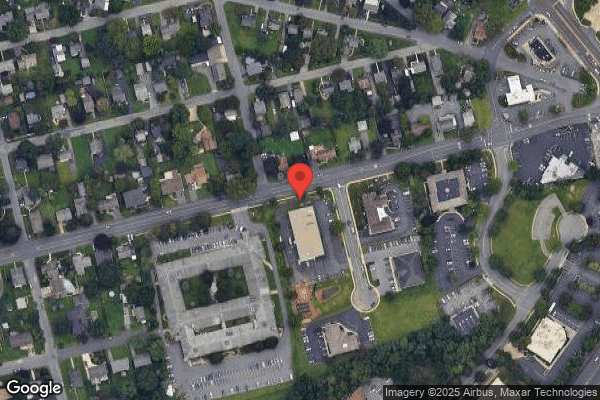
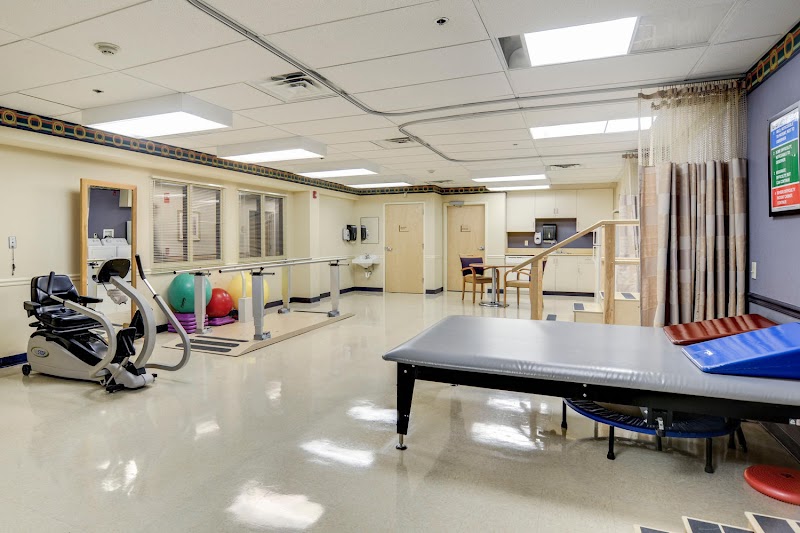
2600 NORTHAMPTON STREET, EASTON, PA 18045 (610) 250-0150
For profit - Corporation 227 Beds GENESIS HEALTHCARE Data: November 2025
Trust Grade
75/100
#170 of 653 in PA
Last Inspection: November 2024

Within standard 12-15 month inspection cycle. Federal law requires annual inspections.

Overview

Easton Skilled Nursing and Rehabilitation Center has a Trust Grade of B, indicating it is a good choice that falls within the solid range of care facilities. Ranked #170 out of 653 in Pennsylvania, it is positioned in the top half of all state facilities, and #6 out of 12 in Northampton County, meaning only five local homes are rated higher. The facility is improving, with the number of issues identified decreasing from five in 2024 to two in 2025. While the staffing rating is average at 3 out of 5 stars, the 40% turnover rate is better than the Pennsylvania average of 46%, suggesting a relatively stable workforce. There are some concerns to be aware of, as recent inspections found issues such as improper food storage in the dietary department and failure to follow physician orders for medication administration in multiple cases. For example, medications were given at the same time when the care plan required a one-hour gap, and insulin was administered when blood glucose levels were below the recommended threshold. Overall, while there are notable strengths in the facility, families should consider these weaknesses when making their decision.

Trust Score
B
75/100
In Pennsylvania
#170/653
Top 26%
Safety Record
Low Risk
No red flags
Inspections
Getting Better
5 → 2 violations
Staff Stability
○ Average
40% turnover. Near Pennsylvania's 48% average. Typical for the industry.
Penalties
✓ Good
No fines on record. Clean compliance history, better than most Pennsylvania facilities.
Skilled Nurses
○ Average
Each resident gets 38 minutes of Registered Nurse (RN) attention daily — about average for Pennsylvania. RNs are the most trained staff who monitor for health changes.
Violations
⚠ Watch
20 deficiencies on record. Higher than average. Multiple issues found across inspections.
★★★★☆
4.0
Overall Rating
★★★☆☆
3.0
Staff Levels
★★★☆☆
3.0
Care Quality
★★★★☆
4.0
Inspection Score
Stable
2024: 5 issues
2025: 2 issues

The Good

  • Full Sprinkler Coverage · Fire safety systems throughout facility
  • No fines on record
  • Staff turnover below average (40%)

    8 points below Pennsylvania average of 48%

Facility shows strength in fire safety.

The Bad

Staff Turnover: 40%

Near Pennsylvania avg (46%)

Typical for the industry

Chain: GENESIS HEALTHCARE

Part of a multi-facility chain

Ask about local staffing decisions and management

The Ugly 20 deficiencies on record

Sept 2025 1 deficiency
CONCERN (D) 📢 Someone Reported This

A family member, employee, or ombudsman was alarmed enough to file a formal complaint

Potential for Harm - no one hurt, but risky conditions existed

Quality of Care (Tag F0684)

Could have caused harm · This affected 1 resident

Based on clinical record review, it was determined that the facility failed to ensure that physician's orders were followed for one of five sampled residents. (Resident 1) Findings Include:Clinical re...

Read full inspector narrative →
Based on clinical record review, it was determined that the facility failed to ensure that physician's orders were followed for one of five sampled residents. (Resident 1) Findings Include:Clinical record review revealed that Resident 1 was admitted to the facility with diagnoses that included heart failure and obesity. On August 18, 2025, a physician directed staff that Resident 1's as needed opioid medication for pain control (Percocet 5-325 mg) was not to be administered with the routine every 12 hour opioid medication (Oxycontin 15 mg. ER). Staff were ordered to ensure that there was an hour between the administration of the medications. Review of the Medication Administration Record (MAR) for September 2025, revealed that both medications were administered at the same time (2100) on September 21, 2025. CFR 483.25 Quality of CarePreviously cited 9/28/24, 11/7/24, 5/24/2528 Pa. Code 211.25 (d)(1)(5) Nursing services.
May 2025 1 deficiency
CONCERN (D) 📢 Someone Reported This

A family member, employee, or ombudsman was alarmed enough to file a formal complaint

Potential for Harm - no one hurt, but risky conditions existed

Quality of Care (Tag F0684)

Could have caused harm · This affected 1 resident

Based on clinical record review and staff interview, it was determined that the facility failed to implement physician's orders for two of eight sampled residents. (Residents 1 and 2) Findings include...

Read full inspector narrative →
Based on clinical record review and staff interview, it was determined that the facility failed to implement physician's orders for two of eight sampled residents. (Residents 1 and 2) Findings include: Clinical record review revealed that Resident 1 had diagnoses that included diabetes mellitus and congestive heart failure. A physician's ordered dated May 6, 2025, directed staff to inject 24 units of insulin (Lispro) subcutaneously (insert a needle under the skin) three times a day for diabetes mellitus and hold if blood glucose was less than 150 milligrams per deciliter (mg/dl) or if the resident had not eaten a meal. A review of the Medication Administration Record for May 2025, revealed that staff administered the medication on May 10, 11, 12, 13, 15, and 20, 2025, when the resident's glucose was under 150 mg/dl. Clinical record review revealed that Resident 2 had diagnoses that included diabetes mellitus, congestive heart failure, and chronic kidney disease. A physician's order dated August 21, 2024, directed staff to administer insulin (Lispro) based on a sliding scale (a method of managing diabetes by adjusting insulin doses in response to the individual's current blood glucose levels) subcutaneously with meals three times a day. Staff were to administer five units of insulin and notify the physician if the blood glucose was between 351 - 400 mg/dl. A review of the Medication Administration Record for May 2025, revealed that staff administered the medication on May 10 and May 12, 2025, when the resident's blood sugar was above 351 mg/dl. There was no documented evidence that the physician was notified. In an interview on May 24, 2025, at 2:10 p.m., the Nurse Manager confirmed that the physician's orders for Residents 1 and 2 were not followed. CFR 483.25 Quality of Care Previously cited 9/28/24 and 11/7/24 28 Pa. Code 211.12(d)(1)(5) Nursing services.
Nov 2024 3 deficiencies
CONCERN (D)

Potential for Harm - no one hurt, but risky conditions existed

Deficiency F0679 (Tag F0679)

Could have caused harm · This affected 1 resident

**NOTE- TERMS IN BRACKETS HAVE BEEN EDITED TO PROTECT CONFIDENTIALITY** Based on clinical record review, observation, review of facility activities schedules, resident interview, and staff interview, ...

Read full inspector narrative →
**NOTE- TERMS IN BRACKETS HAVE BEEN EDITED TO PROTECT CONFIDENTIALITY** Based on clinical record review, observation, review of facility activities schedules, resident interview, and staff interview, it was determined that the facility failed to provide an activities program that met the needs and interest of residents for one of 35 sampled residents. (Resident 18) Findings include: Clinical record review revealed that Resident 18 had diagnoses that included Parkinson's disease and depression. Review of the Minimum Data Set assessment dated [DATE], revealed that the resident did not have cognitive impairment and required assistance from staff for activities of daily living. Review of the care plan revealed that the resident preferred Bingo as an activity of interest. Staff were to offer activities consistent with the resident's known interest and assist with transport to and from activities of choice. Review of a recreation assessment dated [DATE], revealed that the resident participated in group engagement and occasionally participated in group activities. During an interview on November 5, 2024, at 10:59 a.m., Resident 18 stated that she preferred to attend bingo, but staff do not offer or provide assistance with transport to the activity. Review of the facility's activity schedule for November 2024, revealed that a group bingo activity was scheduled for November 6, 2024, at 2:00 p.m. Observation on November 6, 2024, at 1:57 p.m., revealed that residents were engaged in the bingo activity. At 2:04 p.m., Resident 18 was observed in her room; she stated that staff did not offer for her to attend or to assist with transport to the bingo activity. At 2:35 p.m., the resident was again observed in her room while the bingo game was ongoing. There was no evidence that staff had offered the resident to attend the bingo activity or that the resident refused. In an interview on November 7, 2024, at 1:25 p.m., the Activities Director confirmed that staff should offer residents to attend activities of interest and there was no evidence that staff offered the resident to attend bingo on November 6, 2024. 28 Pa. Code 201.18(b)(3) Management.
CONCERN (D)

Potential for Harm - no one hurt, but risky conditions existed

Quality of Care (Tag F0684)

Could have caused harm · This affected 1 resident

Based on clinical record review and staff interview, it was determined that the facility failed to ensure physician's orders were implemented for one of 35 sampled residents. (Resident 13) Findings in...

Read full inspector narrative →
Based on clinical record review and staff interview, it was determined that the facility failed to ensure physician's orders were implemented for one of 35 sampled residents. (Resident 13) Findings include: Clinical record review revealed that Resident 13 had diagnoses that included chronic respiratory failure and quadriplegic cerebral palsy. A physician's order dated September 25, 2024, directed staff to apply Prevalon boots (devices used to properly position the heels to reduce pressure) at all times except during care. Review of the comprehensive care plan revealed that the resident was at risk for skin breakdown. Multiple observations on November 5 and 6, 2024, between 9:00 a.m. and 1:00 p.m., revealed Resident 13 in bed and the Prevalon boots were not applied. In an interview on November 7, 2024, at 9:48 a.m., the Administrator confirmed that staff did not apply the Prevalon boots as ordered by the physician. CFR 483.25 Quality of Care Previously Cited 11/20/23 and 9/28/24 28 Pa. Code 211.12(d)(1)(5) Nursing services.
CONCERN (D)

Potential for Harm - no one hurt, but risky conditions existed

Deficiency F0688 (Tag F0688)

Could have caused harm · This affected 1 resident

**NOTE- TERMS IN BRACKETS HAVE BEEN EDITED TO PROTECT CONFIDENTIALITY** Based on clinical record review, observation, and staff interview, it was determined that the facility failed to implement inter...

Read full inspector narrative →
**NOTE- TERMS IN BRACKETS HAVE BEEN EDITED TO PROTECT CONFIDENTIALITY** Based on clinical record review, observation, and staff interview, it was determined that the facility failed to implement interventions to prevent further decline and/or improve range of motion for two of nine sampled residents with limited range of motion. (Residents 59, 63) Findings include: Clinical record review revealed that Resident 59 had diagnoses that included senile degeneration of the brain and protein-calorie malnutrition. The Minimum Data Set (MDS) assessment dated [DATE], indicated that the resident was cognitively impaired and required extensive assistance from staff for personal hygiene and dressing. Review of the care plan revealed that the resident was at risk for self-care deficit related to physical limitations. There was an intervention dated May 10, 2024, for staff to apply bilateral palm guards (orthotic devices) during morning care and removed at night. Observation on November 5, 2024, revealed the resident was in bed at 10:22 a.m., 12:15 p.m., and 1:55 p.m., without the bilateral palm guards in place. On November 6, 2024, the resident was in bed at 9:03 a.m., 10:50 a.m., and 12:24 p.m., without the bilateral palm guards in place. Clinical record review revealed that Resident 63 had diagnoses that included Parkinson's disease and dementia. The MDS assessment dated [DATE], indicated that the resident was cognitivily impaired and had limitations in range of motion on both sides of her upper and lower extremities. Review of the care plan revealed that the resident was at risk for a loss of range of motion. There was an intervention dated August 9, 2024, for staff to apply a left palm guard during morning care and remove at night. Review of an occupational therapy Discharge summary dated [DATE], revealed that there was a recommendation for staff to apply a left palm guard with morning care and remove at night. Observation on November 5, 2024, revealed that the resident was in her wheelchair at 11:15 a.m., 11:45 a.m., and 1:00 p.m., without the left palm guard in place. In an interview on November 7, 2024, at 9:06 a.m., the Director of Nursing confirmed that staff was to apply bilateral palm guards in accordance with the resident's care plan. 28 Pa. Code 211.12(d)(1)(5) Nursing services.
Sept 2024 1 deficiency
CONCERN (D) 📢 Someone Reported This

A family member, employee, or ombudsman was alarmed enough to file a formal complaint

Potential for Harm - no one hurt, but risky conditions existed

Quality of Care (Tag F0684)

Could have caused harm · This affected 1 resident

Based on clinical record review and staff interview, it was determined that the facility failed to ensure that a physician's order for wound care was implemented for one of four sampled residents. (Re...

Read full inspector narrative →
Based on clinical record review and staff interview, it was determined that the facility failed to ensure that a physician's order for wound care was implemented for one of four sampled residents. (Resident 1) Findings include: Clinical record review revelaed that Resident 1 had diagnoses that included dementia. On September 12, 2024, at 12:39 a.m., a nurse noted that the resident fell while in her room and sustained a skin tear to her left shin. Later that day, at 3:00 p.m., the physician ordered that nursing staff clean the wound and apply a sterile gauze dressing every evening. According to the Treatment Administration Record, the resident's dressing was not changed until September 18, 2024. In an interview on September 28, 2024, at 11:00 a.m., the Assistant Director of Nursing confirmed that there was no documented evidence that the resident's wound was cared for between September 12 and 18, 2024. CFR 483.25 Quality of Care Previously Cited 11/20/23 28 Pa. Code 211.12(d)(1)(5) Nursing services.
Mar 2024 1 deficiency
CONCERN (D) 📢 Someone Reported This

A family member, employee, or ombudsman was alarmed enough to file a formal complaint

Potential for Harm - no one hurt, but risky conditions existed

Deficiency F0806 (Tag F0806)

Could have caused harm · This affected 1 resident

Based on clinical record review, resident interview, review of facility documentation, and observation, it was determined that the facility failed to honor resident preferences or allergies during mea...

Read full inspector narrative →
Based on clinical record review, resident interview, review of facility documentation, and observation, it was determined that the facility failed to honor resident preferences or allergies during meal service for two of five sampled residents. (Residents 4 and 5) Findings include: Clinical record review revealed that Resident 4 had no memory impairment and could communicate clearly and be understood. In an interview conducted on March 25, 2024, at 10:30 a.m., the resident stated that she often didn't receive the food that she ordered. According to the resident's meal selection sheet (a document completed weekly by the resident to select food choices) she requested hot coffee and apple juice for her beverages and angel food cake for dessert during lunch that day. When her lunch tray was observed at 12:30 p.m., she received hot chocolate instead of coffee and ice cream instead of cake. The resident stated that she didn't like these items. Clinical record review revealed that Resident 5 had various food allergies that included mushrooms. On March 25, 2024, the resident was served Salisbury steak with mushroom gravy. The resident stated, I can't eat that. I'm allergic to mushrooms. 28 Pa. Code 201.14(a) Responsibility of licensee. 28 Pa. Code 201.18(b) Management.
Nov 2023 5 deficiencies
CONCERN (D)

Potential for Harm - no one hurt, but risky conditions existed

Quality of Care (Tag F0684)

Could have caused harm · This affected 1 resident

Based on clinical record review and staff interview, it was determined that the facility failed to ensure that physicians' orders were implemented for two of 35 sampled residents. (Residents 54, 394) ...

Read full inspector narrative →
Based on clinical record review and staff interview, it was determined that the facility failed to ensure that physicians' orders were implemented for two of 35 sampled residents. (Residents 54, 394) Findings include: Clinical record review revelaed that Resident 54 had diagnoses that included adult failure to thrive, protein-calorie malnutrition, and dementia. A physician's order dated October 24, 2023, directed staff to administer a medication (midodrine hydrochloride) three times a day for orthostatic hypotension (low blood pressure when standing, sitting, or lying down). Staff was not to administer the medication if the resident's systolic blood pressure (SBP) was 140 millimeters mercury (mm/Hg) or higher. Review of Resident 54's Medication Administration Record (MAR) revealed that staff administered the medication when the resident's SBP was above 140 mm/Hg on one occasion in October 2023 and two occasions in November 2023. Clinical record review revealed that Resident 394 had diagnoses that included end stage renal disease and diabetes. A physician's order dated November 3, 2023, directed staff to administer a medication (midodrine hydrochloride) two times a day every Monday, Wednesday, and Friday for hypotension (low blood pressure). Staff was not to administer the medication if the resident's SBP was 130 mm/Hg or higher. A review of Resident 394's MAR revealed that staff administered the medication when the resident's SBP was higher than 130 mm/Hg two times in November 2023. In an interview on November 20, 2023, at 10:26 a.m., the Director of Nursing confirmed that the medication was administered outside the established parameters for Residents 54 and 394. CFR 483.25 Quality of Care Previously Cited 05/03/2023 28 Pa. Code 211.12(d)(1)(5) Nursing services.
CONCERN (D)

Potential for Harm - no one hurt, but risky conditions existed

Accident Prevention (Tag F0689)

Could have caused harm · This affected 1 resident

Based on observation and staff interview, it was determined that the facility failed to ensure that the resident's environment was free of accident hazards for one of 35 sampled residents. (Resident 1...

Read full inspector narrative →
Based on observation and staff interview, it was determined that the facility failed to ensure that the resident's environment was free of accident hazards for one of 35 sampled residents. (Resident 188) Findings include: On November 18, 2023, at 10:35 a.m., 12:48 p.m., and 2:30 p.m., a blood draw needle was observed on resident 188's overbed table. At these times, Resident 188 was in bed and able to access the blood draw needle. In an interview on November 20, 2023, at 12:50 p.m., the Director of Nursing confirmed that a needle should not be left at bedside. CFR 483.25(d) Accidents. Previously cited 01/19/23 28 Pa. Code 211.12(d)(1)(5) Nursing services.
CONCERN (D)

Potential for Harm - no one hurt, but risky conditions existed

Deficiency F0697 (Tag F0697)

Could have caused harm · This affected 1 resident

Based on facility policy review, clinical record review, and interview, it was determined that the facility failed to ensure non-pharmacological interventions were attempted to alleviate pain prior to...

Read full inspector narrative →
Based on facility policy review, clinical record review, and interview, it was determined that the facility failed to ensure non-pharmacological interventions were attempted to alleviate pain prior to the administration of pain medication prescribed on an as needed basis for one of 35 sampled residents. (Resident 89) Findings include: Review of the facility policy entitled, Pain Management, last reviewed January 10, 2023, revealed that an individualized, person-centered care plan would be developed for pain and included non-pharmacological, and pharmacological approaches. Interventions for pain would be monitored for effectiveness. Documentation would include non-pharmacological interventions and effectiveness. Clinical record review revealed that Resident 89 had diagnoses that included fibromyalgia, anxiety, and chronic pain. A physicians order dated June 1, 2023, directed staff to administer oxycodone-acetaminophen every eight hours, as needed for pain rated at four through seven out of ten. Review of Resident 89's Medication Administration Records (MARs) for October and November of 2023, revealed that staff administered the medication on two occasions in October and two occasions in November. There was no evidence that staff attempted non-pharmacological interventions to alleviate pain prior to the administration of the as needed medication. In an interview on November 20, 2023, at 1:48 p.m., the Director of Nursing confirmed that there was no evidence that non-pharmacological interventions were attempted prior to the administration of Resident 89's as needed pain medication. 28 Pa. Code 211.9(a)(1) Pharmacy services. 28 Pa. Code 211.12(d)(1)(5) Nursing services.
CONCERN (D)

Potential for Harm - no one hurt, but risky conditions existed

Drug Regimen Review (Tag F0756)

Could have caused harm · This affected 1 resident

Based on facility policy review, clinical record review, and staff interview, it was determined that the facility failed to ensure that pharmacy recommendations were acted upon by the physician and ma...

Read full inspector narrative →
Based on facility policy review, clinical record review, and staff interview, it was determined that the facility failed to ensure that pharmacy recommendations were acted upon by the physician and maintained in the resident's clinical record per facility policy for three of 35 sampled residents. (Residents 7, 82, 144) Findings include: Review of the facility policy entitled, Medication Regimen Review, last reviewed January 10, 2023, revealed that the facility should maintain readily available copies of the consultant pharmacists' reports as part of the resident's permanent record. Clinical record review revealed that Resident 7 had diagnoses that included congestive heart failure and chronic obstructive pulmonary disease. Review of the monthly medication review revealed that the pharmacist made recommendations regarding Resident 7's medications on August 26 and September 20, 2023. There was no documented evidence of what the specific recommendations were or that they were addressed by the physician. On June 20, 2023, the pharmacist recommended an Abnormal Involuntary Movement Scale (AIMS) assessment. On July 26, 2023, the physican accepted the recommendation for an AIMS assessment. There was no documented evidence that an AIMS assessment was completed. Clinical record review revealed that Resident 82 had diagnoses that included acute kidney failure and chronic obstructive pulmonary disease. Review of the monthly medication review revealed that the pharmacist made recommendations regarding Resident 82's medications on October 18, 2023. There was no documented evidence of what the specific recommendations were or that they were addressed by the physician. Clinical record review revealed that Resident 144 had diagnoses that included dementia, anxiety, restlessness, and agitation. Review of the monthly medication review revealed that the pharmacist made recommendations regarding Resident 144's medications on September 25, 2023. There was no documented evidence of what the specific recommendations were or that they were addressed by the physician. In an interview on November 20, 2023, at 1:48 p.m., the Director of Nursing confirmed that there was no evidence of what the specific recommendations were or that the physician acknowledged the recommendations for Resident 7, 82, and 144. The Director of Nursing also confirmed that no AIMS assessment was completed for Resident 7 per the pharmacist's recommendation and physician's order. 28 Pa. Code 211.12(d)(1)(3)(5) Nursing services.
MINOR (C)

Minor Issue - procedural, no safety impact

Deficiency F0577 (Tag F0577)

Minor procedural issue · This affected most or all residents

Based on observation and interview, it was determined that the facility failed to ensure that the most recent Department of Health survey results were readily accessible to residents and visitors. Fi...

Read full inspector narrative →
Based on observation and interview, it was determined that the facility failed to ensure that the most recent Department of Health survey results were readily accessible to residents and visitors. Findings include: Observation on November 20, 2023, at 12:05 p.m., revealed a sign that indicated that facility reports of past surveysn were available to review upon request and instructed readers to inquire with the center Administrator. In an interview at 12:27 p.m. on November 20, 2023, the Administrator confirmed that survey results were not kept in a readily accessible location; they were only available upon request and maintained in the Administrator's office. 28 Pa. Code 201.14(a) Responsibility of licensee.
May 2023 2 deficiencies
CONCERN (D) 📢 Someone Reported This

A family member, employee, or ombudsman was alarmed enough to file a formal complaint

Potential for Harm - no one hurt, but risky conditions existed

Notification of Changes (Tag F0580)

Could have caused harm · This affected 1 resident

Based on clinical record review, it was determined that the facility failed to ensure that the resident's responsible party and physician were notified about changes in the medical condition of one of...

Read full inspector narrative →
Based on clinical record review, it was determined that the facility failed to ensure that the resident's responsible party and physician were notified about changes in the medical condition of one of three residents sampled. (Resident 1) Findings include: Clinical record review revealed that Resident 1 had diagnoses that included asthma, urinary tract infection and dementia. On April 14, 2023, a physician directed staff to obtain a urine specimen to rule out the presence of a urinary tract infection. The facility failed to obtain the specimen. The responsible party and physician were unaware that the specimen was not obtained. A note by a nurse on April 23, 2023, at 8:00 a.m., revealed that the resident had shortness of breath, restlessness and a low oxygen saturation level. Oxygen was provided as well as a breathing treatment. At 3:00 p. m., the resident was restless, made attempts to get out of her chair without assistance and had an audible wheeze. There was no documentation that the responsible party and physician were made aware of the changes in condition. 28 Pa. Code 211.12 (d)(1)(5 Nursing services.
CONCERN (D) 📢 Someone Reported This

A family member, employee, or ombudsman was alarmed enough to file a formal complaint

Potential for Harm - no one hurt, but risky conditions existed

Quality of Care (Tag F0684)

Could have caused harm · This affected 1 resident

Based on clinical record review, it was determined that the facility failed to ensure that physician's orders were implemented for one of three sampled residents. (Resident 1) Findings include: Clinic...

Read full inspector narrative →
Based on clinical record review, it was determined that the facility failed to ensure that physician's orders were implemented for one of three sampled residents. (Resident 1) Findings include: Clinical record review revealed that Resident 1 had diagnoses that included dementia, anxiety and urinary tract infection. On April 14, 2023, a physician directed staff to obtain a urine specimen to rule out the presence of an infection. Docmentation in the clinical record revealed that the urine specimen was not obtained as ordered by the physician. 28 Pa. Code 211.12 (d)(1)5) Nursing services.
Apr 2023 1 deficiency
CONCERN (D) 📢 Someone Reported This

A family member, employee, or ombudsman was alarmed enough to file a formal complaint

Potential for Harm - no one hurt, but risky conditions existed

ADL Care (Tag F0677)

Could have caused harm · This affected 1 resident

**NOTE- TERMS IN BRACKETS HAVE BEEN EDITED TO PROTECT CONFIDENTIALITY** Based on clinical record review and interview it was determined that the facility failed to ensure that weekly showers were offe...

Read full inspector narrative →
**NOTE- TERMS IN BRACKETS HAVE BEEN EDITED TO PROTECT CONFIDENTIALITY** Based on clinical record review and interview it was determined that the facility failed to ensure that weekly showers were offered and provided to one of two sampled residents. (Resident 1) Findings include: Clinical record review revealed that Resident 1 had diagnoses that include Rheumatoid Arthritis, osteoporosis and chronic pain disorder. The Minimum Data Set (MDS) assessment dated [DATE] revealed that the resident required extensive assistance from staff for bathing. Documentation in the record revealed that the resident was to be offered showers on Monday and Thursday every week. There was no documentation to support that staff offered the resident the twice weekly showers during the month of March 2023. In an interview on April 11, 2023, at 11:30 a.m., the Director of Nursing was unable to provide documentation that the showers were offered or refused for March 2023. 28 Pa. Code 211.12(d)(1) Nursing services.
Jan 2023 5 deficiencies
CONCERN (D)

Potential for Harm - no one hurt, but risky conditions existed

Quality of Care (Tag F0684)

Could have caused harm · This affected 1 resident

Based on clinical record review and staff interview, it was determined that the facility failed to ensure that physician's orders were implemented for one of 36 sampled residents. (Resident 139) Findi...

Read full inspector narrative →
Based on clinical record review and staff interview, it was determined that the facility failed to ensure that physician's orders were implemented for one of 36 sampled residents. (Resident 139) Findings include: Clinical record review revealed that Resident 139 had a diagnosis that included end stage renal disease. A physician's order dated October 26, 2021, directed staff not to take the resident's blood pressure on the arms, only to take the blood pressure on the legs. Review of the blood pressure documentation revealed that from January 1, 2023, through January 18, 2023, nursing staff had taken the resident's blood pressure on the arm ten times out of 49 times. In an interview conducted on January 19, 2023, at 1:55 p.m., the Director of Nursing confirmed that the resident's blood pressure should have been taken on the legs and not the arm per physician's order. 28 Pa Code 211.12 (c)(d)(1)(2) Nursing services.
CONCERN (D)

Potential for Harm - no one hurt, but risky conditions existed

Accident Prevention (Tag F0689)

Could have caused harm · This affected 1 resident

**NOTE- TERMS IN BRACKETS HAVE BEEN EDITED TO PROTECT CONFIDENTIALITY** Based on clinical record review, review of facility incident reports, observation and staff interview, it was determined that th...

Read full inspector narrative →
**NOTE- TERMS IN BRACKETS HAVE BEEN EDITED TO PROTECT CONFIDENTIALITY** Based on clinical record review, review of facility incident reports, observation and staff interview, it was determined that the facility failed to ensure that an assessed safety intervention (protective skin sleeves) were in place to prevent skin tears for one of 36 sampled residents who was at risk for skin tears. (Resident 176) Findings include: Clinical record review revealed that Resident 176 had diagnoses that included anxiety, dementia and a disorder of the muscle. The Minimum Data Set assessment dated [DATE], indicated that the resident had memory impairment and required extensive assistance from staff for dressing. Review of an incident report dated December 23, 2022, revealed that the resident had a skin tear on his left hand. At that time, an intervention was added for staff to ensure that geri-sleeves were applied bilaterally at all times. A review of the care plan revealed that the resident was at risk for skin tears to his bilateral elbows. There was an intervention to ensure that geri-sleeves were applied bilaterally when out of bed and that there was padding on the arm rests of his chair. On December 25, 2022, a physician ordered for staff to apply geri-sleeves (protective skin sleeves) to bilateral arms when he was out of bed. On January 17, 2023, at 9:30 a.m., 11:00 a.m., 12:34 p.m., and 2:00 p.m., Resident 176 was observed dressed in a short sleeve t-shirt and seated in a chair. The resident did not have the geri-sleeves on and there was no padding on the arm rests of the chair. The resident had his elbows directly on the arm rests of the chair. In an interview on January 19, 2023, the Director of Nursing stated that the resident had been sitting in the wrong chair which did not have the arm rests padded and that the resident was to have the assessed safety intervention (geri-sleeves) in place in order to prevent skin tears. 28 Pa. Code 211.12(d)(1)(5) Nursing services.
CONCERN (F)

Potential for Harm - no one hurt, but risky conditions existed

Food Safety (Tag F0812)

Could have caused harm · This affected most or all residents

Based on policy review, observation and staff interview, it was determined that the facility failed to properly store food and maintain sanitary conditions in the dietary department. Findings include:...

Read full inspector narrative →
Based on policy review, observation and staff interview, it was determined that the facility failed to properly store food and maintain sanitary conditions in the dietary department. Findings include: Review of the facility's policy entitled, Food Safety Policies Food Safety Product Labeling and Dating Guide, dated January 9, 2023, revealed that all food products were to be labeled as to the contents and preparation date, and use by date. Observation during the tour of the dietary department on Januray 17, 2023, at 10:00 a.m., revealed the following: In the freezer, there were multiple bags of various food items removed from the original packaging that were not labeled and dated, including several breaded products identified as chicken and fish. The breaded fish was opened with no date on it. In the dry storage room, there was an opened container of chocolate icing with no date on it and there was a hole in the lid. On th floor in the walk-in cooler there was dried spilled milk, several empty plastic juice cups, and food debris. There was a black, sticky substance on the floor of the cooler. There were multiple items in the cooler that were beyond the expiration date, including two opened bottles of dressing with a use by date of September 21, 2022, a container of coleslaw with a use by date of January 3, 2023, two packages of sliced tomatoes with a use by date of January 3, 2023, and a plastic container of sour cream with a use by date of January 15, 2023. There was an opened jar of maraschino cherries with no date on it. In the trayline cooler there was a container of cottage cheese with a use by date of January 6, 2023. In an interview on January 17, 2023, at 10:30 a.m., the Food Service Director confirmed that the items should have been dated and labeled, the damaged food item and expired food items should have been removed from the dry storage and cooler areas. 28 Pa. Code 211.6 (c) Dietary services. 28 Pa. Code 210.14 (a) Responsibility of licensee.
MINOR (B)

Minor Issue - procedural, no safety impact

Deficiency F0804 (Tag F0804)

Minor procedural issue · This affected multiple residents

Based on review of resident council minutes, observation, and resident and staff interview, it was determined that the facility failed to ensure that food was served at acceptable palatability on one ...

Read full inspector narrative →
Based on review of resident council minutes, observation, and resident and staff interview, it was determined that the facility failed to ensure that food was served at acceptable palatability on one of three nursing units (Nursing unit 3) and for six of 36 sampled residents. (Residents 14, 32, 47, 61, 122, 123) Findings include: Review of the resident council minutes dated October 25, 2022, revealed that the residents stated that food was served cold and that the meat was tough and hard to cut. On November 22, 2022, the residents again expressed that the food was still cold and tasteless. On December 27, 2022, the residents still had a concern about the temperature of the food for most meals because the hot food was served cold. A test tray conducted on January 18, 2023, at 11:42 a.m., revealed green beans at a temperature of 113.5 degrees Farenheit (F). This item was cool to taste and not palatable. In an interview on January 17, 2023, between 12:00 p.m., and 1:10 p.m., Resident 14. 32, 47, 61, 122 and 123 stated that the hot foods were always served cold and that the food in general was tasteless. In an interview on January 18, 2023, at 11:55 a.m., the Food Service Director (FSD) confirmed that the temperature of the green beans was low. 28 Pa. Code 201.29(j) Resident rights.
MINOR (C)

Minor Issue - procedural, no safety impact

Garbage Disposal (Tag F0814)

Minor procedural issue · This affected most or all residents

Based on observation, it was determined that the facility failed to properly contain refuse in a sanitary manner. Findings include: Observation on January 17, 2023, at 10:00 a.m., during the initial ...

Read full inspector narrative →
Based on observation, it was determined that the facility failed to properly contain refuse in a sanitary manner. Findings include: Observation on January 17, 2023, at 10:00 a.m., during the initial environmental tour, revealed one garbage dumpster with the side door wide open and the other dumpster had the top lid open due to the overflow of trash. The trash compactor had a bag of garbage under it. There was an accumulation of trash and debris around the dumpsters and trash compactor. 28 Pa. Code 201.14 (c) Responsibility of licensee.
Understanding Severity Codes (click to expand)
Life-Threatening (Immediate Jeopardy)
J - Isolated K - Pattern L - Widespread
Actual Harm
G - Isolated H - Pattern I - Widespread
Potential for Harm
D - Isolated E - Pattern F - Widespread
No Harm (Minor)
A - Isolated B - Pattern C - Widespread

Questions to Ask on Your Visit

  • "Can I speak with families of current residents?"
  • "What's your RN coverage like on weekends and overnight?"

Our Honest Assessment

Strengths
  • • No major safety red flags. No abuse findings, life-threatening violations, or SFF status.
  • • No fines on record. Clean compliance history, better than most Pennsylvania facilities.
  • • 40% turnover. Below Pennsylvania's 48% average. Good staff retention means consistent care.
Concerns
  • • 20 deficiencies on record. Higher than average. Multiple issues found across inspections.
Bottom line: Generally positive indicators. Standard due diligence and a personal visit recommended.

About This Facility

What is Easton Skilled's CMS Rating?

CMS assigns EASTON SKILLED NURSING AND REHABILITATION CENTER an overall rating of 4 out of 5 stars, which is considered above average nationally. Within Pennsylvania, this rating places the facility higher than 99% of the state's 100 nursing homes. This rating reflects solid performance across the metrics CMS uses to evaluate nursing home quality.
How is Easton Skilled Staffed?

CMS rates EASTON SKILLED NURSING AND REHABILITATION CENTER's staffing level at 3 out of 5 stars, which is average compared to other nursing homes. Staff turnover is 40%, compared to the Pennsylvania average of 46%. This relatively stable workforce can support continuity of care.

What Have Inspectors Found at Easton Skilled?

State health inspectors documented 20 deficiencies at EASTON SKILLED NURSING AND REHABILITATION CENTER during 2023 to 2025. These included: 17 with potential for harm and 3 minor or isolated issues.
Who Owns and Operates Easton Skilled?

EASTON SKILLED NURSING AND REHABILITATION CENTER is owned by a for-profit company. For-profit facilities operate as businesses with obligations to shareholders or private owners. The facility is operated by GENESIS HEALTHCARE, a chain that manages multiple nursing homes. With 227 certified beds and approximately 187 residents (about 82% occupancy), it is a large facility located in EASTON, Pennsylvania.
How Does Easton Skilled Compare to Other Pennsylvania Nursing Homes?

Compared to the 100 nursing homes in Pennsylvania, EASTON SKILLED NURSING AND REHABILITATION CENTER's overall rating (4 stars) is above the state average of 3.0, staff turnover (40%) is near the state average of 46%, and health inspection rating (4 stars) is above the national benchmark.

What Should Families Ask When Visiting Easton Skilled?

Based on this facility's data, families visiting should ask: "Can I visit during a mealtime to observe dining assistance and food quality?" "How do you handle medical emergencies, and what is your hospital transfer rate?" "Can I speak with family members of current residents about their experience?"

Is Easton Skilled Safe?

Based on CMS inspection data, EASTON SKILLED NURSING AND REHABILITATION CENTER has a clean safety record: no substantiated abuse findings (meaning no confirmed cases of resident harm), no Immediate Jeopardy citations (the most serious violation level indicating risk of serious injury or death), and is not on the Special Focus Facility watch list (a federal program monitoring the lowest-performing 1% of nursing homes). The facility has a 4-star overall rating and ranks #1 of 100 nursing homes in Pennsylvania. While no facility is perfect, families should still ask about staff-to-resident ratios and recent inspection results during their visit.

Do Nurses at Easton Skilled Stick Around?

EASTON SKILLED NURSING AND REHABILITATION CENTER has a staff turnover rate of 40%, which is about average for Pennsylvania nursing homes (state average: 46%). Moderate turnover is common in nursing homes, but families should still ask about staff tenure and how the facility maintains care continuity when employees leave.

Was Easton Skilled Ever Fined?

EASTON SKILLED NURSING AND REHABILITATION CENTER has no federal fines on record. CMS issues fines when nursing homes fail to meet care standards or don't correct problems found during inspections. The absence of fines suggests the facility has either maintained compliance or corrected any issues before penalties were assessed. This is a positive indicator, though families should still review recent inspection reports for the full picture.

Is Easton Skilled on Any Federal Watch List?

EASTON SKILLED NURSING AND REHABILITATION CENTER is not on any federal watch list. The most significant is the Special Focus Facility (SFF) program, which identifies the bottom 1% of nursing homes nationally based on persistent, serious quality problems. Not being on this list means the facility has avoided the pattern of deficiencies that triggers enhanced federal oversight. This is a positive indicator, though families should still review the facility's inspection history directly.