NORTHAMPTON POST ACUTE


4100 FREEMANSBURG AVENUE, EASTON, PA 18045 (610) 330-9030
For profit - Limited Liability company 180 Beds MARQUIS HEALTH SERVICES Data: November 2025
Trust Grade
75/100
#206 of 653 in PA
Last Inspection: April 2025

Within standard 12-15 month inspection cycle. Federal law requires annual inspections.

Overview

Northampton Post Acute has a Trust Grade of B, which indicates it is a good choice for families seeking a nursing home, suggesting it performs better than many facilities. It ranks #206 out of 653 nursing homes in Pennsylvania, placing it in the top half of the state, but at #10 out of 12 in Northampton County, it shows that there are only a couple of local options that are better. Unfortunately, the facility's trend is worsening, with issues increasing from 3 in 2024 to 8 in 2025. Staffing is a relative strength, with a turnover rate of 30%, significantly better than the state average of 46%, although the RN coverage is average. There have been concerning incidents, such as food safety violations in the kitchen where food was found on the floor and staff did not change gloves after handling raw and cooked items, as well as a situation where one resident was left without food for an extended period, indicating a need for improvement in resident care and dining services.

Trust Score
B
75/100
In Pennsylvania
#206/653
Top 31%
Safety Record
Low Risk
No red flags
Inspections
Getting Worse
3 → 8 violations
Staff Stability
○ Average
30% turnover. Near Pennsylvania's 48% average. Typical for the industry.
Penalties
✓ Good
No fines on record. Clean compliance history, better than most Pennsylvania facilities.
Skilled Nurses
⚠ Watch
Each resident gets only 29 minutes of Registered Nurse (RN) attention daily — below average for Pennsylvania. Fewer RN minutes means fewer trained eyes watching for problems.
Violations
⚠ Watch
14 deficiencies on record. Higher than average. Multiple issues found across inspections.
★★★★☆
4.0
Overall Rating
★★★☆☆
3.0
Staff Levels
★★★★★
5.0
Care Quality
★★★☆☆
3.0
Inspection Score
Stable
2024: 3 issues
2025: 8 issues

The Good

  • 5-Star Quality Measures · Strong clinical quality outcomes
  • Full Sprinkler Coverage · Fire safety systems throughout facility
  • No fines on record
  • Staff turnover below average (30%)

    18 points below Pennsylvania average of 48%

Facility shows strength in quality measures, fire safety.

The Bad

Staff Turnover: 30%

16pts below Pennsylvania avg (46%)

Typical for the industry

Chain: MARQUIS HEALTH SERVICES

Part of a multi-facility chain

Ask about local staffing decisions and management

The Ugly 14 deficiencies on record

Apr 2025 8 deficiencies
CONCERN (D)

Potential for Harm - no one hurt, but risky conditions existed

Resident Rights (Tag F0550)

Could have caused harm · This affected 1 resident

Based on observation and resident and staff interview, it was determined that the facility failed to ensure that meals were served in a manner that maintained each resident's dignity for one of 34 sam...

Read full inspector narrative →
Based on observation and resident and staff interview, it was determined that the facility failed to ensure that meals were served in a manner that maintained each resident's dignity for one of 34 sampled residents. (Resident 138) Findings include: Observations of the lunch meal on the 2nd floor nursing unit on April 23, 2025, at 12:30 p.m., revealed Residents 32, 96, 99, 102, 138, and 143 were seated in the dining room. At 12:32 p.m., Residents 32, 96, 99, 102, and 143 were served and were eating their meals. Resident 138 was observed without a meal, throwing his hands in the air, and making comments including, What do you have to do to get food around here? Resident 138 was not served his lunch tray until 12:55 p.m. In an interview on April 25, 2025, at 9:18 a.m., the Director of Nursing confirmed that all residents in the dining room should be served a meal at the same time. 28 Pa. Code 201.29(a) Resident rights.
CONCERN (D)

Potential for Harm - no one hurt, but risky conditions existed

Deficiency F0558 (Tag F0558)

Could have caused harm · This affected 1 resident

**NOTE- TERMS IN BRACKETS HAVE BEEN EDITED TO PROTECT CONFIDENTIALITY** Based on clinical record review, observation, resident interview, and staff interview, it was determined that the facility faile...

Read full inspector narrative →
**NOTE- TERMS IN BRACKETS HAVE BEEN EDITED TO PROTECT CONFIDENTIALITY** Based on clinical record review, observation, resident interview, and staff interview, it was determined that the facility failed to ensure that a call bell was accessible for one of 34 sampled residents. (Resident 471) Findings include: Clinical record review revealed that Resident 471 was admitted on [DATE], with a diagnosis of a recent stroke. A nursing note from the date of admission indicated that Resident 471 was alert, oriented, was able to make his needs known, had very little control of his left leg, and had no control of his left arm. Review of the care plan indicated Resident 471 was at risk for falls related to an acute stroke. There was an intervention for staff to be sure the call bell was within reach and provide reminders to use the call bell for assistance. On April 22, 2025, at 12:15 p.m., April 23, 2025, at 8:50 a.m. and 12:10 p.m., the resident was observed sleeping in his bed. The call bell was on the nightstand to the right side of the bed and was out of the resident's reach. On Thursday, April 24, 2025, at 10:45 a.m., the call bell was on the floor on the right side of the bed and the resident was sleeping. Later that same day, at 2:30 p.m., the call bell was on floor on the right side of the bed, and the resident was awake and talking with a visitor. In an interview on April 24, 2025, at 2:31 p.m., Resident 471 stated he could not find the call bell, that he could not use it because it kept falling off of the bed, and that he was relying on his roommate to ring for him whenever he needed help. In an interview on April 24, 2025, at 2:35 p.m., the Unit Manager stated the call bell should be clipped to the Resident's bed at all times. In an interview on April 25, 2025, at 9:28 a.m., the Director of Nursing confirmed the call bell should have been accessible and clipped to the bed. 28 Pa. Code 211.12(d)(1)(5) Nursing services.
CONCERN (D)

Potential for Harm - no one hurt, but risky conditions existed

Assessment Accuracy (Tag F0641)

Could have caused harm · This affected 1 resident

**NOTE- TERMS IN BRACKETS HAVE BEEN EDITED TO PROTECT CONFIDENTIALITY** Based on clinical record review and staff interview, it was determined that the facility failed to ensure that the Minimum Data ...

Read full inspector narrative →
**NOTE- TERMS IN BRACKETS HAVE BEEN EDITED TO PROTECT CONFIDENTIALITY** Based on clinical record review and staff interview, it was determined that the facility failed to ensure that the Minimum Data Set (MDS) assessment was completed to accurately reflect the resident's current status for one of 34 sampled residents. (Resident 147) Findings include: Clinical record review revealed that Resident 147 had diagnoses that included non-traumatic subarachnoid hemorrhage (bleeding in the space around the brain), torticollis (a condition in which the muscles of the neck contract causing the head to twist and tilt to one side), and left hemiplegia (weakness on one side of the body). Review of the occupational therapy evaluation dated December 19, 2024, revealed that the resident had impairments with strength and range of motion in the left upper extremity. The MDS assessment dated [DATE], did not identify the resident as having an upper extremity impairment in functional limitation in range of motion on one side under section GG, Functional Status. In an interview on April 25, 2025, at 9:37 a.m., the Administrator stated that the assessment did not identify the upper extremity impairment and that the MDS was not coded to accurately reflect the resident's current status.
CONCERN (D)

Potential for Harm - no one hurt, but risky conditions existed

Quality of Care (Tag F0684)

Could have caused harm · This affected 1 resident

Based on clinical record review and staff interview, it was determined that the facility failed to implement physician's orders for one of 34 sampled residents. (Residents 19) Findings include: Clini...

Read full inspector narrative →
Based on clinical record review and staff interview, it was determined that the facility failed to implement physician's orders for one of 34 sampled residents. (Residents 19) Findings include: Clinical record review revealed that Resident 19 had diagnoses that included end stage renal disease and heart failure. A physician's order dated April 15, 2025, directed staff to administer a medication (midodrine) three times a day for hypotension (low blood pressure). Staff was not to administer the medication if the resident's systolic blood pressure (SBP, the first measurement of blood pressure when the heart beats and the pressure is at its highest) was greater than 130 millimeters of mercury (mm/Hg). Review of Resident 9's medication administration record revealed that staff administered the medication on April 16, 18, and 21, 2025, when the resident's SBP was greater than 130 mm/Hg. In an interview on April 25, 2025, at 10:05 a.m., the Director of Nursing confirmed that the medication was documented as administered outside of the established parameters for Resident 19. 28 Pa. Code 211.12(d)(1)(5) Nursing services.
CONCERN (D)

Potential for Harm - no one hurt, but risky conditions existed

Deficiency F0688 (Tag F0688)

Could have caused harm · This affected 1 resident

**NOTE- TERMS IN BRACKETS HAVE BEEN EDITED TO PROTECT CONFIDENTIALITY** Based on clinical record review, observation, and resident and staff interview, it was determined that the facility failed to im...

Read full inspector narrative →
**NOTE- TERMS IN BRACKETS HAVE BEEN EDITED TO PROTECT CONFIDENTIALITY** Based on clinical record review, observation, and resident and staff interview, it was determined that the facility failed to implement interventions to prevent further decline and/or improve range of motion for one of nine sampled residents with limited range of motion. (Resident 147) Findings include: Clinical record review revealed that Resident 147 had diagnoses that included non-traumatic subarachnoid hemorrhage (bleeding in the space around the brain), torticollis (a condition in which the muscles of the neck contract causing the head to twist and tilt to one side), and left hemiplegia (weakness on one side of the body). The Minimum Data Set (MDS) assessment dated [DATE], indicated that the resident had no cognitive impairment and was dependent on staff for personal hygiene and dressing. Review of the occupational therapy evaluation dated December 19, 2024, indicated that the resident had no functional limitations present due to contracture. Review of the occupational therapy discharge summary from January 27, 2025, revealed no discharge recommendations or restorative nursing program. The occupational therapy evaluation dated March 25, 2025, indicated that the resident had a functional limitation present due to contracture. Observations on April 22, 2025, at 11:31 a.m., April 23, 2025, at 9:15 a.m., and April 24, 2025, at 12:40 p.m., revealed that the resident was in a reclining chair with her left hand and wrist slightly contracted. In an interview at that time, the resident stated that her hand had gotten worse and she had difficulty moving her hand. In an interview on April 25, 2025, at 11:06 a.m., Occupational Therapist 1 confirmed that the resident had a decline in range of motion in the left upper extremity since the last assessment with no interventions put in place. 28 Pa. Code 211.12(d)(1)(5) Nursing services.
CONCERN (D)

Potential for Harm - no one hurt, but risky conditions existed

Incontinence Care (Tag F0690)

Could have caused harm · This affected 1 resident

Based on facility policy review, clinical record review, observations, and staff interview, it was determined that the facility failed to ensure that adequate catheter care was provided for one of thr...

Read full inspector narrative →
Based on facility policy review, clinical record review, observations, and staff interview, it was determined that the facility failed to ensure that adequate catheter care was provided for one of three sampled residents with an indwelling urinary catheter. (Resident 106) Findings included: Review of the facility policy entitled, Catheter Care, Urinary, last reviewed November 1, 2024, revealed that a urinary drainage bag was to be held or positioned lower than the bladder at all times to prevent the urine in the tubing and drainage bag from flowing back into the urinary bladder. Clinical record review revealed that Resident 106 had diagnoses that included urinary obstruction and enlarged prostate. On April 2, 2025, the physician ordered for the resident to have a foley catheter every shift. The care plan directed staff to keep the catheter below the level of the bladder. On April 22, 2024, from 12:45 p.m. to 2:00 p.m., Resident 106 was observed sitting in his recliner in the dining room and then across from the nurses' station with the catheter drainage bag hanging on the armrest of his recliner chair, which was above the level of his bladder. Urine was observed in the catheter tubing that hung over the arm rest. On April 23, 2025, from 9:00 a.m. to 10:15 a.m., Resident 106 was observed sitting in a recliner chair at the nurses' station with the catheter drainage bag hanging on the armrest of the recliner chair, which was above the level of the resident's bladder. In an interview on April 25, 2025, at 9:33 a.m., the Director of Nursing confirmed that the catheter drainage bag should have been maintained below the bladder at all times. 28 Pa. Code 211.12(d)(1)(5) Nursing services.
CONCERN (D)

Potential for Harm - no one hurt, but risky conditions existed

Tube Feeding (Tag F0693)

Could have caused harm · This affected 1 resident

**NOTE- TERMS IN BRACKETS HAVE BEEN EDITED TO PROTECT CONFIDENTIALITY** Based on clinical record review, observation, and staff interview, it was determined that the facility failed to provide enteral...

Read full inspector narrative →
**NOTE- TERMS IN BRACKETS HAVE BEEN EDITED TO PROTECT CONFIDENTIALITY** Based on clinical record review, observation, and staff interview, it was determined that the facility failed to provide enteral nutrition (delivery of nutrition by a feeding tube) in accordance with the physician's order for one of two sampled residents receiving nutrition by a feeding tube. (Resident 58) Findings include: Clinical record review revealed that Resident 58 had diagnoses that included history of a brain injury, a seizure disorder, and was a quadriplegic. Review of the Minimum Data Set (MDS) assessment dated [DATE], revealed that the resident was dependent on staff for activities of daily living and was unable to express needs or understand others. Further review of the MDS assessment revealed that the resident received more than 51 percent of nutrition through an enteral feeding tube. A physician's order dated May 28, 2024, directed staff to administer Jevity 1.2 (a tube feeding formula) at a rate of 55 milliliters (ml) per hour starting at 8:00 p.m., and to continue until a total volume of 935 ml was infused. On April 24, 2025, at 10:19 a.m., the resident was observed in bed. A bottle of tube feed formula was on the pole and its label indicated it was started on April 23, 2025, at 9:35 p.m. The tube feeding was not connected to the resident and the tube feeding pump was turned off. Only 300 ml was infused when observed. In an interview on April 24, 2025, at 10:25 a.m., Licensed Practical Nurse 1 (LPN 1), stated that the tube feed was typically started on night shift as ordered and was infused until 1:00 p.m. LPN 1 had not disconnected the tube feed during her shift which had begun that day at 7:00 a.m. In an interview on April 25, 2025, at 9:40 a.m., the Director of Nursing confirmed the tube feeding had been stopped for care and had not been resumed as ordered. 28 Pa. Code 211.12(d)(1)(5) Nursing services.
CONCERN (D) 📢 Someone Reported This

A family member, employee, or ombudsman was alarmed enough to file a formal complaint

Potential for Harm - no one hurt, but risky conditions existed

Deficiency F0804 (Tag F0804)

Could have caused harm · This affected 1 resident

Based on facility policy review, resident interviews, observation, and results of a test tray evaluation, it was determined that the facility failed to provide food that was palatable and at an appeti...

Read full inspector narrative →
Based on facility policy review, resident interviews, observation, and results of a test tray evaluation, it was determined that the facility failed to provide food that was palatable and at an appetizing temperature on one of three nursing units. (Second floor) Findings include: Review of the facility's Policy Manual Chapter 3: Food Production and Food Safety, dated November 1, 2024, revealed that fish, poultry, meat, pork and unpasteurized shell eggs should be cooked to a minimum temperature of 165 degrees Fahrenheit (F) for a minimum of 15 seconds and served at a temperature between 145 and 165 degrees F. In interviews on April 22, 2025 at 09:50 a.m. through 11:00 a.m., Residents 29, 70 116, and 117 stated that food was often served undercooked and cold. A test tray conducted on April 22, 2025, at 1:21 p.m., on the Second floor nursing unit after the last resident meal tray was served from the dining cart, revealed the baked breaded fish was 140 degrees F. The center of the fillet was liquid, cold to touch, and unpalatable. In an interview on April 22, 2025, at 1:21 p.m., the Dietary Manager confirmed the item did not meet the policy guidelines for the preparation and serving of hot foods. 28 Pa. Code 201.14(a) Responsibility of licensee.
May 2024 3 deficiencies
CONCERN (D)

Potential for Harm - no one hurt, but risky conditions existed

Deficiency F0692 (Tag F0692)

Could have caused harm · This affected 1 resident

Based on facility policy review, clinical record review, and staff interview, it was determined that the facility failed to adequately monitor and assess a significant weight change for one of seven s...

Read full inspector narrative →
Based on facility policy review, clinical record review, and staff interview, it was determined that the facility failed to adequately monitor and assess a significant weight change for one of seven sampled residents at risk for weight loss. (Resident 100) Findings include: A review of the facility policy entitled, Nutritional Assessment, last reviewed January 1, 2024, revealed that staff would conduct a nutritional assessment as indicated by a change in condition that placed the resident as risk for impaired nutrition. Clinical record review revealed that Resident 100 had diagnoses that included dementia and depression. Review of the care plan revealed that the resident was at risk for a nutritional problem. On September 12, 2023, the resident weighed 142.4 pounds (lbs.). On October 6, 2023, the resident weighed 129.6 lbs., which reflected a significant weight loss of 8.9 percent in less than 30 days. On October 9, 2023, the resident weighed 129.4 lbs., which confirmed the weight loss. There was no evidence that the dietitian assessed the resident until February 16, 2024. In an interview on May 30, 2024, at 3:17 p.m., the Administrator confirmed that the resident was not assessed by the dietitian prior to February 16, 2024. 28 Pa. Code 211.12(d)(1)(3)(5) Nursing services.
CONCERN (D)

Potential for Harm - no one hurt, but risky conditions existed

Deficiency F0698 (Tag F0698)

Could have caused harm · This affected 1 resident

Based on facility policy review, clinical record review, and staff interview, it was determined that the facility failed to provide services consistent with professional standards of practice for one ...

Read full inspector narrative →
Based on facility policy review, clinical record review, and staff interview, it was determined that the facility failed to provide services consistent with professional standards of practice for one of three residents receiving dialysis. (Resident 125) Findings include: Review of the facility policy entitled, Nursing Home Dialysis Transfer Agreement, last reviewed January 1, 2024, revealed that the facility would ensure that appropriate medical, social, administrative, and other information would have accompanied all designated residents at the time of the transfer to the dialysis center. The information was to include appropriate medical records that included history of illness, treatment that was presently being provided to the resident (including medications), any changes in condition, medication, diet, or fluid intake. Clinical record review revealed that Resident 125 had diagnoses that included end stage renal disease that required hemodialysis and anemia. Review of the resident's dialysis communication forms revealed that section one of the form, which was to be completed prior to transfer and included medications, vital signs, and status of the shunt site (point of access for dialysis), was not completed on April 2, 4, 16, 18, 20, 23, 25, and 30, 2024, and May 14, 16, 21, 23, 25, 28, and 30, 2024. In an interview on May 30, 2024, at 3:17 p.m., the Administrator confirmed that the communication forms should have been completed prior to the resident's transfer to dialysis on the identified dates. 28 Pa. Code 211.12(d)(1)(3)(5) Nursing services.
CONCERN (F)

Potential for Harm - no one hurt, but risky conditions existed

Food Safety (Tag F0812)

Could have caused harm · This affected most or all residents

Based on observation, it was determined that the facility failed to prepare and serve food under sanitary conditions in the kitchen. Findings include: Observation of the tray line service on May 29,...

Read full inspector narrative →
Based on observation, it was determined that the facility failed to prepare and serve food under sanitary conditions in the kitchen. Findings include: Observation of the tray line service on May 29, 2024, at 11:22 a.m., revealed the following: There was uncooked beef on the floor and shelf under a food preparation table. There were clean cutting boards, and bins of food product that included flour and powdered mashed potatoes on that shelf. Dietary Employee 2 (DE 2) was observed preparing resident meal trays. DE 2 proceeded to turn away from the tray line and obtained food items from the oven on multiple occasions. DE 2 then returned to the tray line and continued handling resident plates and ready to eat food items, without changing gloves or performing hand hygiene. CFR 483.60 Food Procurement Store/Prepare/Serve-Sanitary. Previously cited 7/18/23. 28 Pa. Code 201.18(b)(3) Management. 28 Pa. Code 207.2(a) Administrator's responsibility.
Jul 2023 3 deficiencies
CONCERN (D)

Potential for Harm - no one hurt, but risky conditions existed

Deficiency F0699 (Tag F0699)

Could have caused harm · This affected 1 resident

**NOTE- TERMS IN BRACKETS HAVE BEEN EDITED TO PROTECT CONFIDENTIALITY** Based on clinical record review and staff interview, it was determined that the facility failed to develop and implement an indi...

Read full inspector narrative →
**NOTE- TERMS IN BRACKETS HAVE BEEN EDITED TO PROTECT CONFIDENTIALITY** Based on clinical record review and staff interview, it was determined that the facility failed to develop and implement an individualized person-centered plan to render trauma informed care to a resident with a diagnosis of Post-Traumatic Stress Disorder (PTSD) for one resident with a diagnosis of PTSD. (Resident 140) Findings include: Clinical record review revealed that Resident 140 was admitted to the facility on [DATE], with diagnoses that included PTSD and anxiety. Review of the social service admission assessment dated [DATE], and the Minimum Data Set assessment dated [DATE], revealed that the resident was alert and oriented and had a diagnosis of PTSD. There was no documented evidence that the resident had been assessed for past trauma and/or that interventions had been developed to eliminate or mitigate triggers that may cause re-traumatization. In an interview on July 17, 2023, at 9:05 a.m., the Director of Nursing confirmed that there was no assessment completed or care plan developed to address Resident 140's PTSD symptoms or triggers. 28 Pa. Code 211.12(c)(d)(3)(5) Nursing services. 28 Pa. Code 211.11(e) Resident care plan.
CONCERN (D)

Potential for Harm - no one hurt, but risky conditions existed

Deficiency F0806 (Tag F0806)

Could have caused harm · This affected 1 resident

**NOTE- TERMS IN BRACKETS HAVE BEEN EDITED TO PROTECT CONFIDENTIALITY** Based on review of food committee minutes, review of weekly menus, resident and responsible party interviews and clinical record...

Read full inspector narrative →
**NOTE- TERMS IN BRACKETS HAVE BEEN EDITED TO PROTECT CONFIDENTIALITY** Based on review of food committee minutes, review of weekly menus, resident and responsible party interviews and clinical record reviews, it was determined that the facility failed to accomodate each resident's food preferences for six of 33 sampled residents. (Residents 4, 69, 71, 121, 142, 165) Findings include: Review of the monthly food committee minutes revealed that in April 2023, the residents had a concern that items were missing from their food trays. In May 2023, the residents had a concern that they were not getting condiments on the trays with their meals. In June and July 2023, the residents had a concern that they were not getting the items that they had selected from their menus on the trays. Review of the menu for this week, (listed as the Week 3 regular menu), revealed that a juice of the day was listed to be offered at lunch time every day of the week. Clinical record review revealed that Resident 4 was admitted to the facility on [DATE], with diagnoses that included vitamin D deficiency, anemia, and anxiety. Review of the admission assessment dated [DATE], revealed the resident was alert and oriented. In an interview on July 17, 2023, at 8:34 a.m., Resident 4 stated he wanted juice with his meals but that he did not receive it. Review of Resident 4's meal ticket revealed he was to receive a juice of choice. No juice was observed on Resident 4's meal tray. Clinical record review revealed that Resident 69 had diagnoses that included anemia and hypercalcemia (low calcium). Review of the Minimum Data Set (MDS) dated [DATE], revealed that the resident was alert and oriented and required set up help for eating. In an interview on July 16, 2023, at 11:18 a.m., the resident stated that he selected his menu, but did not always receive the items that he had selected. Observations on July 17, 2023, at 12:43 p.m., revealed that staff delivered his lunch to him in his room. Review of the tray card revealed that he had selected a roll with butter. Observation and an interview with the resident at this time, confirmed that he did not receive the roll with butter on his lunch tray. Clinical record review revealed that Resident 71 had diagnoses that included multiple sclerosis. Review of the MDS dated [DATE], revealed that the resident was alert and oriented and required set up help for eating. In an interview on July 16, 2023, at 11:17 a.m., the resident stated that she selected her menu but did not always receive the items that she had selected. Observation on July 16, 2023, at 12:18 p.m., revealed that staff delivered lunch to the resident in her room. Review of the tray card revealed that she had selected a roll with butter. She received a slice of regular bread with no butter. Further observation revealed that she had received a tea bag but did not receive a mug of hot water for the tea. Clinical record review revealed that Resident 121 had diagnoses that included dementia and adult failure to thrive. Review of the MDS dated [DATE], revealed that the resident had memory impairment and required set up help for eating. In an interview on July 16, 2023, at 12:21 p.m., the resident's responsible party stated that she did not always get the food items that were listed on her tray card served on her meal trays. Observation on July 16, 2023, at 12:21 p.m., revealed that staff deliverd her lunch to her room. Review of the tray card revealed that she was to receive the juice of the day for lunch. Observation of the lunch tray revealed that she had not received any kind of juice. Observation on July 17, 2023, at 12:25 p.m., revealed that staff had delivered her lunch to her room and again revealed that she had not received any kind of juice on her tray. Clinical record review revealed that Resident 142 had diagnoses that included diabetes. Review of the MDS dated [DATE], revealed that the resident was alert and oriented and required set up help for eating. Observation on July 17, 2023, at 12:30 p.m., revealed that staff delivered his lunch to his room. Review of the tray card revealed that he had selected an alternate meal that consisted of potato salad and a ham and cheese sandwich. He had received a turkey and cheese sandwich with no potato salad. At this time, the resident stated, I asked for ham not turkey and I didn't get my potato salad. Clinical record review revealed that Resident 165 was admitted to the facility on [DATE], with diagnoses that included femur fracture, muscle wasting, and deficiency of other specified group B vitamins. Review of the admission assessment dated [DATE], revealed the resident was alert and oriented. In an interview on July 17, 2023, at 8:36 a.m., Resident 165 stated he wanted salt and pepper with his meal and sugar for his coffee. No salt, pepper or sugar were observed on Resident 165's meal tray.
CONCERN (F)

Potential for Harm - no one hurt, but risky conditions existed

Food Safety (Tag F0812)

Could have caused harm · This affected most or all residents

Based on observation, it was determined that the facility failed to maintain sanitary conditions in the dietary department. Findings include: During an environmental tour on July 16, 2023, at 9:56 a....

Read full inspector narrative →
Based on observation, it was determined that the facility failed to maintain sanitary conditions in the dietary department. Findings include: During an environmental tour on July 16, 2023, at 9:56 a.m., of the dietary department revealed the following observations: In the main cooking area, the upper and lower convection ovens were soiled with grease and a black substance on the inside, on the bottom of the ovens, and there was a build up of grease on the inside of the doors. Observation of the stove top oven had a steel backsplash that was stained with a black substance behind the burners. Observation of the steel wall behind the convection ovens and the stove top oven was splattered with food substances and was soiled in the main cooking area. 28 Pa. Code 201.18(b)(1)(3) Management. 28 Pa. Code 207.2(a) Administrator's responsibility.
Understanding Severity Codes (click to expand)
Life-Threatening (Immediate Jeopardy)
J - Isolated K - Pattern L - Widespread
Actual Harm
G - Isolated H - Pattern I - Widespread
Potential for Harm
D - Isolated E - Pattern F - Widespread
No Harm (Minor)
A - Isolated B - Pattern C - Widespread

Questions to Ask on Your Visit

  • "Can I speak with families of current residents?"
  • "What's your RN coverage like on weekends and overnight?"

Our Honest Assessment

Strengths
  • • No major safety red flags. No abuse findings, life-threatening violations, or SFF status.
  • • No fines on record. Clean compliance history, better than most Pennsylvania facilities.
  • • 30% turnover. Below Pennsylvania's 48% average. Good staff retention means consistent care.
Concerns
  • • 14 deficiencies on record. Higher than average. Multiple issues found across inspections.
Bottom line: Generally positive indicators. Standard due diligence and a personal visit recommended.

About This Facility

What is Northampton Post Acute's CMS Rating?

CMS assigns NORTHAMPTON POST ACUTE an overall rating of 4 out of 5 stars, which is considered above average nationally. Within Pennsylvania, this rating places the facility higher than 99% of the state's 100 nursing homes. This rating reflects solid performance across the metrics CMS uses to evaluate nursing home quality.
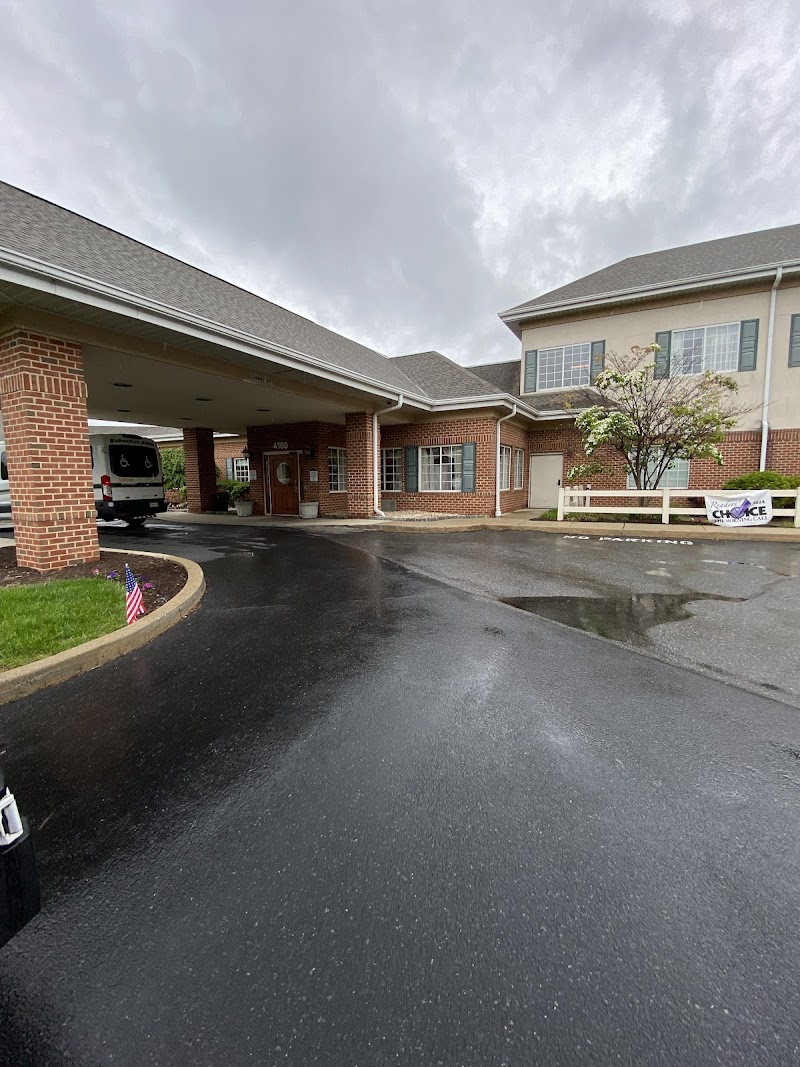
How is Northampton Post Acute Staffed?

CMS rates NORTHAMPTON POST ACUTE's staffing level at 3 out of 5 stars, which is average compared to other nursing homes. Staff turnover is 30%, compared to the Pennsylvania average of 46%. This relatively stable workforce can support continuity of care.

What Have Inspectors Found at Northampton Post Acute?

State health inspectors documented 14 deficiencies at NORTHAMPTON POST ACUTE during 2023 to 2025. These included: 14 with potential for harm.
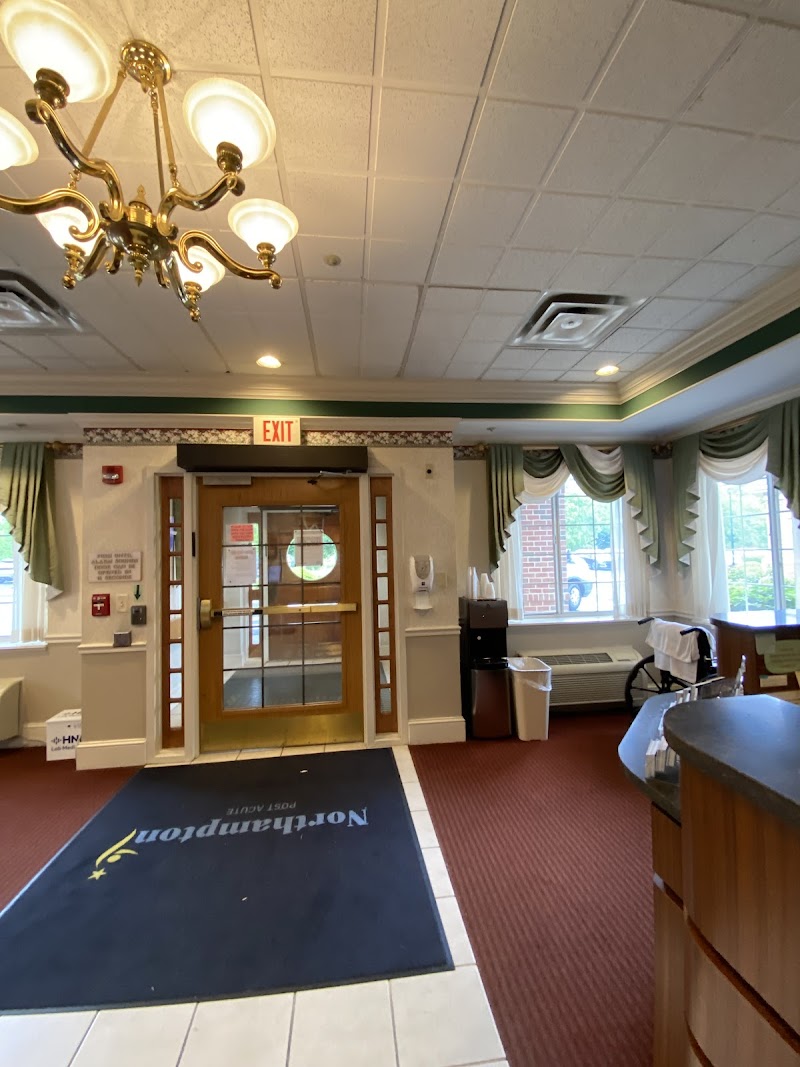
Who Owns and Operates Northampton Post Acute?

NORTHAMPTON POST ACUTE is owned by a for-profit company. For-profit facilities operate as businesses with obligations to shareholders or private owners. The facility is operated by MARQUIS HEALTH SERVICES, a chain that manages multiple nursing homes. With 180 certified beds and approximately 169 residents (about 94% occupancy), it is a mid-sized facility located in EASTON, Pennsylvania.
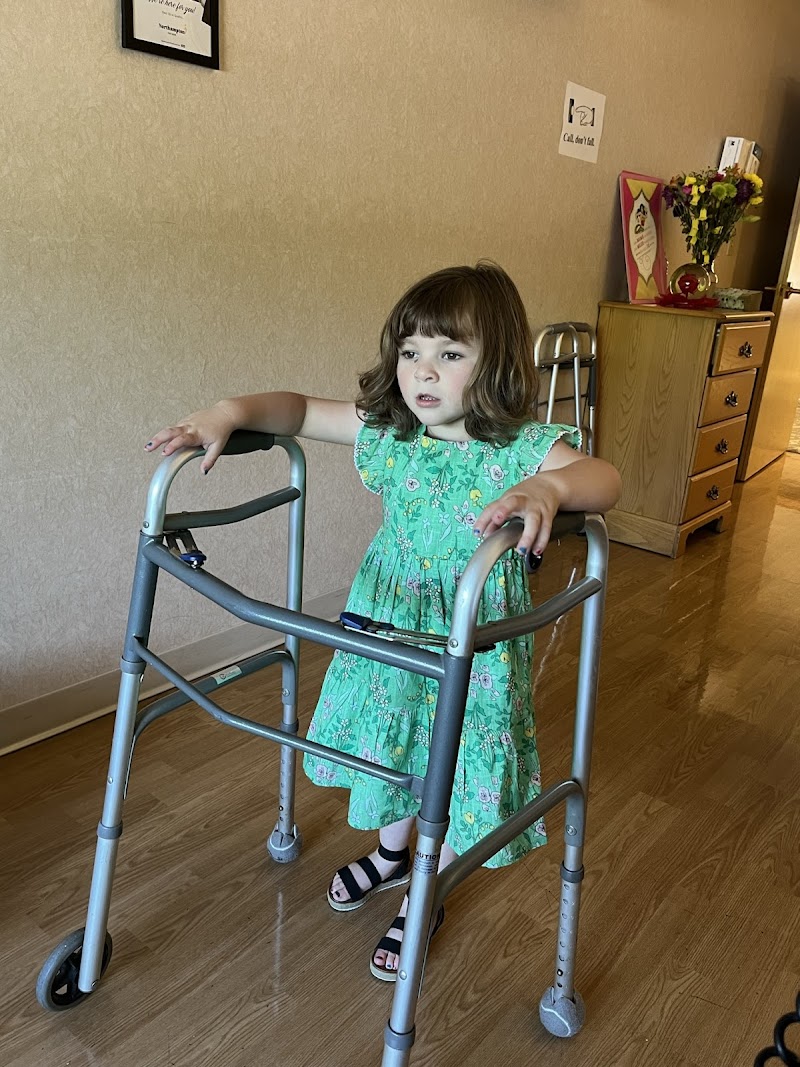
How Does Northampton Post Acute Compare to Other Pennsylvania Nursing Homes?

Compared to the 100 nursing homes in Pennsylvania, NORTHAMPTON POST ACUTE's overall rating (4 stars) is above the state average of 3.0, staff turnover (30%) is significantly lower than the state average of 46%, and health inspection rating (3 stars) is at the national benchmark.

What Should Families Ask When Visiting Northampton Post Acute?

Based on this facility's data, families visiting should ask: "Can I visit during a mealtime to observe dining assistance and food quality?" "How do you handle medical emergencies, and what is your hospital transfer rate?" "Can I speak with family members of current residents about their experience?"

Is Northampton Post Acute Safe?

Based on CMS inspection data, NORTHAMPTON POST ACUTE has a clean safety record: no substantiated abuse findings (meaning no confirmed cases of resident harm), no Immediate Jeopardy citations (the most serious violation level indicating risk of serious injury or death), and is not on the Special Focus Facility watch list (a federal program monitoring the lowest-performing 1% of nursing homes). The facility has a 4-star overall rating and ranks #1 of 100 nursing homes in Pennsylvania. While no facility is perfect, families should still ask about staff-to-resident ratios and recent inspection results during their visit.

Do Nurses at Northampton Post Acute Stick Around?

NORTHAMPTON POST ACUTE has a staff turnover rate of 30%, which is about average for Pennsylvania nursing homes (state average: 46%). Moderate turnover is common in nursing homes, but families should still ask about staff tenure and how the facility maintains care continuity when employees leave.

Was Northampton Post Acute Ever Fined?

NORTHAMPTON POST ACUTE has no federal fines on record. CMS issues fines when nursing homes fail to meet care standards or don't correct problems found during inspections. The absence of fines suggests the facility has either maintained compliance or corrected any issues before penalties were assessed. This is a positive indicator, though families should still review recent inspection reports for the full picture.

Is Northampton Post Acute on Any Federal Watch List?

NORTHAMPTON POST ACUTE is not on any federal watch list. The most significant is the Special Focus Facility (SFF) program, which identifies the bottom 1% of nursing homes nationally based on persistent, serious quality problems. Not being on this list means the facility has avoided the pattern of deficiencies that triggers enhanced federal oversight. This is a positive indicator, though families should still review the facility's inspection history directly.