ELIZABETHTOWN NURSING AND REHABILITATION
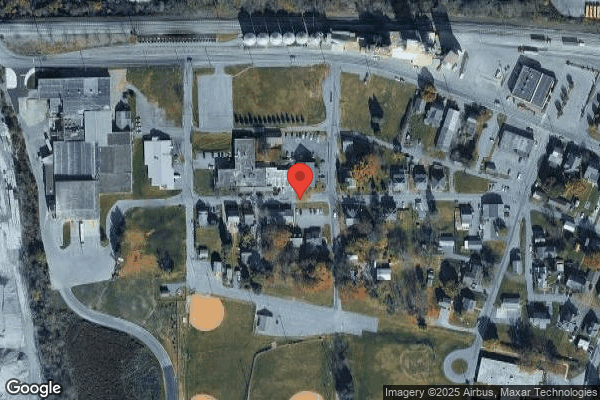

141 HEISEY AVENUE, ELIZABETHTOWN, PA 17022 (717) 367-1831
For profit - Limited Liability company 45 Beds Independent Data: November 2025 1 Immediate Jeopardy citation
Trust Grade
8/100
#555 of 653 in PA
Last Inspection: June 2025

Inspected within the last 6 months. Data reflects current conditions.

Overview

Elizabethtown Nursing and Rehabilitation has received a Trust Grade of F, indicating significant concerns and a poor overall performance. The facility ranks #555 out of 653 in Pennsylvania and #28 out of 31 in Lancaster County, placing it in the bottom half of available options. However, there is a trend of improvement, as the number of issues reported decreased from 19 in 2024 to 11 in 2025. Staffing is a major concern here, with a low rating of 1 out of 5 stars and a high turnover rate of 70%, which is well above the state average. Additionally, the facility has incurred $88,614 in fines, which is higher than 97% of facilities in Pennsylvania, suggesting ongoing compliance problems. Positive aspects include that the quality measures rating is 4 out of 5 stars, indicating some areas of care are good, and while RN coverage is average, it is essential for catching potential issues. However, there are serious weaknesses, such as the absence of a Registered Nurse when a resident was found unresponsive, which created an immediate jeopardy situation for other residents. The facility also failed to maintain adequate infection control logs for several months and did not have a trained Infection Preventionist, raising concerns about infection management.

Trust Score
F
8/100
In Pennsylvania
#555/653
Bottom 16%
Safety Record
High Risk
Review needed
Inspections
Getting Better
19 → 11 violations
Staff Stability
⚠ Watch
70% turnover. Very high, 22 points above average. Constant new faces learning your loved one's needs.
Penalties
⚠ Watch
$88,614 in fines. Higher than 75% of Pennsylvania facilities, suggesting repeated compliance issues.
Skilled Nurses
○ Average
Each resident gets 30 minutes of Registered Nurse (RN) attention daily — about average for Pennsylvania. RNs are the most trained staff who monitor for health changes.
Violations
⚠ Watch
55 deficiencies on record. Higher than average. Multiple issues found across inspections.
★☆☆☆☆
1.0
Overall Rating
★☆☆☆☆
1.0
Staff Levels
★★★★☆
4.0
Care Quality
★★☆☆☆
2.0
Inspection Score
Stable
2024: 19 issues
2025: 11 issues

The Good

  • 4-Star Quality Measures · Strong clinical quality outcomes
  • Full Sprinkler Coverage · Fire safety systems throughout facility
  • No fines on record

Facility shows strength in quality measures, fire safety.

The Bad

1-Star Overall Rating

Below Pennsylvania average (3.0)

Significant quality concerns identified by CMS

Staff Turnover: 70%

24pts above Pennsylvania avg (46%)

Frequent staff changes - ask about care continuity

Federal Fines: $88,614

Well above median ($33,413)

Moderate penalties - review what triggered them

Staff turnover is very high (70%)

22 points above Pennsylvania average of 48%

The Ugly 55 deficiencies on record

1 life-threatening
Jun 2025 10 deficiencies
CONCERN (D)

Potential for Harm - no one hurt, but risky conditions existed

Assessment Accuracy (Tag F0641)

Could have caused harm · This affected 1 resident

Based on Resident Assessment Instrument (RAI - a standardized approach for applying a problem identification process in nursing homes, adopted to examine nursing home quality and to improve nursing ho...

Read full inspector narrative →
Based on Resident Assessment Instrument (RAI - a standardized approach for applying a problem identification process in nursing homes, adopted to examine nursing home quality and to improve nursing home regulation), clinical record review, and staff interviews, it was determined that the facility failed to ensure that the resident assessment accurately reflected the resident's status for three of 13 residents reviewed (Residents 2, 26, and 27). Findings included: Review of RAI Version 3.0 dated October 2024, pages N1 - 11, read, in part, N0415 high risk drug classes: is taking - check if the resident is taking any medication by pharmacological classification during the last 7 days or since admission. Indication noted 1 is checked if there is an indication noted for all medications in the drug class. Review of Resident 2's clinical record diagnoses that included depression (feelings of severe despondency and dejection), anxiety (a feeling of worry nervousness or unease), intellectual disabilities (a condition characterized by significant limitations in both intellectual function and adaptive behavior), post-traumatic stress disorder (PTSD - a mental disorder that develops from experiencing a traumatic event), cerebral palsy (a group of neurological disorders that affect movement and posture causing activity limitations), and encephalopathy (brain disease, damage or disorder that impacts brain structure or function). Review of Resident 2's physician orders included apixaban 5 milligrams by mouth two times a day for deep vein thrombosis (DVT - a serious condition that occurs when a blood clot forms in a deep vein), start February 4, 2025, and discontinued May 27, 2025. Review of Resident 2's significant change MDS (Minimum Data Set - an assessment tool to review all care areas specific to the resident such as a resident's physical, mental or psychosocial needs) dated June 7, 2025, documented yes for taking AC and indication noted. Interview with the Director of Nursing (DON) on June 18, 2025, at 12:23 PM, it was revealed that the significant change MDS was incorrect, and the care plan should've been updated to reflect the anticoagulant was discontinued. Review of Resident 26's clinical record revealed diagnoses that included at risk for malnutrition (an imbalance between the nutrients the body needs to function and the nutrients it gets), dysphagia (difficulty swallowing), and muscle weakness. Review of Resident 26's clinical record revealed she had a significant weight loss of 11% from April 8, 2025, to May 2, 2025. Review of Resident 26's Medicare 5 Day MDS with ARD (assessment reference date - last day of the assessment period) of May 7, 2025, revealed under Section K0300. Weight Loss: Loss of 5% or more in the last month or loss of 10% or more in last 6 months, Resident 26 was marked No or unknown. Interview with the DON on June 18, 2025, at 10:13 AM, revealed the aforementioned MDS was coded in error and she would expect MDS assessments to be coded accurately. Review of Resident 27's clinical record revealed diagnoses that included dementia (a chronic disorder of the mental processes caused by brain disease, marked by memory disorders, personality changes, and impaired reasoning), anxiety disorder (mental health disorder characterized by feelings of worry, anxiety, or fear that are strong enough to interfere with one's daily activities), and delusional disorder (type of psychotic disorder; a delusion is an unshakable belief in something that is untrue). Review of Resident 27's Quarterly MDS with ARD of September 26, 2024, indicated in Section N. Medications that she had received an antipsychotic medication on a routine basis and that she had not had a gradual dose reduction. Review of Resident 27's clinical record revealed that her antipsychotic medication dose had been reduced by her physician on September 11, 2024. Review of Resident 27's Annual MDS with the assessment reference date of May 2, 2025, indicated in Section N. Medications that she was coded as receiving antianxiety and anticonvulsant medications. Review of Resident 27's clinical record revealed that she had not received any antianxiety or anticonvulsant medications. During a staff interview with the DON on June 18, 2025, at 12:29 PM, she confirmed that the MDS's were coded in error and that modifications were completed. 28 Pa. Code 211.5(f) Medical records 28 Pa. Code 211.12(d)(1)(3)(5) Nursing services
CONCERN (D)

Potential for Harm - no one hurt, but risky conditions existed

Deficiency F0655 (Tag F0655)

Could have caused harm · This affected 1 resident

Based on clinical record review, observation, staff and resident interviews, and facility policy review, it was determined that the facility failed to develop a baseline plan of care for one of two re...

Read full inspector narrative →
Based on clinical record review, observation, staff and resident interviews, and facility policy review, it was determined that the facility failed to develop a baseline plan of care for one of two residents reviewed for new admission (Resident 95). Findings include: Review of facility policy, titled Care Plans - Baseline, last reviewed January 15, 2025, revealed it stated, A baseline plan of care to meet the resident's immediate needs shall be developed for each resident within forty-eight (48) hours of admission The interdisciplinary team will review the healthcare practitioner's orders (e.g., dietary needs, medications, routine treatments, etc.) and implement a baseline care plan to meet the resident's immediate care needs . Review of Resident 95's clinical record revealed diagnoses that included history of venous thrombosis (blood clot formation) and embolism (blood clot that travels through the circulatory system and blocks blood flow through a vessel) and hypertension (elevated/high blood pressure). Review of Resident 95's clinical record revealed that Resident 95 was admitted to the facility on June, 8, 2025. During an interview with Resident 95, Resident 95 was observed wearing a lidocaine patch to her right knee. When asked about her right knee, Resident 95 stated she had chronic pain in her right knee. Review of Resident 95's physician orders revealed the Resident was receiving meloxicam (prescription non-steroidal anti-inflammatory medication), and the lidocaine 4% (topical pain medication) for right knee pain. Review of Resident 95's baseline plan of care revealed no care plan for pain. Review of Resident 95's physician orders revealed Resident 95 also received an anticoagulant medication (medication that decreases the clotting ability of the blood). Review of Resident 95's baseline care plan revealed no care plan was initiated for the use of an anticoagulant medication. During a staff interview on June 17, 2025, at approximately 10:30 AM, Director of Nursing revealed that Resident 95's baseline care plan should have included a care plan for pain and anticoagulant use. 28 Pa code 211.12(d)(1)(3)(5) Nursing services
CONCERN (D)

Potential for Harm - no one hurt, but risky conditions existed

Accident Prevention (Tag F0689)

Could have caused harm · This affected 1 resident

Based on facility policy review, review of select facility fall reports, clinical record review, and staff interviews, it was determined that the facility failed to ensure that each resident receives ...

Read full inspector narrative →
Based on facility policy review, review of select facility fall reports, clinical record review, and staff interviews, it was determined that the facility failed to ensure that each resident receives adequate supervision and assistance devices to prevent accidents and failed to conduct thorough fall investigations for one of two residents reviewed for falls (Resident 10). Findings include: Review of facility policy, titled Falls and Fall Risk, Managing last reviewed on January 25, 2025, read, in part, Based on previous evaluations and current data, the staff will identify interventions related to the resident's specific risks and causes to try and prevent the resident from falling and try to minimize complications from falling. Resident conditions that may contribute to the risk of falls include lower extremity weakness. Review of Resident 10's clinical record revealed diagnoses that included wedge compression fracture (a type of compression fracture that occurs when vertebrae collapses and creates a wedge shape) unspecified fall and unsteadiness on feet. Review of facility fall report dated February 21, 2025, revealed Nursing Description: Registered Nurse (RN) was called to resident's bathroom by licensed practical nurse, per nurse aide (NA), NA was transferring resident from wheelchair to toilet, resident was unable to turn right lower extremity and requires to be lowered to the floor by nurse aide. Was witnessed and resident did not hit his head. Review of facility fall report dated March 18, 2025, revealed Nursing Description: During transfer with staff [Resident 10] was lowered to the floor. Review of Resident 10's comprehensive care plan revealed staff was to use a sit to stand (sts) lift for transfers at the time of Resident 10's fall on February 21, 2025, and March 18, 2025. Interview with the Director of Nursing (DON) on June 18, 2025, at 9:22 AM, revealed the NA in the fall report from February 21, 2025, was not utilizing the sts lift at the time of Resident 10's fall, and that in response she did a verbal education with that nurse aide, and the following month she did an education with all nursing staff. She further revealed staff was not utilizing the sts lift at the time of Resident 10's fall on March 18, 2025, and that Employee 14 (Registered Nurse) did not notify the DON of the fall that morning per facility protocol, so a proper investigation was not conducted, including gathering witness statements. During a follow-up interview with the DON on June 18, 2025, at 12:21 PM, revealed she was unable to find any witness statements associated with the fall on February 21, 2025, and she would expect witness statements to be available for review. Review of facility fall report dated April 21, 2025, detailed a fall sustained by Resident 10 that evening. The intervention noted in response to the fall read, Staff to offer to get resident out of bed for supper at the start of shift. Review of Resident 10's comprehensive care plan failed to reveal the fall intervention had been added to Resident 10's care plan. During an interview with the DON on June 18, 2025, at 12:56 PM, revealed she was adding the fall intervention to Resident 10's care plan, and she would expect his care plan to be updated. 28 Pa Code 201.18(b)(1) Management 28 Pa Code 211.12(c)(d)(1)(3)(5) Nursing Services
CONCERN (D)

Potential for Harm - no one hurt, but risky conditions existed

Deficiency F0692 (Tag F0692)

Could have caused harm · This affected 1 resident

Based on facility policy review, clinical record review, observations, and staff interviews, it was determined that the facility failed to provide a physician ordered nutritional supplement, per physi...

Read full inspector narrative →
Based on facility policy review, clinical record review, observations, and staff interviews, it was determined that the facility failed to provide a physician ordered nutritional supplement, per physician's order, for two of four residents reviewed for nutritional status (Residents 2 and 26), and failed to notify the physician of significant weight changes for two of four residents reviewed for nutritional status (Residents 10, and 26). Findings include: Review of facility policy, titled Weight Policy last reviewed January 25, 2025, read, in part, The Registered Dietitian will review the medical record of residents with significant weight changes. Dietary interventions will be recommended as needed. All significant weight changes will be reported to the physician. Review of facility policy, titled Medication Administration last reviewed January 25, 2025, read, in part, Medications are administered in accordance with prescriber orders. If a drug is withheld, refused, or given at a time other than the scheduled time, the individual administering the medication shall initial and circle the MAR (Medication Administration Record) space provided for the drug and dose. Review of Resident 2's clinical record diagnoses that included depression (feelings of severe despondency and dejection), anxiety (a feeling of worry nervousness or unease), intellectual disabilities (a condition characterized by significant limitations in both intellectual function and adaptive behavior), post-traumatic stress disorder (a mental disorder that develops from experiencing a traumatic event), cerebral palsy ( a group of neurological disorders that affect movement and posture causing activity limitations), and encephalopathy (brain disease, damage or disorder that impacts brain structure or function). Weight history for Resident 2 revealed a 10-pound weight loss from May to June of 2025; May 6th 95 pounds, and June 6th 84 pounds. Review of Resident 2's physician orders included house supplement after meals 90 milliliters three times a day, starting March 6, 2025, and Remeron 7.5 milligrams at bedtime for poor appetite starting May 20, 2025, and discontinued June 6, 2025. Review of Resident 2's April 2025 Medication Administration Record (MAR- documentation of medication administered per physician orders) for house supplement documented X or 0 on the 14th and 26th at 1:00 PM, and 27th at 9:00 AM, 1:00 PM, and 6:00 PM. Review of progress notes revealed the house supplement was not available on April 14th, 26th, and 27th, 2025. Progress notes failed to document the physician was notified that the supplement was not available. May 2025 MAR for house supplement documented an X, NA, or 0 on the 17th at 1:00 PM and 6:00 PM; 22nd and 23rd at 9:00 AM, 1:00 PM, and 6:00 PM; 24th at 1:00 PM; and 25th, 29th, 30th and 31st at 6:00 PM. Review of progress notes revealed the house supplement was not available on May 17th, and 18th, 2025. Progress notes failed to document the physician was notified that the supplement was not available. June 2025 MAR for house supplement documented an X, or 0 on the 1st at 1:00 PM; 4th at 1:00 PM and 6:00 PM; 10th at 1:00 PM; and 13th at 6:00 PM. Interview with Employee 6 (Registered Nurse) on June 17, 2025, at 12:10 PM, revealed that the house supplement is Med Pass 2.0 or 2 Cal HN. Observation with Employee 6 on June 17, 2025, at 12:11 PM, in the medication room and nourishment pantry (in the cabinet and refrigerator) there was no Med pass 2.0 or 2 Cal HN. Observation in central supply and interview with Employee 6 and Employee 7 (Director of Dietary/Housekeeping) revealed there was no house supplement. Per Employee 7, the house supplement should be with the delivery that was due that. Surveyor stated that there was no house supplement available on the nursing unit and that residents scheduled to receive after lunch or this afternoon may not receive it; Employee 7 stated that he would call a sister facility to obtain the supplement. Observation with the Director of Nursing (DON) on June 17, 2025, at 12:57 PM, there was one 8-ounce container of med pass 2.0 in the one medication cart; the other medication cart didn't have a supply. Observation with the DON on June 17, 2025, at 1:04 PM, in the medication room after the supply order arrived, there were 2 cases (12- 32 ounce) med pass 2.0. It was also revealed that the supply company will deliver what they have whether it is med pass 2.0 or 2 Cal HN and in whatever packaging, 32 oz containers or 8 oz containers. Supplies are delivered every two weeks on Tuesday, however if the facility requires additional supplies, an additional delivery will be made. Interview with DON June 17, 2025, at 2:32 PM, it was revealed the physician should be notified if the supplement wasn't available or administered. Review of Resident 10's clinical record revealed diagnoses that included wedge compression fracture (a type of compression fracture that occurs when vertebrae collapses and creates a wedge shape) unspecified fall, and unsteadiness on feet. Review of Resident 10's weight measures revealed he had a significant weight loss of 10.1% in one month from February 5, 2025, to February 26, 2025. Review of Resident 10's clinical record failed to reveal physician notification of the significant weight loss. Interview with the DON on June 18, 2025, at 10:15 AM, revealed the dietitian emails weight loss notifications to the DON and nurse unit manager to notify the physician, but they thought she was notifying him separately, so they did not send the weight loss notifications to the doctor. She further revealed moving forward the doctor will be copied on the email sent to the DON and unit manager for review. Review of Resident 26's clinical record revealed diagnoses that included at risk for malnutrition (an imbalance between the nutrients the body needs to function and the nutrients it gets), dysphagia (difficulty swallowing), and muscle weakness. Review of Resident 26's clinical record revealed she had a significant weight loss of 11% from April 8, 2025, to May 2, 2025. Review of Resident 26's clinical record failed to reveal physician notification of the significant weight loss. Review of Resident 26's physician orders revealed an order for House Supplement every evening shift 120mL daily, with a start date of May 2, 2025. Review of Resident 26's May 2025 MAR for house supplement documented NA (not available) on May 6, 14, 15, 19, 20, 27, and 30, 2025. Review of Resident 26's June 2025 MAR for house supplement documented NA (not available) on June 5 and 9-11, 2025. On June 16, 2025, it was marked 9 for other/see progress notes. Review of Resident 26's nursing progress notes failed to reveal documentation the physician was notified that the supplement was not available on the aforementioned dates, and the progress note linked to the MAR on June 16, 2025, read not available. Interview with DON on June 17, 2025, at 2:32 PM, revealed the physician should be notified of significant weight losses and if the supplement wasn't available to administer. Further revealed is that they did had the supplement in one of the medication carts on the evening of June 16, 2025, so staff should have communicated supplies between medication carts and administer the supplement if it was available. 28 Pa. Code 211.12(d)(3) Nursing services
CONCERN (D)

Potential for Harm - no one hurt, but risky conditions existed

Deficiency F0699 (Tag F0699)

Could have caused harm · This affected 1 resident

**NOTE- TERMS IN BRACKETS HAVE BEEN EDITED TO PROTECT CONFIDENTIALITY** Based on policy review, clinical record review, and staff interview, it was determined that the facility failed to complete a ti...

Read full inspector narrative →
**NOTE- TERMS IN BRACKETS HAVE BEEN EDITED TO PROTECT CONFIDENTIALITY** Based on policy review, clinical record review, and staff interview, it was determined that the facility failed to complete a timely assessment for trauma, and then develop and implement an individualized person-centered care plan to render trauma-informed care to a resident with a diagnosis of Post-Traumatic Stress Disorder (PTSD) for one of one resident reviewed with PTSD (Resident 2). Findings include: Review of facility policy, Trauma Informed Care, revised March 2019, read, in part, nursing staff are trained on screening tools, trauma assessment, and how to identify triggers associated with re-traumatization. Implement universal screening of residents for trauma. Review of Resident 2's clinical record diagnoses that included depression (feelings of severe despondency and dejection), anxiety (a feeling of worry nervousness or unease), intellectual disabilities (a condition characterized by significant limitations in both intellectual function and adaptive behavior), PTSD (a mental disorder that develops from experiencing a traumatic event), cerebral palsy ( a group of neurological disorders that affect movement and posture causing activity limitations), and encephalopathy (brain disease, damage or disorder that impacts brain structure or function). Review of Resident 2's hospital Discharge summary dated [DATE], documented PTSD. Review of the Centers for Medicare and /Medicaid Services form 802 (matrix- a list of all current residents and to note pertinent care categories) Resident 2 was documented for PTSD. Further review of the clinical record failed to reveal a screening for a history of trauma, documentation, or care planning per facility policy related to trauma-informed care. Review of Resident 2's care plan failed to reveal Resident 2's diagnosis, symptoms, or triggers related to the diagnosis of PTSD. Interview with the Director of Nursing on June 18, 2025, at 10:30 AM, it was revealed the facility doesn't complete a trauma assessment due to it not being available in the electronic record, and the facility does have a form to complete the assessment. It was also revealed the Social Worker will be tasked with completing the trauma informed care assessment. 28 Pa Code 211.12 (d)(1)(3)(5) Nursing services
CONCERN (D)

Potential for Harm - no one hurt, but risky conditions existed

Deficiency F0761 (Tag F0761)

Could have caused harm · This affected 1 resident

Based on observation, facility policy review, and staff interviews, it was determined that the facility failed to ensure opened vials were labeled in accordance with currently accepted professional pr...

Read full inspector narrative →
Based on observation, facility policy review, and staff interviews, it was determined that the facility failed to ensure opened vials were labeled in accordance with currently accepted professional principles for one of one medication rooms reviewed. Findings include: Review of facility policy, titled Medication Labeling and Storage, last reviewed January 15, 2025, revealed subsection five of Medication Labeling, stated, Multi-dose vials that have been opened or accessed (e.g., needle punctured) are dated and discarded within 28 days unless the manufacturer specifies a shorter or longer date for the open vial. During observation of the facility medication storage room on June 17, 2025, revealed two of two vials of tuberculosis purified protein derivative solution (PPD - used to determine resident or staff exposure or infection with tuberculosis) were opened with no opened date written on the vial or the box that contained the vial. During a staff interview directly after the observation, Employee 9 (Licensed Practical Nurse) confirmed that the two vials appeared accessed and that there were no open dates on the two vials of the PPD solution. During a staff interview on June 18, 2025, at approximately 10:30 AM, Director of Nursing confirmed that the open dates should have been documented on the PPD solution. 29 Pa code 211.12(d)(1)(5) Nursing services
CONCERN (D)

Potential for Harm - no one hurt, but risky conditions existed

Medical Records (Tag F0842)

Could have caused harm · This affected 1 resident

**NOTE- TERMS IN BRACKETS HAVE BEEN EDITED TO PROTECT CONFIDENTIALITY** Based on review of facility policy, clinical record review, and staff interviews, it was determined that the facility failed to ...

Read full inspector narrative →
**NOTE- TERMS IN BRACKETS HAVE BEEN EDITED TO PROTECT CONFIDENTIALITY** Based on review of facility policy, clinical record review, and staff interviews, it was determined that the facility failed to ensure clinical records were complete and accurately documented for one of 13 residents (Resident 8). Findings include: Review of facility policy, titled Attending Physician Responsibilities; with a last review date of January 15, 2025, revealed, in part, Each attending physician will be responsible for providing appropriate, timely, and pertinent documentation; At each visit, the attending physician will provide a progress note (written, typed, or electronic) in a timely manner for placement in the medical record. The note should either be written or entered at the time of the visit or, if dictated or otherwise prepared after the visit, should be returned to the facility for placement on the chart within a week. Review of Resident 8's clinical record revealed that she was admitted to the facility on [DATE], with diagnoses that included hypertension (high blood pressure) and fractures of the bilateral fibula (the smaller bone located in the lower leg). Review of Resident 8's clinical record on June 17, 2025, failed to reveal any physician progress notes since her admission to the facility. During a staff interview with the Director of Nursing (DON) on June 17, 2025, at approximately 1:45 PM, she indicated that she would look for the physician progress notes. On June 18, 2025, at approximately 10:00 AM, the DON provided physician progress notes dated March 18, 21, and 25, 2025. She said that she had texted Resident 8's physician requesting progress notes be sent to the facility. She indicated that these were the only three progress notes she had received and that she was still awaiting the others to be sent. During a staff interview with the Nursing Home Administrator (NHA) and the DON on June 18, 2025, at 12:11 PM, the DON indicated that Resident 8's physician dictates his notes, then his office types them up, and then the notes are faxed via email to a general email account at the facility for staff to print. She said that there was no clear process as to who would be responsible to print the notes and place on resident charts. She also indicated that Resident 8's physician is not timely with providing his notes for the Resident records. She further confirmed that she was yet to receive any additional progress notes for Resident 8 from her physician and could not state when Resident 8 was seen by her physician. During a final interview with the NHA and DON on June 18, 2025, at 12:28 PM, both confirmed that they had no additional documentation to provide and that they would expect physician progress notes to be on a resident's chart within 7 days as the facility policy states. 28 Pa. Code 201.14(a) Responsibility of licensee 28 Pa. Code 201.18(b)(1)(3) Management 28 Pa. Code 211.5(f)(iv) Medical records 28 Pa. Code 211.10(c) Resident care policies 28 Pa. Code 211.12(d)(3)(5) Nursing services
CONCERN (E)

Potential for Harm - no one hurt, but risky conditions existed

Deficiency F0628 (Tag F0628)

Could have caused harm · This affected multiple residents

**NOTE- TERMS IN BRACKETS HAVE BEEN EDITED TO PROTECT CONFIDENTIALITY** Based on facility policy review, clinical record review, and staff interviews, it was determined that the facility failed to not...

Read full inspector narrative →
**NOTE- TERMS IN BRACKETS HAVE BEEN EDITED TO PROTECT CONFIDENTIALITY** Based on facility policy review, clinical record review, and staff interviews, it was determined that the facility failed to notify the resident/resident representative of the resident transfer, in writing, to include the following: the reason for the transfer or discharge, date of transfers, location of transfer, statement of the resident's appeal rights, and name, address (mailing and email) and telephone number of the Office of the State Long Term Care Ombudsman; and failed to provide the resident/resident representative written notice of the bed hold policy at time of transfer for four of four residents reviewed for hospitalizations (Residents 10, 23, 32, and 43). Findings include: Review of facility policy, Transfer or Discharge Documentation, revised December 2016, read, in part, an appropriate transfer notice will be provided to the resident and/or legal representative. Review of facility policy Bed-Hold and Return to Facility Policy and Procedure, initiated 2015, read, in part, before the resident is transferred to a hospital, the Facility must provide written information to the resident or resident representative, which specified the duration of the bed-hold and the reserve bed payment Review of facility Bed Hold Agreement, revised December 2008, read in part, the resident/resident representative was informed of the bed-holding policy and the basic per-diem rate and are to elect whether they wish to hold the bed or not. Review of Resident 10's clinical record revealed diagnoses that included wedge compression fracture (a type of compression fracture that occurs when vertebrae collapses and creates a wedge shape) unspecified fall and unsteadiness on feet. Review of Resident 10's clinical record revealed he was transferred out of the facility and admitted to the hospital on [DATE]. Further review of Resident 10's clinical record failed to reveal notation that a bed hold notice or transfer notice were provided to the Resident or the Resident Representative at the time of the hospitalization. Interview with the Director of Nursing (DON) on June 18, 2025, at 9:50 AM, revealed that it was the responsibility of nursing staff to be completing and sending the notices, but they were not competing them, and she would expect for them to be completed and sent upon hospital transfers. Review of Resident 23's clinical record revealed diagnoses that included hypertension (elevated/high blood pressure) and anxiety disorder (mental health disorder characterized by excessive worry or fear). Review of Resident 23's clinical record revealed that on May 8 and 30, 2025, Resident 23 was transferred to a hospital emergency department after a medical change in condition. Review of available documentation revealed the facility did not provide Resident 23, nor Resident 23's Representative, with notices nor the facility's bed hold policy upon transfer to the hospital for the aforementioned dates. Review of Resident 32's clinical record revealed diagnoses that included acute on chronic systolic congestive heart failure (a specific type of heart failure that occurs in the left ventricle and the ventricle cannot contract normally when the heart beats) and acute respiratory failure with hypoxia (the inability of the respiratory system to meet the oxygenation requirements of the body). Review of Resident 32's clinical record revealed that he was transferred and admitted to the hospital on [DATE], secondary to complaints of chest pain and shortness of breath. Review of Resident 32's clinical record revealed a progress note dated May 16, 2025, at 9:48 AM, that indicated the facility's bed hold policy was reviewed with Resident 32's Representative and that she agreed to hold the bed, but review of the clinical record failed to reveal a copy of the bed hold notice was reviewed with Resident 32's Representative. Further review of the clinical record also failed to reveal the presence of a notice of transfer for his May 16, 2025, hospital transfer or documentation that the transfer notice was provided to Resident 32 or his representative. During a staff interview with the DON on June 18, 2025, at 10:20 AM, she confirmed that hospital transfer notices to the responsible party and bed hold notices were not completed as nursing was not aware they needed to complete the notices. Review of Resident 43's clinical record revealed transfers to the hospital on March 6, 2025, and April 11, 2025; Resident payor source was Medicare A. Review of Resident 43's clinical record failed to include a notice of transfer to the Resident Representative, and bed hold notice for the aforementioned dates. Interview with the DON on June 18, 2025, at 10:20 AM, revealed hospital transfer notices to the responsible party and bed hold notices were not completed, nursing wasn't aware they needed to complete the notices. 28 Pa. Code 201.14(a) Responsibility of Licensee
CONCERN (E)

Potential for Harm - no one hurt, but risky conditions existed

Deficiency F0657 (Tag F0657)

Could have caused harm · This affected multiple residents

Based on policy review, observations, clinical record review, and resident and staff interviews, the facility failed to review and revise the resident plan of care for five of 13 residents reviewed (R...

Read full inspector narrative →
Based on policy review, observations, clinical record review, and resident and staff interviews, the facility failed to review and revise the resident plan of care for five of 13 residents reviewed (Residents 2, 19, 26, 27, and 30). Findings include: Review of facility policy, Comprehensive Person-Centered Care Plans, revised December 2016, read, in part, the care plan will include services that are to be furnished to attain or maintain the resident's highest practicable physical, mental, and psychosocial well-being, and incorporate risk factors associated with identified problems. Assessments of residents are ongoing, and care plans are revised as information about residents and the resident's condition changes. The interdisciplinary team must review and update the care plan. Review of Resident 2's clinical record diagnoses that included depression (feelings of severe despondency and dejection), anxiety disorder (a feeling of worry nervousness or unease), intellectual disabilities (a condition characterized by significant limitations in both intellectual function and adaptive behavior), post-traumatic stress disorder (a mental disorder that develops from experiencing a traumatic event), cerebral palsy ( a group of neurological disorders that affect movement and posture causing activity limitations), and encephalopathy (brain disease, damage or disorder that impacts brain structure or function). Review of Resident 2's physician orders included apixaban 5 milligrams by mouth two times a day for deep vein thrombosis (a serious condition that occurs when a blood clot forms in a deep vein), start February 4, 2025, and discontinued May 27, 2025; and admission to Serenity Hospice on May 27, 2025, due to sarcopenia (muscle disease that involves a progressive loss of muscle mass, strength, and function). Review of Resident 2's care plan documented anticoagulant therapy to treat: At risk for adverse effects, date Initiated February 25, 2025, and revised on April 10, 2025. Further review of the care plan failed to document a plan of care for hospice. During an interview with the Director of Nursing (DON) on June 17, 2025, at 10:36 AM, it was revealed that the care plan should have been updated prior to June 16, 2025, to include hospice services. Interview with the DON on June 18, 2025, at 10:13 AM, it was revealed that the care plan should be updated quarterly and as needed. Review of Resident 19's clinical record revealed diagnoses that included anxiety disorder (mental health disorder characterized by feelings of worry, anxiety, or fear that are strong enough to interfere with one's daily activities) and need for assistance with personal care. Review of Resident 19's care plan revealed an active focus area of At risk for loss of range of motion related to physical limitations with an intervention for Restorative Splint/Brace: Sling to right upper extremity to be worn at all times. May remove for care and skin checks, last revised May 14, 2025. Further review of Resident 19's care plan revealed an active focus area of Self-care deficit related to physical limitations, with in intervention for transfers: extensive assistance of 1, last revised April 25, 2025. Observation of Resident 19 on June 16, 2025, at 10:19 AM, revealed he was walking without assistance and did not have a sling on his right arm. Observations of Resident 19 on June 16, 2025, at 11:04 AM, and June 17, 2025, at 9:53 AM, failed to reveal he was wearing a sling on his right arm. Interview with Resident 19 on June 17, 2025, at 9:54 AM, revealed he no longer needs to wear a sling on his arm. Review of Resident 19's physician orders revealed he had an order for resident may perform pulleys with range of motion of right shoulder, advance to weight bearing as tolerated in 2 weeks on June 2, 2025, with a start date of May 19, 2025. Interview with the DON on June 18, 2025, at 10:12 AM, revealed that Resident 19 has not needed the sling since he went to weight bearing as tolerated, he no longer requires extensive assistance with transfers, and she would expect his care plan to be updated. Review of Resident 26's clinical record revealed diagnoses that included at risk for malnutrition (an imbalance between the nutrients the body needs to function and the nutrients it gets), dysphagia (difficulty swallowing), and muscle weakness. Review of Resident 26's care plan revealed an active focus area for infection of urinary tract, with a start date of April 8, 2025. Interview with the DON on June 18, 2025, at 10:12 AM, revealed Resident 26 does not have an active urinary tract infection, and she would expect care plans to be reviewed and revised as needed. Review of Resident 27's clinical record revealed diagnoses that included dementia (a chronic disorder of the mental processes caused by brain disease, marked by memory disorders, personality changes, and impaired reasoning), anxiety disorder, and delusional disorder (type of psychotic disorder; a delusion is an unshakable belief in something that is untrue). Review of Resident 27's care plan revealed a care plan focus that indicated she was at risk for adverse effects related to use of antianxiety (anxiolytic) medication, dated March 31, 2024. Review of Resident 27's clinical record revealed that she was not receiving an antianxiety medication. During a staff interview with the DON on June 18, 2025, at 10:40 AM, she confirmed that Resident 27's care plan should have been revised when the antianxiety medication was discontinued. She indicated that the care plan was most likely not revised because the wrong indication for use was utilized for Resident 27's antidepressant medication. Review of Resident 30's clinical record documented diagnoses that included dementia (a condition characterized by progressive loss of intellectual functioning, impairment of memory and abstract thinking), dysphagia (difficulty swallowing), transient ischemic attack (a temporary interruption of blood flow to the brain), and left wrist fracture with routine healing. Observation in Resident 30's room revealed she was dressed, in bed with a perimeter mattress, and no cervical collar observed. Review of Resident 30's physician orders included: cervical collar except during meals: skin and circulation check every shift, start date November 20, 2024, and discontinued December 16, 2024; and cervical collar at all times except meals, start weaning collar over a 2-week period if no neck pain, every shift, start date December 16, 2024, discontinued December 30, 2024. Review of Resident 30's care plan included activities of daily living self-care deficit related to fractures and history of TIA, initiated October 15, 2024, with interventions that included cervical collar on at all times (patient has a C1/neck fracture) initiated October 15, 2024, and revised on November 21, 2024. Review of Resident 30's progress notes included on January 13, 2025, out to Neuroscience surgery, new order to discontinue neck collar, follow up as needed. During an interview with the DON on June 17, 2025, at 10:36 AM, it was revealed that the care plan should have been updated to remove the cervical collar prior to June 16, 2025. 42 CFR 483.21(b)(2) Comprehensive Care Plans 28 Pa. Code 211.12(d)(2)(3)(5) Nursing services
CONCERN (E)

Potential for Harm - no one hurt, but risky conditions existed

Deficiency F0730 (Tag F0730)

Could have caused harm · This affected multiple residents

Based on employee handbook review, review of select facility documentation, and staff interview, it was determined that the facility failed to ensure that nurse aide performance evaluations were compl...

Read full inspector narrative →
Based on employee handbook review, review of select facility documentation, and staff interview, it was determined that the facility failed to ensure that nurse aide performance evaluations were completed at least once every 12 months for five of five nurse aides reviewed (Employees 1, 2, 3, 4, and 5). Findings include: Based on facility document, titled Employee Handbook effective June 6, 2023, read, in part, All employees will be subject to a written annual rating and evaluation by the department supervisor based on his/her anniversary date. This evaluation will be reviewed with the employee by the supervisor at the time of presentation for the employee's signature. Review of select facility documentation revealed a list of nurse aide's that had worked at the facility for greater than a year, which included: Employee 1 had a hire date of December 26, 2023; Employee 2 had a hire date of April 1, 2020; Employee 3 had a hire date of May 21, 2018; Employee 4 had a hire date of May 6, 2024; and Employee 5 had a hire date of April 15, 2002. Interview with the Director of Nursing on June 17, 2025, at 1:31 PM, revealed she routinely speaks with staff members about their performance, however, the formal process for annual performance evaluations was not in place at that time. 28 Pa. Code 201.14(a) Responsibility of licensee 28 Pa. Code 201.18(b)(1) Management
Mar 2025 1 deficiency
CONCERN (D) 📢 Someone Reported This

A family member, employee, or ombudsman was alarmed enough to file a formal complaint

Potential for Harm - no one hurt, but risky conditions existed

Infection Control (Tag F0880)

Could have caused harm · This affected 1 resident

Based on observation, policy review, and staff interviews, it was determined that the facility failed to maintain an infection prevention and control program designed to provide a safe and sanitary en...

Read full inspector narrative →
Based on observation, policy review, and staff interviews, it was determined that the facility failed to maintain an infection prevention and control program designed to provide a safe and sanitary environment and to help prevent the transmission of diseases and infections for two of two resident rooms observed (Residents 1 and 2). Findings Include: An entrance interview with the Director of Nursing (DON) and Nursing Home Administrator (NHA) on March 4, 2025, at approximately 8:50 AM, revealed the facility has several residents who tested positive for COVID-19, and the facility is following its COVID-19 infection policy and procedures. Visitors are encouraged to wear surgical masks and screen for signs and symptoms of infection while in the building, and staff providing direct care to those infected residents to wear the required personal protective equipment (PPE). A review of the facility's policy, titled Covid-19 Infection Control Protocols to Minimize Expose, updated February 2024, revealed residents/resident rooms with Covid-19 exposure and positive tests will require staff to don the following PPE: N95 or equivalent respirator, Face shield or goggles, gloves, and gown. An observation of Resident 1's room on March 4, 2025, at approximately 9:00 AM, revealed signage at the door that alerted staff and visitors of droplet precautions (Droplet precautions are used when a patient has an infection that can spread through the air when they cough, sneeze, or talk) and directed anyone entering the room to don the required PPE. The observation revealed the Physical Therapist (Employee 4) providing direct care services to Resident 1 without wearing any of the required PPE. An interview with the Registered Nurse/Infection Preventionist on March 4, 2025, at 9:25 AM, revealed Employee 4 should not be in Resident 1's room without the required PPE. An observation of Resident 2's room on March 4, 2025, at 9:44 AM, revealed signage at the door that alerted staff and visitors of droplet precautions and directed anyone entering the room to don the required PPE. The observation revealed Employee 4 providing direct care services to Resident 2 without wearing any of the required PPE. Interviews with the DON and NHA on March 4, 2025, at 10:02 AM, confirmed Employee 4 had been educated and neglected to follow the facility's COVID-19 policy and procedures. The interview also revealed Employee 4 should have been wearing a gown, gloves, an N95 mask, and a visor or goggles while providing therapy services in the rooms of Residents 1 and 2. 28 Pa. Code 211.10 (d) Resident care policies 28 Pa. Code 211.12 (d) (5) Nursing services
Jul 2024 19 deficiencies
CONCERN (D)

Potential for Harm - no one hurt, but risky conditions existed

Deficiency F0575 (Tag F0575)

Could have caused harm · This affected 1 resident

Based on observation and staff interview, it was determined that the facility failed to post, in a form and manner accessible and understandable to residents, a list of names, addresses (mailing and e...

Read full inspector narrative →
Based on observation and staff interview, it was determined that the facility failed to post, in a form and manner accessible and understandable to residents, a list of names, addresses (mailing and email), and telephone numbers of all pertinent State agencies, advocacy groups, and a statement that the resident may file a complaint with the State Survey Agency concerning suspected violations of state or federal nursing facility regulations for one area observed (facility bulletin board). Findings Include: An observation of the facility's bulletin board, containing information for resident review, on July 15, 2024, at 11:04 AM, revealed no information listing resident advocacy groups, the State agency information, including mailing and email addresses, telephone numbers, and statements regarding the resident's right to file complaints with State and Federal agencies. An interview with the Nursing Home Administrator, on July 17, 2024, at 1:40 PM, revealed the required information is now posted and accessible for resident review. 28 Pa. Code 201.14 (a) Responsibility of licensee
CONCERN (D)

Potential for Harm - no one hurt, but risky conditions existed

Deficiency F0577 (Tag F0577)

Could have caused harm · This affected 1 resident

Based on observations and staff interview, it was determined that the facility failed to ensure its residents the right to examine the results of the most recent survey and that those results are post...

Read full inspector narrative →
Based on observations and staff interview, it was determined that the facility failed to ensure its residents the right to examine the results of the most recent survey and that those results are posted in a place readily accessible to its residents for one area observed (facility lobby). Findings Include: An observation in the facility's lobby, on July 15, 2024, at 10:32 AM, revealed the facility's survey results book in an area accessible only by using a code to gain entrance and exit. Observations in resident areas, beyond the locked lobby area, revealed no survey books for resident review in the dining area, the resident common area, the nurses' station, or the designated activities area. An interview with the Nursing Home Administrator, on July 17, 2024, at 1:38 PM, revealed the facility's survey results book is now accessible in resident areas and confirmed the book should not only be present in the facility's locked area. 28 Pa. Code 201.14 (a) Responsibility of licensee
CONCERN (D)

Potential for Harm - no one hurt, but risky conditions existed

Deficiency F0582 (Tag F0582)

Could have caused harm · This affected 1 resident

Based on document review and staff interviews, it was determined that the facility failed to ensure each resident is periodically informed of any charges for services not covered under Medicare for tw...

Read full inspector narrative →
Based on document review and staff interviews, it was determined that the facility failed to ensure each resident is periodically informed of any charges for services not covered under Medicare for two of three residents reviewed at the end of a Medicare stay (Residents 1 and 148). Findings Include: A review of Resident 1's Skilled Nursing Facility Beneficiary Notification Review form revealed the last covered day of Medicare A coverage on April 30, 2024. A review of the facility-provided Skilled Nursing Facility Advance Beneficiary Notice of Non-coverage form (SNF-ABN), revealed Resident 1 would no longer receive Medicare covered therapy services after April 30, 2024, and the estimated cost of those non-covered services was not provided to Resident 1 or her responsible party. A review of Resident 148's Skilled Nursing Facility Beneficiary Notification Review form revealed a last covered day of Medicare A coverage on February 17, 2024. A review of the facility-provided SNF-ABN form revealed Resident 148 would no longer receive Medicare covered therapy services after February 17, 2024, and the estimated cost of those non-covered services was not provided to Resident 148 or her responsible party. An interview with the Nursing Home Administrator on July 16, 2024, at 2:02 PM, revealed the facility will begin informing residents of the cost of non-covered services, and confirmed residents and/or their representatives have the right to be informed of those costs. 28 Pa. Code 201.14 (a) Responsibility of licensee
CONCERN (D)

Potential for Harm - no one hurt, but risky conditions existed

Transfer Notice (Tag F0623)

Could have caused harm · This affected 1 resident

Based on clinical record review and resident and staff interviews, it was determined that the facility failed to notify the resident/resident representative and the representative of the Office of the...

Read full inspector narrative →
Based on clinical record review and resident and staff interviews, it was determined that the facility failed to notify the resident/resident representative and the representative of the Office of the State Long-Term Care Ombudsman of resident transfers in writing to include to include the following: the reason for the transfer or discharge, date of transfer, location of transfer, statement of the resident's appeal rights, and name, address (mailing and email) and telephone number of the Office of the State Long-Term Care Ombudsman, for two of three resident records reviewed for hospital transfers (Residents 19 and 46 ). Findings include: Review of Resident 19's clinical record documented diagnoses that included depression (feelings of severe despondency and dejection), diabetes mellitus (the body's ability to produce or respond to the hormone insulin is impaired, resulting in abnormal metabolism of carbohydrates and elevated levels of glucose in the blood and urine), hemiparesis left non-dominant side (muscle weakness or partial paralysis on one side of the body that can affect the arms, legs and facial muscles), stroke (damage to the brain from interruption of blood supply), and epilepsy (a disorder in which nerve cell activity in the brain is disrupted, causing seizures). During an interview with Resident 19 on July 15, 2024, at 10:39 AM, it was revealed she was transferred to the hospital in June 2024 for blood in her stool. Review of Resident 19's clinical record documented that she was transferred to the hospital on June 22, 2024, and returned July 1, 2024. Further review of the clinical record failed to document the transfer notice was communicated to or provided to the Resident/Resident Representative. During an interview with the Nursing Home Administrator (NHA) on July 16, 2024, at 2:24 PM, it was revealed that the nurse calls the responsible party to inform of the transfer to the hospital. The Social Worker prints a report of all of the transfers and discharges for the month and sends the report via email to the State Ombudsman's office once a month. During an interview with the NHA on July 17, 2024, at 1:40 PM, it was confirmed that nursing will call the resident representative to inform of the transfer. It was also revealed there is no paper documentation of the transfer notice to the Resident/Resident Representative or communication to the State Ombudsman, or bed hold notice for Resident 19. Review of Resident 46's closed clinical record documented that the Resident was transferred to the hospital on May 23, 2024. Further review of the closed clinical record failed to document the transfer notice was communicated or provided to the Resident/Resident Representative. During an interview with the NHA on July 16, 2024, at 2:24 PM, it was revealed that the nurse calls the responsible party to inform of the transfer to the hospital. The Social Worker prints a report of all of the transfers and discharges for the month and sends the report via email to the State Ombudsman's office once a month. During an interview with the NHA on July 17, 2024, at 1:40 PM, it was confirmed that nursing will call the Responsible Party to inform them of the transfer. The NHA revealed there is no paper documentation of the transfer notice to the Resident or the Responsible Party, and no communication to the State Ombudsman. 28 Pa. Code 201.14(a) Responsibility of Licensee
CONCERN (D)

Potential for Harm - no one hurt, but risky conditions existed

Deficiency F0625 (Tag F0625)

Could have caused harm · This affected 1 resident

Based on clinical record review and resident and staff interviews, it was determined that the facility failed to ensure that the resident and resident representative received written notice of the fac...

Read full inspector narrative →
Based on clinical record review and resident and staff interviews, it was determined that the facility failed to ensure that the resident and resident representative received written notice of the facility bed-hold policy at the time of transfer for one of three resident records reviewed for hospital transfers (Resident 19). Findings Include: Review of Resident 19's clinical record documented diagnoses that included depression (feelings of severe despondency and dejection), diabetes mellitus (the body's ability to produce or respond to the hormone insulin is impaired, resulting in abnormal metabolism of carbohydrates and elevated levels of glucose in the blood and urine), hemiparesis left non-dominant side (muscle weakness or partial paralysis on one side of the body that can affect the arms, legs and facial muscles), stroke (damage to the brain from interruption of blood supply), and epilepsy (a disorder in which nerve cell activity in the brain is disrupted, causing seizures). During an interview with Resident 19 on July 15, 2024, 10:39 AM, it was revealed she was transferred to the hospital in June 2024 for blood in her stool. Review of Resident 19's clinical record documented that she was transferred to the hospital on June 22, 2024, and the Resident returned July 1, 2024. Further review of the clinical record failed to document the bed-hold notice was communicated to or provided to the Resident/Resident Representative. During an interview with the Nursing Home Administrator (NHA) on July 16, 2024, at 1:50 PM, it was revealed that Resident 19, wouldn't have been issued a bed-hold notice because the Resident's payor source at time of transfer was Medicaid and it is an automatic 15-day bed-hold. Surveyor asked when that information would've been reviewed with the Resident/Resident Representative, and he stated he would have to investigate it. During an interview with the NHA on July 16, 2024, at 2:24 PM, it was revealed that the nurse calls the responsible party (RP) to inform of the transfer to the hospital and ask if they wish to hold the bed. It was further revealed that the Business Office will follow-up with the RP if a bed-hold is requested to discuss the daily rate cost. During an interview with the Employee 2 (Business Office Manager) on July 17, 2024, at 11:46 AM, it was revealed that Nursing is to complete the bed-hold notice, there is a form. Nursing is to ask the resident or RP if they want a bed-hold a time of transfer, and they should provide the cost of the daily rate at that time. If a family member contacts her regarding wanting a bed-hold, she will discuss the daily rate, otherwise she doesn't follow-up with the transfers. During an interview with the NHA on July 17, 2024, at 1:40 PM, it was confirmed that nursing will call the resident representative to inform of the transfer, ask if they would like to hold the bed and discuss the daily rate, and if a bed-hold is requested, the bed hold form is completed by the nurse. It was also revealed there is no paper documentation of the transfer notice to the Resident/Resident Representative or communication to the State Ombudsman or bed-hold notice for Resident 19. 28 Pa. Code 201.14(a) Responsibility of Licensee
CONCERN (D)

Potential for Harm - no one hurt, but risky conditions existed

Comprehensive Care Plan (Tag F0656)

Could have caused harm · This affected 1 resident

Based on observation, clinical record review, policy review, and staff interview, it was determined that the facility failed to develop and implement a comprehensive person-centered care plan for one ...

Read full inspector narrative →
Based on observation, clinical record review, policy review, and staff interview, it was determined that the facility failed to develop and implement a comprehensive person-centered care plan for one of three residents receiving oxygen therapy reviewed (Resident 40). Findings Include: A review of the facility's policy, titled Care Planning-Interdisciplinary Team, revised September 2013, read, in part, Our facility's care planning/interdisciplinary team is responsible for the development of an individualized comprehensive care plan for each resident. A review of Resident 40's physician orders revealed diagnoses that included chronic obstructive pulmonary disease (COPD - A group of lung diseases that block airflow and make it difficult to breathe) and muscle weakness. An observation of Resident 40, on July 15, 2024, at approximately 11:00 AM, revealed the use of an oxygen concentrator while in bed in her room. A review of Resident 40's interdisciplinary plan of care revealed none developed to address the use of oxygen, goals, and interventions. An interview with the Director of Nursing on July 18, 2024, at 9:28 AM, revealed the facility had not developed and implemented a care plan specific to Resident 40's oxygen use. 28 Pa. Code 211.5 (f) Medical records 28 Pa. Code 211.12 (d) 5) Nursing services
CONCERN (D)

Potential for Harm - no one hurt, but risky conditions existed

Deficiency F0658 (Tag F0658)

Could have caused harm · This affected 1 resident

Based on facility policy review, clinical record review, and staff interview, it was determined that the facility failed to ensure care and services were provided in accordance with professional stand...

Read full inspector narrative →
Based on facility policy review, clinical record review, and staff interview, it was determined that the facility failed to ensure care and services were provided in accordance with professional standards regarding medication and treatment administration for two of 23 residents reviewed (Residents 24 and 40). Findings Include: Review of facility policy, Administering Medication, revised April 2019, read, in part, medications are administered in a safe and timely manner and as prescribed. Staffing schedules are arranged to ensure that medications are administered without unnecessary interruptions. If a drug is withheld, refused, or given at a time other than the scheduled time, the individual administering the medication shall initial and circle the Medication Administration Record (MAR- recording of physician orders being administered or completed) space provided for that drug and dose. The individual administering the medication initial the resident's MAR on the appropriate line after giving each medication and before administering the next one. Review of Resident 24's clinical record revealed diagnoses that included depression (feelings of severe despondency and dejection), diabetes mellitus (the body's ability to produce or respond to the hormone insulin is impaired, resulting in abnormal metabolism of carbohydrates and elevated levels of glucose in the blood and urine), and schizoaffective disorder (a mental health condition including schizophrenia and mood disorder symptoms such as depression. Symptoms may include delusions, hallucination, depression, and manic periods of high energy). Review of Resident 24's July 2024 MAR failed to provide documentation for the following on Saturday July 6th, 2024, and Sunday July 14th, 2024, evening shift (the MAR contained blanks, lack of documentation): Atorvastatin at bedtime for hyperlipidemia (high blood lipids), start date October 7, 2023; Famotidine at bedtime for Gastroesophageal Reflux Disease (reflux), start date October 7, 2023; Humalog injection (Insulin Lispro-short-acting insulin) Inject as per sliding scale at bedtime for diabetes mellitus, start date July 5, 2024; Lantus injection (Insulin Glargine- long-acting insulin) at bedtime for diabetes mellitus, start date June 18, 2024; Haloperidol for schizoaffective disorder, start date October 12, 2023; Oxycontin extended release, two times a day for pain, start date November 15, 2023; assess pain level evening shift, start date October 7, 2023; gabapentin for neuropathic pain every 8 hours, start date October 7, 2023 (medication was also not administered July 7 and 14, 2024, at 2:00 PM); accu-checks (blood sugar monitoring) before meals and at bedtime, start date June 26, 2024 (also not monitored July 6th, 2024, nightshift; July 7th, 2024, day shift; and July 14th, 2024, day-evening-night shift). Review of progress notes July 1st through 17th, 2024, failed to document Resident refusal of medication or treatments. Review of Resident 40's clinical record revealed diagnoses that included diabetes mellitus and muscle weakness. Review of Resident 40's MAR during the month of July 2024, revealed on July 14, 2024, the following medications were not shown as administered: Melatonin 5 MG, Omeprazole 20 MG, Glimepiride 4 MG, Magnesium Oxide 4 MG, and Metformin 1000 MG. Review of Resident 40's progress notes revealed no documentation of a refusal of medications on those dates. During an interview with the Director of Nursing on July 17, 2024, at 11:30 AM, it was revealed that if medications are refused, it should be documented as such on the Medication Administration Record. 28 Pa. Code 201.18(b)(1) Management 28 Pa. Code 211.12(d)(1) Nursing services
CONCERN (D)

Potential for Harm - no one hurt, but risky conditions existed

Respiratory Care (Tag F0695)

Could have caused harm · This affected 1 resident

Based on observation, clinical record review, and staff interview, it was determined that the facility failed to ensure that a resident who needs respiratory care is provided care consistent with prof...

Read full inspector narrative →
Based on observation, clinical record review, and staff interview, it was determined that the facility failed to ensure that a resident who needs respiratory care is provided care consistent with professional standards of practice for one of three residents receiving oxygen therapy reviewed (Resident 40). Findings Include: A review of Resident 40's clinical record revealed diagnoses that included chronic obstructive pulmonary disease (COPD - A group of lung diseases that block airflow and make it difficult to breathe) and muscle weakness. An observation of Resident 40, on July 15, 2024, at approximately 11:00 AM, revealed the use of an oxygen concentrator while in bed in her room. A review of Resident 40's physician orders revealed none documenting the Resident's need and use of oxygen. An interview with the Director of Nursing on July 18, 2024, at 9:28 AM, revealed that the facility could not locate an order from the physician for Resident 40's use of oxygen. 28 Pa. Code 211.5 (f) Medical records 28 Pa. Code 211.12 (d) 5) Nursing services
CONCERN (D)

Potential for Harm - no one hurt, but risky conditions existed

Drug Regimen Review (Tag F0756)

Could have caused harm · This affected 1 resident

Based on facility policy review, clinical record review, and staff interviews, it was determined that the facility failed to ensure that the licensed pharmacist's report of a medication irregularity w...

Read full inspector narrative →
Based on facility policy review, clinical record review, and staff interviews, it was determined that the facility failed to ensure that the licensed pharmacist's report of a medication irregularity was reviewed and acted upon for one of five residents reviewed for unnecessary medications (Resident 24). Findings include: Review of facility policy, Medication Therapy, revised April 2007, read, in part, the consultant pharmacist shall review each resident's medication regimen monthly, as requested by the staff or practitioner, or when a clinically significant adverse consequence is confirmed or suspected. Review of Resident 24's clinical record documented diagnoses that included depression (feelings of severe despondency and dejection), diabetes mellitus (the body's ability to produce or respond to the hormone insulin is impaired, resulting in abnormal metabolism of carbohydrates and elevated levels of glucose in the blood and urine), and schizoaffective disorder (a mental health condition including schizophrenia and mood disorder symptoms such as depression. Symptoms may include delusions, hallucination, depression and manic periods of high energy). Review of Resident 24's July 2024 physician orders included: escitalopram for depression, start date October 8, 2024; Humalog injection (Insulin Lispro-short-acting insulin) Inject as per sliding scale at bedtime for diabetes mellitus, start date July 5, 2024; Lantus injection (Insulin Glargine- long-acting insulin) at bedtime for diabetes mellitus, start date June 18, 2024; Haloperidol for schizoaffective disorder, start date October 12, 2023; Oxycontin extended release, two times a day for pain, start date November 15, 2023; assess pain level eve shift, start date October 7, 2023. Further review of Resident 24's clinical record failed to reveal documentation that monthly pharmacy medication reviews were completed. During an interview with Employee 4 (Registered Nurse) on July 17, 2024, at 3:00 PM, it was revealed that the monthly pharmacy medication reviews are not documented in the hard chart/medical record. During an interview with the Director of Nursing on July 17, 2024, at 3:20 PM, it was revealed that the monthly pharmacy reviews are completed monthly off-site, and that the pharmacy should send a list of residents reviewed and any recommendations from the Pharmacist. It was also revealed that she is having difficulty locating documentation to verify the monthly pharmacy reviews were completed. 28 Pa. Code 211.10(a)(c) Resident care policies 28 Pa. Code 211.12(d)(1)(3) Nursing services
CONCERN (D)

Potential for Harm - no one hurt, but risky conditions existed

Deficiency F0761 (Tag F0761)

Could have caused harm · This affected 1 resident

Based on observations, staff interviews, and policy review, it was determined that the facility failed to ensure adherence to appropriate labeling of medication for one of two medication carts (front ...

Read full inspector narrative →
Based on observations, staff interviews, and policy review, it was determined that the facility failed to ensure adherence to appropriate labeling of medication for one of two medication carts (front hall cart). Findings include: Review of facility policy, titled Administering Medications, last reviewed June 2024, revealed that the expiration/beyond use date on the medication label is checked prior to administering. When opening the multi-dose medication, the date opened is recorded on the medication container. The policy also stated, Insulin pens are clearly labeled with the resident's name, or other identifying information prior to use. Observation during the front hall medication cart review on July 16, 2024, at 1:35 PM, revealed one Novolog insulin pen (aka insulin aspart-a fast acting insulin) in Resident 1's medication compartment opened, without a resident identifier, or the date it was removed from the refrigerator. This insulin is to remain in the refrigerator until opened for use, and then expires in 28 days after opening. During an interview with Employee 10 (Licensed Practical Nurse) on July 16, 2024, at 1:45 PM, Employee 10 confirmed the Novolog insulin pen should have been labeled with the Resident 1's name and dated when removed from the refrigerator and placed into use. Employee 10 also confirmed that the Novolog insulin expires 28 days after opening. Employee 10 discarded the Novolog insulin. Observation during medication cart review on July 16, 2024, at 1:35 PM, revealed two Lantus insulin (aka Insulin glargine- a long acting man-made insulin) unopened in Resident 1's medication compartment of the medication cart, without a resident identifier, or the date it was removed from the refrigerator and placed in the medication cart. The Lantus insulin both had stickers on to refrigerate, indicating the medication is to be refrigerated until removed to the medication cart, and expires 28 days after removed from refrigeration. During an interview with the Director of Nursing (DON) on July 17, 2024, the DON agreed that policy should be followed and both the Lantus and Novolog insulins should have been labeled with the Resident's name and the date they were removed from the refrigerator. 28 Pa. Code 211.12(d)(1)(2)(5)Nursing services
CONCERN (D)

Potential for Harm - no one hurt, but risky conditions existed

Deficiency F0868 (Tag F0868)

Could have caused harm · This affected 1 resident

Based on state regulations, review of facility documents, and staff interview, it was determined that the facility failed to ensure that the Medical Director and Infection Preventionist (IP) was in at...

Read full inspector narrative →
Based on state regulations, review of facility documents, and staff interview, it was determined that the facility failed to ensure that the Medical Director and Infection Preventionist (IP) was in attendance at least quarterly at the Quality Assurance Process Improvement (QAPI) Committee meetings, and failed to provide sign-in records for QAPI Committee meetings for one of four quarters (first quarter). Findings include: Review of the CFR (Code of Federal Regulations) revealed: §483.75(g) Quality assessment and assurance. §483.75(g) Quality assessment and assurance. §483.75(g)(1) A facility must maintain a quality assessment and assurance committee consisting at a minimum of: The director of nursing services, The Medical Director or his/her designee, At least three other members of the facility's staff, at least one of who must be the administrator, owner, a board member, or other individual in a leadership role, The Infection Preventionist, and Meet at least quarterly and as needed to coordinate and evaluate activities under the QAPI program, such as identifying issues with respect to which quality assessment and assurance activities, including performance improvement projects required under the QAPI program, are necessary. Review of QAPI Committee meeting sign-in sheets were provided for the period of November 2023 through June 2024, there was no August 2023 sign in sheet provided. Review of QAPI Committee Meeting sign-in sheets included the following dates: November 8, 2023; February 14, 2024; and May 31, 2024. The Medical Director was not in attendance for the November 8, 2023, meeting. There was no credentialed IP and, therefore, no IP in attendance at any of the meetings provided. During an interview with the Nursing Home Administrator (NHA) on July 18, 2024, at 10:30 AM, the NHA confirmed that the facility failed to make certain that the Medical Director was in attendance at least quarterly at the QAPI Committee meetings for one of the four meetings provided, and failed to provide a sign in sheet for QAPI Committee meetings for one of four quarters (first quarter). The NHA confirmed there was no IP at the meetings. 28 Pa. Code 201.18(e)(1) Management 28 Pa. Code 201.18(e)(2)(3) Management
CONCERN (E)

Potential for Harm - no one hurt, but risky conditions existed

Deficiency F0578 (Tag F0578)

Could have caused harm · This affected multiple residents

Based on facility policy review, clinical record reviews, and staff interview, it was determined that the facility failed to offer the option to formulate an advance directive, as evidenced by utiliza...

Read full inspector narrative →
Based on facility policy review, clinical record reviews, and staff interview, it was determined that the facility failed to offer the option to formulate an advance directive, as evidenced by utilization of only the POLST (Pennsylvania Orders for Life-Sustaining Treatment) and no documentation of the resident's choices pertaining to advanced directives or documenting how the resident was informed of his or her right to develop a living will or advance directive for four of 35 records reviewed (Residents 1, 20, 33, and 45). Findings include: The facility's admission packet referring to the advance directive section stated, . if the resident has a health care directive, he or she must provide a valid executed original advance directive to the Nursing Home Administrator (NHA). There is no indication that residents are offered the opportunity to formulate an advance directive. A review of Resident 1's clinical record failed to include a discussion regarding the opportunity to formulate an Advance Directive. There was no Advance Directive/Living Will present in the clinical record. A review of Resident 20's clinical record failed to include a discussion regarding the opportunity to formulate an Advance Directive. There was no Advance Directive/Living Will present in the clinical record. A review of Resident 33's clinical record failed to include a discussion regarding the opportunity to formulate an Advance Directive. There was no Advance Directive/Living Will present in the clinical record. A review of Resident 45's clinical record failed to include a discussion regarding the opportunity to formulate an Advance Directive. There was no Advance Directive/Living Will present in the clinical record. An interview with the NHA and Director of Nursing on July 18, 2024, at 9:30 AM, revealed the facility was unable to locate any additional documentation of those Residents being offered information regarding the formulation of an Advance Directive or Living Will at the time of admission or during their stay. 28 Pa. Code 201.18(b)(1)Management
CONCERN (E)

Potential for Harm - no one hurt, but risky conditions existed

Grievances (Tag F0585)

Could have caused harm · This affected multiple residents

Based on observation, document review, policy review, and staff interviews, it was determined that the facility failed to make prompt efforts to resolve resident grievances for two of 10 grievances re...

Read full inspector narrative →
Based on observation, document review, policy review, and staff interviews, it was determined that the facility failed to make prompt efforts to resolve resident grievances for two of 10 grievances reviewed, and failed to post in prominent locations the contact information of the identified Grievance Official, including the name, business address (mailing and email), and business phone number in one facility area observed (facility bulletin board). Findings Include: A review of the facility's policy, titled Resident and Family Concerns and Grievances Policy and Procedure, dated 2022, defines its purpose as To provide for the prompt resolution of medical and non-medical grievances while maintaining confidentiality, in accordance with applicable federal and state statutes and regulations. The policy continued, The Facility will provide the resident with a written Grievance Decision, which shall include: a. the date the grievance was received; b. a summary statement of the resident's grievance; c. the steps taken to investigate the grievance; d. a summary of the pertinent findings or conclusions regarding the resident's concern(s); e. a statement as to whether the grievance was confirmed or not confirmed; f. any corrective action taken or to be taken by the Facility as a result of the grievance; and g. the date the written decision was issued. A review of the facility-provided grievance forms revealed one without a date, filed by a resident requesting to be provided ginger ale. Continued review of the grievance form revealed, under the section titled Resolution, revealed no documentation of a staff response to the Resident and the concern presented regarding the request for ginger ale. A review of an additional facility-provided grievance form dated May 31, 2024, revealed documentation of missing glasses. Continued review of the grievance form, under the section titled Resolution, revealed no documentation of the facility's response to the resolution of the grievance. An interview with the Nursing Home Administrator (NHA) on July 17, 2024, at 1:38 PM, revealed staff will be educated on following the facility's policy regarding grievances and resolution. An observation of the facility's bulletin board on July 15, 2024, at 11:04 AM, revealed the name of the facility's Grievance Official (Employee 8). A review of the bulletin board revealed the posting lacked the required contact information for Employee 8 to include the business address (mailing and email) for resident contact. An interview with the NHA on July 17, 2024, at 1:39 PM, confirmed the Grievance Official information only displayed Employee 8's name and phone number at that time. 28 Pa. Code 201.14 (a) Responsibility of licensee 28 Pa. Code 201.29 (a) Resident Rights
CONCERN (E)

Potential for Harm - no one hurt, but risky conditions existed

Food Safety (Tag F0812)

Could have caused harm · This affected multiple residents

Based on observation, review of facility policy, and staff interviews, it was determined that the facility failed to store and serve food/beverages in accordance with professional standards for food s...

Read full inspector narrative →
Based on observation, review of facility policy, and staff interviews, it was determined that the facility failed to store and serve food/beverages in accordance with professional standards for food safety in the kitchen and in one of one nourishment pantries observed and for one of one meal observed. Findings include: Review of facility policy, Outside Food, revised July 2023, read, in part, food brought in from outside sources will be labeled with content and date and discarded after 5 days. Review of facility policy, Food Storage, revised June 6, 2024, read, in part, open items should be labeled with content and open date. Observation in the kitchen on July 15, 2024, at 9:31 AM, revealed one plastic container with bulk thickener wasn't marked with a label or date. During an interview with Employee 1 (Director of Dinning), revealed the container should be labeled with contents and date. Observation at the three-compartment sink on July 15, 2024, at 9:32 AM, the pH test strips were not available. During an interview with Employee 1, it was revealed that the pH test strips are stored in the office due to the container falling in the water and rendering them useless. It was observed that the test strip expiration date was May 15, 2024. Employee 1 revealed that the facility doesn't have another container of strips, and that the strips shouldn't be expired. Observation in the nourishment pantry on July 15, 2024, at 9:40 AM, the following items weren't date marked or contained a resident identifier: one gallon of chocolate, vanilla, and strawberry ice cream; a half of turkey and cheddar submarine sandwich date marked July 14th; one plastic container of open sushi; and one plastic container with a meatloaf dinner. During an interview with Employee 1 on July 15, 2024, at 9:45 AM, it was revealed that staff shouldn't store personal food items in the nourishment pantry, items should contain a resident identifier, and marked with a date. Observation of tray line service for the lunch meal on July 16, 2024, at 12:05 PM, revealed Employee 3 (Cook) utilized a gloved hand and retrieved a puree plate out of the steamer, unwrapped the plastic wrap from the plate, touched the trash lid to dispose of the plastic wrap, then went back to serving on the tray line touching the corn bread muffins and plate rims with the same gloved hand; without completing hand hygiene. At 12:10 PM, Employee 3 changed his gloves, without completing hand hygiene. Additional observation at 12:12 PM, Employee 3 utilized a gloved hand, retrieved a pasta dinner from the steamer, removed plastic wrap, and touched trash lid with gloved hand to dispose of the plastic wrap. He did change his glove on his right hand, utilizing his left hand for assistance, without completing hand hygiene went back to serving on tray line touching the corn bread muffins and plate rims. During an interview with Employee 1 on July 16, 2024, at 12:25 PM, it was revealed Employee 3 should've changed his gloves and completed hand hygiene after touching the garbage can lid. During an interview with the Nursing Home Administrator and Director of Nursing on July 17, 2024, at 11:00 AM surveyor discussed food storage and hand hygiene concerns. It was revealed that hand hygiene, including changing gloves, should've occurred. No further information was provided regarding food storage or the expired pH strips. 28 Pa. Code 211.6 Dietary Services
CONCERN (E)

Potential for Harm - no one hurt, but risky conditions existed

Antibiotic Stewardship (Tag F0881)

Could have caused harm · This affected multiple residents

Based on a review of clinical records, the facility's infection prevention and control policy, and staff interview, it was determined that the facility failed to maintain an antibiotic stewardship pro...

Read full inspector narrative →
Based on a review of clinical records, the facility's infection prevention and control policy, and staff interview, it was determined that the facility failed to maintain an antibiotic stewardship program that includes a system to effectively monitor antibiotic usage as evidenced by two of three residents reviewed (Residents 6 and 23). Findings include: A review of the facility policy, titled Antibiotic Stewardship-Review and Surveillance of Antibiotic Use and Outcomes, last reviewed June 2024, stated, antibiotic usage and outcome data will be collected and documented using a facility-approved antibiotic surveillance tracking form. The data will be used to guide decisions for improvement of resident antibiotic prescribing practices and facility-wide antibiotic stewardship. The IP (infection preventionist), or designee will review antibiotic utilization as part of the antibiotic stewardship program and identify specific situations that are not consistent with the appropriate use of antibiotics. a. Therapy may require further review and possible changes if: (1) The organism is not susceptible to antibiotic chosen, (2) The organism is susceptible to antibiotic chosen, (3) Therapy was ordered for prolonged surgical prophylaxis, or (4) Therapy was started awaiting culture, but culture results and clinical findings do not indicate continued need for antibiotics. All resident antibiotic regimens will be documented on the facility-approved antibiotic surveillance tracking form. The information gathered will include: (1) Resident name and medical record number, (2) Unit and room number, (3) Date symptoms appeared, (4) Name of antibiotic, (5) Start date of antibiotic, (6) Pathogen identified, (7) Site of infection, (8) Date of culture, (9) Stop date, (10) Total days of therapy, (11) Outcome, (12) Adverse Events. A review of Resident 6's clinical record revealed that on July 17, 2024, the Nurse Aide reported that the Resident had episodes of incontinence (involuntary loss of urine) and burning during urination. The physician was notified and ordered an urinalysis with culture and sensitivity. The physician also ordered an antibiotic, Cipro 250 mg (milligrams) to be started twice a day for 7 days prior to receiving any urinalysis results. The facility was unable to provide the urinalysis results on July 18, 2024. A review of Resident 23's clinical record revealed a urine specimen was collected July 15, 2024. The progress notes indicate there were no bladder issues. The physician orders stated urinalysis with microscopic culture if indicated. The results of the urinalysis revealed no culture was indicated. On July 16, 2024, the physician ordered an antibiotic, Bactrim DS (double strength) one tab twice a day for 7 days. There was no indication documented for use of the antibiotic. There was no evidence at the time of the survey of a functioning antibiotic stewardship program that included antibiotic use protocols or a system to monitor antibiotic use to prevent unnecessary antibiotic use. During an interview with the Director of Nursing and Nursing Home Administrator on July 18, 2024, at 11:00 AM, both confirmed that the facility had no IP or antibiotic surveillance tracking form since September 2023. 28 Pa. Code 211.12 (d)(1)(2) Nursing services 28 Pa. Code 211.10 (a) Resident Care Policies
CONCERN (E)

Potential for Harm - no one hurt, but risky conditions existed

Deficiency F0883 (Tag F0883)

Could have caused harm · This affected multiple residents

**NOTE- TERMS IN BRACKETS HAVE BEEN EDITED TO PROTECT CONFIDENTIALITY** Based on clinical record review, facility policy, and staff interview, it was determined that the facility failed to ensure that...

Read full inspector narrative →
**NOTE- TERMS IN BRACKETS HAVE BEEN EDITED TO PROTECT CONFIDENTIALITY** Based on clinical record review, facility policy, and staff interview, it was determined that the facility failed to ensure that residents were offered influenza and pneumococcal as required for two of five residents reviewed (Residents 33 and 41). Findings include: Review of facility policy for influenza, pneumococcal, and COVID 19, last reviewed June 2024, indicated that before any of the vaccine is received, the resident or their legal representative shall receive information regarding risks and benefits of the vaccine. The policy also revealed that consents and refusals would be documented in the resident's clinical record. A review of Resident 33's clinical record on July 18, 2024, confirmed that Resident 33 was admitted to the facility on [DATE]. The clinical record revealed Resident 33 refused the influenza in 2022 and 2023. There was no record of pneumococcal vaccine for Resident 33. Further review of the clinical record revealed no education on risks and benefits, and no consent or refusal documentation was entered into the clinical record in the nurses' or physician notes. A review of Resident 41's clinical record on July 18, 2024, confirmed that Resident 41 was admitted to the facility on [DATE]. There was documentation to confirm that the Resident was offered the influenza vaccine, but did list influenza vaccine was last administered in 2021. Further review of the clinical record revealed no education on risks and benefits, and no consent or refusal documentation was entered into the clinical record. During an interview with the Director of Nursing on July 18, 2024, at 11:00 AM, she confirmed that there was no documentation of risks or benefits and no documentation of consents and refusals for these Residents, and agreed that policy should be followed. 28 Pa. Code 201.18(b)(1) Management
CONCERN (E)

Potential for Harm - no one hurt, but risky conditions existed

Deficiency F0887 (Tag F0887)

Could have caused harm · This affected multiple residents

**NOTE- TERMS IN BRACKETS HAVE BEEN EDITED TO PROTECT CONFIDENTIALITY** Based on clinical record review, facility policy, and interview, it was determined that the facility failed to ensure that resid...

Read full inspector narrative →
**NOTE- TERMS IN BRACKETS HAVE BEEN EDITED TO PROTECT CONFIDENTIALITY** Based on clinical record review, facility policy, and interview, it was determined that the facility failed to ensure that residents were offered any current COVID-19 vaccinations as required for four of five residents reviewed (Residents 1, 12, 33, and 41). Findings include: Review of facility policy for COVID 19, last reviewed June 2024, indicated that before any of the vaccine is received, the resident or their legal representative shall receive information regarding risks and benefits of the vaccine. The policy also revealed that consents and refusals would be documented in the resident's clinical record. The physician will assess the resident for any contraindications to receiving the vaccine. A review of Resident 1's clinical record on July 18, 2024, confirmed that Resident 1 was admitted to the facility on [DATE]. Further review of the clinical record revealed no historical (past) COVID-19 vaccine or any documentation to confirm that the COVID-19 vaccine was offered by the facility since admission. There was no consent or refusal documentation for COVID-19 vaccine in the clinical record. A review of Resident 12's clinical record on July 18, 2024, confirmed that Resident 12 was admitted to the facility on [DATE]. Further review revealed that an historical COVID-19 vaccine was given in 2021, but there was no documentation to confirm that any current COVID-19 vaccine was offered by the facility since admission. Further review of the clinical record revealed no education on risks and benefits, and no offer or refusal documentation was entered into the clinical record. A review of Resident 33's clinical record on July 18, 2024, confirmed that Resident 33 was admitted to the facility on [DATE]. The clinical record revealed Resident 33 refused COVID-19 dose 1. Further review of the clinical record revealed no education on risks and benefits, and no consent or refusal documentation was entered into the clinical record in the nurses' or physician notes. A review of Resident 41's clinical record on July 18, 2024, confirmed that Resident 41 was admitted to the facility on [DATE]. Further review revealed that an historical COVID-19 vaccine was given in 2021, but there was no documentation to confirm that any current COVID-19 vaccine was offered by the facility since admission. Further review of the clinical record revealed no education on risks and benefits, and no consent or refusal documentation was entered into the clinical record. During an interview with the Director of Nursing on July 18, 2024, at 11:00 AM, she confirmed that there was no documentation of risks or benefits and no documentation of consents and refusals for these Residents, and agreed that policy should be followed. 28 Pa. Code 201.18(b)(1) Management
CONCERN (F)

Potential for Harm - no one hurt, but risky conditions existed

Infection Control (Tag F0880)

Could have caused harm · This affected most or all residents

Based on staff interview and facility policy review, it was determined the facility failed to maintain a data collection system of surveillance for 10 of 12 months reviewed (October 2023, November 202...

Read full inspector narrative →
Based on staff interview and facility policy review, it was determined the facility failed to maintain a data collection system of surveillance for 10 of 12 months reviewed (October 2023, November 2023, December 2023, January 2024, February 2024, March 2024, April 2024, May 2024, June 2024, and July 2024). Findings include: Review of the facility policy, titled Infection Control, last reviewed June 2024, revealed the facility will maintain a monthly line list of residents with infections for trending and outbreak potential, follow-up review of lab data is compared, and a monthly review is completed to identify trends to facilitate infection control surveillance. The purpose of the surveillance of infections is to identify both individual cases and trends of epidemiologically significant organisms and health-care associated infections, to guide appropriate interventions and required reporting, and to prevent future infections. The facility's monthly infection control logs for October 2023 through July 2024 were unable to be provided by the facility. The infection control log book had data entered for July 2023, August 2023, and September 2023, but the rest of the pages for October 2023 through July 2024 were blank. During an interview with the Nursing Home Administrator (NHA) on July 18, 2024 at 11:00 AM, the NHA confirmed the monthly infection control line list data should be maintained but was not being completed because the facility does not have an Infection Preventionist currently trained or credentialed. 28 Pa Code 201.14(a)(c)Responsibility of licensee 28 Pa Code 211.1(a)(c)Reportable diseases
CONCERN (F)

Potential for Harm - no one hurt, but risky conditions existed

Deficiency F0882 (Tag F0882)

Could have caused harm · This affected most or all residents

Based on staff interviews and state regulations, it was determined that the facility failed to have an Infection Preventionist (IP) that completed an approved program for specialized training in infec...

Read full inspector narrative →
Based on staff interviews and state regulations, it was determined that the facility failed to have an Infection Preventionist (IP) that completed an approved program for specialized training in infection prevention and control. Findings include: The Centers for Medicare and Medicaid Services regulation §483.80(b)(4) stated, The facility must designate one or more individual(s) as the Infection Preventionist(s) (IP(s) who are responsible for the facility's IPCP (Infection Prevention Control Program) that have completed specialized training in infection prevention and control. During an interview with the Director of Nursing (DON) on July 15, 2024, at 10:00 AM, Employee 4's (Registered Nurse) IP credentials were requested. The DON confirmed Employee 4 is currently doing the modules that are required to obtain certification for the IP position. The DON also informed the surveyor that no Infection Control data has been tracked since September 2023. 28 Pa. Code 201.18(b)(2) Management
Sept 2023 1 deficiency
CONCERN (D) 📢 Someone Reported This

A family member, employee, or ombudsman was alarmed enough to file a formal complaint

Potential for Harm - no one hurt, but risky conditions existed

Deficiency F0660 (Tag F0660)

Could have caused harm · This affected 1 resident

**NOTE- TERMS IN BRACKETS HAVE BEEN EDITED TO PROTECT CONFIDENTIALITY** Based on document review and staff interviews, it was determined that the facility failed to implement an effective discharge pl...

Read full inspector narrative →
**NOTE- TERMS IN BRACKETS HAVE BEEN EDITED TO PROTECT CONFIDENTIALITY** Based on document review and staff interviews, it was determined that the facility failed to implement an effective discharge planning process that focuses on the resident's discharge goals, the preparation, and the transition to post-discharge care for one of three residents reviewed (Resident 2). Findings Include: Review of the facility's Social Services/Social Worker job description, described the essential duties and responsiblities as, Works with the resident, family and other members of the health care team to formulate a discharge plan that provides the resident services in the appropriate post-acute setting. Review of Resident 2's clinical record revealed diagnoses that included cerebral cysts (fluid filled sacs in the brain) and Diabetes Mellitus Type II (a disease that occurs when your blood glucose, also called blood sugar, is too high). Review of Resident 2's order summary sheet revealed the need for the use of a Peripherally Inserted Central Catheter (PICC-a type of long catheter that is inserted through a peripheral vein, often in the arm, into a larger vein in the body, used when intravenous treatment is required over a long period), requiring dressing change and antibiotic medication administration. Review of a Social Services note dated August 18, 2023, revealed a conversation with Resident 2 discussing a planned discharge on [DATE], if her IV ABX [antibiotics] have been delivered to her home address. Review of an additional Social Services note dated August 22,2023, one day post Resident 2's discharge, revealed the Resident declined additional home health services, however, she does have enough IV medications to last through tomorrow, 8/23/23. Continued review of Resident 2's order summary report revealed an order for schedule an appointment with PCP [primary care physician] within one week of discharge from the skilled nursing facility. Review of the facility's document, titled Discharge Instructions, dated August 21, 2023, revealed Resident 2 was going home and, regarding Medication Education, Nursing staff taught family how to instill the antibiotic, however, will need someone to change resident's dressing weekly. Review of Resident 2's clinical record revealed no evidence of a follow-up appointment scheduled with the PCP post-discharge nor evidence of discharge planning to support Resident 2's need for care and treatment to the PICC line, including the dressing change and the continued administration and availability of the antibiotic medication. An interview with the Employee 1 (Social Worker) on September 20, 2023, at 12:40 PM, confirmed the manner of discharge planning was not the facility's normal process. The interview also revealed Employee 3 (Agency Registered Nurse) discharged Resident 2 during the evening of August 21, 2023, and confirmed other members of the interdisciplinary team were not consulted regarding the post-acute care services at that time. The interview also revealed the facility assumed during Resident 2's appointment with a provider in the community, scheduled August 25, 2023, that the provider would be responsible for the care and treatment for Resident 2's PICC line, without confirmation or discussion with the provider prior to the discharge. During the same interview, the Nursing Home Administrator revealed the facility subsequently set up home health services for Resident 2 in the community post-contact from a community agency regarding the lack of after care services set up for Resident 2 at the time of discharge from the facility. 28 Pa. Code 201.14 (a) Responsibility of licensee 28 Pa. Code 201.18 (b) (1) Management 28 Pa. Code 211.12 (d) (5) Nursing services
Aug 2023 13 deficiencies
CONCERN (D)

Potential for Harm - no one hurt, but risky conditions existed

Deficiency F0582 (Tag F0582)

Could have caused harm · This affected 1 resident

**NOTE- TERMS IN BRACKETS HAVE BEEN EDITED TO PROTECT CONFIDENTIALITY** Based on review of clinical records and staff interview, it was determined that the facility failed to provide the required Skil...

Read full inspector narrative →
**NOTE- TERMS IN BRACKETS HAVE BEEN EDITED TO PROTECT CONFIDENTIALITY** Based on review of clinical records and staff interview, it was determined that the facility failed to provide the required Skilled Nursing Facility Advanced Beneficiary Notice of Non-coverage appropriately, in advance of changes for Medicare covered services, to one of three residents reviewed whose Medicare coverage was discontinued (Resident 36). Findings include: Review of Resident 36's clinical record revealed the Resident was admitted to the facility on [DATE], payor source was Medicare A. Skilled services ended on July 15, 2023, Resident 36's payor source changed to private pay at that time, and Resident 36 remained in the facility. Resident 36 was issued a Notice of Medicare Non-Coverage (NOMNC- indicates when you coverage for care is set to end) on July 11, 2023. The Skilled Nursing Facility Advanced Beneficiary Notice of Non-coverage (SNF ABN, a form provides information that as of a specific date Medicare coverage ends and the specific amount of financial liability passed onto the resident) was not provided to Resident 36. The facility failed to inform Resident 36 of the basic daily rate to remain at the facility and discuss that she would be financially liable. During an interview with the Assistant Nursing Home Administrator on August 17, 2023, at 12:15 PM, it was revealed that Resident 36 should've been issued a SNF ABN notice. 28 Pa. Code 201.29(c.3)(1) Resident rights
CONCERN (D)

Potential for Harm - no one hurt, but risky conditions existed

Deficiency F0637 (Tag F0637)

Could have caused harm · This affected 1 resident

Based on clinical record review and staff interviews, it was determined that the facility failed to ensure that a significant change MDS (Minimum Data Set - an assessment tool to review all care areas...

Read full inspector narrative →
Based on clinical record review and staff interviews, it was determined that the facility failed to ensure that a significant change MDS (Minimum Data Set - an assessment tool to review all care areas specific to the resident such as a resident's physical, mental or psychosocial needs) assessment was completed timely after election of hospice care for two of 16 residents reviewed (Residents 29 and 32). Findings include: Review of the Resident Assessment Instrument 3.0 User's manual (RAI - a standardized process is the basis for the accurate assessment of each nursing home resident) dated October 2021, revealed that the facility must complete a significant change MDS no later than 14 days after the effective date of the election of hospice service. Review of Resident 29's clinical record documented diagnoses that included bladder cancer, protein calorie malnutrition, and diabetes mellitus (the body's ability to produce or respond to the hormone insulin is impaired, resulting in abnormal metabolism of carbohydrates and elevated levels of glucose in the blood and urine). Clinical record review for Resident 29 documented her physician ordered hospice care on March 10, 2023. Further clinical record review revealed a quarterly MDS assessment was completed on March 29, 2023, that documented hospice services; however, the facility failed to complete a significant change MDS as indicated by the RAI Manual. Interview with the Assistant Nursing Home Administrator (ANHA) and the Nursing Home Administrator (NHA) on August 16, 2023, at 2:23 PM, it was revealed that a significant change MDS should've been completed. Review of Resident 32's clinical record revealed diagnoses including Hypothyroidism (a condition where there isn't enough thyroid hormone in your bloodstream and your metabolism slows down) and anxiety disorder (persistent and excessive worry that interferes with daily activities). Review of Resident 32's Physician Orders on August 15, 2023, revealed that Resident 32 was admitted to Serenity Hospice on March 16, 2023, due to senile degeneration of the brain. Further clinical record review for Resident 32 revealed a quarterly MDS assessment was completed on March 1, 2023, and another quarterly MDS assessment was completed on June 1, 2023, that documented Resident 32 is receiving hospice services; however, the facility failed to complete a significant change MDS as indicated by the RAI Manual. An interview with the ANHA and the NHA on August 16, 2023, at 2:25 PM, it was revealed that a significant change MDS should've been completed. 28 Pa. Code 201.2(a) Requirements
CONCERN (D)

Potential for Harm - no one hurt, but risky conditions existed

ADL Care (Tag F0677)

Could have caused harm · This affected 1 resident

Based on observation, clinical record review, and resident and staff interviews, it was determined that the facility failed to provide care and services necessary for care-dependent residents for two ...

Read full inspector narrative →
Based on observation, clinical record review, and resident and staff interviews, it was determined that the facility failed to provide care and services necessary for care-dependent residents for two out of 16 residents reviewed (Residents 3 and 19). Findings Include: Review of Resident 3's clinical record revealed diagnoses that included hypertension (elevated blood pressure) and anxiety disorder (a feeling of worry, nervousness, or unease). Review of Resident 3's most recent quarterly Minimum Data Set (MDS - assessment tool utilized to identify a resident's physical, emotional, and psychosocial needs), dated August 2, 2023, revealed that under section C, Cognitive Patterns, more specifically subsection C0500. BIMS Summary Score, Resident 3 is coded to have a BIMS of 14 out of 15. Review of Resident 3's comprehensive care plan on August 15, 2023, under the Focus section for Activities of Daily Living (ADL) care, created on April 19, 2019, and initiated on March 4, 2020, revealed that Resident 3 requires one staff member to move between surfaces. Observation on August 15, 2023, at 9:32 AM, revealed Resident 3's call bell light on. Observation on August 15, 2023, at 9:46 AM, revealed Resident 3's call bell light turned off. Surveyor observed staff member exiting Resident 3's room at 9:47 AM. Interview with Resident 3 on August 15, 2023, at 9:49 AM, revealed Resident requested to get up out of bed. Observation of Resident 3 on August 15, 2023, at 9:49 AM, revealed that Resident 3 was lying in bed. Observation on August 15, 2023, at 10:00 AM, revealed Resident 3 lying in bed. Interview with Resident 3 on August 15, 2023, at 1:49 PM, revealed that Resident 3 was still lying in bed. Resident 3 indicated they had been in bed all day and never received assistance getting up out of bed. During an interview with Nursing Home Administrator on August 17, 2023, at 12:36 PM, revealed they would expect the call bell to be answered and responded to in a timely manner. Review of Resident 19's clinical record documented diagnoses that included left above the knee amputation. During an interview with Resident 19 on August 15, 2023, at 10:34 AM, it was revealed that at times she doesn't get a shower. It was further revealed that she didn't get a shower on August 14, 2023, on evening shift. Resident 19 stated a staff member told her she would give her a shower on Tuesday evening, because on Monday there was only one other Nursing Assistant working on evening shift. Interview with Resident 19 on August 16, 2023, at 11:38 AM, it was revealed that she requires assistance with bathing, and that she prefers to receive a shower vice a bed bath. She stated, again, that it is an issue getting a shower when only one Nursing Assistant is working on evening shift. Review of the facility's shower schedule revealed Resident 19 was scheduled for a shower on Mondays and Thursday on evening shift. Review of bathing task sheet revealed Resident 19 received a bed bath: July 22, 2023, and August 1, 2, 4, 5, 8, and 11, 2023. It was documented the Resident refused July 21, 2023, and August 8, 2023. There was no shower documentation noted for August 15, 2023. Resident 19 wasn't documented as receiving a shower in the past 30 days per Resident preference. During interview with Assistant Nursing Home Administrator (ANHA) on August 16, 2023, at 2:30 PM, it was revealed that a resident's choice for showers vice a bed bath should be honored. During an interview with the ANHA on August 17, 2023, at 8:00 AM, revealed that a preference for showers was added to Resident 19's care plan. 28 Pa Code 211.12 (d)(1)(5) Nursing services 28 Pa. Code 201.29 Resident rights
CONCERN (D)

Potential for Harm - no one hurt, but risky conditions existed

Pressure Ulcer Prevention (Tag F0686)

Could have caused harm · This affected 1 resident

Based on clinical record review, facility policy review, and staff interviews, it was determined that the facility failed to ensure that residents receive necessary treatment and services, consistent ...

Read full inspector narrative →
Based on clinical record review, facility policy review, and staff interviews, it was determined that the facility failed to ensure that residents receive necessary treatment and services, consistent with professional standards of practice, to promote healing and prevent infection of a pressure ulcer for one of 16 residents reviewed (Resident 21). Findings Include: Review of facility policy, titled Wound Care with a revised date of October 2010, under the Documentation section revealed, The following information should be recorded in the resident's medical record: 1. The type of wound care given. 2. The date and time the wound care was given. Review of Resident 21's clinical record revealed diagnoses that included cerebral palsy (a group of disorders that affect a person's ability to move and maintain balance and posture) and hypertension ( high blood pressure). Further review of Resident 21's clinical record revealed that Resident 21 has a stage 3 pressure ulcer on the sacral region. Review of Resident 21's current physician orders revealed the following treatment for the sacrum wound pressure ulcer: cleanse, apply packing strip to undermining at 12 o'clock, and apply dry dressing. Review of Resident 21's Treatment Administration Record (TAR) for the months of June 2023, July 2023, and August 2023, revealed no documentation of the wound care being completed on the following dates: June 14 and 18, 2023; July 5, 22, 26, 27, and 30, 2023; and August 10, 2023. During staff interview on August 16, 2023, at 2:26 PM, the Nursing Home Administrator (NHA) stated that there were a lot of agency staff working at that time and they are looking into why there are gaps in wound care being administered to Resident 21. During an interview with NHA on August 17, 2023, at 12:33 PM, revealed that she would expect wound treatment to be completed as ordered by the physician and marked off when completed in the TAR. 28 Pa. Code 211.12 Nursing services
CONCERN (D)

Potential for Harm - no one hurt, but risky conditions existed

Deficiency F0698 (Tag F0698)

Could have caused harm · This affected 1 resident

**NOTE- TERMS IN BRACKETS HAVE BEEN EDITED TO PROTECT CONFIDENTIALITY** Based on clinical record review, and resident and staff interviews, it was determined the facility failed to ensure that residen...

Read full inspector narrative →
**NOTE- TERMS IN BRACKETS HAVE BEEN EDITED TO PROTECT CONFIDENTIALITY** Based on clinical record review, and resident and staff interviews, it was determined the facility failed to ensure that residents who require dialysis receive such services consistent with professional standards of practice for one of 16 residents reviewed (Resident 7). Findings include: Review of Resident 7's clinical record revealed diagnoses including Diabetes Mellitus Type II (a long-term metabolic disorder that is characterized by high blood sugar, insulin resistance, and relative lack of insulin) and End Stage Renal Disease (occurs when the kidneys are no longer able to work at a level needed for day-to-day life). An interview with Resident 7 on August 14, 2023, at 12:00 PM, revealed that the Resident attends dialysis every Tuesday, Thursday, and Saturday from 10:00 AM to 3:30 PM. Review of Resident 7's current physician orders on August 14, 2023, revealed that Resident 7 is ordered to have dialysis every Wednesday, Friday, and Sunday. An interview with the Nursing Home Administrator (NHA) on August 16, 2023, at 2:26 PM, revealed that Resident 7 attends dialysis every Tuesday, Thursday, and Saturday, and the physician order was changed to the correct days. An interview with the NHA on August 17, 2023, at 1:35 PM, revealed that Resident 7 was attending dialysis while at the hospital prior to arriving at the nursing facility every Wednesday, Friday, and Saturday, and the order was received from there. NHA revealed that, since Resident 7 was admitted to the facility on [DATE], they have been going to dialysis every Tuesday, Thursday, and Saturday. 28 Pa. Code 211.5 (f) Clinical records 28 Pa. Code 211.12 (d) (5) Nursing services
CONCERN (D)

Potential for Harm - no one hurt, but risky conditions existed

Unnecessary Medications (Tag F0759)

Could have caused harm · This affected 1 resident

Based on facility policy review, observation, staff interview, and clinical record review, it was determined that the facility failed to ensure a medication error rate of less than five percent (two e...

Read full inspector narrative →
Based on facility policy review, observation, staff interview, and clinical record review, it was determined that the facility failed to ensure a medication error rate of less than five percent (two errors in 28 observations, 7.14%). Findings include: Review of facility provided policy, titled Administering Medications, revised April 2019, revealed, Medications are administered in accordance with prescriber orders. Review of Resident 195's current physician's orders on August 16, 2023, at 8:45 AM, revealed a current physician's order for Aspirin 81 mg oral tablet chewable to be administered daily. Further review failed to reveal any physician's order for enteric coated Aspirin. Further review of Resident 195's current physician orders revealed a current order for Budesonide/Formoterol 80/4.5 inhaler, two inhalations orally two times a day, rinse mouth after use. During observation of medication administration on August 16, 2023, at 8:30 AM, Employee 6 was observed preparing a medication for Resident 195. At that time, Employee 6 prepared one 81 mg tablet of enteric coated aspirin and administered it to Resident 195. Further observation revealed Employee 6 administering Resident 195's Budesonide/Formoterol 80/4.5 inhaler (a class of drugs known as corticosteroids. It works by reducing the irritation and swelling of the airways). Following administration of the inhaler, Employee 6 did not instruct Resident 195 to rinse her mouth out. During an interview with the Nursing Home Administrator on August 16, 2023, at 2:15 PM, she revealed that she would have expected Employee 6 to give the medications as they were ordered by the physician. Based on two medication errors observed out of a possible 28 opportunities, the facility medication error rate was a calculated 7.14 percent. 28 Pa. Code 211.12(d)(1) Nursing services
CONCERN (D)

Potential for Harm - no one hurt, but risky conditions existed

Deficiency F0947 (Tag F0947)

Could have caused harm · This affected 1 resident

Based on review of nurse aide in-service records and staff interview, it was determined that the facility failed to ensure that Nursing Assistants received a minimum of 12 hours of in-service educatio...

Read full inspector narrative →
Based on review of nurse aide in-service records and staff interview, it was determined that the facility failed to ensure that Nursing Assistants received a minimum of 12 hours of in-service education training each year that include the following topics: infection control, dementia, communication, and behavioral health, for five of five nurse aide performance evaluations reviewed (Employees 7, 8, 9, 10, and 11). Findings include: Review of the facility's yearly mandatory in-service training failed to reveal documented evidence that Employees 7, 8, 9, 10, and 11 met the yearly regulatory minimum training requirements (12 hours within one year). Further review of in-service training revealed that Employees 7, 8, 9, 10, and 11 failed to complete training regarding behavioral health and communication. Furthermore, Employees 9 and 10 failed to complete training regarding infection control, and Employee 11 failed to complete dementia training. During an interview with Assistant Nursing Home Administrator on August 17, 2023, at 8:50 AM, it was revealed that competencies are completed as applicable with monthly training. It was also revealed that the facility doesn't have proof that the aforementioned staff members completed 12 hours of education in the past year, or that the appropriate/needed topics were covered. 28 Pa. Code 201.18 (b)(3)(e)(1) Management 28 Pa. Code 201.19 (2)(7) Personnel policies 28 Pa. Code 201.20 (a)(6)(d) Staff development
CONCERN (E)

Potential for Harm - no one hurt, but risky conditions existed

Free from Abuse/Neglect (Tag F0600)

Could have caused harm · This affected multiple residents

Based on review of employee files, review of facility policies and procedures, and interviews with staff, it was determined that the facility failed to ensure residents were free from abuse by failing...

Read full inspector narrative →
Based on review of employee files, review of facility policies and procedures, and interviews with staff, it was determined that the facility failed to ensure residents were free from abuse by failing to conduct license verification for new employees for three of four employees (Employees 2, 3, and 6) Findings include: Review of facility policy, titled Residents Right to Freedom from Abuse, Neglect, and Exploitation Policy and Procedure, dated 2022, revealed, The Facility will not employ or otherwise engage individuals who: Have disciplinary action in effect against his or her professional license by a state licensure body as a result of a finding of abuse, neglect, exploitation, mistreatment of residents or misappropriation of resident property. Review of Employee file for Employee 2 revealed a date of hire of June 28, 2023. Further review of the employee file failed to reveal any license verification or check with the state licensing board for disciplinary action against Employee 2's license. Review of Employee file for Employee 3 revealed a date of hire of July 20, 2023. Further review of the employee file failed to reveal any license verification or check with the state licensing board for disciplinary action against Employee 3's license. Review of Employee file for Employee 6 revealed a date of hire of July 10, 2023. Further review of the employee file failed to reveal any license verification or check with the state licensing board for disciplinary action against Employee 6's license. Interview with Nursing Home Administrator on August 17, 2023, at 11:30 AM, revealed that the facility did not have any documentation of verifying the licenses or checking with the state licensing board for any disciplinary action of Employees 2, 3, or 6 prior to them starting to work at the facility. 28 Pa. Code 201.14(a) Responsibility of licensee 28 Pa. Code 201.18(b)(1) Management 28 Pa. Code 201.18(b)(2) Management 28 Pa. Code 201.18(e)(1) Management
CONCERN (E)

Potential for Harm - no one hurt, but risky conditions existed

Comprehensive Care Plan (Tag F0656)

Could have caused harm · This affected multiple residents

Based on observation, clinical record review, and resident and staff interviews, it was determined that the facility failed to ensure that a comprehensive, person-centered care plan was developed for ...

Read full inspector narrative →
Based on observation, clinical record review, and resident and staff interviews, it was determined that the facility failed to ensure that a comprehensive, person-centered care plan was developed for four of 16 residents reviewed (Resident 29, 32, 145, and 146). Findings include: Review of Resident 29's clinical record documented diagnoses that included bladder cancer, protein calorie malnutrition, and diabetes mellitus (the body's ability to produce or respond to the hormone insulin is impaired, resulting in abnormal metabolism of carbohydrates and elevated levels of glucose in the blood and urine). Clinical record review for Resident 29 documented her physician ordered hospice care on March 10, 2023. Review of Resident 29's care plan documented a focus area for Hospice services as of March 10, 2023, with an initiated date of July 14, 2023. During an interview with the Assistant Nursing Home Administrator and the Nursing Home Administrator (NHA) on August 16, 2023, at 2:23 PM, it was revealed that the hospice care plan for Resident 29 should've been initiated upon admission to hospice services. Review of Resident 32's clinical record revealed diagnoses that included Hypothyroidism (a condition where there isn't enough thyroid hormone in your bloodstream and your metabolism slows down) and anxiety disorder (persistent and excessive worry that interferes with daily activities). Review of Resident 32's Physician Orders on August 15, 2023, revealed that Resident 32 was admitted to Serenity Hospice on March 16, 2023, due to senile degeneration of the brain. Review of Resident 32's comprehensive centered care plan on August 15, 2023, under the focus area, revealed Resident was admitted to Serenity Hospice on March 16, 2023, due to senile degeneration of brain with an initiated and created date of July 14, 2023. An interview with the NHA on August 17, 2023, at 12:40 PM, revealed they would expect the care plan to have been created sooner than four months after hospice services have started. Review of Resident 145's clinical record revealed diagnoses that included malignant neoplasm of spinal cord (cancerous tumor of spine) and diabetes (a group of diseases that result in too much sugar in the blood [high blood glucose]). Observation of Resident 145 on August 14, 2023, at 11:45 AM, revealed the Resident lying in bed, and she had a urinary catheter. Review of Resident 145's care plan on August 16, 2023, failed to reveal any care planning for the Resident's use of a urinary catheter. During a staff interview with the Director of Nursing (DON) on August 17, 2022, at 11:36 AM, revealed that Resident 145 did not have a care plan for her catheter use, but one would be added. Review of Resident 146's clinical record revealed diagnoses that included chronic obstructive pulmonary disease (COPD - a group of diseases that cause airflow blockage and breathing-related problems) and diabetes. Observation of Resident 146 on August 14, 2023, at 10:15 PM, revealed the Resident lying in bed, and he had a urinary catheter. Review of Resident 146's care plan on June 12, 2023, failed to reveal any care planning for the Resident's use of a urinary catheter. During a staff interview with the DON on August 17, 2022, at 11:36 AM, revealed that Resident 146 did not have a care plan for his catheter use, but one would be added. 28 Pa. Code 211.12(d)(3) Nursing services 28 Pa. Code 211.12(d)(5) Nursing services
CONCERN (E)

Potential for Harm - no one hurt, but risky conditions existed

Deficiency F0725 (Tag F0725)

Could have caused harm · This affected multiple residents

Based on clinical record review, observations, and resident and staff interviews, it was determined that the facility failed to ensure there were sufficient staff to assure residents attain or maintai...

Read full inspector narrative →
Based on clinical record review, observations, and resident and staff interviews, it was determined that the facility failed to ensure there were sufficient staff to assure residents attain or maintain the highest practicable physical, mental, and psychosocial well-being for eight of 16 residents reviewed (Residents 3, 4, 7, 17, 19, 23, 26, and 30). Findings Include: During the initial pool process on August 14, 2023, Residents 3, 7, and 17 expressed concern to the survey team about call bell response time and/or staffing. Review of resident council meeting minutes and interviews with Residents 4, 19, 23, 26, and 30 during the group meeting, revealed concerns with call bell response times and insufficient staff. Review of Resident 3's clinical record revealed diagnoses including hypertension (elevated blood pressure) and anxiety disorder (a feeling of worry, nervousness, or unease). Review of Resident 3's most recent quarterly Minimum Data Set (MDS - assessment tool utilized to identify a resident's physical, emotional, and psychosocial needs), dated August 2, 2023, revealed that under section C, Cognitive Patterns, more specifically subsection C0500. BIMS Summary Score, Resident 3 is coded to have a BIMS of 14 out of 15. Review of Resident 3's comprehensive care plan on August 15, 2023, under the Focus section for Activities of Daily Living (ADL) care created on April 19, 2019, and initiated on March 4, 2020, revealed that Resident 3 requires one staff member to move between surfaces. Observation on August 15, 2023, at 9:32 AM, revealed Resident 3's call bell light on. Observation on August 15, 2023, at 9:46 AM, revealed Resident 3's call bell light turned off. Surveyor observed staff member exiting Resident 3's room at 9:47 AM. Interview with Resident 3 on August 15, 2023, at 9:49 AM, revealed the Resident requested to get up out of bed. Observation of Resident 3 on August 15, 2023, at 9:49 AM, revealed that Resident 3 was lying in bed. Observation on August 15, 2023, at 10:00 AM, revealed Resident 3 lying in bed. Interview with Resident 3 on August 15, 2023, at 1:49 PM, revealed that Resident 3 was still lying in bed. Resident 3 indicated they had been in bed all day and never received assistance getting up out of bed. Interview with six residents during group held with resident council on August 16, 2023, at 10:30 AM, revealed concerns with call bells not being answered in a timely manner. Review of facility resident council minutes from May 2023, June 2023, and July 2023 revealed concerns that call bells are not being answered in a timely manner. During an interview with the Nursing Home Administrator (NHA) on August 17, 2023, at approximately 12:37 PM, revealed that she would expect call bells to be answered in a timely manner. Review of Resident 19's clinical record documented diagnoses that included left above the knee amputation. During an interview with Resident 19 on August 15, 2023, at 10:34 AM, it was revealed that, at times, she doesn't get a shower because there isn't enough staff. It was further revealed that she didn't get a shower on August 14, 2023, on evening shift. Resident 19 stated a staff member told her she would give her a shower on Tuesday evening, because on Monday there was only one other Nursing Assistant working on evening shift. Interview with Resident 19 on August 16, 2023, at 11:38 AM, it was revealed that she requires assistance with bathing, and that she prefers to receive a shower vice a bed bath. She stated, again, that it is an issue getting a shower when there isn't enough Nursing Assistants working on evening shift. Review of bathing task sheet revealed Resident 19 had not received a shower in the past 30 days, only bed baths. Review of the facility provided staffing information revealed that on day and evening shift on July 8, 2023, the census was 40 residents and only two nurse aides worked the full shift to provide care and services to those residents. Continued review revealed that, on day shift on July 30, 2023, the census was 43 residents and only two nurse aides worked the full shift to provide care and services. Further review of staffing information revealed that on July 2, 2023, on day and evening shifts, the census was 37 residents and only one licensed practical nurse (LPN) worked a full shift to provide medication and treatments. On July 5, 2023, on evening shift, the resident census was 37 and only one LPN worked that shift. On July 30, 2023, the resident census was 43 and only one LPN worked on day shift and a full shift on evening shift. On August 10, 2023, the resident census was 39 and only one LPN worked on evening shift. On August 13, 2023, the resident census was 39 and only one LPN worked a full shift on day shift. Review of facility staffing for night shift, revealed that on July 4, 8, and 31, 2023, and August 3, 5, and 10th through the 16th, 2023, there was only one LPN that worked with a resident census of 36-41 residents. During an interview with the NHA on August 17, 2023, at 12:36 PM, the staff to resident ratio was confirmed. During interview with Assistant Nursing Home Administrator on August 16, 2023, at 2:30 PM, it was revealed that a resident's choice for showers vice a bed bath should be honored. It was also revealed that the facility has been working to hire additional staff. 28 Pa code 211.12(a)(d)(4) Nursing Services
CONCERN (E)

Potential for Harm - no one hurt, but risky conditions existed

Deficiency F0730 (Tag F0730)

Could have caused harm · This affected multiple residents

Based on document review and staff interview, it was determined that the facility failed to complete a performance review of every nurse aide at least once every 12 months for five of five nurse aide ...

Read full inspector narrative →
Based on document review and staff interview, it was determined that the facility failed to complete a performance review of every nurse aide at least once every 12 months for five of five nurse aide performance evaluations reviewed (Employees 7, 8, 9, 10, and 11). Findings Include: Review of annual performance reviews for the following Nursing Assistant Employees 7, 8, 9, 10, and 11 revealed no annual performance reviews were completed. During an interview with Assistant Nursing Home Administrator on August 17, 2023, at 8:50 AM, it was revealed that the facility doesn't have proof that performance reviews were completed for the aforementioned employees. 28 Pa. Code 201.19 Personnel policies and procedures
CONCERN (E)

Potential for Harm - no one hurt, but risky conditions existed

Food Safety (Tag F0812)

Could have caused harm · This affected multiple residents

**NOTE- TERMS IN BRACKETS HAVE BEEN EDITED TO PROTECT CONFIDENTIALITY** Based on review of facility temperature logs and records, observations, and staff interviews, it was determined that the facilit...

Read full inspector narrative →
**NOTE- TERMS IN BRACKETS HAVE BEEN EDITED TO PROTECT CONFIDENTIALITY** Based on review of facility temperature logs and records, observations, and staff interviews, it was determined that the facility failed to maintain acceptable practices for the storage and service of food to prevent the potential for microbial growth in food, which increased the risk of food-borne illness (Walk-in Refrigerator). Findings include: On August 14, 2023, at approximately 9:46 AM, during initial tour of the walk-in refrigerator with the Food Service Director (FSD), the surveyor observed the thermometer on the outside of the walk-in refrigerator to read 41 degrees. The thermometer on the inside of the walk-in refrigerator read 46 degrees. Interview with FSD on August 14, 2023, at approximately 9:49 AM, revealed that they have a quote submitted to get the walk-in refrigerator fixed and reached out to the maintenance director when they first became aware of the issue, which was on July 31, 2023. Review of the walk-in refrigerator temperature log for August 2023, revealed that on August 1 through August 13, 2023, the temperatures were above 41 degrees, with the highest temperature reaching 45 degrees. Review of a work proposal that was created by [NAME] Service Co (a heating, air conditioning, and refrigeration company) that is dated July 31, 2023, revealed that they submitted a quote to the facility to replace the compressor and evaporator unit in the walk-in refrigerator for $7,435.00, and that parts are available 5-7 days after ordering. The proposal was signed by the Nursing Home Administrator (NHA) on August 14, 2023, indicating that the proposal has been accepted. On August 14, 2023, at approximately 3:15 PM, the surveyor observed the FSD temp high risk foods in the walk-in refrigerator, which included meat that was temped at 47.3 degrees, milk that was temped at 45.7 degrees, and cheese that was temped at 51.9 degrees. Interview with FSD on August 14, 2023, at 3:17 PM, revealed that he does not have a problem with the temperatures in the walk-in refrigerator because it is from staff being in and out of the walk-in refrigerator all day, getting supplies for the meals. Interview with the NHA on August 17, 2023, at 12:34 PM, revealed that they would expect the temperatures for the walk-in refrigerator to be within regulation, and that the facility rented a freezer truck through Penske as of August 17, 2023. The NHA further revealed that they were in the process of transferring food from the walk-in refrigerator to the truck during the same time as the interview. 28 Pa. Code 211.6(f) Dietary services
CONCERN (E)

Potential for Harm - no one hurt, but risky conditions existed

Infection Control (Tag F0880)

Could have caused harm · This affected multiple residents

Based staff interview, select policy review, and documents reviewed for implementation of a water management program, it was determined the facility failed to implement their water management program ...

Read full inspector narrative →
Based staff interview, select policy review, and documents reviewed for implementation of a water management program, it was determined the facility failed to implement their water management program for the prevention, detection, and control of water-borne contaminants, such as Legionella (a bacteria that may cause Legionnaires' Disease [a serious type of pneumonia]). Findings include: Review of facility provided policy, titled Legionella Water Management Program, revised July 2017, revealed, The water management program includes the following elements: f. The control limits or parameters that are acceptable and that are monitored, h. A system to monitor and control limits and effectiveness of control measures, i. A plan for when control limits are not met and/or control measures are not effective. Review of Facility provided documents on August 17, 2023, failed to reveal any water testing for Legionella or other water-borne pathogens. Interview with the Nursing Home Administrator on August 17, 2023, at 11:45 AM, revealed that the facility has not completed any water testing, but will be starting water testing with I.W. Innovations soon. 28 Pa. Code 211.12(d)(1)(3)(5) Nursing services
Jul 2023 1 deficiency
CONCERN (D) 📢 Someone Reported This

A family member, employee, or ombudsman was alarmed enough to file a formal complaint

Potential for Harm - no one hurt, but risky conditions existed

Deficiency F0658 (Tag F0658)

Could have caused harm · This affected 1 resident

Based on policy review, clinical record review, facility document review, and staff interviews, it was determined that the facility failed to provide care and services in accordance with professional ...

Read full inspector narrative →
Based on policy review, clinical record review, facility document review, and staff interviews, it was determined that the facility failed to provide care and services in accordance with professional standards for one of three residents reviewed (Resident 3). Findings include: Review of facility policy, titled Accidents and Incidents - Investigating and Reporting last revised July 2017, revealed that the policy stated, All accidents or incidents involving residents, employees, visitors, vendors, etc., occurring on our premises shall be investigated and reported to the administrator. Review of policy section, titled Policy Interpretation and Implementation revealed subsections included, 1. The nurse supervisor/charge nurse and/or the department director of supervisor shall promptly initiate and document investigation of the accident or incident. 2. The following data, as applicable, shall be included on the Report of Incident/Accident form: a. The date and time the accident or incident took place; b. The nature of the injury/illness (e.g., bruise, fall, nausea, etc.); c. The circumstances surrounding the accident or incident; d. Where the accident or incident took place; e. The name(s) of witnesses and their accounts of the accident or incident; f. The injured person's account of the accident or incident; .k. Any corrective action taken .l. Follow-up information; m. Other pertinent data as necessary or required; and n. The signature and title of the person completing the report. Subsection 5 of the aforementioned policy stated, The nurse supervisor/charge nurse and/or the department director or supervisor shall complete a Report of Incident/Accident form and submit the original to the director of nursing services within 24 hours of the incident or accident. Review of Resident 3's clinical record on July 3, 2023, at approximately 10:00 AM, revealed diagnoses including dementia (irreversible, progressive degenerative brain disease that results in decreased contact with reality and decreased ability to perform activities of daily living) and atrial fibrillation (irregular heart rhythm). Review of Resident 3's nursing progress note by Employee 1, entered on May 11, 2023, at 8:53 AM, stated, Nurse called into resident's room Resident presented with old [Right Lower Extremity] laceration that was bleeding through dressing and onto bed, blood in clotting formation, significant amounts of blood on bed. Site cleansed with soap /water and steri-strips applied and pressure dressing applied. MD [provider] and family notified. Review of Resident 3's clinical record revealed no injury or laceration to Resident 3's right lower extremity prior to May 11, 2023, at 8:53 AM. Further review of Resident 3's clinical record revealed a document, titled eINTERACT Change in Condition Evaluation V5 - Rev 2.0 completed by Employee 1 with an Effective Date of May 11, 2023. In the evaluation, Employee 1 documented that Resident 3 suffered a Skin wound or ulcer to the Right lower leg (front) on May 10, 2023, during the night. Further, it was documented that the attending physician was notified on May 10, 2023, at 6:00 PM. Review of the document revealed it did not contain elements listed in the facility's Accidents and Incidents - Investigating and Reporting. Further, the document revealed no documented observed wound characteristics, such as length, width, depth of the wound, nor general condition of the wound. Review of Resident 3's interdisciplinary progress notes revealed no documentation of the incident by any staff on the evening of May 10, 2023. During a staff interview on July 3, 2023, at approximately 11:00 AM, Director of Nursing (DON) revealed the facility did not have an incident report regarding the injury to Resident 3's right leg. During a staff interview on July 5, 2023, at approximately 2:40 PM, DON revealed that it was the facility's expectation that the Registered Nurse Supervisor would have initiated an incident investigation report at the time of the injury. 28 Pa code 211.12(d)(1)(3)(5) Nursing services
May 2023 5 deficiencies 1 IJ (1 facility-wide)
CRITICAL (L) 📢 Someone Reported This

A family member, employee, or ombudsman was alarmed enough to file a formal complaint

Immediate Jeopardy (IJ) - the most serious Medicare violation

Deficiency F0725 (Tag F0725)

Someone could have died · This affected most or all residents

⚠️ Facility-wide issue

**NOTE- TERMS IN BRACKETS HAVE BEEN EDITED TO PROTECT CONFIDENTIALITY** Based on policy review, state professional standards, clinical record review, document review, and staff interviews, it was dete...

Read full inspector narrative →
**NOTE- TERMS IN BRACKETS HAVE BEEN EDITED TO PROTECT CONFIDENTIALITY** Based on policy review, state professional standards, clinical record review, document review, and staff interviews, it was determined that the facility failed to ensure sufficient nursing staff with the appropriate competencies and skills sets to provide nursing and related services for each resident, resulting in the absence of a Registered Nurse in the facility to assess and pronounce a resident who was found with no pulse or respirations (Resident 4). This failure placed all residents who reside at the facility requiring services from a Registered Nurse in an Immediate Jeopardy situation (34 residents). Findings Include: Review of the Pennsylvania Nursing Practice Act for Licensed Practical Nurses (LPN), Chapter 21.145. revealed Functions of the LPN. (a) The LPN is prepared to function as a member of the health-care team by exercising sound nursing judgement based on preparation, knowledge, experience in nursing and competency. The LPN participates in the planning, implementation and evaluation of nursing care using focused assessment in settings where nursing takes place. (1) An LPN shall communicate with a licensed professional nurse and patient's healthcare team members to seek guidance when the patient's care needs exceed the licensed practical nursing scope of practice. Pennsylvania Code, Title 49, Professional and Vocational Standards, State Board of Nursing Chapter 21, Subchapter A, Section 21.11 states The registered nurse assesses human responses and plans, implements and evaluates nursing care for individuals or families for whom the nurse is responsible. In carrying out this responsibility, the nurse Collects complete and ongoing data to determine nursing care needs. A Registered Nurse under the act of [DATE] (P.L. 317, No. 69), 1 known as The Professional Nursing Law, who are involved in direct care of a patient shall have the authority to pronounce death as determined under the act of [DATE] (P.L. 1401, No. 323) known as the Uniform Determination of Death Act, in the case of death from natural causes of a patient who is under the care of a physician or certified registered nurse practitioner when the physician or certified registered nurse practitioner is unable to be present within a reasonable period of time to certify the cause of death. Professional nurses shall have the authority to release the body of the deceased to a funeral director after notice has been given to the attending physician or certified registered nurse practitioner, when the deceased has an attending physician or certified registered nurse practitioner, and to a family member. Review of the facility's policy, titled Discharging a Resident to the Mortuary revised [DATE], reads, in part, The resident must be declared legally dead in accordance with state law [either direct or indirect pronouncement by a Licensed Physician]. Review of Resident 4's interdisciplinary plan of care revealed diagnoses that included morbid obesity and chronic diastolic congestive heart failure. Review of Resident 4's interdisciplinary progress notes dated [DATE], at 12:04 AM, revealed documentation by Employee 5 (LPN- Licensed Practical Nurse) that reads, Employee 6 (NA - Nurse Aid) provided care to resident [Resident 4] at 22:30 [10:30 PM]. At that time she was alert, oriented, and offering no c/o [no complaints of] discomfort or pain. After providing care, the [nurse aide] exited the room and began charting. The progress notes continue Approximately 10 minutes later [nurse aide] heard the resident's roommate calling. He went into the room to offer assistance and observed the resident as nonresponsive. The nurse aide alerted the charge nurse [ Employee 5 ] who could not find a pulse, observed no breathing, and could not detect a heartbeat using a stethoscope. Employee 5 is an LPN and does not have the credentials to assess and pronounce a resident deceased . An interview with Employee 5 on [DATE], at 8:21 AM, revealed after Resident 4 was found with no pulse and no respirations, he placed calls to the Director of Nursing (DON), Assistant Director of Nursing (ADON), and the Nursing Home Administrator (NHA). The interview revealed all calls went unanswered. Employee 5 stated he proceeded to place a call to the coroner's office as he was unable to contact facility administration. Employee 5 stated the coroner's office dispatched the local police and emergency services personnel to the facility for assistance. The interview also revealed that the facility had no Registered Nurse (RN) scheduled on the evening shift in order to assess and pronounce Resident 4 to be deceased . The facility designated the DON to be the on-call RN for the night shift. The on-call RN is expected to be able to come to the facility within 30 minutes if RN services are needed. The DON and ADON did not come to the facility throughout the night shift despite Employee 5's efforts to contact them for needed assistance. Employee 5 also stated the facility's NHA made contact with Employee 4 (RN) from the facility's sister facility, who presented to the facility around 7 AM to assess and pronounce Resident 4 to be deceased . Employee 5 stated Resident 4 remained in her room at the facility at the end of his shift, when he left the facility at approximately 7:30 AM. An interview with Employee 4 on [DATE], at 5:21 PM, revealed he received a call from the NHA a little after 6 AM on [DATE], with a request to present to the facility as Employee 5 could not get a hold of the DON or the ADON in order to pronounce Resident 4 as deceased . The interview also revealed Employee 4 was not the on-call RN or scheduled to work at the facility during the night shift following Resident 4's passing on [DATE], at approximately 10:40 PM. Review of employee files revealed that Employee 4 was not an employee of the facility on [DATE]. An interview with the NHA, on [DATE], at 9:35 AM, regarding the circumstances surrounding the death of Resident 4 and subsequent actions following her death, revealed Employee 4 to be on call and proceeded to the facility to assess and pronounce Resident as deceased . The interview revealed no information regarding Employee 5's difficulties in contacting the DON, ADON, or NHA. The interview did not reveal any information regarding Employee 5 contacting the coroner, nor the local police and emergency personnel presenting to the facility for assistance as stated during the interview with Employee 5. An interview with the DON on [DATE], at approximately 4:00 PM, revealed she was not on duty on the evening of [DATE], as she was ill and would be unavailable for facility staff to reach her for assistance. The facility did not have a RN working the evening shift on [DATE]. The facility also did not have a RN available to present to the facility to assess a Resident who was found without a pulse or respirations. This failure resulted in Resident 4 laying in bed, deceased , from 10:30 PM until the following day, some time after 7:30 AM; when a RN came to the facility and received an order to pronounce the Resident and release the body to the funeral home. The Nursing Home Administrator (NHA 2) and the DON were notified of the concern regarding the lack of RN coverage on the 3 PM-11 PM evening shift on [DATE], and were provided the Immediate Jeopardy template at 5:06 PM on [DATE]. An immediate action plan was requested at that time. On [DATE], at 6:59 PM, the facility's immediate action plan was accepted, which included: - All licensed staff will be educated on requirement for On-Duty RN for 7 AM-3 PM and 3 PM-11 PM shifts, and on call RN for 11 PM-7 AM with the ability to be at the facility within 30 minutes. NHA or designee will in-service on each shift for licensed staff by [DATE]. - All licensed staff will be educated to proper procedure for handling call-offs and need to obtain RN coverage. NHA or designee will in-service on each shift for licensed staff by [DATE]. - Facility will immediately contract with staffing agency for RN use. COO signed a contract with a staffing agency on [DATE]. - NHA to audit schedule daily. NHA or designee will audit daily RN Coverage and RN On-Call Coverage. - On-call RN to be designated daily. There will be a calendar/schedule posted at the nurses' station. On [DATE], at 12:55 PM, the Immediate Jeopardy was lifted during an on-site survey after ensuring that the immediate action plan had been implemented. 28 Pa. Code 211.12 (a)(c)(d)(1)(4)(5) Nursing Services 28 Pa. Code 201.18 (b)(1)(3)(e)(1)(2)(3)(6) Management 28 Pa. Code 201.14(a) Responsibility of licensee
CONCERN (D) 📢 Someone Reported This

A family member, employee, or ombudsman was alarmed enough to file a formal complaint

Potential for Harm - no one hurt, but risky conditions existed

Resident Rights (Tag F0550)

Could have caused harm · This affected 1 resident

**NOTE- TERMS IN BRACKETS HAVE BEEN EDITED TO PROTECT CONFIDENTIALITY** Based on clinical record review, policy review, and staff interview, it was determined that the facility failed to ensure each r...

Read full inspector narrative →
**NOTE- TERMS IN BRACKETS HAVE BEEN EDITED TO PROTECT CONFIDENTIALITY** Based on clinical record review, policy review, and staff interview, it was determined that the facility failed to ensure each resident the right to a dignified existence and be treated with respect and dignity in death for one of four residents reviewed (Resident 4). Findings Include: Review of the facility's policy, titled Resident Rights revised [DATE], reads, in part, Employees shall treat all residents with kindness, respect and dignity. Review of Resident 4's interdisciplinary plan of care revealed diagnoses that included morbid obesity (Individuals are usually considered morbidly obese if their weight is more than 80 to 100 pounds above their ideal body weight) and chronic diastolic congestive heart failure (Diastolic heart failure occurs if the left ventricle muscle becomes stiff or thickened. The heart must increase pressure inside the ventricle to fill it. Over time, this causes blood to build-up inside the left atrium, and then in the lungs, leading to fluid congestion and symptoms of heart failure). Review of Resident 4's clinical record revealed an admission date to the facility on [DATE]. Review of Resident 4's interdisciplinary progress notes dated [DATE], at 12:04 AM, revealed documentation by Employee 5 (LPN- Licensed Practical Nurse) that reads Employee 6 (NA- Nurse Aide) provided care to resident [Resident 4 ] at 22:30 [10:30 PM]. At that time she was alert, oriented and offering no c/o [no complaints of] discomfort or pain. After providing care, the [nurse aide] exited the room and began charting. The progress notes continue Approximately 10 minutes later [nurse aide] heard the resident's roommate calling. He went into the room to offer assistance and observed the resident as nonresponsive. Employee 6 alerted the charge nurse [ Employee 5 ] who could not find a pulse, observed no breathing, could not detect a heartbeat using a stethoscope. According to documentation, Resident 4 was found to be without breath or respirations at approximately 10:40 PM on [DATE]. Documentation also revealed Resident 4's deceased body was not removed from the facility until approximately 3:00 PM on [DATE]. An interview with the Nursing Home Administrator on [DATE], at approximately 9:35 AM, revealed the facility could not reach the family/responsible party during the night. The interview also revealed Resident 4 had no funeral arrangements in place in order to facilitate an expedited transfer to a funeral home of her or her family's choice. 28 Pa. Code 201.14 (a) Responsibility of licensee 28 Pa. Code 201.29 (j) Resident rights 28 Pa. Code 211.4 (b) Procedure in event of death
CONCERN (D) 📢 Someone Reported This

A family member, employee, or ombudsman was alarmed enough to file a formal complaint

Potential for Harm - no one hurt, but risky conditions existed

Deficiency F0658 (Tag F0658)

Could have caused harm · This affected 1 resident

**NOTE- TERMS IN BRACKETS HAVE BEEN EDITED TO PROTECT CONFIDENTIALITY** Based on document review, state regulations, facility policy review, and staff interview, it was determined that the facility fa...

Read full inspector narrative →
**NOTE- TERMS IN BRACKETS HAVE BEEN EDITED TO PROTECT CONFIDENTIALITY** Based on document review, state regulations, facility policy review, and staff interview, it was determined that the facility failed to ensure services provided meet professional standards of quality for progress note documentation review of one resident (Resident 4) documented by one employee (Employee 4). Findings Include: Review of the facility's policy, titled Discharging a Resident to the Mortuary revised [DATE], reads, in part, The resident must be declared legally dead in accordance with state law [either direct or indirect pronouncement by a Licensed Physician]. A Registered Nurse under the act of [DATE] (P.L. 317, No. 69), 1 known as The Professional Nursing Law, who are involved in direct care of a patient shall have the authority to pronounce death as determined under the act of [DATE] (P.L. 1401, No. 323) known as the Uniform Determination of Death Act, in the case of death from natural causes of a patient who is under the care of a physician or certified registered nurse practitioner when the physician or certified registered nurse practitioner is unable to be present within a reasonable period of time to certify the cause of death. Professional nurses shall have the authority to release the body of the deceased to a funeral director after notice has been given to the attending physician or certified registered nurse practitioner, when the deceased has an attending physician or certified registered nurse practitioner, and to a family member. Review of the facility's job description, titled Unit Manager describes the purpose of the Registered Nurse position is to assist the Director of Nursing Services in planning organizing, developing, and directing the day-to-day functions of the Nursing Service Department in accordance with current federal, state, and local standards, guidelines, and regulations that govern the Facility, and as may be directed by the Administrator, the Medical Director, and/or Director of Nursing Services, to ensure that the highest degree of quality care is maintained at all times. The job description continues Review nurses' notes to ensure that they are informative and descriptive of the nursing care being provided . An interview with the Employee 4 (RN - Registered Nurse) on [DATE], at 5:21 PM, revealed he received a call from the Nursing Home Administrator (NHA) a little after 6 AM, on [DATE], with a request to present to the facility as Employee 5 (LPN - Licensed Practical Nurse) could not get a hold of the Director of Nursing (DON) or the Assistant Director of Nursing (ADON) in order to pronounce Resident 4 as deceased . The interview also revealed Employee 4 was not the on-call RN or scheduled to work at the facility during the night shift following Resident 4's passing on [DATE], at approximately 10:40 PM. Review of Resident 4's clinical record revealed documentation dated [DATE], and written by Employee 4, as a late entry and documented to have occurred at 2:00 AM, despite Employee 4 not arriving to the facility until a little after 6 AM. Review of the staff schedule and time punch report for [DATE], revealed that Employee 4 worked 7 AM - 11 PM. During an interview with the NHA on [DATE], at 1:55 PM, she was asked if Employee 4 presented to work at the facility as the Registered Nurse on [DATE], from 7-11 AM and she stated, I believe so. 28 Pa. Code 201.14 (a) Responsibility of licensee 28 Pa. Code 211.5 (f) (h) Clinical records
CONCERN (D) 📢 Someone Reported This

A family member, employee, or ombudsman was alarmed enough to file a formal complaint

Potential for Harm - no one hurt, but risky conditions existed

Deficiency F0740 (Tag F0740)

Could have caused harm · This affected 1 resident

Based on clinical record review and resident and staff interview, it was determined that the facility failed to ensure each resident receives the necessary behavioral health care and services to attai...

Read full inspector narrative →
Based on clinical record review and resident and staff interview, it was determined that the facility failed to ensure each resident receives the necessary behavioral health care and services to attain or maintain the highest practicable mental and psycho-social well-being for one of five residents reviewed (Resident 2). Findings Include: Review of Resident 2's clinical record revealed diagnoses that included major depressive disorder (a mental condition characterized by a persistently depressed mood and long-term loss of pleasure or interest in life, often with other symptoms such as disturbed sleep, feelings of guilt or inadequacy, and suicidal thoughts) and suicidal ideations (a broad term used to describe a range of contemplation, wishes, and preoccupations with death and suicide). Review of the facility's interdisciplinary progress notes revealed documentation dated March 30, 2023, that read Resident 2 answered yes to having thoughts that she would be better off dead or of harming herself. The progress notes continued staff would refer Resident 2 for psychiatric follow-up. During an interview on May 3, 2023 at 5:45 PM Resident 2 voiced concern over the recent death of her roommate. Continued interview with Resident 2, concerning her current mental health, revealed she was just talking to her roommate and all of a sudden she just stopped answering me. The interview continued They left her in my room all night and took her out about 3:00 [PM] the next day. An interview with the Assistant Director of Nursing on April 24, 2023, at approximately 1:30 PM, revealed she was not aware of Resident 2 receiving psychiatric interventions or support post the passing of her roommate on April 14, 2023. The interview revealed the notion of support to be a good idea. Information provided by the facility on May 8, 2023, revealed Resident 2 was seen for a psychiatric evaluation on April 27, 2023. Review of the psychiatric evaluation revealed no documentation of discussion related to the circumstances surrounding the death of Resident 2's roommate and her voiced concerns with the Roommate's body remaining in their shared room from the documented time of passing at 10:40 PM on April 14, 2023, until the following day, April 15, 2023 at approximately 3:00 PM. An interview with the Nursing Home Administrator on May 8, 2023, at approximately 2:45 PM, revealed uncertainties regarding the date of referral for psychiatric services for Resident 2 and no additonal information regarding the circumstances of the referral. 28 Pa. Code 201.14 (a) Responsibility of licensee 28 Pa. Code 201.18 (b) (1) Management 28 Pa. Code 211.12 (d) (5) Nursing services 28 Pa. Code 211.16 (a) Social services
CONCERN (D) 📢 Someone Reported This

A family member, employee, or ombudsman was alarmed enough to file a formal complaint

Potential for Harm - no one hurt, but risky conditions existed

Administration (Tag F0835)

Could have caused harm · This affected 1 resident

Based on facility provided documentation and staff interview, it was determined that the facility failed to ensure its administration functions in a manner that enables it to use its resources effecti...

Read full inspector narrative →
Based on facility provided documentation and staff interview, it was determined that the facility failed to ensure its administration functions in a manner that enables it to use its resources effectively and efficiently by ensuring sufficient nursing staff with the appropriate competencies and skills sets to provide nursing and related services for each resident on two of three days reviewed (April 14, 2023 and April 15, 2023). Findings Include: Review of the facility's punch detail report dated April 14, 2023, revealed one Registered Nurse (Employee 3) on the schedule performing duties during the hours of 3:00 PM- 11:00 PM. Review of the facility's staff schedule dated April 14, 2023, also revealed documentation of Employee 3 to have been scheduled and present performing duties during the hours of 3:00 PM-11:00 PM. An interview with Employee 3 on April 28, 2023, at 2:21 PM, revealed she absolutely did not work those hours documented by the facility on April 14, 2023. During an interview with Employee 5 on May 5, 2023, at 8:21 AM confirmed that he worked as scheduled from 7:00 PM - 11:00 PM on April 14 and confirmed that there was no RN working. An interview with the Nursing Home Administrator on May 3, 2023, at 1:41 PM, confirmed Employee 3 had not worked those hours as documented on the facility's punch detail and schedule reports submitted to the Department of Health, and stated the facility had no additonal information to provide. The facility designated the DON to be the on-call RN for the night shift. The on-call RN is expected to be able to come to the facility within 30 minutes if RN services are needed. Employee 5 (LPN) was scheduled to work from 7:00 PM on April 14th to 7:00 AM on April 15th. Employee 5 needed a RN to come to the facility and assist with assessment of a resident who was found without a pulse or respirations. An interview with Employee 5 on May 5, 2023, at 8:21 AM revealed he placed calls to the Director of Nursing (DON), Assistant Director of Nursing (ADON), and the Nursing Home Administrator (NHA). The interview revealed all calls went unanswered. The DON and ADON did not come to the facility throughout the night shift despite Employee 5's efforts to contact them for needed assistance An interview with the DON on May 3, 2023, at approximately 4:00 PM, revealed she was not on duty on the evening of April 14, 2023, as she was ill and would be unavailable for facility staff to reach her for assistance. 28 Pa. Code 201.14 Responsibility of licensee 28 Pa. Code 201.18 (a) Management
Mar 2023 3 deficiencies
CONCERN (D) 📢 Someone Reported This

A family member, employee, or ombudsman was alarmed enough to file a formal complaint

Potential for Harm - no one hurt, but risky conditions existed

Deficiency F0554 (Tag F0554)

Could have caused harm · This affected 1 resident

Based on facility policy review, observation, clinical record review, as well as staff and resident interviews, it was determined that the facility failed to evaluate a resident's ability to safely se...

Read full inspector narrative →
Based on facility policy review, observation, clinical record review, as well as staff and resident interviews, it was determined that the facility failed to evaluate a resident's ability to safely self-administer medications for one of one residents screened (Resident 2). Findings include: Review of facility policy, titled Self-Administration of Drugs, revised August 2006, revealed, 1. As part of their overall evaluation, the staff and practitioner will assess the resident's mental and physical abilities, to determine whether a resident is capable of self-administering medications if the resident requests to self -administer. Review of facility policy, titled Administering Medications, revised December 2012, revealed, 20. Residents may self-administer their own medications only if the Attending Physician, in conjunction with the Interdisciplinary Care Planning Team, has determined that they have the decision-making capacity to do so safely. Review of Resident 2's clinical record revealed diagnoses that included anemia (condition marked by a deficiency of red blood cells) and atherosclerotic heart disease (build-up of cholesterol plaques in the walls of the arteries, causing obstruction of blood flow). Observation on March 28, 2023, at 10:05 AM, revealed a medicine cup with two pills noted on Resident 2's overbed table. During an interview with Employee 9 on March 28, 2023, at 10:20 AM, Employee 9 indicated that Resident 2 is alert and oriented and takes them at their leisure and that they just check back periodically to see if Resident 2 has taken them. Review of Resident 2's medication record revealed the medications to be Vitamin B-12 and Vitamin D-3. Review of Resident 2's clinical record failed to reveal any documentation of assessment for safety of self-administration of medications. Review of Resident 2's care plan revealed no mention of self-administration of medications. The Nursing Home Administrator (NHA) was made aware of above findings on March 28, 2023, at approximately 12:00 PM. During an interview with Resident 2 on March 28, 2023, at 1:15 PM, there were no medications noted at the bedside. Resident 2 voiced that someone had come in to talk to them about their medications at the bedside. Resident 2 further indicated they are just vitamins that you can buy over the counter. They aren't going to hurt anyone. Resident went on to indicate that they had not taken them yet because they like to take them before breakfast; and that the nurse had brought them after breakfast and they wanted their food to settle before taking. During an interview with the NHA and Director of Nursing on March 28, 2023, at approximately 2:00 PM, the NHA revealed that Resident 2 was being assessed for self-administration of medications and that their orders and care plan would be updated accordingly. The NHA confirmed that Resident 2 had not been assessed determine to whether they were capable of self-administering medications prior to today. 28 Pa. Code 211.11 Resident care plan 28 Pa. Code 211.12(d)(1)(3)(5) Nursing services.
CONCERN (D) 📢 Someone Reported This

A family member, employee, or ombudsman was alarmed enough to file a formal complaint

Potential for Harm - no one hurt, but risky conditions existed

Deficiency F0761 (Tag F0761)

Could have caused harm · This affected 1 resident

**NOTE- TERMS IN BRACKETS HAVE BEEN EDITED TO PROTECT CONFIDENTIALITY** Based on observation, facility policy review, and staff interview, it was determined that the facility failed to ensure that all...

Read full inspector narrative →
**NOTE- TERMS IN BRACKETS HAVE BEEN EDITED TO PROTECT CONFIDENTIALITY** Based on observation, facility policy review, and staff interview, it was determined that the facility failed to ensure that all drugs and biologicals are stored in locked compartments under proper temperature controls, and permit only authorized personnel to have access to the keys for one of two medication carts observed. Findings Include: Review of facility policy, titled Administering Medications with revised date of December 2012, revealed: 15. During administration of medications, the medication cart will be kept closed and locked when out of sight of the medication nurse or aide. It may be kept in the doorway of the resident's room, with open drawers facing inward and all other sides closed. No medications are kept on top of the cart. The cart must be clearly visible to the personnel administering medications, and all outward sides must be inaccessible to residents or others passing by. Surveyor observation on March 28, 2023, from 9:52 AM until 9:55 AM, revealed that the medication cart was sitting in the hallway between rooms [ROOM NUMBERS], unlocked, and the keys to the cart were laying on top of the medication cart on the left hand side. Employee 2 (Licensed Practical Nurse) was in room [ROOM NUMBER] with the cart completely out of their line of sight. No residents were noted in the hallway. Interview with Employee 2 on March 28, 2023, at 9:55 AM, initially revealed that they were not aware that the cart had to be locked. Further into the interview, Employee 2 recanted and said that the cart did not need to be locked if it was in their sights. When asked if she could see the cart form where she was in room [ROOM NUMBER], she replied, No. When asked about the keys being left on the cart, Employee 2 offered no reasoning as to why they left the keys on top of the cart where they could be accessed by others, but did retrieve them and place them in their pocket. During an interview with the Nursing Home Administrator (NHA) and Director of Nursing on March 28, 2023, at approximately 2:00 PM, the NHA confirmed the medication cart should be locked when not in direct sight of the nurse; and that the keys should not be left out in the open and should be secured by a licensed staff member at all times. She further indicated that re-education with nurses was being completed. 28 Pa. Code 211.9(a)(1) Pharmacy services 28 Pa. Code 211.12(d)(1)(2) Nursing services
CONCERN (E) 📢 Someone Reported This

A family member, employee, or ombudsman was alarmed enough to file a formal complaint

Potential for Harm - no one hurt, but risky conditions existed

Pharmacy Services (Tag F0755)

Could have caused harm · This affected multiple residents

**NOTE- TERMS IN BRACKETS HAVE BEEN EDITED TO PROTECT CONFIDENTIALITY** Based on review of facility policy, clinical record review, as well as staff interview, it was determined that the facility fail...

Read full inspector narrative →
**NOTE- TERMS IN BRACKETS HAVE BEEN EDITED TO PROTECT CONFIDENTIALITY** Based on review of facility policy, clinical record review, as well as staff interview, it was determined that the facility failed to implement procedures to ensure the disposition of medications at discharge for five of five closed records reviewed (Residents 6, 7, 8, 9, and 10). Findings include: Review of facility policy, titled Discarding and Destroying Medications with a last revised date of April 2019, revealed in part: 7. For unused, non-hazardous controlled substances that are not disposed of by an authorized collector, the EPA (Environmental Protection Agency) recommends destruction and disposal of the substance with other solid waste following the steps below: d. Document the disposal on the medication disposition record; and e. Include the signature(s) of at least two witnesses. 11. The medication disposition record will contain the following information: a. The resident's name; b. Date medication disposed; c. The name and strength of the medication; d. The name of the dispensing pharmacy; e. The quantity disposed; f. Method of disposition; g. Reason for disposition; and h. Signature of witnesses. 12. Completed medication disposition records shall be kept on file in the facility for at least two (2) years, or as mandated by state law governing the retention and storage of such records. Review of the clinical record for Resident 6 revealed that they were admitted to the facility on [DATE], and were discharged home on March 10, 2023. Further review revealed that their diagnoses included high blood pressure and chronic obstructive pulmonary disease (a group of lung diseases that block airflow and make it difficult to breathe). Review of facility provided documentation for medication disposition for Resident 6 revealed a copy of Resident 6's order summary with notations of numbers made by four medications and disposed in trash by four other medications. The form was signed by one nurse and dated March 10, 2023. There was no documentation as to the disposition of the medications that indicated that there were doses remaining. Review of the clinical record for Resident 7 revealed that they were admitted to the facility on [DATE], and was discharged home on March 21, 2023. Further review revealed that their diagnoses included diabetes and kidney disease. Review of facility provided documentation for medication disposition for Resident 7 revealed a copy of Resident 7's order summary with notations of numbers made by six medications. The form was signed by one nurse and dated March 22, 2023. There was no documentation as to the disposition of the medications that indicated that there were doses remaining. In addition, the facility provided a form,, titled Return Medication from Gersicript Pharmacy dated March 21, 2023. This form had 11 medication return labels indicating the resident's name, script number, name of medication, and number returned. The form was signed by the nurse completing the form, but there were no signatures noted in the designated areas of the form for the nurse who gave the medications to the driver or the driver who received the medications. Review of clinical record for Resident 8 revealed that they were admitted to the facility on [DATE], and were discharged home on March 26, 2023. Further review revealed that their diagnoses included hypertension and chronic kidney disease. Review of facility provided documentation for medication disposition for Resident 8 revealed a copy of Resident 8's order summary with notations of numbers made by six medications and one medication that had a notation of disposed in trash. The form was signed by one nurse and dated March 26, 2023. There was no documentation noted as to the disposition of the medications that indicated there were doses remaining. In addition, the facility provided two forms, titled Return Medication from Gersicript Pharmacy: one dated March 20, 2023, which had five medication return labels indicating the resident's name, script number, name of medication, and number returned; and one dated March 26, 2023, that had seven medication return labels indicating the resident's name, script number, name of medication, and number returned. The forms were signed by the nurse completing the form, but there were no signatures noted in the designated areas of the form for the nurse who gave the medications to the driver or the driver who received the medications. Review of clinical record for Resident 9 revealed that they were admitted to the facility on [DATE], and were discharged against medical advice to home on March 10, 2023. Further review revealed that their diagnoses included congestive heart failure (a chronic condition in which the heart doesn't pump blood as well as it should) and diabetes. Review of facility provided documentation for medication disposition for Resident 9 revealed a copy of Resident 9's order summary with notations of numbers made by eight medications and eight other medications that had a notation of disposed in trash. The form was signed by one nurse and dated March 10, 2023. There was no documentation noted as to the disposition of the medications that indicated there were doses remaining. In addition, the facility provided one form, titled Return Medication from Gersicript Pharmacy dated March 10, 2023, which had one medication written in with the resident's name, the script number, the medication, and the quantity. The form was signed by the nurse completing the form, but there were no signatures noted in the designated areas of the form for the nurse who gave the medications to the driver or the driver who received the medications. Review of clinical record of Resident 10 revealed that they were admitted to the facility on [DATE], and were discharged home on March 6, 2023. Further review revealed that their diagnoses included difficulty walking and atrial fibrillation (abnormal heart rhythm characterized by rapid and irregular beating of the upper chambers of the heart). Review of facility provided documentation for medication disposition for Resident 10 revealed a copy of Resident 10's order summary with notations of numbers made by five medications and one other medication that had a notation of disposed in trash. The form was signed by one nurse and dated March 6, 2023. There was no documentation noted as to the disposition of the medications that indicated there were doses remaining. During an interview with the Nursing Home Administrator (NHA) and Director of Nursing (DON) on March 31, 2023, at 8:20 AM, the NHA and DON confirmed that the facility did not have a Medication Disposition form for each resident's clinical record that included all required information. 28 Pa. Code 211.12(d)(1)(3)(5) Nursing services.
Dec 2022 2 deficiencies
CONCERN (D) 📢 Someone Reported This

A family member, employee, or ombudsman was alarmed enough to file a formal complaint

Potential for Harm - no one hurt, but risky conditions existed

Pharmacy Services (Tag F0755)

Could have caused harm · This affected 1 resident

Based on clinical record review and staff interviews, it was determined that the facility failed to ensure pharmaceutical services to include acquiring and receiving drugs and biologicals to meet the ...

Read full inspector narrative →
Based on clinical record review and staff interviews, it was determined that the facility failed to ensure pharmaceutical services to include acquiring and receiving drugs and biologicals to meet the needs of each resident for one of seven residents reviewed (Resident 1). Findings include: Review of Resident 1's clinical record documented diagnoses that included aneurysm of the heart (an excessive localized enlargement of an artery caused by weakening of the artery wall). Review of Resident 1's physician orders read, in part, lovenox 40 milligrams (mg - unit of measure) subcutaneous (SQ- under the skin), start September 5, 2022, and discontinue December 9, 2022 in PM; Xarelto 10 mg once a day, start December 10, 2022. Review of Resident 1's November 2022, medication administration record revealed that the lovenox 40 mg SQ wasn't administered on November 23, 2022, at 8:00 AM and 8:00 PM. Review of Resident 1's December 2022, medication administration record read, in part, Xarelto 10 mg once a day wasn't administered December 10, 2022, and December 11, 2022. Review of electronic mail communication between the facility and the pharmacy read, in part, that the facility called to order Resident 1's lovenox on November 7, 2022; November 9, 2022; November 15, 2022; and November 22, 2022; and ordered Xarelto through the electronic medical record on December 10, 2022. The pharmacy confirmed that they were able to determine that the medications were not delivered promptly, after requested by the facility. Interview with Nursing Home Administrator on December 14, 2022, at 3:30 PM, revealed that the facility does not maintain a supply of Xarelto or Lovenox in the facility emergency medication storage. It was also revealed that the pharmacy would only send five doses of the lovenox injections at a time due to insurance only covering five doses at a time. It was also revealed that the facility is responsible for ensuring that resident medications are available for administration. 28 Pa. Code 201.14(a) Responsibility of Licensee 211.9(a)(1)(k) Pharmacy services 211.12(d)(5) Nursing Services
CONCERN (D) 📢 Someone Reported This

A family member, employee, or ombudsman was alarmed enough to file a formal complaint

Potential for Harm - no one hurt, but risky conditions existed

Medical Records (Tag F0842)

Could have caused harm · This affected 1 resident

Based on review of facility policy, clinical record reviews, and staff interviews, it was determined that the facility failed to maintain complete and accurate medical records in accordance with accep...

Read full inspector narrative →
Based on review of facility policy, clinical record reviews, and staff interviews, it was determined that the facility failed to maintain complete and accurate medical records in accordance with accepted professional standards and practices for four out of seven clinical records reviewed (Residents 3, 4, 5 and 7). Findings Include: Review of facility policy, titled Administering Medications, revised April 2019, read, in part, that medications are administered in accordance with the prescribers'; the individual administering the medication initials the resident's Medication Administration record on the appropriate line after giving each medication and before administering the next ones. Review of Resident 3's Medication Administration Record (MAR) (document to record medication administration) revealed that on November 13, 2022, at 8:00 PM the following medications were not documented as administered: finasteride (medication used to treat enlarged prostate), Eliquis (blood thinner used to treat irregular heartbeat), guaifenesin (medication used to treat congestion), mag-oxide (mineral), gabapentin (medication use to treat numbness or weakness of peripheral nerved). Review of progress notes for November 13, 2022, failed to document that the aforementioned medications were administered. Review of Resident 4's MAR revealed that the following medications weren't documented as administered (the Medication Administration record was blank) on November 12, 2022, at 6:00 AM: albuterol sulfate HFA aerosol one puff four times a day for shortness of breath, furosemide once a day for atrial fibrillation (irregular, often rapid heart rate that commonly causes poor blood flow), and levothyroxine once a day for hypothyroidism (a condition in which the thyroid gland doesn't produce enough thyroid hormone). Review of progress notes for November 12, 2022, failed to document that the aforementioned medications were administered. Review of Resident 5's MAR revealed the following medications weren't documented as administered (the Medication Administration record was blank) on November 13, 2022, at 8:00 PM: Atorvastatin (medication used to treat high cholesterol), Oxybutynin (medication used to treat an overactive bladder), Seroquel (an antipsychotic medication used to treat certain mental/mood disorders), Depakote (medication used to treat psychosis), Eliquis (blood thinner used to treat atrial fibrillation), Sotalol (beta blocker medication used to treat atrial fibrillation). Review of progress notes for November 13, 2022, failed to document that the aforementioned medications were administered. Review of Medication Administration Audit Report for missed medications read, in part, the following medications weren't documented as administered for Resident 7 on November 13, 2022, at 9:00 PM: carvedilol BID for hypertension, gabapentin for behavioral disturbance, quetiapine for behavioral disturbance, rosuvastatin for high cholesterol, and melatonin for a supplement; with no documentation in the progress notes. Interview with the Assistant Director Of Nursing (ADON) on December 14, 2022, at approximately 3:00 PM, revealed that all medications were administered on November 13, 2022, on evening shift. ADON explained that she relieved License Practical Nurse 1 (LPN 1) who had left at 9:30 PM, and was told that all medications for the shift were administered. Interview with Licensed Practical Nurse 1 (LPN 1) on December 15, 2022, at approximately 12:50 PM, revealed that on November 13, 2022, she administered the medications for evening shift prior to leaving the facility. However, she didn't complete documentation that the medications were administered prior to leaving the facility. It was also revealed that on December 14, 2022, she was asked to document on the medication administration record for November 13, 2022, that evening shift medications that lacked documentation were administered. 28 Pa. Code: 201.14(a) Responsibility of Licensee 28 Pa. Code 211.12 (a)(d)(1)(4)(5) Nursing Services 28 Pa. Code 201.18 (b)(1)(e)(1)(6) Management
Understanding Severity Codes (click to expand)
Life-Threatening (Immediate Jeopardy)
J - Isolated K - Pattern L - Widespread
Actual Harm
G - Isolated H - Pattern I - Widespread
Potential for Harm
D - Isolated E - Pattern F - Widespread
No Harm (Minor)
A - Isolated B - Pattern C - Widespread

Questions to Ask on Your Visit

  • "What changes have you made since the serious inspection findings?"
  • "Why is there high staff turnover? How do you retain staff?"
  • "Can I speak with families of current residents?"
  • "What's your RN coverage like on weekends and overnight?"

Our Honest Assessment

Strengths
  • • Licensed and certified facility. Meets minimum state requirements.
Concerns
  • • Multiple safety concerns identified: 1 life-threatening violation(s), $88,614 in fines. Review inspection reports carefully.
  • • 55 deficiencies on record, including 1 critical (life-threatening) violation. These warrant careful review before choosing this facility.
  • • $88,614 in fines. Extremely high, among the most fined facilities in Pennsylvania. Major compliance failures.
  • • Grade F (8/100). Below average facility with significant concerns.
Bottom line: Trust Score of 8/100 indicates significant concerns. Thoroughly evaluate alternatives.

About This Facility

What is Elizabethtown Nursing And Rehabilitation's CMS Rating?

CMS assigns ELIZABETHTOWN NURSING AND REHABILITATION an overall rating of 1 out of 5 stars, which is considered much below average nationally. Within Pennsylvania, this rating places the facility higher than 0% of the state's 100 nursing homes. A rating at this level reflects concerns identified through health inspections, staffing assessments, or quality measures that families should carefully consider.

How is Elizabethtown Nursing And Rehabilitation Staffed?

CMS rates ELIZABETHTOWN NURSING AND REHABILITATION's staffing level at 1 out of 5 stars, which is much below average compared to other nursing homes. Staff turnover is 70%, which is 24 percentage points above the Pennsylvania average of 46%. High turnover can affect care consistency as new staff learn residents' individual needs. RN turnover specifically is 75%, which is notably high. RNs provide skilled clinical oversight, so turnover in this role can affect medical care quality.

What Have Inspectors Found at Elizabethtown Nursing And Rehabilitation?

State health inspectors documented 55 deficiencies at ELIZABETHTOWN NURSING AND REHABILITATION during 2022 to 2025. These included: 1 Immediate Jeopardy (the most serious level, indicating potential for serious harm or death) and 54 with potential for harm. Immediate Jeopardy findings are rare and represent the most serious regulatory concerns. They require immediate corrective action.

Who Owns and Operates Elizabethtown Nursing And Rehabilitation?

ELIZABETHTOWN NURSING AND REHABILITATION is owned by a for-profit company. For-profit facilities operate as businesses with obligations to shareholders or private owners. The facility operates independently rather than as part of a larger chain. With 45 certified beds and approximately 42 residents (about 93% occupancy), it is a smaller facility located in ELIZABETHTOWN, Pennsylvania.

How Does Elizabethtown Nursing And Rehabilitation Compare to Other Pennsylvania Nursing Homes?

Compared to the 100 nursing homes in Pennsylvania, ELIZABETHTOWN NURSING AND REHABILITATION's overall rating (1 stars) is below the state average of 3.0, staff turnover (70%) is significantly higher than the state average of 46%, and health inspection rating (2 stars) is below the national benchmark.

What Should Families Ask When Visiting Elizabethtown Nursing And Rehabilitation?

Based on this facility's data, families visiting should ask: "What changes have been made since the serious inspection findings, and how are you preventing similar issues?" "How do you ensure continuity of care given staff turnover, and what is your staff retention strategy?" "Can you walk me through typical staffing levels on day, evening, and night shifts?" "Can I visit during a mealtime to observe dining assistance and food quality?" These questions are particularly relevant given the facility's Immediate Jeopardy citations, the facility's high staff turnover rate, and the below-average staffing rating.

Is Elizabethtown Nursing And Rehabilitation Safe?

Based on CMS inspection data, ELIZABETHTOWN NURSING AND REHABILITATION has documented safety concerns. Inspectors have issued 1 Immediate Jeopardy citation (the most serious violation level indicating risk of serious injury or death). The facility has a 1-star overall rating and ranks #100 of 100 nursing homes in Pennsylvania. Families considering this facility should ask detailed questions about what corrective actions have been taken since these incidents.

Do Nurses at Elizabethtown Nursing And Rehabilitation Stick Around?

Staff turnover at ELIZABETHTOWN NURSING AND REHABILITATION is high. At 70%, the facility is 24 percentage points above the Pennsylvania average of 46%. Registered Nurse turnover is particularly concerning at 75%. RNs handle complex medical decisions and coordinate care — frequent RN changes can directly impact care quality. High turnover means new staff may not know residents' individual needs, medications, or preferences. It can also be disorienting for residents, especially those with dementia who rely on familiar faces. Families should ask: What is causing the turnover? What retention programs are in place? How do you ensure care continuity during staff transitions?

Was Elizabethtown Nursing And Rehabilitation Ever Fined?

ELIZABETHTOWN NURSING AND REHABILITATION has been fined $88,614 across 1 penalty action. This is above the Pennsylvania average of $33,965. Fines in this range indicate compliance issues significant enough for CMS to impose meaningful financial consequences. Common causes include delayed correction of deficiencies, repeat violations, or care failures affecting resident safety. Families should ask facility leadership what changes have been made since these penalties.

Is Elizabethtown Nursing And Rehabilitation on Any Federal Watch List?

ELIZABETHTOWN NURSING AND REHABILITATION is not on any federal watch list. The most significant is the Special Focus Facility (SFF) program, which identifies the bottom 1% of nursing homes nationally based on persistent, serious quality problems. Not being on this list means the facility has avoided the pattern of deficiencies that triggers enhanced federal oversight. This is a positive indicator, though families should still review the facility's inspection history directly.