EMERALD NURSING AND REHABILITATION
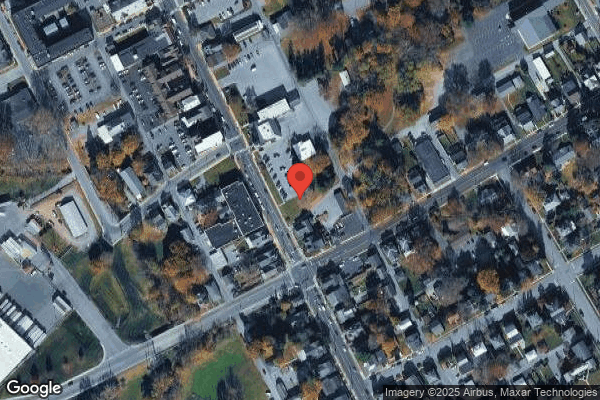
320 SOUTH MARKET STREET, ELIZABETHTOWN, PA 17022 (717) 367-1377
For profit - Limited Liability company 73 Beds Independent Data: November 2025
Trust Grade
38/100
#417 of 653 in PA
Last Inspection: May 2025

Inspected within the last 6 months. Data reflects current conditions.

Overview

Emerald Nursing and Rehabilitation has received a Trust Grade of F, indicating significant concerns and poor performance compared to other facilities. It ranks #417 out of 653 in Pennsylvania, placing it in the bottom half of nursing homes in the state, and #22 out of 31 in Lancaster County, meaning only a few local options are worse. The facility's trend is worsening, with reported issues increasing from 9 in 2024 to 17 in 2025. Staffing is a notable weakness, with a turnover rate of 72%, significantly higher than the Pennsylvania average, which may affect the quality of care residents receive. Additionally, there are concerning incidents, such as failing to complete mandatory assessments for multiple residents on time, which could impact their care planning and health monitoring.

Trust Score
F
38/100
In Pennsylvania
#417/653
Bottom 37%
Safety Record
Low Risk
No red flags
Inspections
Getting Worse
9 → 17 violations
Staff Stability
⚠ Watch
72% turnover. Very high, 24 points above average. Constant new faces learning your loved one's needs.
Penalties
✓ Good
$8,018 in fines. Lower than most Pennsylvania facilities. Relatively clean record.
Skilled Nurses
○ Average
Each resident gets 38 minutes of Registered Nurse (RN) attention daily — about average for Pennsylvania. RNs are the most trained staff who monitor for health changes.
Violations
⚠ Watch
39 deficiencies on record. Higher than average. Multiple issues found across inspections.
★★☆☆☆
2.0
Overall Rating
★★☆☆☆
2.0
Staff Levels
★★★☆☆
3.0
Care Quality
★★☆☆☆
2.0
Inspection Score
Stable
2024: 9 issues
2025: 17 issues

The Good

  • Full Sprinkler Coverage · Fire safety systems throughout facility
  • No fines on record

Facility shows strength in fire safety.

The Bad

2-Star Overall Rating

Below Pennsylvania average (3.0)

Below average - review inspection findings carefully

Staff Turnover: 72%

26pts above Pennsylvania avg (46%)

Frequent staff changes - ask about care continuity

Federal Fines: $8,018

Below median ($33,413)

Minor penalties assessed

Staff turnover is very high (72%)

24 points above Pennsylvania average of 48%

The Ugly 39 deficiencies on record

Jul 2025 3 deficiencies
CONCERN (D) 📢 Someone Reported This

A family member, employee, or ombudsman was alarmed enough to file a formal complaint

Potential for Harm - no one hurt, but risky conditions existed

Deficiency F0658 (Tag F0658)

Could have caused harm · This affected 1 resident

Based on clinical record review and staff interviews, it was determined that the facility failed to ensure care and services were provided in accordance with professional standards for two of 6 reside...

Read full inspector narrative →
Based on clinical record review and staff interviews, it was determined that the facility failed to ensure care and services were provided in accordance with professional standards for two of 6 resident clinical records reviewed (Residents 2 and 6).Clinical record review of Resident 2 documented diagnoses that included: metabolic encephalopathy (a brain disorder caused by a chemical imbalance in the blood stemming from an underlying illness or organ dysfunction), diabetes mellitus (the body's ability to produce or respond to the hormone insulin is impaired, resulting in abnormal metabolism of carbohydrates and elevated levels of glucose in the blood and urine), obesity, frequent falls, chronic obstructive pulmonary disease (a group of lung disease that block airflow and make it difficult to breathe), atrial fibrillation (irregular, often rapid heart rate that causes poor blood flow), dysphagia (difficulty swallowing), congestive heart failure (the heart can't pump enough blood to meet the body's need), and shortness of breath. Review of Resident 2's Medication Administration Record (MAR- documentation of administration of physician orders) pertaining to NovoLog Flex Pen Subcutaneous (under the skin) Solution Insulin aspart (a rapid acting insulin) Inject as per sliding scale: if 151 - 200 = 3 units; 201 - 250 = 5 units; 251 - 300 = 8 units; 301 - 350 = 10 units; 351 - 400 = 12unit and if >400 give 15 units and notify MD, with meals related to diabetes mellitus, start date May 6, 2025. Vitals and MAR documented blood sugar was above 400 ml/dl on the following dates: 431 ml/dl on May 25th at 6:20 PM; and 446 ml/dl on May 30th at 5:15 PM. Further clinical record review documented 14 units of aspart insulin was administered on May 25th at 6:20 PM and the supervisor was made aware. There was no documentation aspart insulin was administered on May 30th or that the physician was notified. Progress notes failed to document that the physician was notified on the 25th or 30th. Interview with the Director of Nursing on July 15, 2025, at 3:15 PM revealed that physician orders should be followed. Review of Resident 6's clinical record documented diagnoses that included muscle weakness, abnormalities of gait, and right knee pain. Interview with Resident 6 on July 15, 2025, at 8:30 AM it was revealed she sustained a fall several weeks ago and sustained a brush burn on her left forearm near her elbow. She stated at the time of the fall the facility placed a bandaged over the area but never cleaned it. No one looked at the area for three days, so she requested to have the area cleaned and rebandaged. Observed a white bandaged date marked July 13, on 3-11 shift. Progress note dated July 3, 2025, at 1:43PM documented Resident 6 was participating in an outside activity when she fell to the ground and sustained a skin tear on the left lower arm. No documentation that the physician was notified, or treatment orders were obtained. Further review of Resident 6's clinical record failed to include physician orders for a treatment to Resident 6's left arm. During an interview with the Director of Nursing on July 15, 2025, at 3:15 PM it was revealed that the resident should have a standard order for the aforementioned dressing and treatment. 28 Pa. Code 201.18(b)(1) Management. 28 Pa. Code 211.12(d)(1) Nursing services
CONCERN (D) 📢 Someone Reported This

A family member, employee, or ombudsman was alarmed enough to file a formal complaint

Potential for Harm - no one hurt, but risky conditions existed

ADL Care (Tag F0677)

Could have caused harm · This affected 1 resident

Based on clinical record review, observations, and staff interviews it was determined that the facility failed to maintain adequate personal hygiene and grooming of residents' dependent on staff for a...

Read full inspector narrative →
Based on clinical record review, observations, and staff interviews it was determined that the facility failed to maintain adequate personal hygiene and grooming of residents' dependent on staff for assistance with incontinence care for two of 15 resident s reviewed (Residents 12, and 16).Review of resident council meeting minutes documented:June 19, 2025, call bells are taking over an hour to be answered, staff turning off call bells without helping the resident or stating they'll be back and never return, Nursing Assistants sitting at the nursing desk on their phone on 2nd and 3rd shift, ear buds in during care. The expectation was for call bells to be answered in 10-20 minutes.May 15, 2025, call bells are not being answered or are being turned off without resident's needs being met (mainly 3rd shift), and ear buds are worn during care. Discussed calling down to the receptionist if call bells are being ignored and to Nursing Home Administrator over the weekend and calling the Director of Nursing or the Nursing Home Administrator in real time to report Nursing Assistants.April 17, 2025, residents are waiting hours in soiled clothing and bedding before call bells are answered, 3rd shift not doing their job causing 1st and 2nd shift to fall behind. Interviews with multiple Residents on July 15, 2025, between 2:00 and 3;00 PM it was revealed extended call bell wait times for incontinence care. Resident 4 stated there were times she has waited over 20 minutes for the call bell and eventually she has taken herself to the restroom, however she has difficulty backing her wheelchair out of the restroom. Resident 8 stated she has waited two hours for her call bell to be answered. It was also revealed that she is a heavy sleeper and if they don't wake her on night shift she remains in a soiled brief for hours. She prefers to get out of bed into her wheelchair for an hour or two each day however she is hesitant to do so because she is left in her chair well into the next shift. Resident 15 revealed staff turn off call bell and don't respond to the resident needs. Observations on July 15, 2025, at 2:50 PM at the second-floor nursing station there were two Nurses and three Nursing Assistants; two of the Nursing Assistants were utilizing their personal cell phones. The two Nurses and the other Nursing Assistant were utilizing facility computers. Review of Resident 12's clinical record documented diagnoses that included urge incontinence, and dementia (a condition characterized by progressive loss of intellectual functioning, impairment of memory and abstract thinking). Further review of the clinical record documented a care plan intervention for a toileting program: bladder retraining; toilet upon rising, before bed, after each meal, & as needed based on resident's needs, initiated April 8, 2025. Observation of Resident 12's room on July 14th at 2:19 PM the call bell was on, and both residents were sleeping. The call bell was off at 2:57 PM and interview with Resident 12 revealed the staff must have come and turned the call bell off and it was revealed that she needed to use the restroom. The call bell was turned back on at 3:00 PM and staff provided assistance at 3:22 PM. Review of Resident 16's clinical record documented diagnoses that included displaced fracture right lower leg, anxiety, abnormalities of gait, history of falling. Further review of the clinical record documented a care plan focus area for urinary incontinence related to impaired mobility, initiated June 24, 2025; interventions included provide assistance with toileting or provide incontinent care as needed, initiated June 24, 2025. Observation of Resident 16's room on July 14th, 2025, at 2:42PM the call bell was on and resident 16 was sitting in her wheelchair with her back to the door. The call bell was off at 2:57 PM. Interview with Resident 16 at 2:57 PM revealed that staff came in and turned the call bell off and didn't assist her with incontinence care. The Resident stated her brief was soiled and required assistance to lay down in bed. It was also revealed that if she soils her brief over night she has to wait until morning for her brief to be changed, and she prefers to be woken up for her brief to be changed. The night prior, she was left in a soiled brief for three hours. Observation with the Nursing Home Administrator on July 14, 2025, at 3:20 PM at the second-floor nursing station there were two Nurses and three Nursing Assistants; two of the Nursing Assistants were utilizing their personal cell phones. The two Nurses and the other Nursing Assistant were utilizing facility computers. During an interview with the Nursing Home Administrator on July 14, 2025, at 3:30 PM it was revealed the expectation is for call bells to be answered within 10 to 20 minutes and incontinence care should be provided timely. 28 Pa code 211.12.(d)(1)(5) Nursing services
CONCERN (E) 📢 Someone Reported This

A family member, employee, or ombudsman was alarmed enough to file a formal complaint

Potential for Harm - no one hurt, but risky conditions existed

Safe Environment (Tag F0584)

Could have caused harm · This affected multiple residents

Based on observations as well as resident and staff interviews, it was determined that the facility failed to maintain a safe, comfortable, and home-like interior one of two nursing units (2nd floor)....

Read full inspector narrative →
Based on observations as well as resident and staff interviews, it was determined that the facility failed to maintain a safe, comfortable, and home-like interior one of two nursing units (2nd floor). Findings include: The grievance log documented on May 4, 2025, environmental concerns pertaining to lack of cleanliness in the building and overflowing trash. Observation in Resident 8's room on July 14, 2025, at 2:25 PM: the trash can at the sink was overflowing; one package of wipes under Resident 8's bed and brown food crumbs on the floor around the bed; a white powdery film on the night stand (able to be wiped away with a paper towel); the baseboard to the right of the door had a dried brown substance; behind the door were 2 enabler bars, a dusty blue foam square cushion and a headboard from Resident 8's bed; and the windowsill contained a white film and dried watermarks around the plants. Resident 8 stated that her room has not been cleaned by housekeeping since July 10th, and nursing staff have not emptied the trash can at the sink. Observation with the Nursing Home Administrator on July14, 2025, at 3:00 PM the environmental concerns remained as stated above, and the Nursing Home Administrator confirmed the room needed to be cleaned. At that time Resident 15, Resident 8's roommate, confirmed that housekeeping has not cleaned their room since July 10th. Observation in Resident 16's room on July 14th, 2025, at 2:57 PM. On the floor in front of her closet was a soiled pair of pants and a bag containing a soiled brief, crumbs of food on the floor near her bed, and seven dried red stain/marks on the privacy curtain; and in the bathroom the toilet contained a brown substance around the entire inside of the bowl and urine and wipes were inside the toilet, three light brown pieces of unknown substance were on the floor to the left side of the toilet. Resident 16 stated that her room is not cleaned daily. Observation and interview with the Nursing Home Administrator on July 14, 2025, at 3:21 PM the environmental concerns remained as stated above, and the Nursing Home Administrator confirmed the room needed to be cleaned. Observation in Resident 13's room on July 14, 2025, at 2:51PM food crumbs were on the floor around his bed and on the bilateral floor mats. The mats also contained a white film. Observation and interview with the Nursing Home Administrator on July 14, 2025, at 3:24 PM the environmental concerns remained as stated above, and the Nursing Home Administrator confirmed the room needed to be cleaned. Observation in Resident 14's room on July 14, 2025, at 2:51PM under the bed were torn tissues, three empty clear plastic cups, one black hanger, and a pink bin. On the floor in the bathroom was a used tissue, a urinal, tan crumbs, the baseboard contained a brown film, and the floor tiles were lifted to the left of the toilet; there was a strong urine odor. Observation and interview with the Nursing Home Administrator on July 14, 2025, at 3:24 PM the environmental concerns remained as stated above, and the Nursing Home Administrator confirmed the room needed to be cleaned. Observation on July 14, 2025, at 2:55 PM the floor inside and outside the chapel and down Sunshine Way contained black wheelchair marks, dried brownish grey patches, and light brown food crumbs. Observation and interview with the Nursing Home Administrator at 3:20 PM the floor remained as stated above, and the Nursing Home Administrator stated that she would find out if housekeeping had cleaned the area that day (it was later noted that the area was not cleaned and there was a call off in housekeeping). Observation on July 15, 2025, at 9:00AM in the chapel on the second floor the air conditioning wall unit to the left had 5 dried dark brown smudge marks on the control panel. Of the three units in that room none of them were operational (the ambient temperature in the room was comfortable). The middle window had a dead vine growing up through the window into the building from the outside of the building. Interview with the Nursing Home Administrator on July 15, 2025, at 10:00 AM it was revealed that a work order would be submitted. 28 Pa. Code 201.18 (b)(1)(3)(e)(2.1) Management
May 2025 14 deficiencies
CONCERN (D)

Potential for Harm - no one hurt, but risky conditions existed

Resident Rights (Tag F0550)

Could have caused harm · This affected 1 resident

**NOTE- TERMS IN BRACKETS HAVE BEEN EDITED TO PROTECT CONFIDENTIALITY** Based on clinical record review, resident, and staff interviews, it was determined the facility failed to ensure each resident i...

Read full inspector narrative →
**NOTE- TERMS IN BRACKETS HAVE BEEN EDITED TO PROTECT CONFIDENTIALITY** Based on clinical record review, resident, and staff interviews, it was determined the facility failed to ensure each resident is treated with dignity and care in a manner and environment that maintains and enhances his or her quality of life for one of 16 residents (Resident 166). Findings include: Review of Resident 166's clinical record revealed diagnoses that included heart failure (the heart can't pump enough blood to meet the body's needs) and chronic kidney disease (a progressive condition where the kidneys gradually lose their ability to filter waste and excess fluid from the blood). During an interview with Resident 166 on May 19, 2025, at 10:12 AM, she revealed that she is continent of her bladder, however, due to long call bell wait times she has had several accidents, especially when she first arrived at the facility. Resident 166 revealed that she was embarrassed when she did not receive assistance to make it to the bed pan in time. Review of the facility's Resident Council Meeting Minutes for May 2025 revealed Resident concerns with long call bell wait times. Review of Resident 166's clinical record revealed she was admitted to the facility on [DATE]. Further review of Resident 166's admission assessment completed on May 15, 2025, revealed that she is continent of bladder. Review of Resident 166's clinical record urinary continence task revealed that Resident 166 was marked as being incontinent the entire day on May 15, 16, and 17, 2025. During an interview with the Director of Nursing (DON) on May 22, 2025, at 10:12 AM, she revealed that she spoke to the staff working May 15-17, 2025, with Resident 166 who said Resident 166 was constantly ringing their call bell to go to the restroom, however, it was not reflected in her clinical record. The DON revealed that she would expect staff to document every time Resident 166 was continent or incontinent. 28 Pa. Code 201.29 (j) Resident rights 28 Pa. Code 211.12 (d) (2) Nursing services
CONCERN (D)

Potential for Harm - no one hurt, but risky conditions existed

Abuse Prevention Policies (Tag F0607)

Could have caused harm · This affected 1 resident

Based on facility policy review, personnel file reviews, and staff interview, it was determined that the facility failed to implement written policies and procedures by not conducting a criminal backg...

Read full inspector narrative →
Based on facility policy review, personnel file reviews, and staff interview, it was determined that the facility failed to implement written policies and procedures by not conducting a criminal background check upon hire for two of five personnel files reviewed (Employees 4 and 5). Findings include: Review of facility policy, titled Abuse, Neglect, Exploitation and Misappropriation Prevention Program last reviewed March 31, 2025, read, in part, Residents have the right to be free from abuse, neglect, misappropriation of resident property and exploitation. Conduct employee background checks and not knowingly employ of otherwise engage any individual who has: been found guilty of abuse, neglect, exploitation, misappropriation of property, or mistreatment by a court of law. Review of Employee 4's (Licensed Practical Nurse) personnel file revealed a hire date of March 1, 2025. Further review of Employee 4's personnel file failed to reveal a criminal background check was conducted at the time of hire. Review of Employee 5's (Nurse Aide) personnel file revealed a hire date of March 5, 2025. Further review of Employee 5's personnel file failed to reveal a criminal background check was conducted at the time of hire. Interview with the Nursing Home Administrator on May 21, 2025, at 10:14 AM, revealed the facility failed to conduct a criminal background check upon hire for the two aforementioned employees, and she would expect them to be conducted at the time of hire. 28 Pa. Code 201.14(a) Responsibility of licensee 28 Pa. Code 201.18(e)(1) Management
CONCERN (D)

Potential for Harm - no one hurt, but risky conditions existed

Deficiency F0628 (Tag F0628)

Could have caused harm · This affected 1 resident

**NOTE- TERMS IN BRACKETS HAVE BEEN EDITED TO PROTECT CONFIDENTIALITY** Based on facility policy reviews, clinical record review, and staff interview, it was determined that the facility failed to ens...

Read full inspector narrative →
**NOTE- TERMS IN BRACKETS HAVE BEEN EDITED TO PROTECT CONFIDENTIALITY** Based on facility policy reviews, clinical record review, and staff interview, it was determined that the facility failed to ensure that the resident and/or their representative received written notice of transfer, or the facility bed-hold policy at the time of transfer, for one of three residents reviewed for hospitalizations (Resident 3). Findings Include: Review of facility policy, titled Facility Bed-Hold and Return to Facility Policy and Procedure last reviewed March 31, 2025, read, in part, Before a resident is transferred to the hospital, the facility must provide written information to the resident or the resident representative regarding the facility's bed hold and return policy. Review of facility, titled Transfer or Discharge Documentation last reviewed March 31, 2025, read, in part, When a resident is transferred or discharged from the facility, the following information will be documented in the medical record: that an appropriate notice was provided to the resident and/or legal representative. Review of Resident 3's clinical record revealed diagnoses that included heart failure (a chronic condition in which the heart doesn't pump blood as well as it should), anxiety disorder (a persistent feeling of worry, nervousness, or unease), and chronic kidney disease (a condition that results in gradual loss of kidney function). Review of Resident 3's clinical record revealed she was transferred out of the facility and admitted to the hospital on [DATE], and April 11, 2025. Further review of Resident 3's clinical record failed to reveal notation that bed hold notices or transfer notices were provided to the Resident or the Resident Representative at either hospitalization. Interview with the Nursing Home Administrator on May 21, 2025, at 10:29 AM, revealed that it was the responsibility of Employee 3 (Nursing Home Administrator in training) to send bed hold and transfer notices at those times, but that there was misunderstanding, and he was not sending them. 28 Pa. Code 201.14(a) Responsibility of licensee
CONCERN (D)

Potential for Harm - no one hurt, but risky conditions existed

Deficiency F0685 (Tag F0685)

Could have caused harm · This affected 1 resident

Based on record review, observations, and staff interview, it was determined that the facility failed to receive proper treatment and assistive devices to maintain vision and hearing abilities for one...

Read full inspector narrative →
Based on record review, observations, and staff interview, it was determined that the facility failed to receive proper treatment and assistive devices to maintain vision and hearing abilities for one of 21 residents reviewed (Resident 36). Findings Include: Review of Resident 36's clinical record revealed diagnoses of Dementia (a decline in mental ability, such as memory, thinking, and reasoning, that is severe enough to interfere with daily life) and chronic kidney disease (a progressive condition where the kidneys gradually lose their ability to filter waste and excess fluid from the blood). Observations of Resident 36 on May 19, 2025, at 1:09 PM; May 20, 2025, at 1:01 PM; and May 21, 2025, at 12:01 PM, revealed Resident 36 lying in bed not wearing hearing aids. Review of Resident 36's care plan failed to reveal any care plan regarding hearing aids. Review of Resident 36's current physician orders revealed physician orders to apply Resident 36's hearing aids every morning and remove them every evening, with an order start date of April 14, 2025. Interview with the Director of Nursing on May 22, 2025, at 10:30 AM, revealed that Resident 36 did not have hearing aids when he arrived from the hospital. Resident 36's family brought his hearing aids in for him on April 14, 2025, the nurse on duty got an order to apply and remove them daily, and she would expect them to be applied daily. 28 Pa code 211.12(d)(1)(3)(5) Nursing services
CONCERN (D)

Potential for Harm - no one hurt, but risky conditions existed

Accident Prevention (Tag F0689)

Could have caused harm · This affected 1 resident

Based on facility policy review, clinical record review, observations, and staff interview, it was determined that the facility failed to ensure that the resident environment remains as free of accide...

Read full inspector narrative →
Based on facility policy review, clinical record review, observations, and staff interview, it was determined that the facility failed to ensure that the resident environment remains as free of accident hazards as is possible to prevent accidents for one of two residents reviewed for falls (Resident 46). Findings include: Review of facility policy, titled Fall Risk Assessment last reviewed on March 31, 2025, read, in part, The staff and attending physician will collaborate to identify and address modifiable fall risk factors and interventions to try to minimize the consequences of risk factors that are not modifiable. Review of Resident 46's clinical record revealed diagnoses that included dementia (a chronic disorder of the mental processes caused by brain disease, marked by memory disorders, personality changes, and impaired reasoning) and severe protein-calorie malnutrition (an imbalance between the nutrients the body needs to function and the nutrients it gets). Observations in Resident 46's room on May 19, 2025, at 10:41 AM; May 20, 2025, at 9:40 AM; and May 22, 2025, at 11:44 AM; revealed Resident 46 was sleeping in her bed, and she had two fall mats stacked overtop of each other on the left side of her bed. Review of Resident 46's care plan revealed a focus area the Resident 46 is at risk for falls, last revised October 21, 2024, with an intervention for fall mats on each side of bed last revised April 3, 2024. During an interview with the Director of Nursing on May 22, 2025, at 12:01 PM, she revealed she would expect Resident 46 to have her fall mats on each side of her bed as a fall intervention per her care plan. 28 Pa Code 201.18(b)(1) Management 28 Pa Code 211.12(c)(d)(1)(3)(5) Nursing Services
CONCERN (D)

Potential for Harm - no one hurt, but risky conditions existed

Deficiency F0692 (Tag F0692)

Could have caused harm · This affected 1 resident

Based on facility policy review, clinical record review, and staff interviews, it was determined that the facility failed to ensure proper monitoring to maintain acceptable parameters of nutritional s...

Read full inspector narrative →
Based on facility policy review, clinical record review, and staff interviews, it was determined that the facility failed to ensure proper monitoring to maintain acceptable parameters of nutritional status, such as usual body weight or desirable body weight range, for one of three residents reviewed for nutritional status (Resident 46). Findings include: Review of facility policy, titled Weight Assessment and Intervention last reviewed on March 31, 2025, read, in part, The nursing staff will measure resident's weights on admission, the next day, and weekly for two weeks thereafter. If no weight concerns are noted at that point, weights will be measured monthly thereafter. Weights will be recorded in each unit's weight record chart or notebook and in the individual's medical record. Any weight change of 5% or more since the last weight assessment will be retaken the next day for confirmation. The physician and the multidisciplinary team will identify conditions and medications that may be causing anorexia, weight loss or increasing the risk of weight loss. Review of Resident 46's clinical record revealed diagnoses that included dementia (a chronic disorder of the mental processes caused by brain disease, marked by memory disorders, personality changes, and impaired reasoning) and severe protein-calorie malnutrition (an imbalance between the nutrients the body needs to function and the nutrients it gets). Review of Resident 46's physician orders revealed an order for Weights: Monthly weights day shift starting on the 4th and ending on the 4th every month, with a start date of January 4, 2025. Review of Resident 46's clinical record revealed she had a significant weight loss of 8.7% from February 11, 2025, to March 3, 2025. Further review of Resident 46's clinical record failed to notify the physician of the significant weight loss. Interview with Employee 2 (Registered Dietitian) on May 21, 2025, at 12:35 PM, revealed she was notifying the doctor of significant weight losses by paper communication at the time of Resident 46's significant weight loss; however, she recently changed the process to email correspondence, because she was not getting a response from the physician with the paper communications. She further revealed she was unable to produce a physician notification for Resident 46's significant weight loss. Review of Resident 46's weight measures revealed she failed to have a reweigh measure to confirm her significant weight loss in March 2025, and her clinical record failed to reveal monthly weight measures were obtained during the months of April 2025 and May 2025, per her physician order. Interview with the Director of Nursing on May 21, 2025, at 2:08 PM, revealed she reviewed Resident 46's April 2025 and May 2025 Treatment Administration Records (documentation for treatments/medication administered or monitored), and they were blank for her weight order, indicating they were not obtained or entered into Resident 46's medical record. She further revealed her expectation that the physician would be notified of significant weight changes, and that weights should be obtained and entered into the clinical record per physician order and facility policy. 28 Pa. Code 211.12(c)(d)(1)(3)(5) Nursing services
CONCERN (D)

Potential for Harm - no one hurt, but risky conditions existed

Pharmacy Services (Tag F0755)

Could have caused harm · This affected 1 resident

**NOTE- TERMS IN BRACKETS HAVE BEEN EDITED TO PROTECT CONFIDENTIALITY** Based on clinical record review and staff interview, it was determined that the facility failed to implement procedures to ensur...

Read full inspector narrative →
**NOTE- TERMS IN BRACKETS HAVE BEEN EDITED TO PROTECT CONFIDENTIALITY** Based on clinical record review and staff interview, it was determined that the facility failed to implement procedures to ensure availability of prescribed medications for one of 16 Residents reviewed (Resident 166). Findings include: Review of Resident 166's clinical record revealed diagnoses that included heart failure (the heart can't pump enough blood to meet the body's needs) and chronic kidney disease (a progressive condition where the kidneys gradually lose their ability to filter waste and excess fluid from the blood). Review of Resident 166's clinical record revealed she was admitted to the facility on [DATE]. Review of Resident 166's May 2025 Medication Administration Record (MAR) revealed she had an order for Furosemide Oral Tablet 40 milligrams (mg), give one tablet by mouth one time a day for chronic heart failure, with a start date of May 15, 2025. Further review of Resident 166's May 2025 MAR revealed that the order was blank from May 15-18, 2025, indicating she did not receive the medication on those days. During an interview with the Director of Nursing (DON) on May 22, 2025, at 10:14 AM, she confirmed Resident 166 did not receive her medication on those days and revealed that when Resident 166 was admitted to the facility, agency staff were working and did not have access to the online system to pull the medication as ordered by the physician. The DON revealed that she would have expected Resident 166 to have received her medication as ordered. 28 Pa. Code 211.12(d)(1)(3)(5) Nursing services
CONCERN (D)

Potential for Harm - no one hurt, but risky conditions existed

Deficiency F0804 (Tag F0804)

Could have caused harm · This affected 1 resident

Based on review of facility meal assessment form, completion of one meal test tray, and resident and staff interviews, it was determined that the facility failed to provide coffee that was at a palata...

Read full inspector narrative →
Based on review of facility meal assessment form, completion of one meal test tray, and resident and staff interviews, it was determined that the facility failed to provide coffee that was at a palatable and appealing temperature. Findings include: Review of document, titled Food and Nutrition Services Meal Assessment last revised November 1, 2011, revealed coffee should have a temperature of 135 degrees Fahrenheit (F) or above at the time of service. Interview with Resident 24 on May 19, 2025, at 12:36 PM, revealed the coffee provided by the facility is never served hot. A test tray was completed on May 21, 2025, at 12:11 PM, upon the completion of lunch meal service with Employee 11 (Food Service Director). Employee 11 took the temperature of the coffee on the test tray as 110 degrees F, the coffee was not palatable or appealing to drink. Interview with Employee 11 on May 21, 2025, at 12:13 PM, revealed coffee should be poured and lidded between 5-10 minutes prior to meal service to ensure it stays hot to meet the minimum acceptable temperature at point of service; and that it was likely that the kitchen staff had poured the coffee too early that day. Interview with the Nursing Home Administrator on May 21, 2025, at 1:56 PM, revealed she would expect coffee to be served to residents at palatable and appealing temperatures. 28 Pa. Code 201.14(a) Responsibility of licensee
CONCERN (E)

Potential for Harm - no one hurt, but risky conditions existed

Deficiency F0698 (Tag F0698)

Could have caused harm · This affected multiple residents

Based on facility policy review, clinical record review, and staff interview, it was determined that the facility failed to ensure that residents who require dialysis receive such services, consistent...

Read full inspector narrative →
Based on facility policy review, clinical record review, and staff interview, it was determined that the facility failed to ensure that residents who require dialysis receive such services, consistent with professional standards of practice, the comprehensive person-centered care plan, and the residents' goals and preferences, for one of one resident reviewed for dialysis (Resident 23). Findings Include: Review of facility policy, titled End Stage Renal Disease, Care of a Resident with, last reviewed on March 31, 2025, read, in part, Residents with end stage renal disease (ESRD) will be cared for according to currently recognized standards of care. Staff caring for residents with ESRD, including residents receiving dialysis care outside the facility, shall be trained in the care and special needs of these residents. Education and training of staff includes, specifically: the type of assessment data that is to be gathered about the resident's condition on a daily or per shift basis. The resident's comprehensive care plan will reflect the resident's needs related to ESRD/dialysis care. Review of Resident 23's clinical record revealed diagnoses that included ESRD (failure of kidney function to remove toxins from blood) and dependence on renal dialysis (an artificial process for removing waste products and excess fluids from the body that is needed when the kidneys are not functioning properly). Review of Resident 23's clinical record revealed she has been receiving dialysis treatments since 2022, and revealed an active physician order for dialysis three times per week at an outside facility. Further review of Resident 23's physician orders revealed an active order for Dialysis Precautions: No blood draws, injections, or blood pressure from left arm. Review of Resident 23's comprehensive care plan revealed an active focus area for renal insufficiency (compromised kidney function) with an intervention for, Do not take blood pressure or blood specimens from left arm and coordinate dialysis care with the dialysis treatment facility. Review of Resident 23's blood pressure measures revealed it was documented that they were taken in the left arm nine times since July 12, 2024 Review of select dialysis communication forms (a form utilized to facilitate communication of assessment data between a dialysis center and a nursing care facility), revealed none were provided for the following dates that Resident 23 attended dialysis: February 5 and 12, 2025; March 5, 12, 19, and 26, 2025; April 9, 11, 18, 21, 23, 25, 28, and 30, 2025; and May 5, 7, 9 and 12, 2025. . During an interview with the Director of Nursing on May 21, 2025, at 10:19 AM, she revealed the blood pressures that were documented in the left arm were likely documentation errors, however, staff education will be implemented to ensure blood pressures are not taken in Resident 23's left arm. She further revealed she was unable to locate the missing dialysis communication forms from Resident 23's clinical record, and she would expect them to be completed and available for review. 28 Pa Code 211.5(f) Medical records 28 Pa. Code 211.12 (d)(1)(3)(5) Nursing services
CONCERN (E)

Potential for Harm - no one hurt, but risky conditions existed

Deficiency F0730 (Tag F0730)

Could have caused harm · This affected multiple residents

Based on review of select facility documentation and staff interview, it was determined that the facility failed to ensure that nurse aide performance evaluations were completed at least once every 12...

Read full inspector narrative →
Based on review of select facility documentation and staff interview, it was determined that the facility failed to ensure that nurse aide performance evaluations were completed at least once every 12 months for four of five nurse aides reviewed (Employee 7, 8, 9, and 10). Findings include: Review of select facility documentation revealed a list of nurse aides that had worked at the facility for greater than a year; Employees 6, 7, 8, 9, and 10 were selected from the list to review their last annual nurse aide performance evaluations. During an interview with the Director of Nursing on May 22, 2025, at 9:54 AM, she revealed she was unable to locate annual evaluations in the past 12 months for Employees 7, 8, 9, and 10; and she would expect them to be available and located in their employee files. 28 Pa. Code 201.14(a) Responsibility of licensee 28 Pa. Code 201.18(b)(1) Management
CONCERN (E)

Potential for Harm - no one hurt, but risky conditions existed

Drug Regimen Review (Tag F0756)

Could have caused harm · This affected multiple residents

Based on facility policy review, clinical record review, and staff interviews, it was determined that the facility failed to ensure Medication Regimen Reviews (MRRs) were completed at least once a mon...

Read full inspector narrative →
Based on facility policy review, clinical record review, and staff interviews, it was determined that the facility failed to ensure Medication Regimen Reviews (MRRs) were completed at least once a month by a consultant pharmacist and responded to in a timely manner by the attending physician or prescriber for four of five residents reviewed for unnecessary medications (Resident's 14, 23, 30, and 46). Findings include: Review of facility policy, titled Medication Regimen Review (Monthly Report), without revision date, revealed, The consultant pharmacist reviews the medication regimen of each resident at least monthly. Recommendations are acted upon by the facility staff and or prescriber. Review of Resident 14's clinical record revealed diagnoses that included hypertensive heart disease (a condition where heart problems develop due to prolonged high blood pressure) and chronic kidney disease (a progressive condition where the kidneys gradually lose their ability to filter waste and excess fluid from the blood). Review of Resident 14's electronic medical record failed to reveal any monthly pharmacy reviews completed for Resident 14's medications in August 2024 and November of 2024. Interview with the Director of Nursing (DON) on May 22, 2025, at 10:45 AM, revealed that they would expect a pharmacy review of Resident 14's medications would be completed monthly. Review of Resident 23's clinical record revealed diagnoses that included type 2 diabetes mellitus (a metabolic disorder in which the body has high sugar levels for prolonged periods of time), end stage renal disease (failure of kidney function to remove toxins from blood)2, and dependence on renal dialysis (an artificial process for removing waste products and excess fluids from the body that is needed when the kidneys are not functioning properly). Review of Resident 23's electronic medical record failed to reveal monthly pharmacy reviews completed for Resident 23's medications in July and August 2024, as well as in April 2025. Review of Resident 23's September 2024 pharmacy recommendation failed to reveal it was responded to by facility staff and or a prescriber. During an interview with the DON on May 22, 2025, at 10:14 AM, she revealed Resident 23 follows with psychiatry services, and was seen on September 25, 2024, where they responded to the recommendation to attempt a dose reduction on a psychotropic medication she was prescribed; however, she would expect the physician would have responded to the recommendation that they were going to defer the recommendation to psychiatry services. She revealed the other two recommendations on Resident 23's September 2024 MRR were not responded to, that they were recommended again on the December 2024 MRR, and she was unable to locate a physician response to the December 2024 MRR. She further revealed her expectation that pharmacy reviews are completed monthly and responded to appropriately. Review of Resident 30's clinical record included diagnoses that included major depressive disorder (a mood disorder that causes a persistent feeling of sadness and loss of interest in things), hypertension (high blood pressure), and anxiety disorder (a persistent feeling of worry, nervousness, or unease). Review of Resident 30's electronic medical record failed to reveal monthly pharmacy reviews were completed for Resident 30's medications in July 2024 and August 2024. During an interview with the DON on May 22, 2025, at 10:14 AM, she revealed she would expect that pharmacy reviews are completed monthly and responded to appropriately. Review of Resident 46's clinical record included diagnoses that included dementia (a chronic disorder of the mental processes caused by brain disease, marked by memory disorders, personality changes, and impaired reasoning) and severe protein-calorie malnutrition (an imbalance between the nutrients the body needs to function and the nutrients it gets). Review of Resident 46's electronic medical record failed to reveal monthly pharmacy reviews were completed for Resident 30's medications in July 2024 and August 2024. During an interview with the DON on May 22, 2025, at 10:14 AM, she revealed she would expect that pharmacy reviews are completed monthly and responded to appropriately. 28 Pa. Code 211.10(c) Resident care policies 28 Pa. Code 211.12(d)(1)(3)(5) Nursing services
CONCERN (E)

Potential for Harm - no one hurt, but risky conditions existed

Food Safety (Tag F0812)

Could have caused harm · This affected multiple residents

Based on facility policy review, observations, and staff interview, it was determined that the facility failed to store food and beverages and utilize kitchen equipment in accordance with professional...

Read full inspector narrative →
Based on facility policy review, observations, and staff interview, it was determined that the facility failed to store food and beverages and utilize kitchen equipment in accordance with professional standards for food service safety in the main kitchen. Findings include: Review of facility policy, titled Food Storage last reviewed March 31, 2025, read, in part, It is the policy of this facility that food storage areas be maintained in a clean, safe, and sanitary manner. Food storage areas should be clean at all times. All perishable food items shall be labeled with the name of the product and an 'opened date' after opening product. Food items should be closed to air to prevent decline of quality in product and cross contamination. Open should be discarded after 5 days. A food storage audit shall be conducted on a weekly basis by dietary manager or designee. All expired foods shall be discarded immediately upon finding. Scoops are not to be stored in containers with food products such as flour, sugar, and thickener, etc. Scoops are to be stored in a separate container with a lid or in a closed Ziploc bag. All scoops are to be washed on a weekly basis or when product is switched out. Observation in the dry storage area on May 19, 2025, at 10:13 AM, revealed one bottle of honey thick orange juice with a best by date of January 6, 2025. Observation in the reach-in freezer in the dry storage area on May 19, 2025, at 10:16 AM, revealed two packs of waffles not labeled with the name of the product or use by date; two open packages of waffles not labeled with the name of the product or an open date; and one pack of fish patties open, not labeled with the name of the product or an open date, and left open to air. Observation in the main kitchen on May 19, 2025, at 10:17 AM, revealed one container of flour with a scoop stored inside; and one container of sugar with a scoop stored inside. Observation in the milk reach-in refrigerator on May 19, 2025, at 10:18 AM, revealed two containers of milk with a sell by date of May 16, 2025, and a water bottle and a soda bottle belonging to kitchen staff members. Further observation in the milk reach-in refrigerator on May 19, 2025, at 10:19 AM, revealed the bottom of the refrigerator was heavily soiled with liquid and dried milk. Interview with the Nursing Home Administrator on May 21, 2025, at 10:12 AM, revealed it was the facility's expectation that expired items are discarded, foods items are labeled and dated per facility policy, and food items and kitchen equipment are stored, cleaned, and utilized in accordance with professional standards. 28 Pa. Code 201.14(a) Responsibility of licensee 28 Pa. Code 201.18(b)(1) Management 28 Pa. Code 211.6(f) Dietary services
CONCERN (E)

Potential for Harm - no one hurt, but risky conditions existed

Deficiency F0868 (Tag F0868)

Could have caused harm · This affected multiple residents

Based on review of select facility documentation provided and a staff interview, it was determined that the required members of the facility's Quality Assurance Committee failed to meet on a quarterly...

Read full inspector narrative →
Based on review of select facility documentation provided and a staff interview, it was determined that the required members of the facility's Quality Assurance Committee failed to meet on a quarterly basis for two quarters of four reviewed (last quarter of 2024 and first quarter of 2025). Findings include: Review of the facility's Quality Assurance Committee meeting signatory pages revealed that the required members of the facility's Quality Assurance Committee, including the Medical Director (MD) or designee, the Nursing Home Administrator (NHA), and the Director of Nursing (DON), did not have a meeting where they were all in attendance, during the last quarter of year 2024 (October, November, and December). Review of the facility's Quality Assurance Committee meeting signatory pages revealed that the required members of the facility's Quality Assurance Committee, including the MD or designee, the NHA, and the DON, did not have a meeting where they were all in attendance, during the first quarter of year 2025 (January, February, and March). During an interview with the NHA on May 21, 2025, at 11:22 AM, she confirmed that it was the facility's expectation that the required members of the Quality Assurance Committee meet at least once every quarter. 28 Pa code 201.18(b)(1) Management
MINOR (C)

Minor Issue - procedural, no safety impact

Staffing Information (Tag F0732)

Minor procedural issue · This affected most or all residents

Based on observations and staff interview, it was determined that the facility failed to post daily current staffing, including the facility name, date, census, and total hours of nursing staff direct...

Read full inspector narrative →
Based on observations and staff interview, it was determined that the facility failed to post daily current staffing, including the facility name, date, census, and total hours of nursing staff directly responsible for resident care per shift for the following dates: May 19, 20, and 21, 2025. Findings include: During entrance to the facility on May 19, 2025, at 9:06 AM, the posted staffing was reviewed and observed to be dated May 16, 2025. Observation on May 21, 2025, at 1:13 PM, the posted staffing was reviewed and observed to be dated May 19, 2025. During an interview with the Director of Nursing on May 21, 2025, at 2:06 PM, she confirmed that the Employee 1 (Nursing Scheduler) who is assigned to post the daily staffing didn't post it on the aforementioned dates, and she would expect daily staffing to be posted per the federal regulation. 28 Pa. Code 201.14(a) Responsibility of licensee
Apr 2024 9 deficiencies
CONCERN (D)

Potential for Harm - no one hurt, but risky conditions existed

Deficiency F0558 (Tag F0558)

Could have caused harm · This affected 1 resident

Based on observations, staff and resident interview, and clinical record review, it was determined that the facility failed to ensure that a bathroom was accessible to one of 15 residents reviewed (Re...

Read full inspector narrative →
Based on observations, staff and resident interview, and clinical record review, it was determined that the facility failed to ensure that a bathroom was accessible to one of 15 residents reviewed (Resident 56). Findings include: Interview with Resident 56 on April 17, 2024, at 12:15 p.m. revealed the resident complained that she was unable to access the bathroom due to the location of the bathroom and size of her wheelchair. Observation conducted at this time revealed the resident was in a bed by the door, and the bathroom was located across from the resident's roommate's bed by the window. The resident's wheelchair would have to fit through the space between the resident's roommate's bed and dresser to get to the bathroom. The resident stated that because of this issue, she is forced to use a bed pan. Interview with Resident 56's nurse aide, Employee E7, at the same time confirmed the resident would be able to be toileted if the resident could be wheeled into the bathroom, and staff were using a bed pan on the resident for this reason. Review of Resident 56's care plan revealed a plan of care in place for incontinence with an intervention added on July 10, 2023, to ensure the resident has an unobstructed path to the bathroom. Further review of Resident 56's care plan revealed a plan of care in place for activities of daily living, with an intervention added on September 27, 2023, to use wheelchair to transfer to the bathroom related to weakness. Observation with the Maintenance Director, Employee E6, on April 18, 2024, at 11:15 a.m. revealed the length of the Resident 56's wheelchair was measured at 24 inches wide. The length between the resident's roommate's bed and dresser was also measured at 24 inches wide. The above findings were presented to and confirmed with the Nursing Home Administrator on April 18, 2024, at 11:25 a.m. 28 Pa. Code 201.14(a) Responsibility of licensee 28 Pa. Code 211.12(d)(1)(5) Nursing services
CONCERN (D)

Potential for Harm - no one hurt, but risky conditions existed

Deficiency F0657 (Tag F0657)

Could have caused harm · This affected 1 resident

Based on clinical record review and observation, it was determined the facility failed to update care plans to accurately reflect the resident's current status for one of 15 residents reviewed (Reside...

Read full inspector narrative →
Based on clinical record review and observation, it was determined the facility failed to update care plans to accurately reflect the resident's current status for one of 15 residents reviewed (Resident 56). Findings include: Review of Resident 56's clinical record revealed diagnoses including Bipolar Disorder (mental disorder characterized by recurrent depression or mania), Depression, and Anxiety. Review of Resident 56's progress notes revealed a nurse's note dated August 27, 2023, which indicated: this nurse witnessed resident grab call bell from either side of her neck, close her eyes, tie the call ball and pull making her face bright red. I said her name which startled her during the process of pulling, she opened her eyes and looked at this nurse, this nurse stated no, resident says oh and unties and removes call bell from person and sets it on the bed. Review of Resident 56's care plan for suicidal ideation revealed an intervention added on August 28, 2023, to provide the resident with a hand bell and remove the call bell. Observation of Resident 56 on April 17, 2024, at 12:20 p.m. revealed the resident had a call bell in place lying on the bed. Review of Resident 56's clinical record revealed the resident was routinely followed by a psychiatrist and had signed a safety contract in September 2023, allowing the resident to have a cell bell again. Interview with the Nursing Home Administrator on April 18, 2024, at 11:30 a.m. confirmed that Resident 56's care plan had not been updated to reflect a call bell was now allowed. 28 Pa. Code 211.5(f) Clinical Records 28 Pa. Code 211.12(d)(3)(5) Nursing Services
CONCERN (D)

Potential for Harm - no one hurt, but risky conditions existed

Deficiency F0773 (Tag F0773)

Could have caused harm · This affected 1 resident

Based on clinical record review and staff interview it was determined the facility failed to report critical results of laboratory studies to the physician in a timely manner for one of 15 residents r...

Read full inspector narrative →
Based on clinical record review and staff interview it was determined the facility failed to report critical results of laboratory studies to the physician in a timely manner for one of 15 residents reviewed (Resident 56). Findings include: Review of Resident 56's progress notes revealed a nurse's note dated December 21, 2023, at 11:50 a.m. which stated: Received call from [laboratory] w/ a critical calcium level of 12.9. Asked to fax to unit. Supervisor made aware. Further review of the progress notes from December 21, 2023, revealed a nurse's note at 4:12 p.m. which stated that the lab results were faxed to the physician's office. Further review of Resident 56's progress notes revealed a nurse's note dated December 28, 2023, at 8:40 a.m. which stated that the resident's critical lab was refaxed to the physician's office and a telephone call was made to the physician on this day to communicate the results. Interview with the Nursing Home Administrator on April 18, 2024, at 2:30 p.m. confirmed that critical lab values should not be faxed and that there was a week-long delay in relaying the lab results to the physician. 28 Pa. Code 211.12(c)(d) (1)(3)(5) Nursing services
CONCERN (D)

Potential for Harm - no one hurt, but risky conditions existed

Medical Records (Tag F0842)

Could have caused harm · This affected 1 resident

Based on clinical record review and staff interview it was determined the facility failed to maintain accurate record for one of 24 residents reviewed. (Resident 14) Findings Include: Review of Reside...

Read full inspector narrative →
Based on clinical record review and staff interview it was determined the facility failed to maintain accurate record for one of 24 residents reviewed. (Resident 14) Findings Include: Review of Resident 14's admission Skin Evaluation, dated April 1, 2024 revealed the resident had no pressure ulcers. Review of Resident 14's Wound Care Notes, dated April 2, 2024 revealed a Stage 3 pressure ulcer (a wound caused by prolonged pressure which has subcutaneous fat visible, but bone, tendon, or muscle is not exposed) to the sacrum (triangular bone at the base of the spine) measuring 1.5 centimeters (cm) long x 0.3 cm wide x 0.2 cm deep. Review of Resident 14's Weekly Skin/Body Checks, dated April 3, 2024 revealed the resident had no pressure ulcers. Review of Resident 14's admission Minimum Data Set (MDS-periodic assessment of resident needs), dated April 6, 2024 revealed the resident was coded as having a stage 3 pressure ulcer on admission. Review of Resident 14's Wound Care Notes, dated April 9, 2024 revealed there was no documentation of a stage 3 pressure ulcer to the sacrum only an area of MASD (Moisture Associated Skin Dermatitis- irritation to eh skin caused by prolonged exposure to moisture) that was resolved. Review of resident 14's clinical record revealed there was no mention of the Stage 3 pressure ulcer other than the Wound Care note of April 2, 2024. Interview with the Nursing Home Administrator on April 19, 2024 at 11:45 confirmed Resident 14 was inaccurately documented as having a stage 3 sacral pressure ulcer on April 2, 2024 resulting in the MDS being inaccurately coded on April 6, 2024. 28 Pa. Code 211.5(f)(h) Clinical records. 28 Pa. code 211.12(d)(1)(3)(5) Nursing services.
CONCERN (E)

Potential for Harm - no one hurt, but risky conditions existed

Deficiency F0561 (Tag F0561)

Could have caused harm · This affected multiple residents

Based on resident interviews, and review of clinical records, it was determined that the facility failed to afford residents the opportunity to select their preferred method of bathing and incorporate...

Read full inspector narrative →
Based on resident interviews, and review of clinical records, it was determined that the facility failed to afford residents the opportunity to select their preferred method of bathing and incorporate those preferences into the residents' personal care routine for three of five residents reviewed (Residents 8, 29, and 59). Findings include: During a Resident Council Meeting conducted on March 17, 2024, at 10:00 a.m., it was revealed that Residents 8, 29, and 59 were only receiving bed baths even though they preferred showers. Review of Resident 8's Annual Minimum Data Set (MDS - periodic assessment of resident care needs) dated February 2, 2024, revealed under Section F - Preferences for Customary Routine and Activities that it was coded as Very Important for the resident to choose between a tub bath, shower, bed bath, or sponge bath. Review of Resident 8's Activities of Daily Living (ADL) care plan revealed an intervention added April 8, 2022, to provide a sponge bath when a full bath or shower cannot be tolerated. Review of Resident 8's task documentation revealed in the 30 day lookback, the resident received a total of one shower on April 2, 2024, with the rest of the resident's bathing being documented as a bed bath. Review of Resident 8's clinical record failed to reveal evidence that the resident had refused showers, been unable to tolerate a full bath or shower, or requested a bed bath in that time frame. Review of Resident 29's care plan revealed the following intervention BATHING/SHOWERING: Provide sponge bath when a full bath or shower cannot be tolerated with a date initiated of May 22, 2023. Review of Resident 29's Task: ADL- Shower Day located in the clinical medical record revealed from March 22, 2024, through April 12, 2024, that the resident received zero showers during the 30 day look back period. Review of Resident 29's clinical medical record failed to reveal any documentation between March 22, 2024, and April 12, 2024, stating that the resident was unable to tolerate a shower. Review of Resident 59's care plan revealed an intervention stating BATHING/SHOWERING: Provide sponge bath when a full bath or shower cannot be tolerated, with a date initiated of February 9, 2024. Review of Resident 59's Task: ADL Shower Day located in the clinical medical record revealed from March 21, 2024, through April 18, 2024, the resident only received one shower on March 30, 2024; all other days Resident 59 received a bed bath (being bathed in bed with a washcloth or sponge). Review of Resident 59's progress notes failed to reveal any documentation stating that the resident was unable to tolerate a shower on the days the resident received a bed bath. Interview conducted with the Nursing Home Administrator (NHA) on April 19, 2024, at 10:44 a.m. confirmed the above findings. 28 Pa. Code 201.29 (a) Resident rights 28 Pa. Code 201.18 (b)(2)(3) Management
CONCERN (E)

Potential for Harm - no one hurt, but risky conditions existed

Safe Environment (Tag F0584)

Could have caused harm · This affected multiple residents

**NOTE- TERMS IN BRACKETS HAVE BEEN EDITED TO PROTECT CONFIDENTIALITY** Based on observation, and staff interview, it was determined the facility failed to maintain a clean homelike environment for on...

Read full inspector narrative →
**NOTE- TERMS IN BRACKETS HAVE BEEN EDITED TO PROTECT CONFIDENTIALITY** Based on observation, and staff interview, it was determined the facility failed to maintain a clean homelike environment for one of two floors (2nd floor). Findings Include: During an environmental. tour conducted of the 2nd floor nursing unit on April 16, 2024, at aproximately 9:45 a.m., the following were observed: At 9:45 a.m., room [ROOM NUMBER] was observed to have an air conditioner with a thin layer of dust covering the unit. At 9:46 a.m., room [ROOM NUMBER] was observed to have an air conditioner with a thin layer of dust covering the unit. At 9:46 a.m., room [ROOM NUMBER] was observed to have an air conditioner with a thin layer of dust covering the unit. At 9:46 a.m., room [ROOM NUMBER] was observed to have an air conditioner with a thin layer of dust covering the unit. At 9:46 a.m., room [ROOM NUMBER] was observed to have an air conditioner with a thin layer of dust covering the unit. At 9:47 a.m., room [ROOM NUMBER] was observed to have an air conditioner with a thin layer of dust covering the unit. At 9:47 a.m., room [ROOM NUMBER] was observed to have an air conditioner with a thin layer of dust covering the unit. At 9:47 a.m., room [ROOM NUMBER] was observed to have an air conditioner with a thin layer of dust covering the unit. At 9:47 a.m., room [ROOM NUMBER] was observed to have an air conditioner with a thin layer of dust covering the unit. At 9:47 a.m., room [ROOM NUMBER], was observed to have an air conditioner with a thin layer of dust covering the unit. At 9:47 a.m., room [ROOM NUMBER] was observed to have an air conditioner with a thin layer of dust covering the unit. At 9:47 a.m., room [ROOM NUMBER] was observed to have an air conditioner with a thin layer of dust covering the unit. At 9:48 a.m., room [ROOM NUMBER] was observed to have an air conditioner with a thin layer of dust covering the unit. At 9:48 a.m., room [ROOM NUMBER] was observed to have an air conditioner with a thin layer of dust covering the unit. At 9:48 a.m., room [ROOM NUMBER] was observed to have an air conditioner with a thin layer of dust covering the unit. At 9:48 a.m., room [ROOM NUMBER] was observed to have an air conditioner with a thin layer of dust covering the unit. At 9:48 a.m., room [ROOM NUMBER] was observed to have an air conditioner with a thin layer of dust covering the unit. At 9:50 a.m., room [ROOM NUMBER] was observed to have an air conditioner with a thin layer of dust covering the unit. At 9:50 a.m., room [ROOM NUMBER] was observed to have an air conditioner with a thin layer of dust covering the unit. At 9:50 a.m., room [ROOM NUMBER] was observed to have an air conditioner with a thin layer of dust covering the unit. At 9:50 a.m., room [ROOM NUMBER] was observed to have an air conditioner with a thin layer of dust covering the unit. At 9:51 a.m., room [ROOM NUMBER] was observed to have an air conditioner with a thin layer of dust covering the unit. At 9:51 a.m., room [ROOM NUMBER] was observed to have an air conditioner with a thin layer of dust covering the unit. At 9:51 a.m., room [ROOM NUMBER] was observed to have an air conditioner with a thin layer of dust covering the unit. Observations conducted in R23's bathroom in room [ROOM NUMBER] at 9:55 a.m. revealed R23's toilet was clogged and had a dried brown substance on the toilet seat. Observations conducted on 2nd floor nursing unit on April 17, 2024, at 10:15 a.m. revealed all air conditioners listed above still had a thin layer of dust covering the units. Interviews conducted with R23, R16, R18, and R2, on April 17, 2024, all stated they could not remember the last time their air conditioners were clean. Observations conducted in R23's room on April 17, 2024, at 10:47 a.m. revealed R23's toilet was still clogged and still had a dried brown substance on the toilet seat. Interview conducted with R23 on April 17, 2024, at 10:58 a.m. reported she does not know how long her toilet has been clogged. Observations conducted on the 2nd floor nursing unit on April 17, 2024, at 11:28 a.m. observed housekeeping calling maintenance director E6, reporting R23's toilet and stating, I don't know how long its been like this. Observations conducted on the 2nd floor nursing on April 18, 2024, at 9:15 a.m. revealed all air conditioners listed above still had a thin layer of dust on them. Observations conducted in R23's room on April 18, 2024, at 9:25 a.m. revealed R23's toilet was clean and functioning properly. Observations conducted on the 2nd floor nursing unit on April 19, 2024, revealed all air conditioners listed above were still covered in a thin layer of dust. Observations conducted on the 2nd floor nursing unit on April 19, 2024, at 10:34 a.m. revealed all air conditioners listed above were still covered in a thin layer of dust. Interview conducted with the Nursing Home Administrator (NHA) on April 19, 2024, at 11:15. a.m. indicated she cannot provide evidence when the air conditioners on the 2nd floor were last clean. NHA confirmed all the above observations. 28 Pa. Code: 201.14(a) Responsibility of licensee 28 Pa. Code: 201.18(b)(1) Management
CONCERN (E)

Potential for Harm - no one hurt, but risky conditions existed

Employment Screening (Tag F0606)

Could have caused harm · This affected multiple residents

Based on facility policy and procedure review, facility documentation review and staff interview it was determined the facility failed to perform criminal background checks for 3 of five personnel rec...

Read full inspector narrative →
Based on facility policy and procedure review, facility documentation review and staff interview it was determined the facility failed to perform criminal background checks for 3 of five personnel records reviewed. (Employees E1, E2, and E5) Findings Include: Review of facility policy and procedure titled Residents Right to Freedom from Abuse, Neglect, and Exploitation Policy and Procedure, dated 2022, revealed the facility will not employ or otherwise engage individuals who: have been found guilty of abuse, neglect, exploitation, misappropriation of property, or mistreatment by a court of law. Review of Employee E1, E2, and E5's personnel records revealed the facility failed to obtain a criminal background check prior to hire. Interview with the Nursing Home Administrator on April 19, 2024 at 11:30 a.m. confirmed no criminal background check had been completed prior to hiring Employees E1, E2, and E3. 28 Pa. Code 201.14(a) Responsibility of Licensee 28 Pa. Code 201.18(b)(1)(3)(e)(1) Management 28 Pa. Code 201.29(a)(d) Resident Rights
CONCERN (E)

Potential for Harm - no one hurt, but risky conditions existed

Quality of Care (Tag F0684)

Could have caused harm · This affected multiple residents

Based on clinical record review and staff interview it was determined the facility failed to follow physician orders for three of 15 residents reviewed. (Residents 17, 30, and Resident 42) Findings in...

Read full inspector narrative →
Based on clinical record review and staff interview it was determined the facility failed to follow physician orders for three of 15 residents reviewed. (Residents 17, 30, and Resident 42) Findings include: Review of Resident 17's diagnosis list revealed diagnoses including Irritable Bowel Syndrome (disorder of the intestines characterized by abdominal pain, intestinal gas, and altered bowel habits, including diarrhea, constipation, or both) and Diverticulitis (inflammation of small pouches that form in the lining of the large intestine). Review of Resident 17's physician's orders revealed an order dated November 30, 2022, for Milk of Magnesia (medication used to treat constipation) 30 milliliters by mouth if no bowel movement after 3 days. Further review of Resident 17's physician's orders revealed an order dated November 30, 2022, for Dulcolax (laxative that stimulates bowel movements) suppository if no bowel movement after 24 hours upon receiving Milk of Magnesia. Further review of Resident 17's physician's orders revealed an order dated November 30, 2022, for a fleet enema to be given if there was no bowel movement by the end of the following shift after receiving the suppository. Review of Resident 17's bowel records from January and February 2024 revealed the resident had no documented bowel movements from January 24, 2024, until February 8, 2024. Review of Resident 17's January and February 2024 Medication Administration Records failed to reveal documented evidence the resident was given any of the above mentioned prescribed medications for missed bowel movements. The above information was presented to and confirmed with the Nursing Home Administrator on April 18, 2024, at 1:45 p.m. Review of Resident 30's diagnosis list revealed diagnoses including Chronic Kidney Disease and Congestive Heart Failure. Review of Resident 30's clinical record revealed the resident received Hemodialysis (process of removing waste products and excess water from the body). Review of Resident 30's physician's orders revealed an order dated February 14, 2024, for a 1500 ml (milliliter) fluid restriction with dietary giving 1080 mls a day and nursing giving 420 mls a day, with day shift allotted 180 mls, evening shift allotted 180 mls, and night shift allotted 60 mls. This was to be documented in the nurse aide task documentation. Review of the Resident 30's clinical record revealed during a 30 day lookback for nurse aide task documentation revealed the following dates and shifts were missing documentation for fluid intake: March 20, 2024: evening and night shift March 21, 2024: day and night shift March 22, 2024: night shift March 23, 2024: day, evening, and night shift March 24, 2024: day, evening, and night shift March 25, 2024: night shift March 26, 2024: night shift March 27, 2024: evening and night shift March 28, 2024: day and night shift March 29, 2024: evening and night shift March 30, 2024: day, evening, and night shift March 31, 2024: day, evening, and night shift April 1, 2024: evening and night shift April 2, 2024: day and night shift April 3, 2024: day and night shift April 4, 2024: day and night shift April 5, 2024: night shift April 6, 2024: day, evening, and night shift April 7, 2024: night shift April 8, 2024: night shift April 9, 2024: day, evening, and night shift April 10, 2024: night shift April 11, 2024: night shift April 12, 2024: evening and night shift April 13, 2024: evening and night shift April 14, 2024: day, evening, and night shift April 15, 2024: day, evening, and night shift April 16, 2024: evening and night shift April 17, 2024: night shift The facility's failure to monitor Resident 30's fluid intake every shift as ordered was discussed and confirmed with the Nursing Home Administrator on April 18, 2024, at 1:45 p.m. Review of Resident 42's diagnosis list includes a diagnosis of Benign Prostate Hyperplasia (BPH- Age-associated prostate gland enlargement that can cause urination difficulty). Review of Resident 42's physician orders revealed an order dated April 12, 2024, to bladder scan (non-invasive device used to determine the amount of urine in the bladder) every shift as needed and straight cath (placing a tube into the bladder to drain urine) for bladder scan greater that 400 ml as needed for not voiding/urine retention. Review of Resident 42's task documentation form April 2024, revealed the resident had no documentation of voiding on more than one shift for April 12, 14, 15, 16, and 17th 2024. Review of Resident 42's entire clinical record failed to reveal documented evidence of Resident 42 receiving his/her bladder scanned as ordered on the shift with no documented voiding as ordered by the physician. Interview with the Nursing Home Administrator on April 19, 2024 at 10:45 a.m. confirmed Resident 42 did not have documented voiding without bladder scanning to determine urine retention as ordered by the physician. 28 Pa. Code 201.18(b)(1) Management 28 Pa. Code 211.5(f) Clinical records 28 Pa. Code 211.12(d)(1)(3)(5) Nursing services
CONCERN (E)

Potential for Harm - no one hurt, but risky conditions existed

Deficiency F0692 (Tag F0692)

Could have caused harm · This affected multiple residents

**NOTE- TERMS IN BRACKETS HAVE BEEN EDITED TO PROTECT CONFIDENTIALITY** Based on clinical record review, facility policy and procedure review and staff interview it was determined the facility failed ...

Read full inspector narrative →
**NOTE- TERMS IN BRACKETS HAVE BEEN EDITED TO PROTECT CONFIDENTIALITY** Based on clinical record review, facility policy and procedure review and staff interview it was determined the facility failed to monitor the nutritional status for five of nine residents reviewed. (Residents 16, 17, 35, 42, and Resident 47). Findings include: Review of facility policy and procedure titled Weight Assessment and Interventions revealed nursing staff will measure residents' weights on admission, the next day, and weekly for two weeks thereafter. Any weight change of 5% or more since the last weight assessment will be retaken the next day for confirmation. Review of Resident 16's clinical record revealed a weight of 209.0 pounds (lbs.) on July 6, 2023, and a weight of 233.0 lbs. on August 2, 2023, a 11.48% increase in weight. There was no reweight taken to confirm Resident 16's weight. Interview with the Nursing Home Administrator on April 19, 2024, at 10:05 a.m. confirmed Resident 16's weights were not monitored as recommend by facility policy. Review of Resident 17's physician's orders revealed an order dated July 1, 2023, for monthly weights on the first of the month. Review of Resident 17's progress notes revealed a nutrition note from the dietitian on December 11, 2023, which stated: Annual note complete. See under assessment tab. Dec weight needed to better assess resident. Will continue to monitor as needed. Review of Resident 17's weights revealed a weight was not obtained on the resident until December 14, 2023. Interview with the Nursing Home Administrator on April 19, 2024, at 10:50 a.m. confirmed Resident 17's weights were not monitored as ordered. Review of Resident 35's clinical record revealed the resident was admitted from the hospital on March 16, 2024 Review of Resident 35's weights revealed a weight on March 16, 2024, of 163.8 pounds. There was no weight taken the second day after admission or weekly for two weeks thereafter as per policy. Review of Resident 42's clinical record revealed the resident was admitted to the facility on [DATE]. Review of Resident 42's orders revealed an order dated March 22, 2024 for weekly weights times four for admission weights. Review of Resident 42's weights revealed a weight on March 22, 2024 of 182.2 pounds and a weight on March 23, 2024 of 182.0 pounds. The next weight obtained by the facility was on April 10, 2024 at 167.4 pounds a 8.02% decrease. This was the last weight obtained by the facility. The facility failed to obtain weekly weights as ordered and per policy for Resident 42 after admission and failed to obtain a reweight on April 11, 2024, per policy to ensure accuracy of a significant weight loss more that 5%. Interview with the Nursing Home Administrator on April 18, 2024, at 1:30 p.m. confirmed Resident 35 and 42's weights were not monitored per policy or physician orders. Review of Resident 47's clinical medical record revealed a weight of 170.1 Lbs. (pounds) on January 26, 2024, and a weight of 193.0 Lbs. on February 12, 2024, a 13.53% increase in weight. There was no reweight taken to confirm Resident 47's weight gain. Interview with the Nursing Home Administrator on April 19, 2024, at 10:05 a.m. confirmed Resident 47's weights were not monitored per policy. 28 Pa. Code 211.5(f) Clinical Records 28 Pa. Code 211.12(d)(1)(5) Nursing Services 28 Pa Code: 211.10(c) Resident care policies
May 2023 11 deficiencies
CONCERN (D)

Potential for Harm - no one hurt, but risky conditions existed

Employment Screening (Tag F0606)

Could have caused harm · This affected 1 resident

Based upon review of personnel records, it was determined that the facility failed to obtain a criminal background check for one of five employees reviewed (Employee E3). Findings include: Review of p...

Read full inspector narrative →
Based upon review of personnel records, it was determined that the facility failed to obtain a criminal background check for one of five employees reviewed (Employee E3). Findings include: Review of personnel records failed to reveal evidence that a criminal background check was completed for Employee E3 who was hired on March 13, 2023. Interview with the Nursing Home Administrator and Director of Nursing on May 25, 2023 confirmed that a criminal background check was not completed for Employee E3. 483.13 - Resident Behavior and Facility Practices, 10-1-1998 edition 28 Pa Code 201.14(c) Responibility of licensee 28 Pa Code 201.18(b)(1)(e)(1) Management 28 Pa Code 201.29(a) Resident rights 28 Pa Code 211.10(d) Resident care policies
CONCERN (D)

Potential for Harm - no one hurt, but risky conditions existed

Investigate Abuse (Tag F0610)

Could have caused harm · This affected 1 resident

Based on clinical record review and interviews with staff it was determined that the facility failed to investigate an injury of unknown origin for one resident (Resident 30) out of 24 residents revie...

Read full inspector narrative →
Based on clinical record review and interviews with staff it was determined that the facility failed to investigate an injury of unknown origin for one resident (Resident 30) out of 24 residents reviewed. Findings include: Review of Resident 30's clinical record revealed a wound physicians note dated March 31, 2023, stating the resident is being evaluated for a skin tear on the left calf 4 cm x 0.5 cm x 0.1 cm from trauma. Further review of the clinical record revealed no documentation of the skin tear mentioned in the evaluation. An interview with the Nursing Home Administrator and Director of Nursing on May 25, 2023 at 8:45 a.m. revealed that the facility could not find further documentation or an investigation regarding the origin of the wound. 483.13 - Resident Behavior and Facility Practices, 10-1-1998 edition 28 Pa Code 201.18(b)(1) Management
CONCERN (D)

Potential for Harm - no one hurt, but risky conditions existed

Deficiency F0637 (Tag F0637)

Could have caused harm · This affected 1 resident

Based on clinical record review and staff interview, it was determined the facility failed to complete a comprehensive assessment after a significant change in condition for one of 24 residents review...

Read full inspector narrative →
Based on clinical record review and staff interview, it was determined the facility failed to complete a comprehensive assessment after a significant change in condition for one of 24 residents reviewed. (Resident 19) Findings include: Review of Resident 19's physician's orders of April 7, 2023, revealed an order for hospice admission with the diagnosis of protein calorie malnutrition. Review of the clinical record revealed that a significant change MDS (Minimum Data Set - assessment of resident needs) was not done. Interview with the Nursing Home Administrator and Director of Nursing on May 25, 2023 at 1:15 p.m. confirmed that the significant change MDS was not done after the resident was admitted to hospice services. 28 Pa Code 211.5(f) Clinical records 28 Pa Code 211.12(d)(1)(5) Nursing services
CONCERN (D)

Potential for Harm - no one hurt, but risky conditions existed

Quality of Care (Tag F0684)

Could have caused harm · This affected 1 resident

**NOTE- TERMS IN BRACKETS HAVE BEEN EDITED TO PROTECT CONFIDENTIALITY** Based on the review of the clinical records, interviews with residents and staff, it was determined that the facility failed to ...

Read full inspector narrative →
**NOTE- TERMS IN BRACKETS HAVE BEEN EDITED TO PROTECT CONFIDENTIALITY** Based on the review of the clinical records, interviews with residents and staff, it was determined that the facility failed to follow physician orders for two of 24 residents reviewed (Resident 30 and Resident 79). Findings include: Review of the clinical record revealed that the resident was admitted to the facility with the diagnosis of long term use of insulin and type 2 diabetes. Review of Resident 30's clinical record revealed that the resident was sent to the hospital on [DATE], for blood in the urine. Further documentation revealed that they returned to the facility on [DATE] and to restart mediations including Lantus Solostar SC 25 units two times daily for diabetes and Novolog 100 unit/ml three times daily (with meals) as per sliding scale for diabetes. Resident 30's physician note for readmission to the facility dated [DATE], states the assessment and plan for insulin-dependent type 2 diabetes mellitus is to continue Lantus twenty-five units subcutaneous (injection under the skin) twice a day and continue Novolog with sliding scale. Resident 30's Medication Administration Record (MAR) for [DATE] revealed Lantus and Novolog were not marked that they were given on [DATE] through the 14, 2022 (total of 14 missed doses per medication). An interview with Resident 30 on [DATE] at 10:00 a.m. confirmed that the medication wasn't started right away when they returned from the hospital. There were no ill effects. Review of the clinical record revealed a nursing note dated [DATE], stating notified physician and reviewed blood sugars and insulin orders prior to hospital admission. New order received to restart Lantus 25 units BID SQ (twice a day, subcutaneous) and Novolog with sliding scale and check blood sugars BID. The Nursing Home Administrator and Director of Nursing were interviewed on [DATE], at 1:15 p.m. and confirmed that the medication was not restarted when the resident returned from the hospital. Review of Resident 79's clinical record revealed Resident 79 was admitted to the facility on [DATE] from Personal Care after a fall and a decline in health. Further review of Resident 79's clinical records revealed Resident 79 signed a Pennsylvania Orders for Life Sustaining Treatment (POLST) form on [DATE] indicating Resident 79 wanted to receive full treatment including cardiopulmonary resuscitation (CPR) in the event of a life threatening emergency. Review of Resident 79's clinical progress notes dated [DATE] at 10:02 p.m. revealed Resident lethargic this pm. Refused supper and meds. Dozing all pm in lounge chair. VS [vital signs] taken and recorded. Call bell in reach. Further review of Resident 79's clinical progress notes dated [DATE] at 12:26 p.m. revealed res [resident] sitting in recliner, noted slight change in mental status and res slower to respond, offered 02 [oxygen] res refused, 80% on RA [room air], pt educated on risk and need for 02 with [oxygen level] less than 90%. Res acknowledged understanding but he is refusing to wear 02. Further review of Resident 79's clinical progress notes dated [DATE] at 3:44 p.m. revealed spoke with [hospice] regarding res decline, res still in recliner. [resident] is not able to swallow meds and not giving clear verbal responses, res is full code, hospice calling family for more assistance on POC [plan of care]. Further review of Resident 79's clinical progress notes dated [DATE] at 4:27 p.m. revealed spoke with res sibling [sibling and sister] plan to come to facility to see res, his change of condition was explained and she became tearful explaining she did not want to be the one to hae to make this decision for him. awaiting return call from hospice, res lethargic and responding with grunts, unable to make eye contact, 02 remains in 80's, 6 L [liters per minute] NC [nasal cannula] applied, res still in reclining chair, sitting up at 90 degrees. Further review of Resident 79's clinical progress notes dated [DATE] at 8:21 p.m. revealed this writer spoke with emergency contact and family. Family verbalized that they didn't agree with decisions from hospice. [sibling] states 'I don't want just a hospice nurse, I want a doctor to evaluate him. I want him to have nutrition, I don't want him to pass away like this.' Family refused to sign DNR [do not resuscitate] POLST. Family insisted resident go to [acute care facility] for another evaluation. Contacted [physician]. No reply at this time. Contacted hospice and spoke with [nurse]. Contacted ambulance to send resident to hospital as requested by family. Resident woke up. He was alert and able to make needs known. He stated I'm not going to a hospital.' Resident refused EMS ambulance upon arrival. Family made aware and accepted resident would be seen by a provider at our facility. Further review of Resident 79's clinical progress notes dated [DATE] at 11:43 p.m. revealed CNA found resident in room and alerted this RN that he was non-responsive at 2205 [10:05 p.m.}. This writer responded. Resident had no pulse and was not breathing. Code Blue called. Resident was full code. 911 called and CPR/AED initiated. 2215 [10:15 p.m.] emergency contact contacted. [physician] at hospital command physician contacted. Permission to stop CPR provided. Coroner contacted. Time of death was 2242 [10:42 p.m.] and body released. [facility physician] notified of death. The facility failed to honor Resident 79's previously signed and dated POLST from [DATE] at 10:02 p.m. until [DATE] at 8:21 p.m. and failed to follow physician orders for CPR and full treatment by failing to send resident to hospital at the onset of change in condition. Interview with the Nursing Home Administrator and Director of Nursing on [DATE] at approximately 10:00 a.m. confirmed the above information. 28 Pa. Code 211.5(f) Clinical Records Previously cited [DATE], [DATE] 28 Pa. Code 211.10(d) Resident Care Policies Previously cited [DATE], [DATE], [DATE] 28 Pa. Code 211.12(d)(1)(5) Nursing Services Previously cited [DATE], [DATE], [DATE] 28 Pa. Code 211.12(c)Nursing Services Previously cited [DATE]
CONCERN (D)

Potential for Harm - no one hurt, but risky conditions existed

Pressure Ulcer Prevention (Tag F0686)

Could have caused harm · This affected 1 resident

Based on review of facility policy, clinical documentation, interview with resident and staff it was found that the facility failed to provide services to prevent or heal pressures ulcers resulting in...

Read full inspector narrative →
Based on review of facility policy, clinical documentation, interview with resident and staff it was found that the facility failed to provide services to prevent or heal pressures ulcers resulting in harm for of one of 24 residents reviewed (Resident 30). Findings include: Review of facility policy titled, Pressure Ulcer/ Skin Alteration Policy, (unknown revision/review date) stated, the physician will authorize pertinent orders related to wound treatments, including pressure reduction surfaces. Review of Resident 30's clinical record revealed an admission date of September 4, 2020, with the diagnoses of Multiple Sclerosis (slow progressive disease of the central nervous system) and Diabetes (failure of the body to produce insulin to enable sugar to pass from the blood stream to cells for nourishment). Review of Resident 30's care plan for skin intergrity which identified the initial concern for skin breakdown on February 28, 2021. Review of Resident 30's clinical record revealed a wound care note dated February 24, 2023, states they are being seen for the evaluation and treatment for MASD (Moisture Acquired Skin Damage) to bilateral (both sides) buttocks. Additional review of Resident 30's clinical record revealed a physician's note dated March 3, 2023, indicating the MASD to the bilateral buttocks has been up graded to a pressure ulcer to the right and left buttocks. The right buttock pressure ulcer is 2cm x 2cm x 0. 1cm with 100% epithelial (pink or white surface) and the left buttock pressure ulcer is a Stage 2, 1 cm x 1 cm x 0.1 cm with 100% epithelial and recommends offloading (minimizing or removing weight). On March 10, 2023, The wound doctor rights that the Right buttocks pressure ulcer is a Stage 2 1 cm x 1cm x 0 cm with 100% dermis (open) and Left buttock pressure ulcer Stage 3 with 100% granulation (tissue is trying to repair itself) 0.5 cm x 0.5 x 0.1 cm. On March 17, 2023, the physician writes the right buttocks (inferior-more towards the tail bone) is now at a Stage 3 along with the left buttock pressure ulcer (both remain at the same measurements as the week before). The report now includes a bilateral inguinal crease (the crease between the leg and groin) with MASD, and the Right superior buttock pressure ulcer (new) Stage 3 measuring 1 cm x 1cm x 0.01 cm with light serous exudate (fluid seeping from a wound is thin and watery with a slightly yellowish hue) and 100% granulation. An interview with Resident 30, occurred on May 25, 2023, at 10:00 a.m. revealed that the wounds are healing now and they are grateful. When asked what they thought made the difference in the healing the pressure ulcer they stated, that the facility gave them a different chair cushion (pressure relieving) and an alternating pressure mattress. After that, they started to heal. Resident could not recall the dates they received these items and did not know why they were not offered earlier. Review of the residents care plan revealed that the chair cushion was added on April 5, 2023, and the alternating pressure mattress was added on May 8, 2023. An interview with the Director of Nursing on May 25, 2023, at 1:00 p.m. revealed that the Resident 30's wounds started to heal after adding the off loading measures. When asked why they weren't offered sooner to the resident she stated she did not have an answer and was not working at the facility at that time. The facility failed to prevent/treat Resident 30's pressure ulcers in a timely manner, causing harm to the resident. 28 Pa. Code 211.5(f) Clinical Records Previously cited 12/11/22, 5/13/21 28 Pa. Code 211.10(d) Resident Care Policies Previously cited 01/21/23, 12/11/22, 6/10/22 28 Pa. Code 211.12(d)(1)(5) Nursing Services Previously cited 01/21/23, 2/11/22, 5/13/21 28 Pa. Code 211.12(c)Nursing Services Previously cited 06/10/22
CONCERN (D)

Potential for Harm - no one hurt, but risky conditions existed

Drug Regimen Review (Tag F0756)

Could have caused harm · This affected 1 resident

Based on clinical record review and staff interview, it was determined that the facility failed to ensure that a rationale was documented by the physician for not acting upon a medication regime revie...

Read full inspector narrative →
Based on clinical record review and staff interview, it was determined that the facility failed to ensure that a rationale was documented by the physician for not acting upon a medication regime review (MRR) for two of five residents reviewed (Residents31 and 54). Findings include: Review of Resident 31's clinical record revealed that a MRR was completed on February 18, 2023. The MRR included a recommendation to evaluate if an Ativan dosage reduction could be attempted. The physician responded No GDR, with no rationale provided for not making a change in the medication. Review of Resident 54's clinical record revealed that a MRR was completed on January 17, 2023. The MRR included a recommendation to evaluate the if a Seroquel (antipsychotic medication) dosage reduction could be attempted. The physician responded No with no rationale provided for not making a change in the medication. Interview with the Nursing Home Administrator on May 25, 2023, at 11:30 a.m. confirmed that the physician did not provide a rationale. 483.45 Pharmacy Services Previously cited 6/10/22 28 Pa. Code 211.5(f) Clinical records Previously cited 12/1/22, 6/10/22 28 Pa. Code 211.12(c) Nursing services Previously cited 6/10/22 28 Pa. Code 211.12(d)(3) Nursing services Previously cited 6/10/22 28 Pa. Code 211.12(d)(1)(5) Nursing services Previously cited 1/23/23, 6/10/22
CONCERN (E) 📢 Someone Reported This

A family member, employee, or ombudsman was alarmed enough to file a formal complaint

Potential for Harm - no one hurt, but risky conditions existed

Infection Control (Tag F0880)

Could have caused harm · This affected multiple residents

Based upon review of facility policy and procedure and observation, it was determined that the facility failed to ensure infection control procedures were followed during medication administration obs...

Read full inspector narrative →
Based upon review of facility policy and procedure and observation, it was determined that the facility failed to ensure infection control procedures were followed during medication administration observed on one of two units observed (second floor nursing unit). Findings include: Review of facility policy and procedure titled Administering Medications Policy revealed Staff shall follow established facility infection control procedures (e.g., handwashing, antiseptic technique, gloves, isolation precautions, etc.) when these apply to the administration of medications. Observation of medication administration on May 23, 2023 at approximately 8:50 a.m. on the second floor nursing unit revealed Licensed Employee E4 administer medications to four residents beginning at 8:56 a.m. and ending at 9:17 a.m. Further observation of medication administration on May 23, 2023 revealed Licensed Employee E4 remove the medications from their respective containers and/or pill packs and place them into the Licensed Employee's hands prior to placing them into the medication administration cup. Further observation of medication administration on May 23, 2023 failed to reveal evidence that Licensed Employee E4 washed the employee's hands and/or used hand sanitizer between administration of medications to the four different residents. Interview with the Nursing Home Administrator and Director of Nursing on May 25, 2023 at 10:00 a.m. confirmed the above information. 28 Pa. Code 211.12(c)(d)(1)(5) Nursing Services Previously cited 6/10/2022
CONCERN (F)

Potential for Harm - no one hurt, but risky conditions existed

Comprehensive Assessments (Tag F0636)

Could have caused harm · This affected most or all residents

**NOTE- TERMS IN BRACKETS HAVE BEEN EDITED TO PROTECT CONFIDENTIALITY** Based on review of the Resident Assessment Instrument User's Manual, clinical record review and staff interview, it was determin...

Read full inspector narrative →
**NOTE- TERMS IN BRACKETS HAVE BEEN EDITED TO PROTECT CONFIDENTIALITY** Based on review of the Resident Assessment Instrument User's Manual, clinical record review and staff interview, it was determined that the facility failed to ensure that the comprehensive Minimum Data Set assessments were completed in the required time frame for four of 18 residents reviewed (Residents 2, 18, 24, 231) Findings include: The Long-Term Care Facility Resident Assessment Instrument (RAI) User's Manual, which provides instructions and guidelines for completing required Minimum Data Set (MDS) assessments (mandated assessments of a resident's abilities and care needs), dated October 2019, indicated that a comprehensive admission MDS assessment was to be completed no later than 14 days following admission and an annual assessment not less than once every 12 months. Review of Resident 2's clinical record revealed that an annual MDS assessment with an ARD (assessment reference date - last day of the assessment's look-back period) of April 12, 2023. The MDS is not completed and is listed as in progress. Review of Resident 18's clinical record revealed that an annual MDS assessment with an ARD (assessment reference date - last day of the assessment's look-back period) of April 5, 2023. The MDS is not completed and is listed as in progress. Review of Resident 24's clinical record revealed that an annual MDS assessment with an ARD (assessment reference date - last day of the assessment's look-back period) of April 6, 2023. The MDS is not completed and is listed as in progress. Review of Resident 231's clinical record revealed that an admission MDS assessment dated [DATE] was not completed and was listed as in progress. Interview with the Nursing Home Administrator and Director of Nursing on May 25, 2023 approximately 1:00 p.m. confirmed the MDS assessments were completed timely. 28 Pa Code 201.18(b)(1) Management 28 Pa. Code 211.5(f) Clinical records.
CONCERN (F)

Potential for Harm - no one hurt, but risky conditions existed

Deficiency F0638 (Tag F0638)

Could have caused harm · This affected most or all residents

Based on review of the Resident Assessment Instrument User's Manual and clinical records, and staff interviews, it was determined that the facility failed to complete a quarterly Minimum Data Set asse...

Read full inspector narrative →
Based on review of the Resident Assessment Instrument User's Manual and clinical records, and staff interviews, it was determined that the facility failed to complete a quarterly Minimum Data Set assessments timely for 14 residents reviewed (Residents 6, 8, 9, 21, 26, 32, 37, 47, 55, 57, 59, 60, 63, 69). Findings include: The Long-Term Care Facility Resident Assessment Instrument (RAI) User's Manual, which provides instructions for completing Minimum Data Set (MDS- assessments (mandated assessments of residents' abilities and care needs), dated October 2019, indicated that a quarterly assessment was to be completed within 92 days of the previous assessment's (any type) reference date. Review of Resident 6's clinical record revealed a quarterly assessment with an Assessment Reference Date (ARD) of March 15, 2022. The assessment was not completed and is listed as in progress. Review of Resident 8's clinical record revealed a quarterly assessment with an ARD (assessment reference date - last day of the assessment's look back period) of April 20, 2023. The assessment was not completed and is listed as in progress. Review of Resident 9's clinical record revealed a quarterly assessment with an ARD of May 2, 2023. The assessment was not completed and is listed as in progress. Review of Resident 21's clinical record revealed a quarterly assessment with an ARD of April 11, 2023. The assessment was not completed and is listed as in progress. Review of Resident 26's clinical record revealed quarterly assessments with an ARD of March 20, 2023. The assessments were not completed and are listed as in progress. Review of Resident 32's clinical record revealed a quarterly assessment with an ARD of April 12, 2023. The assessment was not completed and is listed as in progress. Review of Resident 37's clinical record revealed a quarterly assessment with an ARD of March 17, 2023. The assessment was not completed and is listed as in progress. Review of Resident 47's clinical record revealed a quarterly assessment with an ARD of March 17, 2023. The assessment was not completed and is listed as in progress. Review of Resident 55's clinical record revealed a quarterly assessment with an ARD of April 7, 2023. The assessment was not completed and is listed as in progress. Review of Resident 57's clinical record revealed quarterly assessments with an ARD of March 16, 2023, and April 28, 2023. The assessments were not completed and are listed as in progress. Review of Resident 59's clinical record revealed a quarterly assessment with an ARD of May 4, 2023. The assessment was not completed and is listed as in progress. Review of Resident 60's clinical record revealed quarterly assessments with an ARD of March 17, 2023. The assessments were not completed and are listed as in progress. Review of Resident 63's clinical record revealed quarterly assessments with an ARD of March 16, 2023. The assessments were not completed and are listed as in progress. Review of Resident 69's clinical record revealed quarterly assessments with an ARD of April 18, 2023. The assessments were not completed and are listed as in progress. Interview with the Nursing Home Administrator and Director of Nursing on May 25, 2023 approximately 1:00 p.m. confirmed the quarterly MDS assessments were completed timely. 28 Pa. Code: 211.12(d)(1)(5) Nursing services
CONCERN (F)

Potential for Harm - no one hurt, but risky conditions existed

MDS Data Transmission (Tag F0640)

Could have caused harm · This affected most or all residents

Based on review of the Resident Assessment Instrument and clinical records, as well as staff interviews, it was determined that the facility failed to transmit Minimum Data Set (MDS) assessments to th...

Read full inspector narrative →
Based on review of the Resident Assessment Instrument and clinical records, as well as staff interviews, it was determined that the facility failed to transmit Minimum Data Set (MDS) assessments to the required electronic system, the Centers for Medicare and Medicaid Services (CMS) Quality Improvement and Evaluation System (QIES) Assessment Submission and Processing (ASAP) System, within 14 days of completion for 7 out of 15 residents reviewed (Resident 2,14, 26, 60, 63, 69 and Resident 3). Findings include: The Long-Term Care Facility Resident Assessment Instrument (RAI) User's Manual, which provides instructions and guidelines for completing Minimum Data Set (MDS) assessments (mandated assessments of a resident's abilities and care needs), indicated that discharge tracking records must be completed and transmitted within 14 days of the Event Date (Section A2300 plus 14 days for discharge records). All other MDS assessments must be submitted within 14 days of the MDS Completion Date (Z0500B + 14 days). Review of discharge MDS tracking record for Resident 14 indicated that the resident discharged from the facility and a return was anticipated on April 22, 2023, (Section A2300); the discharge tracking record was not transmitted to CMS Quality Improvement and Evaluation System Assessment Submission and Processing System as of May 25, 2023. (exceeding 14 days). Review of Annual MDS tracking record for Resident 2 indicated a completion date of April 12, 2023 (Section Z0500B) the assessment is not completed and is listed as in progress as of May 25. 2023 (exceeding 14 days). Review of Quarterly Assessment MDS for Resident 26 indicated a completion date of March 20, 2023, (Section Z0500B); the assessment is not completed and is listed as in progress as of May 25, 2023 (exceeding 14 days). Review of Quarterly Assessment MDS for Resident 60 indicated a completion date of March 17, 2023, (Section Z0500B); the assessment is not completed and is listed as in progress as of May 25, 2023 (exceeding 14 days). Review of Quarterly Assessment MDS for Resident 63 indicated a completion date of March 16, 2023, (Section Z0500B); the assessment is not completed and is listed as in progress as of May 25, 2023 (exceeding 14 days). Review of Quarterly Assessment MDS for Resident 69 indicated a completion date of April 18, 2023, (Section Z0500B); the assessment is not completed and is listed as in progress as of May 25, 2023 (exceeding 14 days). Interview with the Nursing Home Administrator and Director of Nursing on May 25, 2023 approximately 1:00 p.m. confirmed MDS assessments were not transmitted timely; within 14 days of MDS assessment completion. 28 Pa. Code 201.14(a) Responsibility of licensee 28 Pa. Code 201.18 (a)(b)(3) Management 28 Pa. Code 211.12 (c)(d)(5) Nursing services
CONCERN (F)

Potential for Harm - no one hurt, but risky conditions existed

Assessment Accuracy (Tag F0641)

Could have caused harm · This affected most or all residents

Based on clinical record review and staff interview, it was determined that the facility failed to ensure that assessments accurately reflected the resident's status for 5 out of 18 (Resident 2, 26, 6...

Read full inspector narrative →
Based on clinical record review and staff interview, it was determined that the facility failed to ensure that assessments accurately reflected the resident's status for 5 out of 18 (Resident 2, 26, 60, 63, 69). Findings include: An annual MDS tracking record for Resident 2 indicated a completion date of April 12, 2023 (Section Z0500B) the assessment has not been completed and is listed as in progress as of May 25. 2023. The assessment does not accurately reflect the status of resident 2 due to missing information. A Quarterly Assessment MDS for Resident 26 indicated a completion date of March 20, 2023, (Section Z0500B); the assessment is not completed and is listed as in progress as of May 25, 2023. The assessment does not accurately reflect the status of resident 26 due to missing information. A Quarterly Assessment MDS for Resident 60 indicated a completion date of March 17, 2023, (Section Z0500B); the assessment is not completed and is listed as in progress as of May 25, 2023. The assessment does not accurately reflect the status of resident 60 due to missing information. A Quarterly Assessment MDS for Resident 63 indicated a completion date of March 16, 2023, (Section Z0500B); the assessment is not completed and is listed as in progress as of May 25, 2023. The assessment does not accurately reflect the status of resident 63 due to missing information. A Quarterly Assessment MDS for Resident 69 indicated a completion date of April 18, 2023, (Section Z0500B); the assessment is not completed and is listed as in progress as of May 25, 2023. The assessment does not accurately reflect the status of resident 69 due to missing information. Interview with the Nursing Home Administrator and Director of Nursing on May 25, 2023 approximately 1:00 p.m. confirmed MDS assessments did not accurately reflected the resident status, as the MDS assessments are incomplete and missing information on the assessment regarding each resident's status. 28 Pa. Code 211.5(f) Clinical records Previously cited 5/13/21, 12/11/22 28 Pa. Code 211.12(d)(1)(5) Nursing services Previously cited 5/13/21, 2/11/22, 1/21/23
Jan 2023 1 deficiency
CONCERN (D) 📢 Someone Reported This

A family member, employee, or ombudsman was alarmed enough to file a formal complaint

Potential for Harm - no one hurt, but risky conditions existed

Deficiency F0557 (Tag F0557)

Could have caused harm · This affected 1 resident

Based on observation it was determined that the facility failed to ensure the dignity/respect of one of one residents observed (Resident R2). Findings include: Observation conducted on January 20, 20...

Read full inspector narrative →
Based on observation it was determined that the facility failed to ensure the dignity/respect of one of one residents observed (Resident R2). Findings include: Observation conducted on January 20, 2023 at approximately 4:49 p.m. of Resident R2 revealed Resident R2 sitting in a lounge area visible to staff, residents, and visitors with a hospital type gown with both shoulders visible. Further observation revealed the resident's gown hem draped approximately mid thigh with incontinence product visible to staff, residents, or guests. Additional observation of Resident R2 revealed finger skin was dry and the finger nails were ragged and edges noted. Review of Resident R2's admission MDS (Minimum Data Set - Periodic Assessment of resident needs) dated December 12, 2022 revealed the resident had short term and long term memory issues and significantly cognitively impaired. Interview conducted on January 20, 2023, approximately 5:00 p.m., with the Nursing Home Administrator confirmed the resident should be wearing appropriate clothing that provides dignity to the resident. 28 Pa Code 201.12 (d)(1)(5) Nursing services 28 Pa Code 201.29 (j) Resident rights 28 Pa Code 211.10(d) Resident care policies
Dec 2022 1 deficiency
CONCERN (D) 📢 Someone Reported This

A family member, employee, or ombudsman was alarmed enough to file a formal complaint

Potential for Harm - no one hurt, but risky conditions existed

Medical Records (Tag F0842)

Could have caused harm · This affected 1 resident

Based on a review of clinical records and interviews with staff, it was determined that the facility failed to maintain complete medical records for one of three residents reviewed (Resident R1). Find...

Read full inspector narrative →
Based on a review of clinical records and interviews with staff, it was determined that the facility failed to maintain complete medical records for one of three residents reviewed (Resident R1). Findings include: Review of Resident R1's physician's order of November 15, 2022, revealed that the resident had a PICC (peripherally inserted central catheter - long, thin tube inserted through a vein in the arm and passed through to the larger veins near the heart, used to administer medications). Order included to measure the length in centimeters of the external PICC line access, from insertion site to port daily and prn (as needed). Review of Resident R1's November 2022 Treatment Administration Record (TAR) revealed no measurements recorded for the length of the external PICC line access from November 15 to November 27, 2022 (13 occasions). An additional order of November 14, 2022, instructed staff to measure the circumference (the distance around) in millimeters of the upper arm at PICC line insertion site every shift and prn. Review of Resident R1's November 2022 TAR revealed no measurements recorded for 31 of 39 opportunities from November 14 to November 27, 2022. Review of Resident R1's November 22, 2022 Medication Administration Record revealed an order dated November 24, 2022, for a stat (immediate) chest x-ray to evaluate PICC line placement due to some dislodgment. Further review of the clinical record revealed no documentation related to the possible dislodgment of the PICC line. Interview with the Director of Nursing (DON) on December 1, 2022, at 1:30 p.m. confirmed that staff should have been documenting the measurements of the external PICC line and circumference of the resident's arm. The DON also indicated that staff should have documented information related to the possible dislodgment and x-ray. 28 Pa. Code 211.5(f) Clinical records Previously cited 6/10/22
Understanding Severity Codes (click to expand)
Life-Threatening (Immediate Jeopardy)
J - Isolated K - Pattern L - Widespread
Actual Harm
G - Isolated H - Pattern I - Widespread
Potential for Harm
D - Isolated E - Pattern F - Widespread
No Harm (Minor)
A - Isolated B - Pattern C - Widespread

Questions to Ask on Your Visit

  • "Why is there high staff turnover? How do you retain staff?"
  • "Can I speak with families of current residents?"
  • "What's your RN coverage like on weekends and overnight?"

Our Honest Assessment

Strengths
  • • No major safety red flags. No abuse findings, life-threatening violations, or SFF status.
Concerns
  • • 39 deficiencies on record. Higher than average. Multiple issues found across inspections.
  • • Grade F (38/100). Below average facility with significant concerns.
  • • 72% turnover. Very high, 24 points above average. Constant new faces learning your loved one's needs.
Bottom line: Trust Score of 38/100 indicates significant concerns. Thoroughly evaluate alternatives.

About This Facility

What is Emerald Nursing And Rehabilitation's CMS Rating?

CMS assigns EMERALD NURSING AND REHABILITATION an overall rating of 2 out of 5 stars, which is considered below average nationally. Within Pennsylvania, this rating places the facility higher than 0% of the state's 100 nursing homes. A rating at this level reflects concerns identified through health inspections, staffing assessments, or quality measures that families should carefully consider.

How is Emerald Nursing And Rehabilitation Staffed?

CMS rates EMERALD NURSING AND REHABILITATION's staffing level at 2 out of 5 stars, which is below average compared to other nursing homes. Staff turnover is 72%, which is 26 percentage points above the Pennsylvania average of 46%. High turnover can affect care consistency as new staff learn residents' individual needs. RN turnover specifically is 65%, which is notably high. RNs provide skilled clinical oversight, so turnover in this role can affect medical care quality.

What Have Inspectors Found at Emerald Nursing And Rehabilitation?

State health inspectors documented 39 deficiencies at EMERALD NURSING AND REHABILITATION during 2022 to 2025. These included: 38 with potential for harm and 1 minor or isolated issues.
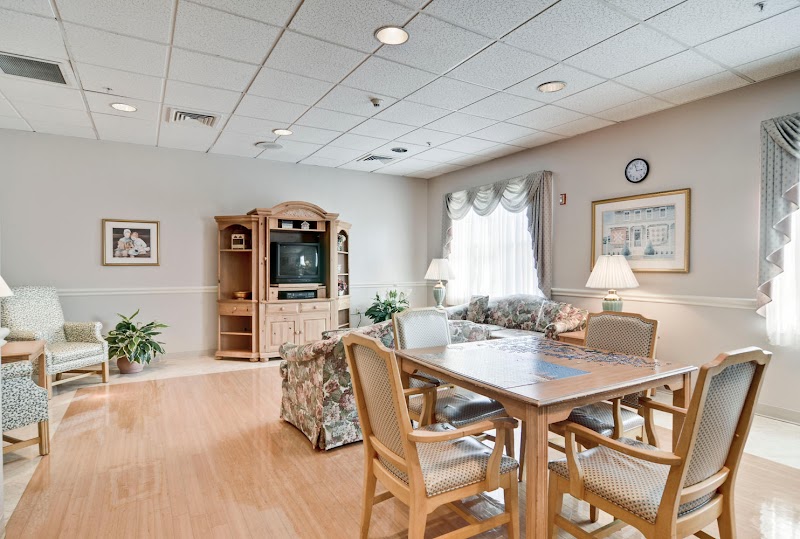
Who Owns and Operates Emerald Nursing And Rehabilitation?

EMERALD NURSING AND REHABILITATION is owned by a for-profit company. For-profit facilities operate as businesses with obligations to shareholders or private owners. The facility operates independently rather than as part of a larger chain. With 73 certified beds and approximately 63 residents (about 86% occupancy), it is a smaller facility located in ELIZABETHTOWN, Pennsylvania.

How Does Emerald Nursing And Rehabilitation Compare to Other Pennsylvania Nursing Homes?

Compared to the 100 nursing homes in Pennsylvania, EMERALD NURSING AND REHABILITATION's overall rating (2 stars) is below the state average of 3.0, staff turnover (72%) is significantly higher than the state average of 46%, and health inspection rating (2 stars) is below the national benchmark.

What Should Families Ask When Visiting Emerald Nursing And Rehabilitation?

Based on this facility's data, families visiting should ask: "How do you ensure continuity of care given staff turnover, and what is your staff retention strategy?" "Can you walk me through typical staffing levels on day, evening, and night shifts?" "Can I visit during a mealtime to observe dining assistance and food quality?" "How do you handle medical emergencies, and what is your hospital transfer rate?" These questions are particularly relevant given the facility's high staff turnover rate and the below-average staffing rating.

Is Emerald Nursing And Rehabilitation Safe?

Based on CMS inspection data, EMERALD NURSING AND REHABILITATION has a clean safety record: no substantiated abuse findings (meaning no confirmed cases of resident harm), no Immediate Jeopardy citations (the most serious violation level indicating risk of serious injury or death), and is not on the Special Focus Facility watch list (a federal program monitoring the lowest-performing 1% of nursing homes). The facility has a 2-star overall rating and ranks #100 of 100 nursing homes in Pennsylvania. While no facility is perfect, families should still ask about staff-to-resident ratios and recent inspection results during their visit.

Do Nurses at Emerald Nursing And Rehabilitation Stick Around?

Staff turnover at EMERALD NURSING AND REHABILITATION is high. At 72%, the facility is 26 percentage points above the Pennsylvania average of 46%. Registered Nurse turnover is particularly concerning at 65%. RNs handle complex medical decisions and coordinate care — frequent RN changes can directly impact care quality. High turnover means new staff may not know residents' individual needs, medications, or preferences. It can also be disorienting for residents, especially those with dementia who rely on familiar faces. Families should ask: What is causing the turnover? What retention programs are in place? How do you ensure care continuity during staff transitions?

Was Emerald Nursing And Rehabilitation Ever Fined?

EMERALD NURSING AND REHABILITATION has been fined $8,018 across 1 penalty action. This is below the Pennsylvania average of $33,159. While any fine indicates a compliance issue, fines under $50,000 are relatively common and typically reflect isolated problems that were subsequently corrected. Families should ask what specific issues led to these fines and confirm they've been resolved.

Is Emerald Nursing And Rehabilitation on Any Federal Watch List?

EMERALD NURSING AND REHABILITATION is not on any federal watch list. The most significant is the Special Focus Facility (SFF) program, which identifies the bottom 1% of nursing homes nationally based on persistent, serious quality problems. Not being on this list means the facility has avoided the pattern of deficiencies that triggers enhanced federal oversight. This is a positive indicator, though families should still review the facility's inspection history directly.