PARAMOUNT NURSING AND REHAB AT FAYETTEVILLE, LLC
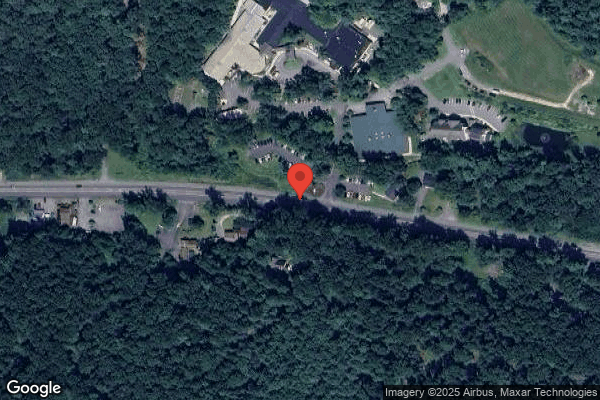

6375 CHAMBERSBURG ROAD, FAYETTEVILLE, PA 17222 (717) 352-2721
For profit - Corporation 92 Beds Independent Data: November 2025
Trust Grade
60/100
#329 of 653 in PA
Last Inspection: June 2025

Inspected within the last 6 months. Data reflects current conditions.

Overview

Paramount Nursing and Rehab at Fayetteville has a Trust Grade of C+, indicating it is slightly above average but not particularly strong compared to other facilities. It ranks #329 out of 653 in Pennsylvania, placing it in the bottom half of the state, and #7 out of 9 in Franklin County, meaning there are only two local options that are better. The facility is worsening, with reported issues increasing from 7 in 2024 to 8 in 2025. Staffing is average with a 3/5 rating, and turnover is at 47%, which is about the state average. While there are no fines on record, which is a positive aspect, there is concerningly less RN coverage than 82% of Pennsylvania facilities, suggesting potential gaps in care. Recent inspector findings noted that the facility failed to monitor residents on psychotropic medications properly, failed to ensure accurate resident assessments, and did not develop comprehensive care plans for some residents. These issues highlight both strengths and weaknesses, indicating the need for careful consideration when choosing this facility for a loved one.

Trust Score
C+
60/100
In Pennsylvania
#329/653
Top 50%
Safety Record
Low Risk
No red flags
Inspections
Getting Worse
7 → 8 violations
Staff Stability
⚠ Watch
47% turnover. Above average. Higher turnover means staff may not know residents' routines.
Penalties
✓ Good
No fines on record. Clean compliance history, better than most Pennsylvania facilities.
Skilled Nurses
○ Average
Each resident gets 30 minutes of Registered Nurse (RN) attention daily — about average for Pennsylvania. RNs are the most trained staff who monitor for health changes.
Violations
⚠ Watch
24 deficiencies on record. Higher than average. Multiple issues found across inspections.
★★★☆☆
3.0
Overall Rating
★★★☆☆
3.0
Staff Levels
★★★☆☆
3.0
Care Quality
★★★☆☆
3.0
Inspection Score
Stable
2024: 7 issues
2025: 8 issues

The Good

  • Full Sprinkler Coverage · Fire safety systems throughout facility
  • No fines on record

Facility shows strength in fire safety.

The Bad

3-Star Overall Rating

Near Pennsylvania average (3.0)

Meets federal standards, typical of most facilities

Staff Turnover: 47%

Near Pennsylvania avg (46%)

Higher turnover may affect care consistency

The Ugly 24 deficiencies on record

Jun 2025 7 deficiencies
CONCERN (D)

Potential for Harm - no one hurt, but risky conditions existed

Deficiency F0657 (Tag F0657)

Could have caused harm · This affected 1 resident

Based on facility policy review, clinical record review, and staff interviews, it was determined that the facility failed to review and revise the resident plan of care for two of 18 residents reviewe...

Read full inspector narrative →
Based on facility policy review, clinical record review, and staff interviews, it was determined that the facility failed to review and revise the resident plan of care for two of 18 residents reviewed (Residents 41 and 67). Findings include: Review of facility policy, titled Care Plan Policy with a last revised date of February 20, 2020, and a last review date of January 23, 2025, revealed The Care Plan will be updated on an ongoing basis by the charge nurse whenever new nursing orders are received and/or any changes in condition with the resident. Review of Resident 41's clinical record revealed diagnoses that included chronic kidney disease (longstanding disease of the kidneys leading to renal failure) and chronic diastolic congestive heart failure (heart failure that occurs when the heart does not relax properly between beats, causing the heart to be unable to pump an adequate amount of blood to the body). Review of Resident 41's physician orders revealed an order for fluid restriction of 2000 ml (milliliters) in 24 hours. Review of Resident 41's care plan revealed in his nutrition care plan an intervention for fluid restriction 1500 ml in 24 hours, dated October 11, 2024; and in his cardiovascular care plan an intervention for fluid restriction 2000 ml in 24 hours, dated April 17, 2025. In an email communication received from the Director of Nursing on June 5, 2025, at 11:44 AM, he indicated that the care plan should have been revised when the fluid restrictions were changed. Review of Resident 67's clinical record revealed diagnoses that included Parkinson's Disease (progressive and irreversible neurological disease that causes decreased control of the nervous system resulting in stiffness, slowing of movement, and uncontrolled bodily movements), repeated falls, and compression fractures (a break in a vertebra [a bone in your spine] which causes the bone to collapse) to the lumbar region of her back. Review of Resident 67's clinical record revealed that she sustained a fall at the facility on April 3, 2025, which resulted in a hospital transfer on April 4, 2025, where she was identified as having a new compression fracture to the lumbar region of her back. Review of Resident 67's current care plan failed to reveal that her new fracture from her fall was included in her care plan. Further review of Resident 67's care plan revealed that she was care planned for a urinary tract infection (UTI) dated March 14, 2025. Review of Resident 67's clinical record failed to reveal any documentation that she was currently being treated for a UTI. In an email communication received from the Nursing Home Administrator on June 4, 2025, at 3:47 PM, she indicated Resident 67's fall with fracture was not added to the care plan and that the UTI from March was removed. She further indicated that she would expect the fracture to have been added to the fall care plan and the UTI removed from the care plan after resolving. 42 CFR 483.21(b)(2) Comprehensive Care Plans 28 Pa. Code 211.10(c) Resident care policies 28 Pa. Code 211.12(d)(2)(3)(5) Nursing services
CONCERN (E)

Potential for Harm - no one hurt, but risky conditions existed

Deficiency F0605 (Tag F0605)

Could have caused harm · This affected multiple residents

**NOTE- TERMS IN BRACKETS HAVE BEEN EDITED TO PROTECT CONFIDENTIALITY** Based on facility policy review, clinical record reviews, and staff interviews, it was determined that the facility failed to en...

Read full inspector narrative →
**NOTE- TERMS IN BRACKETS HAVE BEEN EDITED TO PROTECT CONFIDENTIALITY** Based on facility policy review, clinical record reviews, and staff interviews, it was determined that the facility failed to ensure that a residents medication regimen was free from unnecessary psychotropic medications and failed to ensure that residents received adequate monitoring of psychotropic medications for three of five residents reviewed for unnecessary medications (Residents 41, 66, and 67). Findings include: Review of facility policy, titled Psychoactive Drug Monitoring Policy, undated, with a last review date of January 23, 2025, revealed It is the policy of the Skilled Unit of Paramount Nursing and Rehabilitation at Fayetteville, LLC. to monitor Residents who receive antidepressant, hypnotic, antianxiety, or antipsychotic medications. The purpose was identified as to evaluate the effectiveness of the medication and to ensure that residents receiving these medications obtain the maximum benefit with the minimum of untoward effects. In addition, 1) Residents receive a psychoactive medication only if designated medically necessary by the prescriber. The medical necessity is documented in the resident's medical record and in the care planning process. 2) The continued need for the psychoactive medication is reassessed regularly by the prescriber and the care planning team. If continuation is deemed necessary, this is indicated in the medical record. Effects of the medications are documented as a part of the care planning process. Unless medically contraindicated, periodic dosage reductions are attempted and the results documented. 6) Initiation and dosing of the psychoactive medication follows recommendations for the medical literature, clinical practice guidelines, and regulations and standards. 7) All of the following conditions are satisfied prior to initiation and/or continuation of therapy: a. Possible reversible causes for the resident's distress have been ruled out. b. Use results in maintenance or improvement in the resident's functional status. c. Long-term daily use has been accompanied by unsuccessful gradual dosage reduction. d. The need for and response to therapy are monitored and documented in the resident's medical record. Review of Resident 41's clinical record revealed diagnoses that included generalized anxiety disorder (mental health disorder characterized by feelings of worry, anxiety, or fear that are strong enough to interfere with one's daily activities) and depression. Review of Resident 41's current physician orders revealed orders for buspirone hydrochloride (an antianxiety medication) oral tablet give 2.5 mg (milligrams) by mouth two times a day; sertraline hydrochloride oral (an antidepressant medication) tablet 25 mg give one tablet by mouth at bedtime; and trazodone hydrochloride oral tablet 50 mg give one tablet by mouth at bedtime, all dated May 1, 2025. All aforementioned medications are classified as psychotropic medications (any drug that affects behavior, mood, thoughts, or perception which includes medications for anxiety and depression as well as antipsychotics). Further review of Resident 41's physician orders revealed that the Resident had been ordered a psychotropic medication since his original admission to the facility on May 9, 2024. Review of Resident 41's clinical record failed to identify side effects that staff should observe for or any documentation of ongoing side effect monitoring of his psychotropic medications. During a staff interview with the Director of Nursing (DON) and Assistant DON on June 5, 2025, at 1:01 PM, the DON indicated that side effect monitoring would be documented in progress notes as staff would only document side effect monitoring if actual side effects were noted to occur. Email communication received from the DON on June 5, 2025, at 1:11 PM, indicated We document adverse effects of all medication, not just psychotropics when side effects occur. The exception to forced documentation is with changes to particular psychotropics, and we are documenting on target symptom leading to increase/decrease etc. Review of Resident 66's clinical record revealed diagnoses that included alzheimer's disease with late onset (memory loss and cognitive difficulties that start after age [AGE]) and anxiety disorder. Review of Resident 66's physician orders revealed orders lorazepam (psychotropic medication) 2 mg/milliliter (ml) 0.5 ml every six hours as needed (PRN) for anxiety related to dementia, with a start date of February 17, 2025; and haloperidol lactate (psychotropic medication) 2 mg/ml 0.5 ml every six hours as needed for agitation/nausea related to dementia, with a start date of February 17, 2025. Further review of Resident 66's physician orders failed to include stop dates for the aforementioned medications. Additional review of Resident 66's clinical record revealed a pharmacy review dated February 26, 2025, with a recommendation to add a 14 day stop date for PRN [as needed] psychotropic medications. Further review of this document revealed the physician marked agreed and signed the form March 4, 2025, but provided no additional order for a stop date. During an interview on June 5, 2025 at 12:29 PM, with the DON, the DON stated it was the facility's expectation that PRN psychotropic medication orders have appropriate stop dates. Review of Resident 67's clinical record revealed that she was admitted to the facility on [DATE], with diagnoses that included anxiety and depression. Review of Resident 67's current physician orders revealed orders for buspirone hydrochloride (an antianxiety medication) oral tablet 5 mg oral tablet 5 mg (milligrams) give one tablet by mouth three times a day dated April 8, 2025; clonazepam (an antianxiety medication) oral tablet 0.5 mg Give 0.5 tablet by mouth two times a day, dated May 15, 2025; sertraline (an antidepressant medication) 125 mg (give one 100mg tablet and one 25 mg tablet to equal 125 mg) one time a day, dated April 8, 2025; and trazodone hydrochloride (an antidepressant medication) oral tablet 50 mg give one tablet one time a day, dated May 14, 2025. All of which are classified as psychotropic medications. Review of Resident 67's physician order history revealed that she was ordered the buspirone, sertraline, and trazodone on her original admission date of February 13, 2025. Review of Resident 67's clinical record failed to include identified side effects staff should observe for or any documentation of ongoing side effect monitoring of her psychotropic medications. During a staff interview with the DON and Assistant DON on June 5, 2025, at 1:01 PM, the DON indicated that side effect monitoring would be documented in progress notes as staff would only document side effect monitoring if actual side effects were noted to occur. Email communication received from the DON on June 5, 2025, at 1:11 PM, indicated We document adverse effects of all medication, not just psychotropics when side effects occur. The exception to forced documentation is with changes to particular psychotropics, and we are documenting on target symptom leading to increase/decrease etc. 28 Pa. Code 201.14(a) Responsibility of licensee 28 Pa. Code 201.18(b)(1) Management 28 Pa. Code 211.2(d)(3) Medical director 28 Pa. Code 211.12(d)(1)(2)(3)(5) Nursing services
CONCERN (E)

Potential for Harm - no one hurt, but risky conditions existed

Assessment Accuracy (Tag F0641)

Could have caused harm · This affected multiple residents

Based on clinical record review and staff interviews, it was determined that the facility failed to ensure that resident assessments accurately reflected the resident's status for three of 25 resident...

Read full inspector narrative →
Based on clinical record review and staff interviews, it was determined that the facility failed to ensure that resident assessments accurately reflected the resident's status for three of 25 residents reviewed (Residents 37, 41, and 67). Findings include: Review of Resident 37's clinical record revealed diagnoses that included cerebral infarction (death of brain tissue caused by a disruption in blood flow) and paraplegia (inability to move the lower part of the body). Review of Resident 37's quarterly minimum data set (MDS - assessment tool utilized to identify a residents' physical, mental, and psychosocial needs) dated April 16, 2025, revealed Resident 37 was coded as receiving anticoagulant medication. Review of Resident 37's current and discontinued physician orders failed to reveal Resident 37 had been ordered anticoagulant medication. During an interview with the Nursing Home Administrator (NHA) and the Director of Nursing (DON) on June 4, 2025, at 2:02 PM, it was revealed that Resident 37's quarterly MDS assessment had been coded incorrectly and a modification had been submitted. The NHA stated that it was the facility's expectation that MDS assessments be coded accurately. Review of Resident 41's clinical record revealed diagnoses that include generalized anxiety disorder (mental health disorder characterized by feelings of worry, anxiety, or fear that are strong enough to interfere with one's daily activities) and depression. Review of Resident 41's Significant Change MDS with the assessment reference date (last day of the assessment period) of February 26, 2025, indicated in Section N. Medications that he was documented as not receiving an antianxiety medication. Review of Resident 41's Medication Administration Record for February 2025 revealed that he had been administered an antianxiety medication in the assessment period. Review of Resident 41's Significant Change MDS with the assessment reference date of May 3, 2025, indicated in Section N. Medications that he was documented as receiving an anticonvulsant medication. Review of Resident 41's Medication Administration Record for April 2025 and May 2025 failed to reveal any documentation that he had been administered an anticonvulsant medication in the assessment period. During a staff interview with the DON and the Assistant Director of Nursing (ADON) on June 5, 2025, at 11:27 AM, the DON confirmed that Resident 41's MDS assessments were coded incorrectly and that he would expect MDS assessments to be an accurate reflection of a resident during the assessment reference period. Review of Resident 67's clinical record revealed diagnoses that included Parkinson's Disease (progressive and irreversible neurological disease that causes decreased control of the nervous system resulting in stiffness, slowing of movement, and uncontrolled bodily movements) and restless leg syndrome (condition that causes a very strong urge to move the legs which usually is caused by an uncomfortable feeling in the legs). Review of Resident 67's admission MDS with the assessment reference date of May 20, 2025, indicated in Section N. Medications that she was documented as not receiving an anticonvulsant medication. Review of Resident 67's Medication Administration Record for May 2025 revealed that had been administered an anticonvulsant medication in the assessment period. During a staff interview with the DON and the ADON on June 5, 2025, at 11:27 AM, the DON confirmed that Resident 67's MDS assessment was coded incorrectly and that he would expect MDS assessments to be an accurate reflection of a resident during the assessment reference period. 28 Pa Code 211.12 (d)(1)(3)(5) Nursing services
CONCERN (E)

Potential for Harm - no one hurt, but risky conditions existed

Comprehensive Care Plan (Tag F0656)

Could have caused harm · This affected multiple residents

**NOTE- TERMS IN BRACKETS HAVE BEEN EDITED TO PROTECT CONFIDENTIALITY** Based on facility policy review, clinical record reviews, and staff interviews, it was determined that the facility failed to en...

Read full inspector narrative →
**NOTE- TERMS IN BRACKETS HAVE BEEN EDITED TO PROTECT CONFIDENTIALITY** Based on facility policy review, clinical record reviews, and staff interviews, it was determined that the facility failed to ensure that a comprehensive, person-centered care plan was developed for three of 18 residents reviewed (Residents 5, 41, and 66). Findings include: Review of the facility policy, titled Care Plan Policy, last reviewed January 23, 2025, read, in part, .to develop and maintain a comprehensive care plan for each resident that includes measurable objectives and timetables to meet the resident's medical, nursing, mental, and psychosocial needs that include, but are not limited to, those identified in the comprehensive assessment . Using the initial plan of care, any updates, the comprehensive assessment and the resultant CAA investigations, the interdisciplinary team will meet with the resident and the resident's family or representative, as appropriate, and develop quantifiable objectives for the highest level of functioning the resident may be expected to attain - physically, mentally, and psychosocially. Review of Resident 5's clinical record revealed diagnoses that included major depressive disorder (a mental health condition characterized by persistent feelings of sadness, hopelessness, and a loss of interest or pleasure in activities) and generalized anxiety disorder (excessive fear of or apprehension about real or perceived threats, leading to altered behavior and often to physical symptoms such as increased heart rate or muscle tension). Review of Resident 5's physician orders revealed an order for olanzapine (antipsychotic medication) 5 milligrams (mg) one time a day for major depressive disorder. Review of Resident 5's modification of admission minimum data set (MDS - assessment tool utilized to identify a residents' physical, mental, and psychosocial needs), dated December 23, 2024, revealed Resident 5 was coded as receiving psychotropic medication. Further review of the Care Area Assessment worksheet revealed Resident 5 was triggered for psychotropic medications and would be care planned. Review of Resident 5's comprehensive care plan failed to reveal any care planning for psychotropic medication use. During a staff interview on June 5, 2025, at 12:31 PM, with the Director of Nursing (DON), the DON stated it was the expectation of the facility that comprehensive care plans be developed accurately. Review of Resident 41's clinical record revealed diagnoses that include generalized anxiety disorder (mental health disorder characterized by feelings of worry, anxiety, or fear that are strong enough to interfere with one's daily activities) and depression. Review of Resident 41's physician orders revealed orders for buspirone hydrochloride (an antianxiety medication) oral tablet give 2.5 mg (milligrams) by mouth two times a day; sertraline hydrochloride oral (an antidepressant medication) tablet 25 mg give one tablet by mouth at bedtime; and trazodone hydrochloride oral tablet 50 mg give one tablet by mouth at bedtime all dated May 1, 2025. All of which are classified as psychotropic medications (any drug that affects behavior, mood, thoughts, or perception which includes medications for anxiety and depression as well as antipsychotics). Further review of Resident 41's physician orders revealed that he had been ordered at least one psychotropic medication since his original admission to the facility on May 9, 2024. Review of Resident 41's Significant Change MDS assessments dated on February 26, 2025, and May 3, 2025, revealed that he was coded for receiving psychotropic medications. Review of the completed Care Area Assessment worksheet for both of these assessments indicated that Resident 41 triggered for his psychotropic medication use and that this would be care planned. Review of Resident 41's current comprehensive care plan failed to reveal any documentation of his psychotropic medication use. In addition, his full care plan revision history failed to reveal any documentation of psychotropic medication use. During a staff interview with the DON and the Assistant DON on June 5, 2025, at 12:22 PM, the DON confirmed that Resident 41's psychotropic medication use should have been care planned as his two most recent assessments indicated. Review of Resident 66's clinical record revealed diagnoses that included alzheimer's disease with late onset (memory loss and cognitive difficulties that start after age [AGE]) and anxiety disorder (excessive fear of or apprehension about real or perceived threats, leading to altered behavior and often to physical symptoms such as increased heart rate or muscle tension) Review of Resident 66's physician orders revealed orders for xanax (psychotropic medication) 0.25 mg one time a day; lorazepam (psychotropic medication) 2 mg/milliliter (ml) 0.5 ml every six hours as needed; and haloperidol lactate (psychotropic medication) 2 mg/ml 0.5 ml every six hours as needed. Review of Resident 66's admission MDS dated [DATE], revealed Resident 66 was coded as receiving psychotropic medication. Further review of the care area assessment worksheet revealed Resident 66 was triggered for psychotropic medications and would be care planned. Review of Resident 66's comprehensive care plan failed to reveal any care planning for psychotropic medication use. During a staff interview on June 5, 2025, at 12:31 PM, with the DON, the DON stated it was the expectation of the facility that comprehensive care plans be developed accurately. 28 Pa. Code 211.12(d)(1)(2)(3)(5) Nursing services
CONCERN (E)

Potential for Harm - no one hurt, but risky conditions existed

Incontinence Care (Tag F0690)

Could have caused harm · This affected multiple residents

Based on facility policy review, clinical record reviews, and staff interviews, it was determined that the facility failed to ensure urinary catheter care was completed for three of four residents rev...

Read full inspector narrative →
Based on facility policy review, clinical record reviews, and staff interviews, it was determined that the facility failed to ensure urinary catheter care was completed for three of four residents reviewed with urinary catheters (Residents 1, 21, and 41). Findings include: Review of the facility policy, titled Prevention of Catheter Associated Urinary Tract Infections, last reviewed January 23, 2025, under Catheter Care section stated, daily catheter care should be documented in the resident's EHR (electronic health record). Review of Resident 1's clinical record revealed diagnoses that included obstructive uropathy (a urinary tract disorder that occurs when urine flow is obstructed) and type 2 diabetes mellitus (body has trouble controlling blood sugar and using it for energy). Physician orders dated August 2024 through June 2025 identified that Resident 1 had an indwelling urinary catheter in place with a 16 French catheter and 10 milliliter filled balloon to maintain placement. Physician orders also stated catheter care was to be performed daily on every shift. Review of Resident 1's Treatment Administration Record revealed no evidence that catheter care was completed by staff until September 11, 2024. During a staff interview with the DON on June 5, 2025 at 12:20 PM, the DON confirmed there was no documentation of catheter care for Resident 1. The DON added that he modified the templates/order templates on June 4, 2025, so that staff document that catheter care is performed each shift as required. Review of Resident 21's clinical record revealed diagnoses that included retention of urine (a urinary tract disorder that occurs when urine flow is obstructed) and cerebral palsy (congenital disorder of movement, muscle tone, or posture). Physician orders dated February 2025 through June 2025 identified that Resident 21 had an indwelling urinary catheter in place with a 16 French catheter and 10 milliliter filled balloon to maintain placement. Physician orders also stated catheter care was to be performed daily on every shift. Review of Resident 21's care plan revealed foley catheter care to be completed every shift and as needed, effective February 20, 2025. Review of Resident 21's Treatment Administration Record revealed catheter care was not present and being signed off by staff as completed every shift. During a staff interview with the DON on June 5, 2025 at 12:20 PM, the DON confirmed there was no documentation of catheter care for Resident 21. The DON added that he modified the templates/order templates on June 4, 2025, so that staff document that catheter care is performed each shift as required. Review of Resident 41's clinical record revealed diagnoses that included urinary retention and unspecified disorder of the urinary system. Review of Resident 41's physician orders revealed orders for a foley catheter 18 French 30 cc and catheter care every shift, dated May 1, 2025. Further review of Resident 41's clinical record revealed that he has had the foley catheter since his original admission to the facility on May 9, 2024. During a staff interview with the DON and the Assistant Director of Nursing on June 5, 2025, at 12:22 PM, the DON confirmed that he could not locate any documentation indicating that Resident 41 received catheter care every shift, and that he would expect catheter care to be documented every shift. The DON added that he modified the templates/order templates on June 4, 2025, so that staff document that catheter care is performed each shift as required. 28 Pa. Code 211.10(c) Resident care policies 28 Pa. Code 211.12(d)(1)(2)(5) Nursing services
CONCERN (E)

Potential for Harm - no one hurt, but risky conditions existed

Deficiency F0699 (Tag F0699)

Could have caused harm · This affected multiple residents

Based on clinical record review and resident and staff interviews, it was determined that the facility failed to ensure that the residents who are trauma survivors receive culturally competent, trauma...

Read full inspector narrative →
Based on clinical record review and resident and staff interviews, it was determined that the facility failed to ensure that the residents who are trauma survivors receive culturally competent, trauma-informed care in accordance with professional standards of practice in order to eliminate or mitigate triggers that may cause re-traumatization of the resident for one of 18 residents reviewed (Resident 37). Findings include: Review of Resident 37's clinical record revealed diagnoses that included paraplegia (inability to voluntarily move the lower parts of the body) and depression (persistent feeling of sadness, loss of interest, or both, that interferes with daily life activities). During an interview with Resident 37 on June 2, 2025 at 12:09 PM, Resident 37 revealed that at the age of 19 he was the only survivor of a plane crash. Resident 37 also revealed he was severely injured in the crash, which resulted in him being paralyzed from the waste down. Further review of Resident 37's clinical record failed to reveal documentation that any trauma screening had been done. Email communication with the Nursing Home Administrator on June 4, 2025, at 12:50 PM, revealed Resident 37 had not had a trauma screening completed. During an interview on June 5, 2025, at 12:27 PM, with the Director of Nursing (DON), it was revealed that the facility had not been completing trauma screenings and created a policy the prior day (June 4, 2025) for trauma informed care. The DON stated it was the expectation of the facility that residents be screened for trauma. 28 Pa. Code 201.14(a) Responsibility of licensee 28 Pa. Code 211.12(d)(3)(5) Nursing services
CONCERN (E)

Potential for Harm - no one hurt, but risky conditions existed

Food Safety (Tag F0812)

Could have caused harm · This affected multiple residents

Based on facility policy review, observations, and staff interviews, it was determined that the facility failed to store food/beverages and utilize equipment in accordance with professional standards ...

Read full inspector narrative →
Based on facility policy review, observations, and staff interviews, it was determined that the facility failed to store food/beverages and utilize equipment in accordance with professional standards for food service safety in the kitchen and in one of one nourishment refrigerators. Findings include: Review of facility policy, titled Food Storage/Refrigerators, with a last revised date of June 20, 2017, and a last review date of January 23, 2025, revealed, in part, 5. Foods must be stored in appropriate containers; covered, labels, and dated. 6. All food items must be stored 6 inches off the floor. Review of facility policy, titled Food Storage/Dry Storage, with a last revised date of June 20, 2017, and a last review date of January 23, 2025, revealed, in part, 1. All foods or food items not requiring refrigeration shall be stored at least 6 inches off the floor and 18 inches from the ceiling. 2. Items must be stored on a surface, which facilitates thorough cleaning. 4. All items are stored and issued on a first in/first out rotation. All cans must be dated. 7. Any opened items must be dated with the date of opening and tightly recovered to preserve freshness. 9. Any damaged cans or cartons will be refused delivery, credited by the appropriate purveyor, or discarded. These items will be removed from the kitchen storage and placed in the Food Service Manager's office until credited. Review of facility policy, titled Identification of Food Supplies, with a last revised date of June 20, 2017, and a last review date of January 23, 2025, revealed, in part, 1. All food supplies removed from original container must be clearly identified in storage container. 2. Labeling shall contain name of item and date container was opened. Review of facility policy, titled Personal Food/Beverage Storage with a last revised date of June 3, 2025, indicated 1. All foods/beverages will be labeled with the resident name and date when brought into the facility. 2. Outside source, for example: family, friends, etc. will be educated that unconsumed items will be discarded 3 days after the date marked. 3. Nursing is responsible for checking temperatures of refrigerator unit and safe techniques are followed regarding discarding all outdated items. Tour of the kitchen on June 2, 2025, between 9:45 AM and 10:15 AM, with Employee 1 (Dietary Manager) revealed the following observations: Walk-in cooler had a 50-pound bag of onions approximately half full sitting on floor; Ice machine vent on the outside of the upper portion was covered with a moderate amount of fuzzy gray colored debris; Three bay refrigerator had four packages of bagels with no dates indicated; Walk-in freezer had an opened package of peas and an open package of California blend vegetables with no dates indicated and a box of mixed bread items with no dates indicated on any of the packages; Dry storage had three small clear packages of a type of rice type grain with seasoning, which had no actual labeling of what the item was or any dates; an opened package of elbow noodles dated, but not secured; an opened container of ginger spice with a delivery date December 13, 2023, and no open date indicated; three packages of pork gravy mix with no dates indicated; an opened bag of shredded coconut with no dates indicated; a dented can of cherry pie filling on rack to be used; opened bag of corn flakes and and an opened bag frosted mini wheats with no open date; and two cases of potatoes and one case of oatmeal sitting directly on the floor; and Three-compartment sanitation sink had no test strips noted. During an immediate staff interview with Employee 1 on June 2, 2025, at 10:10 AM, Employee 1 indicated that the bagels in the three bay refrigerator were pulled from freezer that morning; that he was not aware items should not be stored directly on floor; that maintenance cleans the ice machine vents; that all items should be labeled, dated and securely closed; spices are good for one year after opening; and that the facility food provider had indicated dented cans can be used and should not be sent back unless there is an actual puncture or leak noted. He further indicated that he would locate the test strips for the three-compartment sink. Observation of a refrigerator in the Activity Room on June 2, 2025, at 10:16 AM, revealed the presence of a sign on the front which indicated items must be labeled with name and date and that items will be thrown away if noted to be greater than three days old. Inside the refrigerator, there was dried spills noted on the shelves, drawers, and in the bottom of the refrigerator; there were three beverages in facility cups with plastic disposable lids with no names or dates noted; and there a was chocolate dessert labeled with a resident's name dated May 24, 2025. During a staff interview with Employee 1 on June 2, 2025, at 10:21 AM, Employee 1 indicated that nursing staff was responsible for the refrigerator in the activity room. Observation in the kitchen on June 3, 2025, at 11:45 AM, revealed that two containers of test strips for the three-compartment sanitation sink were present. One was unopened with an expiration date June 2026, and the other one was opened but the insert with results grid was missing and, therefore, there was also no expiration date noted. In addition, in the walk-in cooler there was a case of canned gravy sitting directly on the floor. During a staff interview with the Nursing Home Administrator (NHA) on June 3, 2025, at 1:33 PM, the NHA indicated that she thought dietary was responsible for the activity room refrigerator, but indicated that they had just recently changed their facility practice for snacks, which means that this refrigerator was more for outside food brought in for residents. During a follow-up staff interview with the NHA and Director of Nursing on June 4, 2025, at 2:04 PM, the NHA confirmed that she would expect foods to be labeled, dated, and stored properly. She indicated that nursing was responsible for labeling and dating of foods in activity room refrigerator and that dietary would be responsible for cleaning the refrigerator. She also confirmed that the sanitation strips should have expiration date as well as testing guide. She confirmed that could not speak as to the accuracy of the testing that had been documented and, therefore, was not submitting the test logs for review. The NHA also indicated that she had identified concerns in the dietary department prior to survey and that she had made some staffing changes to improve services. 28 Pa. Code 201.18(b)(1)(3) Management
Mar 2025 1 deficiency
CONCERN (D) 📢 Someone Reported This

A family member, employee, or ombudsman was alarmed enough to file a formal complaint

Potential for Harm - no one hurt, but risky conditions existed

Deficiency F0657 (Tag F0657)

Could have caused harm · This affected 1 resident

Based on clinical record review and staff interview, it was determined that the facility failed to ensure the care plan was reviewed and revised for one of three residents reviewed (Resident 1). Findi...

Read full inspector narrative →
Based on clinical record review and staff interview, it was determined that the facility failed to ensure the care plan was reviewed and revised for one of three residents reviewed (Resident 1). Findings include: Review of Resident 1's clinical record revealed diagnoses that included atrial fibrillation (upper chambers [atria] of the heart beat rapidly and irregularly) and congestive heart failure (condition where the heart muscle is weakened and cannot pump blood effectively). Review of Resident 1's comprehensive plan of care revealed focus areas for ADLs (activities of daily living) and falls. Further review of Resident 1's care plan failed to include an intervention that indicated Resident 1's level of assistance required for ADL care. During an in interview on March 10, 2025 at 2:15 PM, with the Director of Nursing it was revealed that assistance type and level should be indicated on the Resident's care plan. 28 Pa. Code 201.14(a) Responsibility of licensee 28 Pa. Code 211.12(d)(3)(5) Nursing services
Jul 2024 7 deficiencies
CONCERN (D)

Potential for Harm - no one hurt, but risky conditions existed

Safe Environment (Tag F0584)

Could have caused harm · This affected 1 resident

Based on observations and staff interviews, it was determined that the facility failed to maintain a safe, clean, and home-like environment for two of 20 residents observed (Residents 35 and 54). Find...

Read full inspector narrative →
Based on observations and staff interviews, it was determined that the facility failed to maintain a safe, clean, and home-like environment for two of 20 residents observed (Residents 35 and 54). Findings include: Observations of Resident 35's room on July 1, 2024, at 9:59 AM, and July 2, 2024, at 11:51 AM, revealed a pedestal fan with gray fuzzy debris on the blades and blowing from the front of the fan. Observations of Resident 54's room on July 1, 2024, at 11:18 AM, and July 2, 2024, at 11:52 AM, revealed a small fan sitting on a nightstand with gray fuzzy debris on the blades and blowing from the front of the fan. In an email communication received from the Nursing Home Administrator (NHA) on July 3, 2024, at 9:08 AM, the NHA revealed that the facility did not have a policy on the cleaning of fans. She further indicated that she had spoken to the housekeeping manager and that the cleaning of fans had now been added to the monthly resident room deep clean list. She also indicated that the housekeeping staff had cleaned all facility fans. In an interview with the NHA on July 3, 2024, at 10:54 AM, the NHA indicated that housekeeping staff was wiping down the outside of the fans and confirmed that they had no process for disassembling the fans and cleaning the blades of any debris before July 2, 2024. 28 Pa. Code 201.14(a) Responsibility of licensee. 28 Pa. Code 201.18(b)(1)(3) Management.
CONCERN (D)

Potential for Harm - no one hurt, but risky conditions existed

Pressure Ulcer Prevention (Tag F0686)

Could have caused harm · This affected 1 resident

Based on observations, clinical record review, and staff interviews, it was determined that the facility failed to provide care and services to promote healing and prevent worsening of pressure ulcers...

Read full inspector narrative →
Based on observations, clinical record review, and staff interviews, it was determined that the facility failed to provide care and services to promote healing and prevent worsening of pressure ulcers for one of two residents reviewed for pressure ulcers (Resident 56). Findings include: Review of Resident 56's clinical record revealed diagnoses that included stage 4 pressure ulcer of the right heel (wound that occurs when the skin and tissue are damaged by prolonged pressure), type 2 diabetes mellitus with foot ulcer (a metabolic disorder in which the body has high sugar levels for prolonged periods of time leading to breakdown of skin and sometimes deeper tissues), and hypertension (high blood pressure). Review of Resident 56's physician orders revealed an order for Heels up when in bed, with a start date of March 29, 2024. Further review of Resident 56's physician orders revealed an order for Offloading boot to be worn in bed to RLE (right lower extremity), with a start date of April 2, 2024. Review of Resident 56's weekly wound consultation notes revealed recommendations from the wound physician initiated April 8, 2024, for Float heels while in bed, limit sitting for 60 minutes, bed cradle to keep weight of blankets off toes, elevate legs. Further review of all weekly wound consultation notes from April 8, 2024, to present revealed The clinical documentation for this consultation was made available to the referring physician. This documentation has also been made available for access to the appropriate personnel and placement in the medical record. Observations of Resident 56 in her room on July 1, 2024, at 10:35 AM, 11:18 AM, and 12:22 PM, revealed both of her feet were exposed and laying directly on her mattress. During an interview with the Director of Nursing (DON) on July 2, 2024, at 1:56 PM, the surveyor revealed the observations of Resident 56 in bed without elevated heels, no offloading boot to RLE, and no bed cradle. During a follow-up interview with the DON on July 3, 2024, at 12:59 PM, he revealed the bed cradle was implemented that morning. He further revealed the process for communicating wound physician recommendations is the facility wound nurse will communicate any recommendations from the wound physician to the facility physician to review and order, unless he disagrees. Further, he could not find any documentation to indicate the physician disagreed with the weekly recommendation for the bed cradle, dating back to April 8, 2024. During an interview with the Nursing Home Administrator on July 3, 2024, at 1:01 PM, she revealed she was unable to locate documentation to indicate Resident 56 had refused her heels up or offloading boot at the time of surveyor observations. 28 Pa. Code 211.12(d)(1)(3)(5) Nursing services
CONCERN (D)

Potential for Harm - no one hurt, but risky conditions existed

Deficiency F0688 (Tag F0688)

Could have caused harm · This affected 1 resident

Based on observations, clinical record review, and staff interviews, it was determined that the facility failed to ensure a resident with limited mobility received appropriate services, equipment, and...

Read full inspector narrative →
Based on observations, clinical record review, and staff interviews, it was determined that the facility failed to ensure a resident with limited mobility received appropriate services, equipment, and assistance to maintain or improve mobility for one of three residents reviewed (Resident 54). Findings include: Review of Resident 54's clinical record revealed diagnoses that included dementia (a chronic disorder of the mental processes caused by brain disease, and marked by memory disorders, personality changes, and impaired reasoning) and muscle weakness. Review of Resident 54's physician orders revealed an order for a palm protector to the right hand due to contracture (condition of shortening and hardening of muscles, tendons, or other tissue often leading to deformity and rigidity of joints), may remove for care, dated May 21, 2024. Observation of Resident 54 and their room on July 1, 2024, at 11:18 AM, revealed Resident 54's palm protector was lying on a chair in their room and that Resident 54 was in an activity with no palm protector in place. Observation of Resident 54 on July 1, 2024, at 12:46 PM, revealed that they were seated in the common area near the nurse's station with no palm protector in place. Review of Resident 54's Treatment Administration Record for May 2024, June 2024, and July 2024, failed to reveal any documentation of the application of their ordered palm protector. In an email communication received from the Nursing Home Administrator (NHA) on July 3, 2024, at 12:19 PM, the NHA indicated that they had no documentation to provide for Resident 54's palm protector application/usage since ordered on May 21, 2024. She further indicated that the facility considers a palm protector to be a splint. In an interview with the NHA and the Director of Nursing on July 3, 2024, at 12:50 PM, the NHA confirmed that staff should have been documenting the application and/or refusal of the palm protector. 28 Pa. Code 211.10(d) Resident Care Policies 28 Pa. Code 211.12(d)(5) Nursing Services
CONCERN (D)

Potential for Harm - no one hurt, but risky conditions existed

Deficiency F0692 (Tag F0692)

Could have caused harm · This affected 1 resident

**NOTE- TERMS IN BRACKETS HAVE BEEN EDITED TO PROTECT CONFIDENTIALITY** Based on facility policy review, observations, clinical record review, and staff interviews, it was determined that the facility...

Read full inspector narrative →
**NOTE- TERMS IN BRACKETS HAVE BEEN EDITED TO PROTECT CONFIDENTIALITY** Based on facility policy review, observations, clinical record review, and staff interviews, it was determined that the facility failed to monitor hydration status precisely and effectively for one of 20 residents reviewed (Resident 19). Findings include: Review of facility policy, titled Fluid Restriction Policy, last revised February 12, 2022, read, in part, Purpose: To ensure that fluid restricted residents receive adequate hydration by close monitoring .Care Plans will be updated to address interventions. Review of Resident 19's clinical record revealed she was admitted to the facility on [DATE], with diagnoses that included congestive heart failure (CHF - long-term condition that happens when your heart can't pump blood well enough to meet your body's needs), shortness of breath (uncomfortable feeling of not being able to breathe well enough), and acute upper respiratory infection. Review of Resident 19's physician orders revealed an order: Regular diet, Regular texture, Thin consistency (fluids), Fluid Restriction 2000ml (milliliter- unit of measure), with a start date of February 4, 2024. Further review of resident 19's clinical record failed to reveal notation in her care plan about her fluid restriction, or a breakdown of fluids provided between dietary and nursing each shift. Observation in Resident 19's room on July 1, 2024, at 11:20 AM, revealed a large cup on her bedside table containing approximately 120 ml of water. Review of Resident 19's dietary tray tickets from July 1, 2024, revealed she was provided 1560 ml of fluid from dietary throughout the day: 360 ml at breakfast, 720 ml at lunch, and 480 ml at dinner. Review of nurse aide task, titled Additional Fluids on July 1, 2024, revealed Resident 19 was documented as receiving 120 ml at 5:35 AM; 480 ml at 1:02 PM; 60 ml at 6:12 PM; and 120 ml at 10:47 PM. Review of nurse aide task, titled Fluids on July 1, 2024, revealed Resident 19 was documented as receiving 240 ml of fluid at 1:01 PM, 1:25 PM, 6:12 PM, and 9:59 PM. Observation in Resident 19's room on July 2, 2024, at 10:07 AM, revealed a large cup on her bedside table containing approximately 480 ml of water. Email correspondence with the Nursing Home Administrator on July 2, 2024, at 2:24 PM, the surveyor questioned the two different nurse tasks capturing fluids as well as how the facility is managing Resident 19's fluid restriction. Observation in Resident 19's room on July 3, 2024, at 09:41 AM, revealed a large cup on her bedside table containing approximately 120 ml of water. Review of nurse aide task, titled Additional Fluids on July 3, 2024, revealed Resident 19 was documented as receiving 480 ml at 9:56 AM by Employee 1 (Nurse Aide). Review of nurse aide task, titled Fluids on July 3, 2024, revealed Resident 19 was documented as receiving 240 ml of fluid at 9:56 AM by Employee 1. During an interview with Employee 1 on July 3, 2024, at 10:31 AM, he revealed he was unaware Resident 19 was on a fluid restriction, and that he does not provide additional fluids to Resident 19, he only documents what is provided from dietary. During an interview with the Director of Nursing (DON) on July 3, 2024, at 10:59 AM, he revealed nurse aides document the fluids from dietary under fluids, and fluids provided by nursing, including fluids provided during medication pass, under additional fluids. Further, the DON stated that Employee 1 might not know about Resident 19's fluid restriction as he is a fairly new employee. During a follow up interview with the DON on July 3, 2024, at 1:18 PM, the surveyor revealed the concern with the overall management and monitoring of Resident 19's fluid restriction. No further information was provided. 28 Pa. Code 211.12(c)(d)(1)(3)(5) Nursing services
CONCERN (D)

Potential for Harm - no one hurt, but risky conditions existed

Deficiency F0694 (Tag F0694)

Could have caused harm · This affected 1 resident

Based on policy review, observations, clinical record reviews, and resident and staff interviews, it was determined that the facility failed to ensure that residents received treatment and care in acc...

Read full inspector narrative →
Based on policy review, observations, clinical record reviews, and resident and staff interviews, it was determined that the facility failed to ensure that residents received treatment and care in accordance with professional standards of practice related to intravenous (IV - tube inserted into a vein, which medication is administered through) therapy for two of two residents receiving IV medications (Residents 64 and 326). Findings Include: Facility policy, titled 13.6 Medication Administration Guidelines: Specific, effective date October 1, 2018, stated in part, 7. Compare the MAR (medication administration record) with the medication label for accuracy and note the following: A. Incorrect label or direction change by the health care provider .D. If the label and MAR differ for any other reason or if there are questions about the dosage or directions, do not administer the medication. Contact pharmacy provider. Review of Resident 64's clinical record revealed diagnoses that included osteomyelitis (infection of a bone) of the lumbar (lower back) region and discitis (an infection of the intervertebral disc, a structure that separates the vertebrae in the spine). Review of Resident 64's current physician orders revealed an order for Meropenem intravenous (IV) solution reconstituted administer one gram intravenously three times a day related to osteomyelitis of vertebra, dated June 17, 2024. During an interview with Resident 64 on July 1, 2024, at 9:53 AM, it was observed that an empty medication solution bag of Meropenem was hanging on an IV pole, the IV tubing was not dated, and the end of the IV tubing was secured into a port on the IV tubing. Observation also revealed a sheet of IV line end caps to be present hanging on the intravenous pole near the empty medication solution bag. During an interview with the Nursing Home Administrator (NHA) and Director of Nursing (DON) on July 3, 2024, at 10:55 AM, the DON confirmed that Resident 64's IV tubing should have been properly dated and capped. Review of Resident 326's clinical record revealed diagnoses that included: bacteremia (bacteria in the blood) and excoriation disorder (a mental illness related to obsessive-compulsive disorder characterized by repeated picking at the skin). Review of Resident 326's physician orders revealed an order for daptomycin 500 mg intravenously one time a day for infection. Review of Resident 326's medication administration record for July revealed daptomycin 500 mg documented as administered at 5:00 AM on July 1, 2024. During the initial tour of the facility on July 1, 2024 at 10:44 AM, an observation of Resident 326 was completed, which revealed an IV medication bag hanging on an IV pole at Resident 326's bedside. At the time of the observation, Resident 326 revealed that she had an infection and had received IV antibiotics earlier that morning. Further observation of the IV setup revealed an IV medication bag with a pharmacy label showing daptomycin (antibiotic medication) 500 milligrams (mg) per 100 milliliters (ml) of normal sterile saline with another resident's name on the label, the IV tubing end was connected into one of the ports on the tubing, and no date was observed on the tubing. During a staff interview on July 1, 2024 at 10:56 AM, with Employee 3 (Licensed Practical Nurse), it was revealed that the night shift registered nurse was responsible for hanging IV medications. During an additional staff interview on July 1, 2024 at 11:00 AM, with Employee 2 (Registered Nurse Supervisor), it was revealed that the bag of IV medication was the correct medication, but was for another resident. Employee 2 stated the IV tubing should have been dated and that the tubing should have been capped, not connected to itself. Employee 2 removed the IV medication bag and tubing from Resident 326's room. During a staff interview on July 3, 2024, with the NHA and the DON, the DON revealed it was the expectation of the facility that residents be free from medication errors, IV tubing be dated, and IV tubing be capped when not in use. 28 Pa. Code 211.12(d)(1)(2)(5) Nursing Services
CONCERN (D)

Potential for Harm - no one hurt, but risky conditions existed

Respiratory Care (Tag F0695)

Could have caused harm · This affected 1 resident

Based on facility policy review, observations, clinical record review, and resident and staff interviews, it was determined that the facility failed to maintain oxygen equipment in a sanitary manner a...

Read full inspector narrative →
Based on facility policy review, observations, clinical record review, and resident and staff interviews, it was determined that the facility failed to maintain oxygen equipment in a sanitary manner and provide respiratory care consistent will professional standards for one of 20 residents reviewed for oxygen (Resident 19). Findings include: Review of facility policy, titled Oxygen Therapy Policy, last revised April 4, 2018, read, in part, Oxygen tubing will be dated and changed bi-weekly by the 11-7 Licensed Staff. Review of Resident 19's clinical record revealed diagnoses that included Covid-19 (respiratory virus), shortness of breath (uncomfortable feeling of not being able to breathe well enough), and muscle weakness. Observation of Resident 19's oxygen tubing on July 1, 2024, at 11:20 AM, revealed her oxygen tubing was dated June 2, 2024. Observation of Resident 19's oxygen tubing on July 2, 2024, at 10:07 AM, revealed her oxygen tubing was dated June 2, 2024. Review of Resident 19's clinical record revealed she tested positive for Covid-19 infection on June 20, 2024. During an interview with the Director of Nursing (DON) on July 2, 2024, at 10:42 AM, the surveyor revealed the observations of Resident 19's oxygen tubing dated June 2, 2024. Follow-up interview with the DON on July 2, 2024, at 1:56 PM, he revealed the tubing was not changed bi-weekly since June 2, 2024, due to the Resident being asleep and refused when awakened. The surveyor inquired if staff reapproached at a later time or documented the refusals. Observation of Resident 19's oxygen tubing on July 3, 2024, at 9:41 AM, revealed her oxygen tubing was dated July 1, 2024. Interview with Resident 19 on July 3, 2024, at 9:42 AM, revealed the nursing staff came in and changed her oxygen tubing the previous afternoon. Interview with the DON on July 3, 2024, at 10:59 AM, revealed he would expect staff to reapproach about tubing change, document refusal of the tubing change, and that they would follow-up about the wrong date on the new tubing as it was changed on July 2, 2024. 28 Pa. Code 211.12(d)(1)(3)(5) Nursing services
CONCERN (D)

Potential for Harm - no one hurt, but risky conditions existed

Infection Control (Tag F0880)

Could have caused harm · This affected 1 resident

Based on facility policy review, observations, and staff interviews, it was determined that the facility failed to establish and maintain an infection prevention and control program designed to provid...

Read full inspector narrative →
Based on facility policy review, observations, and staff interviews, it was determined that the facility failed to establish and maintain an infection prevention and control program designed to provide a safe, sanitary, and comfortable environment and to help prevent the development and transmission of communicable diseases and infections for two of four residents reviewed (Residents 52 and 326). Findings include: Review of facility policy, titled Isolation Precaution Policy, with a last revised date of July 25, 2023, and a last reviewed date of January 25, 2024, revealed, in part, 1. This facility will follow CDC (Center for Disease Control) guidelines when determining what form of isolation precautions will be instituted i.e., Contact, Respiratory, or Enhanced Barrier Precautions; 2) Isolation precautions will be initiated by a physician's order and or deemed necessary by nursing judgment; and 5) A sign will be placed on the resident's door to alert staff and visitors. Review of facility policy, titled Shingles, with a last revised date of June 20, 2017, and a last reviewed date of January 25, 2024, defined shingles as a painful blistering skin rash due to the varicella-zoster virus, the virus that causes chickenpox; and that the virus will be prevented from transmission to residents and employees within the facility. Review of facility policy, titled Infection Control Enhanced Barrier Precaution Paramount Skilled Nursing and Rehabilitation Facilities, last revised April 1, 2024, revealed Policy Statement - All employees will utilize Enhanced Barrier Precaution for residents with chronic wounds or indwelling medical devices during high-contact resident care activities regardless of their multidrug-resistant organism status. Implementation 1. For Enhanced Barrier Precautions, signage should clearly indicate the high-contact resident care activities that require use of gown and gloves. 2. Make PPE (personal protective equipment), including gowns and gloves, available immediately outside of the resident room. Review of the Center for Disease Control 2007 Guideline for Isolation Precautions: Preventing Transmission of Infectious Agents in Healthcare Settings, with a last revised date of September 2018, revealed that Contact Precautions are intended to prevent transmission of infectious agents which are spread by direct or indirect contact with the patient or the patient's environment; that Contact Precautions also apply where the presence of excessive wound drainage, fecal incontinence, or other discharges from the body suggest an increased potential for extensive environmental contamination and risk of transmission; and that someone diagnosed with shingles should remain under contact precautions until lesions are dry and crusted. Review of Resident 52's clinical record revealed diagnoses that included herpes zoster (shingles) and mild cognitive impairment. Review of Resident 52's current physician orders revealed an order for Acyclovir Oral Tablet 400 MG (an antiviral medication used to treat shingles) give one tablet by mouth three times a day related to herpes zoster for 10 days, dated June 24, 2024, and end date of July 4, 2024. The physician orders failed to reveal any orders regarding contact precautions. Further review of Resident 52's past physician orders history revealed that Resident 52 was originally ordered the Acyclovir and contact precautions on June 14, 2024, for 10 days. Observation of Resident of Resident 52's room on July 1, 2024, at 11:56 AM, revealed the presence of a sign that said to see the nurse before entering the room. Immediate interview with a staff nurse revealed that Resident 52 had a diagnosis of shingles and that the Resident was on contact precautions. Observation of Resident 52's room on July 1, 2024, at 12:40 PM, revealed that the aforementioned sign had been removed. Observation of Resident 52's room on July 2, 2024, at 9:47 AM, again revealed no sign was present regarding isolation precautions. Review of Resident 52's clinical record progress notes failed to reveal any nurse's notes between June 28, 2024, and July 2, 2024, that described Resident 52's shingles rash. Review of nurse's note dated July 2, 2024, at 3:00 PM, indicated Acyclovir continues for shingles rash. C/O (complaint of) pain in area with relief noted after Tylenol. Review of order note dated July 2, 2024, at 4:33 PM, indicated Resident 52's physician had followed up with resident at this time for evaluation of shingles as resident now has peripheral edema left upper thigh, and that a new order was given to restart contact isolation for shingles rash for 10 days. During an interview with the Director of Nursing (DON) on July 3, 2024, at 9:44 AM, the DON indicated that the staff followed the MD order for 10 days of precautions, which was ordered on June 14, 2024; however, he confirmed that precautions should have been continued while Resident 52 was actively being treated or, at the very least, staff should have followed up with the MD for further guidance. During a follow-up interview with the Nursing Home Administrator (NHA) and DON on July 3, 2024, at 10:55 AM, the DON indicated that Resident 52 was restarted on contact precautions on July 2, 2024, and that a new area of shingles had been identified. He again confirmed that Resident 52's contact precautions should have continued or that their physician should have been notified for guidance on precautions since they were actively being treated for ongoing shingles. Review of Resident 326's clinical record revealed diagnoses that included bacteremia (bacteria in the blood) and excoriation disorder (a mental illness related to obsessive-compulsive disorder characterized by repeated picking at the skin). Review of Resident 326's physician orders revealed an order dated June 30, 2024, that read this Resident is on EBP (enhanced barrier precautions), use gown and gloves for high-contact care activities, such as dressing, bathing, showering, transferring, changing linens, providing hygiene, changing briefs, or assisting with toileting, every shift. Review of Resident 326's care plan revealed a focus area for enhanced barrier precautions: mid line IV (intravenous line) with an intervention for EBP sign on door/isolation bin outside of room. Observations of Resident 326's room on July 1, 2024, at 10:44 AM, and July 2, 2024, at 8:24 AM, failed to reveal signage for EBP or a PPE caddy. During a staff interview on July 3, 2024 at 10:55 AM, with the NHA and DON, it was revealed that Resident 326 should have been placed on EBP at the time of the physician's order and it is the expectation of the facility that EBP be followed. 28 Pa. Code 201.18(b)(1) Management 28 Pa. Code 211.12(d)(1)(2)(5) Nursing Services
Aug 2023 9 deficiencies
CONCERN (D)

Potential for Harm - no one hurt, but risky conditions existed

Employment Screening (Tag F0606)

Could have caused harm · This affected 1 resident

Based on facility policy review, employee record review, and staff interviews, it was determined that the facility failed to ensure thorough background checks for new employees were conducted for thre...

Read full inspector narrative →
Based on facility policy review, employee record review, and staff interviews, it was determined that the facility failed to ensure thorough background checks for new employees were conducted for three of five employee records reviewed (Employees 1, 2, and 3). Findings include: Review of facility policy, titled Criminal Background [C]hecks last revised June 20, 2017, revealed that in section titled Standard stated, To ensure that all applicants for employment and former employees reapplying for employment to [the] skilled nursing facilities have criminal background checks. It is the policy of Paramount Health Resources, Inc. to conduct criminal background checks in accordance with state and federal guidelines. Further review of the aforementioned policy revealed that in section titled Implementation subsection, 3. Facility Response stated, .If applicant has not resided in the state of Pennsylvania for the past 2 year's they are sent for fingerprinting for an FBI clearance. Review of Employee 1's employee record on August 9, 2023, at approximately 10:30 AM, revealed that Employee 1 was hired by the facility on June 1, 2023. Review of Employee 1's employee record revealed that, at the time of hire, Employee 1 was not a resident of Pennsylvania. Further review of the employee record revealed no Federal Bureau of Investigation (FBI) fingerprint background check was conducted for Employee 1 prior to hire or starting at the facility. During a staff interview on August 9, 2023, at approximately 12:30 PM, Employee 6 (Human Resource Manager), confirmed that there was no FBI Background check on Employee 1. During a staff interview on August 10, 2023, at approximately 10:30 AM, Nursing Home Administrator (NHA) confirmed there was no FBI background check completed on Employee 1. During the interview, NHA revealed it was the facility's expectation that an FBI background check was completed for Employee 1. Review of Employee 2's employee record revealed that Employee 2 was hired as a Licensed Practical Nurse (LPN) on July 27, 2023. Review of Employee 2's employee record revealed no documented evidence that the facility performed a license verification within the Pennsylvania Department of State system to ensure Employee 2's LPN license was in good standing and without adverse action at the time of hire. Review of Employee 3's employee record revealed that Employee 3 was hired as a Nurse Aide (NA) on July 27, 2023. Review of Employee 3's employee record revealed no documented evidence that the facility performed a Pennsylvania NA Registry verification to ensure Employee 3's NA registration was in good standing without adverse action at the time of hire. During a staff interview on August 10, 2023, at approximately 12:25 PM, NHA and Director of Nursing (DON) confirmed that there was no documented evidence of Employee 2's license being verified and of Employee 3's NA registry being verified. During the staff interview, the DON revealed there was confusion as to who would maintain documentation of License Verification and NA Registry checks at the time. 28 Pa code 201.14(a) Responsibility of licensee
CONCERN (D)

Potential for Harm - no one hurt, but risky conditions existed

Assessment Accuracy (Tag F0641)

Could have caused harm · This affected 1 resident

Based on clinical record review and staff interviews, it was determined that the facility failed to ensure that the resident assessment accurately reflected the resident's status for two of 21 residen...

Read full inspector narrative →
Based on clinical record review and staff interviews, it was determined that the facility failed to ensure that the resident assessment accurately reflected the resident's status for two of 21 resident records reviewed (Residents 26 and 37). Findings include: Review of Resident 26's clinical record revealed diagnoses that included Parkinson's Disease (long-term movement disorder where the brain cells that control movement start to die and cause changes in how one moves, feels, and acts) and dementia (loss of memory, language, problem-solving, and other thinking abilities that are severe enough to interfere with daily life). Further review of Resident 26's clinical record revealed that they weighed 100 pounds on July 20, 2023; 108 pounds on June 13, 2023; 121 pounds on February 2, 2023; and 121 pounds on January 2, 2023. This indicated a weight loss of approximately 7% from June 2023 to July 2023, and an approximately 17% weight loss between January 2023 and July 2023. Review of Resident 26's July 23, 2023, comprehensive significant change MDS (Minimum Data Set - an assessment tool to review all care areas specific to the resident such as a resident's physical, mental, or psychosocial needs) revealed that it was coded to indicate that Resident 26 experienced a weight gain greater than 5% or more in the prior month, or 10% or more in the past six months. Per email correspondence received from the Nursing Home Administrator (NHA) on August 10, 2023, at 8:25 AM, she confirmed that this was a data entry error and revealed that the assessment was fixed and resubmitted. Review of Resident 37's clinical record revealed diagnoses that included difficulty in walking, cerebral infarction (or stroke; when the blood supply to part of the brain is interrupted or reduced, preventing brain tissue from getting oxygen and nutrients), and hypertension (high blood pressure). Review of Resident 37's nursing tasks revealed a Restorative Nursing Program for Bed Mobility - [Resident 37] will maintain proper bed positioning by turning and repositioning q (q-every) two hours; left side to right side to back with staff assistance x15 minutes daily to remain free of skin breakdown, initiated March 29, 2022, and last revised March 11, 2023. Review of Resident 37's care plan revealed a focus area: [Resident 37] requires assistance with ADL's (Activities of Daily Living) related to decreased mobility, weakness, and Parkinson's disease, last revised December 20, 2021, with an intervention for: Restorative Nursing Program as ordered, created on March 12, 2023. Resident 37's Significant Change MDS, with an assessment reference date (ARD- last day of assessment period) of May 22, 2023, revealed that section M1200. Skin and Ulcer/Injury Treatments under subsection C. Turning/Repositioning Program, Resident 37's assessment was marked No. Interview with Employee 7 on August 10, 2023, at 11:02 AM, revealed Resident 37's turning and repositioning program should have been captured on his Significant Change MDS with ARD May 22, 2023. Interview with the NHA on August 10, 2023, at 12:08 PM, revealed she would expect Resident 37's restorative nursing program for turning and repositioning every two hours to be accurately coded on his Significant Change MDS with ARD May 22, 2023. 28 Pa. Code 211.5(f) Clinical records 28 Pa. Code 211.12(d)(5) Nursing services
CONCERN (D)

Potential for Harm - no one hurt, but risky conditions existed

Deficiency F0661 (Tag F0661)

Could have caused harm · This affected 1 resident

**NOTE- TERMS IN BRACKETS HAVE BEEN EDITED TO PROTECT CONFIDENTIALITY** Based on clinical record review and staff interview, it was determined that the facility failed to have the physician complete a...

Read full inspector narrative →
**NOTE- TERMS IN BRACKETS HAVE BEEN EDITED TO PROTECT CONFIDENTIALITY** Based on clinical record review and staff interview, it was determined that the facility failed to have the physician complete a discharge summary, which includes a recapitulation of the resident's stay, for one of two closed records reviewed (Resident 70). Findings include: A review of the closed clinical record revealed that Resident 70 was admitted to the facility on [DATE], with diagnoses that included type 2 diabetes mellitus (a form of diabetes that is characterized by high blood sugar, insulin resistance, and relative lack of insulin) and sick sinus syndrome (irregular heart rhythm, alternating from slow to rapid heartbeats). Resident was post-hospitalization for placement of a pacemaker (surgically implanted electronic device to stimulate the heartbeat). Further review of Resident 70's clinical record revealed the Resident was discharged to home on May 15, 2023. Resident 70's closed clinical records failed to identify a discharge summary completed by the physician. The only documentation the facility was able to provide was the nurses discharge instructions. The Nursing Home Administrator (NHA) stated the physician initials the nurses discharge instructions. During an interview conducted on August 10, 2023, at approximately 11:15 AM, the NHA was unable to provide evidence that a discharge summary was completed by the physician for Resident 70. Additionally, the facility was unable to provide a policy for Discharge Summary. 28 Pa. Code 211.12 (a)(c)(d)(3)(5) Nursing services 28 Pa. Code 201.25 Discharge policy
CONCERN (D)

Potential for Harm - no one hurt, but risky conditions existed

Incontinence Care (Tag F0690)

Could have caused harm · This affected 1 resident

Based on observation, staff interviews, and record review, it was determined that the facility failed to provide appropriate urinary catheter (tubing inserted into the bladder to drain urine into a ba...

Read full inspector narrative →
Based on observation, staff interviews, and record review, it was determined that the facility failed to provide appropriate urinary catheter (tubing inserted into the bladder to drain urine into a bag) care for one of 21 residents reviewed (Resident 1). Findings include: Review of Resident 1's clinical record on August 8, 2023, revealed Resident 1 had diagnoses that included neuromuscular dysfunction of the bladder (lack of bladder control due to a brain, spinal cord, or nerve problem) and type 2 diabetes mellitus (a form of diabetes that is characterized by high blood sugar, insulin resistance, and relative lack of insulin). Review of the physician orders dated August 2023, confirmed that Resident 1 was ordered to have an indwelling urinary catheter in place with a 16 French catheter and 10 milliliter filled balloon to maintain placement. Observation of Resident 1 on August 7, 2023, at 11:15 AM, revealed Resident 1's catheter bag and tubing was dragging on the floor while mobile in her wheelchair in the hall. During an interview with the Director of Nursing (DON) on August 9, 2023, at 10:15 AM, the DON confirmed the catheter bag and tubing should never be touching the floor. Observation of Resident 1 on August 10, 2023, while sitting in the Activity Room, revealed the catheter tubing laying on the floor. During an interview with the DON and Nursing Home Administrator on August 10, 2023, they both agreed that they will have to devise a way to prevent the catheter bag and tubing from dragging on the floor. 28 Pa. Code 211.12(d)(1)(5) Nursing services
CONCERN (D)

Potential for Harm - no one hurt, but risky conditions existed

Respiratory Care (Tag F0695)

Could have caused harm · This affected 1 resident

Based on policy review, clinical record review, observations, and staff interviews, it was determined that the facility failed to provide respiratory care consistent with professional standards of pra...

Read full inspector narrative →
Based on policy review, clinical record review, observations, and staff interviews, it was determined that the facility failed to provide respiratory care consistent with professional standards of practice for two of 19 residents reviewed (Residents 18 and 20). Findings include: A review of the facility policy, titled Oxygen Therapy last reviewed January 26, 2023, stated oxygen tubing/equipment should be dated when placed into use for the residents. Further review of the policy indicated that a physician's order for oxygen therapy should include the following information: administration modality, liter flow, whether it is continuous or prn (as needed), cleaning schedule, and instructions to change the tubing biweekly. The policy also revealed that the physician order should be reviewed as part of the procedure of administering oxygen therapy. A review of the clinical record for Resident 18 revealed clinical diagnoses that included hypertension (high/elevated blood pressure) and Alzheimer's Disease (irreversible, progressive degenerative disease of the brain, resulting in loss of reality contact and functioning ability). Further review of the clinical record revealed that Resident 18 has experienced episodes of coughing and congestion, for which the physician ordered nebulizer treatments. Review of the physician orders dated August 2023, stated, Albuterol Sulfate Inhalation Nebulization 0.63 milligrams/milliliter and to administer 3.0 milliliters every 4 hours as needed for cough and chest congestion with inhalation mask. Observation on August 7, 2023, at 9:30 AM, revealed the inhalation mask lying on the floor in Resident 18's room, and the tubing was not dated. Observation on August 7, 2023, at 1:33 PM, revealed the mask still laying on the floor. During an interview with the Director of Nursing (DON) on August 8, 2023, the DON confirmed that the mask should never be on the floor, and that the tubing should have been dated when placed into use. Review of Resident 20's clinical record revealed diagnoses that included congestive heart failure (CHF - weakness of the heart that leads to buildup of fluid in the lungs and surrounding body tissues) and shortness of breath. Observations on August 7, 2023, at 11:15 AM, and on August 8, 2023, at 10:00 AM, revealed Resident 20 was receiving supplemental oxygen at a rate of 2 liters per minute via nasal cannula (device that delivers extra oxygen to the nose through soft prongs). Review of Resident 20's nursing progress notes revealed that use of supplemental oxygen was documented on the following dates: July 27, 28, 29, 30, and 31; and August 1 and 3, 2023. Review of Resident 20's current physician orders on August 7, 2023, at 12:58 PM, failed to reveal any active orders indicating the use or rate of use of supplemental oxygen. During an interview with the Nursing Home Administrator on August 10, 2023, at 12:16 PM, he revealed that the practitioner wrote the hard copy order for oxygen on August 4, 2023, but there was some confusion. The NHA acknowledged that the order should have been in place. 28 Pa. Code 211.12(d)(1)(2)(5) Nursing services
CONCERN (D)

Potential for Harm - no one hurt, but risky conditions existed

Deficiency F0761 (Tag F0761)

Could have caused harm · This affected 1 resident

Based on observations, staff interviews, clinical record review, and policy review, it was determined that the facility failed to ensure disposal of an unsecured/contaminated (cap missing) medication ...

Read full inspector narrative →
Based on observations, staff interviews, clinical record review, and policy review, it was determined that the facility failed to ensure disposal of an unsecured/contaminated (cap missing) medication vial located in one of one medication refrigerator in the medication storage room; and failed adherence to medication expiration (use by dates) for one of two medication carts that affected one resident (Resident 46). Findings include: Review of facility policy, titled Medication Storage in the Facility last reviewed January 26, 2023, stated, Outdated, contaminated, or deteriorated medications, and those in containers that are cracked, soiled, or without secure closures are immediately removed from inventory, and disposed of according to procedures for medication disposal. Observation on August 8, 2023, at 11:00 AM, revealed the following in the medication refrigerator located in the medication storage room: A box labeled Pneumococcal Vaccine 23 (vaccine indicated for active immunization for the prevention of pneumococcal pneumonia) with one vial remaining in a box that originally contained five vials. The remaining vial was missing the secure cap that covers the rubber top of the vial. The full amount of medication remained in the vial (0.5 milliliters). During an interview with the Director of Nursing (DON) on August 8, 2023, at 11:30 AM, the DON confirmed that the vial of Pneumococcal Vaccine 23 should have been discarded if it was not administered when the secure cap was removed. The DON also stated that he is unsure who removed the secure cap from the vial, but he believed that staff must have realized it was the wrong vaccine after removing the secure cap. A review of the clinical record for Resident 46 on August 10, 2023, revealed diagnoses that included Type 2 Diabetes Mellitus (DM - a form of diabetes that is characterized by high blood sugar, insulin resistance, and relative lack of insulin) and Dementia (irreversible, progressive degenerative disease of the brain, resulting in loss of reality contact and functioning ability). A review of the August 2023 physician orders for Resident 46 on August 10, 2023, revealed an order for Basaglar KwikPen Solution Pen-Injector 100 Units/Milliliter (Insulin Glargine) inject 10 Units subcutaneously (below the skin into the subcutis layer) daily. Observation of the medication cart for rooms 118-132 revealed the following for Resident 46's insulin medication: Glargine/Basaglar (Insulin) labeled for Resident 46, was placed in the medication cart unused, and without a date that it was removed from the refrigerator. During an interview with Employee 8 (Licensed Practical Nurse) on August 10, 2023, at 10:13 AM, revealed Employee 8 was unable to verify when the insulin was removed from the refrigerator and placed in the medication cart. Employee 8 also confirmed that the insulin should have been dated when removed from the medication refrigerator to inform others that it expires 28 days after removal from the refrigerator. During an interview with the DON on August 10, 2023, the DON confirmed that the Glargine/Basaglar insulin should have been dated when removed from the refrigerator and placed in the medication cart. 28 Pa. Code 211.9(a)(1)Pharmacy services 28 Pa. Code 211.12(d)(1)(2)(5)Nursing services
CONCERN (E)

Potential for Harm - no one hurt, but risky conditions existed

Safe Environment (Tag F0584)

Could have caused harm · This affected multiple residents

Based on observations and staff interviews, it was determined that the facility failed to maintain a safe, clean, and home-like environment for six of 48 resident rooms (Resident 33, 36, 37, 39, 51, a...

Read full inspector narrative →
Based on observations and staff interviews, it was determined that the facility failed to maintain a safe, clean, and home-like environment for six of 48 resident rooms (Resident 33, 36, 37, 39, 51, and 53 rooms). Findings include: Observation in Resident 36's room on August 7, 2023, at 11:19 AM, revealed that the heating unit contained a thick layer of grey, fuzzy substance in the front grate and more grey, fuzzy substance inside the top portion where air is blown into the room. Additional observation in Resident 36's room on August 8, 2023, at 10:49 AM, revealed that the heater remained with the same amount of grey, fuzzy substance. Observation in Resident 53's room on August 7, 2023, at 11:25 AM, revealed that the heating unit contained a thick layer of grey, fuzzy substance in the front grate and more grey, fuzzy substance inside the top portion where air is blown into the room. Additional observation in Resident 53's room on August 8, 2023, at 9:46 AM, revealed that the heater remained with the same amount of grey, fuzzy substance. Observation in Resident 39's room on August 7, 2023, at 11:39 AM, revealed that the heating unit contained a thick layer of grey, fuzzy substance in the front grate and more grey, fuzzy substance inside the top portion where air is blown into the room. Additional observation in Resident 39's room on August 9, 2023, at 11:41 AM, revealed that the heater remained with the same amount of grey, fuzzy substance. Observation in Resident 37's room on August 7, 2023, at 11:46 AM, revealed that the heating unit contained a thick layer of grey, fuzzy substance in the front grate and more grey, fuzzy substance inside the top portion where air is blown into the room. Additional observation in Resident 37's room on August 8, 2023, at 12:25 PM, revealed that the heater remained with the same amount of grey, fuzzy substance. Observation in Resident 51's room on August 7, 2023, at 11:51 AM, revealed that the heating unit contained a thick layer of grey, fuzzy substance in the front grate and more grey, fuzzy substance inside the top portion where air is blown into the room. Additional observation in Resident 51's room on August 8, 2023, at 12:31 PM, revealed that the heater remained with the same amount of grey, fuzzy substance. Observation in Resident 33's room on August 7, 2023, at 1:14 PM, revealed that the heating unit contained a thick layer of grey, fuzzy substance in the front grate and more grey, fuzzy substance inside the top portion where air is blown into the room. Additional observation in Resident 33's room on August 8, 2023, at 12:27 PM, revealed that the heater remained with the same amount of grey, fuzzy substance. Interview with Employee 4 (Maintenance Director) on August 9, 2023, at 09:36 AM, revealed there is no cleaning schedule or record for cleaning heaters in skilled nursing. Employee 4 further revealed the heaters in skilled nursing have not been formally cleaned to his knowledge since he has worked at the facility, and he has worked at the facility for three years. Interview with Nursing Home Administrator on August 10, 2023, at 10:39 AM, revealed she would expect the heaters to be clean and a cleaning schedule to be in place. 28 Pa. Code 201.18(e)(2.1) Management
CONCERN (E)

Potential for Harm - no one hurt, but risky conditions existed

Deficiency F0688 (Tag F0688)

Could have caused harm · This affected multiple residents

Based on clinical record review and resident and staff interviews, it was determined that the facility failed to ensure residents with limited mobility receive appropriate services, equipment, and ass...

Read full inspector narrative →
Based on clinical record review and resident and staff interviews, it was determined that the facility failed to ensure residents with limited mobility receive appropriate services, equipment, and assistance to maintain or improve mobility for one of 21 residents reviewed (Resident 37). Findings include: Review of Resident 37's clinical record revealed diagnoses that included difficulty in walking, cerebral infarction (or stroke; when the blood supply to part of the brain is interrupted or reduced, preventing brain tissue from getting oxygen and nutrients) and hypertension (high blood pressure). Interview with Resident 37 on August 7, 2023, at 11:44 AM, revealed he had a stroke with right sided weakness and needs assistance with turning and repositioning in bed. Resident 37 also revealed that he only gets turned and repositioned if he rings his call bell and asks to be turned and repositioned. Resident 37's Significant Change Minimum Data Set (MDS - assessment tool utilized to identify residents' physical, mental, and psychosocial needs), with an assessment reference date (last day of assessment period) of May 22, 2023, revealed that section G0100. Activities of Daily Living (ADL) Assistance, subsection, A. Bed mobility - how resident moves to and from lying position, turns side to side, and positions body while in bed or alternate sleep furniture, Resident 37 was coded as, 3 = Extensive Assistance under performance with Two + persons physical assist under support. Review of Resident 37's nursing tasks revealed a restorative nursing program for Bed Mobility - [Resident 37] will maintain proper bed positioning by turning and repositioning q (q-every) two hours; left side to right side to back with staff assistance x15 minutes daily to remain free of skin breakdown, initiated March 29, 2022, and last revised March 11, 2023. Review of Resident 37's care plan revealed a focus area: [Resident 37] requires assistance with ADL's related to decreased mobility, weakness, and Parkinson's disease, last revised December 20, 2021, with an intervention for: Restorative Nursing Program as ordered, created on March 12, 2023. Review of the clinical record revealed no documentation that Resident 37's restorative program for turning and repositioning every two hours was being implemented. Interview with the Director of Nursing on August 10, 2023, at 10:37 AM, revealed there is no documentation to indicate Resident 37's restorative nursing program for turning and repositioning every two hours was being implemented, and the expectation is for the restorative nursing program to be completed and documented. 28 Pa. Code 211.11 (a) Resident care plan 28 Pa. Code 211.12(a)(d)(1)(3)(5) Nursing services
CONCERN (E)

Potential for Harm - no one hurt, but risky conditions existed

Food Safety (Tag F0812)

Could have caused harm · This affected multiple residents

**NOTE- TERMS IN BRACKETS HAVE BEEN EDITED TO PROTECT CONFIDENTIALITY** Based on facility policy review, observations, and staff interviews, it was determined that the facility failed to store food an...

Read full inspector narrative →
**NOTE- TERMS IN BRACKETS HAVE BEEN EDITED TO PROTECT CONFIDENTIALITY** Based on facility policy review, observations, and staff interviews, it was determined that the facility failed to store food and equipment in accordance with professional standards for food service safety in the main kitchen and one of one nourishment areas. Findings include: Review of facility policy, titled 11.0 Food Service- Food Storage/Dry Storage last revised June 7, 2017, revealed Food items should be neatly arranged with labels facing forward, labeled with name, weight or count and date. Review of facility policy, titled 11.0 Food Service- Food Storage/Dry Storage last revised June 7, 2017, revealed Freezer temperature is 0 degrees Fahrenheit (unit of measure) or below at all times .Freezer temperatures are taken daily, each morning and recorded on the Record of Refrigerator and Freezer temperature log. Observation in the main dining area on August 7, 2023, at 9:40 AM, revealed: three containers of Raisin Bran cereal without a date; one container of Krave cereal without a date; one container of Apple [NAME] cereal without a date; one container of [NAME] Krispies cereal without a date; three containers of Cheerios cereal without a date; one container of condiments with ketchup, mustard, mayonnaise, and tartar sauce without a date; and 21 individual jelly containers without a date. Observation in the refrigerator in the main dining area on August 7, 2023, at 9:44 AM, revealed two thawed nutritional shakes without a date; 14 orange juices without a date; four cranberry juices without a date; four prune juices without a date; and 44 individual packs of butter without a date. Observation in walk-in freezer unit on August 7, 2023, at 9:54 AM, revealed: two sealed bags of celery without a date; one open bag of celery without a date; two pans of lasagna without a date; one bag of peppers without a date; one bag of garlic bread open without a date; four packs of waffles without a label or date; one open bag of french fries without a label or date; one open bag of potato wedges without a label or date; and one bag of Salisbury steak without a label or date. Observation of the ice machine in the main kitchen on August 7, 2023, at 10:00 AM, revealed a brown substance on the top of the inside of the machine. Observation in the main kitchen on August 7, 2023, at 10:03 AM, revealed the three-compartment sink with the sanitizer sink filled with water. Employee 5 (Food Service Director [FSD]) was requested to test the sanitizer concentration with testing strips. Upon testing the sanitizer, the surveyor checked the expiration date on the strip container used to test the concentration of the sanitizer, which revealed an expiration date of February 1, 2023. Further observation on August 7, 2023, at 10:05 AM, when the sanitizer water was tested with a strip that was not expired, the strip did not change color; indicating the sanitizer water was not at the appropriate parts per million (unit of measure). Observation of the dry storage area on August 7, 2023, at 10:13 AM, revealed: 15 bags of dinner rolls, with one open, all without a date; five bags of white bread without a date; four bags of wheat bread without a date; 26 bags of hot dog buns, with one open, all without a date; six bags of hamburger buns, with one open, without a date; one opened bag of macaroni pasta without a date; three containers of Raisin Bran cereal without a date; one container of Krave cereal without a date; two containers of Apple [NAME] cereal without a date; one container of [NAME] Krispies cereal without a date; one container of Cheerios cereal without a date; one opened container of liquid butter without a date; 17 packages of oatmeal cookies, with one open, all not dated; and 28 boxes of fudge round cookies, with three open, all not dated. Observation of the walk-in refrigerator on August 7, 2023, at 10:20 AM, revealed one container of opened potato salad without a date; one opened container of orange juice without a date; and four pans of raw chicken breasts labeled 8-2 to 8-5. Interview with Employee 5 on August 7, 2023, at 10:22 AM, revealed the pans of raw chicken breasts were extra from a meal on August 5, 2023, and should have been used or discarded. Observation of August 2023 dish machine temperature logs on August 7, 2023, at 10:26 AM, revealed wash and rinse temperatures were not recorded on August 1, 2023, for breakfast and lunch; August 2, 2023, for breakfast; and August 4 through 6, 2023, for breakfast and lunch. Further observation of the dish machine temperature logs on August 7, 2023, at 10:33 AM, revealed the wash and rinse temperature recorded were all out of acceptable temperature ranges on the following dates: August 1, 2023, at supper; August 2, 2023, wash and rinse on lunch and supper; August 3, 2023, wash and rinse at supper; wash temperature August 4 through 6, 2023, at supper; and August 4 and 6, 2023, rinse at supper. Observation of the temperature log sheet for kitchen freezers and refrigerators on August 7, 2023, at 10:36 AM, revealed temperatures were not recorded for the outside freezer, walk-in, reach in refrigerator, dining room refrigerator, and dining room freezer on August 1, 2023, in PM; August 2 and 3, 2023, for AM and PM; August 4, 2023, at PM; and August 5 and 6, 2023, in AM. Observation in the main kitchen on August 7, 2023, at 10:47 AM, revealed seven bowls stored right side up on a shelf, and a container of individual butter packets on a counter not dated. Observation in the freezer in the main dining area on August 7, 2023, at 10:50 AM, revealed the following to be melted: 28 magic cup nutritional supplements, 14 sherbet, 23 vanilla ice cream, eight strawberry ice cream, and 36 chocolate ice cream. At that time, Employee 5 tested the temperature of one chocolate ice cream and the freezer temperature to be at 26 degrees Fahrenheit. Observation during initial tour of the activity room pantry area refrigerator on August 7, 2023, at 10:56 AM, revealed: three cranberry juice without a date; four orange juice without a date; one shelf with one container of individual butter packets and a container of individual creamer packets without a date; and two thawed nutritional juice drinks without a date. Further observation of the activity room pantry area on August 7, 2023, at 11:00 AM, revealed: seven bags of cheese crackers without a date; one container of Apple jack's cereal without a date; one container of Krave cereal without a date; two packs of peanut butter crackers without a date; 24 packs of graham crackers without a date; six individual jelly packets without a date; and one container of individual creamer packets without a date. Interview with the Employee 5 on August 7, 2023, at 11:03 AM, revealed that items should be labeled and dated per policy, and discarded once expired. Employee 5 also revealed the bowls should be stored upside down, the test strips should be discarded once expired, the sanitizer water should contain the appropriate parts per million, temperature logs should be filled, kitchen equipment should store food and clean and rinse dishes at proper temperatures, and the ice machine should be clean. Interview with the Nursing Home Administrator on August 9, 2023, at 10:11 AM, revealed it was the facility's expectation that expired items are discarded, foods items are labeled and dated per facility policy, and food items and kitchen equipment are stored, cleaned, and utilized in accordance with professional standards. 28 Pa. Code 211.6(f) Dietary services
Understanding Severity Codes (click to expand)
Life-Threatening (Immediate Jeopardy)
J - Isolated K - Pattern L - Widespread
Actual Harm
G - Isolated H - Pattern I - Widespread
Potential for Harm
D - Isolated E - Pattern F - Widespread
No Harm (Minor)
A - Isolated B - Pattern C - Widespread

Questions to Ask on Your Visit

  • "Can I speak with families of current residents?"
  • "What's your RN coverage like on weekends and overnight?"

Our Honest Assessment

Strengths
  • • No major safety red flags. No abuse findings, life-threatening violations, or SFF status.
  • • No fines on record. Clean compliance history, better than most Pennsylvania facilities.
Concerns
  • • 24 deficiencies on record. Higher than average. Multiple issues found across inspections.
Bottom line: Mixed indicators with Trust Score of 60/100. Visit in person and ask pointed questions.

About This Facility

What is Paramount Nursing And Rehab At Fayetteville, Llc's CMS Rating?

CMS assigns PARAMOUNT NURSING AND REHAB AT FAYETTEVILLE, LLC an overall rating of 3 out of 5 stars, which is considered average nationally. Within Pennsylvania, this rating places the facility higher than 0% of the state's 100 nursing homes. This mid-range rating indicates the facility meets federal standards but may have areas for improvement.
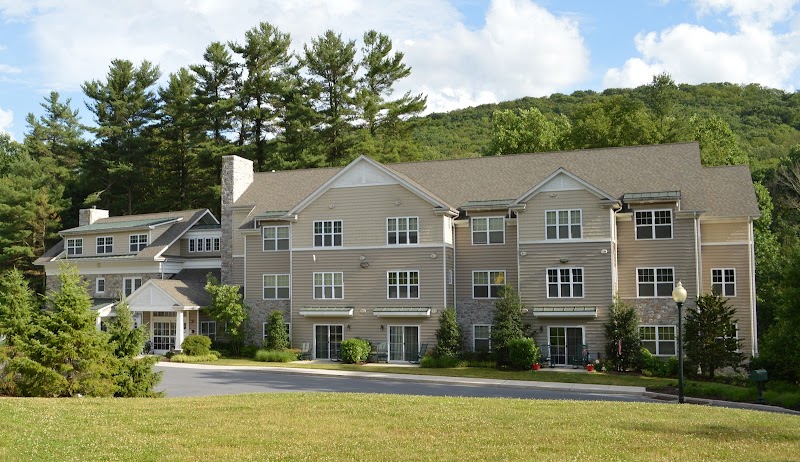
How is Paramount Nursing And Rehab At Fayetteville, Llc Staffed?

CMS rates PARAMOUNT NURSING AND REHAB AT FAYETTEVILLE, LLC's staffing level at 3 out of 5 stars, which is average compared to other nursing homes. Staff turnover is 47%, compared to the Pennsylvania average of 46%.

What Have Inspectors Found at Paramount Nursing And Rehab At Fayetteville, Llc?

State health inspectors documented 24 deficiencies at PARAMOUNT NURSING AND REHAB AT FAYETTEVILLE, LLC during 2023 to 2025. These included: 24 with potential for harm.

Who Owns and Operates Paramount Nursing And Rehab At Fayetteville, Llc?

PARAMOUNT NURSING AND REHAB AT FAYETTEVILLE, LLC is owned by a for-profit company. For-profit facilities operate as businesses with obligations to shareholders or private owners. The facility operates independently rather than as part of a larger chain. With 92 certified beds and approximately 75 residents (about 82% occupancy), it is a smaller facility located in FAYETTEVILLE, Pennsylvania.
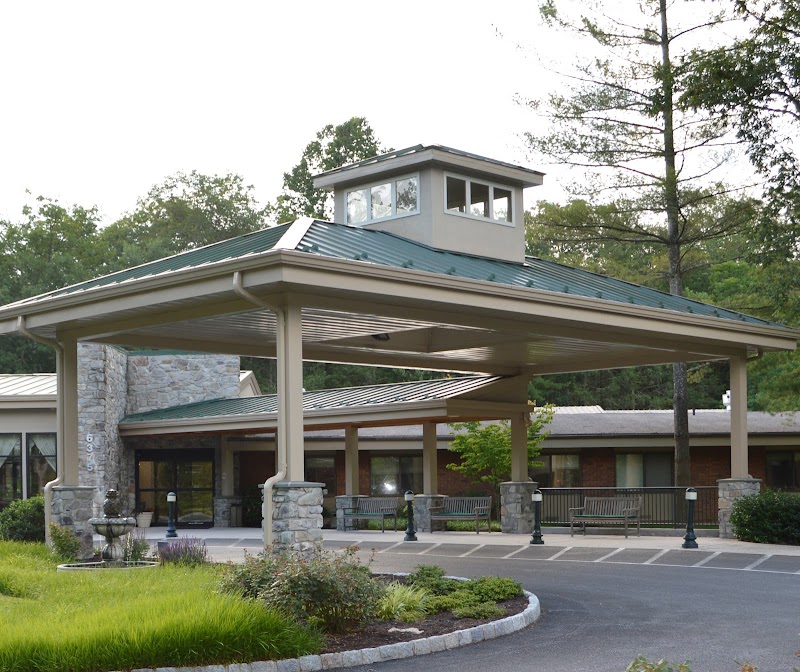
How Does Paramount Nursing And Rehab At Fayetteville, Llc Compare to Other Pennsylvania Nursing Homes?

Compared to the 100 nursing homes in Pennsylvania, PARAMOUNT NURSING AND REHAB AT FAYETTEVILLE, LLC's overall rating (3 stars) matches the state average, staff turnover (47%) is near the state average of 46%, and health inspection rating (3 stars) is at the national benchmark.

What Should Families Ask When Visiting Paramount Nursing And Rehab At Fayetteville, Llc?

Based on this facility's data, families visiting should ask: "Can I visit during a mealtime to observe dining assistance and food quality?" "How do you handle medical emergencies, and what is your hospital transfer rate?" "Can I speak with family members of current residents about their experience?"

Is Paramount Nursing And Rehab At Fayetteville, Llc Safe?

Based on CMS inspection data, PARAMOUNT NURSING AND REHAB AT FAYETTEVILLE, LLC has a clean safety record: no substantiated abuse findings (meaning no confirmed cases of resident harm), no Immediate Jeopardy citations (the most serious violation level indicating risk of serious injury or death), and is not on the Special Focus Facility watch list (a federal program monitoring the lowest-performing 1% of nursing homes). The facility has a 3-star overall rating and ranks #1 of 100 nursing homes in Pennsylvania. While no facility is perfect, families should still ask about staff-to-resident ratios and recent inspection results during their visit.

Do Nurses at Paramount Nursing And Rehab At Fayetteville, Llc Stick Around?

PARAMOUNT NURSING AND REHAB AT FAYETTEVILLE, LLC has a staff turnover rate of 47%, which is about average for Pennsylvania nursing homes (state average: 46%). Moderate turnover is common in nursing homes, but families should still ask about staff tenure and how the facility maintains care continuity when employees leave.

Was Paramount Nursing And Rehab At Fayetteville, Llc Ever Fined?

PARAMOUNT NURSING AND REHAB AT FAYETTEVILLE, LLC has no federal fines on record. CMS issues fines when nursing homes fail to meet care standards or don't correct problems found during inspections. The absence of fines suggests the facility has either maintained compliance or corrected any issues before penalties were assessed. This is a positive indicator, though families should still review recent inspection reports for the full picture.

Is Paramount Nursing And Rehab At Fayetteville, Llc on Any Federal Watch List?

PARAMOUNT NURSING AND REHAB AT FAYETTEVILLE, LLC is not on any federal watch list. The most significant is the Special Focus Facility (SFF) program, which identifies the bottom 1% of nursing homes nationally based on persistent, serious quality problems. Not being on this list means the facility has avoided the pattern of deficiencies that triggers enhanced federal oversight. This is a positive indicator, though families should still review the facility's inspection history directly.