DARWAY HEALTHCARE AND REHABILITATION CENTER
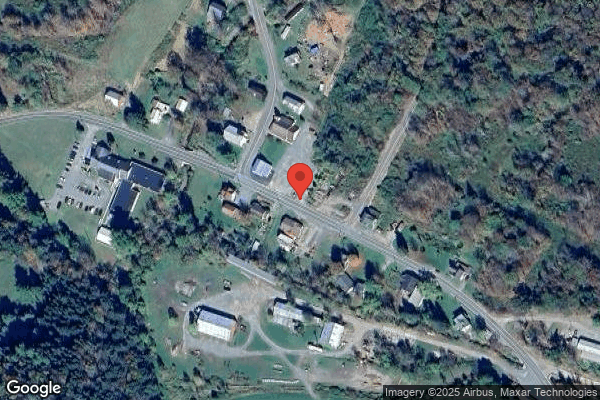
5865 ROUTE 154, FORKSVILLE, PA 18616 (570) 924-3411
For profit - Corporation 67 Beds AKIKO IKE Data: November 2025
Trust Grade
83/100
#27 of 653 in PA
Last Inspection: January 2025

Within standard 12-15 month inspection cycle. Federal law requires annual inspections.

Overview

Darway Healthcare and Rehabilitation Center has a Trust Grade of B+, indicating it is above average and recommended for families considering care options. It ranks #27 out of 653 facilities in Pennsylvania, placing it in the top half, and is the best option out of two in Sullivan County. The facility's performance is stable, with 18 issues reported over the past two years, maintaining a consistent number of concerns. Staffing is a strong point with a 5/5 rating and a turnover rate of 32%, which is significantly lower than the state average. However, there were some concerning incidents, including issues with food sanitation in the kitchen and medication errors exceeding the acceptable rate. These findings highlight the importance of monitoring both strengths and weaknesses when choosing a nursing home.

Trust Score
B+
83/100
In Pennsylvania
#27/653
Top 4%
Safety Record
Low Risk
No red flags
Inspections
Holding Steady
6 → 6 violations
Staff Stability
○ Average
32% turnover. Near Pennsylvania's 48% average. Typical for the industry.
Penalties
⚠ Watch
$3,250 in fines. Higher than 82% of Pennsylvania facilities, suggesting repeated compliance issues.
Skilled Nurses
✓ Good
Each resident gets 50 minutes of Registered Nurse (RN) attention daily — more than average for Pennsylvania. RNs are trained to catch health problems early.
Violations
⚠ Watch
18 deficiencies on record. Higher than average. Multiple issues found across inspections.
★★★★★
5.0
Overall Rating
★★★★★
5.0
Staff Levels
★★★☆☆
3.0
Care Quality
★★★★☆
4.0
Inspection Score
Stable
2024: 6 issues
2025: 6 issues

The Good

  • 5-Star Staffing Rating · Excellent nurse staffing levels
  • Full Sprinkler Coverage · Fire safety systems throughout facility
  • No fines on record
  • Staff turnover below average (32%)

    16 points below Pennsylvania average of 48%

Facility shows strength in staffing levels, fire safety.

The Bad

Staff Turnover: 32%

14pts below Pennsylvania avg (46%)

Typical for the industry

Federal Fines: $3,250

Below median ($33,413)

Minor penalties assessed

Chain: AKIKO IKE

Part of a multi-facility chain

Ask about local staffing decisions and management

The Ugly 18 deficiencies on record

Jan 2025 6 deficiencies
CONCERN (D) 📢 Someone Reported This

A family member, employee, or ombudsman was alarmed enough to file a formal complaint

Potential for Harm - no one hurt, but risky conditions existed

Notification of Changes (Tag F0580)

Could have caused harm · This affected 1 resident

Based on clinical record review and staff interview, it was determined that the facility failed to notify the physician of a resident's change in condition requiring interventions for one of 12 reside...

Read full inspector narrative →
Based on clinical record review and staff interview, it was determined that the facility failed to notify the physician of a resident's change in condition requiring interventions for one of 12 residents reviewed (Resident 24). Findings include: Clinical record review for Resident 24 revealed nursing documentation dated December 30, 2024, noting Resident 24 was found on the floor. Documentation revealed Resident 24 was checked for injury and a bruise was noted to her left knee. Resident 24's physician was notified at this time. Nursing documentation dated January 2, 2025, at 6:21 PM revealed staff were concerned with Resident 24's right hand and arm. The registered nurse assessment noted Resident 24's right hand and fingers were slightly swollen, and her right upper arm was bruised with edema (swelling). Nursing documentation dated January 3, 2025, at 9:22 PM noted Resident 24's right hand and arm continued with dependent edema. Nursing documentation dated January 4, 2025, at 5:23 AM noted during morning care nurse aides moved Resident 24's right arm to wash her and she yelled out in pain. Resident 24 was asked how bad it hurt, and Resident 24 stated bad and indicated the pain was from the shoulder to her wrist. Nursing documentation dated January 4, 2025, at 5:26 AM indicated that the registered nurse noted she observed Resident 24 getting washed up and Resident 24 was grimacing and guarding her right arm. The registered nurse noted Resident 24 had a bruise from her bicep to elbow that was being monitored. Documentation noted Resident 24 stated hurts bad during range of motion. Resident 24's physician was notified at this time. Nursing documentation dated January 6, 2025, at 3:10 PM noted Resident 24 complains pain with movement to her right arm and forearm. The registered nurse observed Resident 24 sitting in her wheelchair with bruising to her right upper arm from her mid upper arm to elbow area. The registered nurse also noted swelling to the area. Documentation revealed Resident 24 does not voluntarily attempt to move her right arm or hand. All fingers on Resident 24's right hand were noted with dependent edema. The registered nurse noted Resident 24 makes no attempts to try and feed self, or hold a cup in her right hand, even though she is right-handed. Resident 24's physician was notified. Nursing documentation dated January 6, 2025, at 4:40 PM noted the facility received a call from mobile x-ray indicating they were unable to come tonight and would come the next morning. Nursing documentation dated January 7, 2025, at 10:05 AM noted the mobile x-ray was completed. Resident 24 continues with edema of her lower forearm, hand, and fingers. Bruising of Resident 24's elbow and forearm were noted in varying degrees of healing and pain was noted with supination (outward rolling) and pronation (inward rolling) of Resident 24's hand and wrist. Nursing documentation dated January 7, 2025, at 2:49 PM noted the facility received a right shoulder and wrist x-ray report, which noted an acute comminuted fracture of Resident 24's right humeral head. Resident 24's physician was notified and ordered Resident 24 to be non-weight bearing to her right arm and to wear a sling when out of bed. Interview with the Director of Nursing on January 10, 2025, at 10:10 AM confirmed that there was no documented evidence of the facility notifying Resident 24's physician of her declining condition after the initial notification of her fall on December 30, 2024, until January 4, 2025. 28 Pa. Code 211.12(d)(1)(3)(5) Nursing services
CONCERN (D) 📢 Someone Reported This

A family member, employee, or ombudsman was alarmed enough to file a formal complaint

Potential for Harm - no one hurt, but risky conditions existed

Quality of Care (Tag F0684)

Could have caused harm · This affected 1 resident

Based on review of select facility policies and procedures, clinical record review, and staff interview, it was determined that the facility failed to provide the highest practicable care regarding bo...

Read full inspector narrative →
Based on review of select facility policies and procedures, clinical record review, and staff interview, it was determined that the facility failed to provide the highest practicable care regarding bowel protocol medication administration for one of one resident reviewed (Resident 203). Findings include: A review of the policy titled, Bowel Policy and Procedure, last reviewed on October 21, 2024, revealed a purpose to promote regular bowel function and prevent complications related to constipation (difficulty having a bowel movement) by establishing clear guidelines for monitoring, documenting, and managing residents' bowel movements. The policy further noted that all residents will have their bowel movements monitored and recorded in the electronic health record (EHR) per shift. The staff will follow the facility's bowel protocol, which will be per order established by the physician. The facility will monitor and address any absence of bowel movements within a specified timeframe, adhering to physician orders or standing facility procedures. The policy noted that, If no bowel movement is recorded by the ninth shift (72 hours), follow the physician's pre-existing bowel management order or implement the facility's standing bowel protocol. Clinical record review for Resident 203 revealed a diagnoses list that included constipation. Review of the admission Minimum Data Set Assessment (MDS, an assessment completed at specific intervals to determine care needs) dated January 2, 2025, for Resident 203 revealed that staff documented, Yes to the question asking if constipation was present. Clinical record review for Resident 203 revealed the following physician orders dated December 27, 2024, to promote bowel movements: Milk of Magnesia Suspension 400 mg (milligrams) per 5 ml (milliliters) (MOM, laxative that pulls water into bowel to soften bowel contents). Give 30 ml by mouth as needed (PRN) for constipation and administer if no bowel movement by the third day (nine shifts) and document effectiveness. Dulcolax suppository (Bisacodyl, a laxative medication used to relieve constipation) insert one suppository rectally as needed for constipation for no bowel movement within 24 hours after administration of Milk of Magnesia. Fleet's Enema 7-19 gm (grams) per 118 ml (Sodium Phosphates, liquid medication inserted into the rectum to treat constipation). Insert 1 applicatorful rectally as needed for constipation for no bowel movement by the end of the following shift after administration of suppository. Notify the physician if ineffective. Review of bowel elimination records for Resident 203 revealed that staff documented no bowel movements for December 28-31, 2024, and January 1-5, 2025. There was no indication that staff offered (as per the physician orders and bowel management protocol), or Resident 203 refused, any of the PRN medications to promote a bowel movement. The Director of Nursing confirmed on January 9, 2025, at 1:46 PM that the bowel protocol was not followed for Resident 203. 28 Pa. Code 211.12(d)(1)(3)(5) Nursing services
CONCERN (D) 📢 Someone Reported This

A family member, employee, or ombudsman was alarmed enough to file a formal complaint

Potential for Harm - no one hurt, but risky conditions existed

Deficiency F0744 (Tag F0744)

Could have caused harm · This affected 1 resident

**NOTE- TERMS IN BRACKETS HAVE BEEN EDITED TO PROTECT CONFIDENTIALITY** Based on clinical record review and staff interview, it was determined that the facility failed to develop and implement individ...

Read full inspector narrative →
**NOTE- TERMS IN BRACKETS HAVE BEEN EDITED TO PROTECT CONFIDENTIALITY** Based on clinical record review and staff interview, it was determined that the facility failed to develop and implement individualized person-centered care plans to address dementia and cognitive loss displayed by two of three residents reviewed (Residents 23 and 47). Findings include: Clinical record review for Resident 23 revealed the facility admitted her on July 31, 2018. A diagnosis of dementia (loss of memory, language, problem-solving, and other thinking abilities that interfere with daily life) was added on May 23, 2024. A review of Resident 23's most recent annual Minimum Data Set Assessment (MDS, a form completed at specific intervals to determine care needs) dated April 15, 2024, indicated that the facility assessed Resident 23 as having a diagnosis of dementia. The facility determined that a care plan for dementia and cognitive loss would be developed. A review of Resident 23's care plan revealed that there was no indication that the facility had developed and implemented a person-centered care plan to address the resident's dementia and cognitive loss. Clinical record review for Resident 47 revealed that the facility admitted him on July 5, 2023, with diagnoses including Alzheimer's dementia. A review of Resident 47's most recent annual MDS dated [DATE], indicated that the facility assessed Resident 47 as having a diagnosis of dementia. The facility determined that a care plan for dementia and cognitive loss would be developed. A review of Resident 47's care plan revealed that there was no indication that the facility had developed and implemented a person-centered care plan to address the resident's dementia and cognitive loss. The findings were reviewed with the Nursing Home Administrator and Director of Nursing on January 9, 2025, at 2:05 PM. They confirmed that the facility had no further documentation that the facility developed and implemented an individualized person- centered care plan to address Residents 23 and 47's dementia. 28 Pa Code 211.12 (d)(1)(3)(5) Nursing services
CONCERN (D) 📢 Someone Reported This

A family member, employee, or ombudsman was alarmed enough to file a formal complaint

Potential for Harm - no one hurt, but risky conditions existed

Drug Regimen Review (Tag F0756)

Could have caused harm · This affected 1 resident

Based on clinical record review and staff interview, it was determined that the facility failed to ensure the consultant pharmacist identified and reported an irregularity to the physician for one of ...

Read full inspector narrative →
Based on clinical record review and staff interview, it was determined that the facility failed to ensure the consultant pharmacist identified and reported an irregularity to the physician for one of five residents reviewed for potentially unnecessary medications (Resident 23). Findings include: Clinical record review revealed the facility admitted Resident 23 on July 31, 2018. Review of Resident 23's physician orders revealed Resident 23 was admitted on Latuda (an antipsychotic medication used to treat schizophrenia) 40 milligrams (mg), one tablet one time a day for schizophrenia. Further review of Resident 23's clinical record revealed no schizophrenia diagnosis. Review of Resident 23's current physician orders revealed Resident 23 continued to receive Latuda 40 mg, one tablet at bedtime now related to major depressive disorder. A consultant pharmacist report dated September 11, 2024, requested the physician consider a gradual dose reduction, or trial discontinuation of Resident 23's Latuda. Resident 23's physician disagreed with the recommendation on September 23, 2024, indicating Resident 23 has a longstanding history with aggressive behaviors and mood stability. Review of Resident 23's Behavior/Side Effect Tracking for November 2024, revealed staff documented Resident 23 had aggressive behaviors three of the 30 days. Review of Resident 23's Behavior/Side Effect Tracking for December 2024, revealed staff documented Resident 23 had no aggressive behaviors. Interview with the Director of Nursing on January 10, 2025, at 10:47 AM confirmed these findings. The facility failed to ensure the consultant pharmacist identified and reported a medication irregularity to the physician ensuring a clinical indication for Resident 23's Latuda. 28 Pa. Code 211.9 (k) Pharmacy services 28 Pa. Code 211.12(d)(3)(5) Nursing services
CONCERN (D) 📢 Someone Reported This

A family member, employee, or ombudsman was alarmed enough to file a formal complaint

Potential for Harm - no one hurt, but risky conditions existed

Deficiency F0839 (Tag F0839)

Could have caused harm · This affected 1 resident

**NOTE- TERMS IN BRACKETS HAVE BEEN EDITED TO PROTECT CONFIDENTIALITY** Based on clinical record review, review of facility documentation, and staff interview, it was determined that the facility fail...

Read full inspector narrative →
**NOTE- TERMS IN BRACKETS HAVE BEEN EDITED TO PROTECT CONFIDENTIALITY** Based on clinical record review, review of facility documentation, and staff interview, it was determined that the facility failed to ensure professional staff were licensed, certified, or registered in accordance with state laws for one of three staff members reviewed (Employee 4; Residents 3 and 50). Findings include: Review of facility documentation revealed that Employee 4, registered nurse, had a registered nurse license that expired [DATE]. A review of the current license for Employee 4 revealed the Status Effective Date was documented as [DATE]. An interview with the Nursing Home Administrator on [DATE], at 10:24 AM revealed that Employee 4's license had expired on [DATE], and was not renewed until [DATE]. Human resources had contacted Employee 4 on [DATE], to advise of the expiration date of Employee 4's license. A review of the facility document titled, Time Cards, for Employee 4 revealed that the staff member had worked seven shifts during the time period the facility reported the license was expired: [DATE]/15, 2024 [DATE]/19, 2024 [DATE]/20, 2024 [DATE]/22, 2024 [DATE]/23, 2024 [DATE]/24, 2024 [DATE]/25, 2024 Review of the clinical documentation for two residents reviewed revealed that Employee 4 had documented clinical care and/or clinical assessment during the time periods listed above: Nursing documentation for Resident 3 on [DATE], at 9:22 PM; and skilled nursing documentation of an assessment of Resident 50 on [DATE], at 9:44 PM. The above information for Employee 4 was reviewed with the Nursing Home Administrator and Director of Nursing on [DATE], at 12:05 PM who confirmed that Employee 4 had worked seven shifts, as noted above, without a valid license until license renewal on [DATE]. 28 Pa. Code 201.18(b)(1) Management 28 Pa. Code 211.12(c)(d)(1)(3)(5) Nursing services
CONCERN (E) 📢 Someone Reported This

A family member, employee, or ombudsman was alarmed enough to file a formal complaint

Potential for Harm - no one hurt, but risky conditions existed

Unnecessary Medications (Tag F0759)

Could have caused harm · This affected multiple residents

Based on observation, clinical record review, review of select manufacturer's guidelines, and staff interview, it was determined that the facility failed to ensure a medication error rate below five p...

Read full inspector narrative →
Based on observation, clinical record review, review of select manufacturer's guidelines, and staff interview, it was determined that the facility failed to ensure a medication error rate below five percent (Residents 25 and 18). Findings include: The facility's medication error rate was 9.68 percent based on 31 medication opportunities with three medication errors. Observation of a medication administration pass on January 8, 2025, at 9:02 AM revealed Employee 3 (licensed practical nurse, LPN) preparing to administer Resident 25's Carbidopa 25 milligram (mg)/ Levodopa 100 mg (medication used to treat Parkinson disease symptoms) two tablets and Effexor (antidepressant medication) XR extended release 150 mg, one tablet. Employee 3 proceeded to crush both the Carbidopa/Levodopa and Effexor EX extended release. Review of the facilities Medications Not to Be Crushed, list by the American Society of Consultant Pharmacists, dated February 2024, revealed that both the Carbidopa/Levodopa and Effexor EX extended release should not be crushed. Interview with the Director of Nursing on January 9, 2025, at 9:18 AM confirmed these findings for Resident 25. Observation of a medication administration pass on January 7, 2025, at 9:15 AM, revealed Employee 2, LPN, preparing to administer medications to Resident 18. Employee 2 handed the Flonase (treats seasonal or year-round allergies) nasal spray to Resident 18. Resident 18 then proceeded to administer one spray of the Flonase to both nostrils. Resident 18 did not blow her nose prior to the administration, nor did she occlude the opposite nostril while spraying. Employee 2 indicated at this time that Resident 18, likes to administer it herself. Review of the Flonase package insert revised January 2019, indicates that users should blow their nose to clear their nostrils prior to administration. Users are to close one nostril, while administering a dose in the opposite nostril. Review of Resident 18's clinical record revealed a physician's order dated December 20, 2024, that indicates nursing staff are to administer two sprays of the Flonase to Resident 18 daily. There was no documented evidence to indicate that Resident 18 was approved for self-administration of the Flonase nasal spray. Interview with the Director of Nursing on January 9, 2025, at 9:16 AM confirmed the above findings for Resident 18. 28 Pa. Code 211.10(a) Resident care policies 28 Pa. Code 211.12(d)(1)(5) Nursing services
Feb 2024 6 deficiencies
CONCERN (D)

Potential for Harm - no one hurt, but risky conditions existed

Investigate Abuse (Tag F0610)

Could have caused harm · This affected 1 resident

Based on review of select facility policies, clinical record review, and staff interview, it was determined that the facility failed to develop and implement an abuse prohibition policy that ensured a...

Read full inspector narrative →
Based on review of select facility policies, clinical record review, and staff interview, it was determined that the facility failed to develop and implement an abuse prohibition policy that ensured a complete and thorough investigation of an incident involving the potential for neglect for one of 14 residents reviewed (Resident 24). Findings include: The facility policy entitled Darway Rehabilitation Center Abuse Policy last reviewed without changes on January 18, 2024, revealed that the facility residents will be free from abuse, neglect, misappropriation of resident property, corporal punishment, and involuntary seclusion. Abuse is the willful infliction of injury, unreasonable confinement, intimidation, or corporal punishment with resulting physical harm, pain or mental anguish. Abuse also includes the deprivation by an individual, including a caretaker, of goods or services that are necessary to attain or maintain physical, mental, and psychosocial well-being. Neglect is defined as the failure of the facility, its employees or service providers to provide goods and services to a resident that are necessary to avoid physical harm, pain, mental anguish, or emotional distress. Neglect occurs when the facility is aware of, or should have been aware of, goods or services that a resident(s) requires but the facility fails to provide them to the resident(s) that has resulted in or may result in physical harm, pain, mental anguish, or emotional distress. The facility will report all alleged violations of abuse, neglect, exploitation or mistreatment and the results of all investigations of alleged violations. Clinical record review for Resident 24 revealed nursing documentation dated August 9, 2023, at 9:32 PM that Resident 24 was found sitting in front of her chair facing the nurse's station in the TV area. The chair alarm was not sounding when checked, it was not turned on. Review of the facility's investigation dated August 9, 2023, confirmed that the alarm was turned off and that the facility had two staff complete statements, both of which indicated that they did not witness Resident 24's fall. There was no investigation to determine who was the assigned staff member that failed to turn the alarm on at the time of placing Resident 24 in her chair, a statement from this staff member indicating if they did or did not turn the alarm on, and/or documentation which indicated that Resident 24 turns her alarms off on her own or is non-compliant with alarm usage. There was also no documentation regarding the identification of potential neglect by the assigned staff member who failed to turn Resident 24's chair alarm on, reporting of this potential neglect to the appropriate state agencies, or completion of staff education regarding implementation of fall interventions, including ensuring chair alarms are turned on at the time of placement into the chair. This information was reviewed during an interview with the Director of Nursing on February 23, 2024, at 12:12 PM. 28 Pa. Code 201.18(b)(1)(3) Management 28 Pa. Code 201.19 Personnel policies and procedures 28 Pa. Code 201.29(a) Resident rights 28 Pa. Code 211.12(d)(1)(5) Nursing services
CONCERN (D)

Potential for Harm - no one hurt, but risky conditions existed

Deficiency F0625 (Tag F0625)

Could have caused harm · This affected 1 resident

Based on clinical record review and staff interview, it was determined that the facility failed to ensure that the resident or resident representative received written notice of the facility bed hold ...

Read full inspector narrative →
Based on clinical record review and staff interview, it was determined that the facility failed to ensure that the resident or resident representative received written notice of the facility bed hold policy at the time of transfer for two of two residents reviewed for hospitalizations (Residents 32 and 48). Findings include: Clinical record review for Resident 48 revealed that was transferred to the hospital on February 16, 2024, after they had a change in condition. There was no documentation available that the facility provided written notice regarding a bed hold to the resident and/or the resident's responsible party upon transfer out to the hospital. The surveyor reviewed the above information for during an interview with the Nursing Home Administrator and Director of Nursing on February 23, 2024, at 10:04 AM. Clinical record review for Resident 32 revealed nursing documentation dated October 26, 2023, at 10:44 AM that nursing staff informed the physician of laboratory values and, the physician instructed staff to send Resident 32 to the hospital. An ambulance arrived and transported Resident 32 to the hospital. Nursing documentation dated October 26, 2023, at 5:45 PM indicated that the hospital admitted Resident 32 with diagnoses that included a urinary tract infection, pneumonia (infection of the lungs), and CHF (congestive heart failure, the inability of the heart to pump sufficiently resulting in the retention of fluids in the lungs). Resident 32's clinical record contained no evidence that the facility provided written notice to Resident 32's responsible party that specified the duration of the state bed-hold policy upon Resident 32's transfer to the hospital. Interview with the Nursing Home Administrator on February 22, 2024, at 2:32 PM confirmed that the facility was not mailing the required bed-hold policy notice to residents' responsible parties. The facility could not provide evidence that Resident 32's responsible party received the required bed-hold notice upon his transfer to the hospital. 28 Pa. Code 201.14(a) Responsibility of licensee 28 Pa. Code 201.29(f) Resident rights
CONCERN (D)

Potential for Harm - no one hurt, but risky conditions existed

Comprehensive Care Plan (Tag F0656)

Could have caused harm · This affected 1 resident

Based on clinical record review, observation, and staff interview, it was determined that the facility failed to develop a comprehensive plan of care regarding pacemaker care for one of 14 residents r...

Read full inspector narrative →
Based on clinical record review, observation, and staff interview, it was determined that the facility failed to develop a comprehensive plan of care regarding pacemaker care for one of 14 residents reviewed (Resident 32). Findings include: Clinical record review for Resident 32 revealed an active physician's order dated October 31, 2023, for staff to ensure pacemaker (small device implanted into the chest used to control the heartbeat) monitoring was in place. There were no other specified directions from this physician's order; the physician's order did not specify the type of pacemaker or monitoring Resident 32 utilized. Observation of Resident 32's room on February 23, 2024, at 10:55 AM revealed a registered nurse donned with personal protective equipment (gown, gloves, mask, and face shield due to isolation precautions in place secondary to COVID-19 infection) inside the room. The registered nurse held up a cell phone plugged into Resident 32's bedside receptacle to inform the surveyor that the cell phone was in place for Resident 32's pacemaker monitoring. The registered nurse stated that an application on Resident 32's cell phone called, myMerlin Pulse, was used for the pacemaker monitoring. Information obtained from myMerlin mobile application website indicated that the phone application communicated with an insertable cardiac monitor (ICM) to provide information that a doctor needs for an accurate diagnosis. Six tips listed for staying connected to the application (and cardiac monitoring) included: DO NOT QUIT (all in capital letters) the app. Remember to relaunch the app any time the phone is restarted. Keep the phone CLOSE (all in capital letters) (within 5 feet or 1.5 meters) even while sleeping. Keep the smartphone CONNECTED (all in capital letters) to Wi-Fi or cellular data with a STRONG (all in capital letters) signal (signal is strong enough if you can access a website). Keep Bluetooth ON (all in capital letters) to allow the smartphone to connect to the heart monitor. ALLOW (all in capital letters) notifications from the myMerlin mobile app; and turn ON (all in capital letters) app background refresh/background data usage. Turn OFF (all in capital letters) power save/battery optimization/low power features in the phone's settings. Interview with Employee 1 (registered nurse who stated that she provided regional support during Department surveys) on February 23, 2024, from 11:11 AM through 11:15 AM revealed that she did not find any specific instructions pertaining to Resident 32's pacemaker monitoring in his physical chart. Employee 1 confirmed with the surveyor that Resident 32's electronic care plan indicated that he had a pacemaker; however, no information regarding a cell phone, a cell phone application, or required Bluetooth, cellular, or Wi-Fi services were included as individualized necessary interventions. Interview with the Director of Nursing on February 23, 2024, at 11:36 AM revealed that staff log Resident 32's schedule for pacemaker checks on a physical daily calendar kept on the nursing supervisor's desk not on Resident 32's care plan, physician orders, or electronic medical record. The surveyor requested that the Director of Nursing provide information regarding the most recent four pacemaker checks for Resident 32 (e.g., physician ordered frequency, date of completion, and findings). The surveyor reiterated the request for pacemaker information during an interview with the Director of Nursing on February 23, 2024, at 1:44 PM. The Director of Nursing confirmed that specific interventions required for the use of the myMerlin cell phone application were not included in Resident 32's plan of care. The Director of Nursing confirmed that staff need to ensure the ongoing functioning of the cellular phone and application within the facility environment that consistently has poor cellular phone service due to its geographic location. The interview confirmed that Resident 21's plan of care did not include any emergency procedures to address potential power or Wi-Fi outages; or contact information for Resident 32's cardiologist (doctor who specializes in heart and blood vessel diseases/arrythmia [abnormal heartbeat]). The facility failed to ensure that Resident 32's plan of care included individualized treatment and services necessary to maintain his required pacemaker monitoring. 28 Pa. Code 211.12(d)(1)(3)(5) Nursing services
CONCERN (E)

Potential for Harm - no one hurt, but risky conditions existed

Drug Regimen Review (Tag F0756)

Could have caused harm · This affected multiple residents

Based on clinical record review and staff interview, it was determined that the facility failed to ensure an appropriate physician response to consultant pharmacist recommendations for three of five r...

Read full inspector narrative →
Based on clinical record review and staff interview, it was determined that the facility failed to ensure an appropriate physician response to consultant pharmacist recommendations for three of five residents reviewed for potentially unnecessary medications (Residents 22, 41, and 46). Findings include: Clinical record review for Resident 22 revealed a consultant pharmacist recommendation dated July 28, 2023, that requested the physician evaluate a gradual dose reduction (GDR) of Resident 22's Quetiapine Fumarate (Seroquel, an antipsychotic medication used to treat mood/mental disorders). The physician's response on August 7, 2023, declined to reduce Resident 22's Quetiapine medication with the rationale, Pt (patient) hasn't tolerated GDR in the past currently stable on current meds. Physician orders active at the time of the July 28, 2023, pharmacist recommendation instructed staff to administer Seroquel 200 mg by mouth at bedtime. Resident 22's total daily intake of Seroquel was reduced from 250 mg to 225 mg on February 11, 2023. Resident 22's total daily intake of Seroquel was reduced from 225 mg to 200 mg on June 28, 2023. There was no evidence of an increase in Resident 22's problematic target behaviors between February 11, 2023, and August 7, 2023, when the physician indicated Resident 22 had failed a GDR in the past. A consultant pharmacist recommendation dated January 23, 2024, again requested that the physician evaluate a possible GDR of the Quetiapine medication. The physician disagreed with the recommendation on February 11, 2024, with the rationale, Benefits > (greater than) Risks. The physician did not provide a clinically significant rationale as the basis for declining the consultant pharmacist's recommendations. Interview with the Director of Nursing on February 23, 2024, at 12:09 PM confirmed the above findings for Resident 22. Clinical record review for Resident 41 revealed a consultant pharmacist recommendation dated June 23, 2023, that requested the physician evaluate Resident 41's Seroquel medication for a GDR. The physician disagreed on June 28, 2023, with the rationale, Pt continues to have symptoms agitation, yelling, etc. Social services quarterly assessment documentation dated April 25, 2023, at 7:58 AM stipulated that, (Resident 41) had 0 (zero) days of adverse behaviors throughout the review period. Review of interdisciplinary progress note documentation dated April 25, 2023, through June 28, 2023, revealed one entry (June 24, 2023, at 6:43 PM) when staff documented Resident 41 was easily agitated but was redirected and calmed, after short while. Interview with the Director of Nursing on February 23, 2024, at 12:09 PM revealed that the facility could not provide evidence of Resident 41's ongoing symptoms of agitation, yelling, etc., that the physician referred to in the June 28, 2023, response. A consultant pharmacist recommendation dated December 19, 2023, again requested that the physician evaluate Resident 41's Seroquel medication for a GDR. The physician disagreed on December 31, 2023, with the rationale, Benefits > (greater than) risk. The physician did not provide a clinically significant rationale as the basis for declining the consultant pharmacist's recommendations. Clinical record review for Resident 46 revealed a consultant pharmacist recommendation dated April 27, 2023, that requested the physician evaluate a possible GDR of Resident 46's Seroquel dose. The physician disagreed on May 1, 2023, with the rationale, Pt is still agitated, combative . There was additional handwriting following that statement; however, the surveyor, Director of Nursing, and the Nursing Home Administrator could not decipher the comment when reviewed on February 23, 2024, at 9:45 AM. Review of interdisciplinary progress note documentation dated March 1, 2023, through May 1, 2023, revealed numerous entries that Resident 46 was kind, smiling, had no signs or symptoms of depression, was calm, cooperative, and pleasant. Social services documentation dated March 30, 2023, at 9:25 AM revealed that Resident 46 had one day of physical behavior and one day of care rejection throughout the review period (one quarter, approximately three months). Care plan interdisciplinary documentation dated April 5, 2023, at 1:49 PM reiterated that Resident 46 had one day of physical behavior and one day of care rejection throughout the review period. Interview with the Director of Nursing on February 23, 2024, at 12:09 PM revealed that the facility could not provide evidence of Resident 46's ongoing episodes of agitation and combativeness that the physician referred to in the May 1, 2023, response. A consultant pharmacist recommendation dated October 18, 2023, again requested the physician review Resident 46's Seroquel dose for a GDR. The physician's response dated October 23, 2023, indicated that Resident 46 continued to have behavioral symptoms, i.e., combative, yelling, etc.; and that the GDR was not advised. Interdisciplinary documentation dated October 5, 2023, at 2:10 PM indicated that Resident 46 went to the common areas to socialize with other residents and staff, he participated in group activities, and that he had only one day of physical behaviors throughout the review period. Review of interdisciplinary progress note documentation dated October 5, 2023, through October 23, 2023, revealed several entries that staff assessed no behaviors for Resident 46. One entry dated October 7, 2023, at 3:57 indicated Resident 46 yelled if another resident and went near him; however, there was no indication of a physically aggressive action. Progress note documentation beginning October 17, 2023, at 6:48 AM revealed that Resident 46 began abnormal respiratory symptoms such as coughing and abnormal lung sounds. Nursing documentation dated October 20, 2023, at 5:28 PM revealed that Resident 46's physician ordered antibiotic therapy for Resident 46. Although nursing documentation dated October 20, 2023, at 11:37 PM indicated that Resident 46 had physical behaviors noted only during care, Resident 46 was experiencing acute illness at that time. Interview with the Director of Nursing on February 23, 2024, at 12:09 PM confirmed that the facility had no behavior tracking other than the above progress note documentation. The facility could not provide evidence of ongoing behavioral symptoms referred to by the physician in his October 23, 2023, declination of the consultant pharmacist's recommendation to GDR the antipsychotic medication. 28 Pa. Code 211.2(d)(3)(8)(9) Medical director 28 Pa. Code 211.9(k) Pharmacy services 28 Pa. Code 211.12(d)(1)(3)(5) Nursing services
CONCERN (E)

Potential for Harm - no one hurt, but risky conditions existed

Medication Errors (Tag F0758)

Could have caused harm · This affected multiple residents

Based on a review of select facility policies and procedures, clinical record review, and staff interview, it was determined that the facility failed to ensure residents' medication regime was free fr...

Read full inspector narrative →
Based on a review of select facility policies and procedures, clinical record review, and staff interview, it was determined that the facility failed to ensure residents' medication regime was free from potentially unnecessary medication for three of five residents reviewed for medication regime review (Residents 22, 41, and 46). Findings include: The facility policy entitled, Tapering Medications and Gradual Drug Dose Reduction, last reviewed without changes on January 18, 2024, revealed that all medications will be considered for possible tapering. Tapering that is applicable to antipsychotic medications will be referred to as gradual dose reduction. Residents who use antipsychotic drugs shall receive gradual dose reductions and behavioral interventions, unless clinically contraindicated, to discontinue these drugs. Periodically, the staff and practitioner will review the continued relevance of each resident's medications. The attending physician and staff will identify target symptoms for which a resident is receiving various medications. The staff will monitor for improvement in those target symptoms and provide the physician with that information. The staff and practitioner will consider tapering medications as one approach to finding an optimal dose or determining whether continued use of a medication is benefitting the resident. The staff and practitioner will consider tapering under certain circumstances, including when: The resident's clinical condition has improved or stabilized; The underlying causes of the original target symptoms have resolved; Non-pharmacological interventions, including behavioral interventions, have been effective in reducing symptoms The physician will review periodically whether current medications are still necessary in their current doses; for example, whether an individual's conditions or risk factors are sufficiently prominent or enduring that they require medication therapy to continue in the current dose, or whether those conditions and risks could potentially be equally well managed or controlled without certain medications, or with a lower dose. When a medication is tapered or stopped, the staff will closely monitor the resident and will inform the physician if there is a return or worsening of symptoms. When a medication is tapered or stopped, the staff and practitioner shall document the rationale for any decisions to restart a medication or reverse a dose reduction, for example, because of a return of clinically significant symptoms. Within the first year after a resident is admitted on an antipsychotic medication or after the resident has been started on an antipsychotic medication, the staff and practitioner shall attempt a GDR (gradual dose reduction) in two separate quarters (with at least one month between the attempts), unless clinically contraindicated. After the first year, the facility shall attempt a GDR at least annually, unless clinically contraindicated. Clinical record review for Resident 22 revealed Resident 22's total daily intake of the antipsychotic, Seroquel, was reduced from 250 mg to 225 mg on February 11, 2023. Resident 22's total daily intake of Seroquel was reduced from 225 mg to 200 mg on June 28, 2023. Physician orders dated May 1, 2023, instructed staff to track verbally abusive behavior (threatening others, screaming/yelling at others, cursing/swearing), socially inappropriate or disruptive behavior (self-injury (scratch/hit), pacing/wandering, disrobing, sexual acts/comments, masturbation/self-stimulation, rummaging, stealing, fecal manipulation, screaming/yelling out), and refusal of care as needed and provide additional details as needed in progress notes. Review of interdisciplinary progress note documentation dated June 28, 2023, through August 28, 2023, revealed no socially inappropriate, disruptive, or abusive behaviors that were not related to Resident 22's refusal of care. Nursing documentation dated July 28, 2023, at 10:24 AM through August 4, 2023, at 8:38 PM revealed that Resident 22 received antibiotics for a right elbow skin infection. A physician's order dated August 28, 2023, instructed staff to reverse Resident 22's Seroquel dose reduction and resume dosing at the increased 225 mg daily. Resident 22's clinical record did not contain evidence that the staff and practitioner documented a rationale for the decisions to reverse the dose reduction (e.g., a return or worsening of clinically significant symptoms). Interview with the Director of Nursing on February 23, 2024, at 12:09 PM confirmed that Resident 22 entered the facility in January 2018, with an antipsychotic medication; and that the facility had no evidence of a failed GDR that was evidenced by a return or worsening of target behaviors. The facility was unable to provide documentation of the clinically significant symptom that required the resumption of Resident 22's antipsychotic medication, Seroquel, at 225 mg daily. The interview confirmed that Resident 22's clinical record indicated that he tolerated a gradual dose reduction of the Seroquel medication February 11, 2023, through August 27, 2023, based on no evidence of an increase in his behaviors or a decline in his functioning. Clinical record review for Resident 41 revealed that the facility admitted him on January 17, 2023. admission physician orders for Resident 41 instructed staff to administer Seroquel 25 mg twice a daily (total 50 mg daily dose). Physician orders dated May 1, 2023, instructed staff to track Resident 41's target behaviors as subsequently described as: socially inappropriate or disruptive behavior (i.e., self-injury (scratch/hit), pacing/wandering, disrobing, sexual acts/comments, masturbation/self-stimulation, rummaging, stealing, fecal manipulation, screaming/yelling out) and refusals of care. Staff were to track by occurrence as needed and provide any additional details as needed in Resident 41's progress notes. Resident 41's clinical record did not contain any evidence that the facility attempted a gradual dose reduction of Resident 41's antipsychotic in two separate quarters (with at least one month between the attempts) during his first year in the facility. Interview with the Director of Nursing on February 23, 2024, at 12:05 PM confirmed that the facility did not have behavior tracking to support that the staff monitored Resident 41 for improvement in target symptoms to find an optimal dose or determine whether continued use of the medication was benefitting Resident 41. Clinical record review for Resident 46 revealed that the facility admitted him on March 22, 2022. Physician orders dated June 4, 2022, instructed staff to administer Seroquel 25 mg during the day and 50 mg at bedtime. Physician orders for Resident 46 continued the Seroquel medication at the total daily dose of 75 mg from June 4, 2022, through September 25, 2023. There was no evidence in Resident 46's clinical record that the facility attempted a gradual dose reduction during the first year after Resident 46 started the antipsychotic medication. Review of interdisciplinary progress note documentation dated March 1, 2023, through May 1, 2023, revealed numerous entries that Resident 46 was kind, smiling, had no signs or symptoms of depression, was calm, cooperative, and pleasant. Social services documentation dated March 30, 2023, at 9:25 AM revealed that Resident 46 had one day of physical behavior and one day of care rejection throughout the review period (one quarter, approximately three months). Care plan interdisciplinary documentation dated April 5, 2023, at 1:49 PM reiterated that Resident 46 had one day of physical behavior and one day of care rejection throughout the review period. Social services documentation dated June 30, 2023, at 7:53 AM for a quarterly assessment, revealed that Resident 46 had two days of care refusal behavior throughout the review period. Physician orders dated September 25, 2023, instructed staff to increase Resident 46's Seroquel dose to 50 mg twice daily (a total of 100 mg in a day). Social services documentation dated October 2, 2023, at 7:35 AM for a quarterly assessment, revealed that Resident 46 had one day of physical behaviors throughout the review period. Interdisciplinary documentation dated October 5, 2023, at 2:10 PM indicated that Resident 46 went to the common areas to socialize with other residents and staff, he participated in group activities, and that he had only one day of physical behaviors throughout the review period. Review of interdisciplinary progress note documentation dated October 5, 2023, through October 23, 2023, revealed several entries that staff assessed no behaviors for Resident 46. One entry dated October 7, 2023, at 3:57 indicated Resident 46 yelled if another resident and went near him; however, there was no indication of a physically aggressive action. Interview with the Director of Nursing on February 23, 2024, at 12:09 PM confirmed that the facility had no behavior tracking, other than interdisciplinary progress note documentation. The facility could not provide evidence that continuing the antipsychotic at the same dose from June 2022 to September 2023, benefitted the resident given no significant change in the frequency or severity of his target behaviors per the social services documentation above. The facility could not provide evidence of an increase in target behaviors before increasing Resident 46's Seroquel medication in September 2023. 28 Pa. Code 211.2(d)(3) Medical director 28 Pa. Code 211.12(d)(1)(3)(5) Nursing services
MINOR (B)

Minor Issue - procedural, no safety impact

Transfer Notice (Tag F0623)

Minor procedural issue · This affected multiple residents

Based on clinical record review and staff interview, it was determined that the facility failed to notify a resident and/or their responsible party in writing of a transfer to the hospital for two of ...

Read full inspector narrative →
Based on clinical record review and staff interview, it was determined that the facility failed to notify a resident and/or their responsible party in writing of a transfer to the hospital for two of two residents reviewed (Residents 32 and 48). Findings include: Clinical record review for Resident 48 revealed that they were transferred to the hospital on February 16, 2024, after a change in their condition. There was no documentation that the facility provided written notification to the resident or the resident's responsible party regarding the transfer that included the required contents: reason for the transfer, effective date of the transfer, location to which the resident was transferred, contact and address information for the Office of the State Long-Term Care Ombudsman, and information for the agency responsible for the protection and advocacy of individuals with developmental disabilities. The surveyor reviewed the above information for during an interview with the Nursing Home Administrator and Director of Nursing on February 23, 2024, at 10:04 AM. Clinical record review for Resident 32 revealed nursing documentation dated October 26, 2023, at 10:44 AM that nursing staff informed the physician of laboratory values and after the physician spoke to Resident 32's son, the physician instructed staff to send Resident 32 to the hospital. An ambulance arrived and transported Resident 32 to the hospital. Nursing documentation dated October 26, 2023, at 5:45 PM indicated that the hospital admitted Resident 32 with diagnoses that included a urinary tract infection, pneumonia (infection of the lungs), and CHF (congestive heart failure, the inability of the heart to pump sufficiently resulting in the retention of fluids in the lungs). Resident 32's clinical record contained no evidence that the facility provided written notice to Resident 32's responsible party of his transfer. Interview with the Nursing Home Administrator on February 22, 2024, at 2:32 PM confirmed that the facility was not mailing the required transfer notices to residents' responsible parties. The facility could not provide evidence that Resident 32's responsible party received the required transfer notice. 28 Pa. Code 201.14 (a) Responsibility of license 28 Pa. Code 201.29(a) Resident rights
Mar 2023 6 deficiencies
CONCERN (D)

Potential for Harm - no one hurt, but risky conditions existed

Deficiency F0558 (Tag F0558)

Could have caused harm · This affected 1 resident

Based on clinical record review, observations, and resident and staff interview, it was determined that the facility failed to accommodate resident needs regarding the accessibility to a call bell for...

Read full inspector narrative →
Based on clinical record review, observations, and resident and staff interview, it was determined that the facility failed to accommodate resident needs regarding the accessibility to a call bell for one of 14 residents reviewed (Resident 41) and accessibility of a call bell and a bed control unit for one of 14 residents reviewed (Resident 6). Findings include: Clinical record review for Resident 41 revealed a diagnoses list that included: muscle weakness abnormalities of gait and mobility, and reduced mobility. A current care plan revealed Resident 41 was at risk for falls due to the medical history and a goal was to minimize risk for injury related to falls. An intervention listed on the care plan included having the call bell in reach. Observation of Resident 41 on March 8, 2023, at 10:04 AM revealed the resident was in bed and the call bell was underneath the bed on the floor. Interview with Employee 4, nurse aide, on March 8, 2023, at 10:08 AM confirmed the call bell location and stated the cord didn't have a clip on it and that is probably why it's on the floor. Clinical record review for Resident 6 revealed a diagnoses list that included: muscle weakness, abnormalities of gait and mobility, and lack of coordination. A current care plan for Resident 6 revealed he was at risk of falls due to the medical history. An intervention listed on the care plan included having the call bell in reach. Observation of Resident 6 on March 8, 2023, at 9:15 AM revealed the resident was in bed with the head of the bed elevated in the high semi-Fowler's position. The call bell was not readily visible from the bedside. The bed control was hanging on a drawer handle of a dresser that was located two feet from the bed and not within reach of the resident. A concurrent interview with Resident 6 revealed he did not know where the call bell was. When asked he stated, I have no idea where it is now. The resident further reported he liked to put the head of the bed down after he eats, but was unable to access the controller, I use it if I could reach it. It is out of my reach now. Interview with Employee 4 revealed Resident 6's call bell was found draped over the very top of the bed and partially under Resident 6's pillow. Employee 4 verbalized in reference to the call bell, I guess you can't reach it. Employee 4 then proceeded to put the head of the bed down for the resident and placed the bed controller within his reach. The above information for Residents 6 and 41 was reviewed in a meeting with the Nursing Home Administrator and Director of Nursing on March 8, 2023, at 2:15 PM. 28 Pa. Code 211.12(d)(5) Nursing services
CONCERN (D)

Potential for Harm - no one hurt, but risky conditions existed

Deficiency F0582 (Tag F0582)

Could have caused harm · This affected 1 resident

Based on clinical record review and staff interview, it was determined that the facility failed to provide required notification to a resident whose payment coverage changed for one of four residents ...

Read full inspector narrative →
Based on clinical record review and staff interview, it was determined that the facility failed to provide required notification to a resident whose payment coverage changed for one of four residents reviewed (Resident 37). Findings include: A review of the form Instructions for the Notice of Medicare Non-Coverage (NOMNC) CMS-10123, (a notice that informs the recipient when care received from the skilled nursing facility is ending; and how to contact a Quality Improvement Organization (QIO) to appeal) revealed instructions that a Medicare provider must ensure that the notice is delivered at least two calendar days before Medicare covered services end. The provider must ensure that the beneficiary or their representative signs and dates the NOMNC to demonstrate that the beneficiary or their representative received the notice and understands the termination of services can be disputed. If the provider is personally unable to deliver a NOMNC to a person acting on behalf of an enrollee, then the provider should telephone the representative to advise him or her when the enrollee's services are no longer covered. Confirm the telephone contact by written notice mailed on that same date. A review of the Form Instructions Skilled Nursing Facility (SNF) Advanced Beneficiary Notice of Non-coverage (SNFABN) Form CMS-10055 revealed that examples of the common reasons why an extended care stay, or services may not be covered under Medicare might include the beneficiary no longer requires daily skilled care for a medical condition but wants to continue residing in the skilled nursing facility (SNF). The SNF enters a good faith estimate of the cost of the corresponding care that may not be covered by Medicare. In the blank that follows Beginning on ., the skilled nursing facility enters the date on which the beneficiary may be responsible for paying for care that Medicare is not expected to cover. The beneficiary selects an option box to indicate a desire to continue to receive the care or not to continue to receive the care and if there is a desire to have the bill submitted to Medicare for consideration. The beneficiary or their authorized representative must sign the signature box to acknowledge that they read and understood the notice. The SNF must issue this notice when there is a termination of all Medicare Part A services for coverage reasons. If after issuing the NOMNC, the SNF expects the beneficiary to remain in the facility in a non-covered stay, the SNFABN must be issued to inform the beneficiary of potential liability for the non-covered stay. Clinical record review for Resident 37 revealed social services documentation dated February 14, 2023, at 7:46 AM that assessed her with severe cognitive impairment (Brief Interview for Mental Status score of three out of a potential 15), that Resident 37 had two days of wandering behaviors, and one day of verbal and physical behaviors towards staff. The documentation indicated that Resident 37 was expected to stay long-term at the facility per her daughter. Census information indicated a change in payment for Resident 37's care on February 18, 2022, when Resident 37 converted to private pay. A review of a CMS-10123 form provided by the facility indicated that Resident 37's last covered day of Medicare services ended February 15, 2023. The document indicated that Employee 1 (social services director) called Resident 37's daughter on February 13, 2023, to explain the planned notice of non-coverage and Resident 37's appeal rights because Resident 37 could not sign/understand the document due to her cognitive impairment. The document did not include a dated signature of Resident 37's responsible party (daughter). The document did not indicate that the facility mailed the notice to Resident 37's responsible party. Review of a CMS-10055 form provided by the facility indicated that beginning on February 16, 2023, Resident 37 may have to pay out of pocket for care. A handwritten note at the bottom of the form indicated that Resident 37's responsible party/daughter gave, verbal consent, on February 13, 2023. The document did not include a dated signature from Resident 37's responsible party. Interview with Employee 1 (social services director) on March 10, 2023, at 10:27 AM, confirmed that the facility did not mail the above notices to Resident 37's daughter/responsible party. 483.10(g)(17)(18)(i)-(v) Medicaid/medicare Coverage/liability Notice Previously cited deficiency 03/21/22 28 Pa. Code 201.18(b)(2)(e)(1) Management 28 Pa. Code 201.29(a) Resident rights
CONCERN (D)

Potential for Harm - no one hurt, but risky conditions existed

Infection Control (Tag F0880)

Could have caused harm · This affected 1 resident

Based on review of select facility policy and procedures, observation, staff and family interview, and infection control surveillance documentation, it was determined that the facility failed to imple...

Read full inspector narrative →
Based on review of select facility policy and procedures, observation, staff and family interview, and infection control surveillance documentation, it was determined that the facility failed to implement source control to prevent the spread of COVID-19 among visitors to residents (Resident 49). Findings include: The facility's current policy entitled SARS-CoV-2 Management, revealed the facility staff will educate residents and families on the actions the facility is taking to protect them and their loved ones from COVID-19, and actions they should take to protect themselves and others in the facility, emphasizing when they should wear source control (i.e., masks), and physically distance. In an entrance interview with the Nursing Home Administrator (NHA) and Director of Nursing on March 7, 2023, at 10:34 AM the NHA indicated the facility was in outbreak status for COVID-19, with two COVID positive residents currently in isolation. The NHA also indicated facility staff were required to wear a surgical mask and eye protection in the facility, and additional personal protective equipment was required for the COVID isolation rooms including a gown, gloves, and N95 mask. Review of the CMS QSO-20-39-NH revised on September 23, 2022, indicated that residents must be allowed to receive visitors as he/she chooses. The core principles consistent with the Centers for Disease Control and Prevention (CDC) guidance for nursing homes, should be adhered to at all times. These core principles include a face covering or mask (covering mouth and nose in accordance with CDC guidance). If the nursing home's county COVID-19 community transmission is not high, the safest practice is for residents and visitors to wear face coverings or masks, however, the facility could choose not to require visitors wear face coverings or masks while in the facility, except during an outbreak. Visitors should be made aware of the potential risk of visiting during an outbreak and adhere to the core principles of infection prevention. If resident representatives would like to have a visit during an outbreak, they should wear face coverings or masks during visits and visits should ideally occur in the resident room. While an outbreak is occurring, facilities should limit visitor movement in the facility. An observation on March 7, 2023, at 12:05 PM revealed Resident 49 was in a COVID-19 isolation room, and the resident was one of two COVID positive residents in isolation in the facility. Clinical record review for Resident 49 revealed the resident tested positive for COVID-19 on February 26, 2023. In a telephone interview with Resident 49's responsible party (RP) on March 8, 2023, at 10:38 AM the RP indicated she was aware of Resident 49 being COVID positive, and the facility made her aware of other COVID-19 cases in the facility. Resident 49's RP stated she visits the facility at least weekly. An observation on March 8, 2023, at 12:46 PM revealed Resident 49 was removed from isolation and placed back in her original room. An observation on March 9, 2023, at 11:00 AM revealed a visitor walking out of the activity room, where several residents were participating in an activity, without a mask or face covering. The visitor proceeded to walk down the hallway to an additional hallway and into the room where Resident 49 now resided, passing several additional residents who were sitting or walking in the hallways along the way. The visitor was observed placing some items on Resident 49's stand and then exiting the room. Resident 49 was not present in the room. Concurrently, the visitor was observed walking down the hallway with the NHA, again without a mask or facial covering to locate the surveyor with whom she completed a phone interview with the day prior. The visitor was identified as the RP for Resident 49 who had indicated she was visiting Resident 49 as the resident was completing an activity in the activity room. The RP then exited the facility. In a concurrent interview with the NHA, the NHA indicated the facility staff encourage visitors to wear source control, but do not prevent visitation of they do not comply. During the above observation of Resident 49's RP, no staff were observed asking the visitor to don a mask for source control of COVID-19, as the RP was in the activity room with other residents and walking the hallways where other residents were present without source control. Facility staff failed to instruct the RP that if source control was not worn with the recommended guidance as the facility was in outbreak status for COVID-19, the RP could only visit with the resident in the resident's room without roommates present or a designated area where only the RP and resident could visit, to prevent the potential spread of infection to the high risk population of other residents residing in the facility. The above findings were reviewed with the Nursing Home Administrator and Director of Nursing on March 9, 2023, at 2:00 PM. 483.80 (a)(1) Infection Prevention & Control Previously cited 3/21/22 28 Pa. Code 211.10(d) Resident care policies 28 Pa. Code 211.12(d)(1) Nursing care services
CONCERN (E)

Potential for Harm - no one hurt, but risky conditions existed

Safe Environment (Tag F0584)

Could have caused harm · This affected multiple residents

**NOTE- TERMS IN BRACKETS HAVE BEEN EDITED TO PROTECT CONFIDENTIALITY** Based on observation and resident and staff interview, it was determined that the facility failed to provide a clean, homelike e...

Read full inspector narrative →
**NOTE- TERMS IN BRACKETS HAVE BEEN EDITED TO PROTECT CONFIDENTIALITY** Based on observation and resident and staff interview, it was determined that the facility failed to provide a clean, homelike environment on one of one nursing units (Residents 36, 30, 6, and 35, and activities room, patio, and sitting area). Findings include: An observation on March 7, 2023, at 11:44 AM of Resident 36's room revealed heating units along the window side wall of the room. Peeling and chipped paint was observed covering the heating units. The bathroom interior and exterior door frame was significantly marred, deep gouges were observed in the exposed wood with some splintering. The concrete wall between the bathroom and closet contained chipped paint and concrete. Ceiling tiles above the entry/exit door of the room and corner of the room on the window side contained several ceiling tiles with brown stains. An observation of Resident 30's room on March 7, 2023, at 12:07 PM revealed peeling paint and significantly marred and gauged bathroom door frame on the exterior and interior of the door frame. Dirt and debris buildup was observed along cove base of the wall near the bathroom, and behind the door to the room. An observation of unoccupied resident room [ROOM NUMBER], which was available and ready for residents to reside in, revealed significant marring and peeled paint on the interior and exterior bathroom door frame. A concrete wall between the bathroom door frame and closets had marring and peeled paint, which also extended on the frames of three closets located in the room. The environmental concerns identified in the rooms of Resident 36, 30, and room [ROOM NUMBER], were reviewed with the Nursing Home Administrator and Director of Nursing on March 8, 2023, at 2:30 PM. An observation on March 7, 2023, at 11:48 AM revealed a large brown stain on a ceiling tile above a bookshelf in the activities room. An observation on March 8, 2023, at 10:14 AM of a patio area next to the main nurse's station revealed several areas of chipped paint on the walls. A protective metal radiator cover had a broken (missing) and jagged section that was six inches by three inches in size. The tile on top of the protective radiator cover was broken and jagged with the wood showing underneath. The floor at the perimeter where it met the walls had a significant accumulation of debris that included dirt and pieces of a cookie. An observation on March 8, 2023, at 10:20 AM revealed a resident sitting area next to the main nurse's station. A cloth chair was observed that had a significant amount of torn black fabric visible coming from underneath the chair. An observation on March 8, 2023, at 12:21 PM revealed an electric fireplace that was on in the main lobby of the facility. The upper right corner of the protective cover was loose and coming away from the framing of the fireplace. There was a piece of crumbled tissue observed on the bottom of the fireplace inside of the protective covering. The top of the mantle over the fireplace had a significant build-up of dust and debris that also included a large amount of glitter. Observation of Resident 6's bedside table on March 9, 2023, at 8:55 AM revealed a chipped and damaged edge in several locations. The environmental concerns identified in Resident 6's room, the activities room, patio, and sitting area were reviewed with the Nursing Home Administrator and Director of Nursing on March 8, 2023, at 2:15 PM. The bedside table was discussed with the Director of Nursing on March 10, 2023, at 10:15 AM. Observation of Resident 35's room on March 8, 2023, at 9:57 AM revealed an overbed table on which Resident 35's television was positioned. A large portion (approximately greater than eight inches by four inches) of the overbed table's laminate was peeled off, exposing a porous surface. The edges of the remaining laminate presented as lifted, sharp, edges. Resident 35, on the date and time of the interview, directed the surveyor's attention to her second overbed table (used for meal trays and personal items), which had at least three areas of missing and peeling laminate (approximately one-half inch, one inch, and greater than two inches) along the edge of the table. The edges of the remaining peeling laminate presented as lifted, sharp, edges. There also was a box of Resident 35's ostomy supplies (e.g., pouches secured to the abdomen via adhesive dressings used to collect stool excreted from a surgically made abdominal opening) stored directly on the floor at the foot of her bed. The surveyor reviewed the above concerns regarding Resident 35's environment during an interview with the Nursing Home Administrator and the Director of Nursing on March 8, 2023, at 2:05 PM. 28 Pa. Code 207.2(a) Administrators responsibility
CONCERN (E)

Potential for Harm - no one hurt, but risky conditions existed

Pressure Ulcer Prevention (Tag F0686)

Could have caused harm · This affected multiple residents

**NOTE- TERMS IN BRACKETS HAVE BEEN EDITED TO PROTECT CONFIDENTIALITY** Based on clinical record review, observation, and resident and staff interview, it was determined that the facility failed to pr...

Read full inspector narrative →
**NOTE- TERMS IN BRACKETS HAVE BEEN EDITED TO PROTECT CONFIDENTIALITY** Based on clinical record review, observation, and resident and staff interview, it was determined that the facility failed to provide the highest practical care to promote pressure ulcer healing for two of three sampled residents identified with skin issues (Residents 6 and 15). Findings include: Clinical record review for Resident 6 revealed a diagnoses list that included pressure ulcers: left buttocks, right lateral thigh, and right heel. A current care plan for Resident 6 indicated actual skin breakdown related to pressure ulcers and an intervention noted indicated to administer treatment per physician orders. Clinical record review for Resident 6 revealed a nursing note dated March 4, 2023, at 9:55 AM that revealed the right lateral thigh and heel remain the same; the right thigh measured 4.0 x 0.8 x 0.5 centimeters (cm) with moderate serous drainage (pale yellow or transparent colored drainage). The right heel was epithelialized (a type of tissue that forms over a healing wound). Treatment continues as ordered. A current physician's order for Resident 6 dated January 25, 2023, instructed staff to apply Santyl external ointment (an ointment to help heal pressure ulcers) 250 units per gram (units/gm) daily to the right lateral thigh topically for a Stage IV (full thickness skin loss with exposed bone, tendon, or muscle) pressure area; cleanse the right thigh open area with normal saline (a solution that can be used to irrigate and clean wounds); pat dry; apply Santyl to the slough area (area of dead skin) only; fill the remaining wound bed with quarter-strength Dakin's (skin wound cleanser) moistened gauze; and to cover with a bordered foam dressing and change daily. Another current physician's order for Resident 6 revealed a wound consult evaluation and treat as necessary. Wound consultation documentation dated January 19 and 26, 2023, and February 2, 16, and 27, 2023, also revealed a Stage IV pressure ulcer/injury to the right lateral thigh. The plan of care noted for each consult instructed to Cleanse site with normal saline only! Observation of wound care treatment for Resident 6 with Employee 2, registered nurse, visually confirmed the resident had a pressure sore to the right lateral thigh. Employee 2 proceeded to cleanse the wound with a sterile water-soaked gauze pad and not normal saline as directed by the current physician order and wound consultation documentation. Further observation of Resident 6's wound care revealed Employee 2 completed the dressing change and then proceeded to write (the current date, her initials, and time) with a black-colored pen directly on the dressing that was just applied to Resident 6's right lateral thigh instead of doing so prior to the dressing being applied. Resident 6's current care plan indicated actual skin breakdown related to pressure ulcers and an intervention noted included to encourage/assist to suspend/float heels as able when in bed. The care plan indicated this also showed on the [NAME] (an electronic device that includes pertinent resident information used for care). Wound consultation documentation dated January 26, 2023, and February 2, 16, and 27, 2023, indicated a plan of care that included to offload heels while in bed. Clinical record review of the tasks for Resident 6 revealed a current task dated January 18, 2023, that indicated Device - Application boots to bilateral heels every shift. A review of the past 30 days revealed no documented evidence that the heel boots were being applied and noted No Data Found. Observation of Resident 6 on March 8, 2023, at 9:15 AM revealed the resident was in bed with no heel protectors on and no evidence of any intervention that the resident's heels were offloaded or suspended or floated to relieve pressure. Two heel boots were observed in the room not in use. Observation of Resident 6 on March 9, 2023, at 8:55 AM revealed the resident was in bed with no heel protectors on and no evidence of any intervention that the resident's heels were offloaded or suspended or floated to relieve pressure. Two heel boots were observed in the room not in use. A concurrent interview with Employee 5, licensed practical nurse, revealed that she was unaware if the resident was to use the heel boots. A review of the [NAME] with Employee 5 revealed the heel boots were not listed as an intervention. Observation of Resident 6 on March 9, 2023, at 1:53 PM during wound care, revealed the resident was in bed with no heel protectors on and no evidence of any intervention that the resident's heels were offloaded or suspended or floated to relieve pressure. Two heel boots were observed in the room not in use. The above findings for Resident 6 were reviewed in an interview with the Director of Nursing on March 10, 2023, at 9:10 AM. The Director of Nursing stated that it would be an expectation that the heel boots would be used if listed under tasks but would check. A further interview with the Director of Nursing on March 10, 2023, at 9:30 AM confirmed the heel boots were not listed on the [NAME] and the Director of Nursing had staff add the boots to the [NAME]. Interview with Resident 15 on March 7, 2023, at 10:07 AM revealed that he has had pressure ulcers, down to the bone, on his butt, for years. Resident 15 stated that he leaves the facility to attend appointments at a wound clinic as well as receives services from a wound consultant in the facility weekly. Clinical record review for Resident 15 revealed wound consulting CRNP's (certified registered nurse practitioner's) documentation dated February 2, 16, and 27, 2023, that noted a Stage IV pressure injury of his coccyx (tailbone) that measured 2 cm by 2 cm by 1 cm. The plan for Resident 15's Stage IV pressure injury of the coccyx was to cleanse the wound with one-quarter strength Dakin's (dilute solution of sodium hypochlorite (bleach) and other stabilizing ingredients, traditionally used as an antiseptic, to cleanse wounds in order to prevent infection) solution, apply skin protectant to the area around the wound, apply 0.1 percent gentamicin (antibiotic) to the wound base, gently fill the cavity with gauze moistened with normal sterile saline, and cover with a bordered foam dressing. Review of physician orders active since February 7, 2023, for Resident 15's Stage IV coccyx pressure ulcer treatment, instructed staff to cleanse with normal sterile saline moistened gauze, apply gentamicin sulfate ointment 0.1 percent, then cover with bordered foam dressing daily per the wound clinic every day shift. The active physician order did not implement the wound consultant's plan to cleanse the wound with one-quarter strength Dakin's solution or to gently fill the wound cavity with gauze moistened with normal sterile saline before the application of a bordered foam dressing. Observation of Resident 15's pressure ulcer treatment on March 9, 2023, at 1:15 PM with Employee 2 (registered nurse) revealed that the soiled dressings were already removed from Resident 15's coccyx wound before the surveyor's observation. Employee 2 cleansed the coccyx wound with gauze moistened with normal sterile saline. After performing hand hygiene, Employee 2 used a sterile cotton-tipped applicator to apply gentamicin ointment to the coccyx wound base and covered the wound with a bordered foam dressing. Employee 2 did not insert any moistened gauze packing to the wound before the application of the bordered foam dressing. Interview with Employee 2 on March 9, 2023, at 2:24 PM confirmed that the active physician's order as written since February 7, 2023, did not instruct the nurse to use moistened gauze packing in Resident 15's coccyx wound despite the plan stipulated in the wound consultant's documentation that listed the intervention on three appointment dates. Interview with the Nursing Home Administrator and the Director of Nursing on March 10, 2023, at 11:12 AM confirmed that Resident 15's physician's orders, and implemented treatments by staff, did not include loosely packing Resident 15's coccyx wound with moistened gauze. The interview indicated that the facility nursing staff were waiting for clarification from the wound care consultants before rewriting all physician orders pertaining to Resident 15's pressure ulcer treatments. 28 Pa. Code 211.12(d)(1) Nursing services 28 Pa. Code 211.5(h) Clinical records
CONCERN (F)

Potential for Harm - no one hurt, but risky conditions existed

Food Safety (Tag F0812)

Could have caused harm · This affected most or all residents

Based on observation and staff interview, it was determined that the facility failed to store and prepare food items in a safe and sanitary manner in the facility's main kitchen. Findings include: Obs...

Read full inspector narrative →
Based on observation and staff interview, it was determined that the facility failed to store and prepare food items in a safe and sanitary manner in the facility's main kitchen. Findings include: Observation of the facility's main kitchen with Employee 3, dietary manager, on March 7, 2023, at 9:39 AM revealed the following: Five plastic scoop plates (adaptive feeding plate with raised edges) were observed on a shelf below the food serving line with dried food debris on the plates. The plates were also stained and discolored. The wall behind the coffee maker contained three holes 1 to 2 inches in diameter, dried food/liquid splatter was also observed on several areas of the wall. The exhaust vent covering the stove and cooktop area contained peeling and chipping paint on the exterior and interior side of the vent. An open pot of peas and carrots was observed being cooked on the stove top. A small upright freezer located near the exit door to the dining room was observed with a thick buildup of ice and frost on the freezer shelves. A concrete wall and ledge area in the lower basement level storage area, which extended to an outside exit, contained dust/debris and chipped concrete. An inverted stack of disposable meal trays were observed stored directly on the concrete ledge uncovered. A chest freezer labeled number five in the lower-level storage area was observed with debris and a frozen white colored substance on the interior base of the freezer. Frozen food products were stored in plastic milk crates in the freezer, several of the crates appeared dirty. An upright freezer labeled number one contained debris in the interior base of the freezer. The above findings were reviewed with the Nursing Home Administrator and Director of Nursing on March 8, 2023, at 2:30 PM. 483.60(i)(1)(2) Food Procurement, Store/Prepare/Serve-Sanitary Previously cited 3/21/22 28 Pa. Code 211.6 (c)(d) Dietary services
Understanding Severity Codes (click to expand)
Life-Threatening (Immediate Jeopardy)
J - Isolated K - Pattern L - Widespread
Actual Harm
G - Isolated H - Pattern I - Widespread
Potential for Harm
D - Isolated E - Pattern F - Widespread
No Harm (Minor)
A - Isolated B - Pattern C - Widespread

Questions to Ask on Your Visit

  • "Can I speak with families of current residents?"
  • "What's your RN coverage like on weekends and overnight?"

Our Honest Assessment

Strengths
  • • Grade B+ (83/100). Above average facility, better than most options in Pennsylvania.
  • • No major safety red flags. No abuse findings, life-threatening violations, or SFF status.
  • • $3,250 in fines. Lower than most Pennsylvania facilities. Relatively clean record.
  • • 32% turnover. Below Pennsylvania's 48% average. Good staff retention means consistent care.
Concerns
  • • 18 deficiencies on record. Higher than average. Multiple issues found across inspections.
Bottom line: Generally positive indicators. Standard due diligence and a personal visit recommended.

About This Facility

What is Darway Healthcare And Rehabilitation Center's CMS Rating?

CMS assigns DARWAY HEALTHCARE AND REHABILITATION CENTER an overall rating of 5 out of 5 stars, which is considered much above average nationally. Within Pennsylvania, this rating places the facility higher than 99% of the state's 100 nursing homes. This rating reflects solid performance across the metrics CMS uses to evaluate nursing home quality.

How is Darway Healthcare And Rehabilitation Center Staffed?

CMS rates DARWAY HEALTHCARE AND REHABILITATION CENTER's staffing level at 5 out of 5 stars, which is much above average compared to other nursing homes. Staff turnover is 32%, compared to the Pennsylvania average of 46%. This relatively stable workforce can support continuity of care.

What Have Inspectors Found at Darway Healthcare And Rehabilitation Center?

State health inspectors documented 18 deficiencies at DARWAY HEALTHCARE AND REHABILITATION CENTER during 2023 to 2025. These included: 17 with potential for harm and 1 minor or isolated issues.

Who Owns and Operates Darway Healthcare And Rehabilitation Center?

DARWAY HEALTHCARE AND REHABILITATION CENTER is owned by a for-profit company. For-profit facilities operate as businesses with obligations to shareholders or private owners. The facility is operated by AKIKO IKE, a chain that manages multiple nursing homes. With 67 certified beds and approximately 52 residents (about 78% occupancy), it is a smaller facility located in FORKSVILLE, Pennsylvania.

How Does Darway Healthcare And Rehabilitation Center Compare to Other Pennsylvania Nursing Homes?

Compared to the 100 nursing homes in Pennsylvania, DARWAY HEALTHCARE AND REHABILITATION CENTER's overall rating (5 stars) is above the state average of 3.0, staff turnover (32%) is significantly lower than the state average of 46%, and health inspection rating (4 stars) is above the national benchmark.

What Should Families Ask When Visiting Darway Healthcare And Rehabilitation Center?

Based on this facility's data, families visiting should ask: "Can I visit during a mealtime to observe dining assistance and food quality?" "How do you handle medical emergencies, and what is your hospital transfer rate?" "Can I speak with family members of current residents about their experience?"

Is Darway Healthcare And Rehabilitation Center Safe?

Based on CMS inspection data, DARWAY HEALTHCARE AND REHABILITATION CENTER has a clean safety record: no substantiated abuse findings (meaning no confirmed cases of resident harm), no Immediate Jeopardy citations (the most serious violation level indicating risk of serious injury or death), and is not on the Special Focus Facility watch list (a federal program monitoring the lowest-performing 1% of nursing homes). The facility has a 5-star overall rating and ranks #1 of 100 nursing homes in Pennsylvania. While no facility is perfect, families should still ask about staff-to-resident ratios and recent inspection results during their visit.

Do Nurses at Darway Healthcare And Rehabilitation Center Stick Around?

DARWAY HEALTHCARE AND REHABILITATION CENTER has a staff turnover rate of 32%, which is about average for Pennsylvania nursing homes (state average: 46%). Moderate turnover is common in nursing homes, but families should still ask about staff tenure and how the facility maintains care continuity when employees leave.

Was Darway Healthcare And Rehabilitation Center Ever Fined?

DARWAY HEALTHCARE AND REHABILITATION CENTER has been fined $3,250 across 1 penalty action. This is below the Pennsylvania average of $33,111. While any fine indicates a compliance issue, fines under $50,000 are relatively common and typically reflect isolated problems that were subsequently corrected. Families should ask what specific issues led to these fines and confirm they've been resolved.

Is Darway Healthcare And Rehabilitation Center on Any Federal Watch List?

DARWAY HEALTHCARE AND REHABILITATION CENTER is not on any federal watch list. The most significant is the Special Focus Facility (SFF) program, which identifies the bottom 1% of nursing homes nationally based on persistent, serious quality problems. Not being on this list means the facility has avoided the pattern of deficiencies that triggers enhanced federal oversight. This is a positive indicator, though families should still review the facility's inspection history directly.